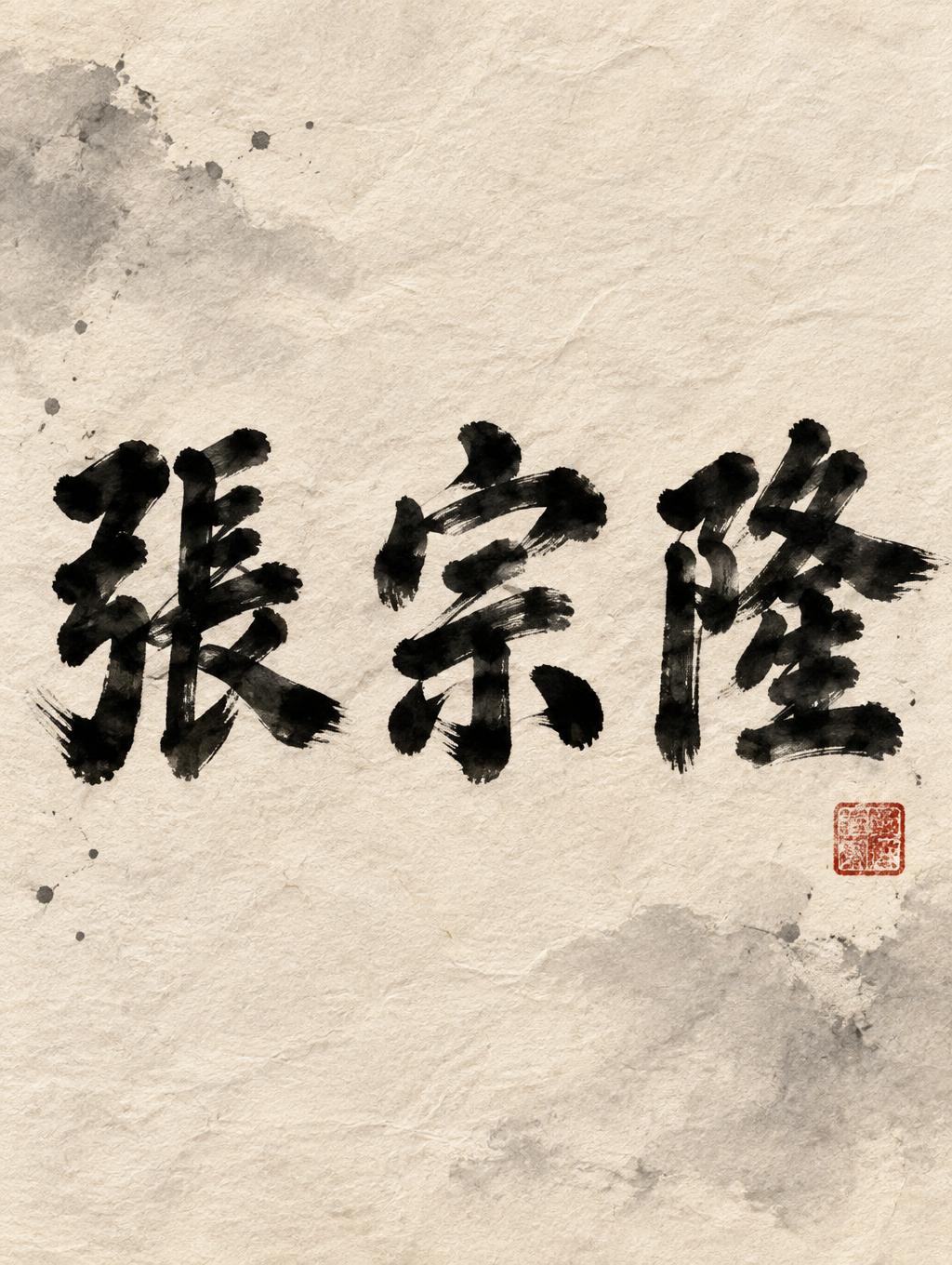
張 宗 隆 - Pincel de Tinta Chinesa Text Effect


Usa OpenAI GPT-Image-2.5 Sunburst, o modelo desta obra · 15 créditos
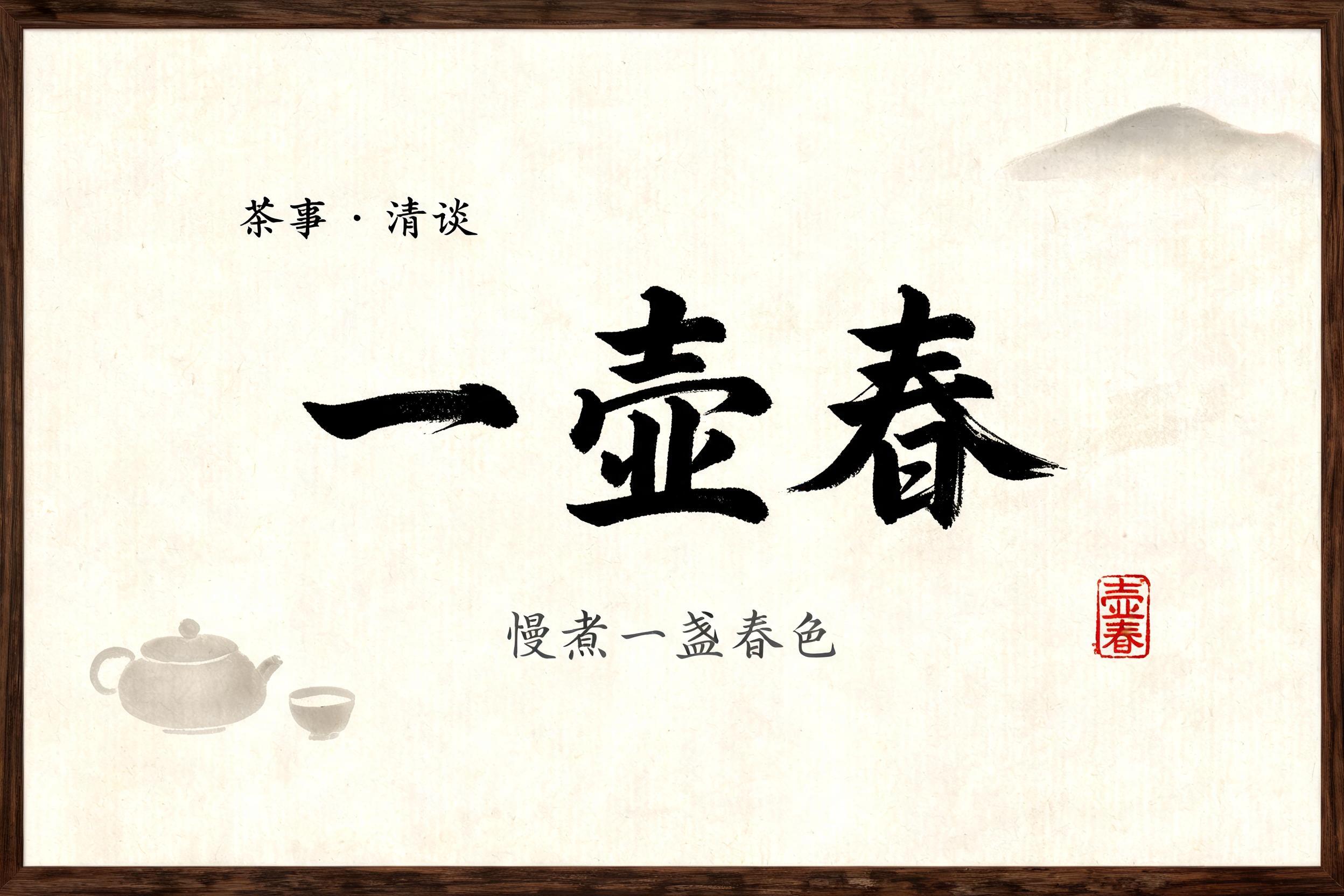


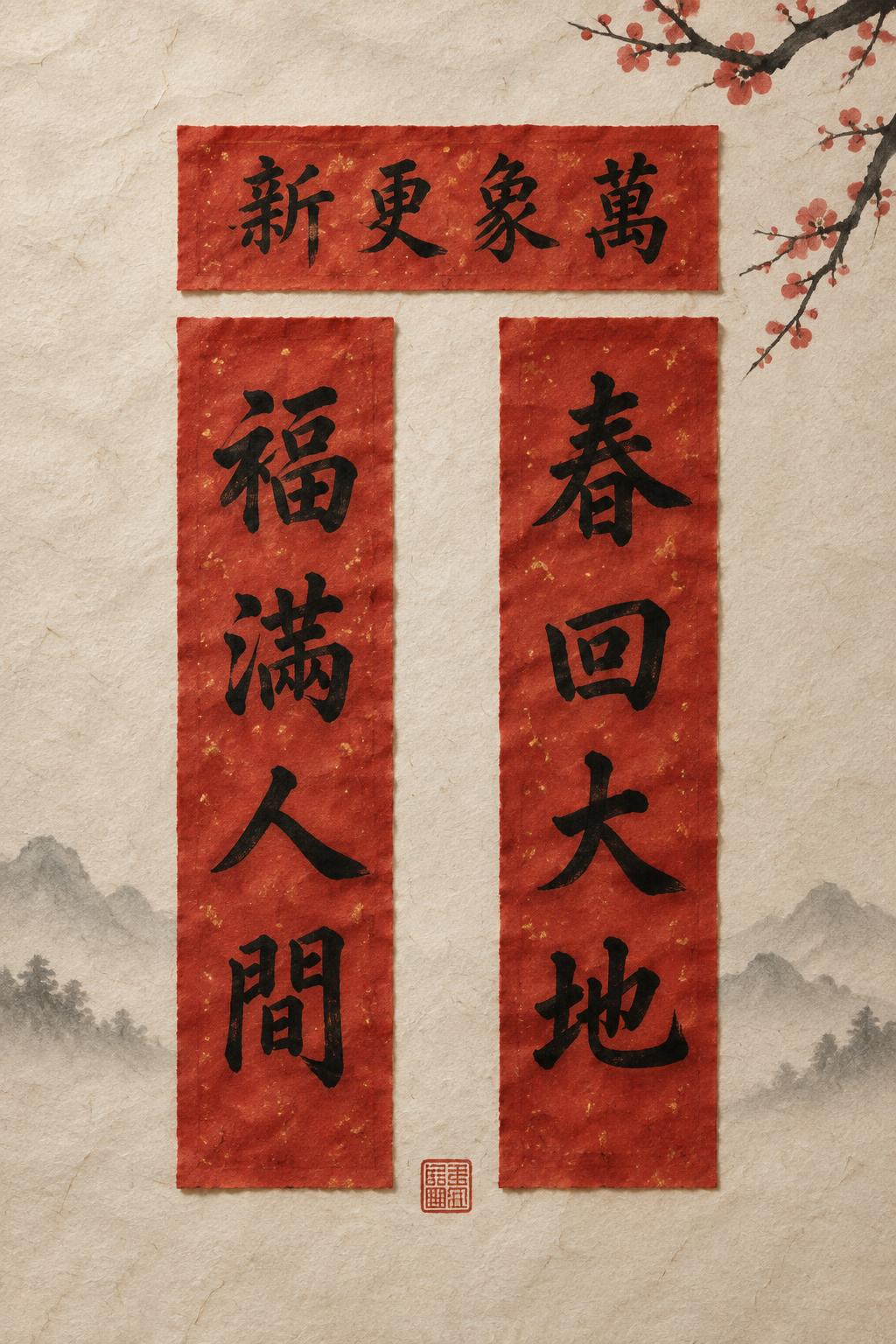
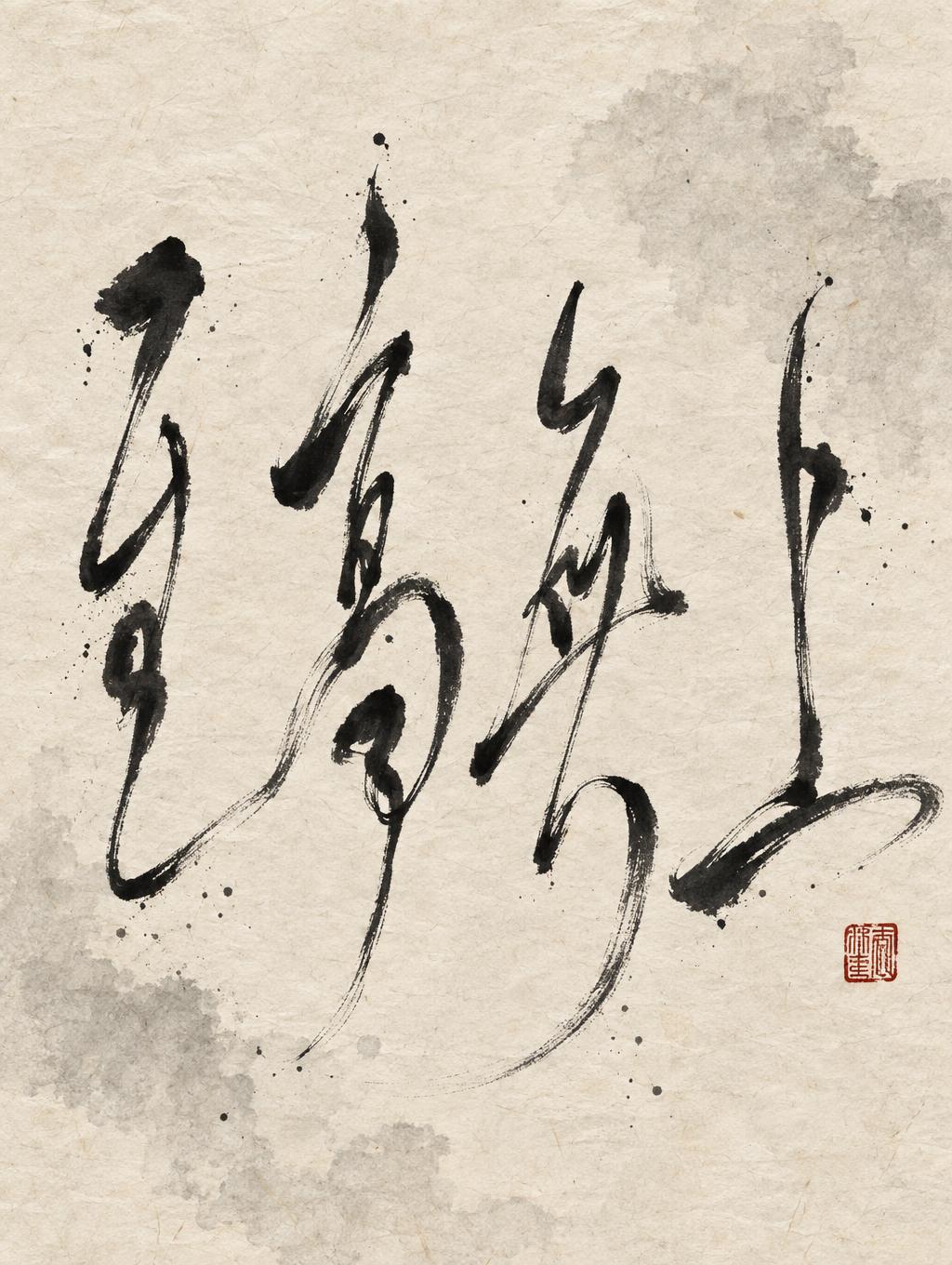
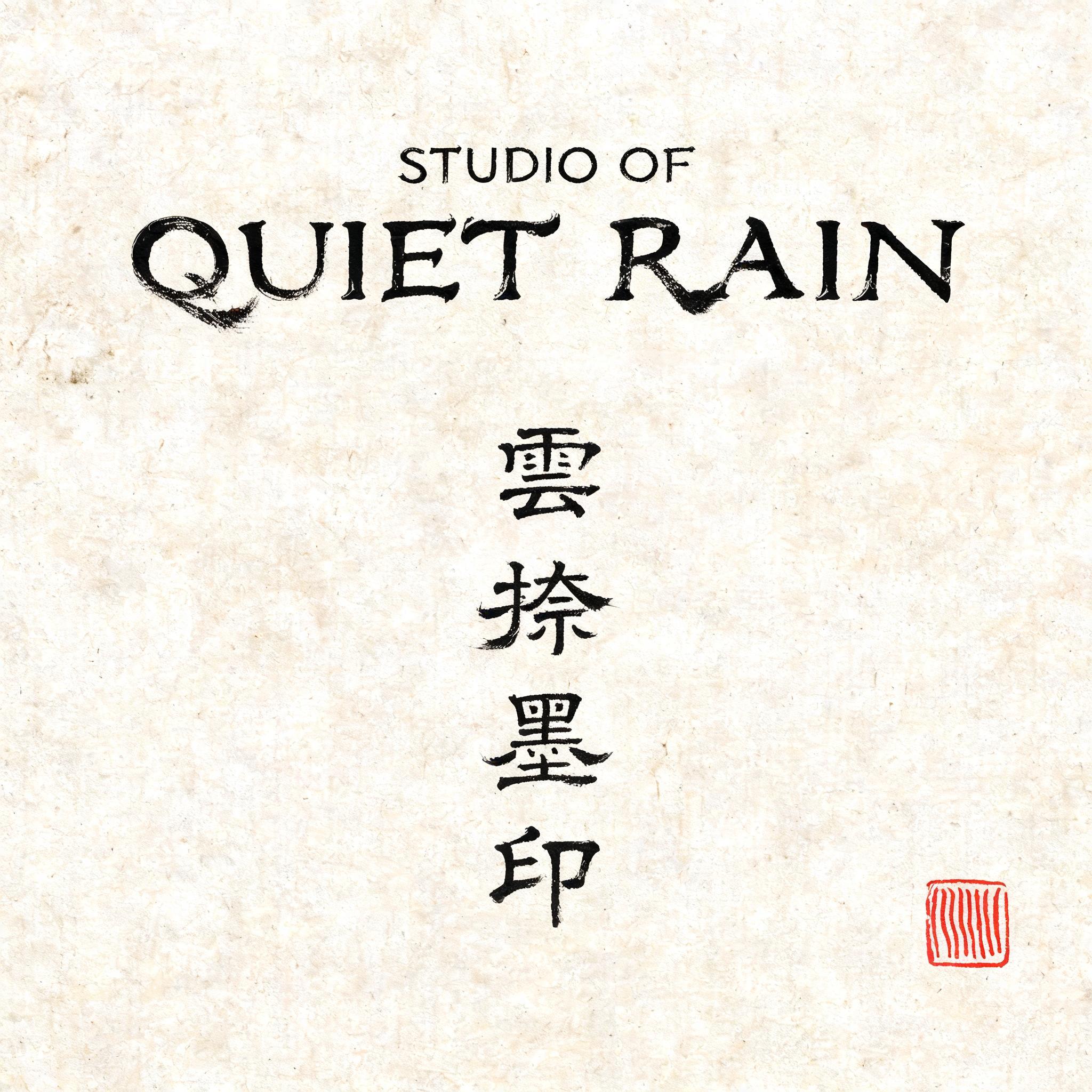

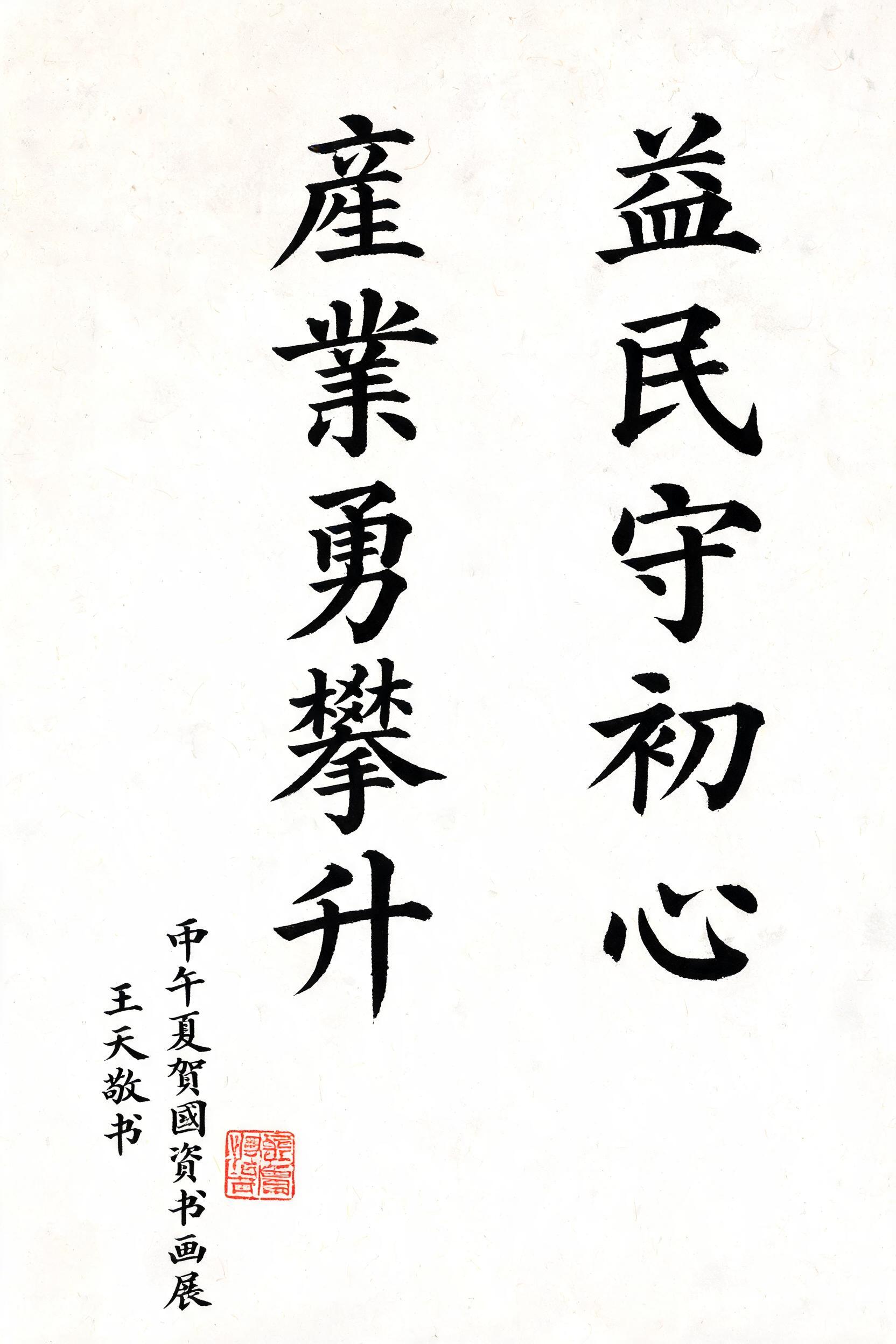
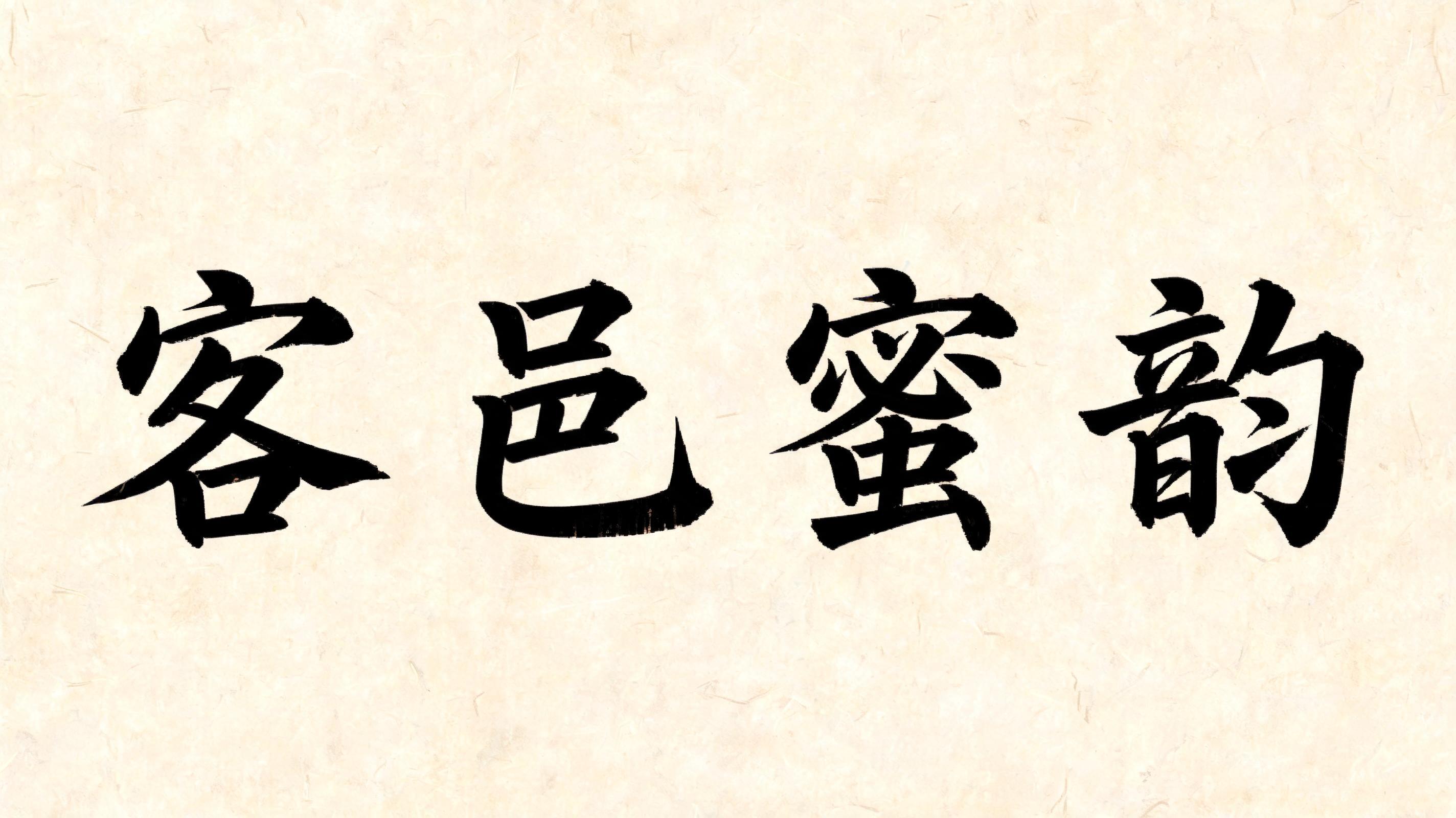

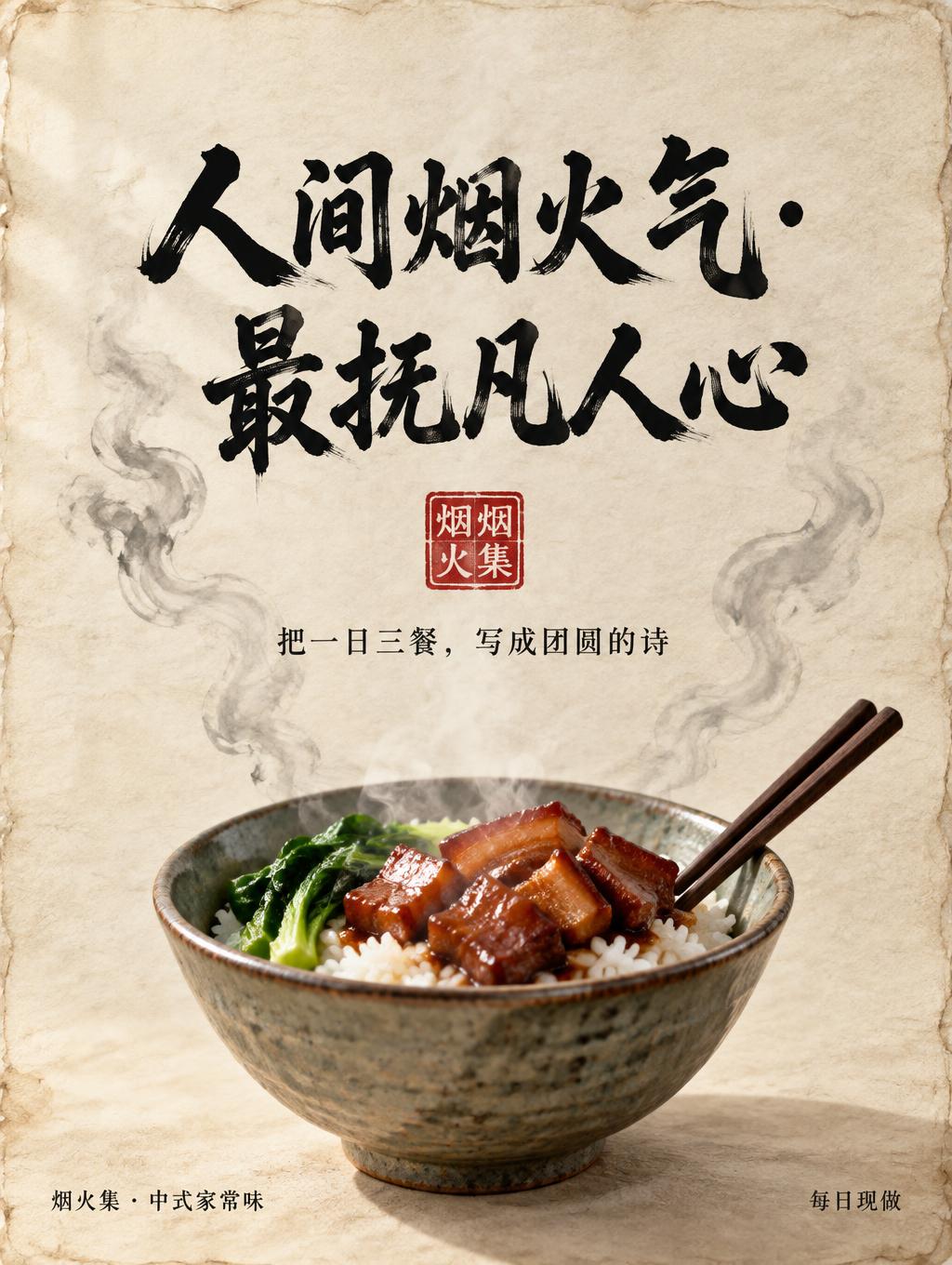
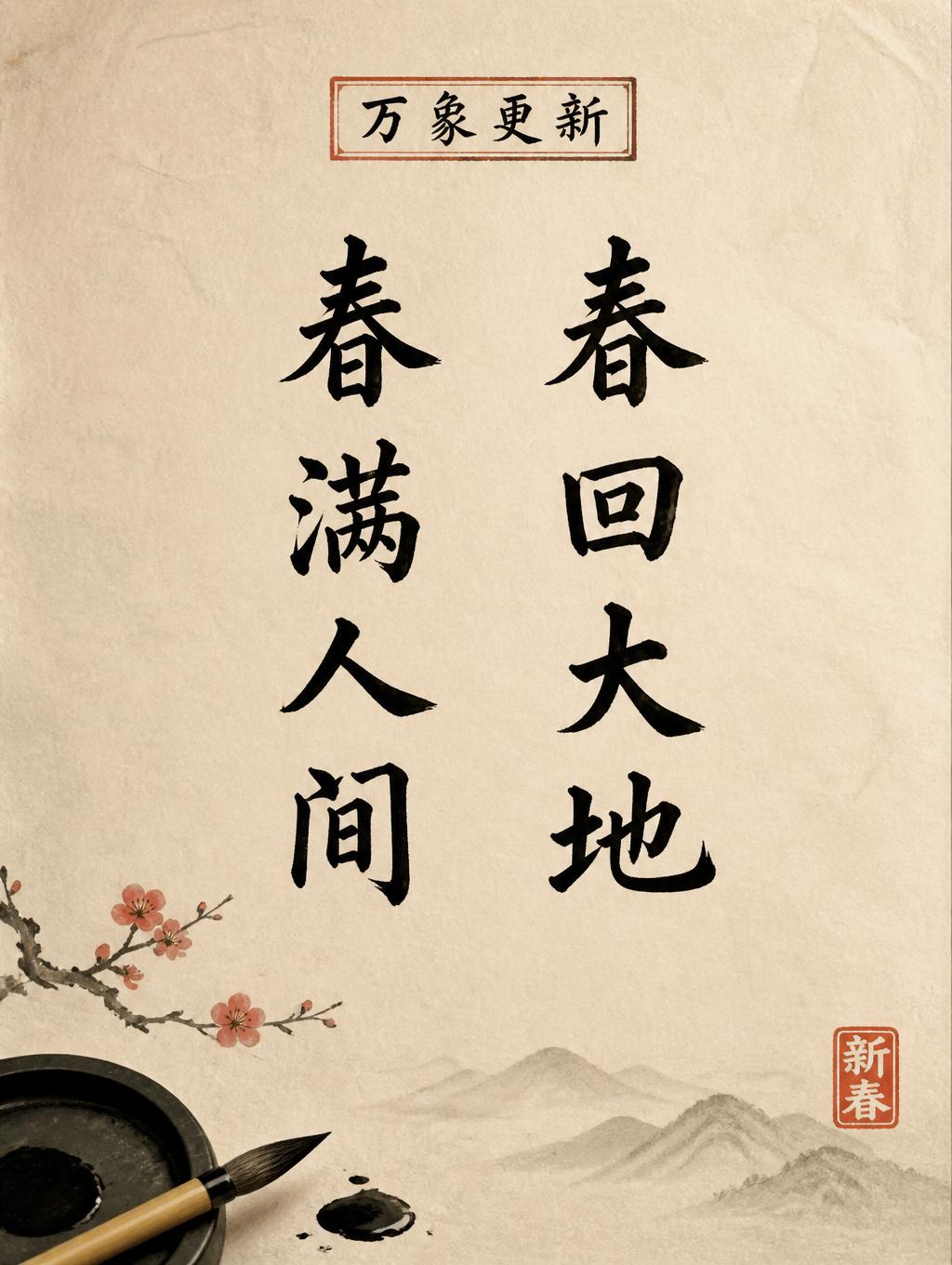


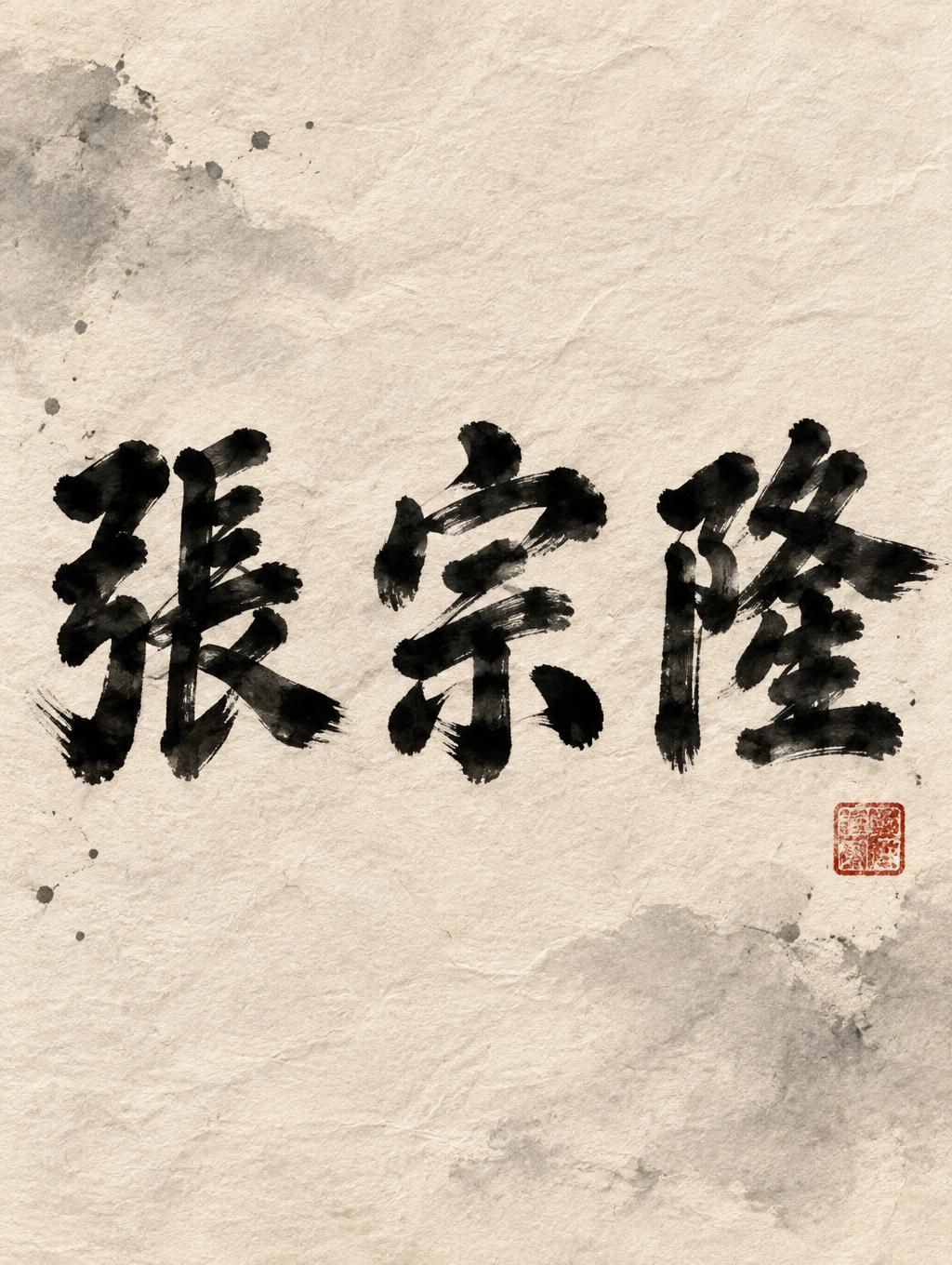
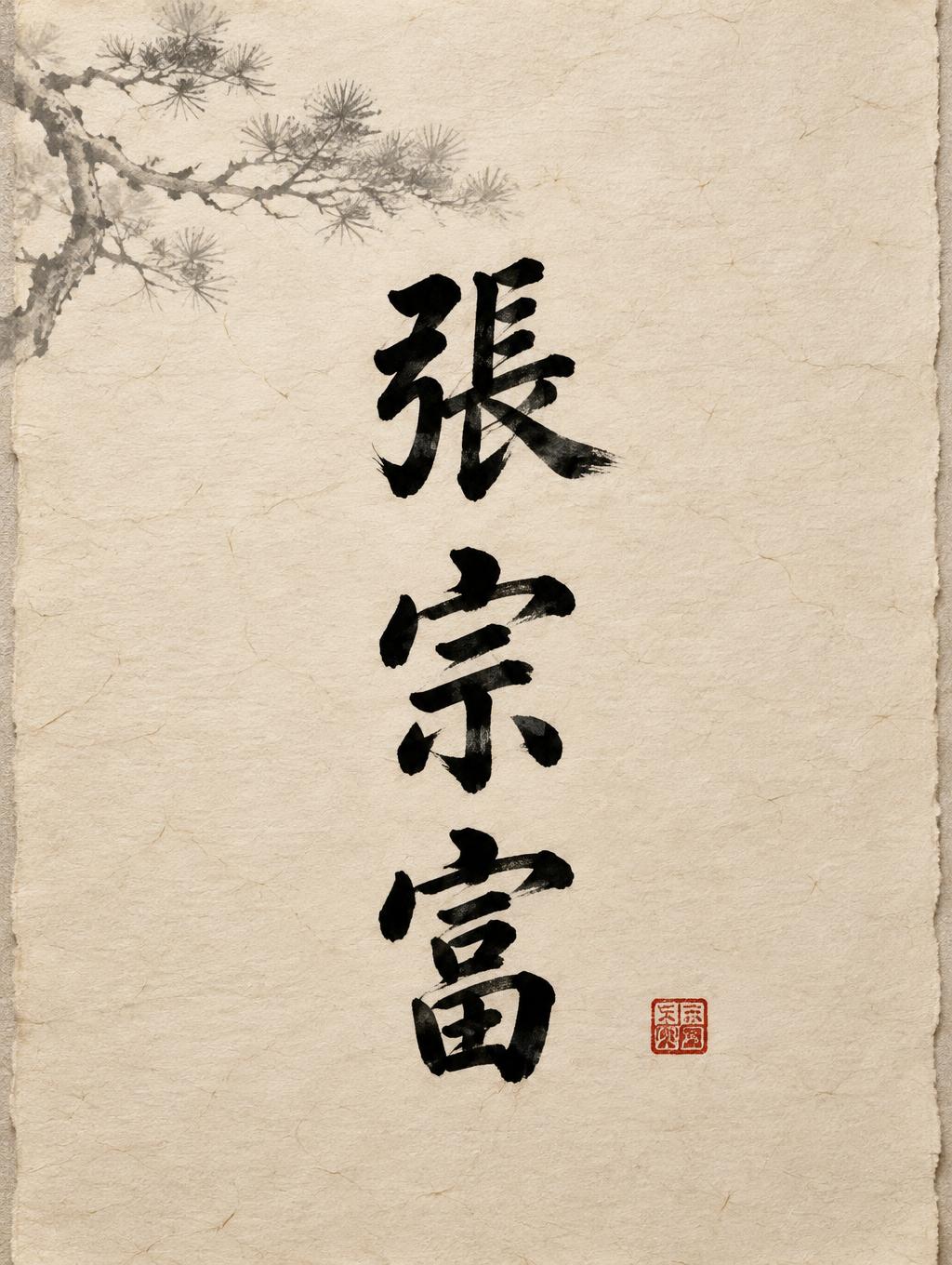
“張 宗 隆” é um efeito de texto Pincel de Tinta Chinesa criado com a IA da FontVibe. O estilo da caligrafia chinesa com pincel de tinta sumi aplicado às letras latinas. Preto profundo com textura autêntica de cerdas, traços que vão do grosso ao fino e aquele ar de papel de arroz. Perfeito para marcas de restaurantes chineses, artes marciais, bem-estar e design cultural.
rendered in Chinese ink brush calligraphy style. Letterforms painted with a fully loaded sumi ink brush — deep black ink, visible bristle marks along stroke edges, wet ink pooling at stroke starts, feathered dry-brush trailing ends. Authentic ink density variation: thick rich black cores fading to grey at thin passages. Rice paper texture visible behind. Traditional Chinese calligraphy energy — each stroke confident, intentional, irreversible. LETTERFORM PRIORITY: when the chosen font carries its own treatment, that font's letterform shapes take priority and own the letters; this style governs the sumi ink medium, the bristle and ink-density behavior and the rice-paper ground. FALLBACK MATERIAL: if the font carries no material of its own, render the letters as deep black sumi brush strokes with visible bristle marks, wet ink pooling at stroke starts and feathered dry-brush trails on rice paper. COLOR PRIORITY: keep the font's own colors if specified; otherwise rich black ink fading to grey at thin passages. Three Chinese characters "張 宗 隆" rendered as commanding Chinese ink brush calligraphy on hand-made warm ivory xuan paper. Preserve the supplied character forms with fully loaded sumi ink behavior: dense carbon-black pools at major stroke initiations, irregular ink reservoirs at turning points, semi-transparent charcoal passages where paper fibers remain visible, and dry-brush tapered exits separating into fine individual bristle filaments. Controlled capillary bleed softly feathers into the absorbent paper grain, with tiny scattered ink droplets near the most forceful directional changes. Surround the lettering with a restrained pale-grey ink wash, diffusing outward like diluted ink water and leaving broad unmarked paper areas. The characters carry clear visual dominance through scale and dense black mass, while the surrounding ground remains sparse and tactile. Add one small weathered vermilion cinnabar seal impression as a secondary accent, showing broken stamped edges, uneven pigment coverage, and faint paper texture through its red surface. Soft raking daylight reveals raised paper fibers, subtle deckled imperfections, and the matte absorbency of the ink. No digital gradients, no glossy effects, no clean vector edges, no extra readable text.
Feito para Letras Estilo Chinês
Gerada em 12 de outubro de 2026 · 1024 × 1360 · JPEG · OpenAI GPT-Image-2.5 Sunburst · Compartilhada pelo criador · Uso comercial gratuito (CC BY 4.0)
Explore Estilos de Efeito de Texto com IA


張 宗 隆 - Pincel de Tinta Chinesa Text Effect


Usa OpenAI GPT-Image-2.5 Sunburst, o modelo desta obra · 15 créditos
Mais Efeitos de Texto Pincel de Tinta Chinesa
“張 宗 隆” é um efeito de texto Pincel de Tinta Chinesa criado com a IA da FontVibe. O estilo da caligrafia chinesa com pincel de tinta sumi aplicado às letras latinas. Preto profundo com textura autêntica de cerdas, traços que vão do grosso ao fino e aquele ar de papel de arroz. Perfeito para marcas de restaurantes chineses, artes marciais, bem-estar e design cultural.
rendered in Chinese ink brush calligraphy style. Letterforms painted with a fully loaded sumi ink brush — deep black ink, visible bristle marks along stroke edges, wet ink pooling at stroke starts, feathered dry-brush trailing ends. Authentic ink density variation: thick rich black cores fading to grey at thin passages. Rice paper texture visible behind. Traditional Chinese calligraphy energy — each stroke confident, intentional, irreversible. LETTERFORM PRIORITY: when the chosen font carries its own treatment, that font's letterform shapes take priority and own the letters; this style governs the sumi ink medium, the bristle and ink-density behavior and the rice-paper ground. FALLBACK MATERIAL: if the font carries no material of its own, render the letters as deep black sumi brush strokes with visible bristle marks, wet ink pooling at stroke starts and feathered dry-brush trails on rice paper. COLOR PRIORITY: keep the font's own colors if specified; otherwise rich black ink fading to grey at thin passages. Three Chinese characters "張 宗 隆" rendered as commanding Chinese ink brush calligraphy on hand-made warm ivory xuan paper. Preserve the supplied character forms with fully loaded sumi ink behavior: dense carbon-black pools at major stroke initiations, irregular ink reservoirs at turning points, semi-transparent charcoal passages where paper fibers remain visible, and dry-brush tapered exits separating into fine individual bristle filaments. Controlled capillary bleed softly feathers into the absorbent paper grain, with tiny scattered ink droplets near the most forceful directional changes. Surround the lettering with a restrained pale-grey ink wash, diffusing outward like diluted ink water and leaving broad unmarked paper areas. The characters carry clear visual dominance through scale and dense black mass, while the surrounding ground remains sparse and tactile. Add one small weathered vermilion cinnabar seal impression as a secondary accent, showing broken stamped edges, uneven pigment coverage, and faint paper texture through its red surface. Soft raking daylight reveals raised paper fibers, subtle deckled imperfections, and the matte absorbency of the ink. No digital gradients, no glossy effects, no clean vector edges, no extra readable text.
Feito para Letras Estilo Chinês
Gerada em 12 de outubro de 2026 · 1024 × 1360 · JPEG · OpenAI GPT-Image-2.5 Sunburst · Compartilhada pelo criador · Uso comercial gratuito (CC BY 4.0)
Explore Estilos de Efeito de Texto com IA
Quer mais estilos de texto? Explore nossos geradores de fontes grátis — estiloso, cursiva, gótica e mais.