


AI Cursive Text Effect Generator
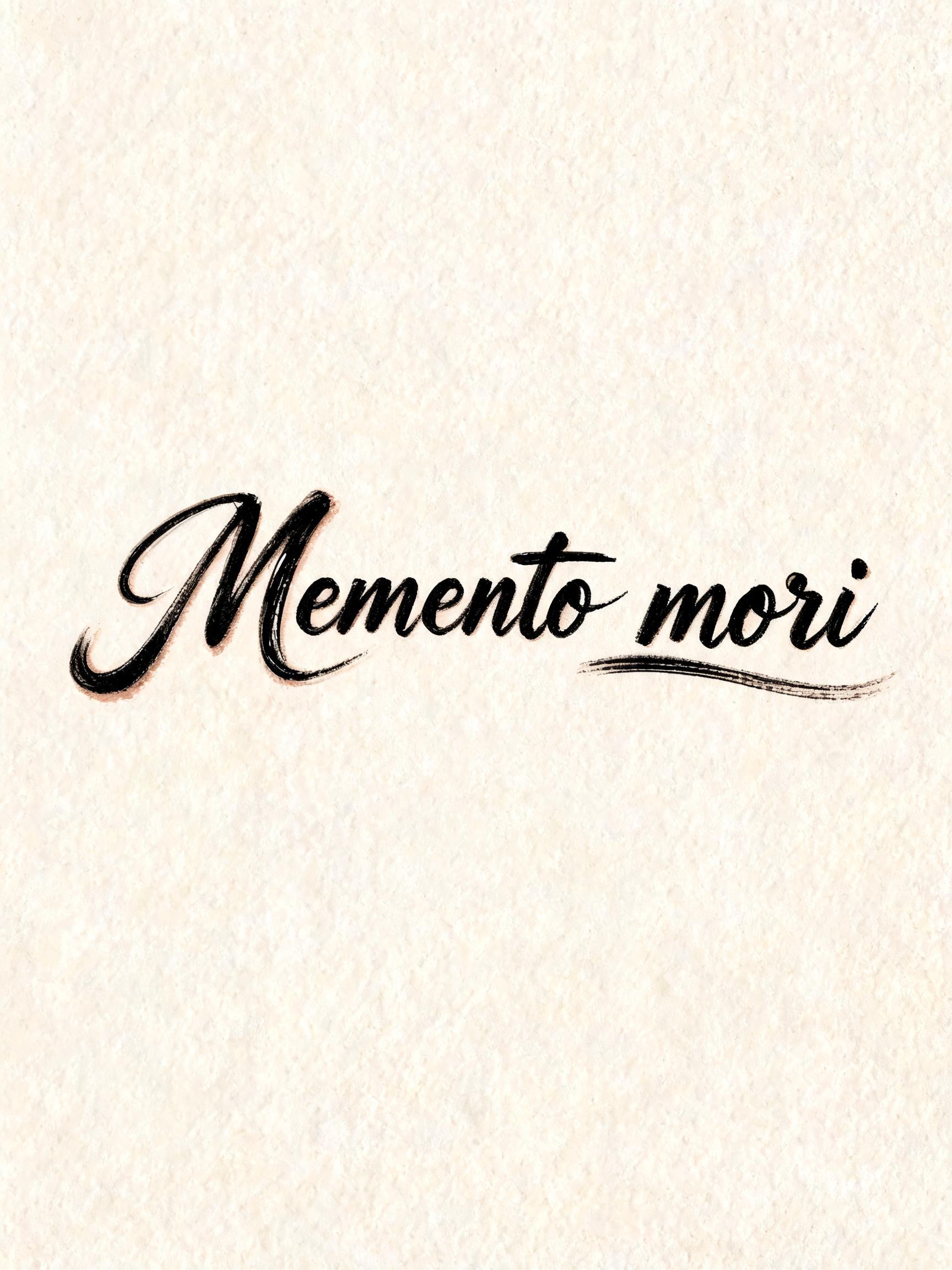
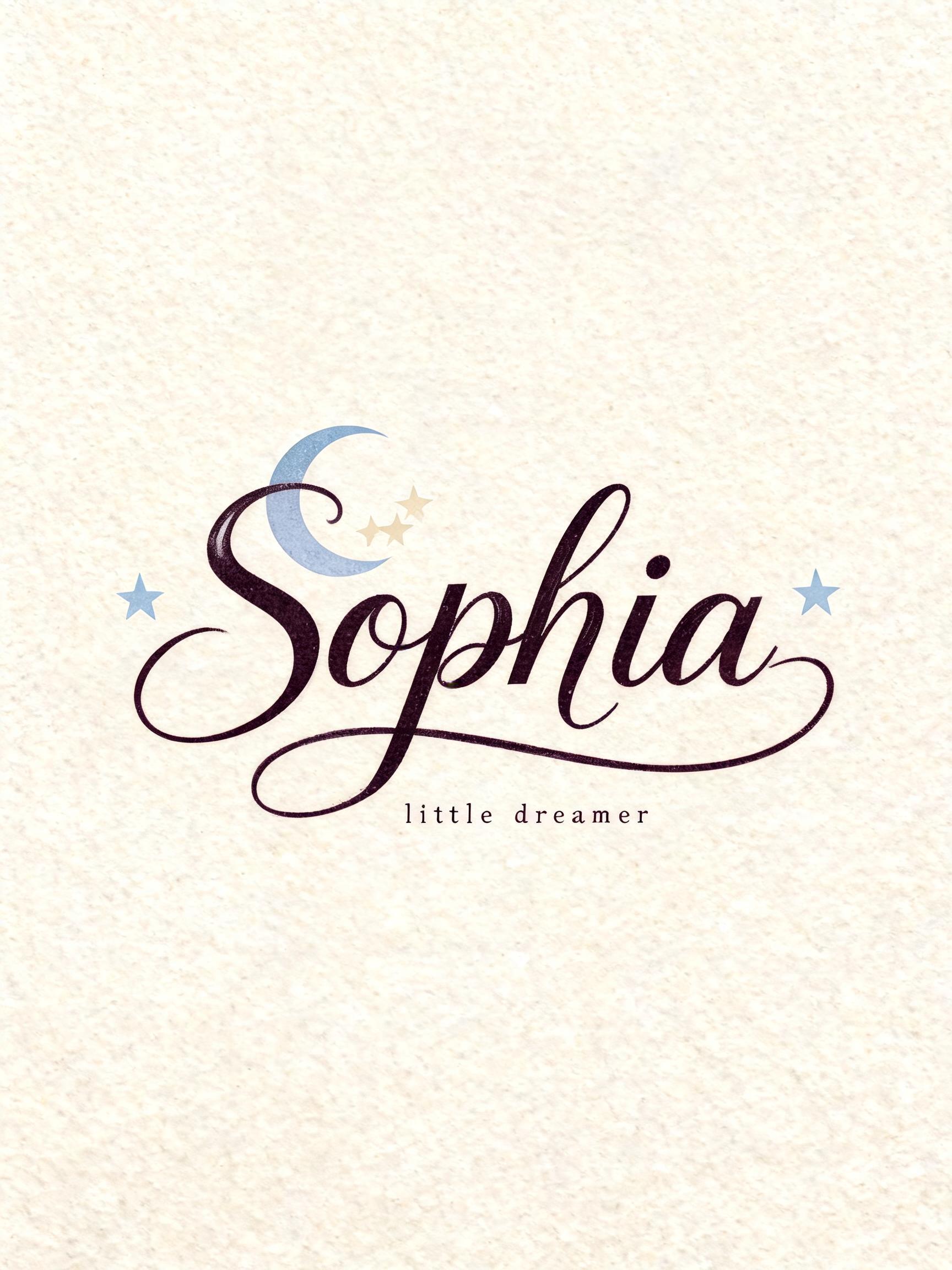
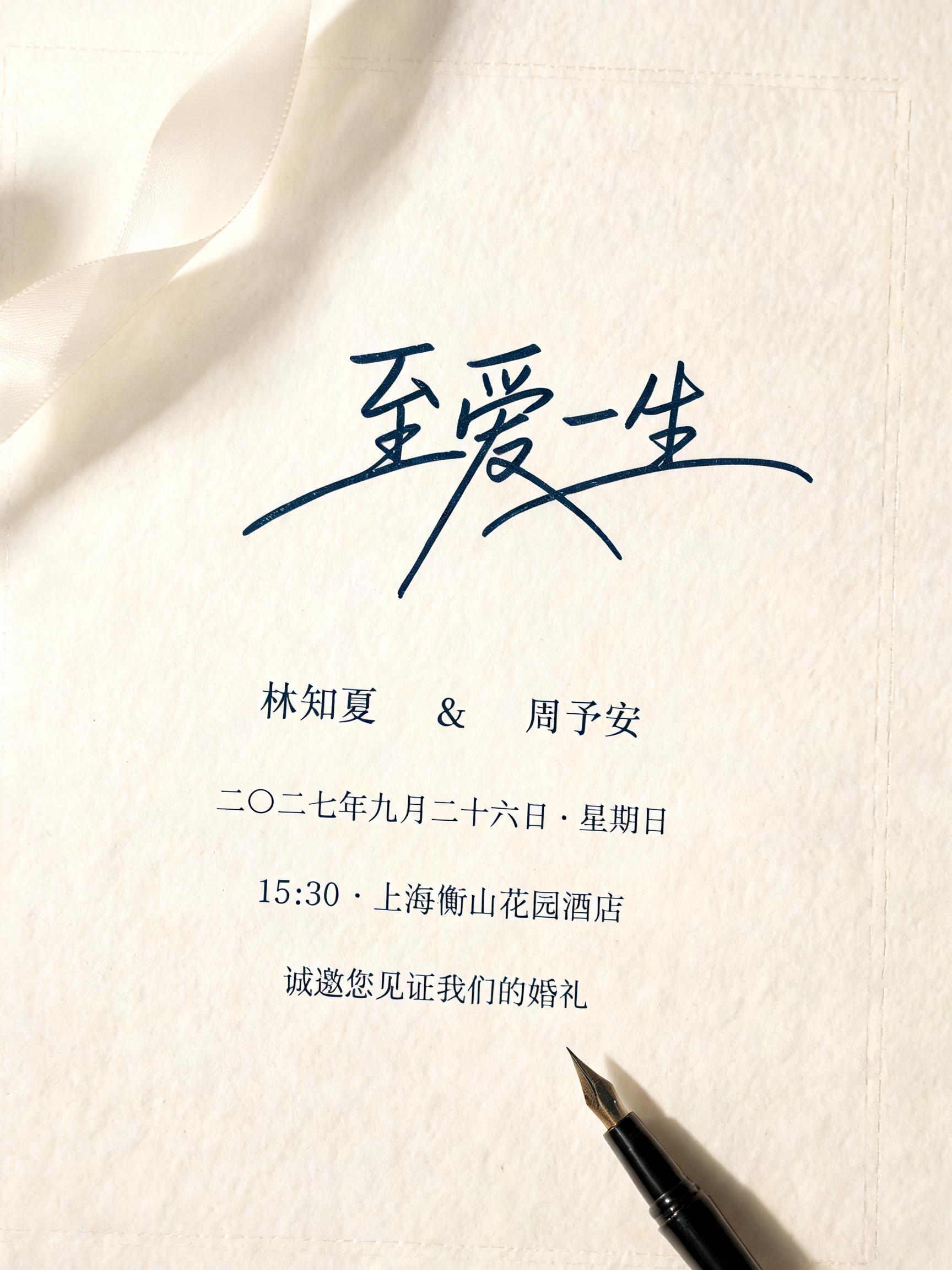
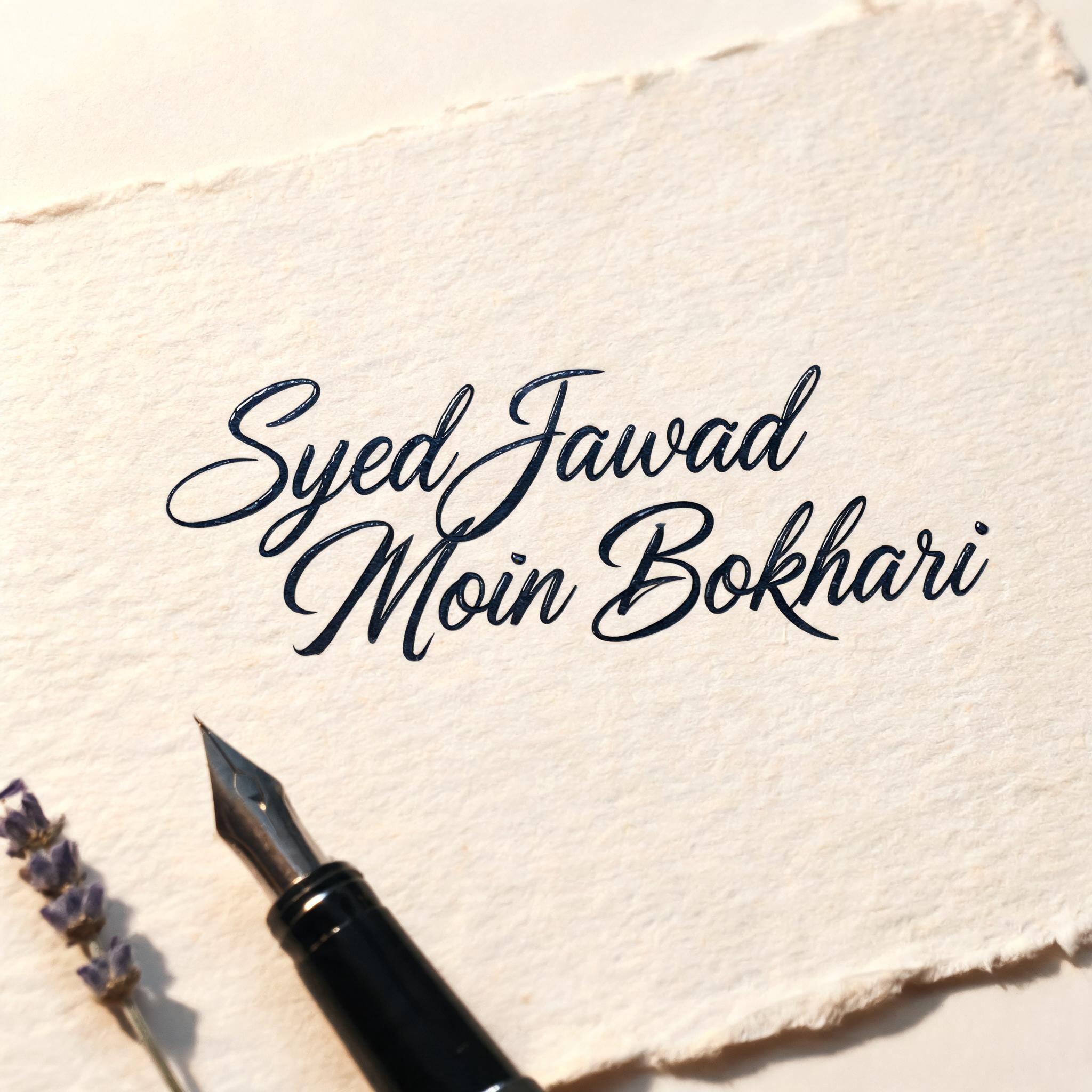
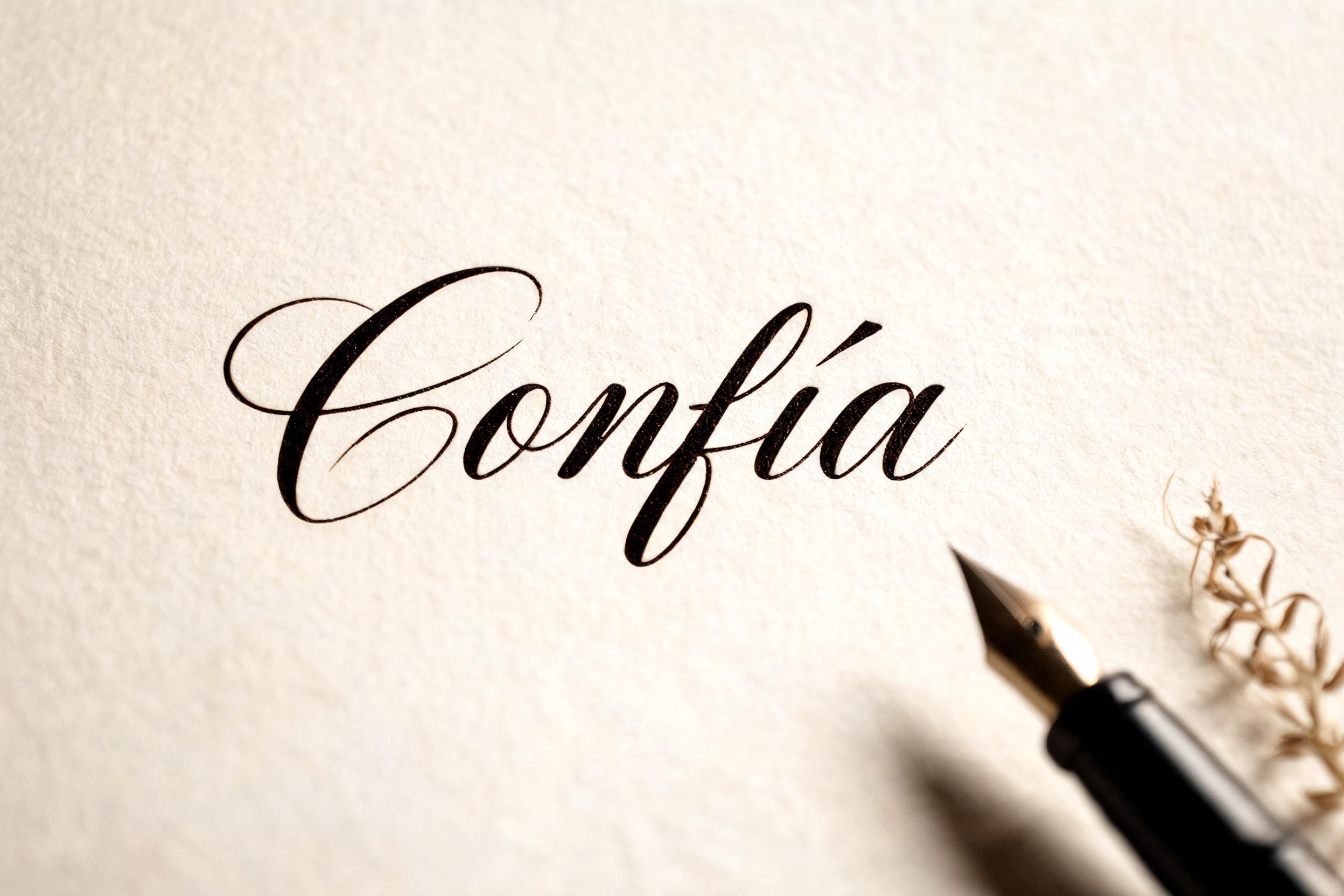
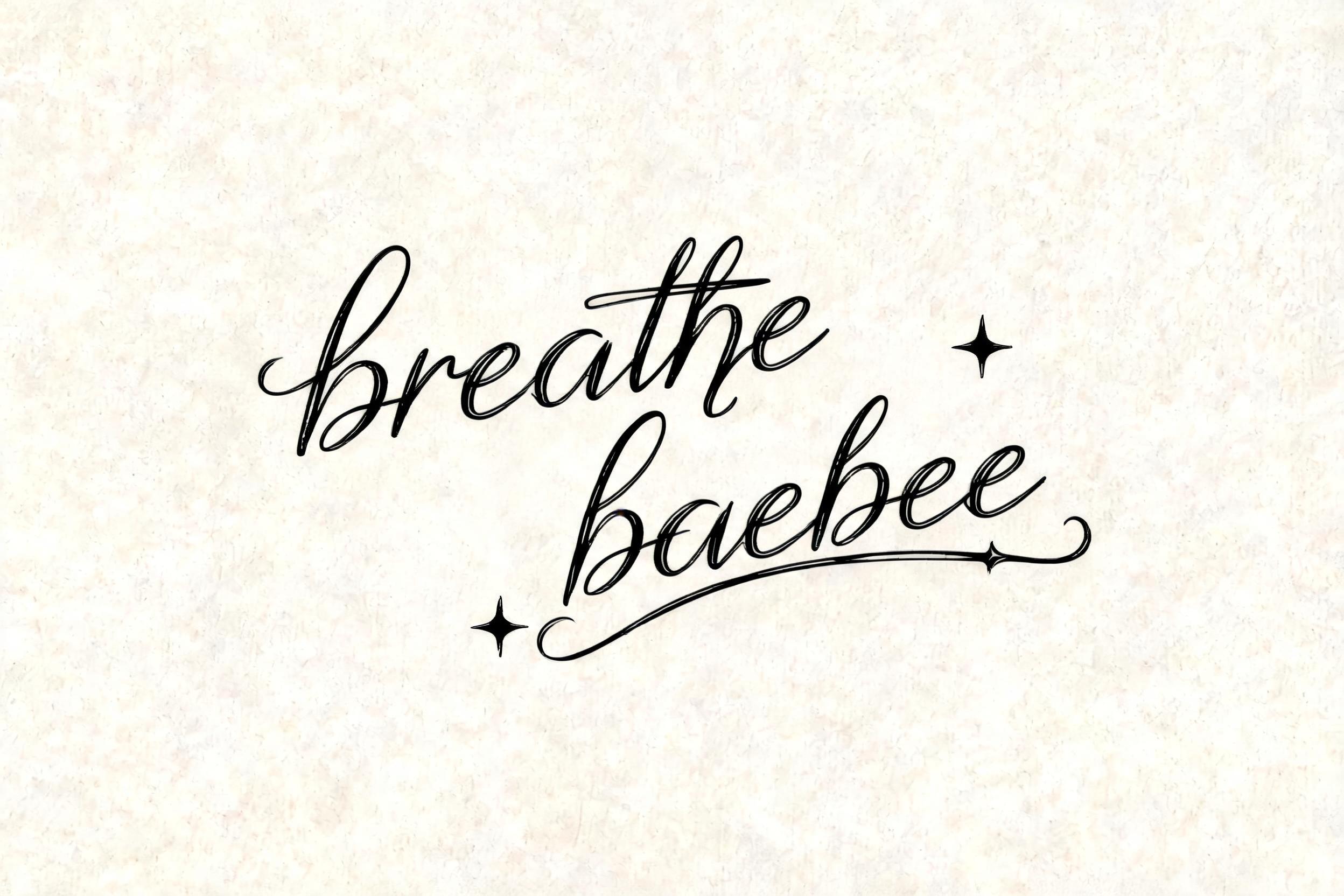
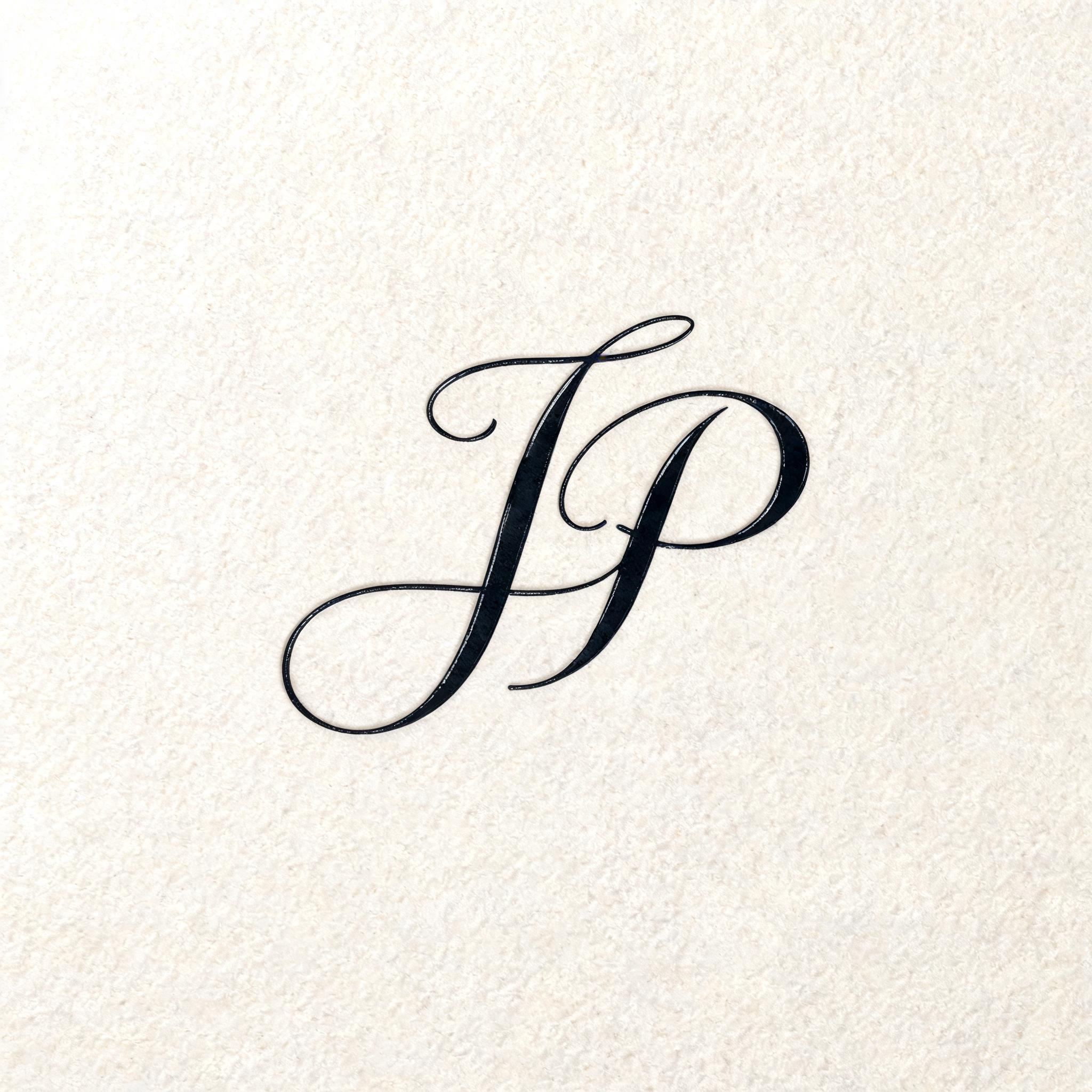
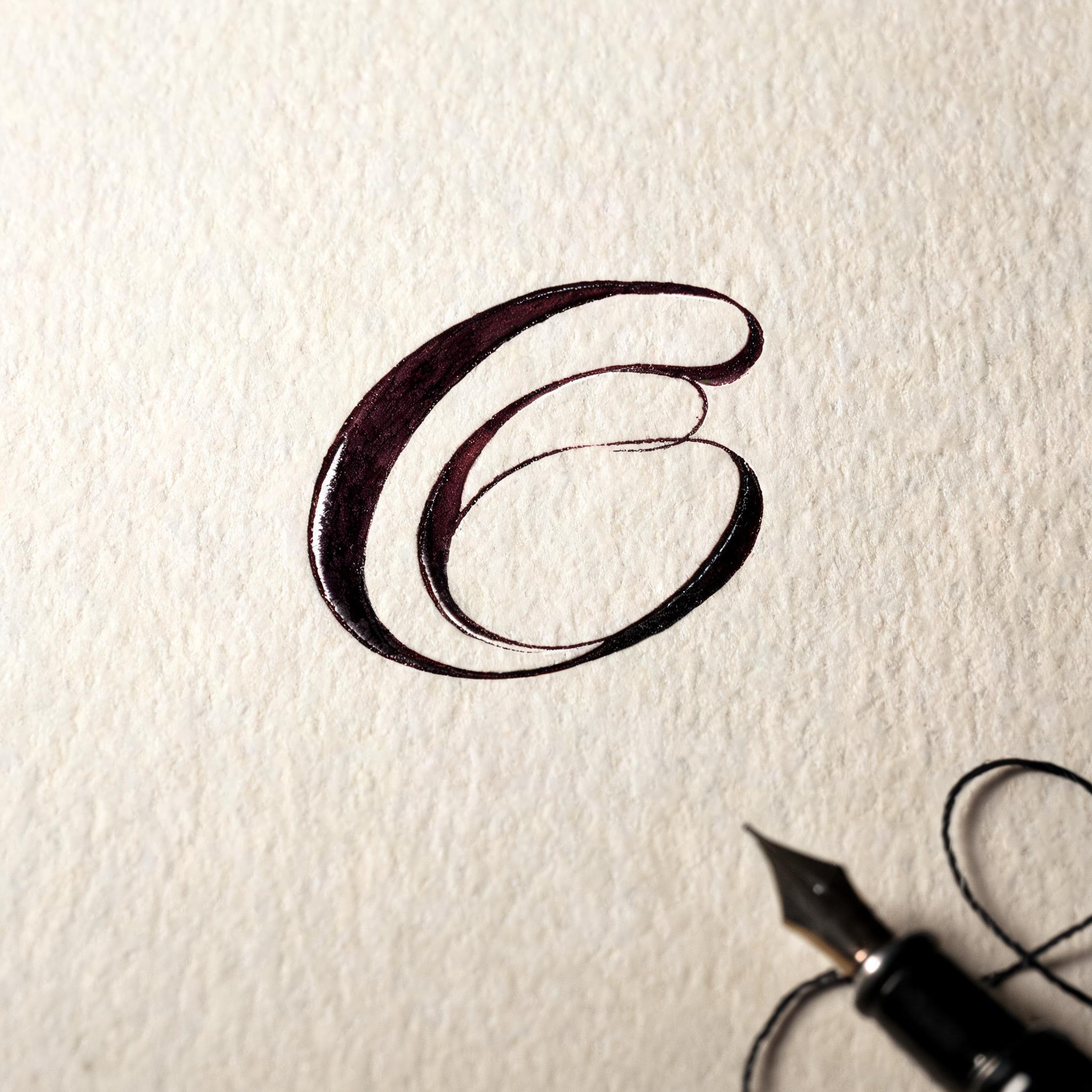
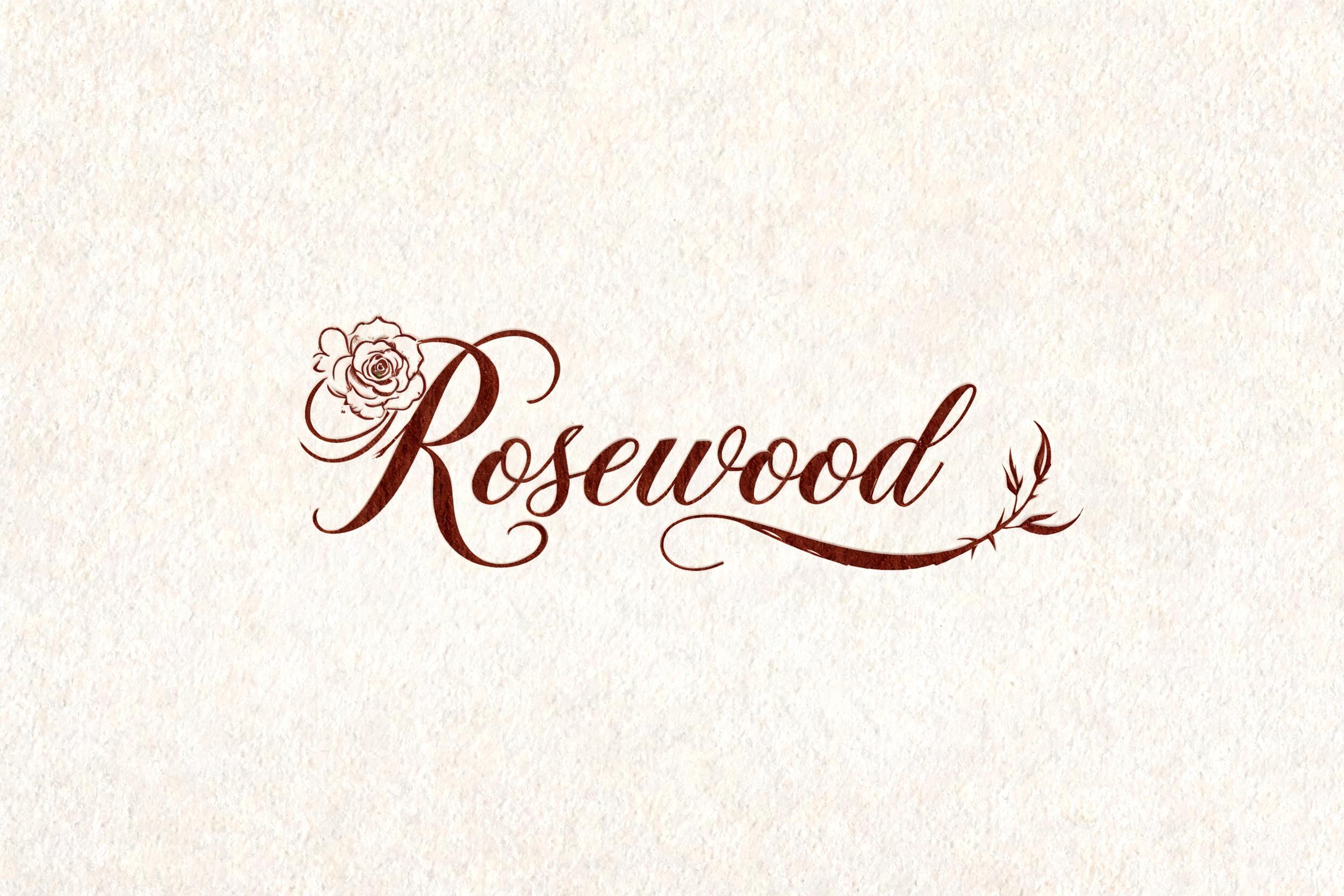
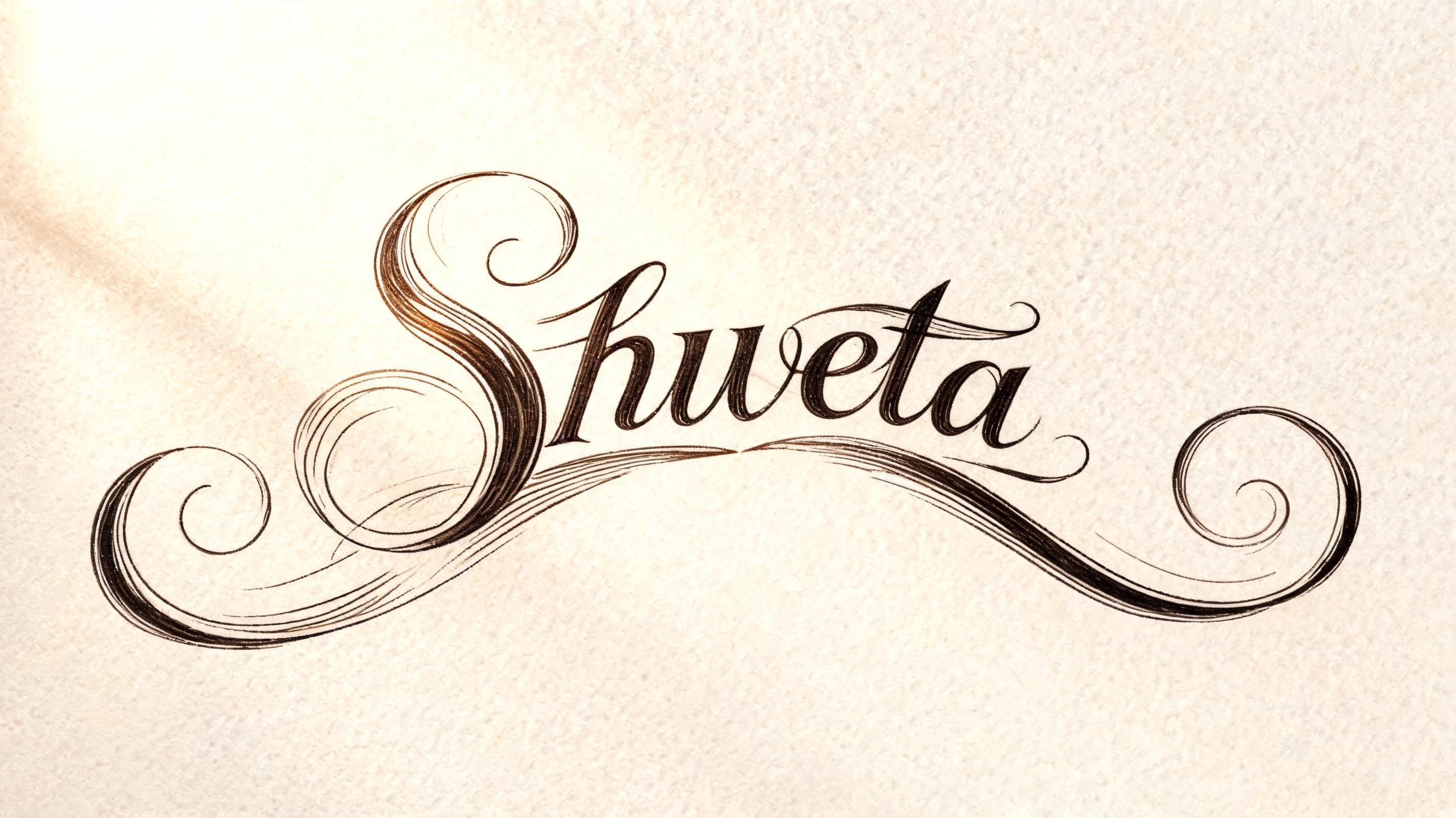
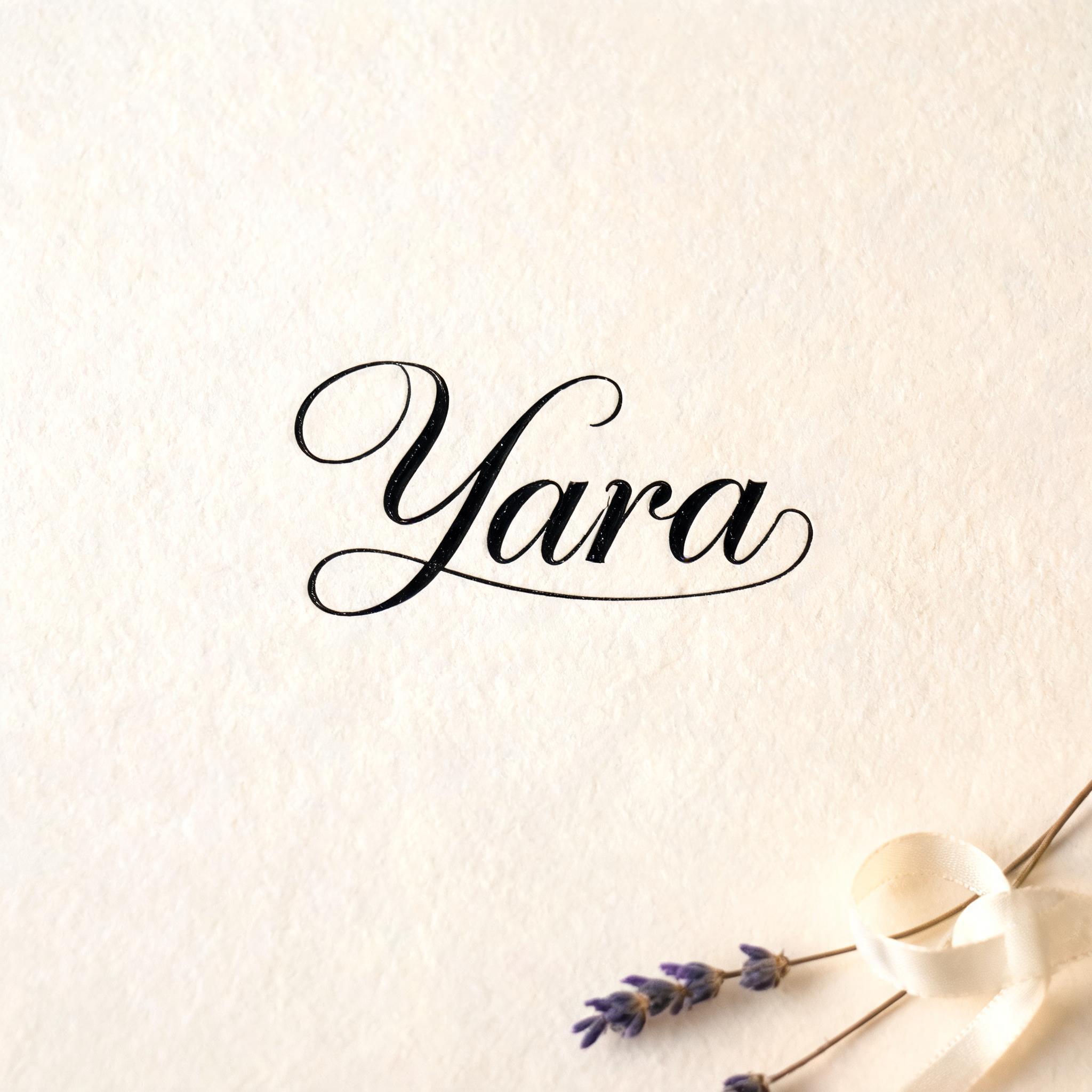
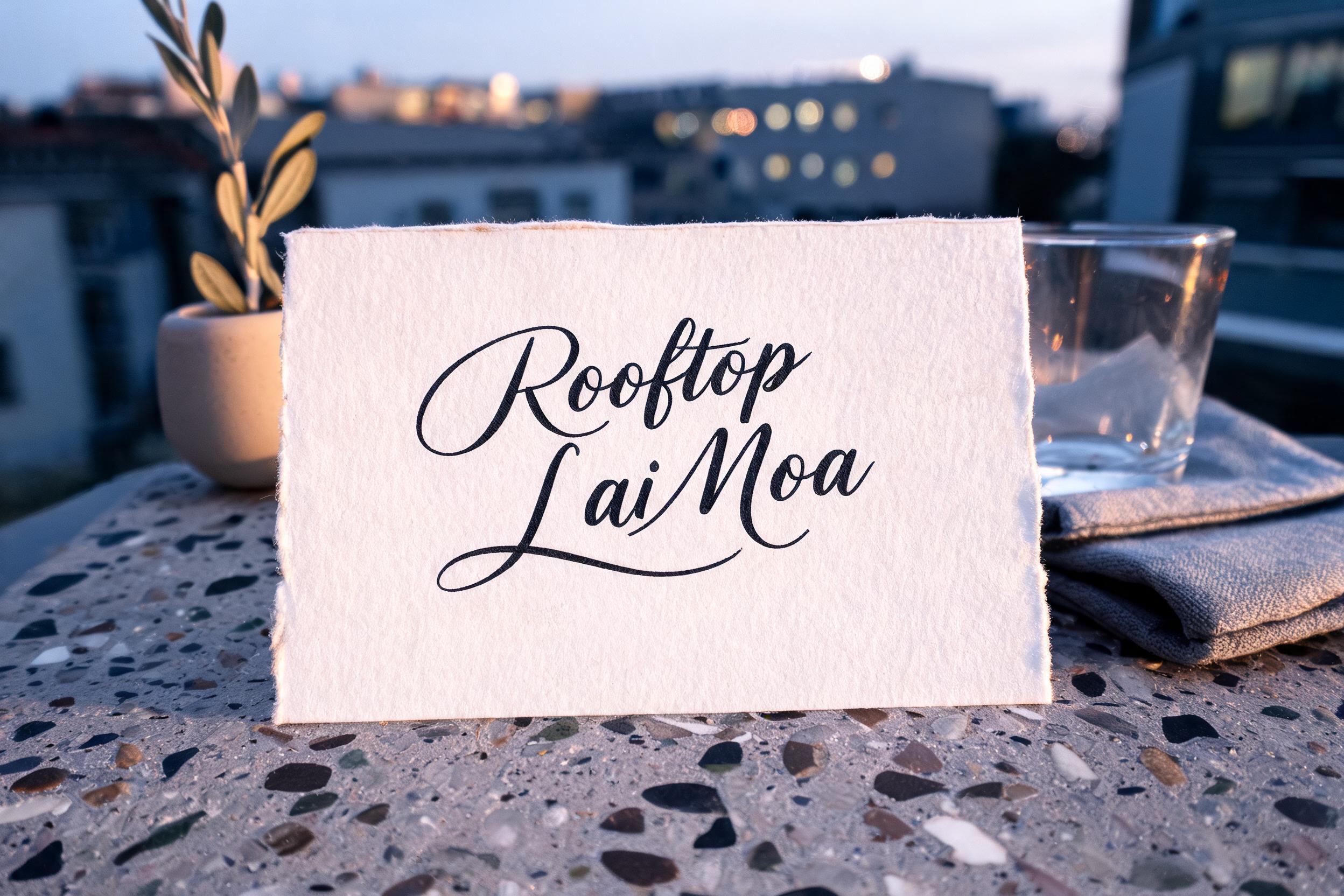
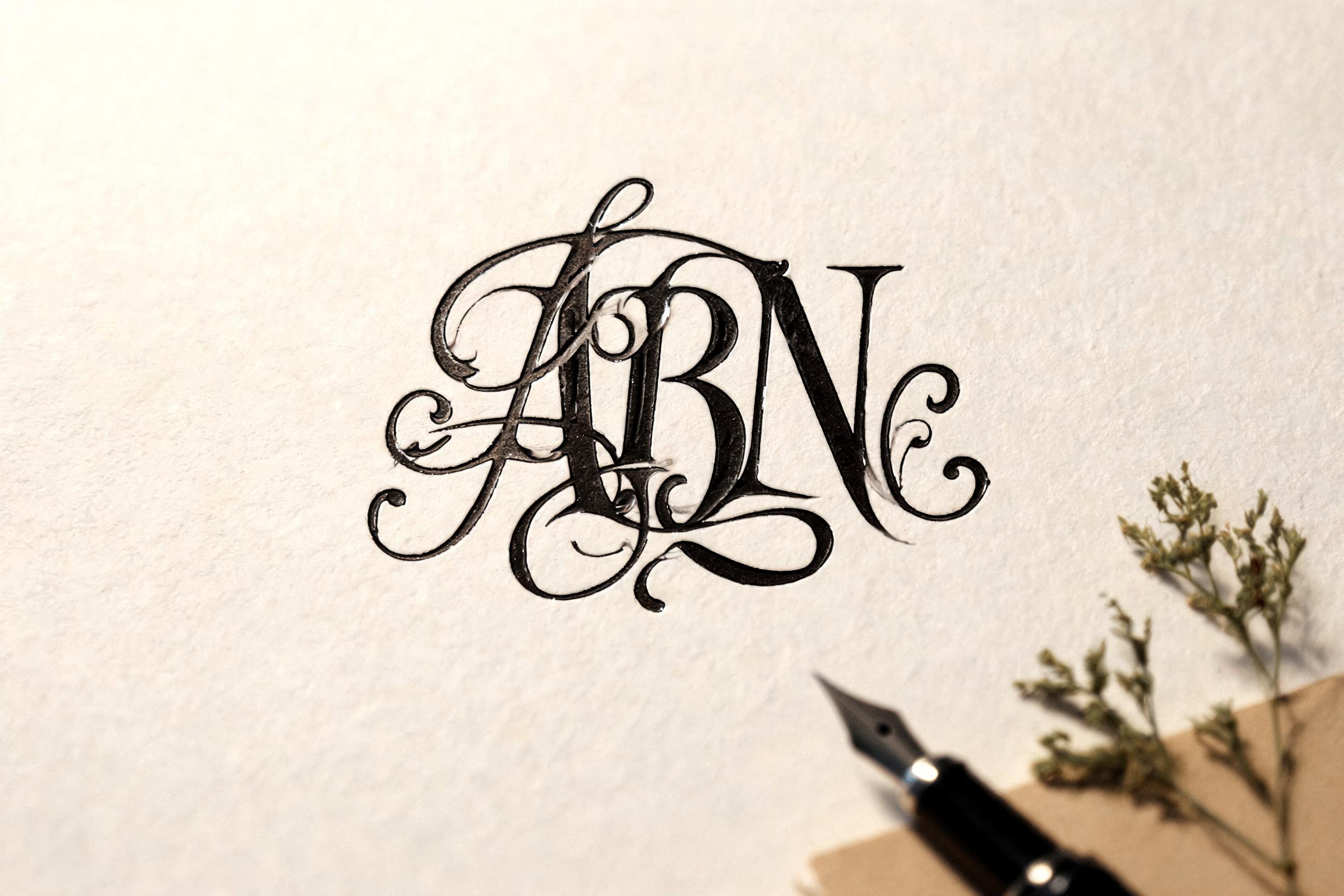
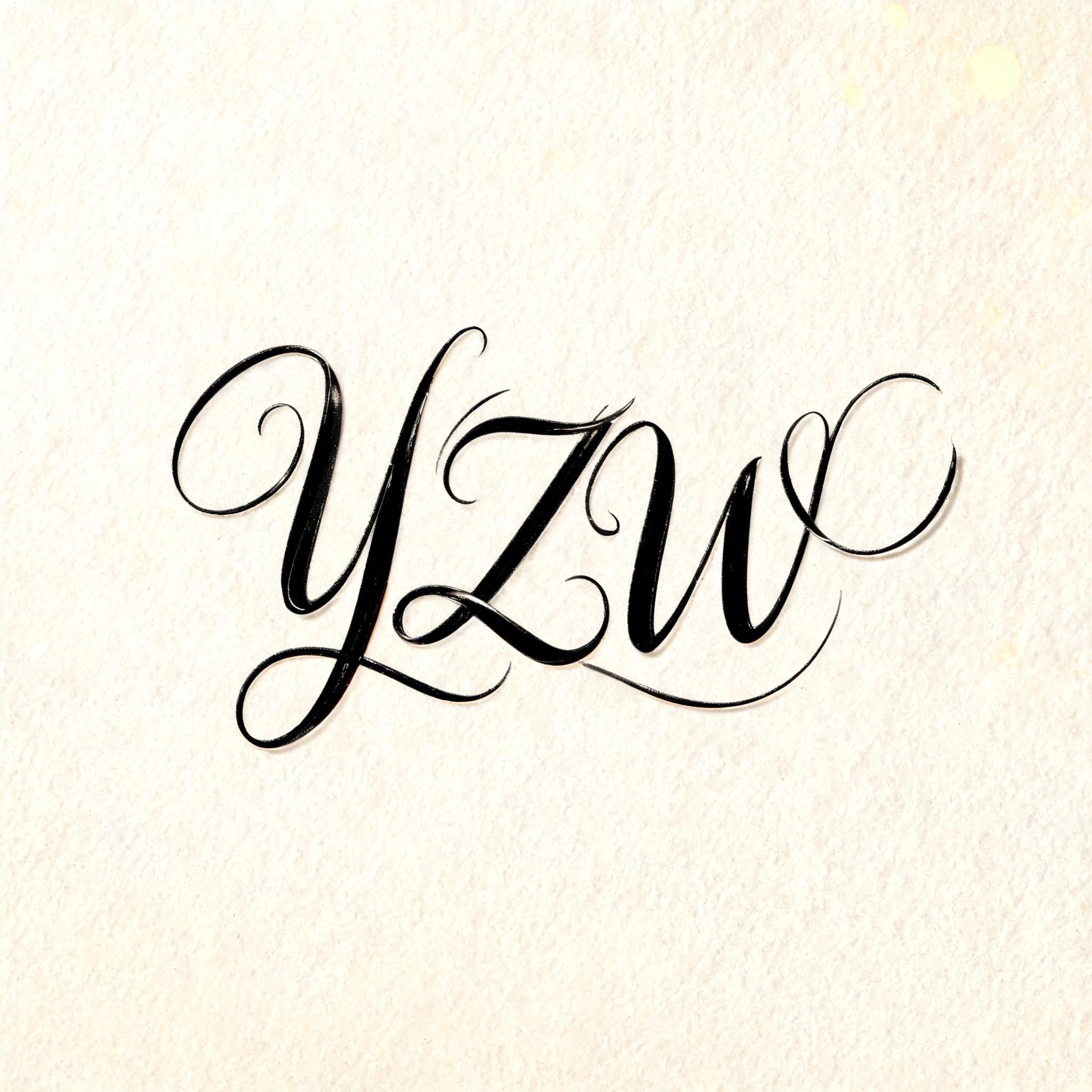
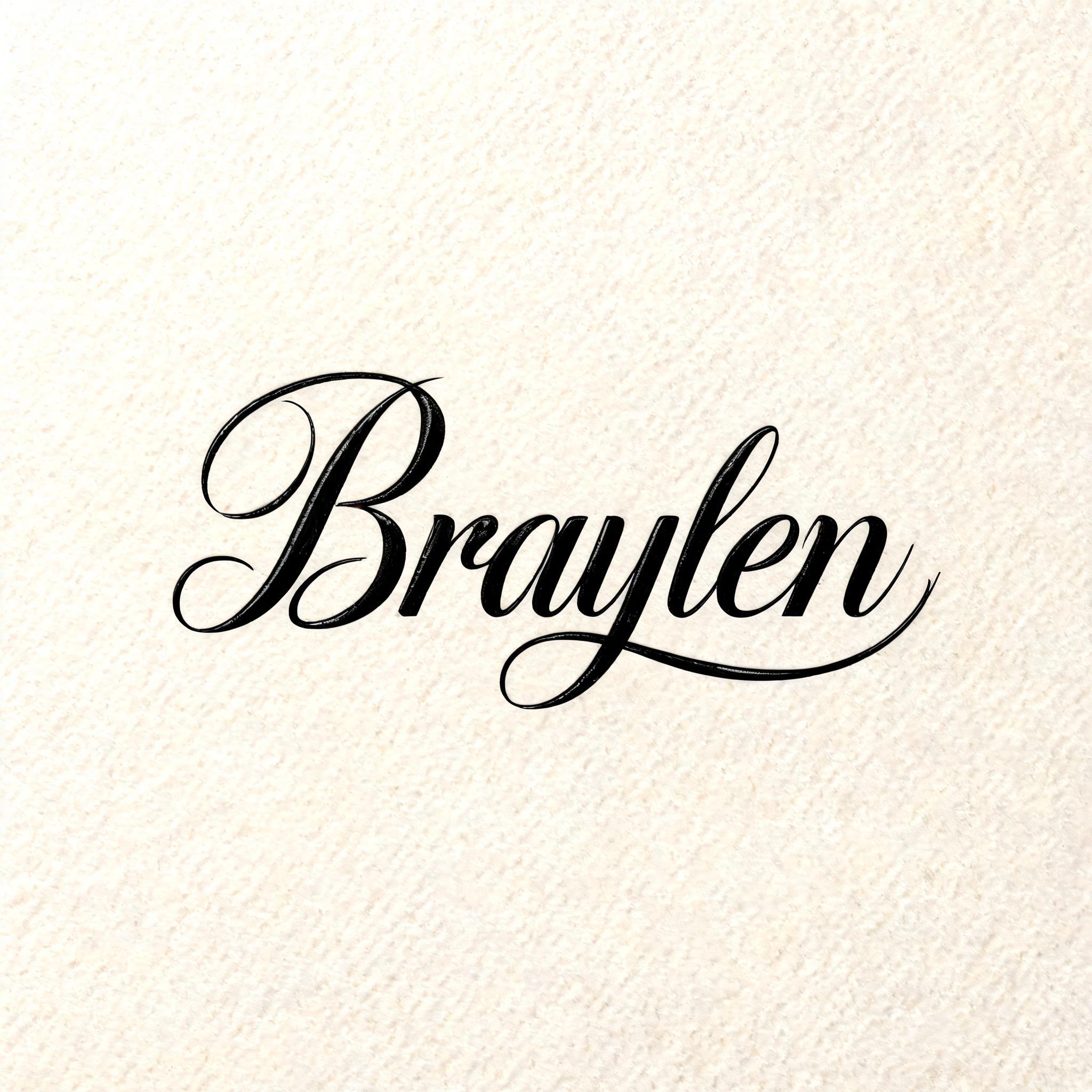
Flowing pen-and-ink cursive: connected letters, looped ascenders and long swash entry and exit strokes, written in black ink on fine white paper with soft raking light. — no font license needed.
Cursive in different AI fonts
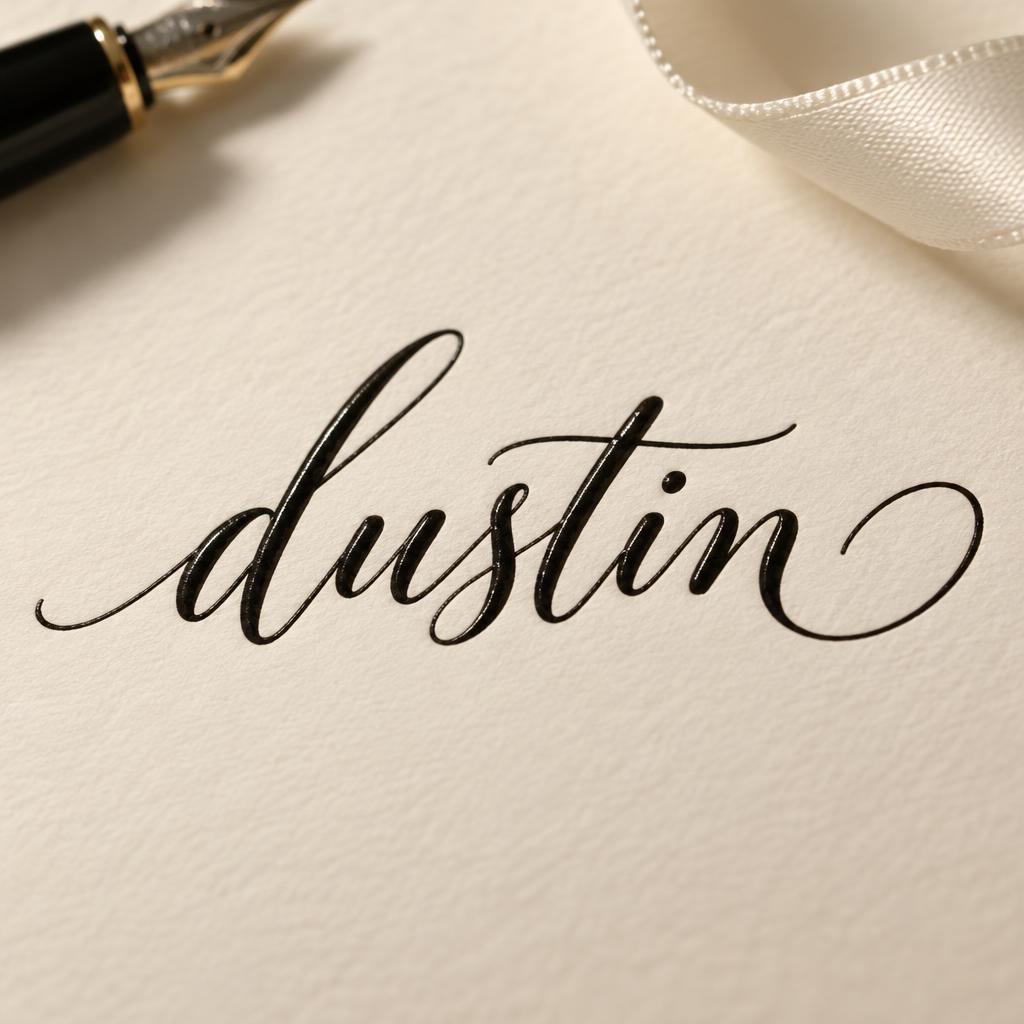
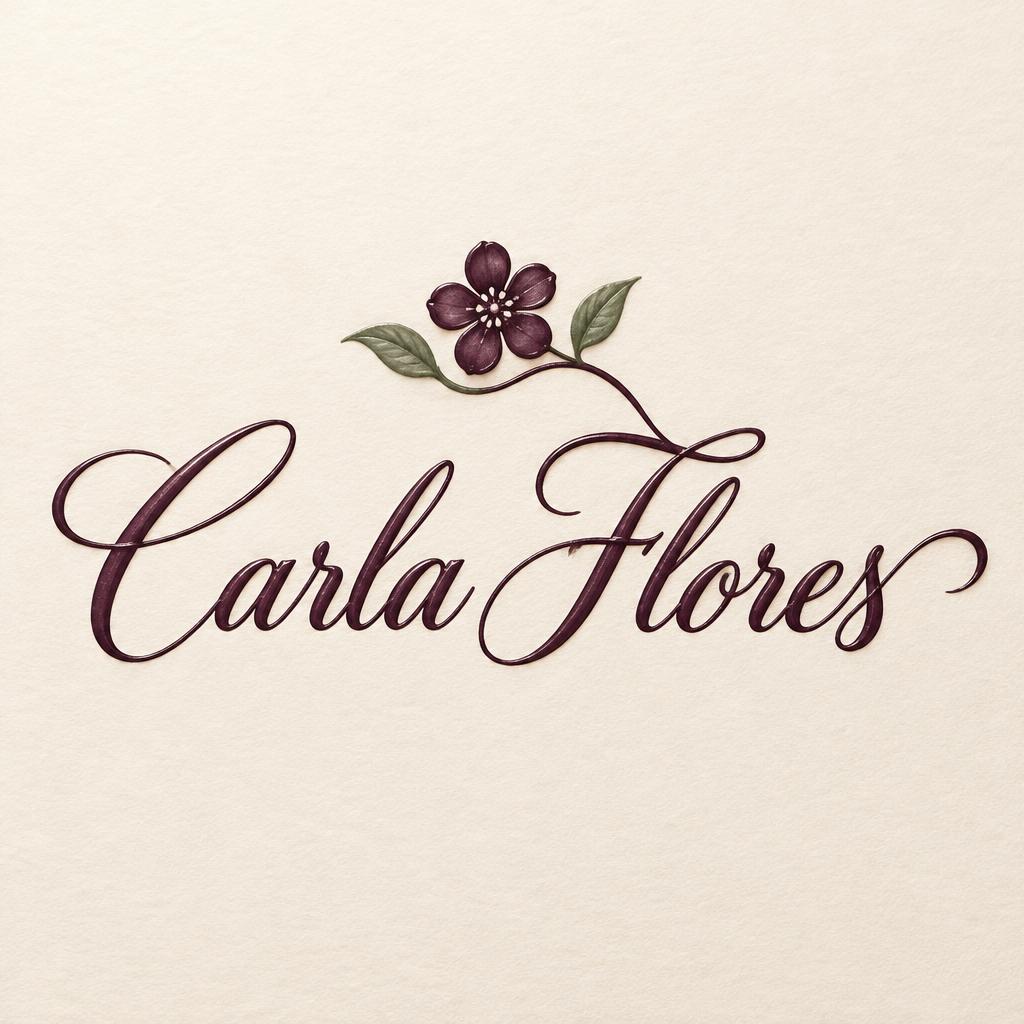
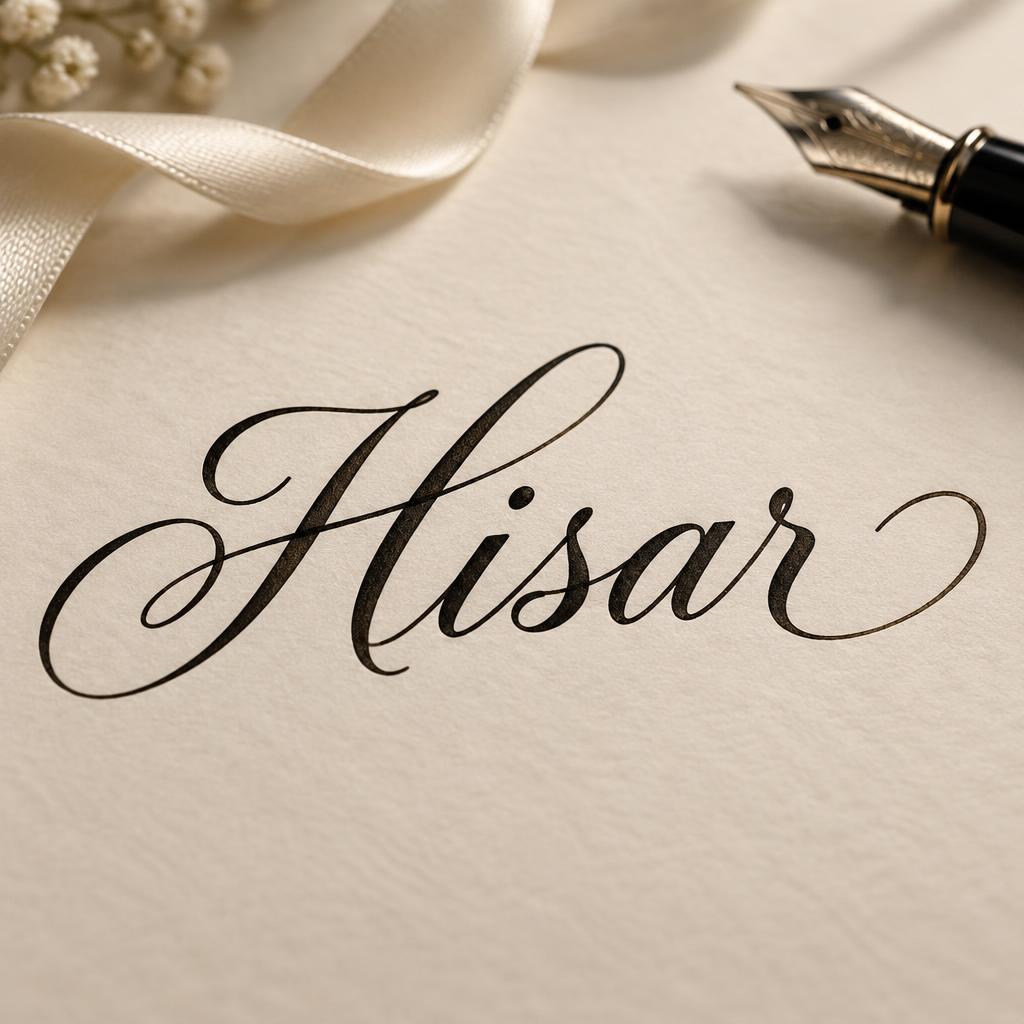
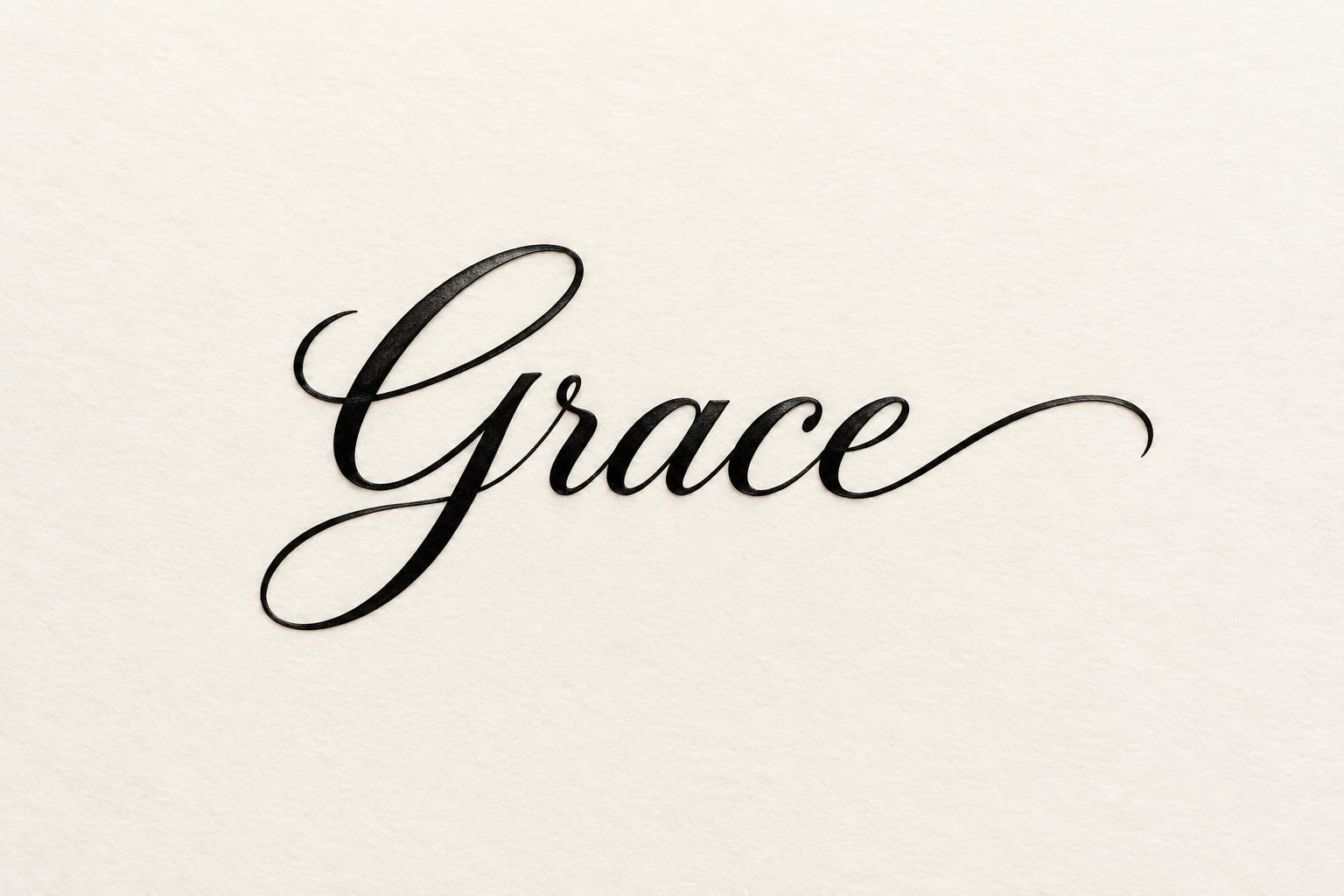
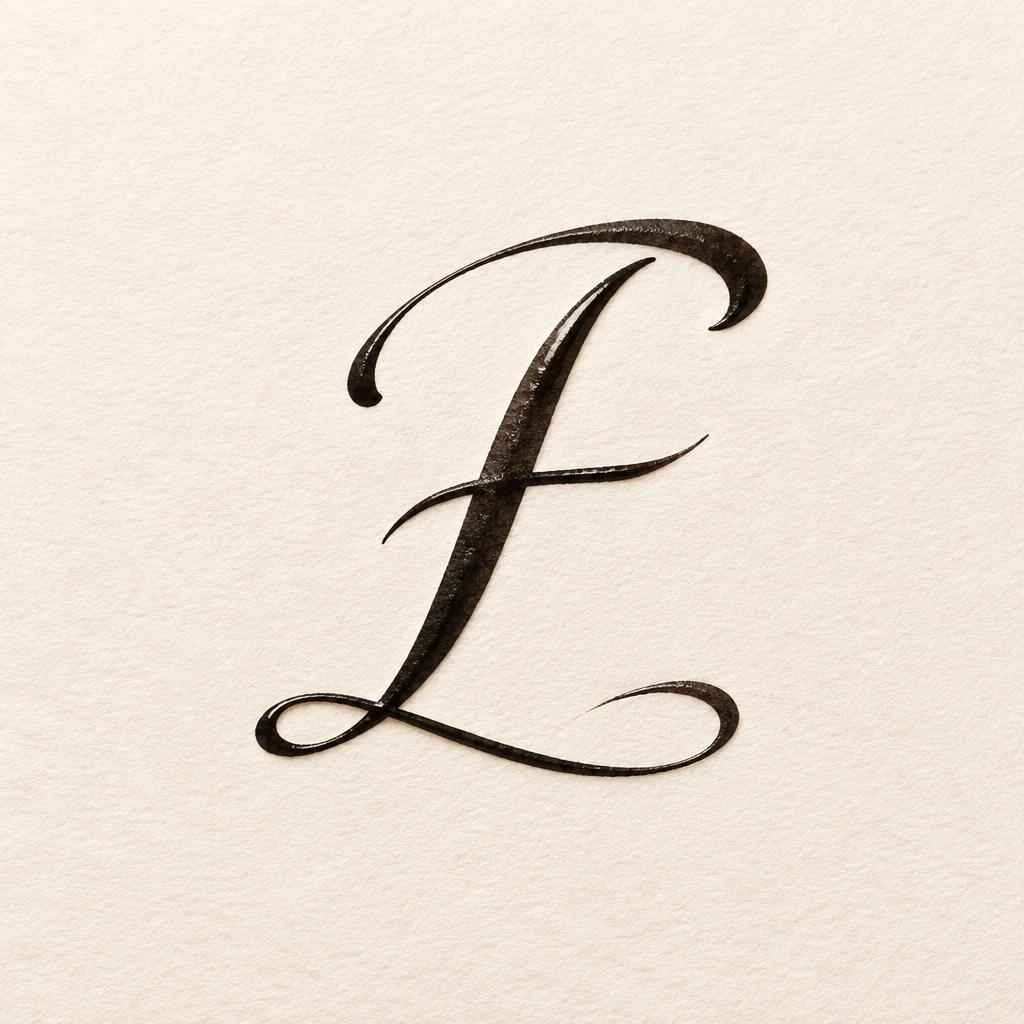
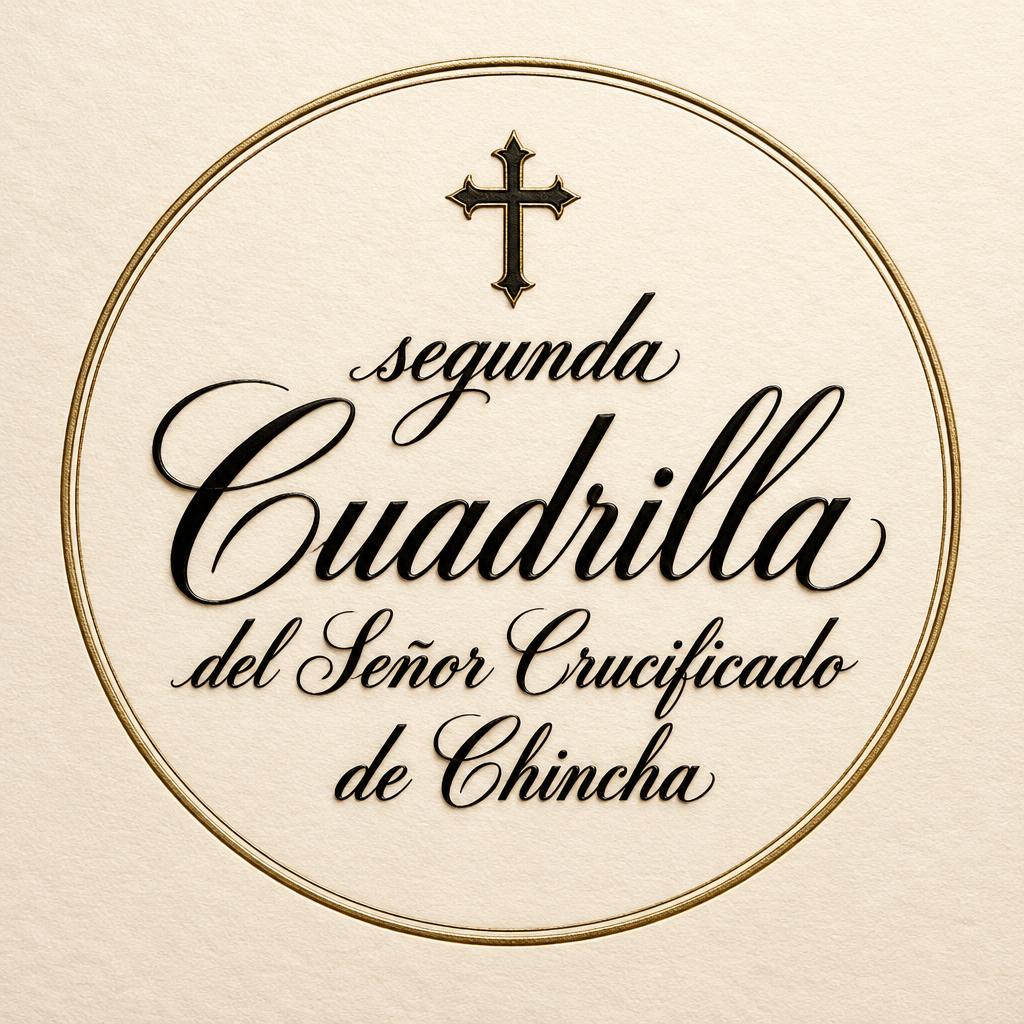
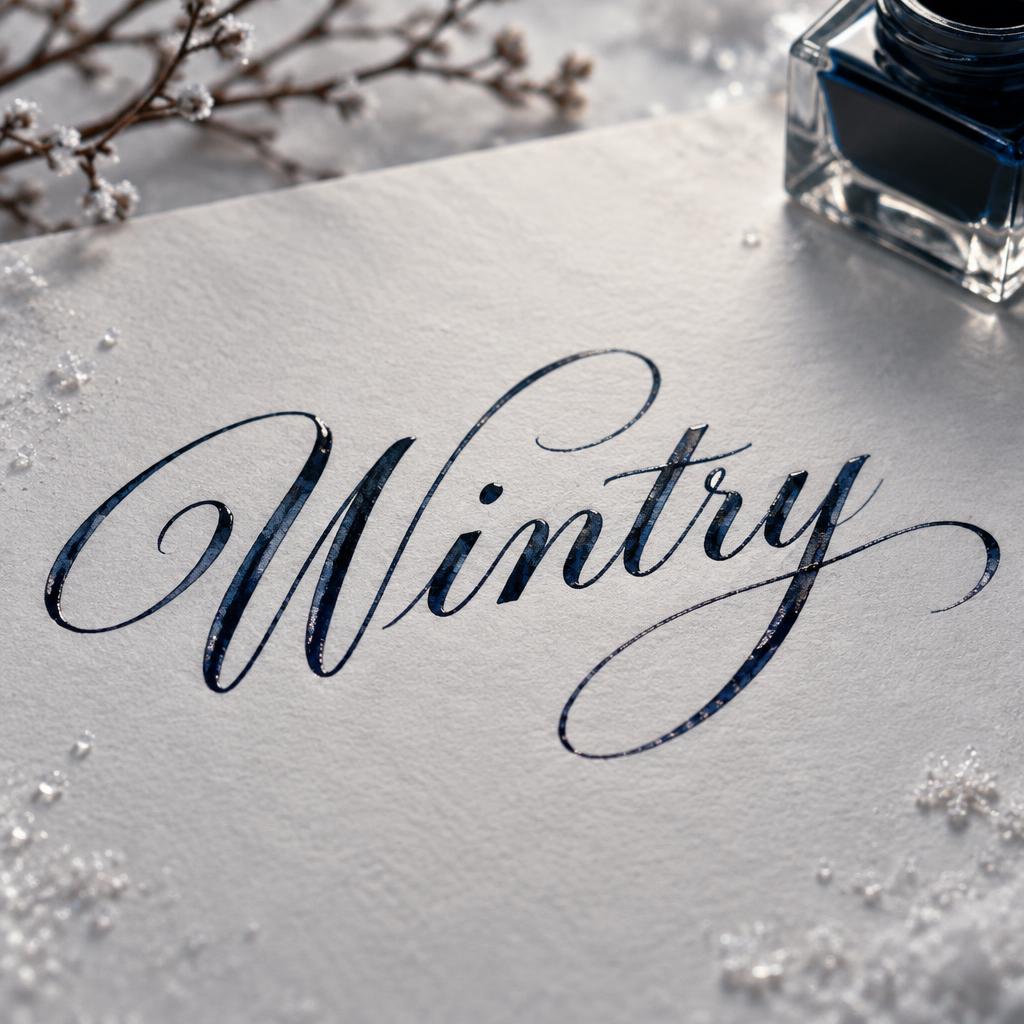
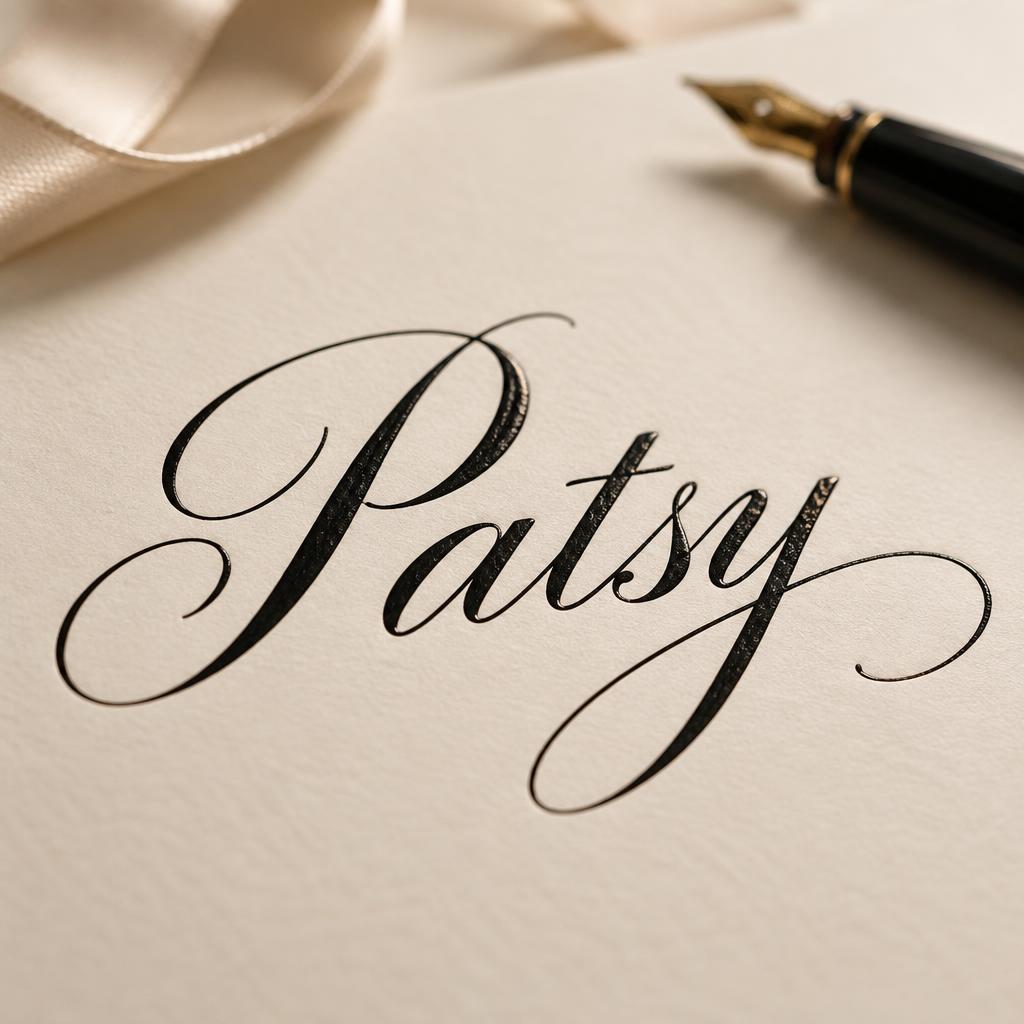
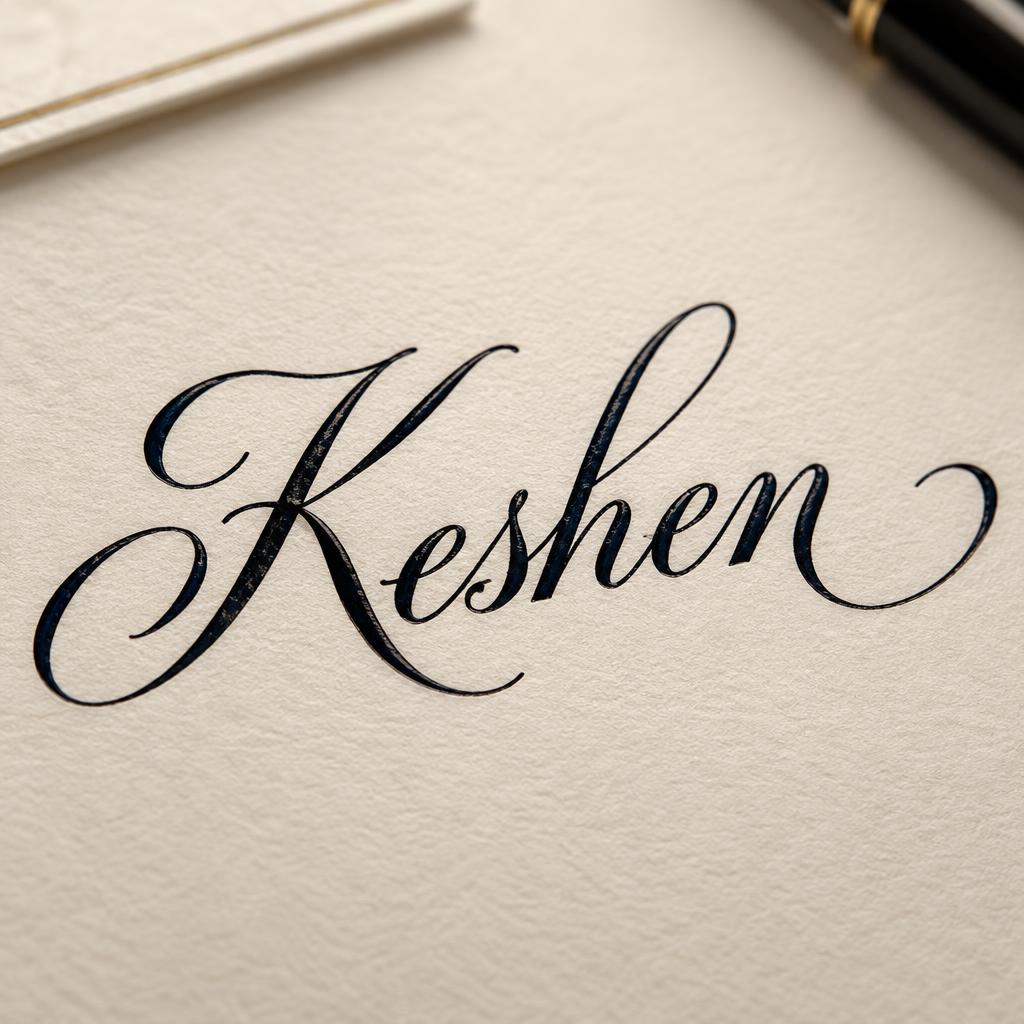
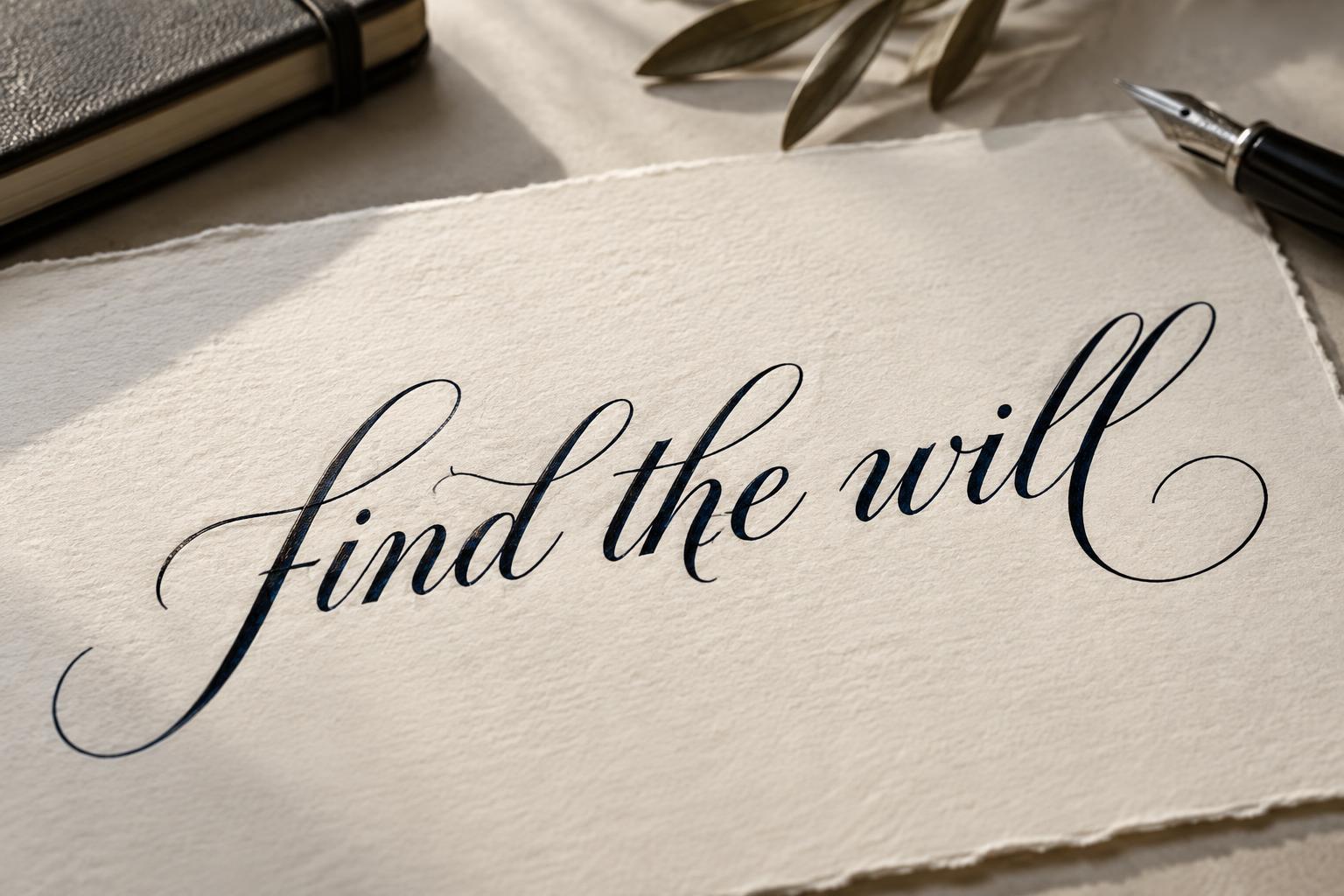


Find the Right Cursive Style for Your Project
6 distinct variations — each locked to a specific look and use case.


Cursive Gallery
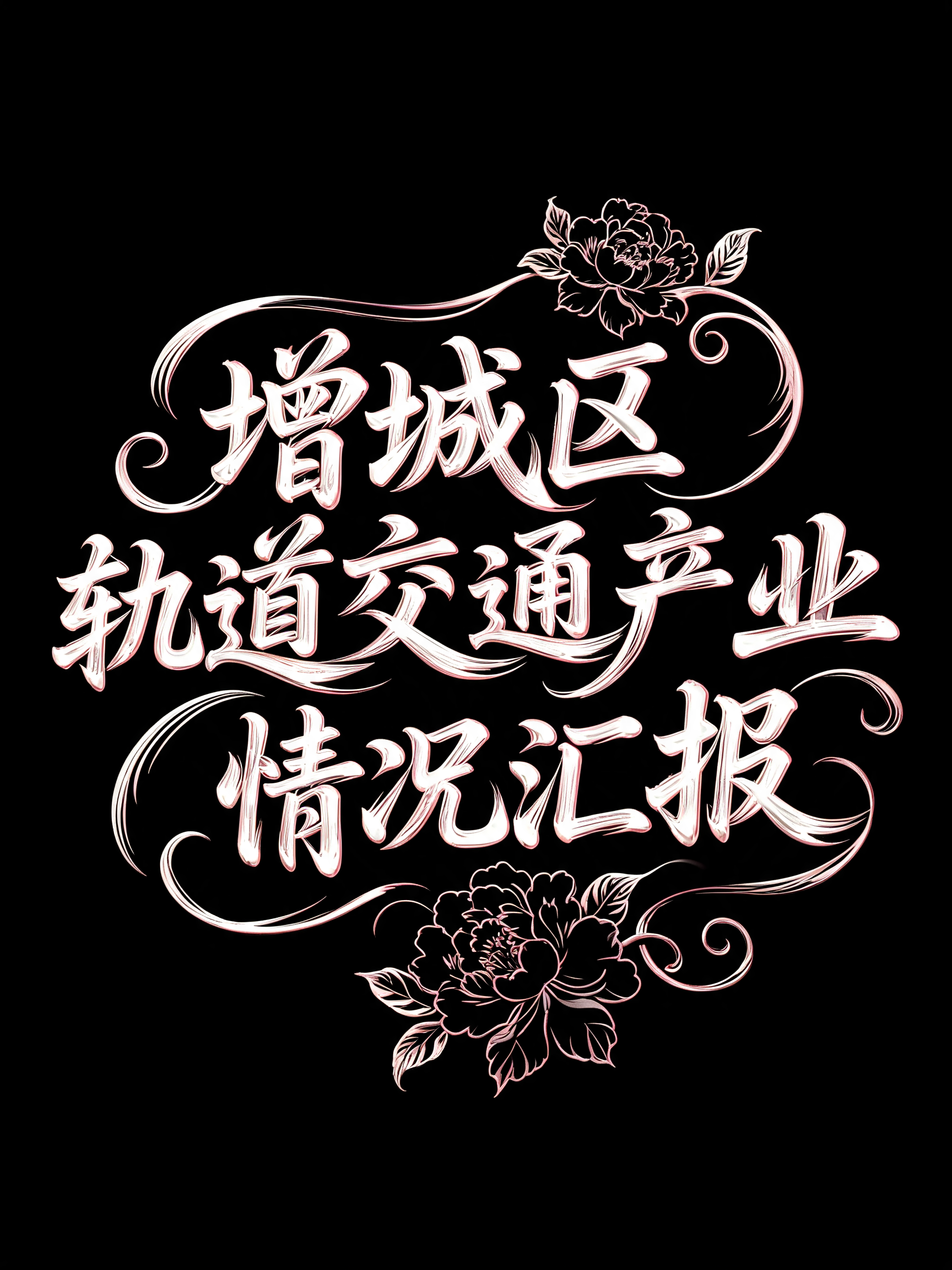
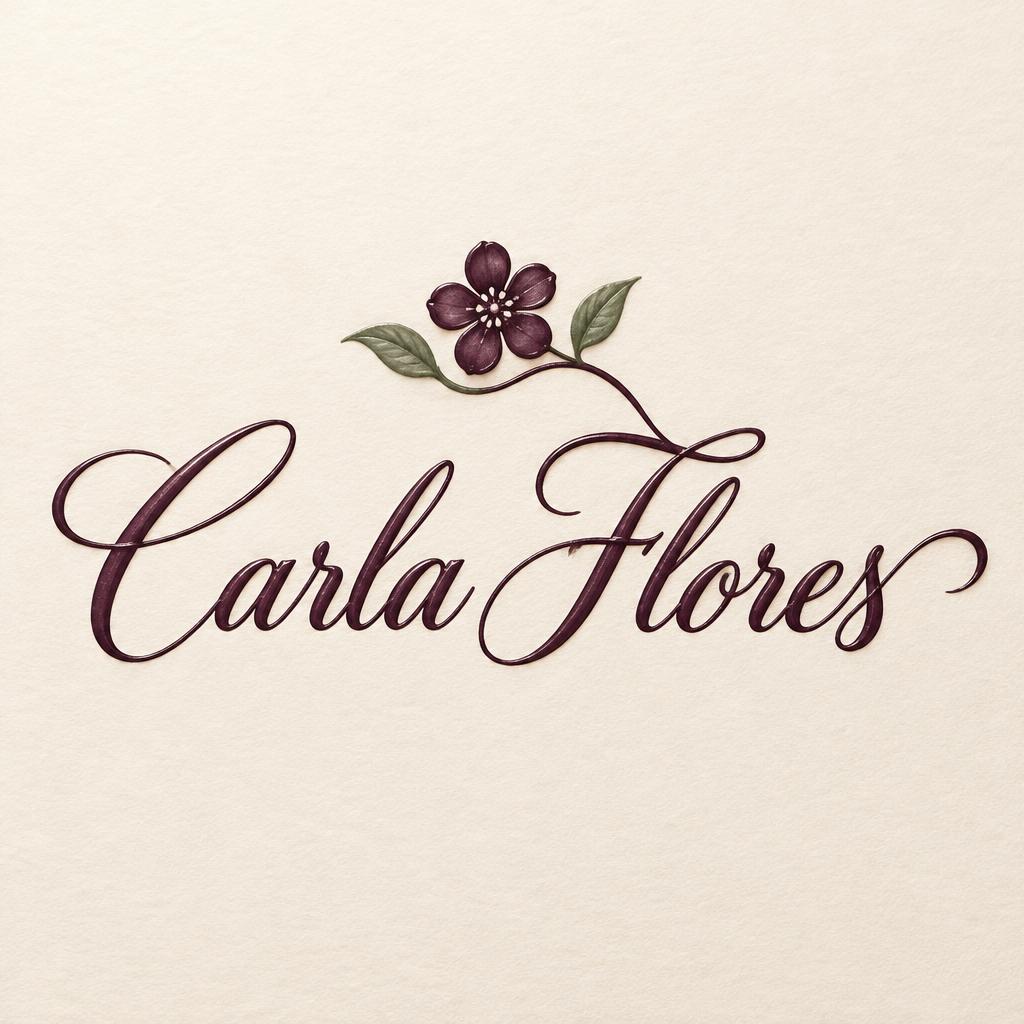
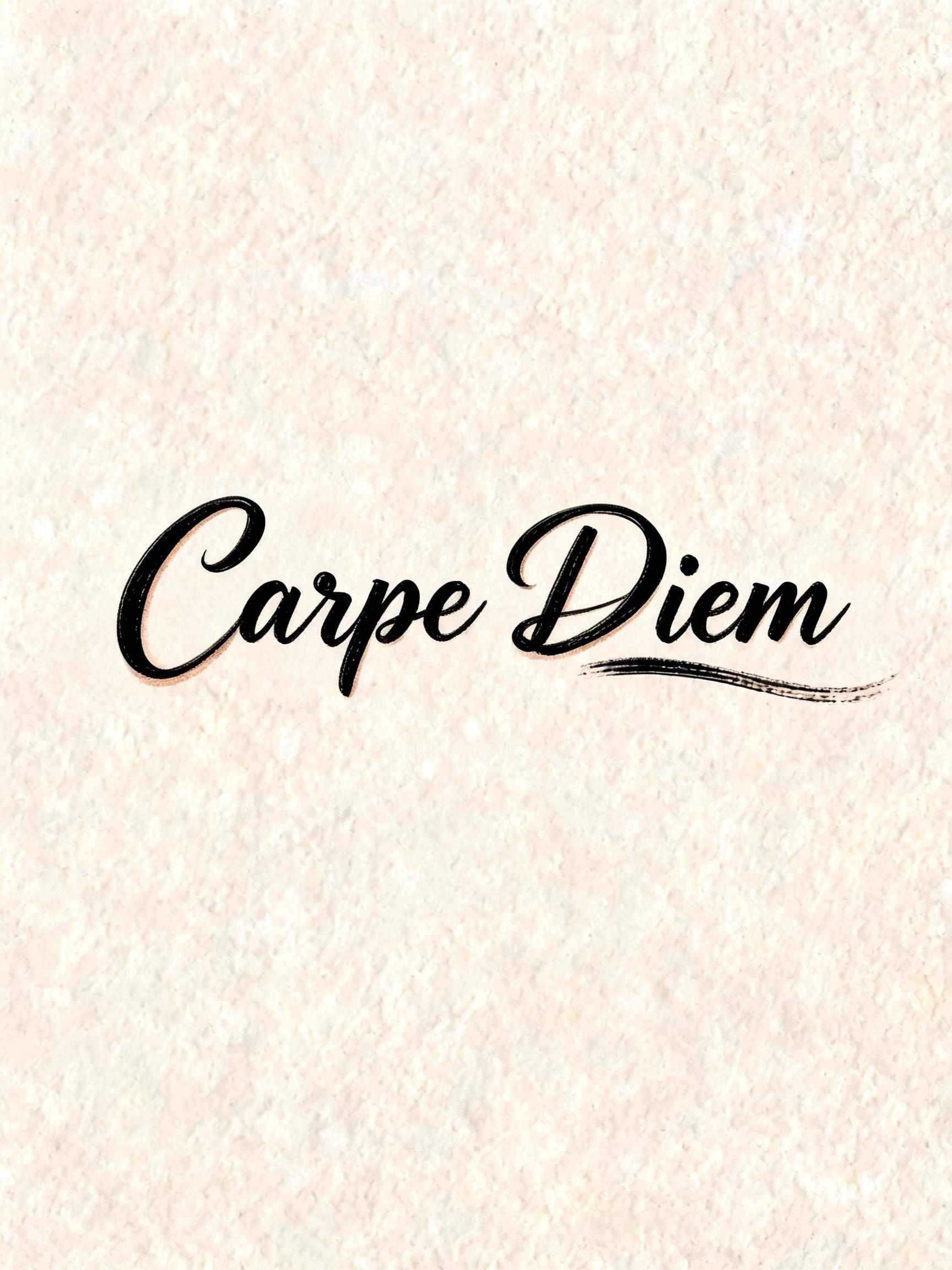
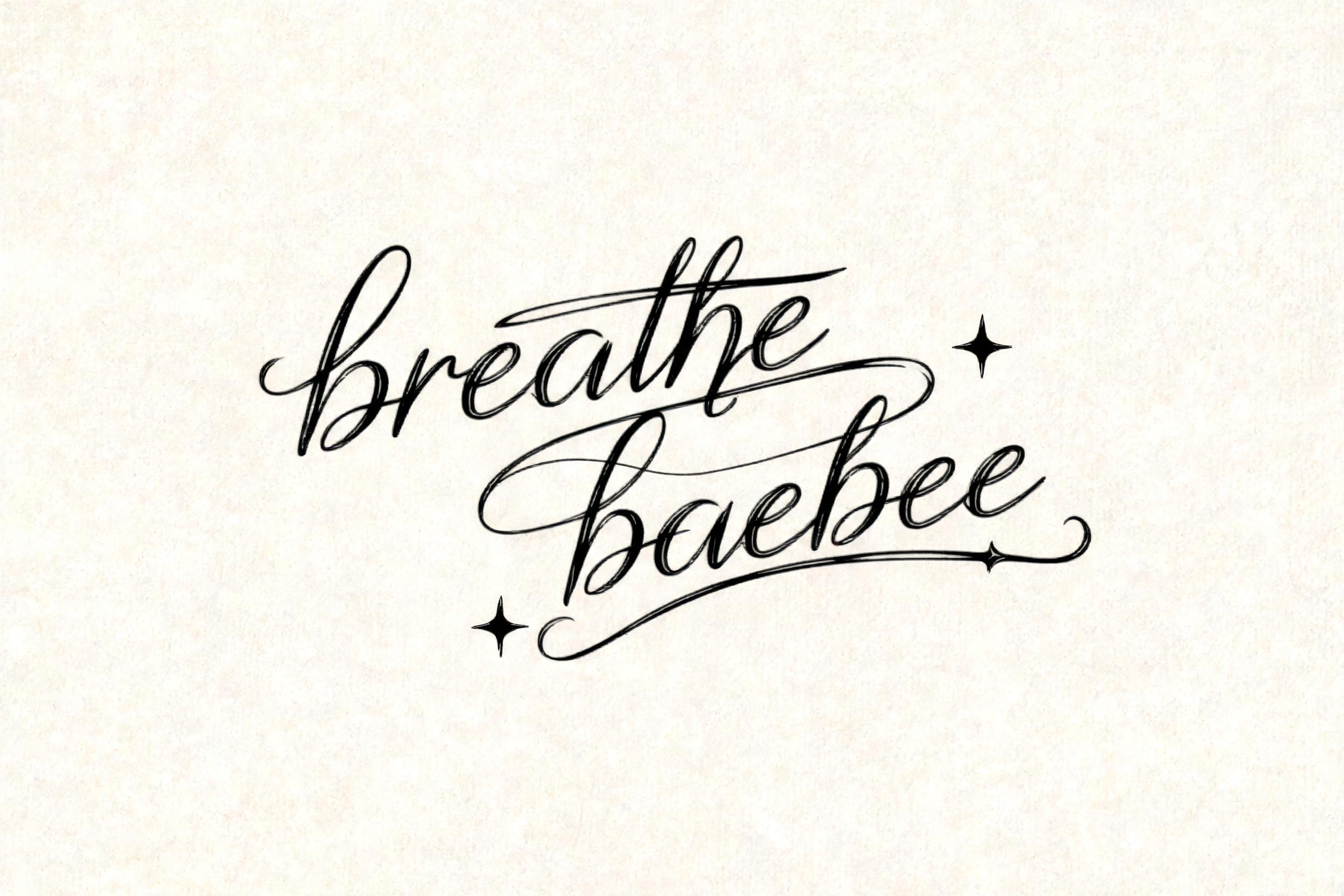
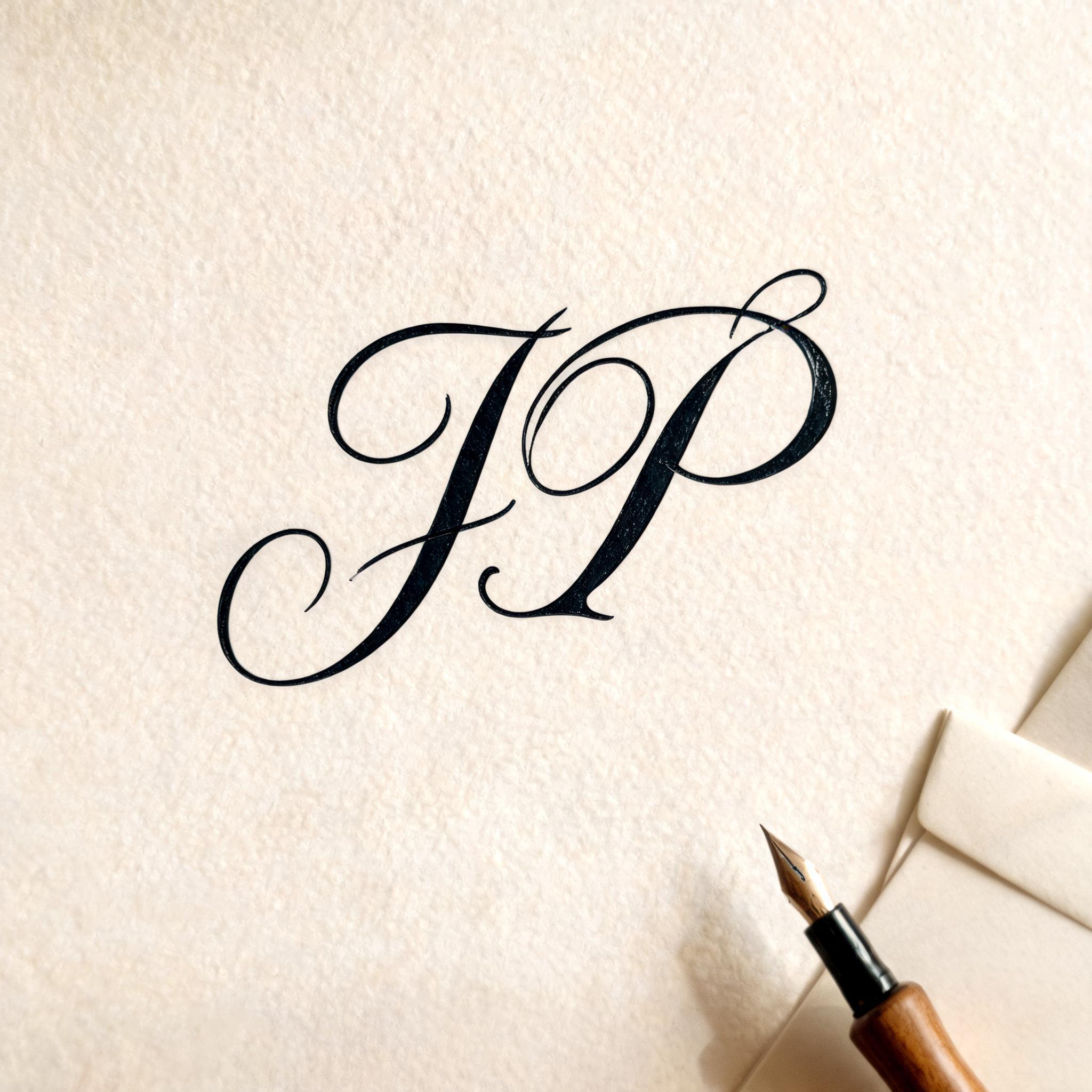
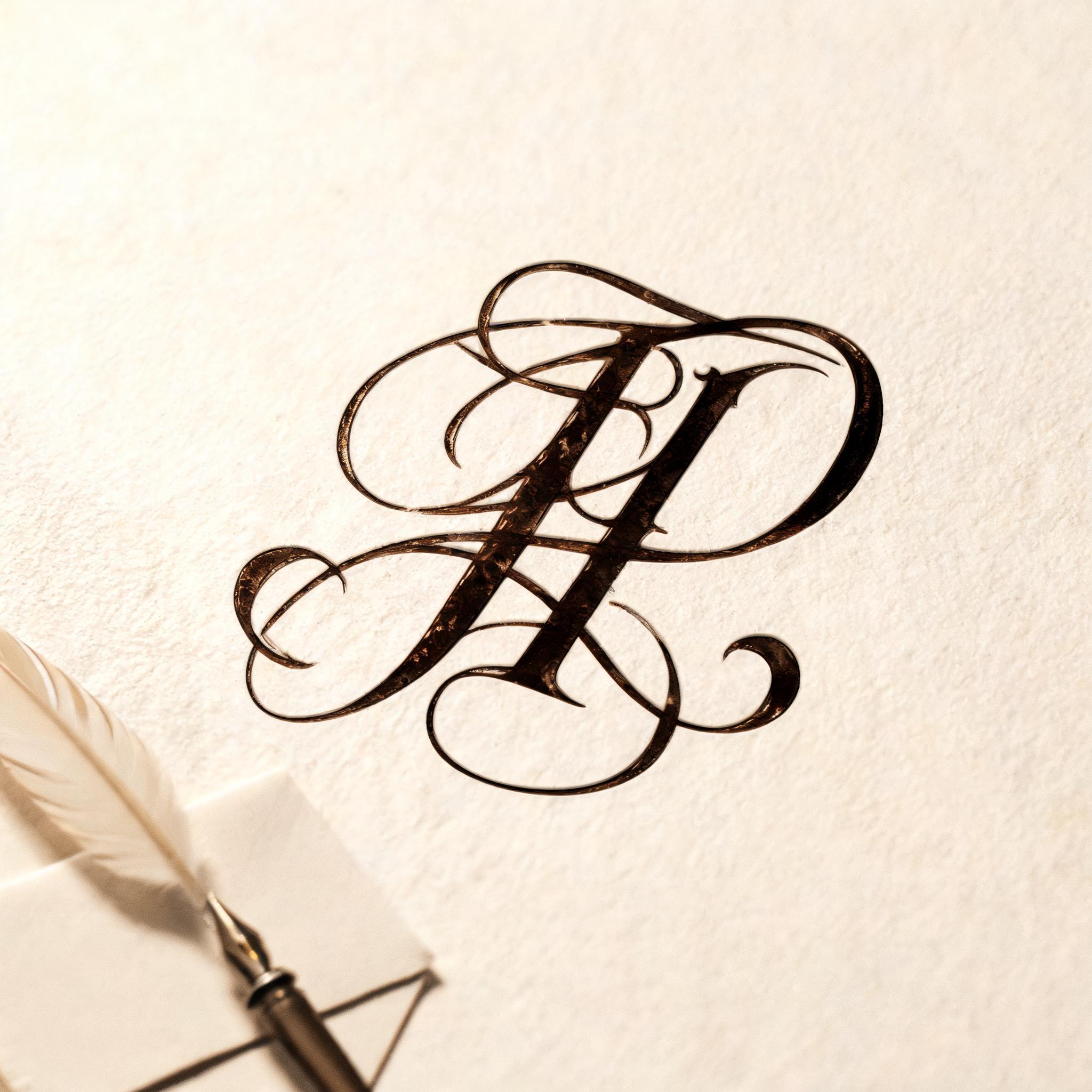
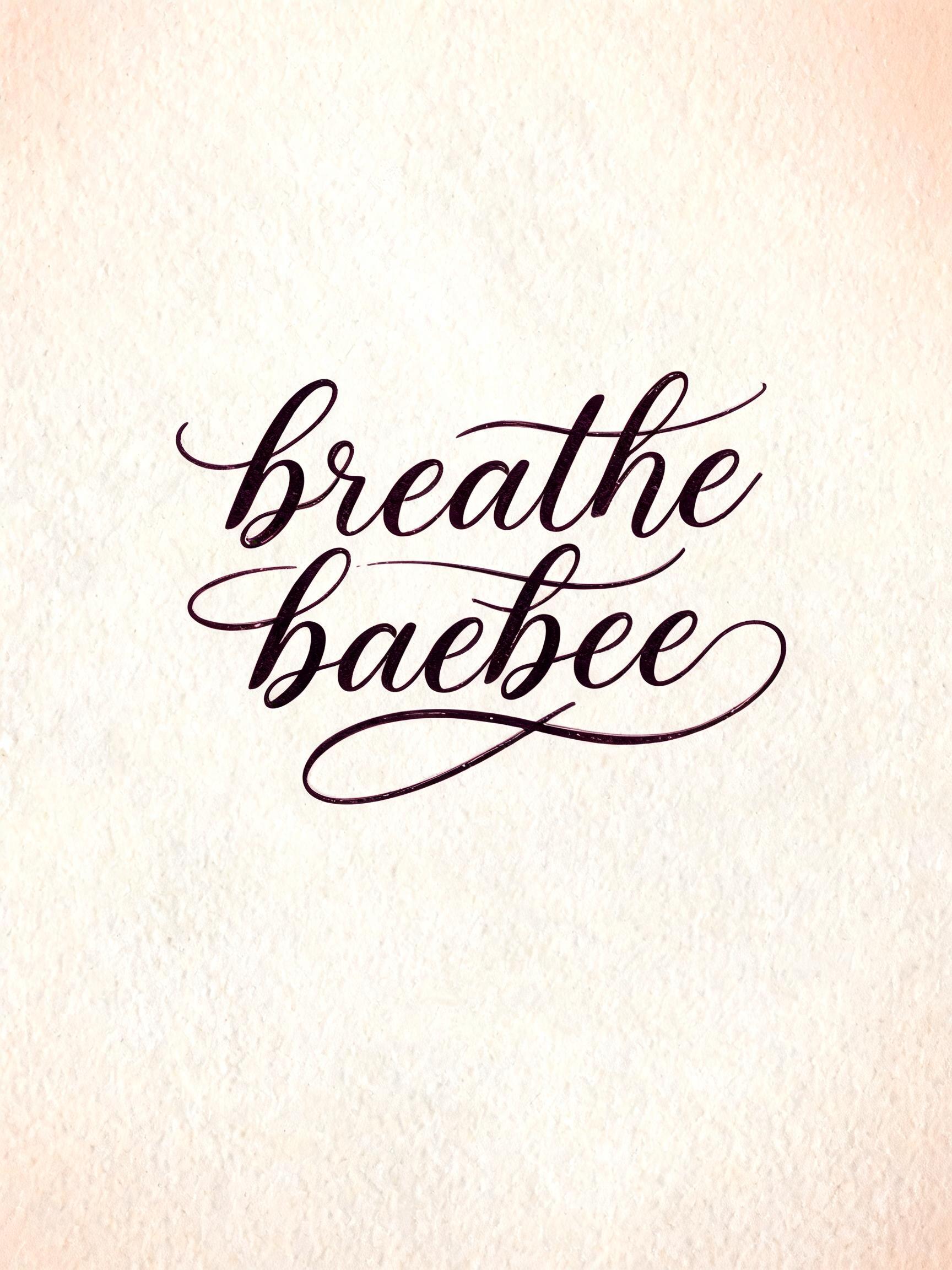
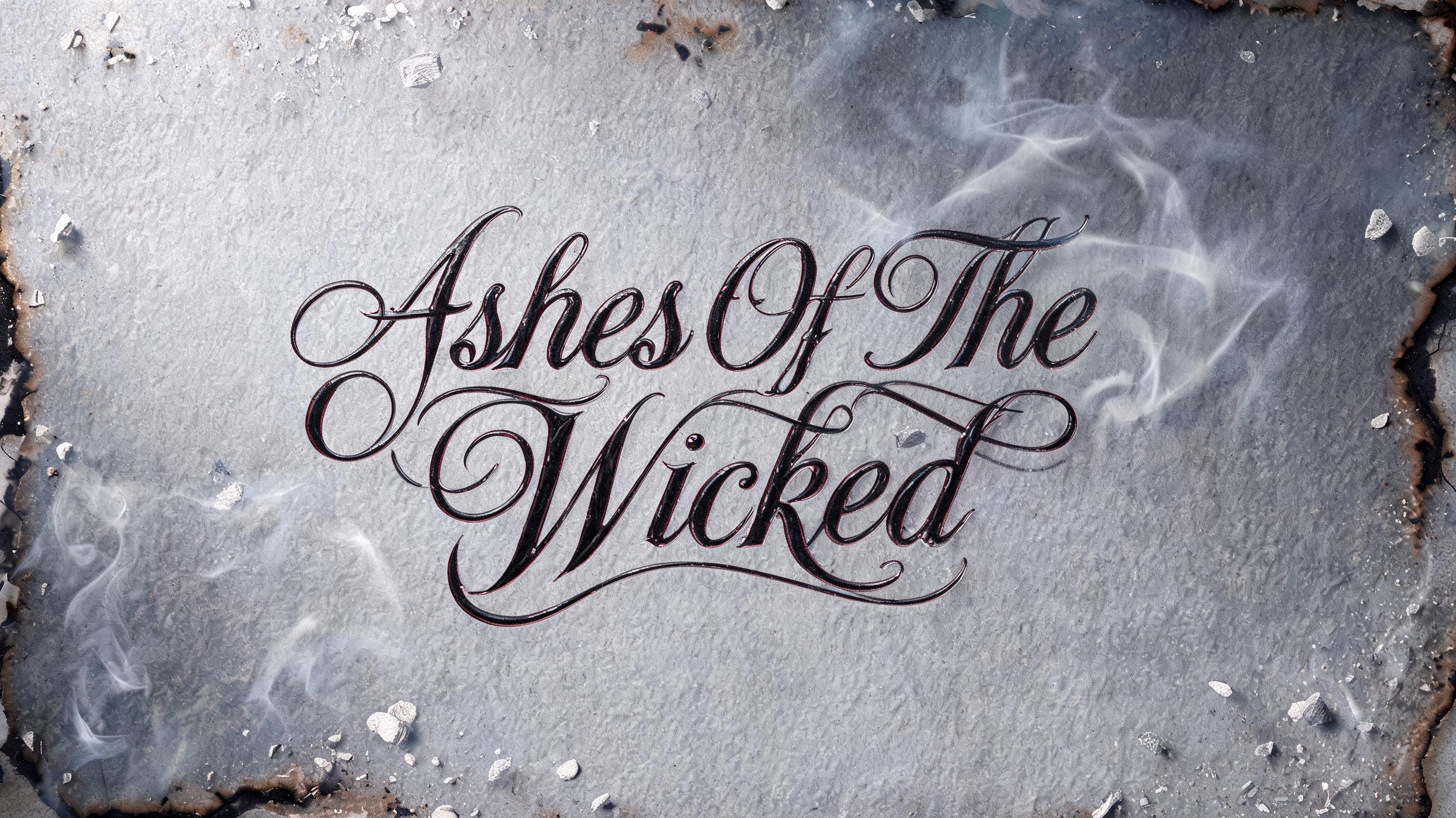
Real outputs from the Cursive style. Click any image to see details.
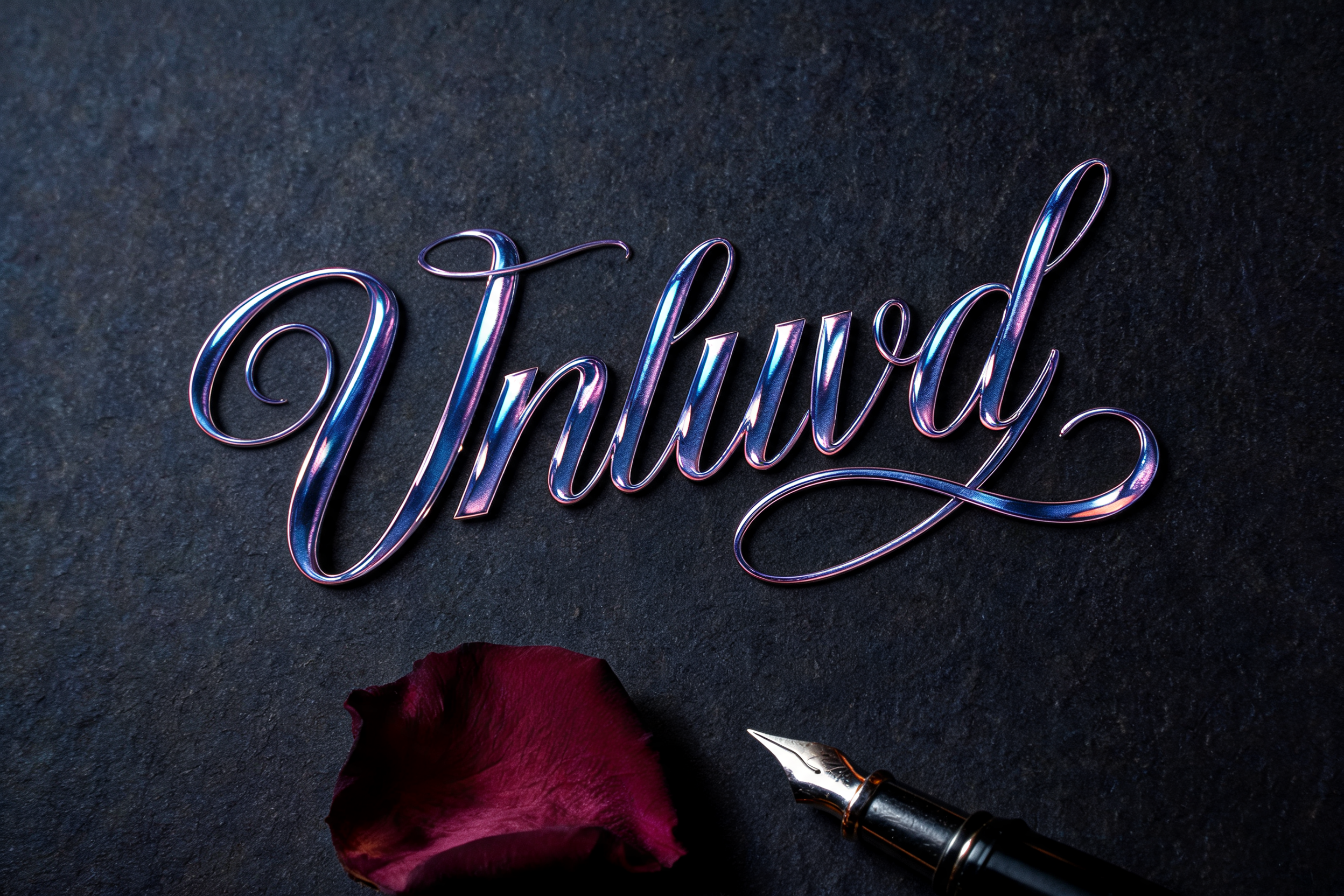
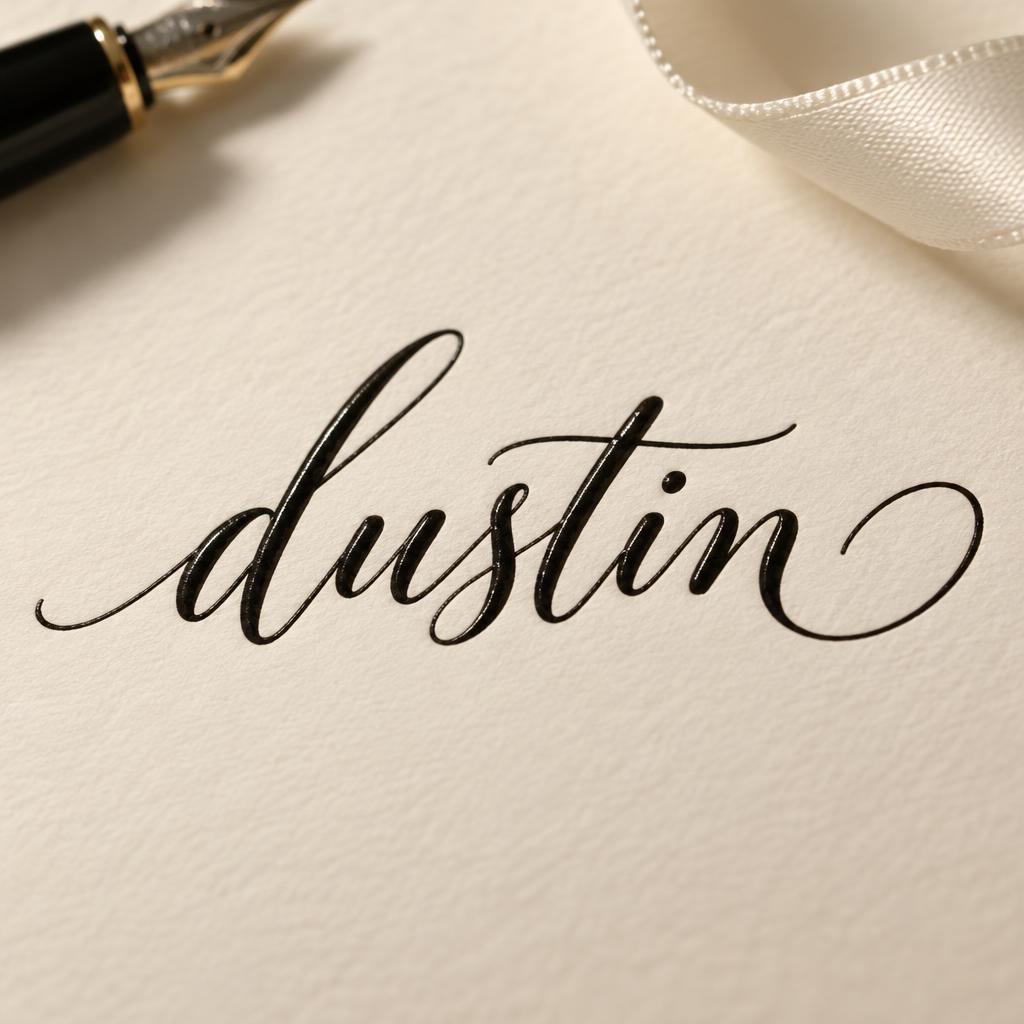
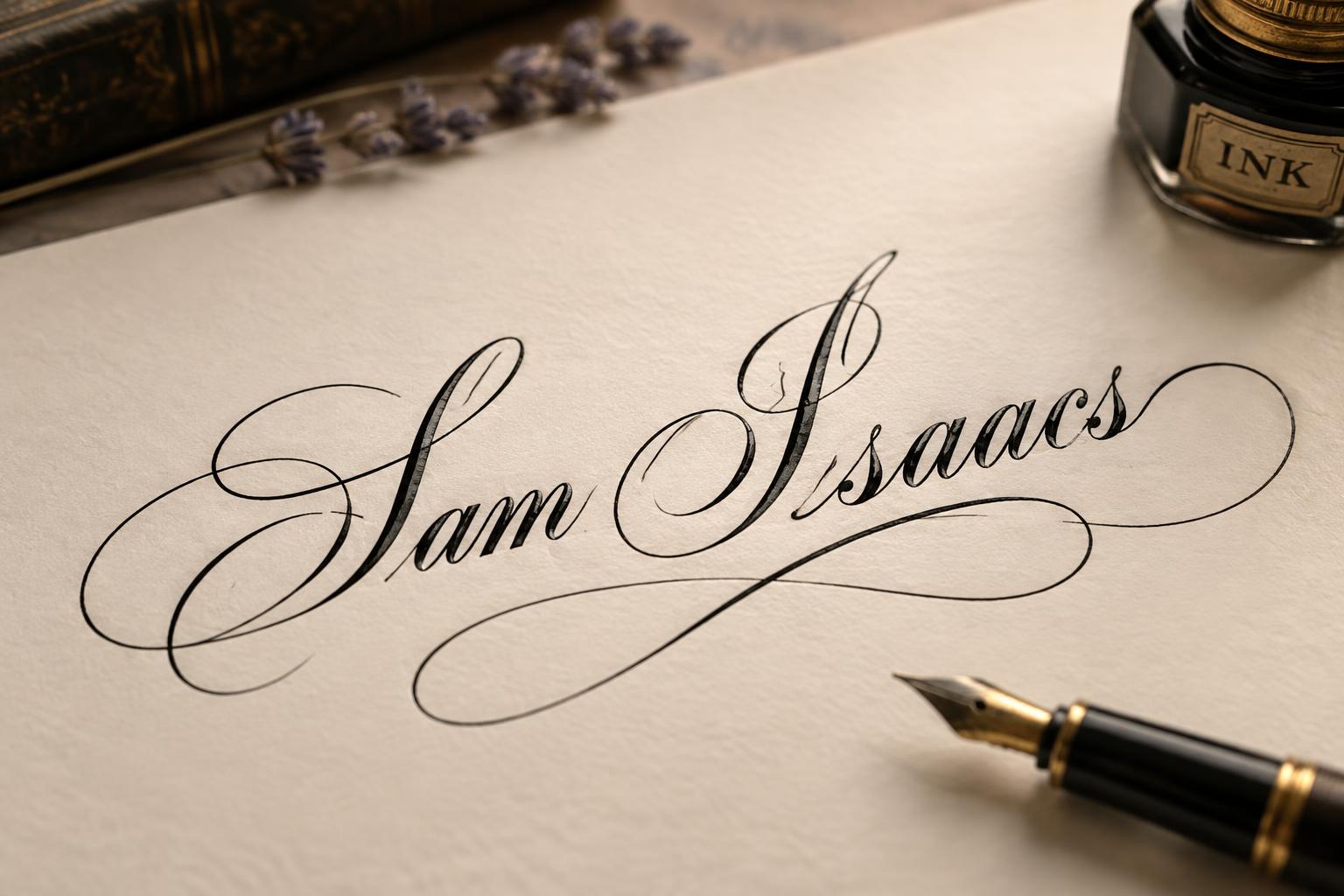
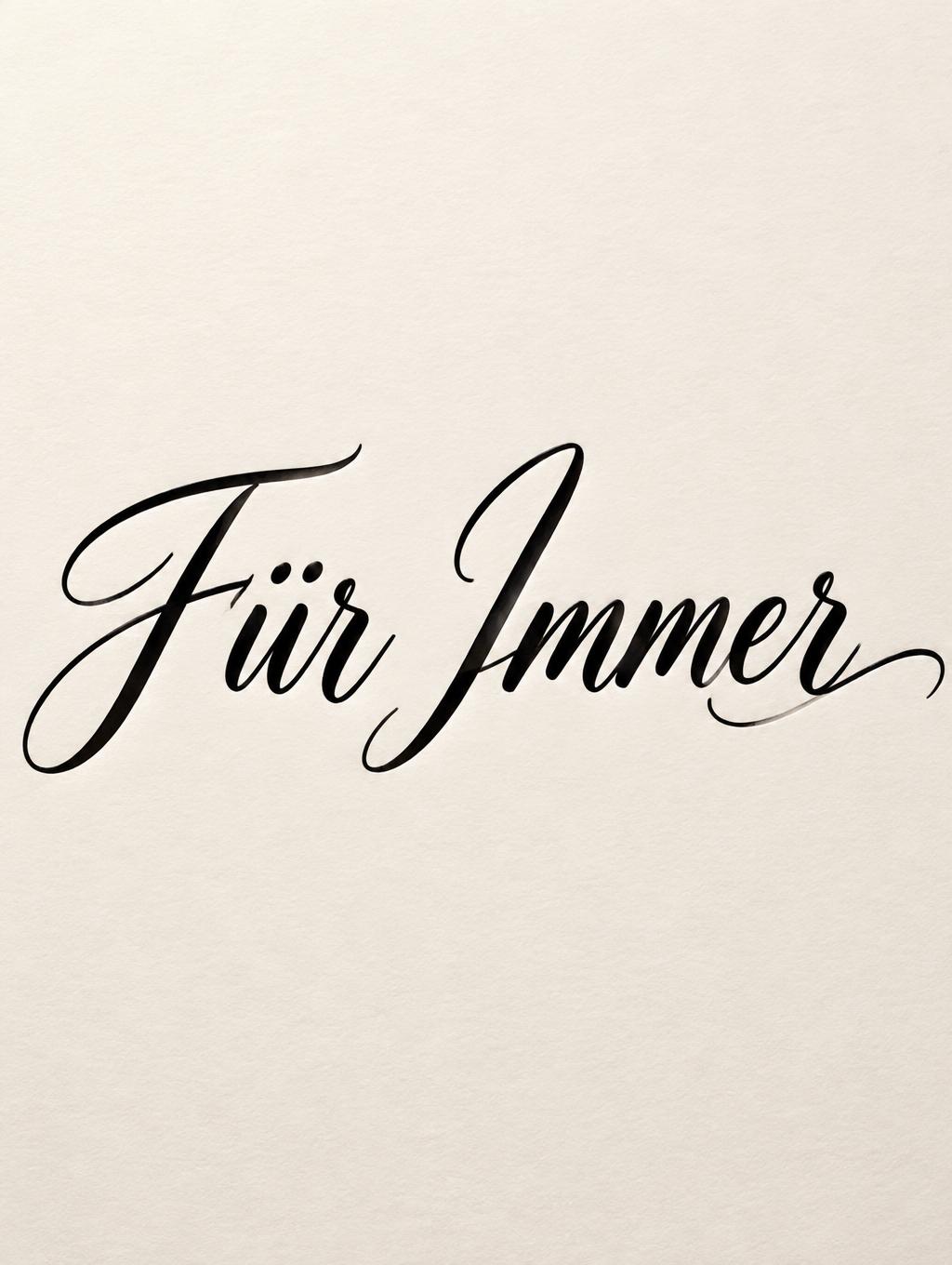
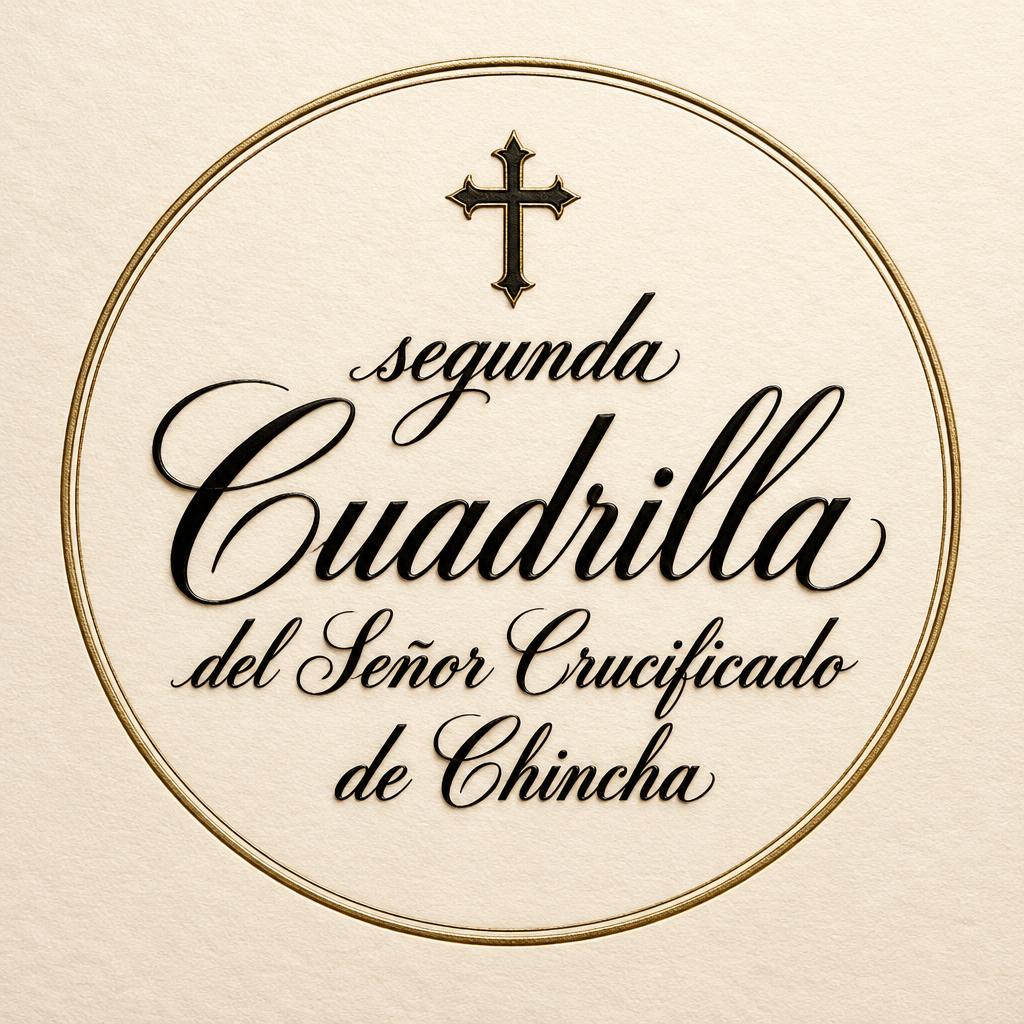
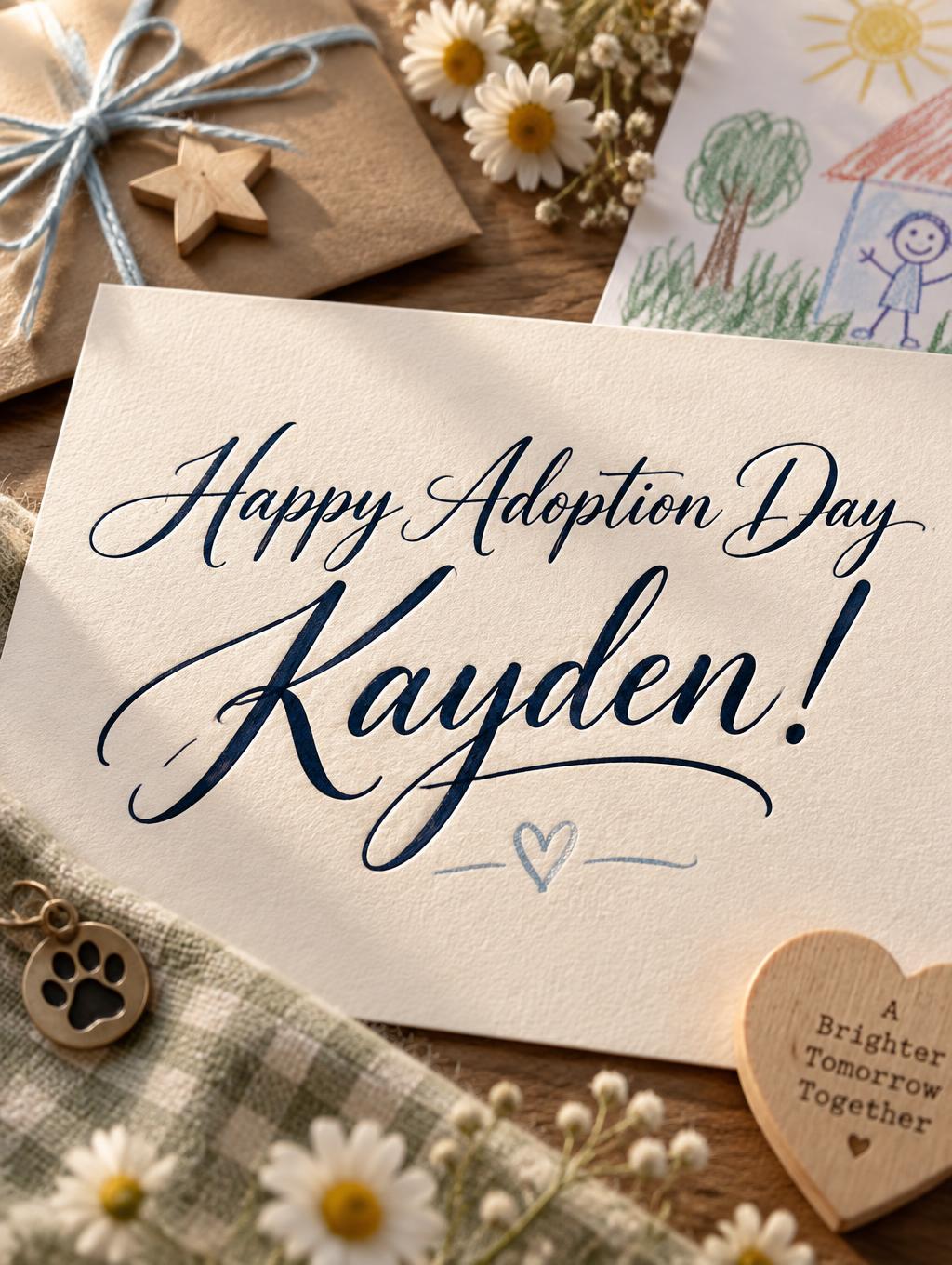

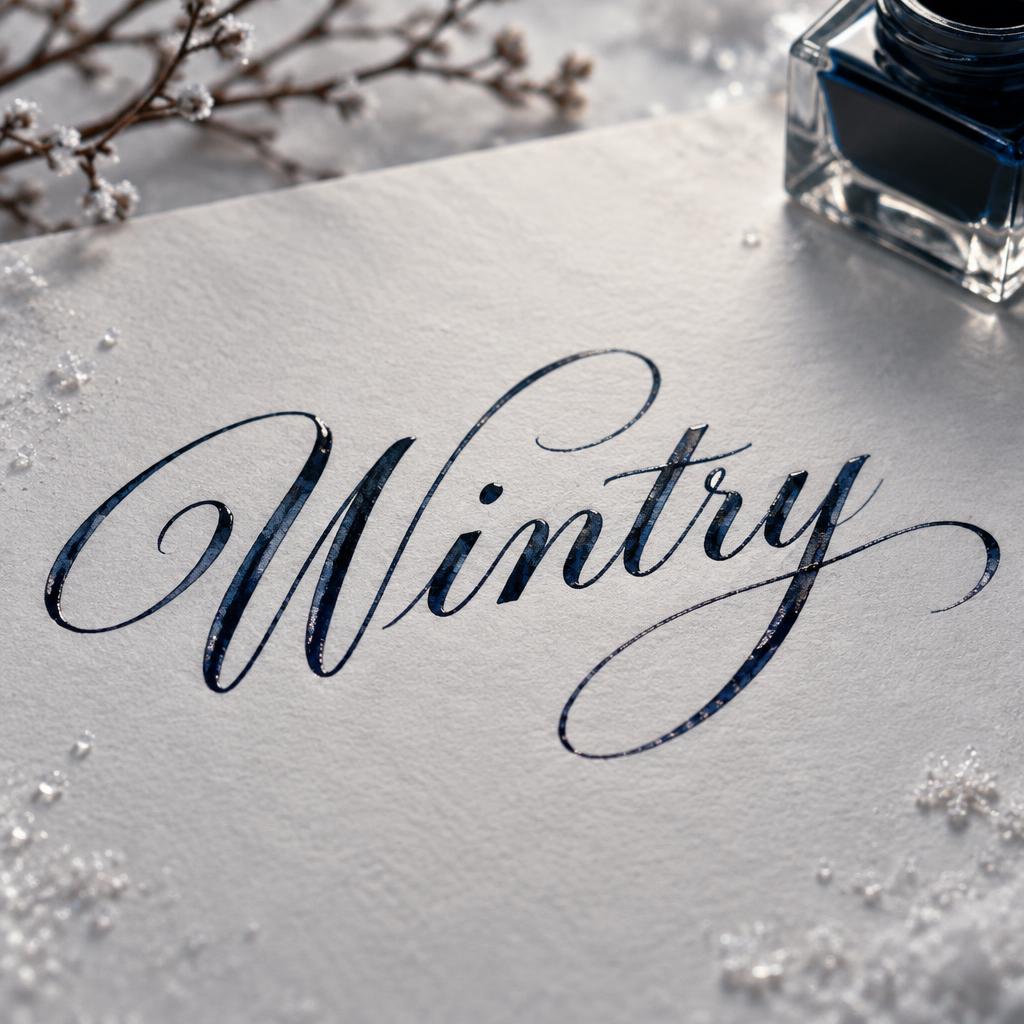
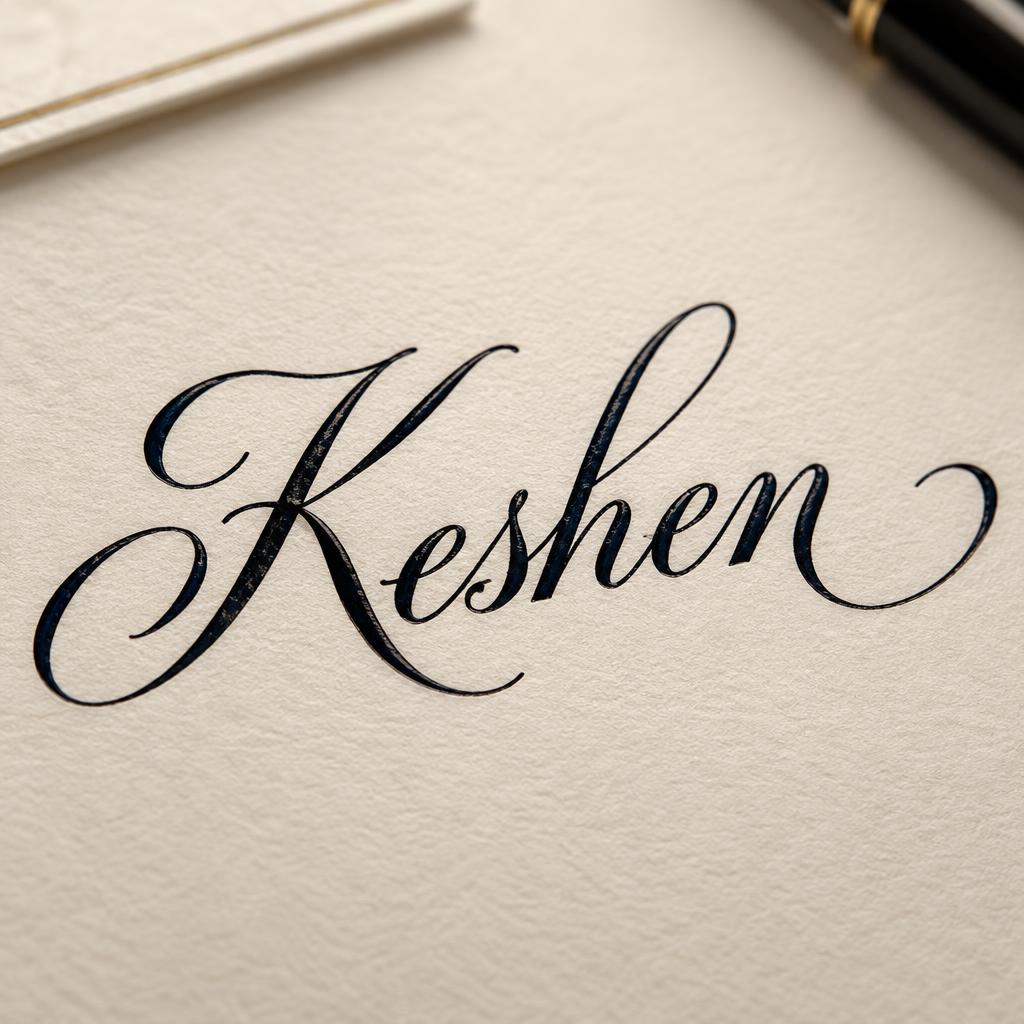
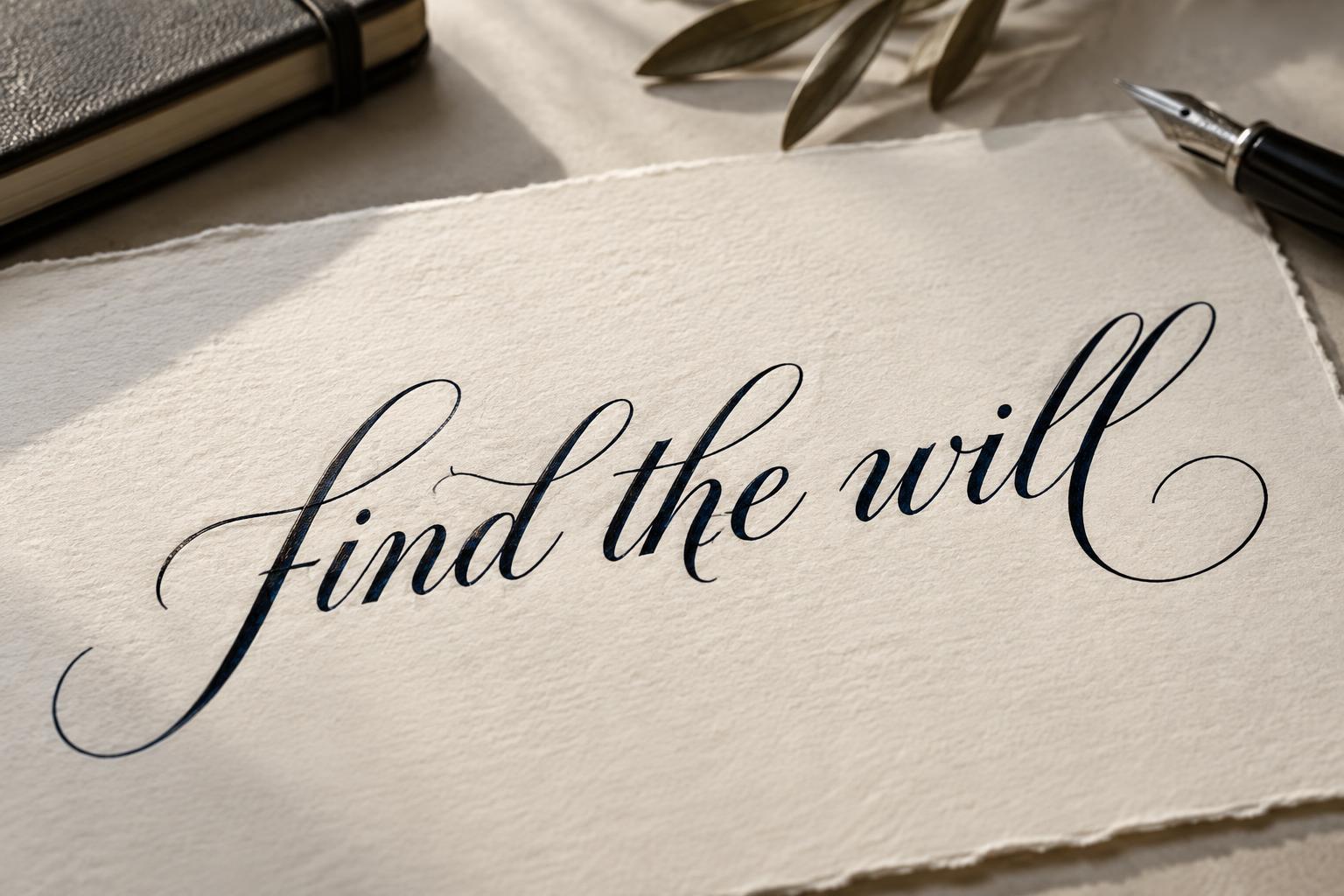

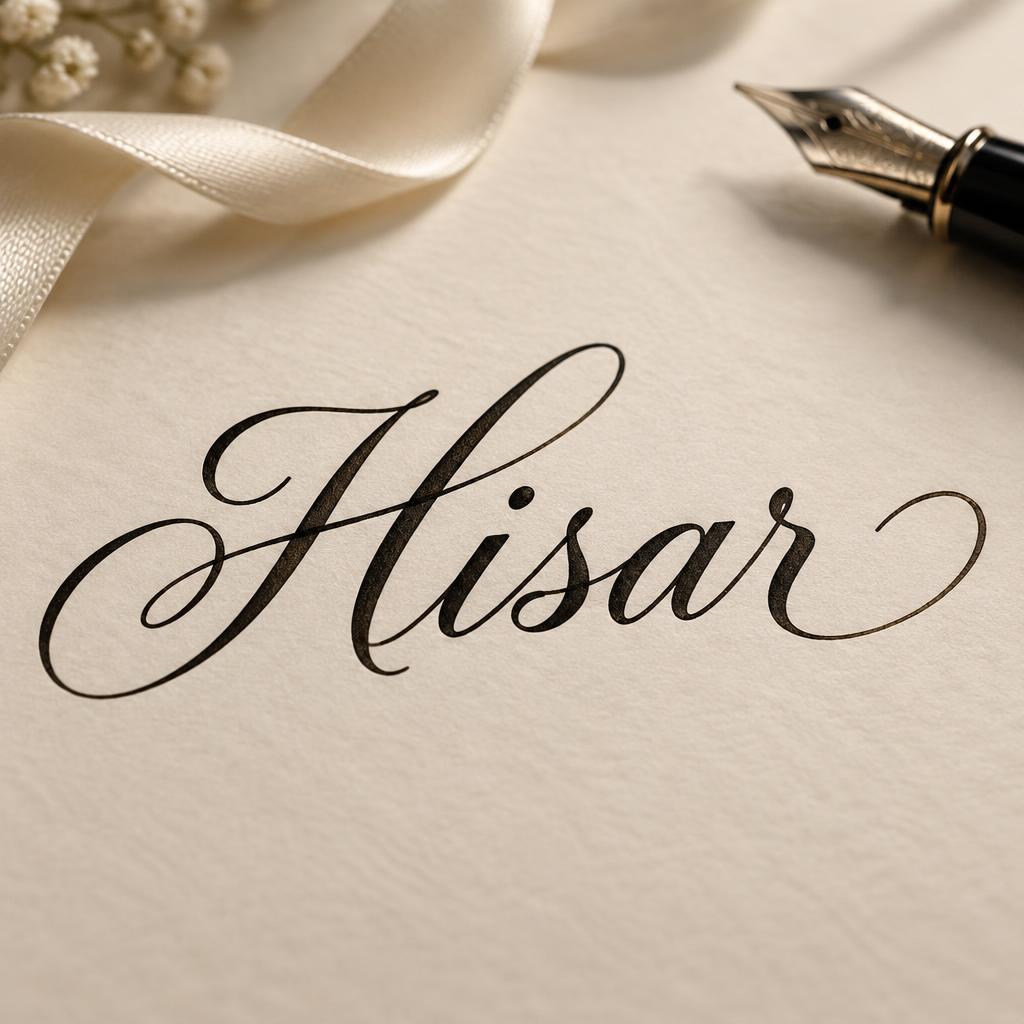
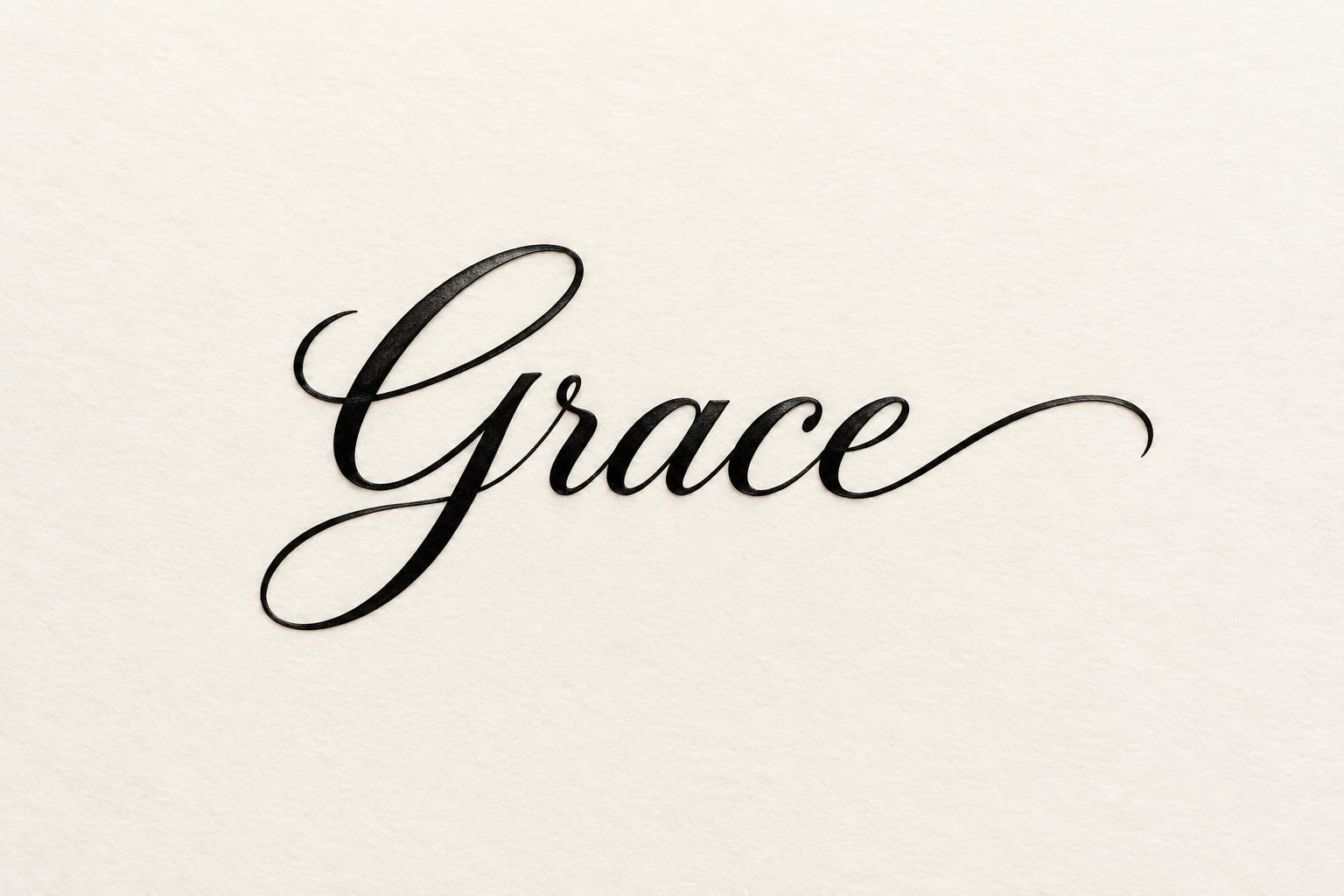
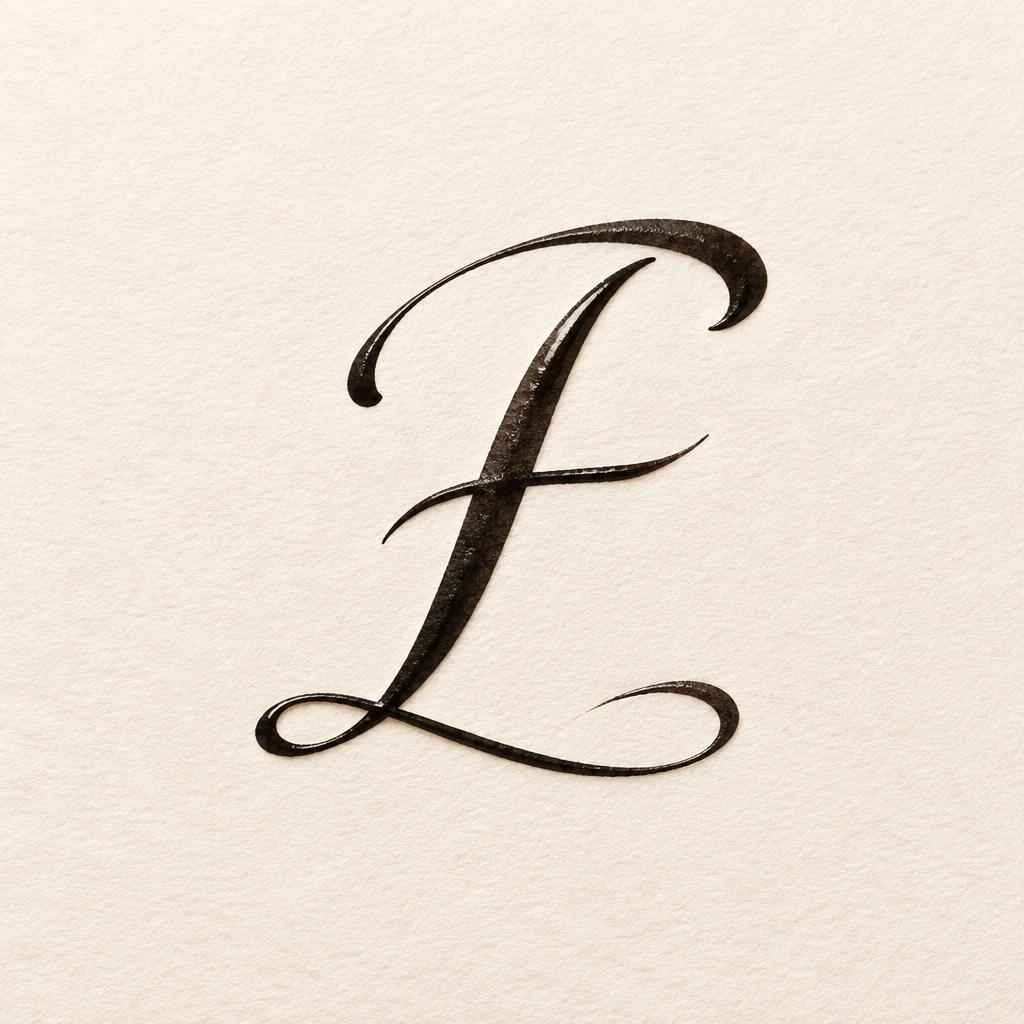
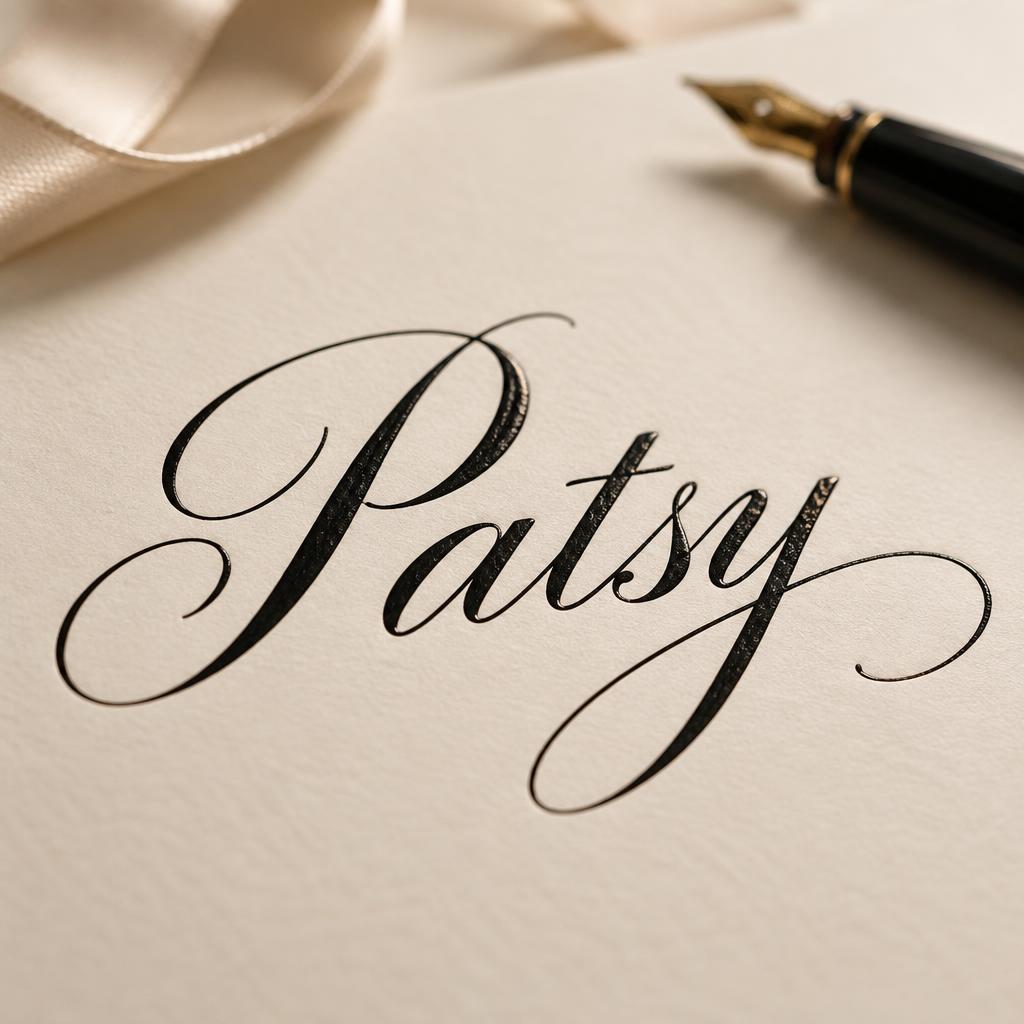
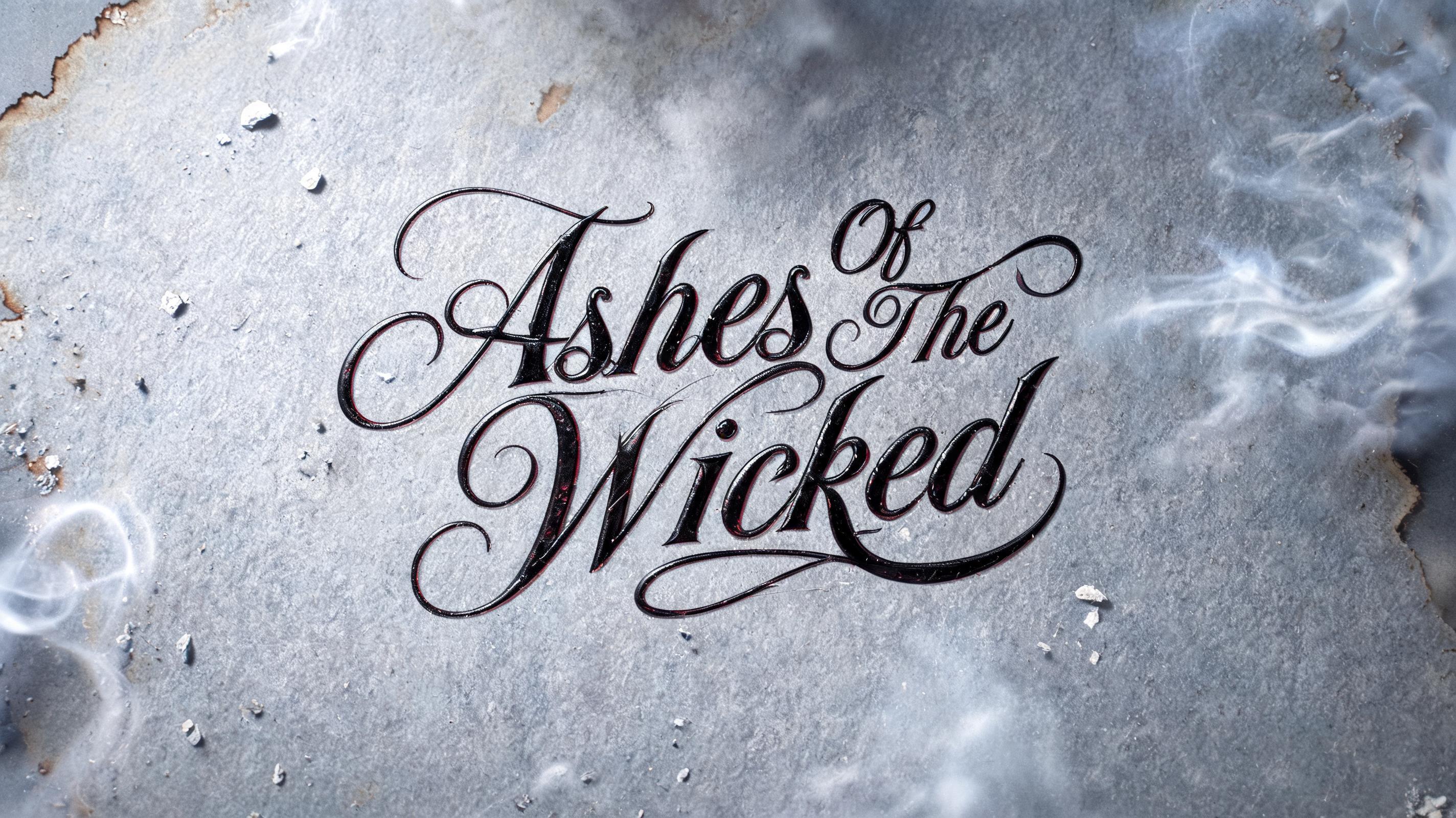


Looking for copy-paste fancy text? Try our free Font Generator Tools — cursive, gothic, bubble & 30+ styles.
Perfect for These Projects
Cursive Text Effect — FAQ
What is the Cursive Font Style?
The Cursive font style is a distinctive AI-generated typography effect. Flowing pen-and-ink cursive: connected letters, looped ascenders and long swash entry and exit strokes, written in black ink on fine white paper with soft raking light. Using FontVibe's AI cursive generator you can create stunning text effects in seconds — no Photoshop, no font licensing, no design experience needed.
Explore the Cursive gallery for inspiration, or browse all 126+ AI text effect styles available on FontVibe.
How to Create Cursive Typography in FontVibe Studio
The Story Behind Cursive
History, visual DNA, and cultural context.
Where Cursive Comes From
Cursive — from the Latin currere, "to run" — is writing where the pen runs on without lifting, letters flowing into one another. Its story is one of speed and grace pulling against each other for five centuries.
The modern joined hand begins with the Italic chancery cursive of the Renaissance, developed by scribes in the papal chancery of early-1500s Italy to write quickly yet beautifully. From there the pointed steel pen gave rise to English Roundhand and Copperplate in the 1600s and 1700s — the high-contrast, flourished script that engravers cut into copper plates for invitations, legal documents and fine correspondence.
In 19th-century America, Platt Rogers Spencer distilled these principles into Spencerian script, taught in schools and used for business until the typewriter arrived; Austin Palmer's plainer, faster Palmer Method then trained generations of schoolchildren in the looping hand many people still picture when they hear the word "cursive." Today, as everyday handwriting fades, cursive has found a second life online — in logos, wedding lettering, tattoos and social feeds — which is exactly what an AI cursive font generator is built to serve.
The Visual DNA
Did You Know?
The word "cursive" comes from the Latin currere, "to run" — because the pen runs across the page without stopping. The same root gives us "current" and "courier."
The Coca-Cola logo, drawn in 1887 in Spencerian cursive by bookkeeper Frank Mason Robinson, is the most-seen piece of handwriting in history — a reminder of how much brand warmth a flowing script can carry.
Create Your Cursive Typography in Studio
Free to start. No design skills needed. Your artwork, your copyright.
AI Cursive Text Effect Generator
Flowing pen-and-ink cursive: connected letters, looped ascenders and long swash entry and exit strokes, written in black ink on fine white paper with soft raking light. — no font license needed.
Cursive in different AI fonts
Generate Your Cursive Text Effect
Type any word — see it transformed in seconds. No sign-up required.
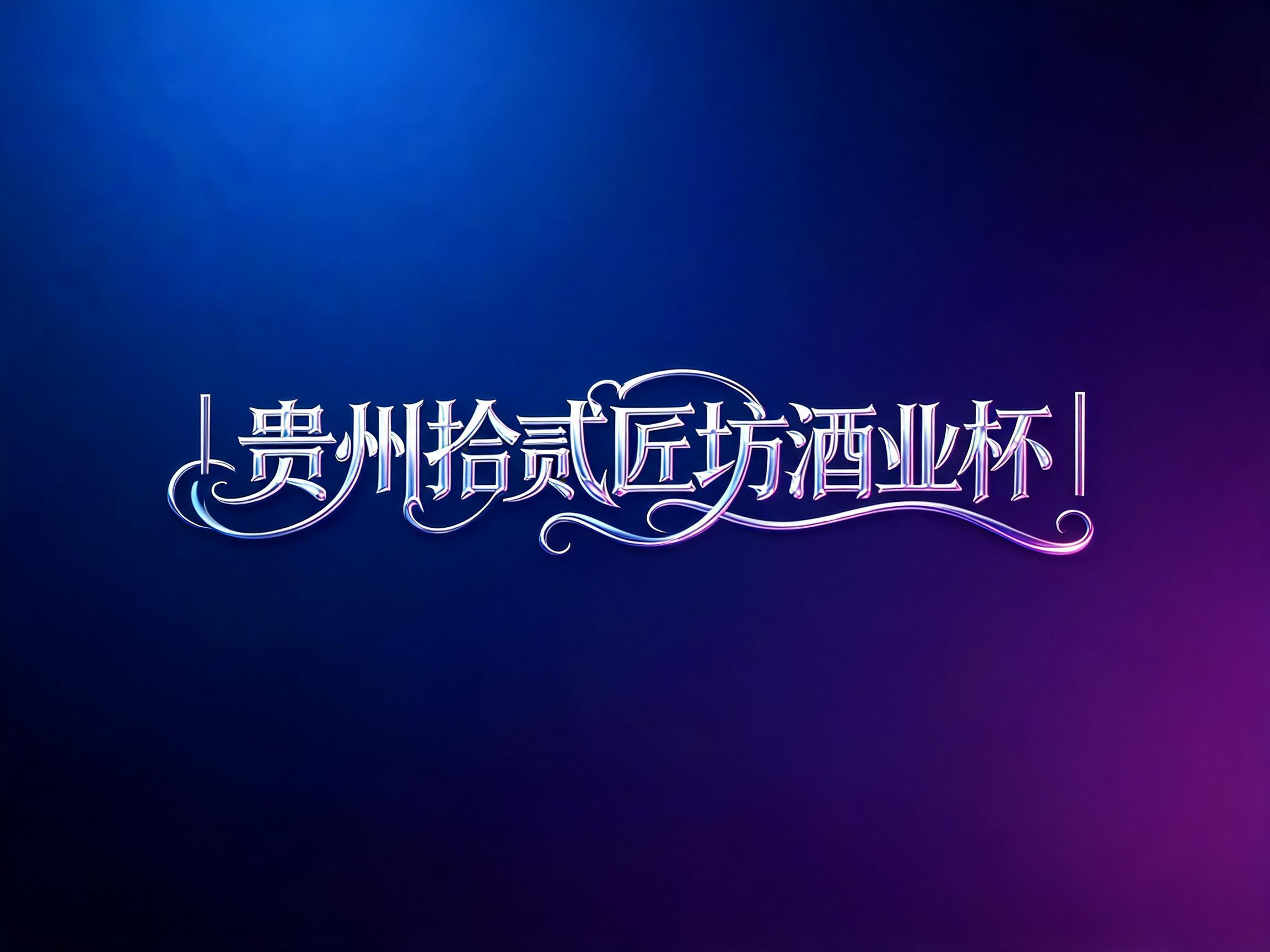
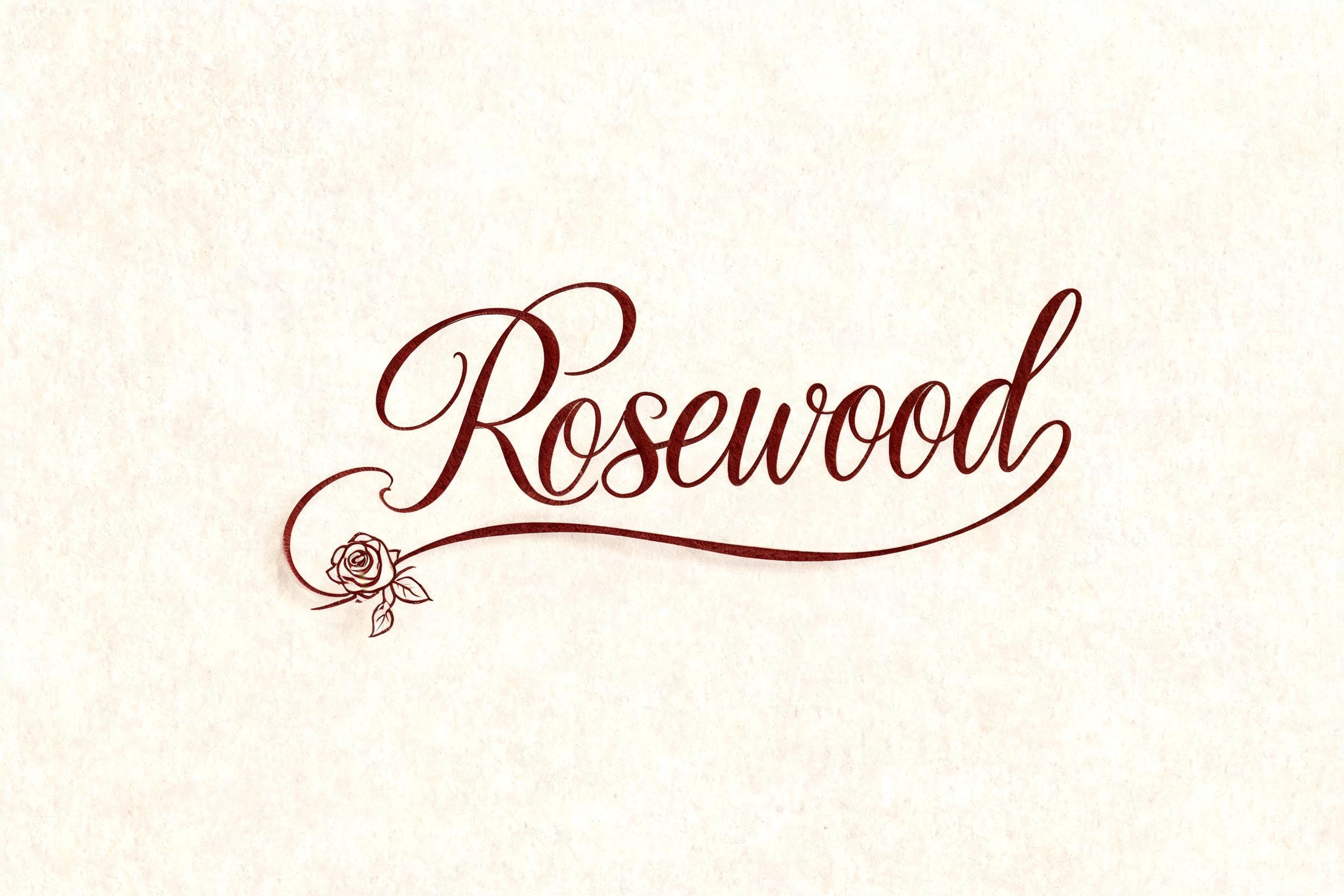
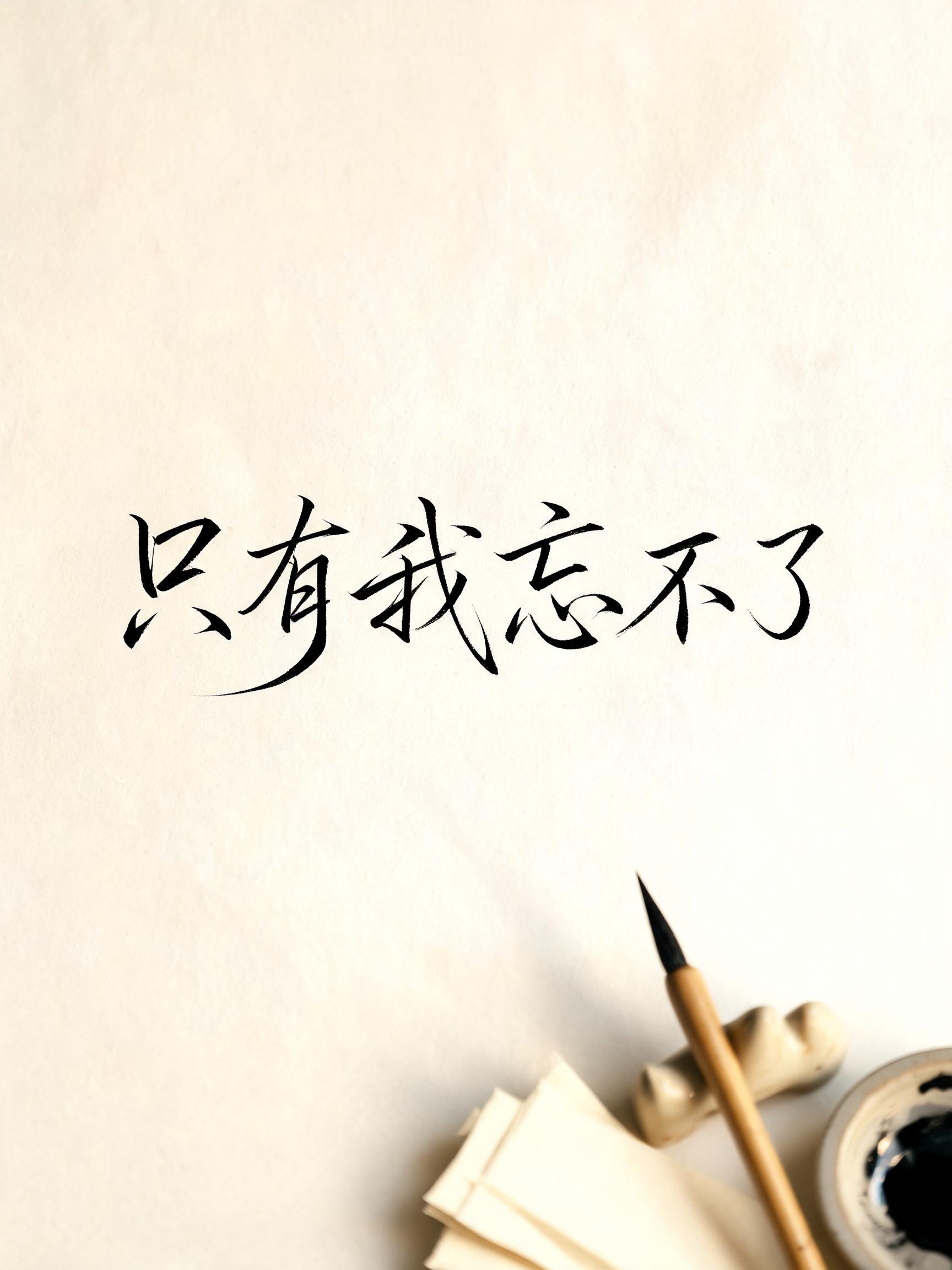
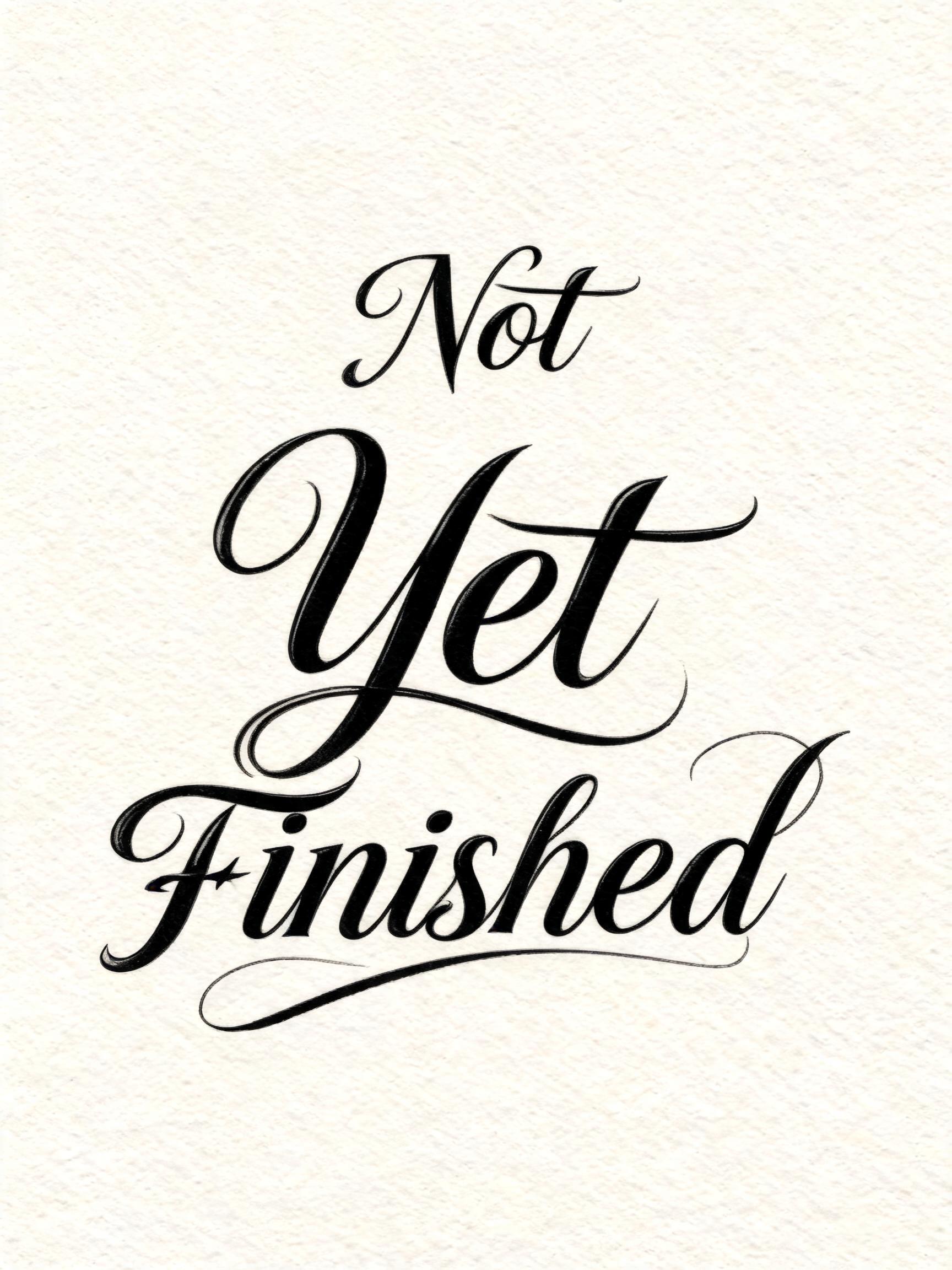
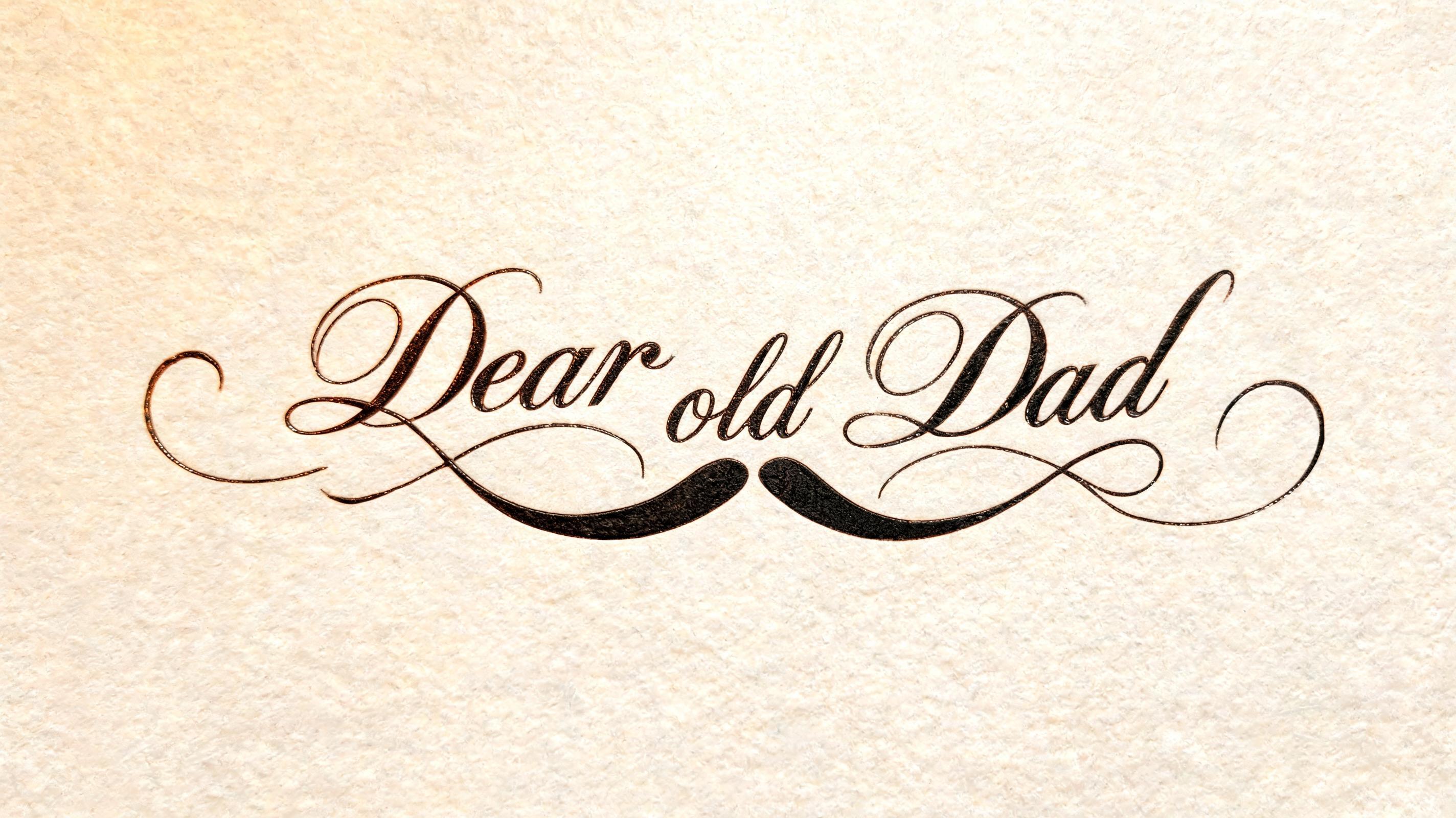
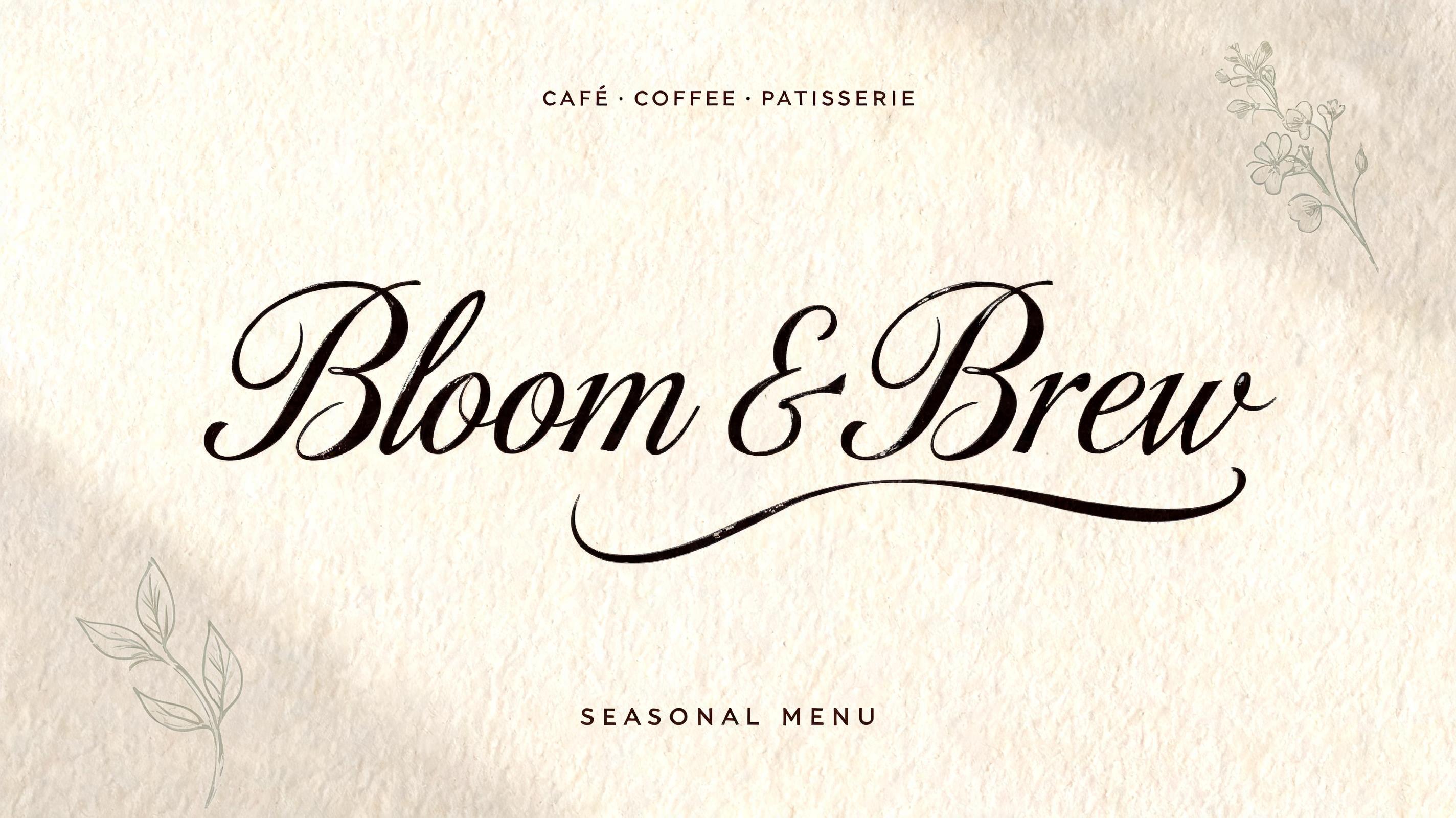
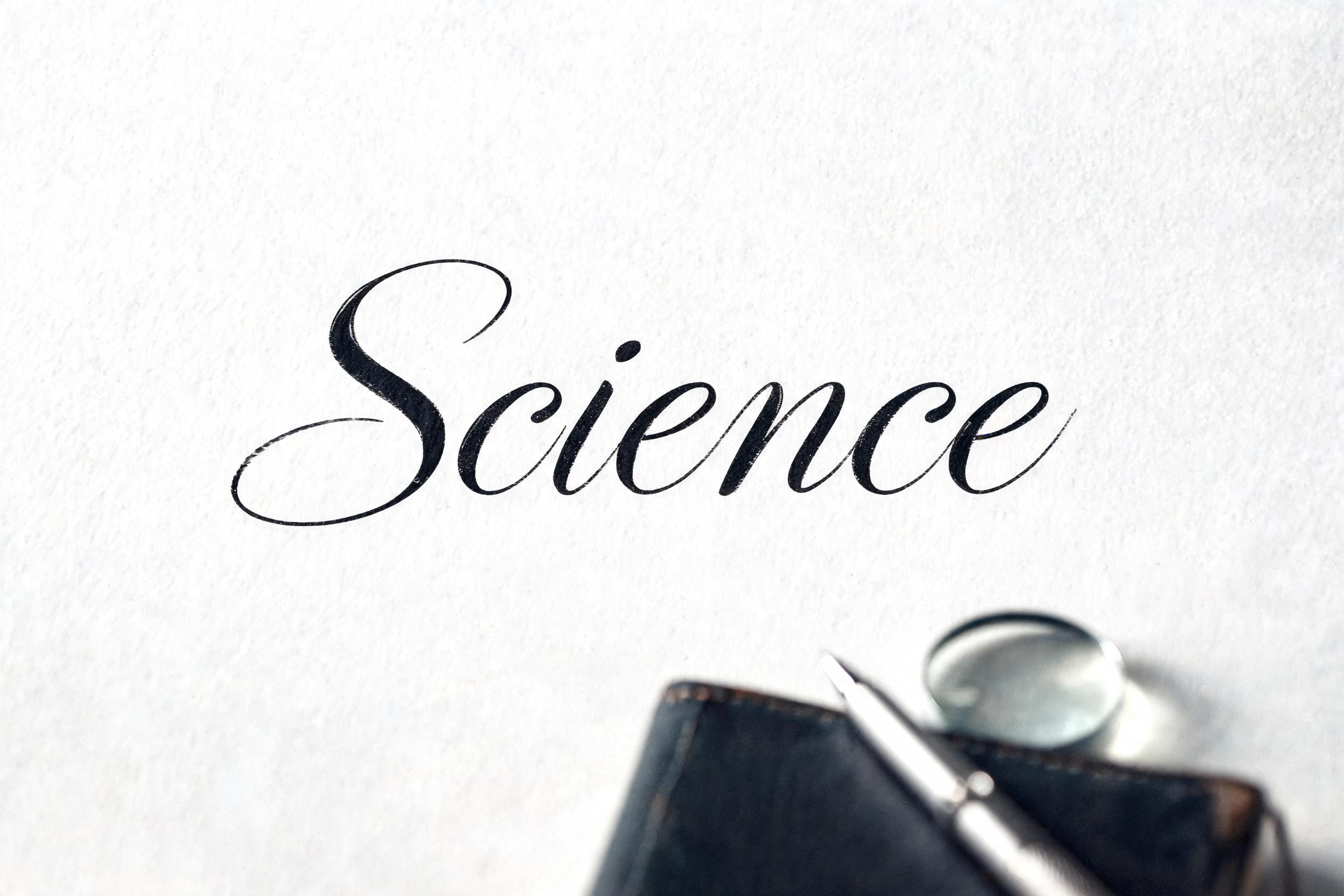
Cursive Style Gallery
Real outputs from the Cursive style. Click any image to see details.



Similar Text Effect Styles
Try these styles and create your own AI-generated text effects.
Looking for copy-paste fancy text? Try our free Font Generator Tools — cursive, gothic, bubble & 30+ styles.
Perfect for These Projects
Cursive text effects are popular for creative projects where visual impact matters.
What is the Cursive Font Style?
The Cursive font style is a distinctive AI-generated typography effect. Flowing pen-and-ink cursive: connected letters, looped ascenders and long swash entry and exit strokes, written in black ink on fine white paper with soft raking light.
Using FontVibe's AI cursive generator you can create stunning text effects in seconds — no Photoshop, no font licensing, no design experience needed.
Explore the Cursive gallery for inspiration, or browse all 126+ AI text effect styles available on FontVibe.
How to Create Cursive Typography in FontVibe Studio
1. Enter your text — Any word, phrase, or brand name. Works best with short, punchy text.
2. Select Cursive — From the style library. Optionally describe a mood in the custom prompt.
3. Generate and download. Your Cursive font artwork is ready in seconds. PNG, JPG, or transparent PNG.
Looking for something different? Browse the full font style library for more AI typography options.
Cursive Text Effect — FAQ
The Story Behind Cursive
History, visual DNA, and cultural context — everything that makes this style what it is.
Where Cursive Comes From
Cursive — from the Latin currere, "to run" — is writing where the pen runs on without lifting, letters flowing into one another. Its story is one of speed and grace pulling against each other for five centuries.
The modern joined hand begins with the Italic chancery cursive of the Renaissance, developed by scribes in the papal chancery of early-1500s Italy to write quickly yet beautifully. From there the pointed steel pen gave rise to English Roundhand and Copperplate in the 1600s and 1700s — the high-contrast, flourished script that engravers cut into copper plates for invitations, legal documents and fine correspondence.
In 19th-century America, Platt Rogers Spencer distilled these principles into Spencerian script, taught in schools and used for business until the typewriter arrived; Austin Palmer's plainer, faster Palmer Method then trained generations of schoolchildren in the looping hand many people still picture when they hear the word "cursive." Today, as everyday handwriting fades, cursive has found a second life online — in logos, wedding lettering, tattoos and social feeds — which is exactly what an AI cursive font generator is built to serve.
The Visual DNA
Did You Know?
The word "cursive" comes from the Latin currere, "to run" — because the pen runs across the page without stopping. The same root gives us "current" and "courier."
The Coca-Cola logo, drawn in 1887 in Spencerian cursive by bookkeeper Frank Mason Robinson, is the most-seen piece of handwriting in history — a reminder of how much brand warmth a flowing script can carry.