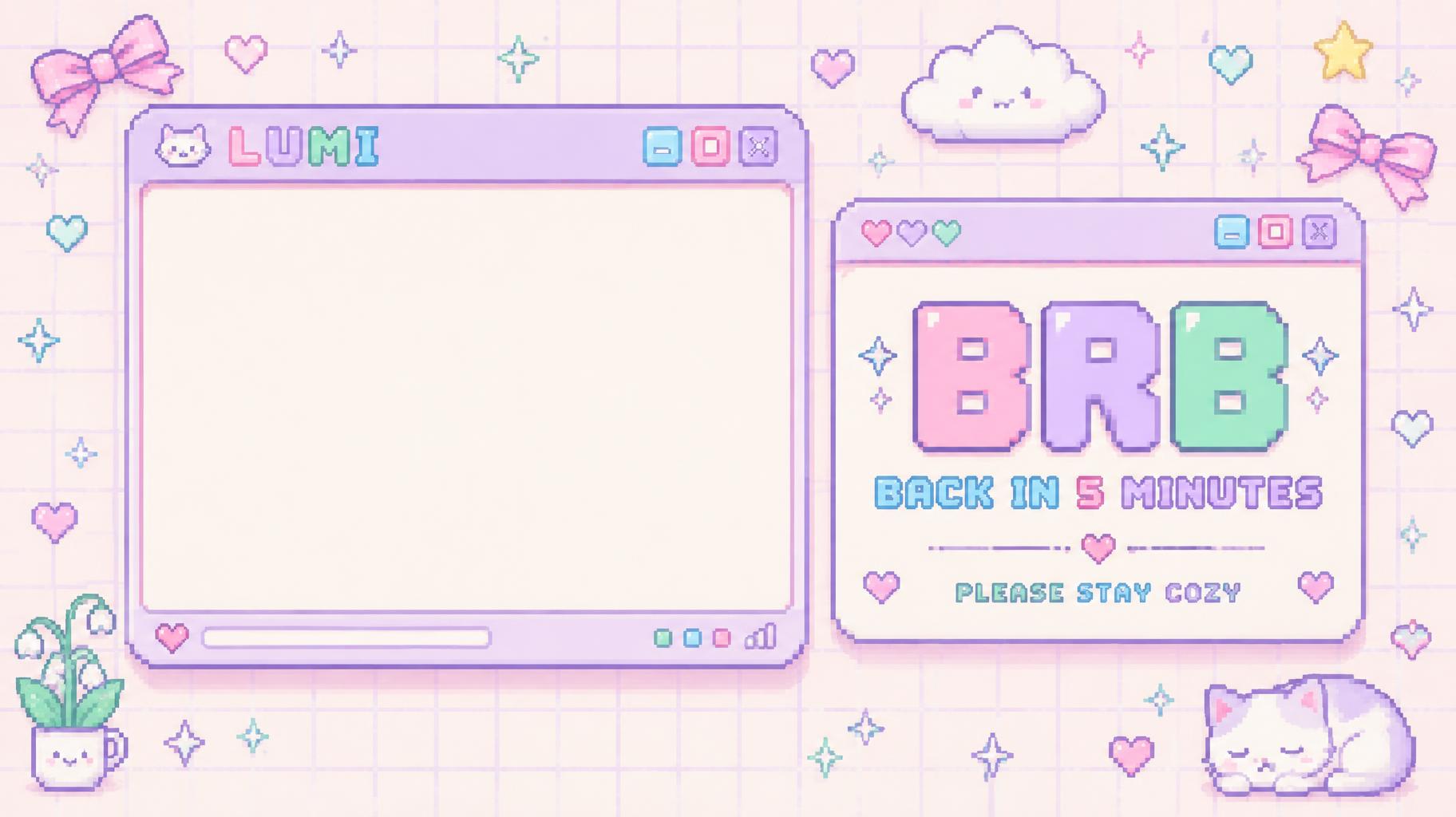
The kawaii aesthetic: soft windows, stickers, pastel light and paper texture
Every kawaii piece here is built from the same four parts. The style draws the windows, the stickers, the light and the paper around your name; the letters themselves come from the AI font you pick.
Kawaii banners, name logos, backgrounds, stream screens and posts
Every format here is built around your name in a soft pastel window, with your time, platform or status in the info bar. Pick a format to see designs made in it, or describe your own.
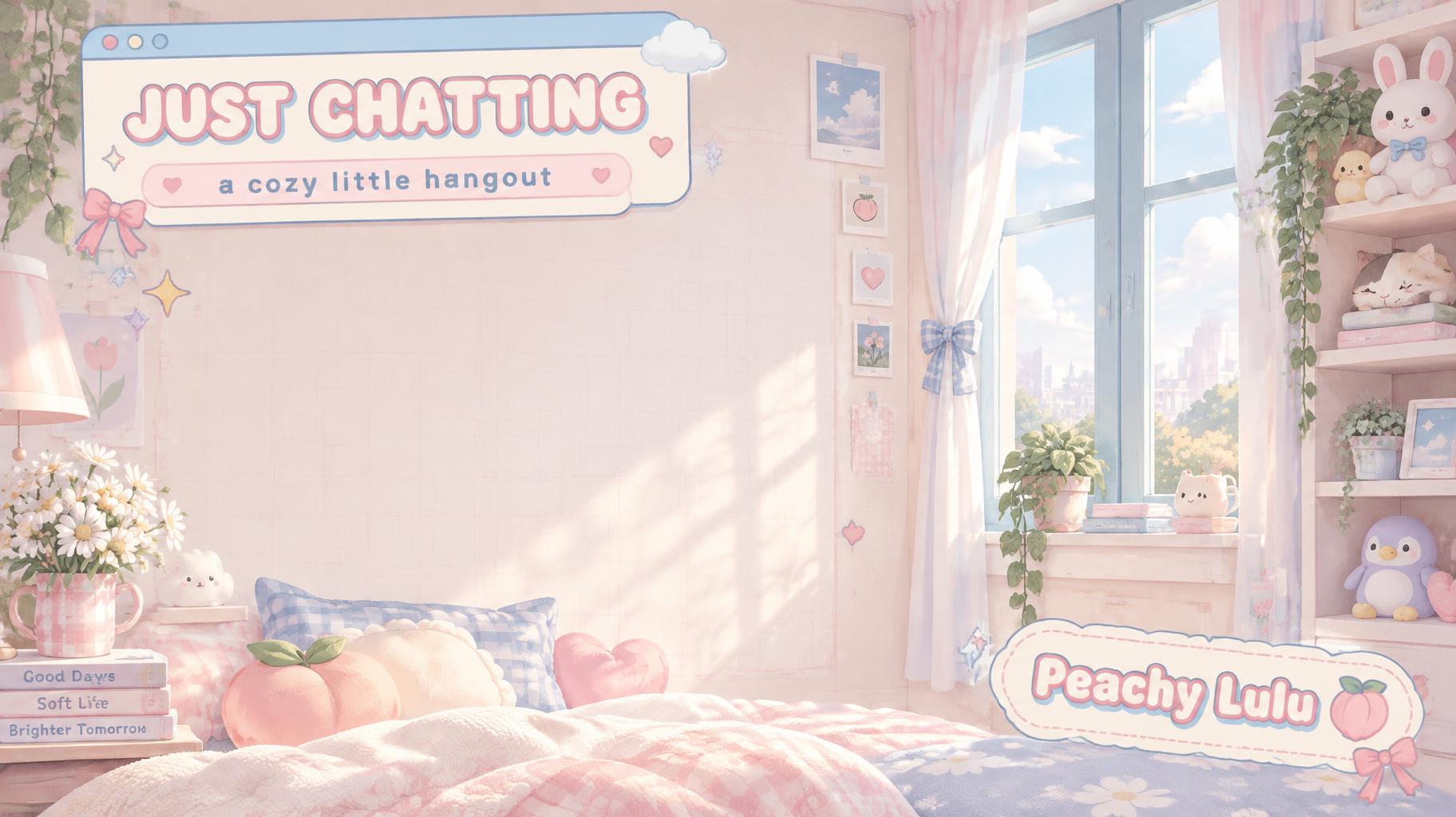
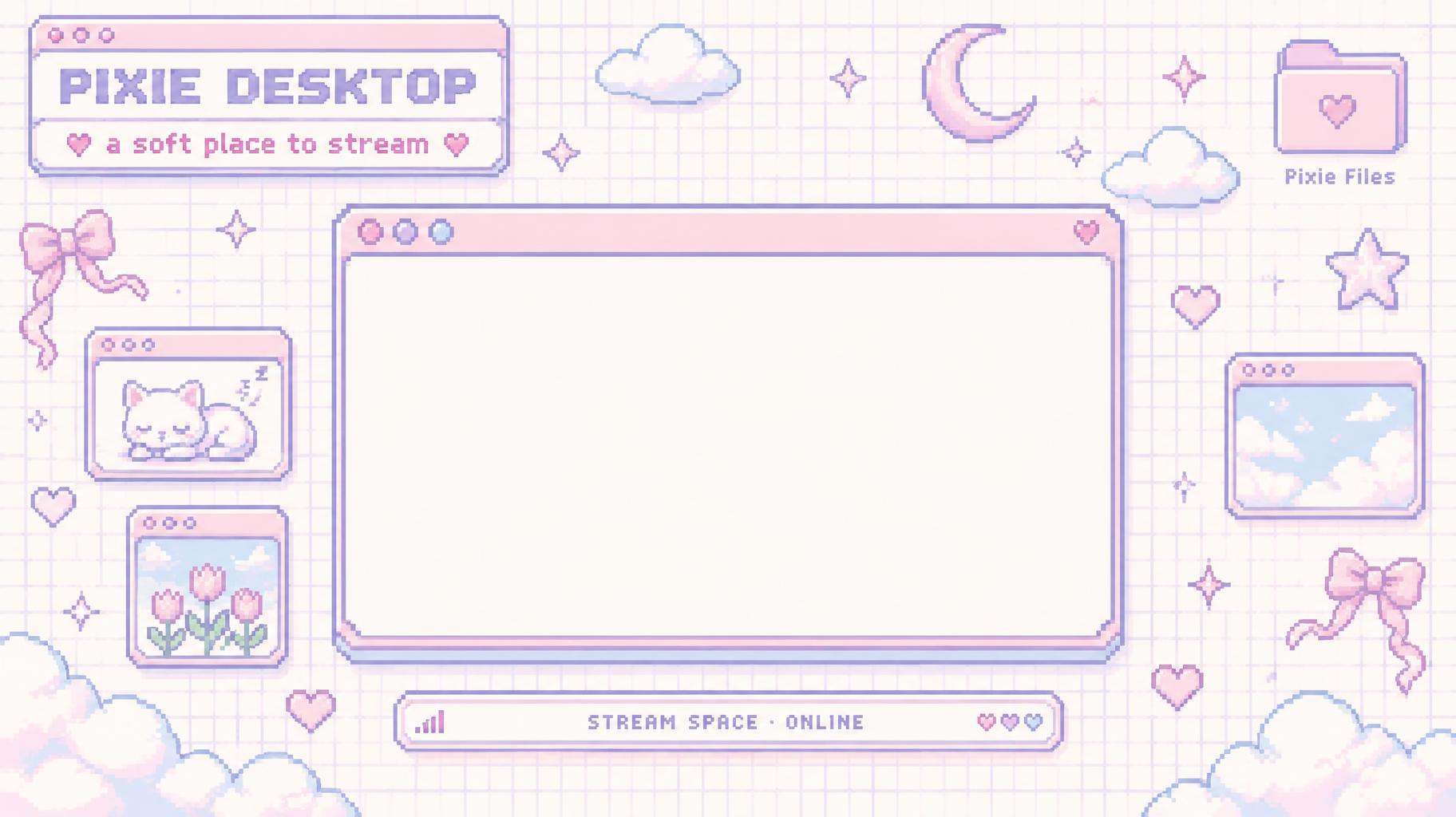
Kawaii Stream Backgrounds
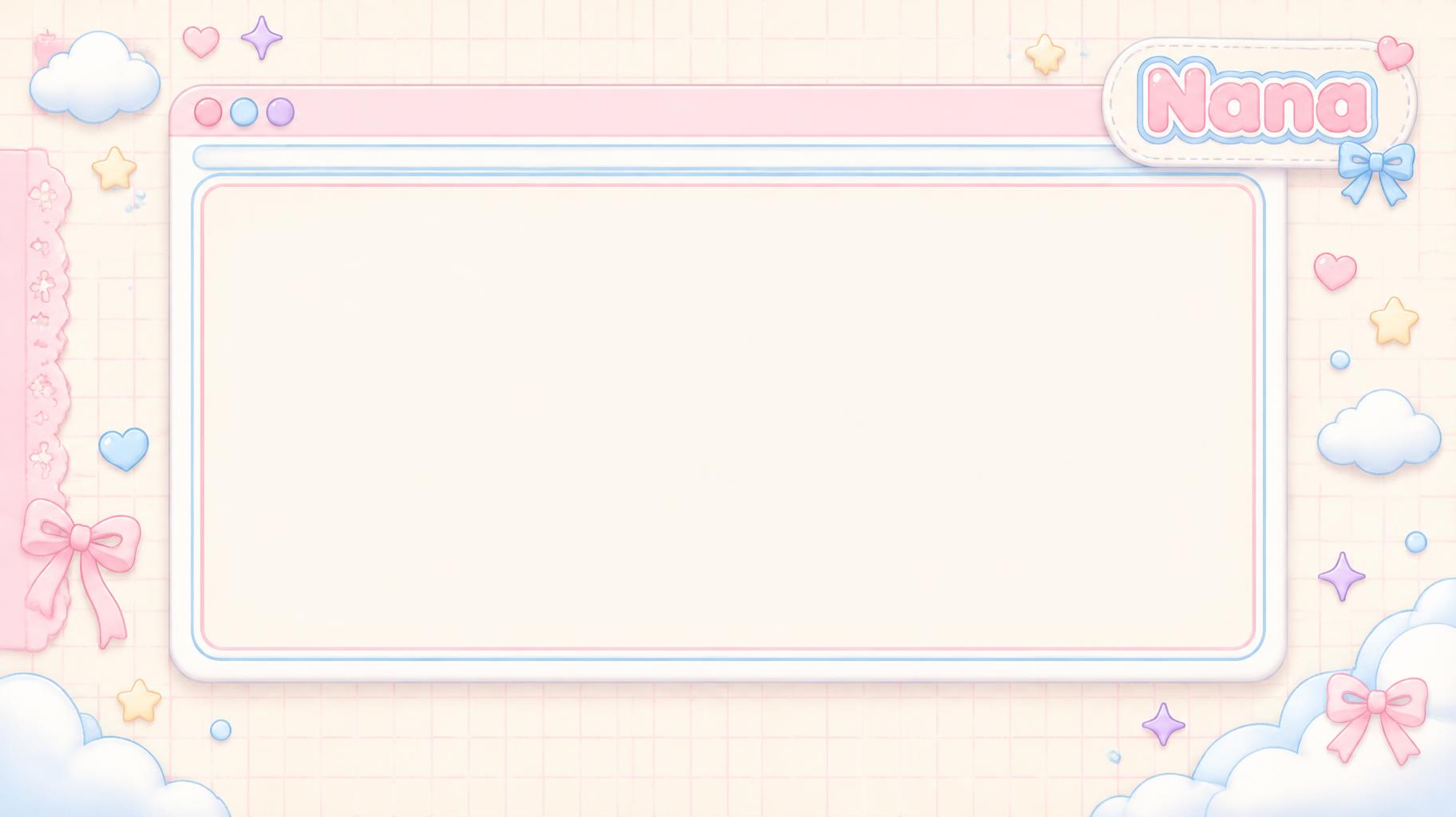
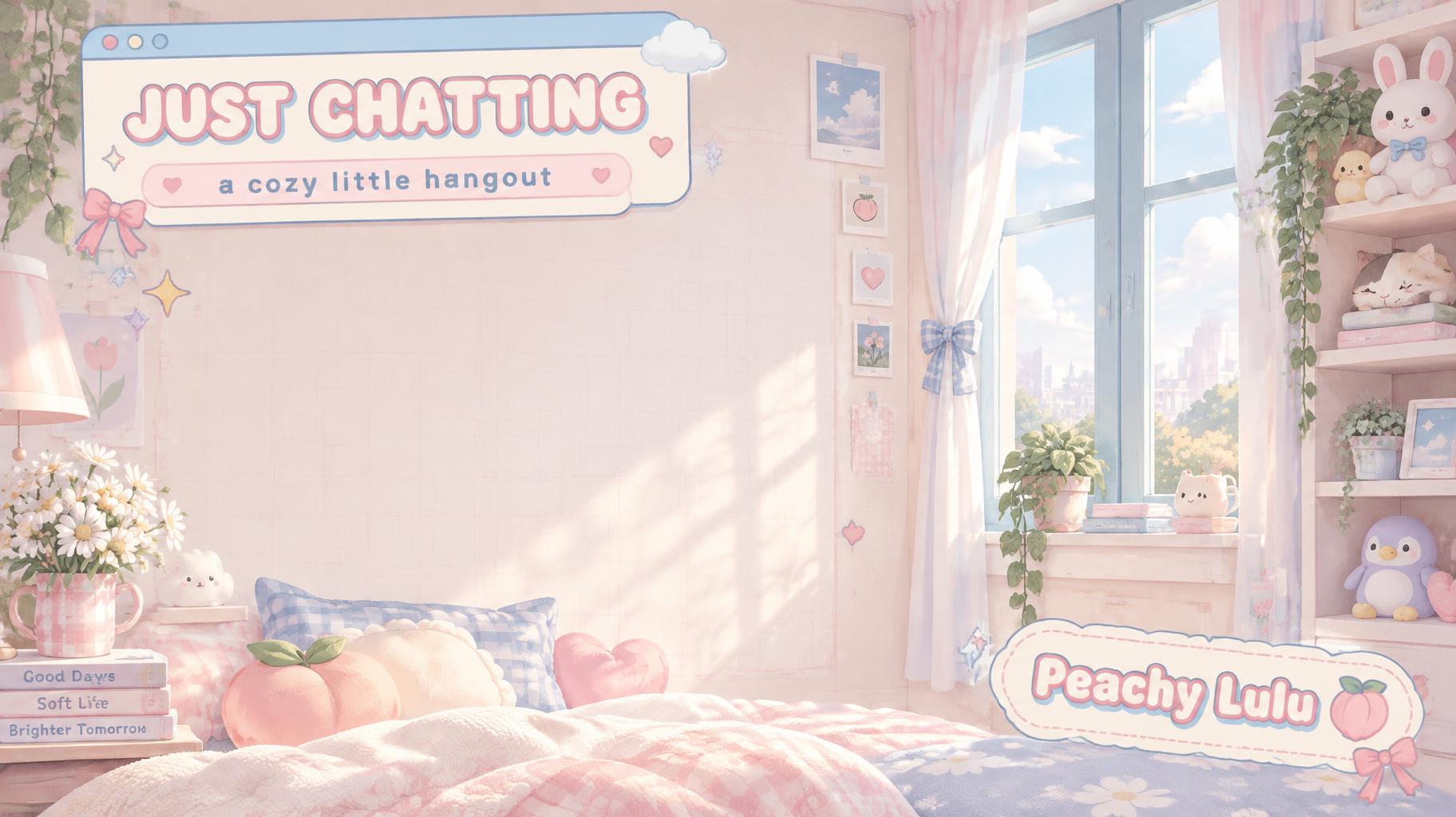
Soft pastel backdrops with an empty window for your camera or avatar and only a small name tag.
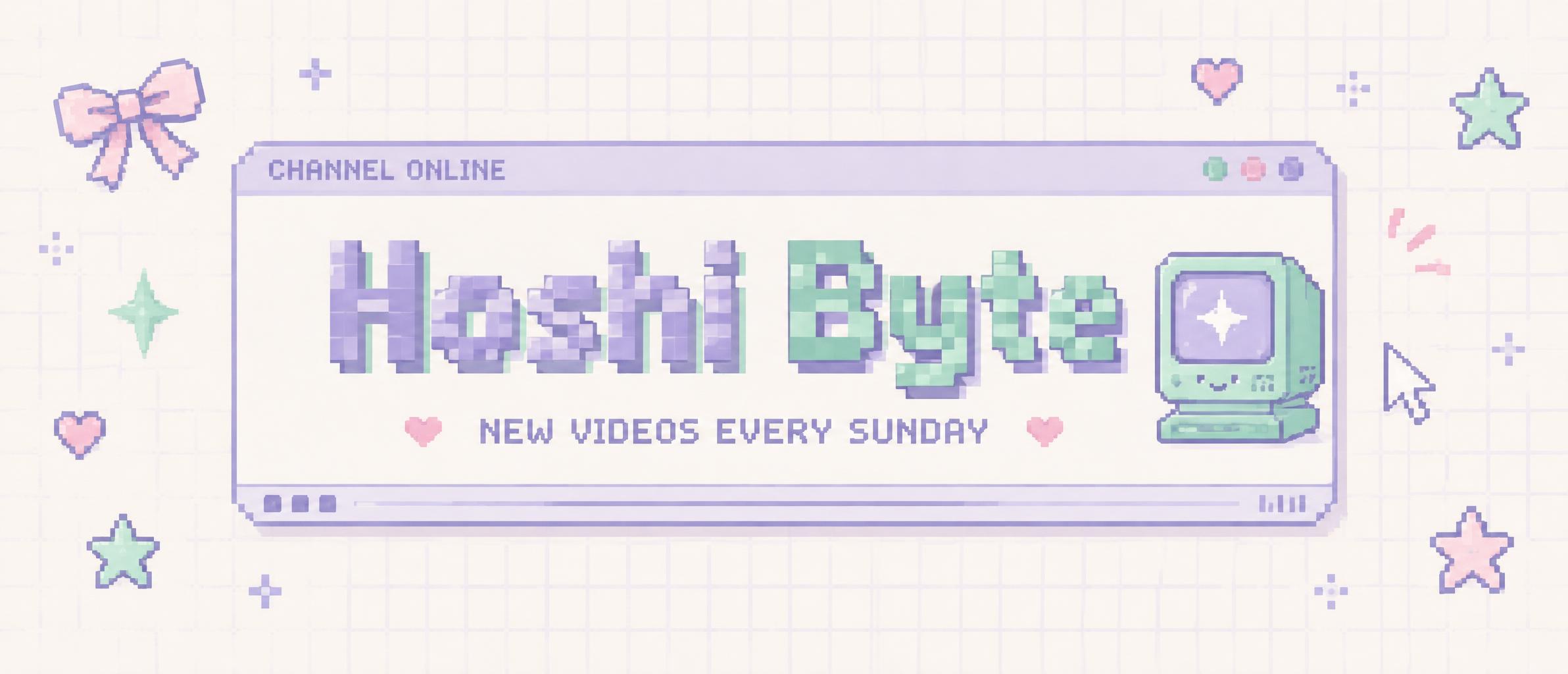
Kawaii Channel Banners
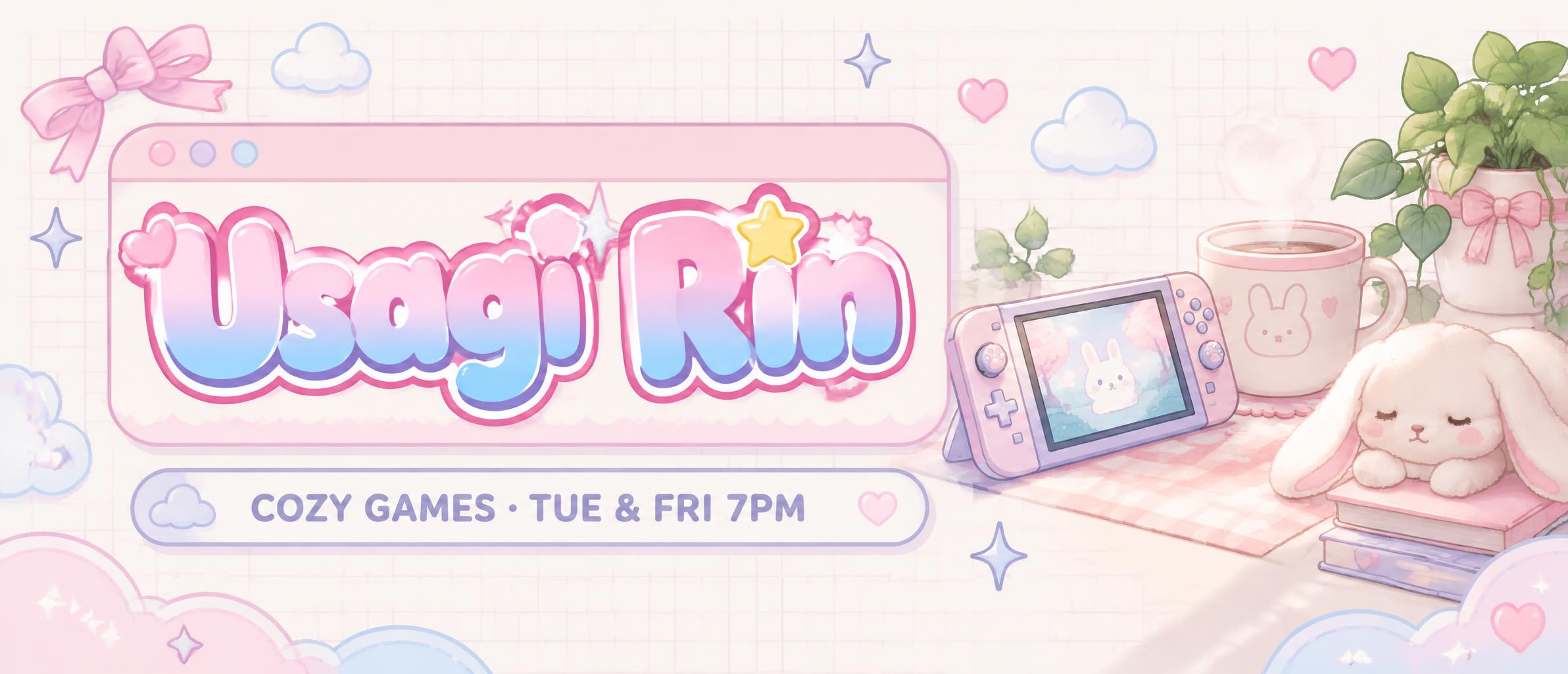
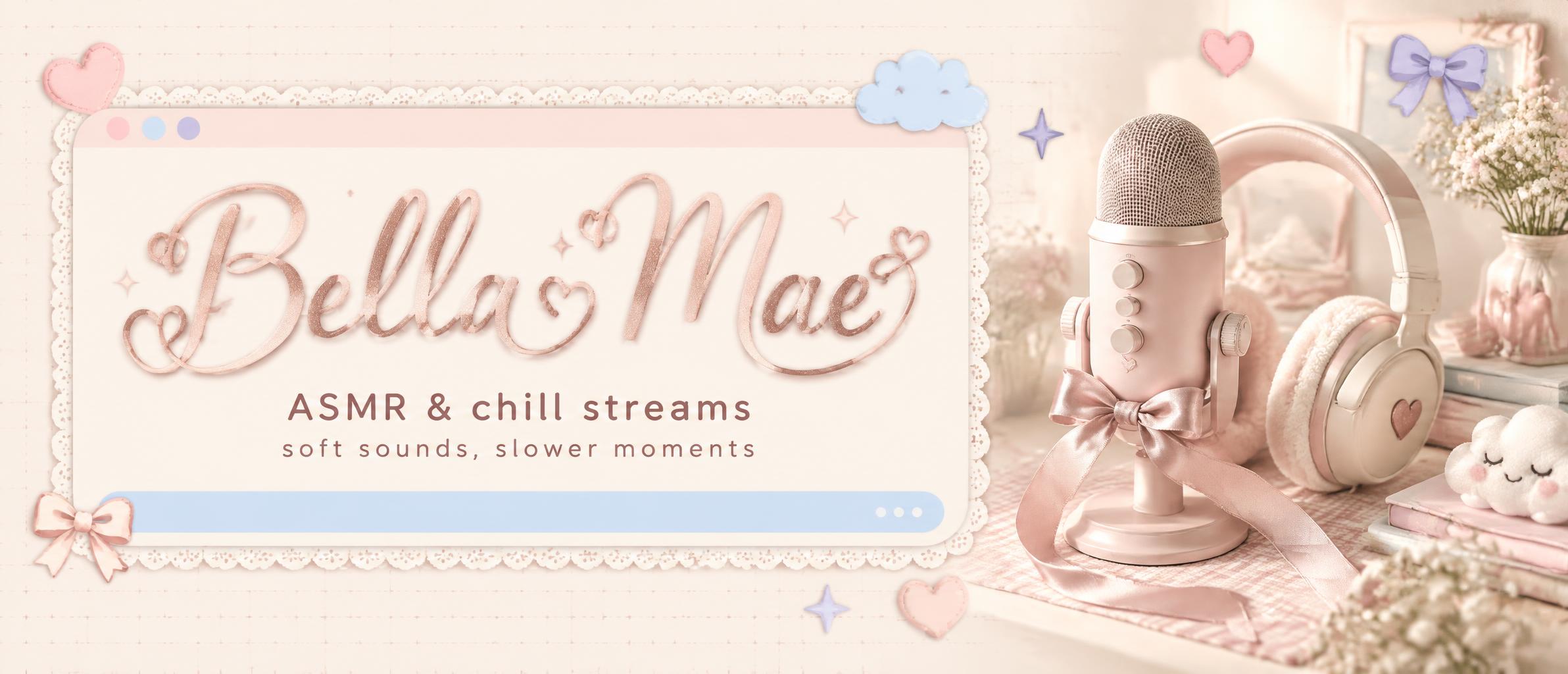
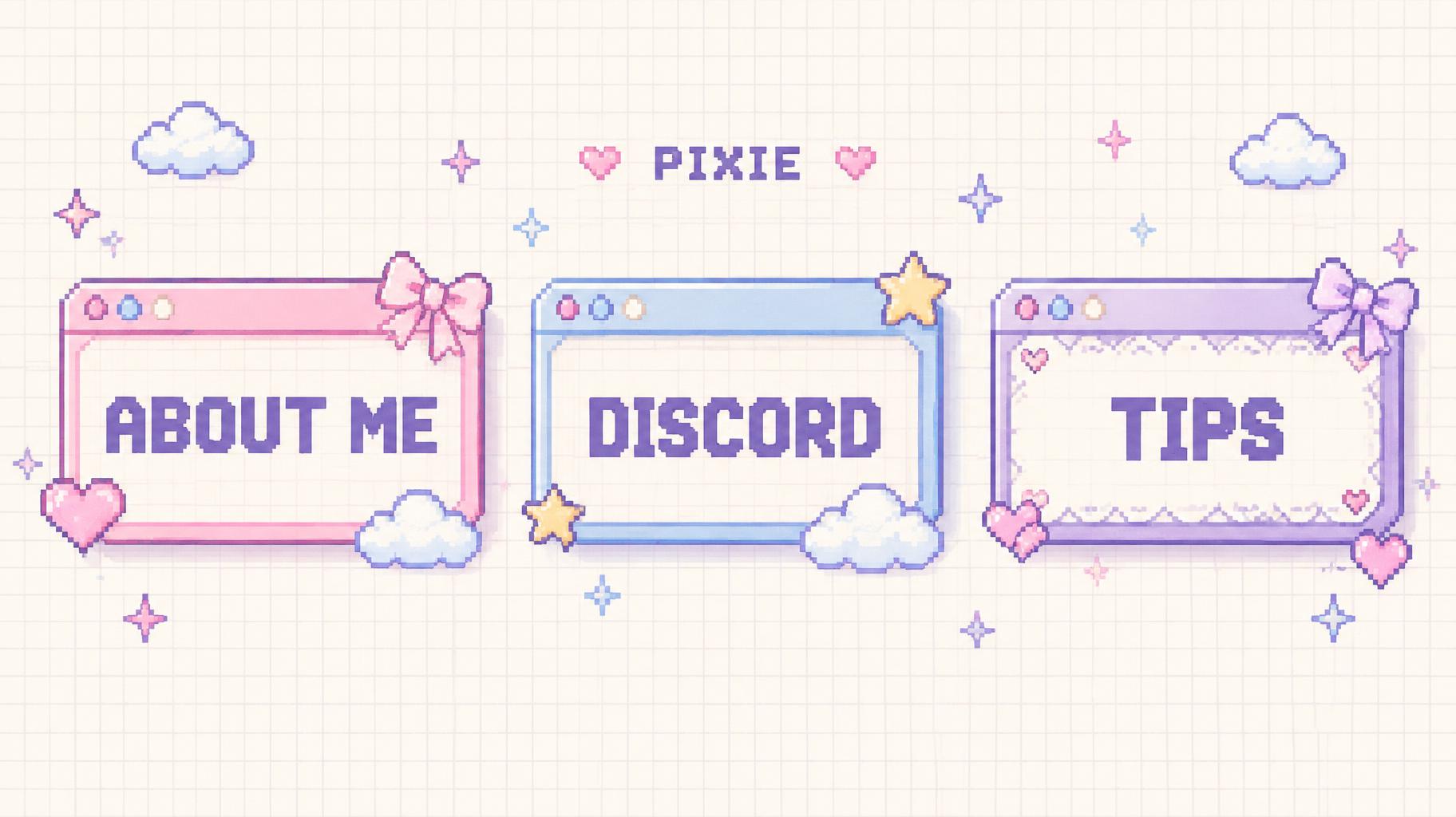
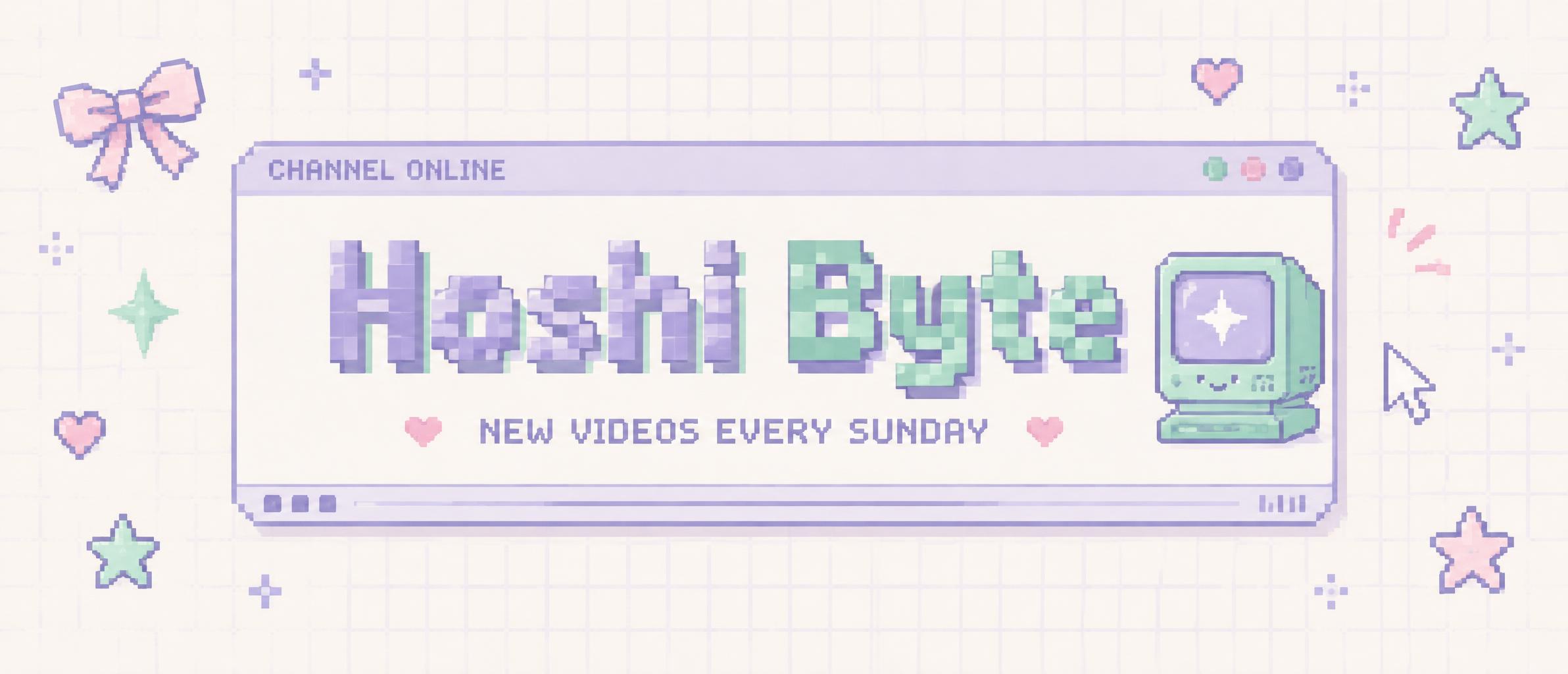
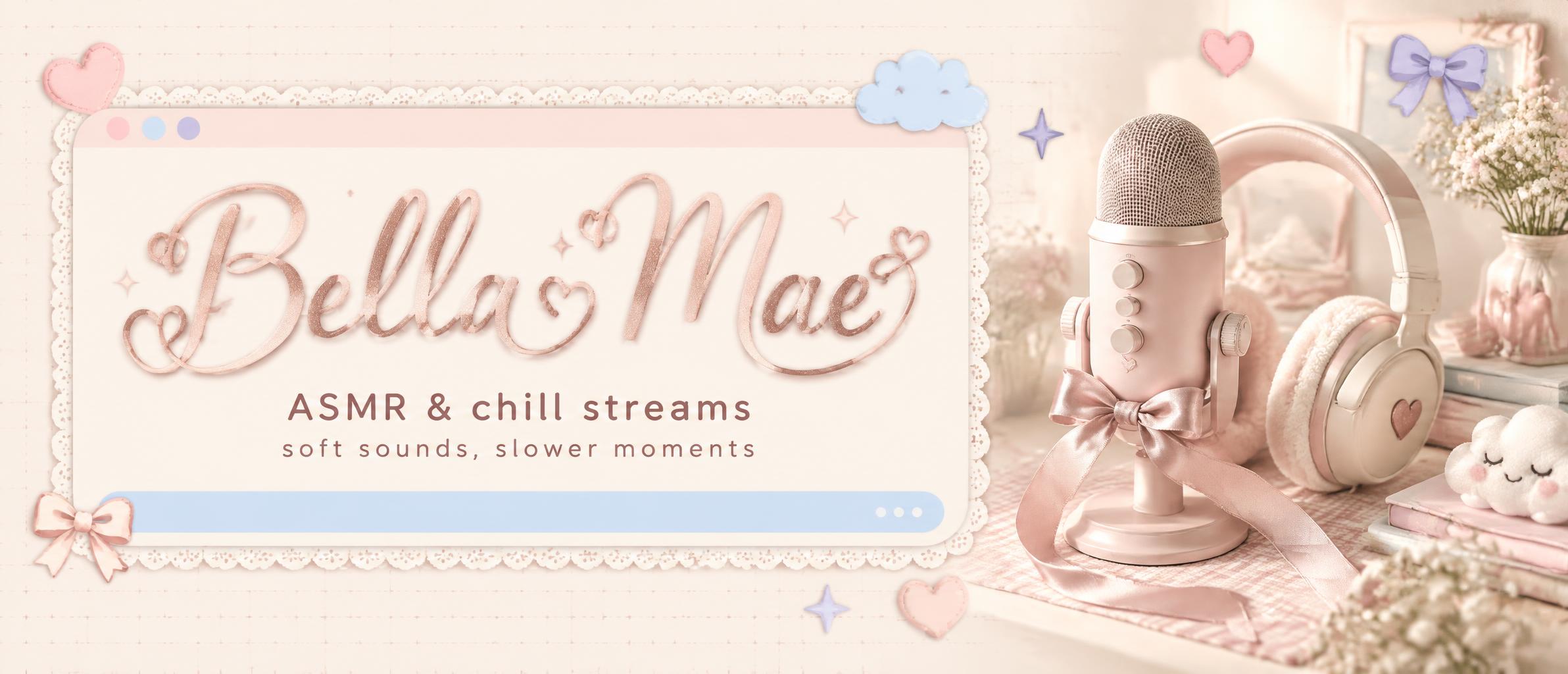
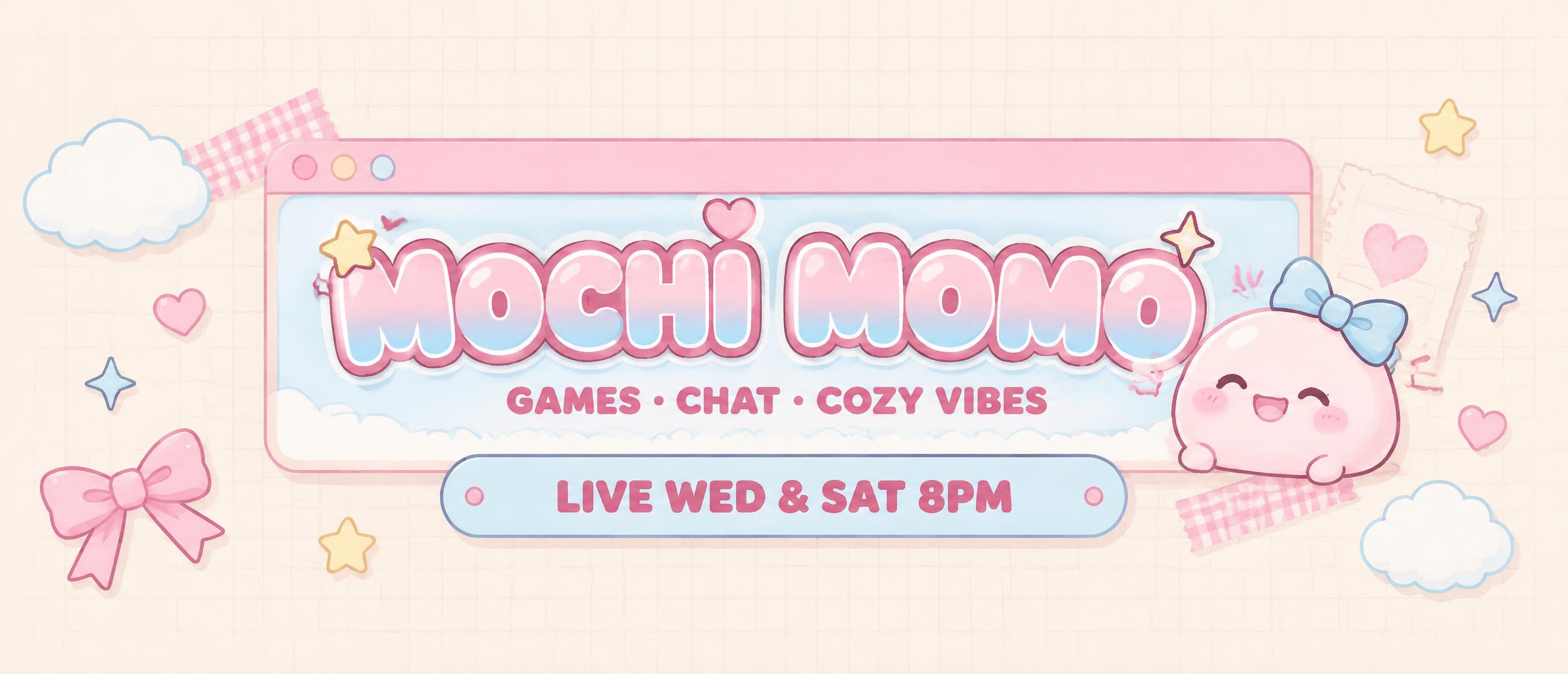
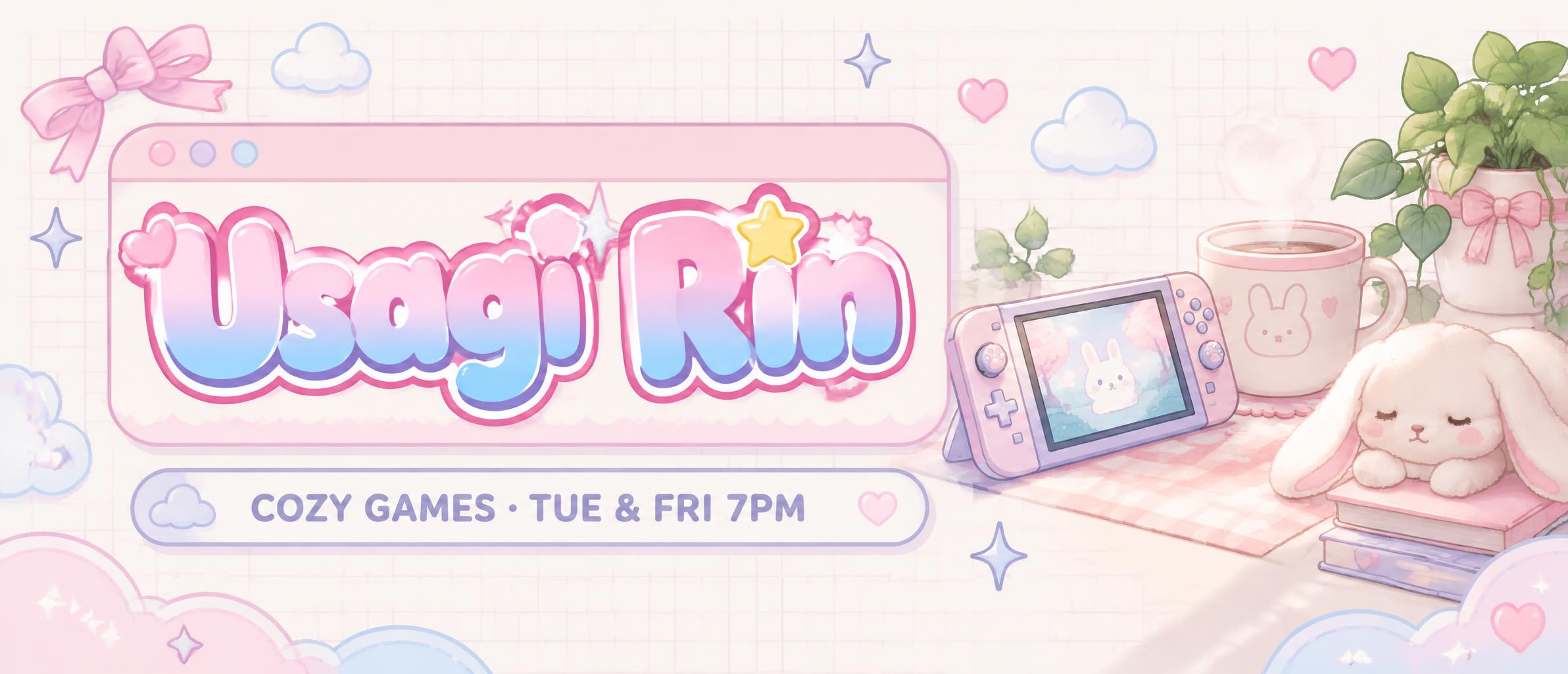
Wide pastel banners with your name in a rounded window and your stream days or handle in the info bar.
Kawaii Name Logos
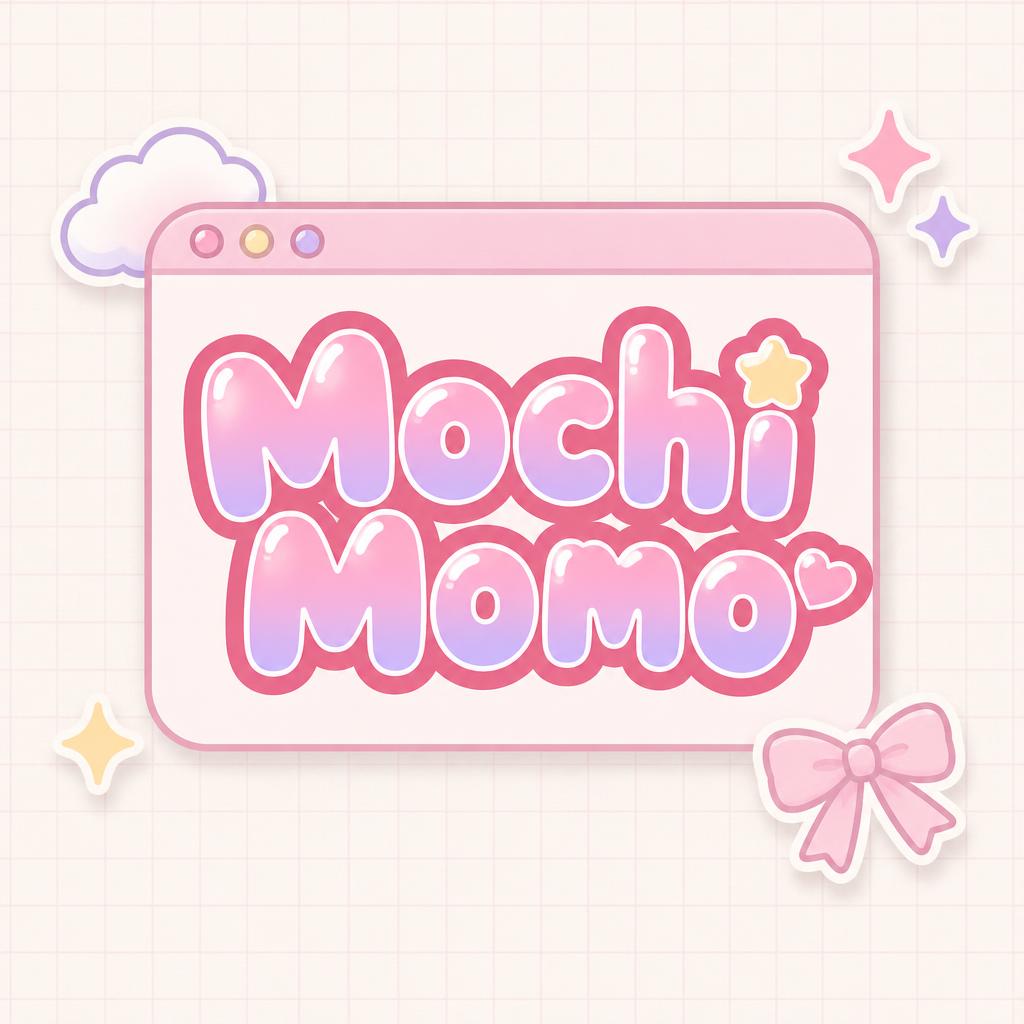
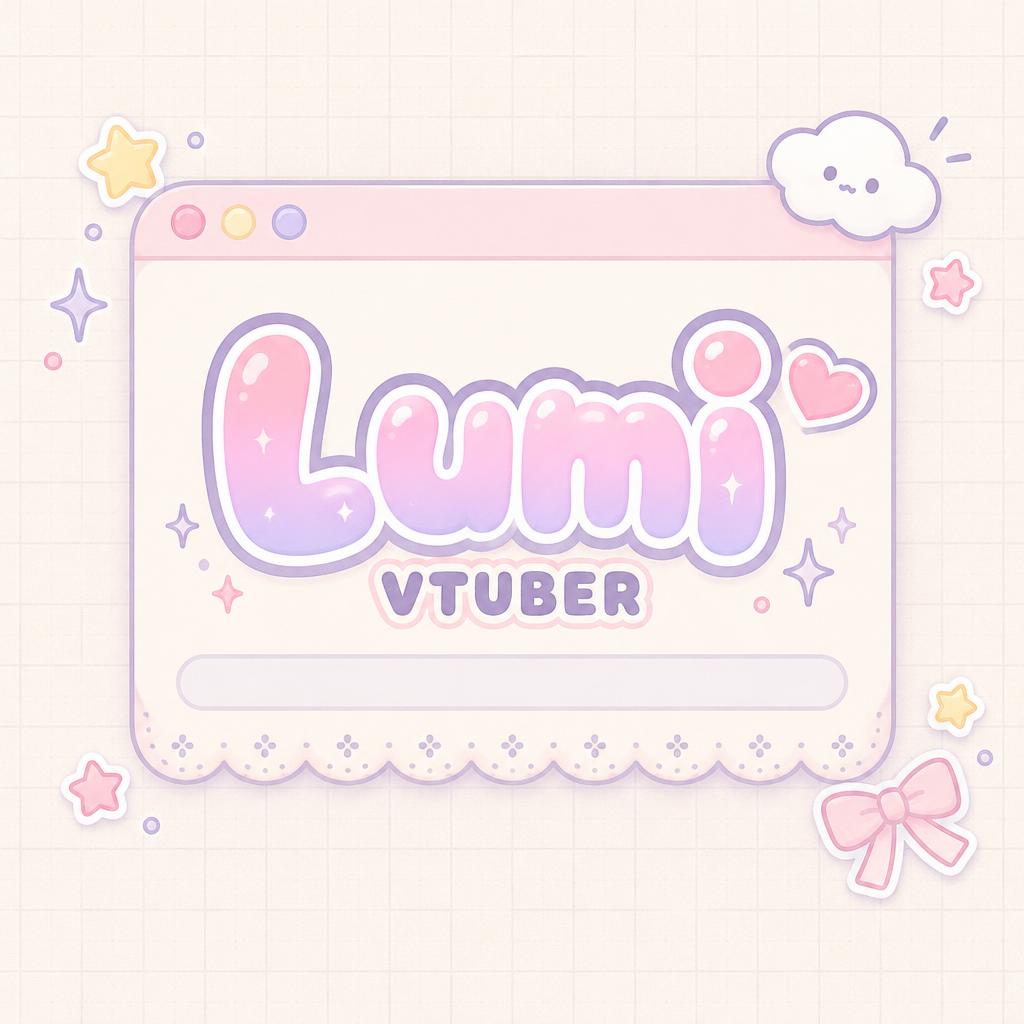
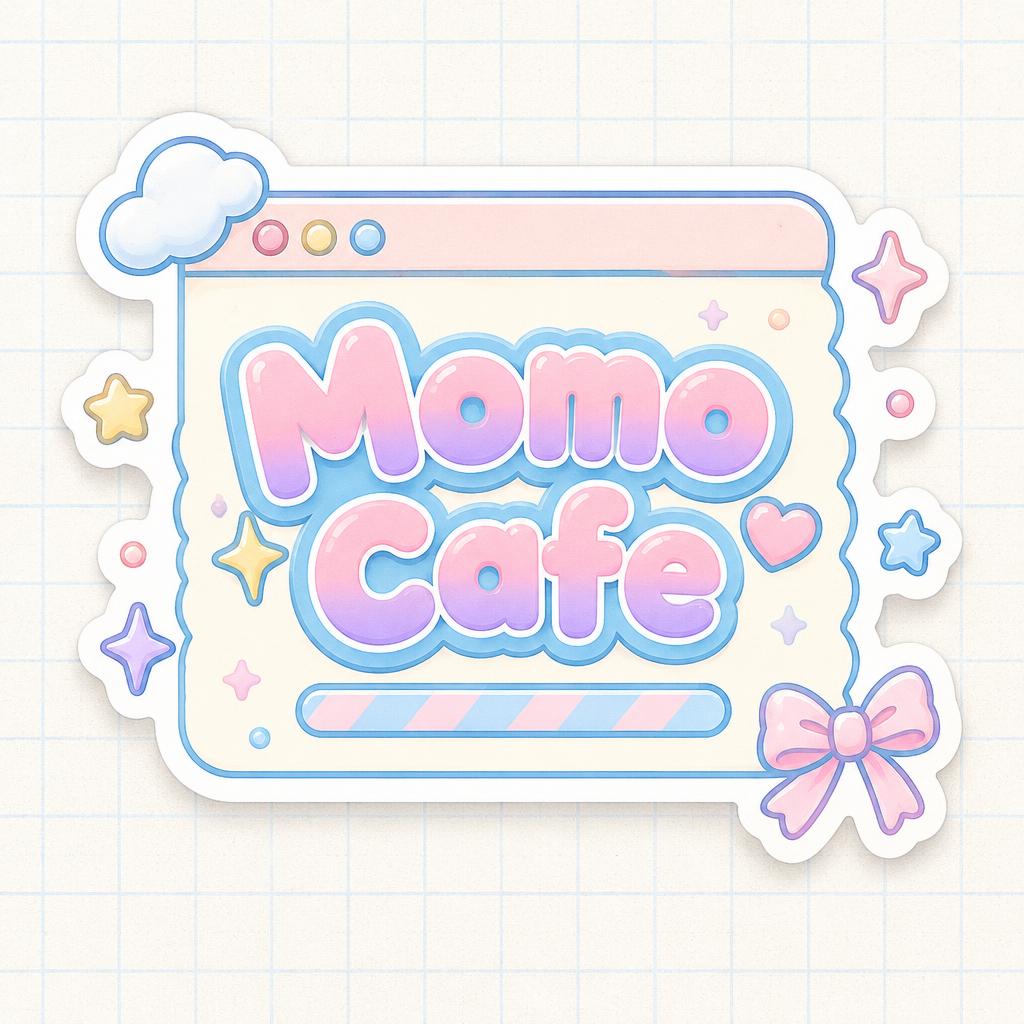
Cute name logos with a small heart, star or bow and a short tag such as VTUBER under the name.
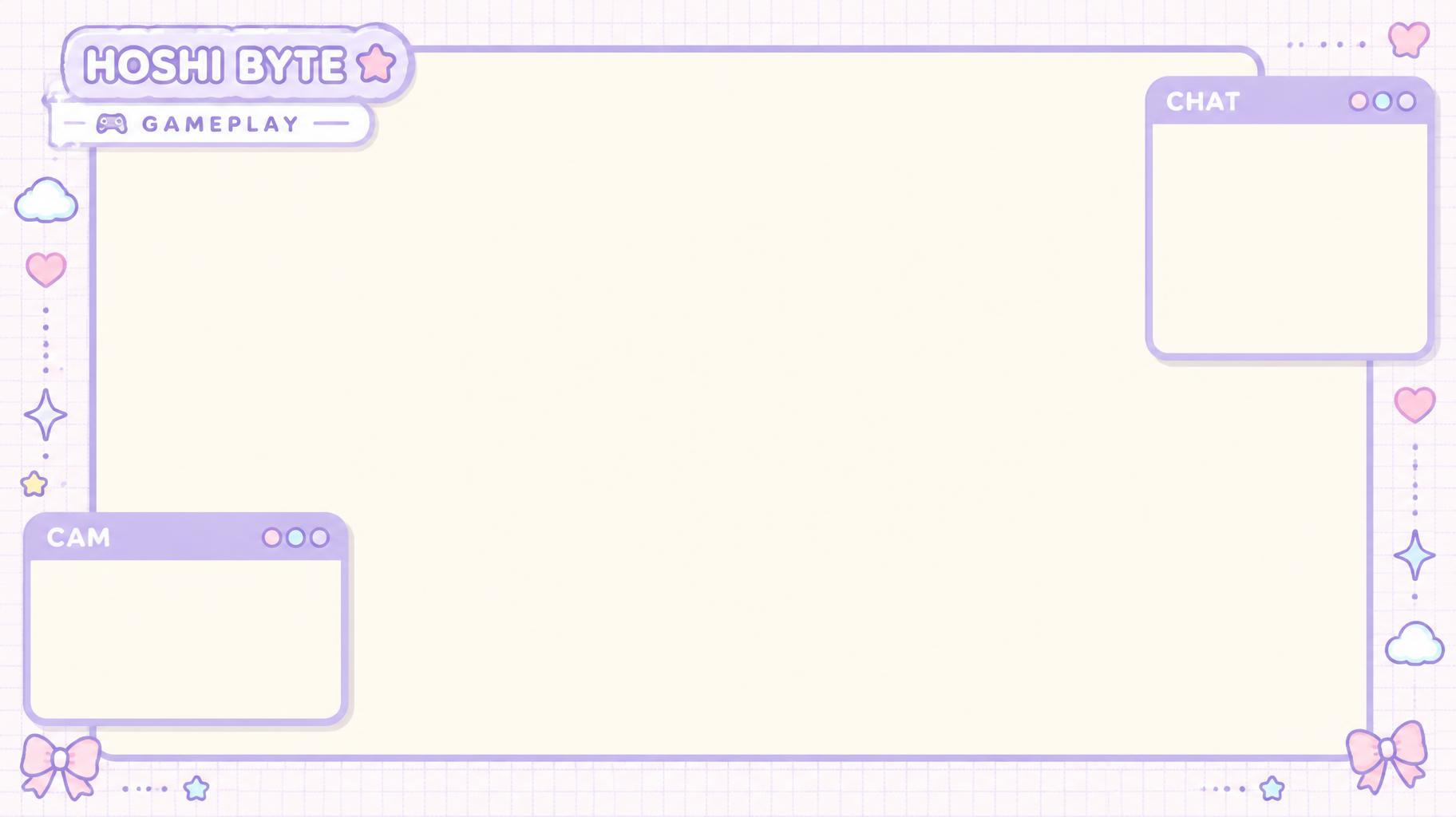
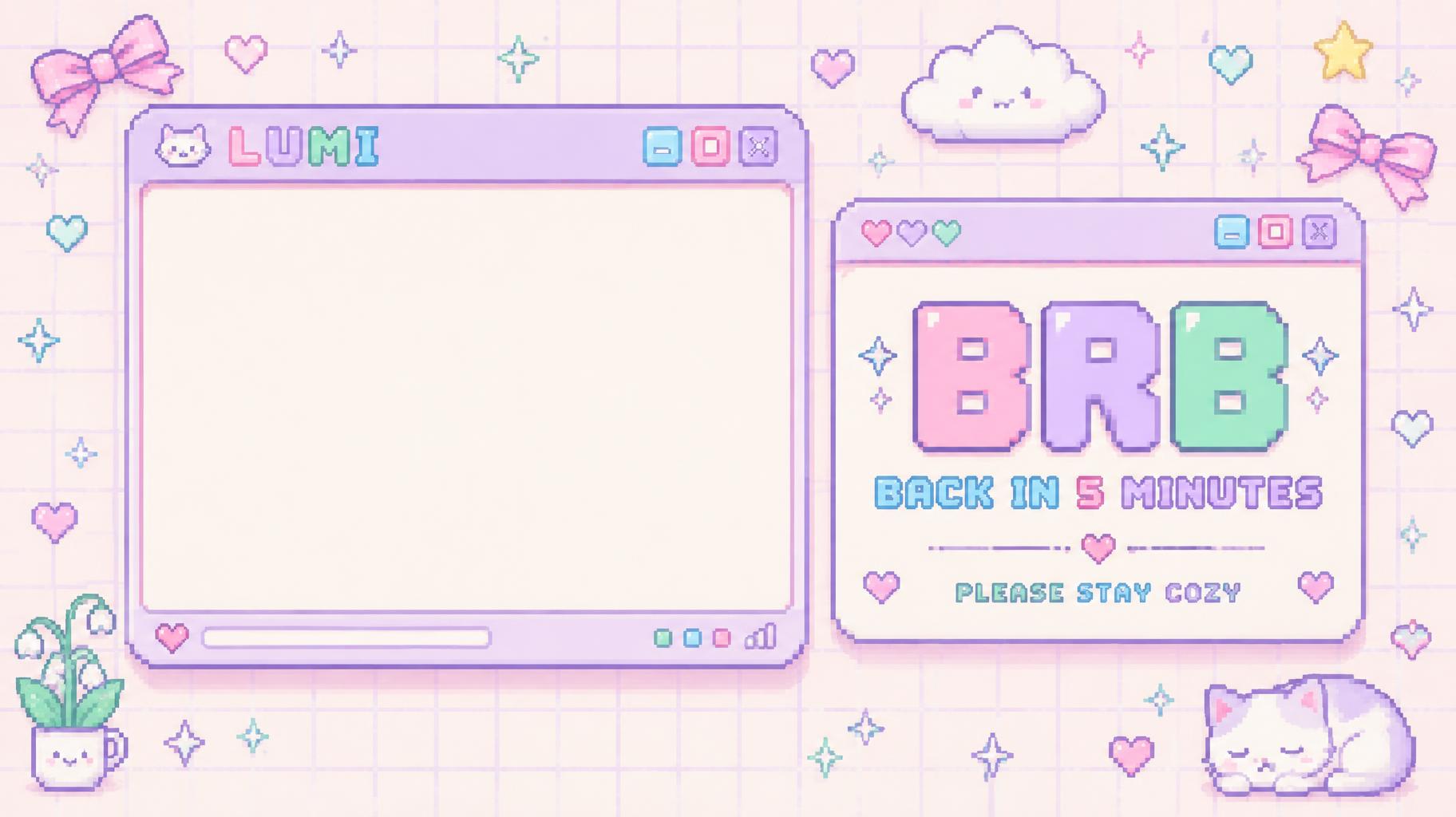
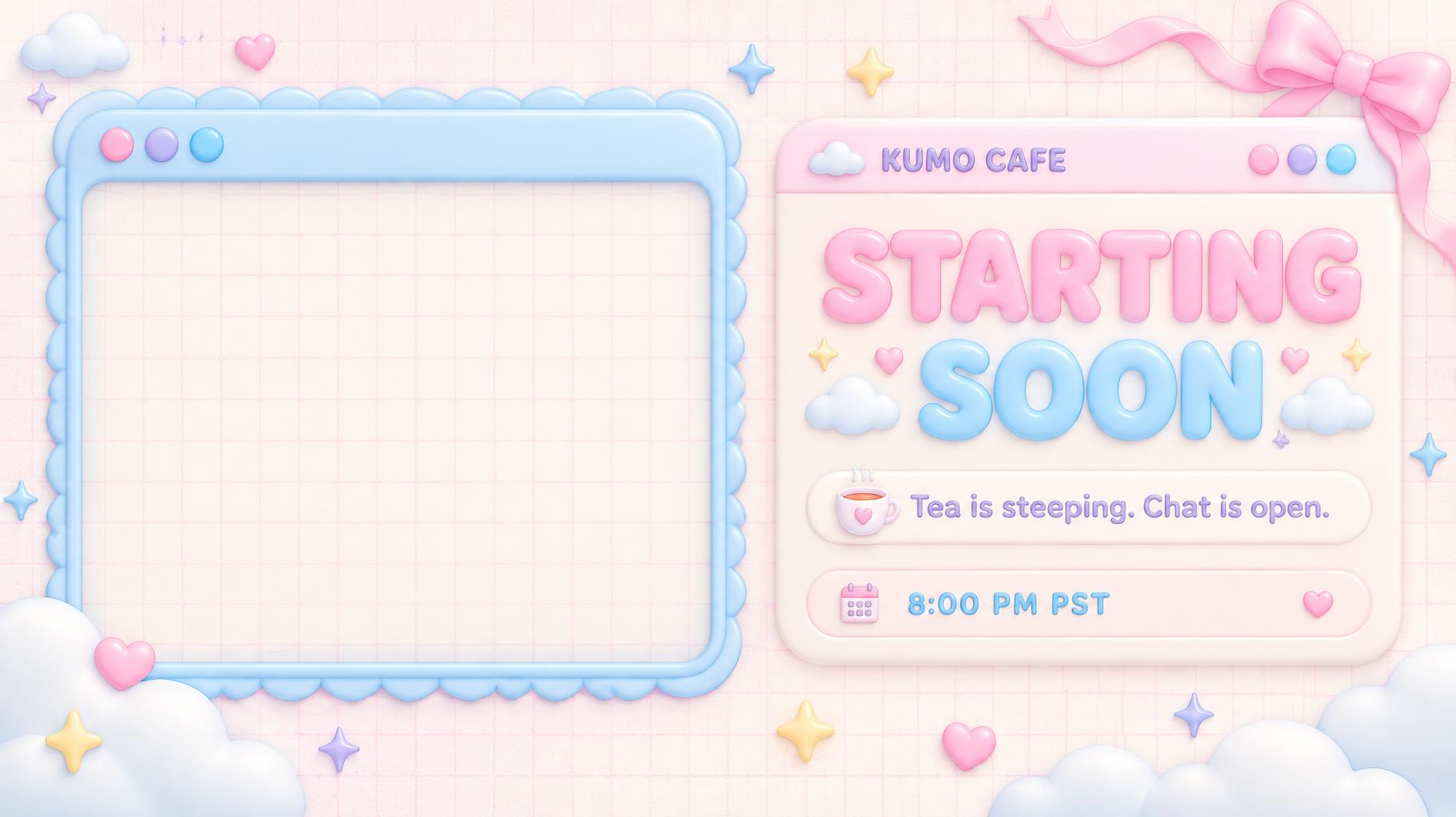
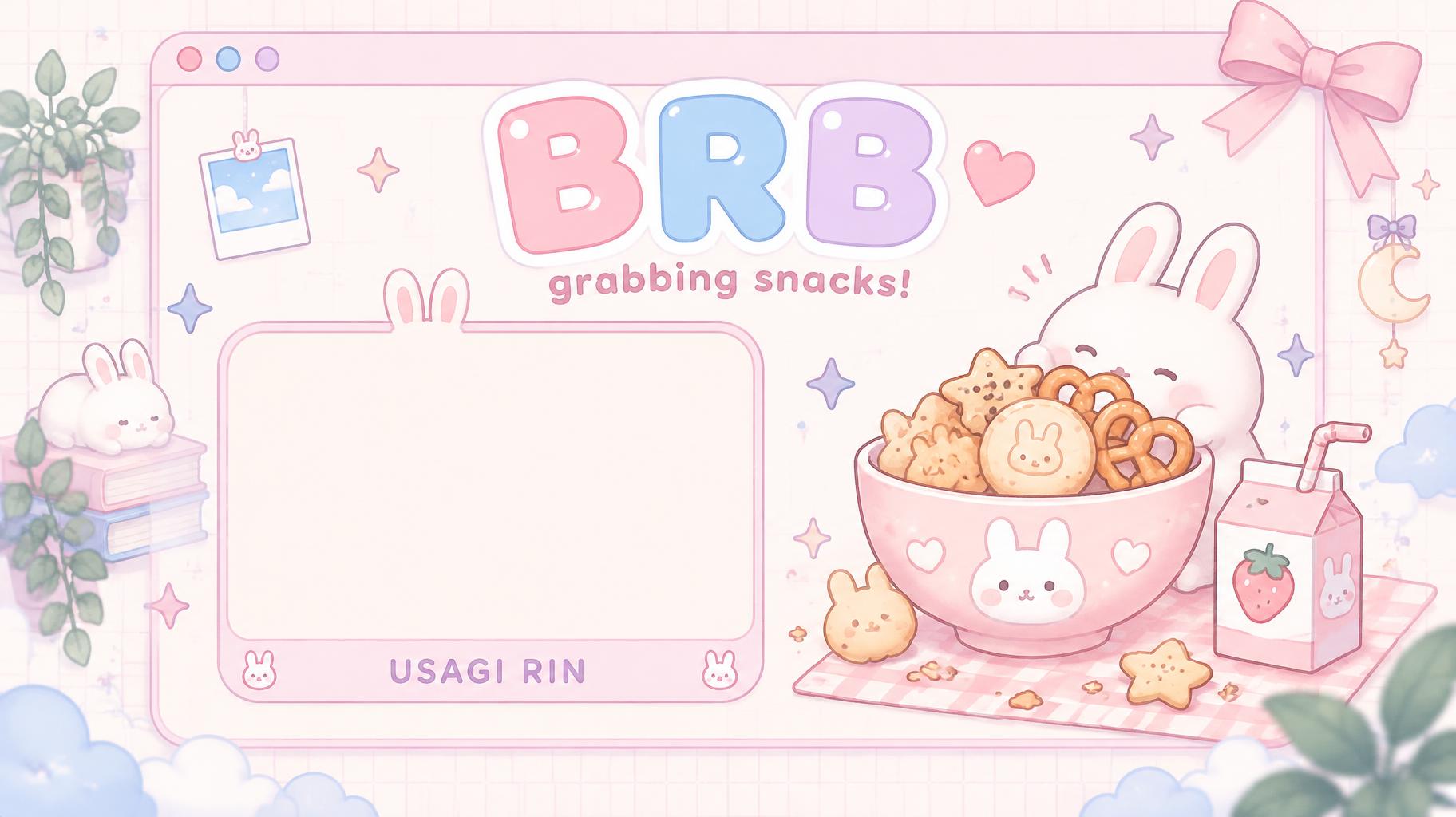
Kawaii Stream Screens
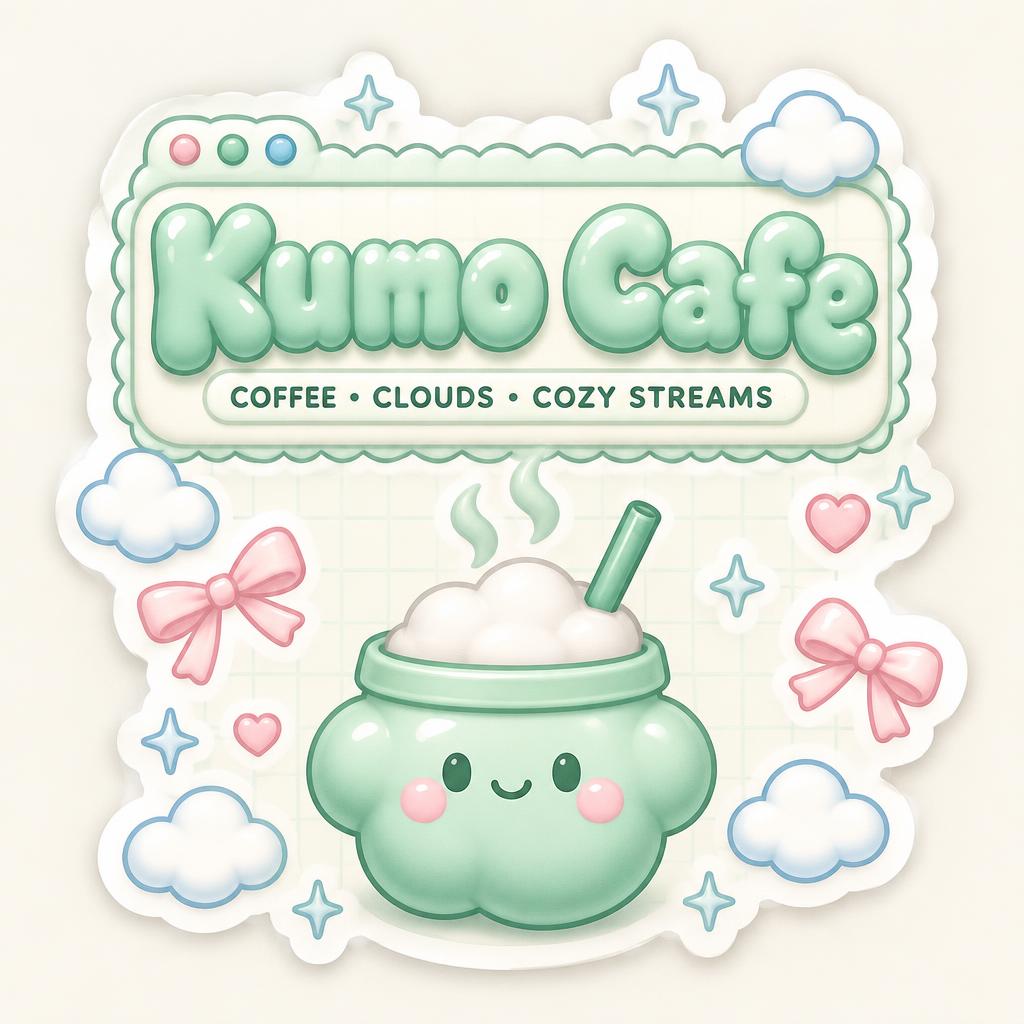
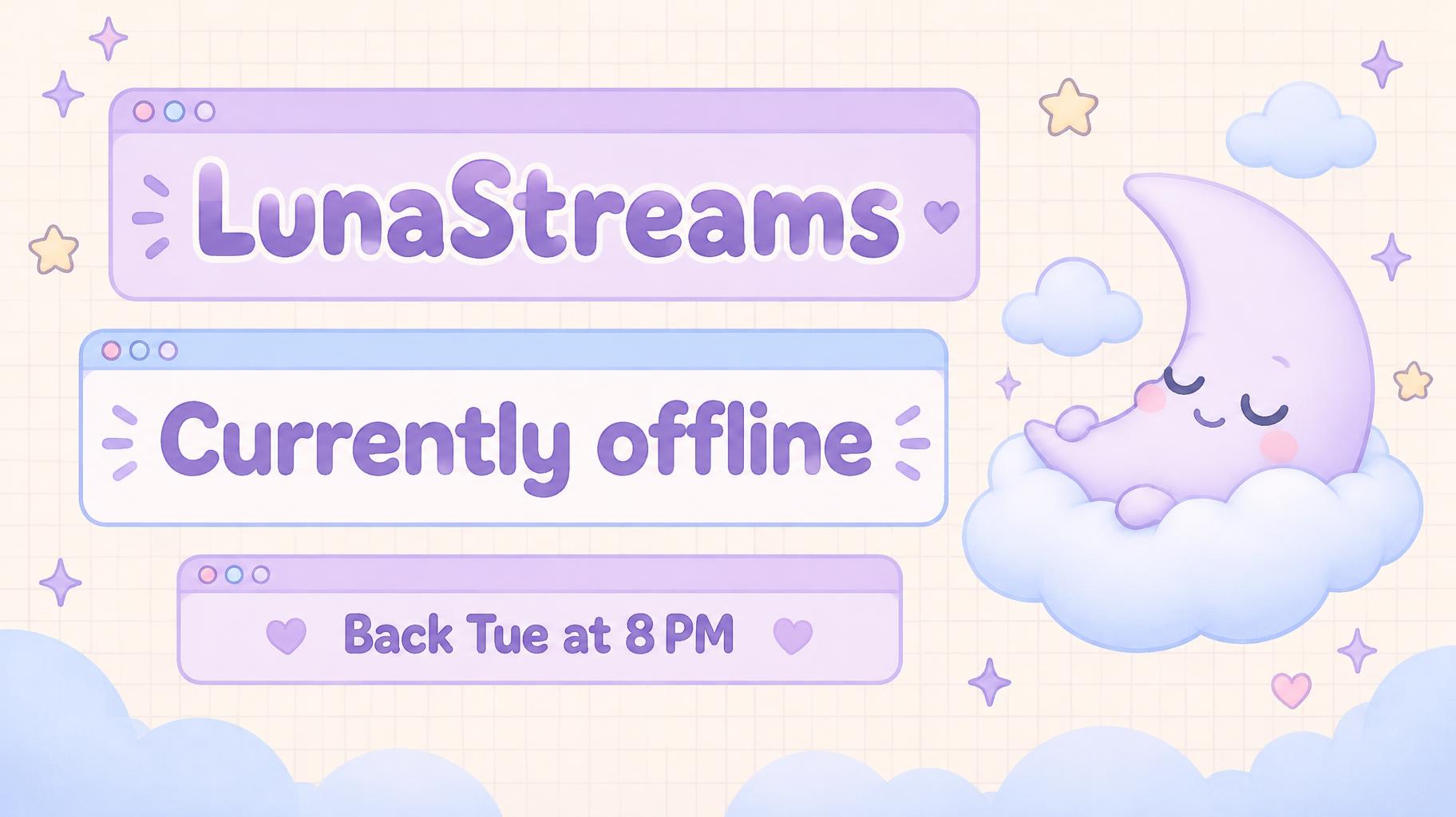
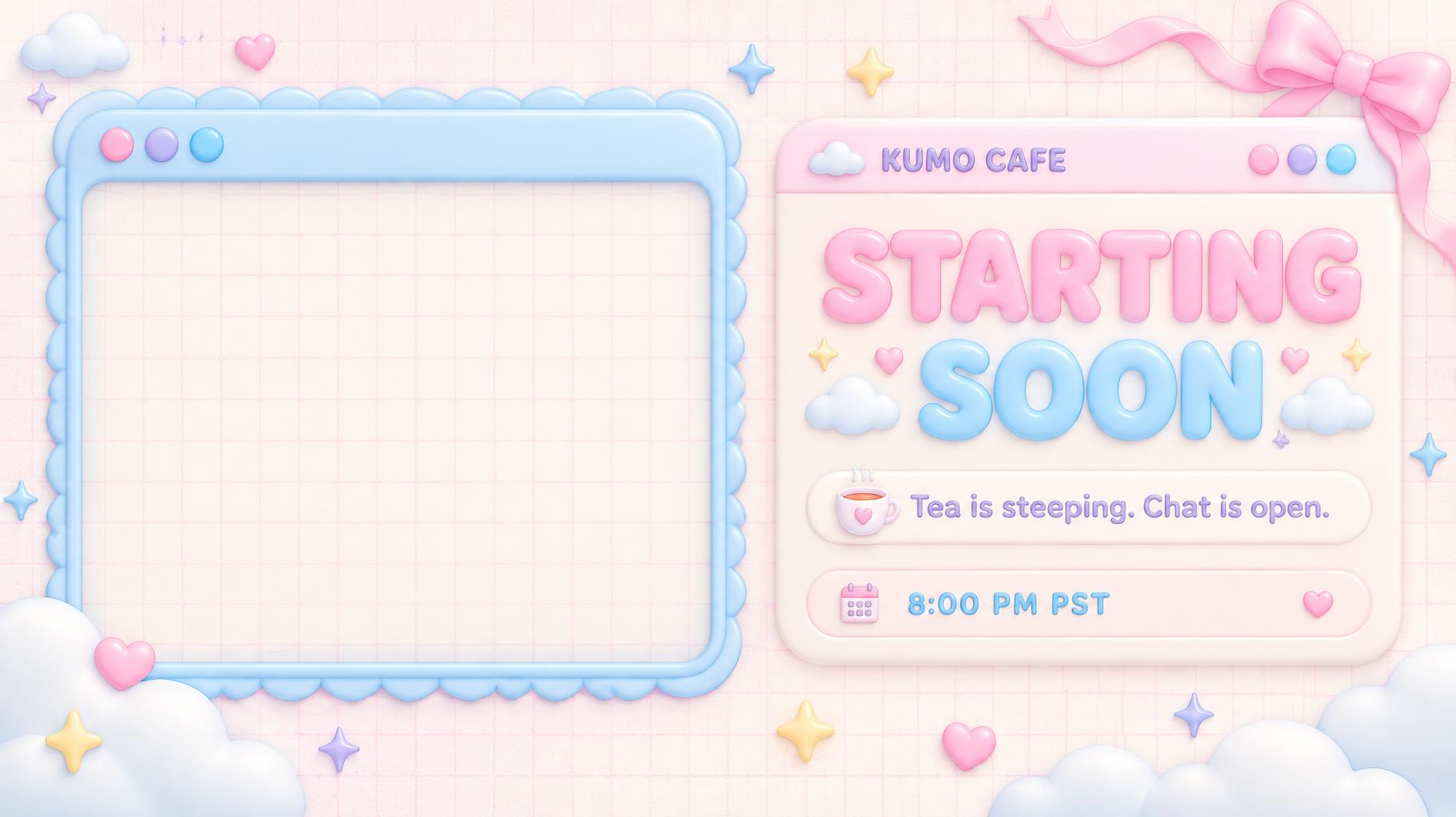
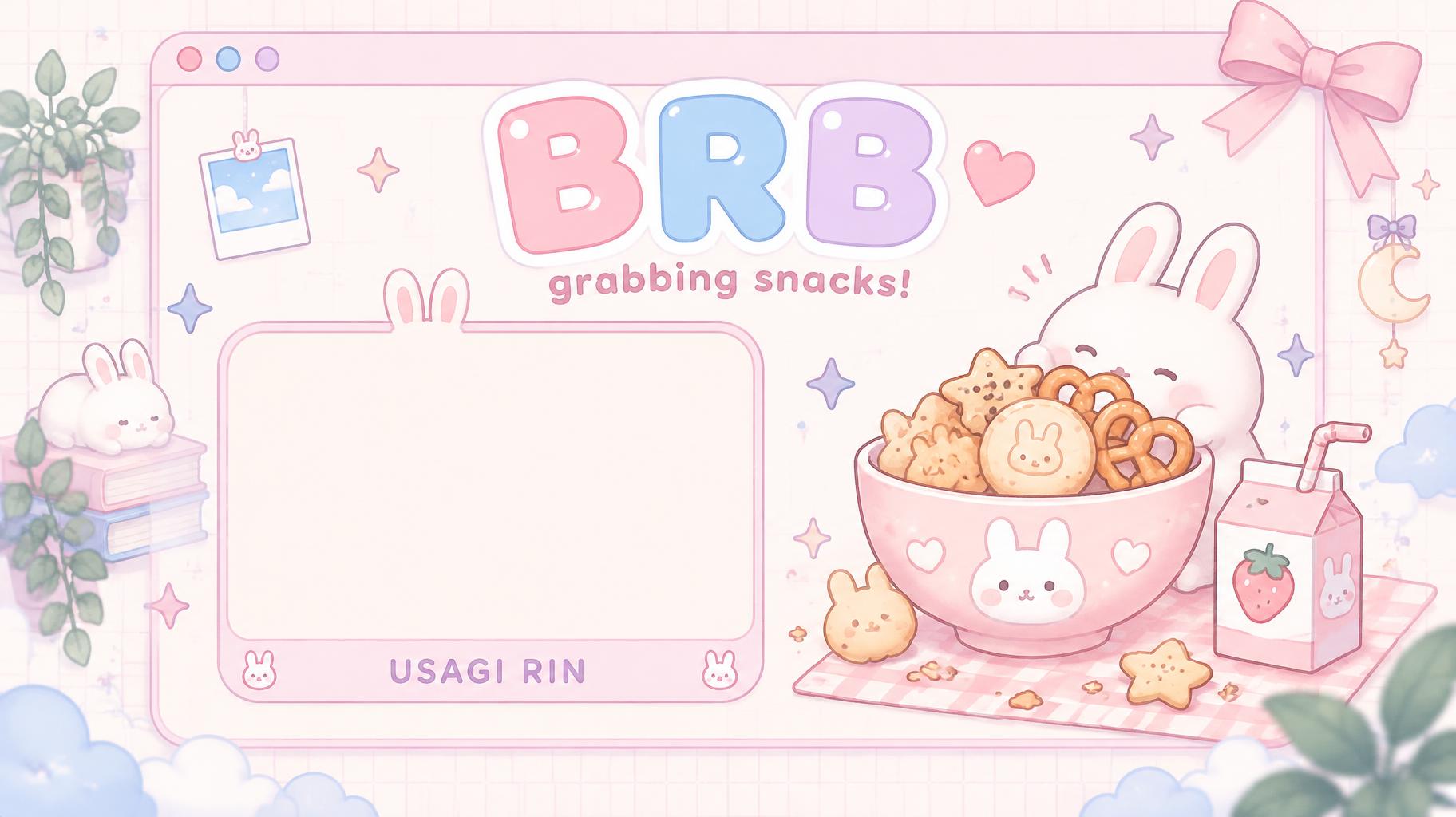
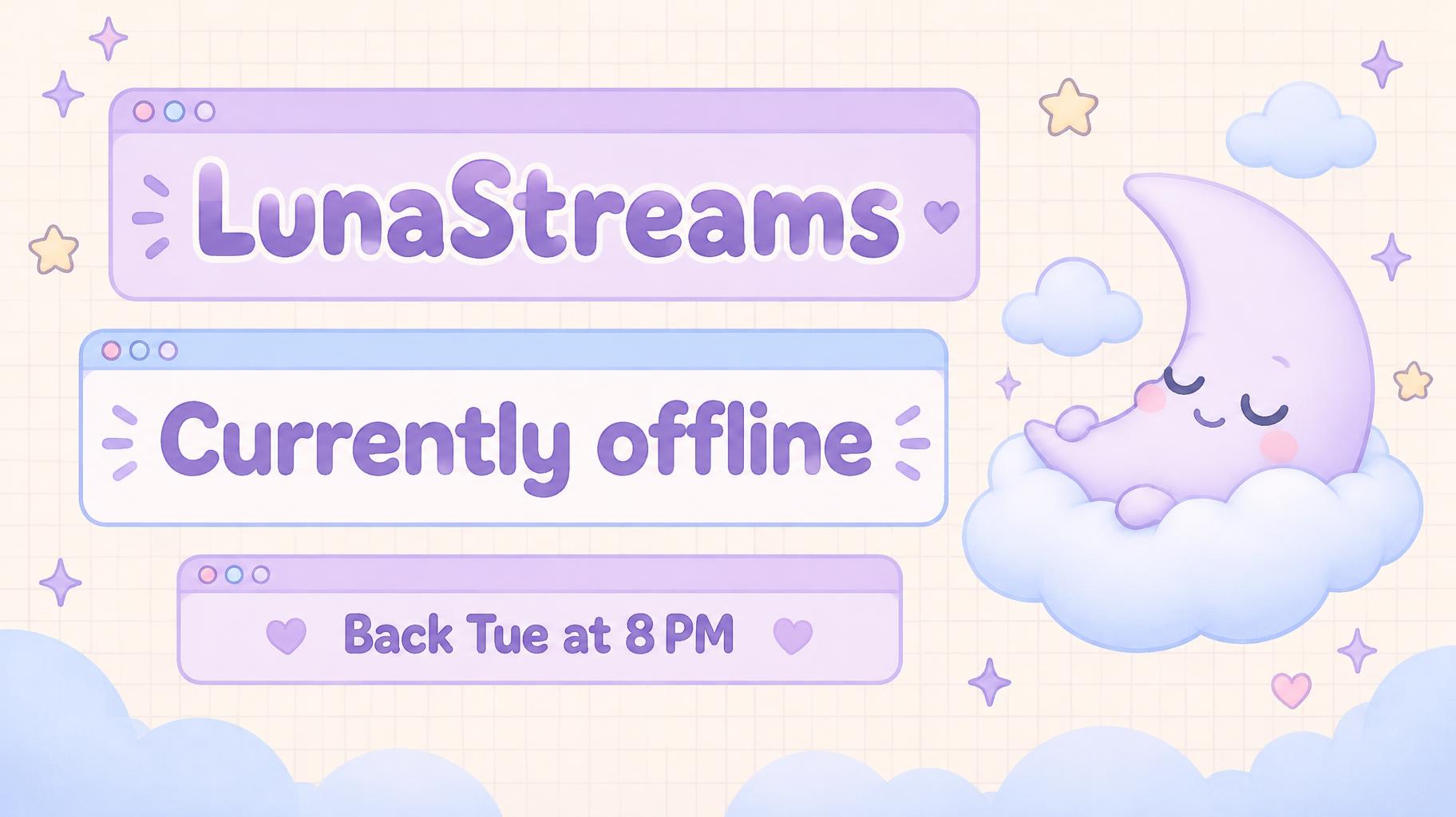
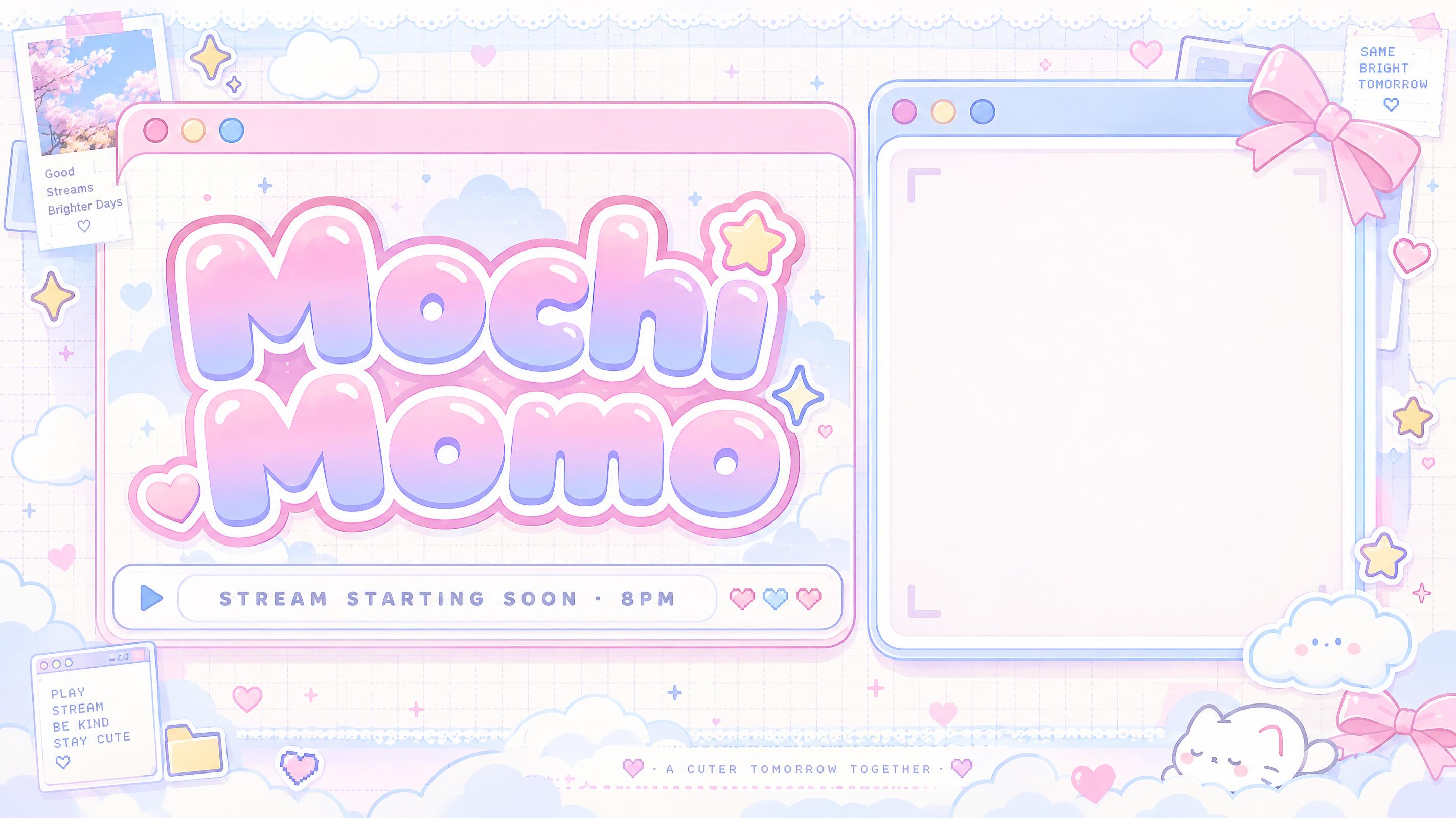
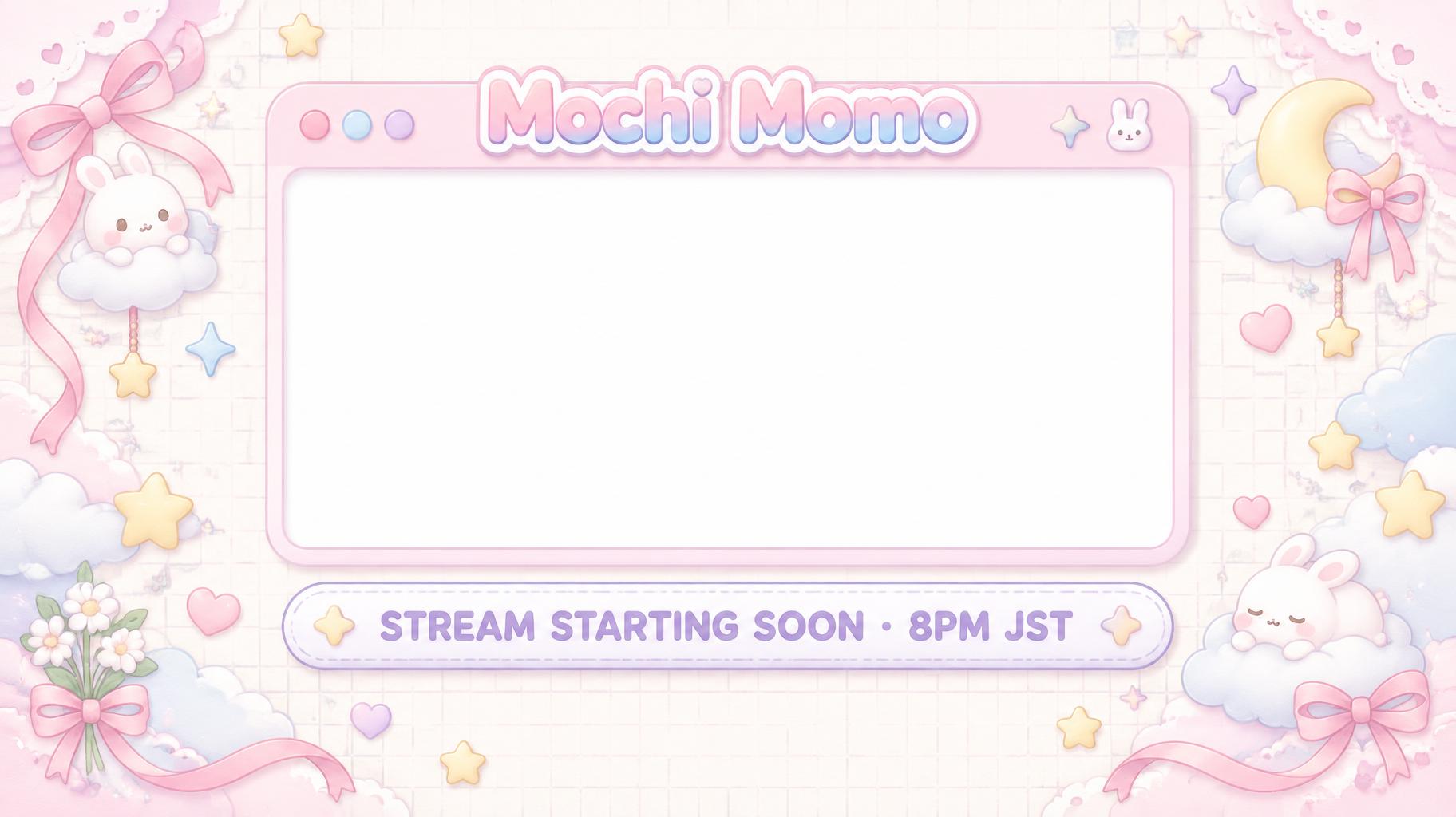
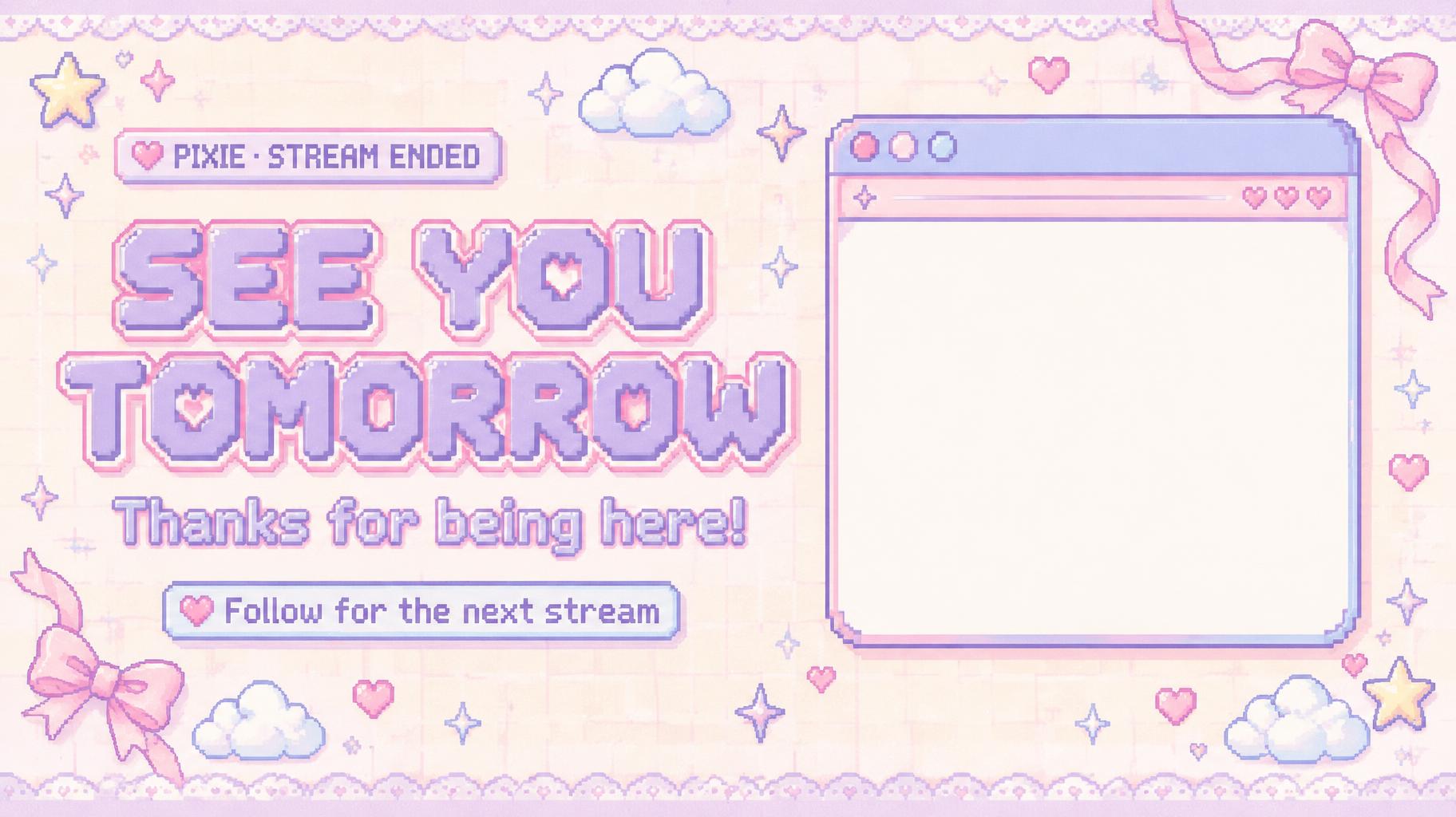
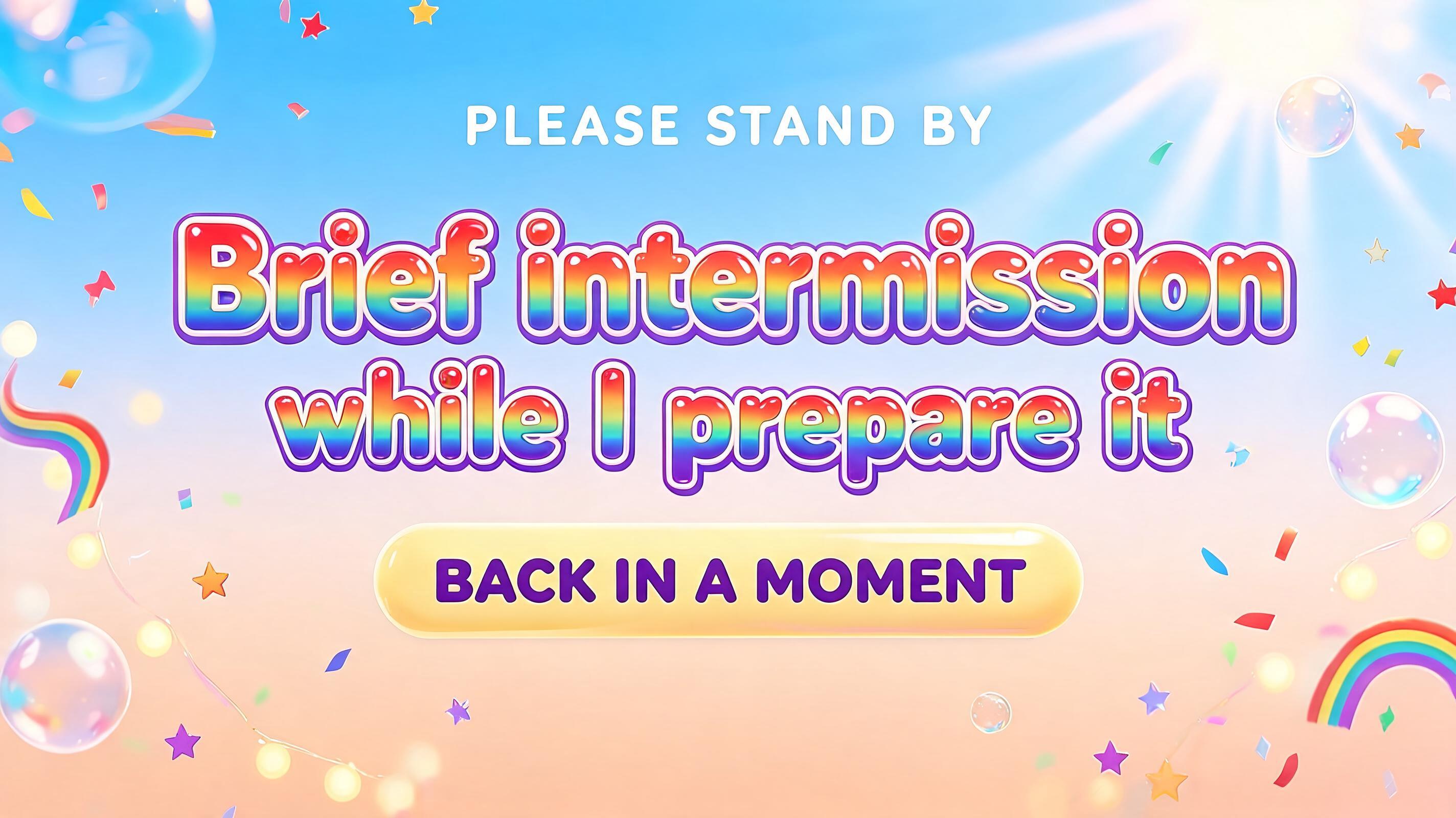
Starting soon, be right back and stream-ended screens with the status in the info bar and room for your avatar.
Kawaii Twitch Panels
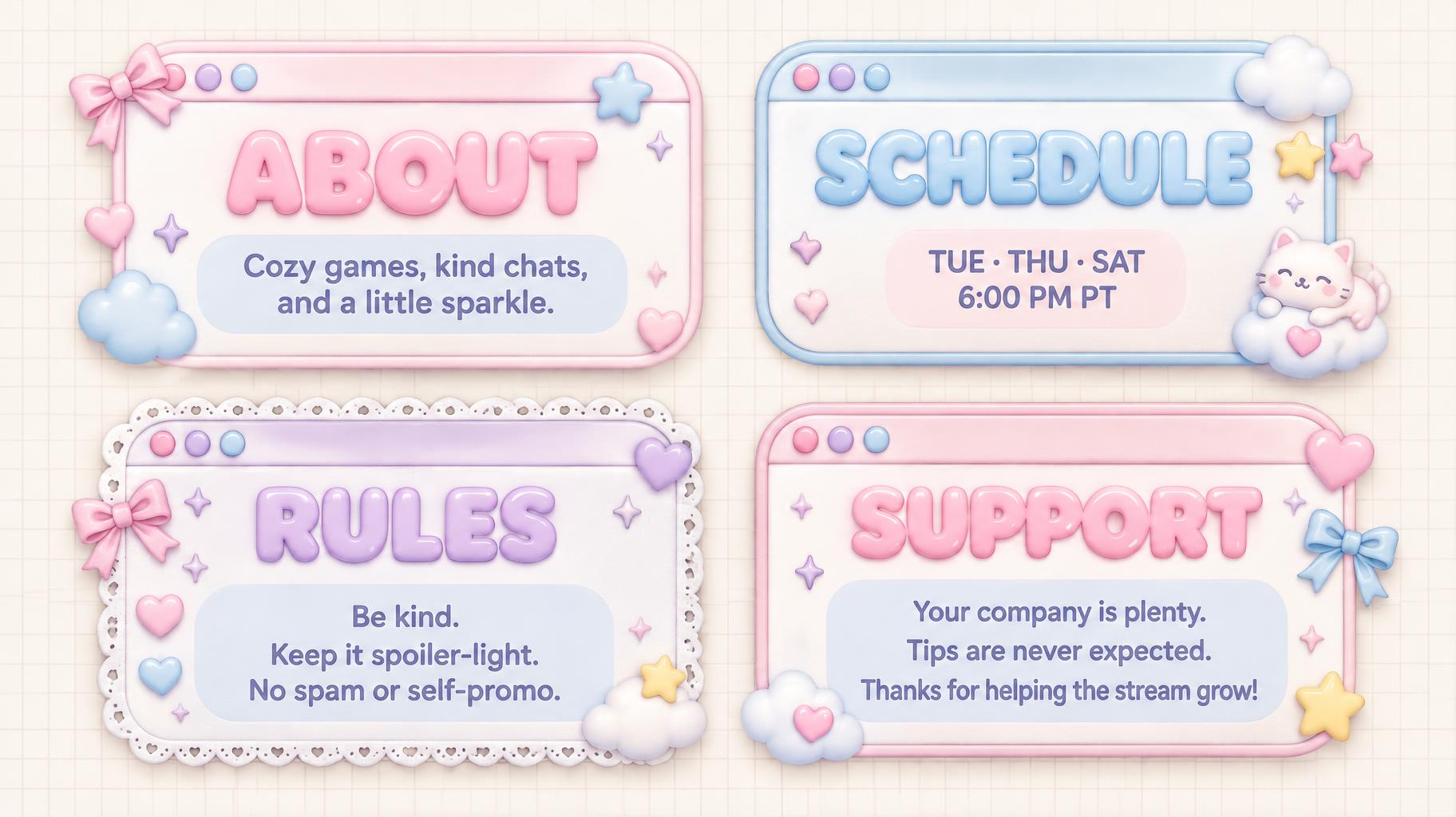
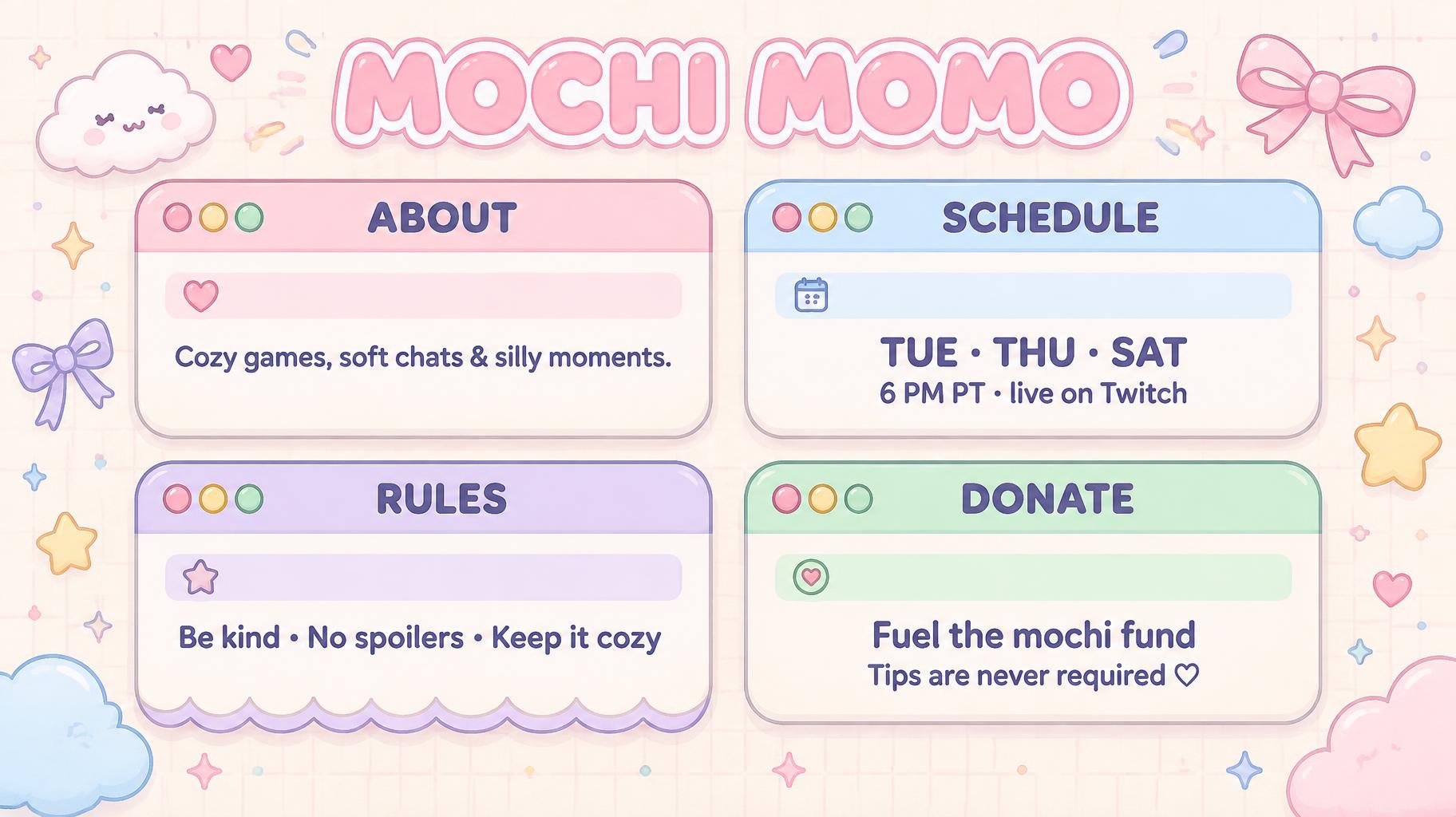
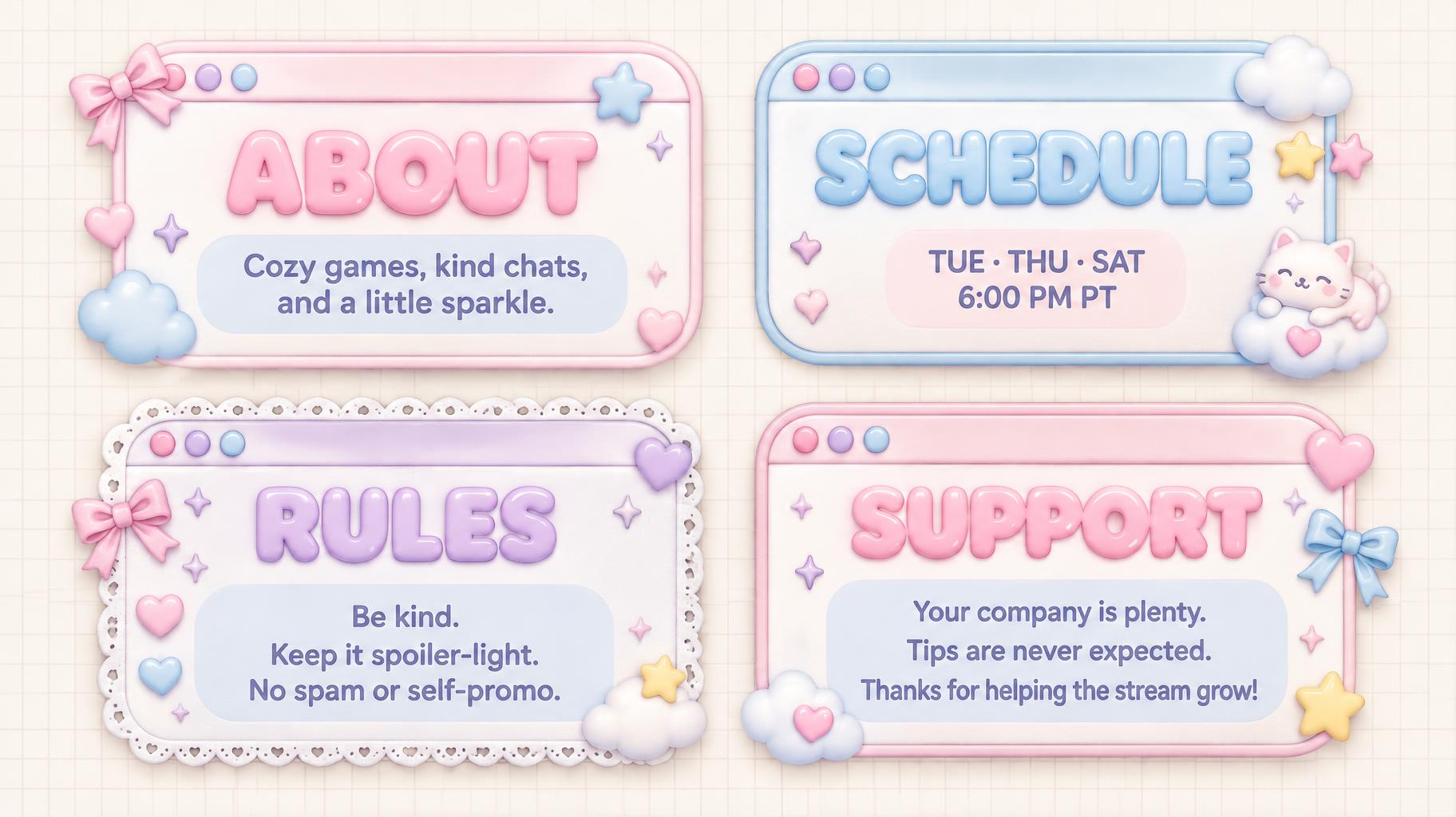
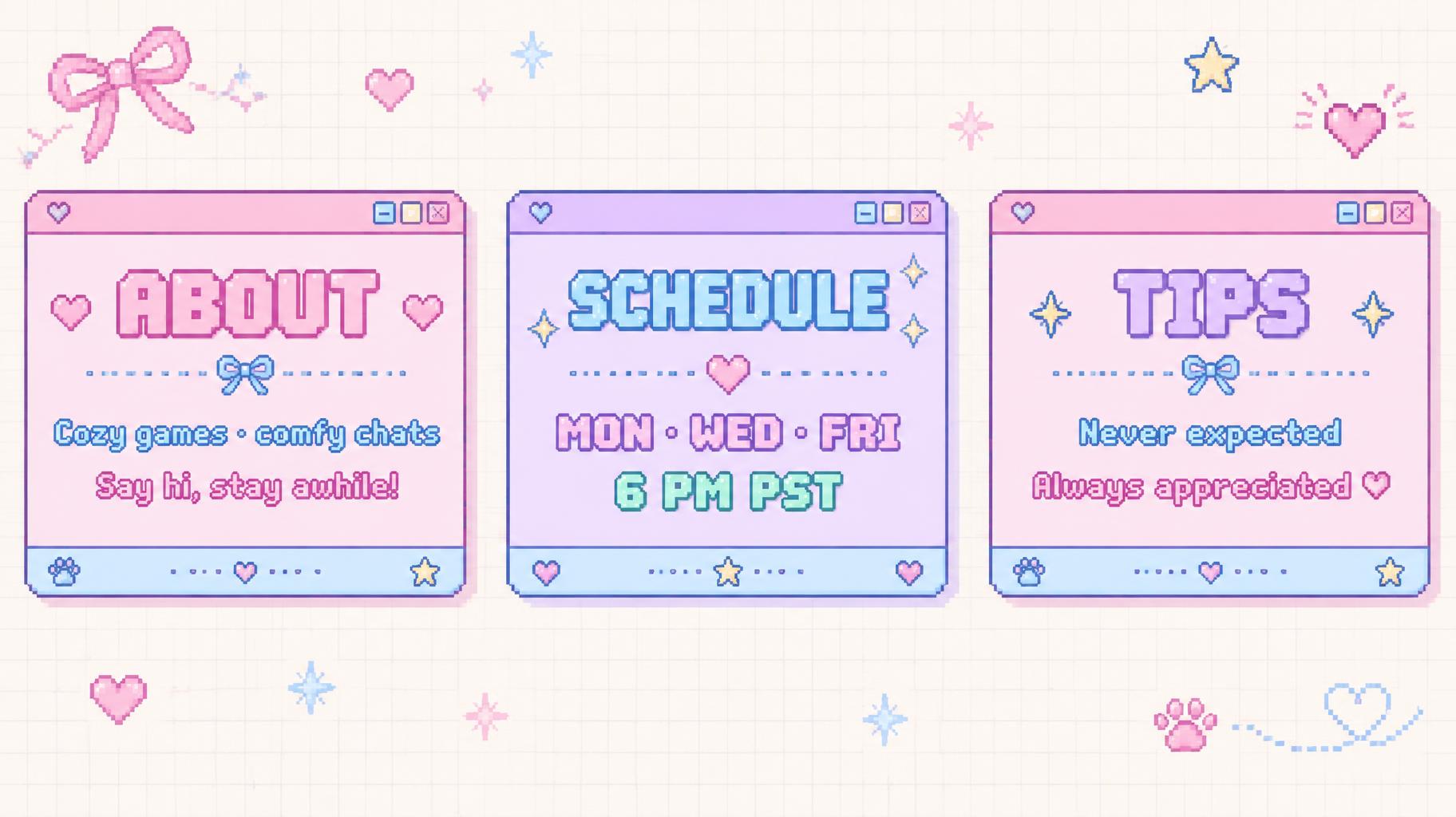
Small Twitch info panels such as About, Schedule, Rules and Donate, each in its own pastel window.
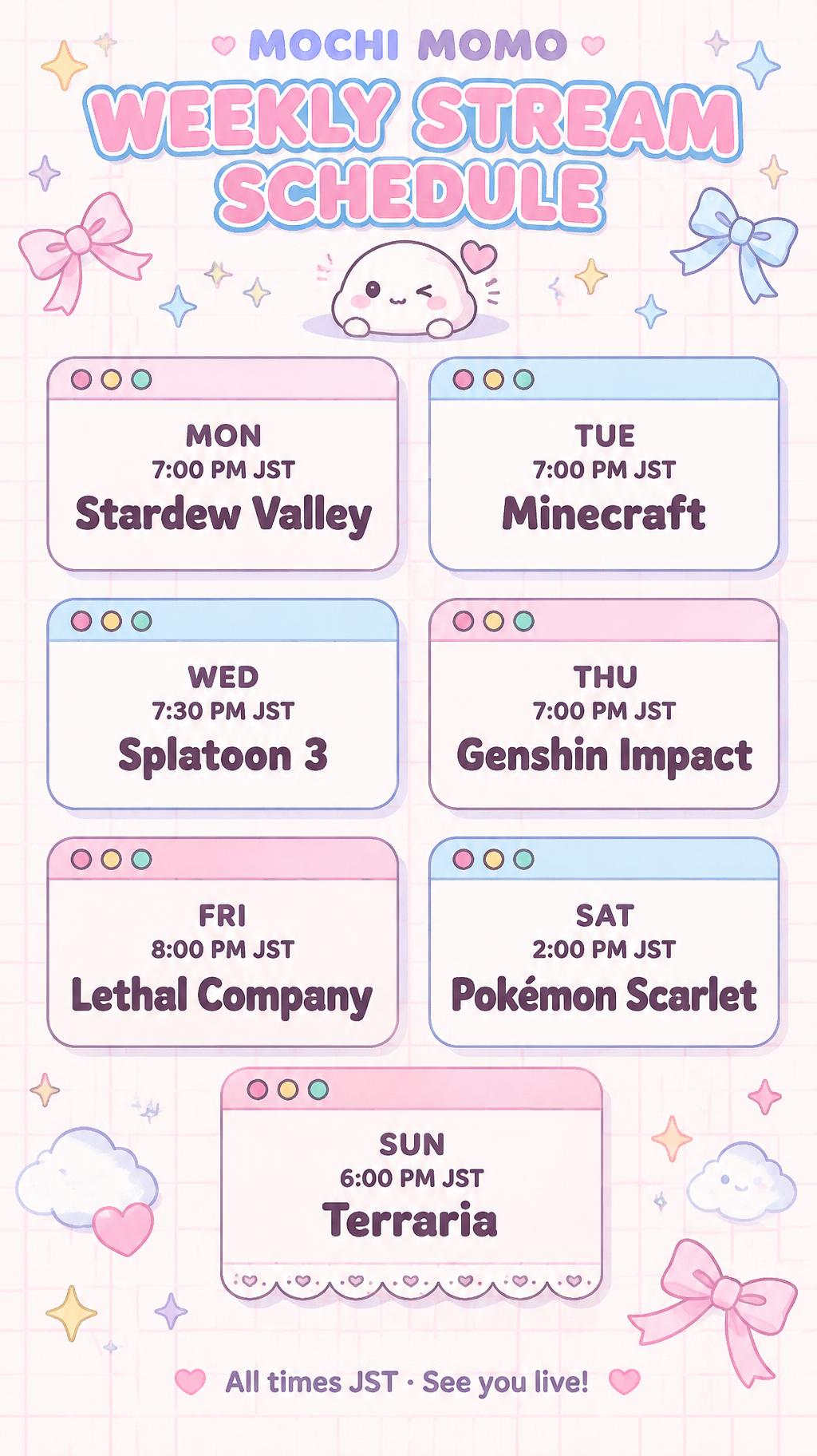
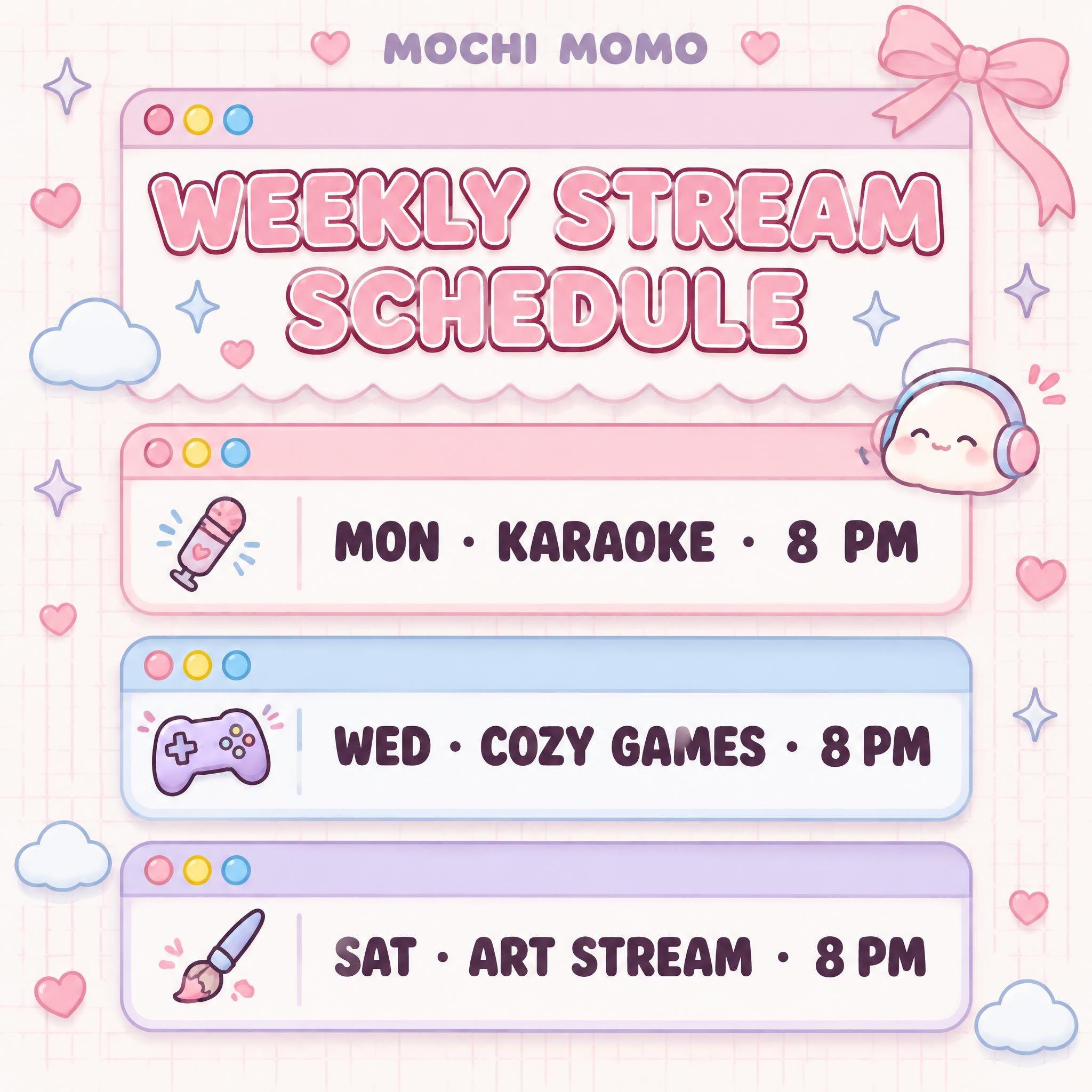
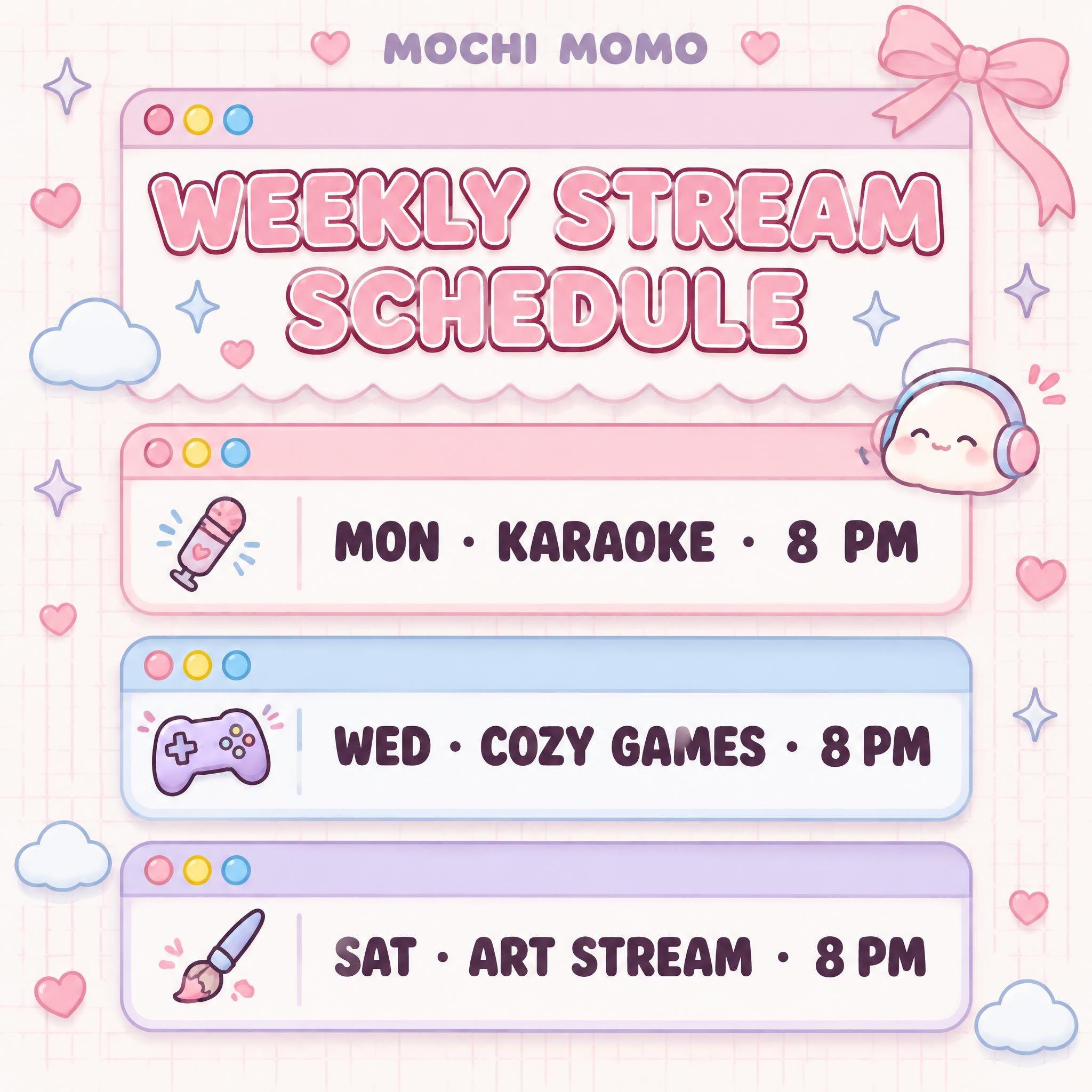
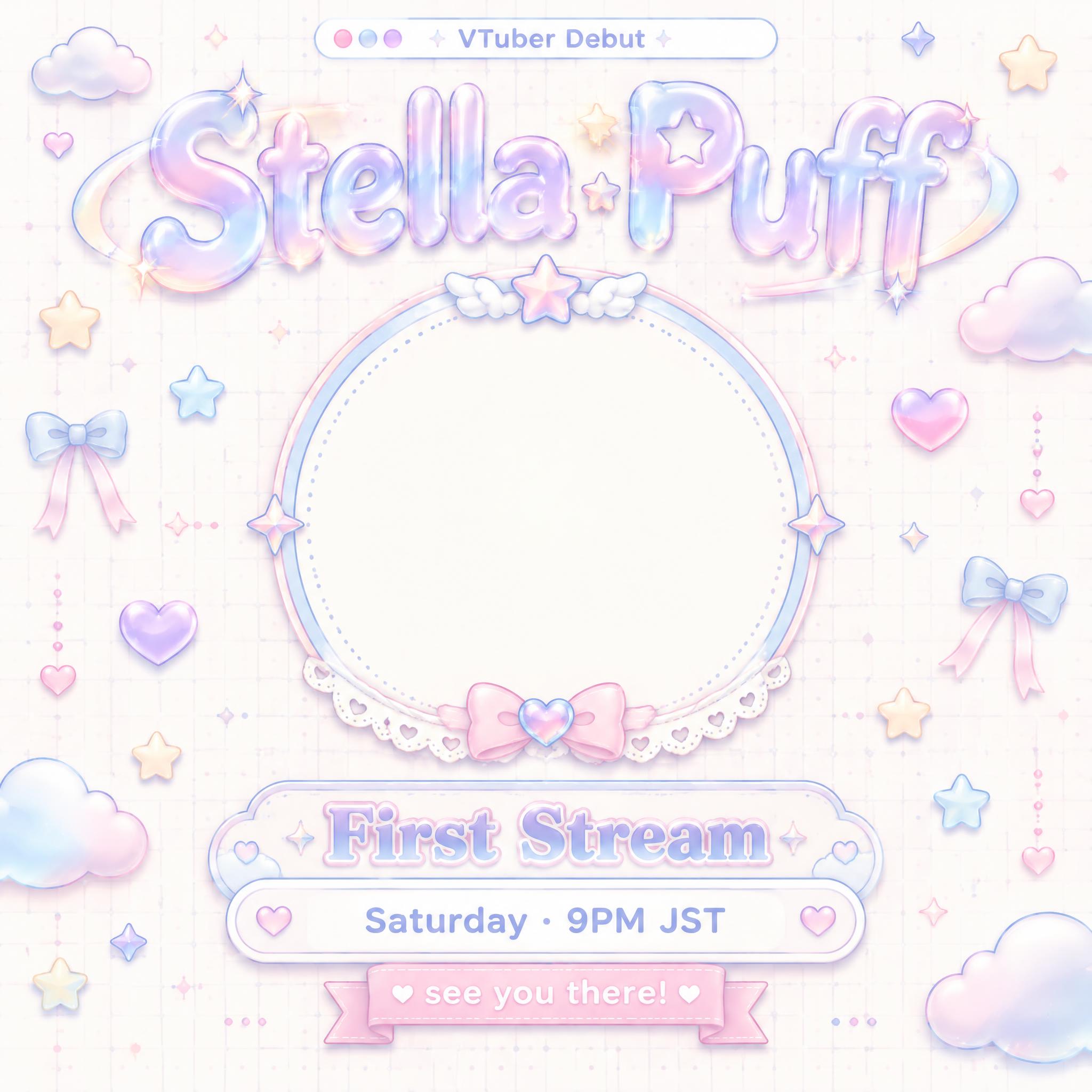
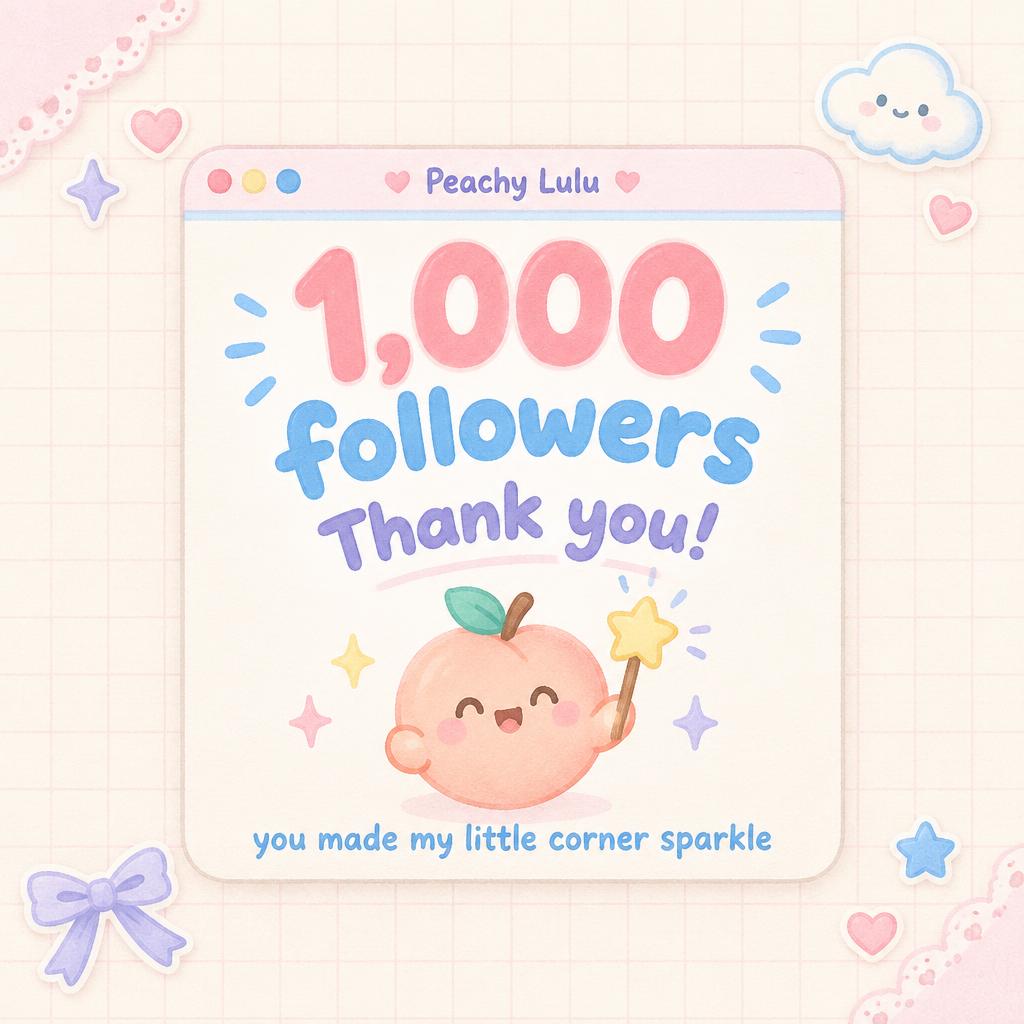
Kawaii Debut & Schedule Posts
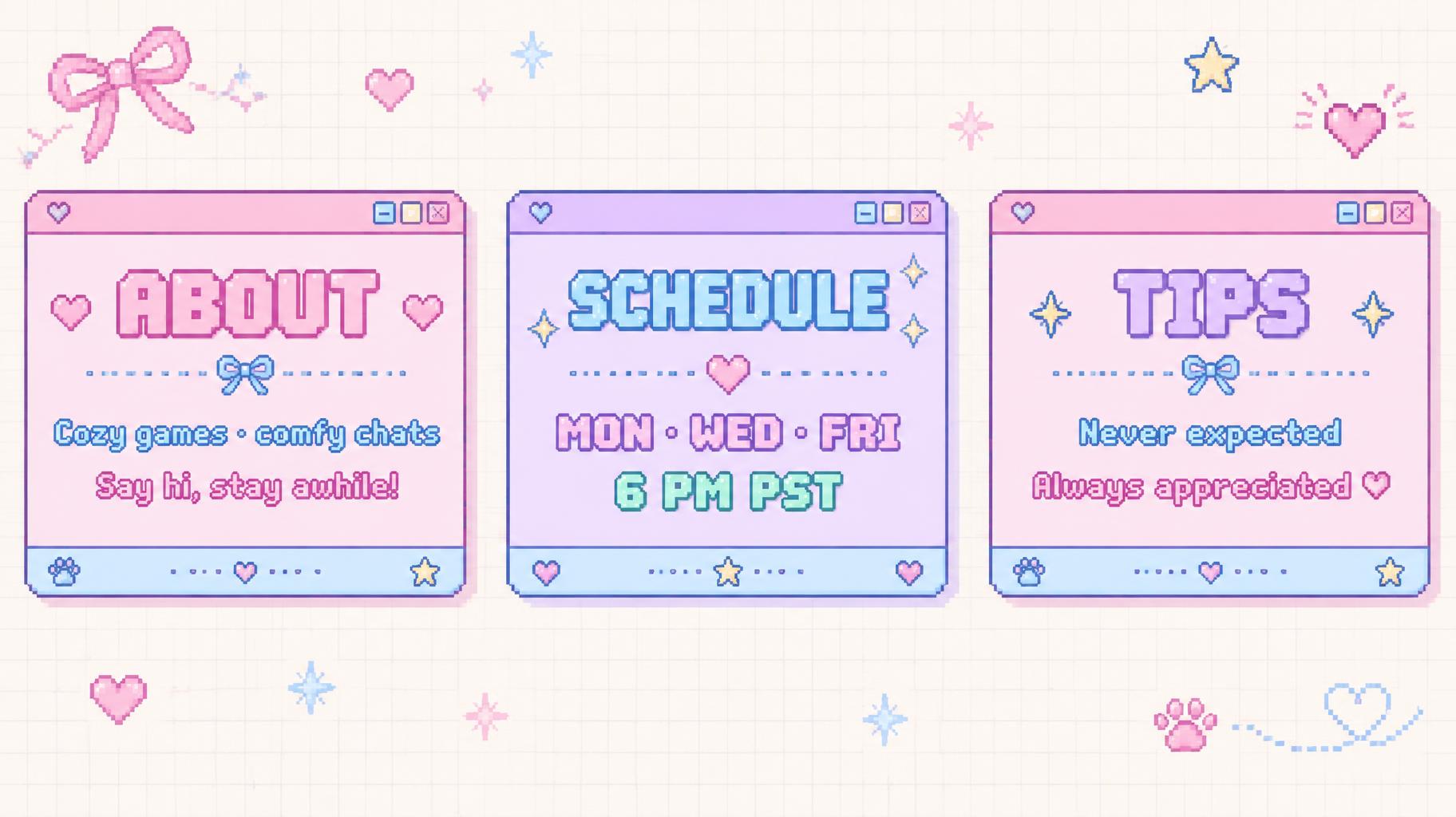
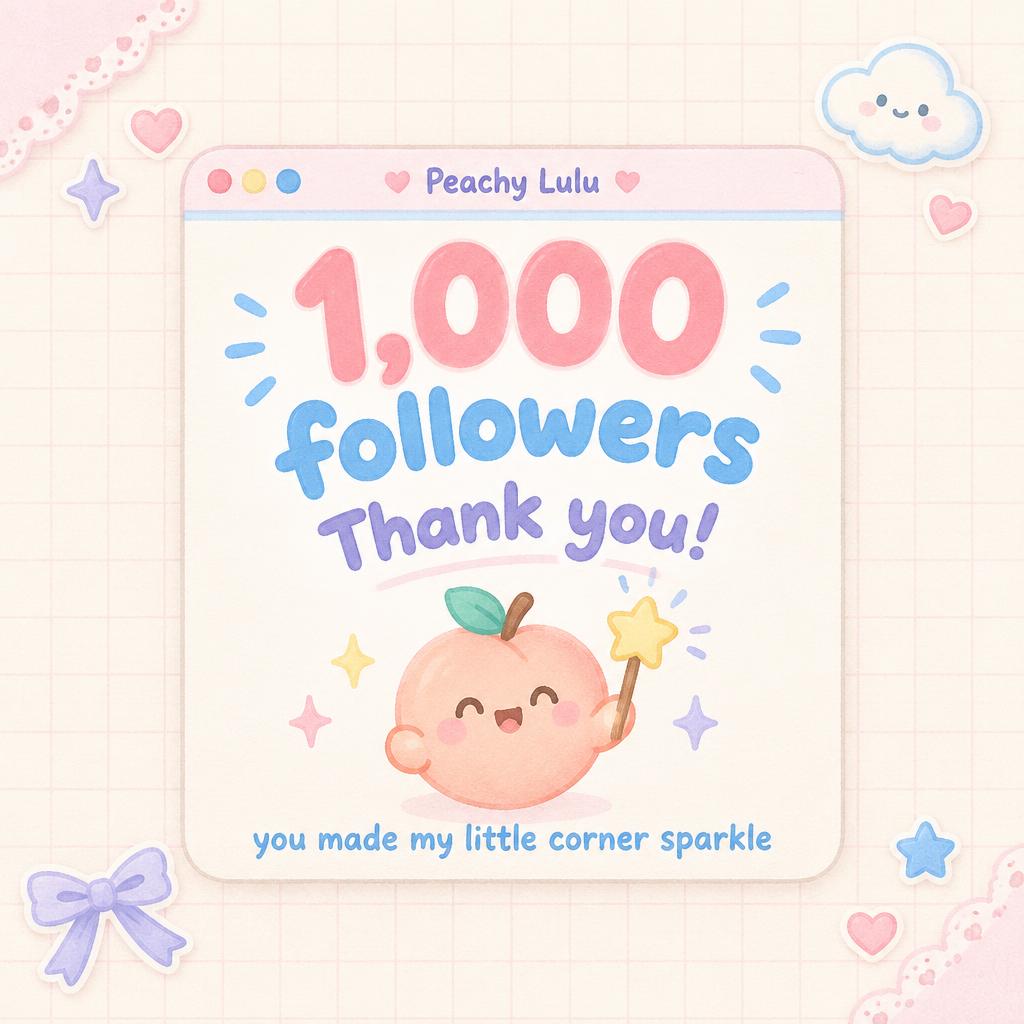
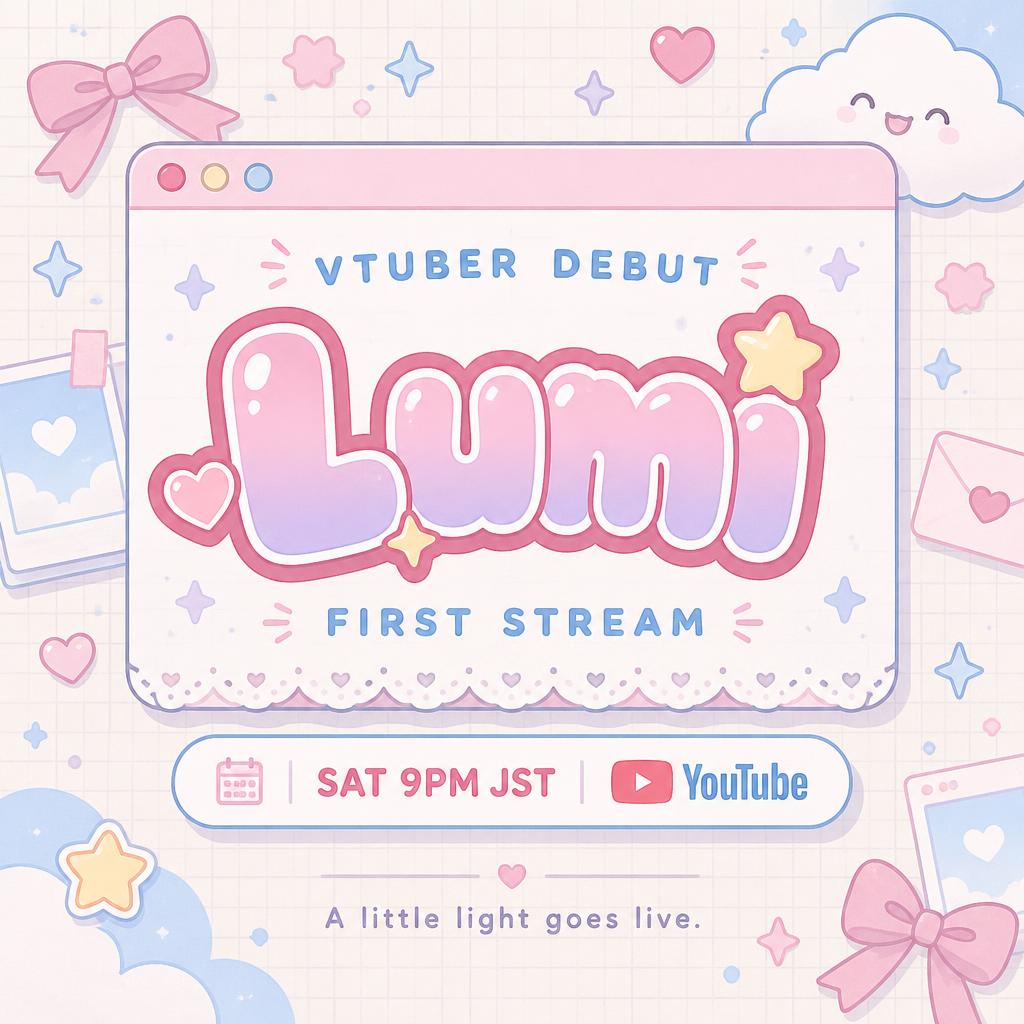
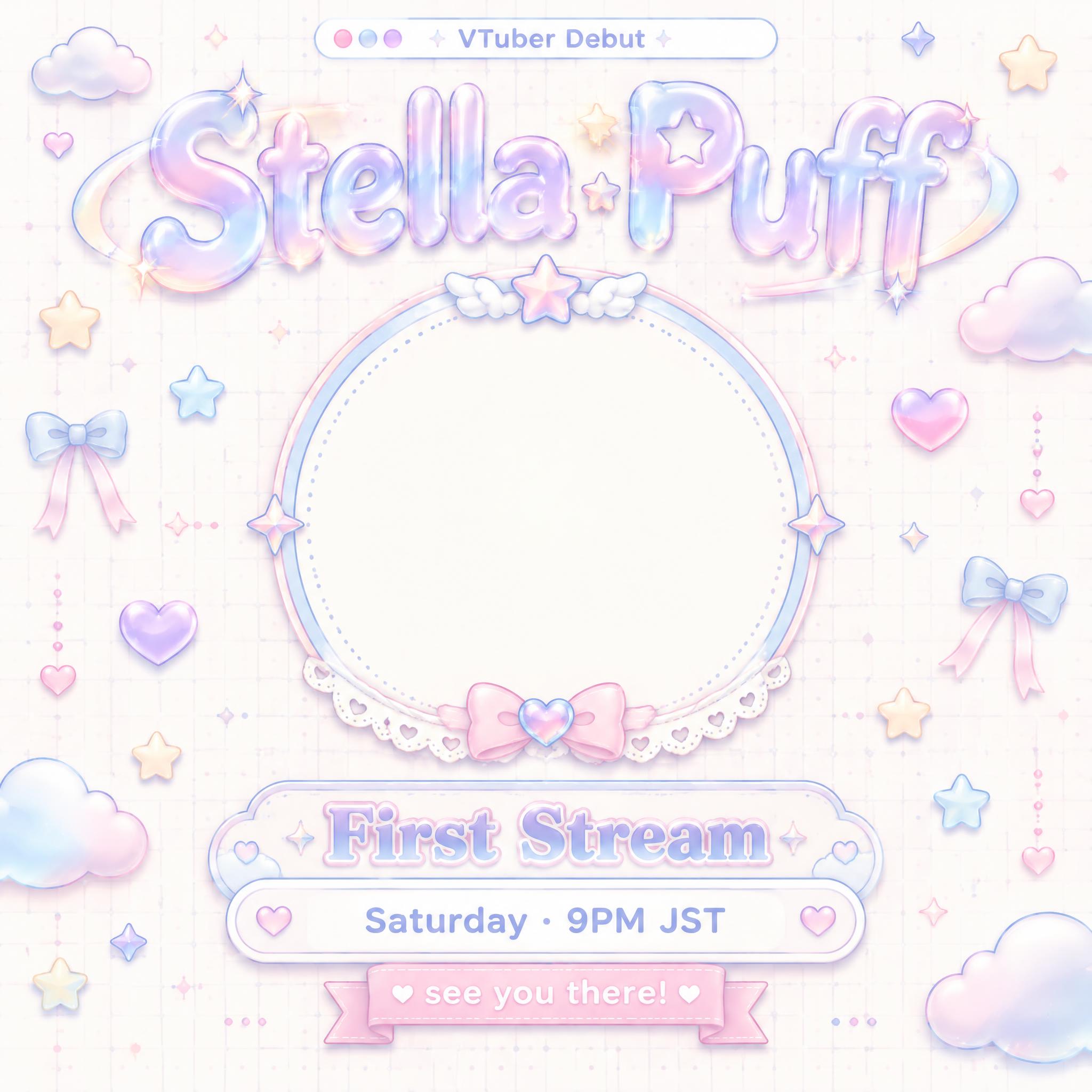
Square debut announcements and weekly schedules with dates and times laid out in rounded windows.
AI fonts that fit Kawaii
Every AI font here fits the Kawaii frame. Pick one, or let the generator choose.




Kawaii style designs
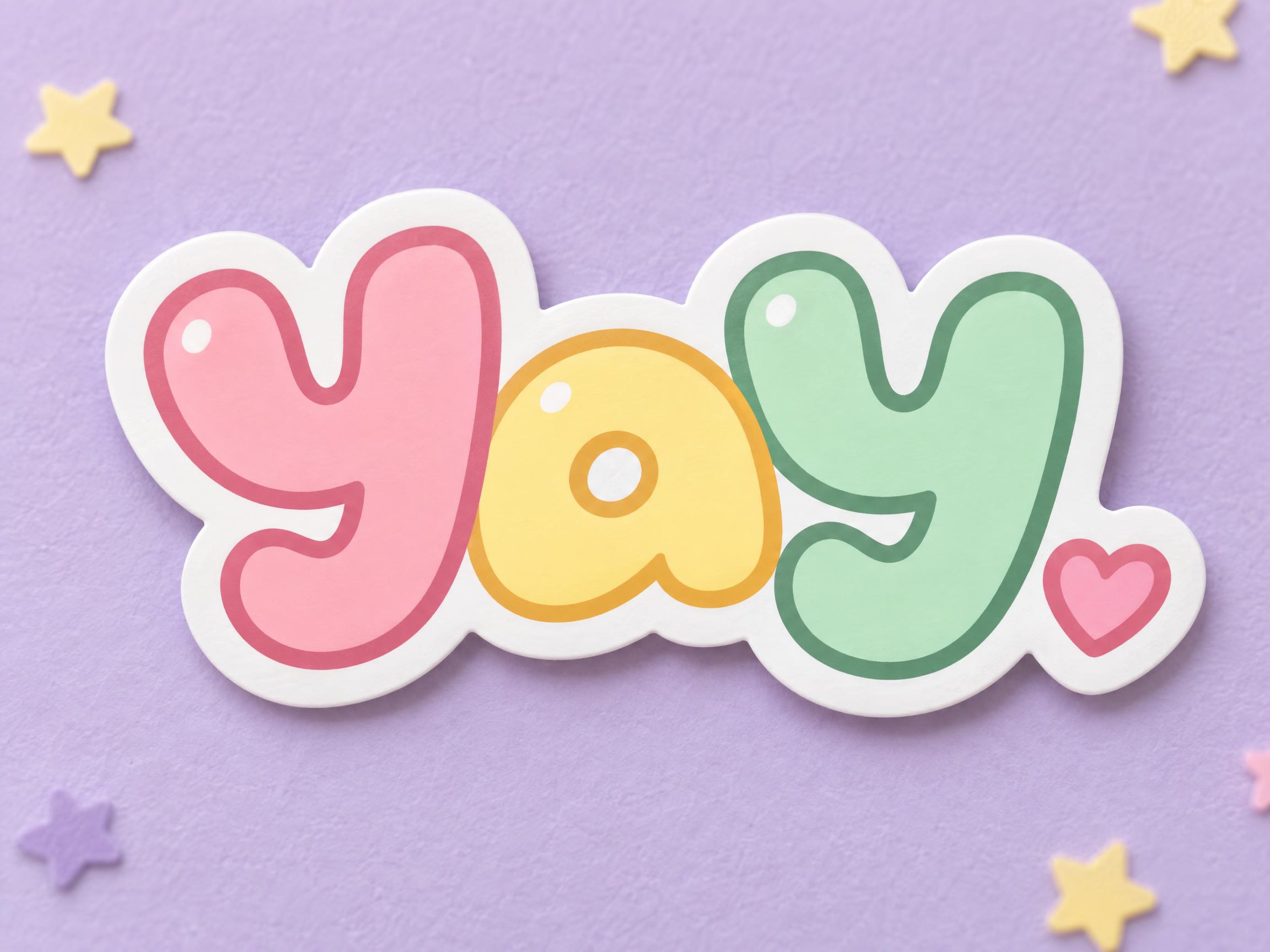
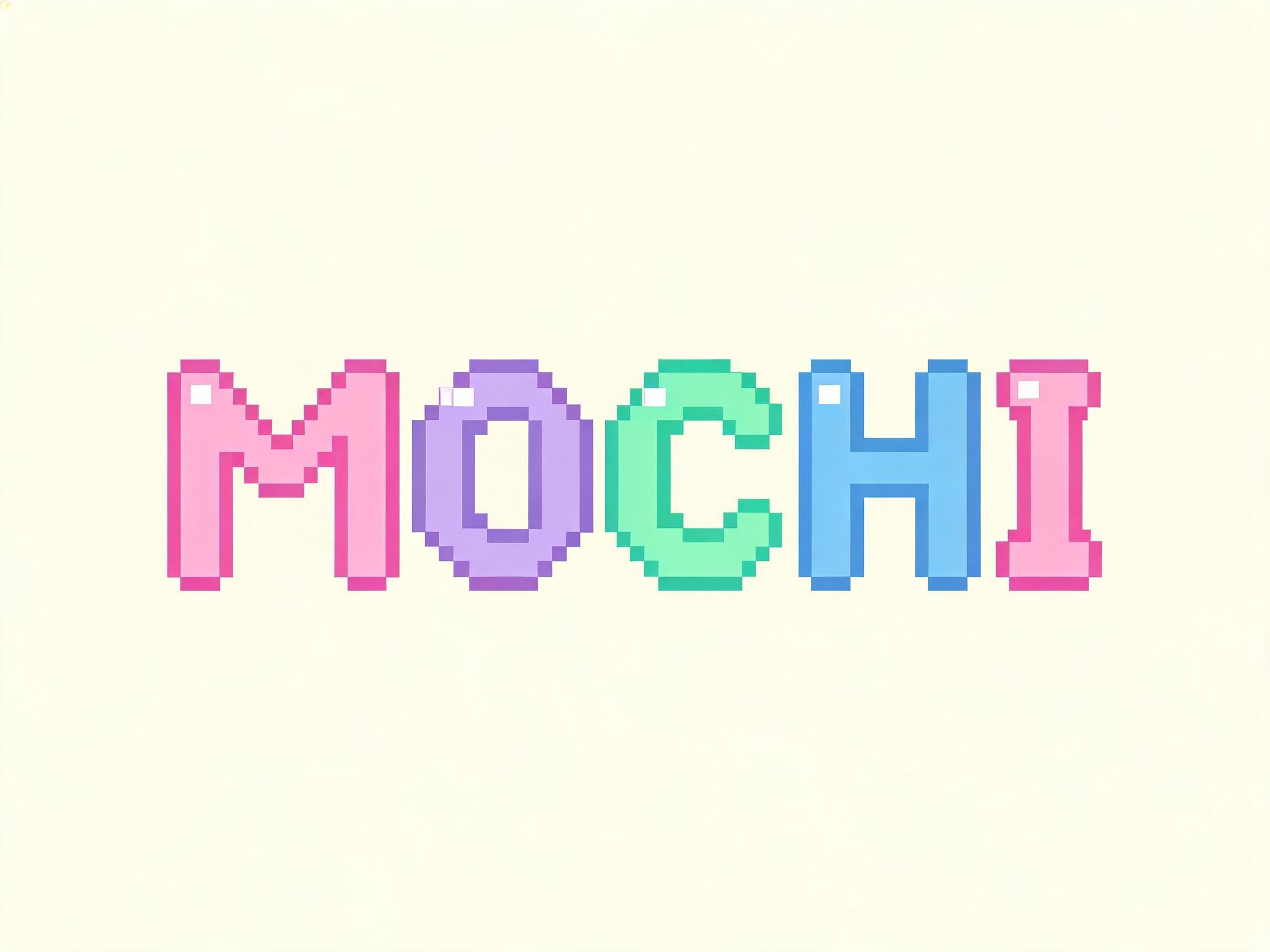
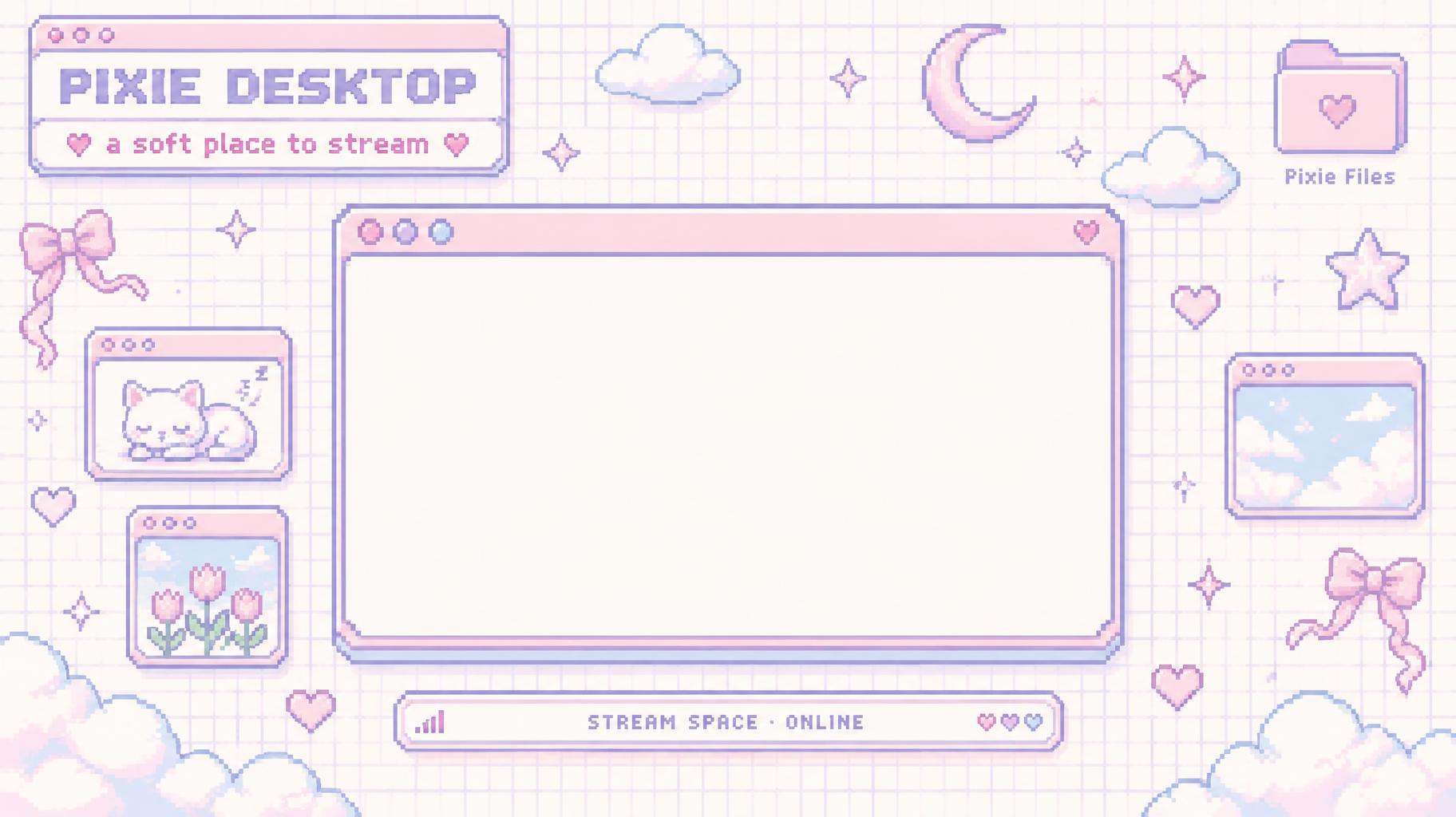
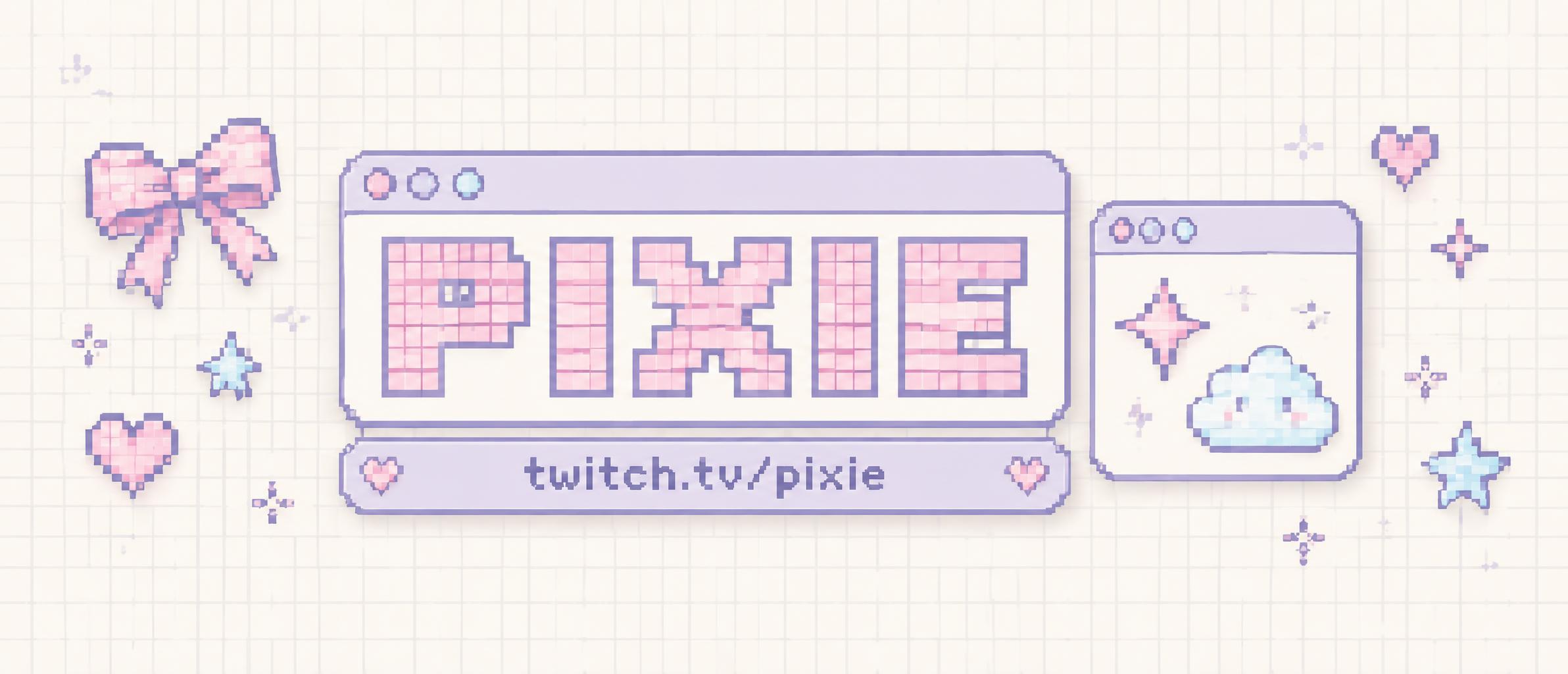
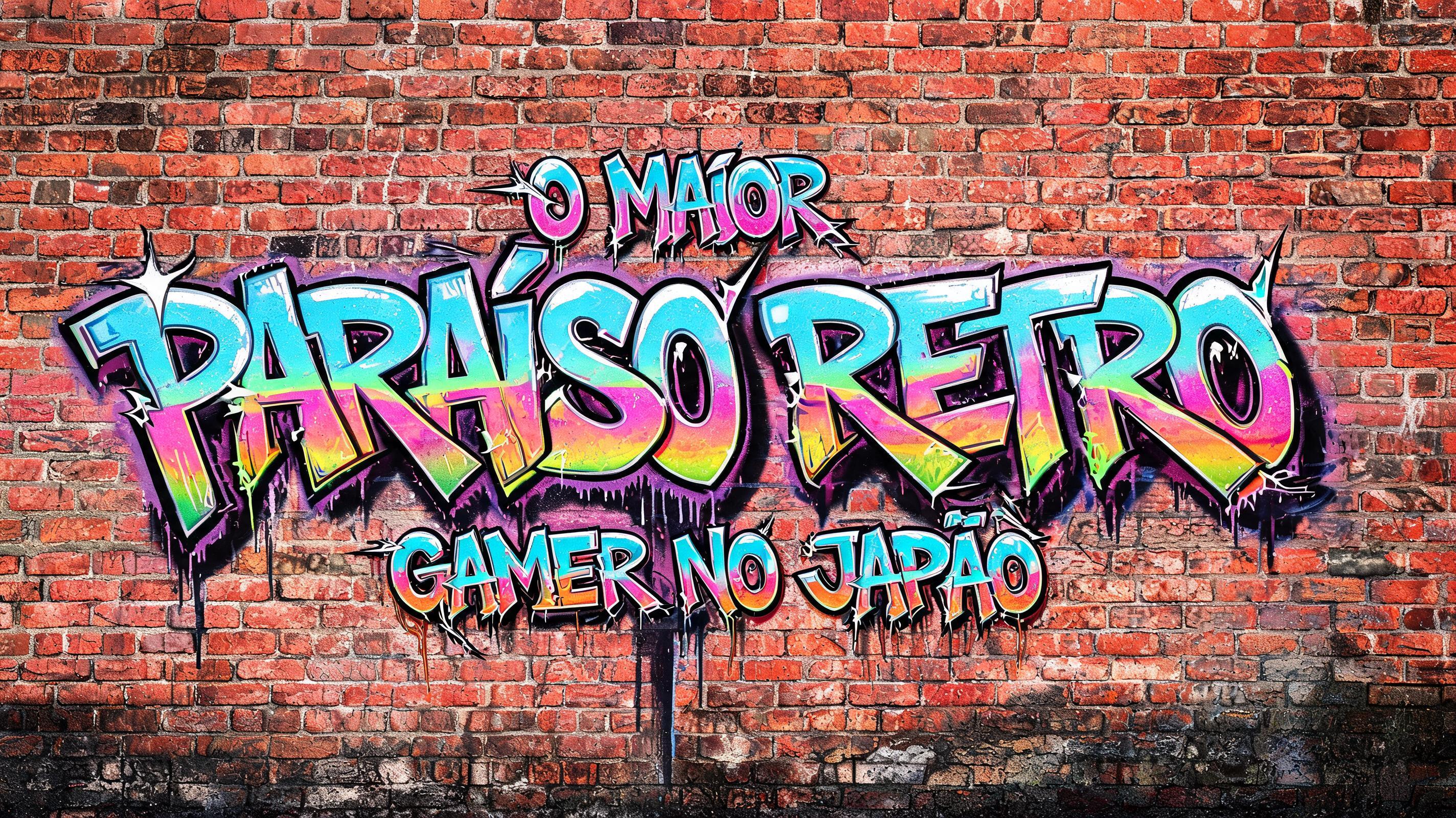
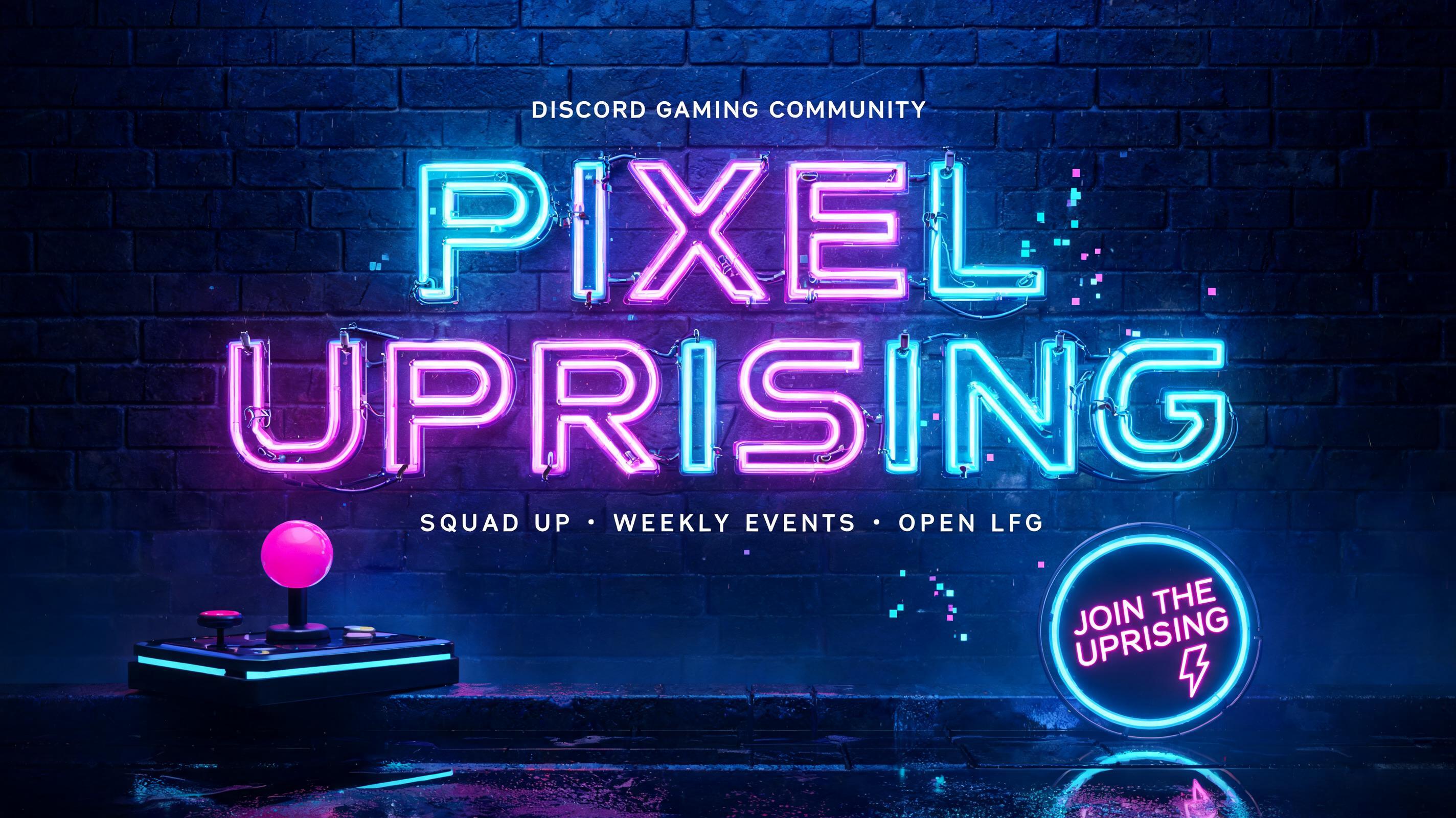
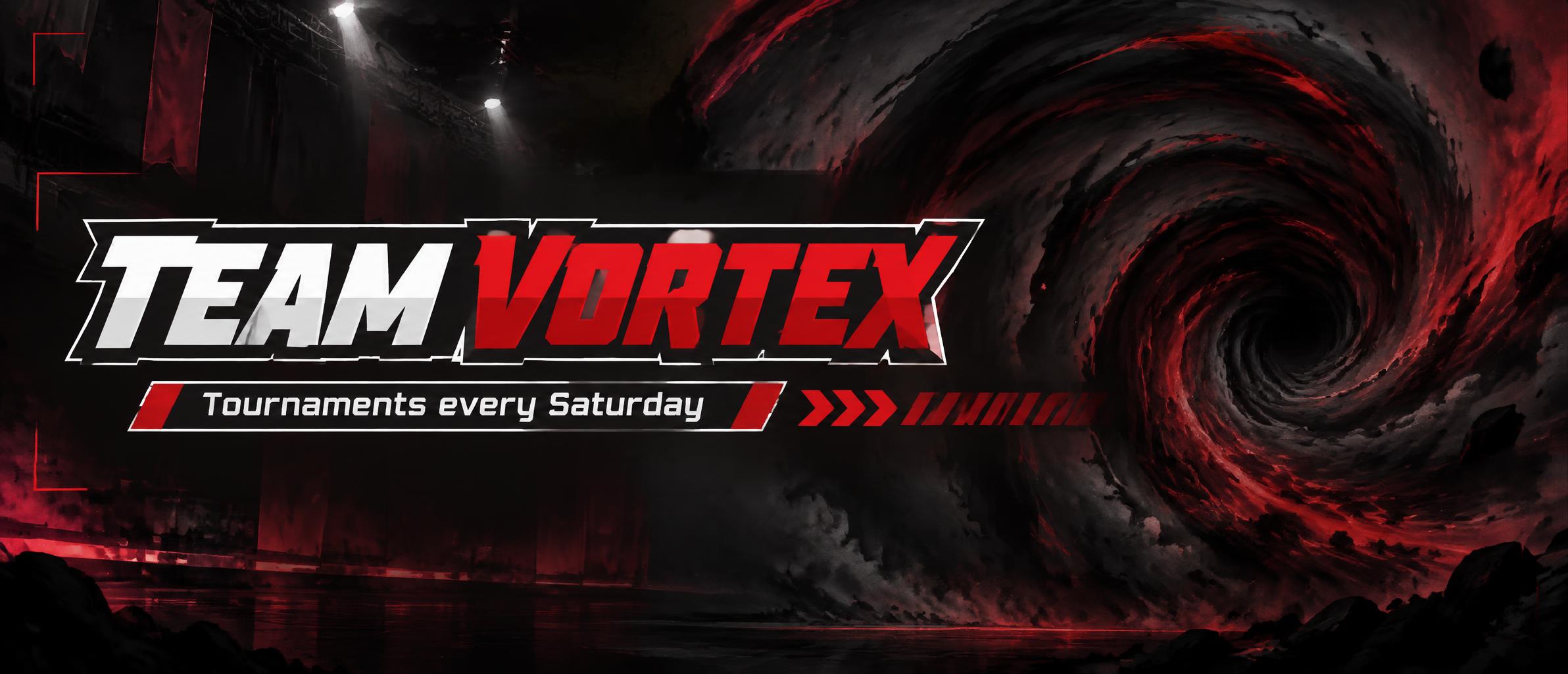
Real designs made on FontVibe. Open any one, or reuse it with your own text.
What you can make with Kawaii
Pages for the things people make in the Kawaii style. Each one has ready-made ideas and the right size.




Similar styles
Other looks that work for the same kinds of designs.




Tags in Kawaii
Every tag used on this page — each opens the designs, fonts and styles that share it.
Questions
The story behind Kawaii
Where the look comes from, the moments that shaped it and the facts behind it, with sources.
Where the kawaii look comes from
Kawaii started on paper. In the 1970s Japanese schoolgirls began writing in a rounded, bubbly hand known as marui ji, round writing. Kazuma Yamane's 1986 survey found it had appeared by 1974 and surged in 1978, and the rounded magazine typeface Naar, released in 1972 and used by fashion magazines such as an・an and non-no, is often credited with spreading it. Sanrio created Hello Kitty in 1974, the same year round writing is first recorded.
Decoration came next. Print Club, the first purikura sticker-photo booth, was introduced by Atlus and Sega in February 1995 and let users frame their photos with stamps, clip art, colourful backdrops, borders and pens. Hearts, sparkles and ribbon borders around a name became an everyday look.
Streaming put it on screen. Kizuna AI began posting on YouTube in late 2016 as the first entertainer to call herself a virtual YouTuber, and hololive's first generation debuted from May to June 2018. Every VTuber needed a starting-soon screen, a debut announcement and a schedule, and the round letters, sticker borders and soft windows of this style are how many of them look.
Sources: Wikipedia — Kawaii · Wikipedia (ja) — 丸文字 · Wikipedia — Purikura · Wikipedia — Virtual YouTuber
Moments that shaped the kawaii look
Did you know?
The rounded typeface Naar, released in 1972 and used in fashion magazines like an・an and non-no, is often credited with spreading round handwriting among Japanese girls. Source ↗
Kazuma Yamane studied cute handwriting in depth from 1984 to 1986 and called it Anomalous Female Teenage Handwriting. Source ↗
By 1997 about 45,000 purikura machines had been sold, earning Sega an estimated ¥25 billion a year. Source ↗
Active VTubers doubled from 2,000 to 4,000 between May and mid-July 2018, and there were over 10,000 by January 2020. Source ↗
Kawaii in typography
Kawaii lettering is round: soft terminals, wide bowls and even stroke weight, the printed descendant of marui ji. Names are often set in mixed case or all lowercase so they feel friendly rather than loud, with a heart or star replacing a dot or closing the word.
Small text is set in neat capitals with wide spacing: STARTING SOON, 8PM JST, twitch.tv/name. The name is big and soft, the information is small and tidy, and stickers fill the space between.
Where you’ll see it
- ✦VTuber starting soon, be right back and stream-ended screens
- ✦Debut announcements and birthday stream posts
- ✦Weekly stream schedules on X and Instagram
- ✦Twitch and YouTube channel banners
- ✦Twitch info panels: About, Schedule, Rules, Donate
- ✦Name logos and stickers for cute channels
The kawaii aesthetic: soft windows, stickers, pastel light and paper texture
Every kawaii piece here is built from the same four parts. The style draws the windows, the stickers, the light and the paper around your name; the letters themselves come from the AI font you pick.
Kawaii banners, name logos, backgrounds, stream screens and posts
Every format here is built around your name in a soft pastel window, with your time, platform or status in the info bar. Pick a format to see designs made in it, or describe your own.
Kawaii Stream Backgrounds
Soft pastel backdrops with an empty window for your camera or avatar and only a small name tag.
Kawaii Channel Banners
Wide pastel banners with your name in a rounded window and your stream days or handle in the info bar.
Kawaii Name Logos
Cute name logos with a small heart, star or bow and a short tag such as VTUBER under the name.
Kawaii Stream Screens
Starting soon, be right back and stream-ended screens with the status in the info bar and room for your avatar.
Kawaii Twitch Panels
Small Twitch info panels such as About, Schedule, Rules and Donate, each in its own pastel window.
Kawaii Debut & Schedule Posts
Square debut announcements and weekly schedules with dates and times laid out in rounded windows.
AI fonts that fit Kawaii
Every AI font here fits the Kawaii frame. Pick one, or let the generator choose.



Kawaii style designs
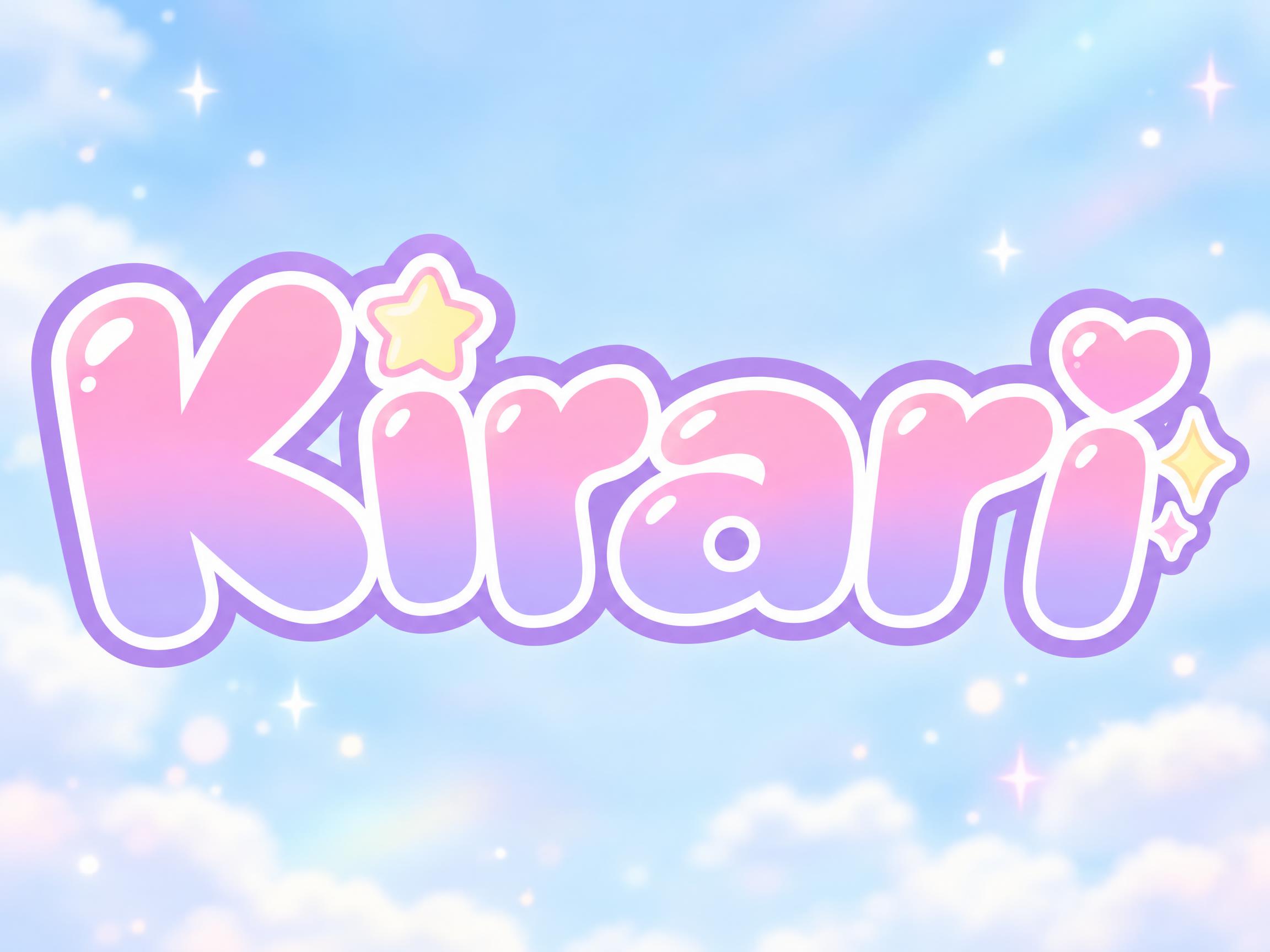
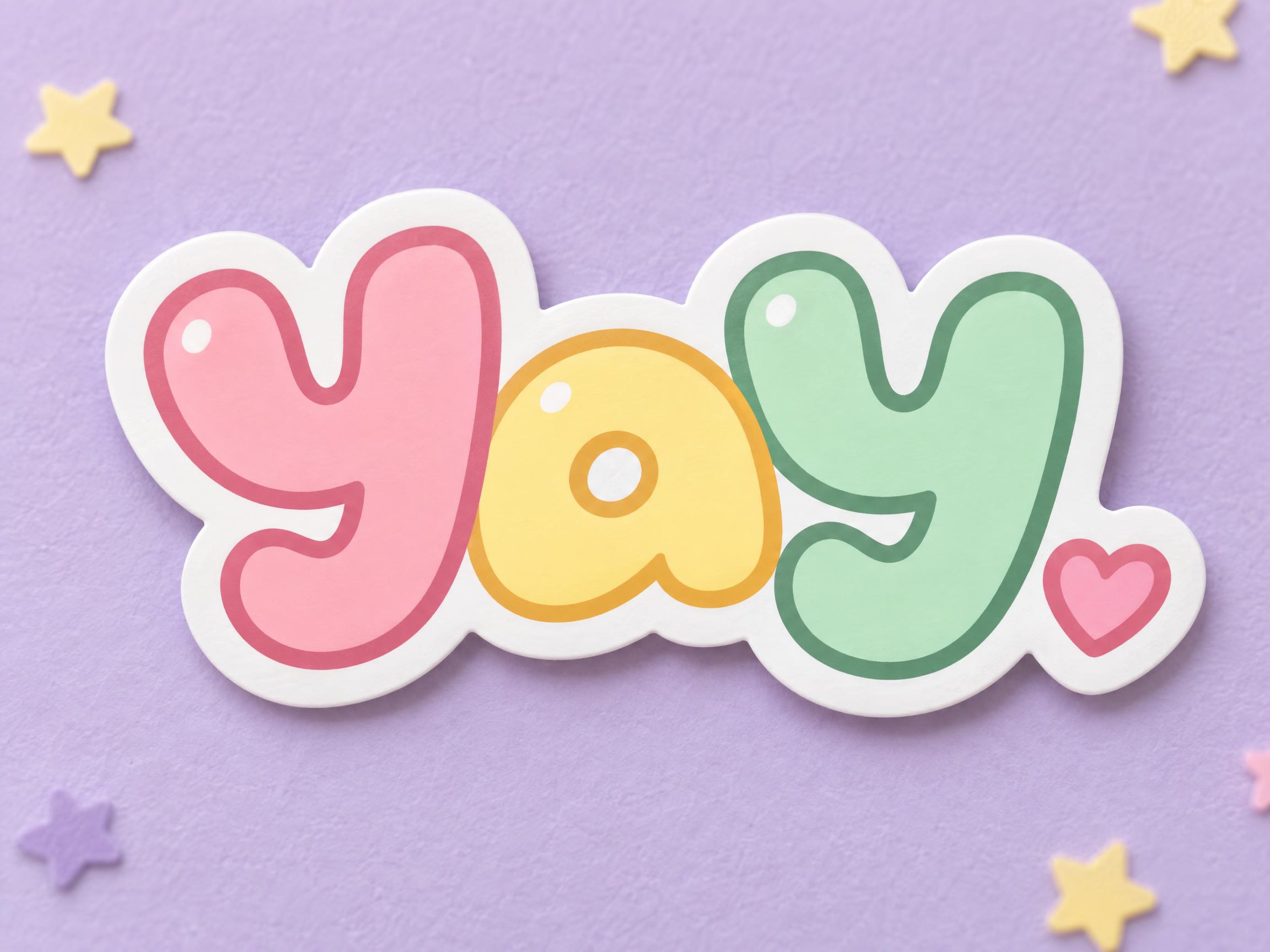
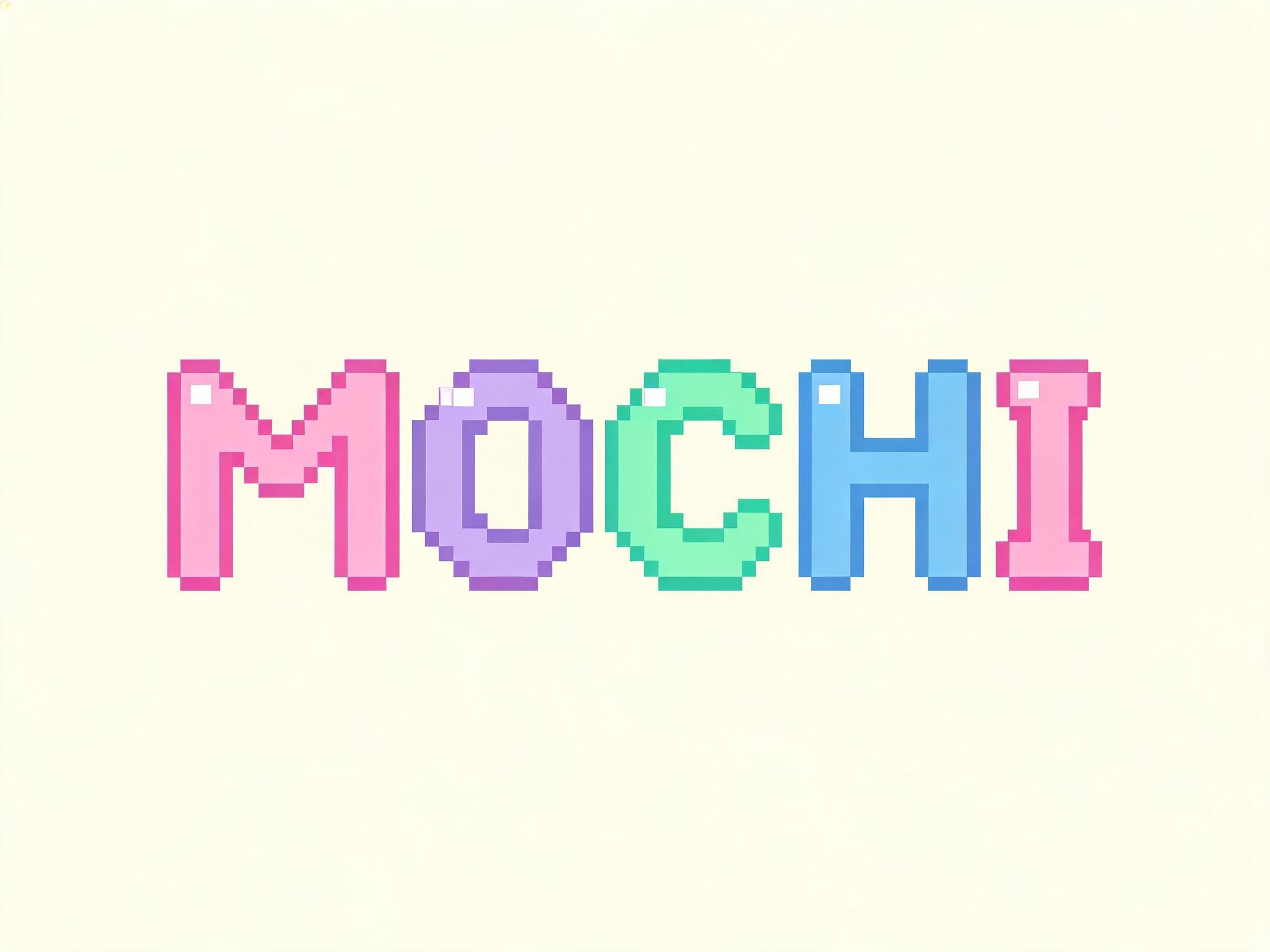
Real designs made on FontVibe. Open any one, or reuse it with your own text.
What you can make with Kawaii
Pages for the things people make in the Kawaii style. Each one has ready-made ideas and the right size.
Similar styles
Other looks that work for the same kinds of designs.
Tags in Kawaii
Every tag used on this page — each opens the designs, fonts and styles that share it.
Questions
The story behind Kawaii
Where the look comes from, the moments that shaped it and the facts behind it, with sources.
Where the kawaii look comes from
Kawaii started on paper. In the 1970s Japanese schoolgirls began writing in a rounded, bubbly hand known as marui ji, round writing. Kazuma Yamane's 1986 survey found it had appeared by 1974 and surged in 1978, and the rounded magazine typeface Naar, released in 1972 and used by fashion magazines such as an・an and non-no, is often credited with spreading it. Sanrio created Hello Kitty in 1974, the same year round writing is first recorded.
Decoration came next. Print Club, the first purikura sticker-photo booth, was introduced by Atlus and Sega in February 1995 and let users frame their photos with stamps, clip art, colourful backdrops, borders and pens. Hearts, sparkles and ribbon borders around a name became an everyday look.
Streaming put it on screen. Kizuna AI began posting on YouTube in late 2016 as the first entertainer to call herself a virtual YouTuber, and hololive's first generation debuted from May to June 2018. Every VTuber needed a starting-soon screen, a debut announcement and a schedule, and the round letters, sticker borders and soft windows of this style are how many of them look.
Sources: Wikipedia — Kawaii · Wikipedia (ja) — 丸文字 · Wikipedia — Purikura · Wikipedia — Virtual YouTuber
Moments that shaped the kawaii look
Did you know?
The rounded typeface Naar, released in 1972 and used in fashion magazines like an・an and non-no, is often credited with spreading round handwriting among Japanese girls. Source ↗
Kazuma Yamane studied cute handwriting in depth from 1984 to 1986 and called it Anomalous Female Teenage Handwriting. Source ↗
By 1997 about 45,000 purikura machines had been sold, earning Sega an estimated ¥25 billion a year. Source ↗
Active VTubers doubled from 2,000 to 4,000 between May and mid-July 2018, and there were over 10,000 by January 2020. Source ↗
Kawaii in typography
Kawaii lettering is round: soft terminals, wide bowls and even stroke weight, the printed descendant of marui ji. Names are often set in mixed case or all lowercase so they feel friendly rather than loud, with a heart or star replacing a dot or closing the word.
Small text is set in neat capitals with wide spacing: STARTING SOON, 8PM JST, twitch.tv/name. The name is big and soft, the information is small and tidy, and stickers fill the space between.
Where you’ll see it
- ✦VTuber starting soon, be right back and stream-ended screens
- ✦Debut announcements and birthday stream posts
- ✦Weekly stream schedules on X and Instagram
- ✦Twitch and YouTube channel banners
- ✦Twitch info panels: About, Schedule, Rules, Donate
- ✦Name logos and stickers for cute channels