PREHISTORIA - 沙石 Text Effect


用原作的模型 OpenAI GPT-Image-2.5 Sunburst · 15 积分

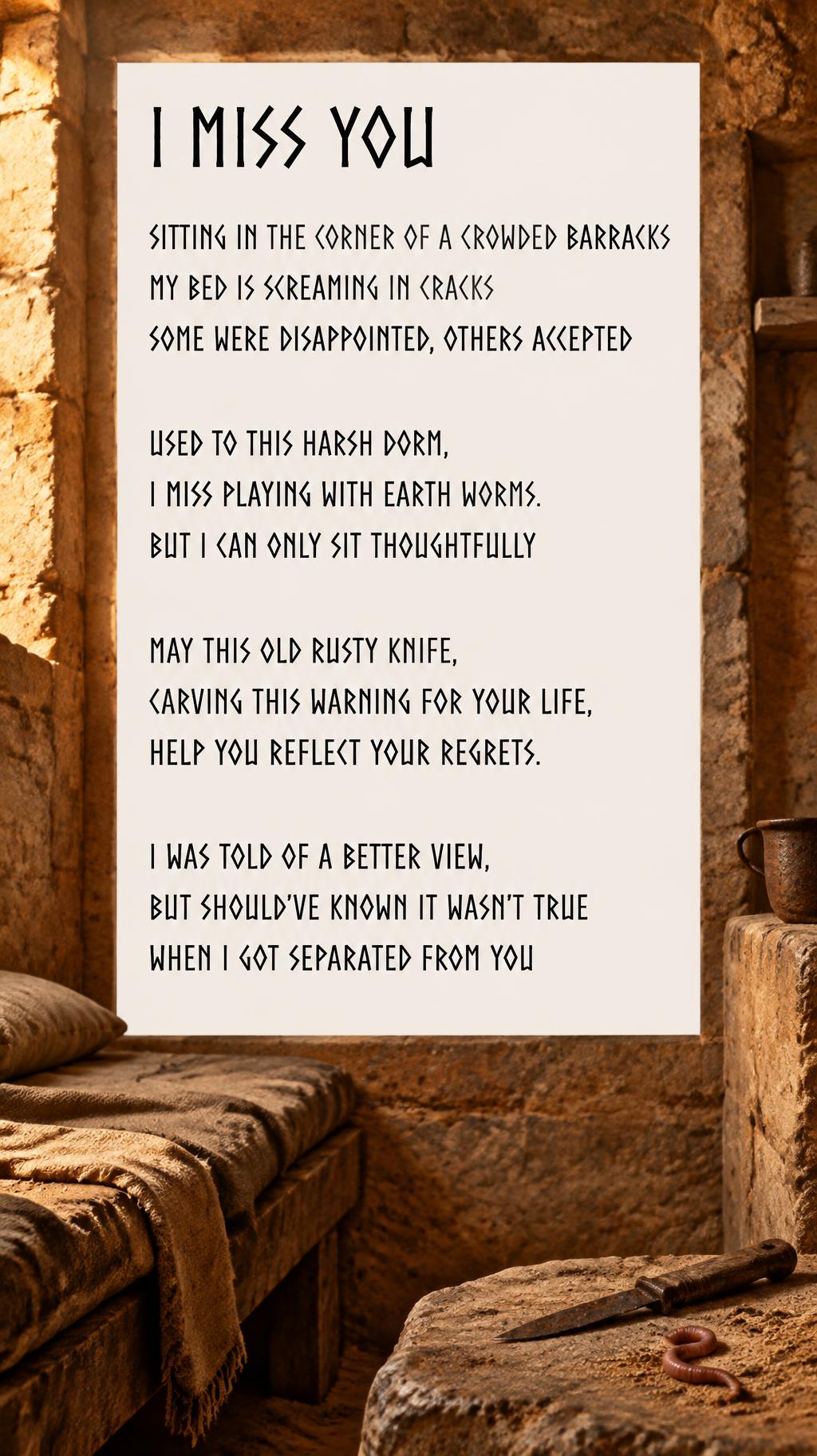
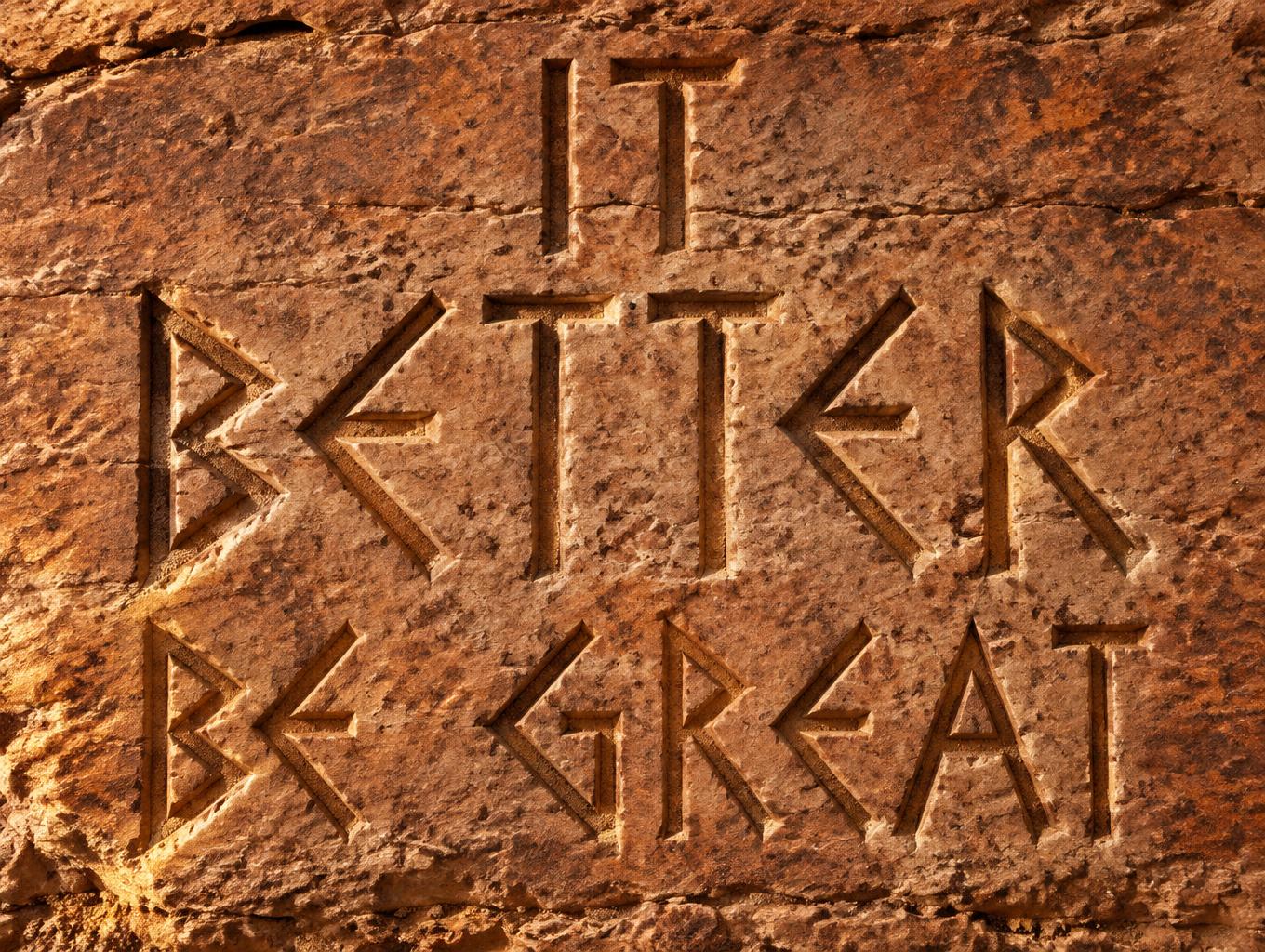

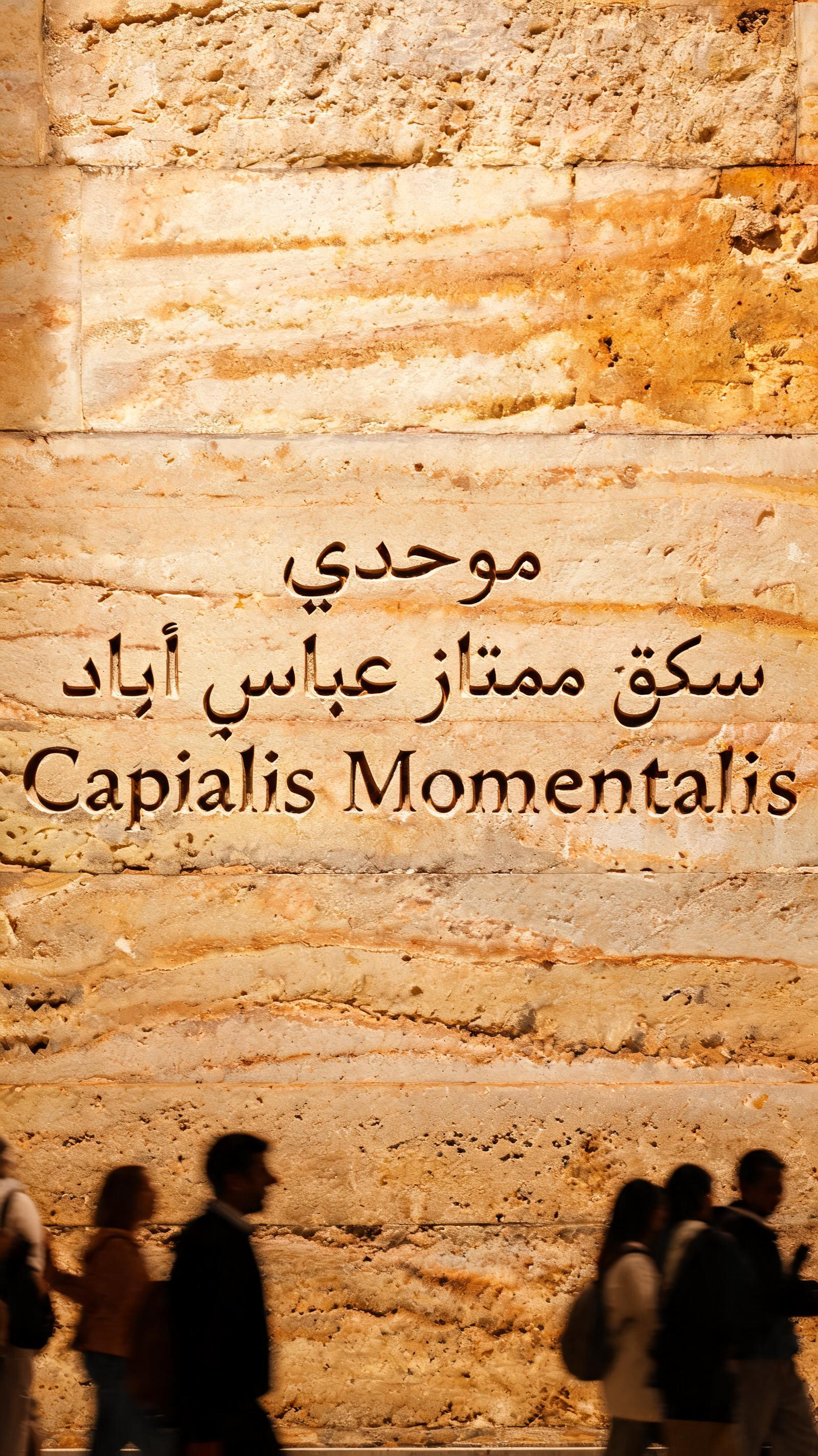


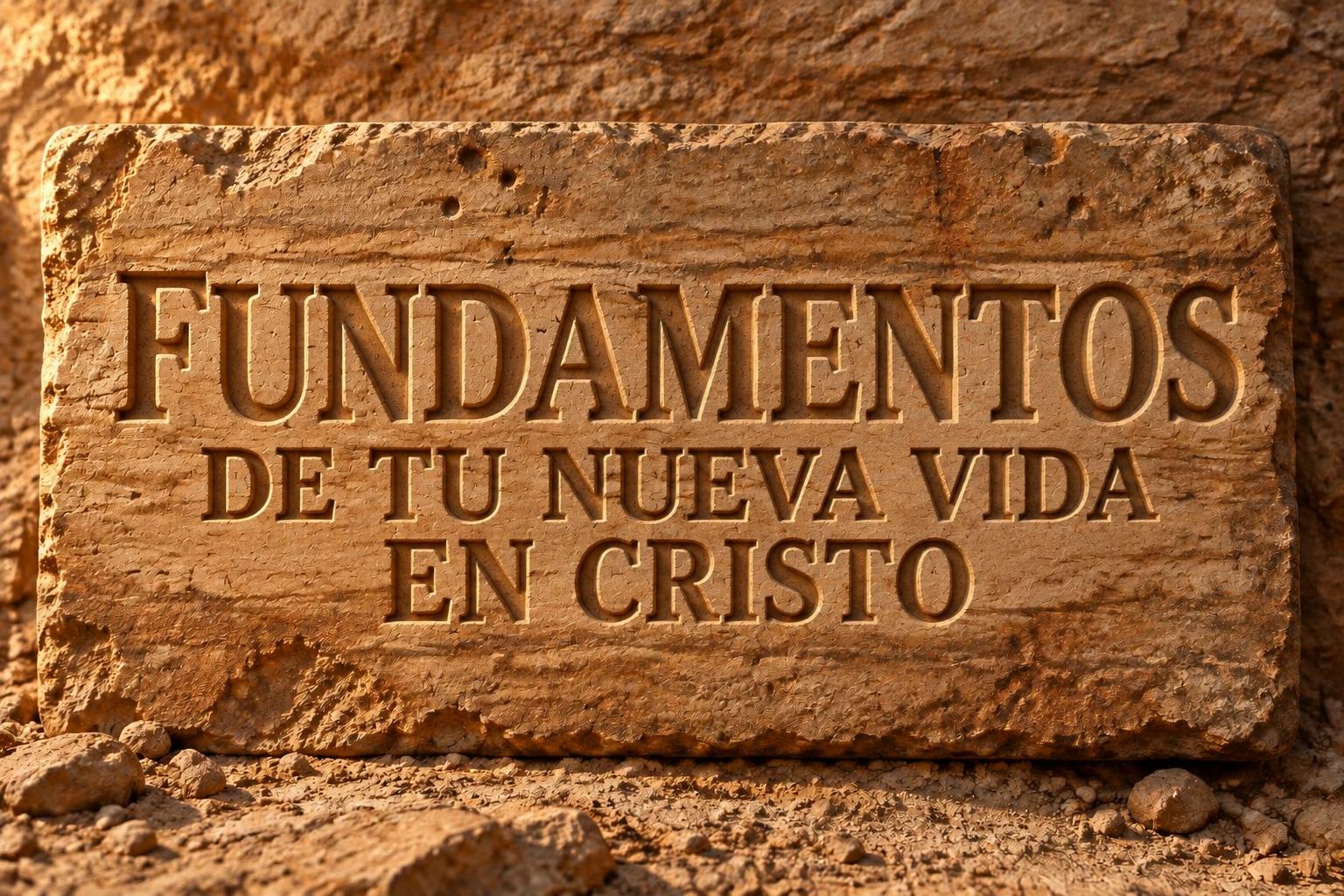
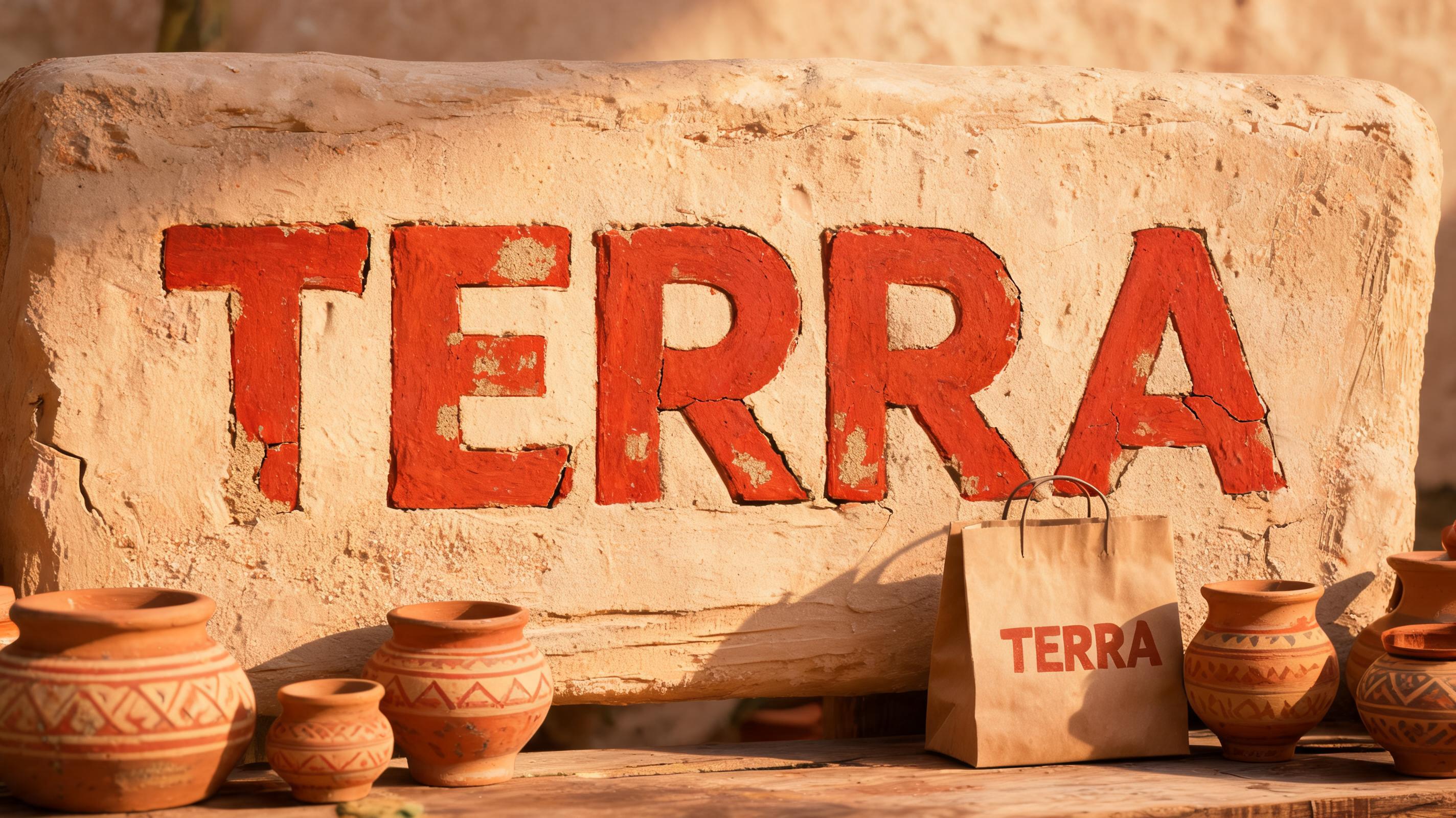
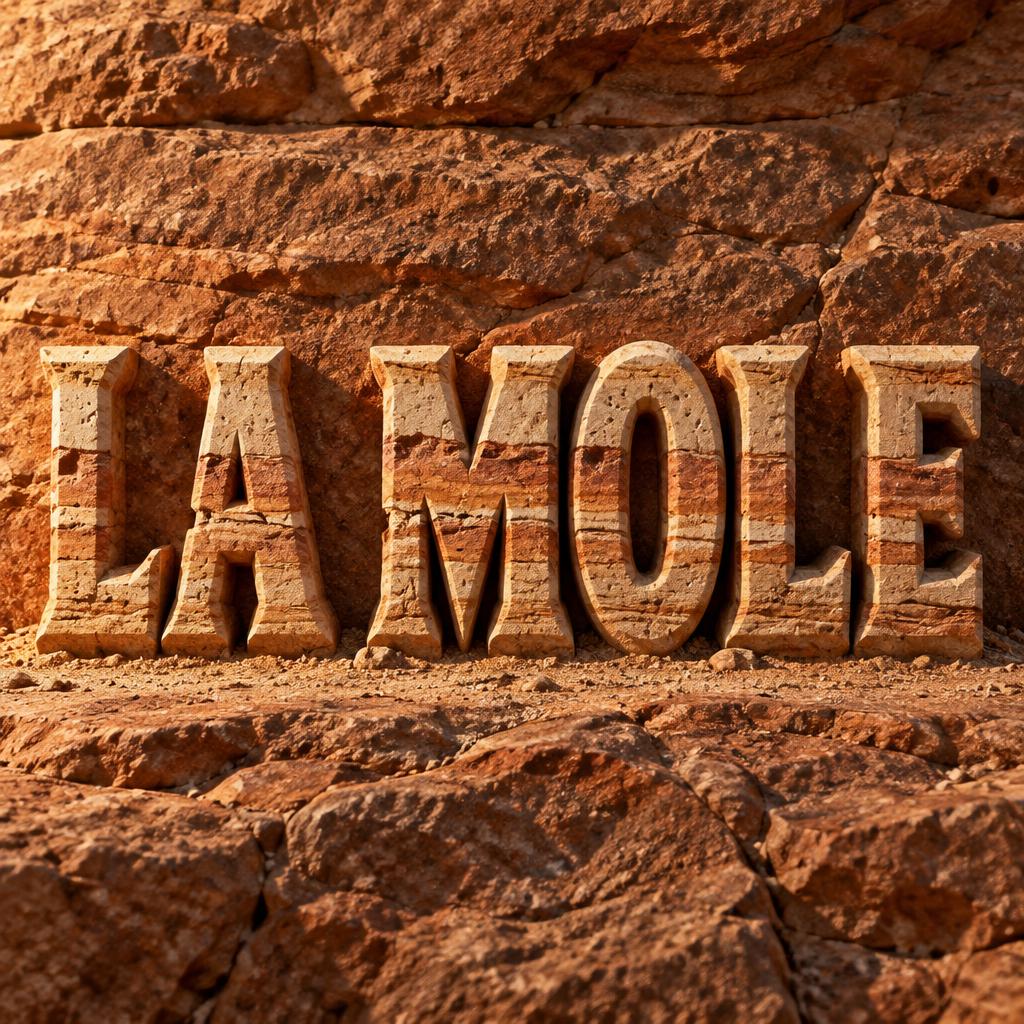
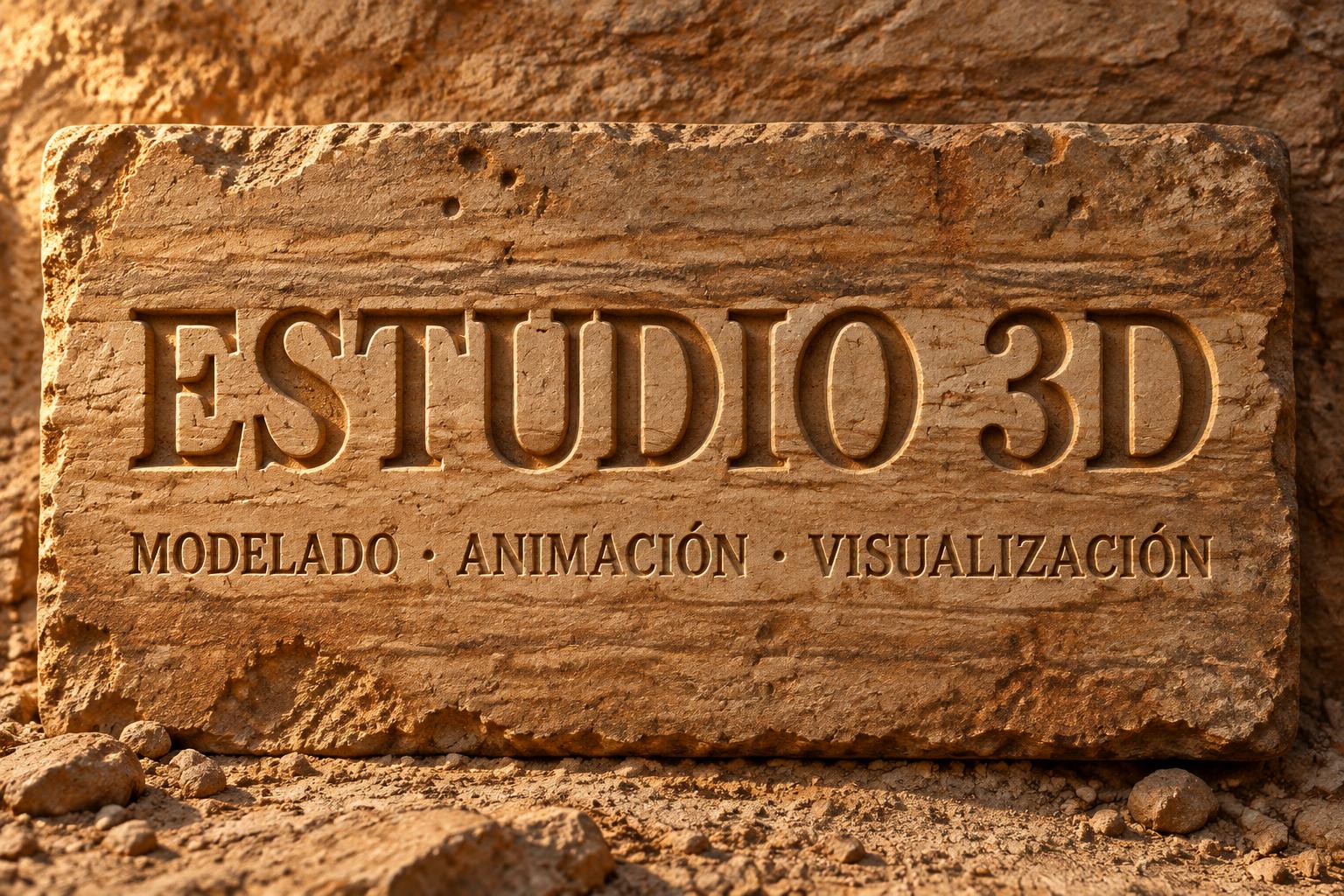
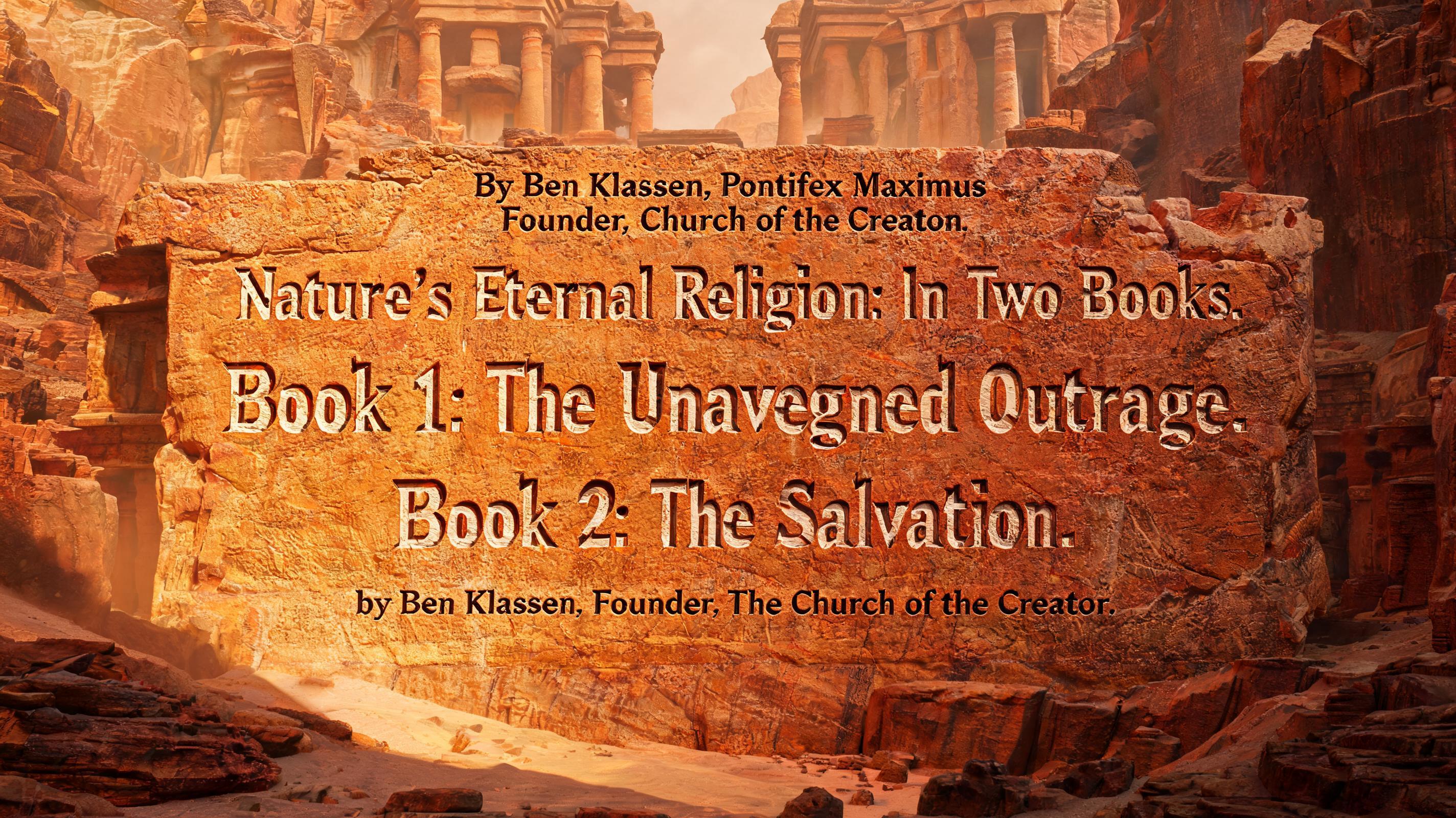

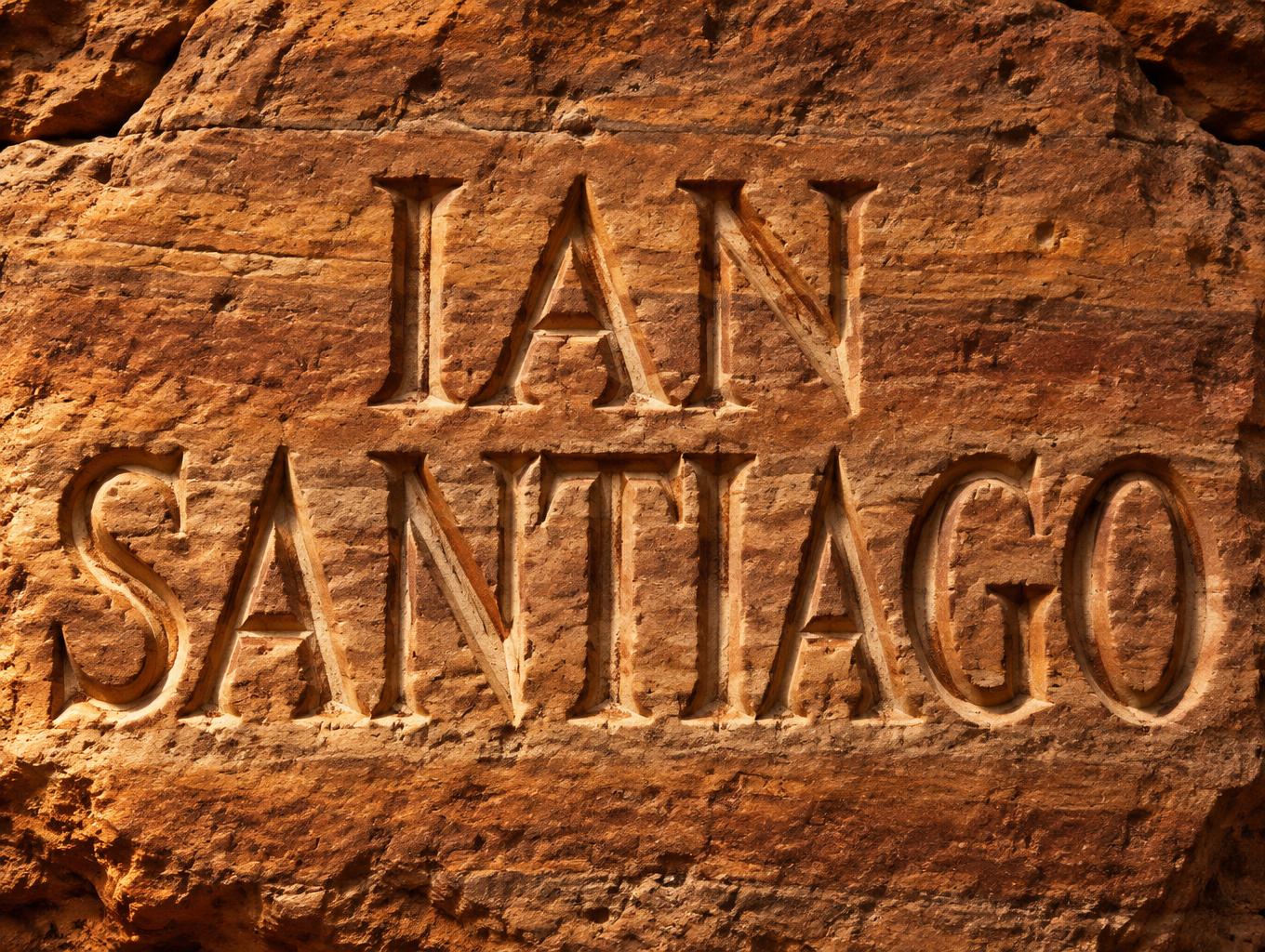
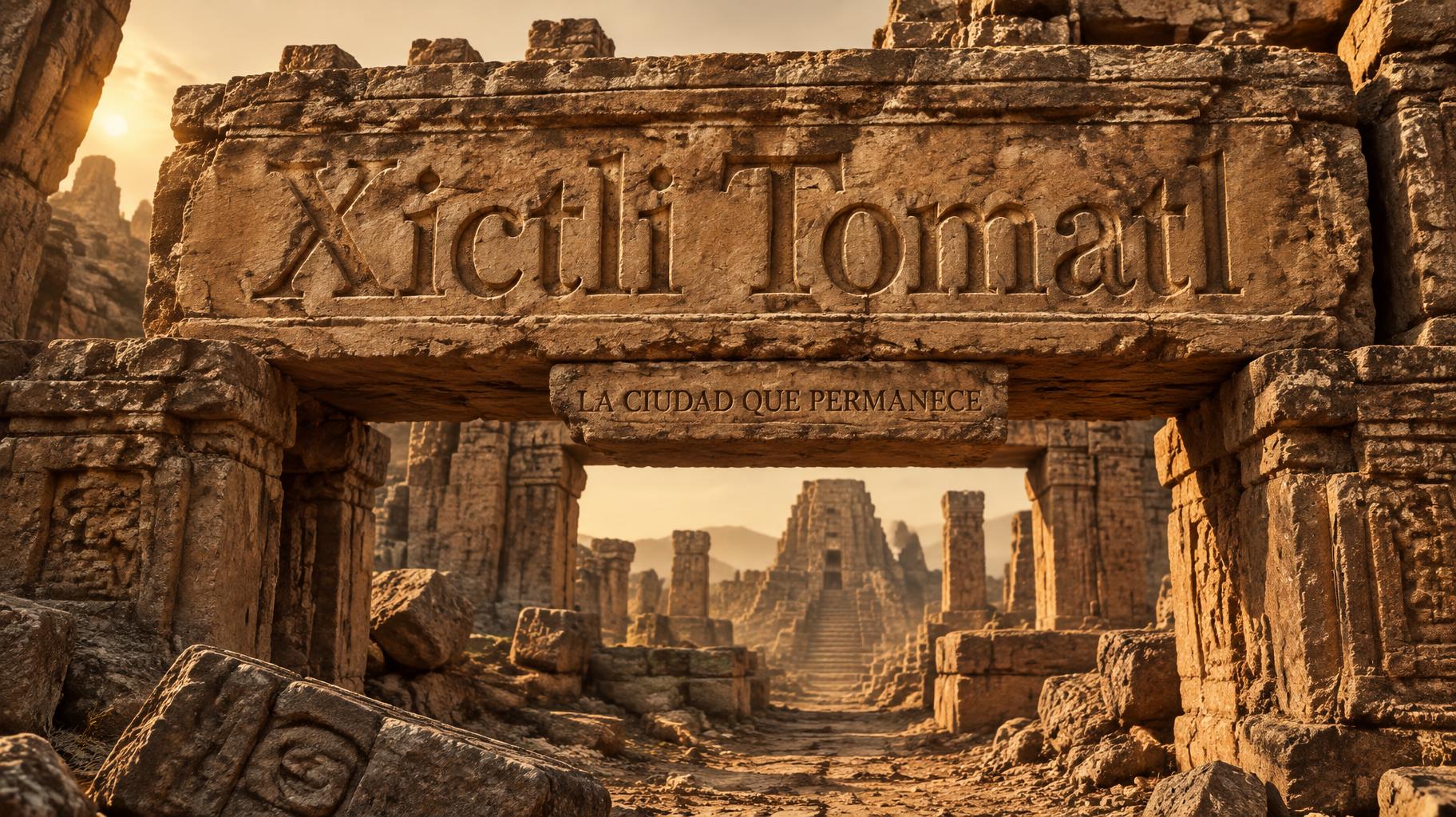
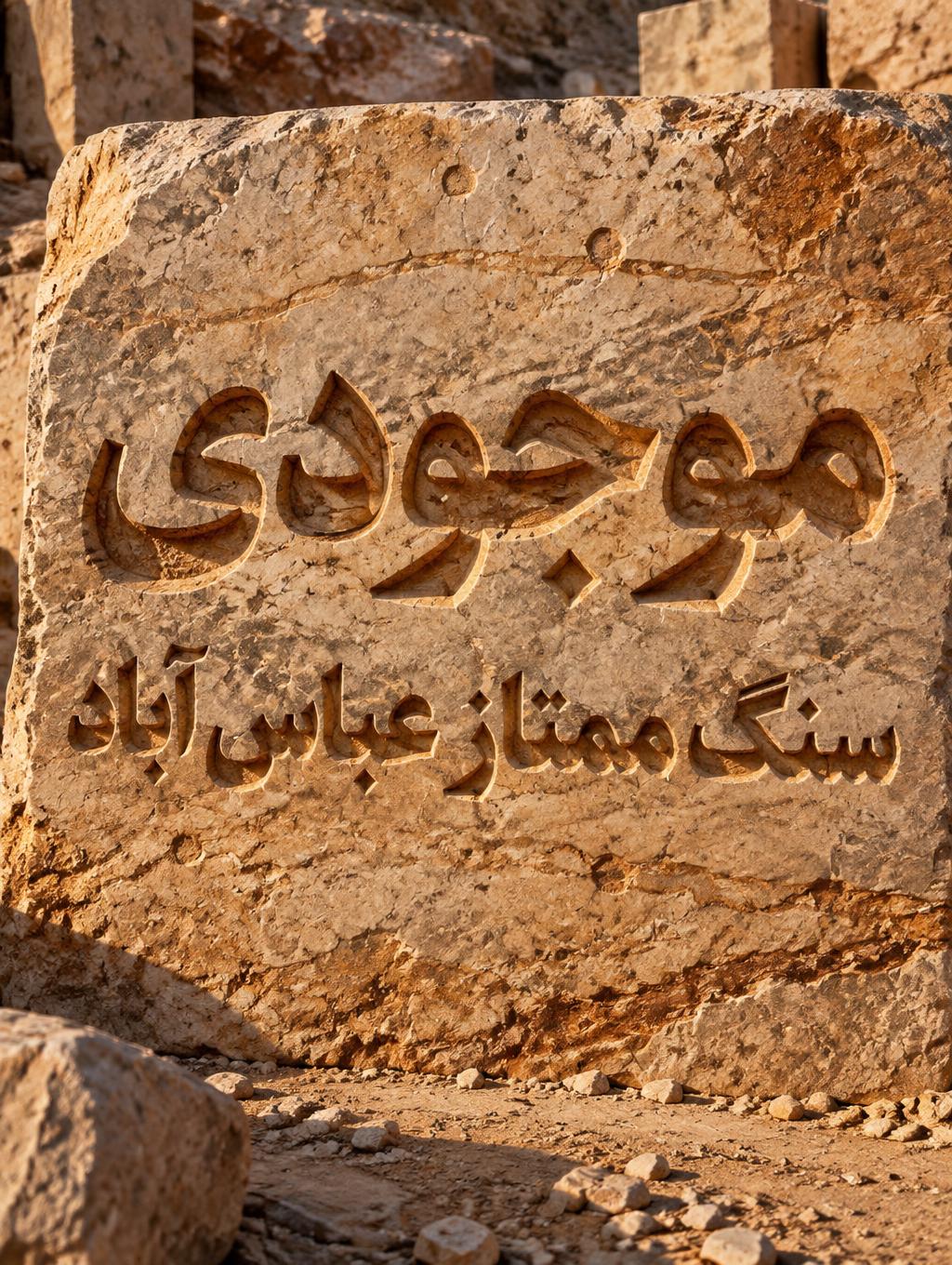
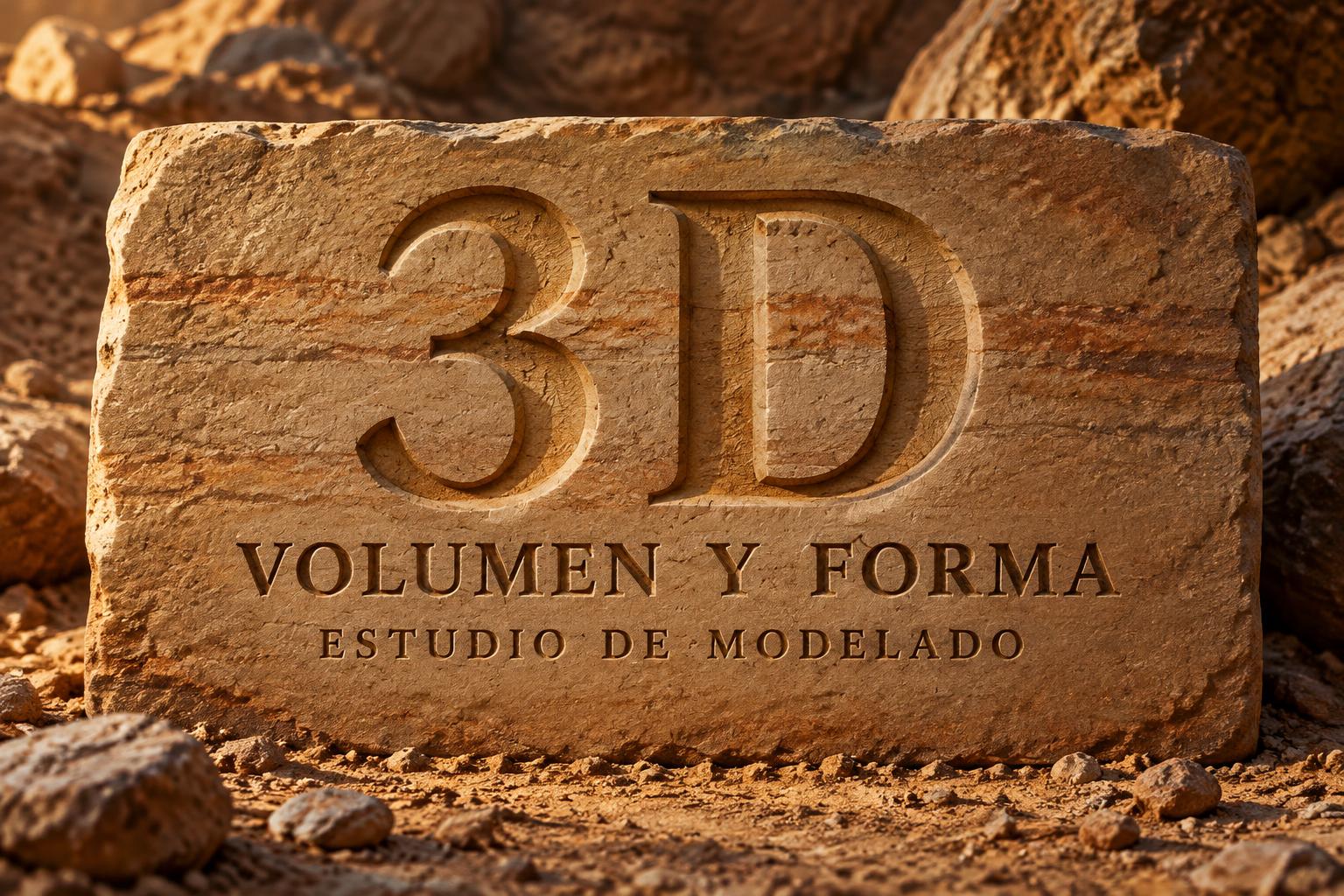
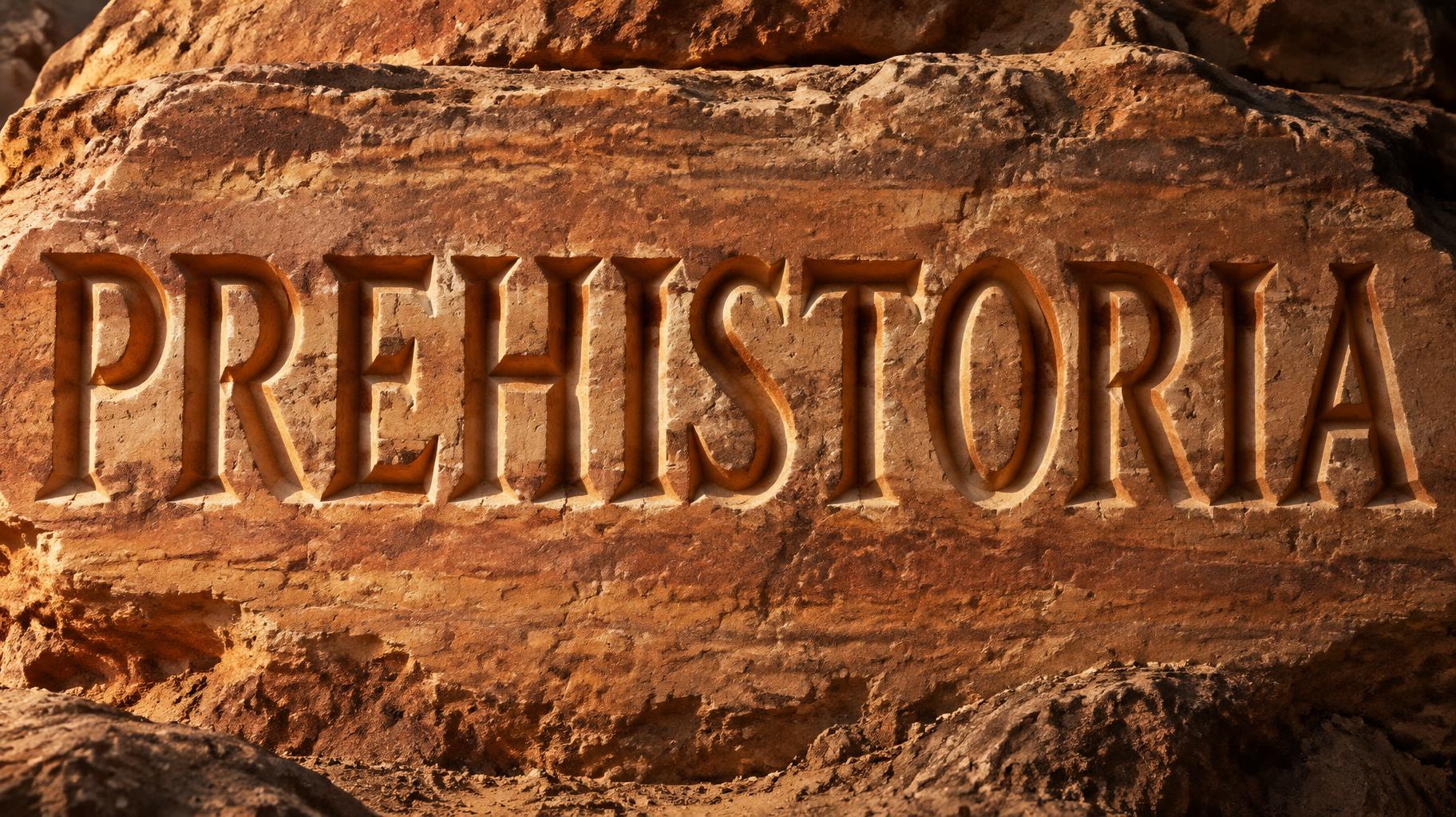
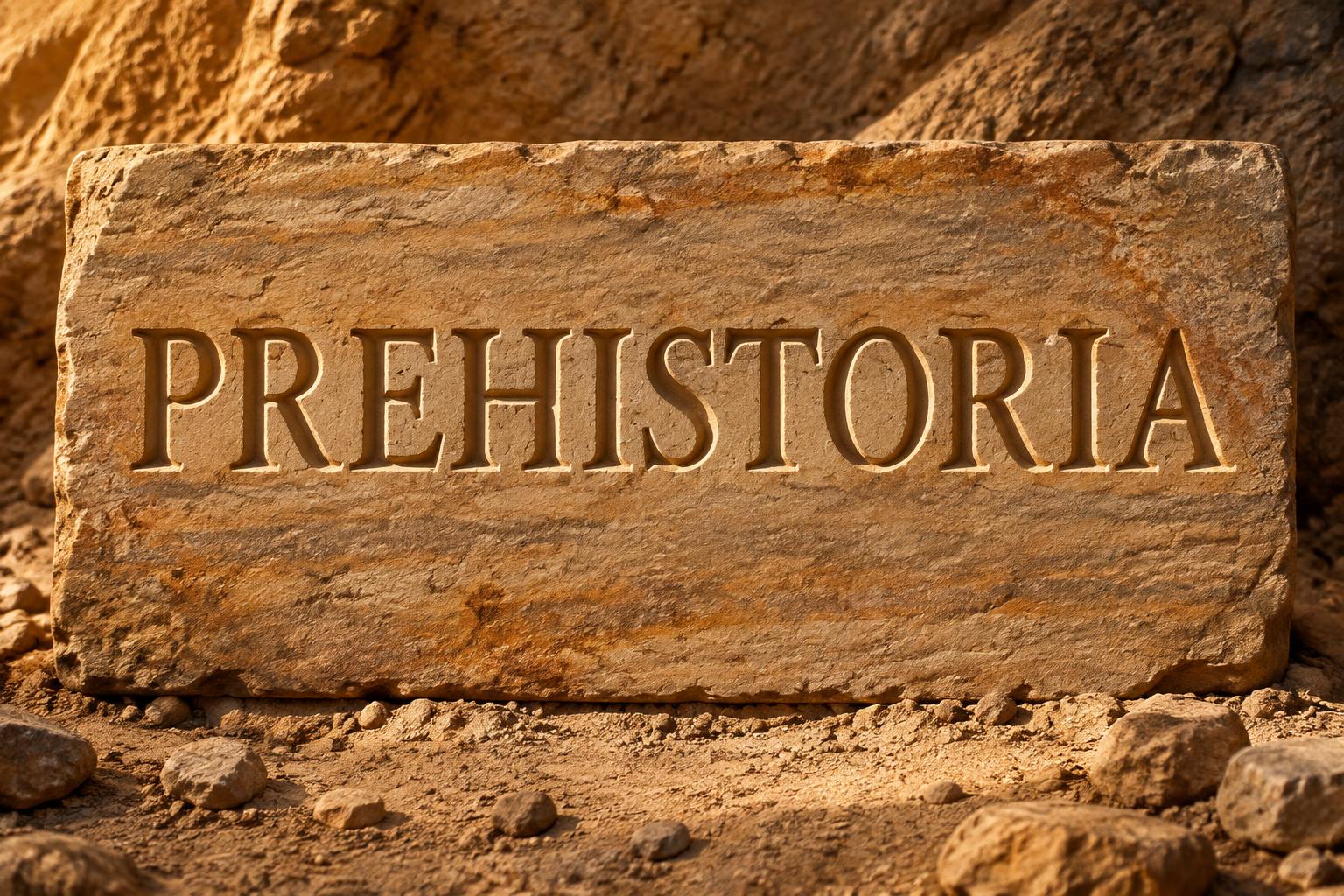
“PREHISTORIA”是使用 FontVibe AI 创作的沙石文字效果。罗马式衬线大写字母深刻在暖色砂岩上,V 形刻槽接住琥珀色斜光,岩面带沉积层纹理。
Text exists as an irreversible physical mark in ancient earth material — carved stone, incised desert varnish, or painted adobe plaster. Not digitally rendered. MATERIAL TRACKS: — Classic Stone / Bas-Relief: warm stone face; iron oxide banding shifts from cream-beige at fresh chisel cuts to amber-ochre across weathered exterior; V-cut groove interiors filled with warm amber shadow; fresh-cut sections reveal lighter stone against darker aged surface — color contrast defines dimensional depth. — Desert Sandstone: amber-ochre to rose-red stone body; horizontal sedimentary grain lines; micro-pitting from wind erosion; fine quartz sand at letter bases. — Petroglyph / Varnish Stone: near-black desert varnish patina on rock; scratch channels cut through to pale tan unweathered stone — high contrast between pale interior and dark patina. — Adobe / Painted Earth: sun-baked buff terracotta plaster; warm red-ochre to burnt sienna pigment; sand aggregate and trowel marks visible through thin paint; hairline drying cracks at pigment edges. STONE LAWS (all tracks): — Low-angle raking sidelight from left at 15–25° grazes every surface — reveals grain, carving depth, micro-texture, patina unevenness. — Geological color palette: cream-beige / amber-ochre / warm sienna / burnt umber / terracotta red / iron brown. No cool tones. — All surfaces carry age: patina, oxidation staining, erosion pitting, mineral banding. — Cut and incised sections always expose lighter, fresher material against dark weathered exterior. FORBIDDEN: neon, digital glow, chrome, smooth modern surfaces, gradient fills, drop shadows, cool tones. When no specific material is defined by the font: default environment — warm amber raking sidelight from lower-left at 20° angle, deep amber-brown shadow pools in surface recesses, dark desert earth background. Create a finished archaeological title image built around the exact word “PREHISTORIA,” carved deeply into a single broad face of ancient amber-ochre sandstone. Set the word on one line, enormous and centered, occupying most of the canvas width; keep every letter fully visible with generous breathing room above and below. Treat the inscription as an irreversible chisel-cut mark in weathered stone, not as a separate sign or modern graphic. Its freshly cut interiors are pale cream-beige against a darker iron-oxide-stained surface, with deep V-shaped grooves and warm amber-brown shadows giving the carving substantial depth. Let horizontal sedimentary bands pass naturally through the stone and across the carved faces, with wind-worn pitting, mineral flecks, and fine quartz sand gathered along the letter bases. Use a close, nearly frontal archaeological view, with subtle irregularities along the ancient rock face and dark desert earth receding at the edges. A low amber sidelight from the lower left grazes the surface at a shallow angle, revealing every grain, cut edge, and recess; let the far side fall into rich warm shadow. Keep the palette entirely geological: cream, ochre, sienna, burnt umber, and iron brown. The result feels monumental and ancient, with no extra lettering or decorative symbols.
生成于 2026年11月4日 · 1824 × 1024 · JPEG · OpenAI GPT-Image-2.5 Sunburst · 公开作品 · 可免费商用(CC BY 4.0)
浏览 AI 文字效果风格




更多 沙石 文字效果
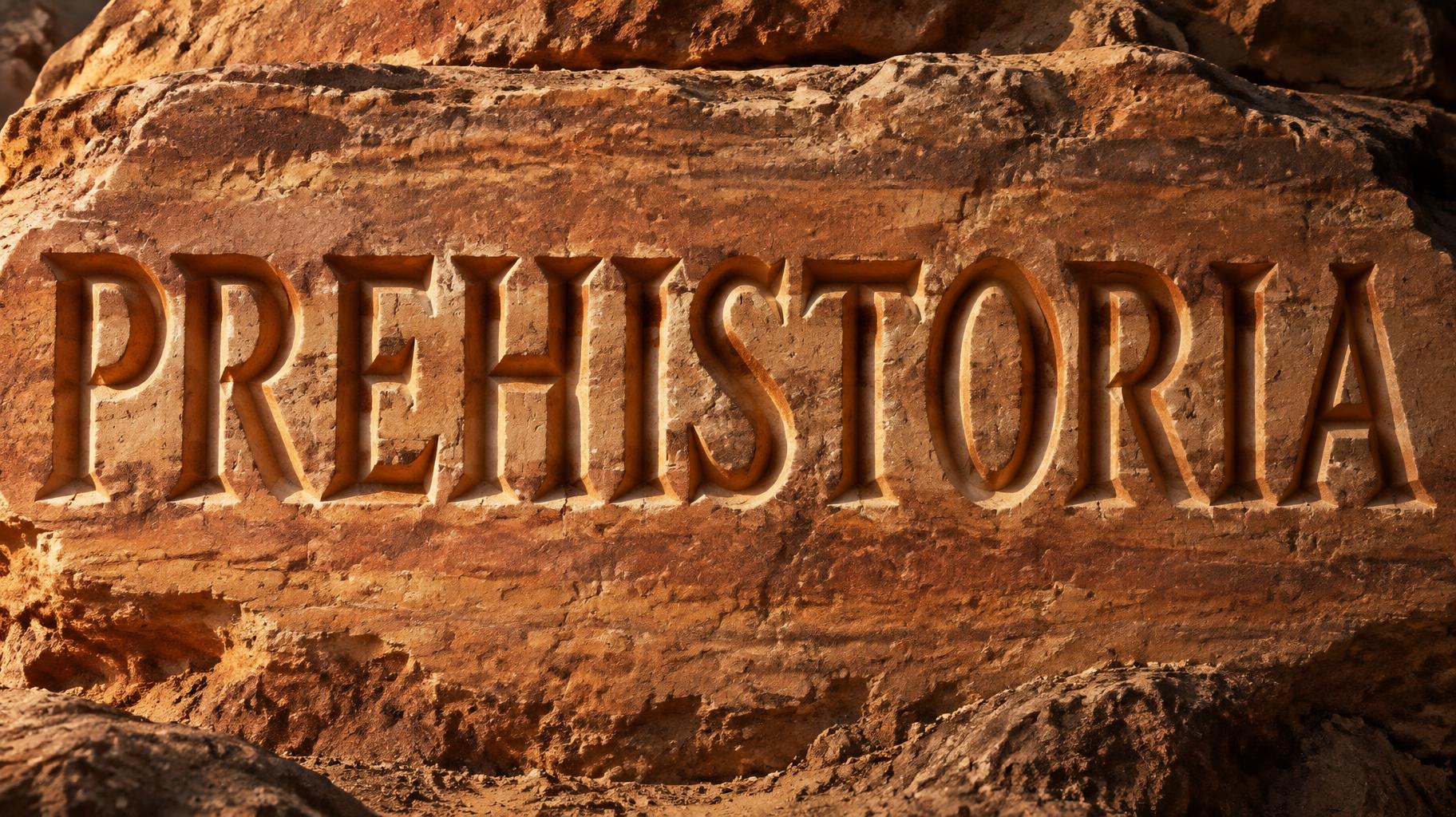
“PREHISTORIA”是使用 FontVibe AI 创作的沙石文字效果。罗马式衬线大写字母深刻在暖色砂岩上,V 形刻槽接住琥珀色斜光,岩面带沉积层纹理。
Text exists as an irreversible physical mark in ancient earth material — carved stone, incised desert varnish, or painted adobe plaster. Not digitally rendered. MATERIAL TRACKS: — Classic Stone / Bas-Relief: warm stone face; iron oxide banding shifts from cream-beige at fresh chisel cuts to amber-ochre across weathered exterior; V-cut groove interiors filled with warm amber shadow; fresh-cut sections reveal lighter stone against darker aged surface — color contrast defines dimensional depth. — Desert Sandstone: amber-ochre to rose-red stone body; horizontal sedimentary grain lines; micro-pitting from wind erosion; fine quartz sand at letter bases. — Petroglyph / Varnish Stone: near-black desert varnish patina on rock; scratch channels cut through to pale tan unweathered stone — high contrast between pale interior and dark patina. — Adobe / Painted Earth: sun-baked buff terracotta plaster; warm red-ochre to burnt sienna pigment; sand aggregate and trowel marks visible through thin paint; hairline drying cracks at pigment edges. STONE LAWS (all tracks): — Low-angle raking sidelight from left at 15–25° grazes every surface — reveals grain, carving depth, micro-texture, patina unevenness. — Geological color palette: cream-beige / amber-ochre / warm sienna / burnt umber / terracotta red / iron brown. No cool tones. — All surfaces carry age: patina, oxidation staining, erosion pitting, mineral banding. — Cut and incised sections always expose lighter, fresher material against dark weathered exterior. FORBIDDEN: neon, digital glow, chrome, smooth modern surfaces, gradient fills, drop shadows, cool tones. When no specific material is defined by the font: default environment — warm amber raking sidelight from lower-left at 20° angle, deep amber-brown shadow pools in surface recesses, dark desert earth background. Create a finished archaeological title image built around the exact word “PREHISTORIA,” carved deeply into a single broad face of ancient amber-ochre sandstone. Set the word on one line, enormous and centered, occupying most of the canvas width; keep every letter fully visible with generous breathing room above and below. Treat the inscription as an irreversible chisel-cut mark in weathered stone, not as a separate sign or modern graphic. Its freshly cut interiors are pale cream-beige against a darker iron-oxide-stained surface, with deep V-shaped grooves and warm amber-brown shadows giving the carving substantial depth. Let horizontal sedimentary bands pass naturally through the stone and across the carved faces, with wind-worn pitting, mineral flecks, and fine quartz sand gathered along the letter bases. Use a close, nearly frontal archaeological view, with subtle irregularities along the ancient rock face and dark desert earth receding at the edges. A low amber sidelight from the lower left grazes the surface at a shallow angle, revealing every grain, cut edge, and recess; let the far side fall into rich warm shadow. Keep the palette entirely geological: cream, ochre, sienna, burnt umber, and iron brown. The result feels monumental and ancient, with no extra lettering or decorative symbols.
生成于 2026年11月4日 · 1824 × 1024 · JPEG · OpenAI GPT-Image-2.5 Sunburst · 公开作品 · 可免费商用(CC BY 4.0)
浏览 AI 文字效果风格
想要更多文字样式?看看我们的 免费字体生成器 —— 花体、手写、哥特等更多样式。