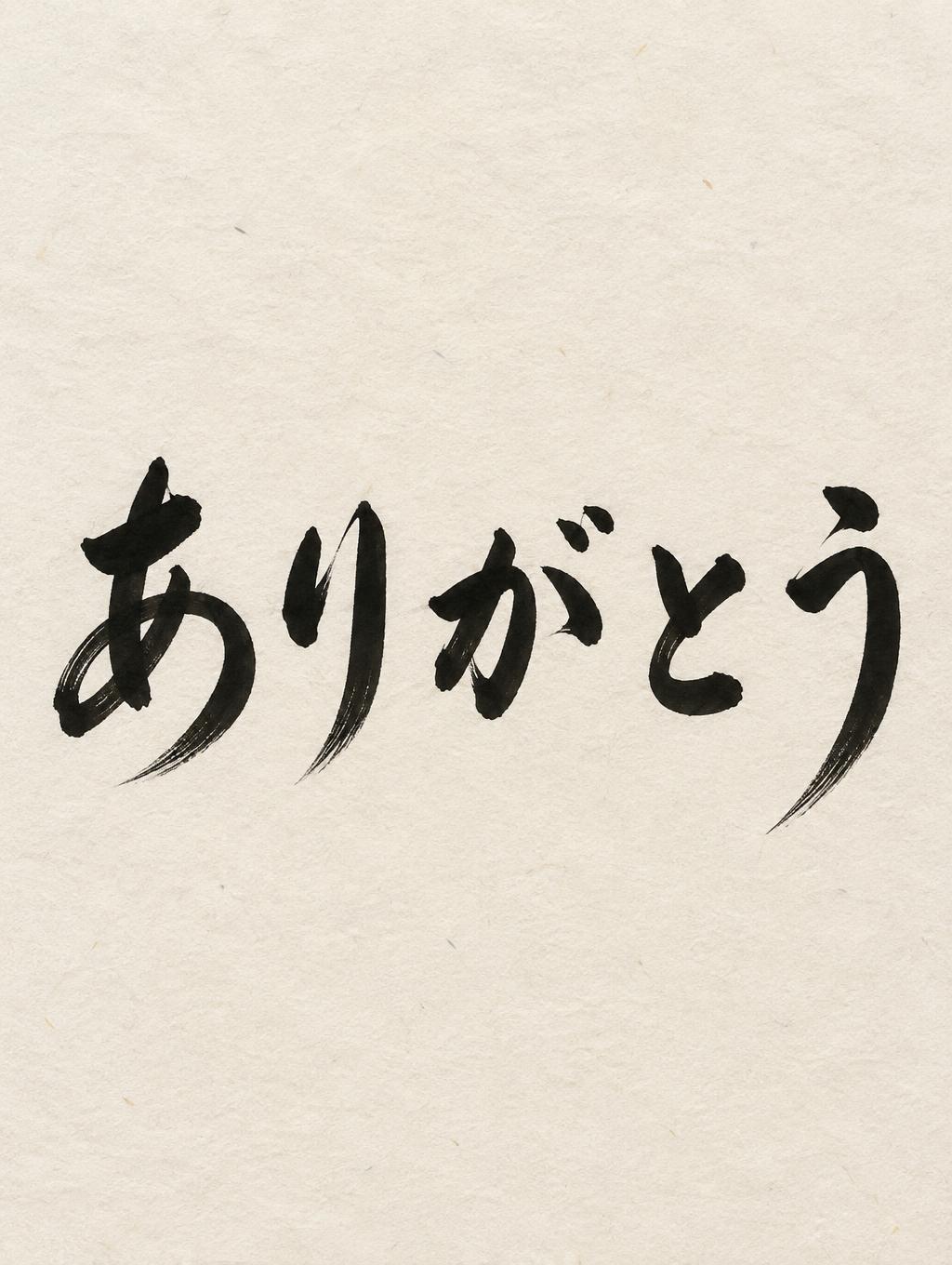
ありがとう - Japanische Tuschepinsel-Schrift Text Effect


Nutzt OpenAI GPT-Image-2.5 Sunburst, das Modell dieses Werks · 15 Credits
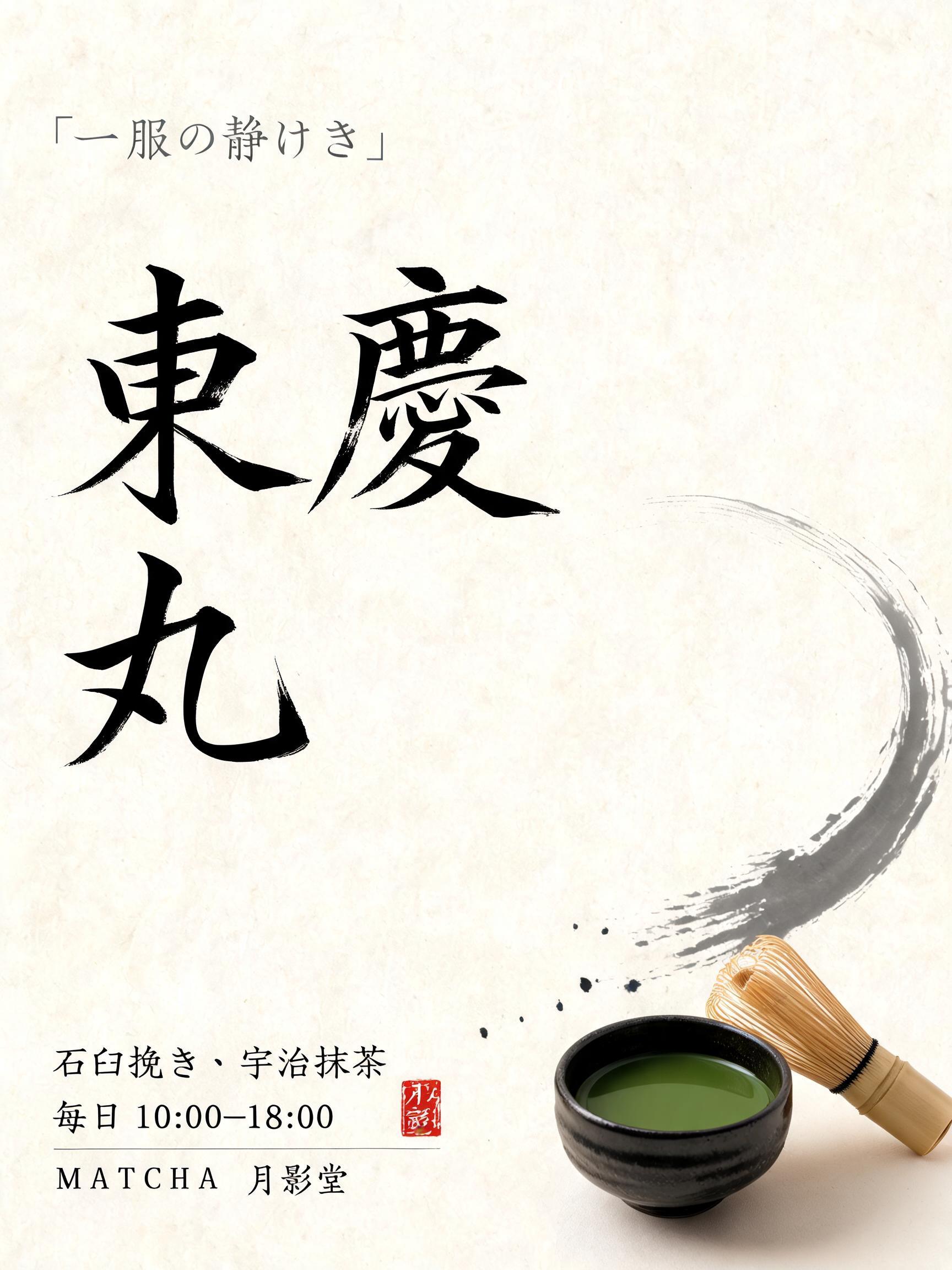
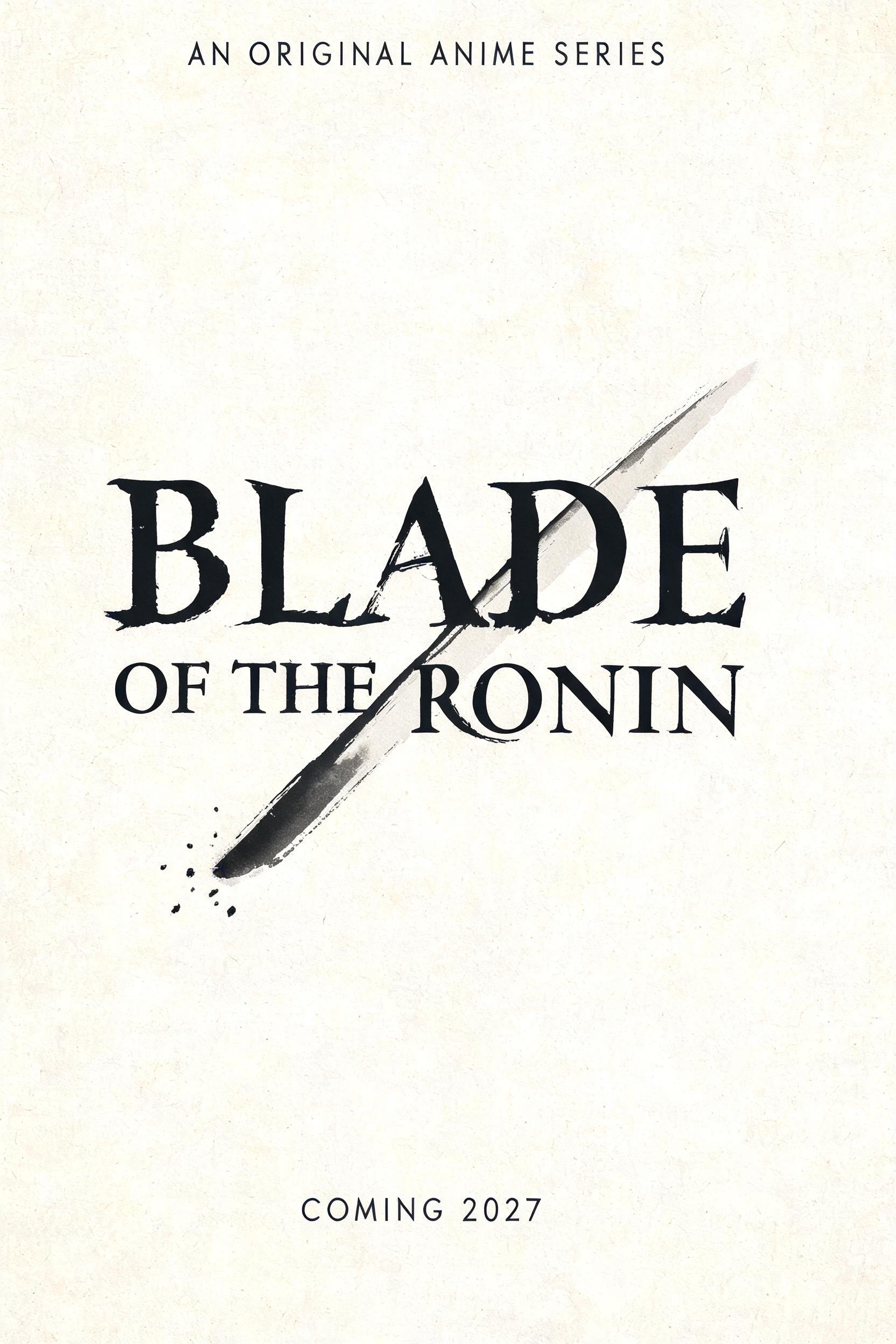


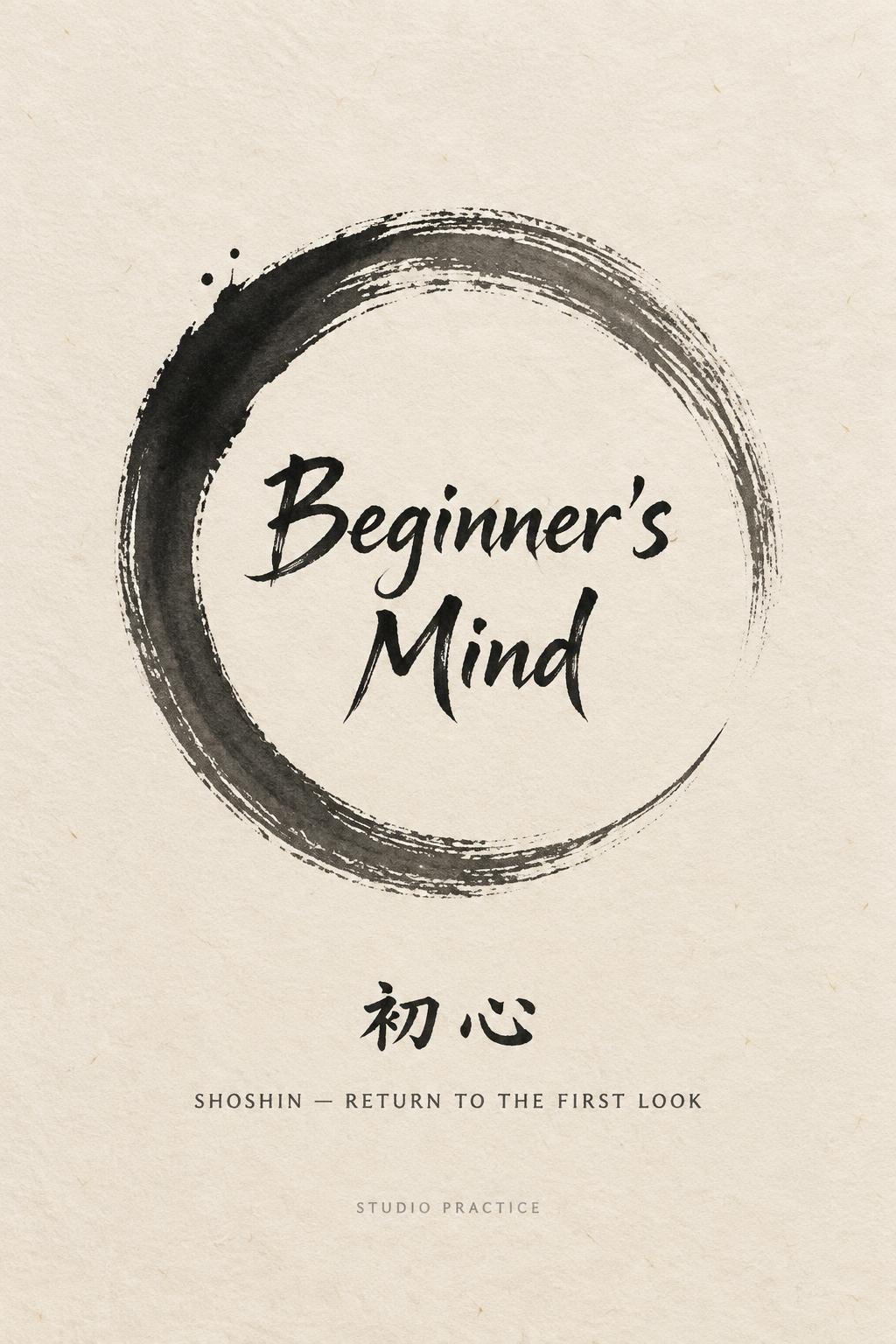
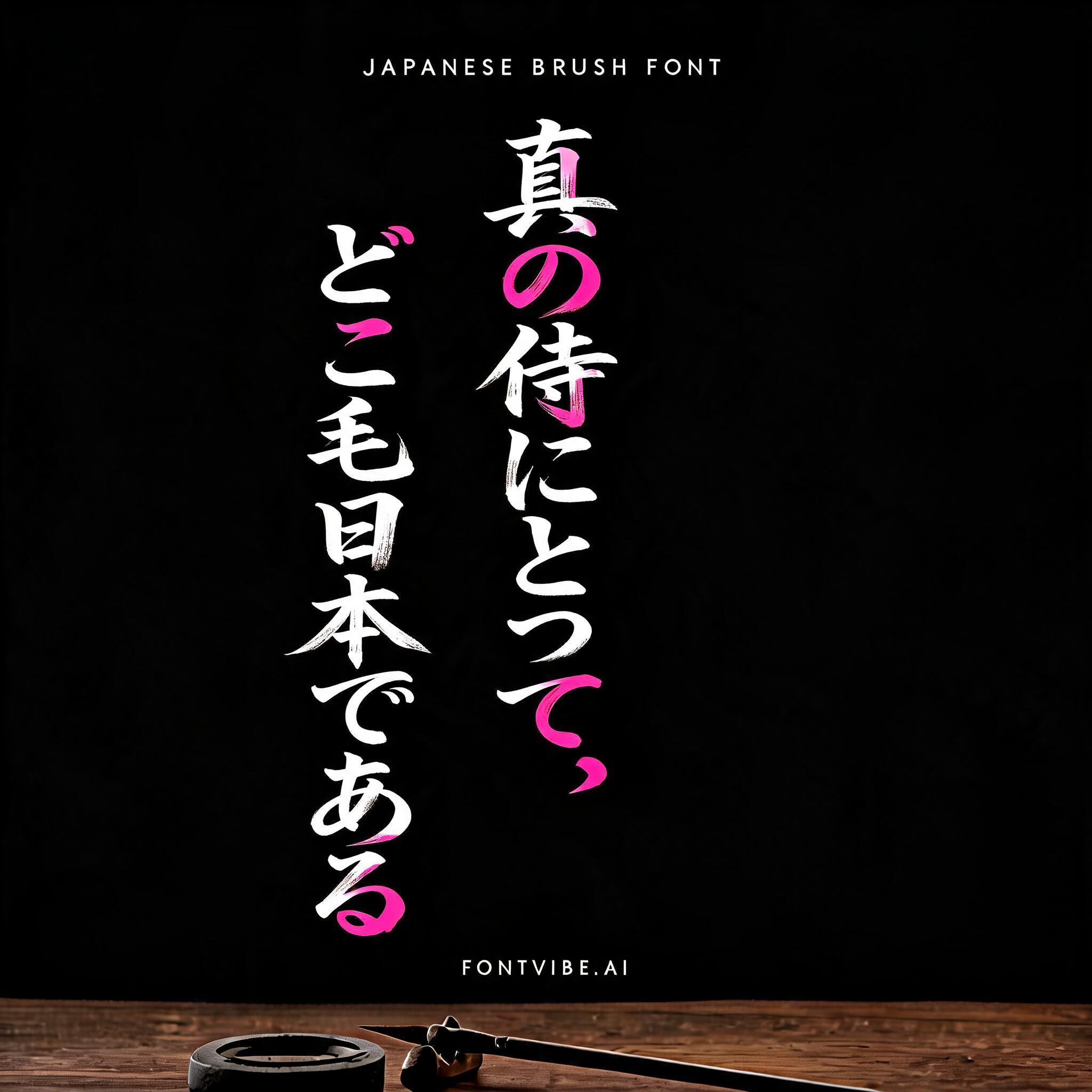


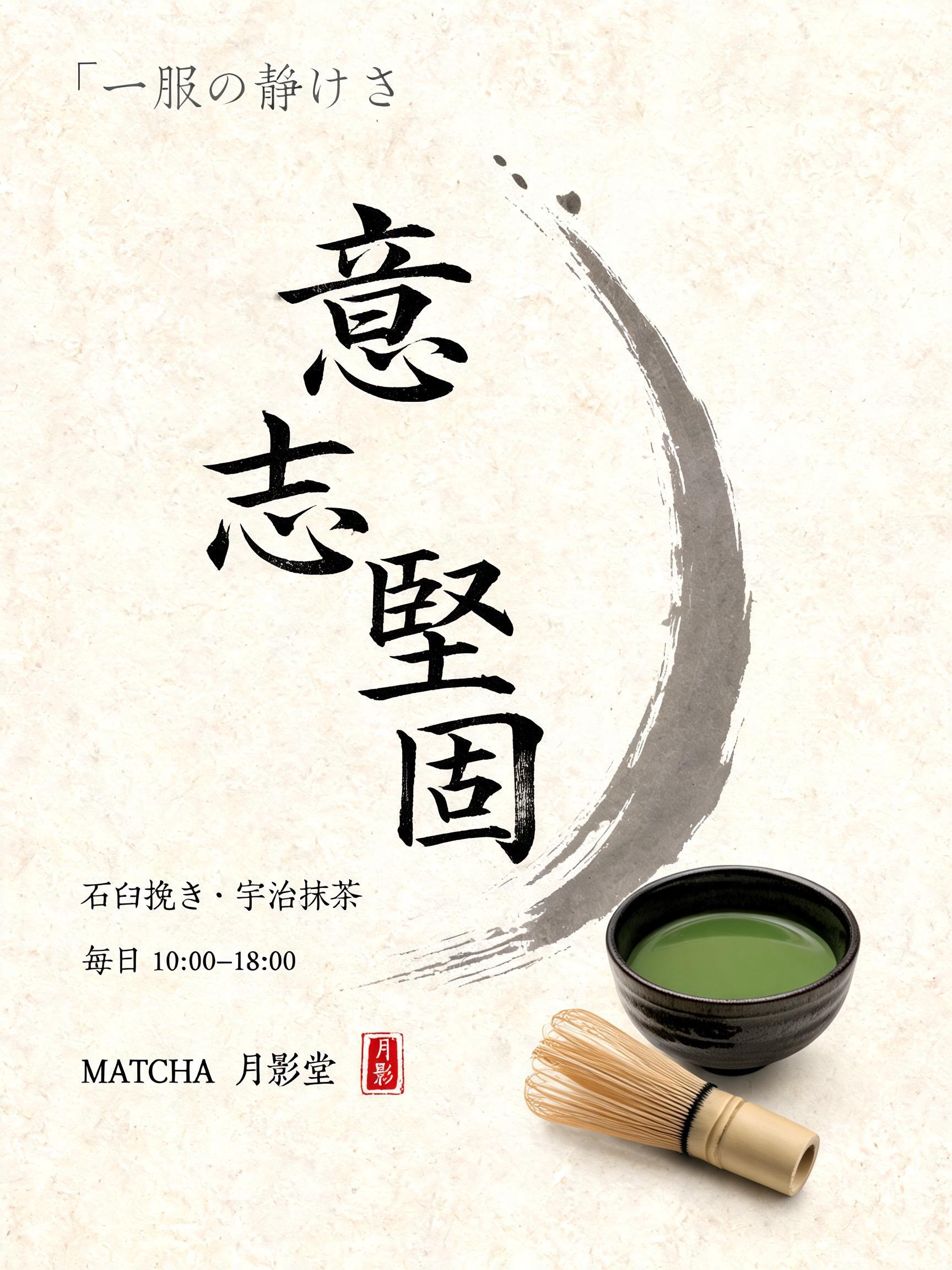


„ありがとう“ ist ein Japanische Tuschepinsel-Schrift-Texteffekt, erstellt mit FontVibe KI. Japanischer Shodo-Tuschepinsel-Kalligrafiestil, angewendet auf lateinische Buchstaben. Tiefes Sumi-Schwarz mit authentischer Fude-Pinselenergie, kontrollierten Strichen in eine Richtung und Washi-Papier-Atmosphäre. Perfekt für das Branding japanischer Restaurants, Tattoo-Design, Anime, Kampfkunst und kulturelle Projekte.
Japanese ink brush aesthetic — the visual language of sumi calligraphy on washi paper. INK MEDIUM: sumi pigment in deep black to charcoal range — richest density at mark centers, naturally transitioning outward as ink supply depletes. Fully matte, absorbed into paper surface, producing a tonal range from dense opaque black to transparent grey depending on dilution and brush load. PAPER SURFACE: natural washi — warm cream-white base with visible paper fiber structure giving slight texture. The absorbent surface creates the characteristic soft border quality of East Asian brush work at all mark edges. LIGHT ATMOSPHERE: soft diffuse north-facing studio light — the traditional calligrapher's light source. Even, shadowless, allowing the full tonal range of ink marks to read clearly. Warm cream paper tone contrasts against deep sumi black. AESTHETIC REGISTER: the ma principle — the space between and around marks is as considered as the marks themselves. Compositions have breathing room and deliberate quietness. When no specific material is defined by the font: default environment — deep sumi black marks on warm cream washi paper, soft diffuse overhead light, meditative studio atmosphere. Japanese ink brush calligraphy rendering the exact text “ありがとう” as the sole visual subject, formed in deep sumi pigment on warm cream-white handmade washi. Each character carries a deliberate variation of brush load: dense matte near-black pools at forceful stroke entries, charcoal passages through the body of each mark, and diluted smoky-gray pull-away tails where the brush lifts. Fine feathering and controlled absorption follow visible long paper fibers, with softly irregular ink borders rather than hard digital edges. A few restrained dry-brush gaps reveal the paper beneath within faster strokes; no decorative illustration, no extra words, no translation. Surrounding ma is broad and uncluttered, allowing the individual marks and their changing pressure to remain legible. The washi surface shows subtle deckle-like fiber grain, tiny natural specks, and gentle tonal variation across the paper. Soft diffuse north-facing studio illumination keeps the sheet evenly lit and shadowless, preserving the full black-to-gray ink gradation. Quiet traditional shodo presentation, fully matte pigment embedded in absorbent paper, sparse microscopic ink flecks only near decisive brush contact points.
Gemacht für Japanische Pinsel-Schrift
Generiert am 7. Oktober 2026 · 1024 × 1360 · JPEG · OpenAI GPT-Image-2.5 Sunburst · Von der erstellenden Person geteilt · Kostenlos kommerziell nutzbar (CC BY 4.0)


