


AI Rainbow Text Effect Generator
Vibrant multi-color rainbow gradient text effects with smooth color transitions, prismatic light and joyful chromatic typography. — no font license needed.
Rainbow in different AI fonts
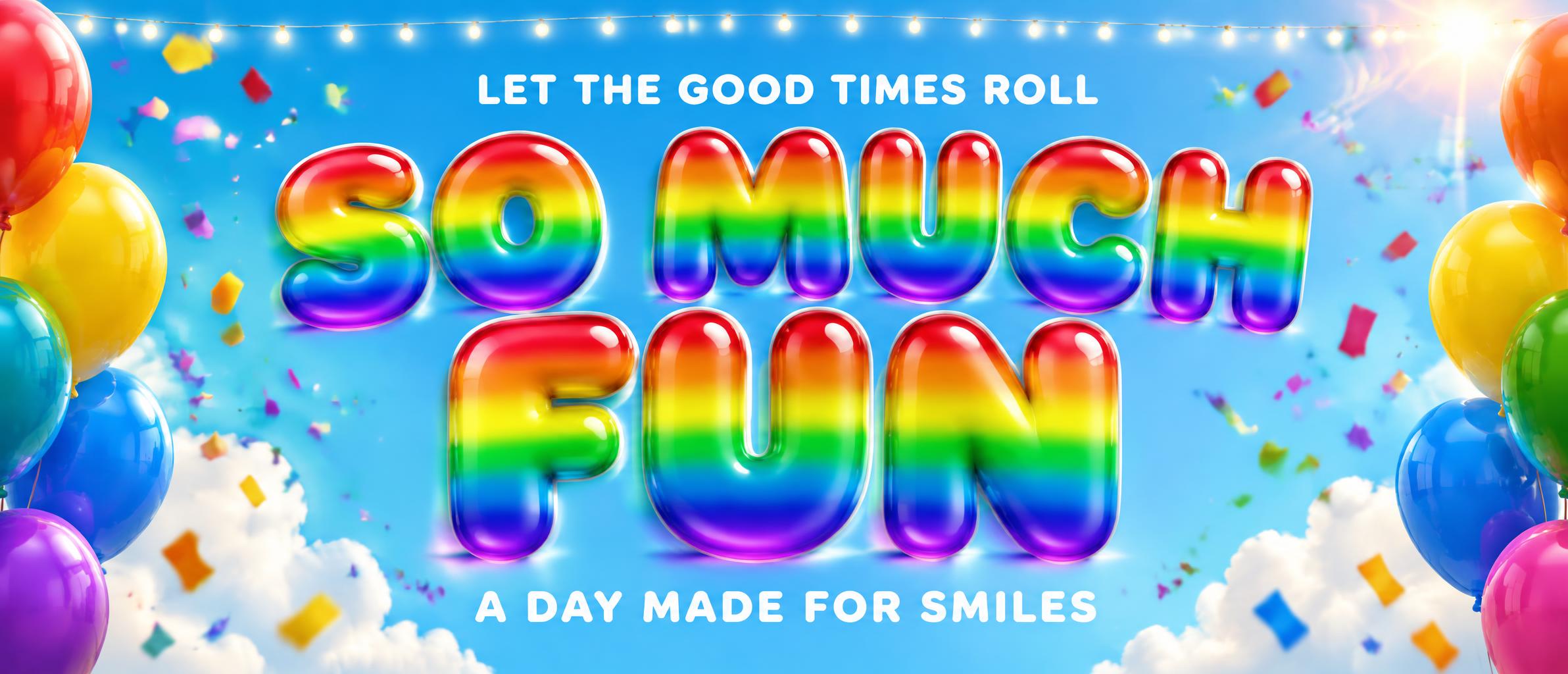
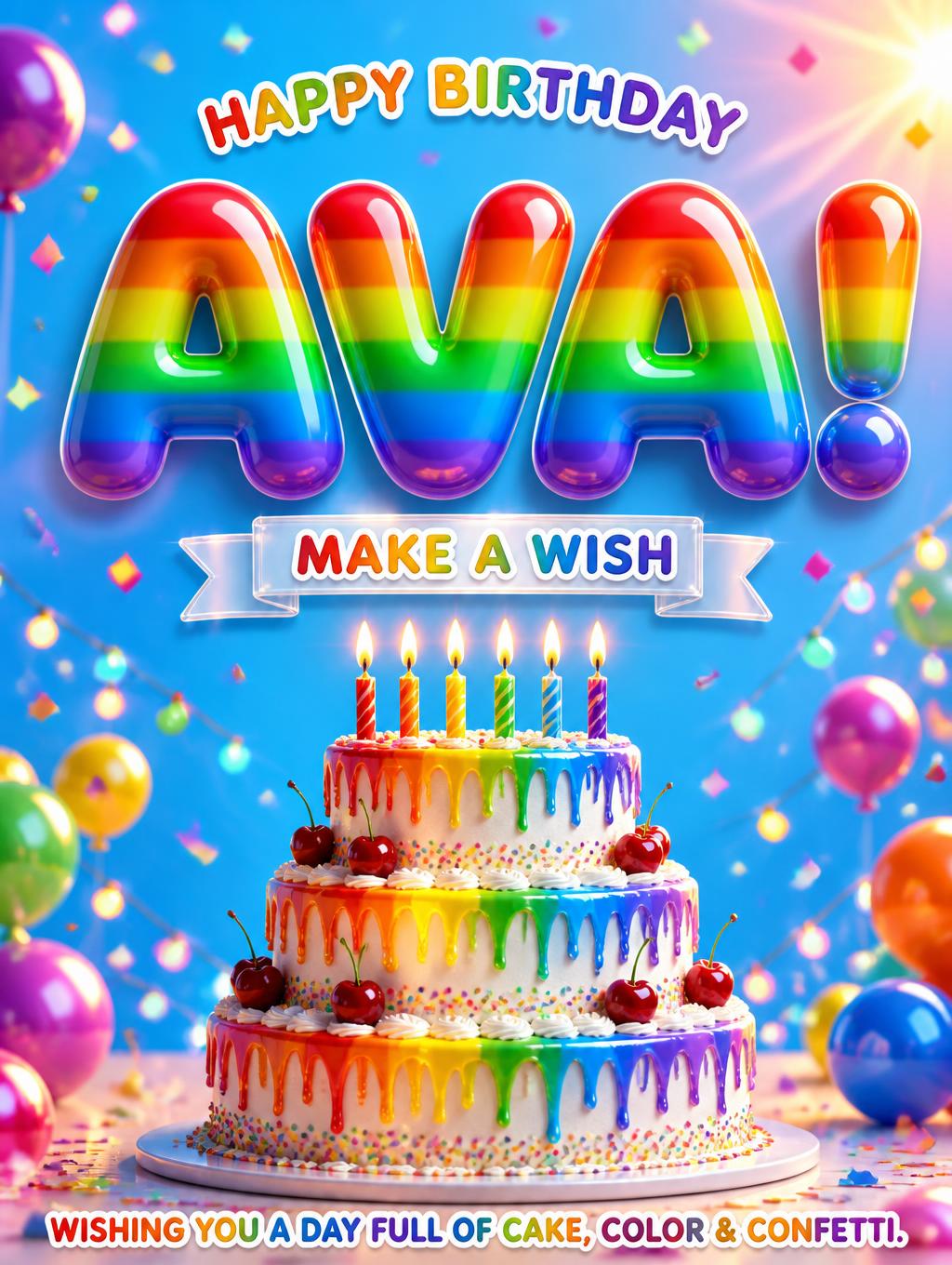
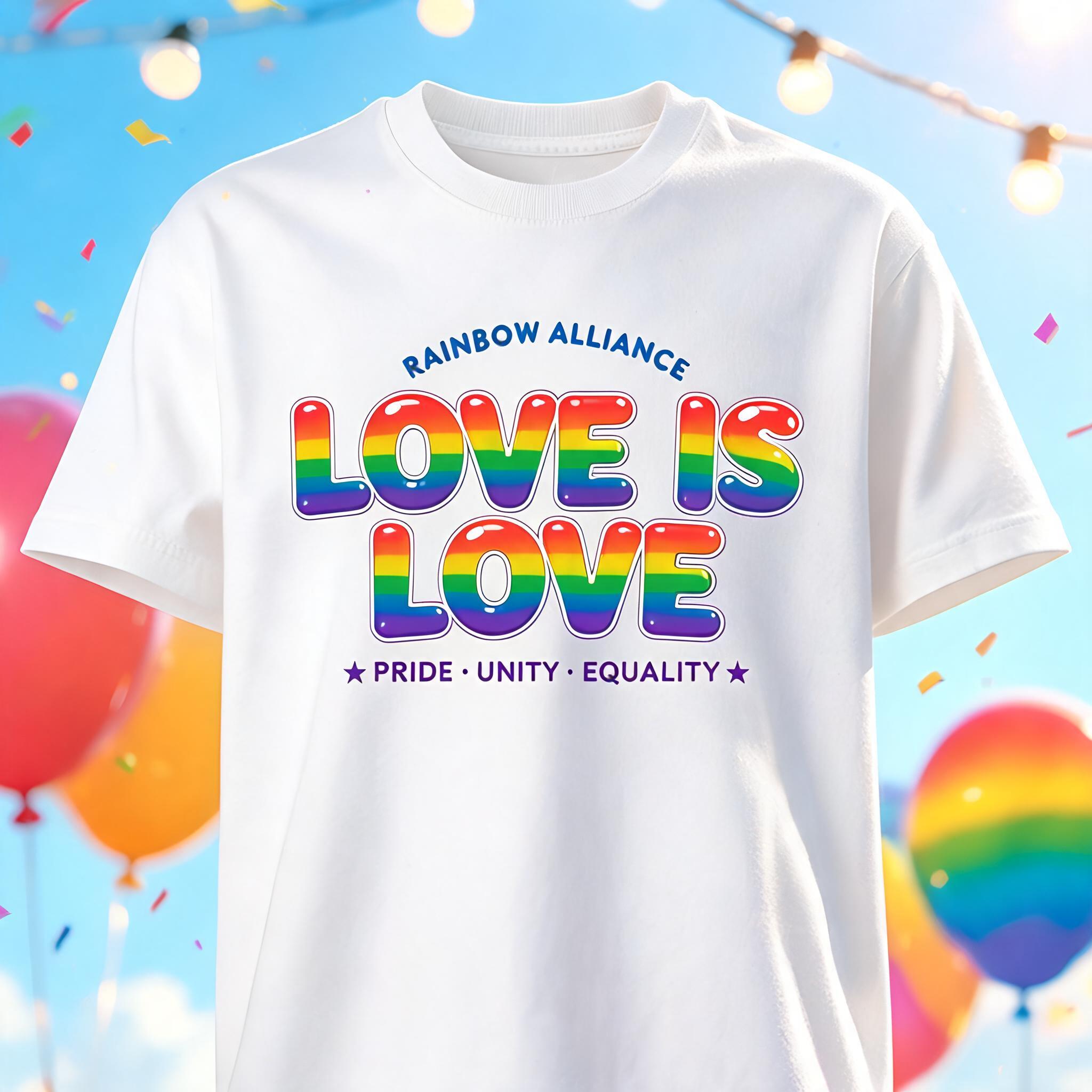
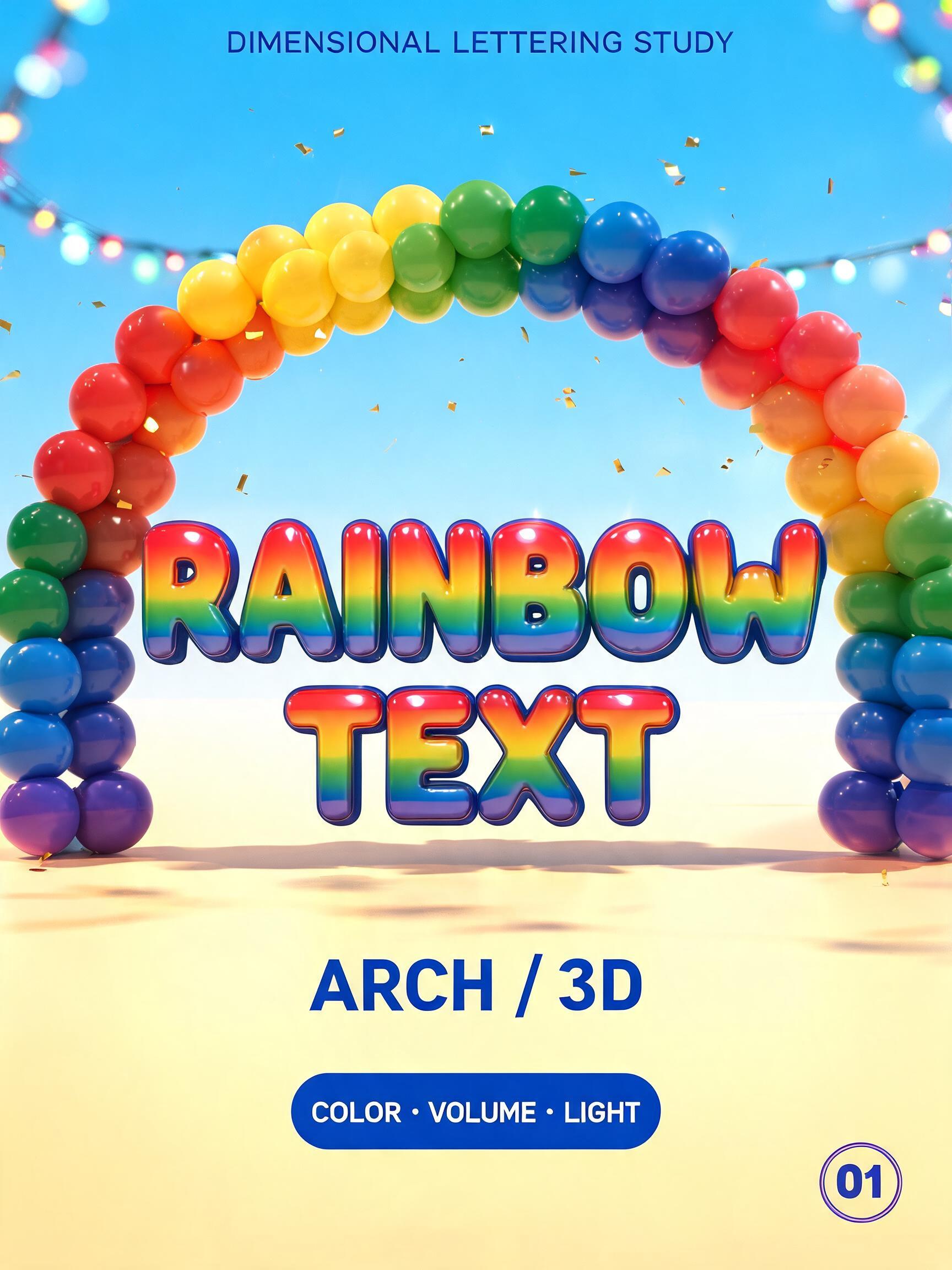
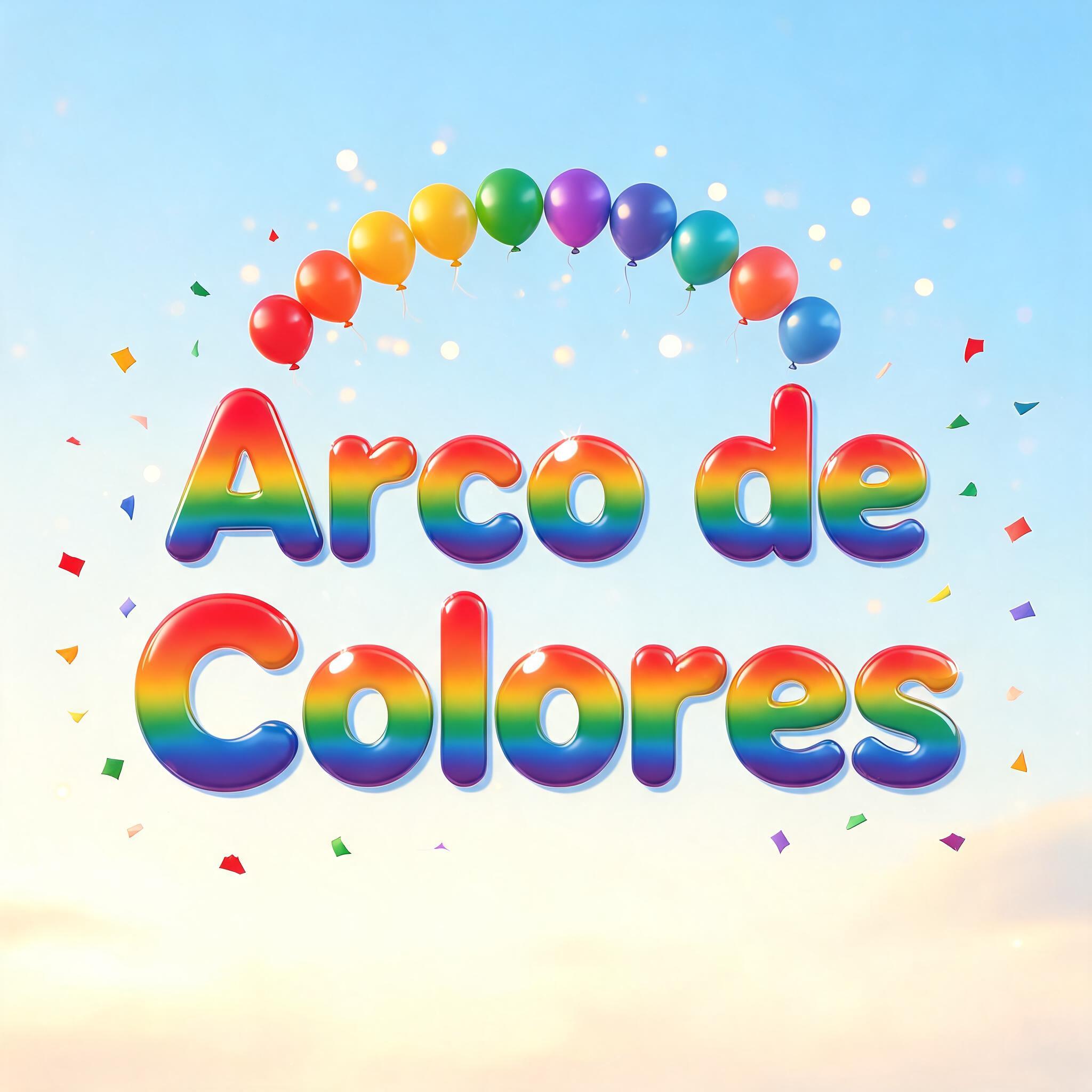
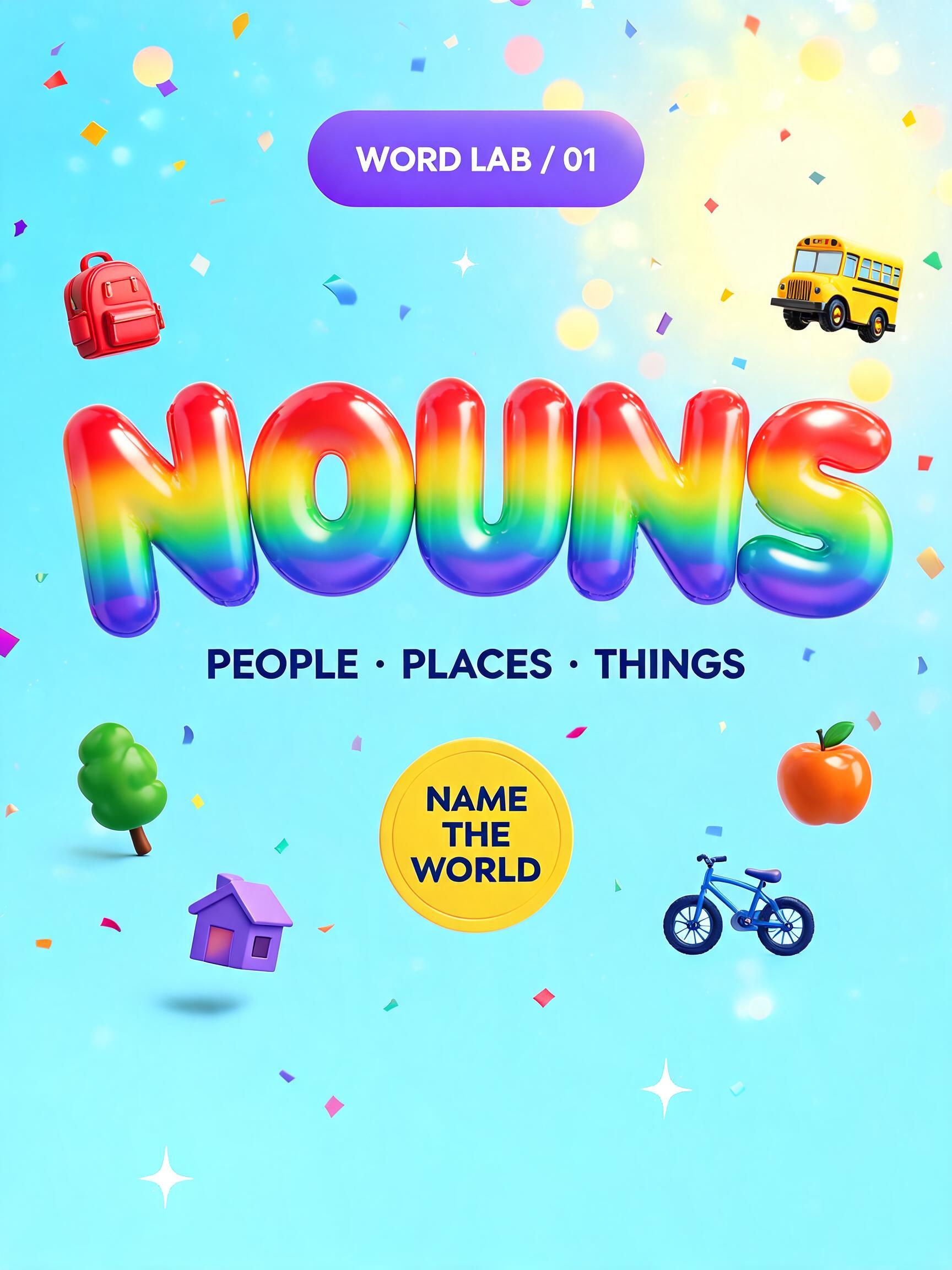
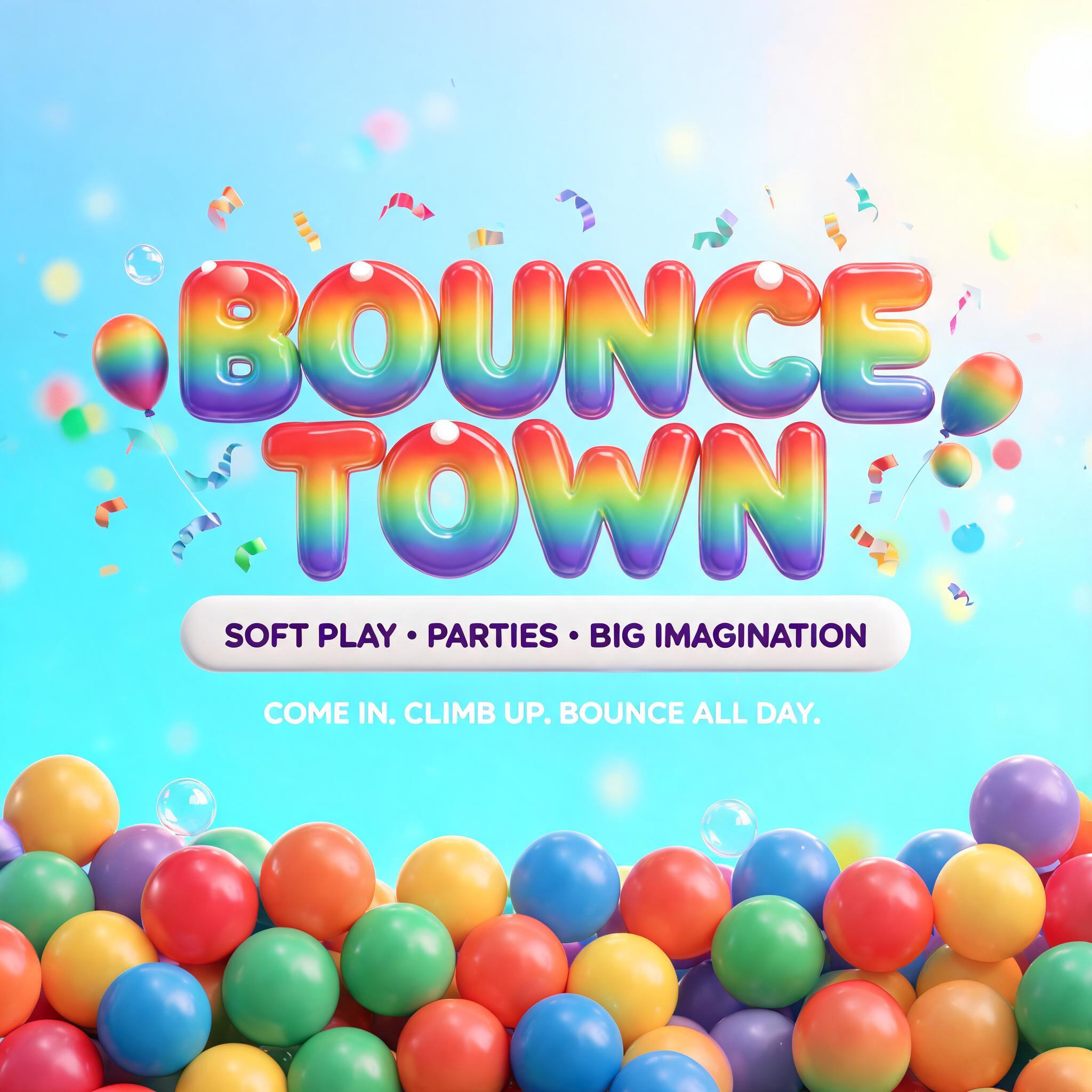
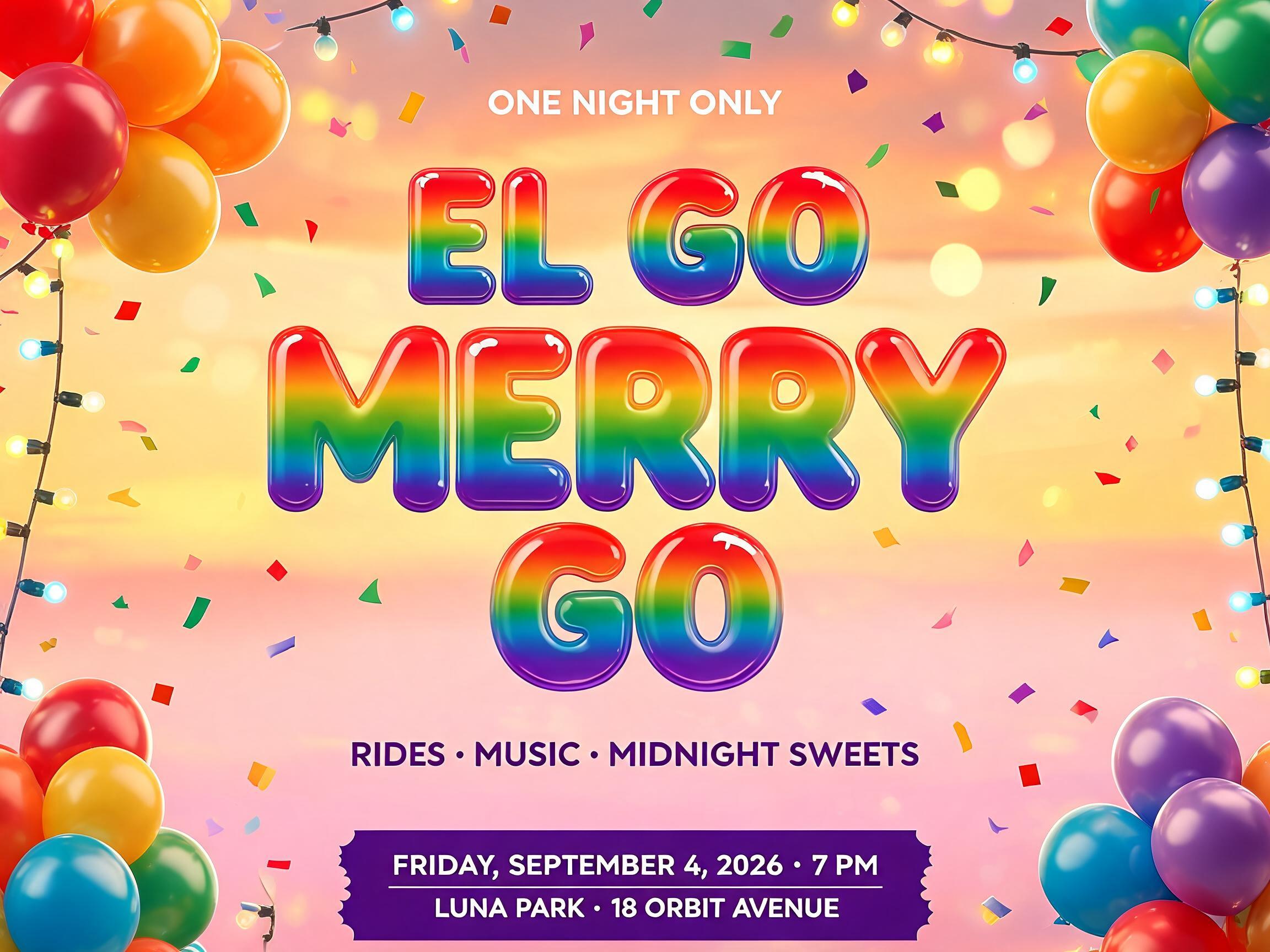
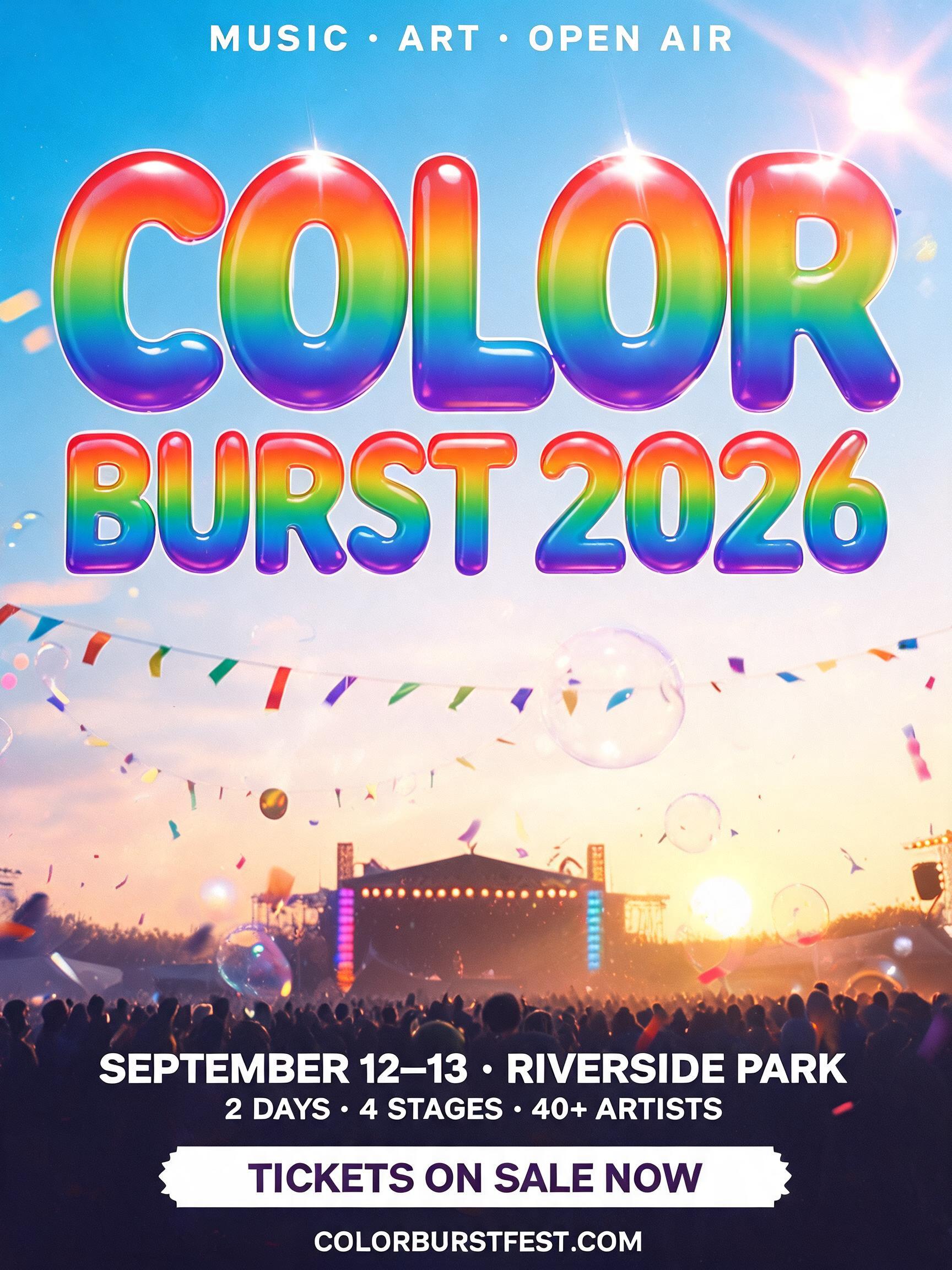
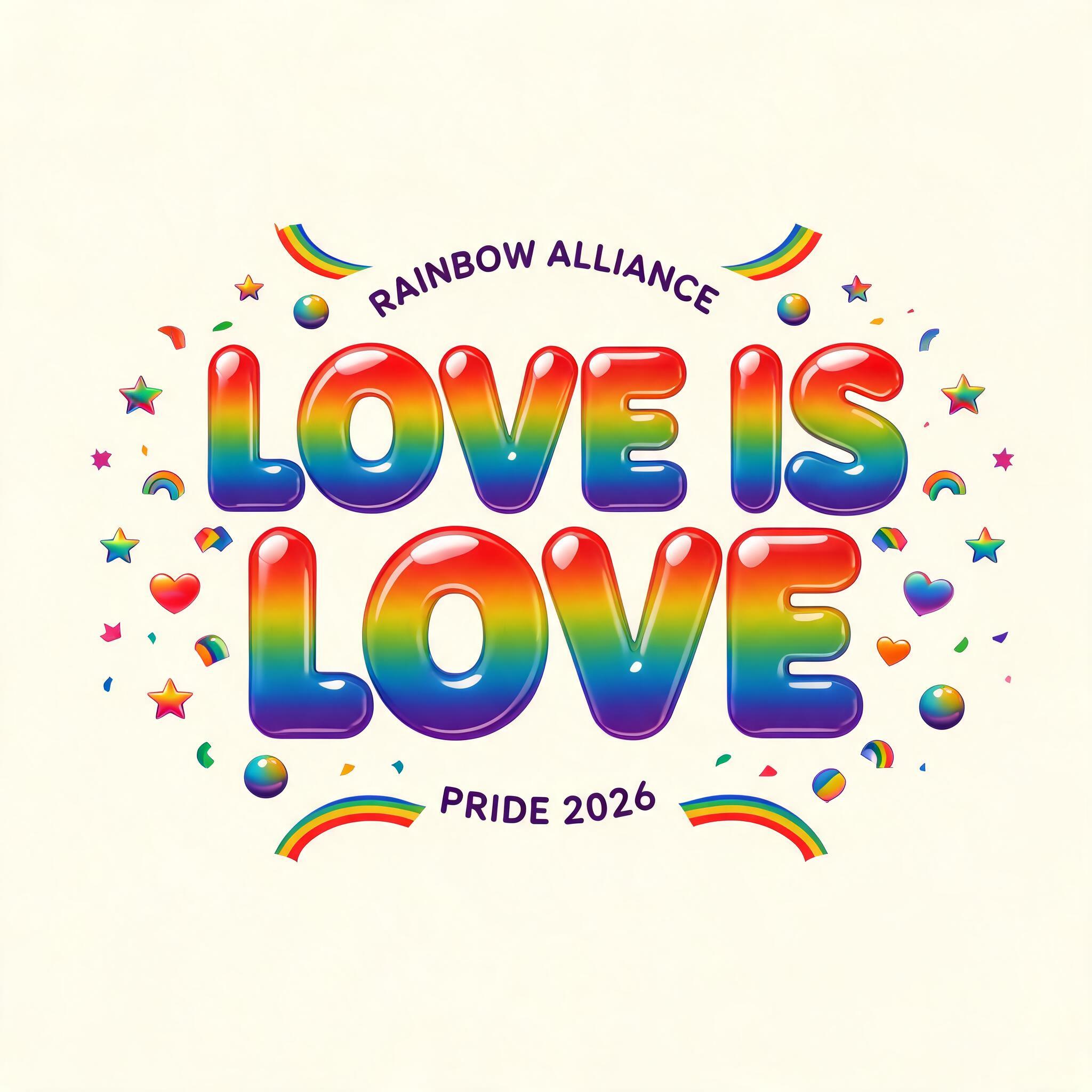


Rainbow Gallery
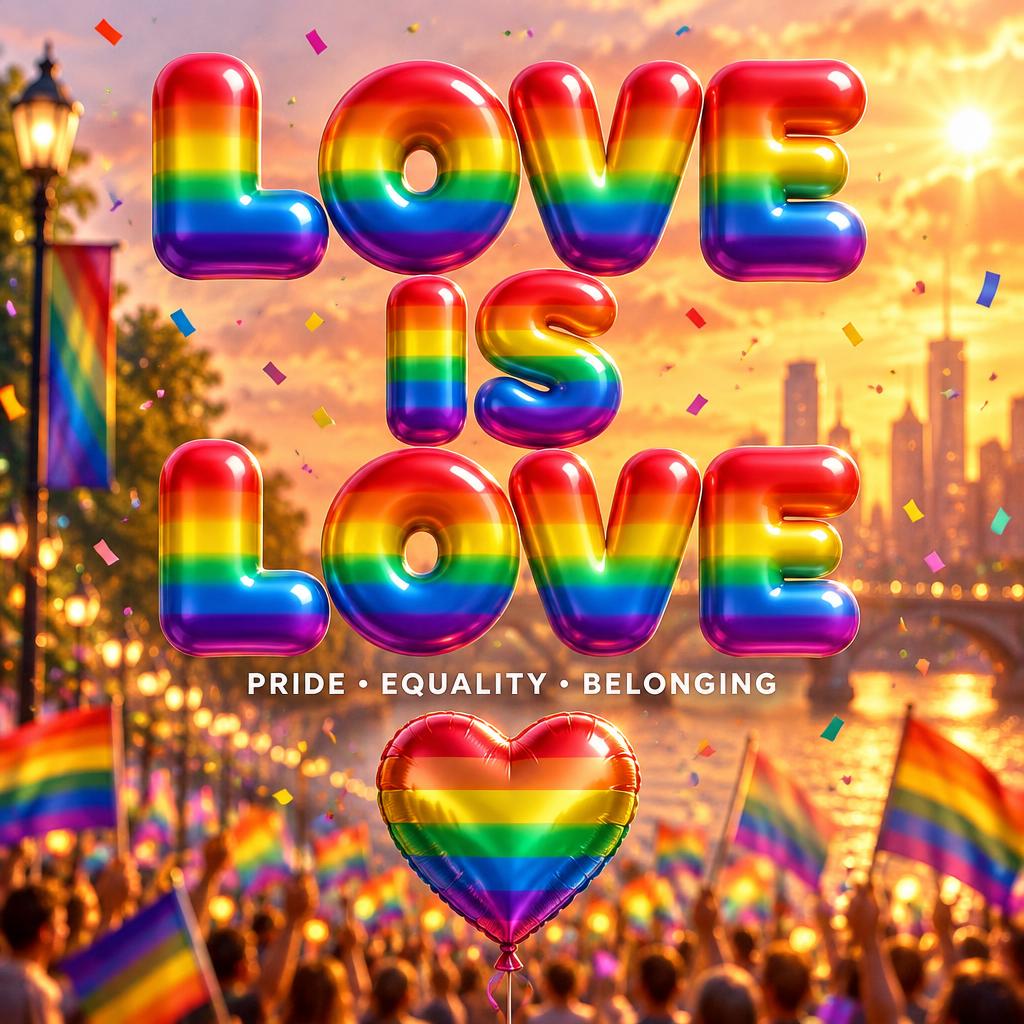
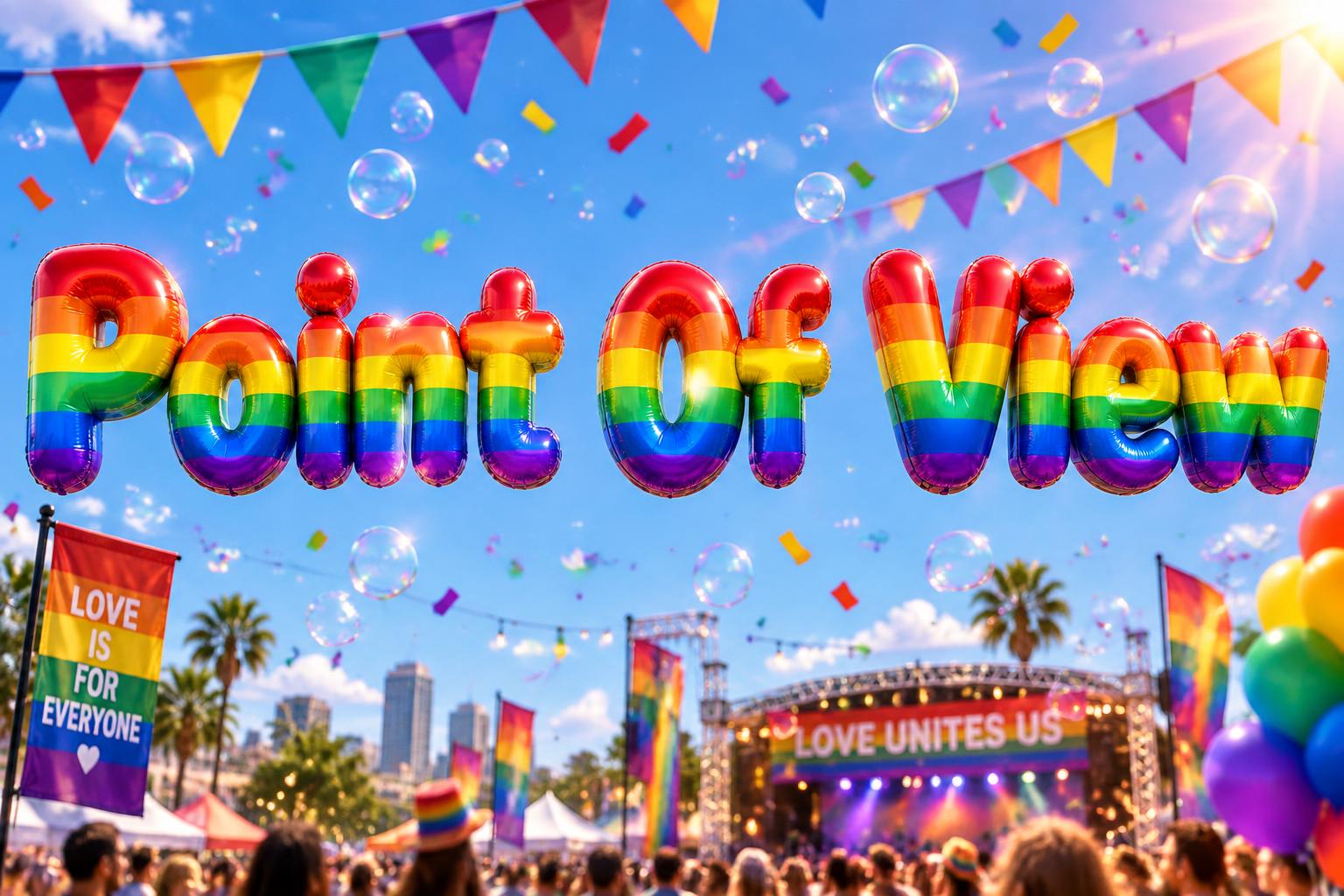
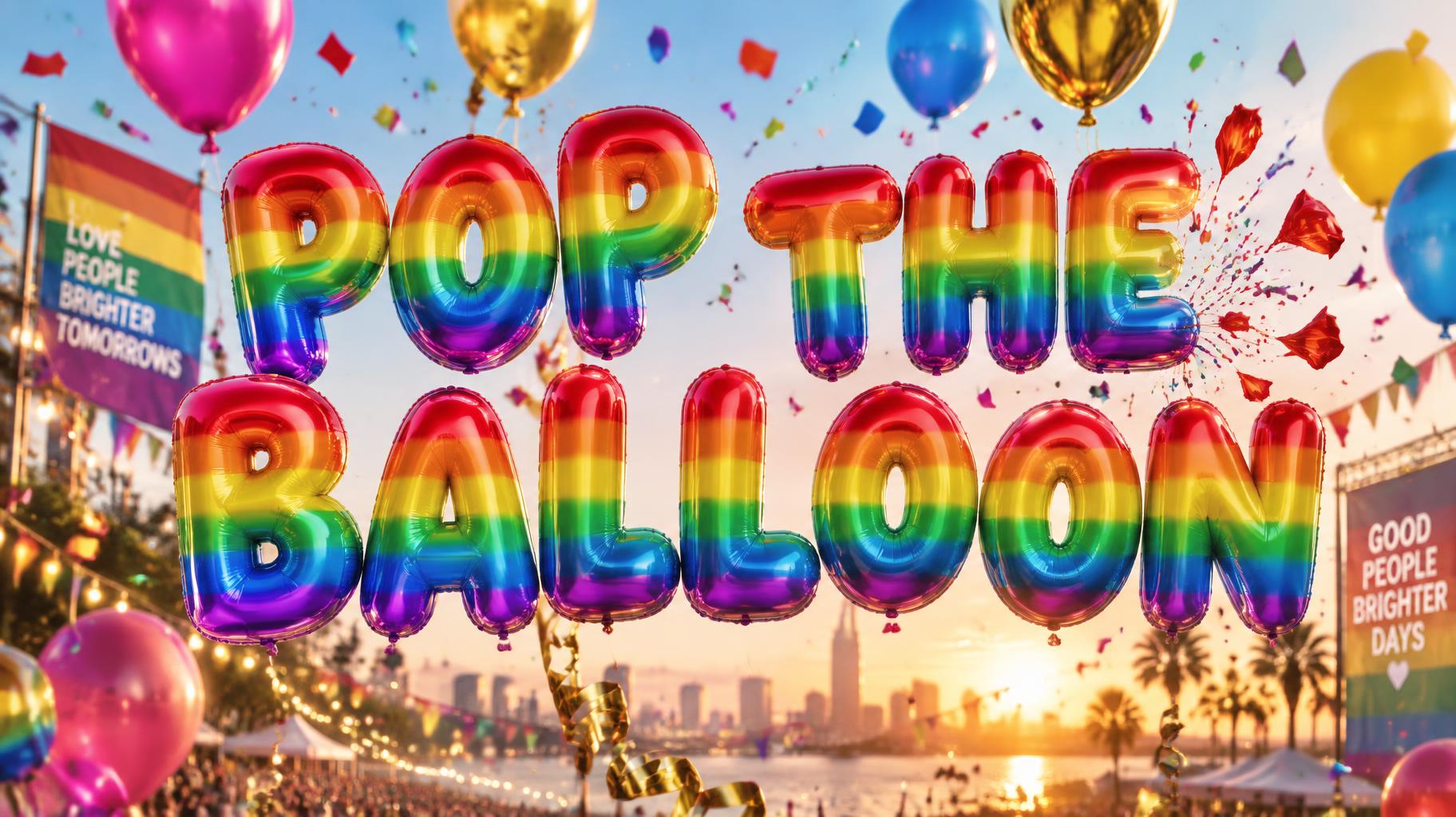
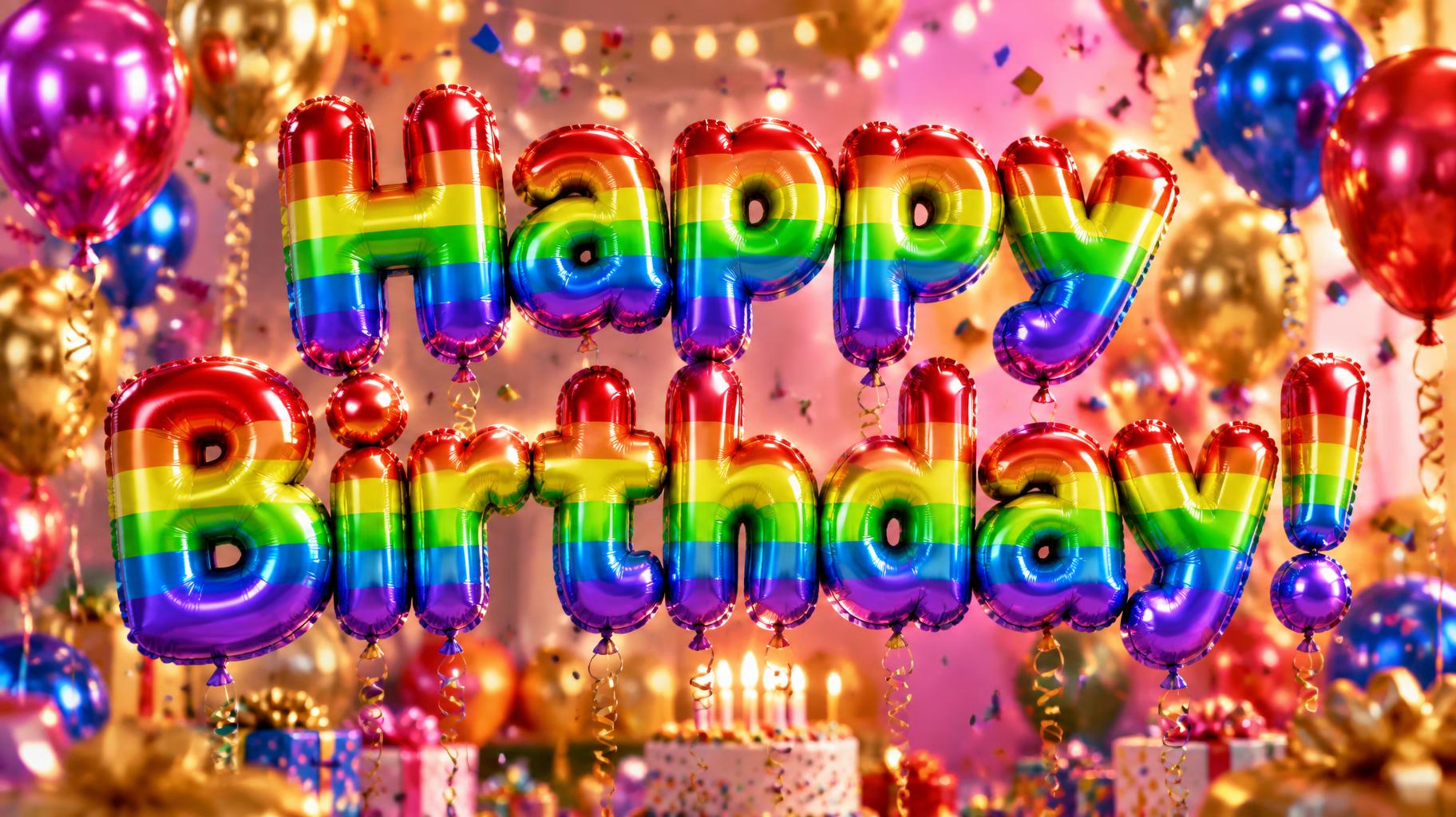
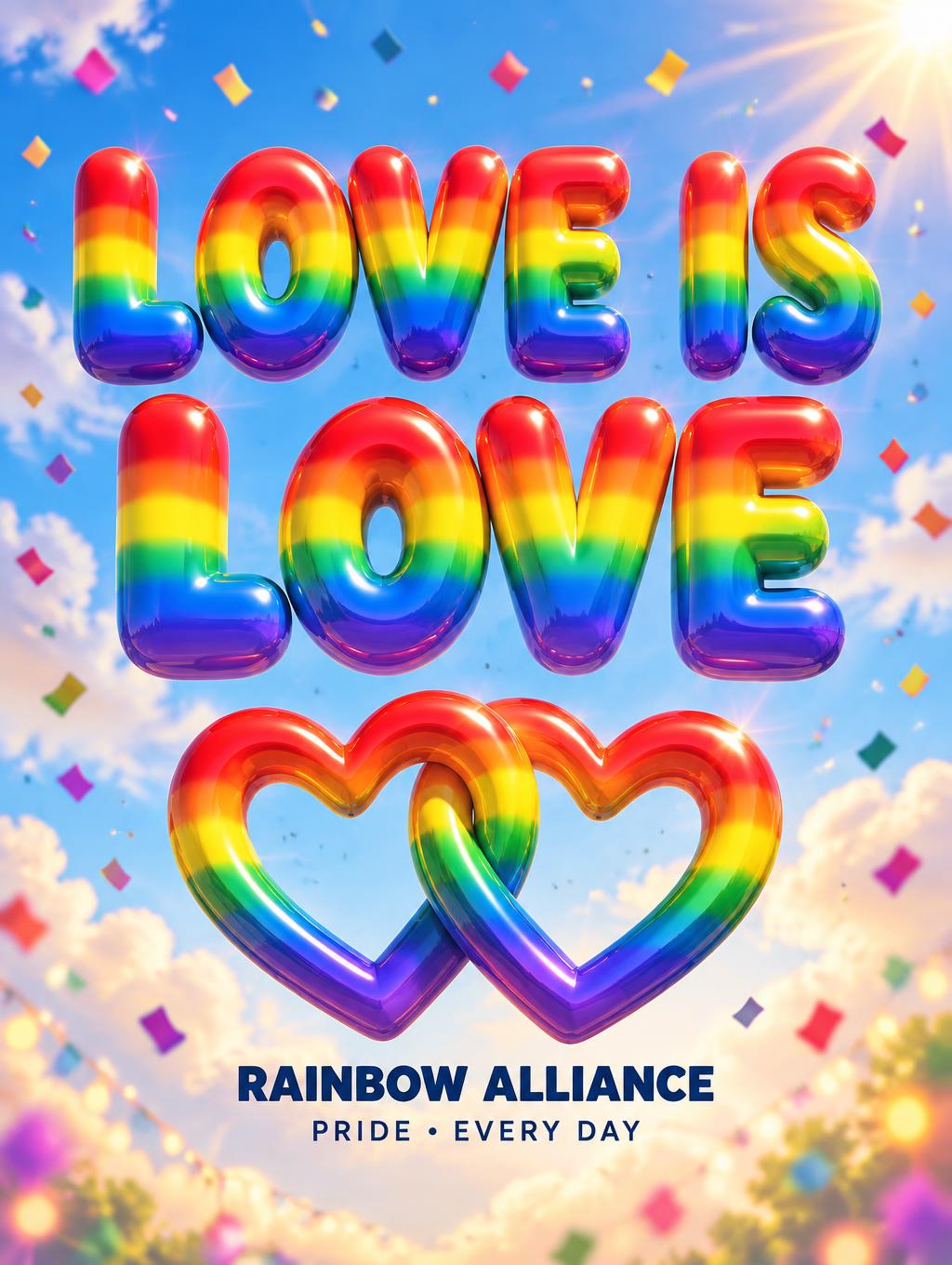
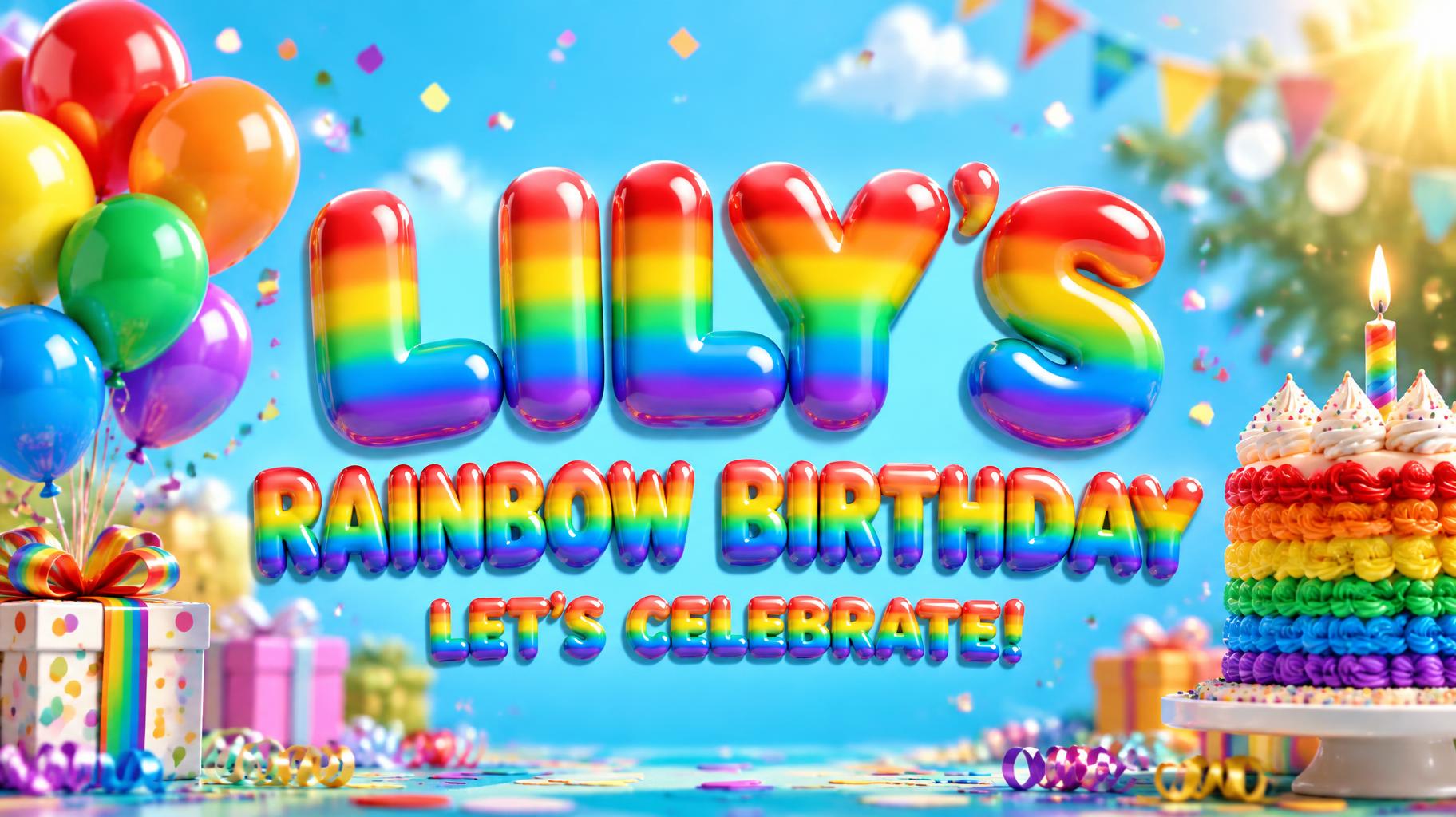
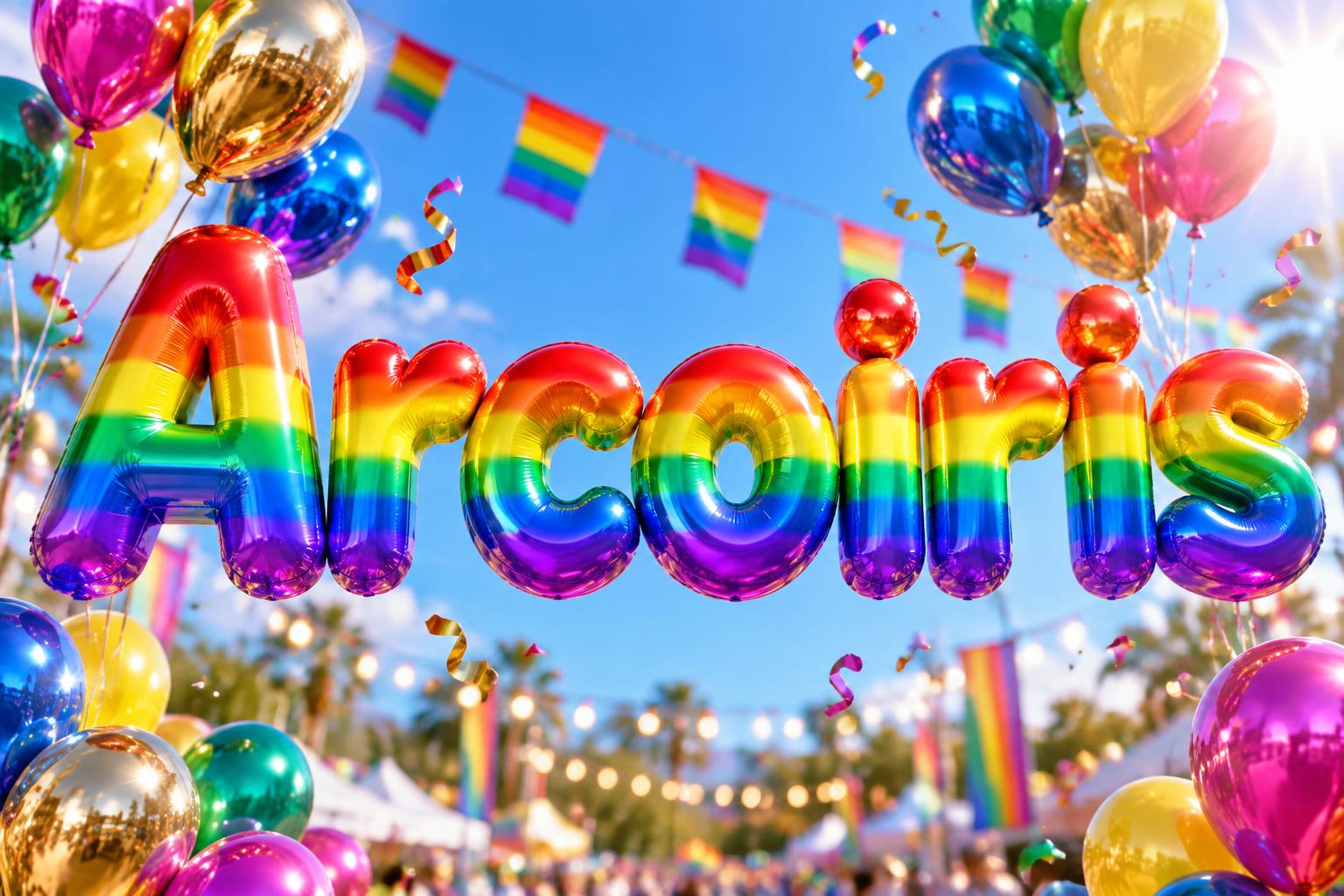
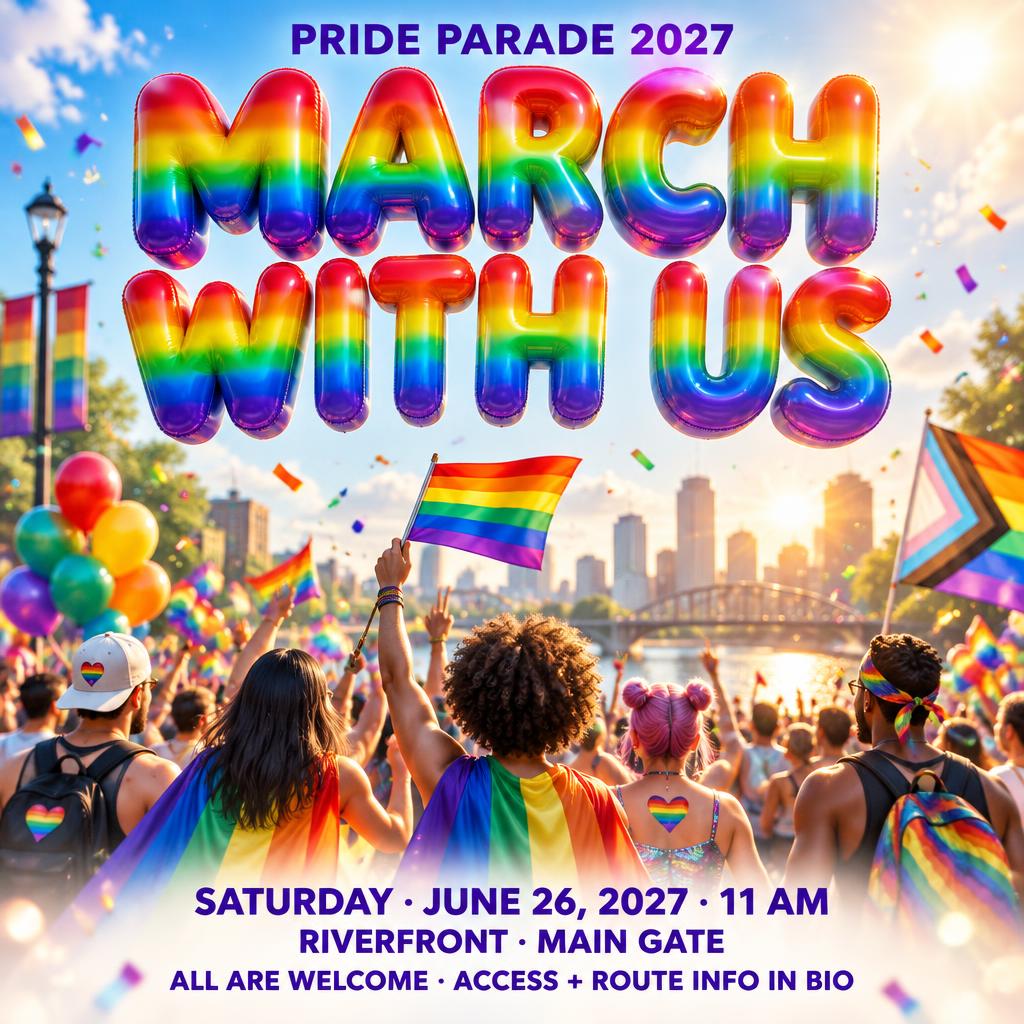
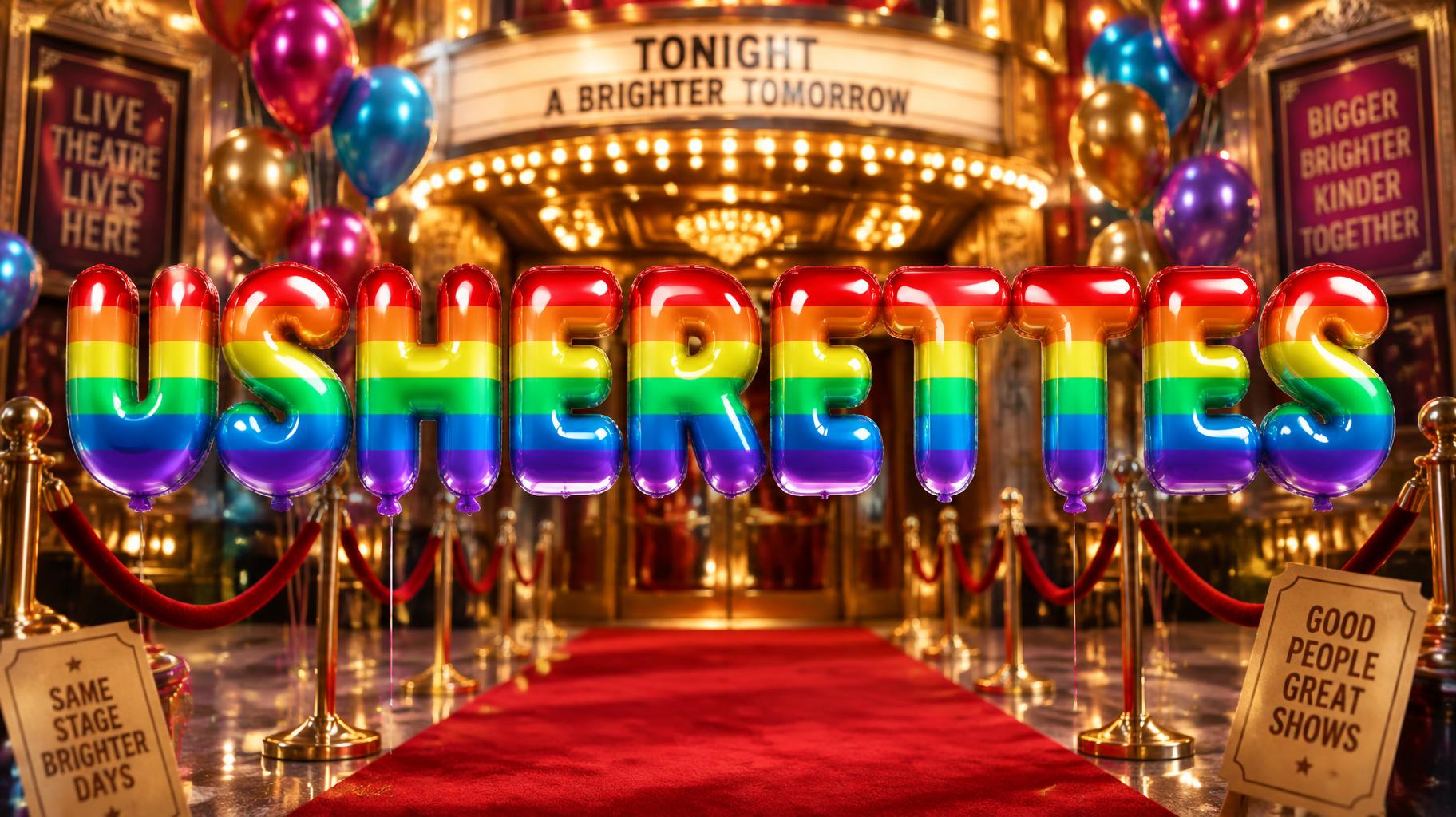
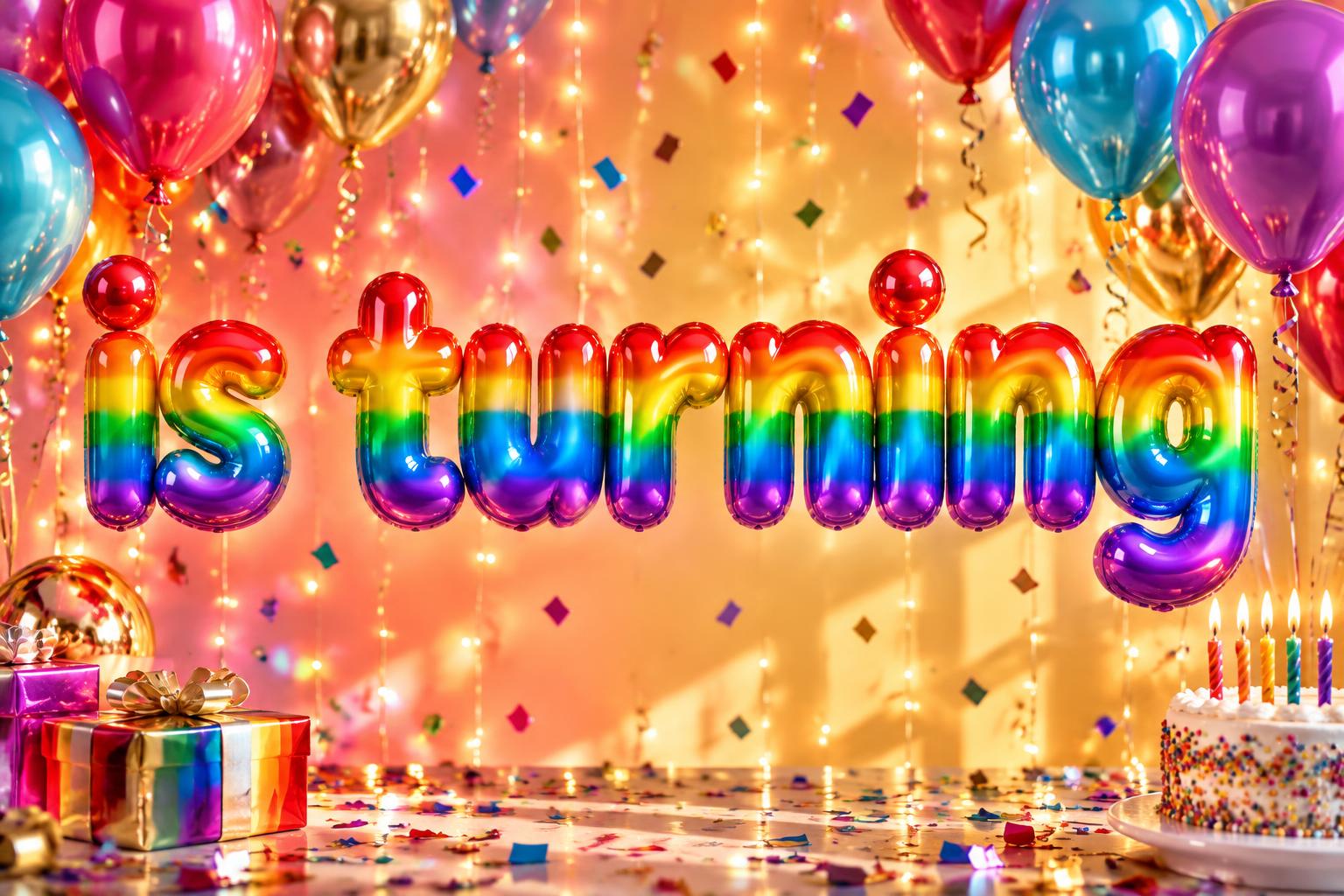
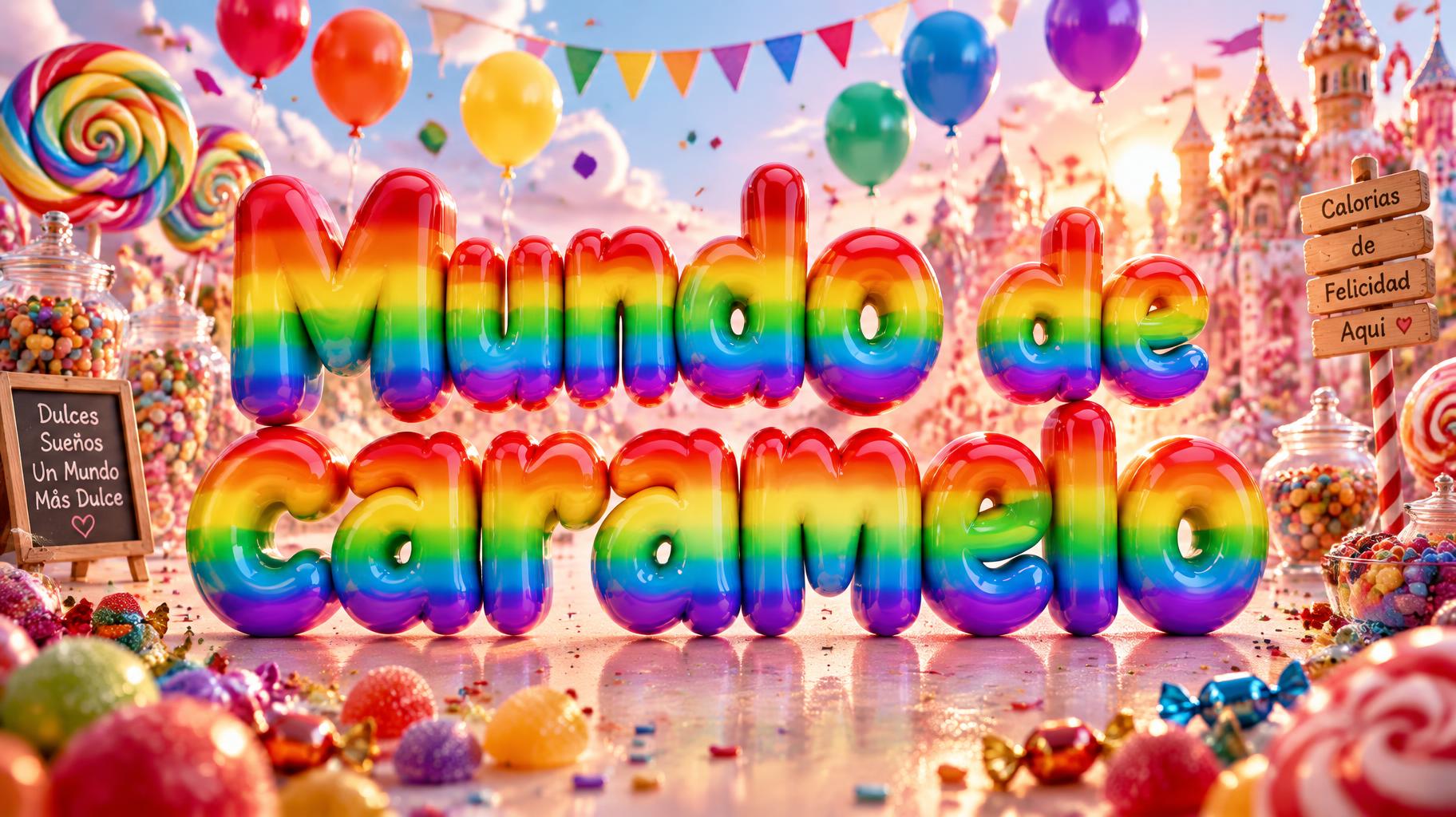
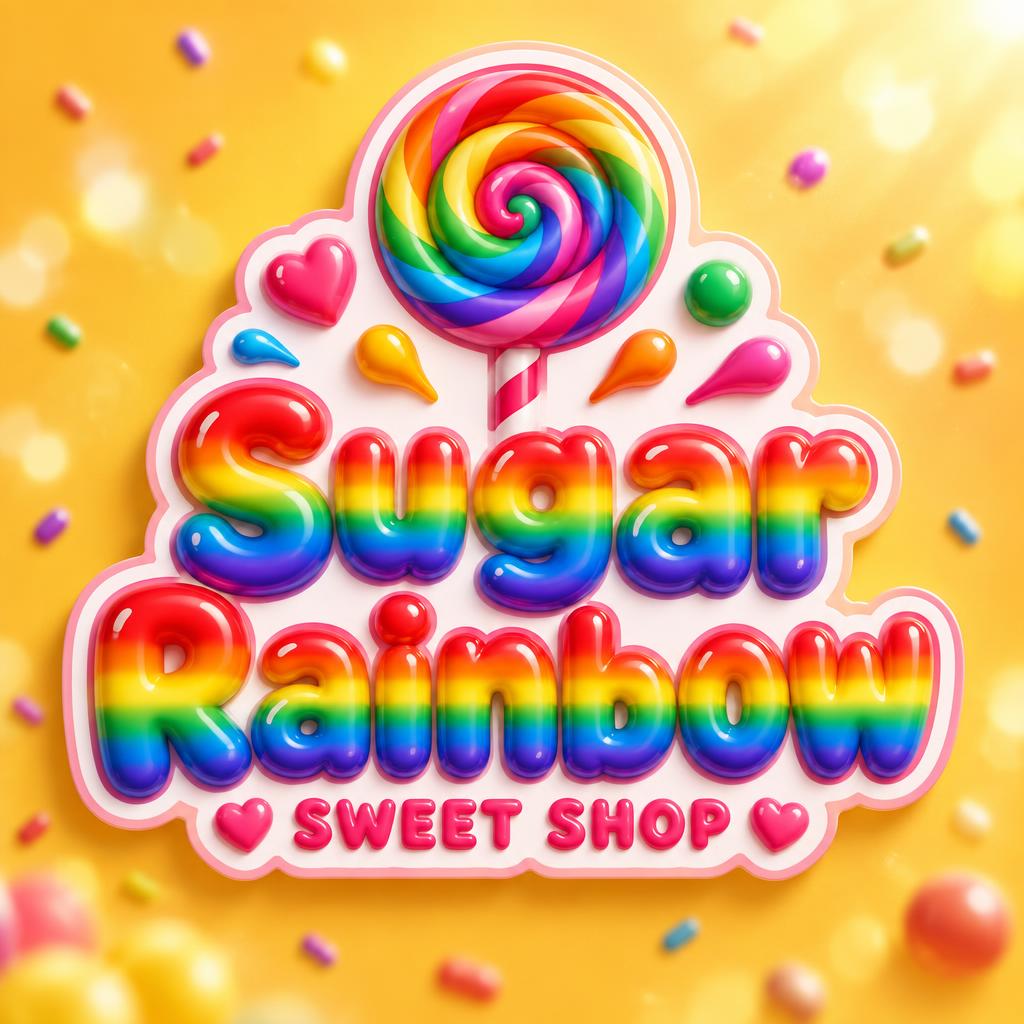
Real outputs from the Rainbow style. Click any image to see details.
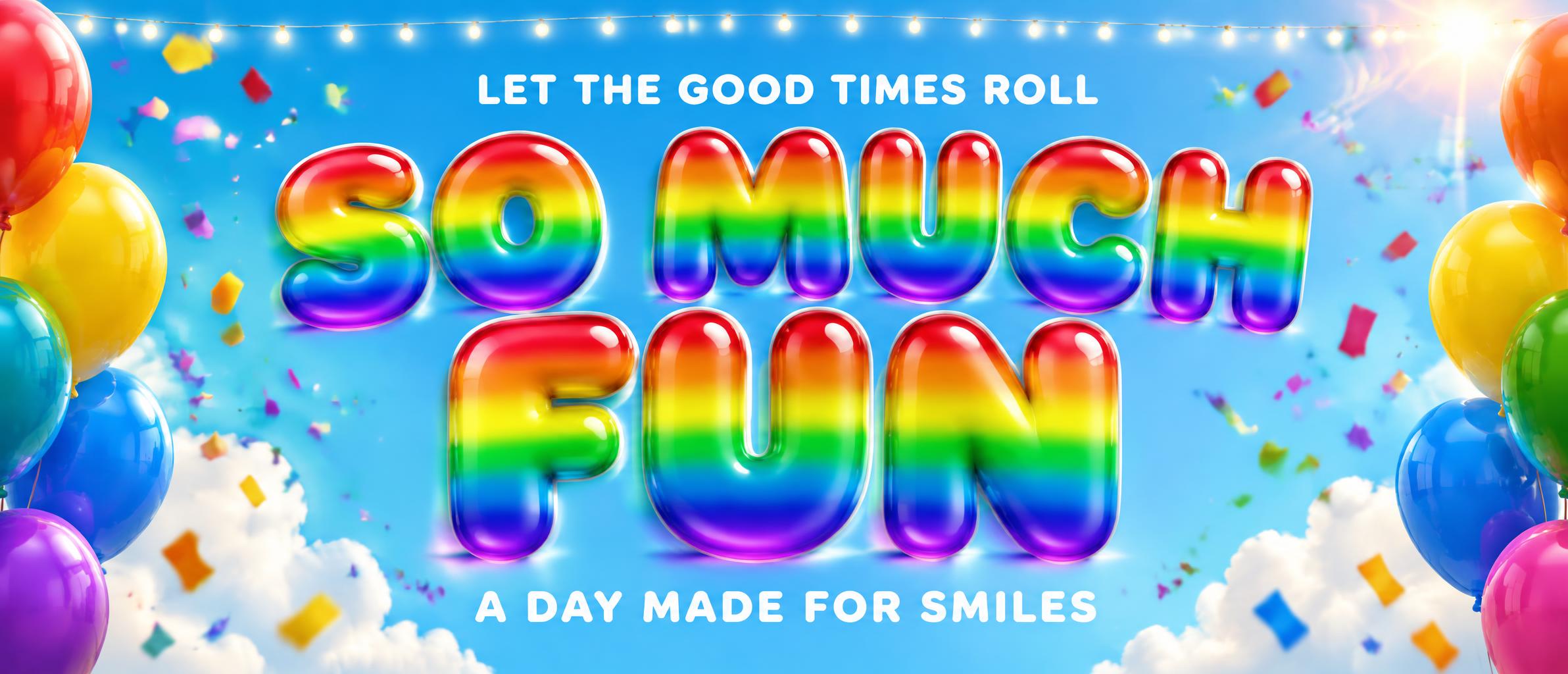
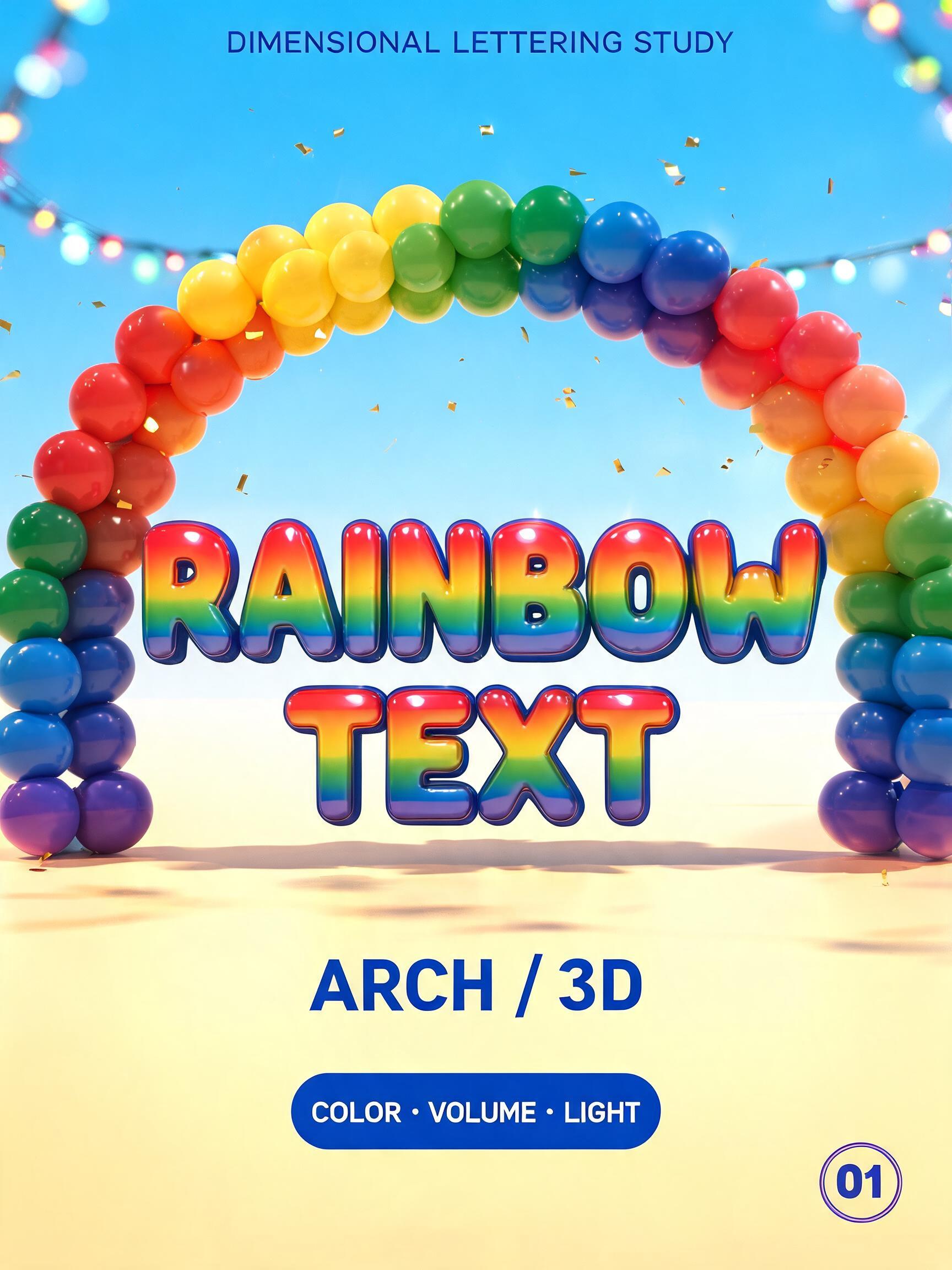
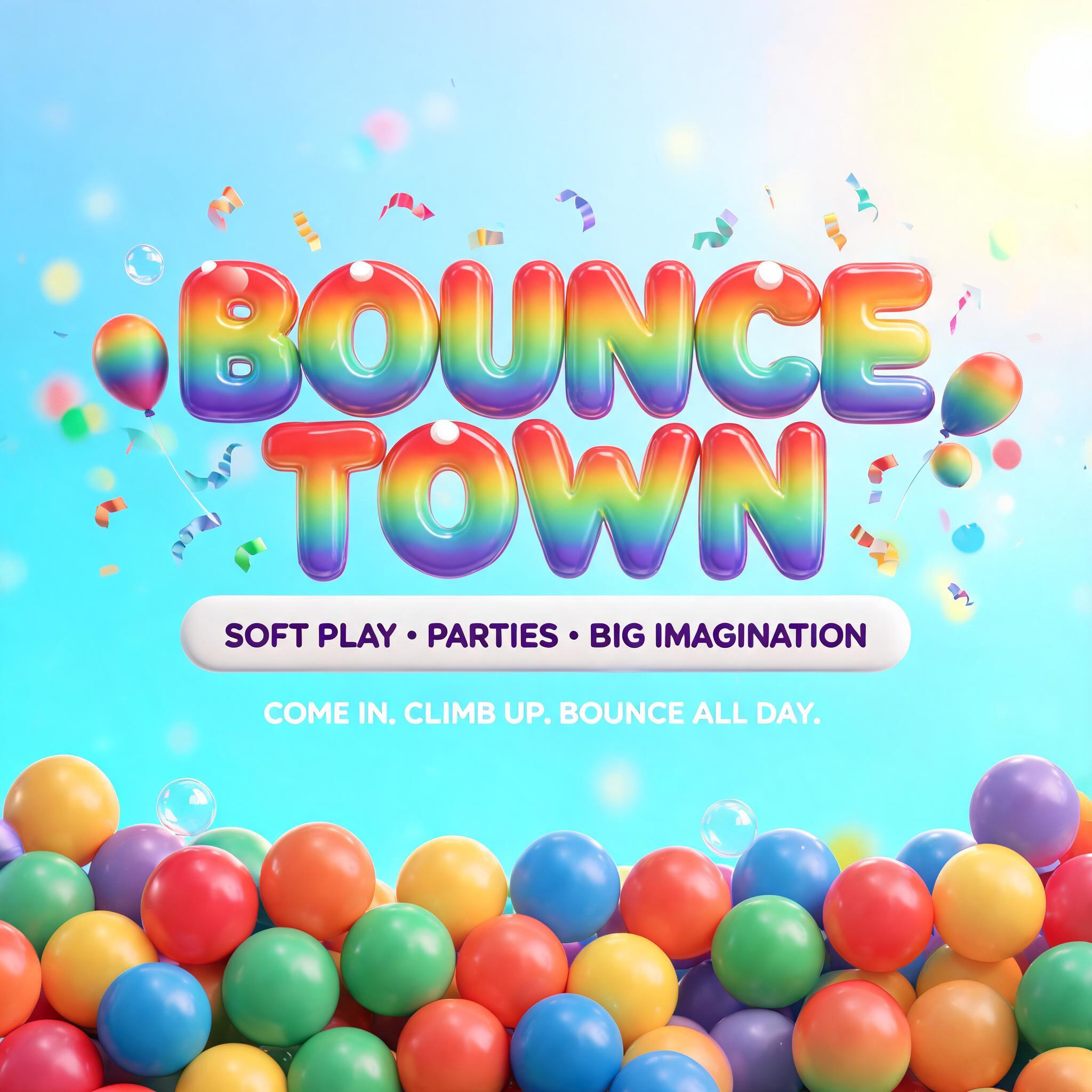
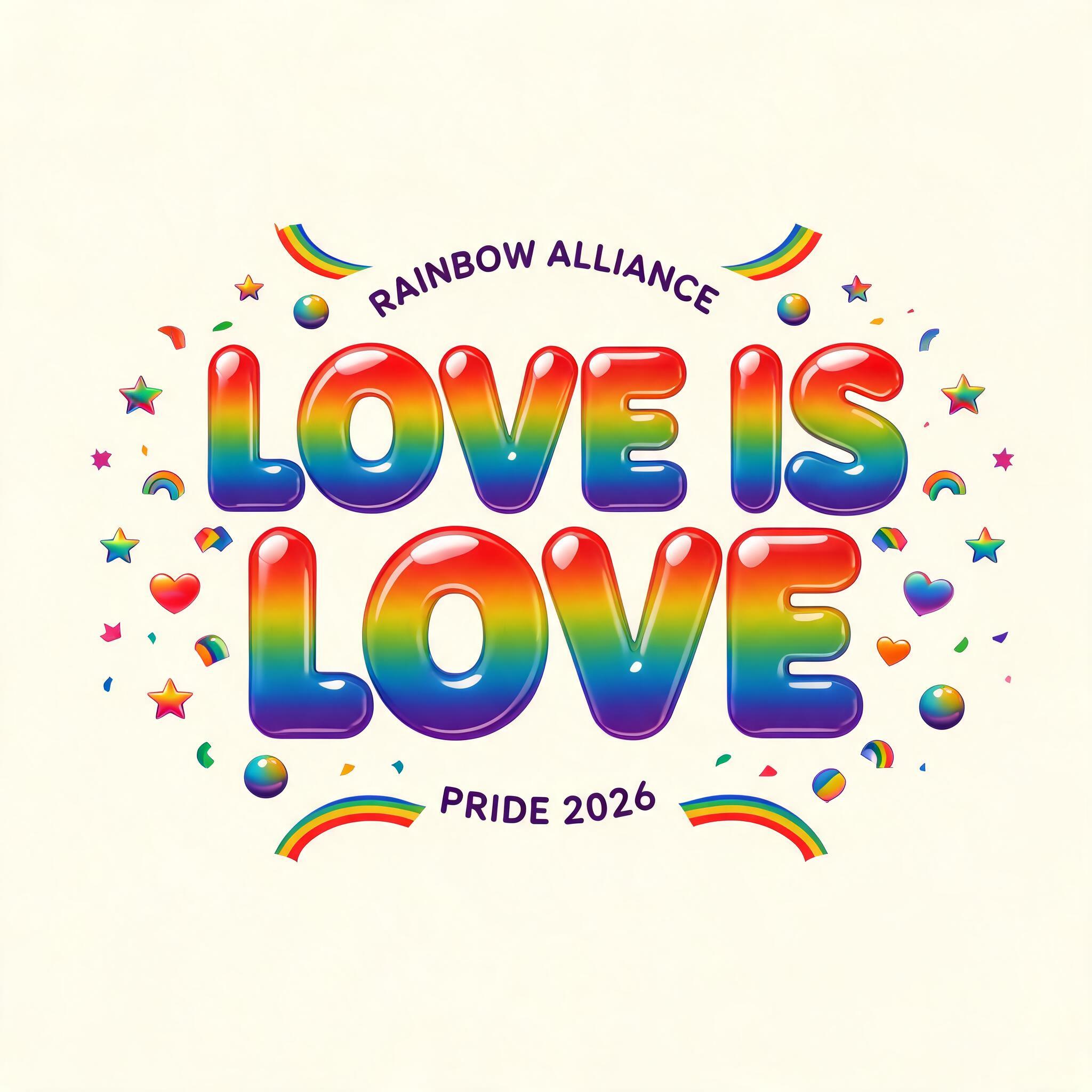


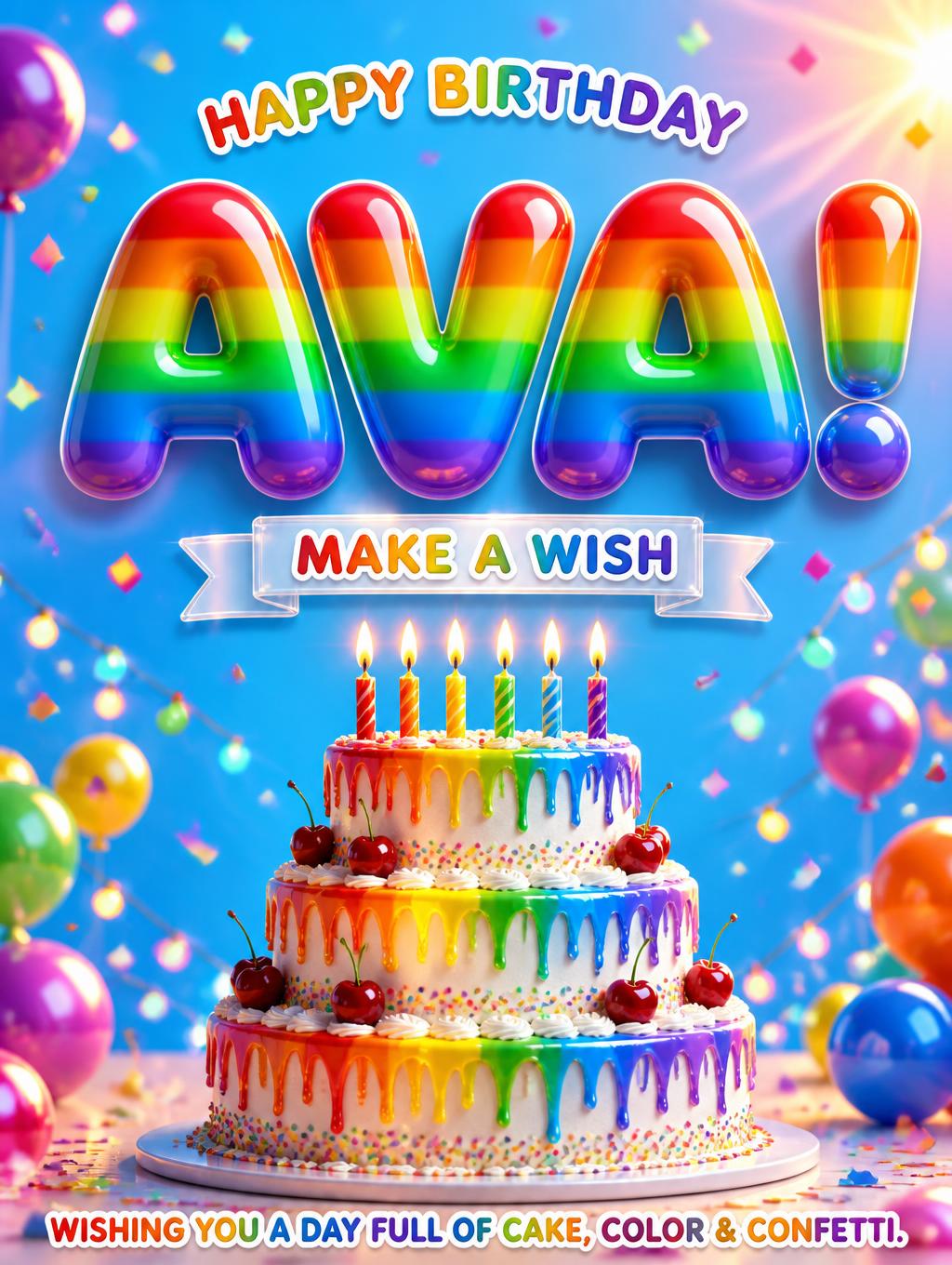
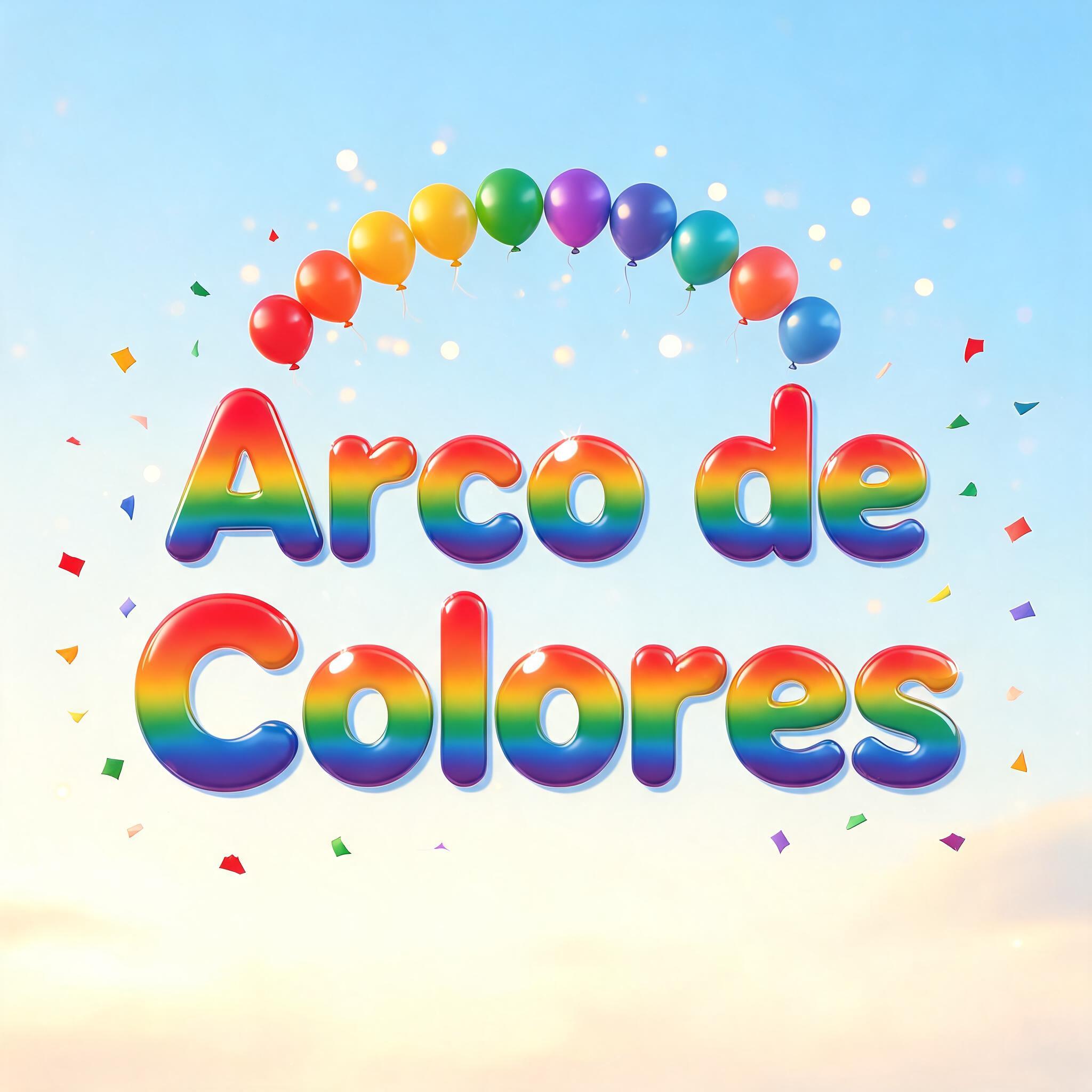
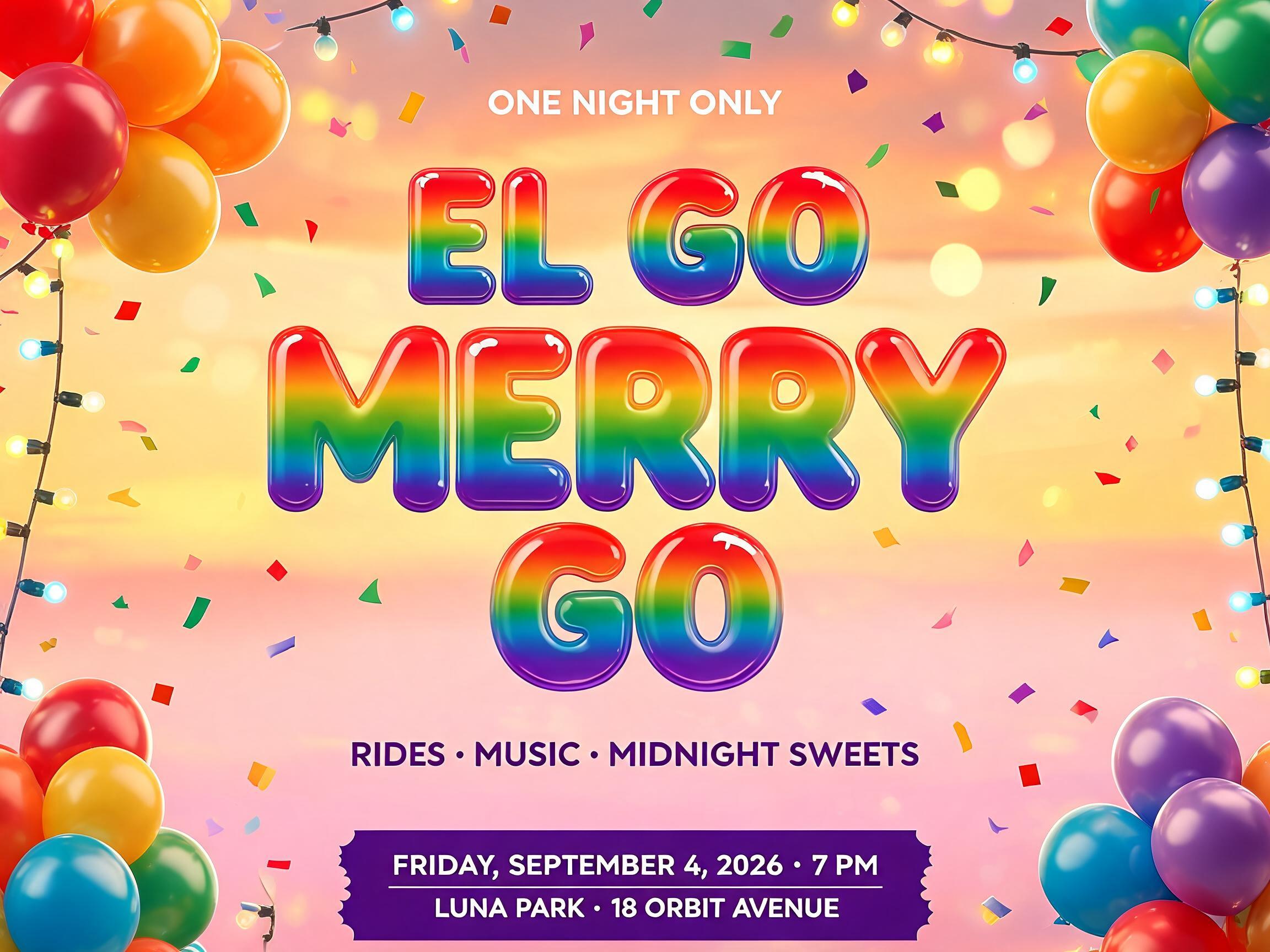
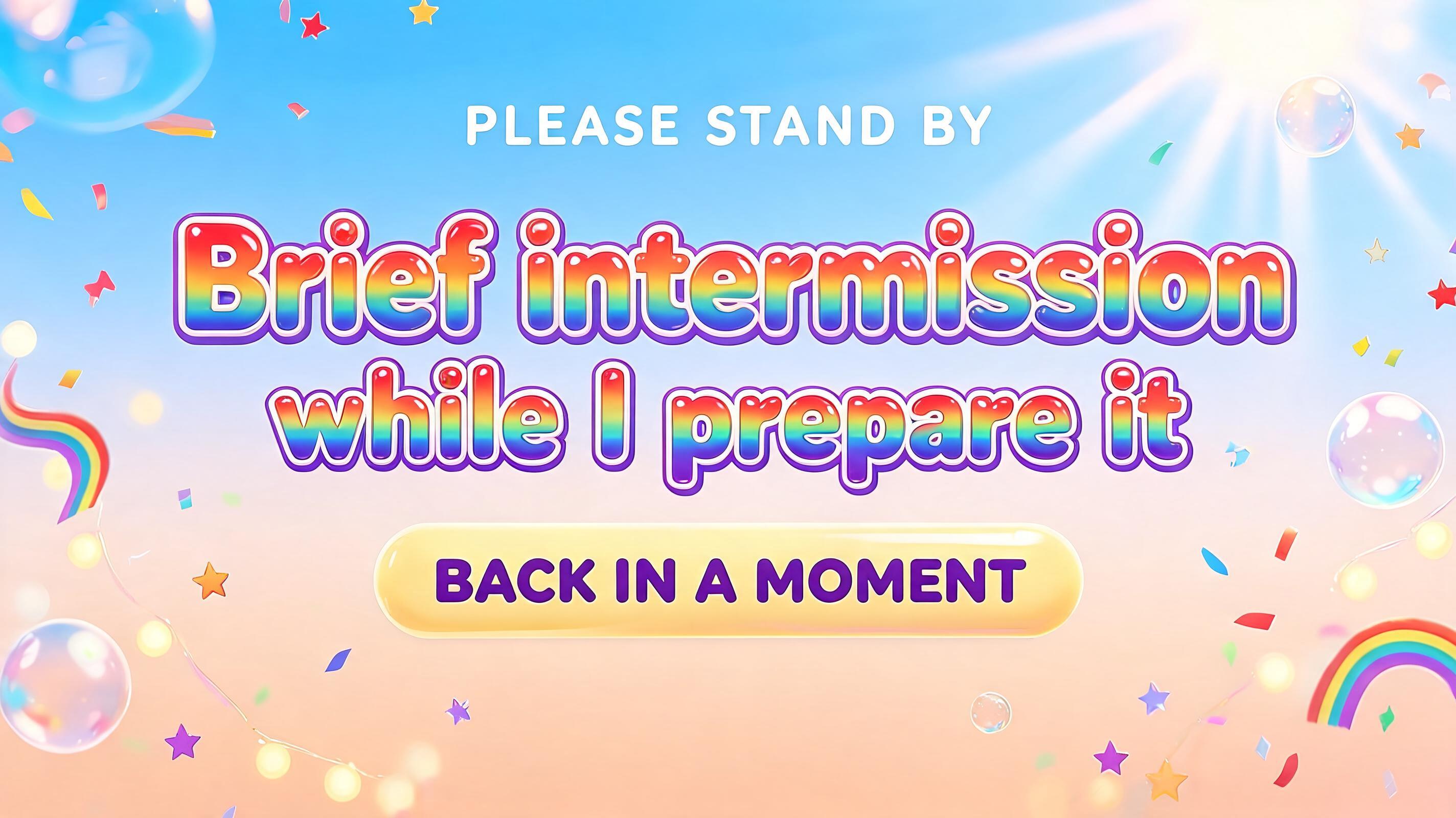


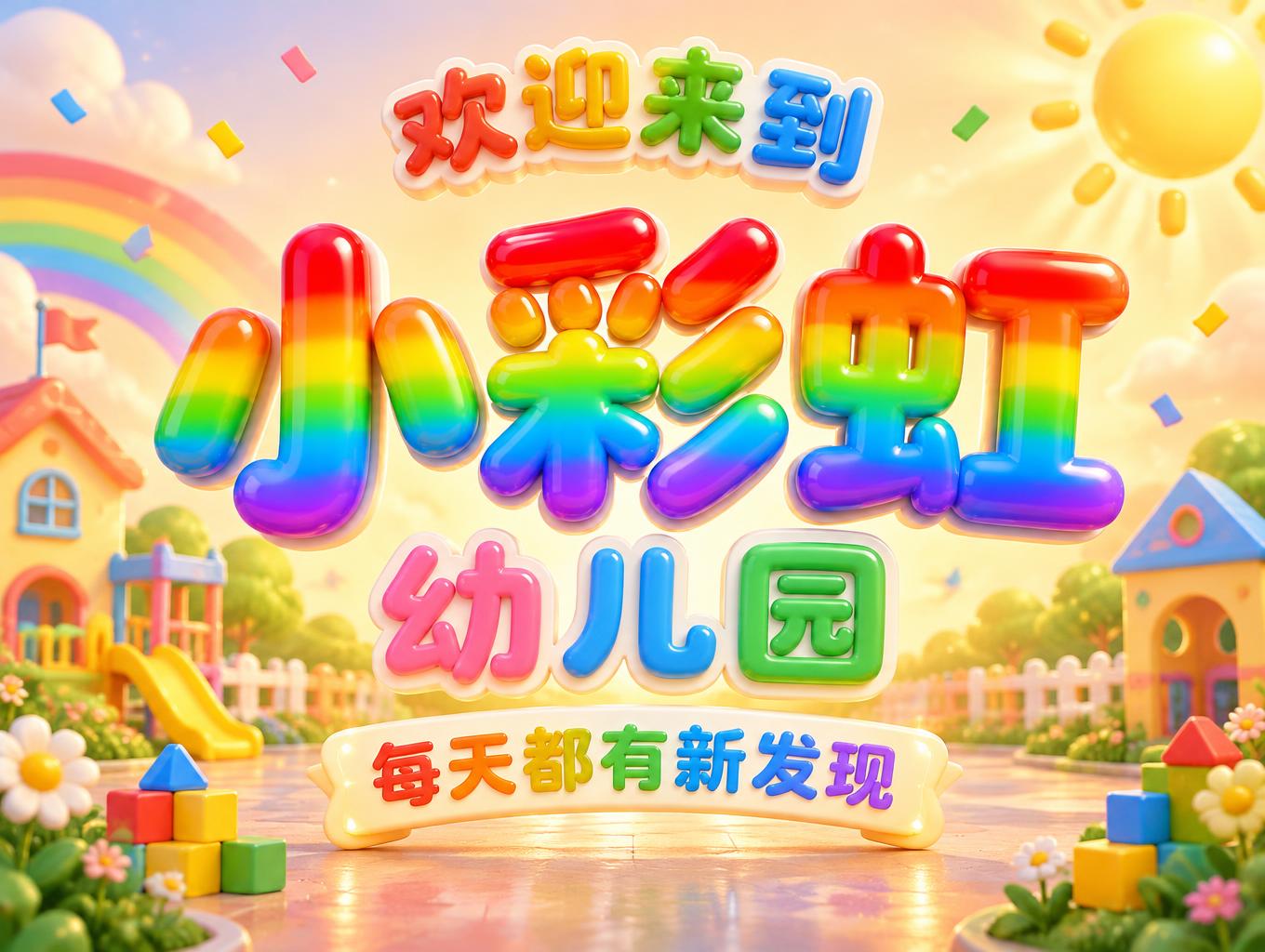
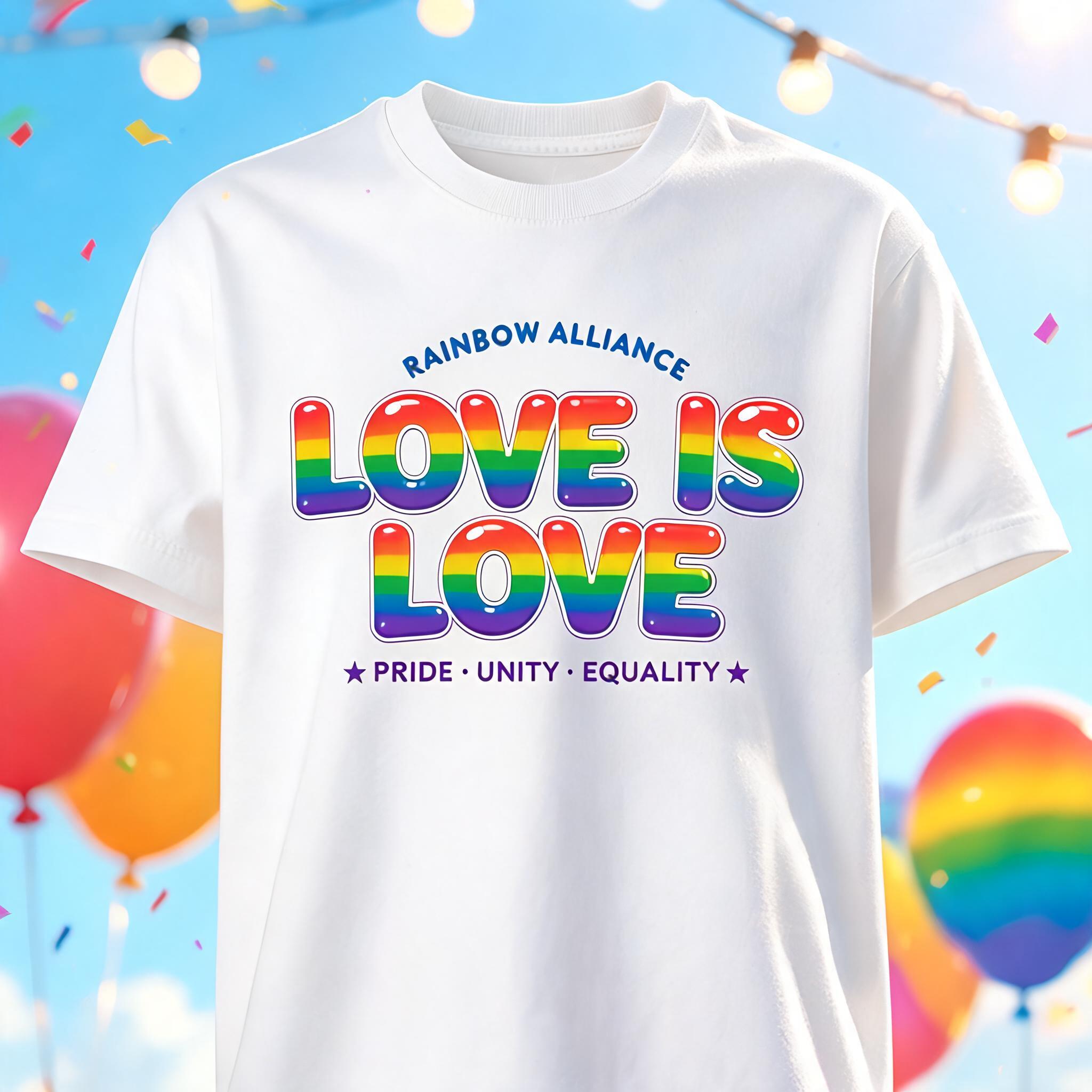
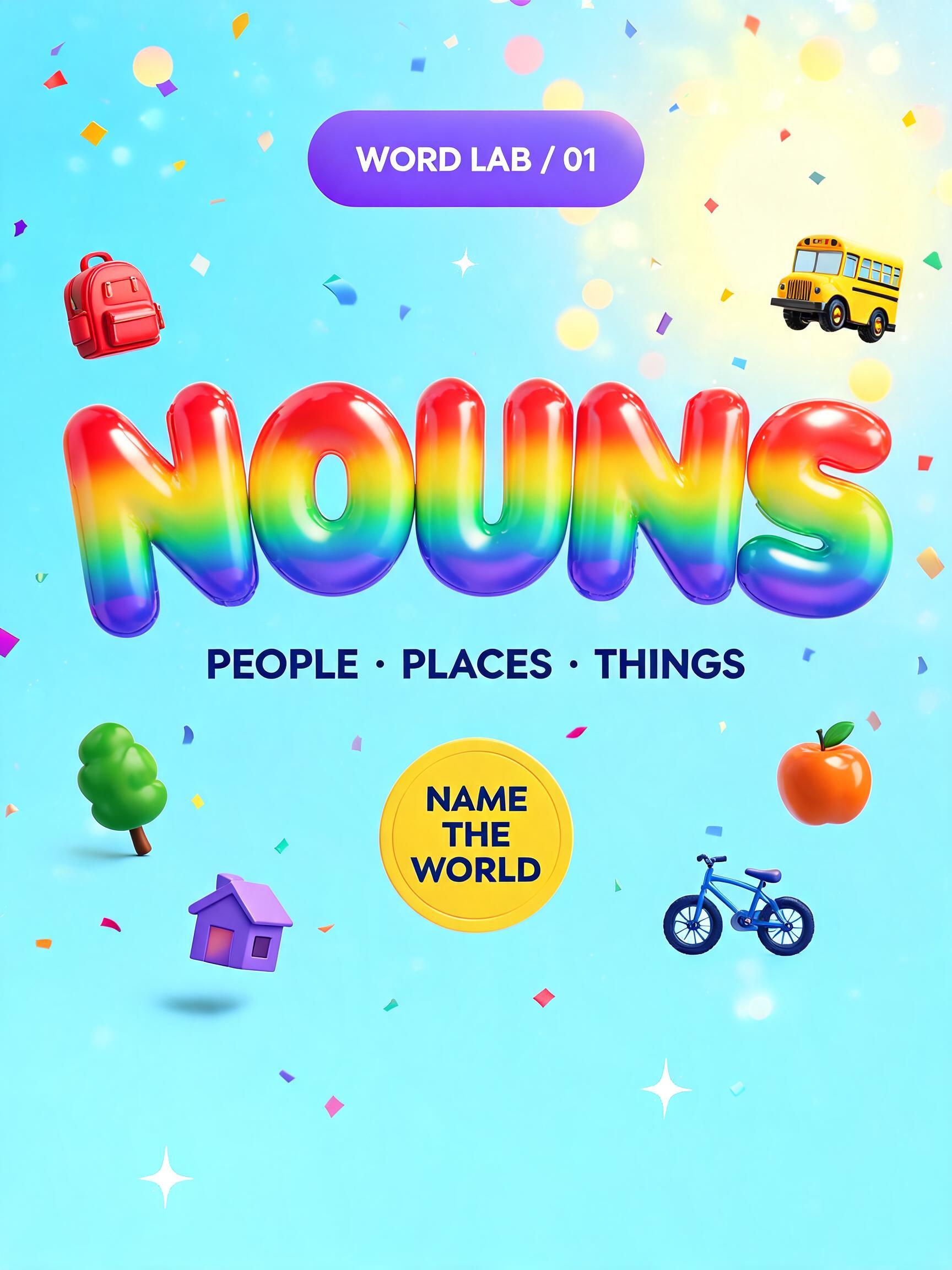
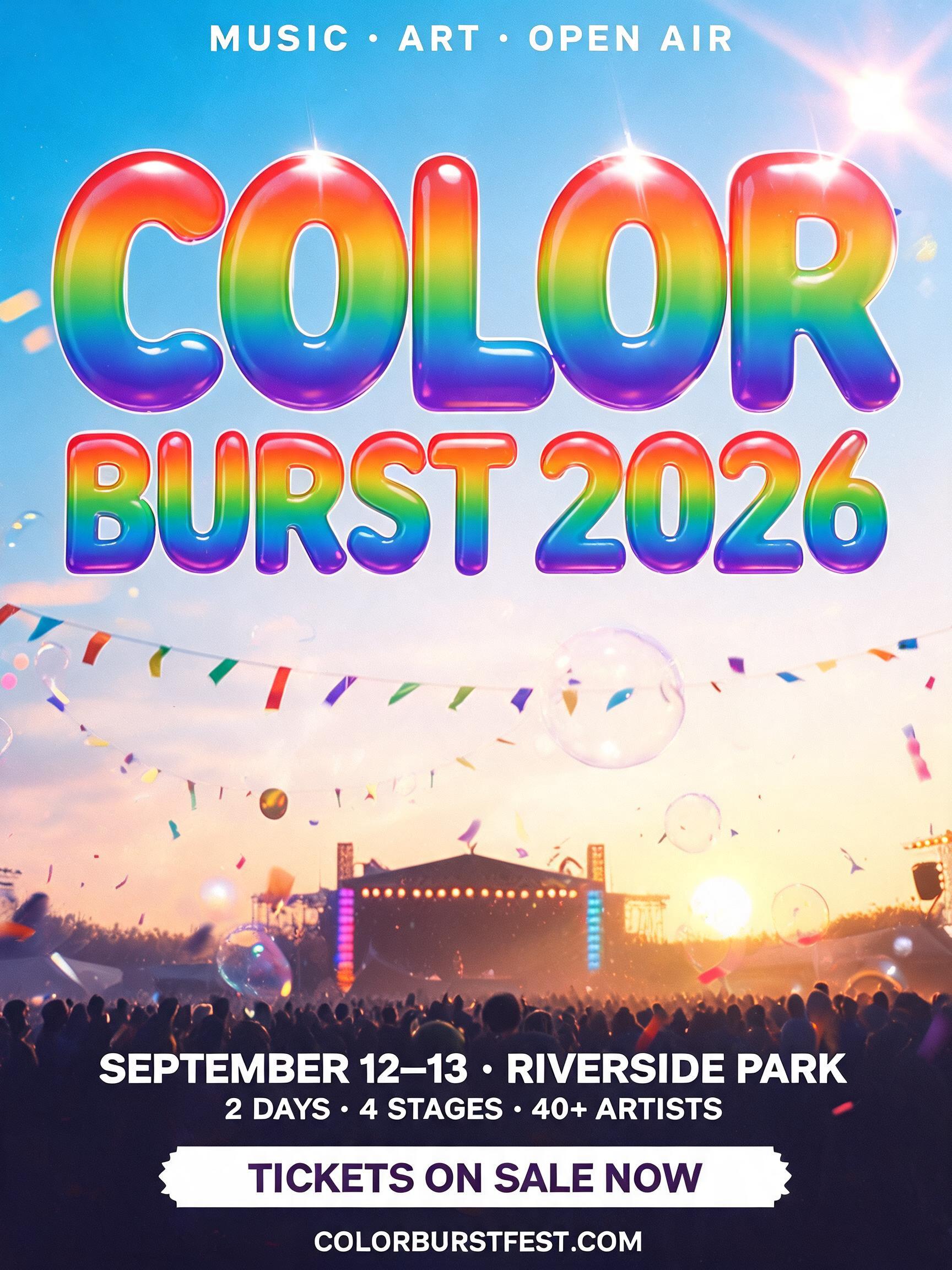


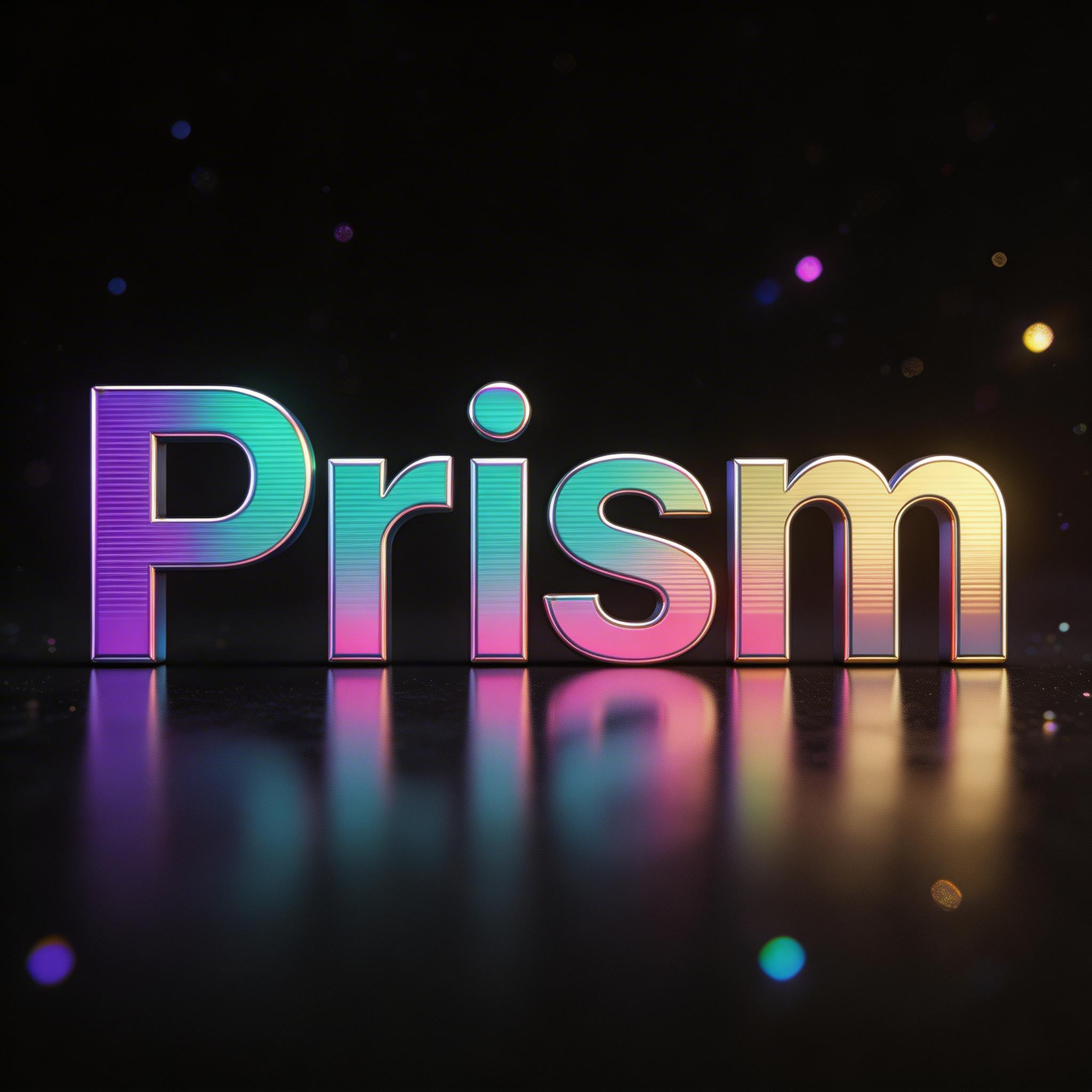


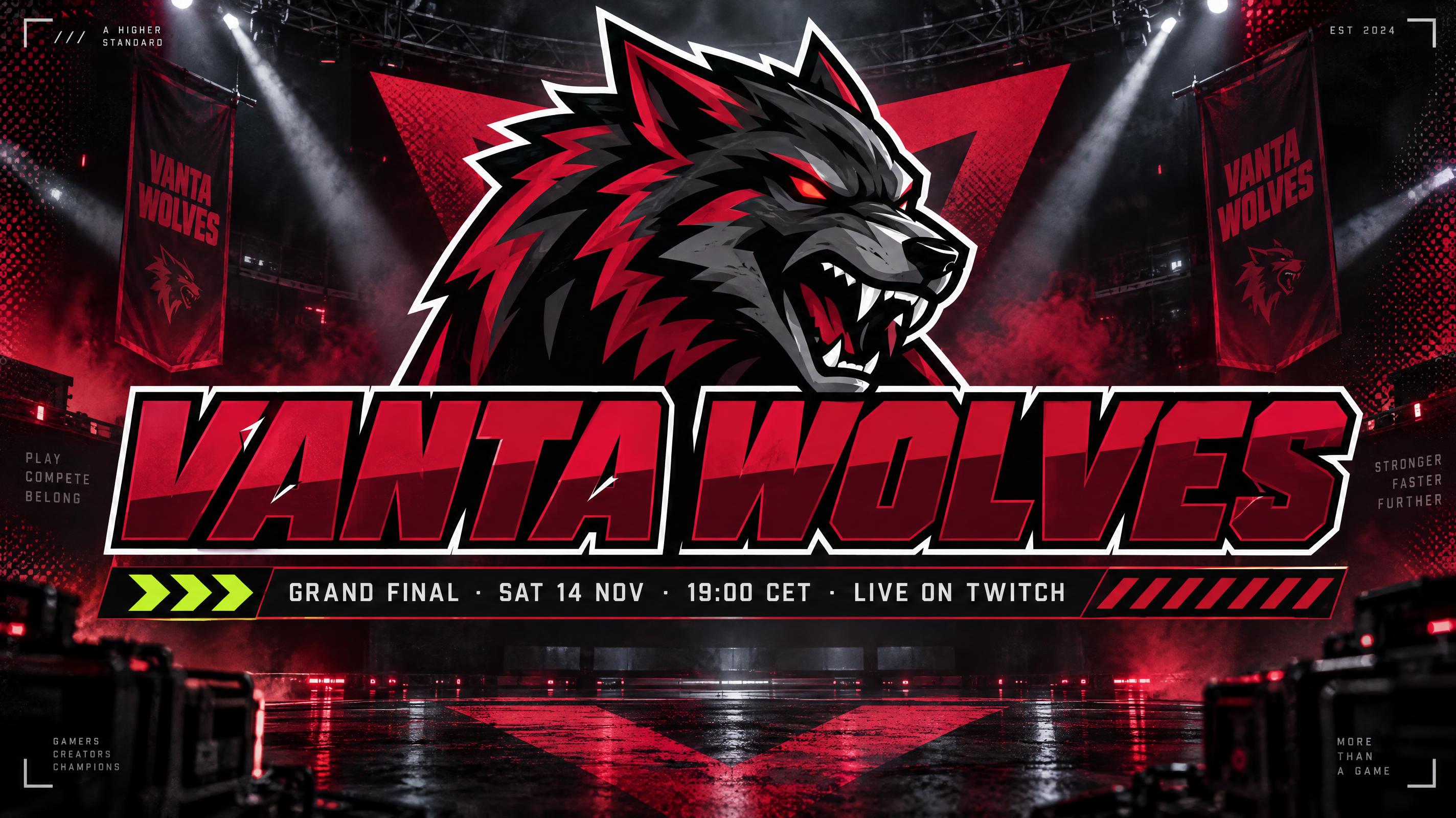

Looking for copy-paste fancy text? Try our free Font Generator Tools — cursive, gothic, bubble & 30+ styles.
Perfect for These Projects
Rainbow Text Effect — FAQ
What is the Rainbow Font Style?
The Rainbow font style is a distinctive AI-generated typography effect. Vibrant multi-color rainbow gradient text effects with smooth color transitions, prismatic light and joyful chromatic typography. Using FontVibe's AI rainbow generator you can create stunning text effects in seconds — no Photoshop, no font licensing, no design experience needed.
Explore the Rainbow gallery for inspiration, or browse all 126+ AI text effect styles available on FontVibe.
How to Create Rainbow Typography in FontVibe Studio
The Story Behind Rainbow
History, visual DNA, and cultural context.
The Visual DNA
In Typography
Rainbow typography is the visual language of celebration, inclusivity, and joy — contexts where the message is explicitly positive and the mood is festive. It works for children's content, Pride celebration design, party and event graphics, and any context where abundance of color is a direct communication of abundance of feeling.
The challenge is avoiding the visual register of "template" — rainbow gradients are so widely used as default celebration effects that they can read as undifferentiated rather than specifically chosen. The most effective rainbow typography treats the gradient as a designed element with specific color weights and transition points, rather than simply applying a default spectrum gradient.
Did You Know?
The rainbow Pride flag was designed by Gilbert Baker in 1978, originally with eight colors: hot pink (sexuality), red (life), orange (healing), yellow (sunlight), green (nature), turquoise (magic/art), blue (serenity), and violet (spirit). Hot pink was dropped first due to fabric availability issues; turquoise was later dropped for manufacturing reasons. The current six-color version (red through violet) has been the standard since 1979.
The scientific designation of seven rainbow colors — red, orange, yellow, green, blue, indigo, violet — was established by Isaac Newton, who in 1704 added orange and indigo to the five colors he had previously identified. Newton's addition of orange and indigo to reach seven was not based on optical observation but on his desire to match the seven notes of the musical scale. The human eye actually sees a continuous spectrum; the discrete color categories are cultural, not physical.
Create Your Rainbow Typography in Studio
Free to start. No design skills needed. Your artwork, your copyright.
AI Rainbow Text Effect Generator
Vibrant multi-color rainbow gradient text effects with smooth color transitions, prismatic light and joyful chromatic typography. — no font license needed.
Rainbow in different AI fonts
Generate Your Rainbow Text Effect
Type any word — see it transformed in seconds. No sign-up required.
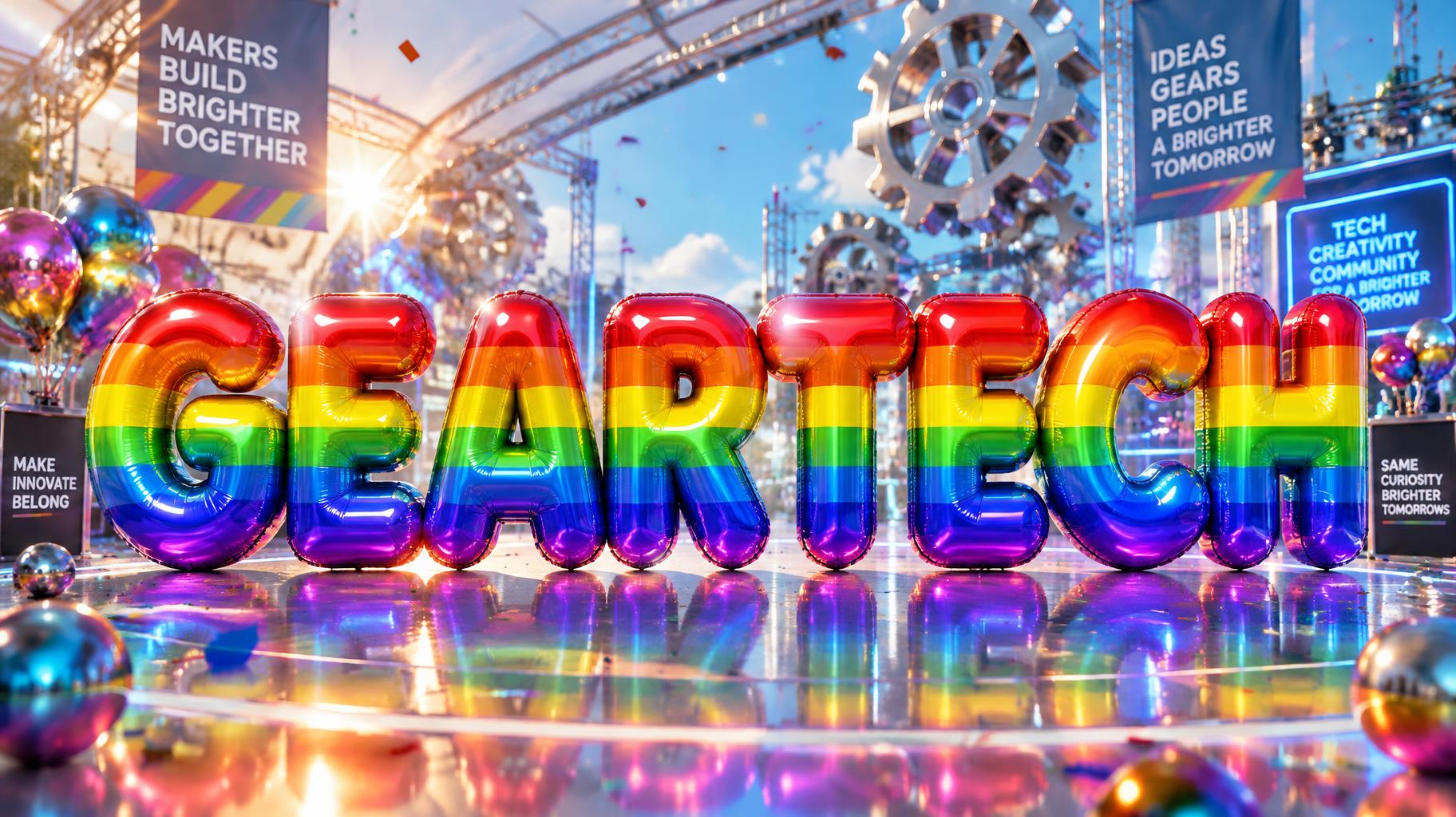
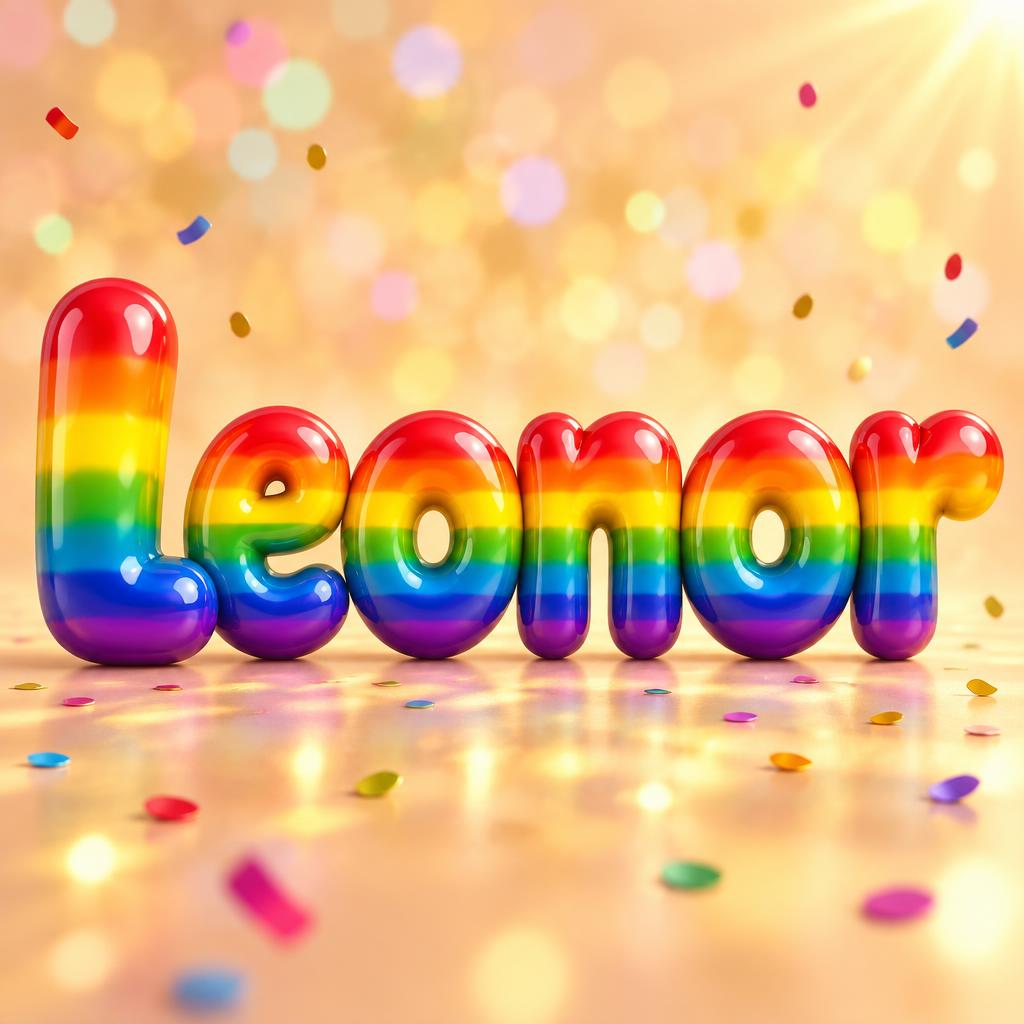
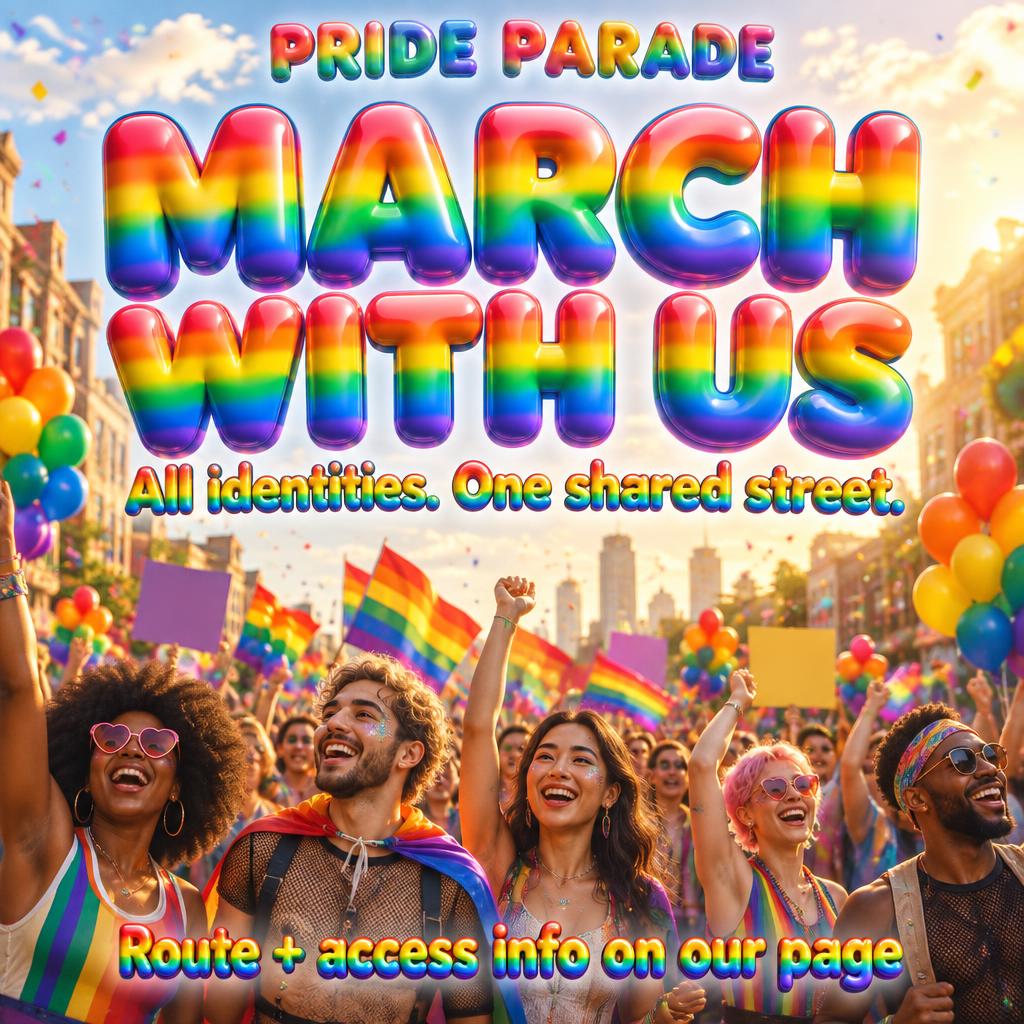
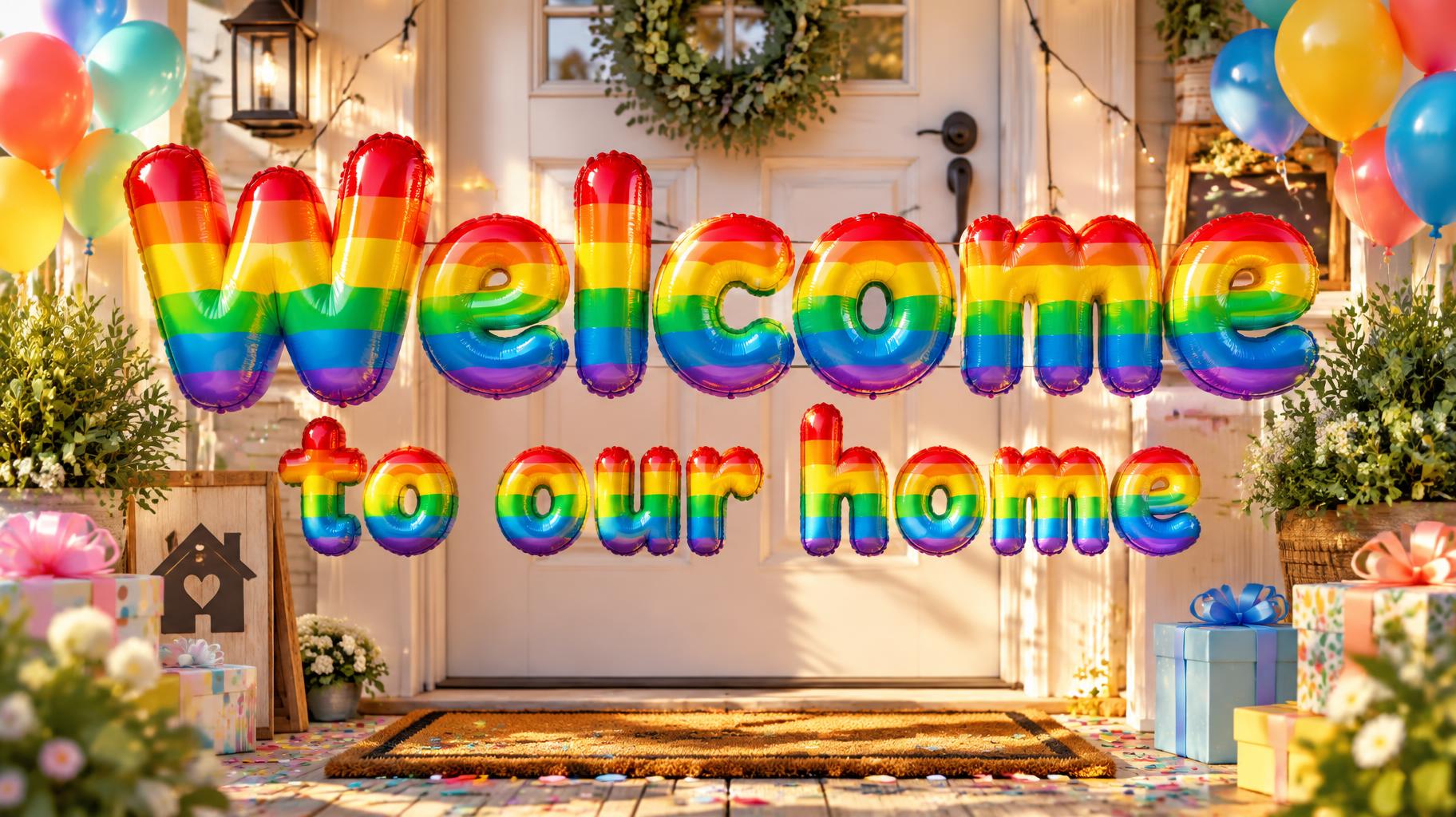
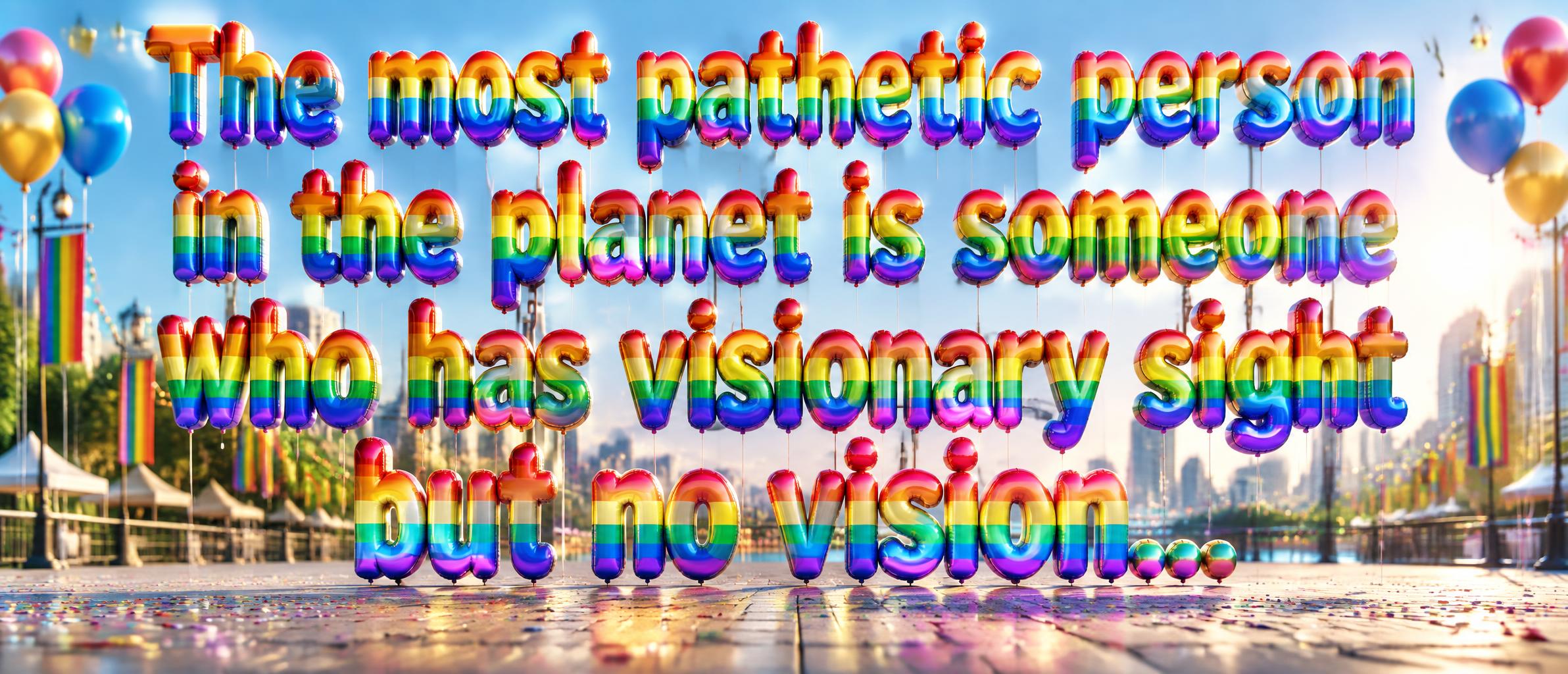
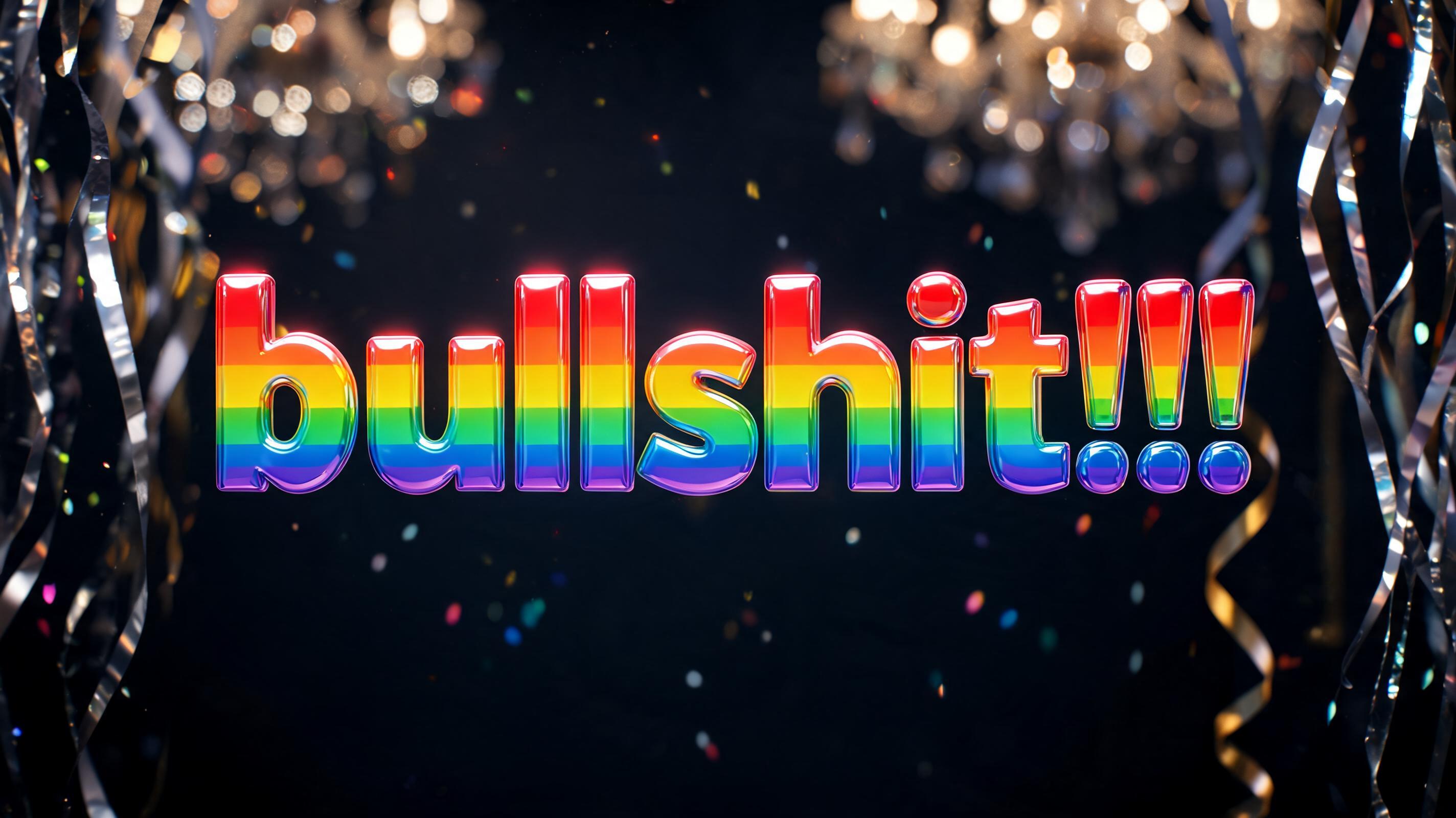
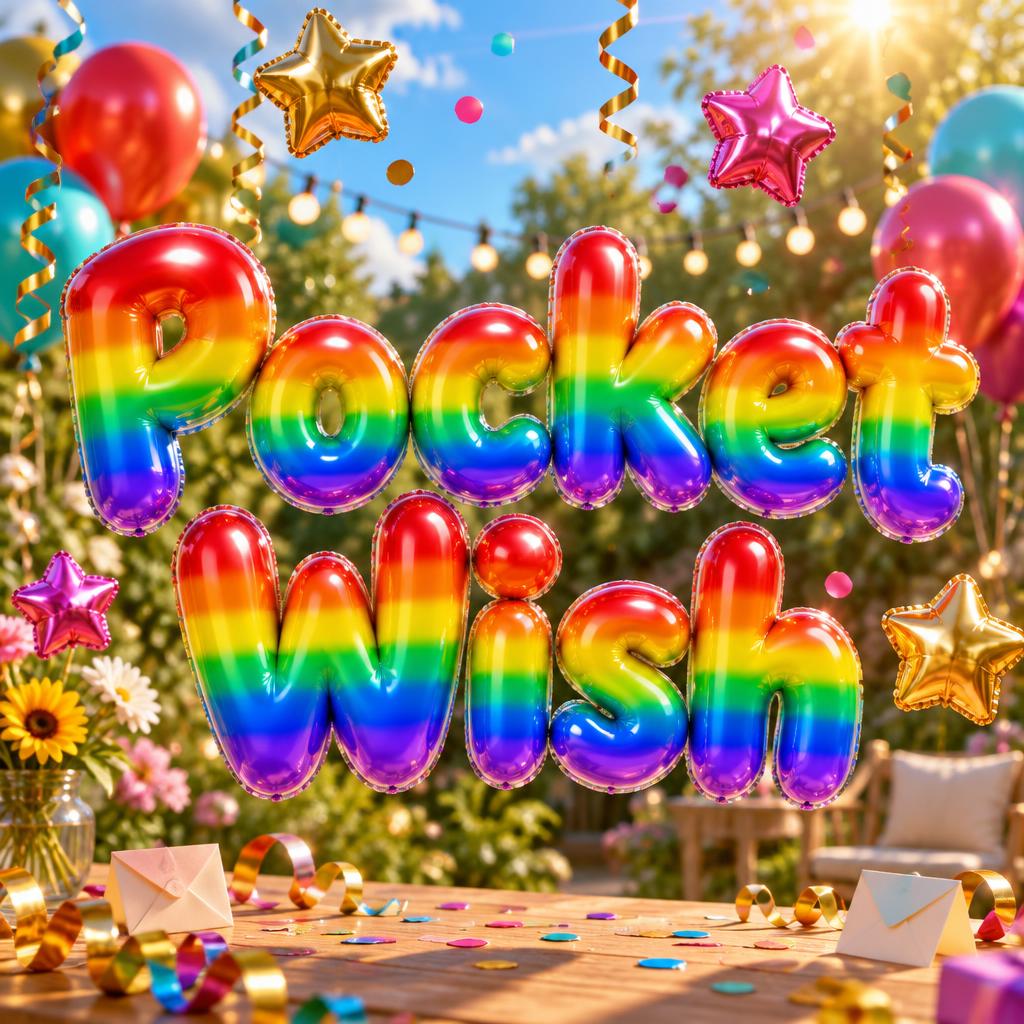
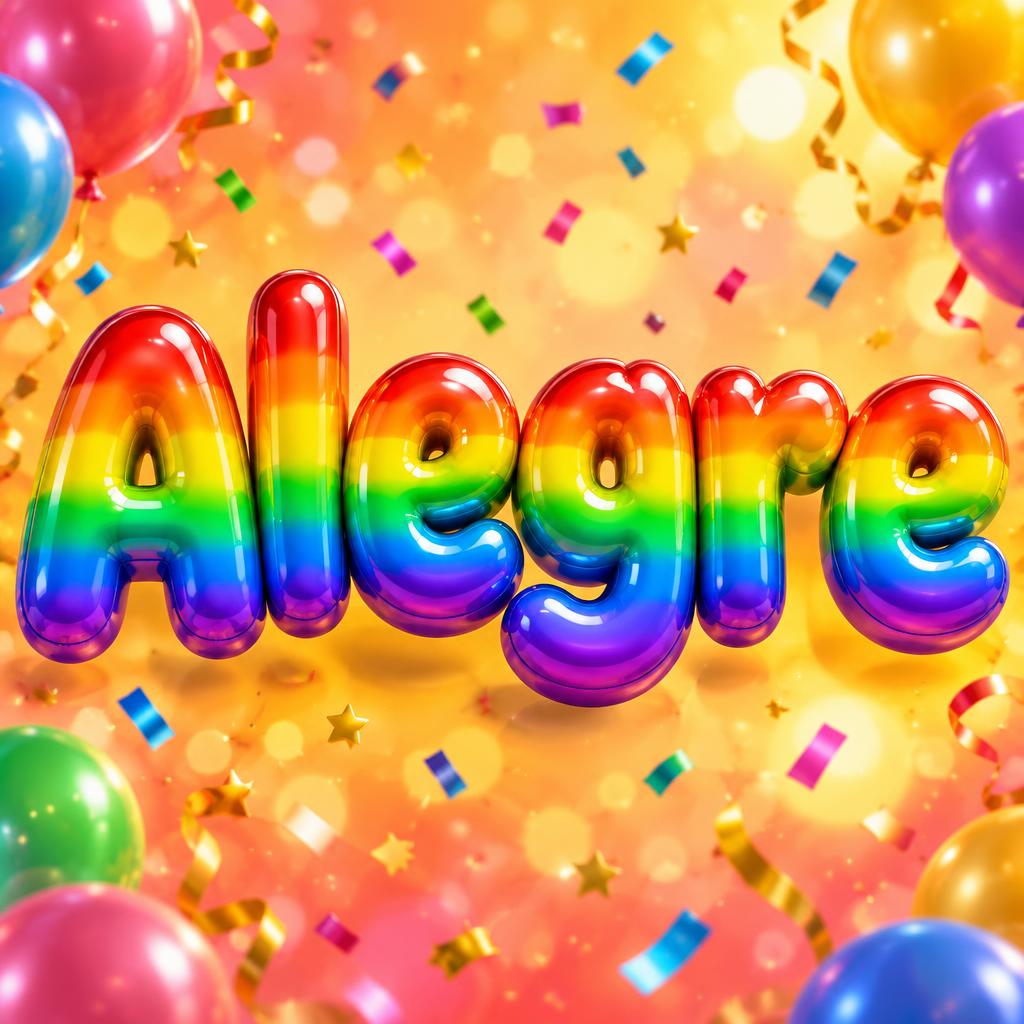
Rainbow Style Gallery
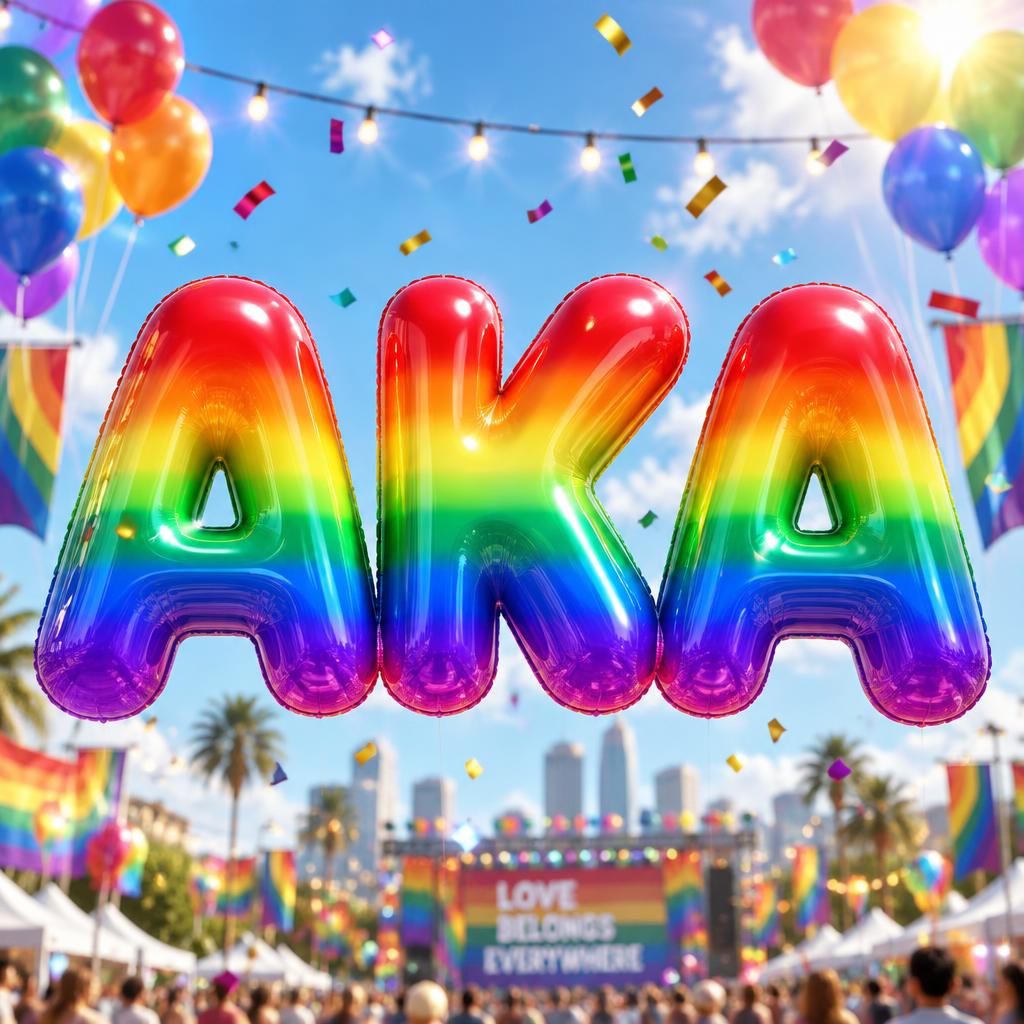
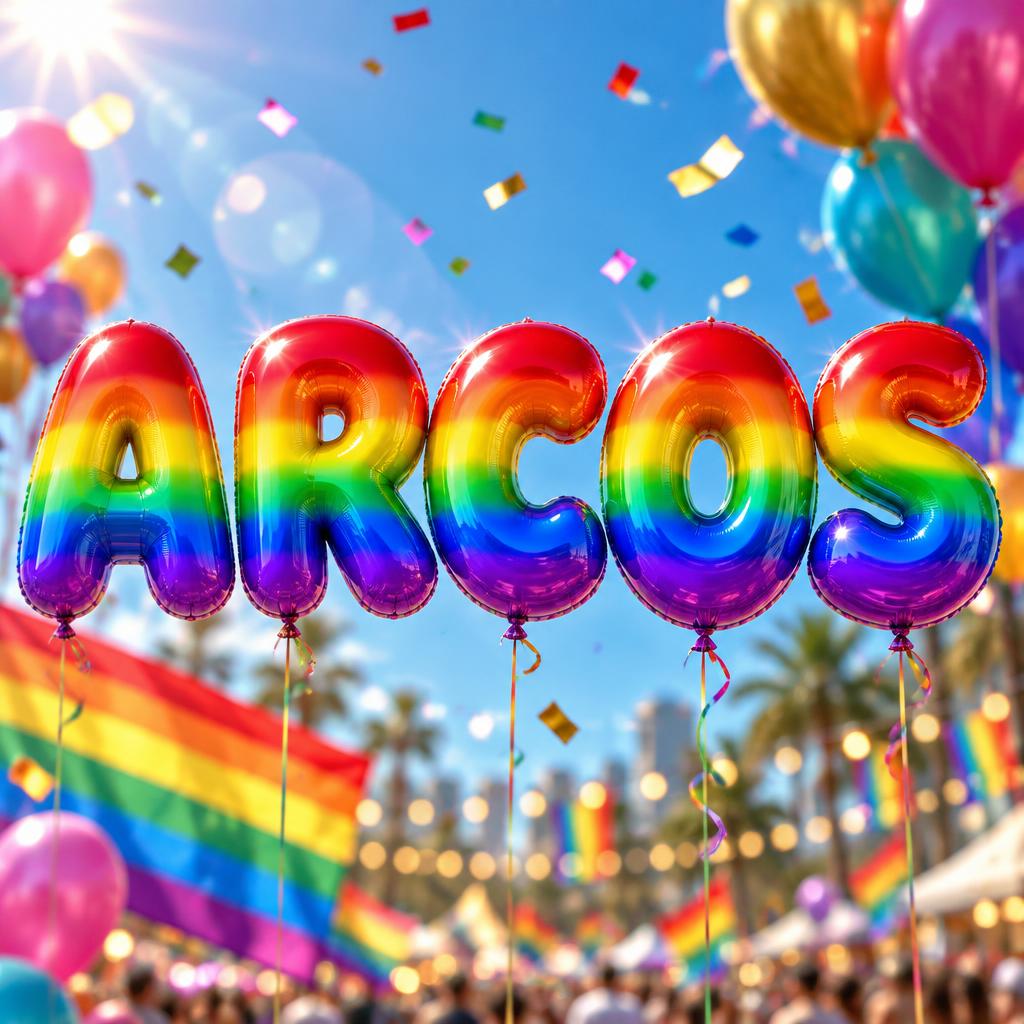
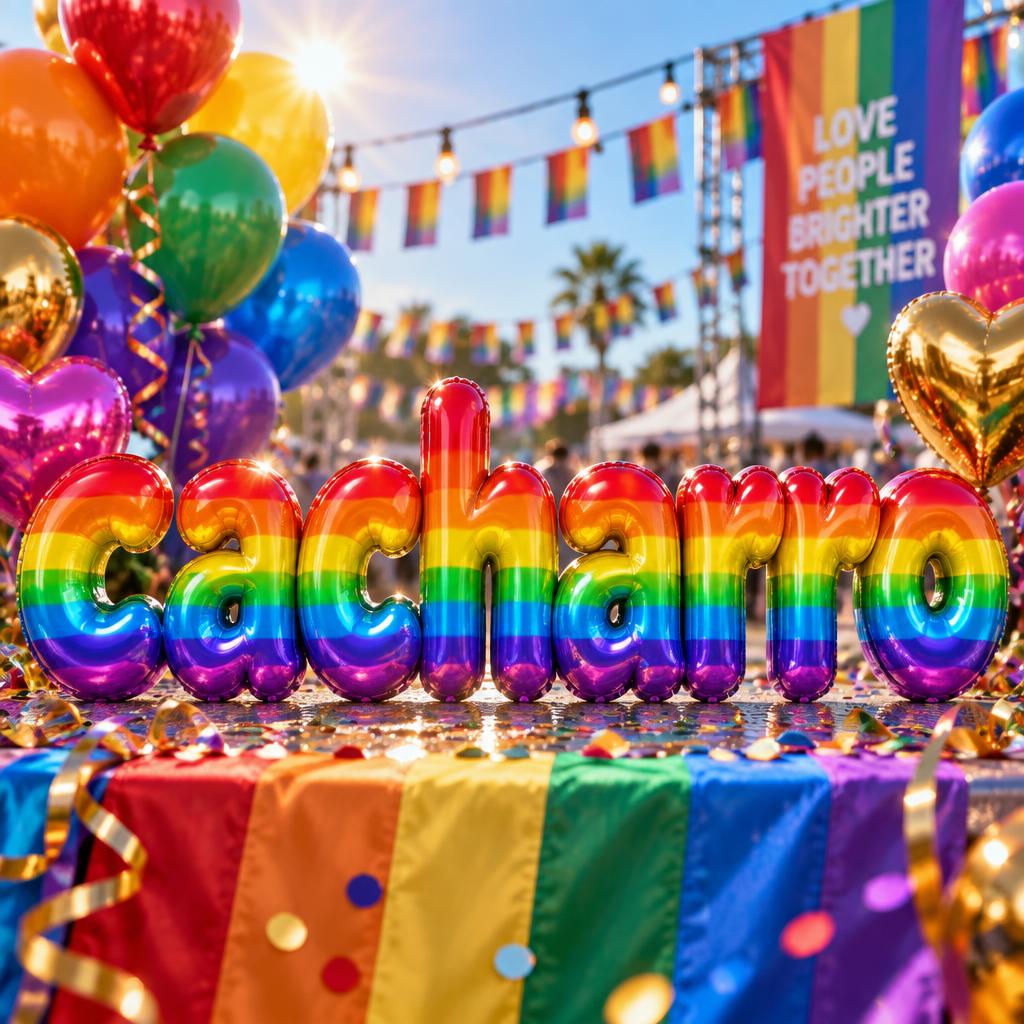
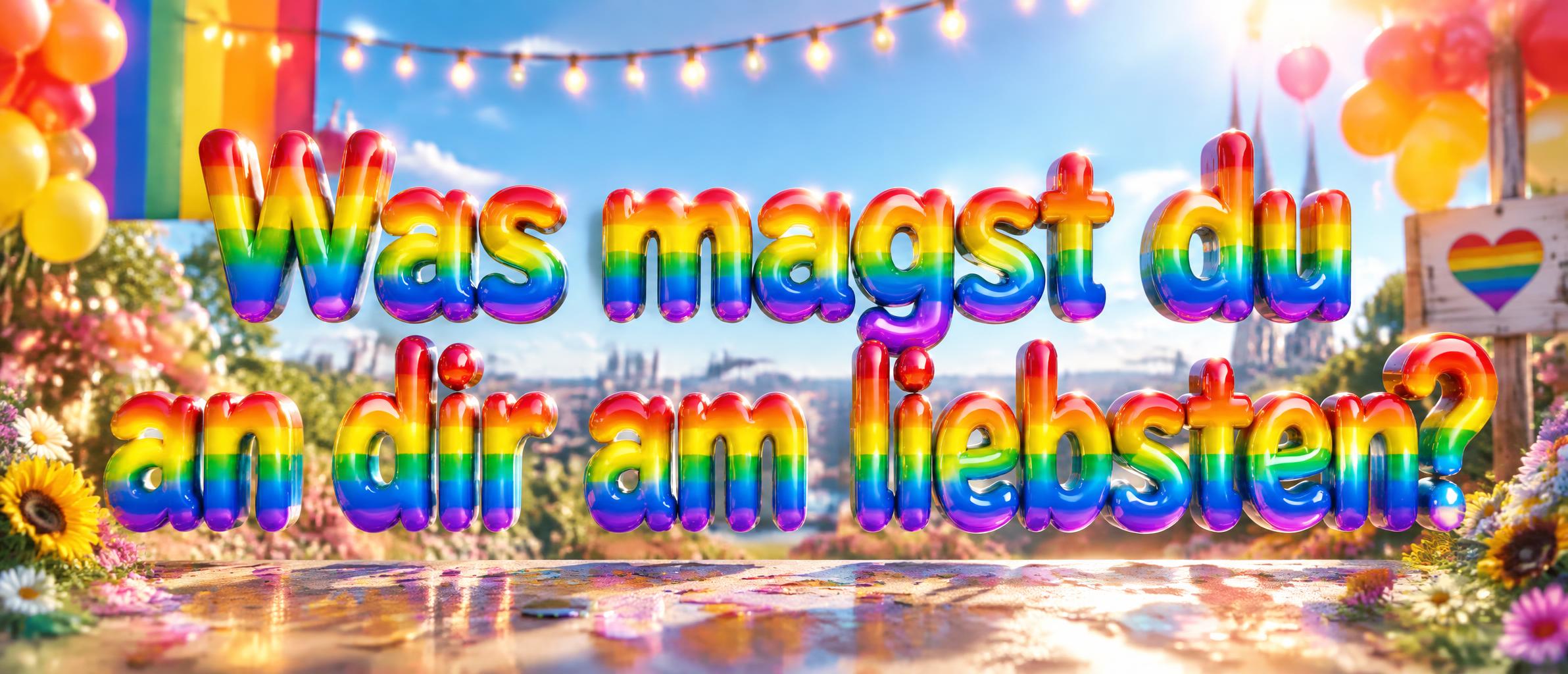
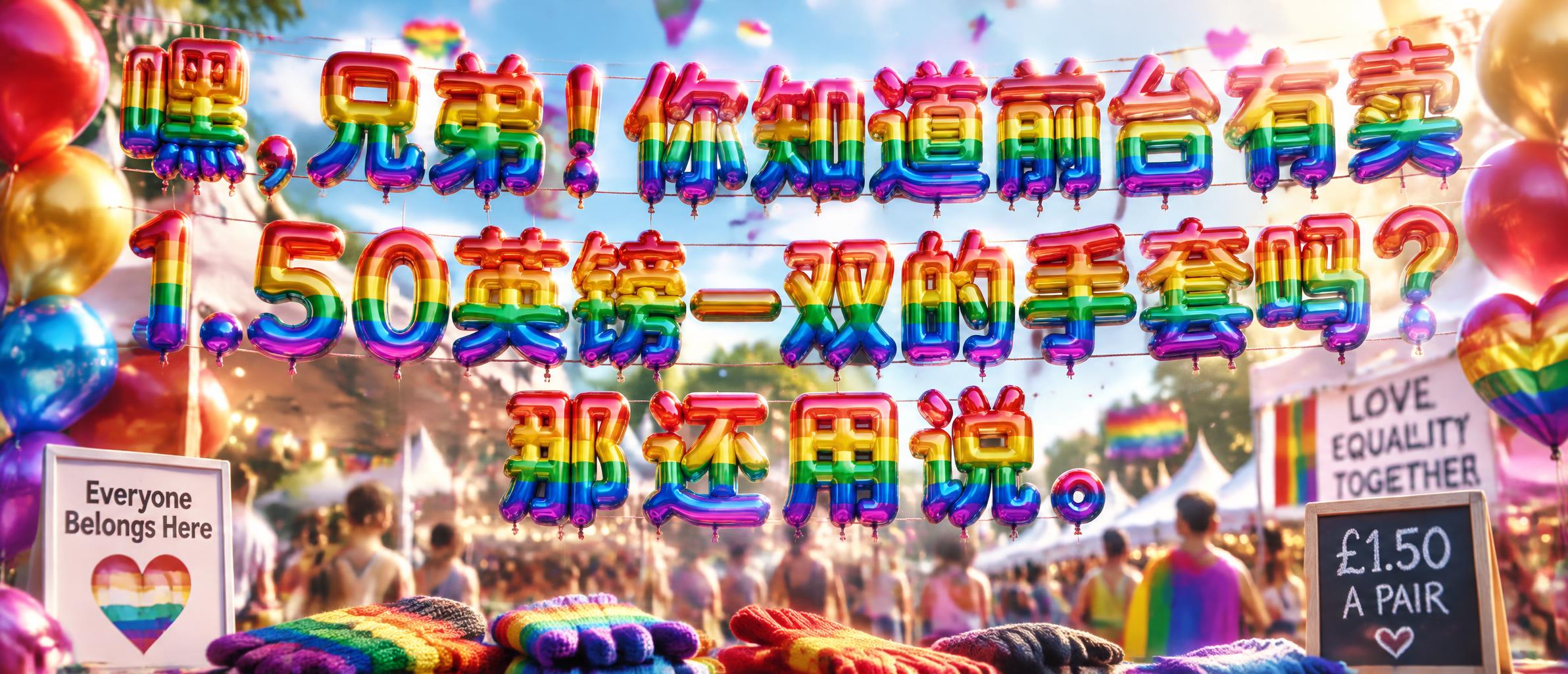
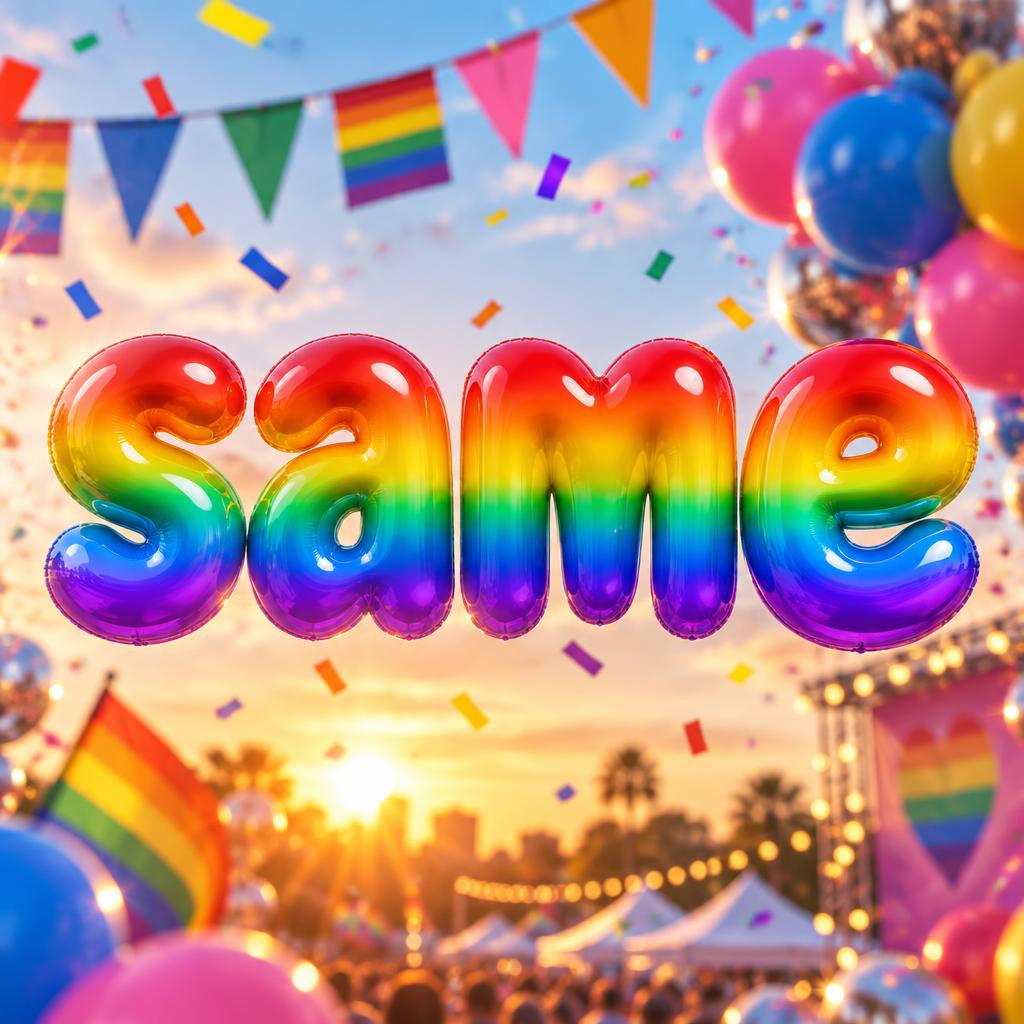
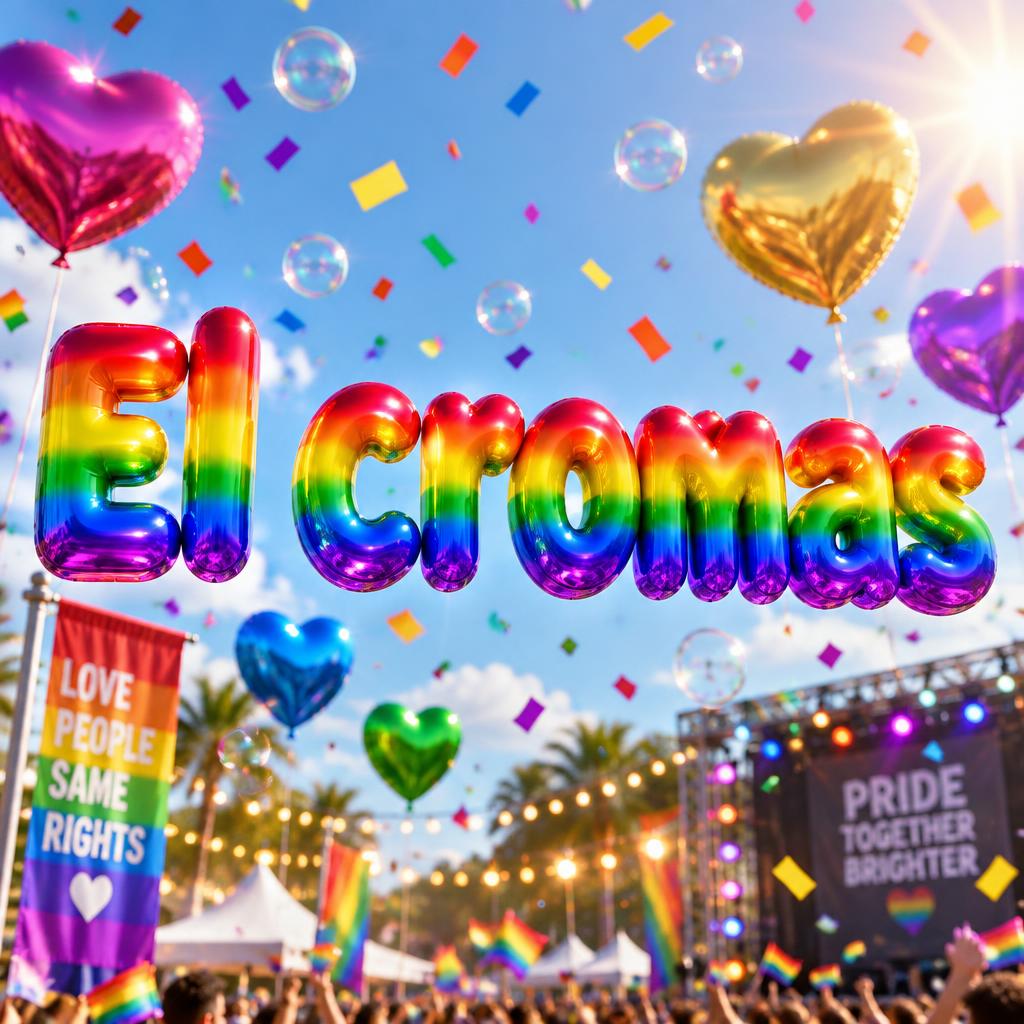
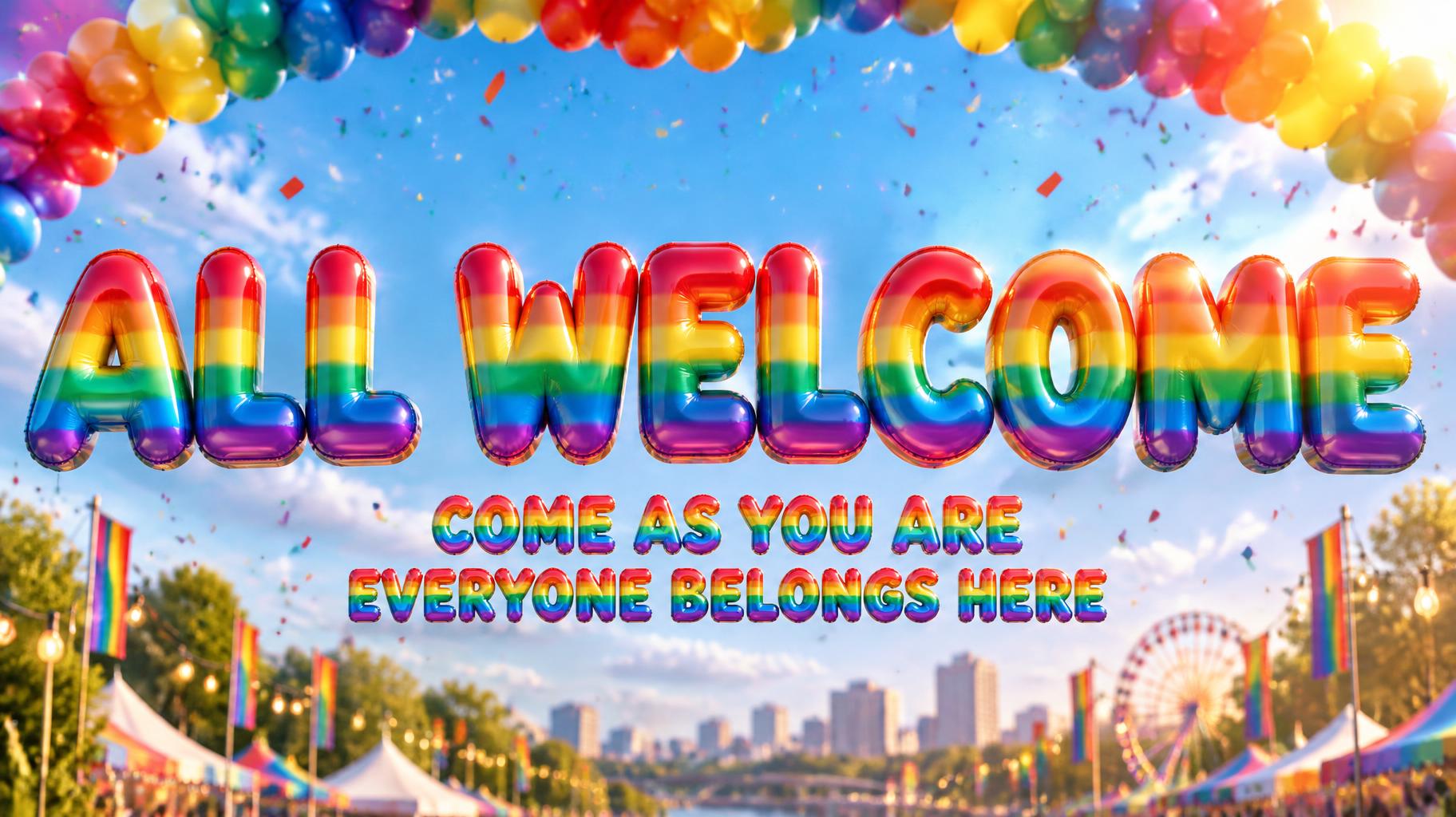
Real outputs from the Rainbow style. Click any image to see details.


Similar Text Effect Styles
Try these styles and create your own AI-generated text effects.
Looking for copy-paste fancy text? Try our free Font Generator Tools — cursive, gothic, bubble & 30+ styles.
Perfect for These Projects
Rainbow text effects are popular for creative projects where visual impact matters.
What is the Rainbow Font Style?
The Rainbow font style is a distinctive AI-generated typography effect. Vibrant multi-color rainbow gradient text effects with smooth color transitions, prismatic light and joyful chromatic typography.
Using FontVibe's AI rainbow generator you can create stunning text effects in seconds — no Photoshop, no font licensing, no design experience needed.
Explore the Rainbow gallery for inspiration, or browse all 126+ AI text effect styles available on FontVibe.
How to Create Rainbow Typography in FontVibe Studio
1. Enter your text — Any word, phrase, or brand name. Works best with short, punchy text.
2. Select Rainbow — From the style library. Optionally describe a mood in the custom prompt.
3. Generate and download. Your Rainbow font artwork is ready in seconds. PNG, JPG, or transparent PNG.
Looking for something different? Browse the full font style library for more AI typography options.
Rainbow Text Effect — FAQ
The Story Behind Rainbow
History, visual DNA, and cultural context — everything that makes this style what it is.
The Visual DNA
In Typography
Rainbow typography is the visual language of celebration, inclusivity, and joy — contexts where the message is explicitly positive and the mood is festive. It works for children's content, Pride celebration design, party and event graphics, and any context where abundance of color is a direct communication of abundance of feeling.
The challenge is avoiding the visual register of "template" — rainbow gradients are so widely used as default celebration effects that they can read as undifferentiated rather than specifically chosen. The most effective rainbow typography treats the gradient as a designed element with specific color weights and transition points, rather than simply applying a default spectrum gradient.
Did You Know?
The rainbow Pride flag was designed by Gilbert Baker in 1978, originally with eight colors: hot pink (sexuality), red (life), orange (healing), yellow (sunlight), green (nature), turquoise (magic/art), blue (serenity), and violet (spirit). Hot pink was dropped first due to fabric availability issues; turquoise was later dropped for manufacturing reasons. The current six-color version (red through violet) has been the standard since 1979.
The scientific designation of seven rainbow colors — red, orange, yellow, green, blue, indigo, violet — was established by Isaac Newton, who in 1704 added orange and indigo to the five colors he had previously identified. Newton's addition of orange and indigo to reach seven was not based on optical observation but on his desire to match the seven notes of the musical scale. The human eye actually sees a continuous spectrum; the discrete color categories are cultural, not physical.