武夷蜜桃香 - 手書きスクリプト Text Effect


この作品と同じ OpenAI GPT-Image-2.5 Sunburst を使用 · 15 クレジット











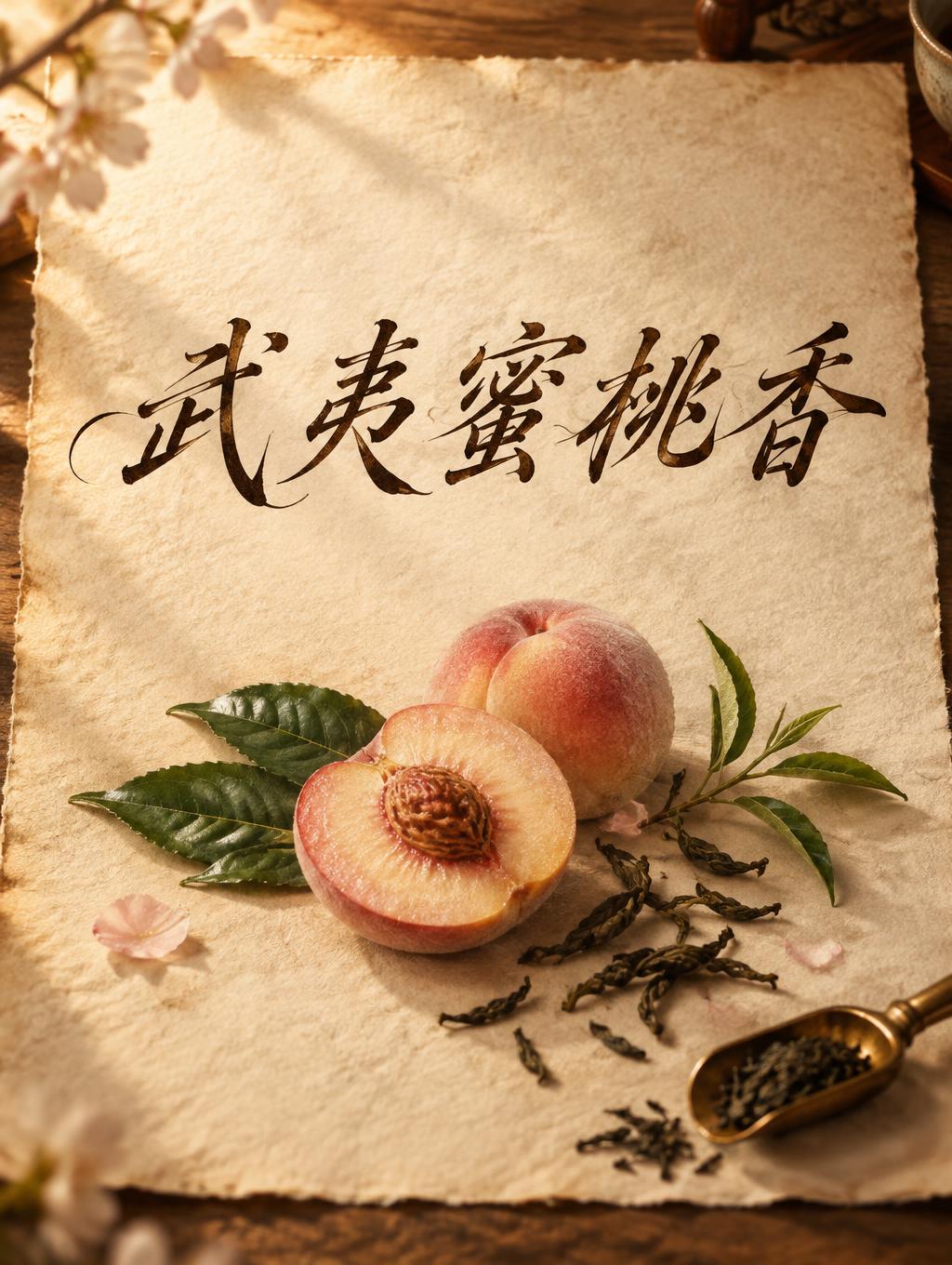
「武夷蜜桃香」は、温かみのあるヴィンテージ調で中国の筆書き風書体を用いたお茶のポスターです。濃い茶色の文字がざらついたクリーム色の紙に一行で並び、その下に半分に切った桃、丸ごとの桃、茶葉、真鍮の茶さじ、ピンクの花びらが置かれています。お茶の名前や風味、ブランド名を差し替え、果物や色、紙も商品に合わせて変更できます。
Intimate writing-desk light field — warm directional light arriving from a 30–45-degree upper-left angle, the quality of morning window light filtering through gauze or the halo of a brass desk lamp; this raking light travels across the paper surface at low angles, revealing fiber tooth and ink body depth simultaneously. Secondary warm fill from the right side at 20–25% key intensity preserves intimate shadow without eliminating it. The substrate is always textured paper: hot-press cotton rag, aged parchment, smooth vellum, cream laid stock, or cold-press watercolor paper — paper surface grain and fiber are visibly revealed under raking light, with a subtle warmth yellowing toward the edges. Ink sits proud on the surface: a subtle wet sheen at maximum-density stroke points, matte dry finish at hairlines; at dramatic stroke termini, micro-droplets of ink may cling to paper fiber. Atmospheric details: floating paper dust motes caught in window light rays, faint ink bloom halos around dense stroke endpoints. Color temperature: warm amber-sepia throughout the background environment and paper surface; slightly cooler clear-white at the central text zone for luminous contrast. Background beyond the writing surface: soft warm bokeh or warm shadow — never competing with the foreground. Letter surface color and material are defined entirely by each font's own prompt_core — this style provides only the writing-desk light field, paper substrate environment, and ink-on-surface atmosphere. When no specific material is defined by the font: morning window light from upper-left at 35 degrees on warm cream cotton laid paper, paper fiber texture clearly visible under raking light, soft amber fill from the right at 25% intensity. Create a refined portrait-oriented tea label, seen straight on as a single sheet of warm cream cotton paper resting on an intimate writing desk. Set the exact Chinese text “武夷蜜桃香” prominently in one horizontal line across the upper-middle, large and unmistakable, with the characters beautifully spaced and fully legible. Keep the lettering as the clear focal point, leaving generous breathing room around it; do not add any other words, characters, numbers, or marks that could be read as text. Beneath the title, place a small, delicate still life: a ripe peach cut open to reveal its rosy-gold flesh, two glossy green tea leaves, and a few slender tea sprigs arranged with the restrained grace of a botanical study. A tiny brass tea scoop rests near the lower edge, partly in soft shadow. Warm morning light enters from the upper left at a low angle, revealing the paper’s fine fibers, subtle laid texture, and gently ambered edges; soft light from the right keeps the shadows tender. The ink appears naturally absorbed into the paper, with a faint sheen in its densest areas and delicate, slightly feathered edges. Let a few dust motes glow in the light, while the background beyond the paper falls into unobtrusive warm blur. Elegant, tactile, intimate, and unmistakably devoted to Wuyi peach-scented tea.
タグ
2026年11月13日に生成 · 1024 × 1360 · JPEG · OpenAI GPT-Image-2.5 Sunburst · 制作者がシェア · 商用利用無料(CC BY 4.0)
AI文字エフェクトのスタイルを見る



武夷蜜桃香 - 手書きスクリプト Text Effect


この作品と同じ OpenAI GPT-Image-2.5 Sunburst を使用 · 15 クレジット
もっと見る 手書きスクリプト の文字エフェクト
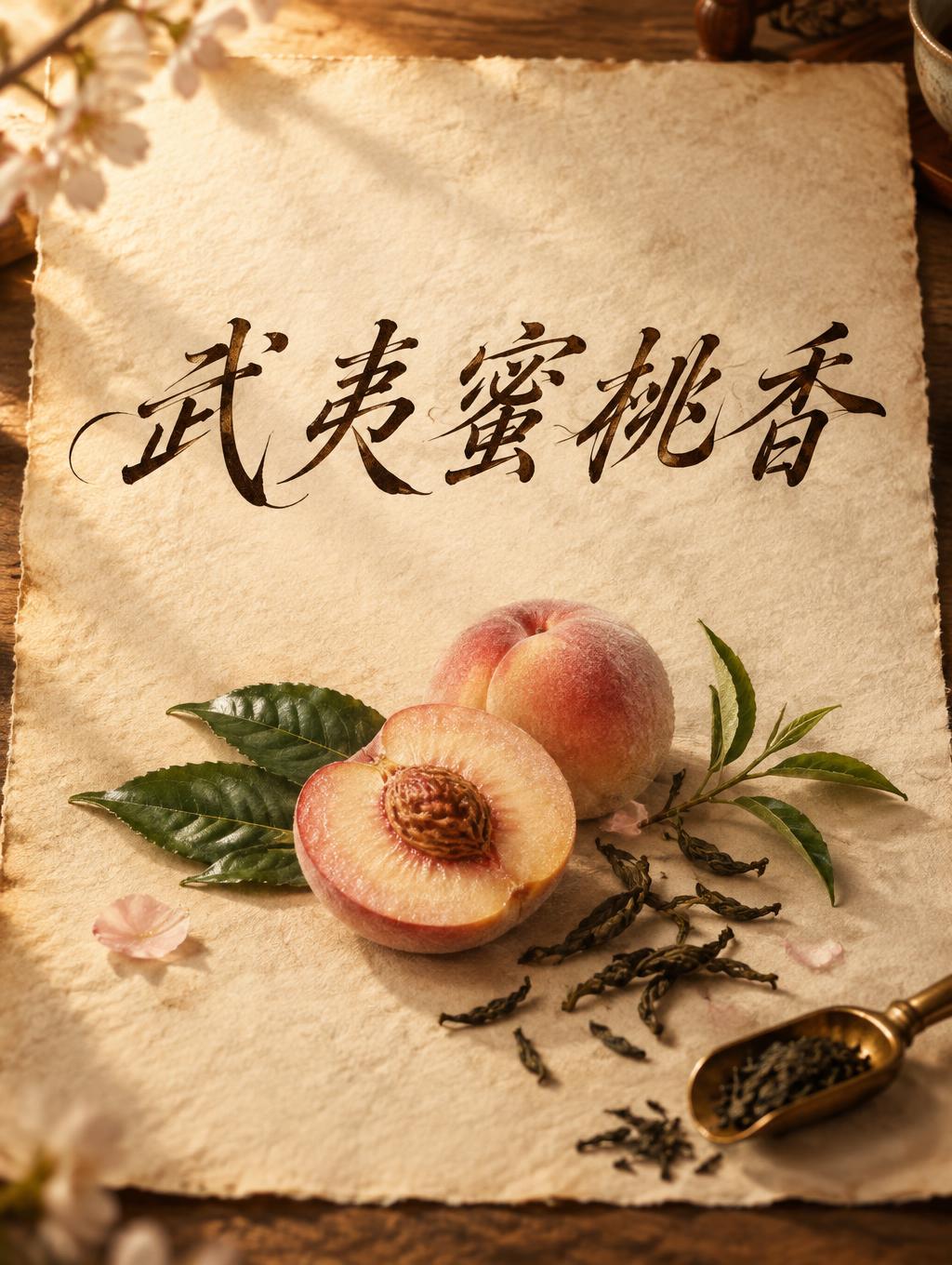
「武夷蜜桃香」は、温かみのあるヴィンテージ調で中国の筆書き風書体を用いたお茶のポスターです。濃い茶色の文字がざらついたクリーム色の紙に一行で並び、その下に半分に切った桃、丸ごとの桃、茶葉、真鍮の茶さじ、ピンクの花びらが置かれています。お茶の名前や風味、ブランド名を差し替え、果物や色、紙も商品に合わせて変更できます。
Intimate writing-desk light field — warm directional light arriving from a 30–45-degree upper-left angle, the quality of morning window light filtering through gauze or the halo of a brass desk lamp; this raking light travels across the paper surface at low angles, revealing fiber tooth and ink body depth simultaneously. Secondary warm fill from the right side at 20–25% key intensity preserves intimate shadow without eliminating it. The substrate is always textured paper: hot-press cotton rag, aged parchment, smooth vellum, cream laid stock, or cold-press watercolor paper — paper surface grain and fiber are visibly revealed under raking light, with a subtle warmth yellowing toward the edges. Ink sits proud on the surface: a subtle wet sheen at maximum-density stroke points, matte dry finish at hairlines; at dramatic stroke termini, micro-droplets of ink may cling to paper fiber. Atmospheric details: floating paper dust motes caught in window light rays, faint ink bloom halos around dense stroke endpoints. Color temperature: warm amber-sepia throughout the background environment and paper surface; slightly cooler clear-white at the central text zone for luminous contrast. Background beyond the writing surface: soft warm bokeh or warm shadow — never competing with the foreground. Letter surface color and material are defined entirely by each font's own prompt_core — this style provides only the writing-desk light field, paper substrate environment, and ink-on-surface atmosphere. When no specific material is defined by the font: morning window light from upper-left at 35 degrees on warm cream cotton laid paper, paper fiber texture clearly visible under raking light, soft amber fill from the right at 25% intensity. Create a refined portrait-oriented tea label, seen straight on as a single sheet of warm cream cotton paper resting on an intimate writing desk. Set the exact Chinese text “武夷蜜桃香” prominently in one horizontal line across the upper-middle, large and unmistakable, with the characters beautifully spaced and fully legible. Keep the lettering as the clear focal point, leaving generous breathing room around it; do not add any other words, characters, numbers, or marks that could be read as text. Beneath the title, place a small, delicate still life: a ripe peach cut open to reveal its rosy-gold flesh, two glossy green tea leaves, and a few slender tea sprigs arranged with the restrained grace of a botanical study. A tiny brass tea scoop rests near the lower edge, partly in soft shadow. Warm morning light enters from the upper left at a low angle, revealing the paper’s fine fibers, subtle laid texture, and gently ambered edges; soft light from the right keeps the shadows tender. The ink appears naturally absorbed into the paper, with a faint sheen in its densest areas and delicate, slightly feathered edges. Let a few dust motes glow in the light, while the background beyond the paper falls into unobtrusive warm blur. Elegant, tactile, intimate, and unmistakably devoted to Wuyi peach-scented tea.
タグ
2026年11月13日に生成 · 1024 × 1360 · JPEG · OpenAI GPT-Image-2.5 Sunburst · 制作者がシェア · 商用利用無料(CC BY 4.0)
もっと文字スタイルが欲しいときは、無料のフォント変換ツールへ。おしゃれ文字・筆記体・ブラックレターなど。