


AI Glitch Text Effect Generator
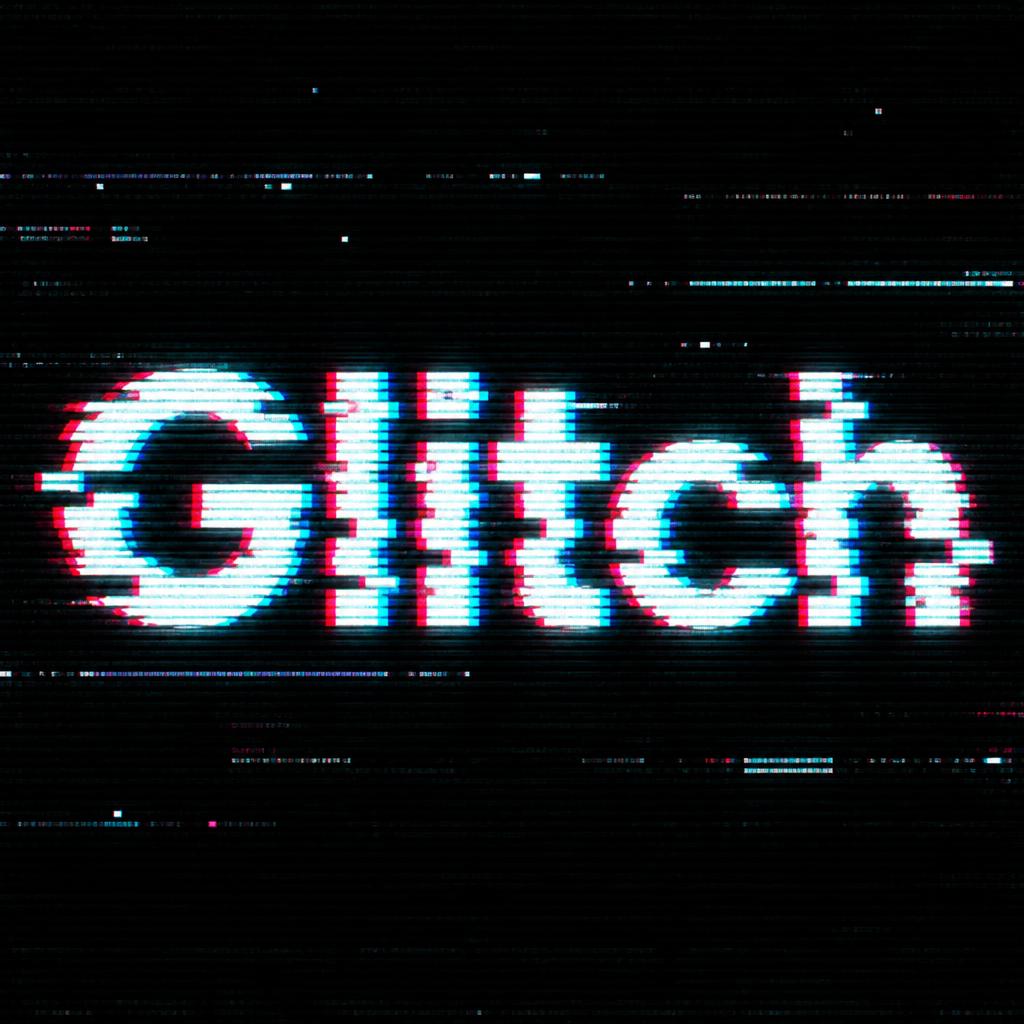
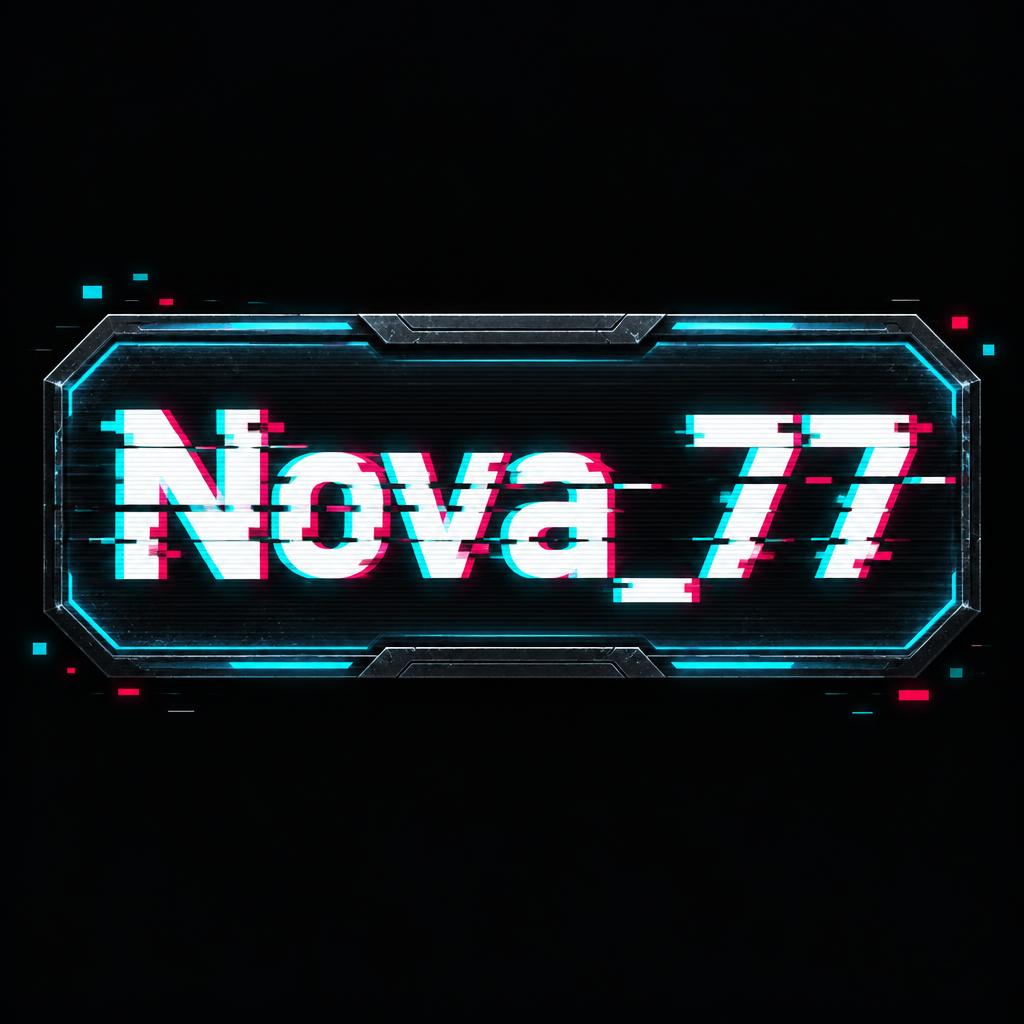
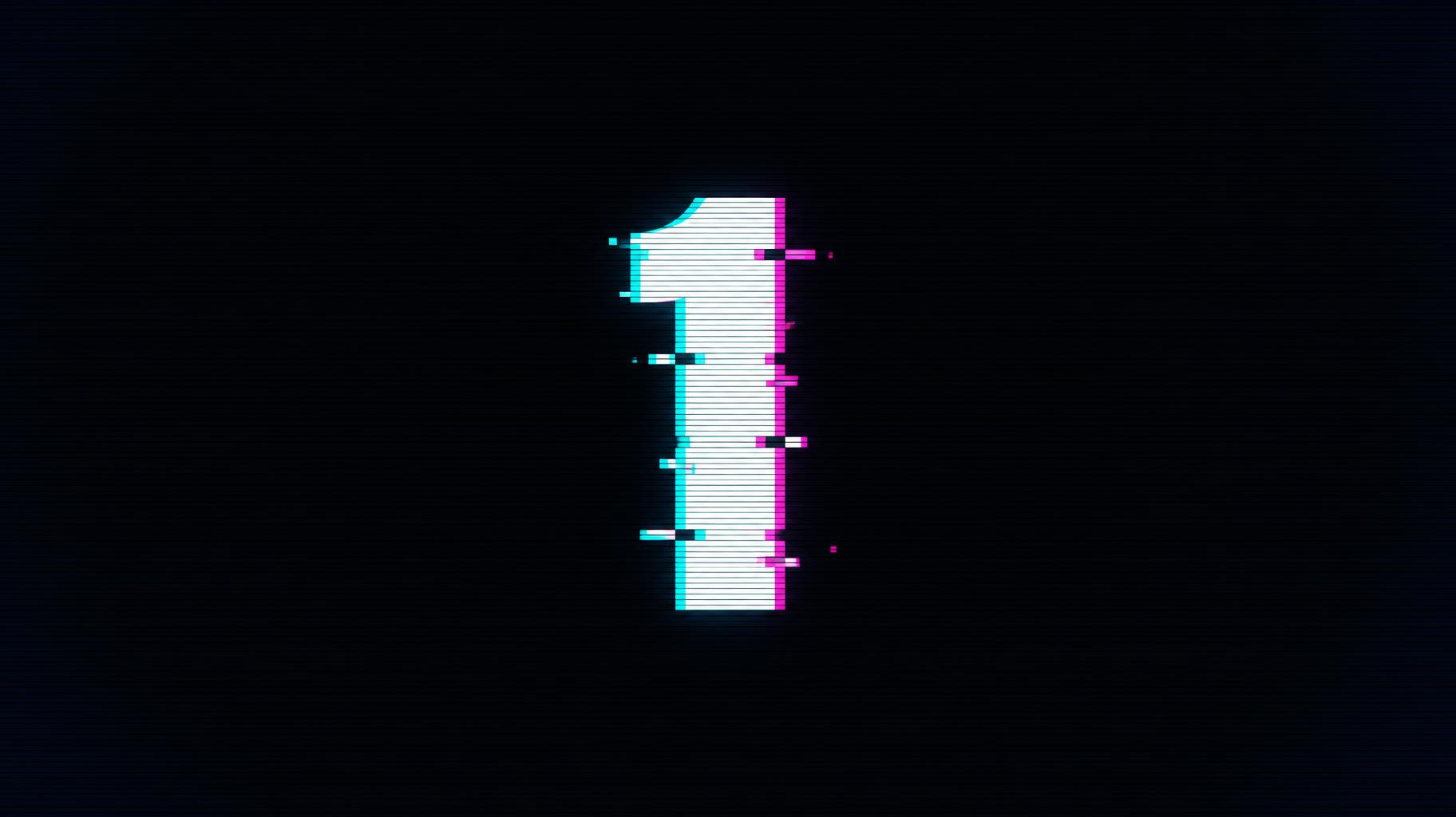
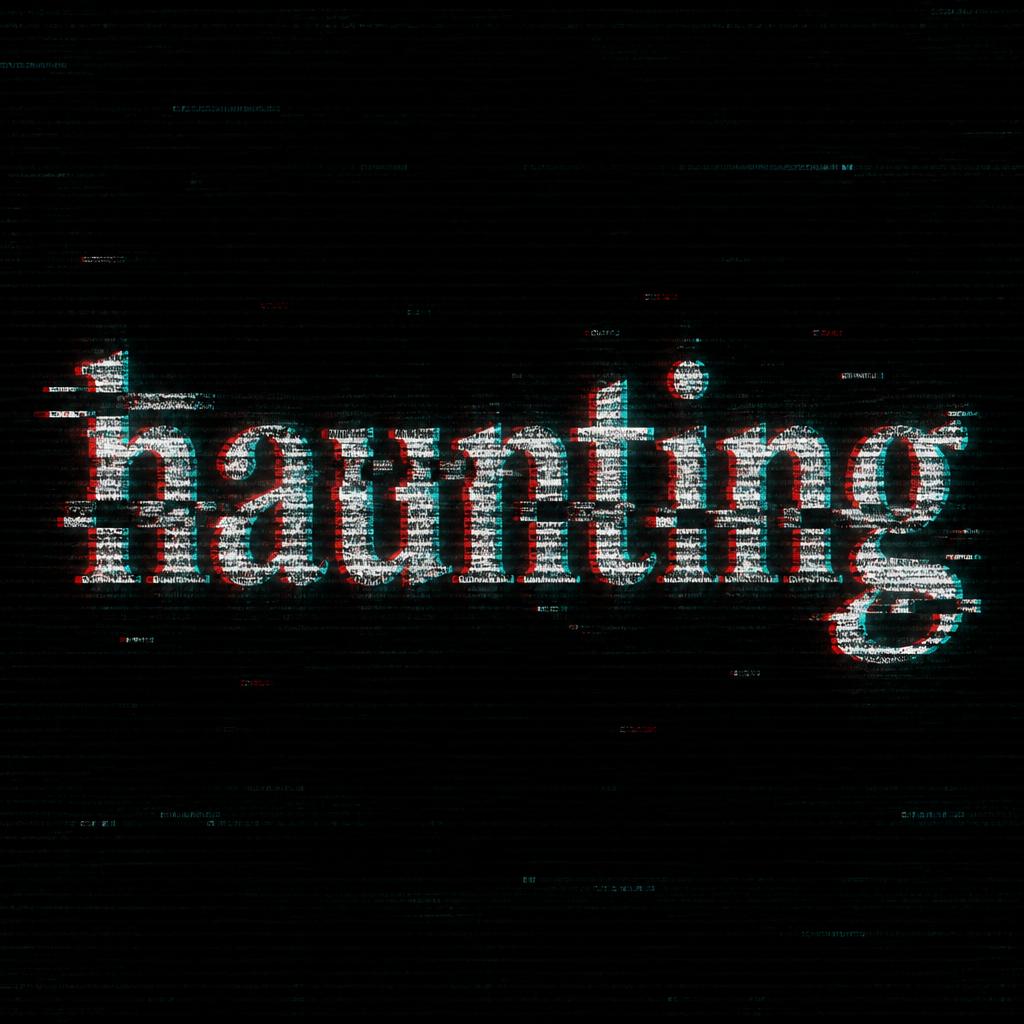
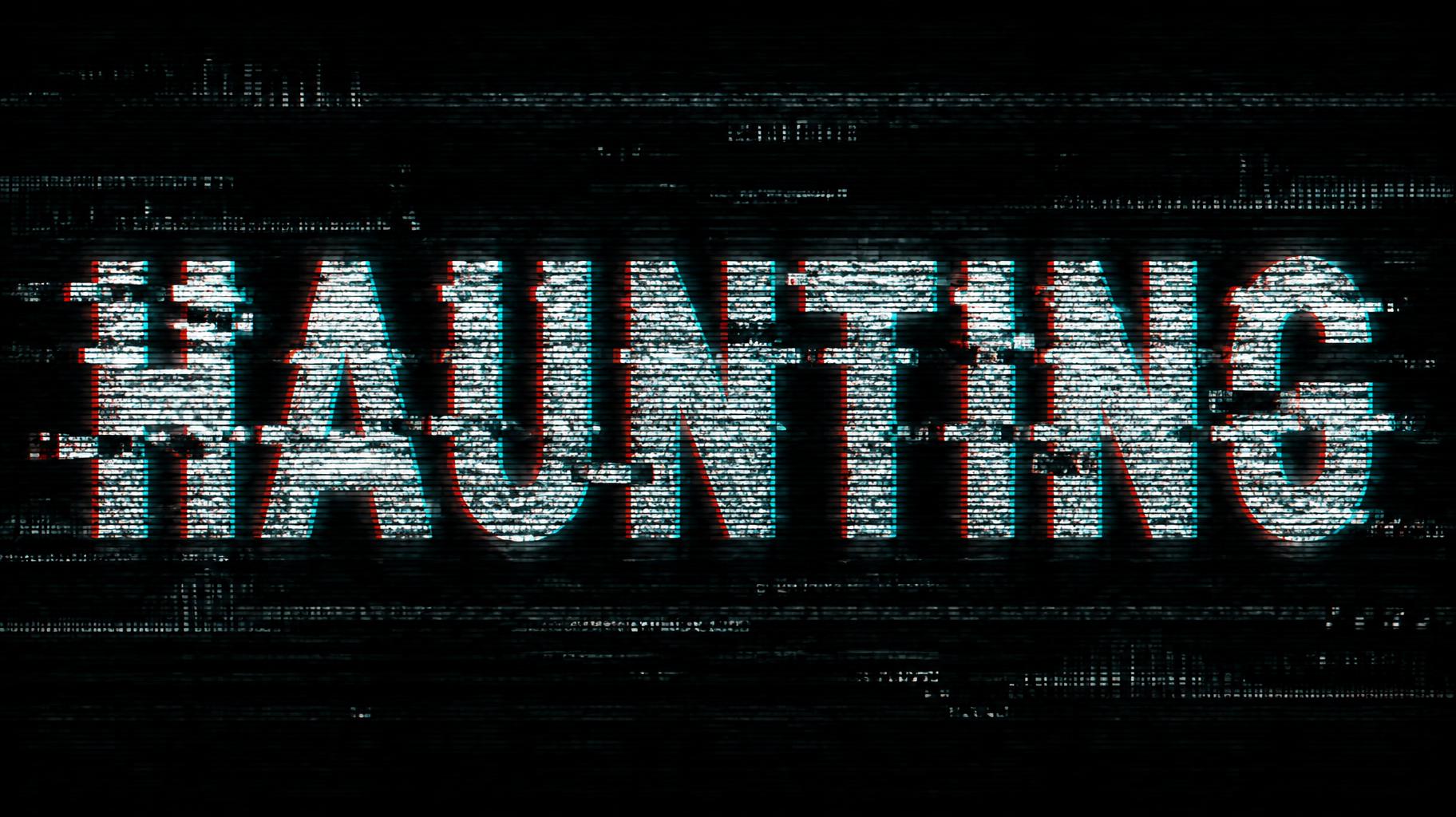
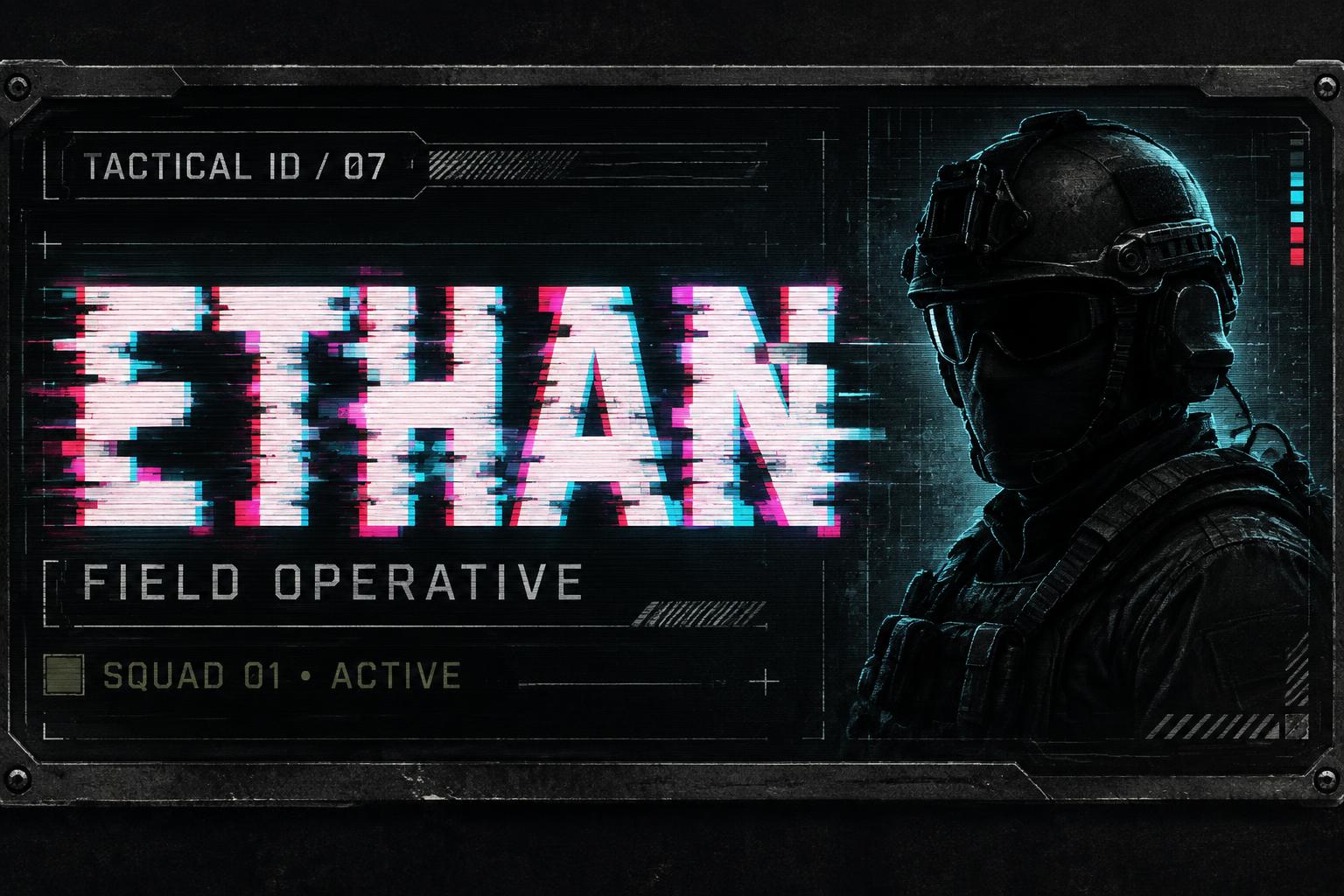
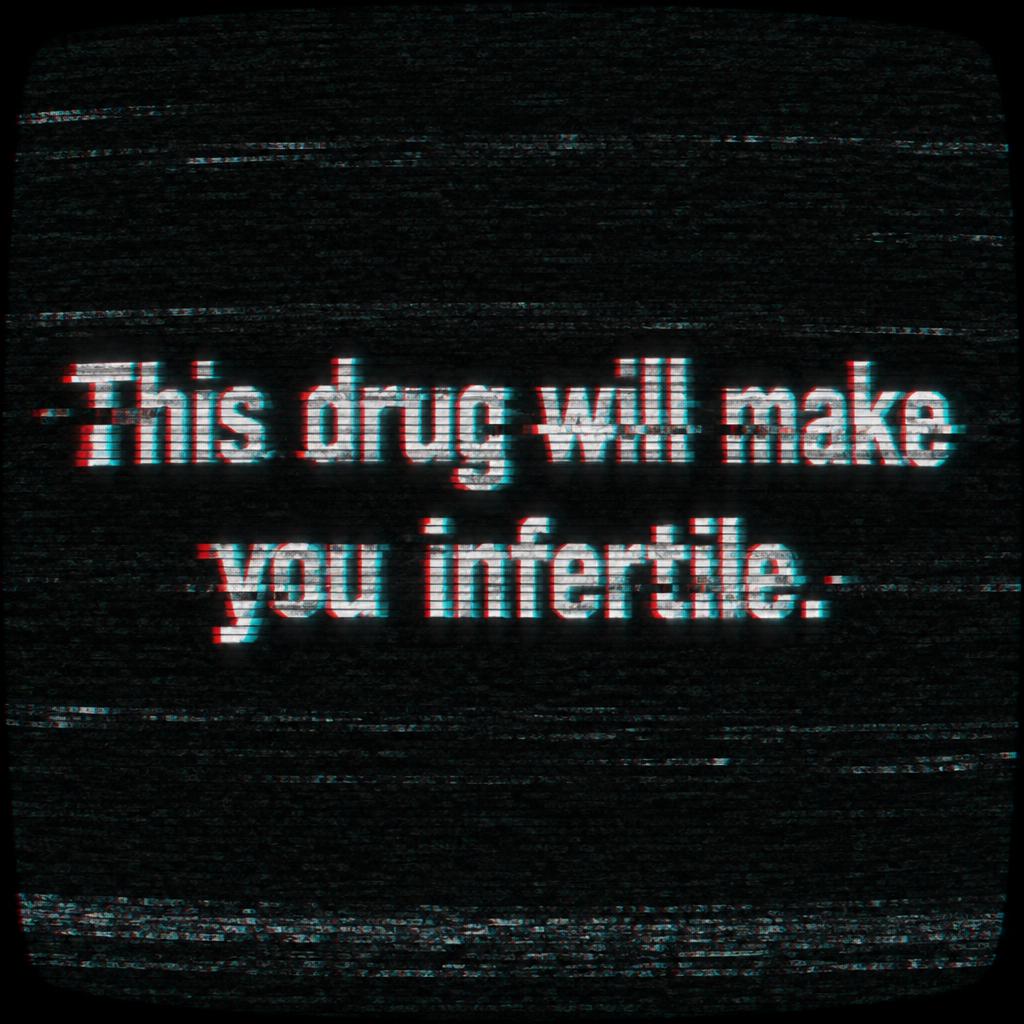
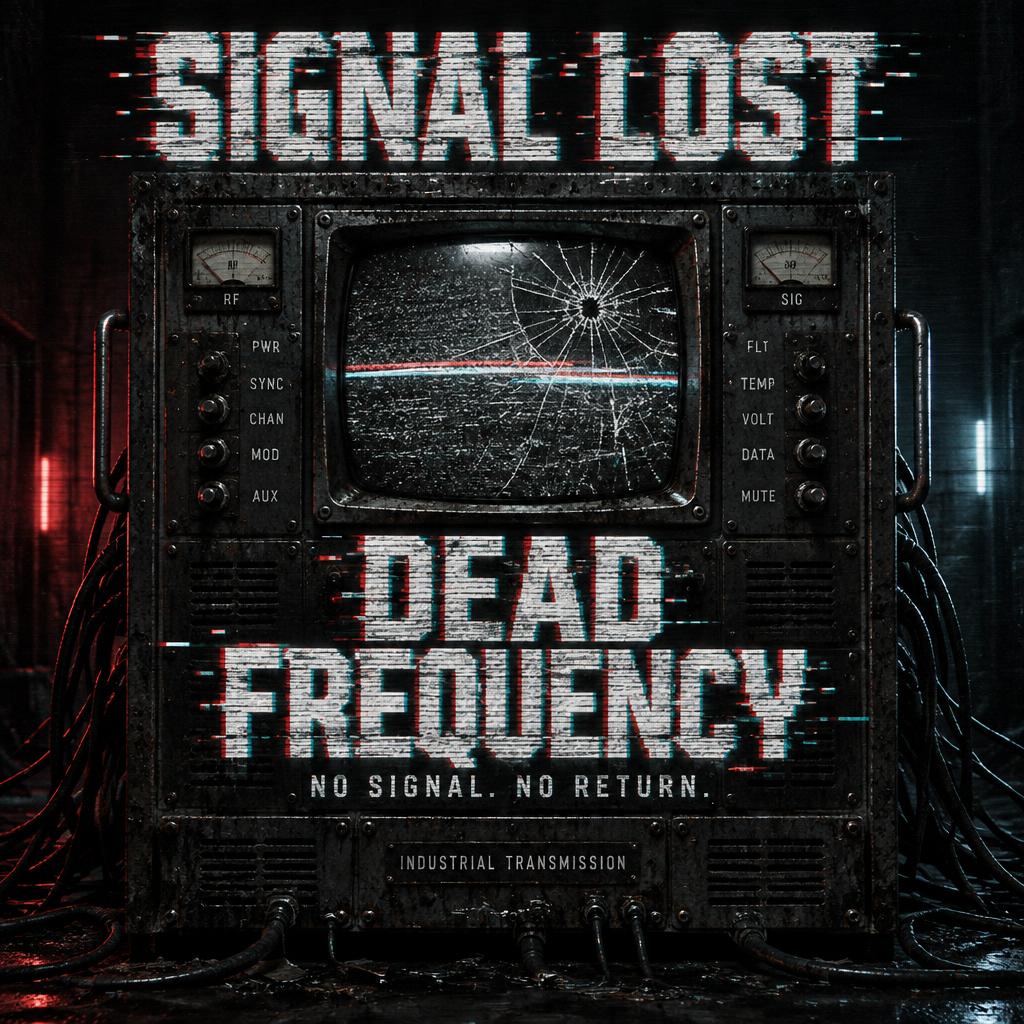
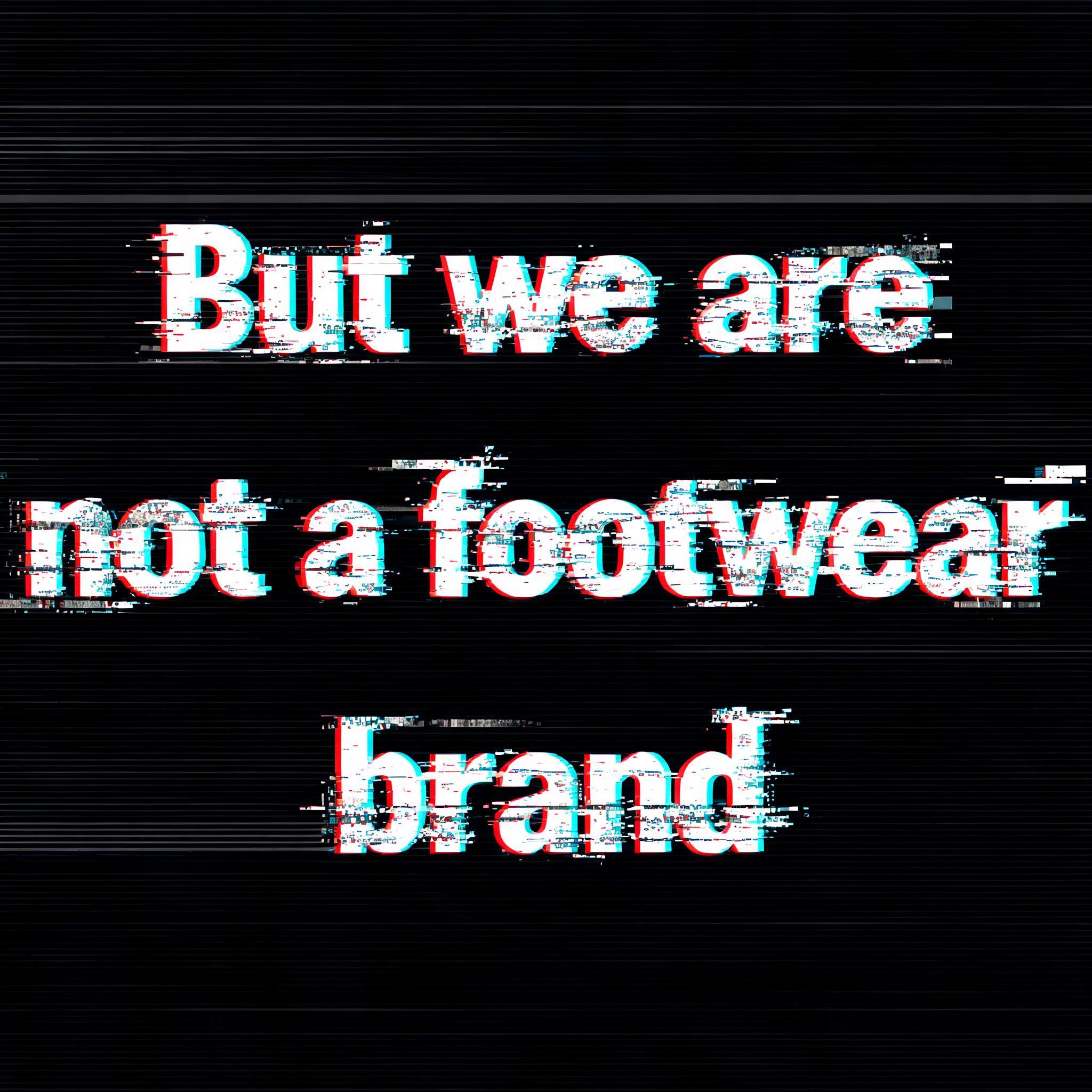
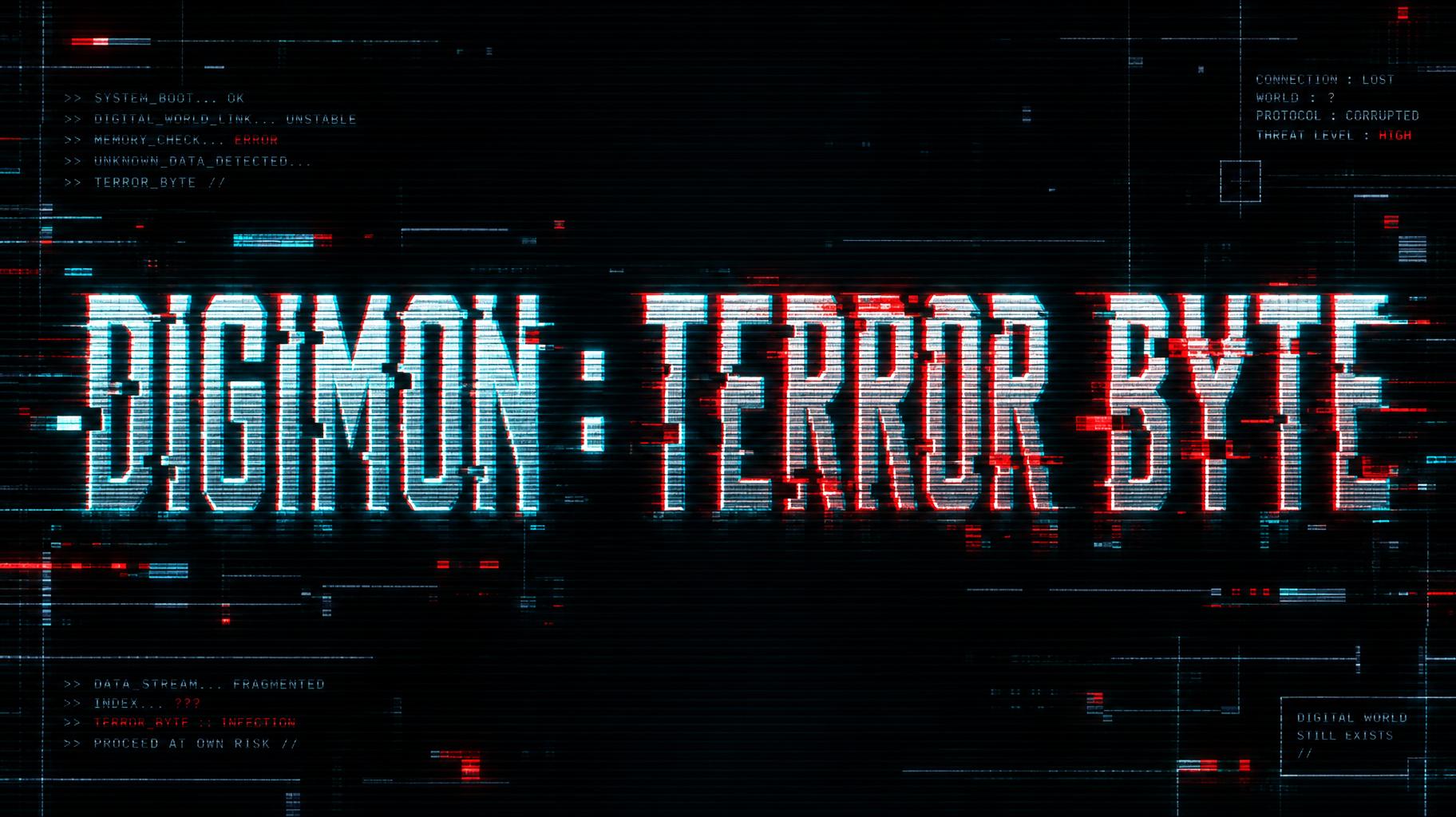
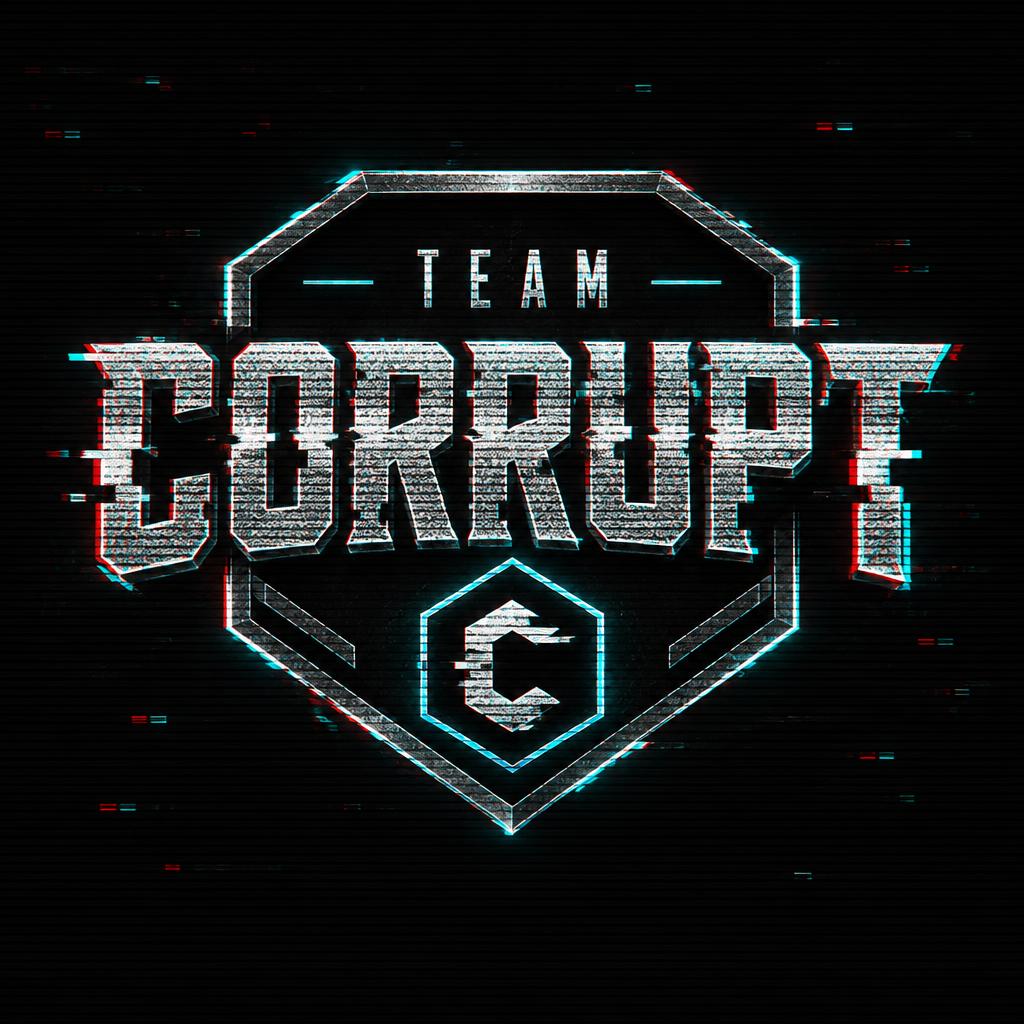
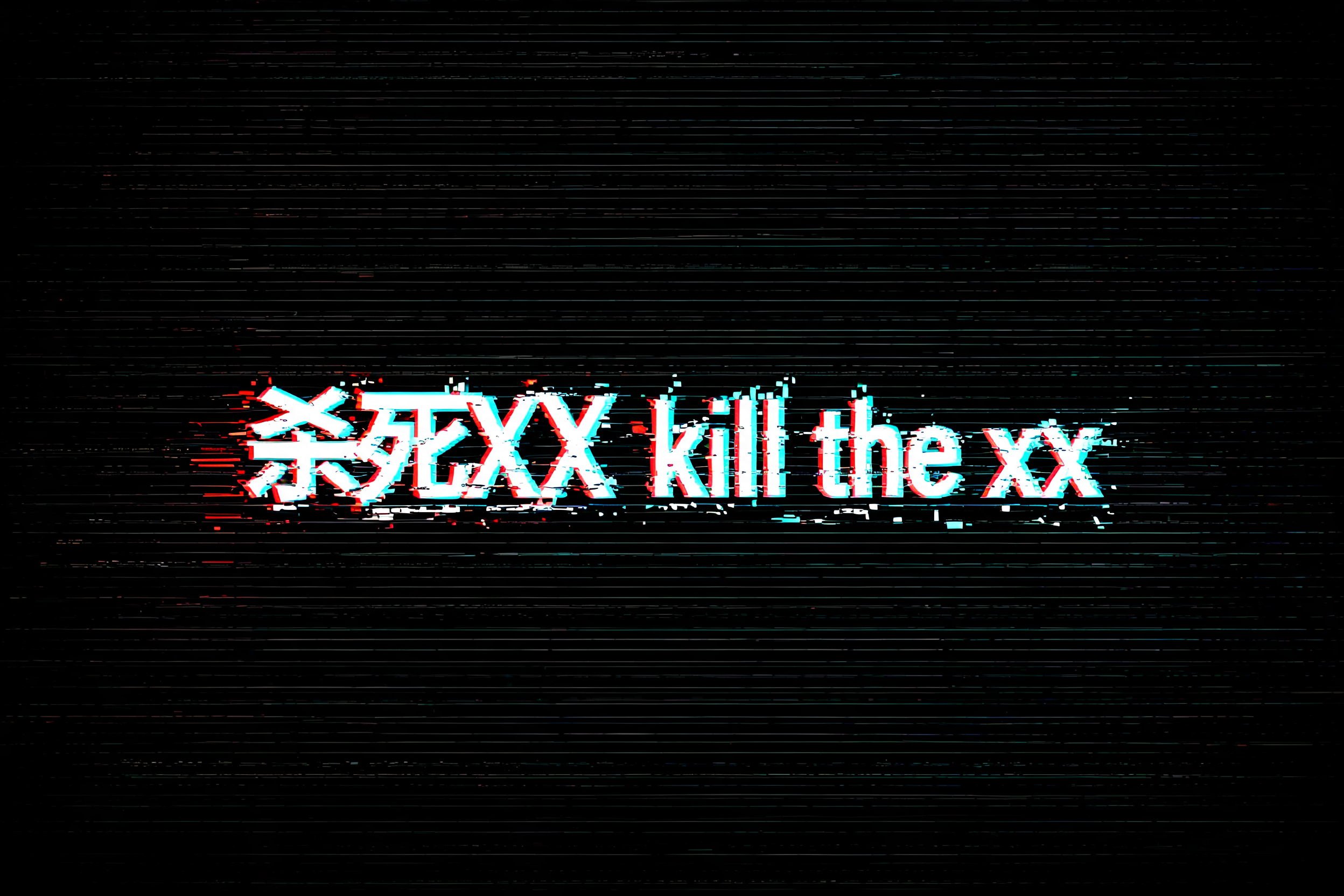
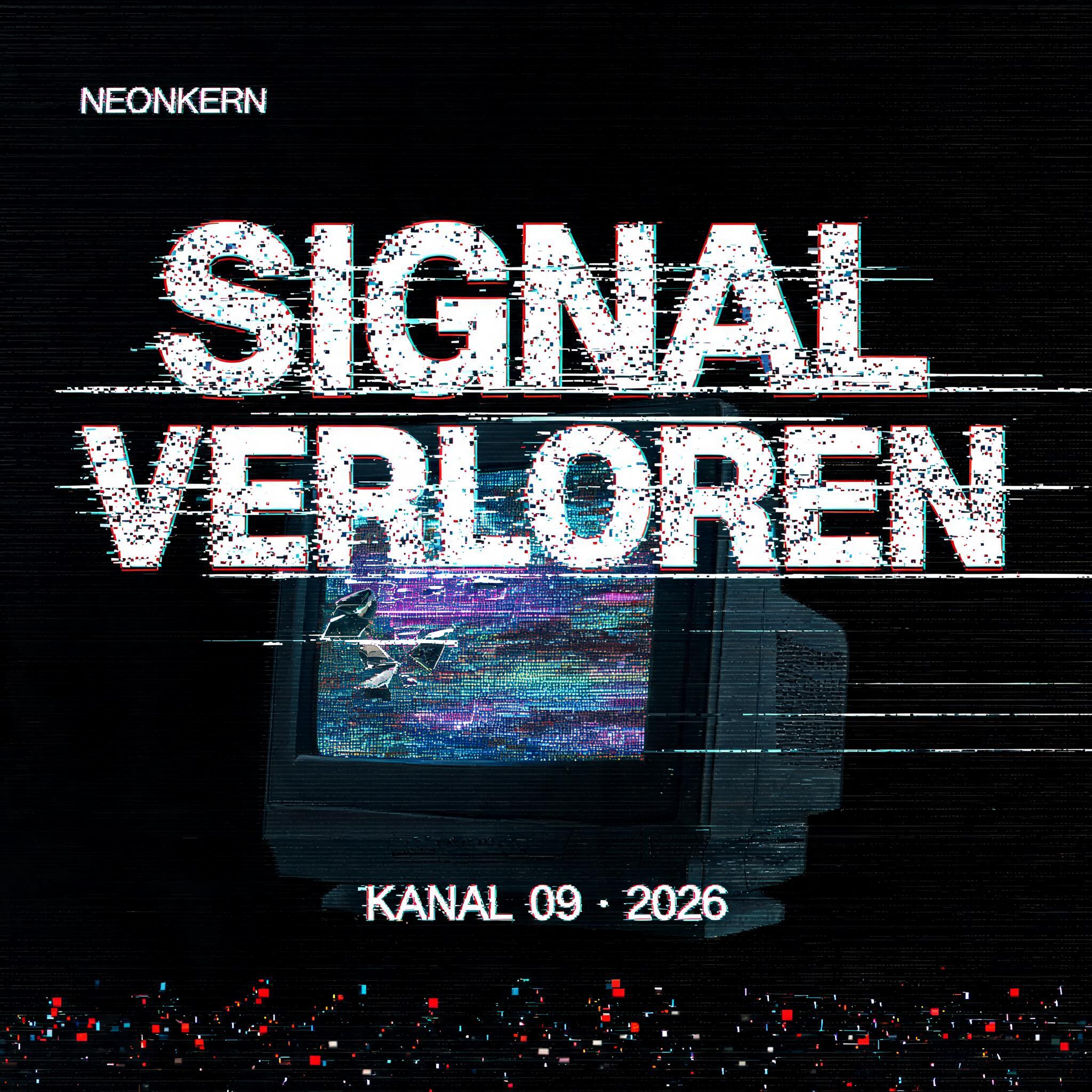
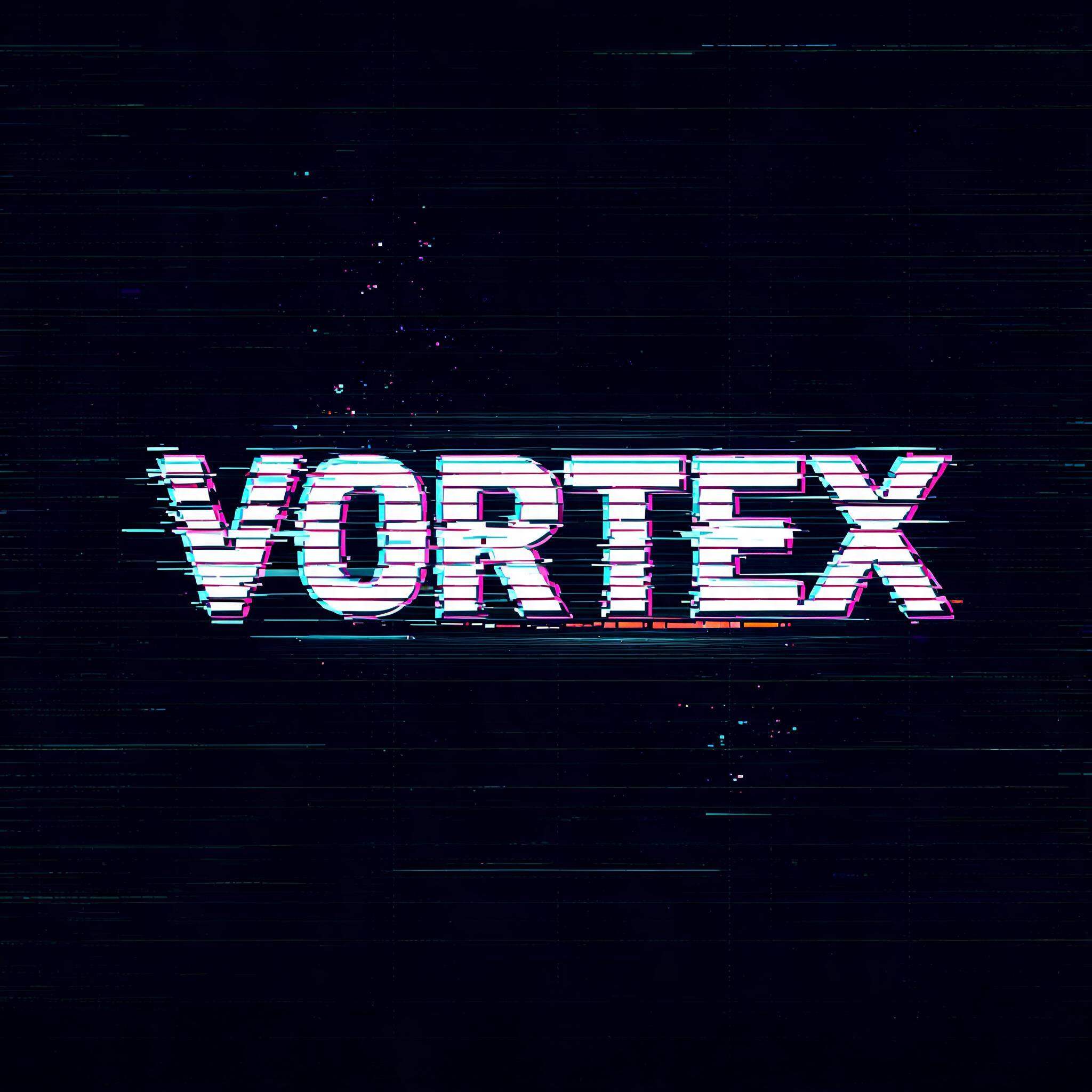
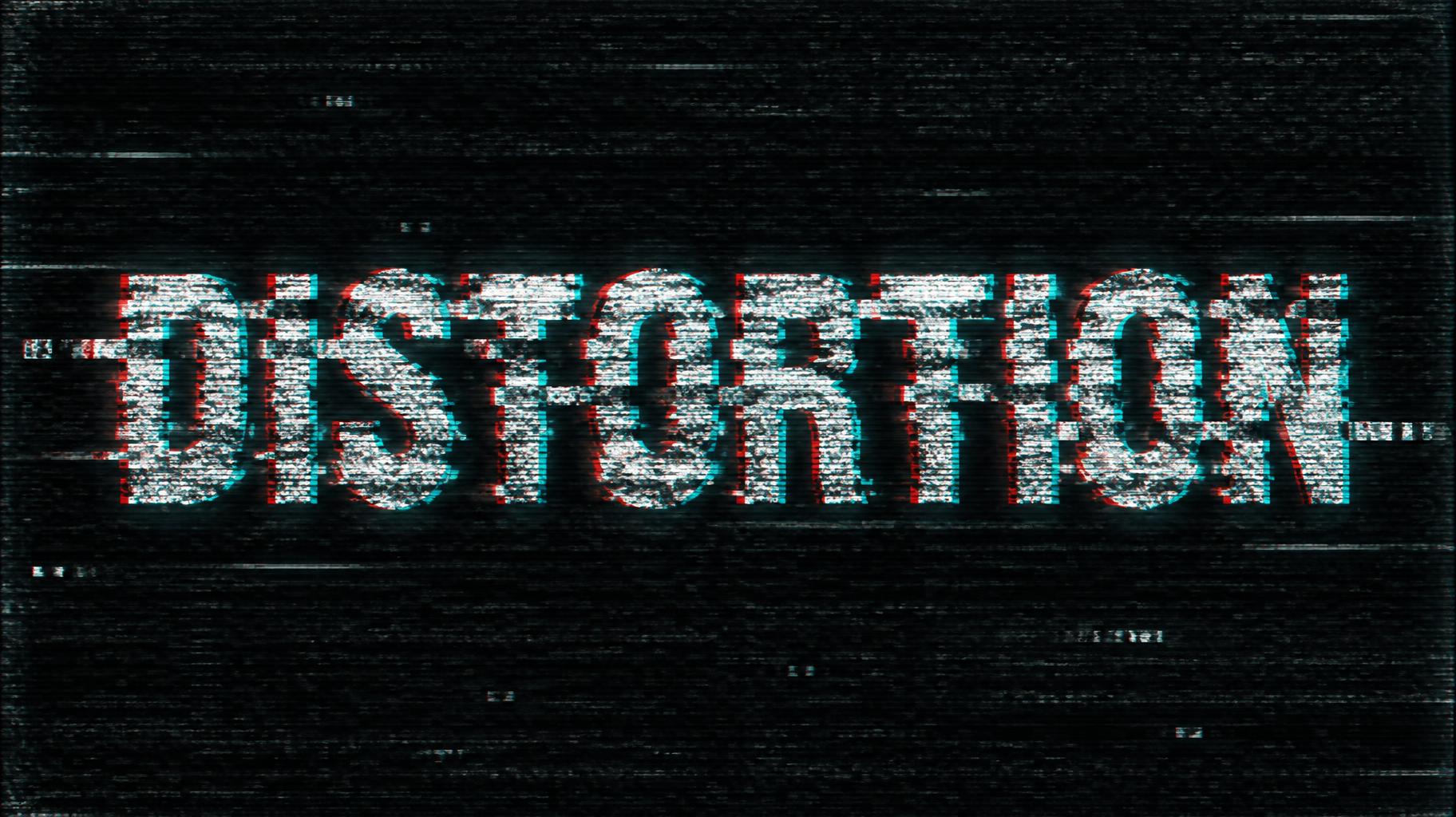
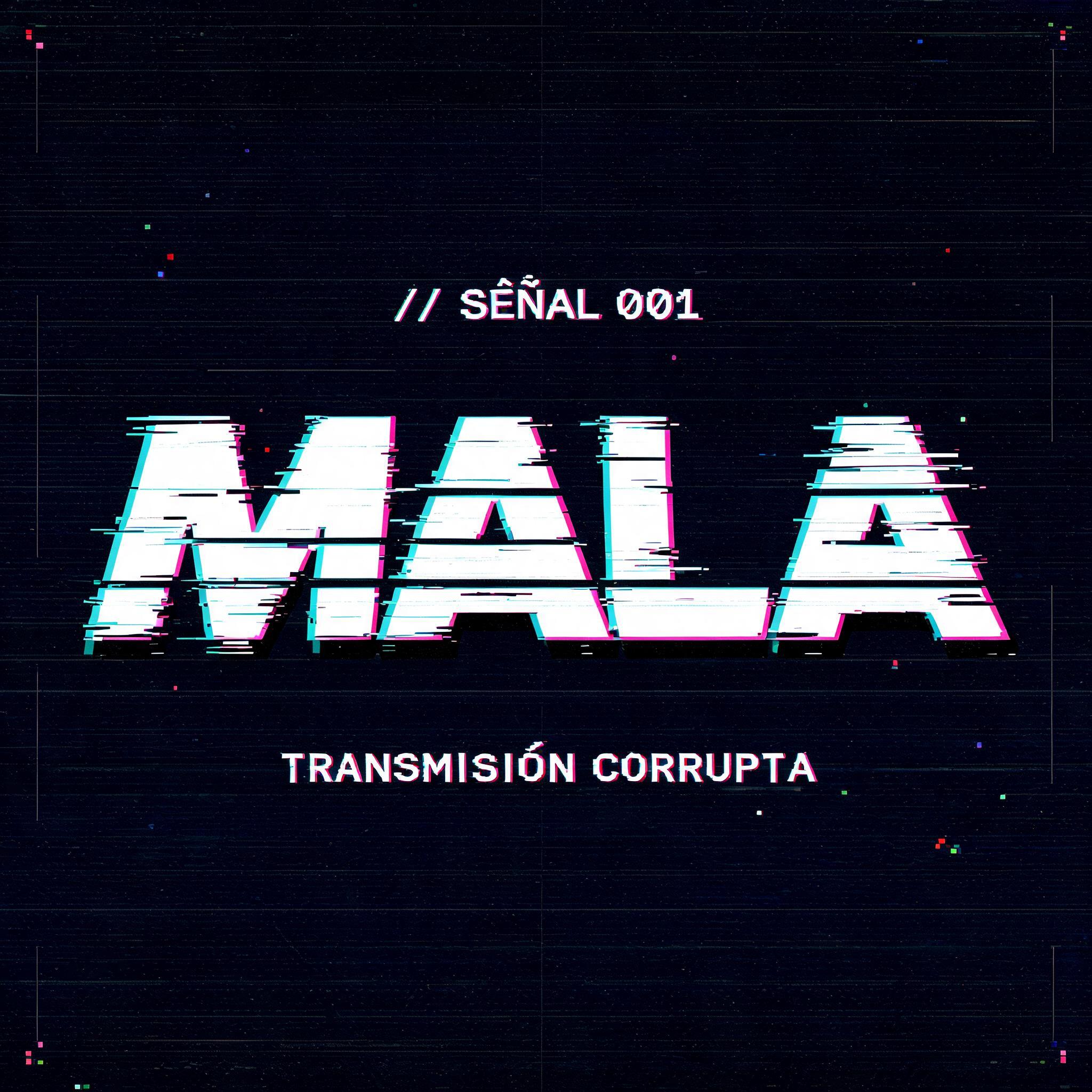
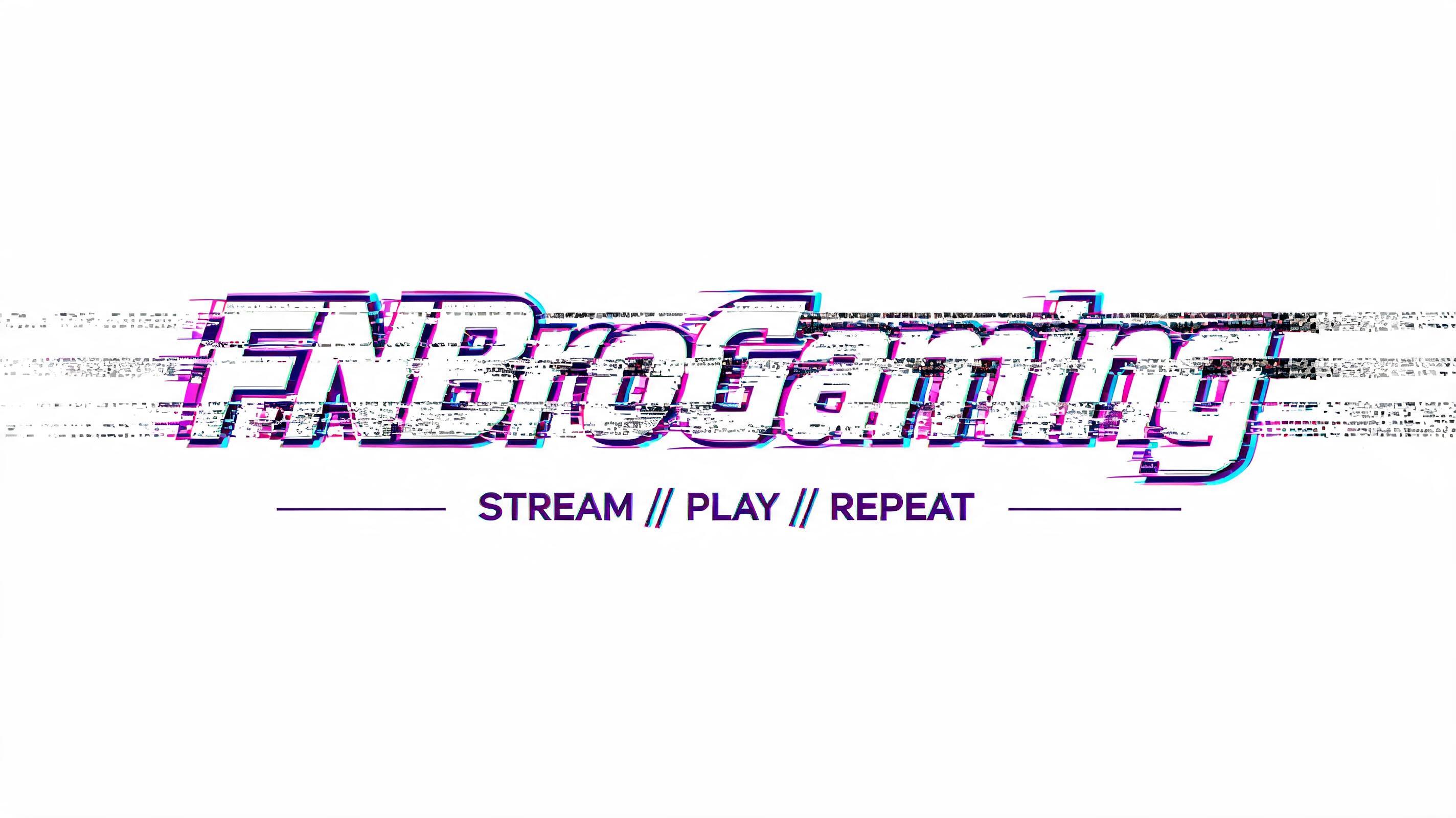
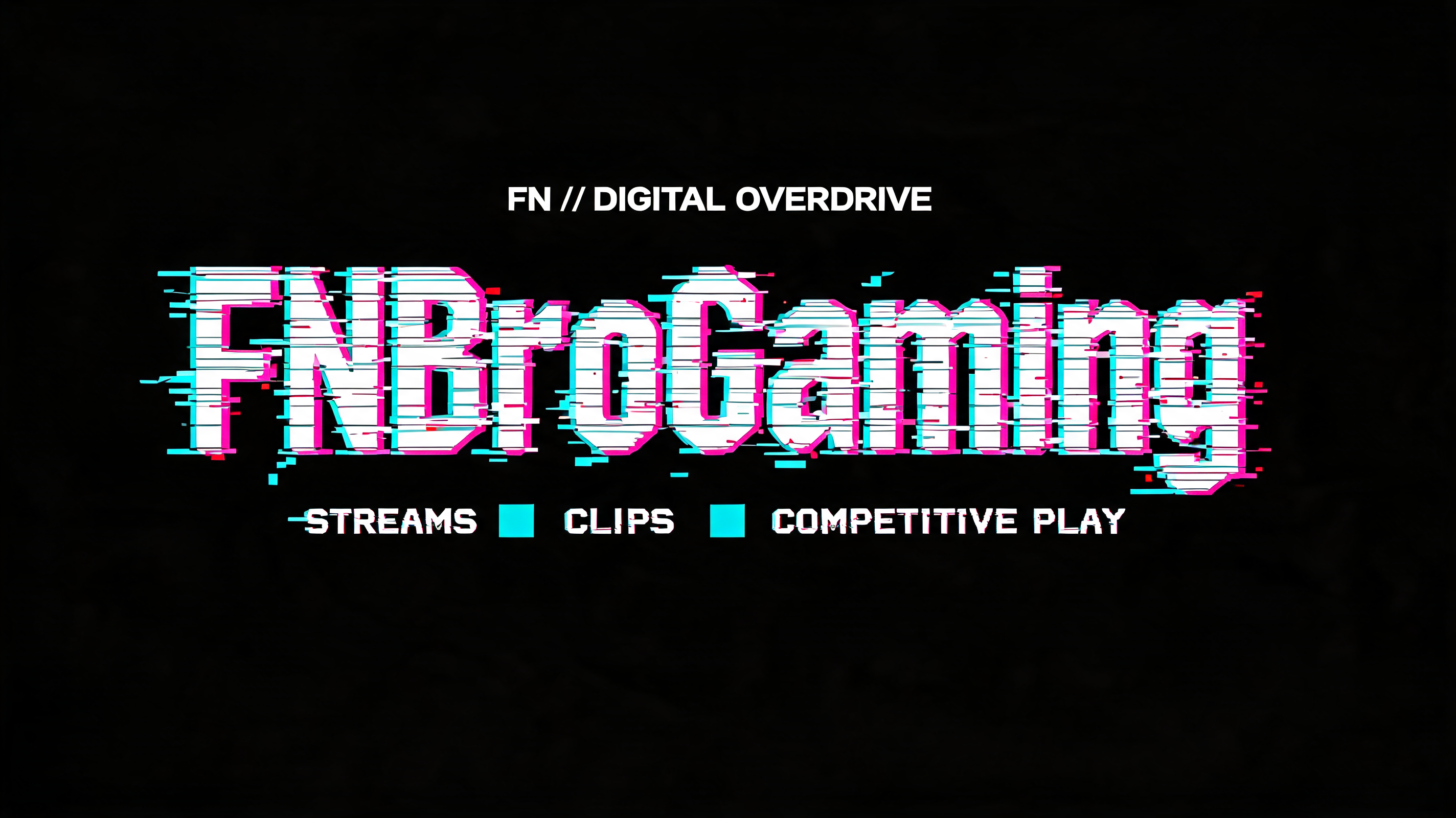
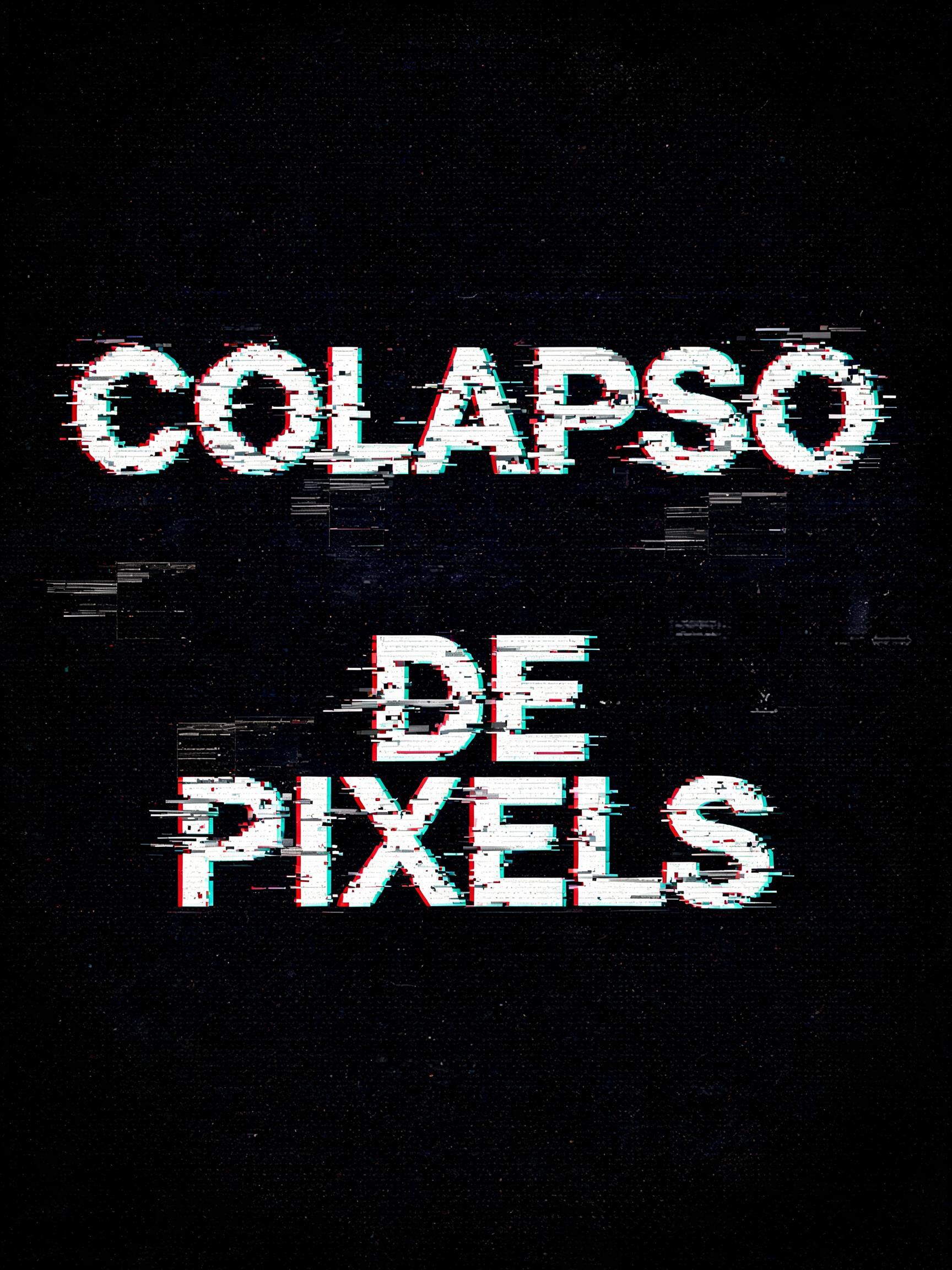
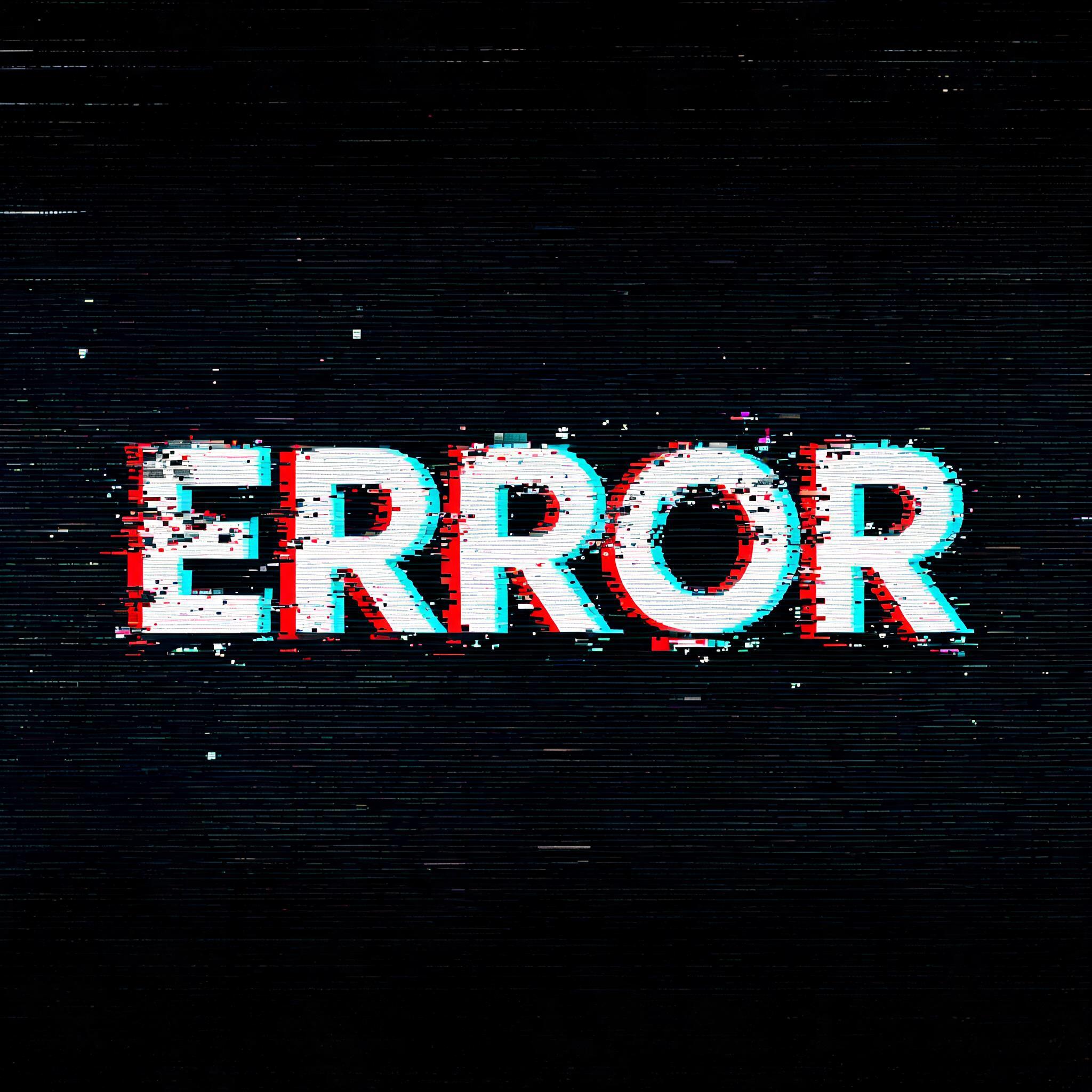
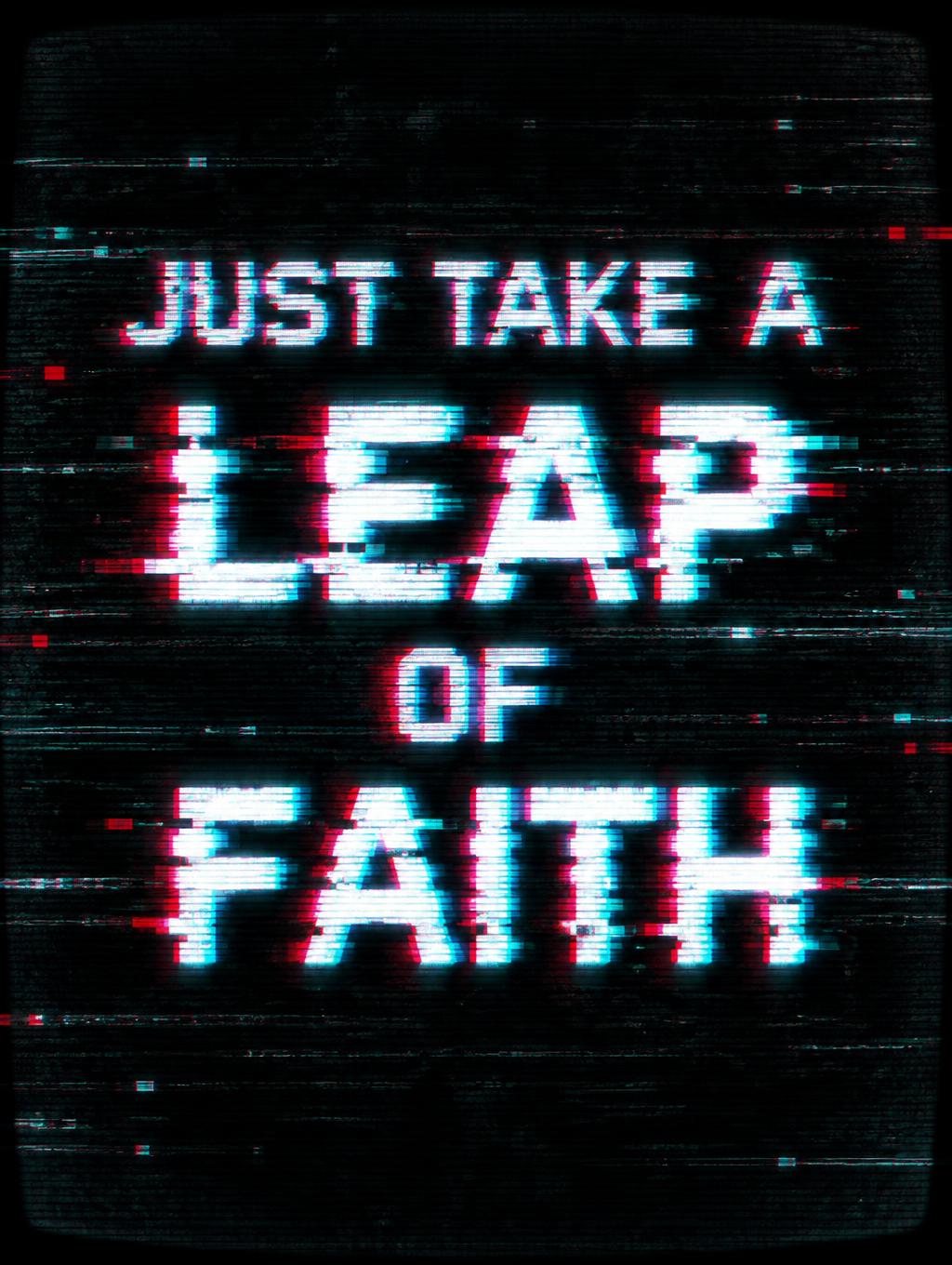
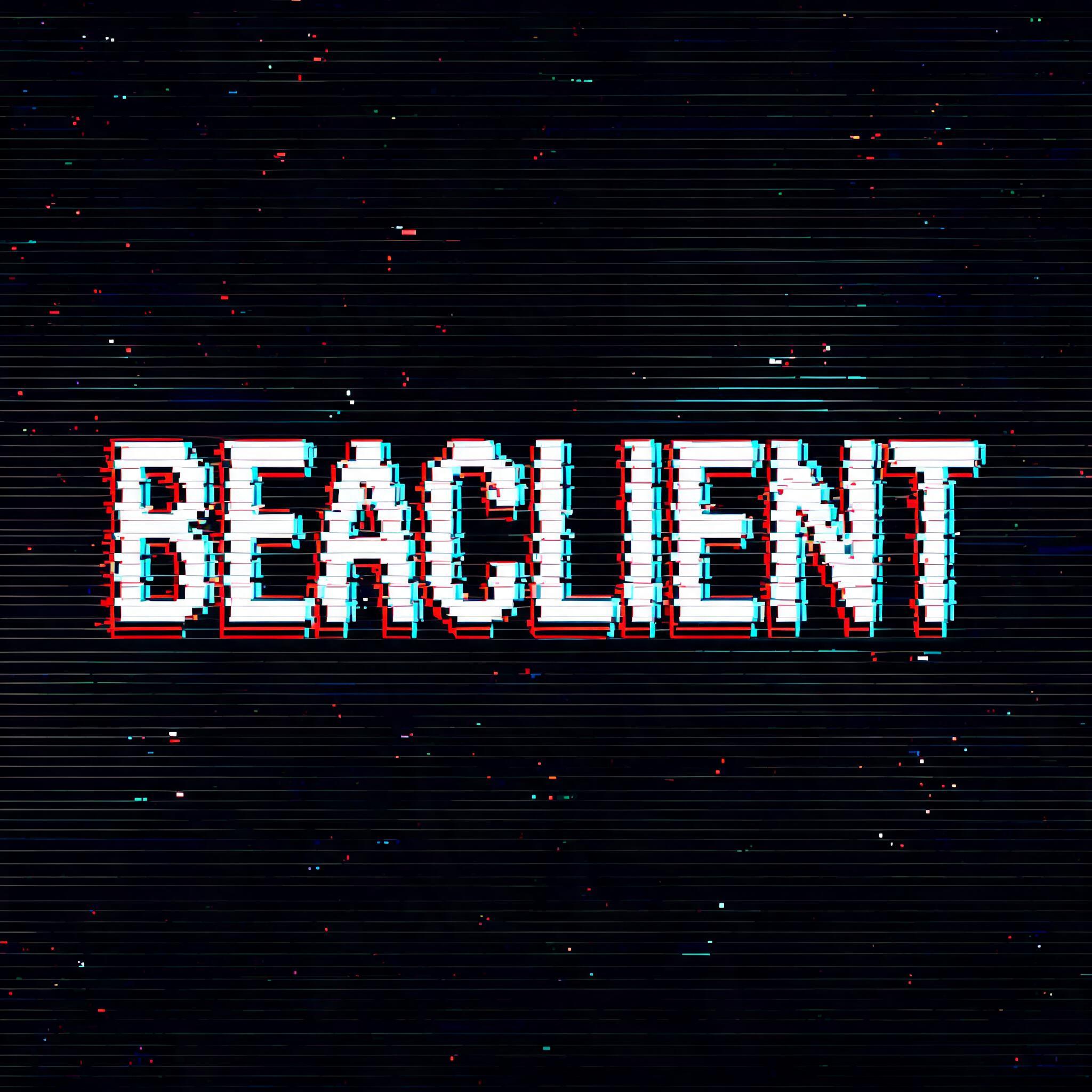
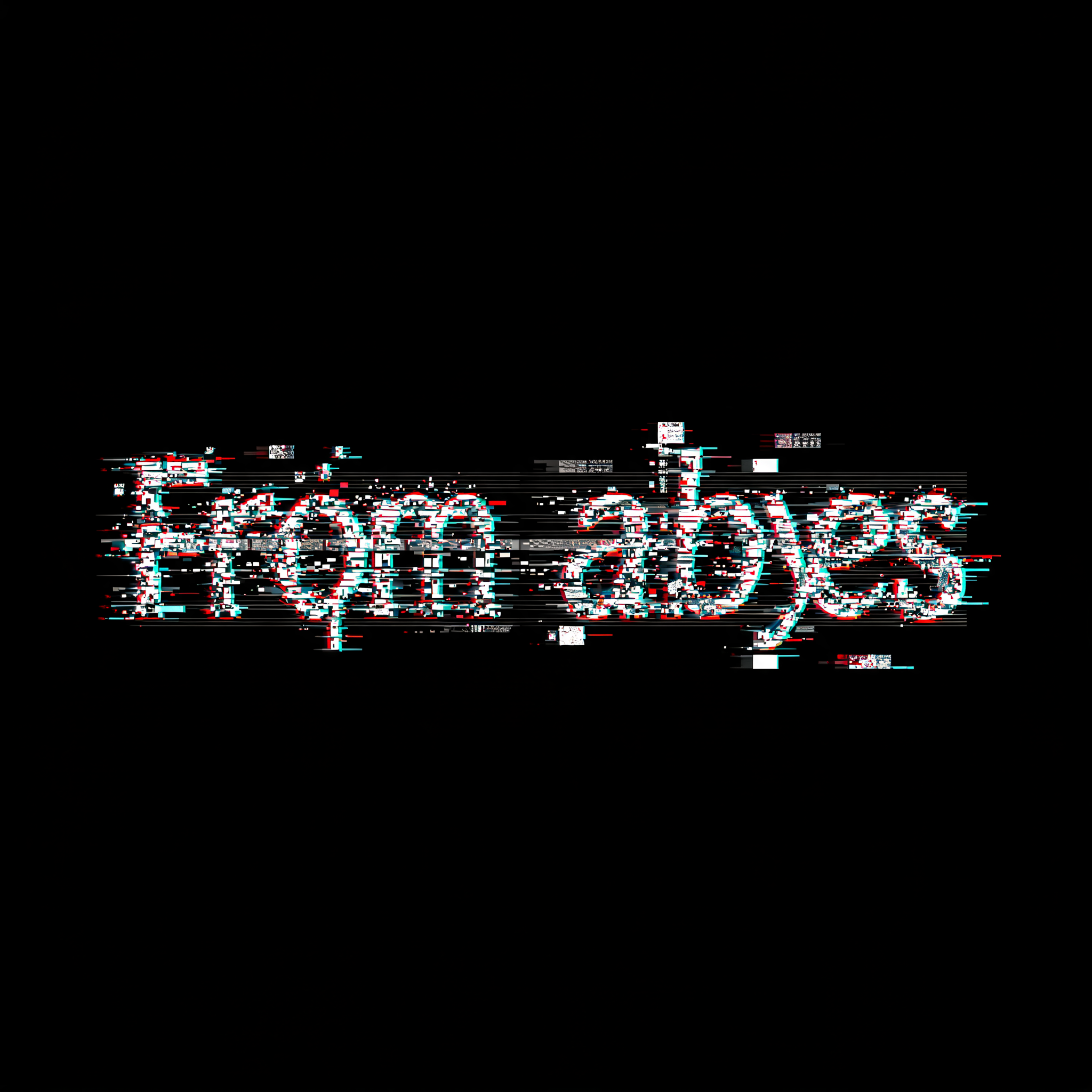
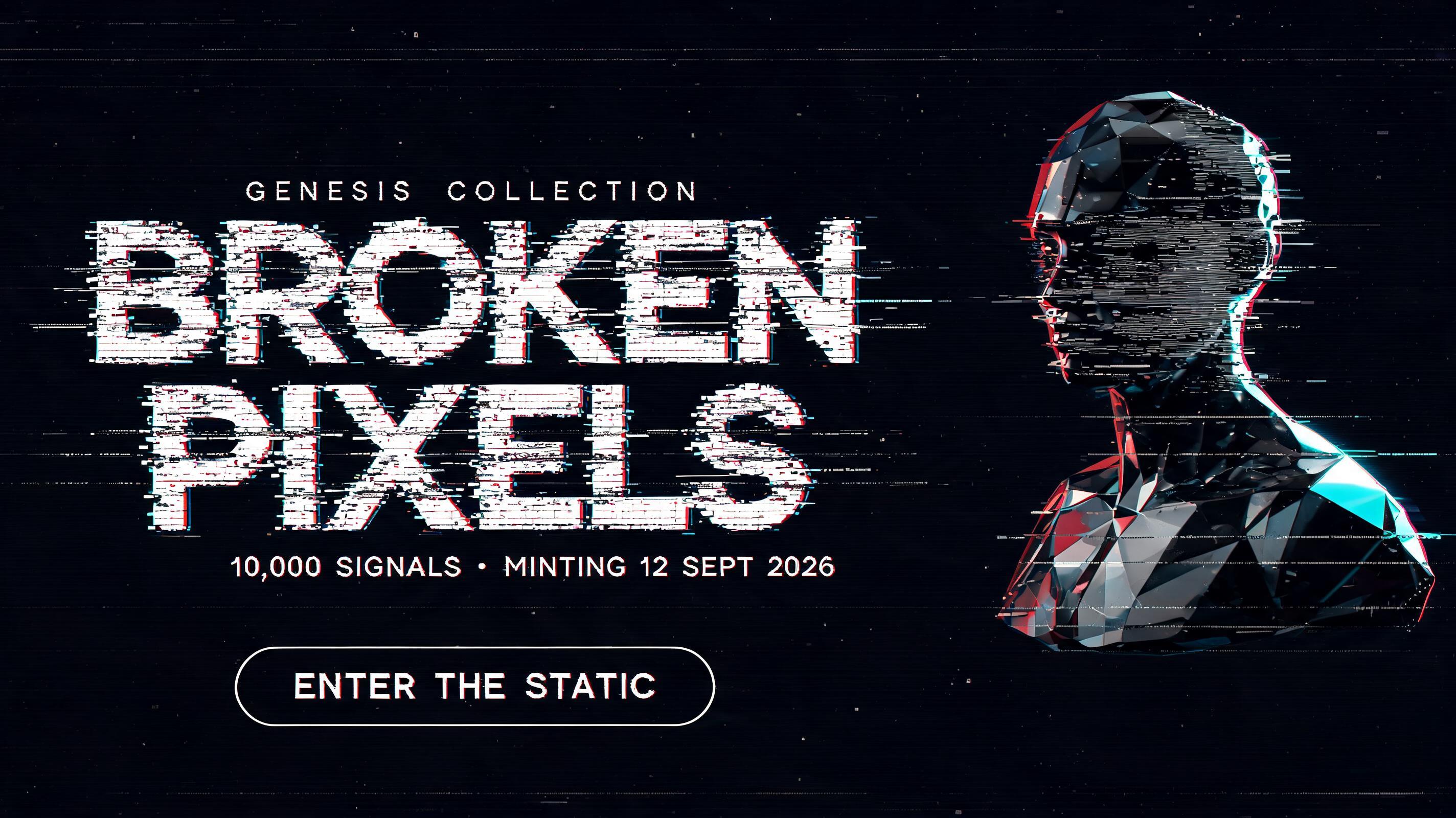
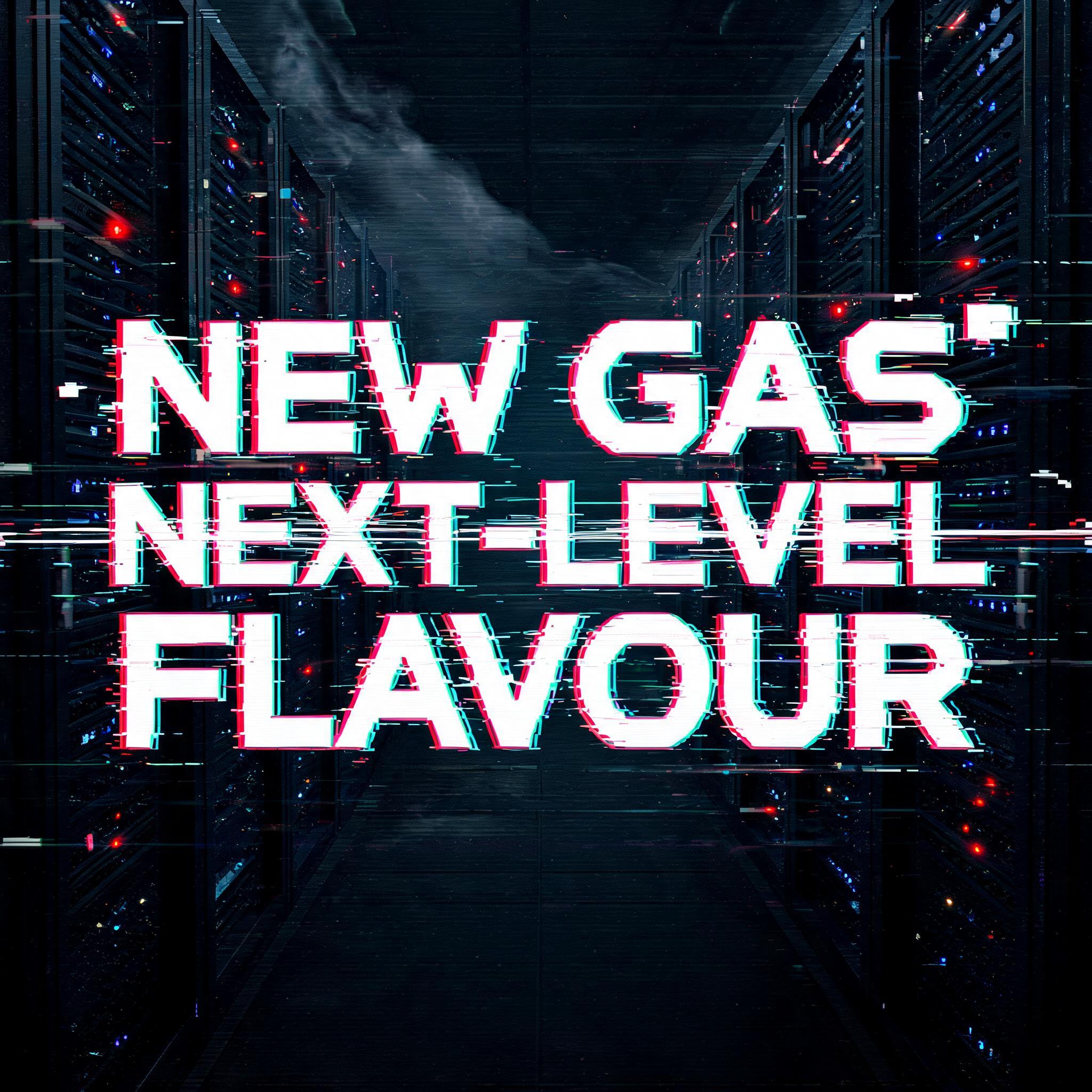
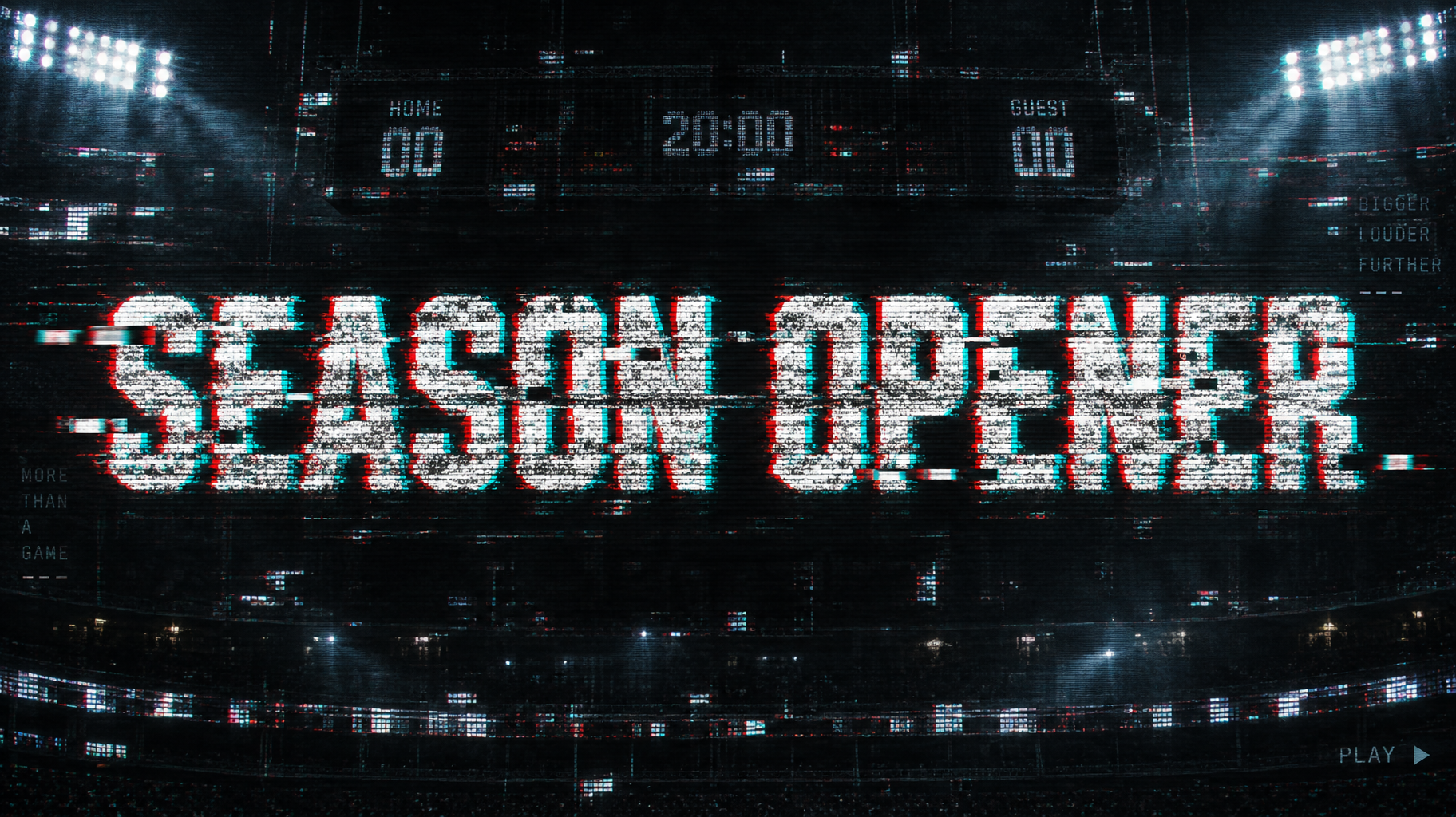
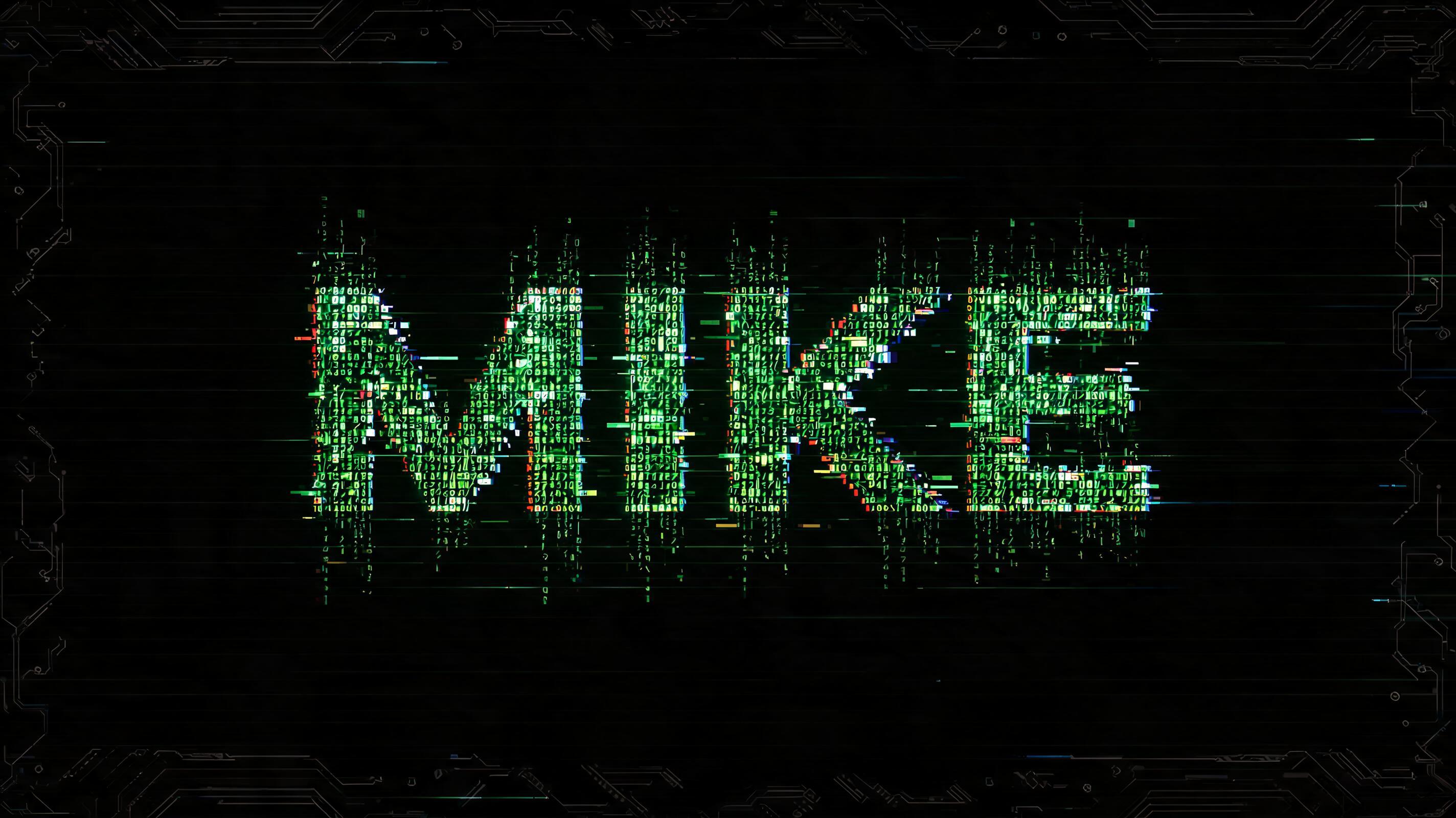
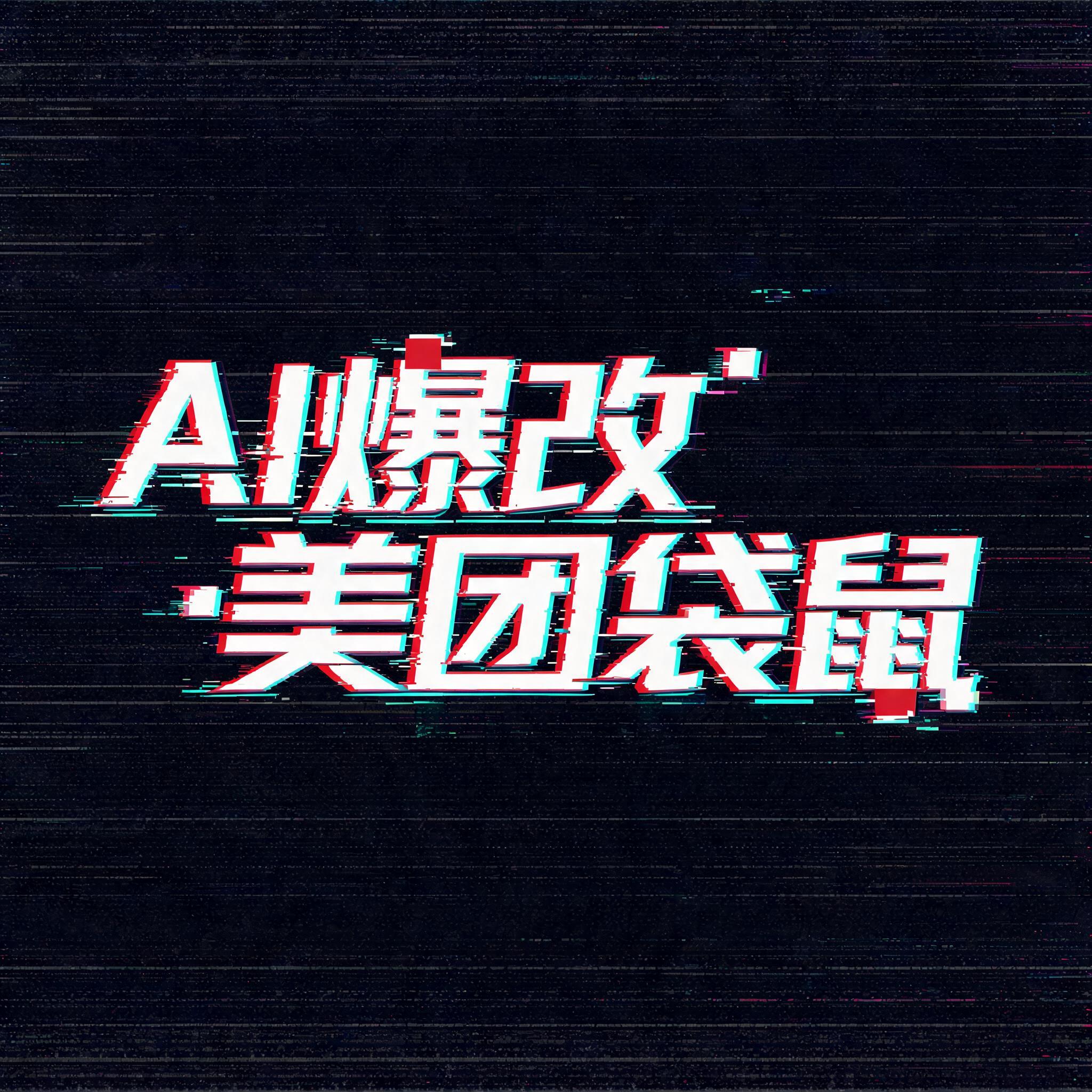
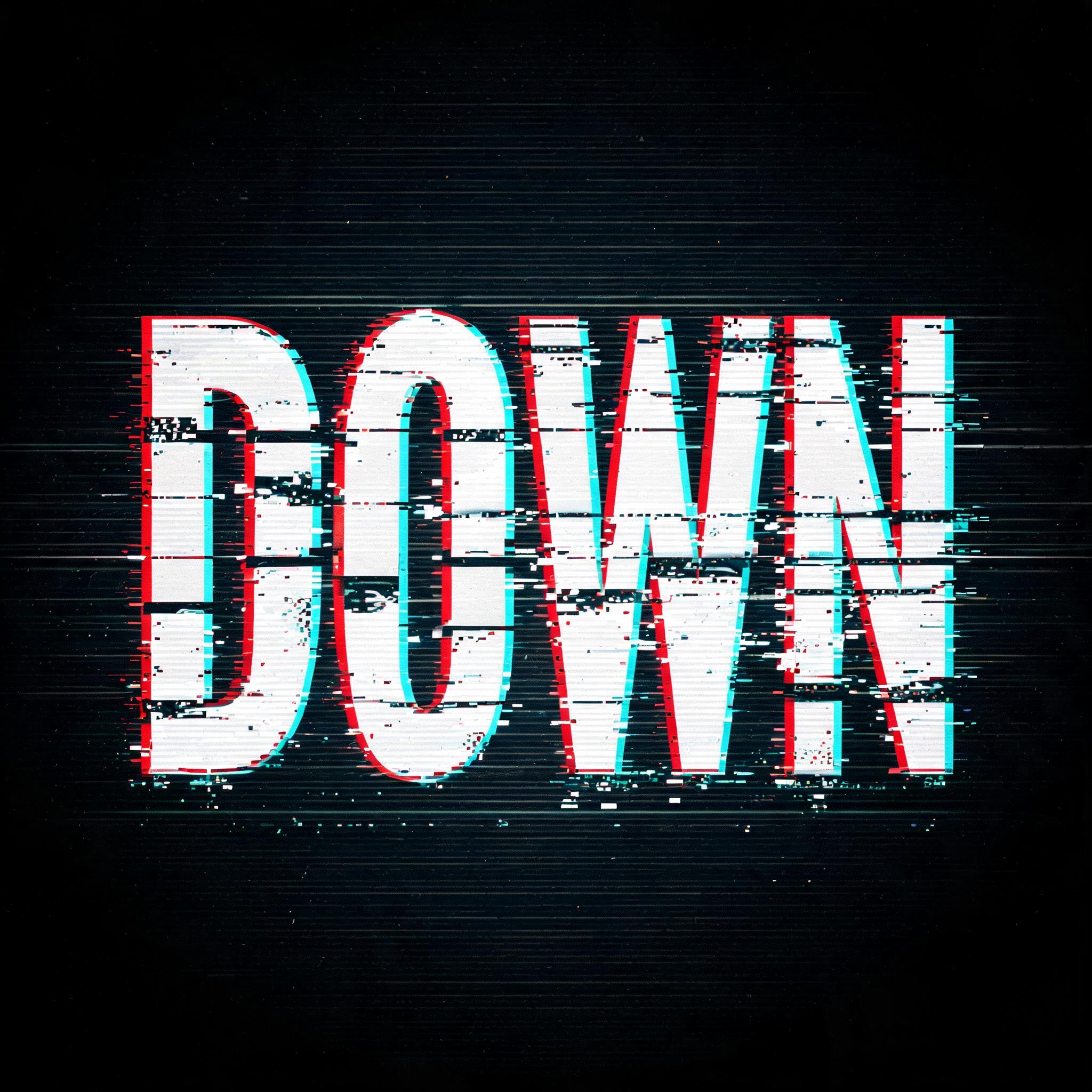
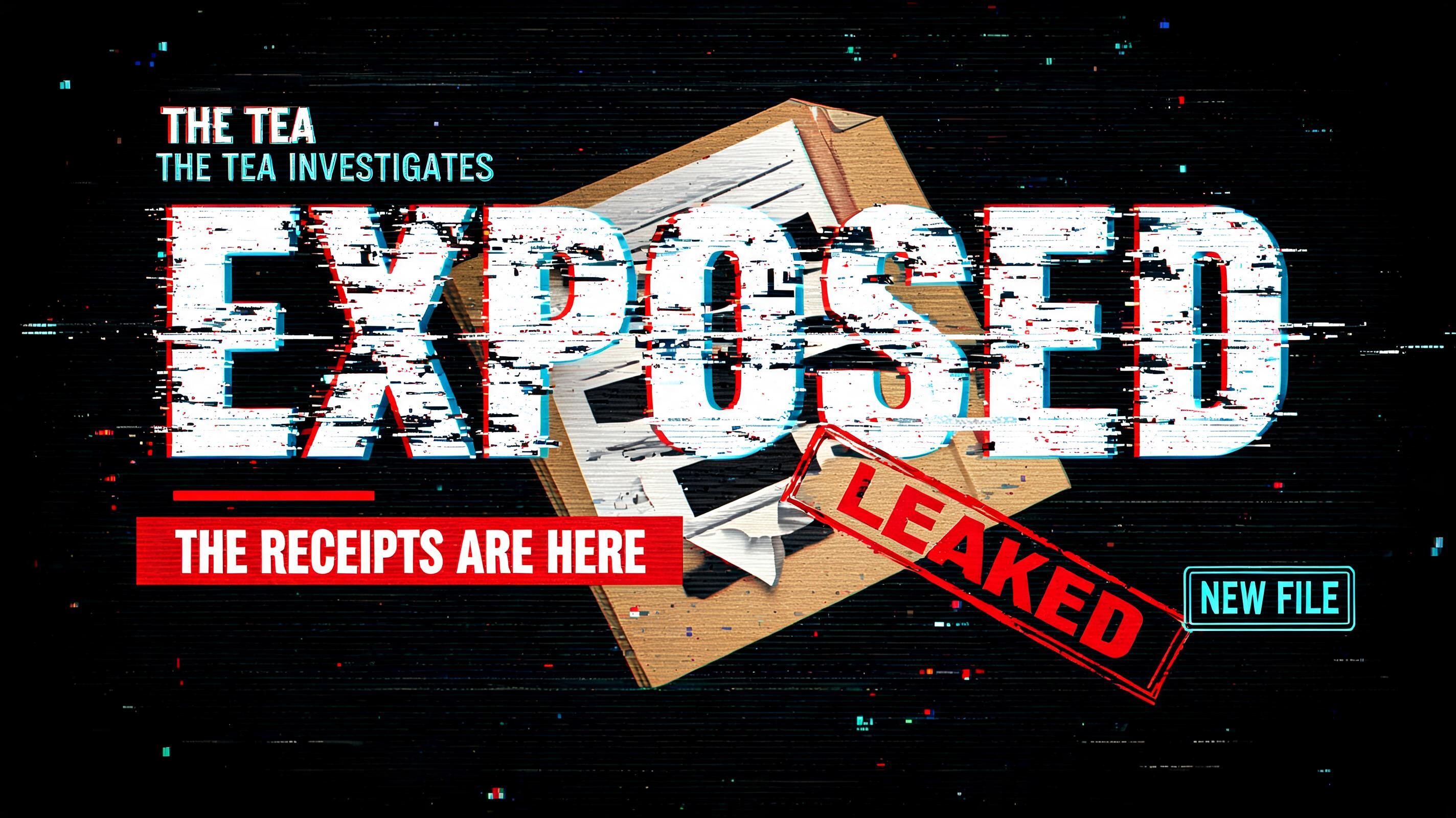
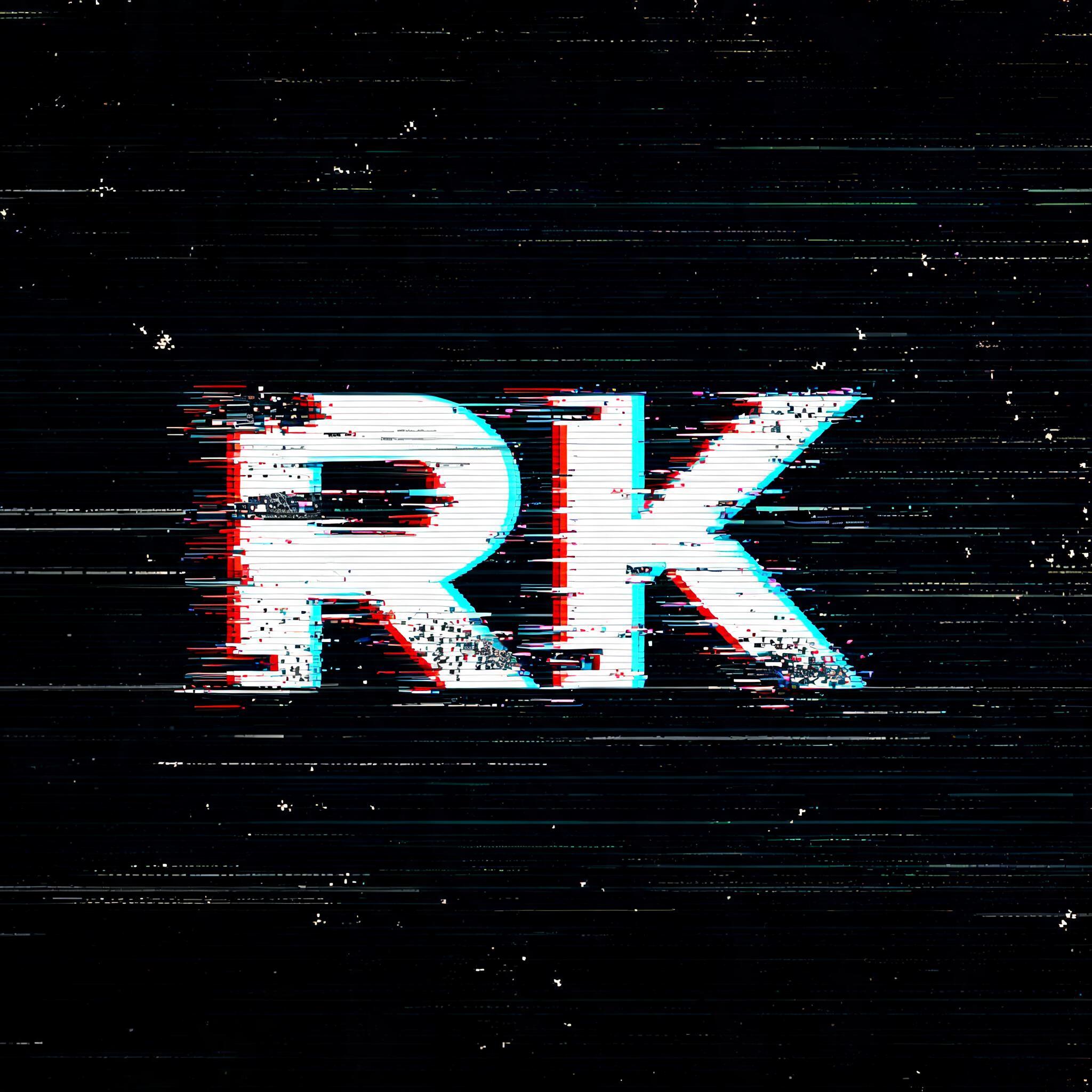
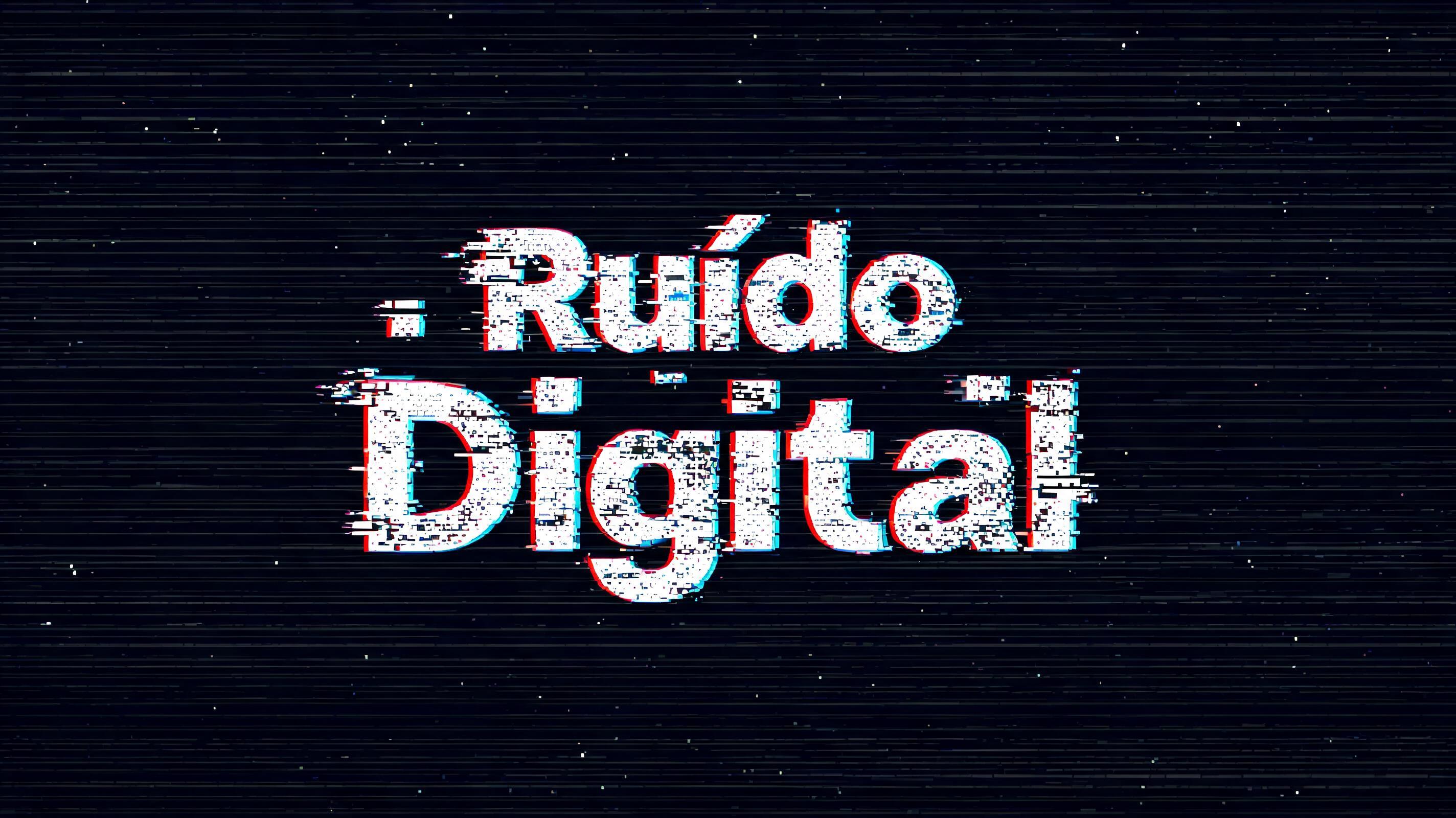
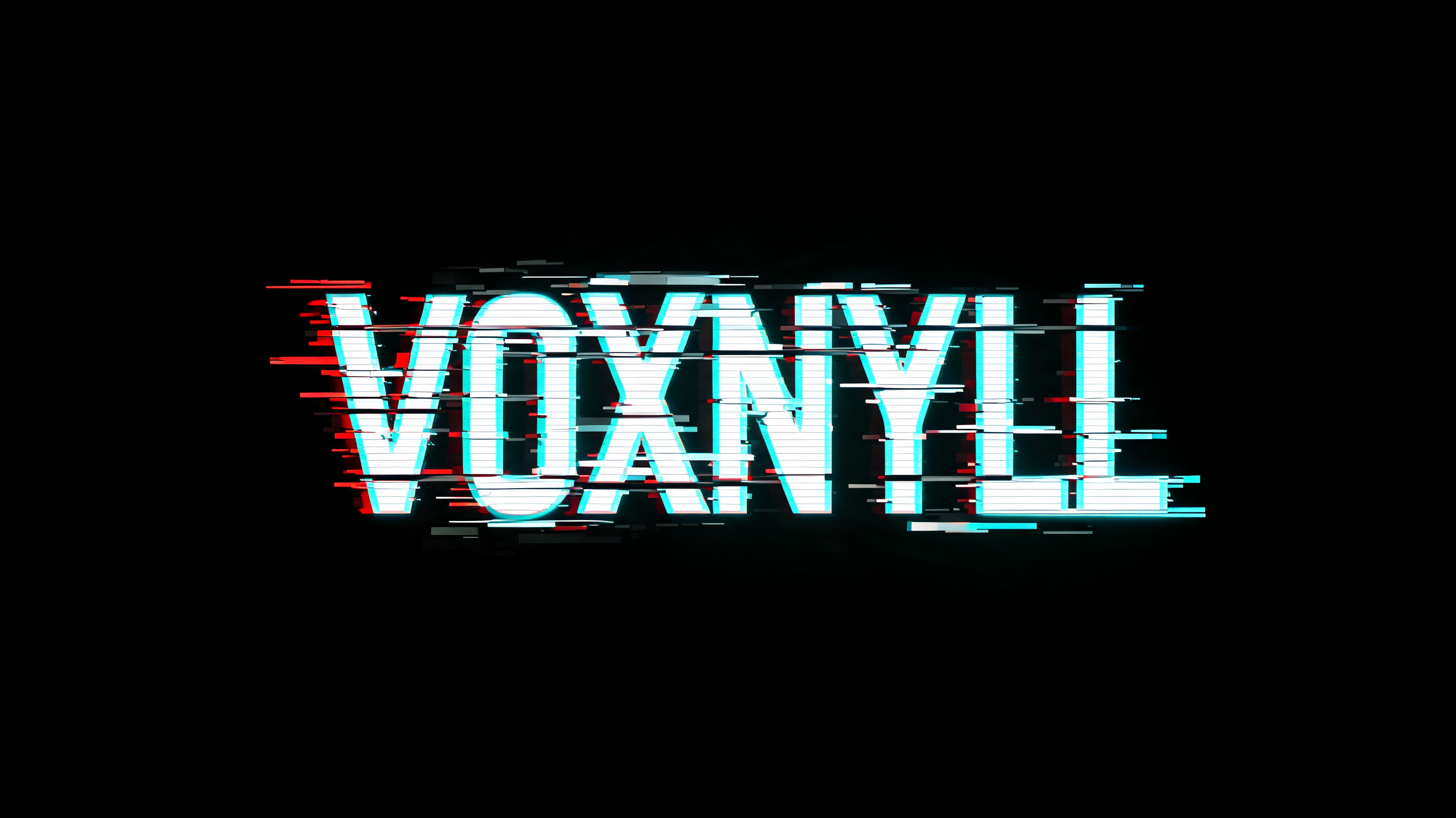
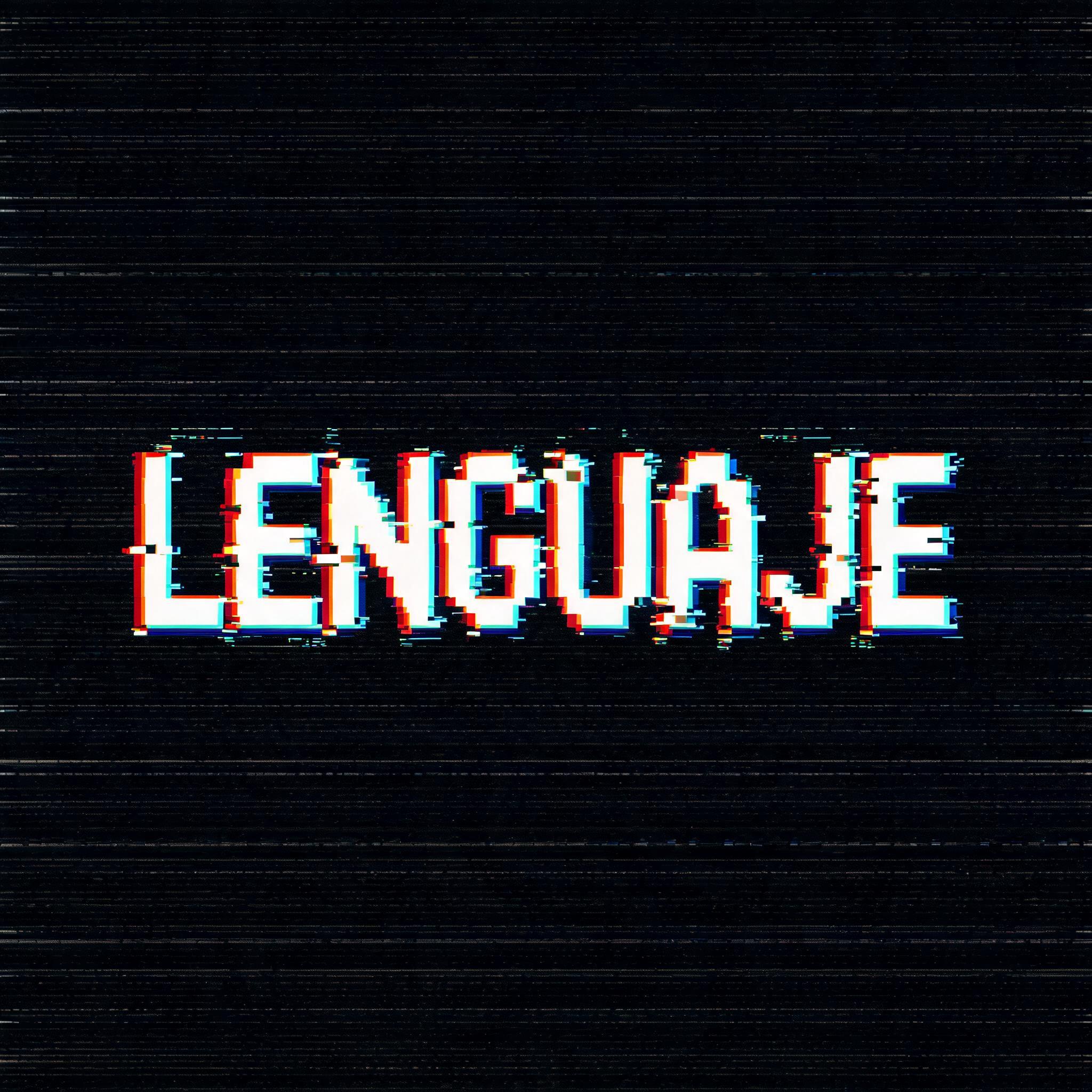
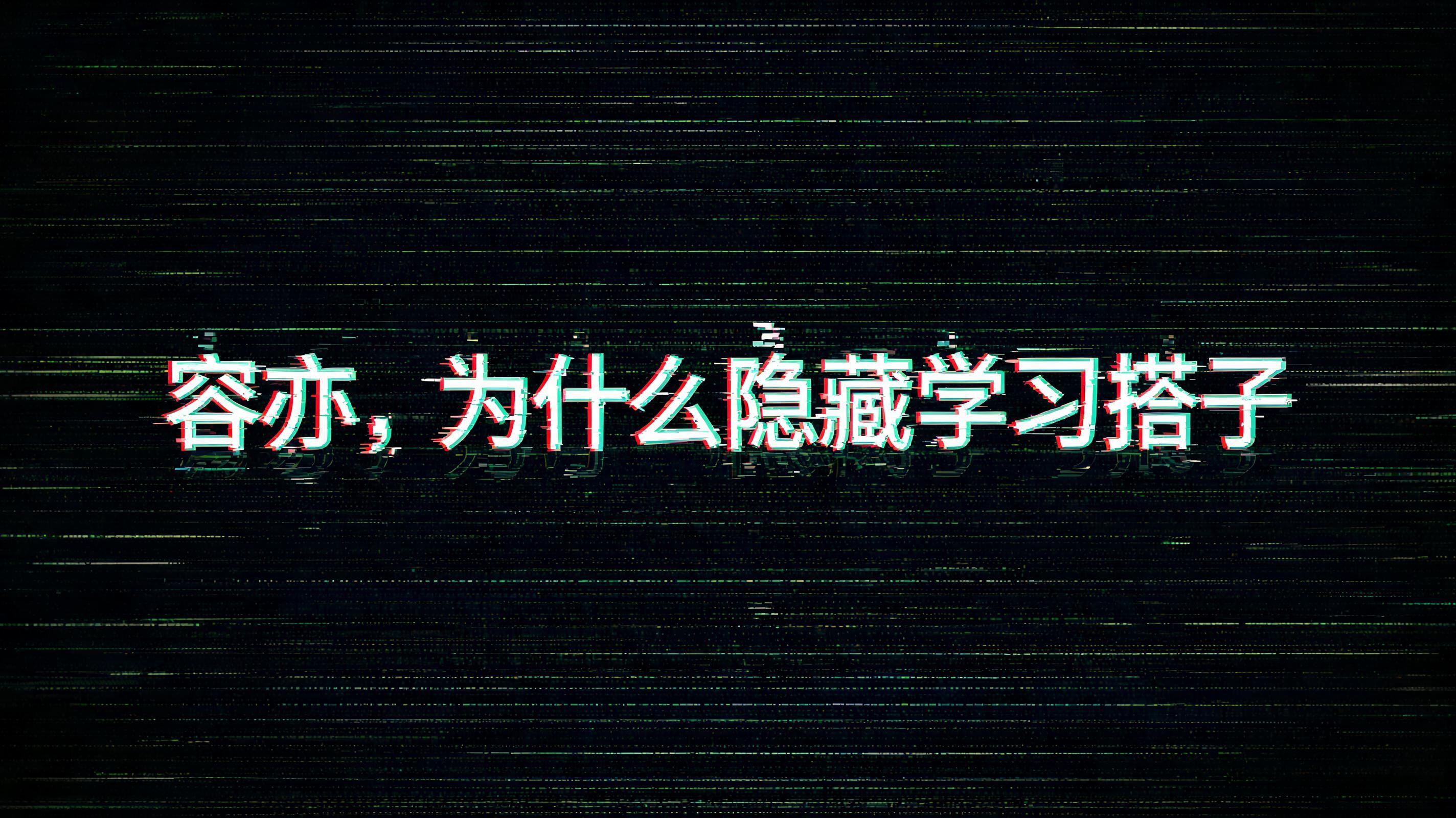
White sans capitals split by red and cyan channel offsets, sliced by horizontal displacement bands and scanlines, reflected on a wet neon street at night. — no font license needed.
Glitch in different AI fonts
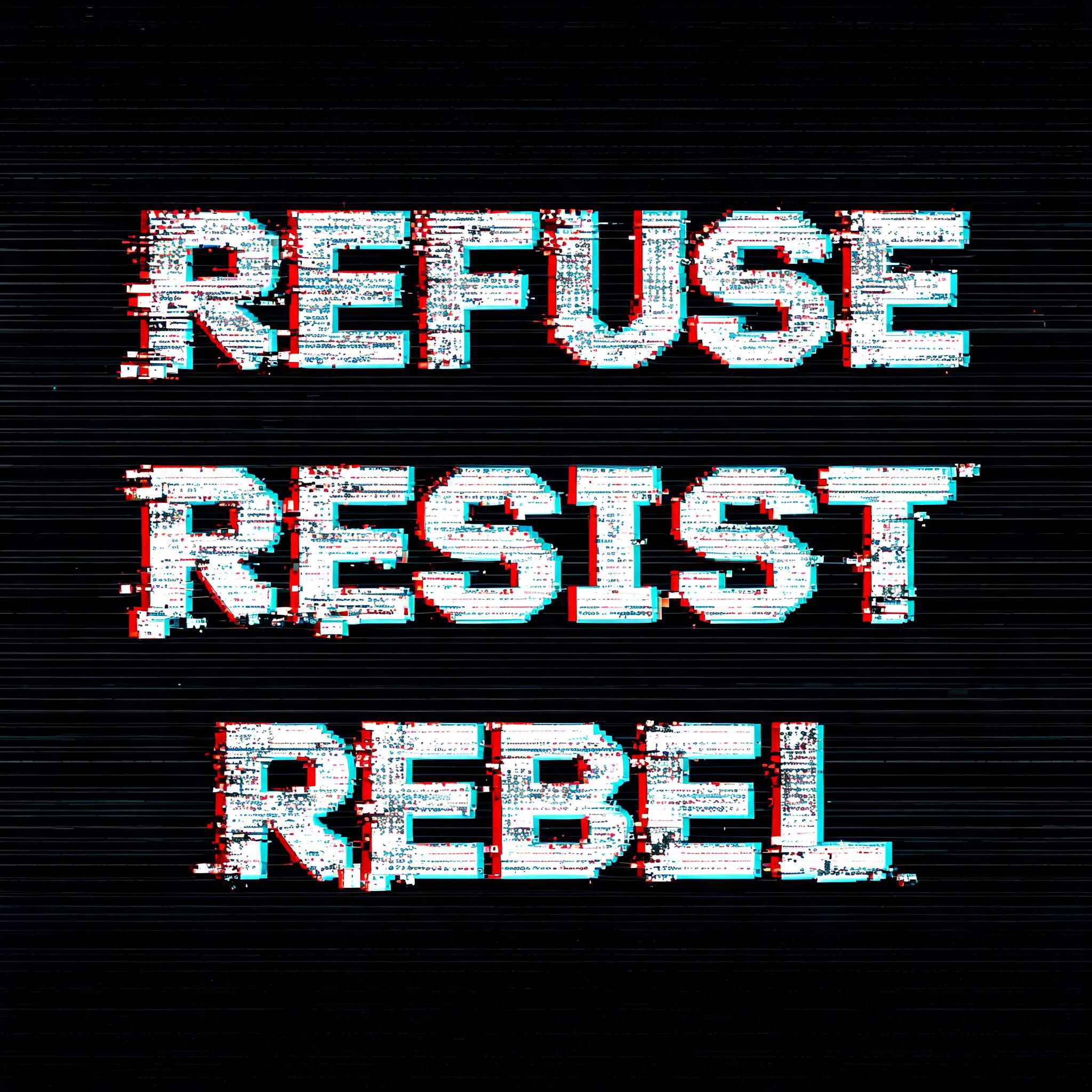
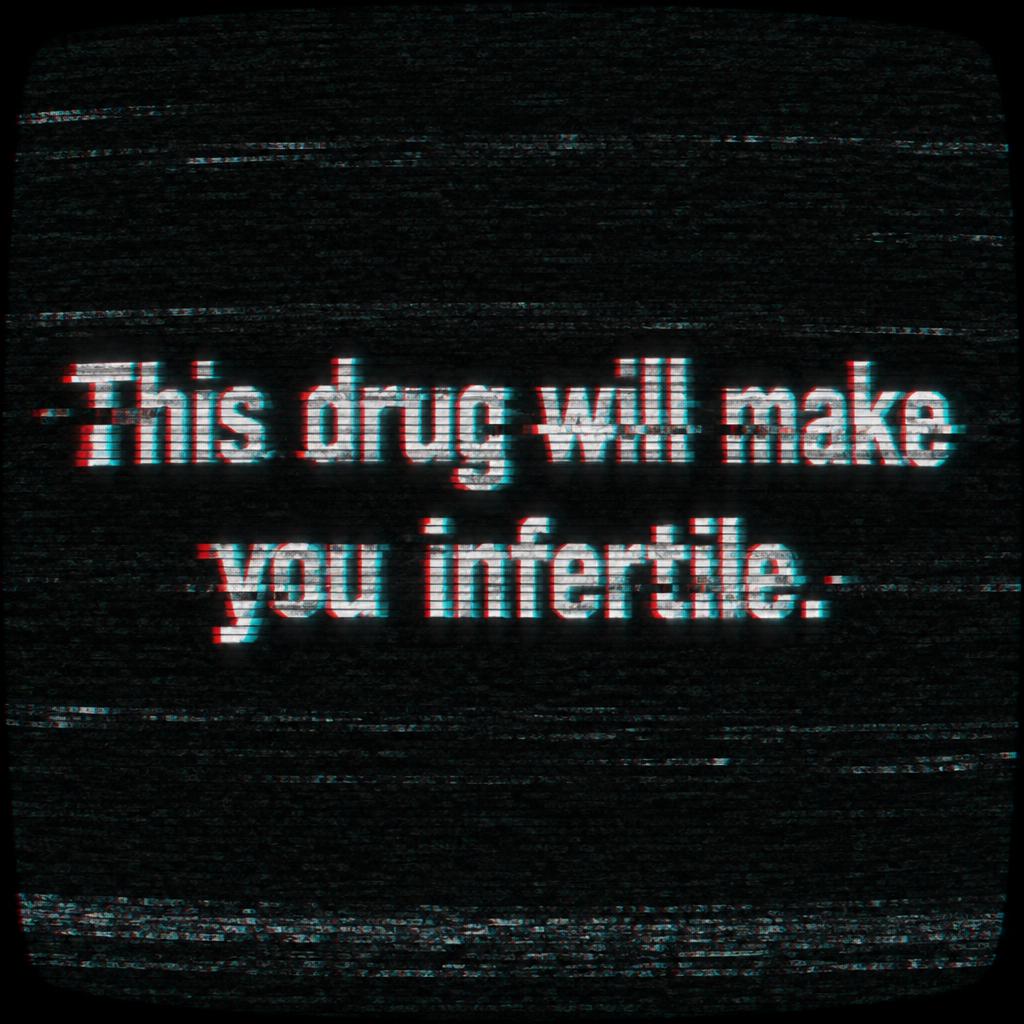
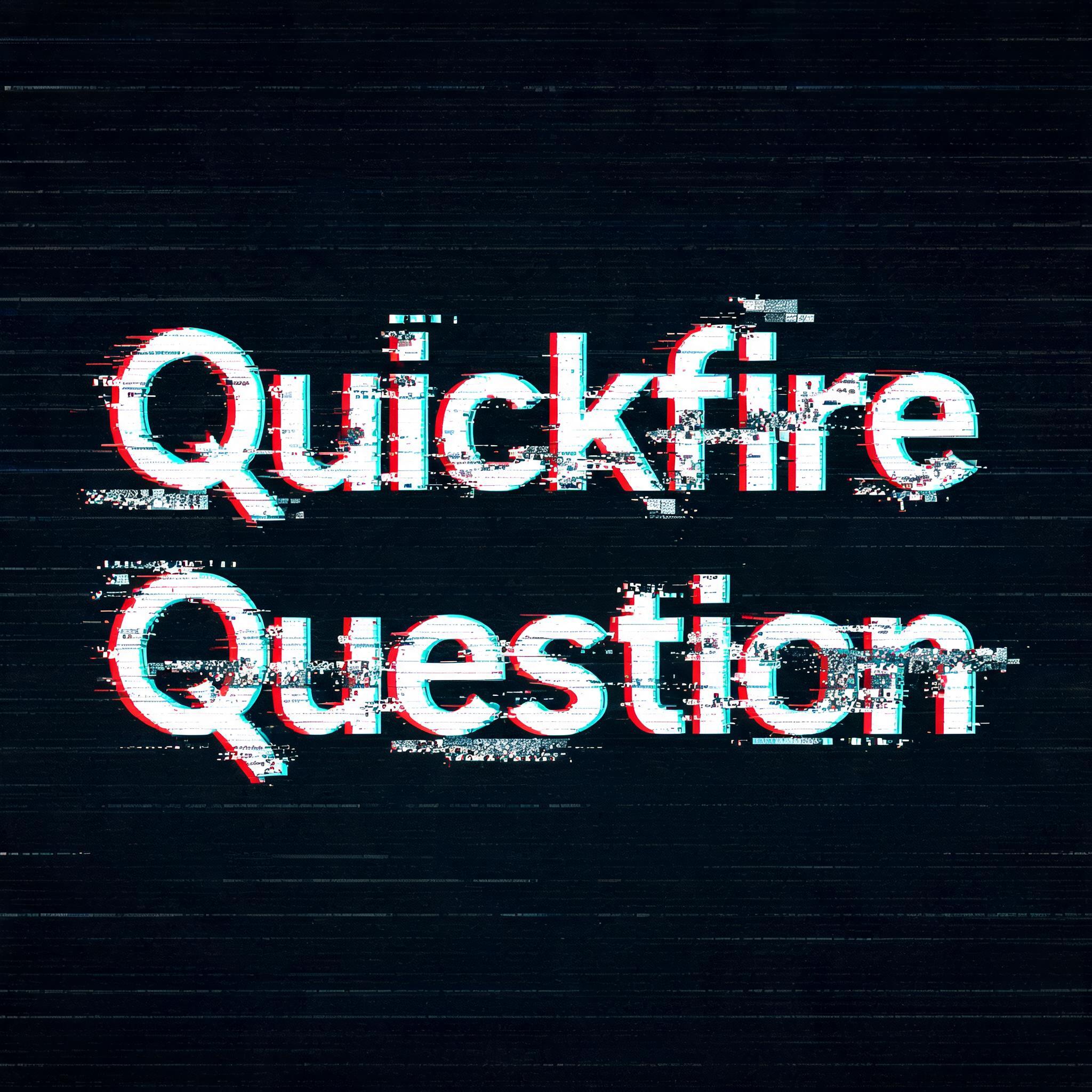
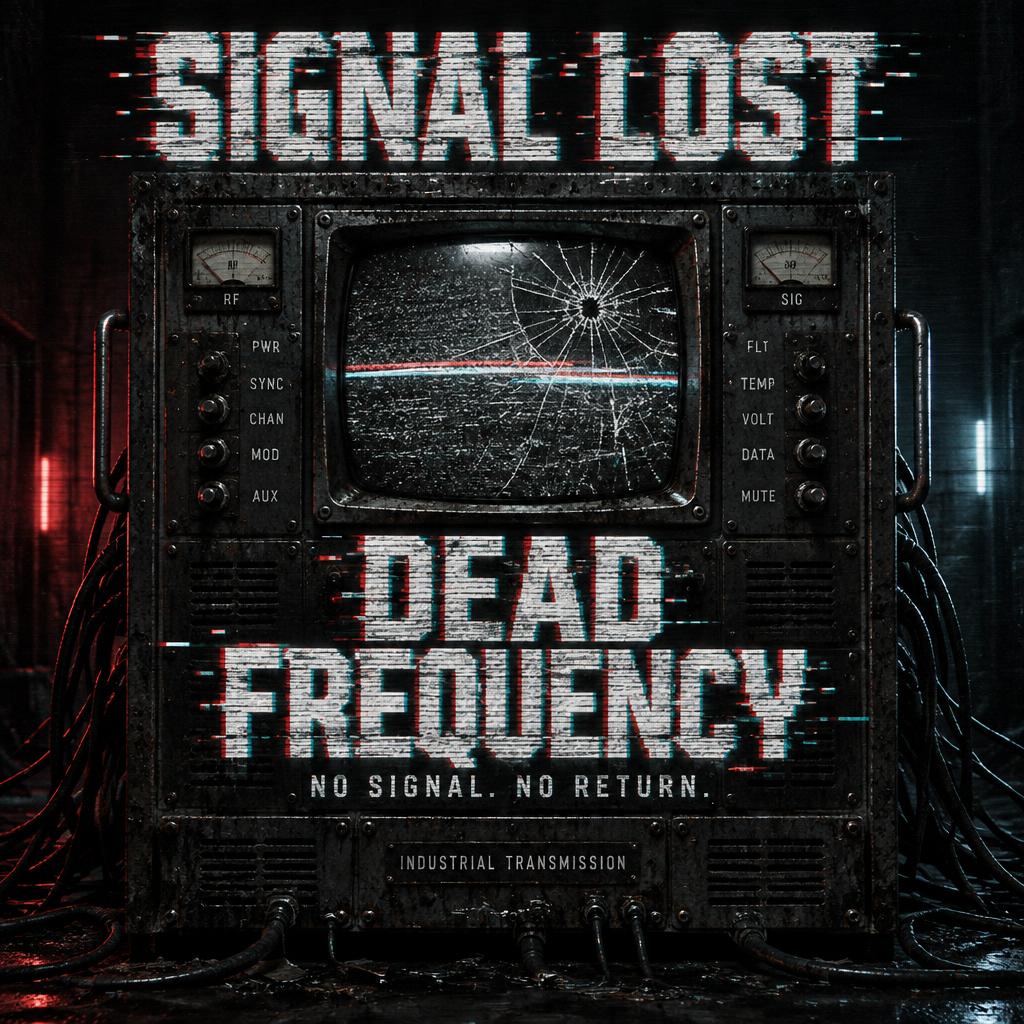
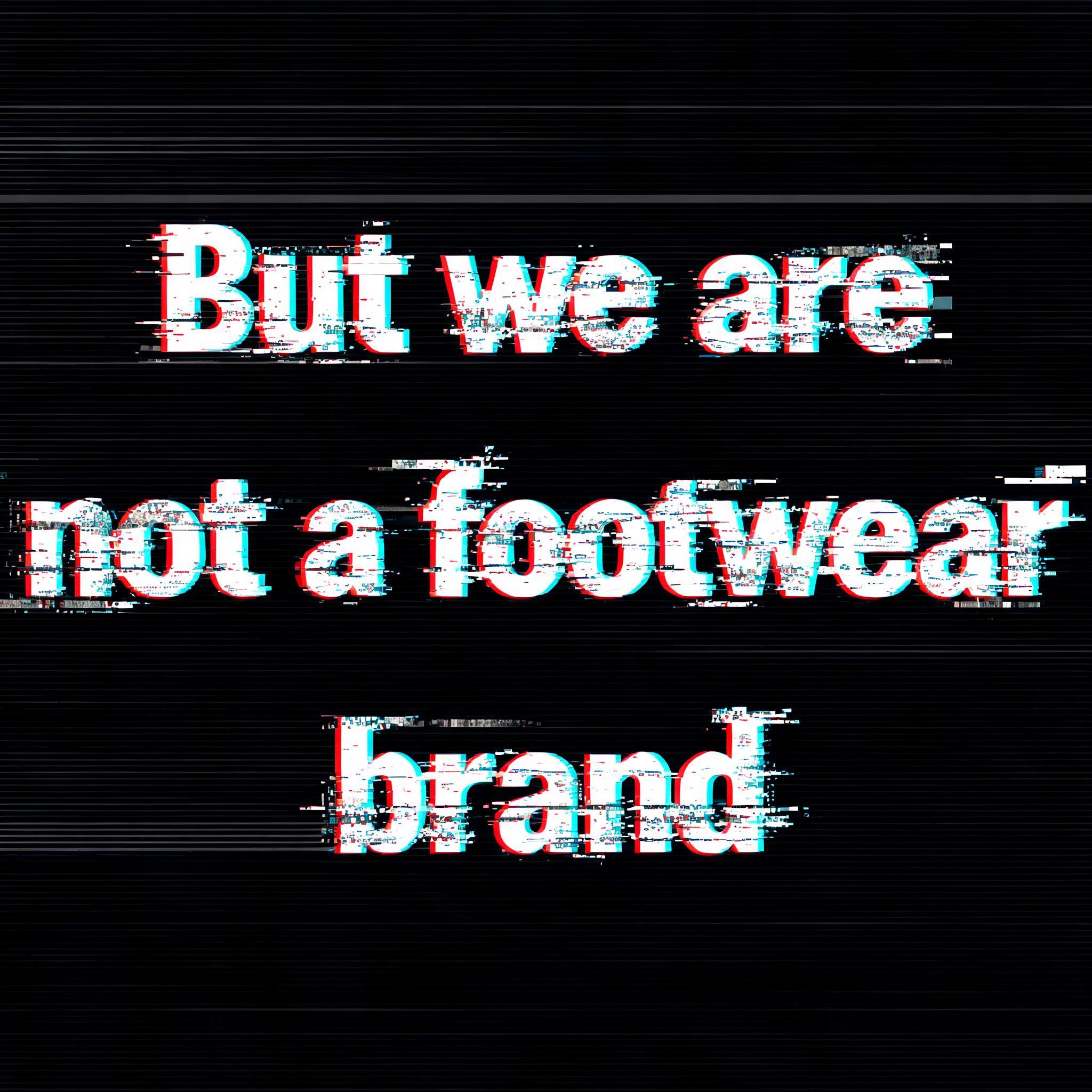
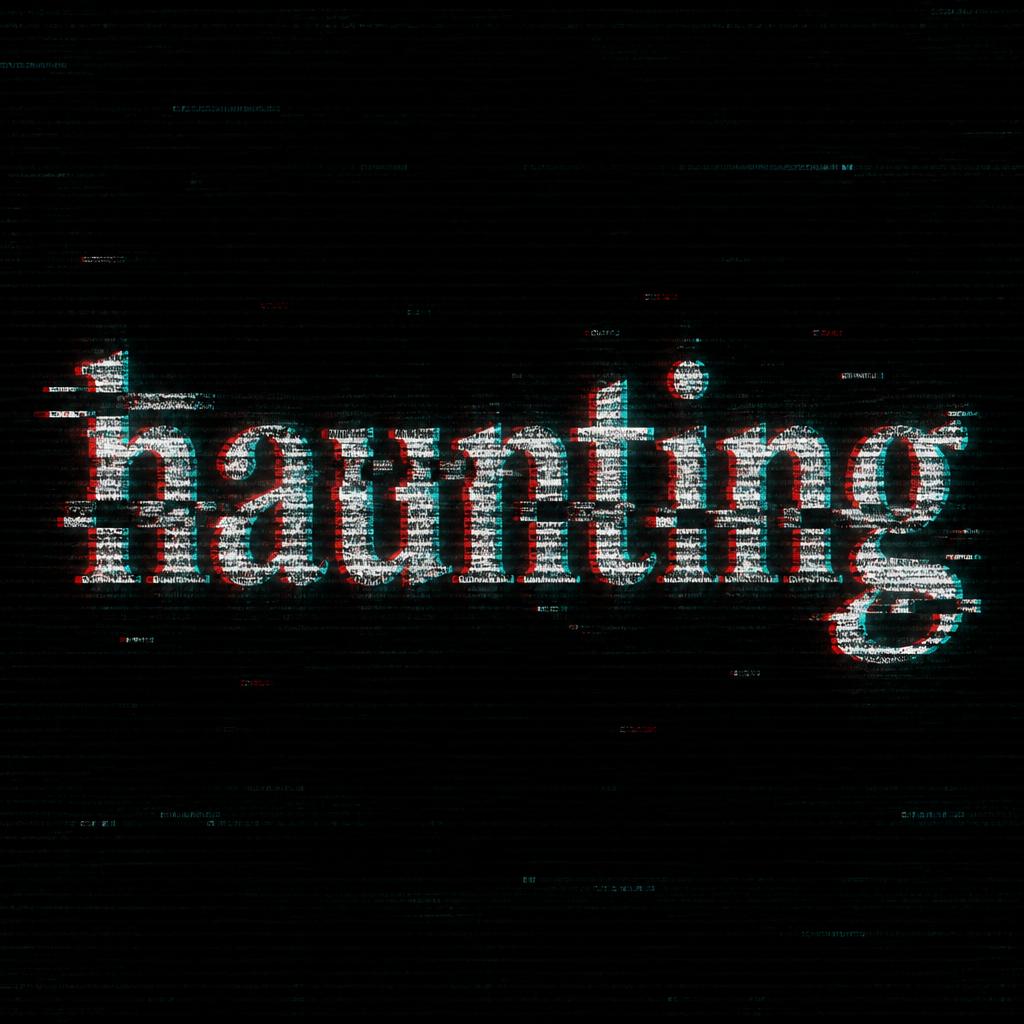
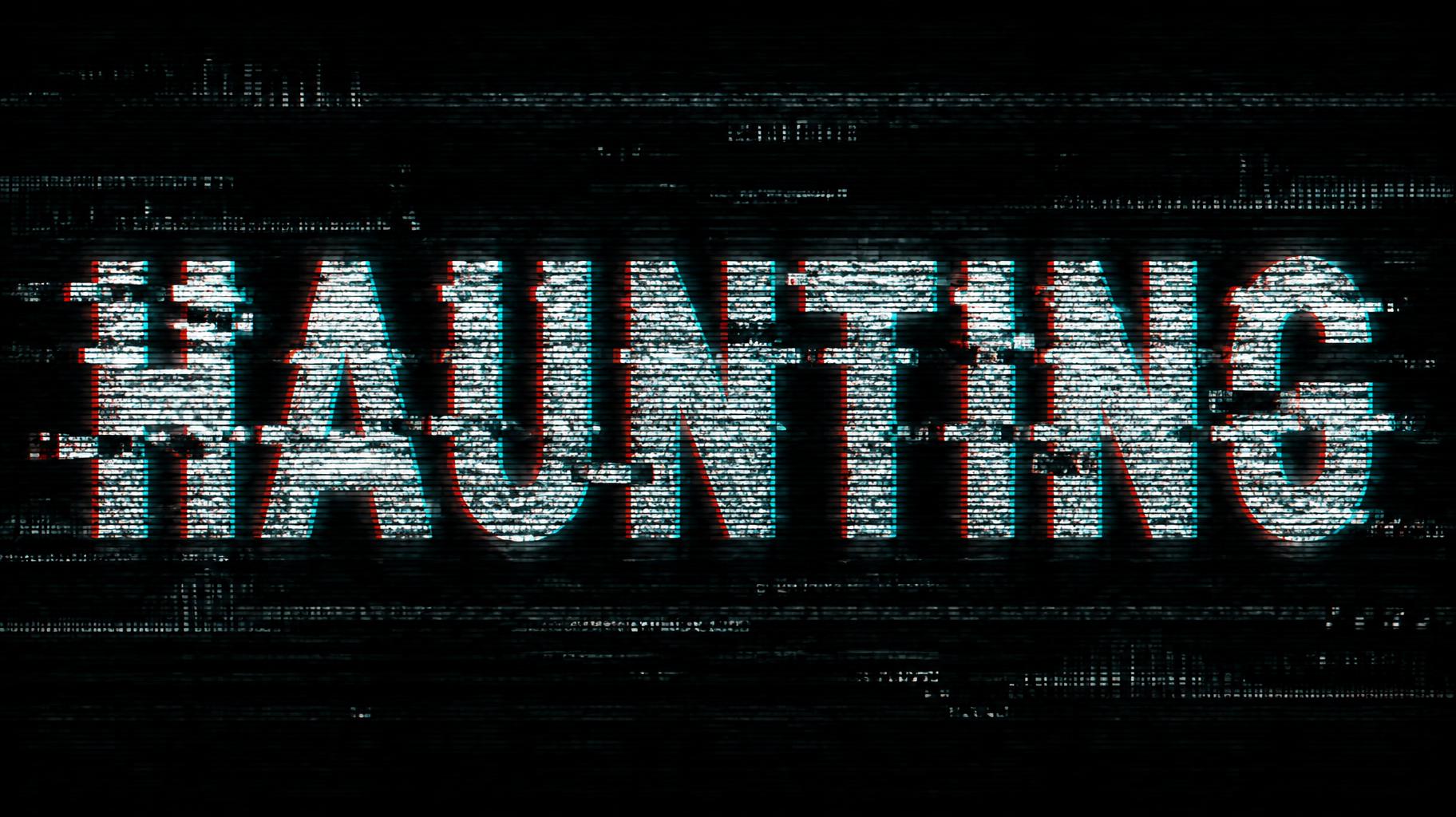
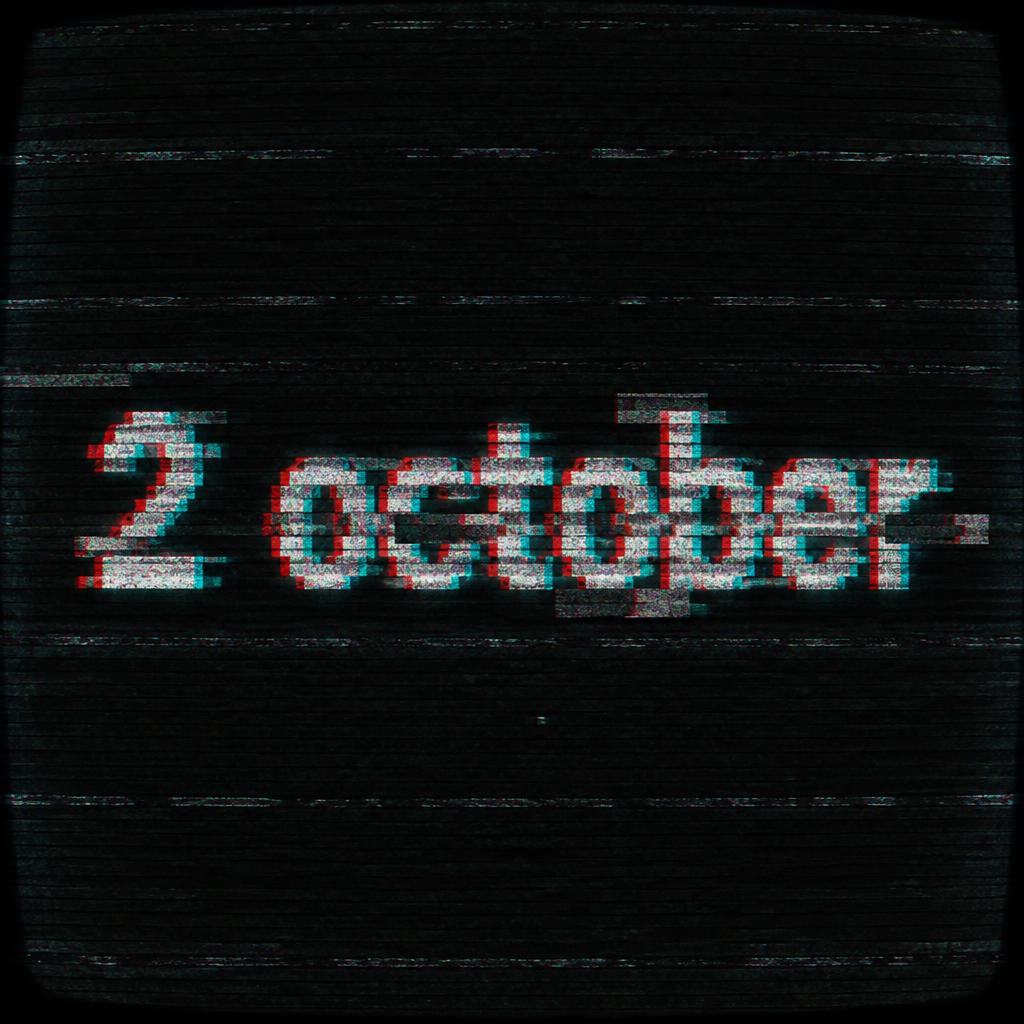
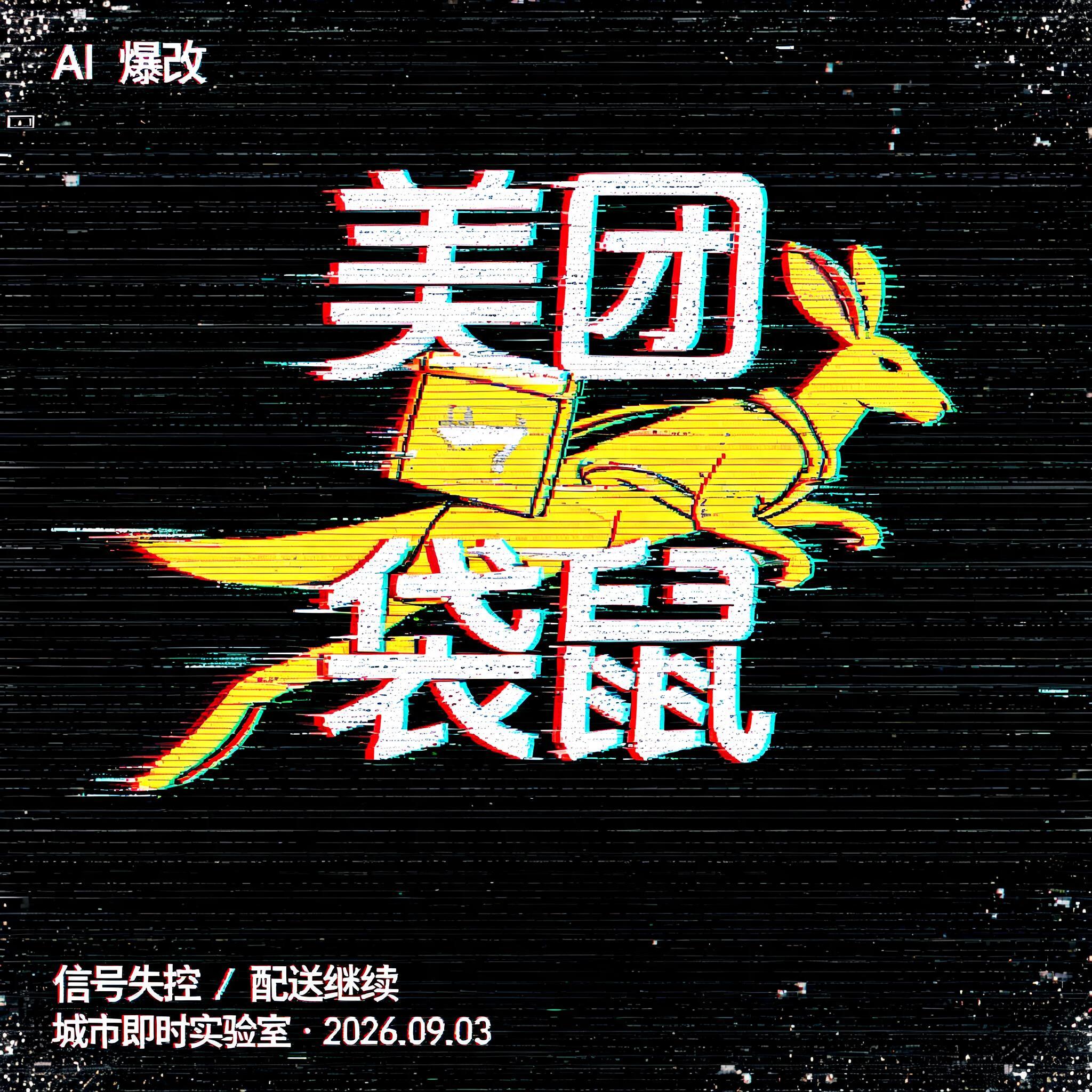
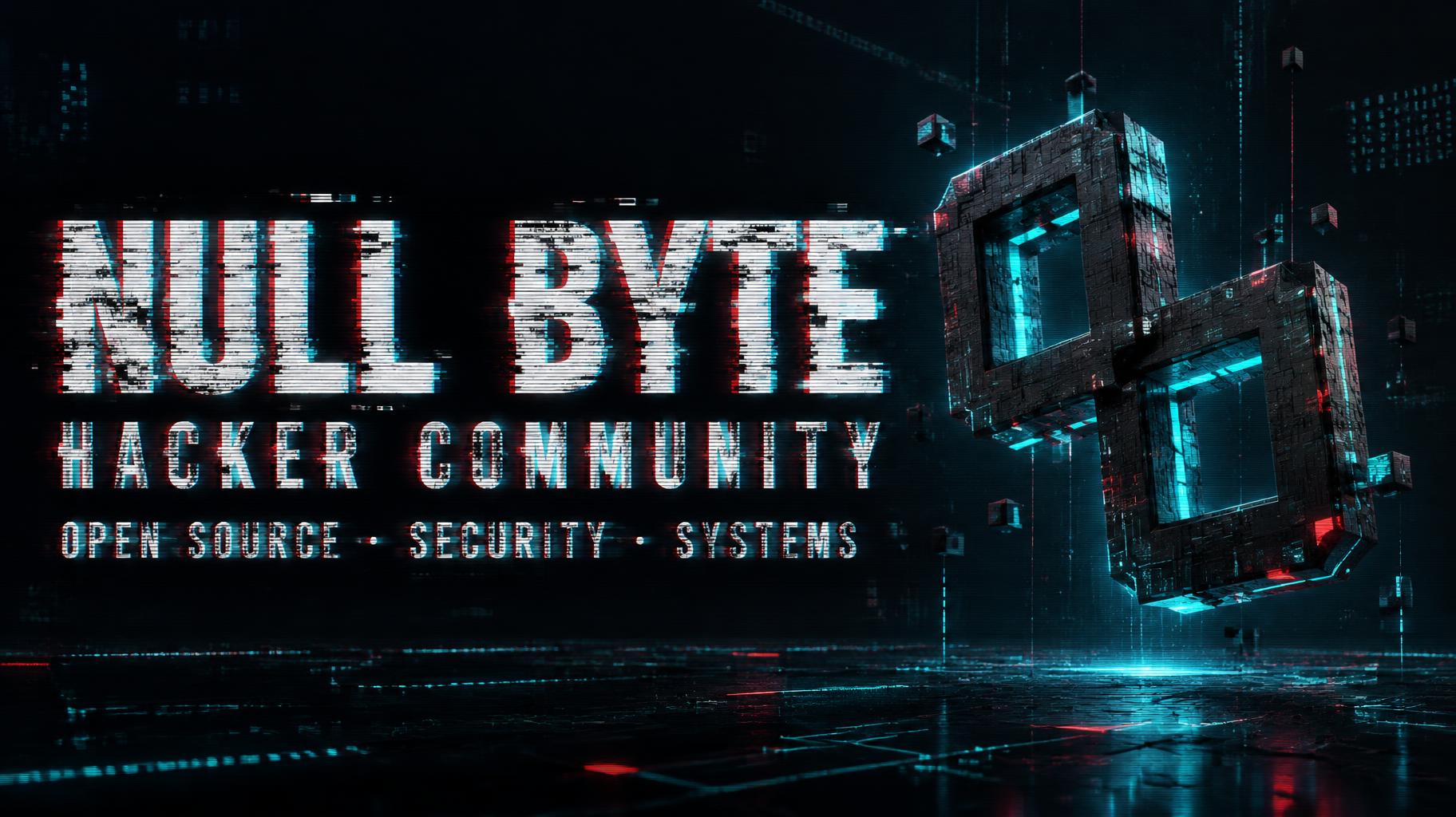


Glitch Gallery
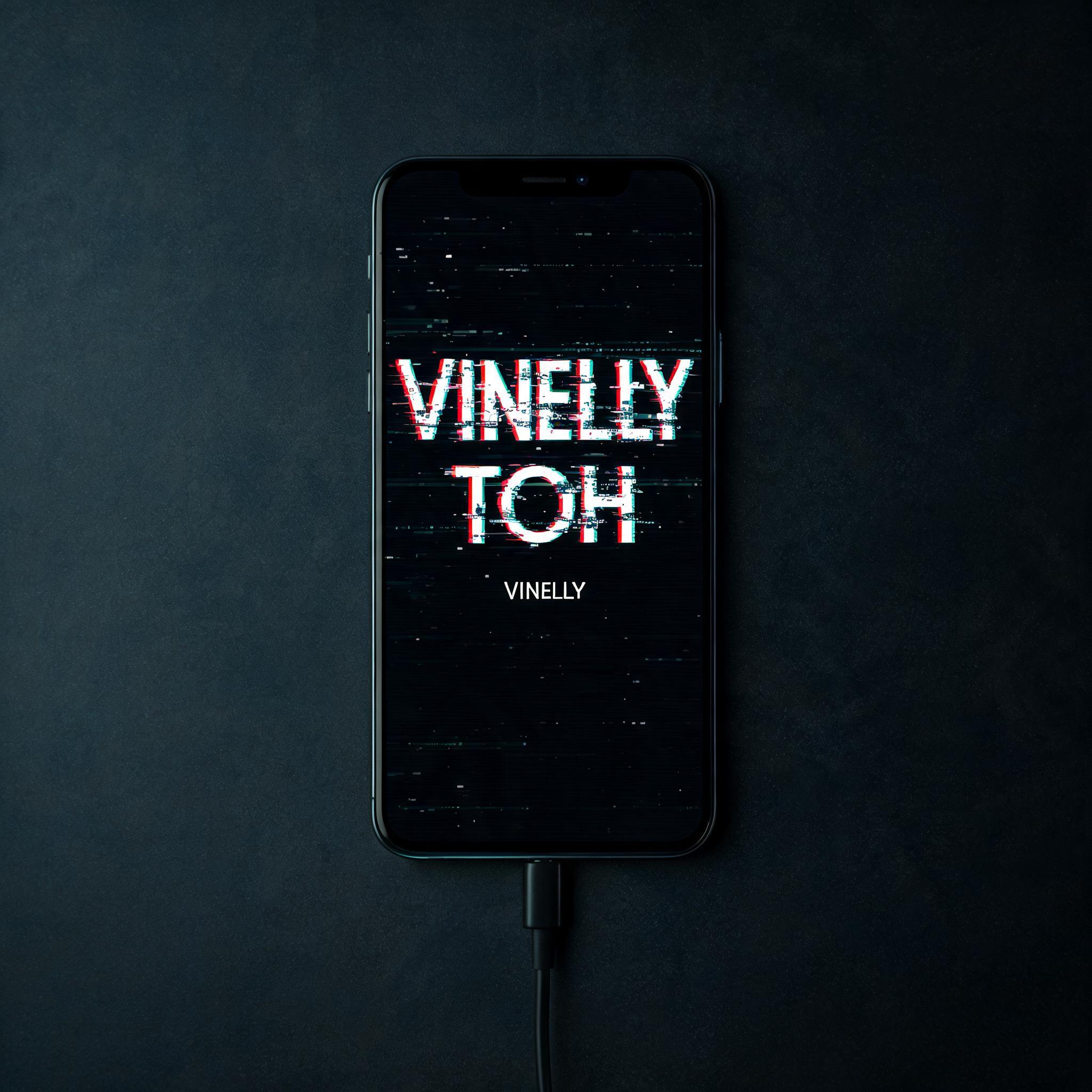
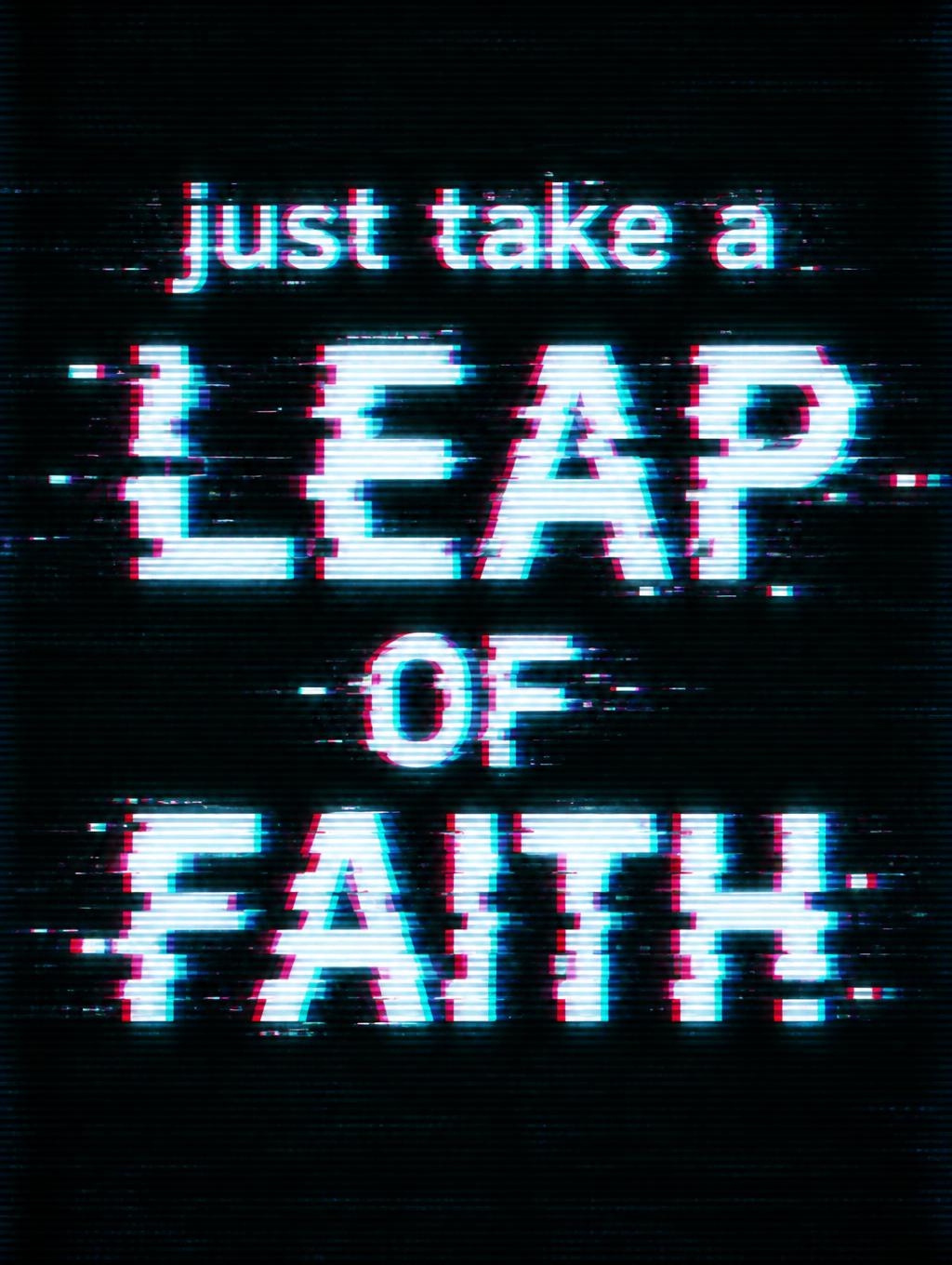
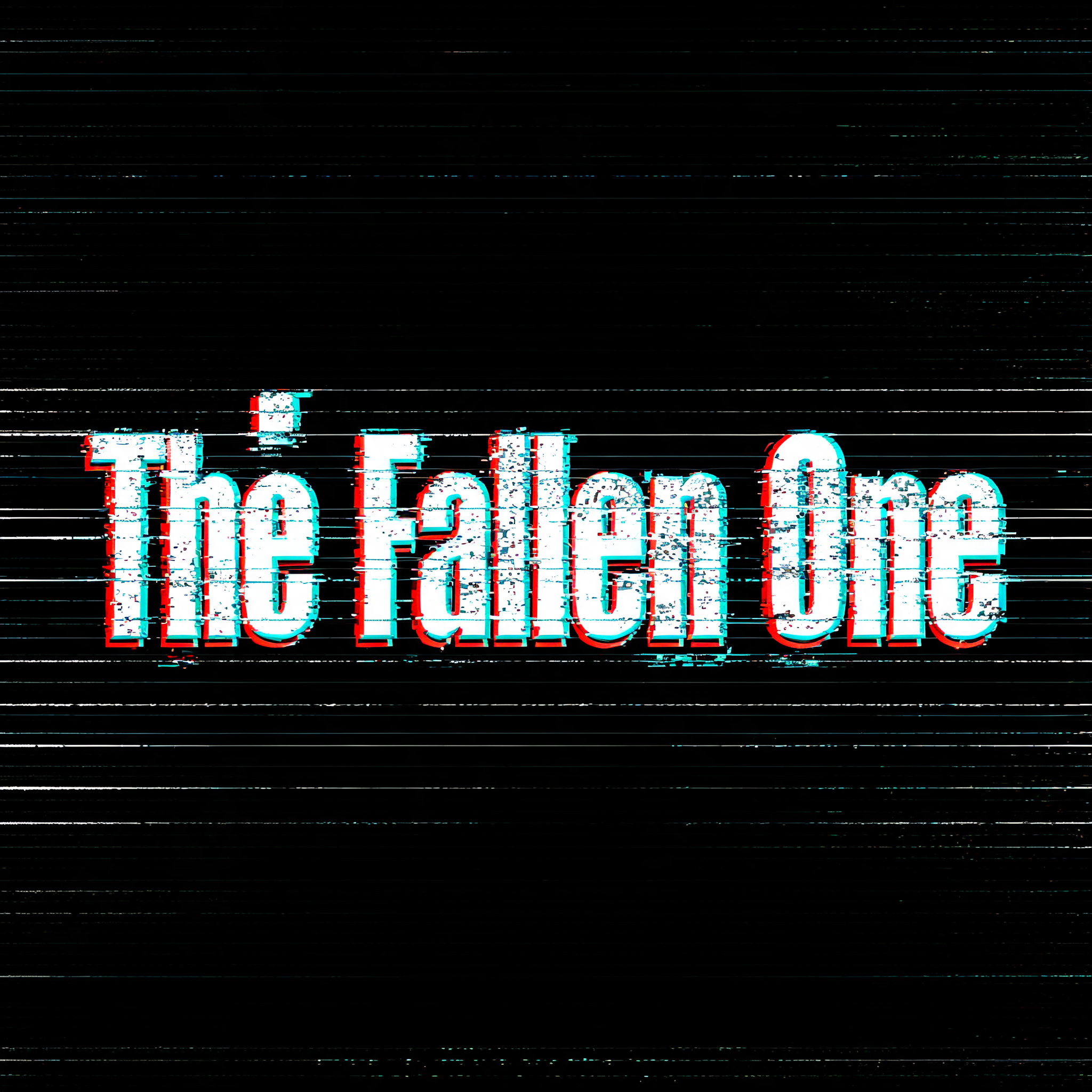
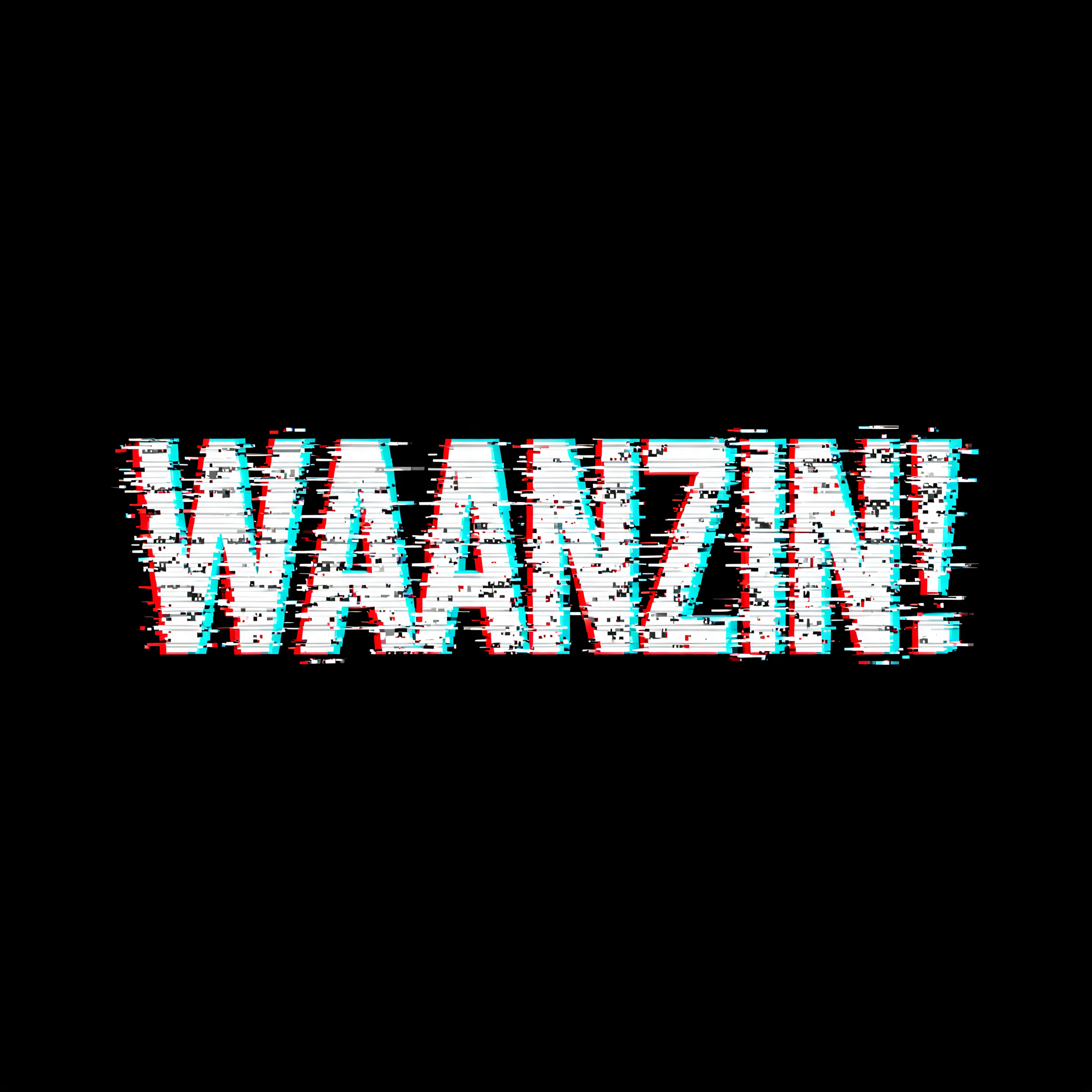
Real outputs from the Glitch style. Click any image to see details.
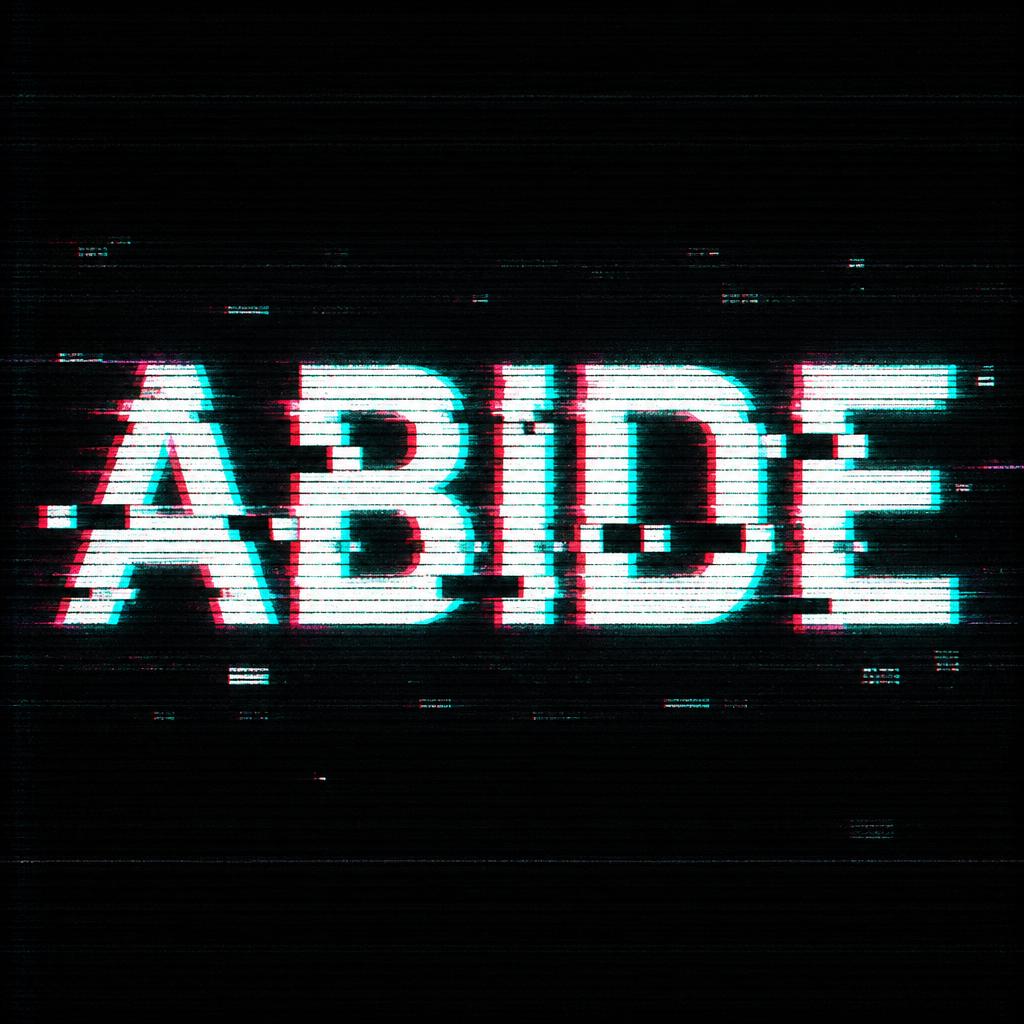
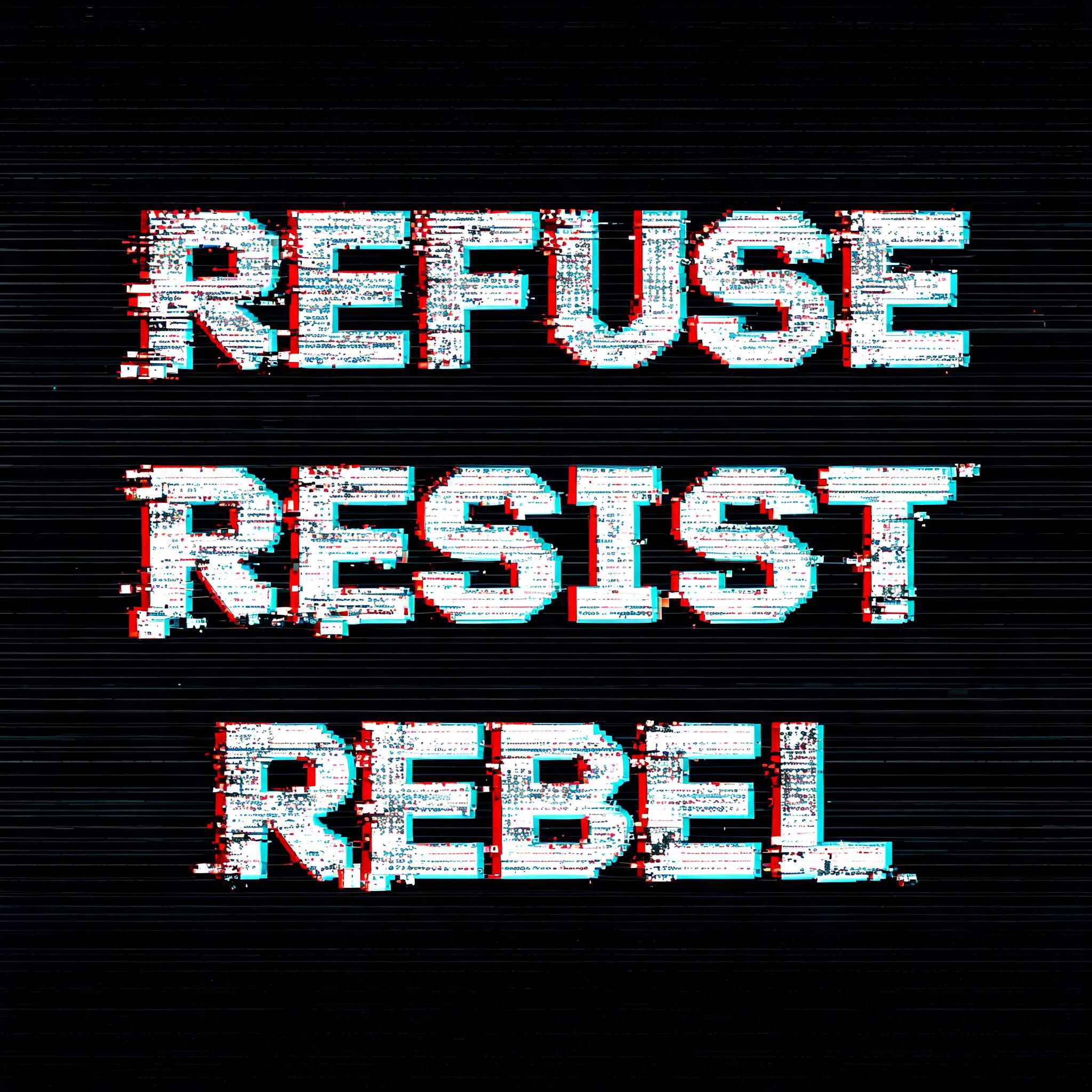
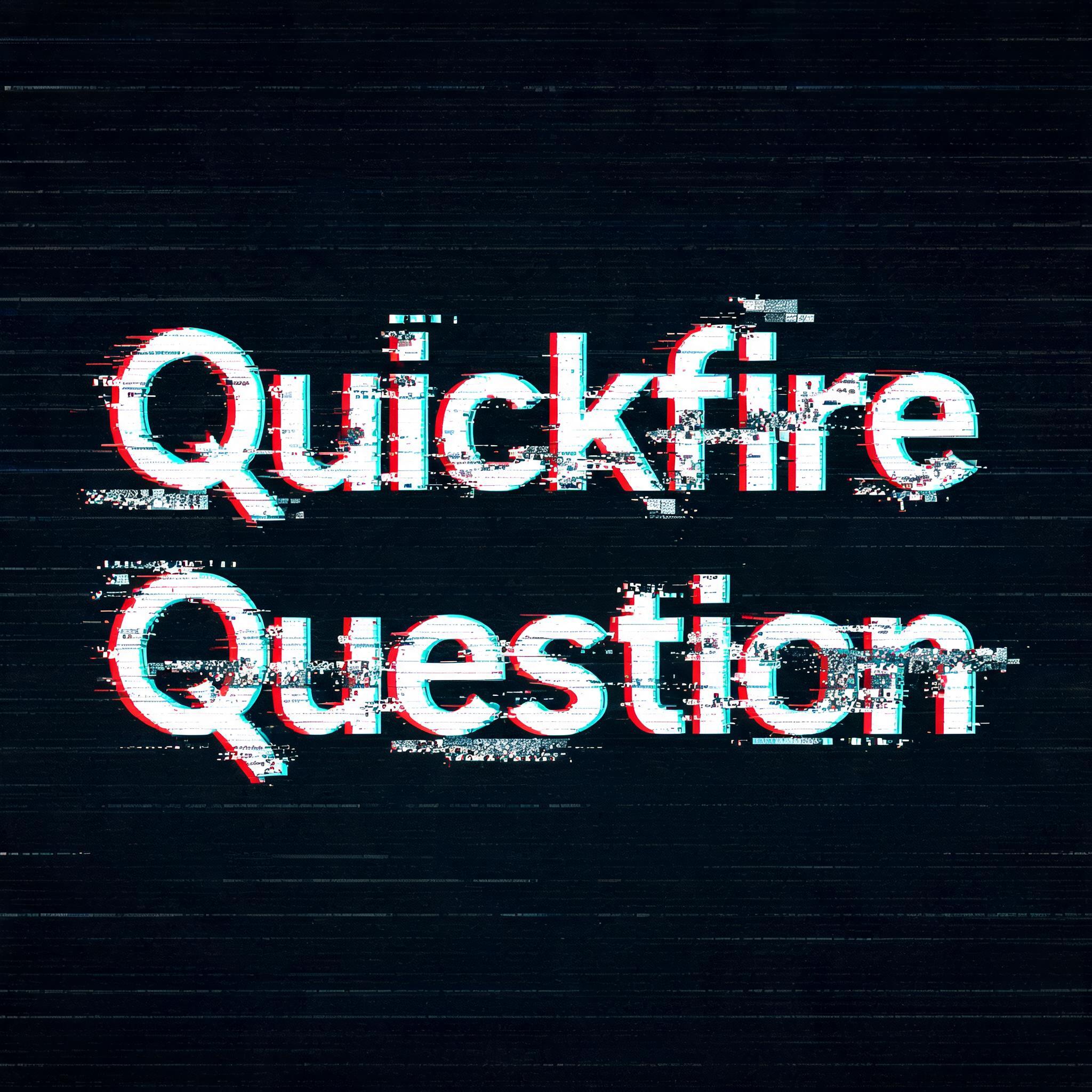
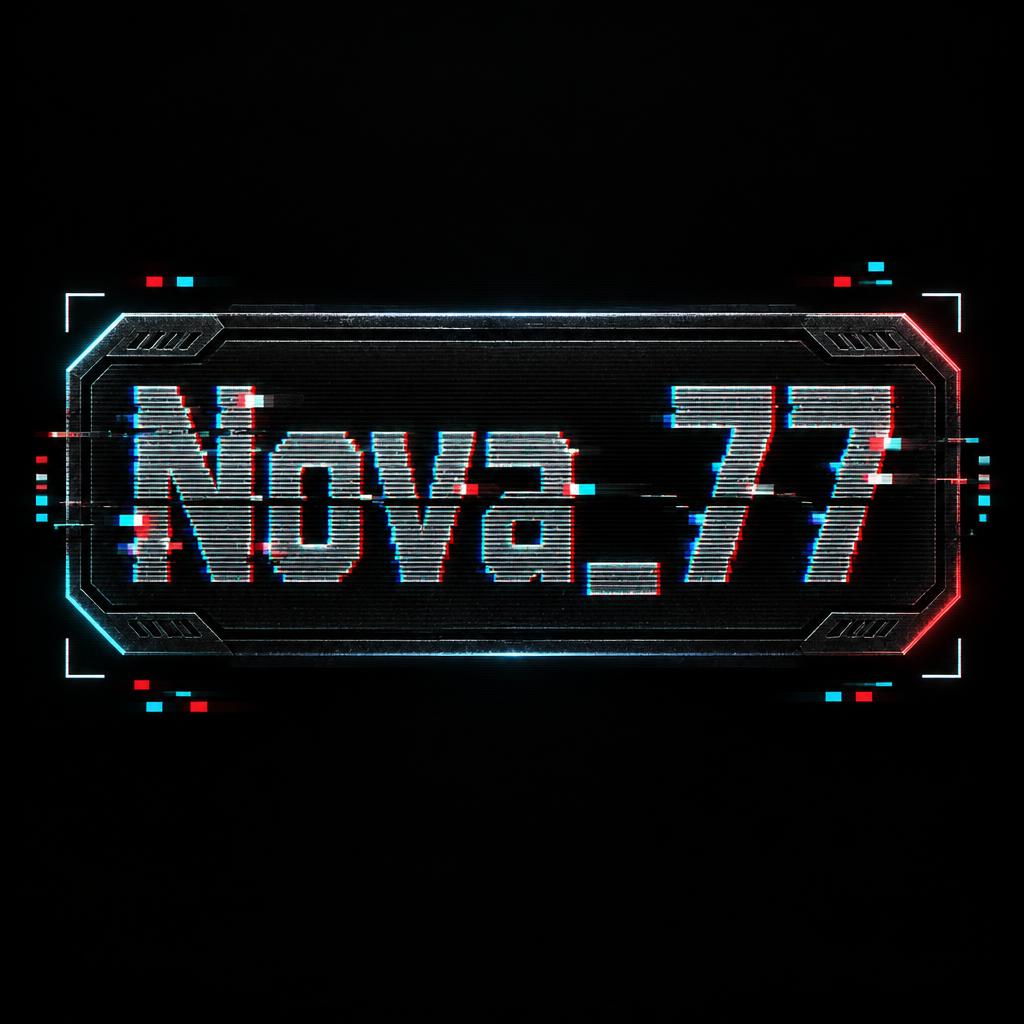
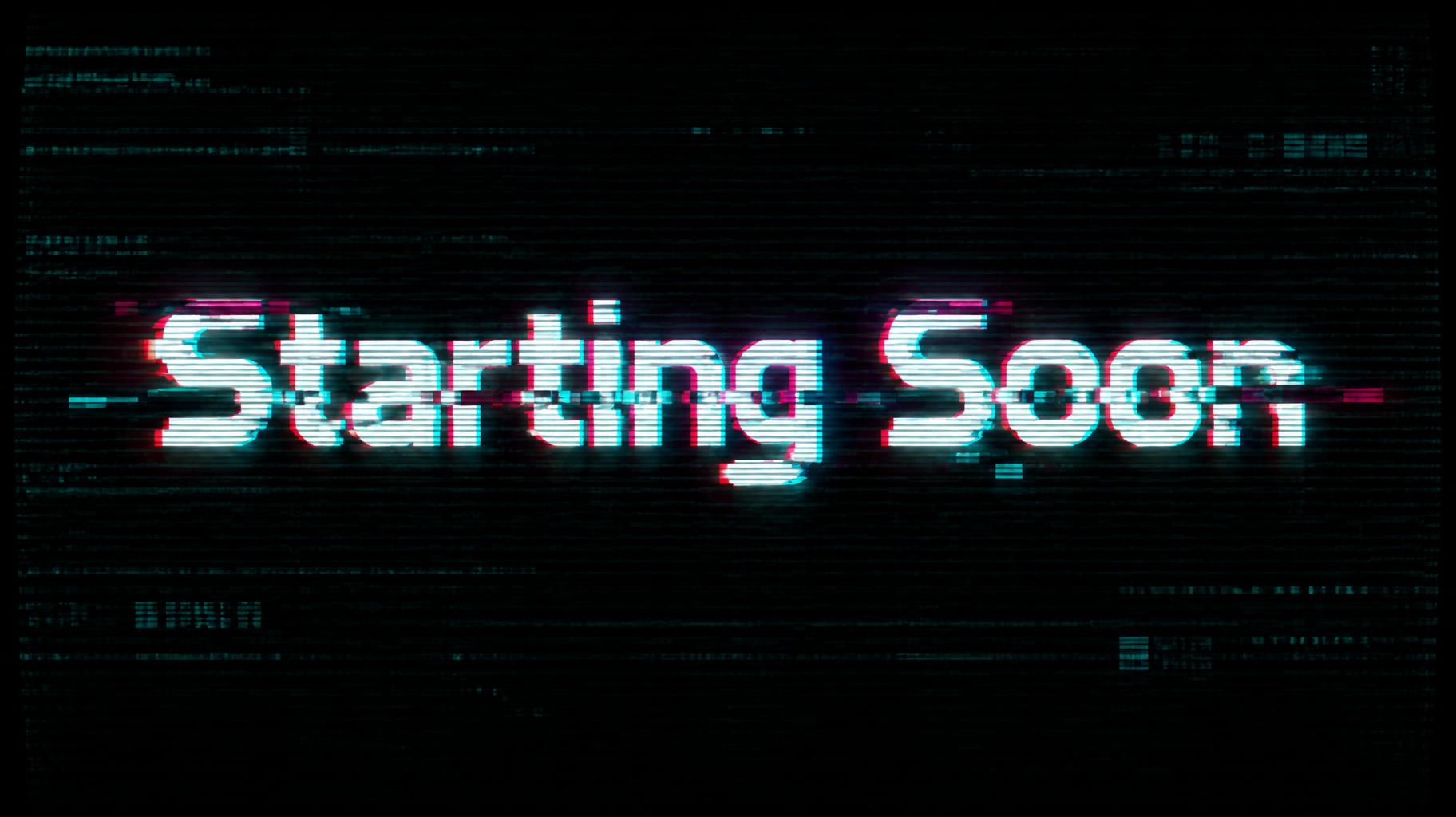
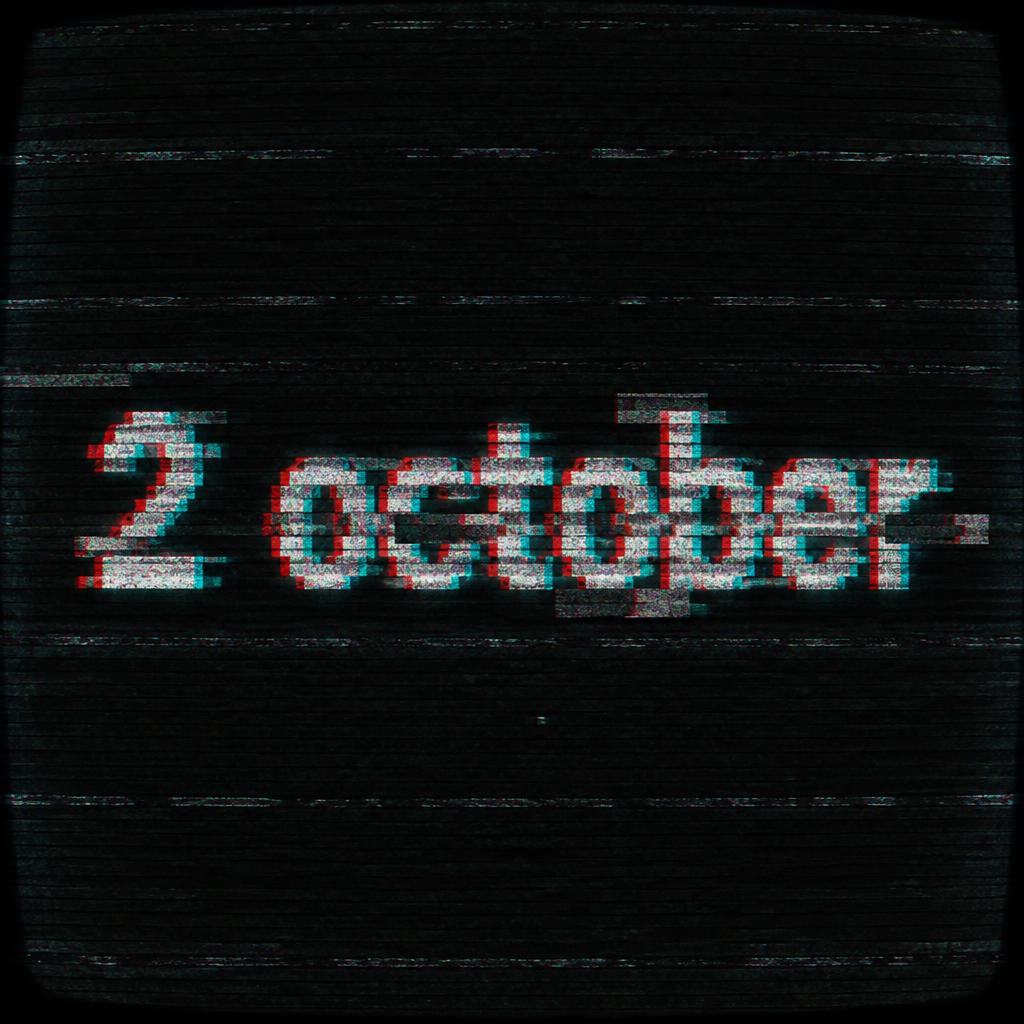
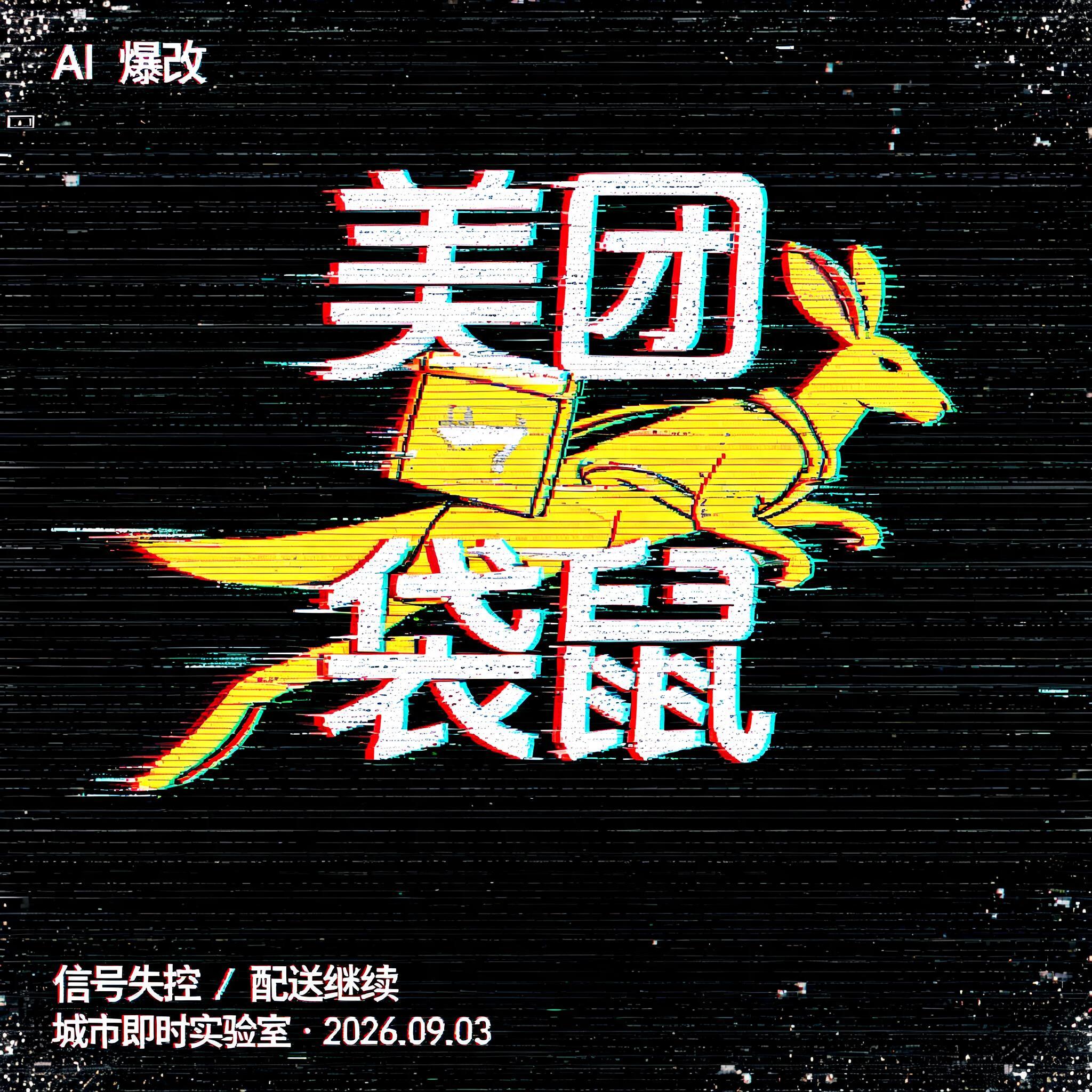
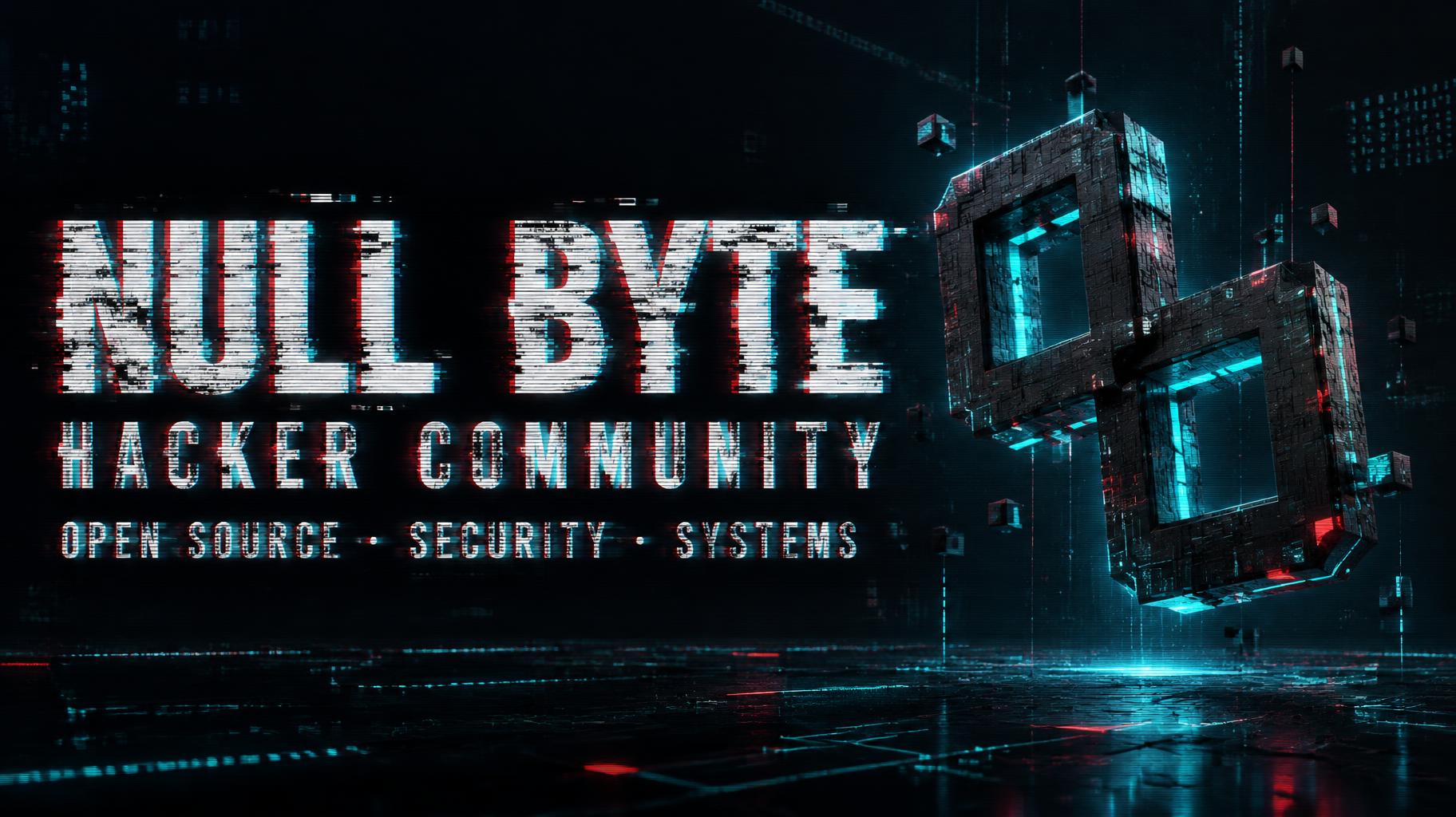
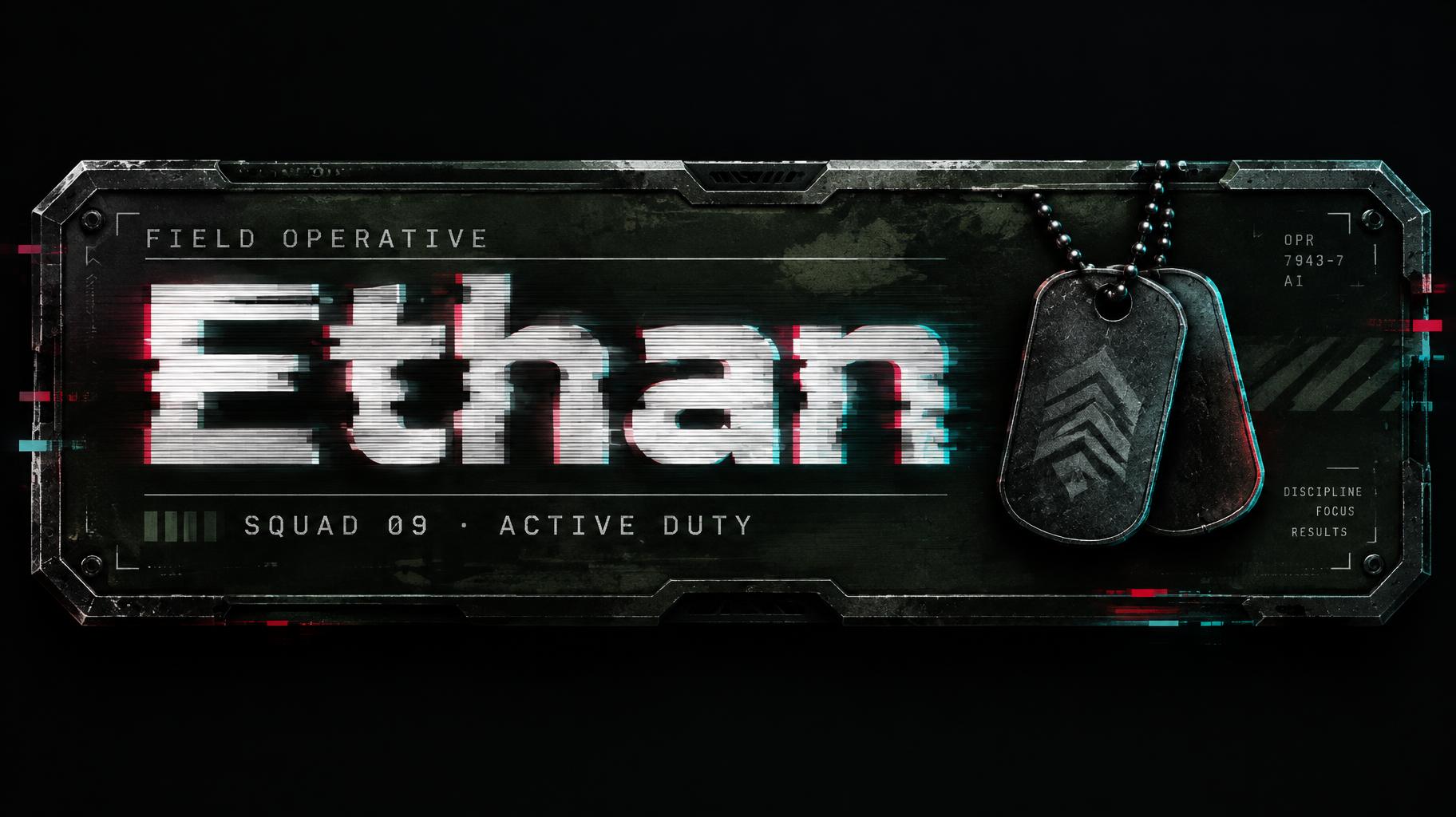
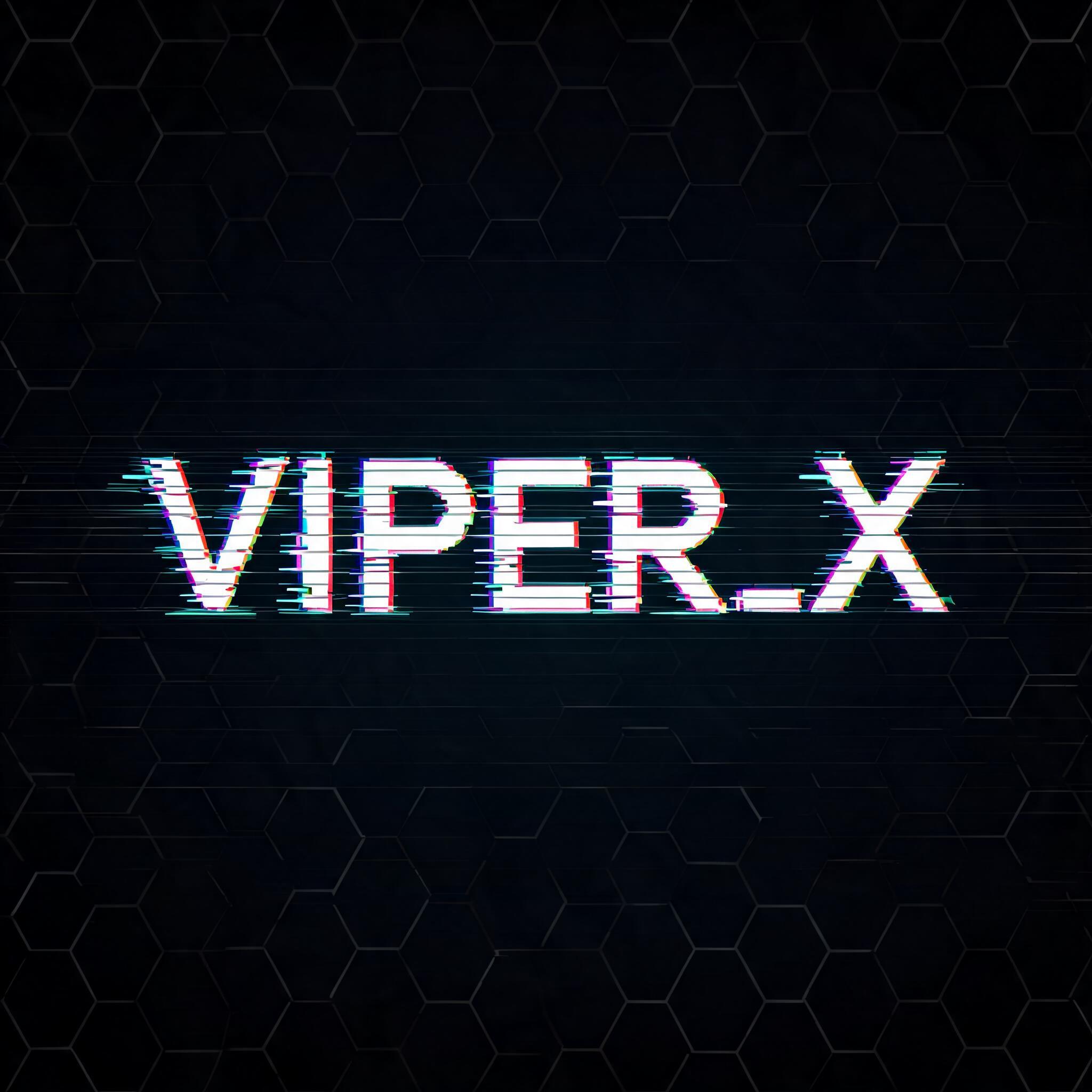


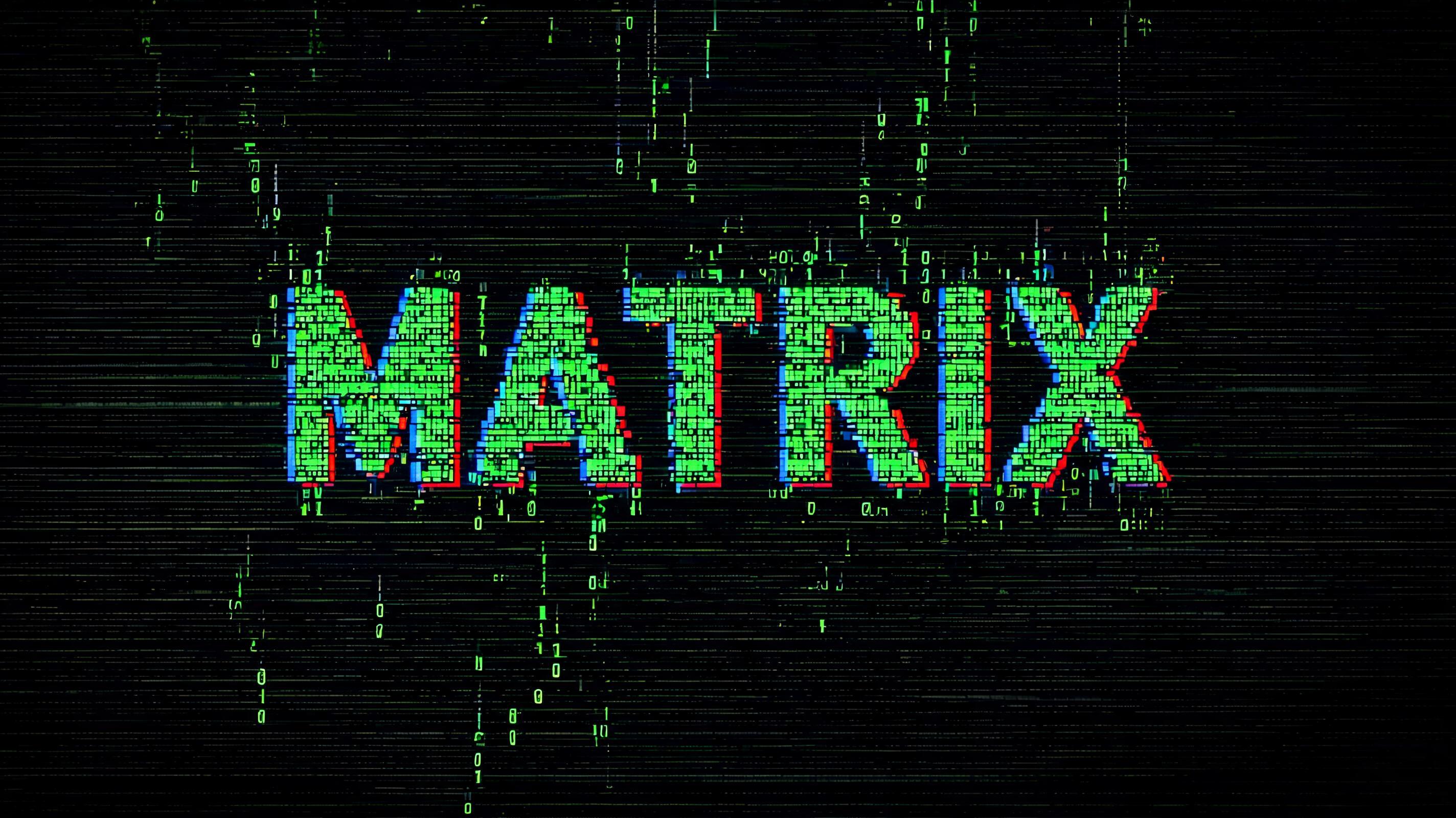
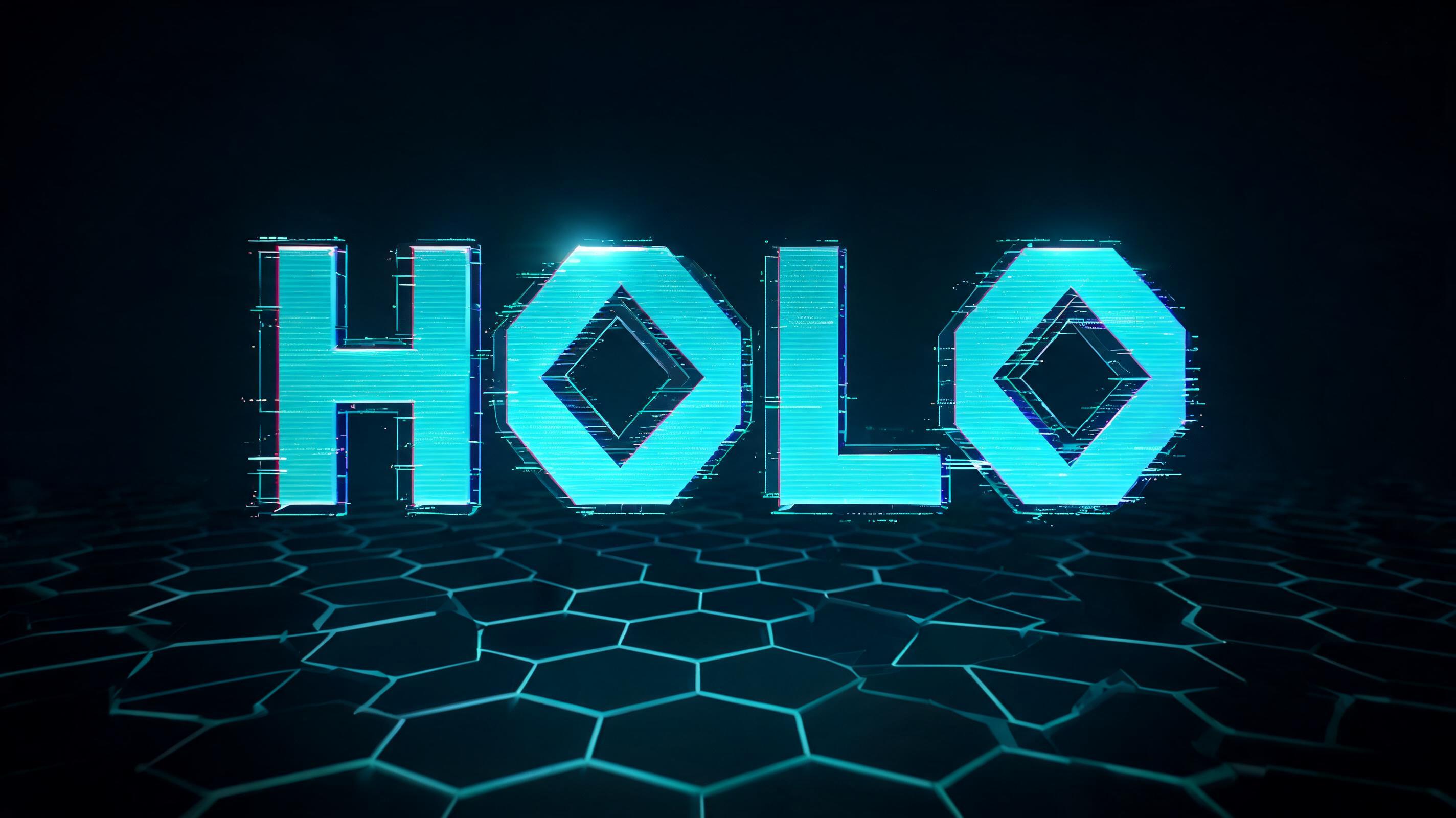


Looking for copy-paste fancy text? Try our free Font Generator Tools — cursive, gothic, bubble & 30+ styles.
Perfect for These Projects
Glitch Text Effect — FAQ
What is the Glitch Font Style?
The Glitch font style is a distinctive AI-generated typography effect. White sans capitals split by red and cyan channel offsets, sliced by horizontal displacement bands and scanlines, reflected on a wet neon street at night. Using FontVibe's AI glitch generator you can create stunning text effects in seconds — no Photoshop, no font licensing, no design experience needed.
Explore the Glitch gallery for inspiration, or browse all 126+ AI text effect styles available on FontVibe.
How to Create Glitch Typography in FontVibe Studio
The Story Behind Glitch
History, visual DNA, and cultural context.
Error as Medium
Glitch art has a specific genealogy that runs through the early history of digital image processing. The core insight — that digital systems fail in visually interesting ways, and those failures can be induced deliberately — was explored in experimental contexts from the 1970s onwards, but became a recognizable aesthetic in the early 2000s as consumer digital tools became ubiquitous enough that their failure modes became familiar.
The visual vocabulary was established by artists working with video hardware, image compression codecs, and file corruption: Rosa Menkman's research into compression artifacts, and the community of artists who developed "databending" — opening image files in audio editors or text editors and introducing deliberate errors that produce specific visual artifacts.
The connection to cultural anxiety is hard to ignore: glitch aesthetics peaked precisely as digital technology became the invisible infrastructure of daily life. The error state — the moment when the smooth digital surface cracks and you can see the underlying data structure — became an aesthetic expression of skepticism about that seamlessness.
The Visual DNA
Typographic Landmarks
Did You Know?
Kanye West's Watch the Throne (2011) album cover used gold-and-black digital degradation aesthetics to signal luxury through the language of failure — an inversion where the error aesthetic connoted premium value rather than system breakdown. Glitch had moved from experimental art to mainstream luxury branding in roughly a decade.
The datamoshing technique — where video compression artifacts cause moving subjects to bleed into each other across frames — was popularized in music videos around 2009, including Kanye West's Welcome to Heartbreak and Chairlift's Evident Utensil. Both videos used software-induced codec errors as the primary visual effect, bringing deliberate digital failure to mainstream music video aesthetics.
Create Your Glitch Typography in Studio
Free to start. No design skills needed. Your artwork, your copyright.
AI Glitch Text Effect Generator
White sans capitals split by red and cyan channel offsets, sliced by horizontal displacement bands and scanlines, reflected on a wet neon street at night. — no font license needed.
Glitch in different AI fonts
Generate Your Glitch Text Effect
Type any word — see it transformed in seconds. No sign-up required.
Glitch Style Gallery
Real outputs from the Glitch style. Click any image to see details.

Similar Text Effect Styles
Try these styles and create your own AI-generated text effects.
Looking for copy-paste fancy text? Try our free Font Generator Tools — cursive, gothic, bubble & 30+ styles.
Perfect for These Projects
Glitch text effects are popular for creative projects where visual impact matters.
What is the Glitch Font Style?
The Glitch font style is a distinctive AI-generated typography effect. White sans capitals split by red and cyan channel offsets, sliced by horizontal displacement bands and scanlines, reflected on a wet neon street at night.
Using FontVibe's AI glitch generator you can create stunning text effects in seconds — no Photoshop, no font licensing, no design experience needed.
Explore the Glitch gallery for inspiration, or browse all 126+ AI text effect styles available on FontVibe.
How to Create Glitch Typography in FontVibe Studio
1. Enter your text — Any word, phrase, or brand name. Works best with short, punchy text.
2. Select Glitch — From the style library. Optionally describe a mood in the custom prompt.
3. Generate and download. Your Glitch font artwork is ready in seconds. PNG, JPG, or transparent PNG.
Looking for something different? Browse the full font style library for more AI typography options.
Glitch Text Effect — FAQ
The Story Behind Glitch
History, visual DNA, and cultural context — everything that makes this style what it is.
Error as Medium
Glitch art has a specific genealogy that runs through the early history of digital image processing. The core insight — that digital systems fail in visually interesting ways, and those failures can be induced deliberately — was explored in experimental contexts from the 1970s onwards, but became a recognizable aesthetic in the early 2000s as consumer digital tools became ubiquitous enough that their failure modes became familiar.
The visual vocabulary was established by artists working with video hardware, image compression codecs, and file corruption: Rosa Menkman's research into compression artifacts, and the community of artists who developed "databending" — opening image files in audio editors or text editors and introducing deliberate errors that produce specific visual artifacts.
The connection to cultural anxiety is hard to ignore: glitch aesthetics peaked precisely as digital technology became the invisible infrastructure of daily life. The error state — the moment when the smooth digital surface cracks and you can see the underlying data structure — became an aesthetic expression of skepticism about that seamlessness.
The Visual DNA
Typographic Landmarks
Did You Know?
Kanye West's Watch the Throne (2011) album cover used gold-and-black digital degradation aesthetics to signal luxury through the language of failure — an inversion where the error aesthetic connoted premium value rather than system breakdown. Glitch had moved from experimental art to mainstream luxury branding in roughly a decade.
The datamoshing technique — where video compression artifacts cause moving subjects to bleed into each other across frames — was popularized in music videos around 2009, including Kanye West's Welcome to Heartbreak and Chairlift's Evident Utensil. Both videos used software-induced codec errors as the primary visual effect, bringing deliberate digital failure to mainstream music video aesthetics.