Presets
Text & font
Font
Font size120px
Letter spacing0px
Line height1.25
Fill
Outlines(2/6)
Width 112px
Width 224px
Drop shadow
Offset X0px
Offset Y7px
Blur0px
Opacity80%
Long shadow
3D extrude
Background
Padding32px
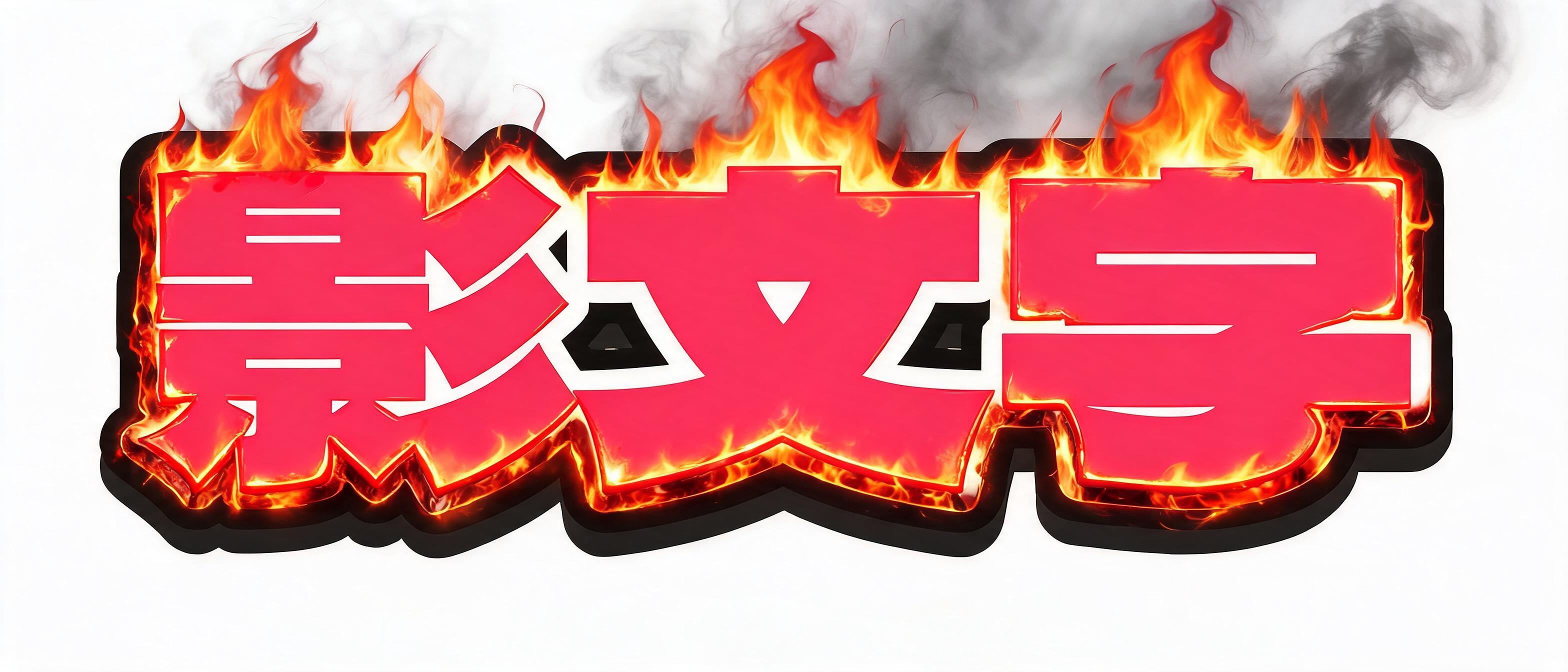
Kagemoji (影文字) is Japanese for shadow lettering. The Japanese Wikipedia entry 影付き文字 defines it as a typeface treatment: outlined characters (袋文字) with a shadow added, also called drop shadow. This page draws it for you: type your text, stack drop shadow, long shadow and 3D depth, add up to six outlines, and download a transparent PNG. It renders in your browser, so nothing is uploaded and no account is needed. You can also hand the finished kagemoji straight to AI: it keeps your characters and your shadows exactly as they are and only upgrades the material. Pick from 19 directions — metal, neon, glass, 3D render and more — or describe your own.
Kagemoji is the name of a typographic treatment, not something that started in one particular year. The cultures below are neighbours where shadowed and outlined lettering has actually been used, listed separately because they are separate things.
Gyaru-moji (around 2002–2005) — The Japanese Wikipedia entry ギャル文字 dates its spread to around 2002–2003 and says the trend had run out by around 2005. It replaced or split characters into symbols and Greek letters; it did not add shadows, and that entry does not mention kagemoji.
Purikura doodling — Outlined lettering, and "puckkuri" letters that use a shadow plus a highlight to look raised, are described as standard techniques in purikura photo-booth doodling. That is shadow lettering drawn by hand.
CSS3 text-shadow — The Japanese Wikipedia entry 影付き文字 records CSS3 specifying text-shadow as the web implementation. The drop shadow on this page is the same idea, output as an image rather than as characters you copy.