
🧪 Design something with Chinese Cursive
Transparent Effect
✦ Transparent Effect
Generates a PNG with the background removed — only the text and its visual effects remain. The AI automatically selects the optimal background color for clean removal based on your style.
Output is always PNG for lossless transparency.
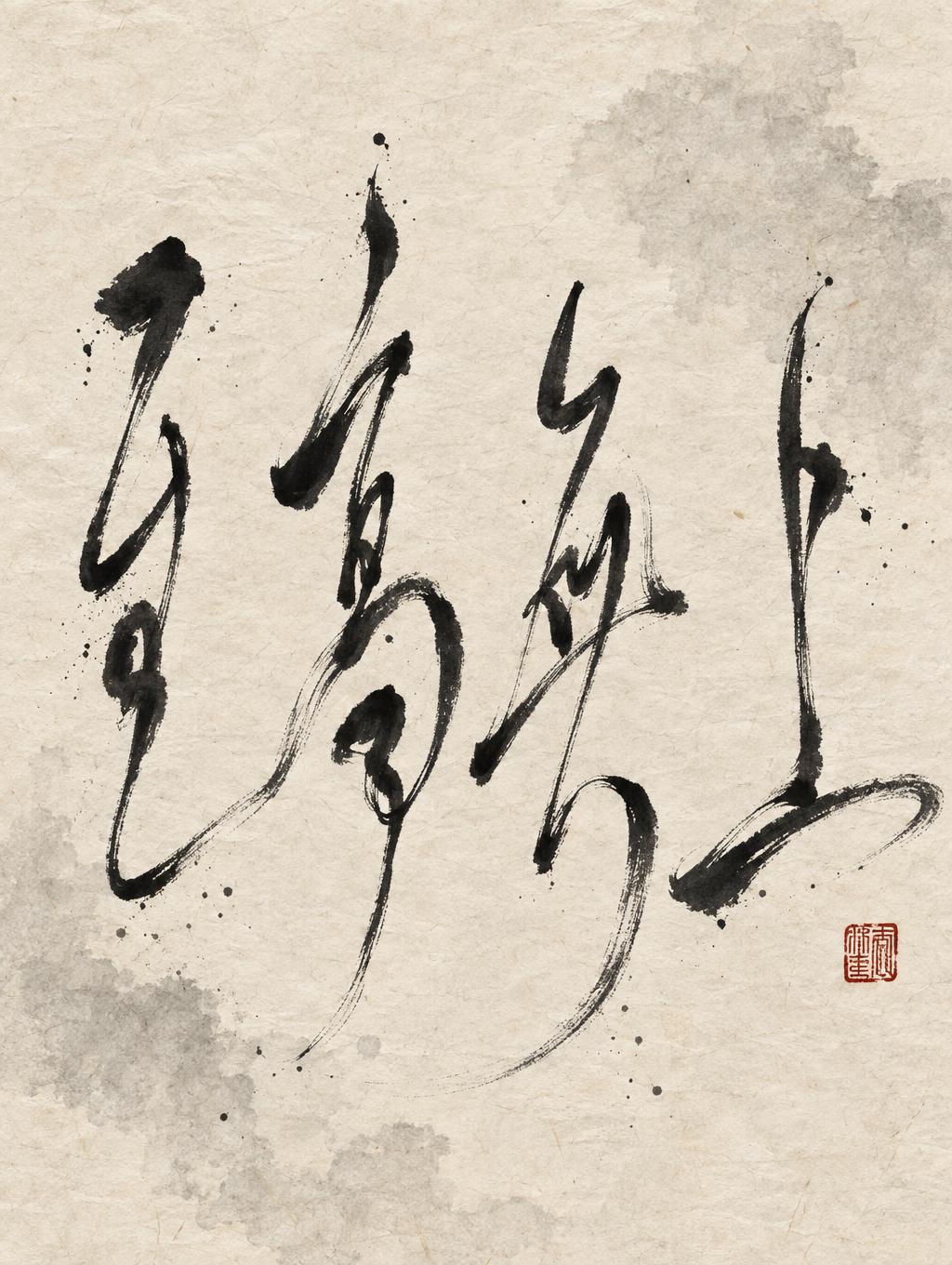
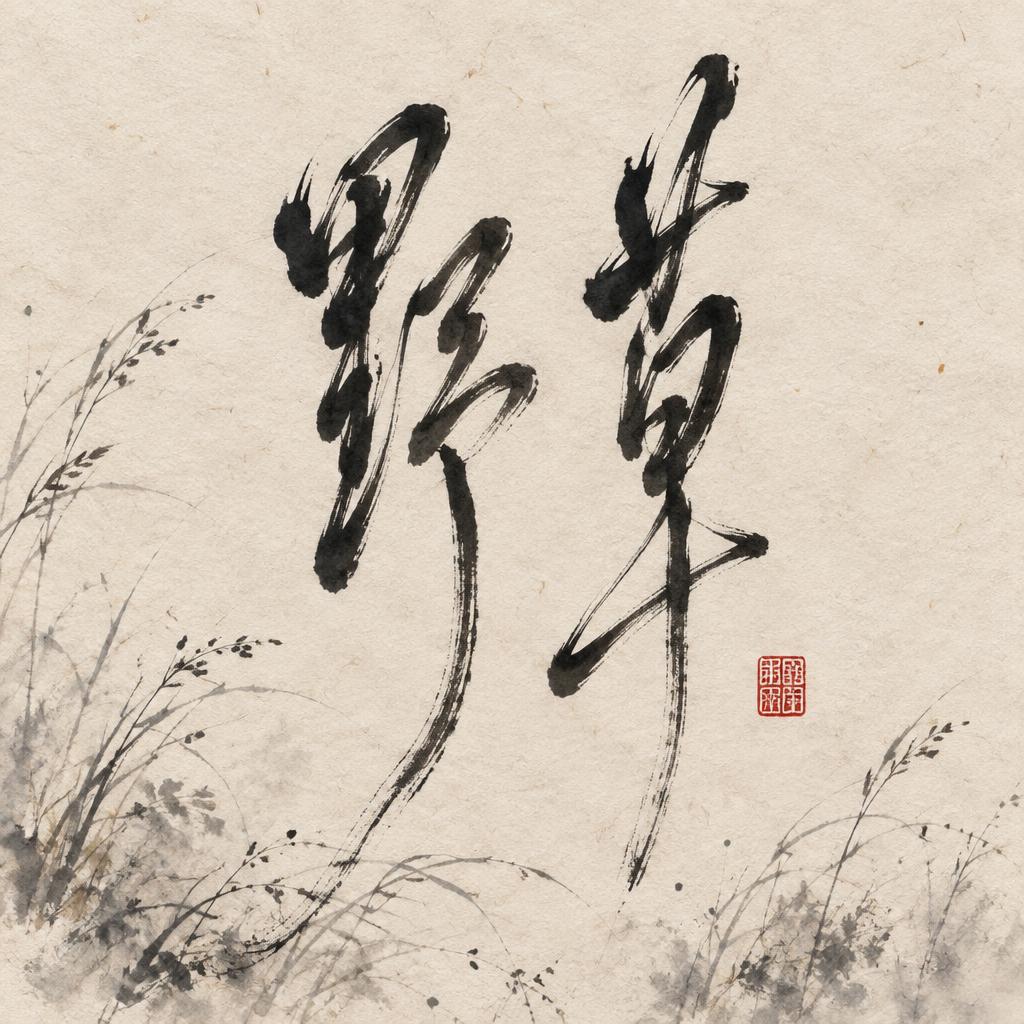
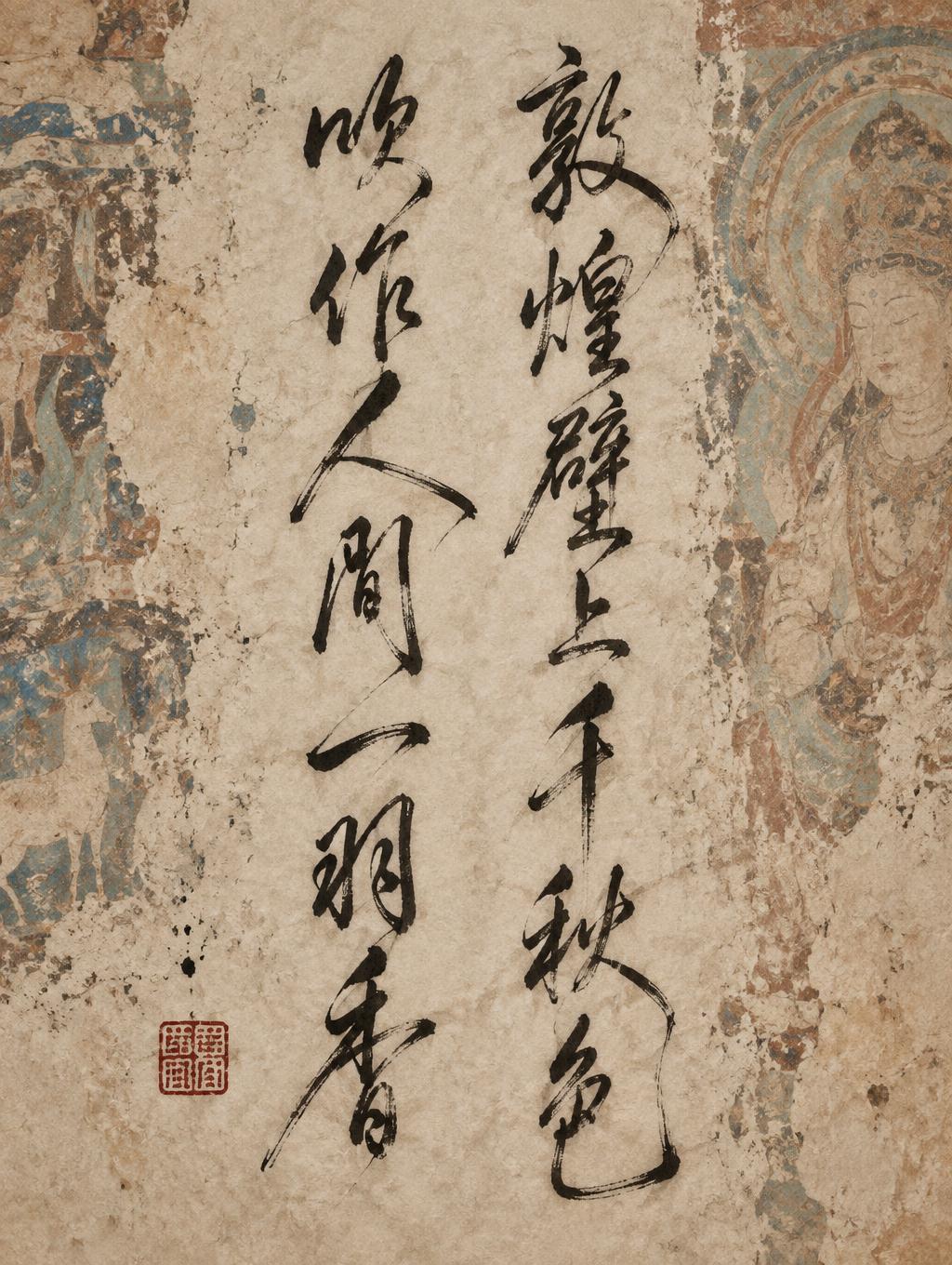
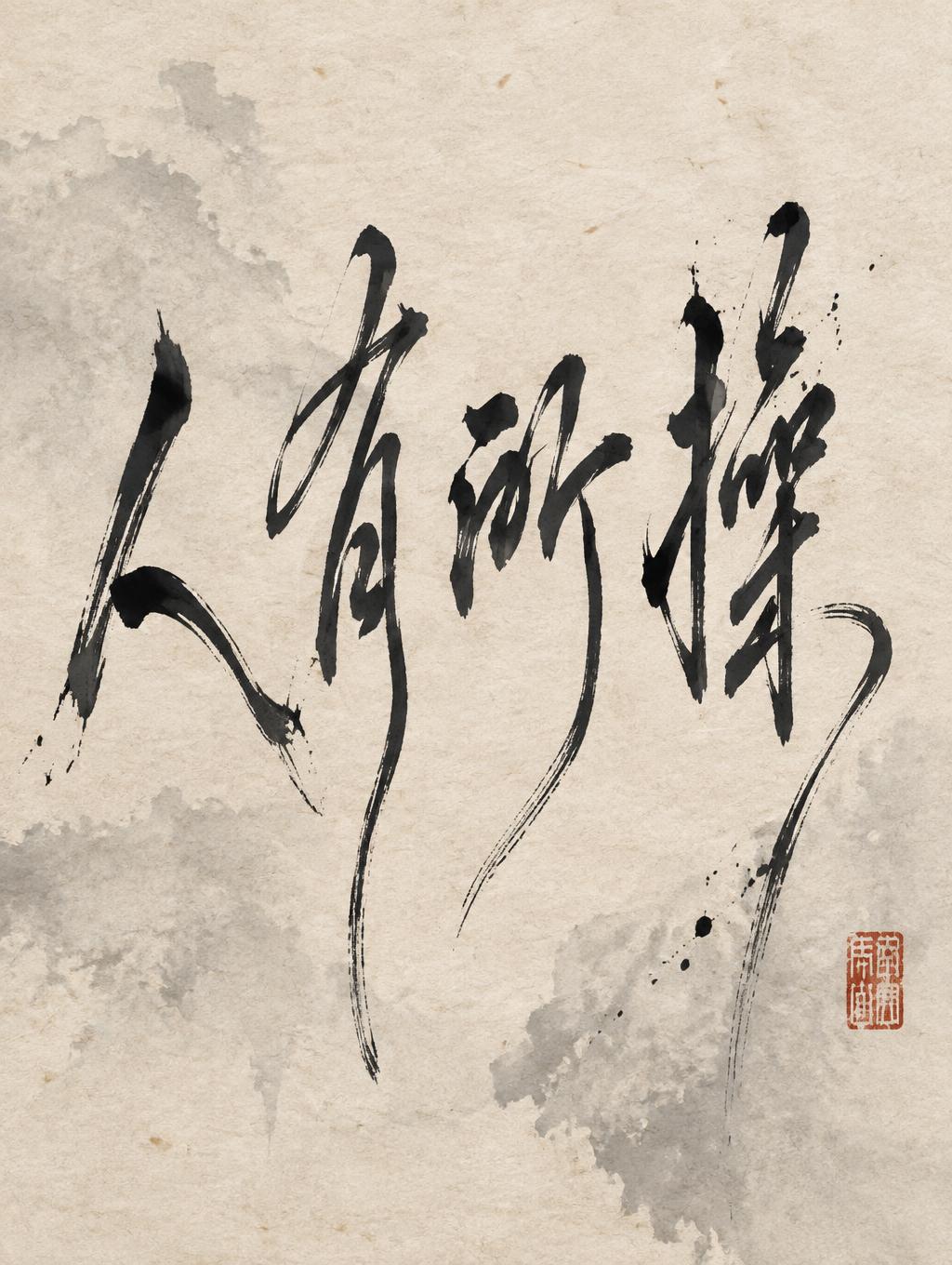
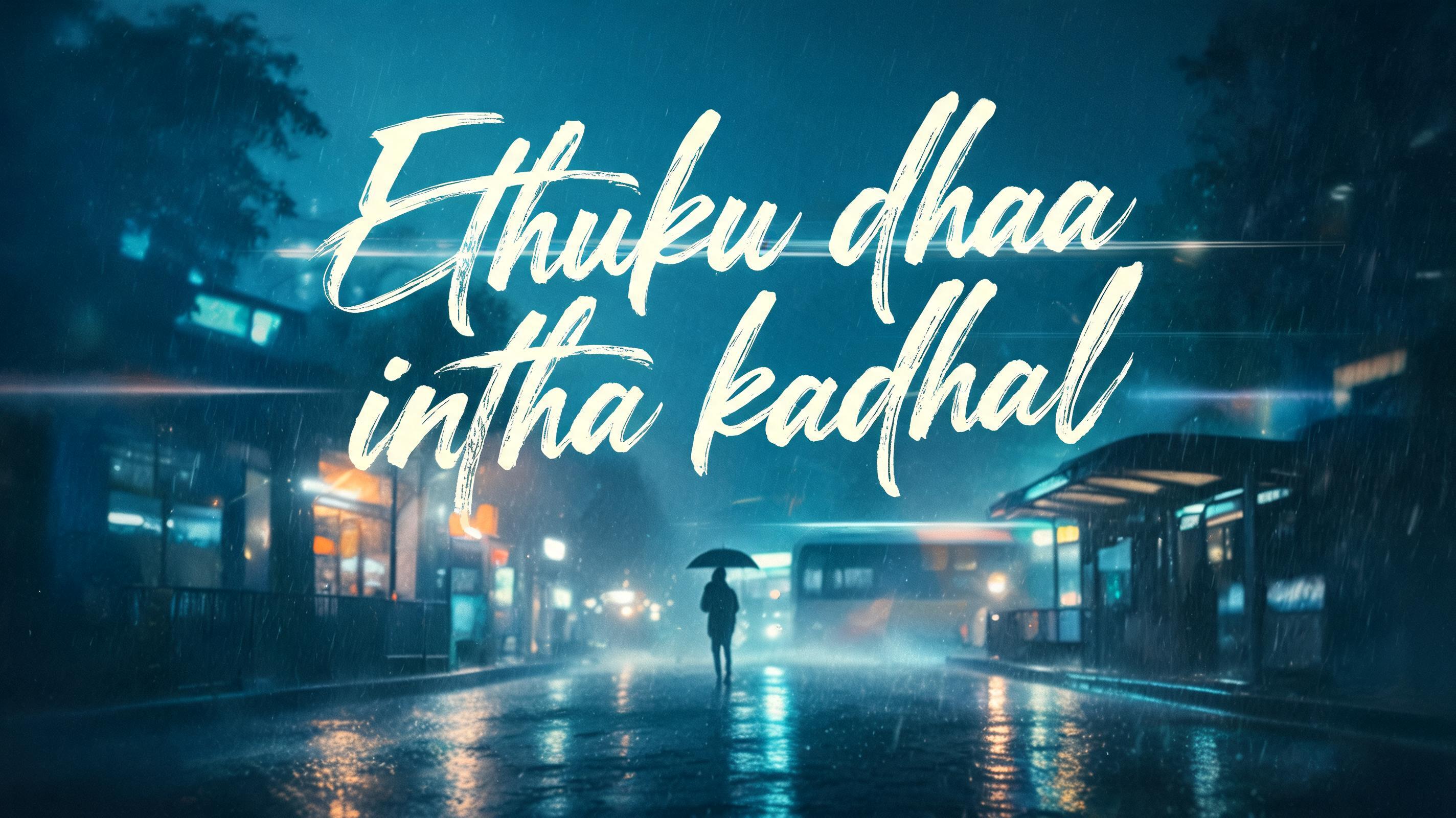
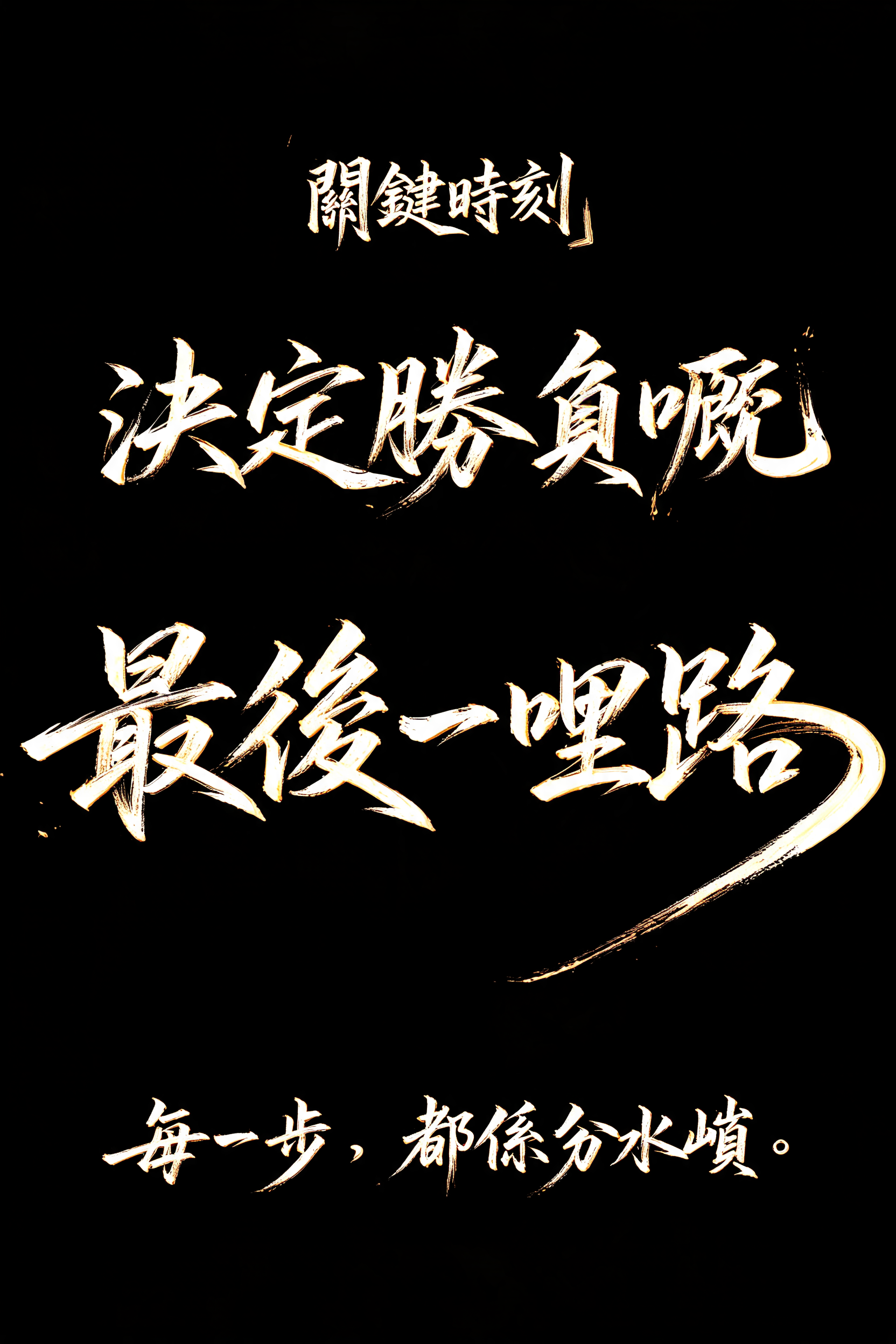
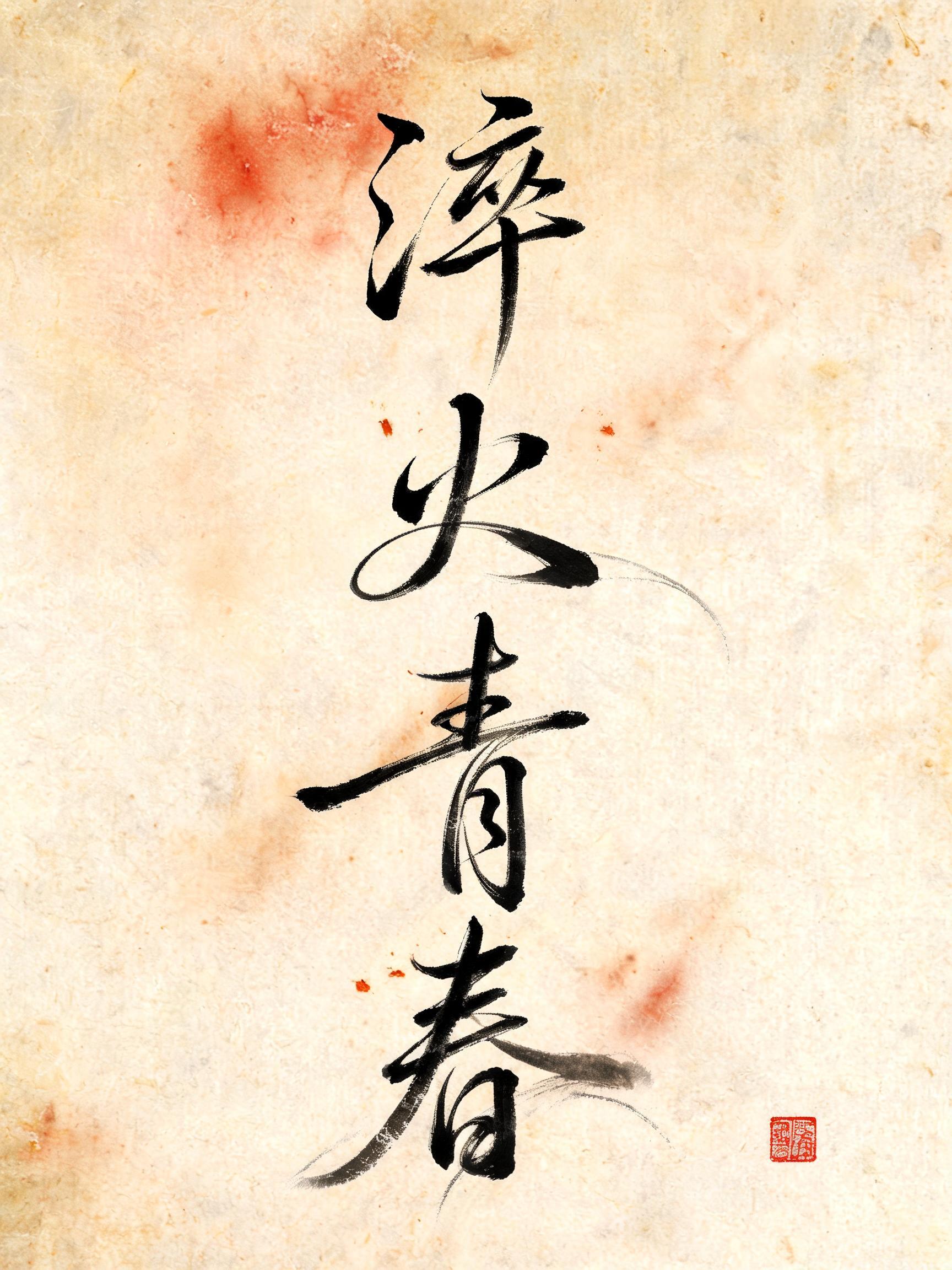
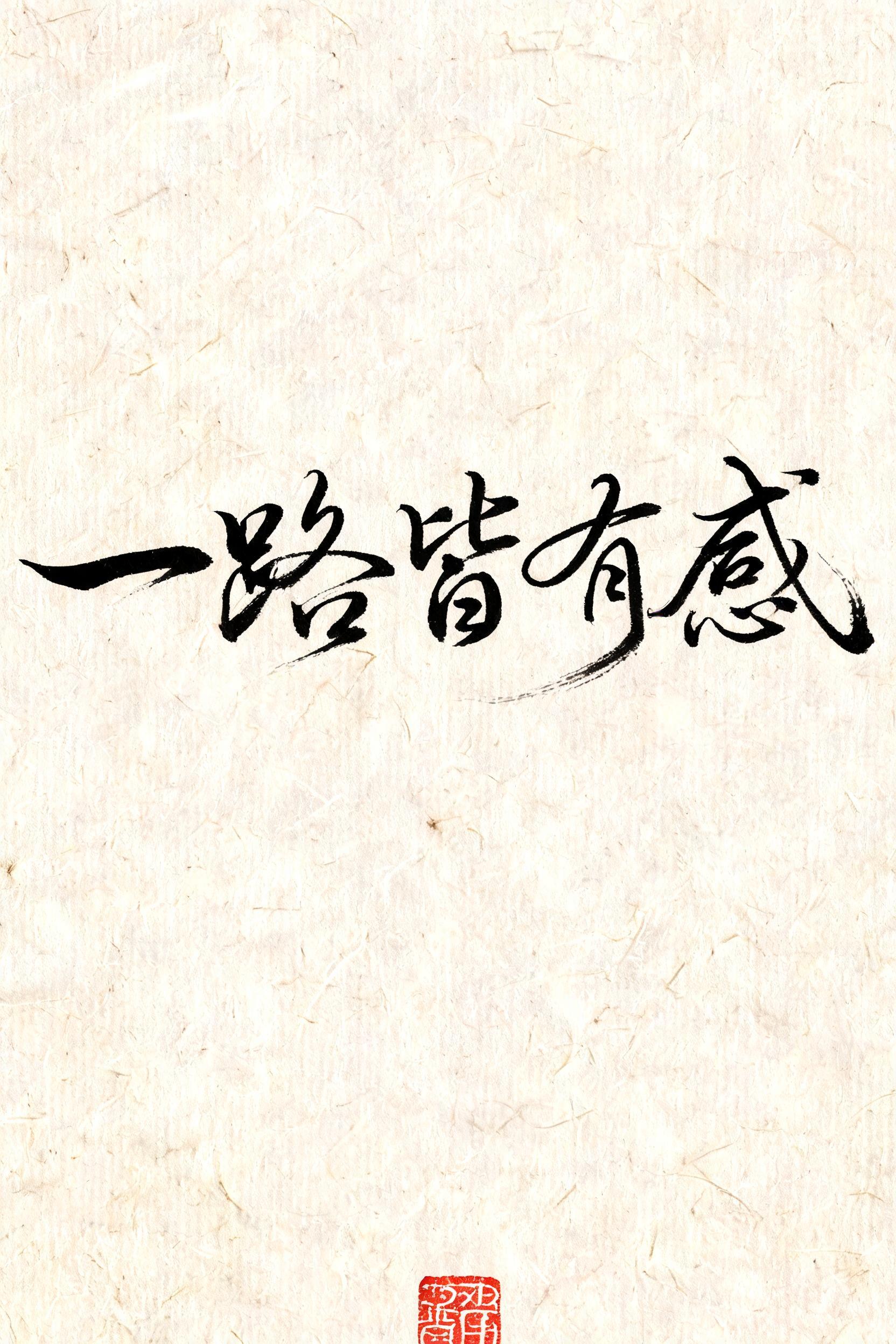
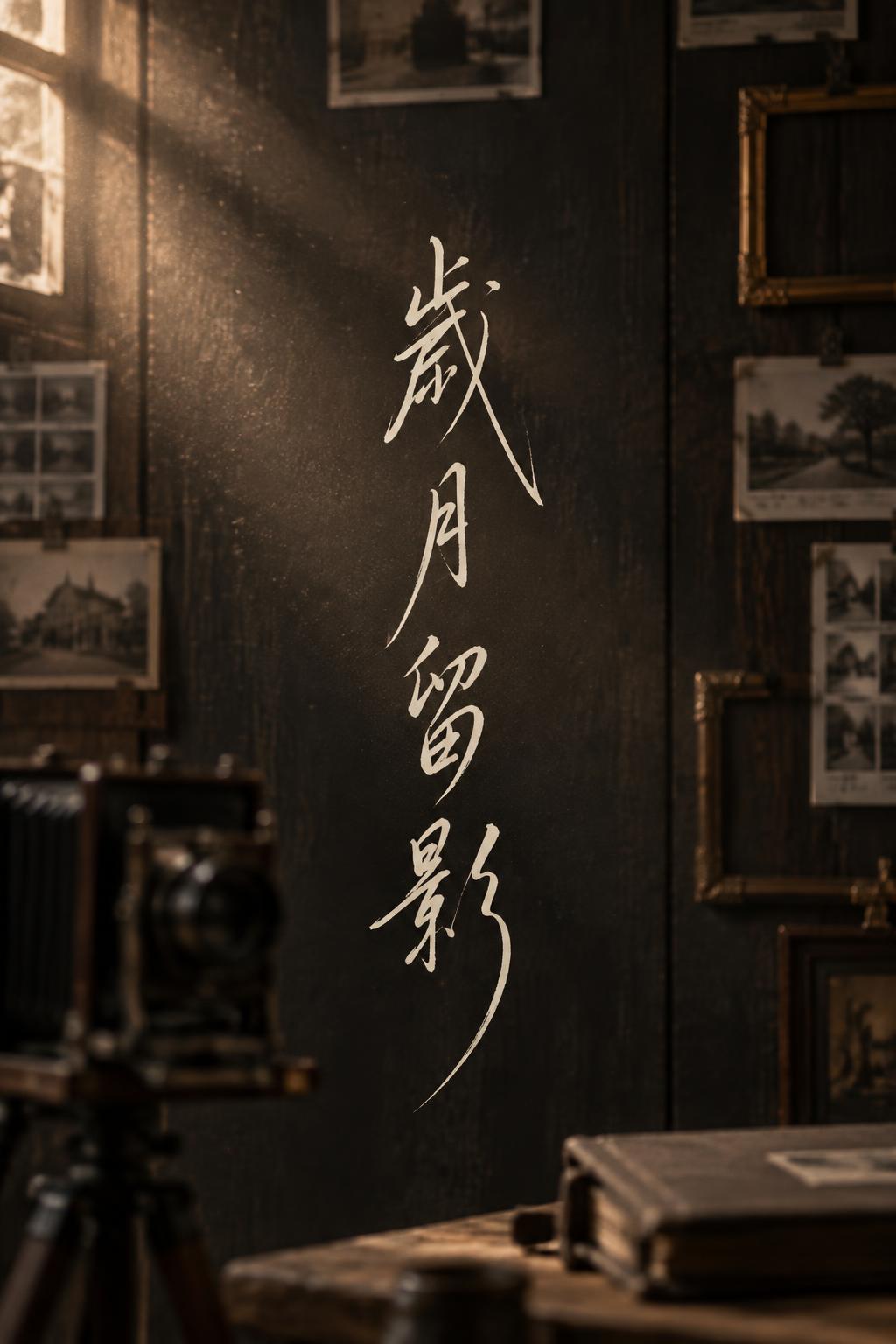
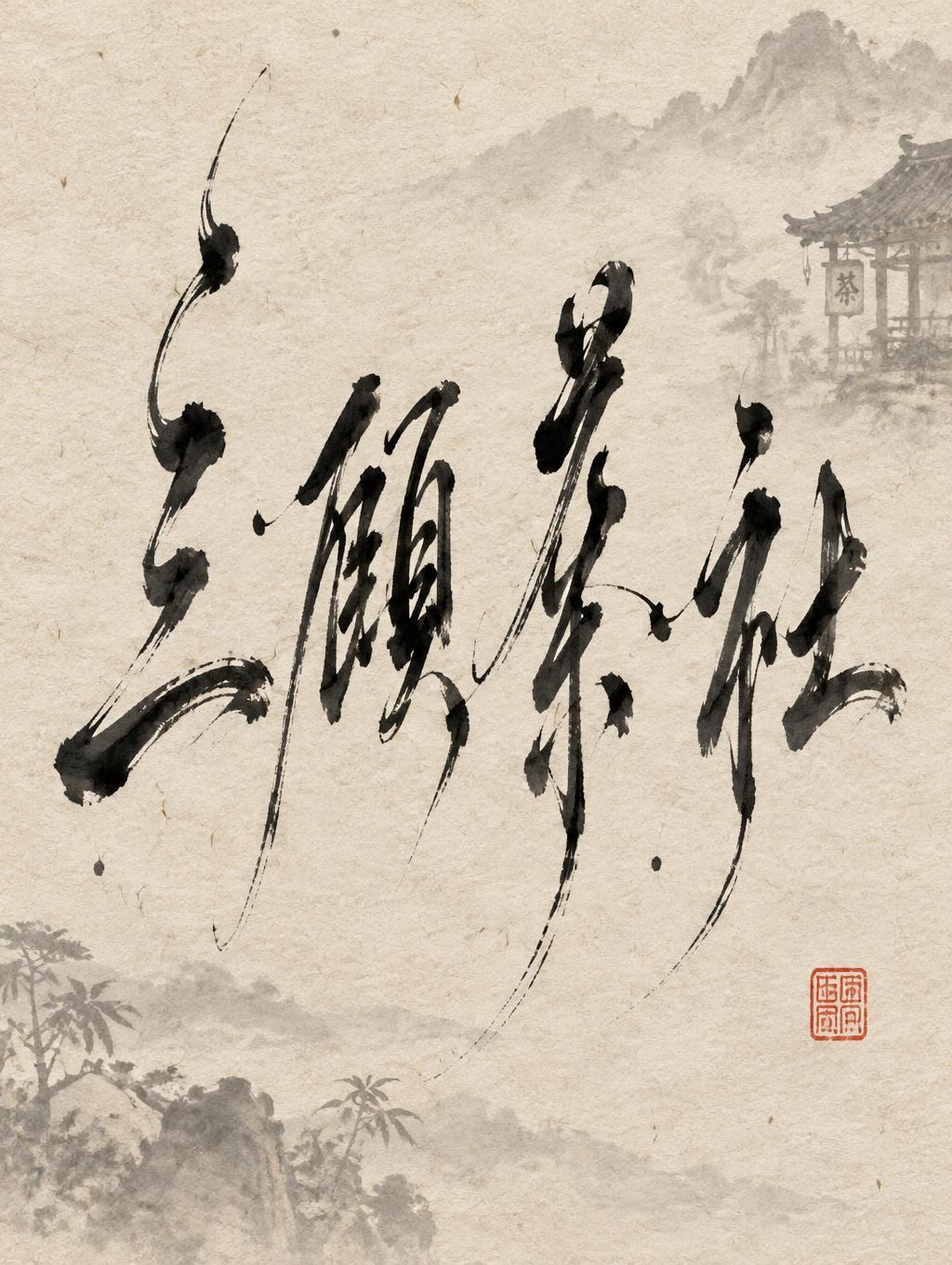
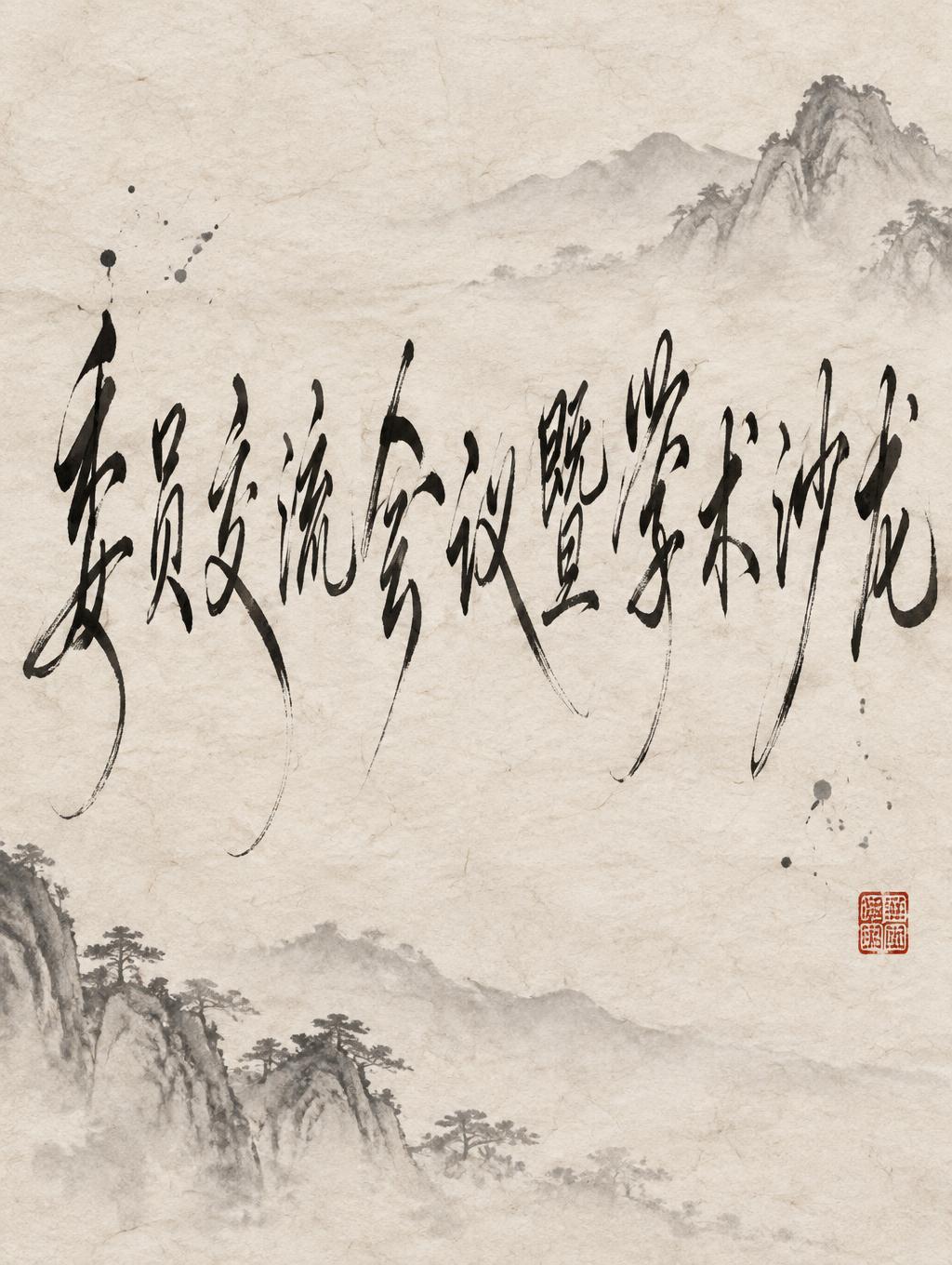
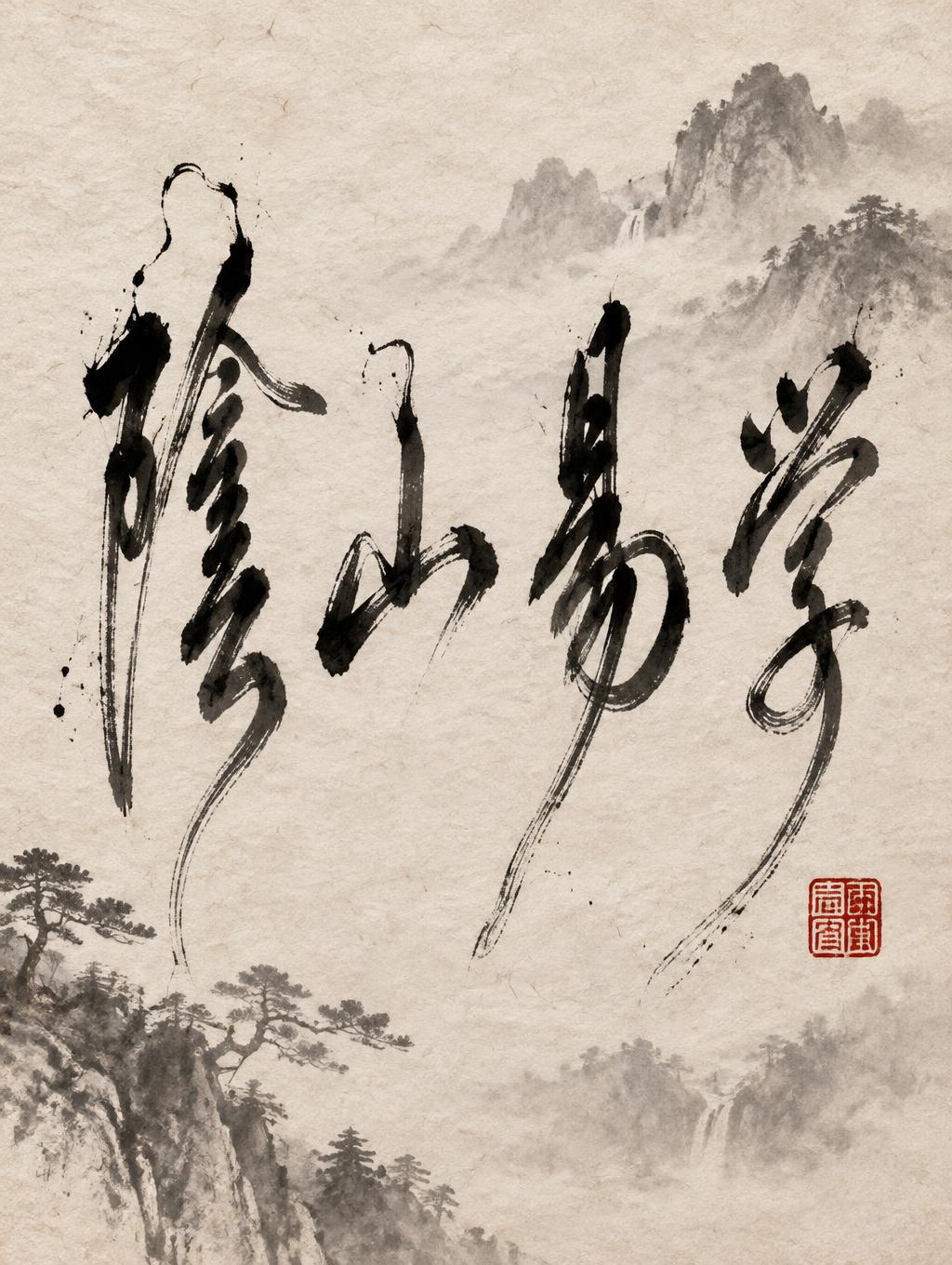
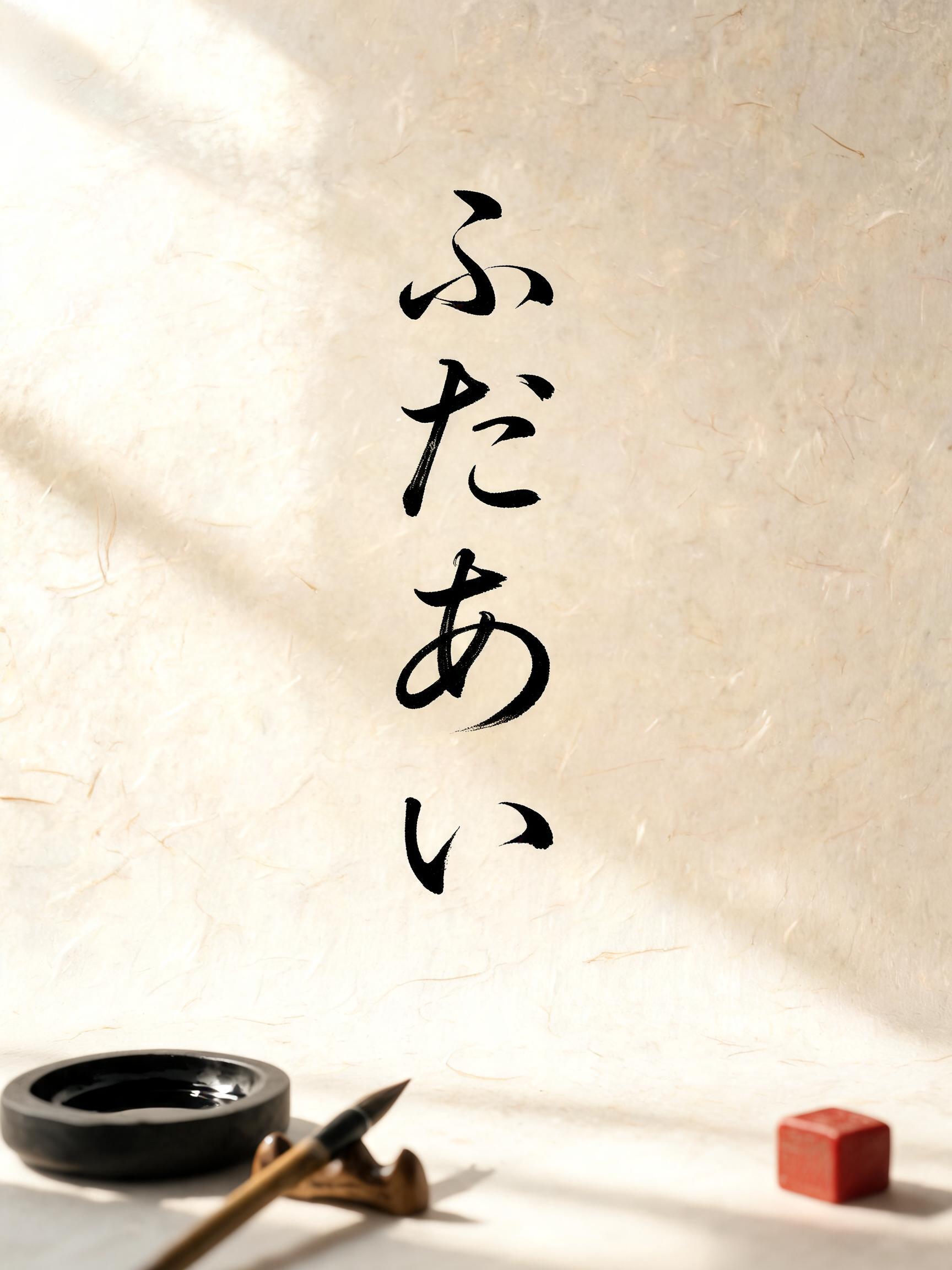
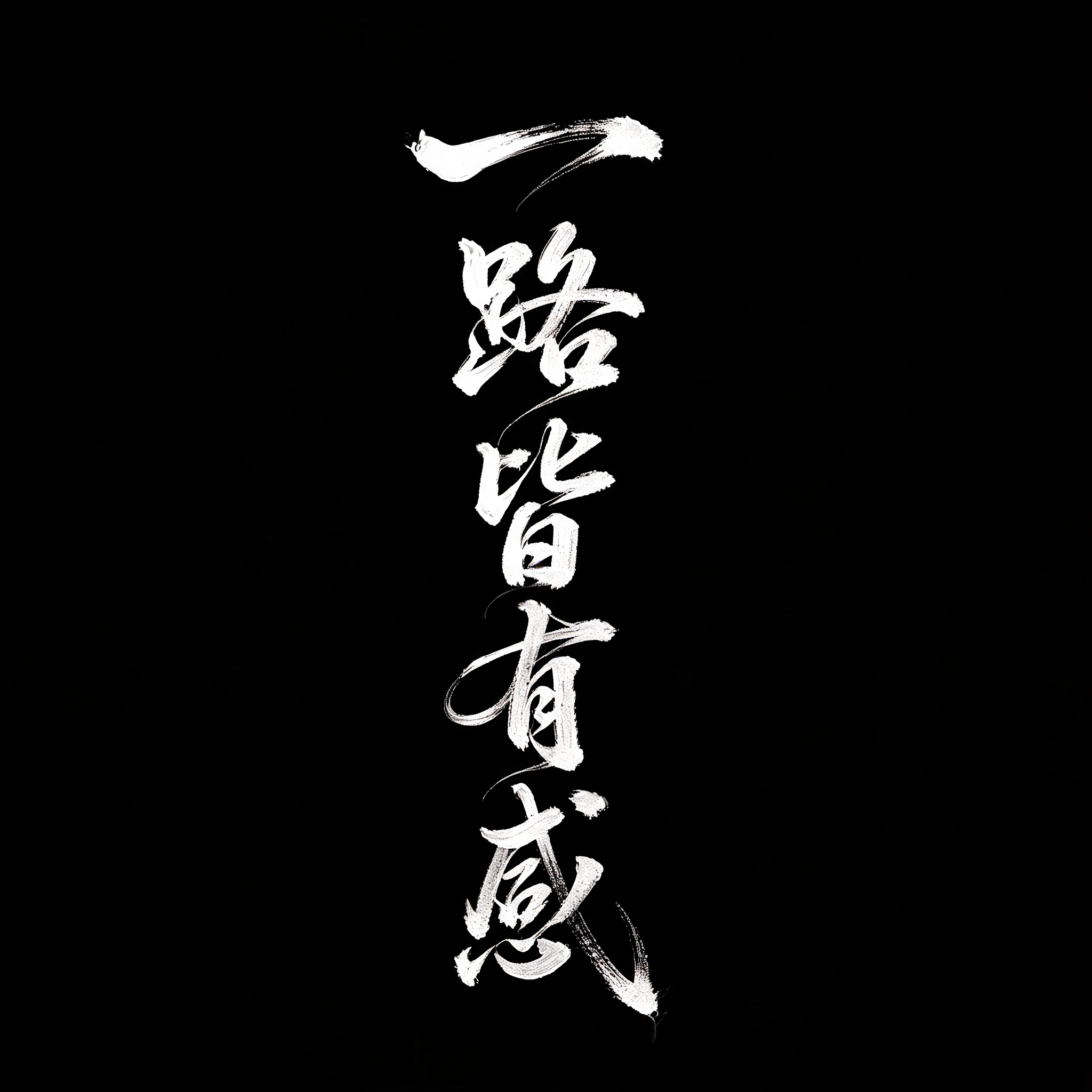
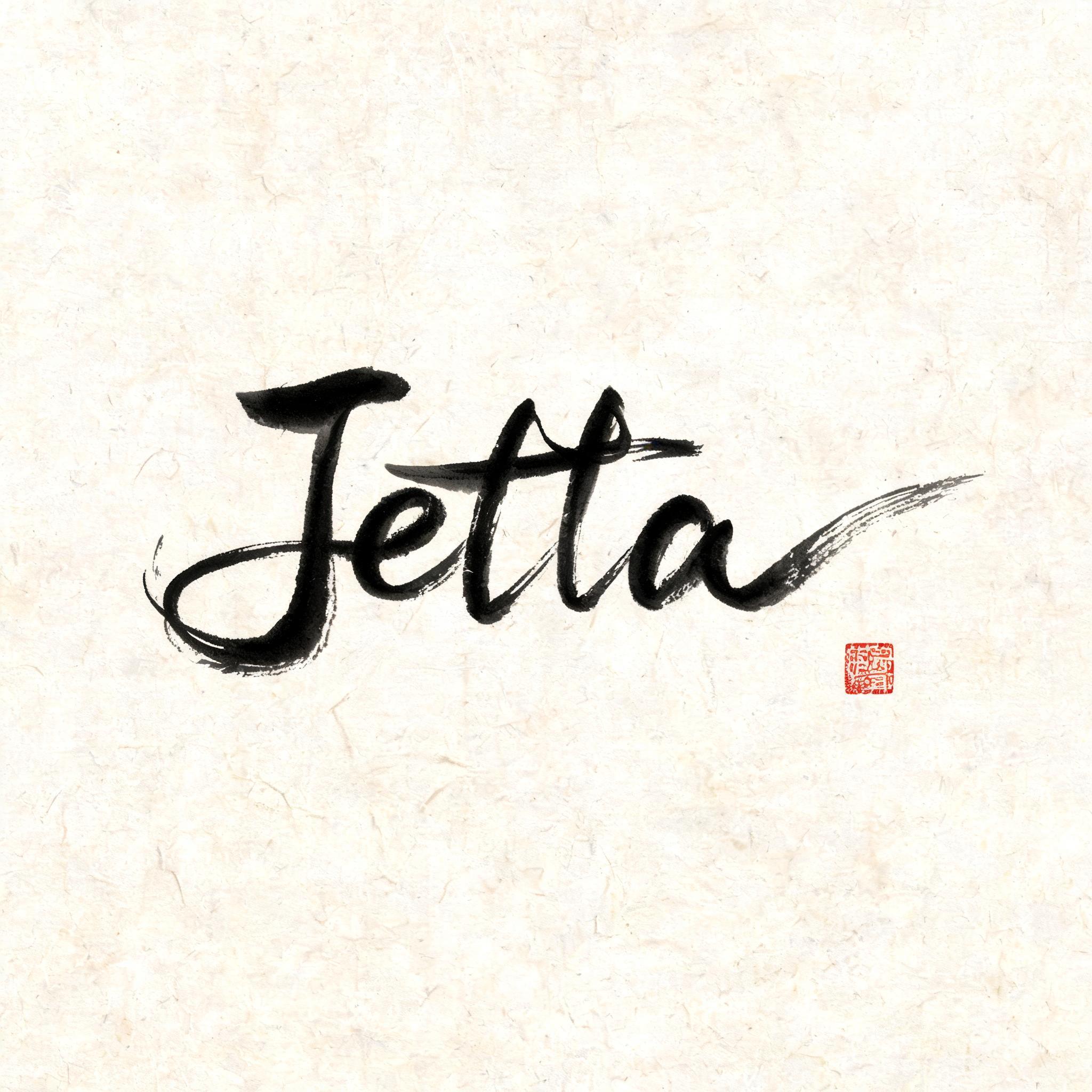
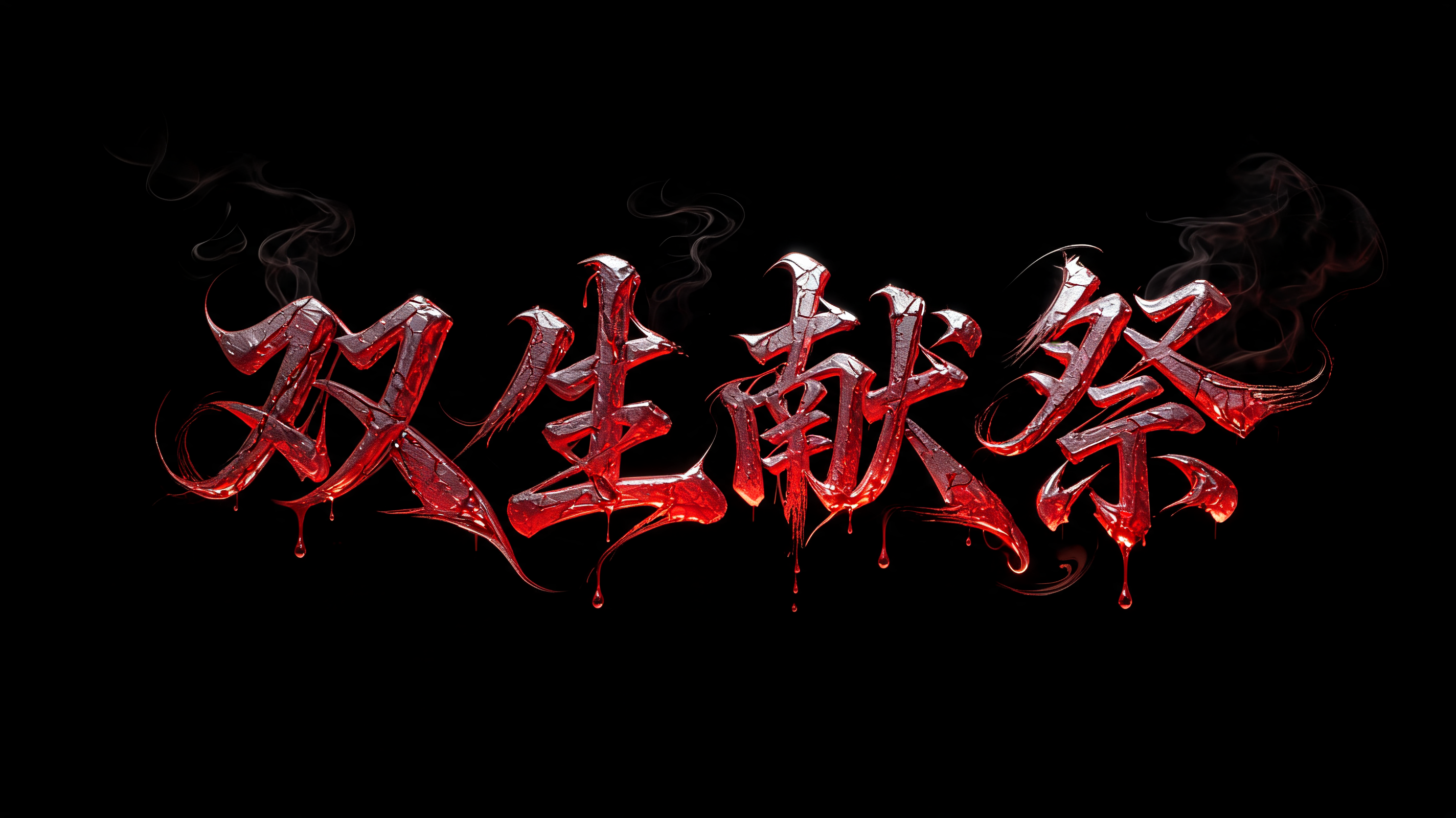
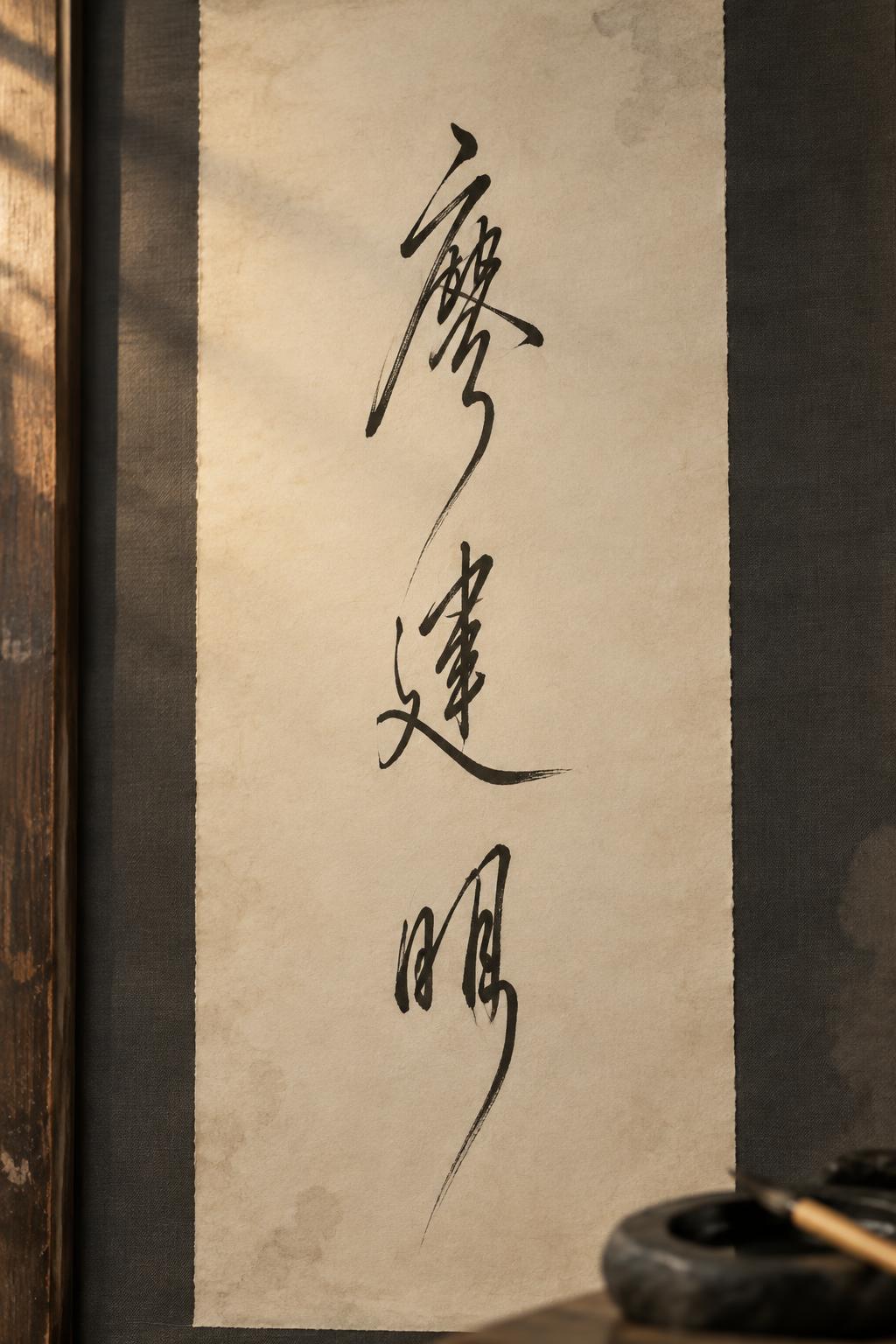
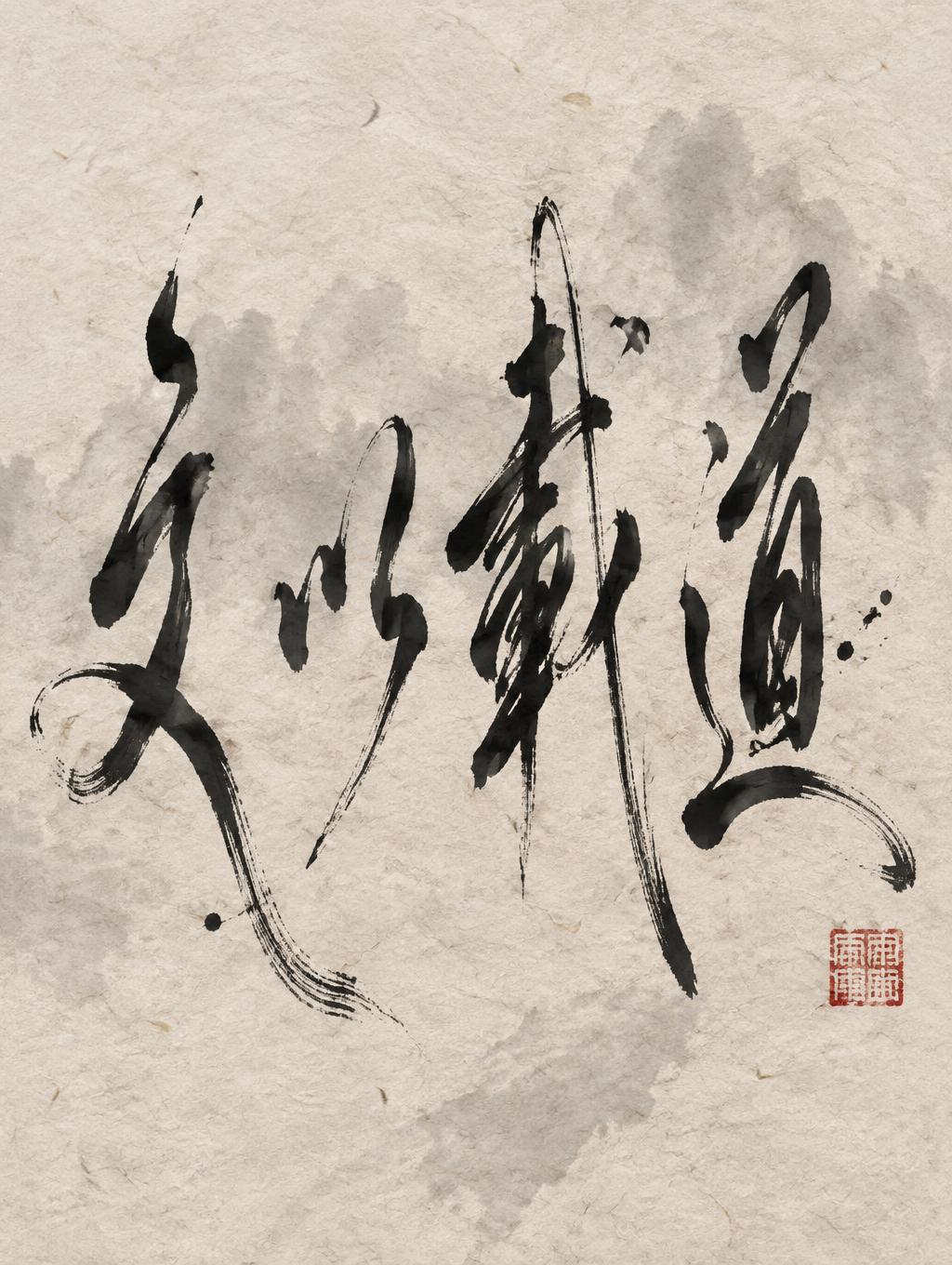
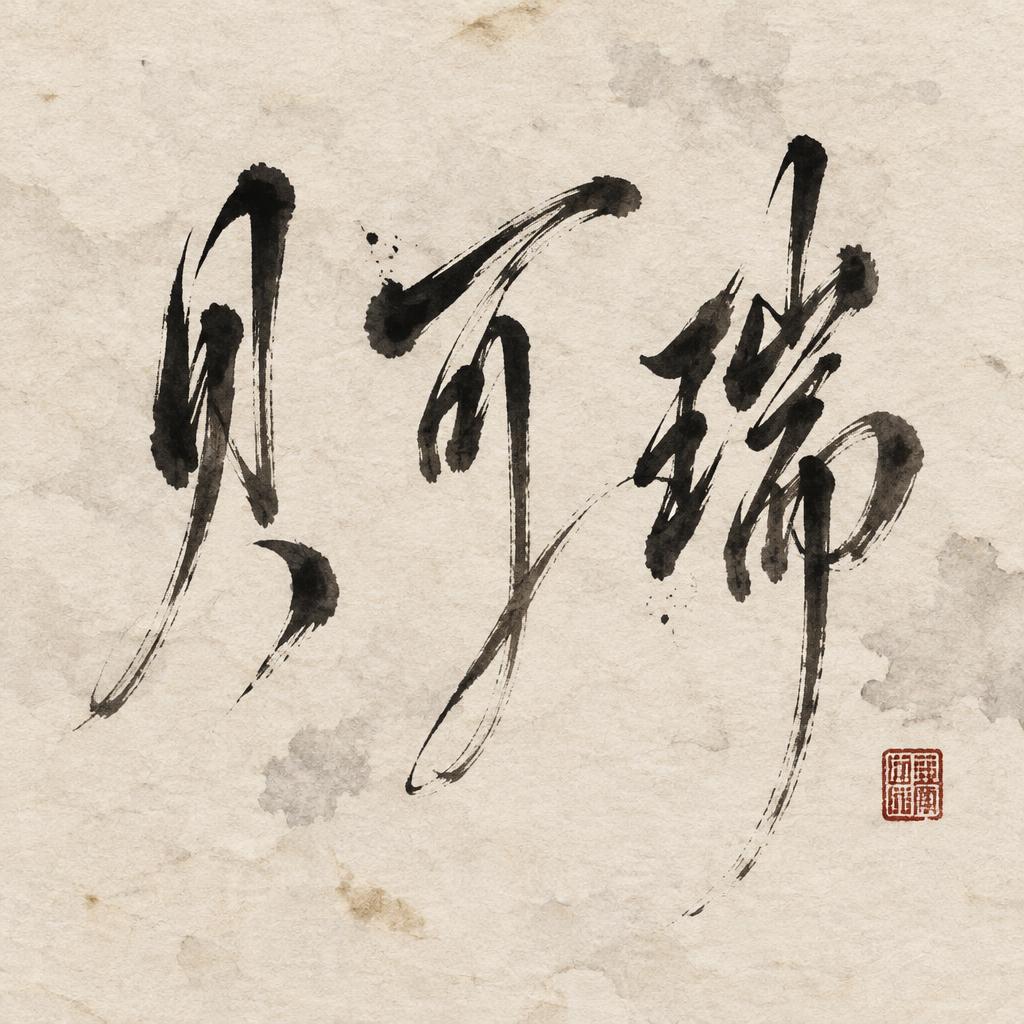
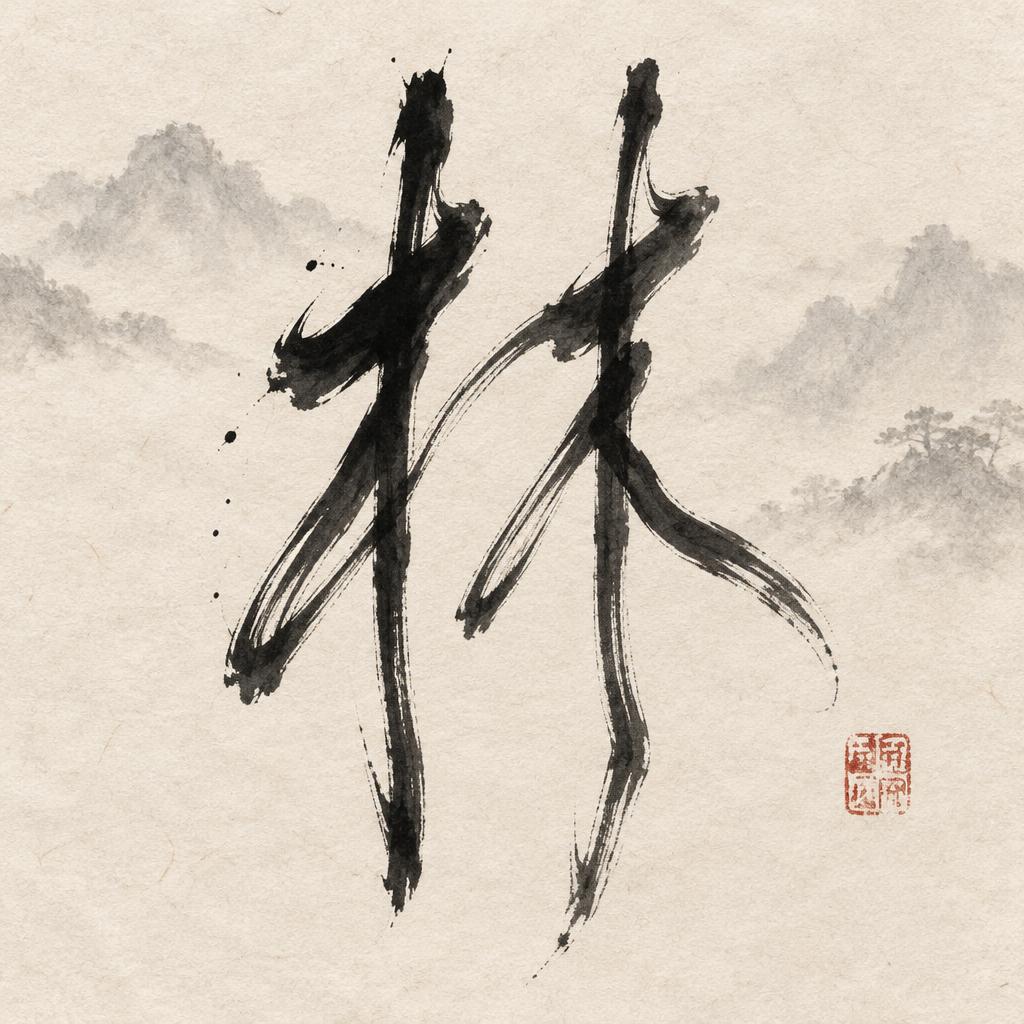
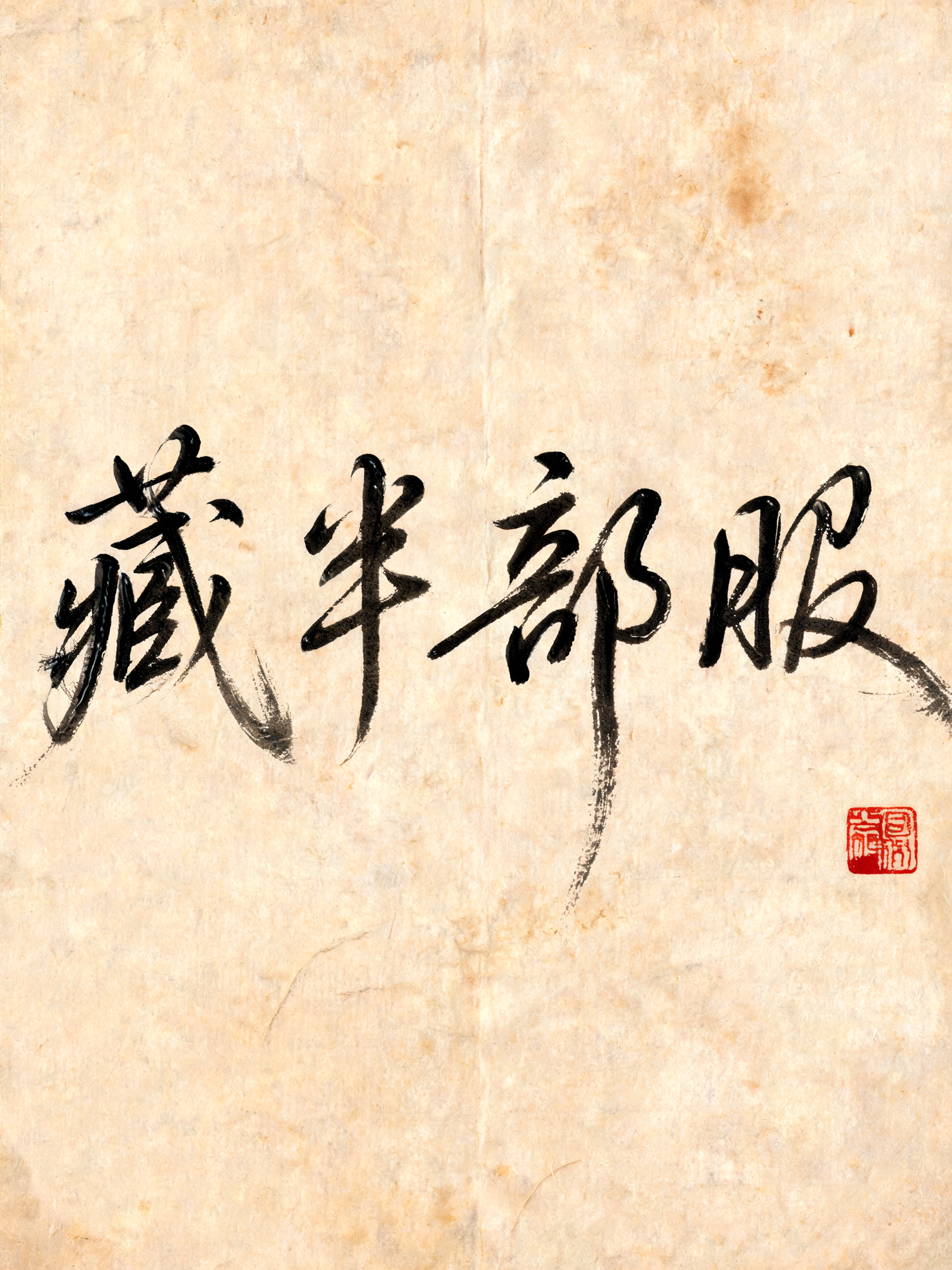
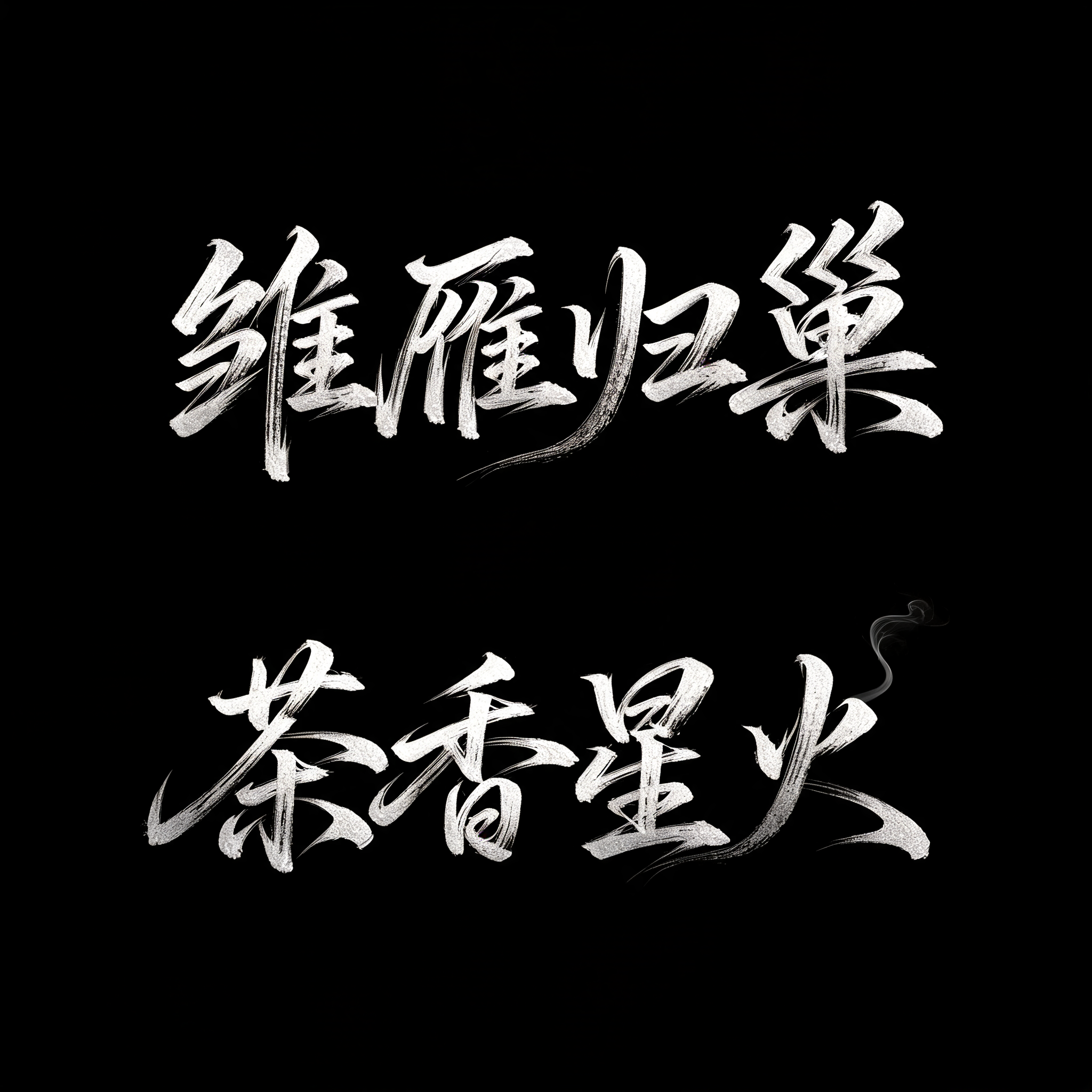
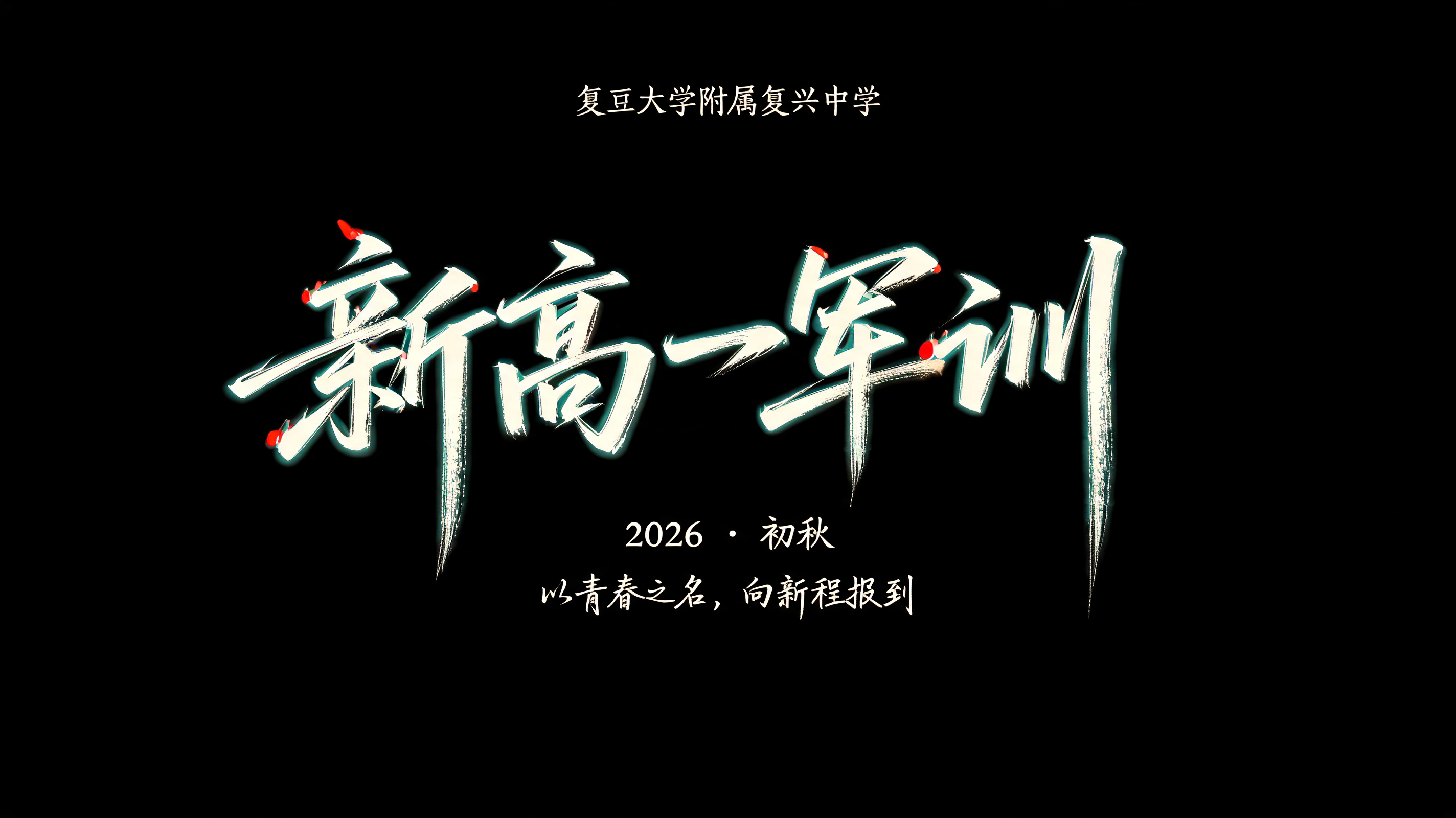
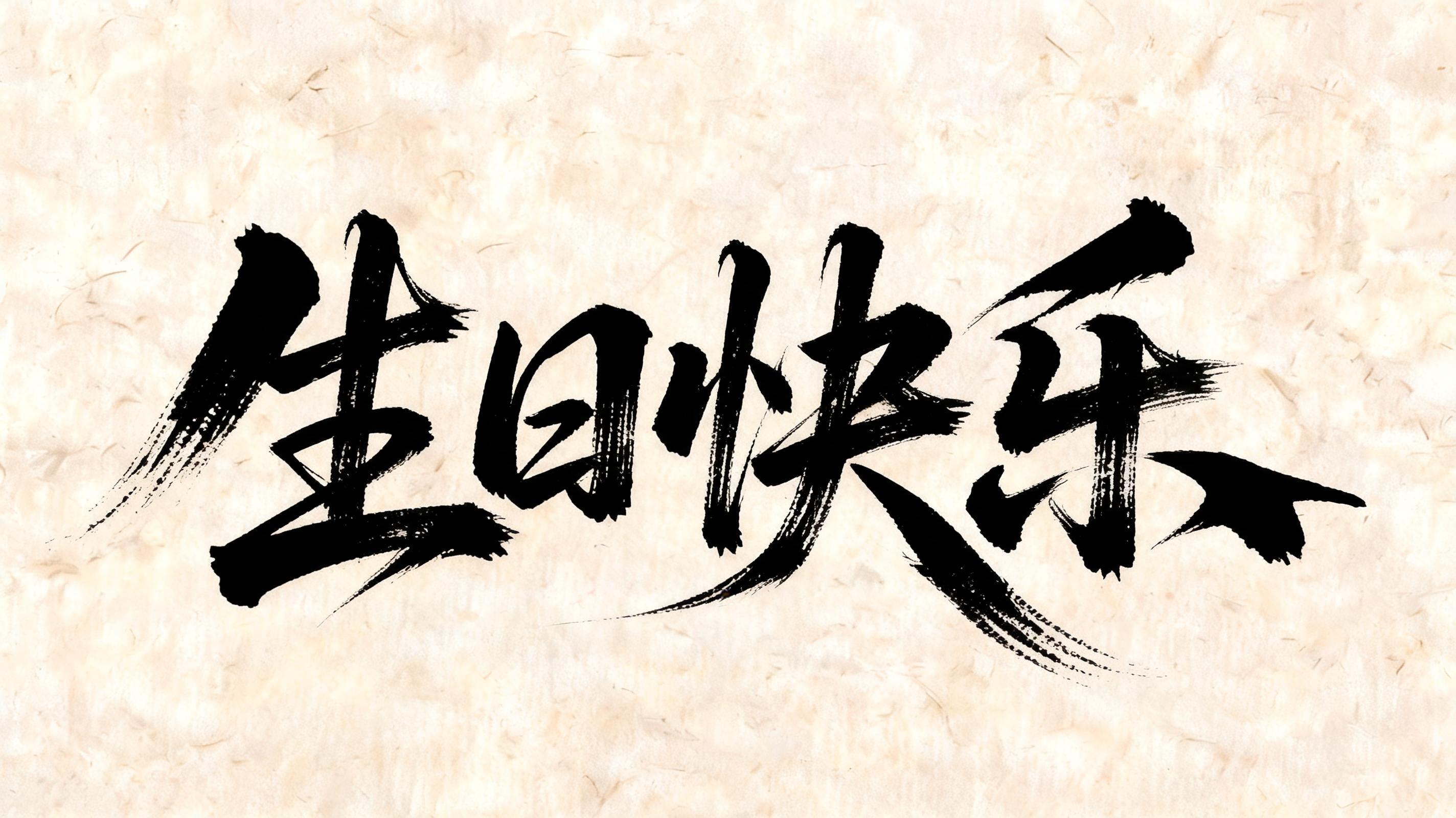

More AI fonts like Chinese Cursive


Looking for copy-paste fancy text? Try our free Font Generator Tools — cursive, gothic, bubble & 30+ styles.
About Chinese Cursive AI font
Zhang Xu wild cursive script (草书) — extreme connection, explosive speed, the most dynamic of Chinese calligraphy traditions
Scene
Look
Lettering
Culture
FAQ
What is the Chinese Cursive font?
Chinese Cursive is Zhang Xu wild cursive — the caoshu tradition of extreme connection, explosive speed and the most dynamic of Chinese calligraphy. It reads as expressive, energetic and artful, the register of art, culture, martial and heritage design. Tang-dynasty calligrapher Zhang Xu (c. 685–759), famous for writing his wildest cursive after drinking wine, was celebrated alongside Li Bai's poetry and Pei Min's sword dance as one of the era's "Three Wonders"; Huai Su (737–799) carried the wild-cursive tradition forward a generation later.
Can I download Chinese Cursive?
There is no installable file. You type your text and the generator writes it in the flowing cursive hand fitted to your actual shapes, and returns a high-resolution image.
Where does this style work best?
Chinese and East Asian art and cultural branding, tea and heritage, martial-arts and film titles, calligraphy and gallery work, restaurant and event design, book and album covers. Set it large with room to breathe.
Can I use it for commercial work?
Yes. Generated images may be used commercially, including packaging, signage and print. If you set actual Chinese characters, have a native reader check them before use.
Why is wild cursive so hard to read, even for native readers?
Because in caoshu legibility is deliberately traded away for the energy and expression of the brush. Wild cursive abbreviates and merges characters at speed, collapsing many strokes into a few continuous flowing gestures and connecting one character into the next without lifting the brush, so the familiar structure of each character dissolves into pure movement. The result is closer to abstract art than to text — a record of the calligrapher's rhythm, breath and emotional state in a single burst of writing, prized precisely for that dynamism. Even educated Chinese readers often cannot decipher a wild-cursive piece at a glance; reading it is not really the point. What the tradition values is the vitality of the gesture — the speed, the connection, the controlled loss of control — as a form of self-expression and artistry. So the illegibility is not a flaw but a consequence of pushing the brush to its most expressive extreme, which is exactly what gives the style its unmatched sense of energy and life.
What fonts look similar?
For flying-white dry-brush texture in the same tradition, see Chinese Feibai. For a fuller loaded East Asian brush, try Brush Ink Asian.