
🧪 Design something with Chinese Feibai
Transparent Effect
✦ Transparent Effect
Generates a PNG with the background removed — only the text and its visual effects remain. The AI automatically selects the optimal background color for clean removal based on your style.
Output is always PNG for lossless transparency.
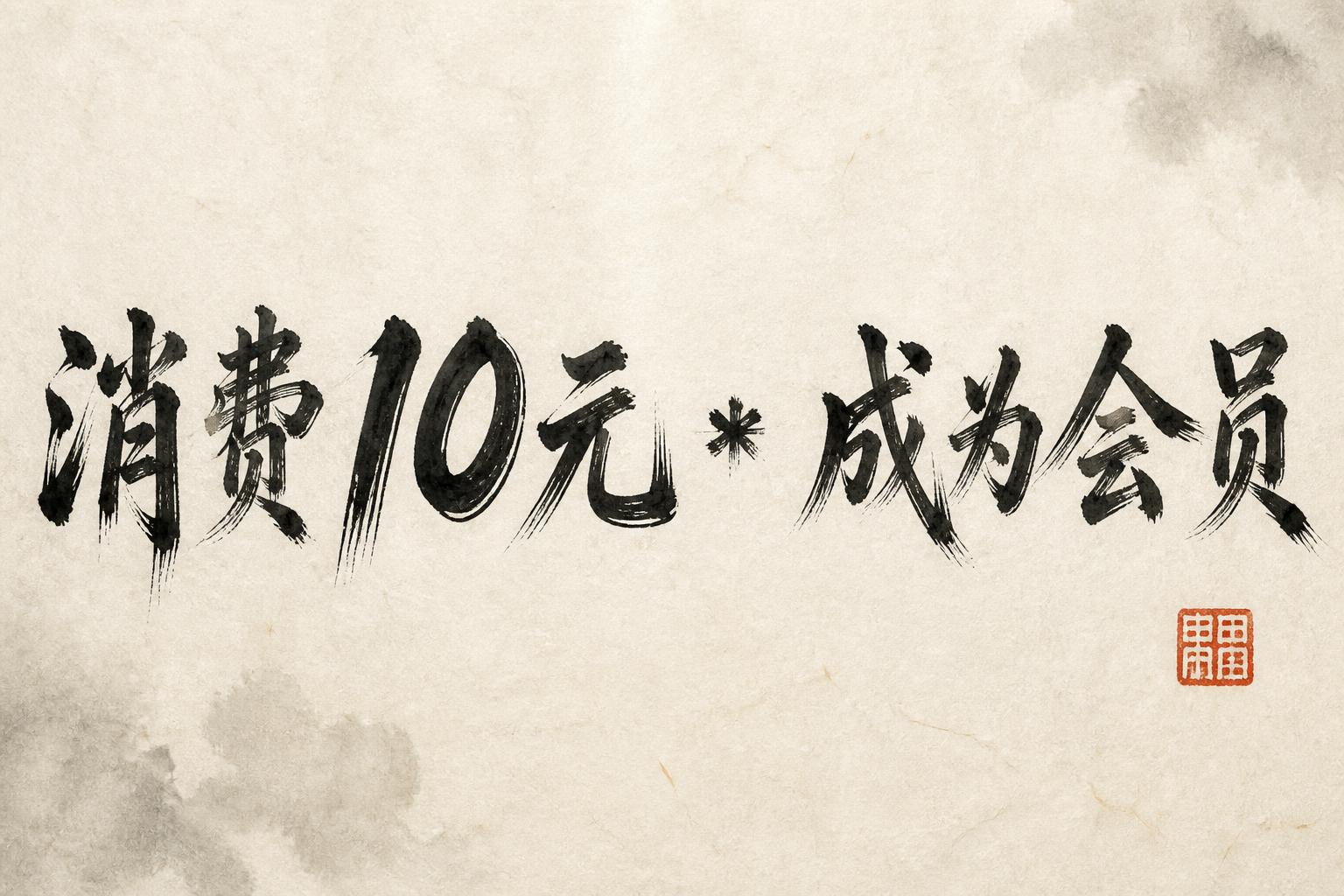
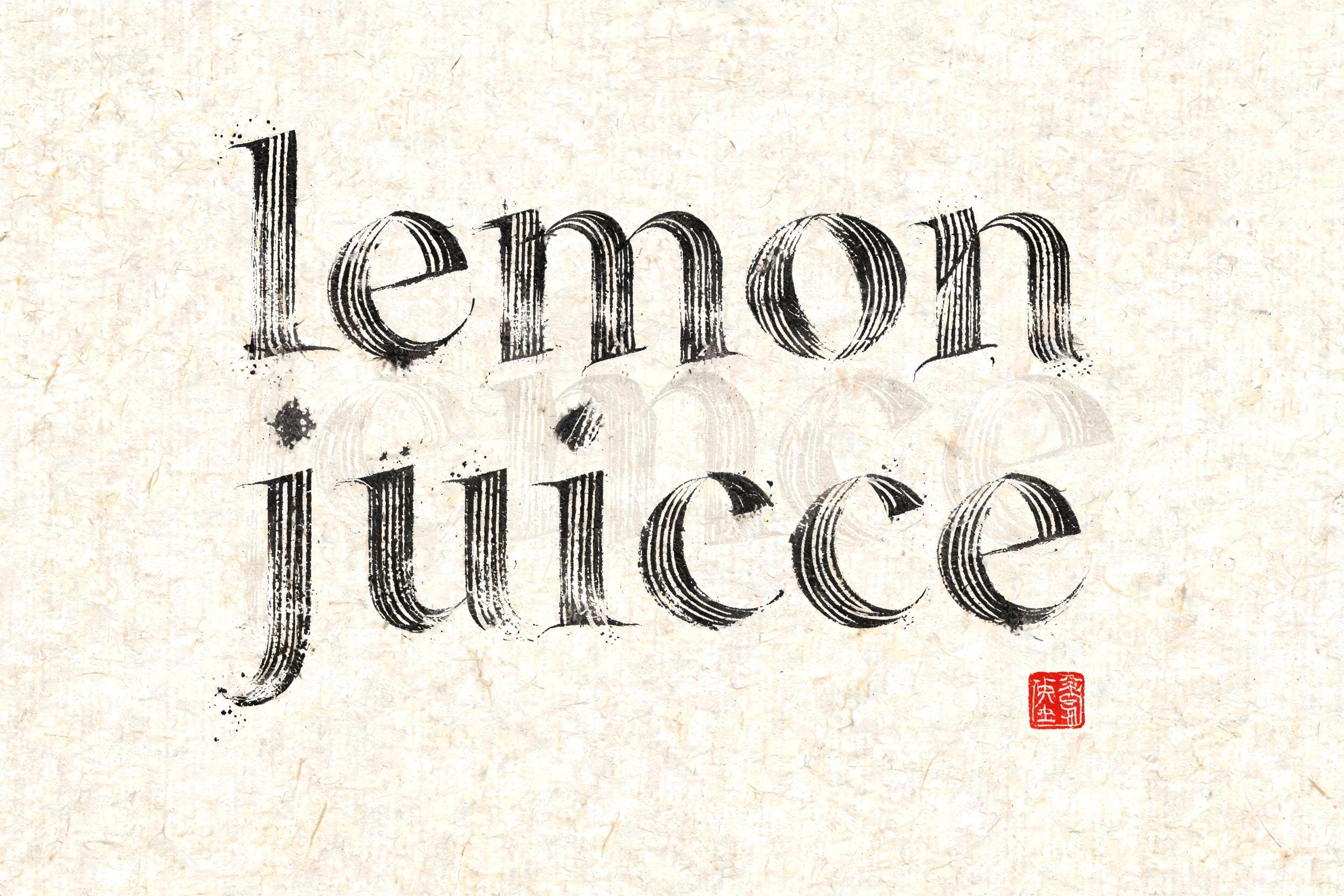
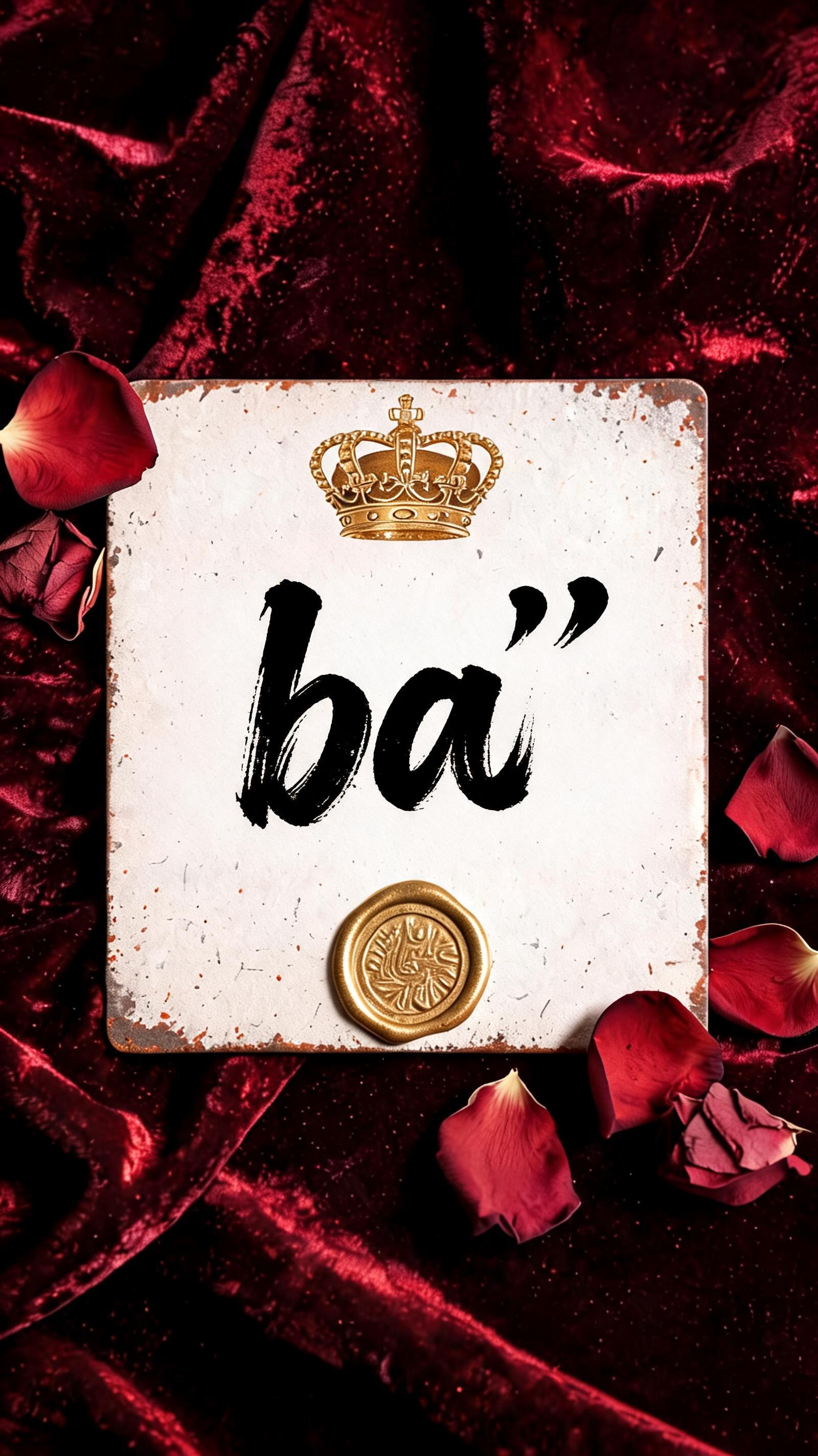
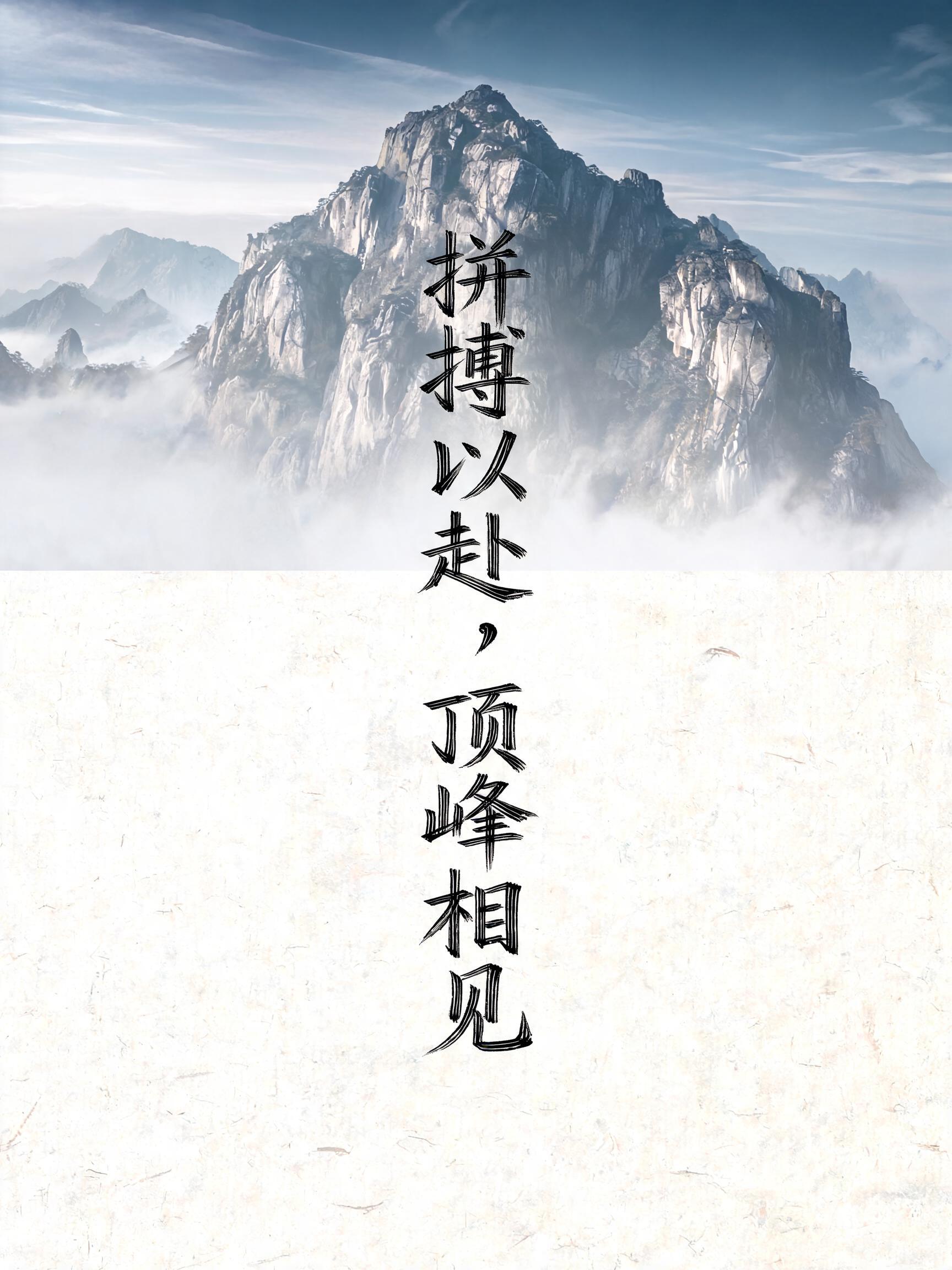
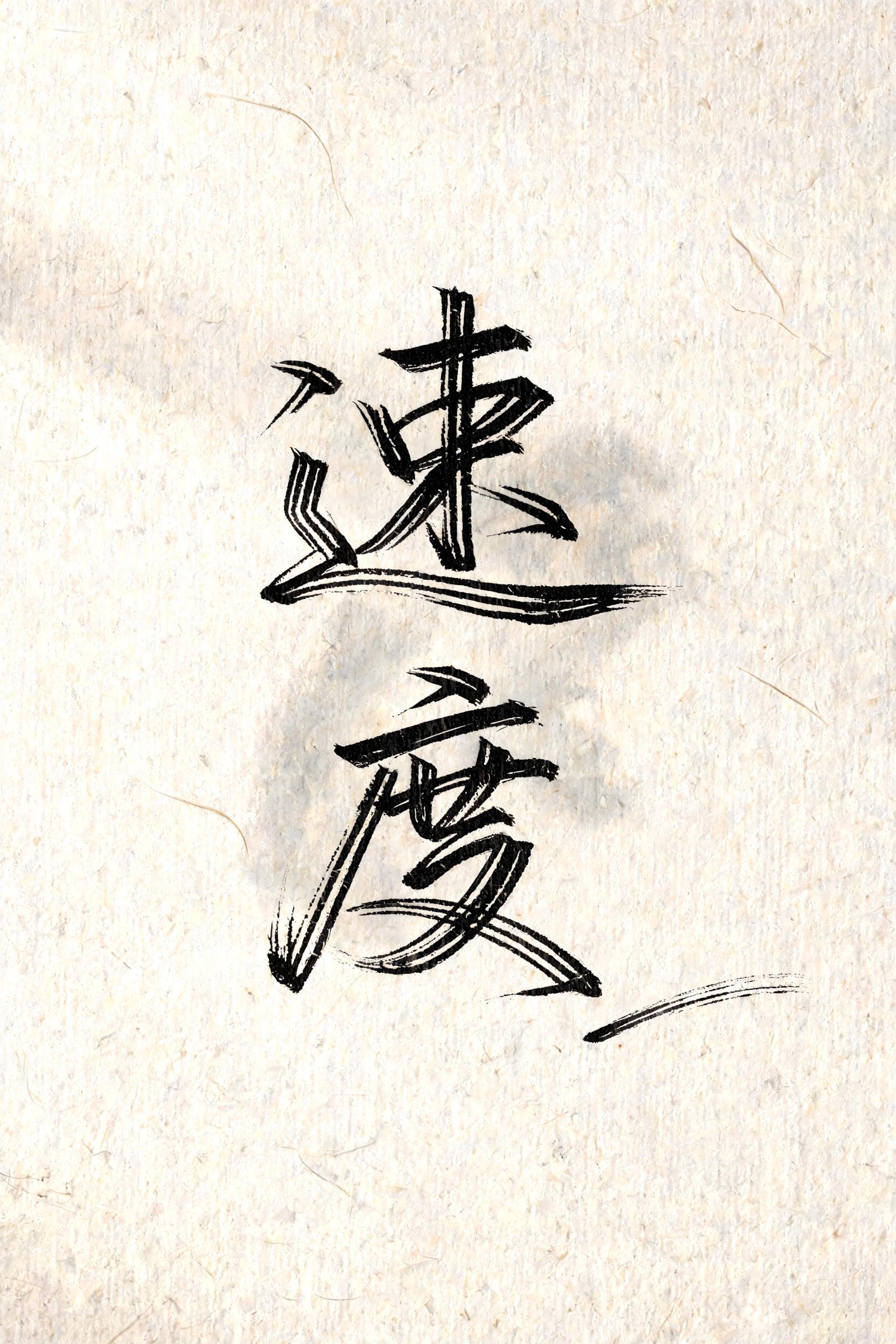

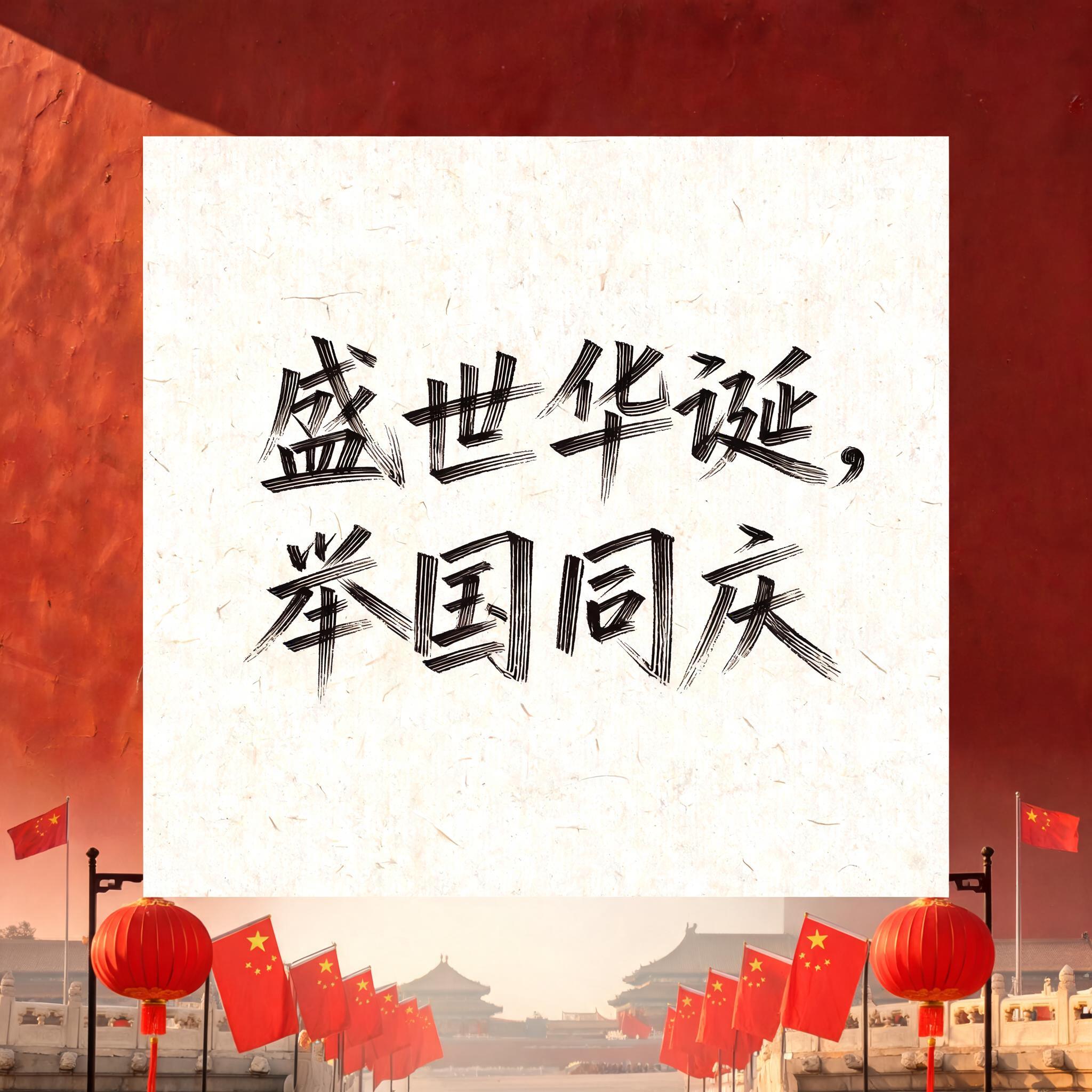
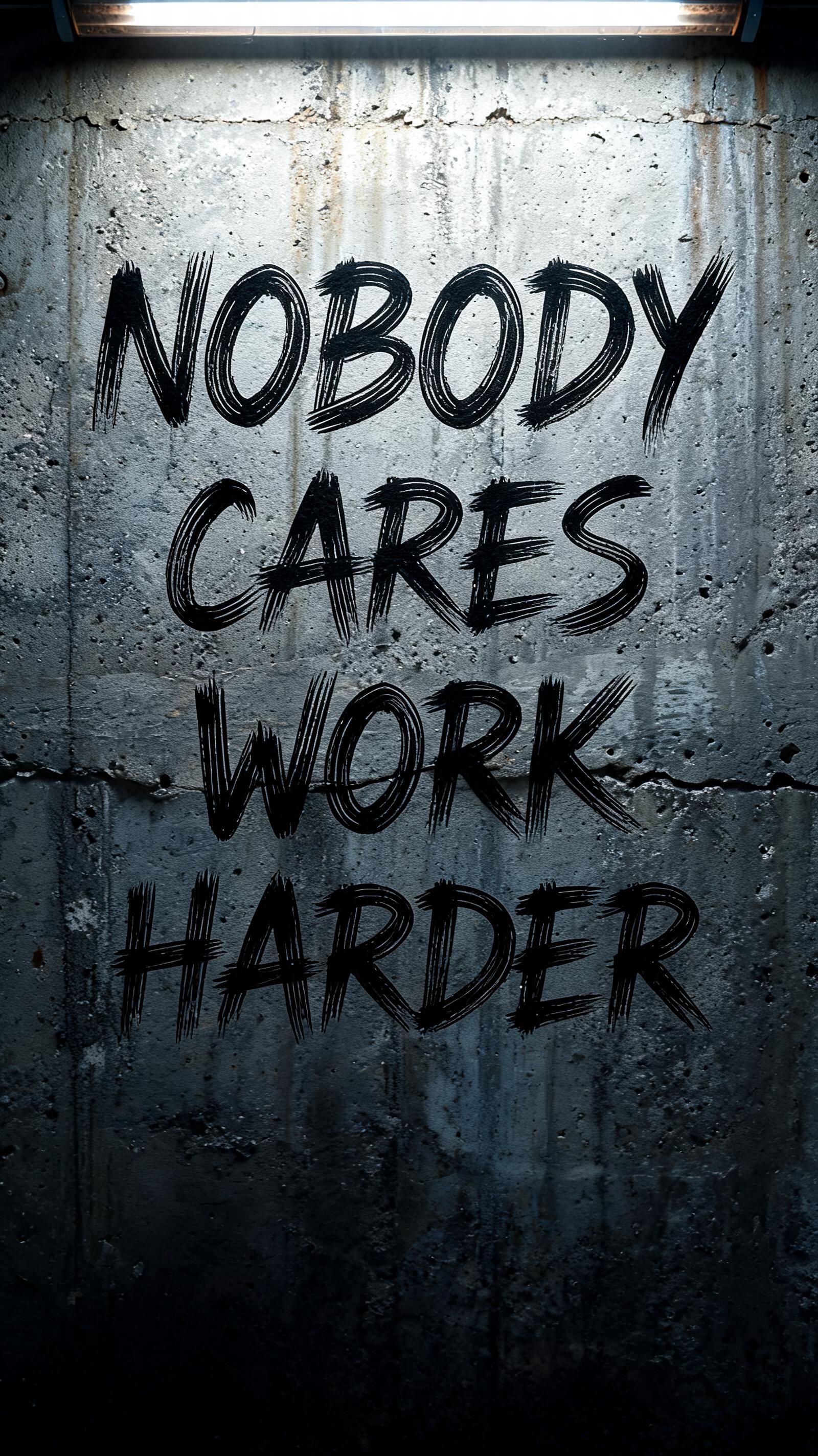
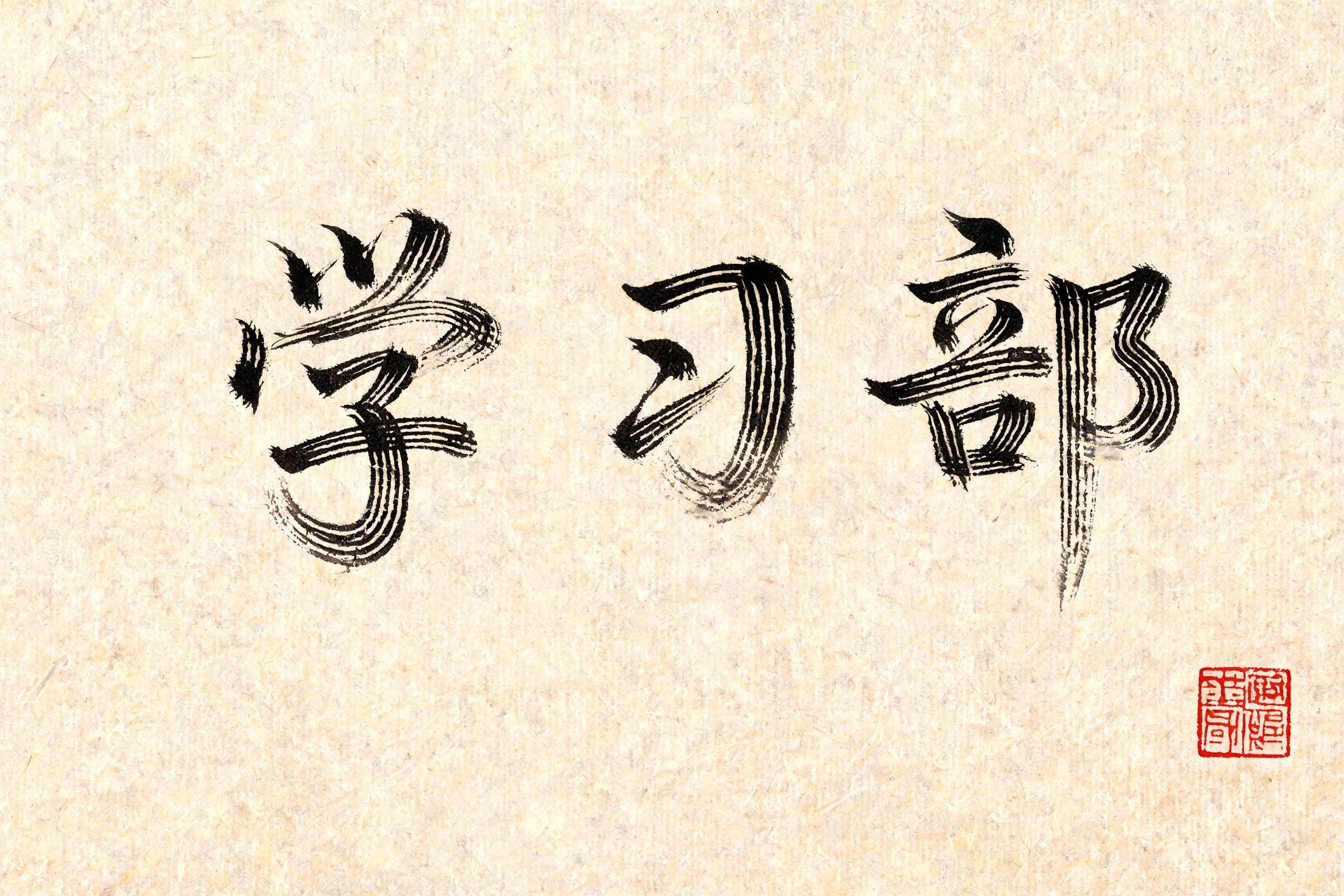
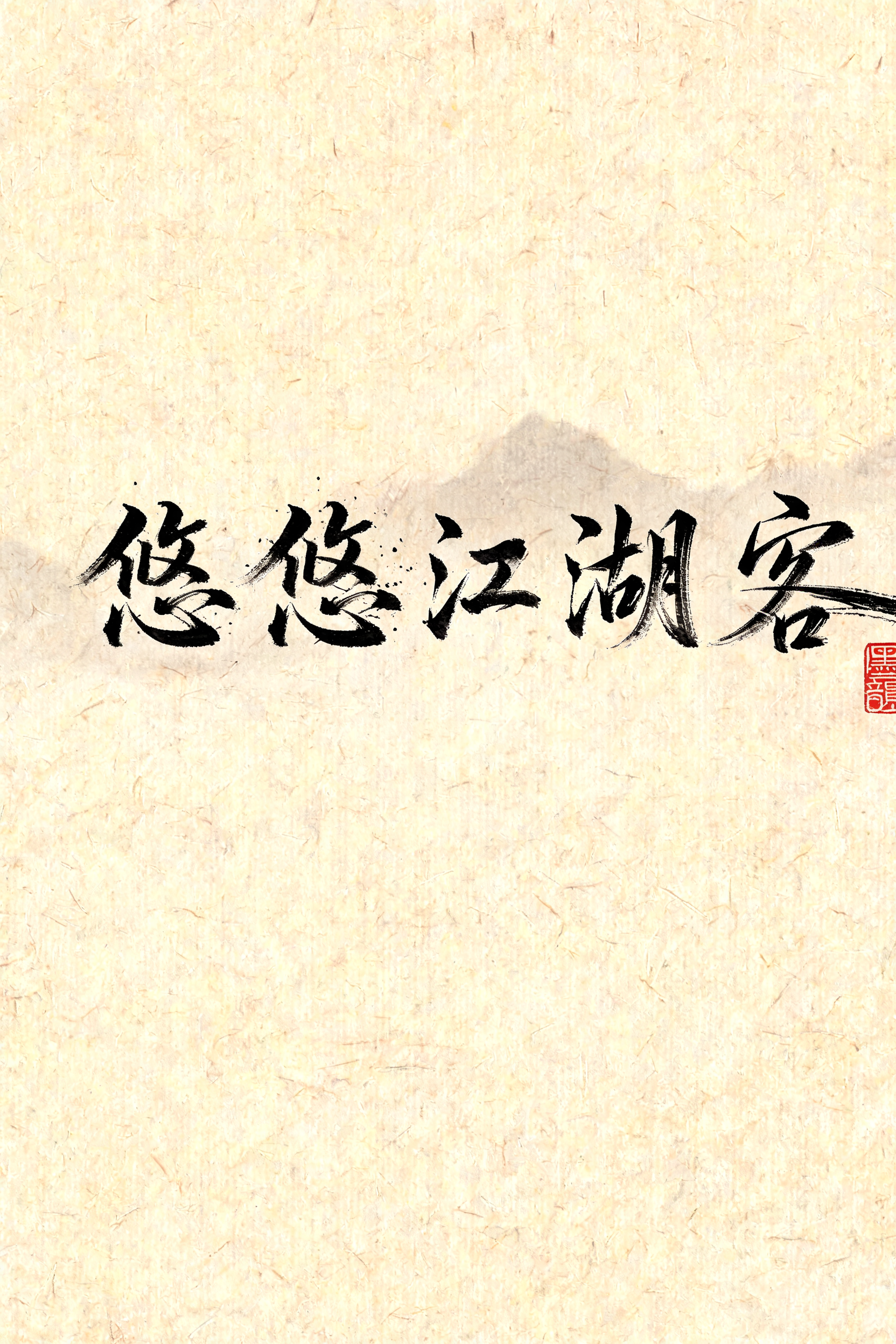

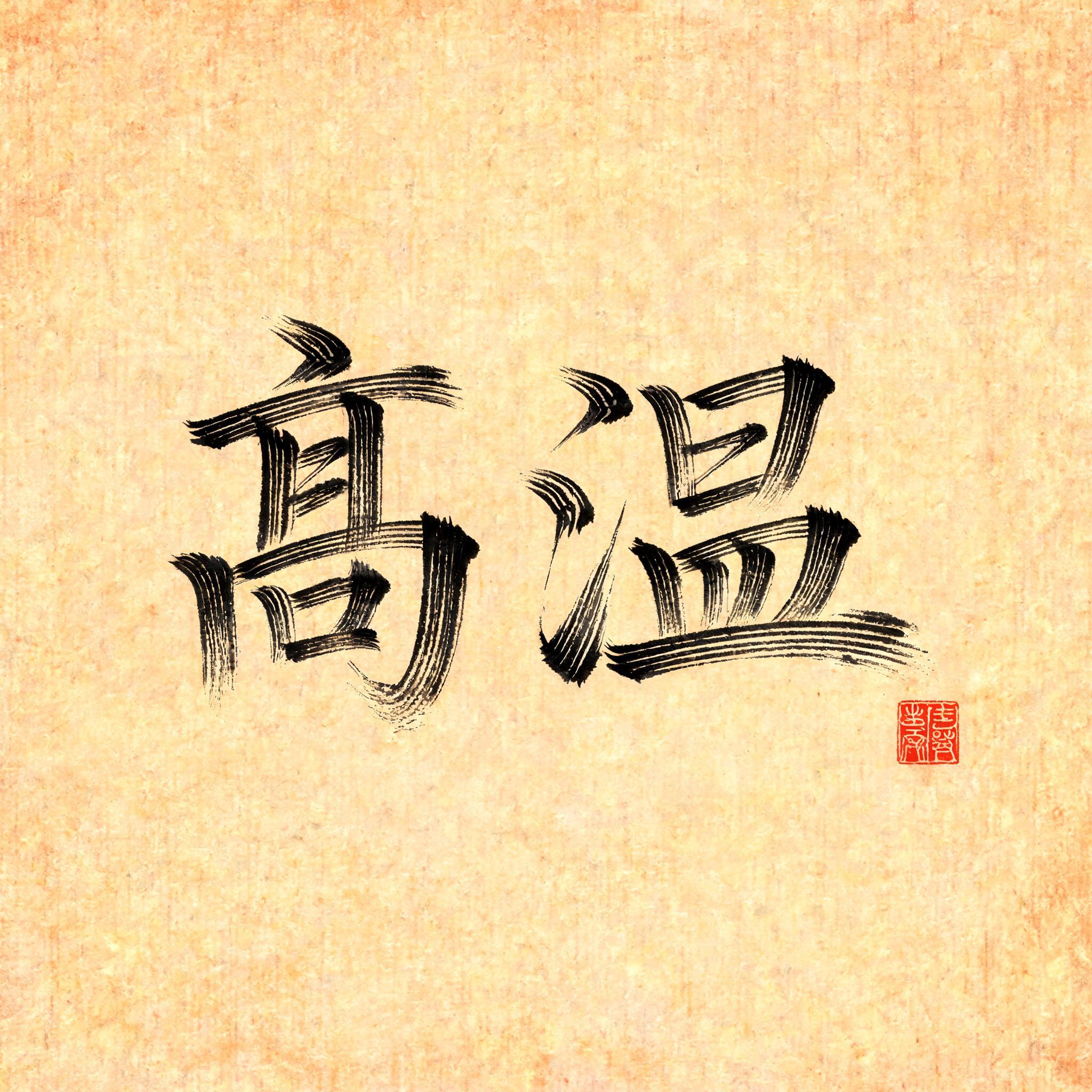
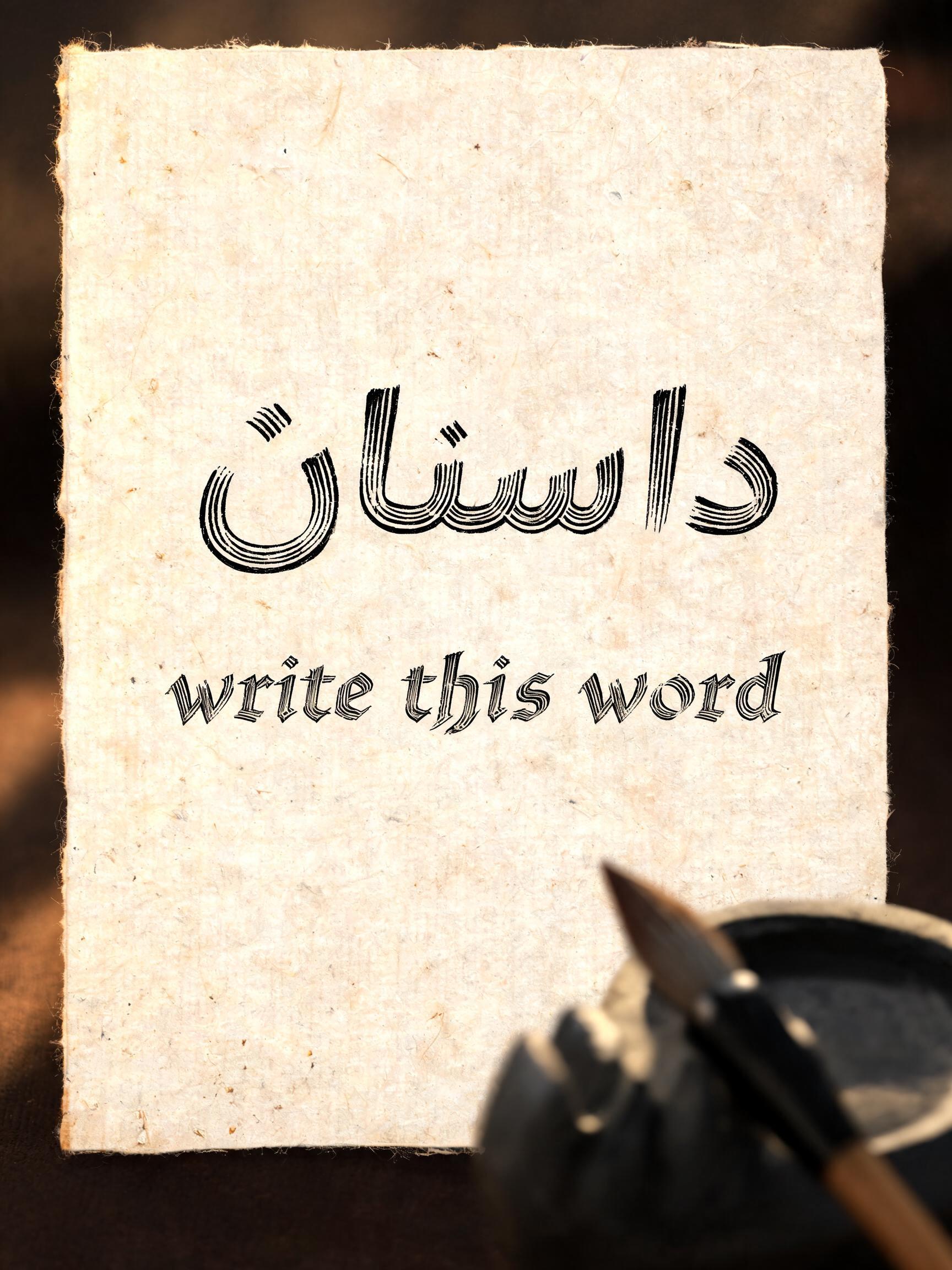
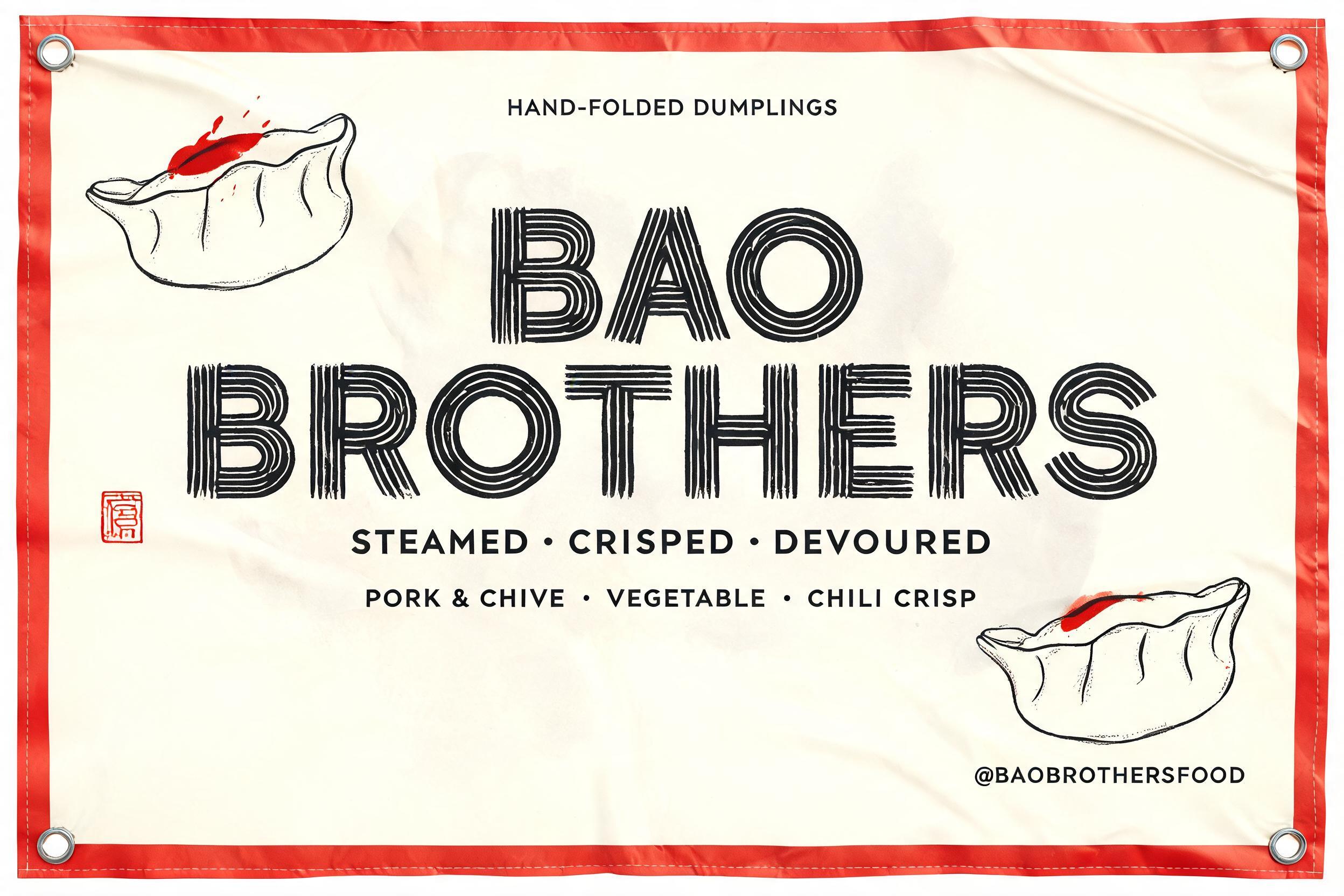
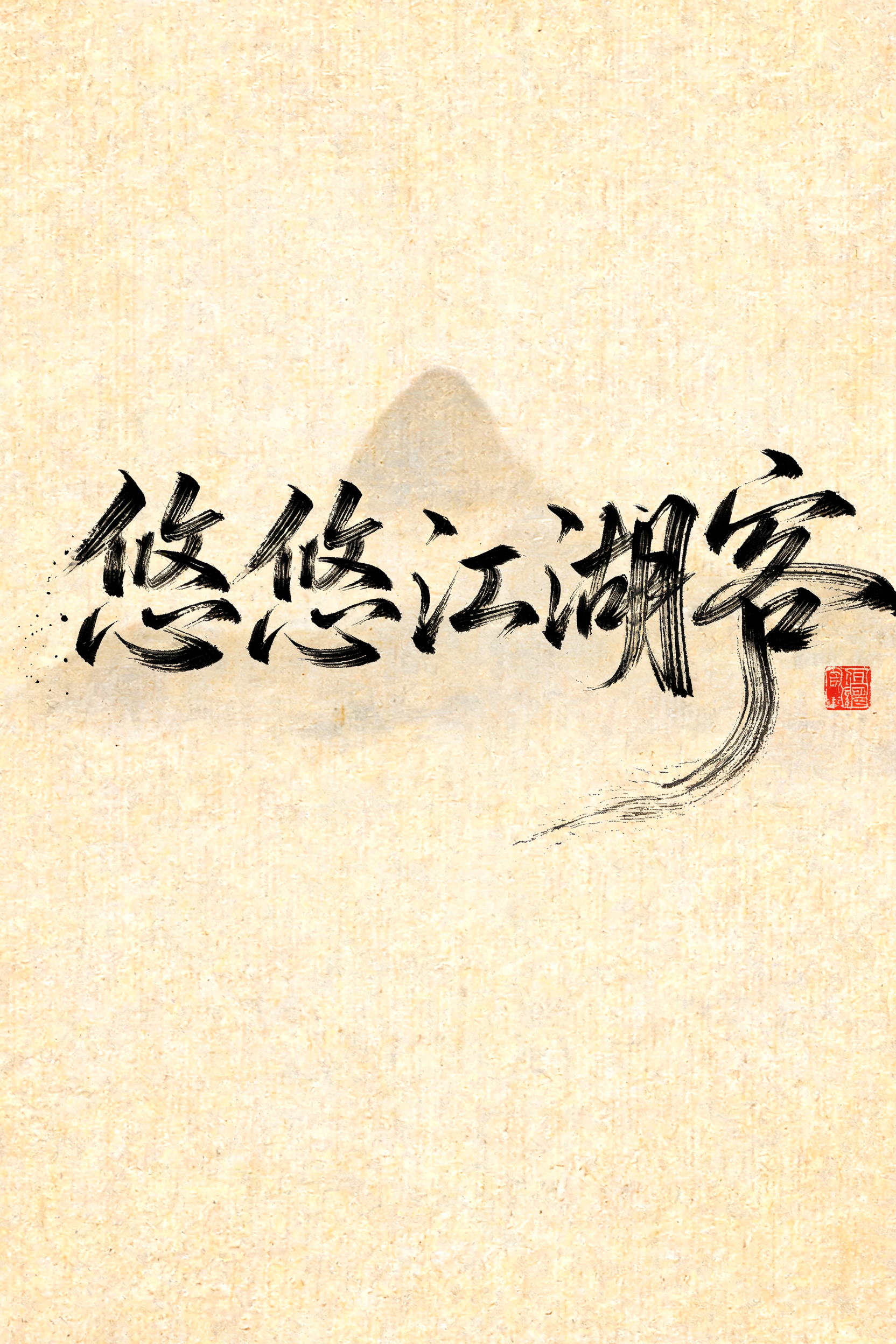
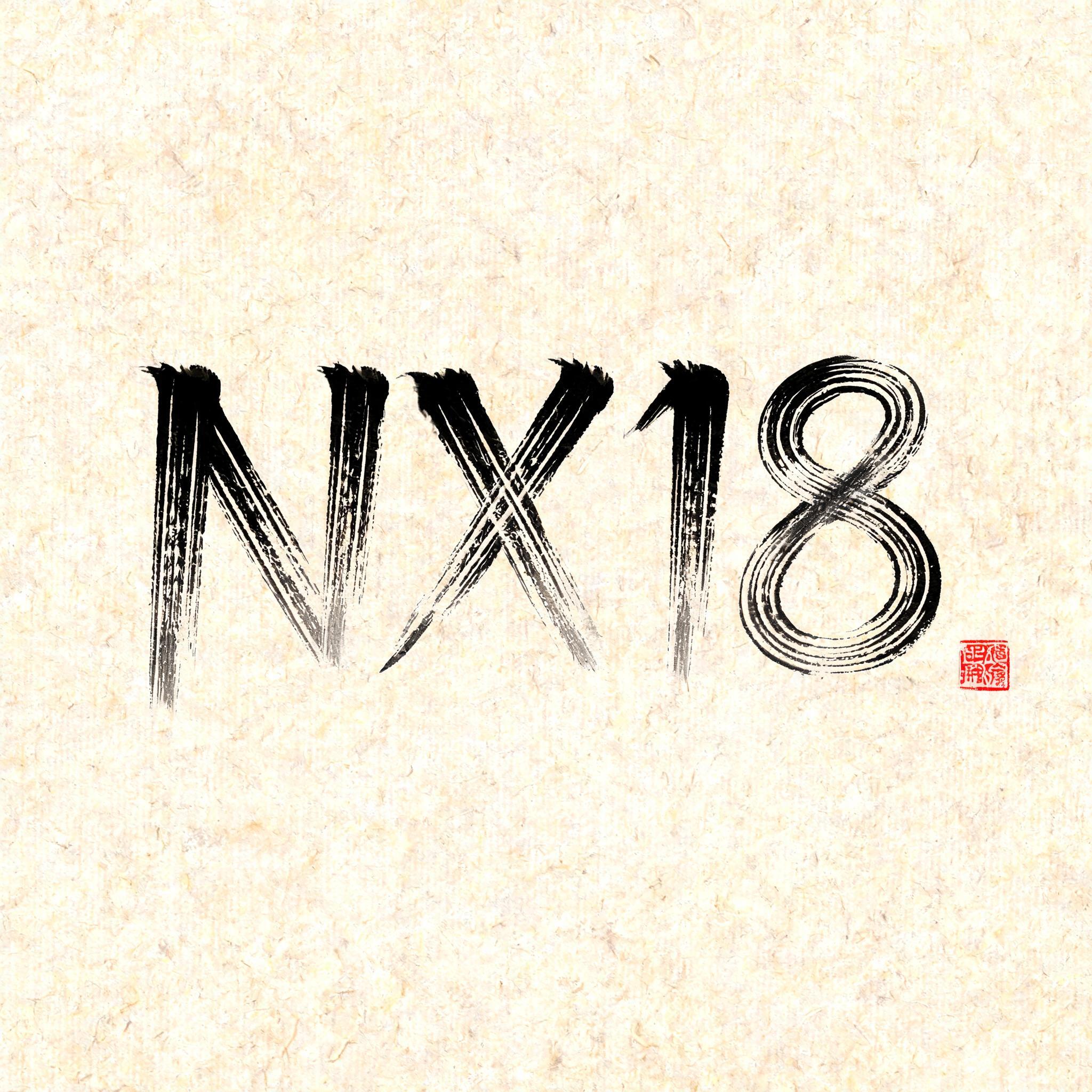

More AI fonts like Chinese Feibai




Looking for copy-paste fancy text? Try our free Font Generator Tools — cursive, gothic, bubble & 30+ styles.
About Chinese Feibai AI font
Cai Yong flying white technique (飞白书) — directional parallel white lines through strokes, the physics of extreme brush speed
FAQ
What is the Chinese Feibai font?
Chinese Feibai renders the Cai Yong flying-white technique — feibai — where directional parallel white lines run through the strokes, capturing the physics of an extremely fast brush. It reads as dynamic, artful and swept-with-speed, the register of Chinese art, culture and expressive design. According to a well-known story — tradition rather than documented fact — Han-dynasty calligrapher Cai Yong (133–192) invented the technique after watching workers whitewash a wall with brooms and noticing how the dry bristles left streaks of bare wall showing through.
Can I download Chinese Feibai?
There is no installable file. You type your text and the generator paints those letters with the flying-white streaks fitted to your actual shapes, and returns a high-resolution image.
Where does this style work best?
Chinese and East Asian art and cultural branding, calligraphy and gallery work, martial-arts and film titles, tea and heritage design, event and album graphics. Set it large with room to breathe.
Can I use it for commercial work?
Yes. Generated images may be used commercially, including packaging, signage and print. If you set actual Chinese characters, have a native reader check them before use.
Why are the white gaps in feibai straight and parallel, not random?
Because they are the tracks left by the brush's individual bristle-tufts as it races along, so they run in the direction the stroke is travelling. When a calligrapher moves a brush very fast with the ink running low, there is not enough ink or contact time to lay down a solid mark. The brush is not a single point but a bundle of hairs, and at speed it drags along the paper as a set of separate tufts; each little tuft draws its own continuous line, and the dry channels between the tufts become white streaks. Because the whole brush is sweeping in one direction, those streaks are aligned with the motion — long, parallel white lines following the stroke, not scattered specks. That directional patterning is the signature of feibai and the visible record of the brush's speed and pressure at that instant. It cannot be drawn slowly or faked; the parallel streaks only appear when the brush is genuinely moving fast and dry, which is exactly why they read as pure, captured motion.
What fonts look similar?
For the wild connected cursive of the same tradition, see Chinese Cursive. For a fuller loaded East Asian brush, try Brush Ink Asian.