
🧪 Design something with Western Wood
Transparent Effect
✦ Transparent Effect
Generates a PNG with the background removed — only the text and its visual effects remain. The AI automatically selects the optimal background color for clean removal based on your style.
Output is always PNG for lossless transparency.
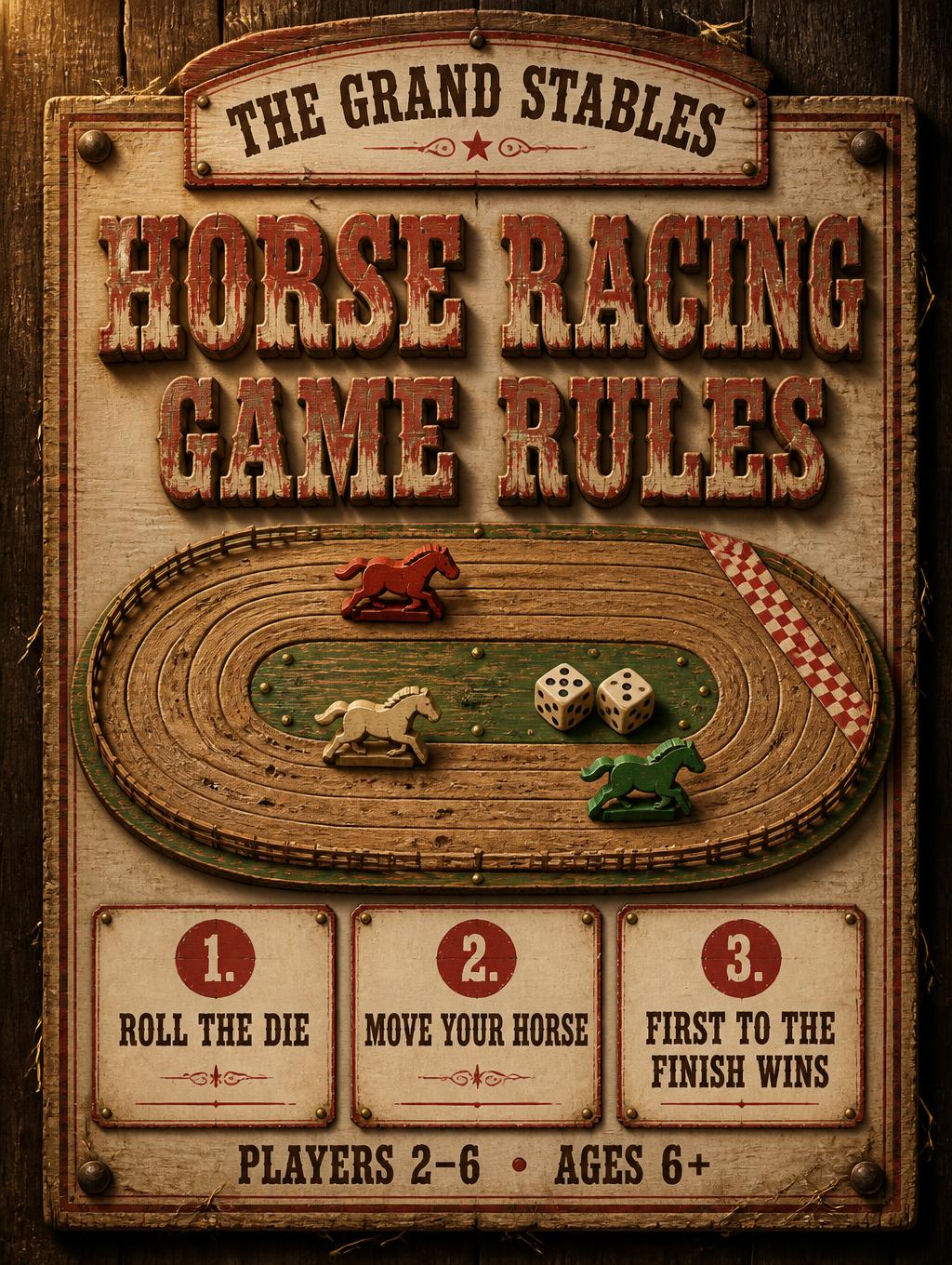
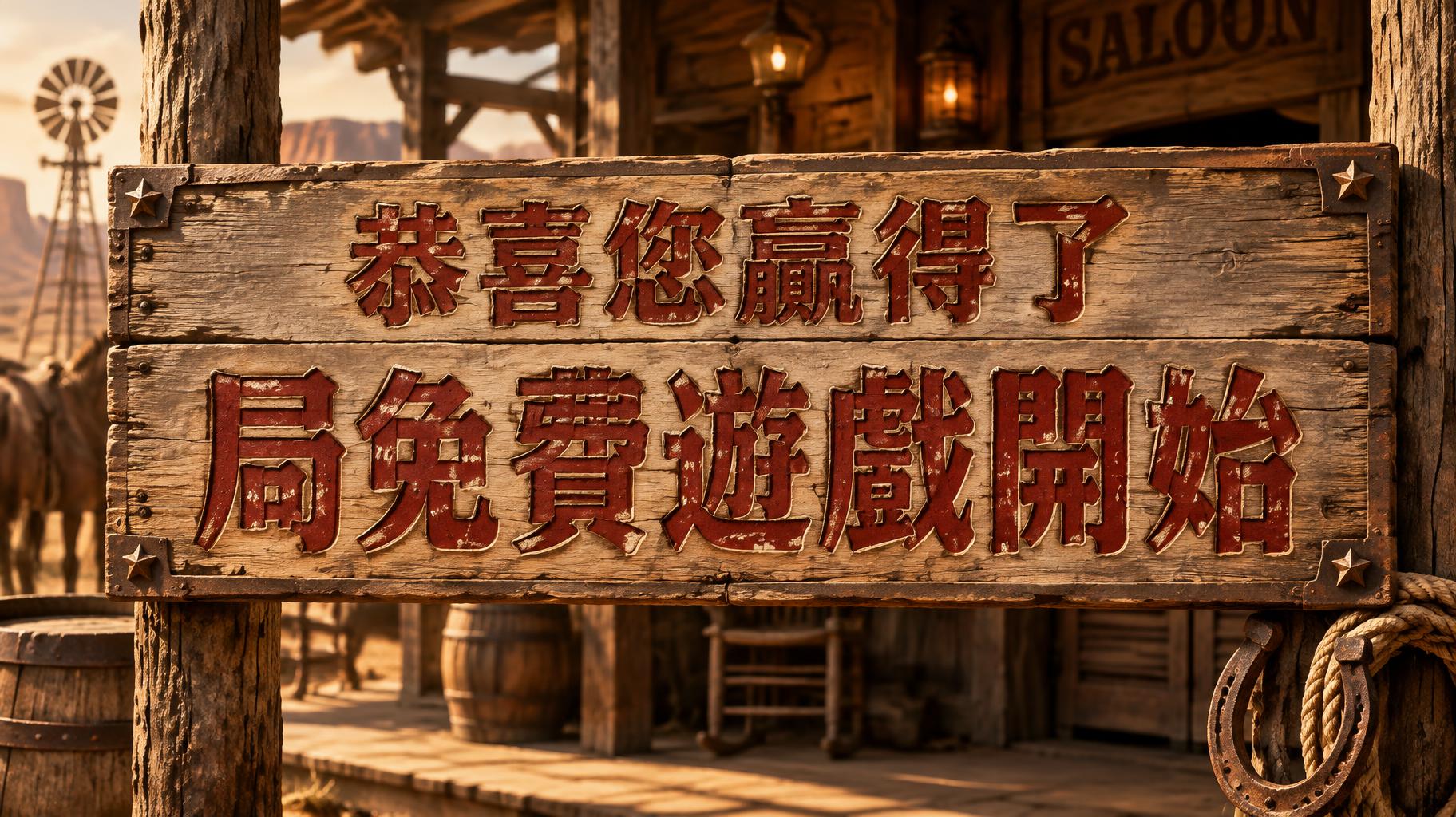
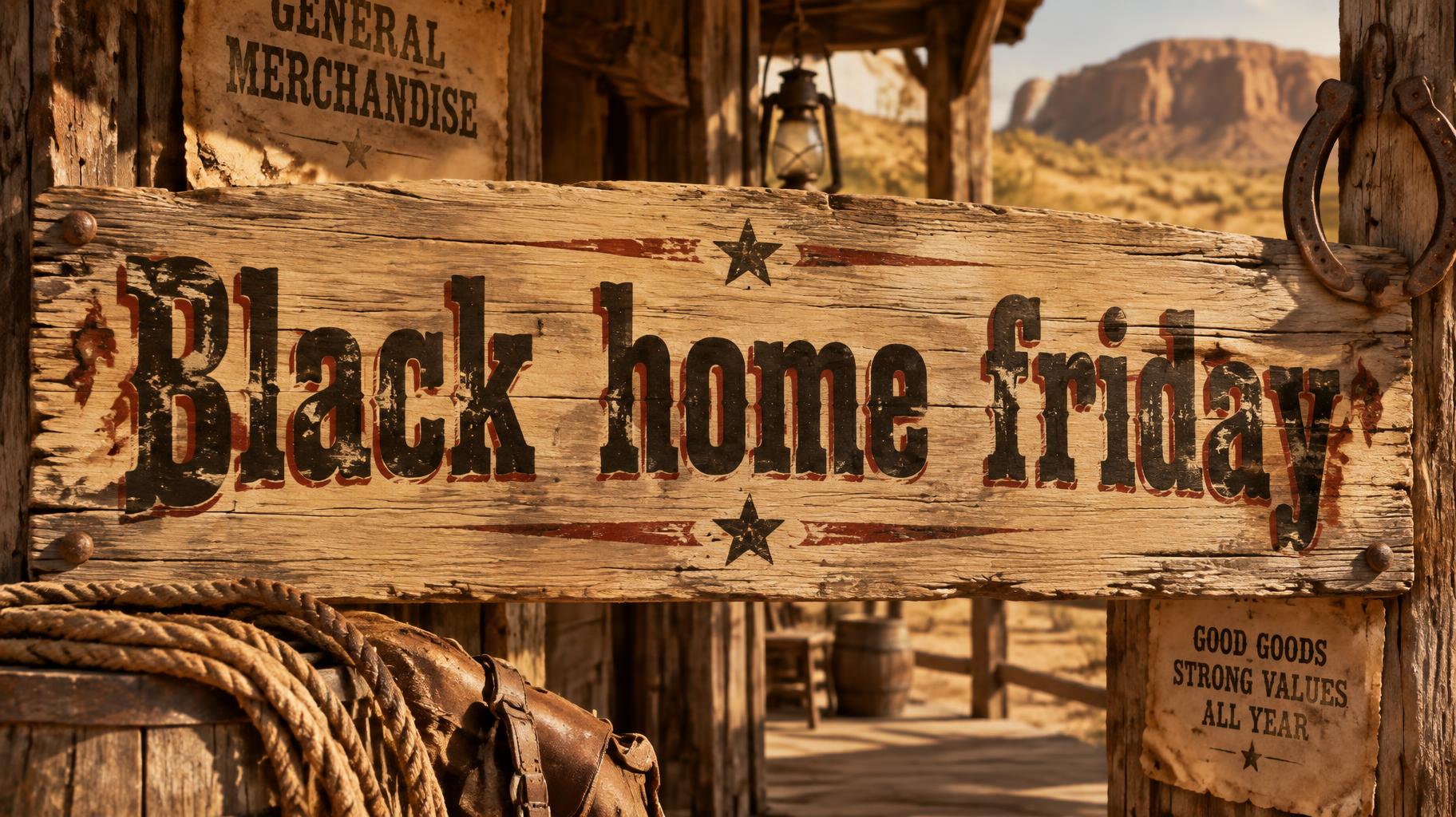
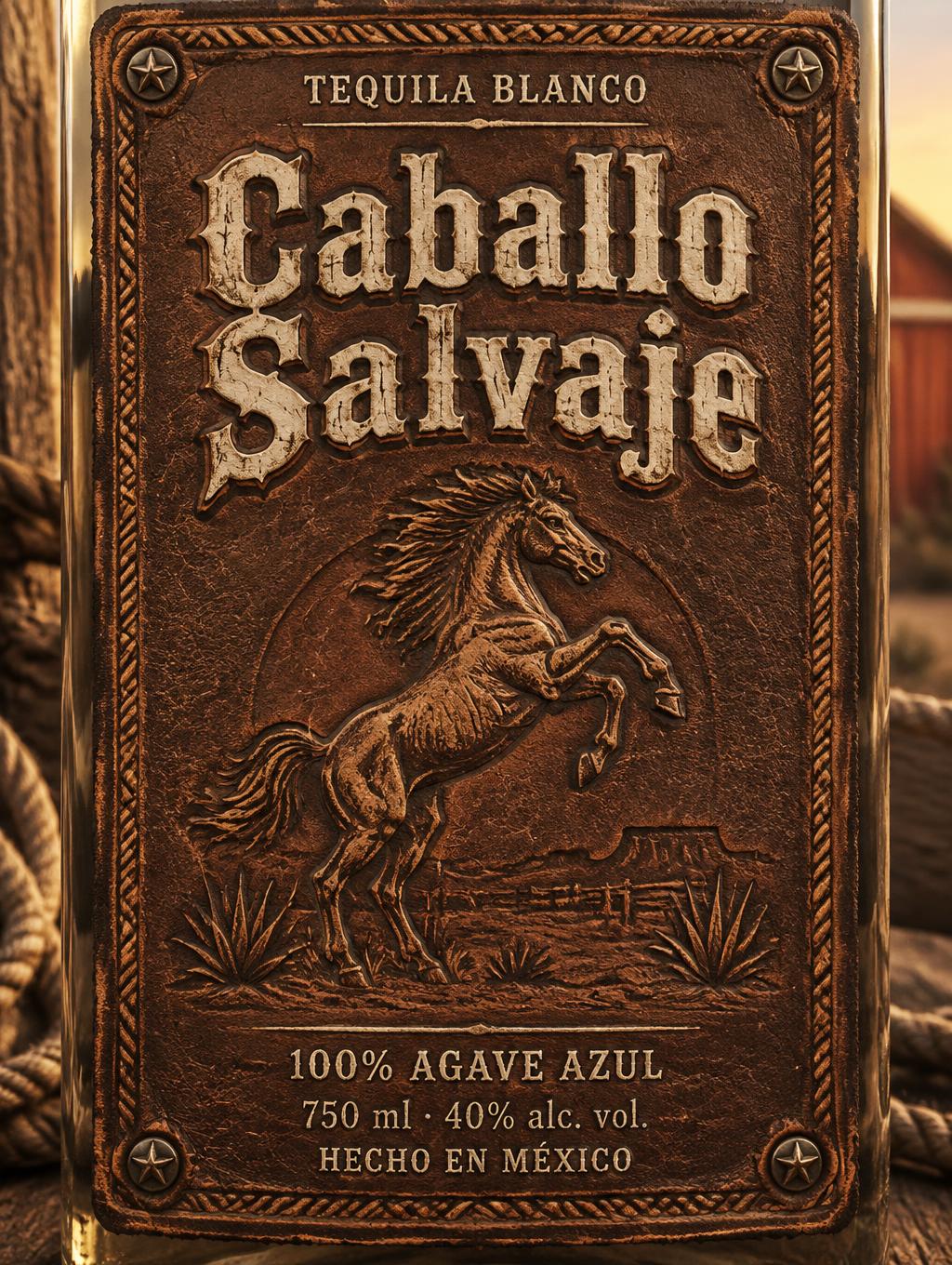
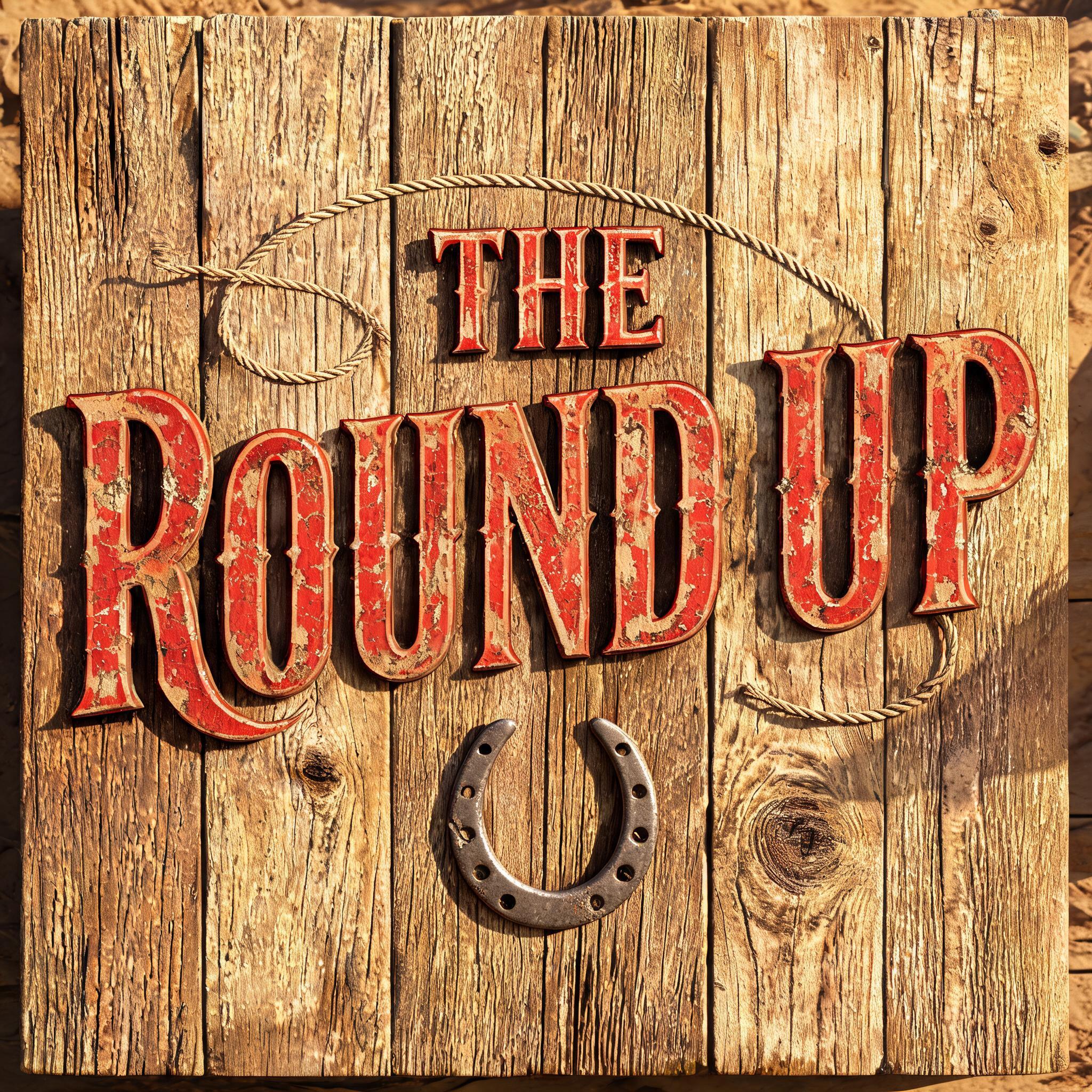

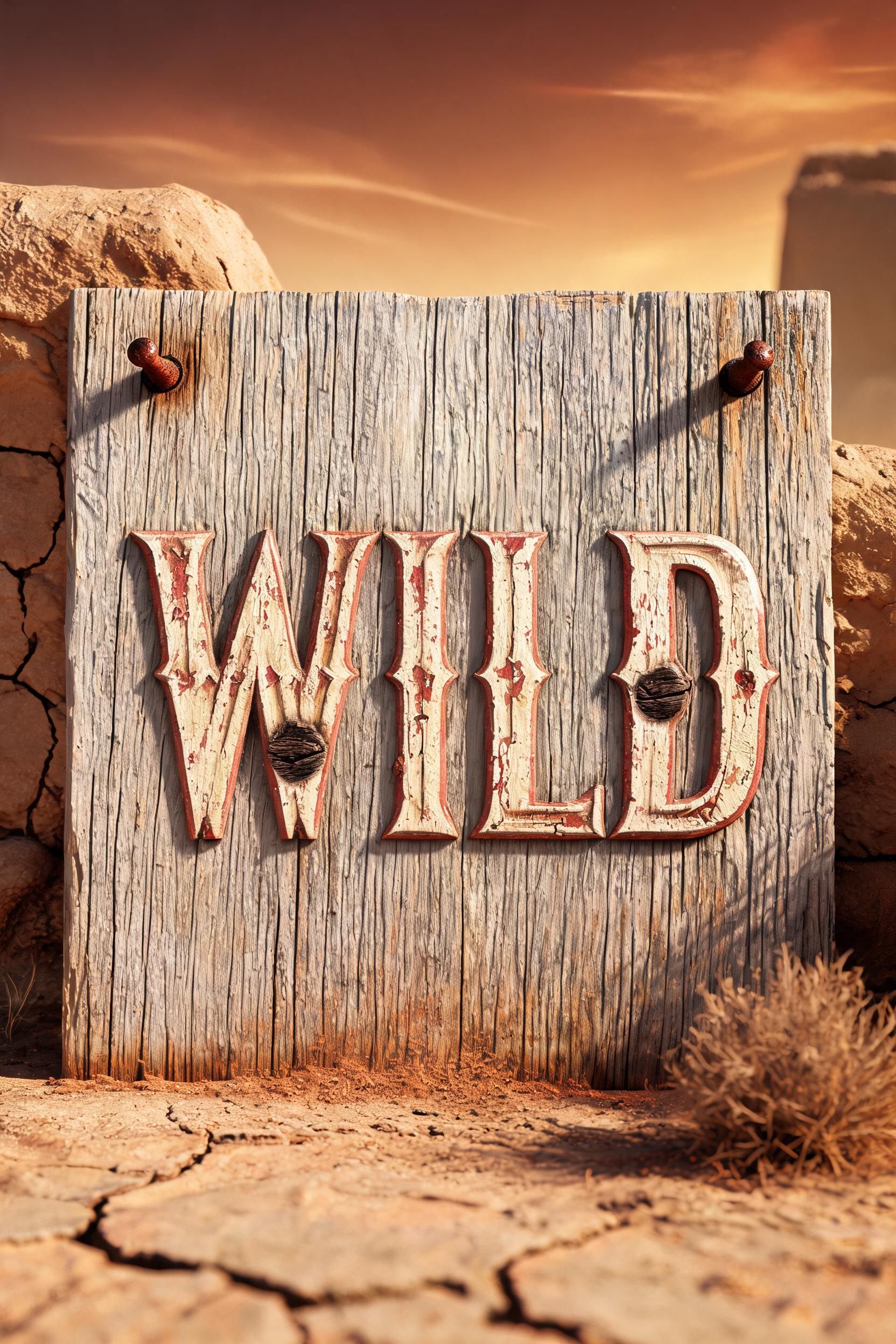

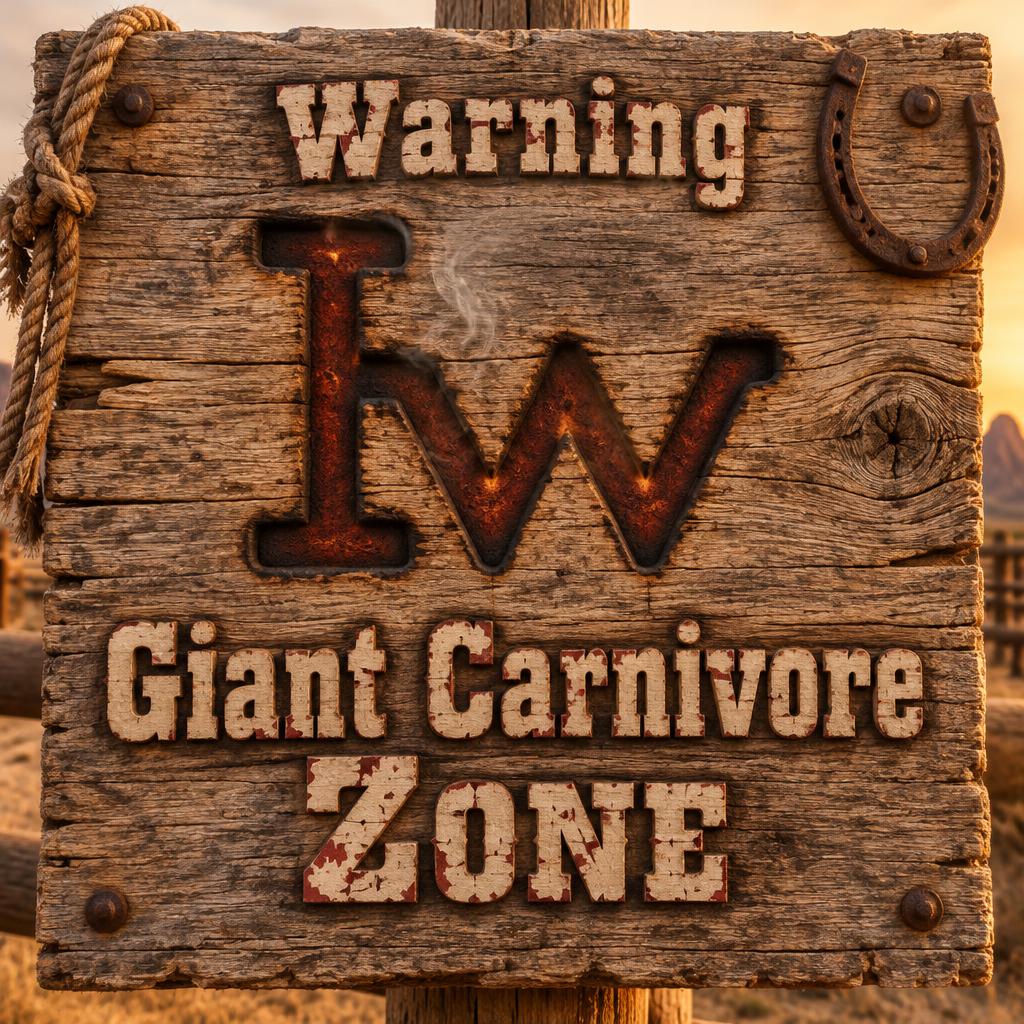
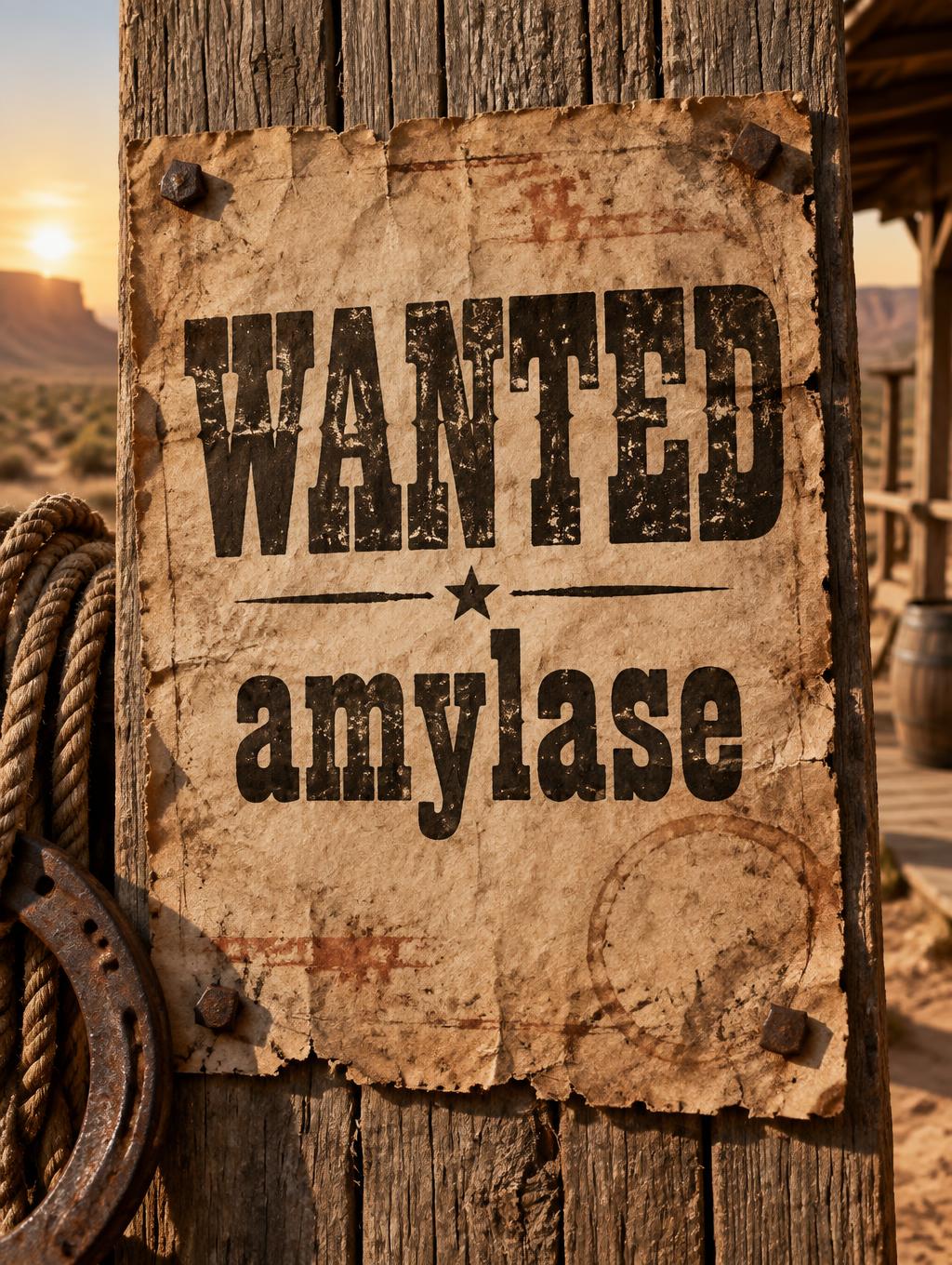
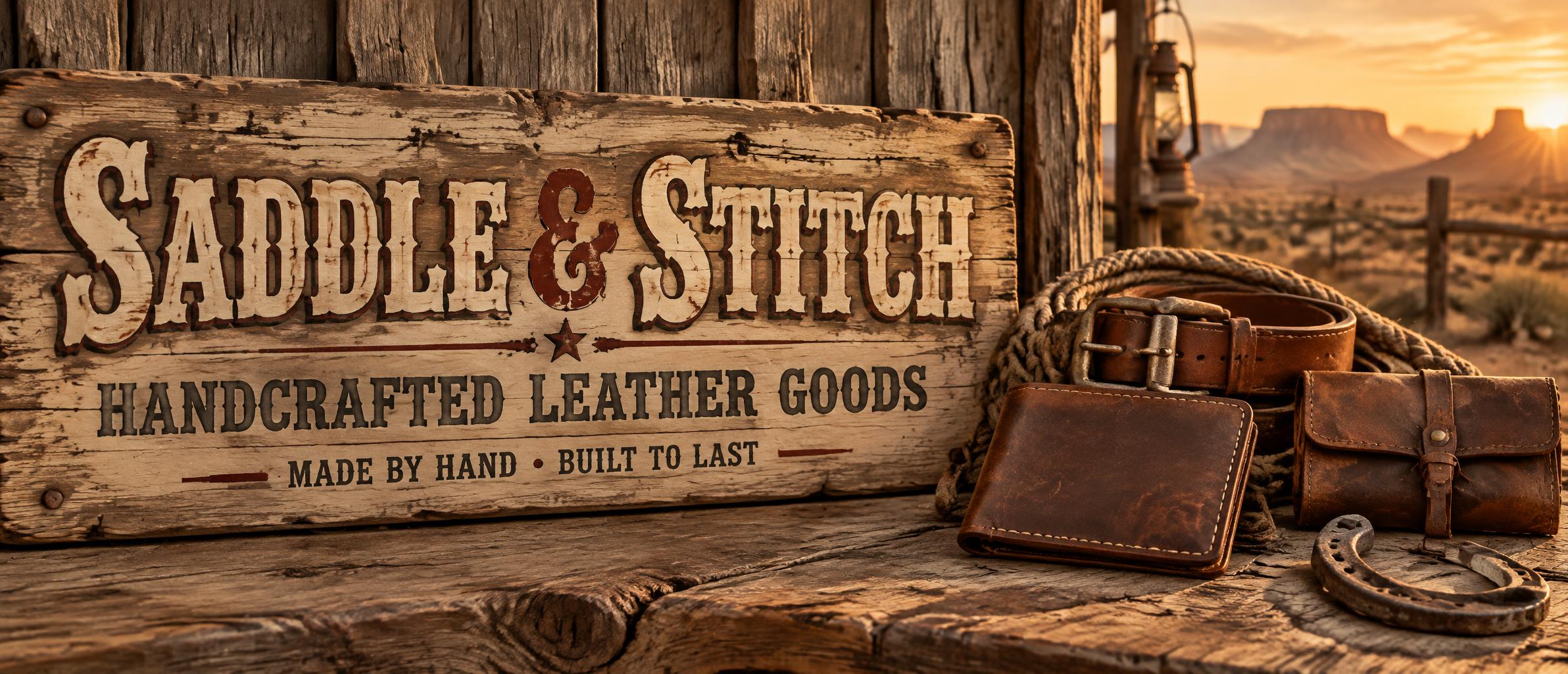
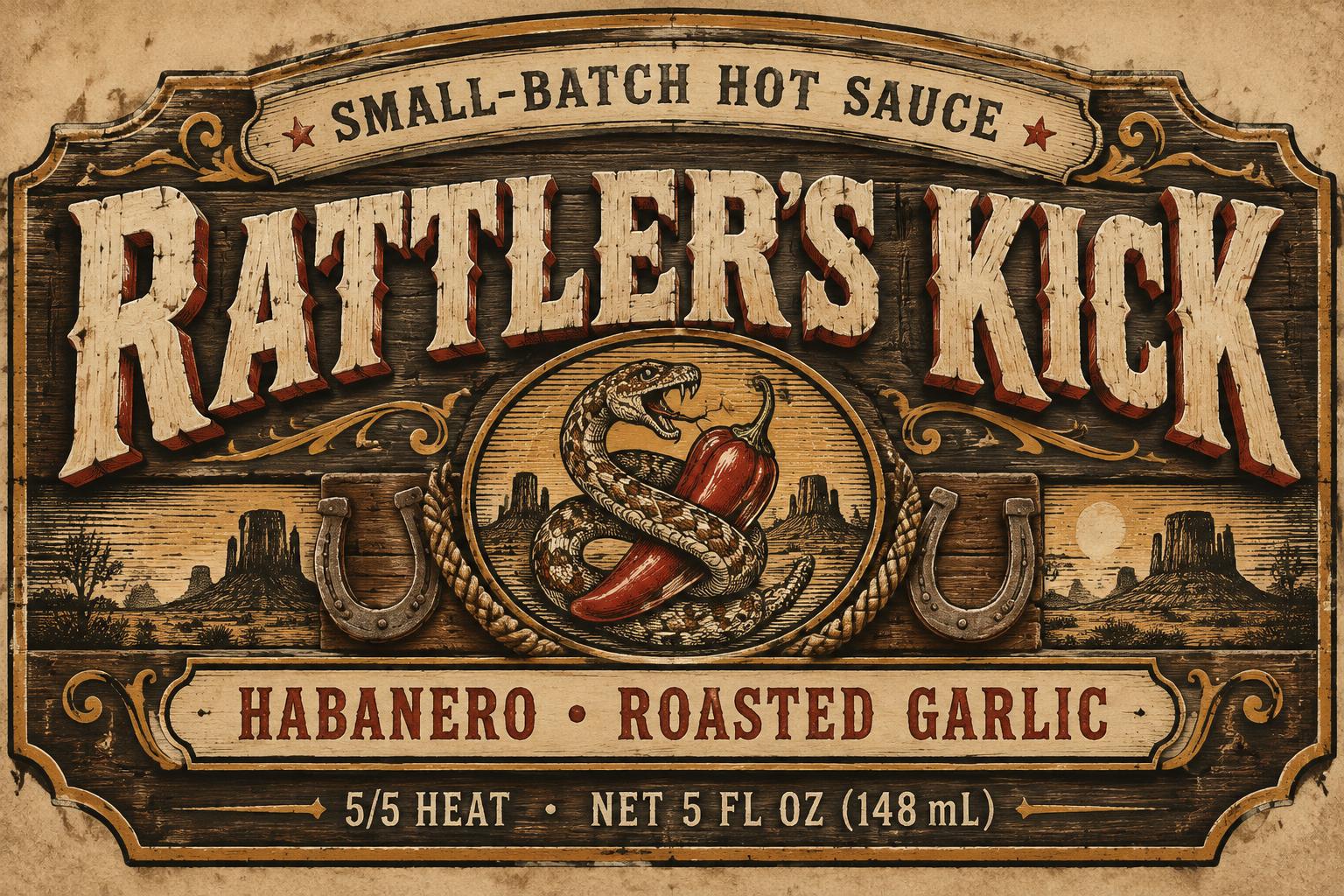
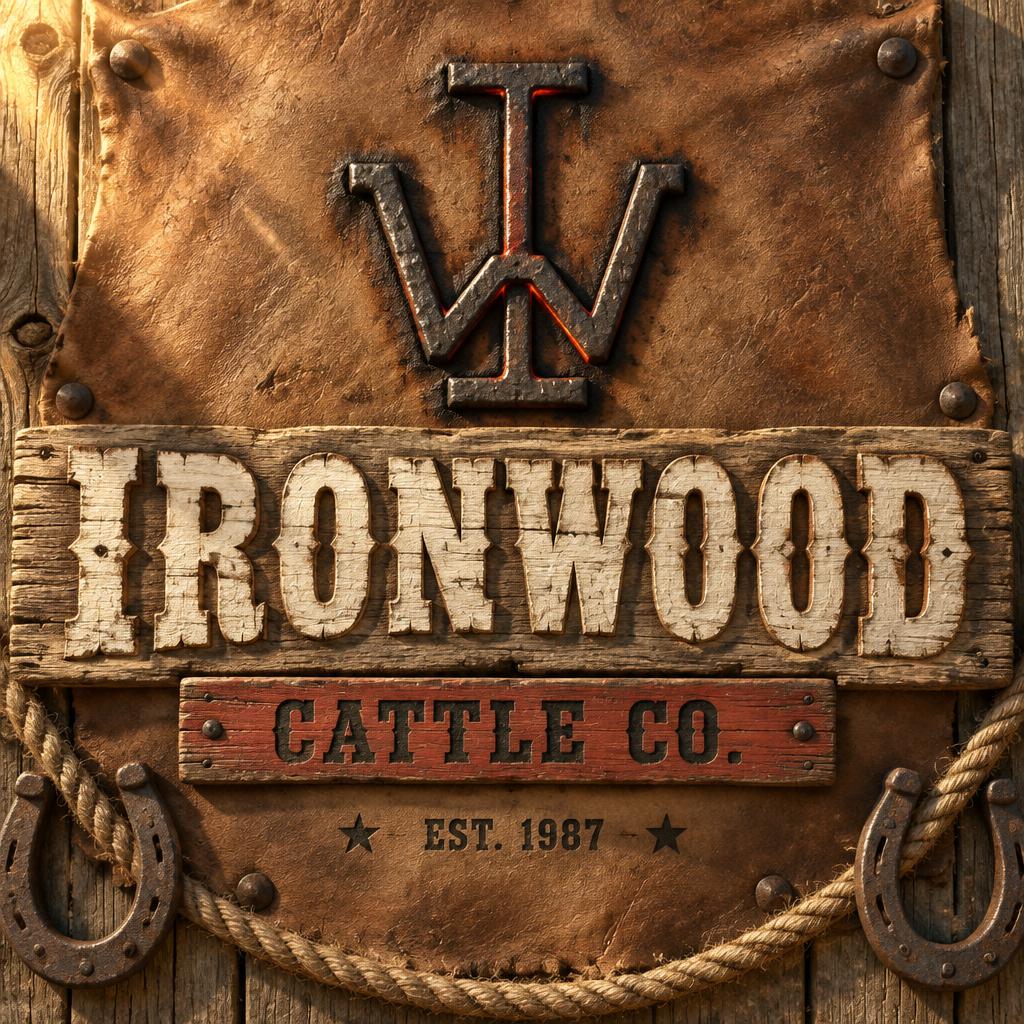
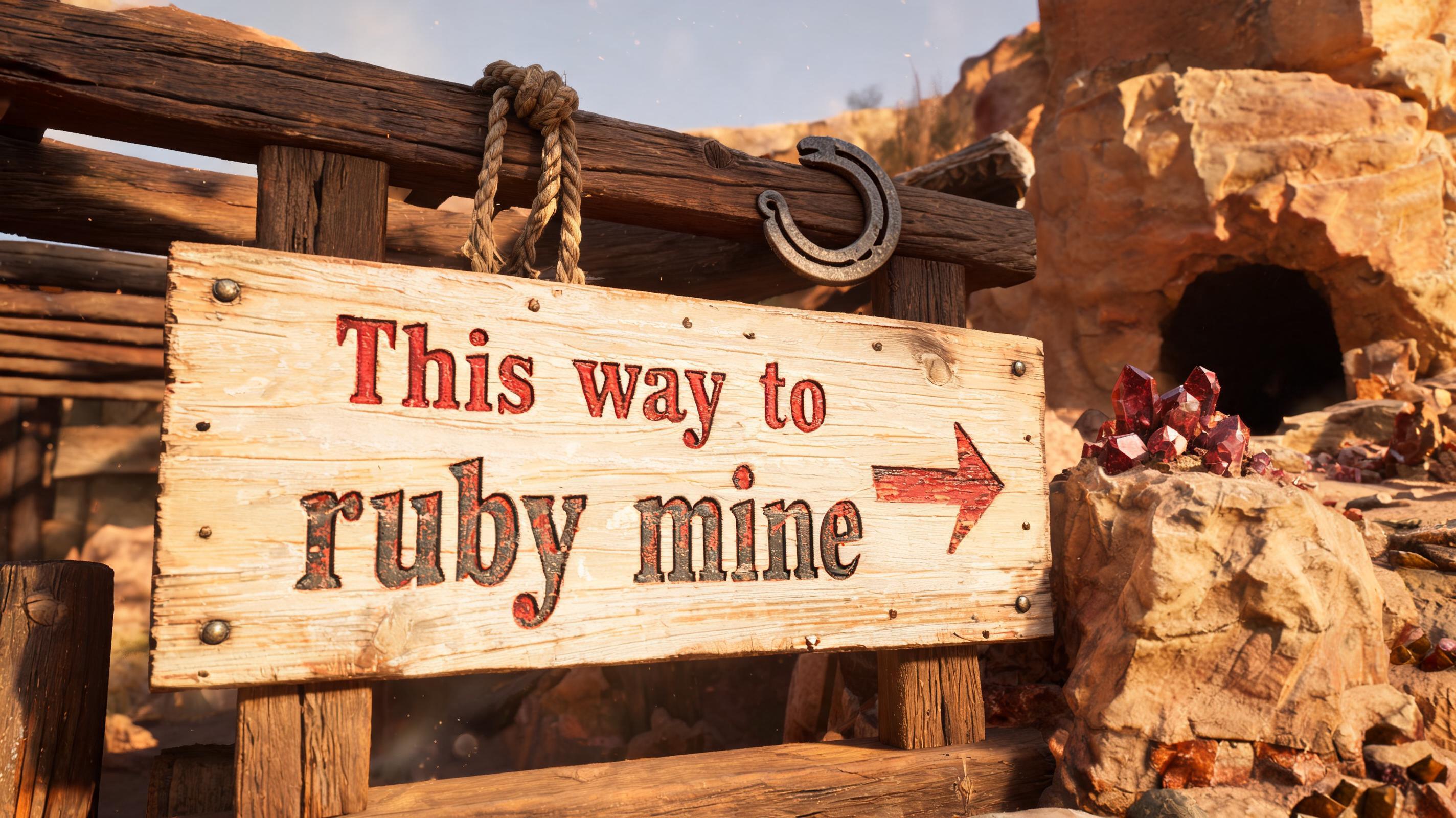

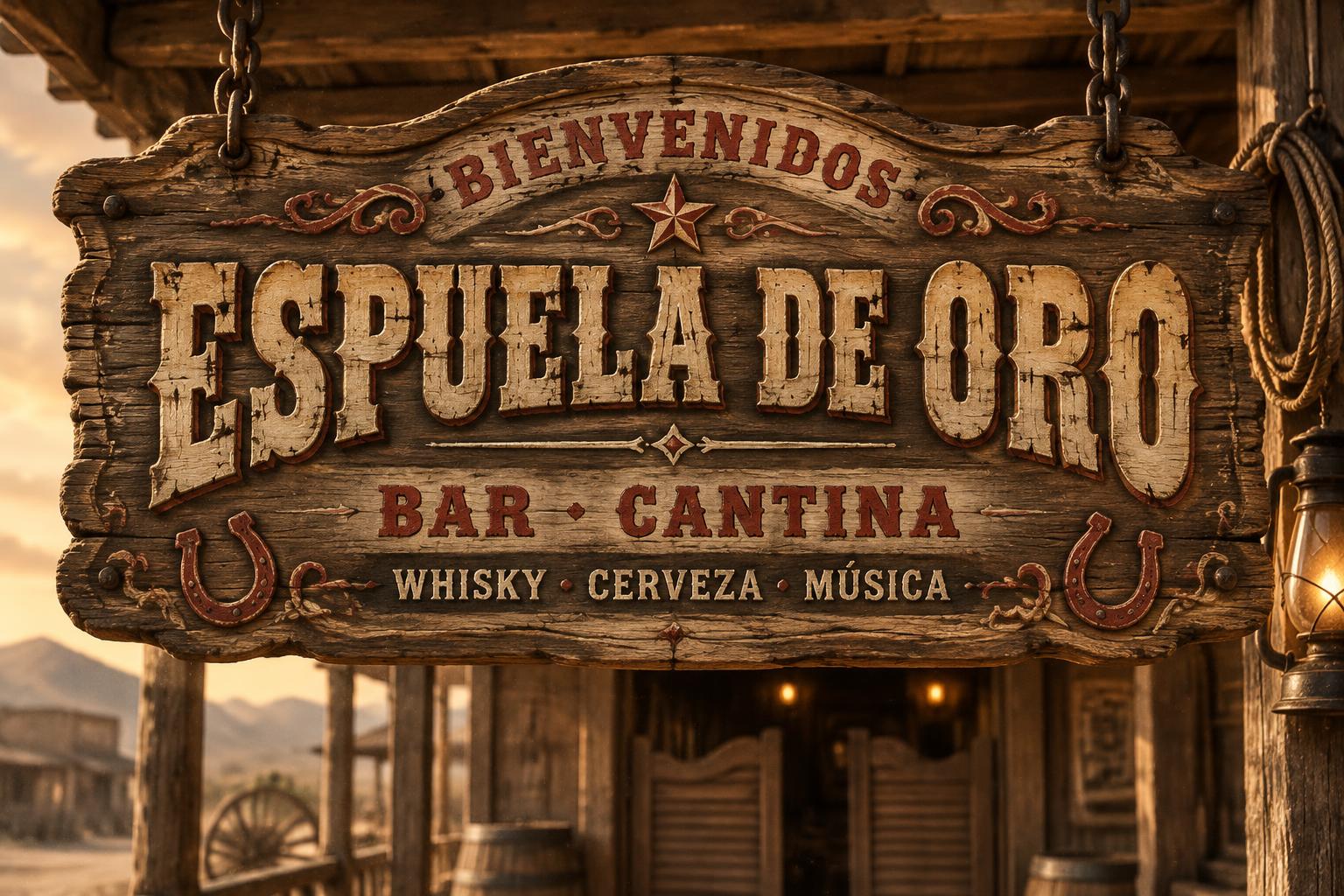
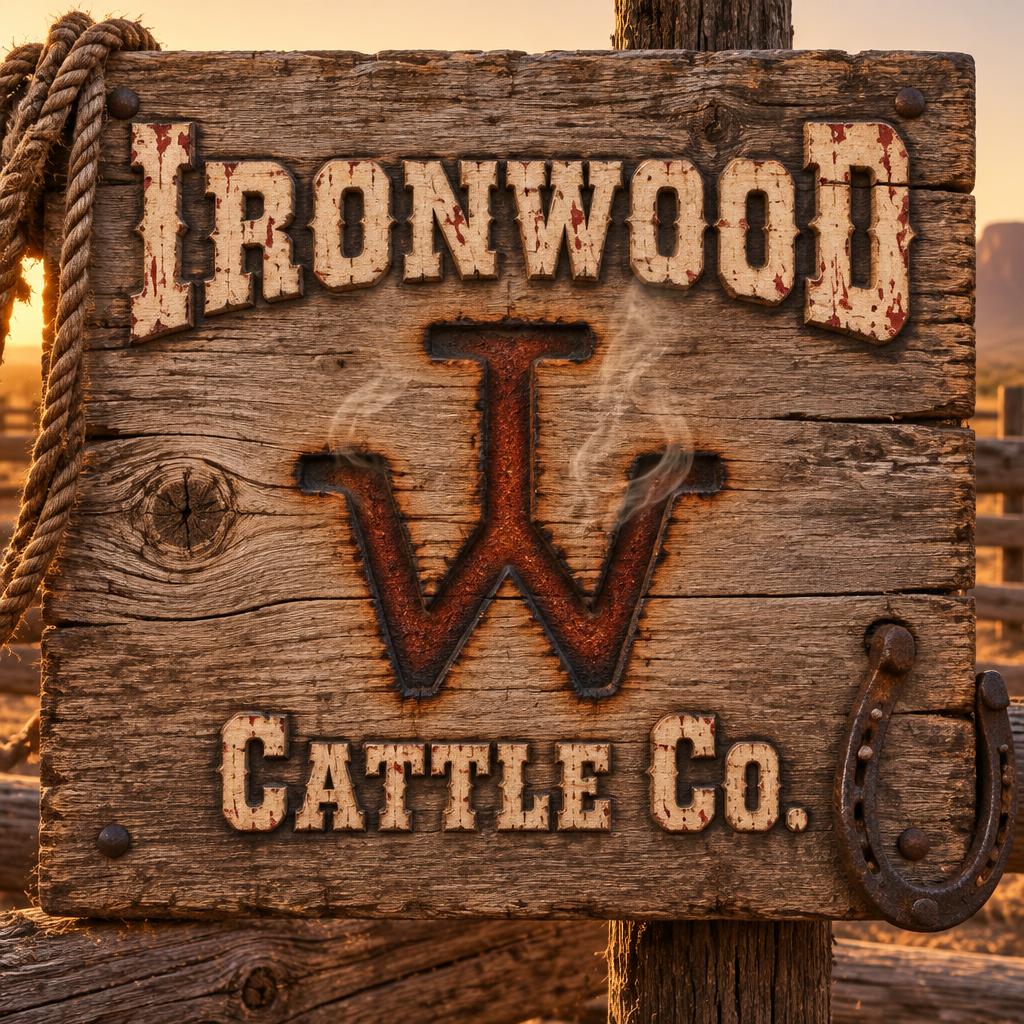
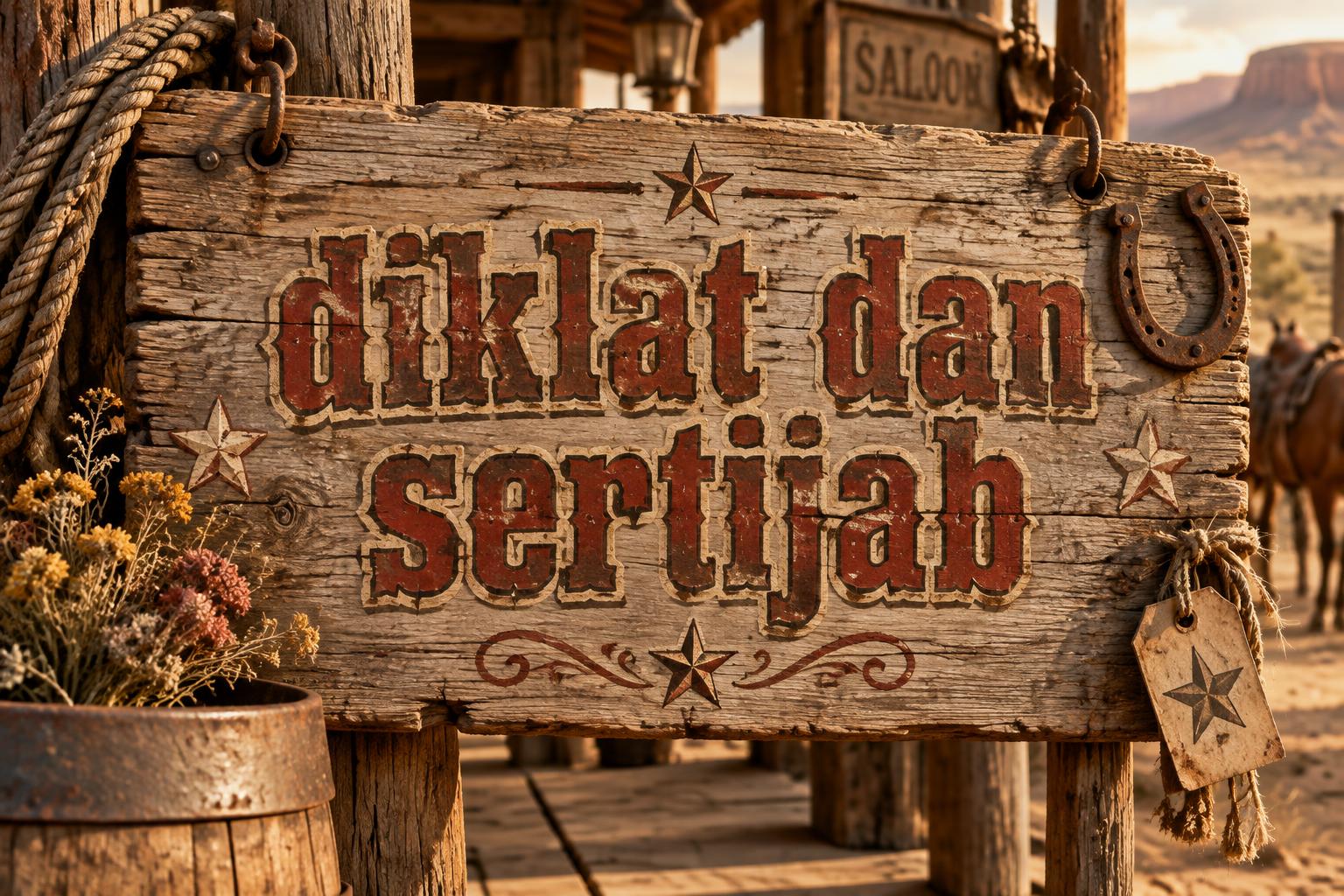
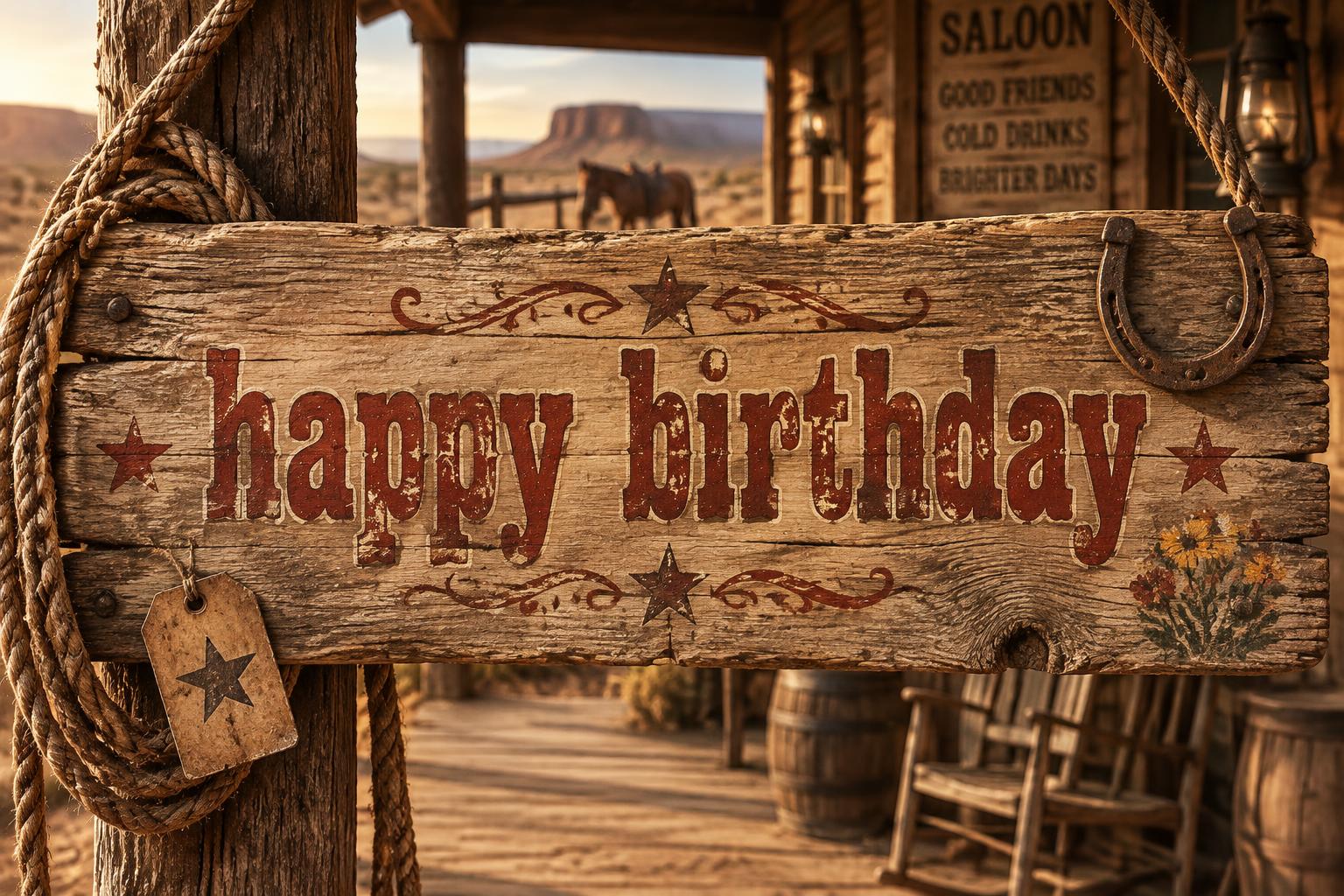
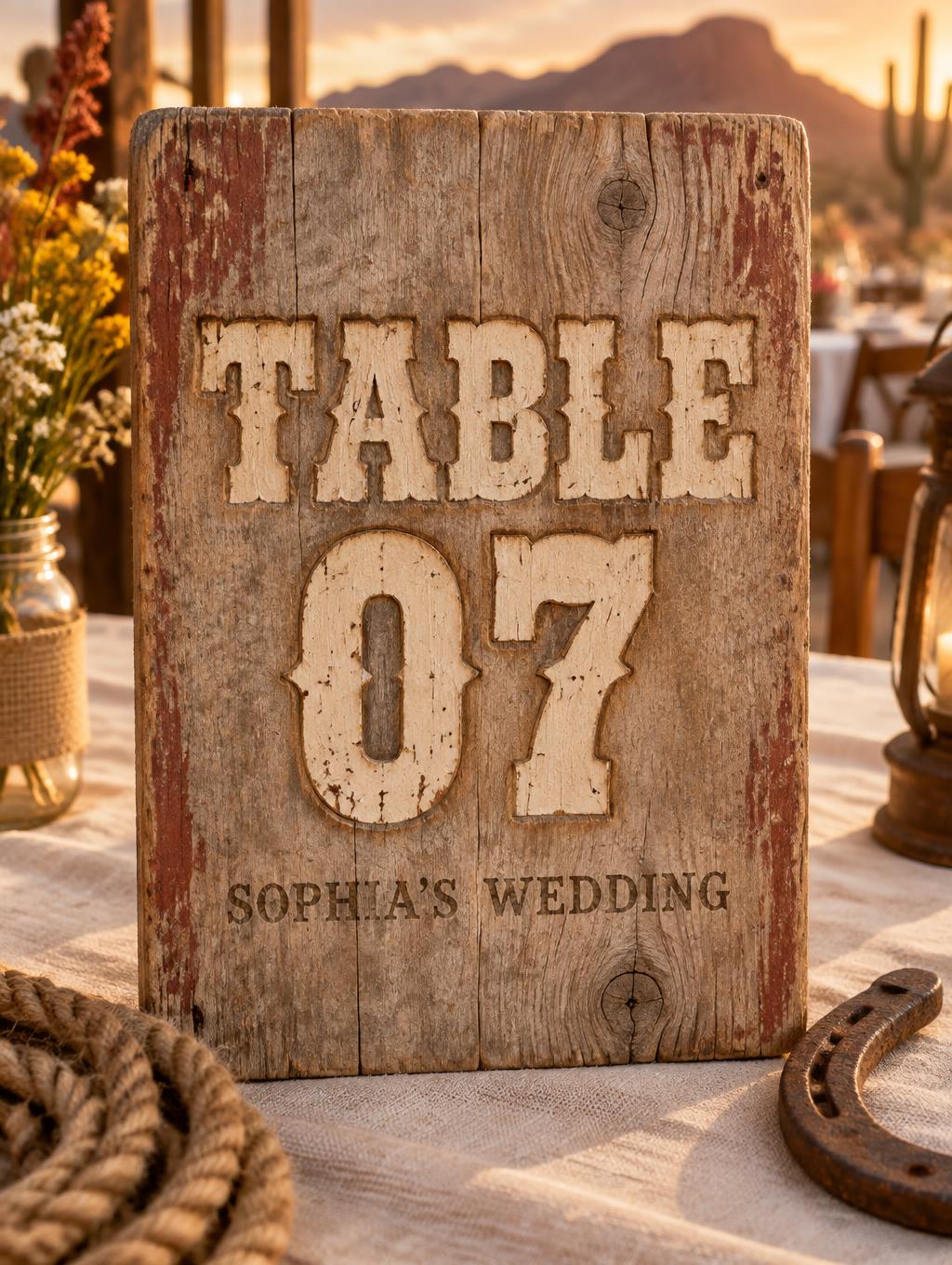
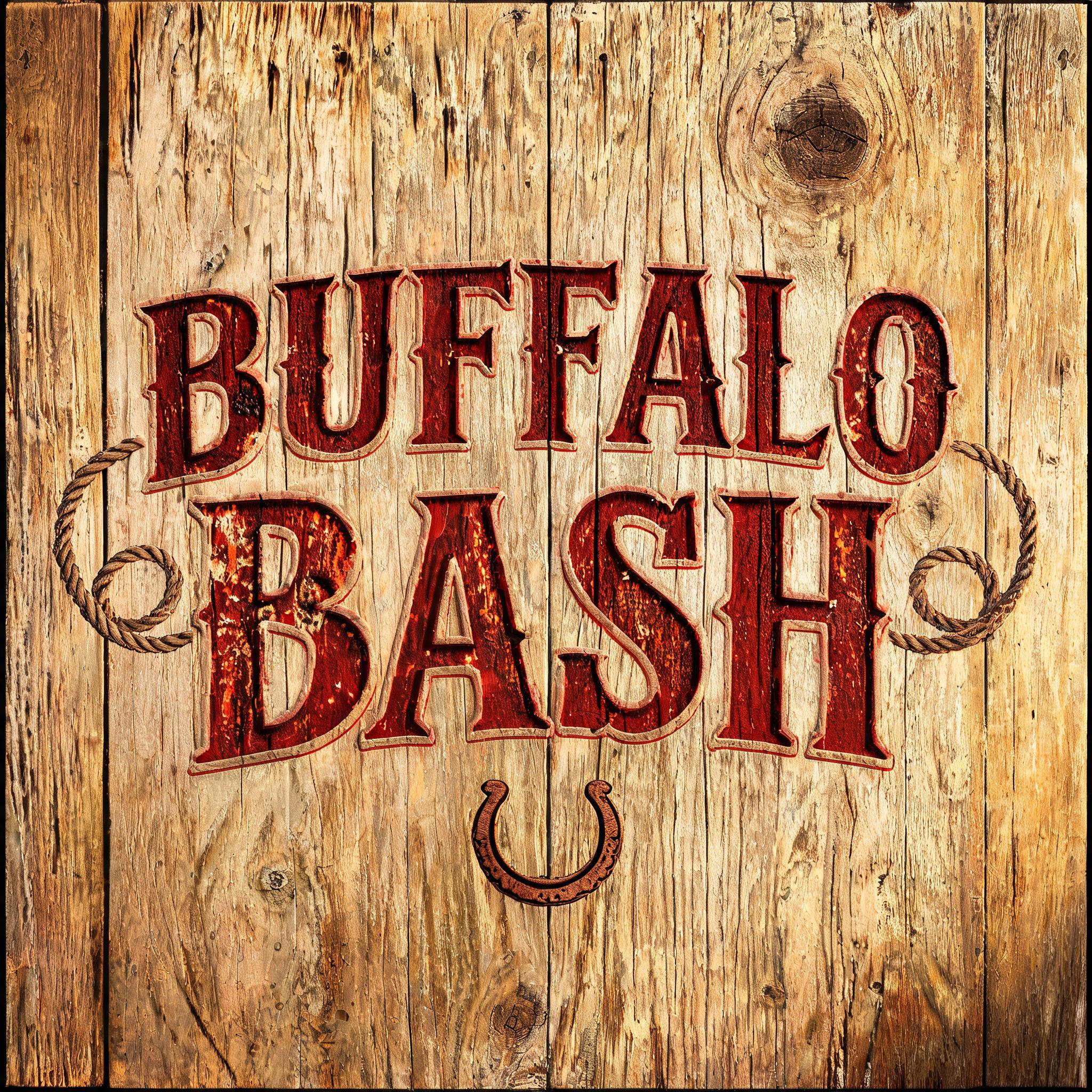
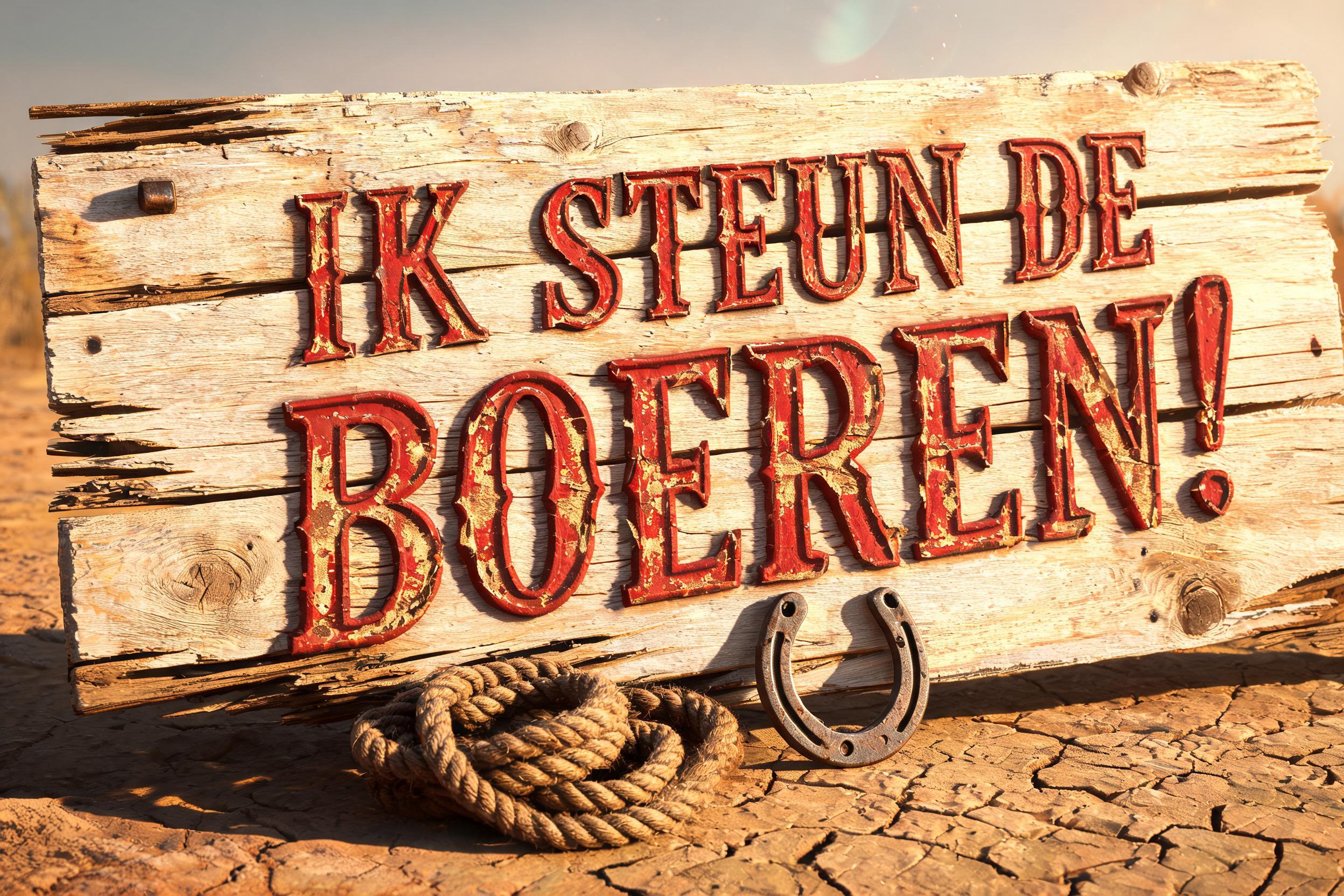

More AI fonts like Western Wood




Looking for copy-paste fancy text? Try our free Font Generator Tools — cursive, gothic, bubble & 30+ styles.
About Western Wood AI font
An Old West frontier display — bold western slab and Tuscan letters carved and painted on a weathered, sun-bleached wood plank with grain, chisel marks and flaking paint. The saloon-sign look, self-contained.
FAQ
What is the Western Wood font?
Western Wood is an Old West frontier display: bold western slab and Tuscan letters carved and painted on a weathered, sun-bleached wood plank, complete with grain, chisel marks and flaking paint. It is the saloon-sign look, self-contained — rugged, aged and authentically frontier. Darius Wells patented the lateral router in 1827, making it possible to mass-produce large wood letters for the first time; his 1828 specimen catalog is the earliest known wood-type catalog, and the format took off once William Leavenworth paired the router with a pantograph in 1834.
Can I download Western Wood?
There is no installable file. You type your text and the generator renders those letters as painted, weathered wood-plank signage fitted to your actual shapes, and returns a high-resolution image.
Where does this style work best?
Western and frontier branding, saloon and BBQ signage, whiskey and craft-beer labels, rodeo and country events, rustic and Americana design, ranch and outdoor identity. Set it large so the grain and flaking paint read.
Can I use it for commercial work?
Yes. Generated images may be used commercially, including signage, packaging and print. No licence or attribution is required.
Why does old sign paint flake off in patches rather than fade evenly?
Because wood keeps moving and dried paint cannot move with it. A wooden plank swells and shrinks constantly as it takes on and gives off moisture with the weather, while the layer of paint on top has dried into a rigid, brittle film that no longer flexes. Every time the wood expands or contracts, it stretches and squeezes that film, and the bond between paint and wood works loose — first cracking, then lifting at the edges, then flaking away in patches, especially where sun and rain have already weakened it. Fading is a different thing entirely: that is the pigment itself bleaching in ultraviolet light, which happens evenly across the surface. Flaking is mechanical — the paint film physically failing to hold onto a surface that keeps changing shape. Reproducing those bare patches and lifting edges is what makes the sign read as genuinely old and weather-beaten rather than just distressed.
What fonts look similar?
For a wanted-poster frontier print look, see Wanted Poster. For laser-cut wood with charred edges, try Laser Wood Grain.