


AI Western Text Effect Generator
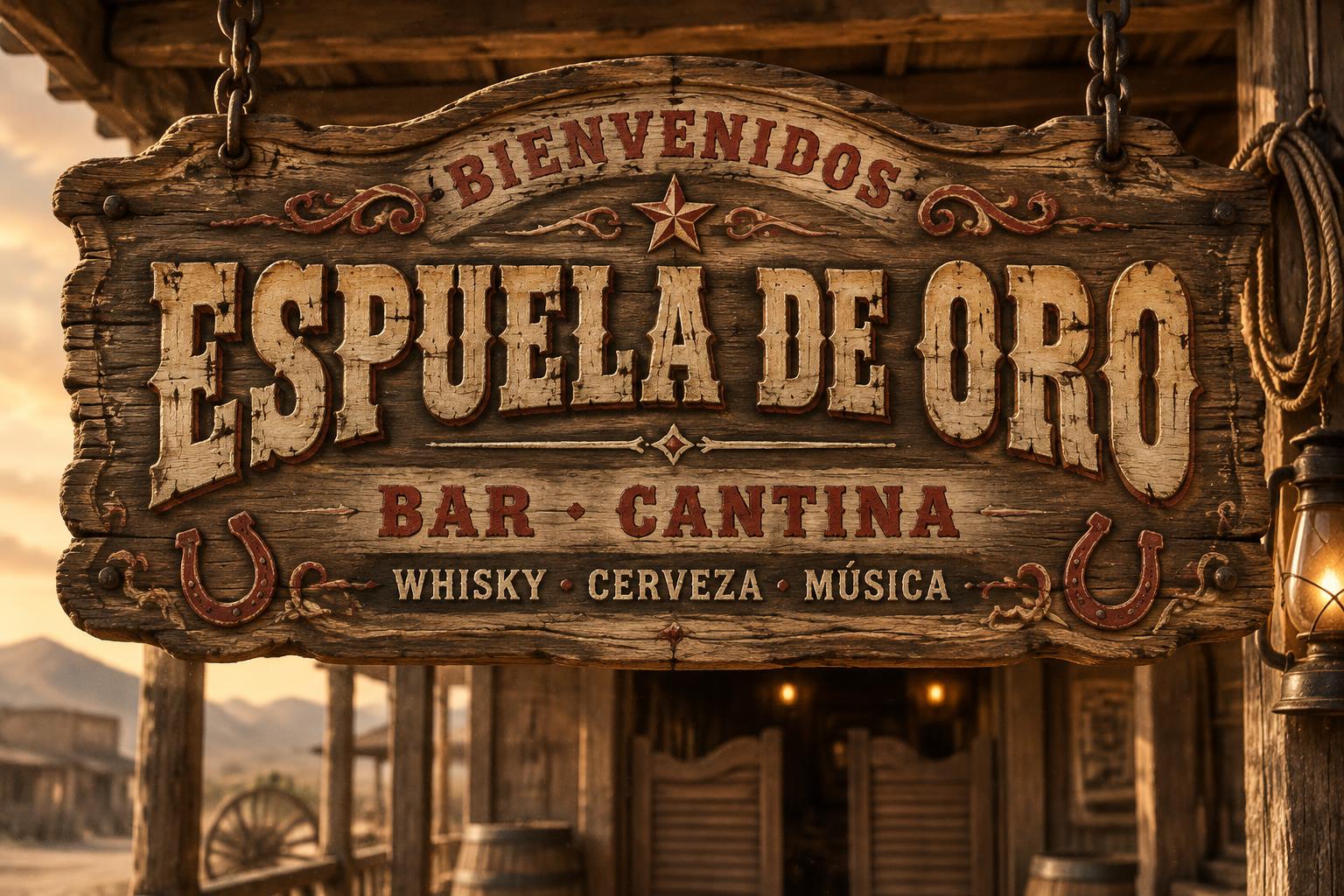
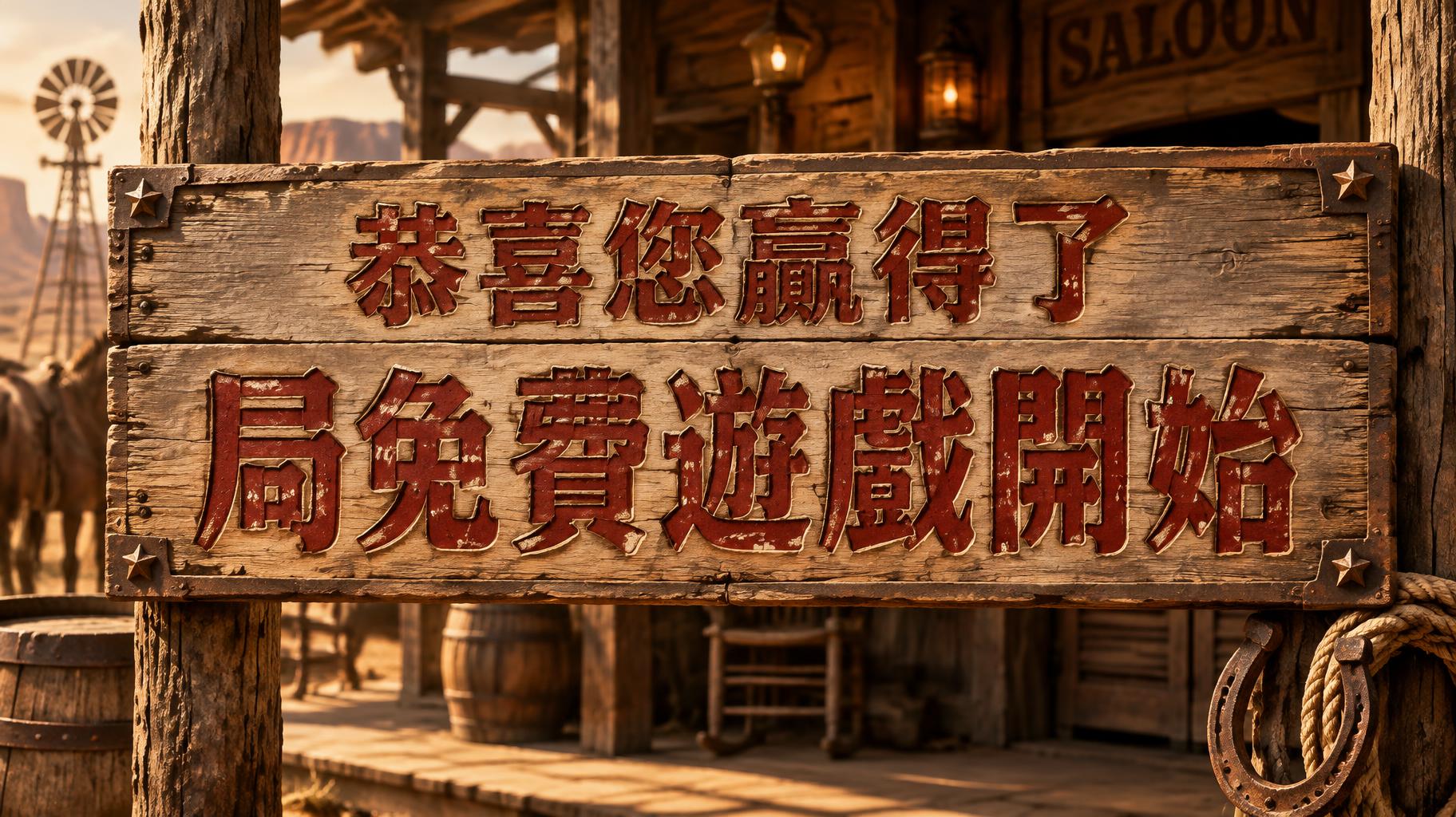
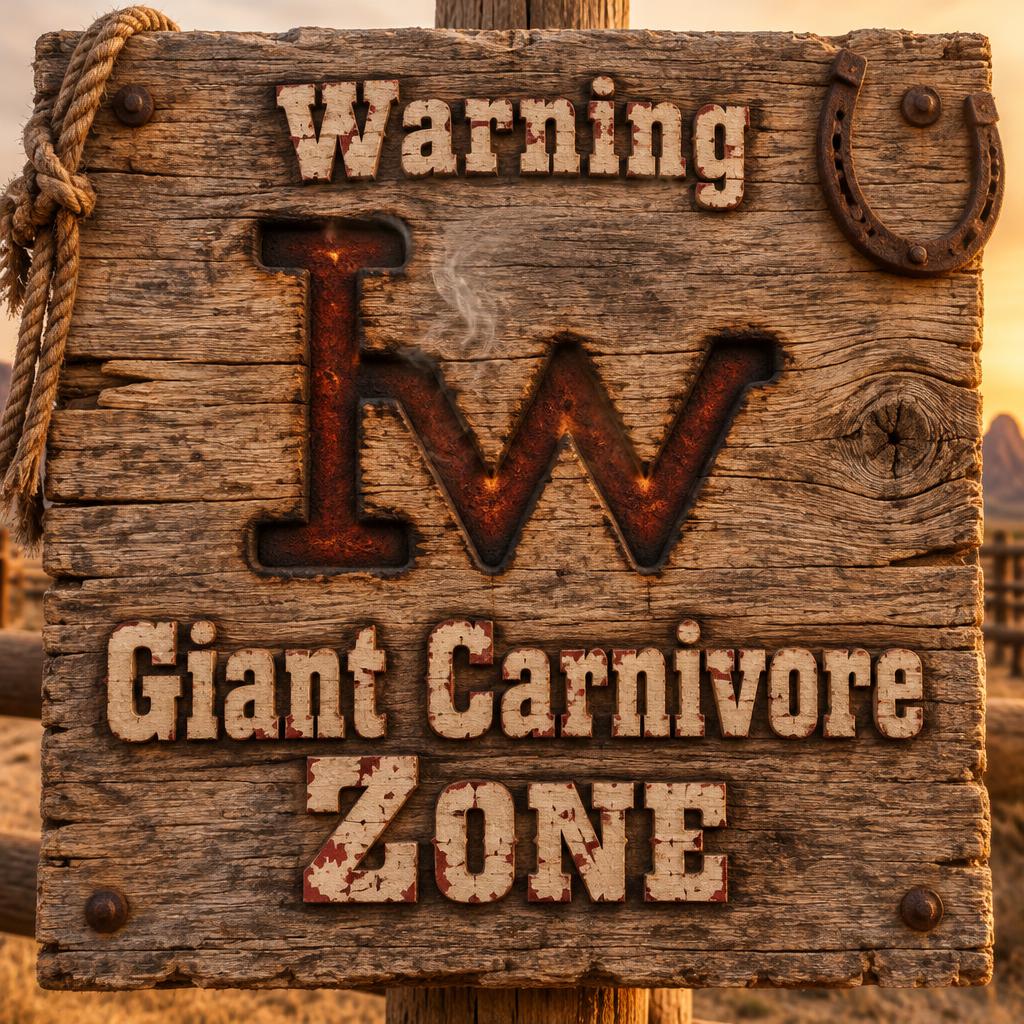
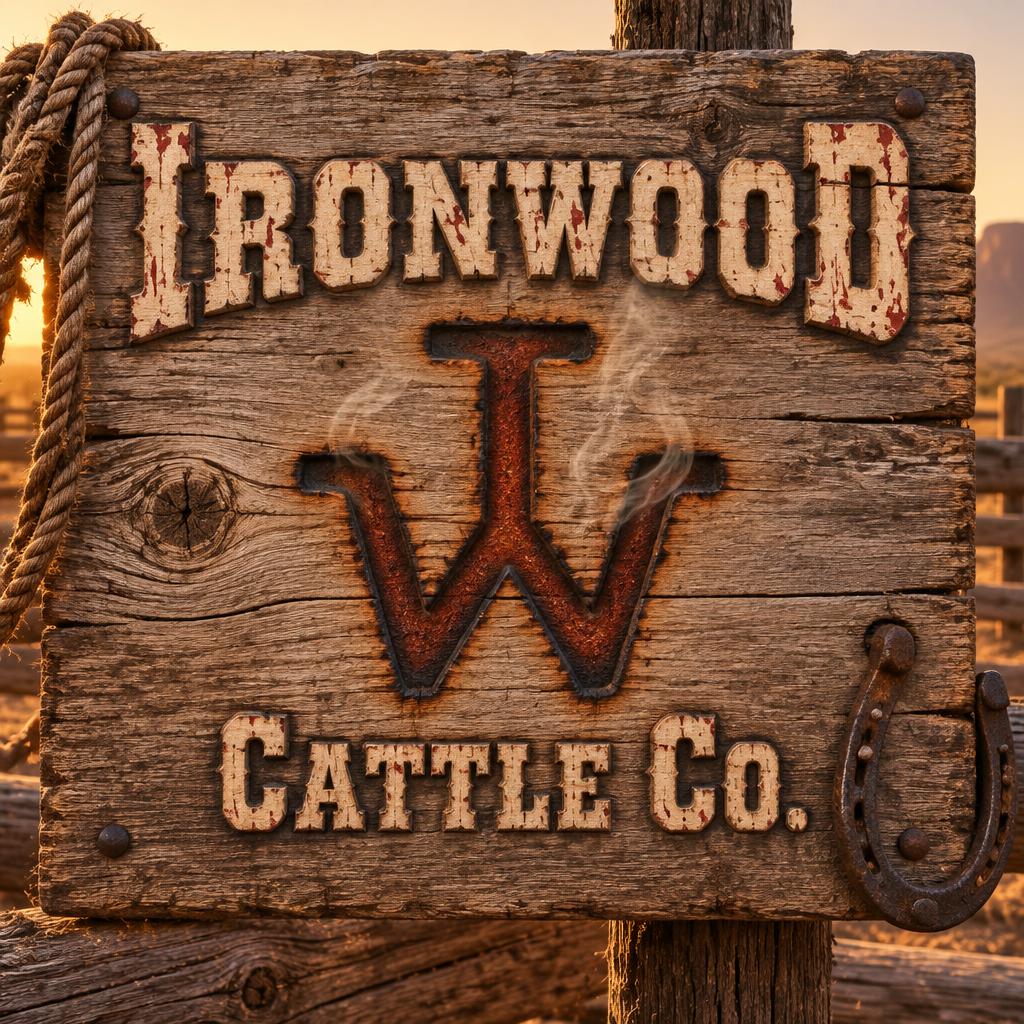
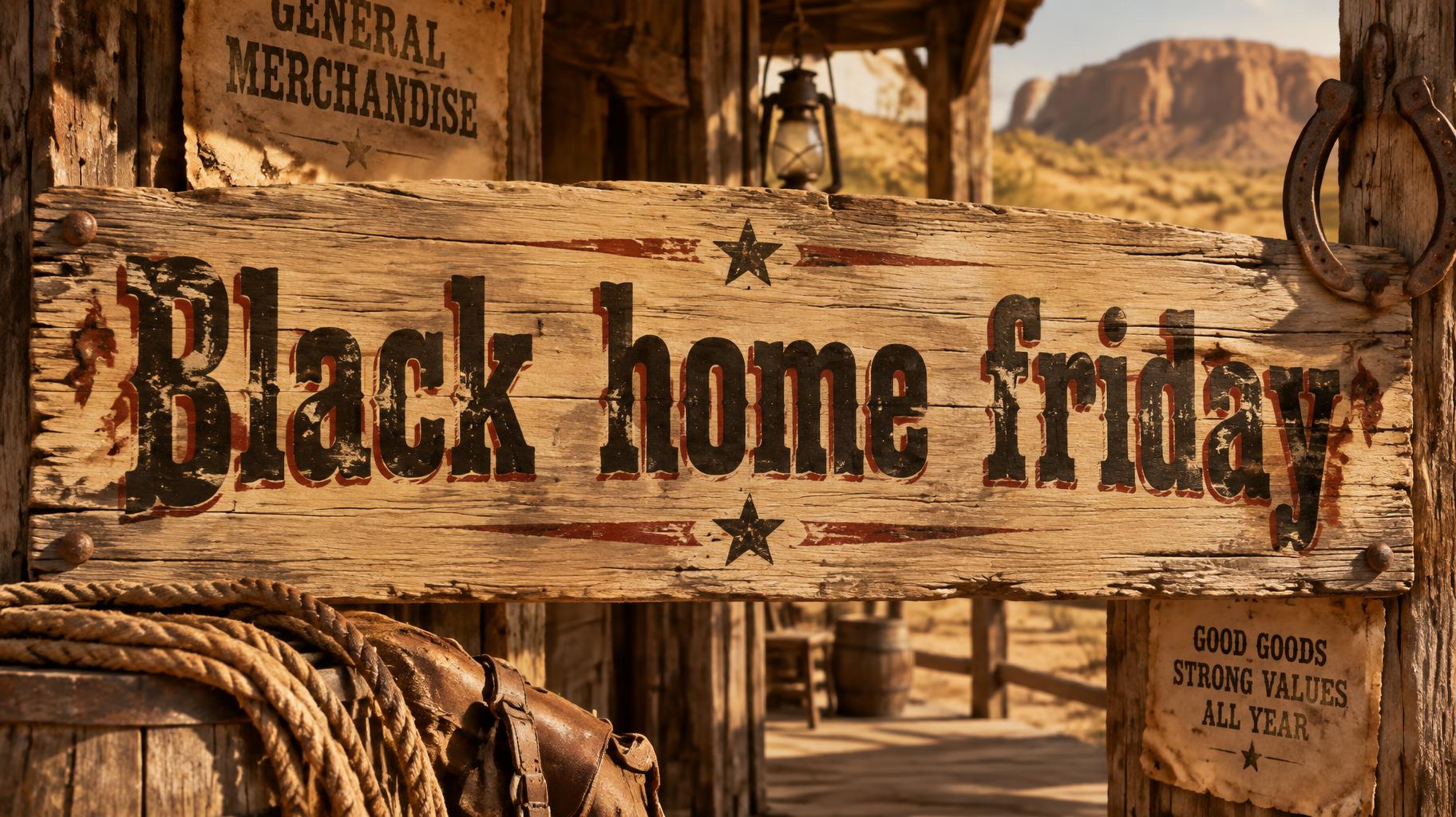
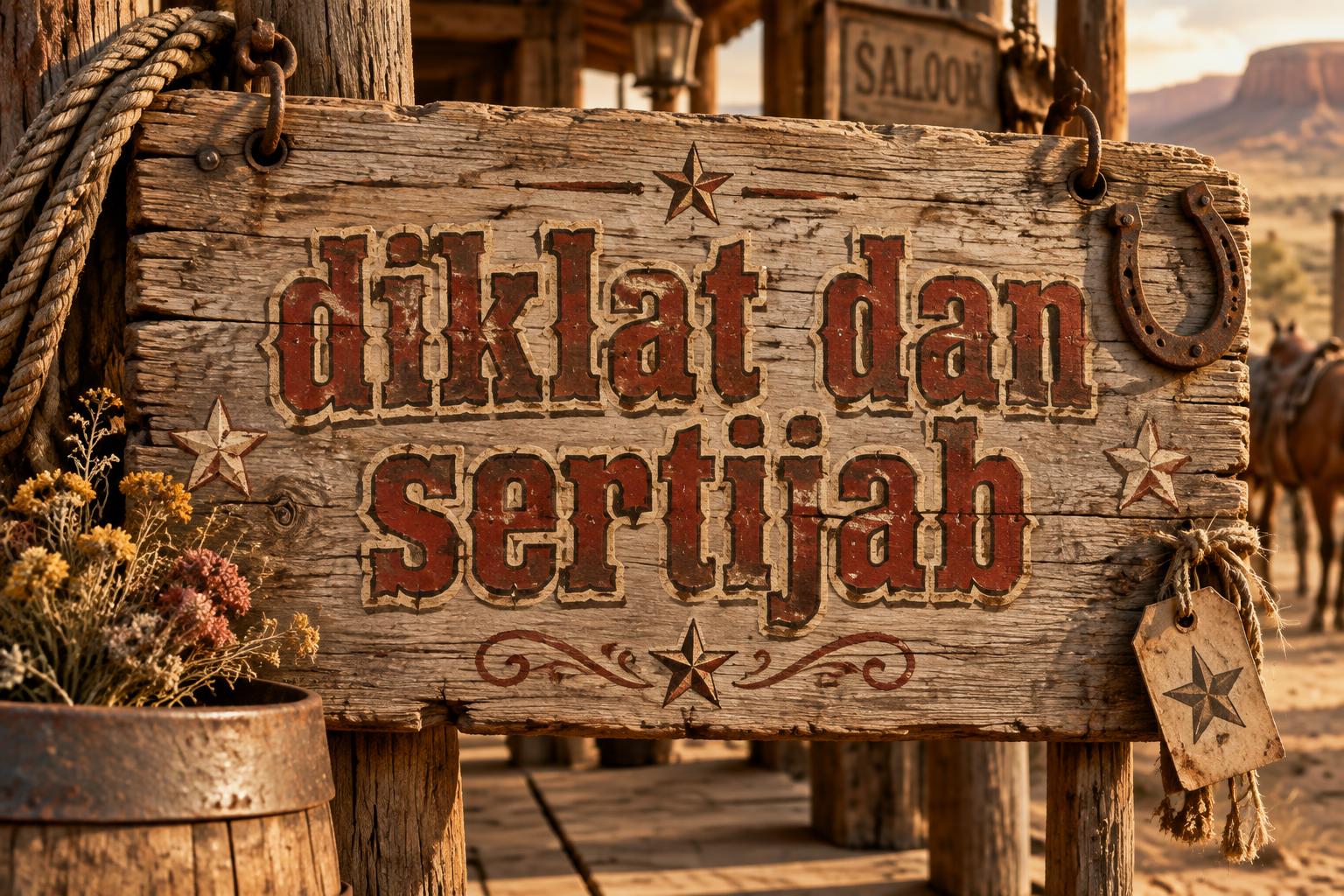
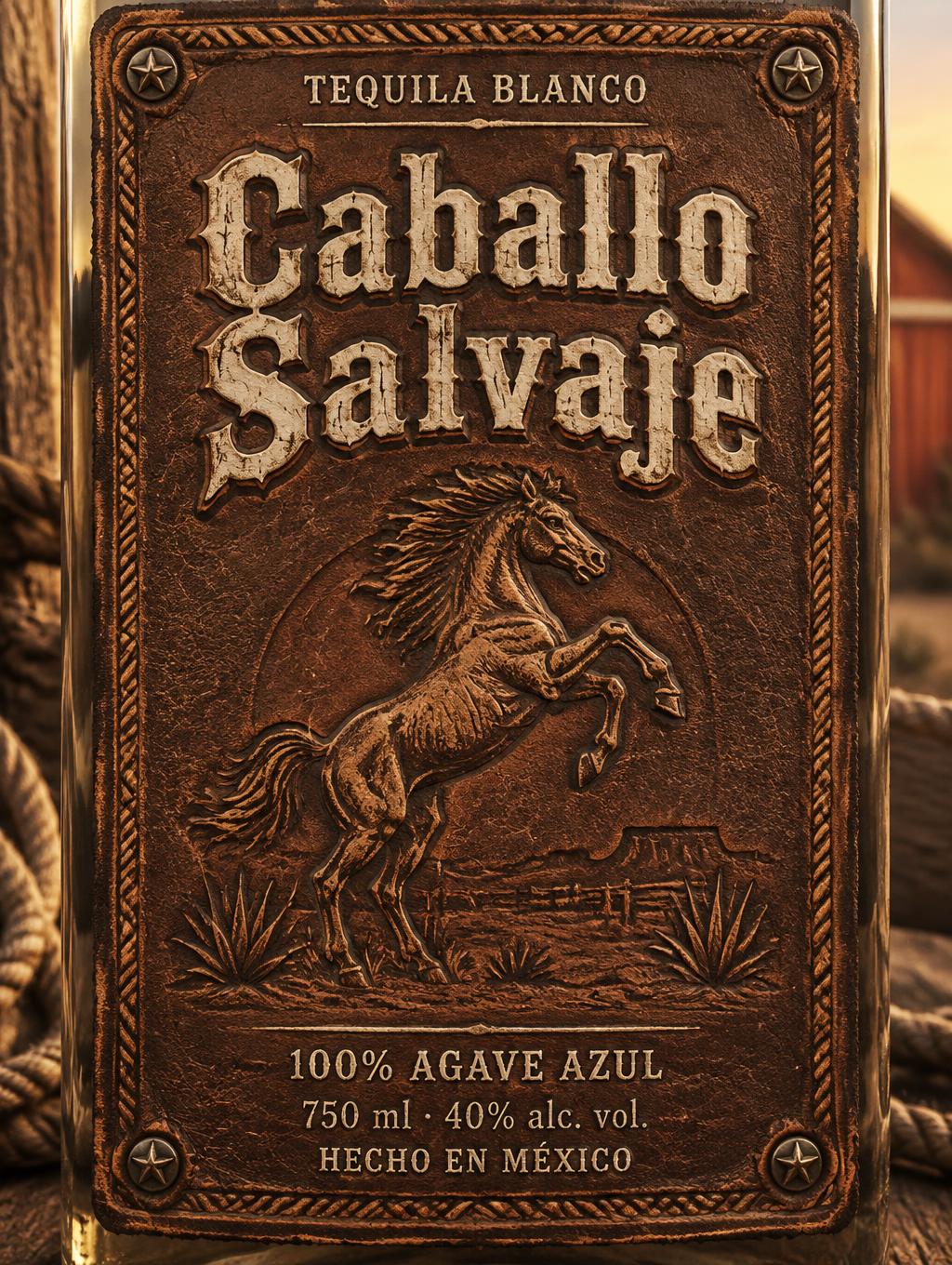
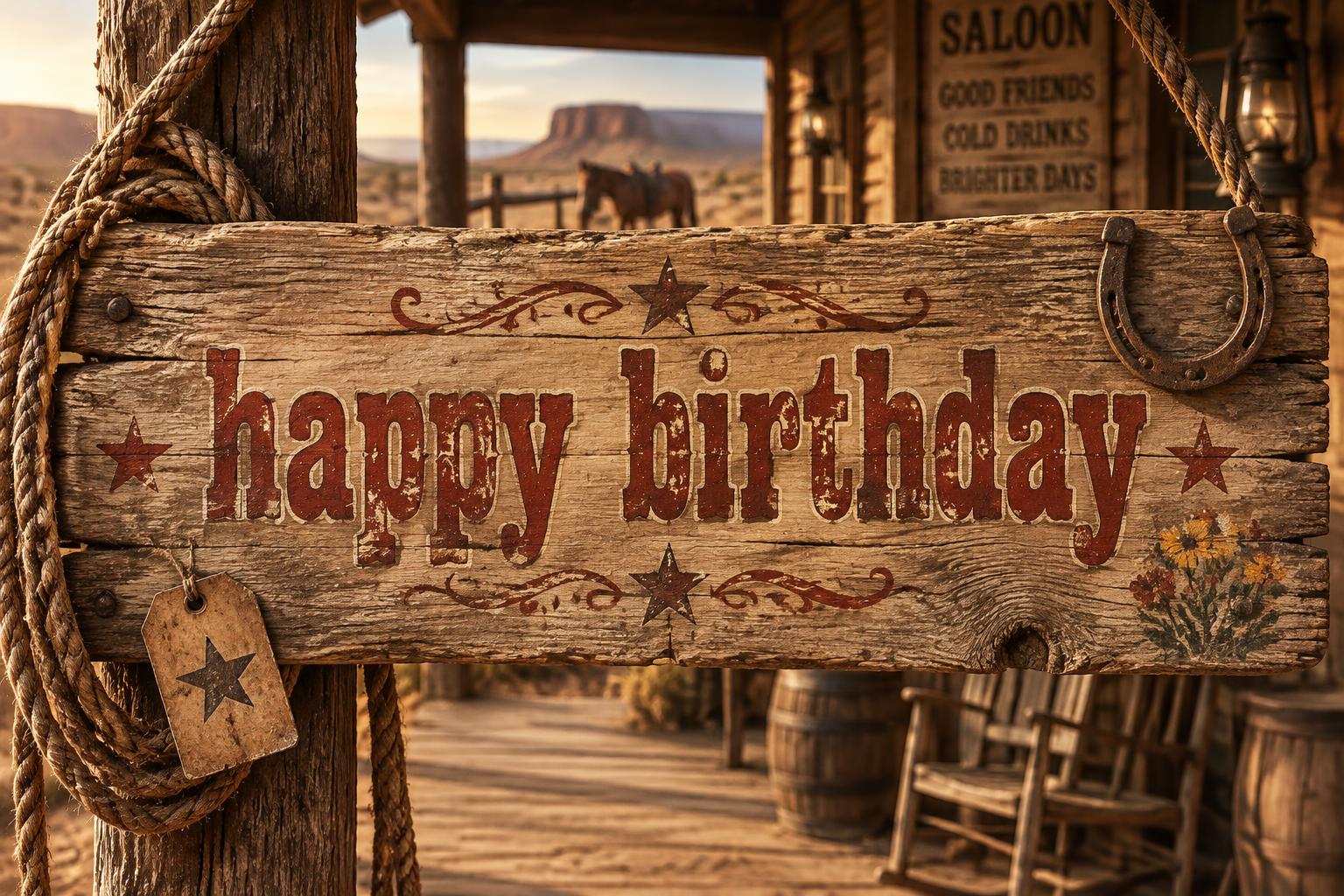
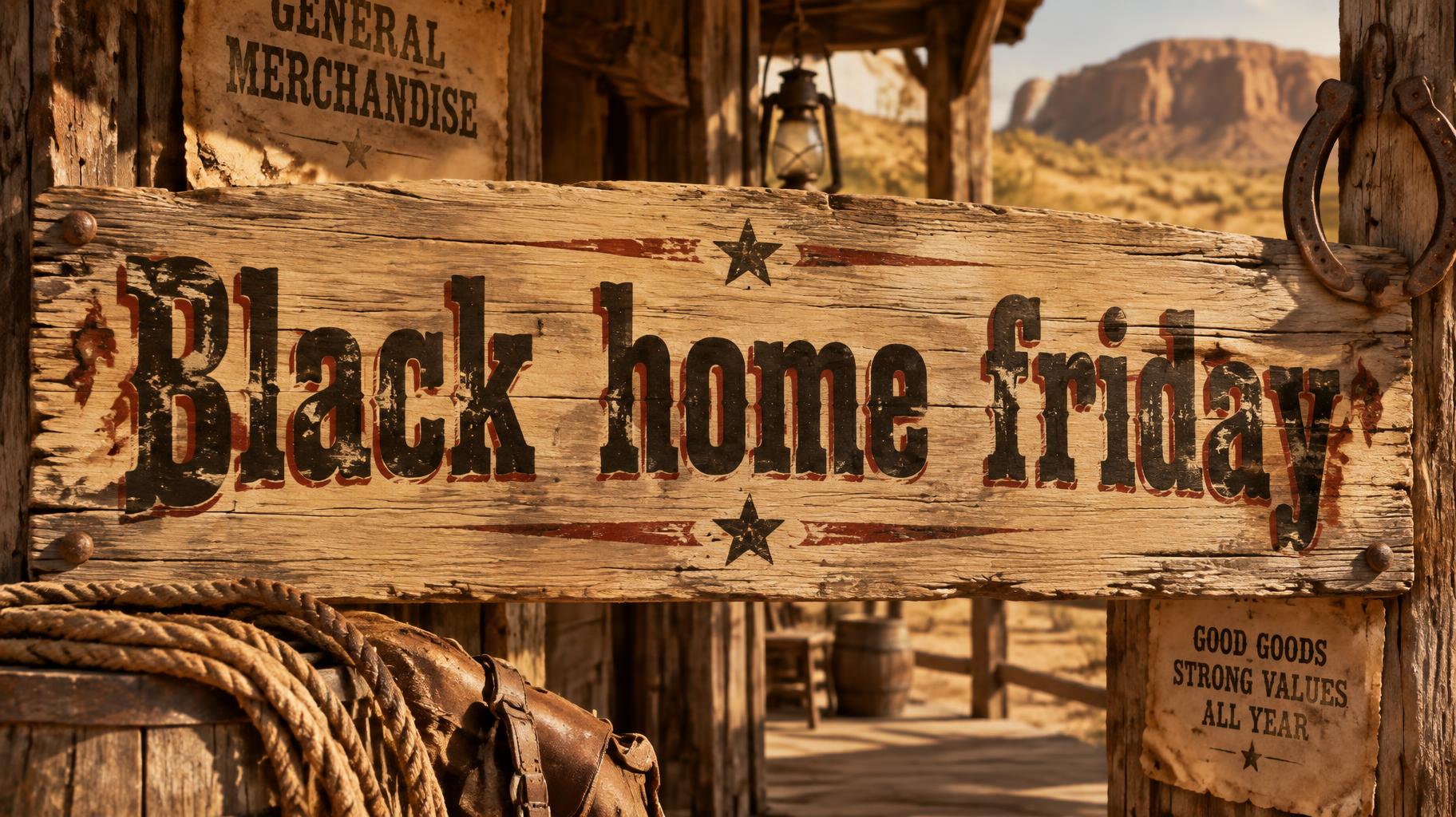
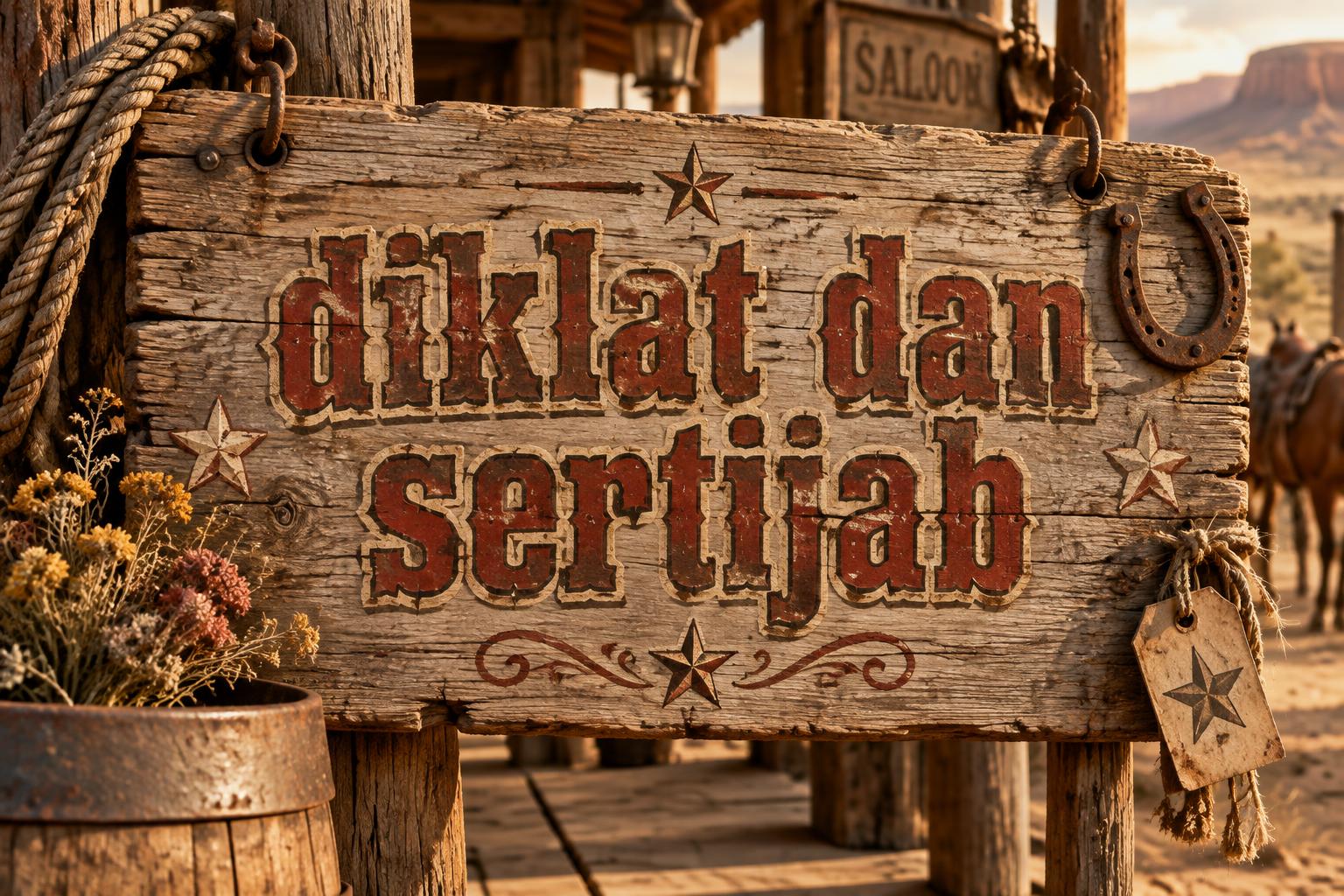
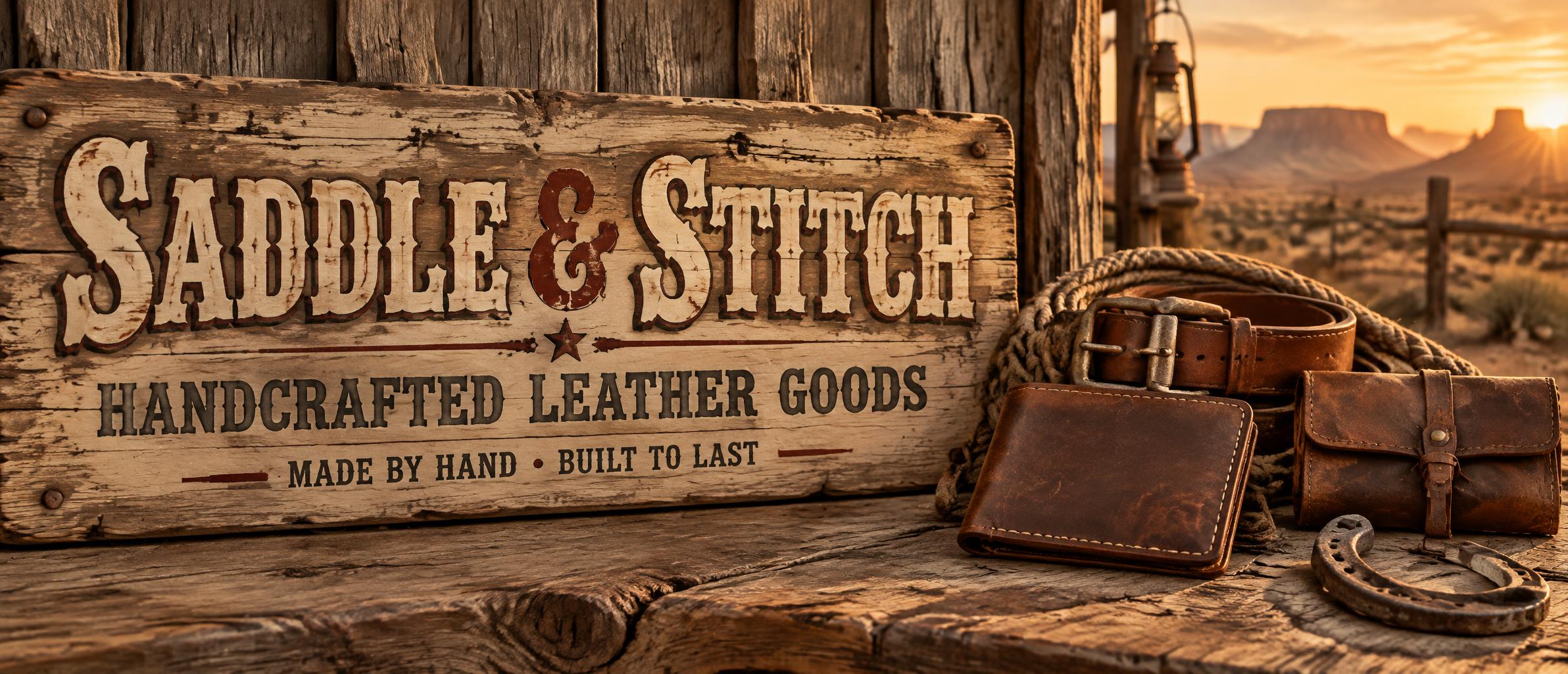
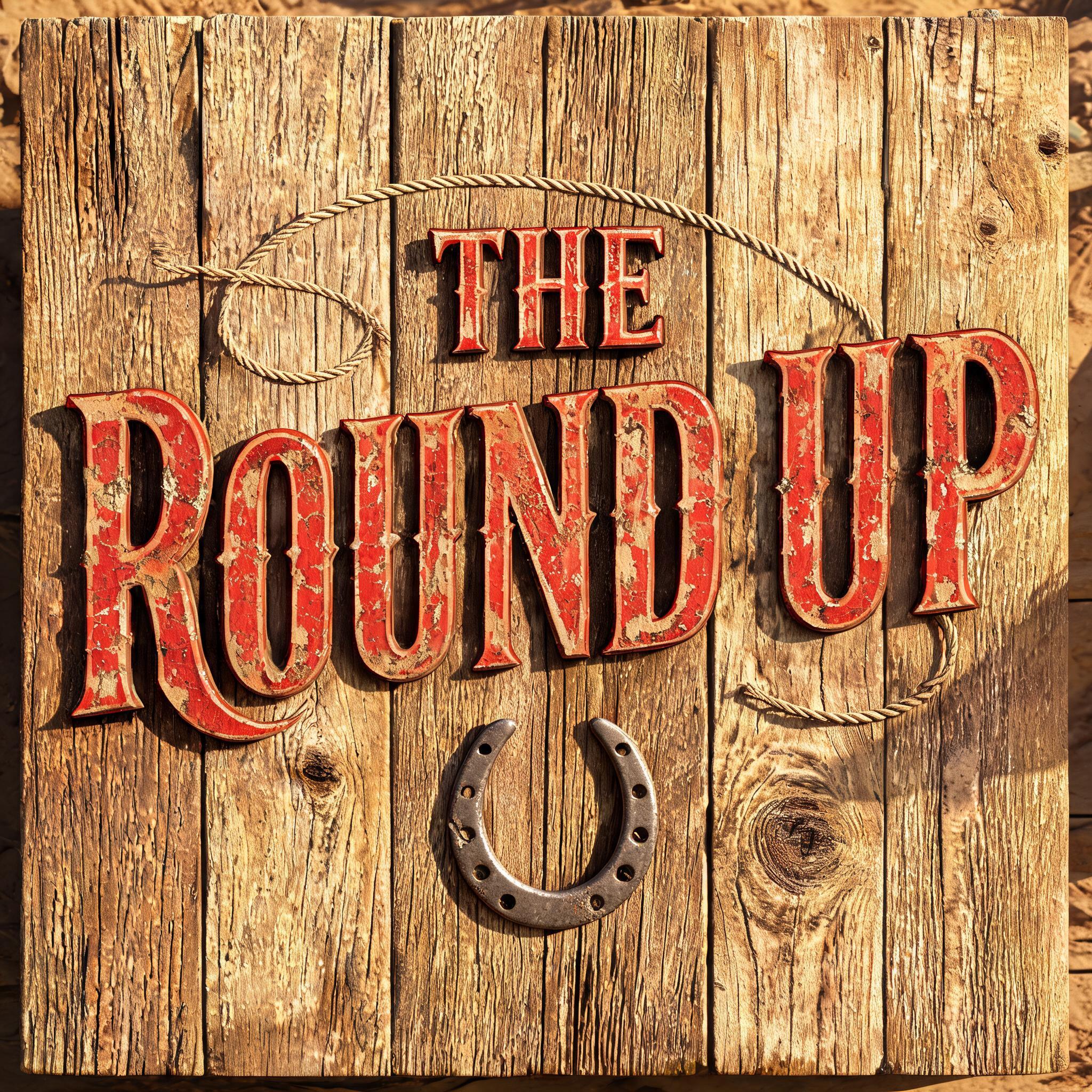
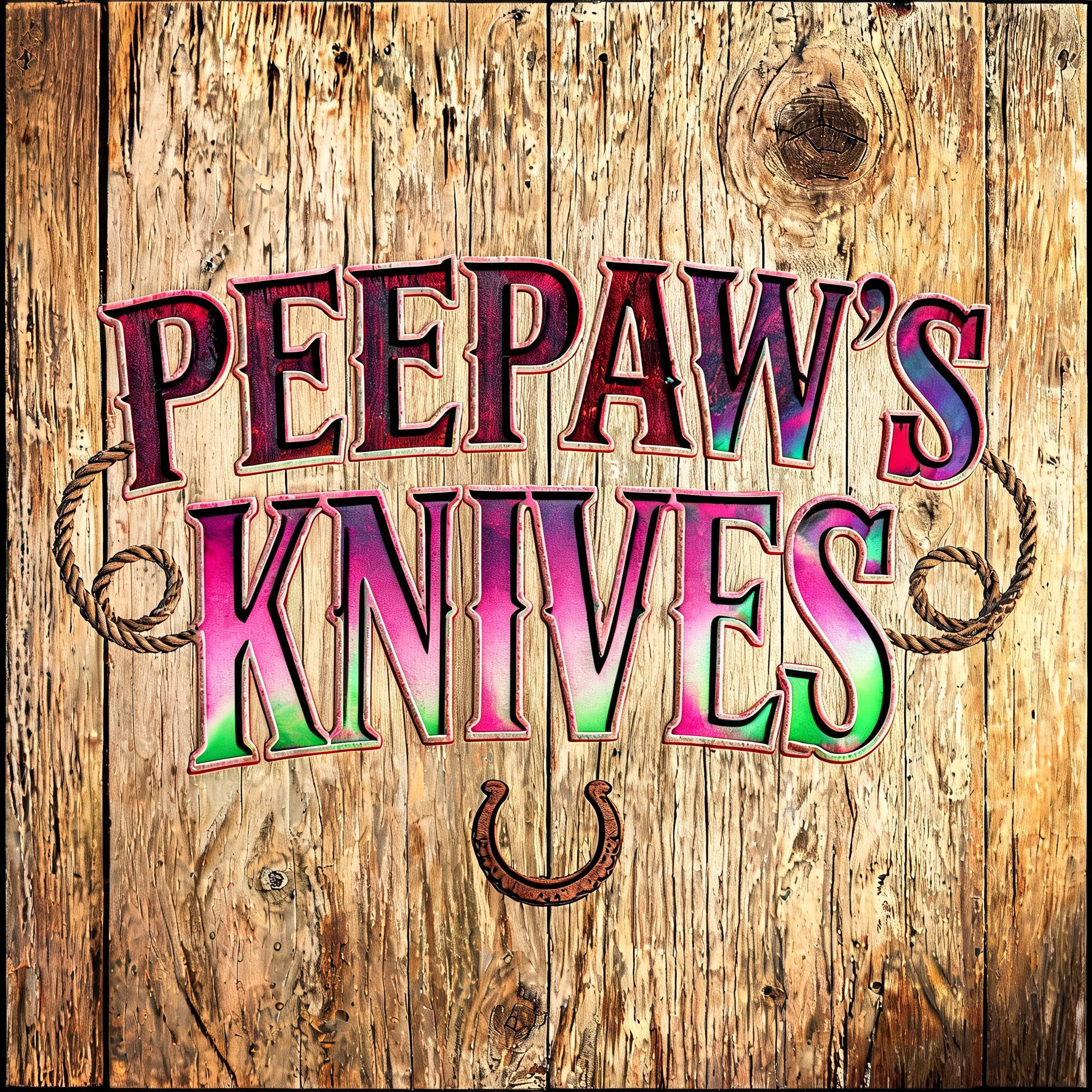
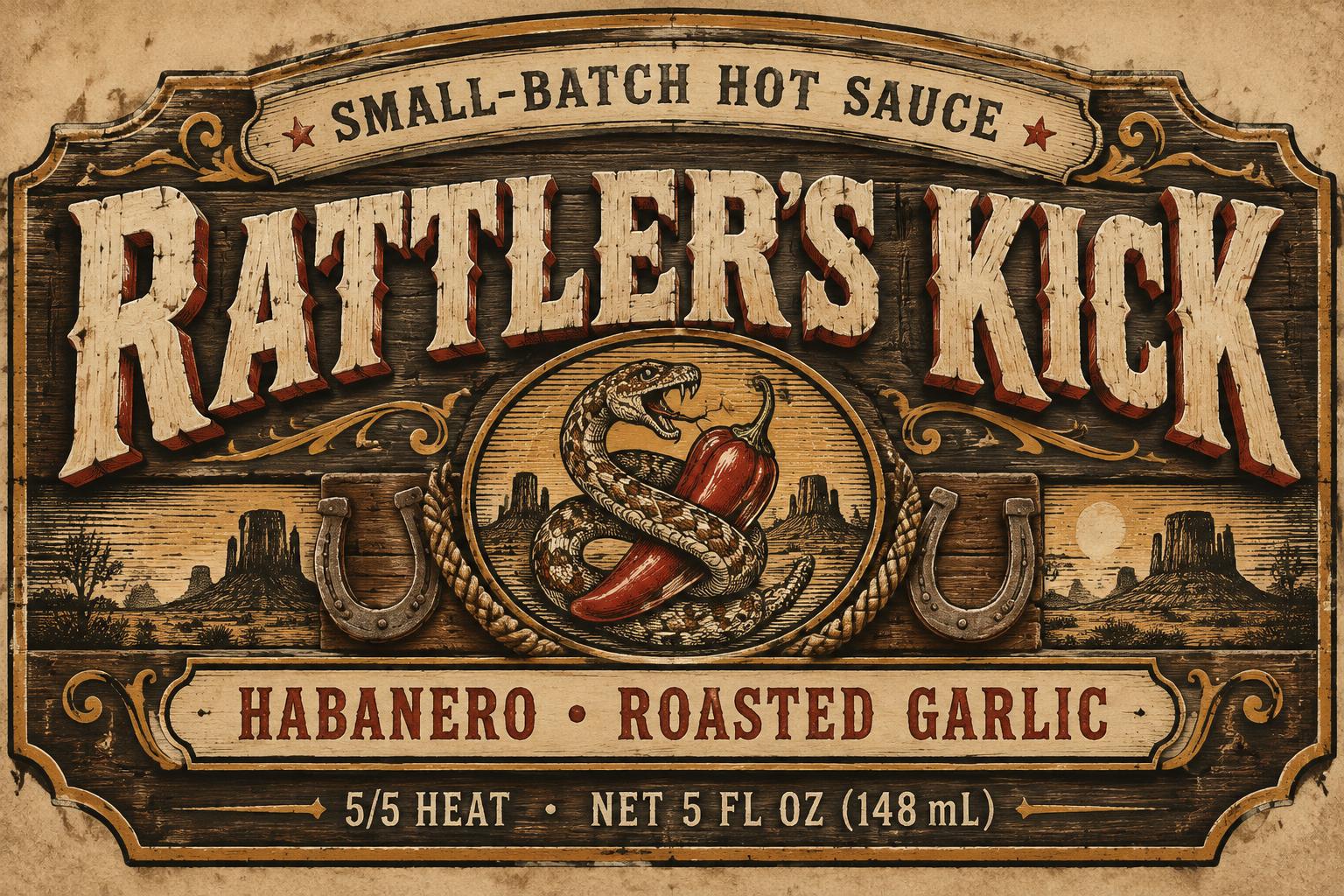
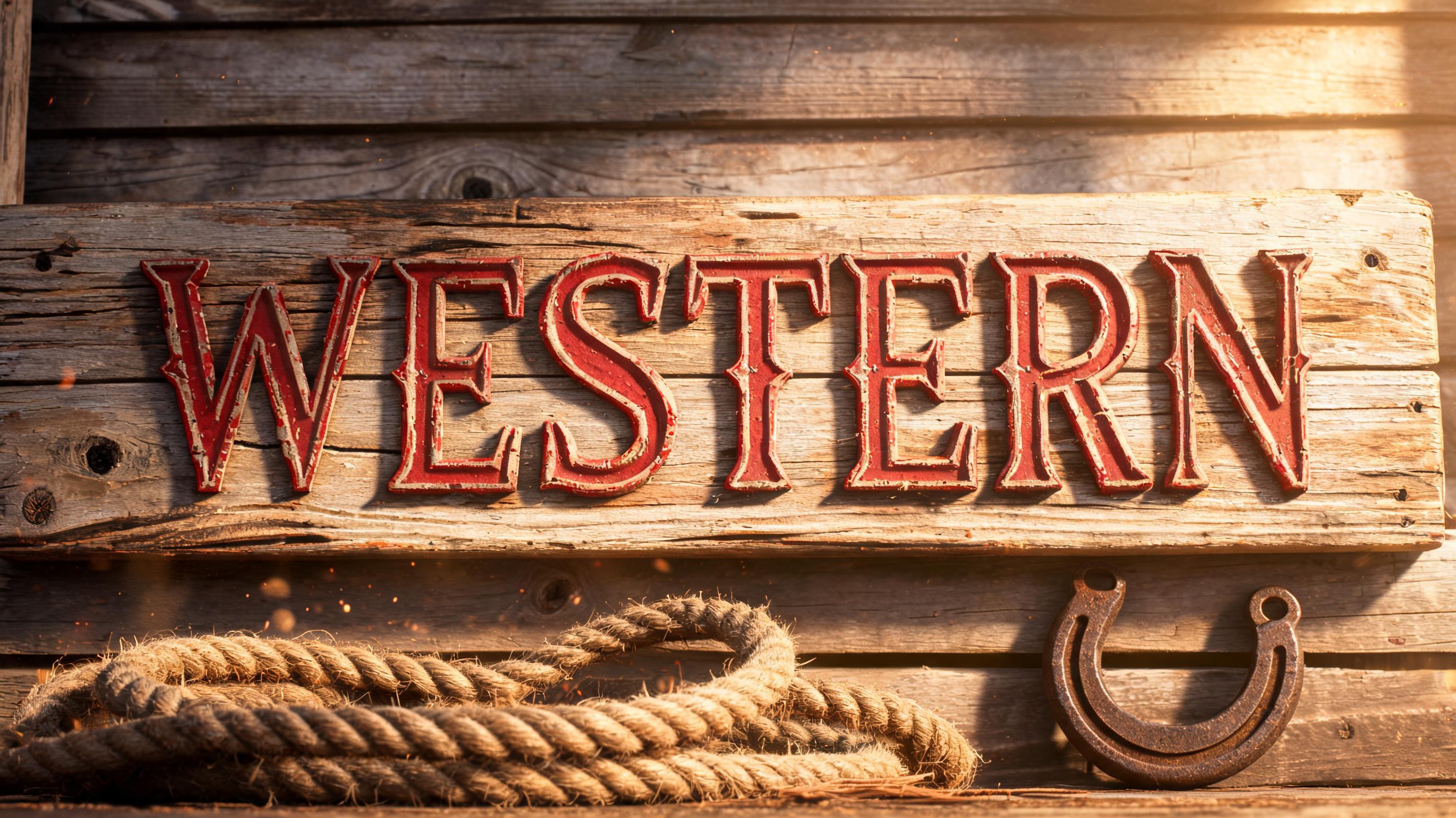
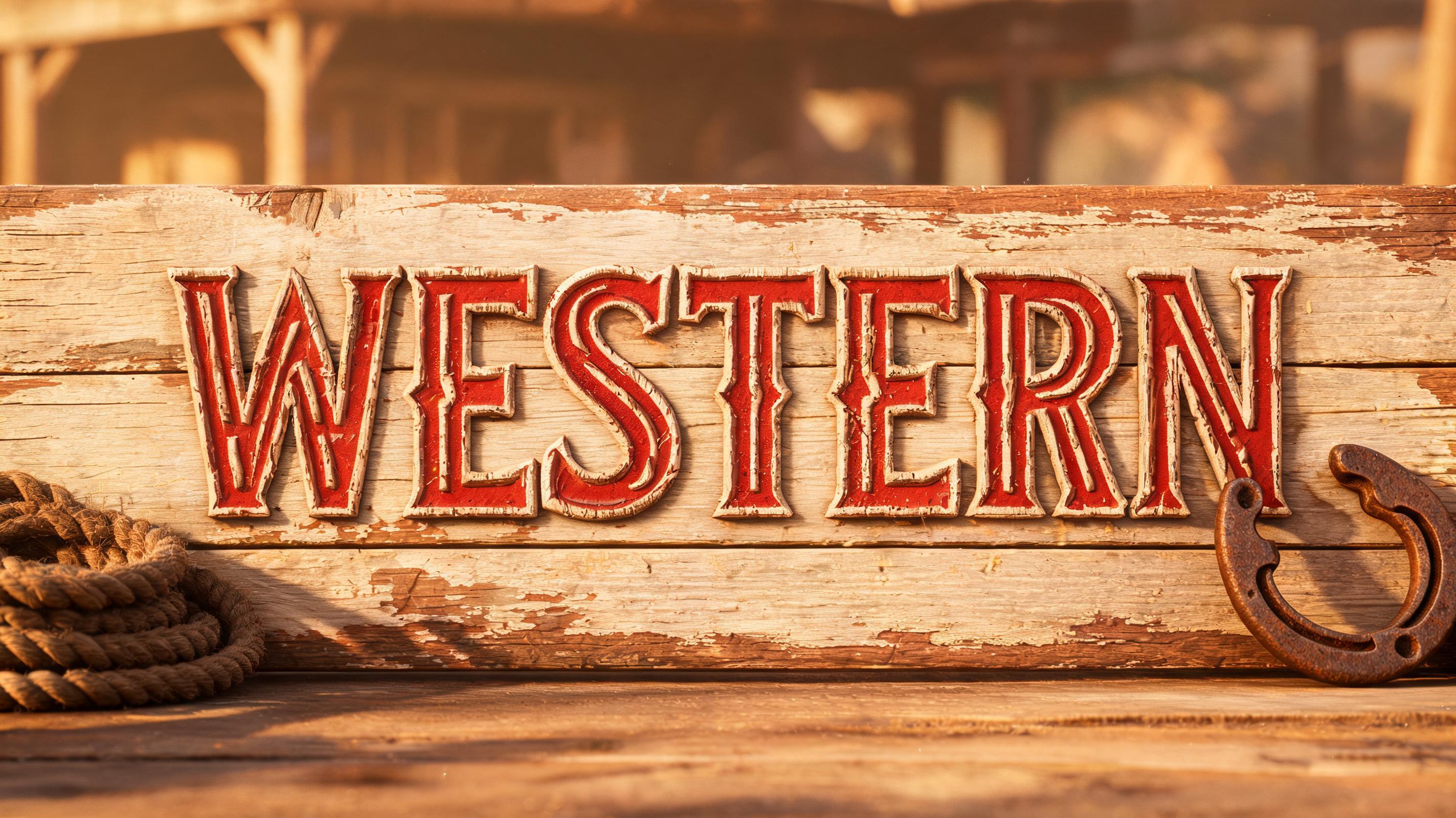
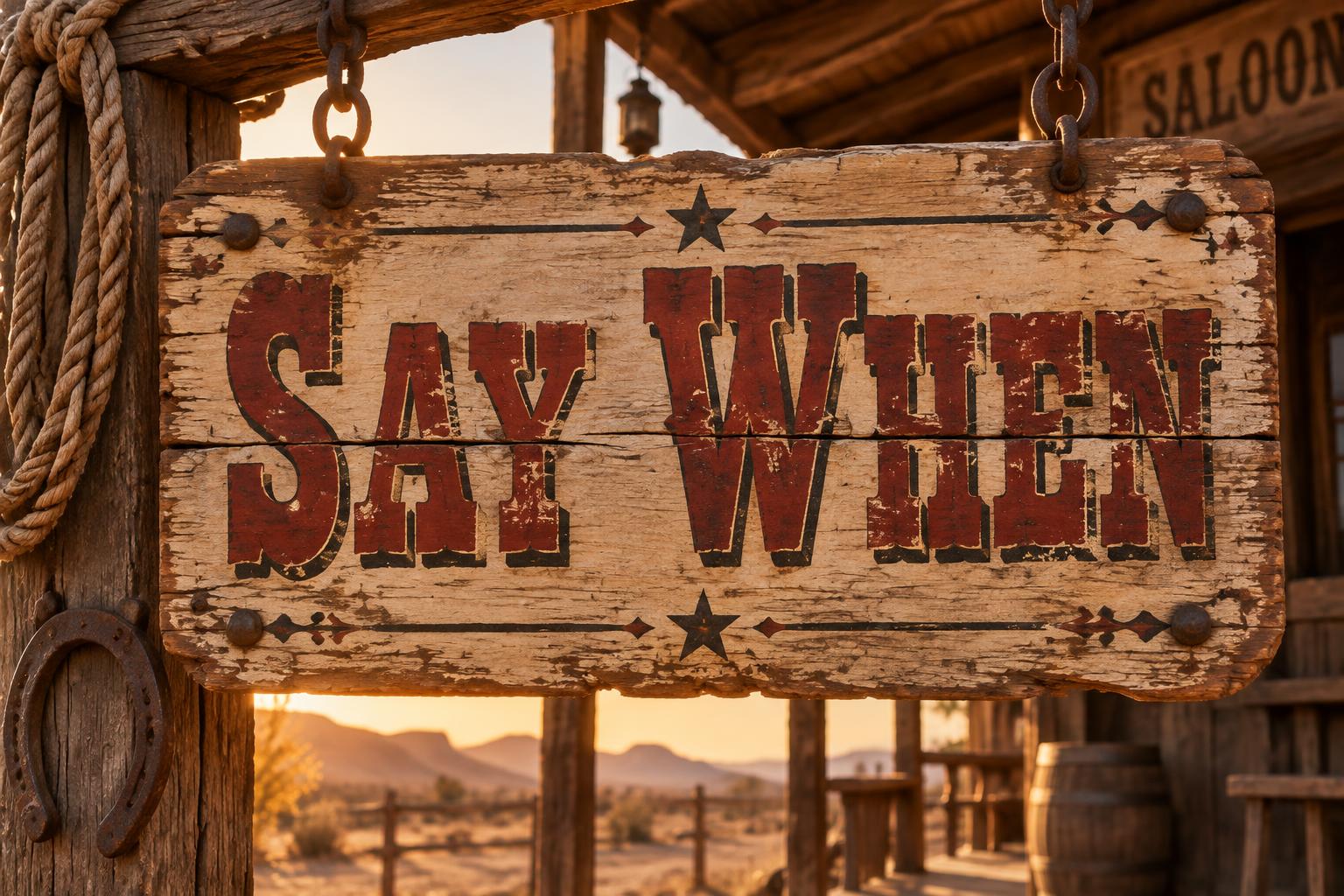
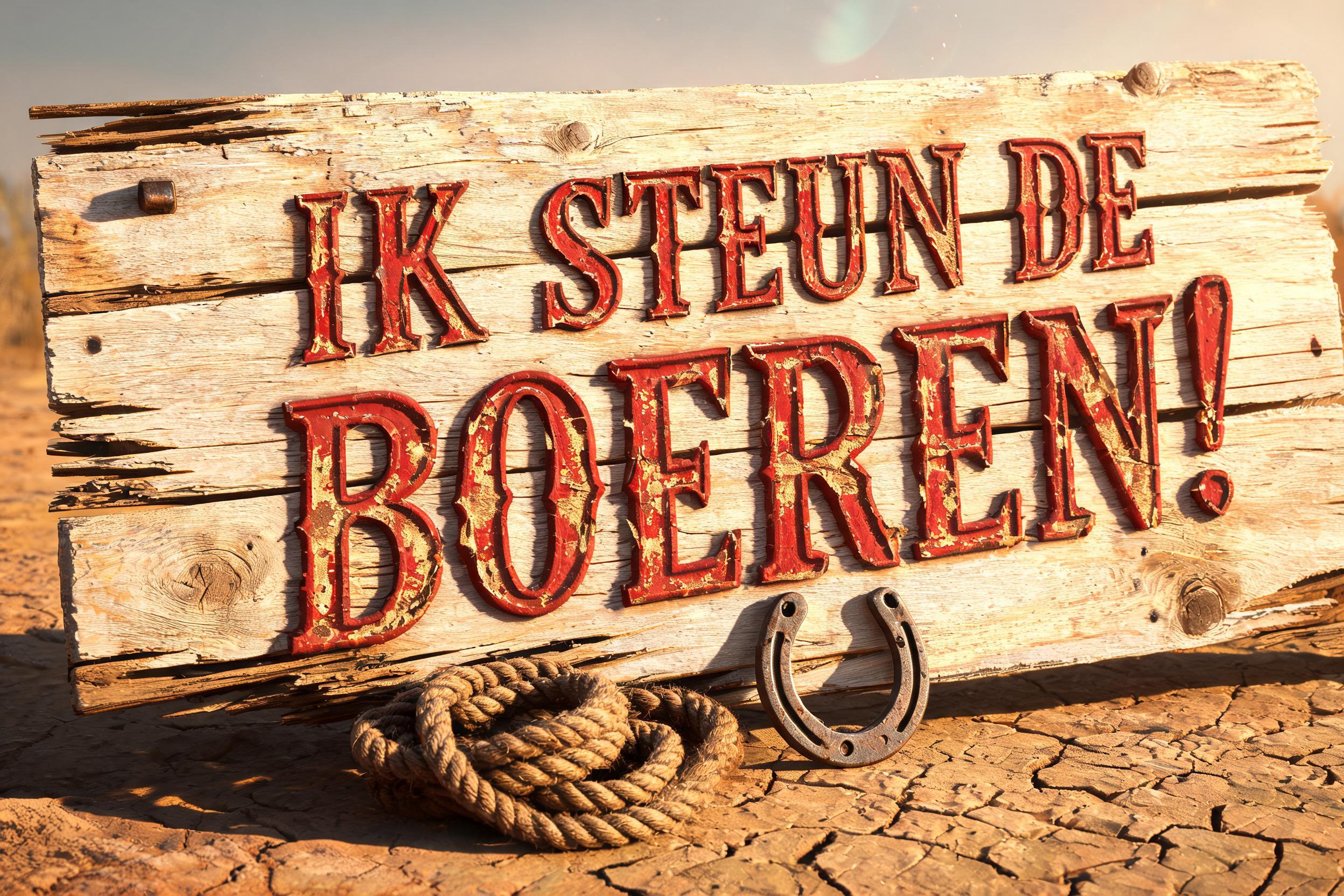
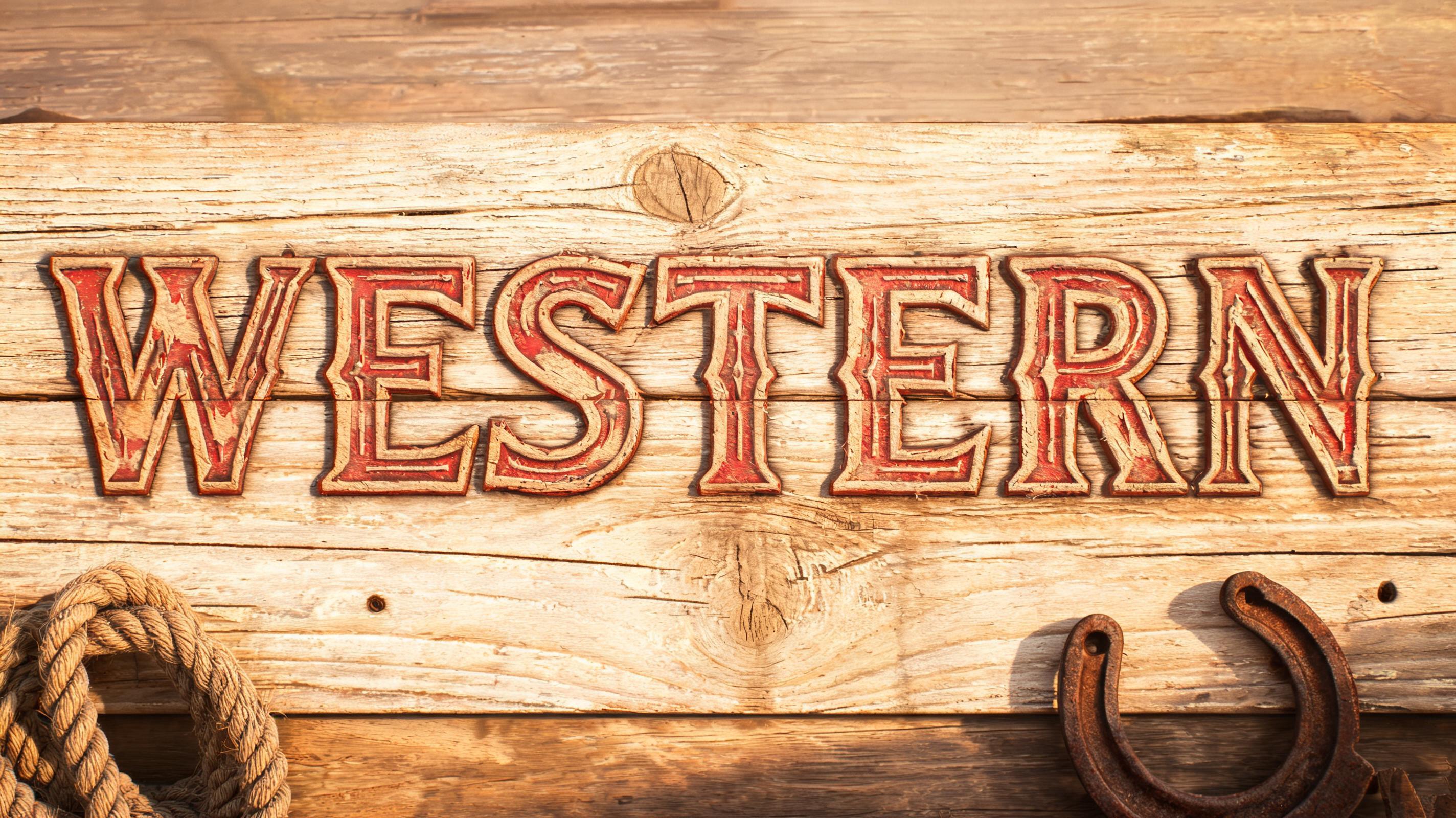
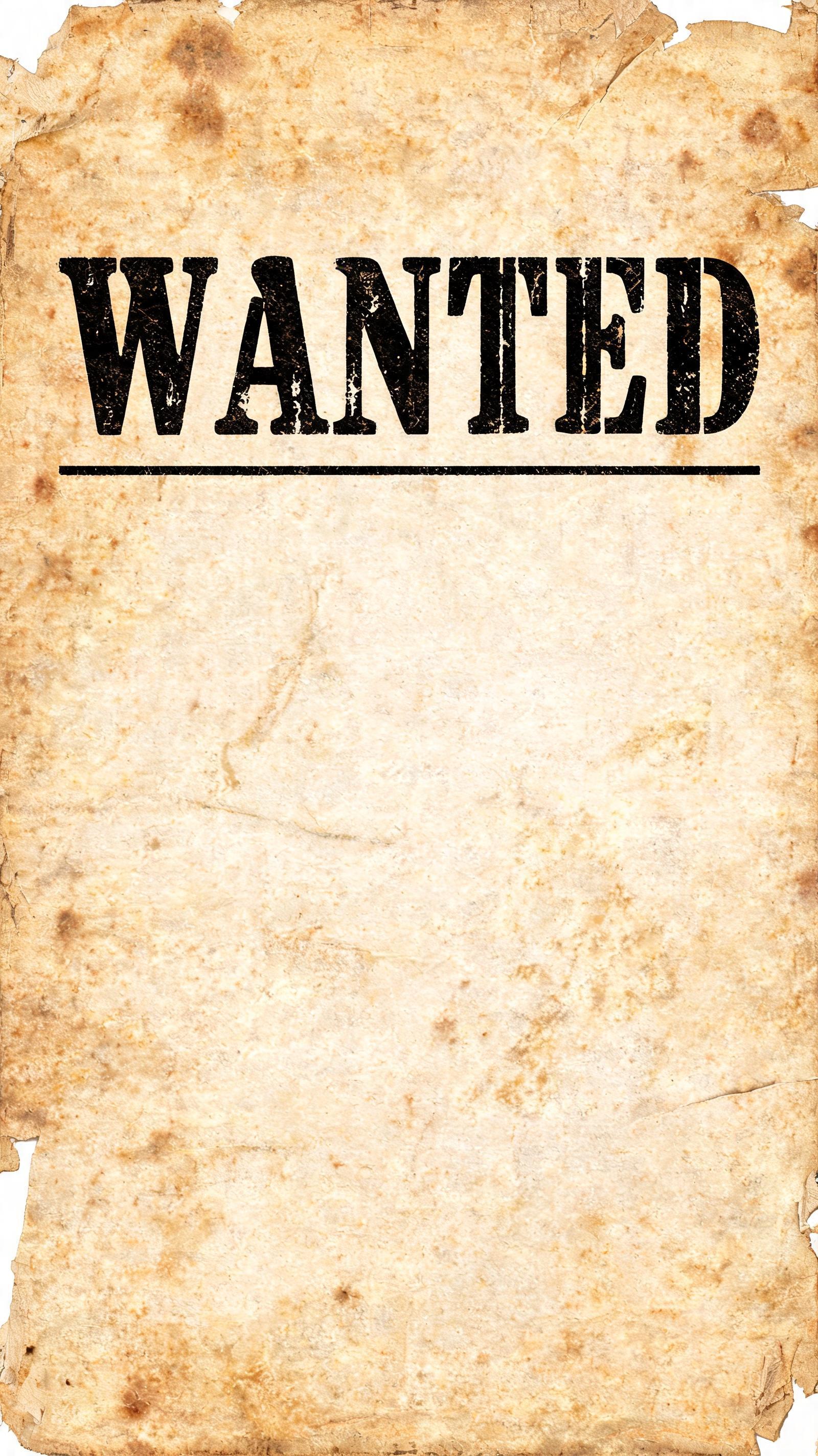
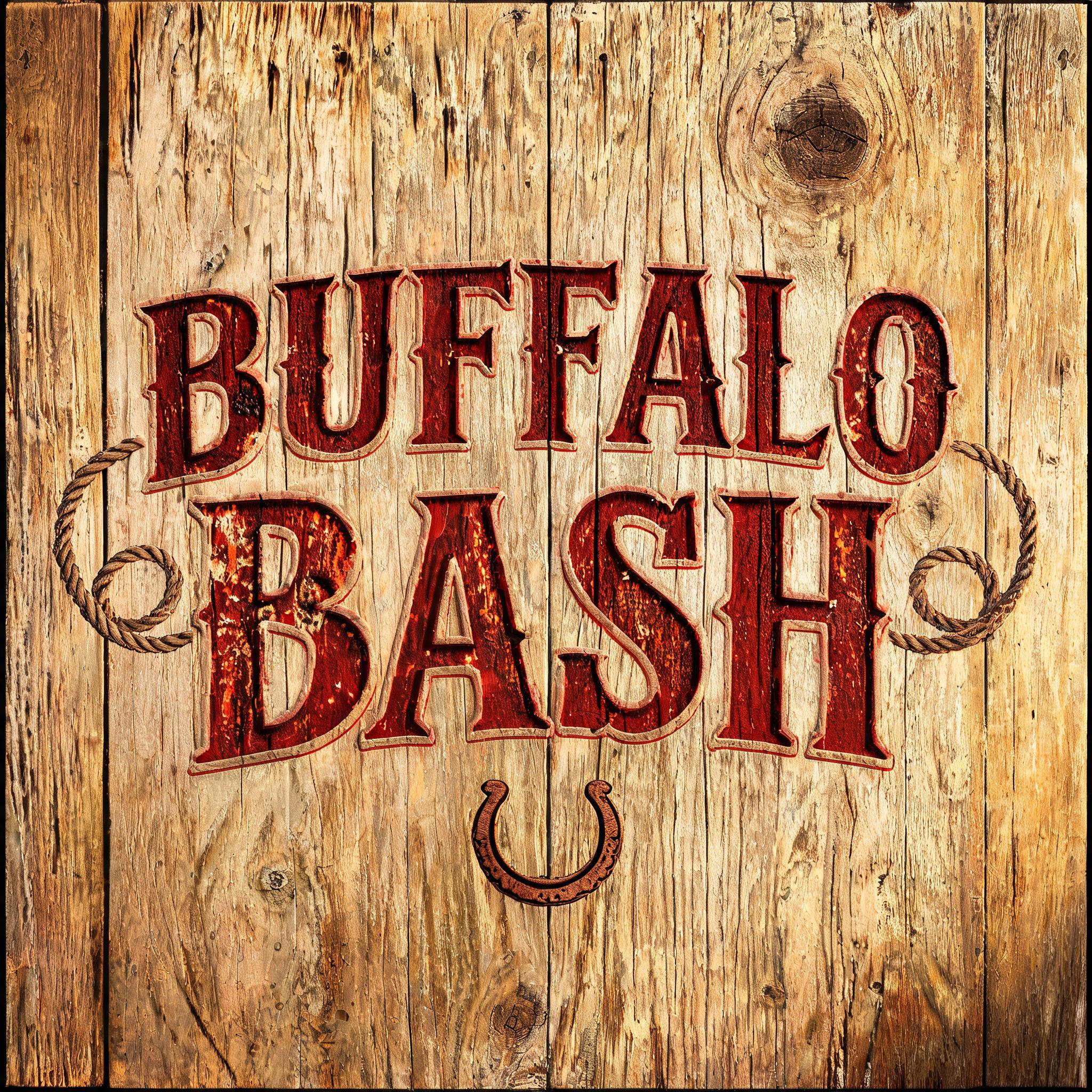
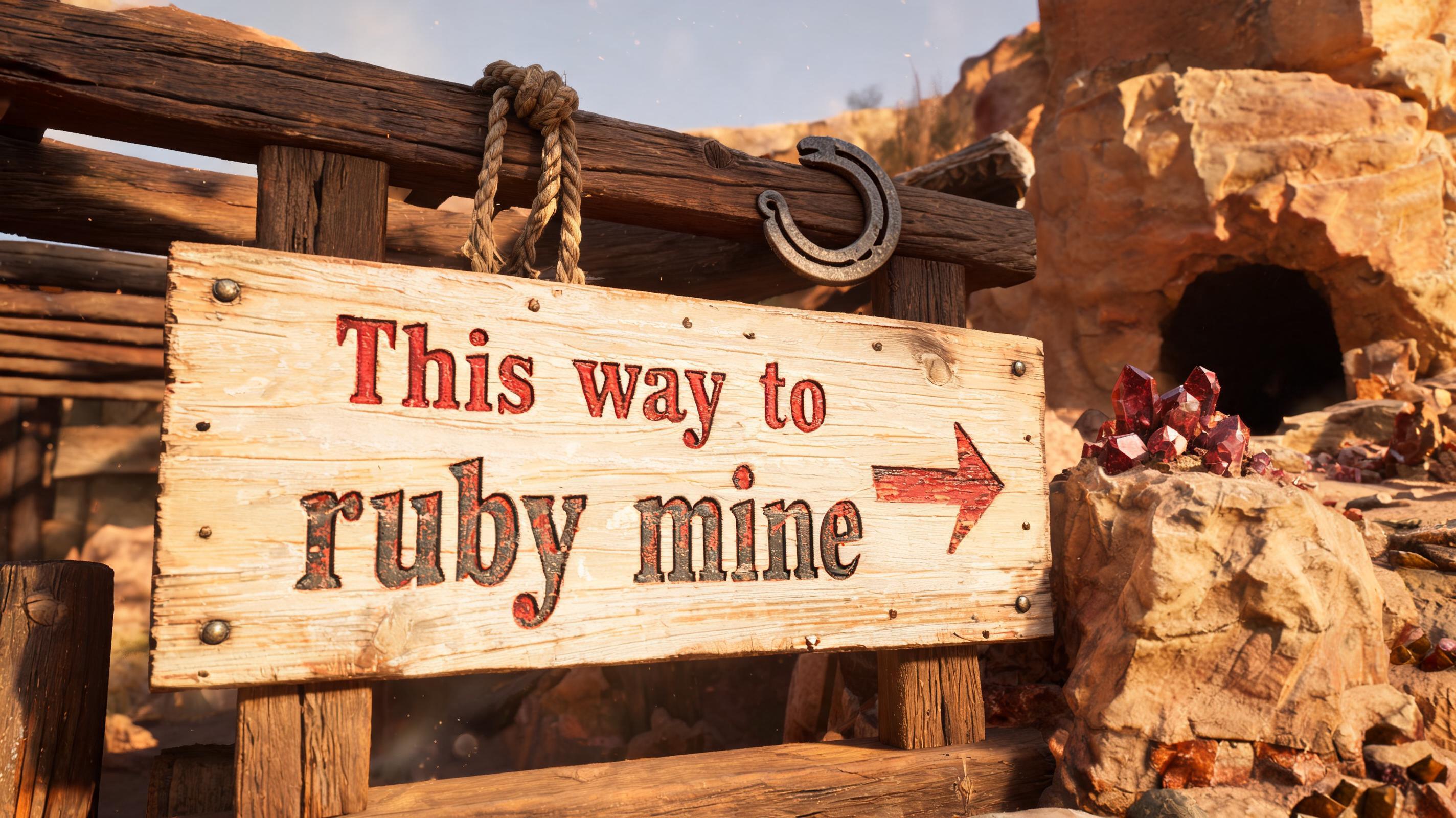
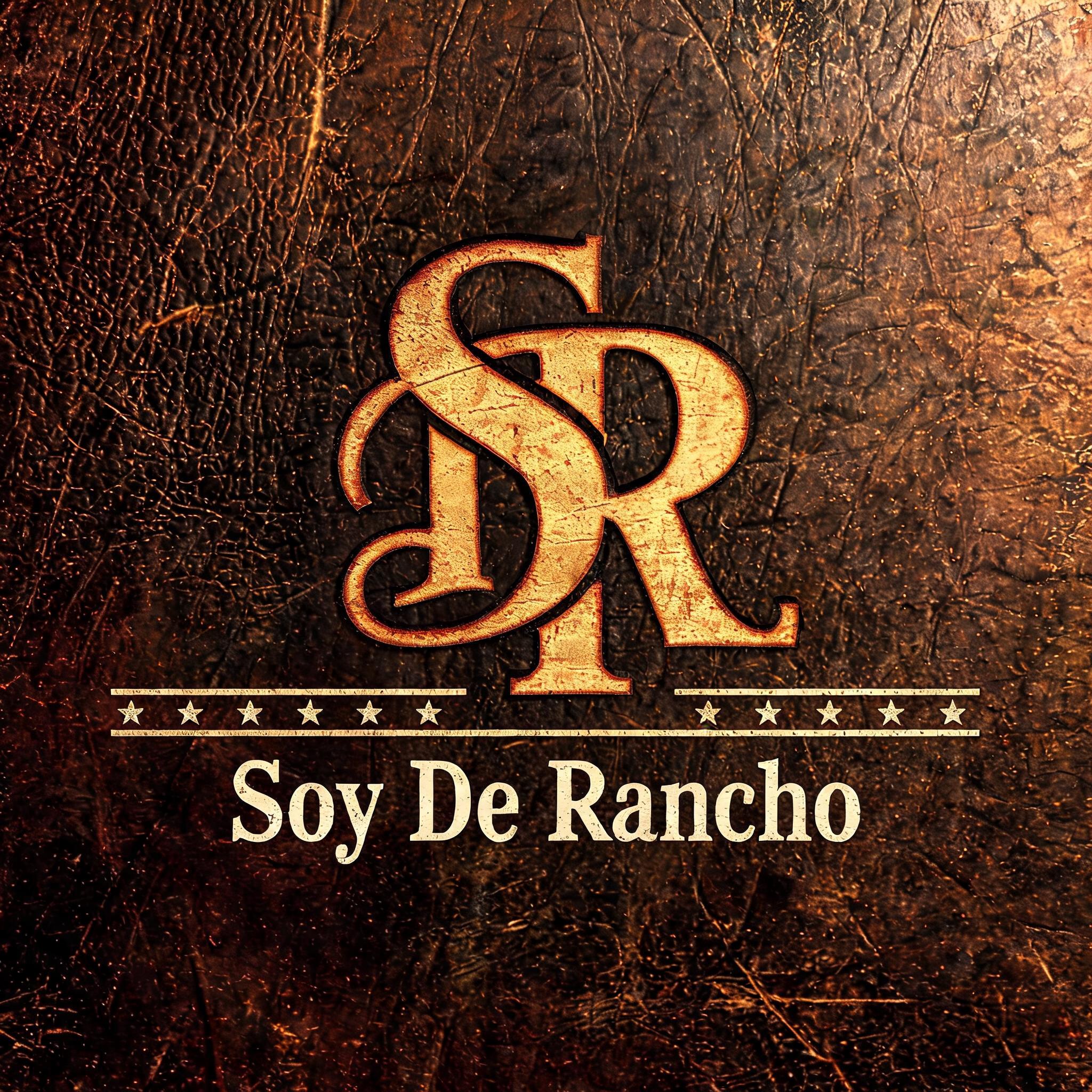
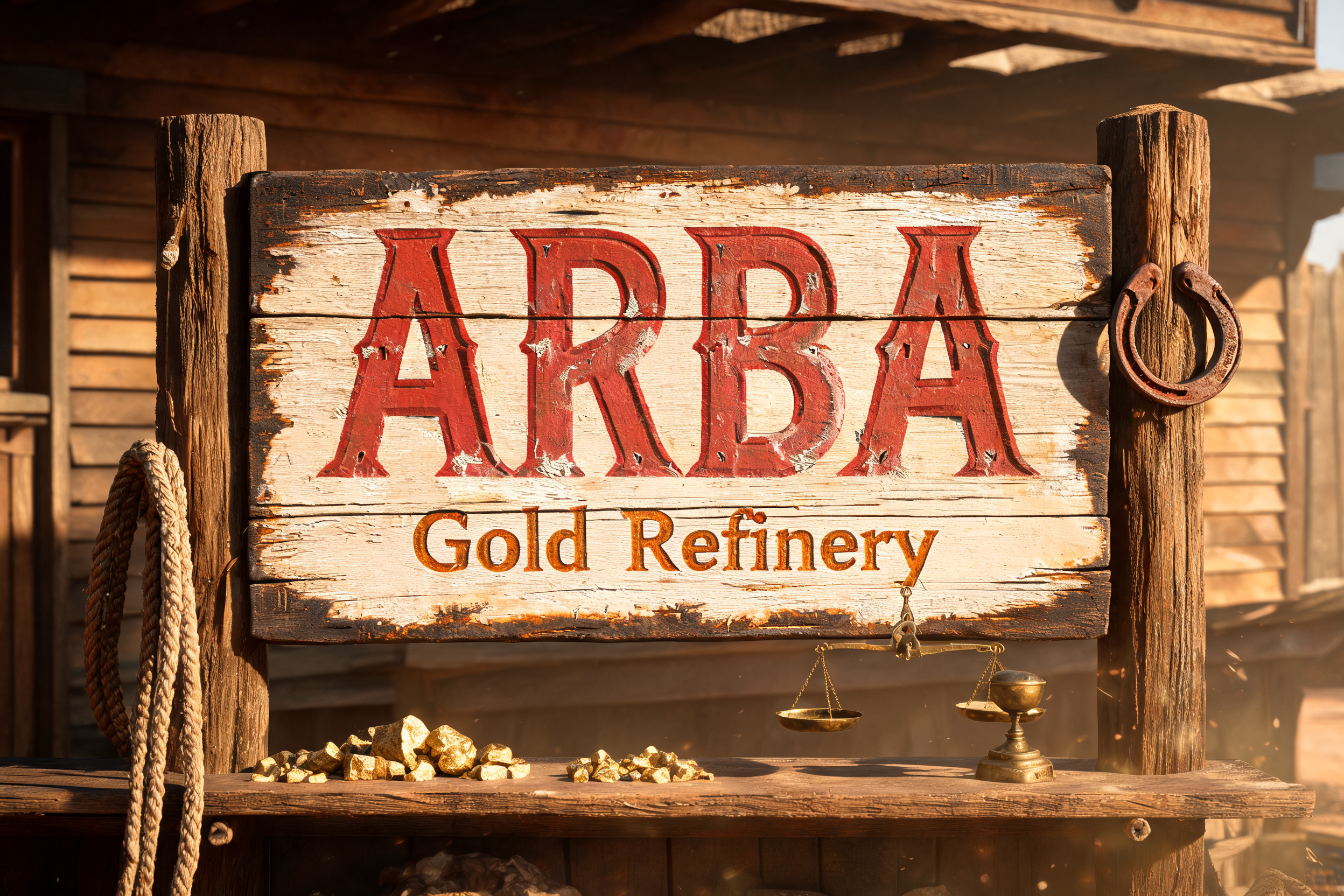
Weathered red-painted slab and wood-type capitals on a sun-bleached plank sign, with rope and horseshoe details on a dusty saloon porch. — no font license needed.
Western in different AI fonts




Western Gallery
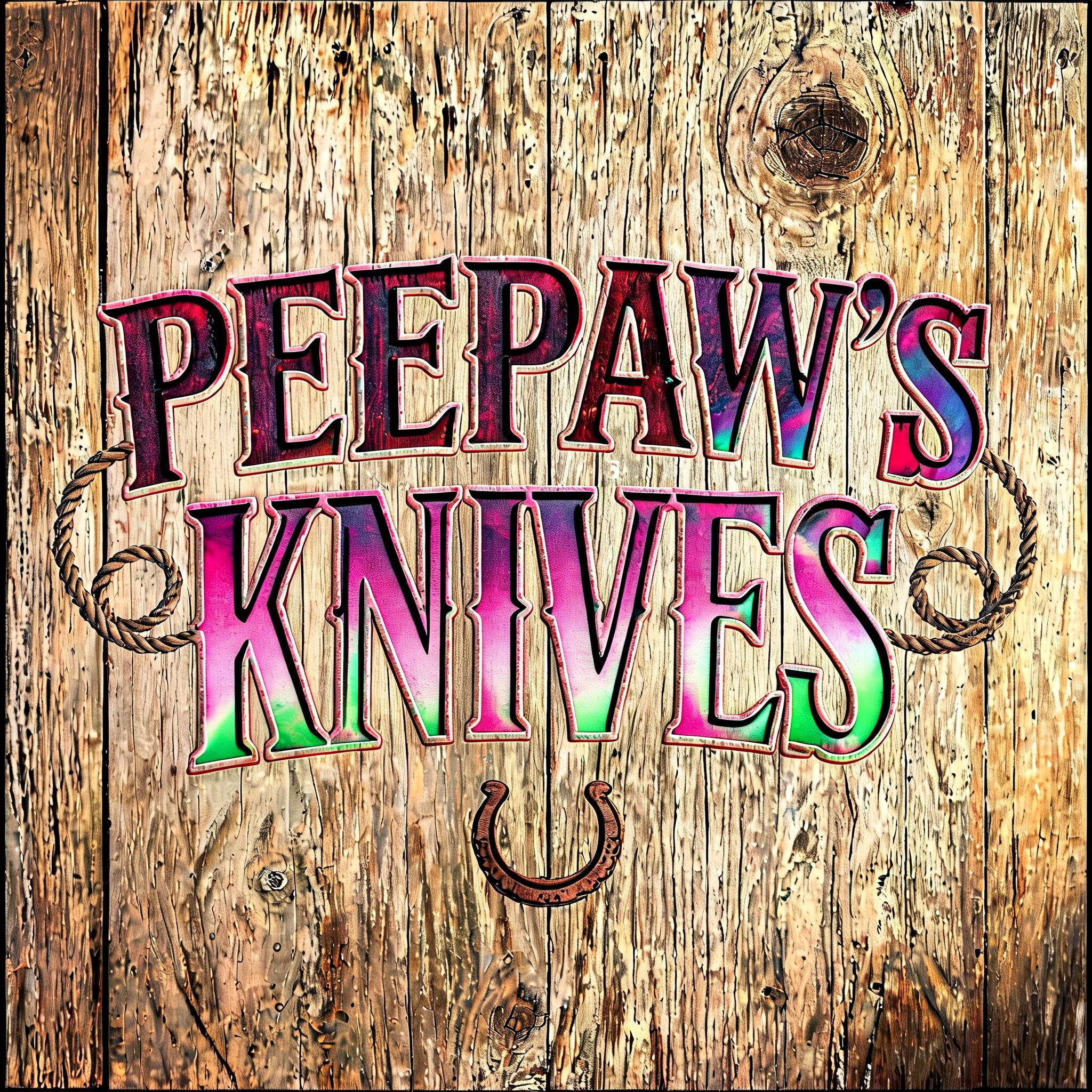
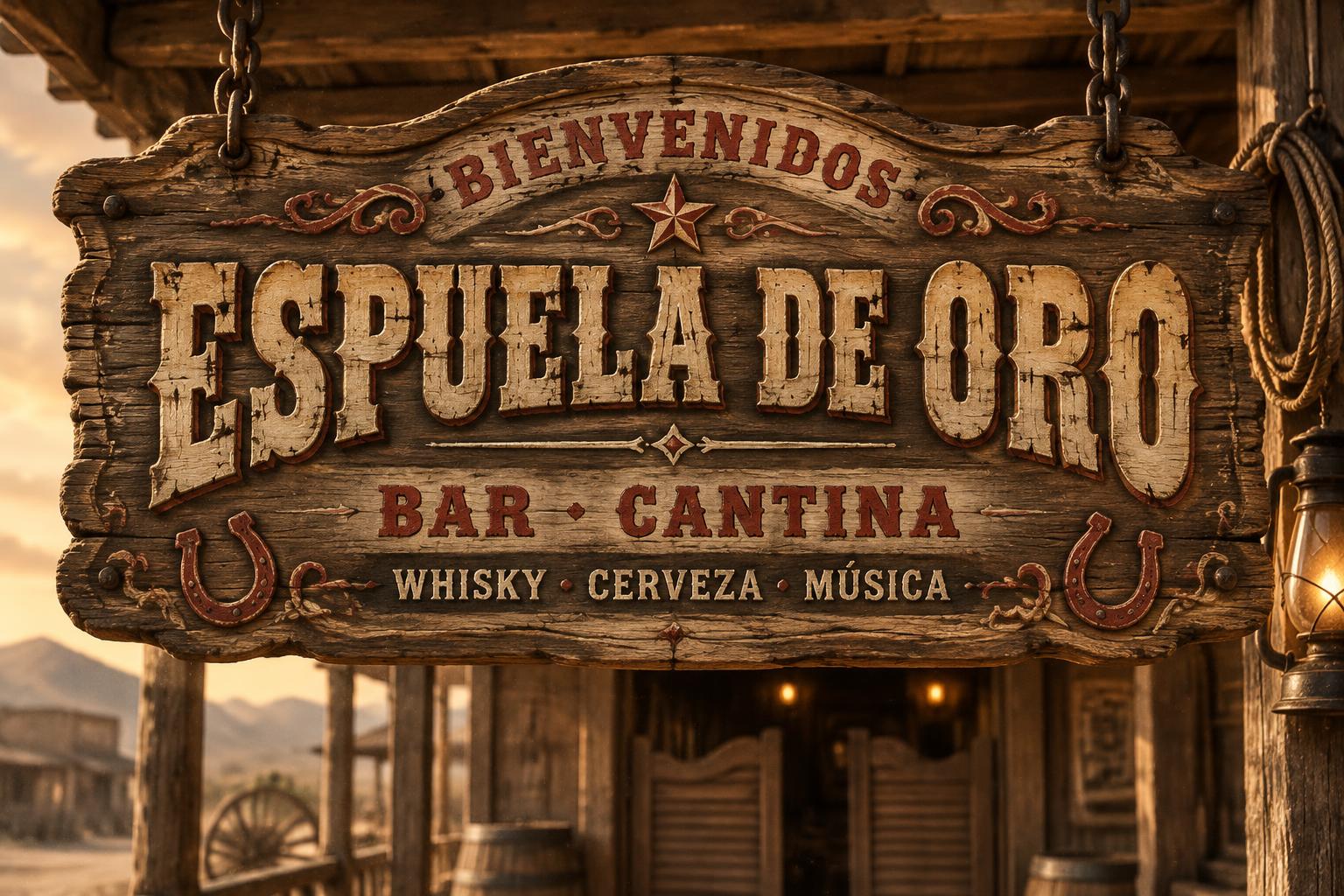
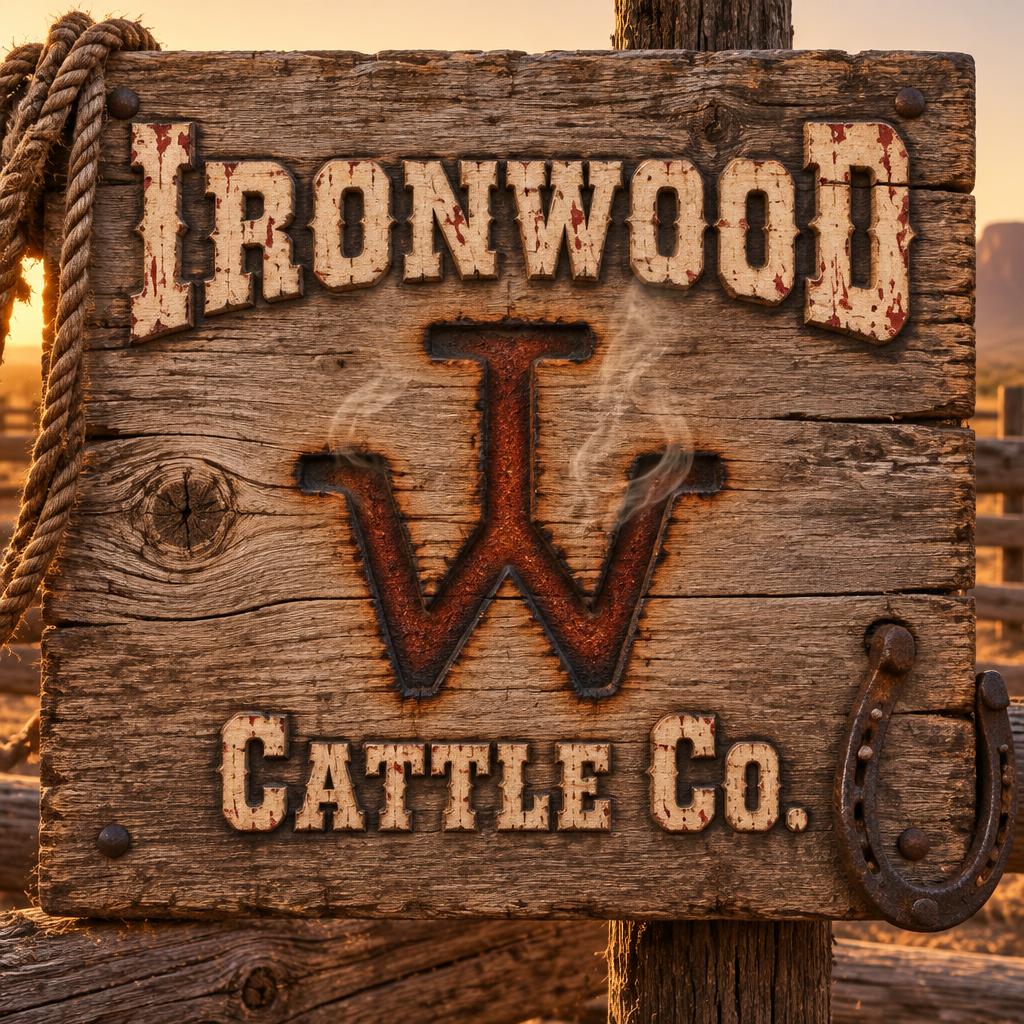
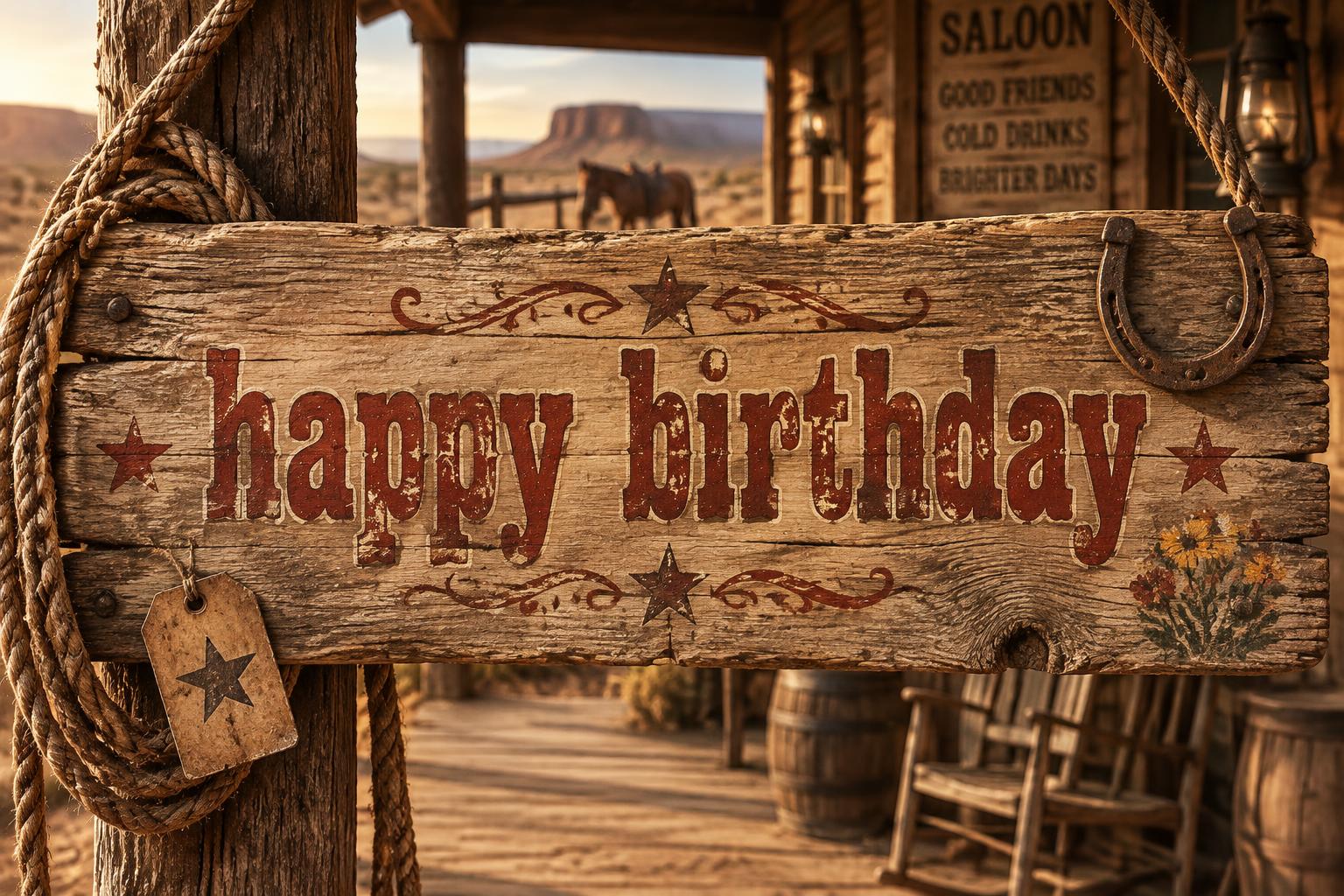
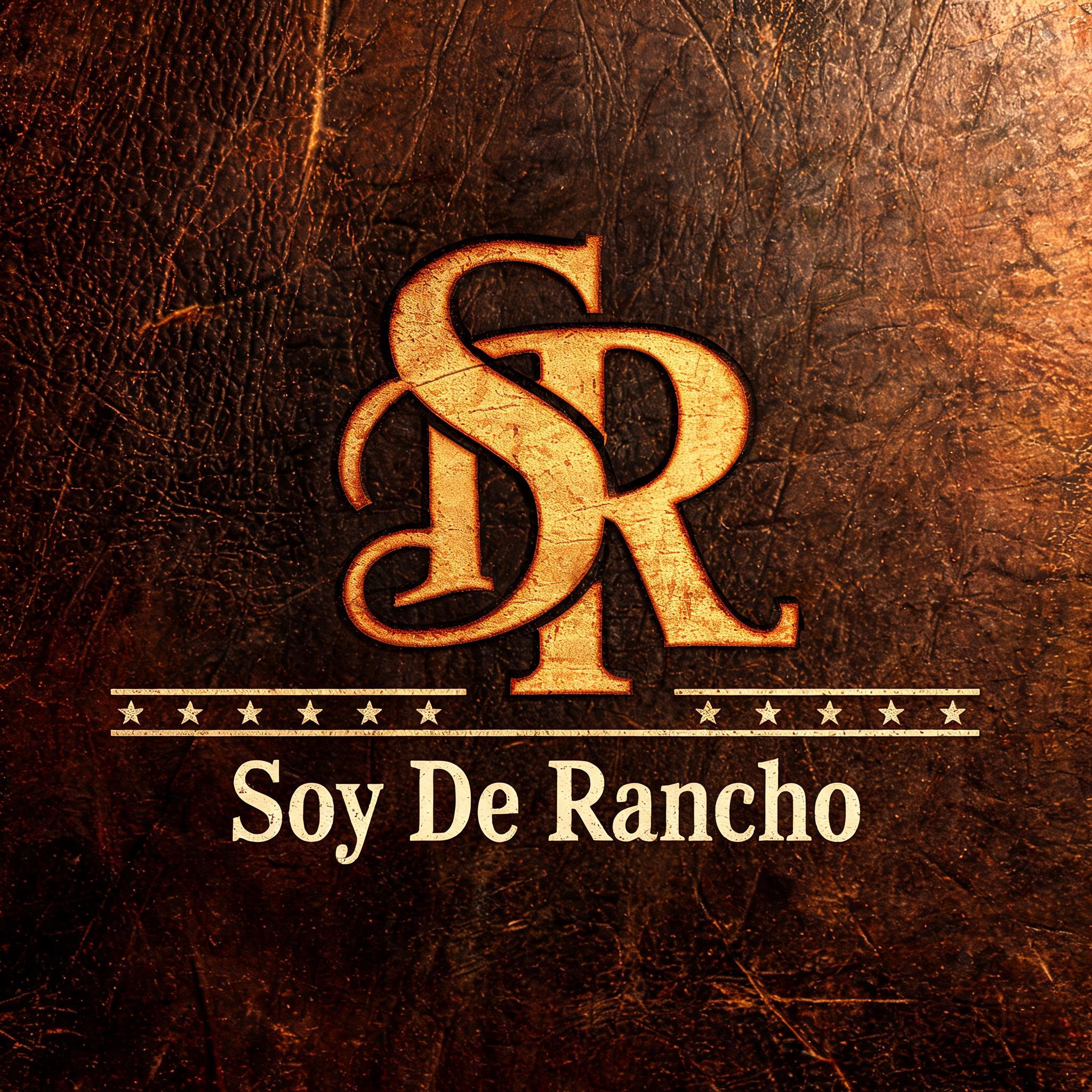
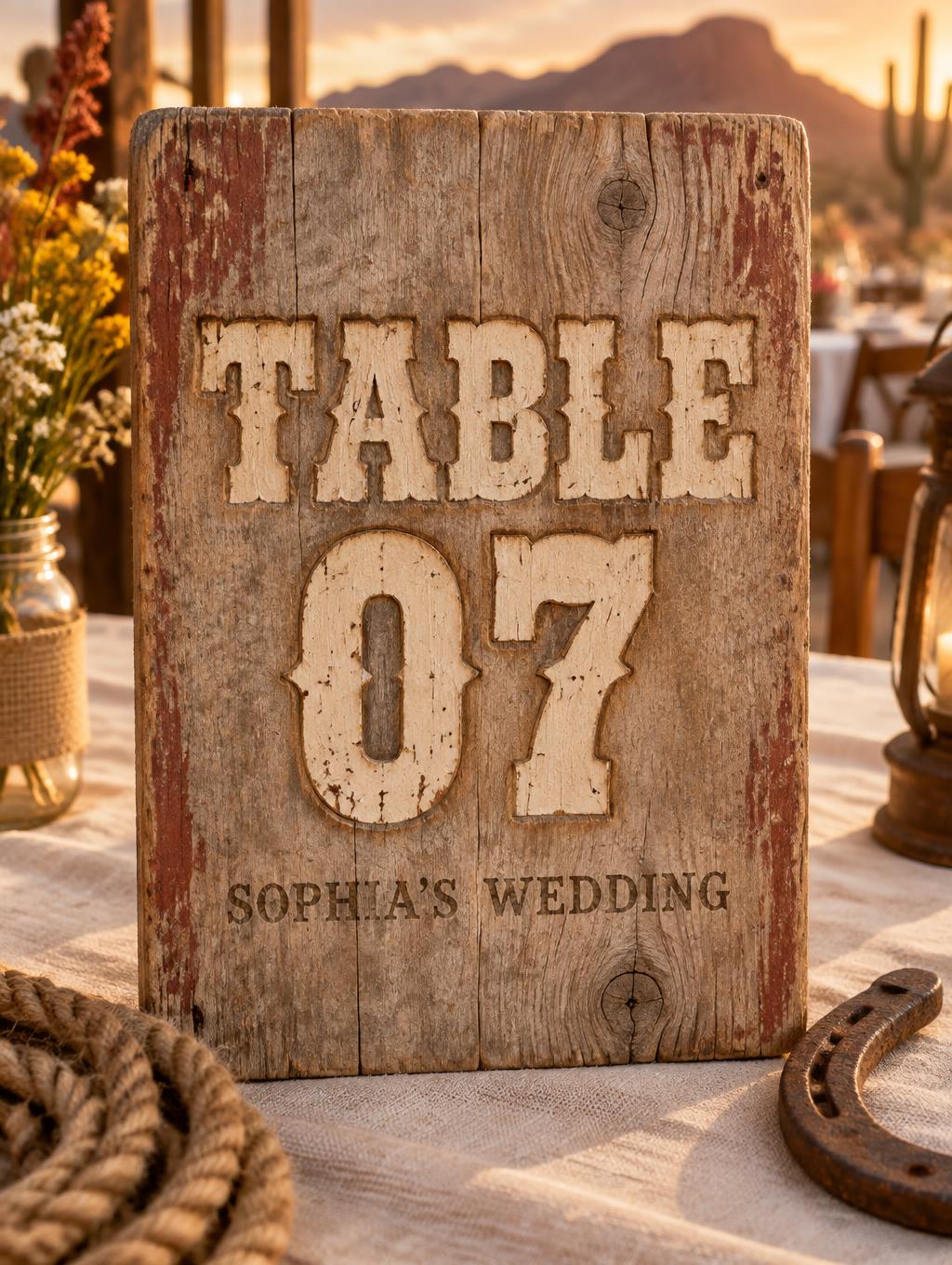
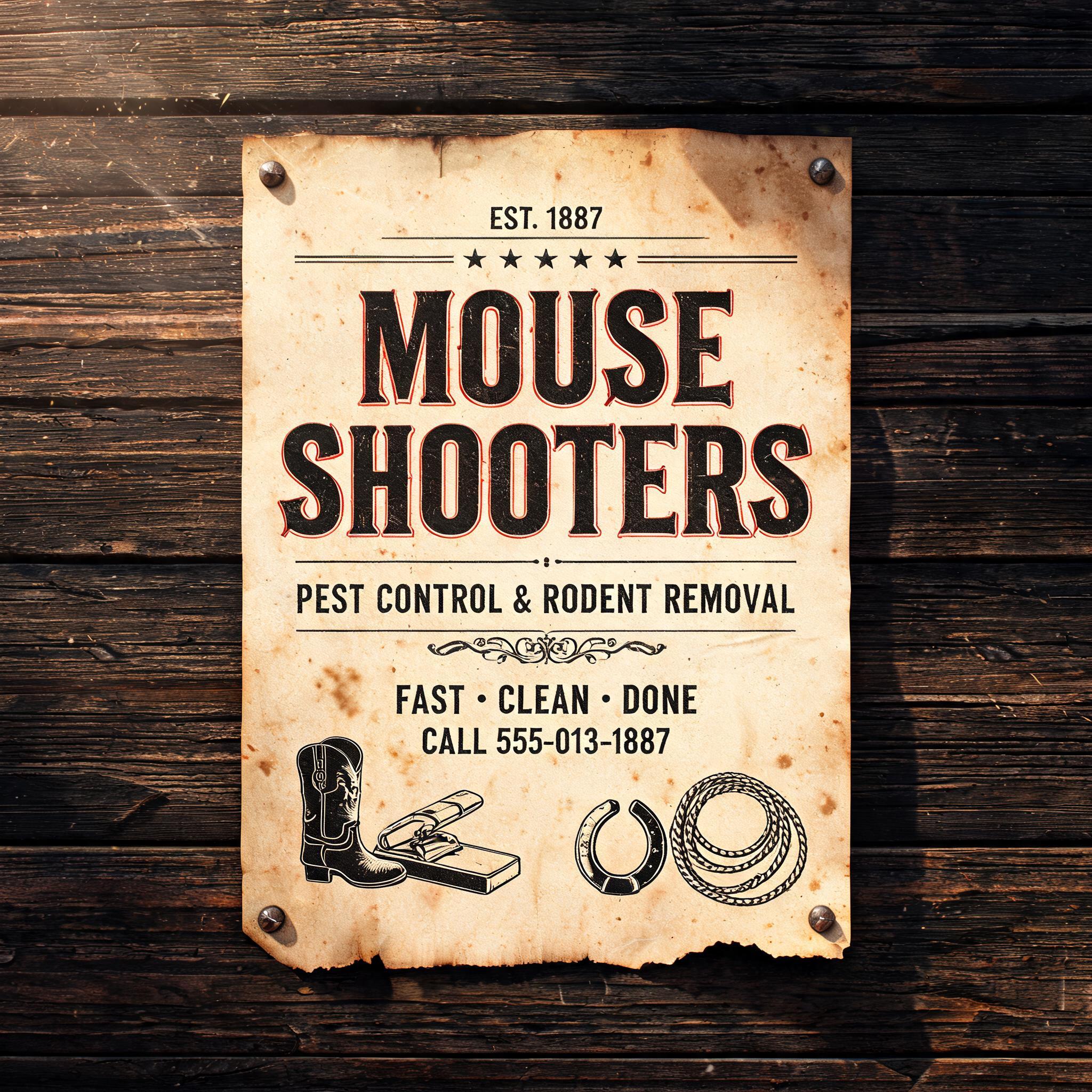
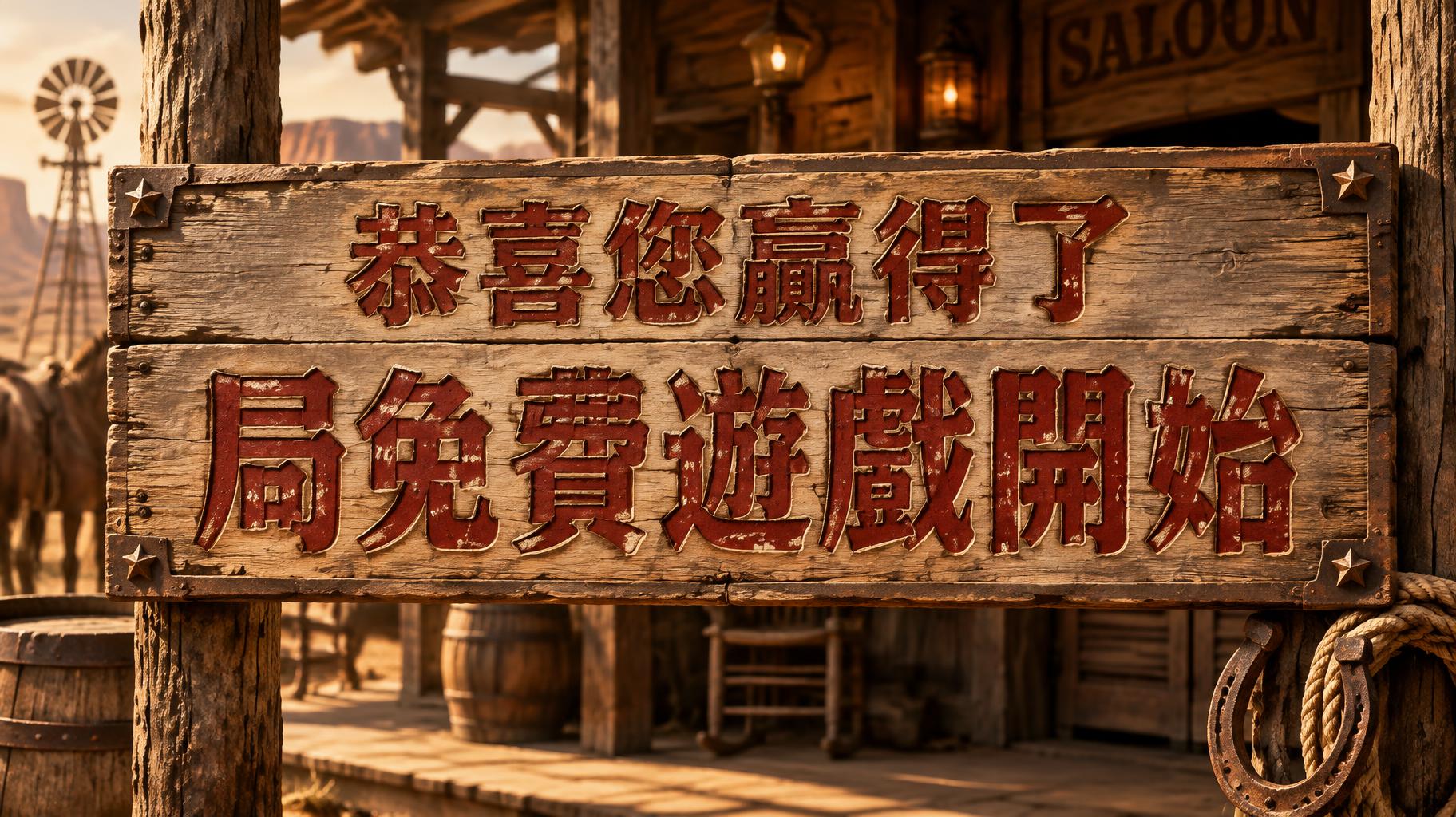
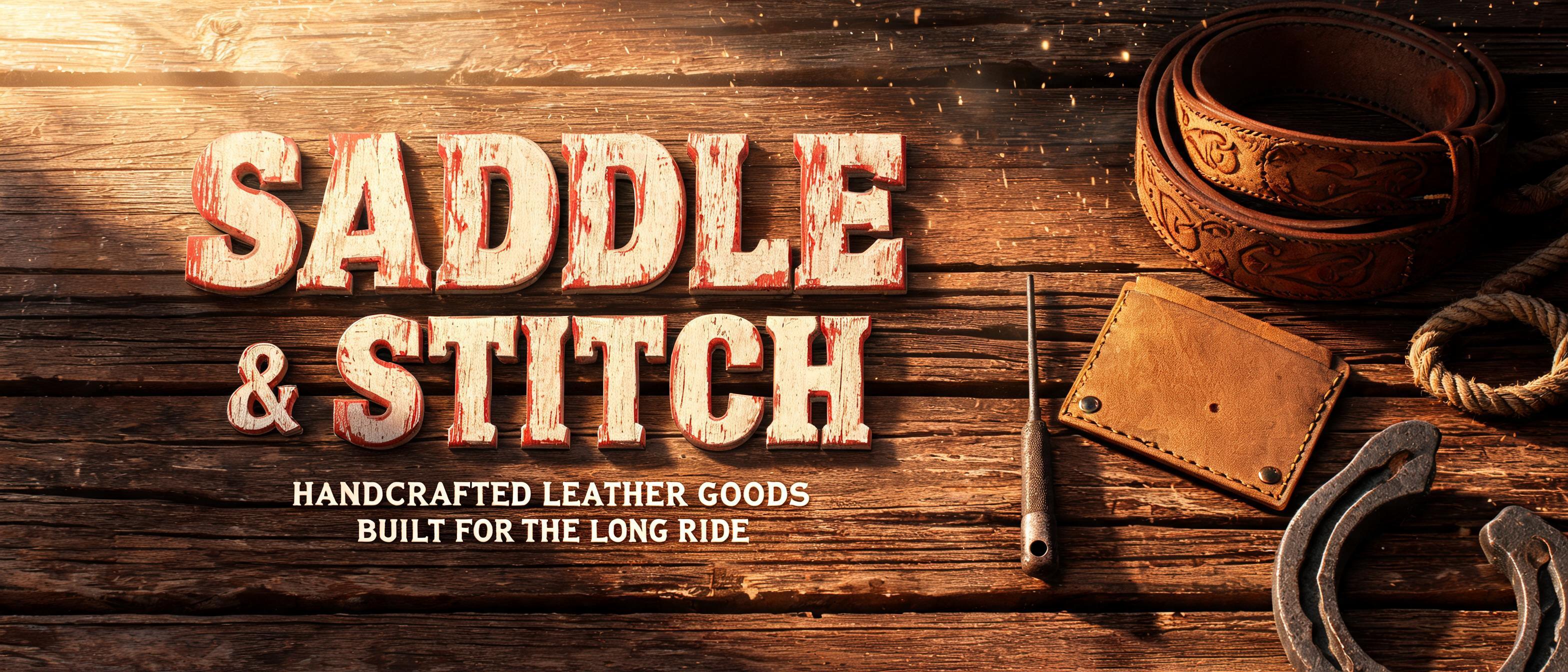
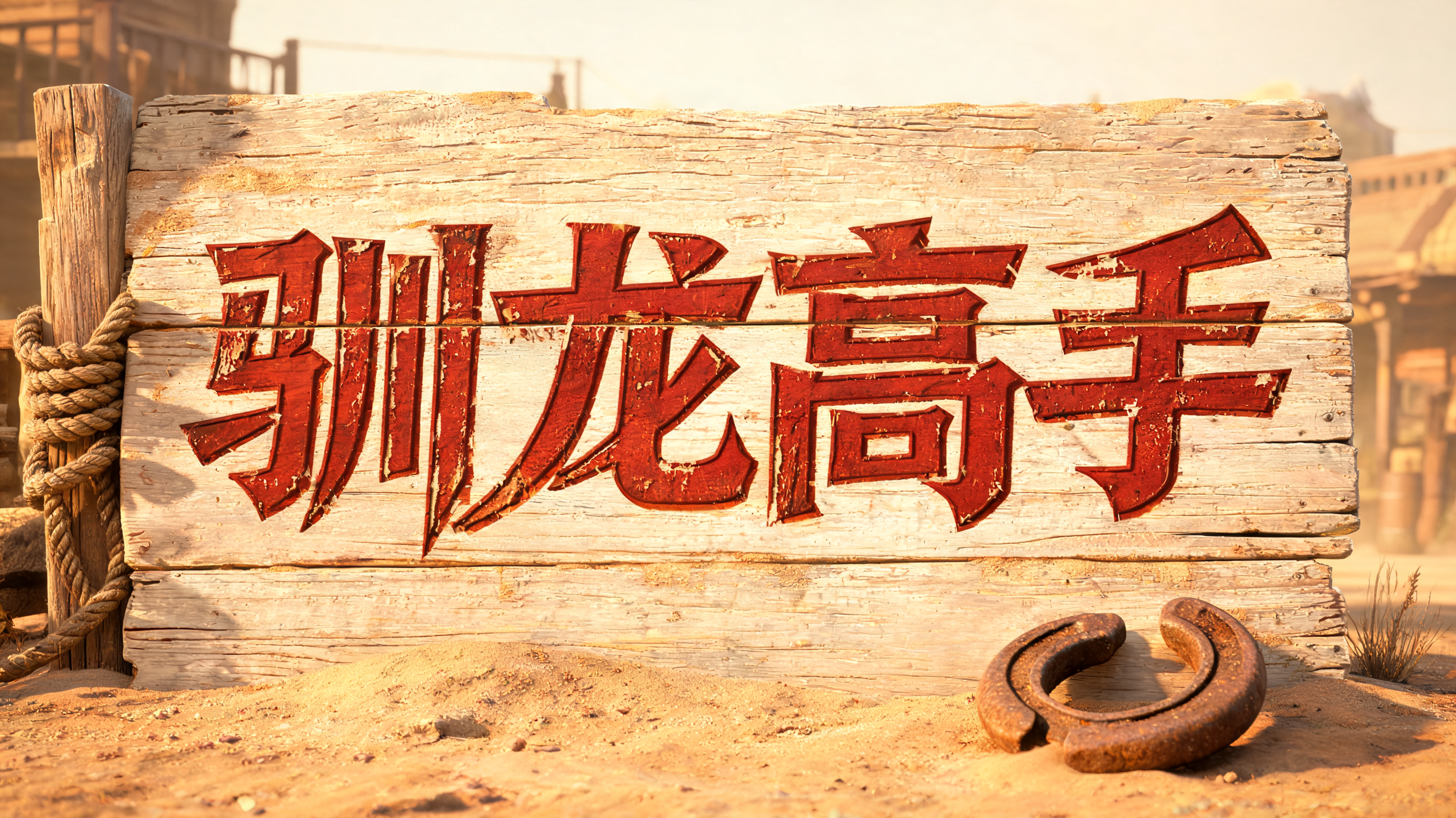
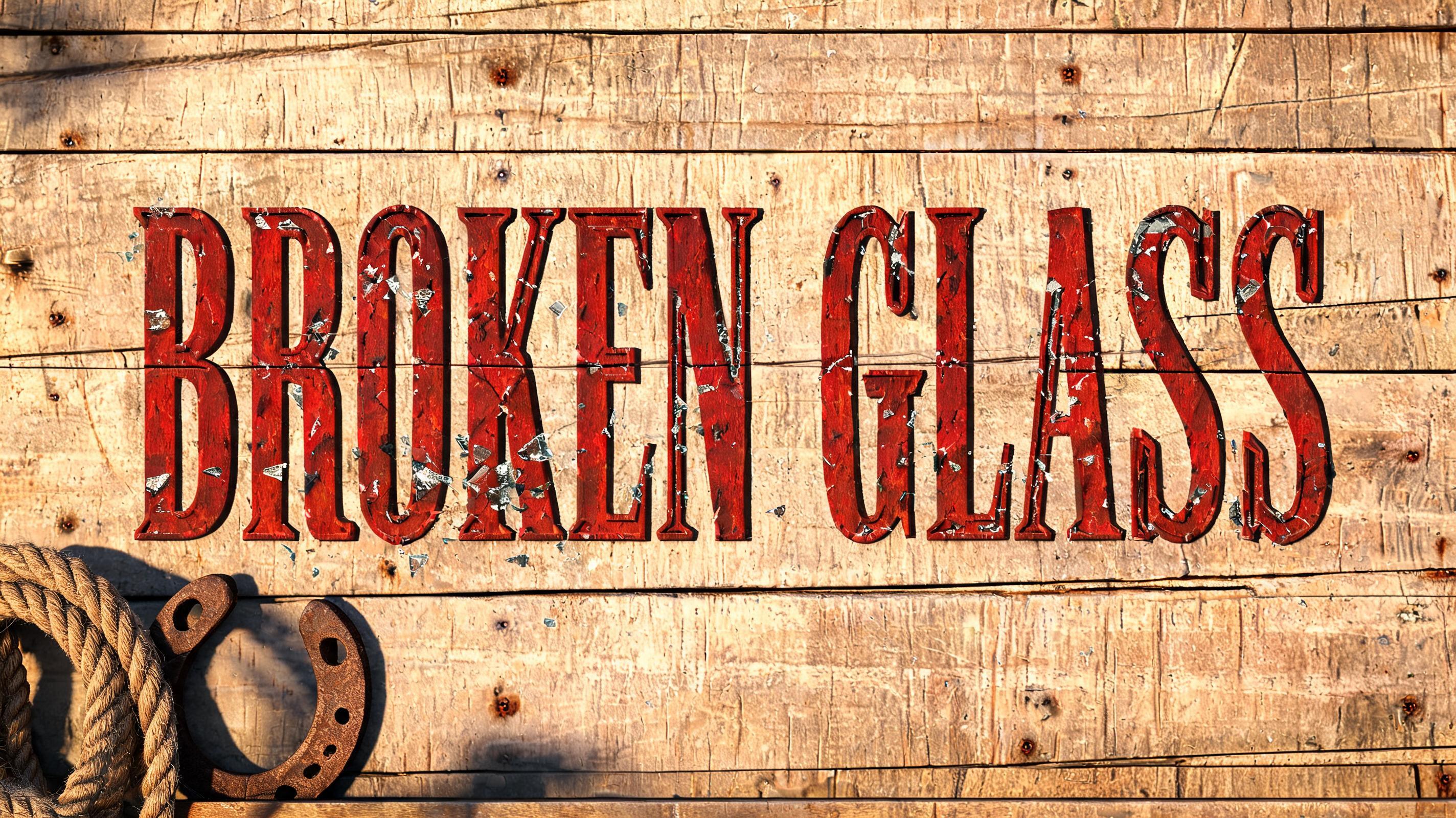
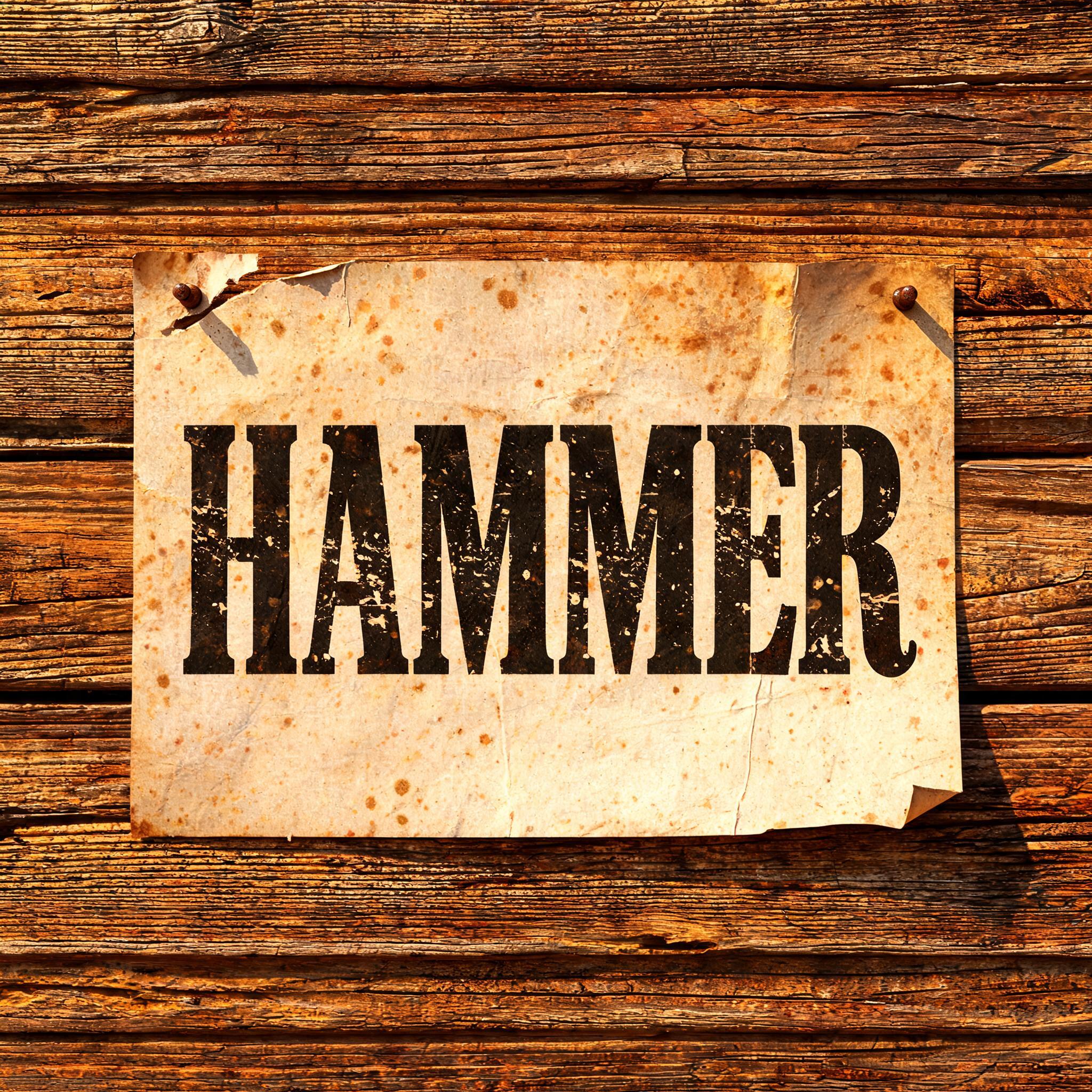
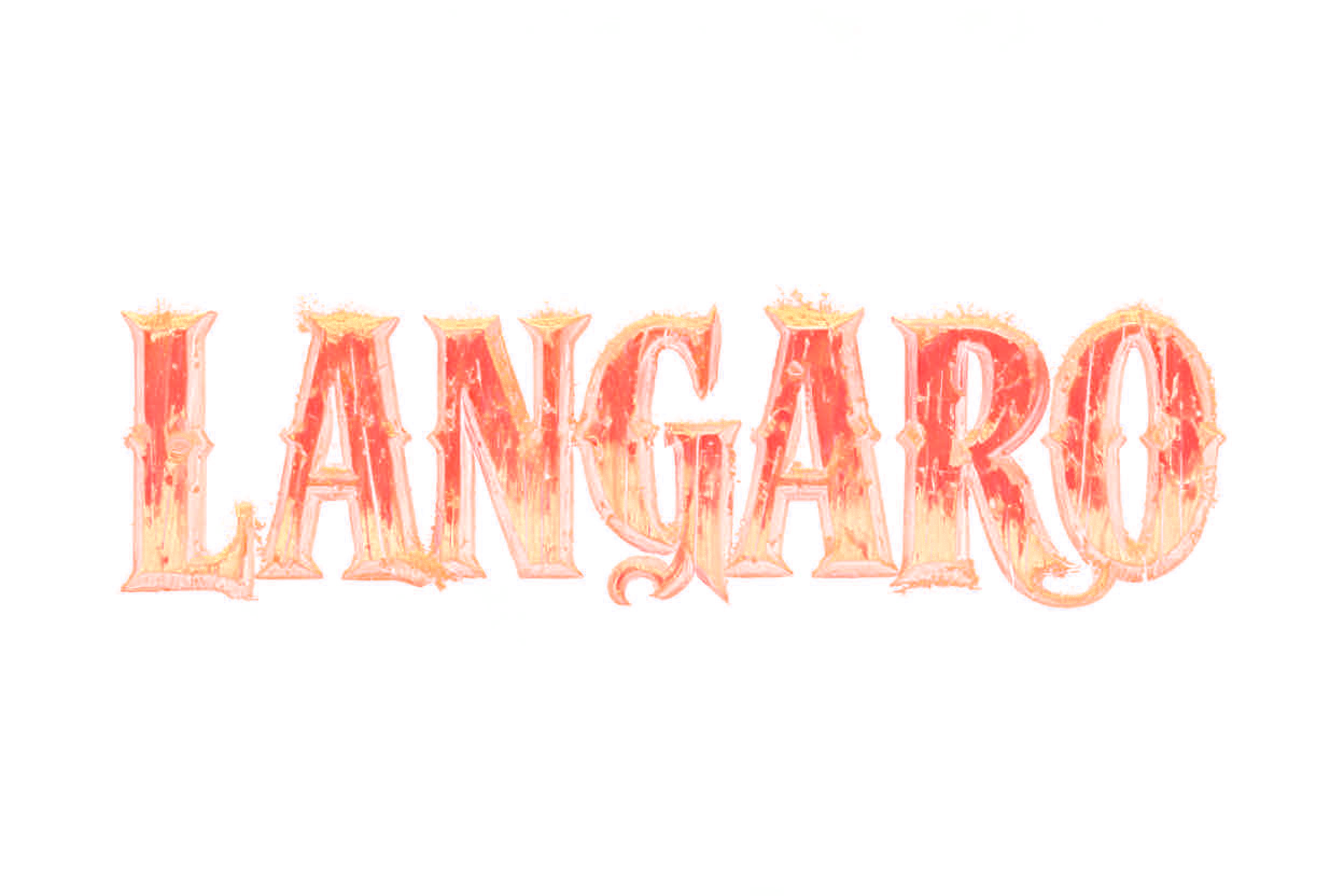
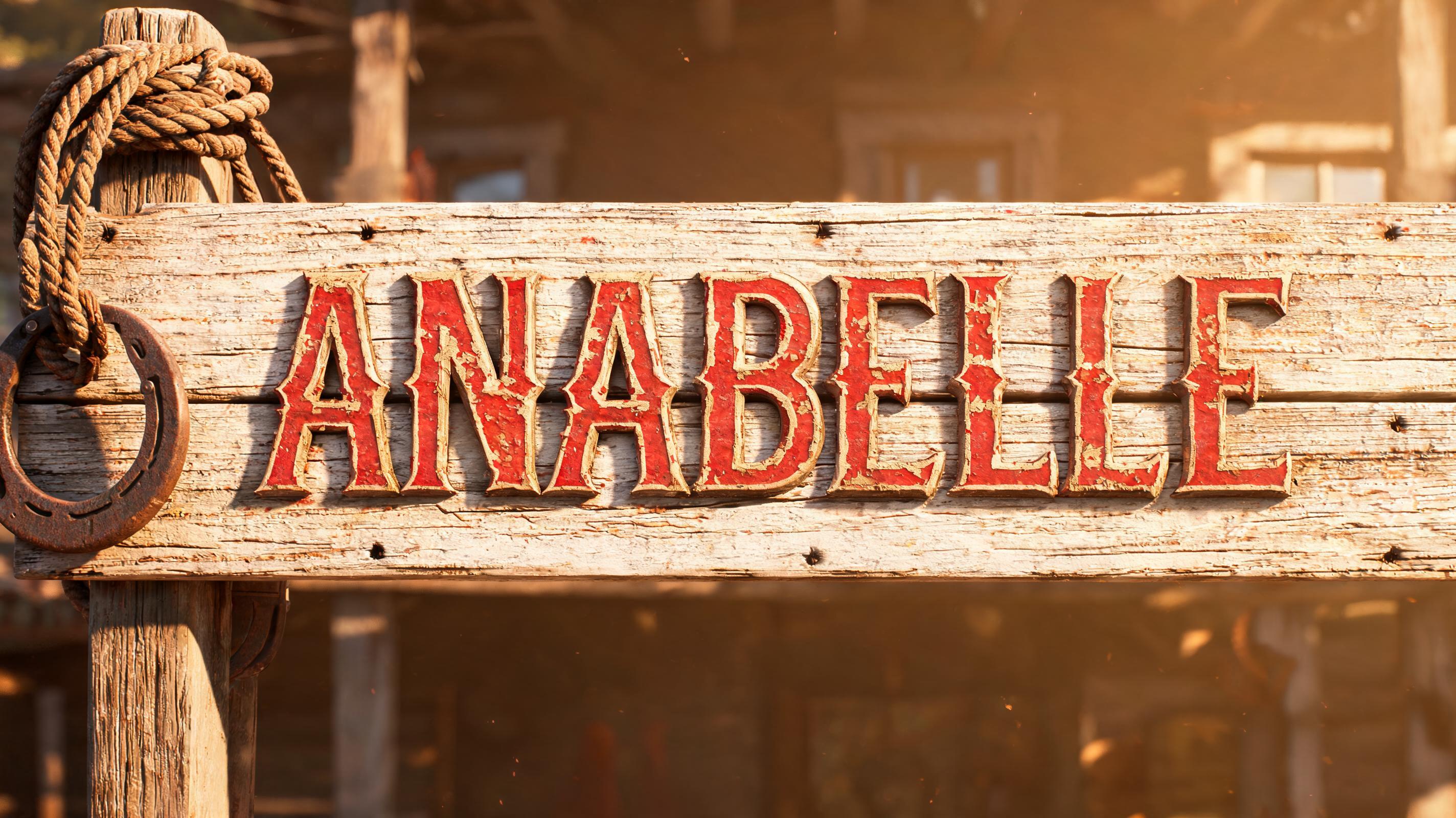
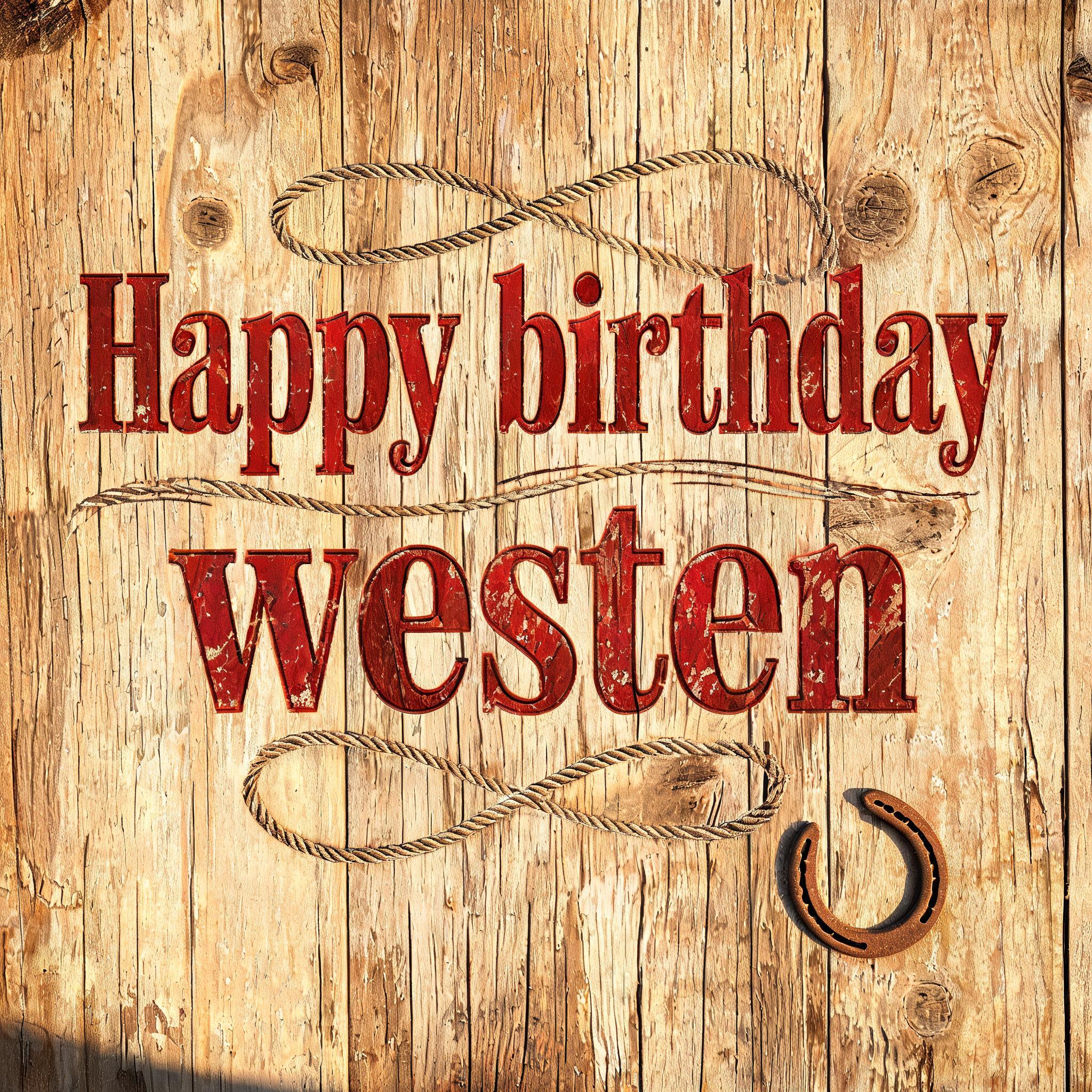
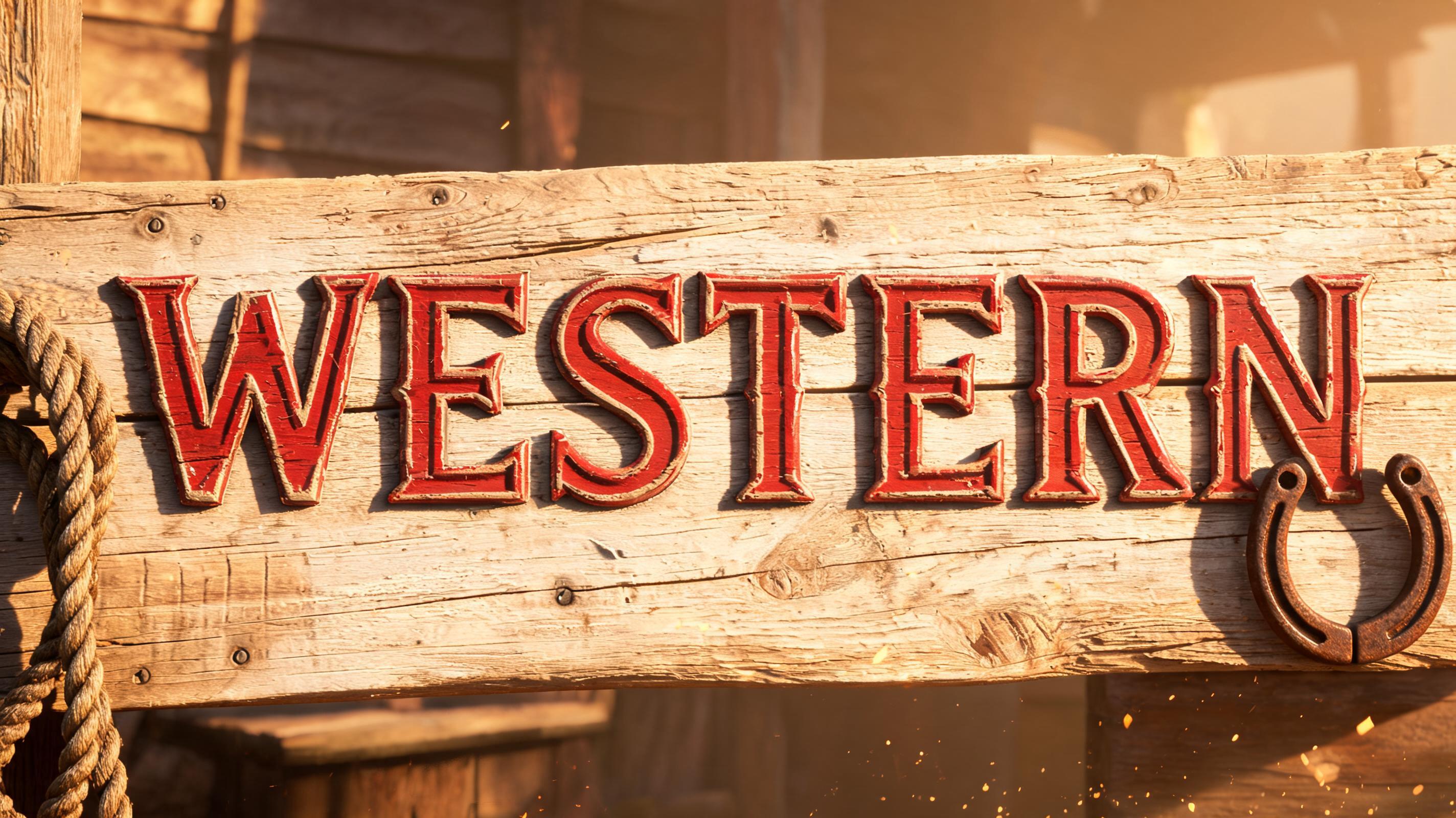
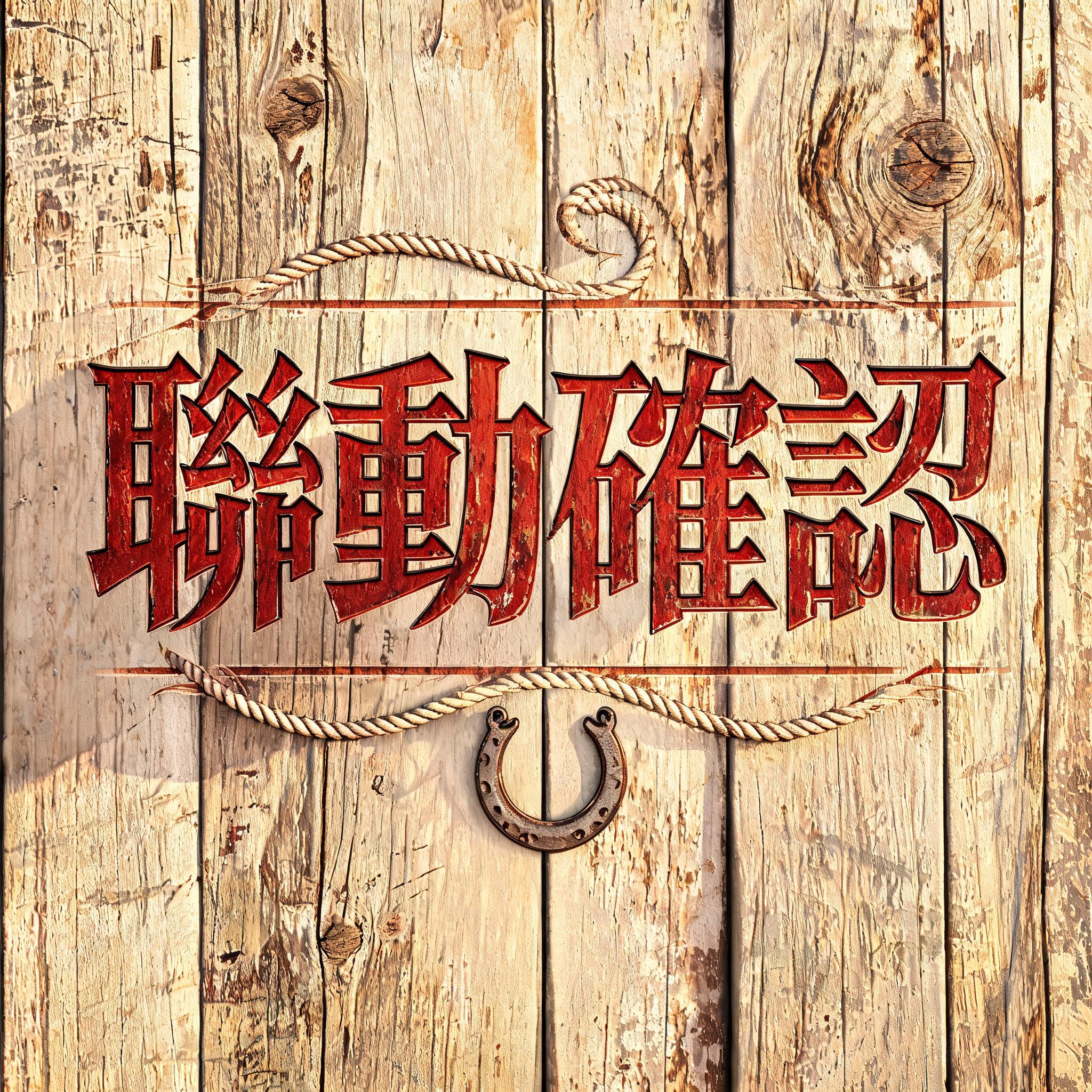
Real outputs from the Western style. Click any image to see details.

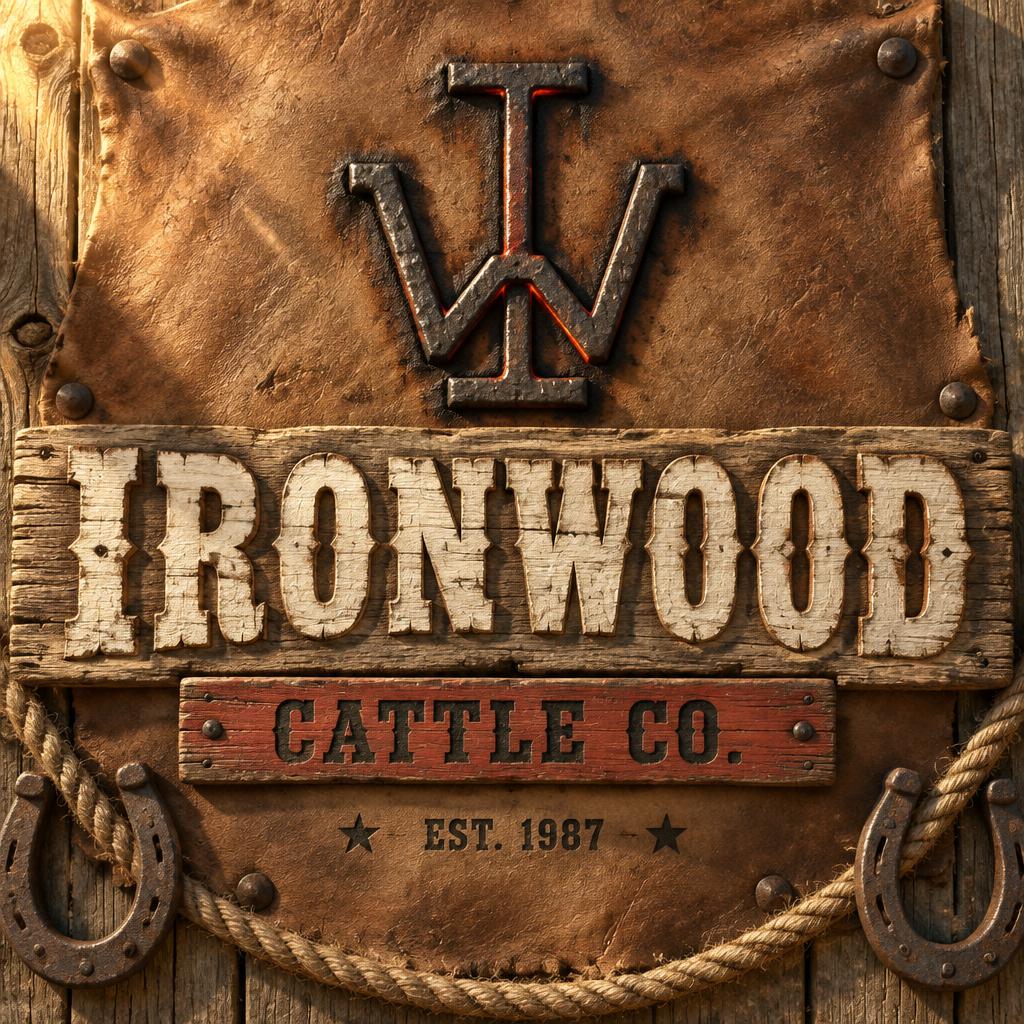

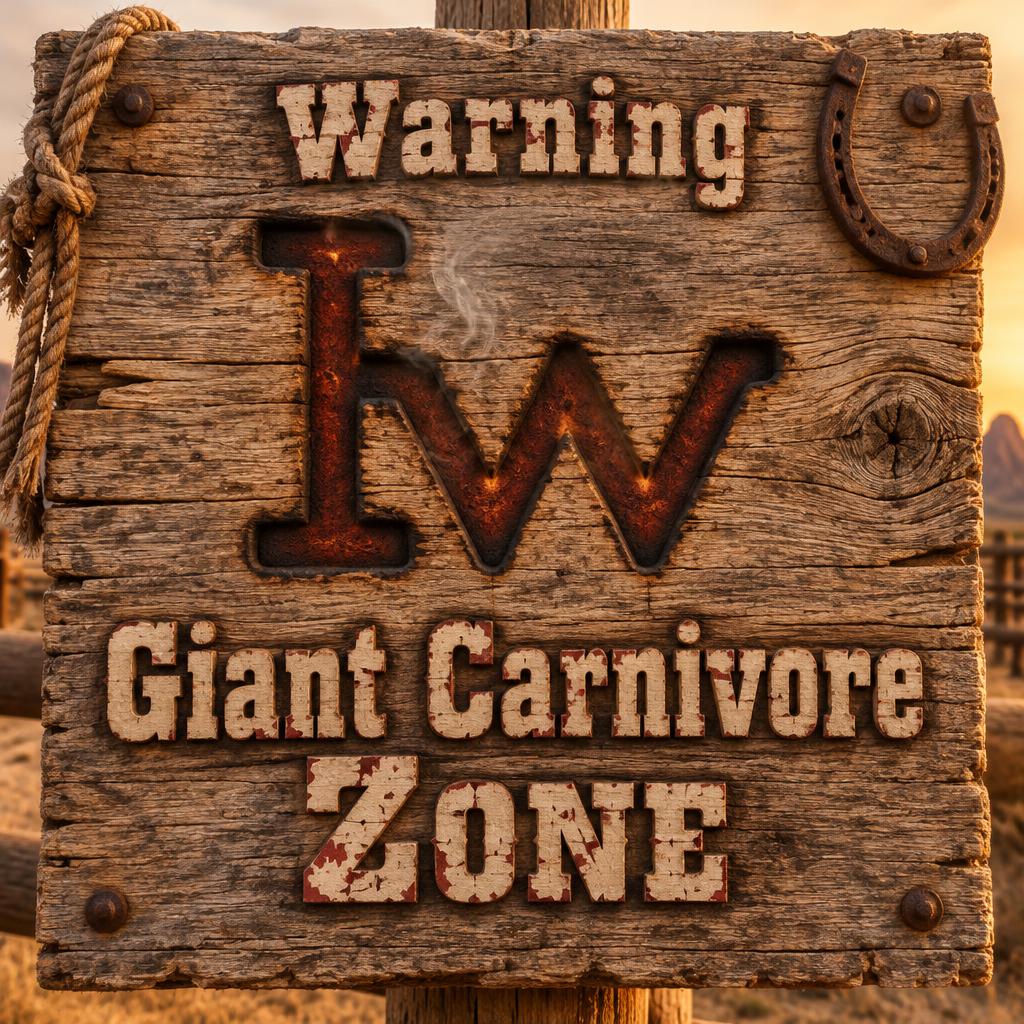
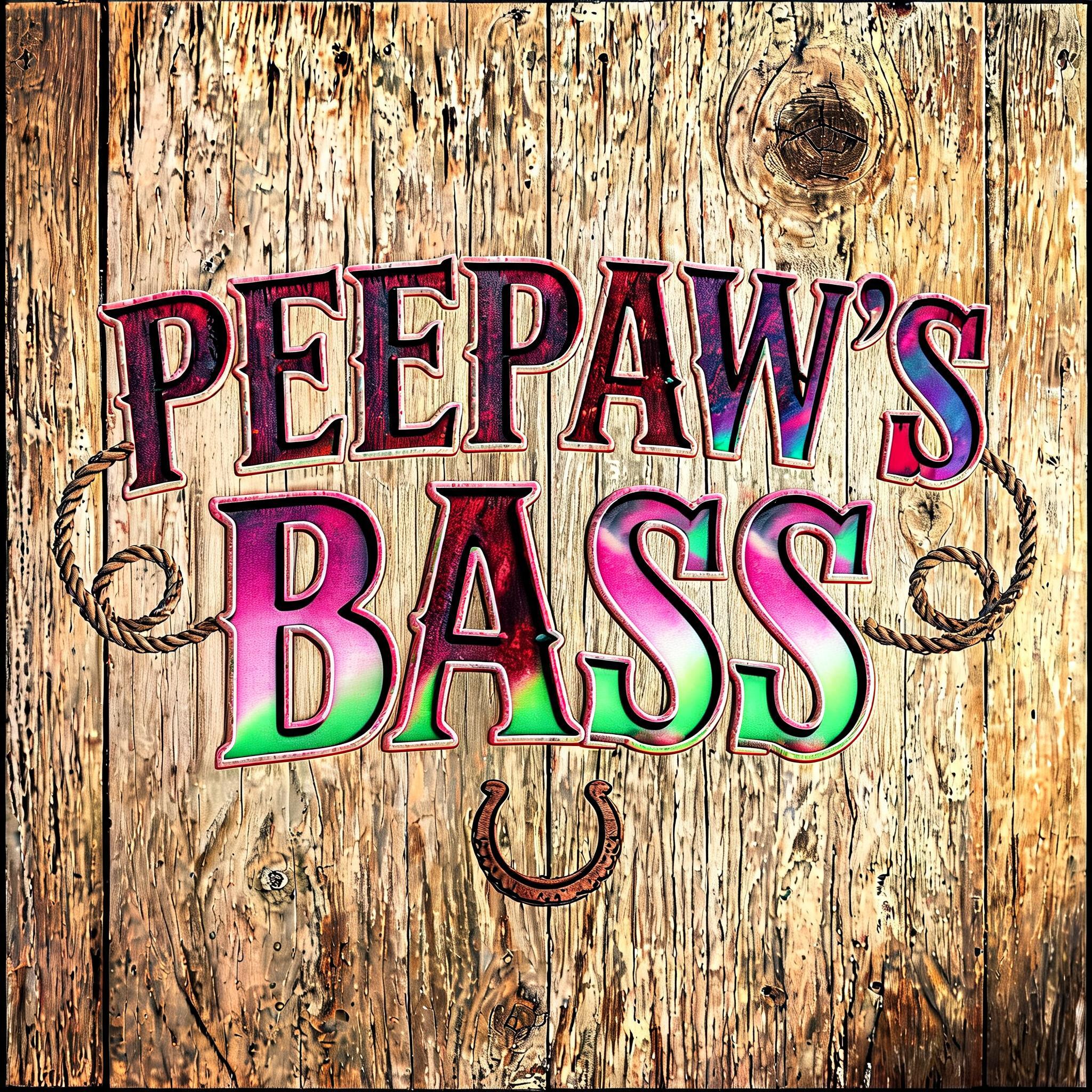
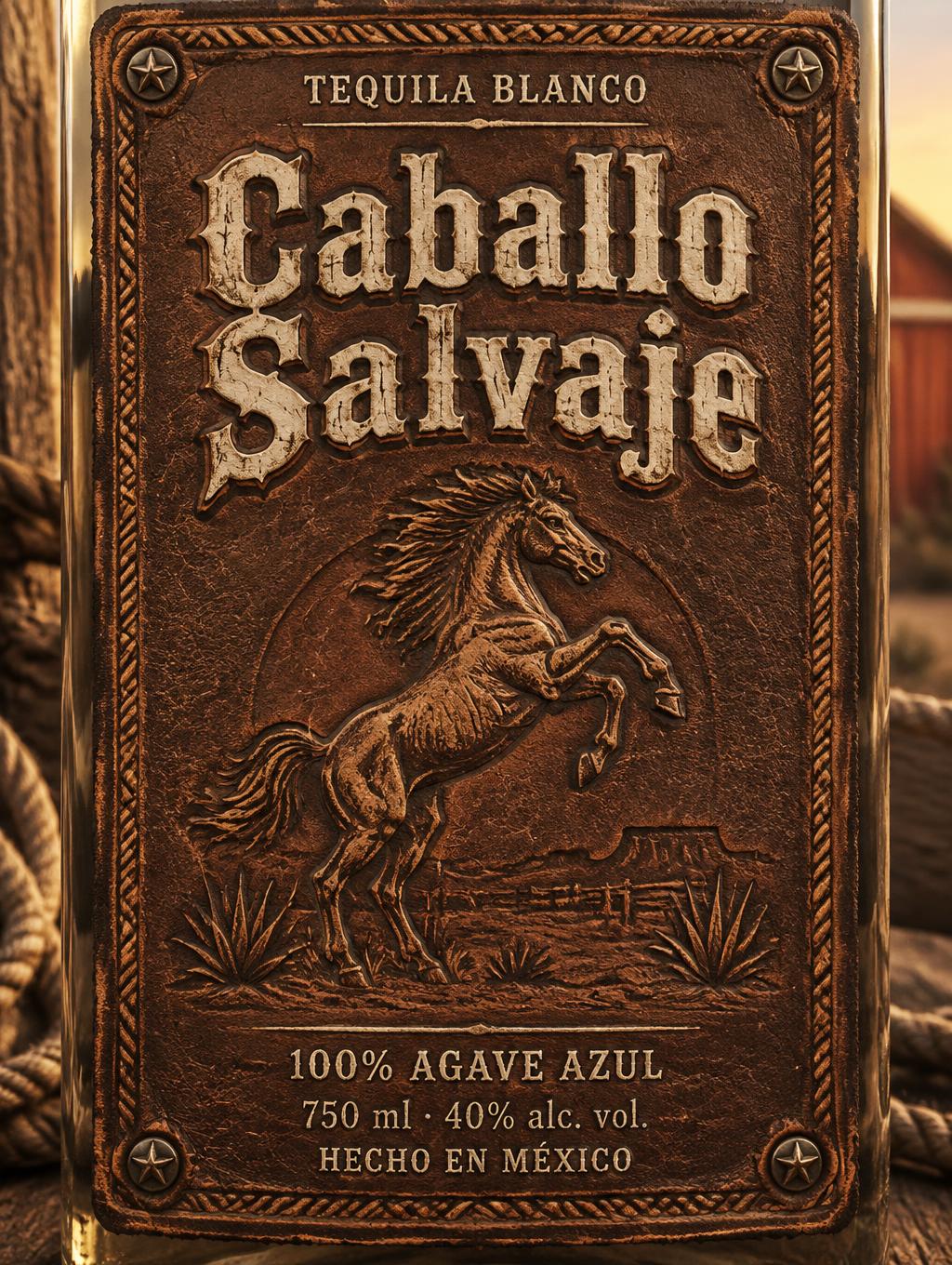




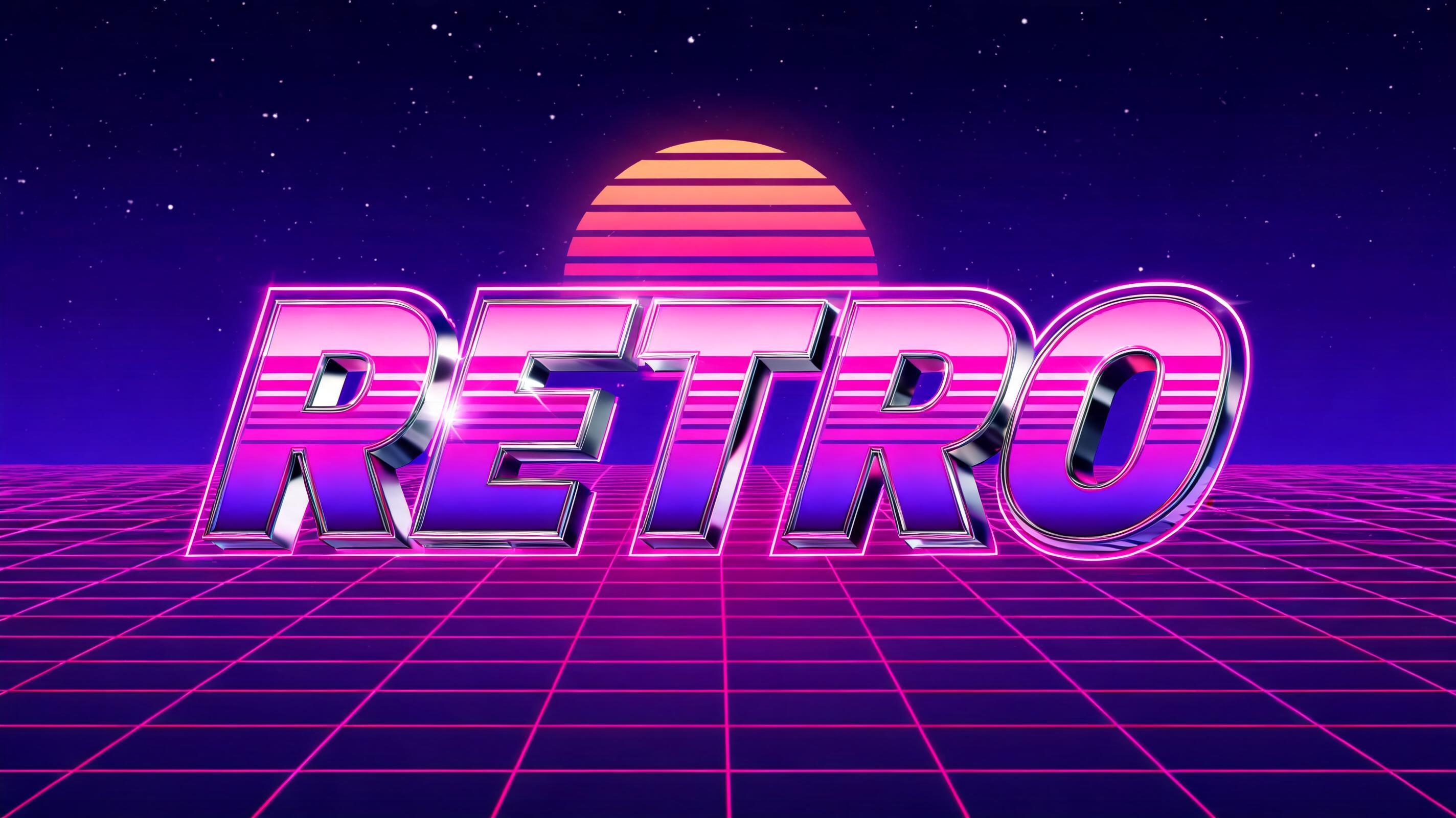

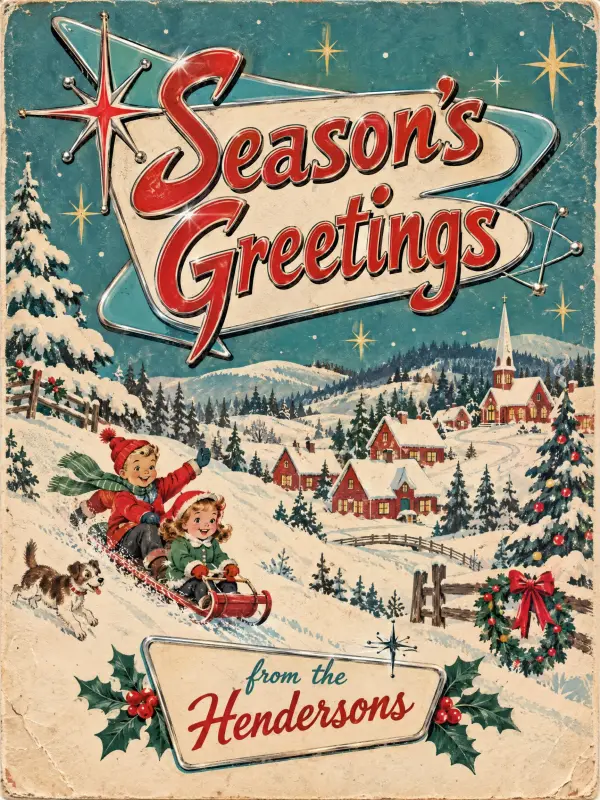
Looking for copy-paste fancy text? Try our free Font Generator Tools — cursive, gothic, bubble & 30+ styles.
Perfect for These Projects
Western Text Effect — FAQ
What is the Western Font Style?
The Western font style is a distinctive AI-generated typography effect. Weathered red-painted slab and wood-type capitals on a sun-bleached plank sign, with rope and horseshoe details on a dusty saloon porch. Using FontVibe's AI western generator you can create stunning text effects in seconds — no Photoshop, no font licensing, no design experience needed.
Explore the Western gallery for inspiration, or browse all 138+ AI text effect styles available on FontVibe.
How to Create Western Typography in FontVibe Studio
The Story Behind Western
History, visual DNA, and cultural context.
The Typography of Manifest Destiny
Western typography is the visual language of 19th-century American expansion — specifically, the broadside and poster tradition of frontier and frontier-adjacent towns. The same wood type that announced circus arrivals, land auctions, and wanted criminals became the aesthetic vocabulary for an entire mythology.
The wanted poster is the ur-document. Its constraints were practical: maximum legibility at maximum distance, multiple size hierarchies on a single sheet (NAME large, crime medium, reward amount large again), fast production, and distribution to places with no professional design infrastructure. American wood type — ultra-condensed and extended letters, Tuscans with bifurcated serifs — suited exactly these conditions, because wood was lighter and cheaper than metal at poster sizes.
Hollywood cemented the aesthetic. Western films from the 1930s through the 1960s used the same visual vocabulary for their promotional materials that the actual frontier had used for functional signage — and in doing so, turned a regional commercial printing style into the universal shorthand for "American West." The typography was there first; the mythology came later and adopted it.
Sources: Wikipedia — Wood type
The Visual DNA
Typographic Landmarks
Sources: Wood Type Research — A bibliographic catalog of American manufacturers' stamps
Create Your Western Typography in Studio
Free to start. No design skills needed. Your artwork, your copyright.
AI Western Text Effect Generator
Weathered red-painted slab and wood-type capitals on a sun-bleached plank sign, with rope and horseshoe details on a dusty saloon porch. — no font license needed.
Western in different AI fonts
Generate Your Western Text Effect
Type any word — see it transformed in seconds. No sign-up required.
Western Style Gallery
Real outputs from the Western style. Click any image to see details.

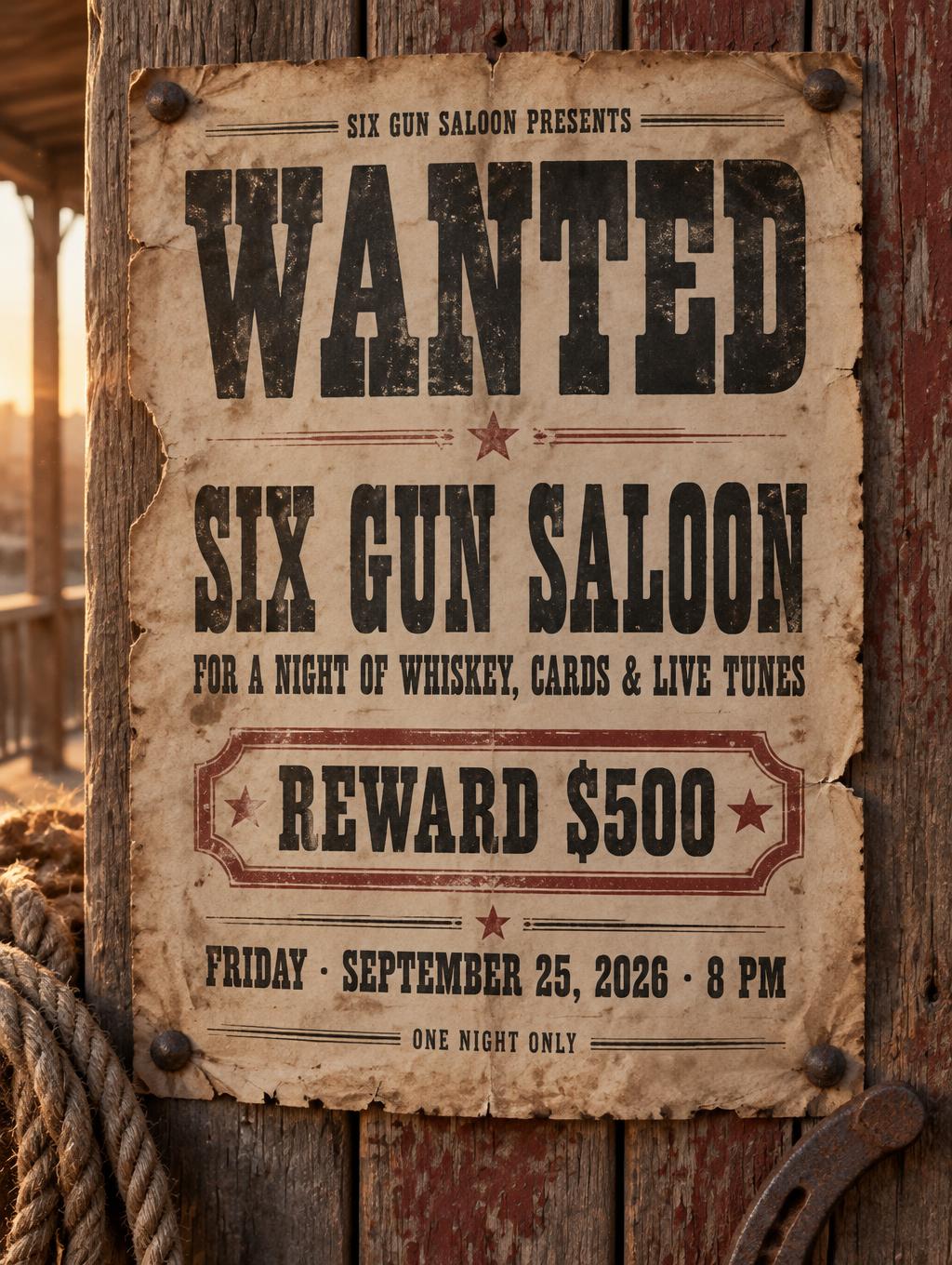









Similar Text Effect Styles
Try these styles and create your own AI-generated text effects.
Looking for copy-paste fancy text? Try our free Font Generator Tools — cursive, gothic, bubble & 30+ styles.
Perfect for These Projects
Western text effects are popular for creative projects where visual impact matters.
What is the Western Font Style?
The Western font style is a distinctive AI-generated typography effect. Weathered red-painted slab and wood-type capitals on a sun-bleached plank sign, with rope and horseshoe details on a dusty saloon porch.
Using FontVibe's AI western generator you can create stunning text effects in seconds — no Photoshop, no font licensing, no design experience needed.
Explore the Western gallery for inspiration, or browse all 138+ AI text effect styles available on FontVibe.
How to Create Western Typography in FontVibe Studio
1. Enter your text — Any word, phrase, or brand name. Works best with short, punchy text.
2. Select Western — From the style library. Optionally describe a mood in the custom prompt.
3. Generate and download. Your Western font artwork is ready in seconds. PNG, JPG, or transparent PNG.
Looking for something different? Browse the full font style library for more AI typography options.
Western Text Effect — FAQ
The Story Behind Western
History, visual DNA, and cultural context — everything that makes this style what it is.
The Typography of Manifest Destiny
Western typography is the visual language of 19th-century American expansion — specifically, the broadside and poster tradition of frontier and frontier-adjacent towns. The same wood type that announced circus arrivals, land auctions, and wanted criminals became the aesthetic vocabulary for an entire mythology.
The wanted poster is the ur-document. Its constraints were practical: maximum legibility at maximum distance, multiple size hierarchies on a single sheet (NAME large, crime medium, reward amount large again), fast production, and distribution to places with no professional design infrastructure. American wood type — ultra-condensed and extended letters, Tuscans with bifurcated serifs — suited exactly these conditions, because wood was lighter and cheaper than metal at poster sizes.
Hollywood cemented the aesthetic. Western films from the 1930s through the 1960s used the same visual vocabulary for their promotional materials that the actual frontier had used for functional signage — and in doing so, turned a regional commercial printing style into the universal shorthand for "American West." The typography was there first; the mythology came later and adopted it.
Sources: Wikipedia — Wood type
The Visual DNA
Typographic Landmarks
Sources: Wood Type Research — A bibliographic catalog of American manufacturers' stamps