


AI Steampunk Text Effect Generator
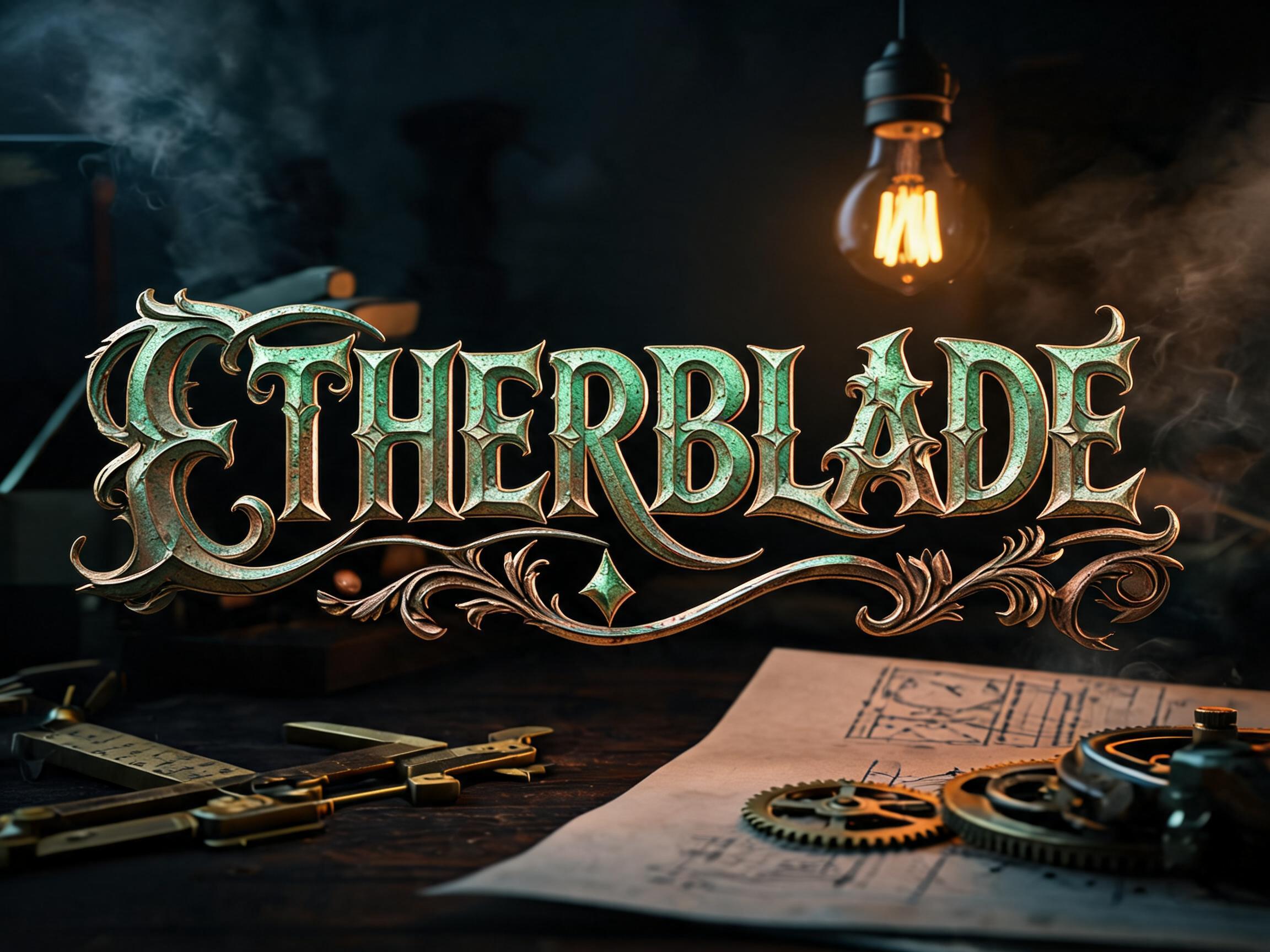
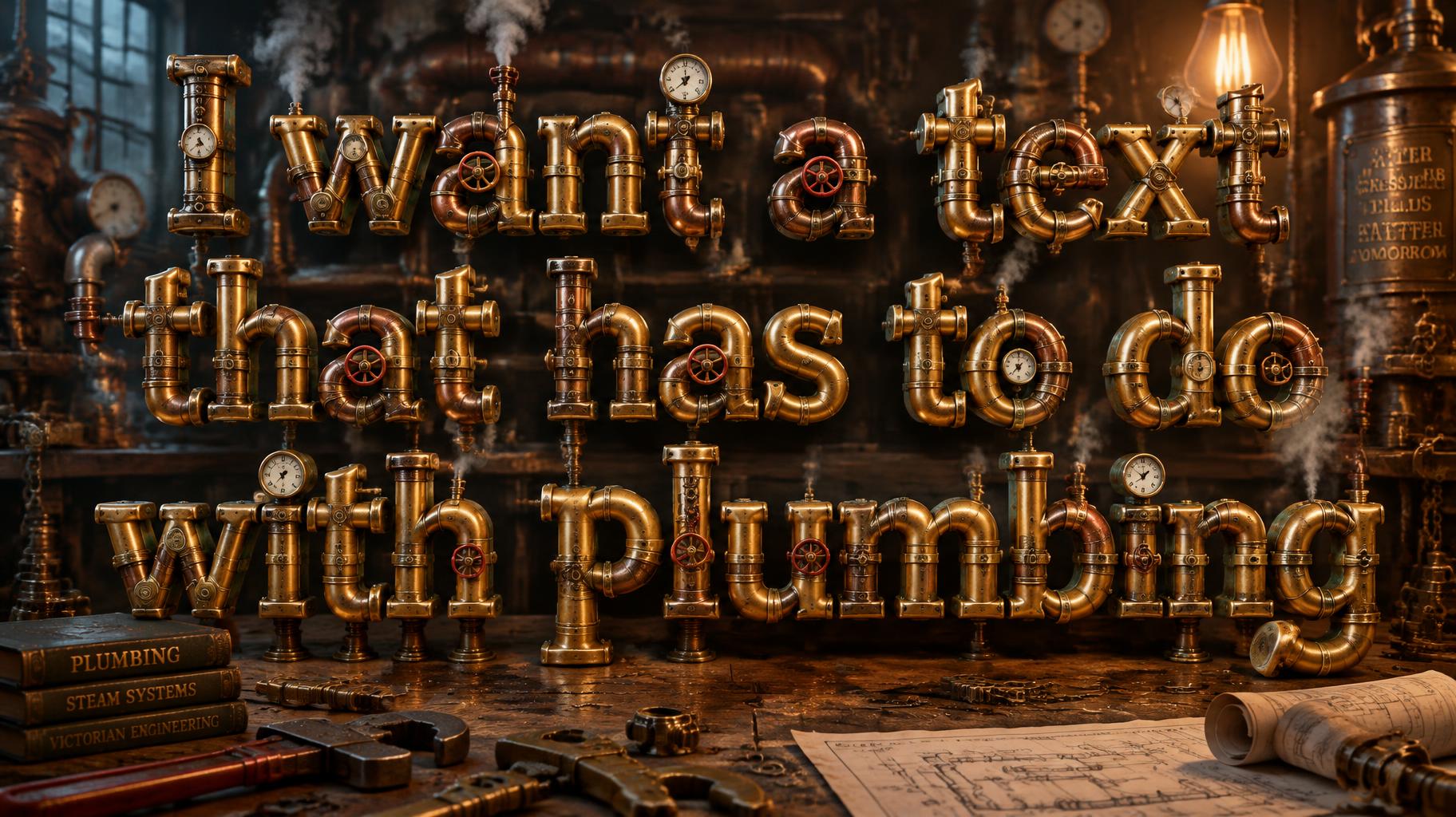
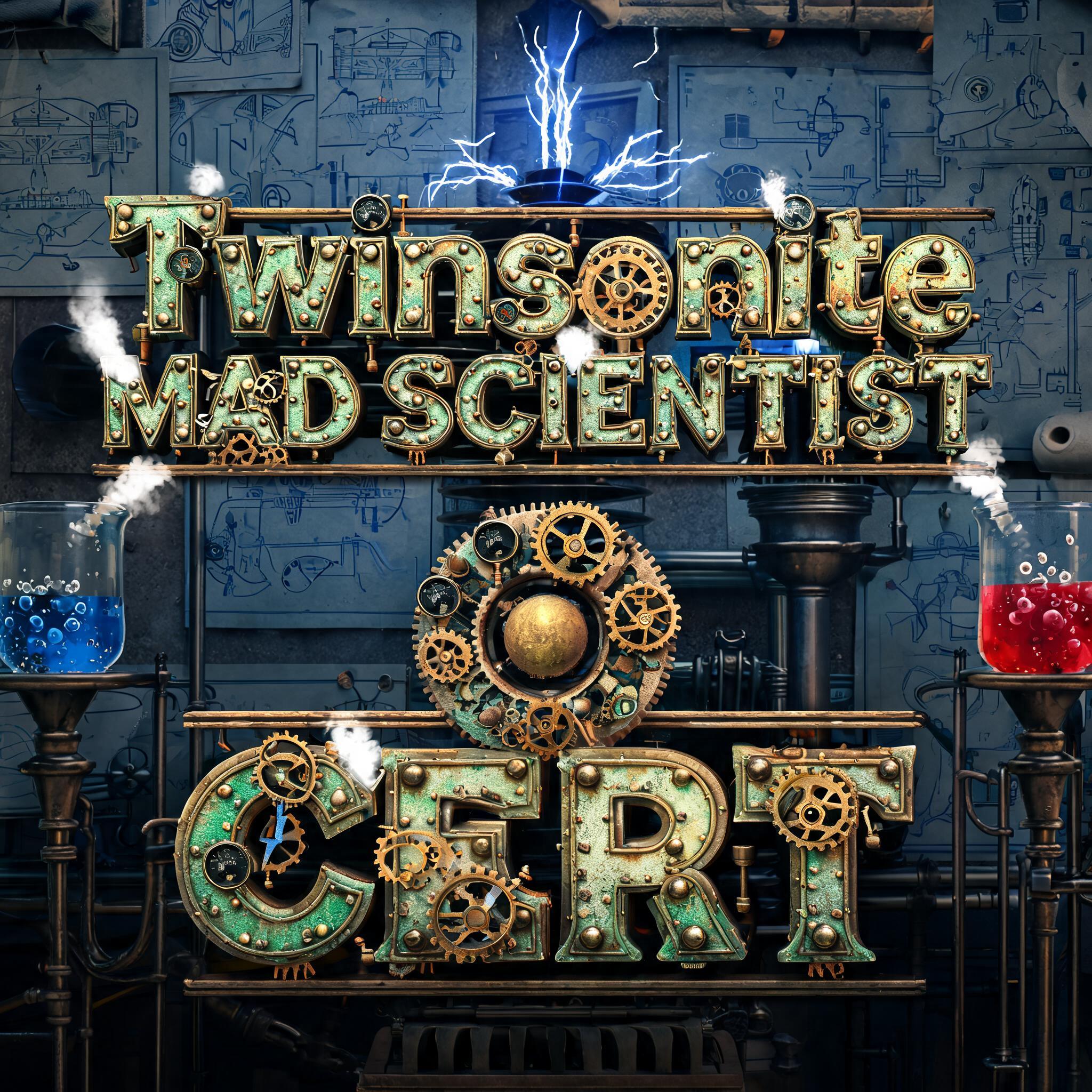
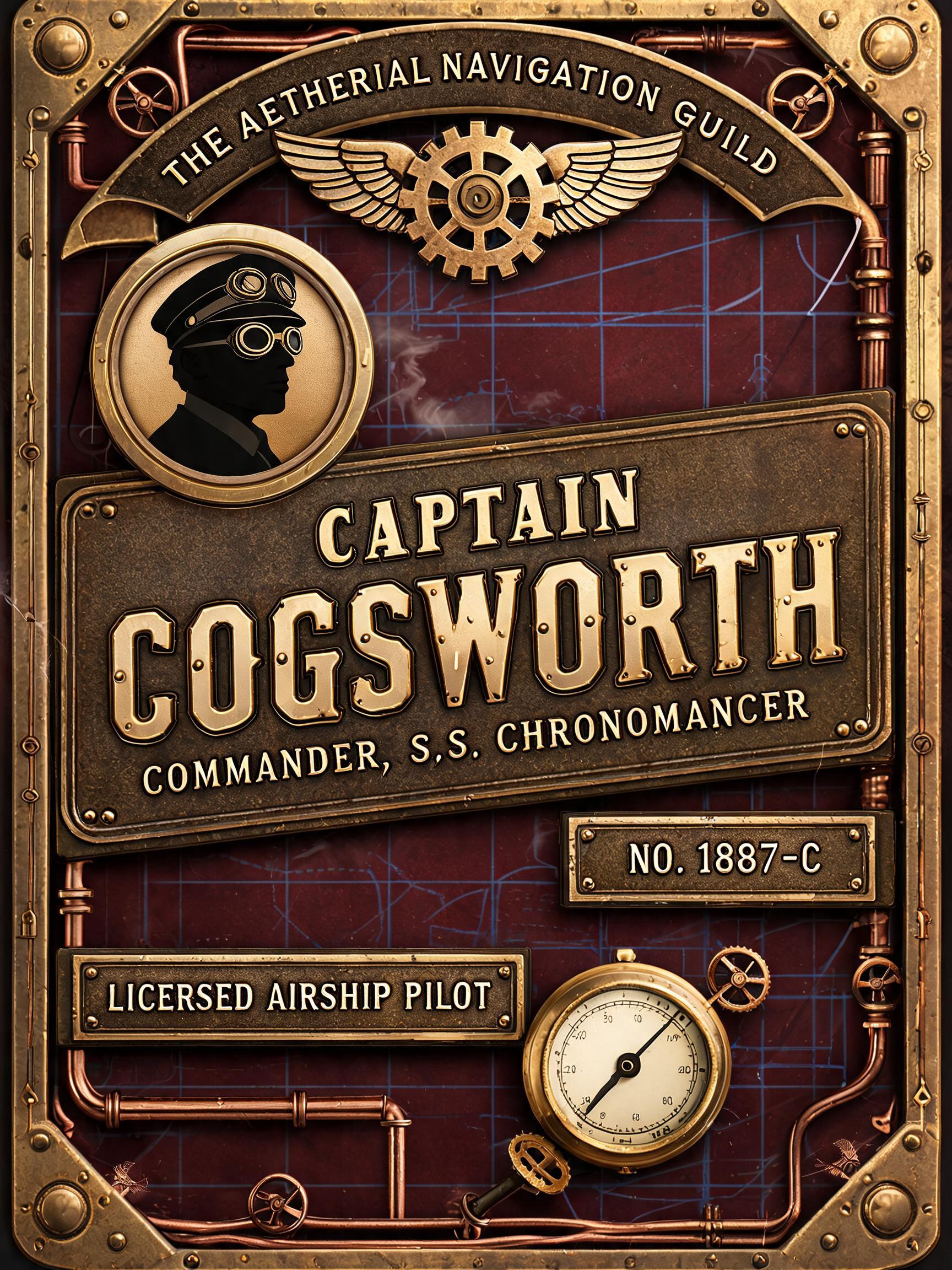
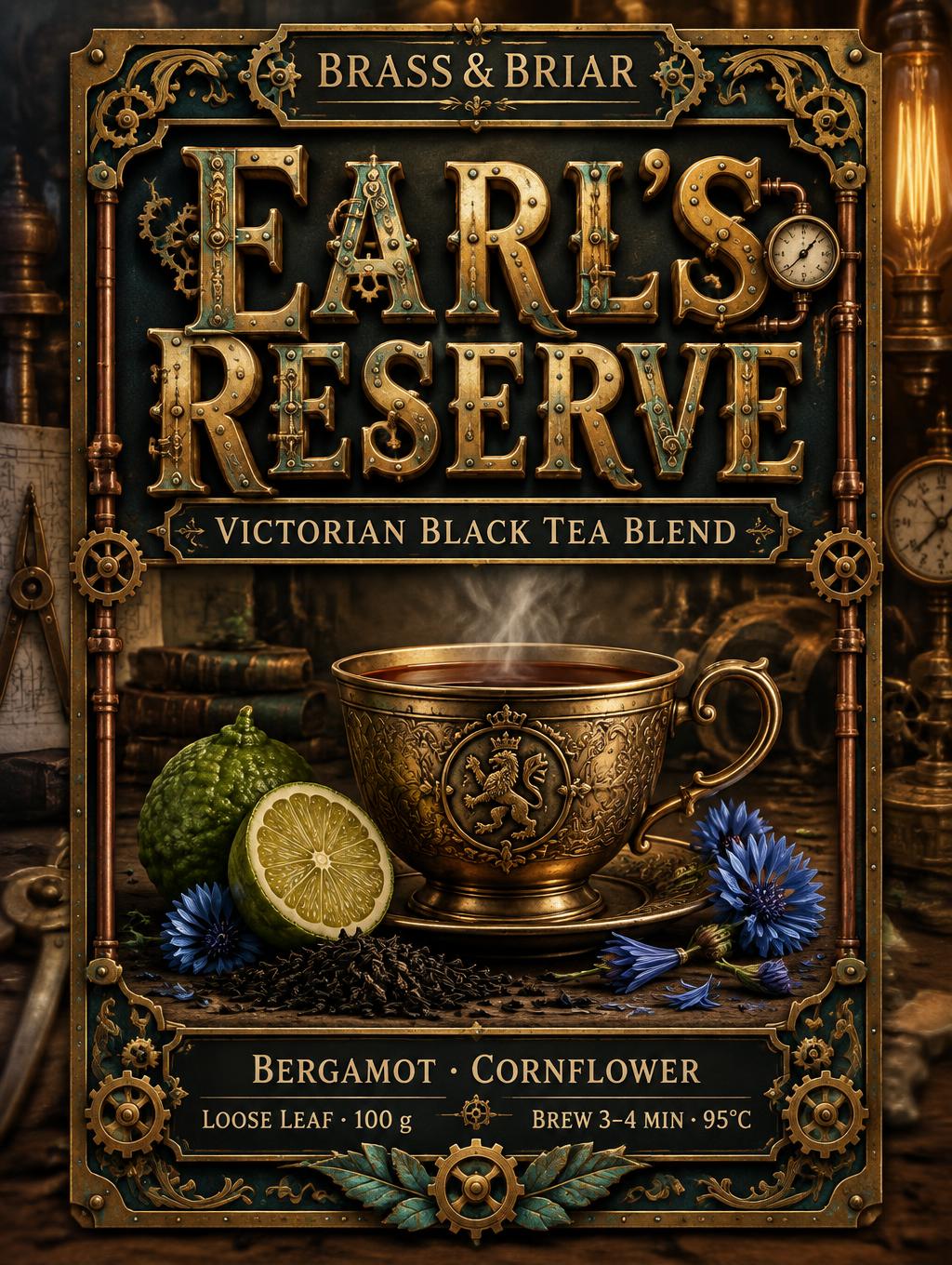
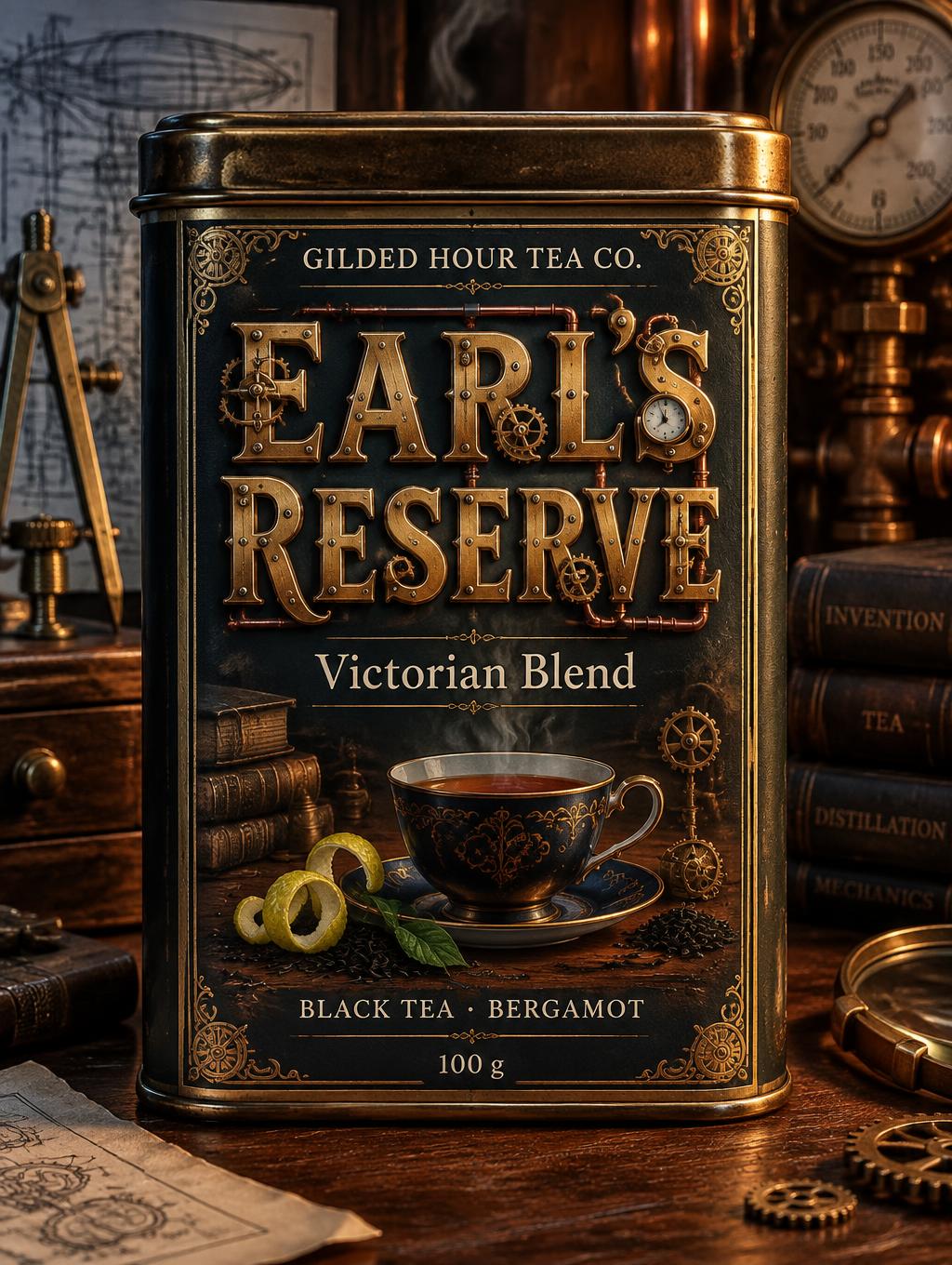
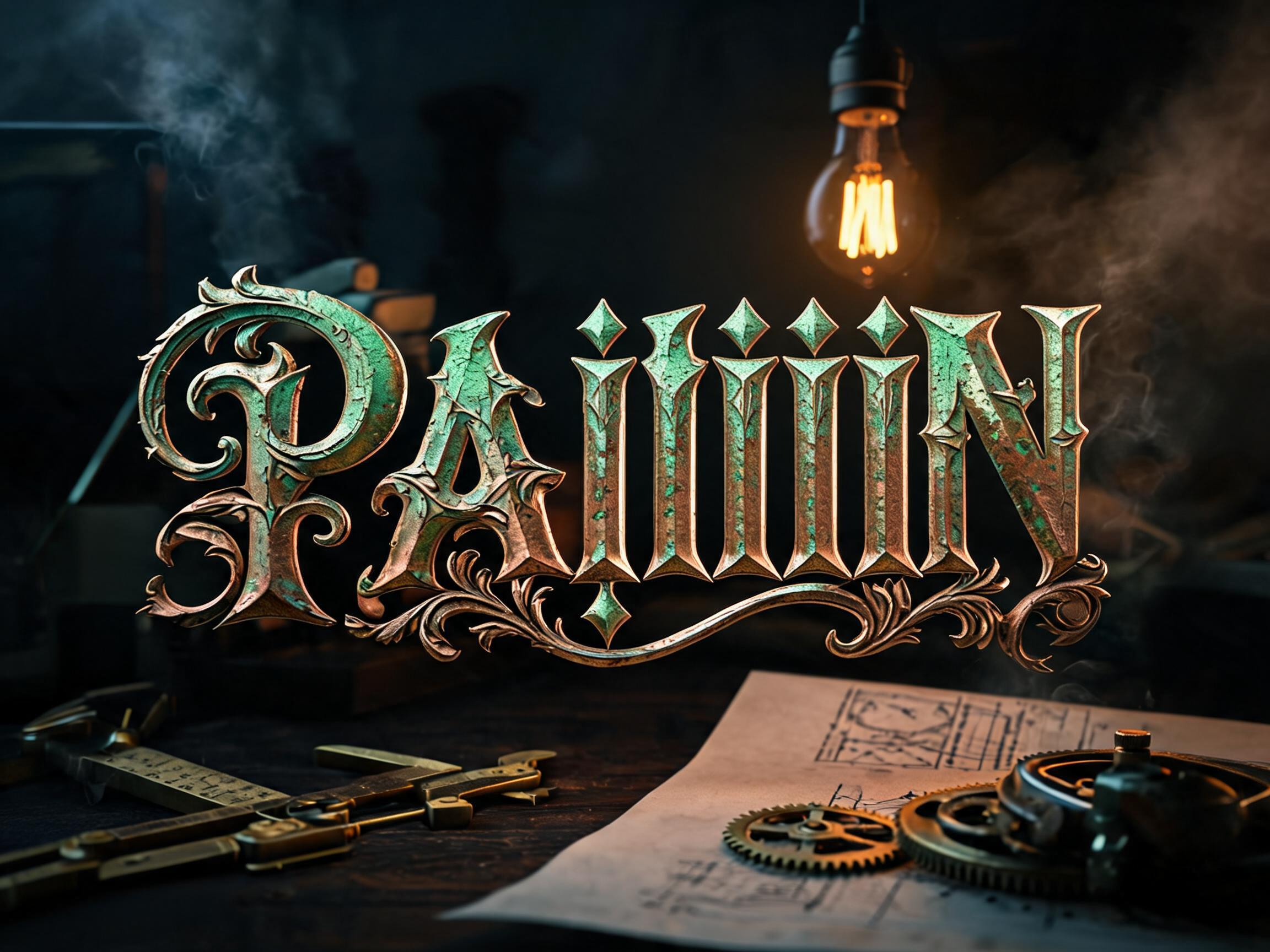
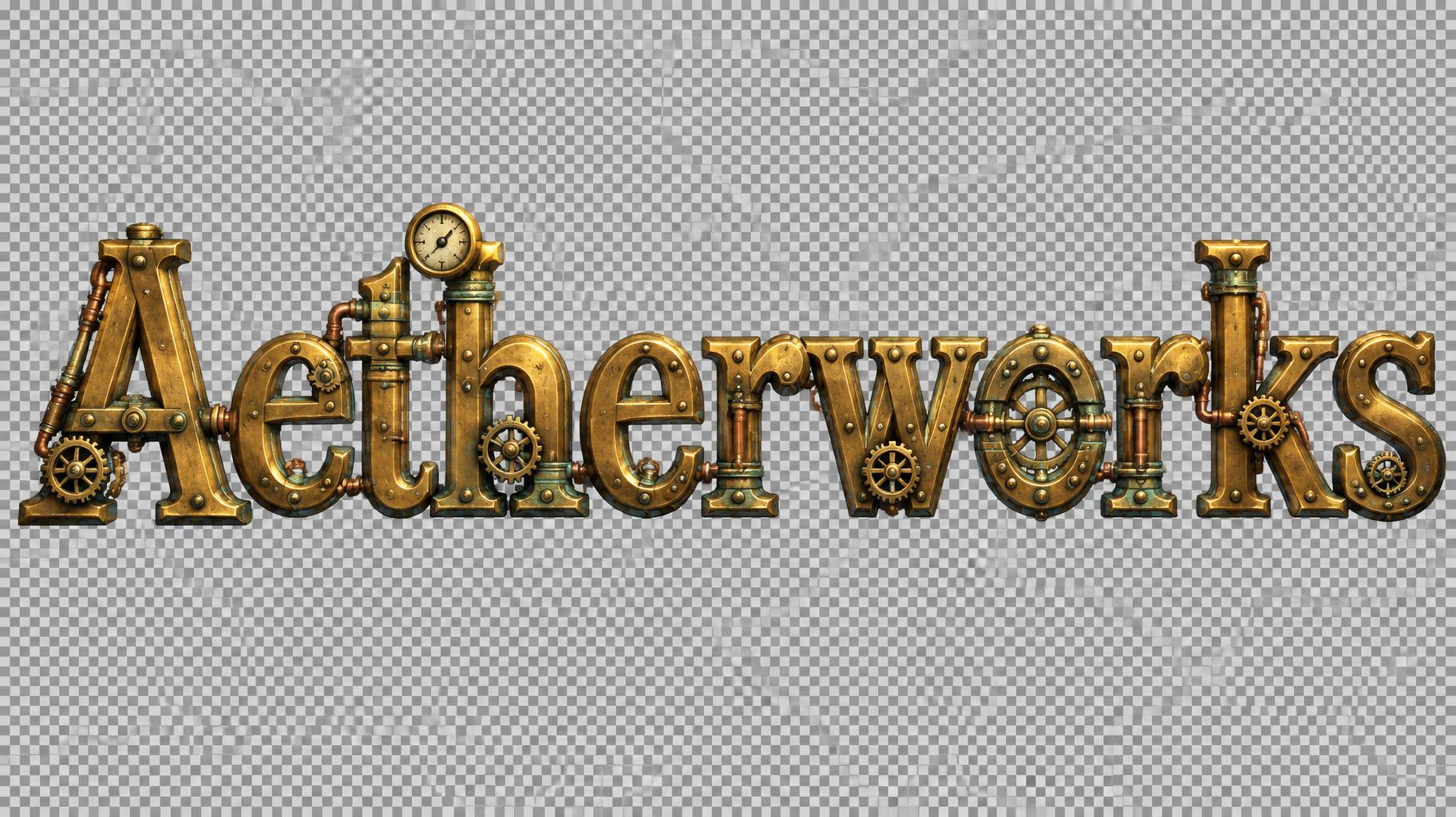
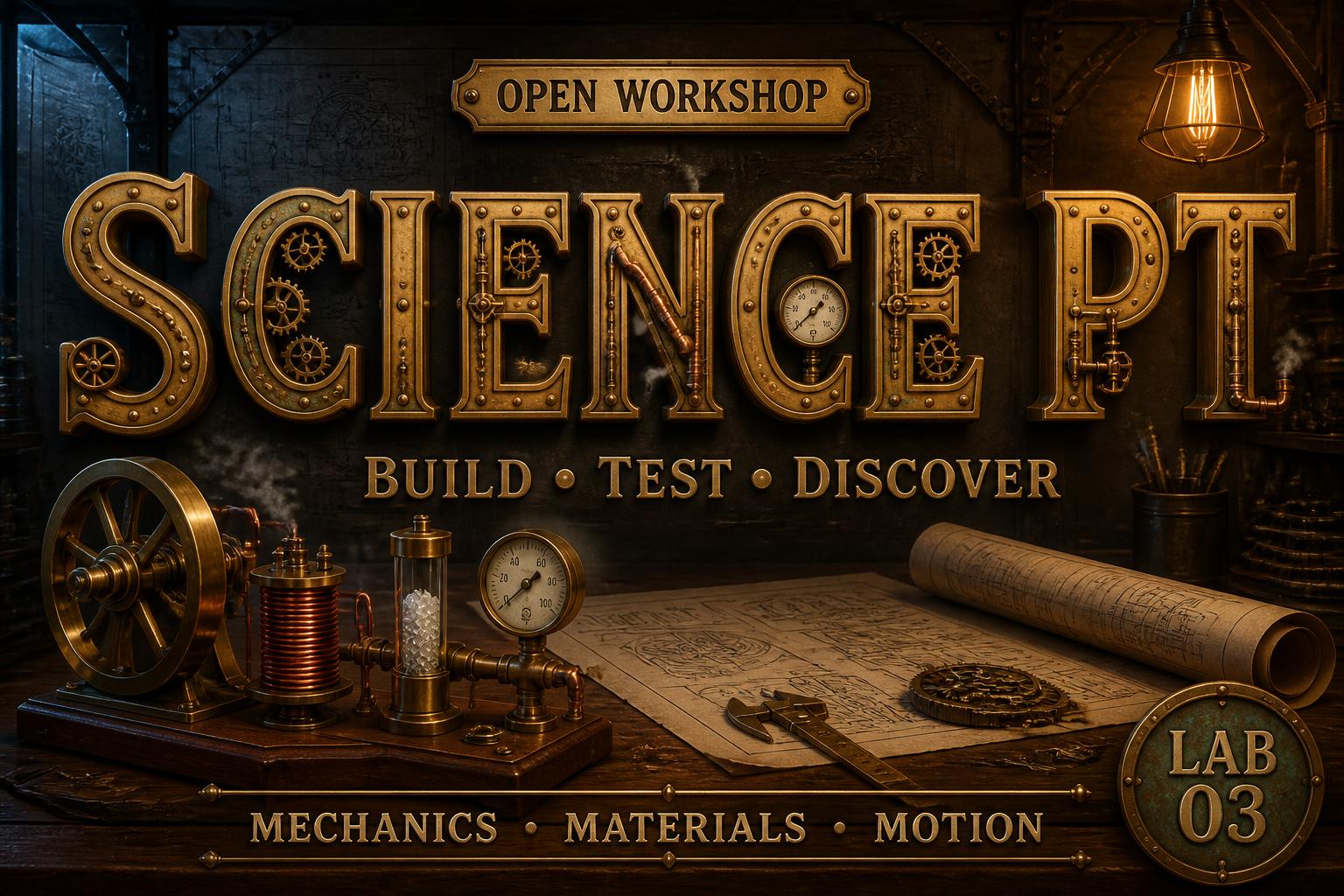
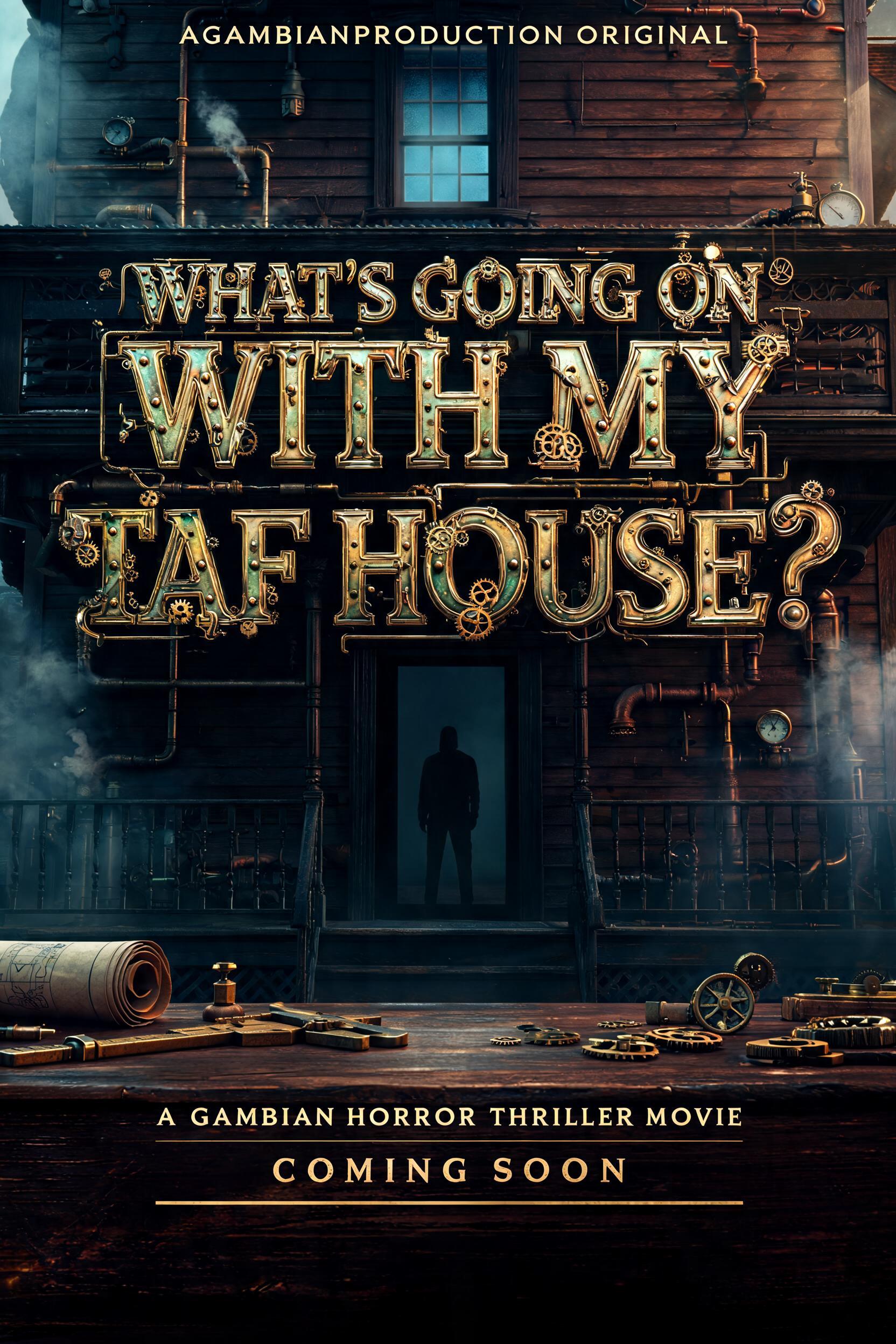
Victorian steampunk typography with brass gear mechanisms, copper pipe frameworks, steam-powered industrial textures and clockwork ornamental details. — no font license needed.
Steampunk in different AI fonts
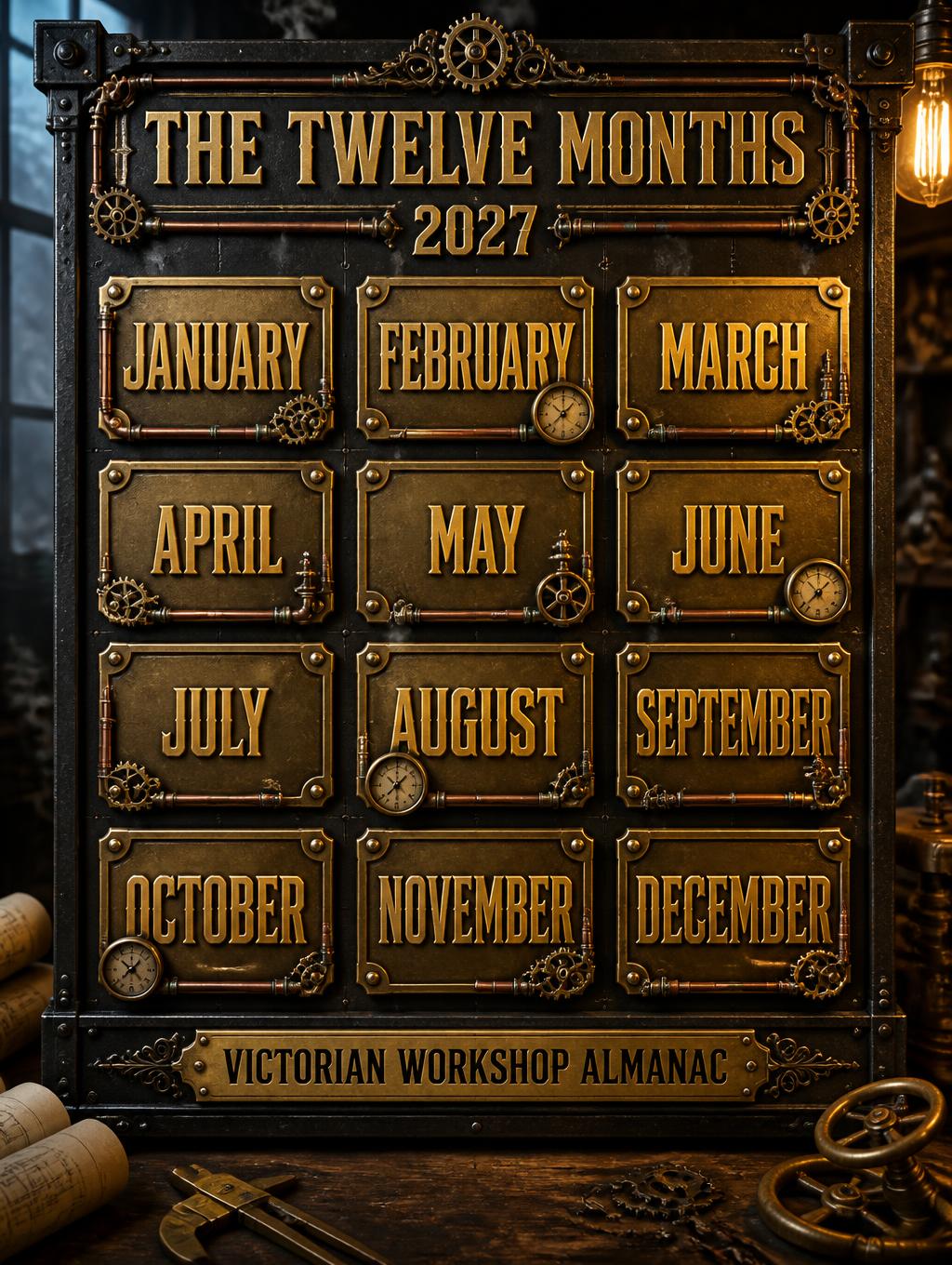

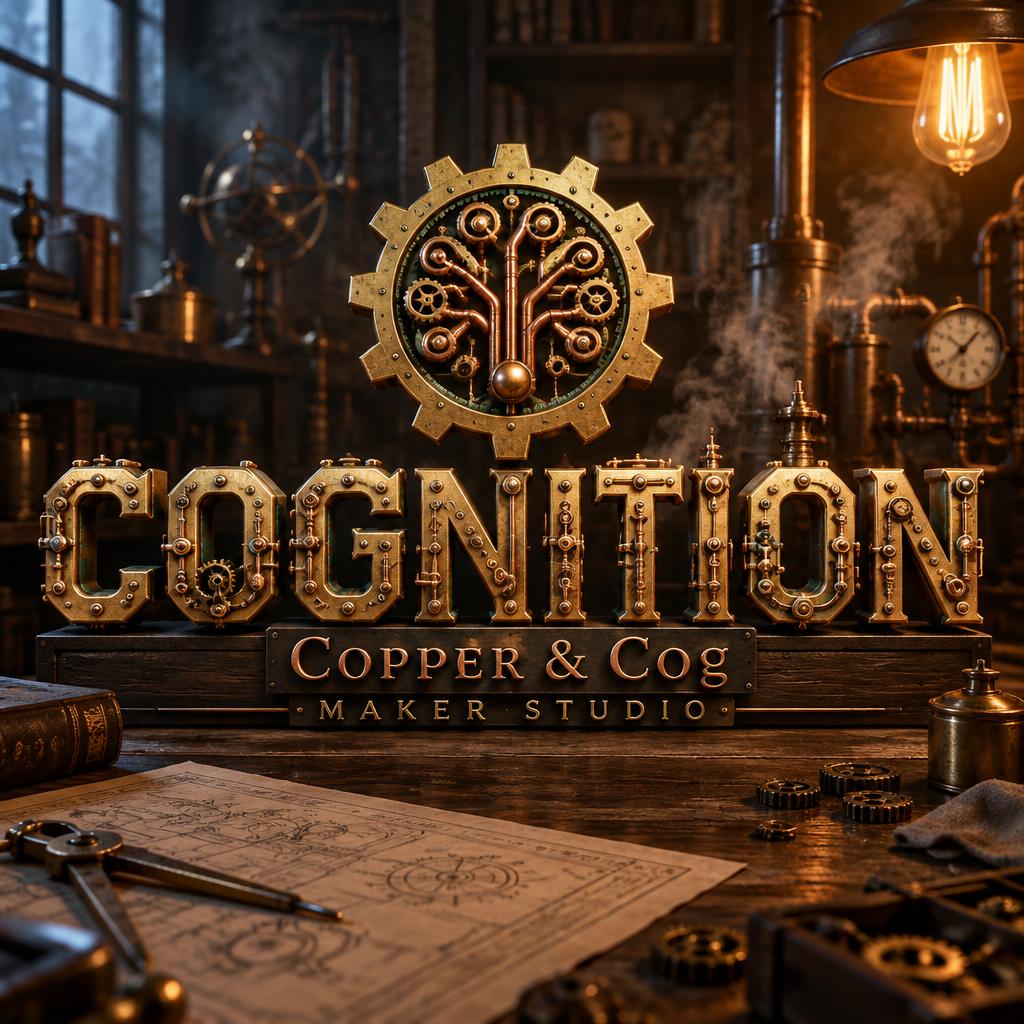
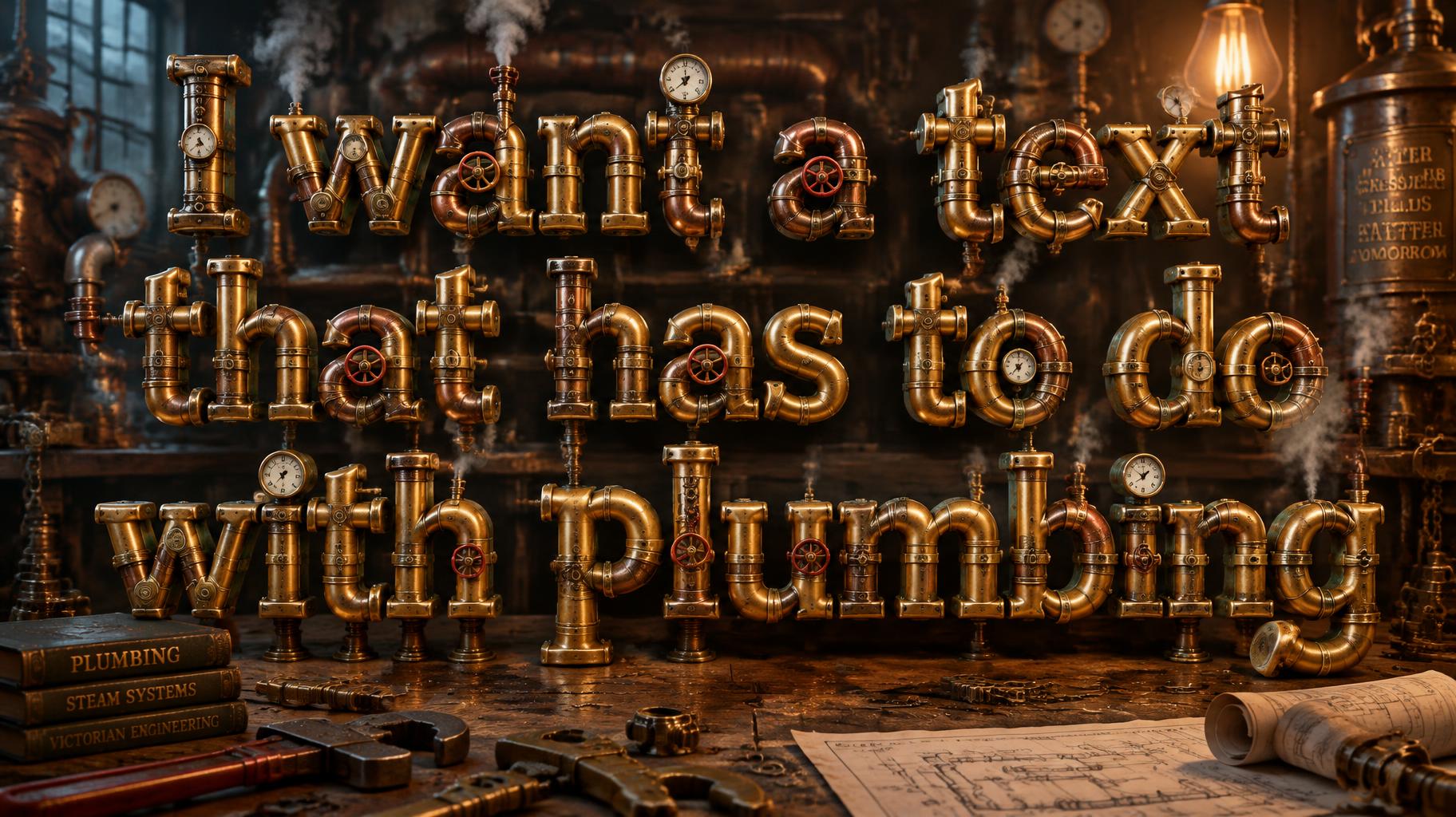
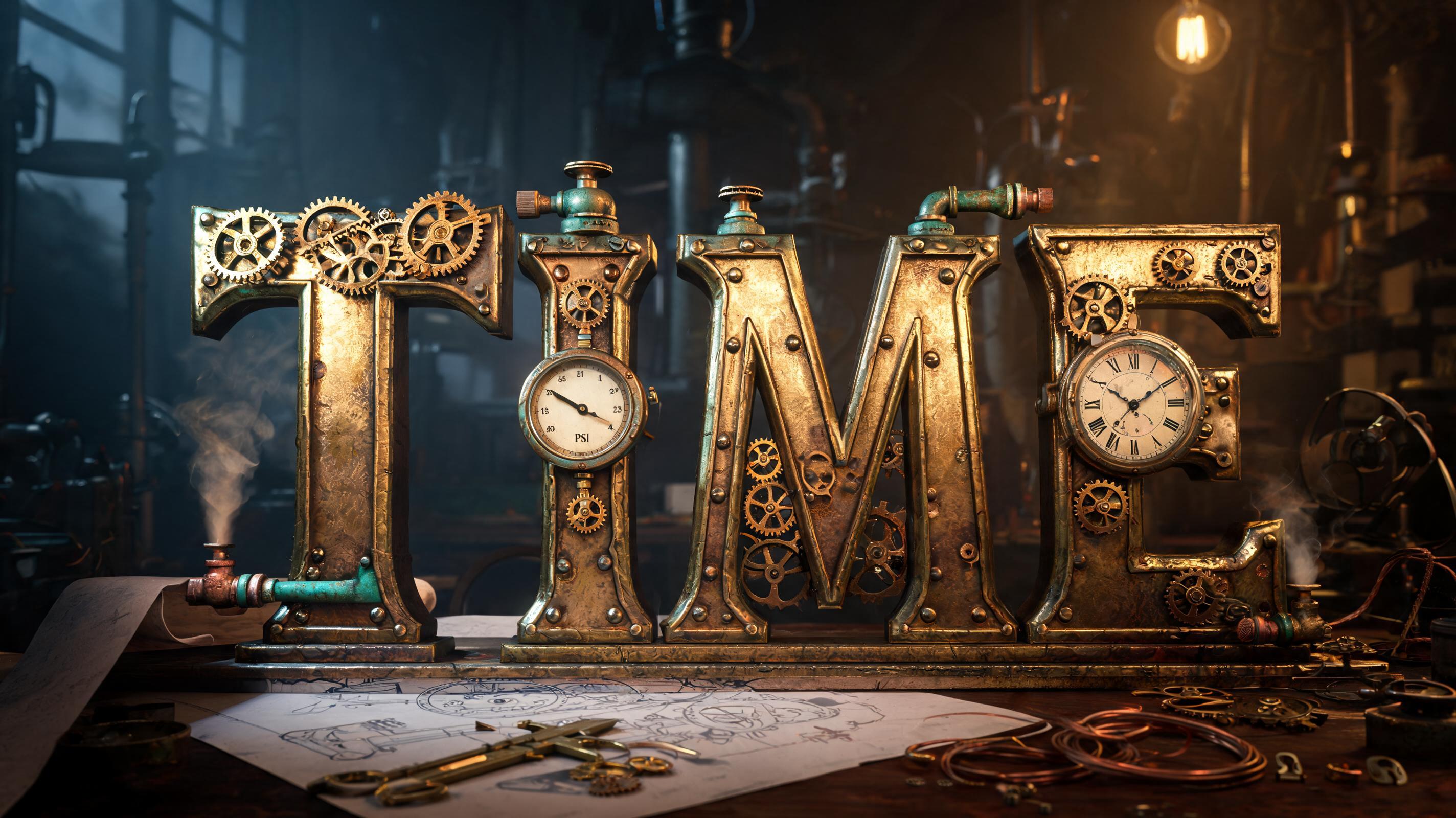
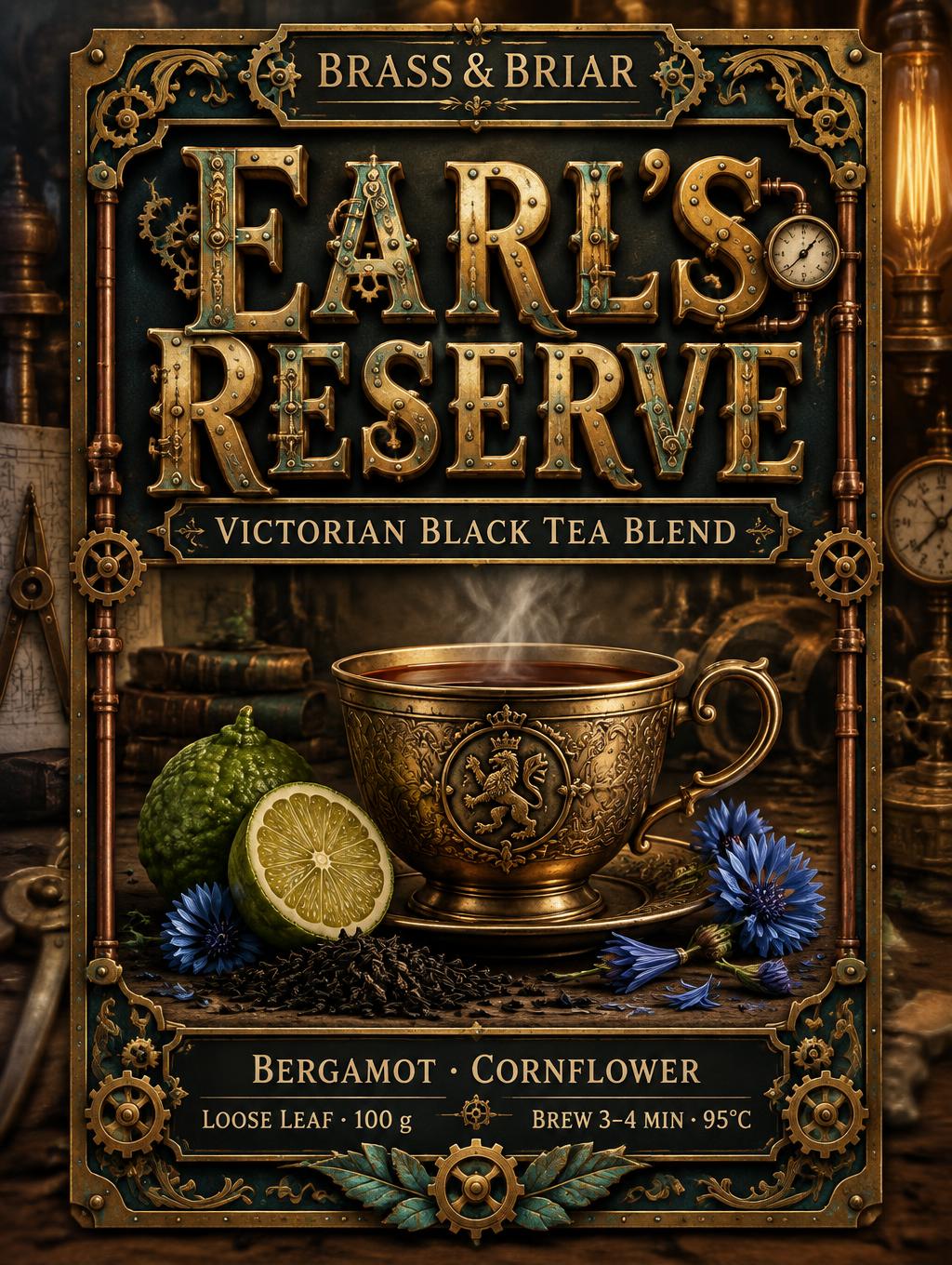
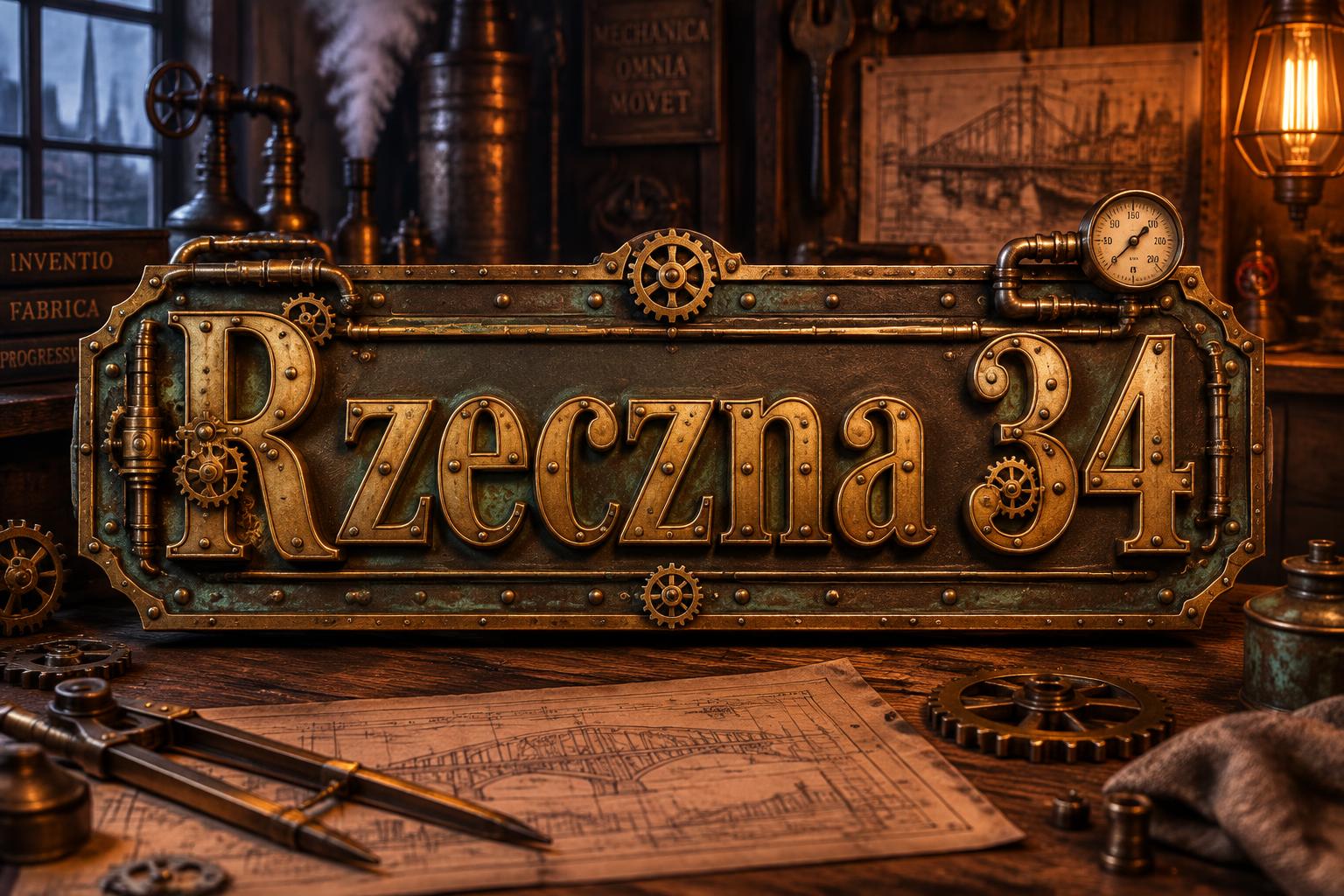
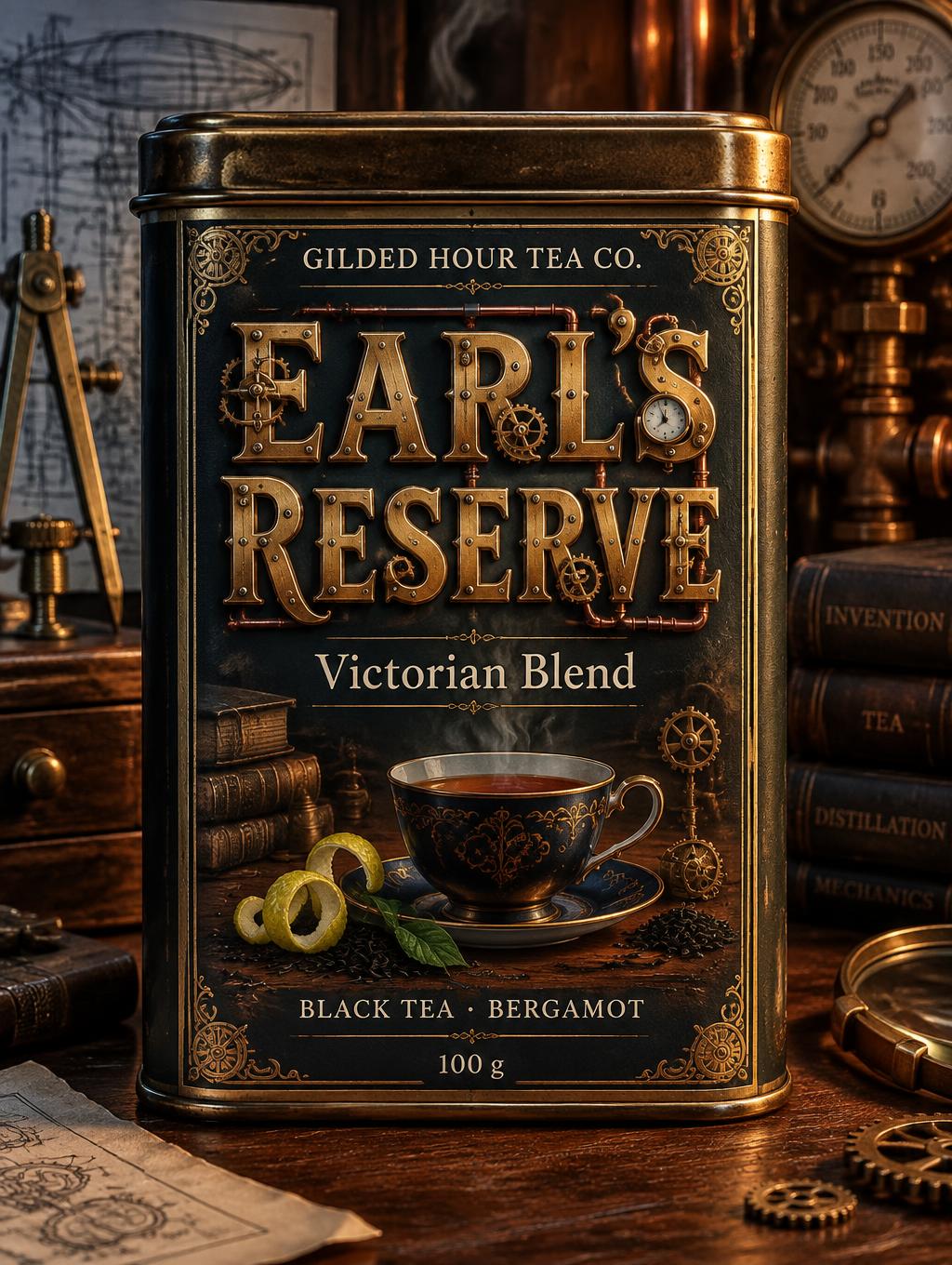
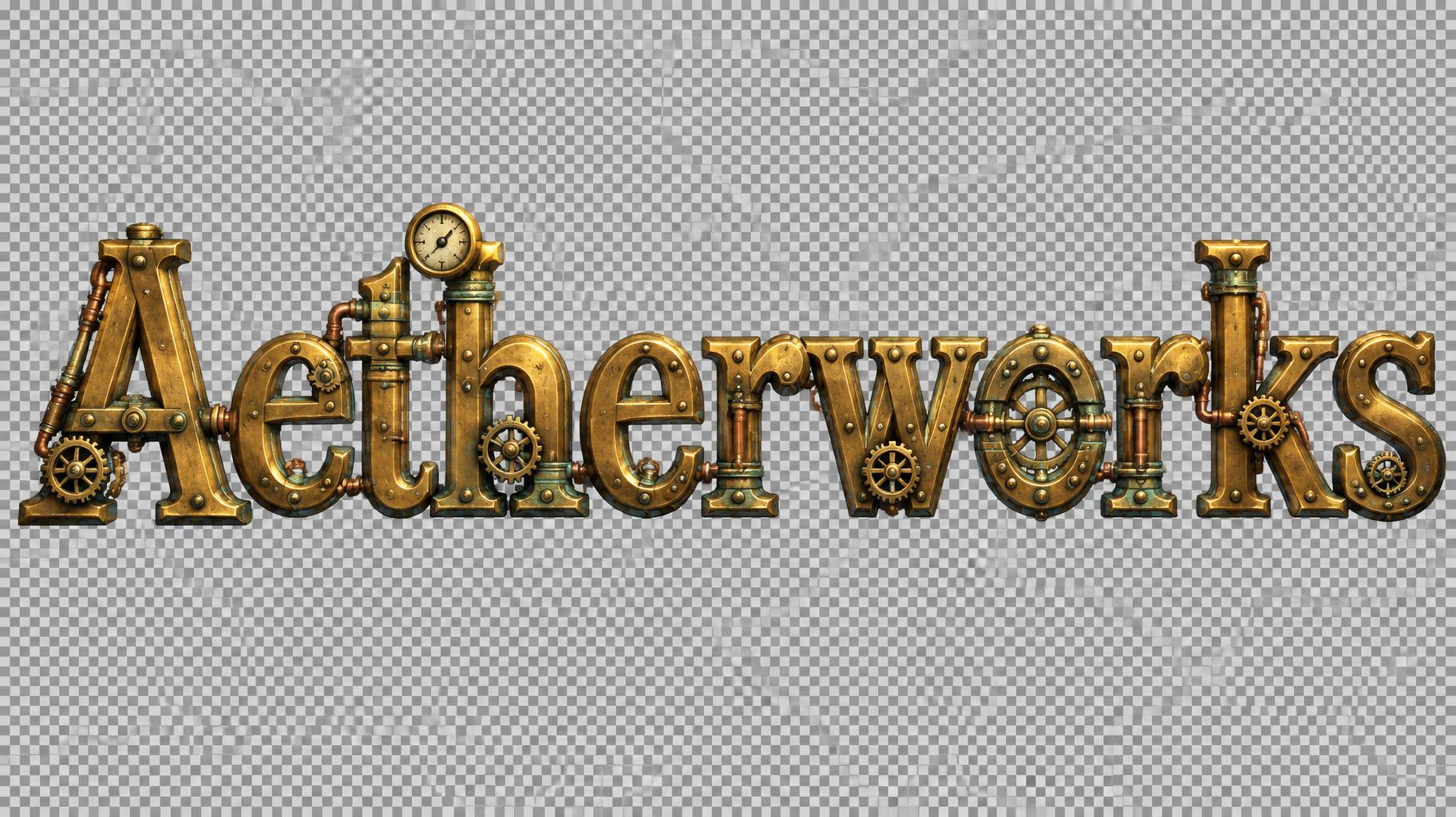
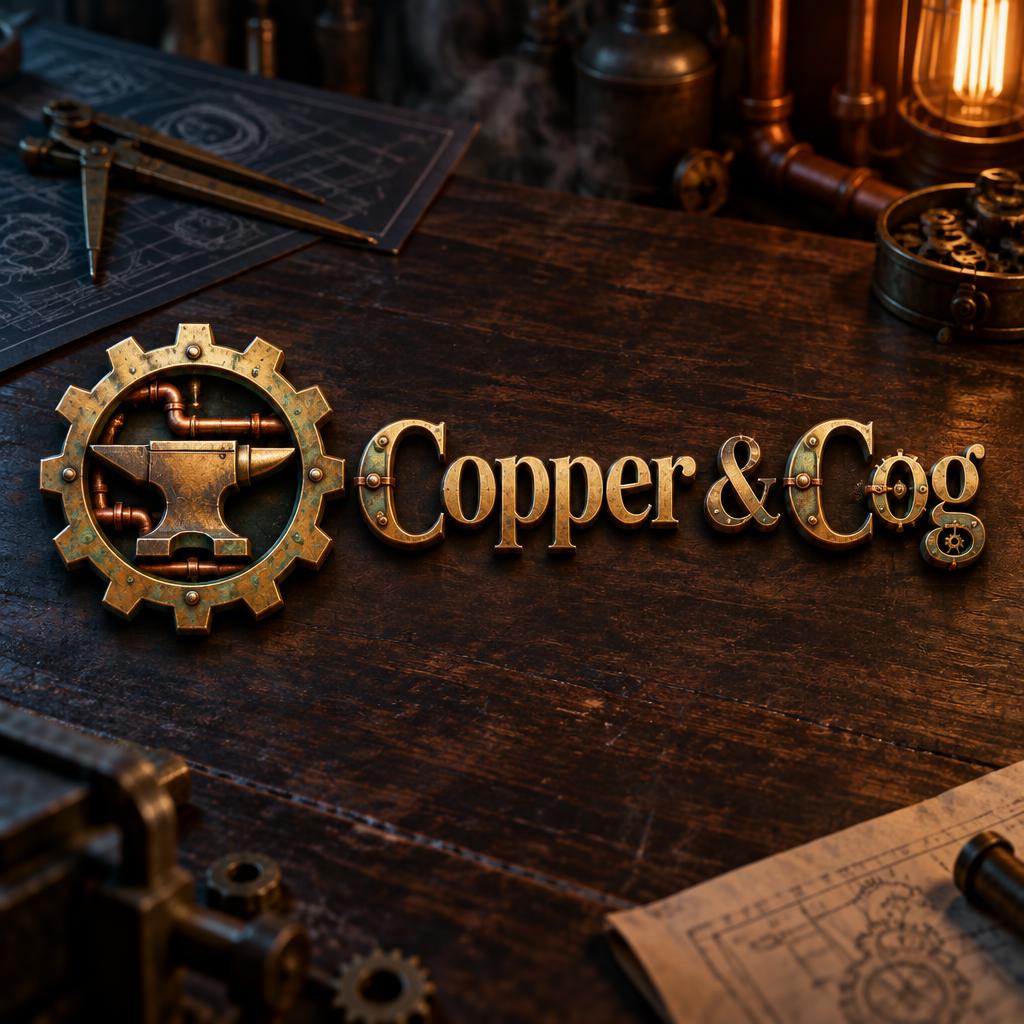


Steampunk Gallery
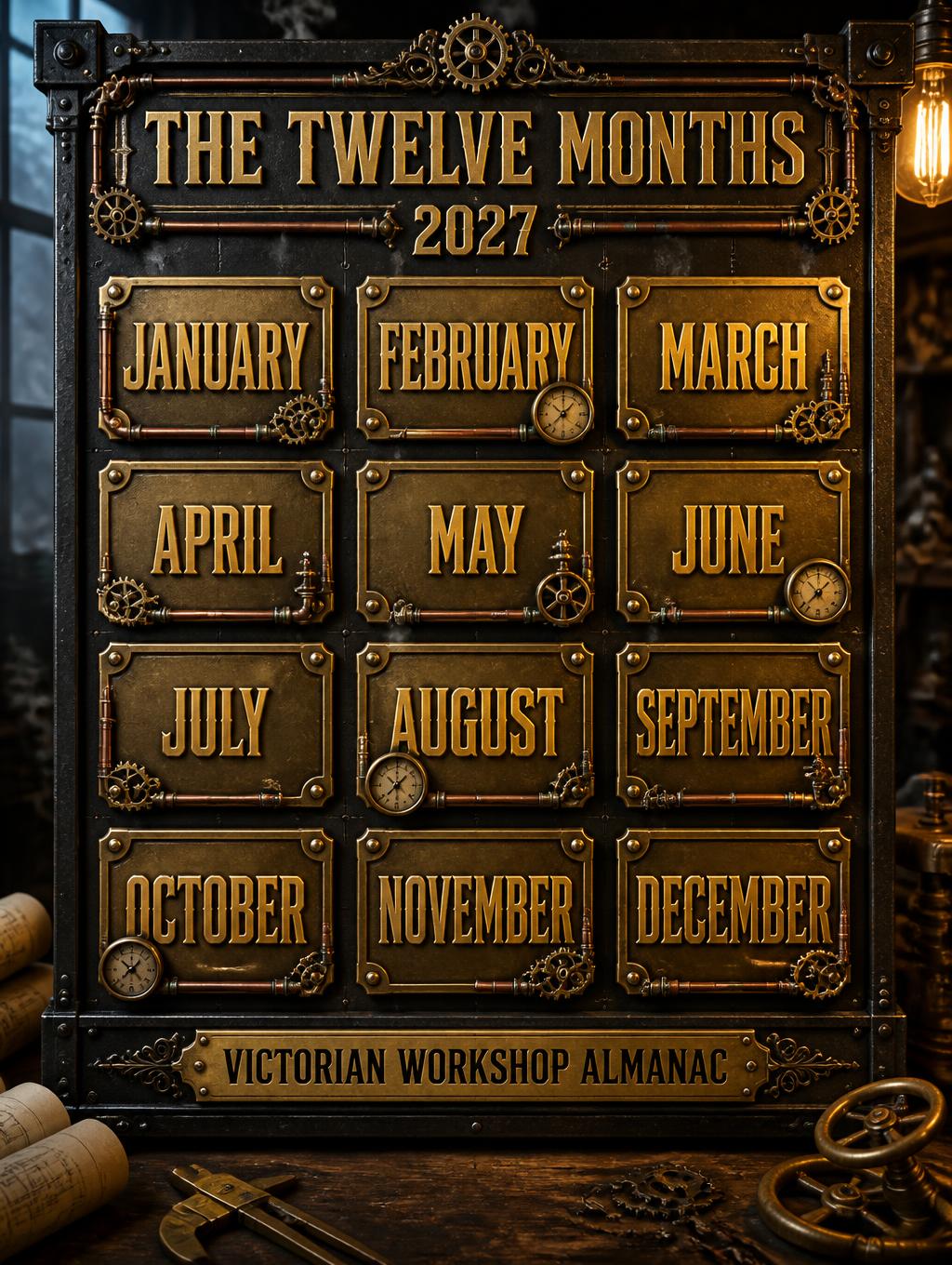
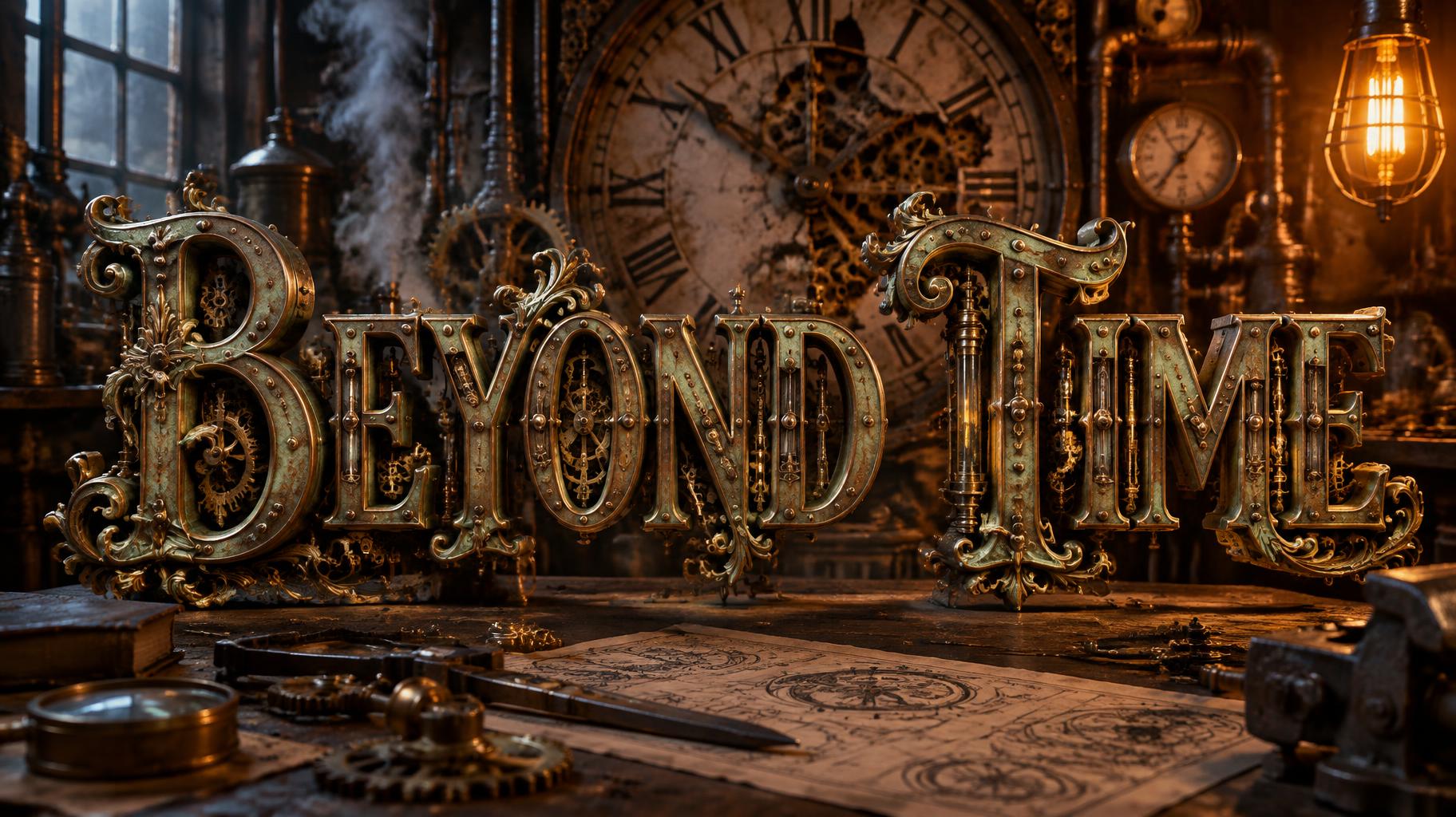
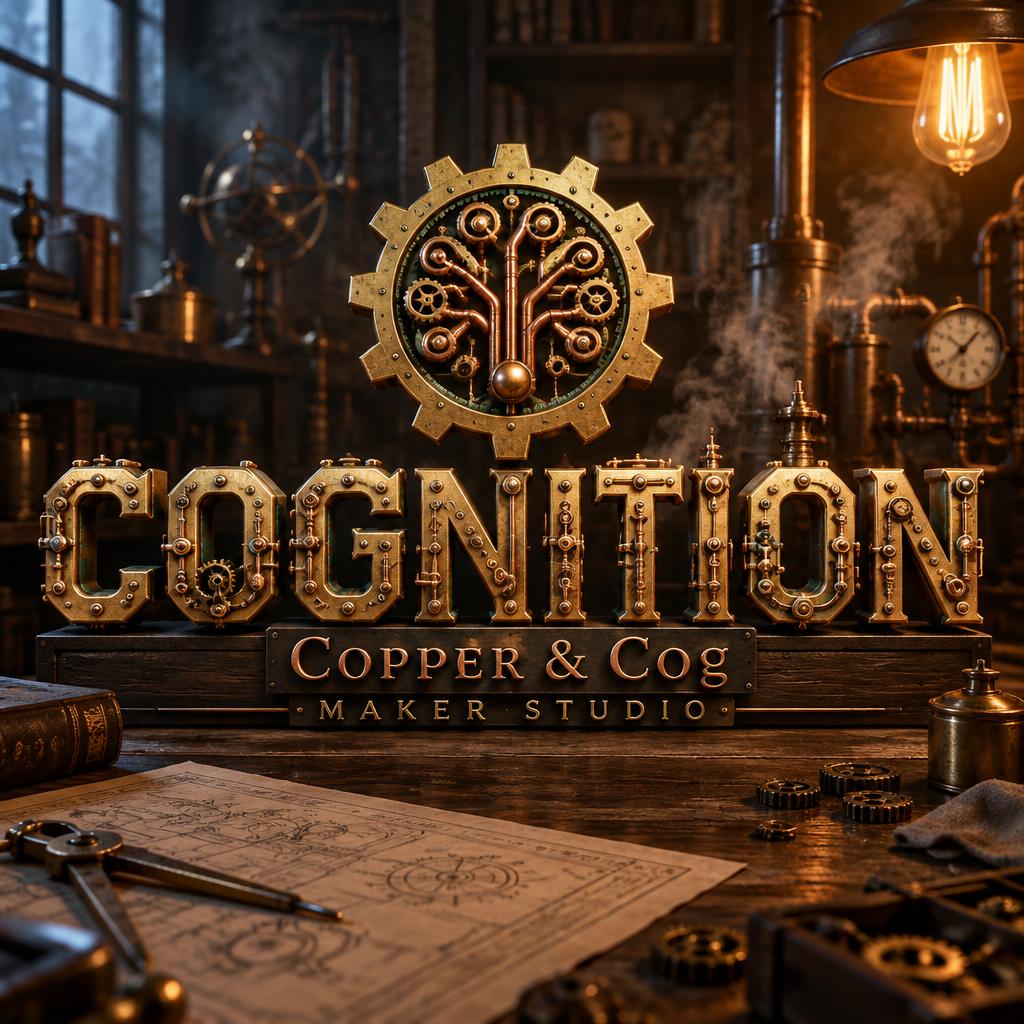
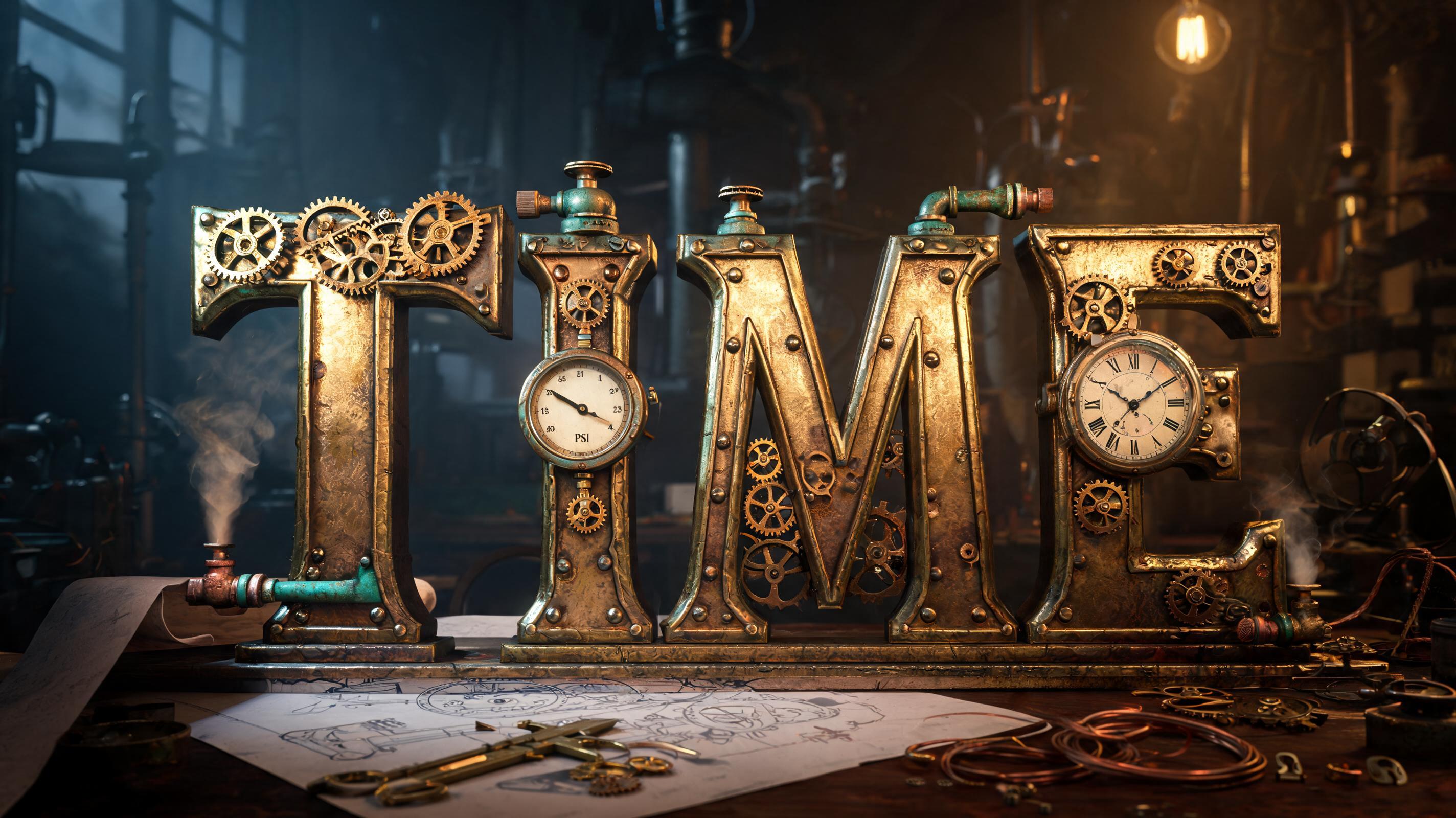
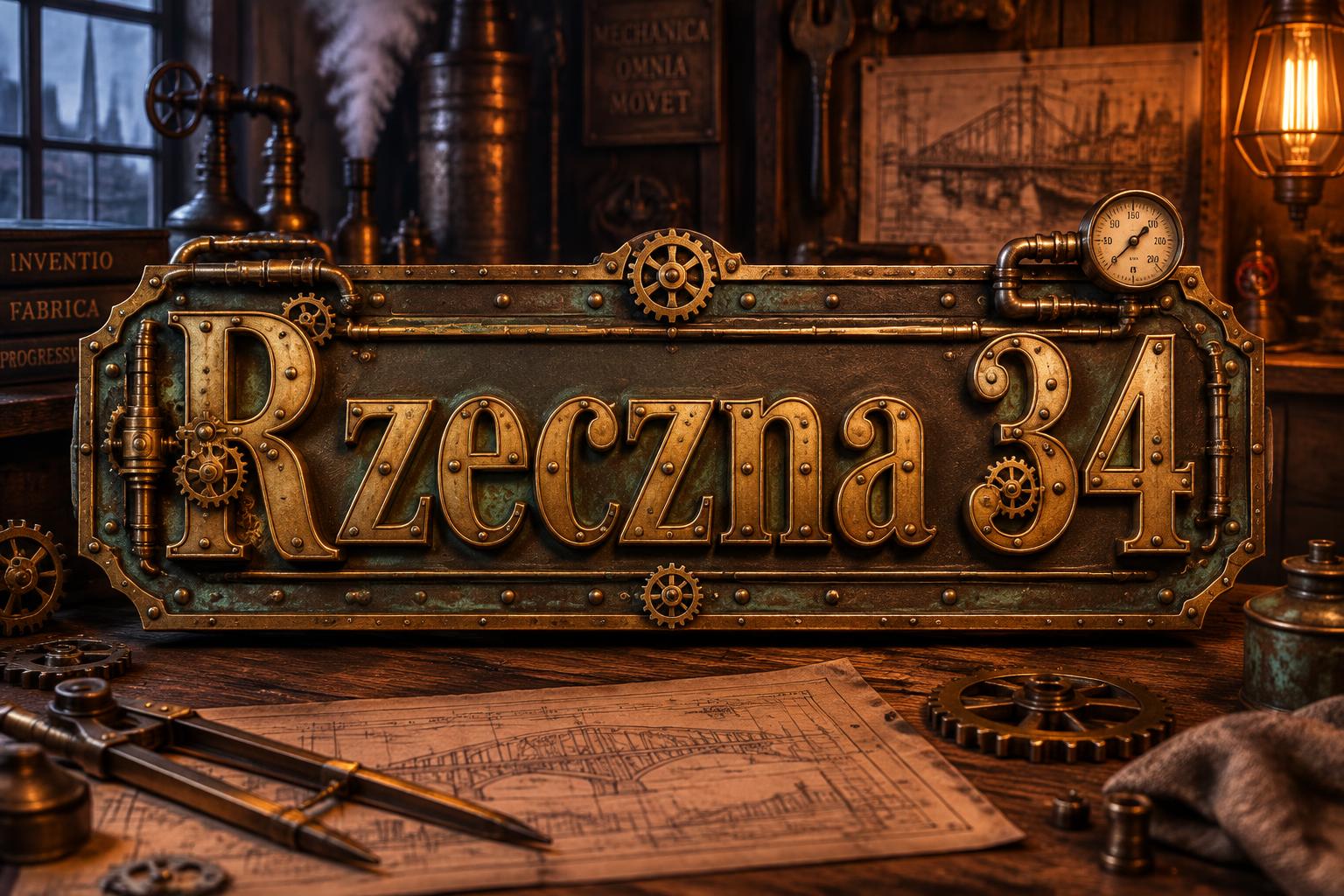
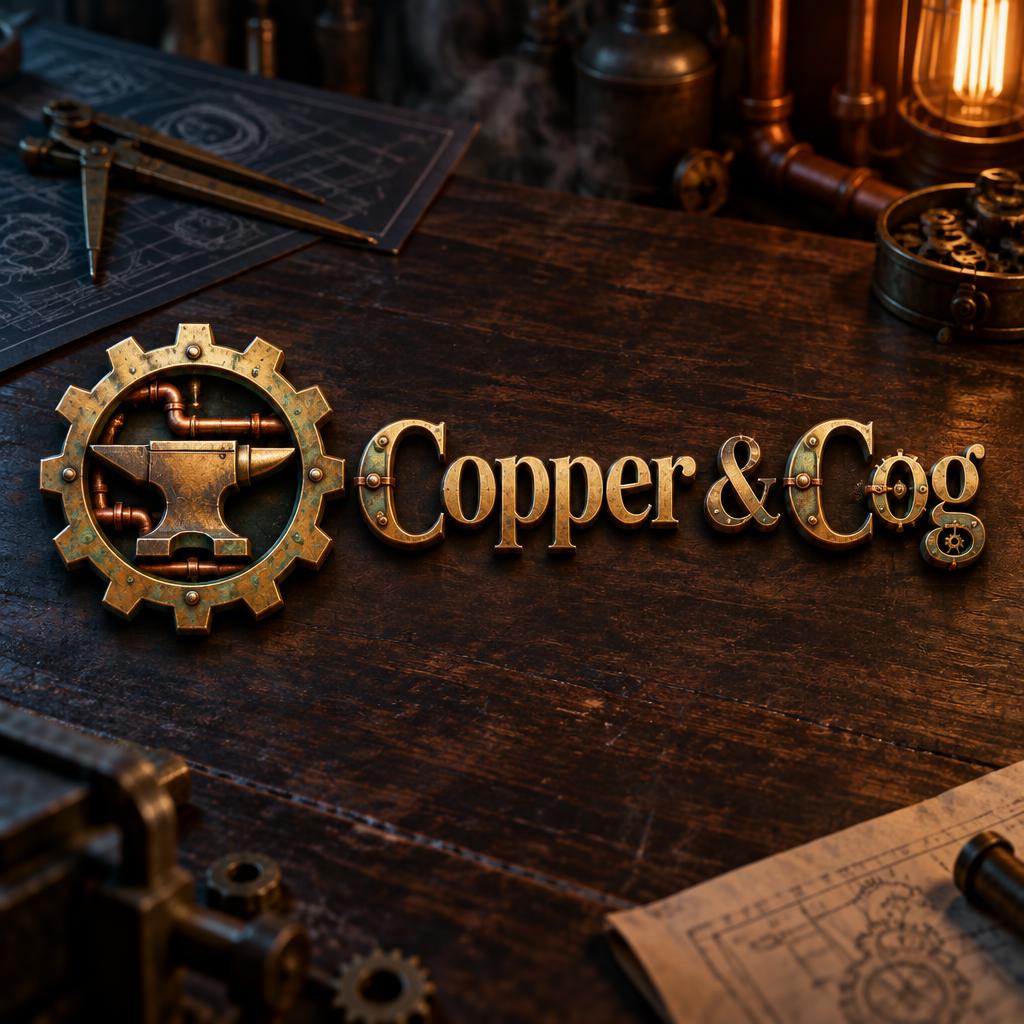
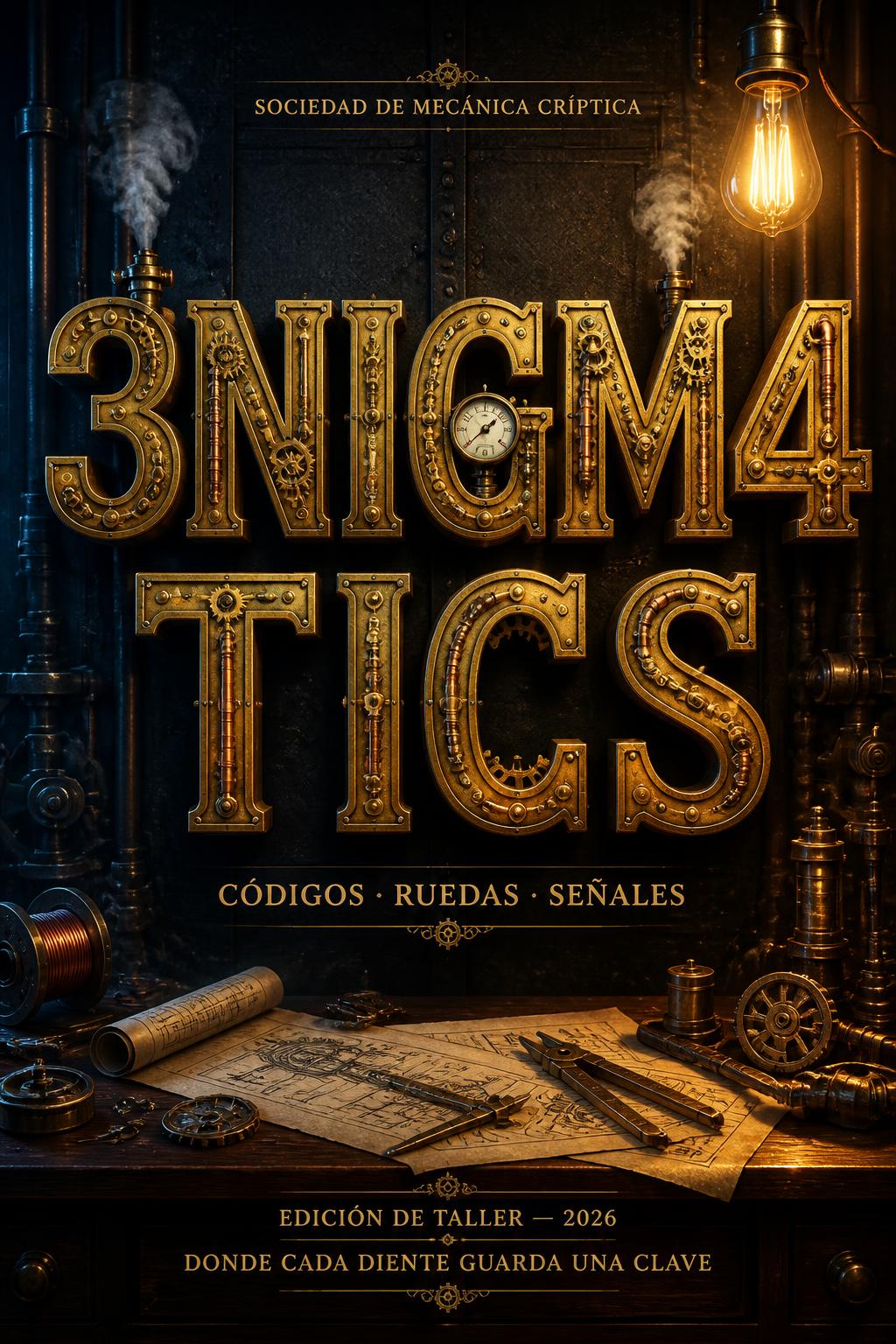
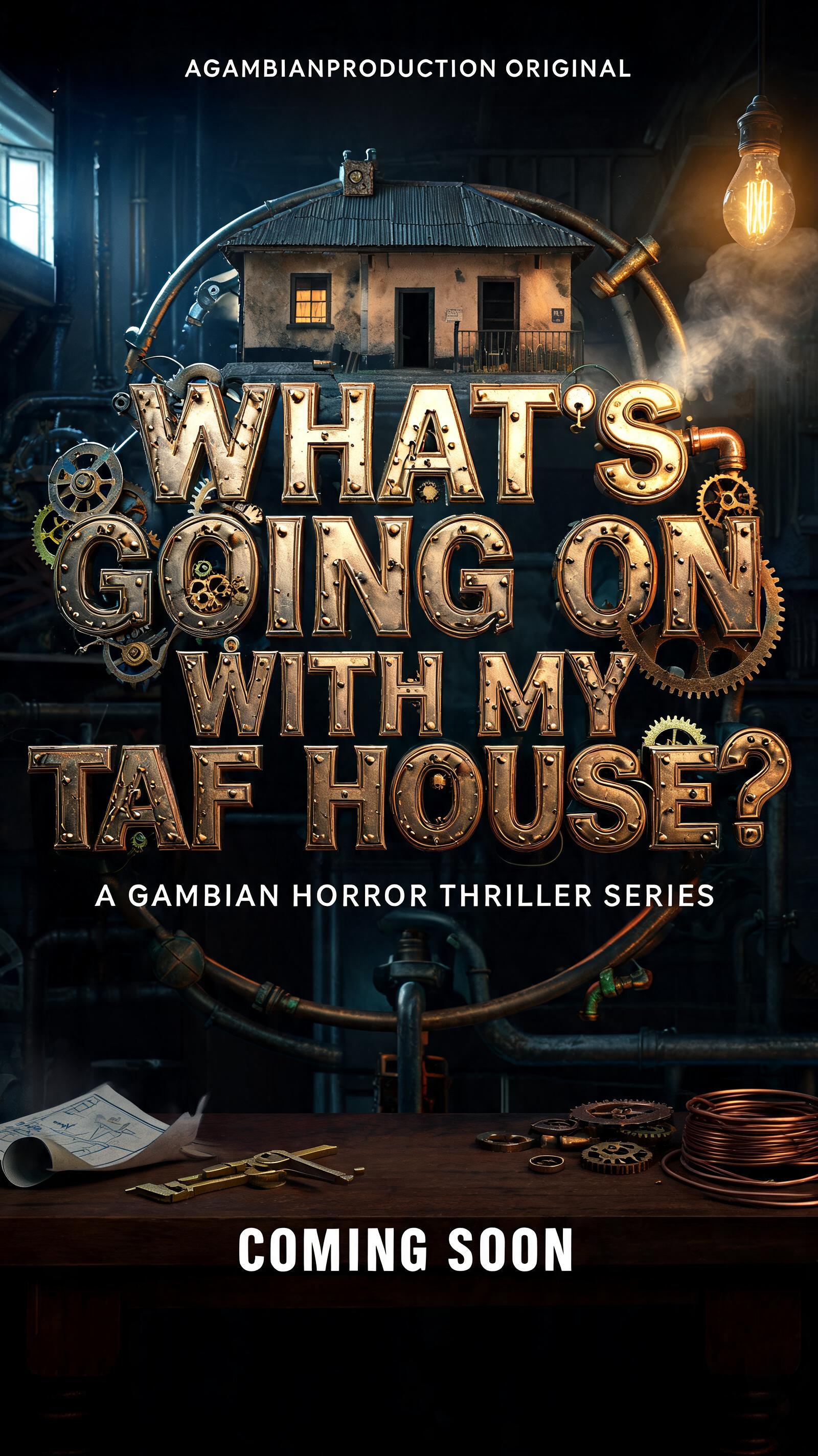
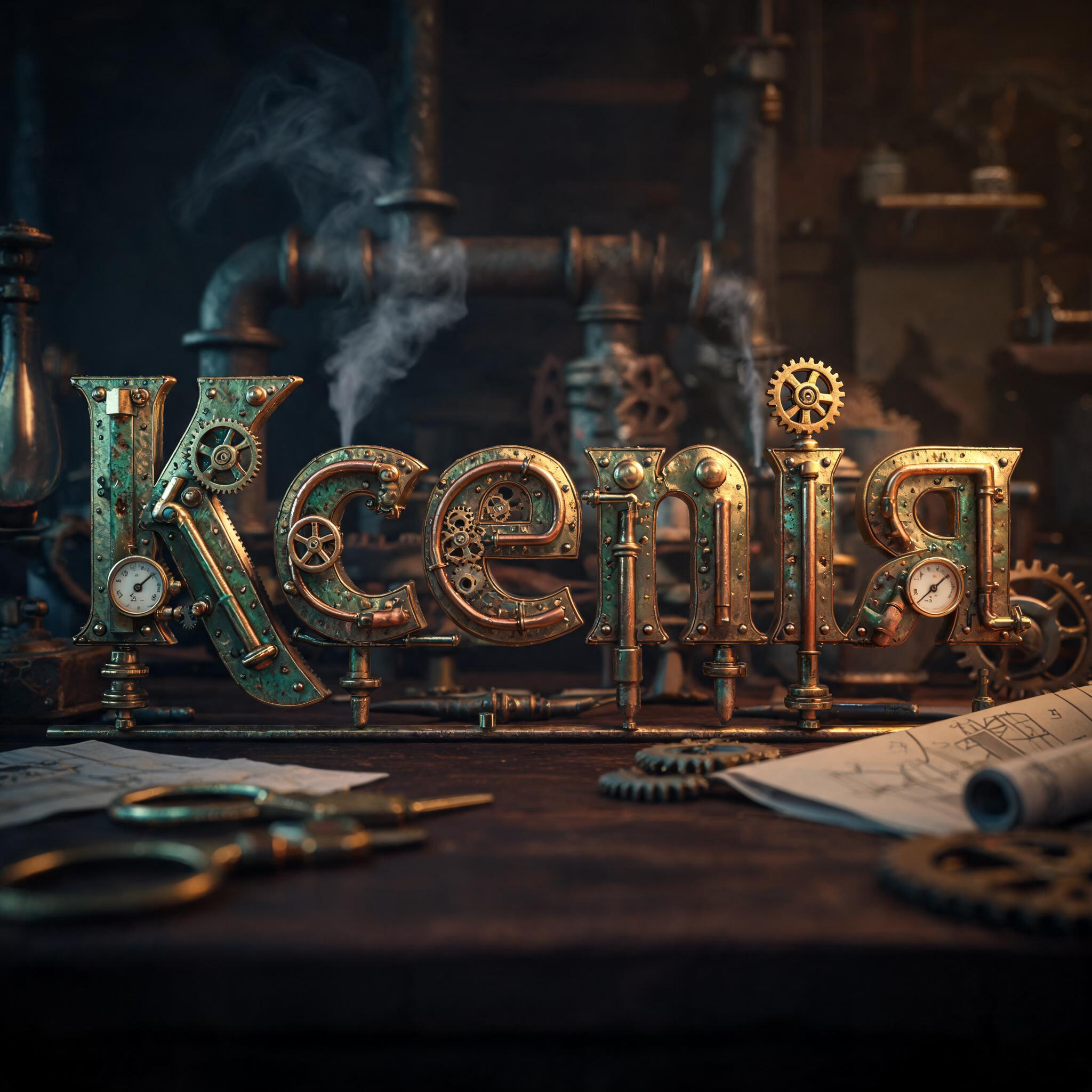
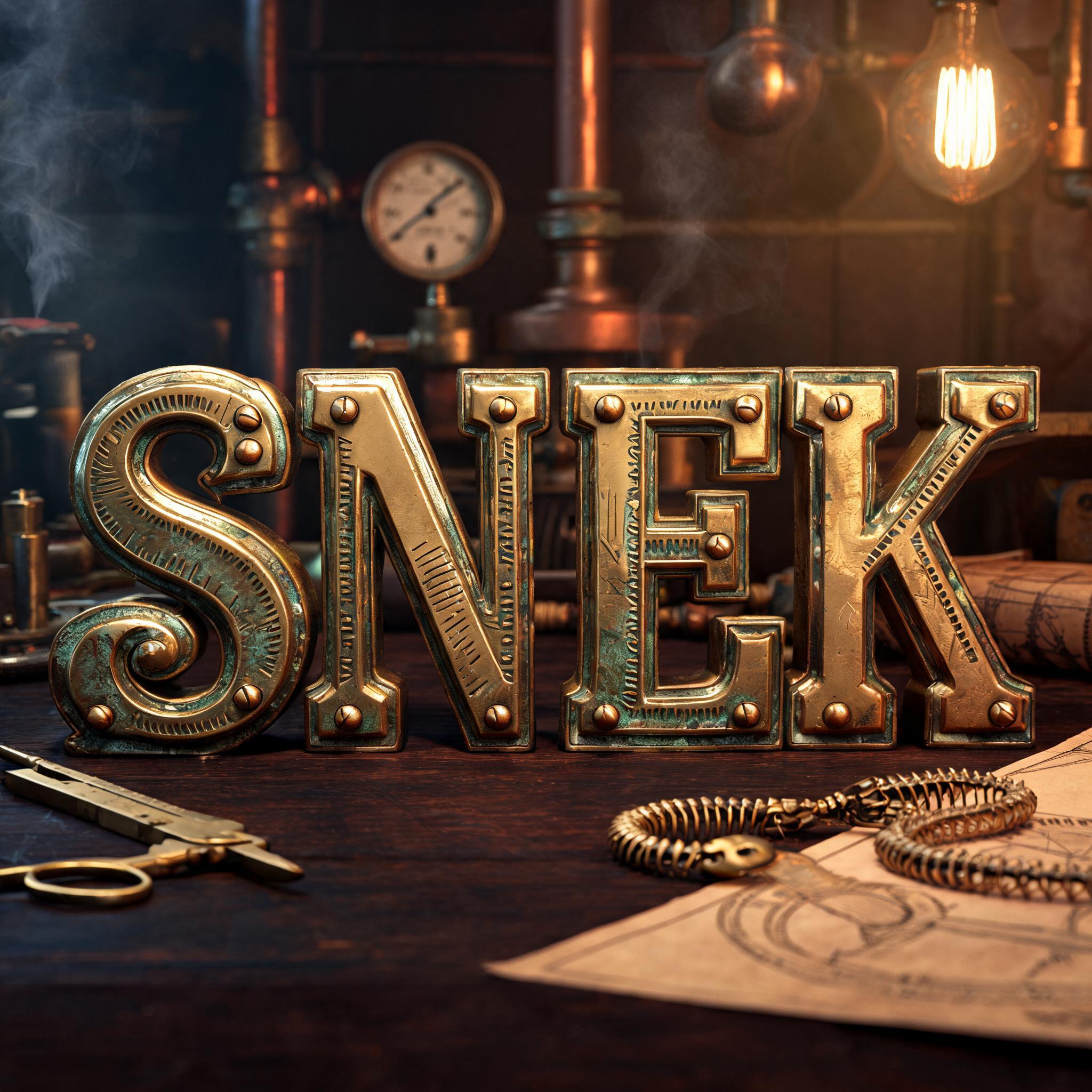
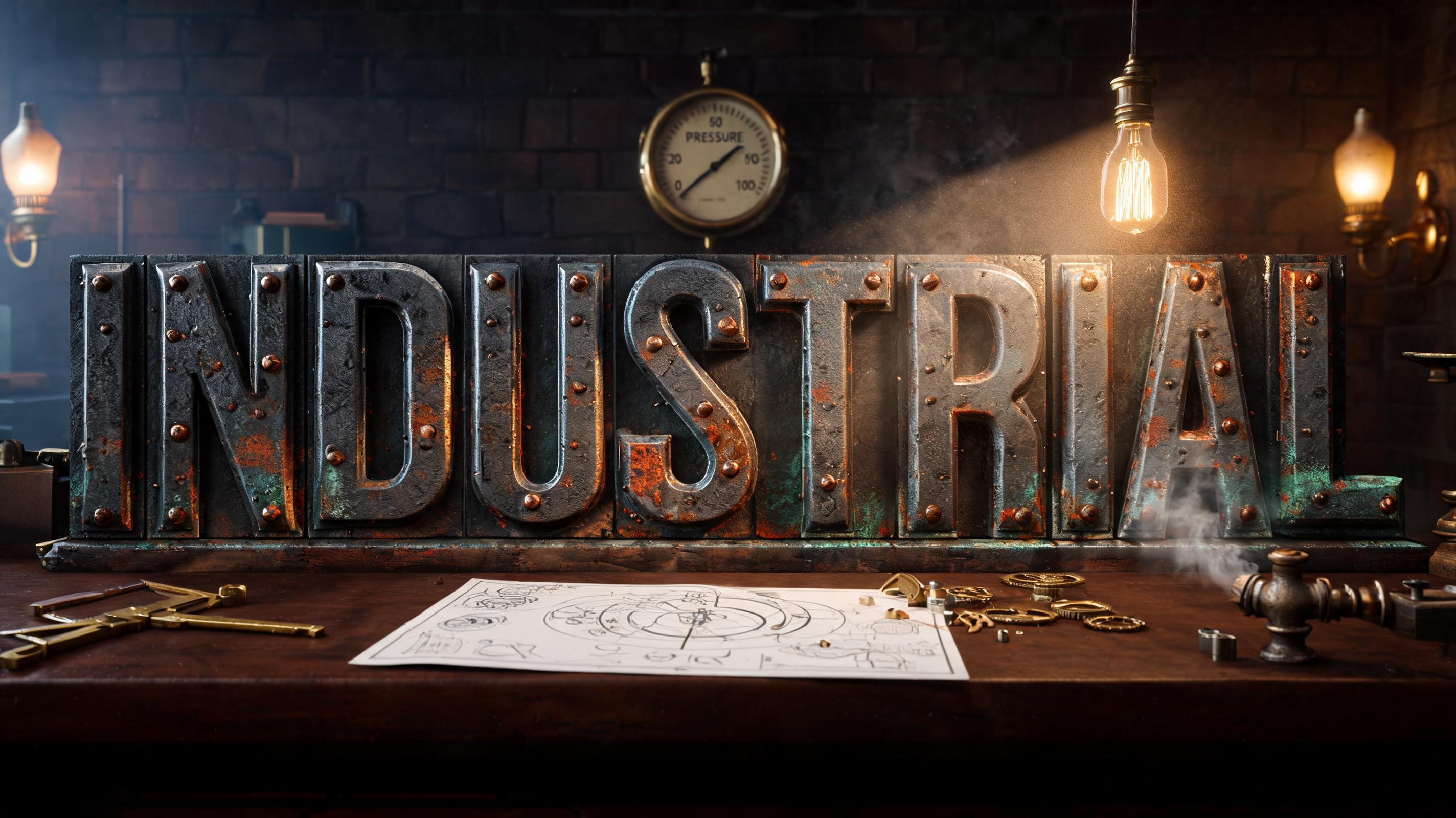
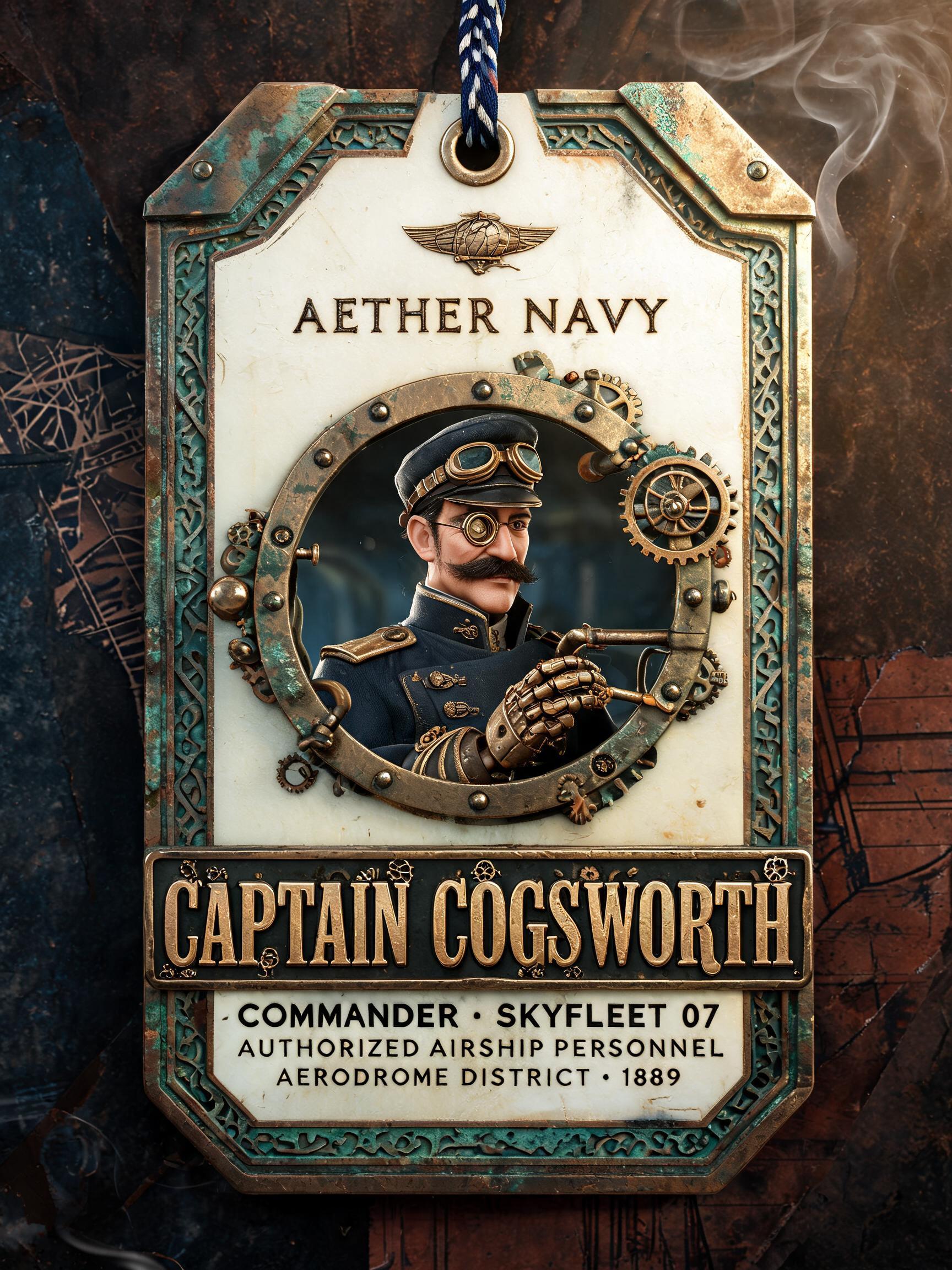
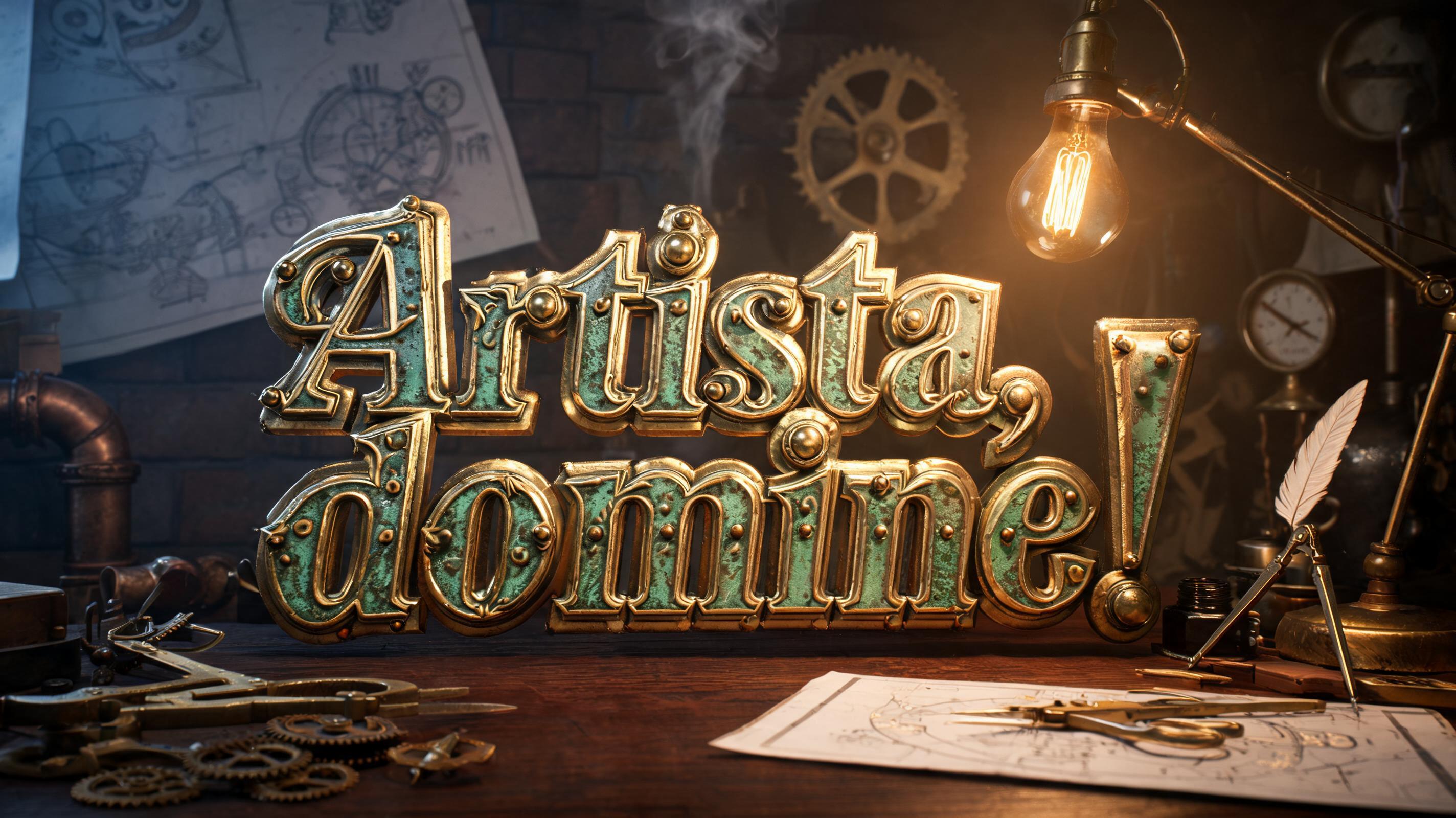
Real outputs from the Steampunk style. Click any image to see details.













Looking for copy-paste fancy text? Try our free Font Generator Tools — cursive, gothic, bubble & 30+ styles.
Perfect for These Projects
Steampunk Text Effect — FAQ
What is the Steampunk Font Style?
The Steampunk font style is a distinctive AI-generated typography effect. Victorian steampunk typography with brass gear mechanisms, copper pipe frameworks, steam-powered industrial textures and clockwork ornamental details. Using FontVibe's AI steampunk generator you can create stunning text effects in seconds — no Photoshop, no font licensing, no design experience needed.
Explore the Steampunk gallery for inspiration, or browse all 126+ AI text effect styles available on FontVibe.
How to Create Steampunk Typography in FontVibe Studio
The Story Behind Steampunk
History, visual DNA, and cultural context.
The Future That Never Was
Steampunk is a counterfactual: what if the Victorian era had developed computing, aviation, and powered machinery without electricity? The visual answer is the aesthetic — brass gears, copper piping, riveted iron, leather and goggles, the persistent question of what 19th-century engineering would look like taken to its logical extreme.
The term "steampunk" was coined by science fiction writer K.W. Jeter in 1987 as a joking variation on "cyberpunk" — explicitly acknowledging the parallel: both imagine technology dominating human life, one through corporate digital power, one through industrial mechanical power. Jeter was describing a fiction genre; the aesthetic that followed was built by a community of makers, costumers, and designers over the following two decades.
The Victorian source material is precise. The Great Exhibition of 1851 at Crystal Palace, London, established the template: the celebration of industrial machinery as spectacle, the display of mechanical ingenuity as cultural achievement. The aesthetic of industrial Victorian engineering — functional and ornamental simultaneously — is the steampunk inheritance. The gear is always visible. The mechanism is always on display.
The Visual DNA
Did You Know?
The Babbage Difference Engine — Charles Babbage's mechanical computing device, designed in the 1820s but never fully built in his lifetime — is the closest historical analog to steampunk's central fantasy: Victorian-era computing. The Science Museum in London completed a working model in 1991. It weighs 2.6 tonnes, contains 8,000 parts, and works exactly as Babbage designed.
The airship is steampunk's defining conveyance partly because of actual history: Zeppelin AG flew commercial transatlantic passenger service from 1928 to 1937, and the Hindenburg carried 72 passengers per crossing. The Hindenburg disaster in 1937 ended the era. Steampunk keeps it perpetually aloft — an alternate history where the catastrophic accident didn't happen.
The word 'steampunk' was coined in 1987 by novelist K.W. Jeter in a letter to Locus magazine, playing off 'cyberpunk' to name the Victorian-technology fiction he wrote with James Blaylock and Tim Powers.
Create Your Steampunk Typography in Studio
Free to start. No design skills needed. Your artwork, your copyright.
AI Steampunk Text Effect Generator
Victorian steampunk typography with brass gear mechanisms, copper pipe frameworks, steam-powered industrial textures and clockwork ornamental details. — no font license needed.
Steampunk in different AI fonts
Generate Your Steampunk Text Effect
Type any word — see it transformed in seconds. No sign-up required.
Steampunk Style Gallery
Real outputs from the Steampunk style. Click any image to see details.












Similar Text Effect Styles
Try these styles and create your own AI-generated text effects.
Looking for copy-paste fancy text? Try our free Font Generator Tools — cursive, gothic, bubble & 30+ styles.
Perfect for These Projects
Steampunk text effects are popular for creative projects where visual impact matters.
What is the Steampunk Font Style?
The Steampunk font style is a distinctive AI-generated typography effect. Victorian steampunk typography with brass gear mechanisms, copper pipe frameworks, steam-powered industrial textures and clockwork ornamental details.
Using FontVibe's AI steampunk generator you can create stunning text effects in seconds — no Photoshop, no font licensing, no design experience needed.
Explore the Steampunk gallery for inspiration, or browse all 126+ AI text effect styles available on FontVibe.
How to Create Steampunk Typography in FontVibe Studio
1. Enter your text — Any word, phrase, or brand name. Works best with short, punchy text.
2. Select Steampunk — From the style library. Optionally describe a mood in the custom prompt.
3. Generate and download. Your Steampunk font artwork is ready in seconds. PNG, JPG, or transparent PNG.
Looking for something different? Browse the full font style library for more AI typography options.
Steampunk Text Effect — FAQ
The Story Behind Steampunk
History, visual DNA, and cultural context — everything that makes this style what it is.
The Future That Never Was
Steampunk is a counterfactual: what if the Victorian era had developed computing, aviation, and powered machinery without electricity? The visual answer is the aesthetic — brass gears, copper piping, riveted iron, leather and goggles, the persistent question of what 19th-century engineering would look like taken to its logical extreme.
The term "steampunk" was coined by science fiction writer K.W. Jeter in 1987 as a joking variation on "cyberpunk" — explicitly acknowledging the parallel: both imagine technology dominating human life, one through corporate digital power, one through industrial mechanical power. Jeter was describing a fiction genre; the aesthetic that followed was built by a community of makers, costumers, and designers over the following two decades.
The Victorian source material is precise. The Great Exhibition of 1851 at Crystal Palace, London, established the template: the celebration of industrial machinery as spectacle, the display of mechanical ingenuity as cultural achievement. The aesthetic of industrial Victorian engineering — functional and ornamental simultaneously — is the steampunk inheritance. The gear is always visible. The mechanism is always on display.
The Visual DNA
Did You Know?
The Babbage Difference Engine — Charles Babbage's mechanical computing device, designed in the 1820s but never fully built in his lifetime — is the closest historical analog to steampunk's central fantasy: Victorian-era computing. The Science Museum in London completed a working model in 1991. It weighs 2.6 tonnes, contains 8,000 parts, and works exactly as Babbage designed.
The airship is steampunk's defining conveyance partly because of actual history: Zeppelin AG flew commercial transatlantic passenger service from 1928 to 1937, and the Hindenburg carried 72 passengers per crossing. The Hindenburg disaster in 1937 ended the era. Steampunk keeps it perpetually aloft — an alternate history where the catastrophic accident didn't happen.
The word 'steampunk' was coined in 1987 by novelist K.W. Jeter in a letter to Locus magazine, playing off 'cyberpunk' to name the Victorian-technology fiction he wrote with James Blaylock and Tim Powers.