


AI Neon Glow Neon Sign Text Effect Generator
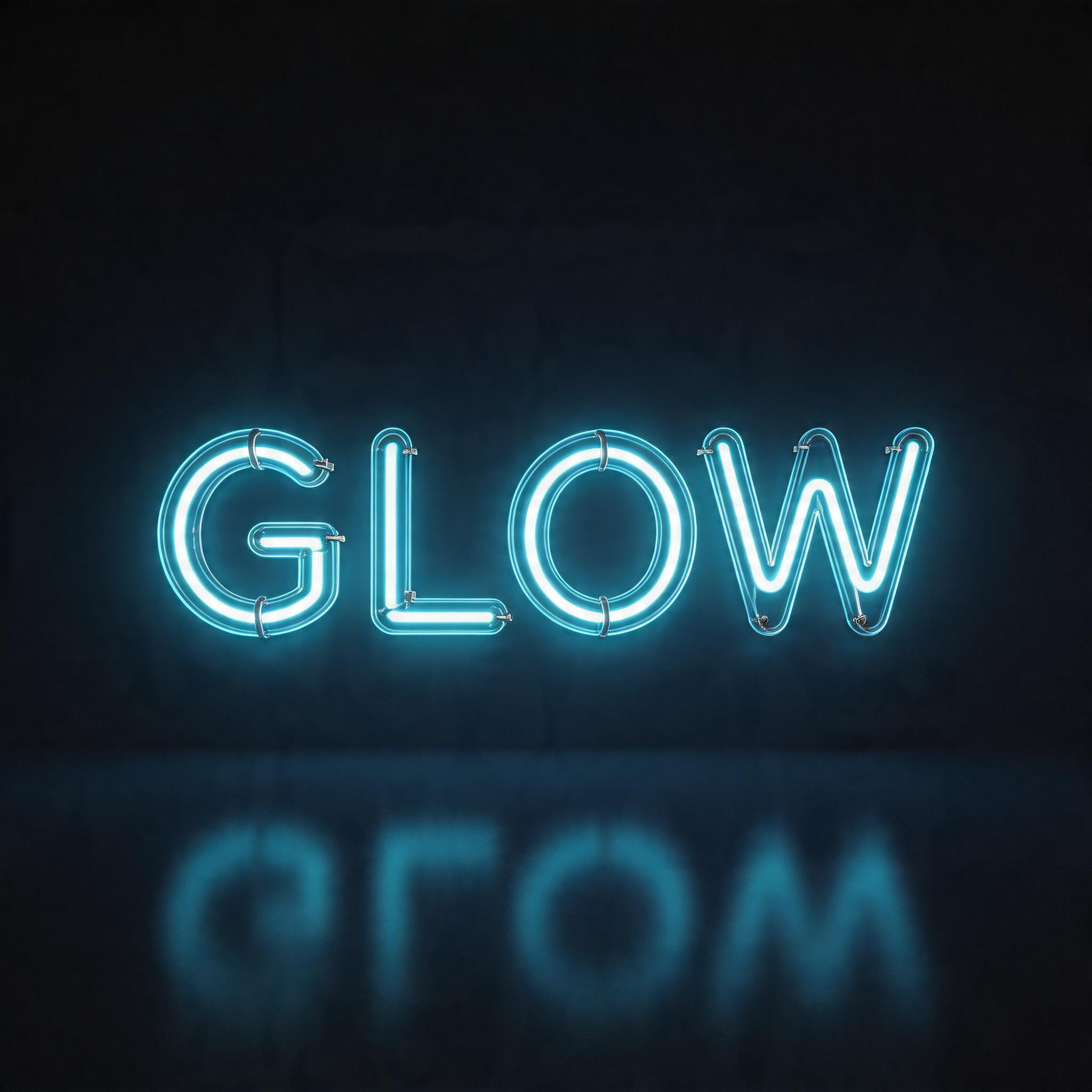
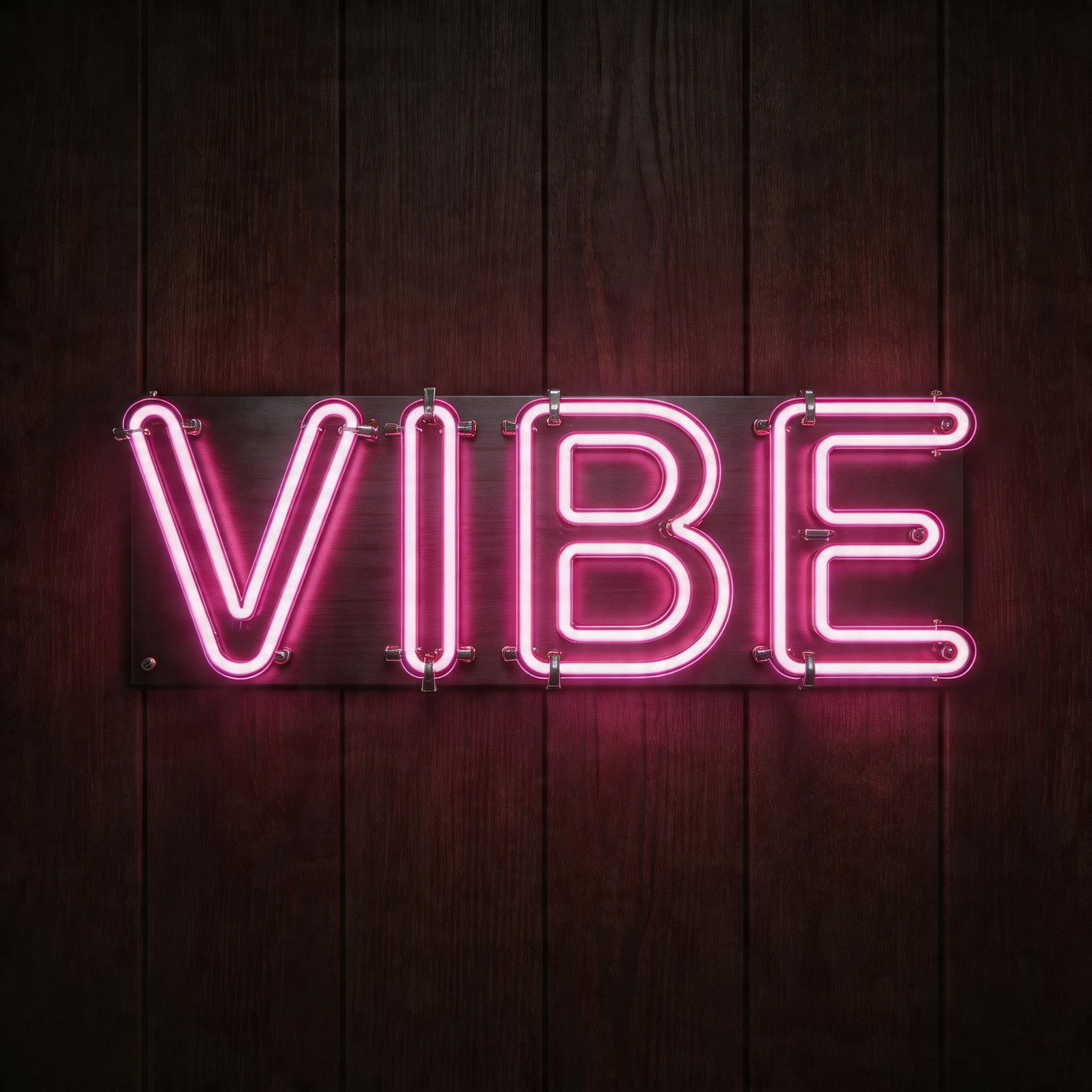
Classic roadside neon sign style, warm tube glow on dark walls. — no font license needed.


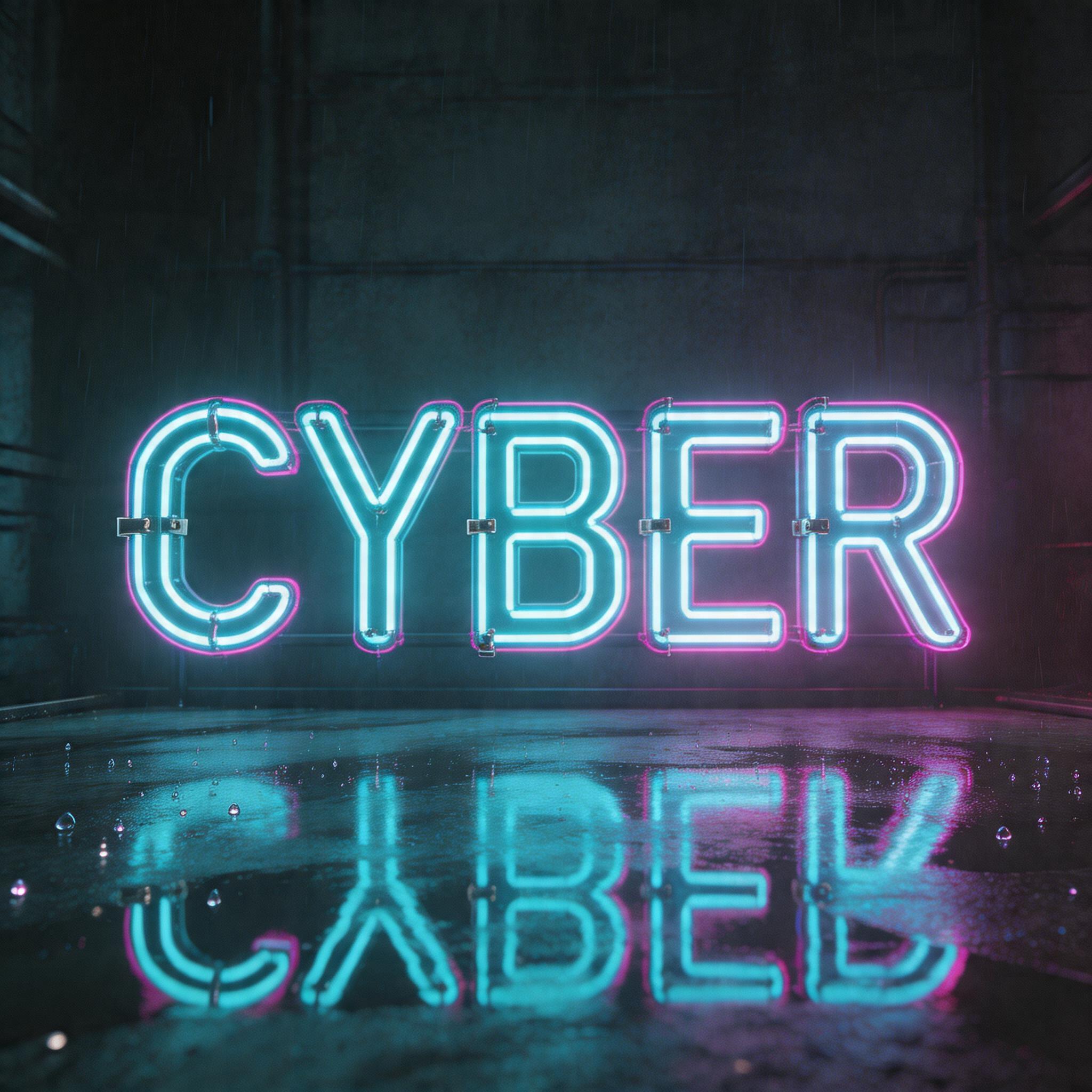
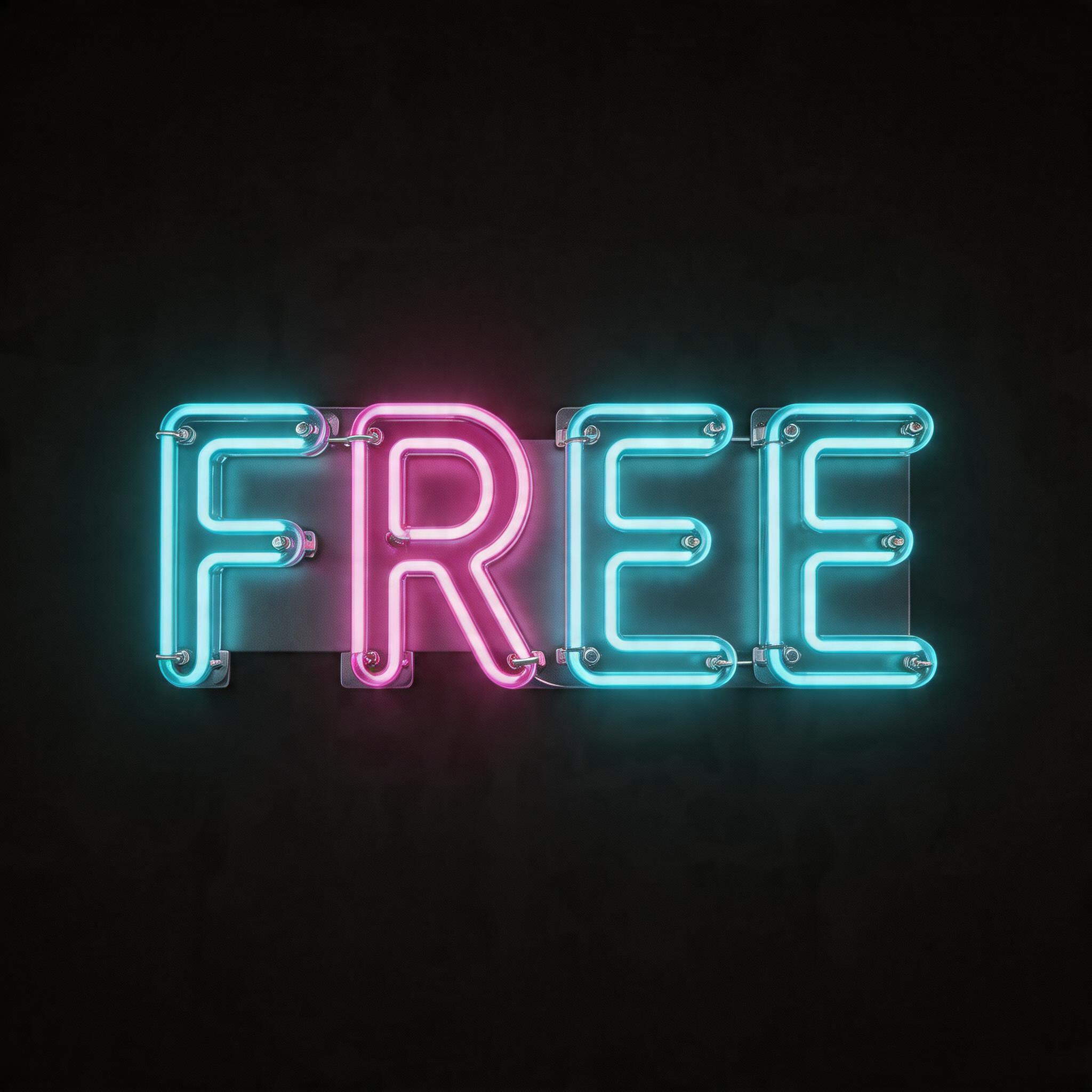

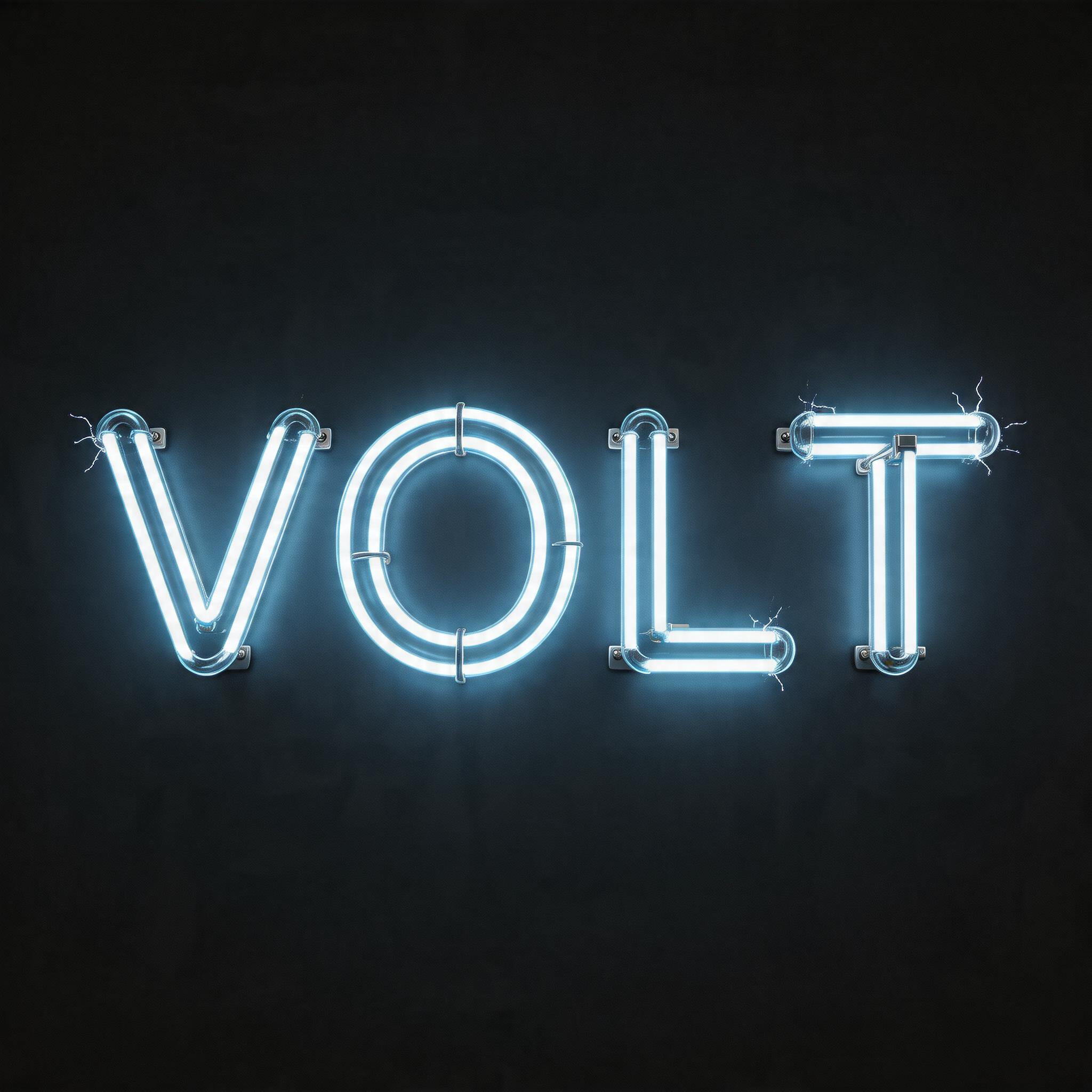
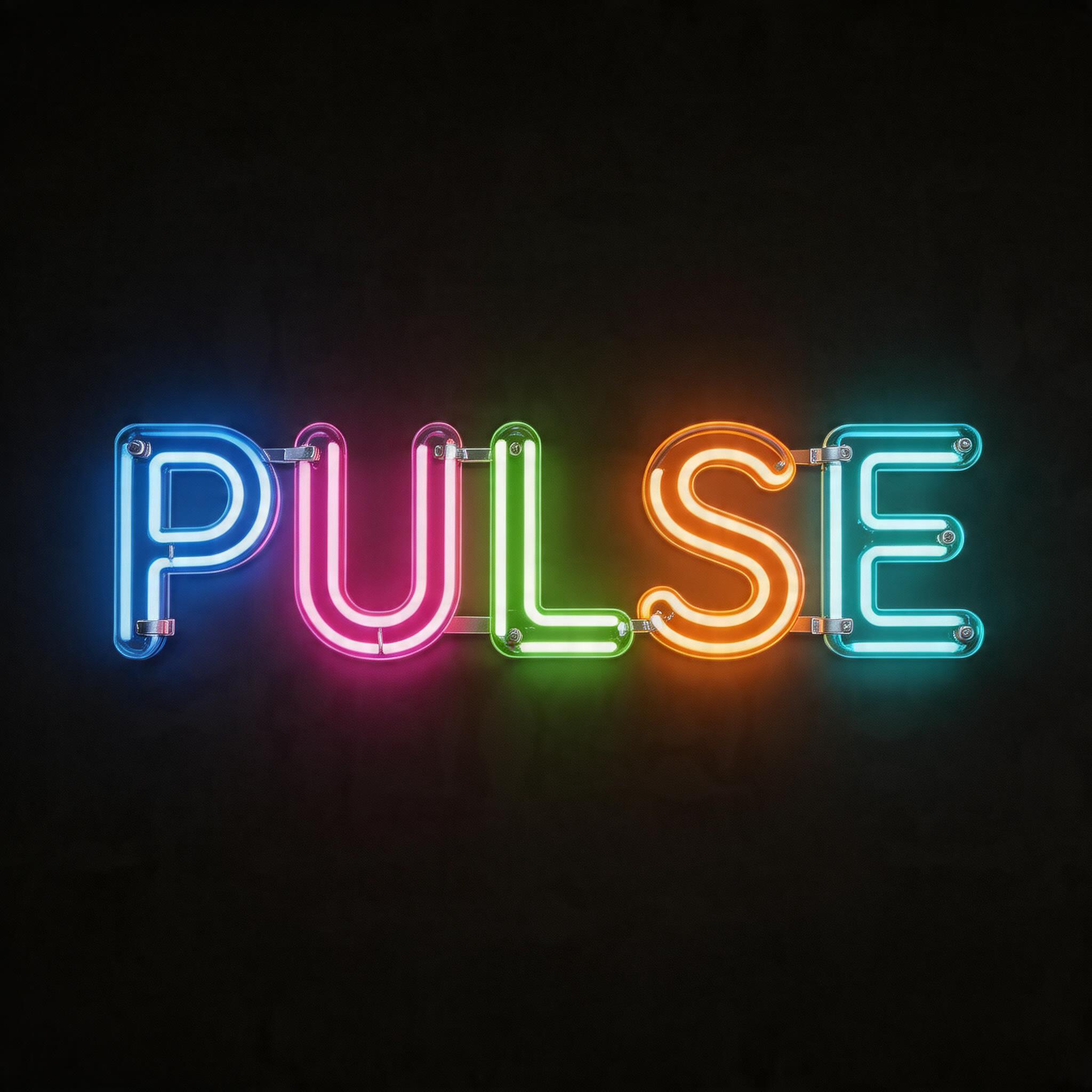

Neon Sign Gallery
Real outputs from the Neon Sign style. Click any image to see details.


Looking for copy-paste fancy text? Try our free Font Generator Tools — cursive, gothic, bubble & 30+ styles.
Perfect for These Projects
Neon Sign Text Effect — FAQ
What is the Neon Sign Font Style?
The Neon Sign font style is a distinctive AI-generated typography effect. Classic roadside neon sign style, warm tube glow on dark walls. Using FontVibe's AI neon sign generator you can create stunning text effects in seconds — no Photoshop, no font licensing, no design experience needed.
Explore the Neon Sign gallery for inspiration, or browse all 124+ AI text effect styles available on FontVibe.
How to Create Neon Sign Typography in FontVibe Studio
The Story Behind Neon Sign
History, visual DNA, and cultural context.
Gas, Glass, and the Grammar of Night
The neon sign as a commercial medium has a precise timeline: 1923, Los Angeles, a Packard car dealership on Wilshire Boulevard. Earle Anthony paid French inventor Georges Claude $24,000 for two imported neon tube signs. Crowds reportedly stopped traffic to watch them. Americans had never seen light that color — red-orange, unmistakably neon gas — in a commercial context.\n\nThe technology spread through the 1920s and 1930s as the visual syntax of American commercial culture. Las Vegas by the 1940s had elevated neon from signage to cityscape — the Fremont Street corridor became a tutorial in how much light a built environment could absorb before reaching saturation. The Googie architecture of Southern California coffee shops and motels used neon not as an add-on but as a structural design element: the sign was the building's face.\n\nReal neon tube fabrication is a craft. A neon bender heats glass tubing over a ribbon burner, shapes it by hand against a paper pattern, and pumps it with noble gases — neon for red-orange, argon for blue, mercury vapor for blue-white. A skilled bender can produce letterforms that no font file can fully replicate: the slight irregularity of hand-bent glass, the way a single tube becomes an entire word without lifting the line.
The Visual DNA
Typographic Landmarks
Did You Know?
Los Angeles had an estimated 10,000 neon signs by 1930, just seven years after the first two were installed. The city banned new neon signs in most districts in 1978 — which is why the classic neon corridor aesthetic belongs to Las Vegas, Hong Kong, and Tokyo rather than LA. The city that started it legislated it away.
Blade Runner's (1982) Los Angeles was designed around the visual logic of mega-city neon: so many signs, so much light, that the sky itself appears to glow. Production designer Lawrence G. Paull and visual futurist Syd Mead built the film's visual world from the premise that commercial signage had grown until it became the dominant architectural element.
In 1913, a year after the first shop sign, a giant neon sign for the vermouth Cinzano lit the Paris skyline; by 1919 the entrance to the Paris Opera was outlined in neon tubing.
Create Your Neon Sign Typography in Studio
Free to start. No design skills needed. Your artwork, your copyright.
AI Neon Glow Neon Sign Text Effect Generator
Generate Your Neon Sign Text Effect
Type any word — see it transformed in seconds. No sign-up required.
Neon Sign Style Gallery
Real outputs from the Neon Sign style. Click any image to see details.


Similar Text Effect Styles
Try these styles and create your own AI-generated text effects.
Looking for copy-paste fancy text? Try our free Font Generator Tools — cursive, gothic, bubble & 30+ styles.
Perfect for These Projects
Neon Sign text effects are popular for creative projects where visual impact matters.
What is the Neon Sign Font Style?
The Neon Sign font style is a distinctive AI-generated typography effect. Classic roadside neon sign style, warm tube glow on dark walls.
Using FontVibe's AI neon sign generator you can create stunning text effects in seconds — no Photoshop, no font licensing, no design experience needed.
Explore the Neon Sign gallery for inspiration, or browse all 124+ AI text effect styles available on FontVibe.
How to Create Neon Sign Typography in FontVibe Studio
1. Enter your text — Any word, phrase, or brand name. Works best with short, punchy text.
2. Select Neon Sign — From the style library. Optionally describe a mood in the custom prompt.
3. Generate and download. Your Neon Sign font artwork is ready in seconds. PNG, JPG, or transparent PNG.
Looking for something different? Browse the full font style library for more AI typography options.
Neon Sign Text Effect — FAQ
The Story Behind Neon Sign
History, visual DNA, and cultural context — everything that makes this style what it is.
Gas, Glass, and the Grammar of Night
The neon sign as a commercial medium has a precise timeline: 1923, Los Angeles, a Packard car dealership on Wilshire Boulevard. Earle Anthony paid French inventor Georges Claude $24,000 for two imported neon tube signs. Crowds reportedly stopped traffic to watch them. Americans had never seen light that color — red-orange, unmistakably neon gas — in a commercial context.\n\nThe technology spread through the 1920s and 1930s as the visual syntax of American commercial culture. Las Vegas by the 1940s had elevated neon from signage to cityscape — the Fremont Street corridor became a tutorial in how much light a built environment could absorb before reaching saturation. The Googie architecture of Southern California coffee shops and motels used neon not as an add-on but as a structural design element: the sign was the building's face.\n\nReal neon tube fabrication is a craft. A neon bender heats glass tubing over a ribbon burner, shapes it by hand against a paper pattern, and pumps it with noble gases — neon for red-orange, argon for blue, mercury vapor for blue-white. A skilled bender can produce letterforms that no font file can fully replicate: the slight irregularity of hand-bent glass, the way a single tube becomes an entire word without lifting the line.
The Visual DNA
Typographic Landmarks
Did You Know?
Los Angeles had an estimated 10,000 neon signs by 1930, just seven years after the first two were installed. The city banned new neon signs in most districts in 1978 — which is why the classic neon corridor aesthetic belongs to Las Vegas, Hong Kong, and Tokyo rather than LA. The city that started it legislated it away.
Blade Runner's (1982) Los Angeles was designed around the visual logic of mega-city neon: so many signs, so much light, that the sky itself appears to glow. Production designer Lawrence G. Paull and visual futurist Syd Mead built the film's visual world from the premise that commercial signage had grown until it became the dominant architectural element.
In 1913, a year after the first shop sign, a giant neon sign for the vermouth Cinzano lit the Paris skyline; by 1919 the entrance to the Paris Opera was outlined in neon tubing.