


AI Chalk Text Effect Generator
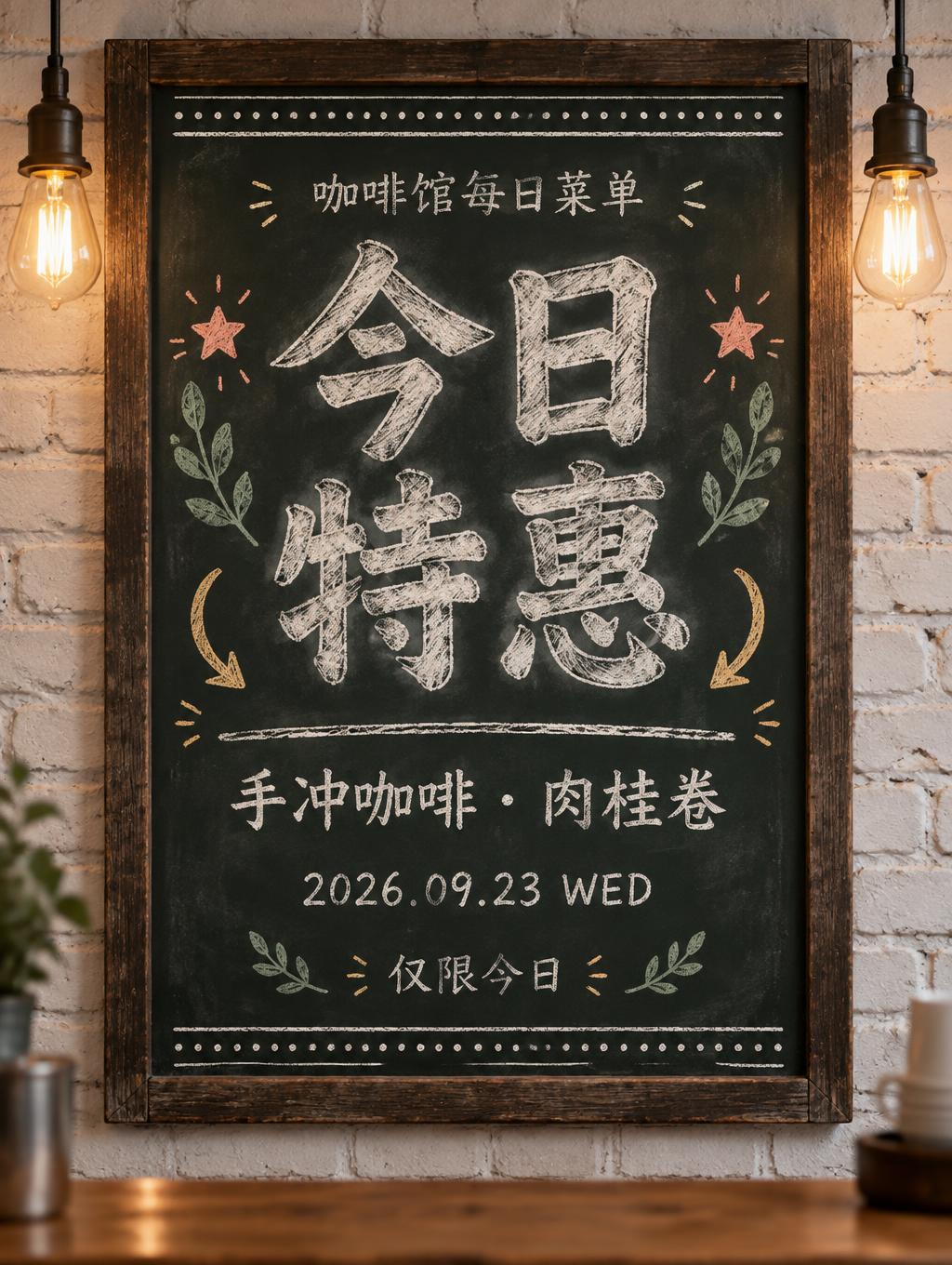
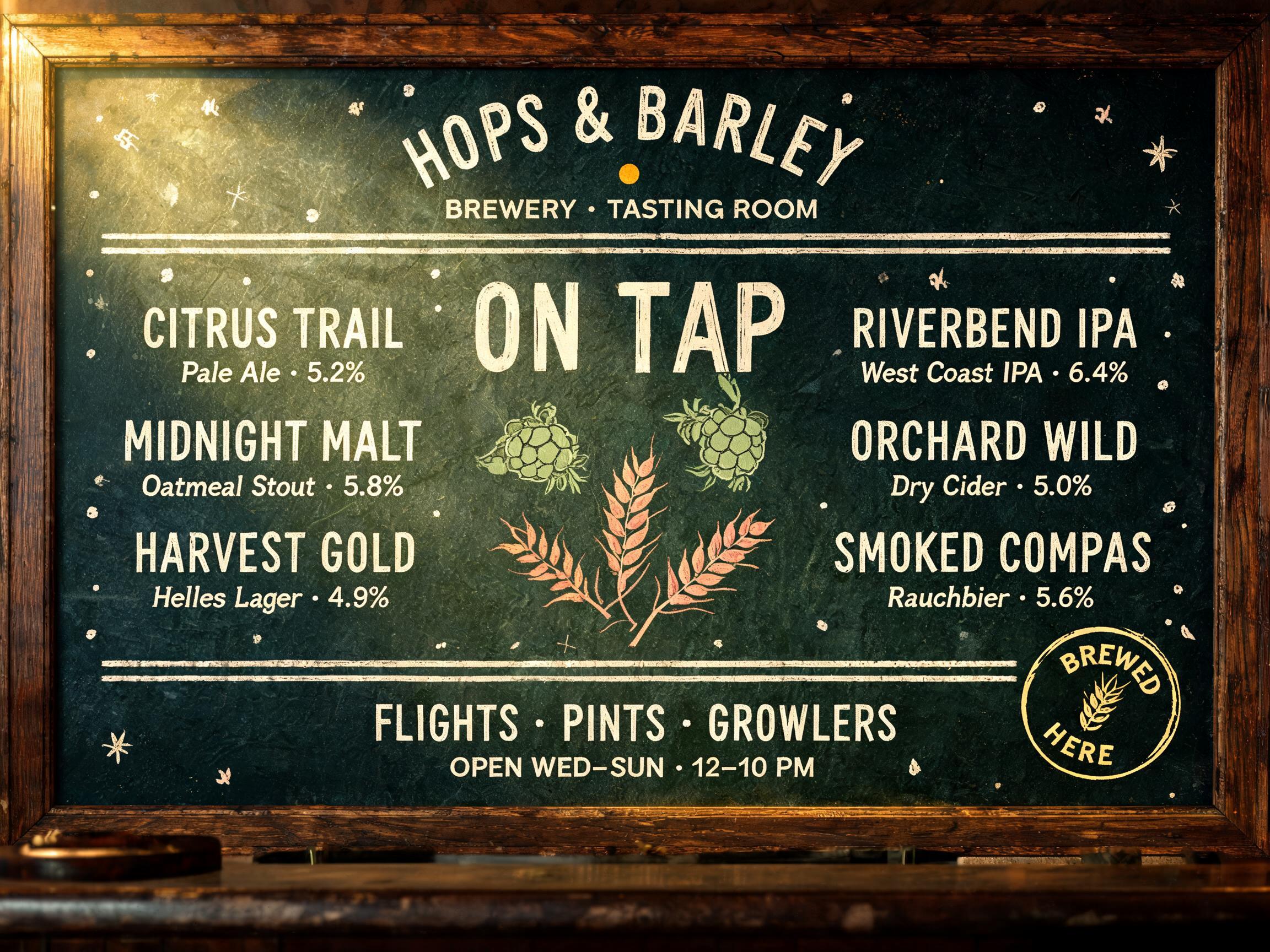
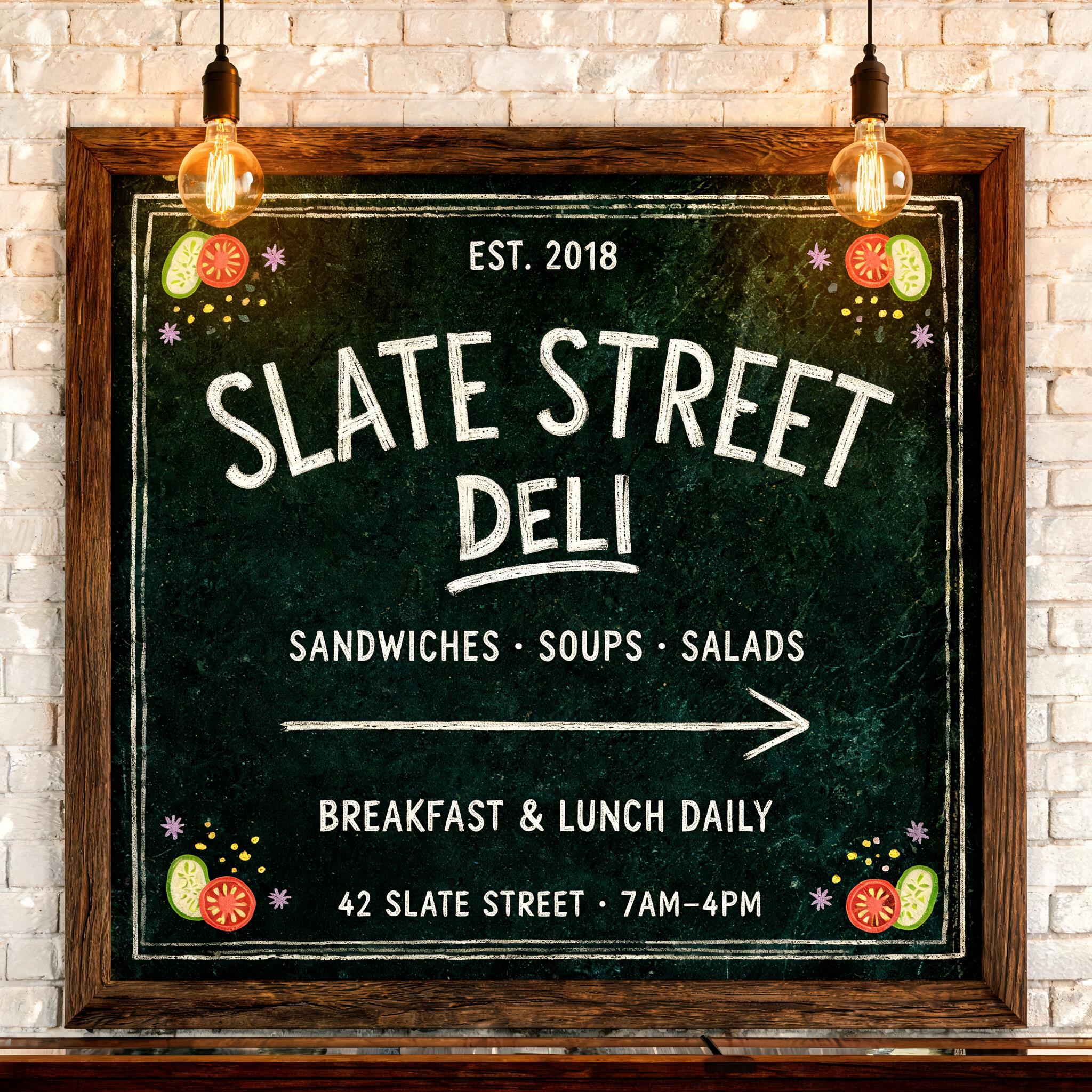
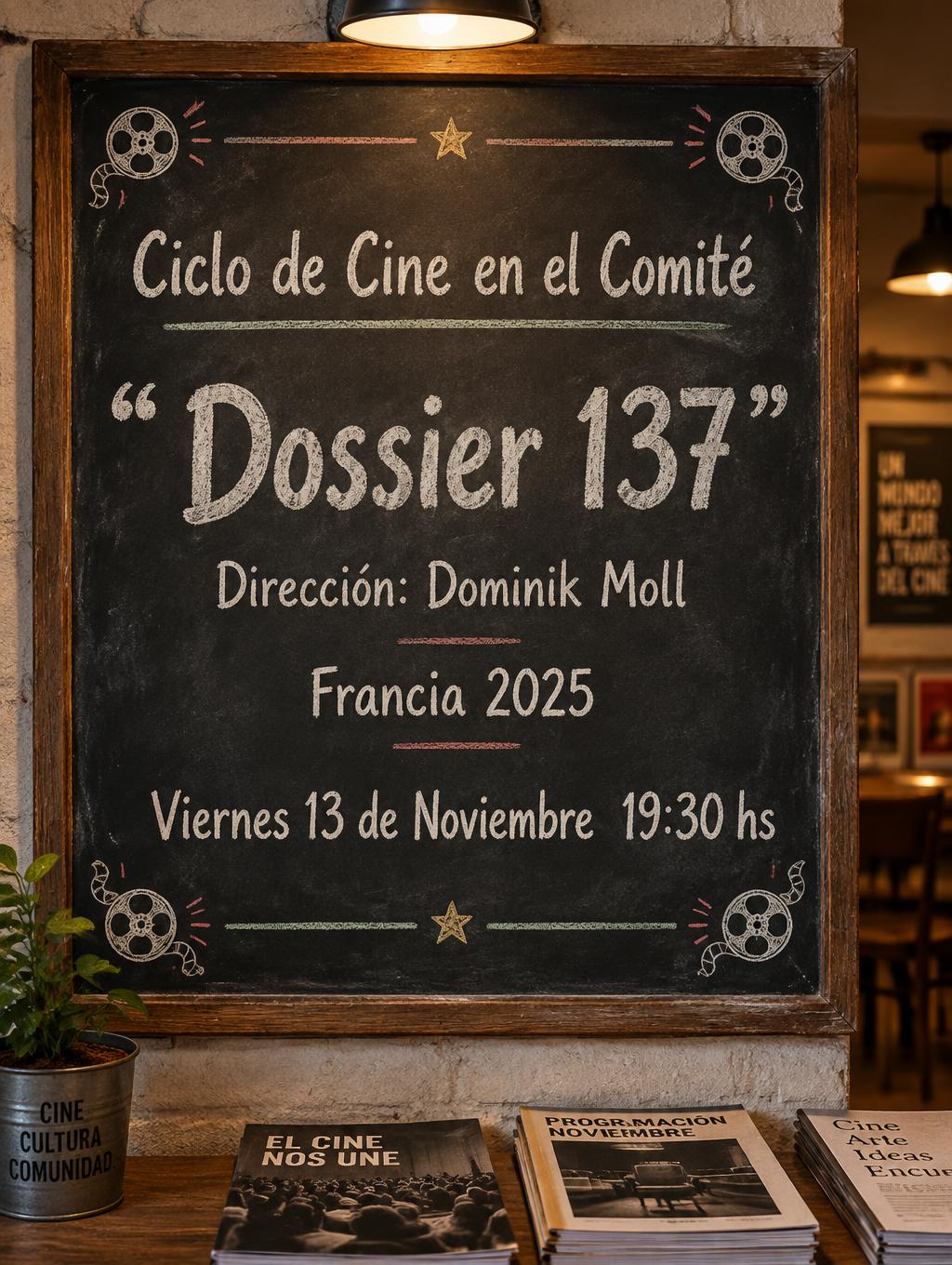
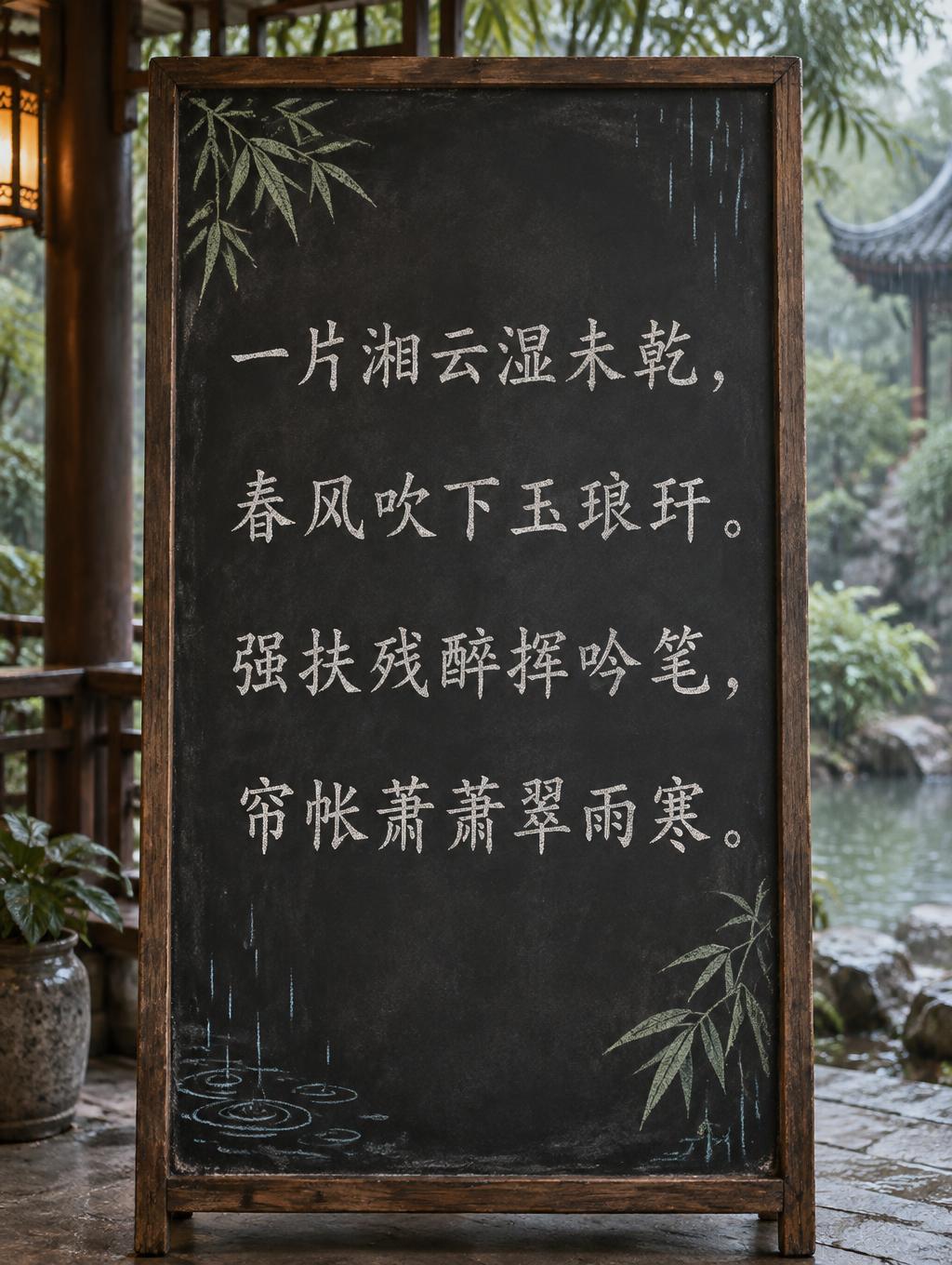
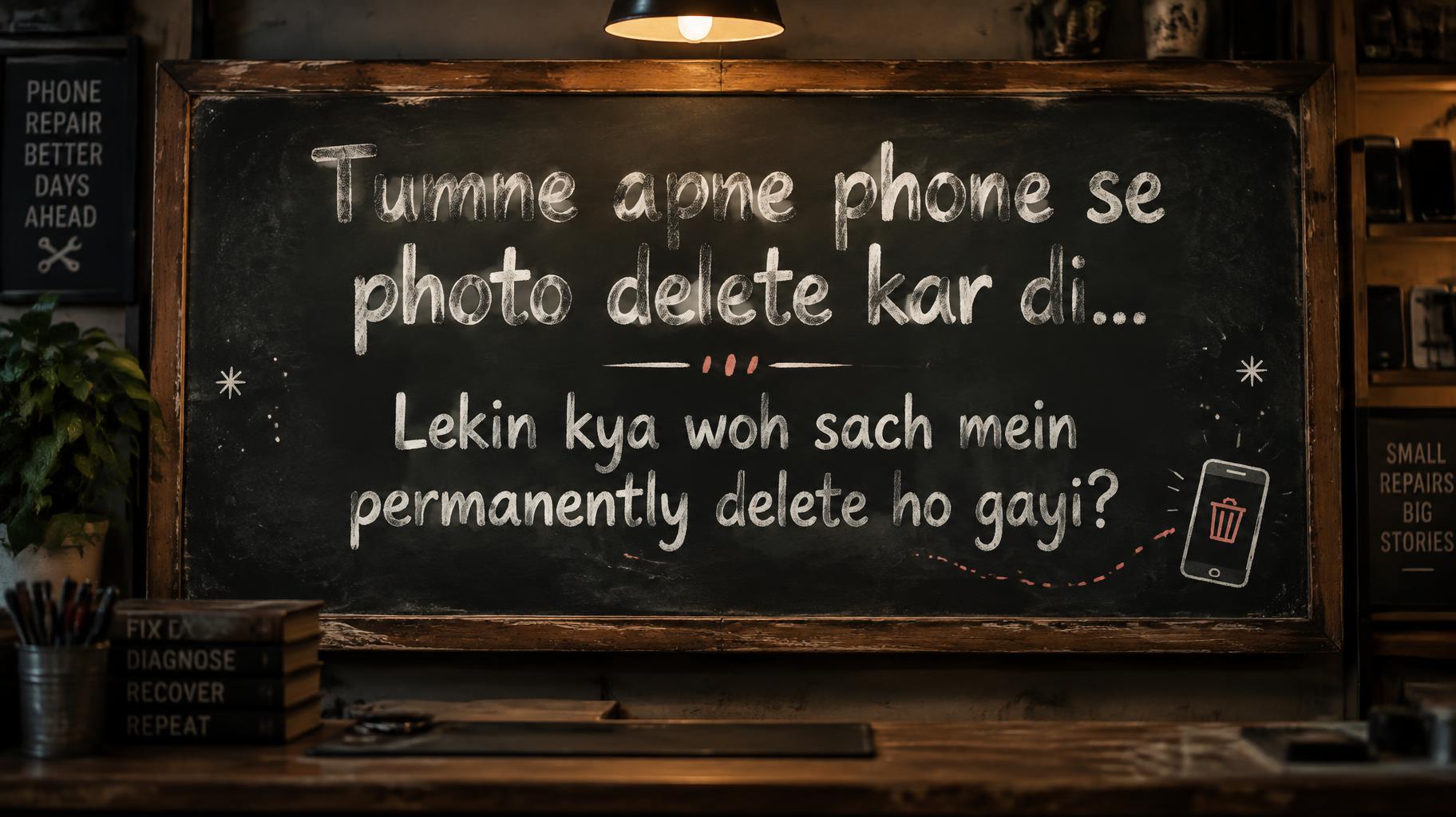
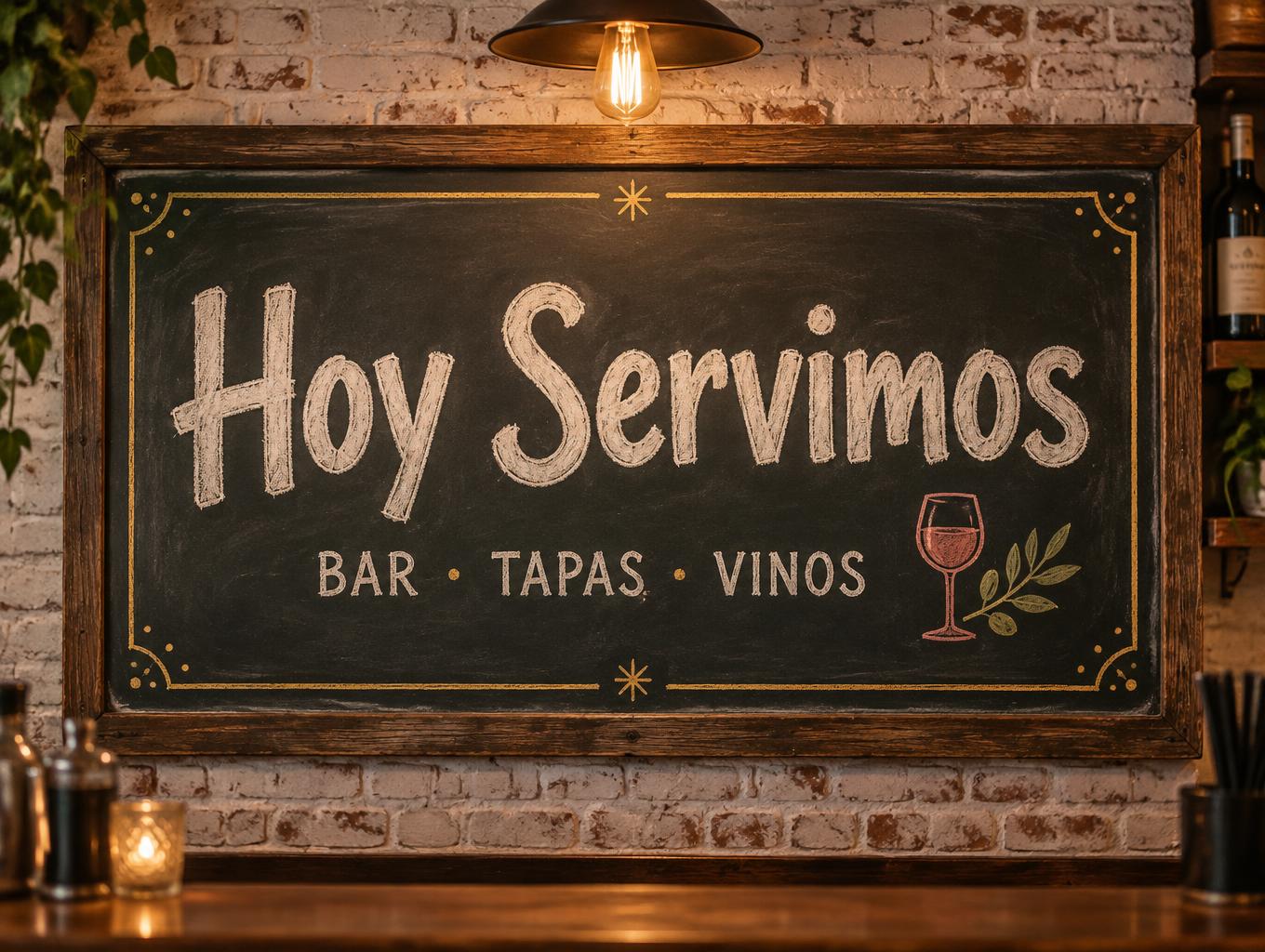
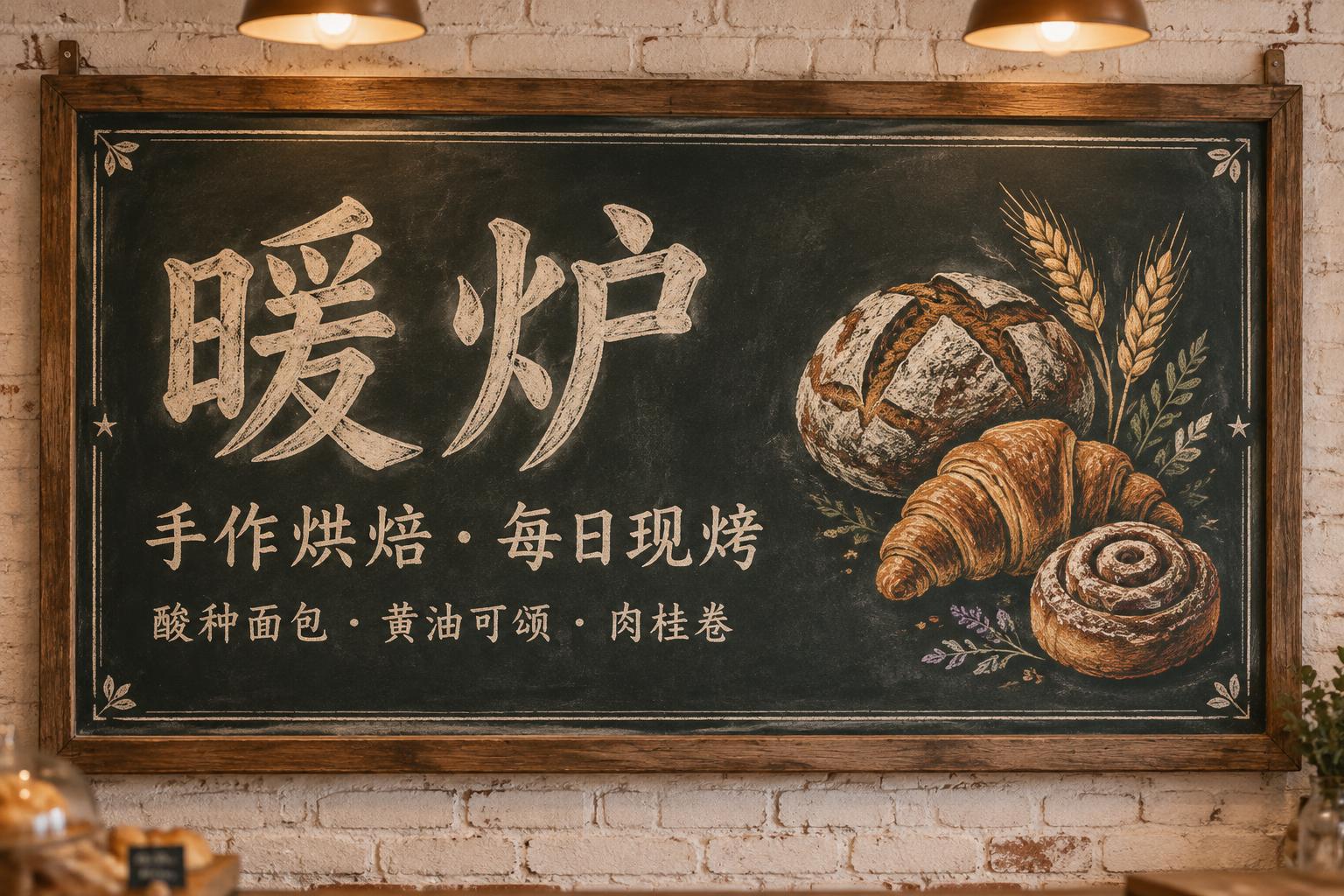
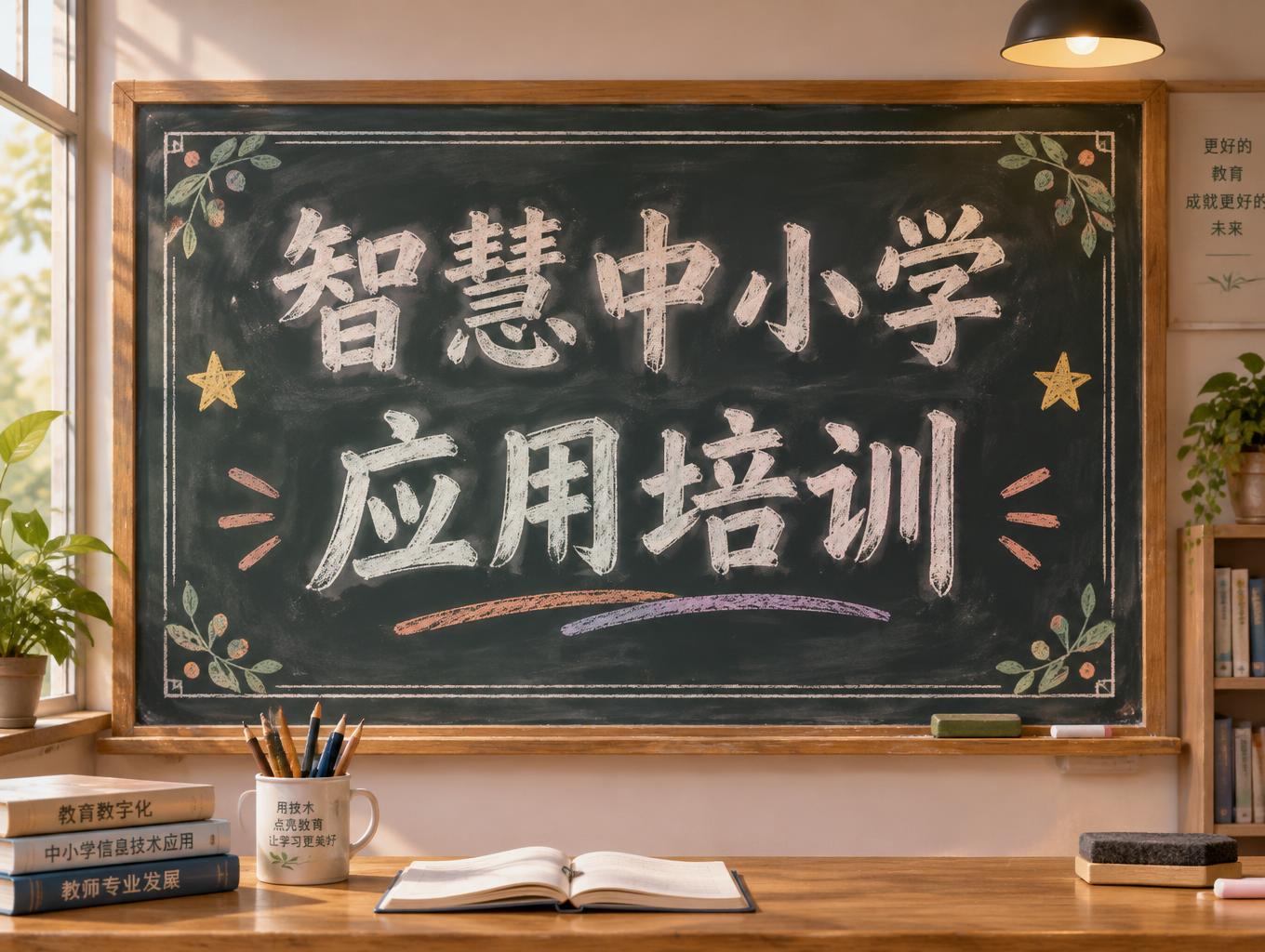
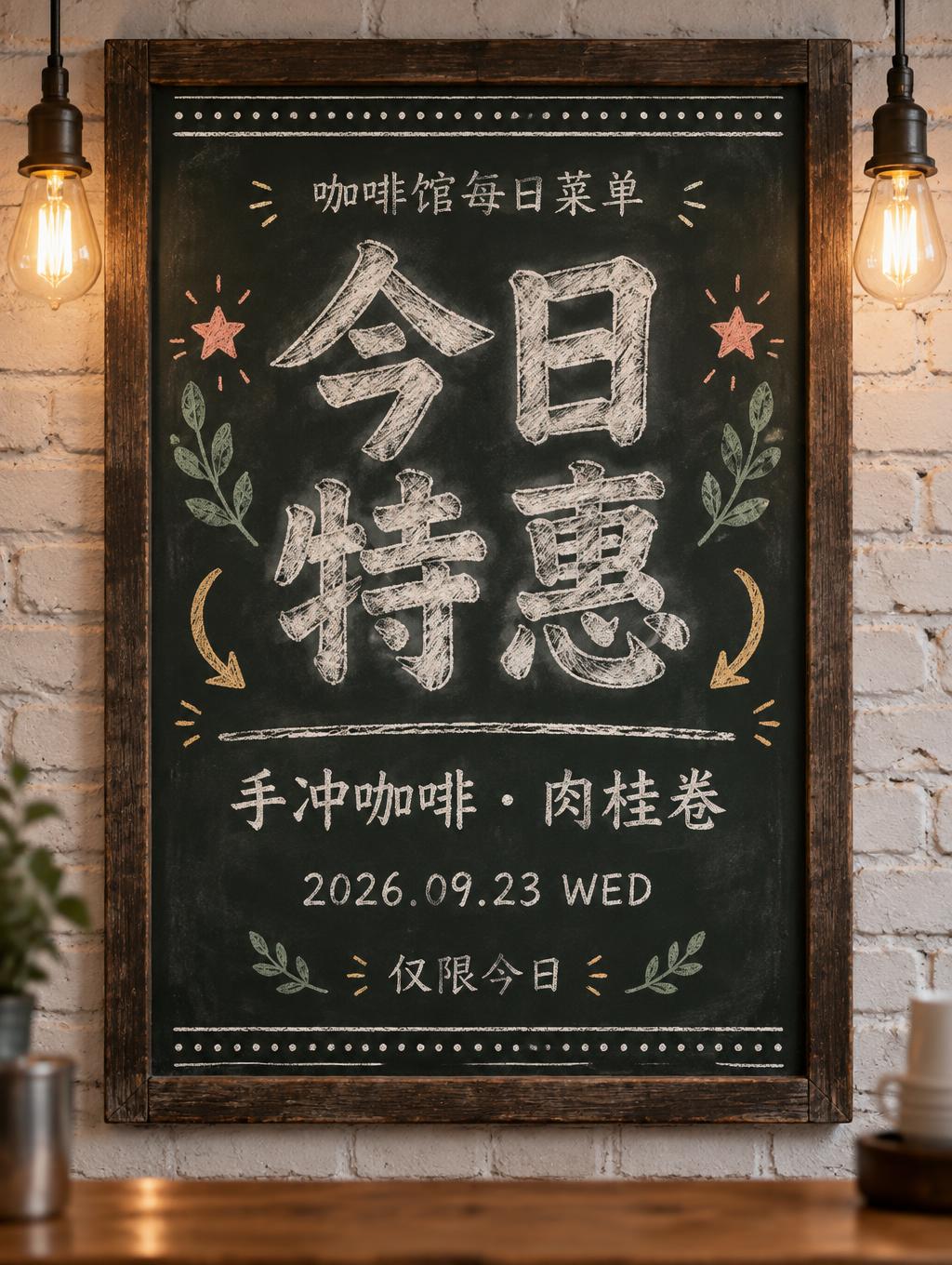
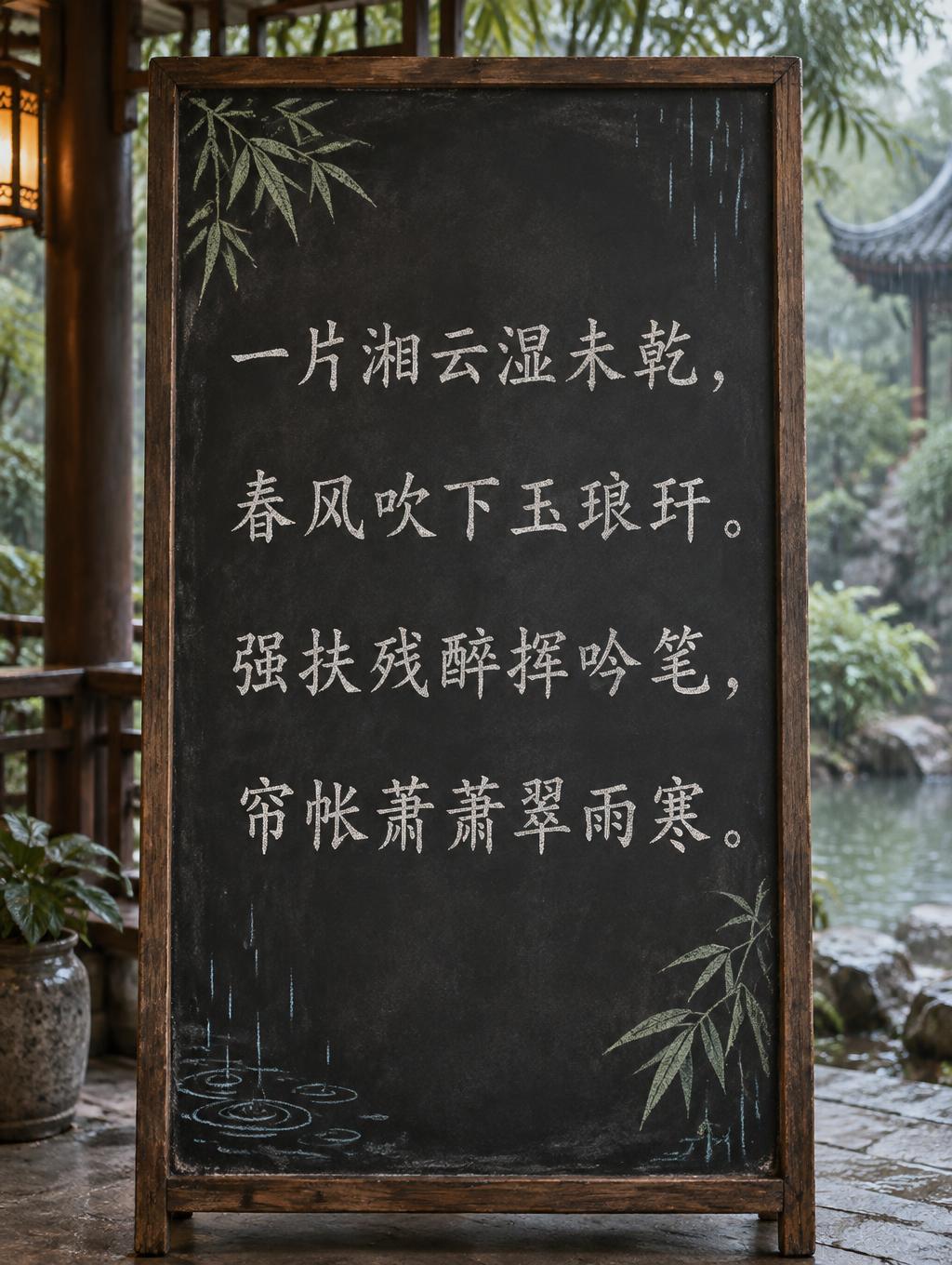
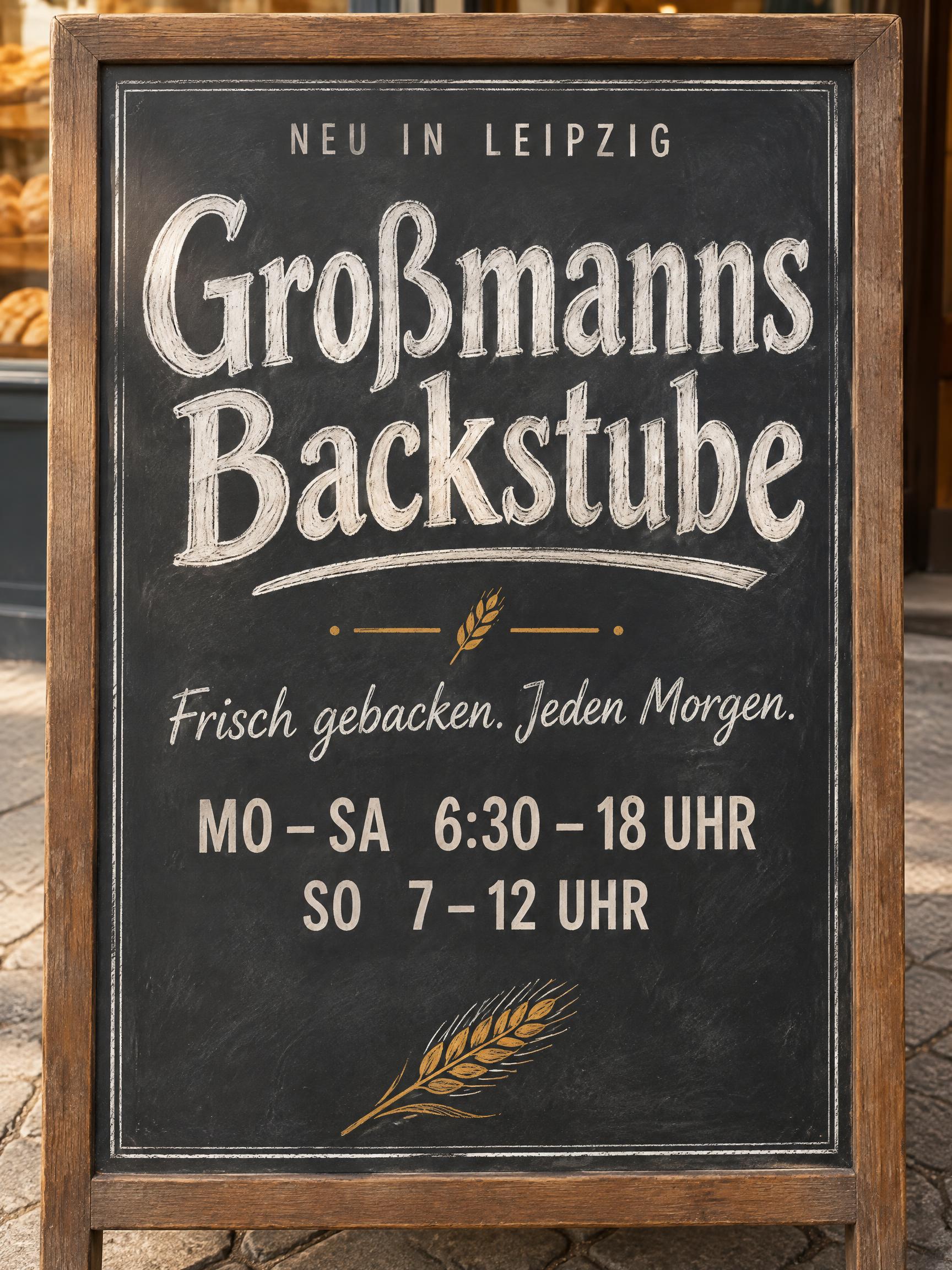
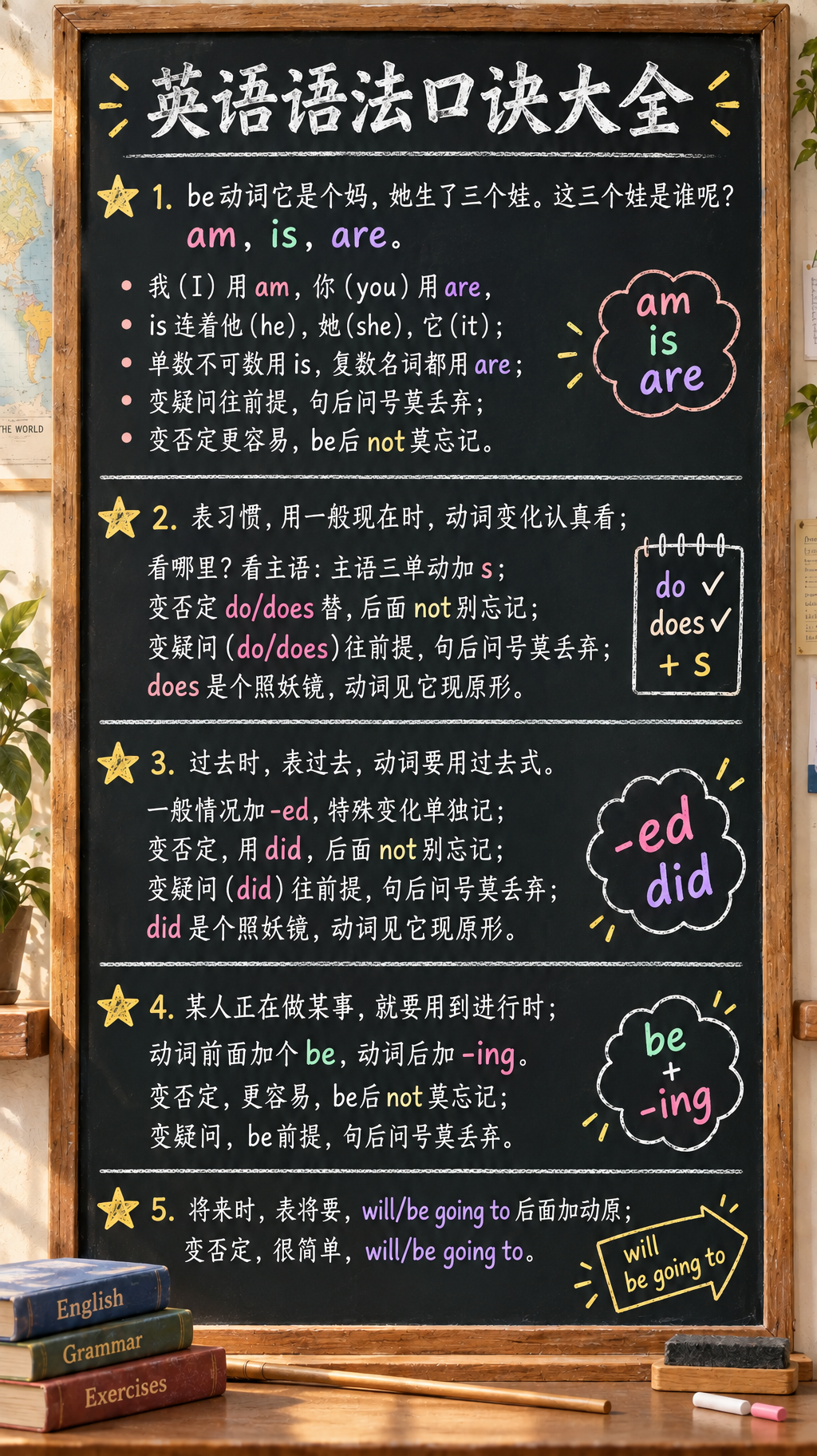
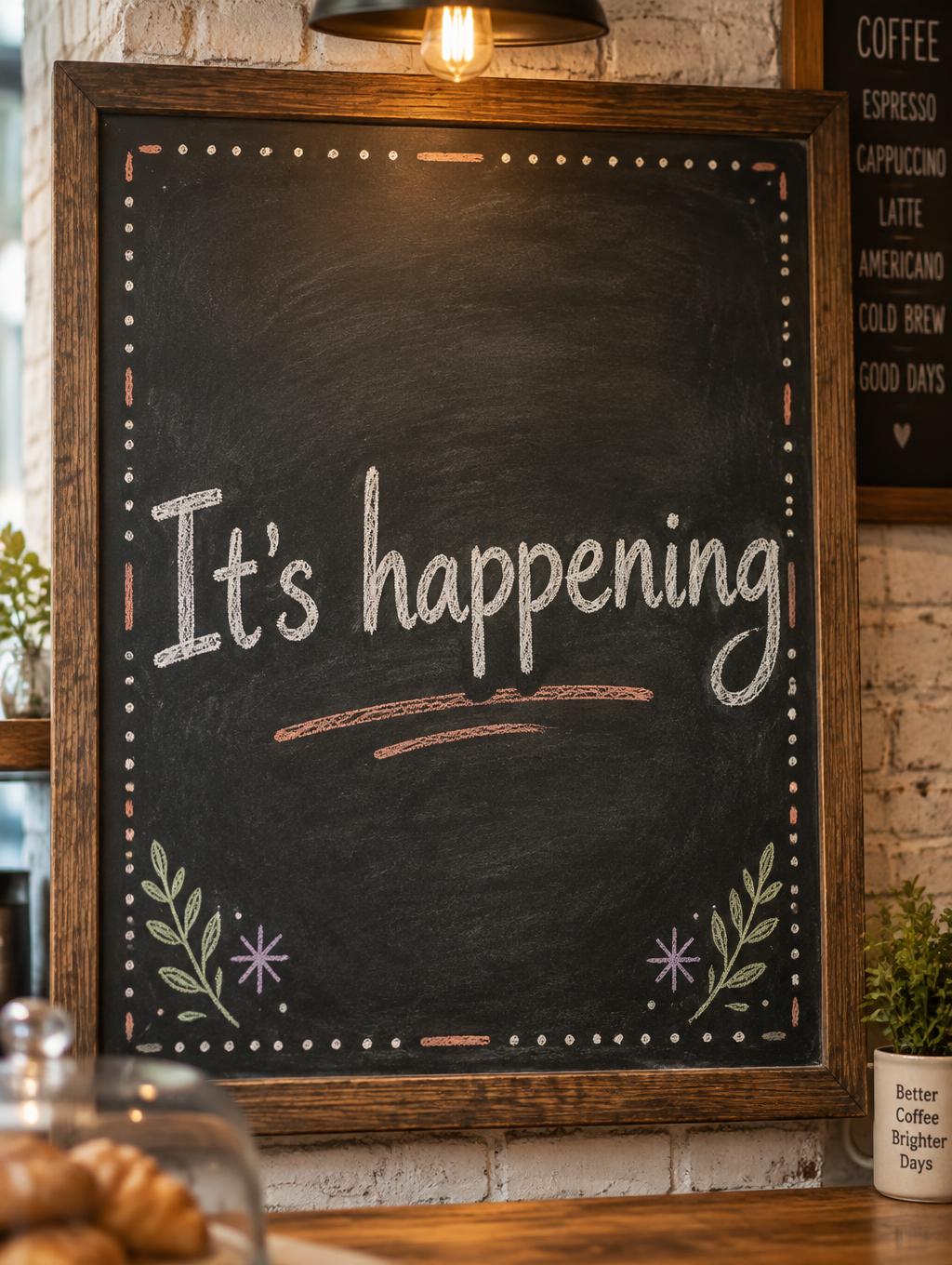
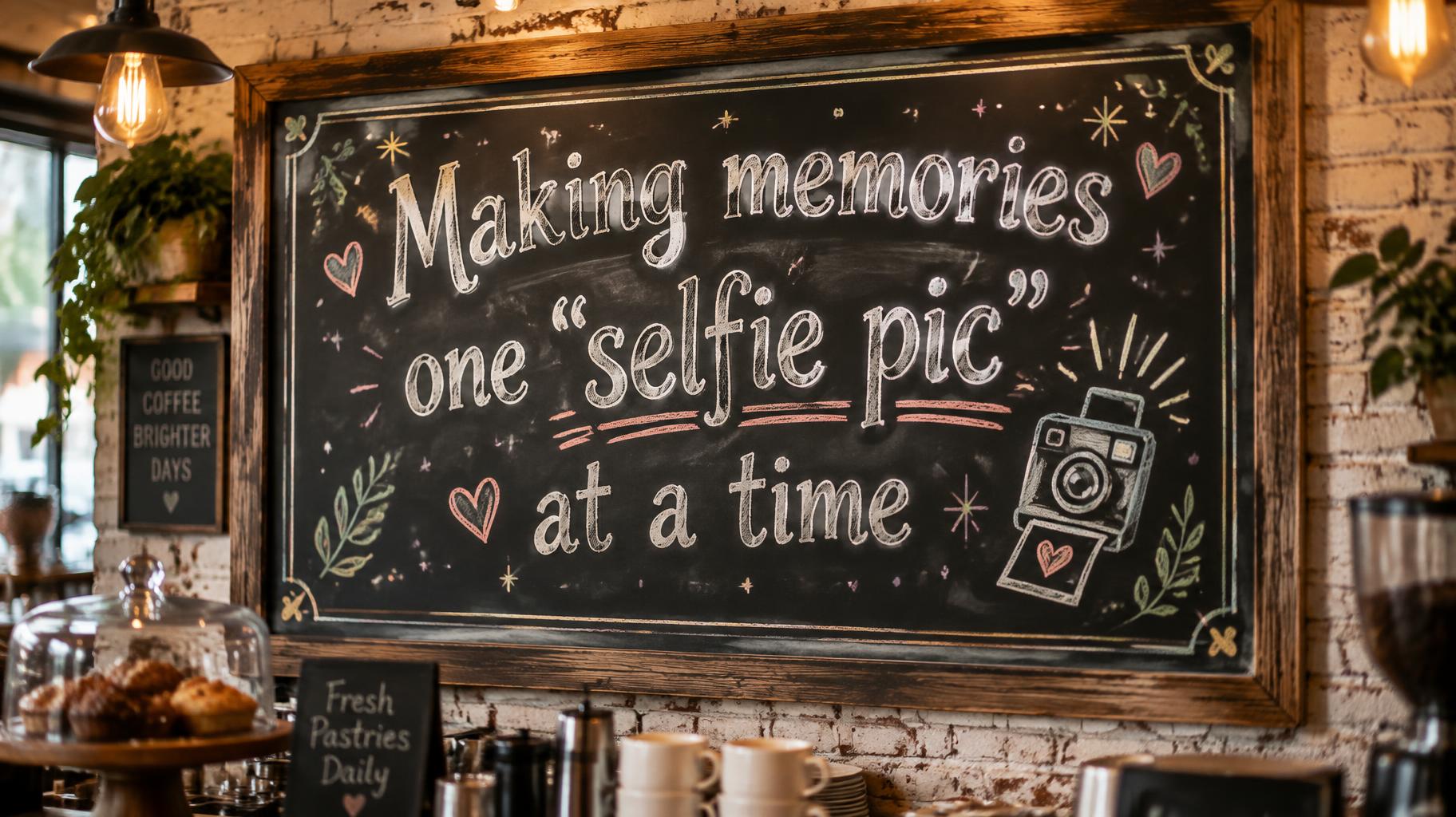
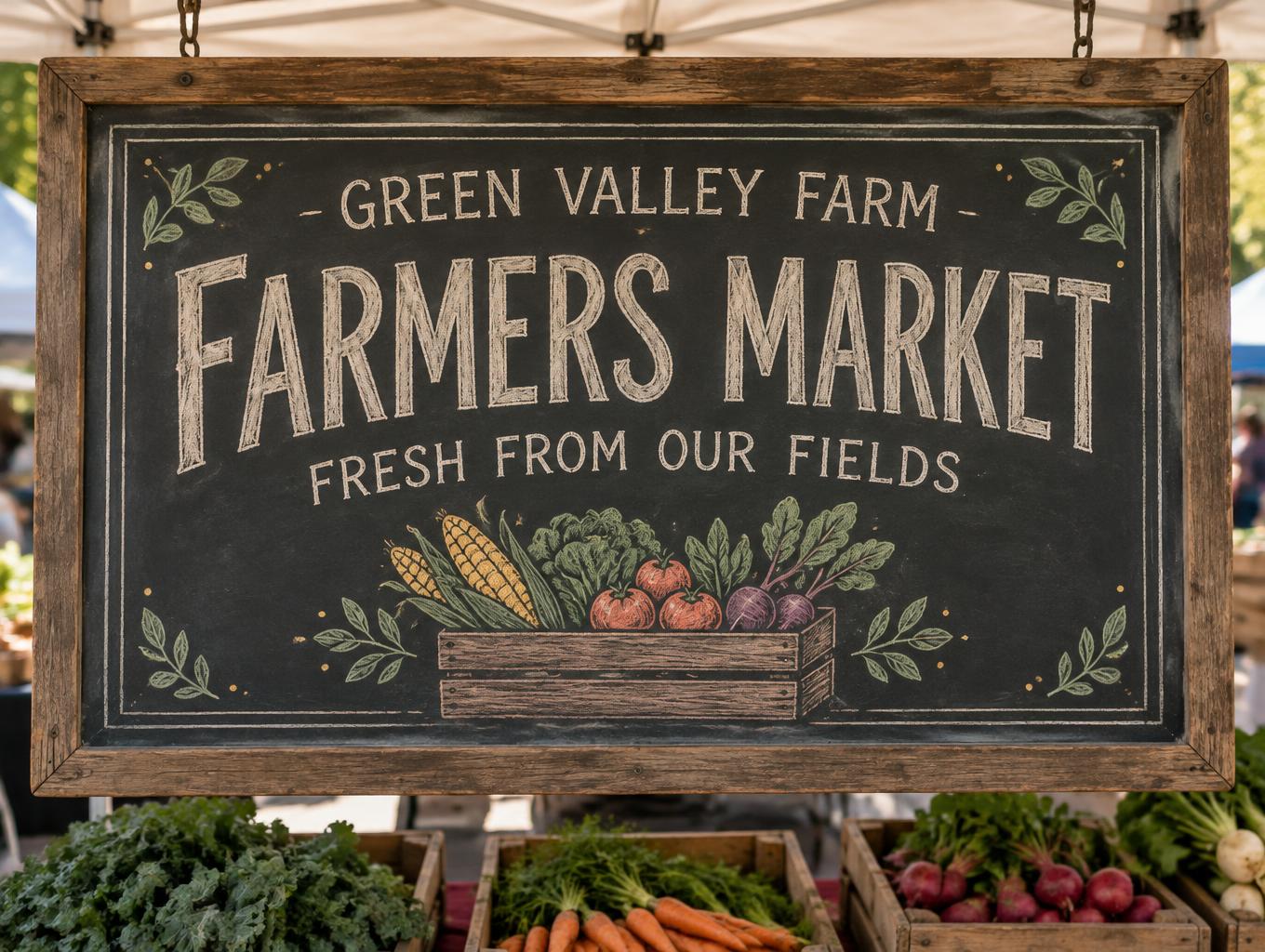
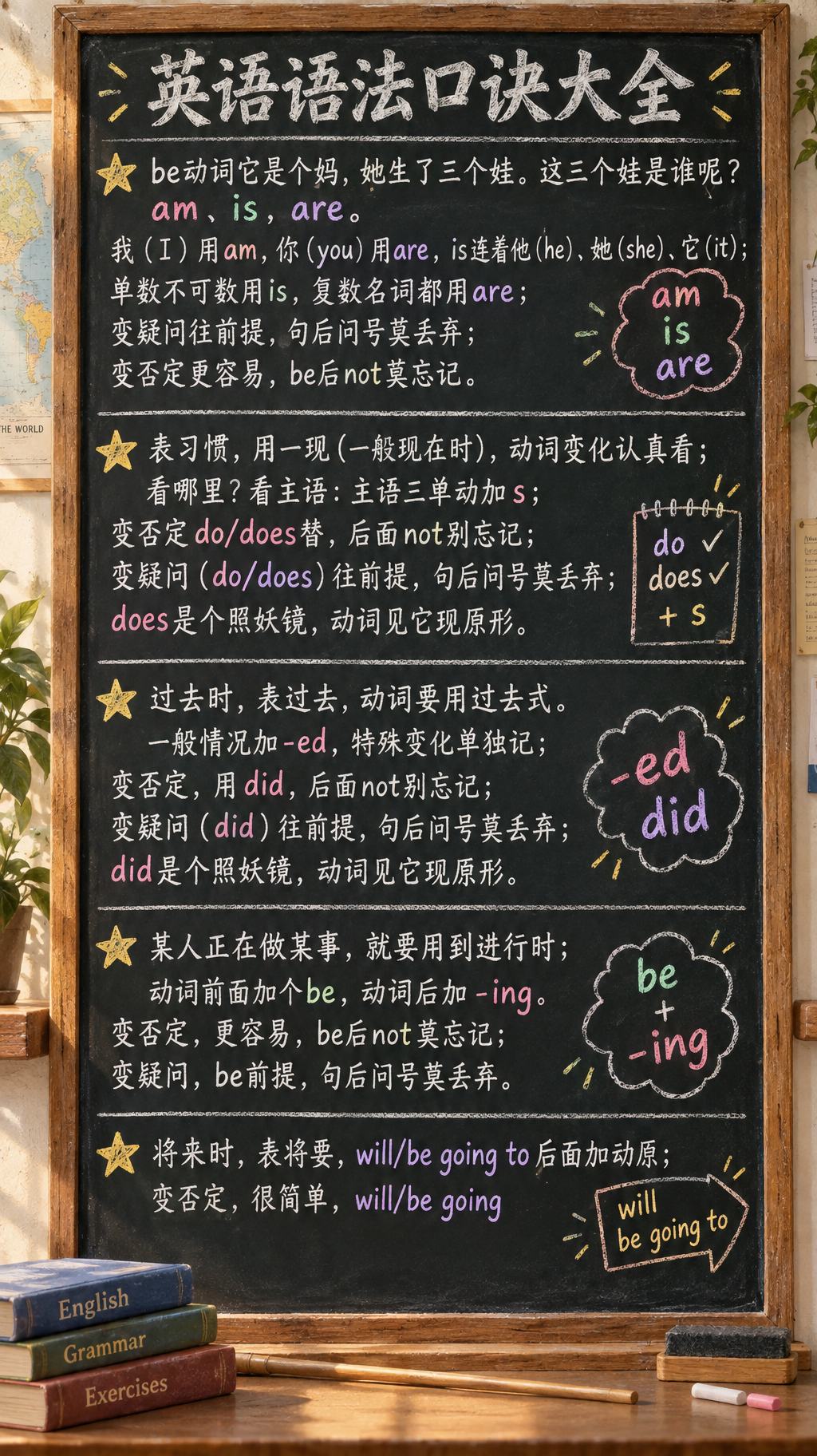
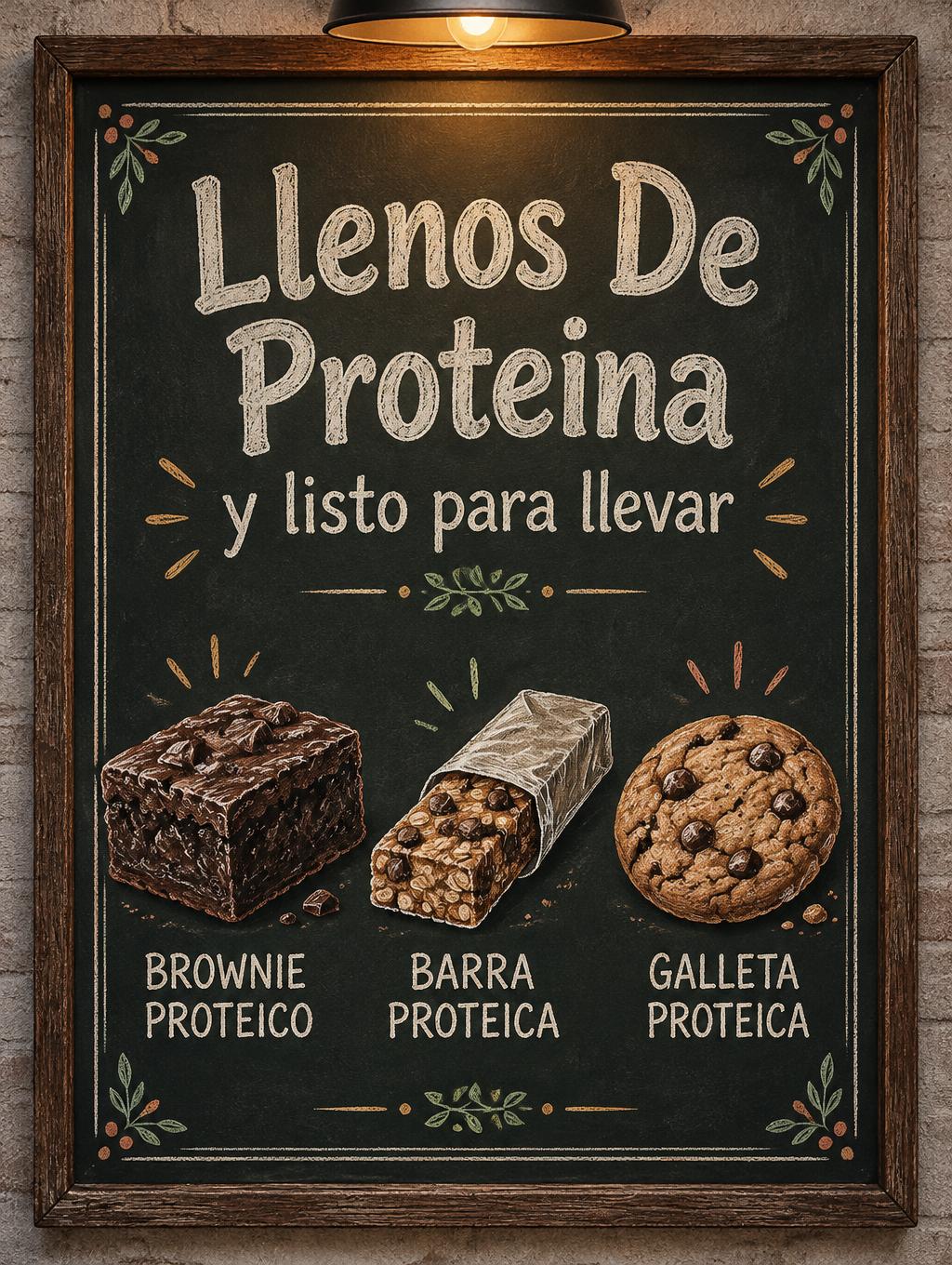
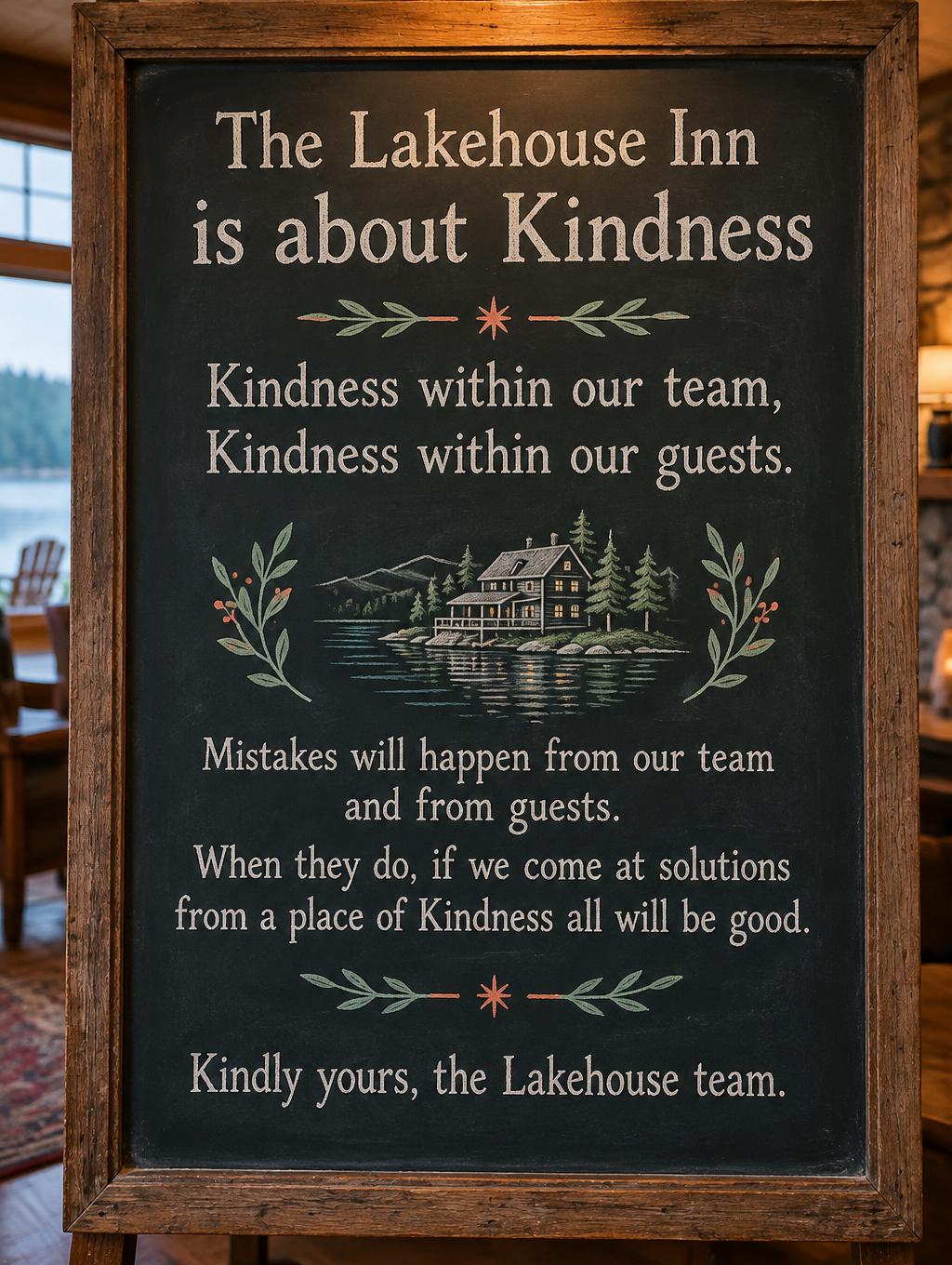
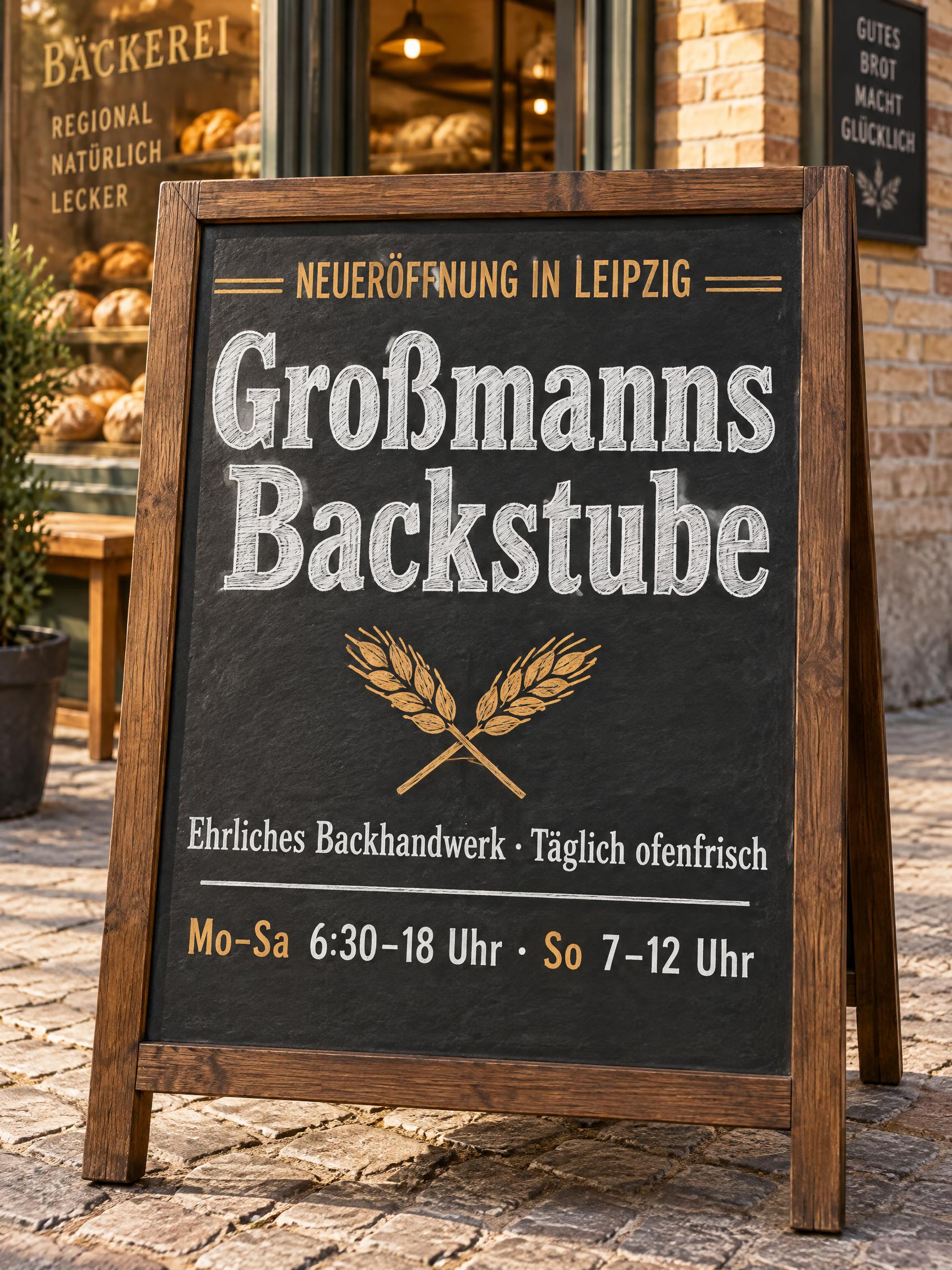
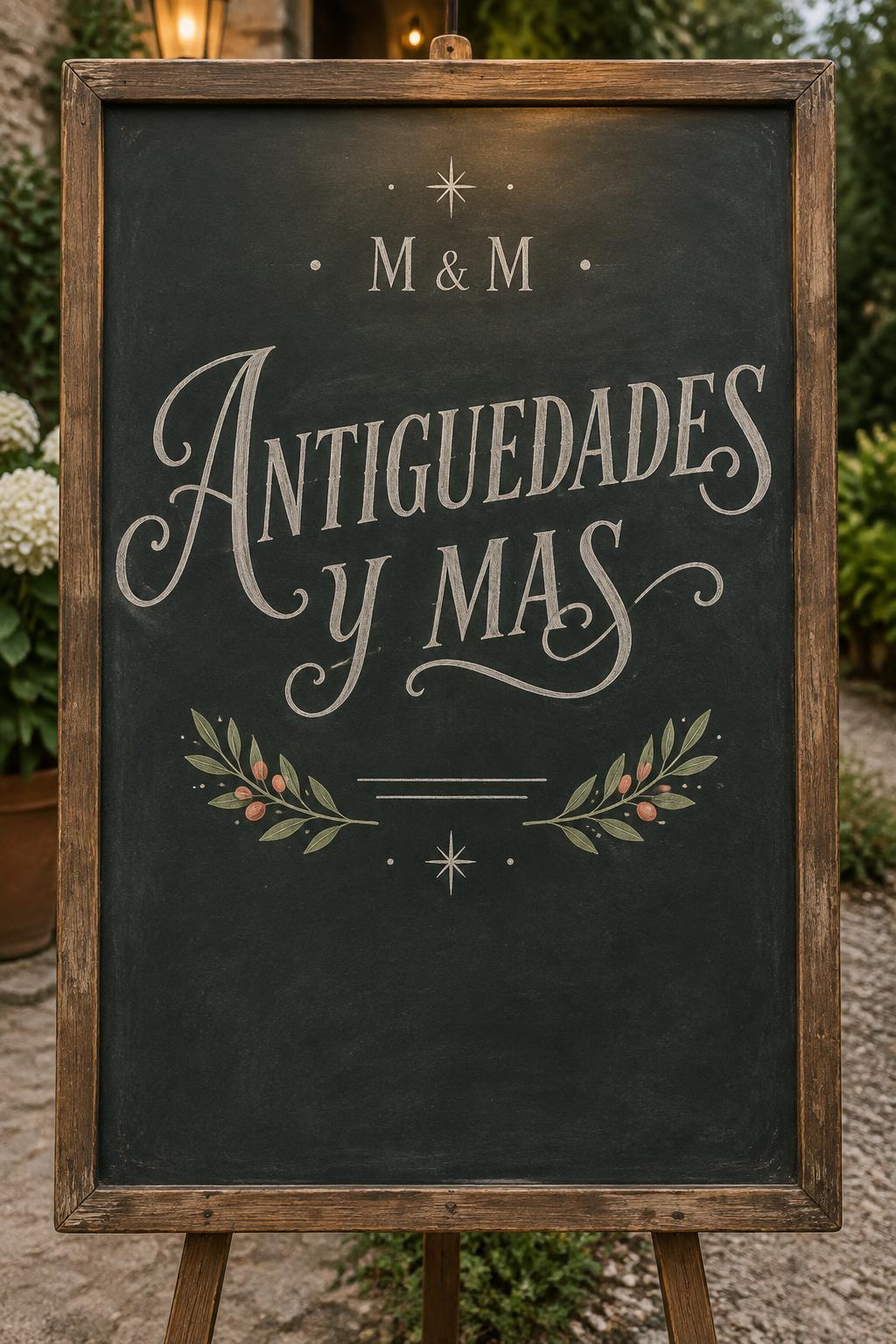
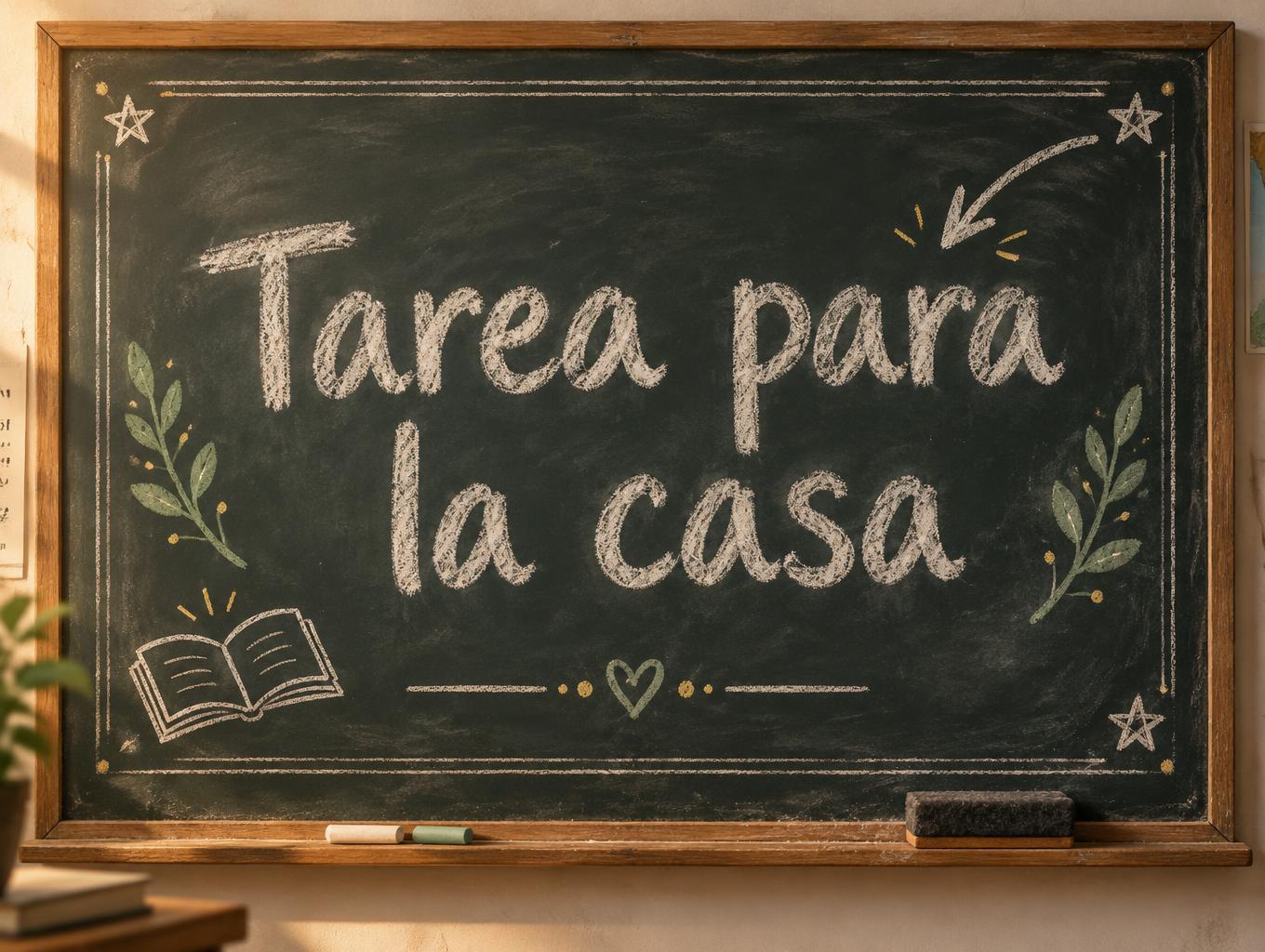
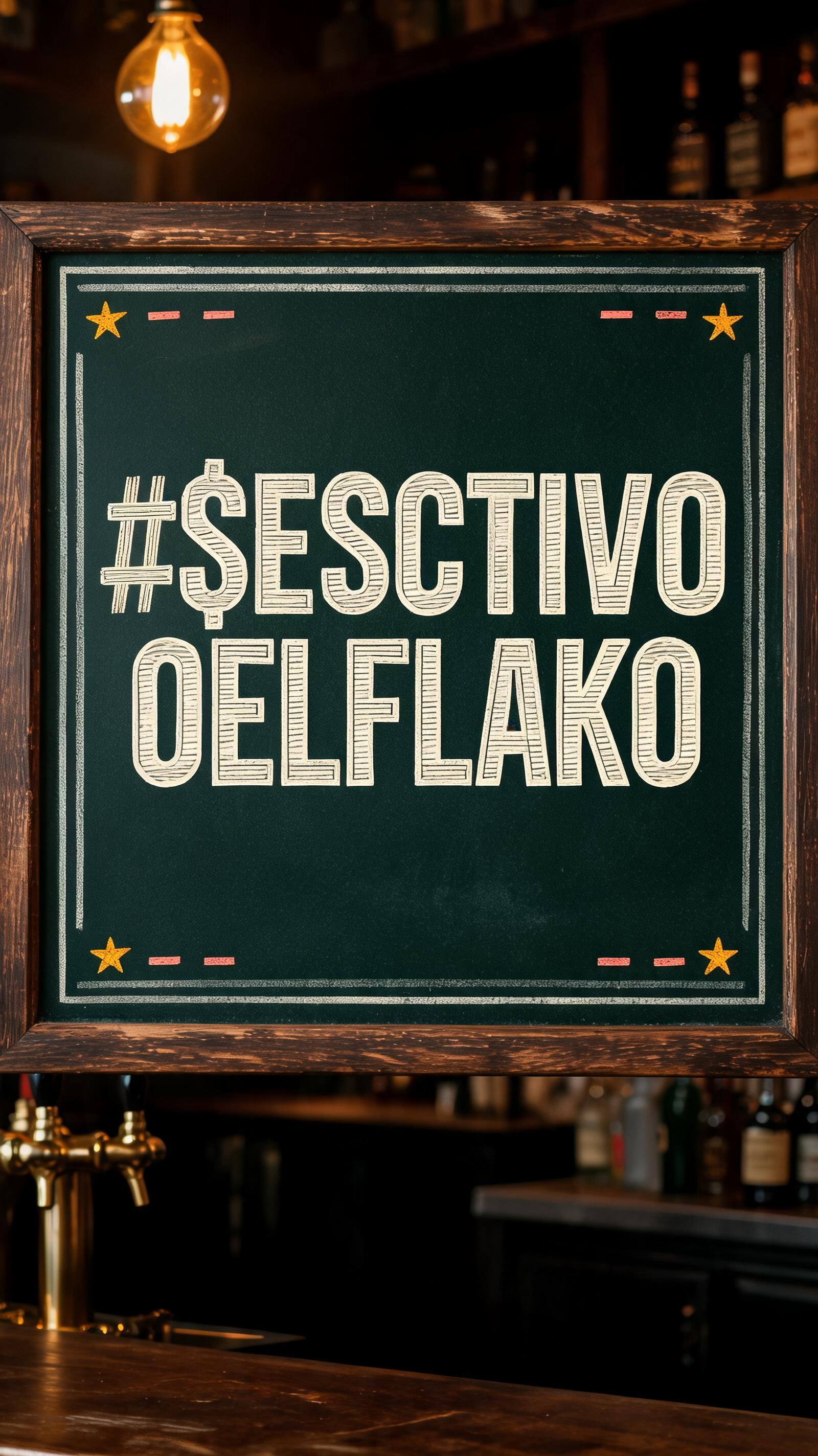
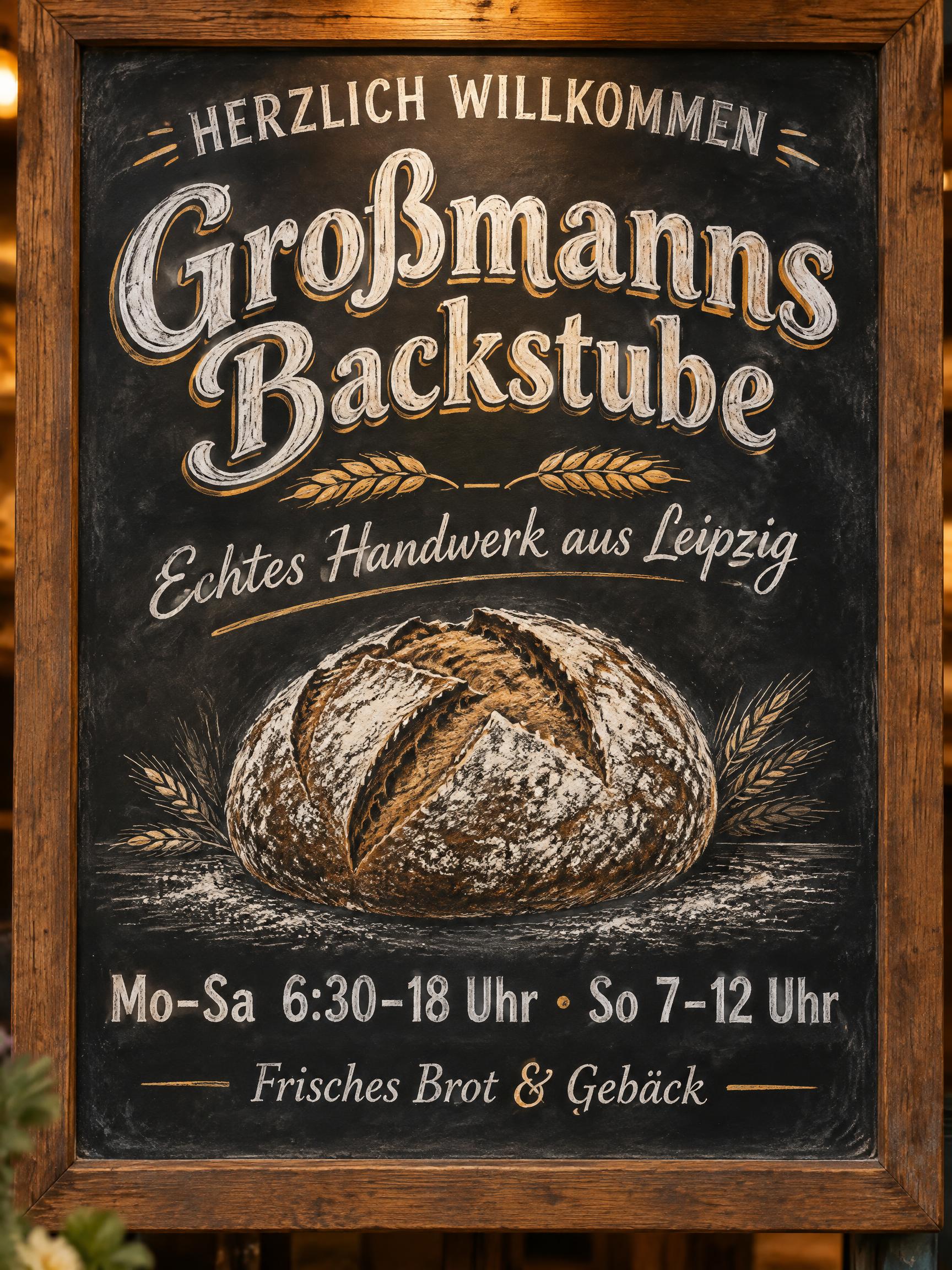
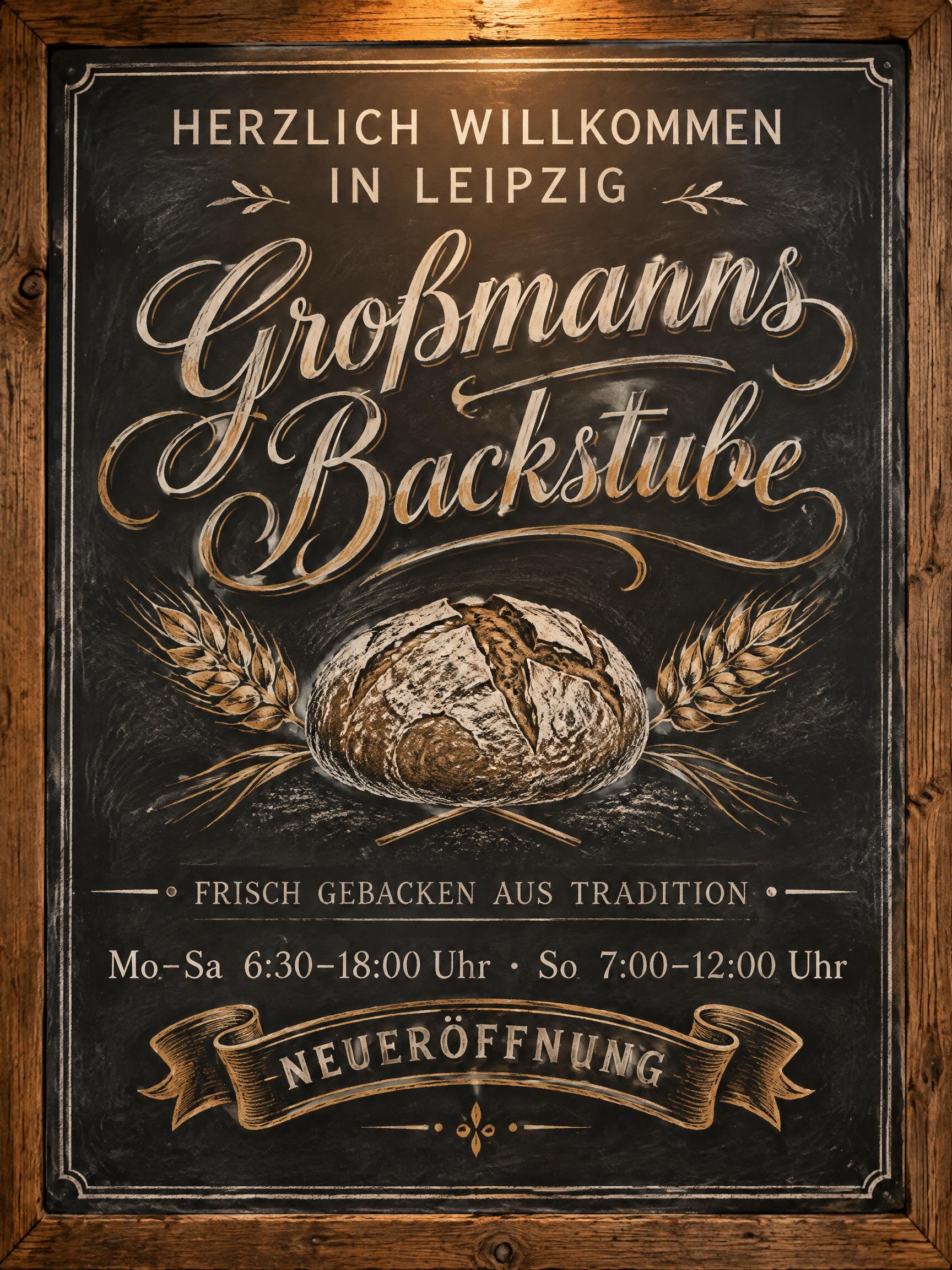
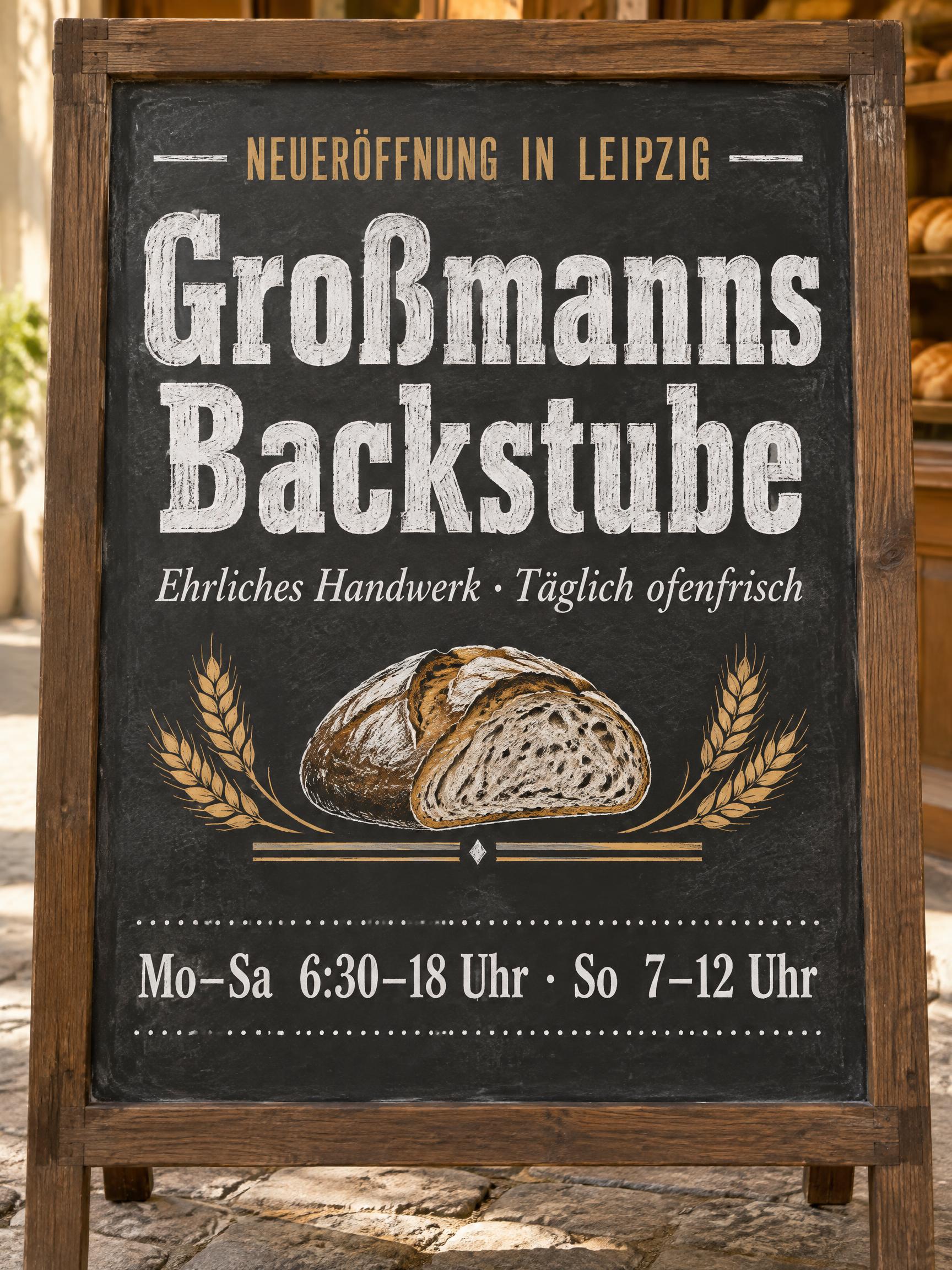
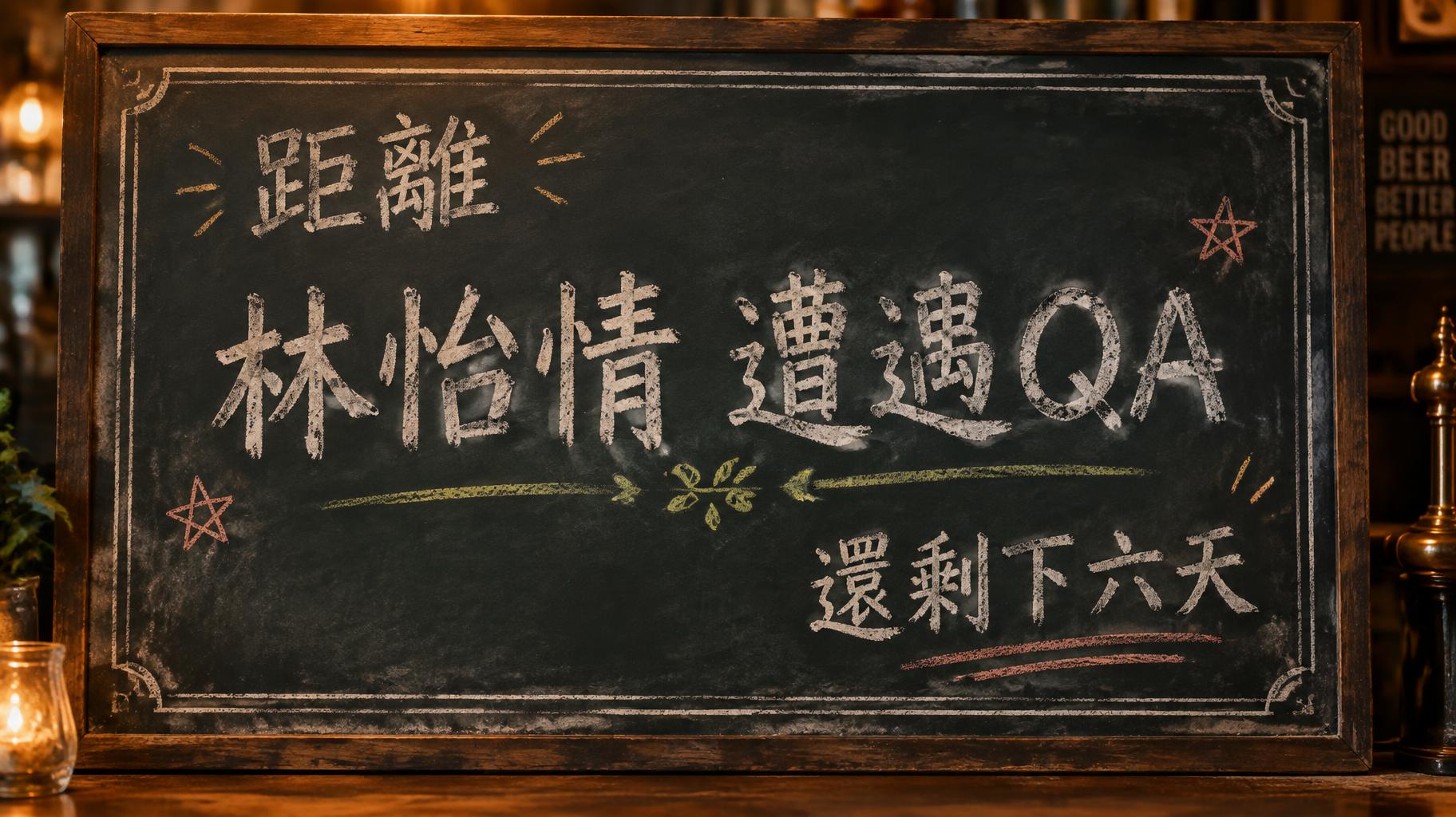
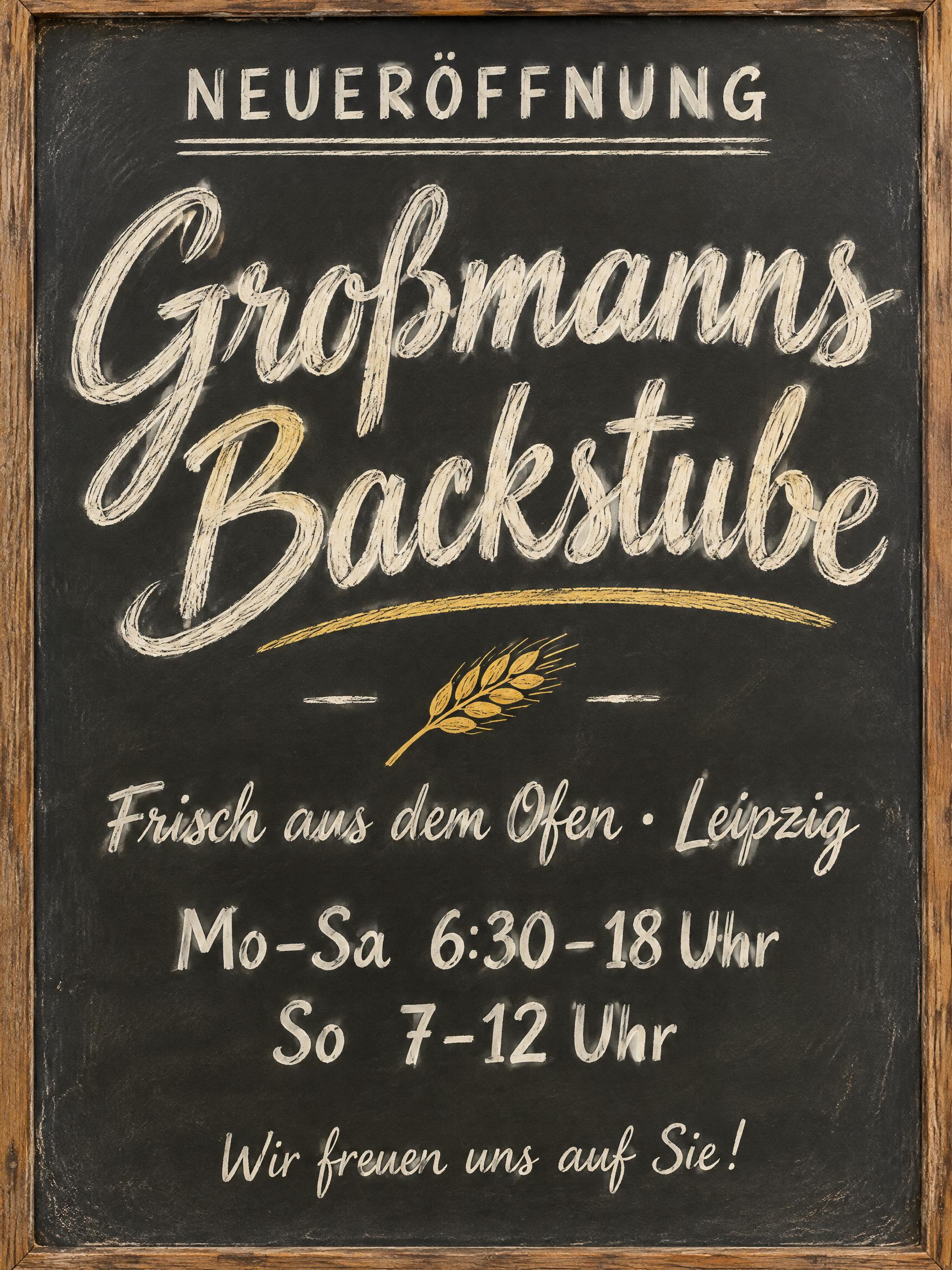
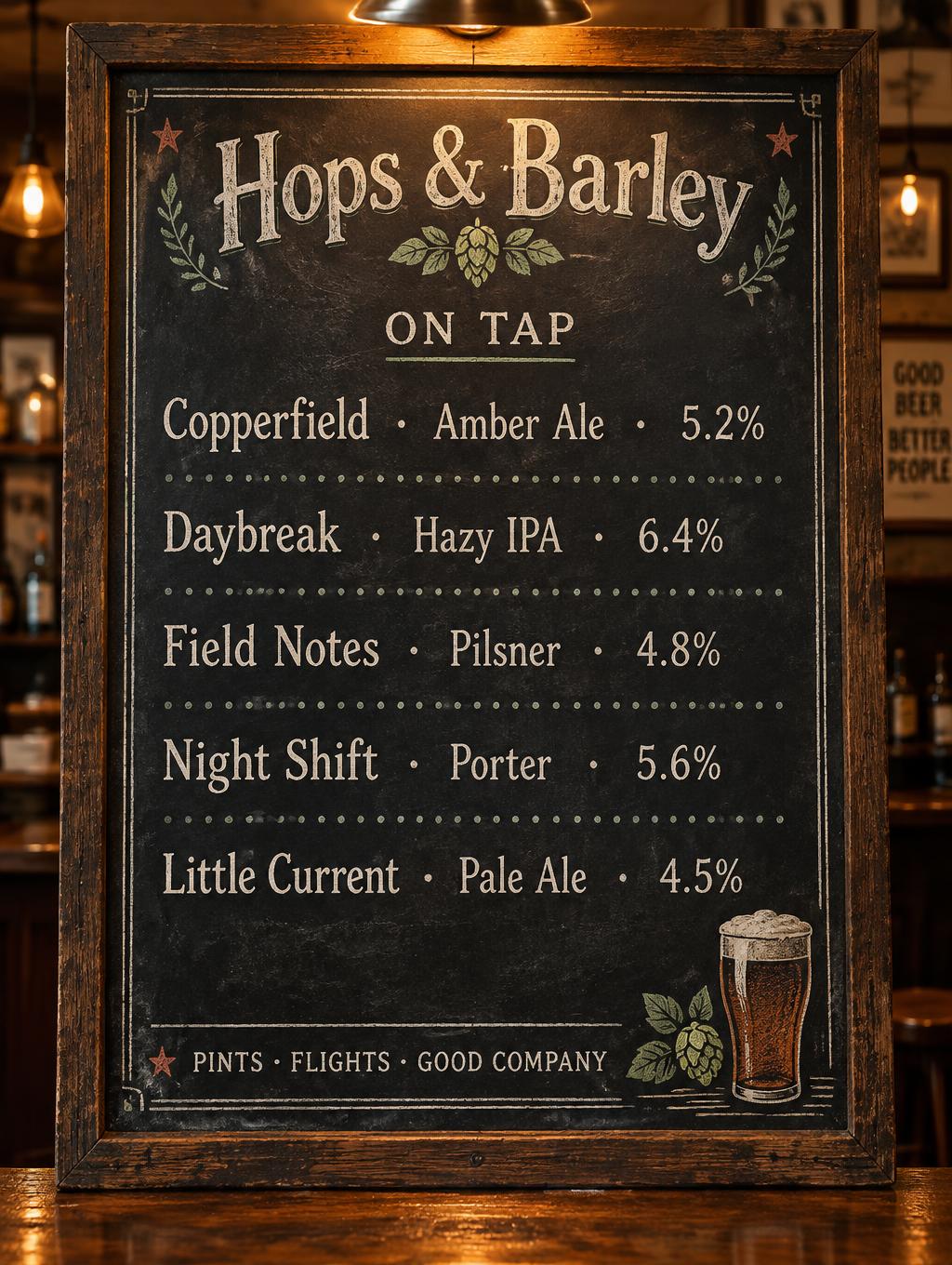
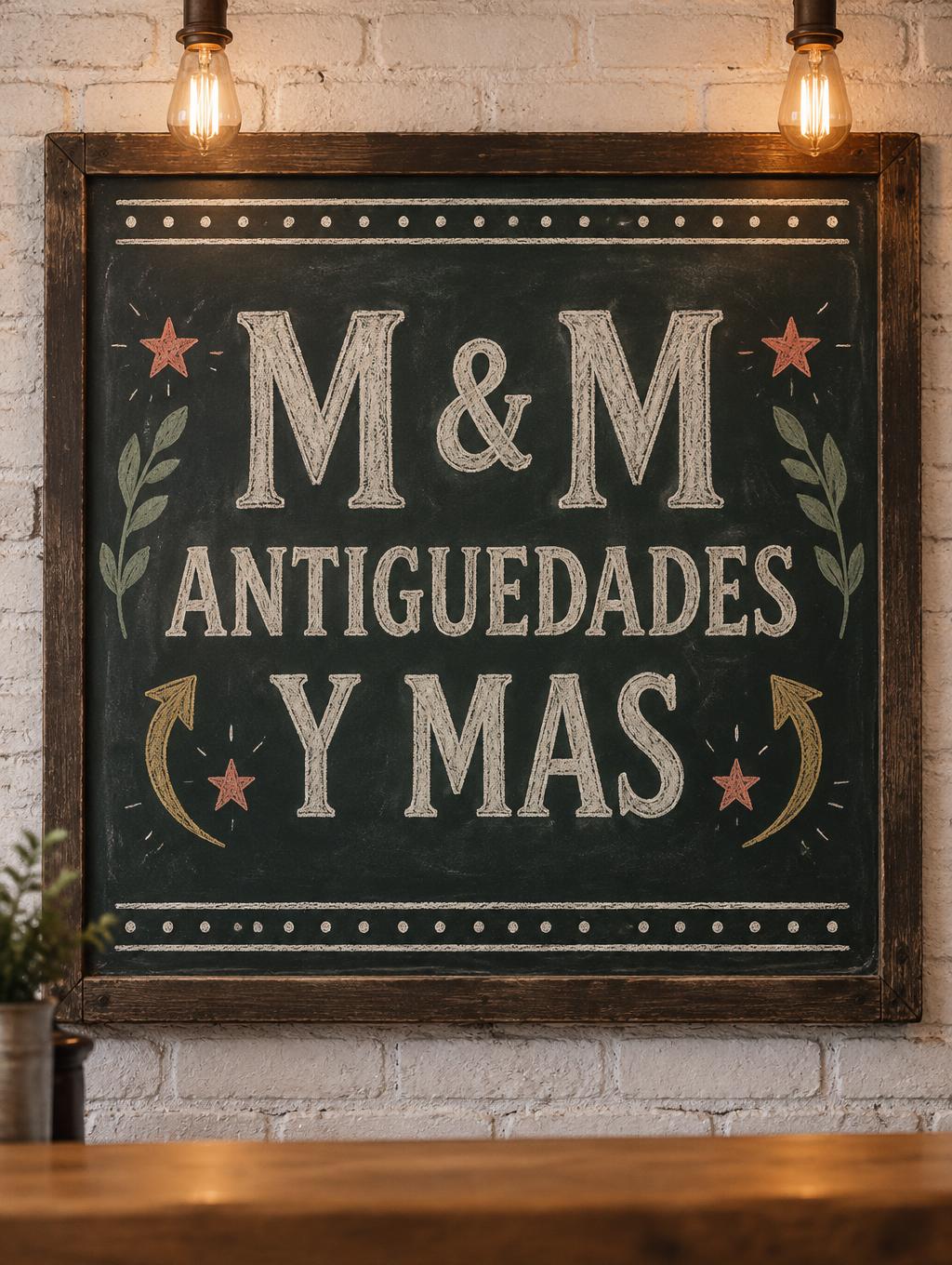
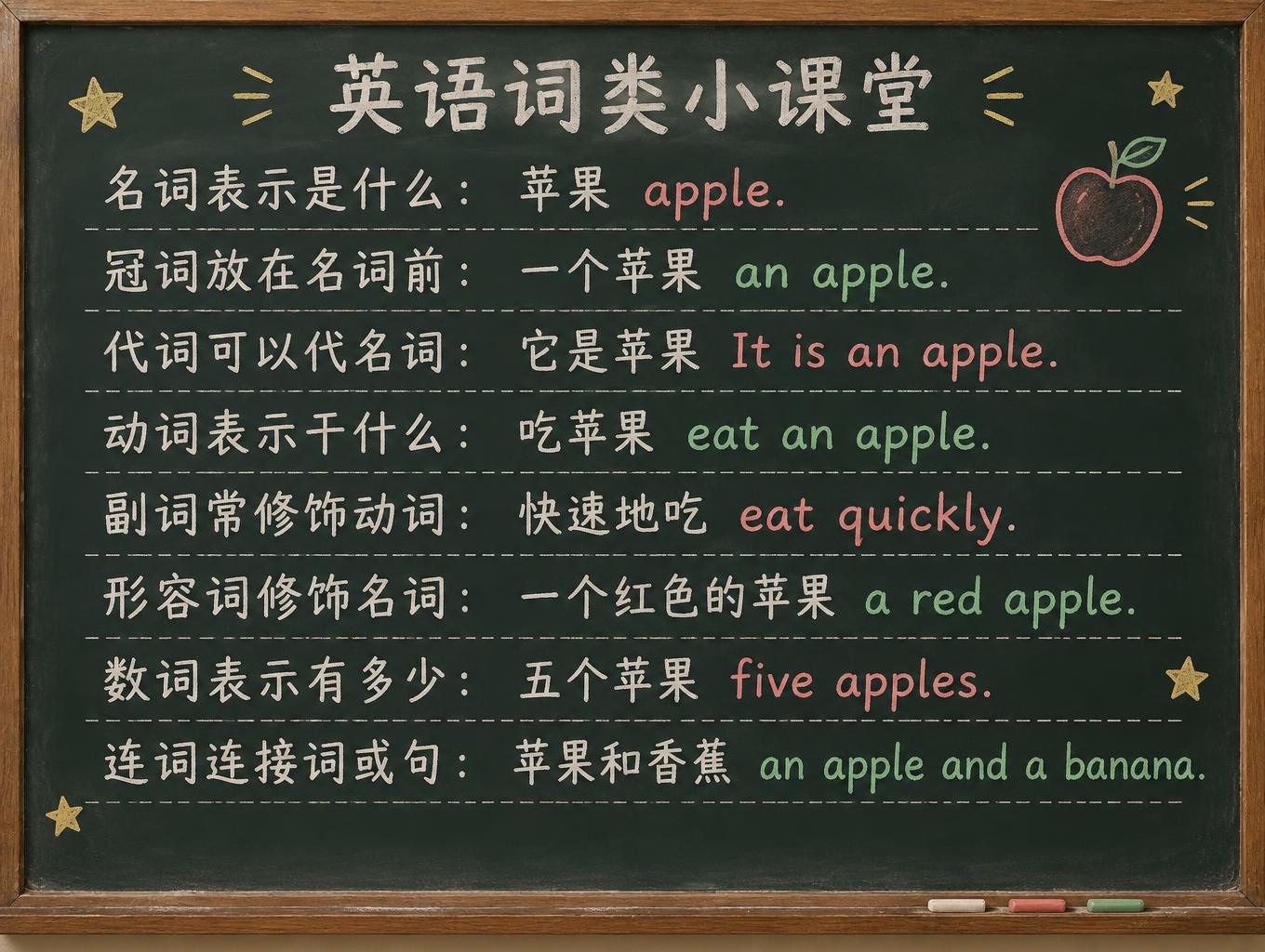
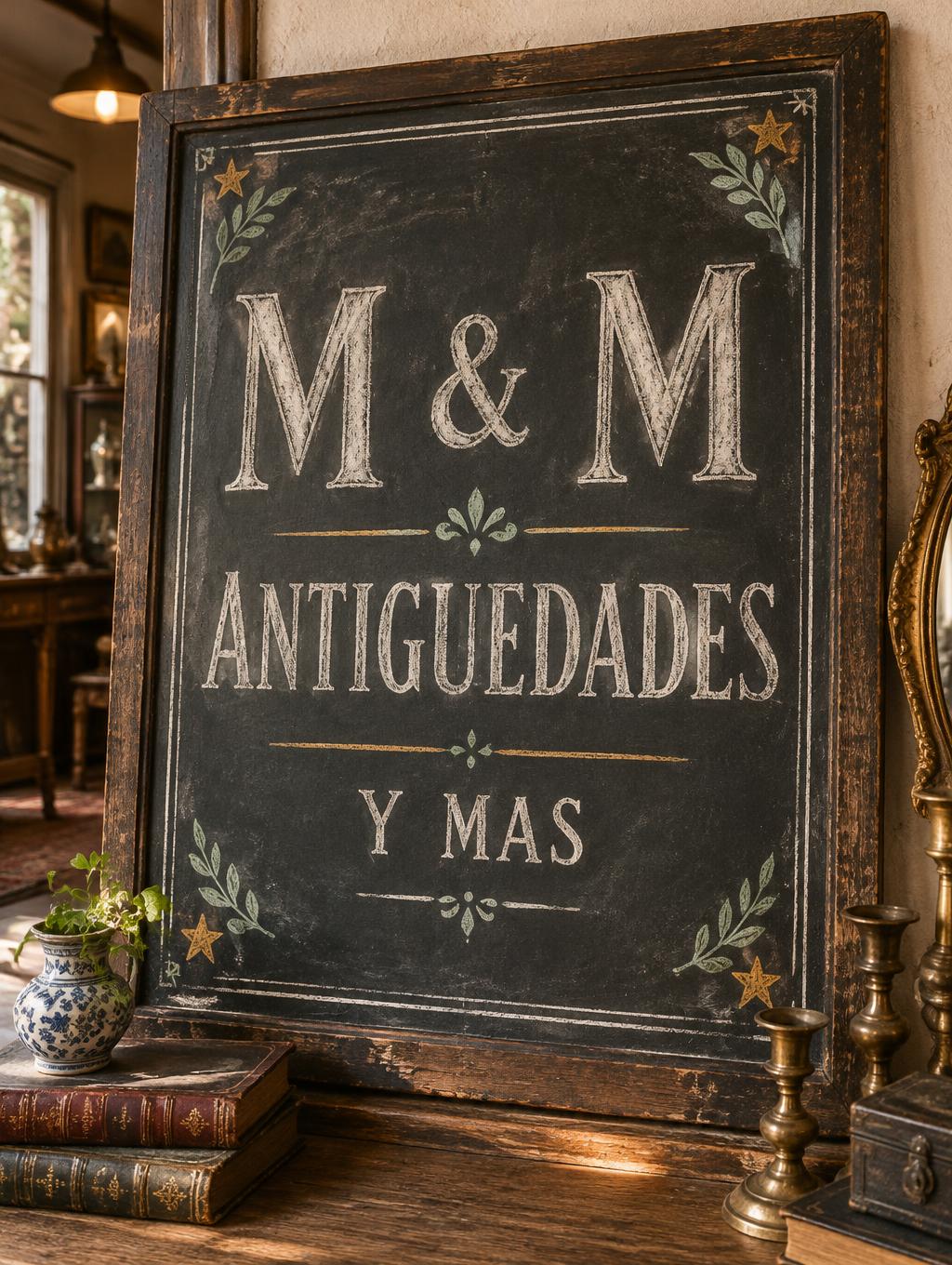
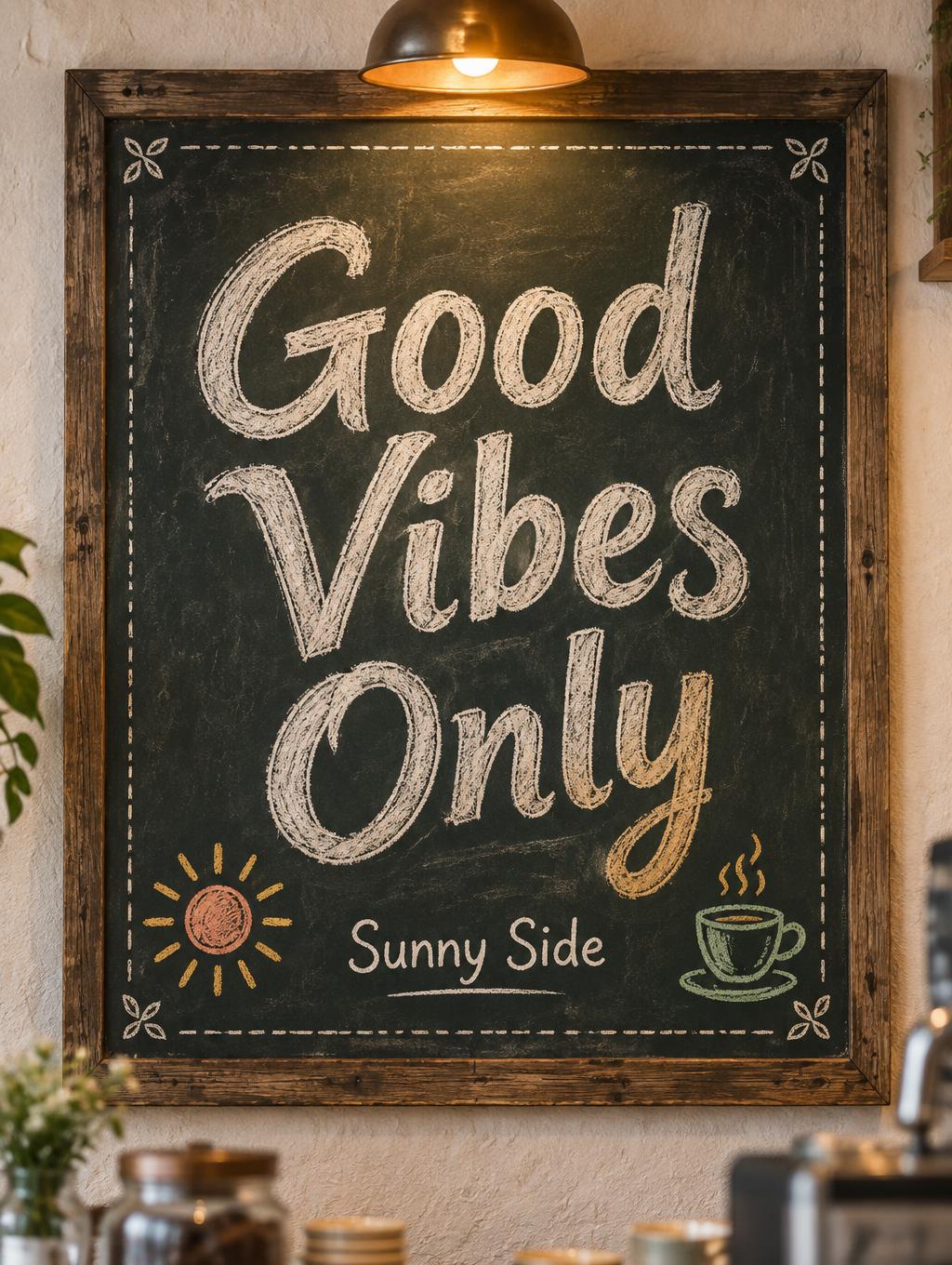
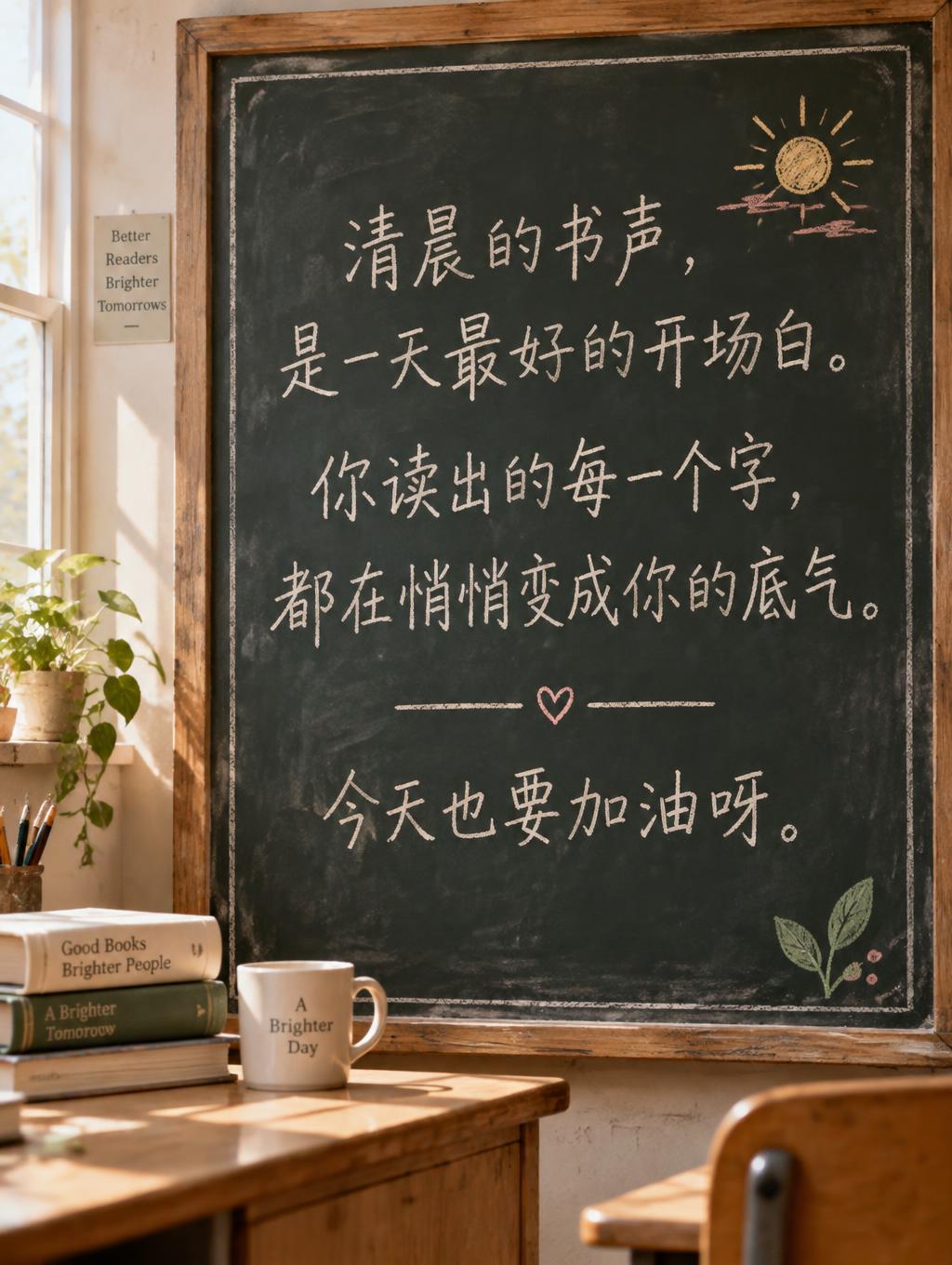
Hand-lettered cream chalk on a dark slate board: mixed script and serif lines, flourishes and small doodles, soft chalk-dust edges under warm café lighting. — no font license needed.
Chalk in different AI fonts



Chalk Gallery
Real outputs from the Chalk style. Click any image to see details.


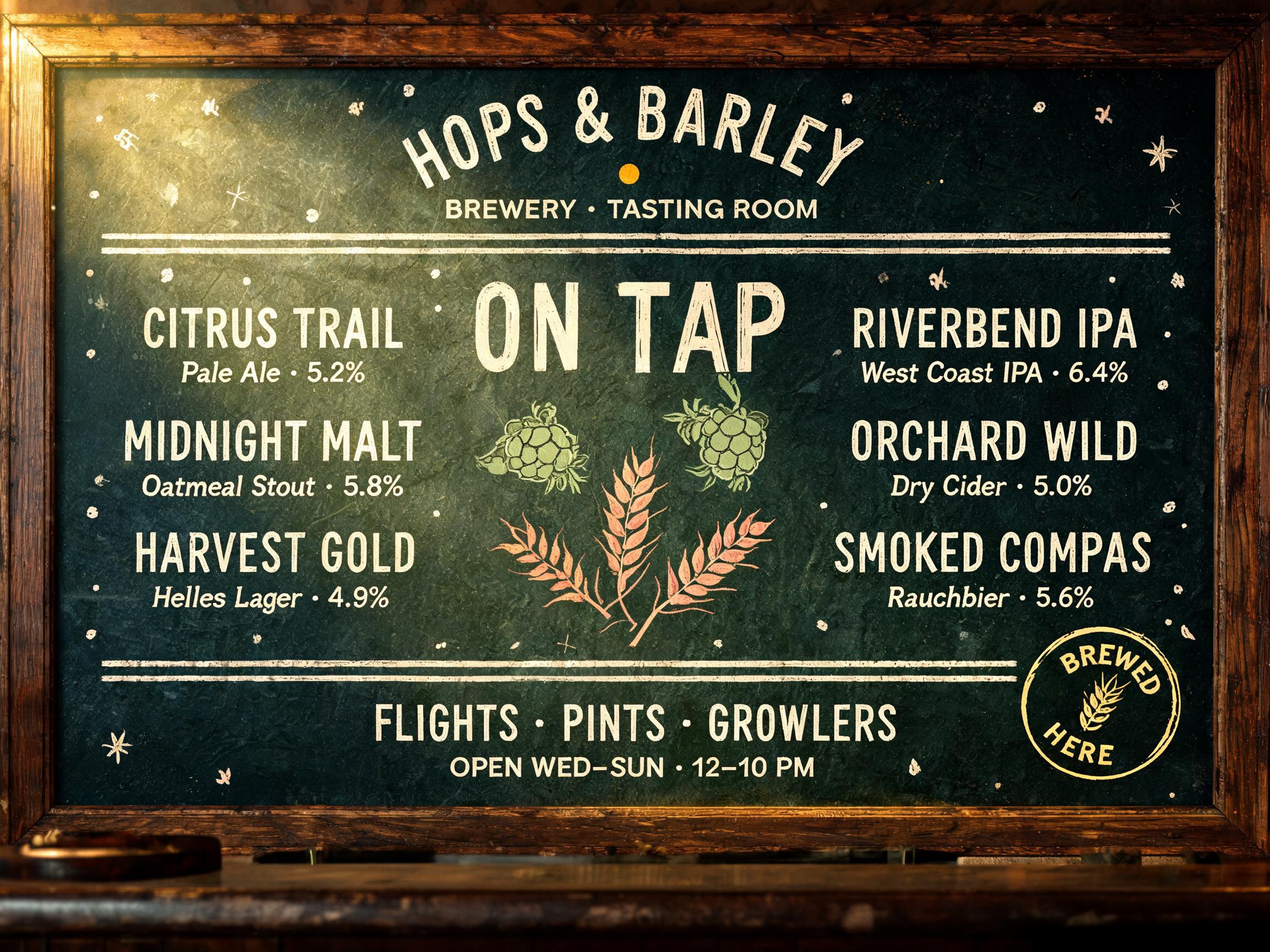


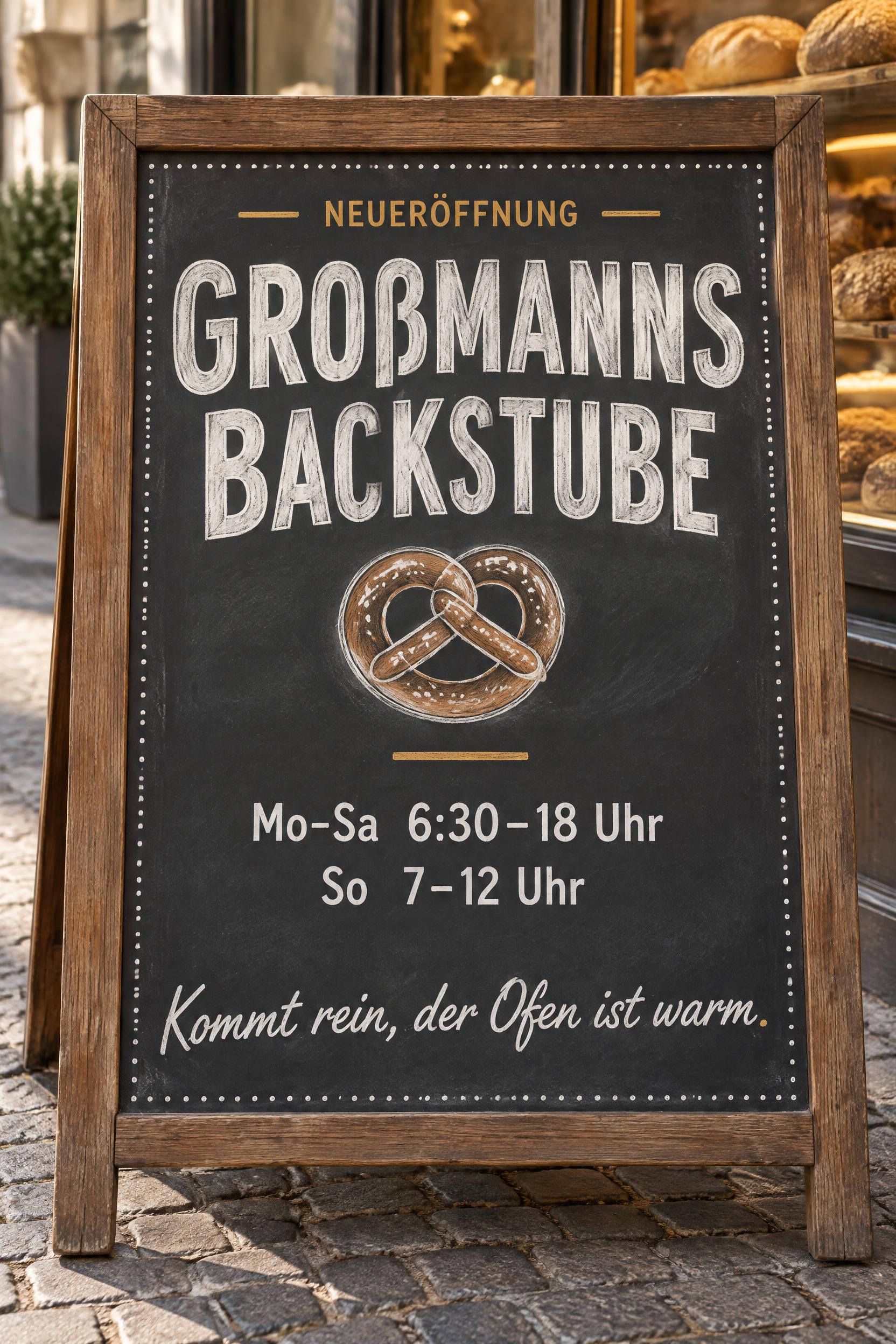
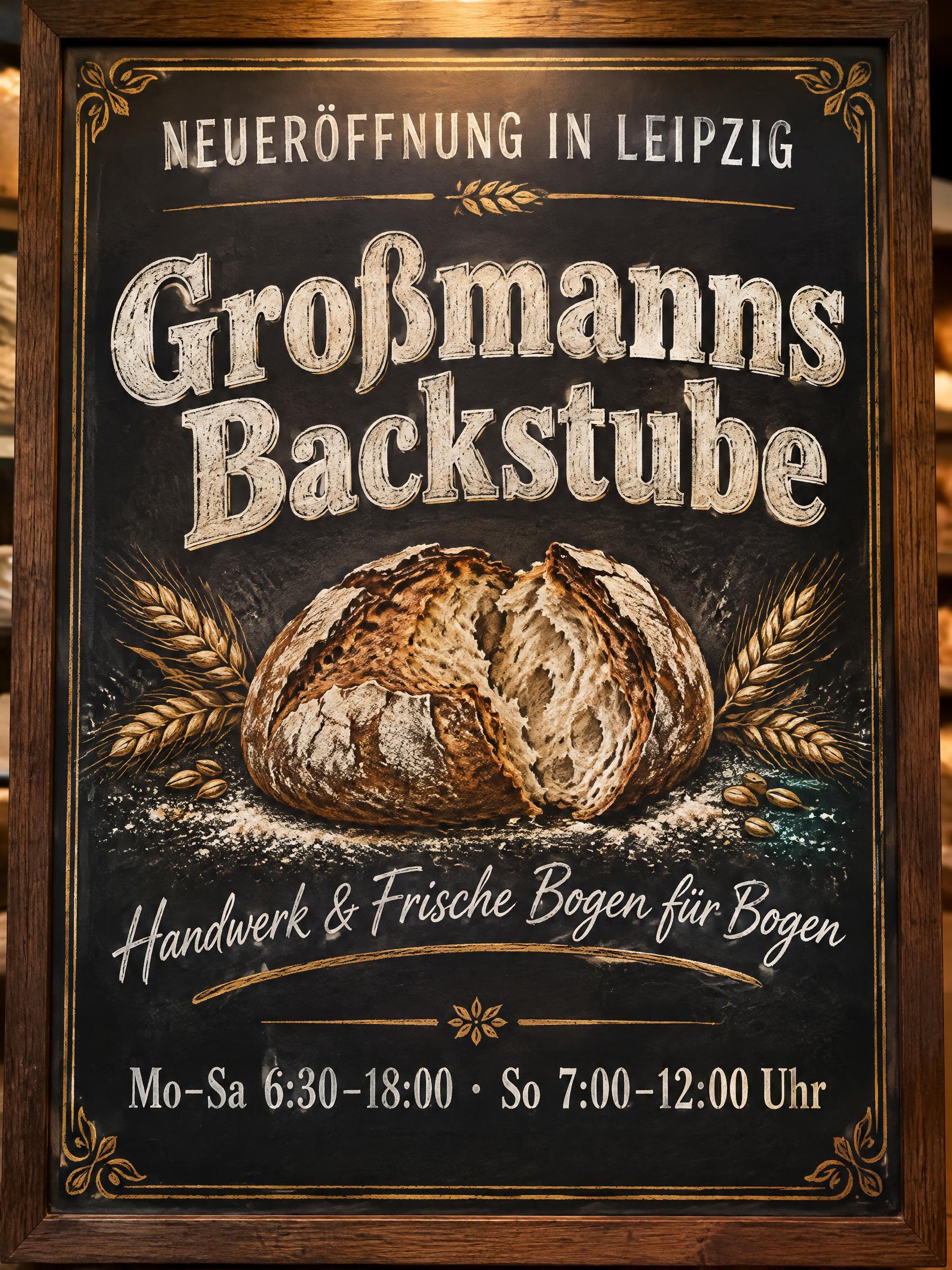
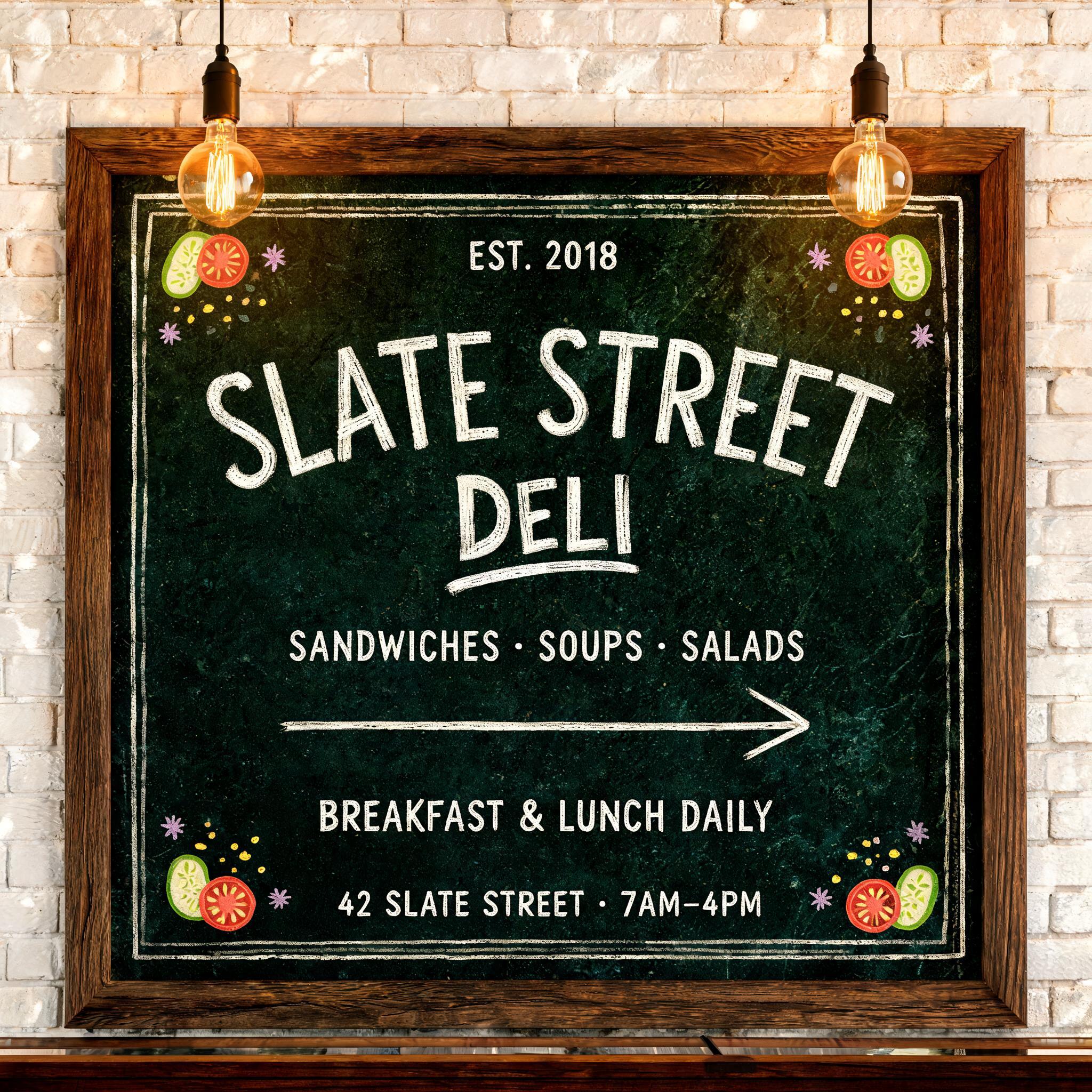


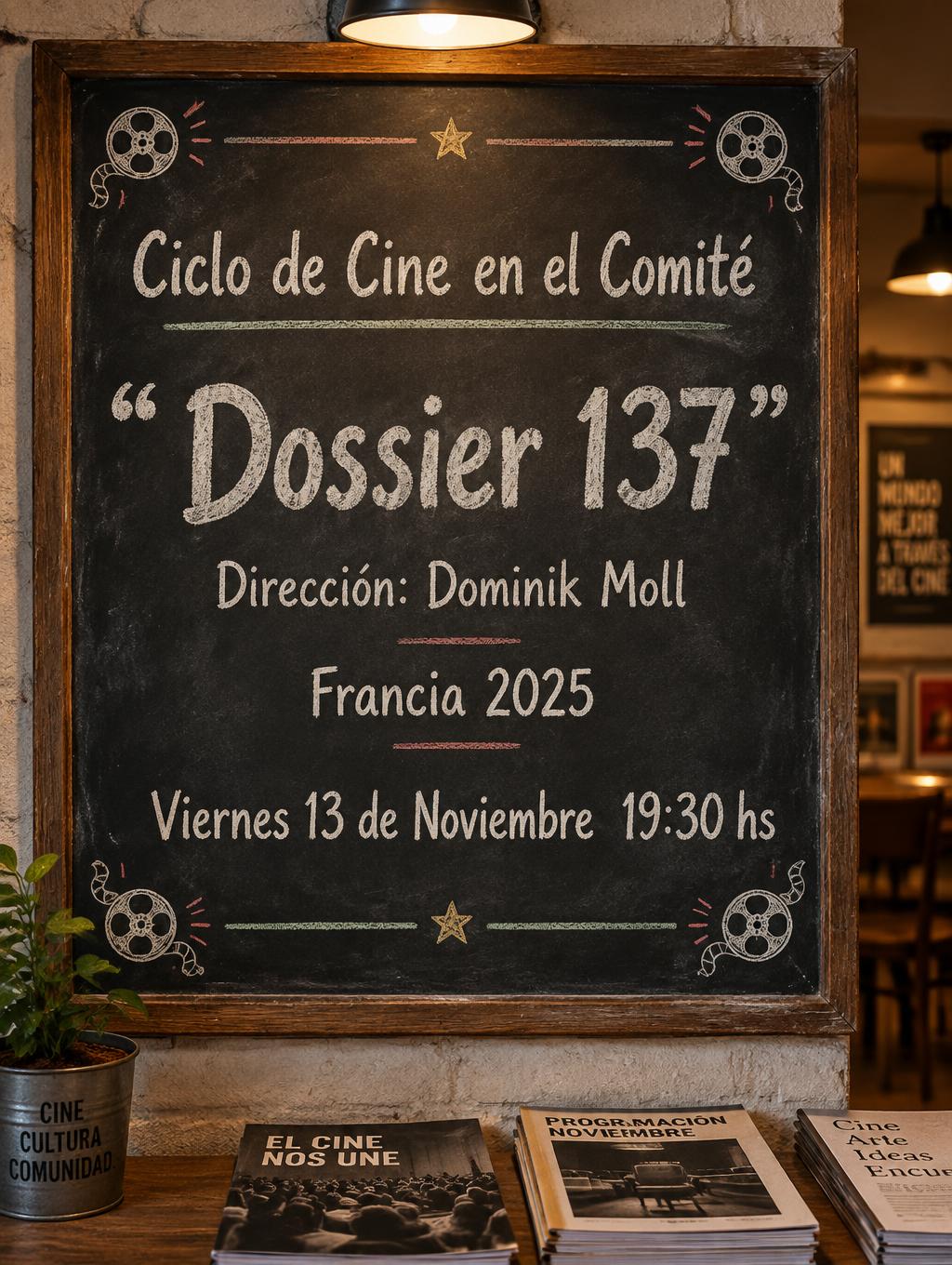
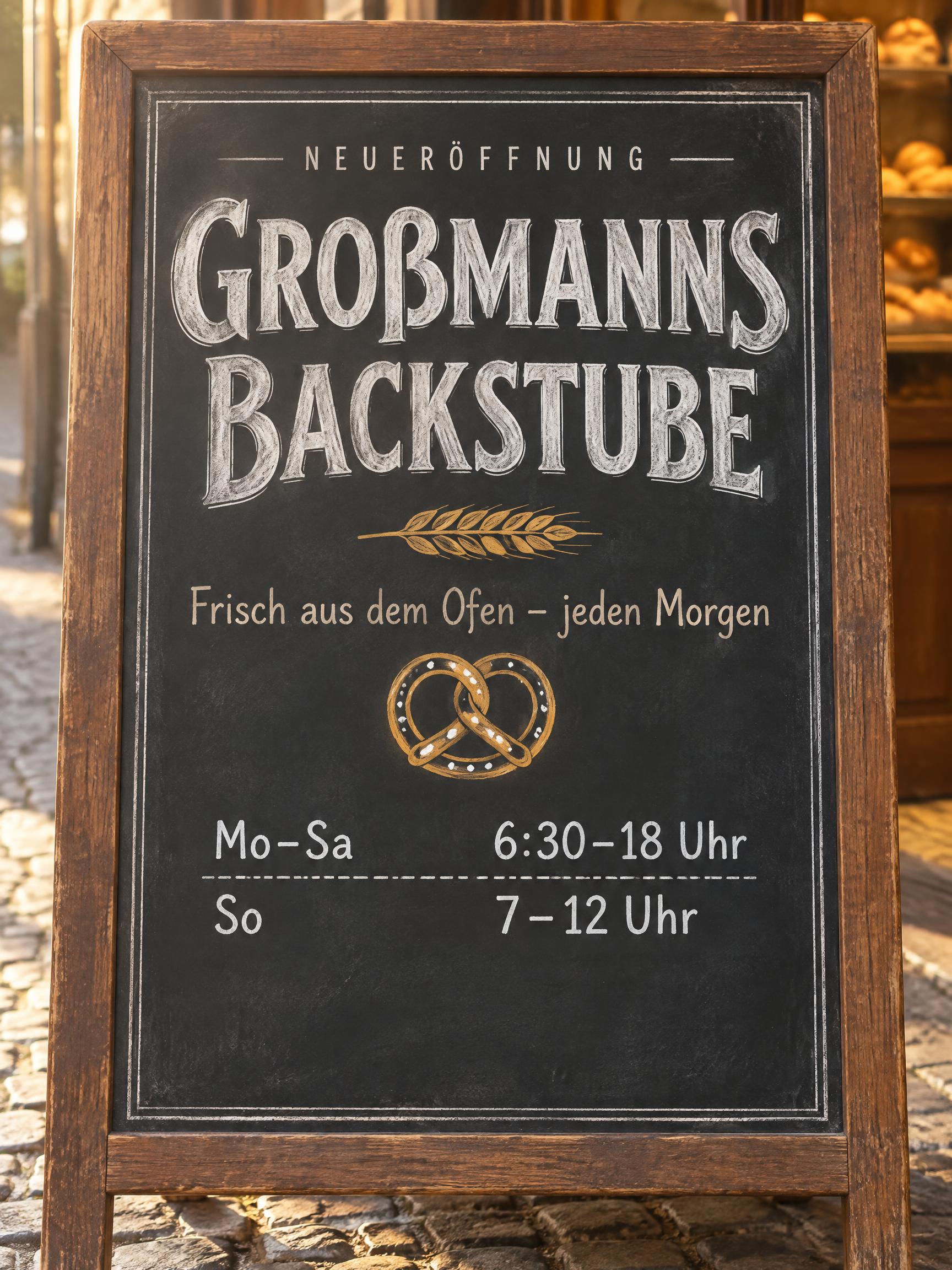


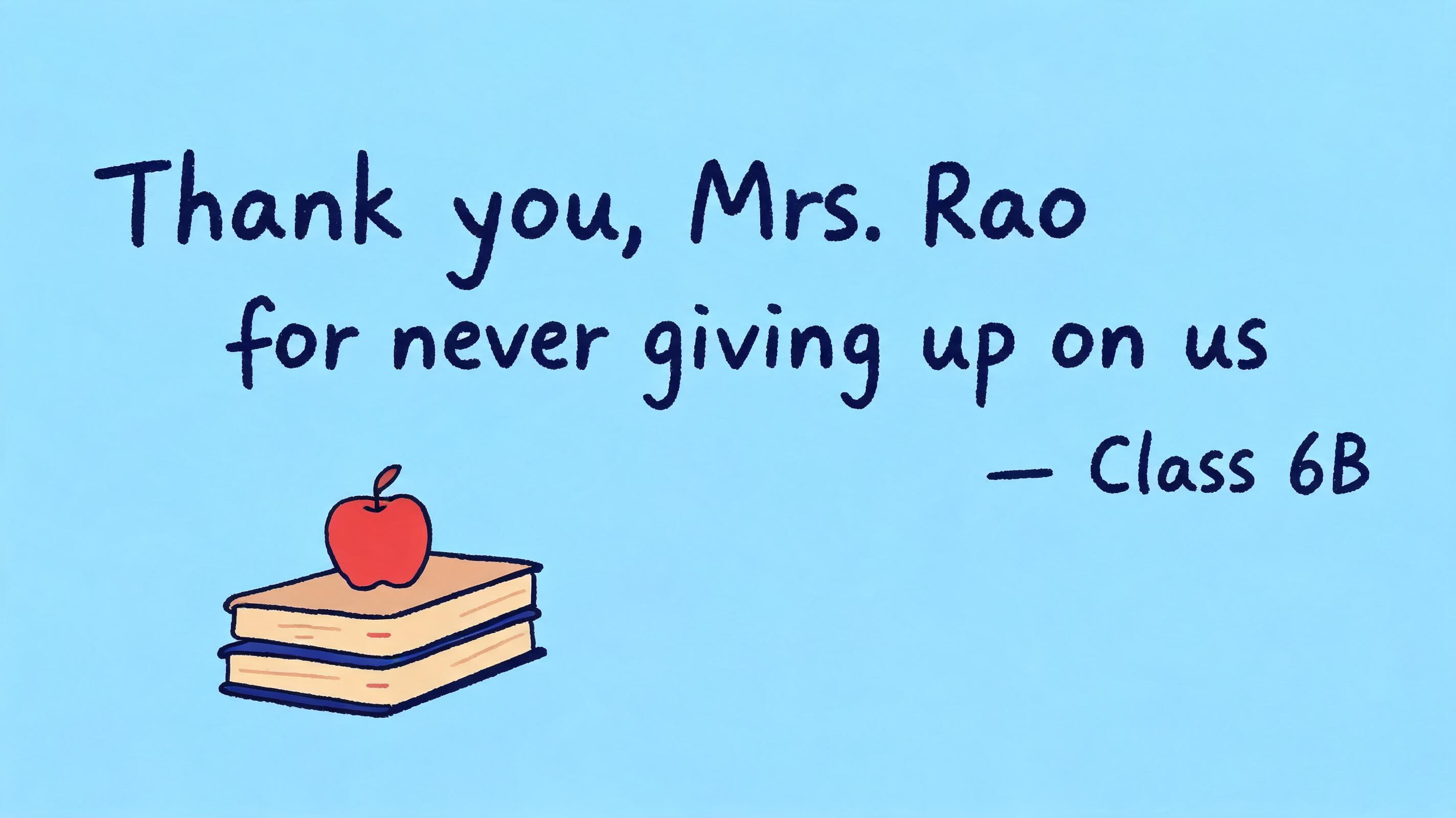


Looking for copy-paste fancy text? Try our free Font Generator Tools — cursive, gothic, bubble & 30+ styles.
Perfect for These Projects
Chalk Text Effect — FAQ
What is the Chalk Font Style?
The Chalk font style is a distinctive AI-generated typography effect. Hand-lettered cream chalk on a dark slate board: mixed script and serif lines, flourishes and small doodles, soft chalk-dust edges under warm café lighting. Using FontVibe's AI chalk generator you can create stunning text effects in seconds — no Photoshop, no font licensing, no design experience needed.
Explore the Chalk gallery for inspiration, or browse all 138+ AI text effect styles available on FontVibe.
How to Create Chalk Typography in FontVibe Studio
The Story Behind Chalk
History, visual DNA, and cultural context.
The Visual DNA
In Typography
Chalk typography carries specific associations: the classroom (education, learning, expertise), the cafe chalkboard menu (artisan, local, hand-made), and the temporary nature of marks that can be erased. All three associations are productive for different contexts.
The artisan food and beverage category adopted chalk board aesthetics in the 2010s as a signal of craft and handmade quality — the chalkboard menu became a genre convention for coffee shops, farm-to-table restaurants, and craft beer establishments. Like vintage typography, the aesthetic has become so established in the category that new entrants use it as a convention rather than a choice.
The key execution detail: authentic chalk typography looks imperfect. Perfect, evenly opaque, sharply edged chalk lettering reads as a font rendering of chalk, not actual chalk. The gaps, the pressure variation, and the slight misalignment of strokes are not flaws — they are the medium.
Did You Know?
The first attested use of chalk on a blackboard in the United States dates to September 21, 1801, in a mathematics lecture course given by George Baron. James Pillans is credited with inventing coloured chalk in 1814, mixing chalk powder and dyes with a porridge-based binder. Source ↗
Create Your Chalk Typography in Studio
Free to start. No design skills needed. Your artwork, your copyright.
AI Chalk Text Effect Generator
Hand-lettered cream chalk on a dark slate board: mixed script and serif lines, flourishes and small doodles, soft chalk-dust edges under warm café lighting. — no font license needed.
Chalk in different AI fonts
Generate Your Chalk Text Effect
Type any word — see it transformed in seconds. No sign-up required.
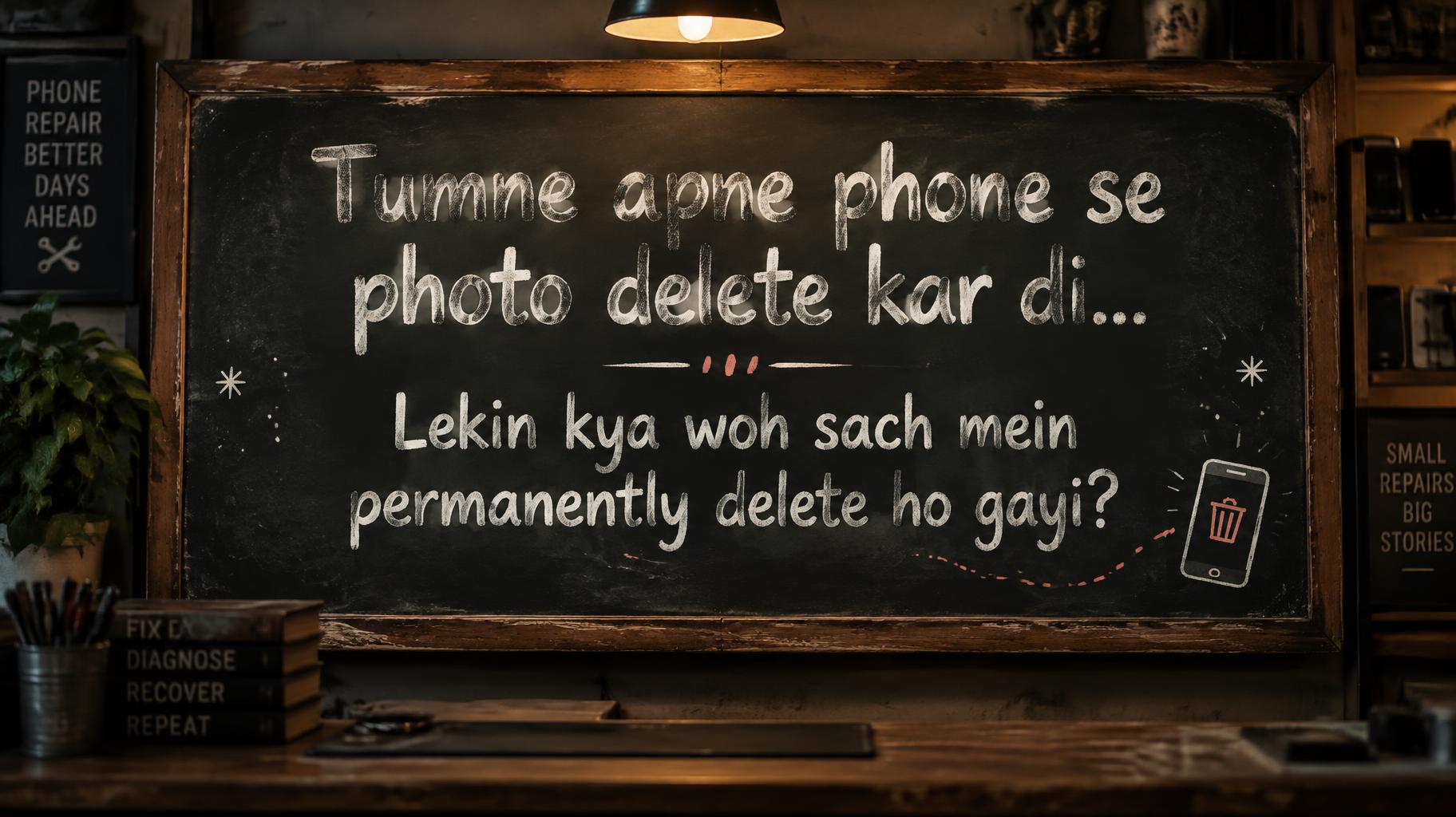
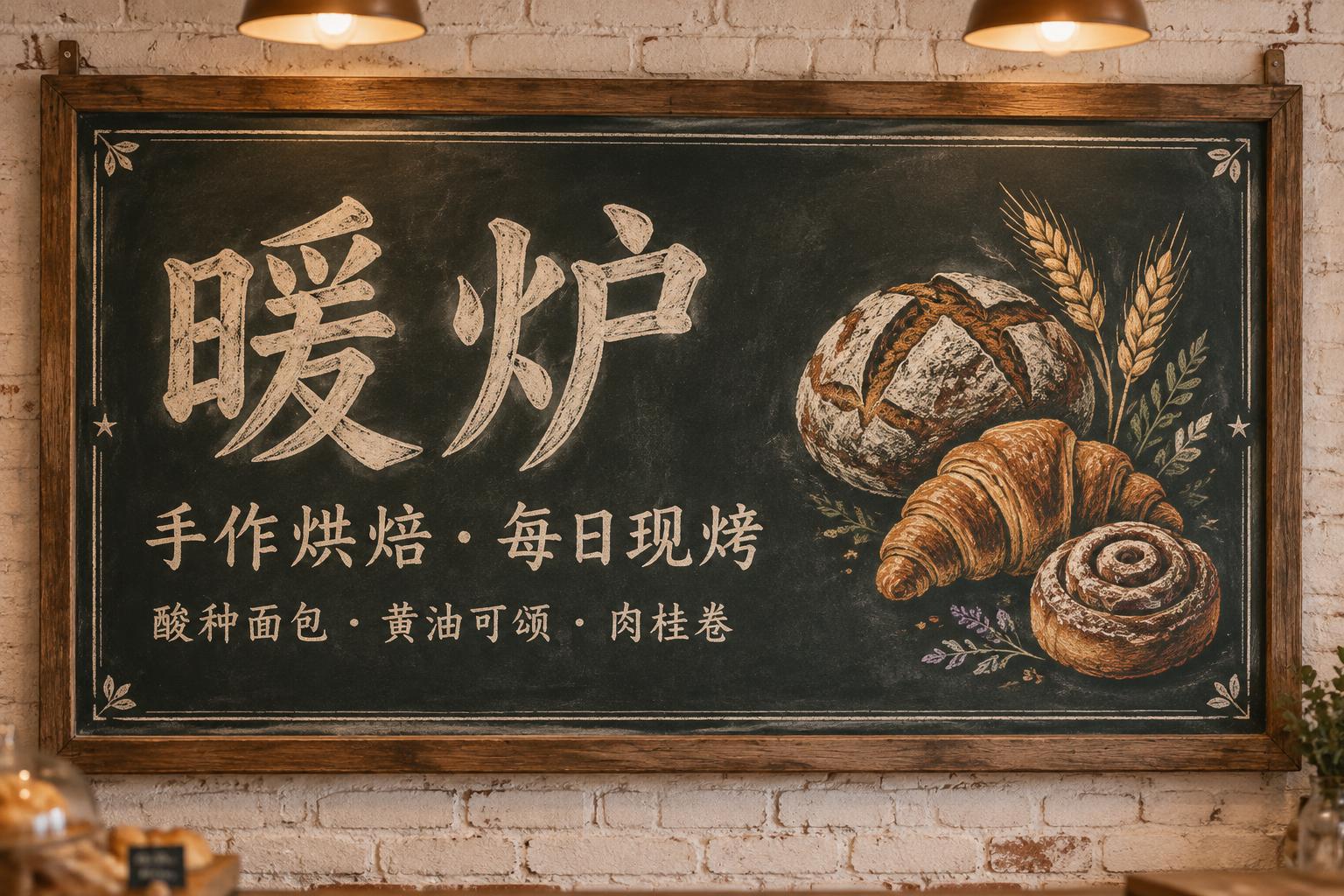
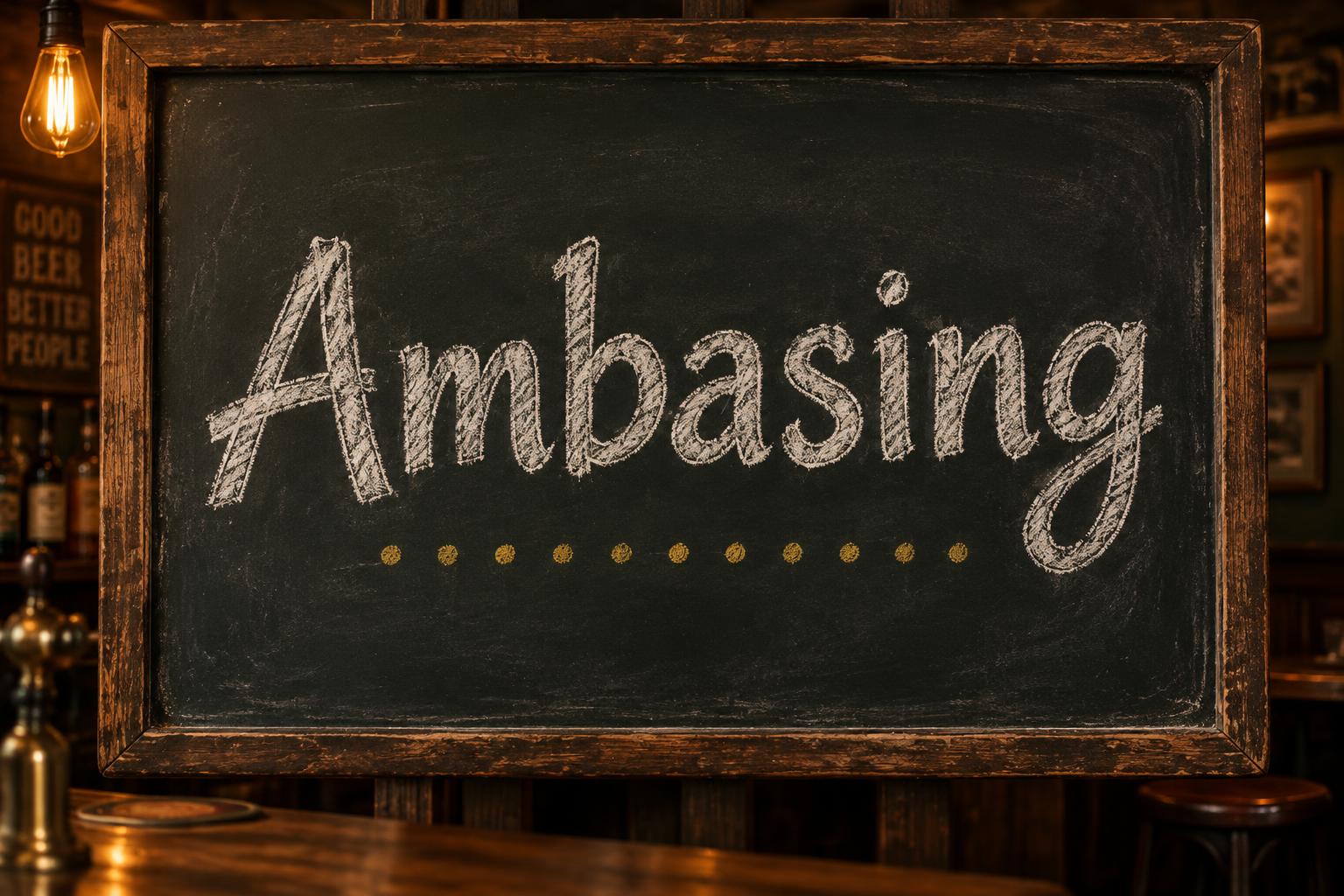
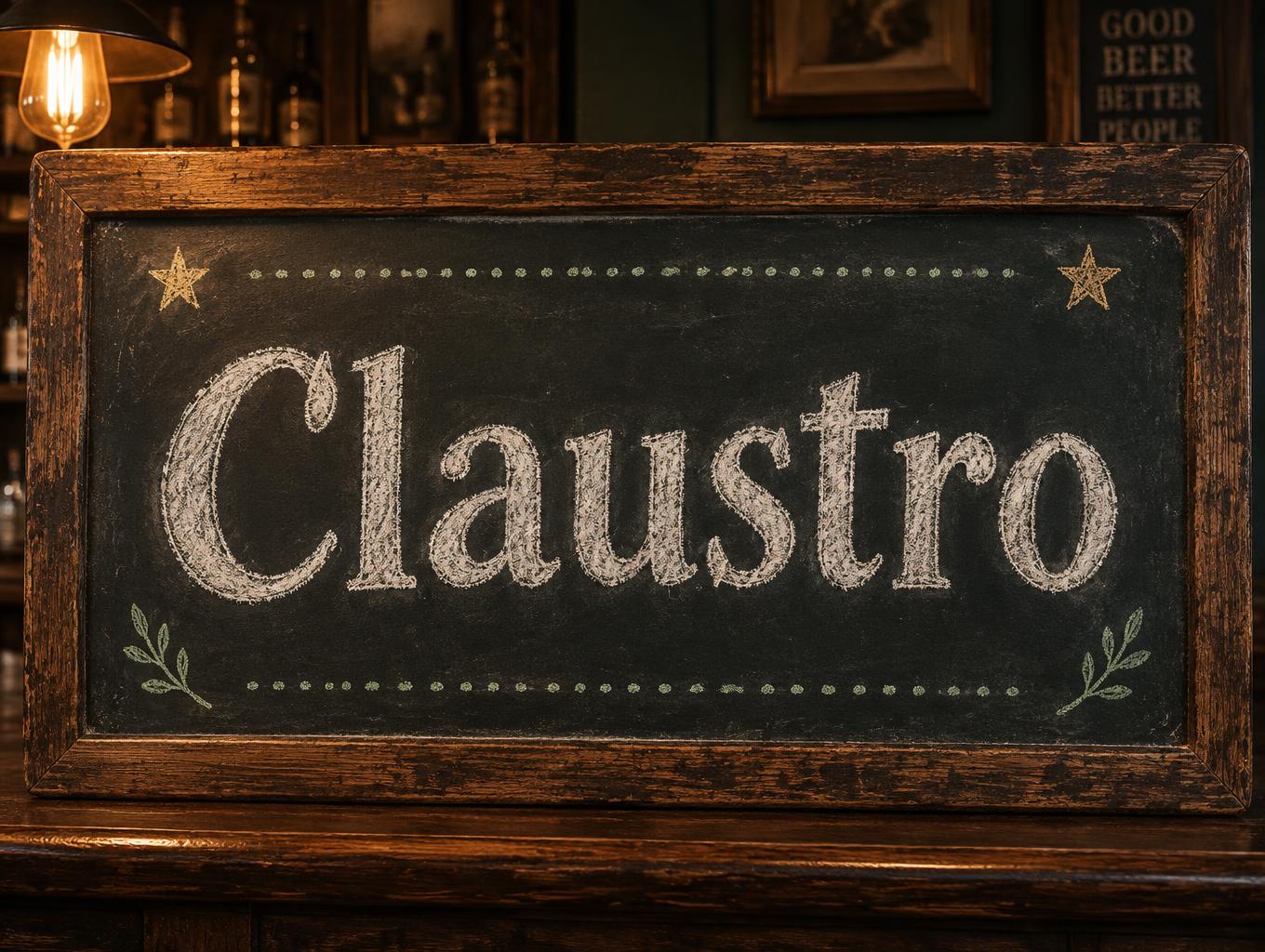
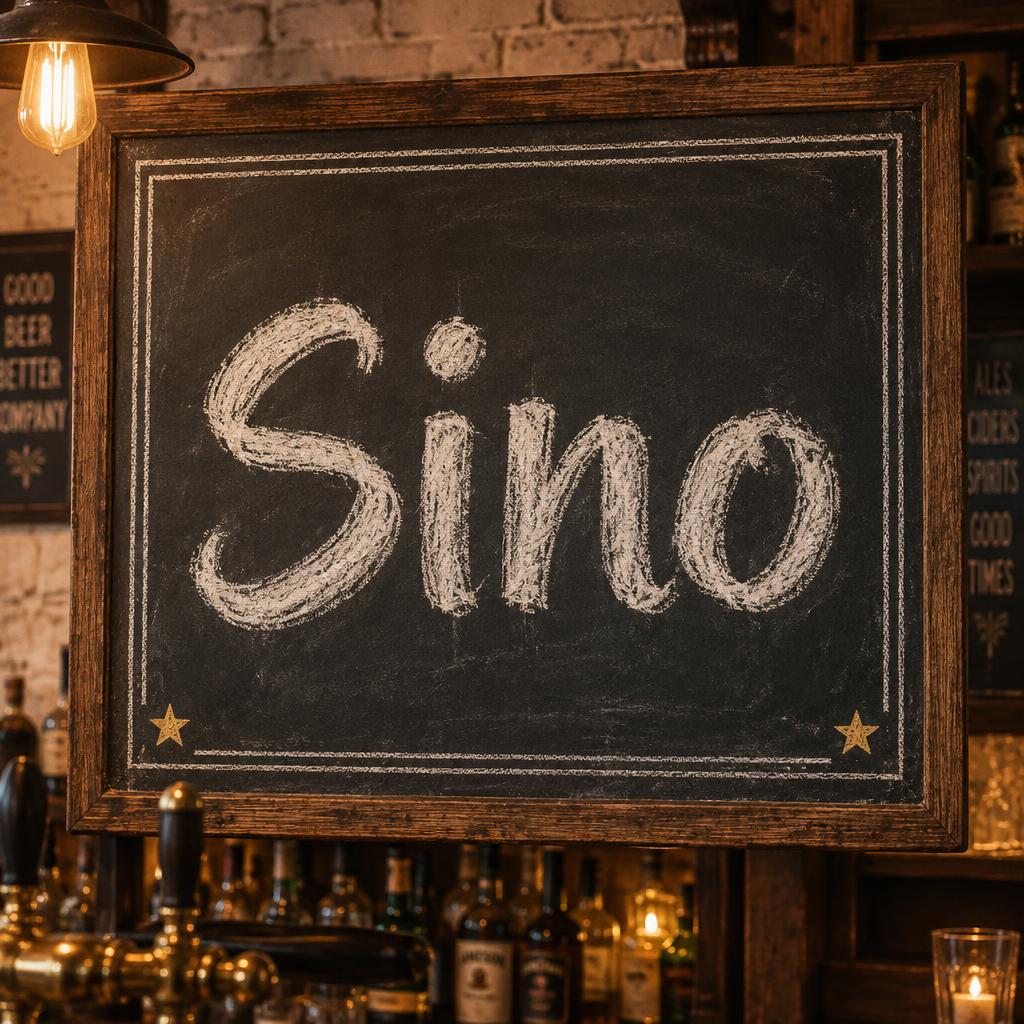
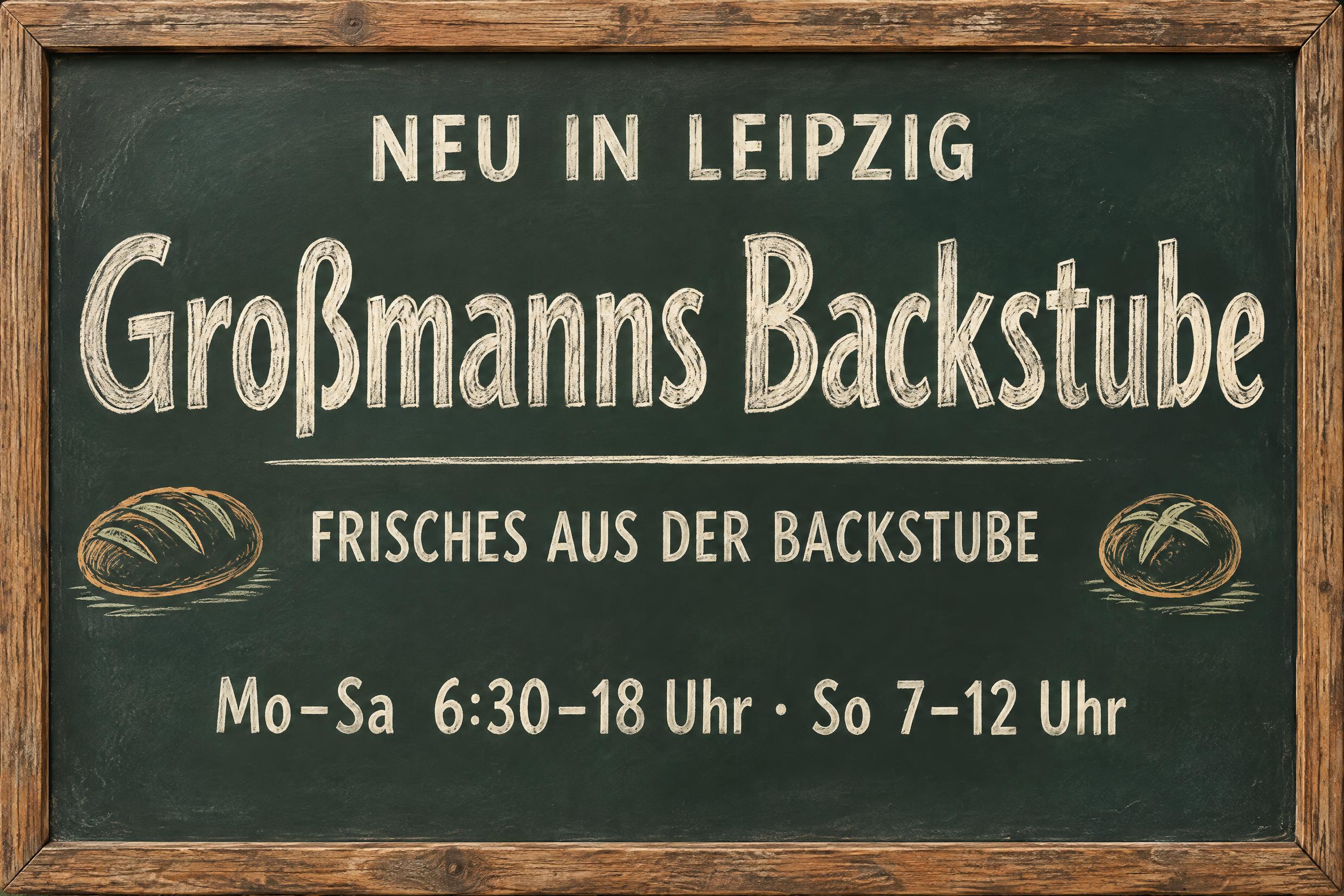
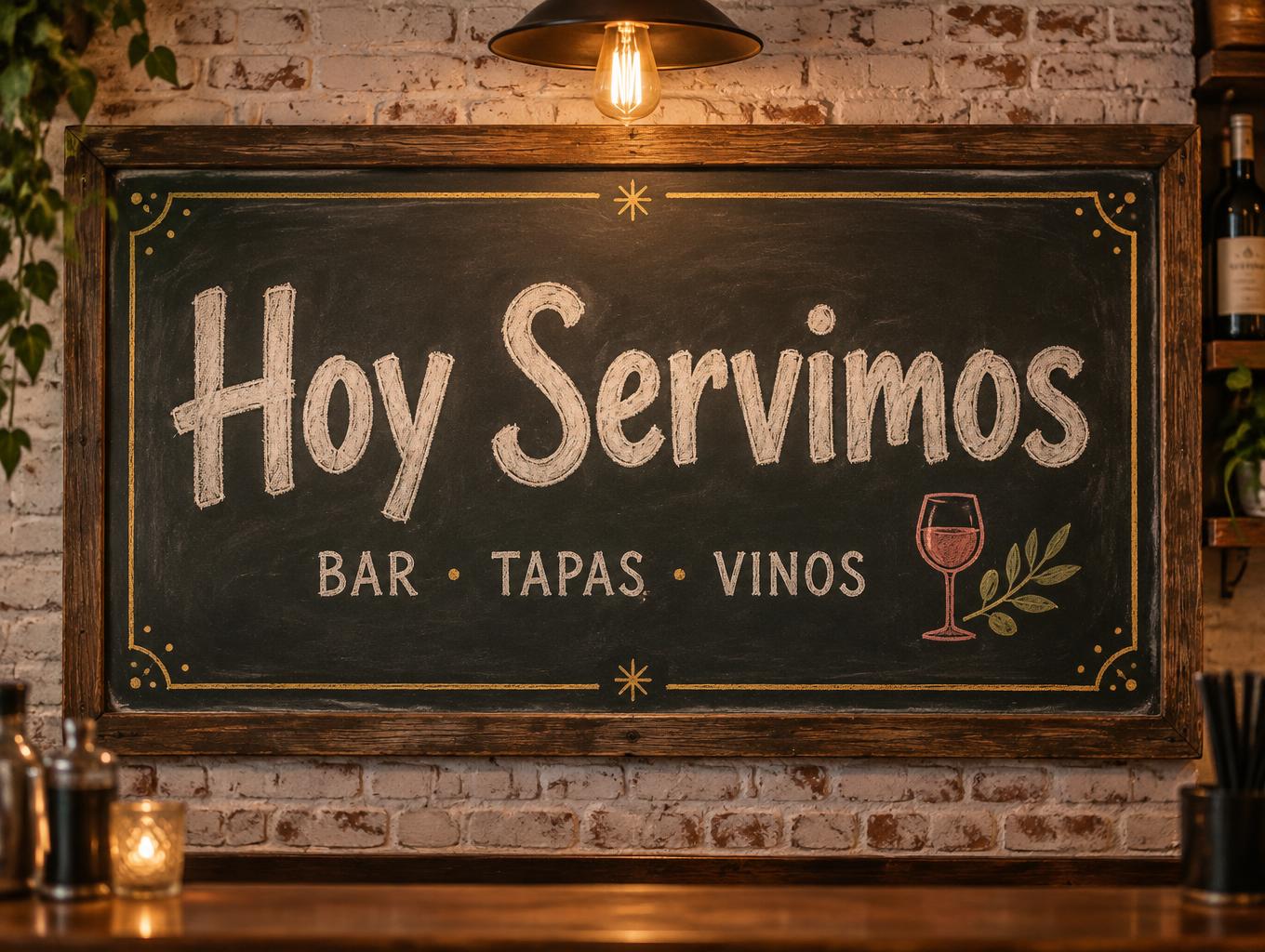
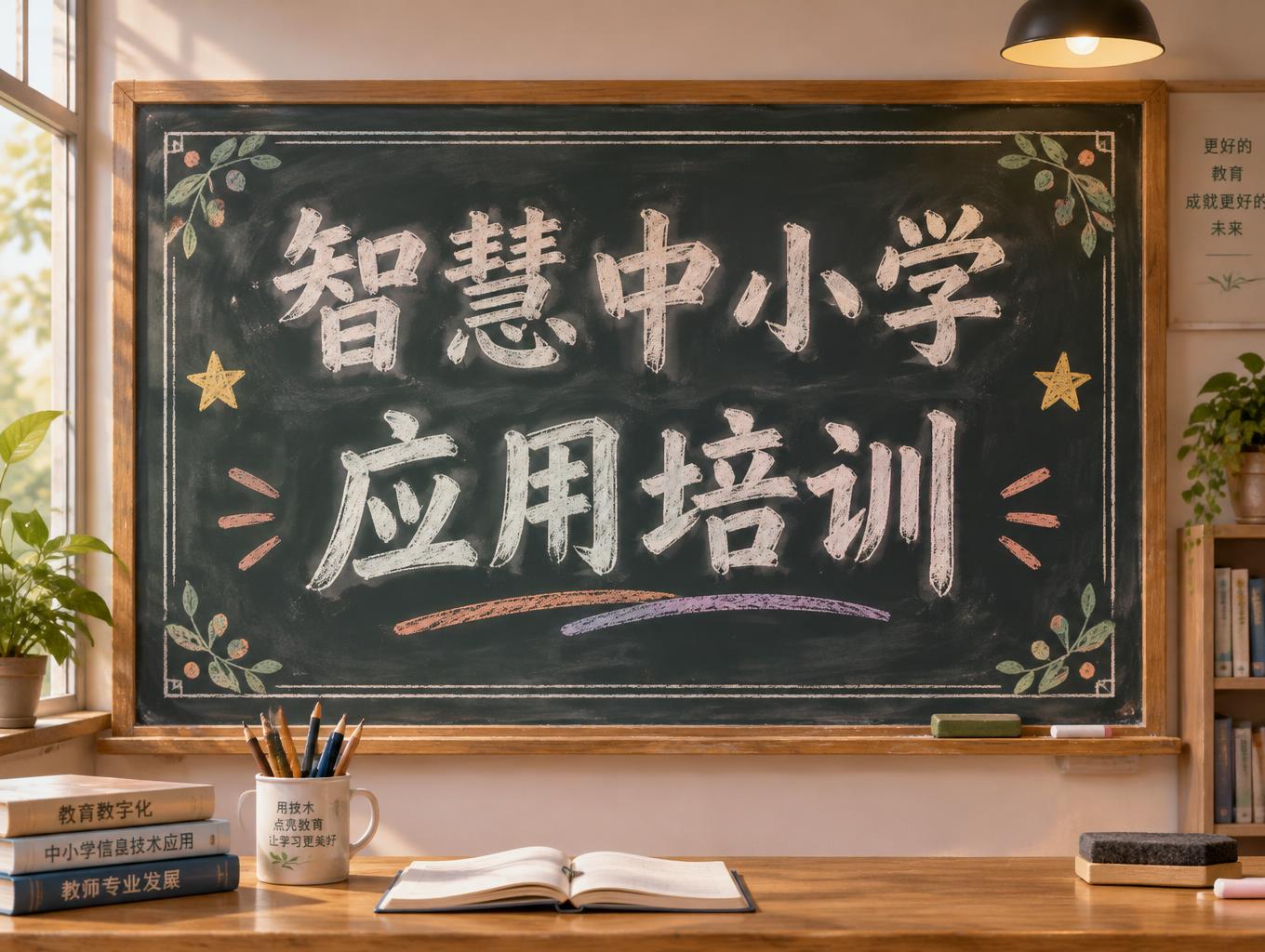
Chalk Style Gallery
Real outputs from the Chalk style. Click any image to see details.
Similar Text Effect Styles
Try these styles and create your own AI-generated text effects.
Looking for copy-paste fancy text? Try our free Font Generator Tools — cursive, gothic, bubble & 30+ styles.
Perfect for These Projects
Chalk text effects are popular for creative projects where visual impact matters.
What is the Chalk Font Style?
The Chalk font style is a distinctive AI-generated typography effect. Hand-lettered cream chalk on a dark slate board: mixed script and serif lines, flourishes and small doodles, soft chalk-dust edges under warm café lighting.
Using FontVibe's AI chalk generator you can create stunning text effects in seconds — no Photoshop, no font licensing, no design experience needed.
Explore the Chalk gallery for inspiration, or browse all 138+ AI text effect styles available on FontVibe.
How to Create Chalk Typography in FontVibe Studio
1. Enter your text — Any word, phrase, or brand name. Works best with short, punchy text.
2. Select Chalk — From the style library. Optionally describe a mood in the custom prompt.
3. Generate and download. Your Chalk font artwork is ready in seconds. PNG, JPG, or transparent PNG.
Looking for something different? Browse the full font style library for more AI typography options.
Chalk Text Effect — FAQ
The Story Behind Chalk
History, visual DNA, and cultural context — everything that makes this style what it is.
The Visual DNA
In Typography
Chalk typography carries specific associations: the classroom (education, learning, expertise), the cafe chalkboard menu (artisan, local, hand-made), and the temporary nature of marks that can be erased. All three associations are productive for different contexts.
The artisan food and beverage category adopted chalk board aesthetics in the 2010s as a signal of craft and handmade quality — the chalkboard menu became a genre convention for coffee shops, farm-to-table restaurants, and craft beer establishments. Like vintage typography, the aesthetic has become so established in the category that new entrants use it as a convention rather than a choice.
The key execution detail: authentic chalk typography looks imperfect. Perfect, evenly opaque, sharply edged chalk lettering reads as a font rendering of chalk, not actual chalk. The gaps, the pressure variation, and the slight misalignment of strokes are not flaws — they are the medium.
Did You Know?
The first attested use of chalk on a blackboard in the United States dates to September 21, 1801, in a mathematics lecture course given by George Baron. James Pillans is credited with inventing coloured chalk in 1814, mixing chalk powder and dyes with a porridge-based binder. Source ↗