


AI Viking Text Effect Generator
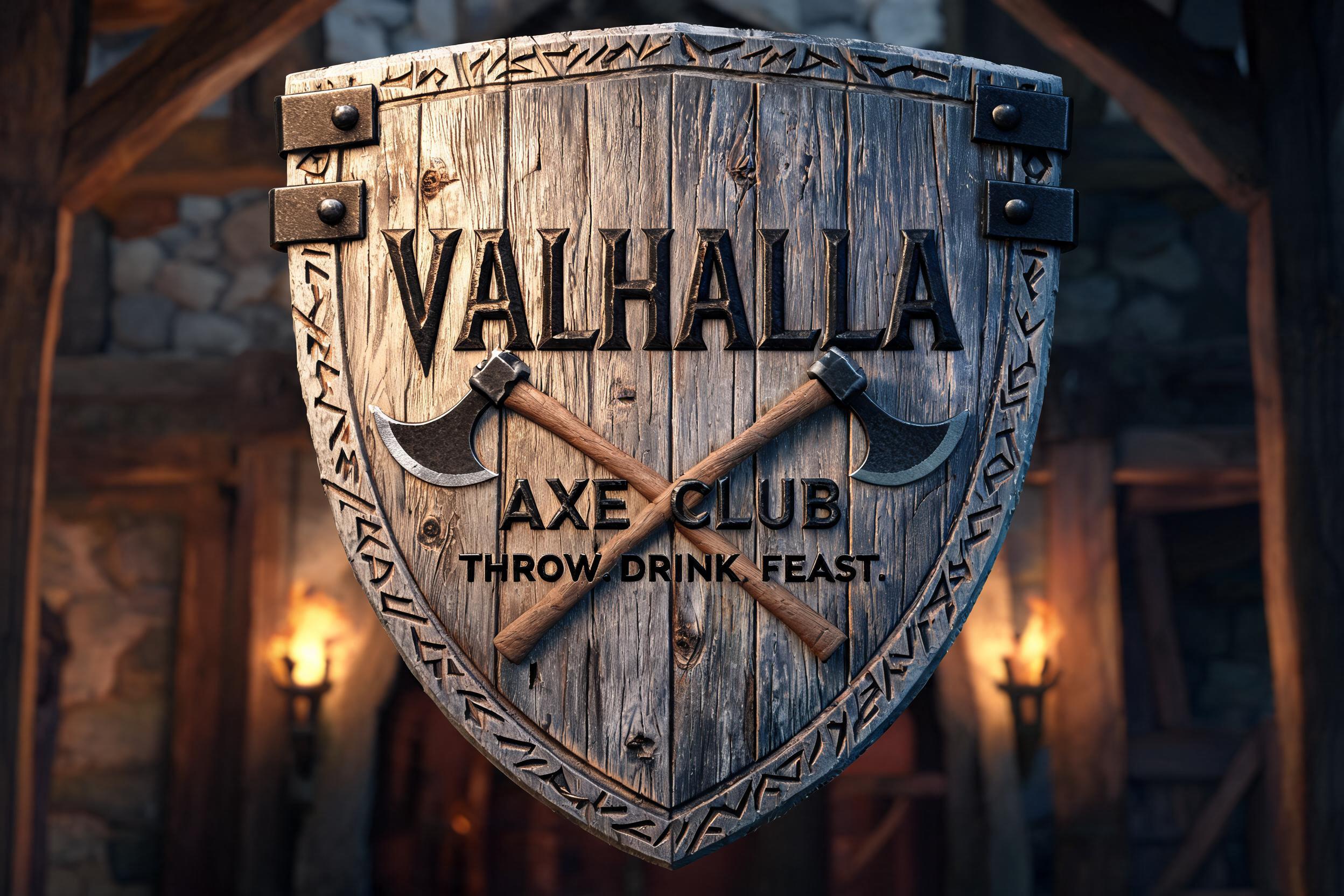
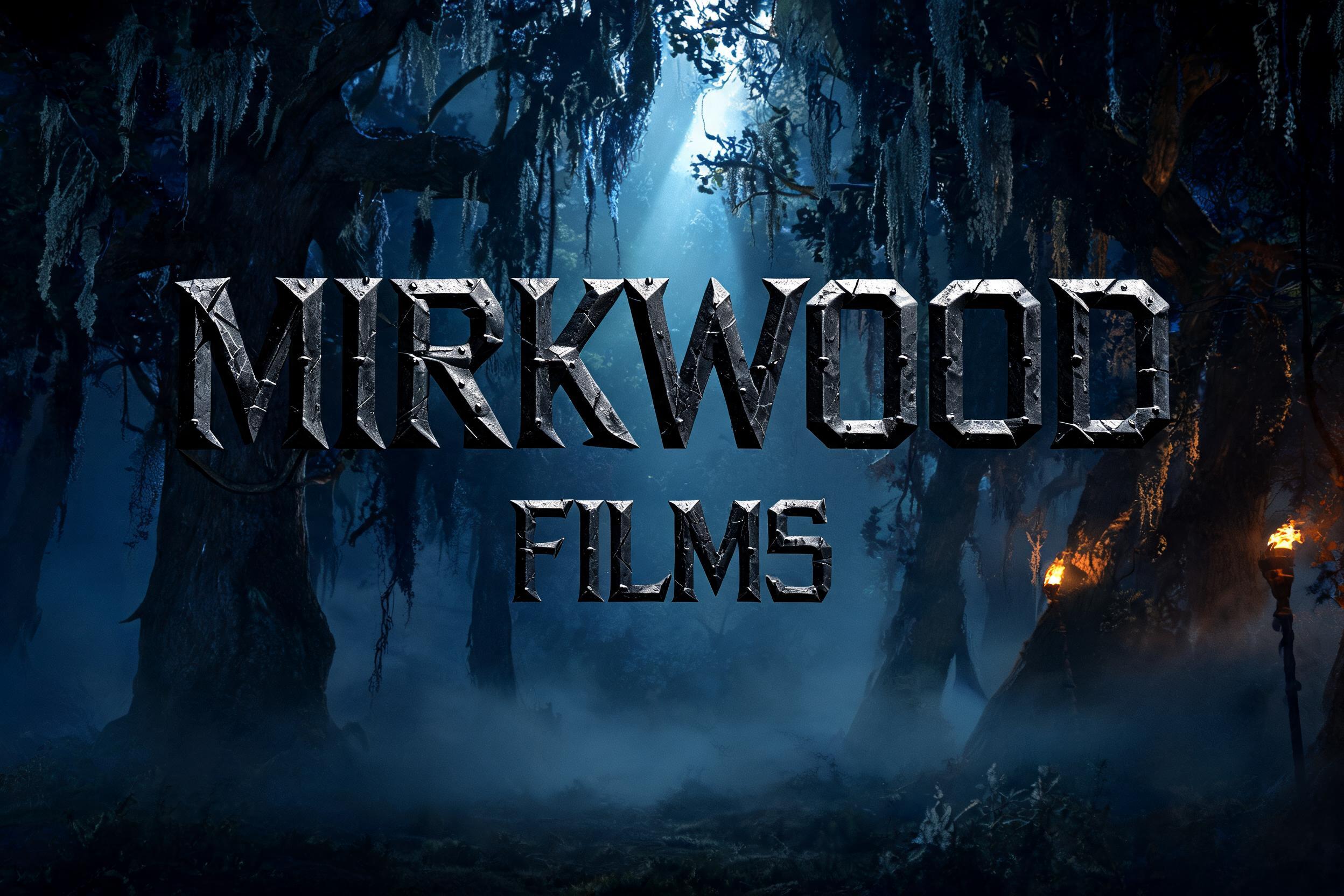
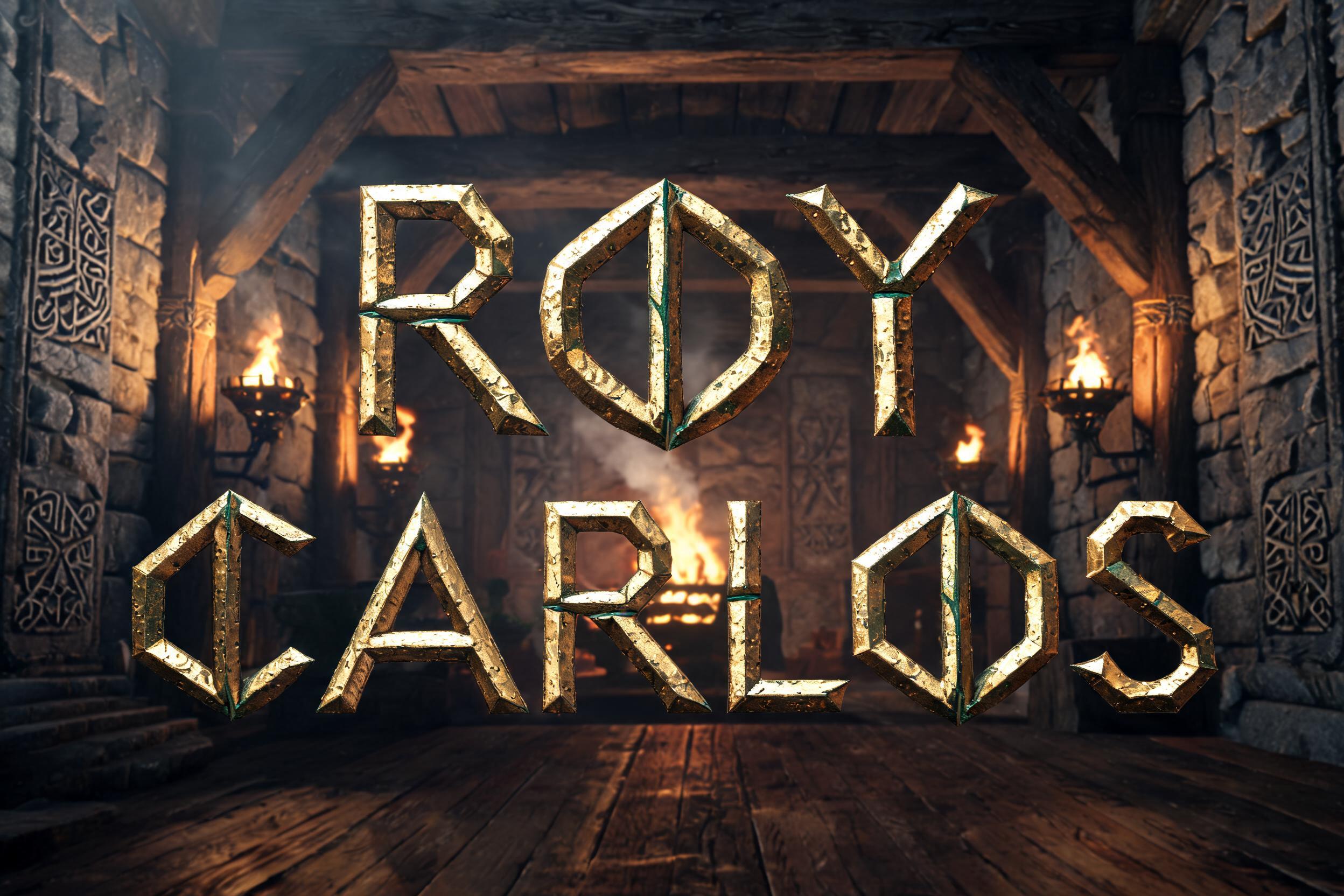
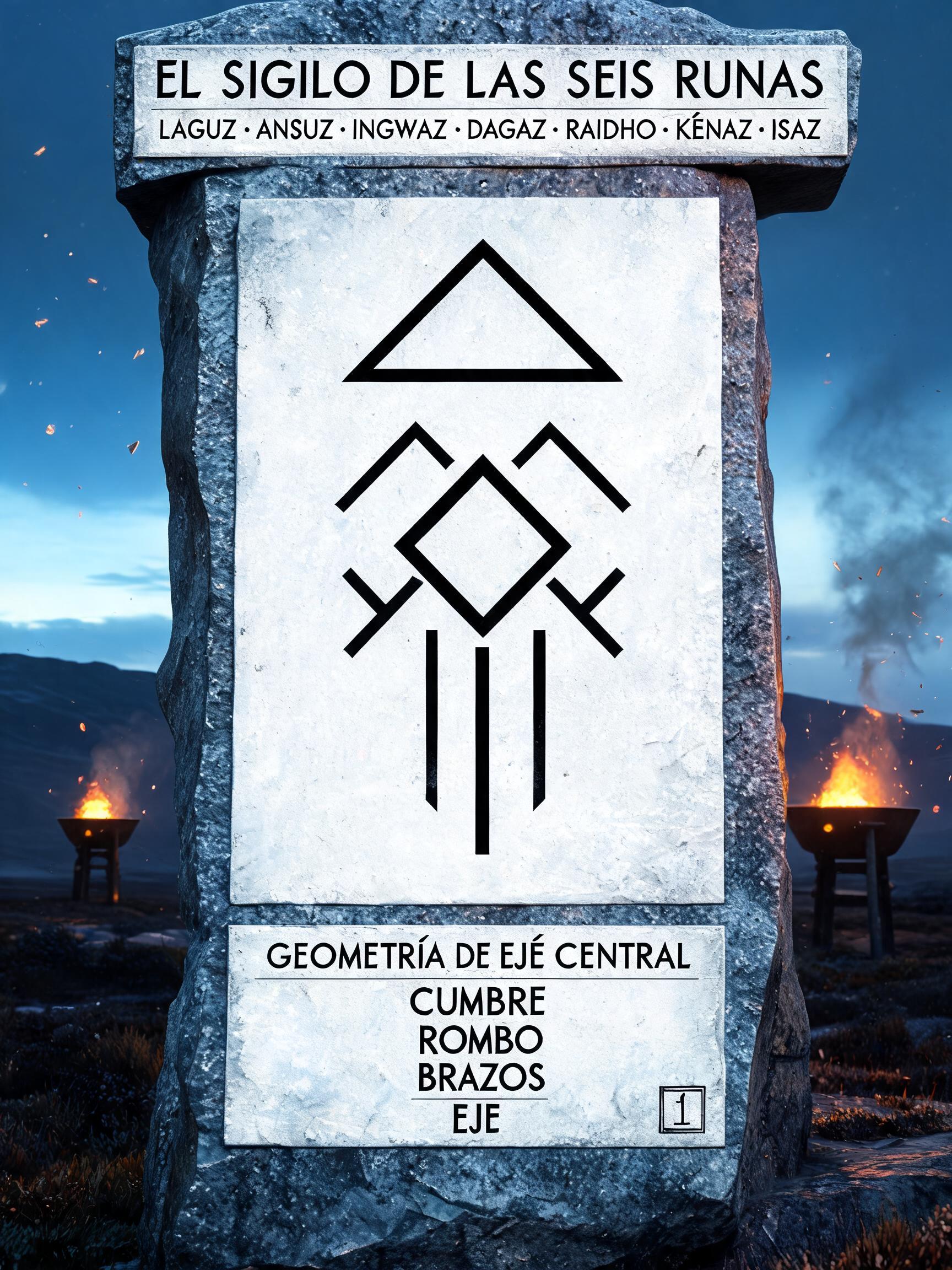
Norse Viking runic typography with carved stone textures, Nordic knotwork patterns, battle-worn metallic finishes and ancient Scandinavian aesthetics. — no font license needed.
Viking in different AI fonts
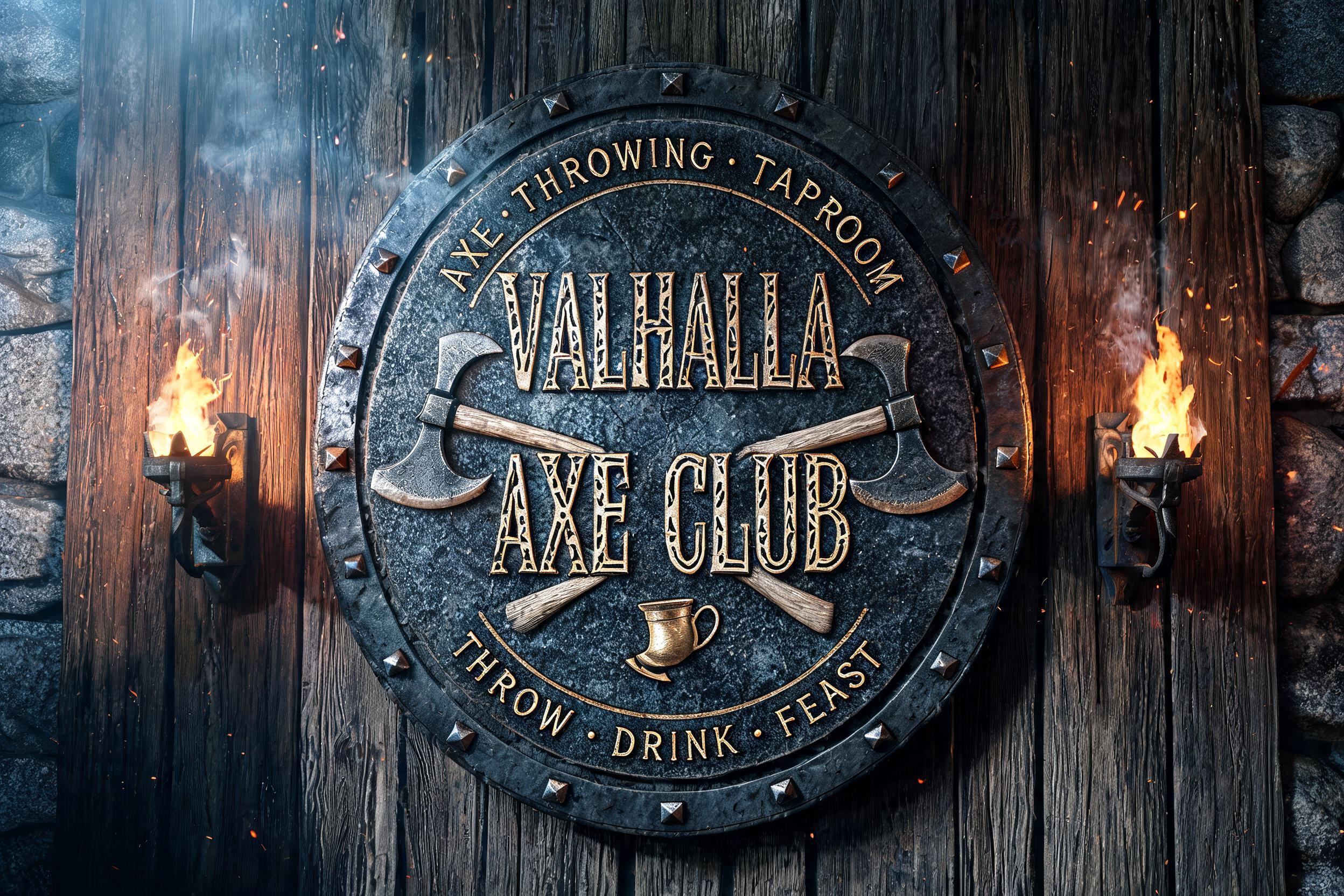
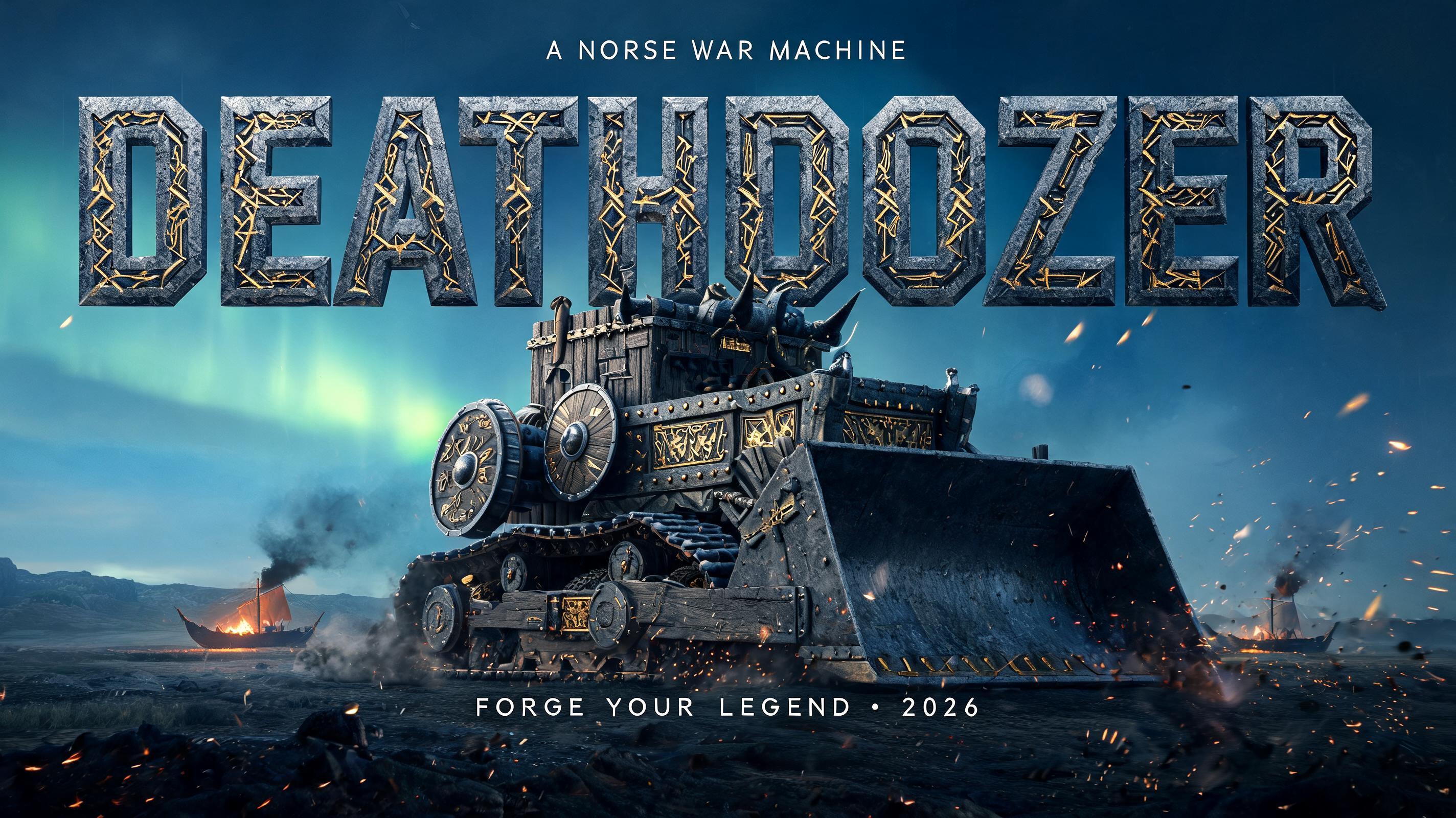
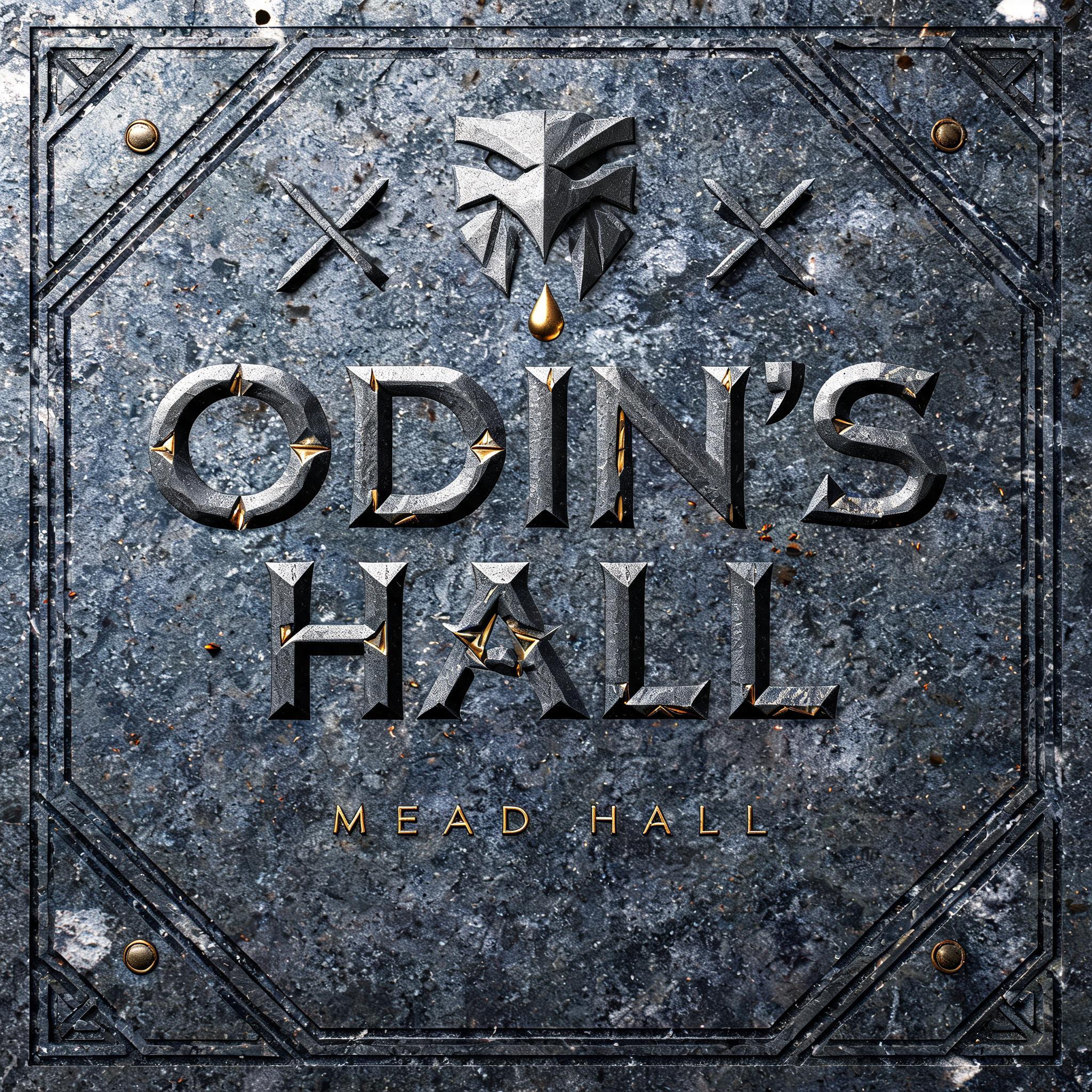
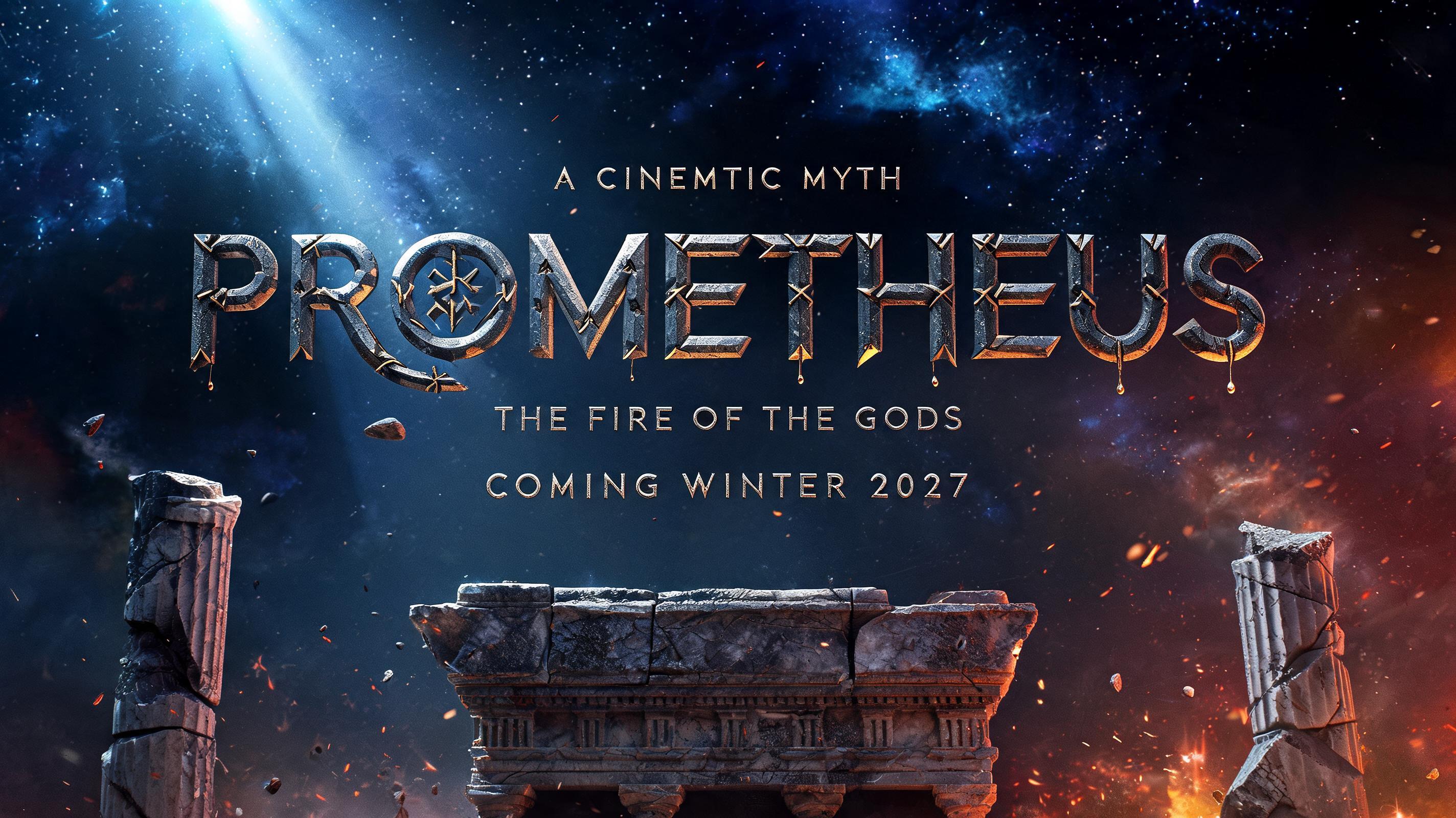
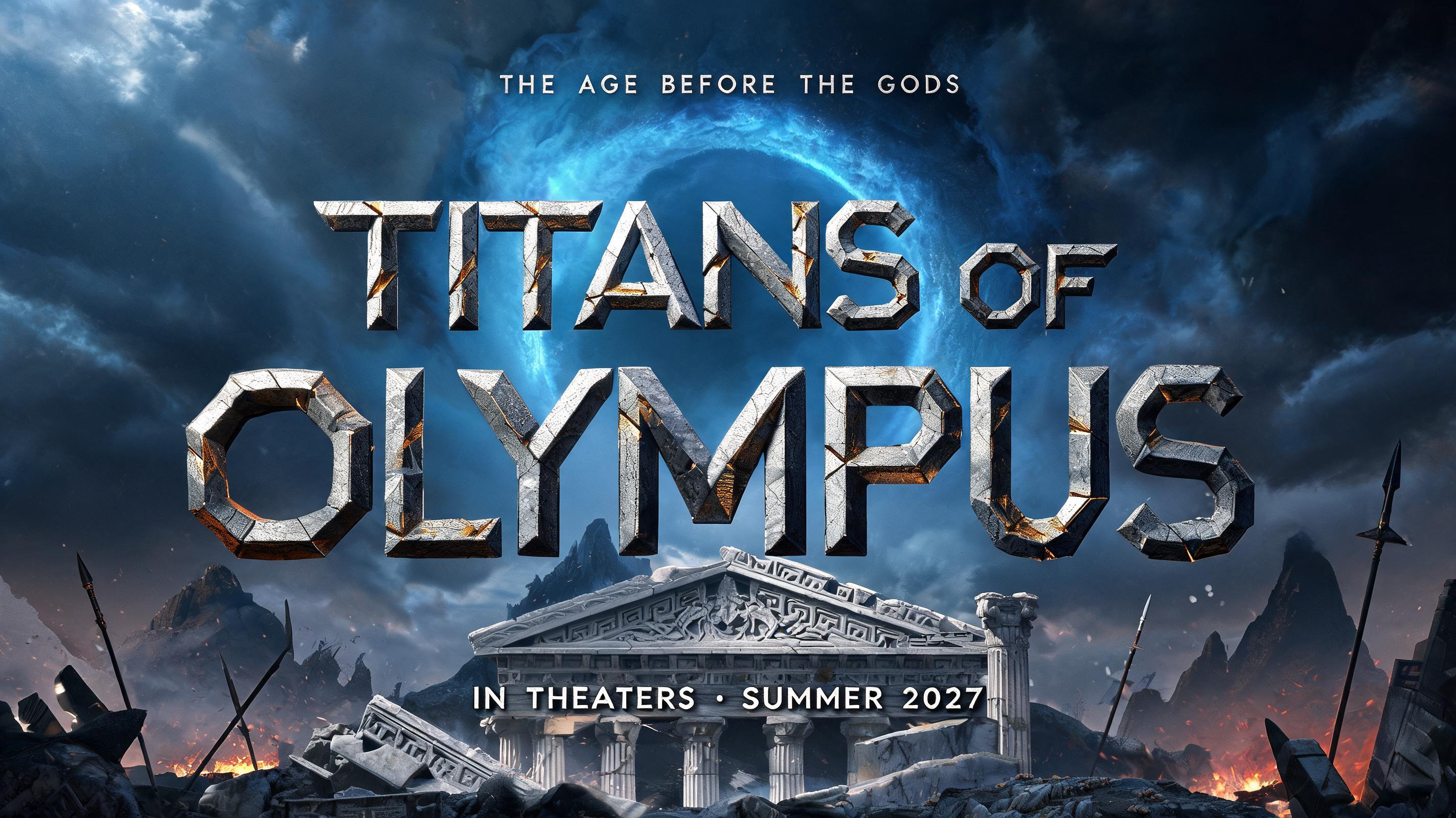
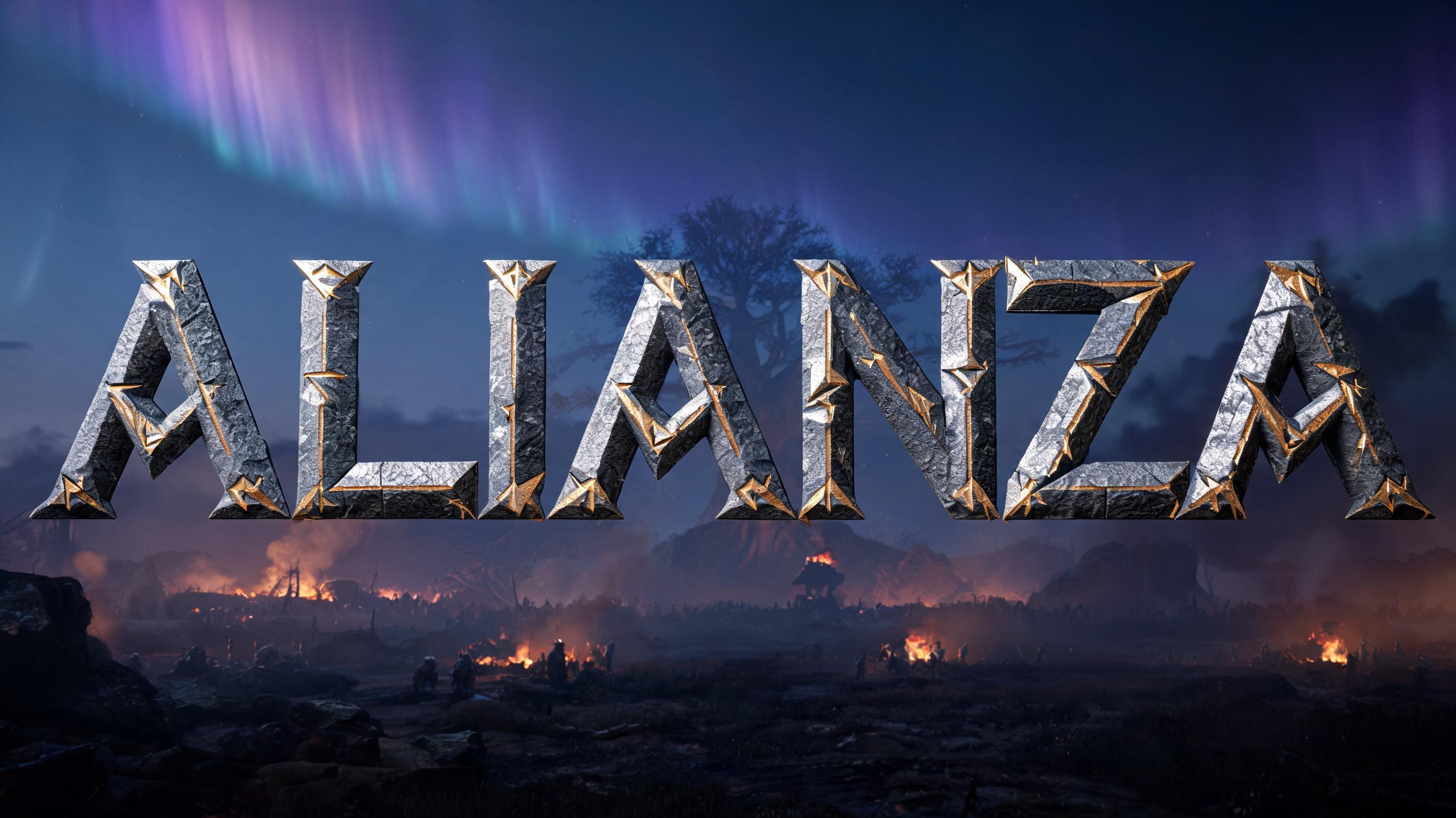
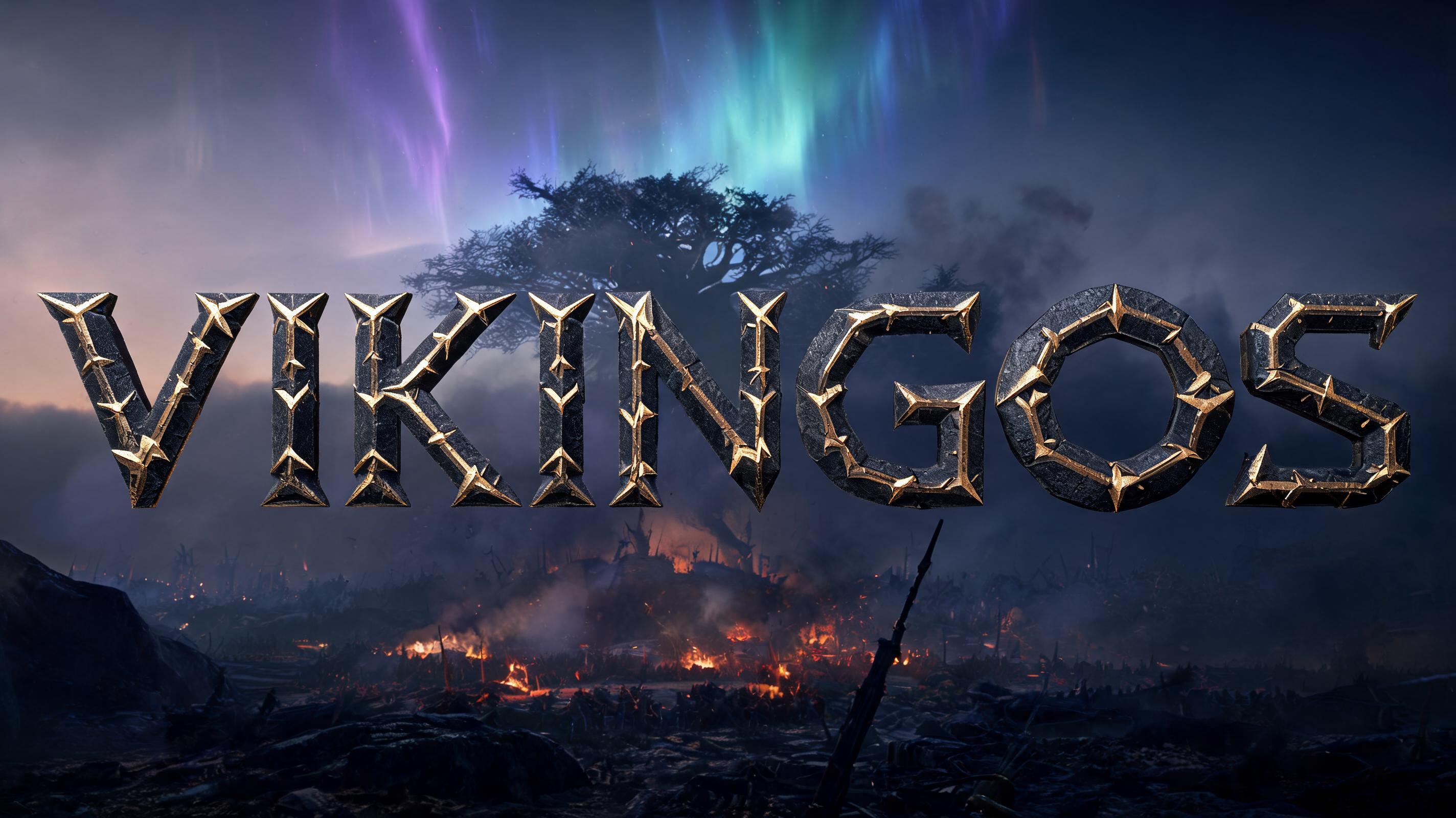


Find the Right Viking Style for Your Project
1 distinct variations — each locked to a specific look and use case.

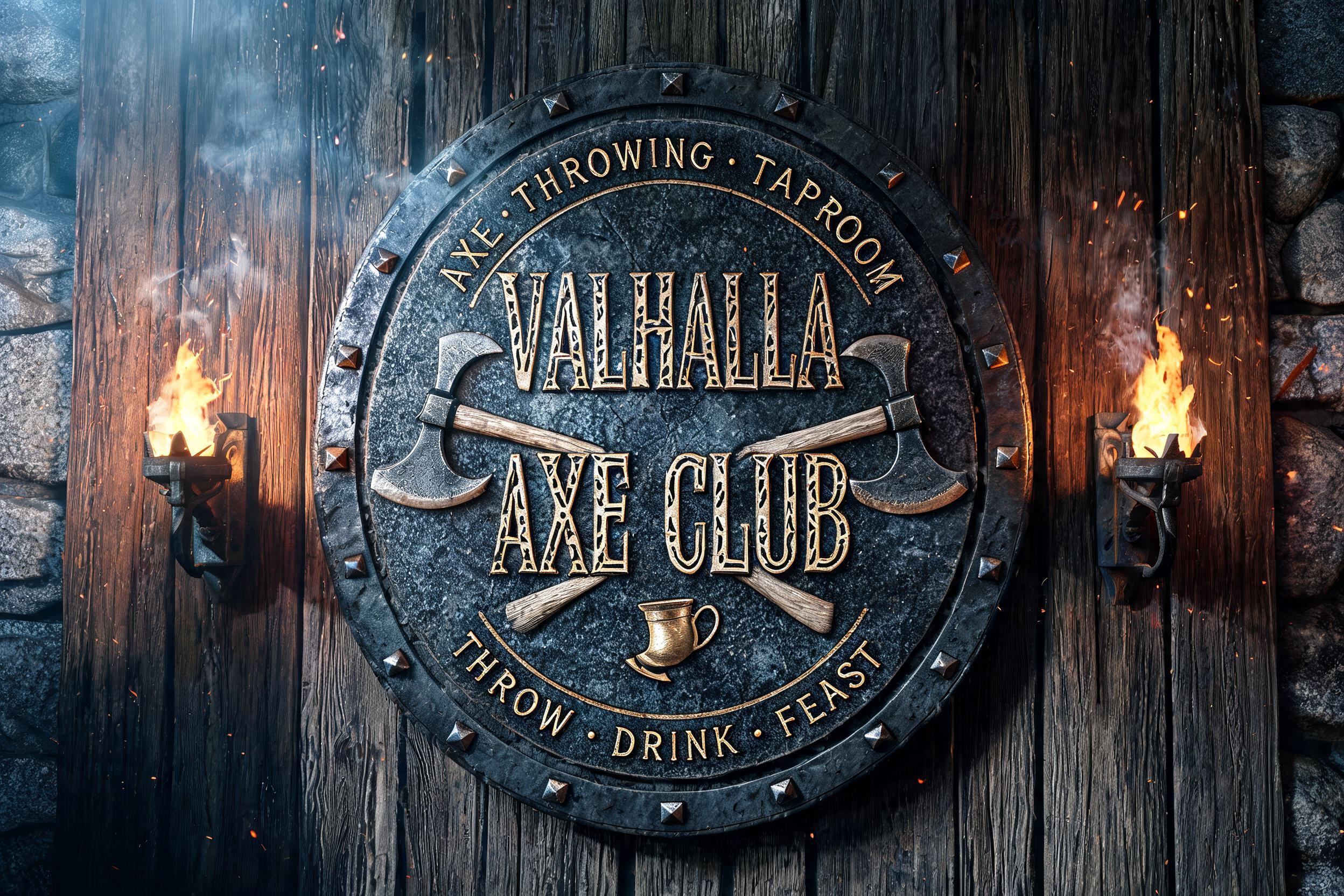
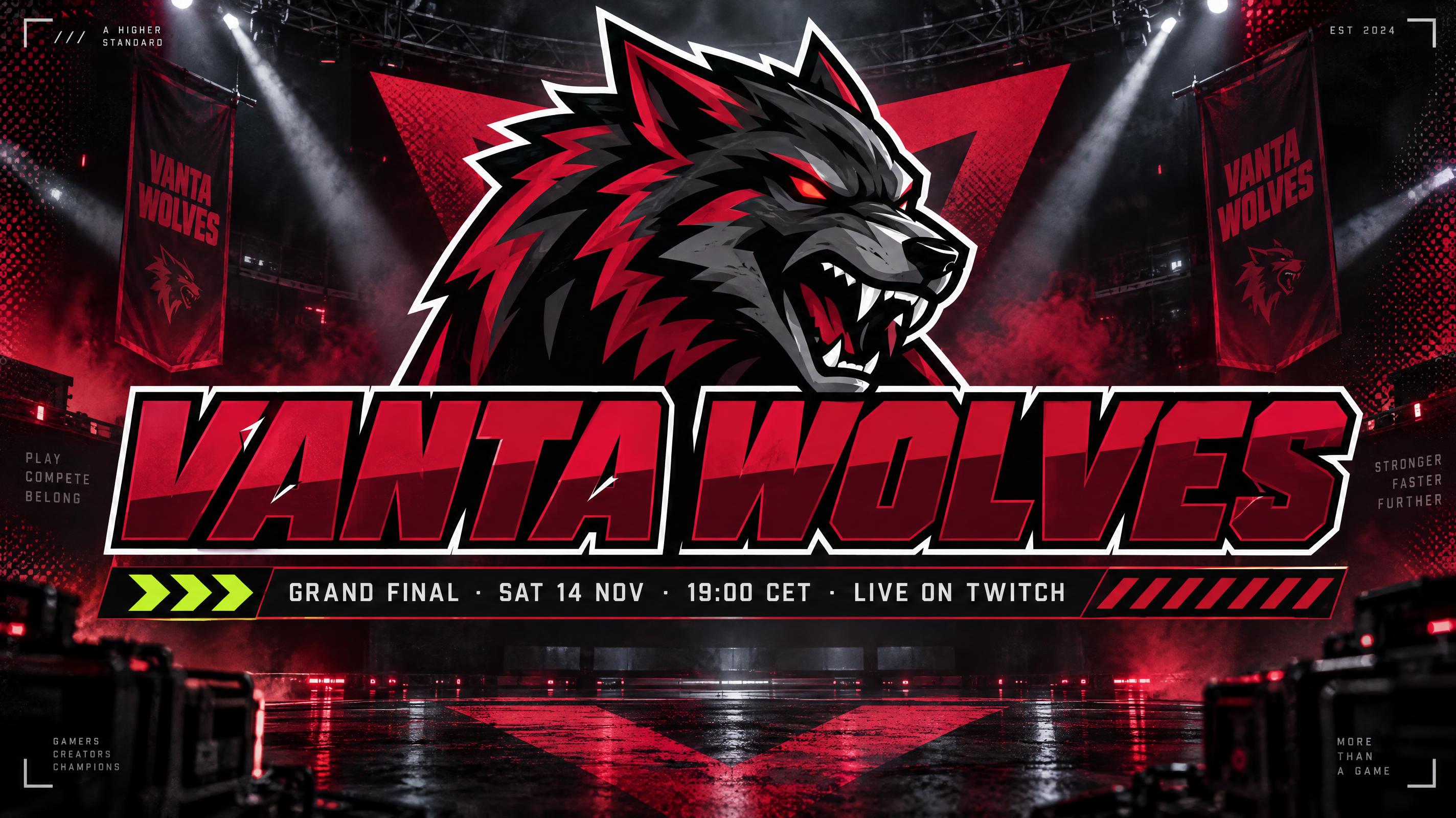
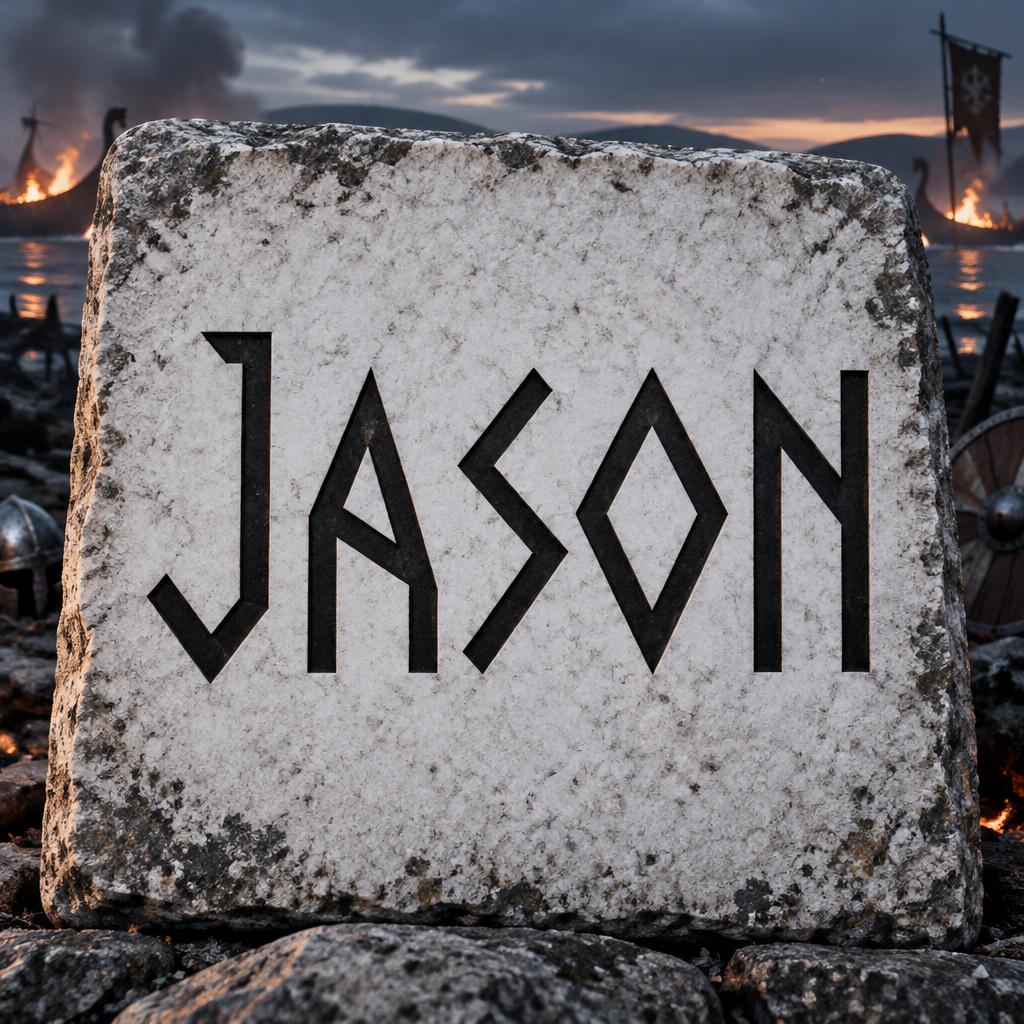
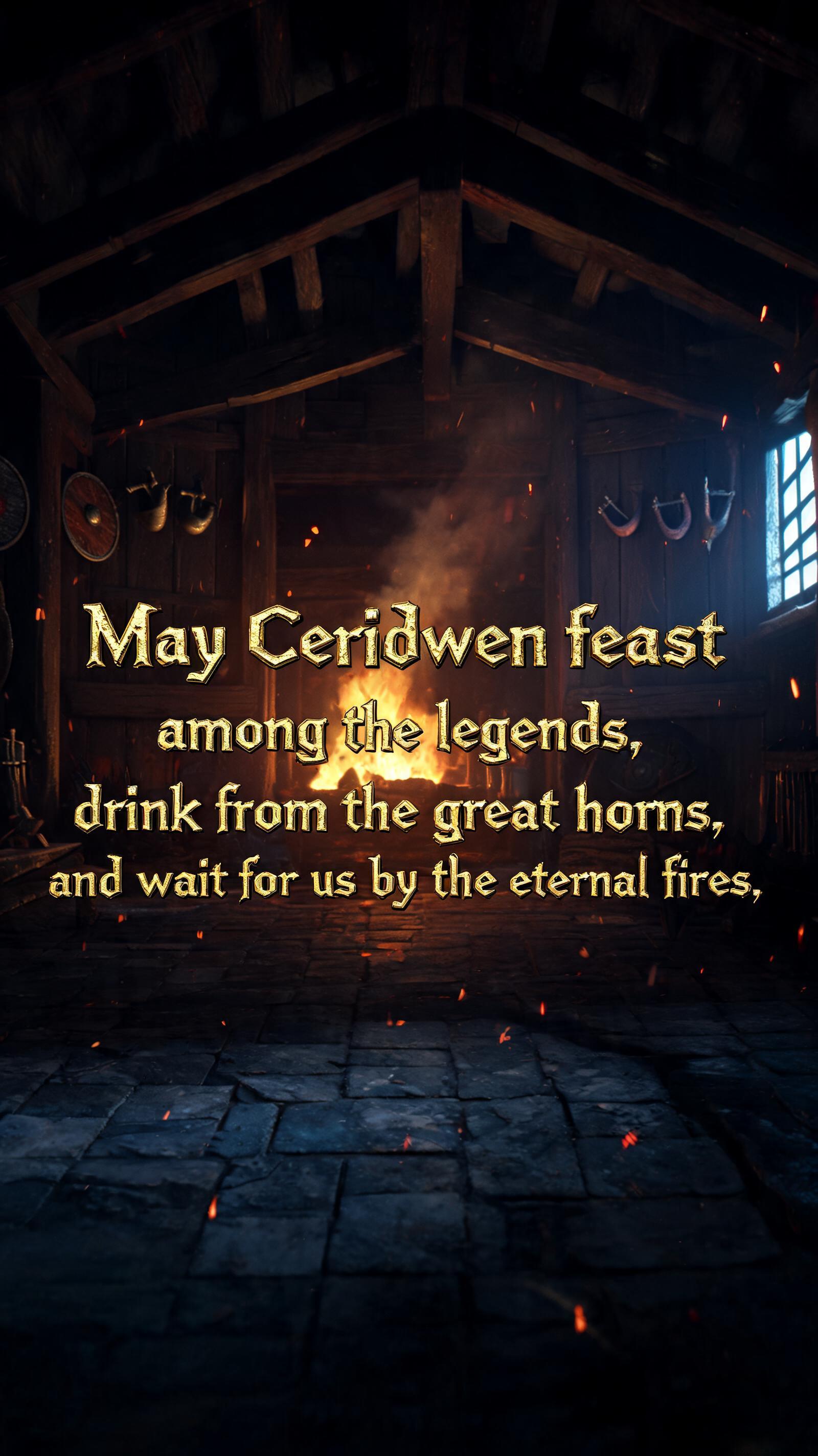
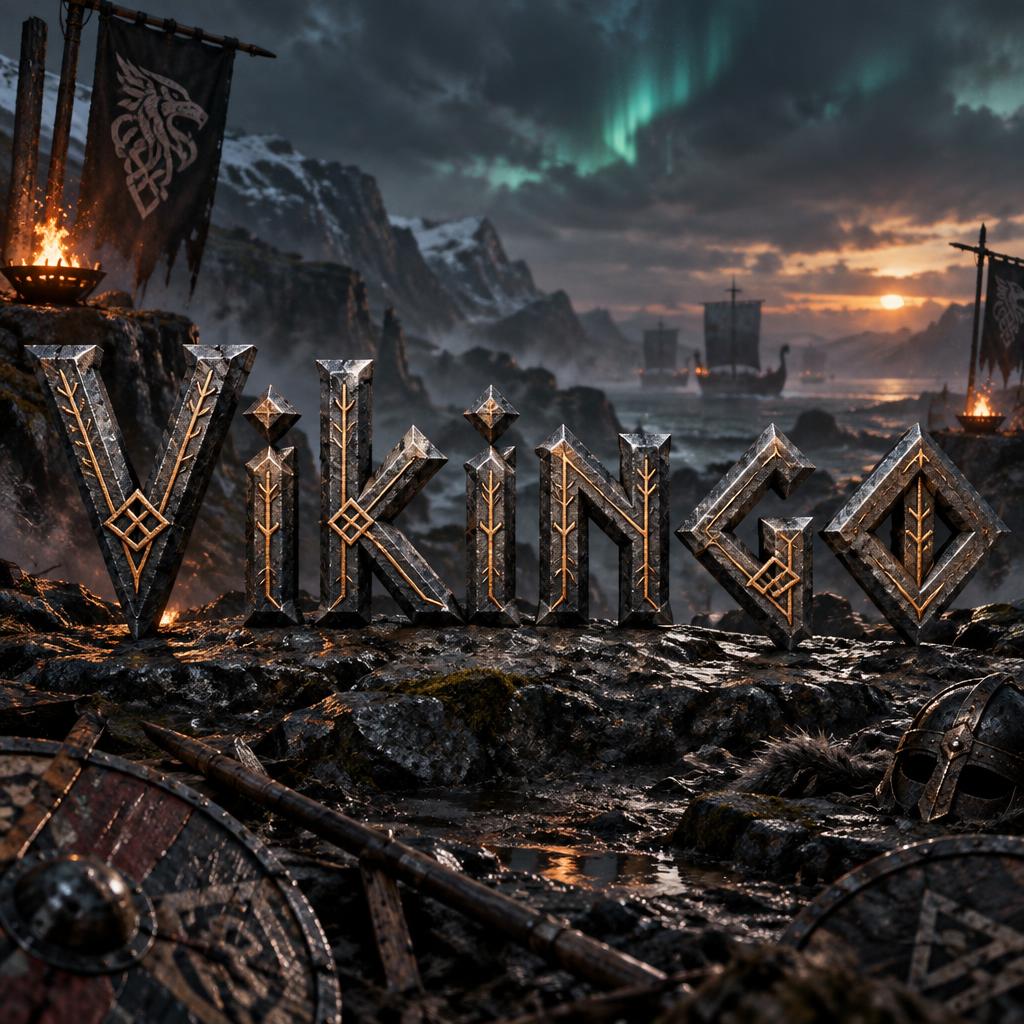
Viking Gallery
Real outputs from the Viking style. Click any image to see details.
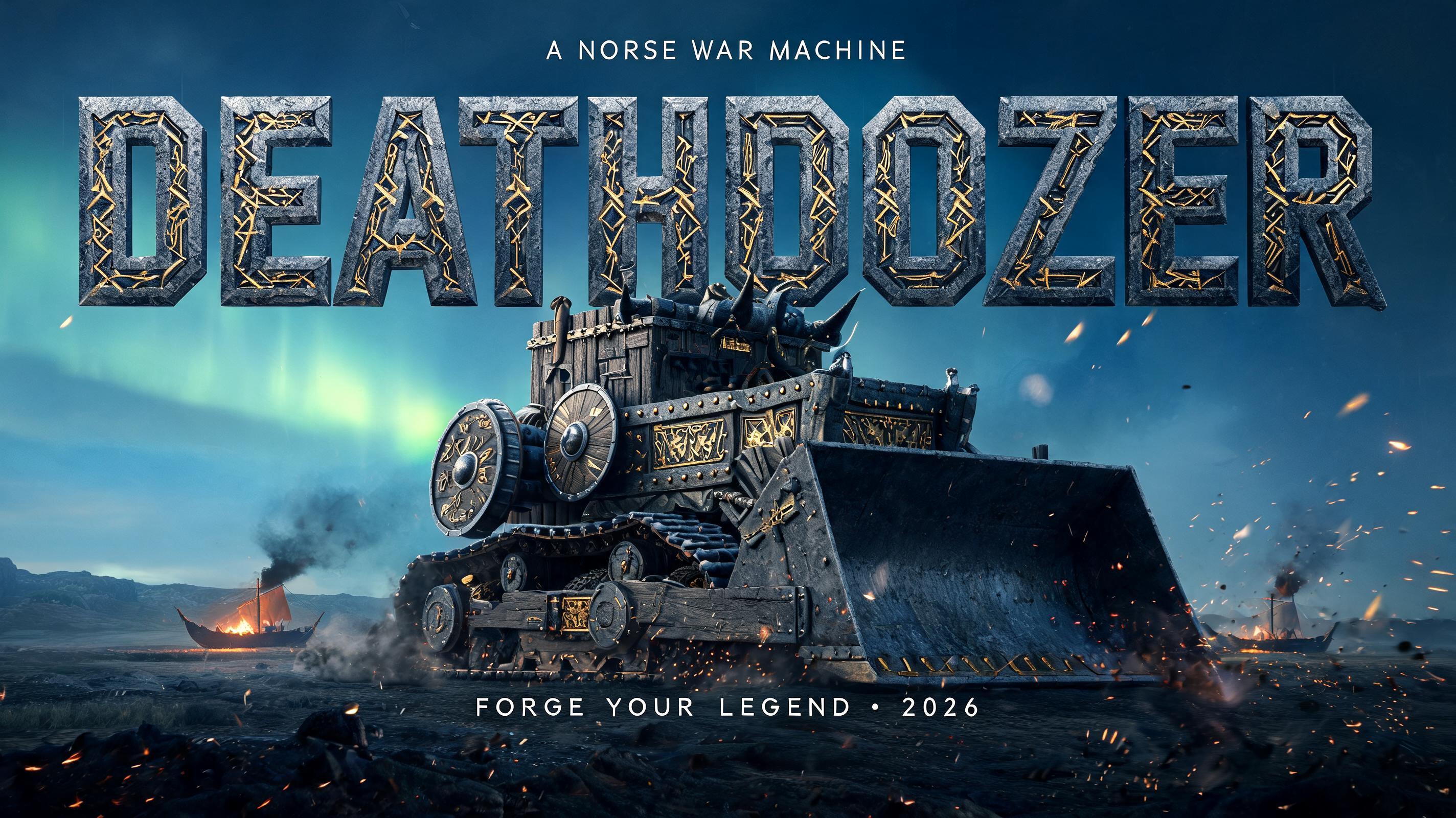
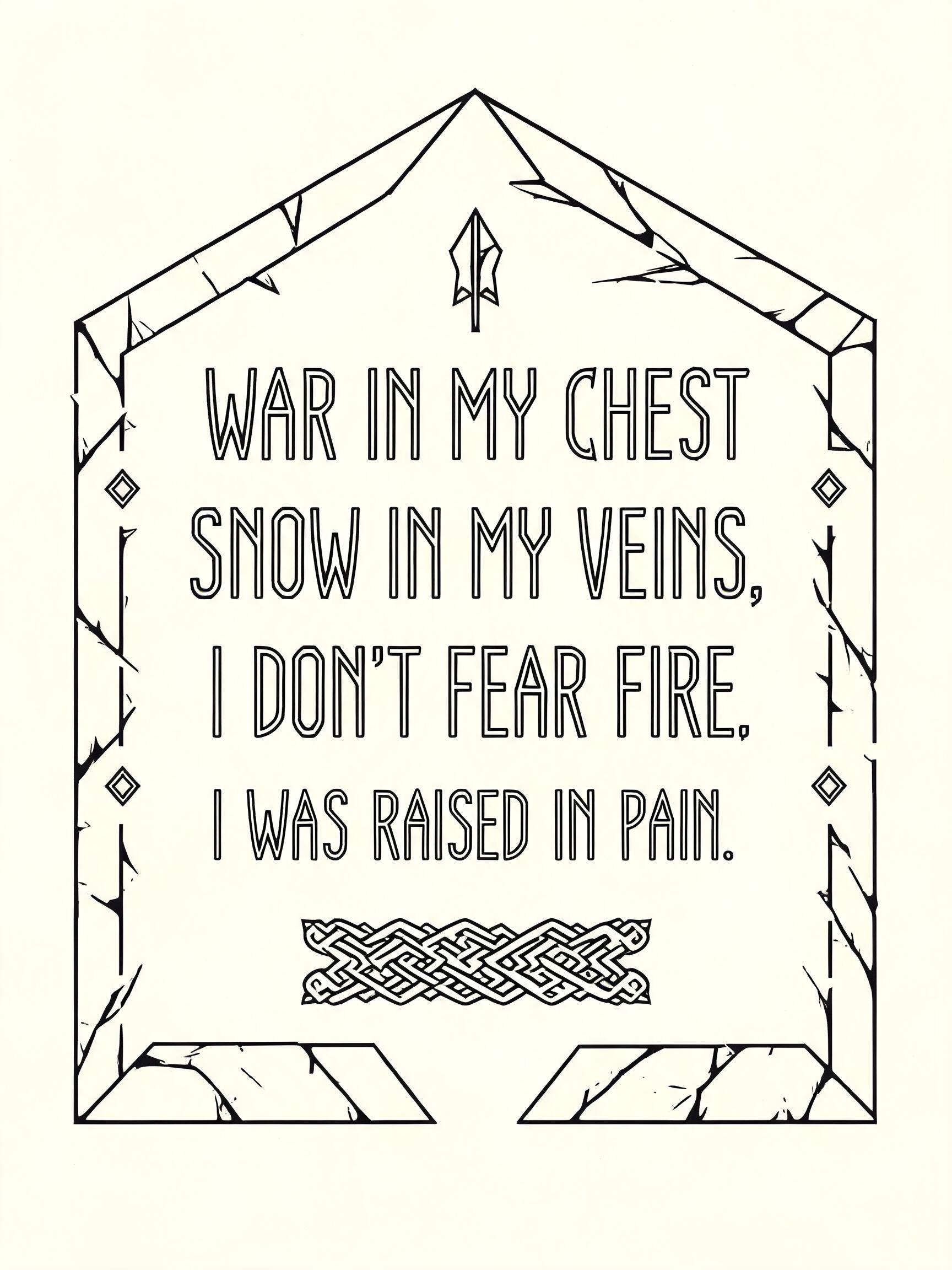
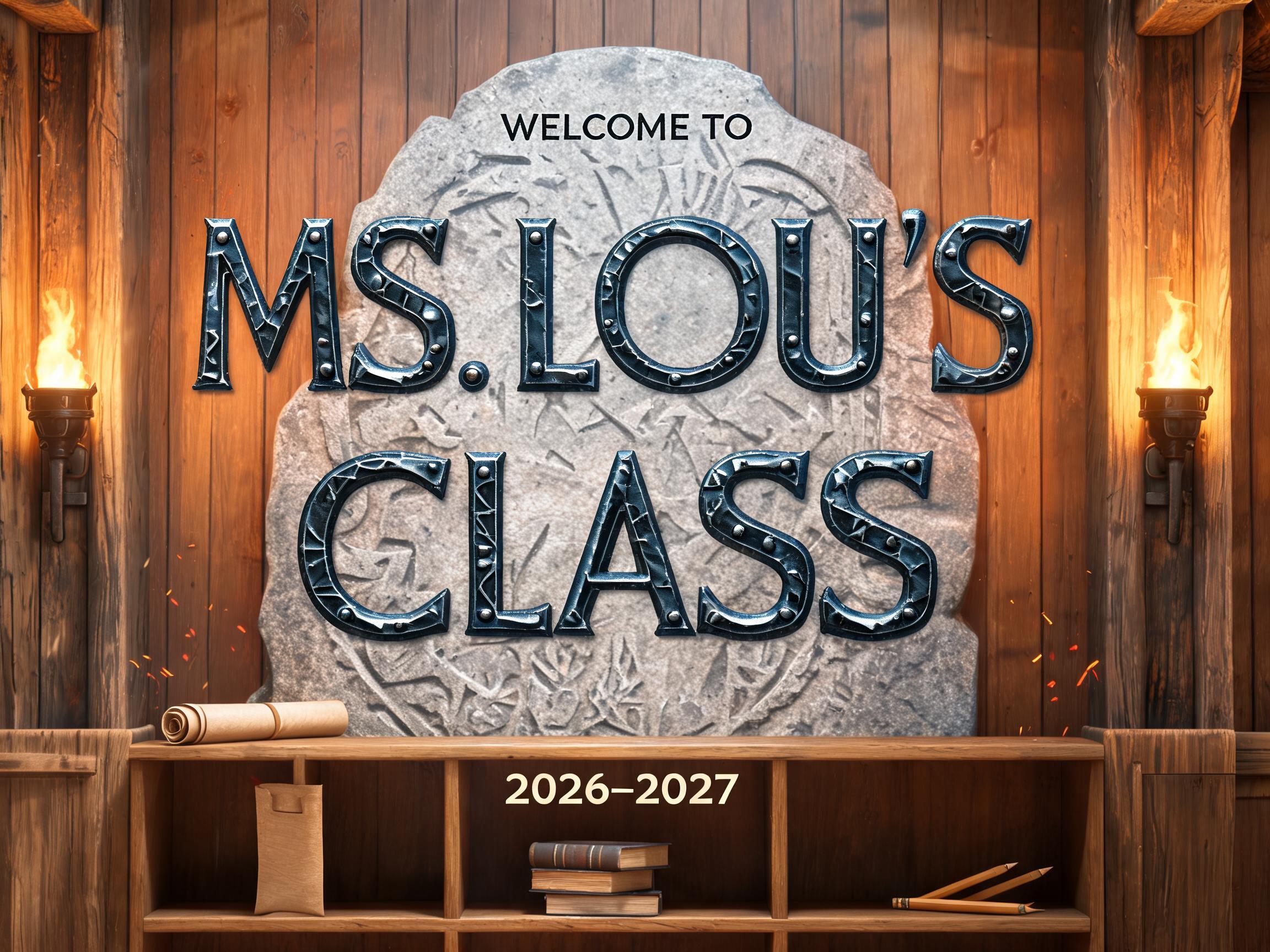
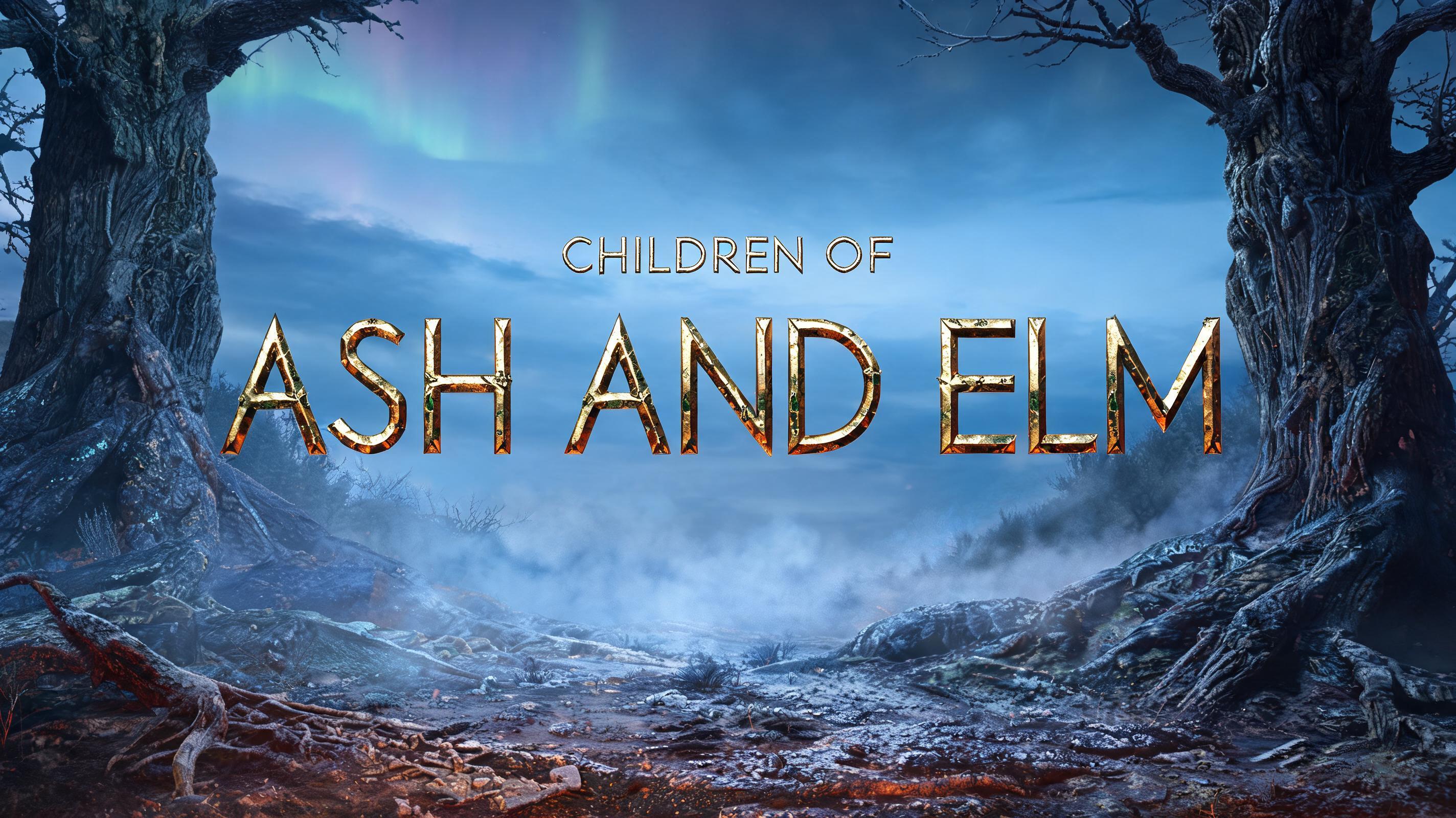
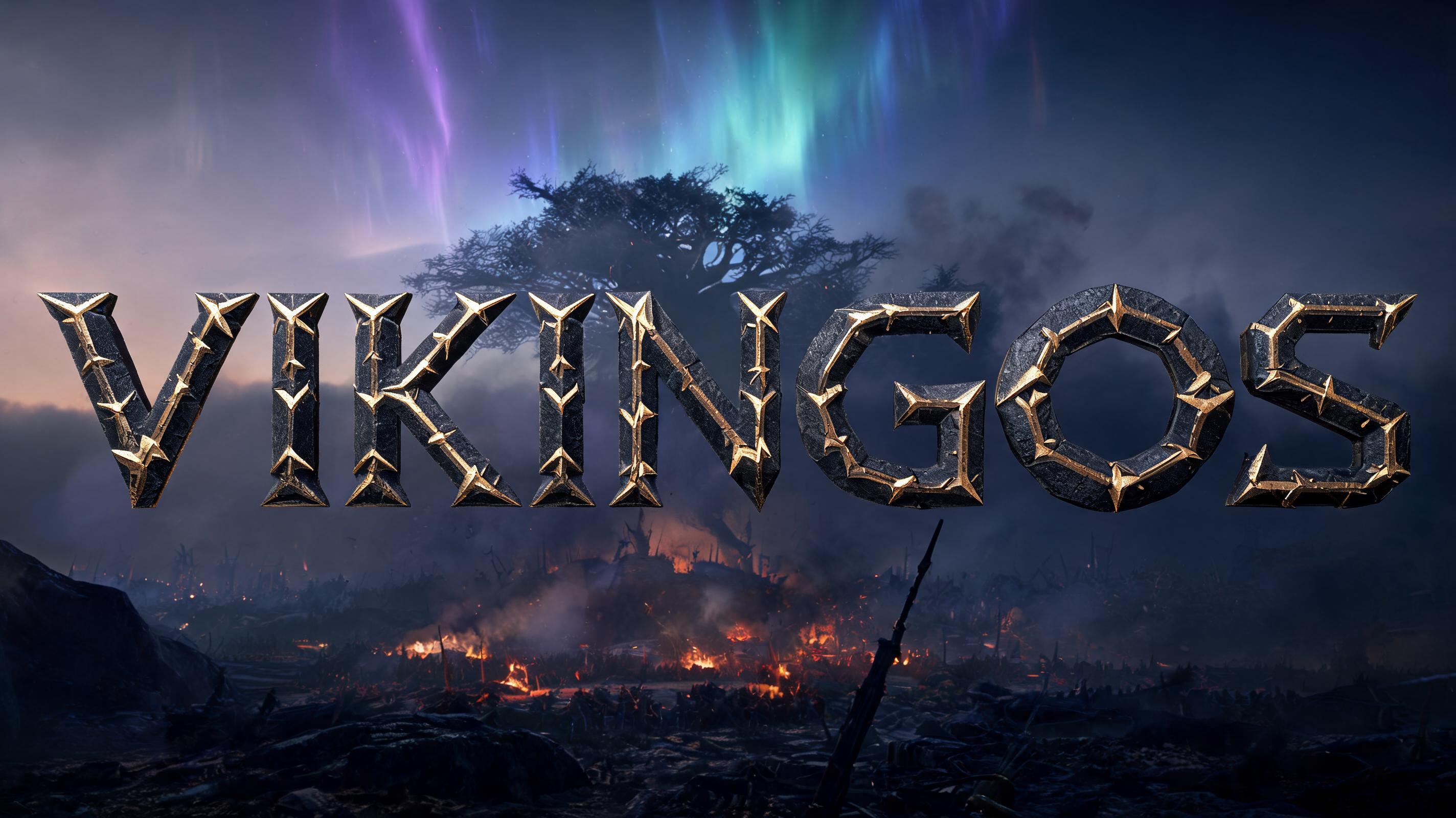

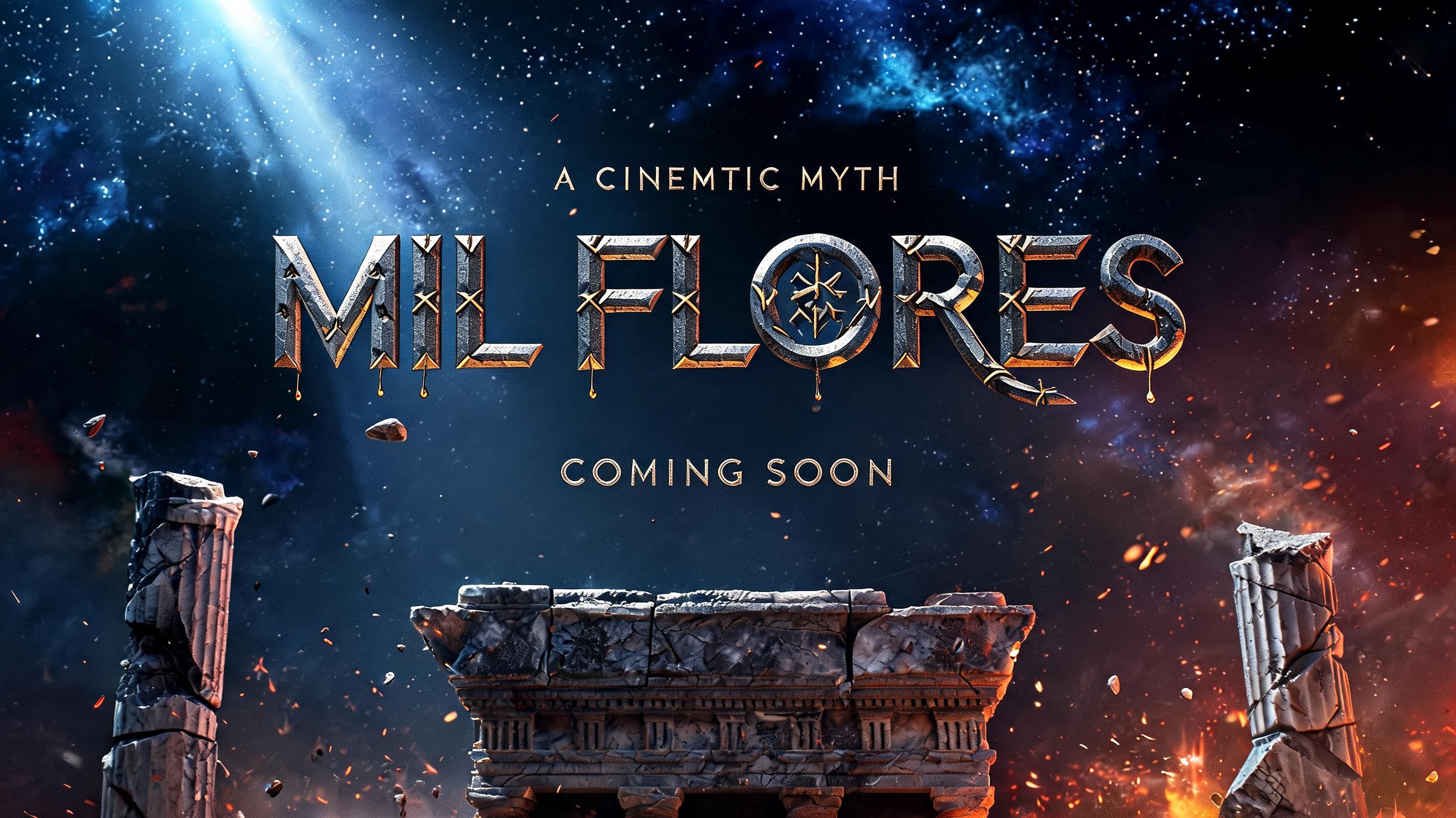
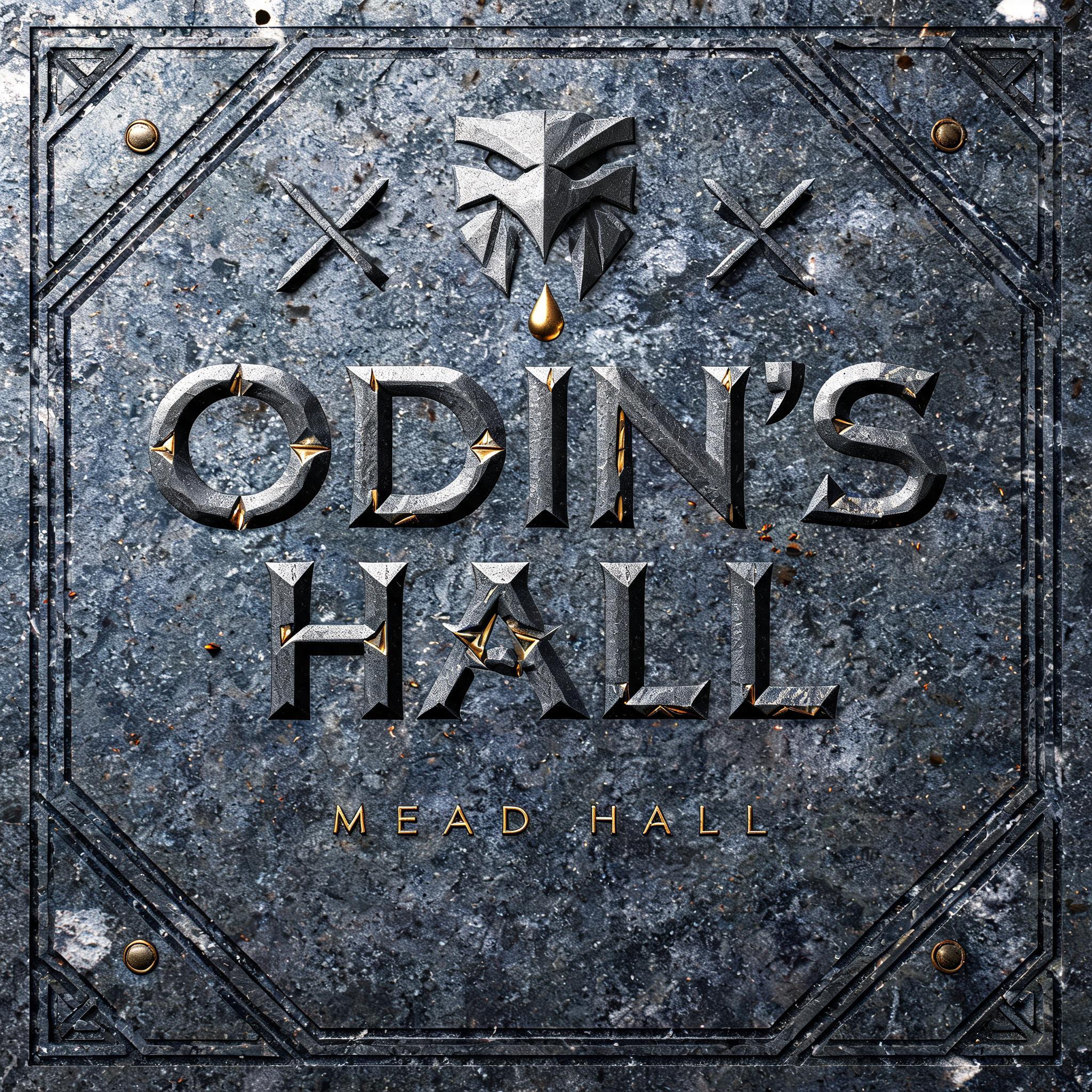
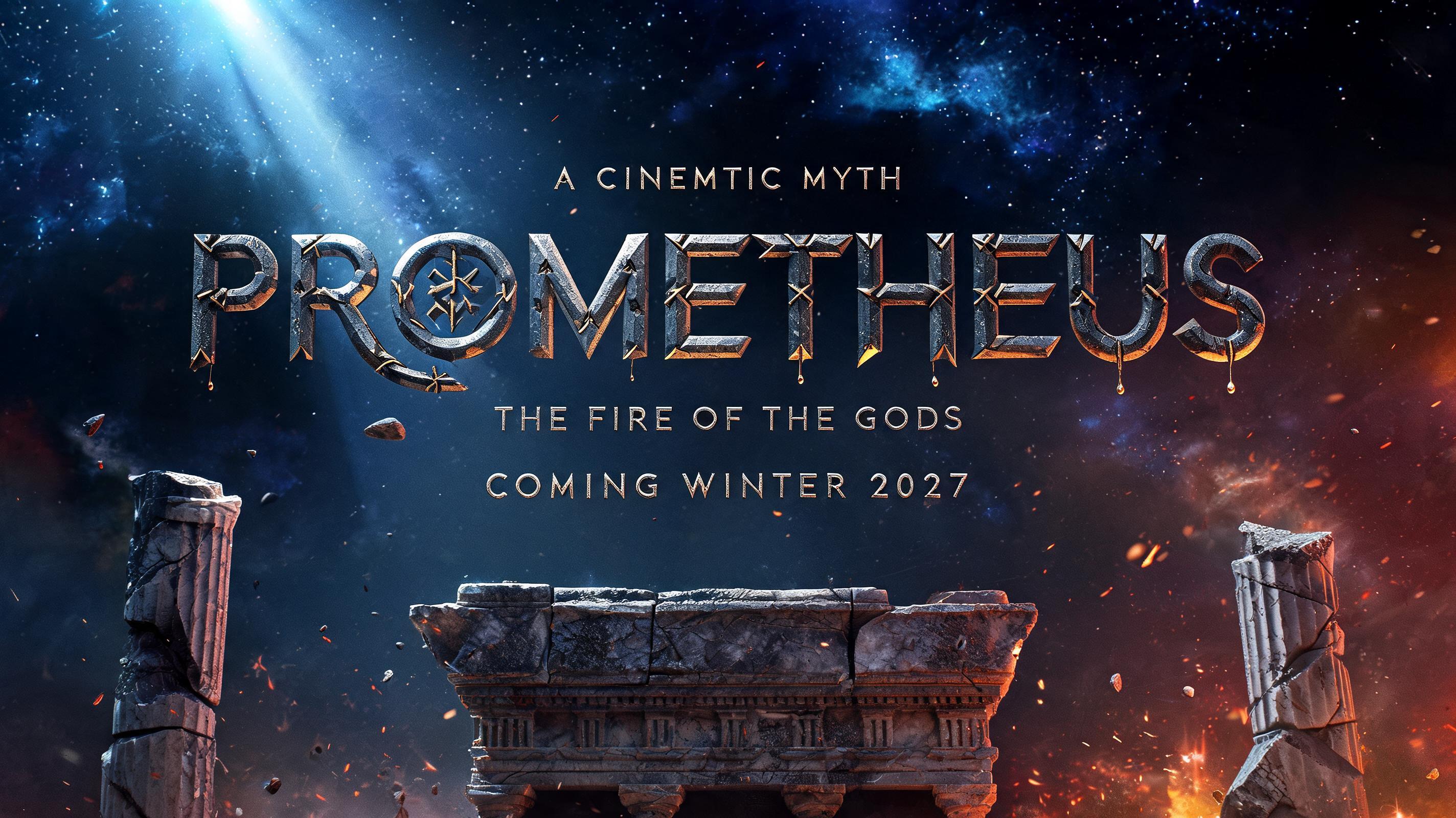

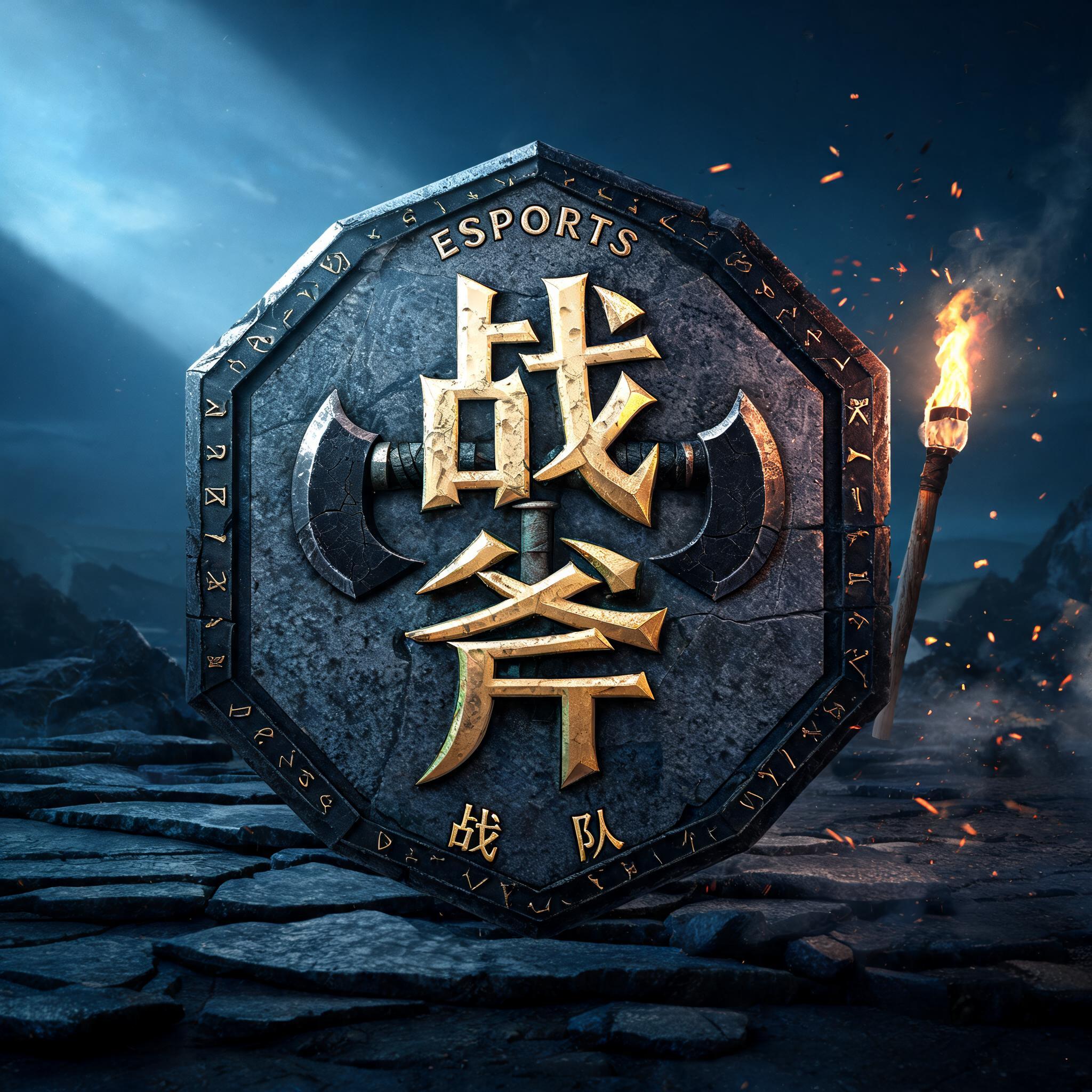
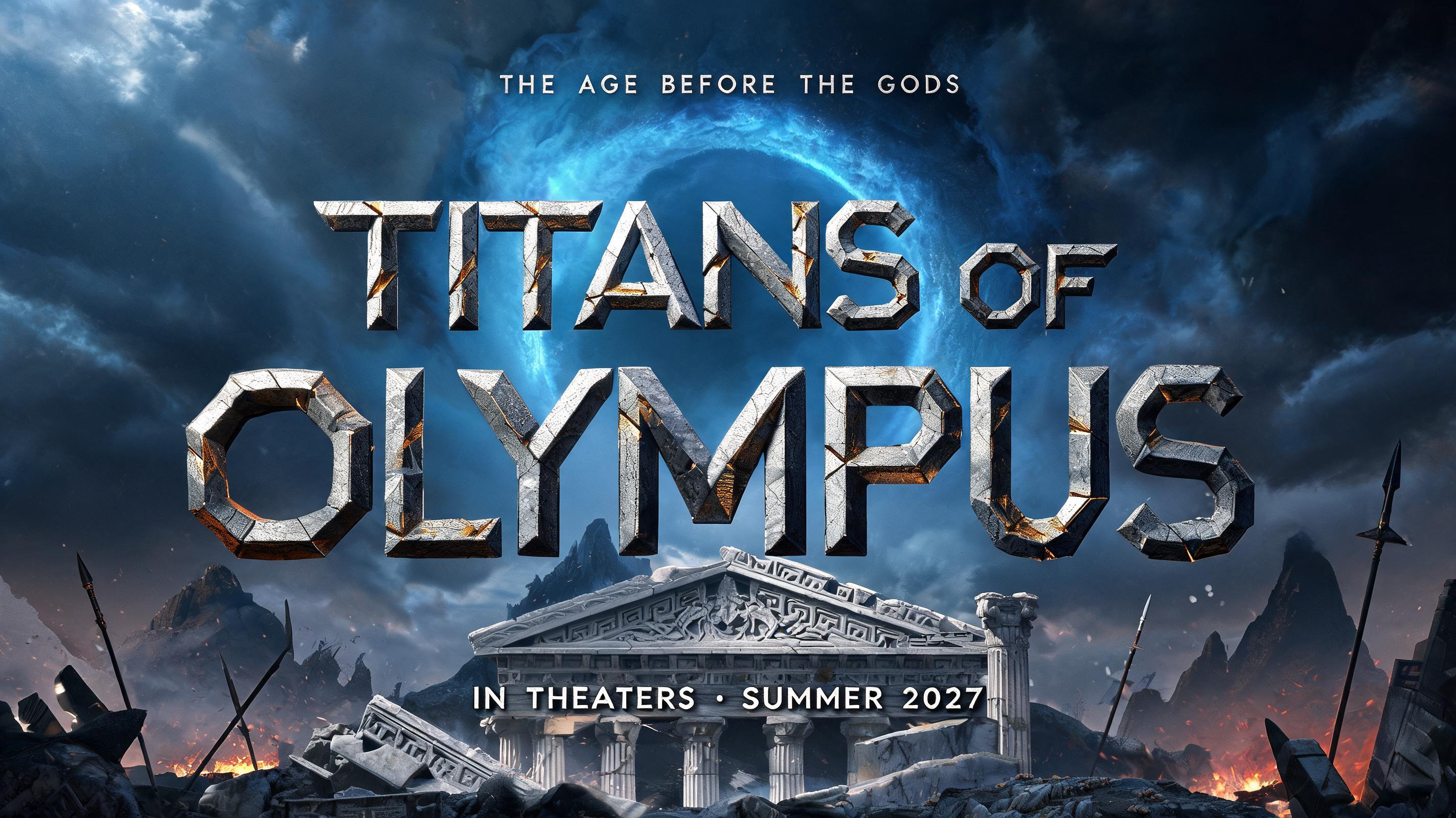
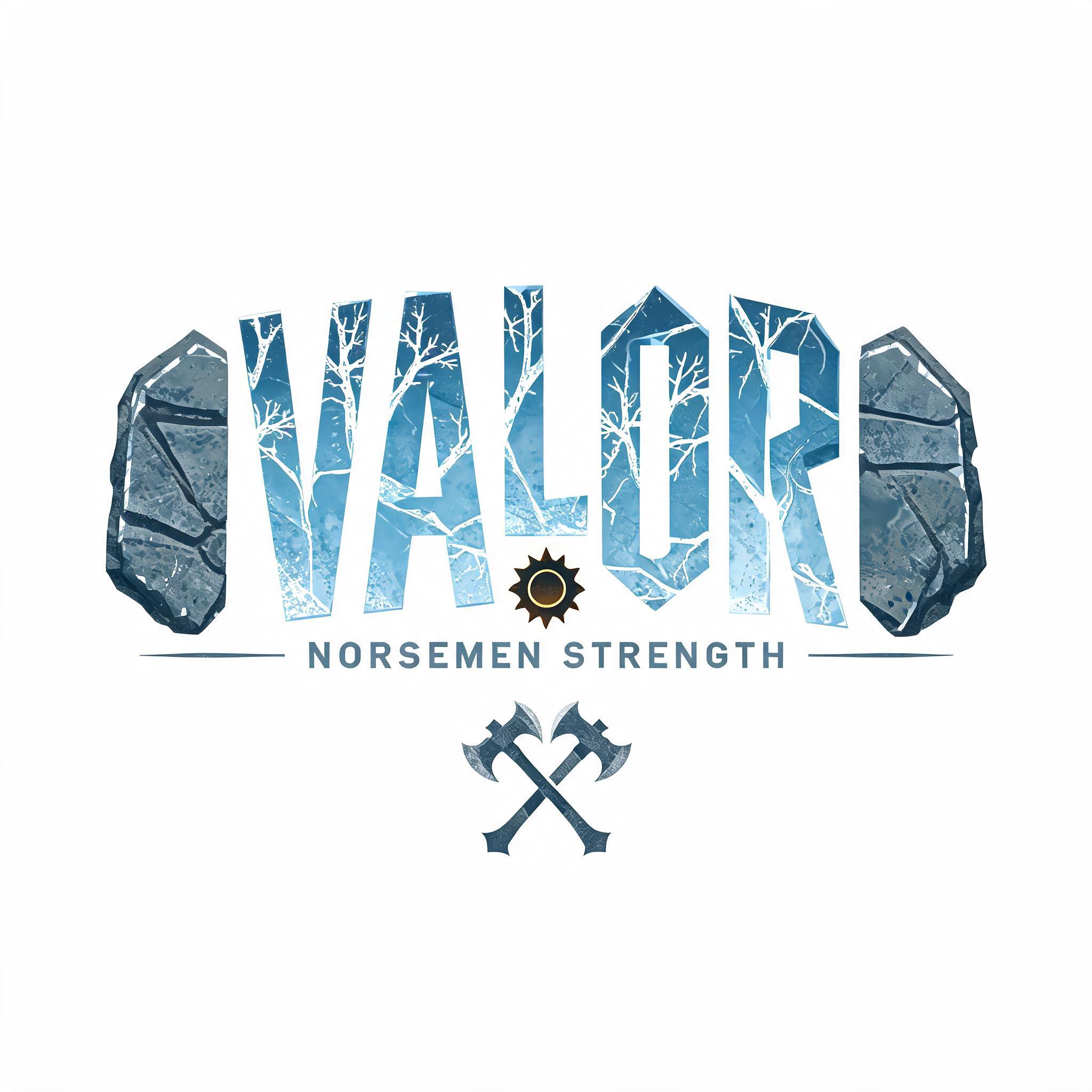
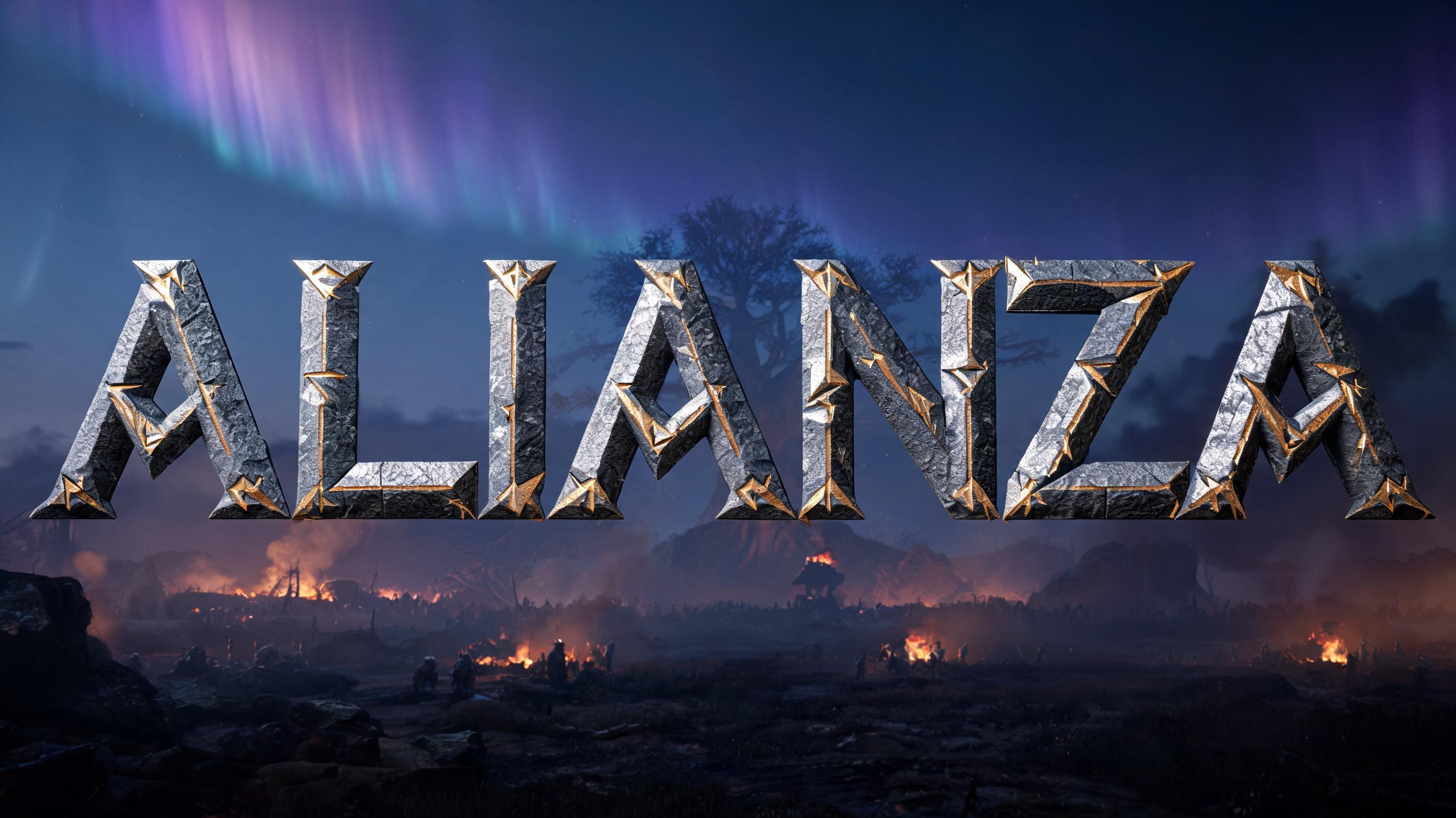



Looking for copy-paste fancy text? Try our free Font Generator Tools — cursive, gothic, bubble & 30+ styles.
Perfect for These Projects
Viking Text Effect — FAQ
What is the Viking Font Style?
The Viking font style is a distinctive AI-generated typography effect. Norse Viking runic typography with carved stone textures, Nordic knotwork patterns, battle-worn metallic finishes and ancient Scandinavian aesthetics. Using FontVibe's AI viking generator you can create stunning text effects in seconds — no Photoshop, no font licensing, no design experience needed.
Explore the Viking gallery for inspiration, or browse all 126+ AI text effect styles available on FontVibe.
How to Create Viking Typography in FontVibe Studio
The Story Behind Viking
History, visual DNA, and cultural context.
Runes, Raids, and Visual Legacy
The historical Vikings — Scandinavian seafarers and traders active from roughly 793 to 1066 AD — left a specific visual legacy that contemporary design has both drawn from accurately and mythologized extensively. The accurate elements: runic alphabets (the Elder Futhark and Younger Futhark scripts), interlace knotwork patterns (developed in the Insular art tradition shared with Ireland and Scotland), animal-head prow carving on longships, and the specific smith-work aesthetic of iron and bronze decorated with animal and geometric motifs.
The mythologized elements — horned helmets (which did not exist; Viking helmets were simple iron caps), the specific "warrior aesthetic" of contemporary popular culture — are largely inventions of 19th century Romanticism and 20th century fantasy fiction. The discovery of Norse mythology by Romantic-era composers and artists (Wagner's Ring Cycle, the paintings of Lorenz Frølich) created a visual vocabulary for "Viking" that is often more 19th century Germanic than 9th century Scandinavian.
Contemporary Viking-themed design draws from both the historical and the mythological layers, and the most effective work acknowledges the distinction.
The Visual DNA
Typographic Landmarks
Did You Know?
There is exactly one known Viking helmet that has survived to the present day — the Gjermundbu helmet, found in a Norwegian burial mound in 1943. It is a simple iron bowl shape with a nose guard. No horns. The iconic horned helmet image was popularized by costume designer Carl Emil Doepler for the first production of Wagner's Ring Cycle in 1876 — a 19th century theatrical invention that became inseparable from the popular image of Viking warriors.
The Elder Futhark runic alphabet has 24 characters and was used across Northern Europe for roughly 400 years (150–800 AD). Each rune had both a phonetic value and a name with associated meanings — Fehu (cattle/wealth), Uruz (wild ox/strength), etc. Runic inscriptions were used for everything from property marking to memorial stones to magical spells. The alphabet is still used today by runologists, neo-pagans, and designers who want the authentic angular visual quality.
About 3,500 runic inscriptions survive in Scandinavia — roughly 2,400 in Sweden, 450 in Denmark and 140 in Norway — most of them carved during the Viking Age (793-1066).
Create Your Viking Typography in Studio
Free to start. No design skills needed. Your artwork, your copyright.
AI Viking Text Effect Generator
Norse Viking runic typography with carved stone textures, Nordic knotwork patterns, battle-worn metallic finishes and ancient Scandinavian aesthetics. — no font license needed.
Viking in different AI fonts
Generate Your Viking Text Effect
Type any word — see it transformed in seconds. No sign-up required.
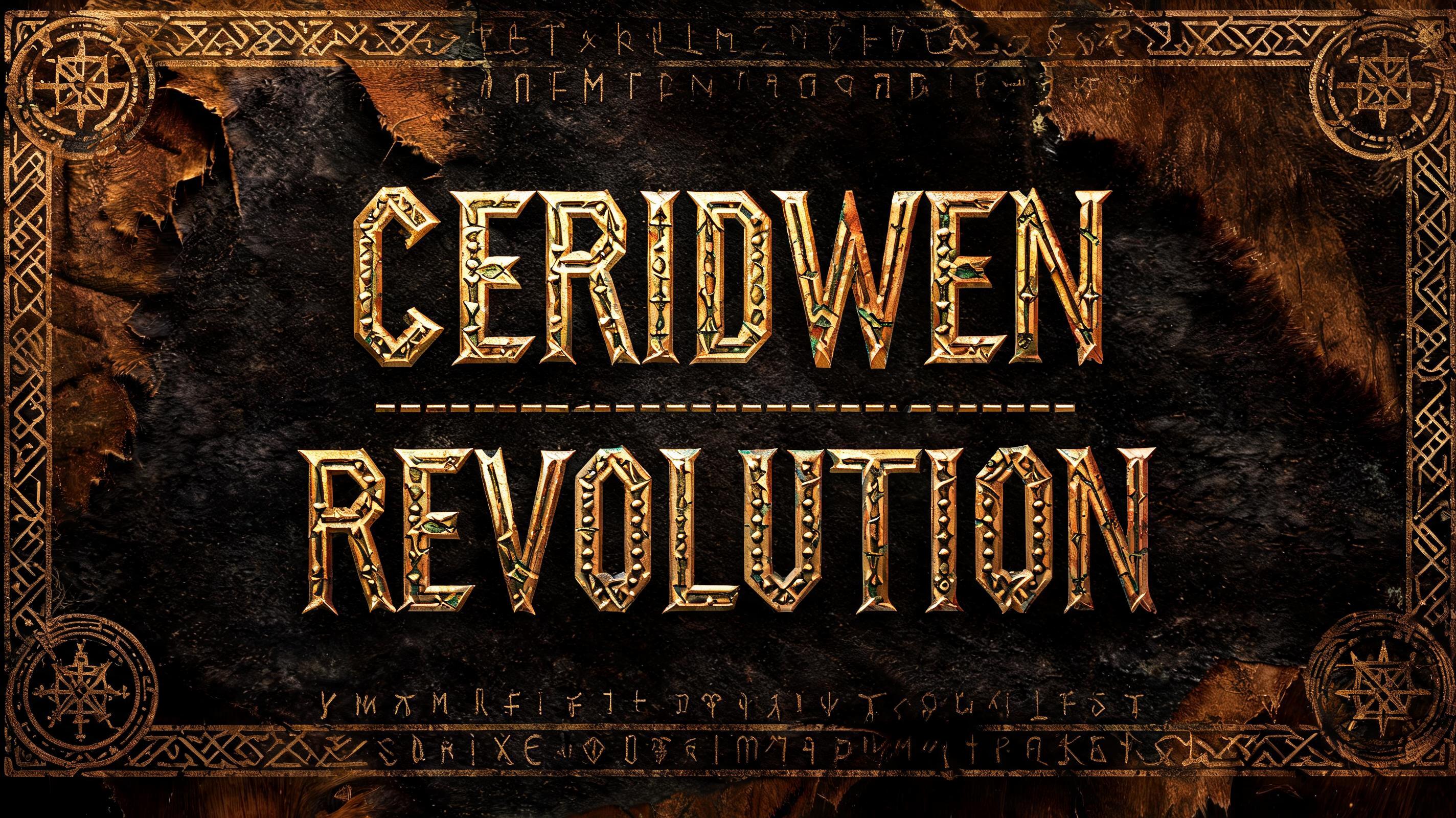
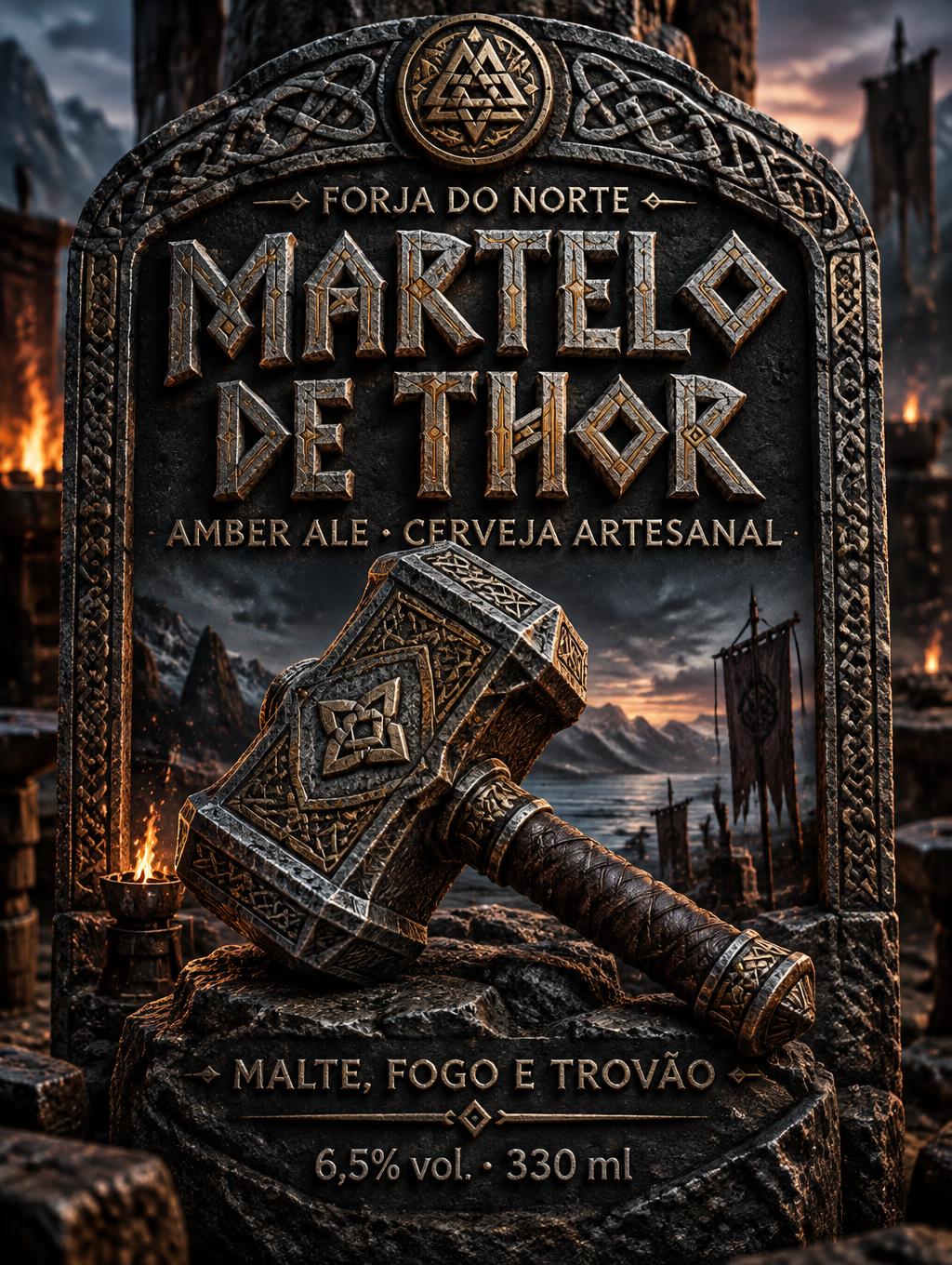
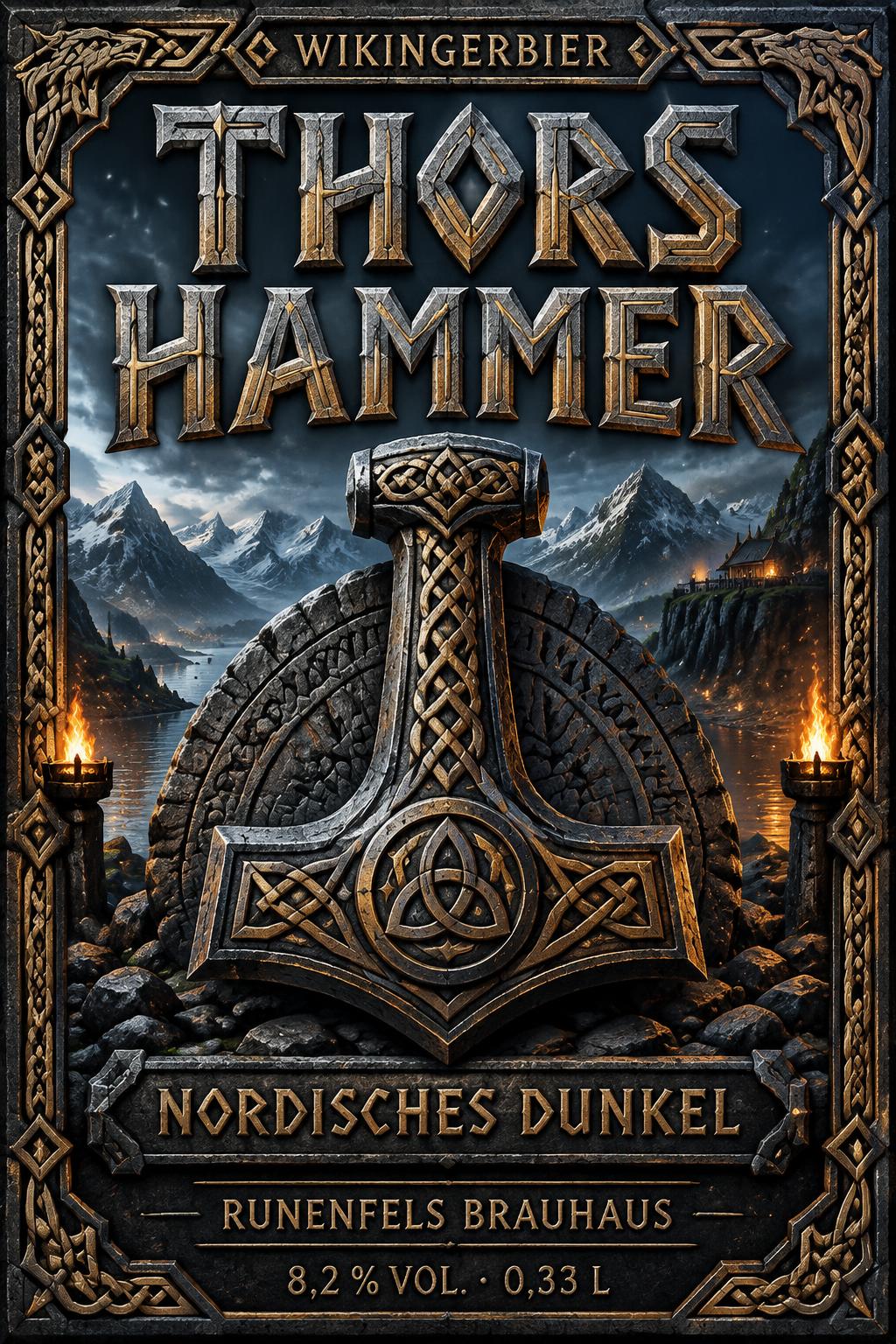
Viking Style Gallery
Real outputs from the Viking style. Click any image to see details.






Similar Text Effect Styles
Try these styles and create your own AI-generated text effects.
Looking for copy-paste fancy text? Try our free Font Generator Tools — cursive, gothic, bubble & 30+ styles.
Perfect for These Projects
Viking text effects are popular for creative projects where visual impact matters.
What is the Viking Font Style?
The Viking font style is a distinctive AI-generated typography effect. Norse Viking runic typography with carved stone textures, Nordic knotwork patterns, battle-worn metallic finishes and ancient Scandinavian aesthetics.
Using FontVibe's AI viking generator you can create stunning text effects in seconds — no Photoshop, no font licensing, no design experience needed.
Explore the Viking gallery for inspiration, or browse all 126+ AI text effect styles available on FontVibe.
How to Create Viking Typography in FontVibe Studio
1. Enter your text — Any word, phrase, or brand name. Works best with short, punchy text.
2. Select Viking — From the style library. Optionally describe a mood in the custom prompt.
3. Generate and download. Your Viking font artwork is ready in seconds. PNG, JPG, or transparent PNG.
Looking for something different? Browse the full font style library for more AI typography options.
Viking Text Effect — FAQ
The Story Behind Viking
History, visual DNA, and cultural context — everything that makes this style what it is.
Runes, Raids, and Visual Legacy
The historical Vikings — Scandinavian seafarers and traders active from roughly 793 to 1066 AD — left a specific visual legacy that contemporary design has both drawn from accurately and mythologized extensively. The accurate elements: runic alphabets (the Elder Futhark and Younger Futhark scripts), interlace knotwork patterns (developed in the Insular art tradition shared with Ireland and Scotland), animal-head prow carving on longships, and the specific smith-work aesthetic of iron and bronze decorated with animal and geometric motifs.
The mythologized elements — horned helmets (which did not exist; Viking helmets were simple iron caps), the specific "warrior aesthetic" of contemporary popular culture — are largely inventions of 19th century Romanticism and 20th century fantasy fiction. The discovery of Norse mythology by Romantic-era composers and artists (Wagner's Ring Cycle, the paintings of Lorenz Frølich) created a visual vocabulary for "Viking" that is often more 19th century Germanic than 9th century Scandinavian.
Contemporary Viking-themed design draws from both the historical and the mythological layers, and the most effective work acknowledges the distinction.
The Visual DNA
Typographic Landmarks
Did You Know?
There is exactly one known Viking helmet that has survived to the present day — the Gjermundbu helmet, found in a Norwegian burial mound in 1943. It is a simple iron bowl shape with a nose guard. No horns. The iconic horned helmet image was popularized by costume designer Carl Emil Doepler for the first production of Wagner's Ring Cycle in 1876 — a 19th century theatrical invention that became inseparable from the popular image of Viking warriors.
The Elder Futhark runic alphabet has 24 characters and was used across Northern Europe for roughly 400 years (150–800 AD). Each rune had both a phonetic value and a name with associated meanings — Fehu (cattle/wealth), Uruz (wild ox/strength), etc. Runic inscriptions were used for everything from property marking to memorial stones to magical spells. The alphabet is still used today by runologists, neo-pagans, and designers who want the authentic angular visual quality.
About 3,500 runic inscriptions survive in Scandinavia — roughly 2,400 in Sweden, 450 in Denmark and 140 in Norway — most of them carved during the Viking Age (793-1066).