


AI Movie & Film Blockbuster Text Effect Generator
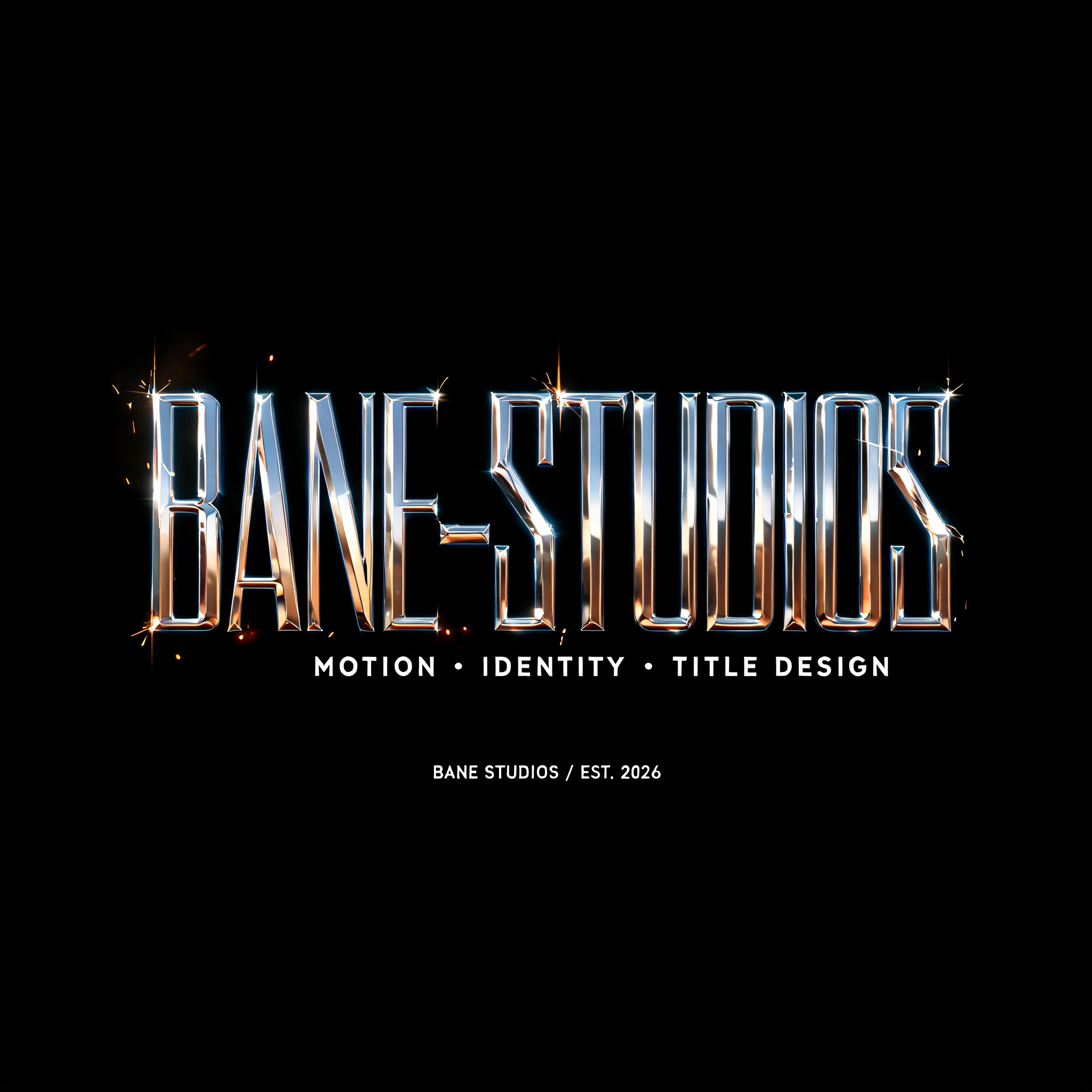
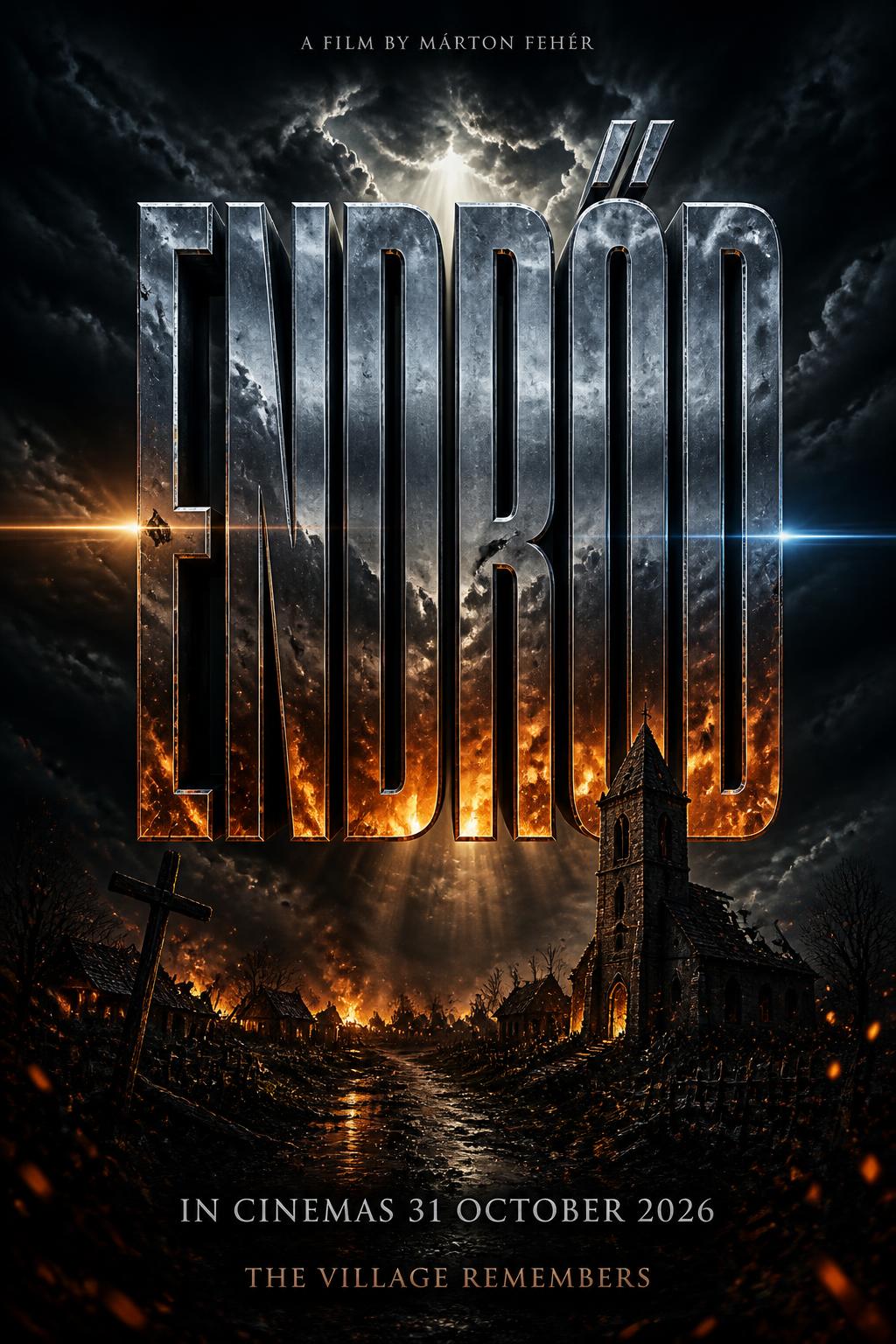
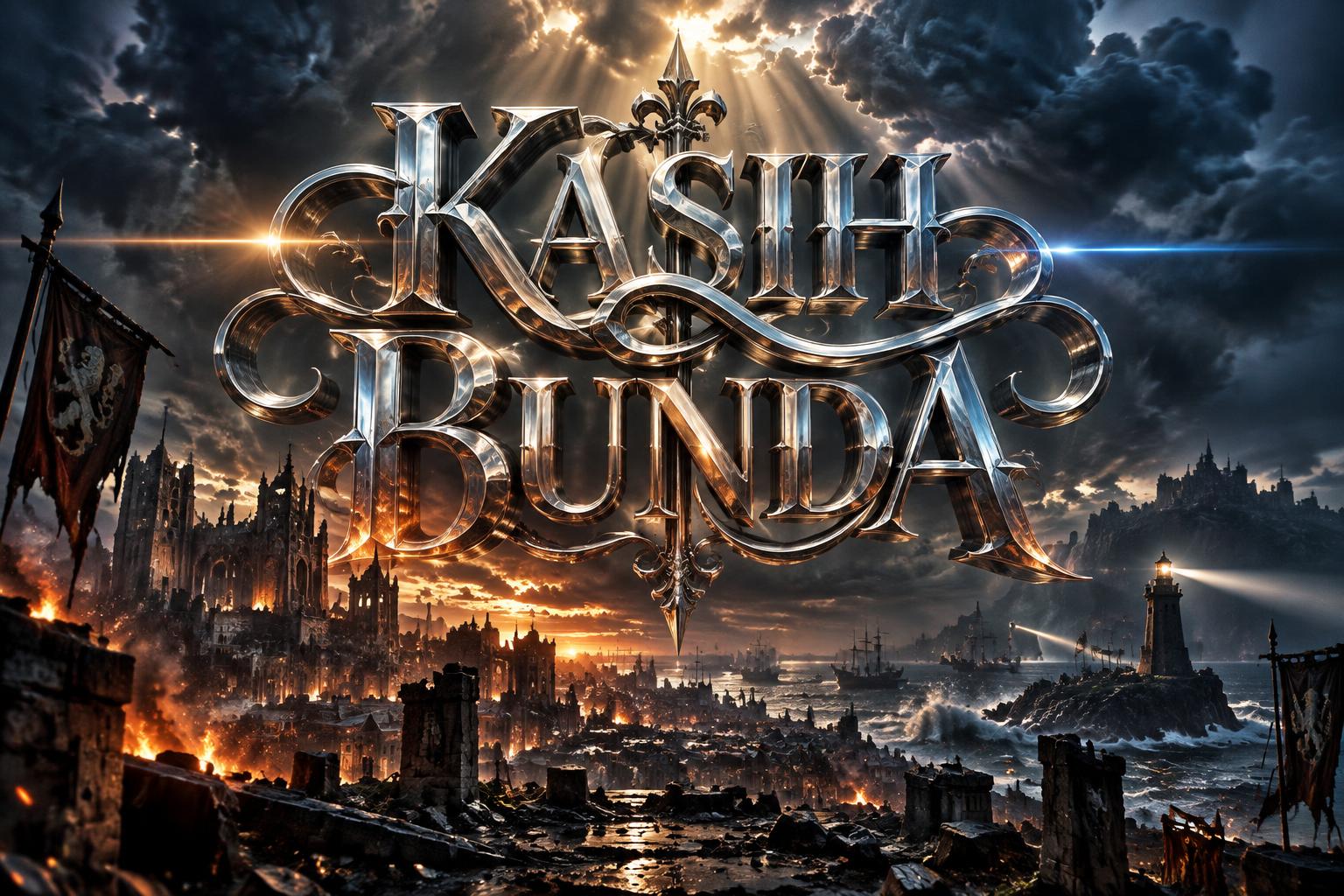
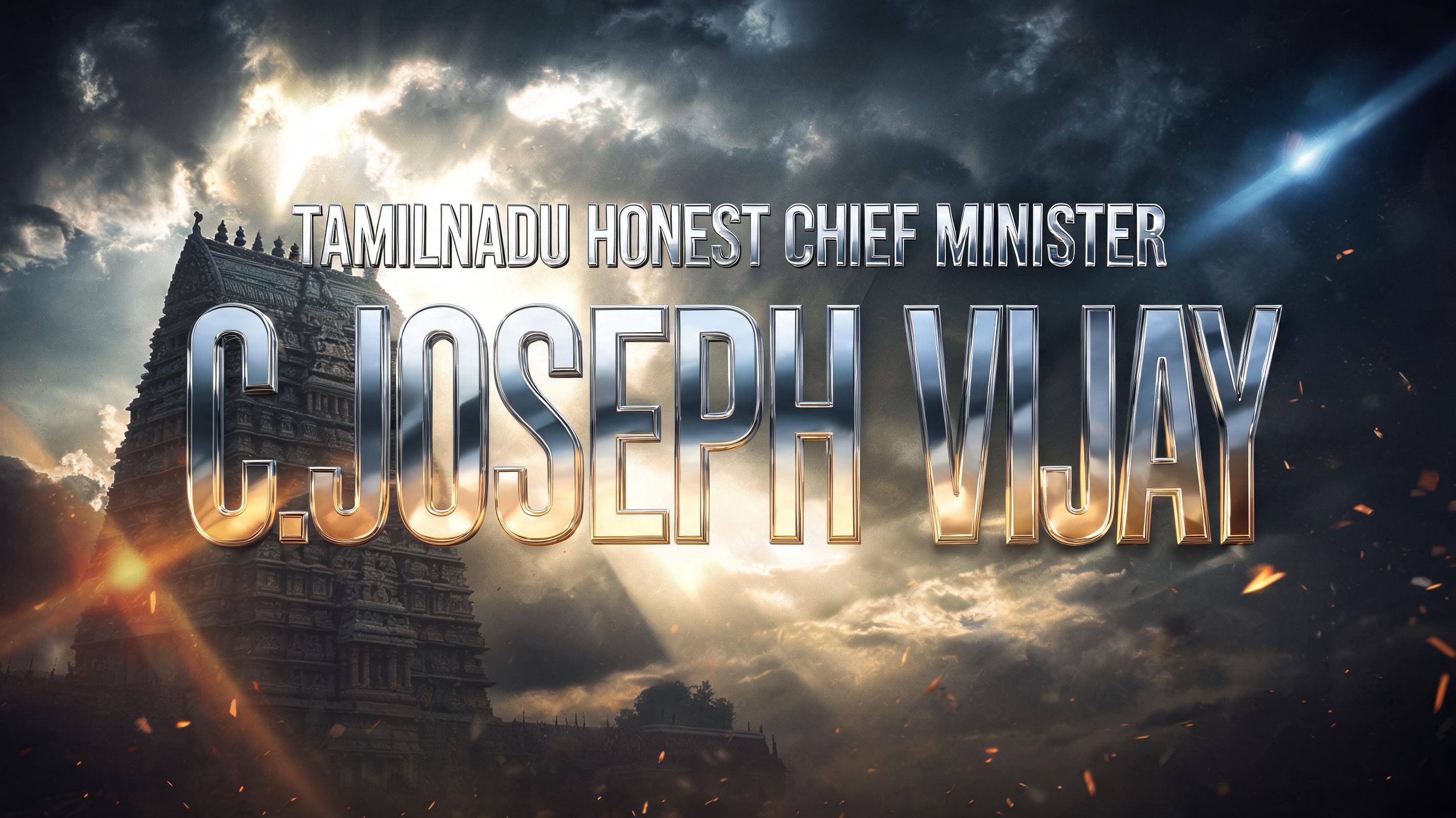
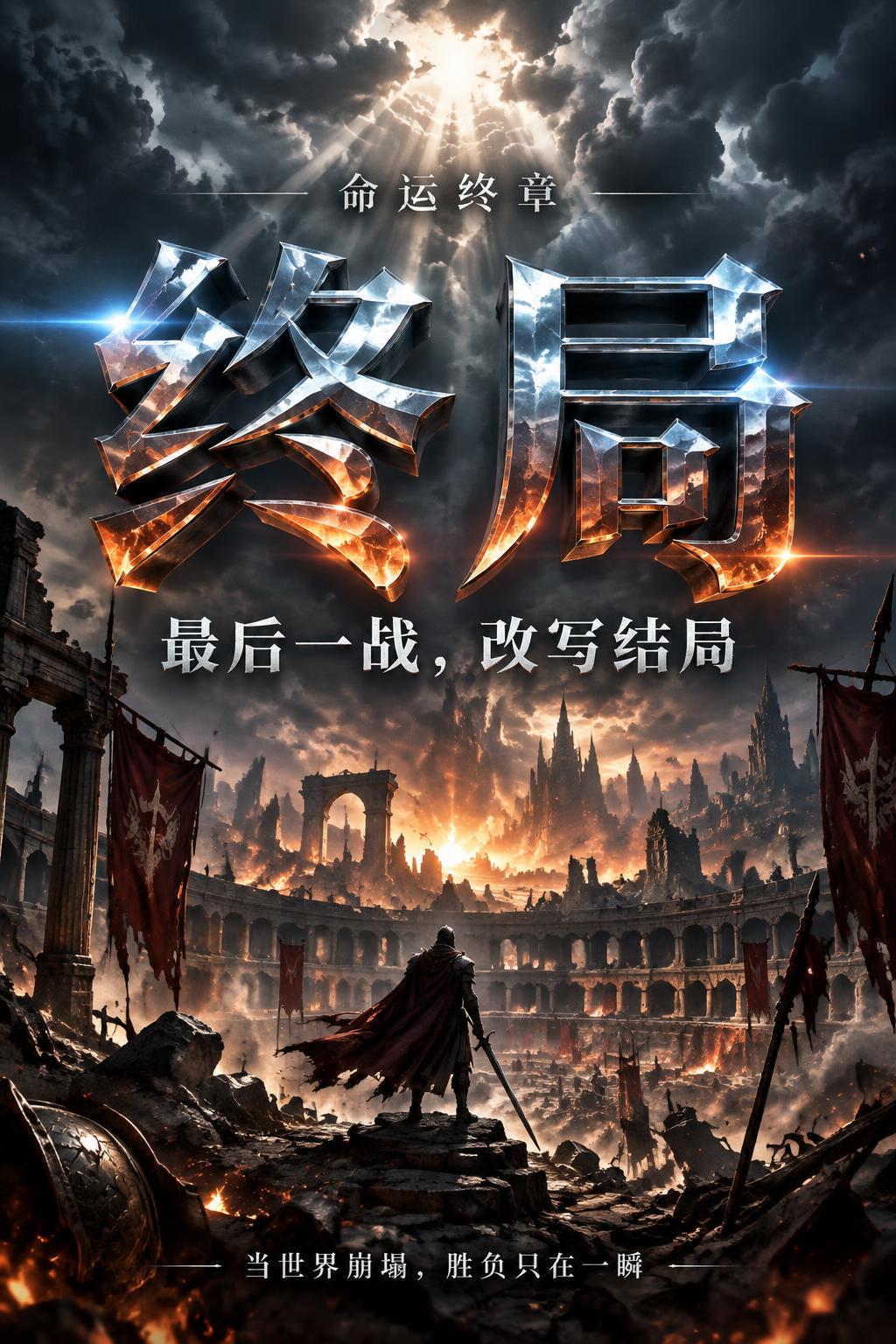
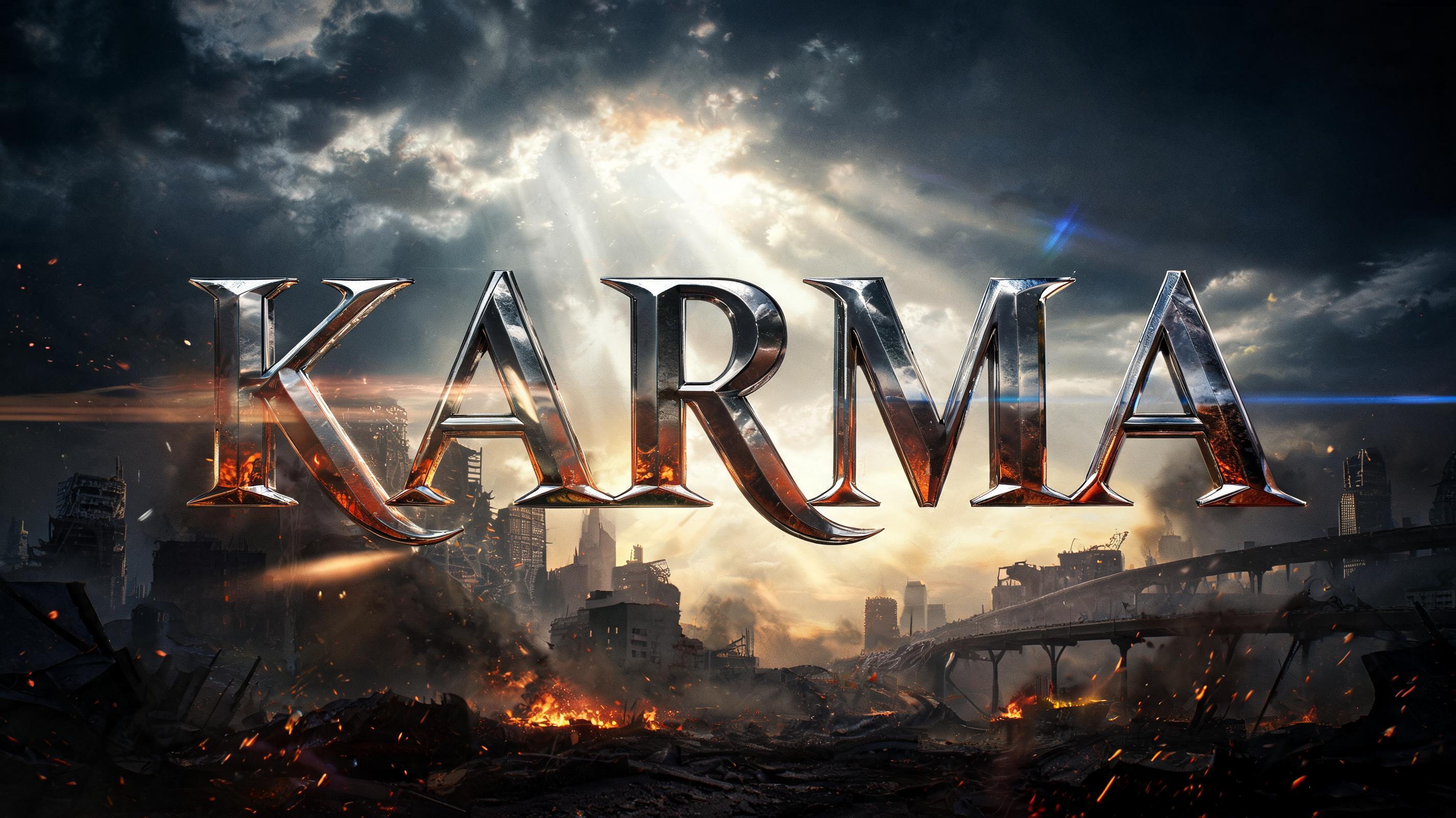
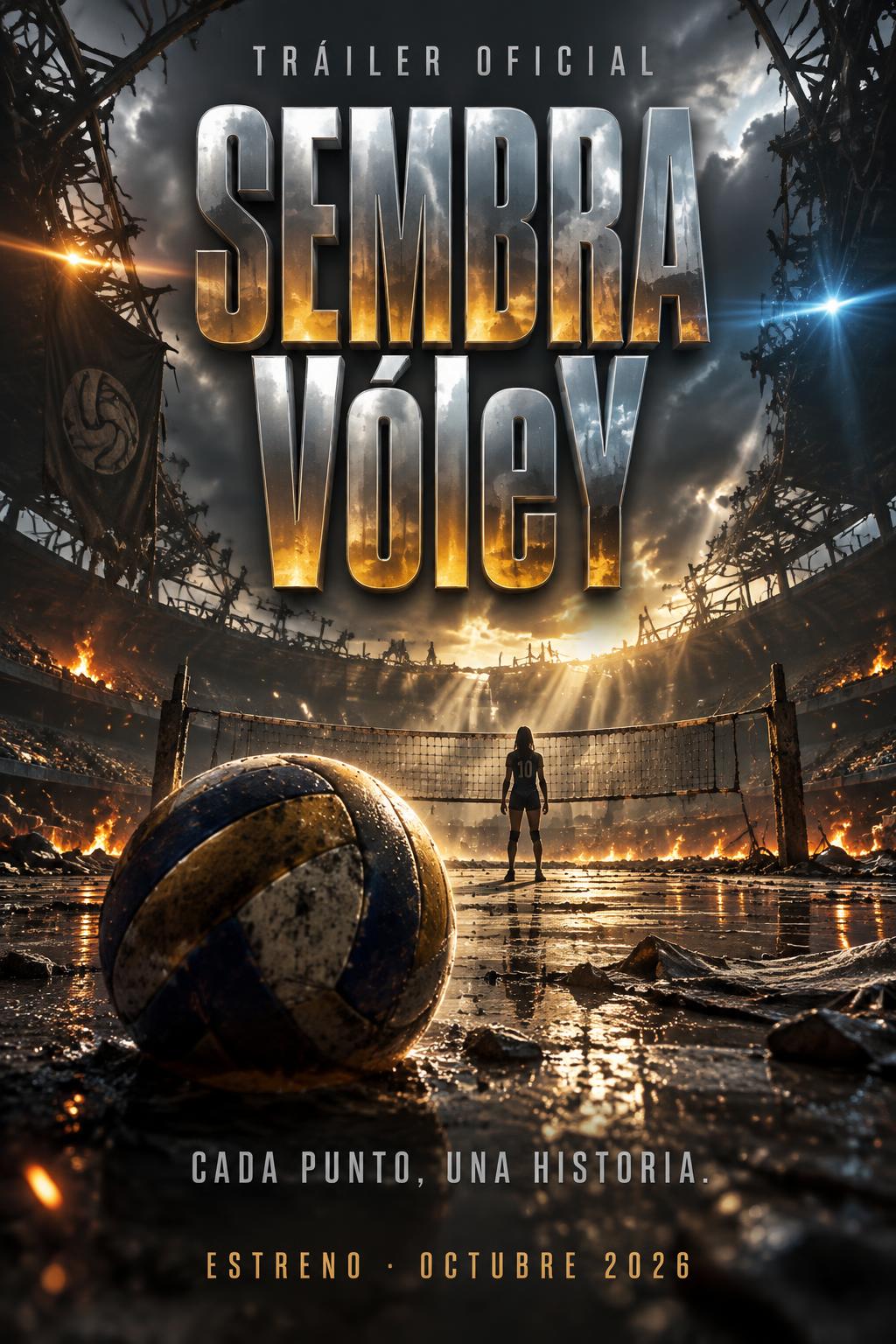
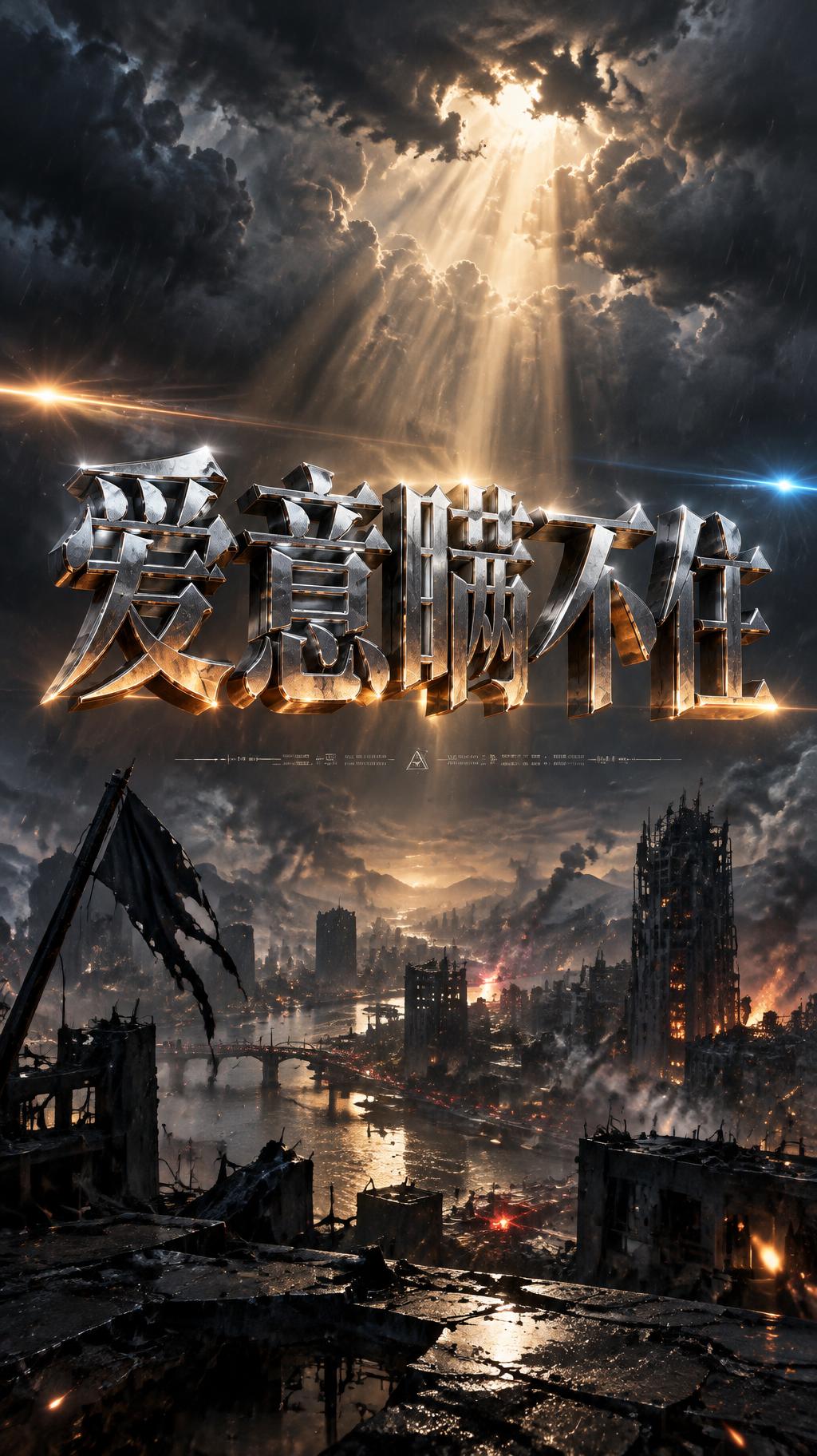
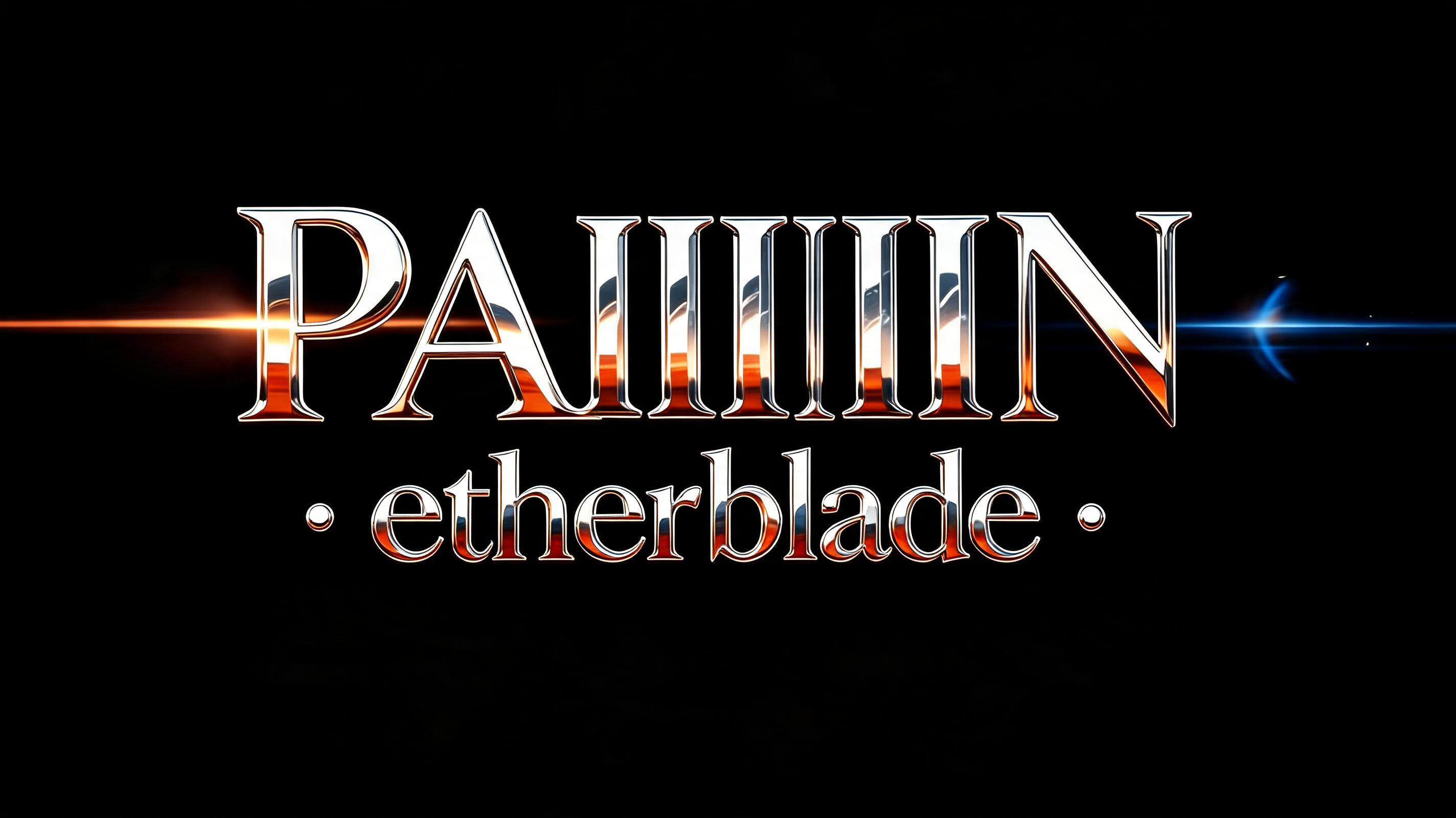
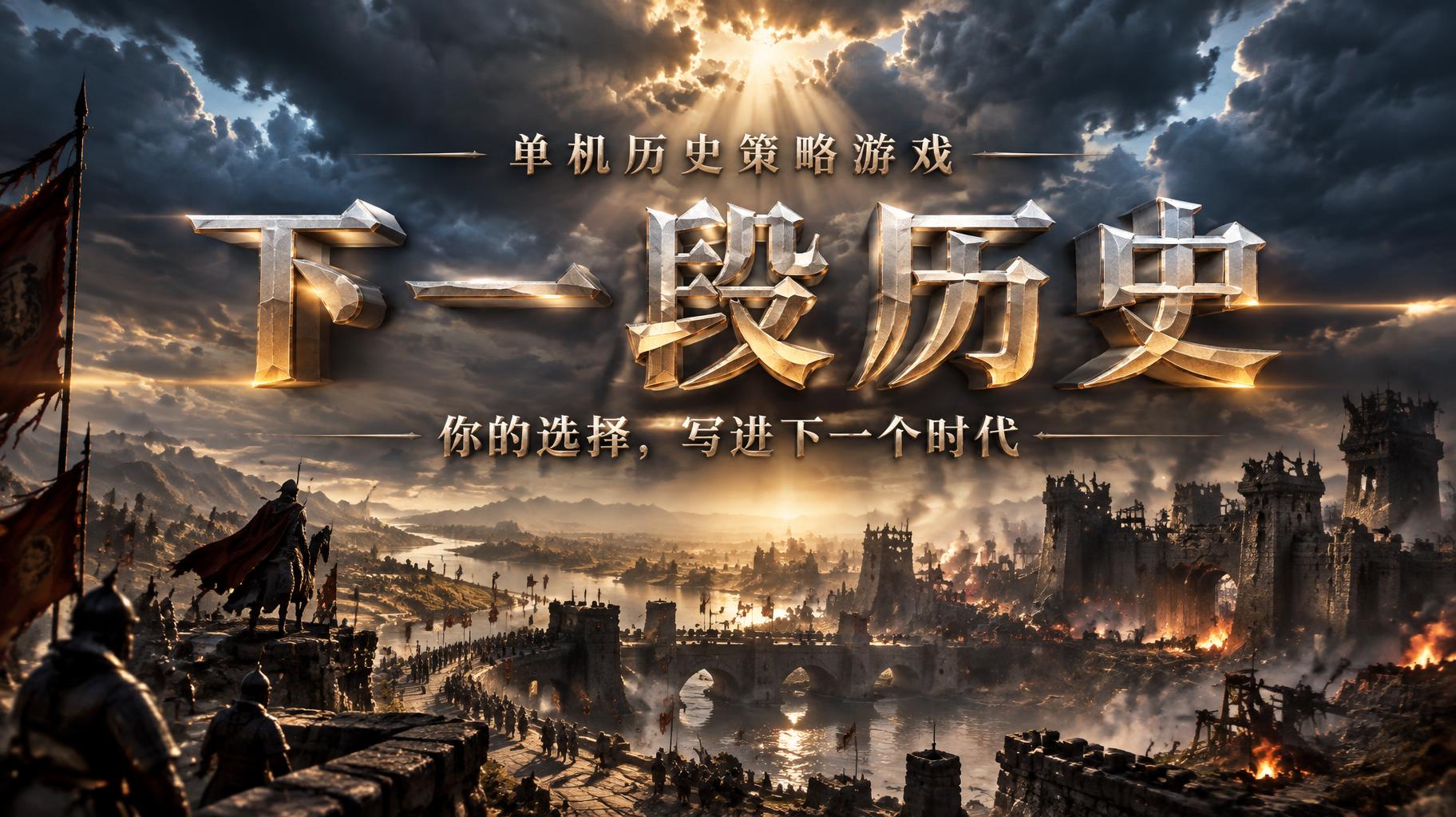
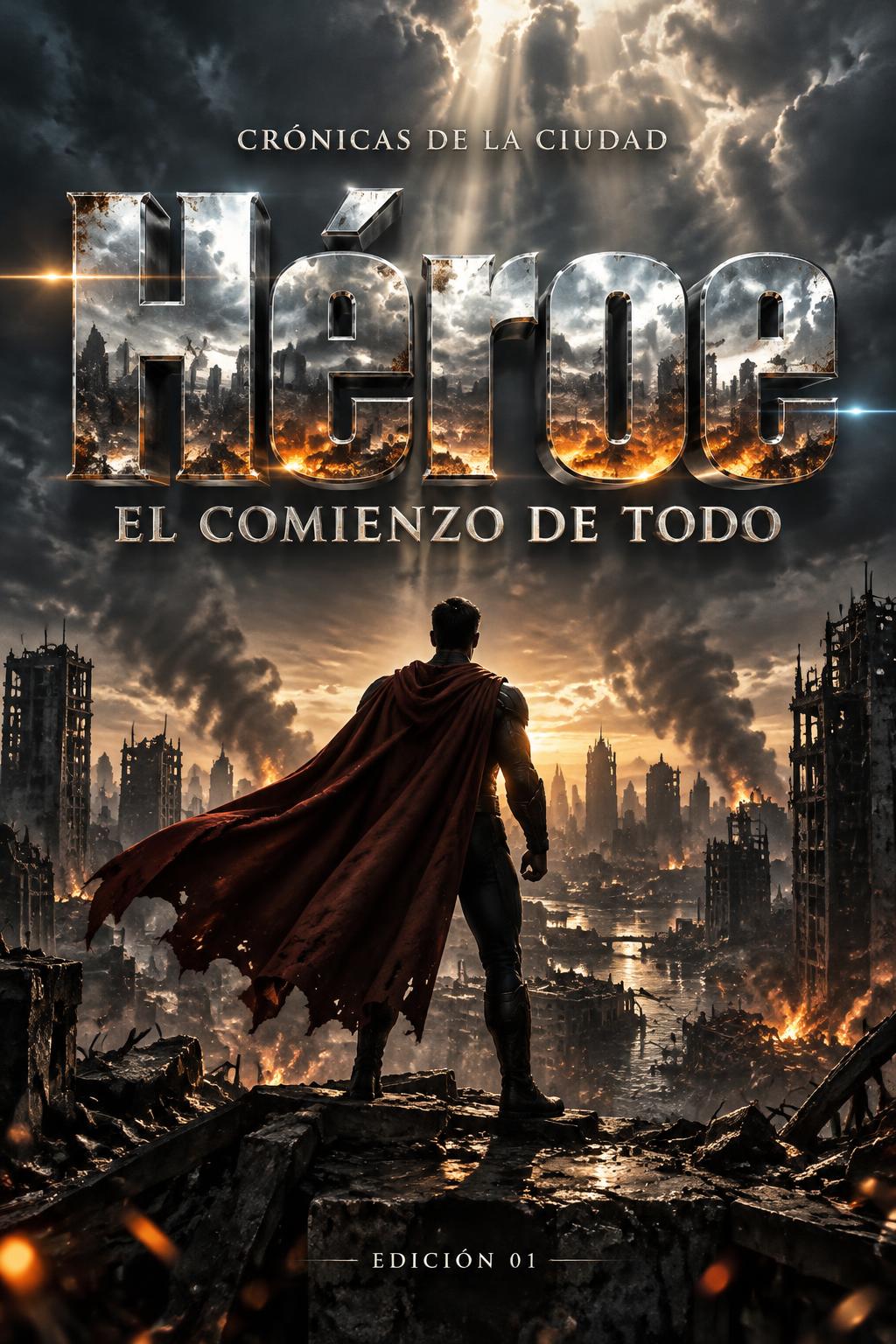
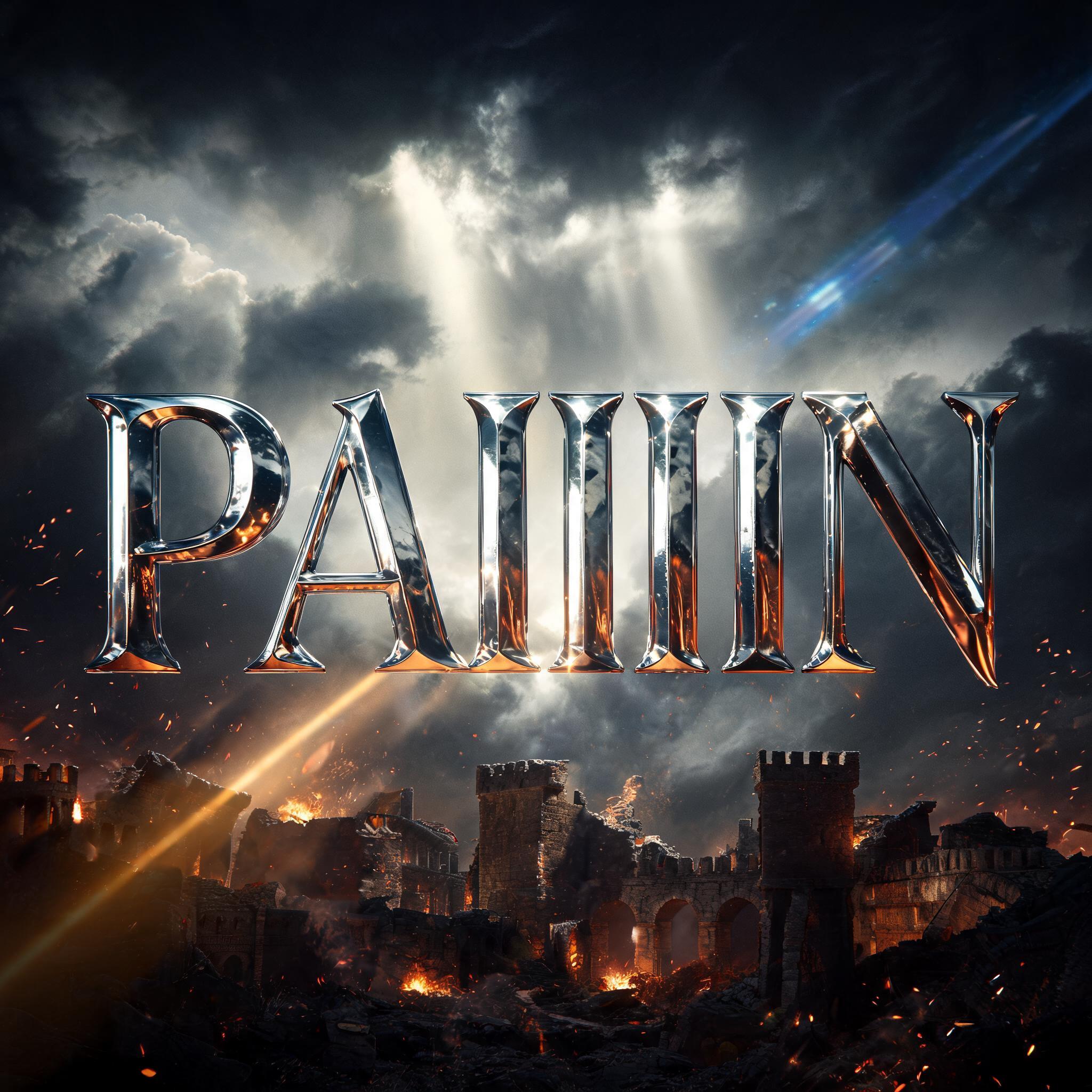
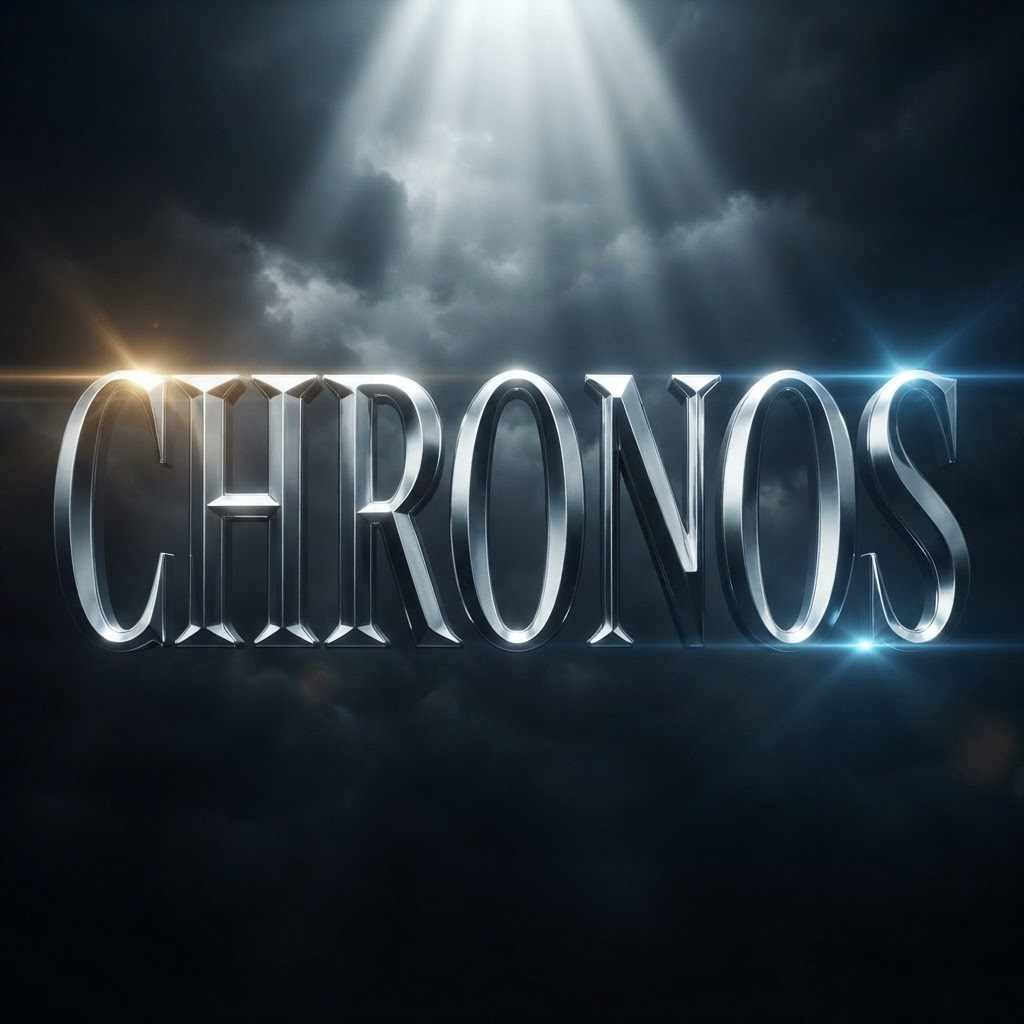
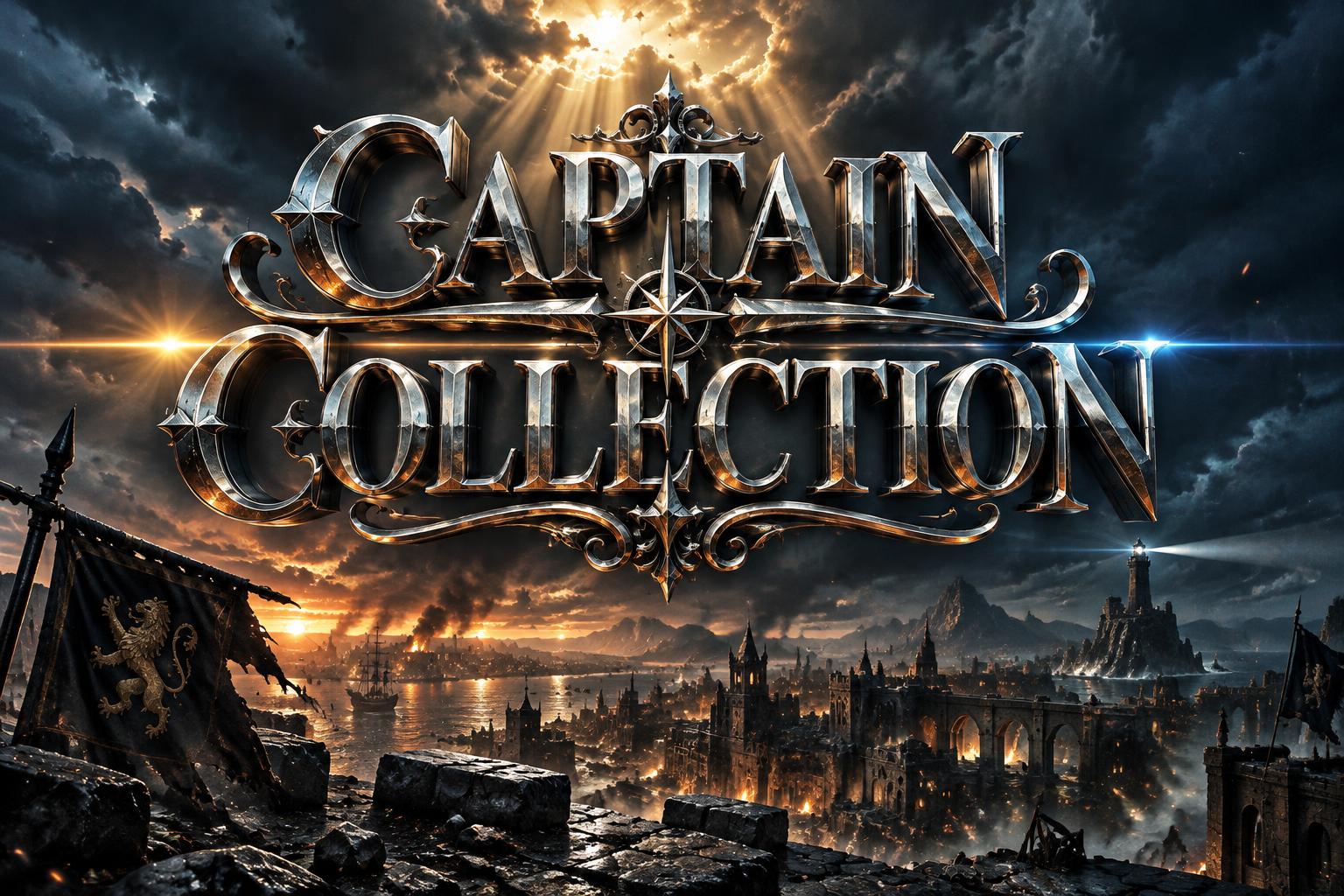
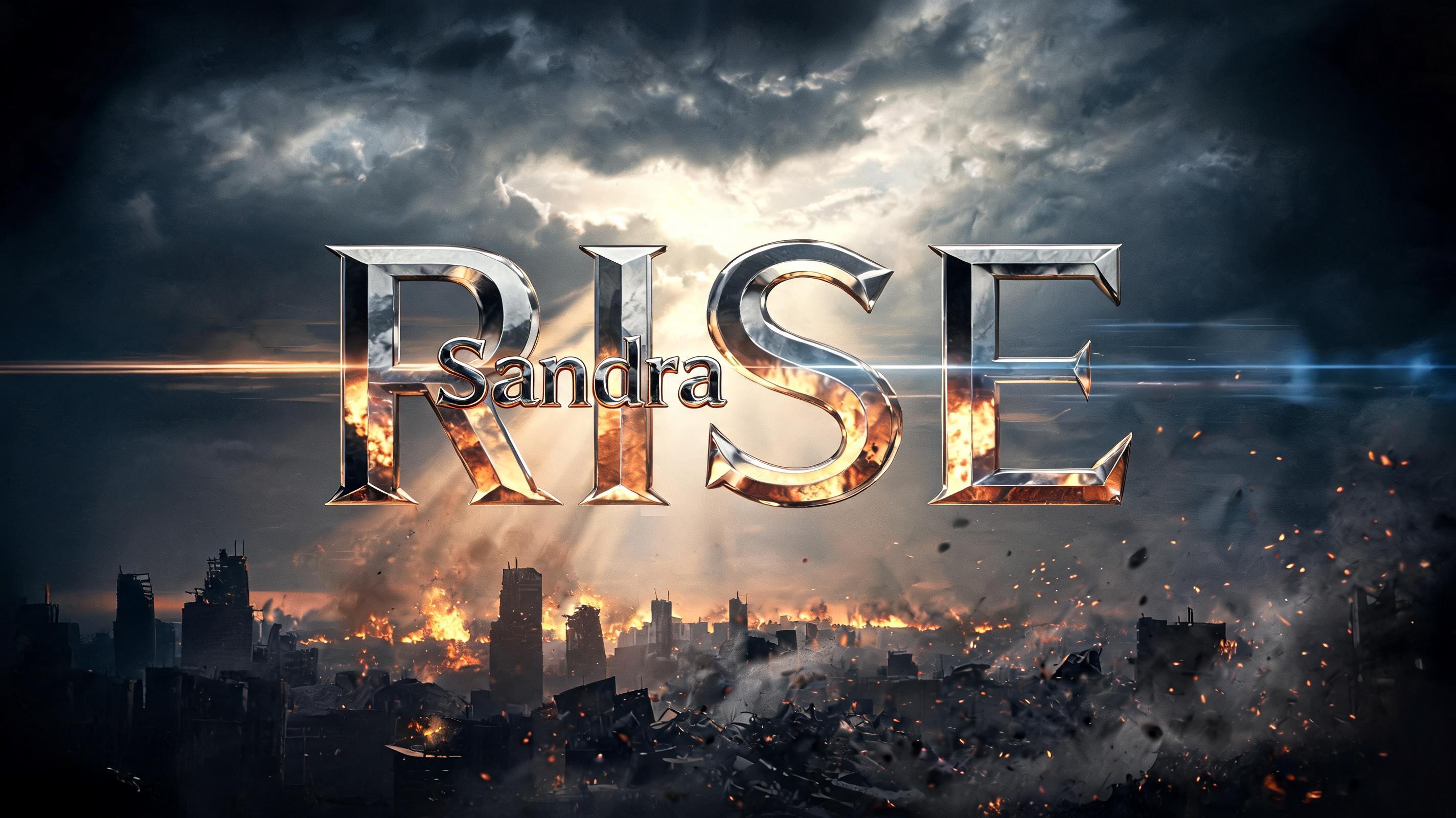
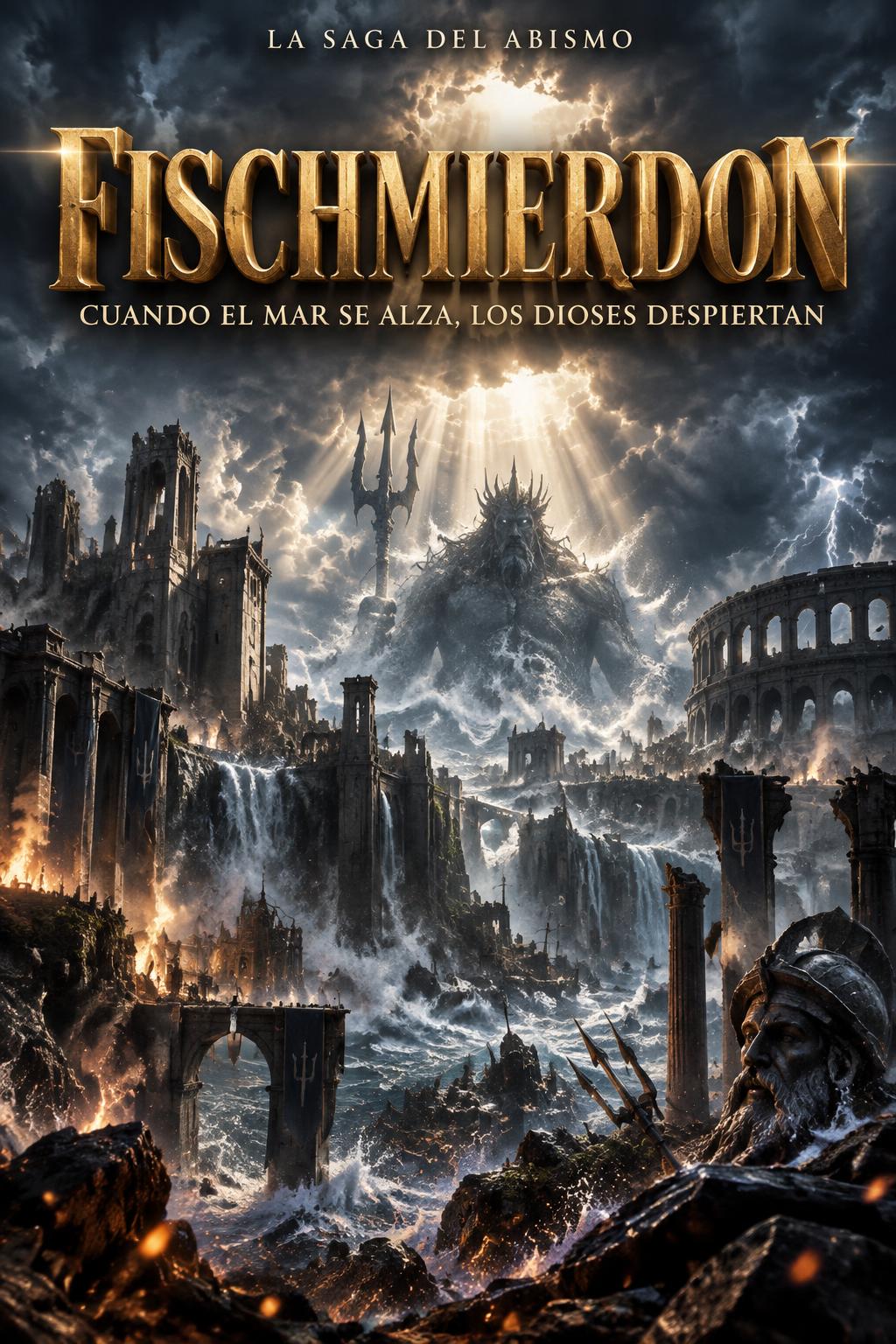
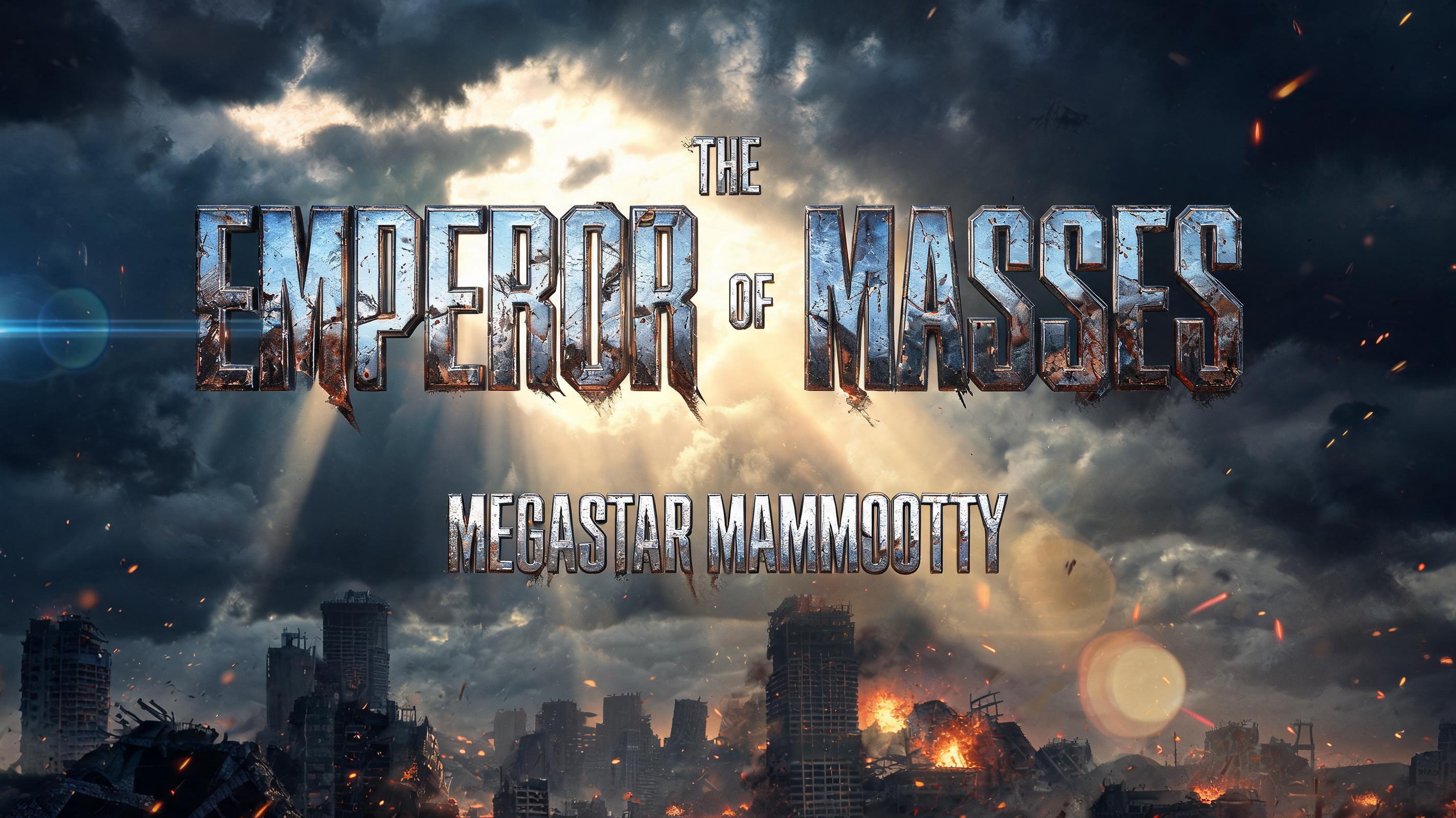
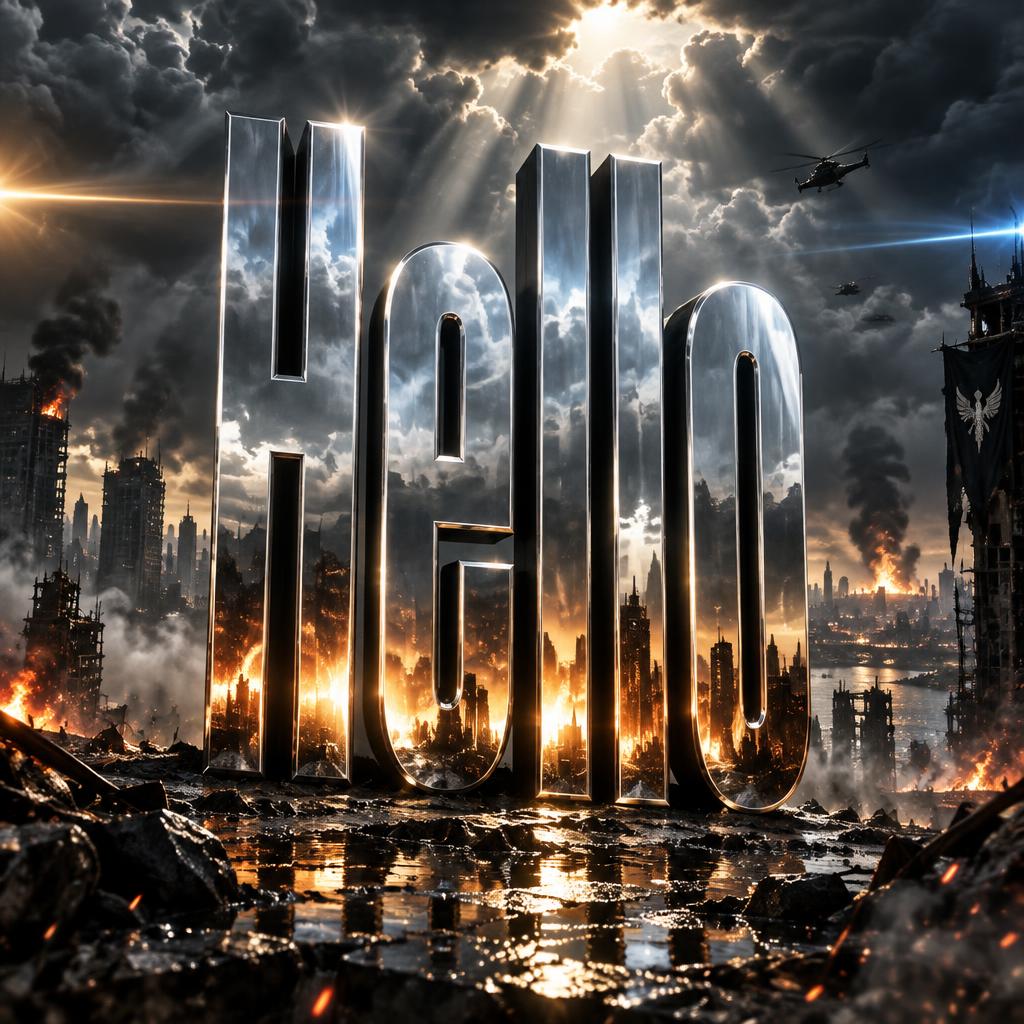
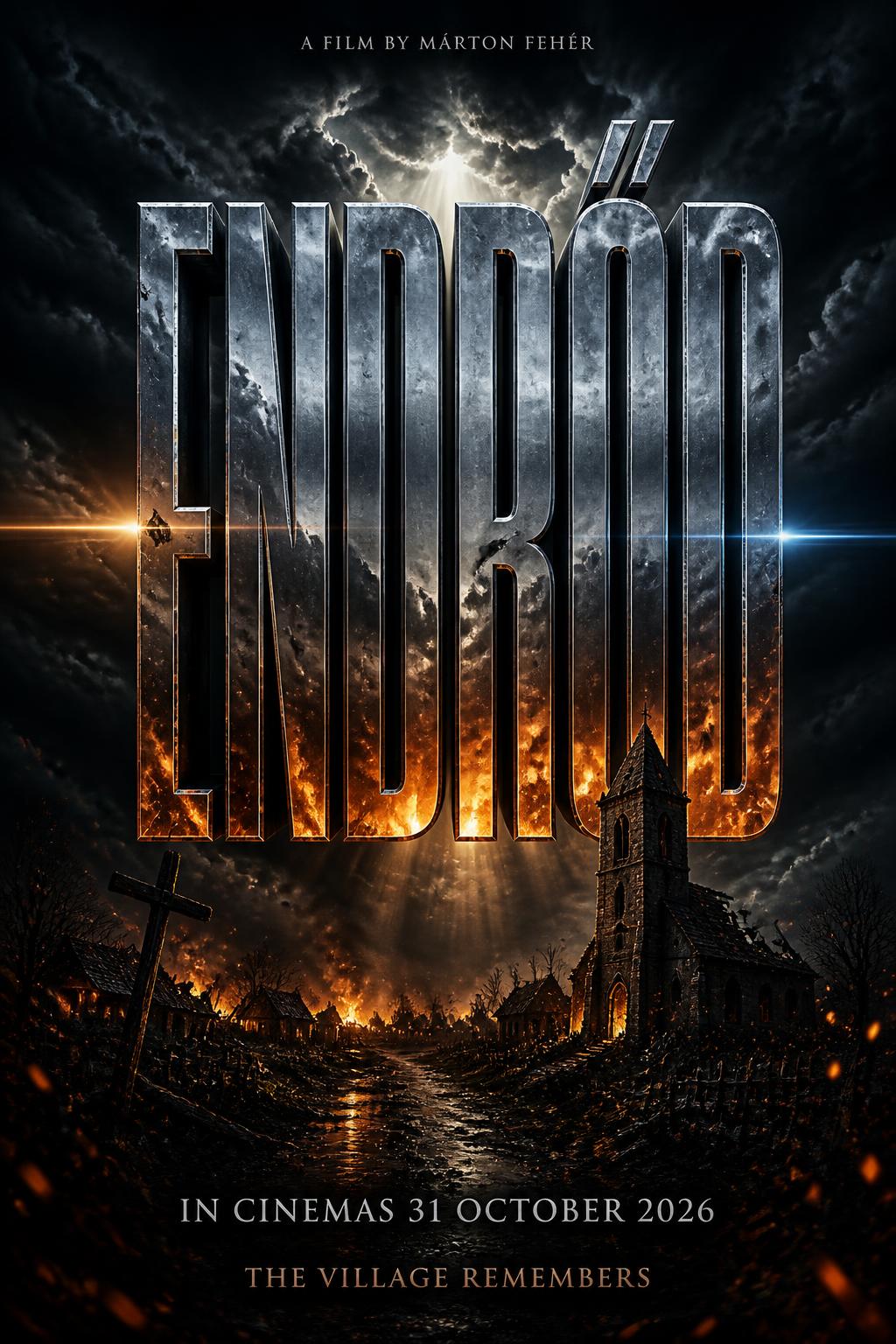
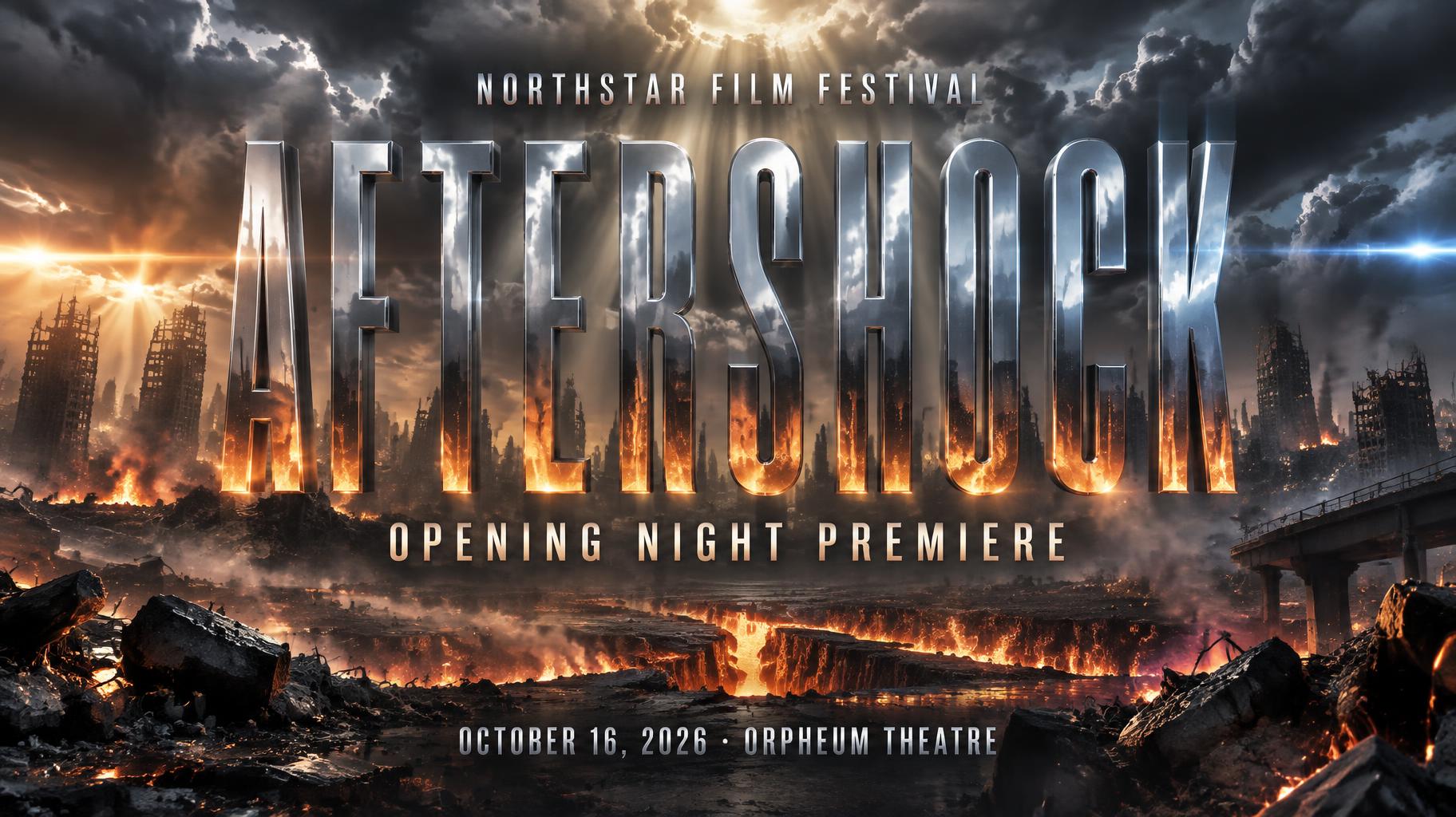
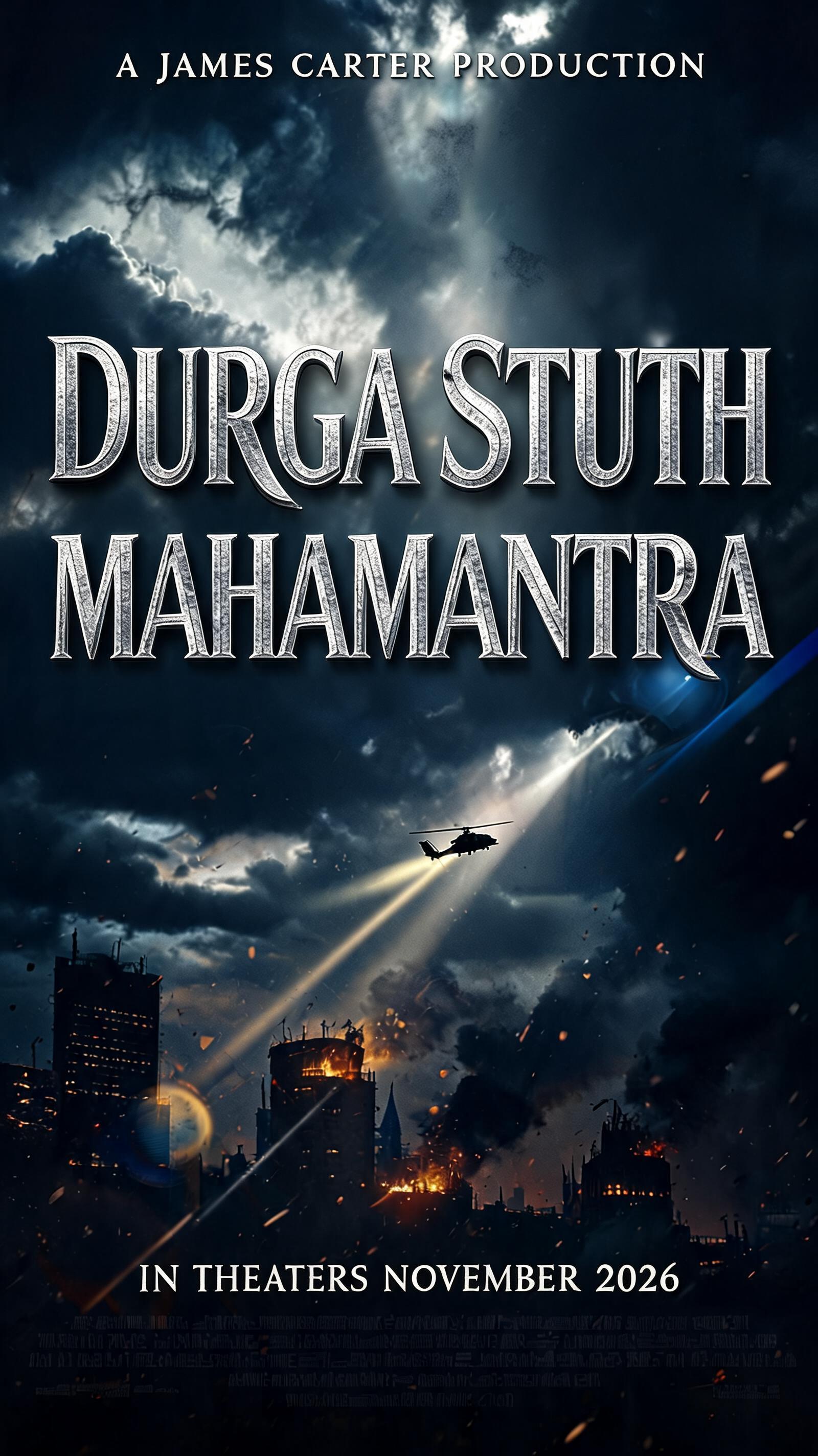
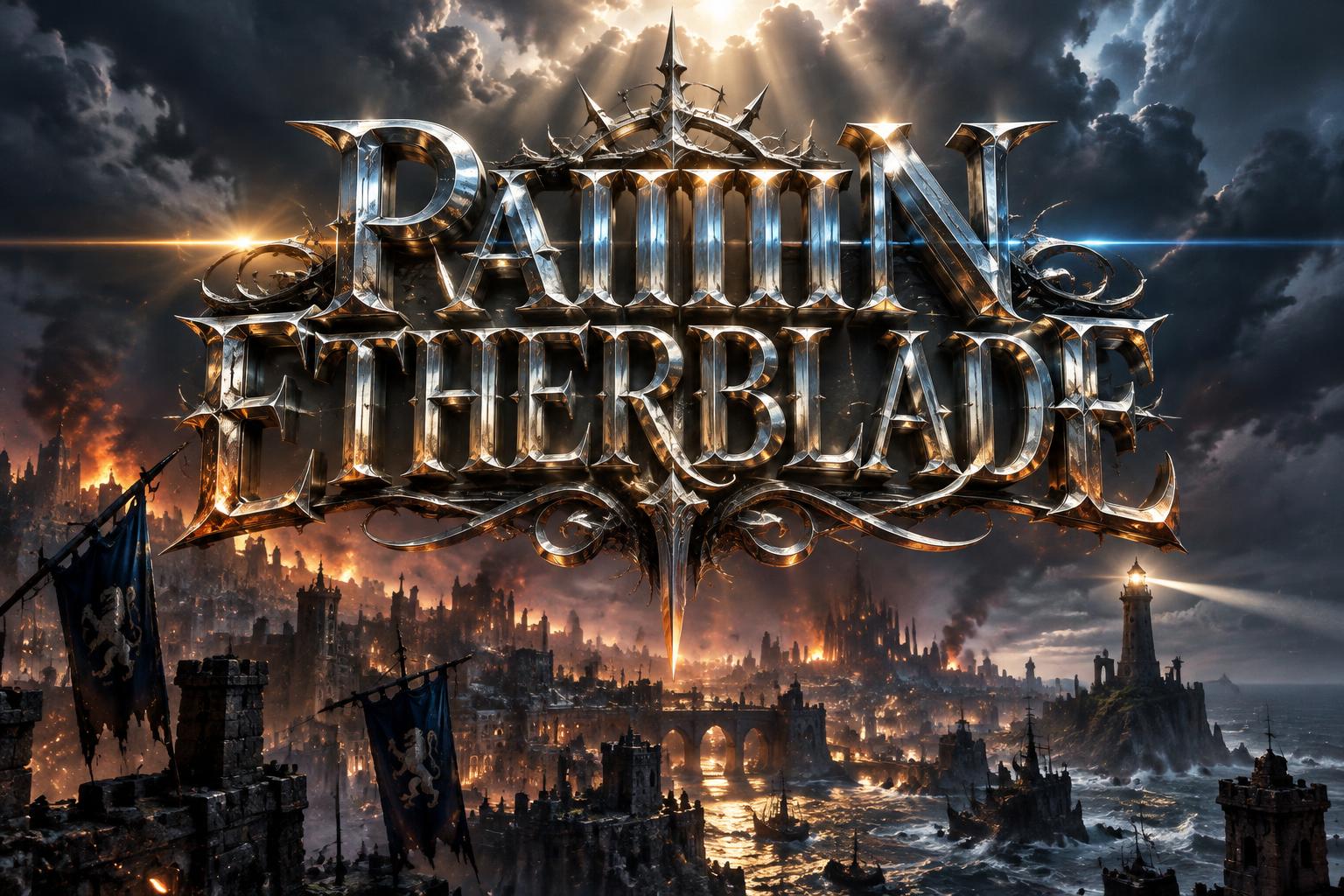
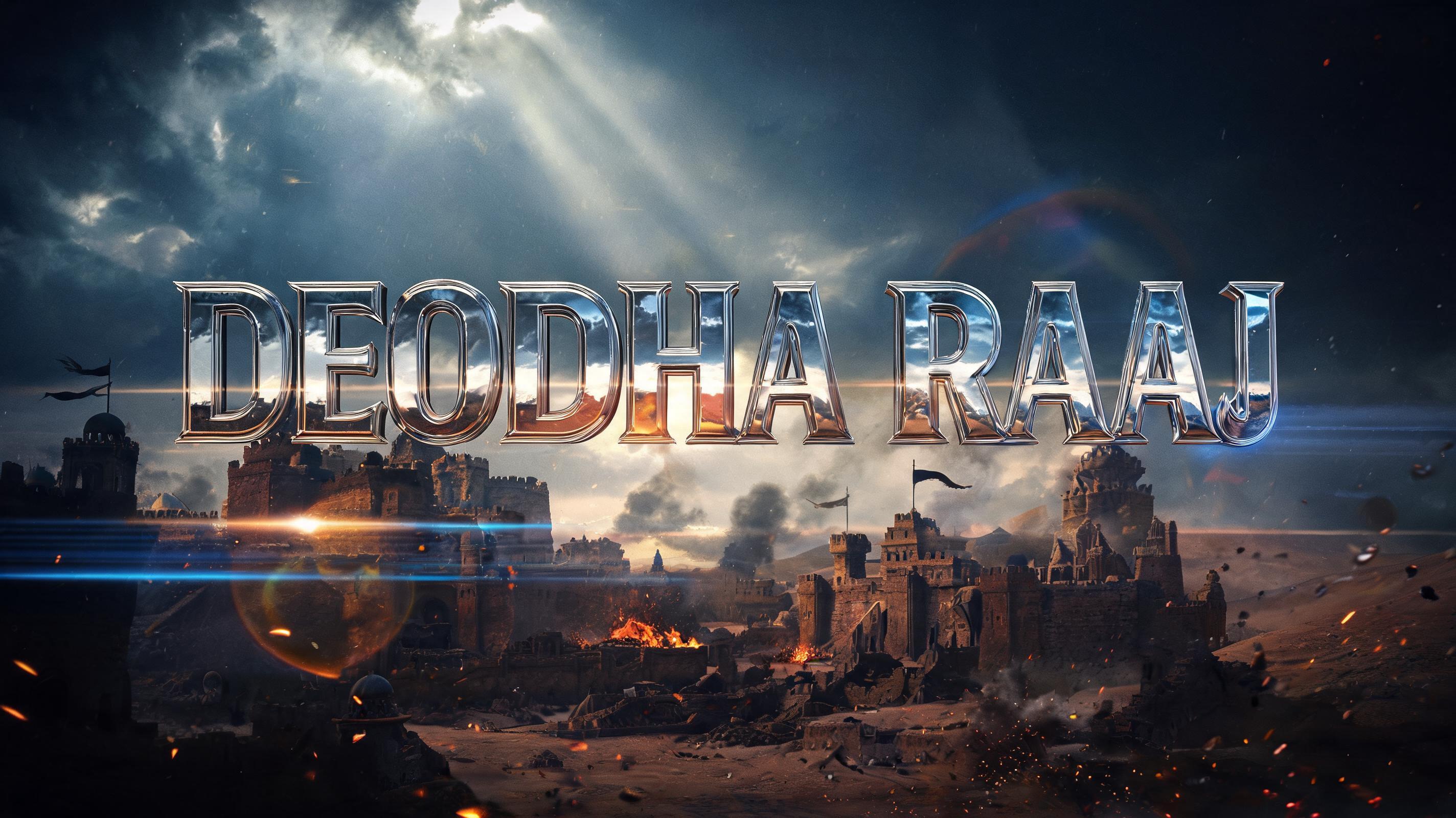
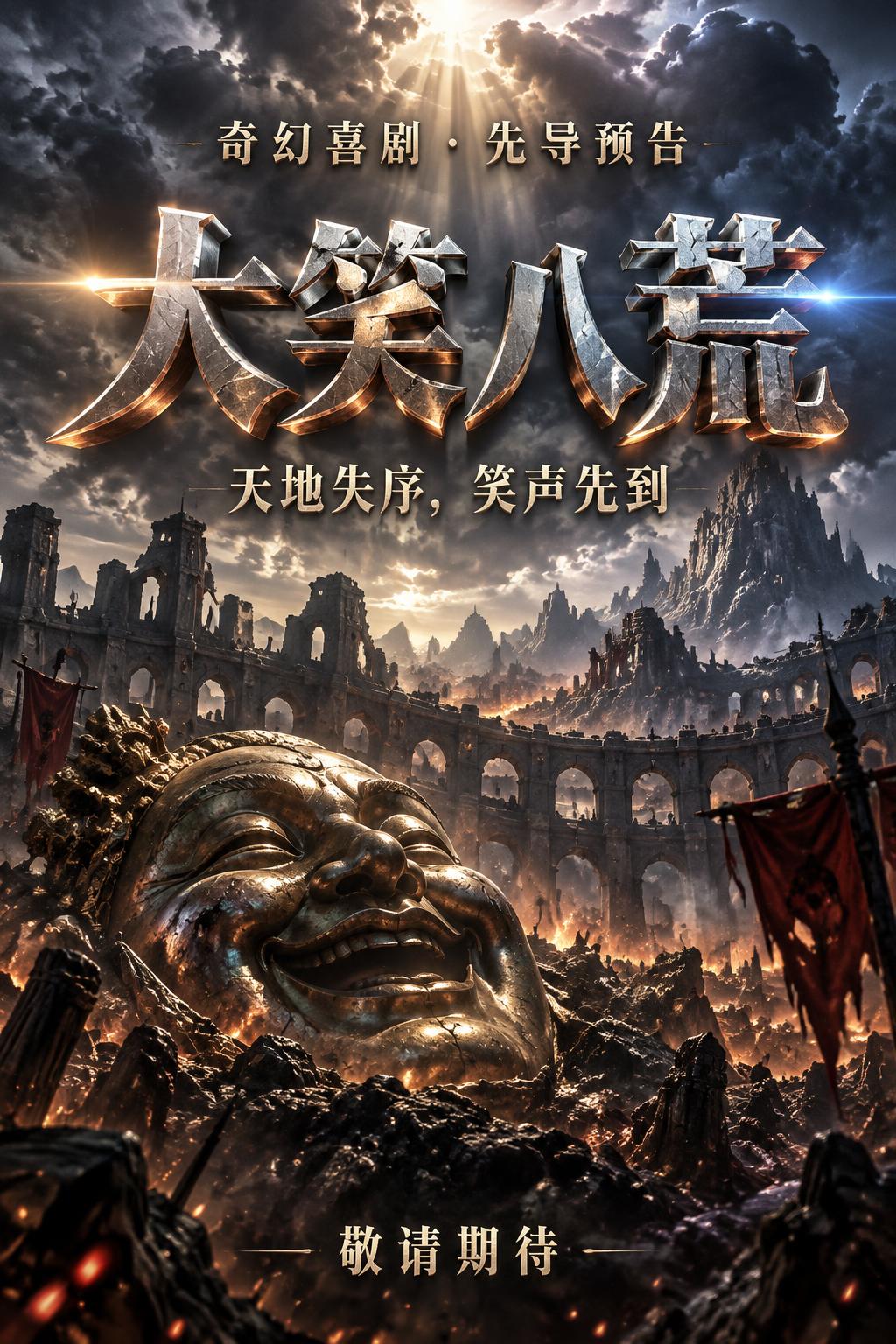
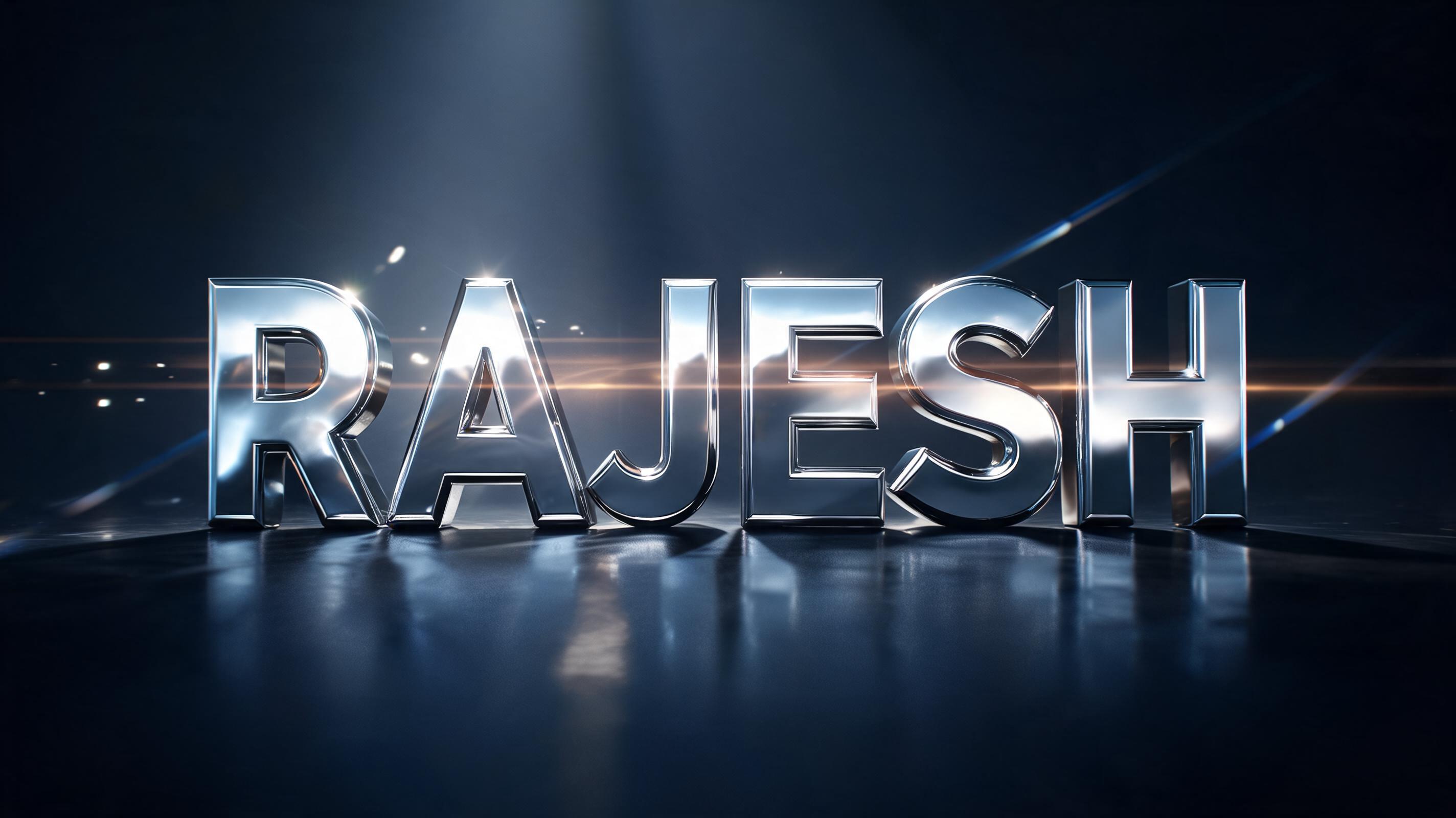
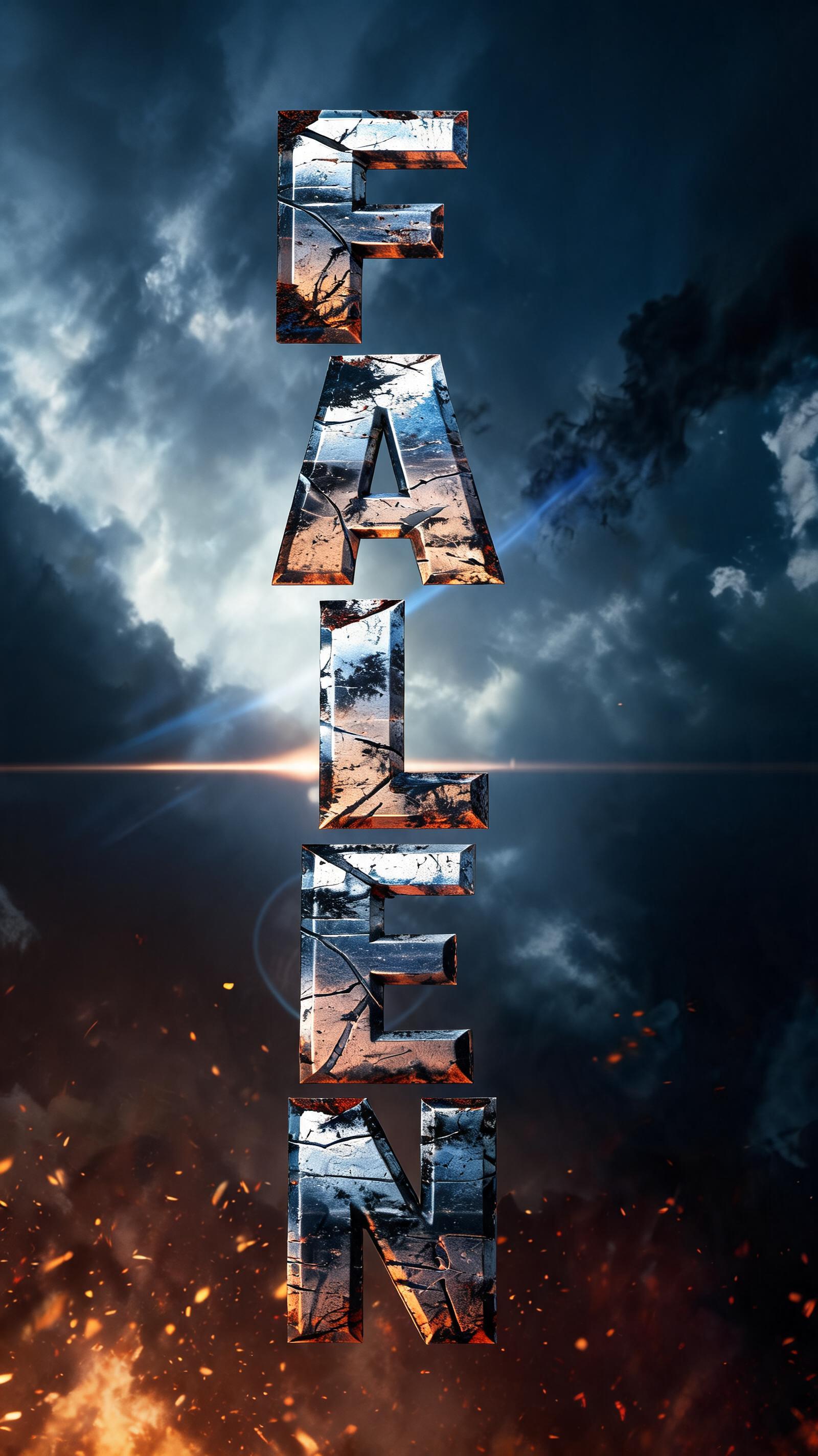
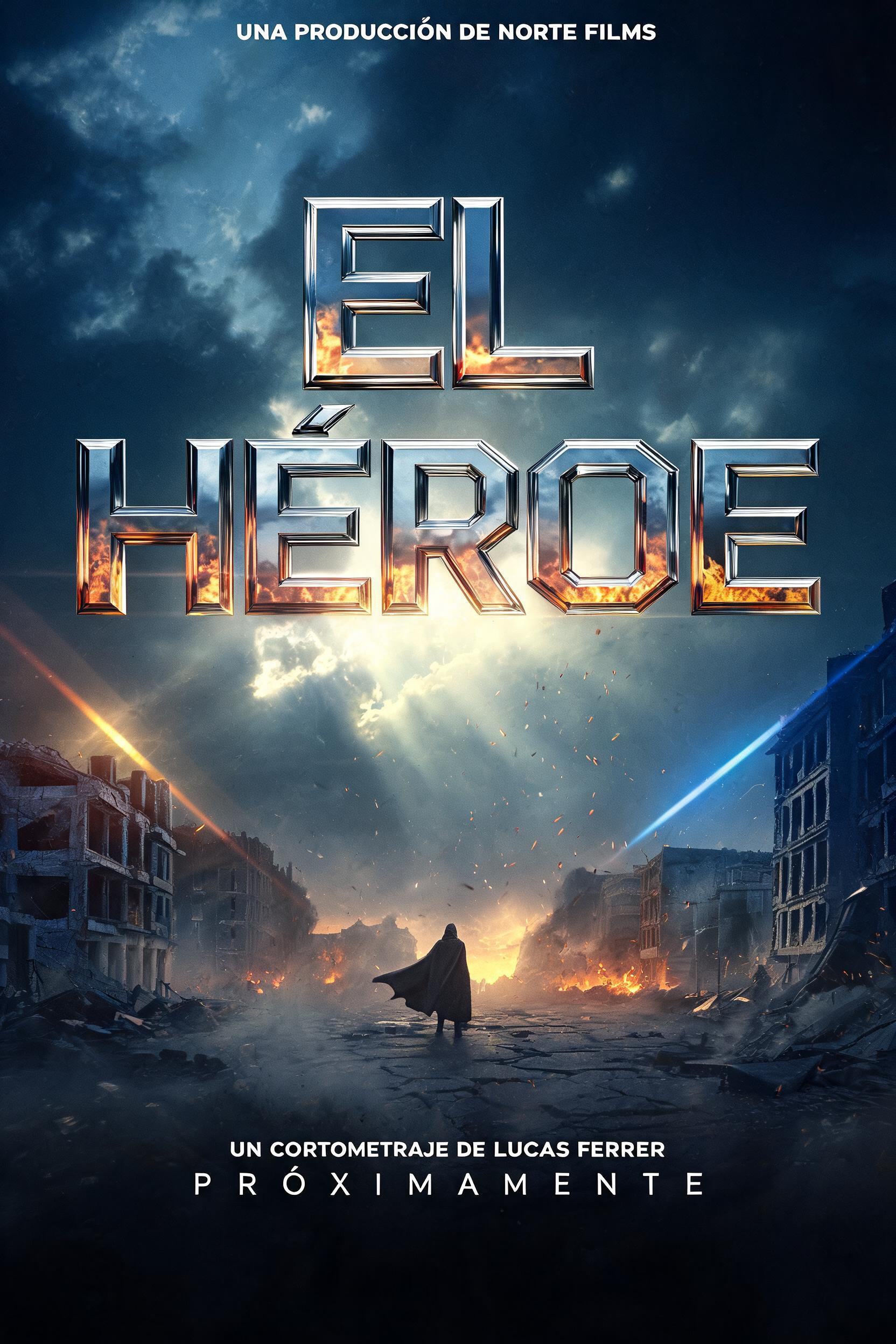
Hollywood-scale movie title lettering with chrome-polished metallic surface, intense dramatic spotlight, and volumetric lens flare. Built for epic posters, game titles, and high-impact visual projects. — no font license needed.
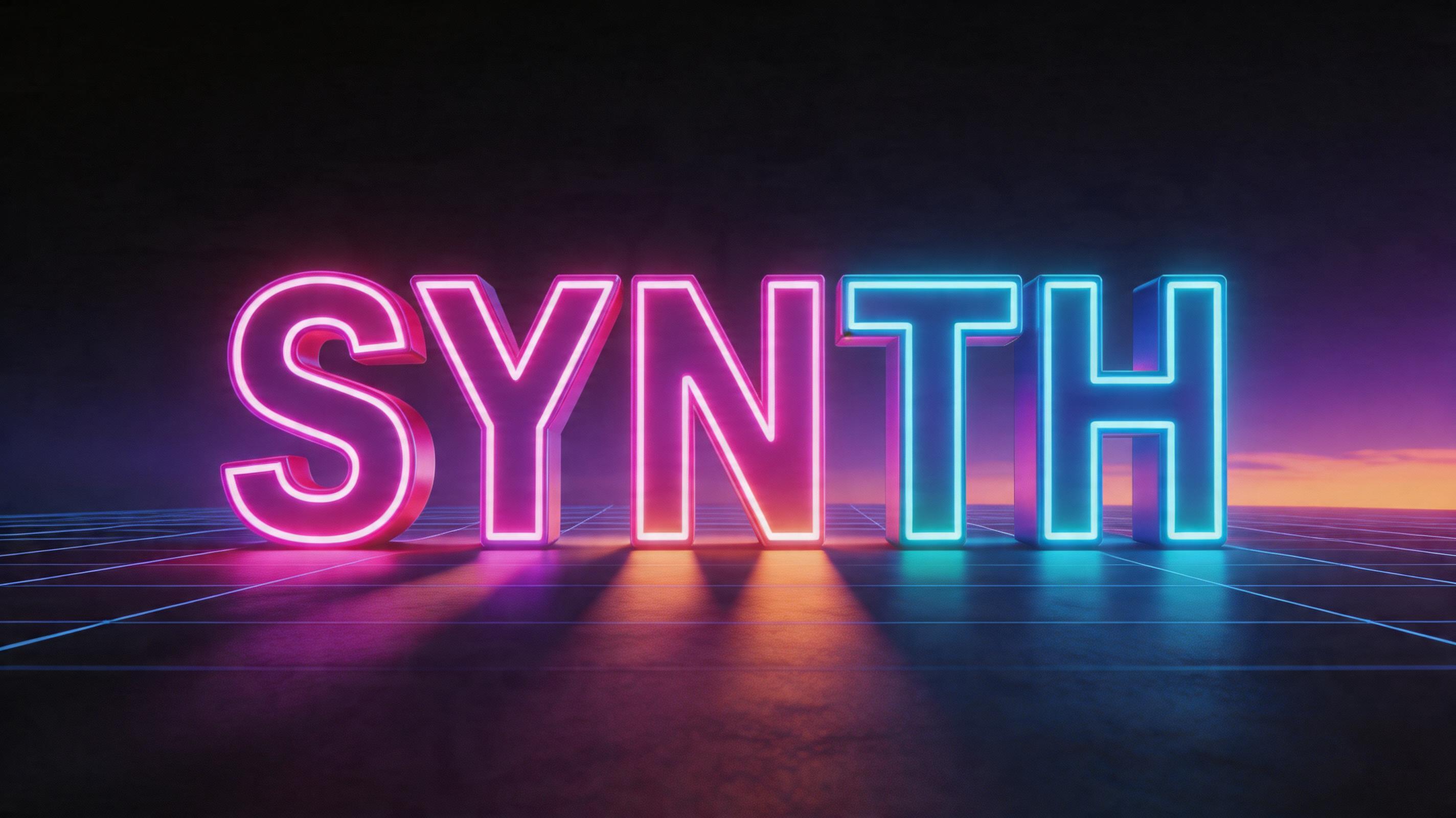
Blockbuster in different AI fonts
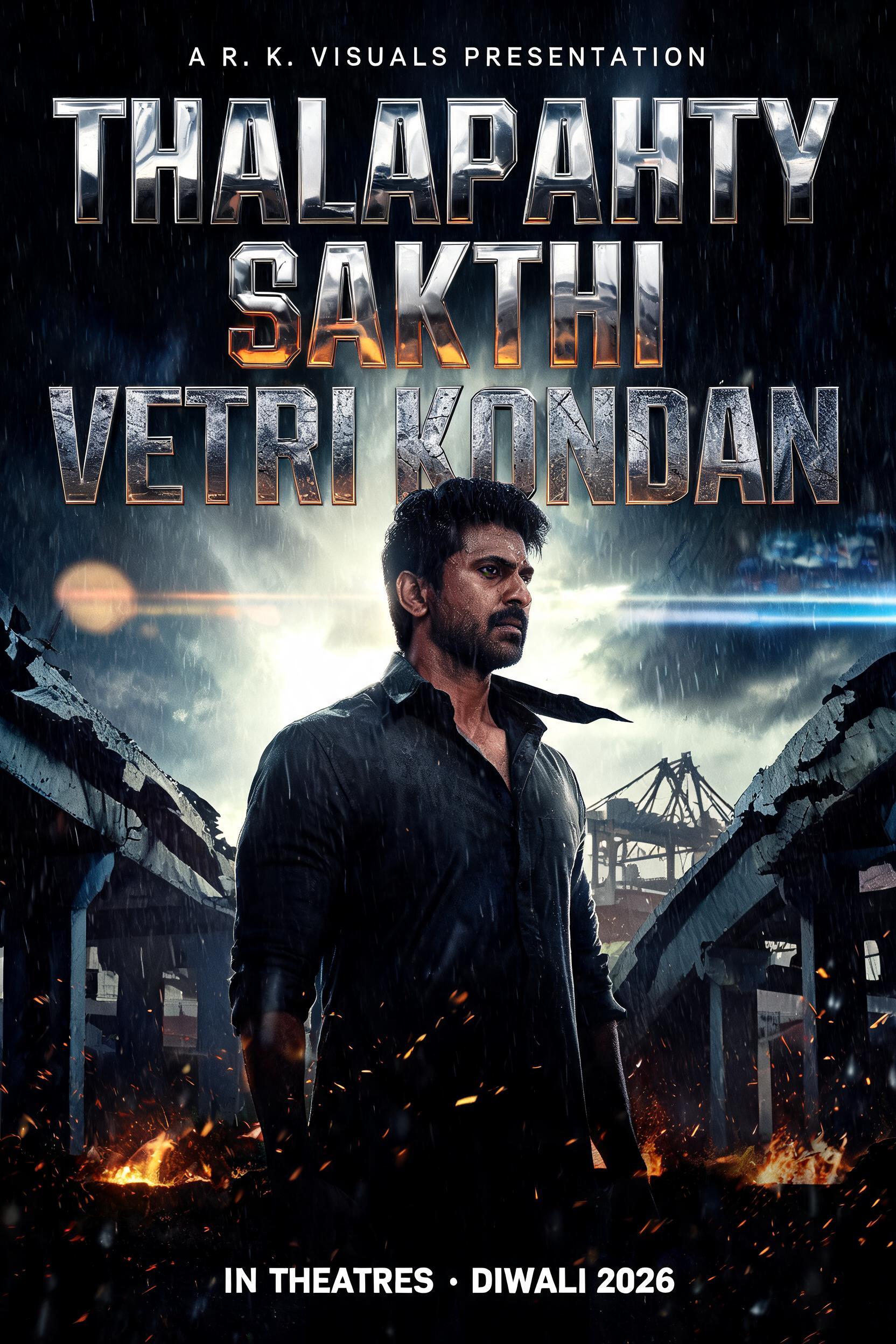
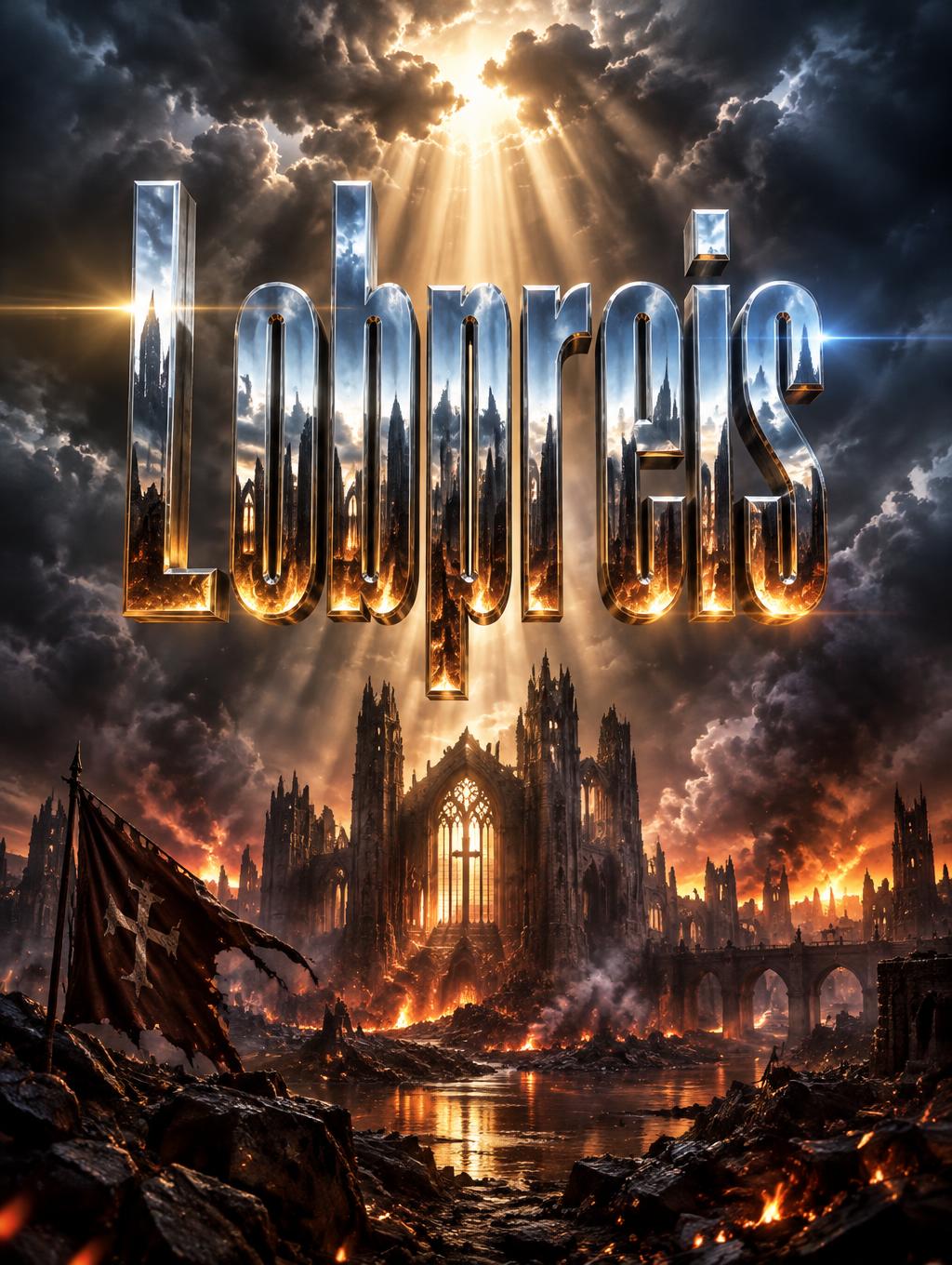
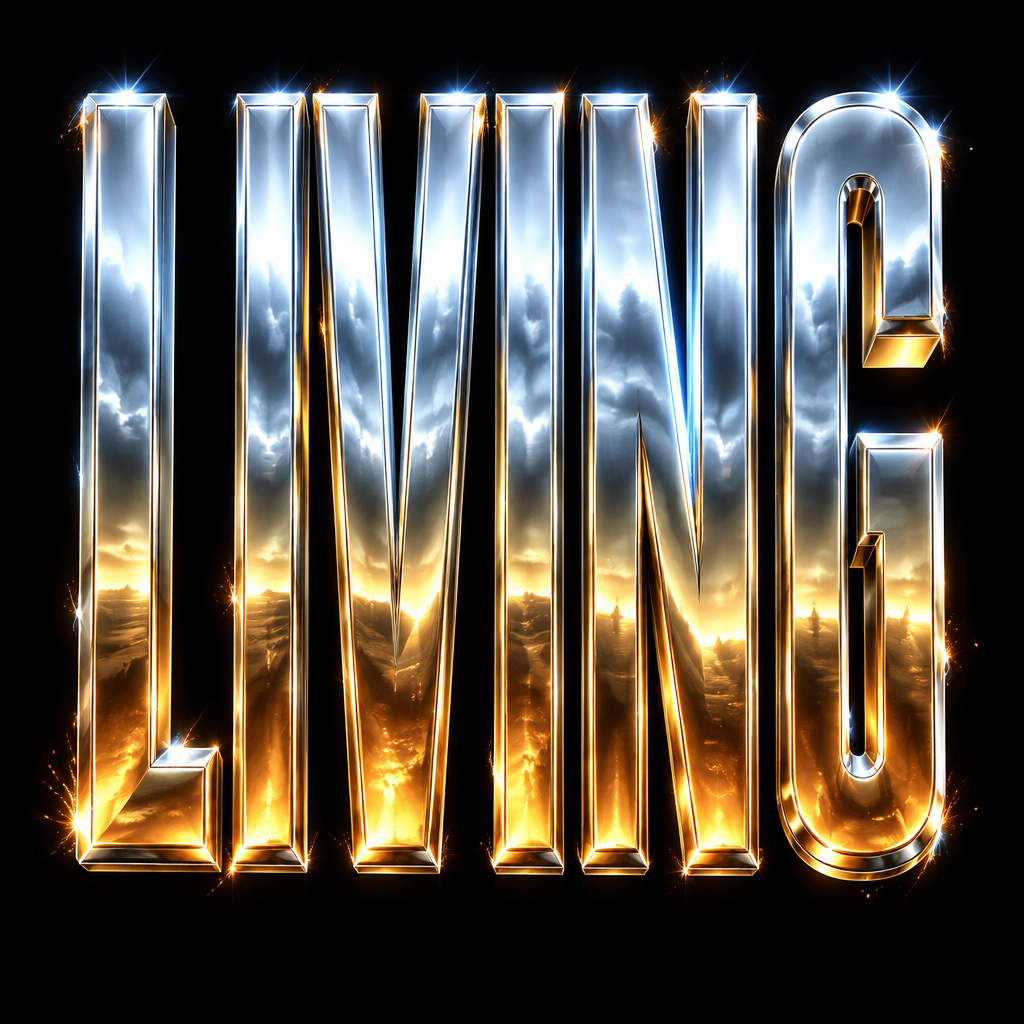
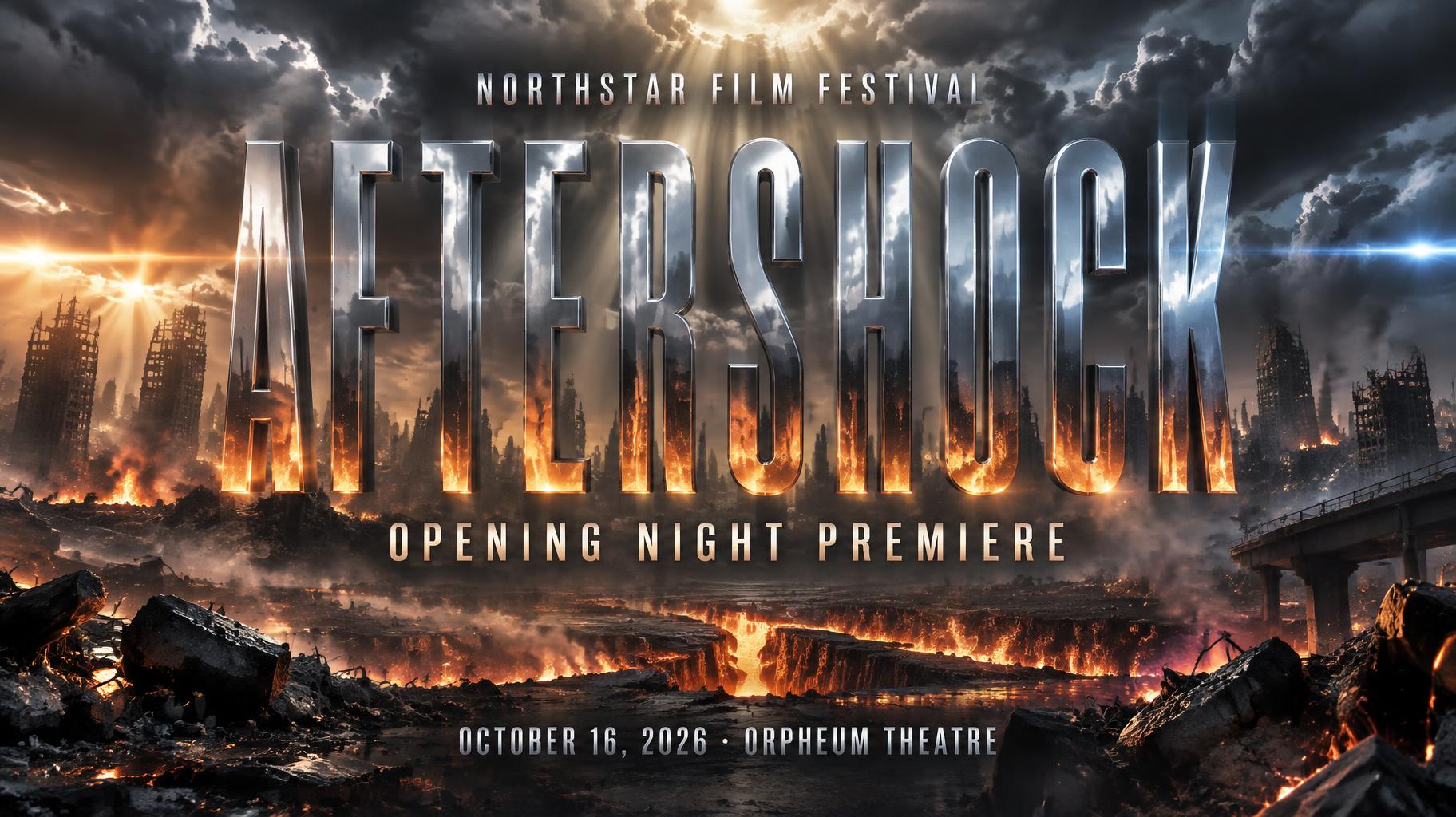
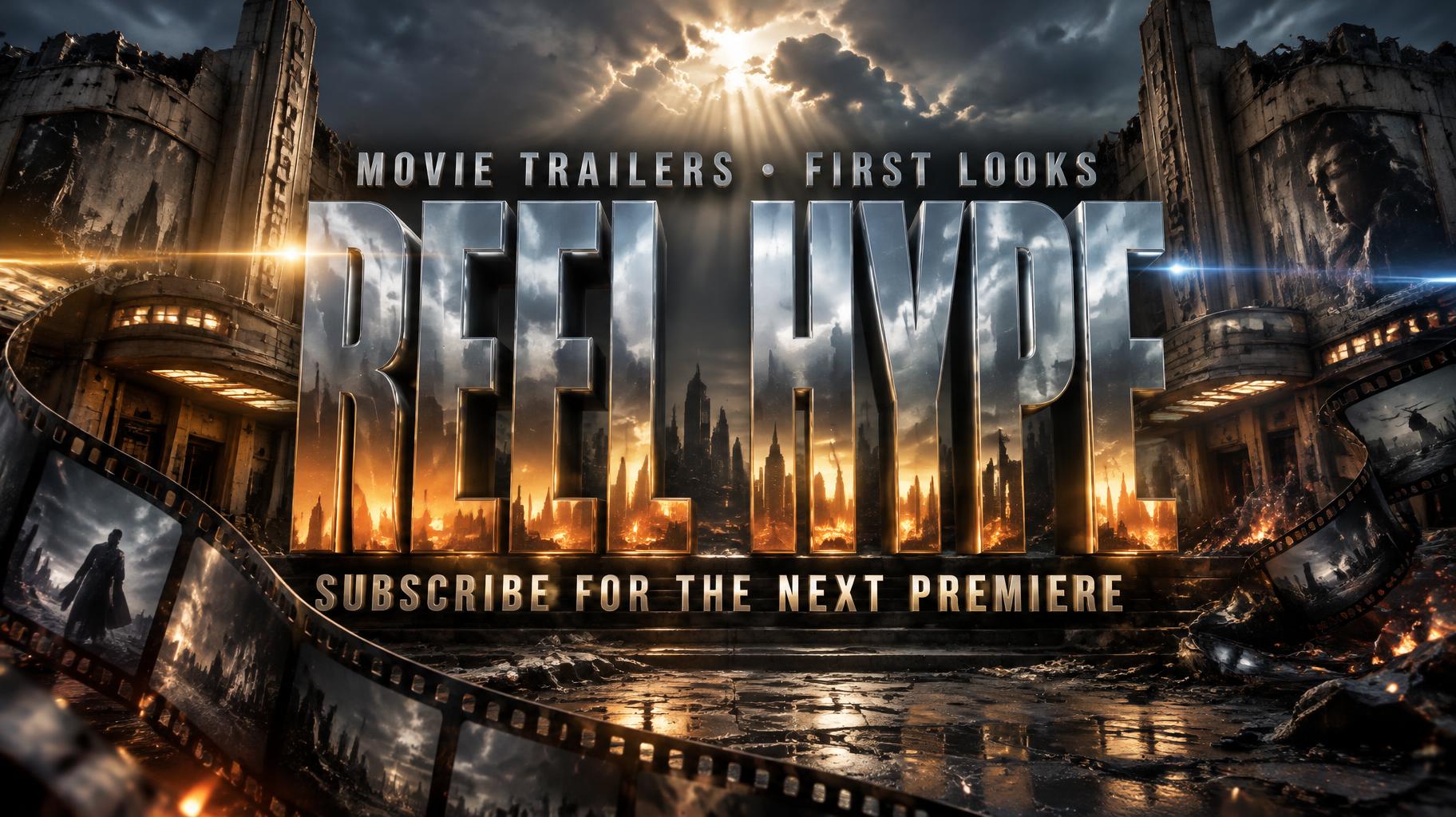
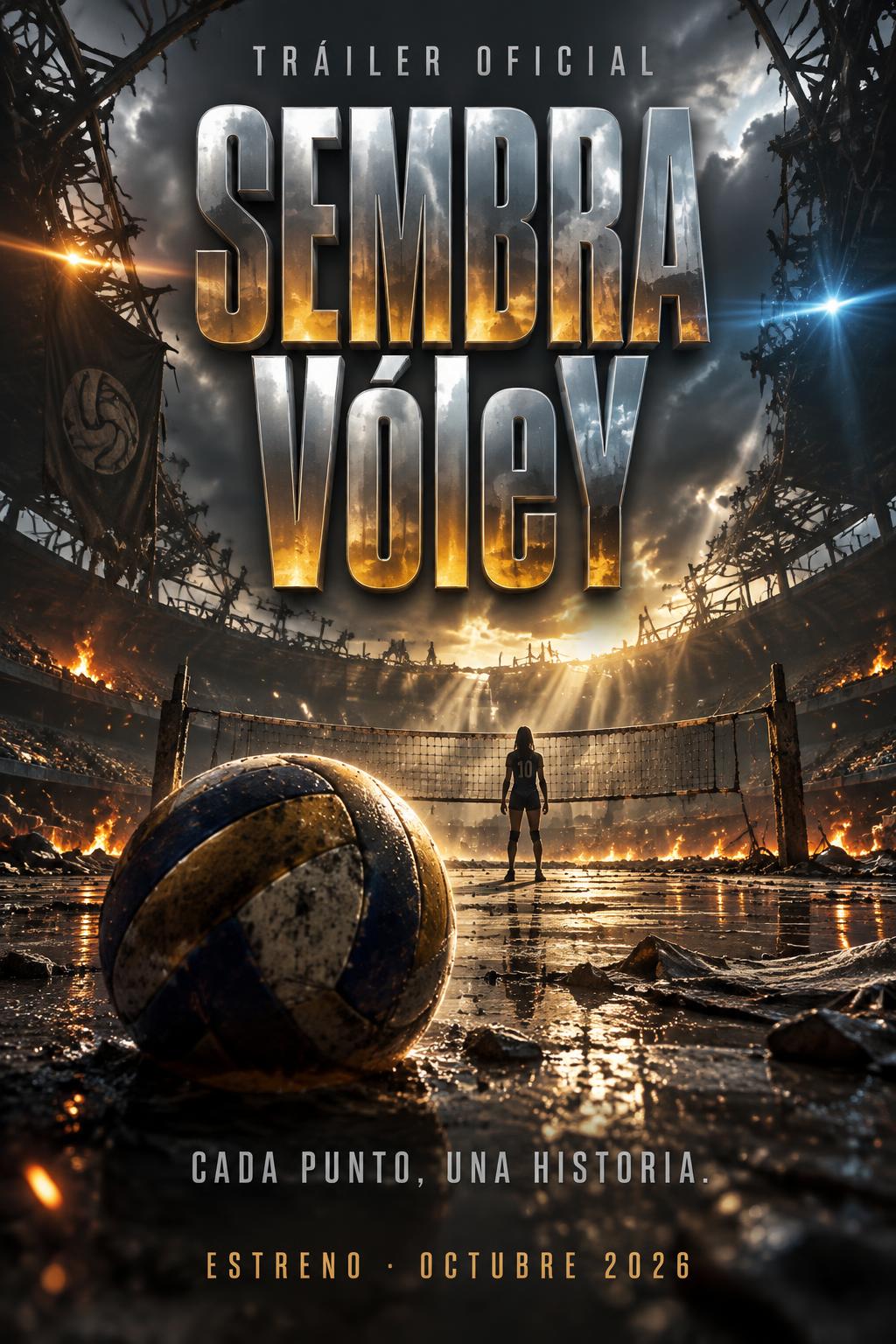
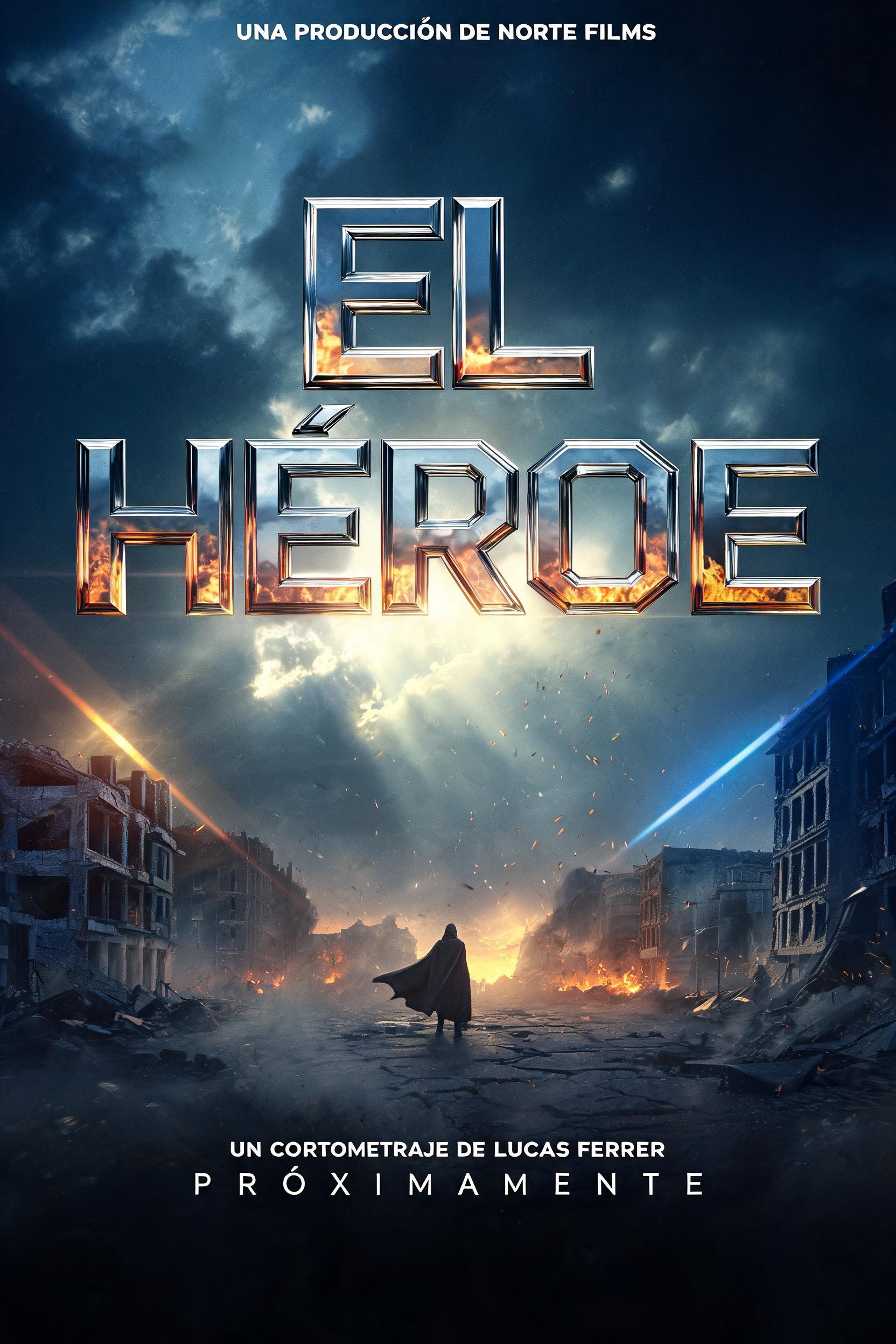
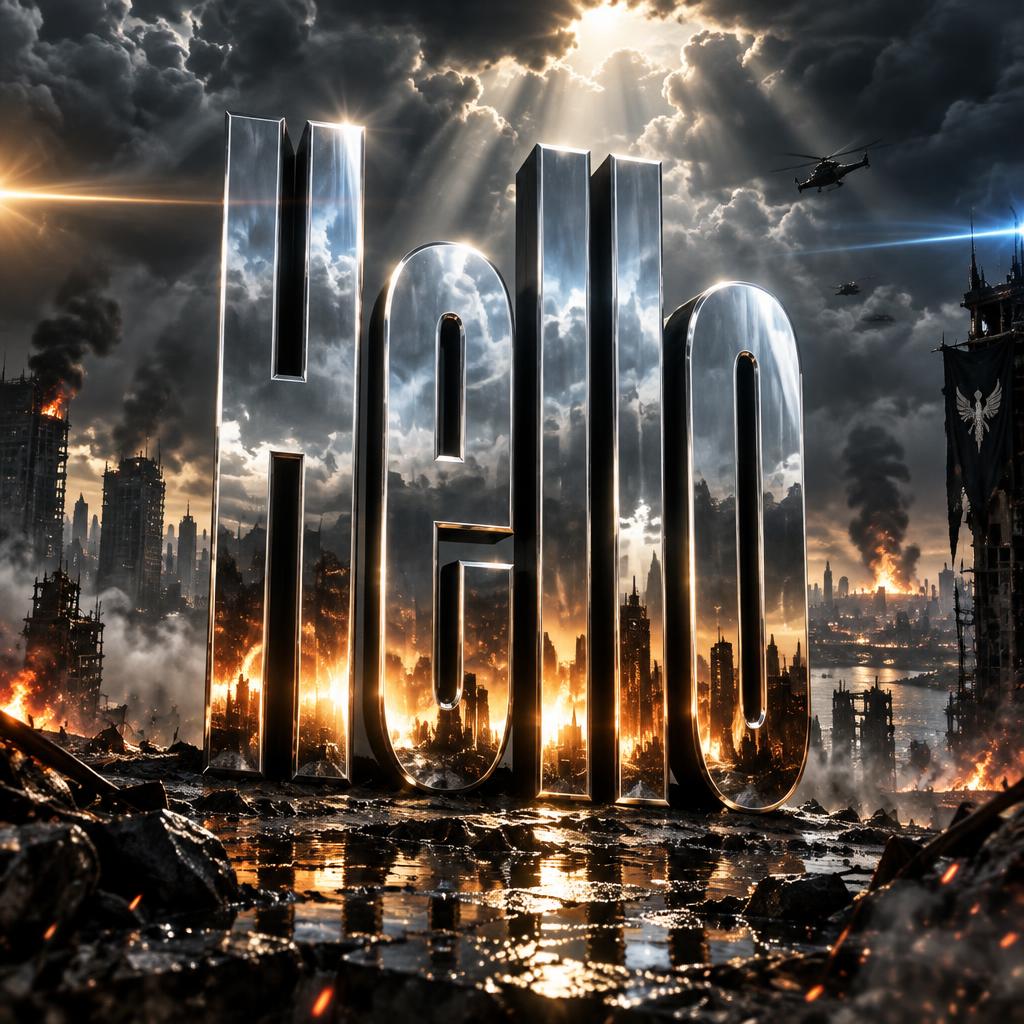


Blockbuster Gallery
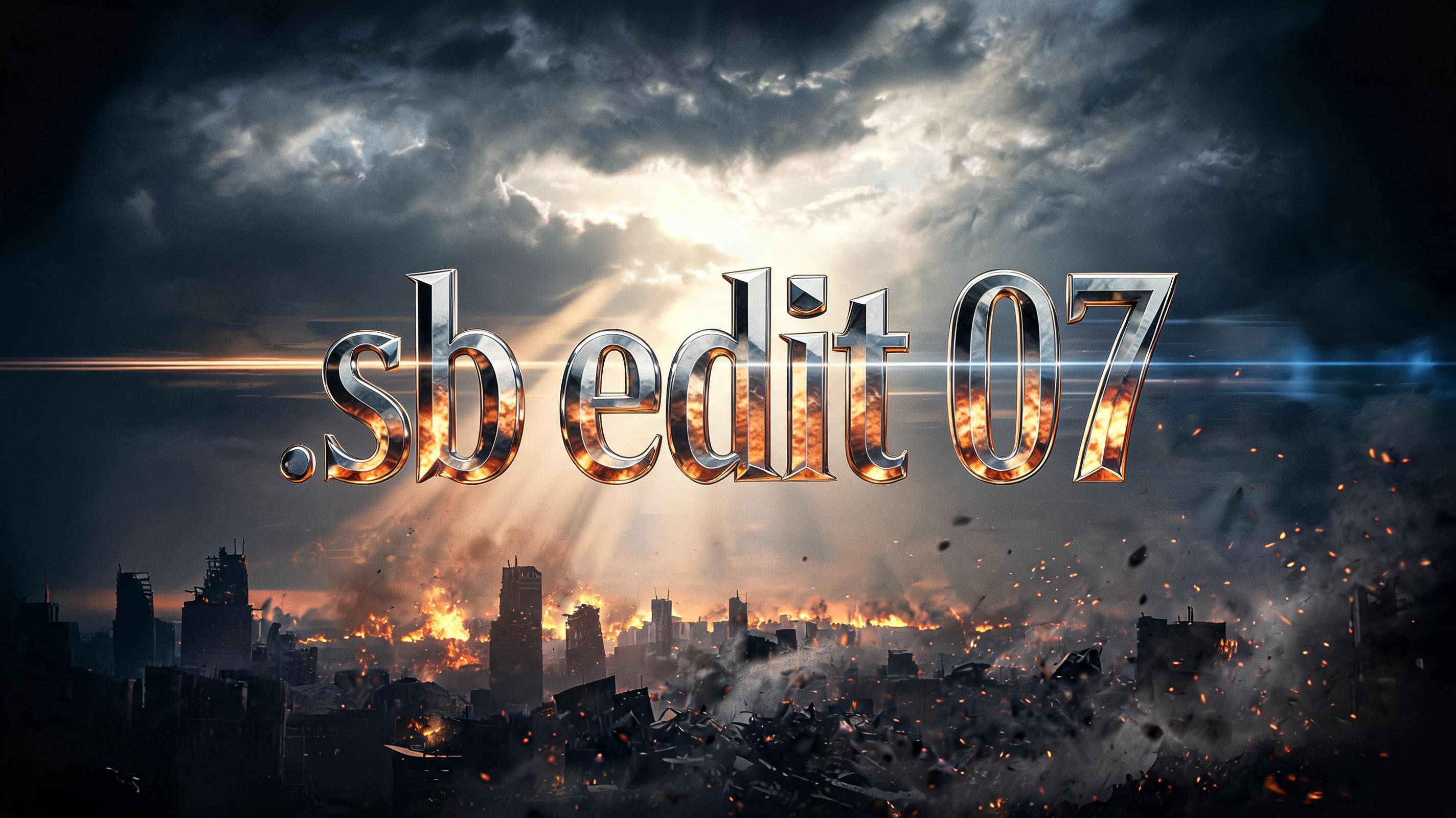
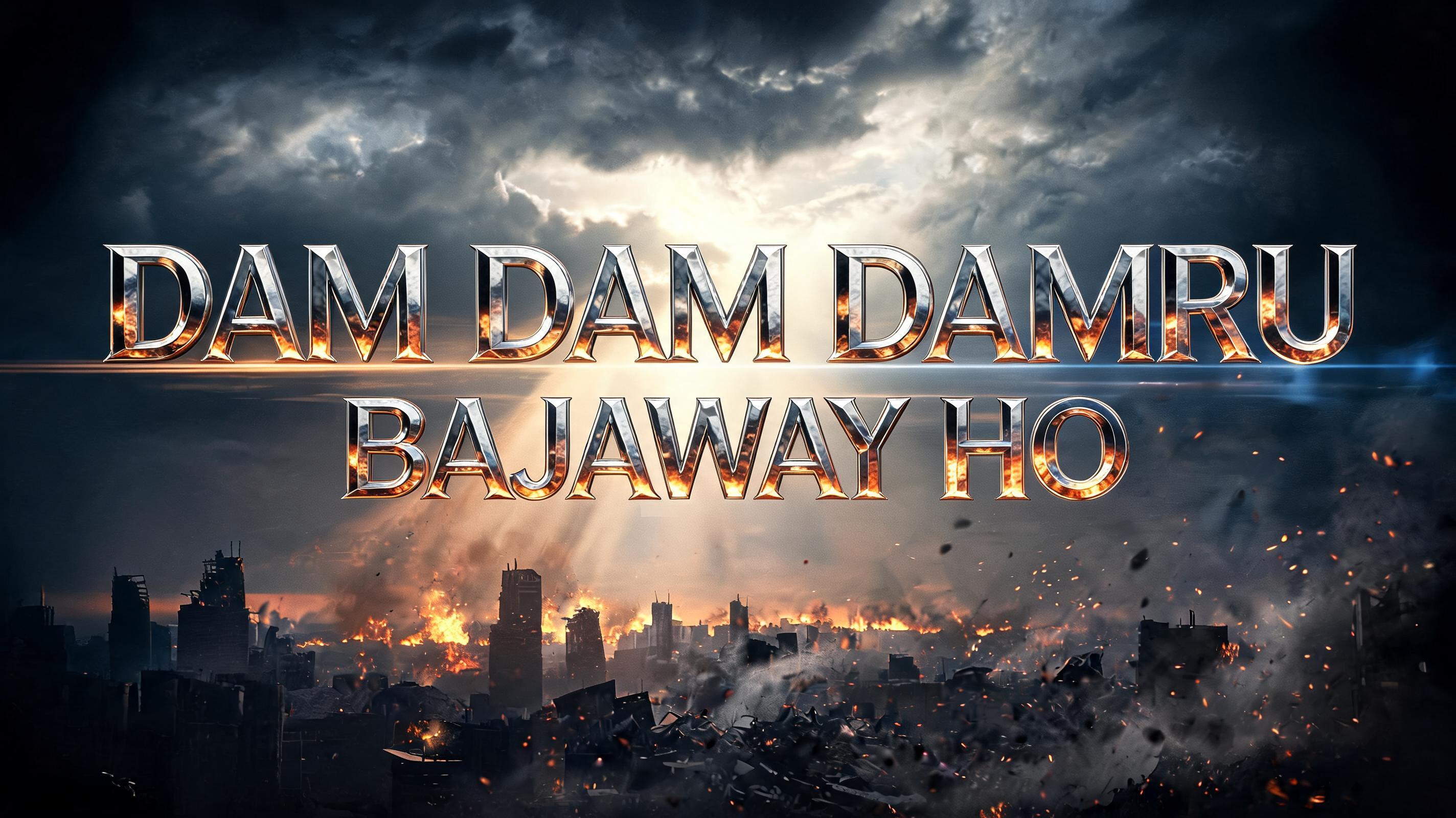
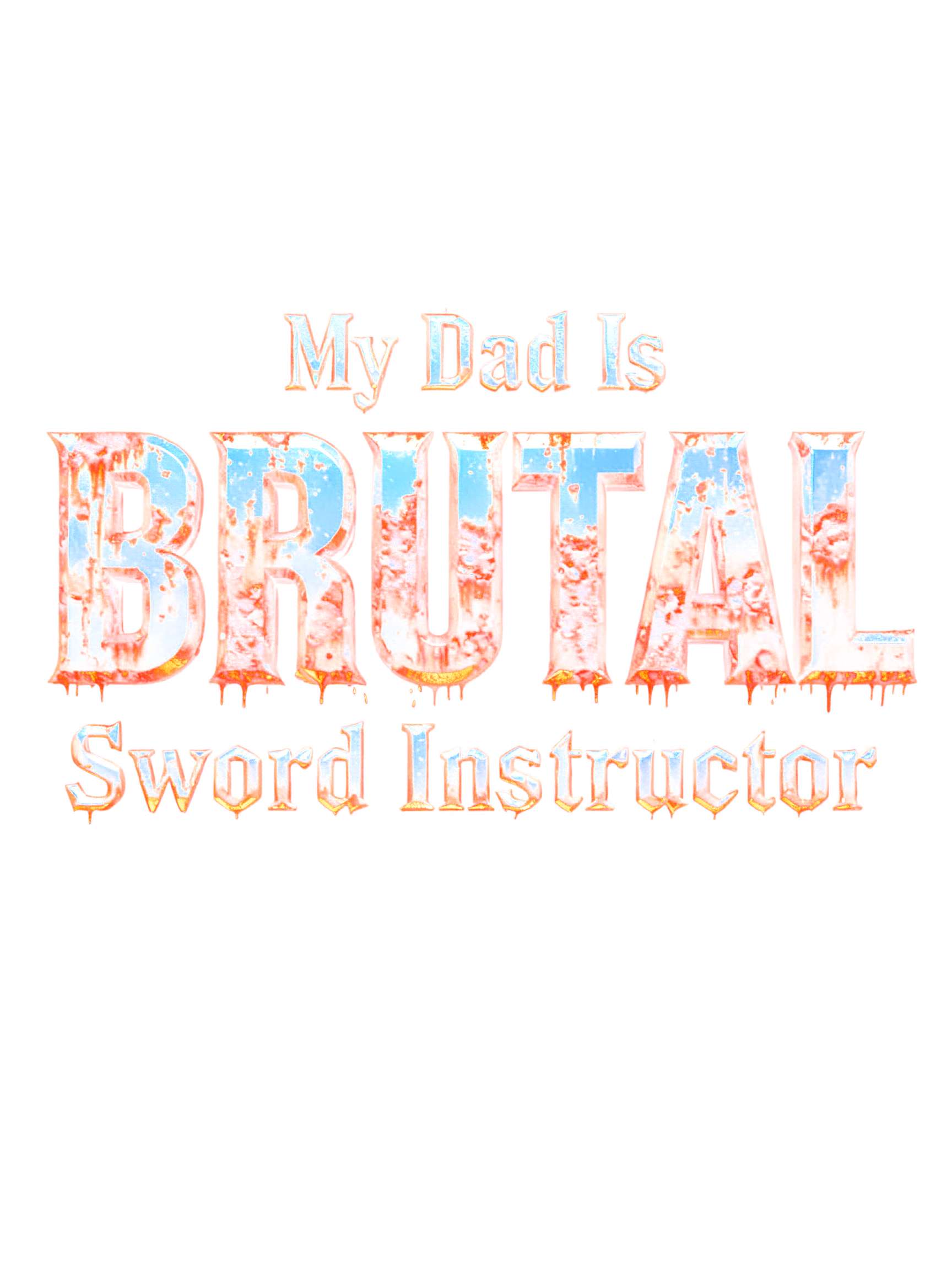
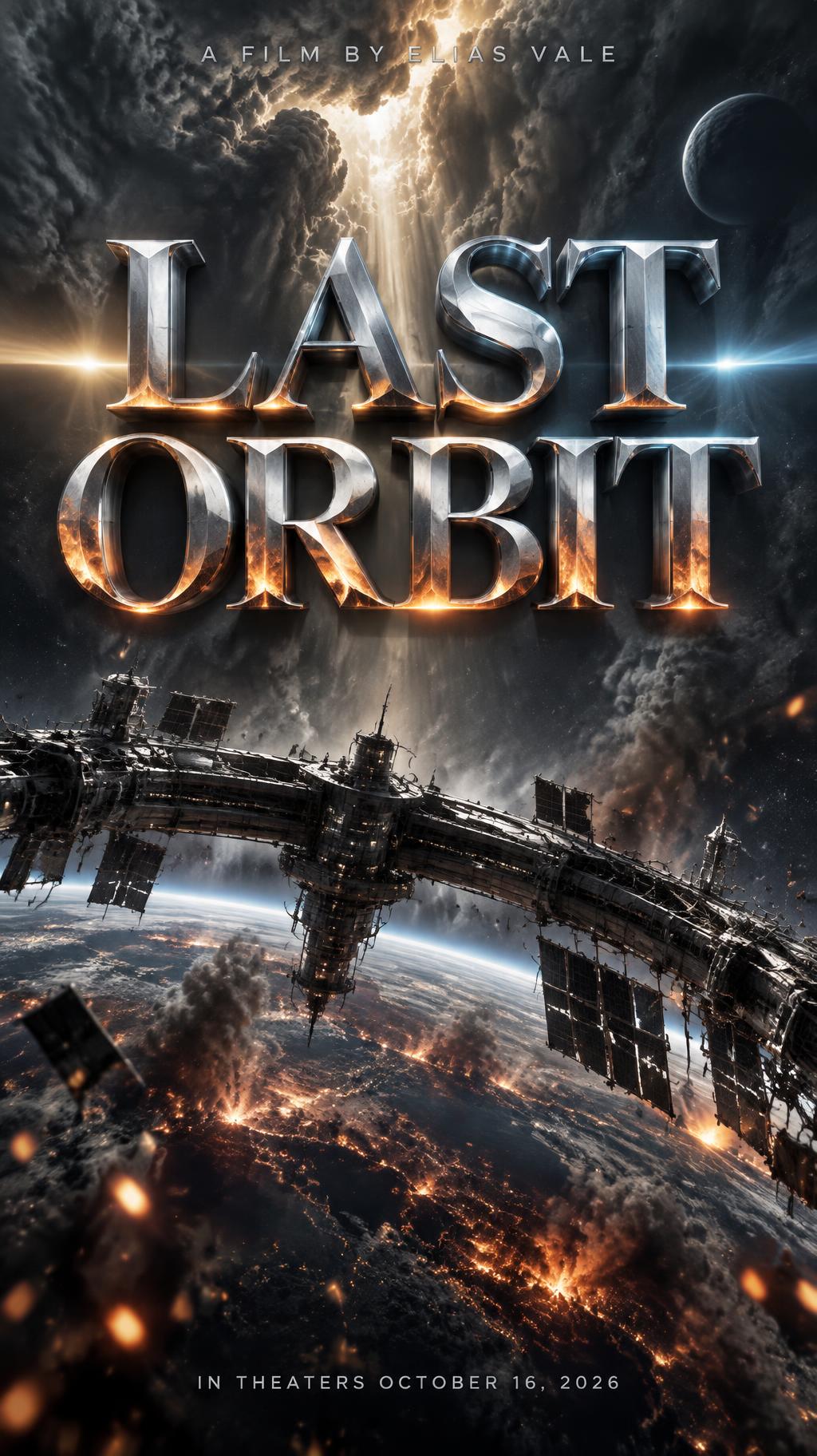
Real outputs from the Blockbuster style. Click any image to see details.


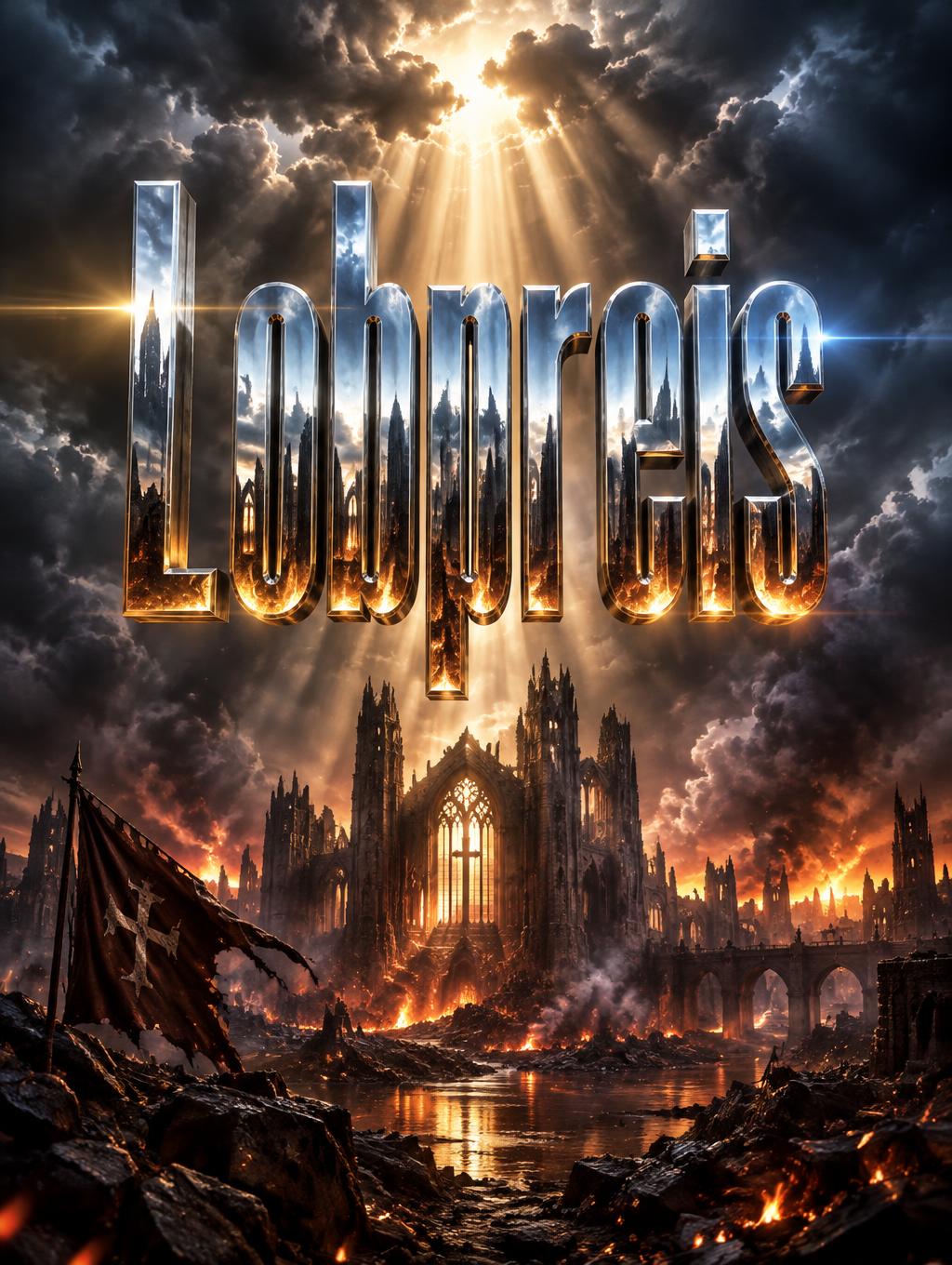
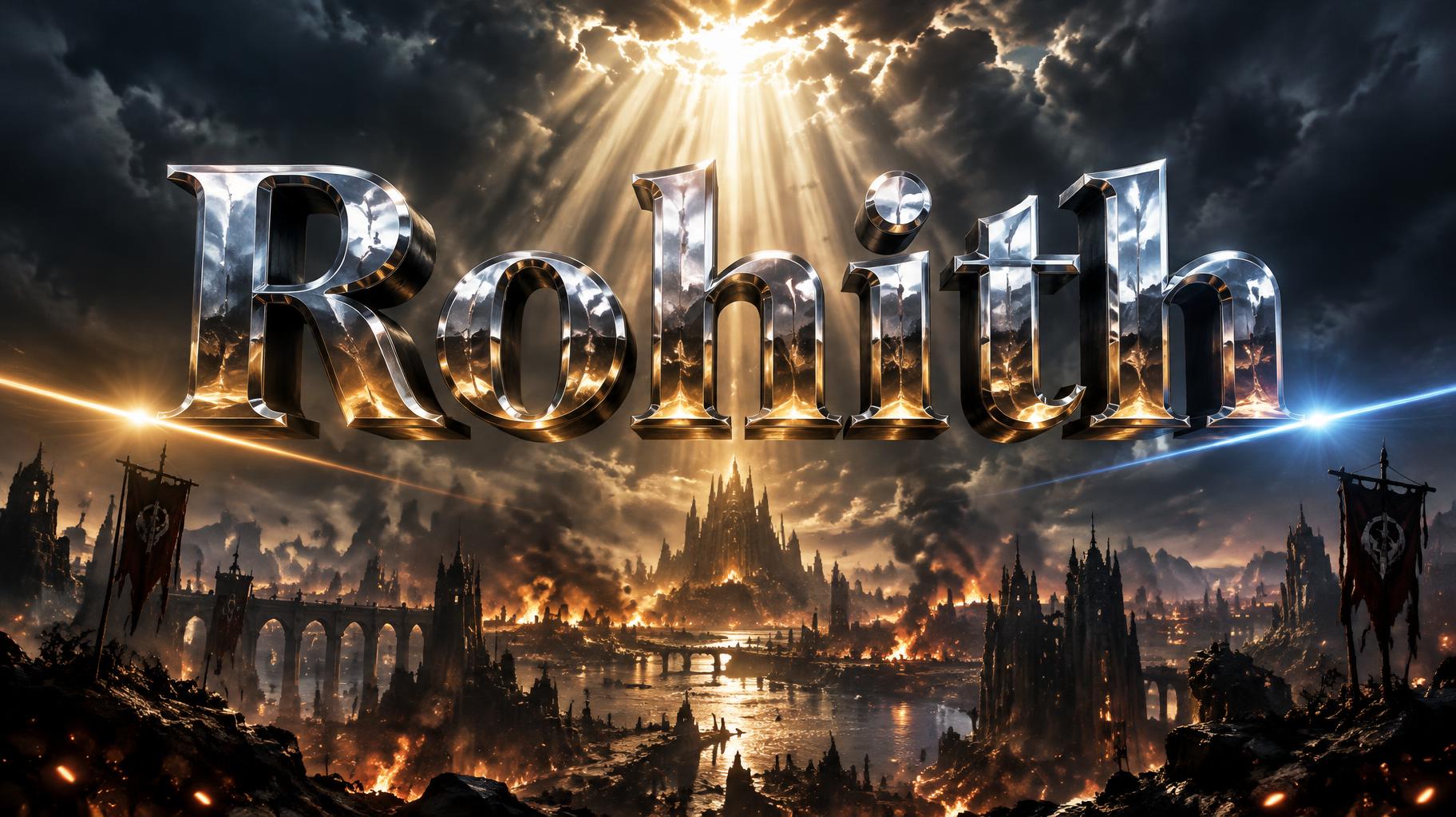
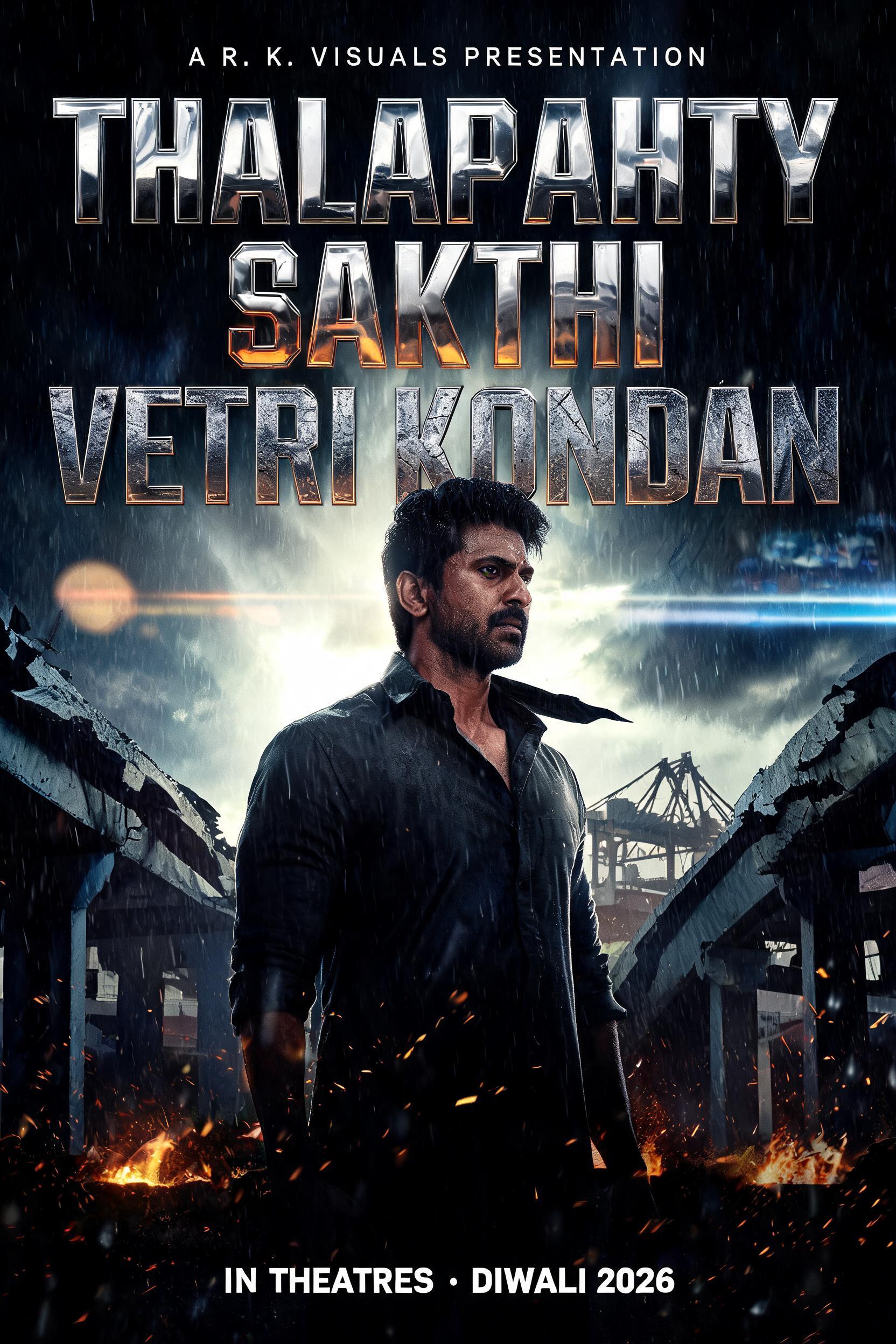


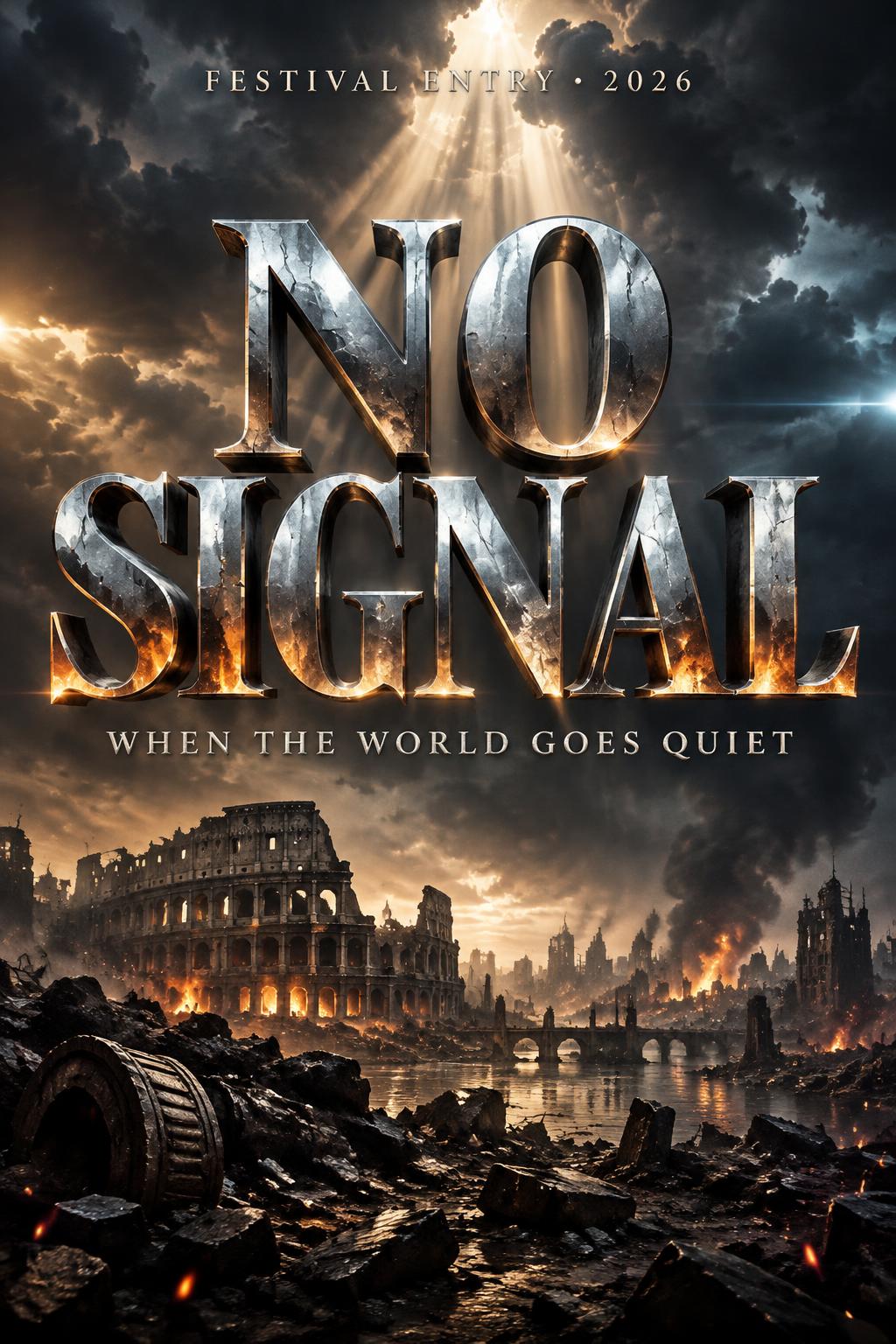
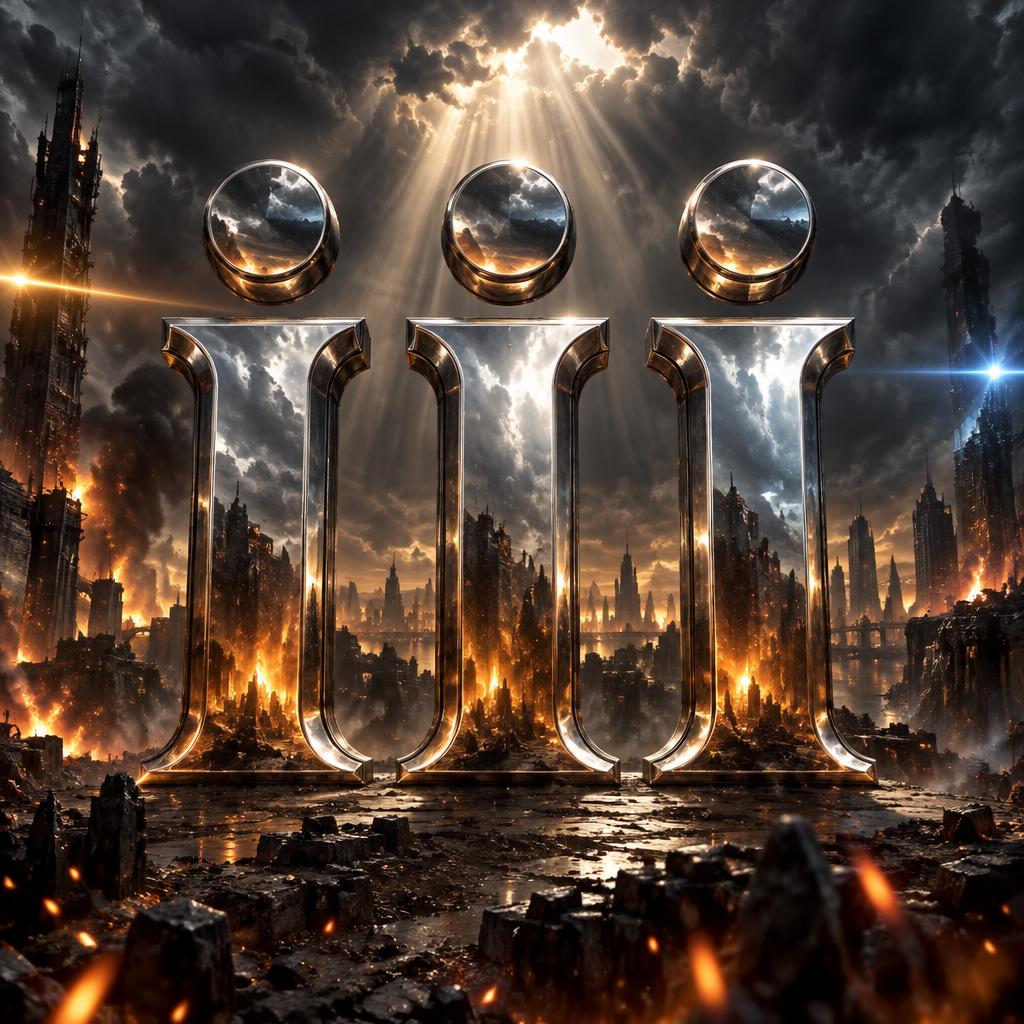
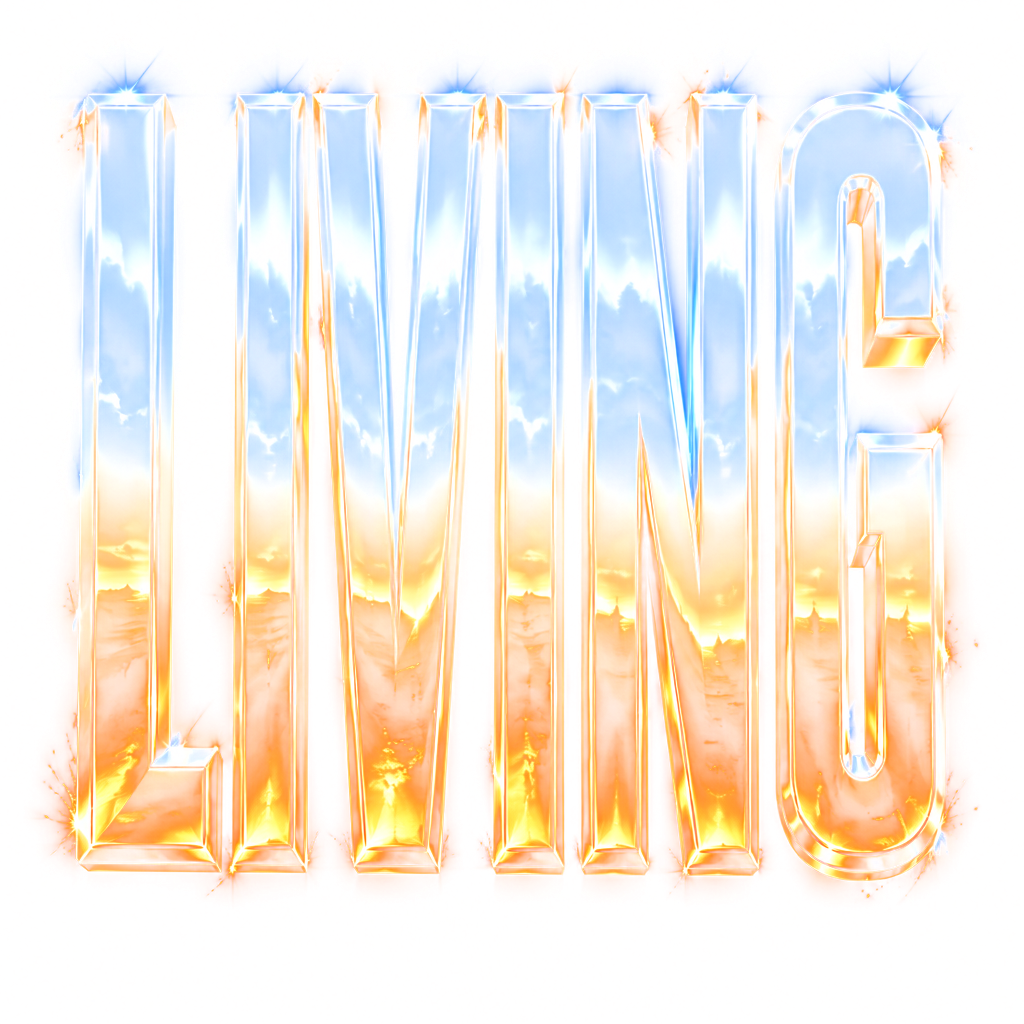
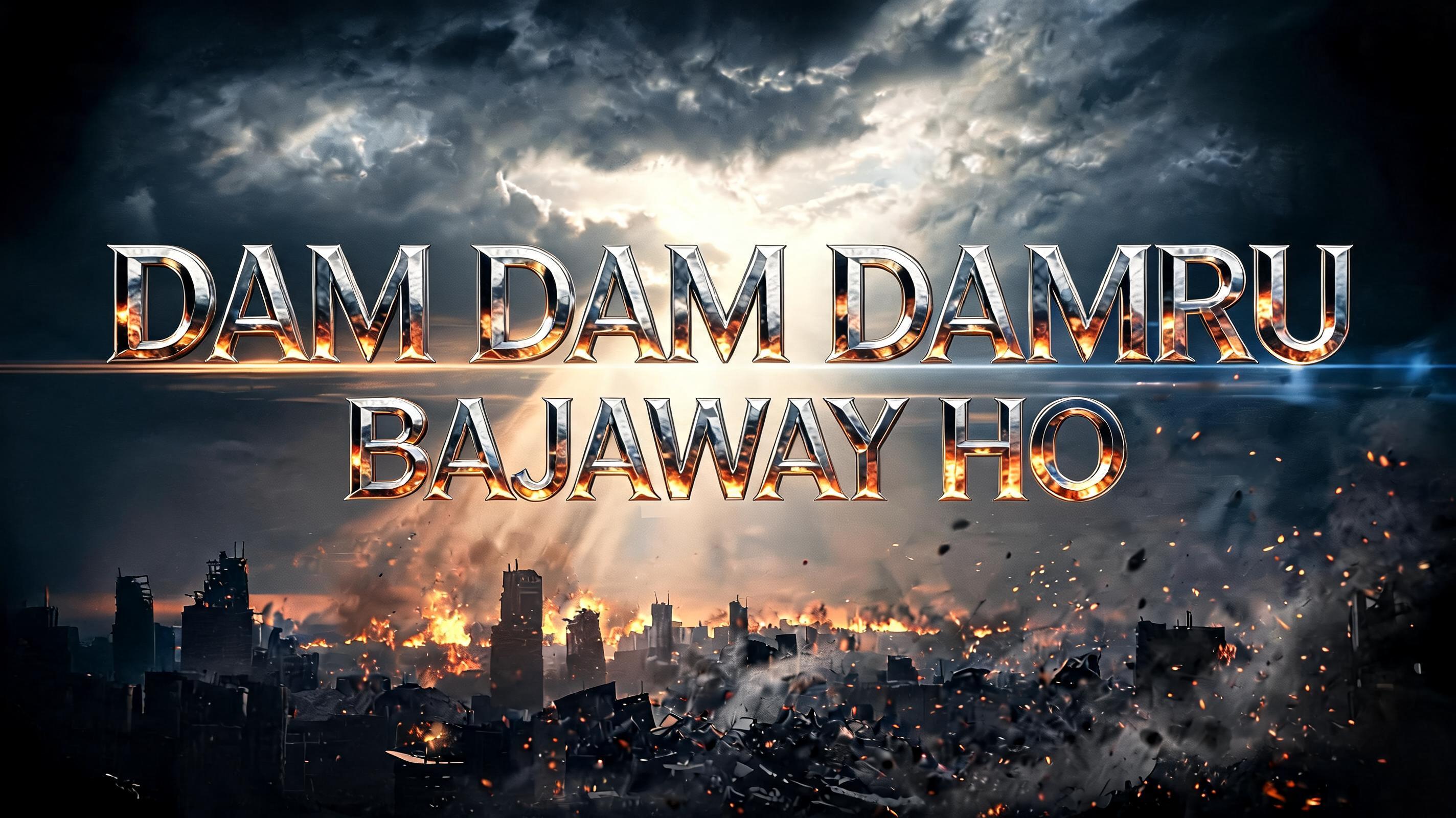


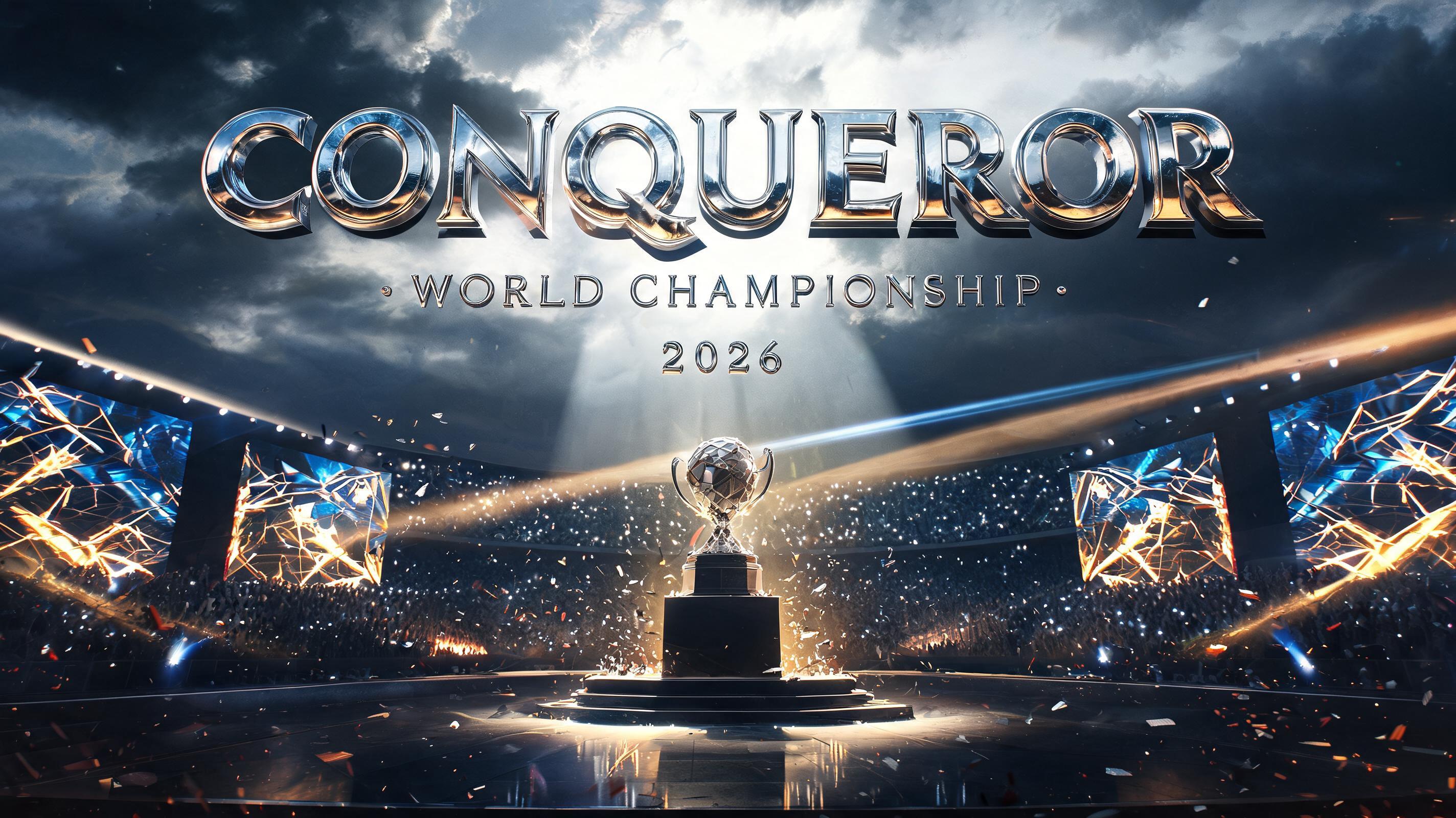


Looking for copy-paste fancy text? Try our free Font Generator Tools — cursive, gothic, bubble & 30+ styles.
Perfect for These Projects
Blockbuster Text Effect — FAQ
What is the Blockbuster Font Style?
The Blockbuster font style is a distinctive AI-generated typography effect. Hollywood-scale movie title lettering with chrome-polished metallic surface, intense dramatic spotlight, and volumetric lens flare. Built for epic posters, game titles, and high-impact visual projects. Using FontVibe's AI blockbuster generator you can create stunning text effects in seconds — no Photoshop, no font licensing, no design experience needed.
Explore the Blockbuster gallery for inspiration, or browse all 138+ AI text effect styles available on FontVibe.
How to Create Blockbuster Typography in FontVibe Studio
The Story Behind Blockbuster
History, visual DNA, and cultural context.
Where It Came From
The blockbuster movie title aesthetic crystallized in the late 1990s and early 2000s through a very specific set of films: Armageddon (1998), The Rock (1996), Gladiator (2000), Troy (2004). Title designers were developing a shared visual vocabulary: chrome-polished letterforms with dramatic single-source spotlighting, volumetric lens flares, and epic weight.
The chrome metallic title became the shorthand for "this film cost $150 million and wants you to know it." The hard dramatic spotlight from above — casting strong shadows downward — communicated authority and scale. Lens flare was not an accident or a flaw; it was added deliberately in post-production because it implied an overwhelmingly bright practical light source, which implied epic physical scale.
The style became so dominant that it essentially defines what the general public thinks of when they picture a "movie poster font."
Sources: Wikipedia — Armageddon (1998 film) · Wikipedia — The Rock (film) · Wikipedia — Troy (film)
The Visual DNA
Cultural Landmarks
Create Your Blockbuster Typography in Studio
Free to start. No design skills needed. Your artwork, your copyright.
AI Movie & Film Blockbuster Text Effect Generator
Hollywood-scale movie title lettering with chrome-polished metallic surface, intense dramatic spotlight, and volumetric lens flare. Built for epic posters, game titles, and high-impact visual projects. — no font license needed.
Blockbuster in different AI fonts
Generate Your Blockbuster Text Effect
Type any word — see it transformed in seconds. No sign-up required.
Blockbuster Style Gallery
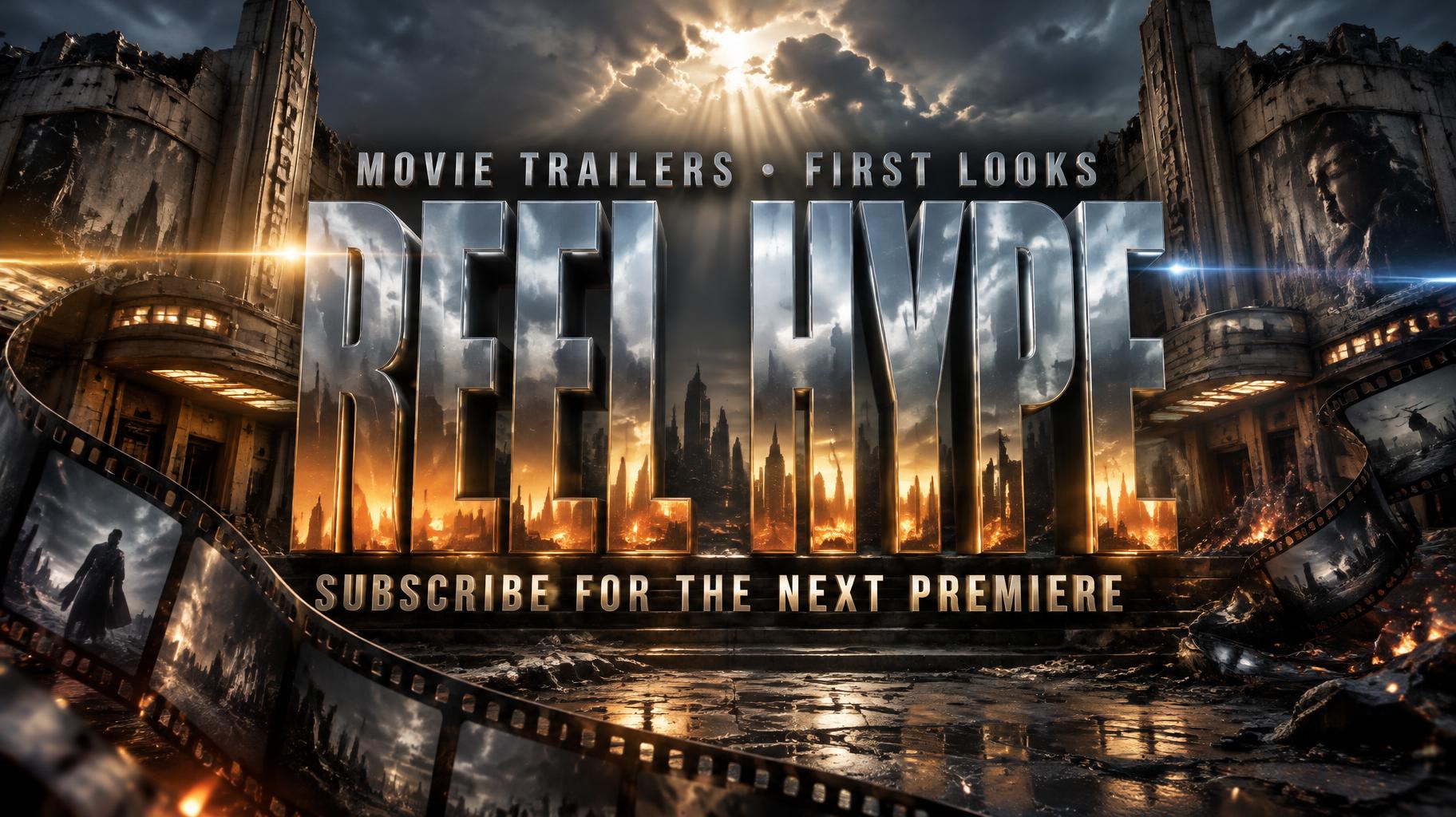
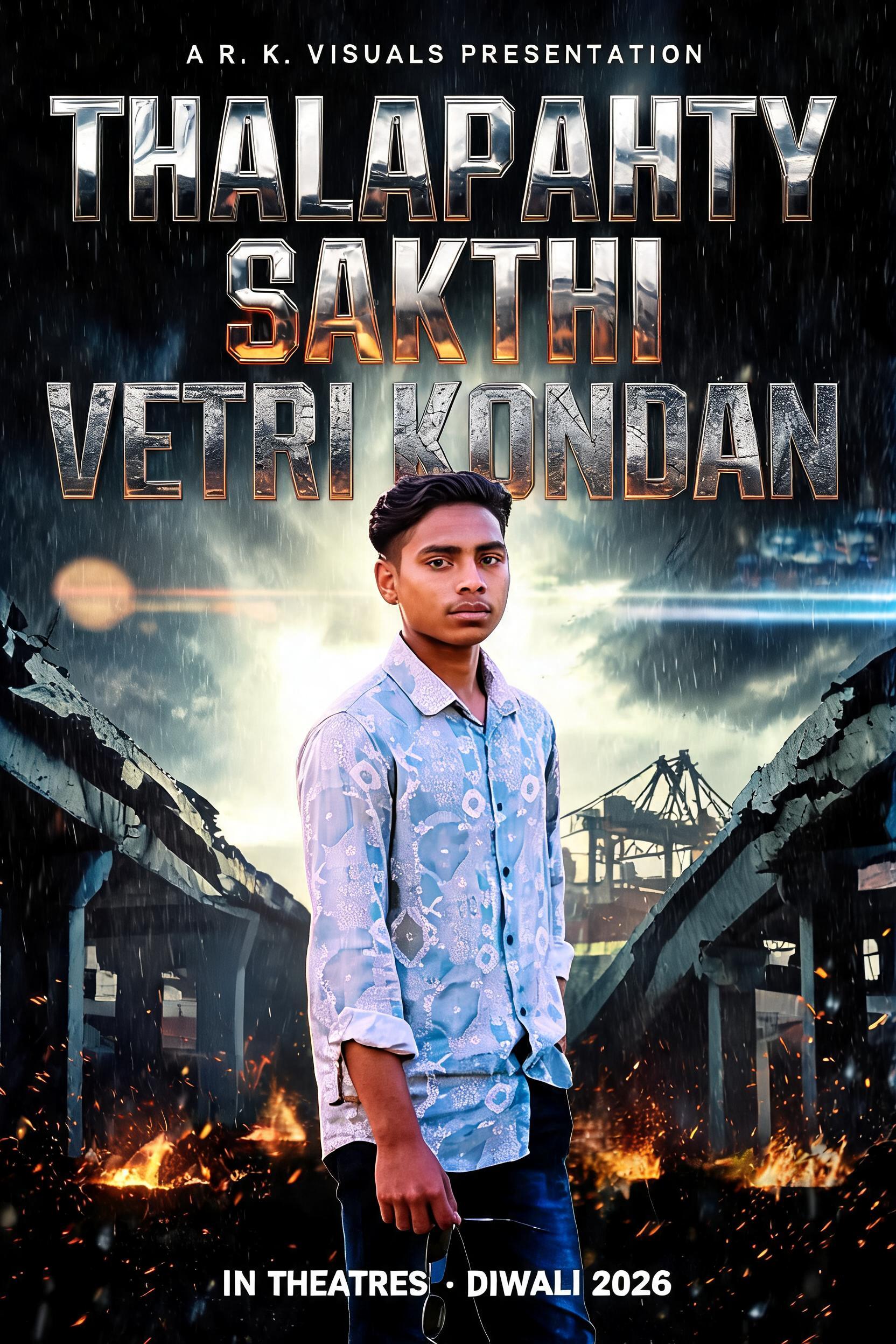
Real outputs from the Blockbuster style. Click any image to see details.

Similar Text Effect Styles
Try these styles and create your own AI-generated text effects.
Looking for copy-paste fancy text? Try our free Font Generator Tools — cursive, gothic, bubble & 30+ styles.
Perfect for These Projects
Blockbuster text effects are popular for creative projects where visual impact matters.
What is the Blockbuster Font Style?
The Blockbuster font style is a distinctive AI-generated typography effect. Hollywood-scale movie title lettering with chrome-polished metallic surface, intense dramatic spotlight, and volumetric lens flare. Built for epic posters, game titles, and high-impact visual projects.
Using FontVibe's AI blockbuster generator you can create stunning text effects in seconds — no Photoshop, no font licensing, no design experience needed.
Explore the Blockbuster gallery for inspiration, or browse all 138+ AI text effect styles available on FontVibe.
How to Create Blockbuster Typography in FontVibe Studio
1. Enter your text — Any word, phrase, or brand name. Works best with short, punchy text.
2. Select Blockbuster — From the style library. Optionally describe a mood in the custom prompt.
3. Generate and download. Your Blockbuster font artwork is ready in seconds. PNG, JPG, or transparent PNG.
Looking for something different? Browse the full font style library for more AI typography options.
Blockbuster Text Effect — FAQ
The Story Behind Blockbuster
History, visual DNA, and cultural context — everything that makes this style what it is.
Where It Came From
The blockbuster movie title aesthetic crystallized in the late 1990s and early 2000s through a very specific set of films: Armageddon (1998), The Rock (1996), Gladiator (2000), Troy (2004). Title designers were developing a shared visual vocabulary: chrome-polished letterforms with dramatic single-source spotlighting, volumetric lens flares, and epic weight.
The chrome metallic title became the shorthand for "this film cost $150 million and wants you to know it." The hard dramatic spotlight from above — casting strong shadows downward — communicated authority and scale. Lens flare was not an accident or a flaw; it was added deliberately in post-production because it implied an overwhelmingly bright practical light source, which implied epic physical scale.
The style became so dominant that it essentially defines what the general public thinks of when they picture a "movie poster font."
Sources: Wikipedia — Armageddon (1998 film) · Wikipedia — The Rock (film) · Wikipedia — Troy (film)