


AI Viking Viking Runic Text Effect Generator
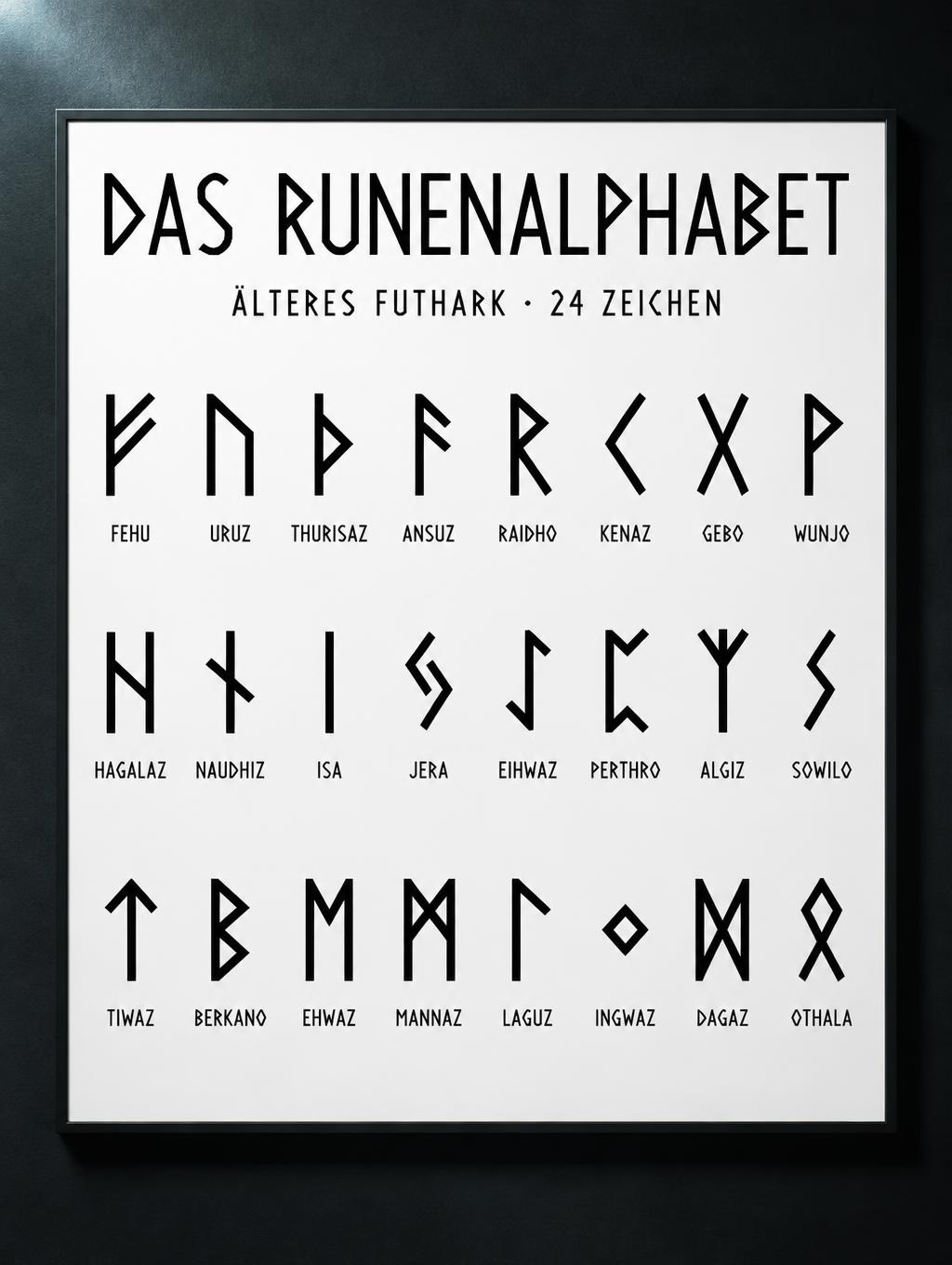
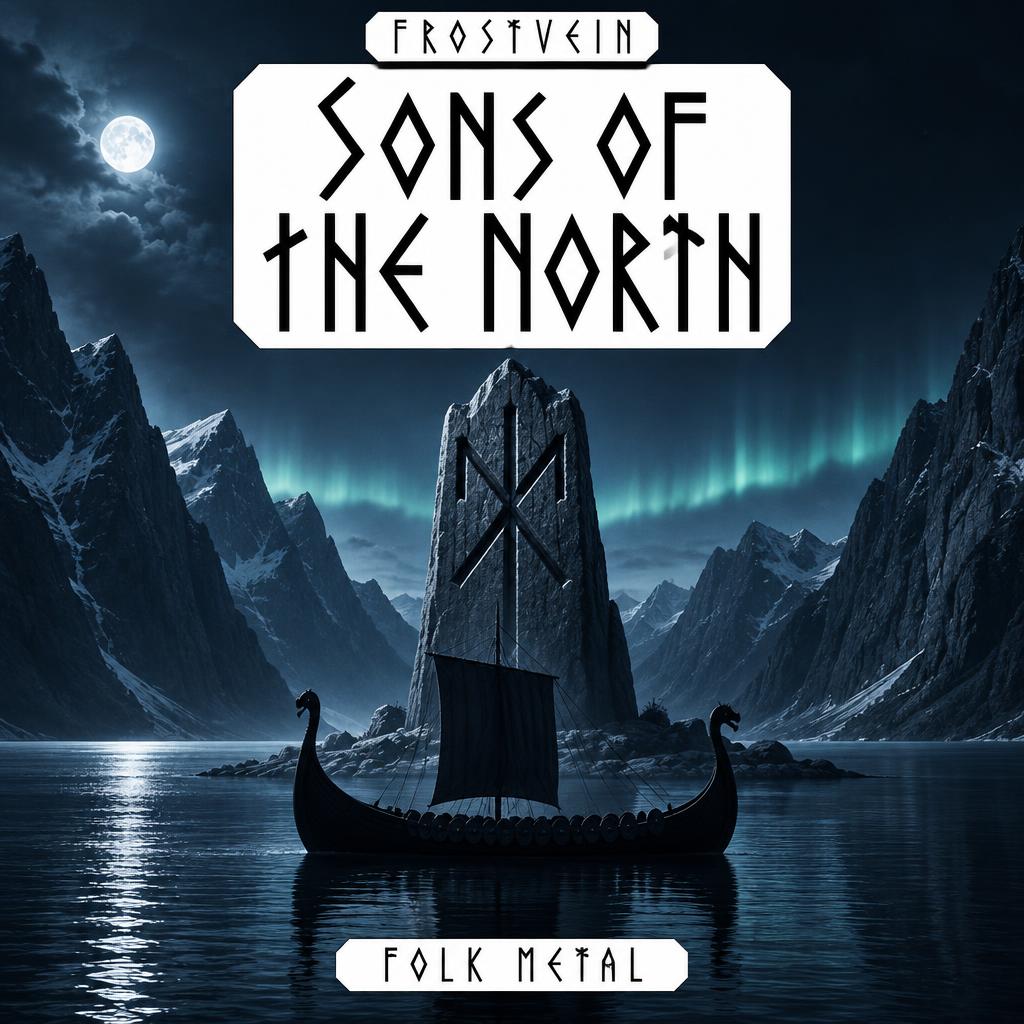
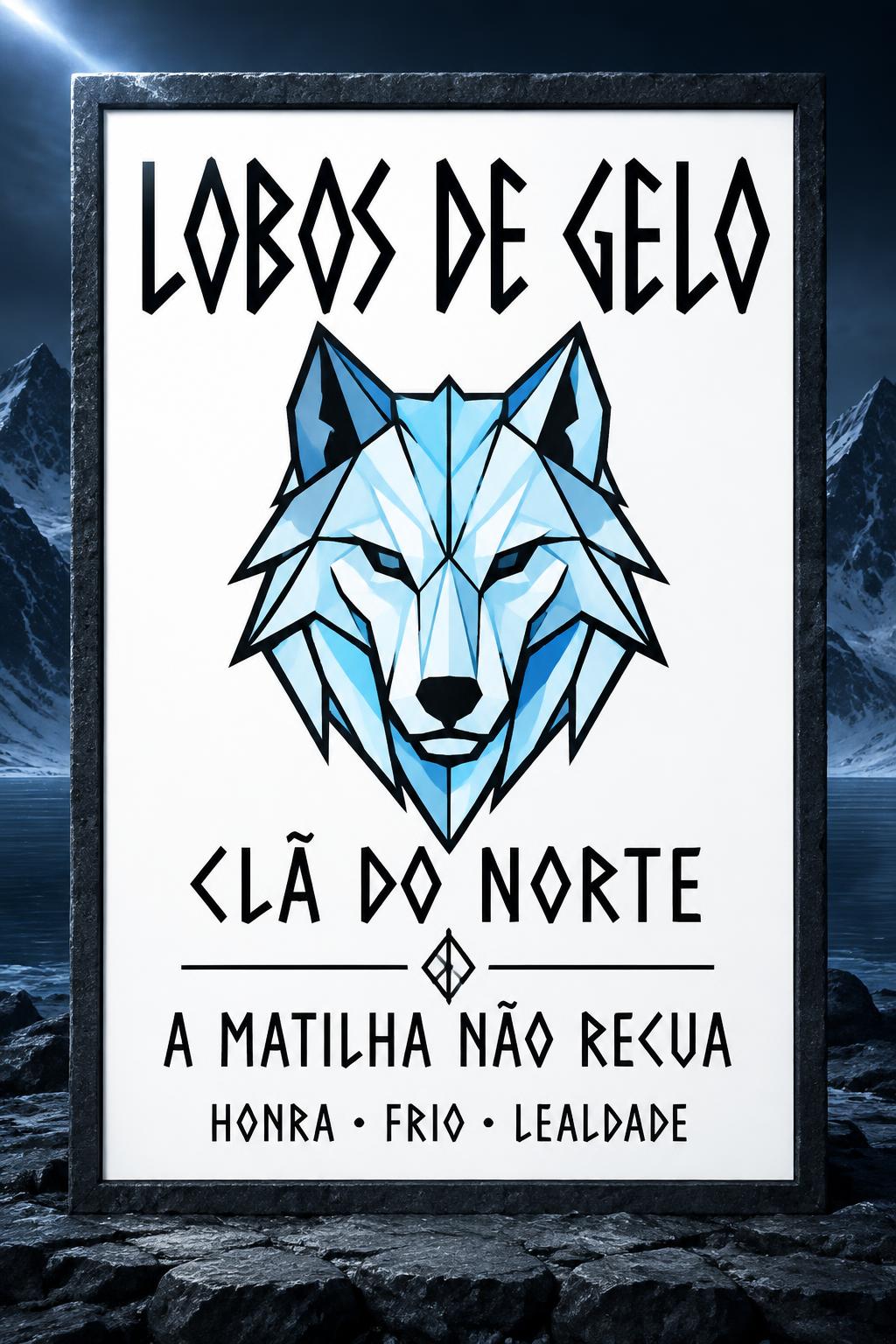
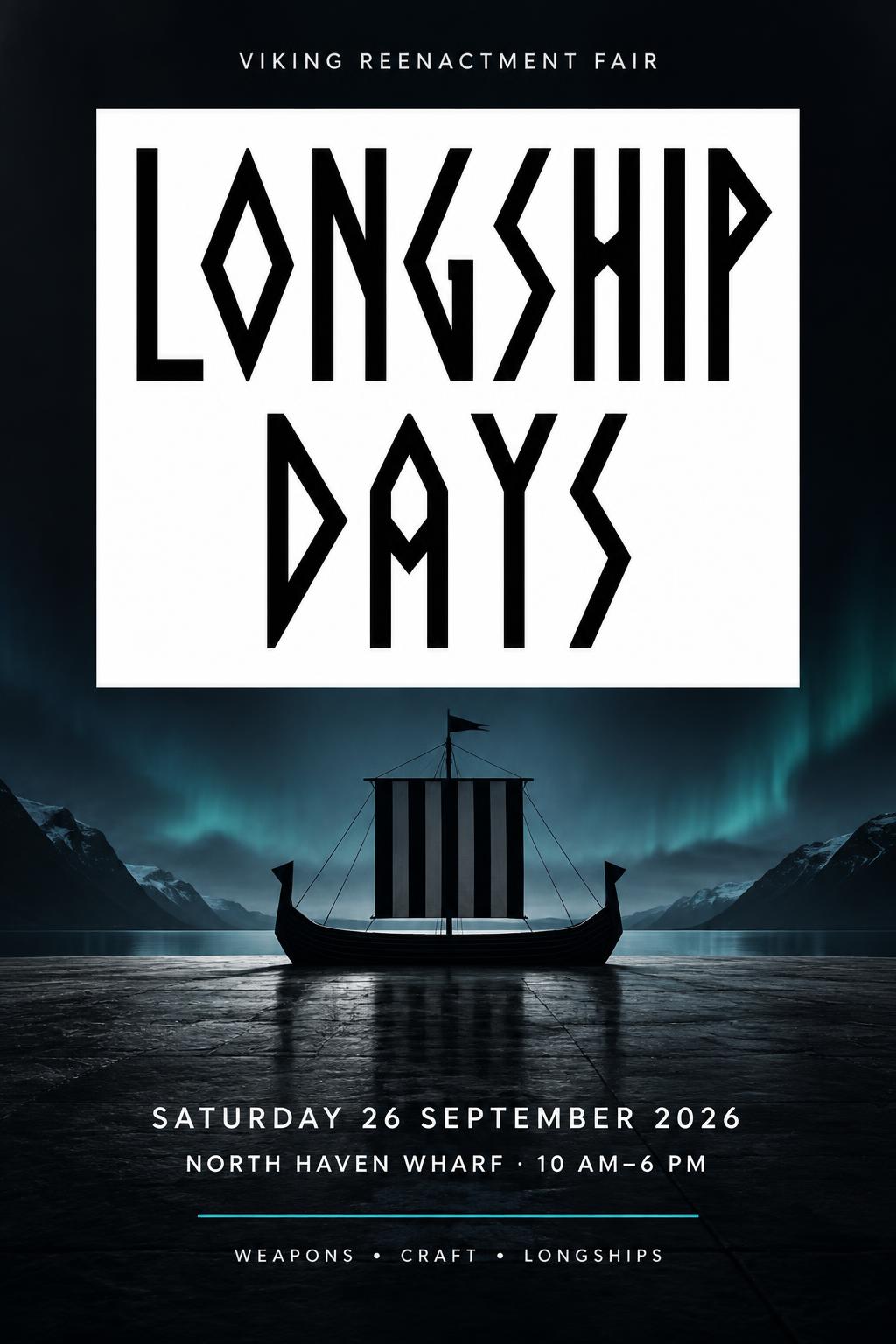
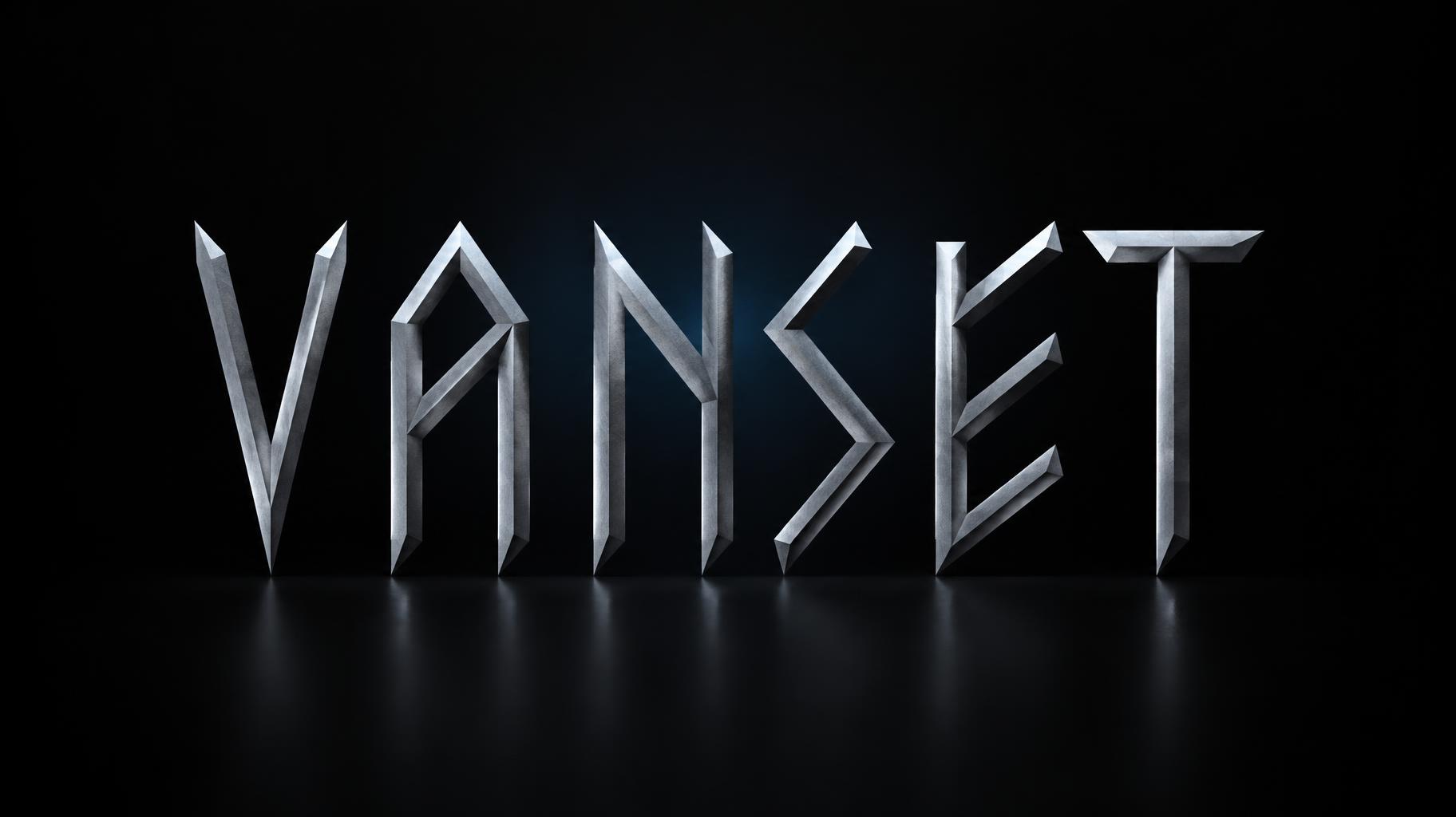
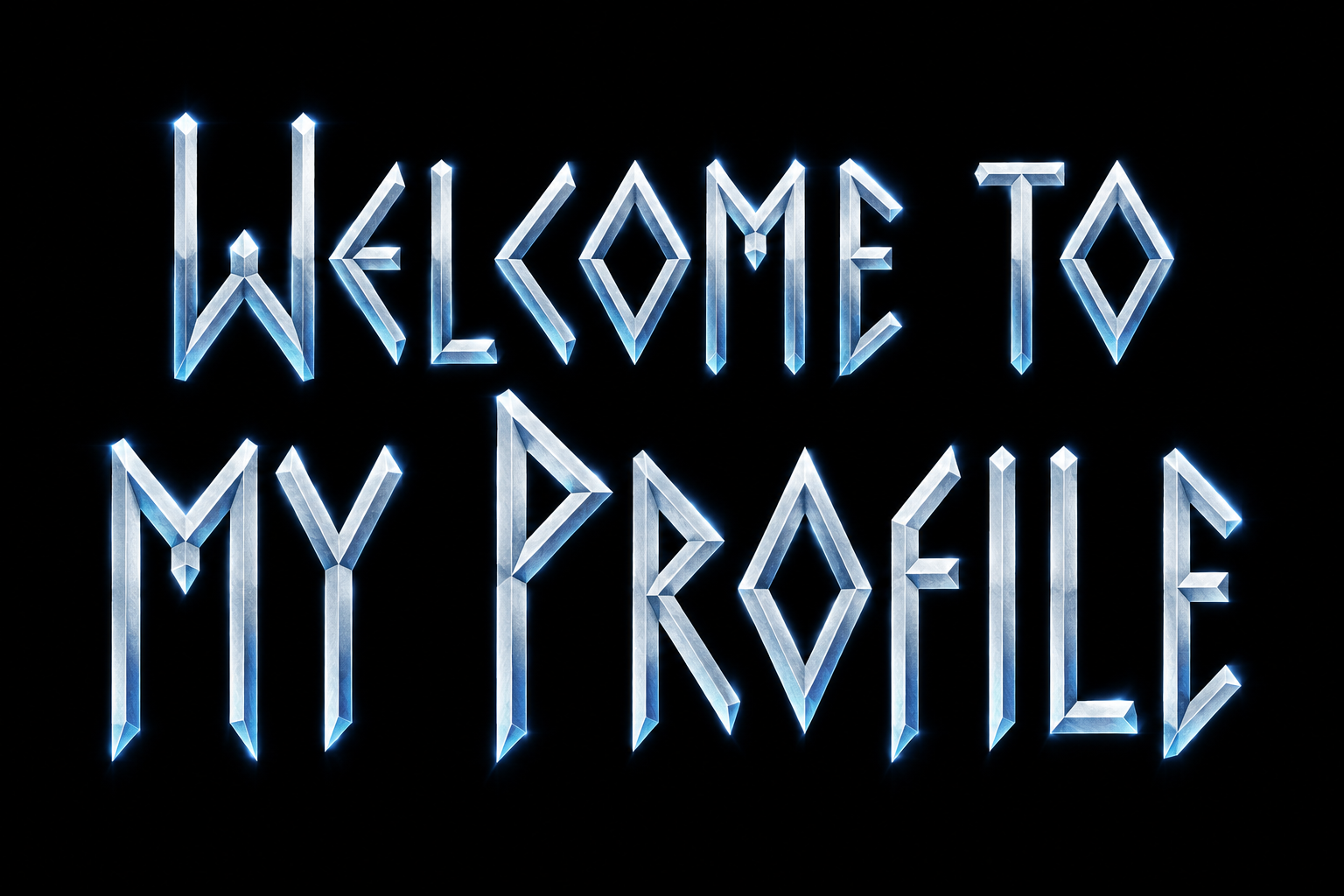
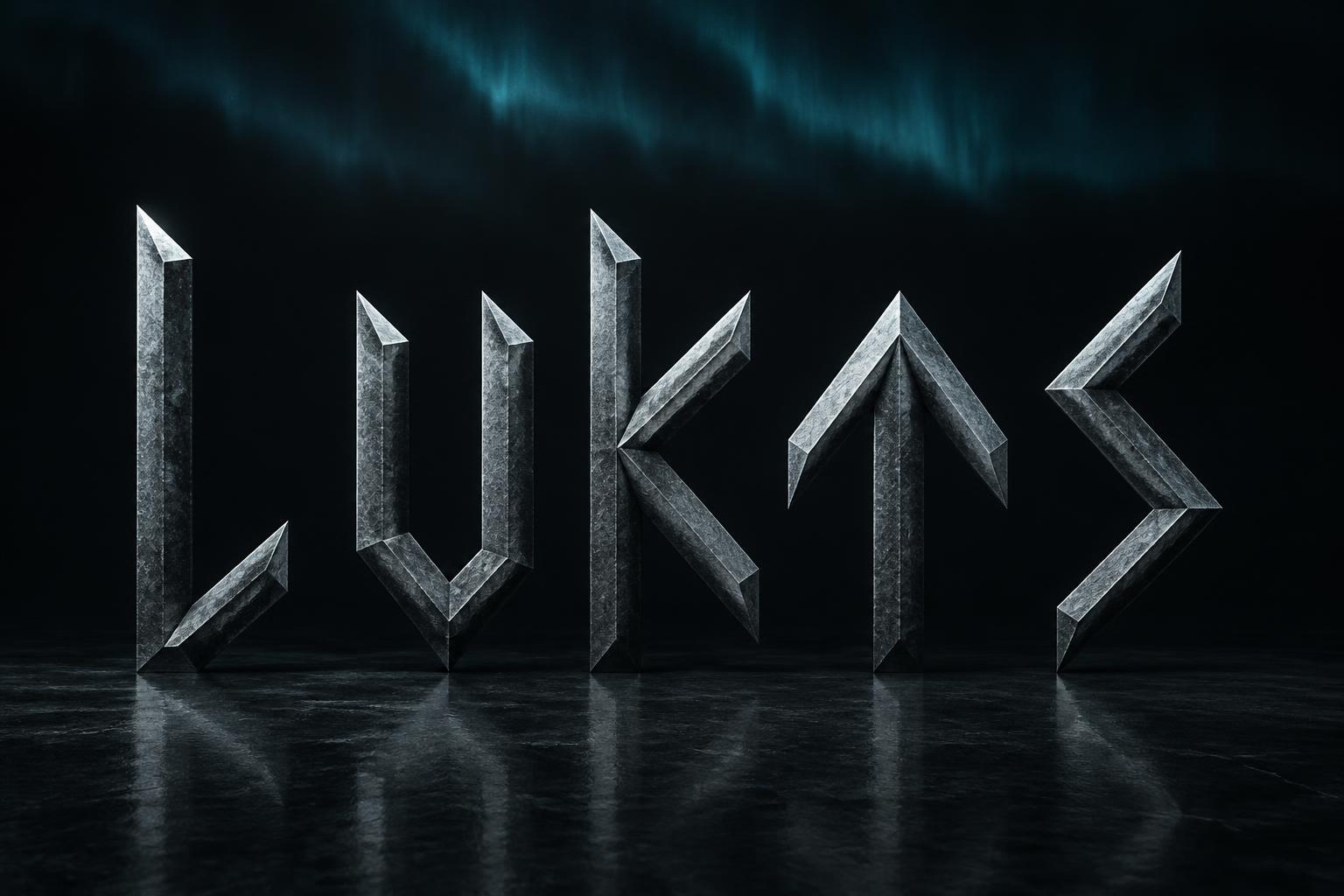
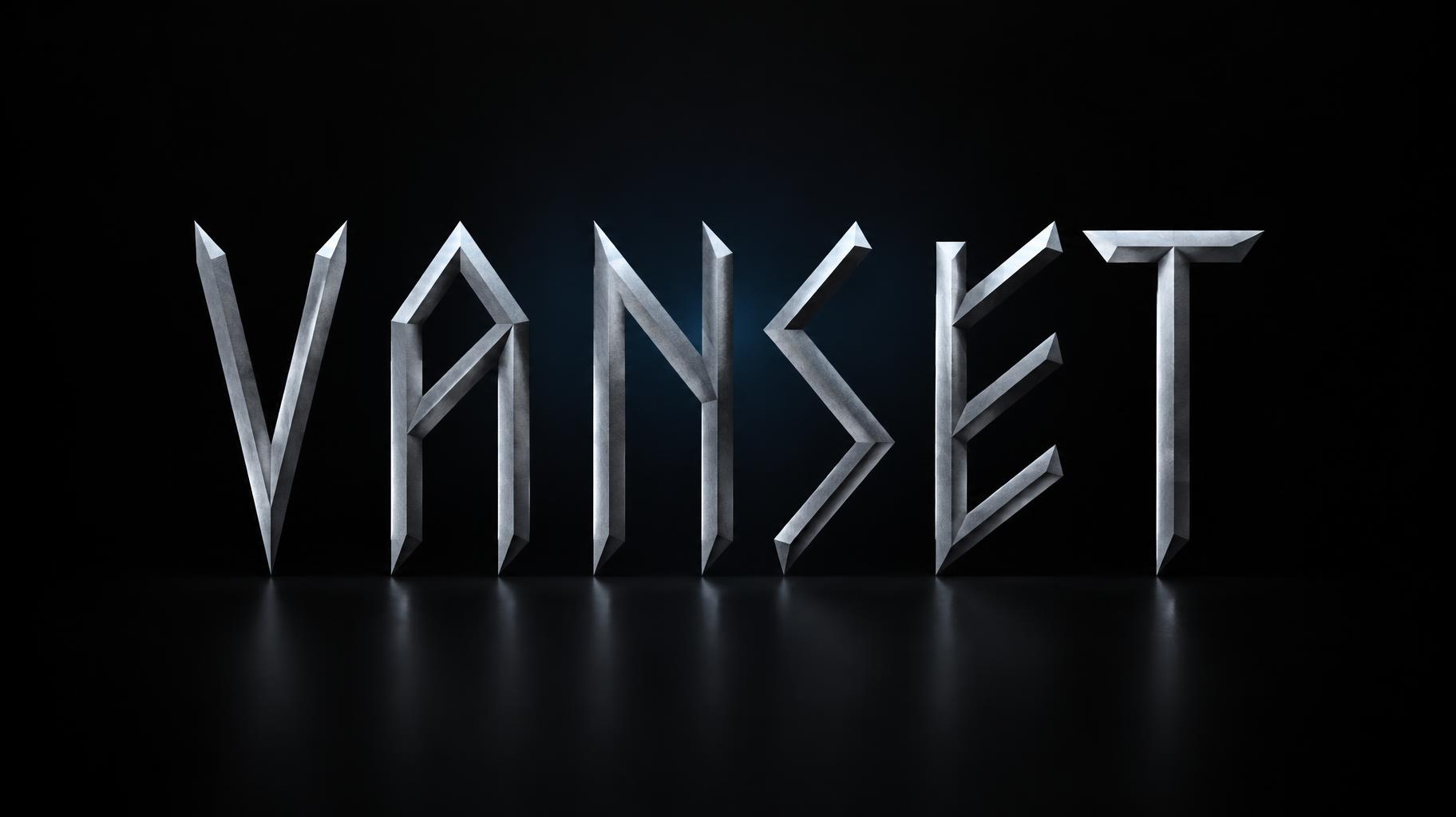
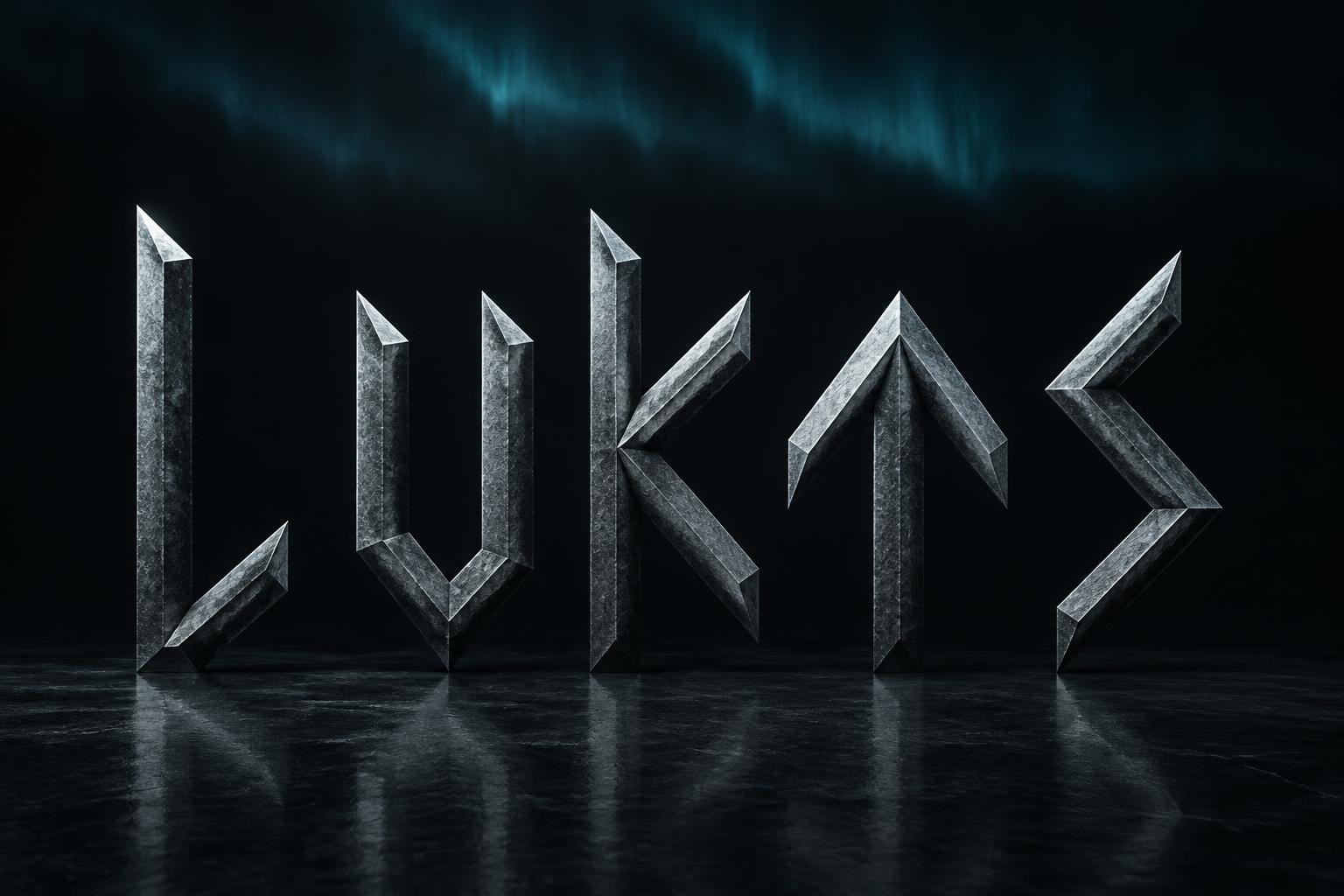
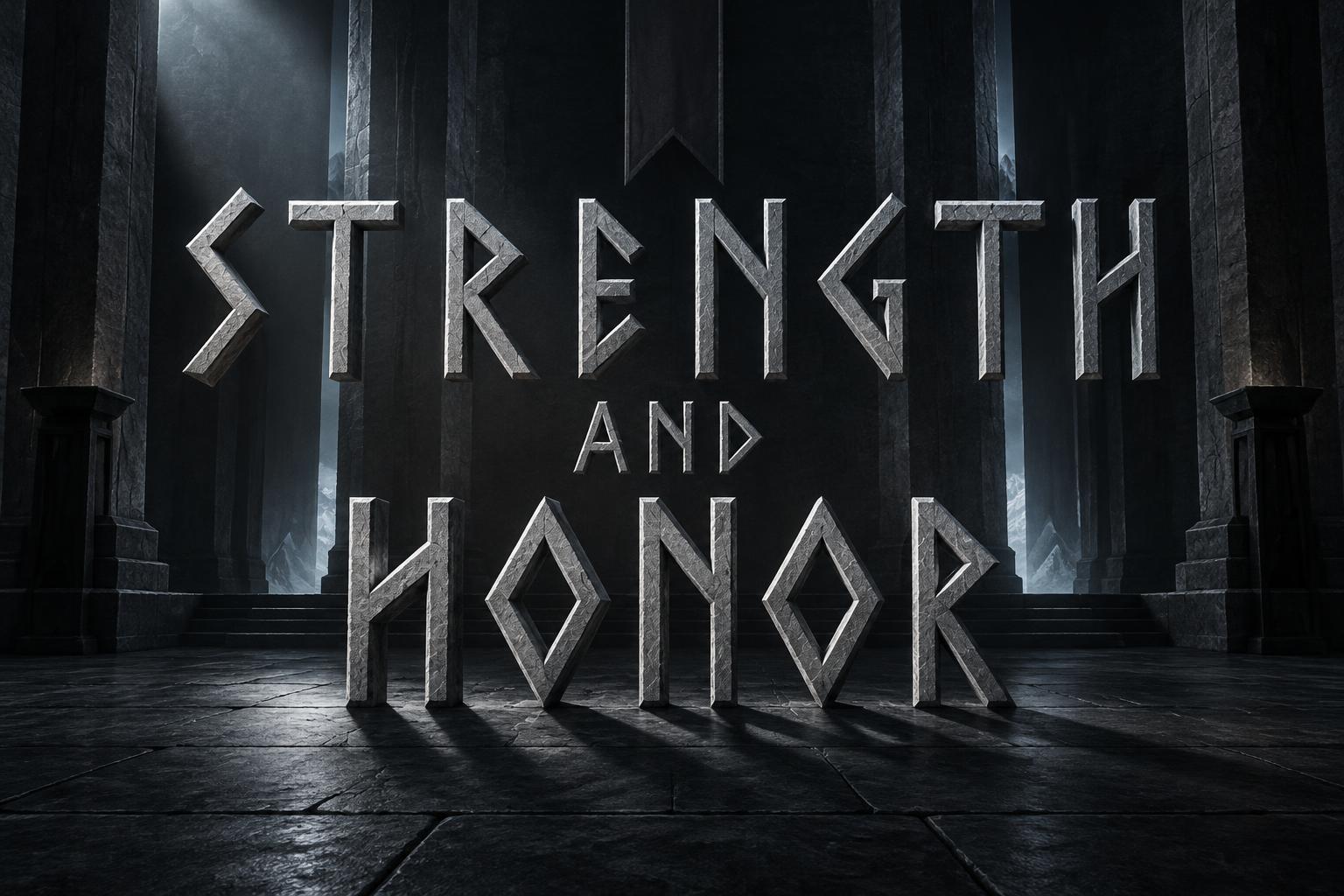
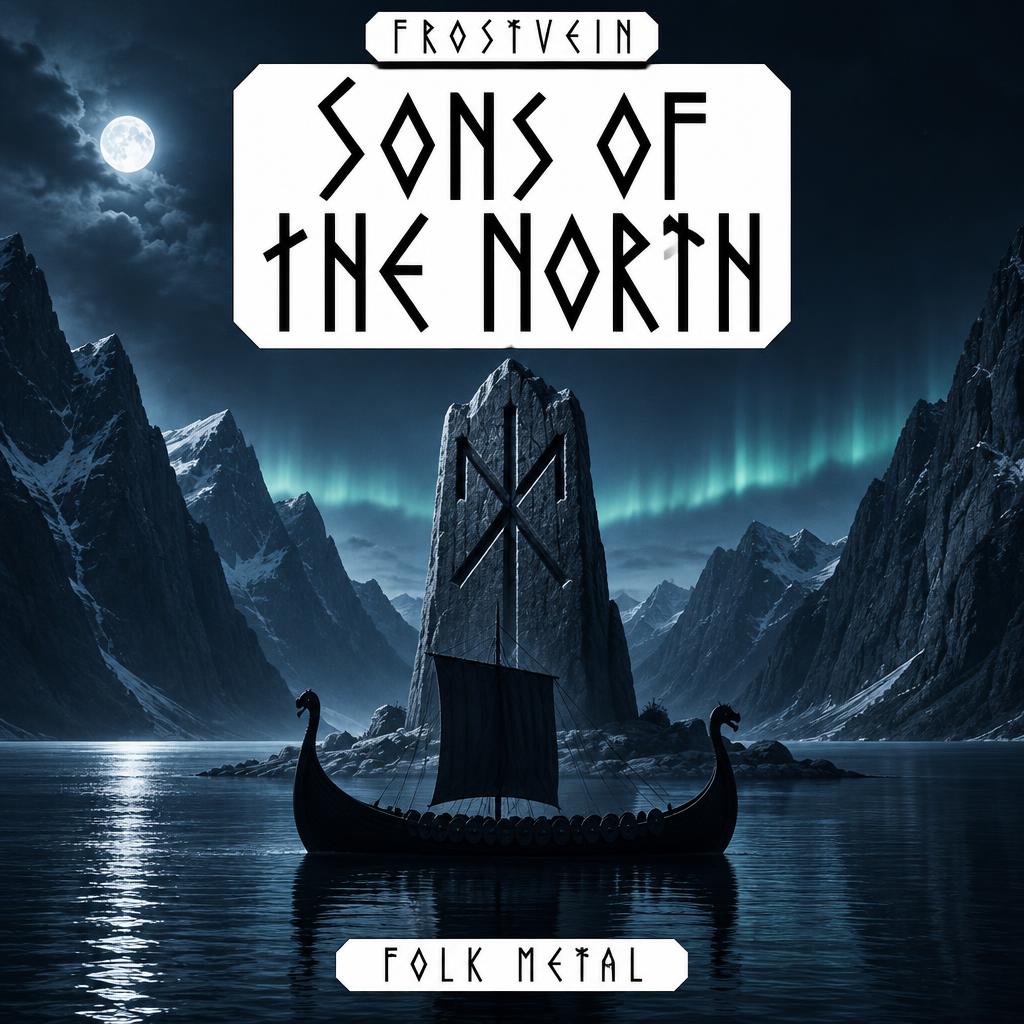
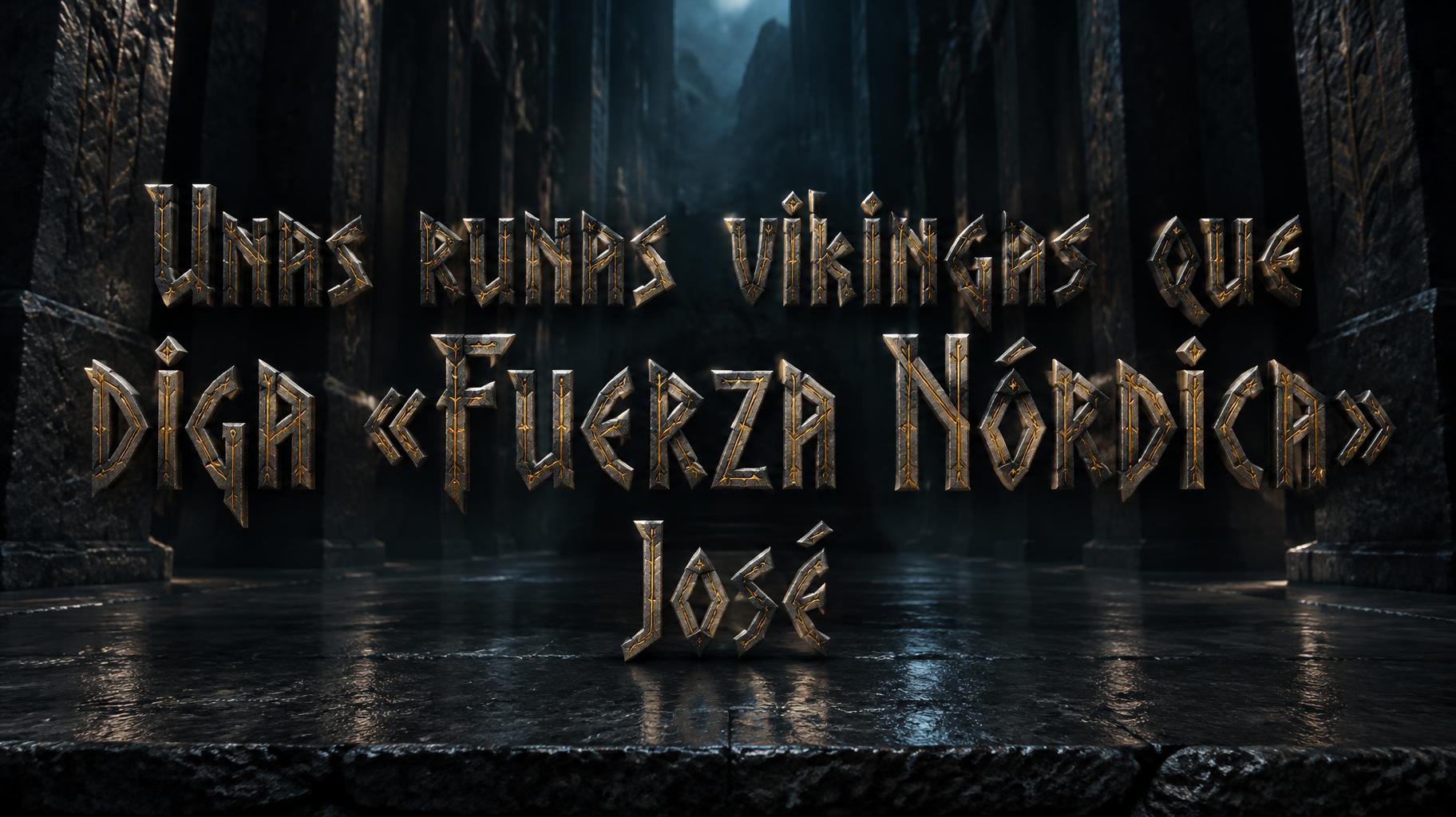
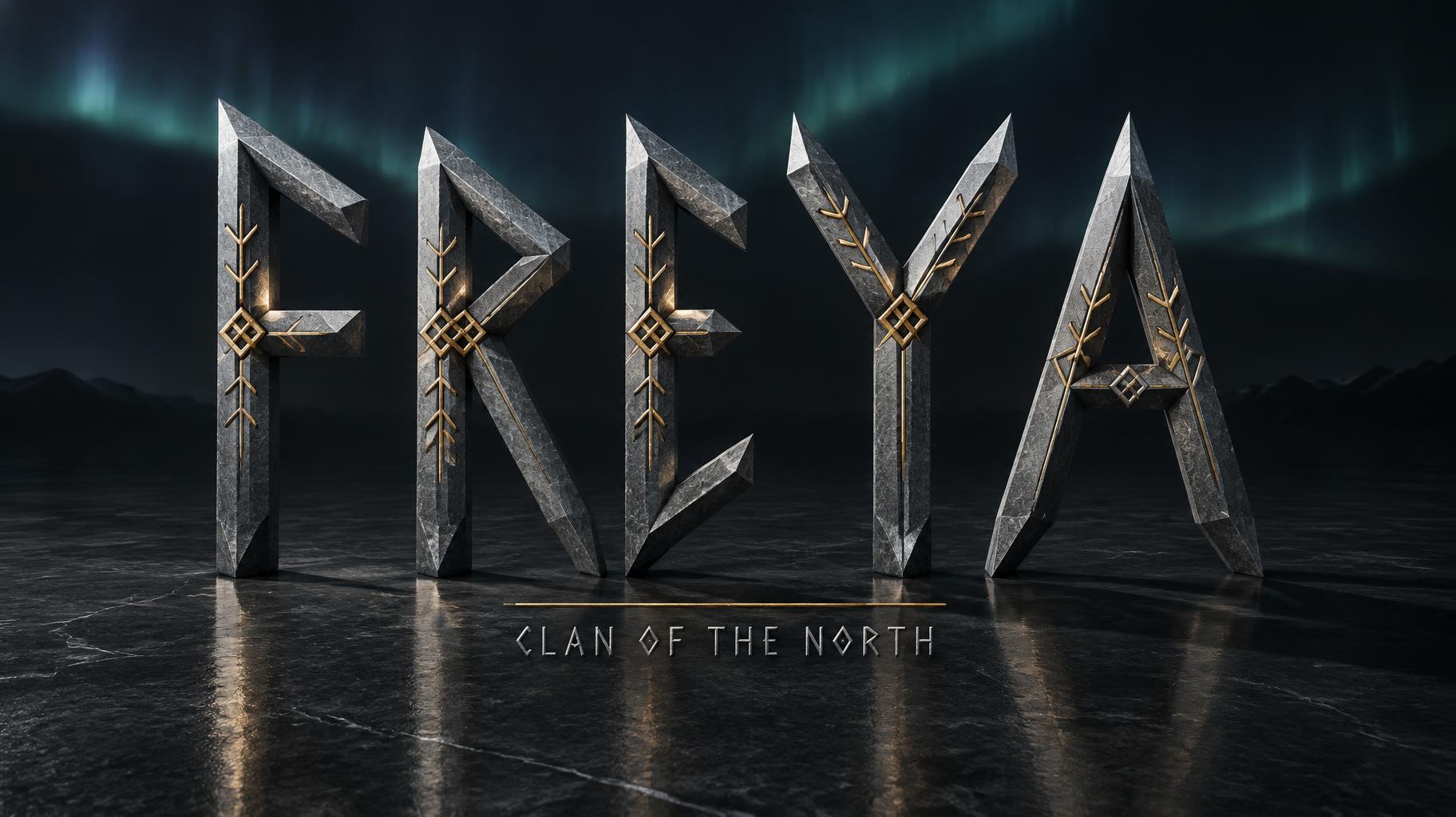
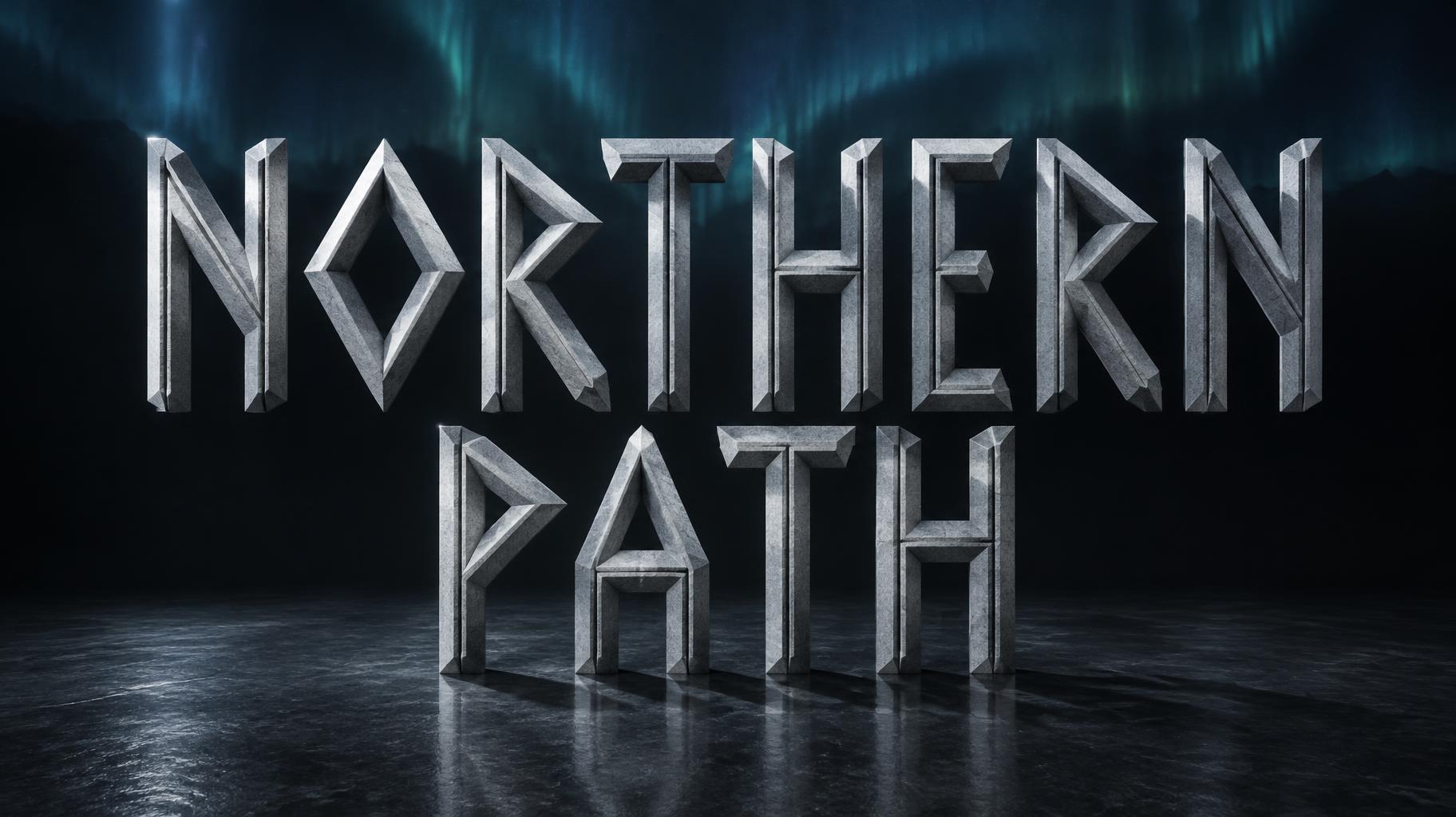
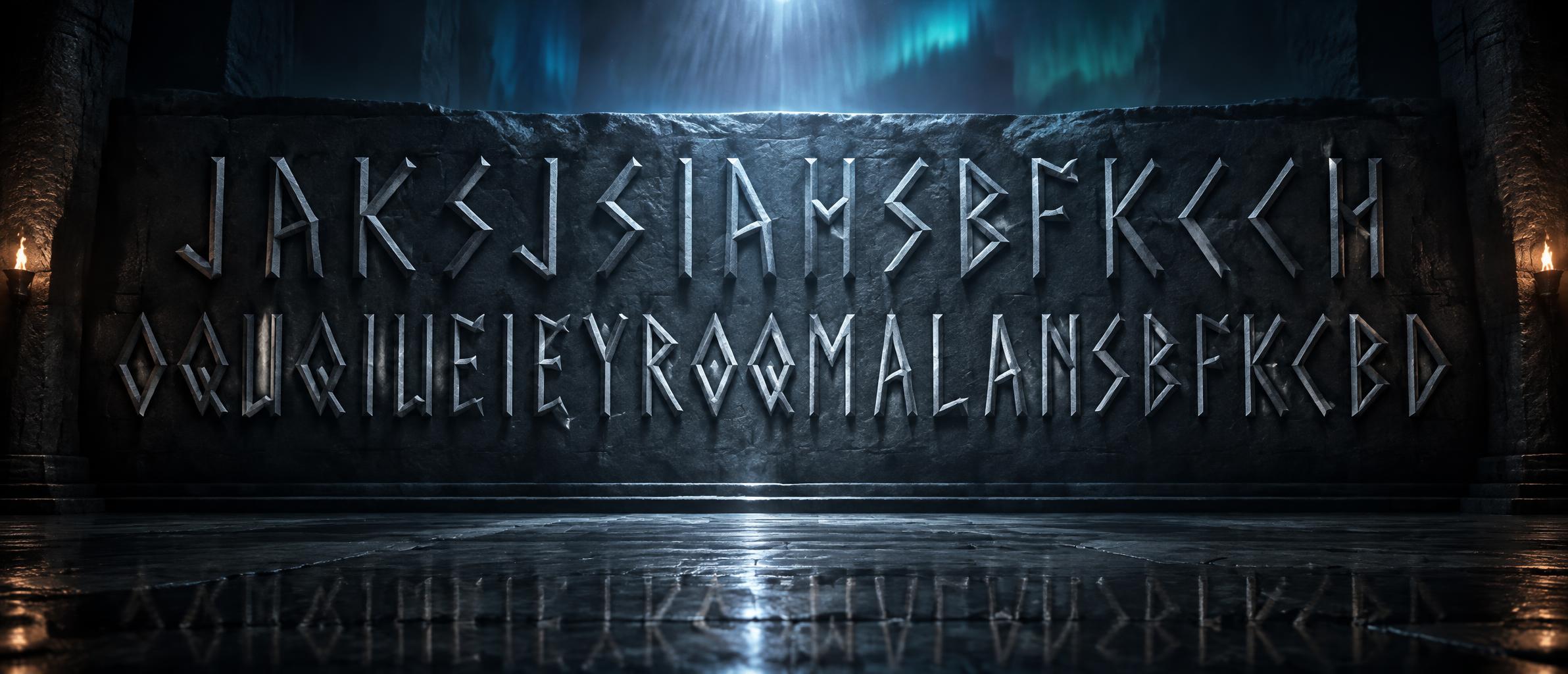
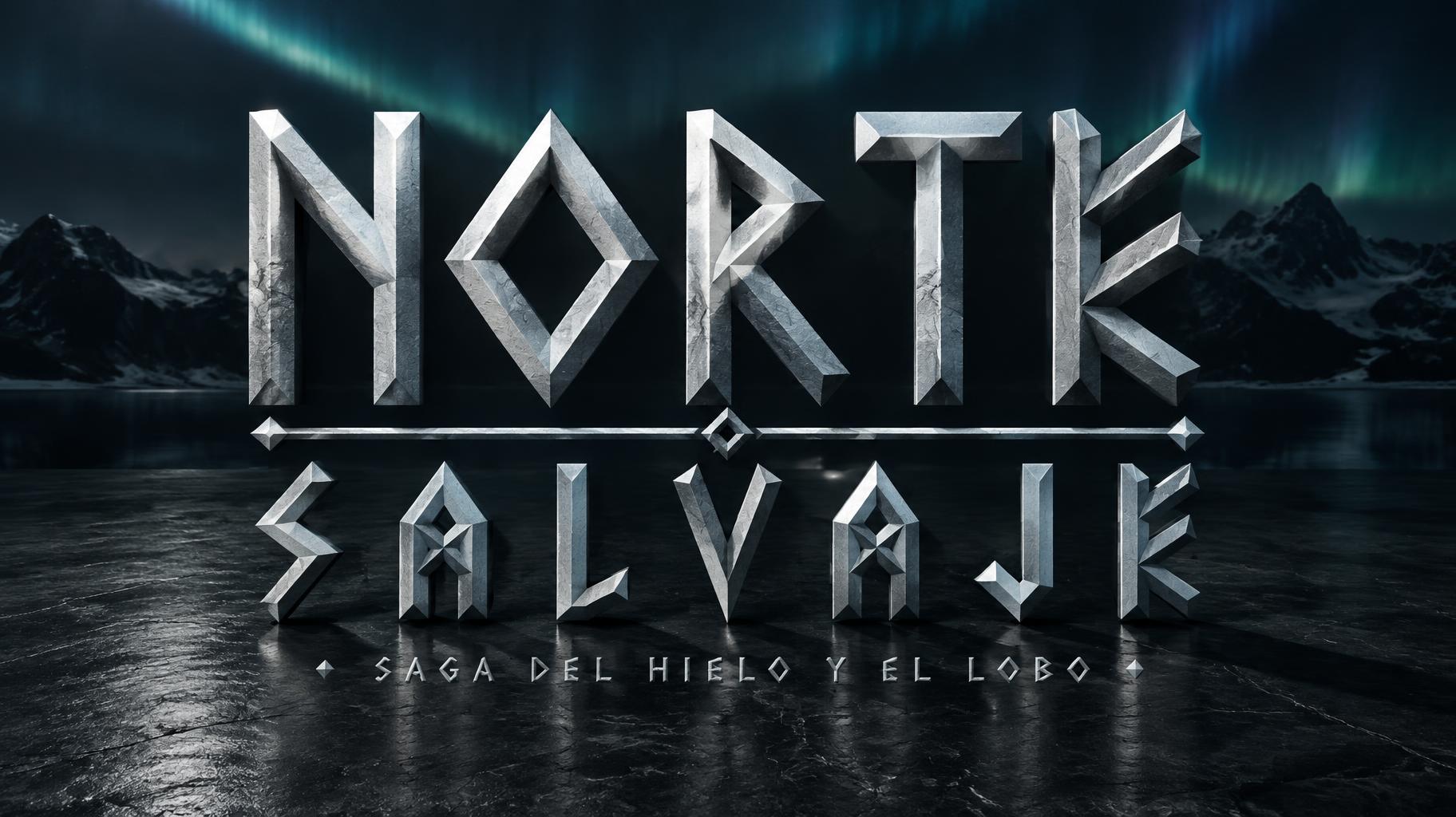
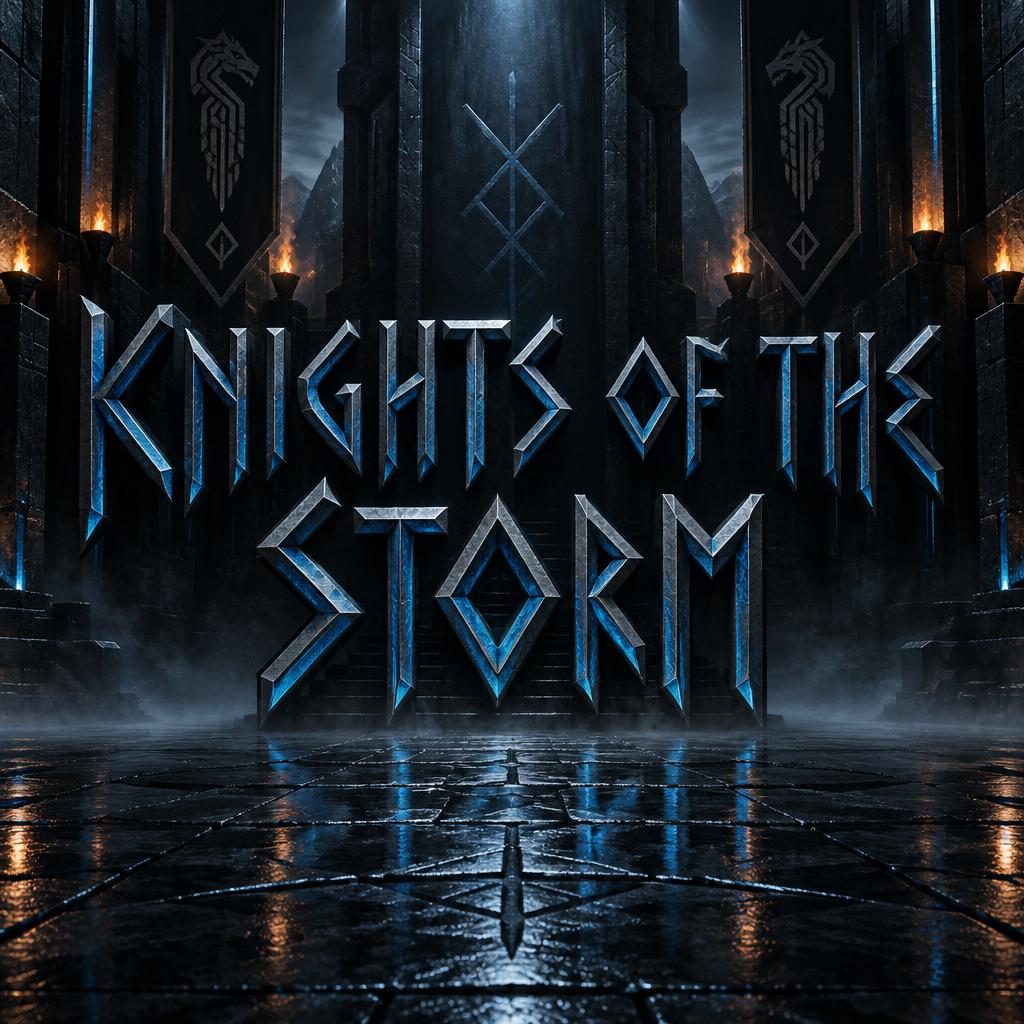
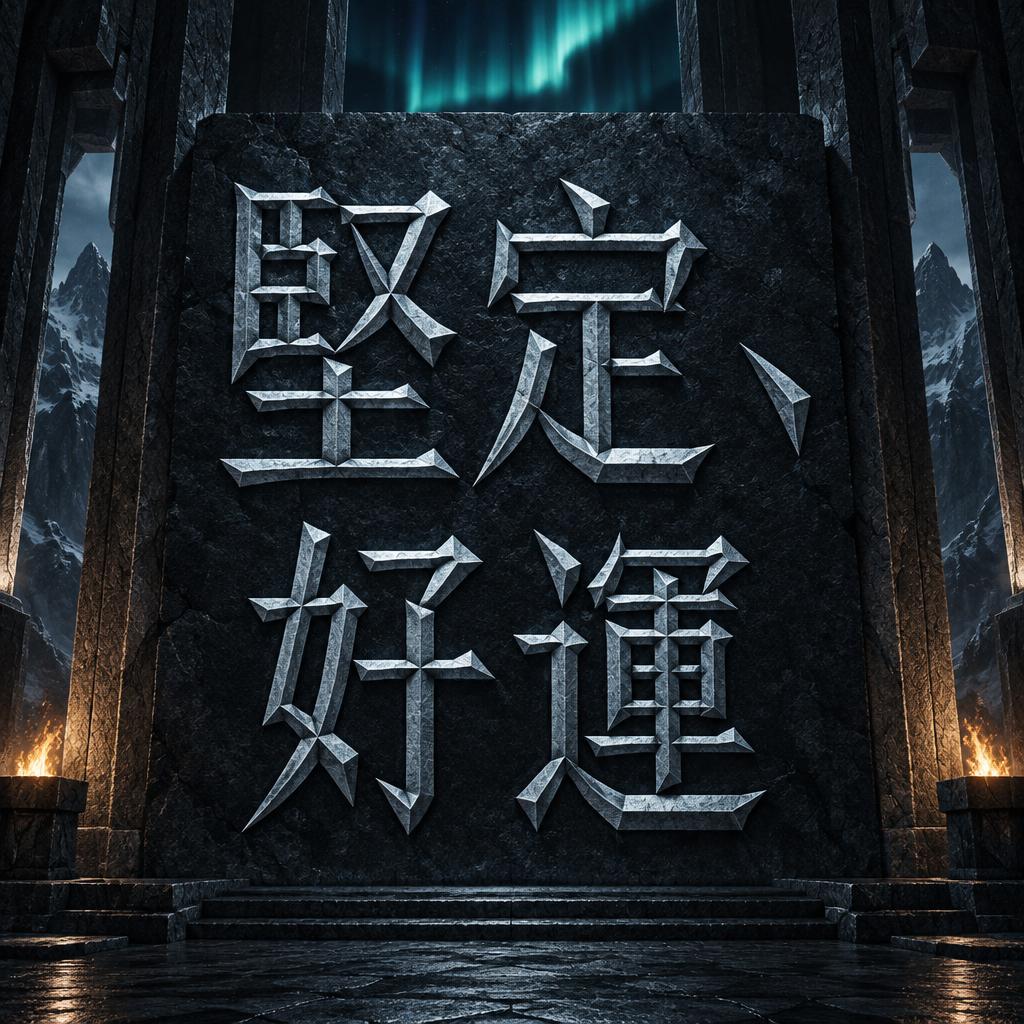
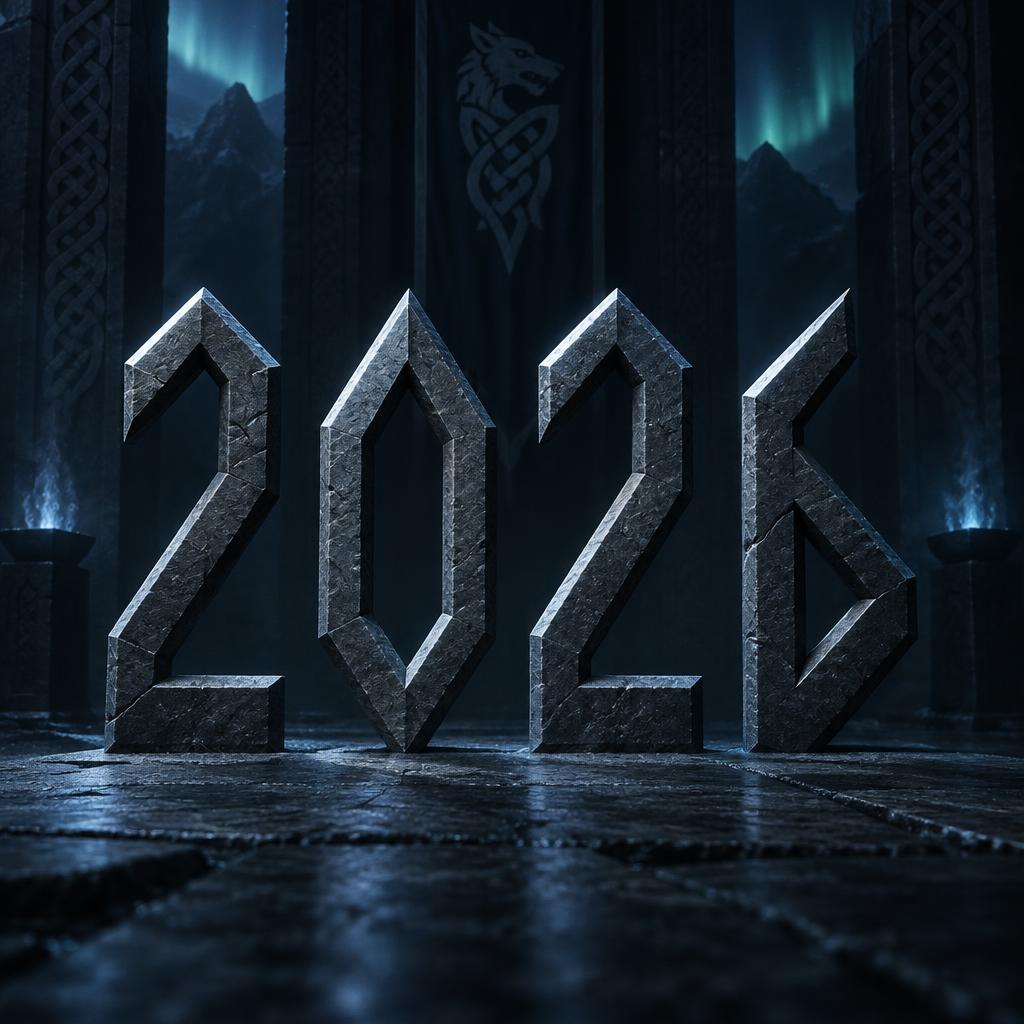
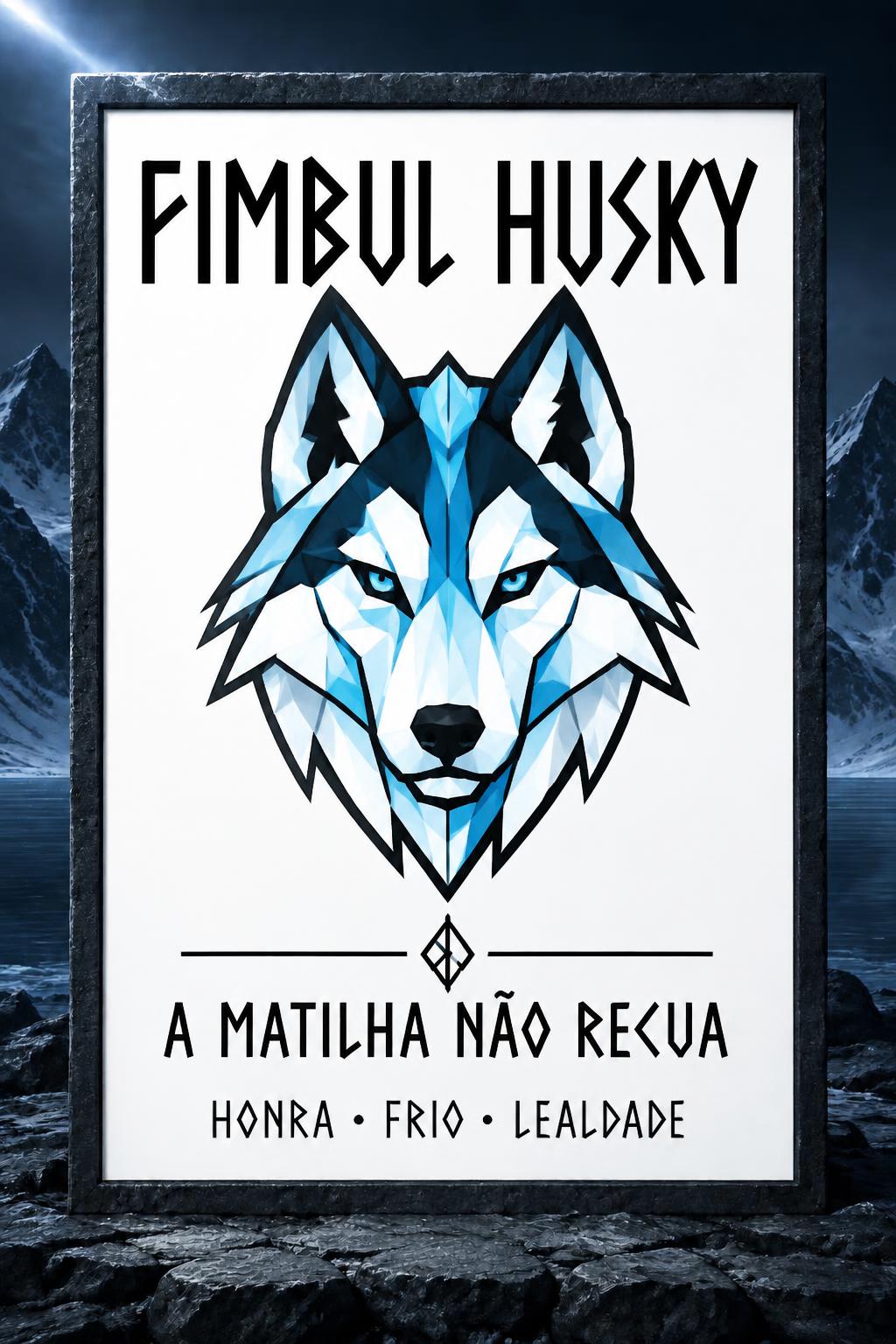
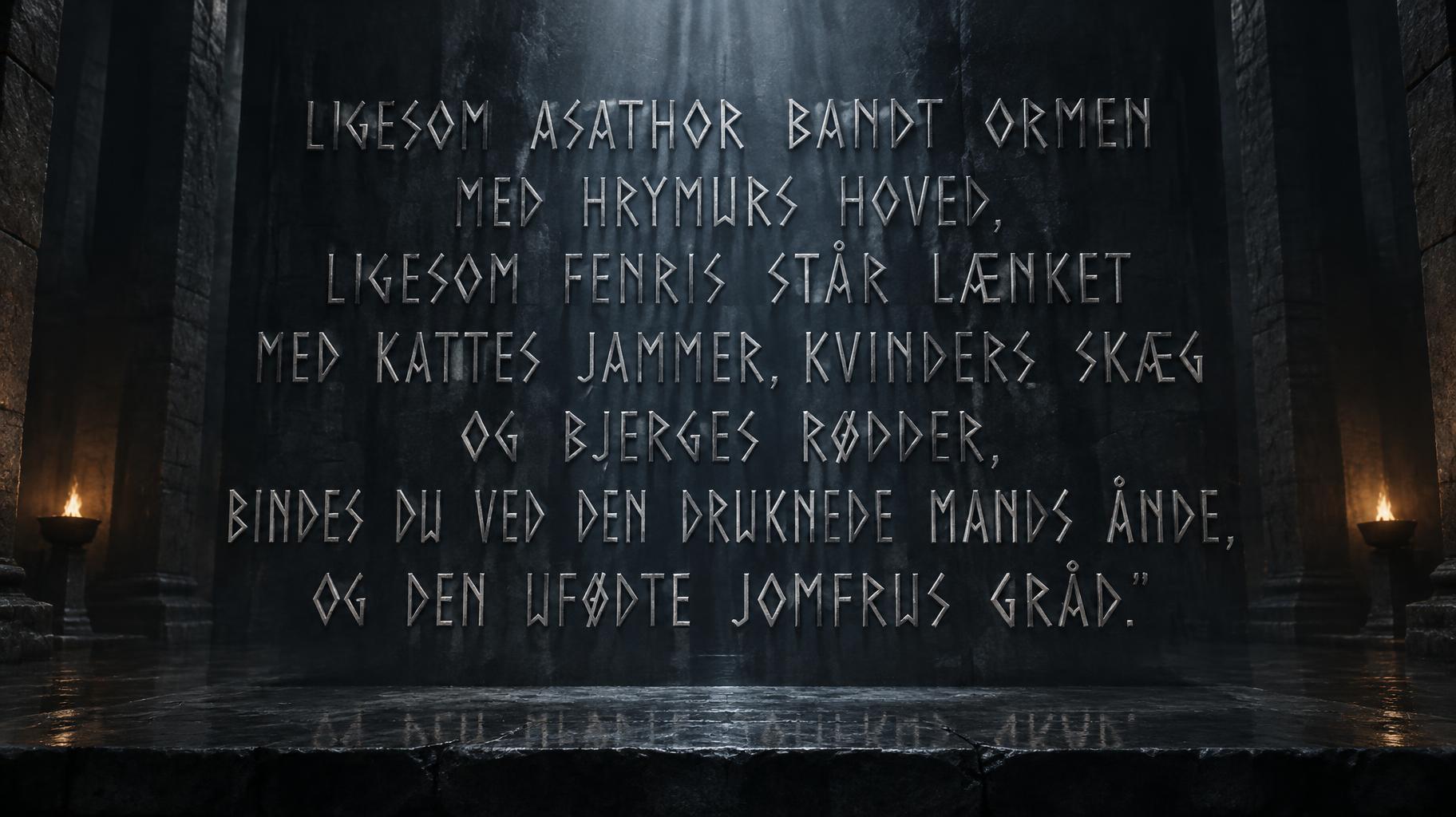
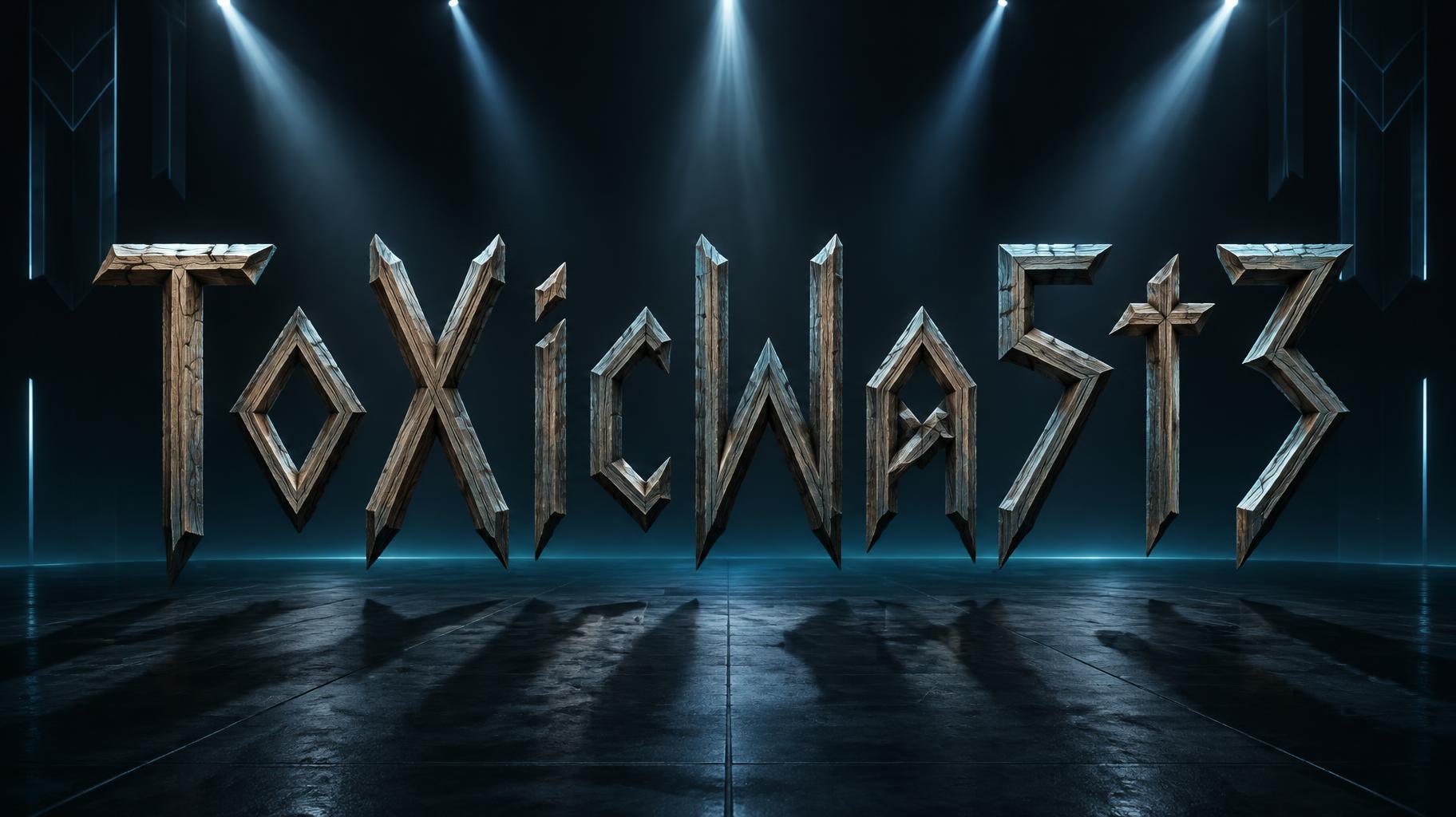
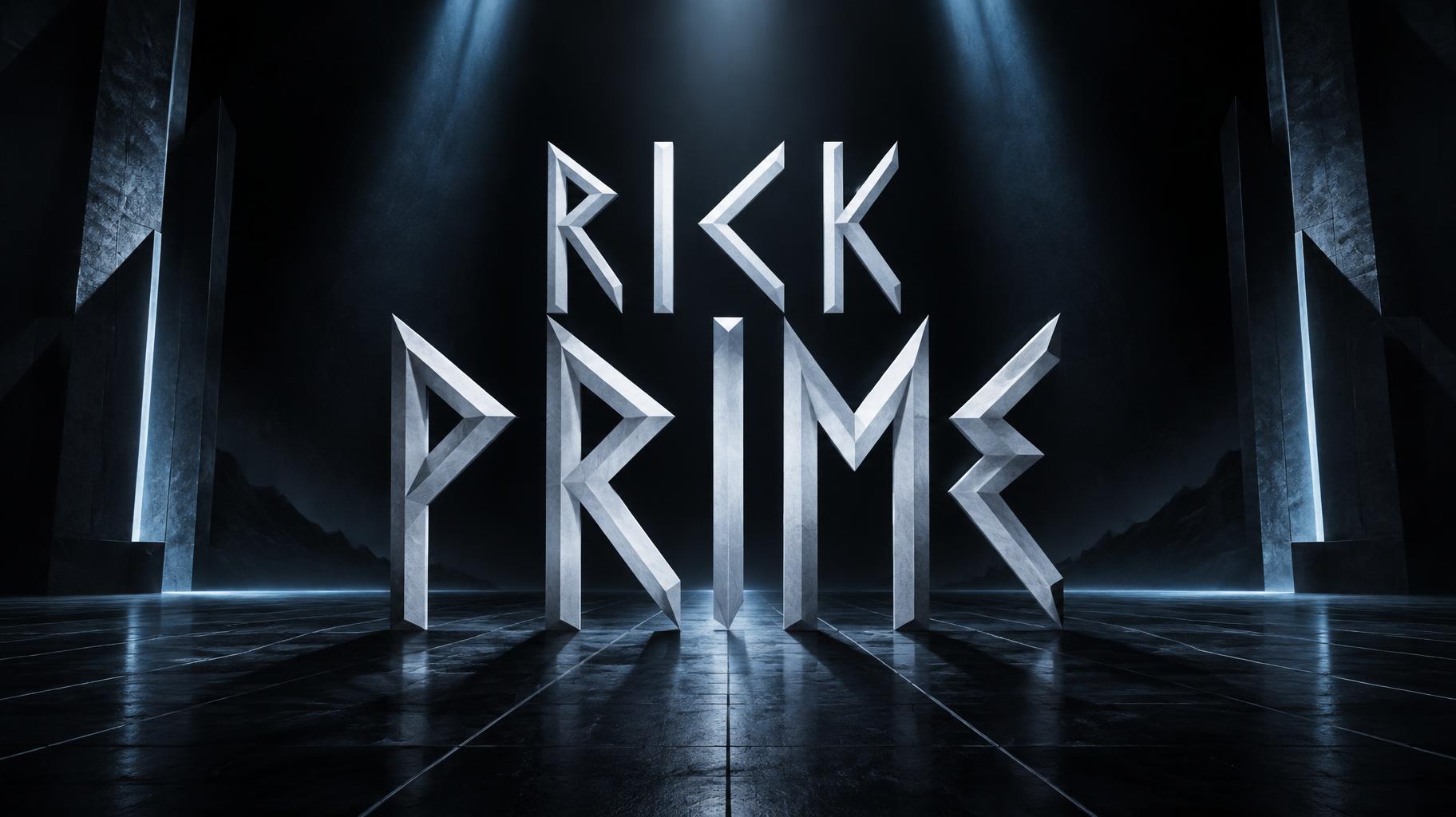
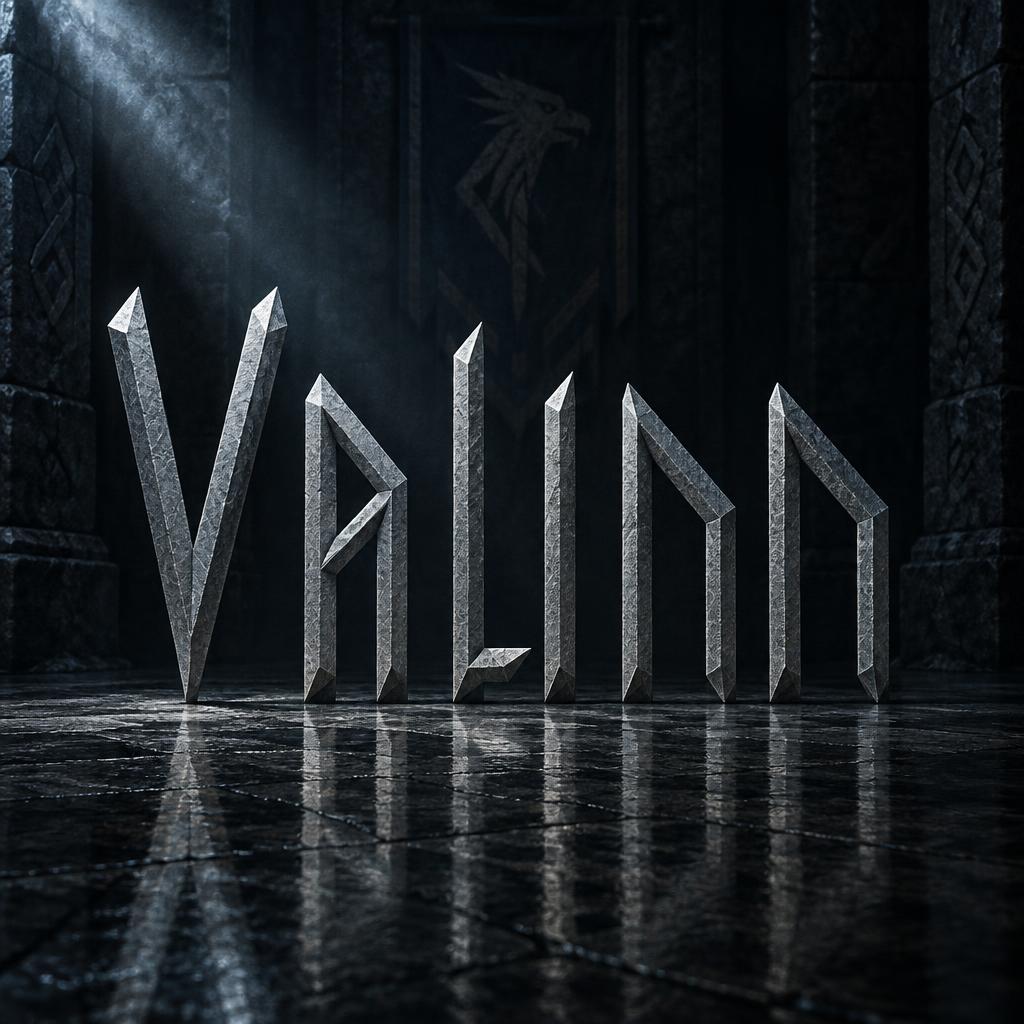
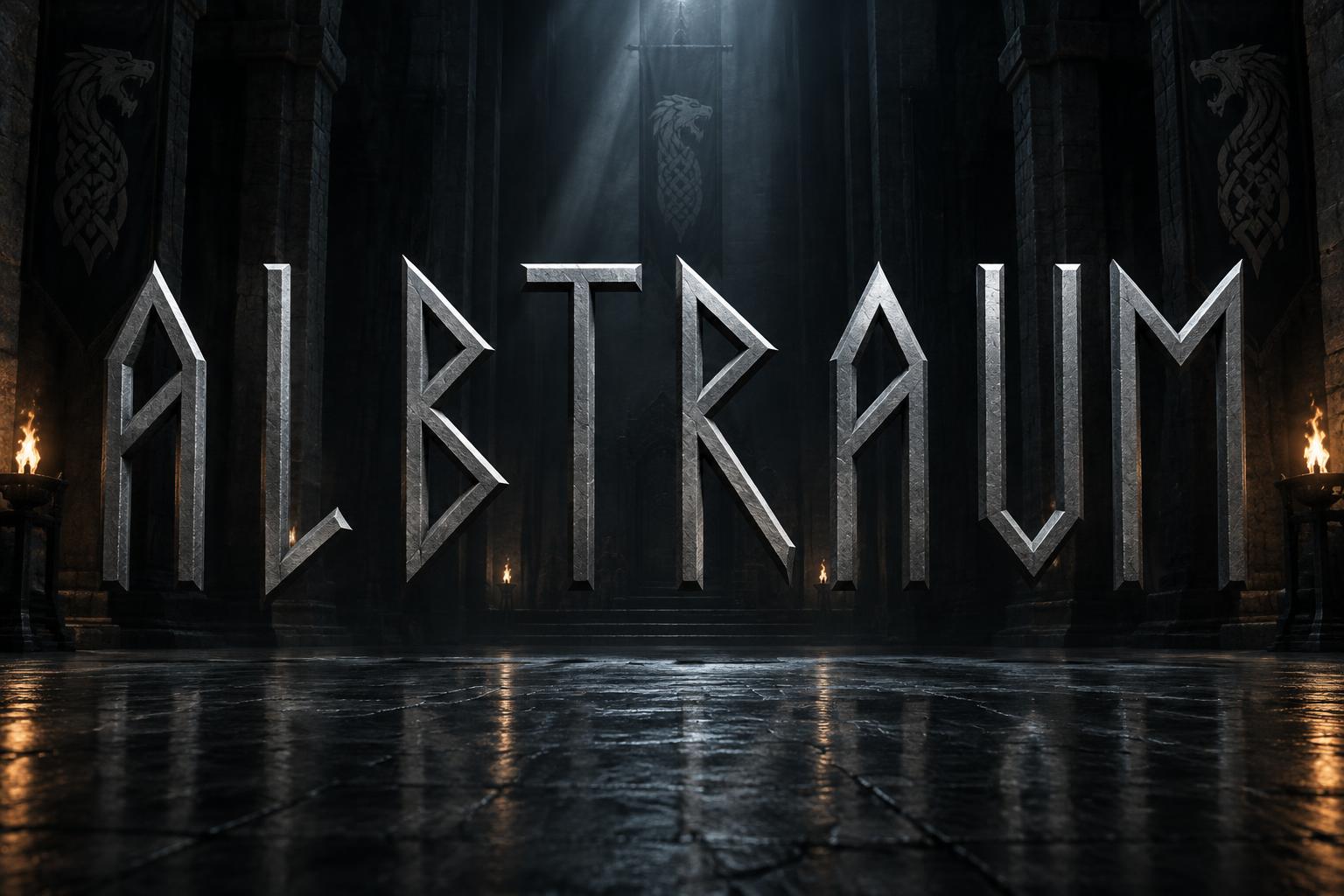
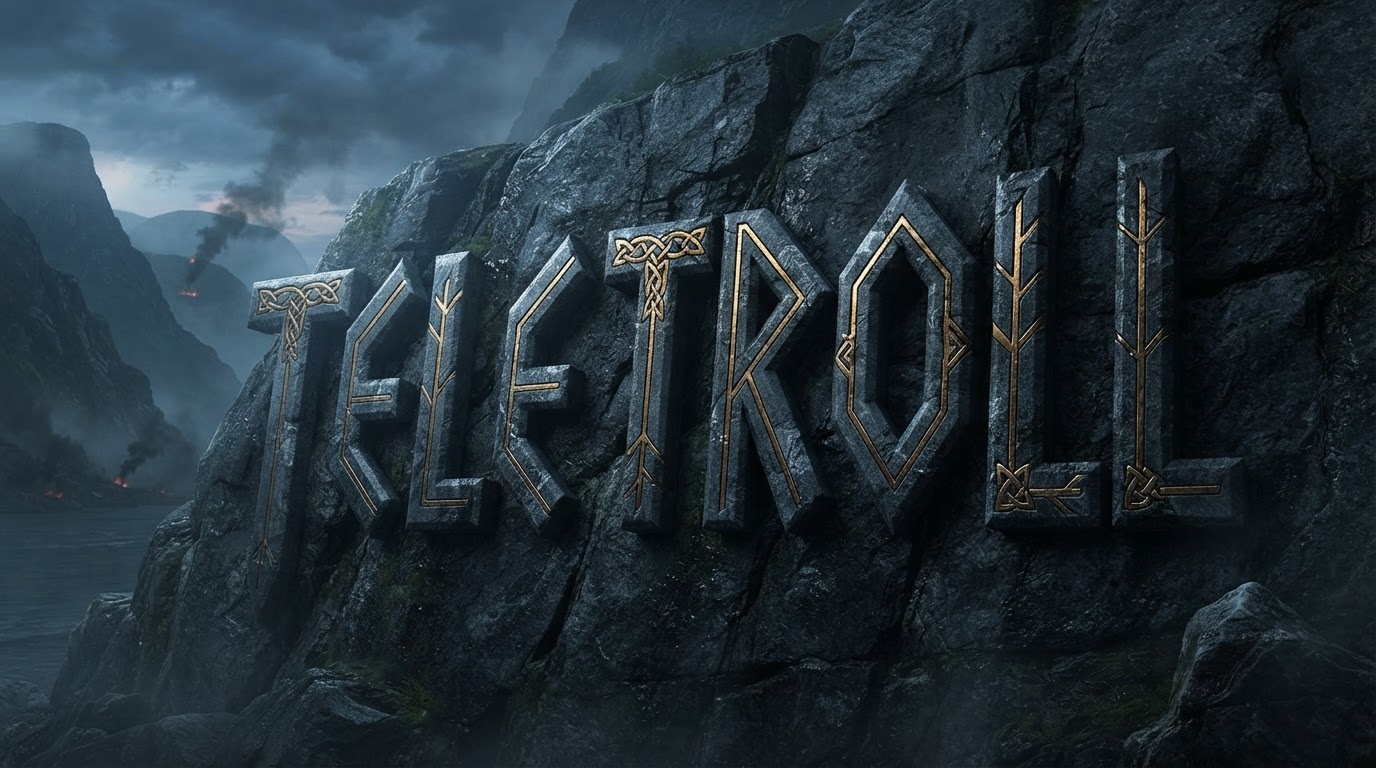
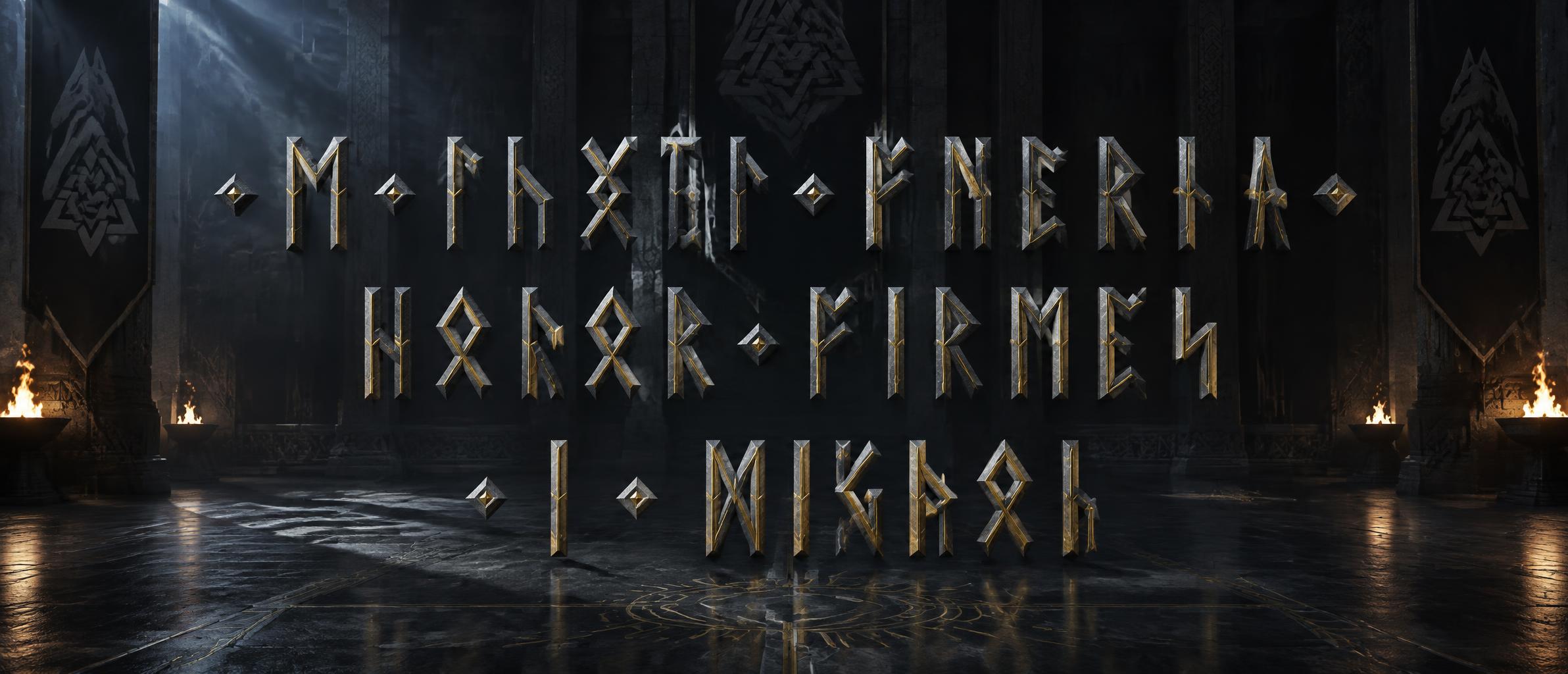
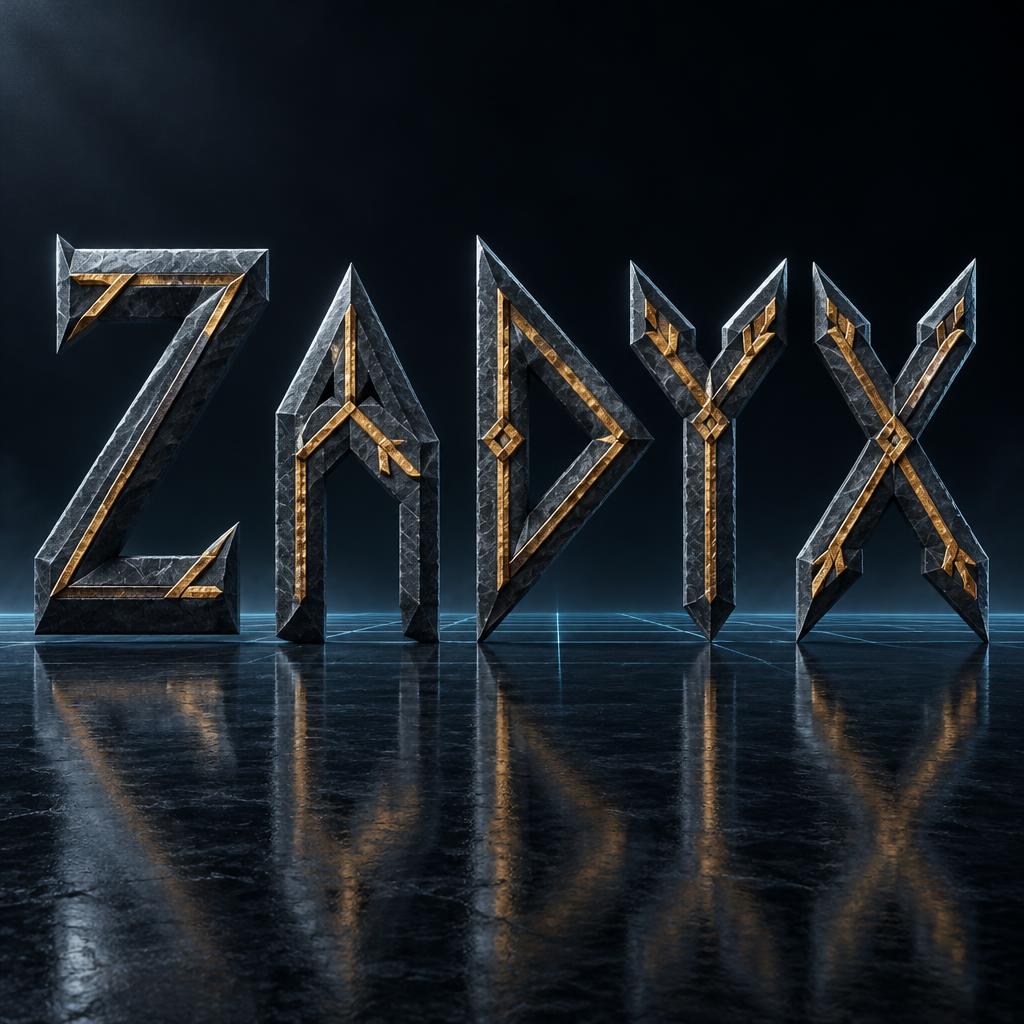
Angular runic-style capitals made only of straight and 45-degree strokes, carved into cold steel-grey stone under an aurora night sky. — no font license needed.
Viking Runic in different AI fonts



Viking Runic Gallery
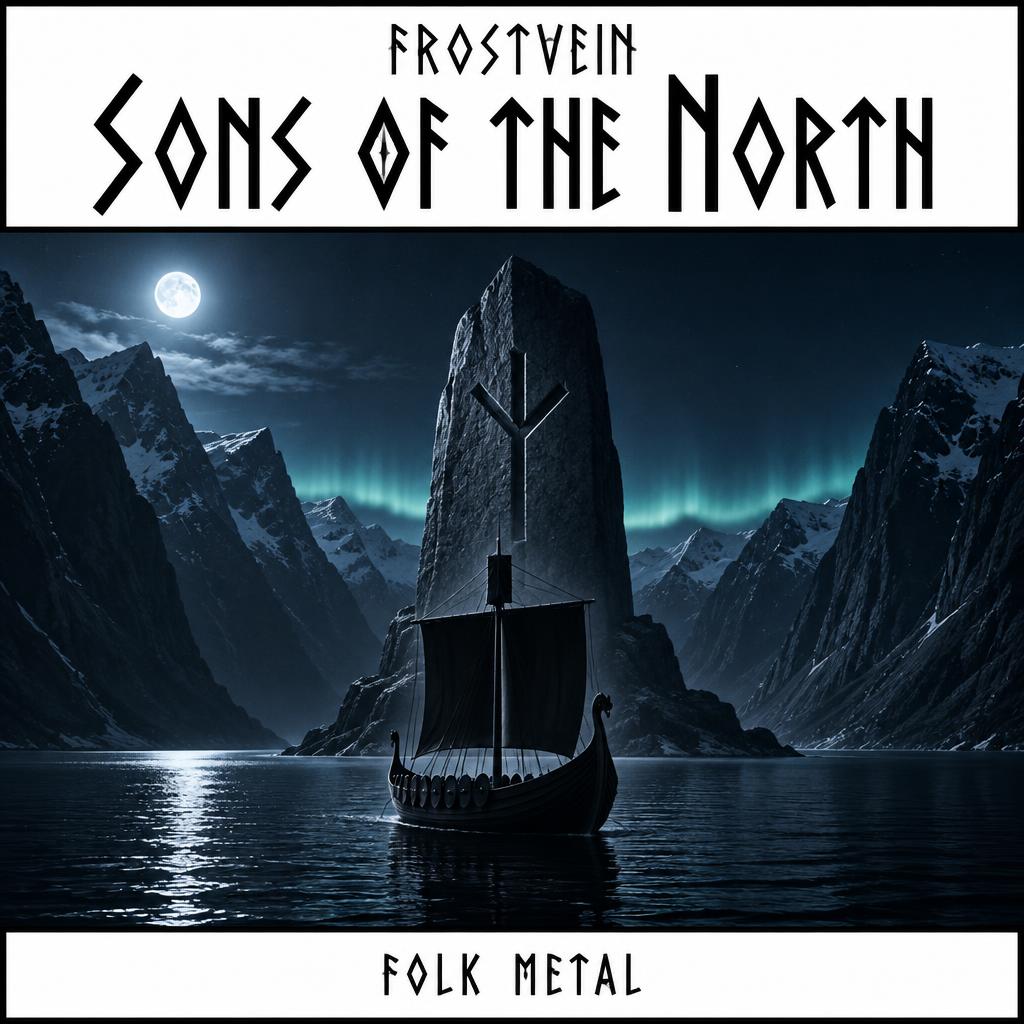
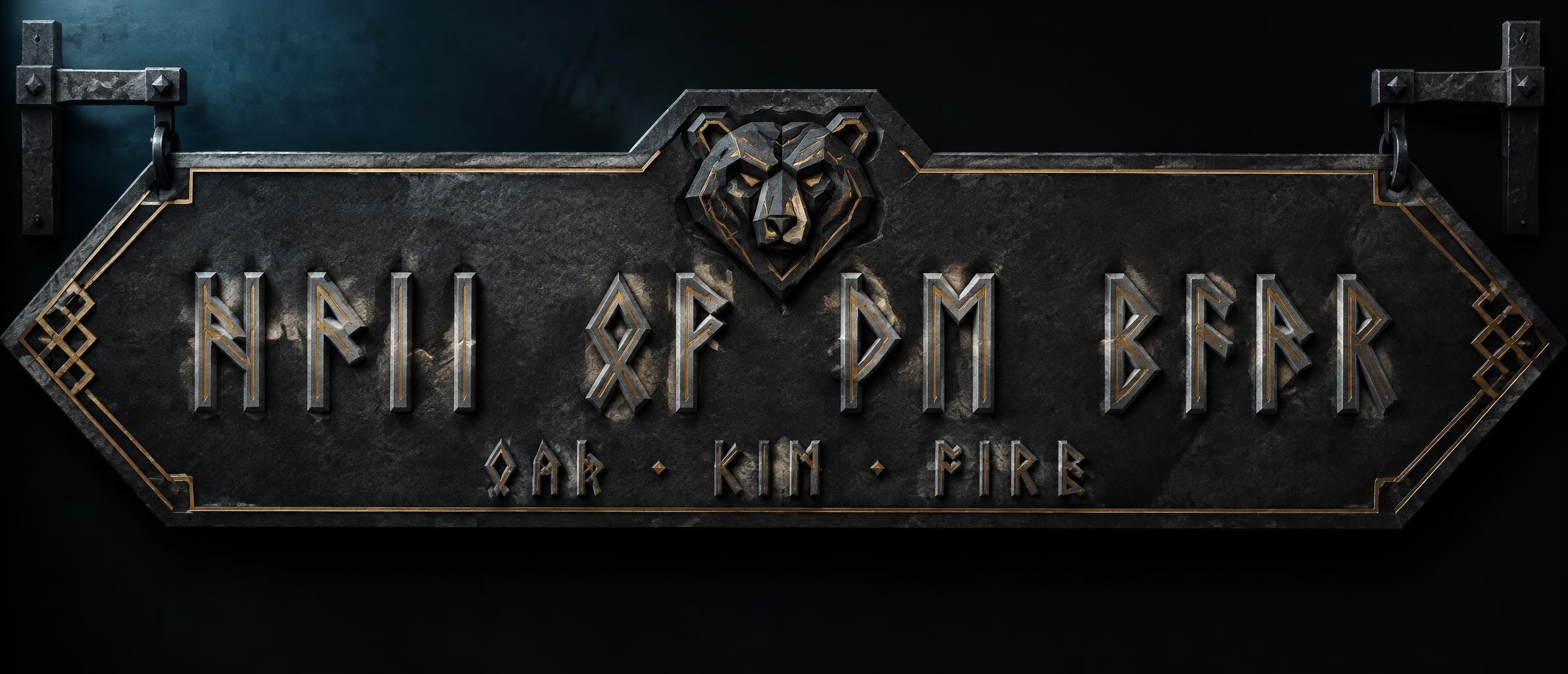
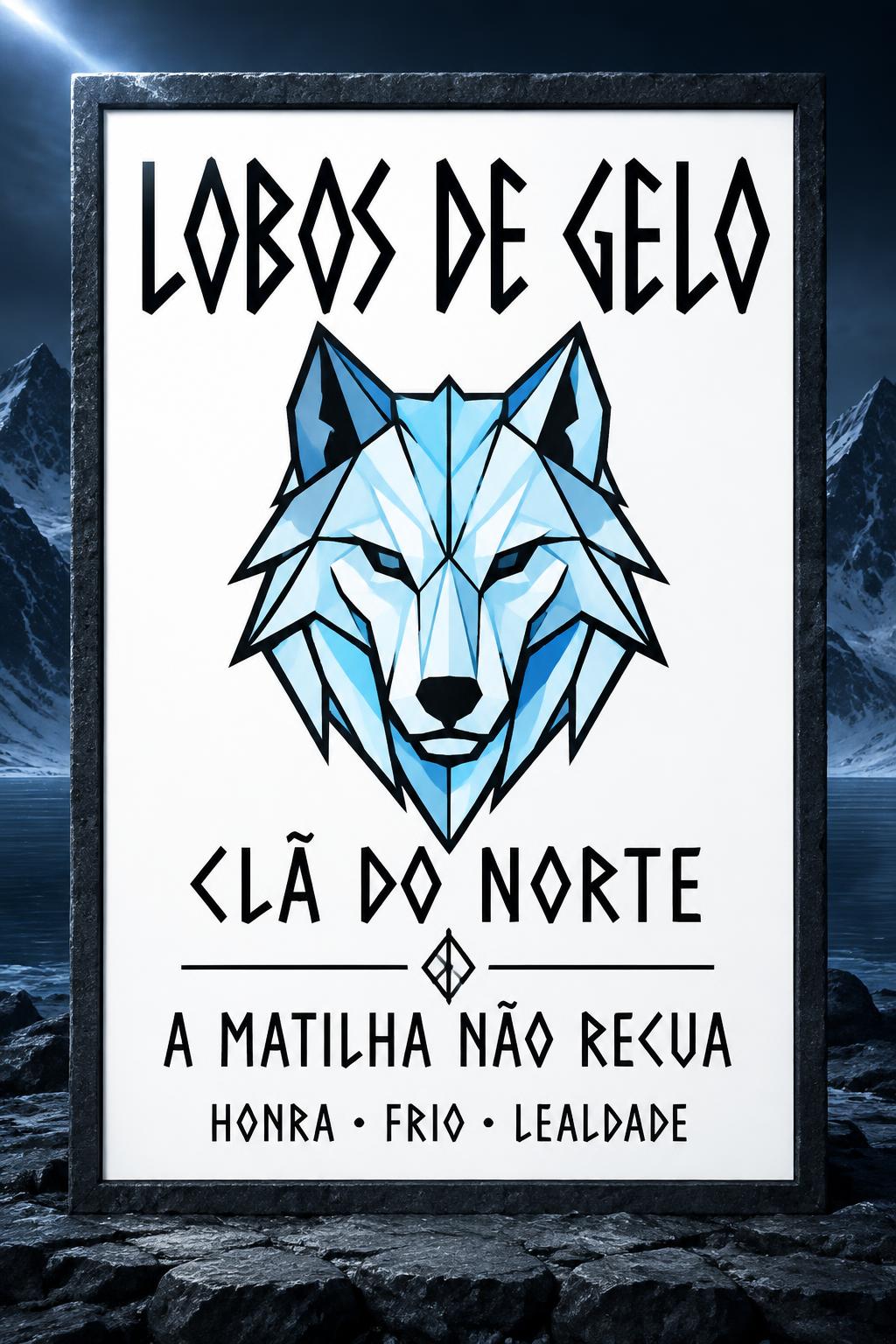
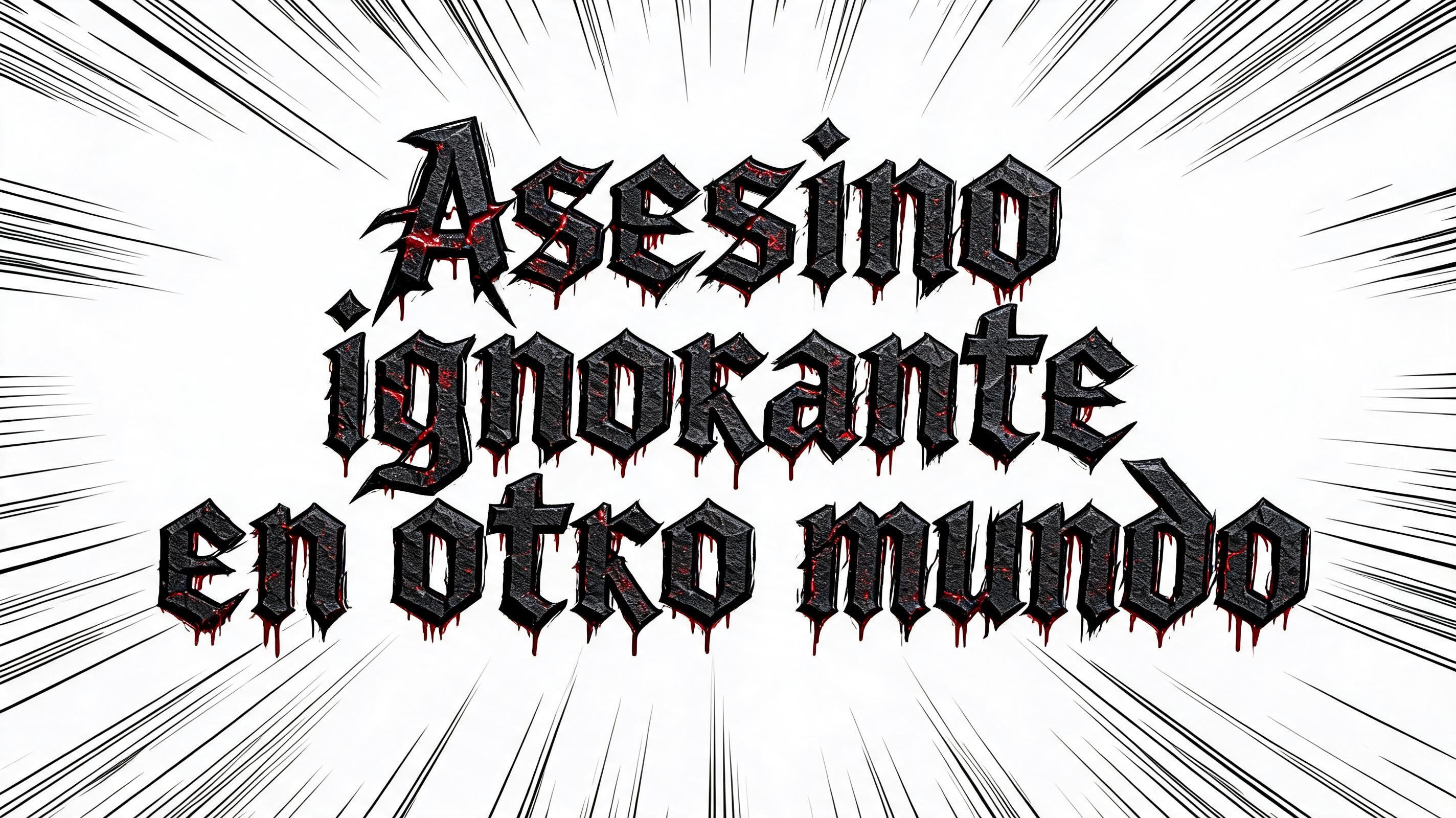
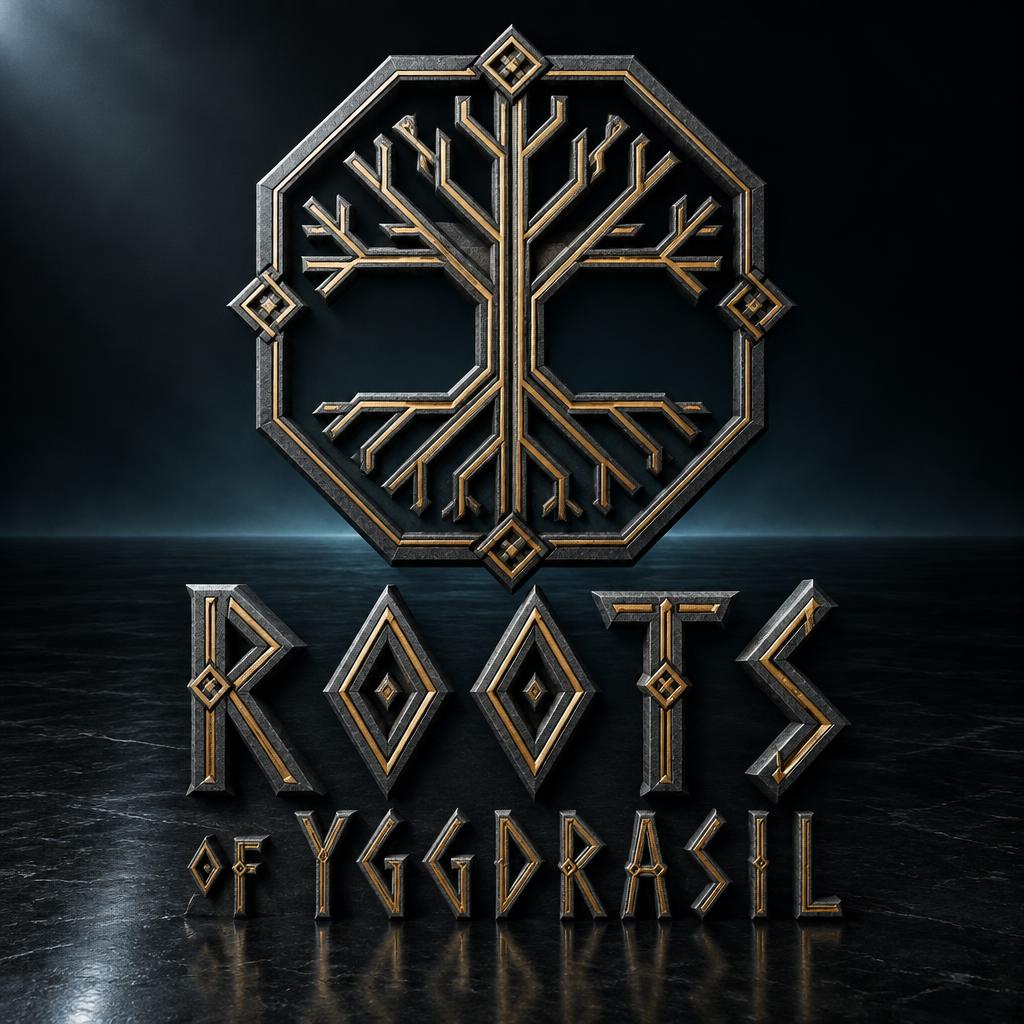
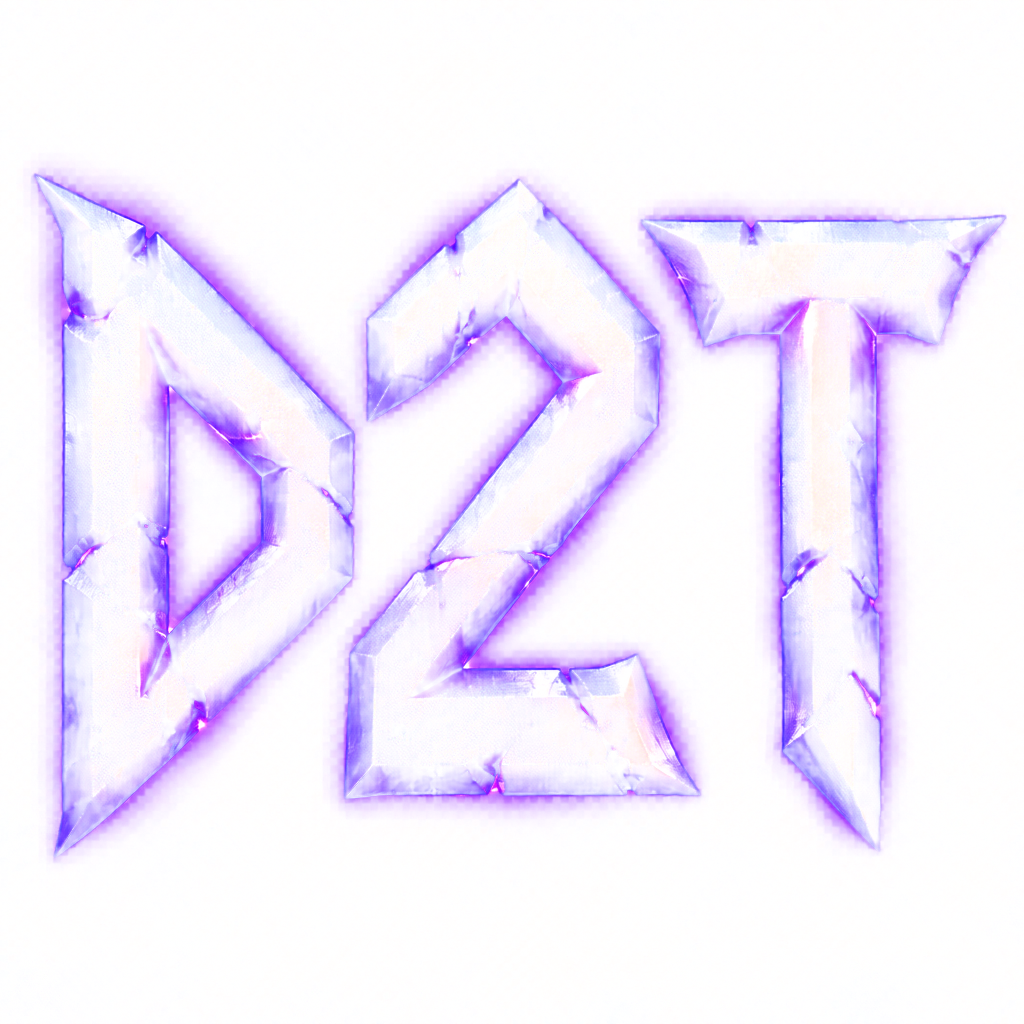
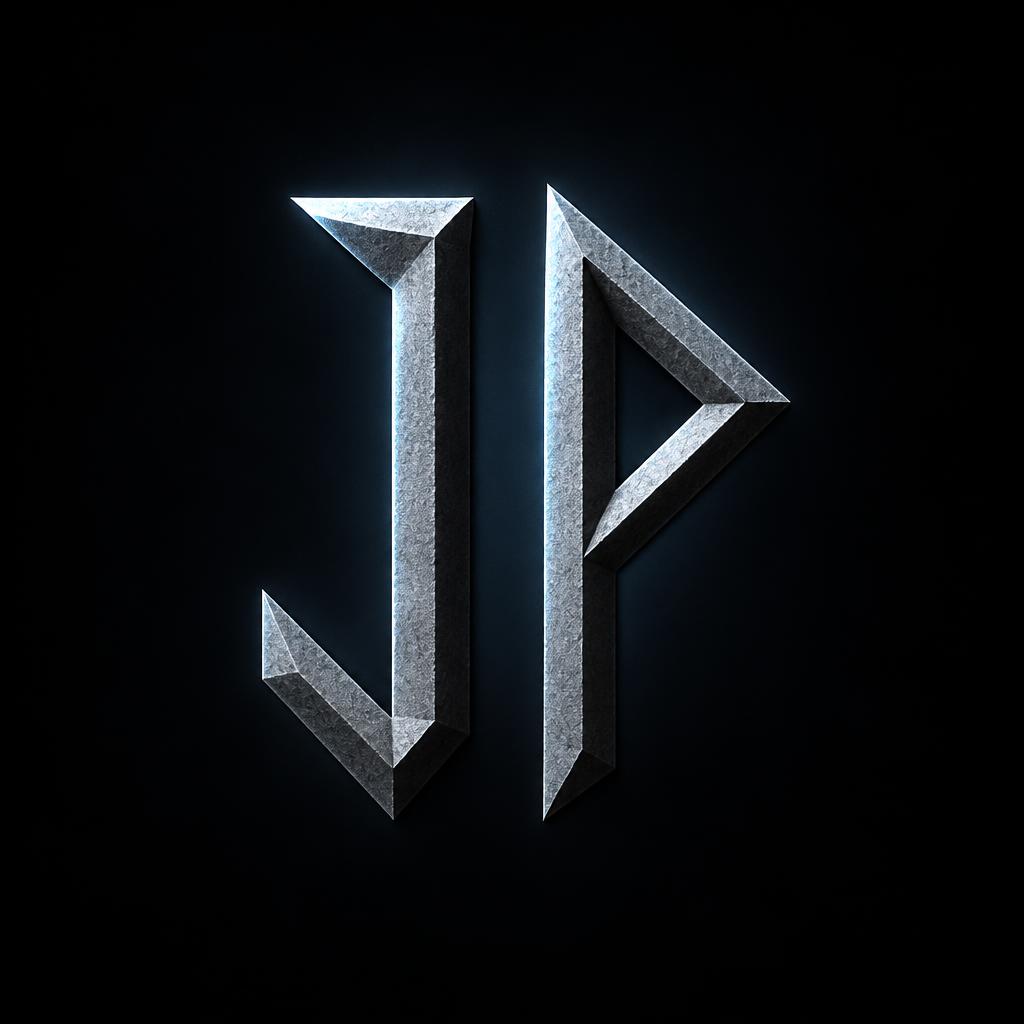
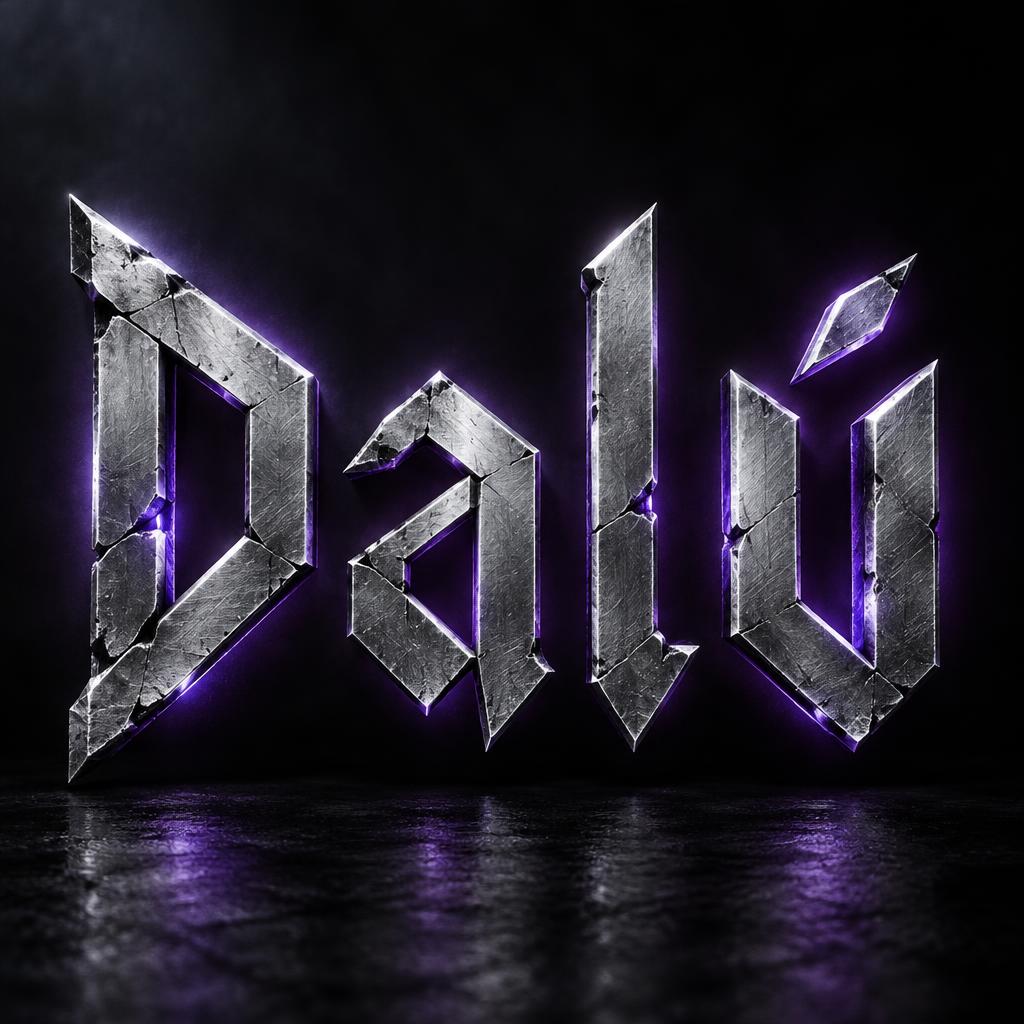
Real outputs from the Viking Runic style. Click any image to see details.

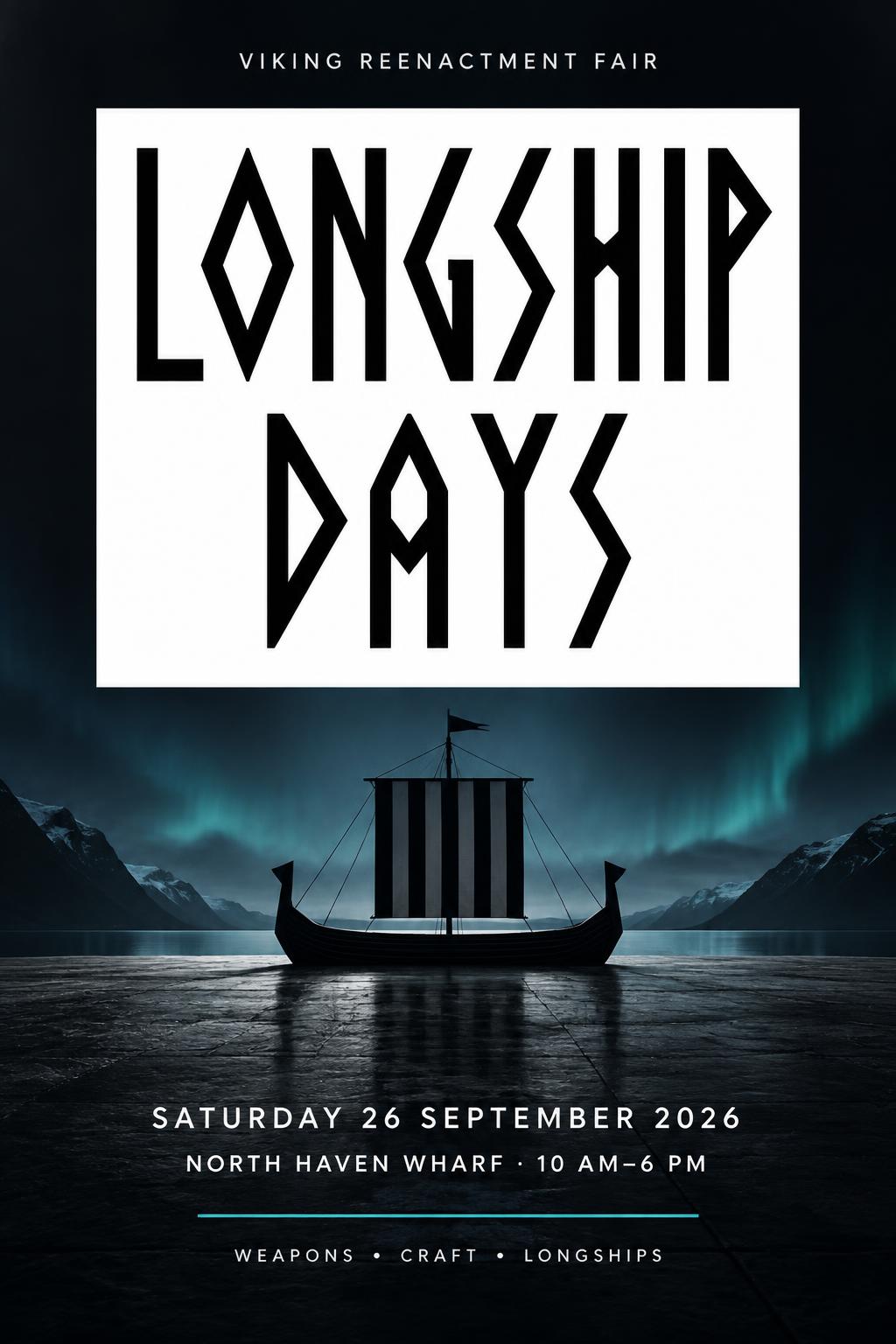

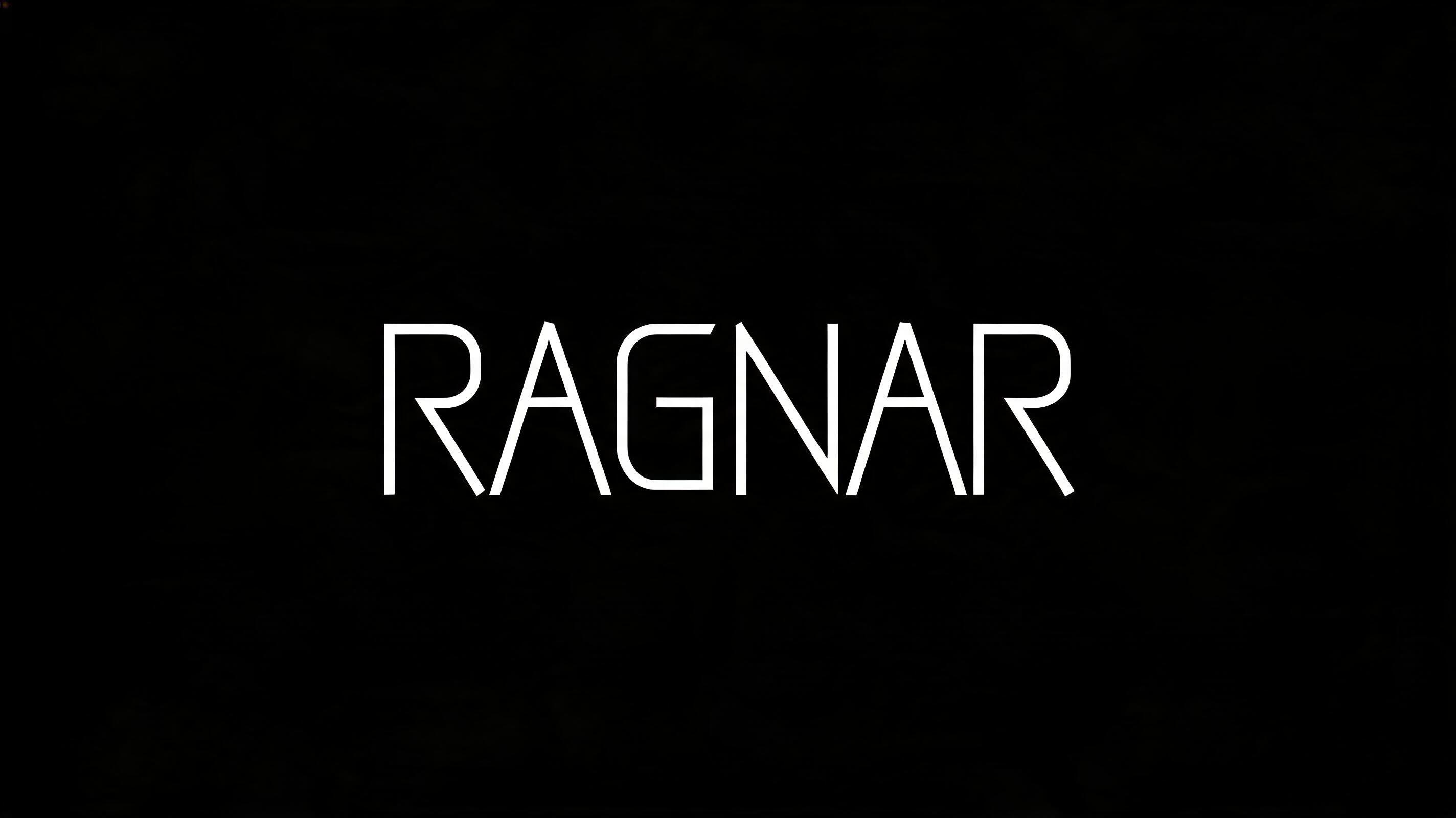
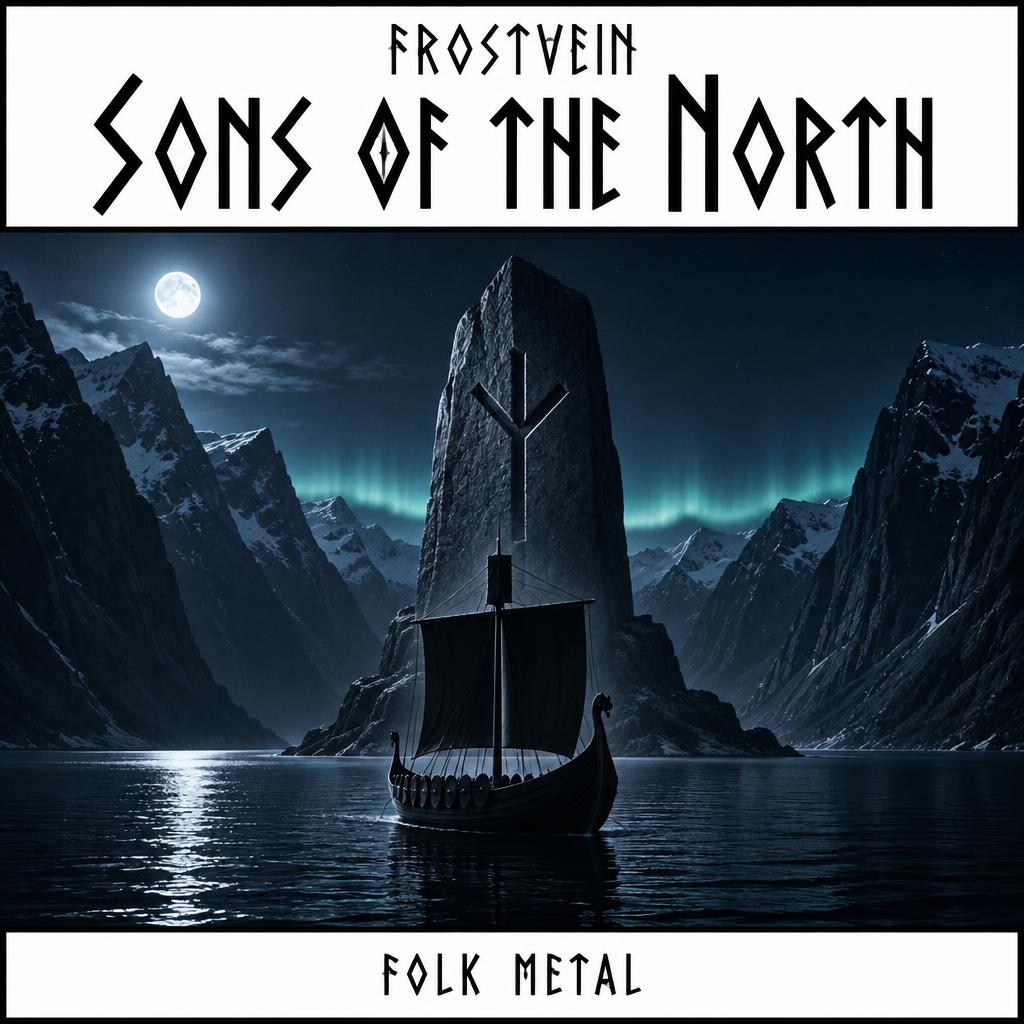
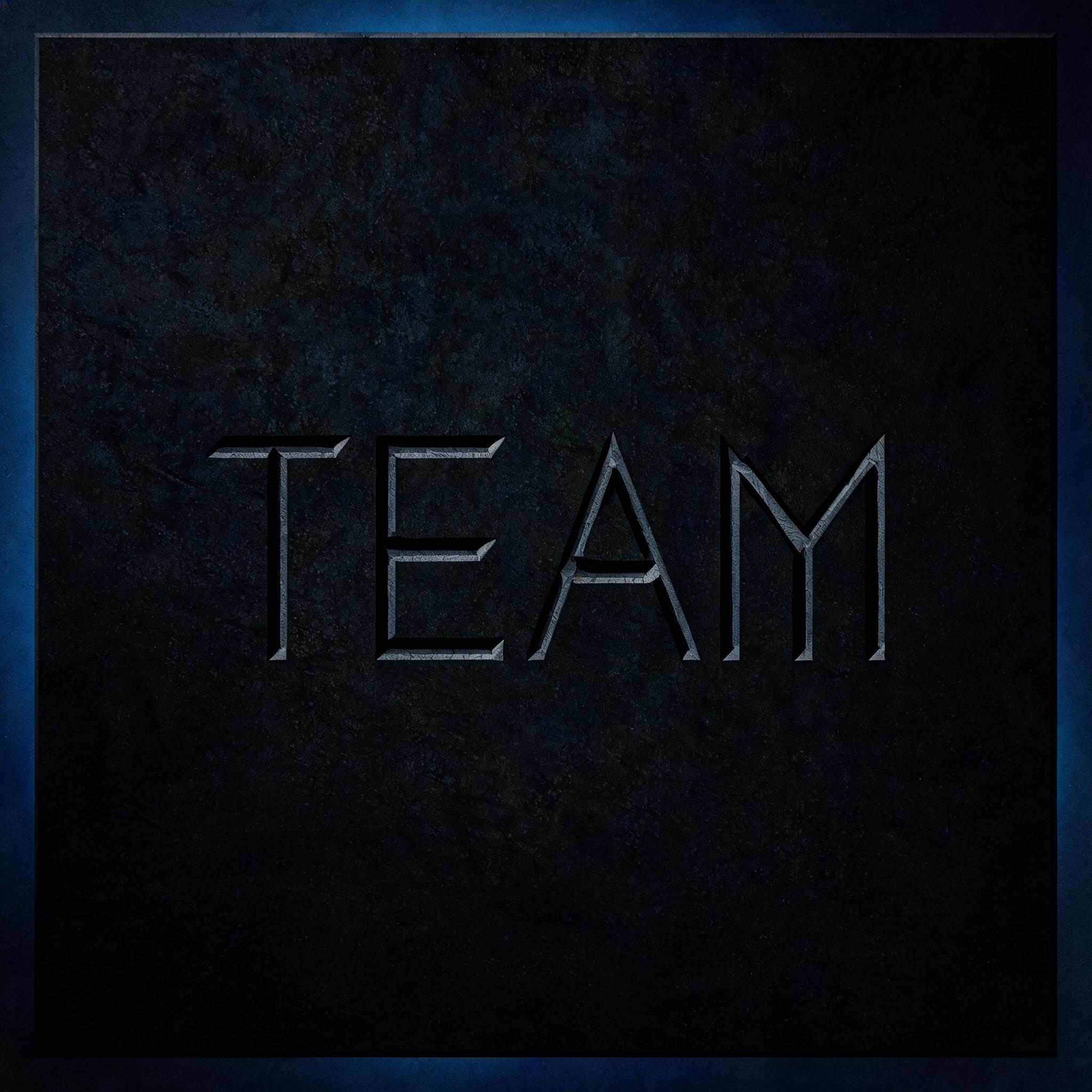



Looking for copy-paste fancy text? Try our free Font Generator Tools — cursive, gothic, bubble & 30+ styles.
Perfect for These Projects
Viking Runic Text Effect — FAQ
What is the Viking Runic Font Style?
The Viking Runic font style is a distinctive AI-generated typography effect. Angular runic-style capitals made only of straight and 45-degree strokes, carved into cold steel-grey stone under an aurora night sky. Using FontVibe's AI viking runic generator you can create stunning text effects in seconds — no Photoshop, no font licensing, no design experience needed.
Explore the Viking Runic gallery for inspiration, or browse all 142+ AI text effect styles available on FontVibe.
How to Create Viking Runic Typography in FontVibe Studio
The Story Behind Viking Runic
History, visual DNA, and cultural context.
Where Elder Futhark Came From
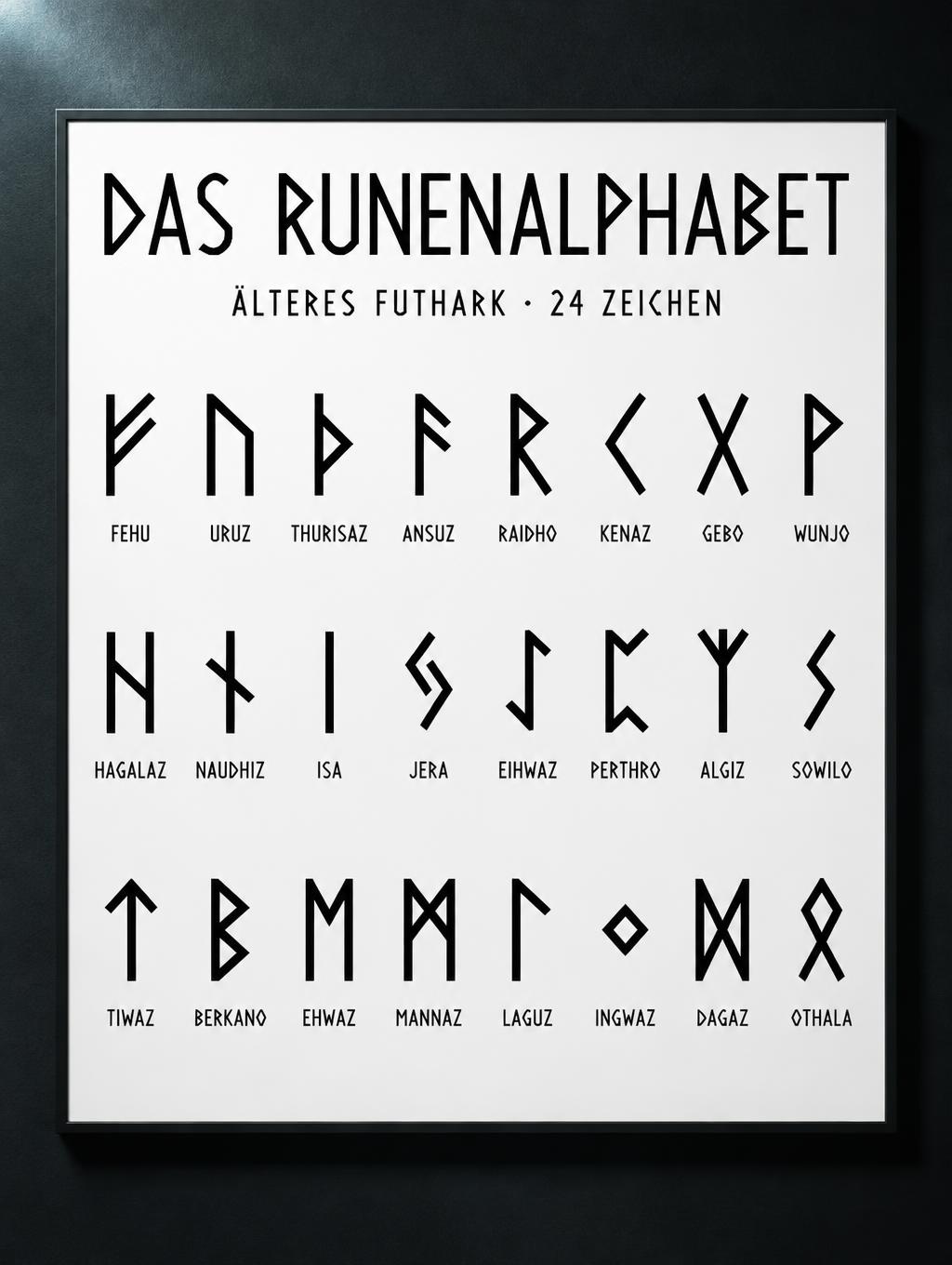
Elder Futhark is the oldest form of the runic alphabets — 24 characters used across Northern Europe from roughly 150 to 800 AD. The name comes from its first six letters: ᚠ (fe), ᚢ (ur), ᚦ (thurisaz), ᚨ (ansuz), ᚱ (raidho), ᚲ (kenaz). The letterforms weren't designed — they were engineered. Carving into wood or stone with a straight blade makes horizontal and diagonal cuts easy, but curves nearly impossible. Every angle in a runic letter is a direct consequence of the tool and the material. That's why the geometry feels so inevitable: it wasn't an aesthetic choice, it was physics.
Sources: Wikipedia — Elder Futhark
The Visual DNA
Cultural Landmarks
Why Designers Reach for Runic
Runic letterforms solve a specific design problem: how do you signal ancient, powerful, and trustworthy without looking like a Halloween prop? The answer is geometry. Because runic shapes are built entirely from straight lines at defined angles, they carry visual weight without decoration. There's nothing to strip away — it's already minimal. This is why esports teams, metal bands, tattoo artists, and Norse-revival brands all reach for the same visual language. The letterforms feel earned, not designed.
Did You Know?
Bluetooth technology is named after Harald Bluetooth Gormsson, the 10th-century Danish king. The Bluetooth logo is a bind rune merging his Younger Futhark initials: ᚼ (Hagall) + ᛒ (Bjarkan). Source ↗
The word 'rune' comes from Proto-Germanic *rūnō, which can be translated as 'secret, mystery'. Its earliest carved appearance is the Proto-Norse form rūnō on the Einang stone, dated AD 350–400. Source ↗
The SS emblem of Heinrich Himmler's Schutzstaffel, designed in 1933 by Walter Heck, doubled the Armanen 'sig' rune that Guido von List had based on the Sowilō rune (ᛊ). This is why many designers treat Elder Futhark as culturally sensitive. Source ↗
Sources: Wikipedia — Bluetooth · Wikipedia — Runes · Wikipedia — Sowilō (rune)
Create Your Viking Runic Typography in Studio
Free to start. No design skills needed. Your artwork, your copyright.
AI Viking Viking Runic Text Effect Generator
Angular runic-style capitals made only of straight and 45-degree strokes, carved into cold steel-grey stone under an aurora night sky. — no font license needed.
Viking Runic in different AI fonts
Generate Your Viking Runic Text Effect
Type any word — see it transformed in seconds. No sign-up required.
Viking Runic Style Gallery
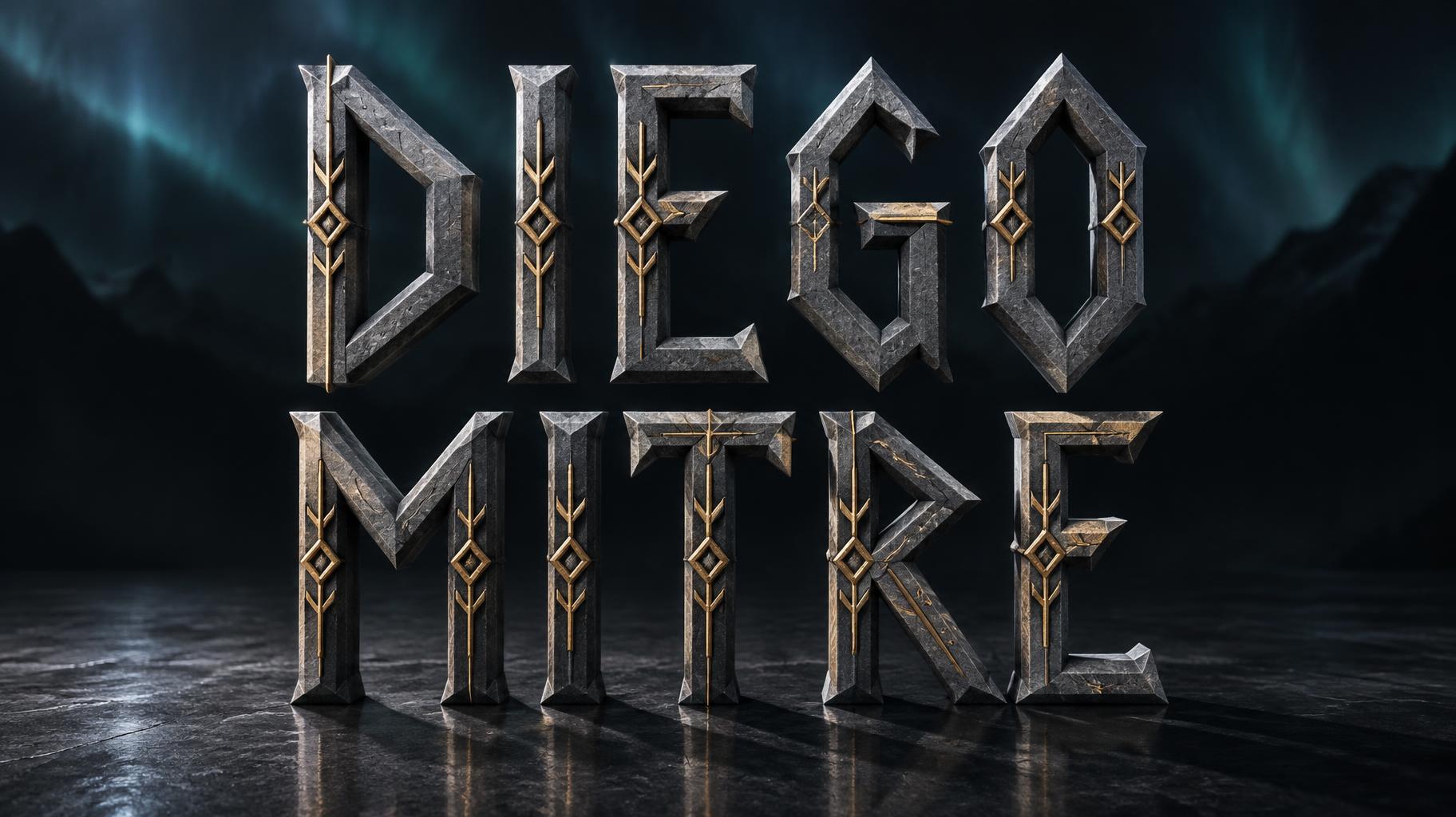
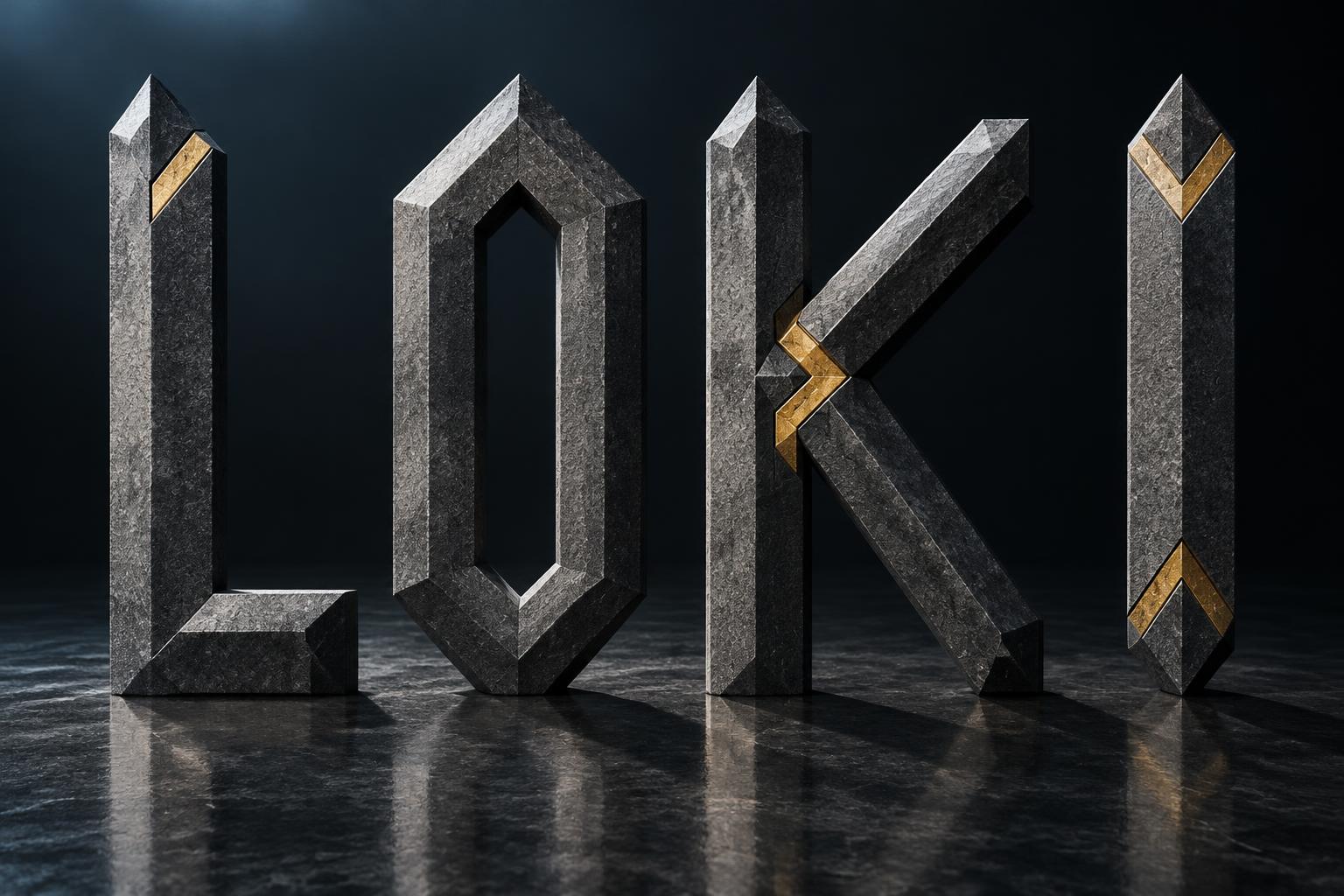
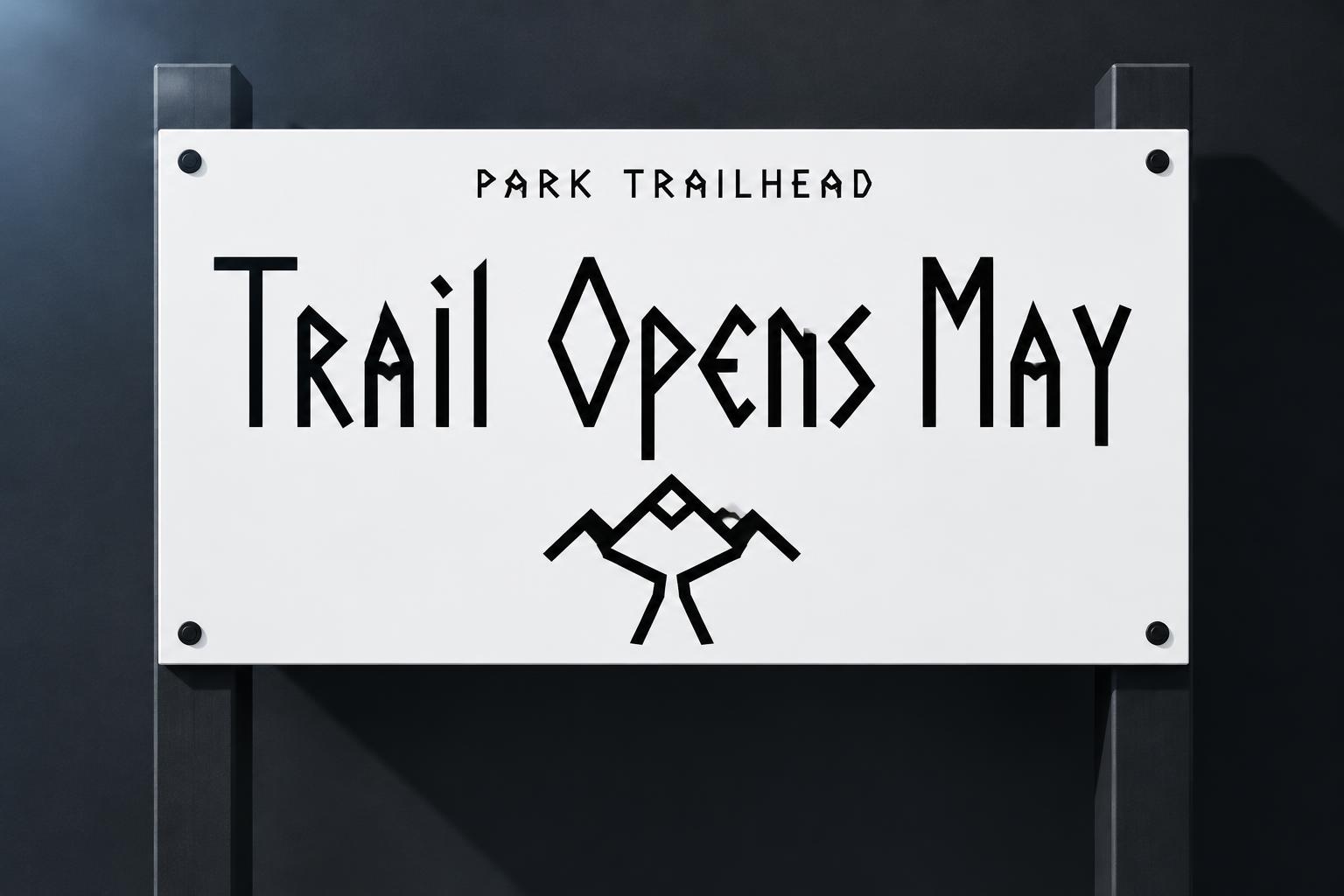
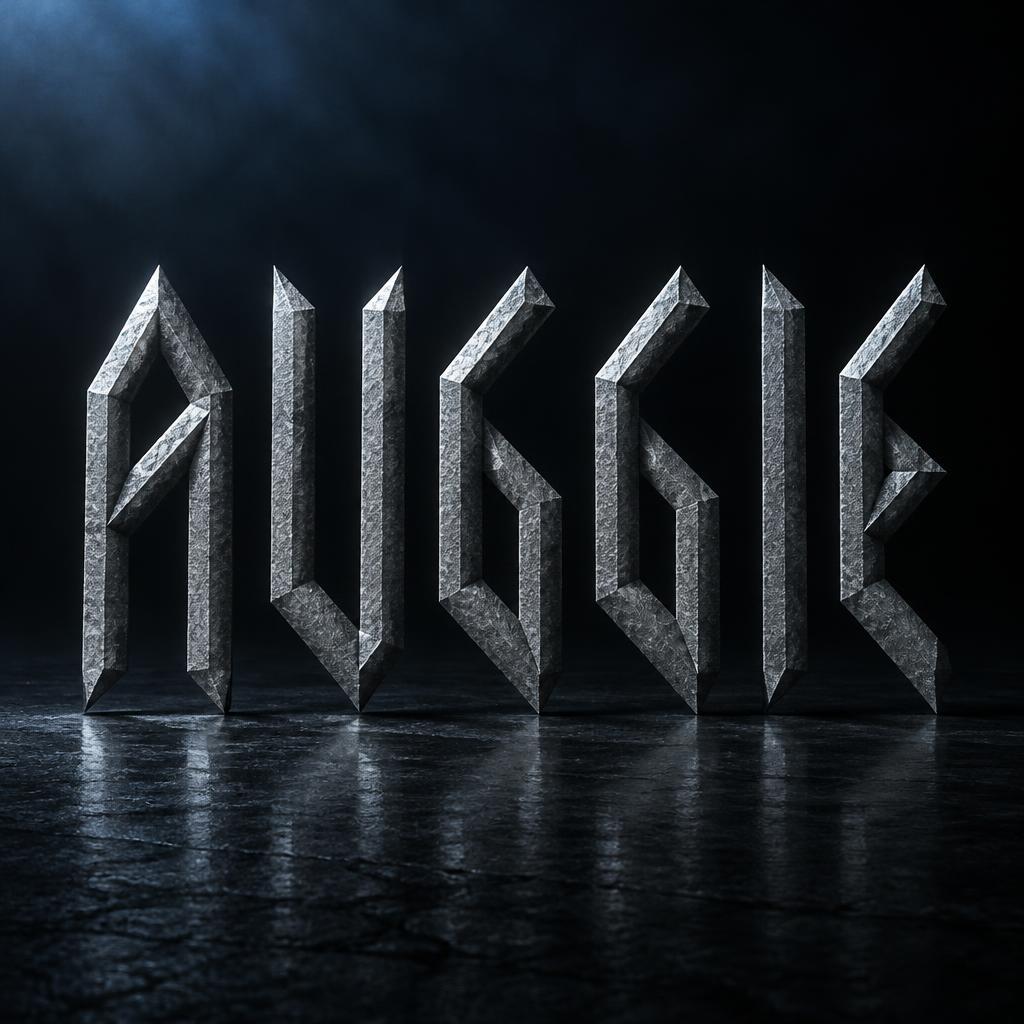
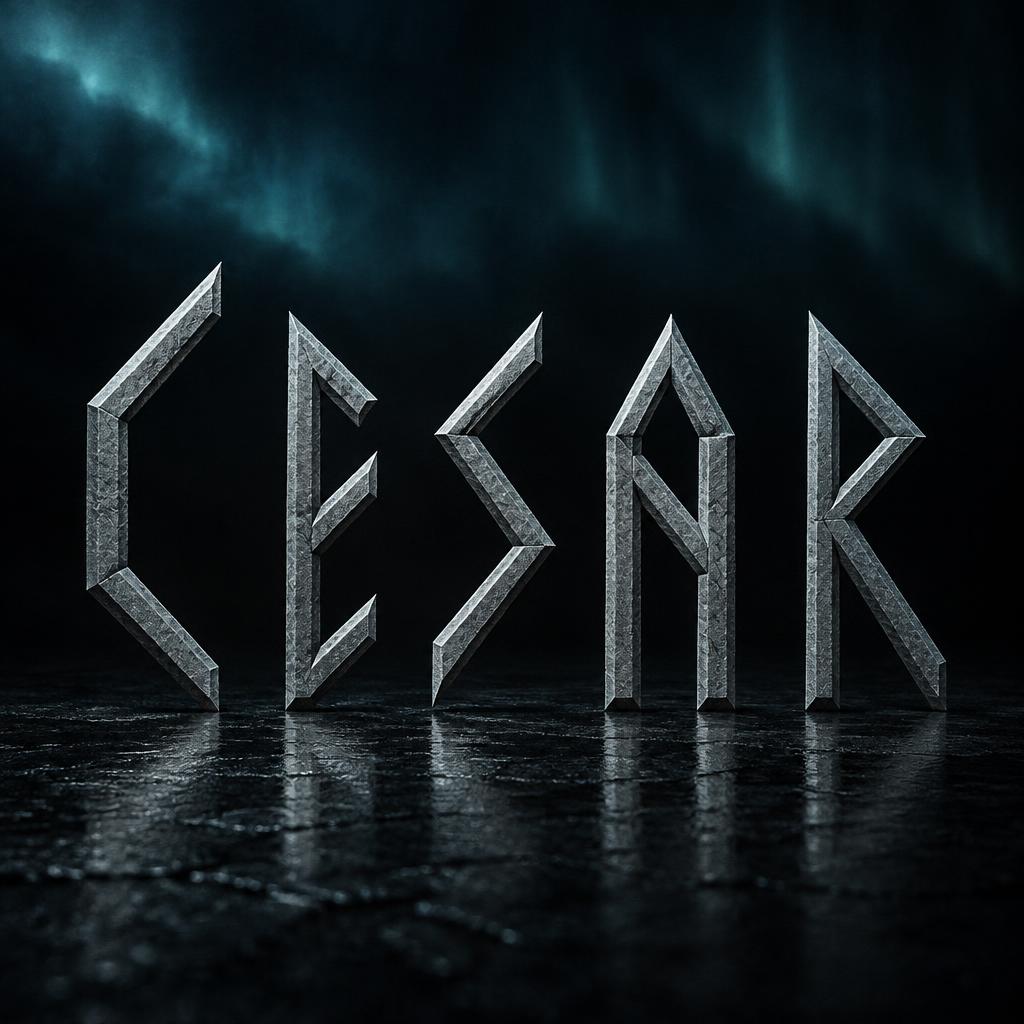
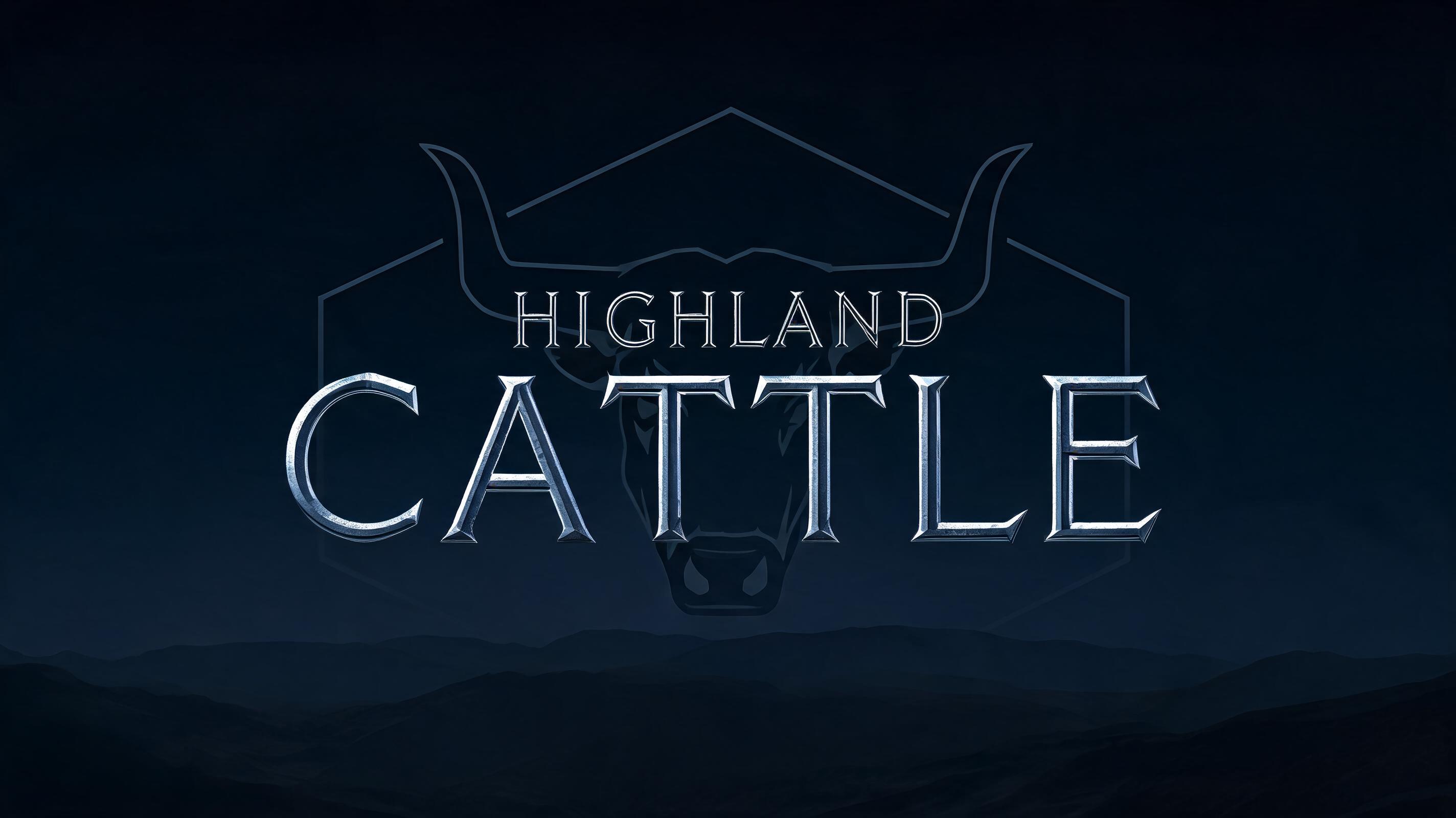
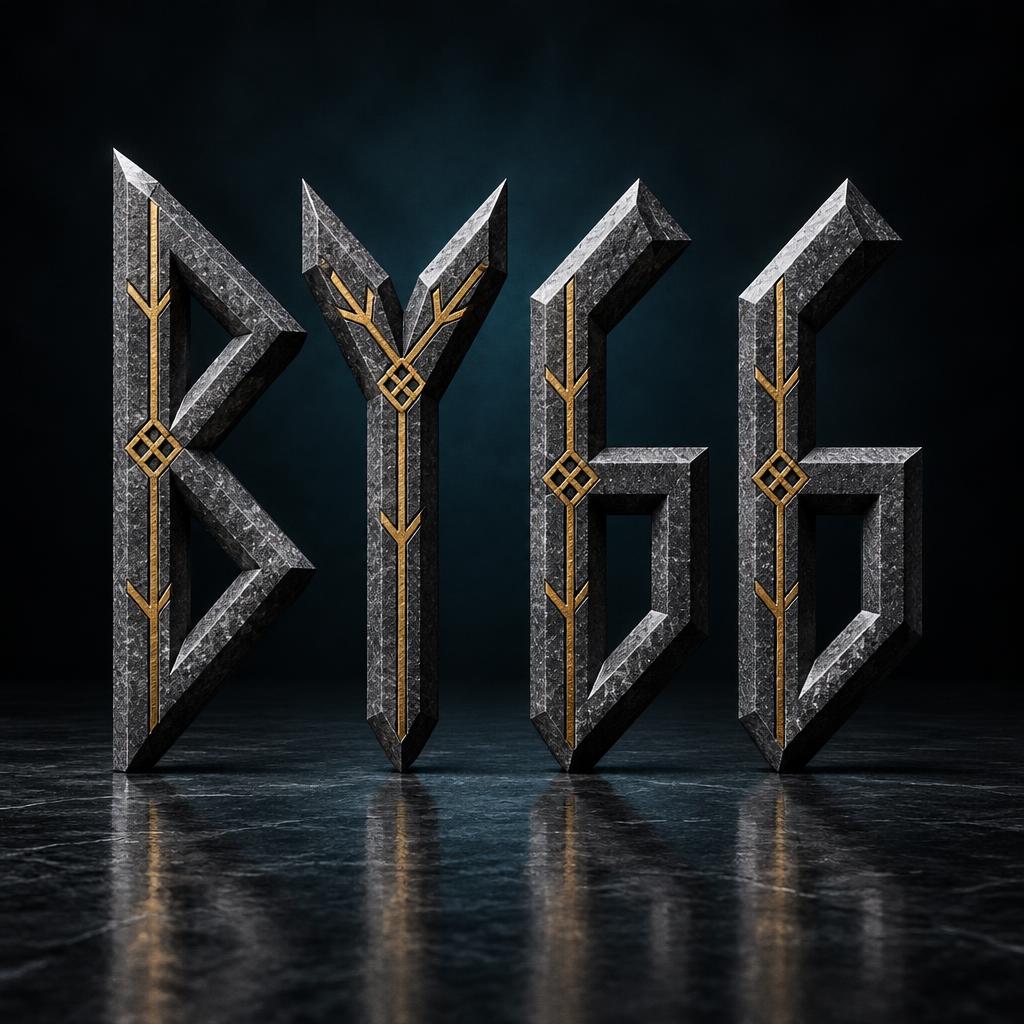
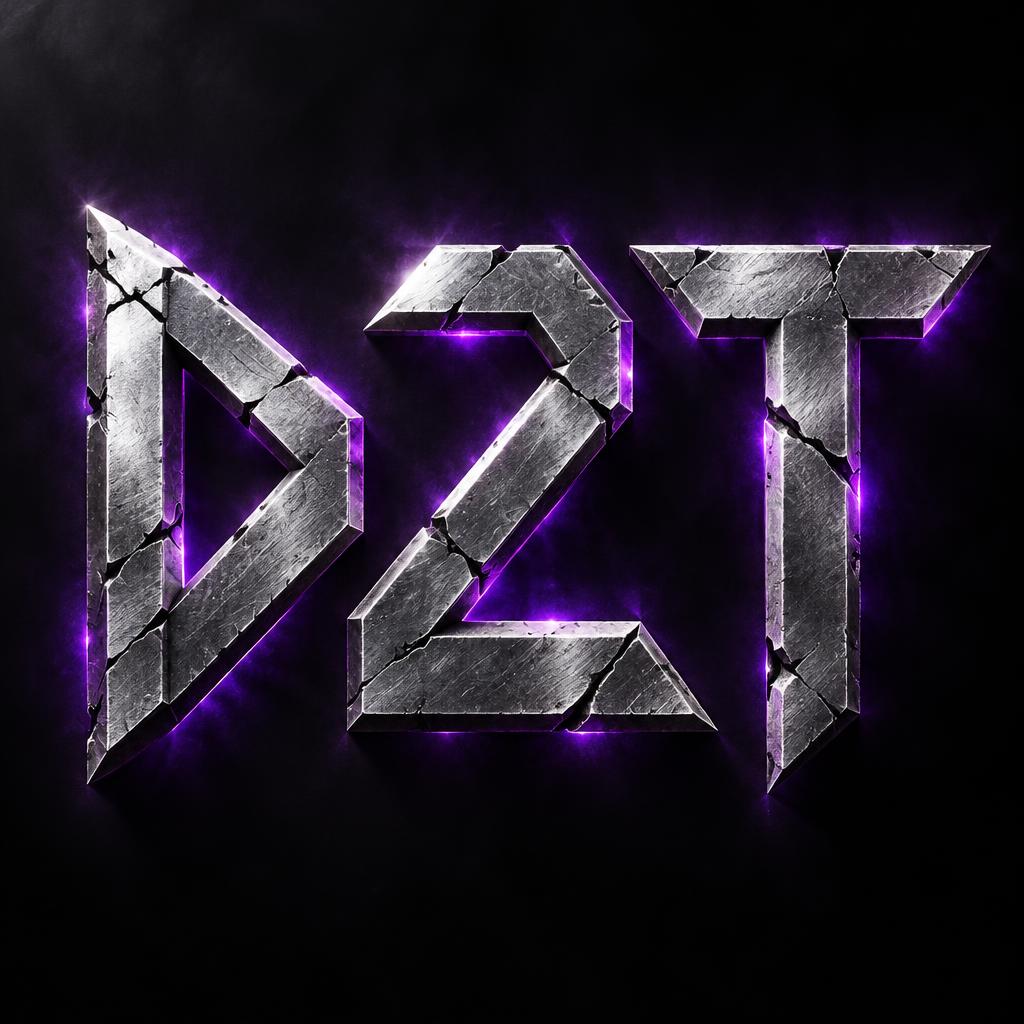
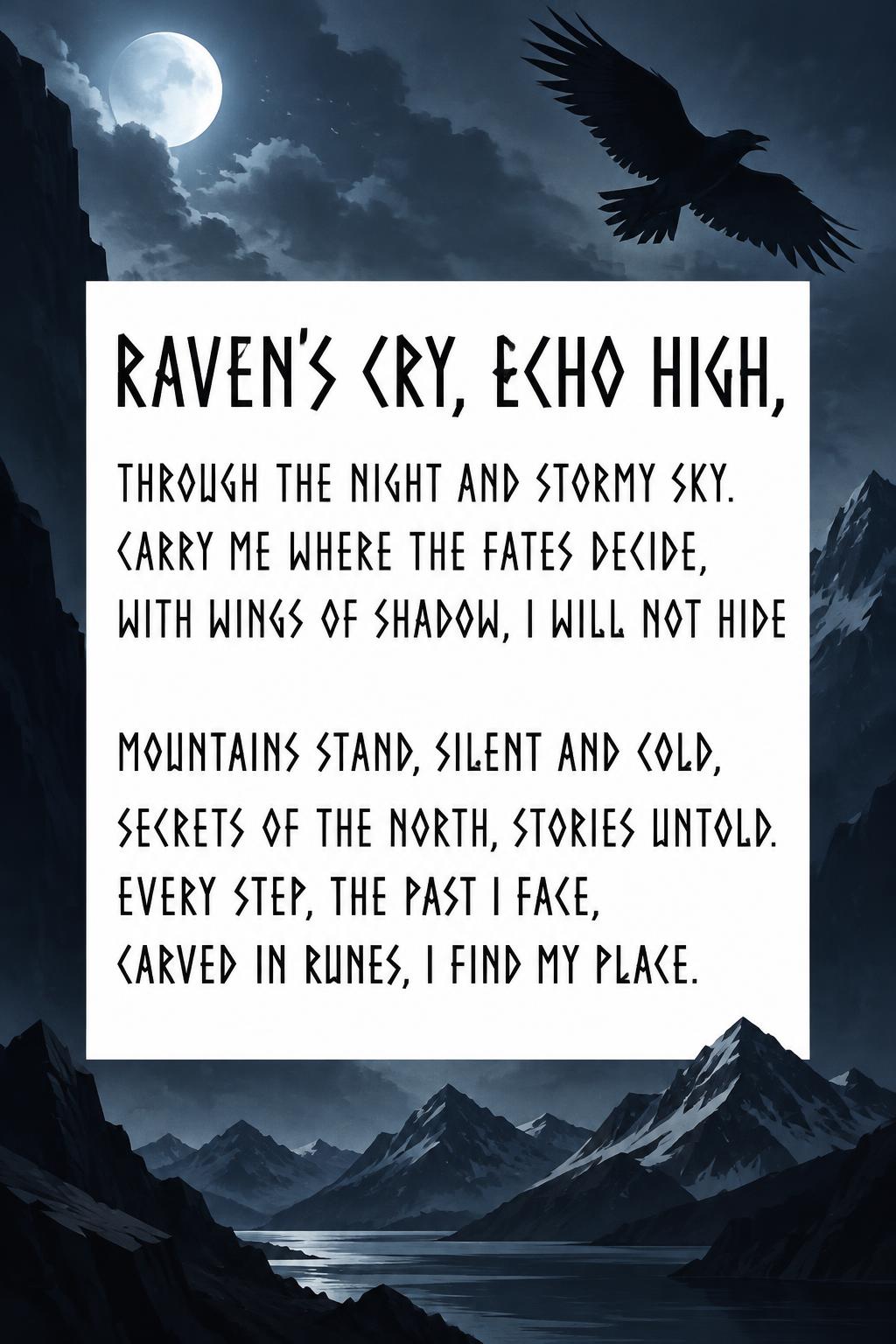
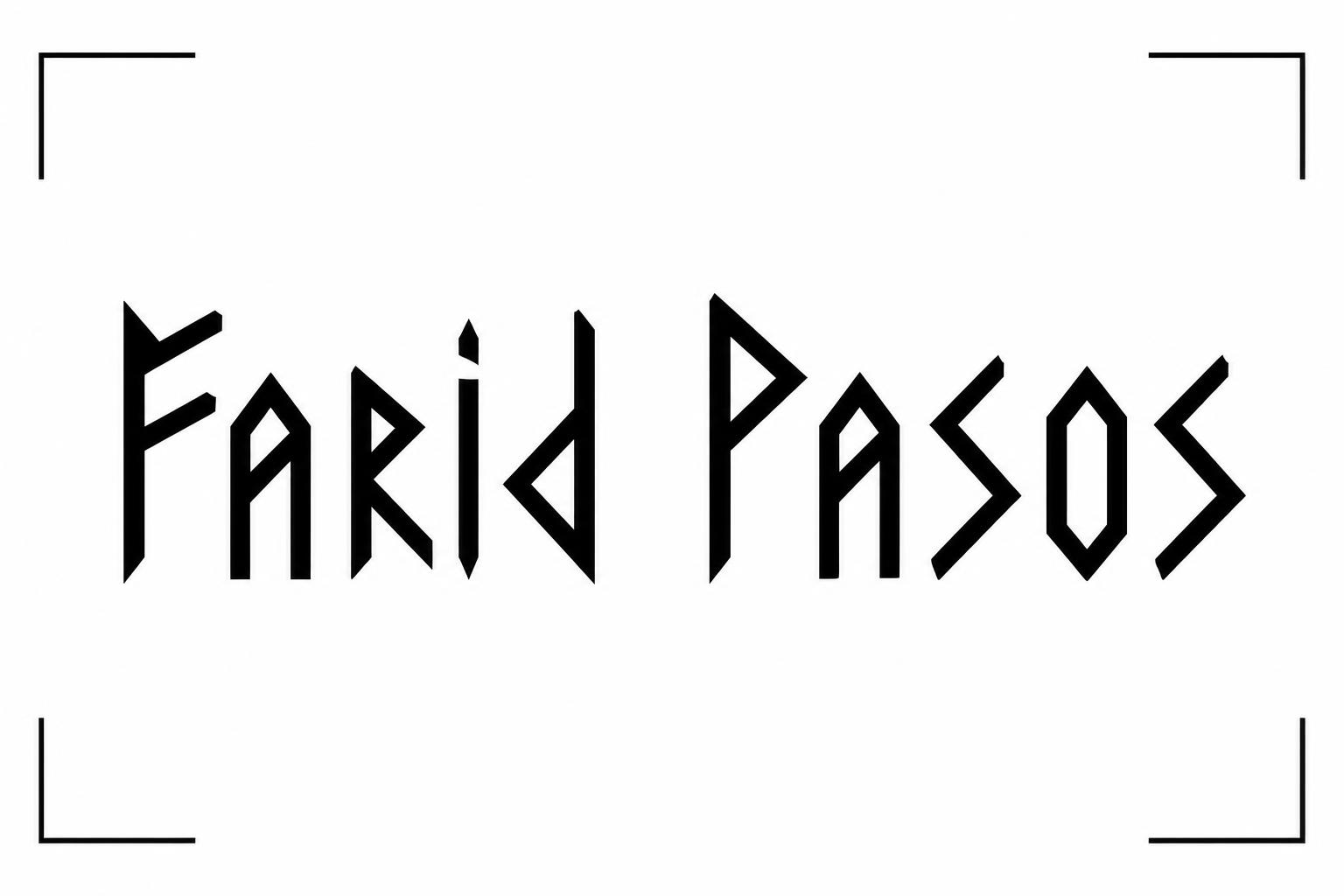
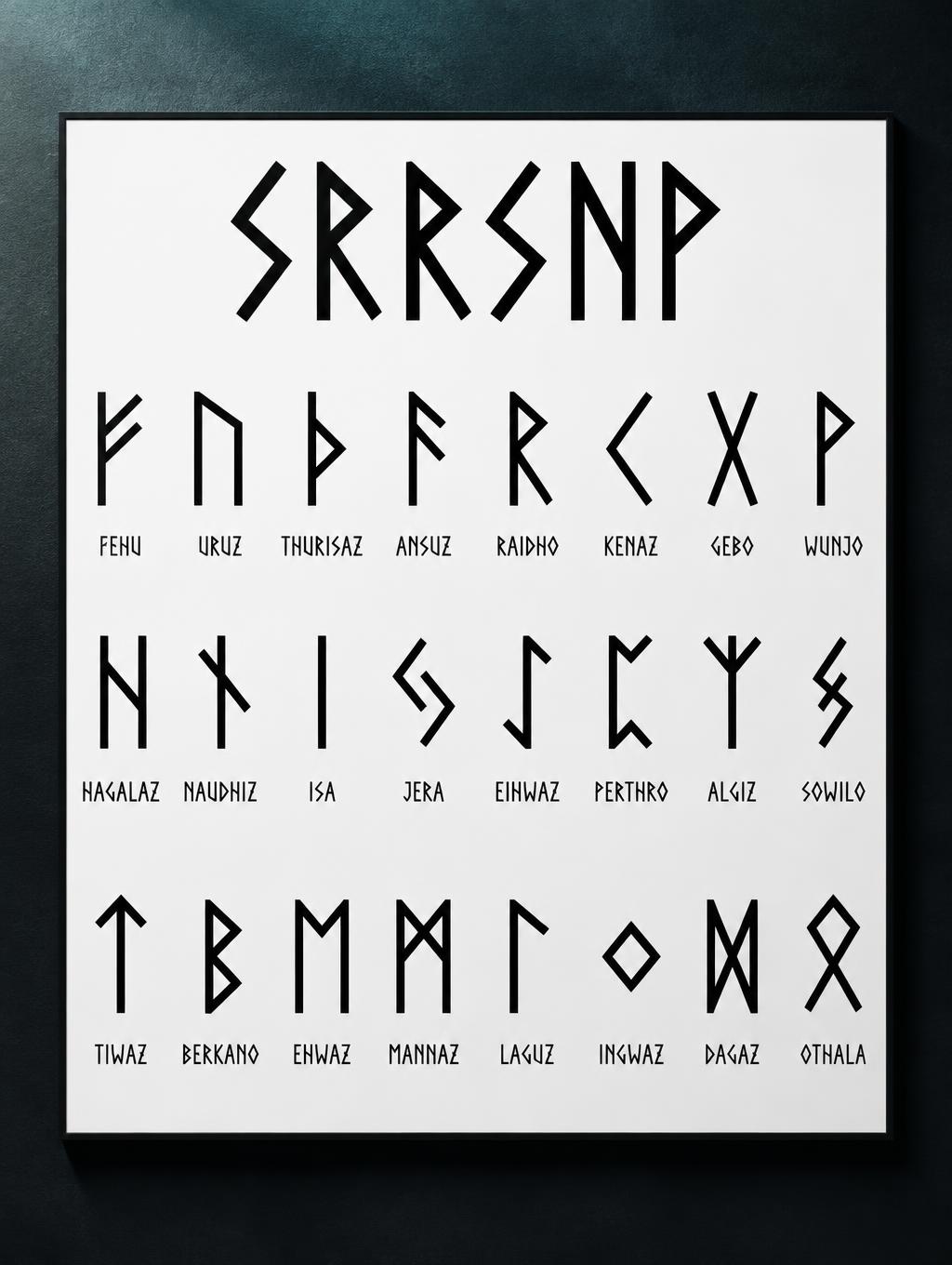
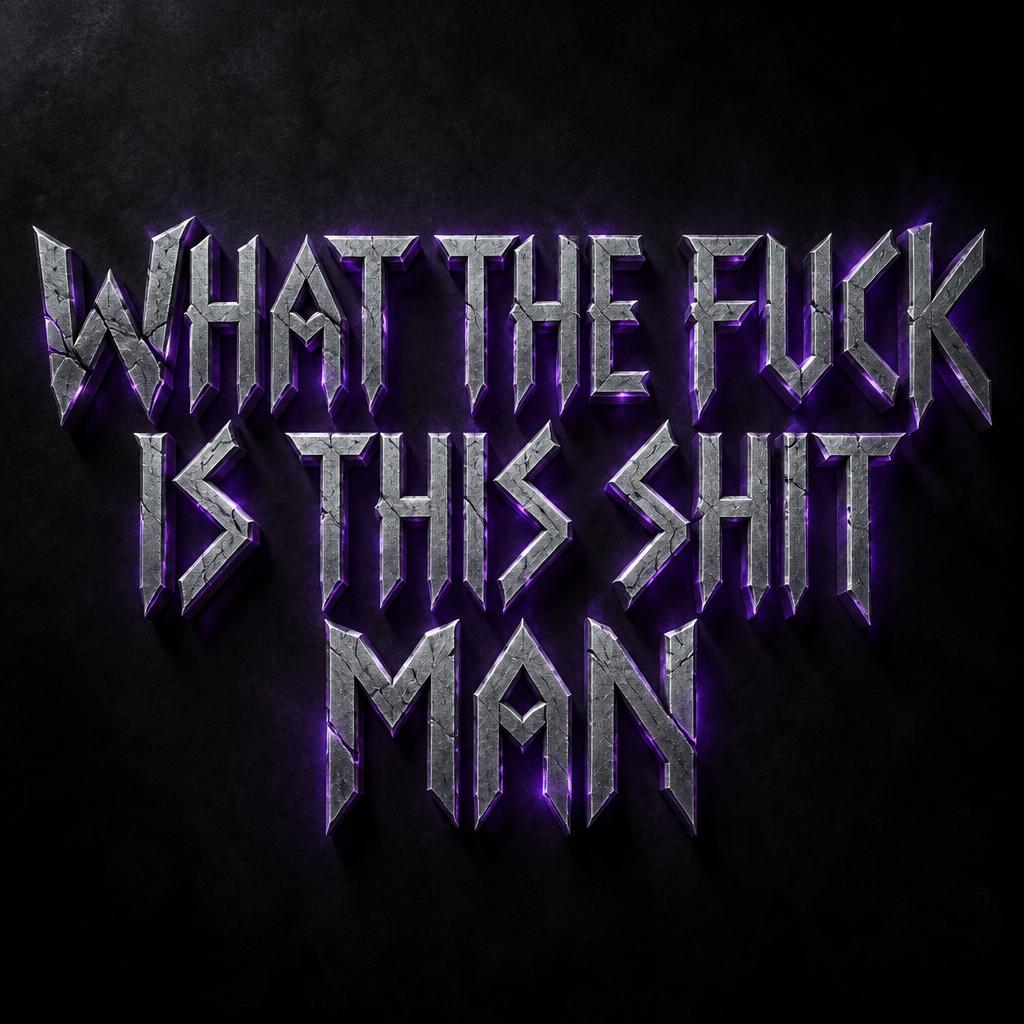
Real outputs from the Viking Runic style. Click any image to see details.
Similar Text Effect Styles
Try these styles and create your own AI-generated text effects.
Looking for copy-paste fancy text? Try our free Font Generator Tools — cursive, gothic, bubble & 30+ styles.
Perfect for These Projects
Viking Runic text effects are popular for creative projects where visual impact matters.
What is the Viking Runic Font Style?
The Viking Runic font style is a distinctive AI-generated typography effect. Angular runic-style capitals made only of straight and 45-degree strokes, carved into cold steel-grey stone under an aurora night sky.
Using FontVibe's AI viking runic generator you can create stunning text effects in seconds — no Photoshop, no font licensing, no design experience needed.
Explore the Viking Runic gallery for inspiration, or browse all 142+ AI text effect styles available on FontVibe.
How to Create Viking Runic Typography in FontVibe Studio
1. Enter your text — Any word, phrase, or brand name. Works best with short, punchy text.
2. Select Viking Runic — From the style library. Optionally describe a mood in the custom prompt.
3. Generate and download. Your Viking Runic font artwork is ready in seconds. PNG, JPG, or transparent PNG.
Looking for something different? Browse the full font style library for more AI typography options.
Viking Runic Text Effect — FAQ
The Story Behind Viking Runic
History, visual DNA, and cultural context — everything that makes this style what it is.
Where Elder Futhark Came From
Elder Futhark is the oldest form of the runic alphabets — 24 characters used across Northern Europe from roughly 150 to 800 AD. The name comes from its first six letters: ᚠ (fe), ᚢ (ur), ᚦ (thurisaz), ᚨ (ansuz), ᚱ (raidho), ᚲ (kenaz). The letterforms weren't designed — they were engineered. Carving into wood or stone with a straight blade makes horizontal and diagonal cuts easy, but curves nearly impossible. Every angle in a runic letter is a direct consequence of the tool and the material. That's why the geometry feels so inevitable: it wasn't an aesthetic choice, it was physics.
Sources: Wikipedia — Elder Futhark
The Visual DNA
Cultural Landmarks
Why Designers Reach for Runic
Runic letterforms solve a specific design problem: how do you signal ancient, powerful, and trustworthy without looking like a Halloween prop? The answer is geometry. Because runic shapes are built entirely from straight lines at defined angles, they carry visual weight without decoration. There's nothing to strip away — it's already minimal. This is why esports teams, metal bands, tattoo artists, and Norse-revival brands all reach for the same visual language. The letterforms feel earned, not designed.
Did You Know?
Bluetooth technology is named after Harald Bluetooth Gormsson, the 10th-century Danish king. The Bluetooth logo is a bind rune merging his Younger Futhark initials: ᚼ (Hagall) + ᛒ (Bjarkan). Source ↗
The word 'rune' comes from Proto-Germanic *rūnō, which can be translated as 'secret, mystery'. Its earliest carved appearance is the Proto-Norse form rūnō on the Einang stone, dated AD 350–400. Source ↗
The SS emblem of Heinrich Himmler's Schutzstaffel, designed in 1933 by Walter Heck, doubled the Armanen 'sig' rune that Guido von List had based on the Sowilō rune (ᛊ). This is why many designers treat Elder Futhark as culturally sensitive. Source ↗
Sources: Wikipedia — Bluetooth · Wikipedia — Runes · Wikipedia — Sowilō (rune)