


AI Origami Text Effect Generator
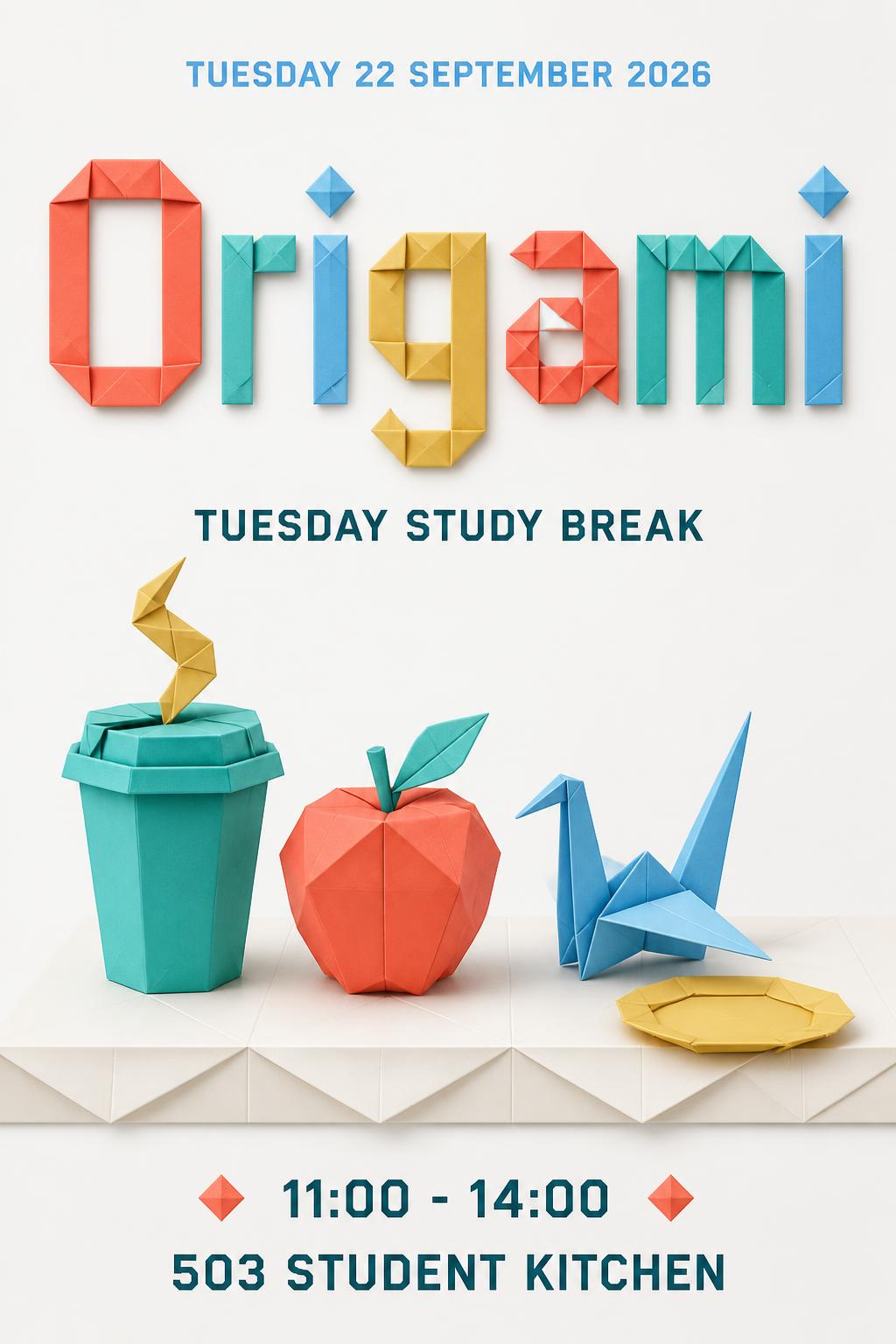
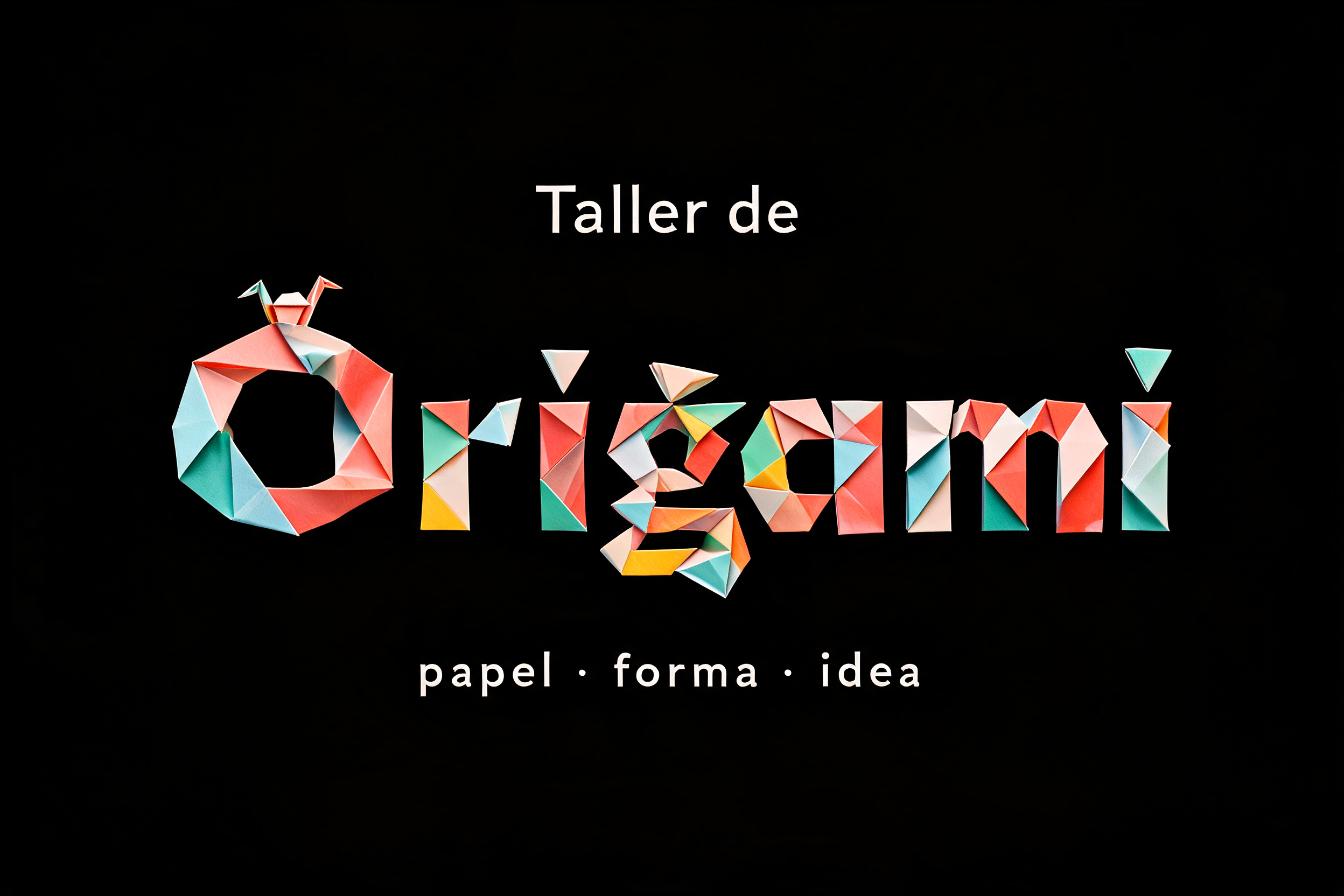
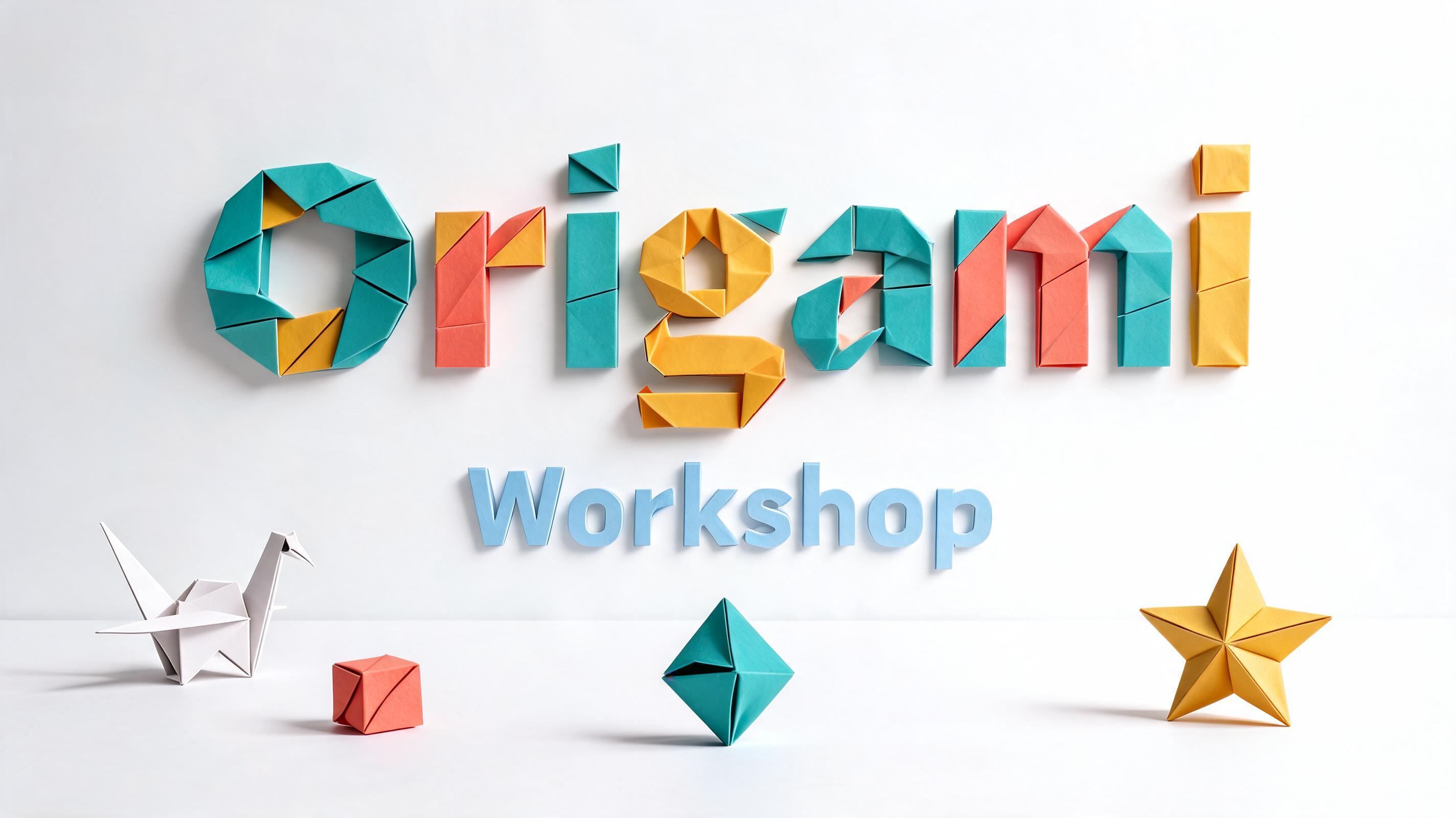
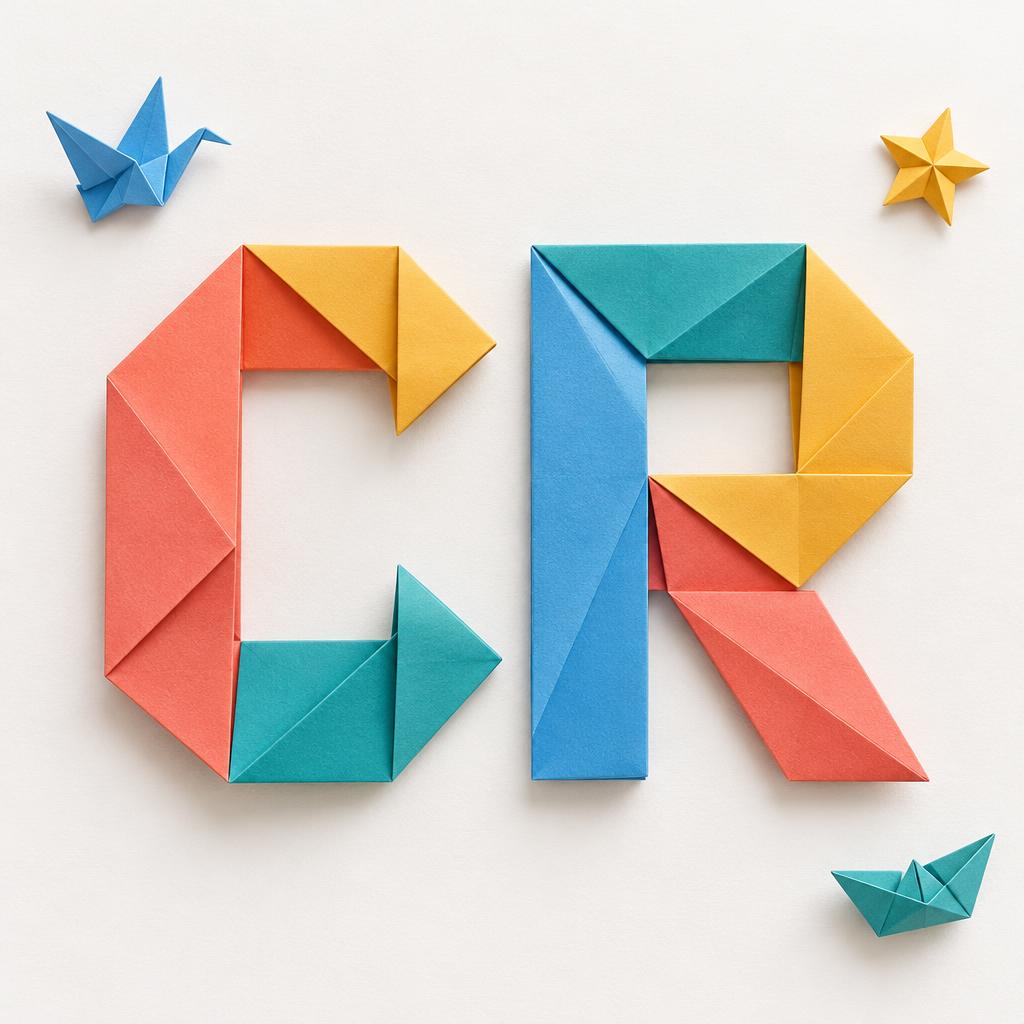
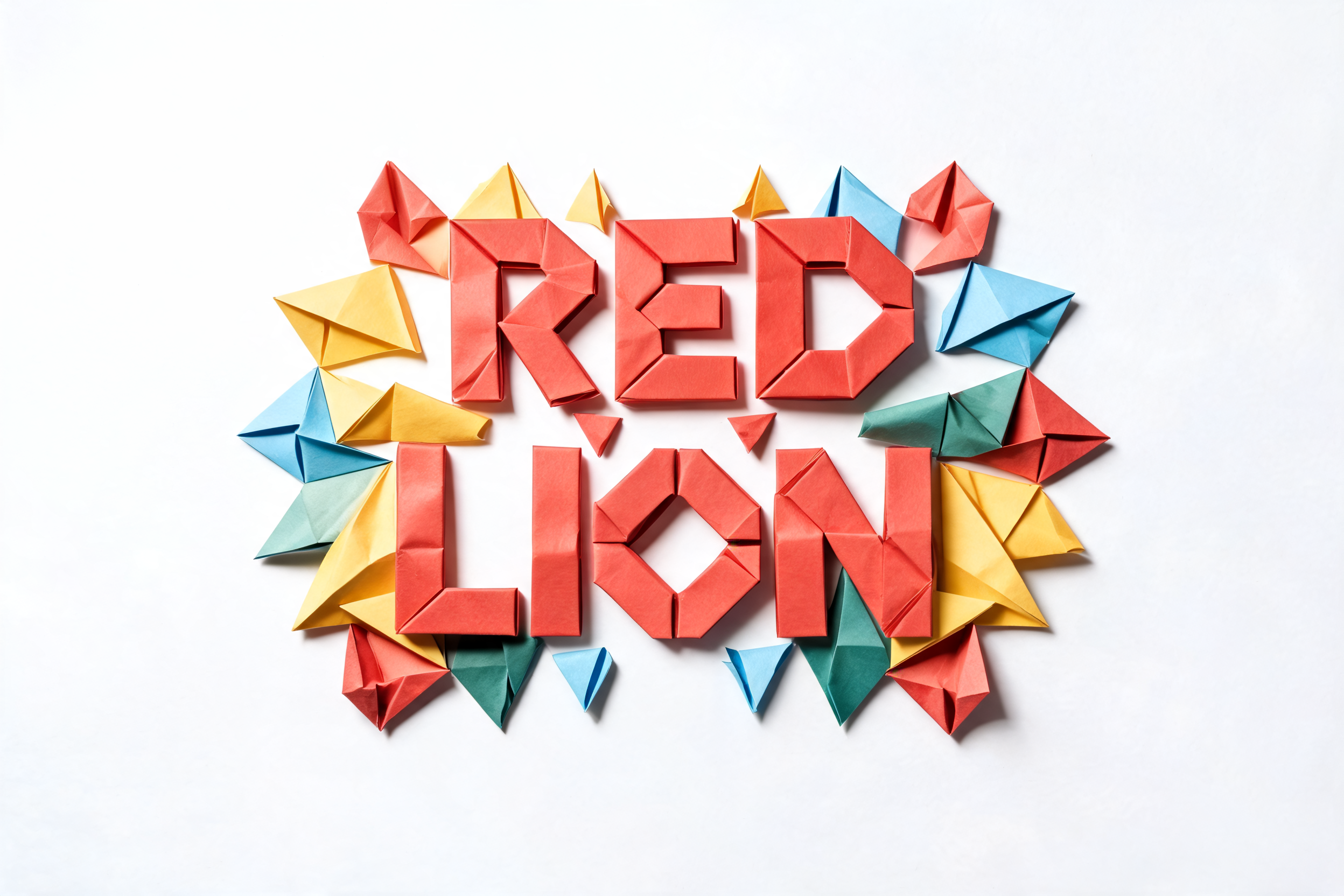
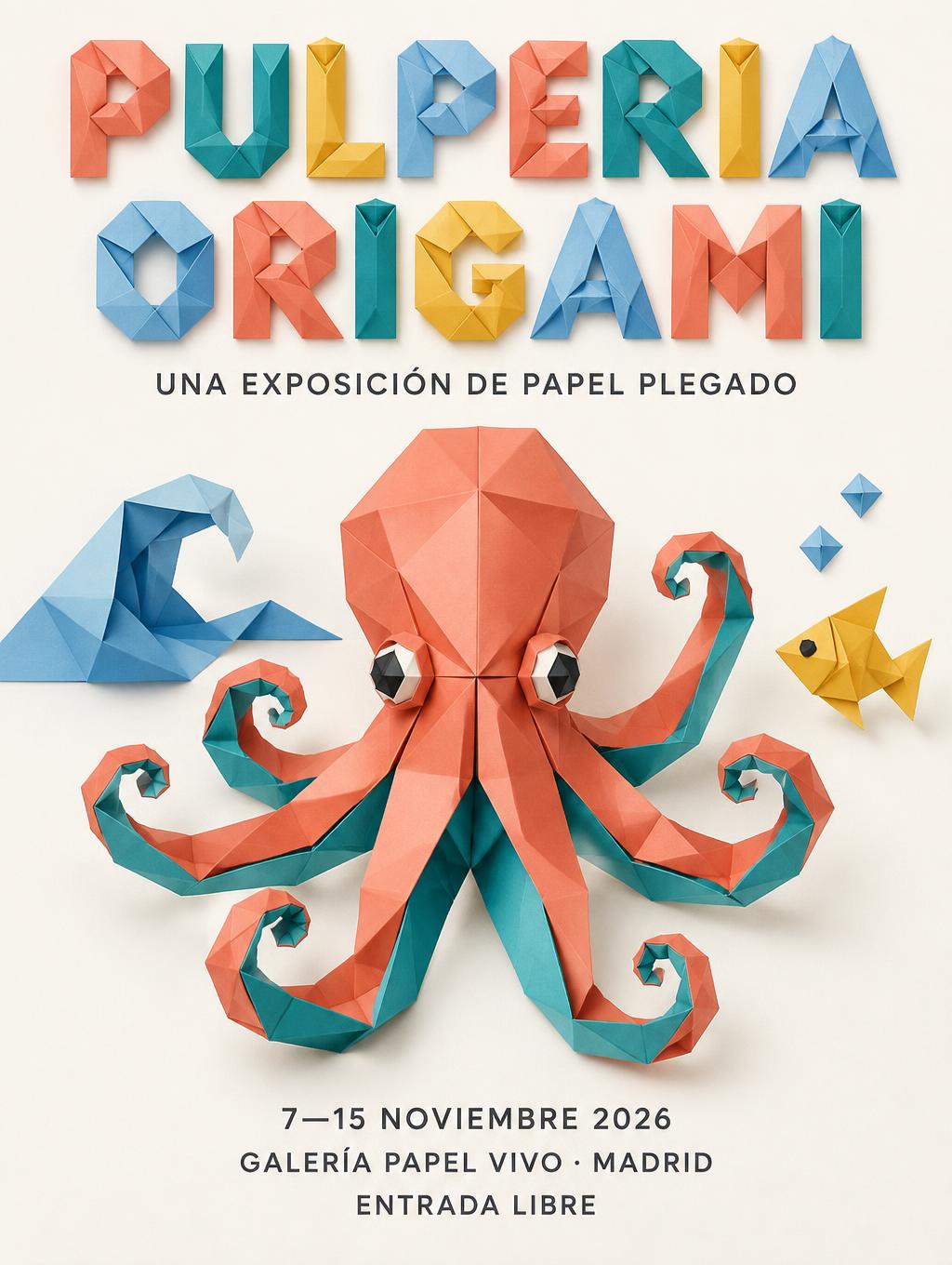
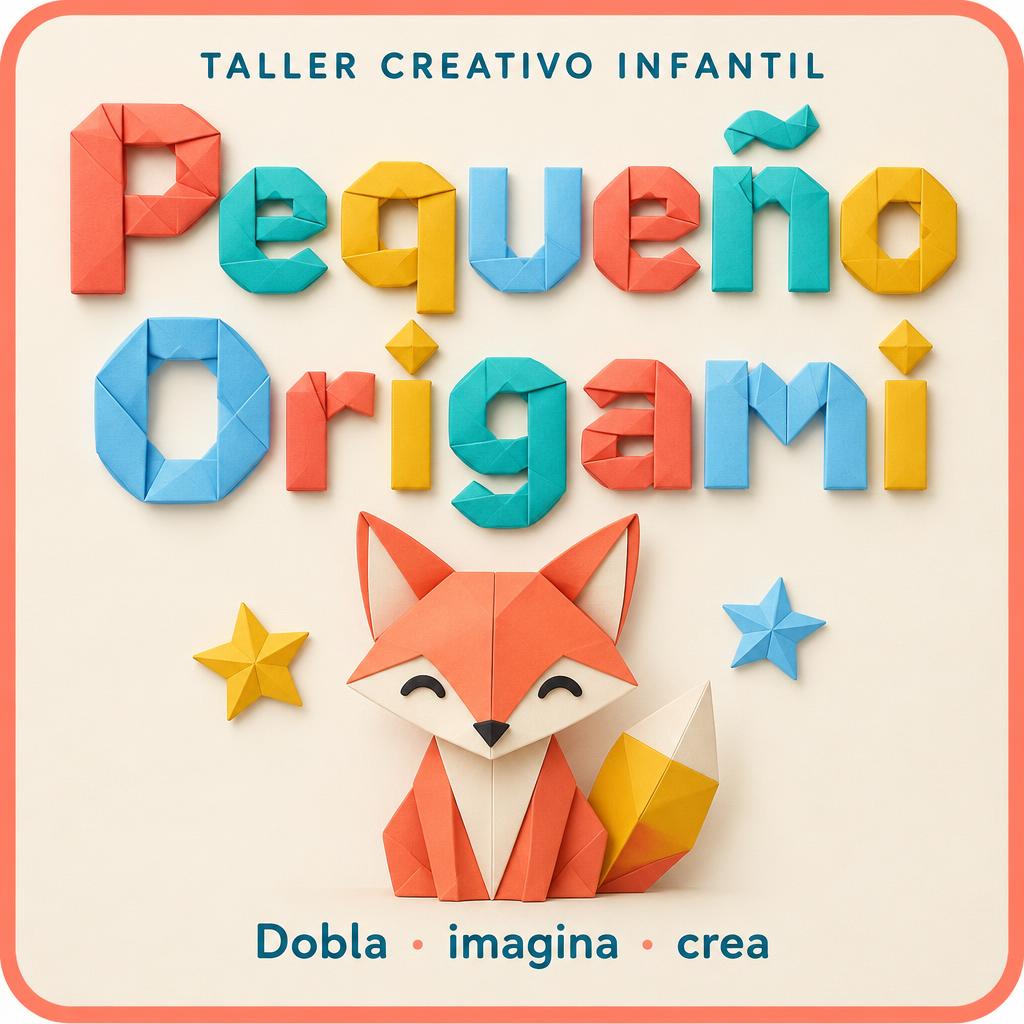
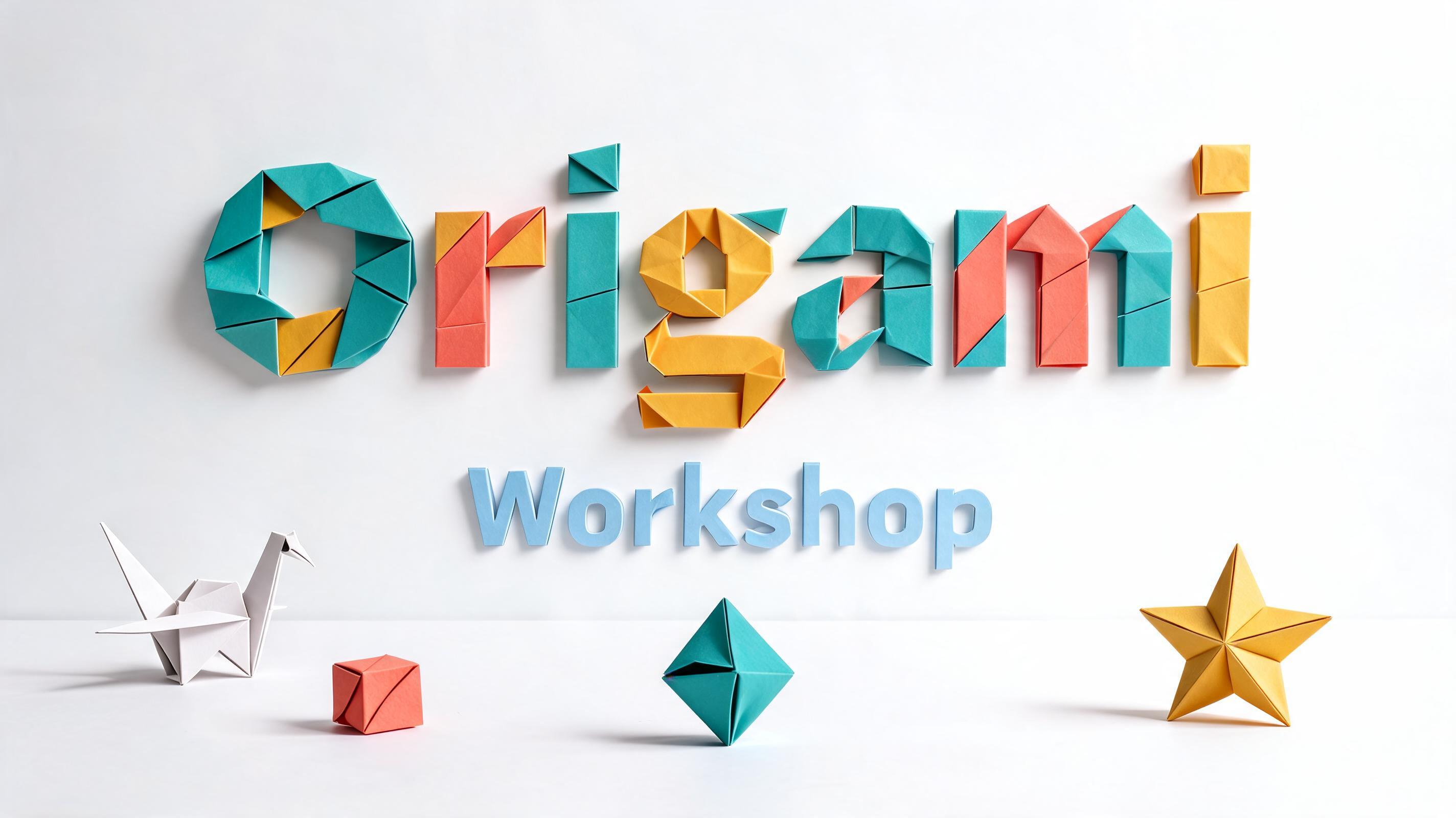
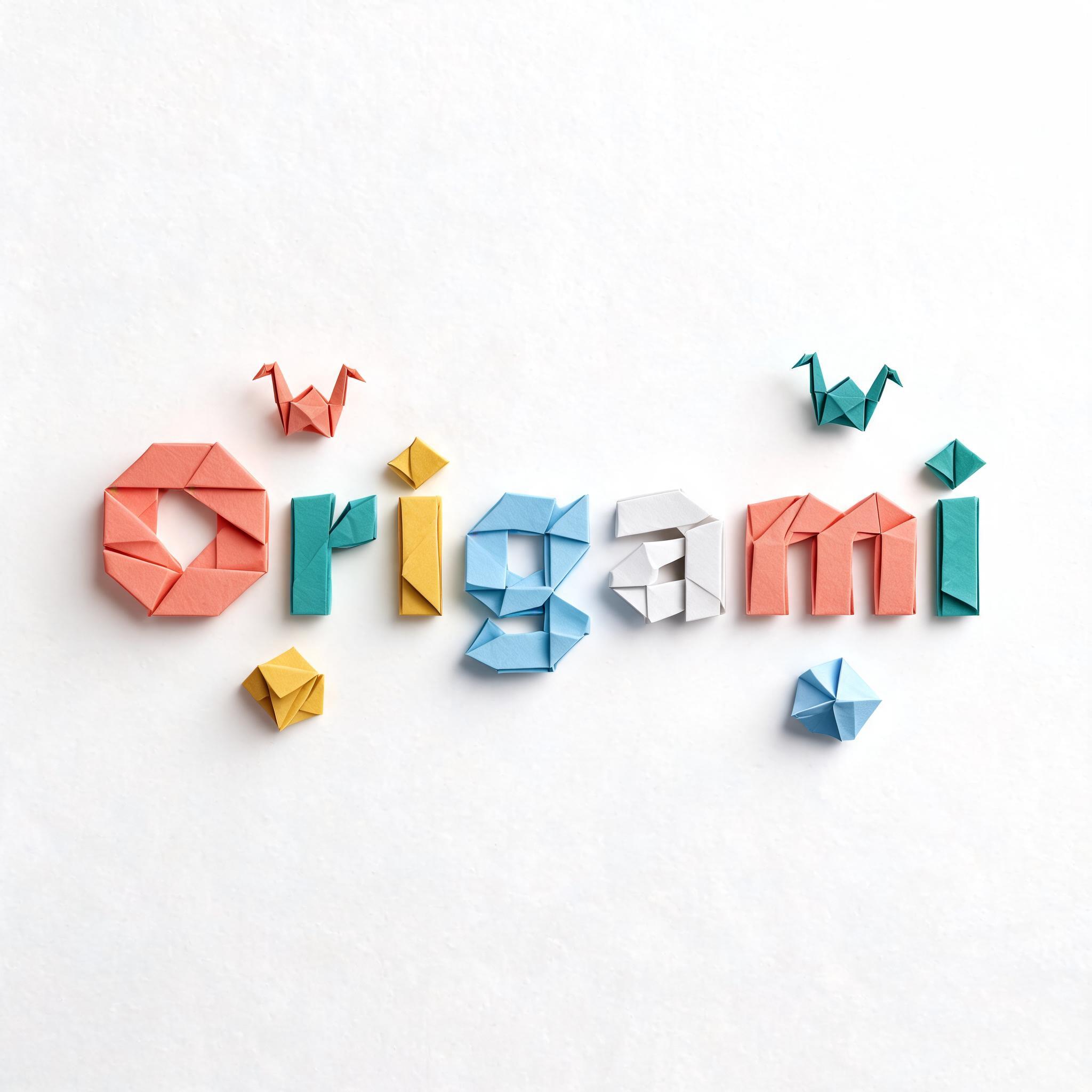
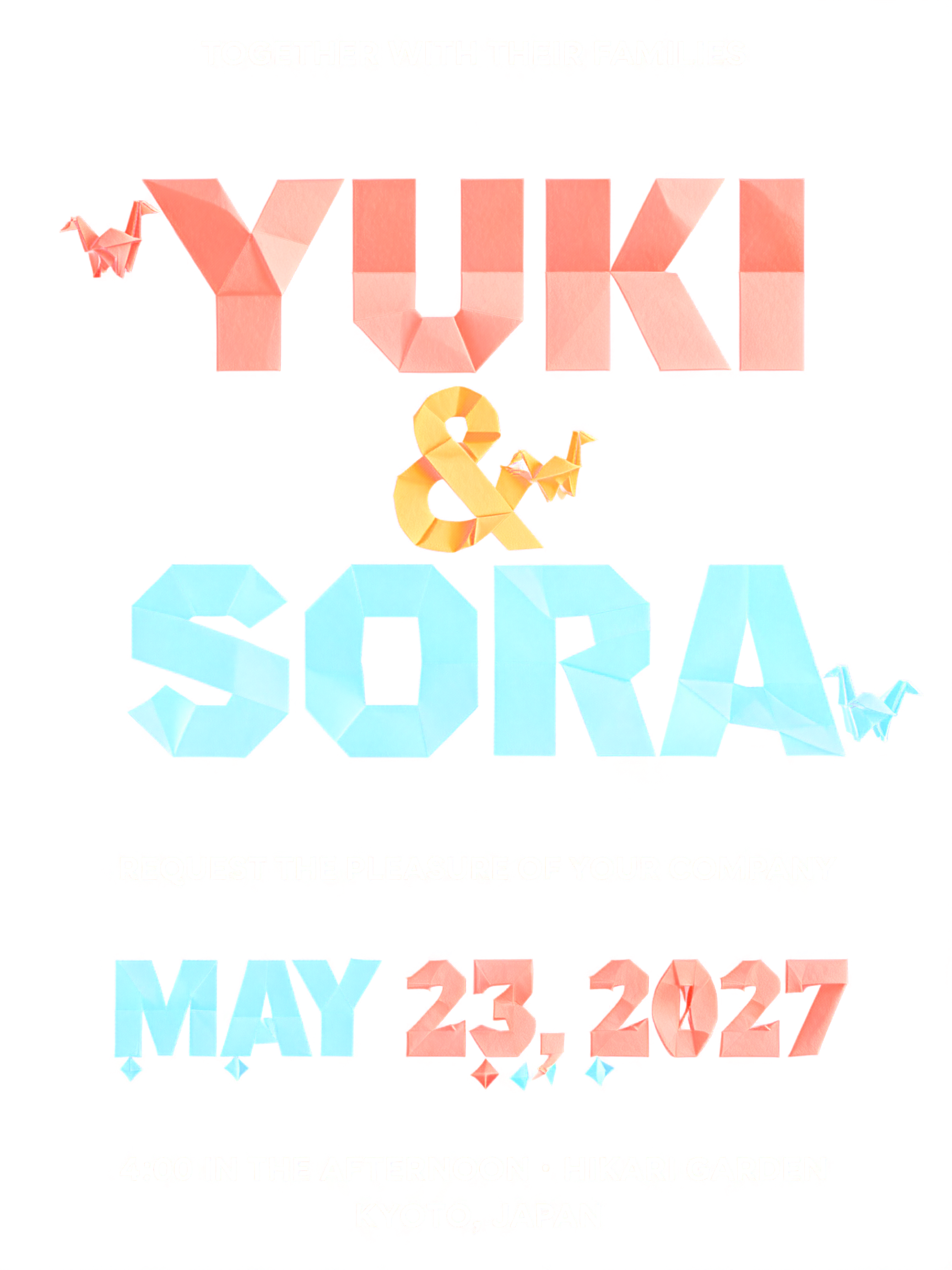
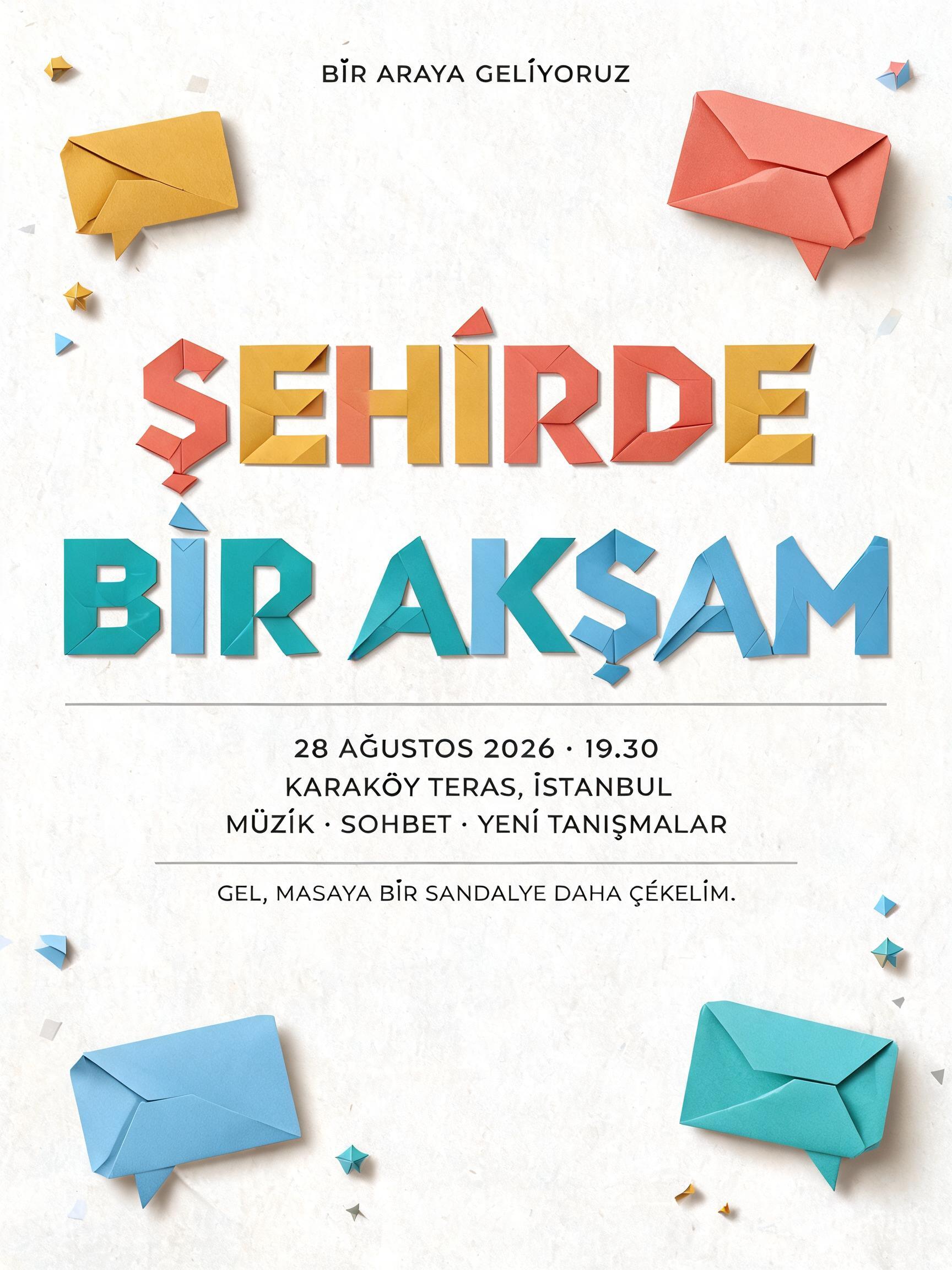
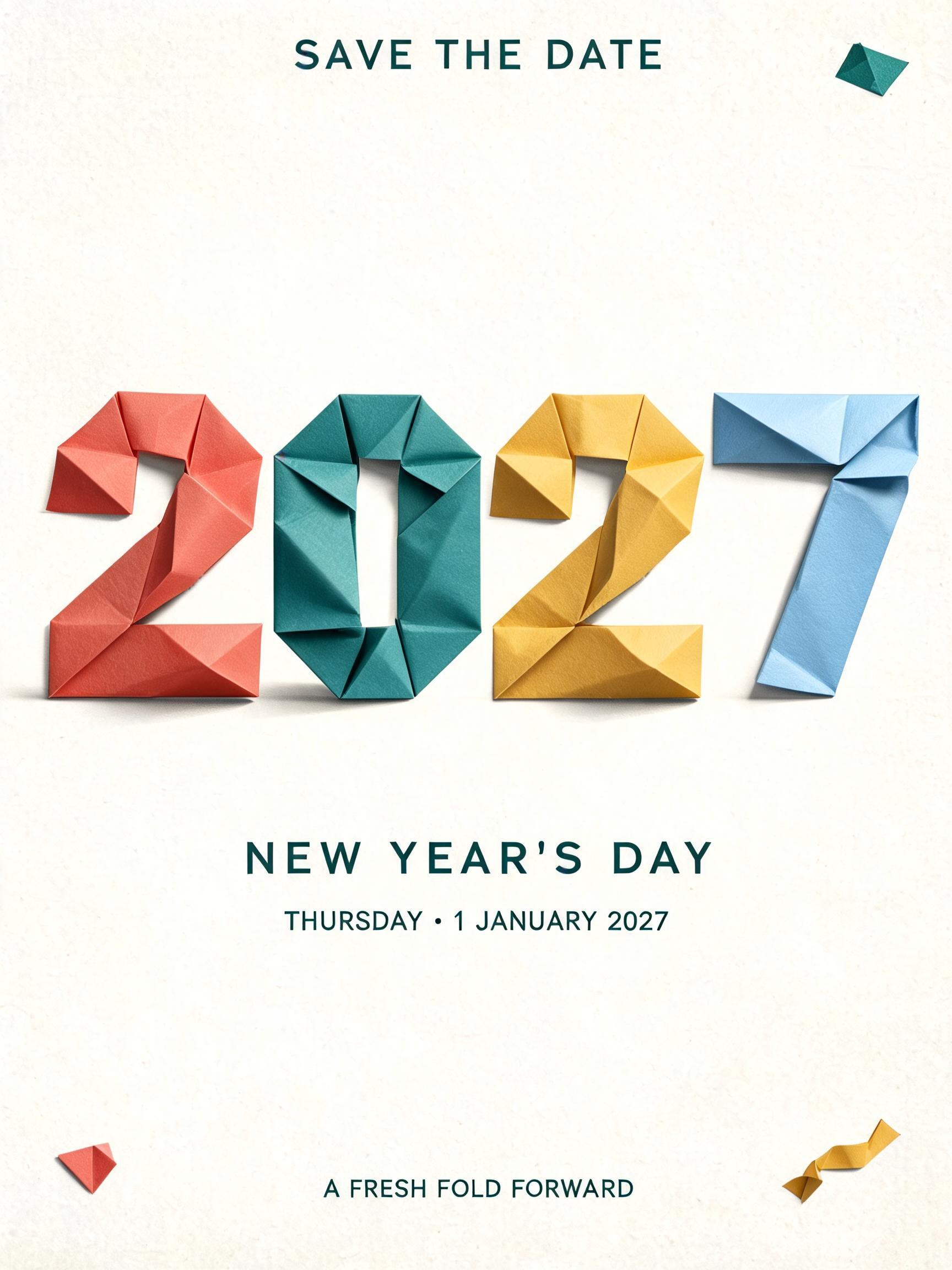
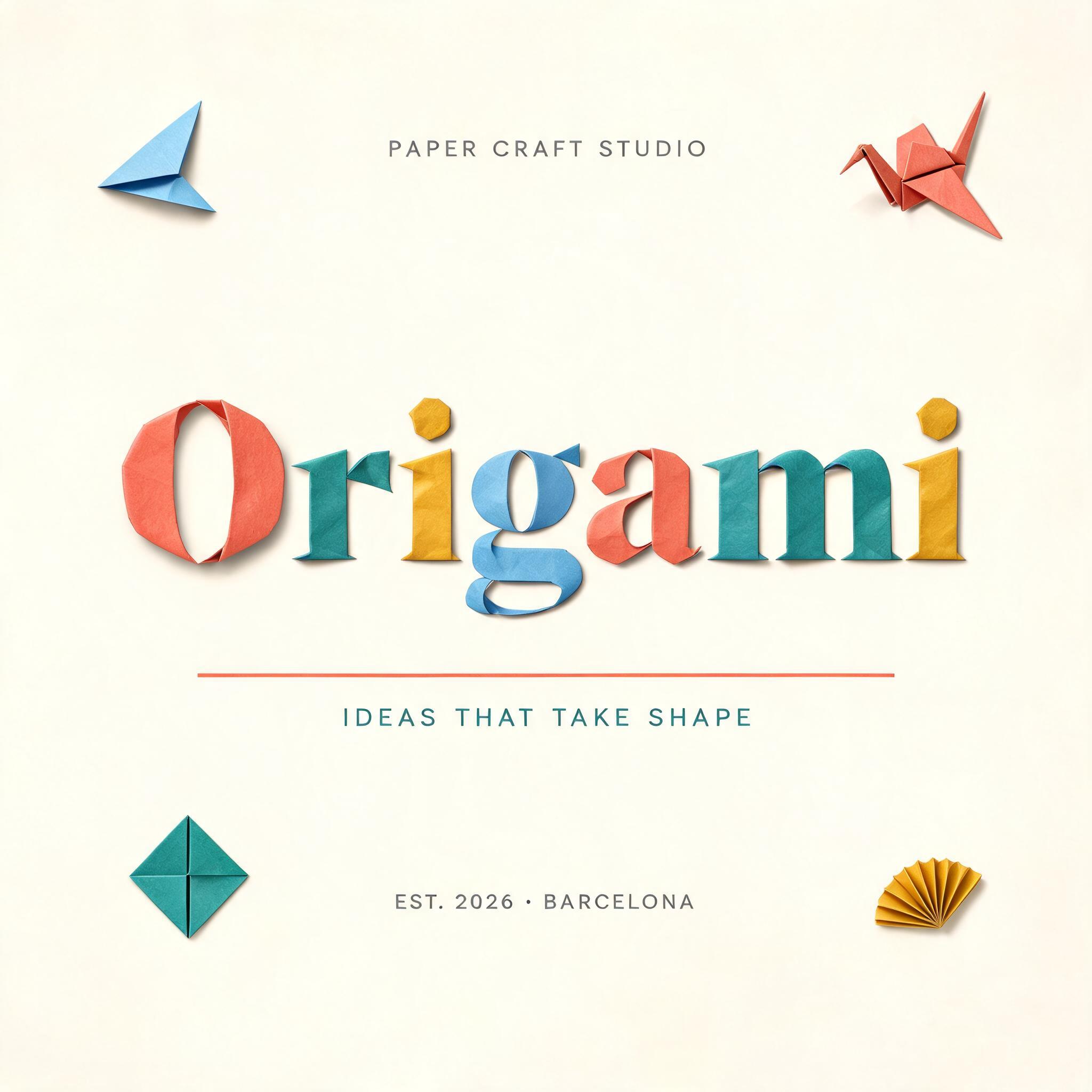
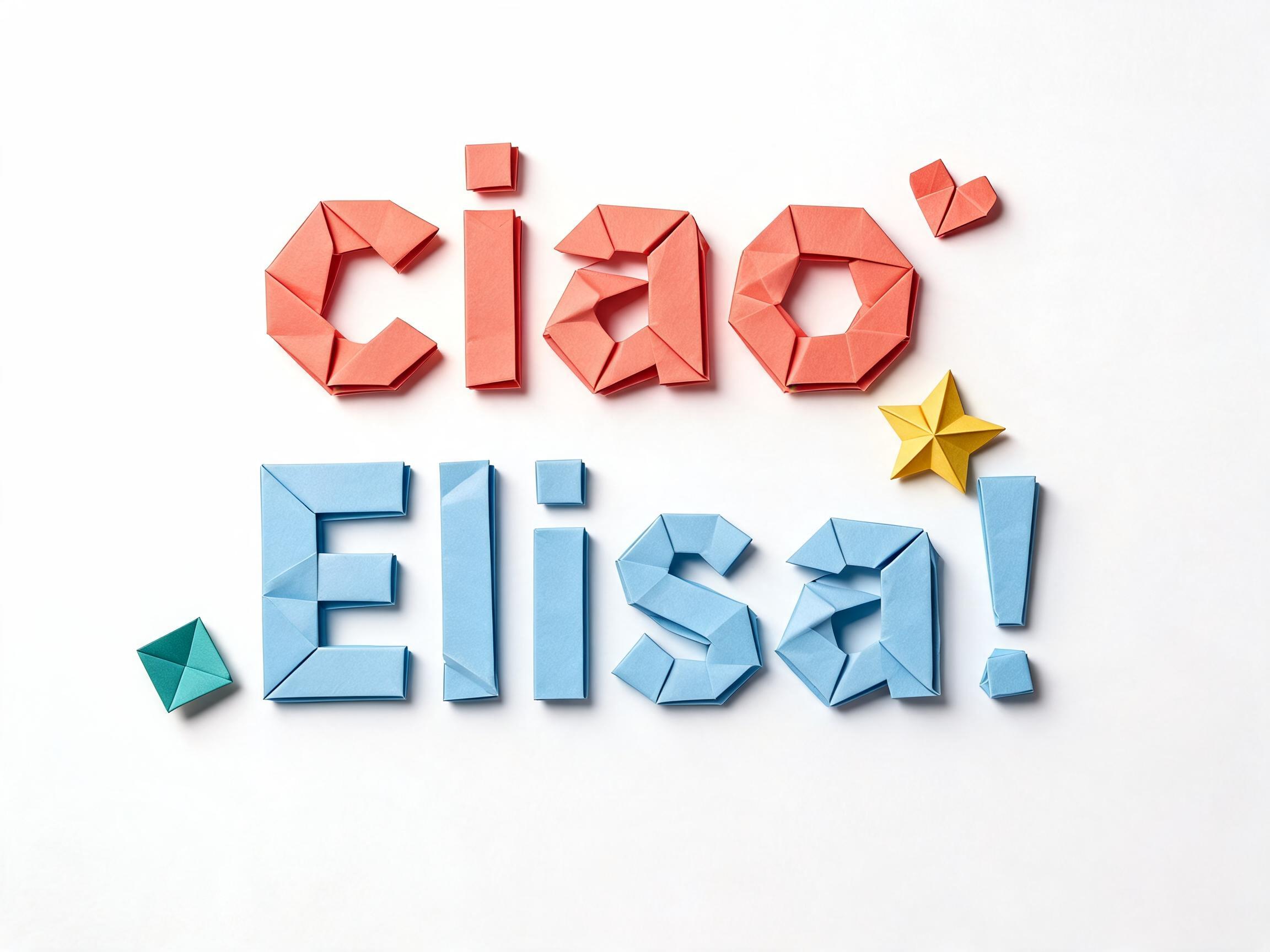
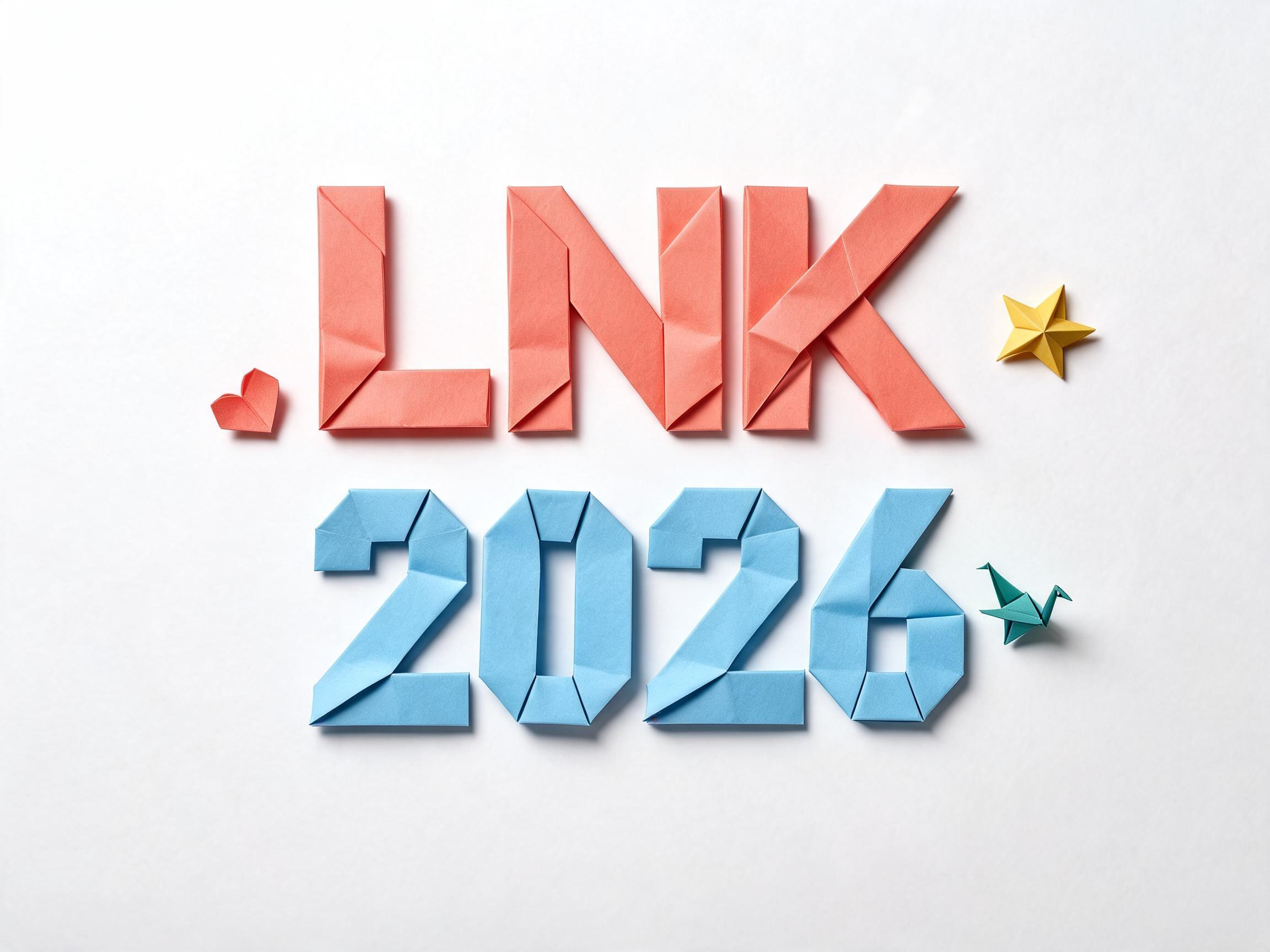
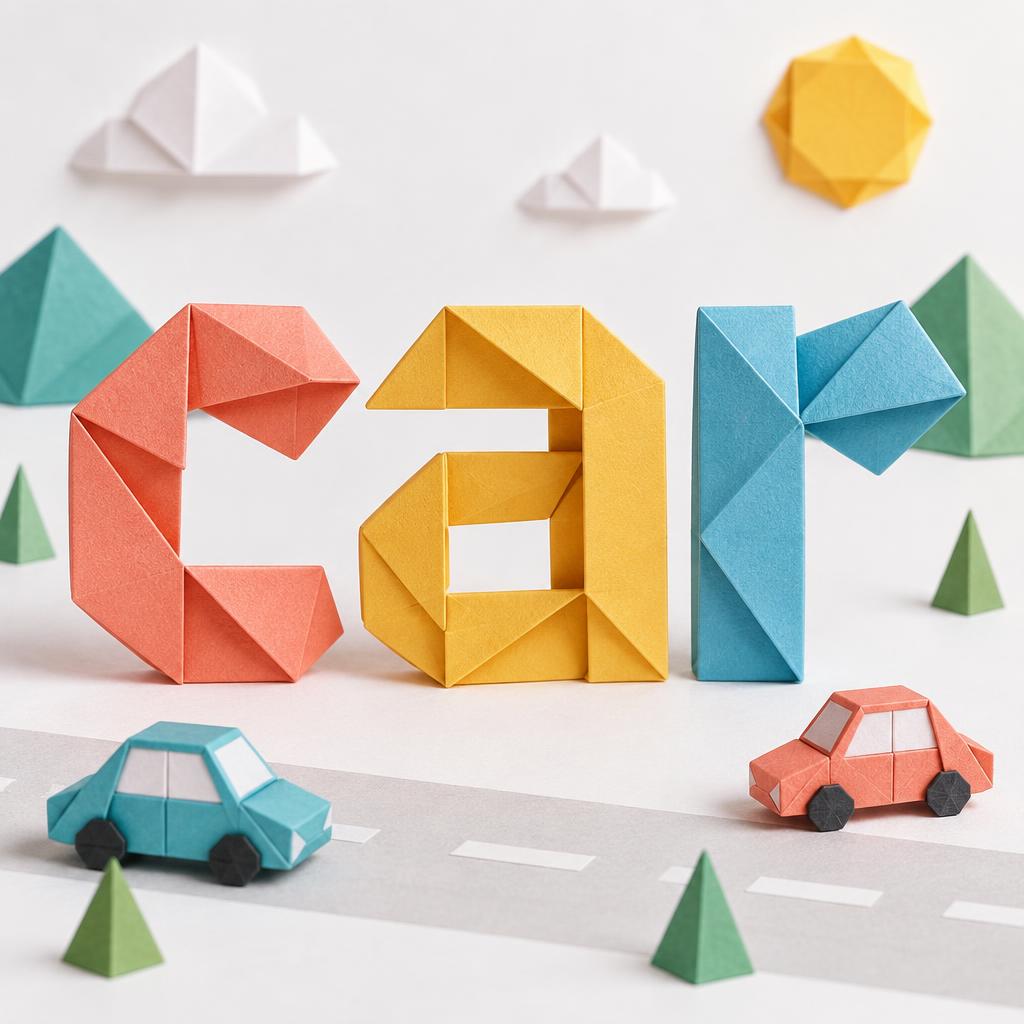
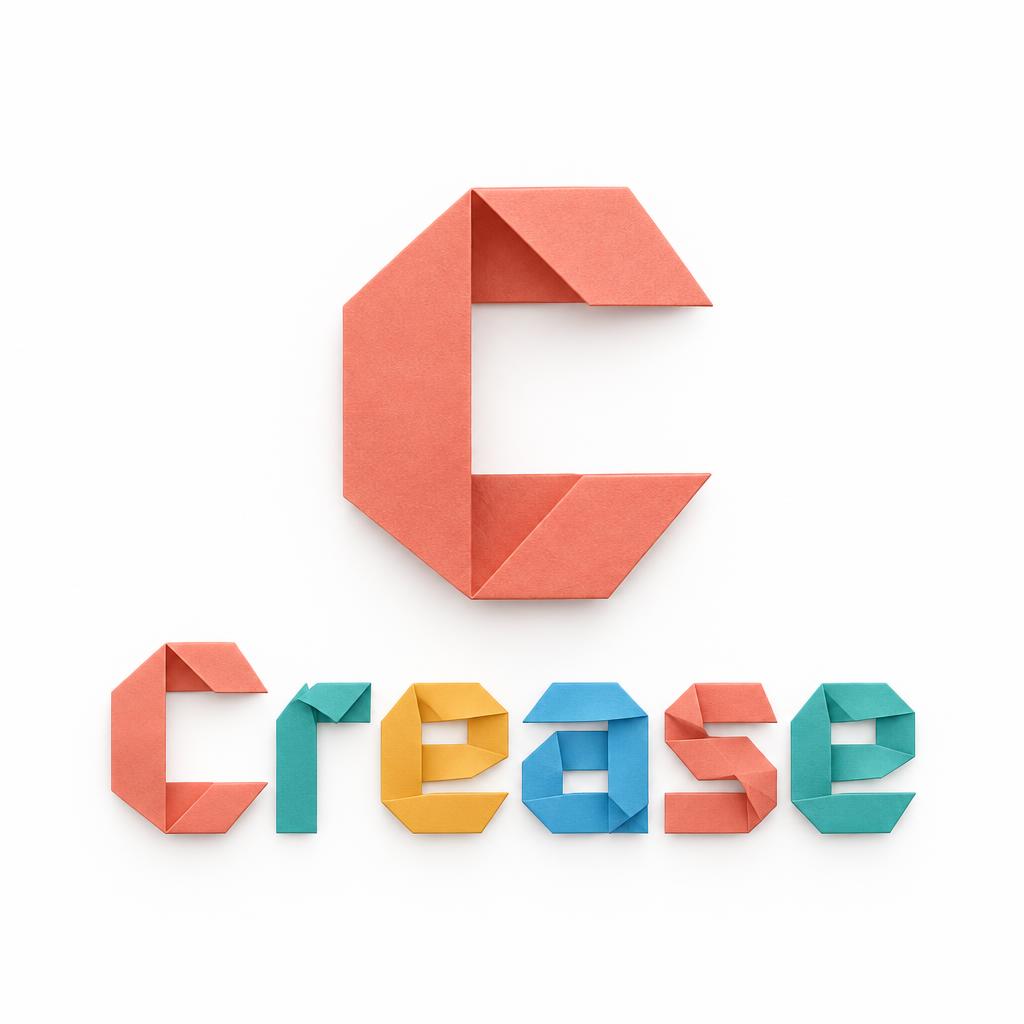
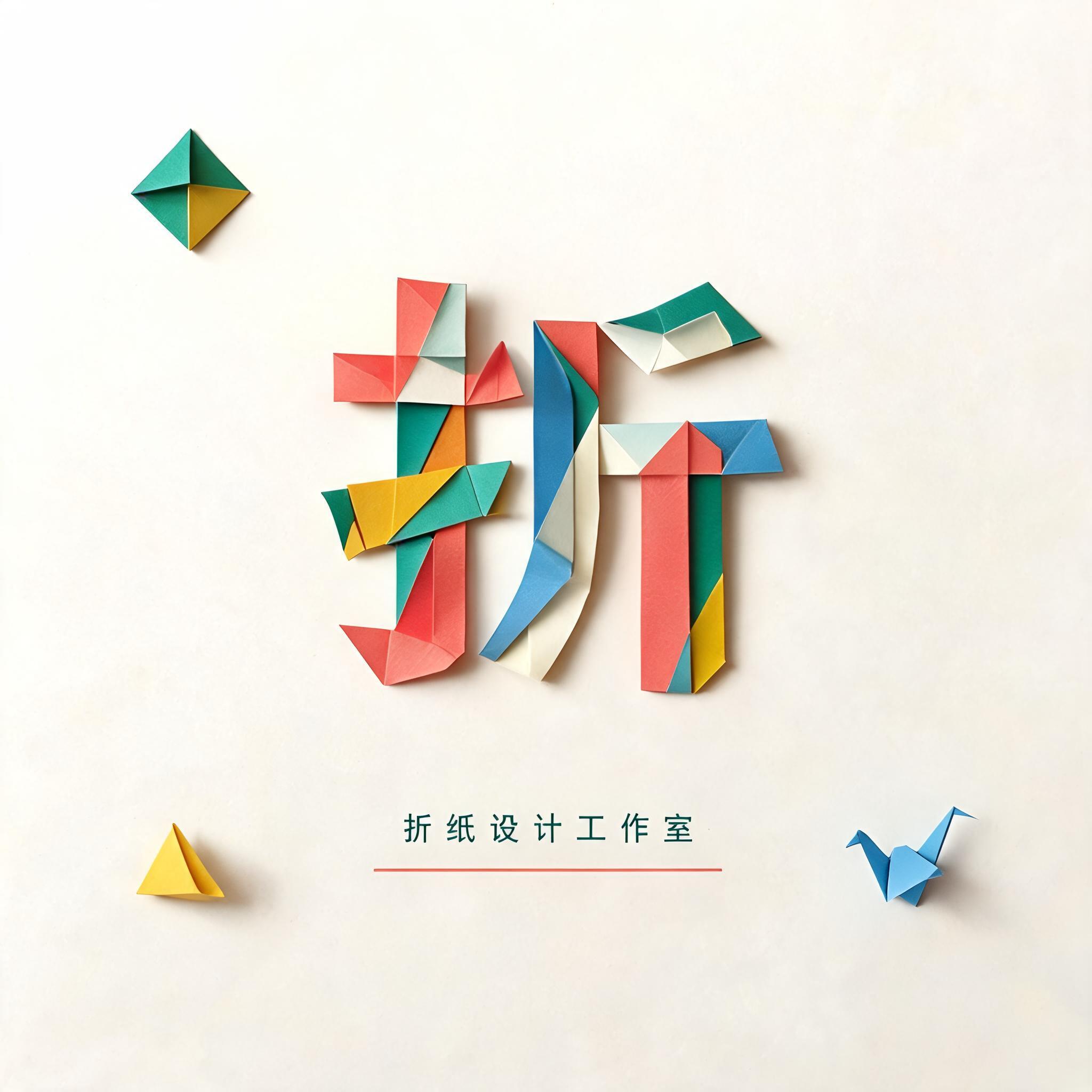
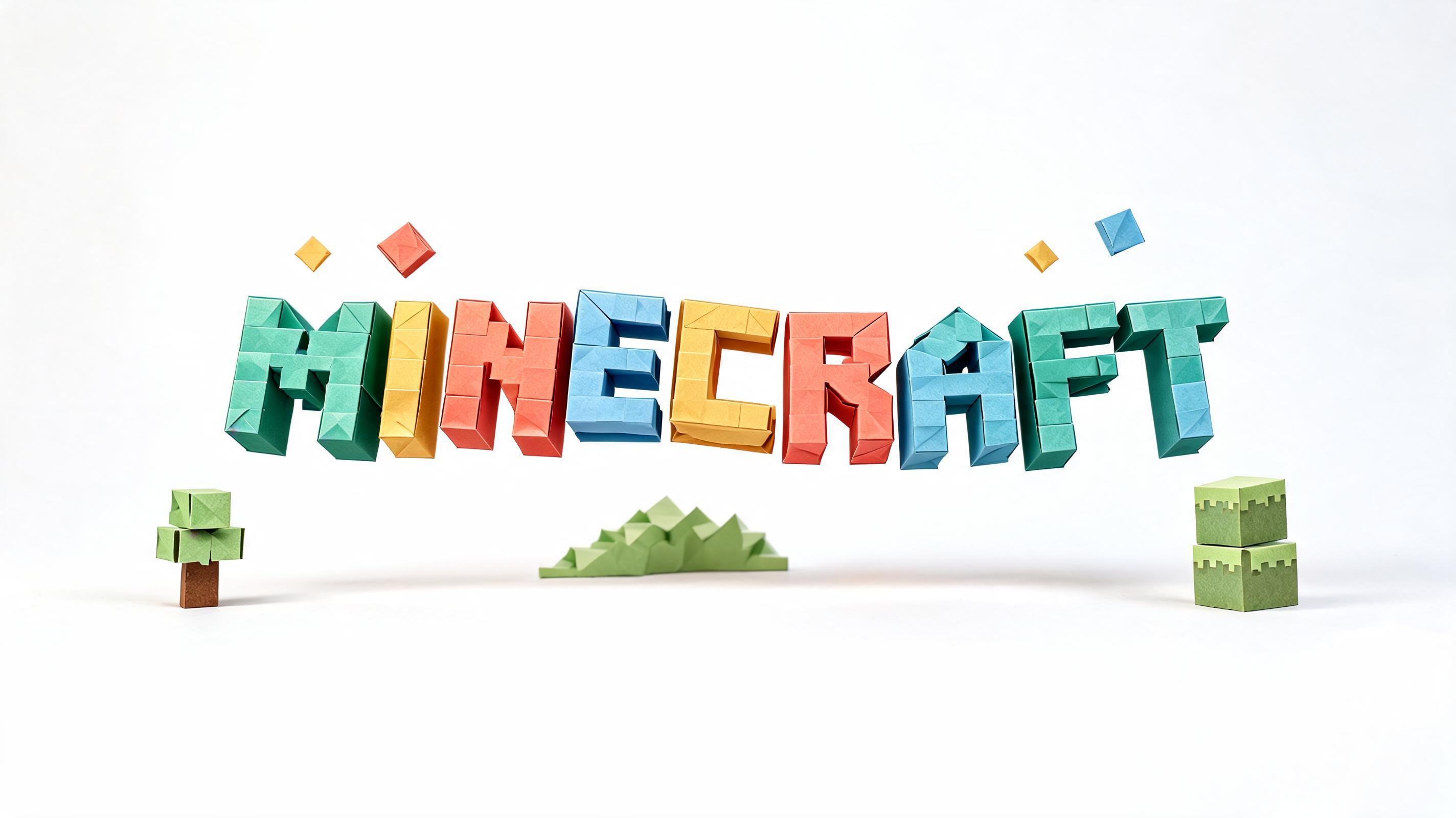
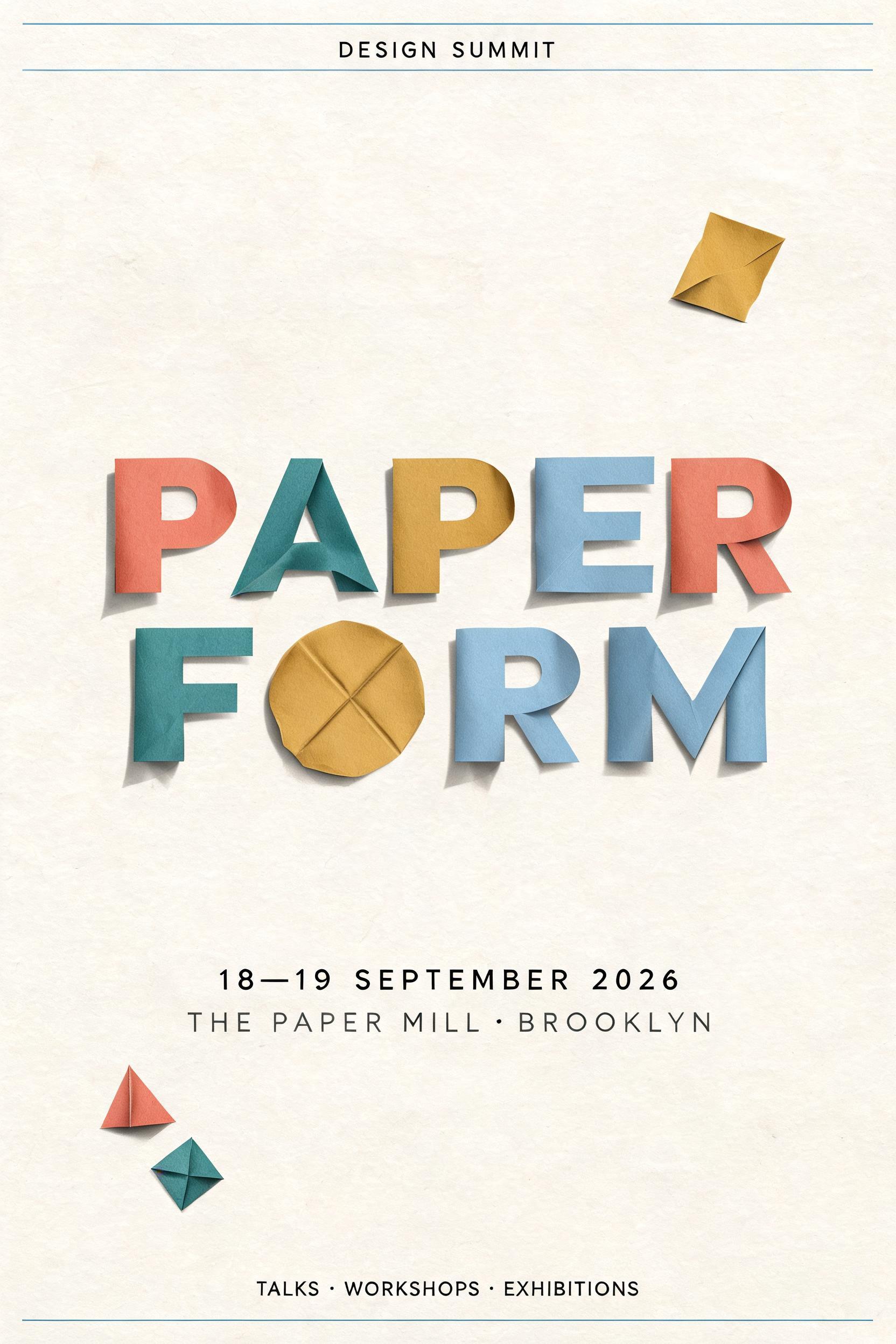
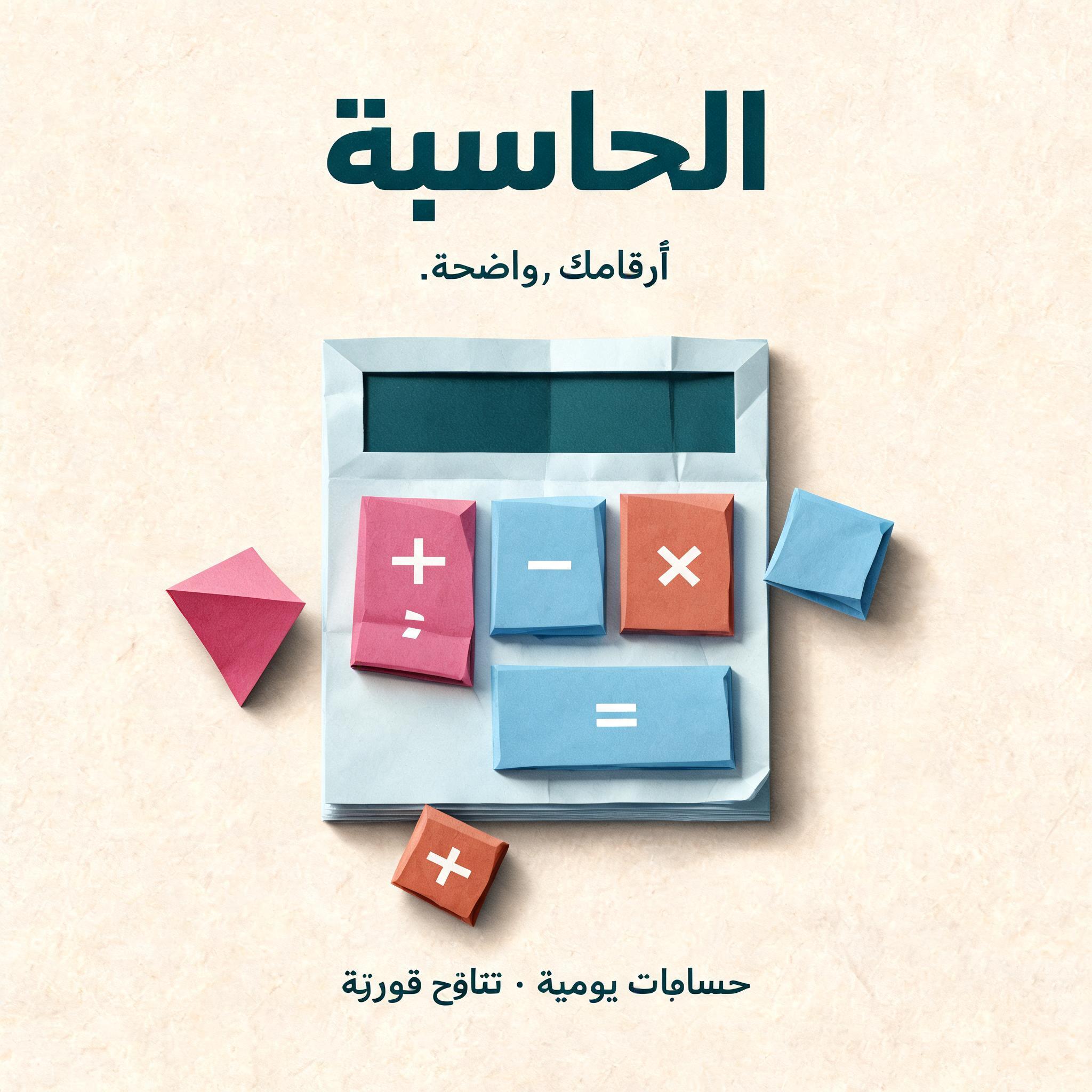
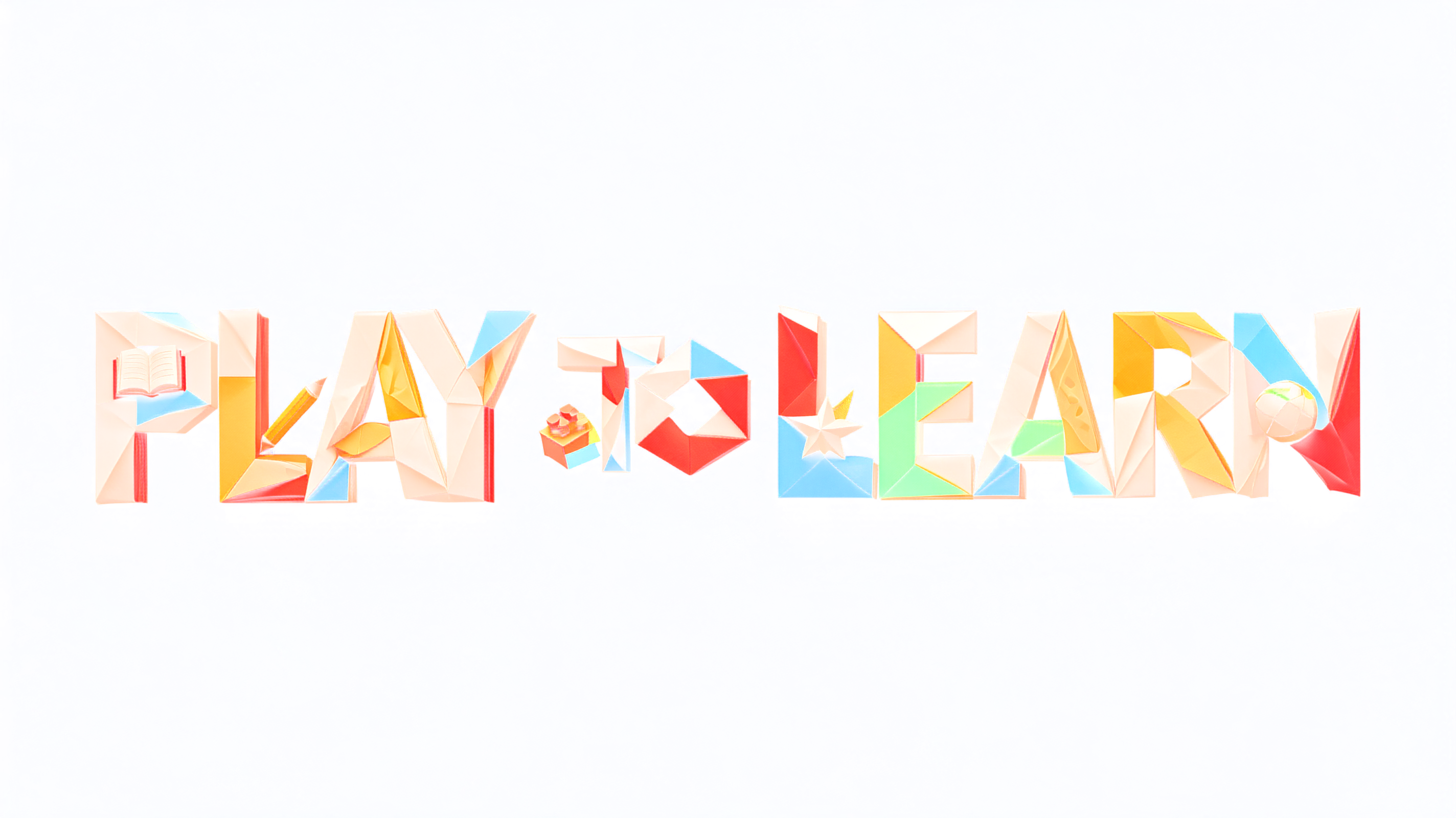
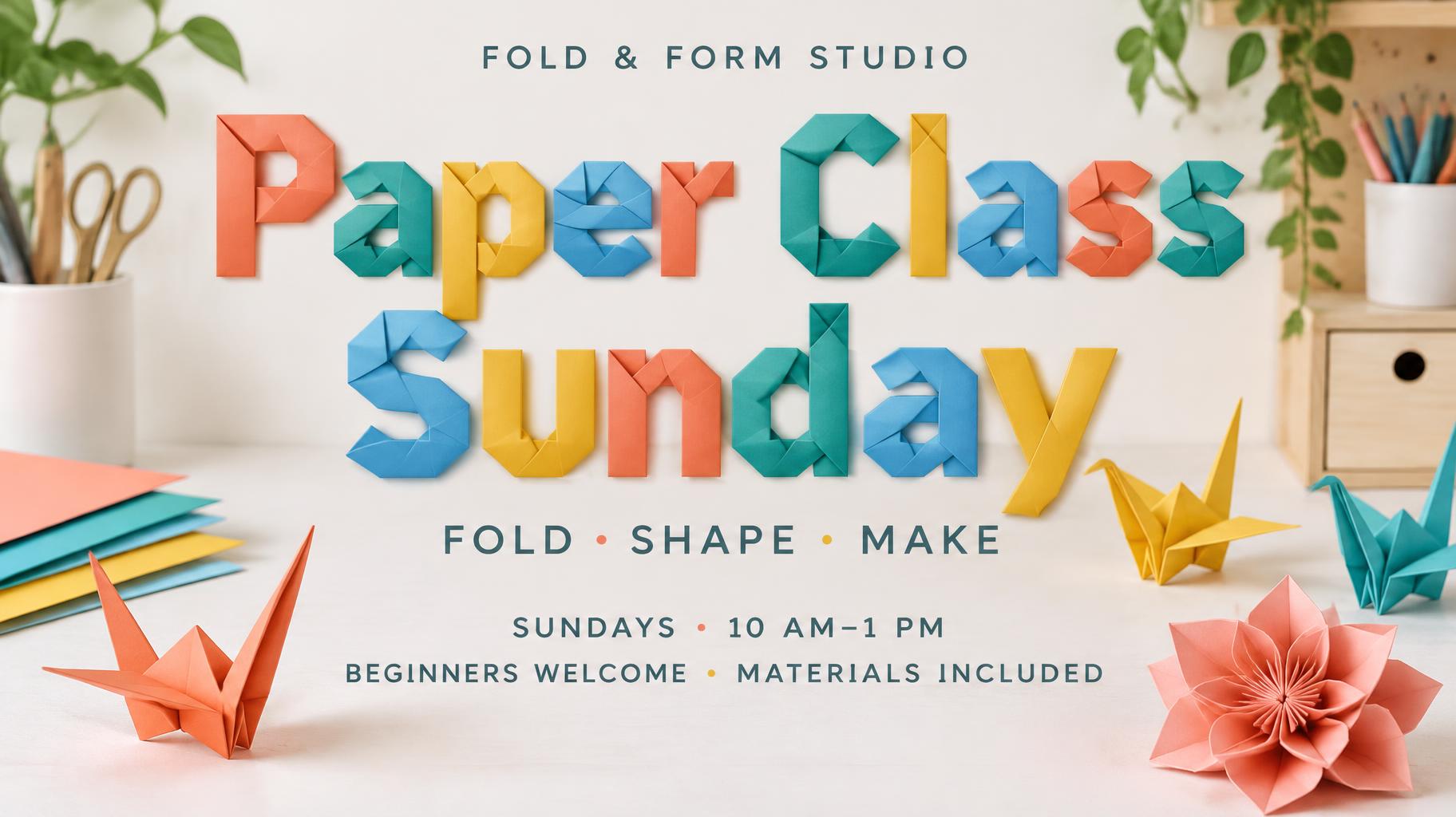
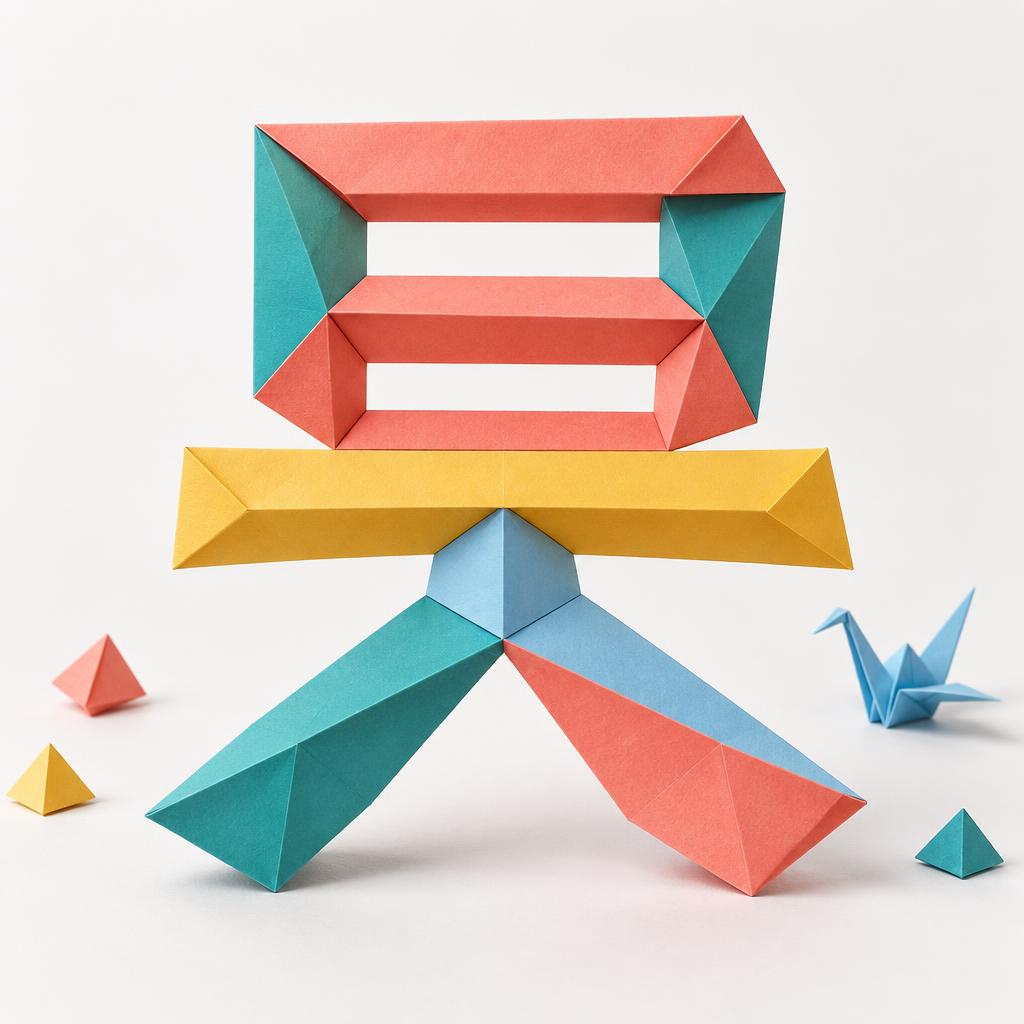
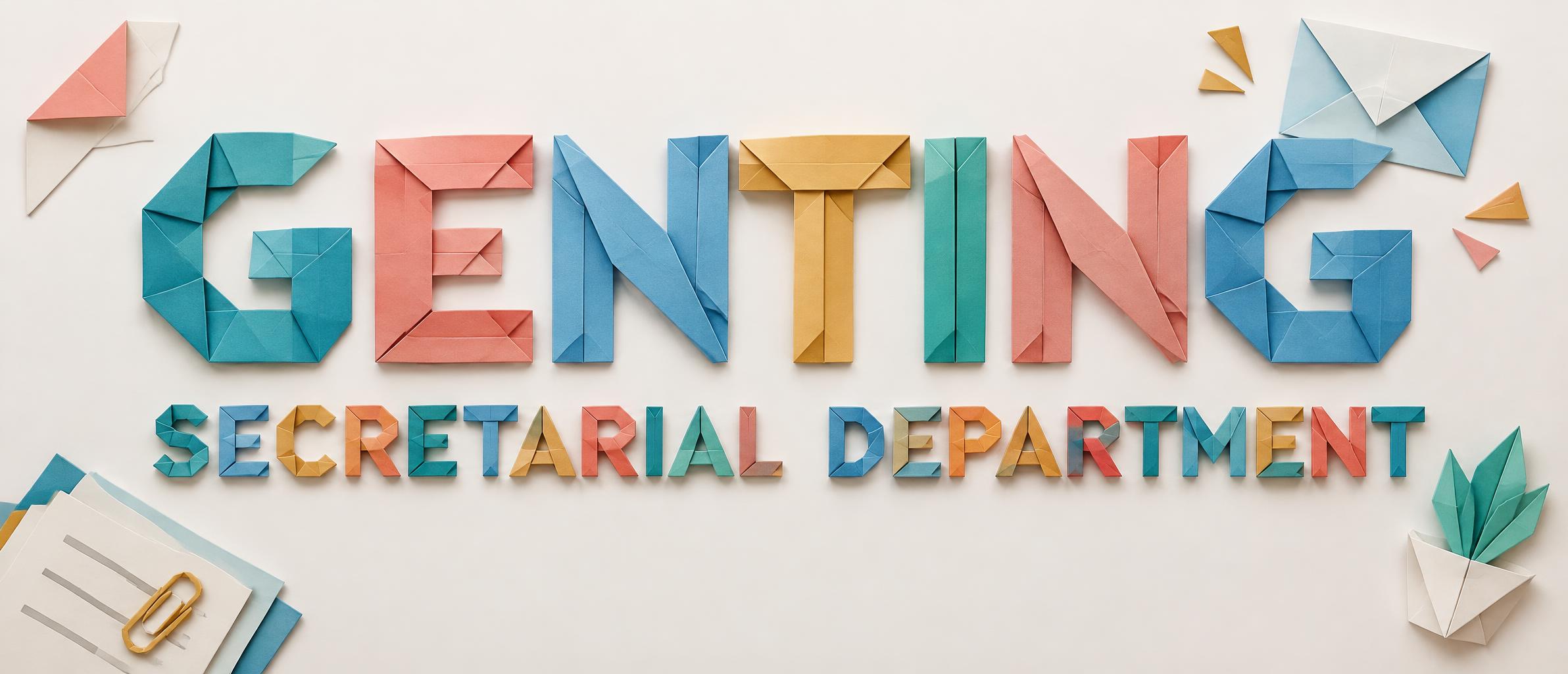
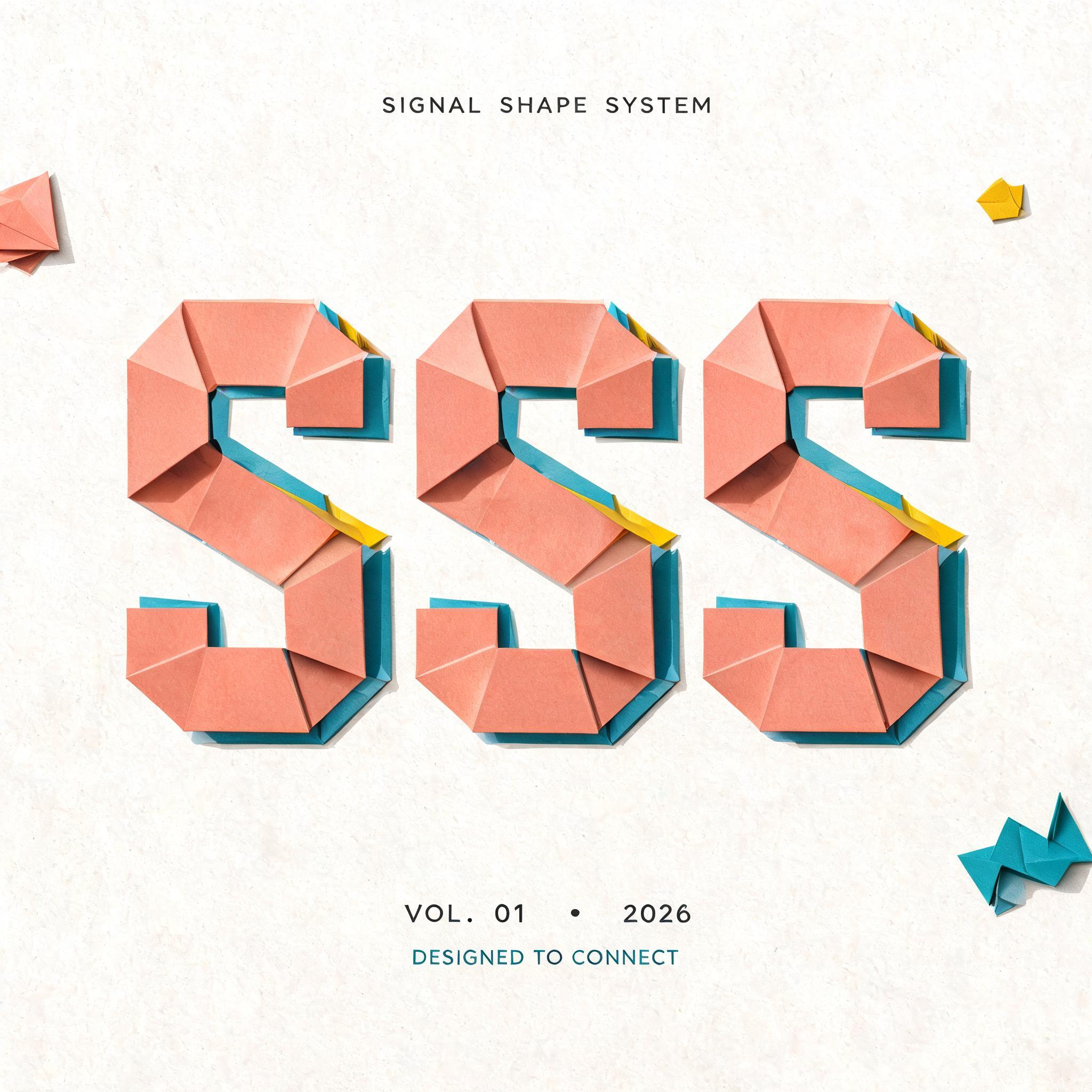
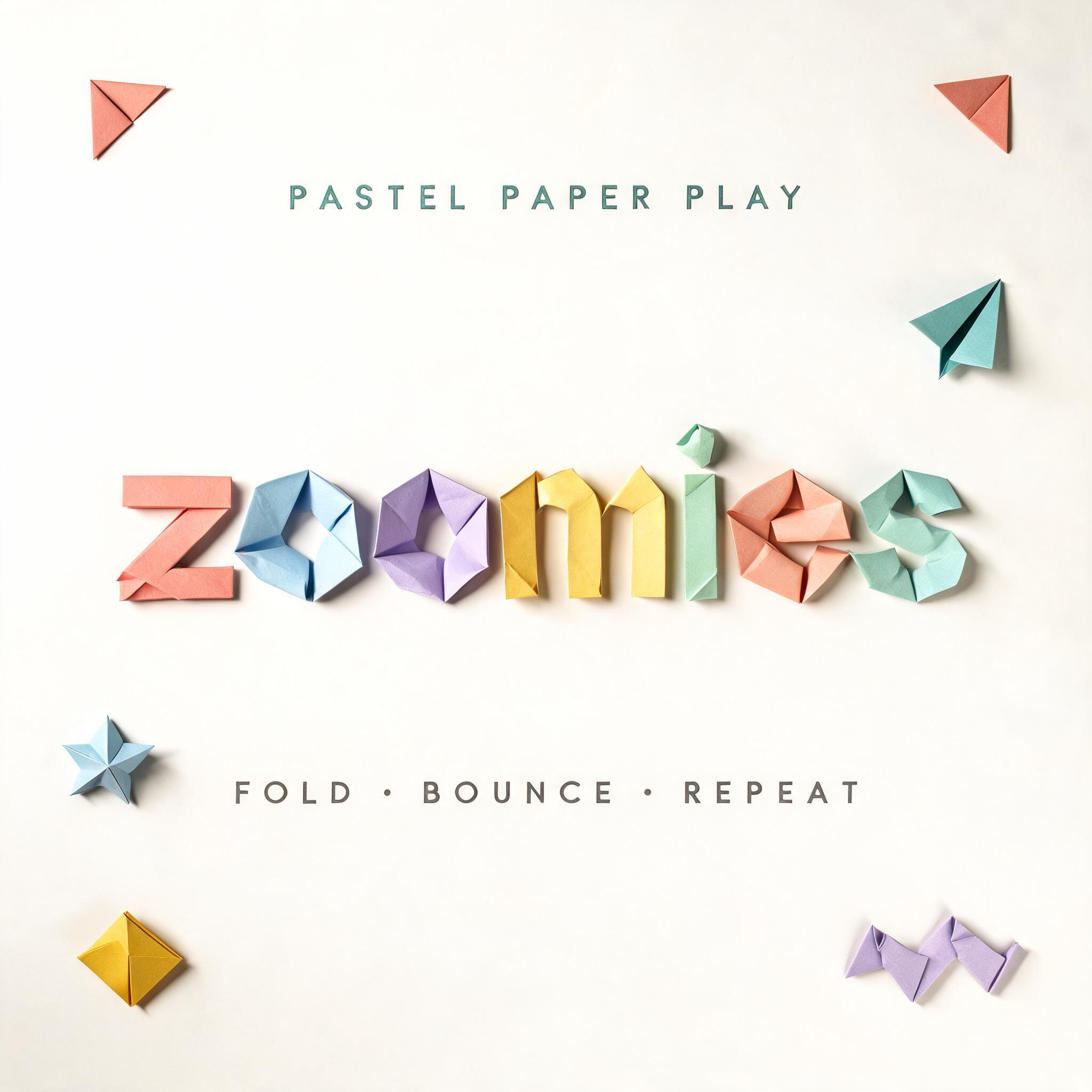
Capitals folded from colored paper in coral, teal, mustard and sky blue, with sharp creases and angular facets catching light, on clean white. — no font license needed.
Origami in different AI fonts





Origami Gallery
Real outputs from the Origami style. Click any image to see details.

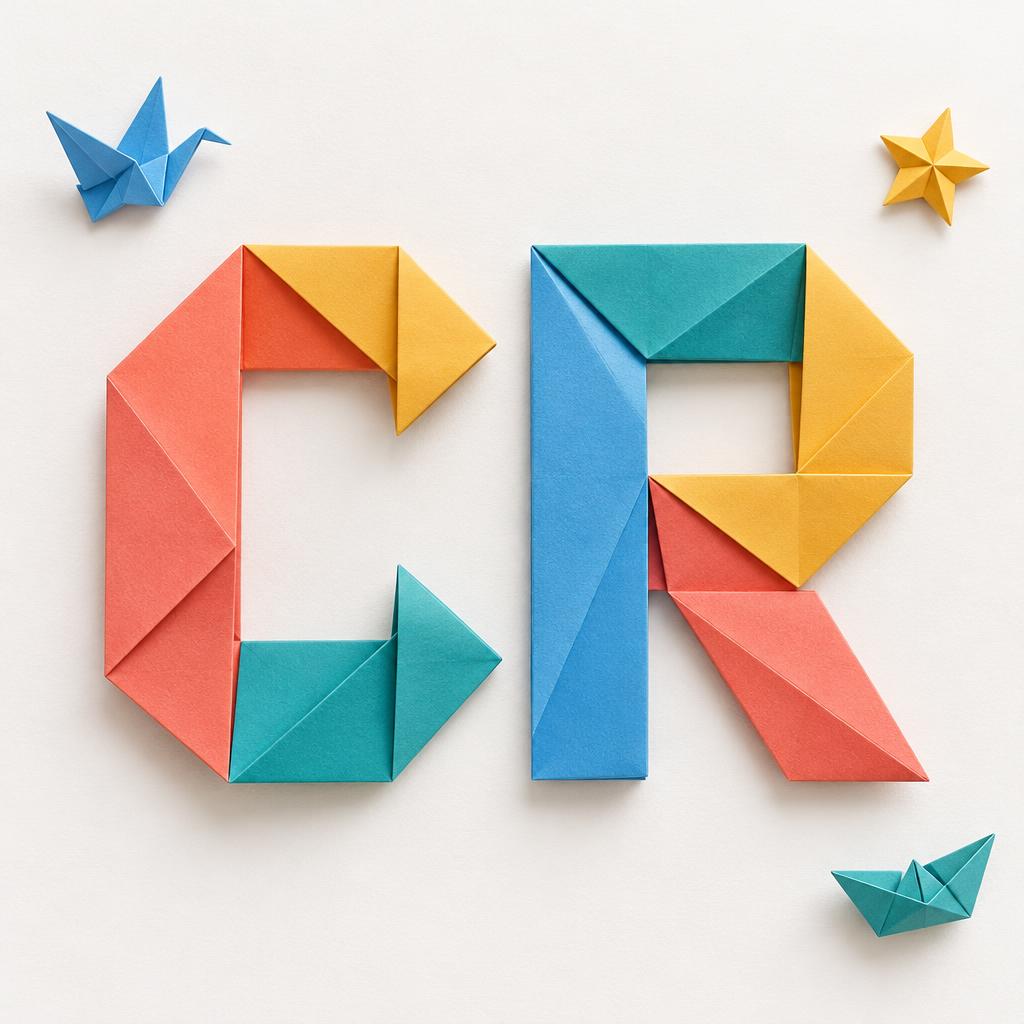
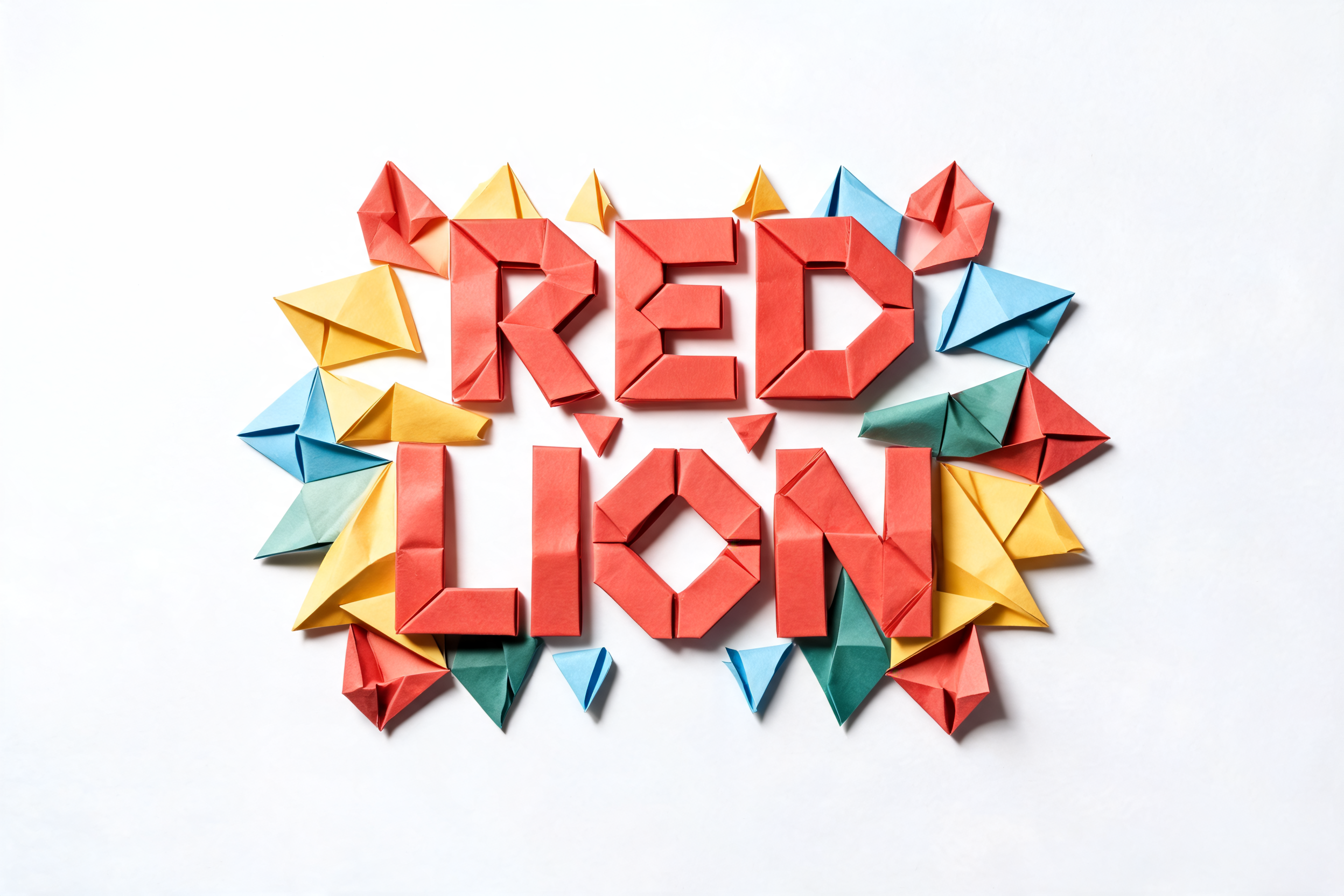
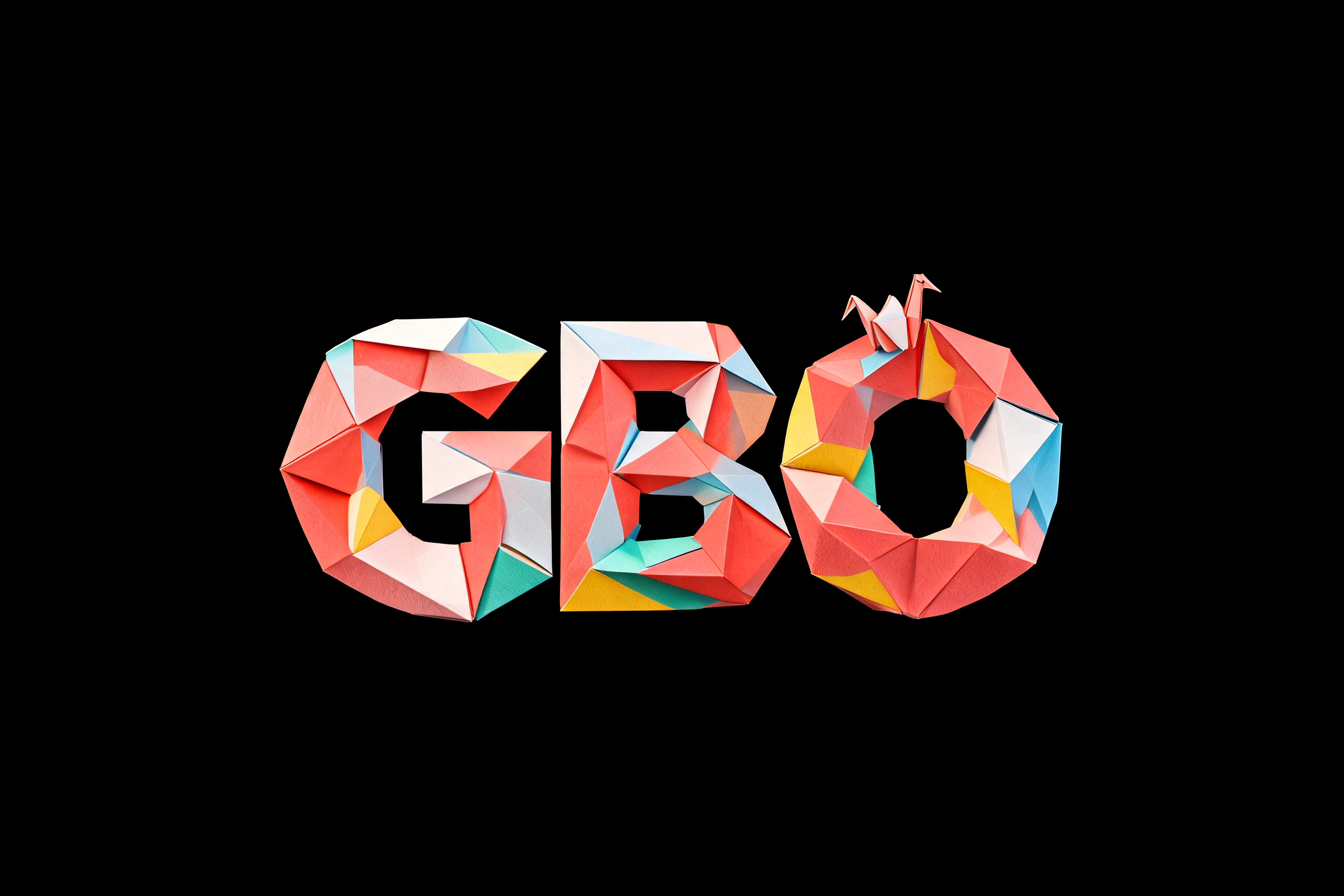
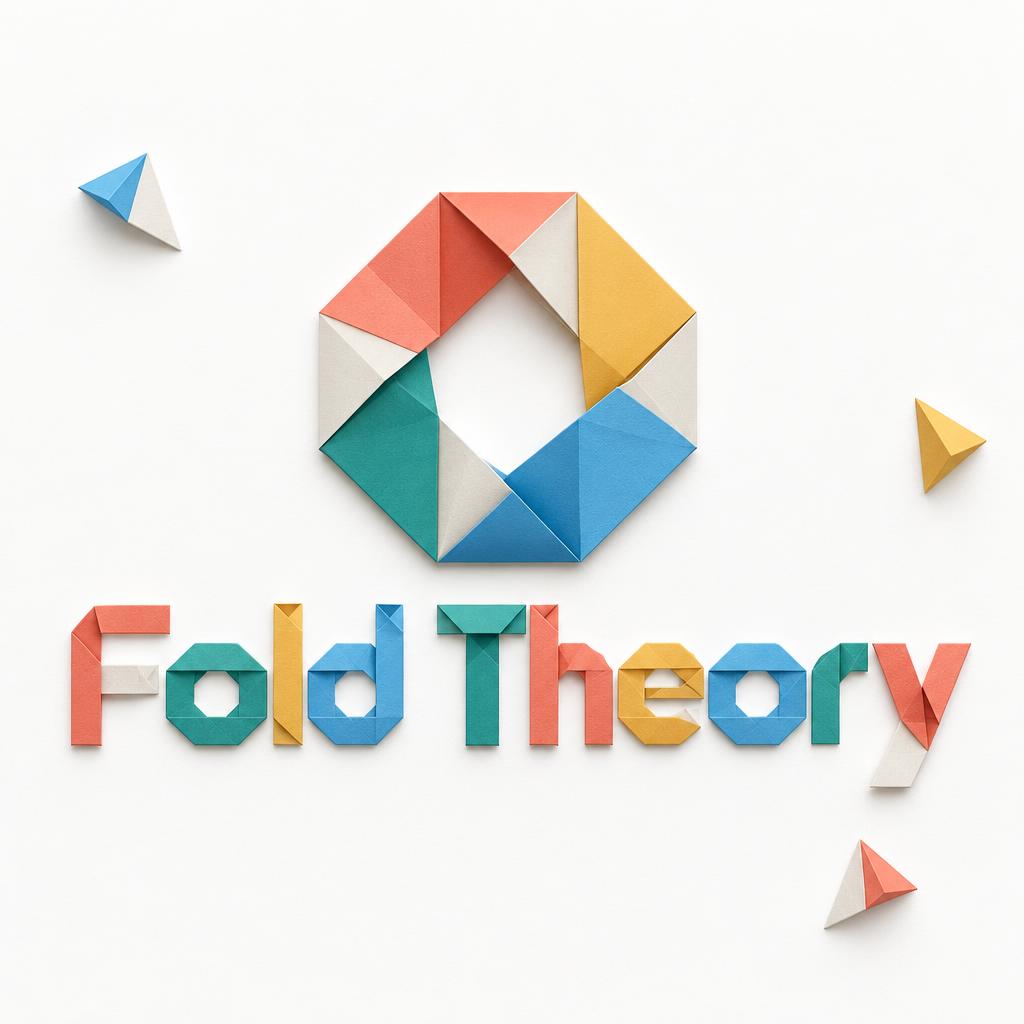
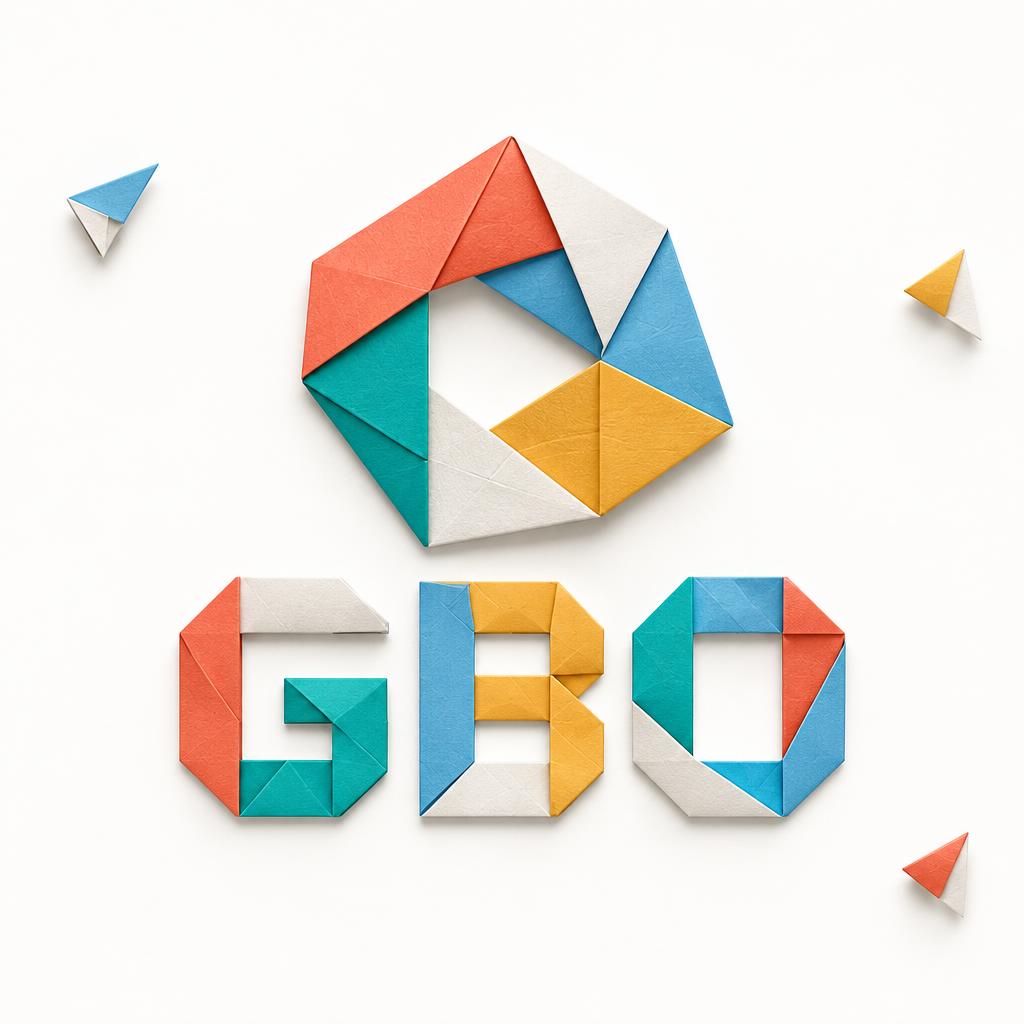
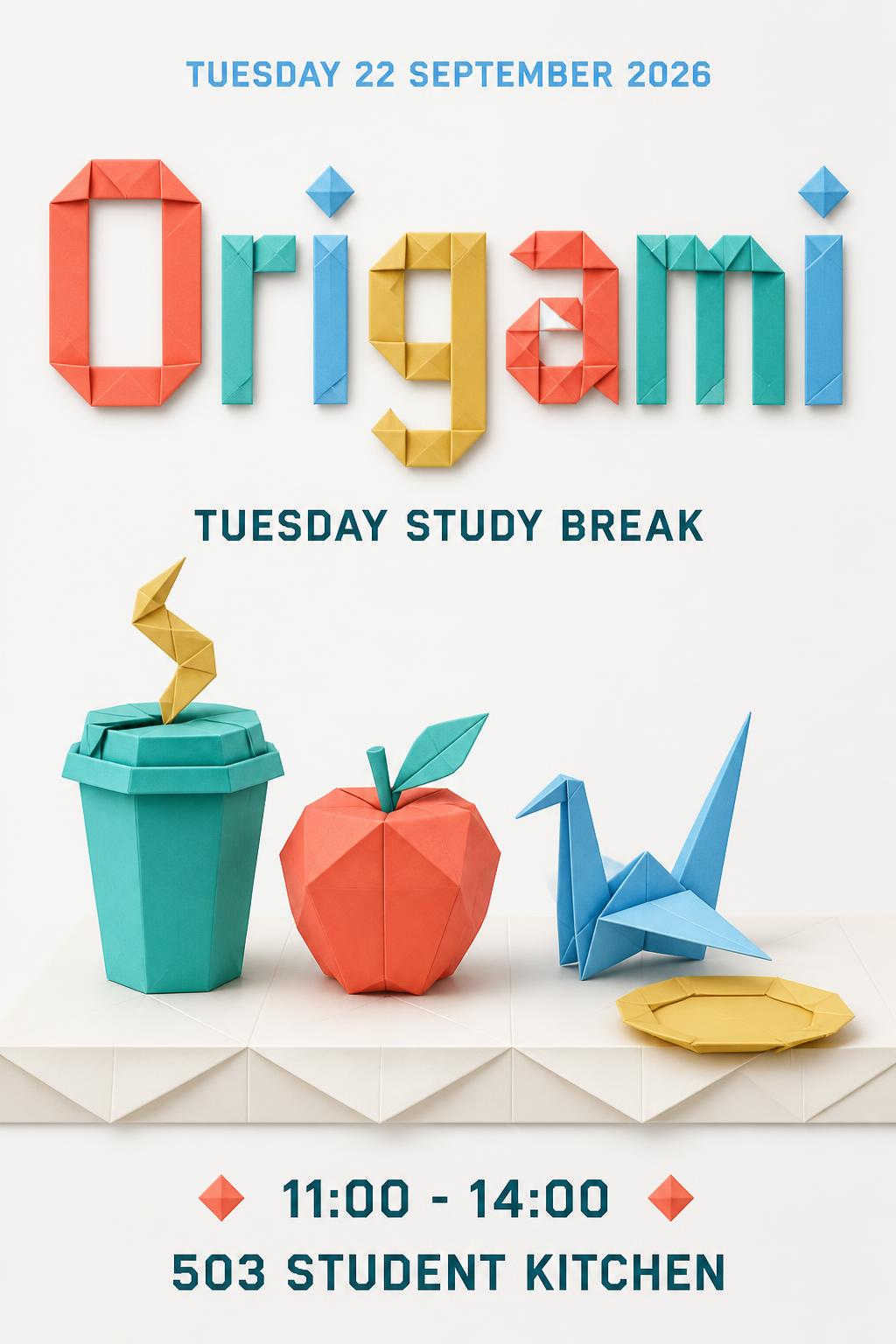


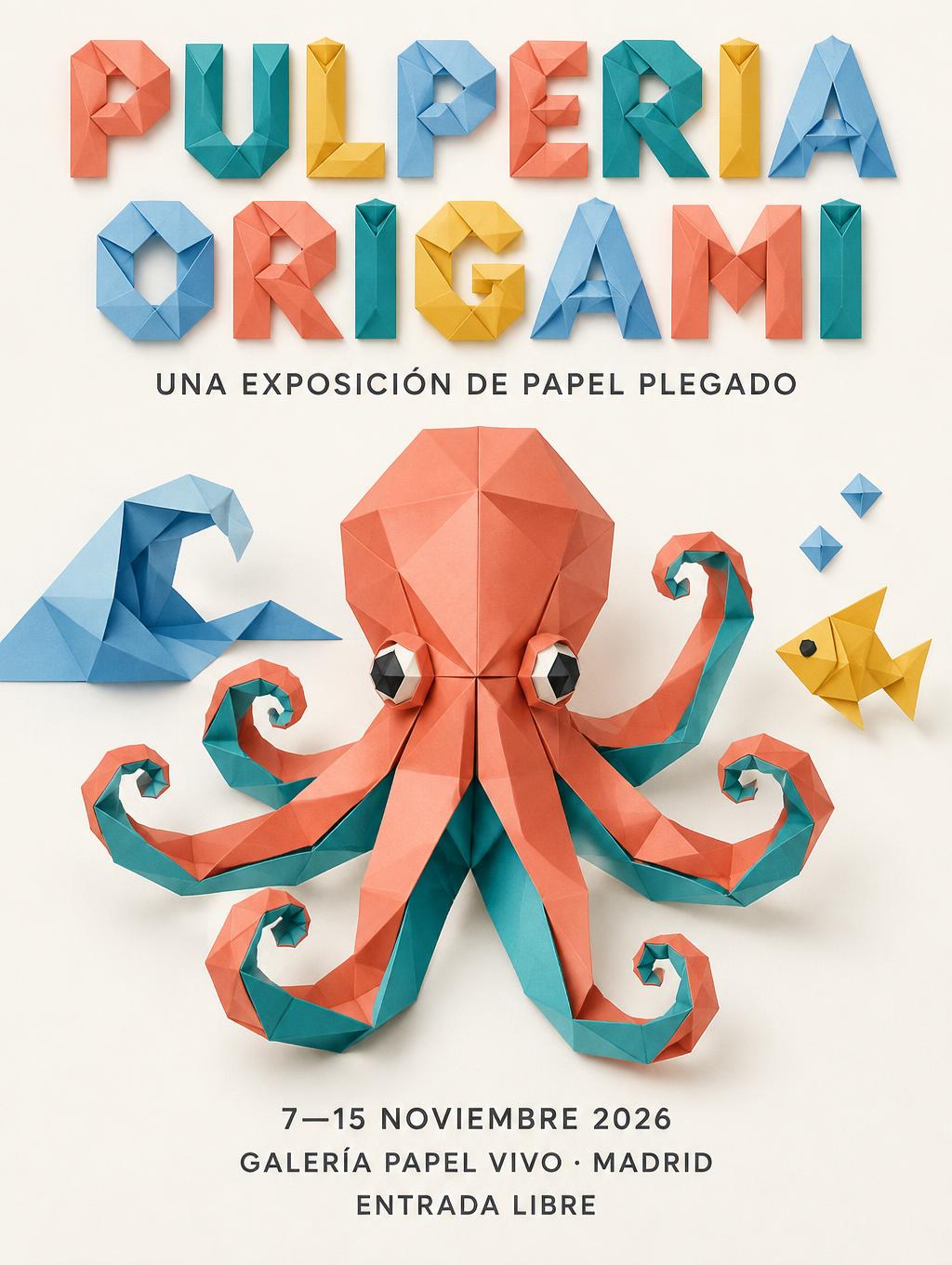

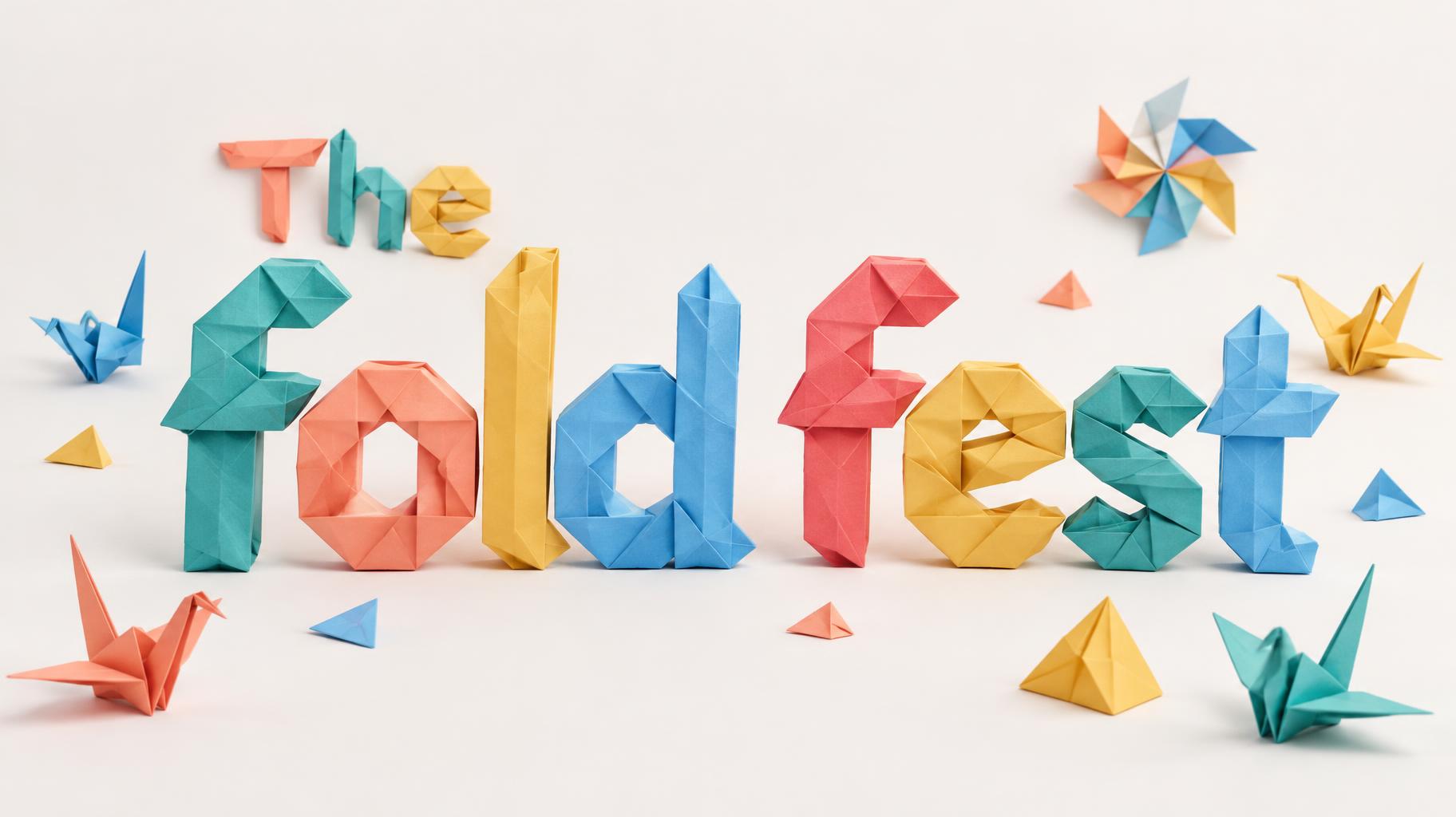

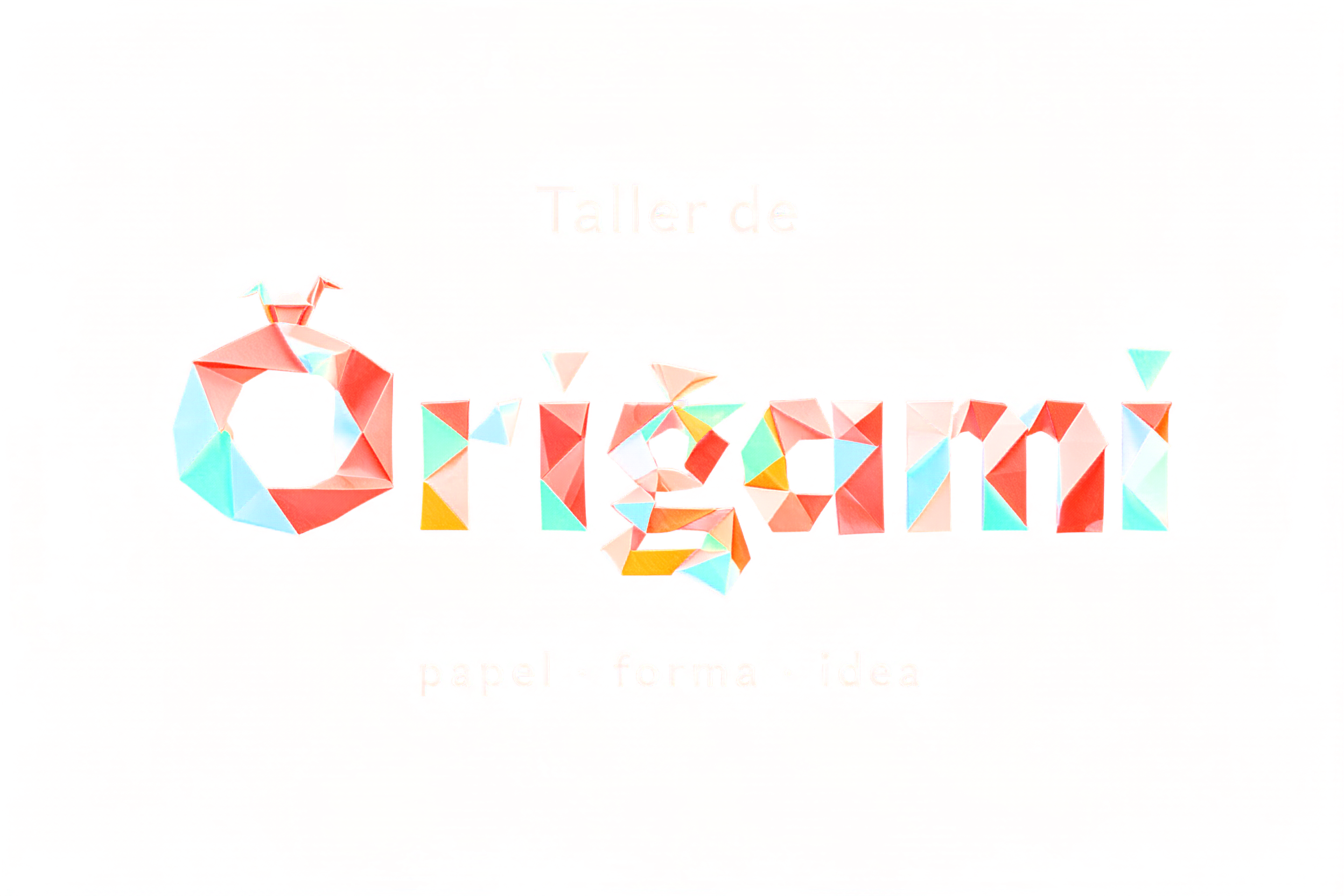


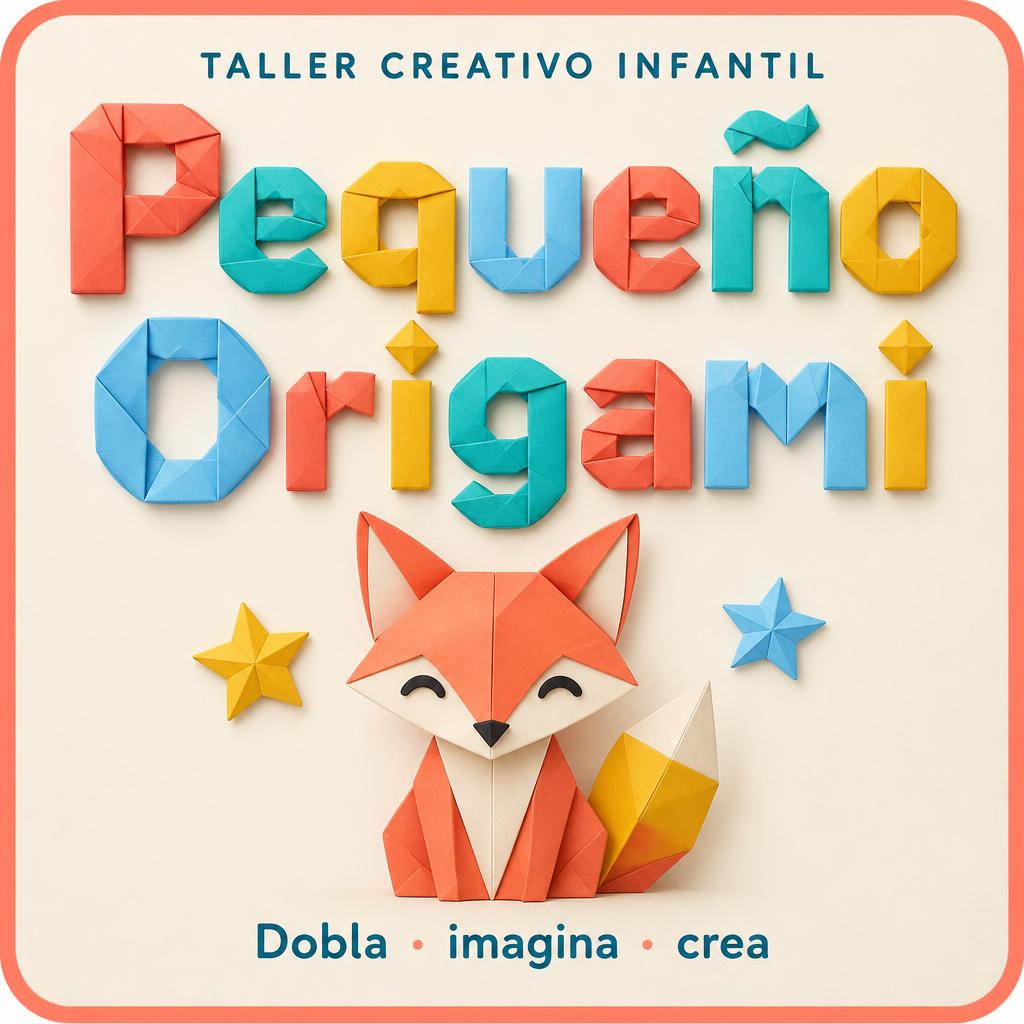

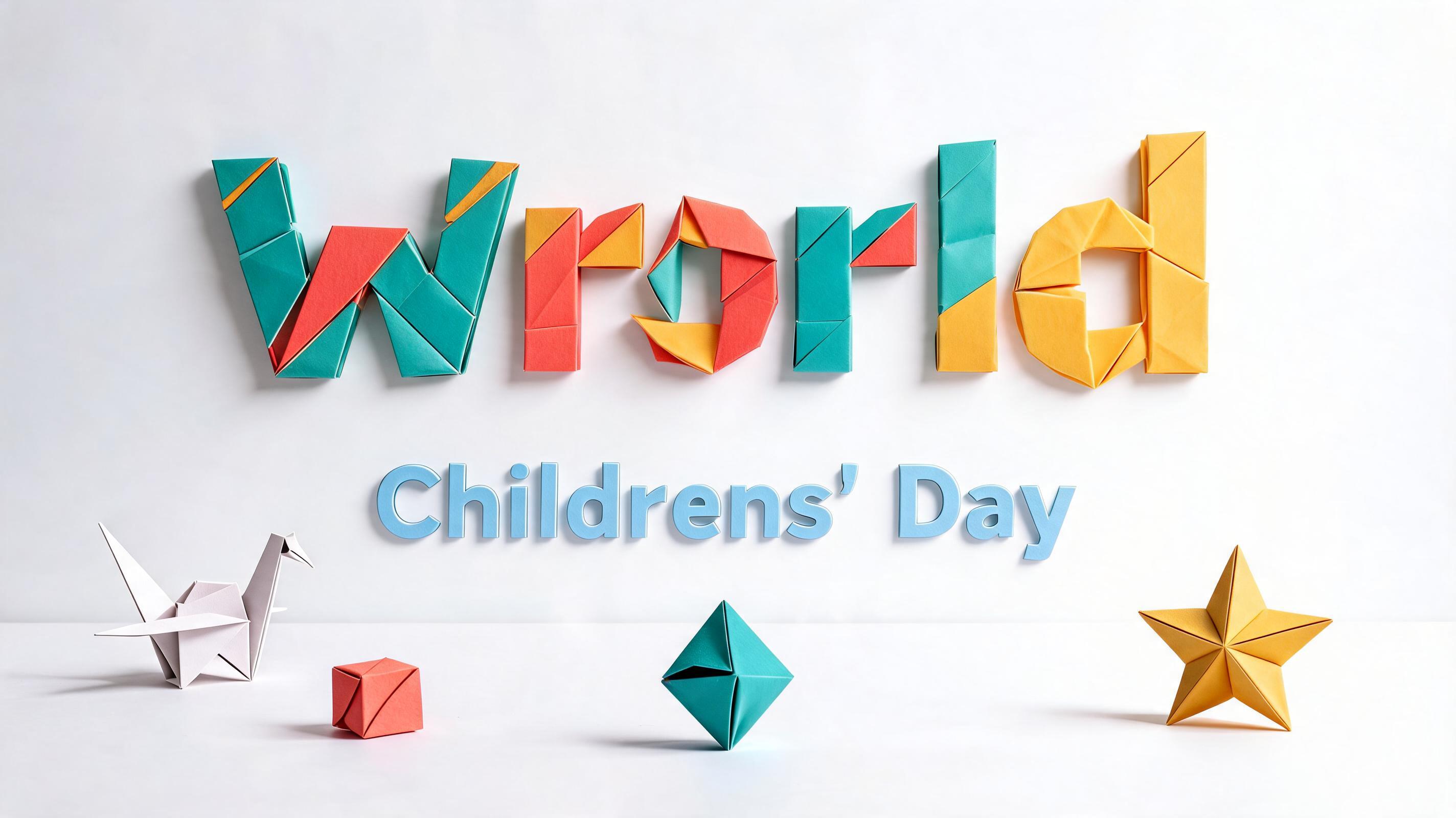





Looking for copy-paste fancy text? Try our free Font Generator Tools — cursive, gothic, bubble & 30+ styles.
Perfect for These Projects
Origami Text Effect — FAQ
What is the Origami Font Style?
The Origami font style is a distinctive AI-generated typography effect. Capitals folded from colored paper in coral, teal, mustard and sky blue, with sharp creases and angular facets catching light, on clean white. Using FontVibe's AI origami generator you can create stunning text effects in seconds — no Photoshop, no font licensing, no design experience needed.
Explore the Origami gallery for inspiration, or browse all 138+ AI text effect styles available on FontVibe.
How to Create Origami Typography in FontVibe Studio
The Story Behind Origami
History, visual DNA, and cultural context.
The Visual DNA
In Typography
Origami typography is one of the most technically demanding aesthetic categories because the folding logic must be internally consistent. A letterform that appears to be made of folded paper needs fold lines that could actually exist in a real piece of paper — folds that intersect at impossible angles immediately read as fake.
The most effective origami type treats each letter as a separate folded form, with its own consistent light source and fold geometry. The letterforms are usually highly stylized — simplified enough that the folding logic can be clearly expressed within each stroke.
The aesthetic carries associations with precision, craft, patience, and Japanese cultural heritage — all positive associations that travel well across contexts.
Did You Know?
The traditional origami crane (tsuru) is associated with a Japanese legend that folding 1,000 paper cranes grants a wish. The legend became globally known through Sadako Sasaki, a Hiroshima atomic bomb survivor who attempted to fold 1,000 cranes during her illness in 1955. The crane became a universal symbol of peace and healing. Source ↗
Space agencies use origami mathematics to solve engineering problems: the Miura fold (developed by astrophysicist Koryo Miura) allows large solar panels to be folded into compact forms that deploy from a single pull. Origami mathematics is a serious branch of computational geometry with applications in satellite engineering and automotive airbag design. Source ↗
Sources: Wikipedia — One thousand origami cranes · Wikipedia — Mathematics of paper folding
Create Your Origami Typography in Studio
Free to start. No design skills needed. Your artwork, your copyright.
AI Origami Text Effect Generator
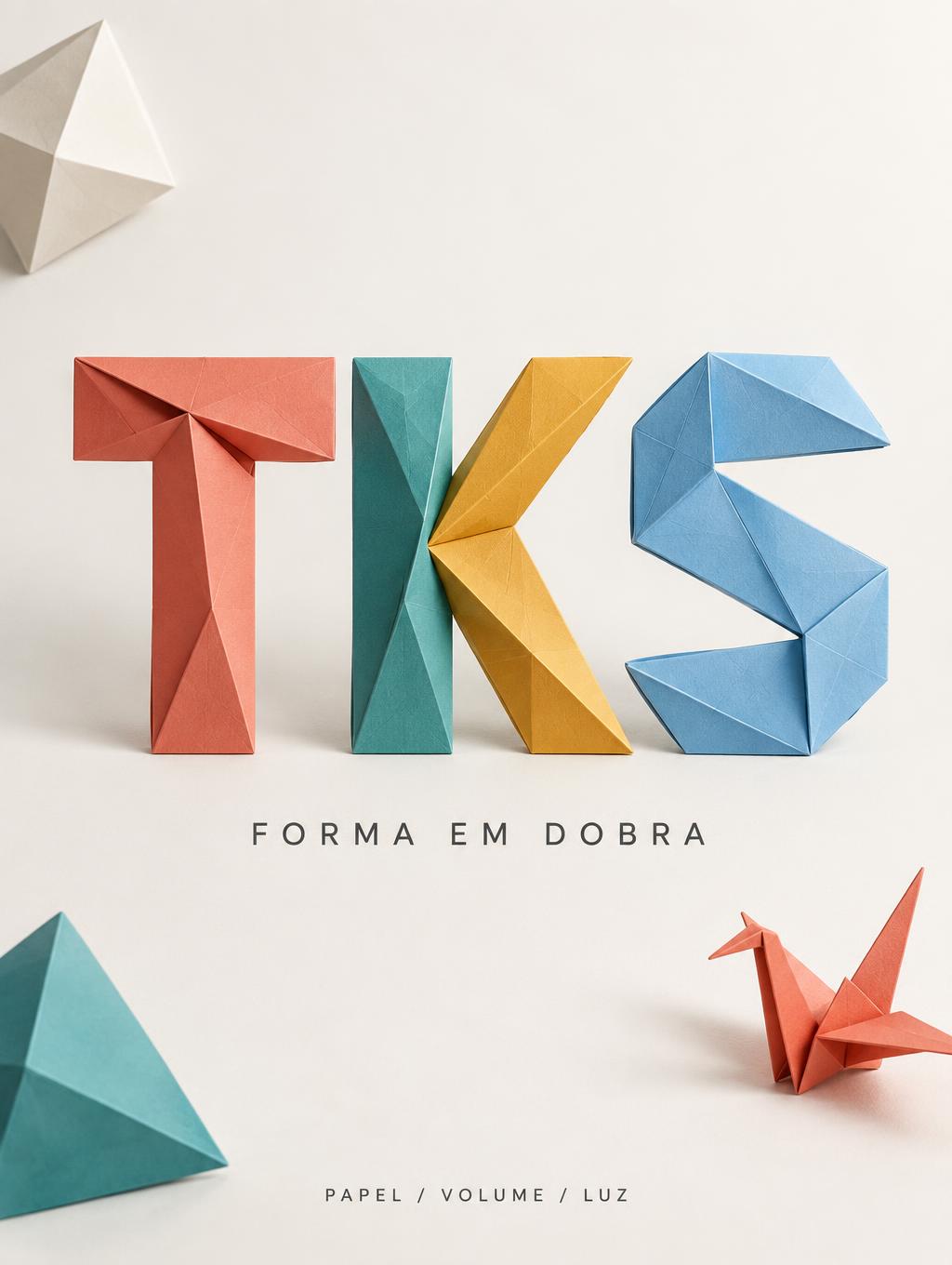
Capitals folded from colored paper in coral, teal, mustard and sky blue, with sharp creases and angular facets catching light, on clean white. — no font license needed.
Origami in different AI fonts
Generate Your Origami Text Effect
Type any word — see it transformed in seconds. No sign-up required.
Origami Style Gallery
Real outputs from the Origami style. Click any image to see details.










Similar Text Effect Styles
Try these styles and create your own AI-generated text effects.
Looking for copy-paste fancy text? Try our free Font Generator Tools — cursive, gothic, bubble & 30+ styles.
Perfect for These Projects
Origami text effects are popular for creative projects where visual impact matters.
What is the Origami Font Style?
The Origami font style is a distinctive AI-generated typography effect. Capitals folded from colored paper in coral, teal, mustard and sky blue, with sharp creases and angular facets catching light, on clean white.
Using FontVibe's AI origami generator you can create stunning text effects in seconds — no Photoshop, no font licensing, no design experience needed.
Explore the Origami gallery for inspiration, or browse all 138+ AI text effect styles available on FontVibe.
How to Create Origami Typography in FontVibe Studio
1. Enter your text — Any word, phrase, or brand name. Works best with short, punchy text.
2. Select Origami — From the style library. Optionally describe a mood in the custom prompt.
3. Generate and download. Your Origami font artwork is ready in seconds. PNG, JPG, or transparent PNG.
Looking for something different? Browse the full font style library for more AI typography options.
Origami Text Effect — FAQ
The Story Behind Origami
History, visual DNA, and cultural context — everything that makes this style what it is.
The Visual DNA
In Typography
Origami typography is one of the most technically demanding aesthetic categories because the folding logic must be internally consistent. A letterform that appears to be made of folded paper needs fold lines that could actually exist in a real piece of paper — folds that intersect at impossible angles immediately read as fake.
The most effective origami type treats each letter as a separate folded form, with its own consistent light source and fold geometry. The letterforms are usually highly stylized — simplified enough that the folding logic can be clearly expressed within each stroke.
The aesthetic carries associations with precision, craft, patience, and Japanese cultural heritage — all positive associations that travel well across contexts.
Did You Know?
The traditional origami crane (tsuru) is associated with a Japanese legend that folding 1,000 paper cranes grants a wish. The legend became globally known through Sadako Sasaki, a Hiroshima atomic bomb survivor who attempted to fold 1,000 cranes during her illness in 1955. The crane became a universal symbol of peace and healing. Source ↗
Space agencies use origami mathematics to solve engineering problems: the Miura fold (developed by astrophysicist Koryo Miura) allows large solar panels to be folded into compact forms that deploy from a single pull. Origami mathematics is a serious branch of computational geometry with applications in satellite engineering and automotive airbag design. Source ↗
Sources: Wikipedia — One thousand origami cranes · Wikipedia — Mathematics of paper folding