FontVibe


AI Glass Text Effect Generator
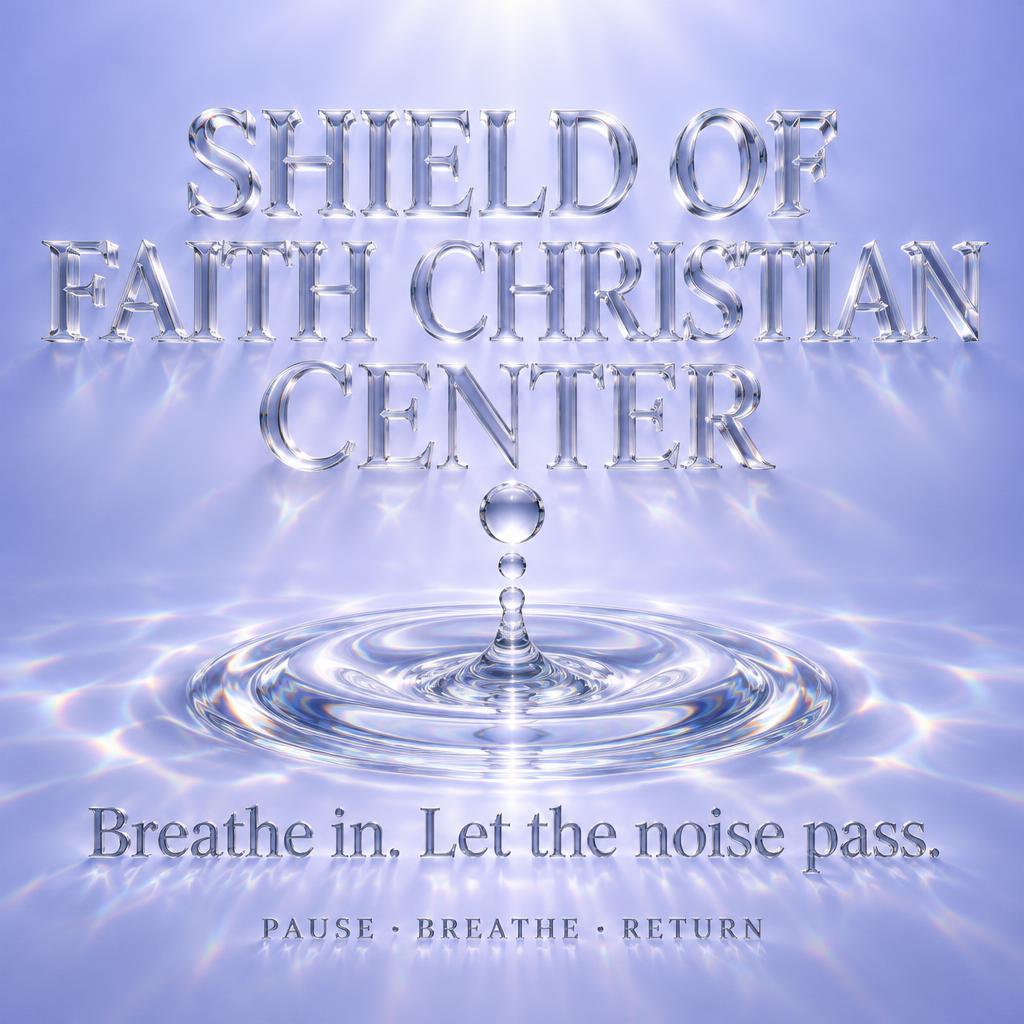
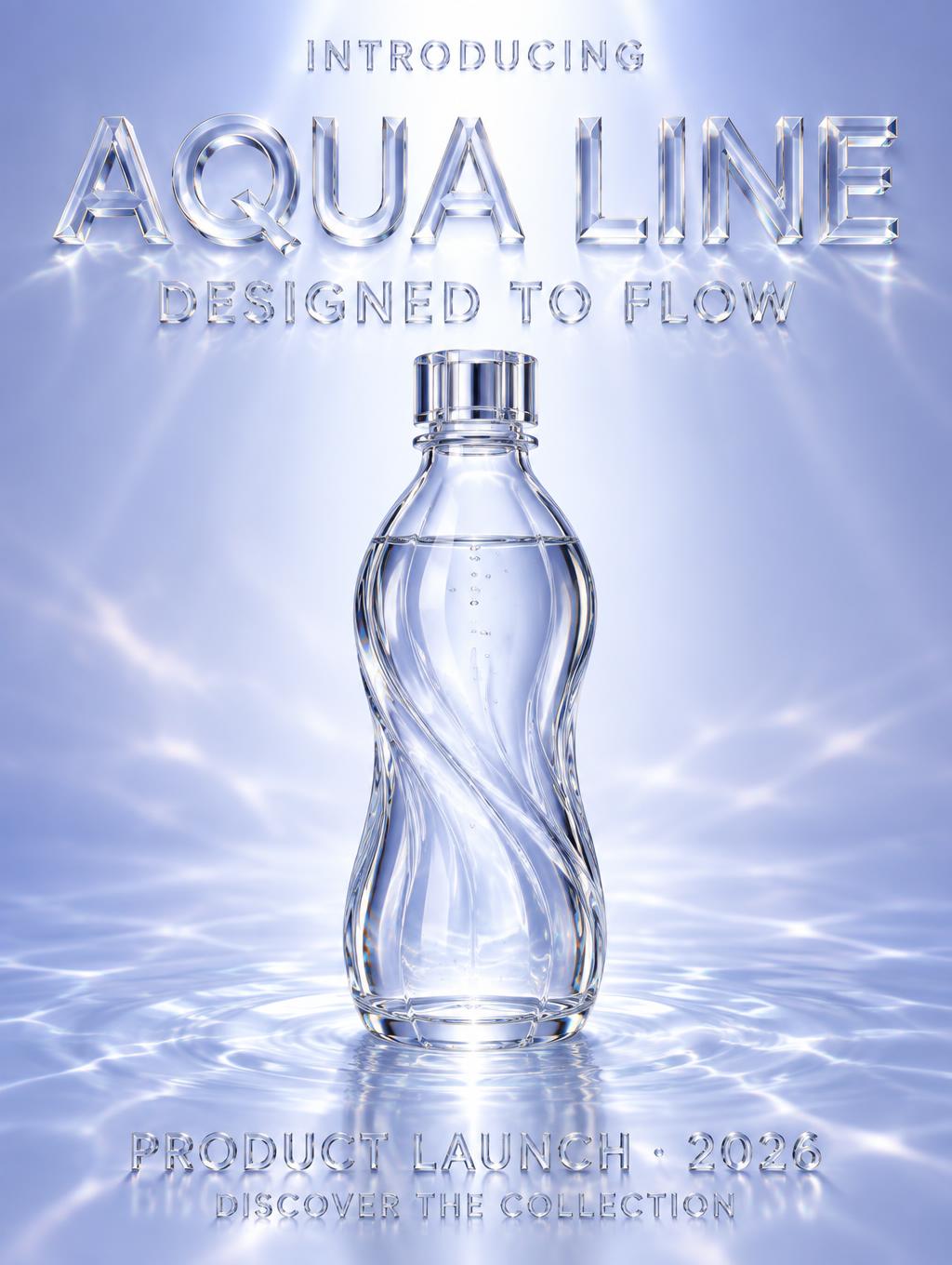
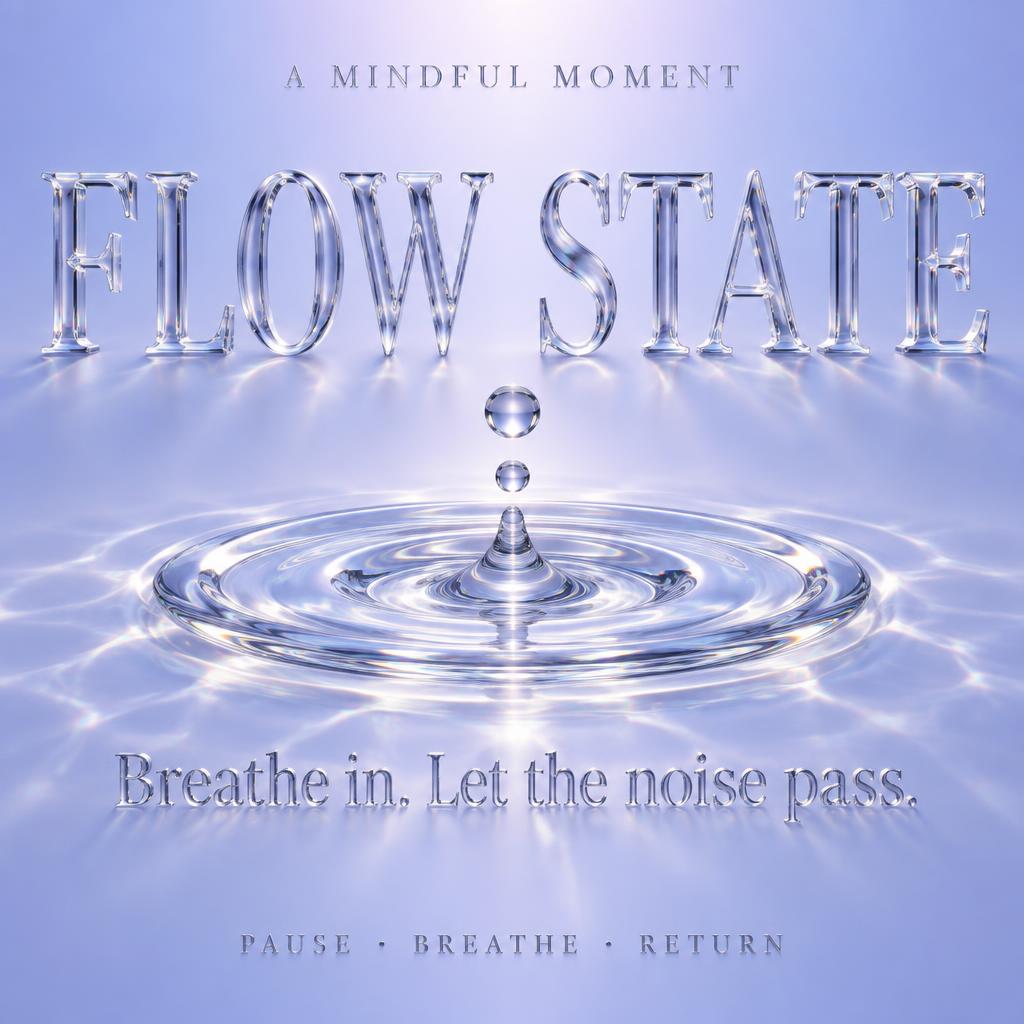
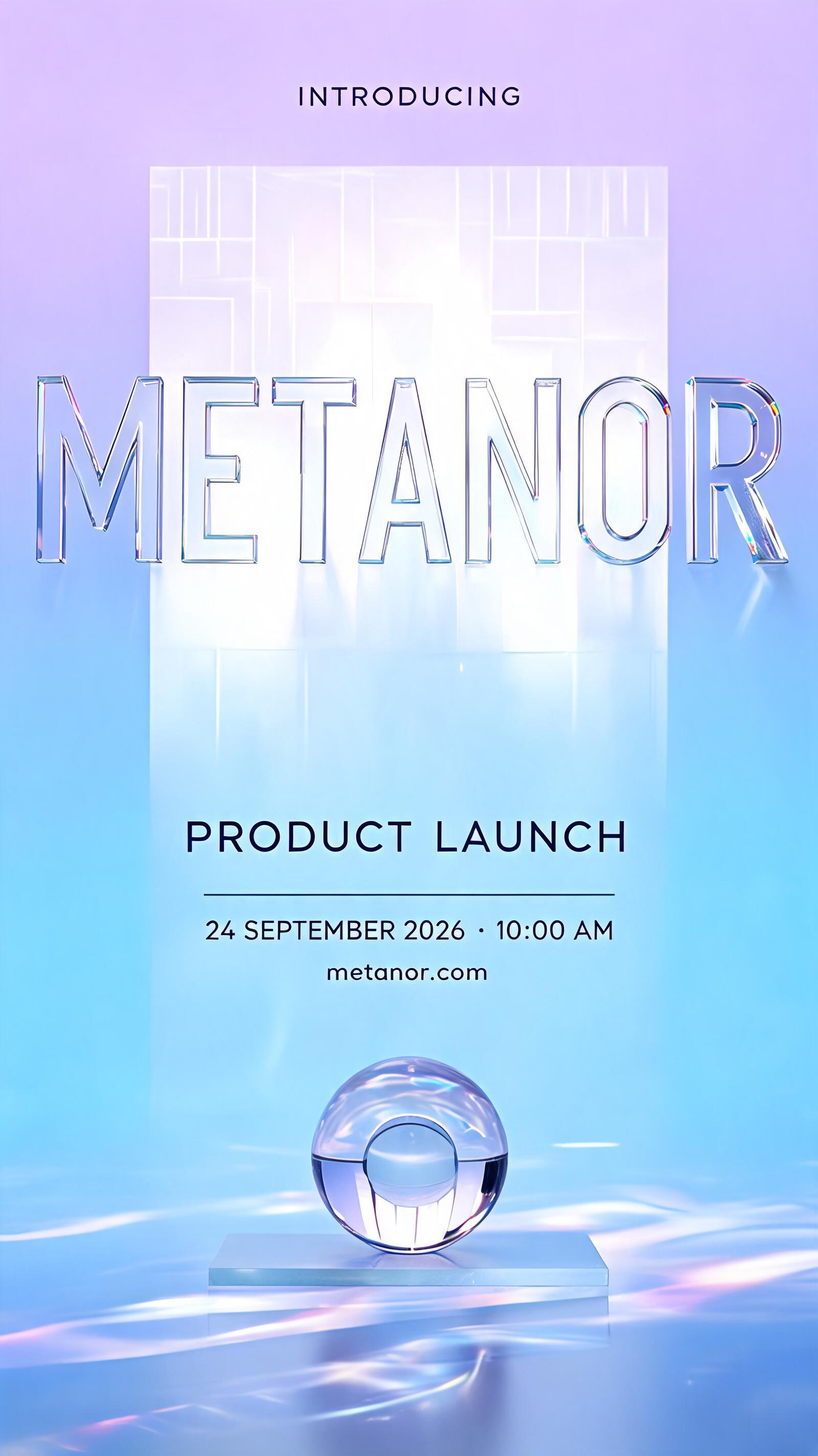
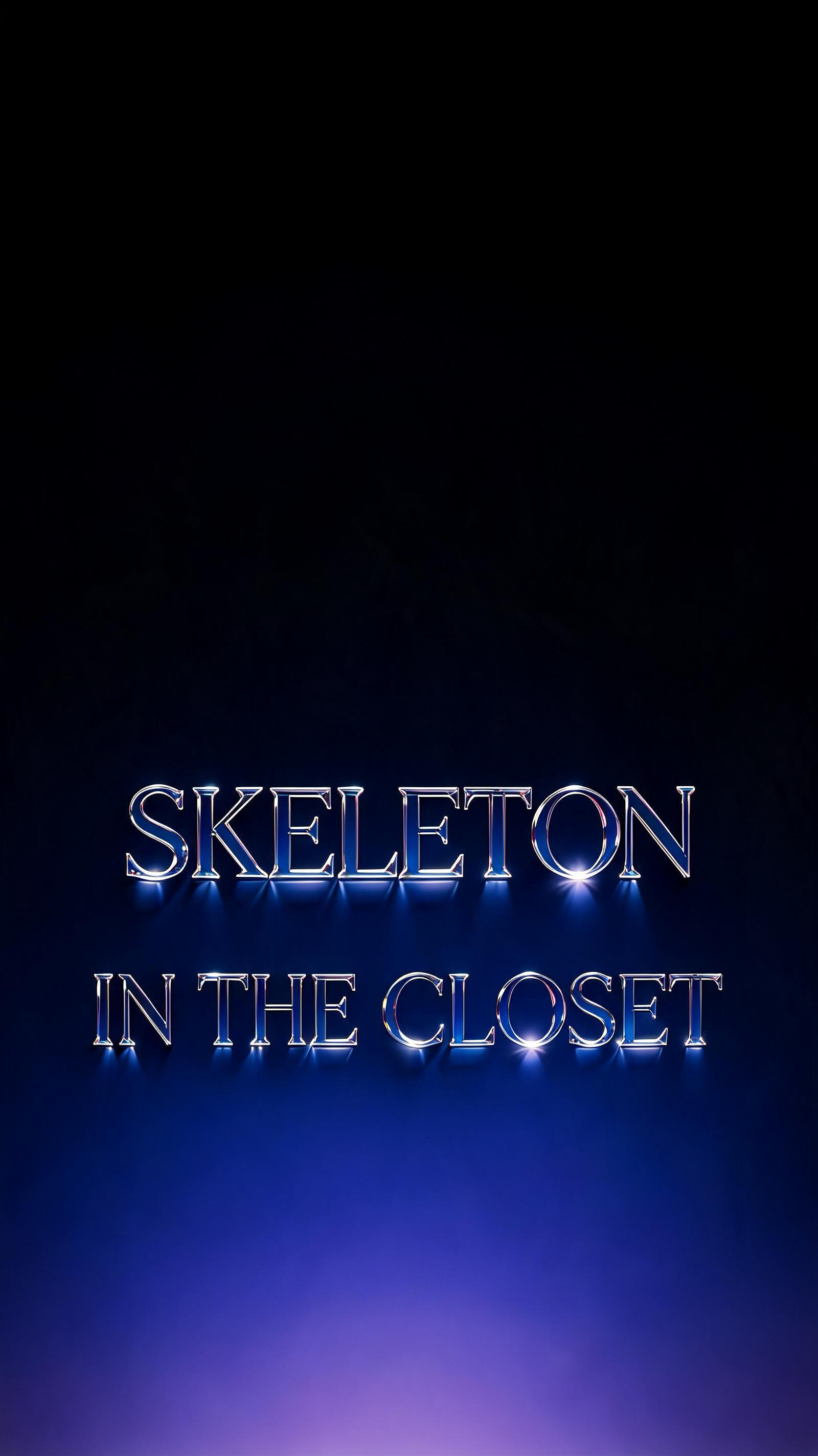
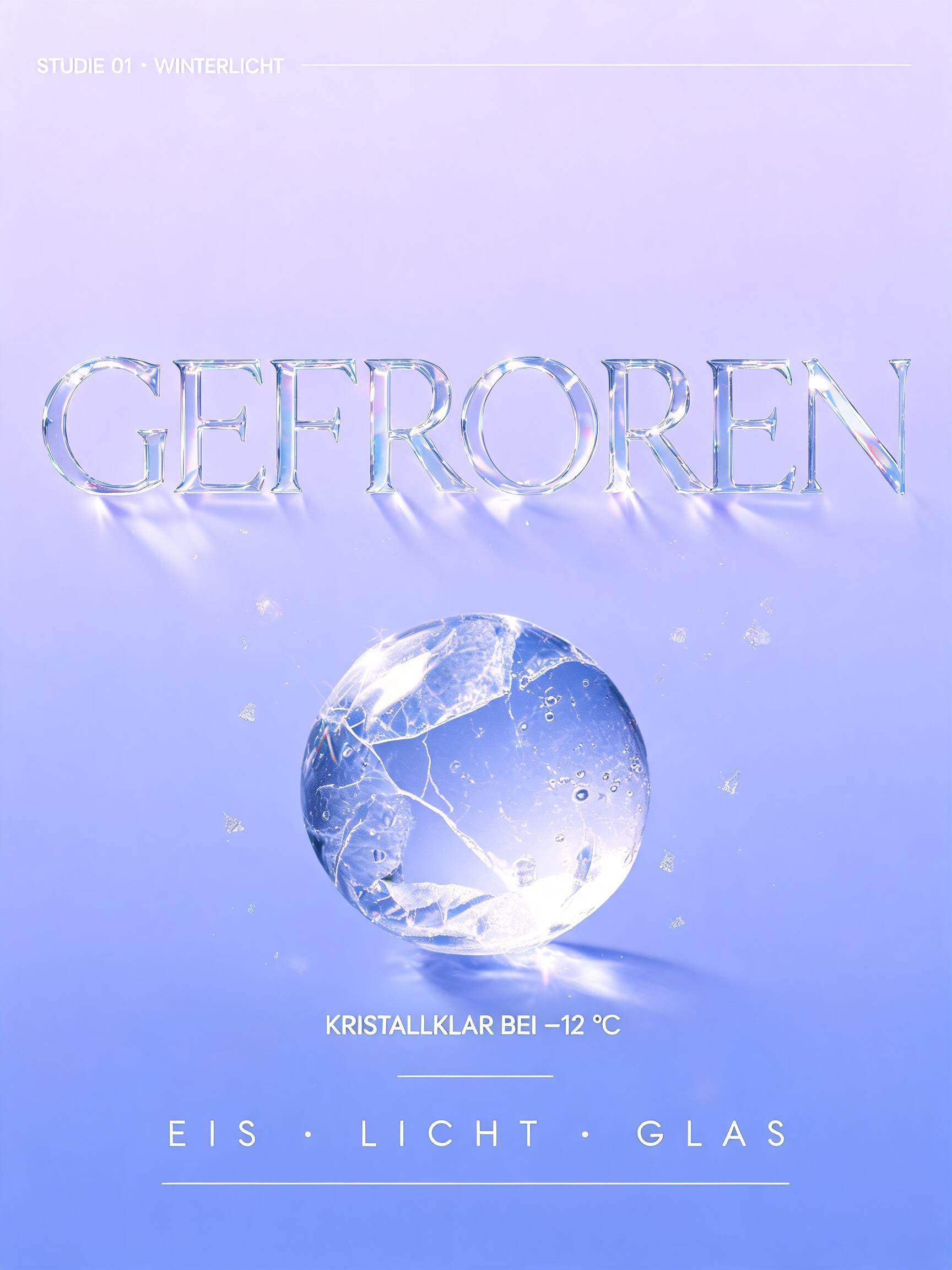
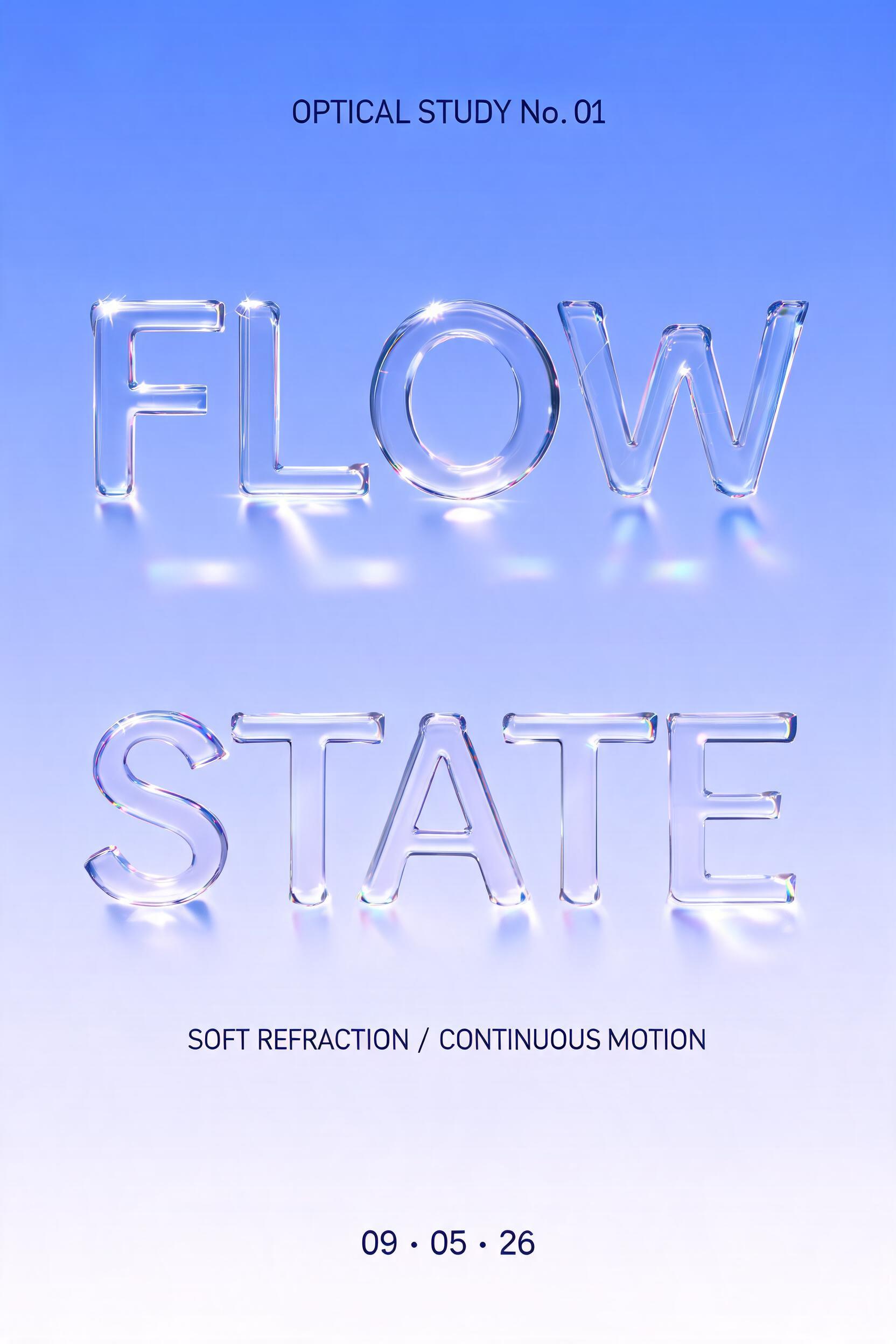
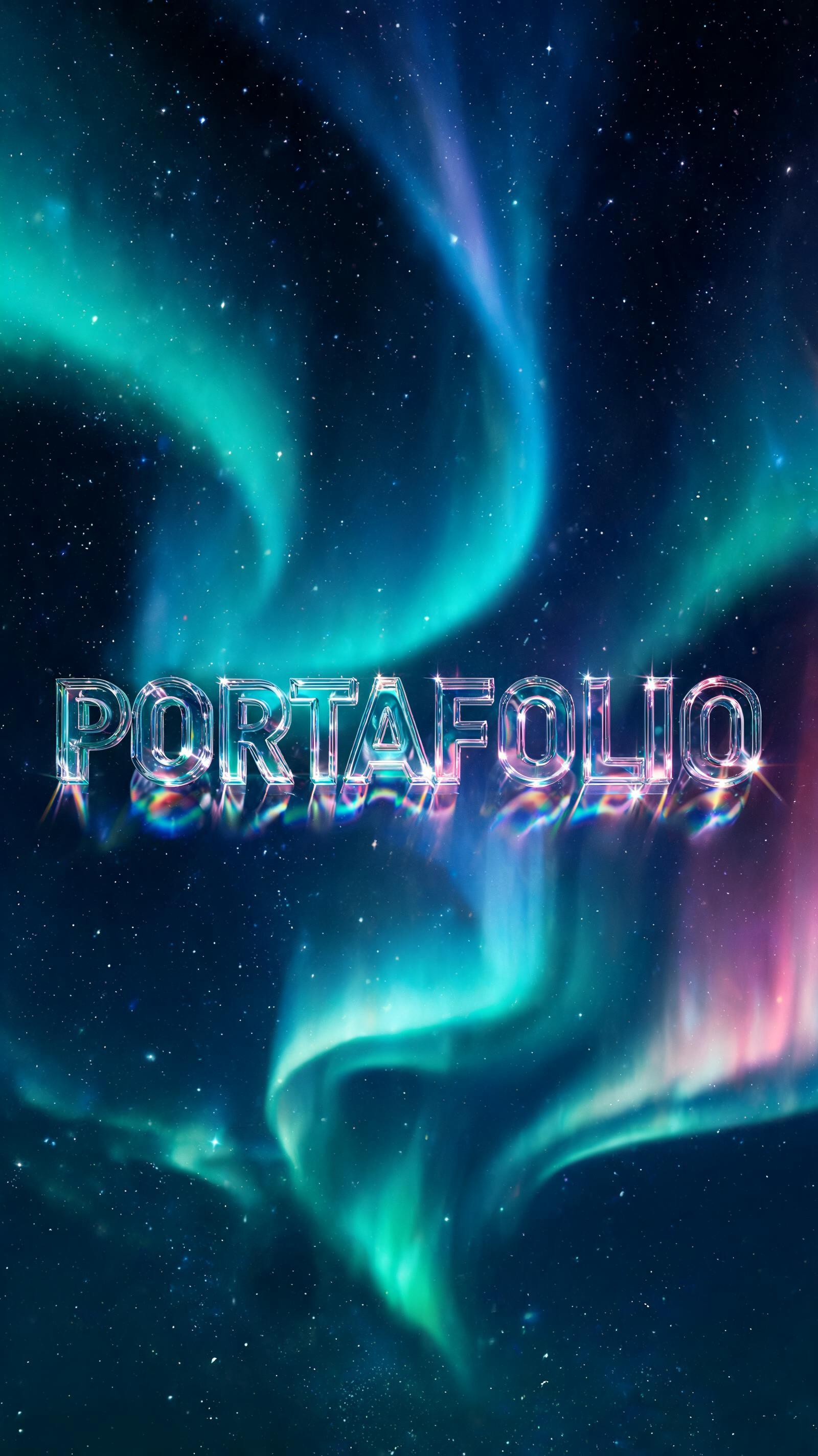
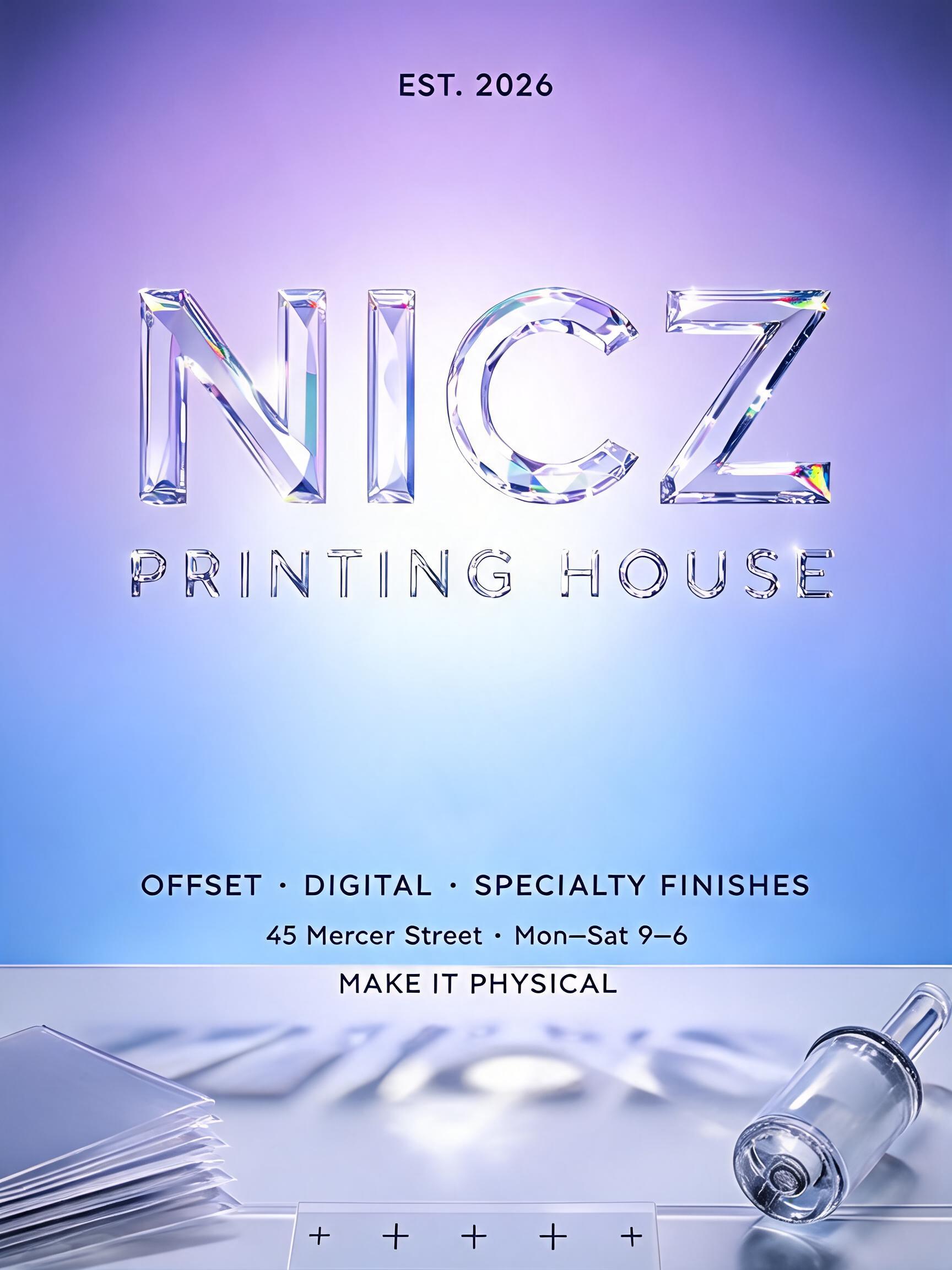
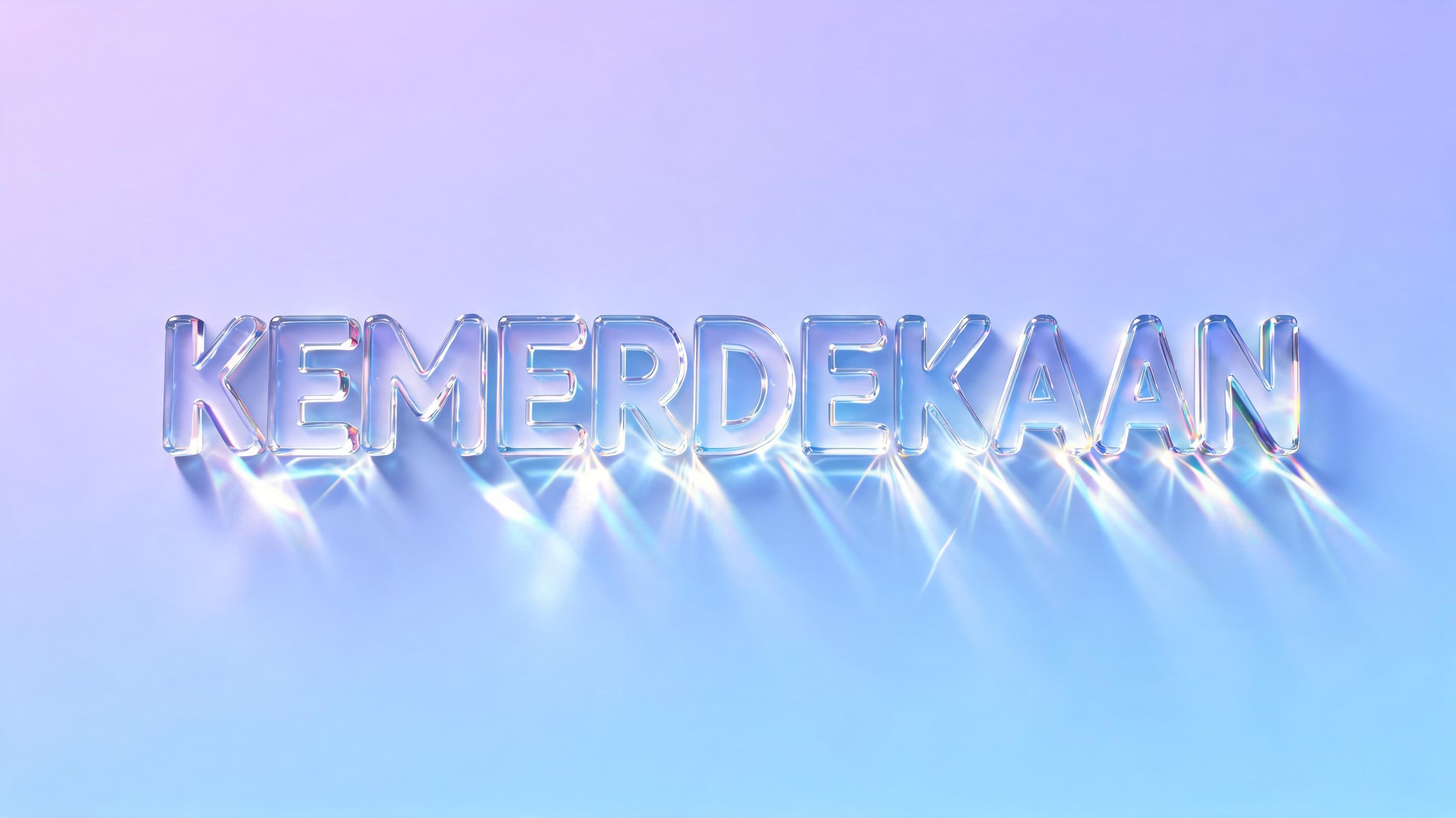
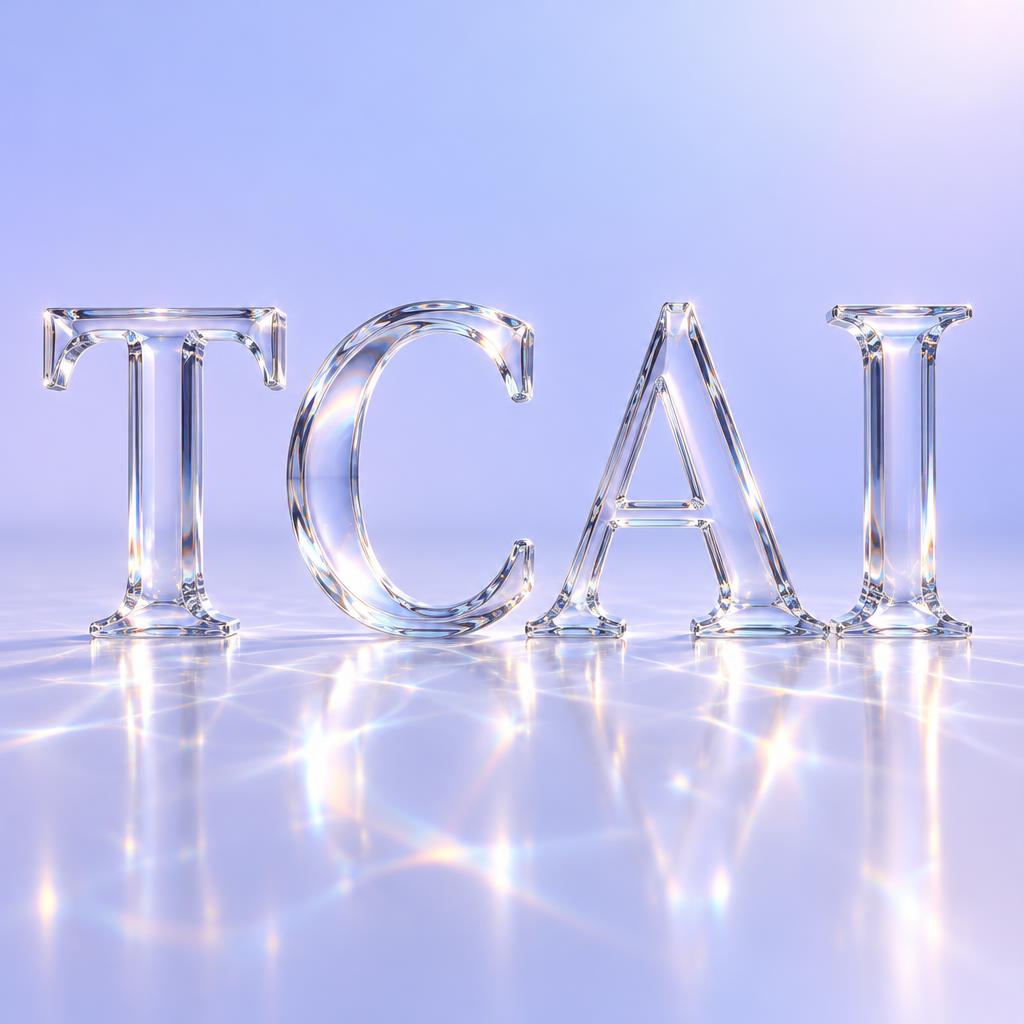
Clear optical-glass capitals refracting light, with bright edge highlights and caustics, reflected on a dark surface under a green-blue aurora sky. — no font license needed.
Glass in different AI fonts
Glass Clear↗· 1321 artworks
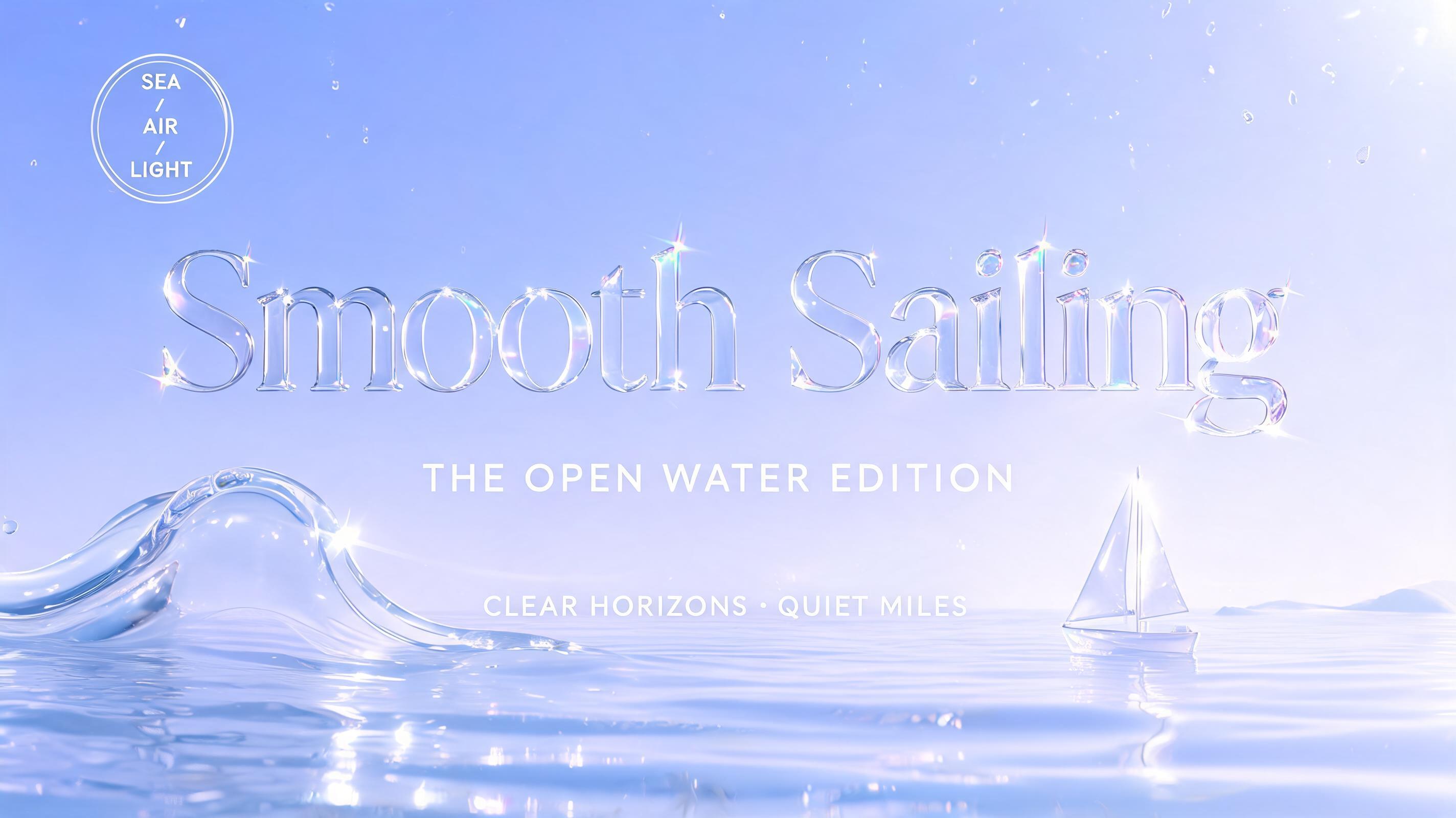
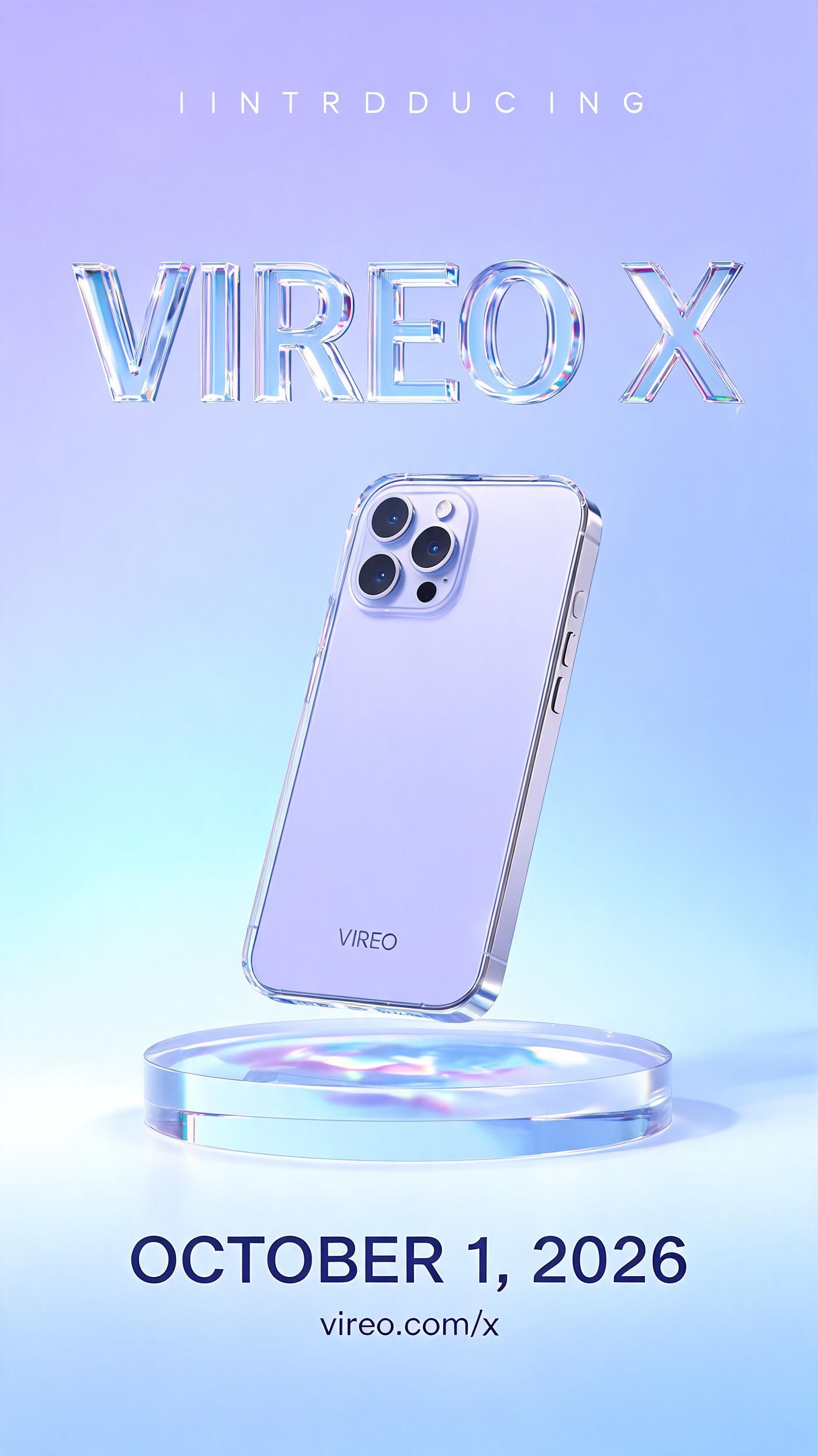
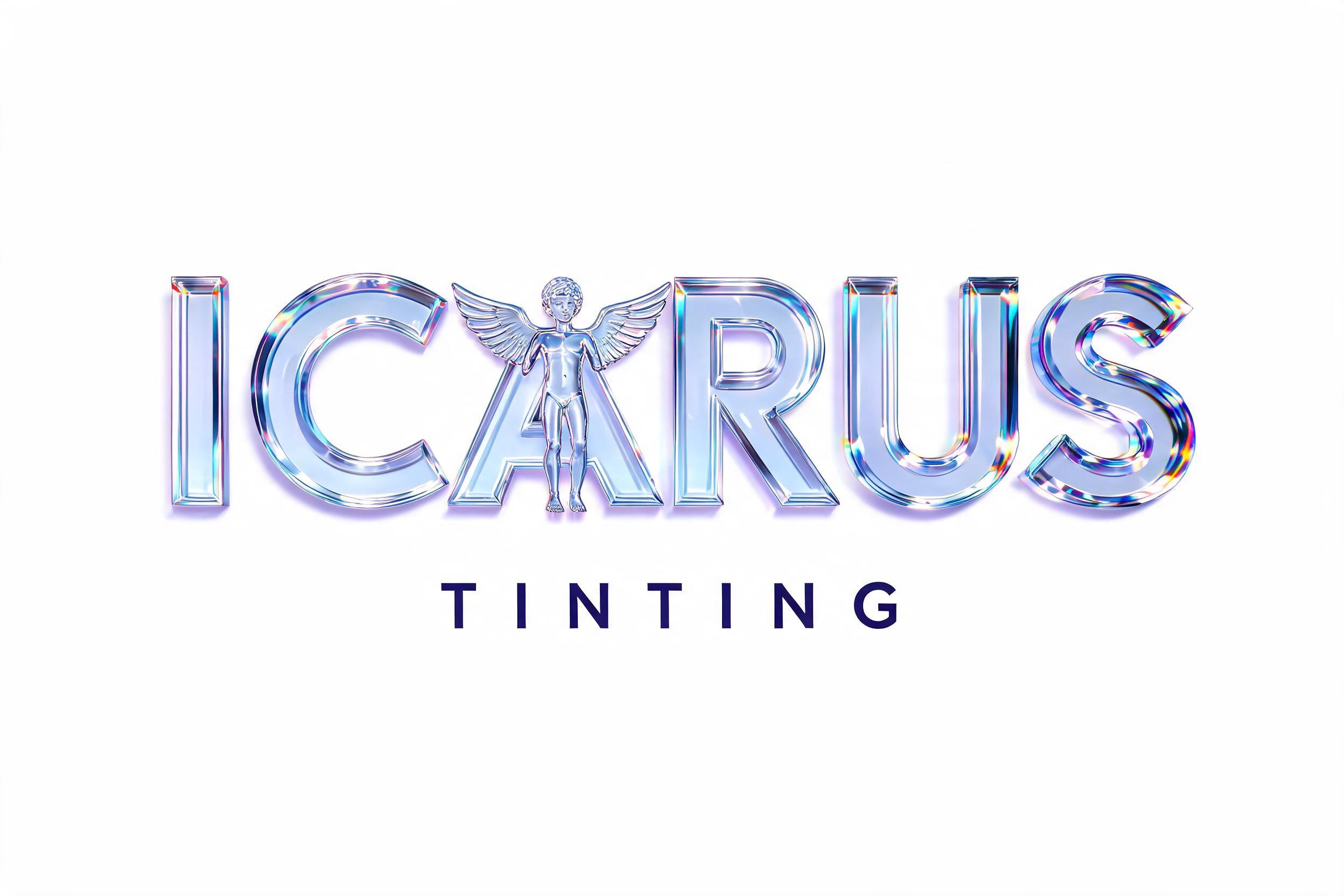
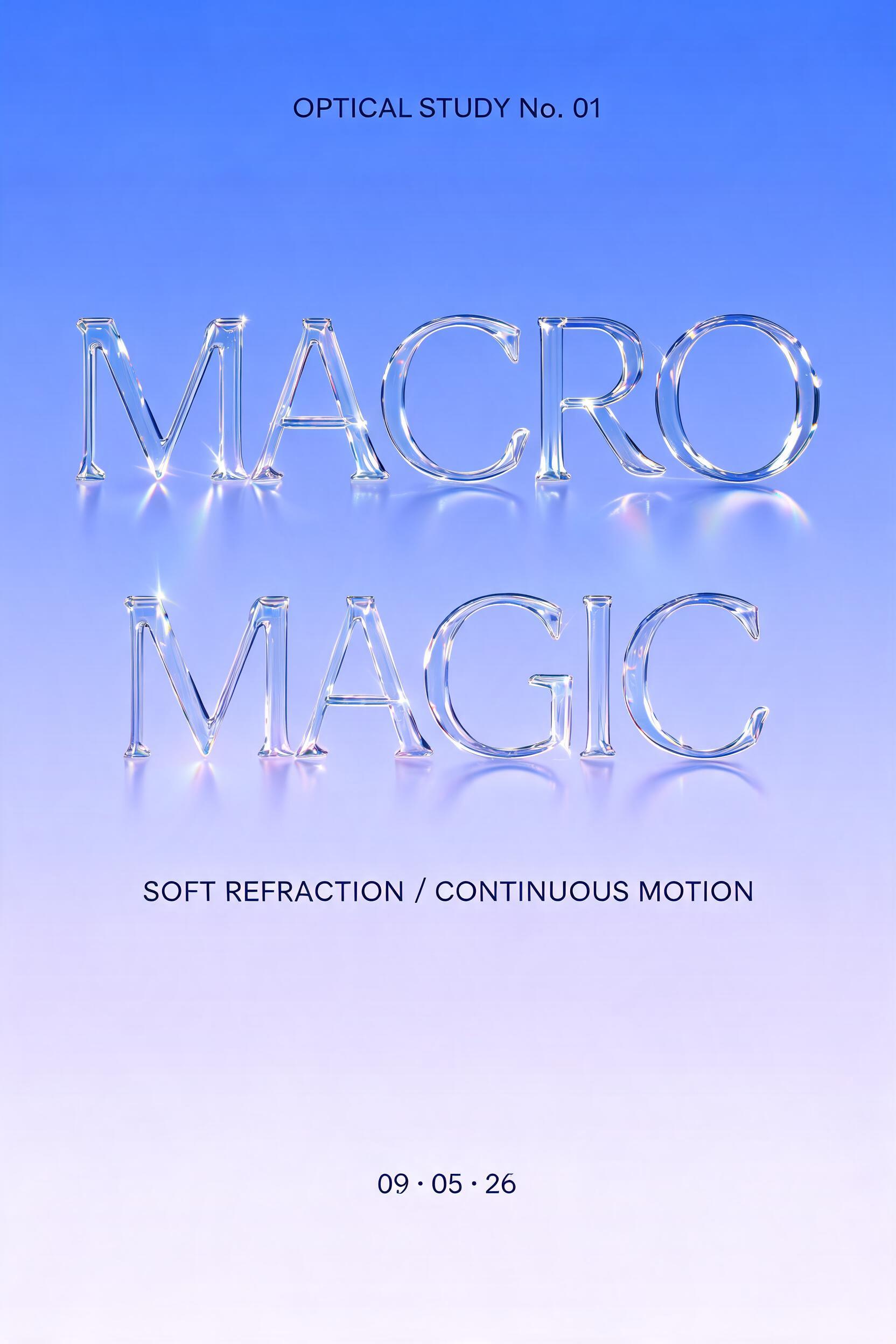


✦ Glass Variations
Find the Right Glass Style for Your Project
6 distinct variations — each locked to a specific look and use case.


✦ Text Effect Gallery
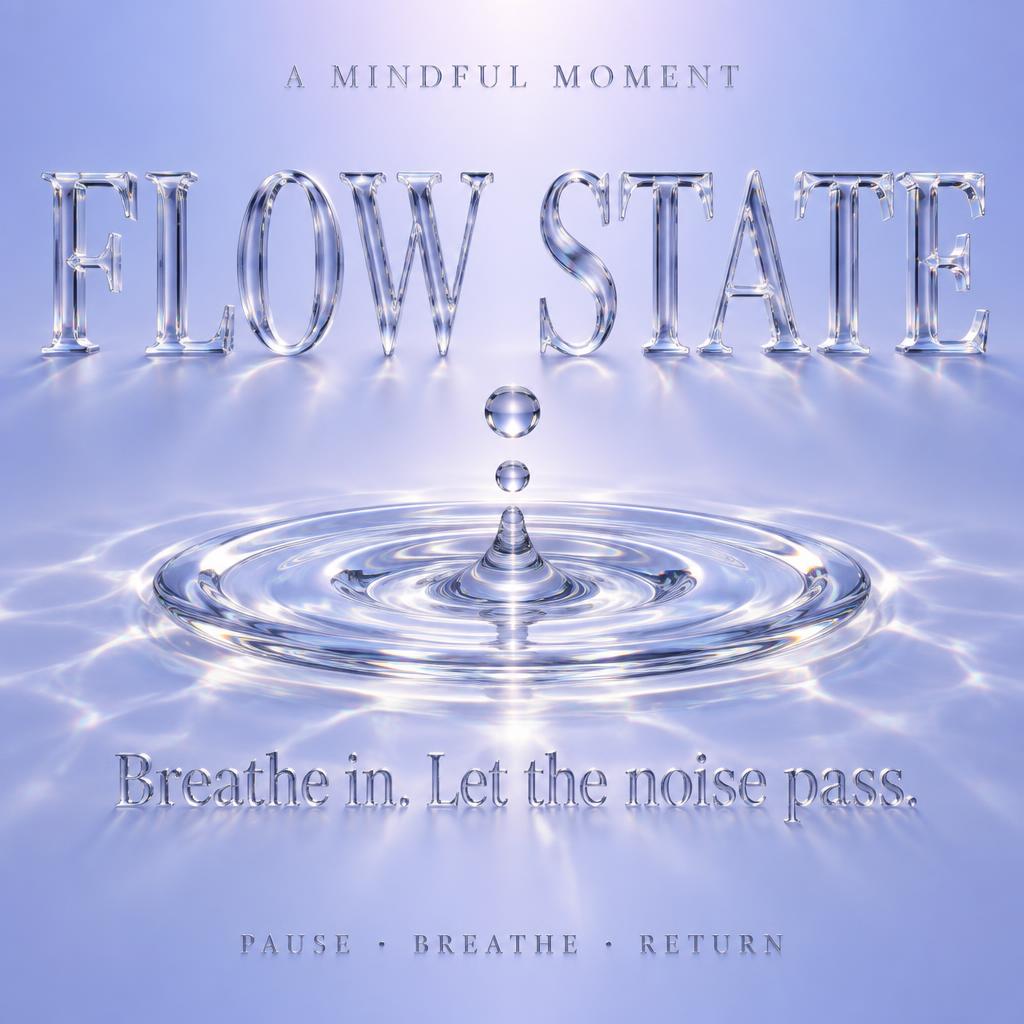
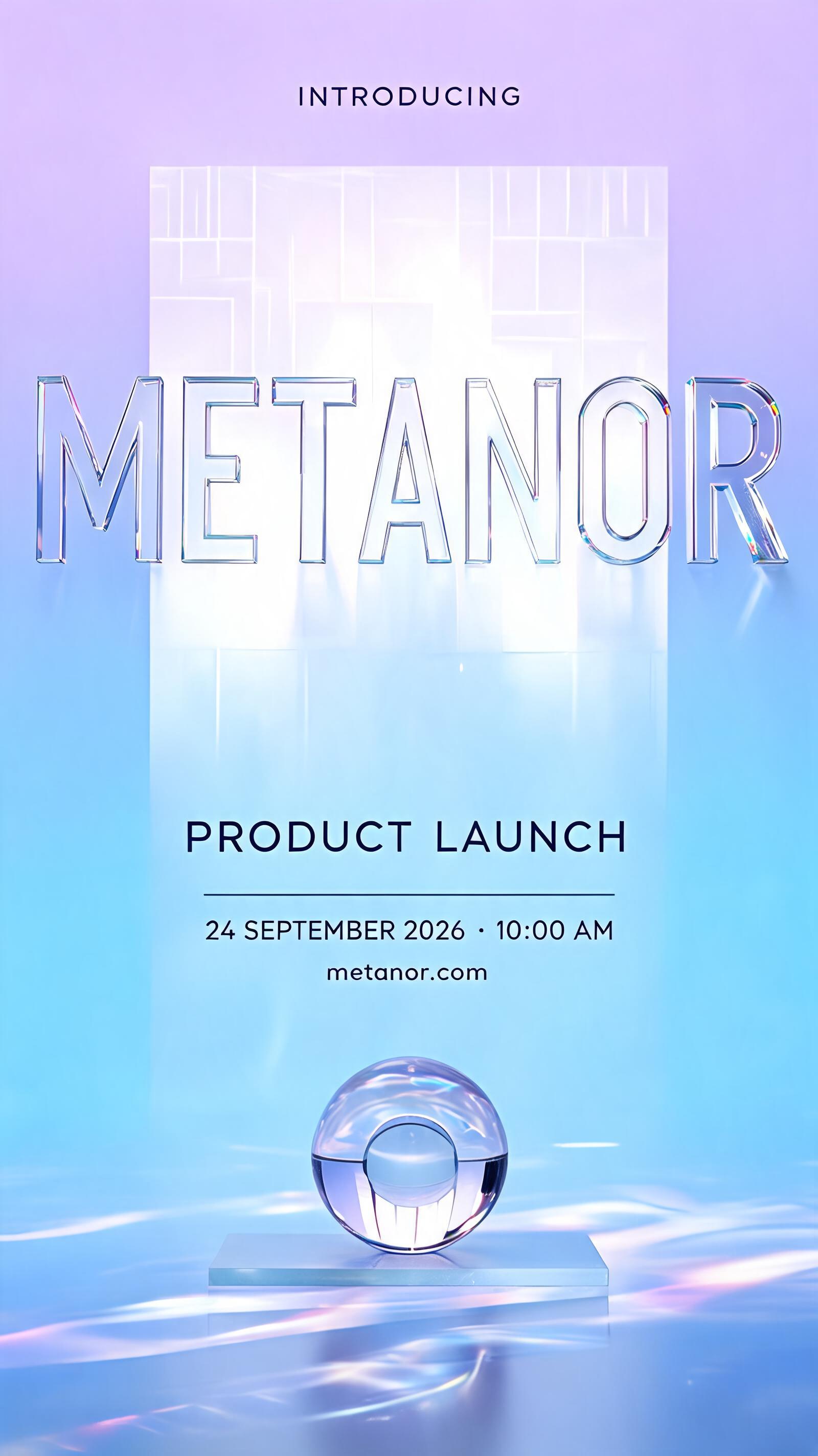
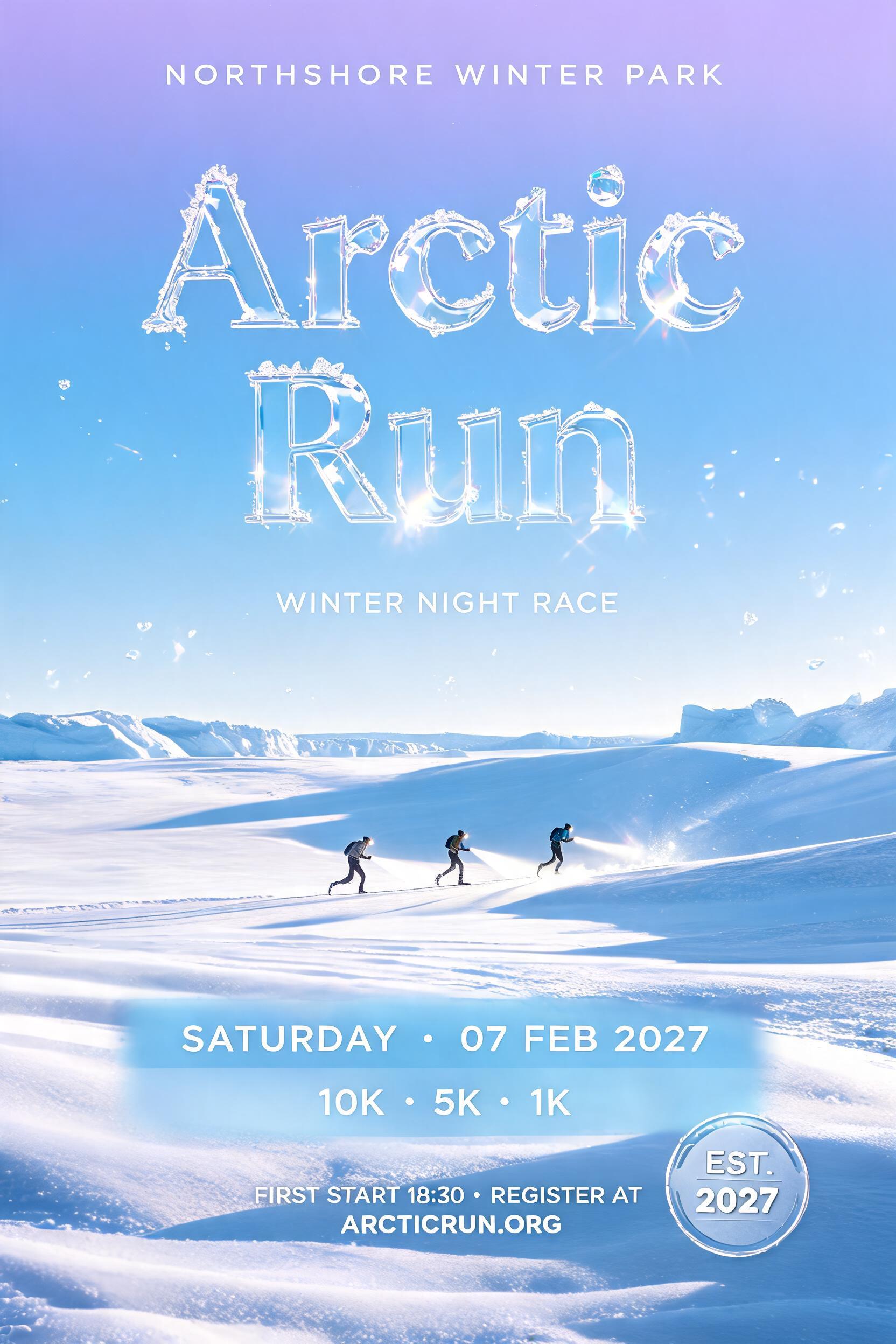
Glass Gallery
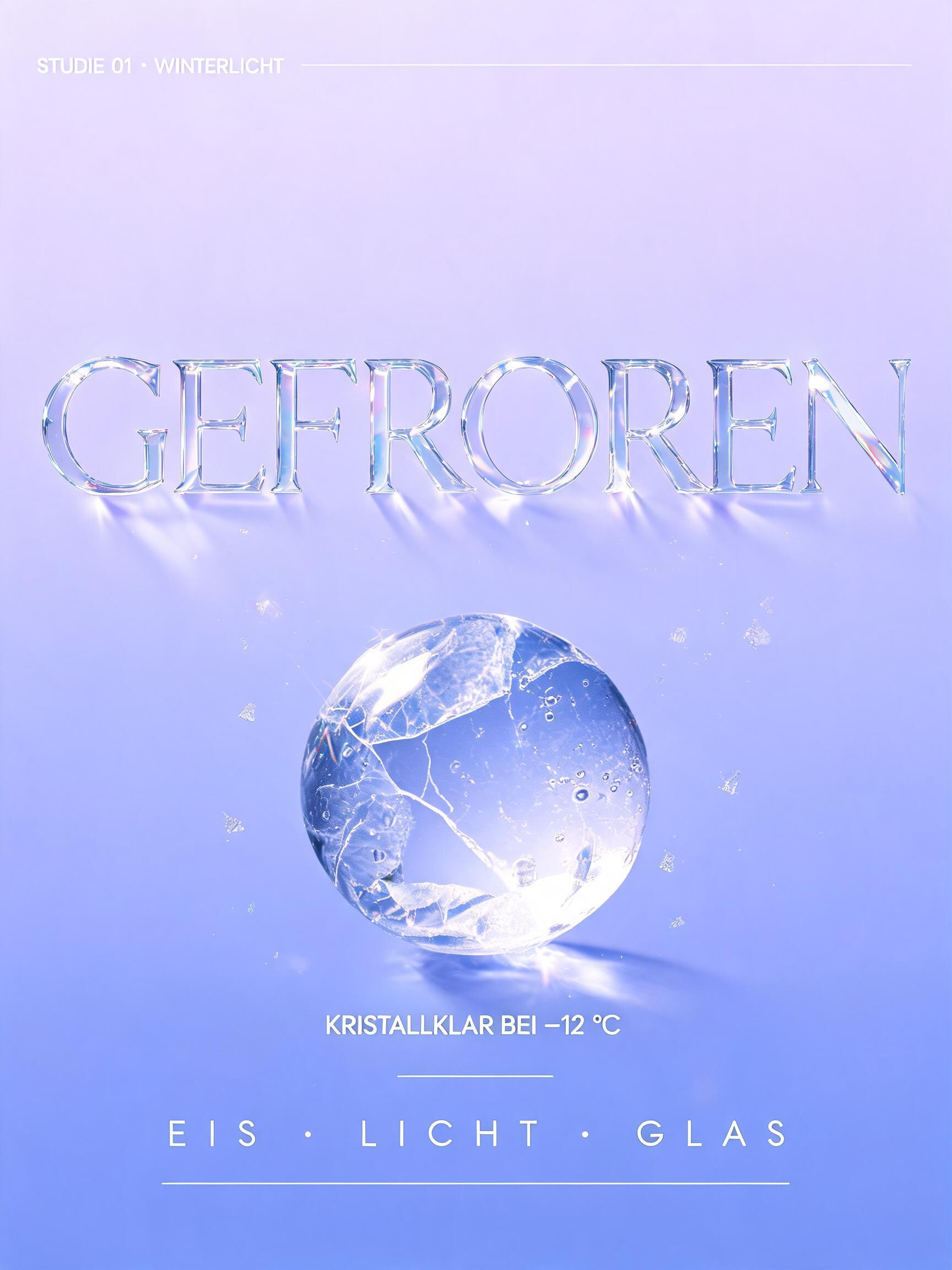
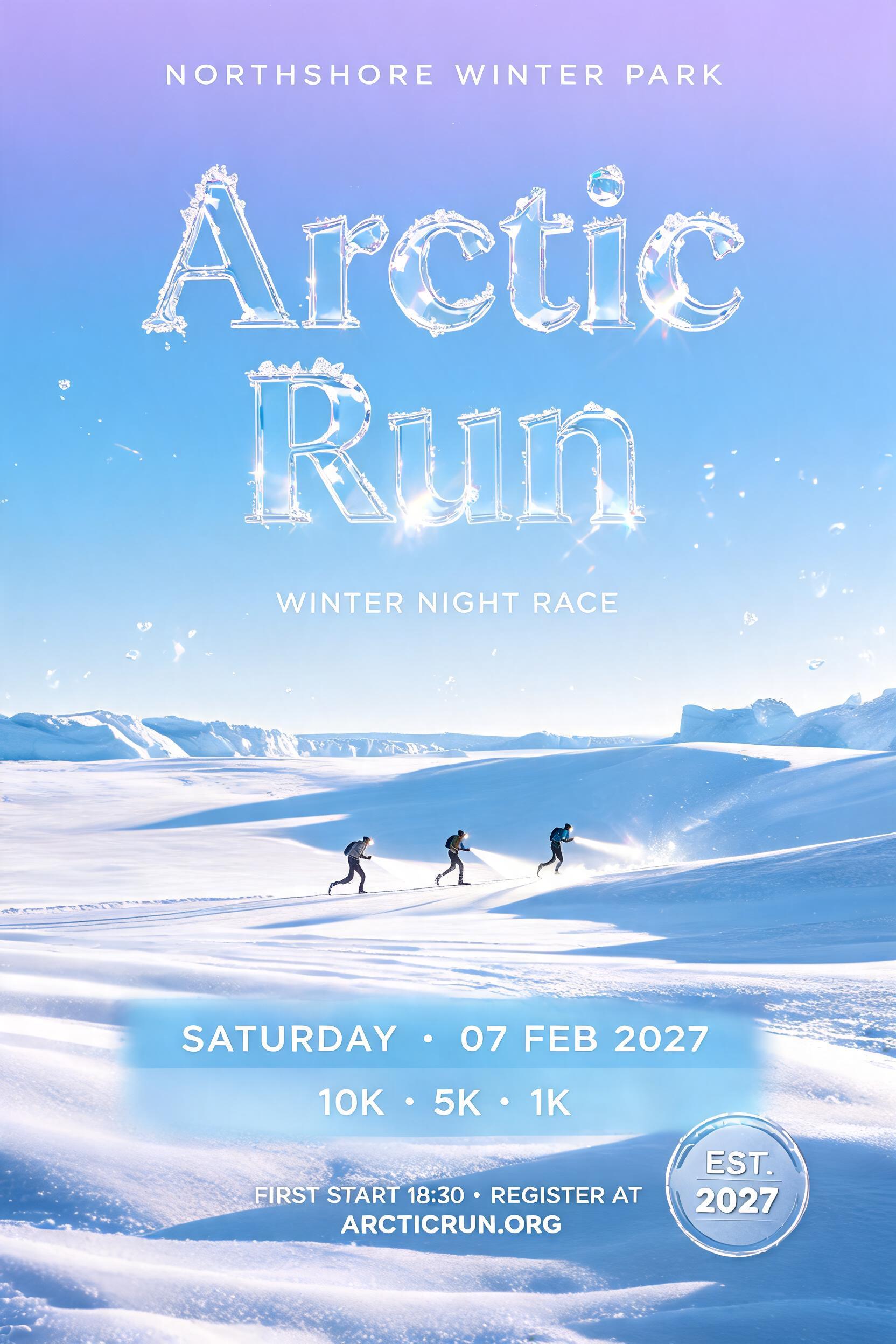
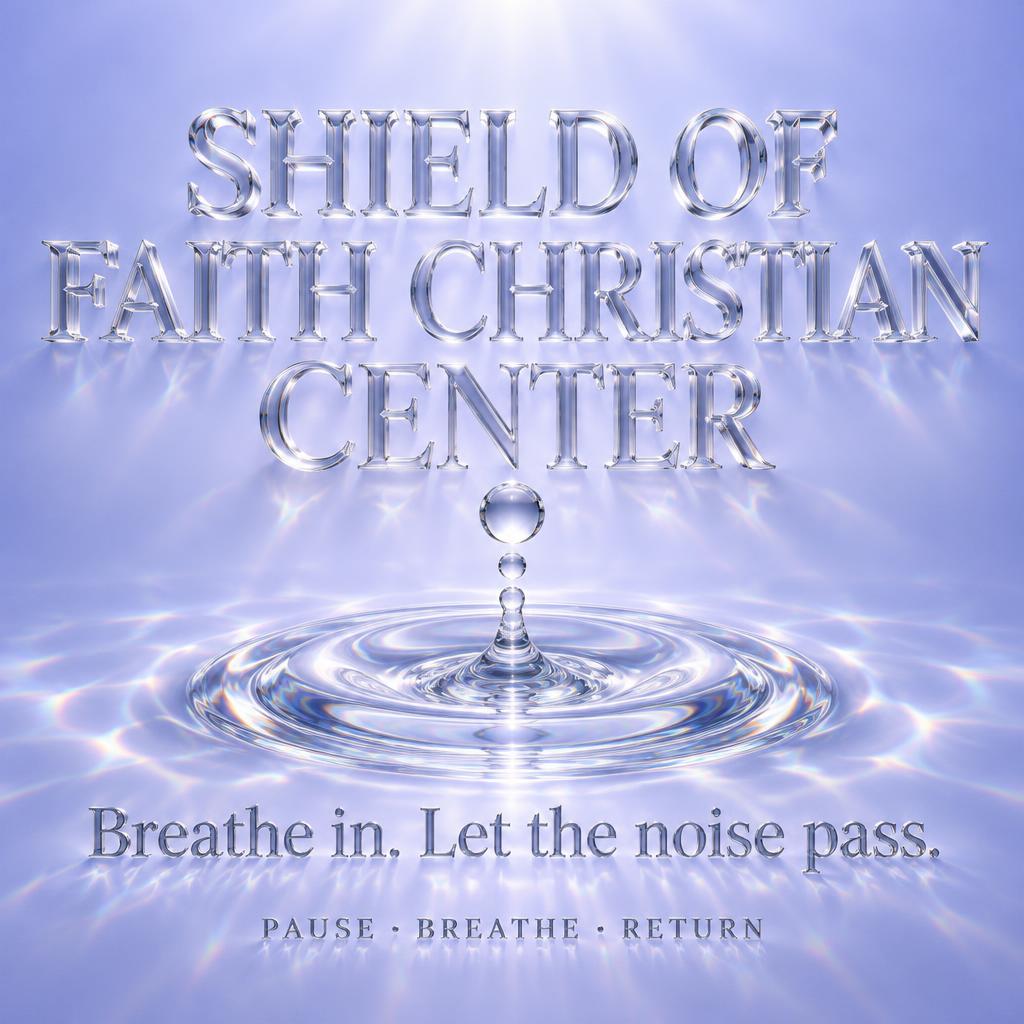
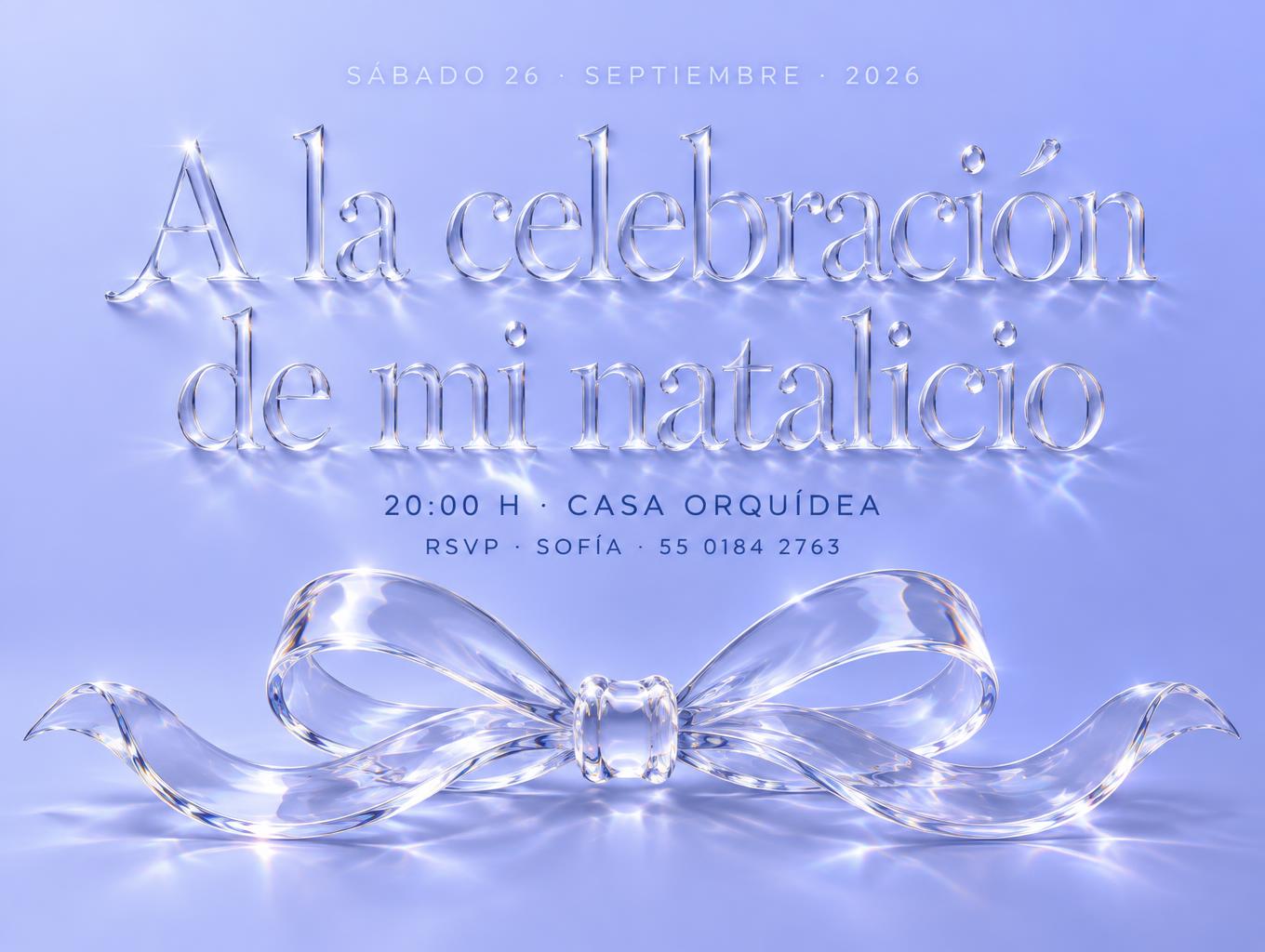
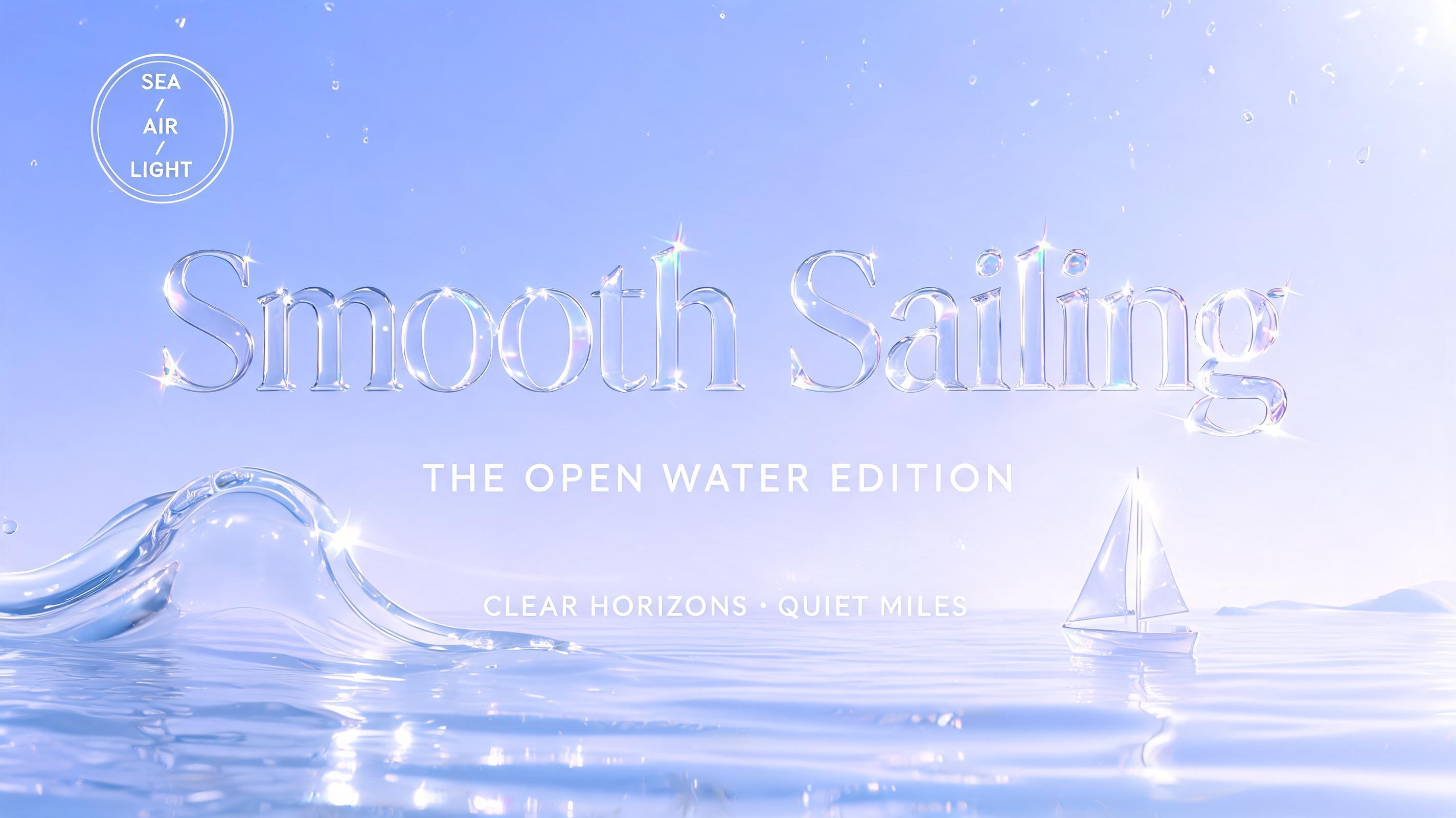
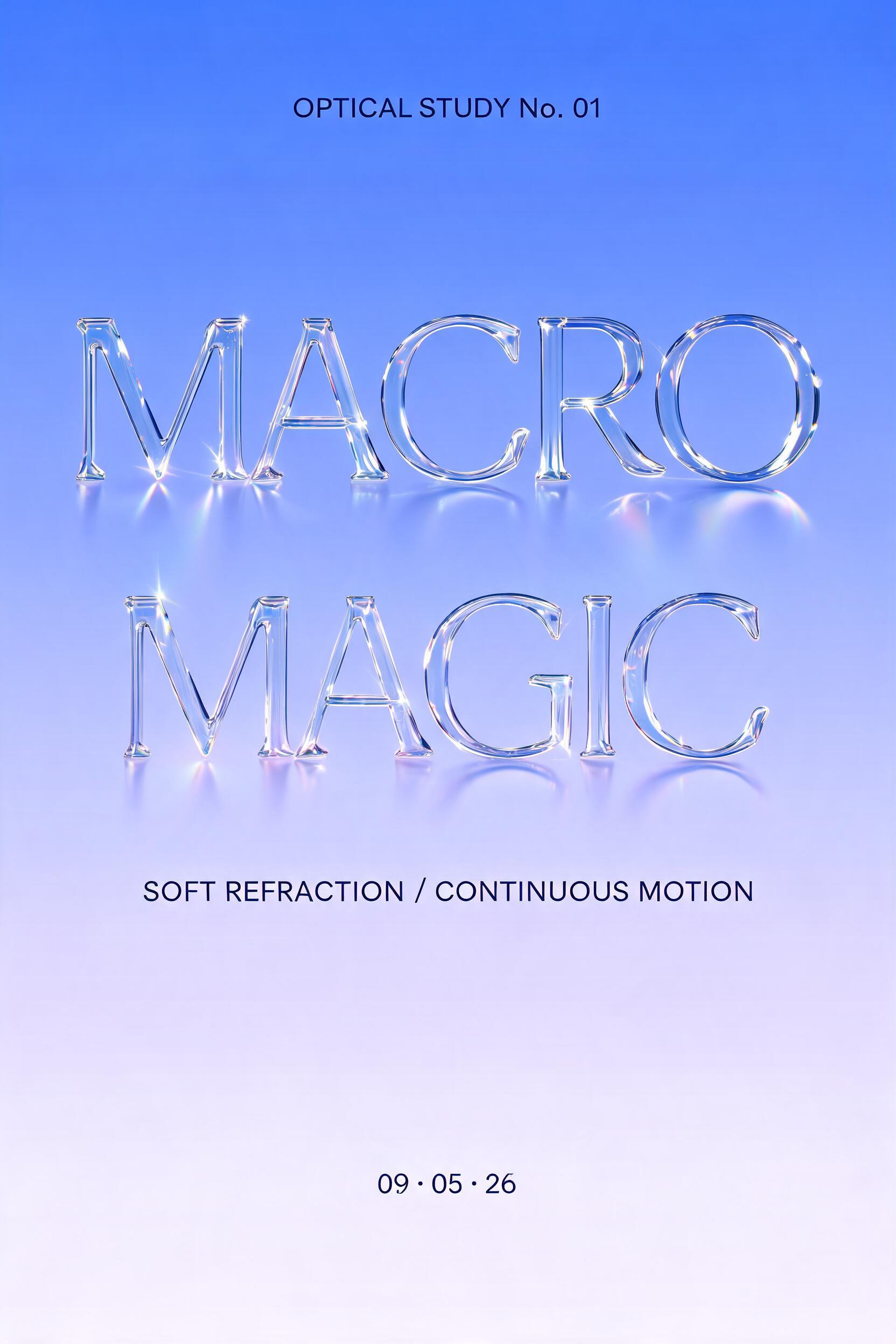
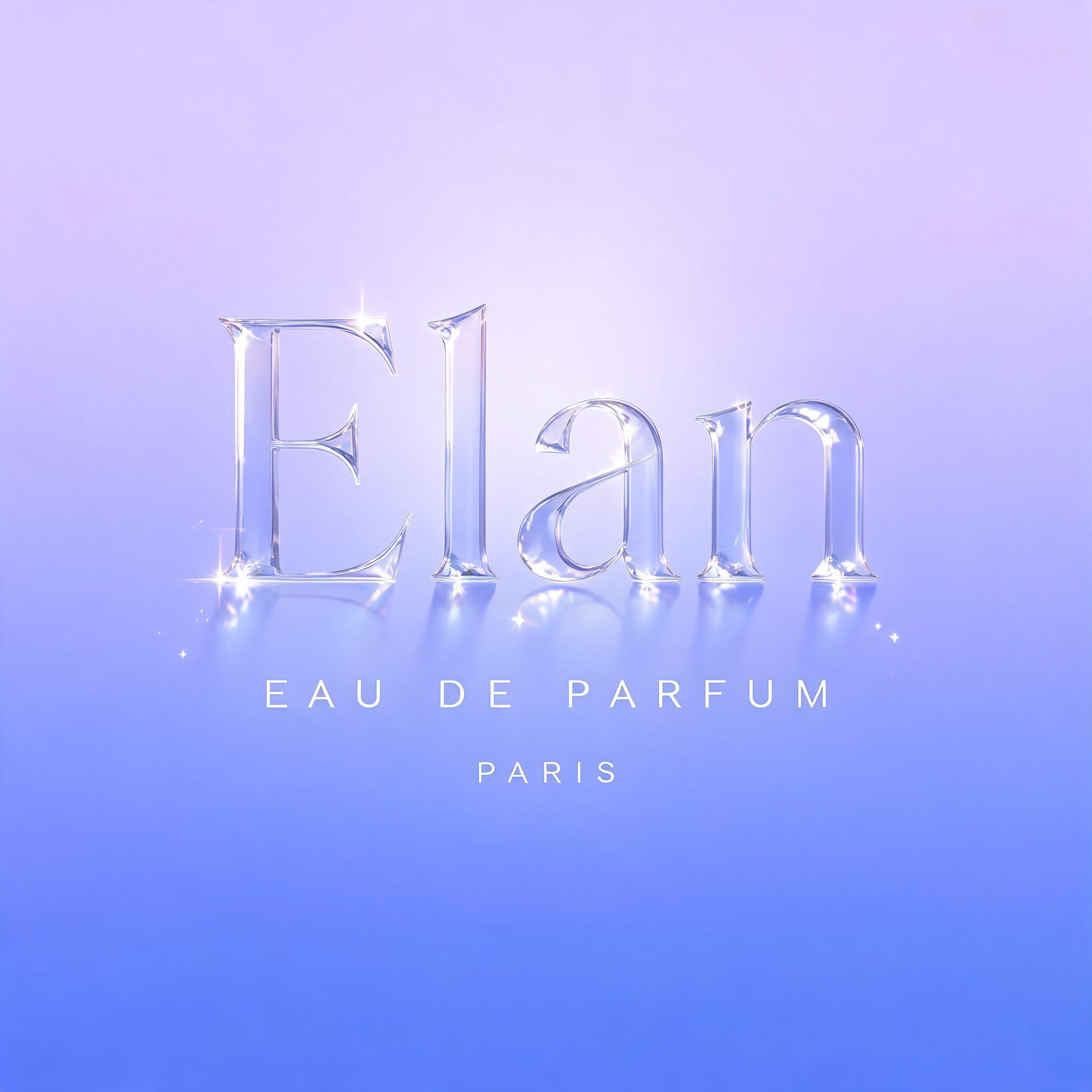
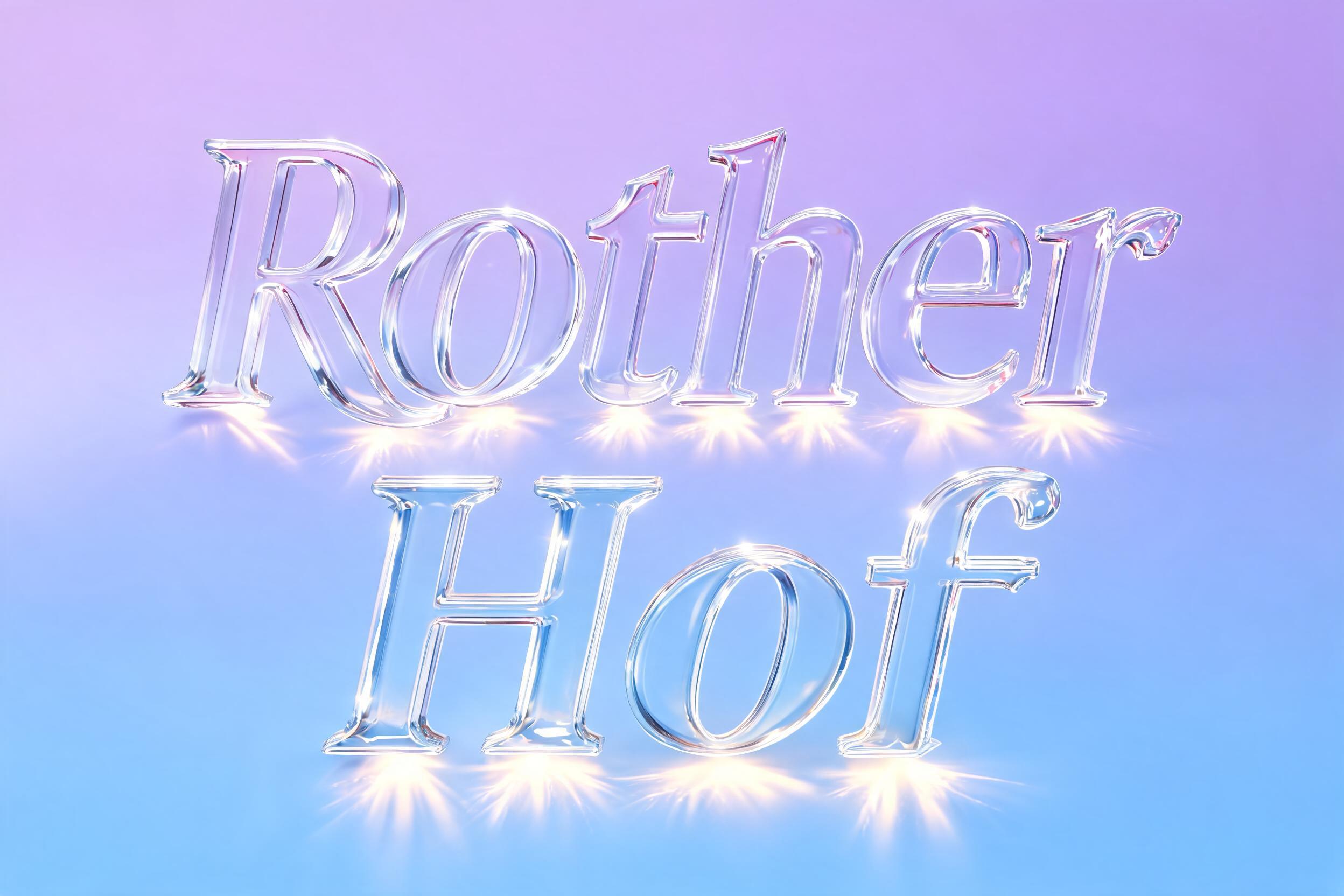
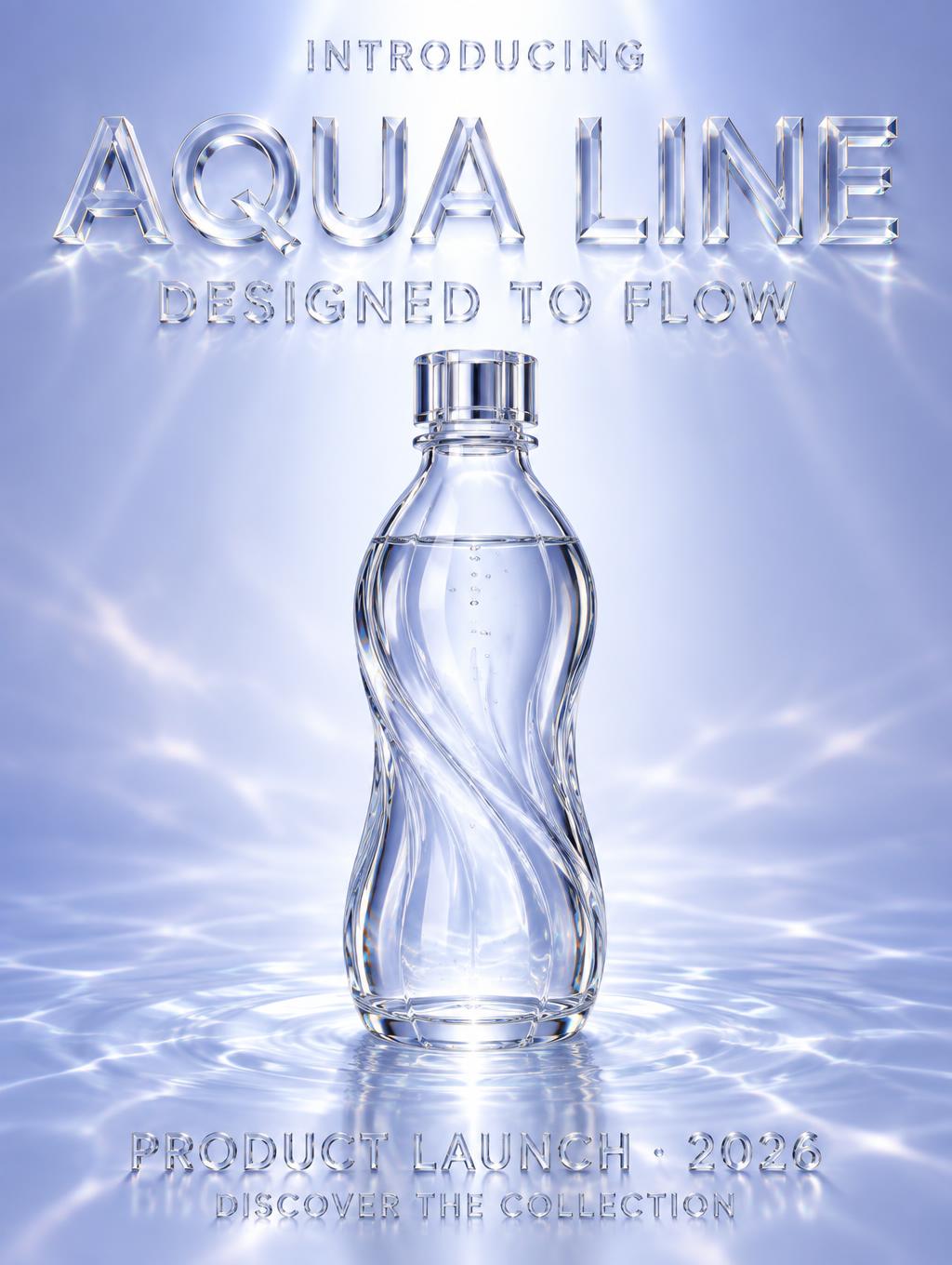
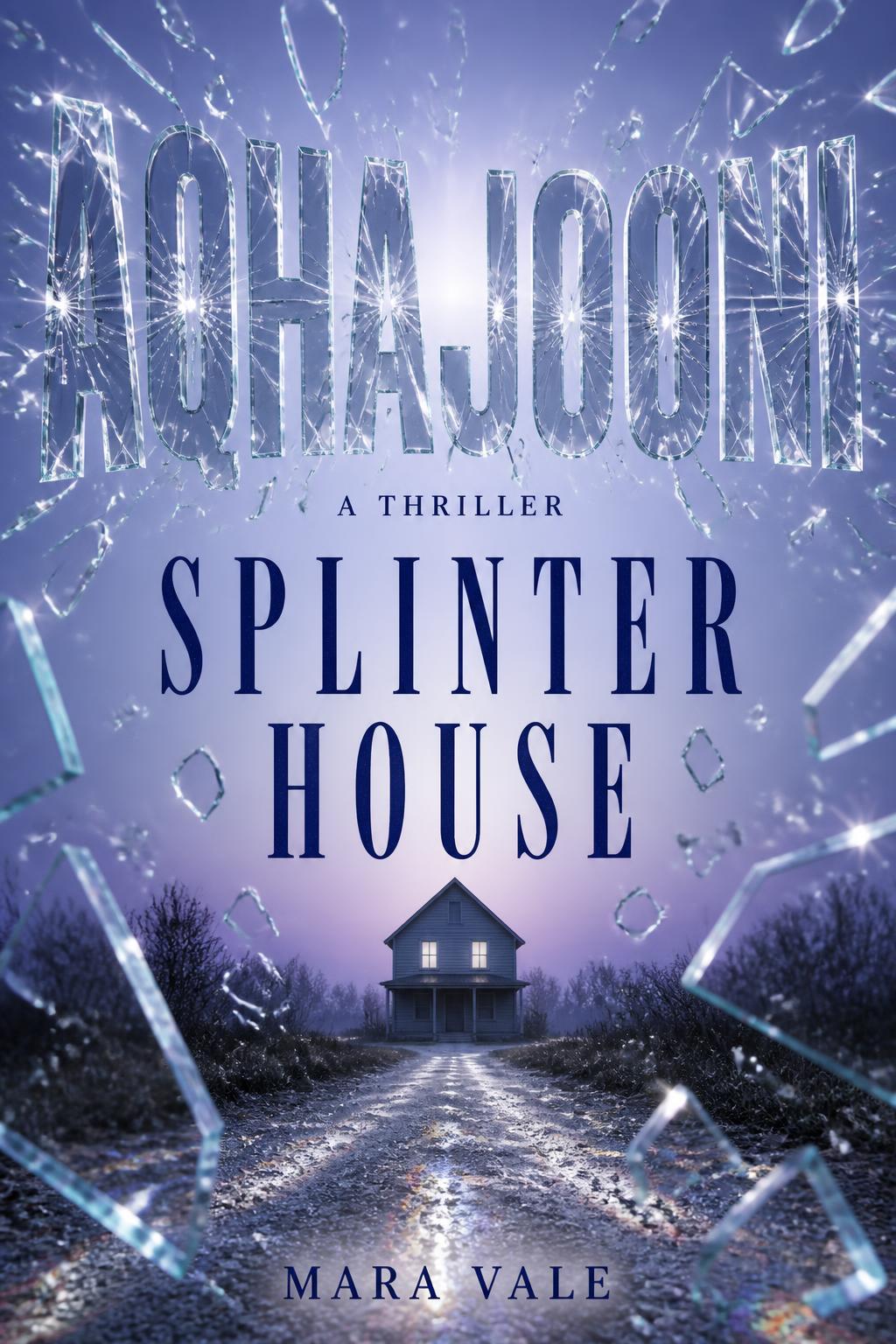
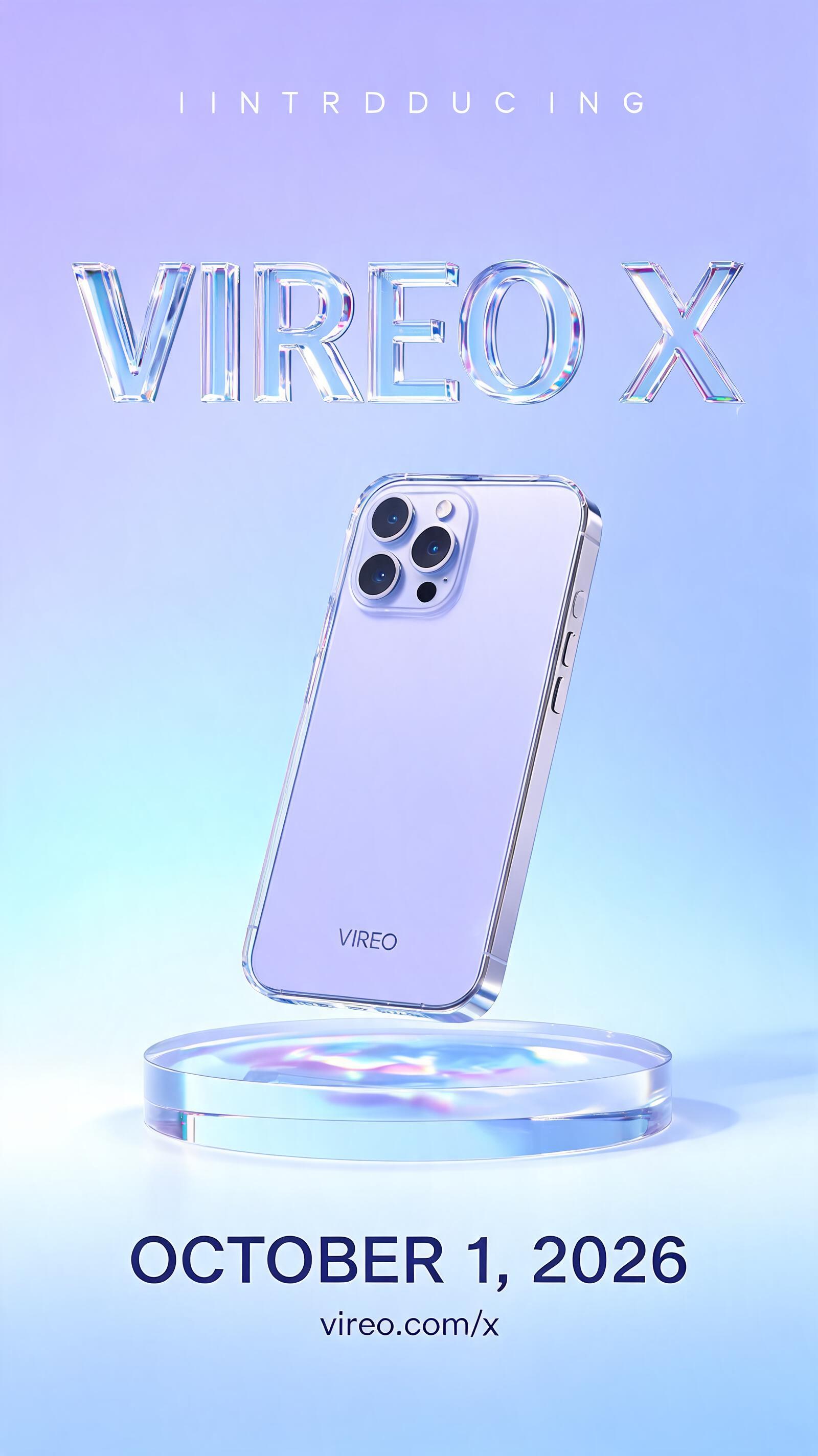
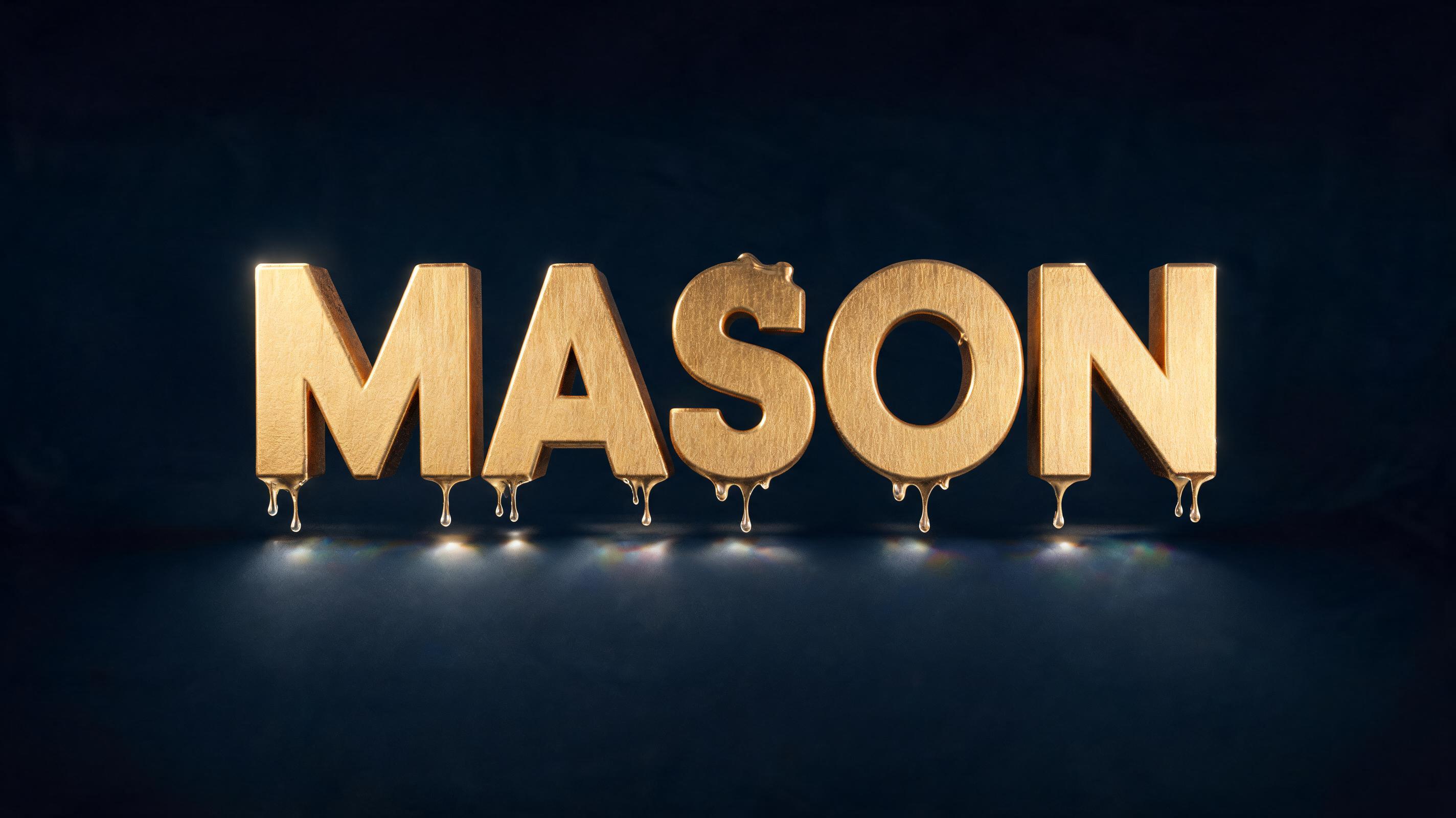
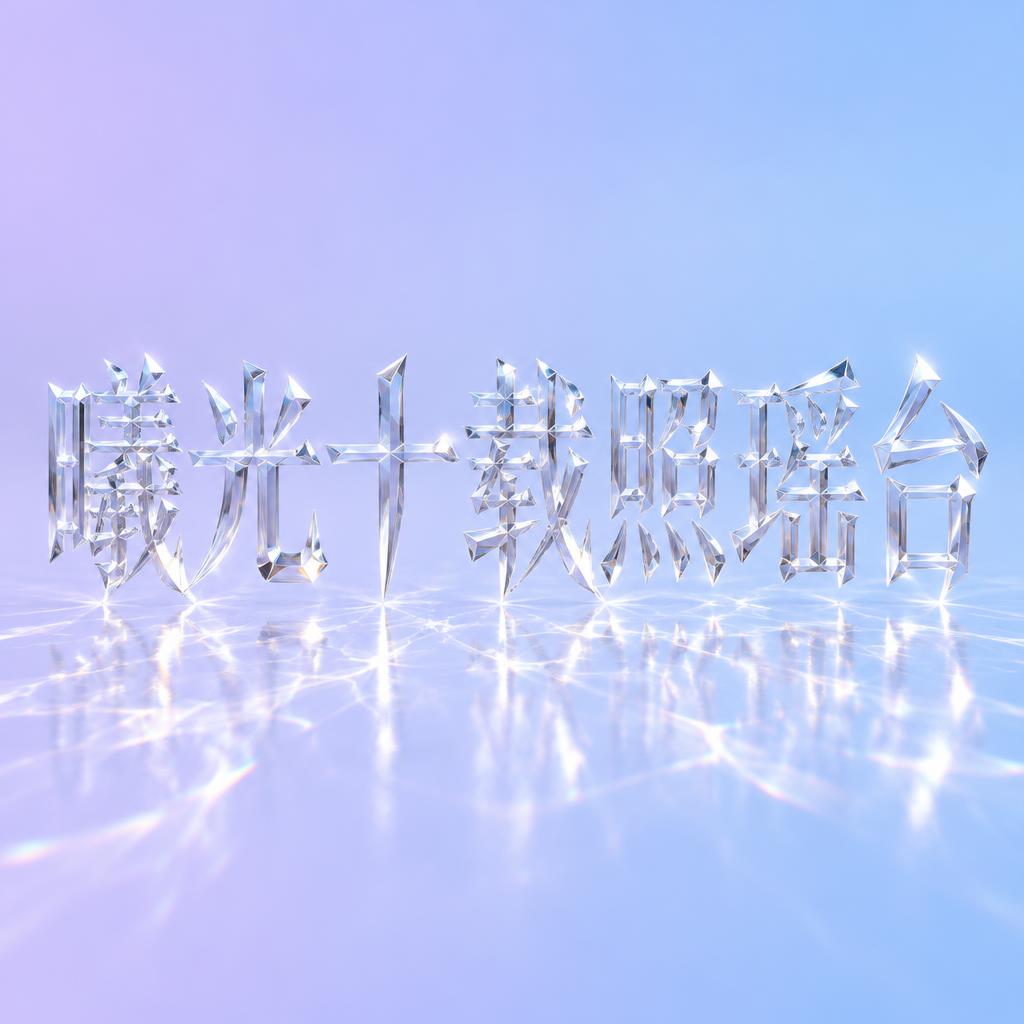
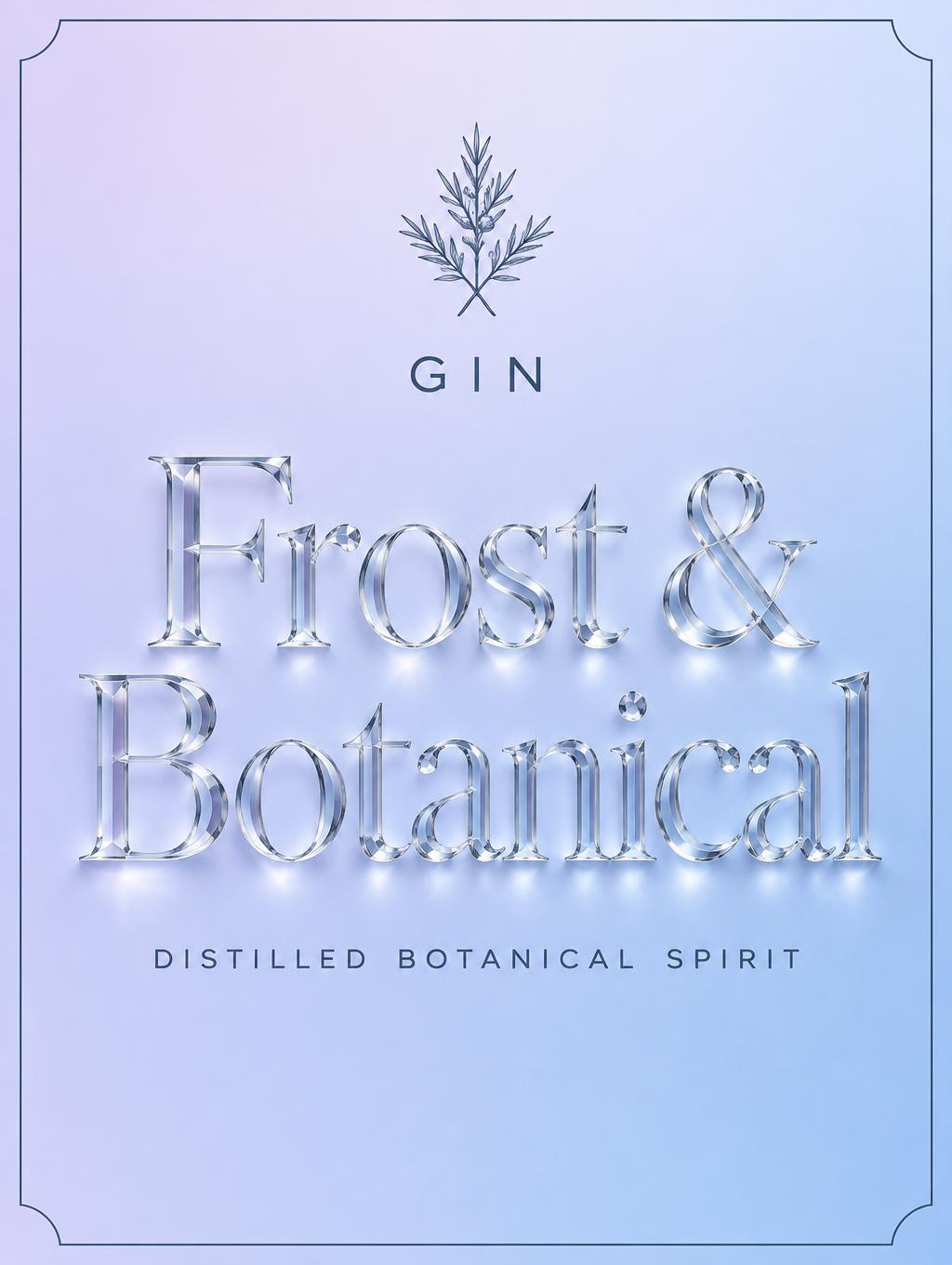
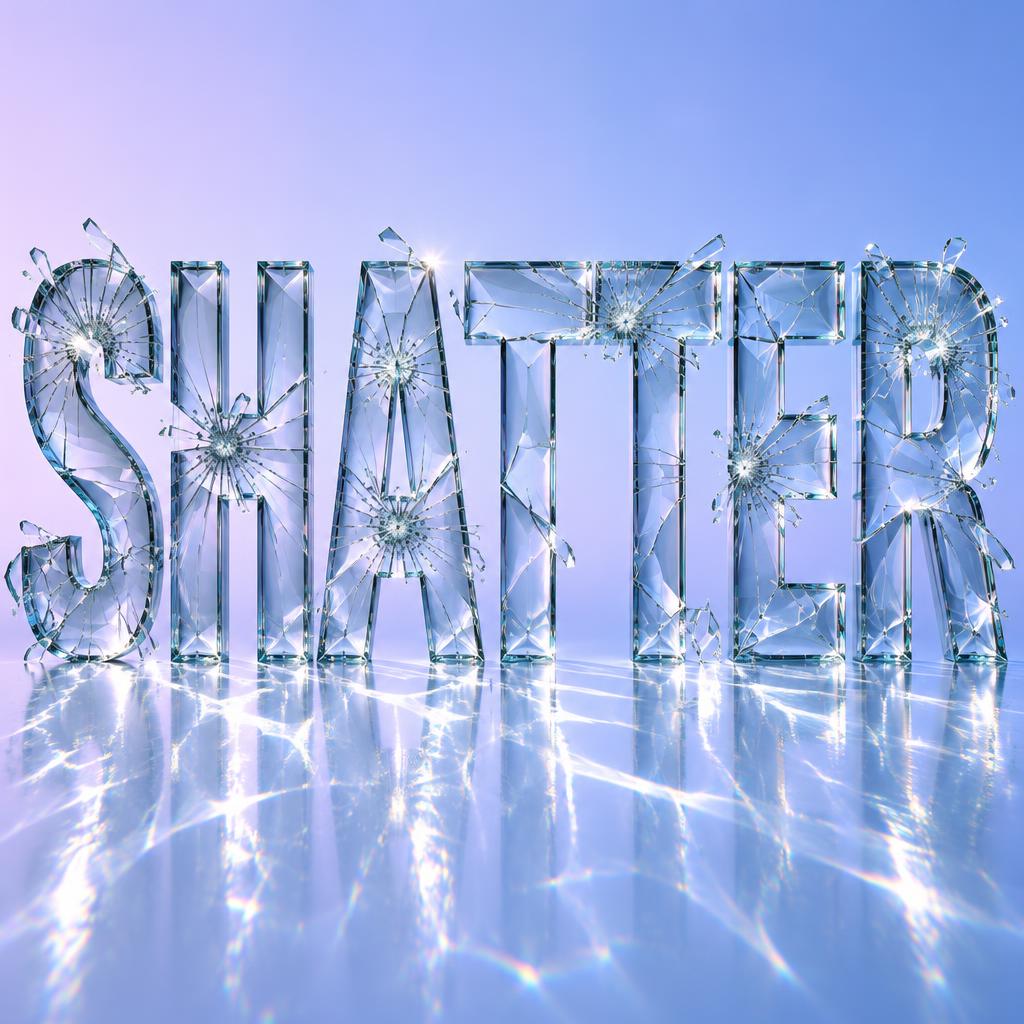
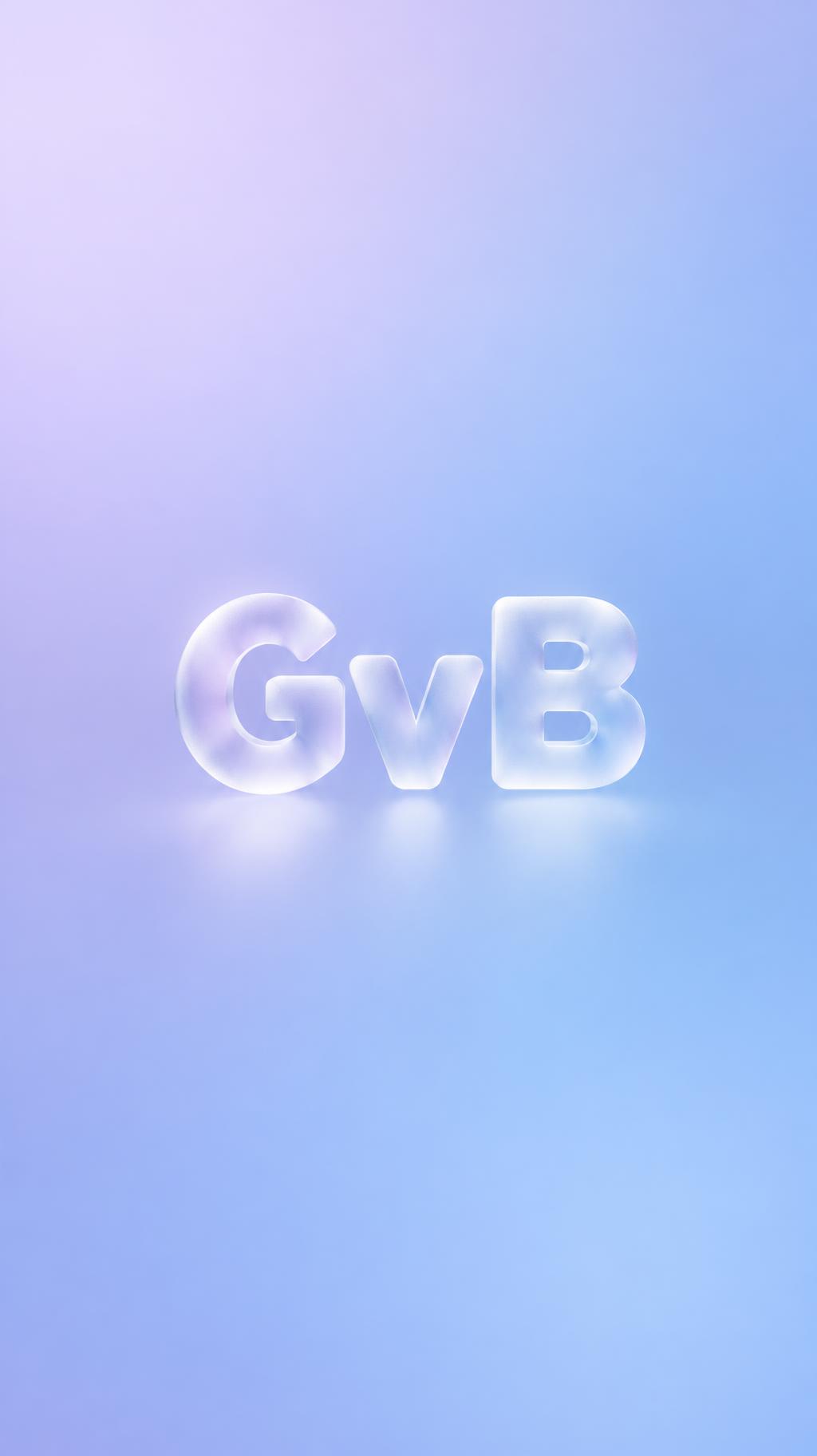
Real outputs from the Glass style. Click any image to see details.
✦ More AI Text Effects




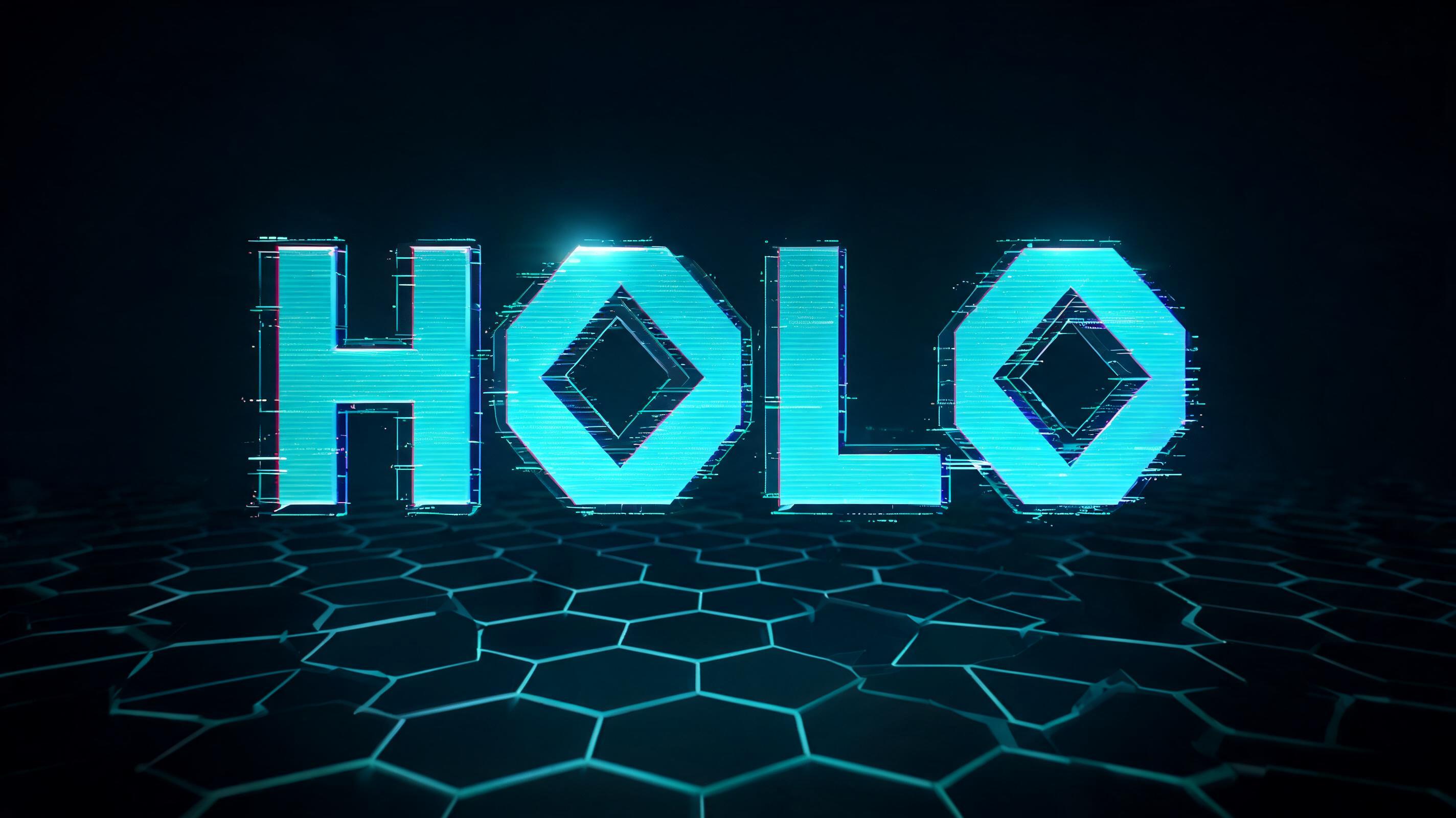


Looking for copy-paste fancy text? Try our free Font Generator Tools — cursive, gothic, bubble & 30+ styles.
✦ Use Cases
Perfect for These Projects
Luxury Brand Identity
Logos and visual identity for premium cosmetics, perfume, and high-end fashion brands with crystal-clear elegance.
Premium Packaging
Perfume bottles, skincare labels, and luxury product packaging where glass-like transparency signals quality.
Tech Product Launches
Apple-style product reveal graphics, feature highlight slides, and launch event visuals with clean glass aesthetics.
Architecture & Interior
Studio branding, portfolio headers, and project presentation materials for architecture and luxury interior design firms.
✦ FAQ
Glass Text Effect — FAQ
A glass text generator creates transparent crystal-clear text effects as finished images. FontVibe AI renders your text as if sculpted from glass — light refracts through letterforms, frosted edges blur backgrounds, and liquid reflections shimmer on the surface.
Type your text, select Glass on FontVibe, and click Generate. The AI produces a free glass text effect in seconds. No sign-in required for your first tries, and all images are free for commercial use.
FontVibe Glass style generates frosted glass, crystal clarity, liquid water effects, and glazed ceramic aesthetics — each with authentic light transmission, caustic patterns, and surface tension details.
Glass text effects are popular for luxury brand identities, perfume and cosmetics packaging, tech product launches, architectural firm branding, upscale event invitations, and any project needing a clean, premium, translucent aesthetic.
FontVibe exports high-resolution JPG and PNG. PNG is recommended to preserve the transparency and edge detail of glass effects when compositing.
Yes. All images generated on FontVibe are 100% copyright-free and cleared for commercial use.
About This Style
What is the Glass Font Style?
The Glass font style is a distinctive AI-generated typography effect. Clear optical-glass capitals refracting light, with bright edge highlights and caustics, reflected on a dark surface under a green-blue aurora sky. Using FontVibe's AI glass generator you can create stunning text effects in seconds — no Photoshop, no font licensing, no design experience needed.
Explore the Glass gallery for inspiration, or browse all 142+ AI text effect styles available on FontVibe.
How to Create Glass Typography in FontVibe Studio
1
Enter your text
Any word, phrase, or brand name. Works best with short, punchy text.
2
Select Glass
From the style library. Optionally describe a mood in the custom prompt.
3
Generate and download.
Your Glass font artwork is ready in seconds. PNG, JPG, or transparent PNG.
✦ Why FontVibe
Instant Generation
Generate Glass text effects in seconds — no design skills or font licenses needed.
100% Copyright-Free
Every artwork you create is yours to use — personal projects, client work, commercial products.
Download PNG / JPG Free
Download PNG, transparent PNG, or JPG. Ready for Canva, Figma, or any design tool.
✦ About This Style
The Story Behind Glass
History, visual DNA, and cultural context.
The Visual DNA
💎
Refraction and internal caustics— Glass bends light at its surfaces — the degree of bending (refraction) depends on the glass's refractive index. Inside a glass volume, light creates caustic patterns: focused bright areas where light has been concentrated by the curved surface.
✨
Specular highlights and edge brightness— Where light hits a glass surface at a favorable angle, it produces a bright, sharp specular highlight. At the edges and corners of glass forms, where the glass surface curves or terminates, these highlights are most intense.
🌊
Transmission distortion— Objects seen through glass are distorted — stretched, compressed, or displaced depending on the glass's thickness and curvature. Effective glass typography shows the background through the letter, slightly distorted by the refractive volume.
🔵
Cool tint and chromatic dispersion— Most glass has a slight cool tint (blue or green, depending on mineral content). At edges, thick glass separates light into its spectral components — the rainbow fringe of chromatic dispersion is a specific glass optical property.
💧
Frosted and textured variants— Frosted glass scatters light rather than transmitting it clearly, creating a soft, diffused translucency. Textured glass (pressed with patterns) creates organized distortion. Both variants are part of the broader glass aesthetic family.
In Typography
Glass typography sits at the premium end of the translucent material spectrum. Where holographic aesthetics are science-fictional and iridescent, glass aesthetics are architectural and real — the material of luxury storefronts, high-end product packaging, and fine dining establishments.
The glassmorphism design trend (2020–2022) brought glass aesthetics into UI design: frosted glass panels with blur effects, border highlights suggesting glass edges, and subtle shadow and light interaction that implied physicality in digital interfaces. The trend was influential enough to define a period of UI aesthetic, then became overused enough to trigger a backlash.
For typography specifically, the challenge is maintaining legibility through a material that is defined by its transparency. The letterform must have enough opacity or edge definition to be legible while showing enough of the glass's optical properties to read as glass rather than crystal or ice.
Sources: Wikipedia — Glassmorphism
Did You Know?
🏛️
The glass cube of the Apple Store on Fifth Avenue in New York opened in 2006 as a 32-foot (9.8 m) self-supporting structure of 90 glass panels held by glass fins and beams rather than structural steel; a 2011 rebuild cut it to 15 larger panels. It has become one of New York's most photographed landmarks. Source ↗
💻
The term glassmorphism was coined by designer Michal Malewicz in 2020, the year Apple's macOS Big Sur brought frosted-glass blur panels to the desktop; Windows Vista and Windows 7's Aero interface had used translucent glass effects years earlier. Source ↗
✦ Open in Studio
Create Your Glass Typography in Studio
Free to start. No design skills needed. Your artwork, your copyright.
✓ 0 free credits on sign-in · ✓ No credit card required
2.2K+ artworks
AI Glass Text Effect Generator
Clear optical-glass capitals refracting light, with bright edge highlights and caustics, reflected on a dark surface under a green-blue aurora sky. — no font license needed.
Glass in different AI fonts
Glass Clear↗· 1321 artworks
CleanGlass
Try It Now — Free
Generate Your Glass Text Effect
Type any word — see it transformed in seconds. No sign-up required.
Instant Generation
100% Copyright-Free
Download PNG / JPG Free
✦ Glass Variations
Find the Right Glass Style for Your Project
6 distinct variations — each locked to a specific look and use case.
✦ Text Effect Gallery
Glass Style Gallery
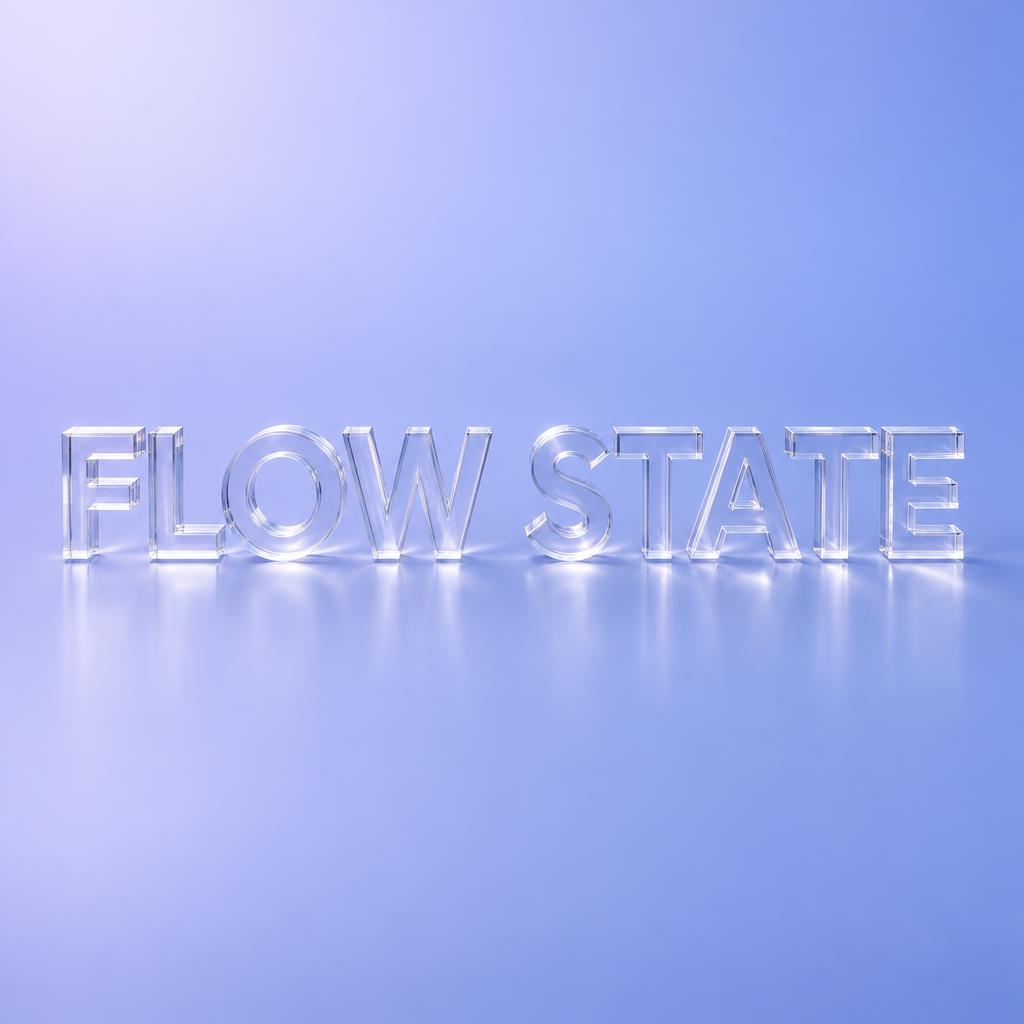
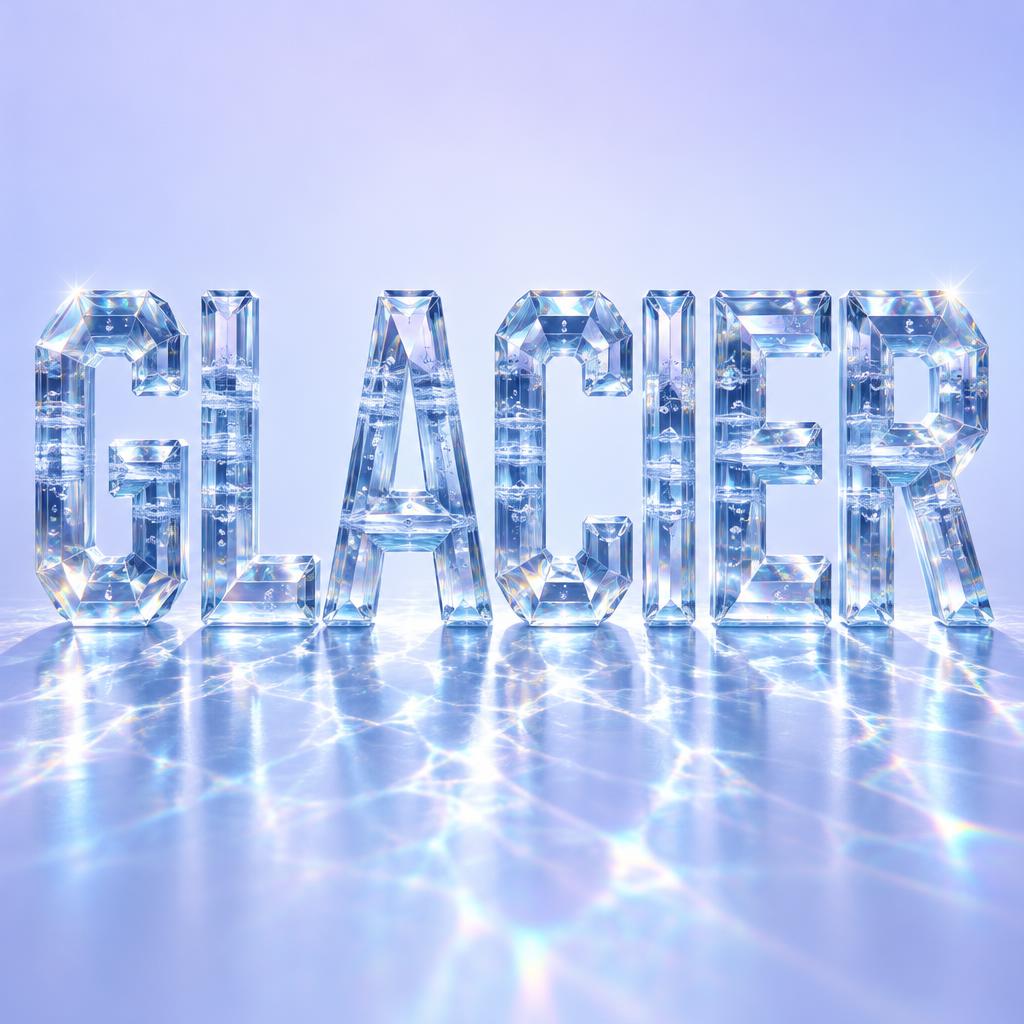
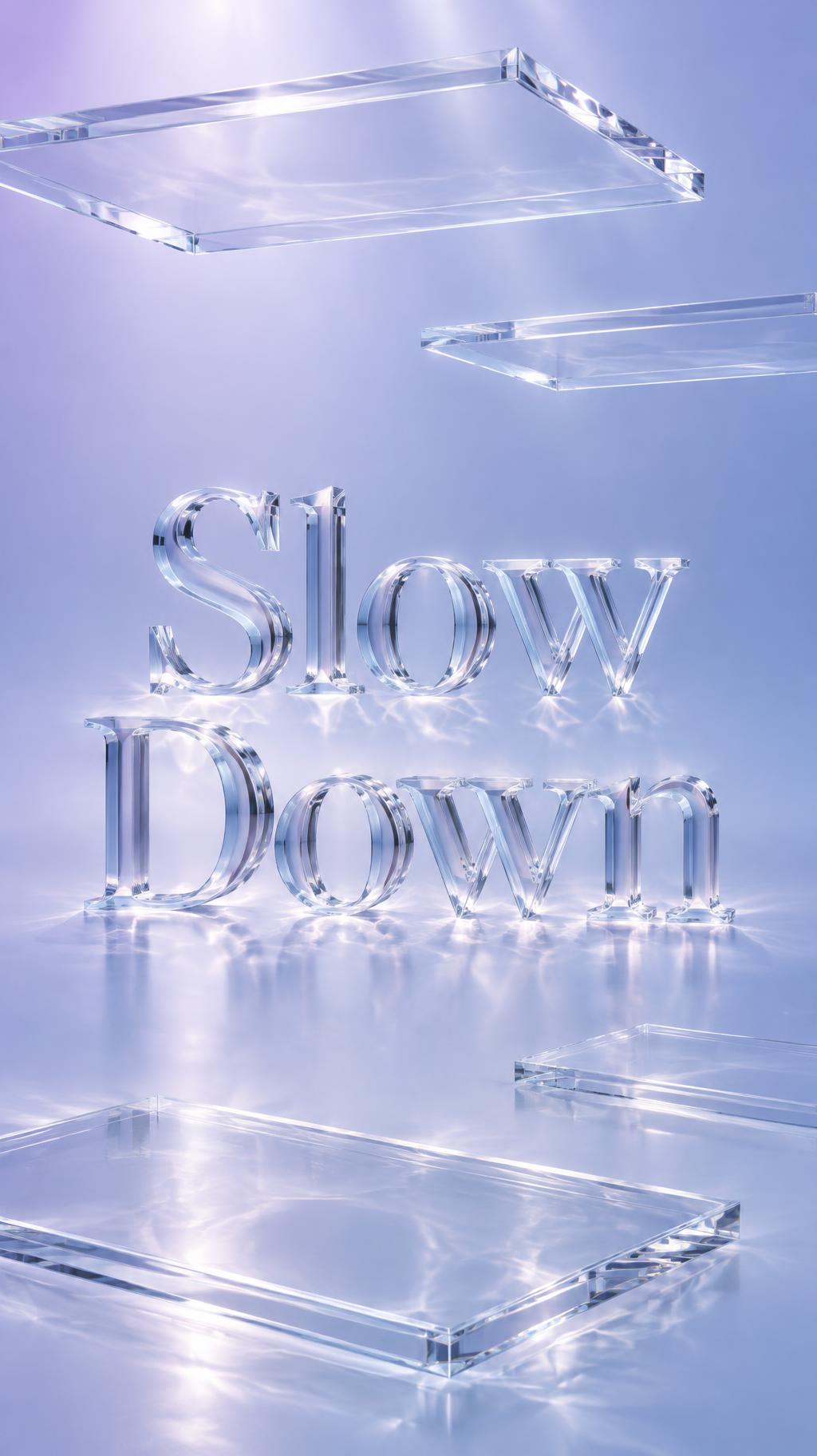
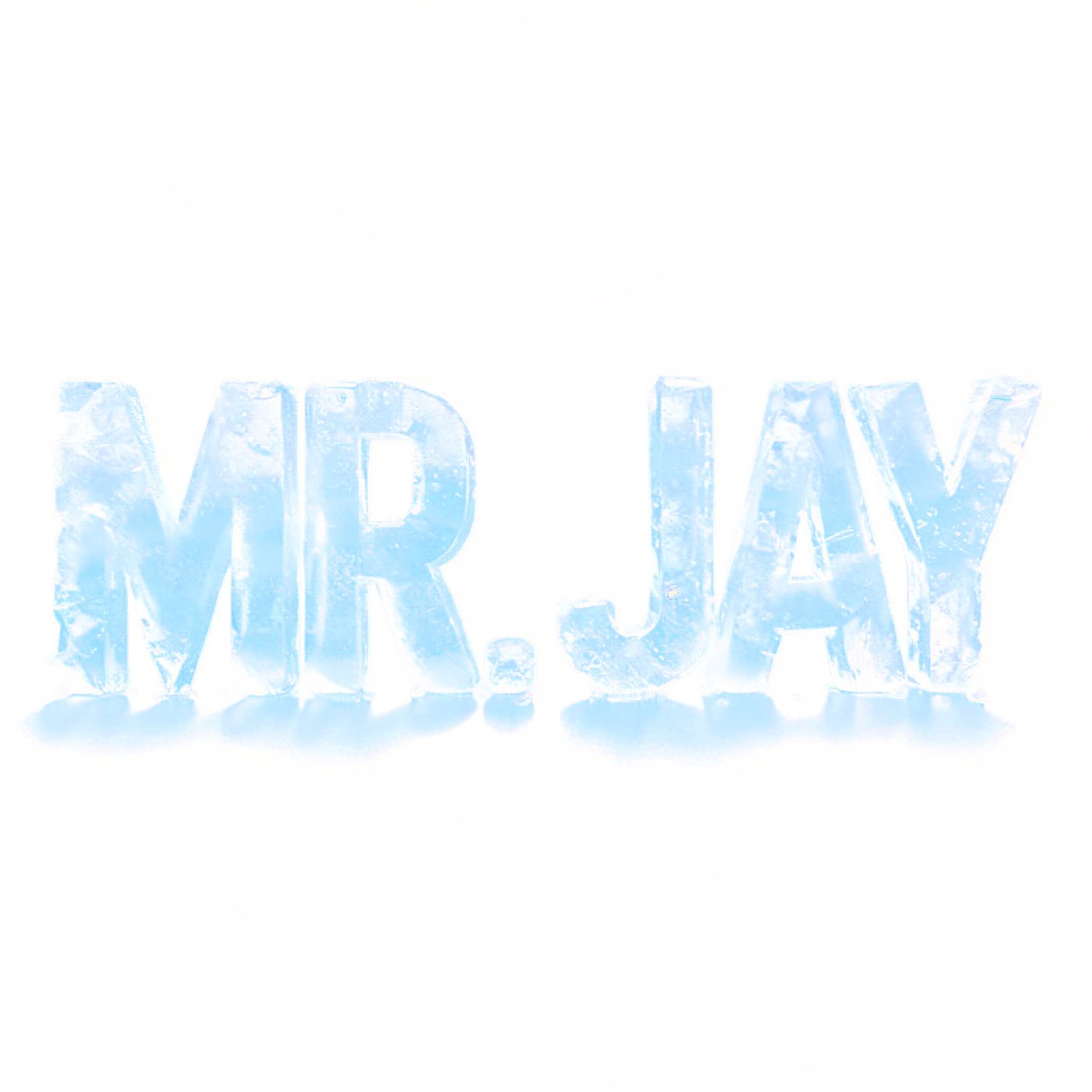
Real outputs from the Glass style. Click any image to see details.








✦ More AI Text Effects
Similar Text Effect Styles
Try these styles and create your own AI-generated text effects.
Looking for copy-paste fancy text? Try our free Font Generator Tools — cursive, gothic, bubble & 30+ styles.
✦ Use Cases
Perfect for These Projects
Glass text effects are popular for creative projects where visual impact matters.
Luxury Brand Identity
Logos and visual identity for premium cosmetics, perfume, and high-end fashion brands with crystal-clear elegance.
Premium Packaging
Perfume bottles, skincare labels, and luxury product packaging where glass-like transparency signals quality.
Tech Product Launches
Apple-style product reveal graphics, feature highlight slides, and launch event visuals with clean glass aesthetics.
Architecture & Interior
Studio branding, portfolio headers, and project presentation materials for architecture and luxury interior design firms.
Wedding & Events
Upscale event invitations, ceremony signage, and reception materials with translucent glass sophistication.
Social Media
Premium-feel Instagram posts and story overlays with the clean, light-catching quality of glass aesthetics.
What is the Glass Font Style?
The Glass font style is a distinctive AI-generated typography effect. Clear optical-glass capitals refracting light, with bright edge highlights and caustics, reflected on a dark surface under a green-blue aurora sky.
Using FontVibe's AI glass generator you can create stunning text effects in seconds — no Photoshop, no font licensing, no design experience needed.
Explore the Glass gallery for inspiration, or browse all 142+ AI text effect styles available on FontVibe.
How to Create Glass Typography in FontVibe Studio
1. Enter your text — Any word, phrase, or brand name. Works best with short, punchy text.
2. Select Glass — From the style library. Optionally describe a mood in the custom prompt.
3. Generate and download. Your Glass font artwork is ready in seconds. PNG, JPG, or transparent PNG.
Looking for something different? Browse the full font style library for more AI typography options.
✦ FAQ
Glass Text Effect — FAQ
A glass text generator creates transparent crystal-clear text effects as finished images. FontVibe AI renders your text as if sculpted from glass — light refracts through letterforms, frosted edges blur backgrounds, and liquid reflections shimmer on the surface.
Type your text, select Glass on FontVibe, and click Generate. The AI produces a free glass text effect in seconds. No sign-in required for your first tries, and all images are free for commercial use.
FontVibe Glass style generates frosted glass, crystal clarity, liquid water effects, and glazed ceramic aesthetics — each with authentic light transmission, caustic patterns, and surface tension details.
Glass text effects are popular for luxury brand identities, perfume and cosmetics packaging, tech product launches, architectural firm branding, upscale event invitations, and any project needing a clean, premium, translucent aesthetic.
FontVibe exports high-resolution JPG and PNG. PNG is recommended to preserve the transparency and edge detail of glass effects when compositing.
Yes. All images generated on FontVibe are 100% copyright-free and cleared for commercial use.
✦ About This Style
The Story Behind Glass
History, visual DNA, and cultural context — everything that makes this style what it is.
The Visual DNA
💎
Refraction and internal caustics— Glass bends light at its surfaces — the degree of bending (refraction) depends on the glass's refractive index. Inside a glass volume, light creates caustic patterns: focused bright areas where light has been concentrated by the curved surface.
✨
Specular highlights and edge brightness— Where light hits a glass surface at a favorable angle, it produces a bright, sharp specular highlight. At the edges and corners of glass forms, where the glass surface curves or terminates, these highlights are most intense.
🌊
Transmission distortion— Objects seen through glass are distorted — stretched, compressed, or displaced depending on the glass's thickness and curvature. Effective glass typography shows the background through the letter, slightly distorted by the refractive volume.
🔵
Cool tint and chromatic dispersion— Most glass has a slight cool tint (blue or green, depending on mineral content). At edges, thick glass separates light into its spectral components — the rainbow fringe of chromatic dispersion is a specific glass optical property.
💧
Frosted and textured variants— Frosted glass scatters light rather than transmitting it clearly, creating a soft, diffused translucency. Textured glass (pressed with patterns) creates organized distortion. Both variants are part of the broader glass aesthetic family.
In Typography
Glass typography sits at the premium end of the translucent material spectrum. Where holographic aesthetics are science-fictional and iridescent, glass aesthetics are architectural and real — the material of luxury storefronts, high-end product packaging, and fine dining establishments.
The glassmorphism design trend (2020–2022) brought glass aesthetics into UI design: frosted glass panels with blur effects, border highlights suggesting glass edges, and subtle shadow and light interaction that implied physicality in digital interfaces. The trend was influential enough to define a period of UI aesthetic, then became overused enough to trigger a backlash.
For typography specifically, the challenge is maintaining legibility through a material that is defined by its transparency. The letterform must have enough opacity or edge definition to be legible while showing enough of the glass's optical properties to read as glass rather than crystal or ice.
Sources: Wikipedia — Glassmorphism
Did You Know?
🏛️
The glass cube of the Apple Store on Fifth Avenue in New York opened in 2006 as a 32-foot (9.8 m) self-supporting structure of 90 glass panels held by glass fins and beams rather than structural steel; a 2011 rebuild cut it to 15 larger panels. It has become one of New York's most photographed landmarks. Source ↗
💻
The term glassmorphism was coined by designer Michal Malewicz in 2020, the year Apple's macOS Big Sur brought frosted-glass blur panels to the desktop; Windows Vista and Windows 7's Aero interface had used translucent glass effects years earlier. Source ↗