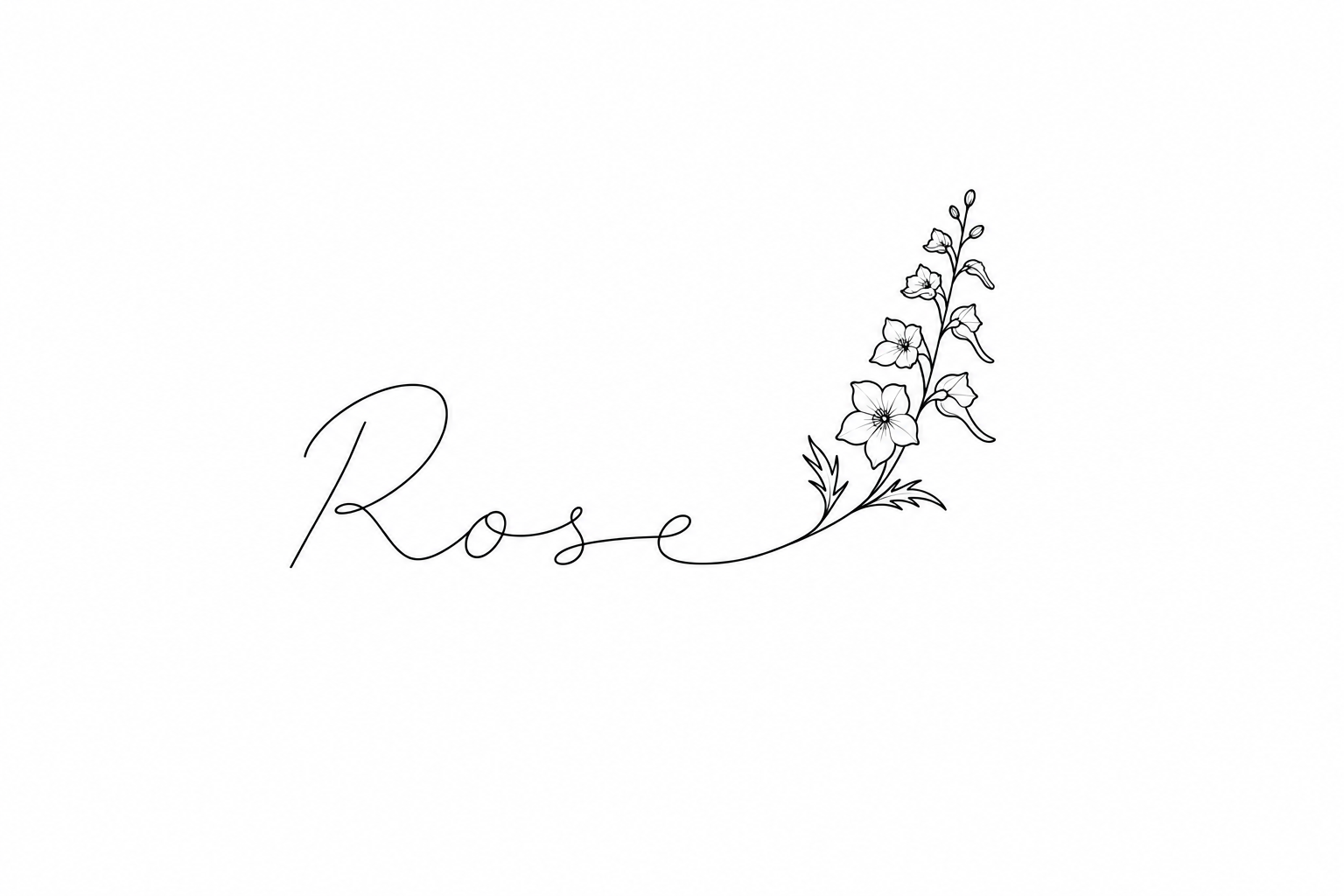
The fine line aesthetic: line, motifs, paper and space
Every fine line art piece here is built from the same four parts. The style draws the line, motifs, paper and space of the whole picture; the letters come from the AI font you pick.
Fine line art prints, line drawings, flash sheets, wallpapers, invitations and logos
Every format here is a small thin-line drawing with your name or words set beside it. Pick a format to see designs made in it, or describe your own.
Fine Line Art Prints
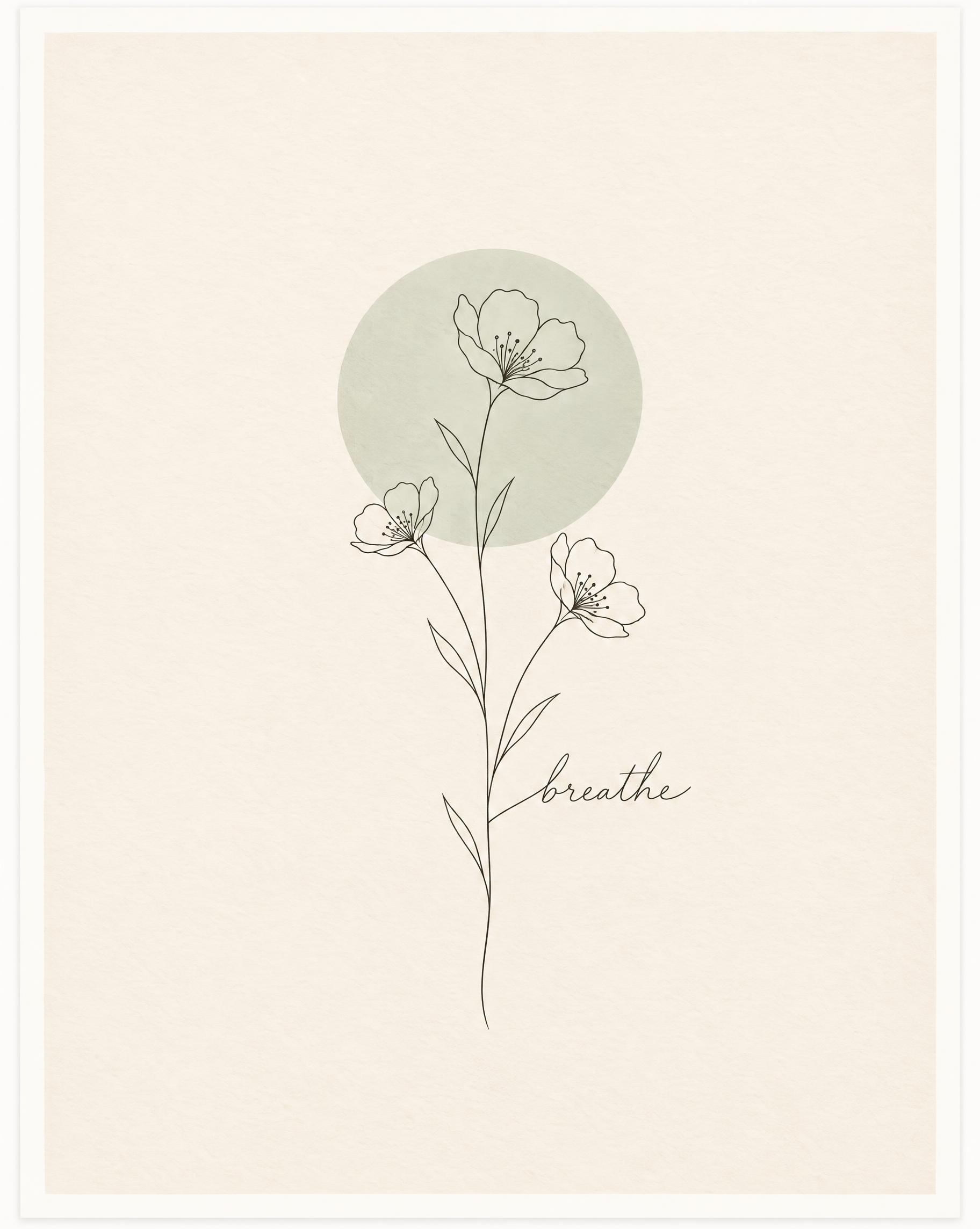
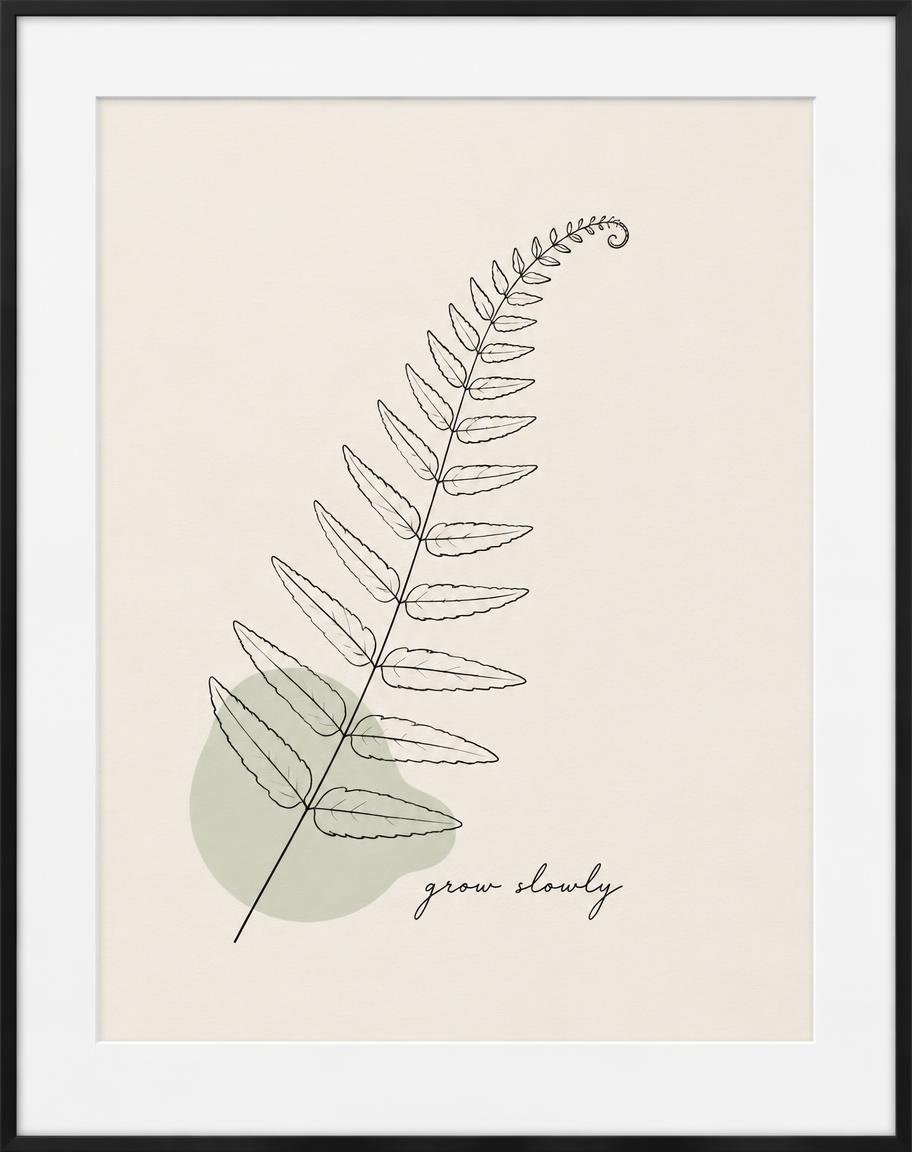
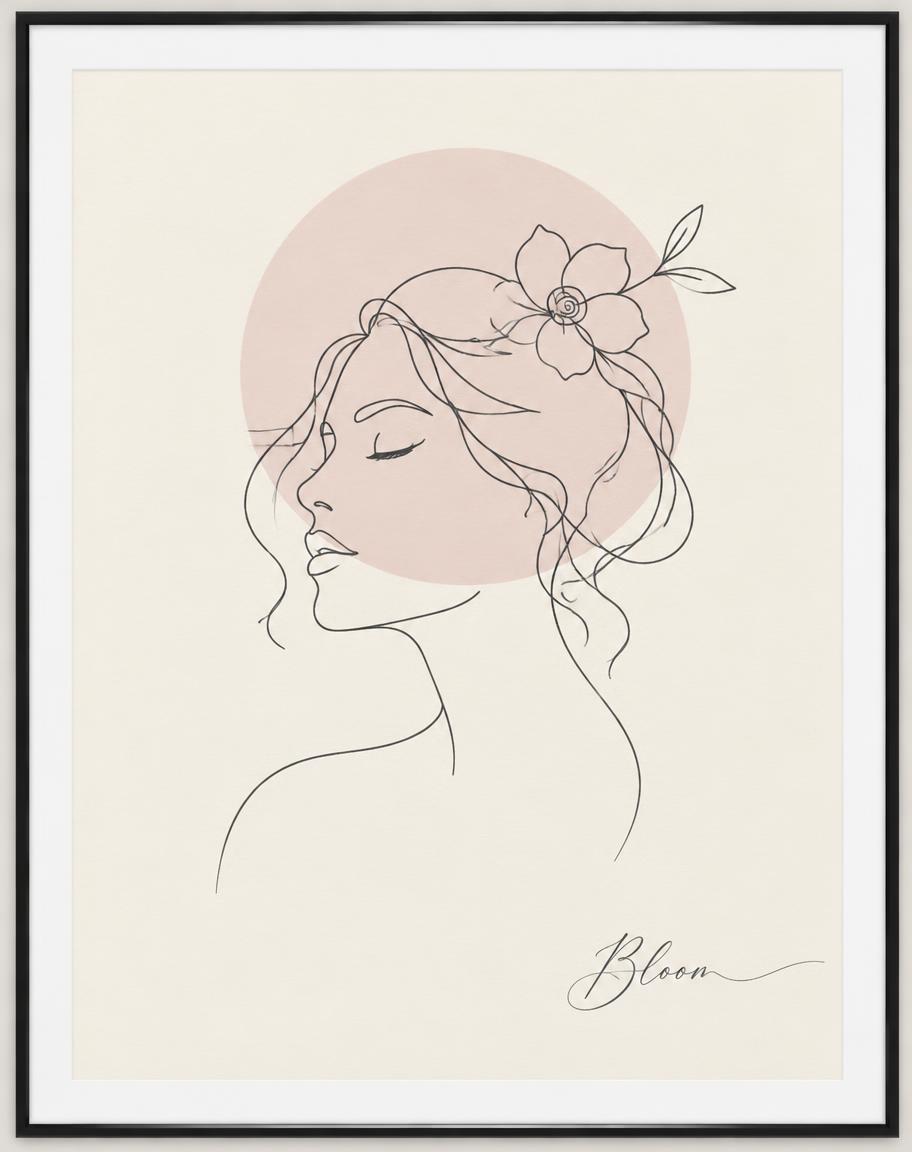
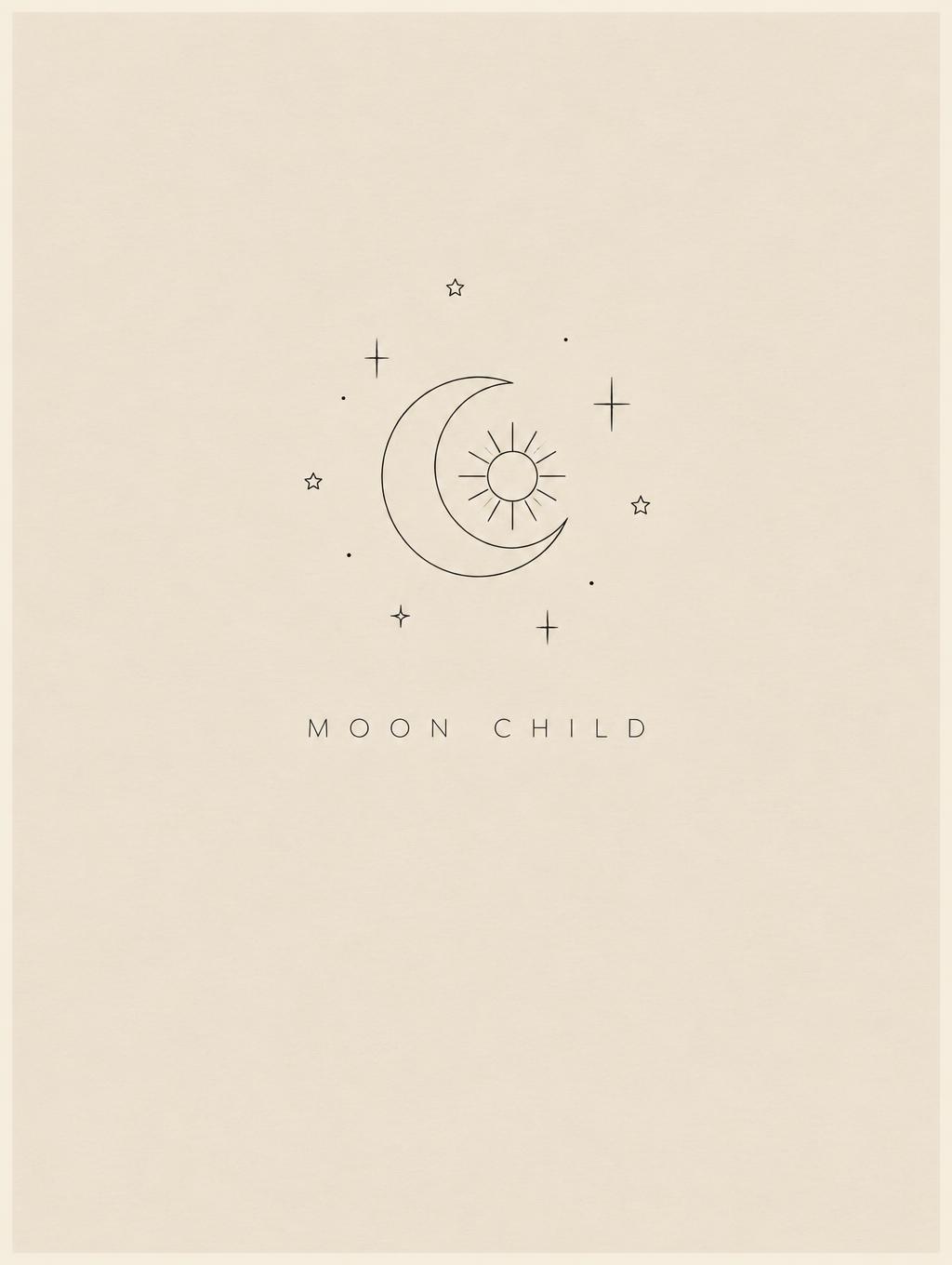
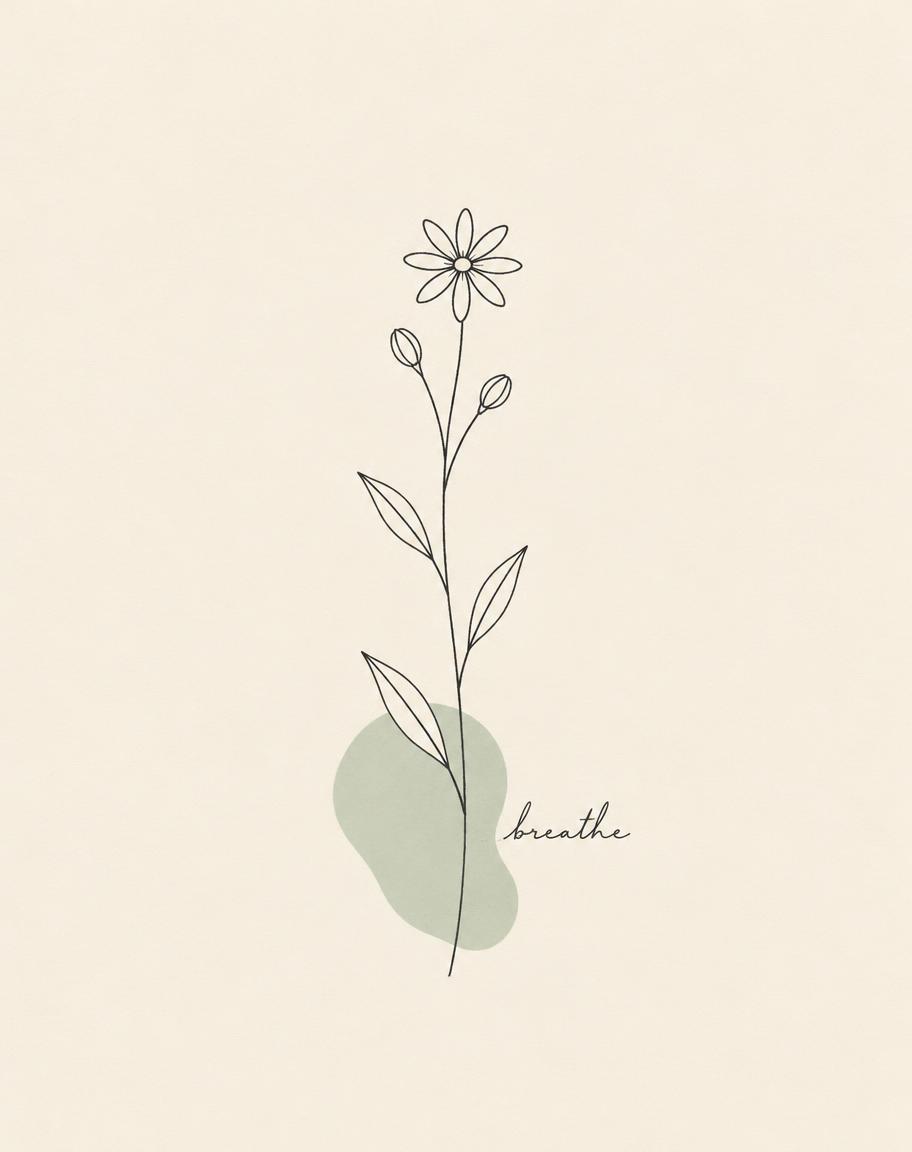
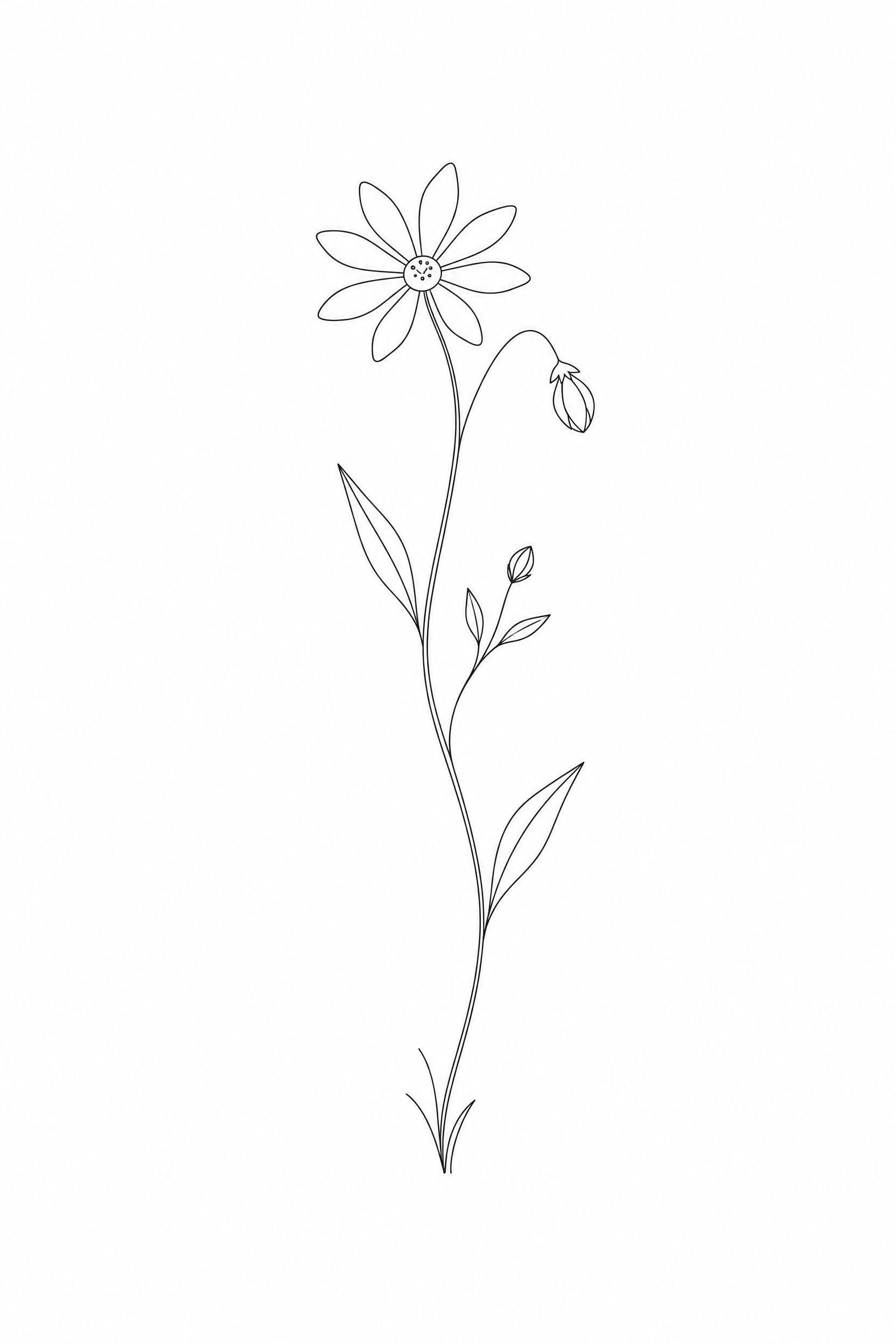
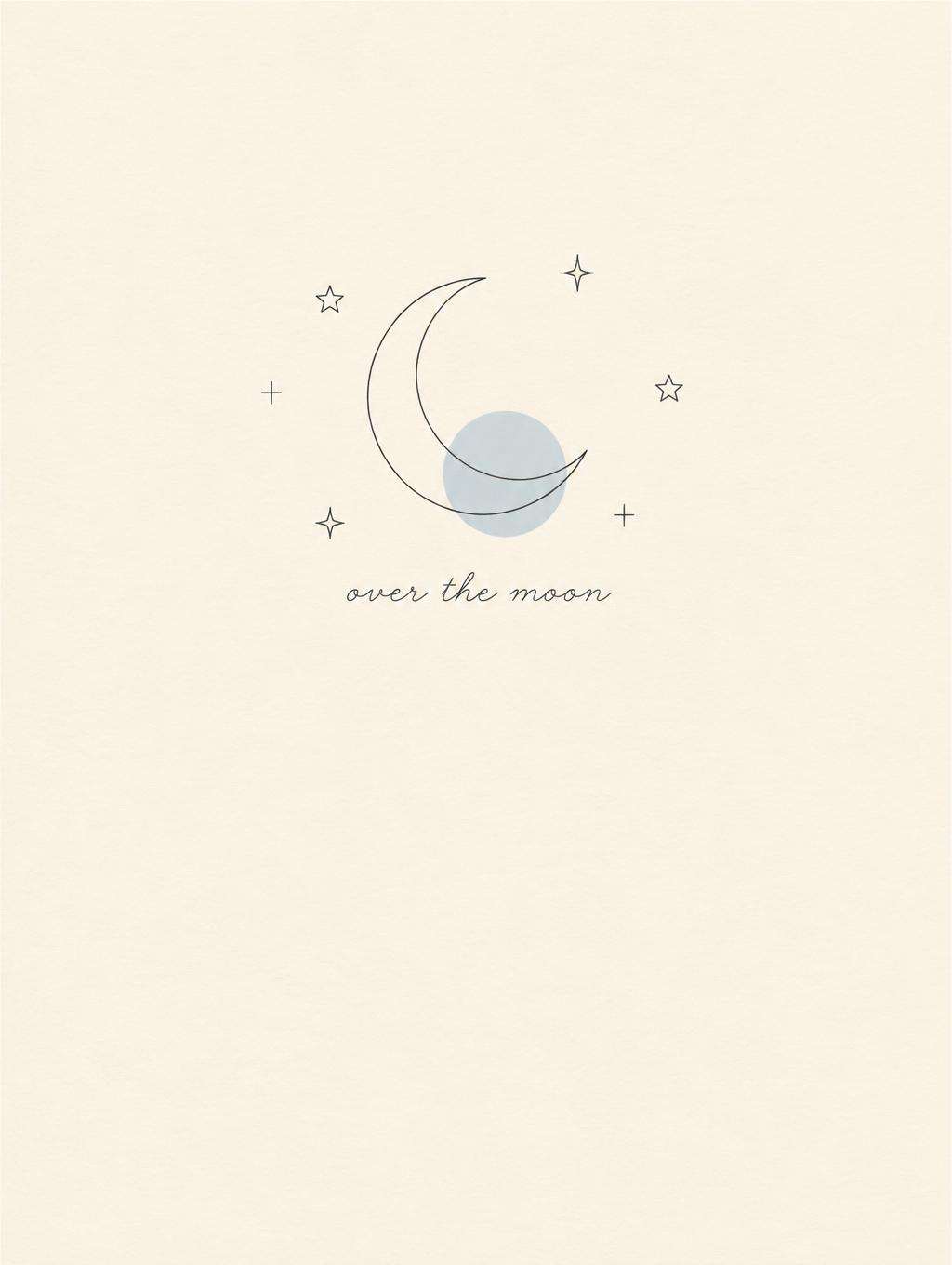
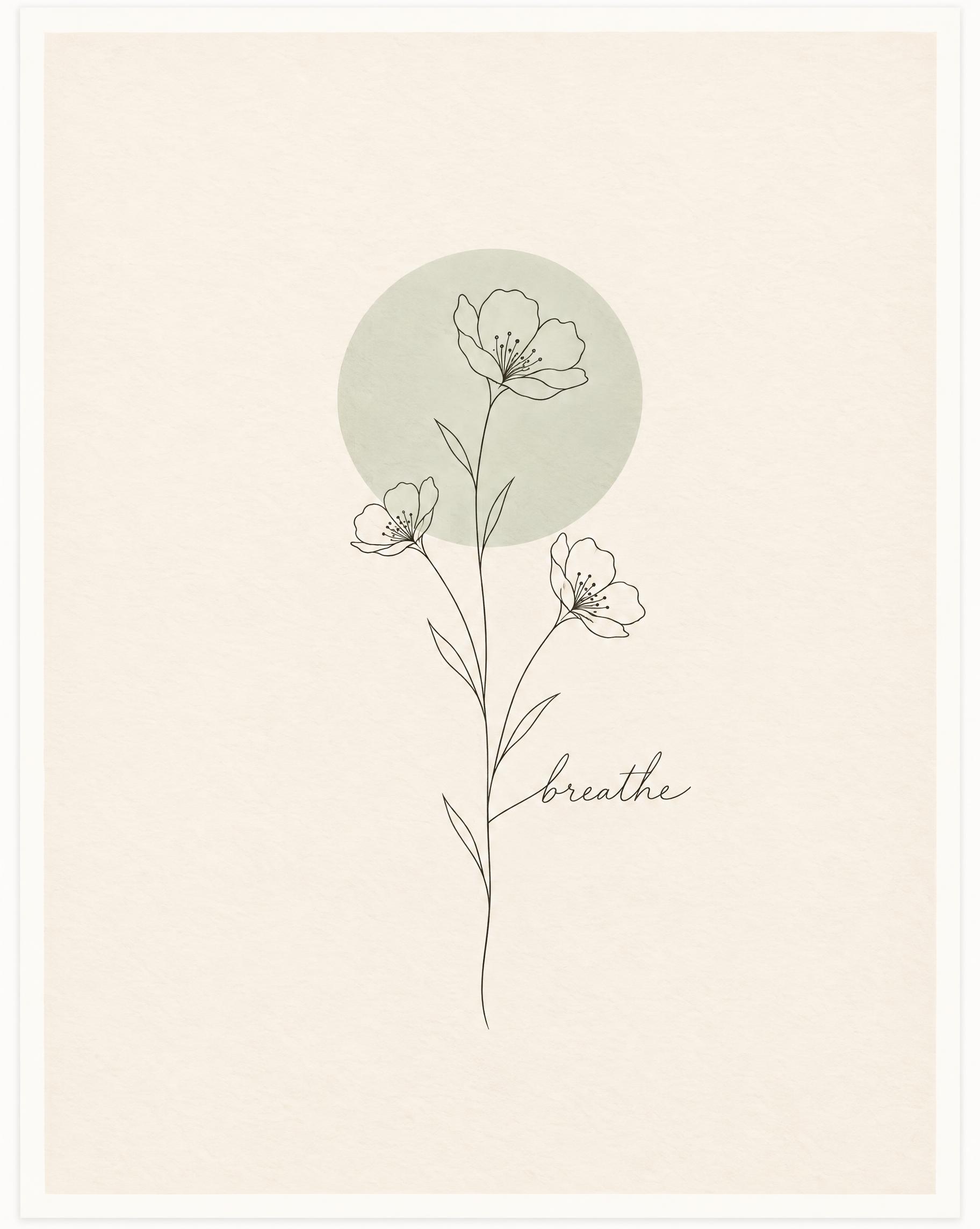
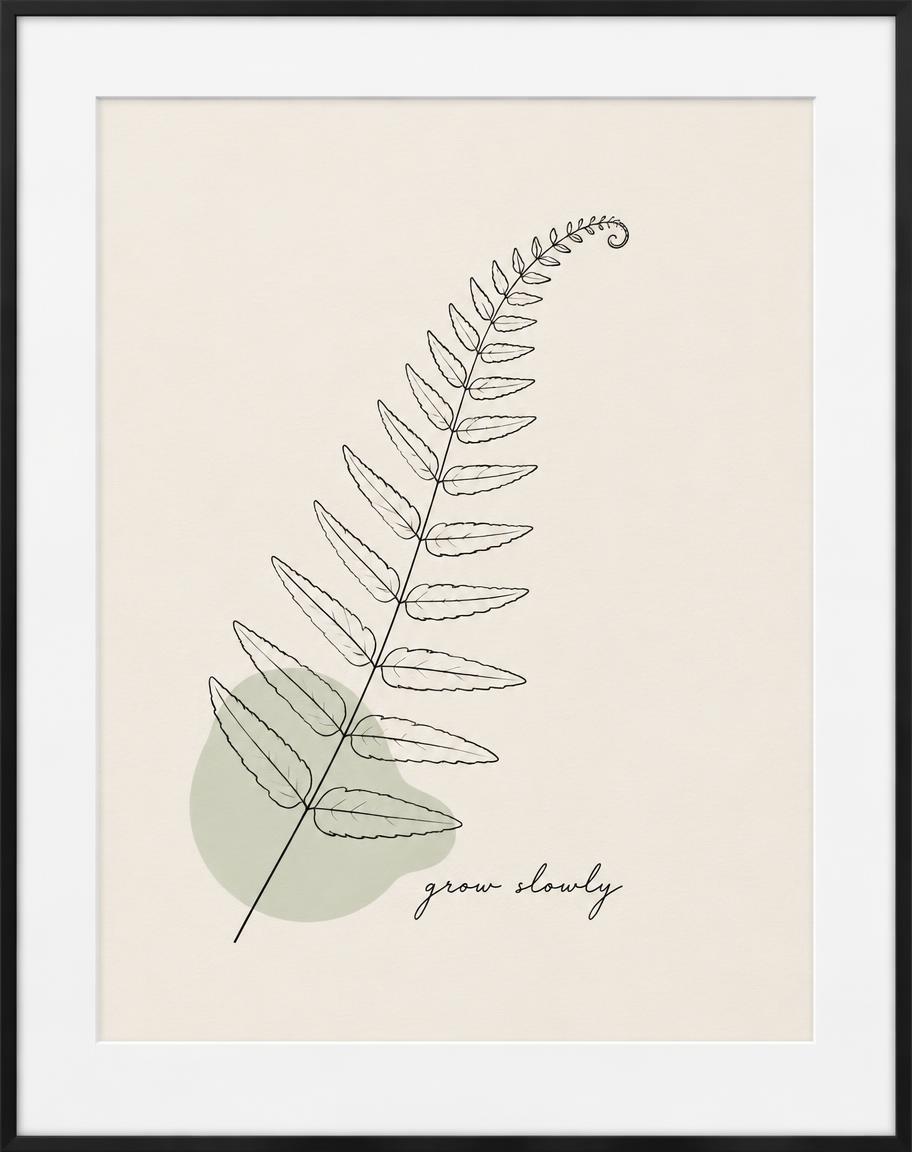
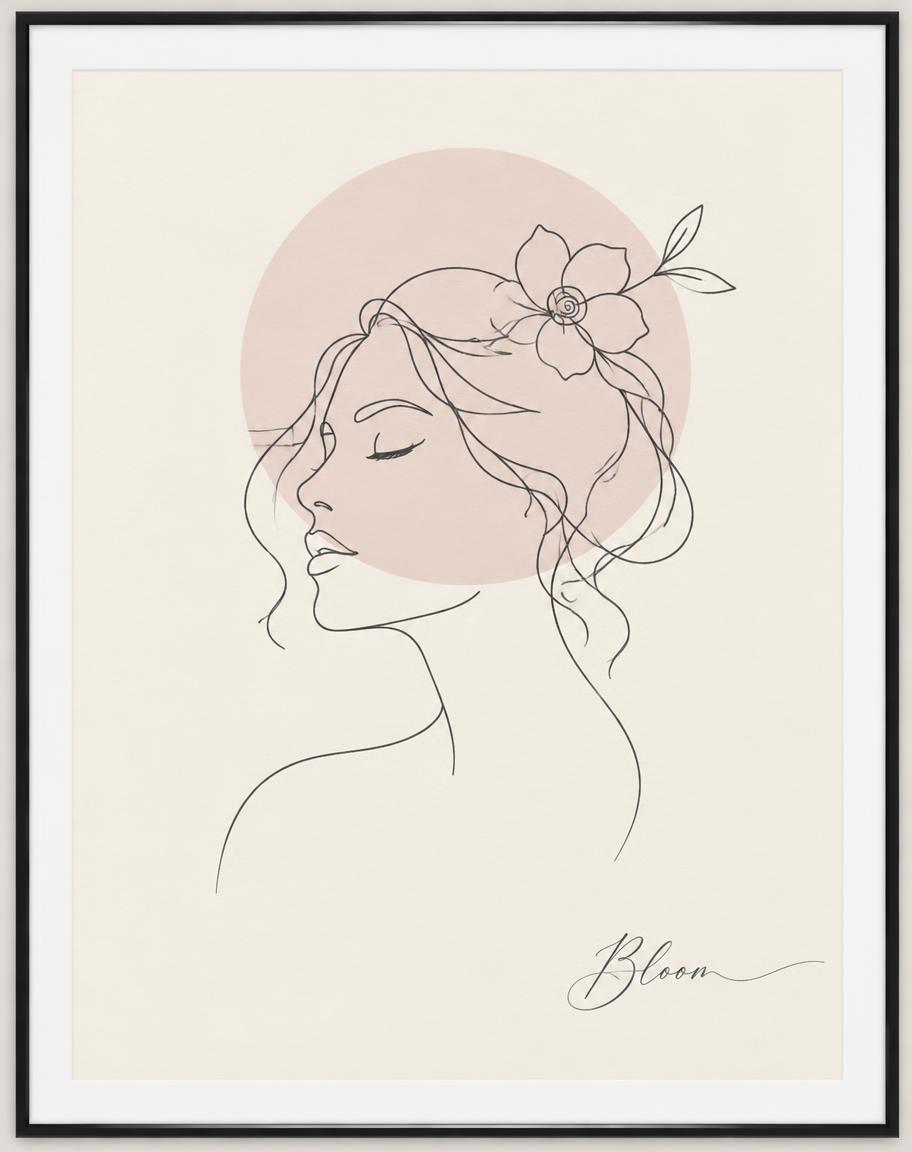
Minimalist wall prints of one wildflower, a moon or a continuous line drawing on warm paper, with your words small beside it.
Line Art Drawings
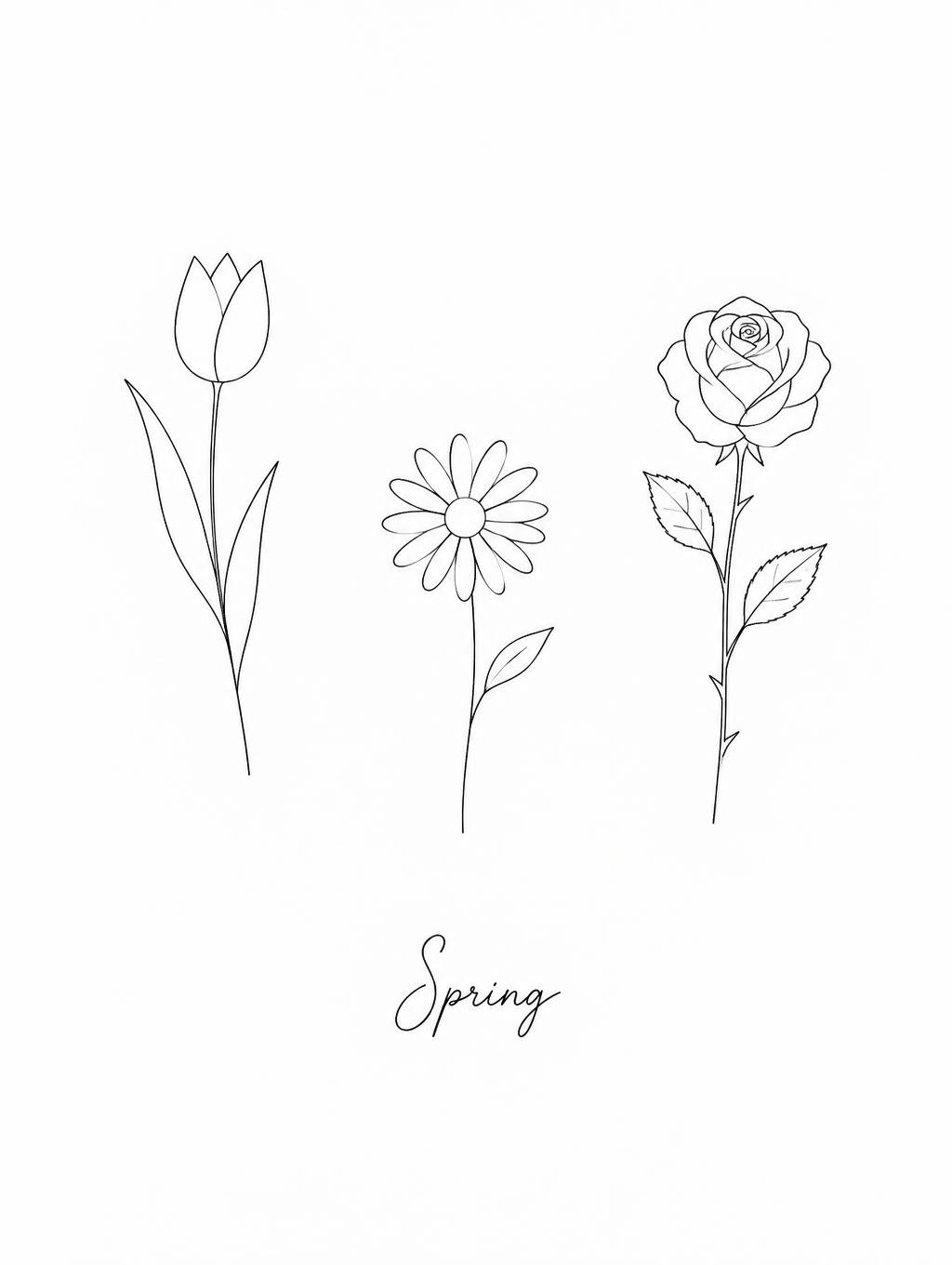
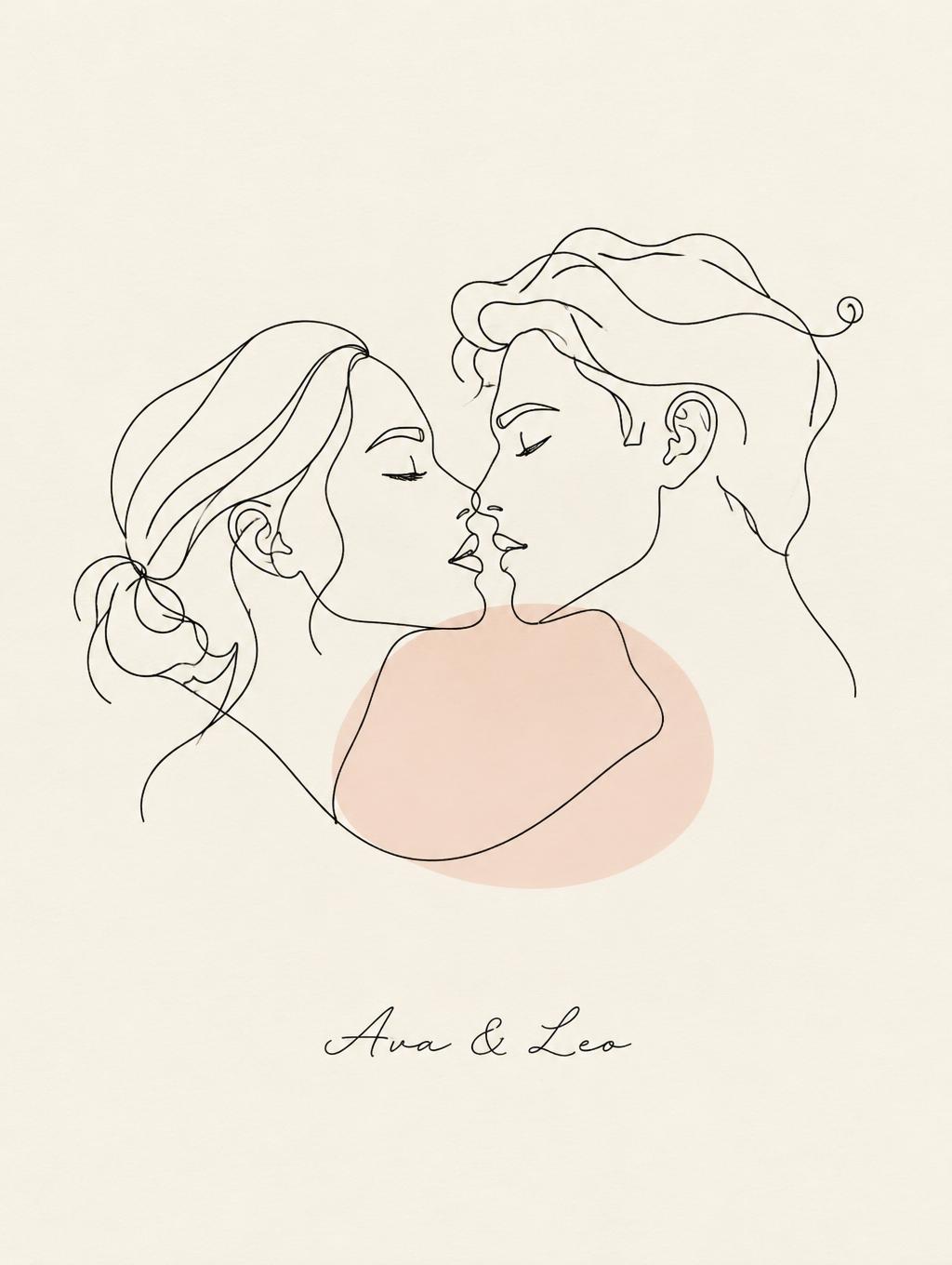
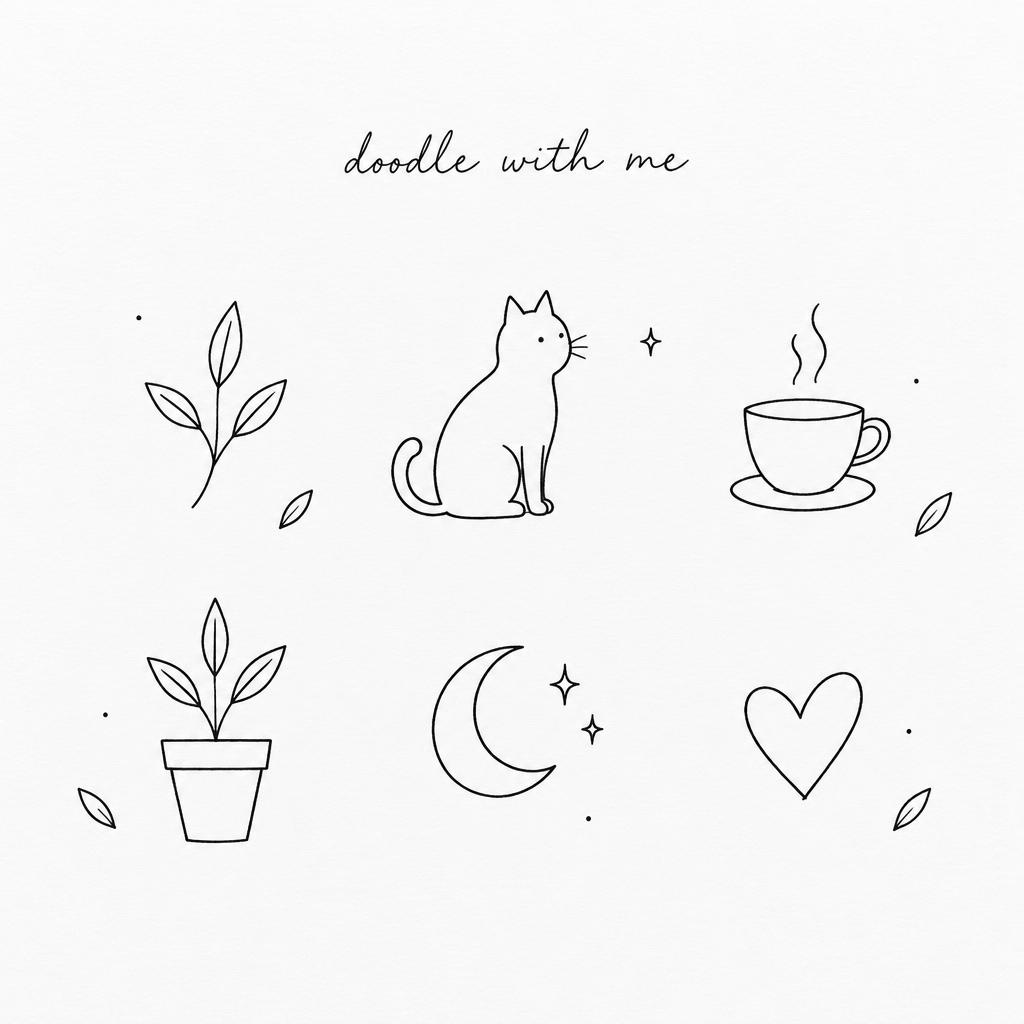
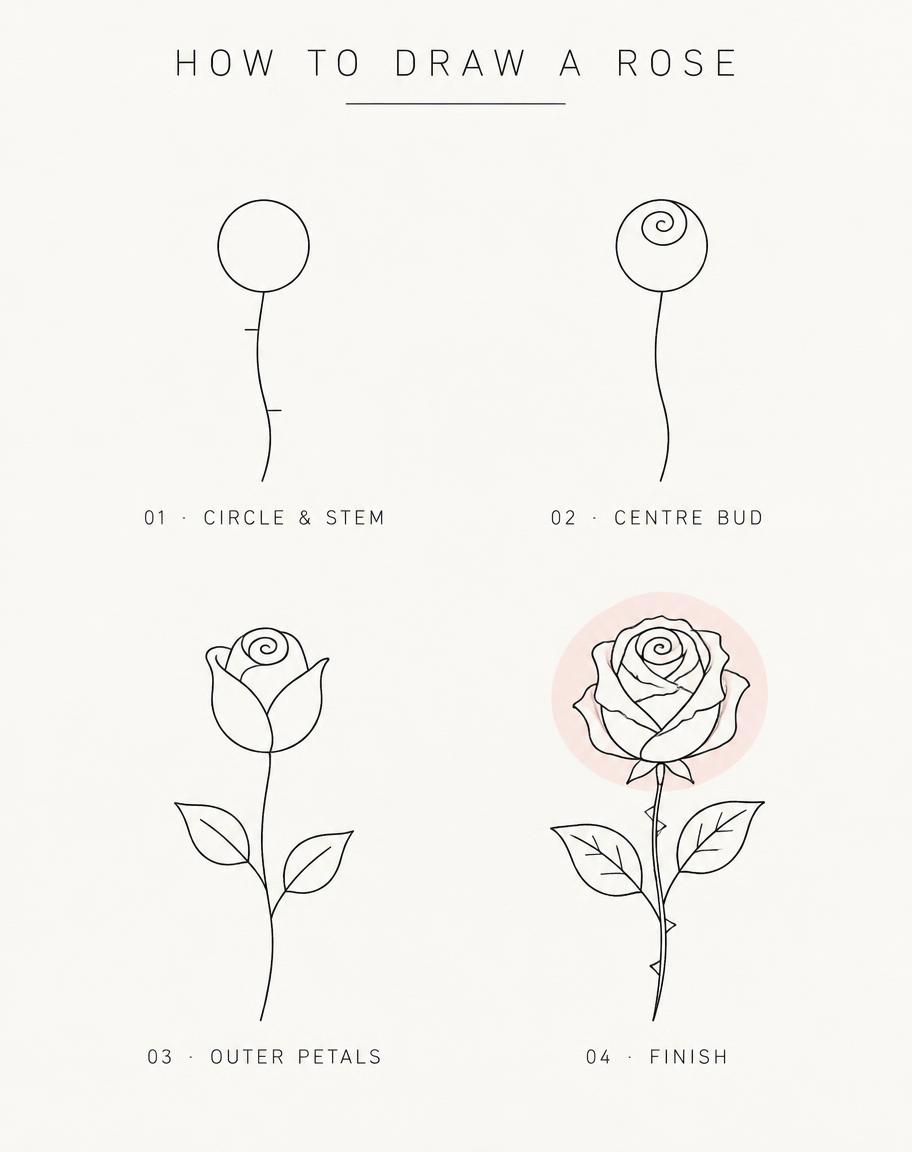
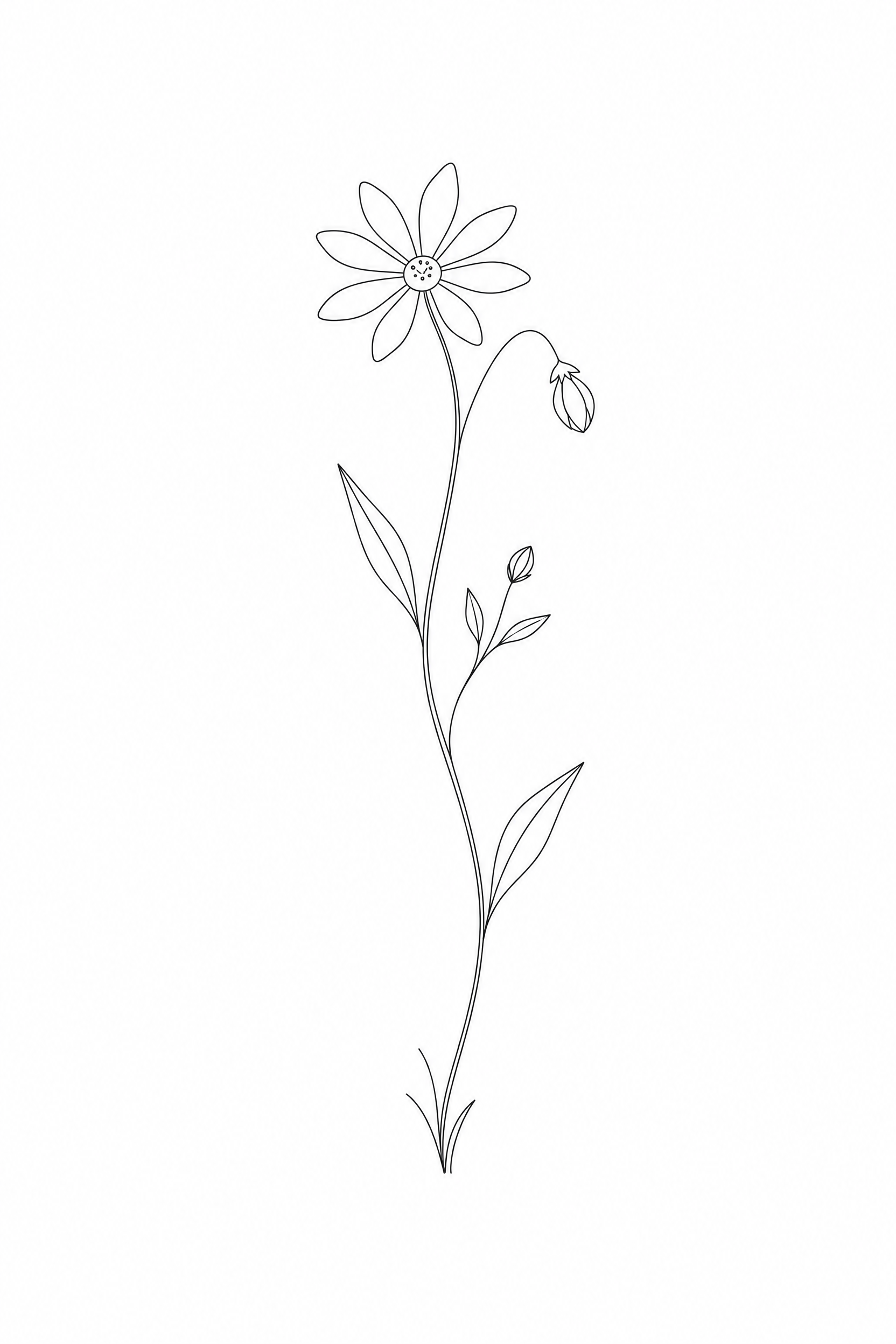
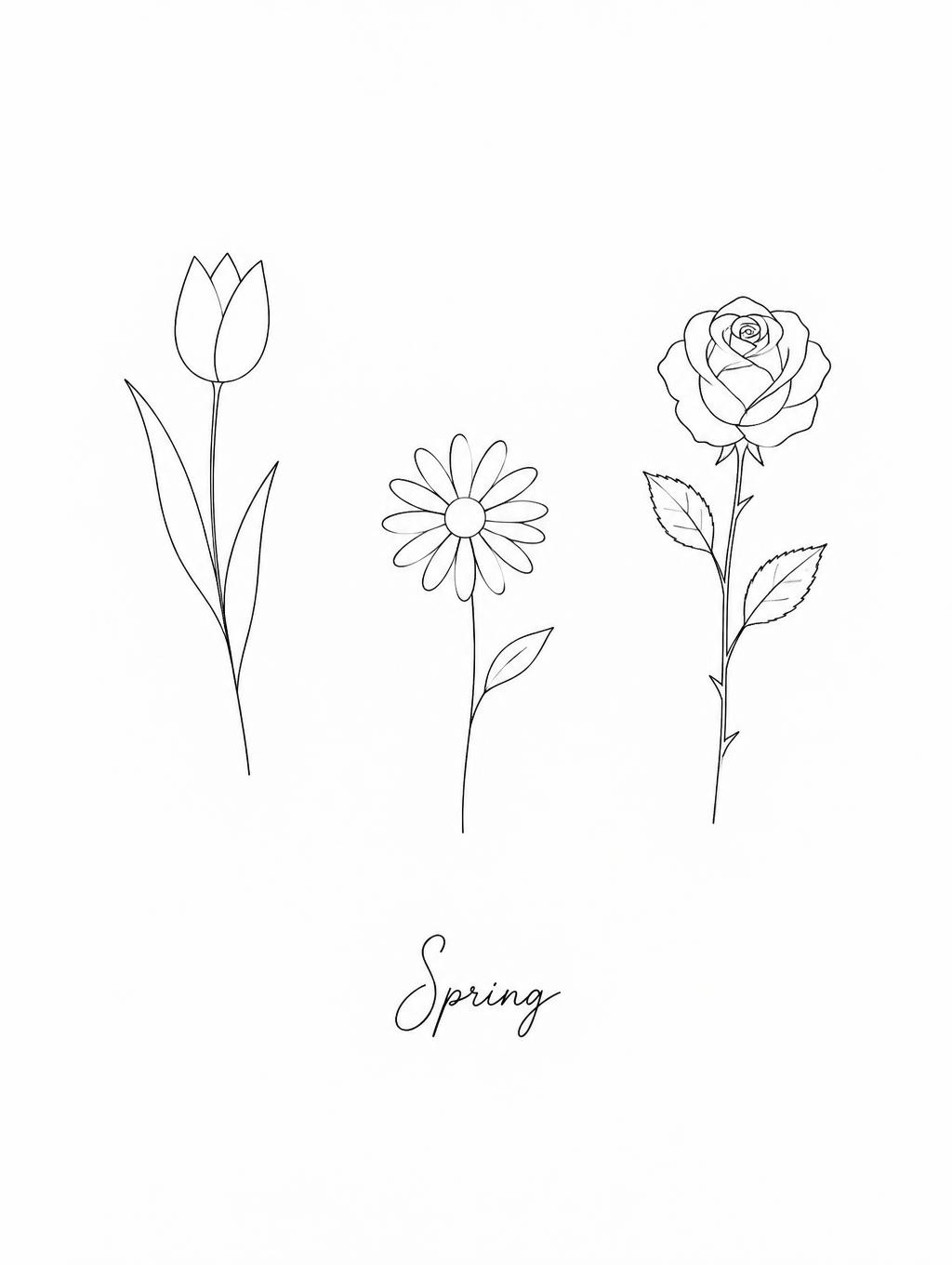
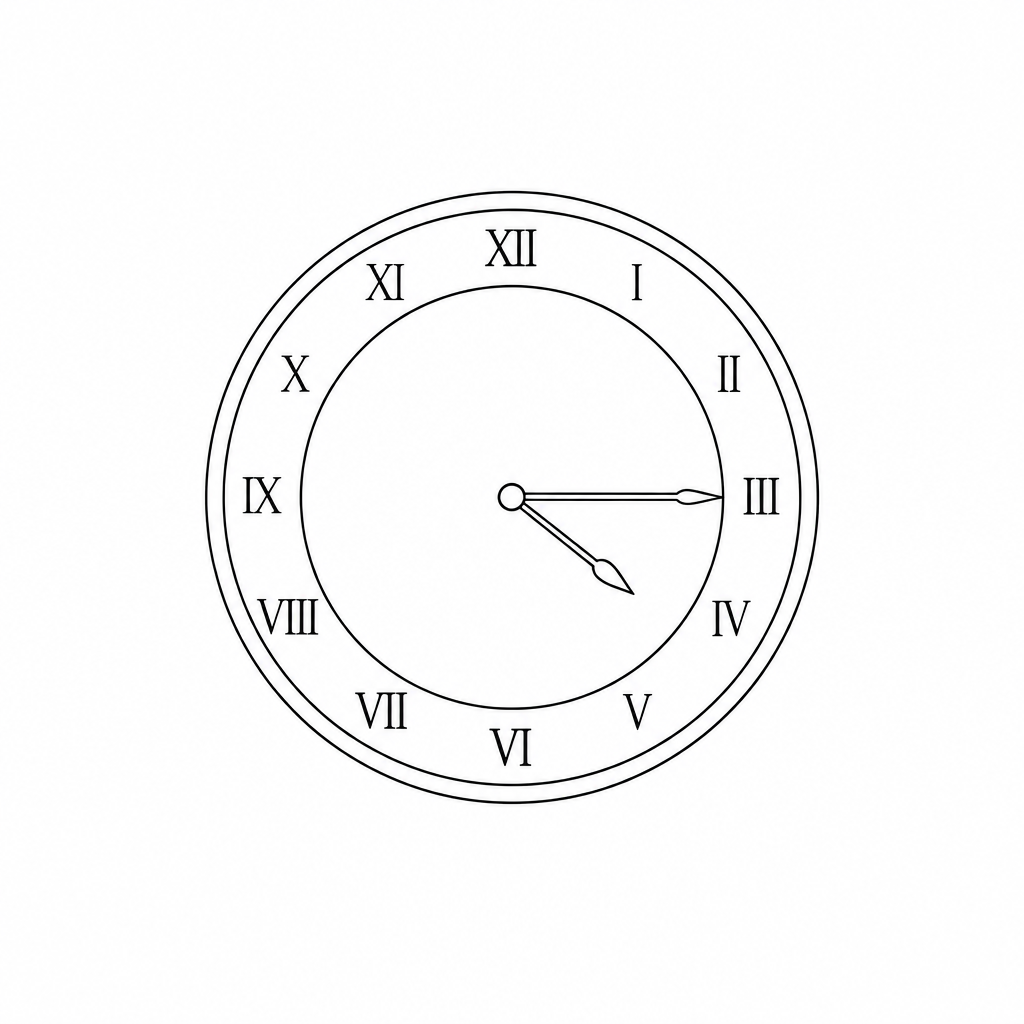
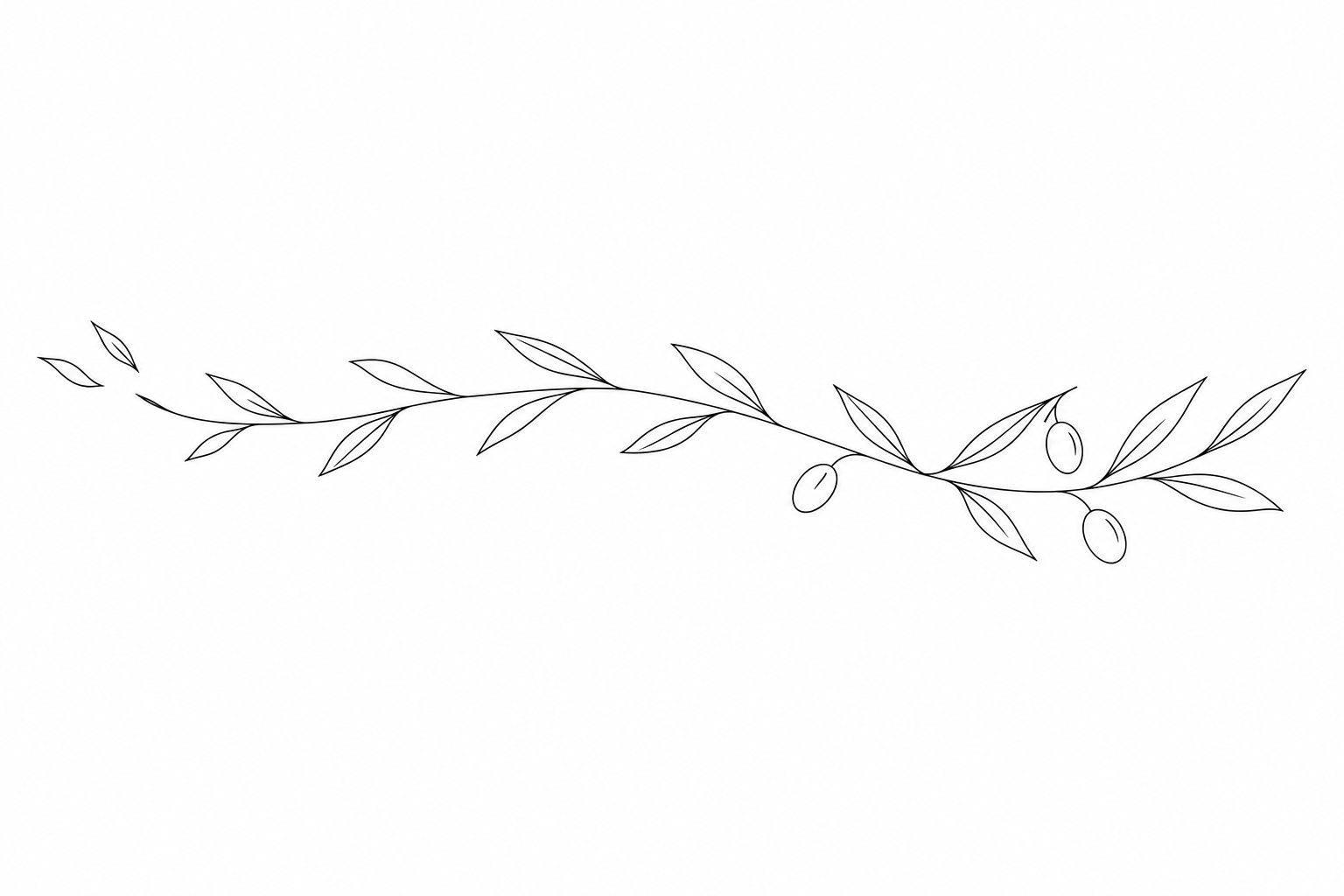
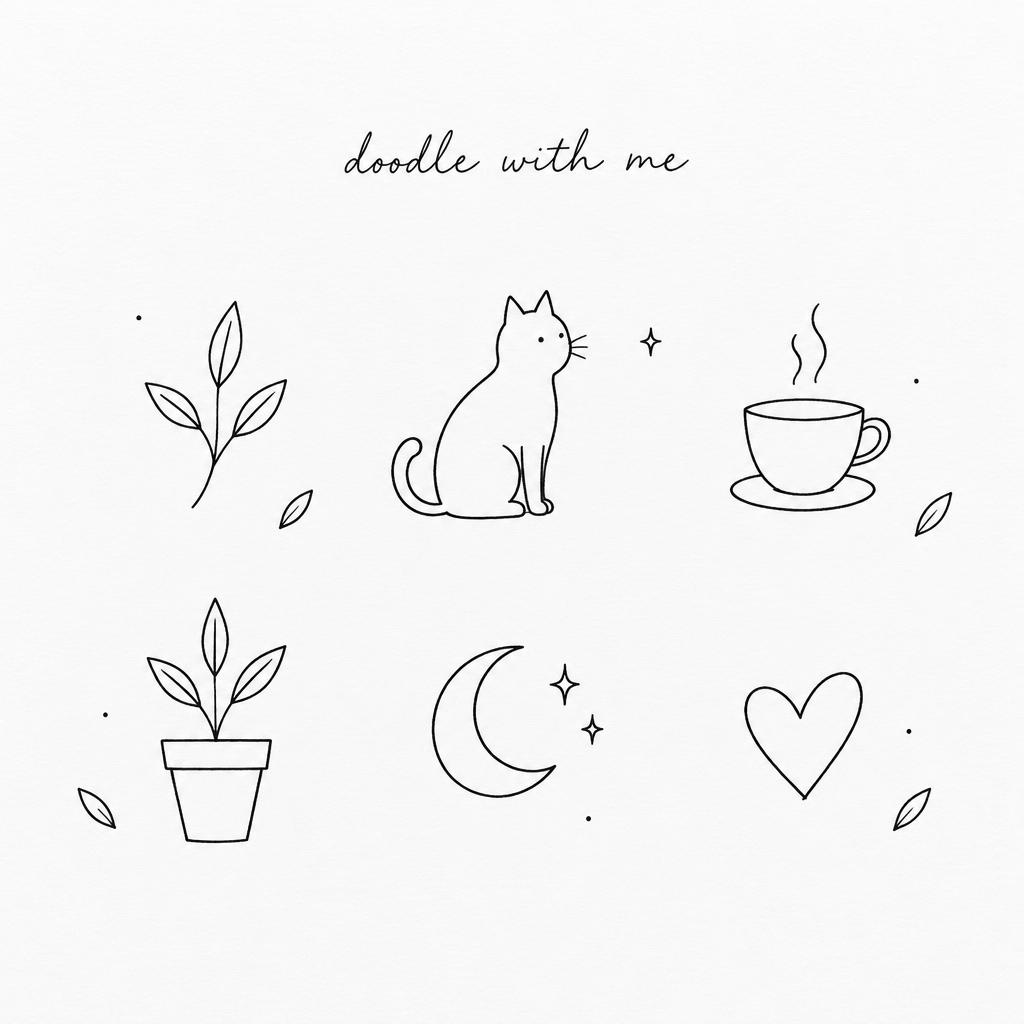
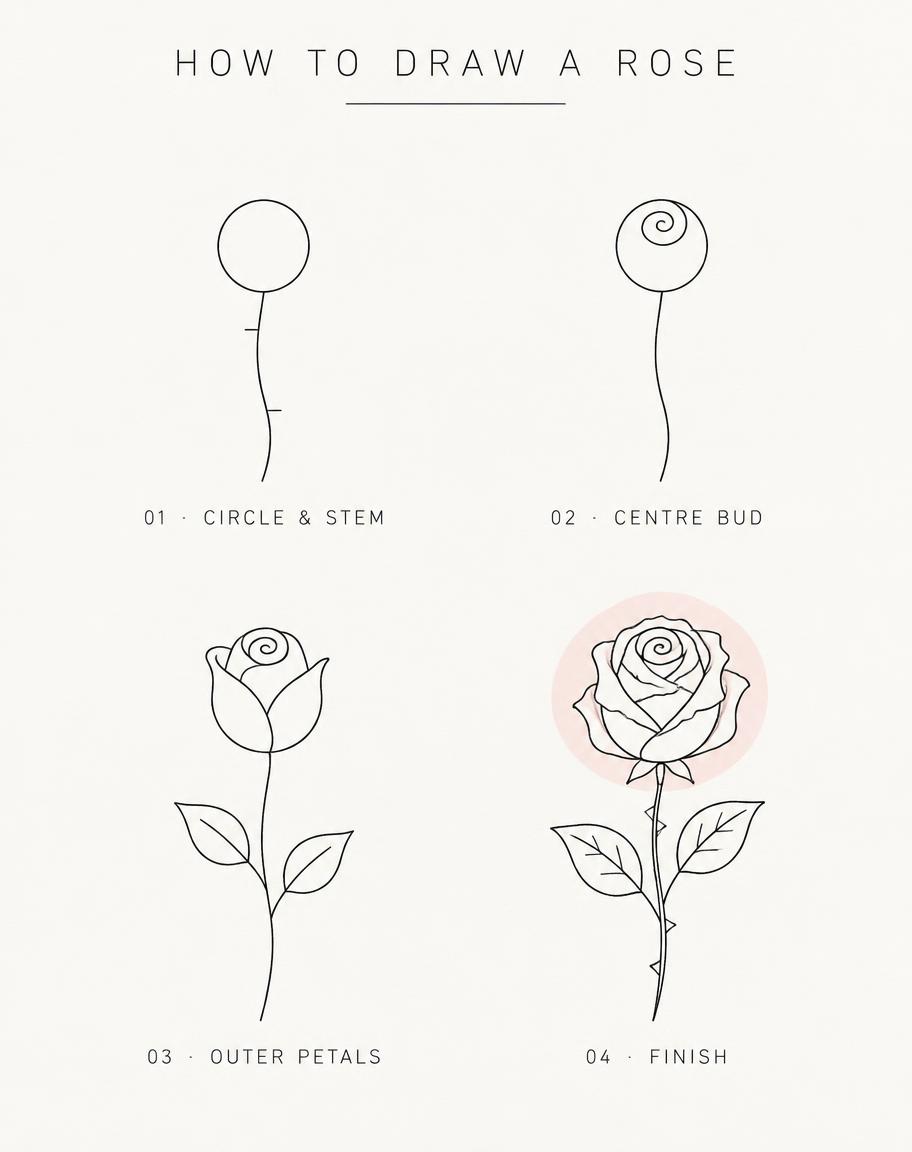
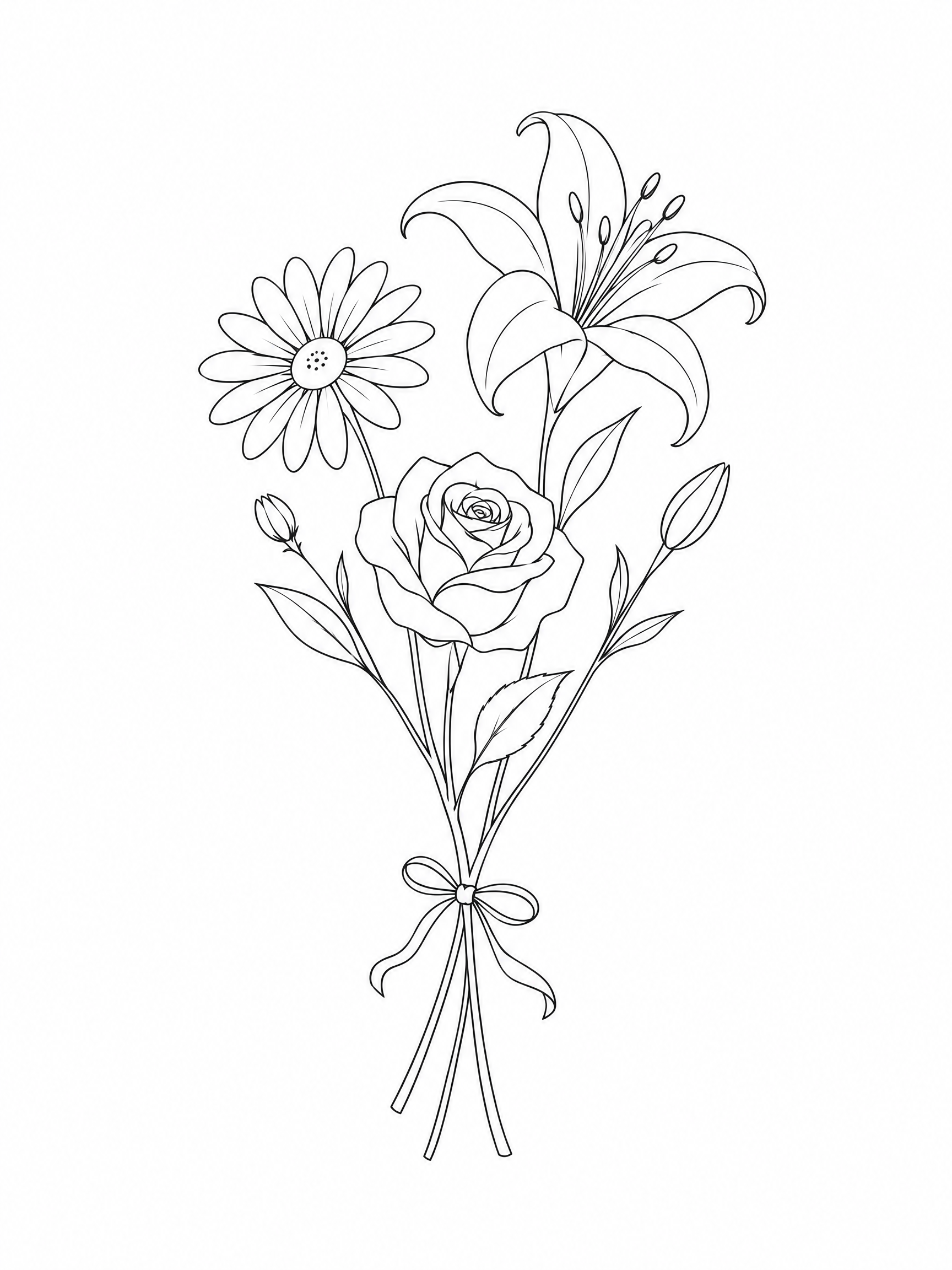
Simple line drawings to keep or copy: flower studies, one line faces and small doodle sheets in thin black line on white.
Fine Line Botanical Invitations
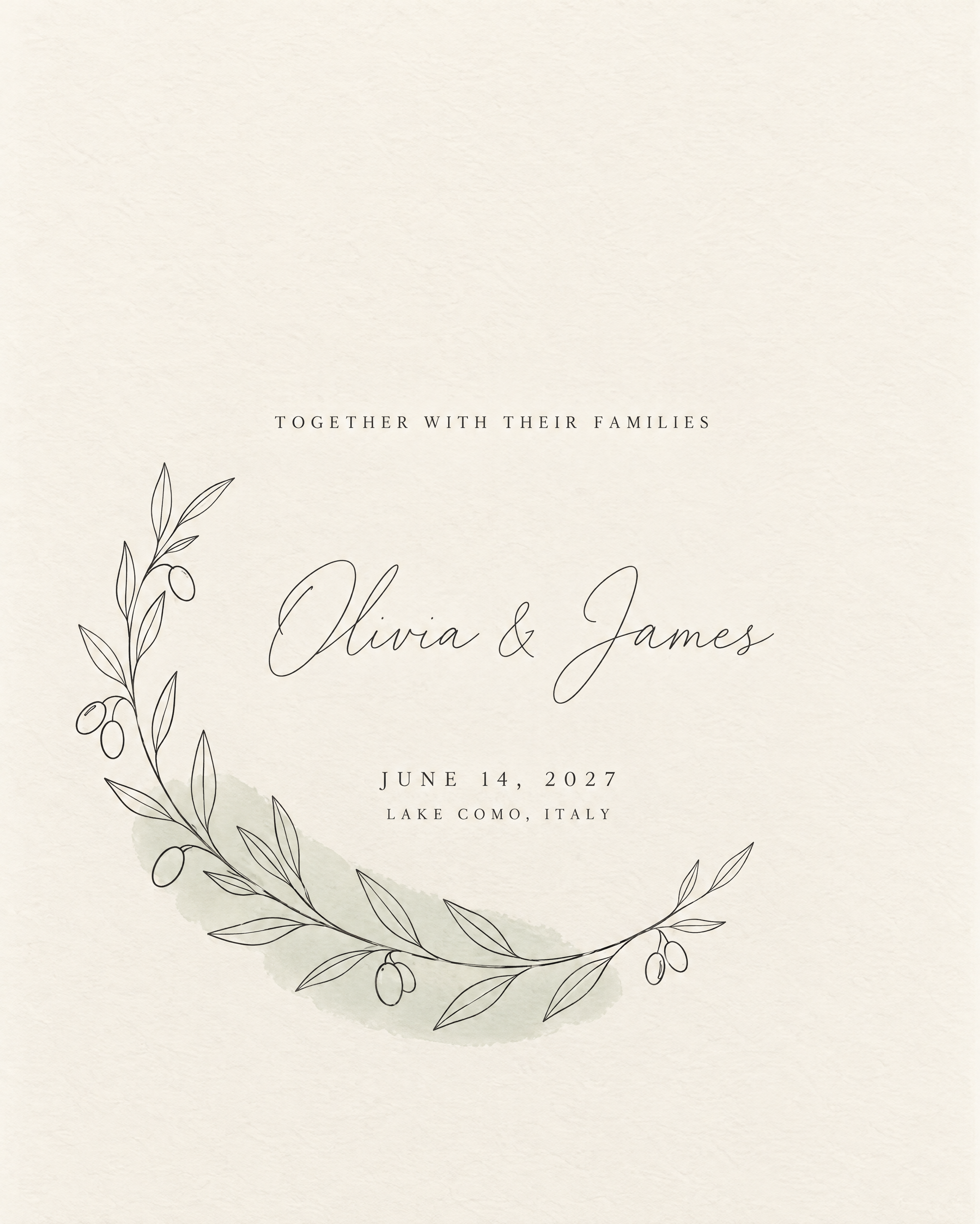
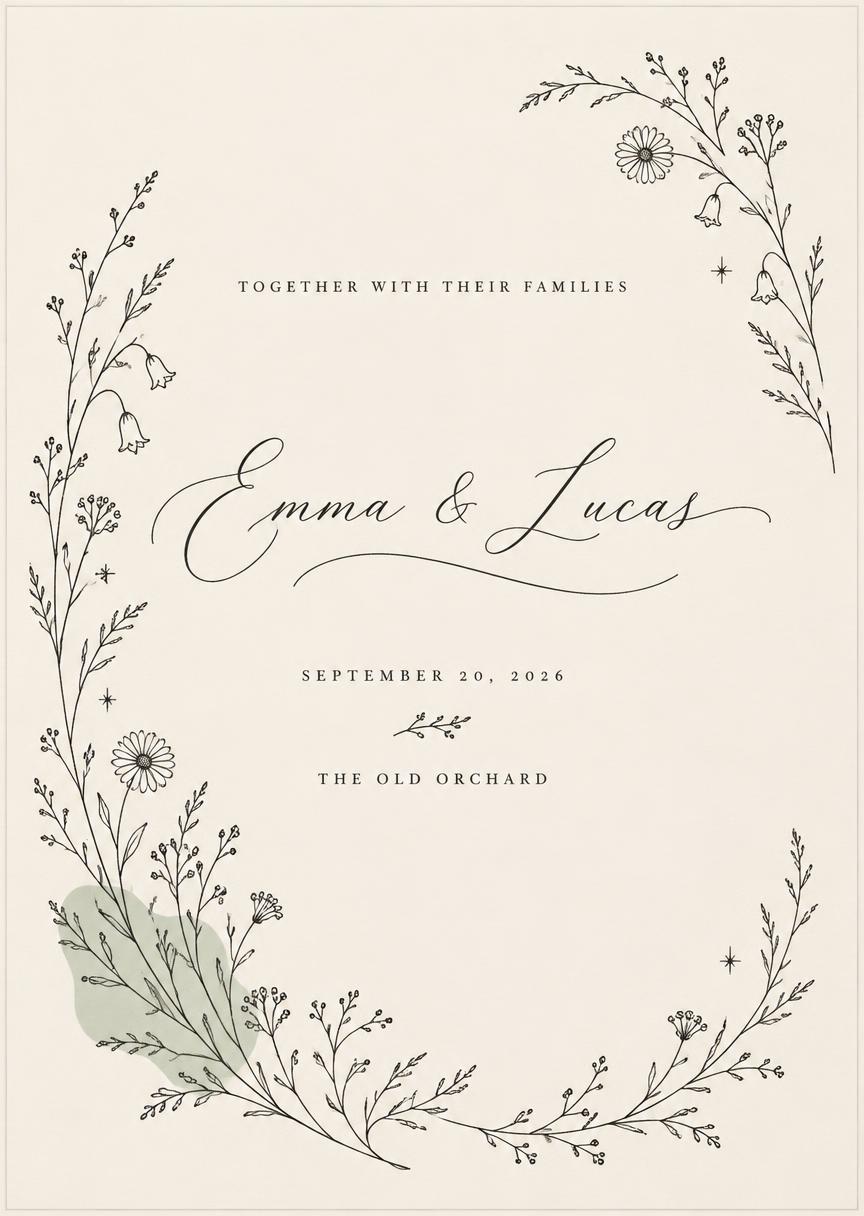
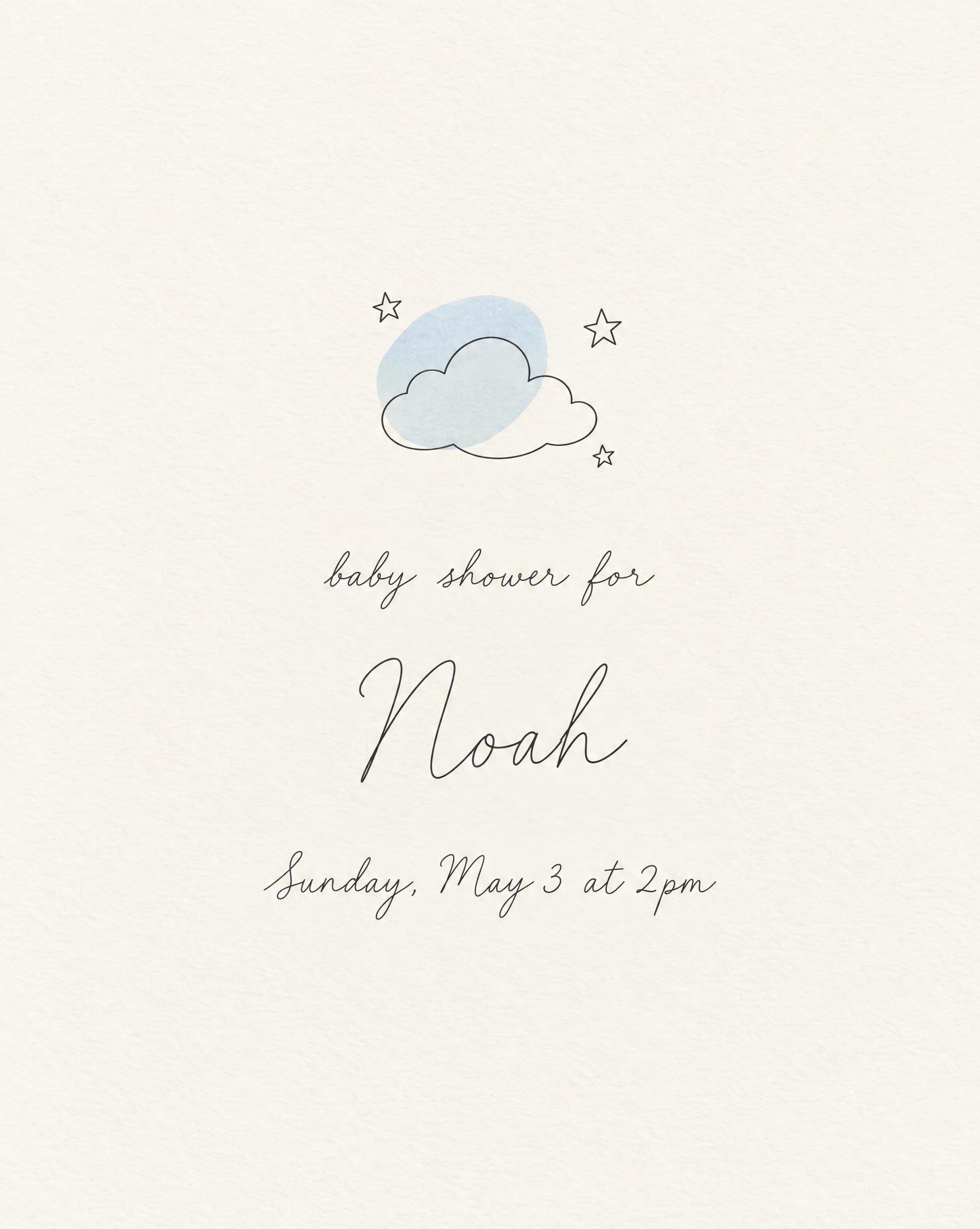
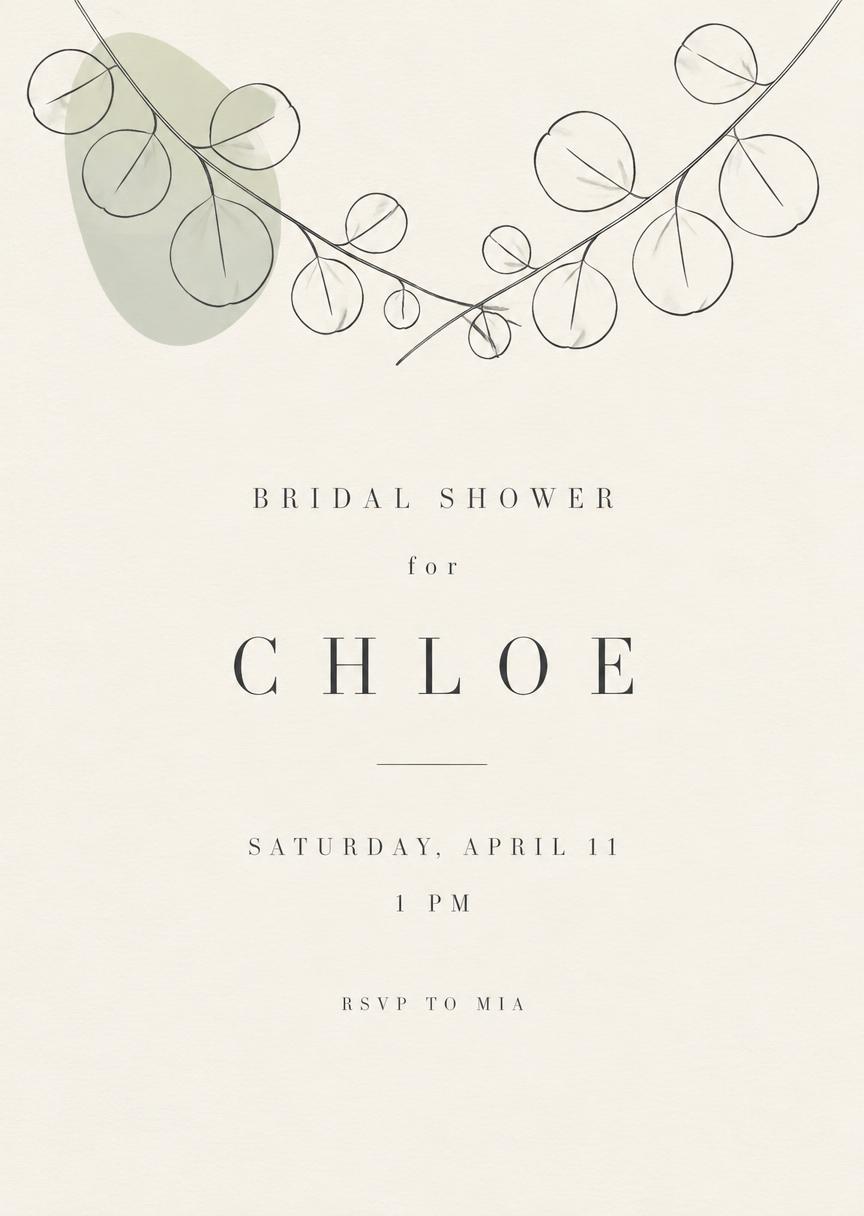
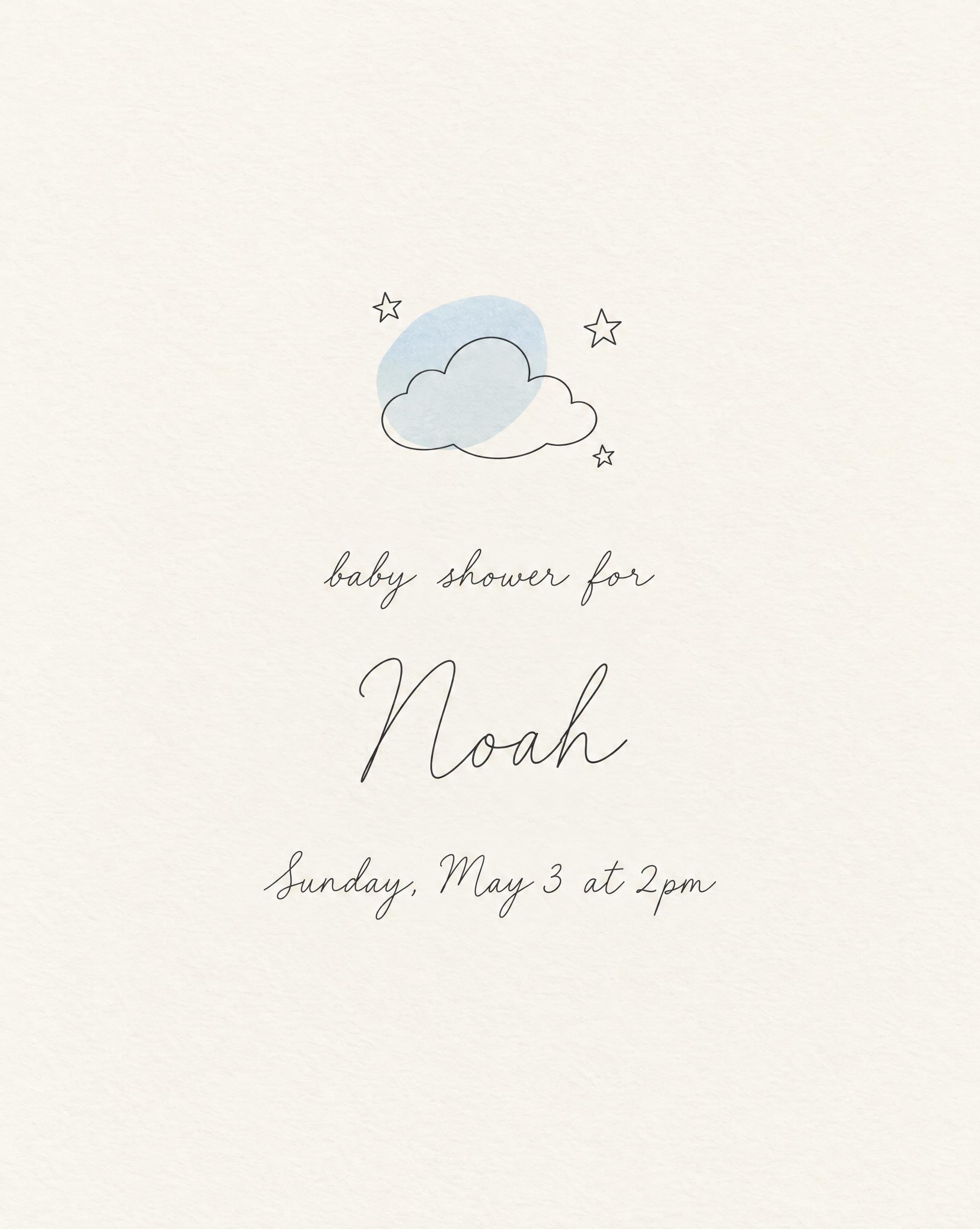
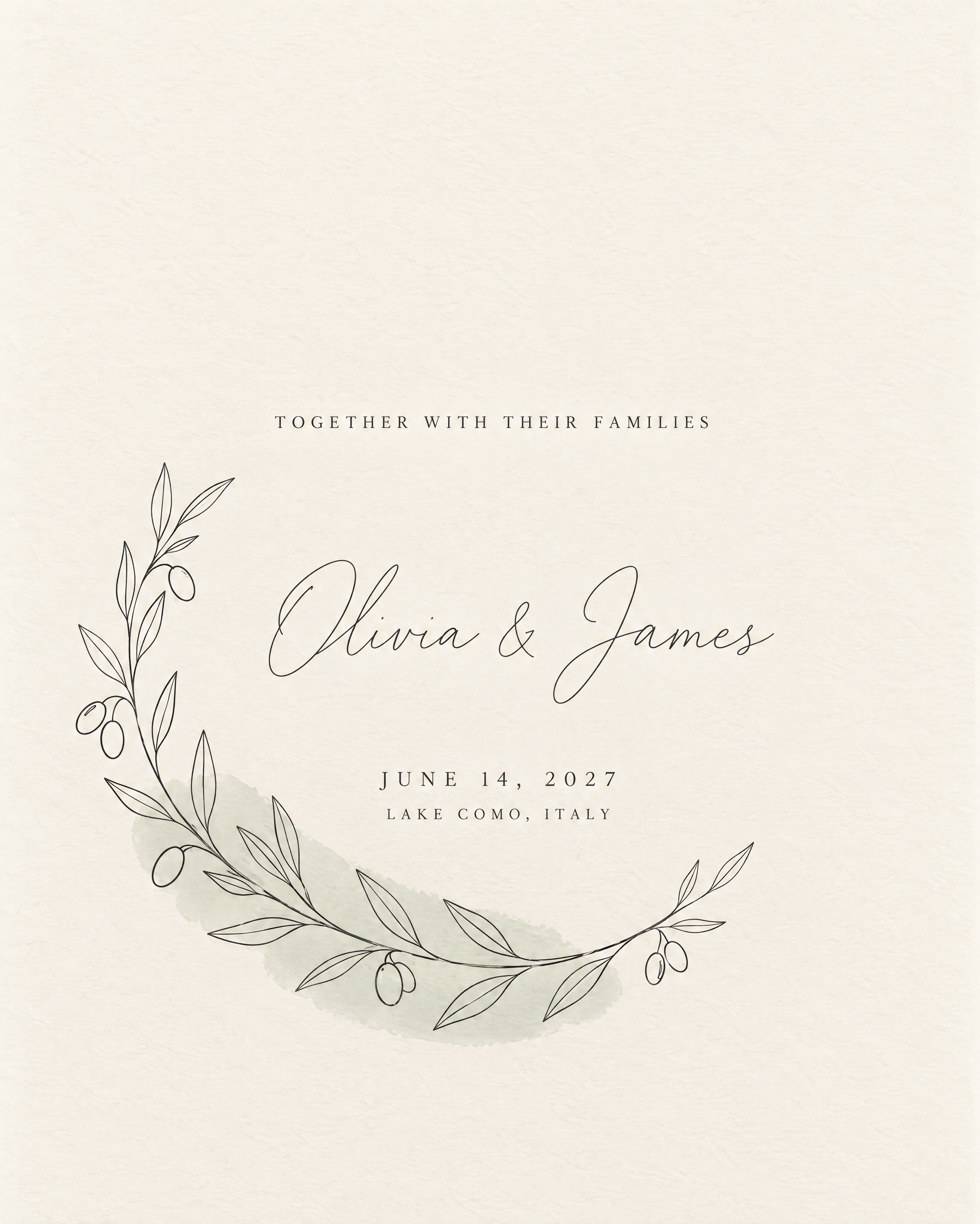
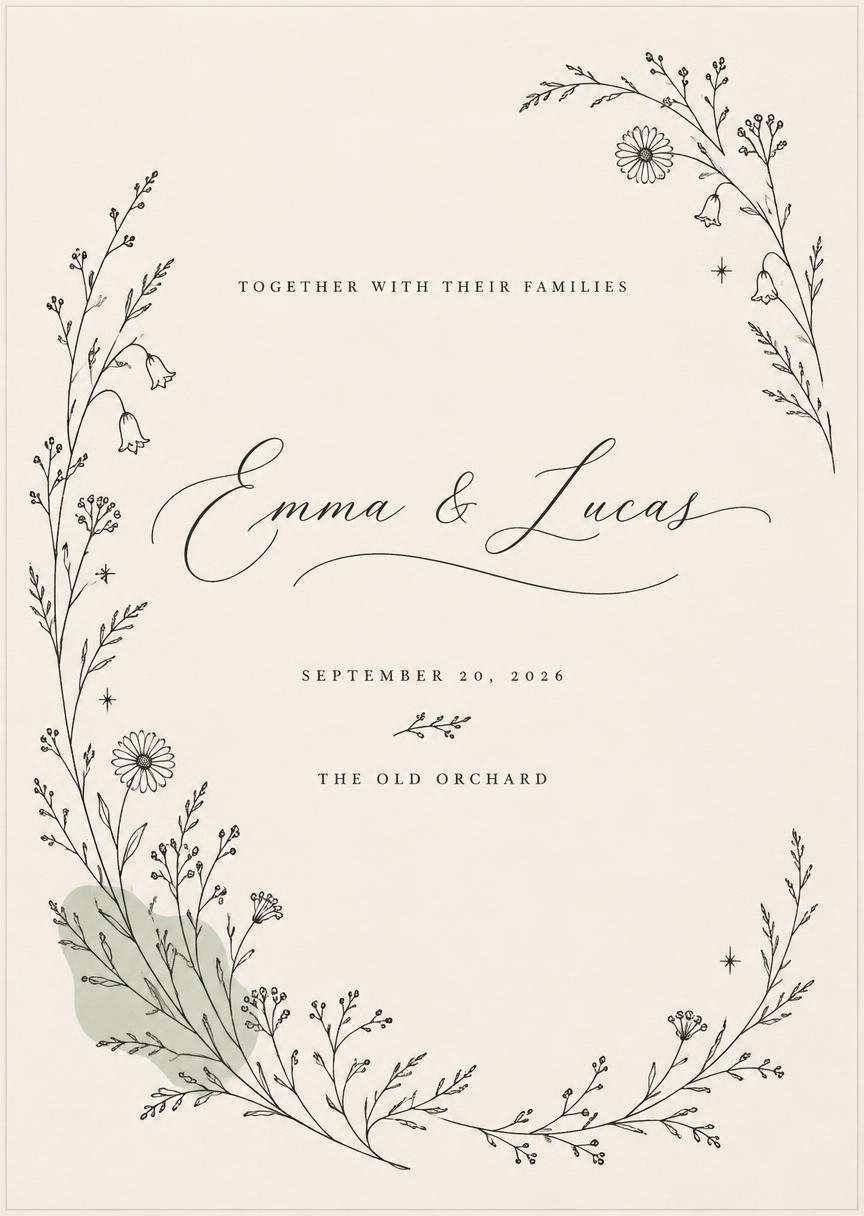
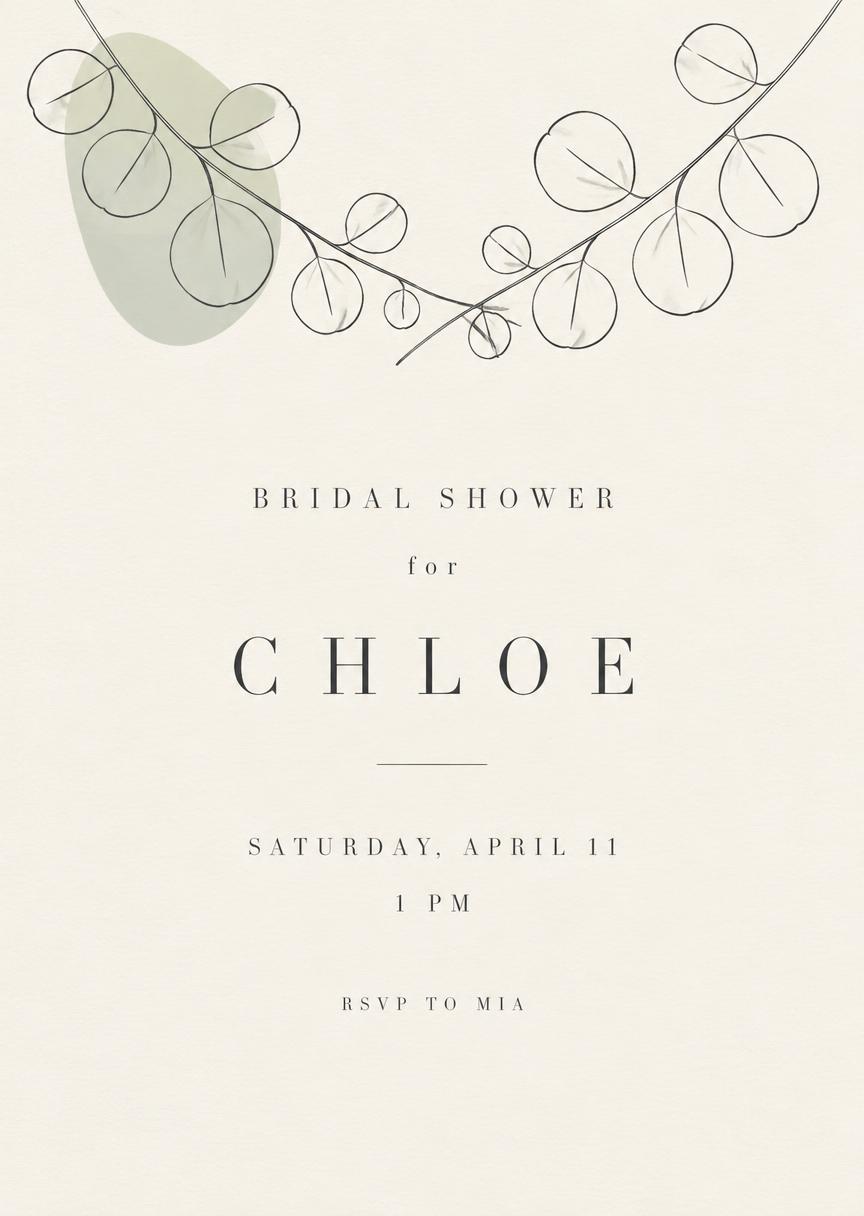
Wedding, shower and party invitations framed by a light half wreath of hand-drawn branches and flowers.
Line Art Logos
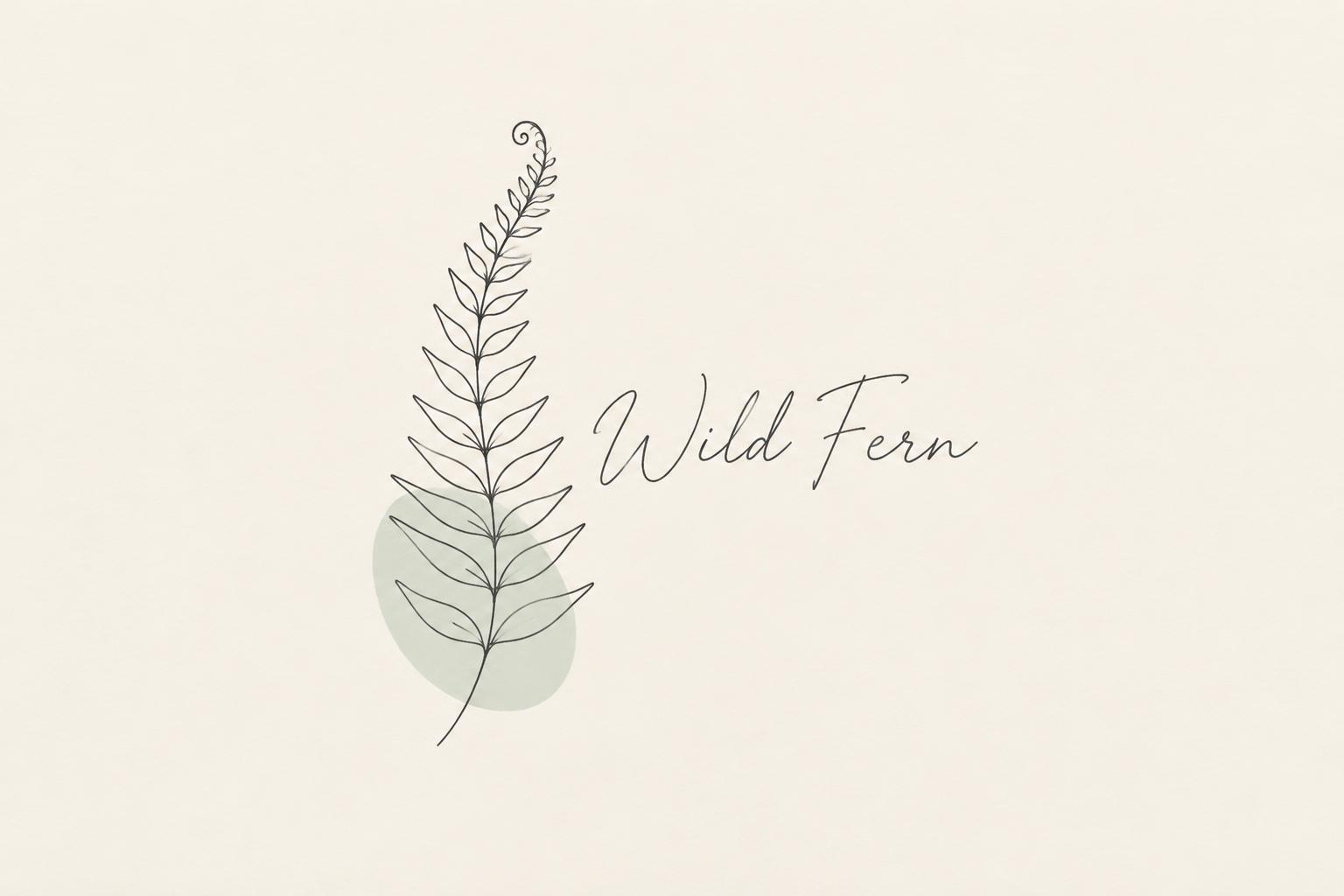
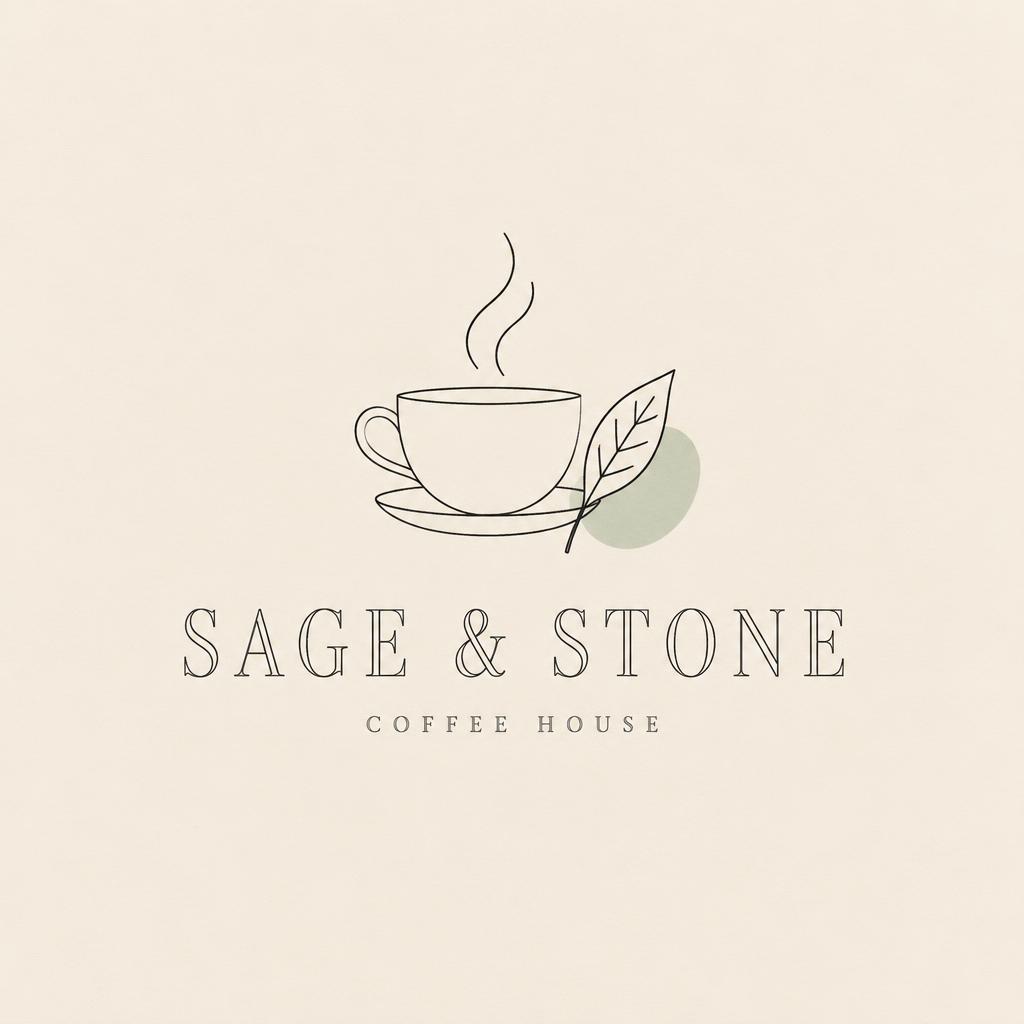
Small brand marks for florists, studios and cafes: one thin-line motif beside the name.
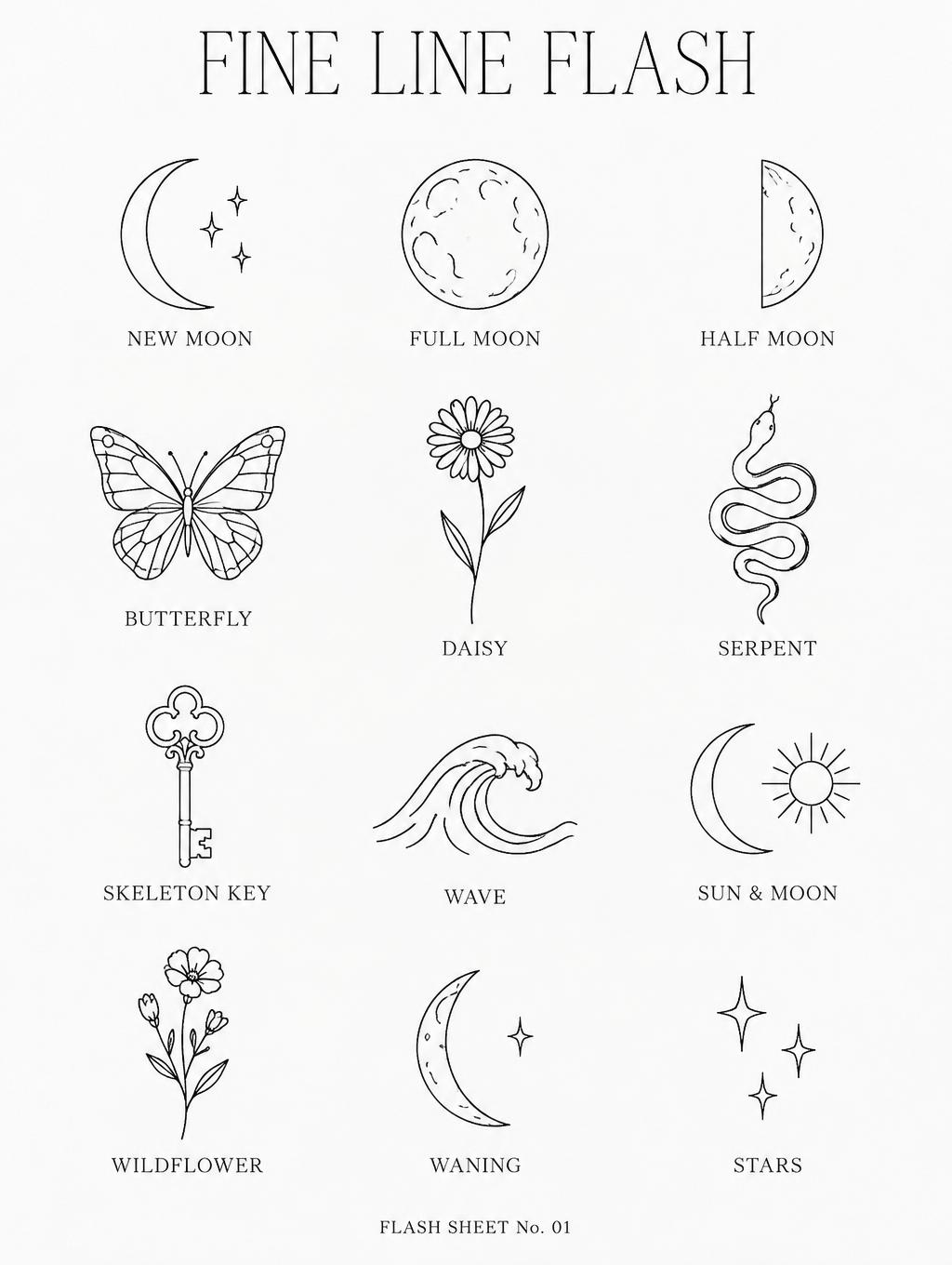
Fine Line Flash Sheets
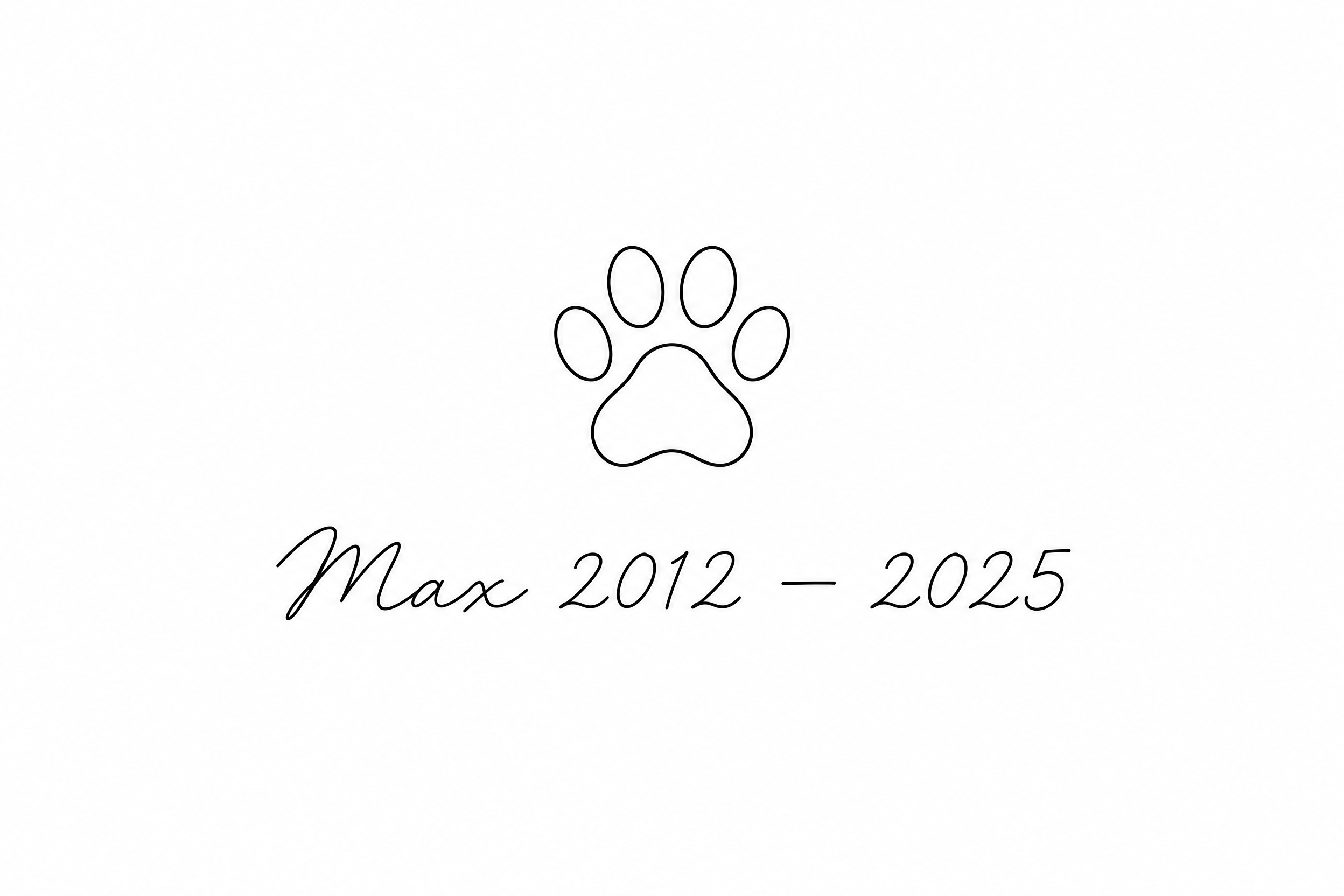
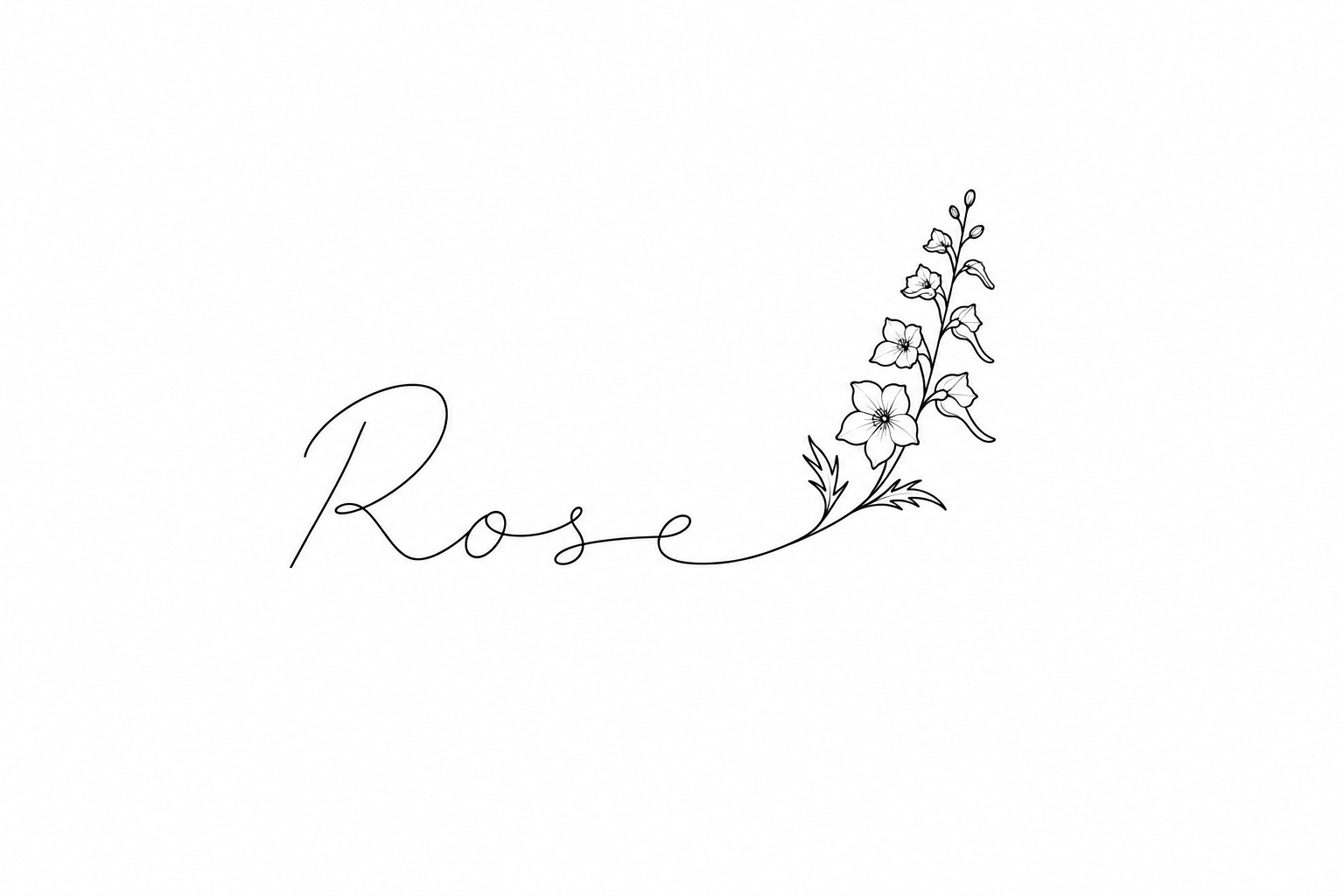
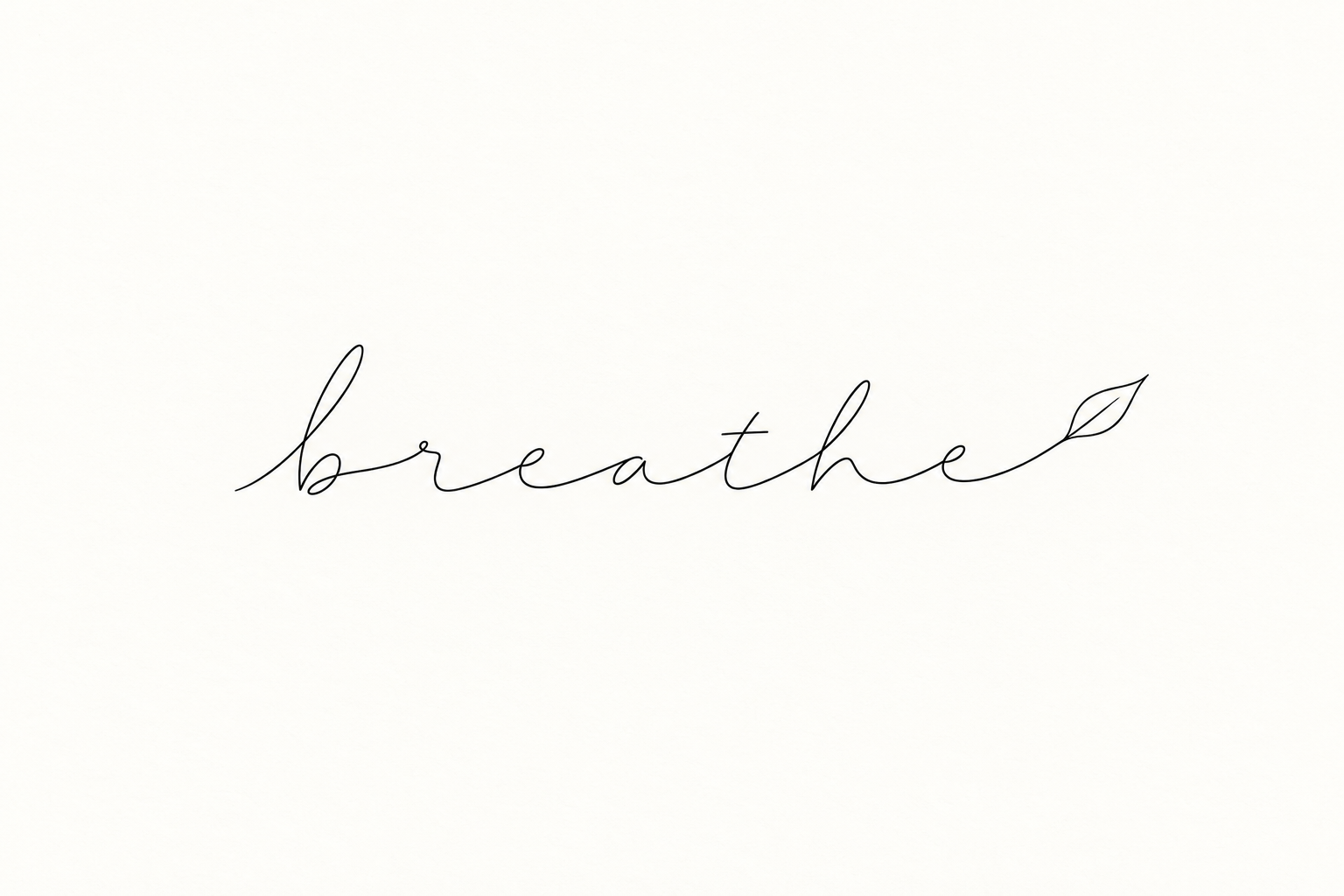
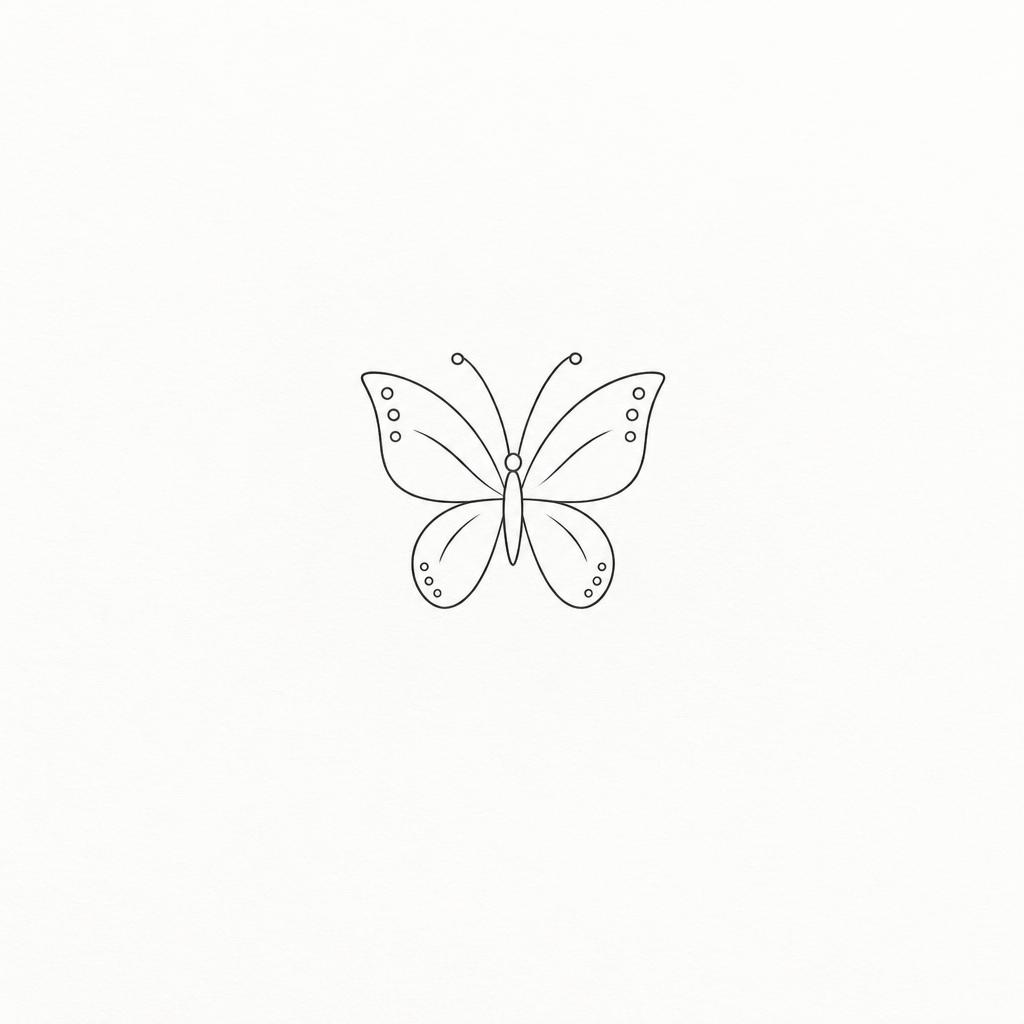
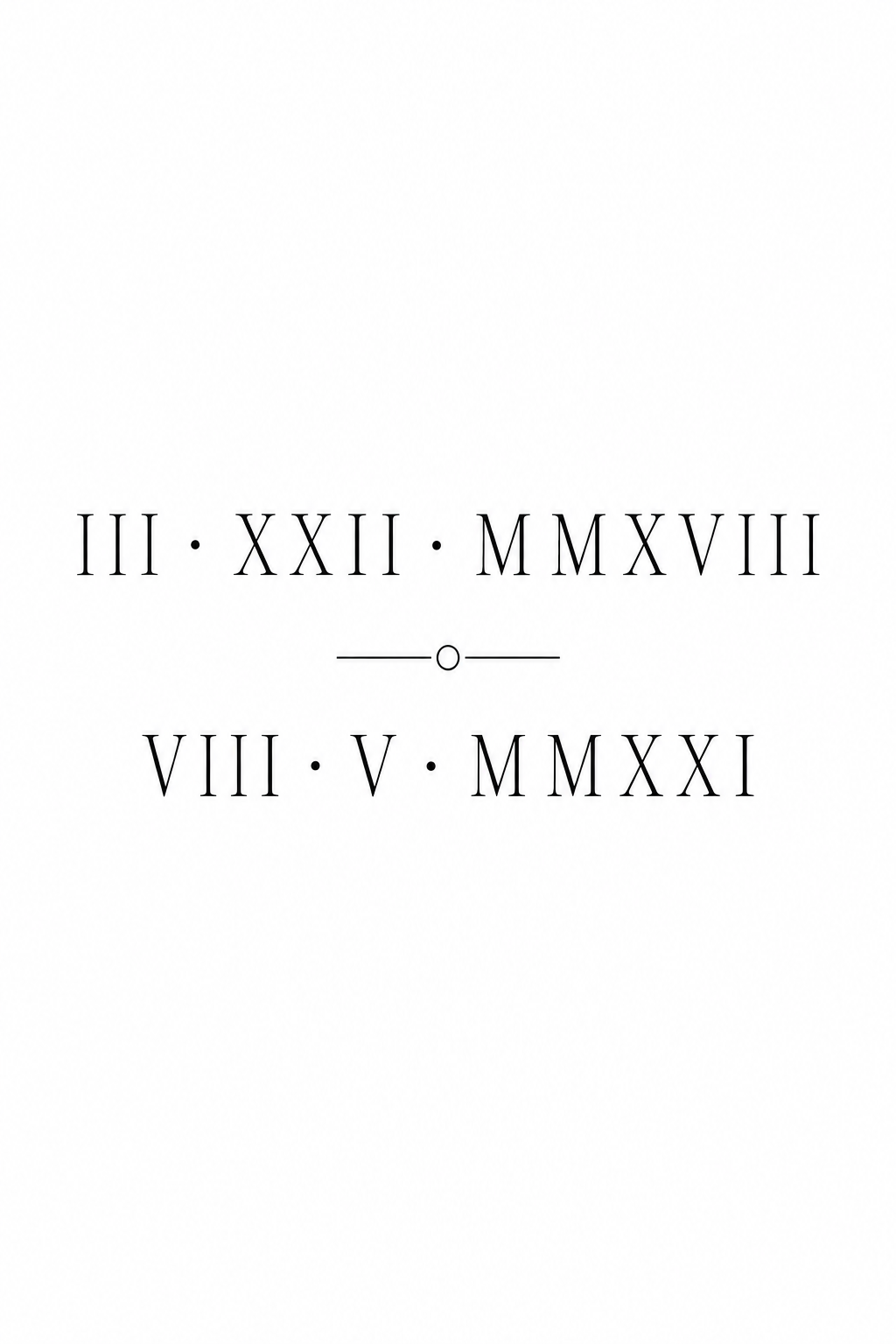
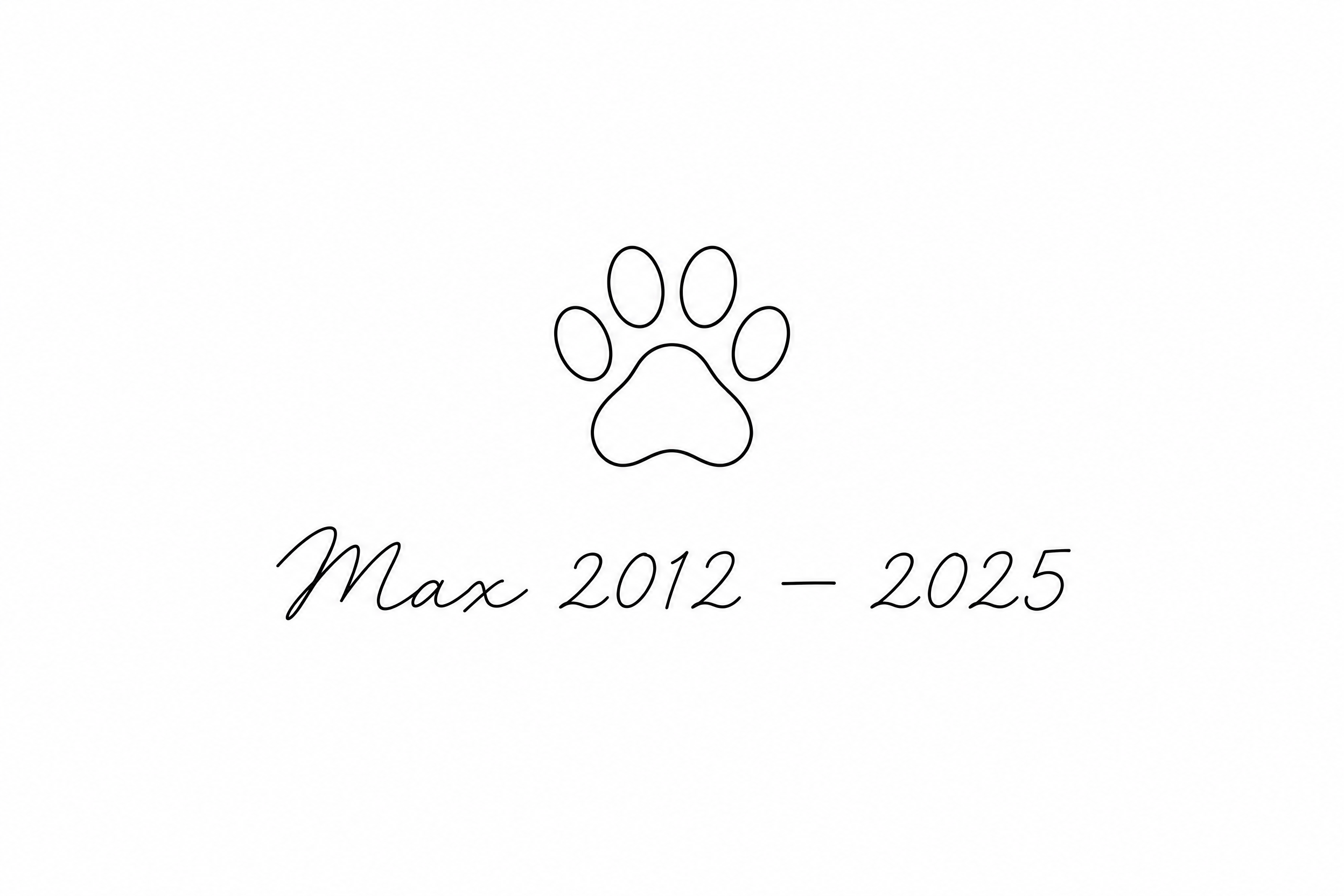
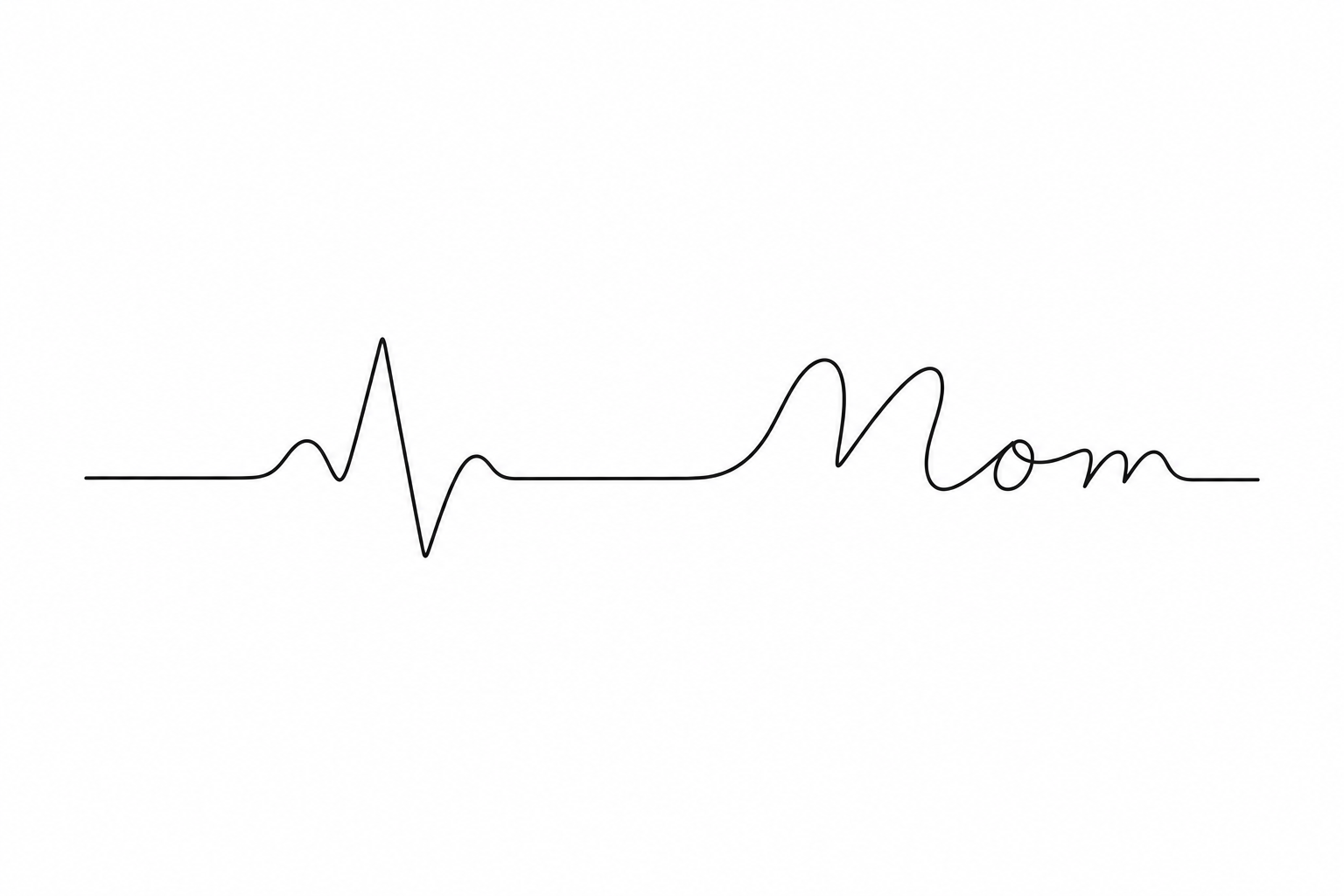
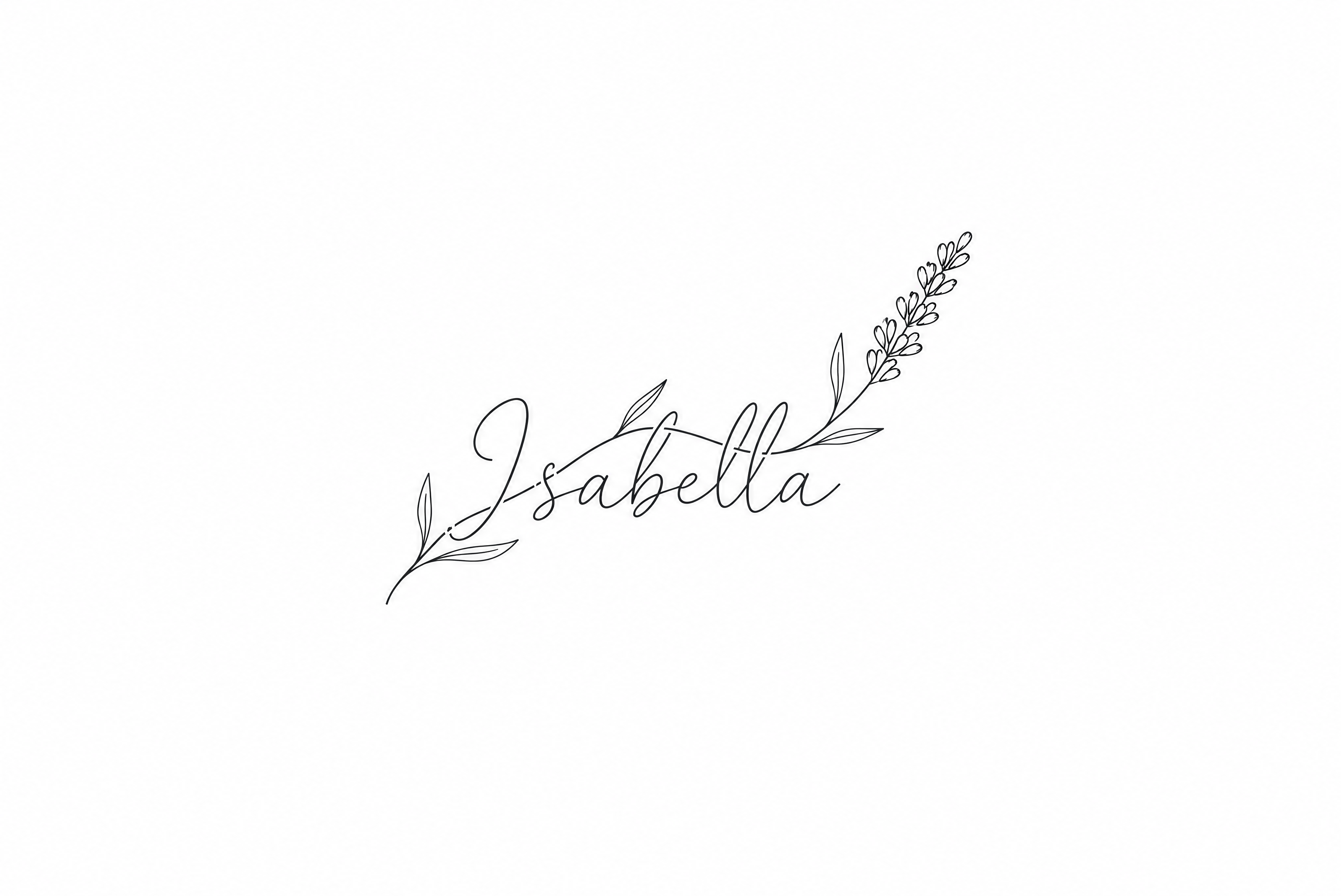
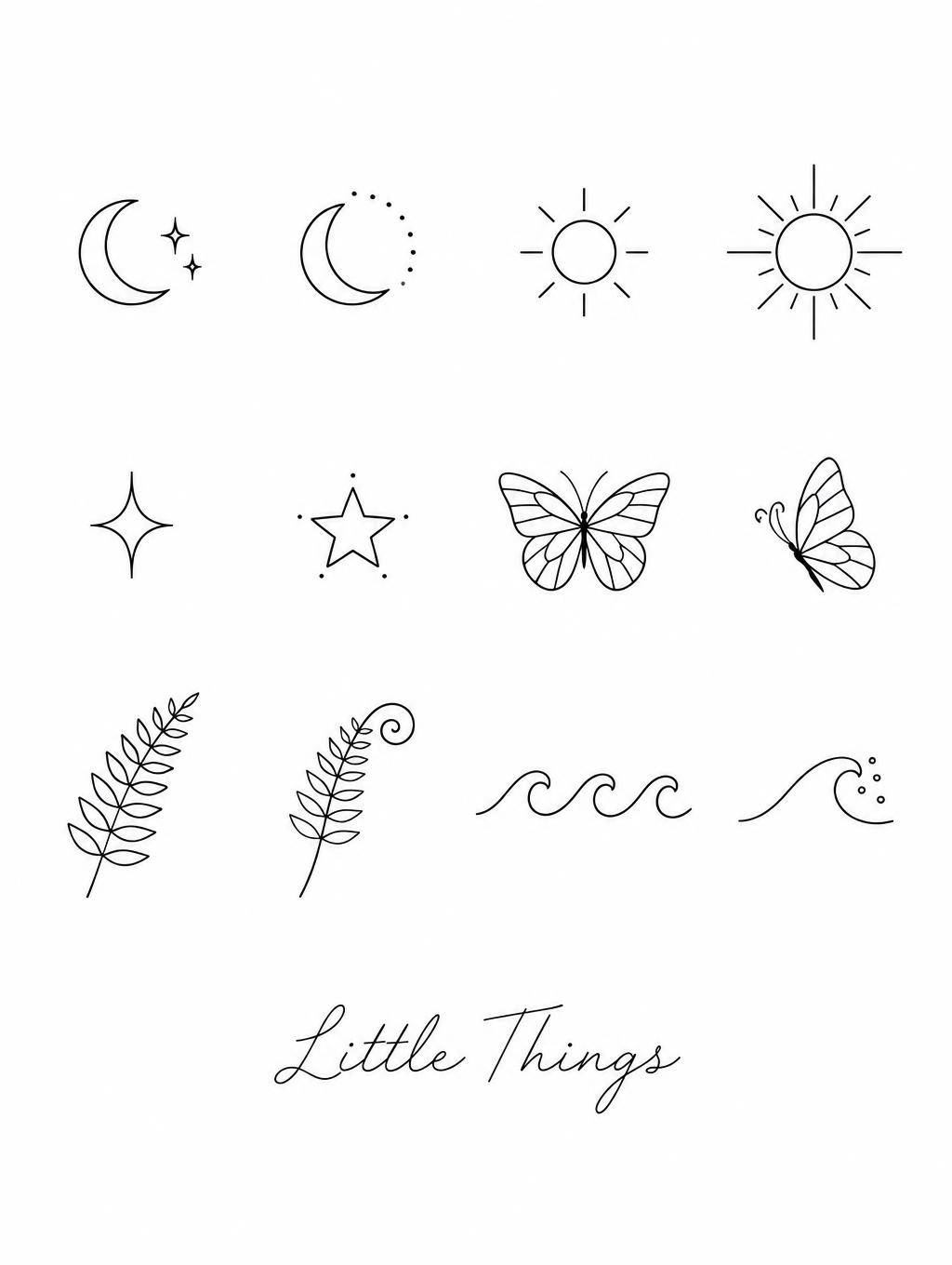
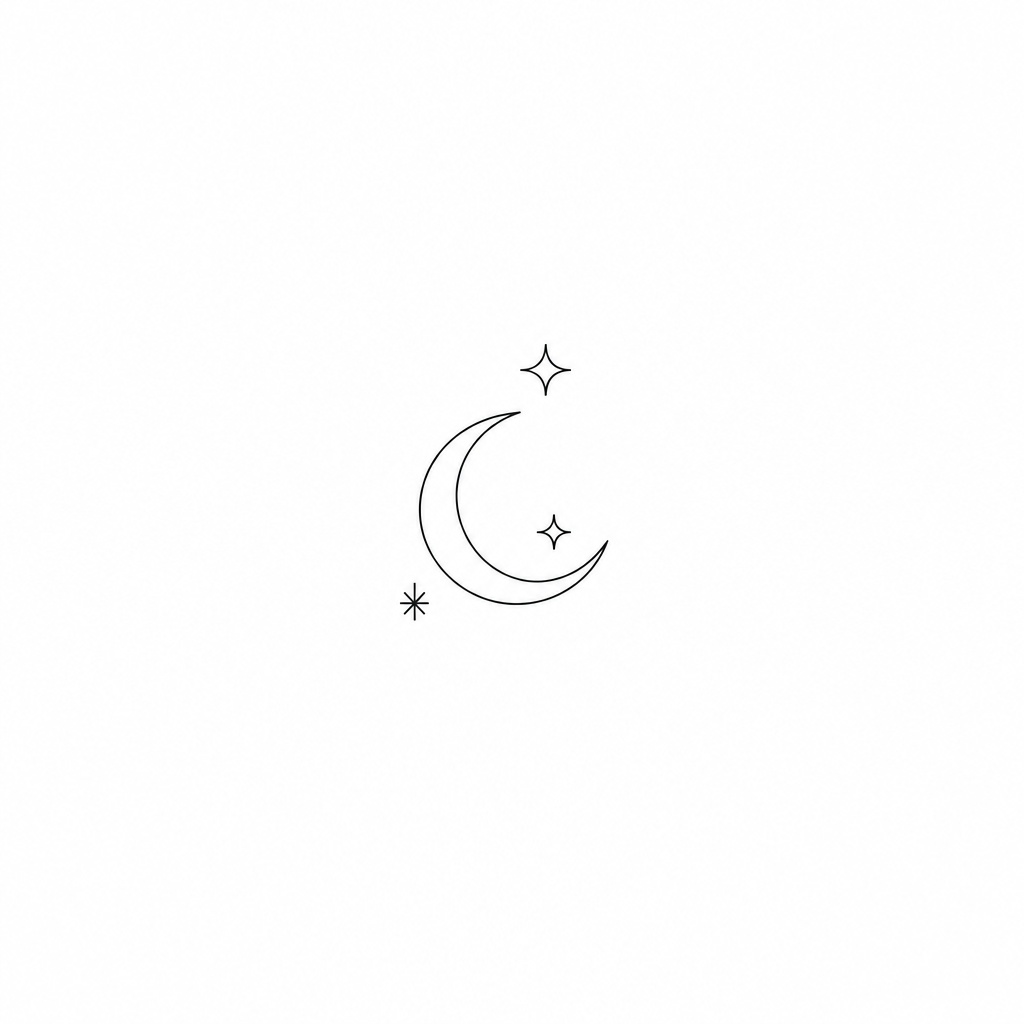
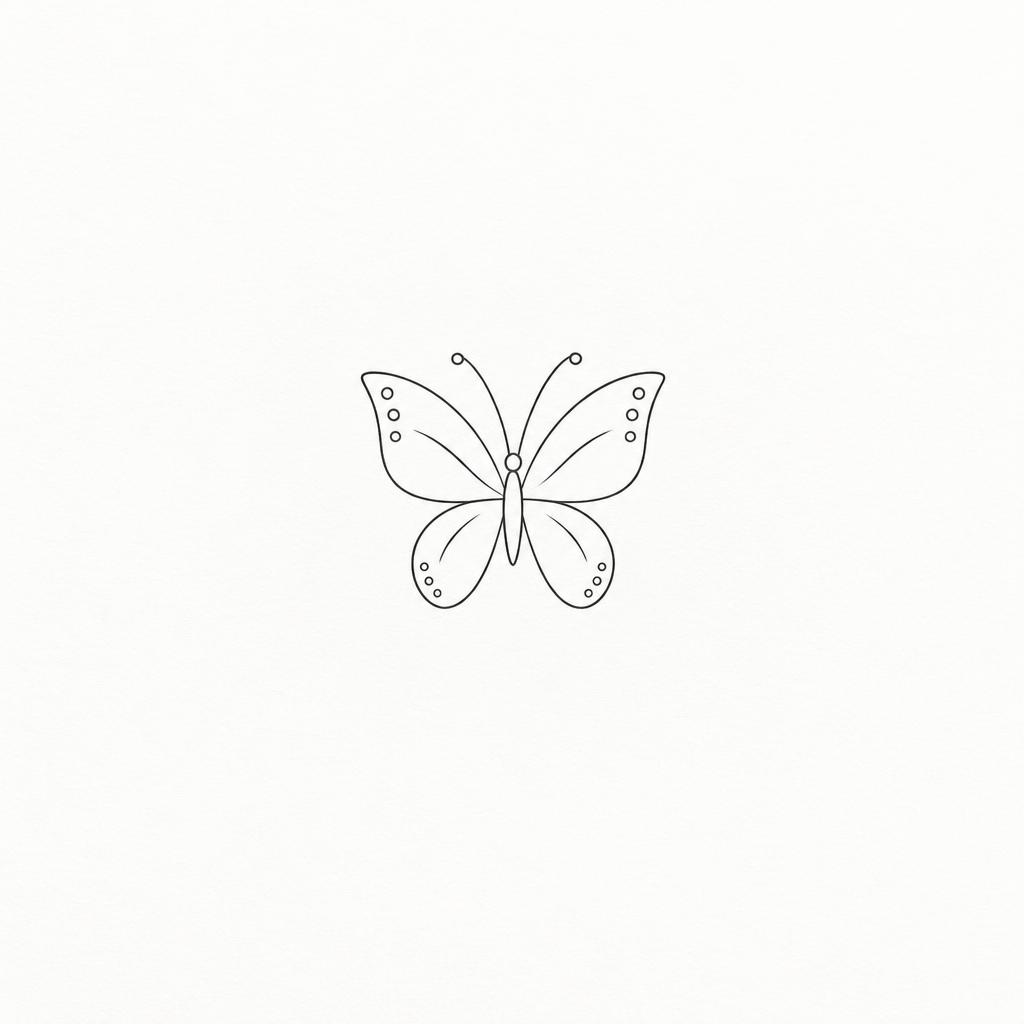
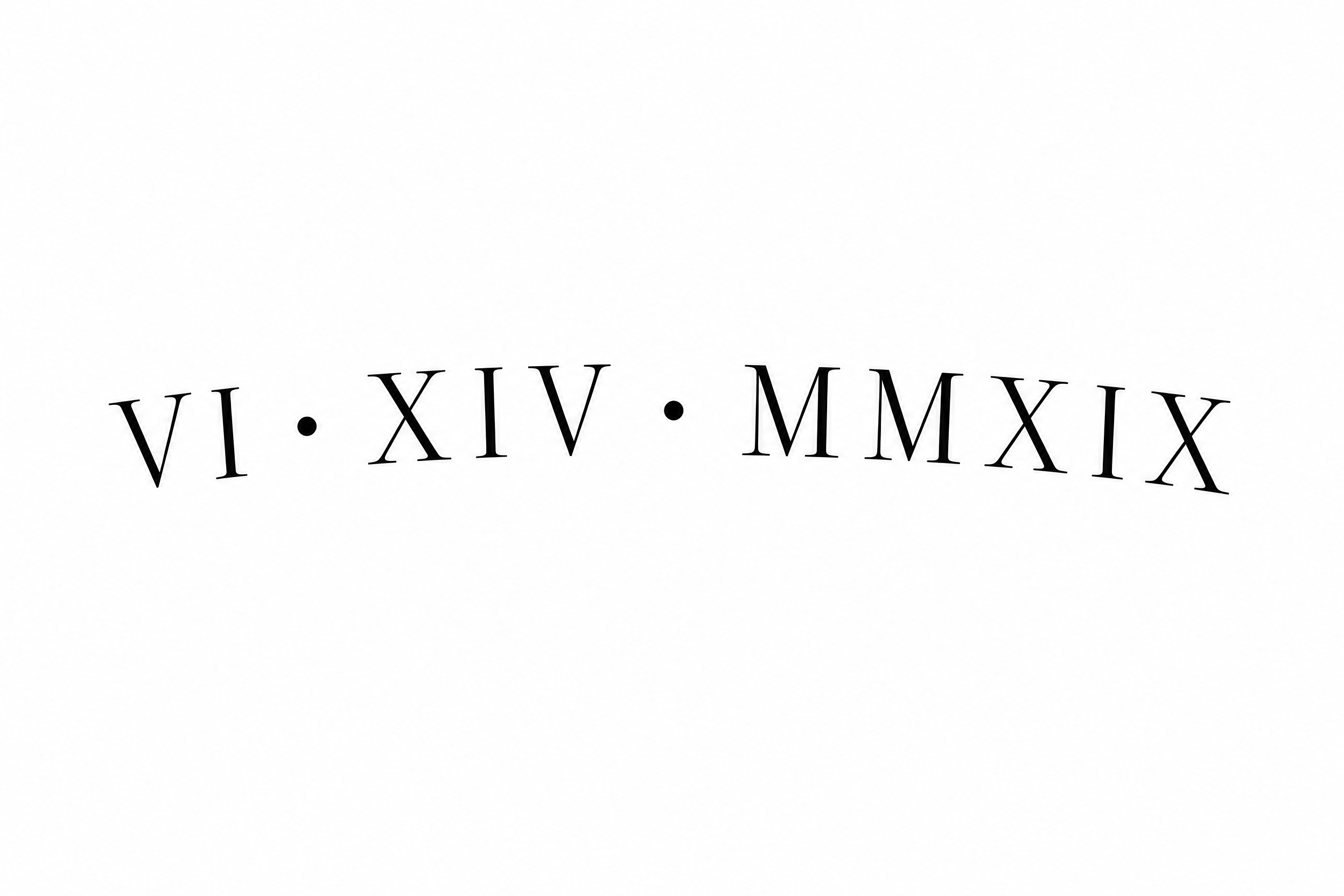
Pure black line art on white, tiny motifs or a name with a small flower spaced apart so a tattoo artist can redraw it.
Line Art Wallpapers
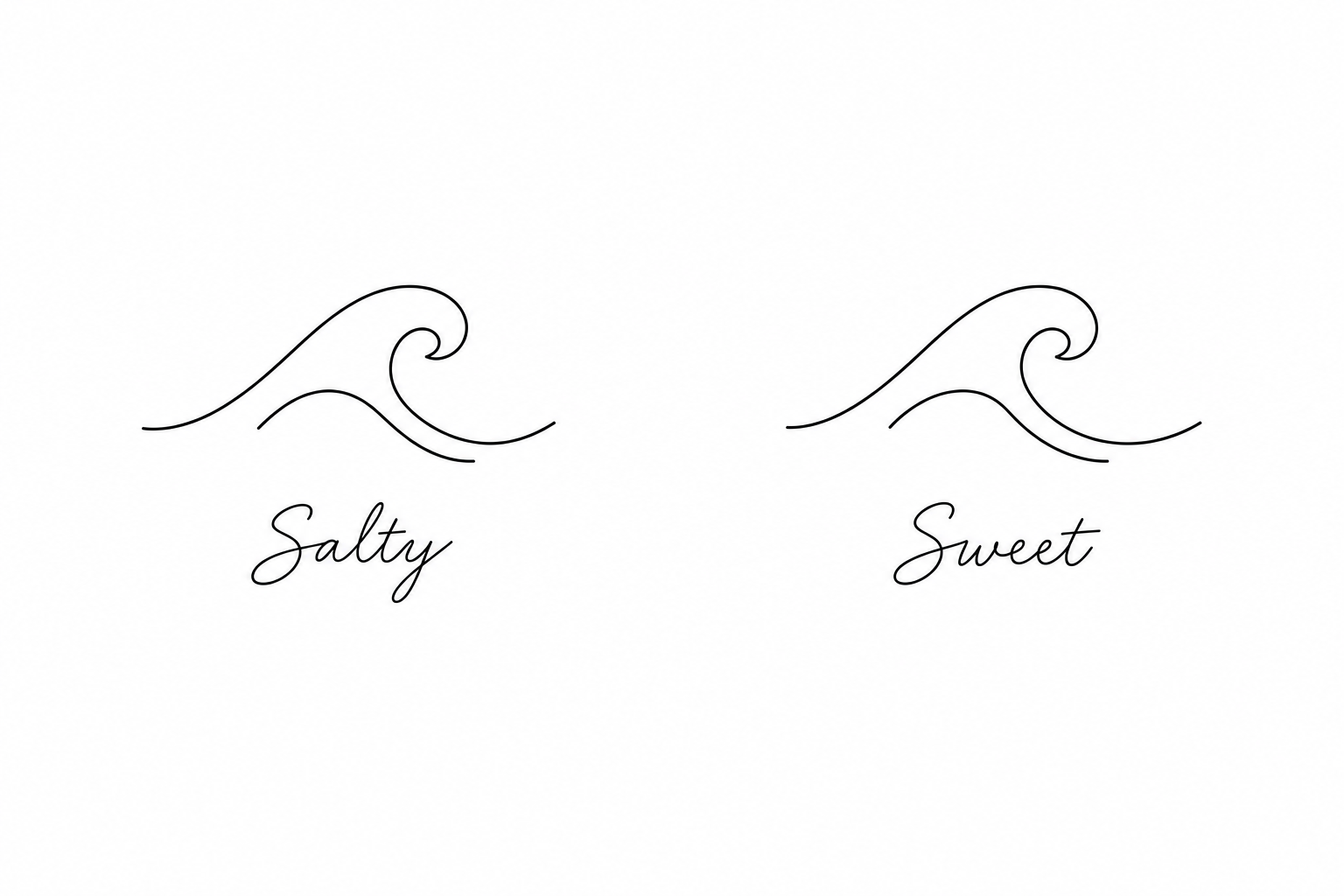
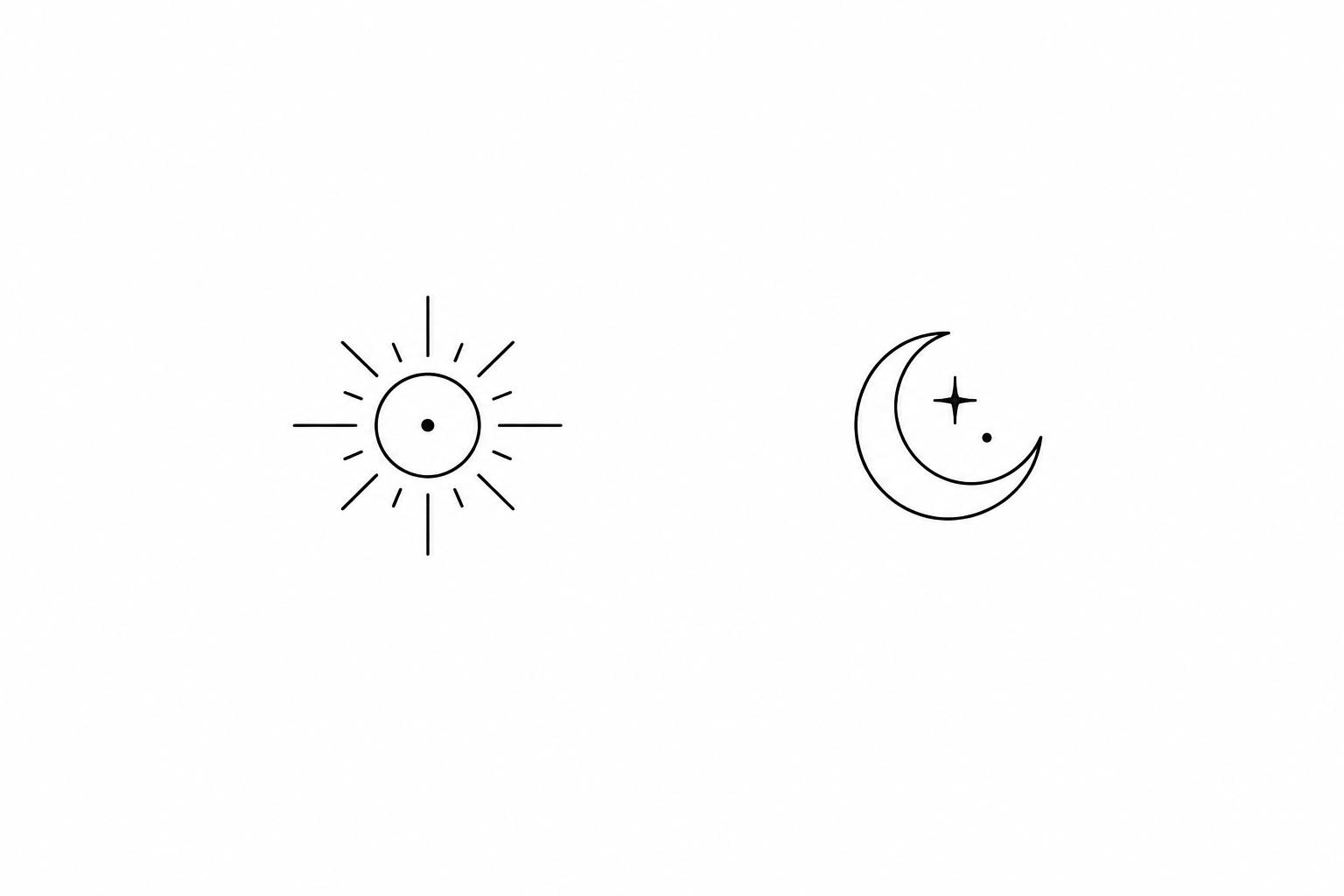
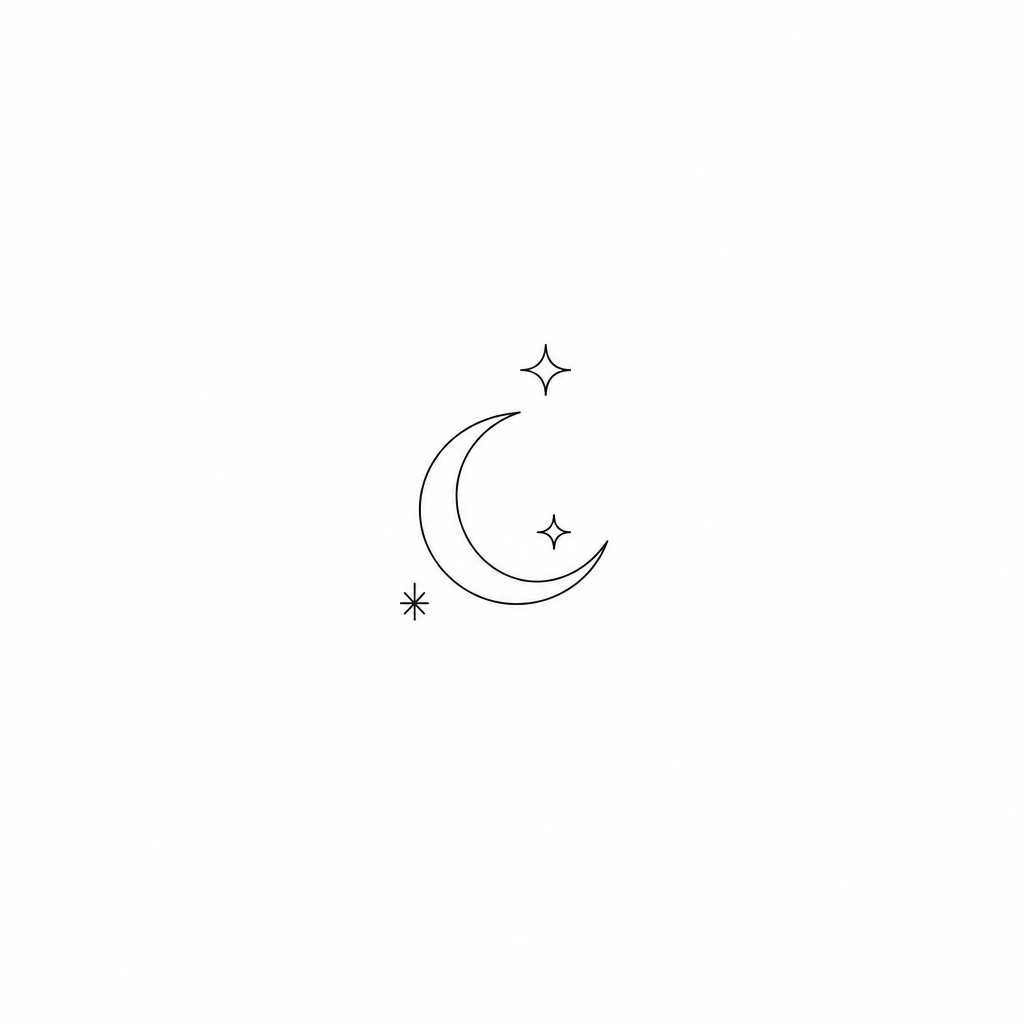
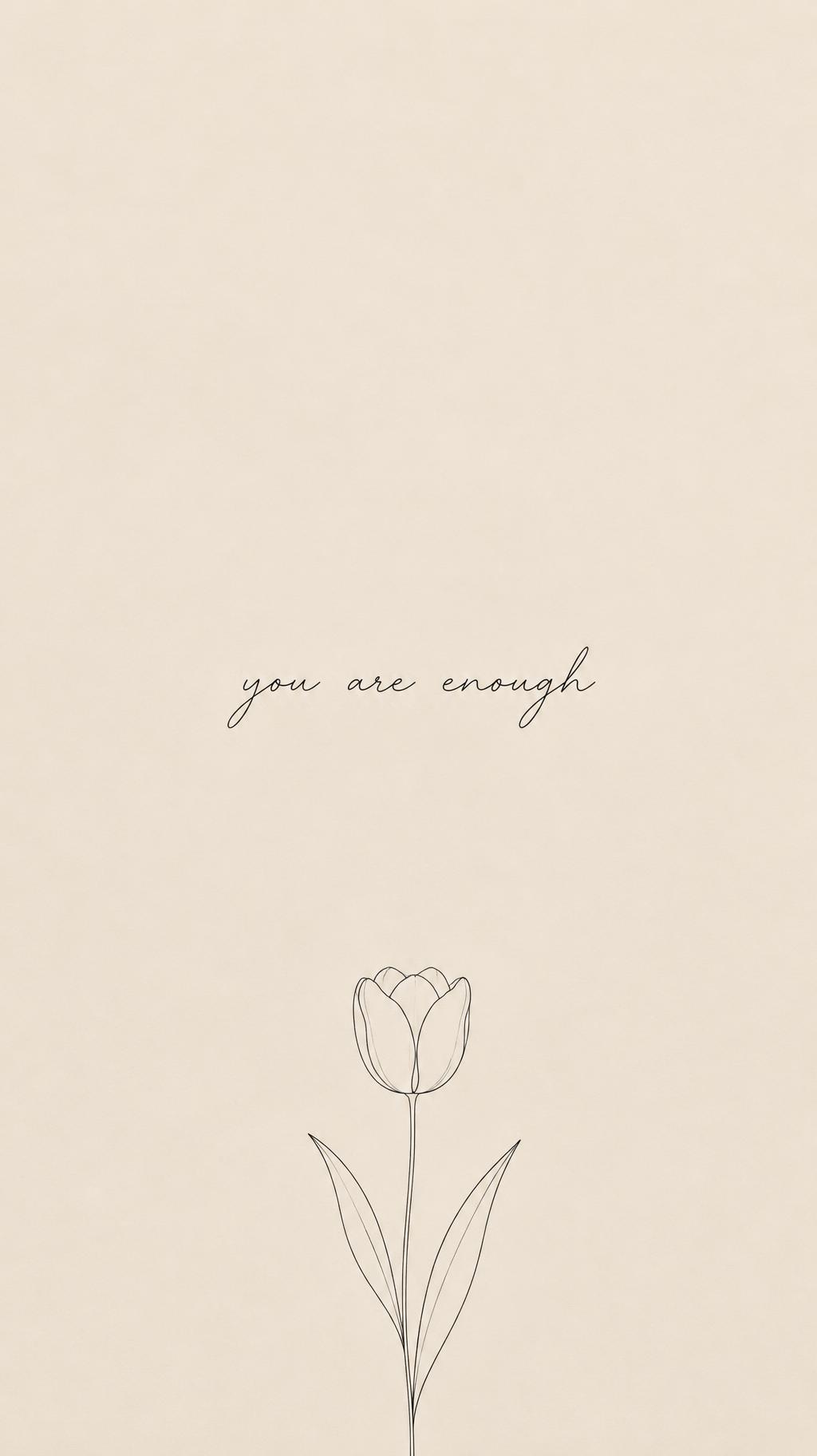
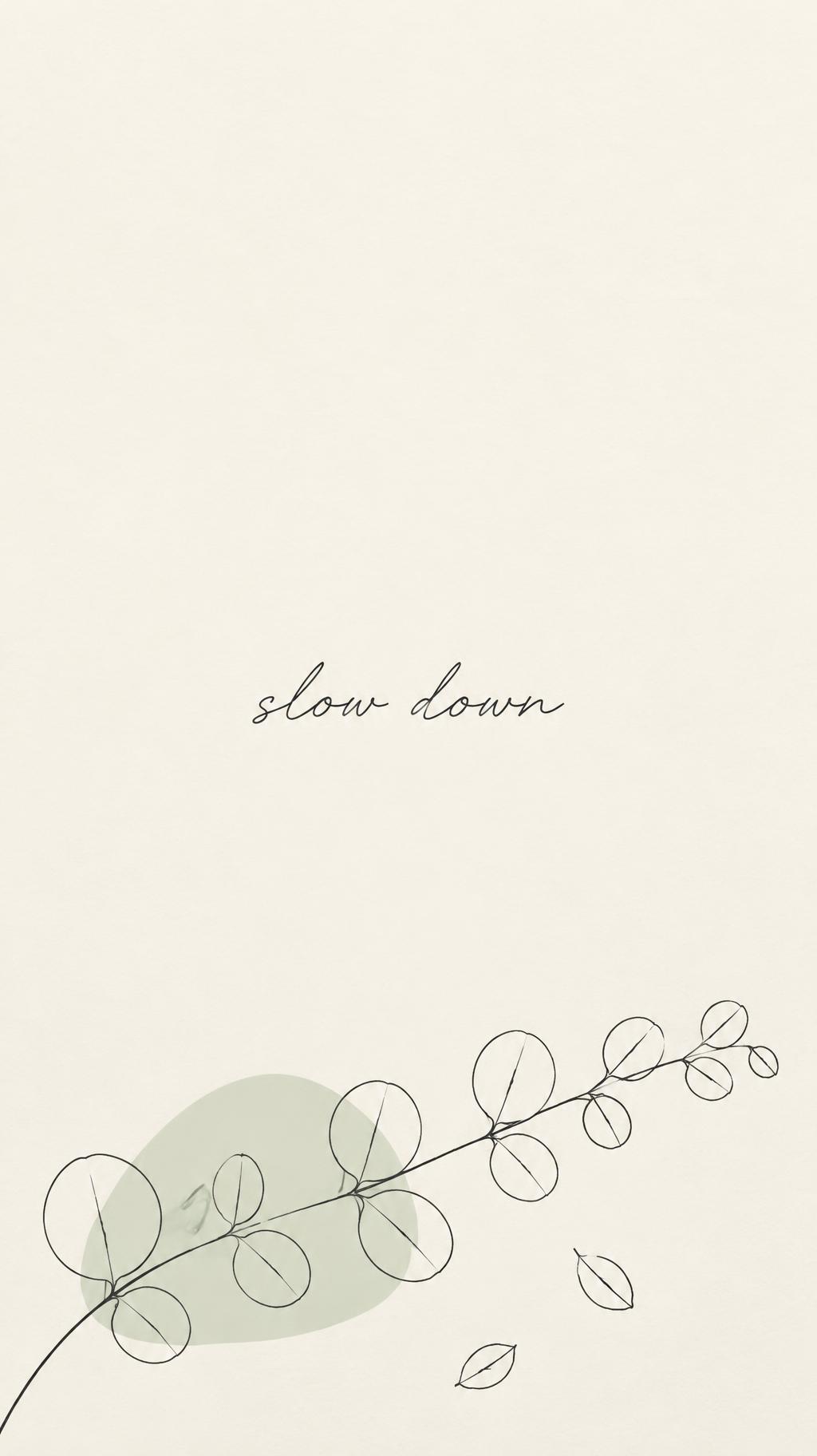
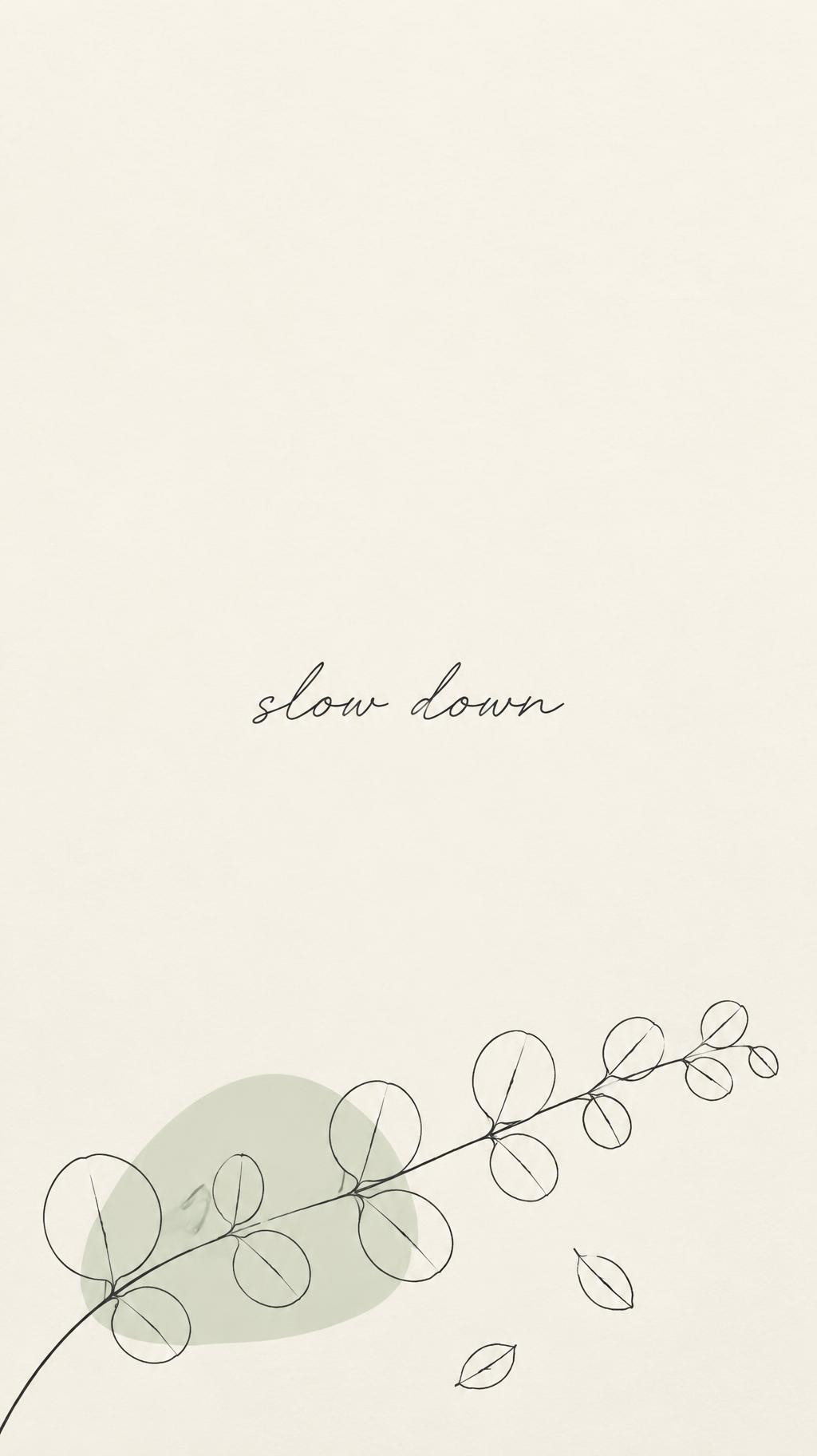
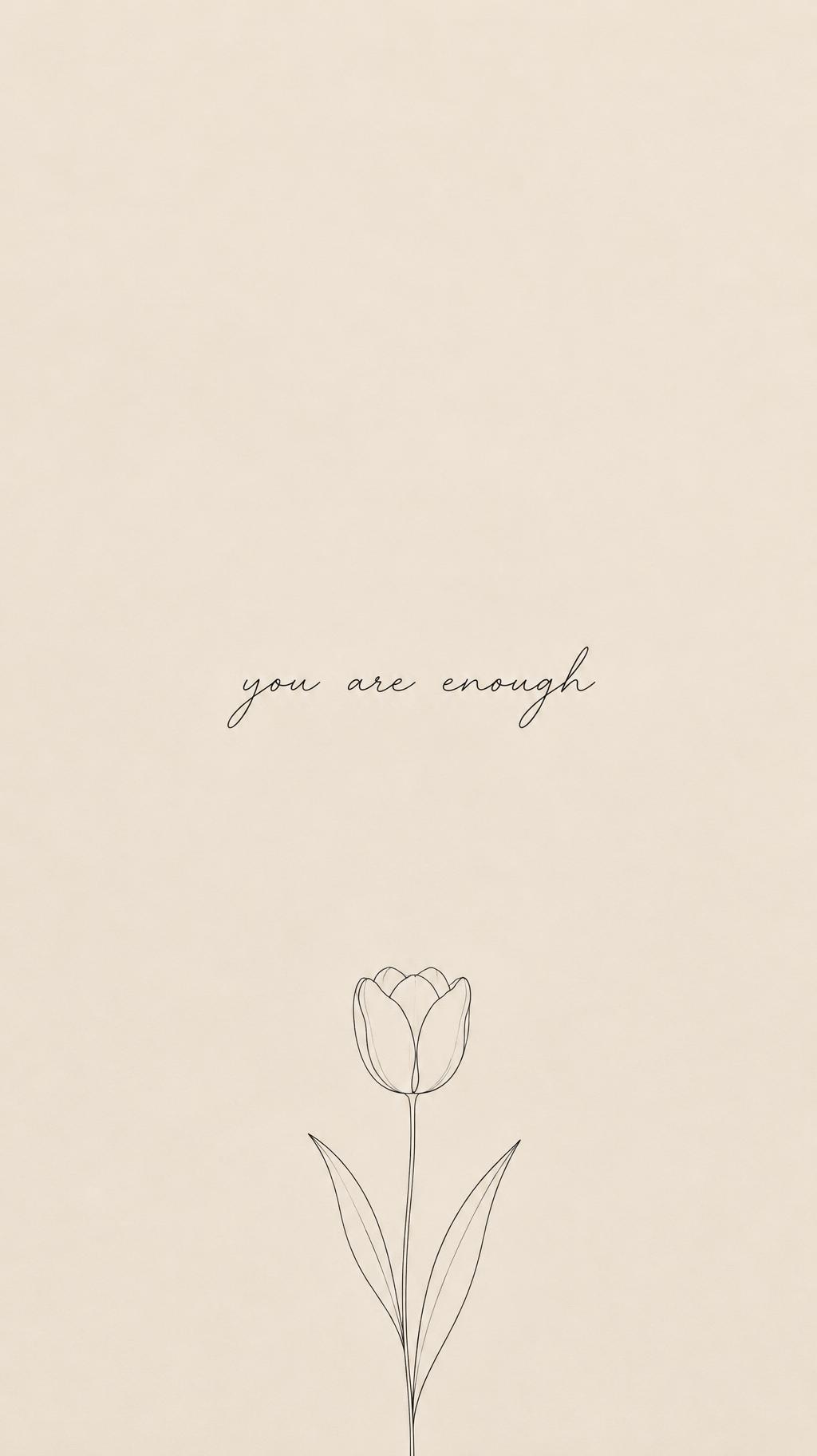
Phone lock screens and desktop wallpapers with a single sprig or moon, a short phrase and lots of quiet space.
AI fonts that fit Fine Line Art
Every AI font here fits the Fine Line Art frame. Pick one, or let the generator choose.



Fine Line Art style designs
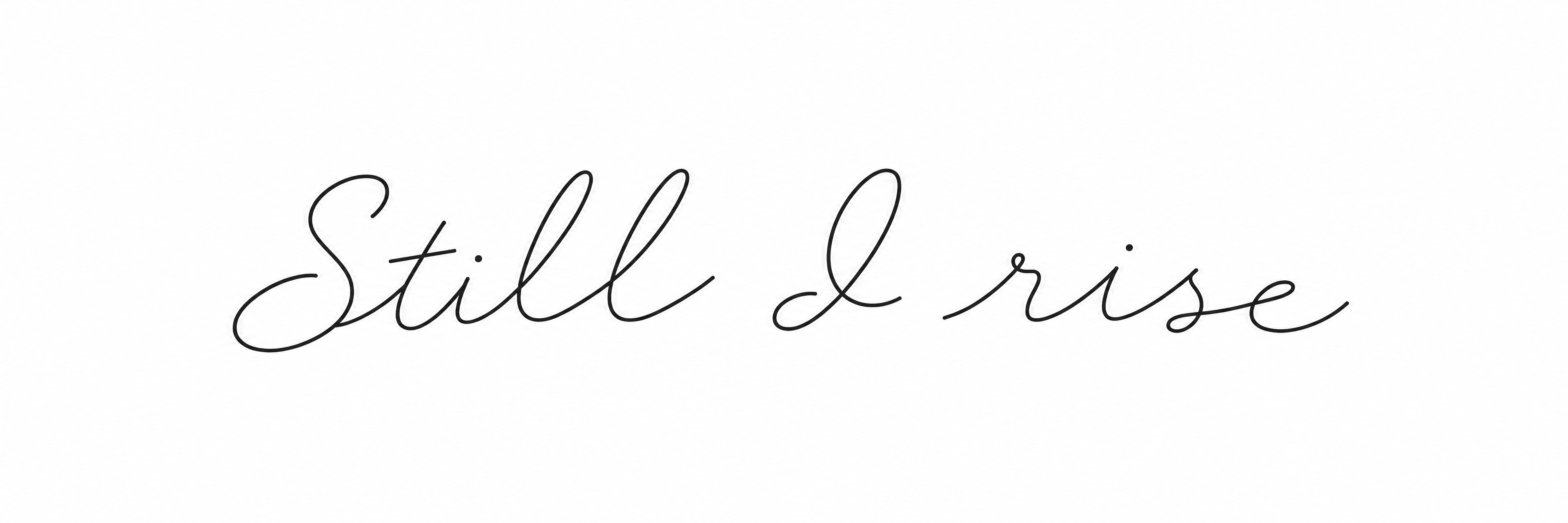
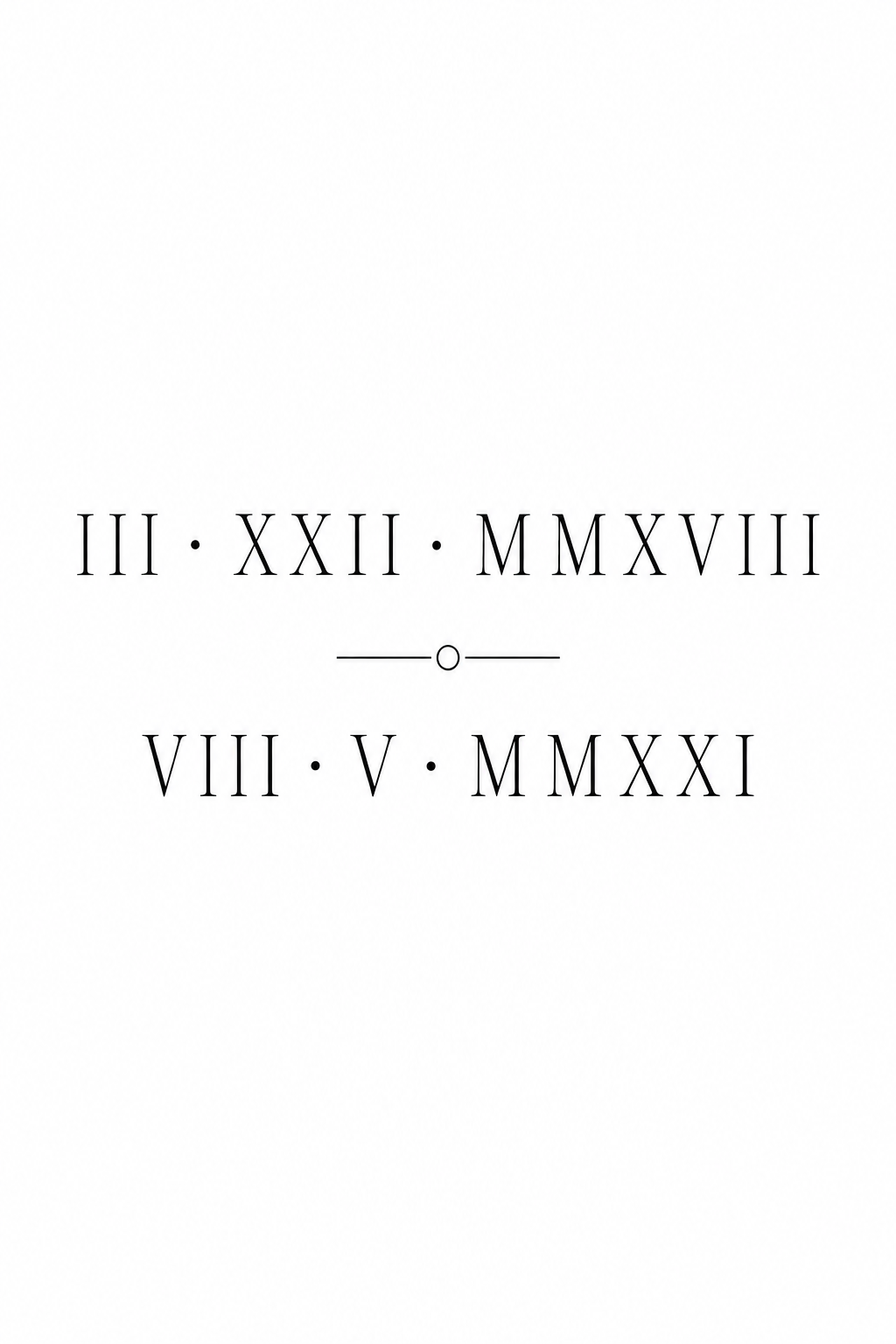
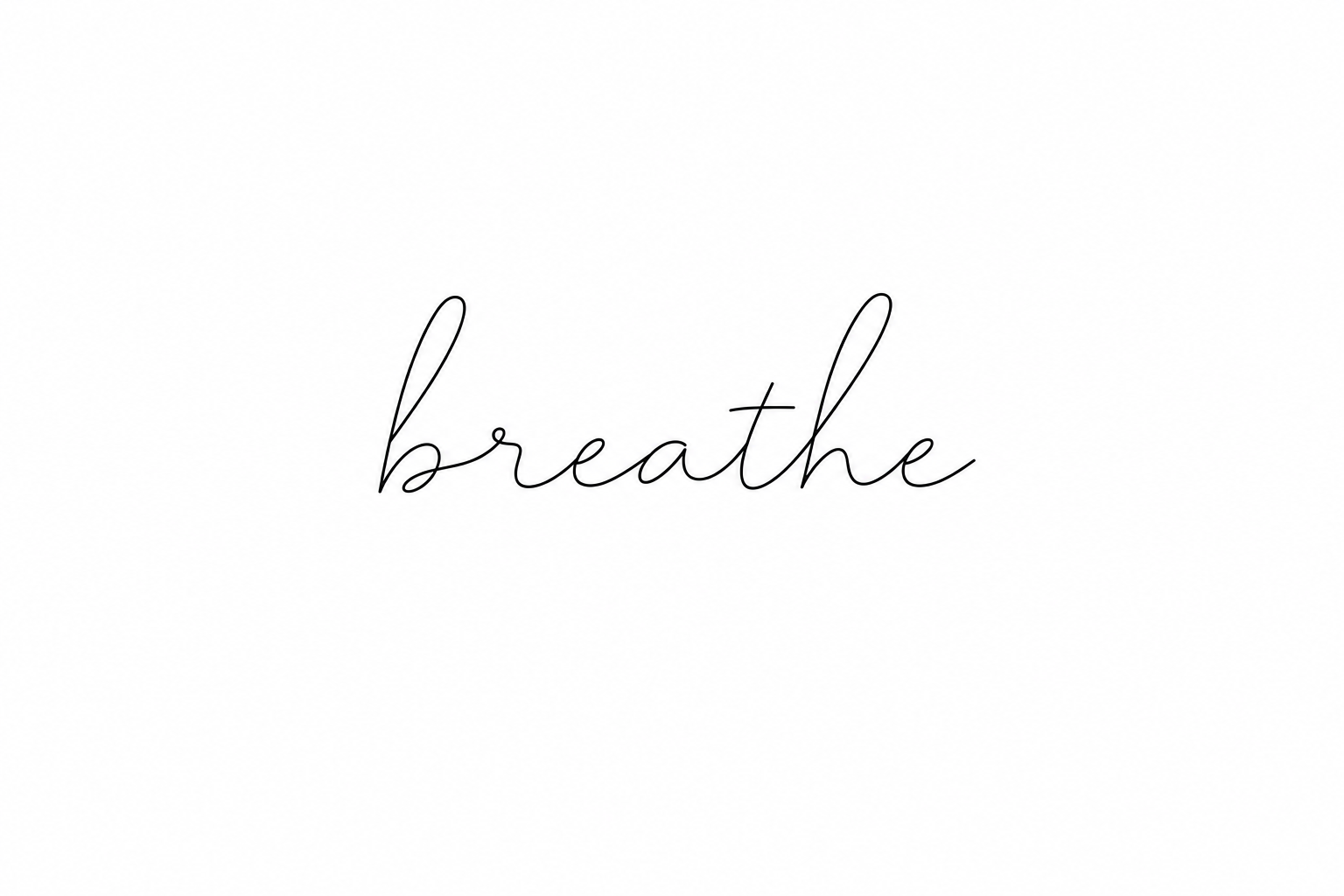
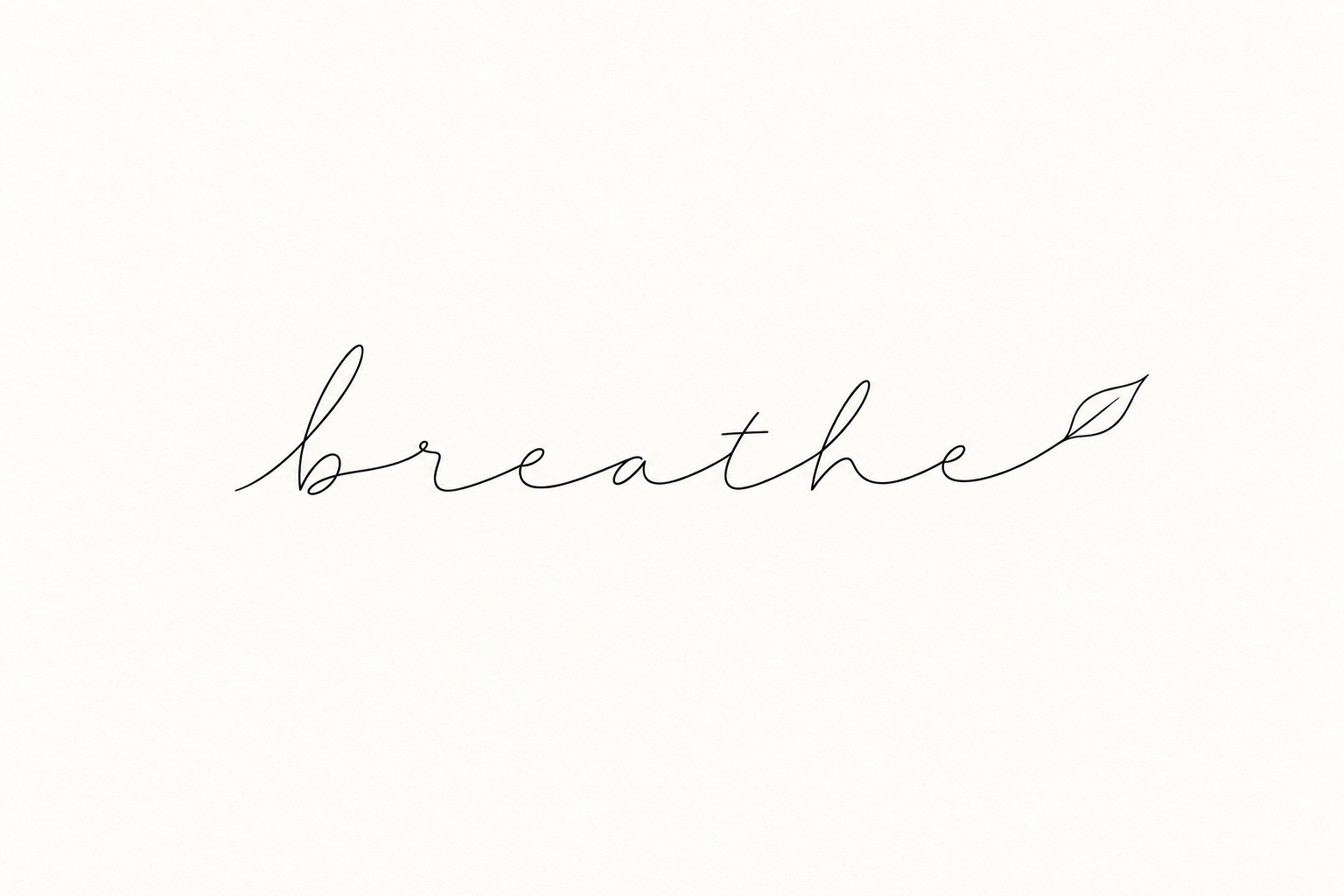
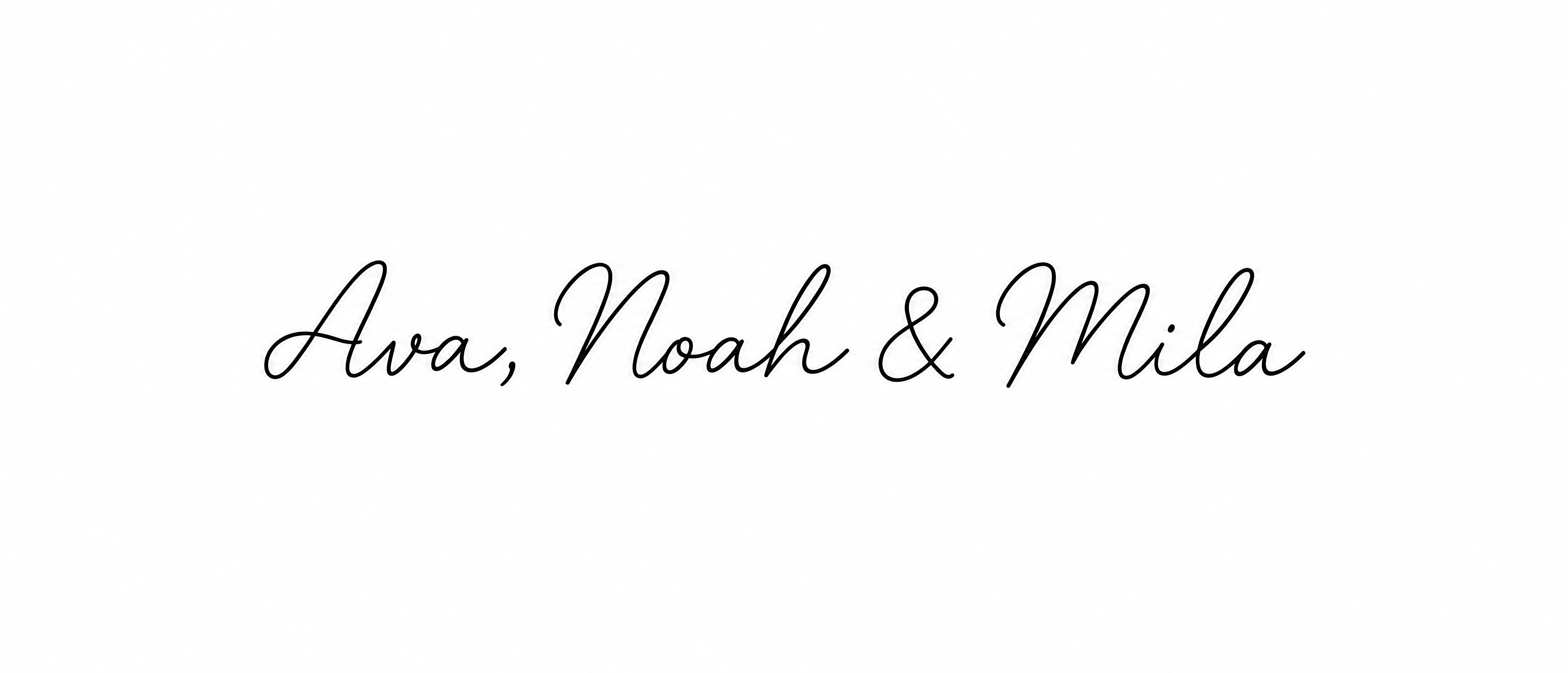
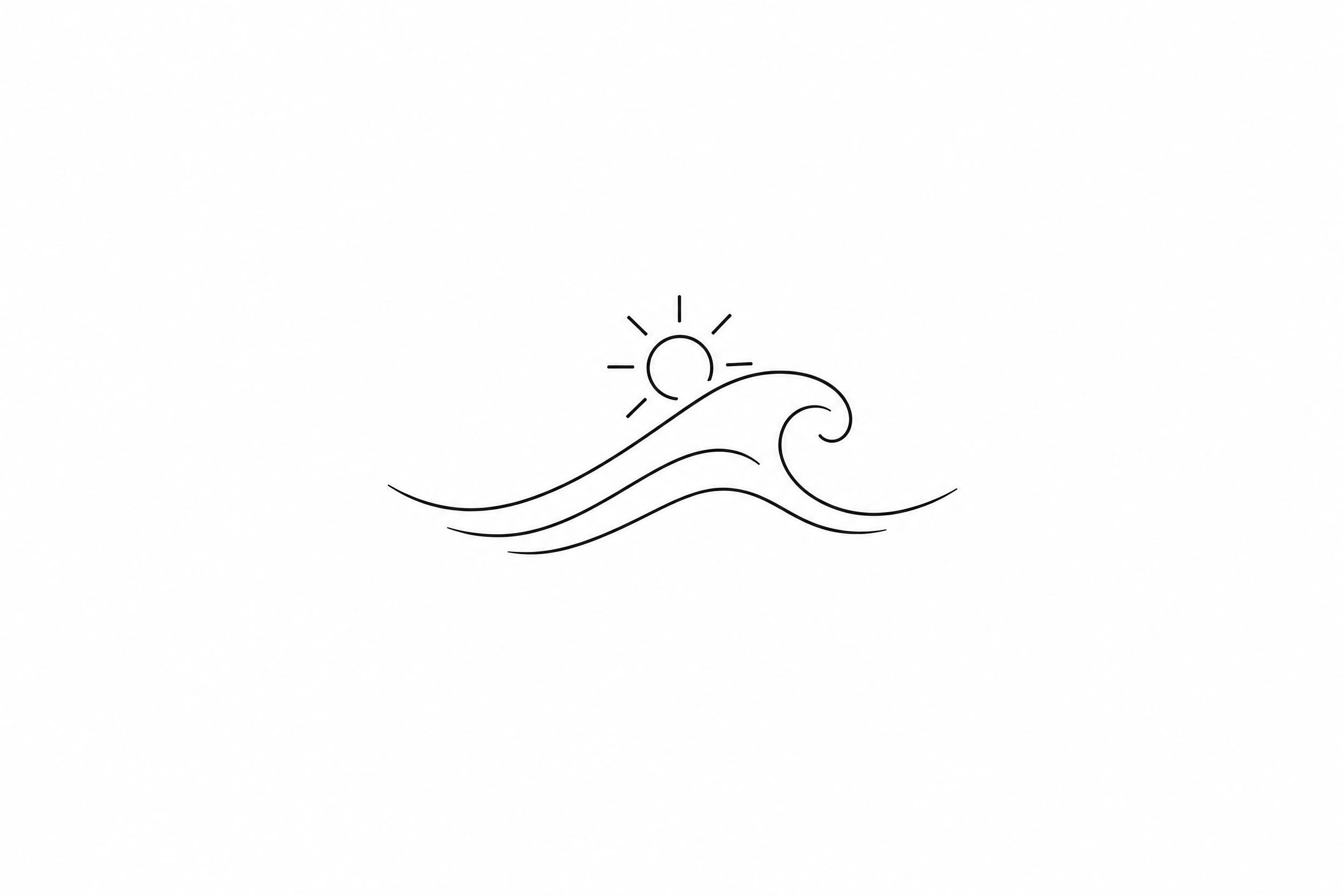
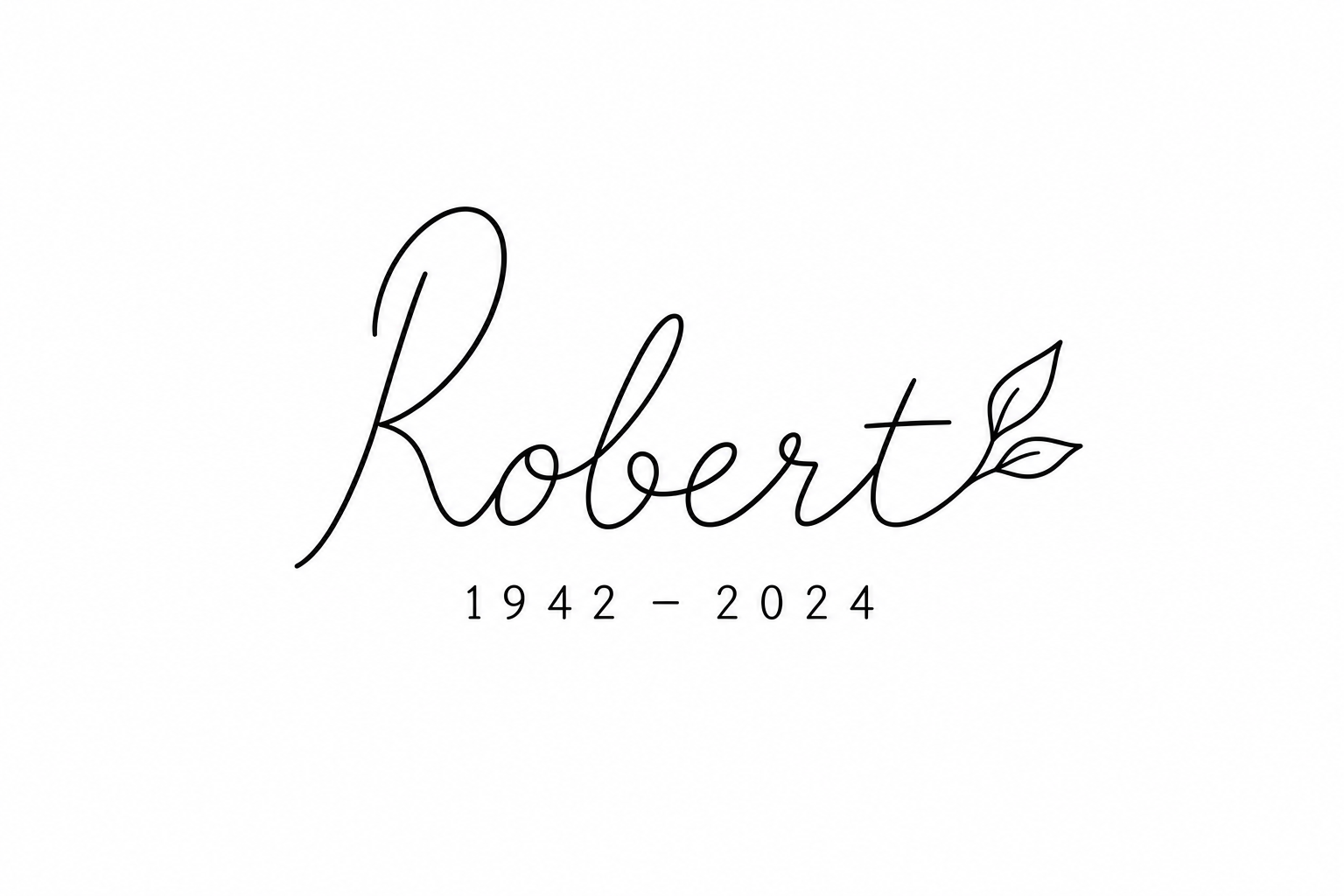
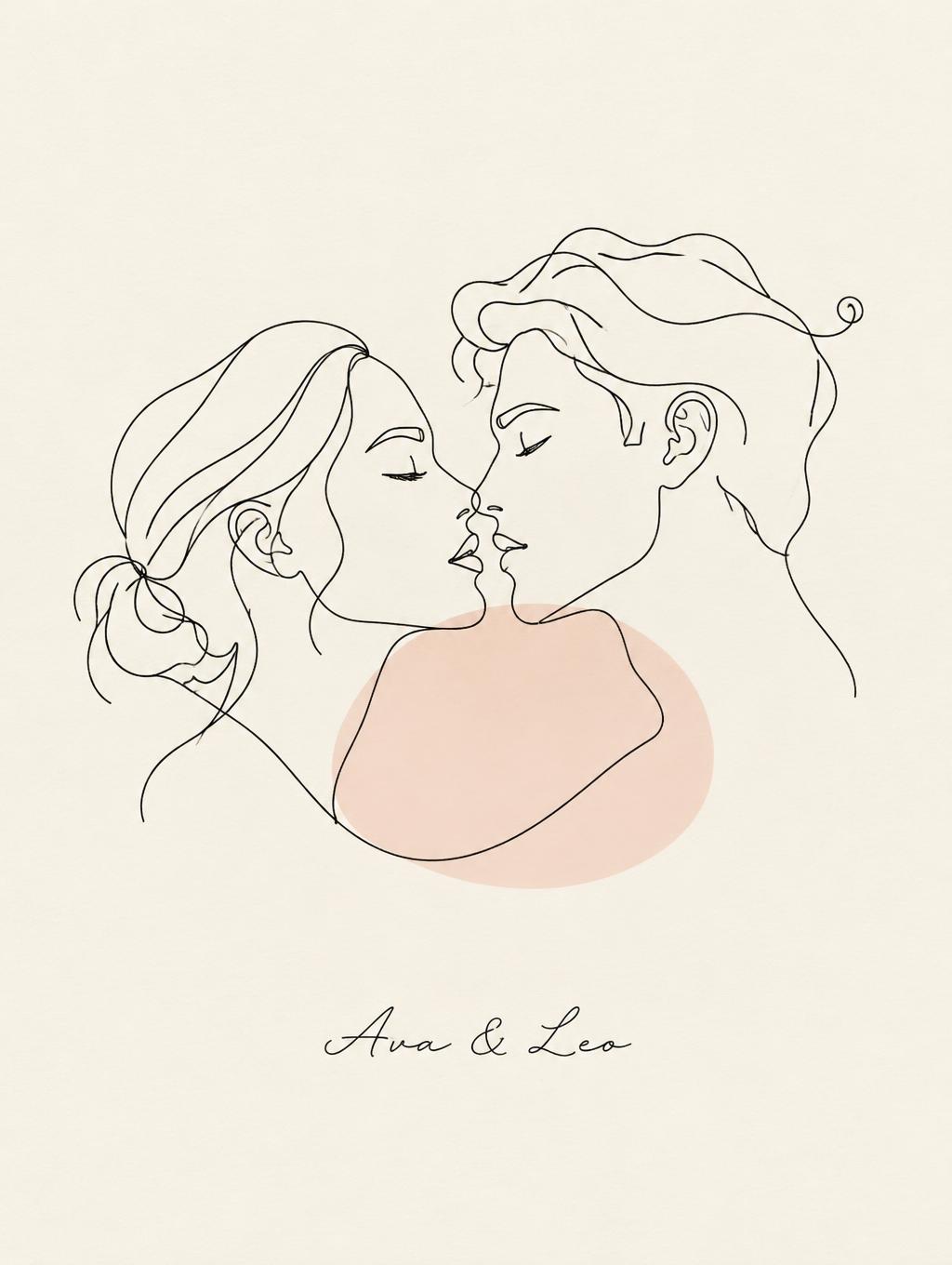
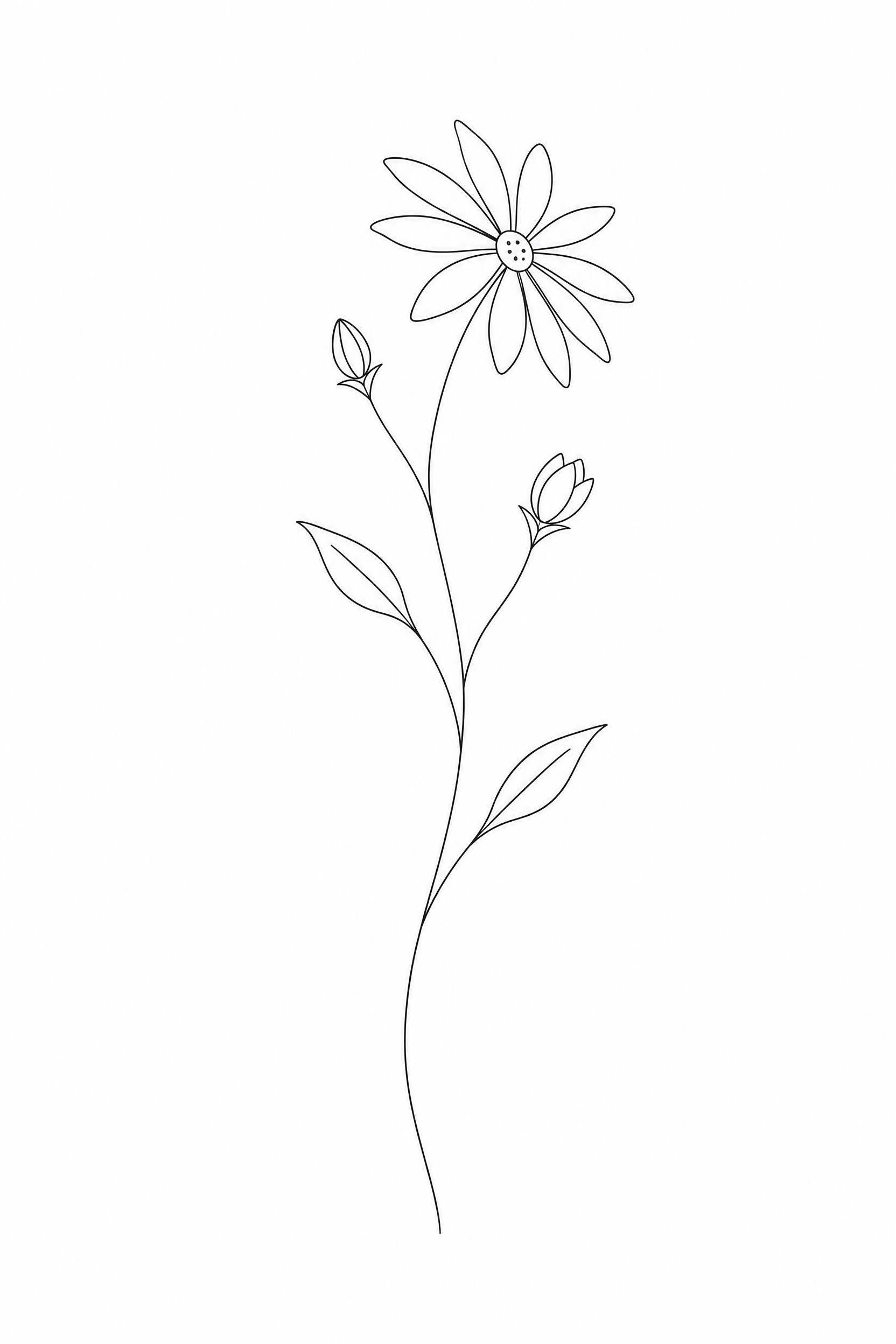
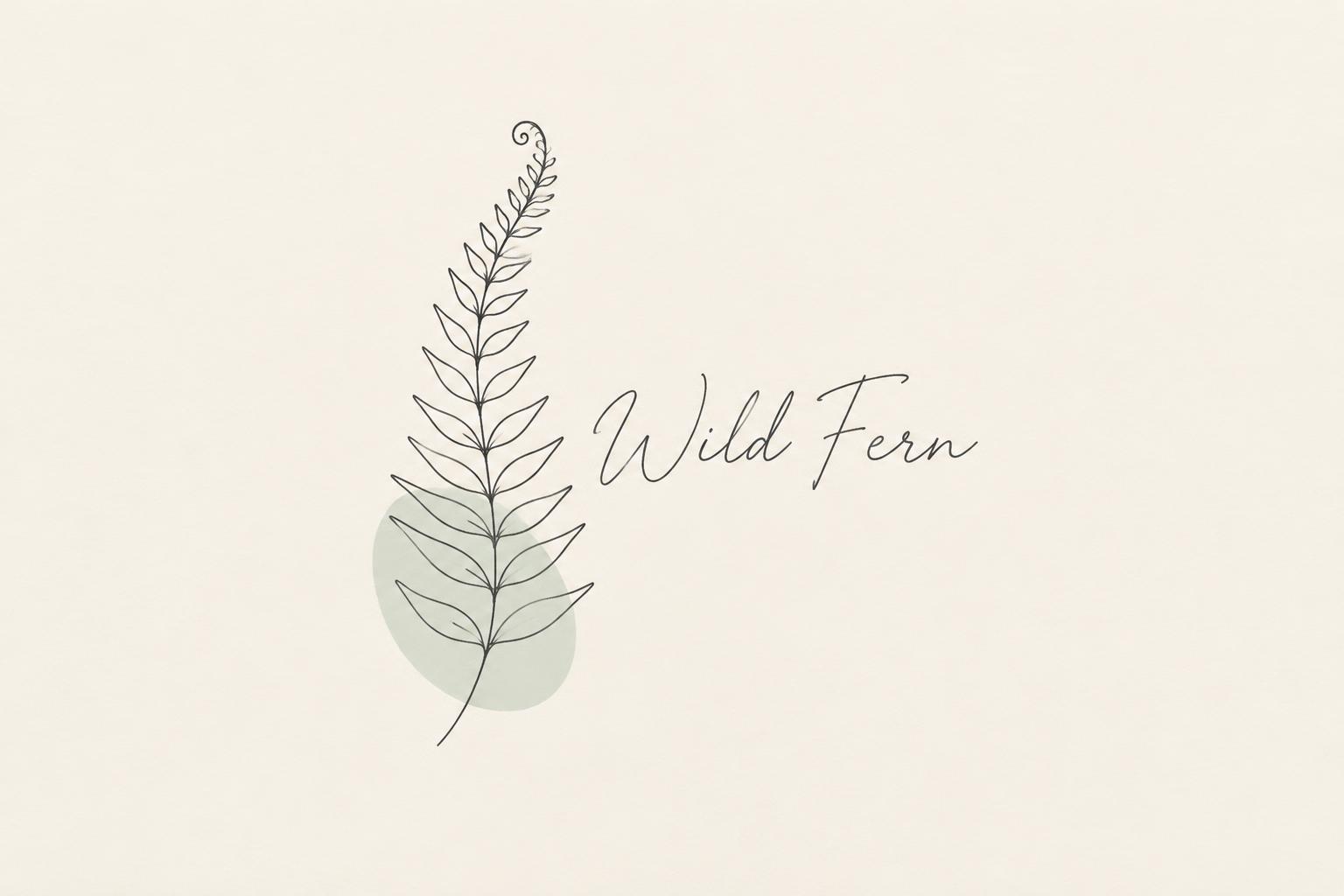
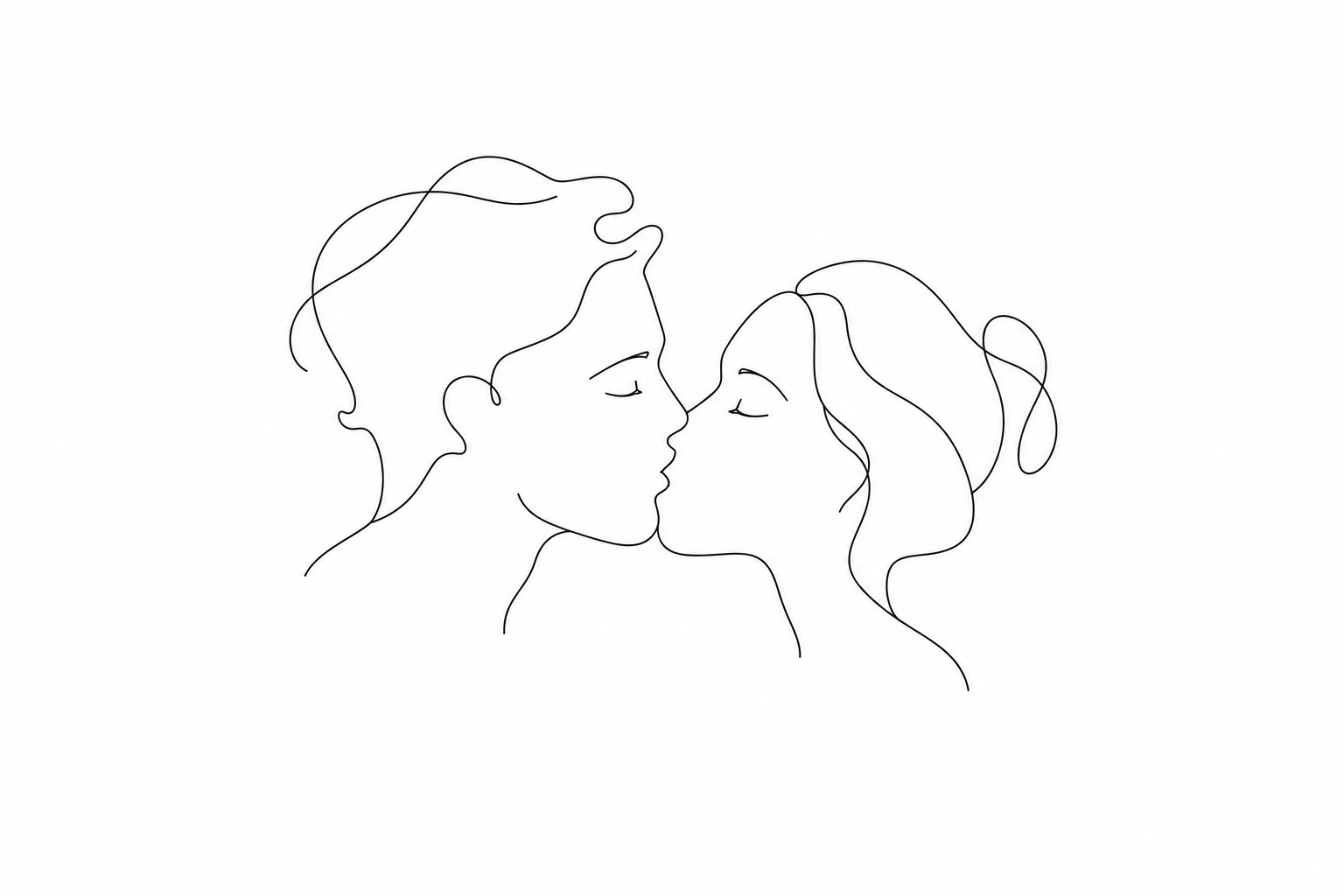
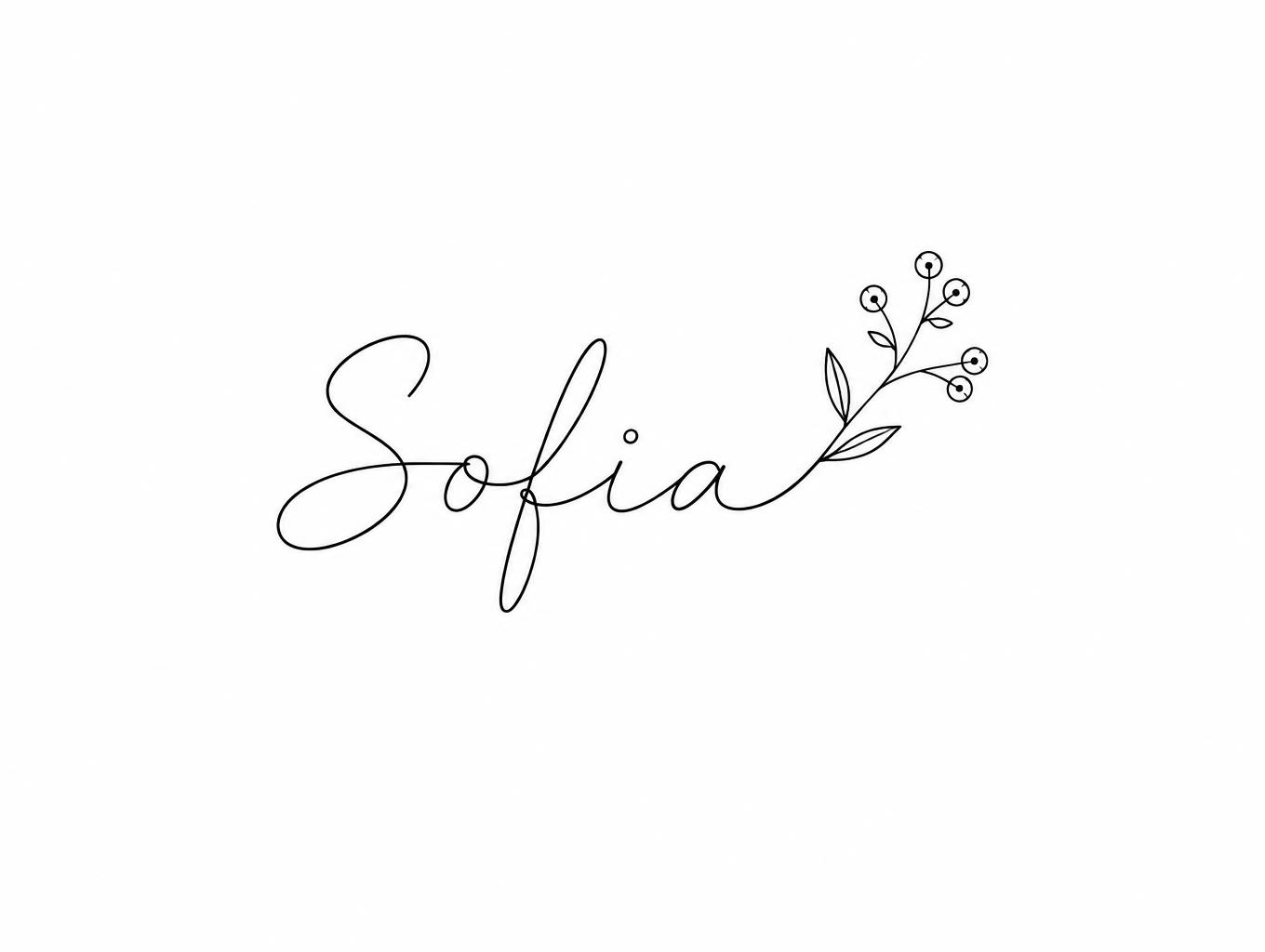
Real designs made on FontVibe. Open any one, or reuse it with your own text.

What you can make with Fine Line Art
Pages for the things people make in the Fine Line Art style. Each one has ready-made ideas and the right size.
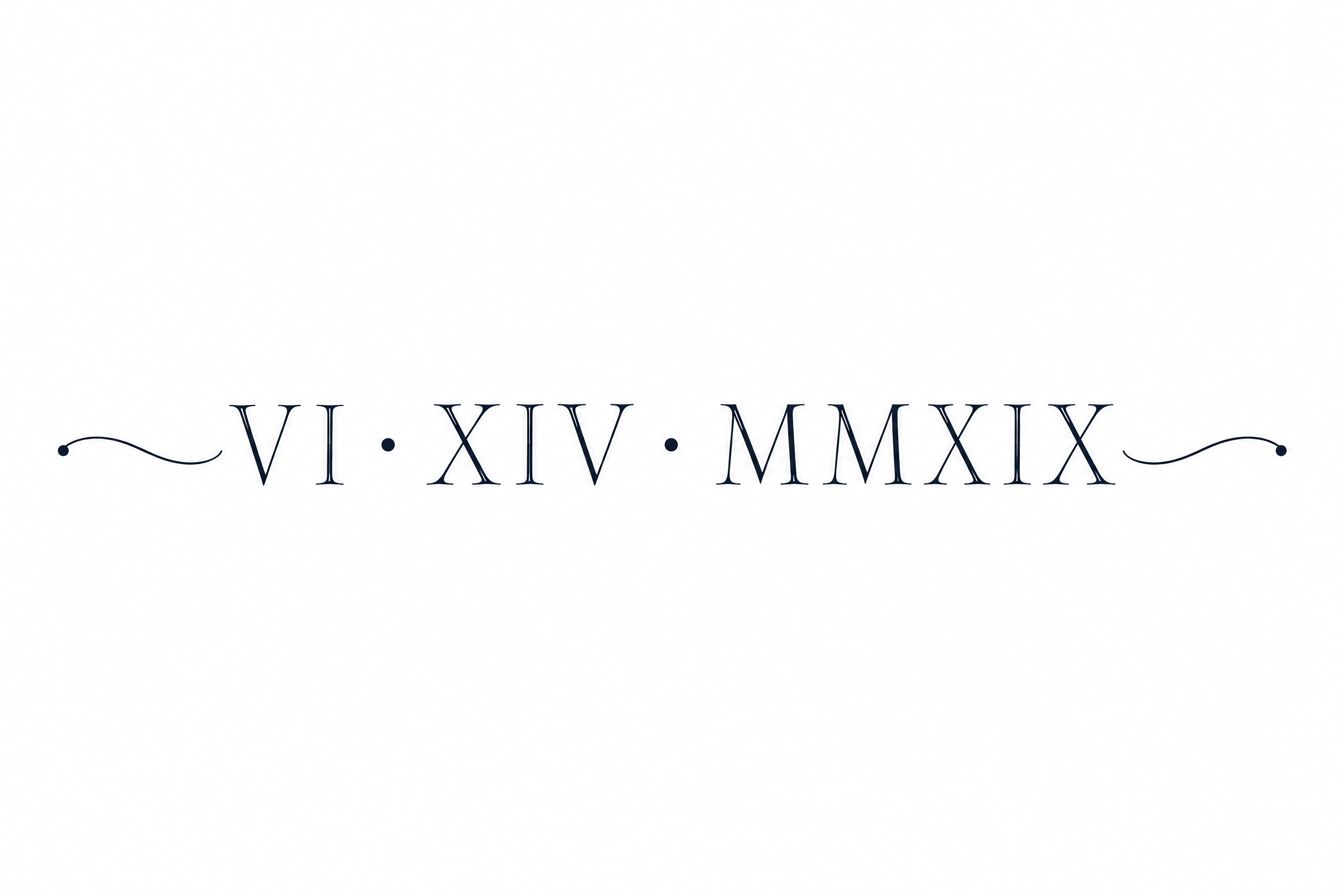
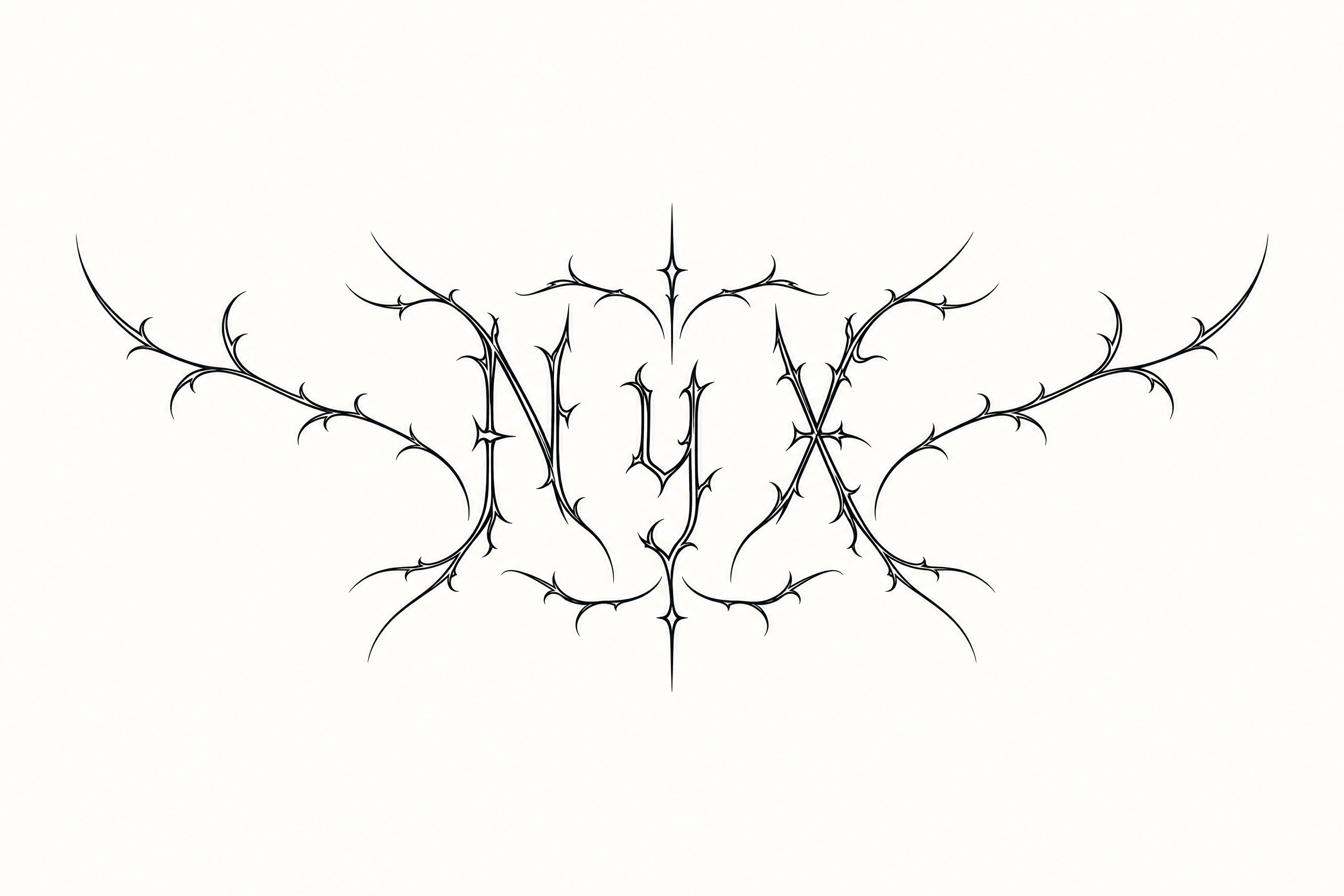
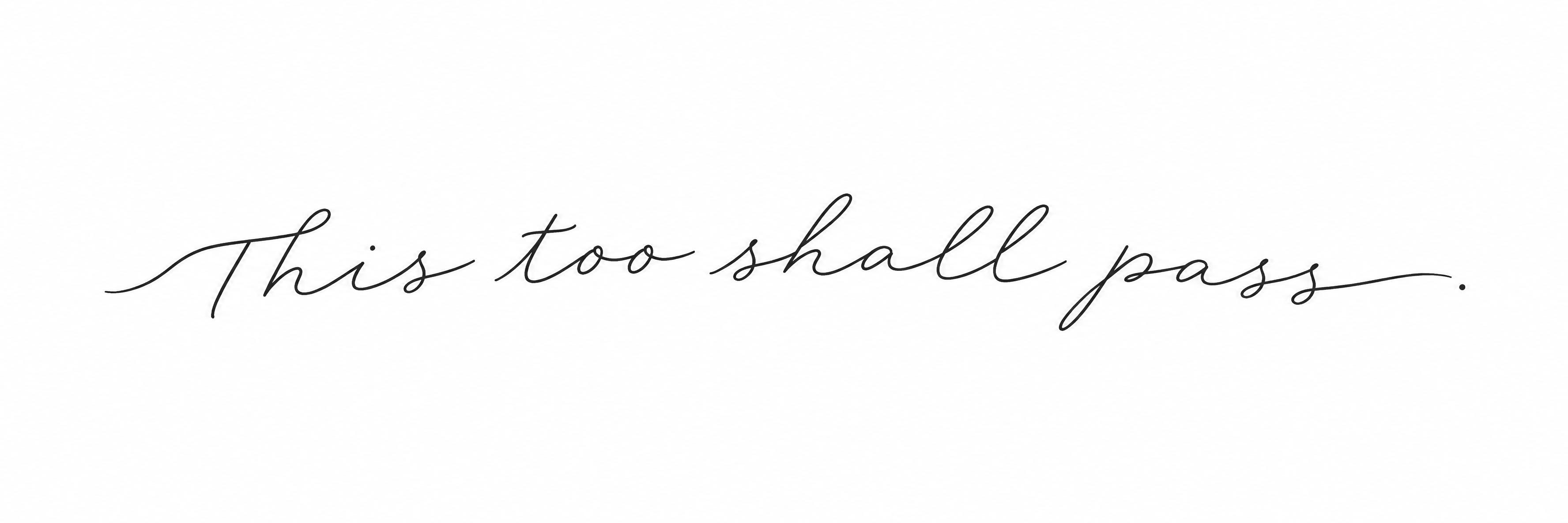
Similar styles
Other looks that work for the same kinds of designs.




Tags in Fine Line Art
Every tag used on this page — each opens the designs, fonts and styles that share it.
Questions
The story behind Fine Line Art
Where the look comes from, the moments that shaped it and the facts behind it, with sources.
Where fine line art comes from
Line art is any image made of distinct straight or curved lines placed against a background, usually in one colour. Before photography and halftone printing it was the standard way to illustrate books, drawn in black ink on white paper, and plant books were among its finest uses: Leonhart Fuchs’s 1542 herbal De historia stirpium printed plants as clear outline woodcuts.
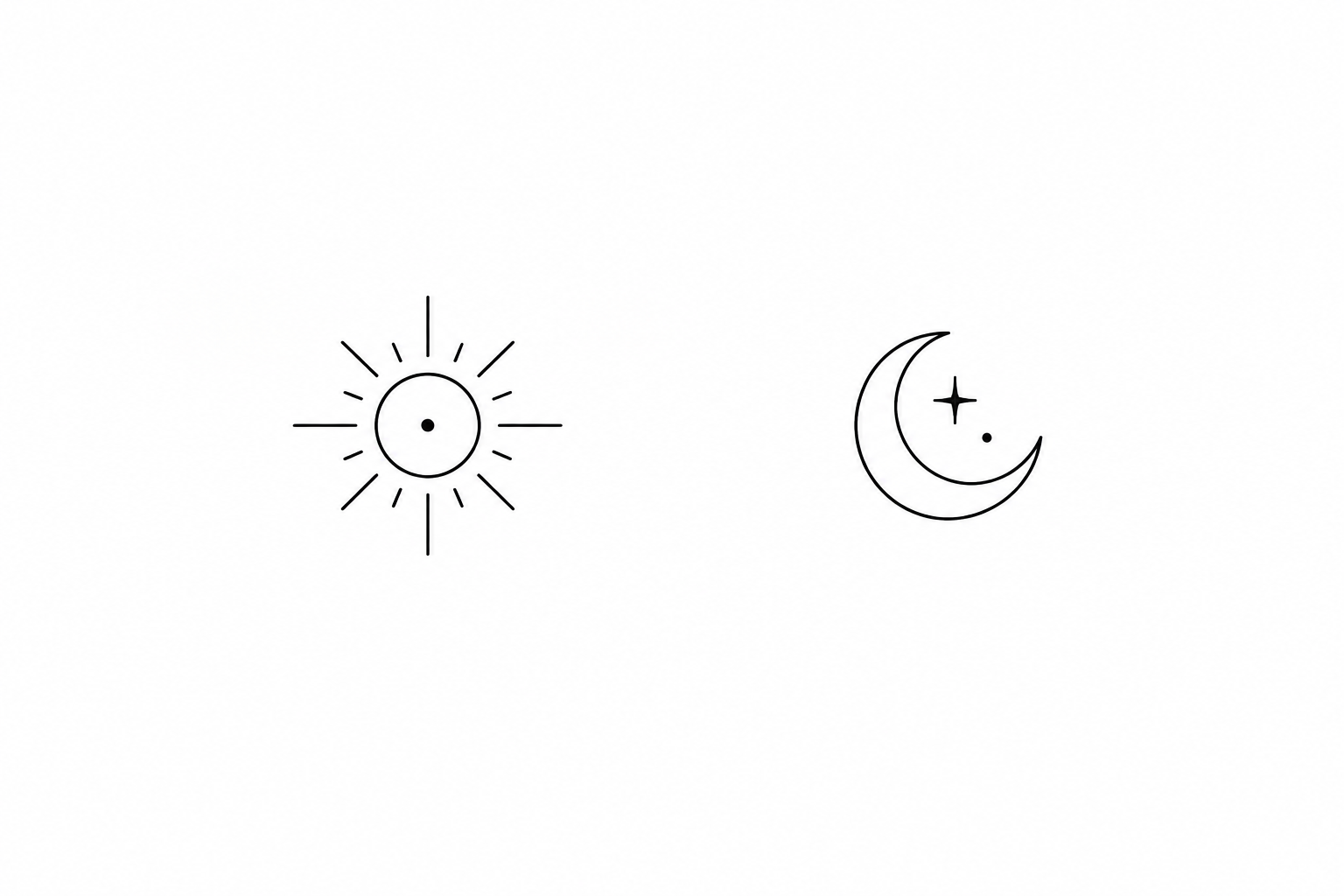
The even, hairline line came from tools. The Graphos technical pen of 1934 and the cylindrical-point pens of the 1950s guaranteed a constant line thickness, down to 0.10 mm. Tattooing found the same line in the 1970s, when Jack Rudy and Charlie Cartwright honed single-needle, black-and-grey tattoos at Goodtime Charlie’s Tattooland in East Los Angeles. Today’s fine line art mixes the two: a botanical or celestial drawing in one thin line, kept small, with a lot of empty paper around it.
Sources: Wikipedia — Line art · Wikipedia — Botanical illustration · Wikipedia — Technical pen · Wikipedia — Contour drawing · Wikipedia — Tattoo flash · Wikipedia — Jack Rudy
Moments that shaped fine line art
Did you know?
A full set of technical pens ran from 0.10 to 2.0 mm, the line widths defined in ISO 128. Source ↗
Line art imitates shades of grey with stippling and hatching; fine line art usually leaves them out and keeps only the outline. Source ↗
Tattoo artist Lew Alberts (1880–1954) created and sold many sheets of tattoo patterns, the ancestors of today’s flash sheets. Source ↗
Milton Zeis (1901–1972) sold thousands of flash designs to tattoo artists through his mail-order supply business. Source ↗
Fine line art in typography
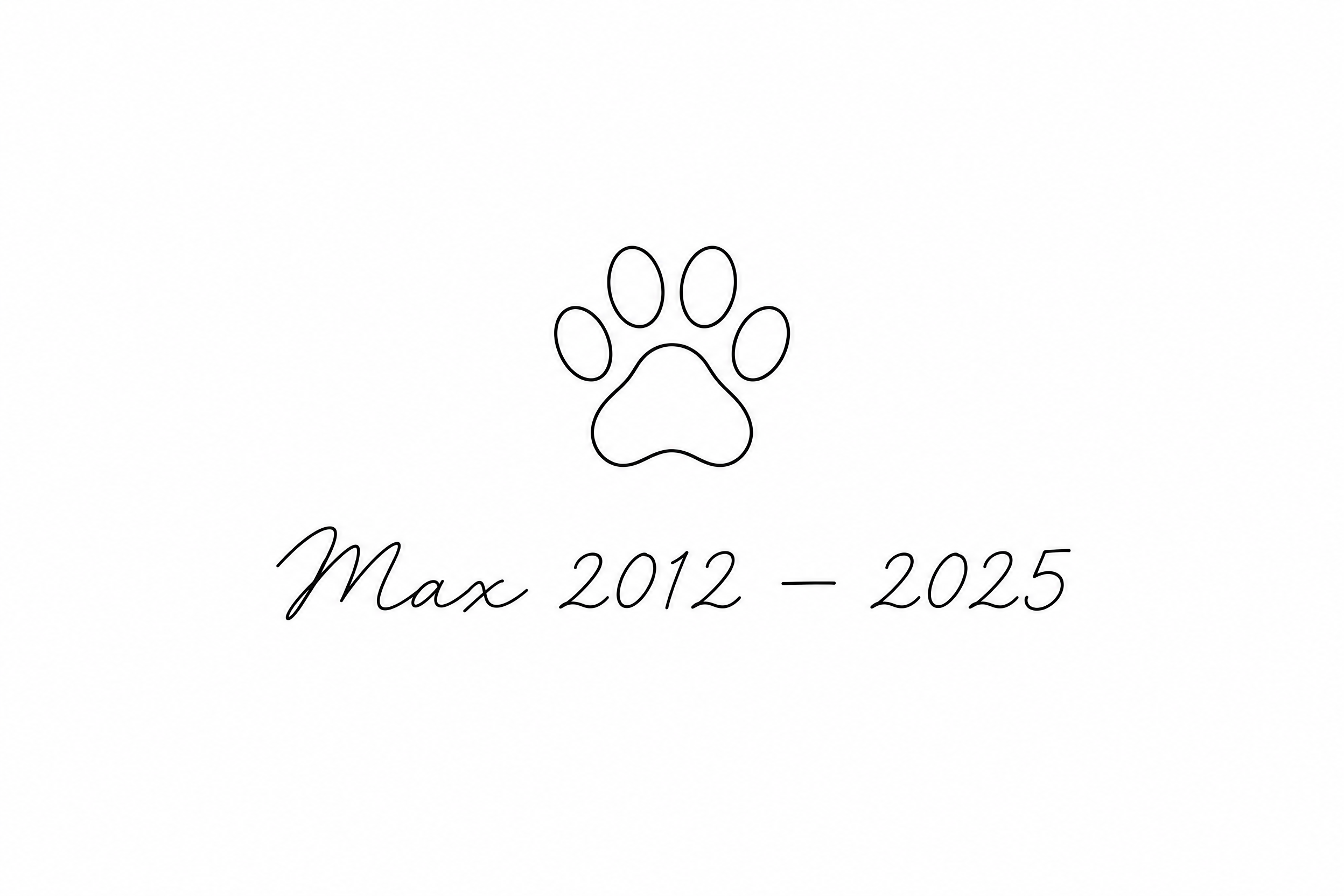
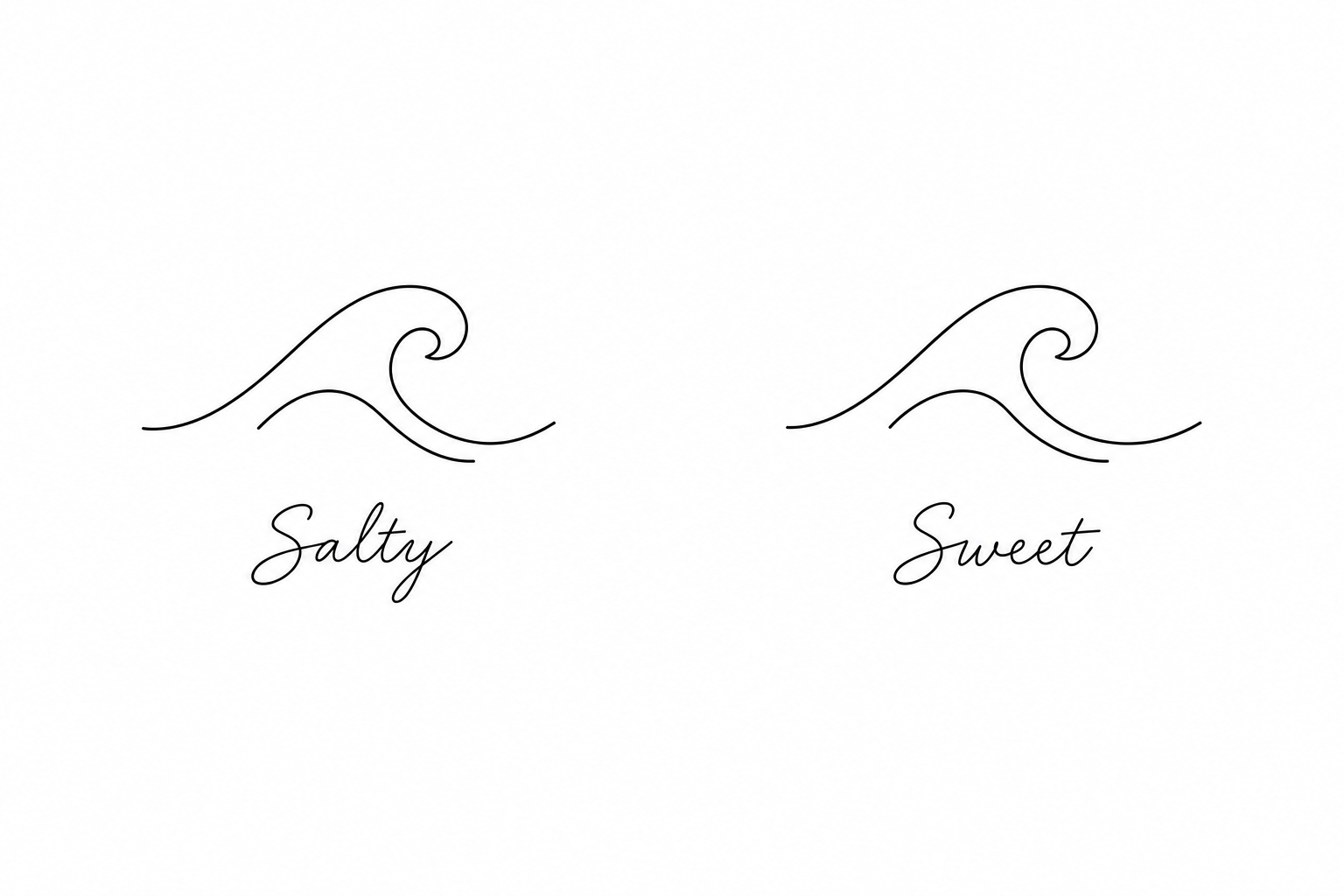
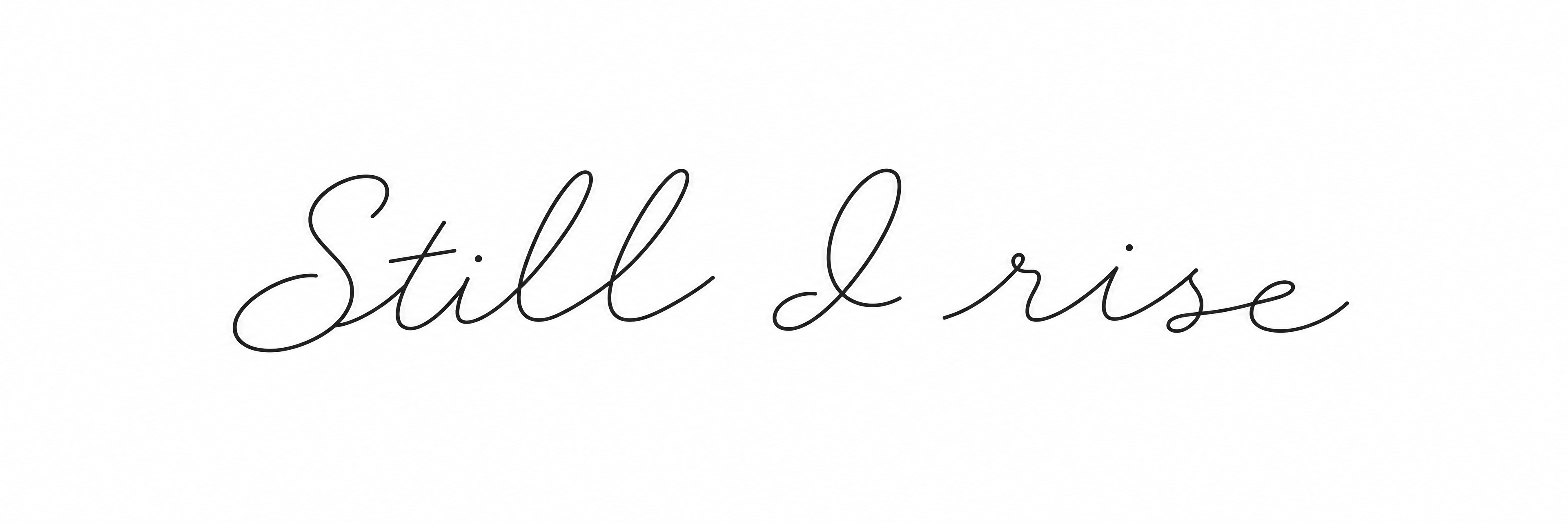
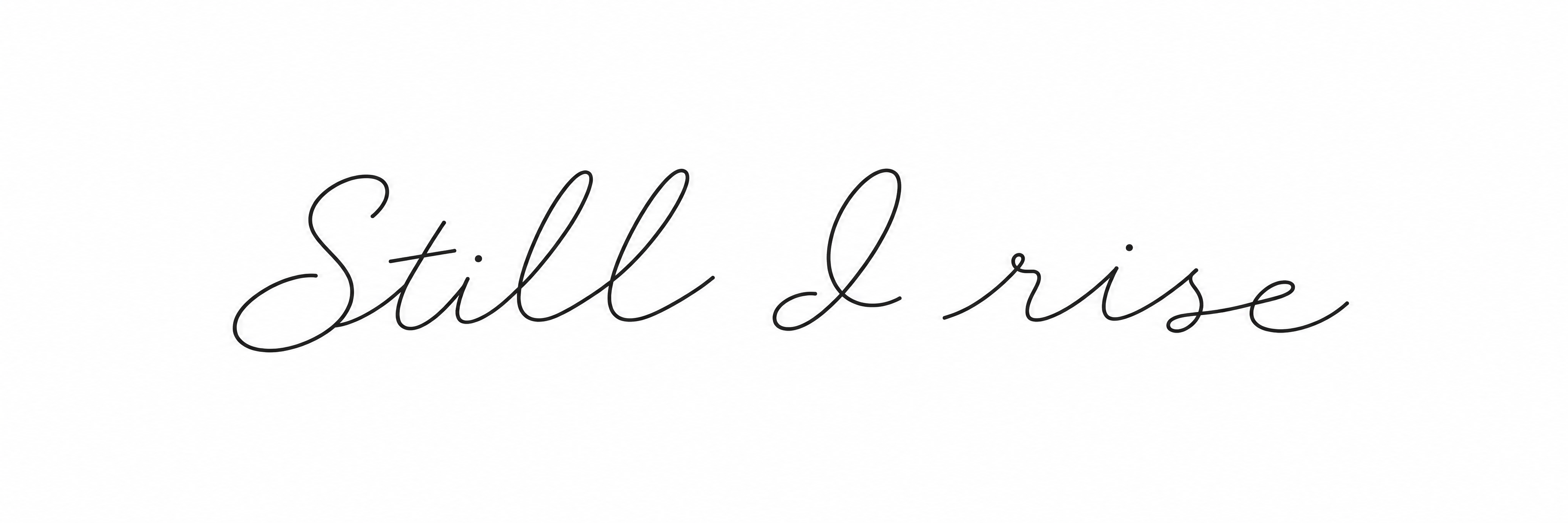
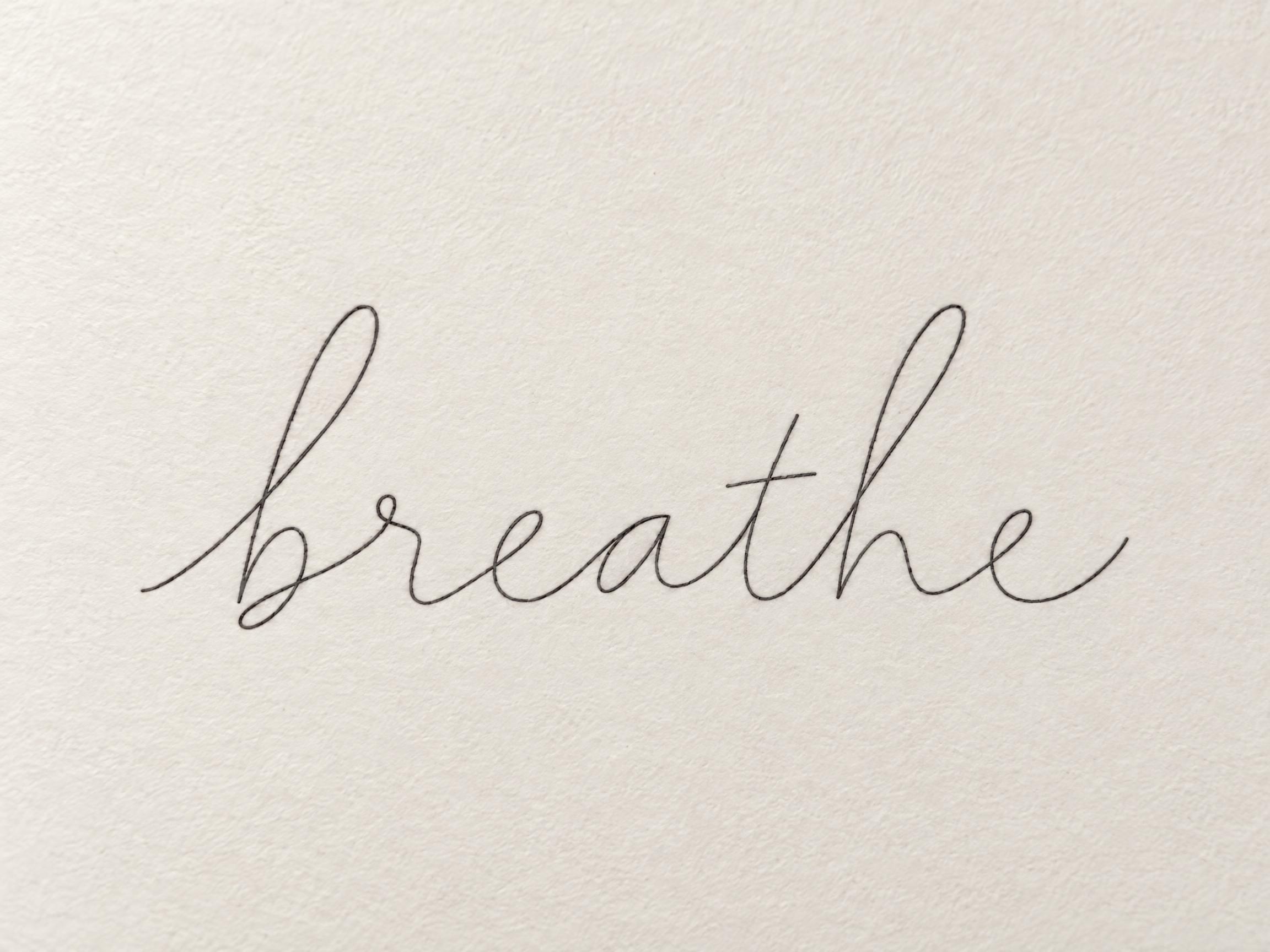
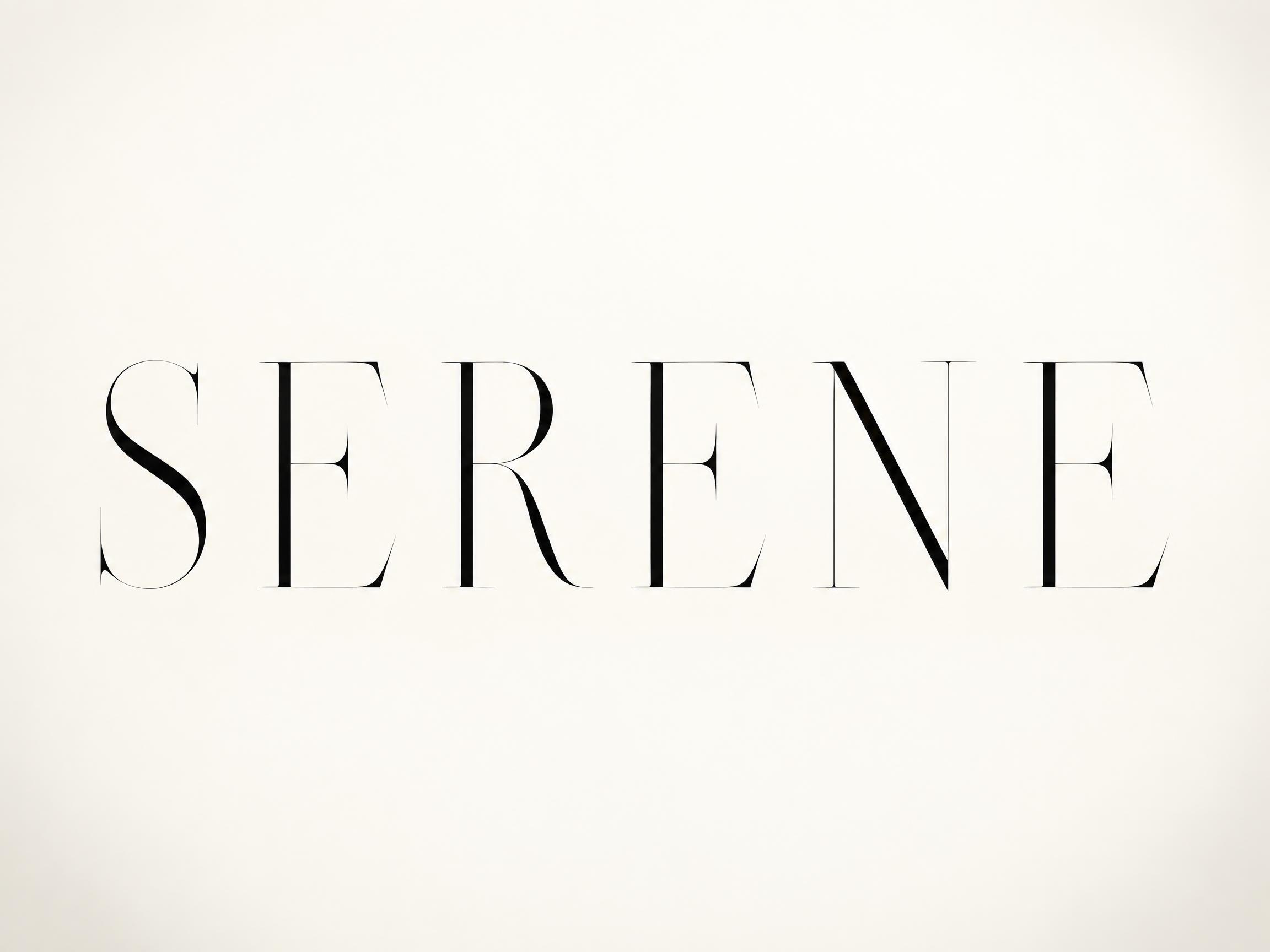
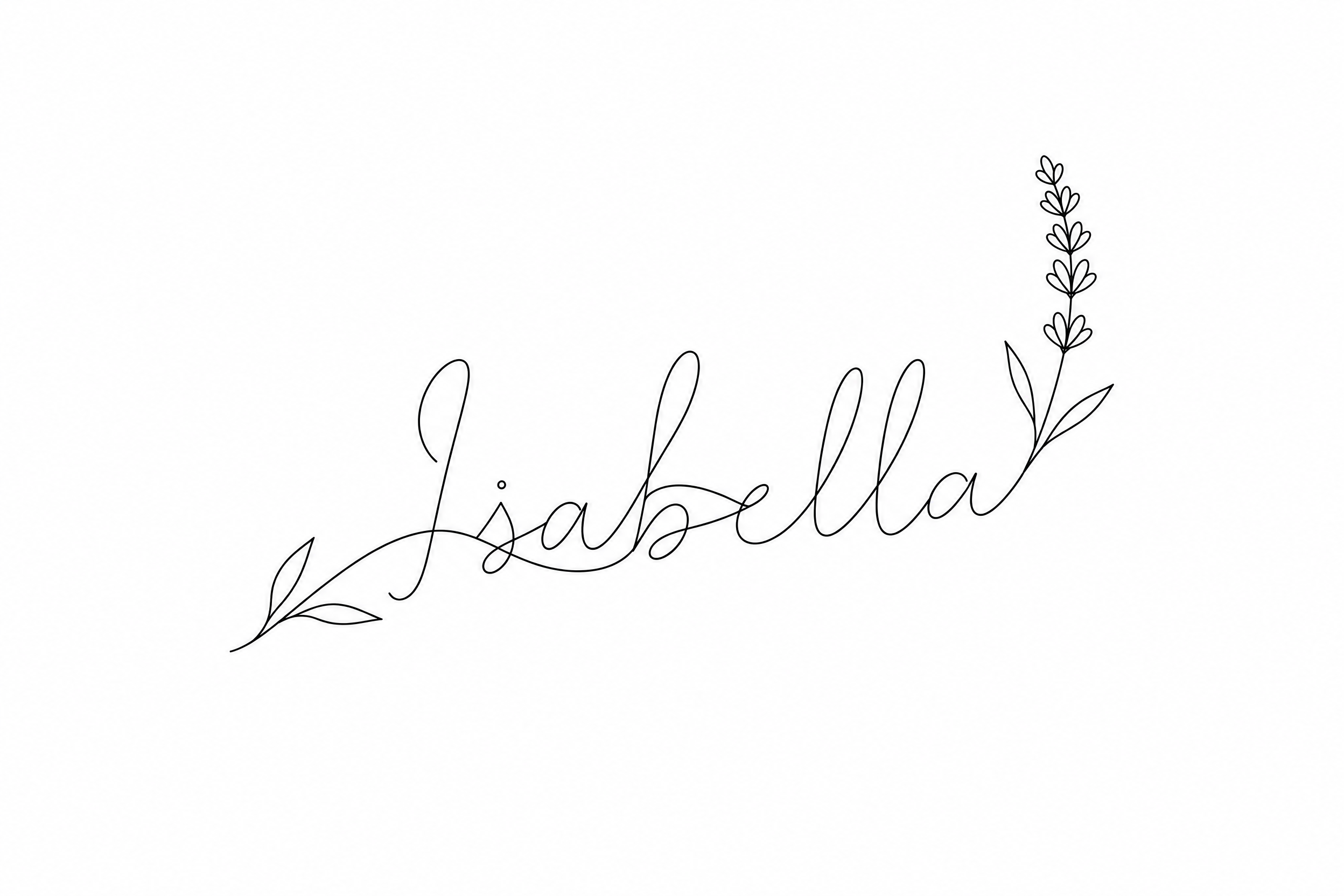
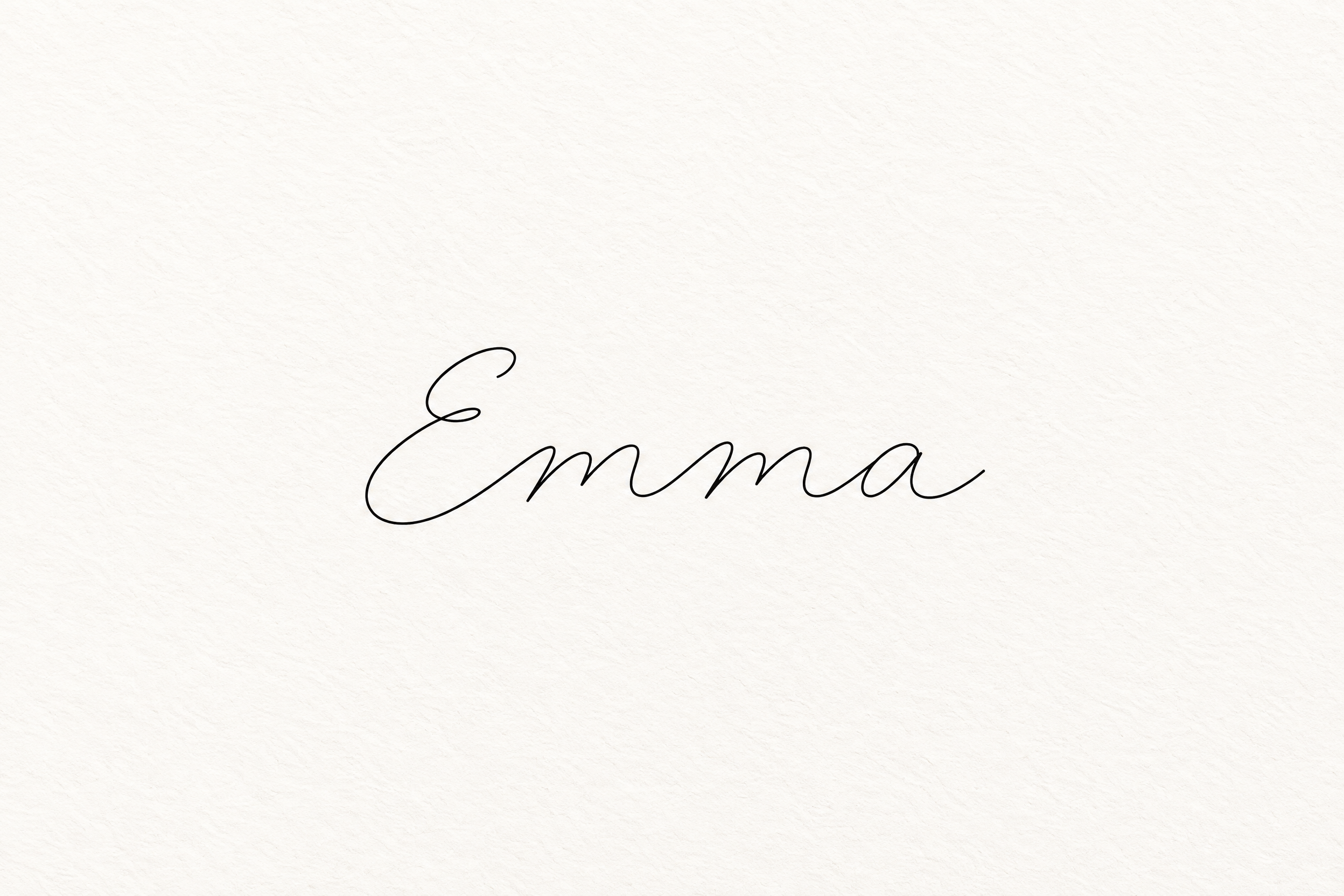
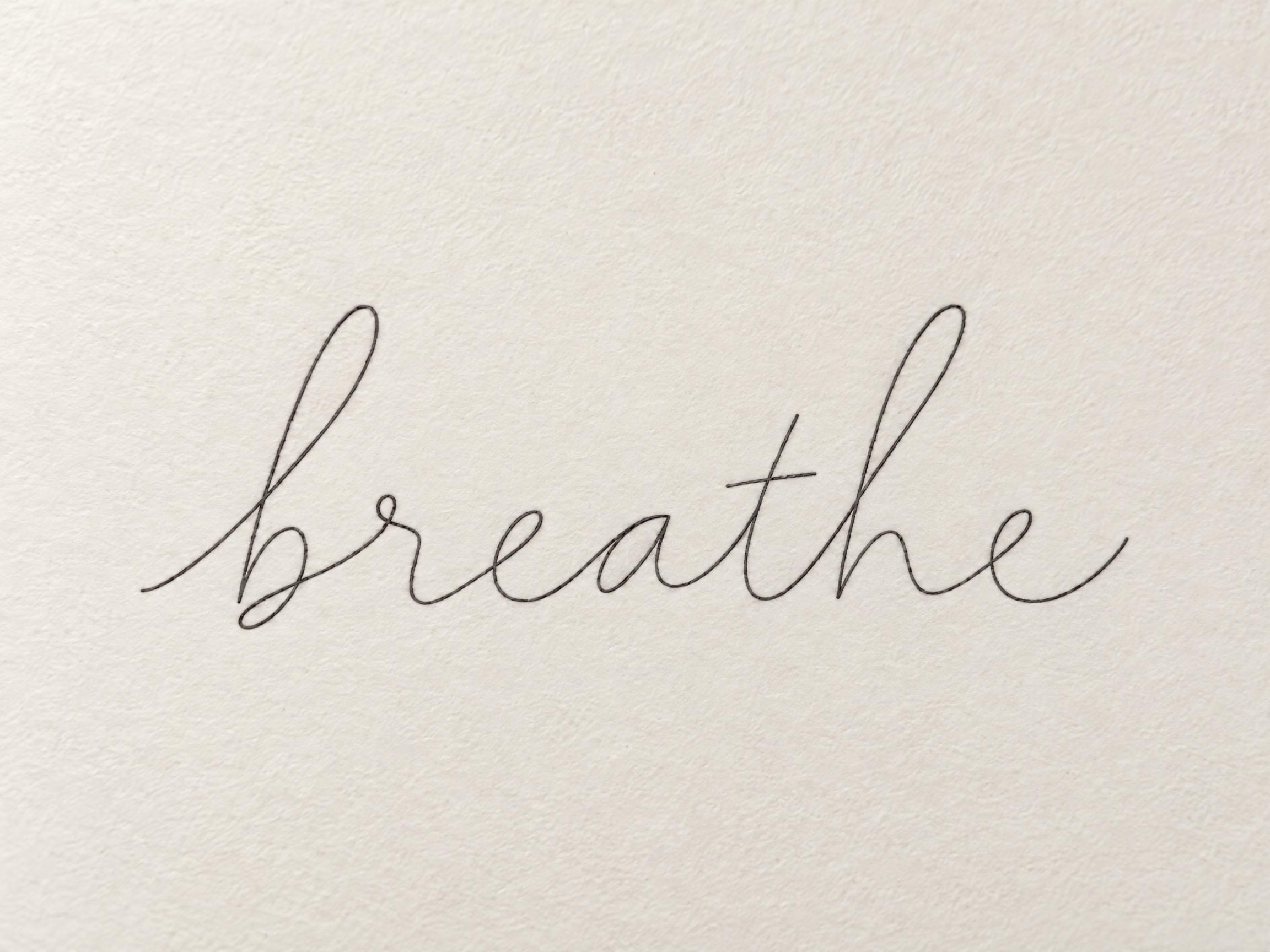
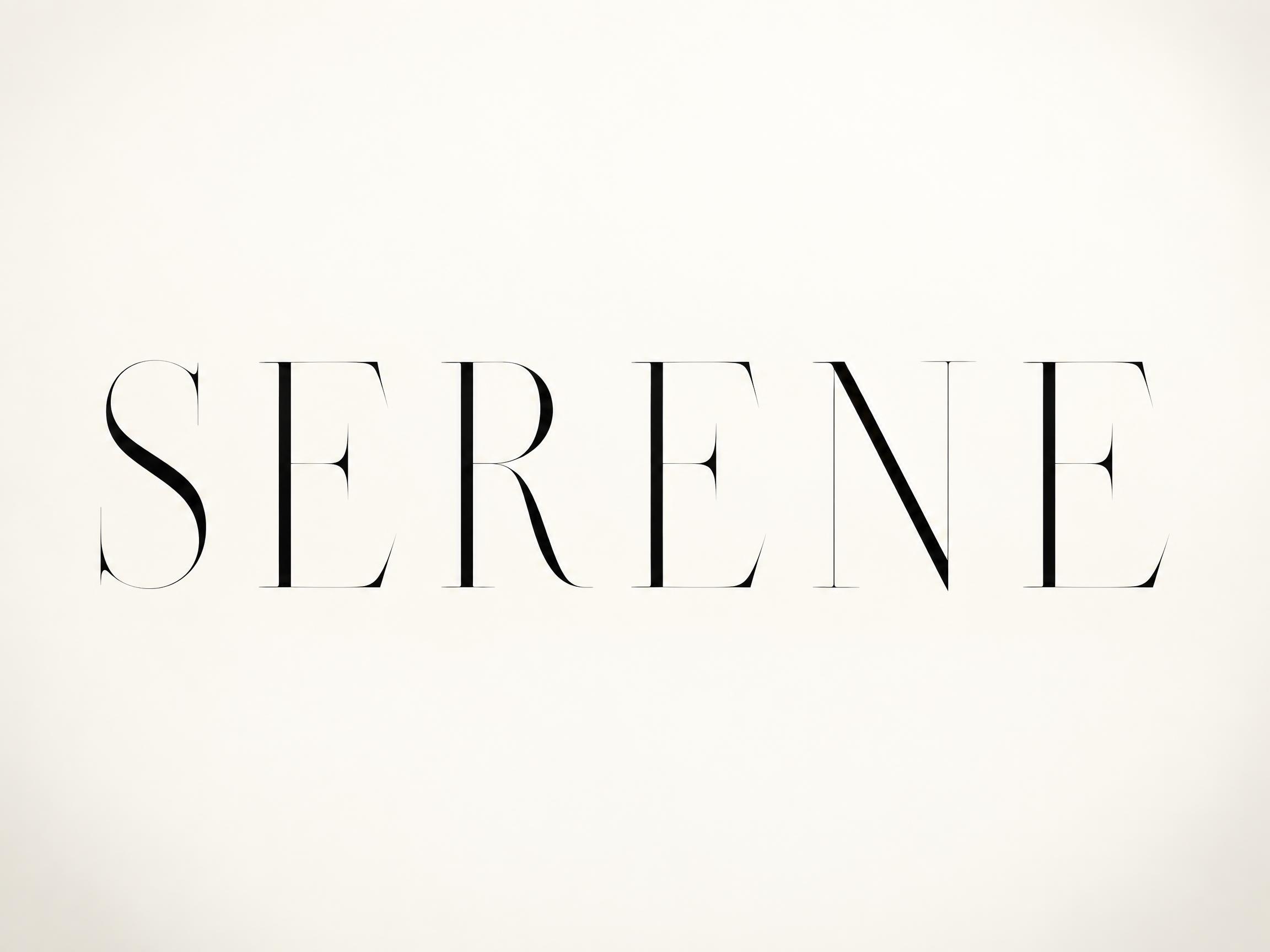
On a fine line piece the words are small and close to the drawing: a lowercase script word beside a flower stem, a name under a moon, or a short title in widely spaced thin capitals above a flash sheet. The letters use the same hairline weight as the drawing, so text and picture read as one line.
Invitations and prints keep the names in the middle of the empty space and the details in a small line of thin capitals underneath; logos set the name beside one thin-line motif.
Where you’ll see it
- ✦Minimalist wall art and botanical prints
- ✦Fine line tattoo flash sheets and name designs
- ✦Phone lock screens and desktop wallpapers
- ✦Wedding, bridal and baby shower invitations
- ✦Logos for florists, studios and small cafes
- ✦Journals, cards and stickers
The fine line aesthetic: line, motifs, paper and space
Every fine line art piece here is built from the same four parts. The style draws the line, motifs, paper and space of the whole picture; the letters come from the AI font you pick.
Fine line art prints, line drawings, flash sheets, wallpapers, invitations and logos
Every format here is a small thin-line drawing with your name or words set beside it. Pick a format to see designs made in it, or describe your own.
Fine Line Art Prints
Minimalist wall prints of one wildflower, a moon or a continuous line drawing on warm paper, with your words small beside it.
Line Art Drawings
Simple line drawings to keep or copy: flower studies, one line faces and small doodle sheets in thin black line on white.
Fine Line Botanical Invitations
Wedding, shower and party invitations framed by a light half wreath of hand-drawn branches and flowers.
Line Art Logos
Small brand marks for florists, studios and cafes: one thin-line motif beside the name.
Fine Line Flash Sheets
Pure black line art on white, tiny motifs or a name with a small flower spaced apart so a tattoo artist can redraw it.
Line Art Wallpapers
Phone lock screens and desktop wallpapers with a single sprig or moon, a short phrase and lots of quiet space.
AI fonts that fit Fine Line Art
Every AI font here fits the Fine Line Art frame. Pick one, or let the generator choose.



Fine Line Art style designs
Real designs made on FontVibe. Open any one, or reuse it with your own text.
What you can make with Fine Line Art
Pages for the things people make in the Fine Line Art style. Each one has ready-made ideas and the right size.
Similar styles
Other looks that work for the same kinds of designs.
Tags in Fine Line Art
Every tag used on this page — each opens the designs, fonts and styles that share it.
Questions
The story behind Fine Line Art
Where the look comes from, the moments that shaped it and the facts behind it, with sources.
Where fine line art comes from
Line art is any image made of distinct straight or curved lines placed against a background, usually in one colour. Before photography and halftone printing it was the standard way to illustrate books, drawn in black ink on white paper, and plant books were among its finest uses: Leonhart Fuchs’s 1542 herbal De historia stirpium printed plants as clear outline woodcuts.
The even, hairline line came from tools. The Graphos technical pen of 1934 and the cylindrical-point pens of the 1950s guaranteed a constant line thickness, down to 0.10 mm. Tattooing found the same line in the 1970s, when Jack Rudy and Charlie Cartwright honed single-needle, black-and-grey tattoos at Goodtime Charlie’s Tattooland in East Los Angeles. Today’s fine line art mixes the two: a botanical or celestial drawing in one thin line, kept small, with a lot of empty paper around it.
Sources: Wikipedia — Line art · Wikipedia — Botanical illustration · Wikipedia — Technical pen · Wikipedia — Contour drawing · Wikipedia — Tattoo flash · Wikipedia — Jack Rudy
Moments that shaped fine line art
Did you know?
A full set of technical pens ran from 0.10 to 2.0 mm, the line widths defined in ISO 128. Source ↗
Line art imitates shades of grey with stippling and hatching; fine line art usually leaves them out and keeps only the outline. Source ↗
Tattoo artist Lew Alberts (1880–1954) created and sold many sheets of tattoo patterns, the ancestors of today’s flash sheets. Source ↗
Milton Zeis (1901–1972) sold thousands of flash designs to tattoo artists through his mail-order supply business. Source ↗
Fine line art in typography
On a fine line piece the words are small and close to the drawing: a lowercase script word beside a flower stem, a name under a moon, or a short title in widely spaced thin capitals above a flash sheet. The letters use the same hairline weight as the drawing, so text and picture read as one line.
Invitations and prints keep the names in the middle of the empty space and the details in a small line of thin capitals underneath; logos set the name beside one thin-line motif.
Where you’ll see it
- ✦Minimalist wall art and botanical prints
- ✦Fine line tattoo flash sheets and name designs
- ✦Phone lock screens and desktop wallpapers
- ✦Wedding, bridal and baby shower invitations
- ✦Logos for florists, studios and small cafes
- ✦Journals, cards and stickers