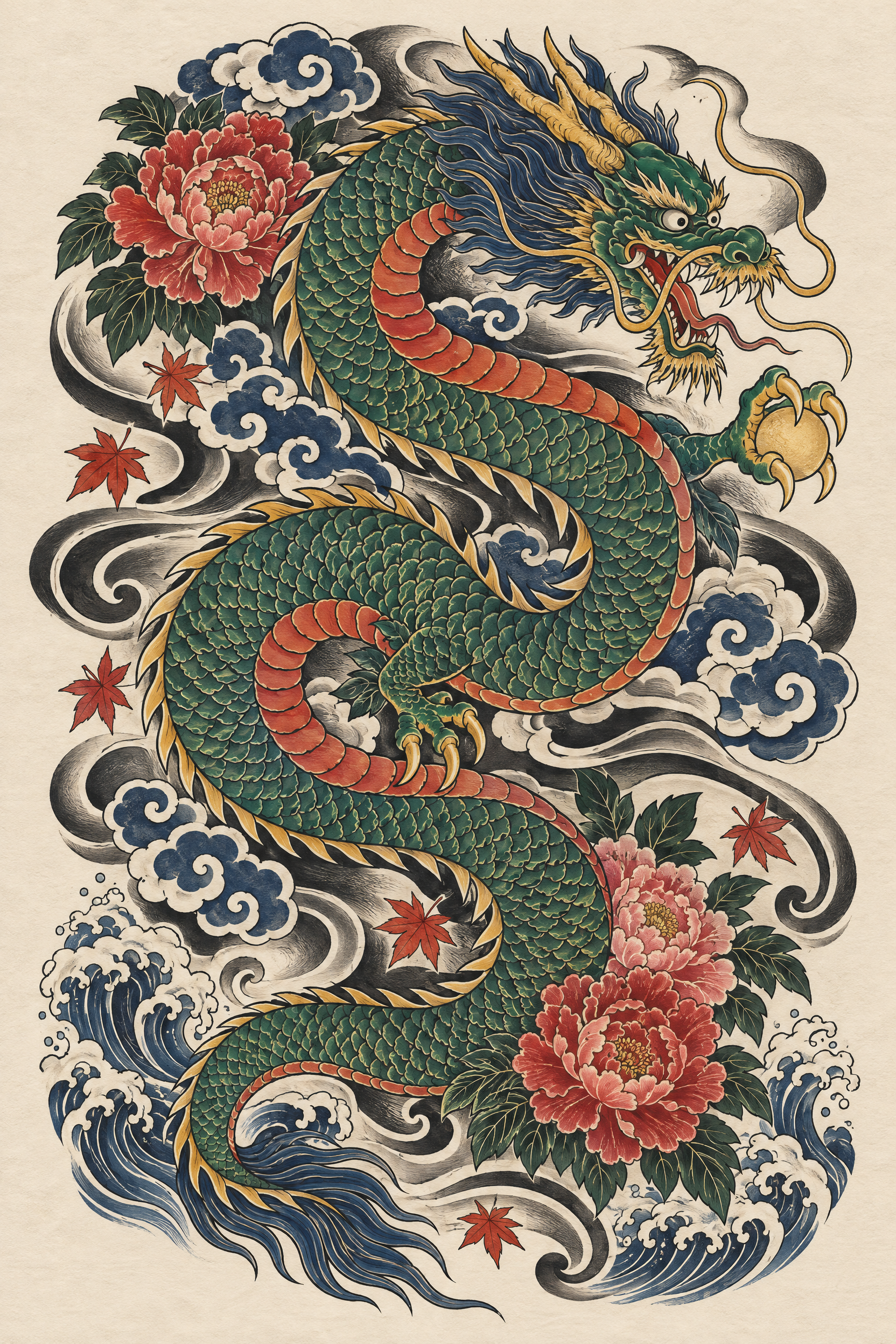
The irezumi aesthetic: mythic motifs, waves and wind bars, traditional pigments and washi paper
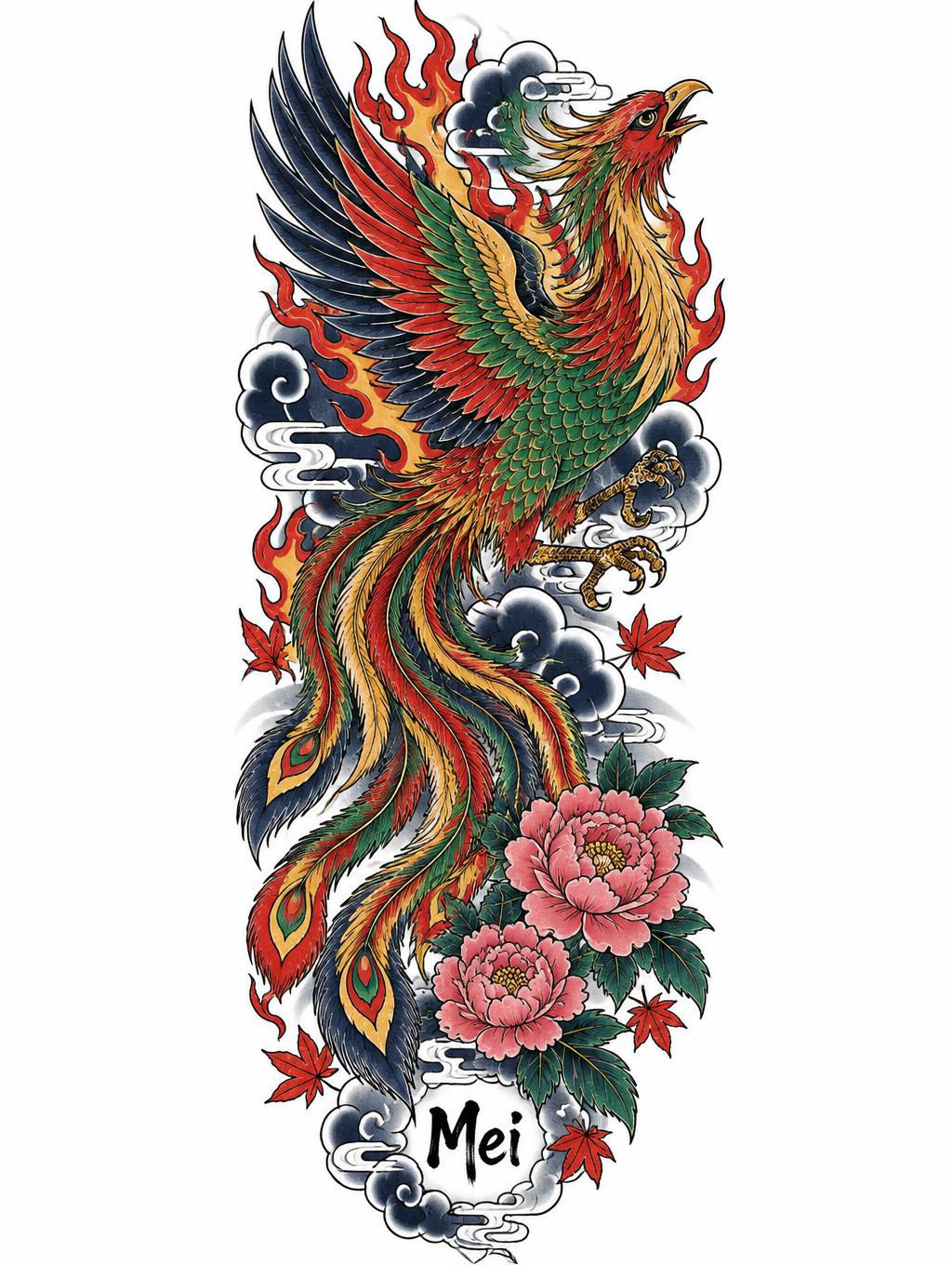
Every irezumi piece here is built from the same four parts. The style draws the motifs, background, colour and paper around your words; the letters come from the AI font you pick.
Irezumi art prints, wallpapers, tees, posters, stickers and tattoo designs
Every format here puts your words into Japanese irezumi art. Pick a format to see designs made in it, or describe your own.
Irezumi Art Prints
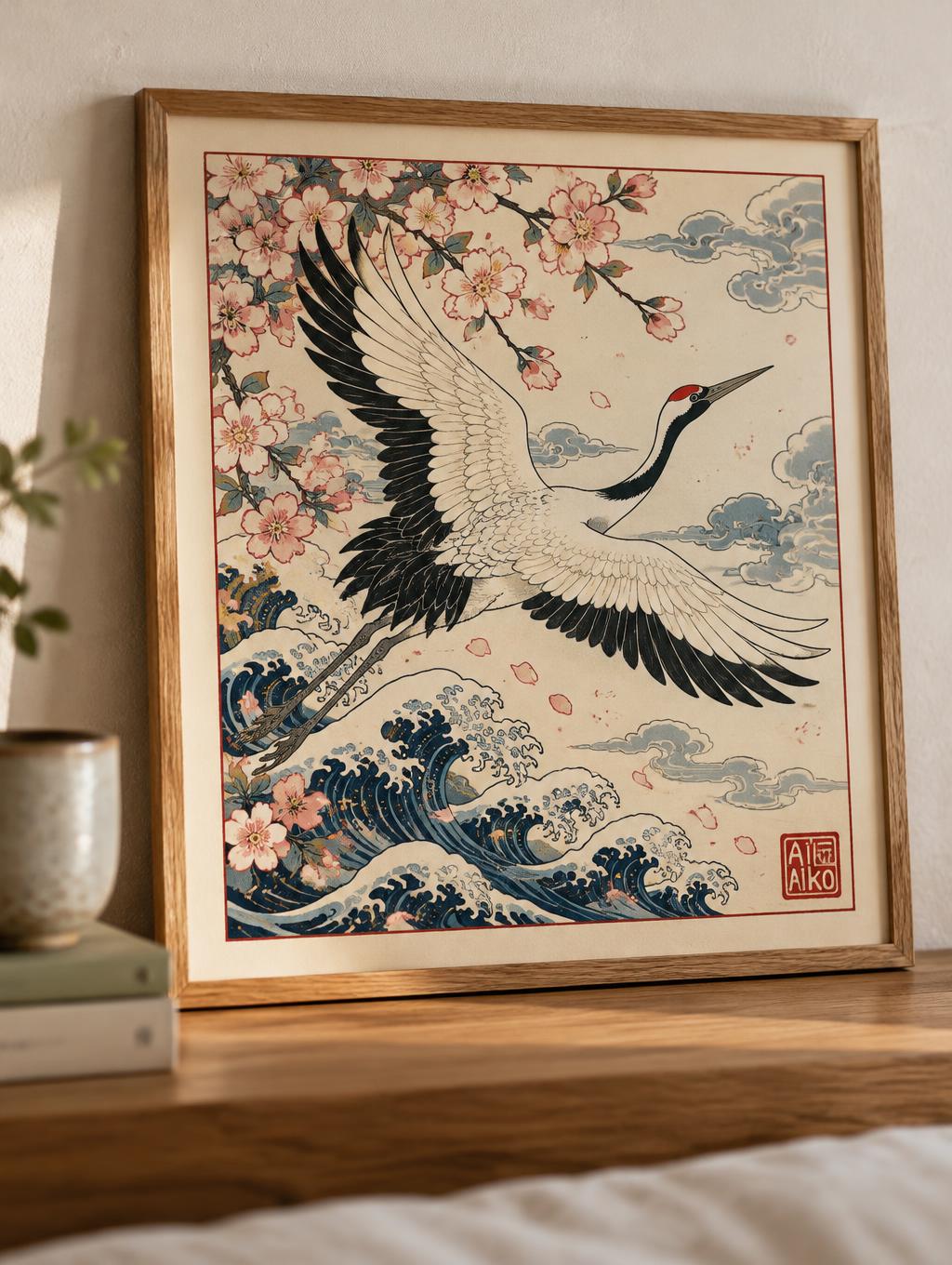
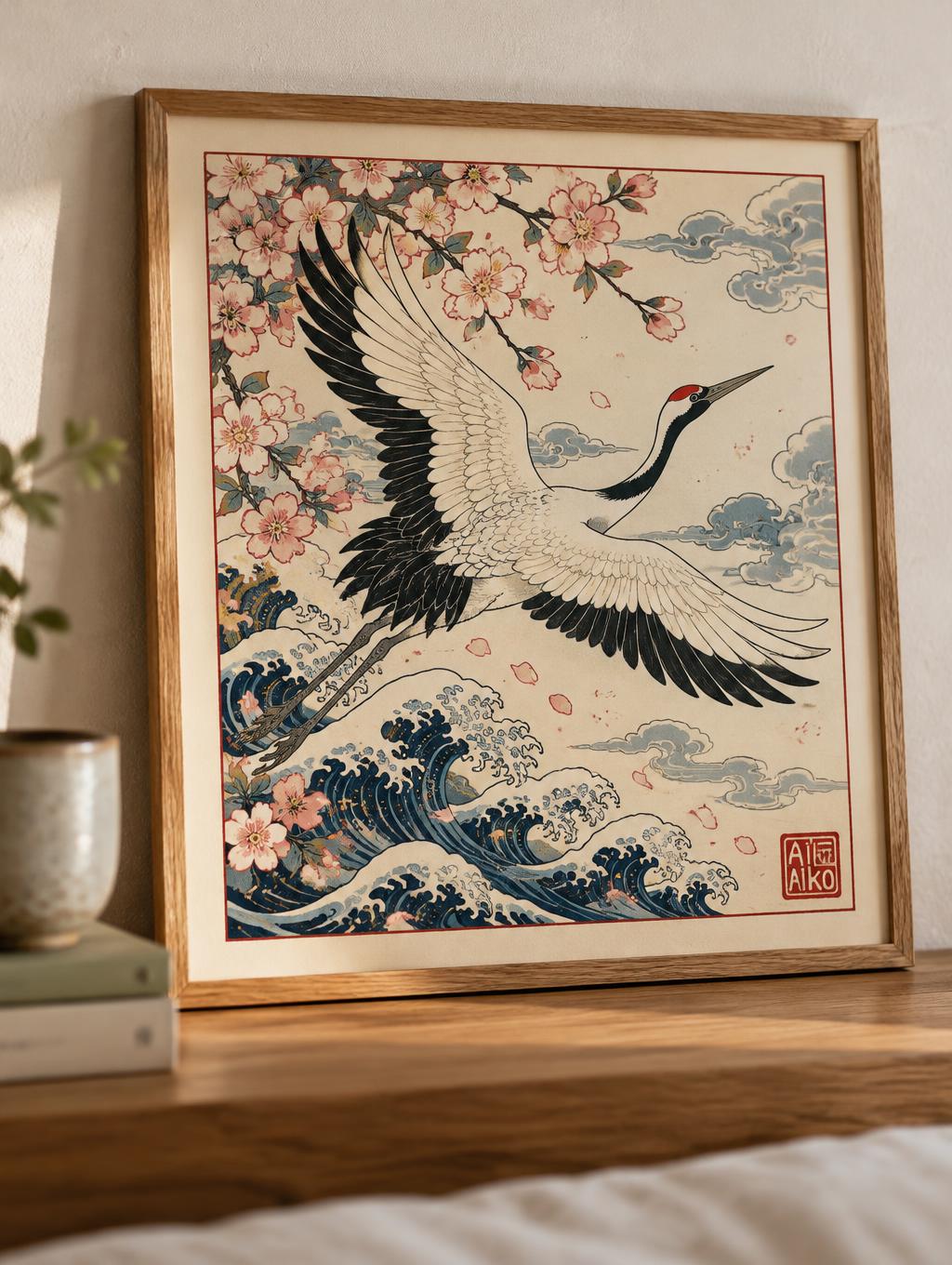
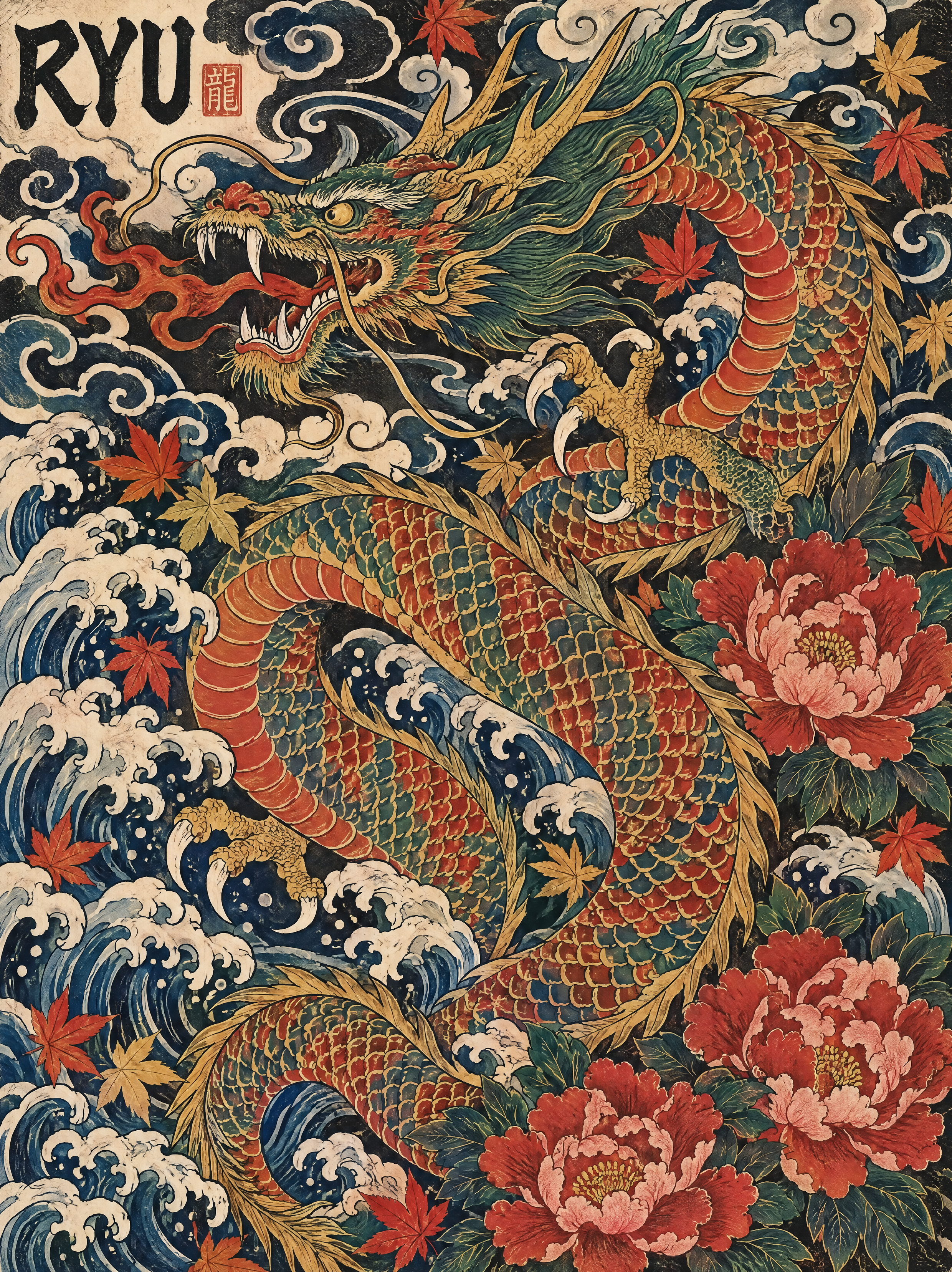
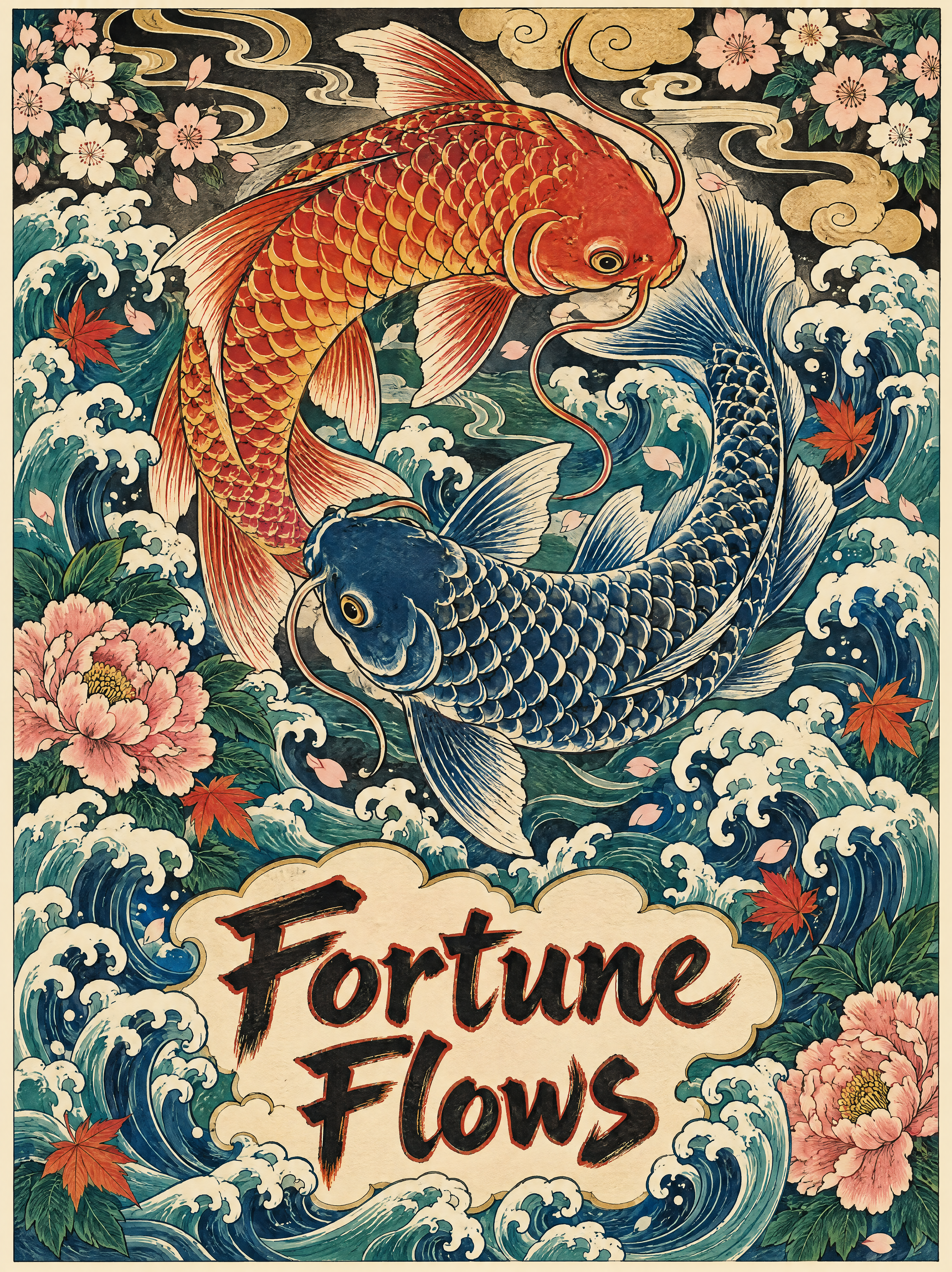
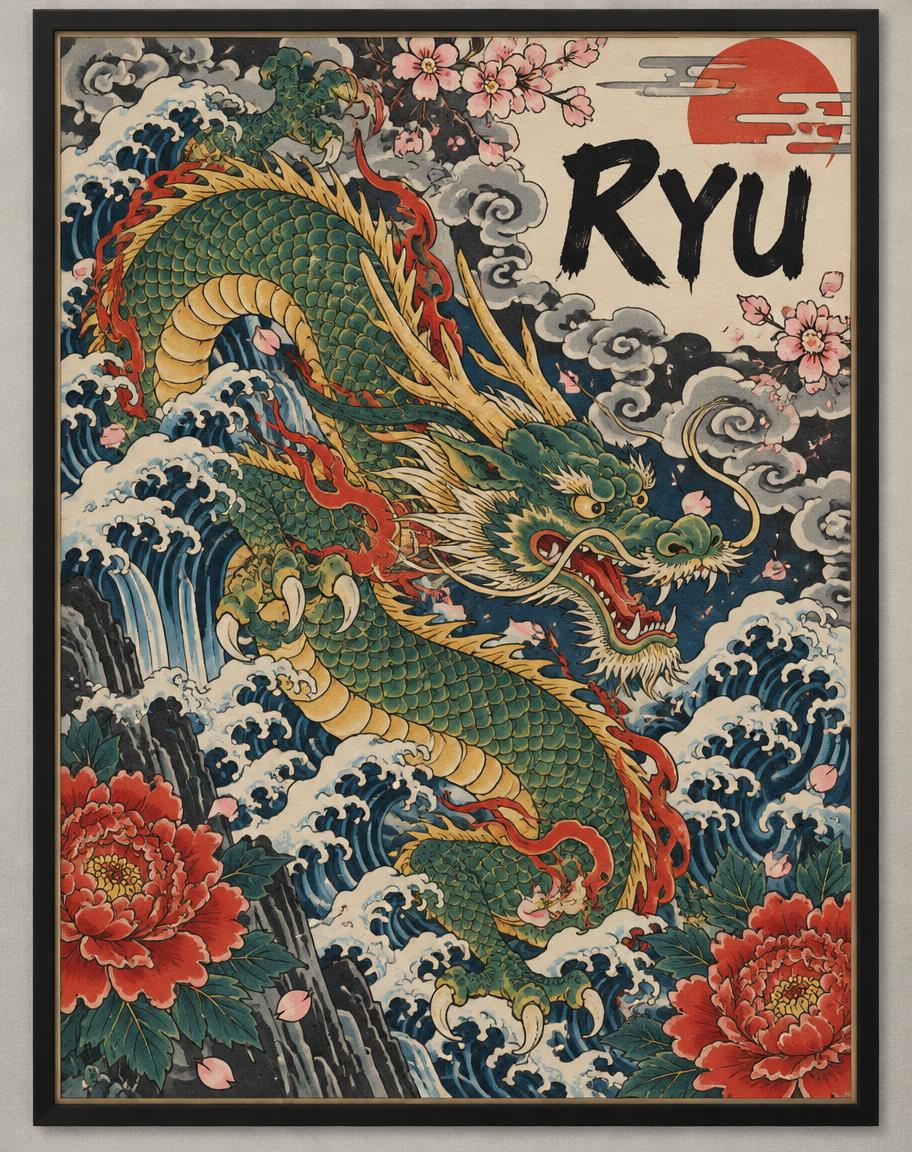
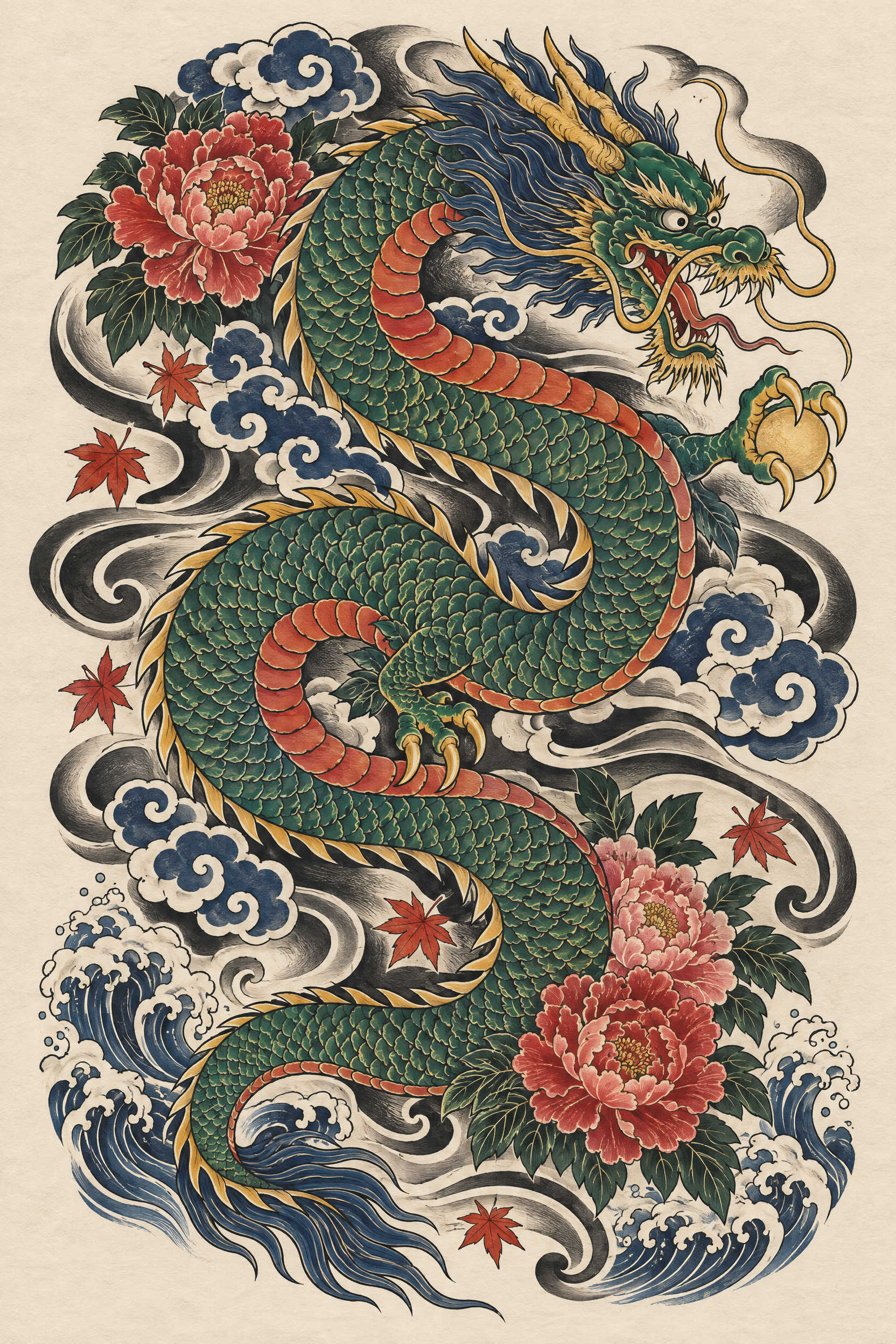
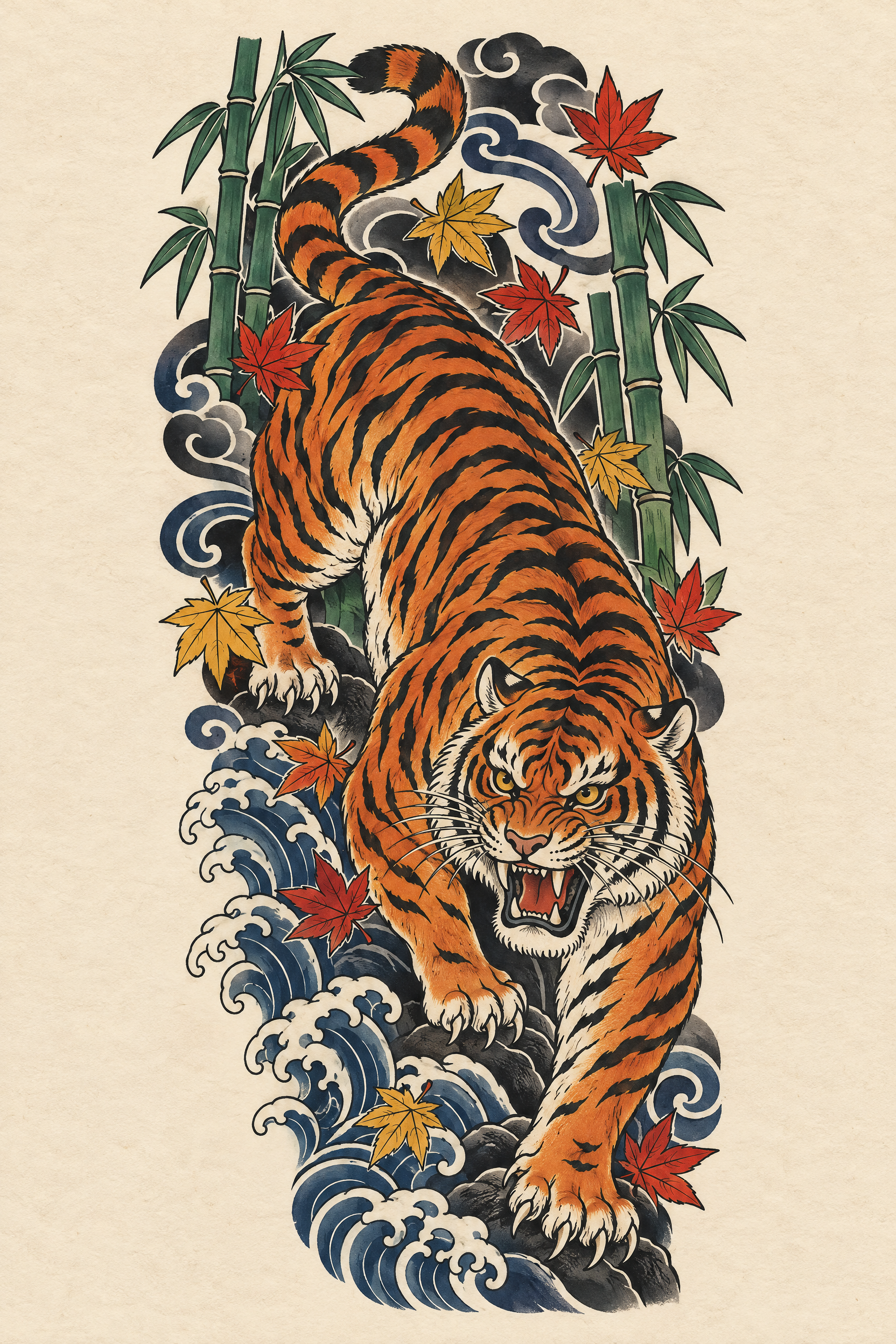
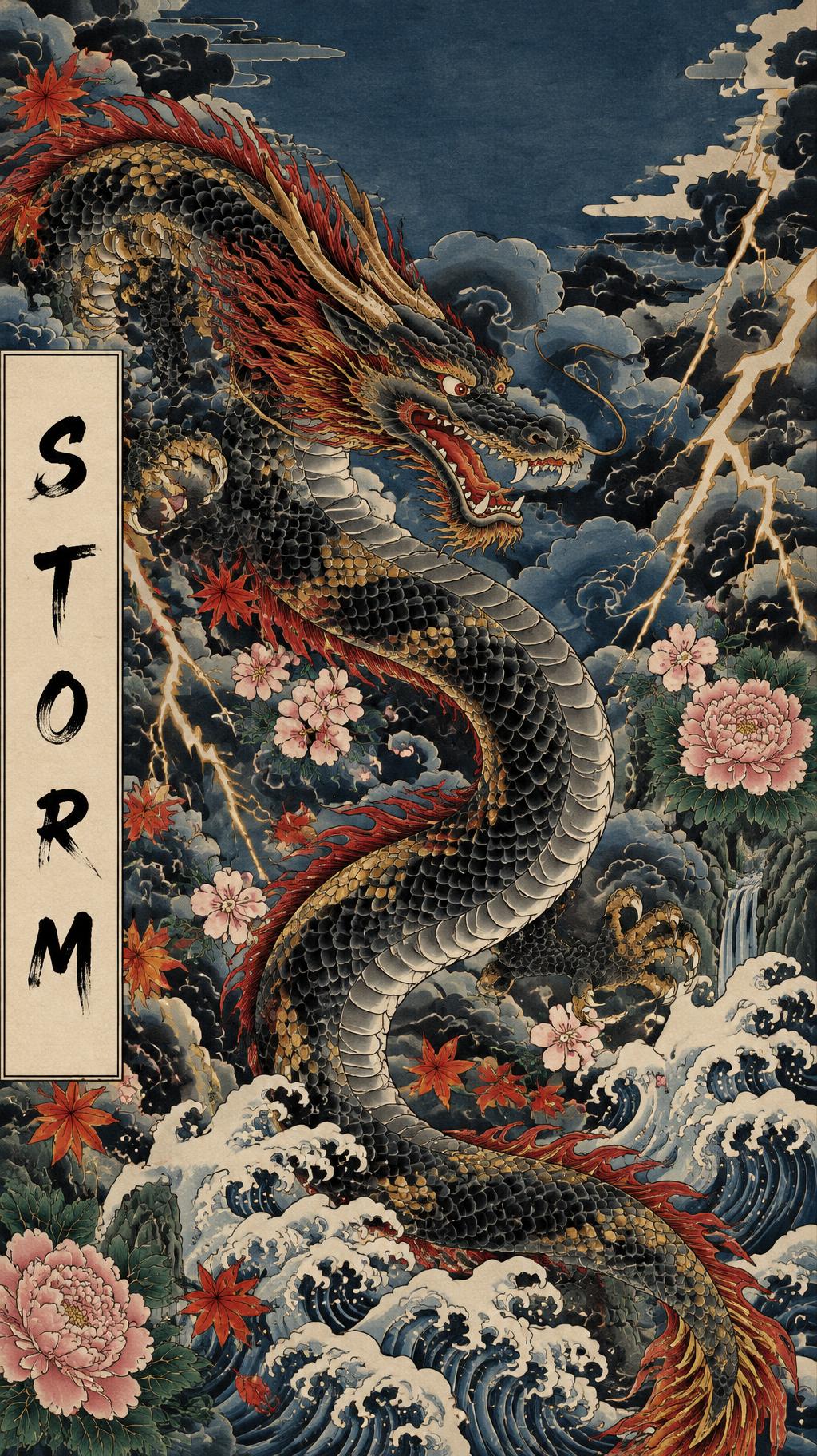
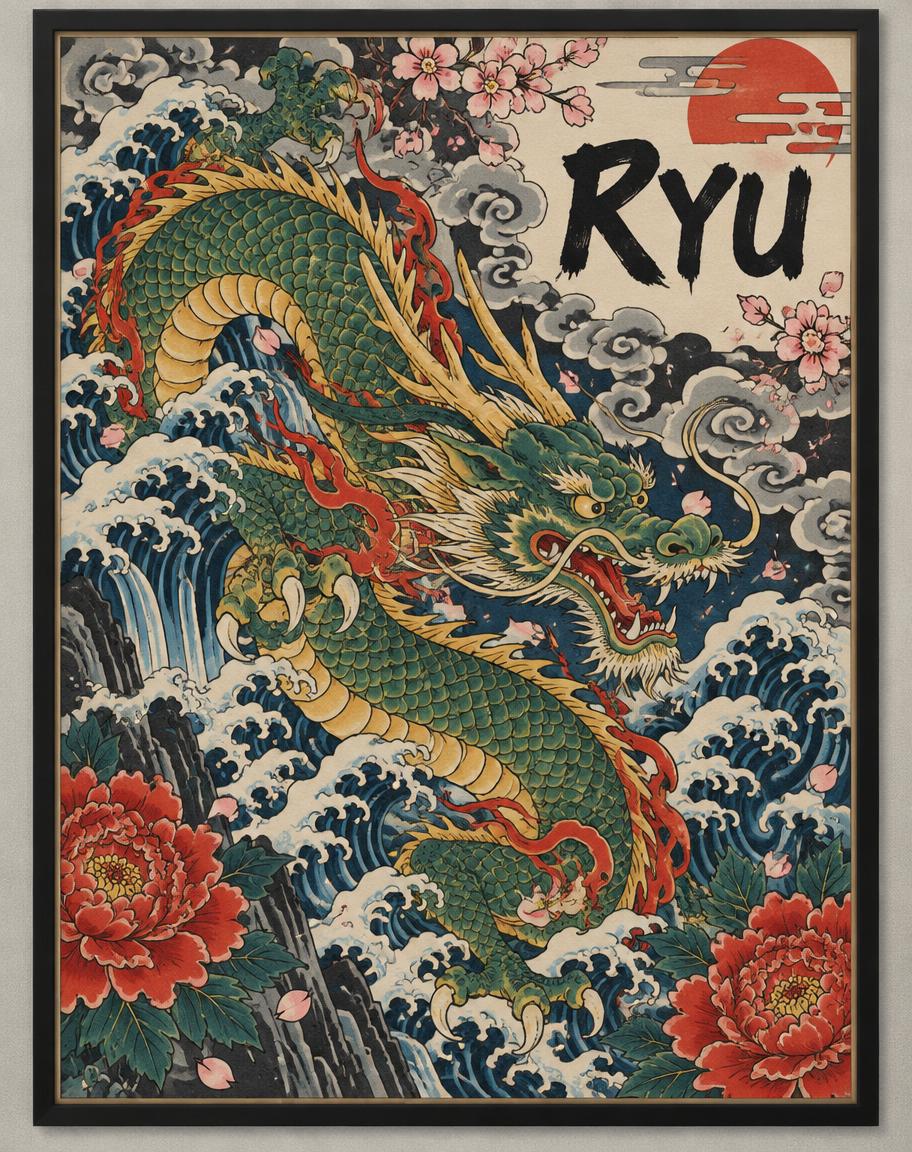
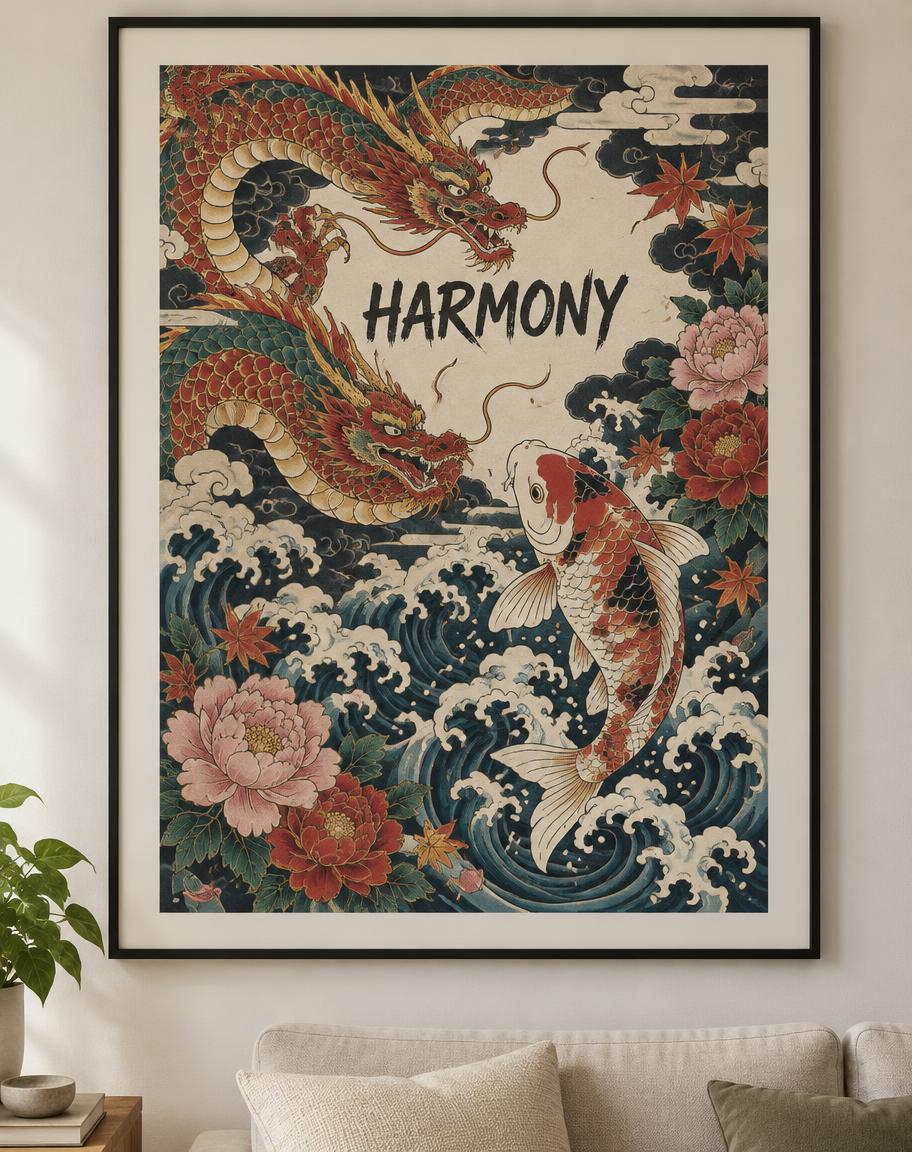
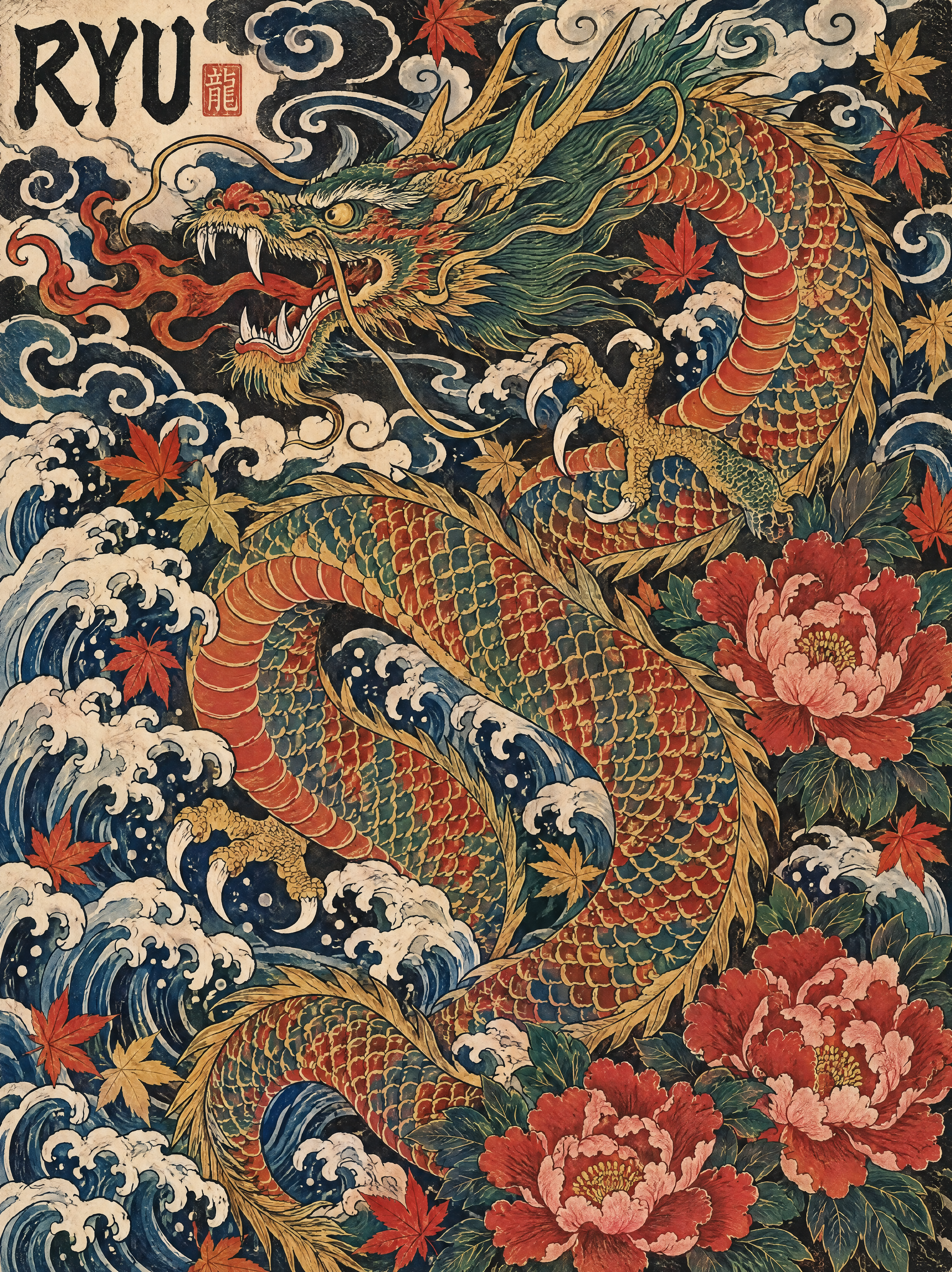
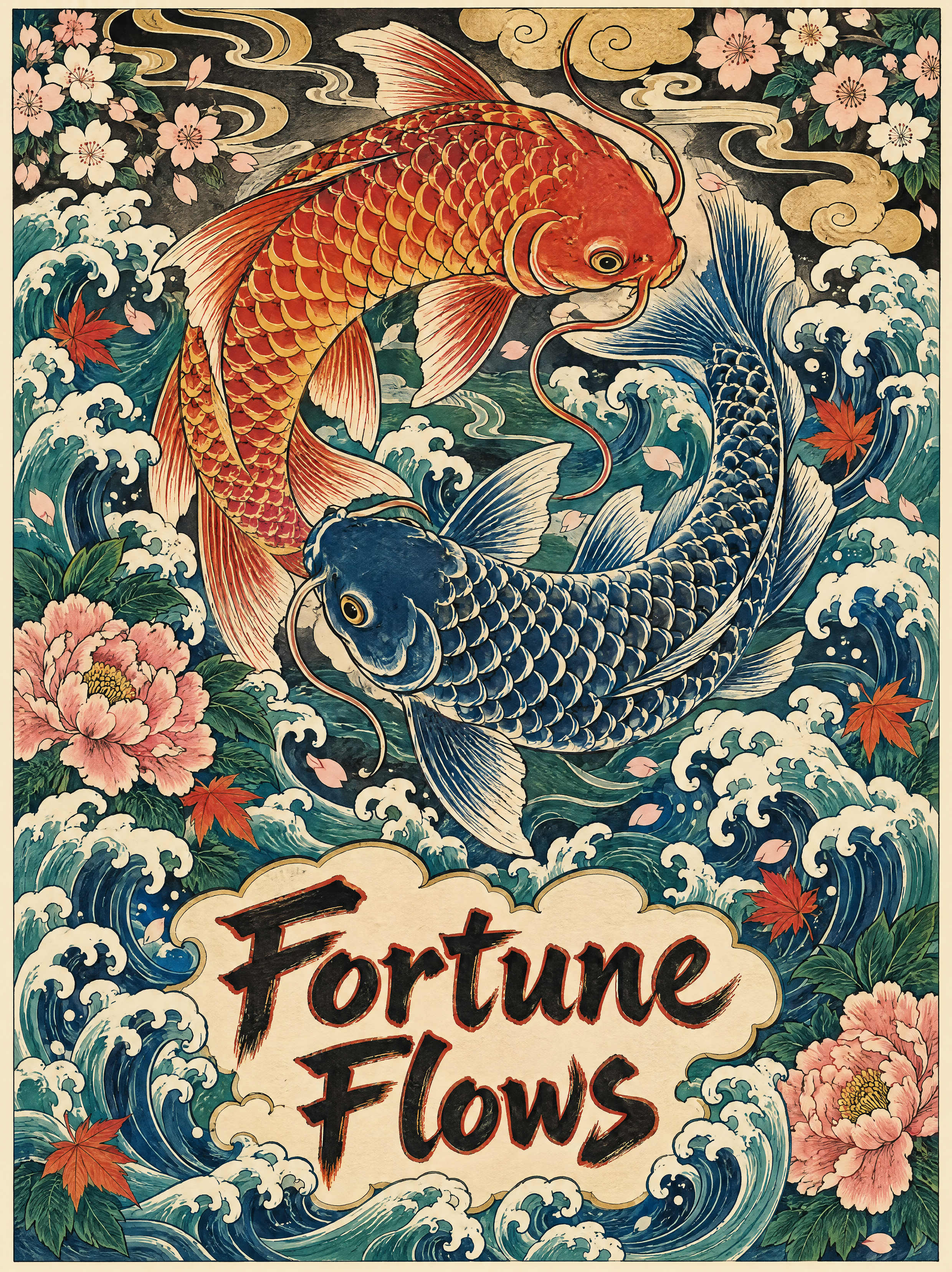
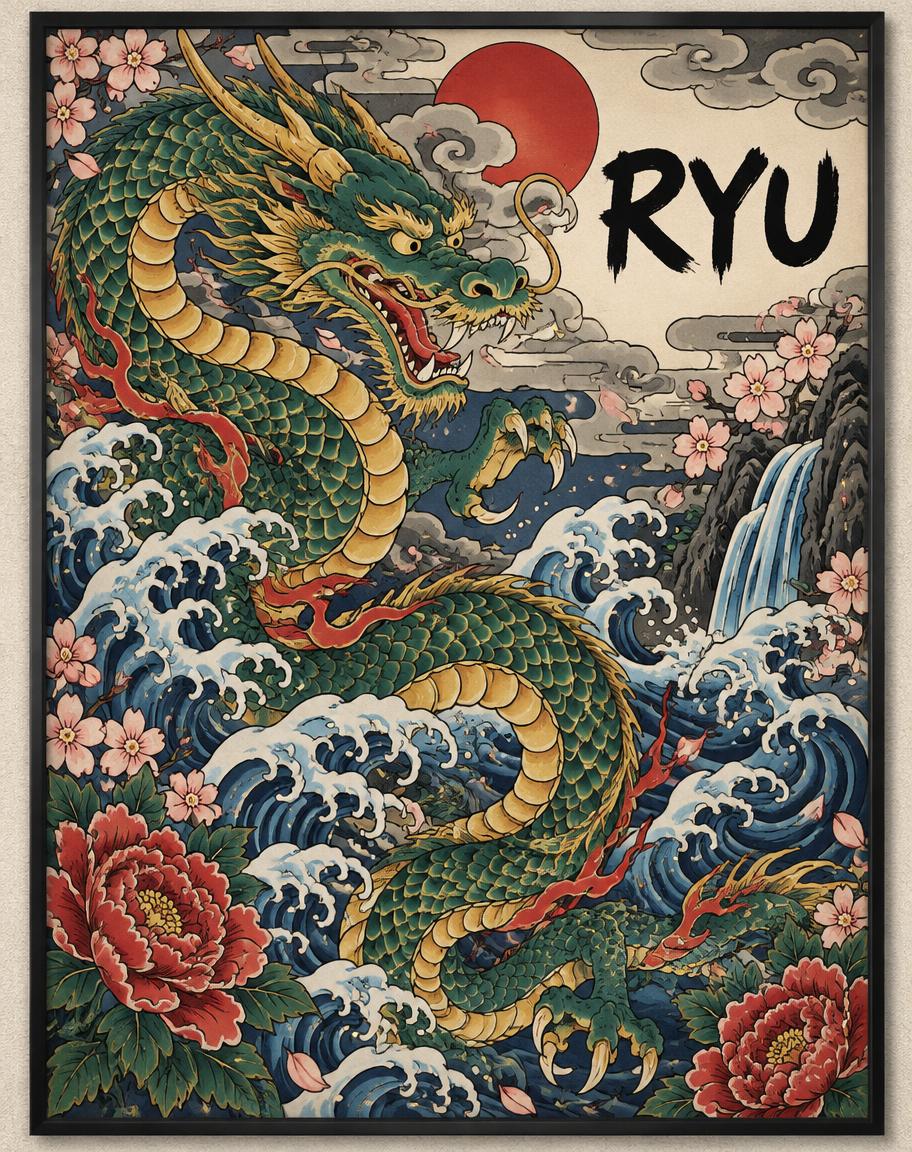
Framed Japanese art prints with a dragon, koi or tiger sweeping through waves and clouds and your word worked into the composition.
Irezumi Posters
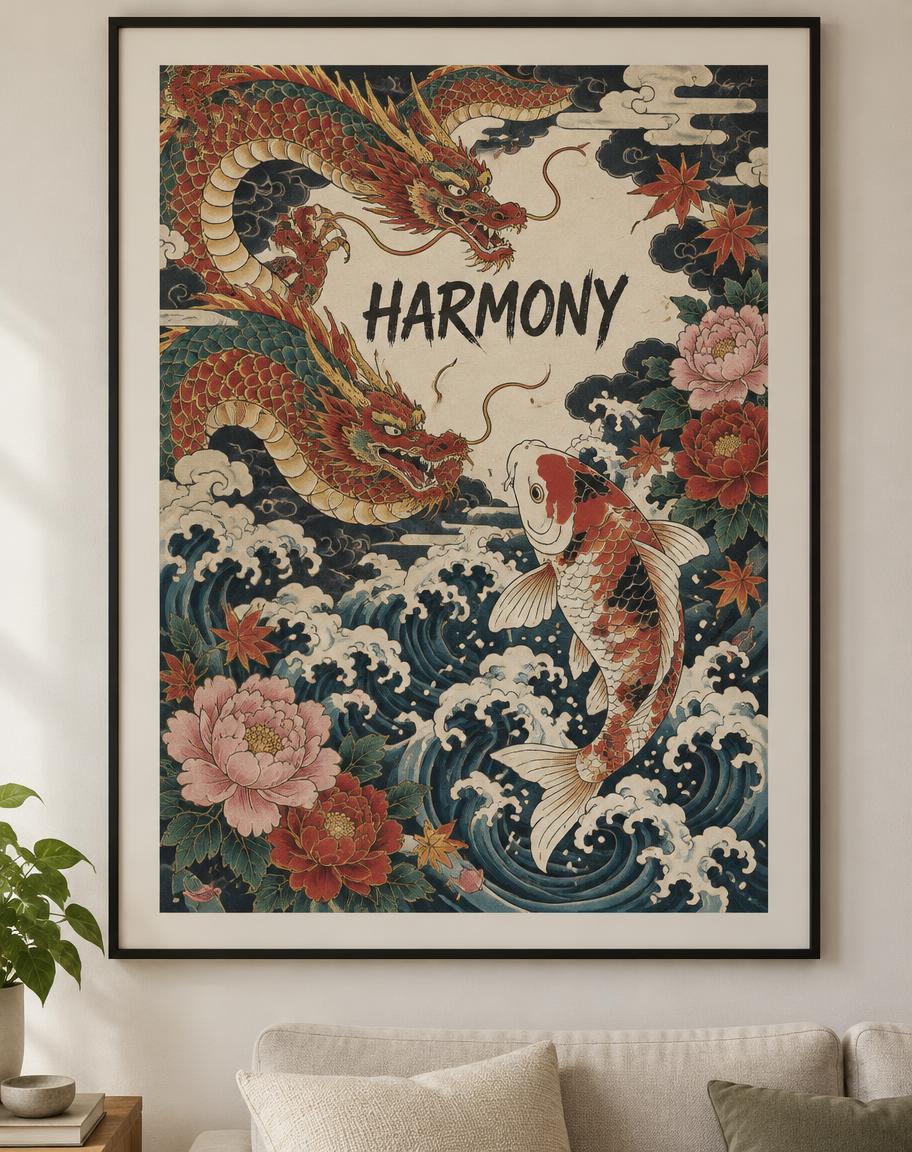
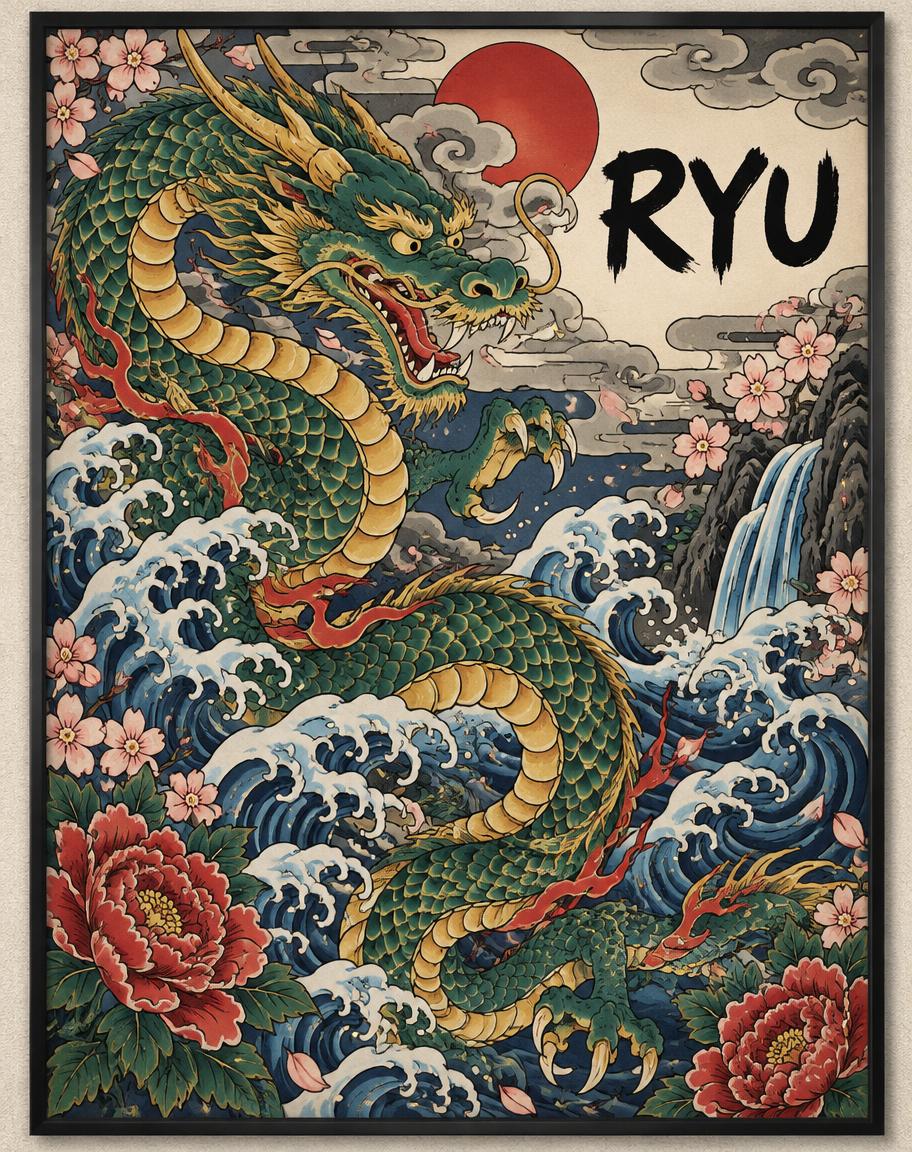
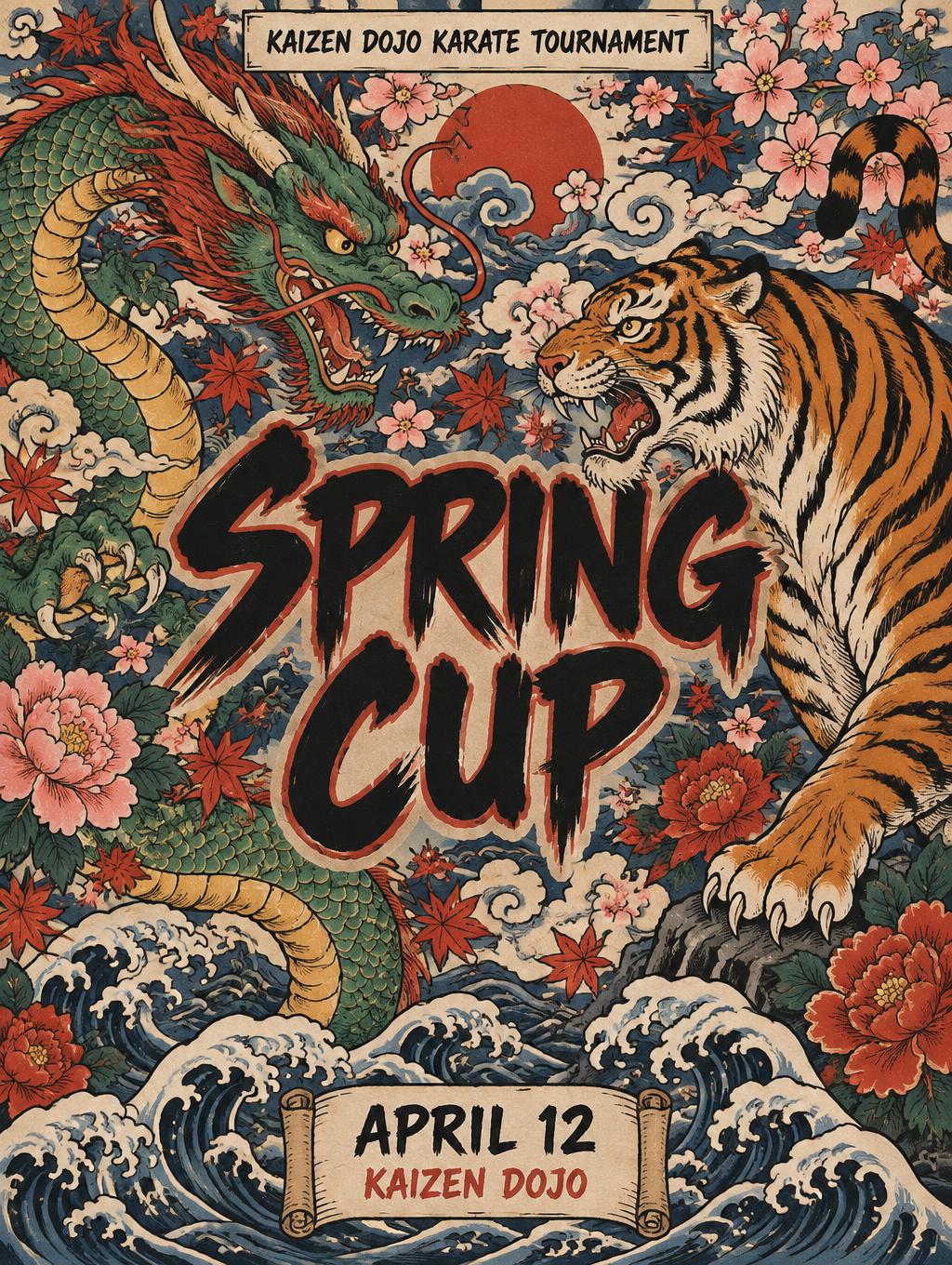
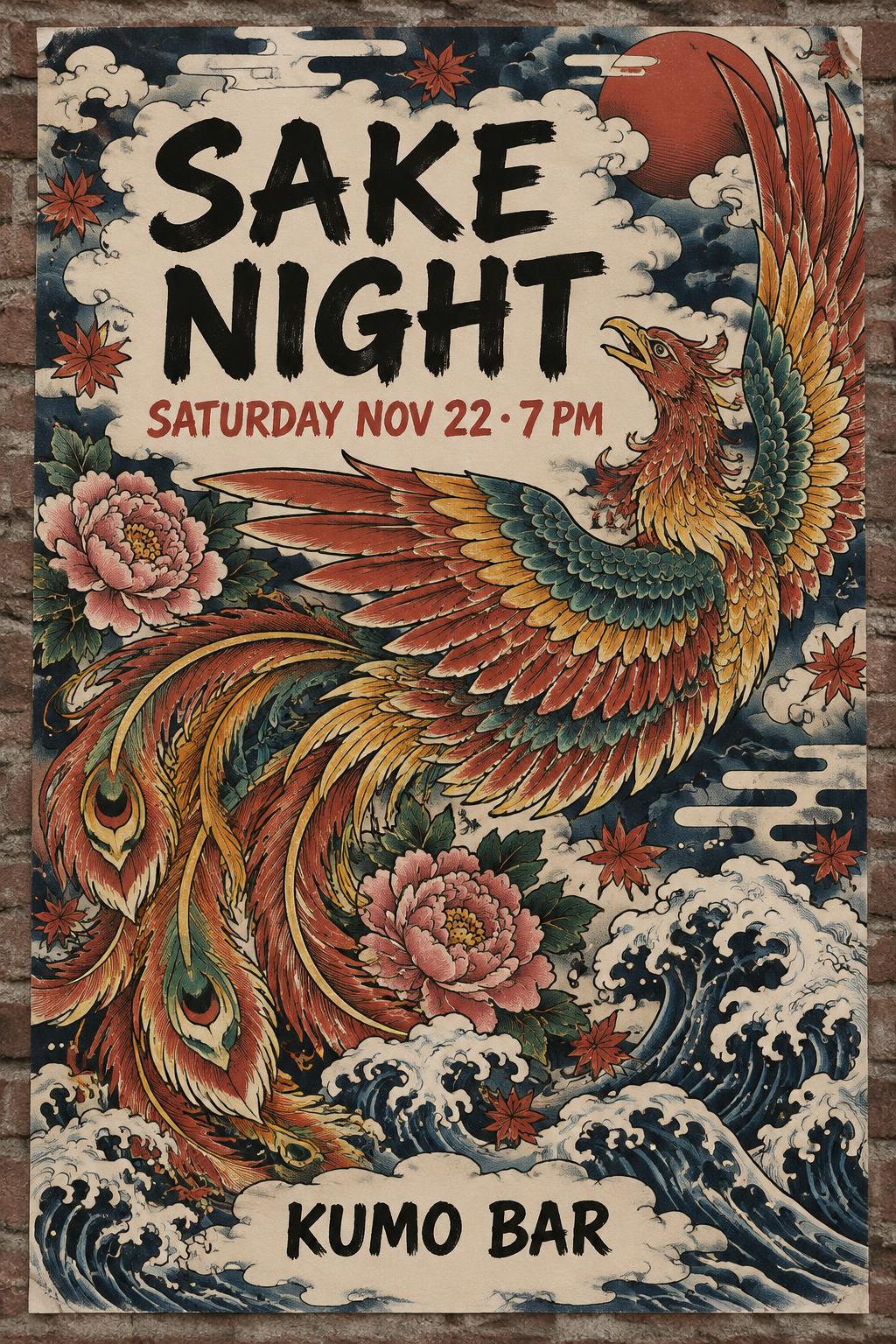
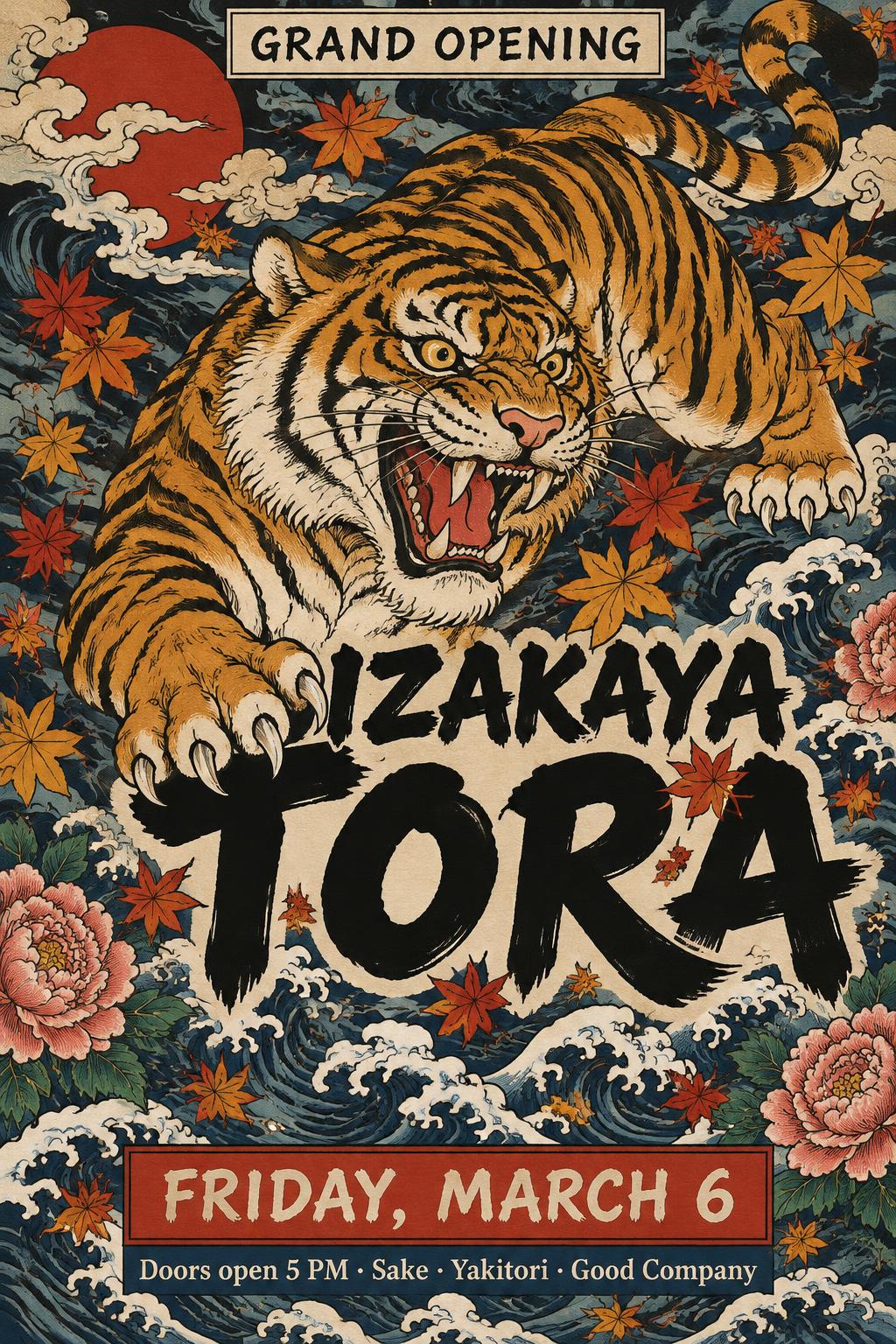
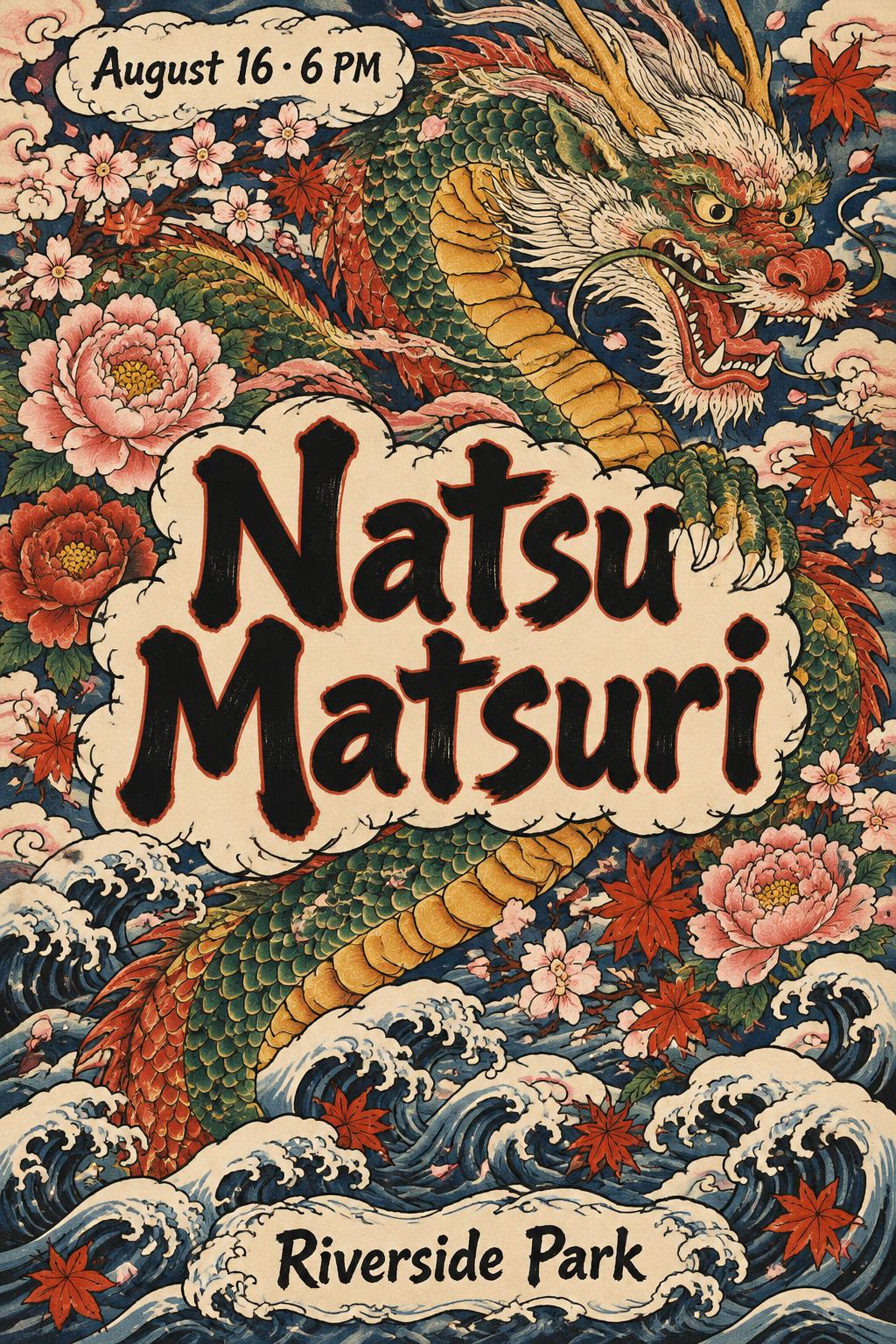
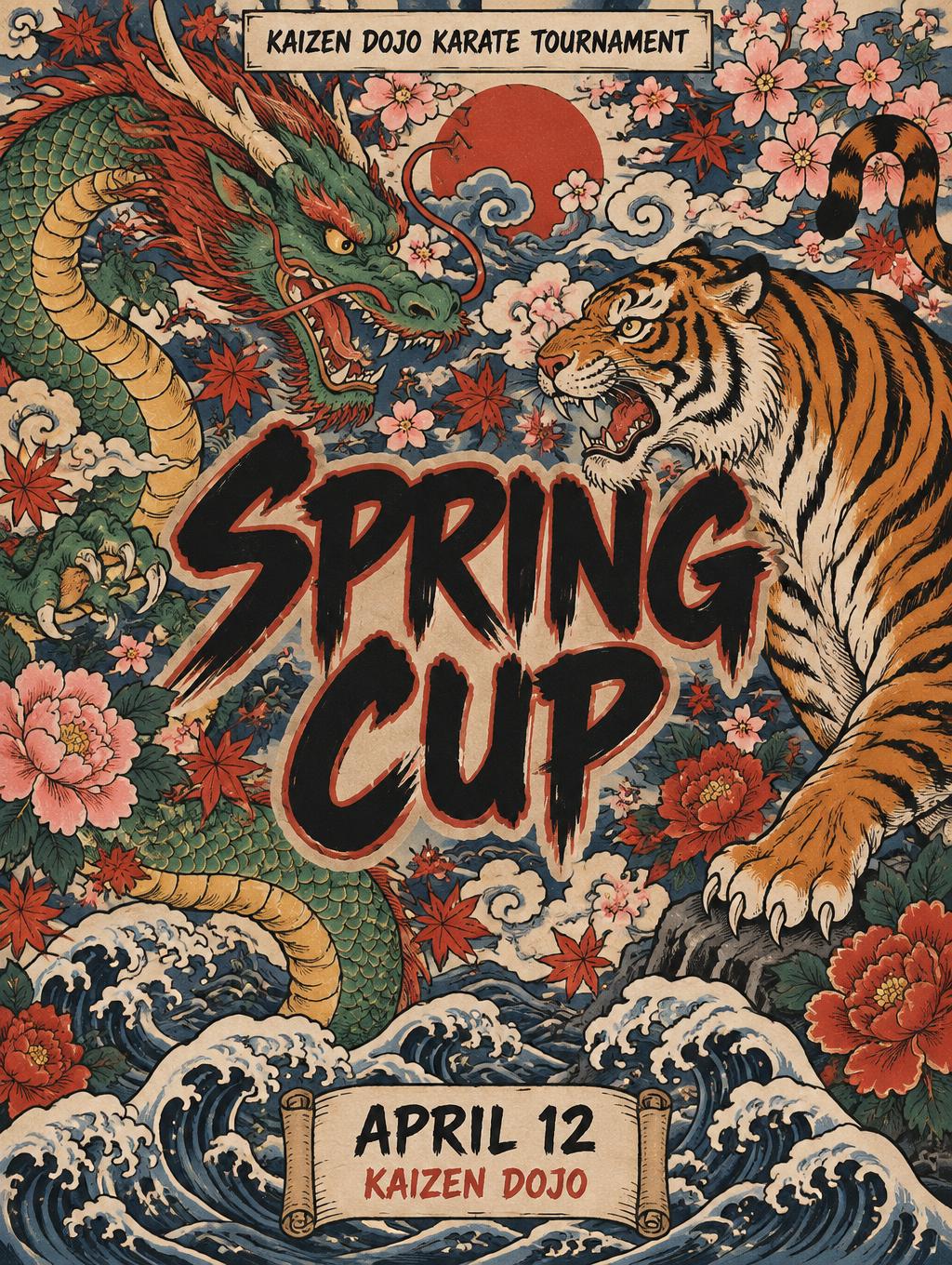
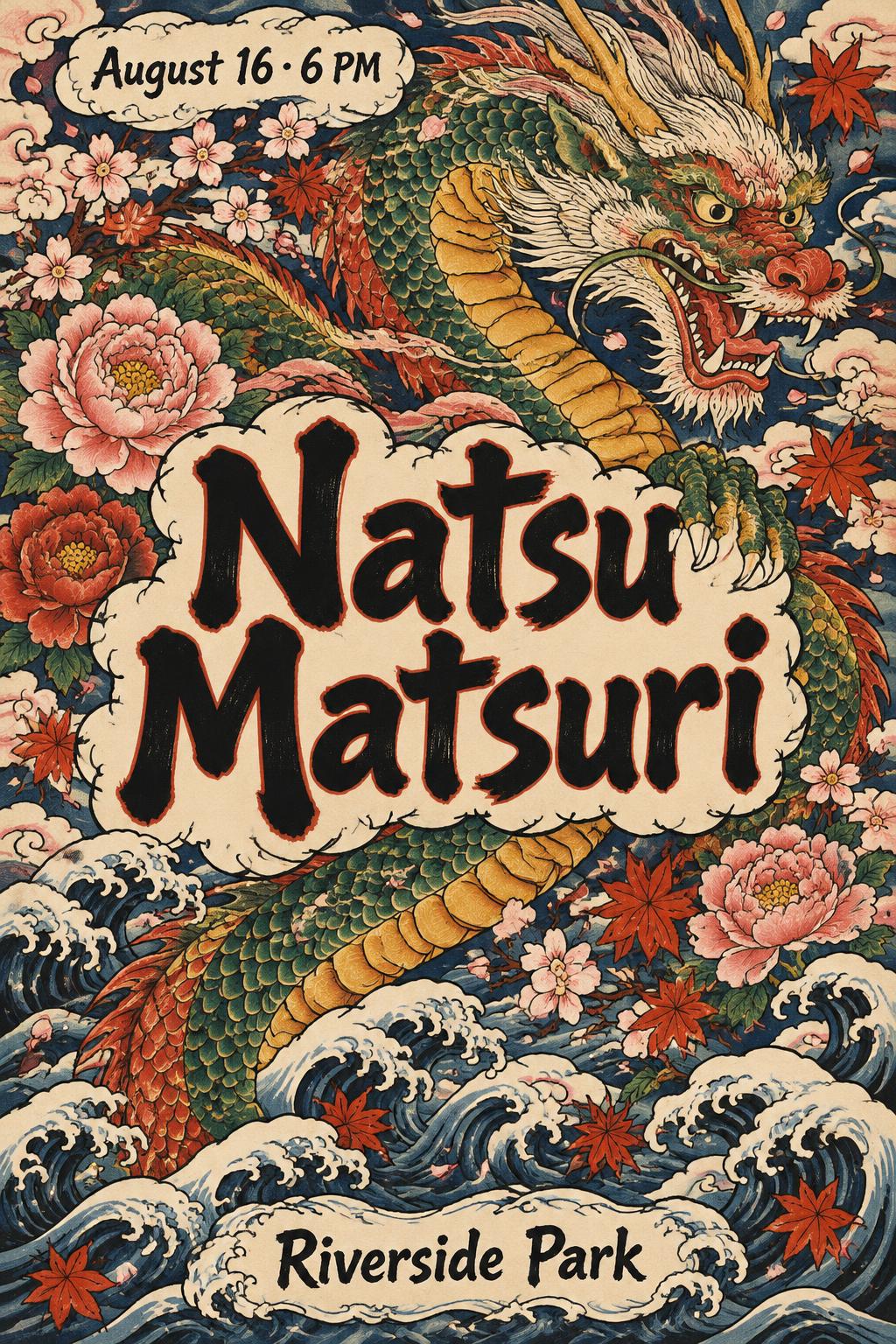
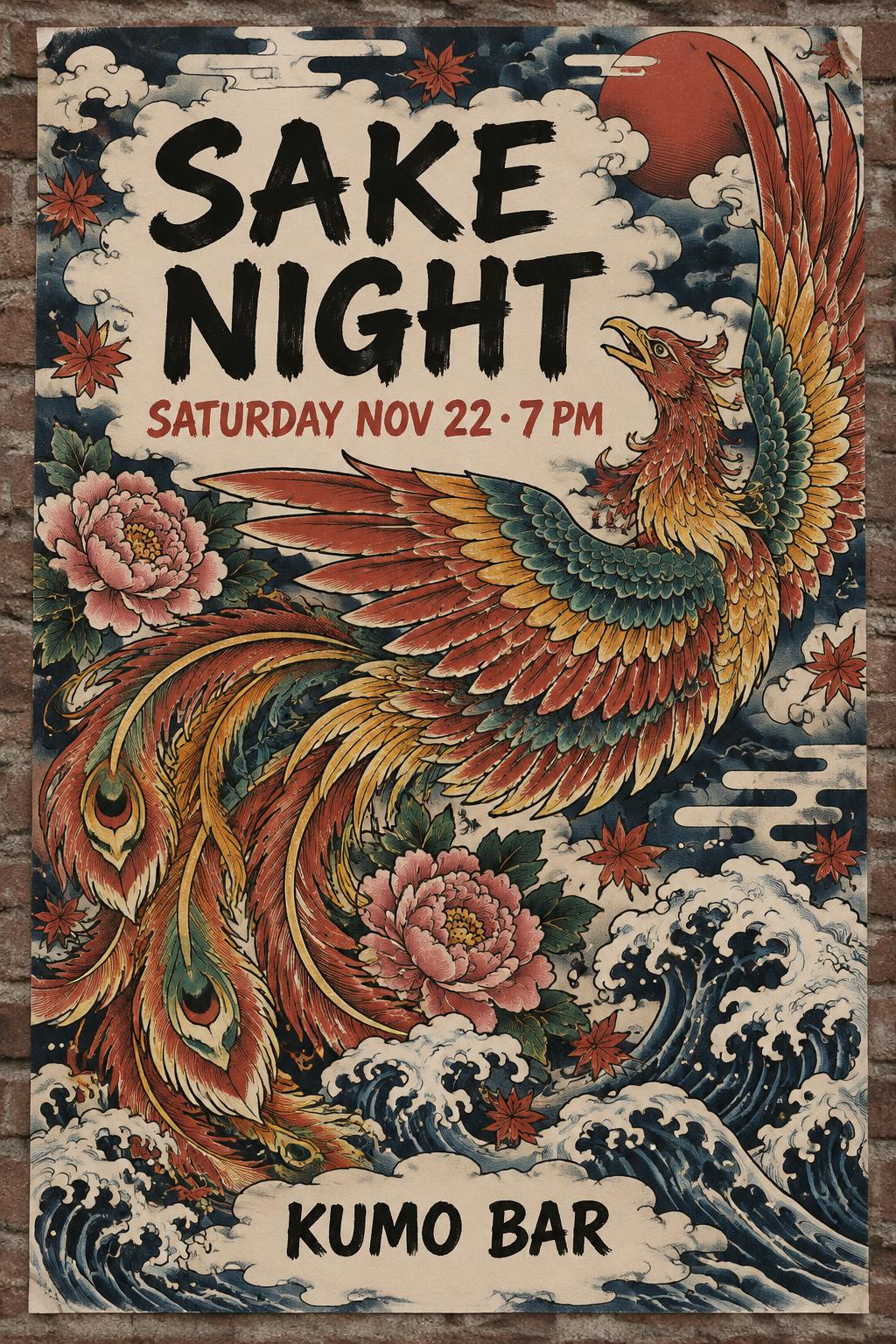
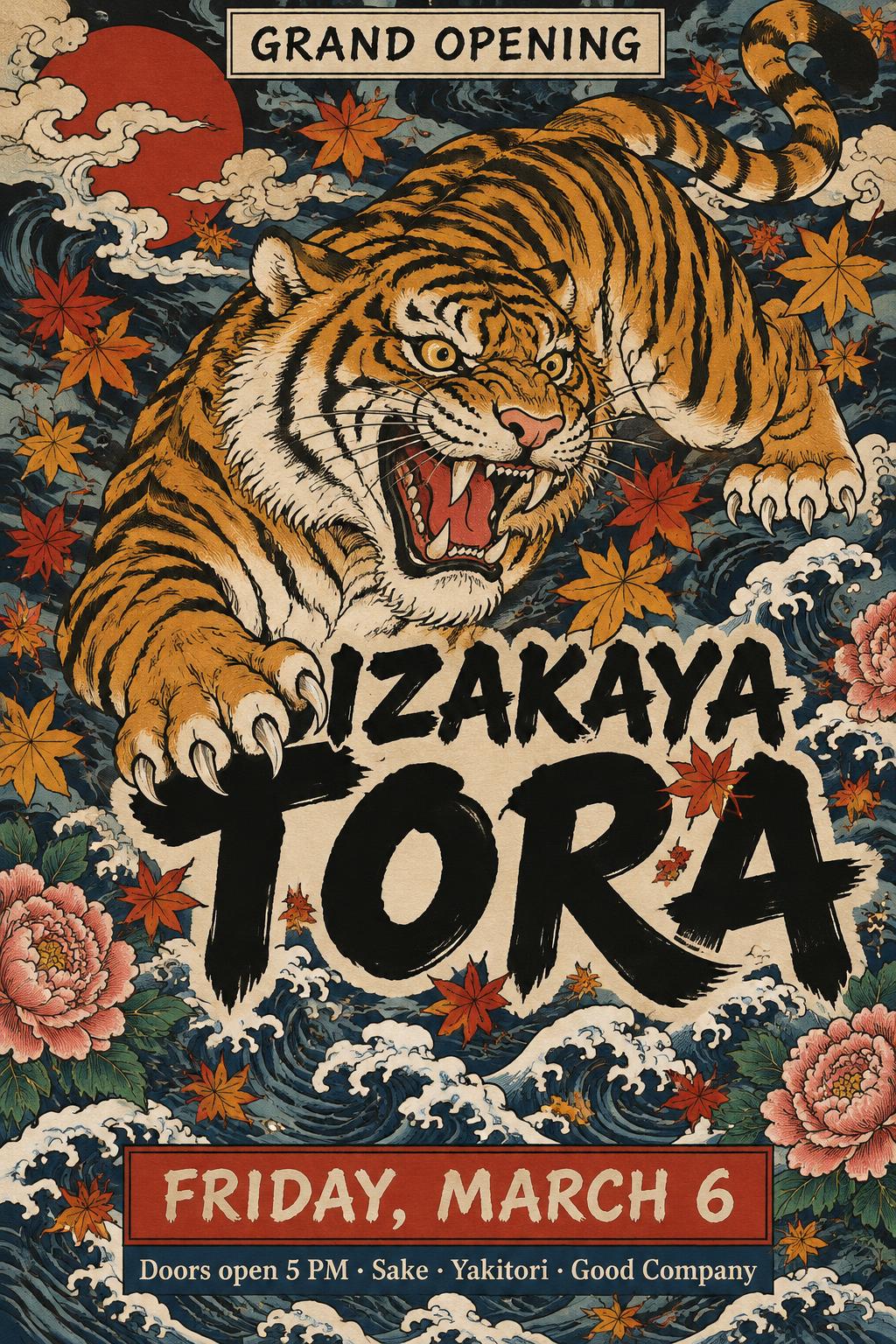
Festival, izakaya and event posters with the details set among dragons, tigers, waves and maple leaves.
Irezumi Stickers
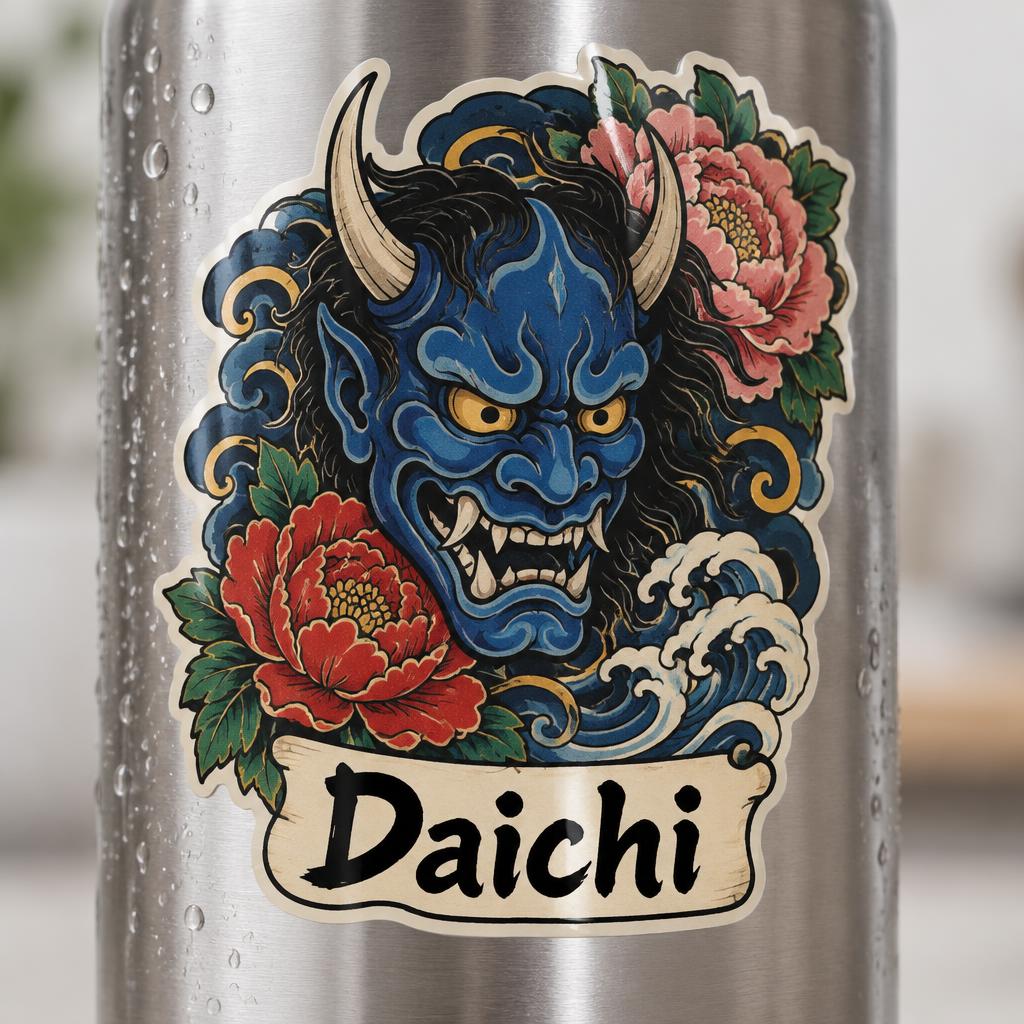
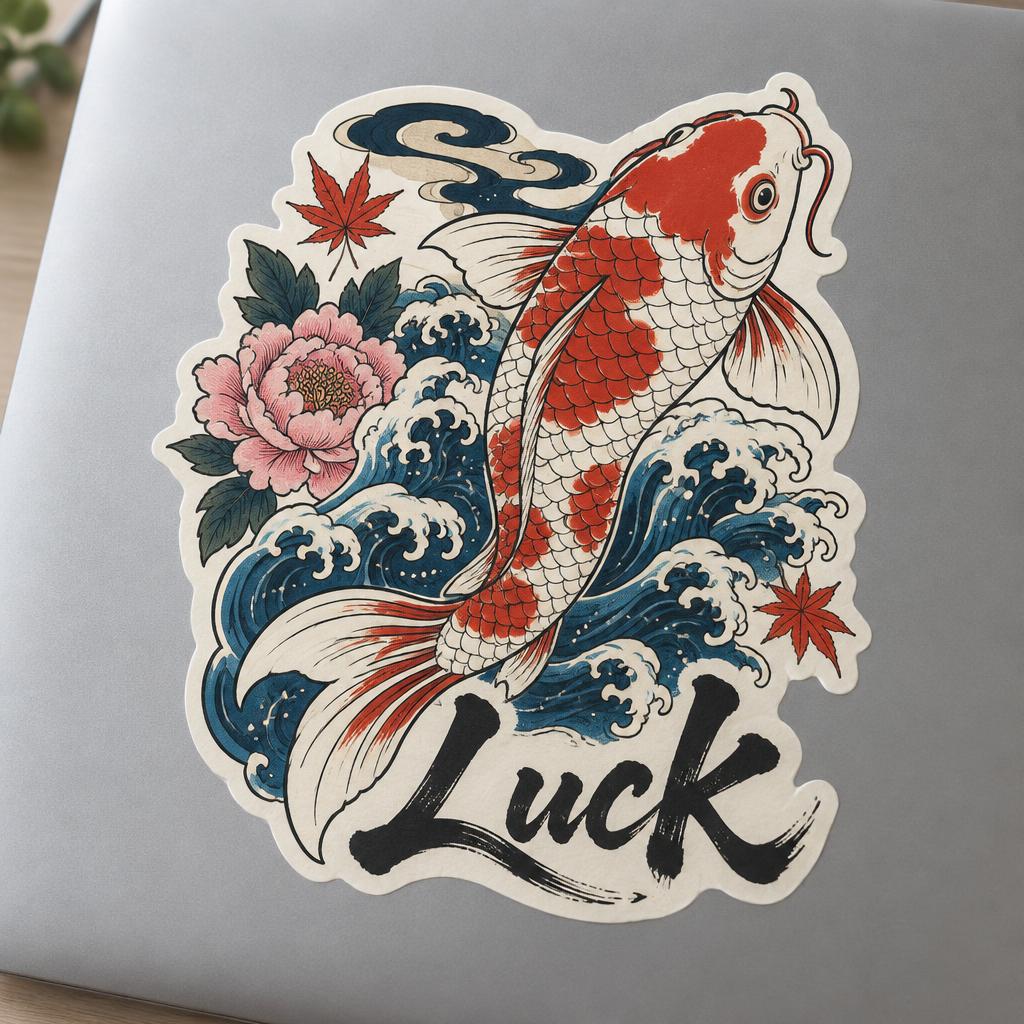
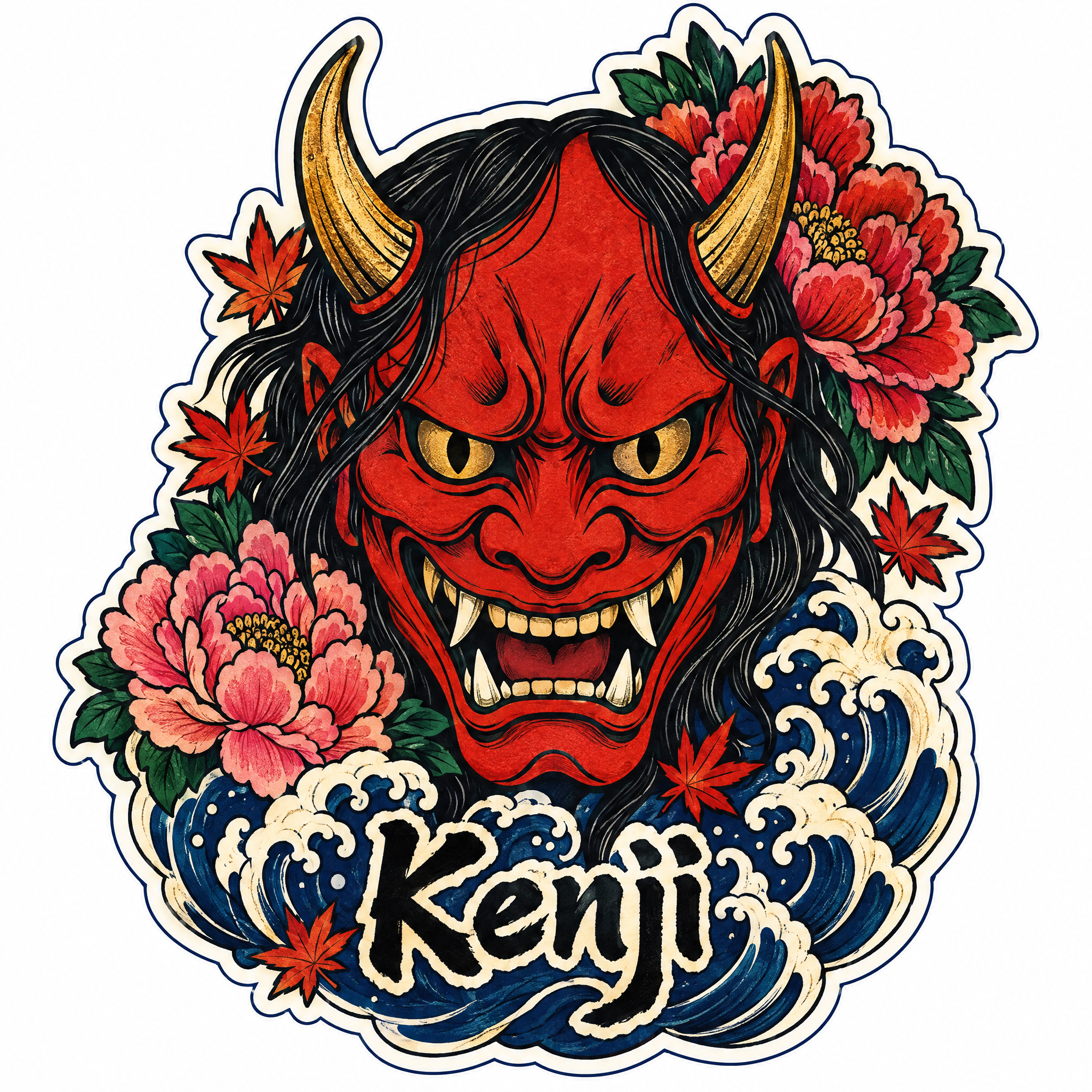
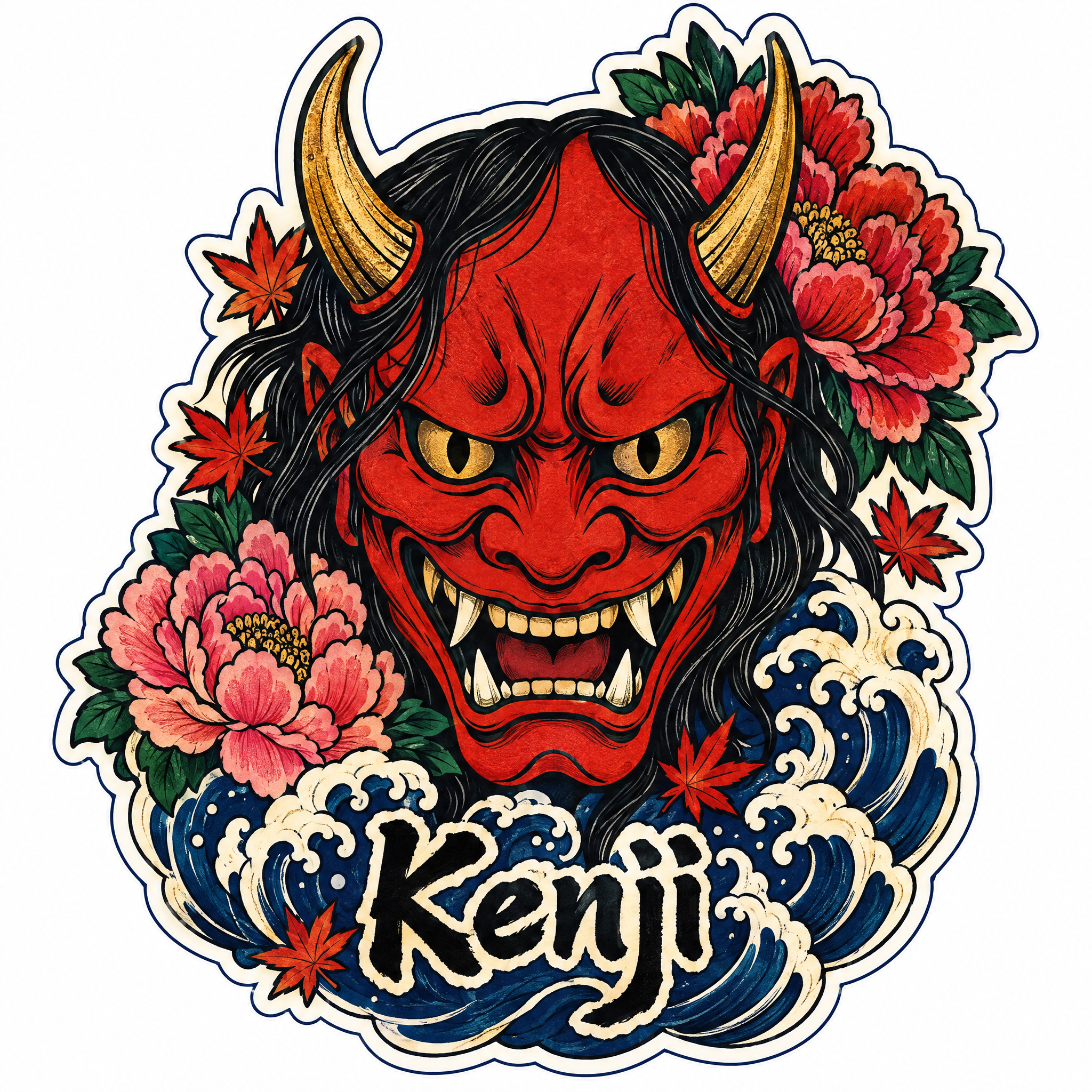
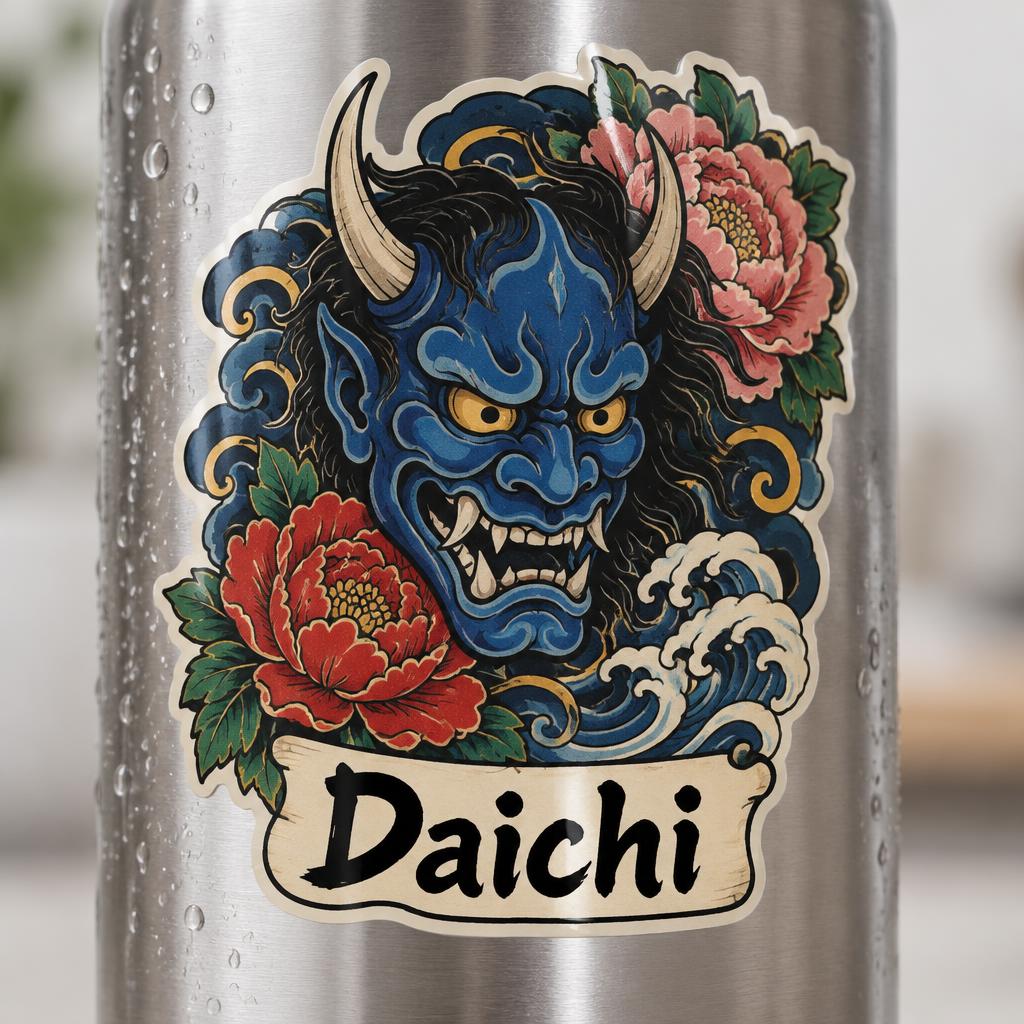
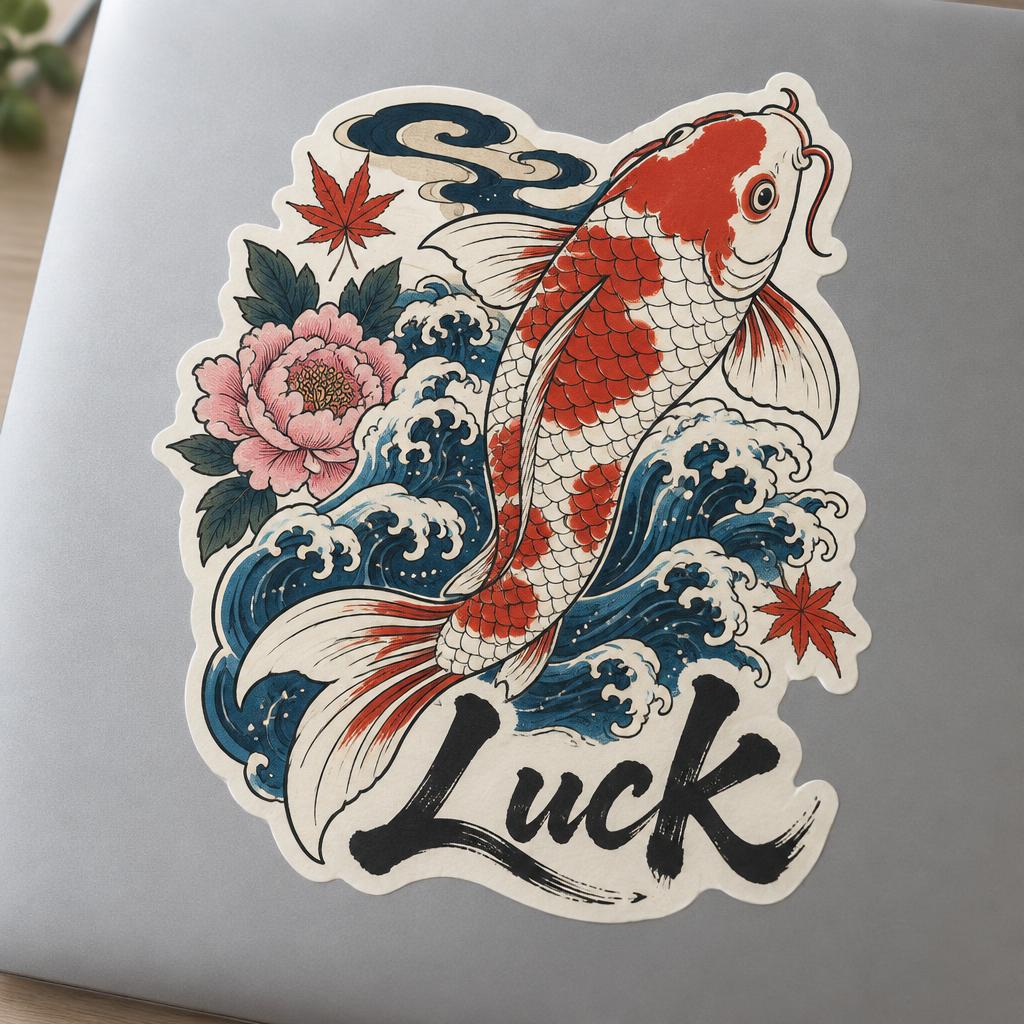
Die-cut stickers of hannya masks, koi and dragons with a curl of wave and a short name or word.
Irezumi T-Shirts
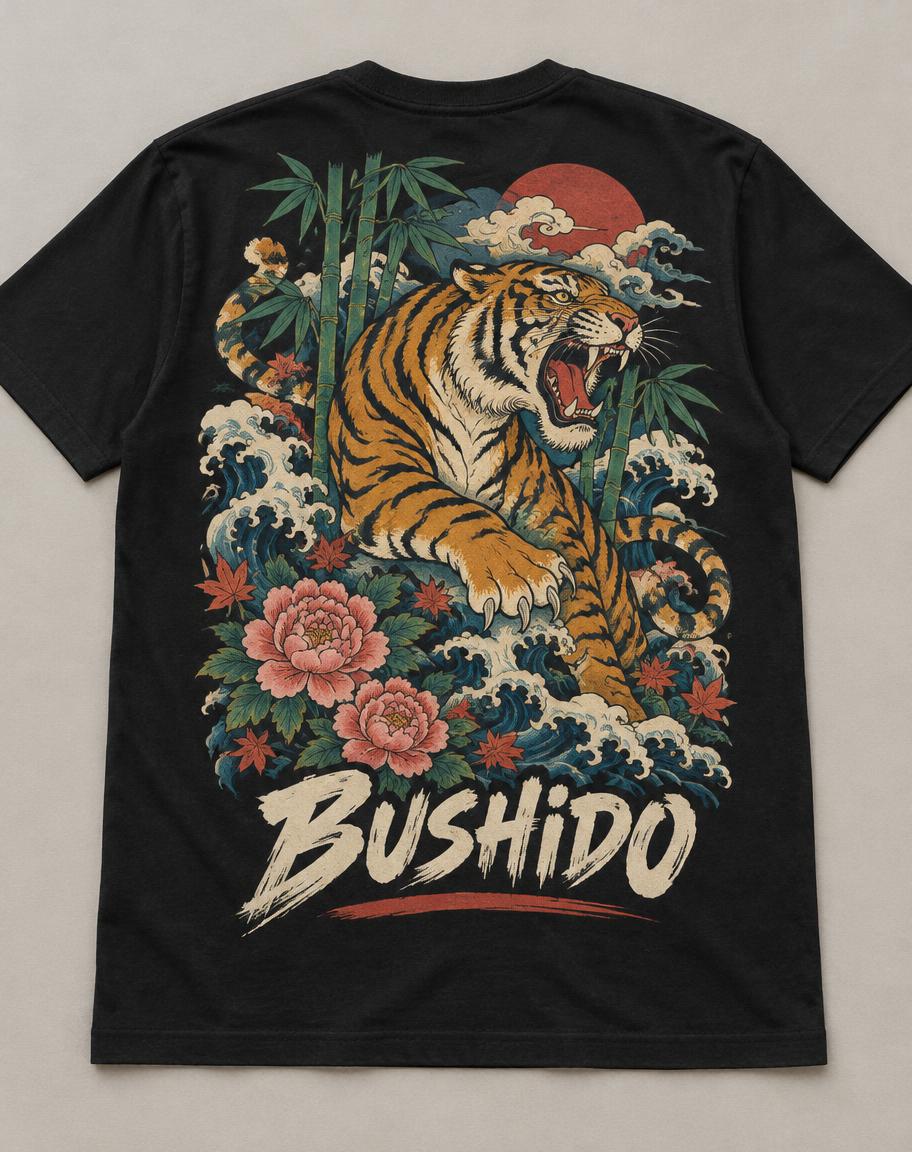
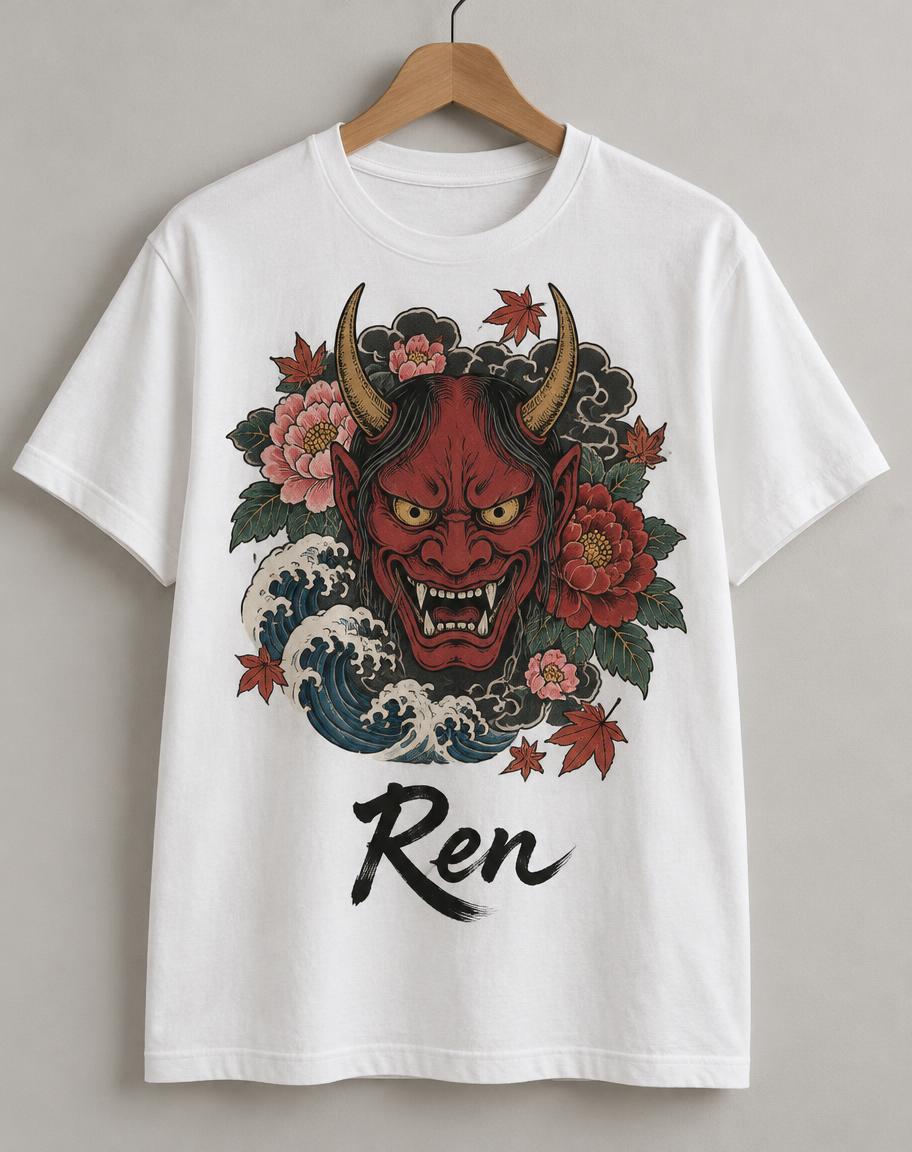
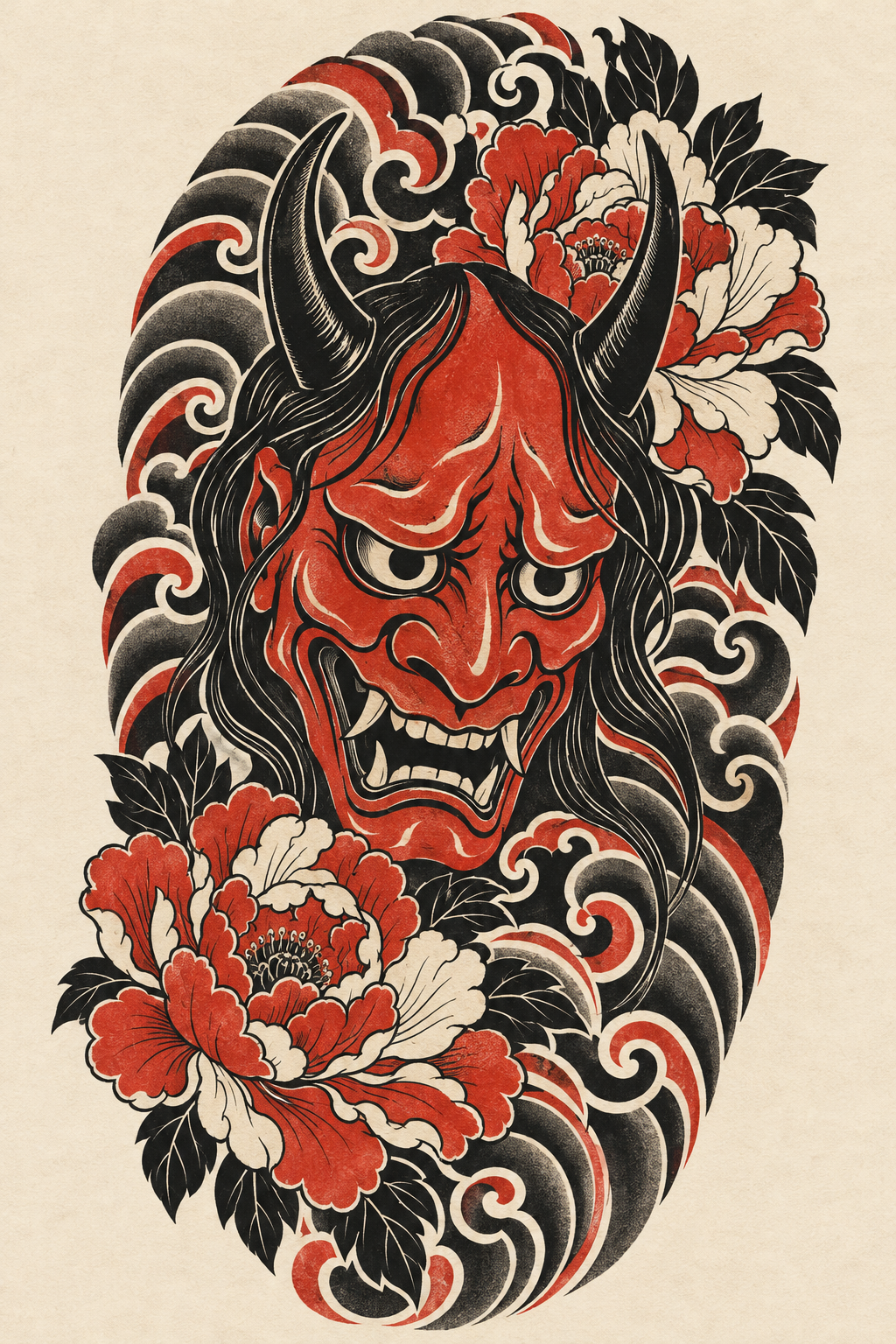
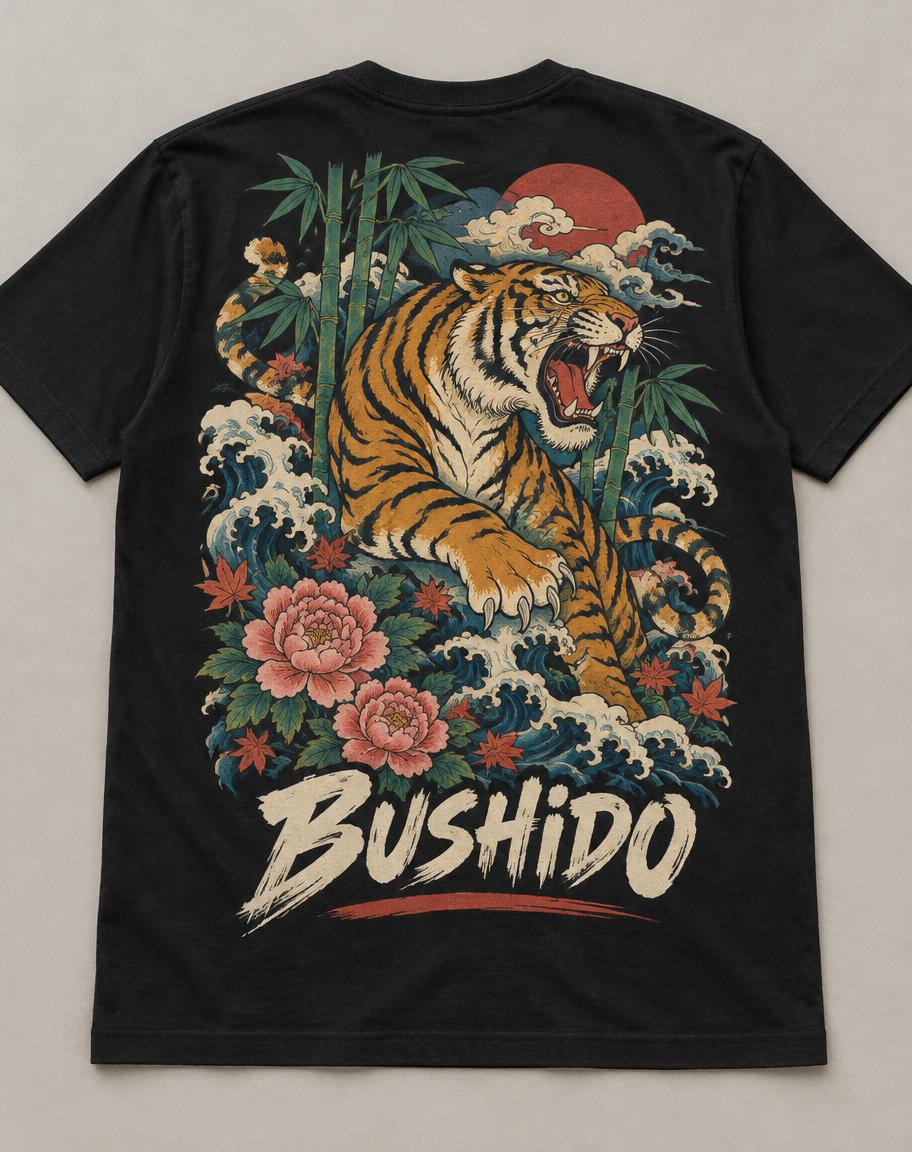
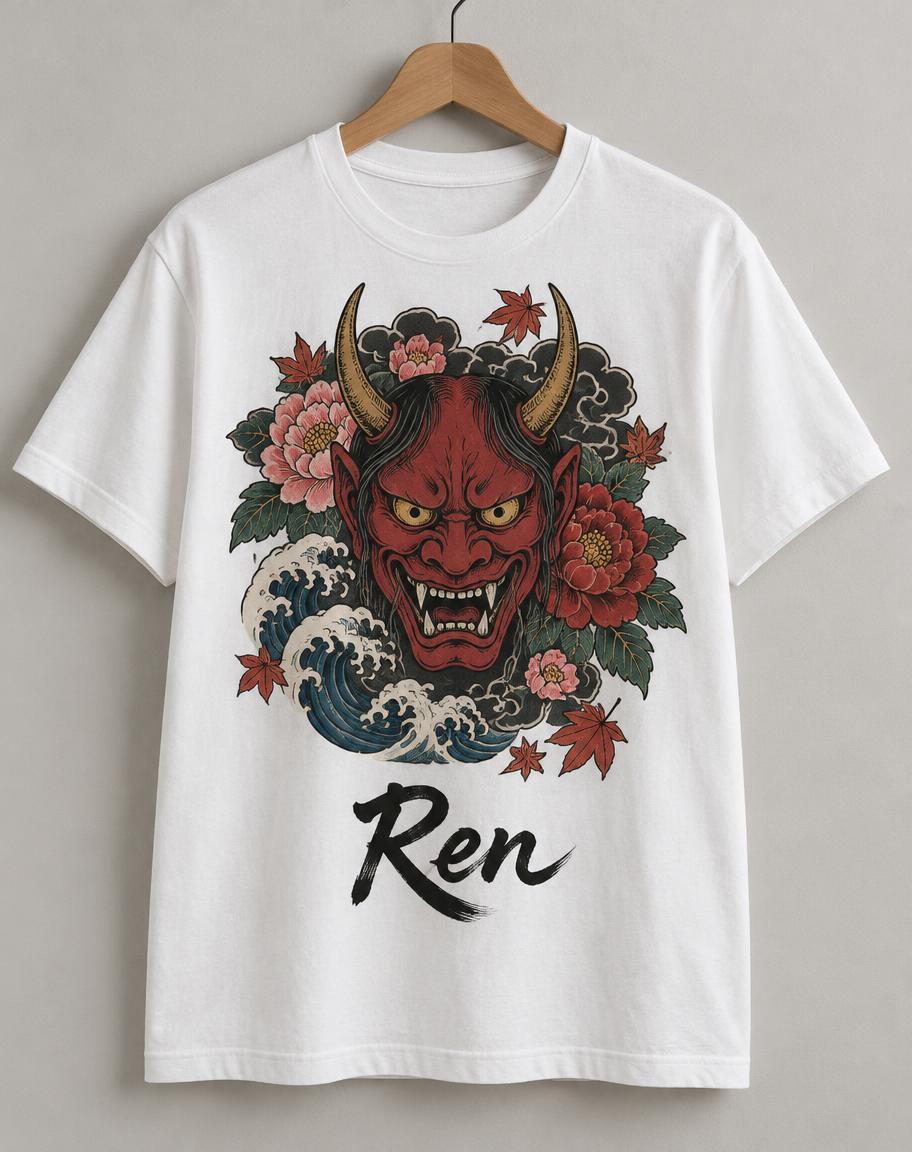
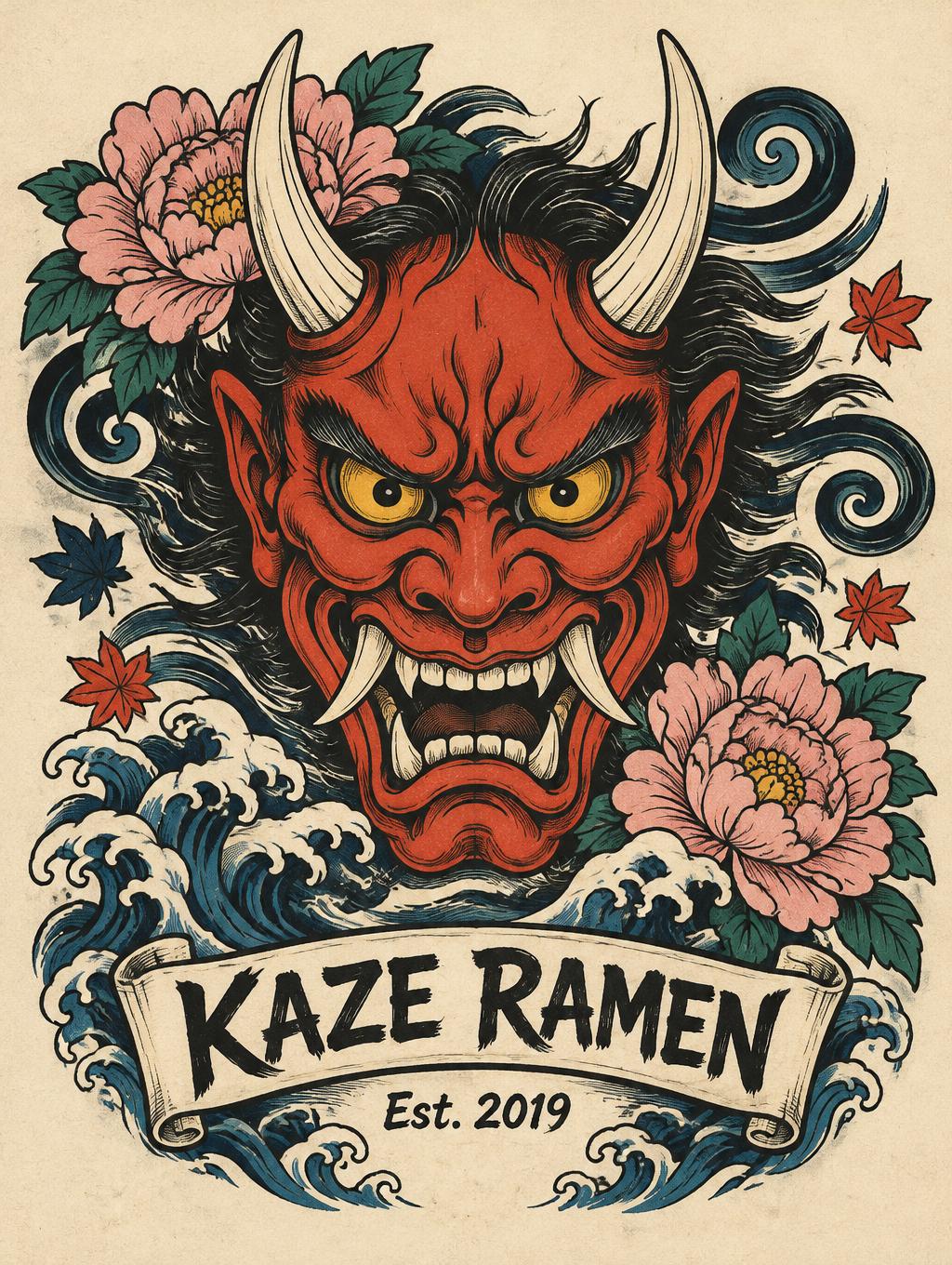
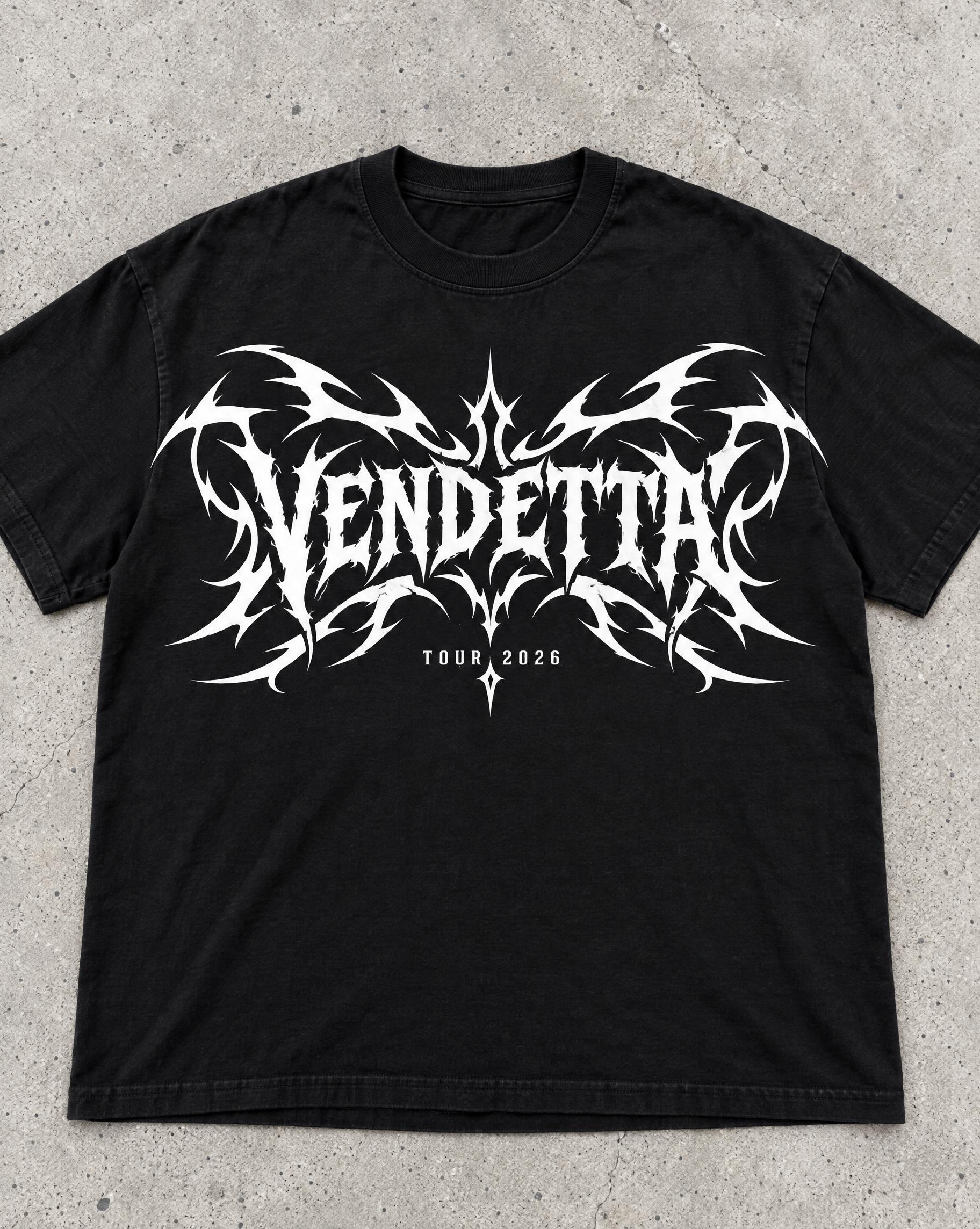
Tee back prints and shop shirts with a koi, oni mask or dragon, wind bars and peonies, and your word or shop name.
Irezumi Tattoo Designs
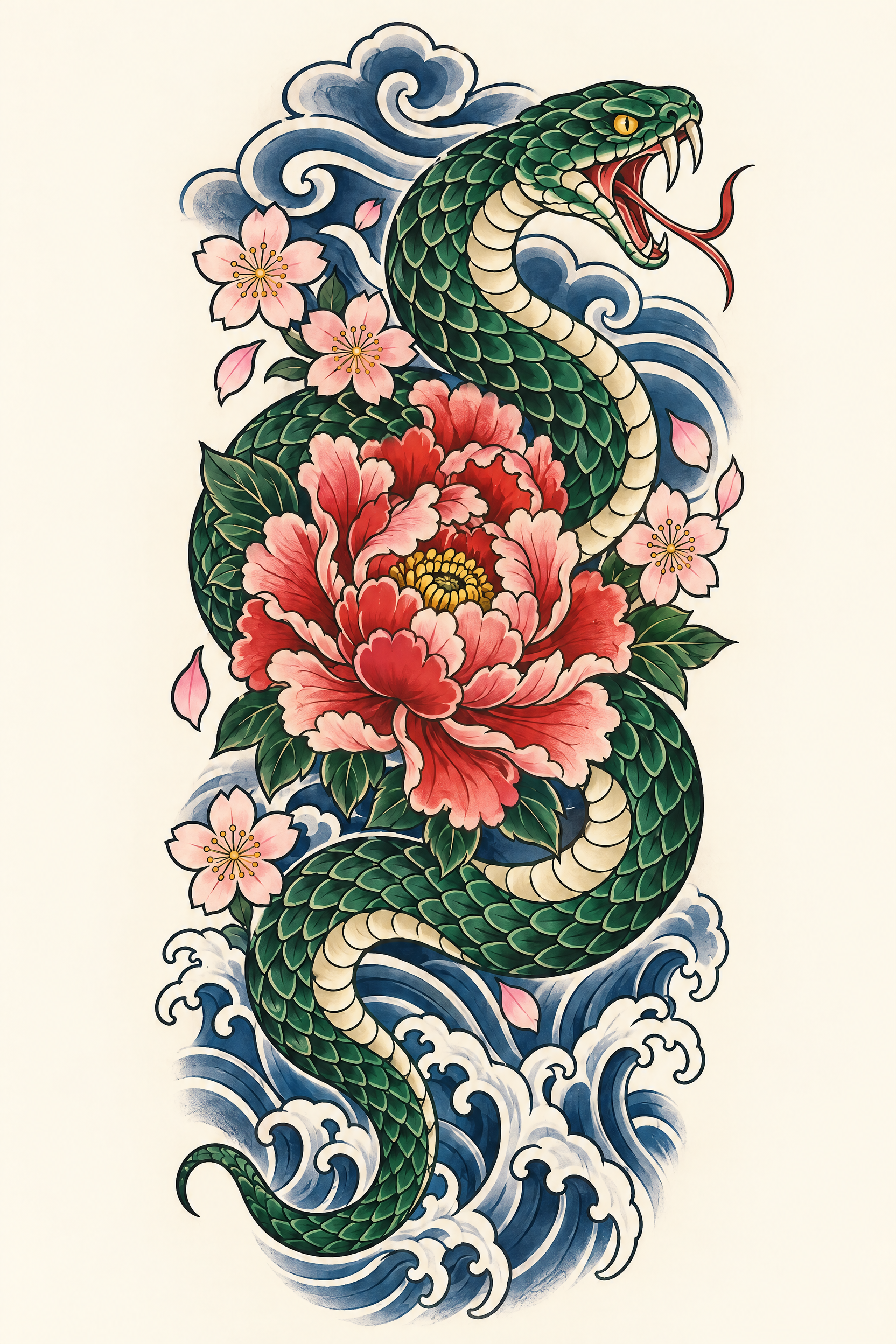
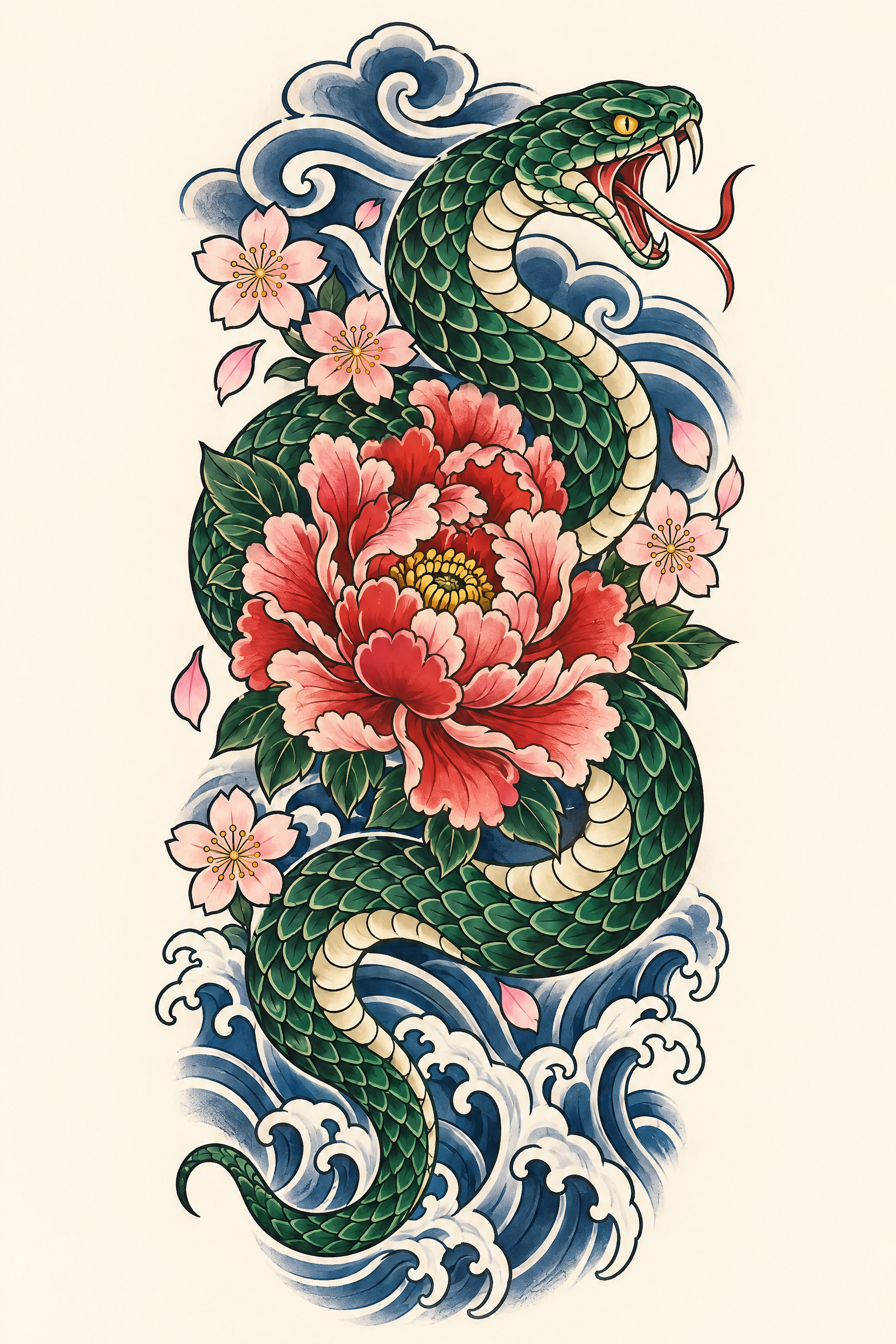
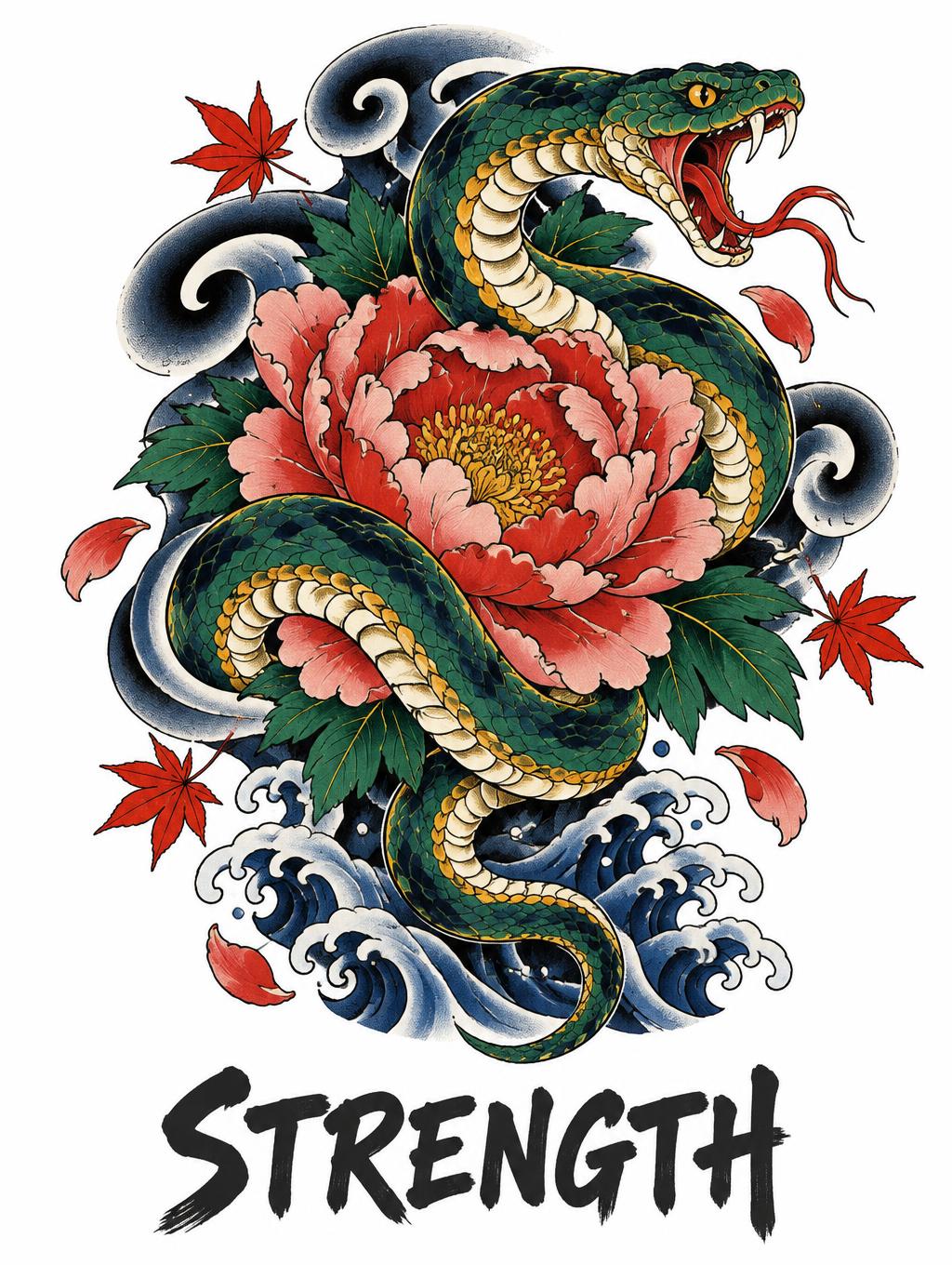
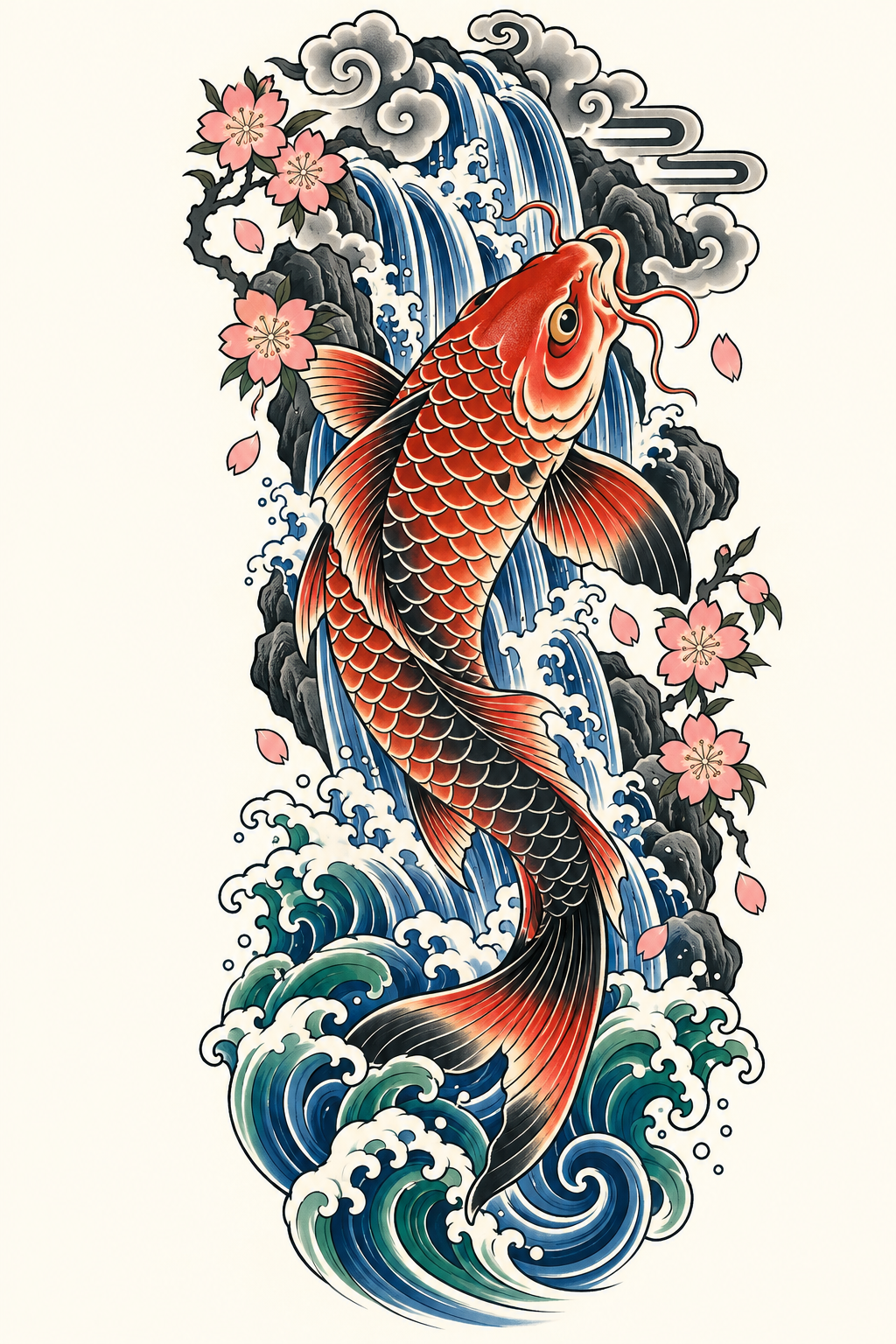
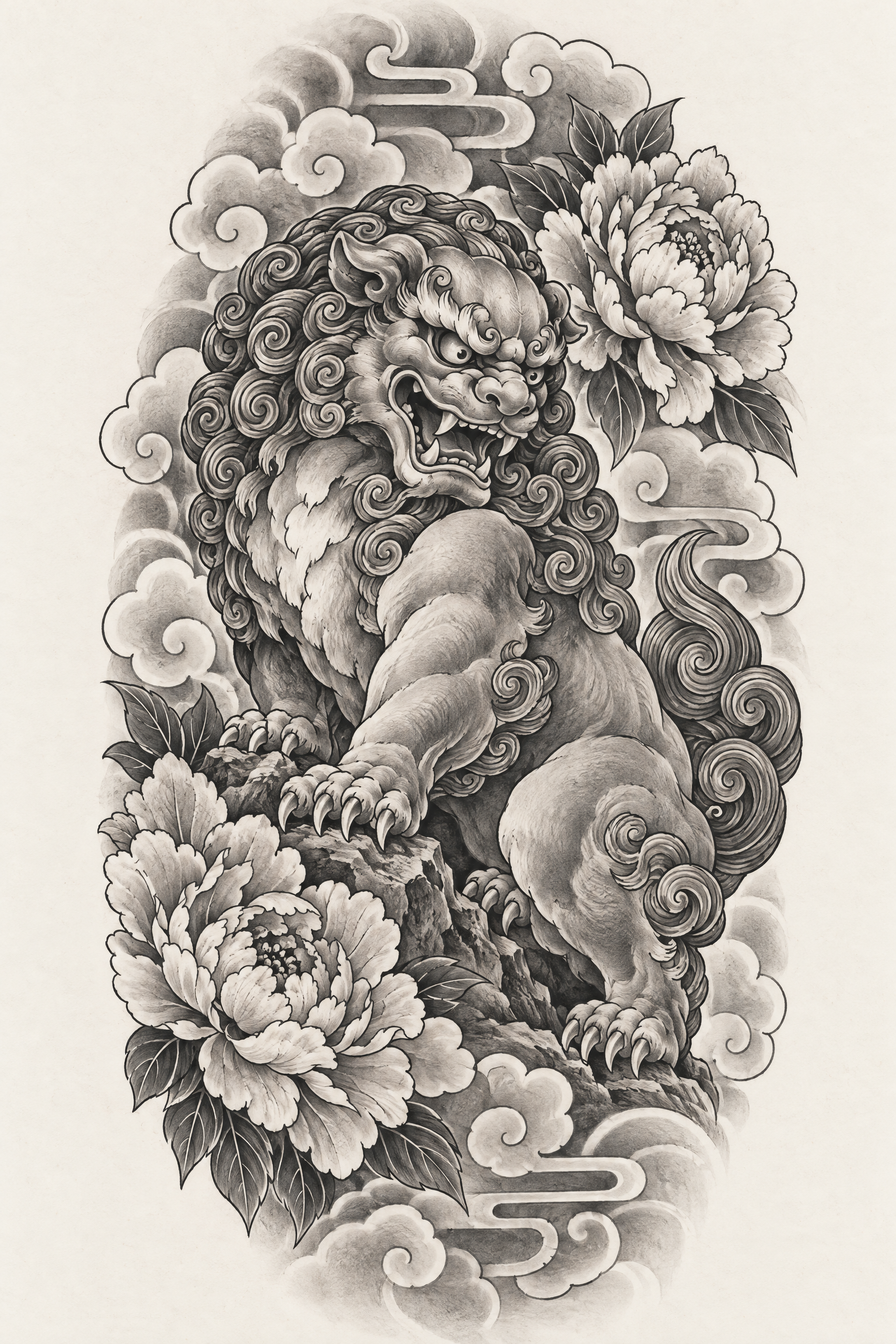
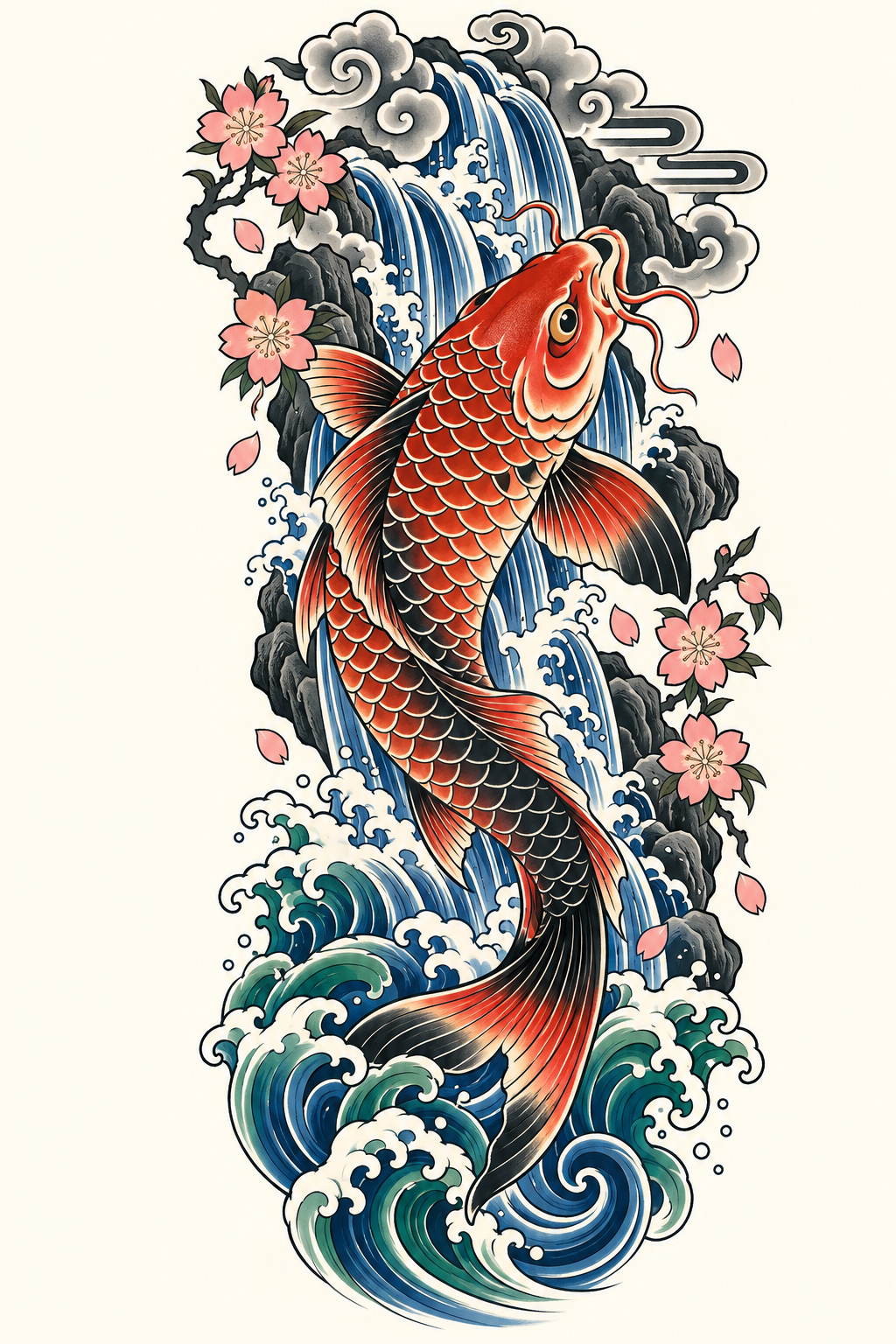
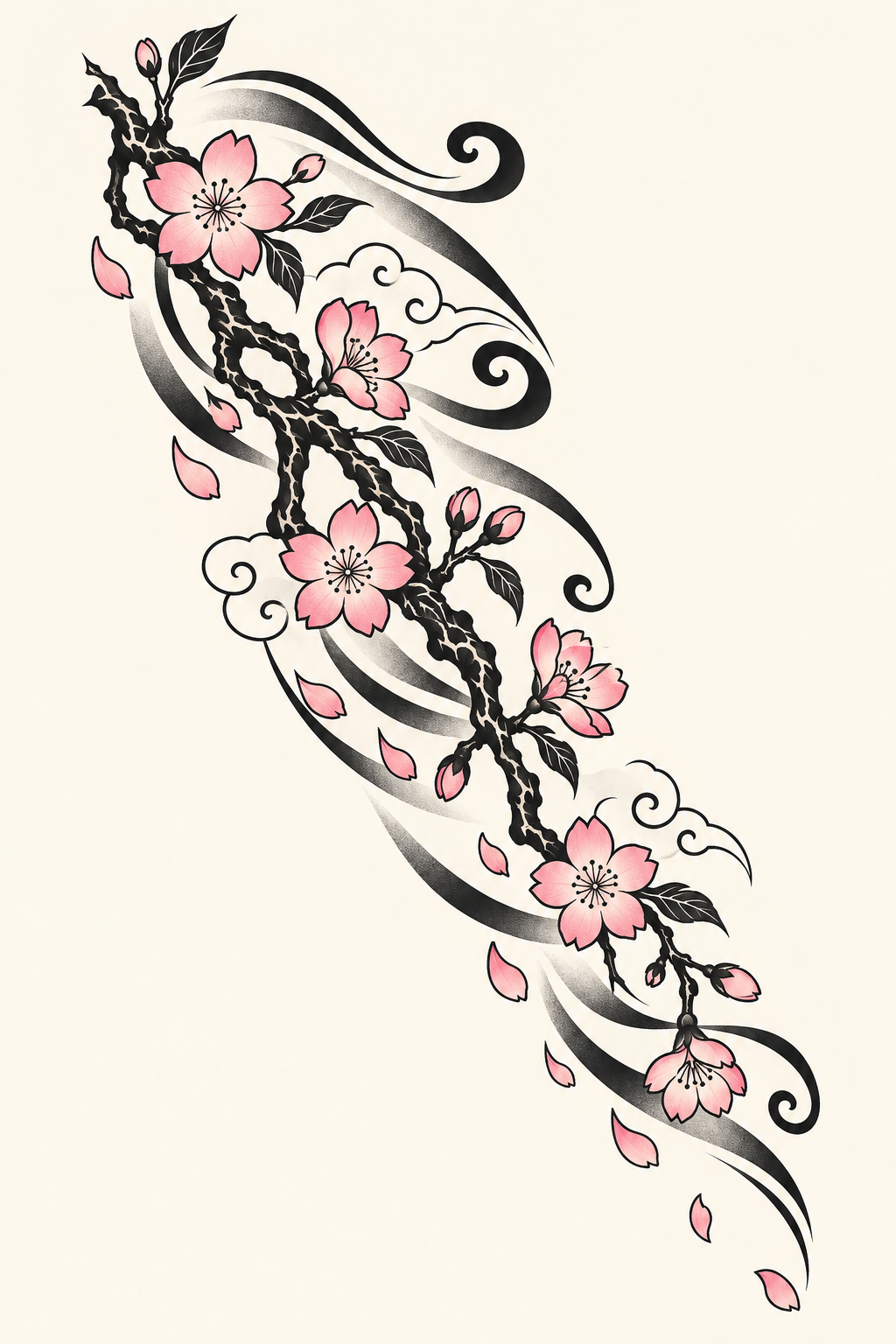
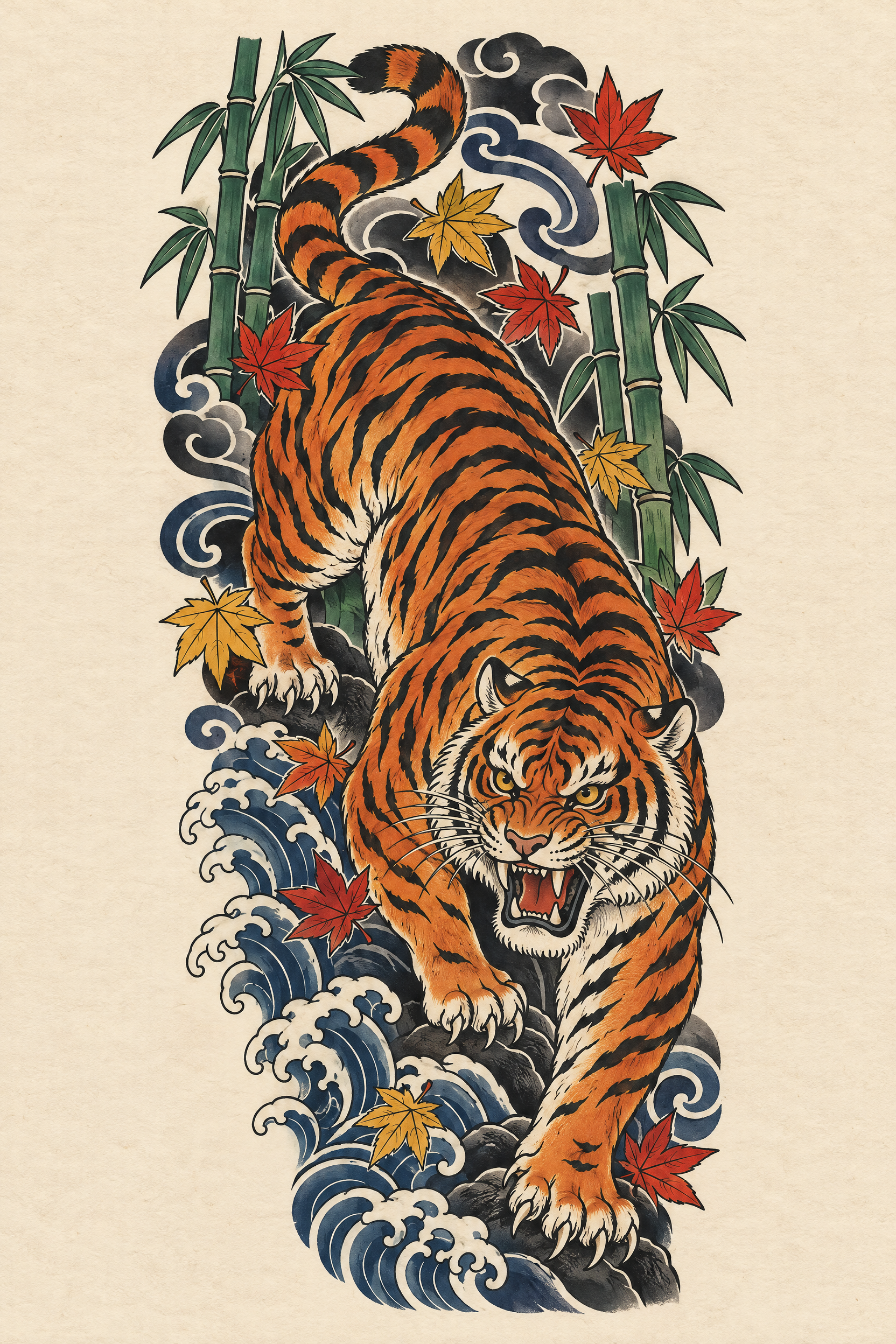
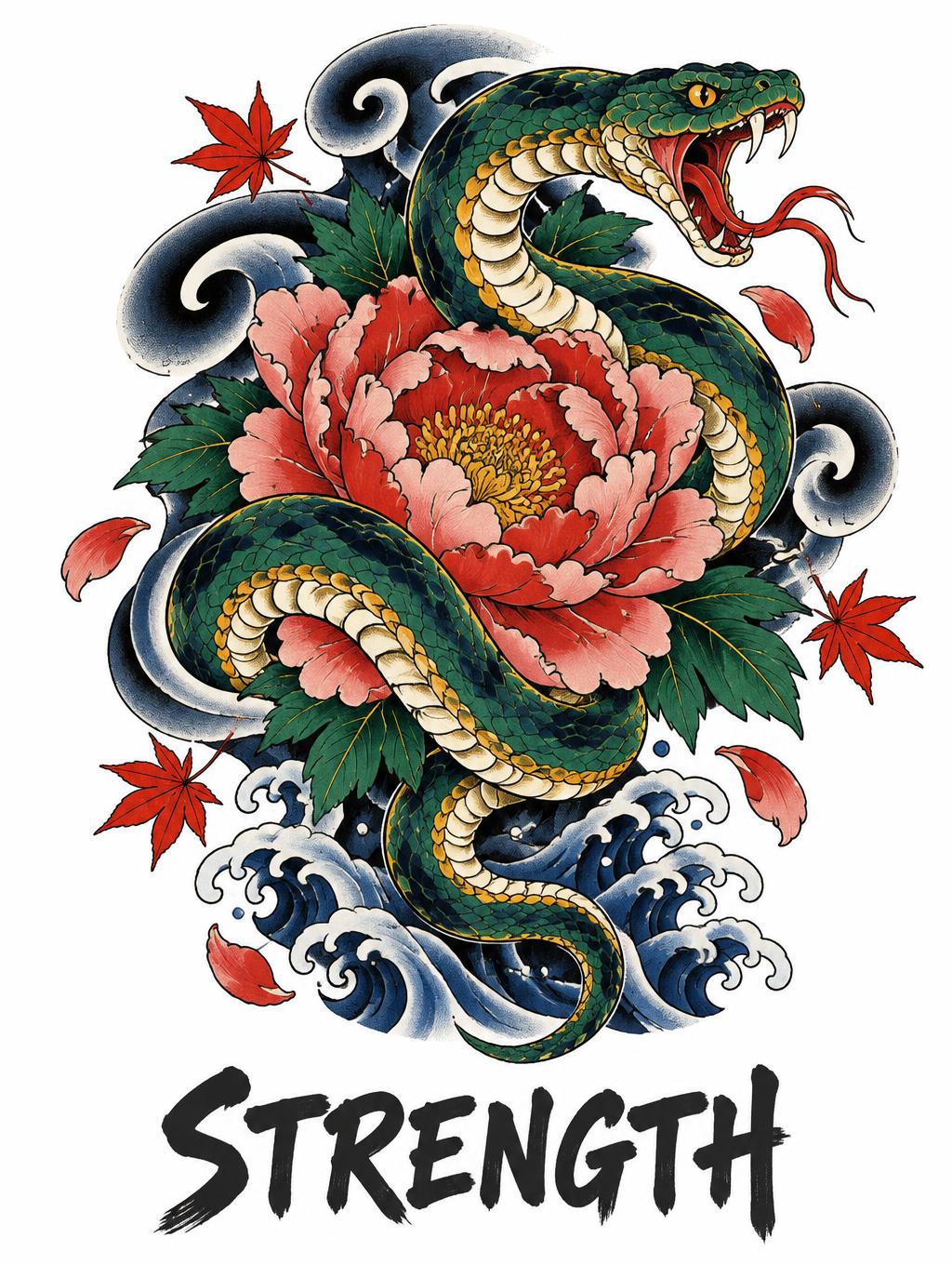
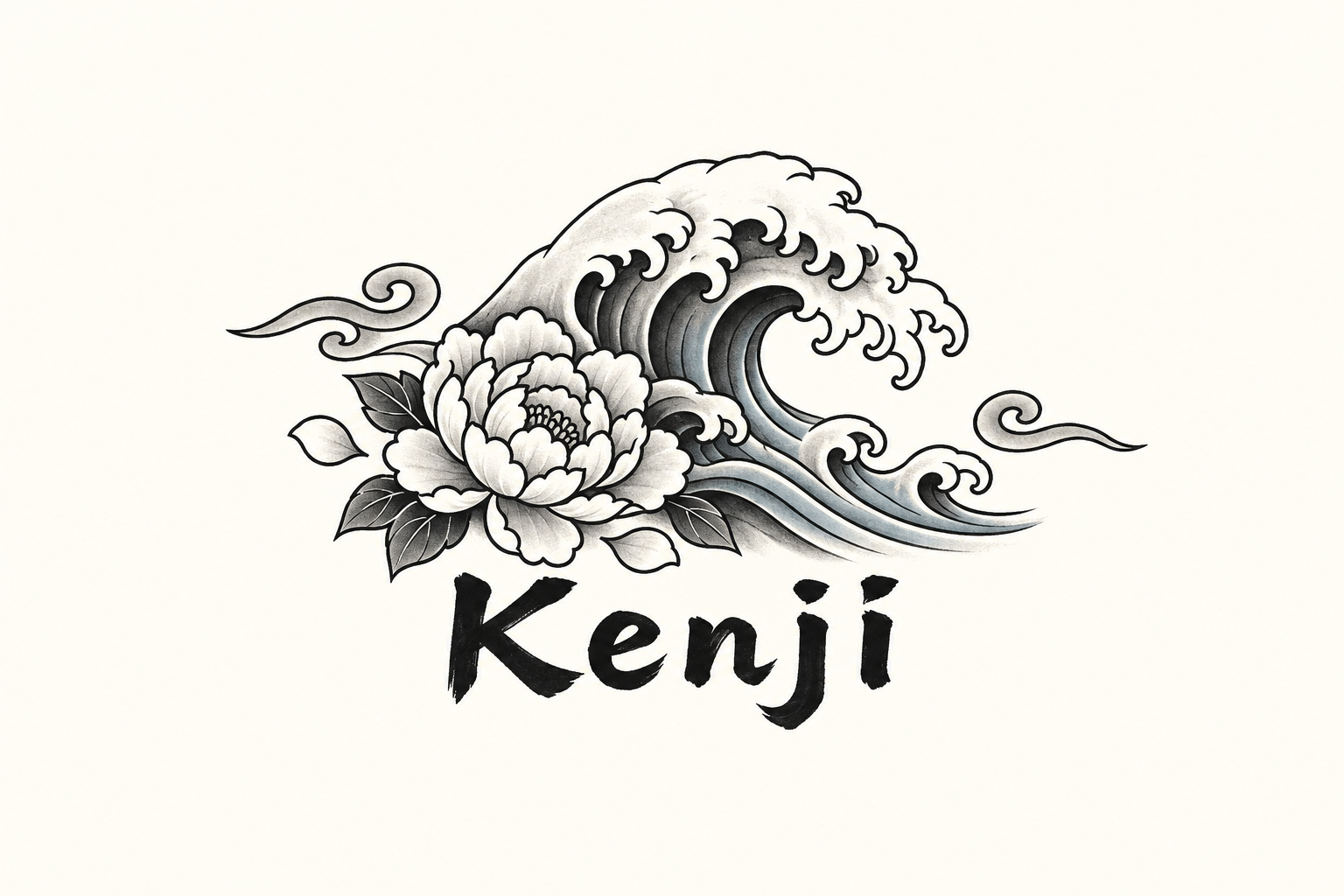
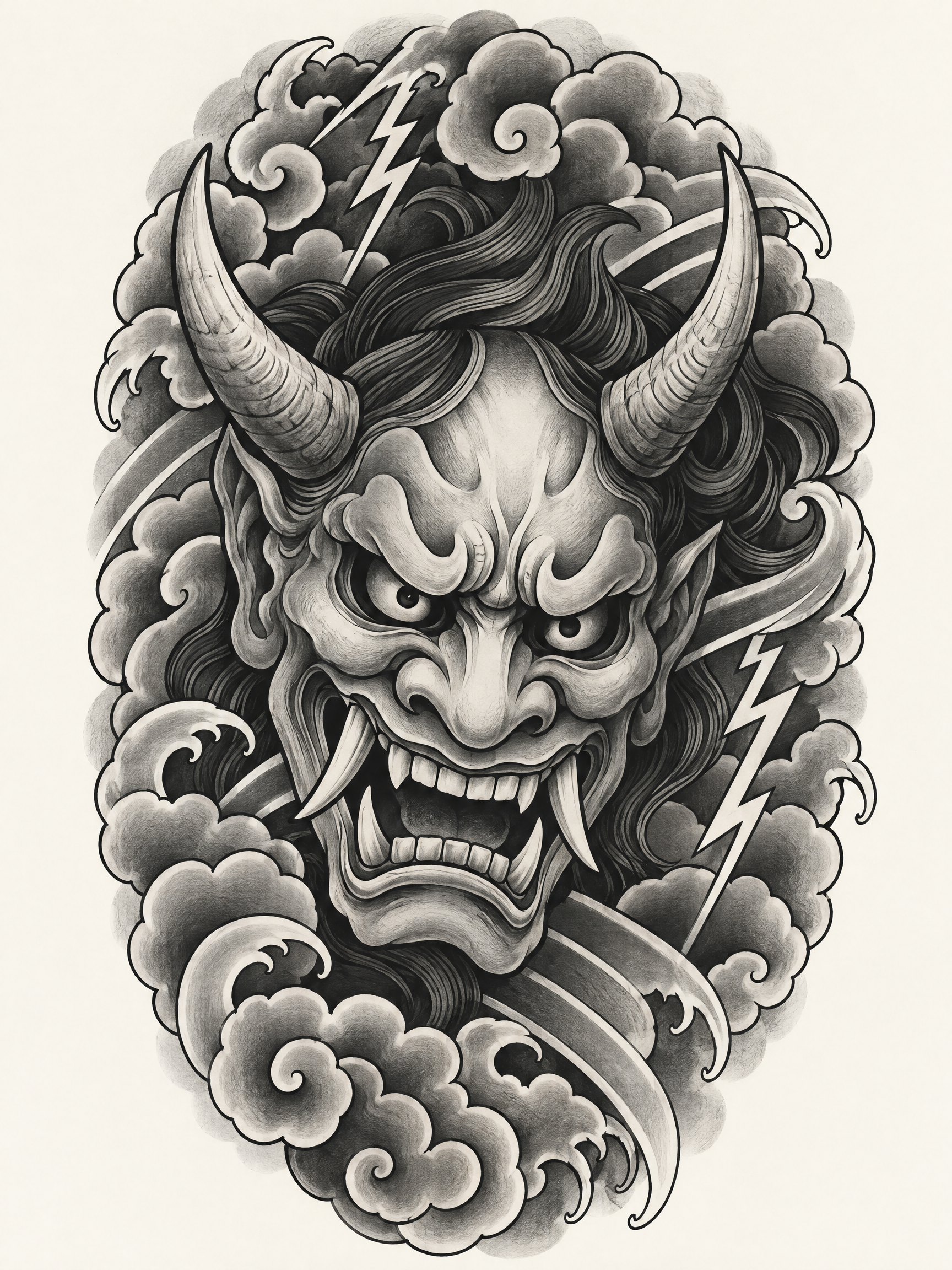
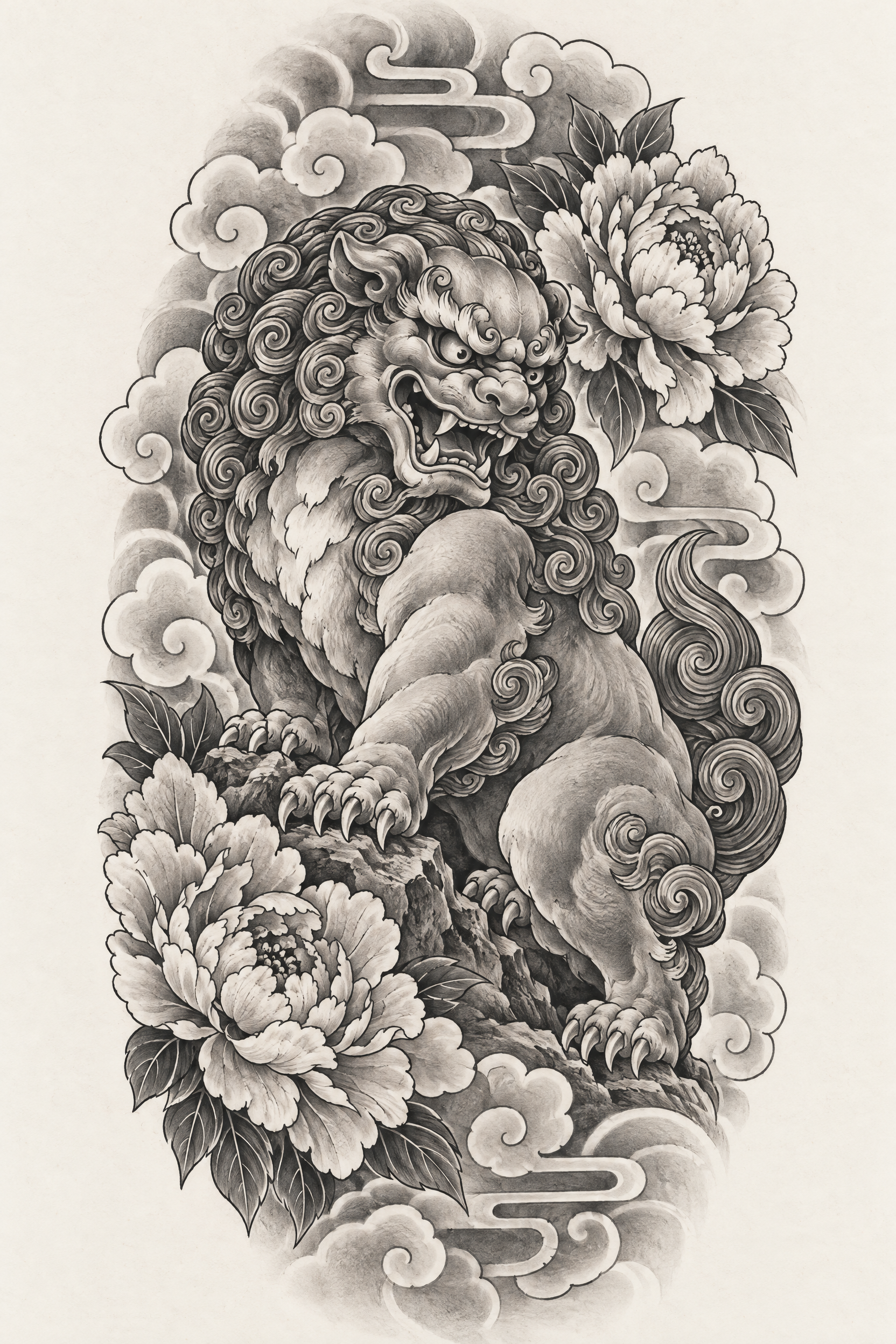
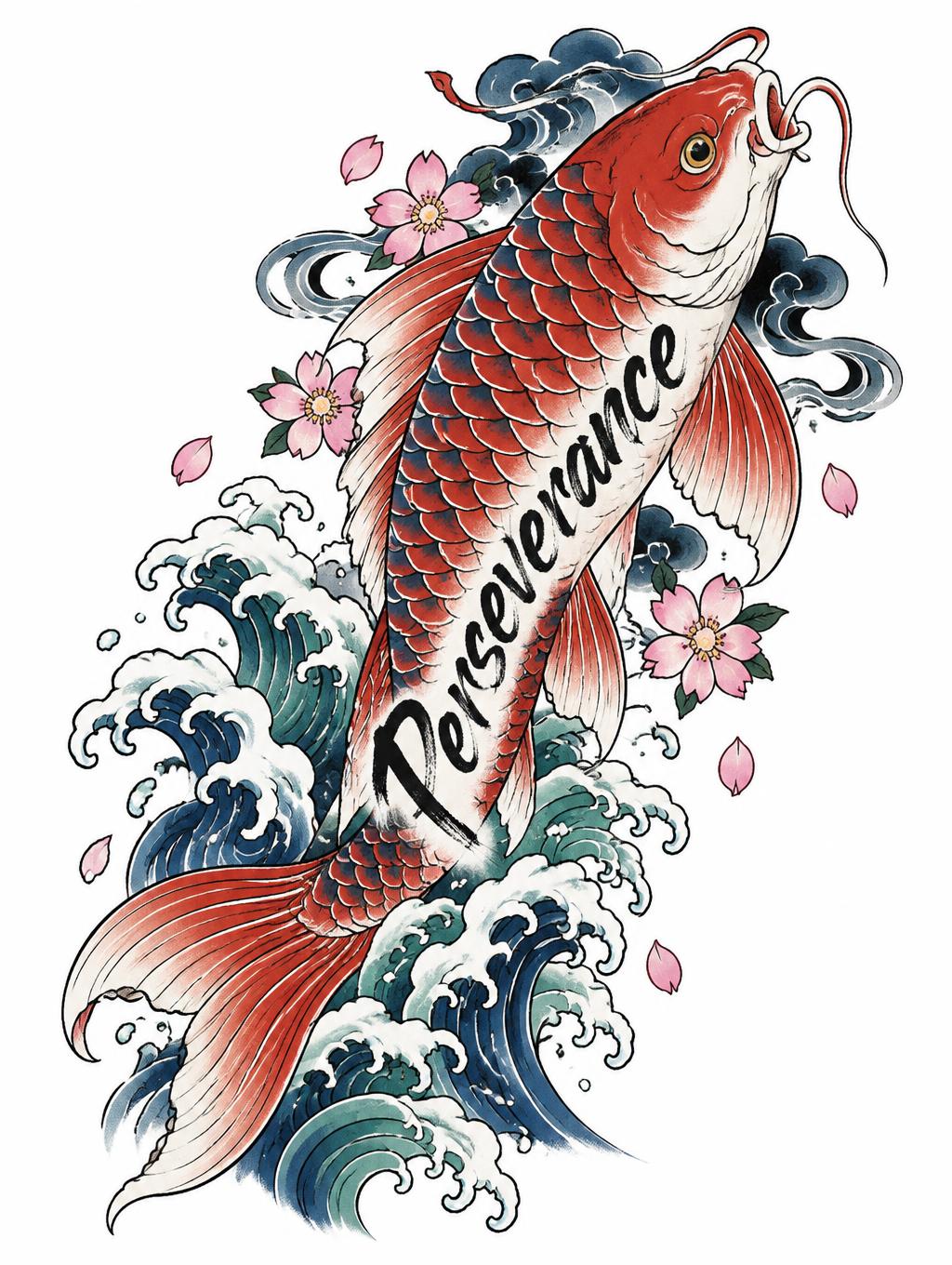
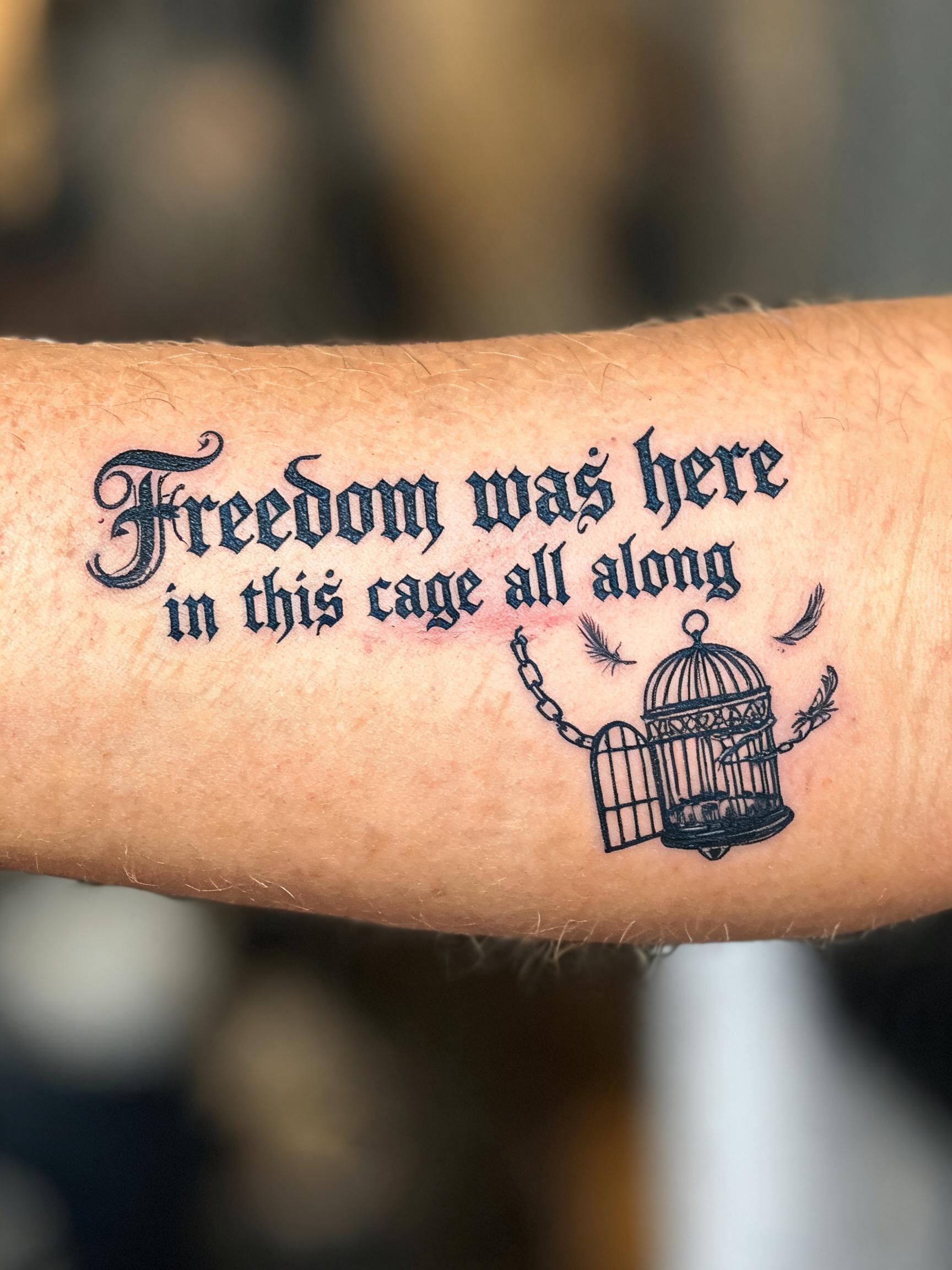
Single irezumi designs on white, like a snake and peony or a koi in waves, with your word, to show your tattoo artist.
Irezumi Wallpapers
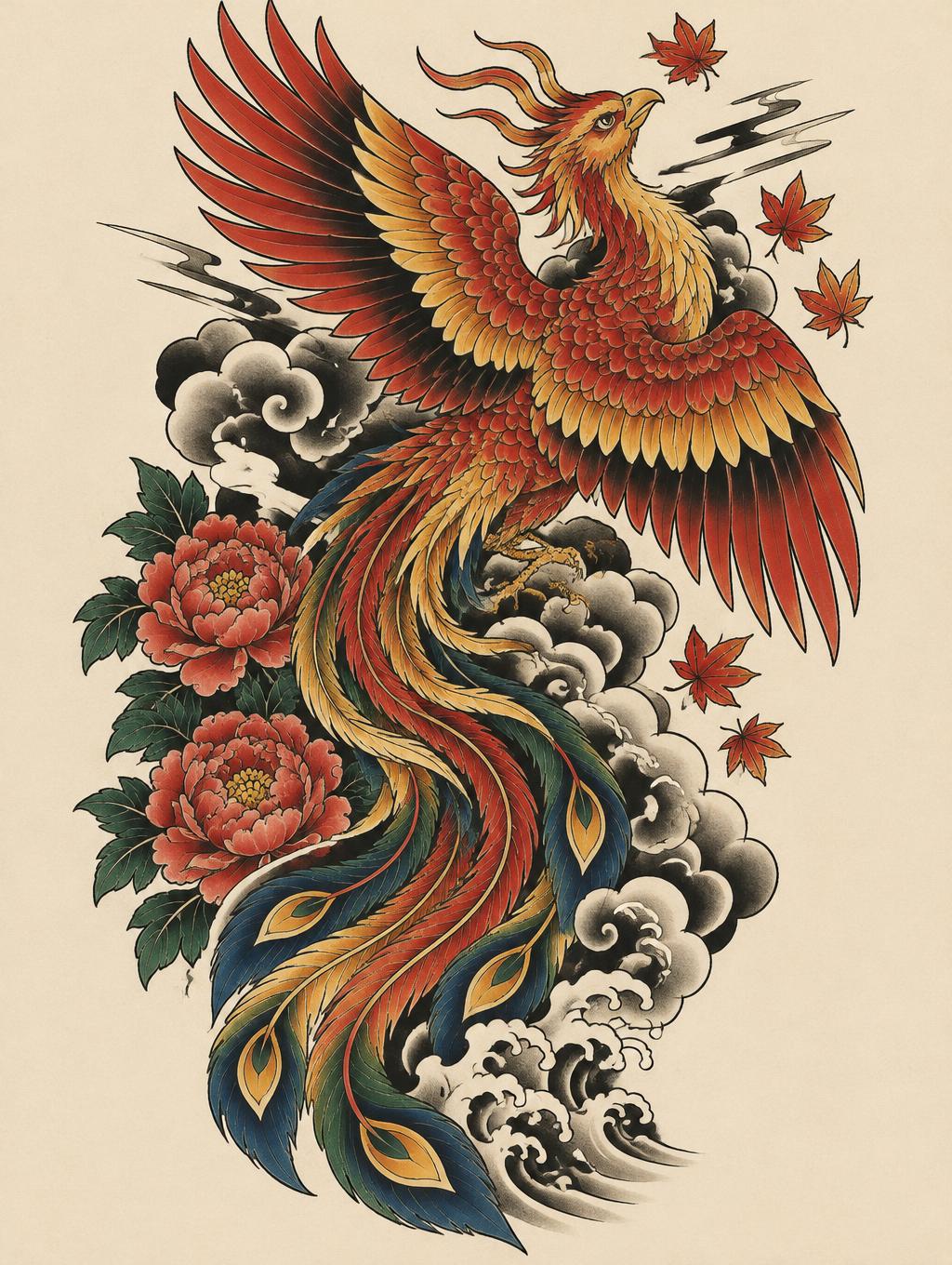
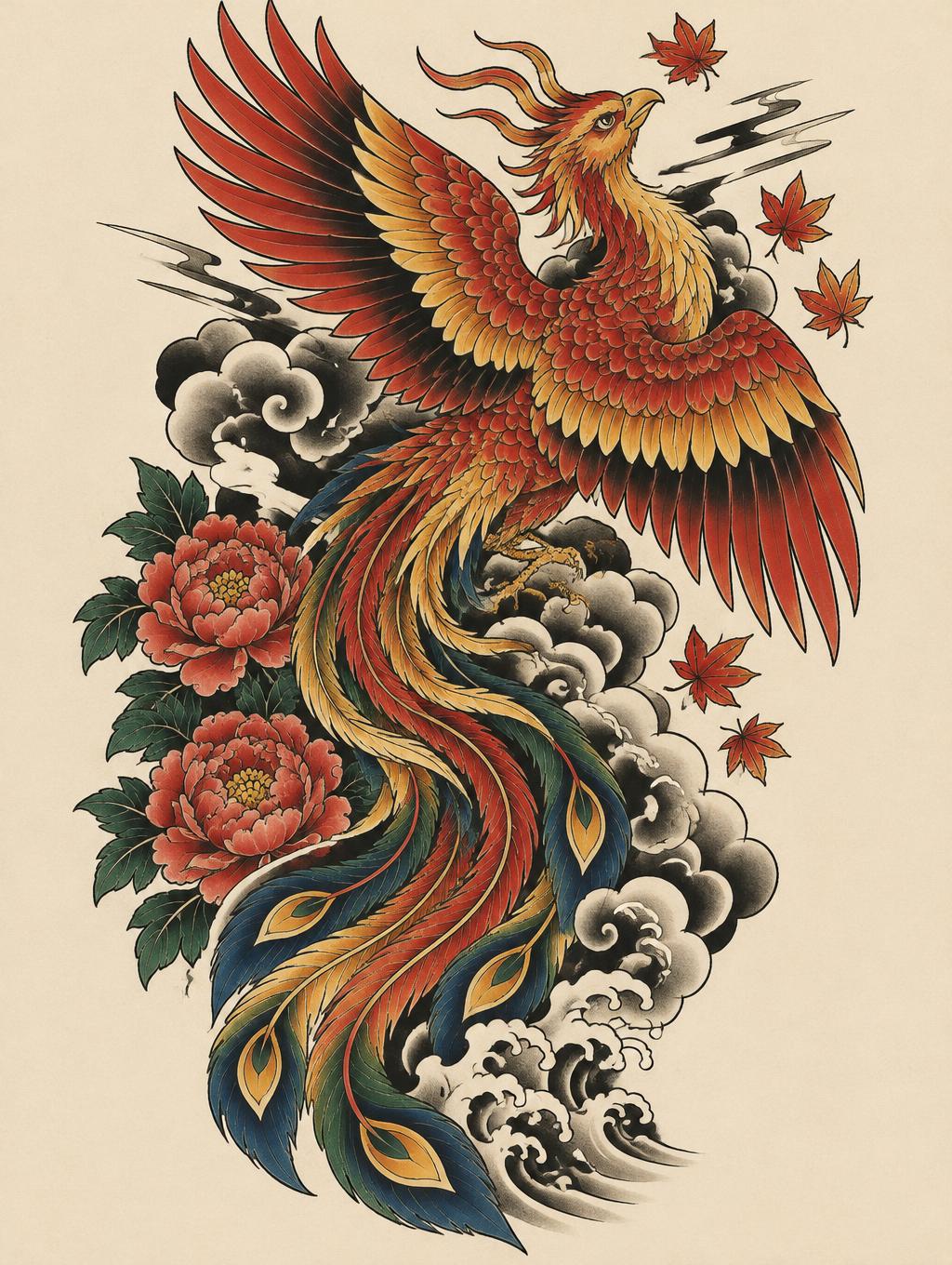
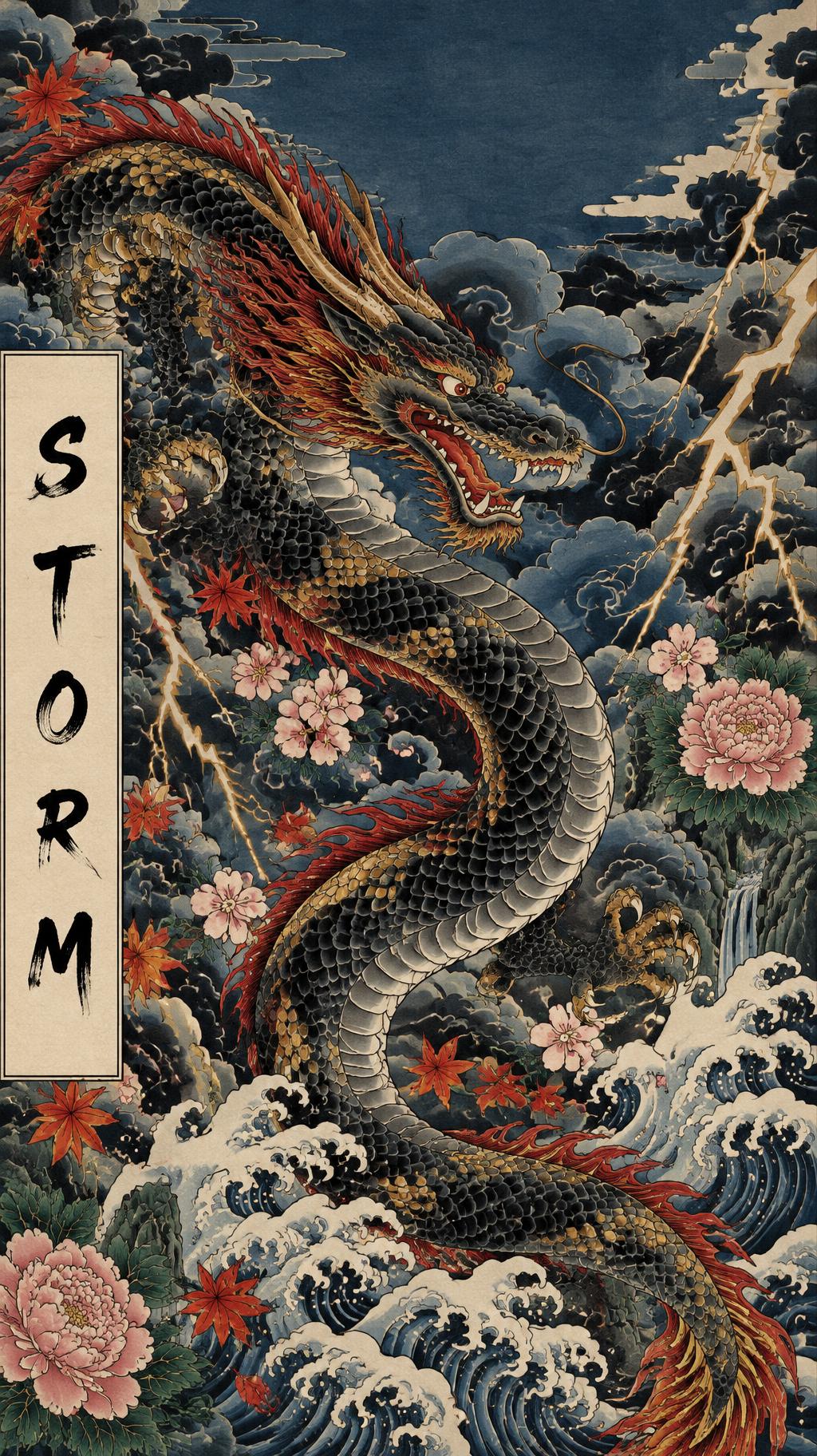
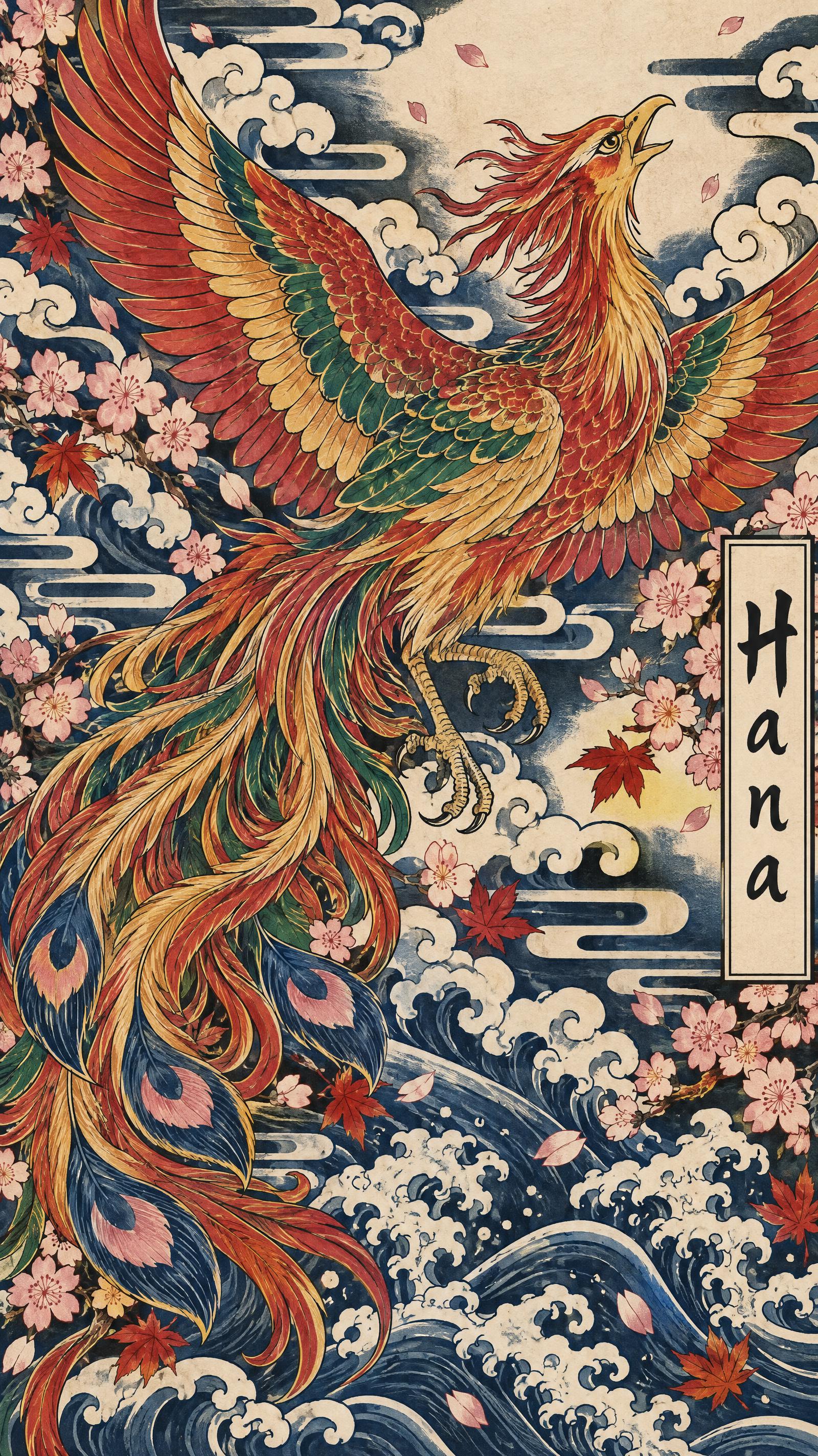
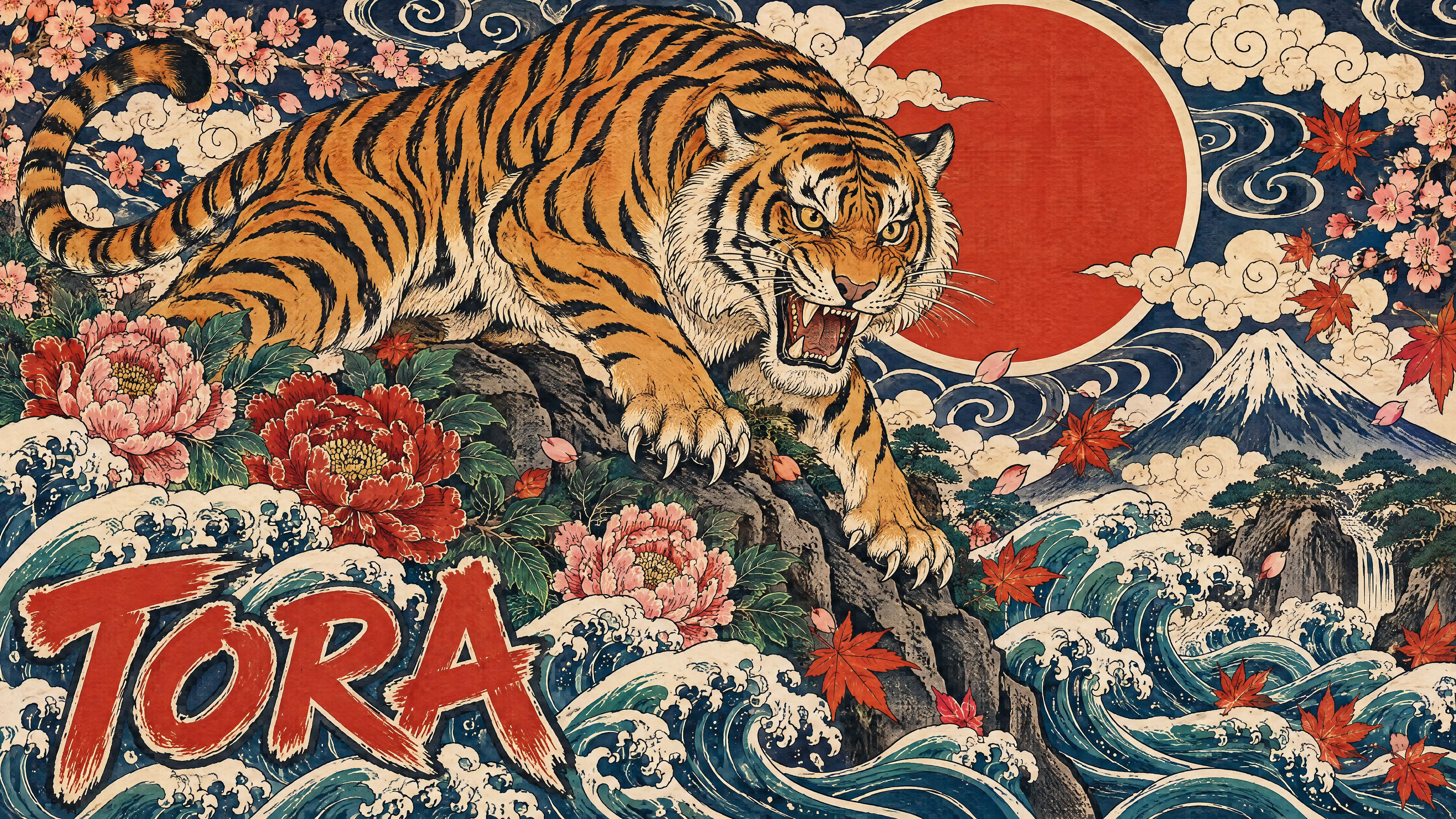
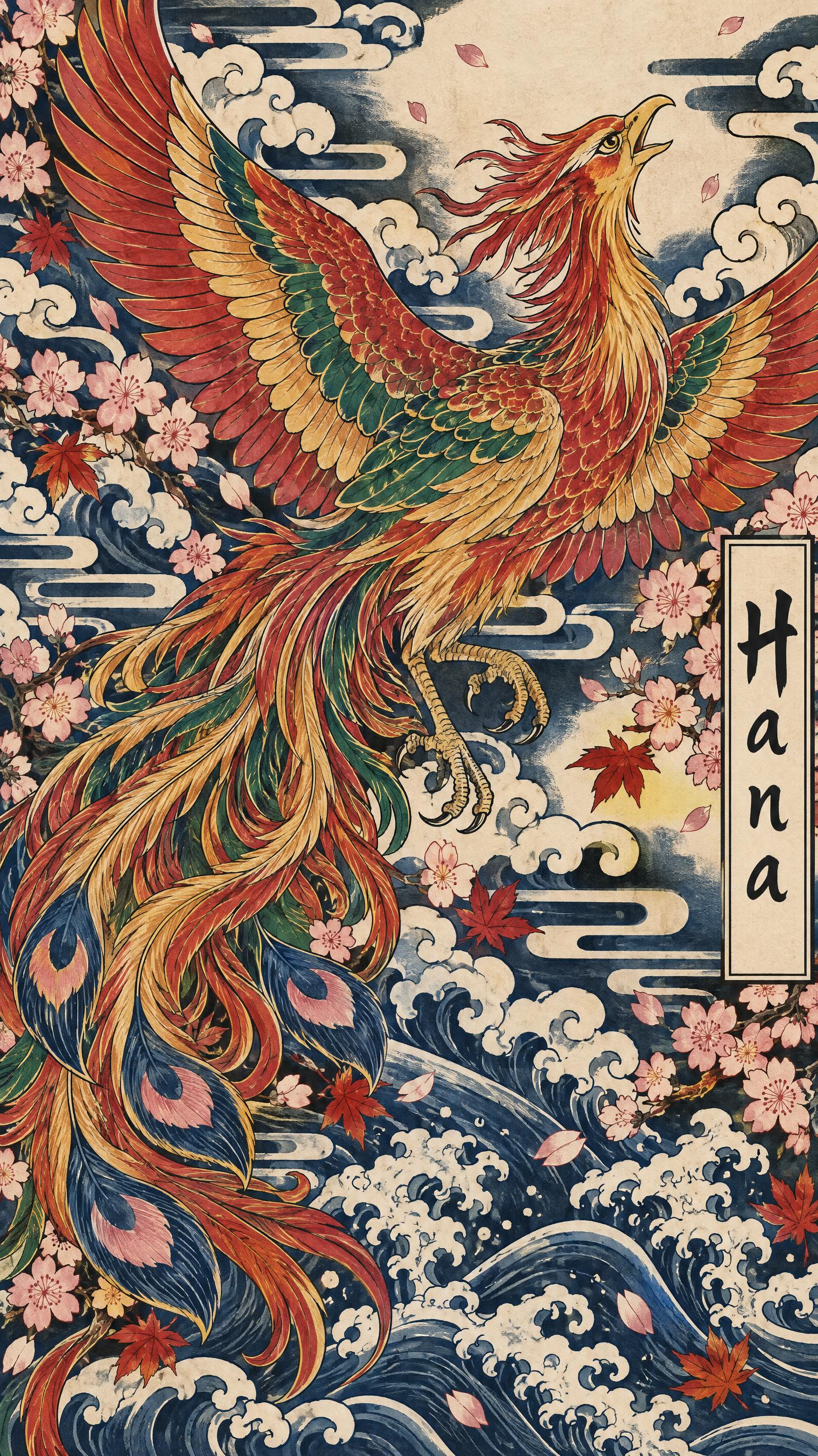
Phone and desktop wallpapers filled edge to edge with waves, clouds and blossoms around a phoenix, tiger or dragon and your name.
AI fonts that fit Irezumi
Every AI font here fits the Irezumi frame. Pick one, or let the generator choose.


Irezumi style designs
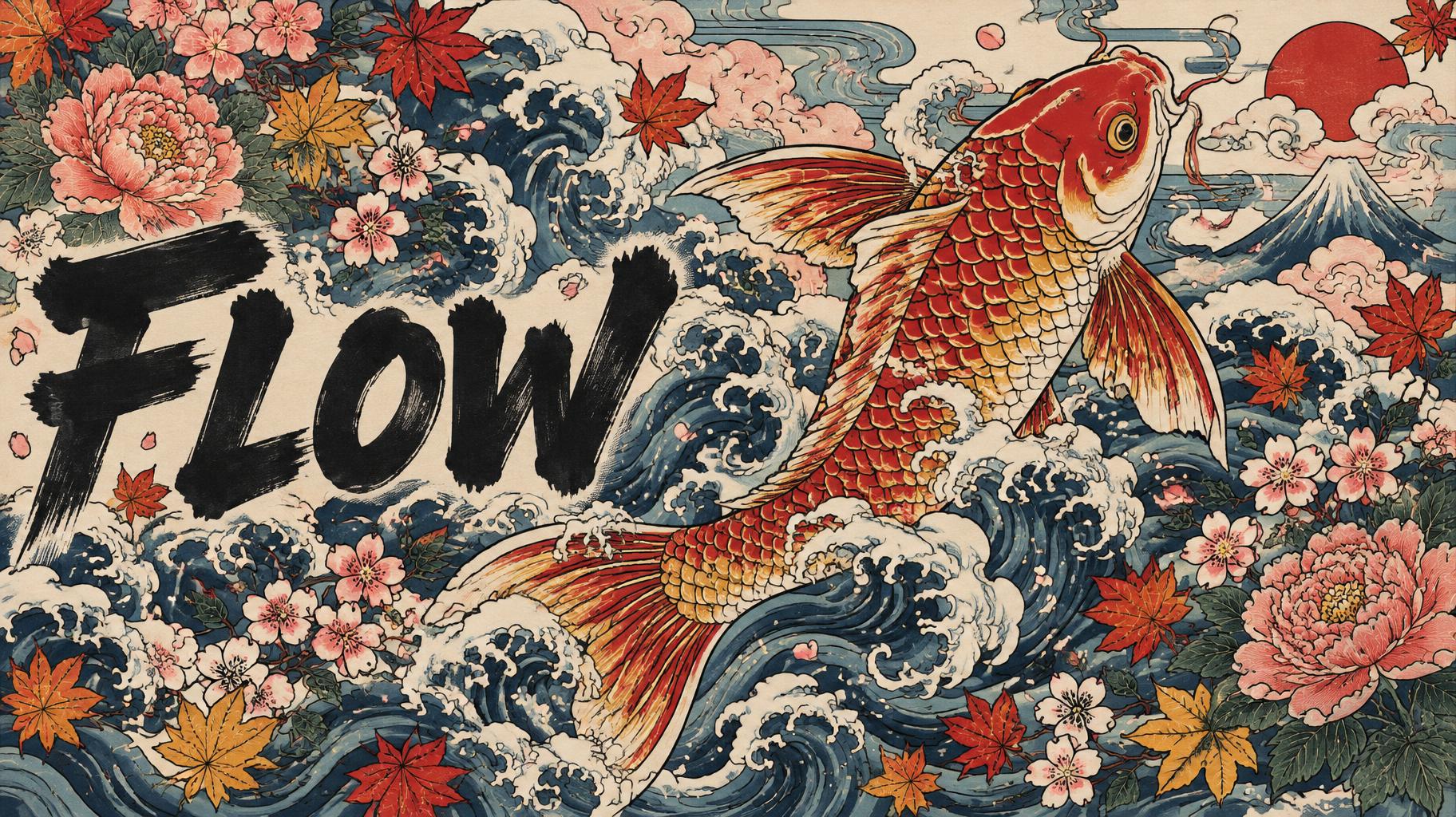
Real designs made on FontVibe. Open any one, or reuse it with your own text.
What you can make with Irezumi
Pages for the things people make in the Irezumi style. Each one has ready-made ideas and the right size.
Similar styles
Other looks that work for the same kinds of designs.





Tags in Irezumi
Every tag used on this page — each opens the designs, fonts and styles that share it.
Questions
The story behind Irezumi
Where the look comes from, the moments that shaped it and the facts behind it, with sources.
Where the irezumi look comes from
Irezumi is the Japanese tattoo tradition. Decorative tattooing in Japan began to develop in the Edo period (1603–1867), and the impetus for irezumi as an art form was the art of woodblock printing.
In 1757 the first Japanese edition of the Chinese novel Suikoden was released, illustrated with lavish woodblock prints of rebel heroes. In 1827 Utagawa Kuniyoshi began his series of the 108 heroes of the Suikoden, drawing tattoos on his heroes, a novelty that soon influenced Edo fashion.
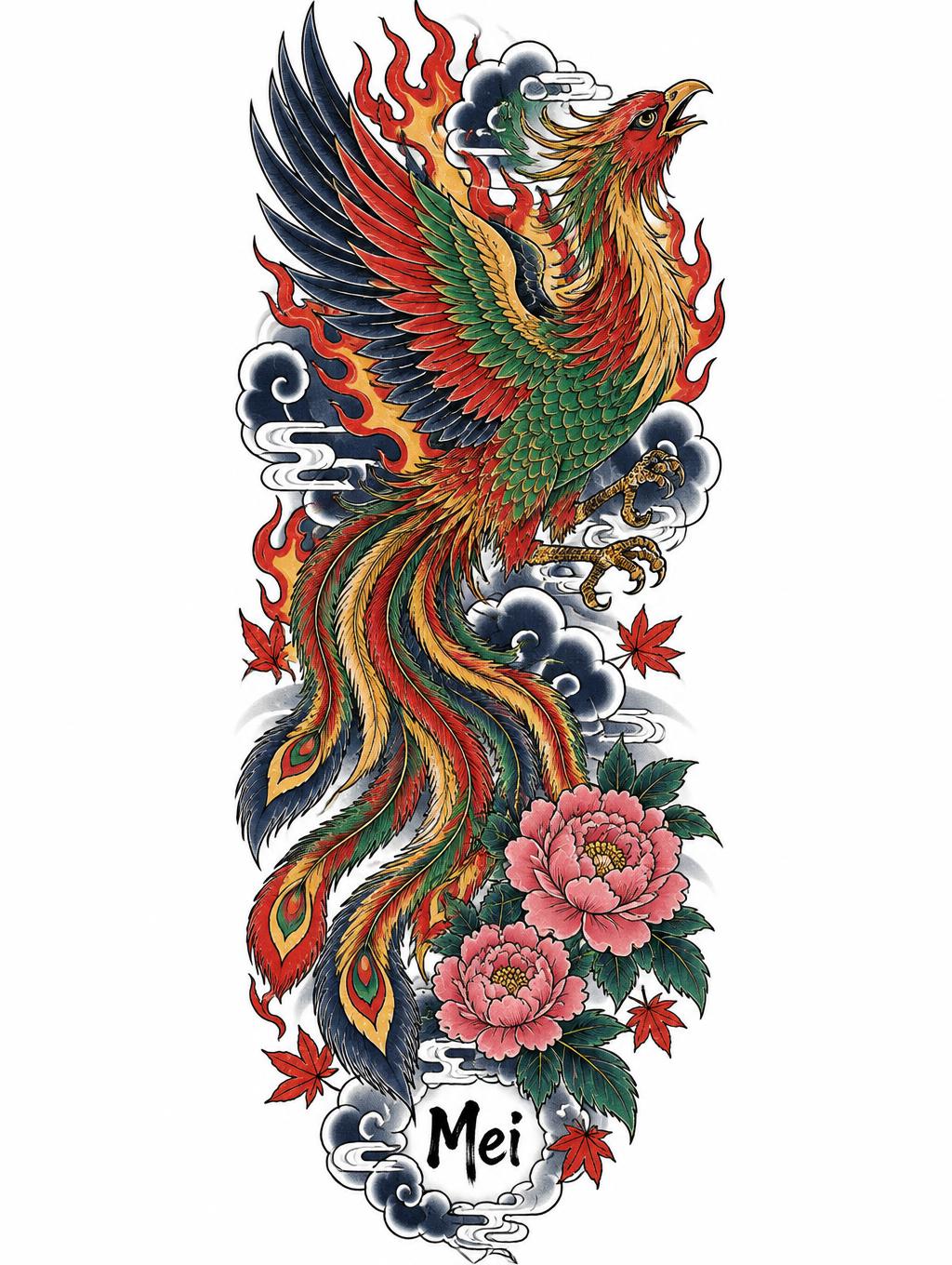
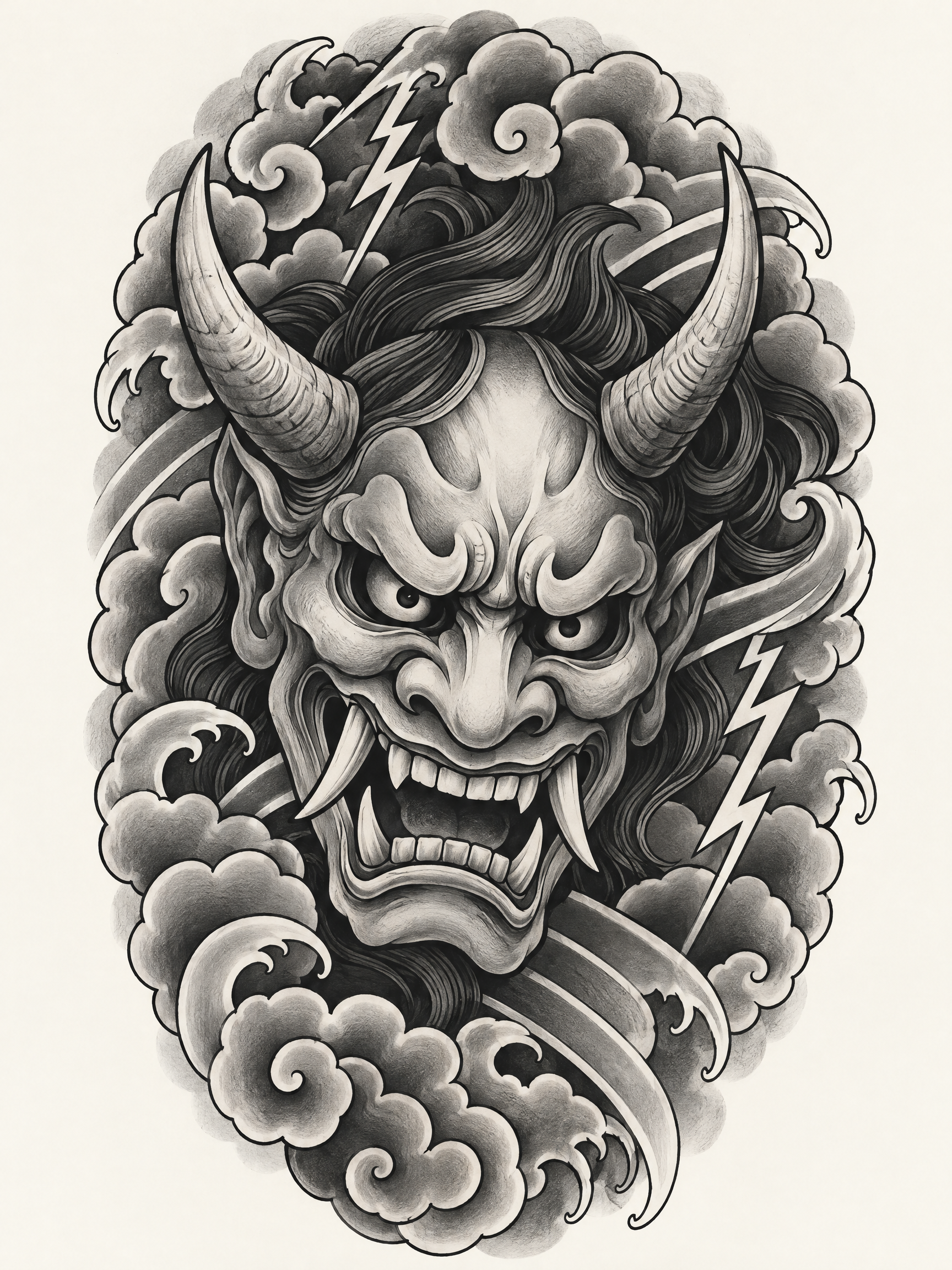
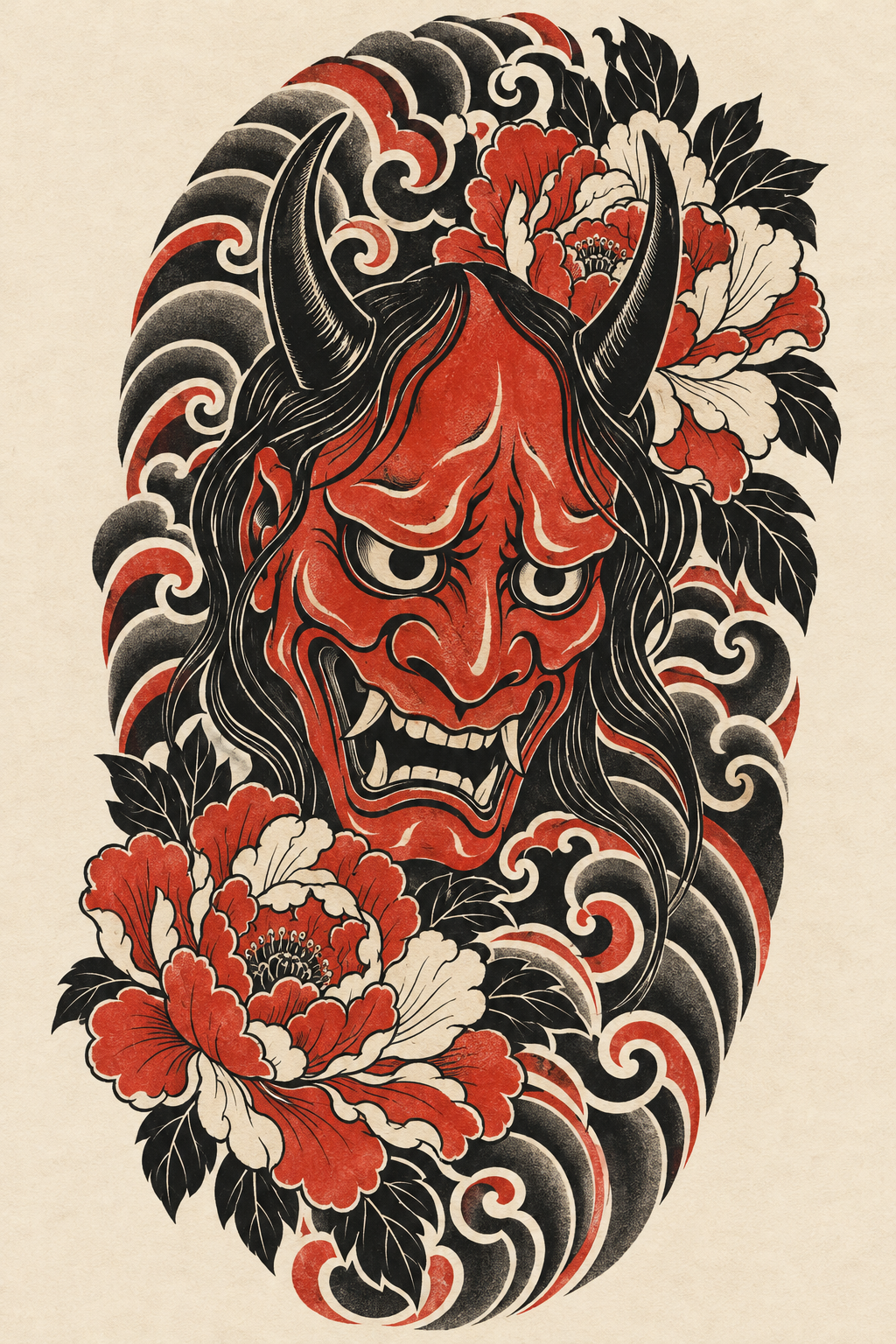
Traditional irezumi combines Buddhist deities, folklore characters and Noh masks such as hannya with backgrounds of clouds, waves and wind bars. This page draws that general look, bold outlines, mythic motifs, waves and traditional pigments, around your words.
Sources: Wikipedia — Irezumi · Wikipedia — Utagawa Kuniyoshi · Wikipedia — The Great Wave off Kanagawa
Moments that shaped irezumi
Did you know?
Traditional irezumi used a unique ink known as Nara ink or Nara black, which turns blue-green under the skin. Source ↗
A full traditional bodysuit can take up to five years of weekly visits and cost more than US$30,000. Source ↗
A munewari bodysuit leaves an open space down the middle of the chest. Source ↗
About 1,000 copies of The Great Wave off Kanagawa were initially printed, and around 8,000 were eventually printed. Source ↗
Irezumi in typography
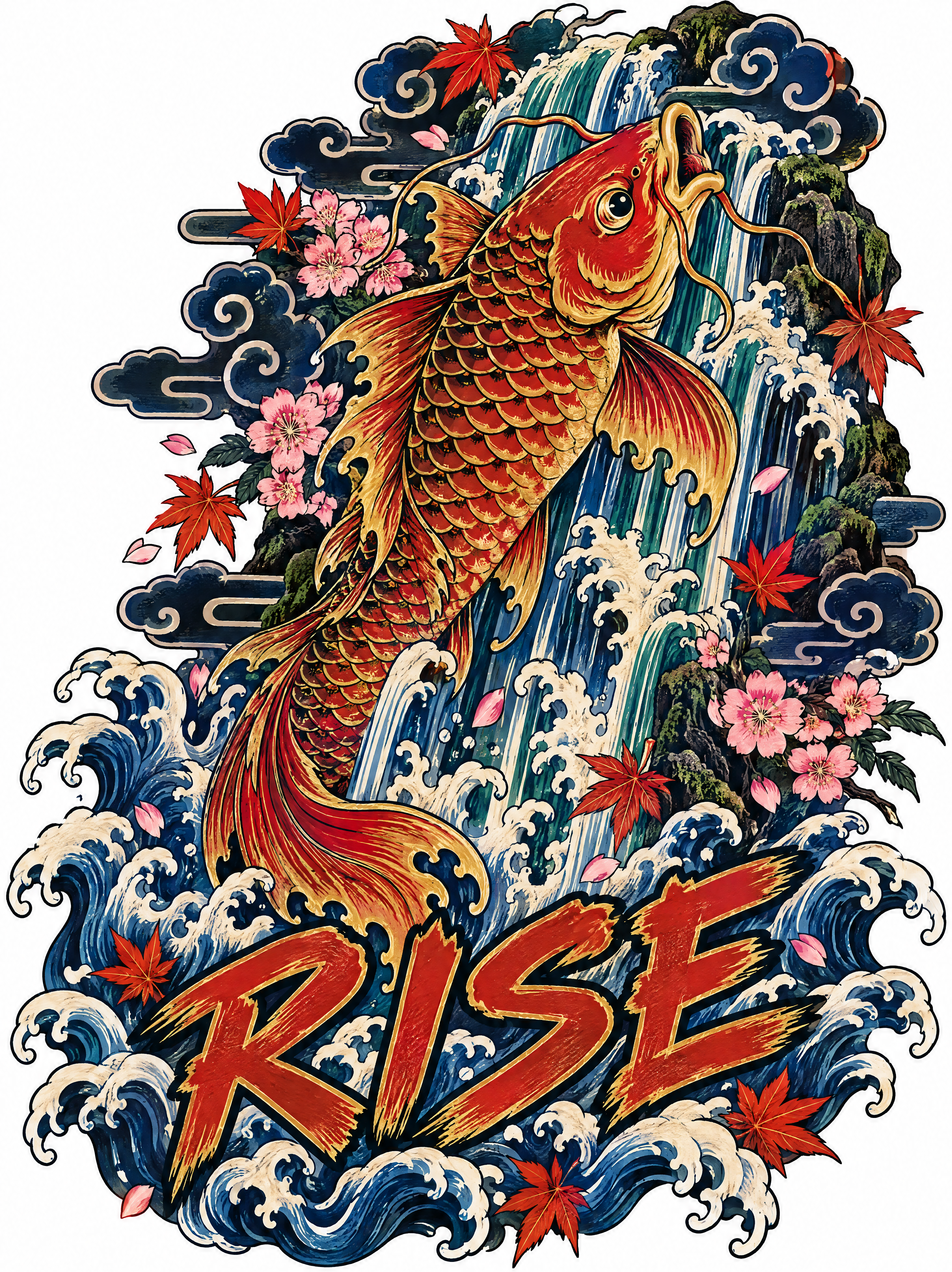
Words in irezumi art are few and set inside the composition: a single word such as RYU or RISE, a name, or a short motto placed in an open patch of sky between the clouds and waves. Japanese prints often add a small vermilion seal in a corner, and the same idea works for a name.
Brush lettering suits the style best, upright and heavy enough to hold its own against a dense background; vertical setting down one side works well on tall prints and phone wallpapers.
Where you’ll see it
- ✦Back-piece and sleeve tattoo designs
- ✦Framed Japanese art prints
- ✦Phone and desktop wallpapers
- ✦Streetwear back prints and shop shirts
- ✦Izakaya, ramen and festival posters
- ✦Laptop and skateboard stickers
The irezumi aesthetic: mythic motifs, waves and wind bars, traditional pigments and washi paper
Every irezumi piece here is built from the same four parts. The style draws the motifs, background, colour and paper around your words; the letters come from the AI font you pick.
Irezumi art prints, wallpapers, tees, posters, stickers and tattoo designs
Every format here puts your words into Japanese irezumi art. Pick a format to see designs made in it, or describe your own.
Irezumi Art Prints
Framed Japanese art prints with a dragon, koi or tiger sweeping through waves and clouds and your word worked into the composition.
Irezumi Posters
Festival, izakaya and event posters with the details set among dragons, tigers, waves and maple leaves.
Irezumi Stickers
Die-cut stickers of hannya masks, koi and dragons with a curl of wave and a short name or word.
Irezumi T-Shirts
Tee back prints and shop shirts with a koi, oni mask or dragon, wind bars and peonies, and your word or shop name.
Irezumi Tattoo Designs
Single irezumi designs on white, like a snake and peony or a koi in waves, with your word, to show your tattoo artist.
Irezumi Wallpapers
Phone and desktop wallpapers filled edge to edge with waves, clouds and blossoms around a phoenix, tiger or dragon and your name.
AI fonts that fit Irezumi
Every AI font here fits the Irezumi frame. Pick one, or let the generator choose.
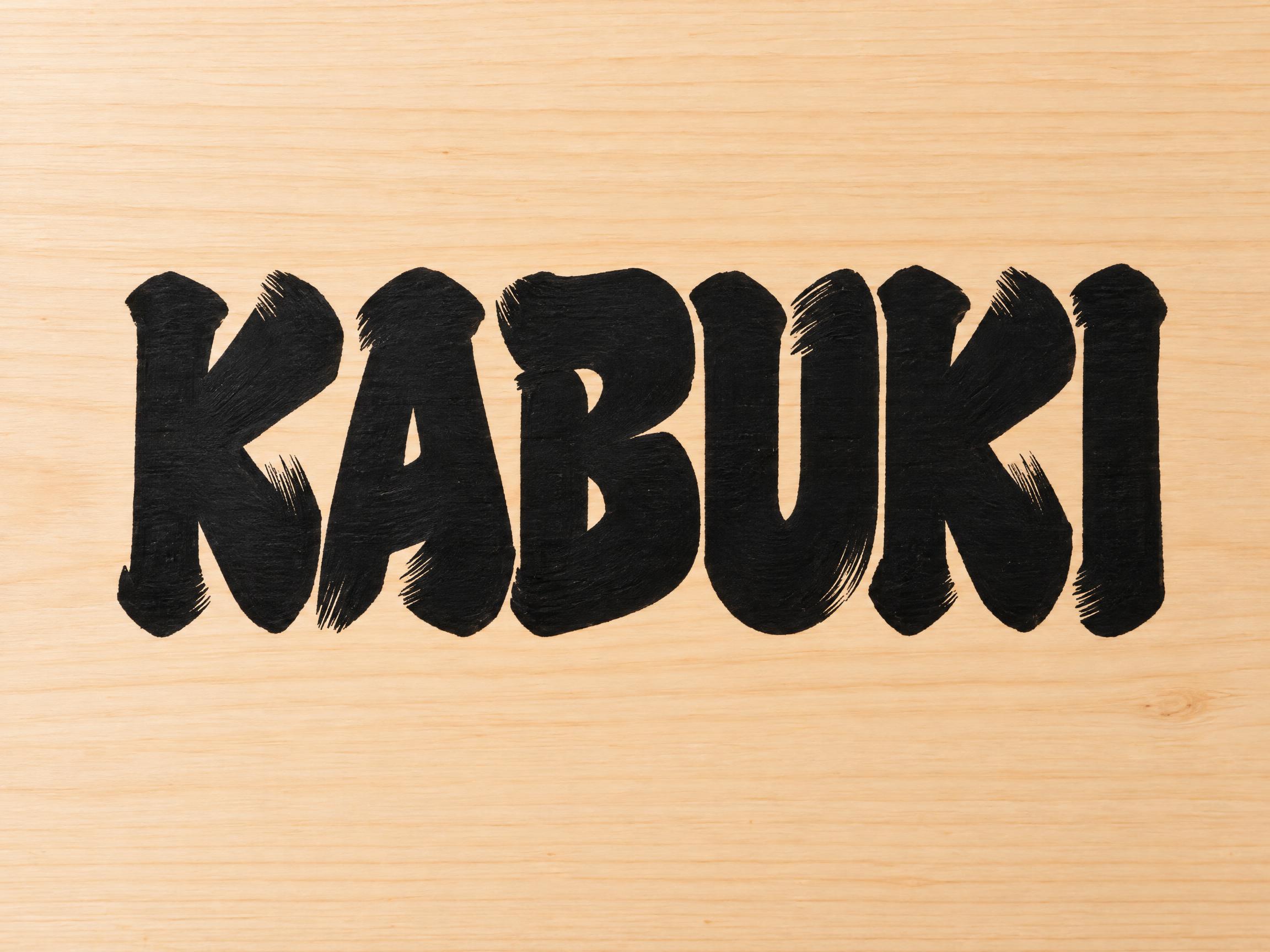


Irezumi style designs
Real designs made on FontVibe. Open any one, or reuse it with your own text.
What you can make with Irezumi
Pages for the things people make in the Irezumi style. Each one has ready-made ideas and the right size.
Similar styles
Other looks that work for the same kinds of designs.
Tags in Irezumi
Every tag used on this page — each opens the designs, fonts and styles that share it.
Questions
The story behind Irezumi
Where the look comes from, the moments that shaped it and the facts behind it, with sources.
Where the irezumi look comes from
Irezumi is the Japanese tattoo tradition. Decorative tattooing in Japan began to develop in the Edo period (1603–1867), and the impetus for irezumi as an art form was the art of woodblock printing.
In 1757 the first Japanese edition of the Chinese novel Suikoden was released, illustrated with lavish woodblock prints of rebel heroes. In 1827 Utagawa Kuniyoshi began his series of the 108 heroes of the Suikoden, drawing tattoos on his heroes, a novelty that soon influenced Edo fashion.
Traditional irezumi combines Buddhist deities, folklore characters and Noh masks such as hannya with backgrounds of clouds, waves and wind bars. This page draws that general look, bold outlines, mythic motifs, waves and traditional pigments, around your words.
Sources: Wikipedia — Irezumi · Wikipedia — Utagawa Kuniyoshi · Wikipedia — The Great Wave off Kanagawa
Moments that shaped irezumi
Did you know?
Traditional irezumi used a unique ink known as Nara ink or Nara black, which turns blue-green under the skin. Source ↗
A full traditional bodysuit can take up to five years of weekly visits and cost more than US$30,000. Source ↗
A munewari bodysuit leaves an open space down the middle of the chest. Source ↗
About 1,000 copies of The Great Wave off Kanagawa were initially printed, and around 8,000 were eventually printed. Source ↗
Irezumi in typography
Words in irezumi art are few and set inside the composition: a single word such as RYU or RISE, a name, or a short motto placed in an open patch of sky between the clouds and waves. Japanese prints often add a small vermilion seal in a corner, and the same idea works for a name.
Brush lettering suits the style best, upright and heavy enough to hold its own against a dense background; vertical setting down one side works well on tall prints and phone wallpapers.
Where you’ll see it
- ✦Back-piece and sleeve tattoo designs
- ✦Framed Japanese art prints
- ✦Phone and desktop wallpapers
- ✦Streetwear back prints and shop shirts
- ✦Izakaya, ramen and festival posters
- ✦Laptop and skateboard stickers