


AI Superhero Text Effect Generator
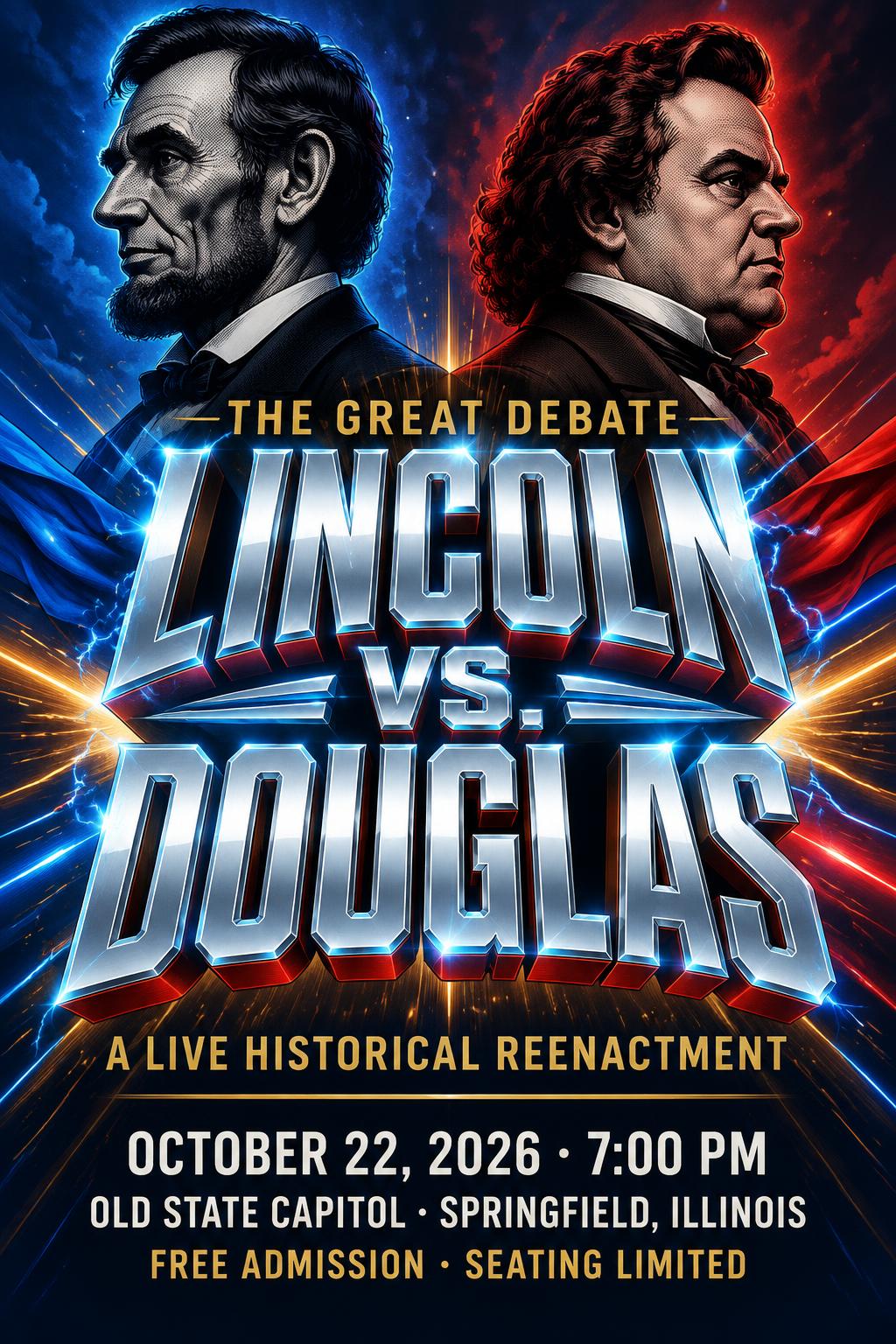
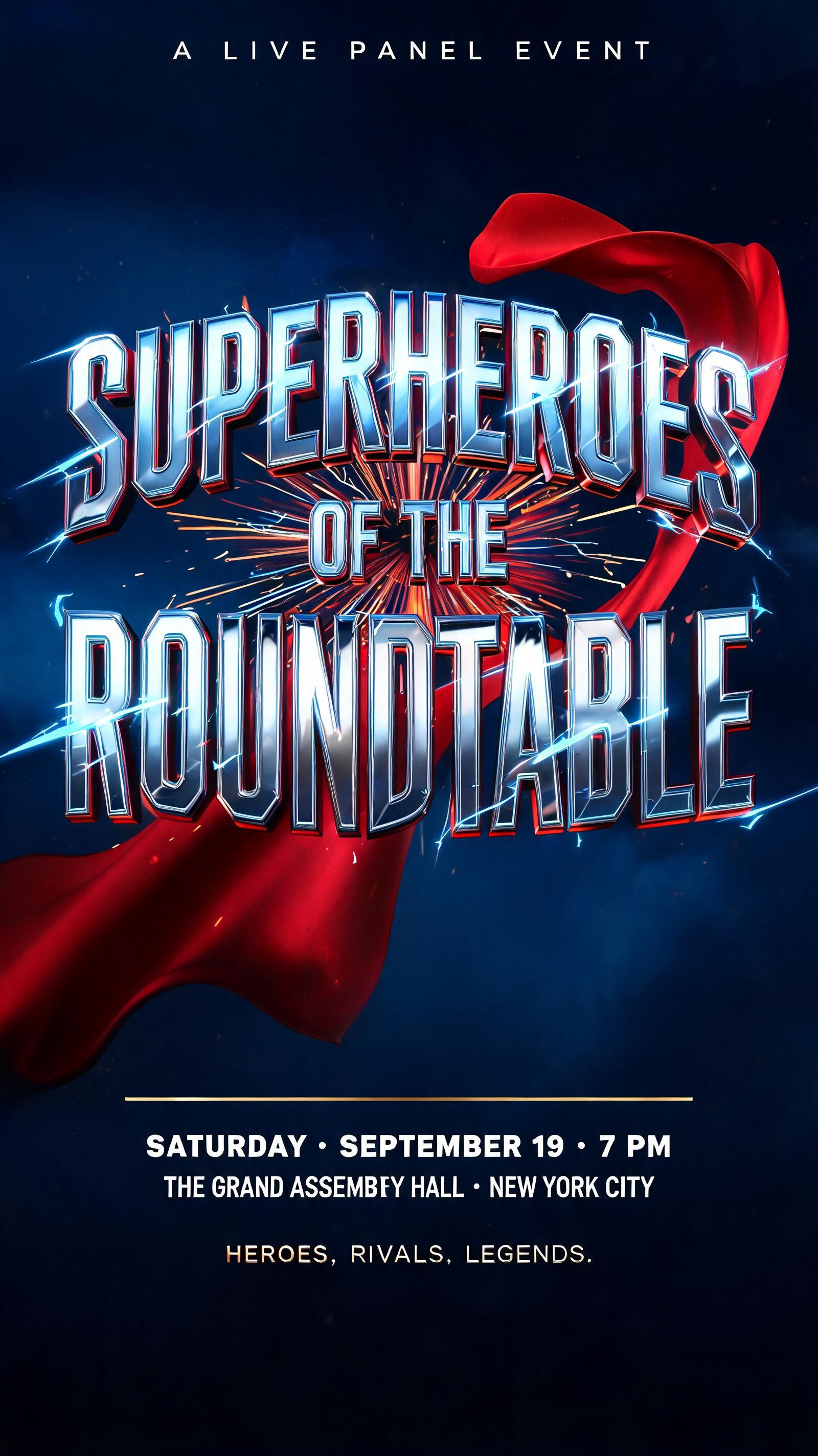
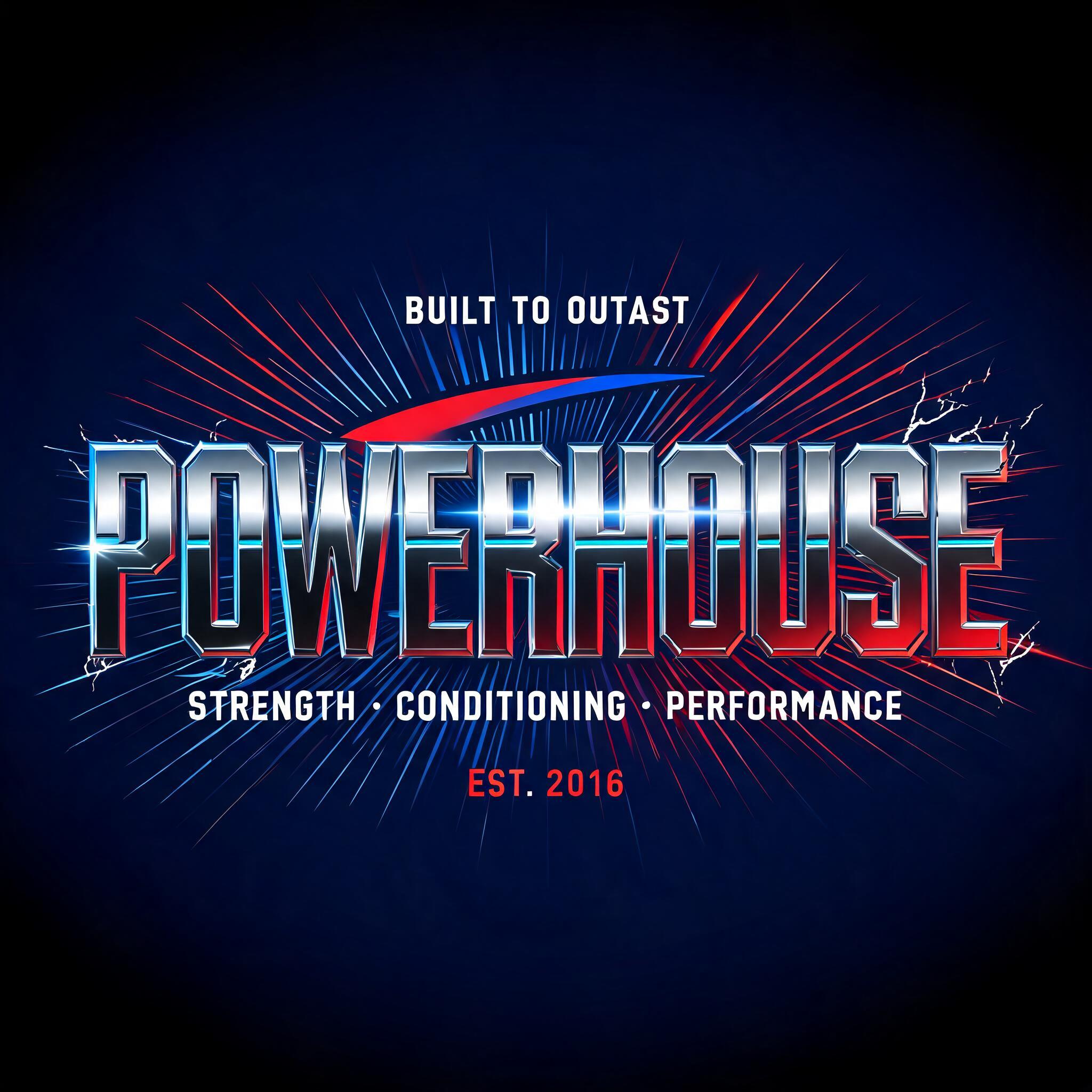
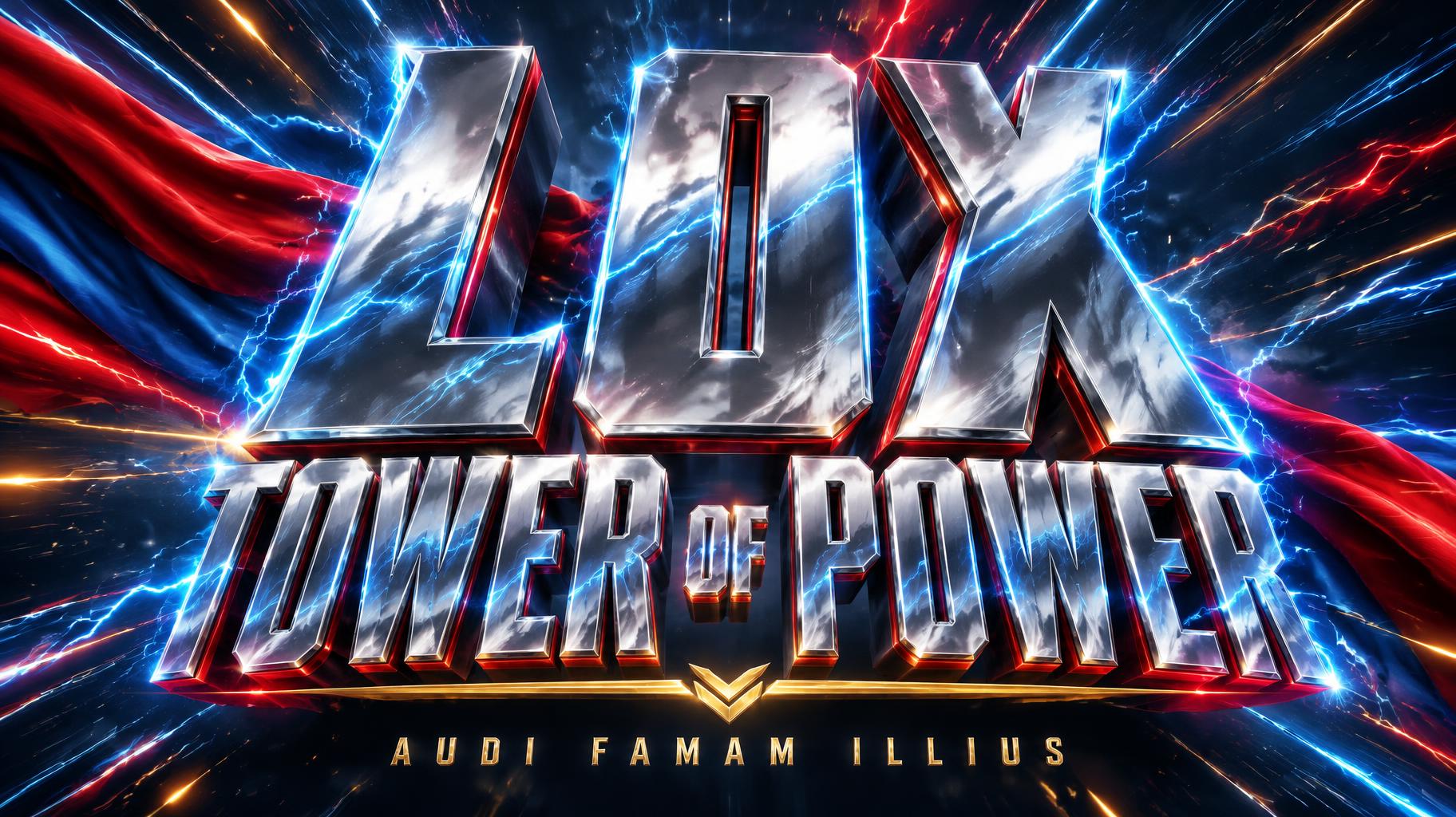
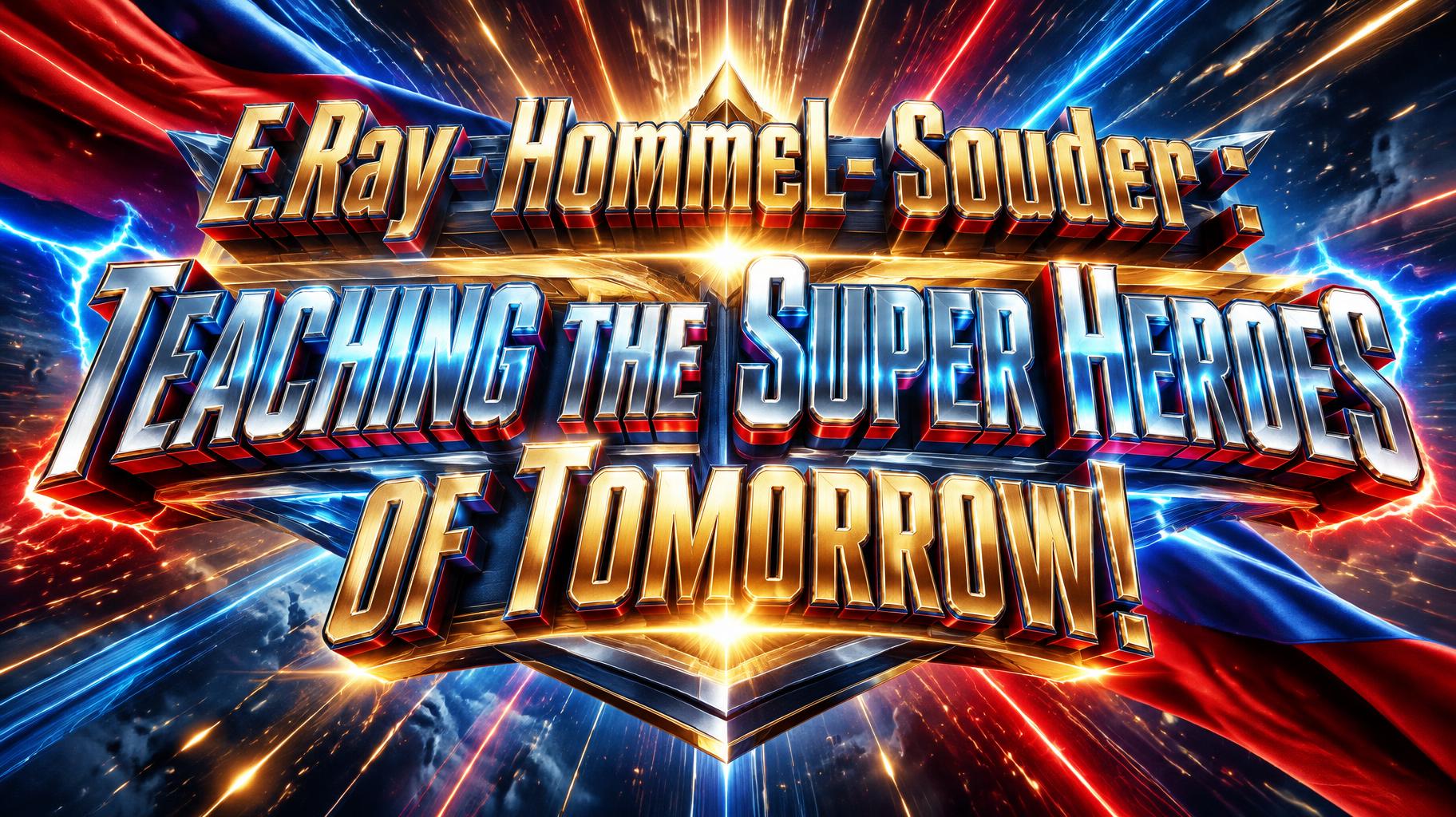
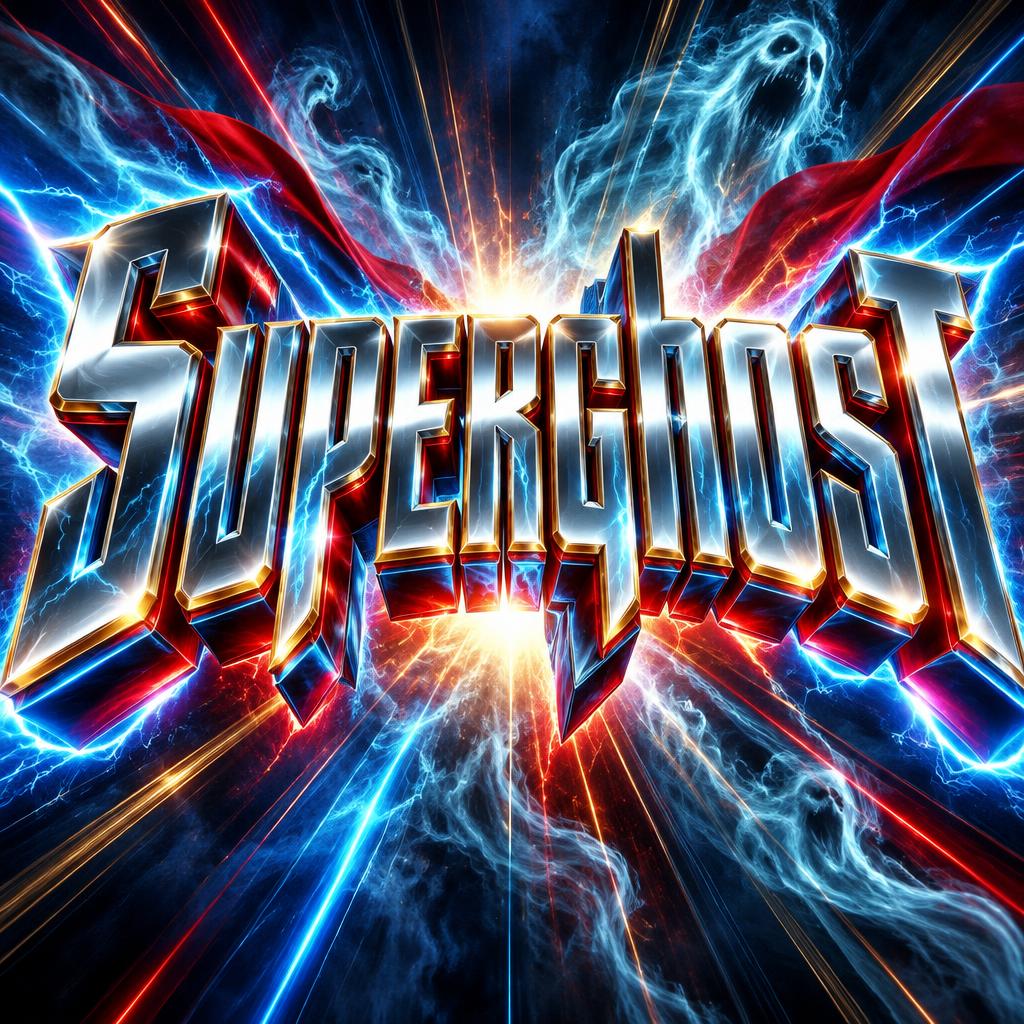
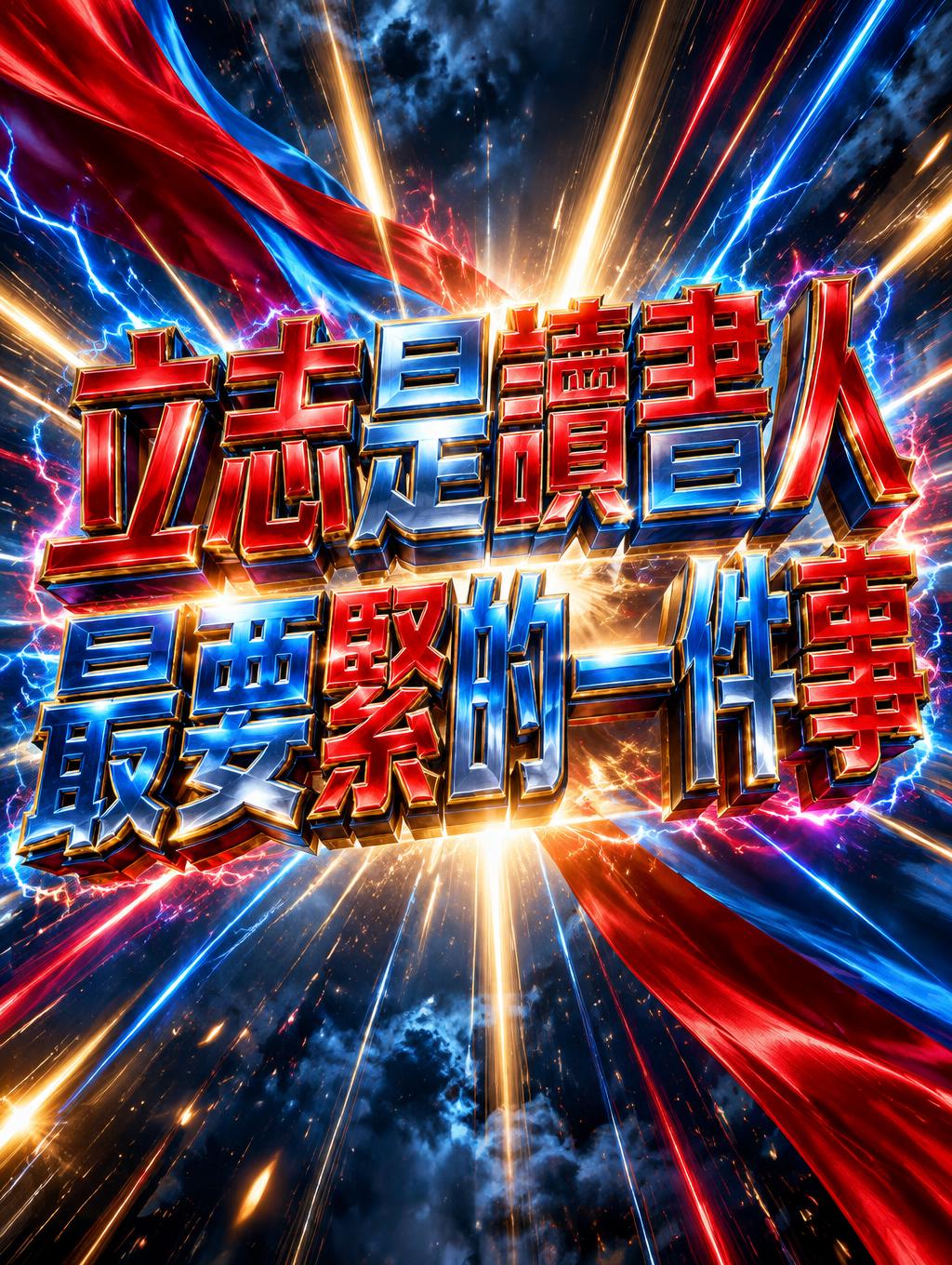
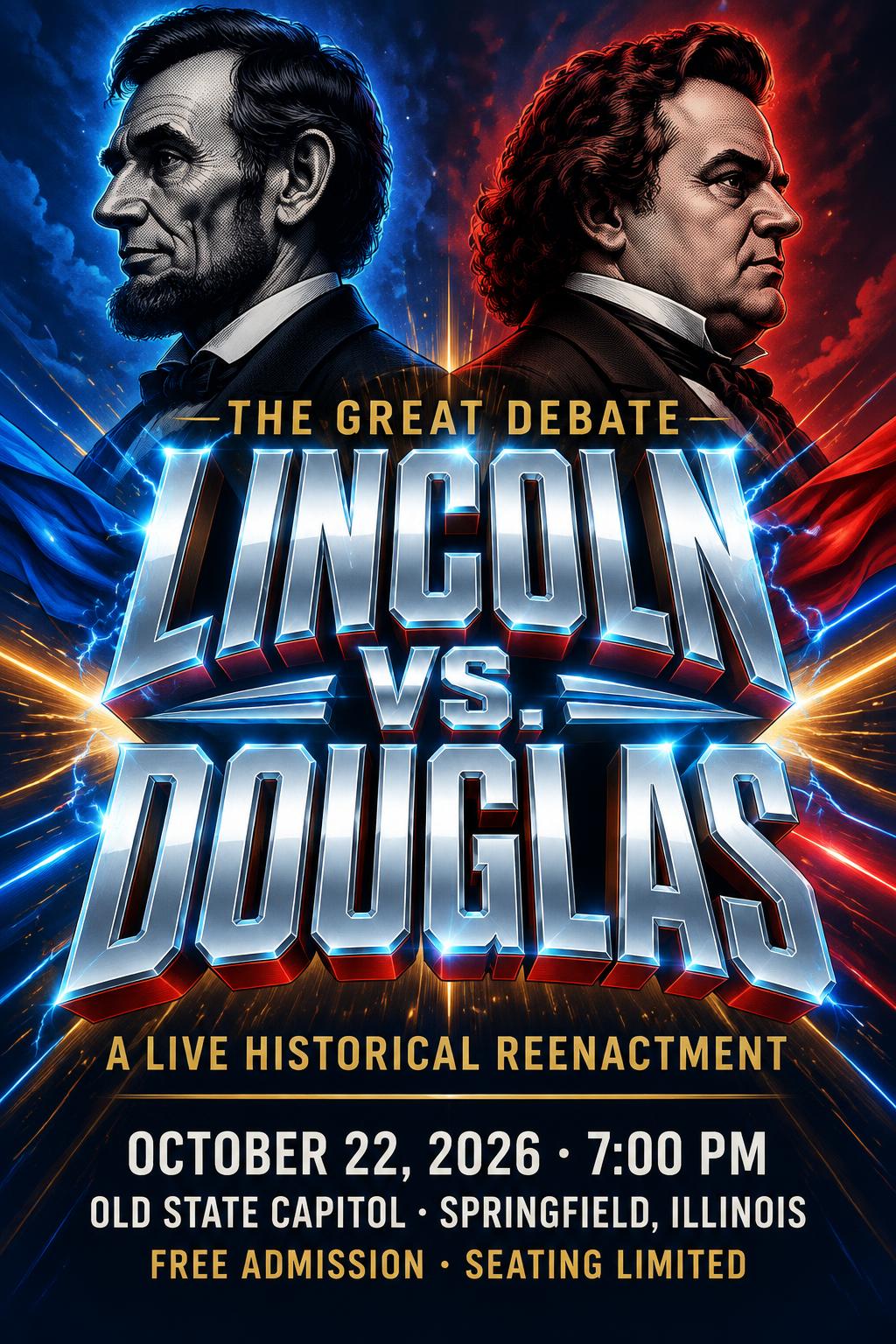
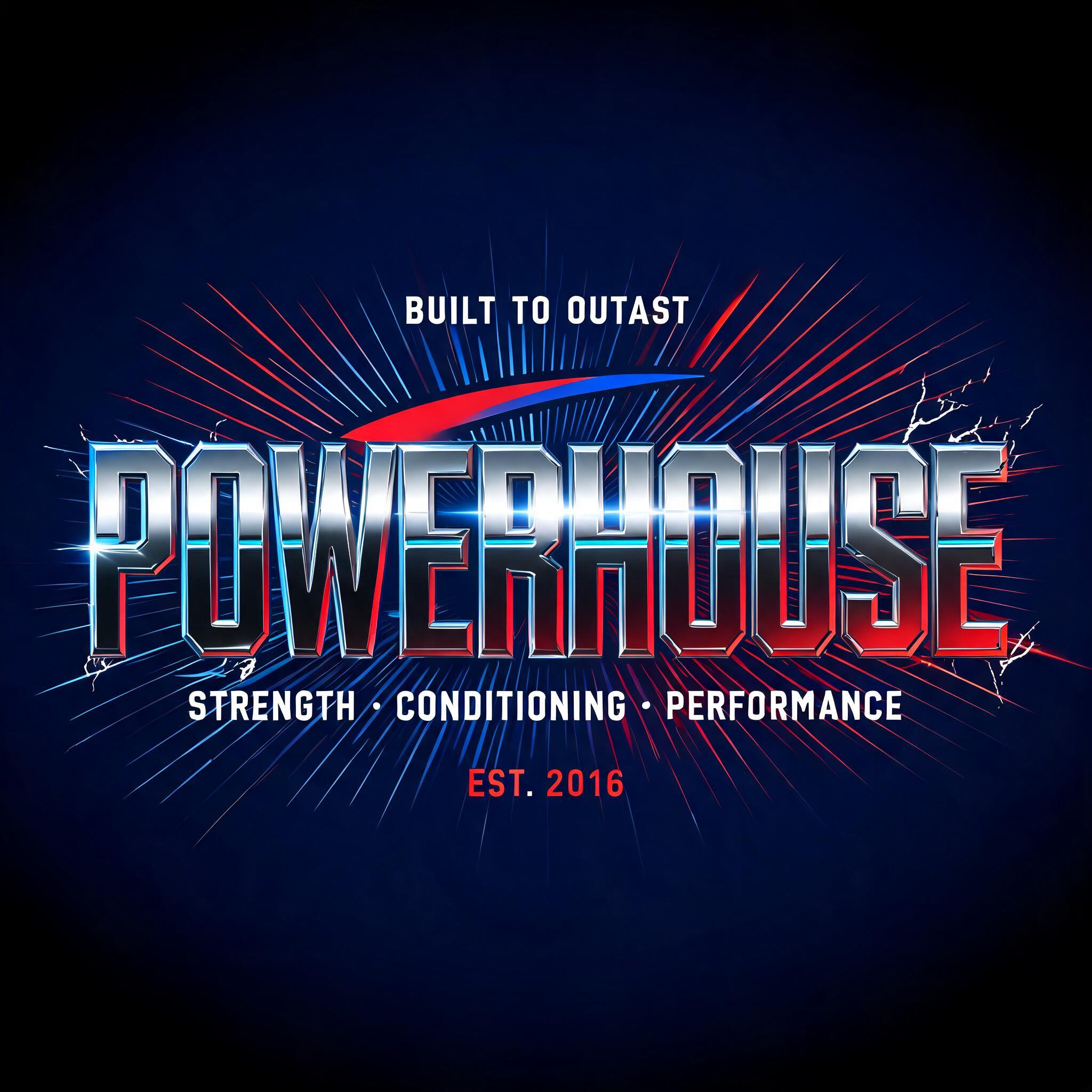
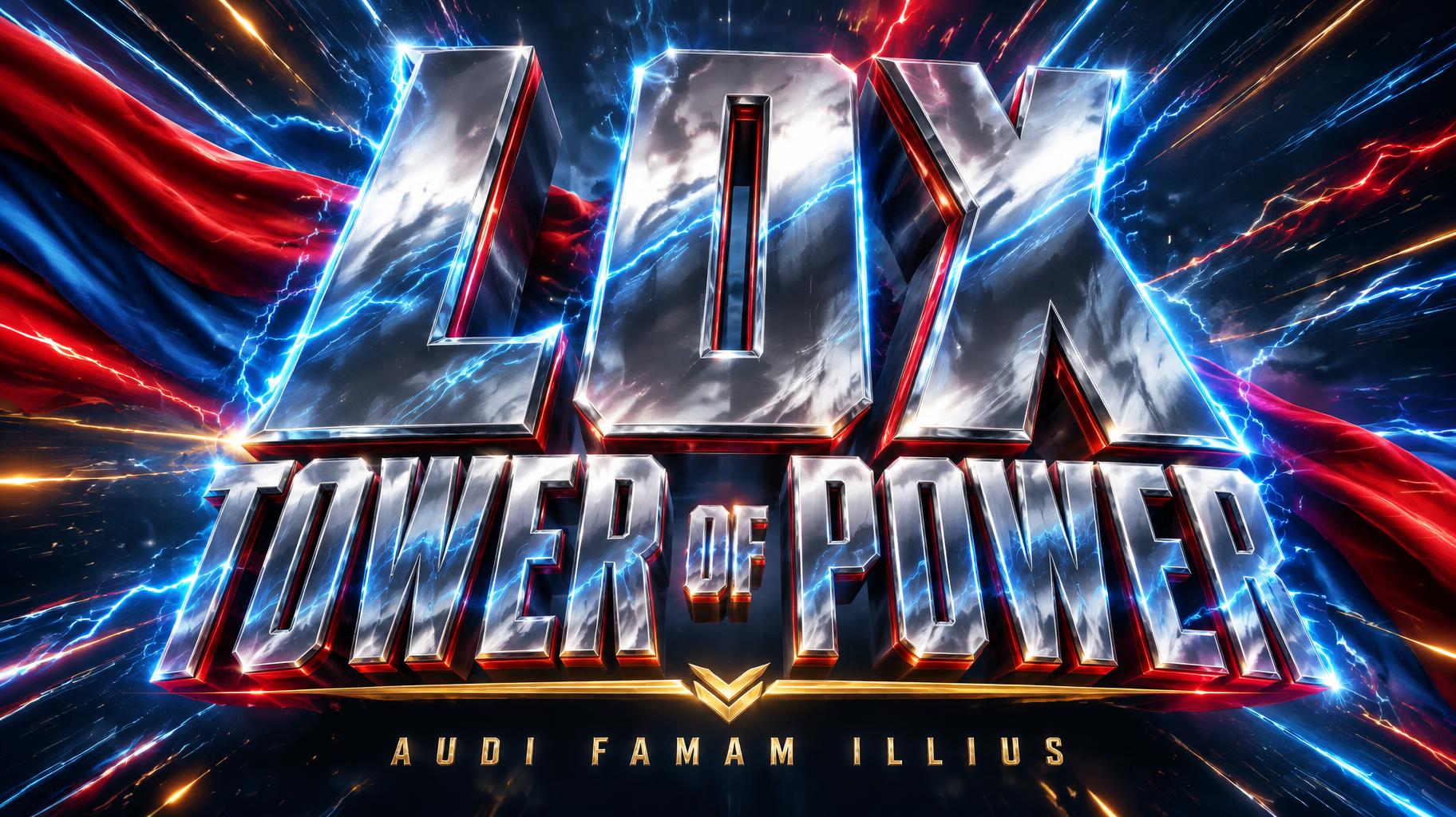
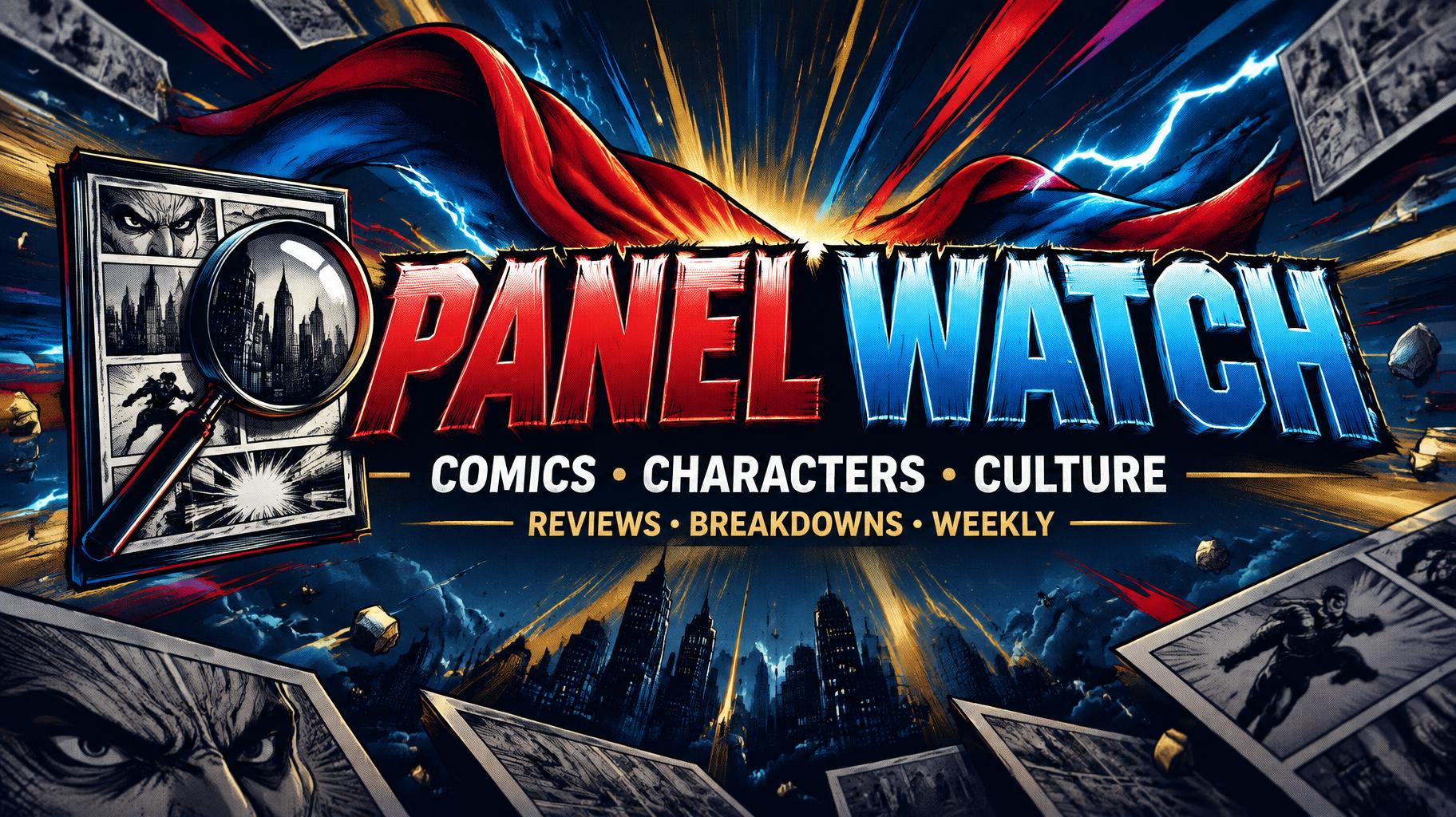
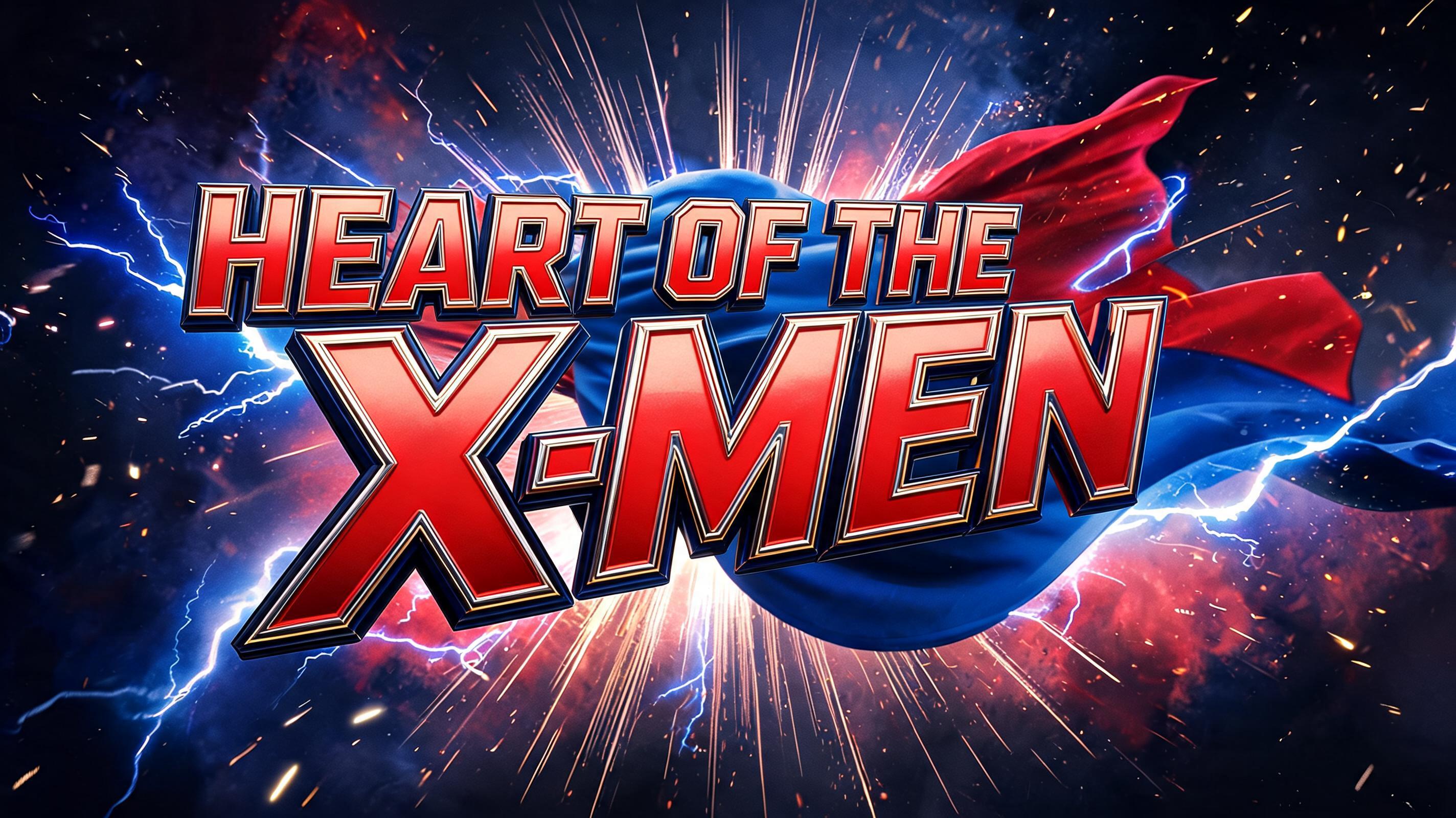
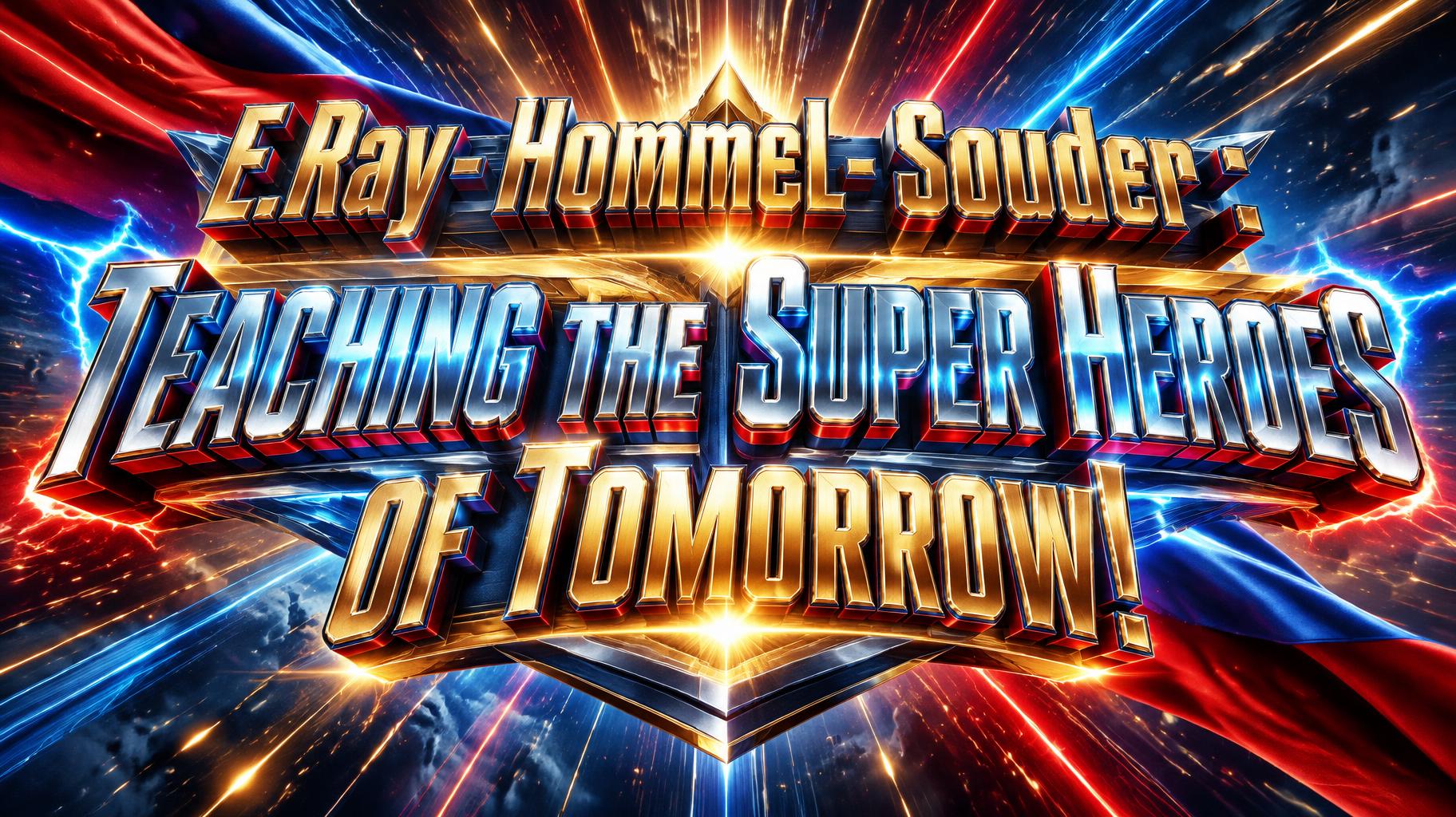
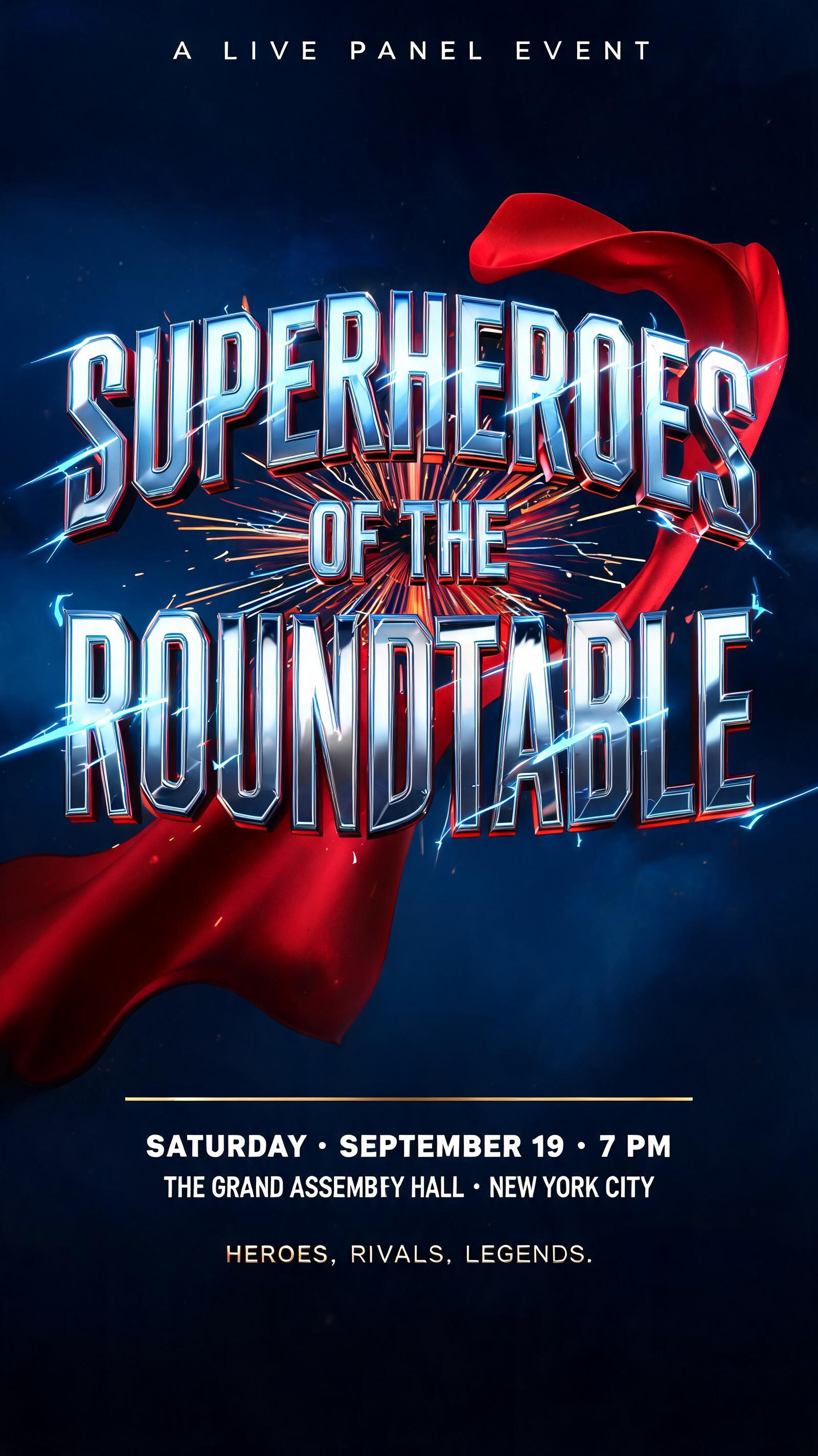
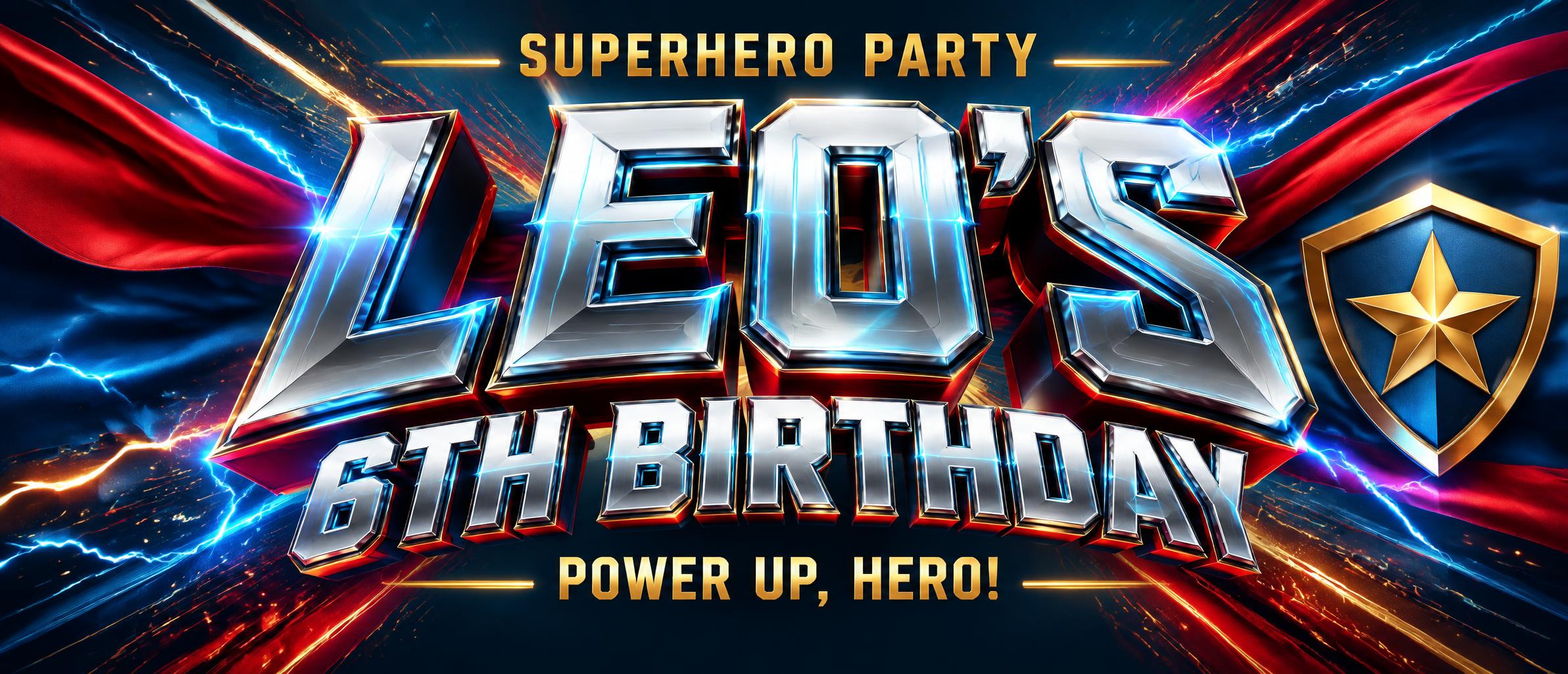
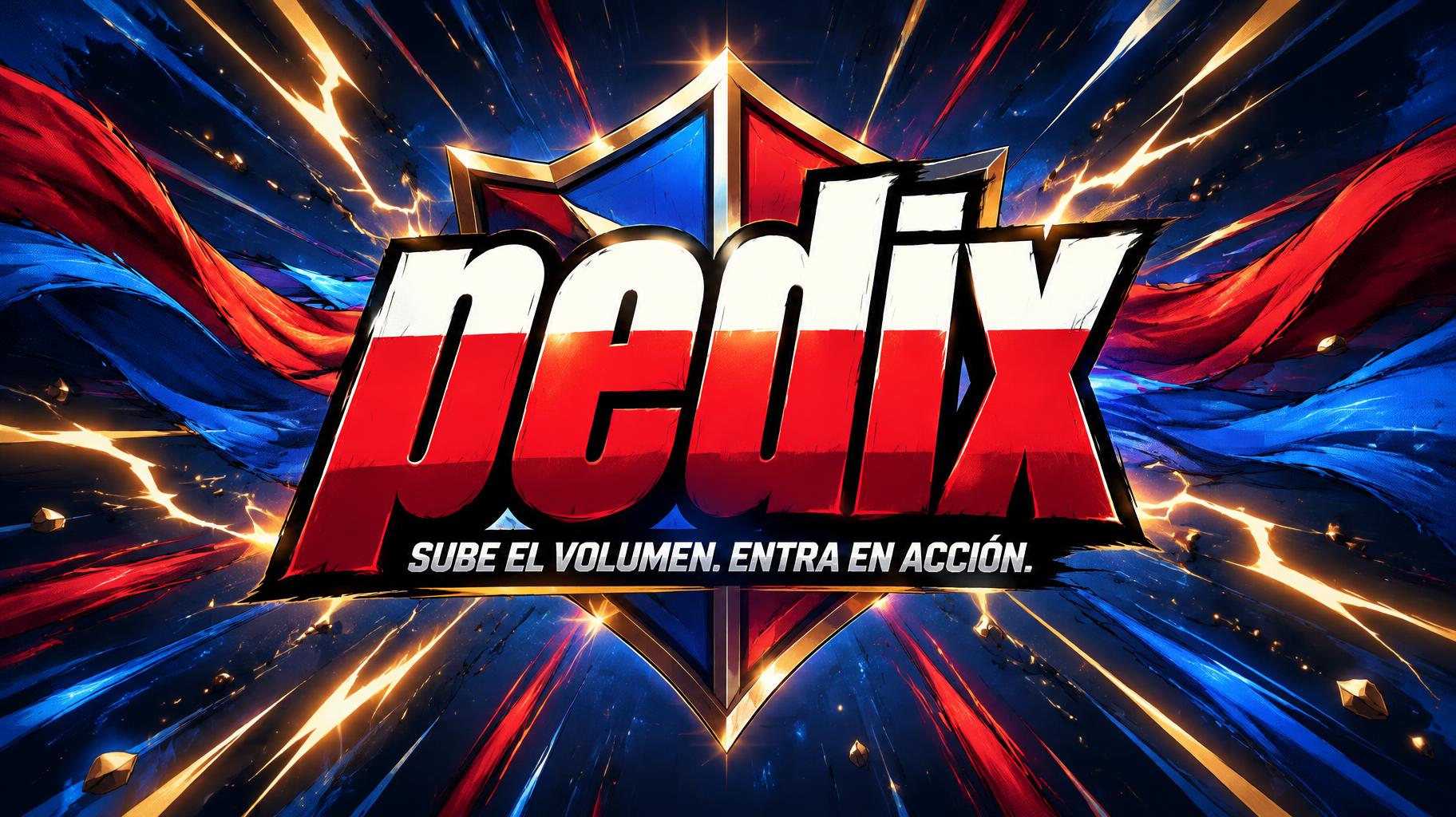
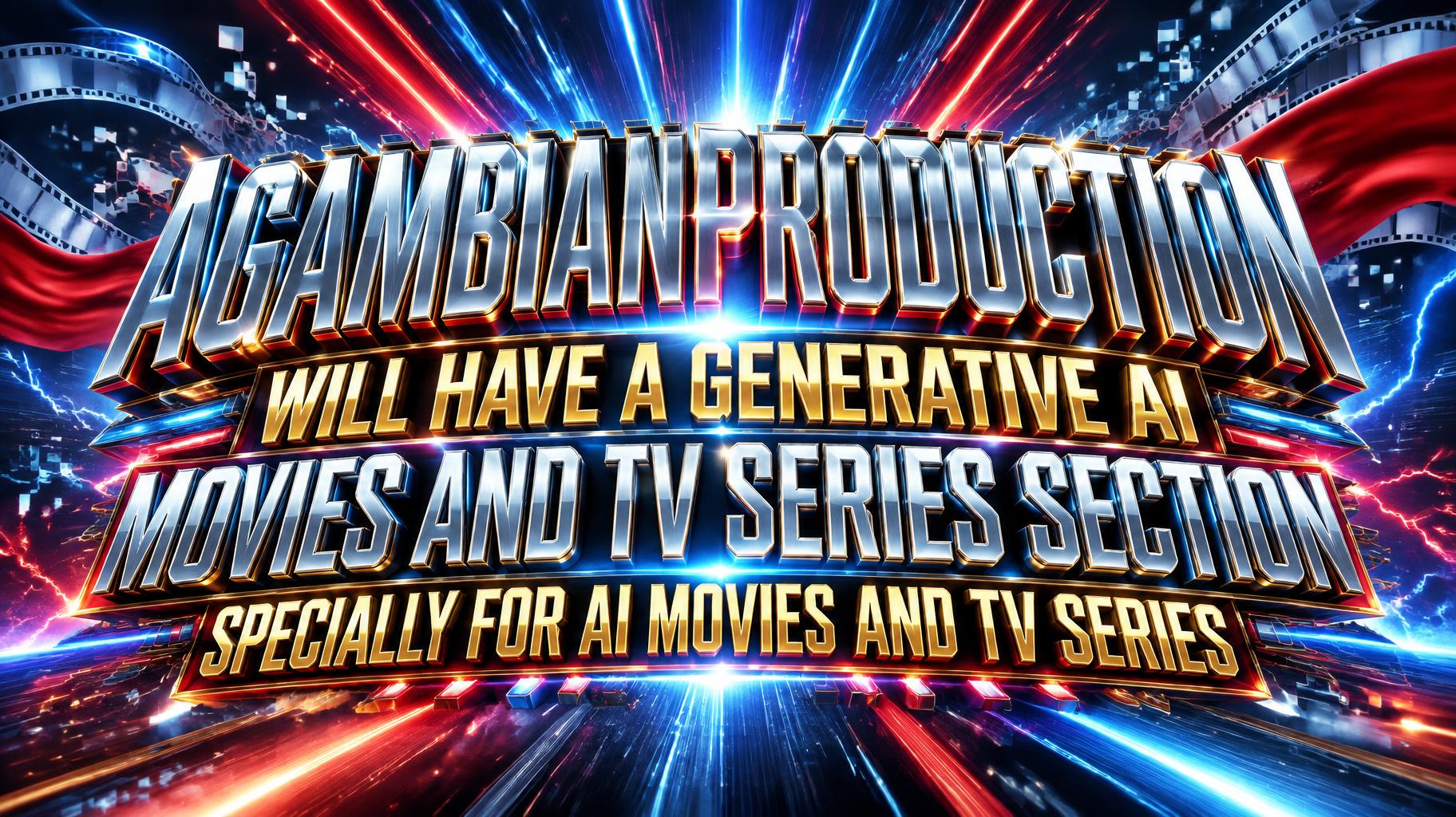
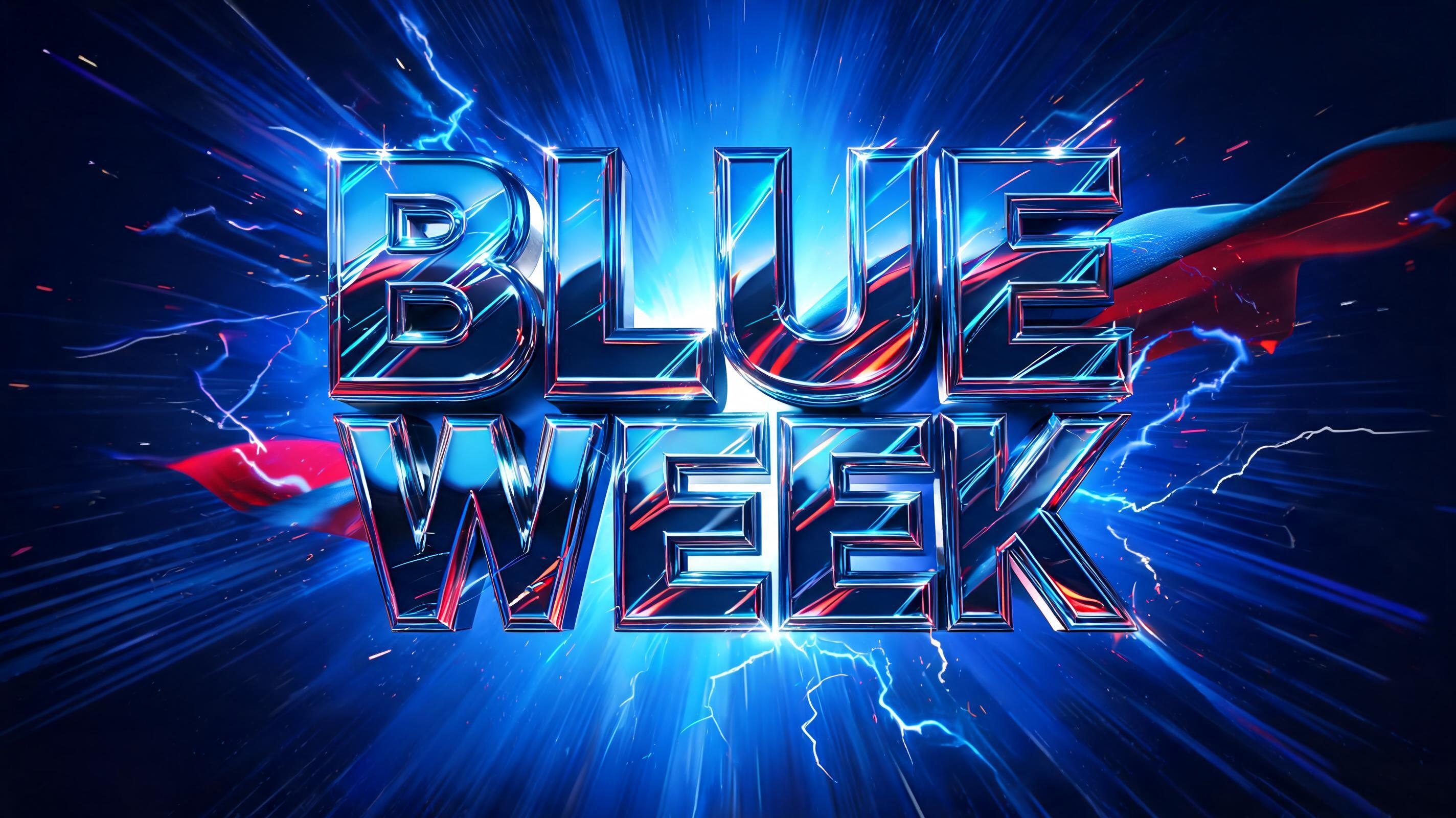
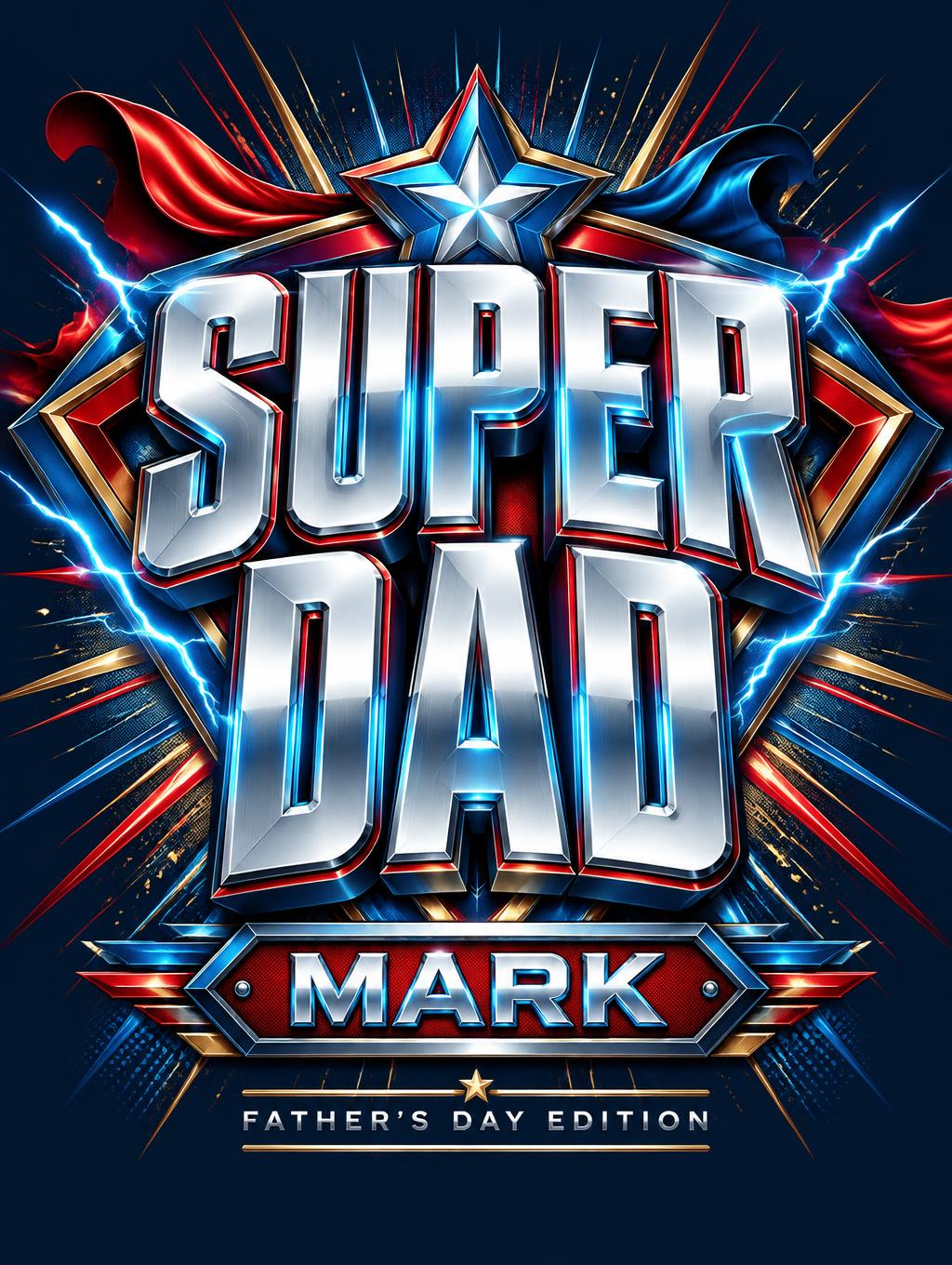
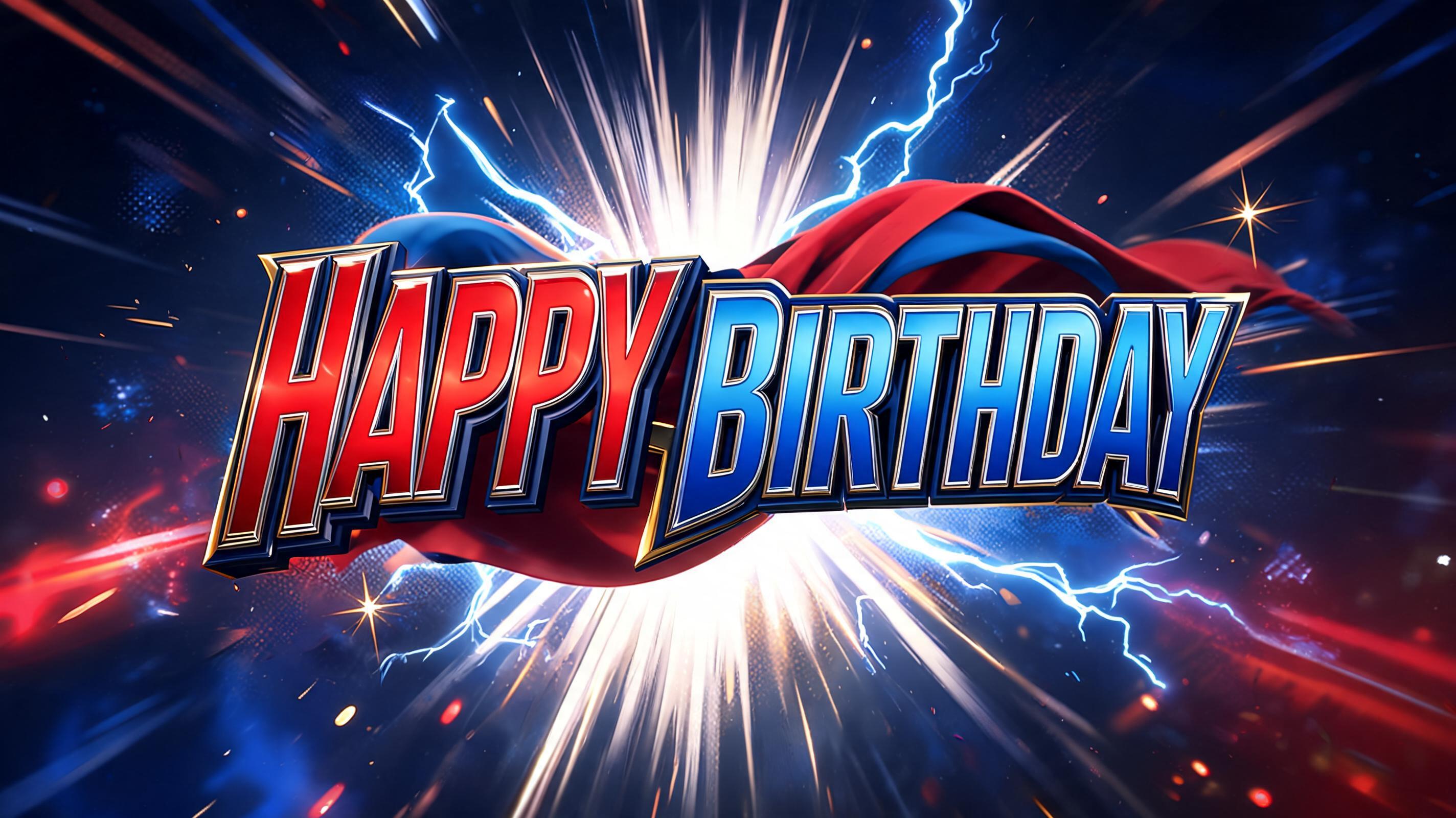
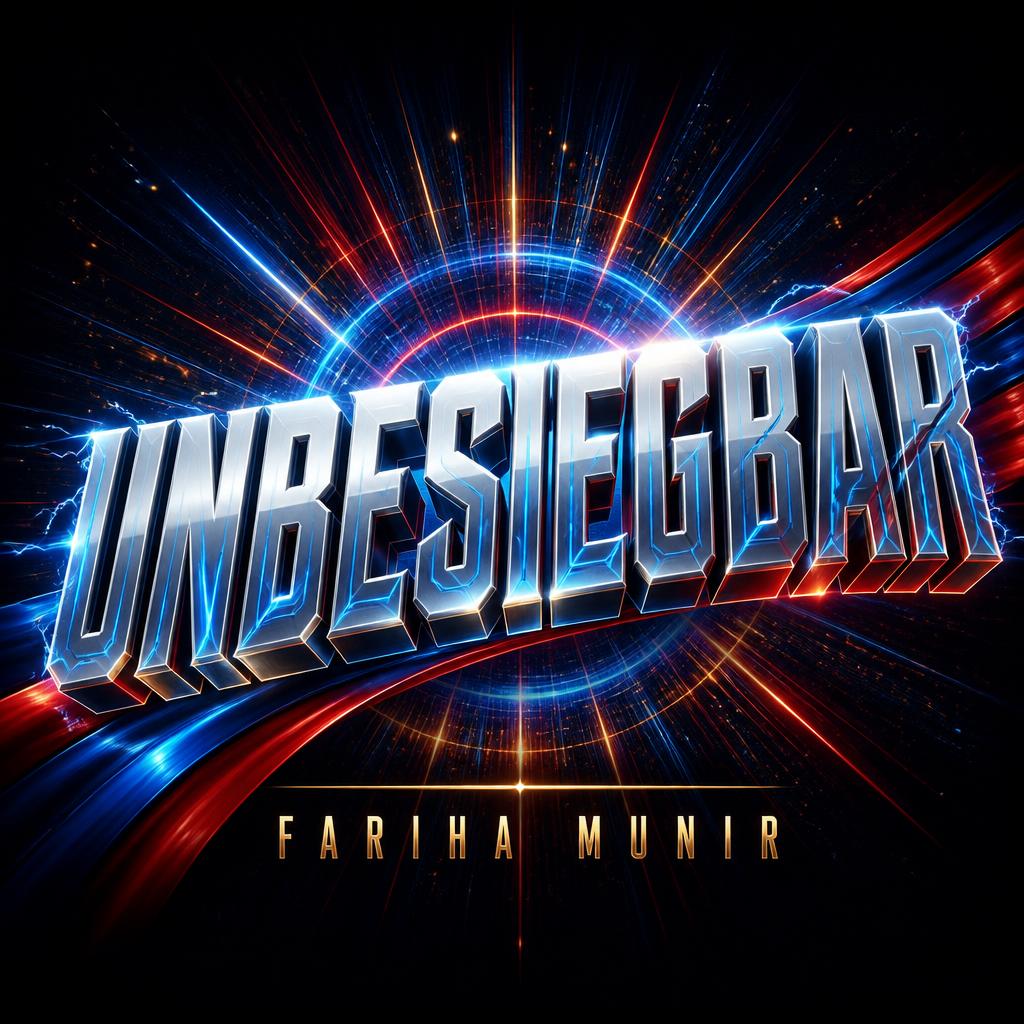
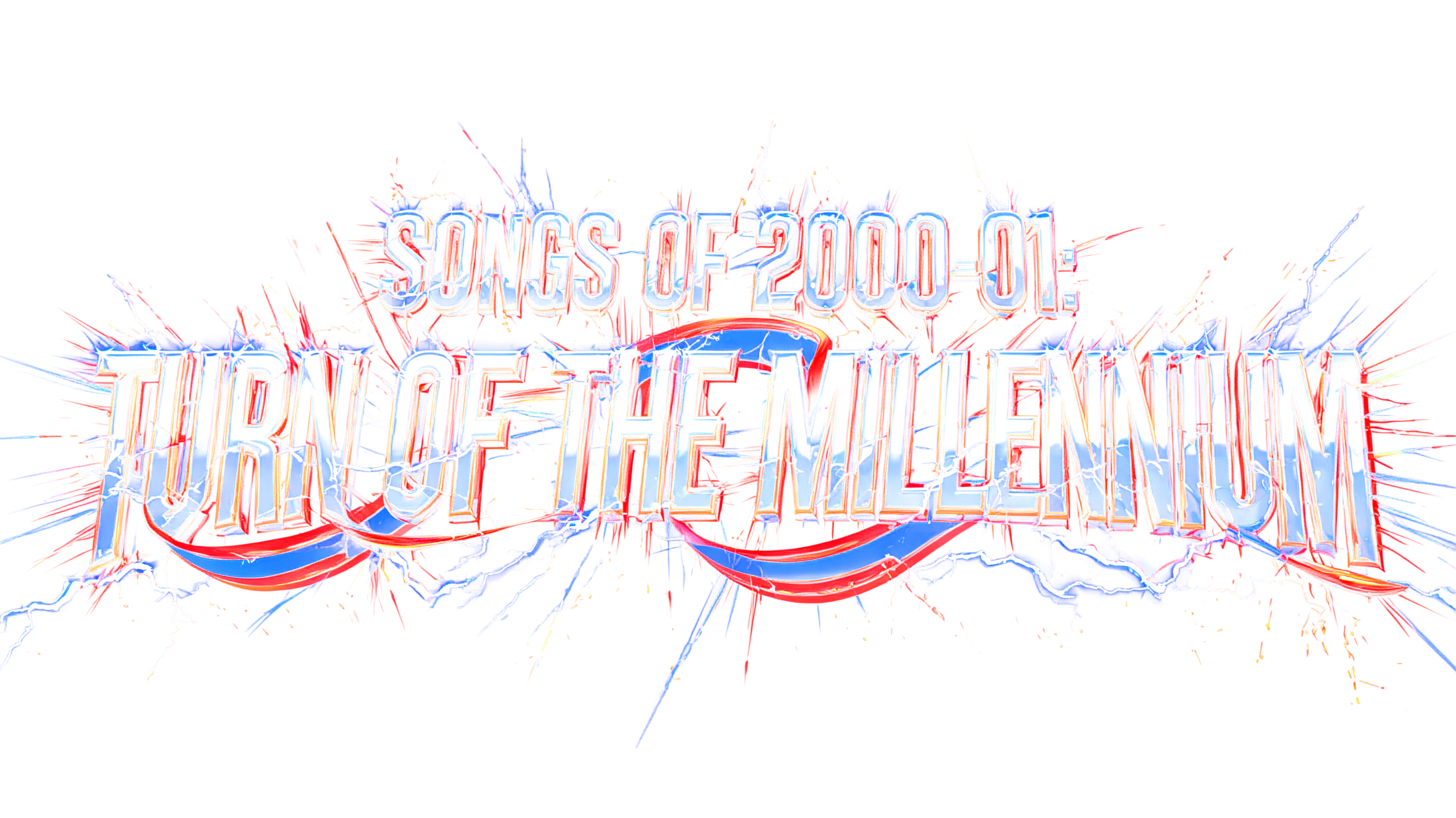
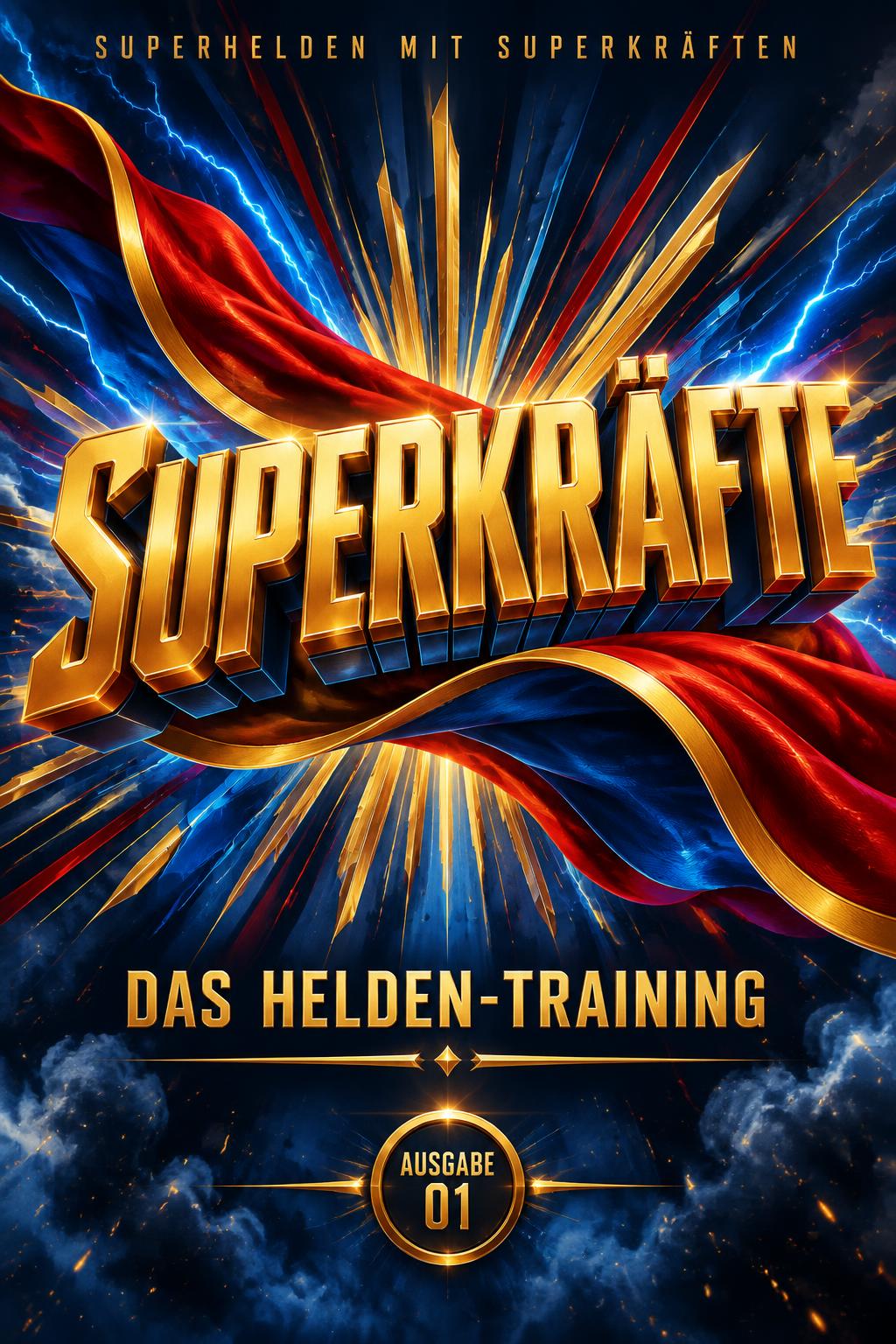
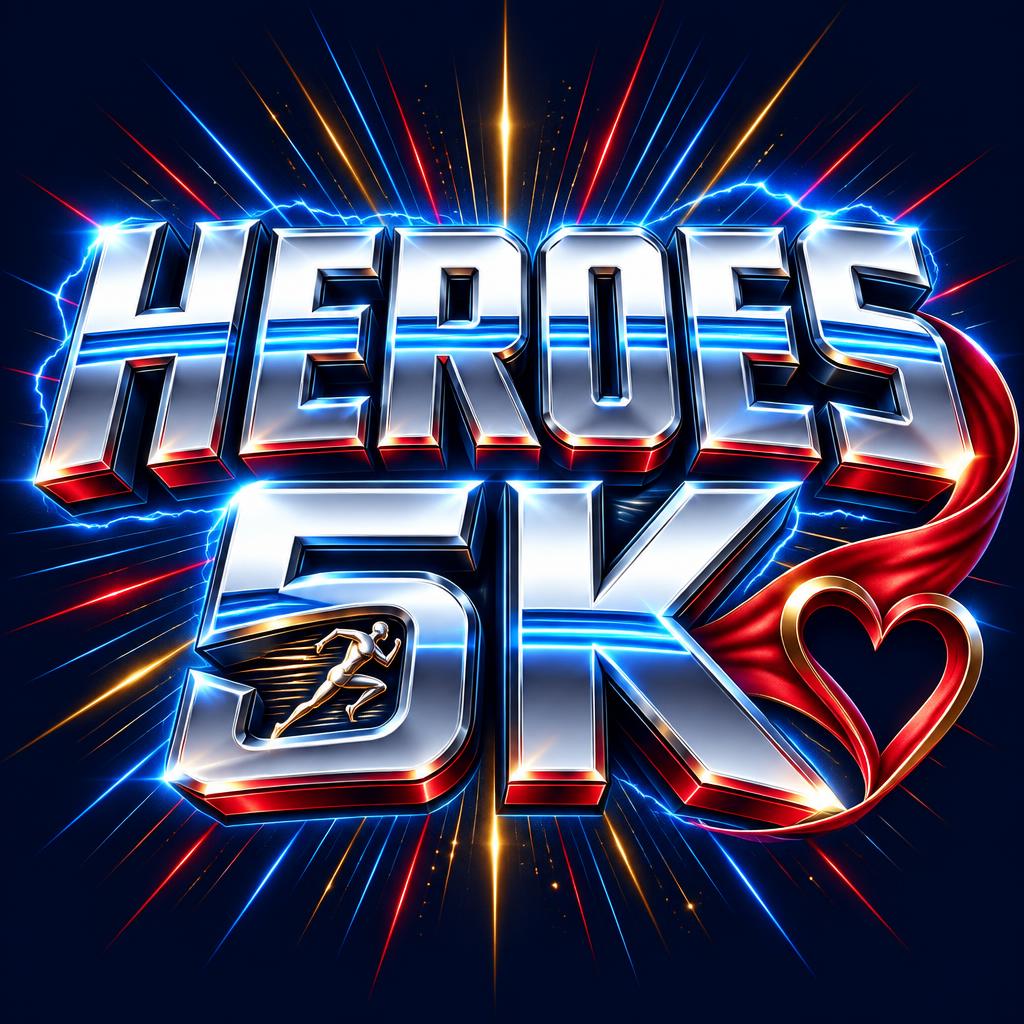
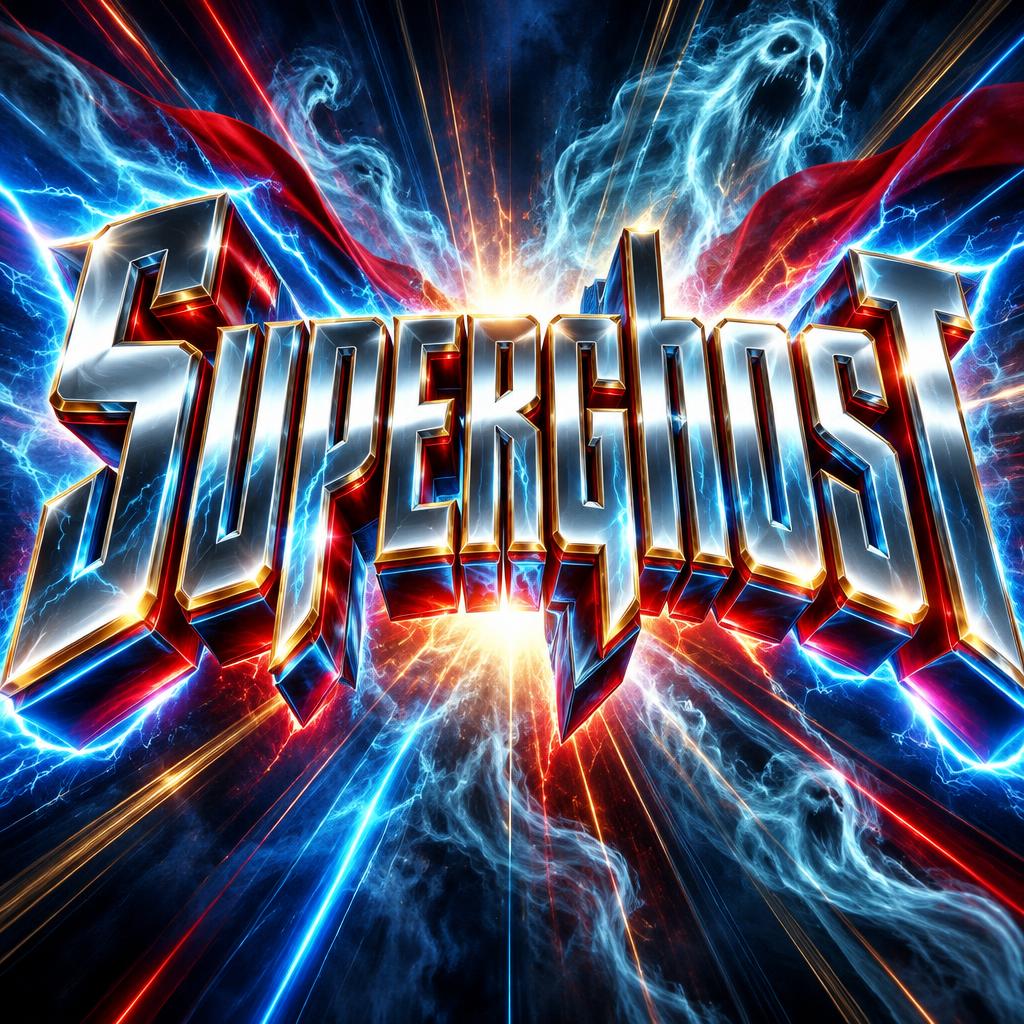
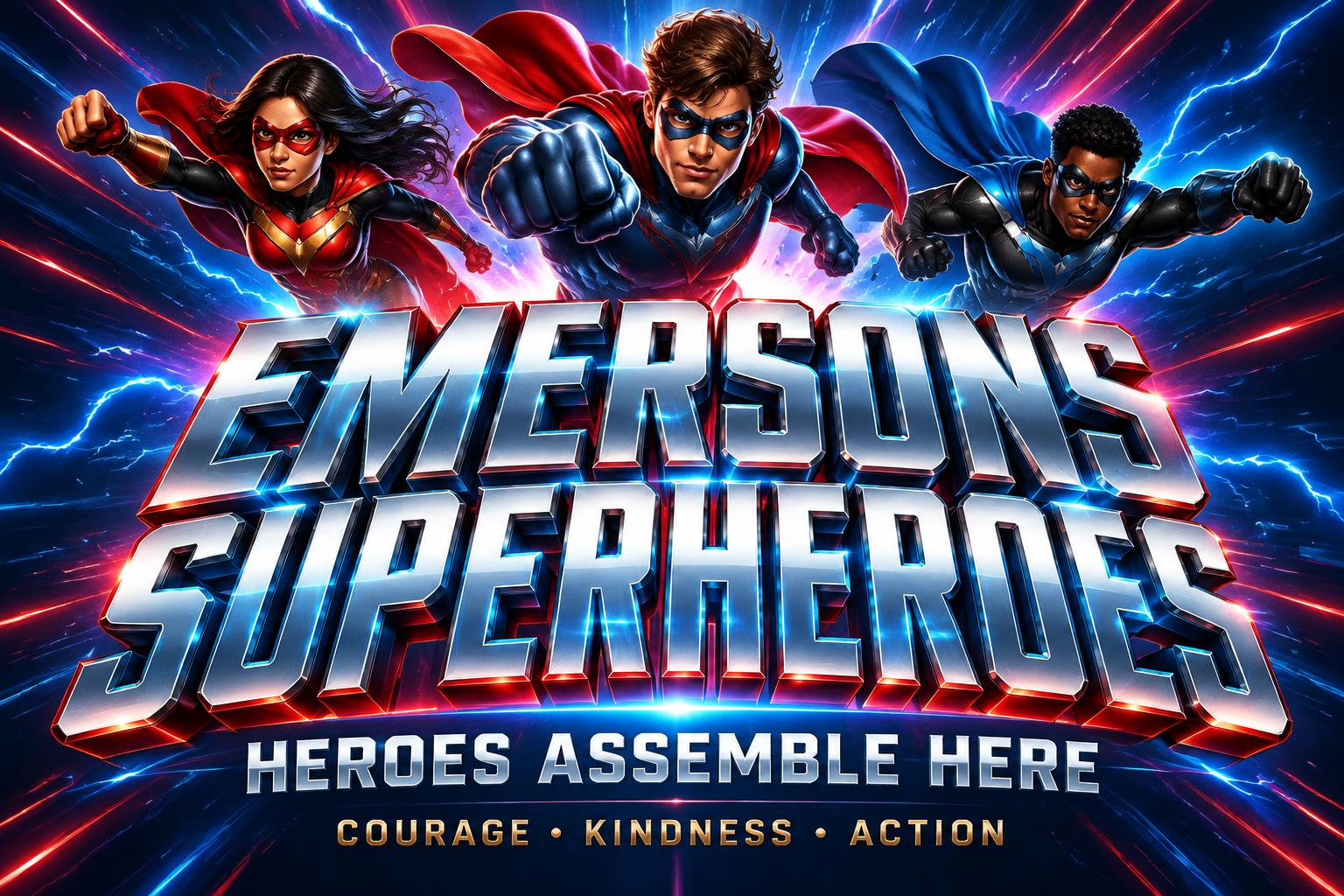
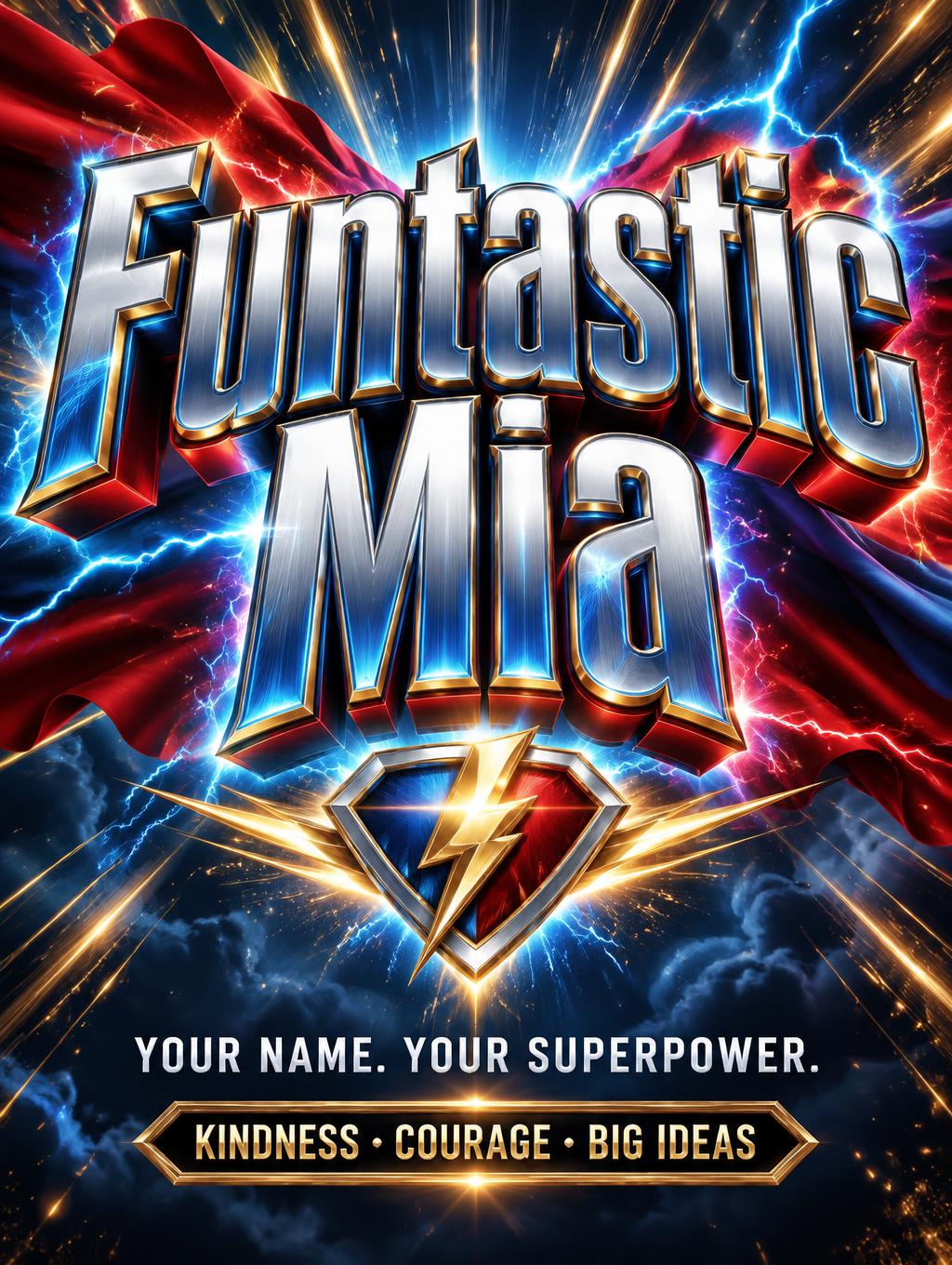
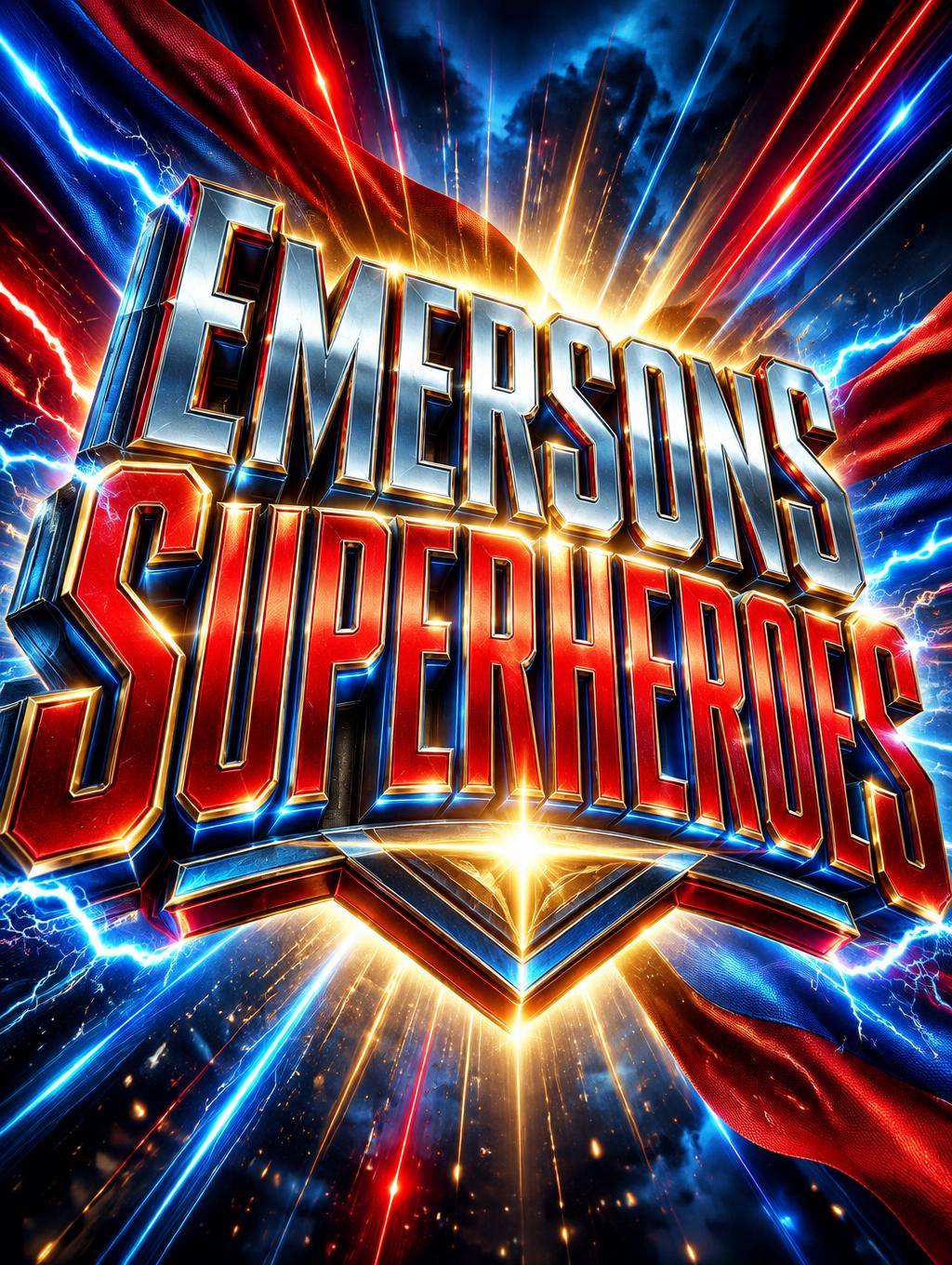
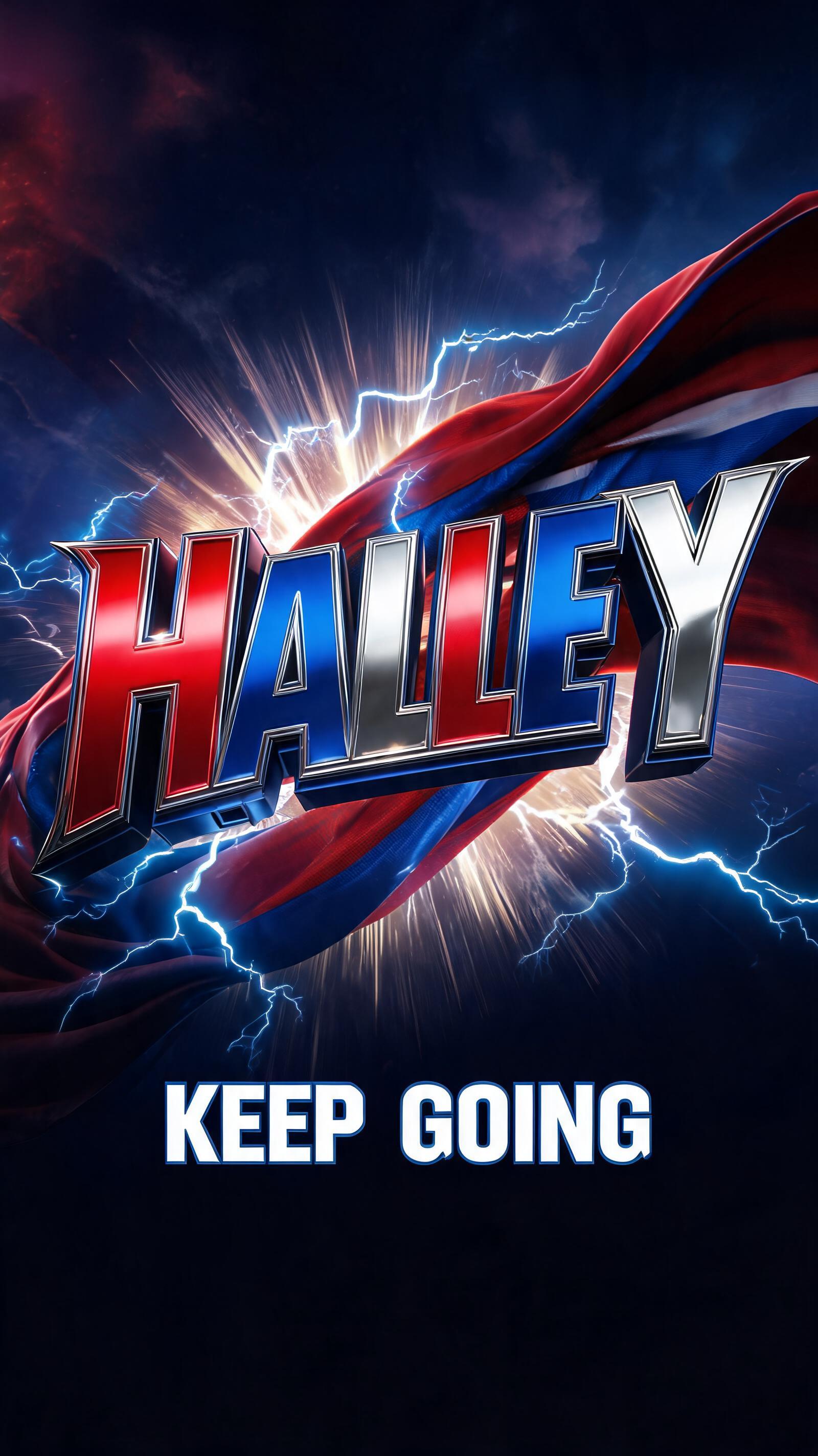
Slanted chrome-edged red and blue 3D capitals with a flowing red cape, blasting out of a white light burst wrapped in crackling lightning. — no font license needed.
Superhero in different AI fonts




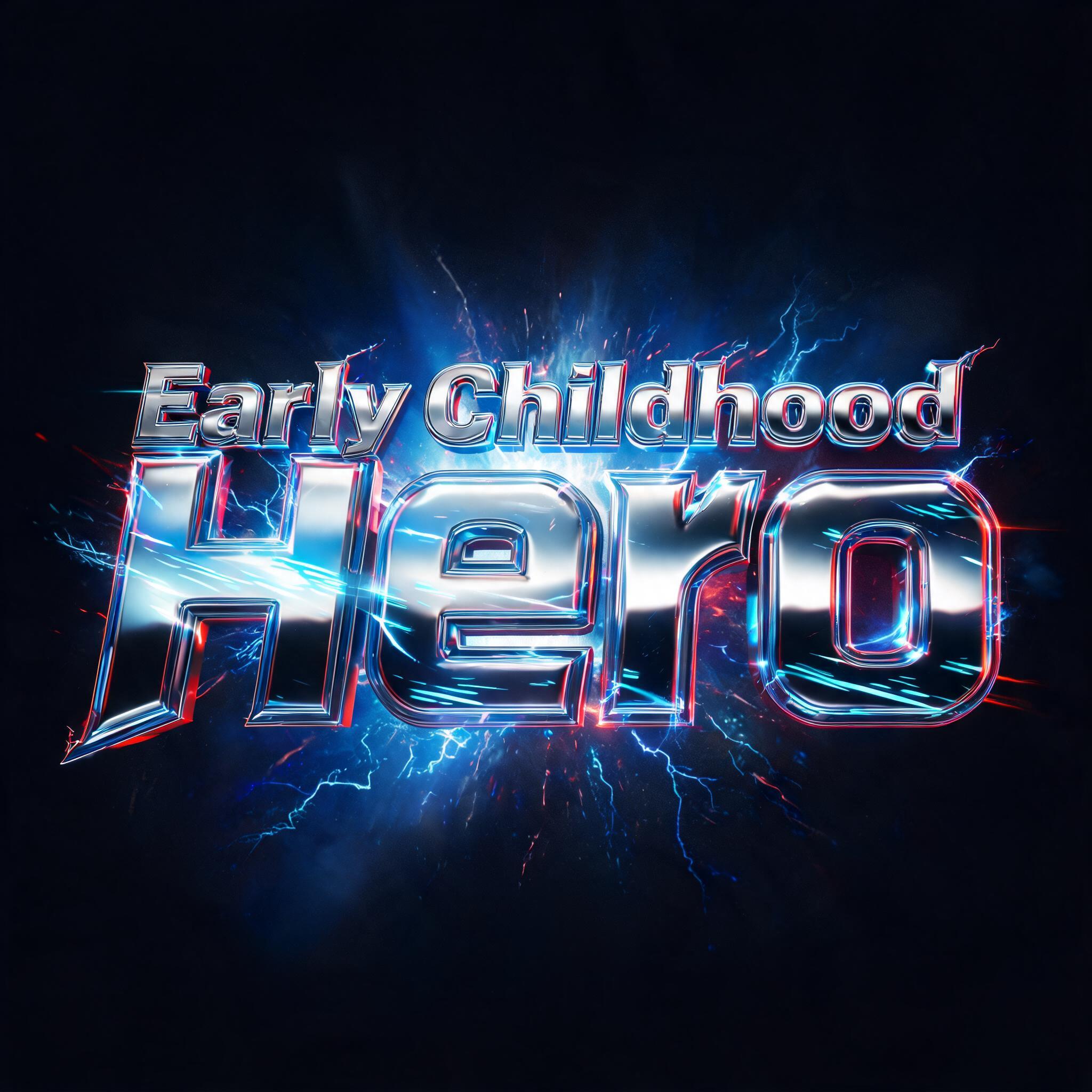
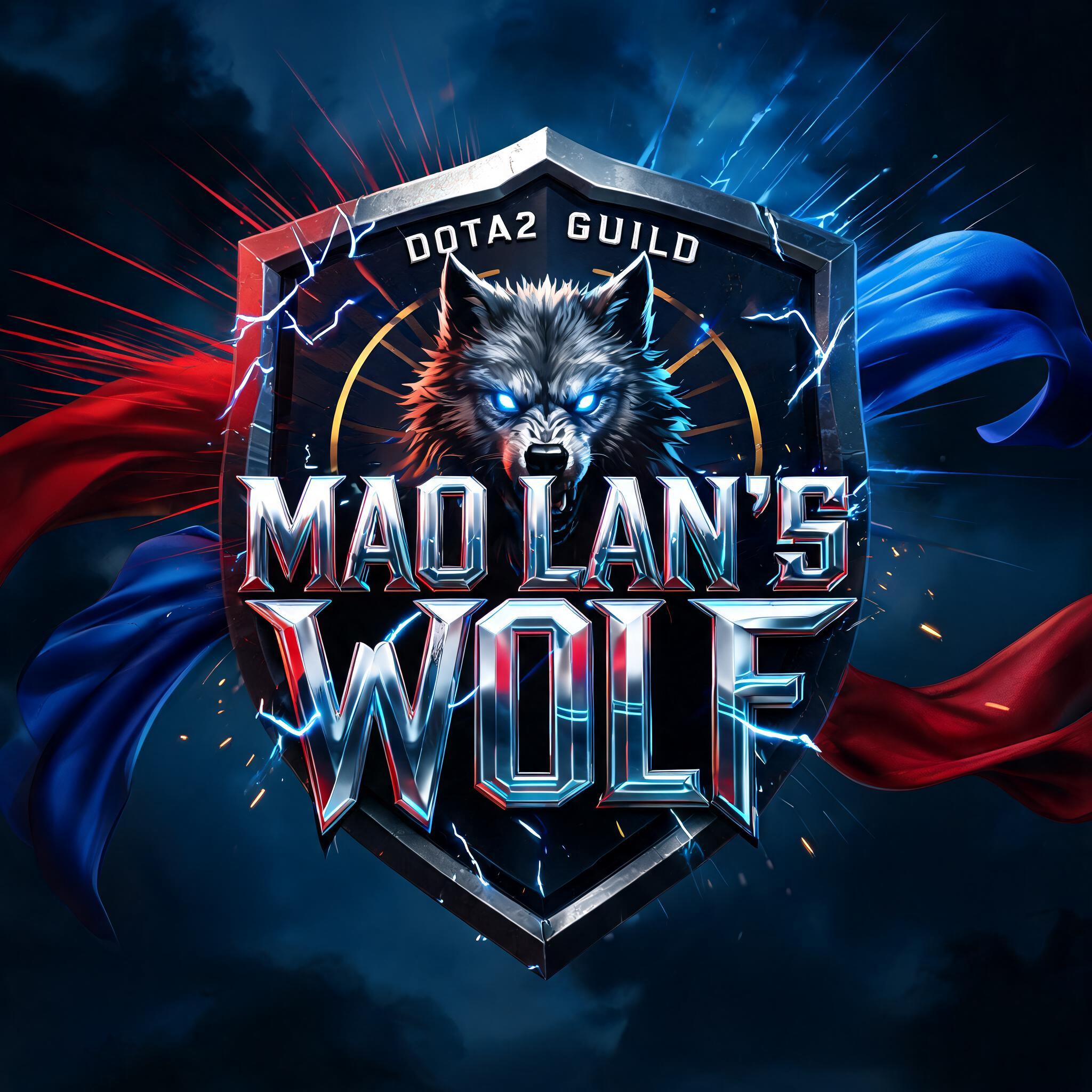
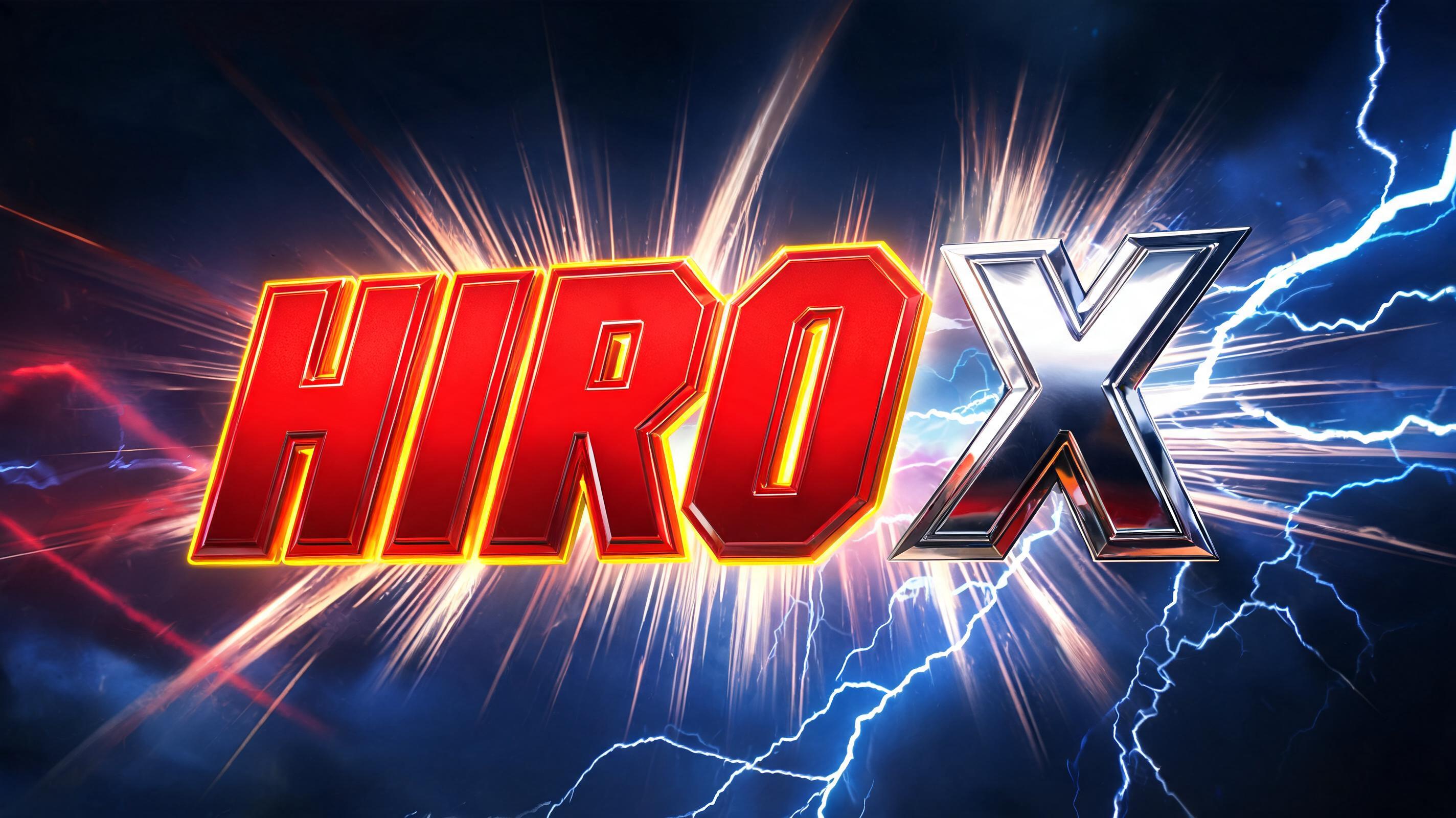
Superhero Gallery
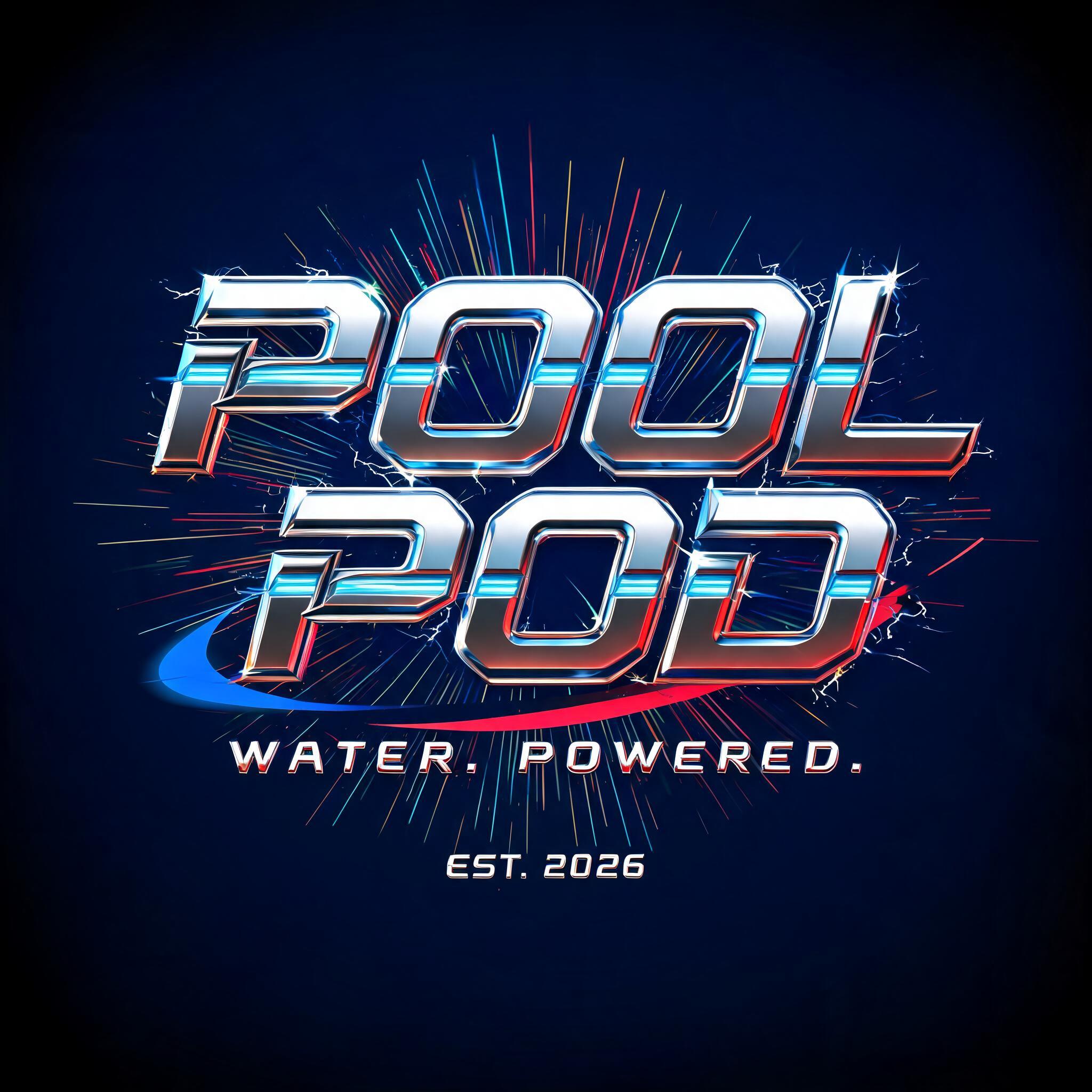
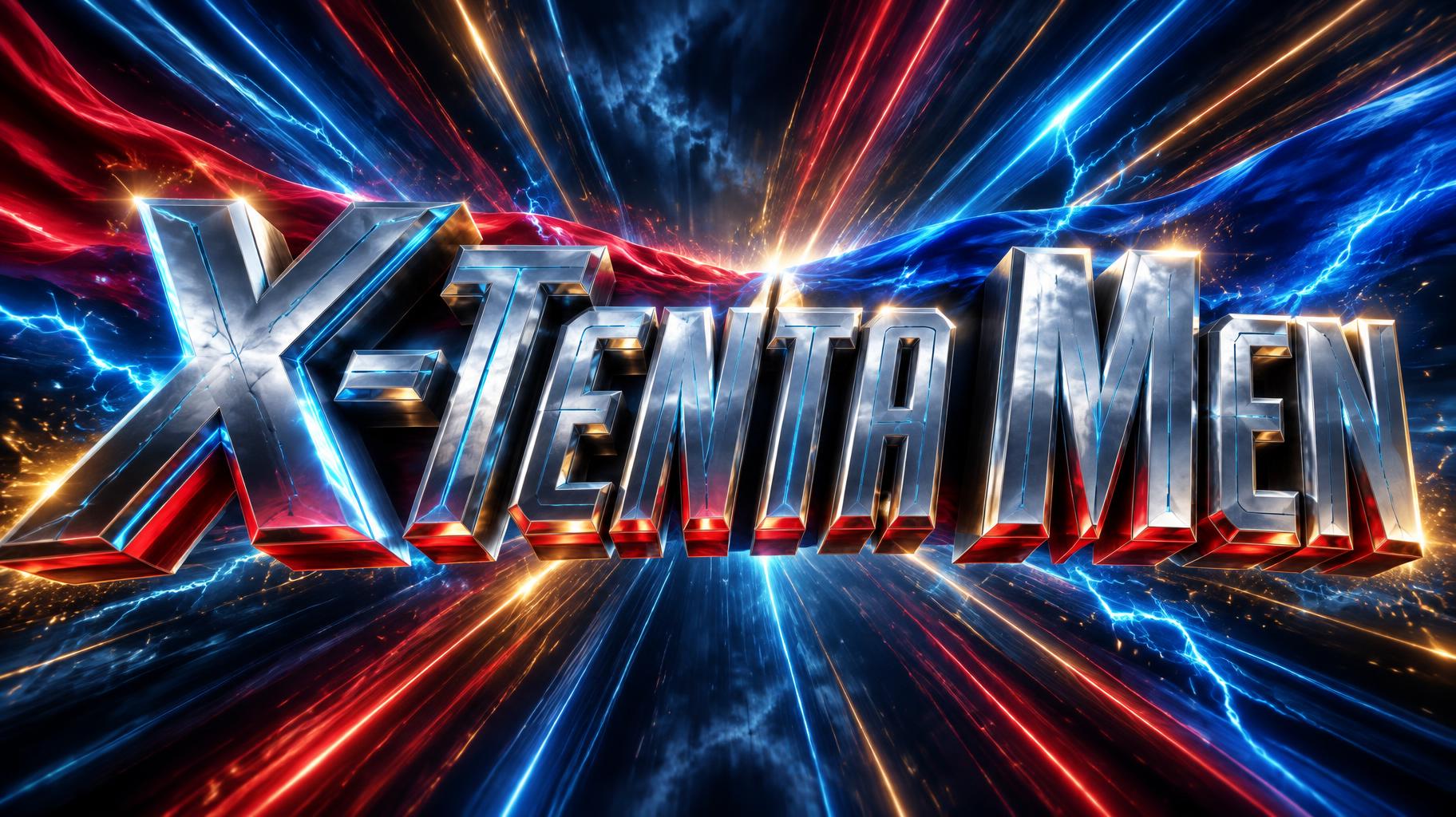
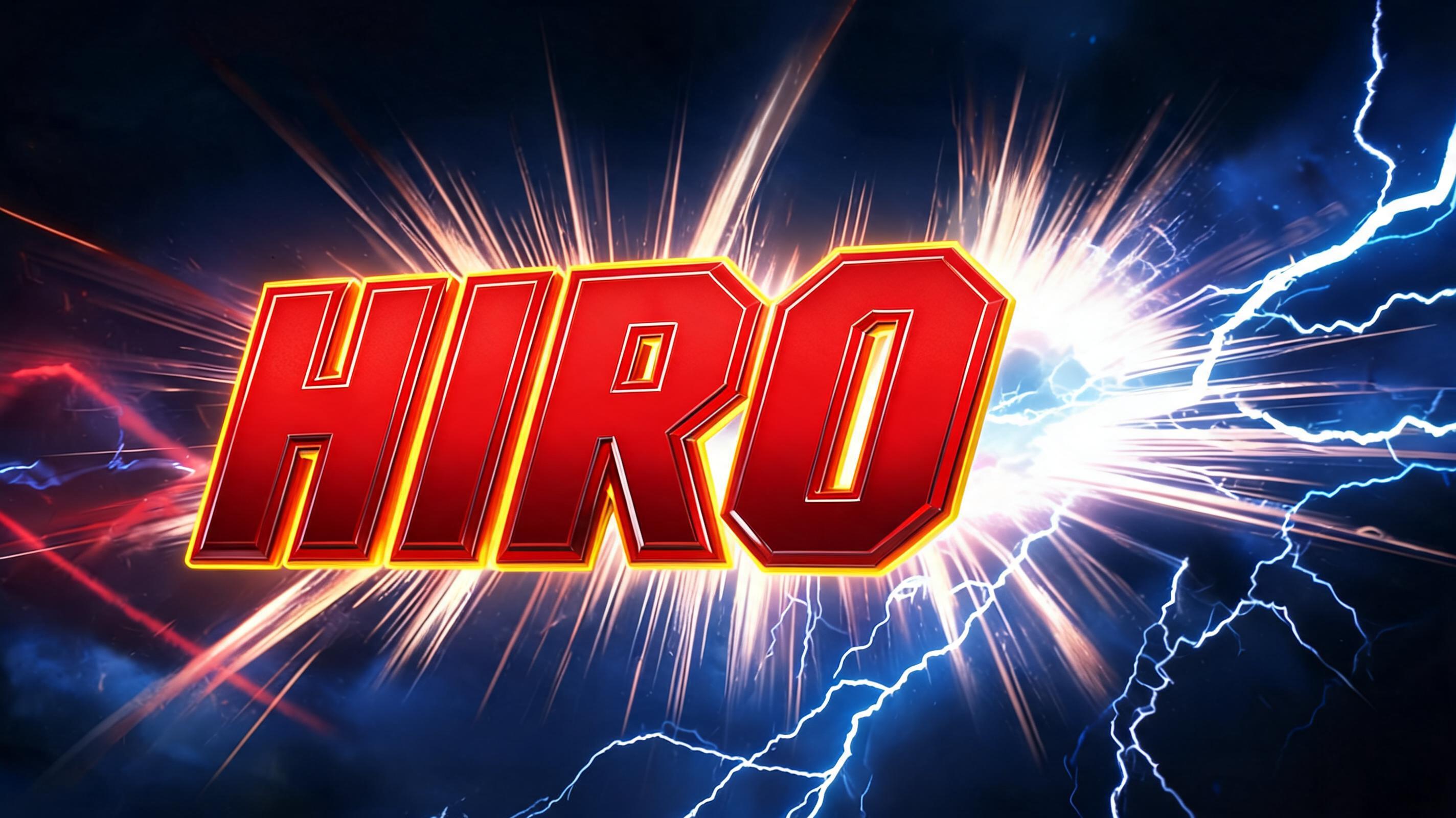
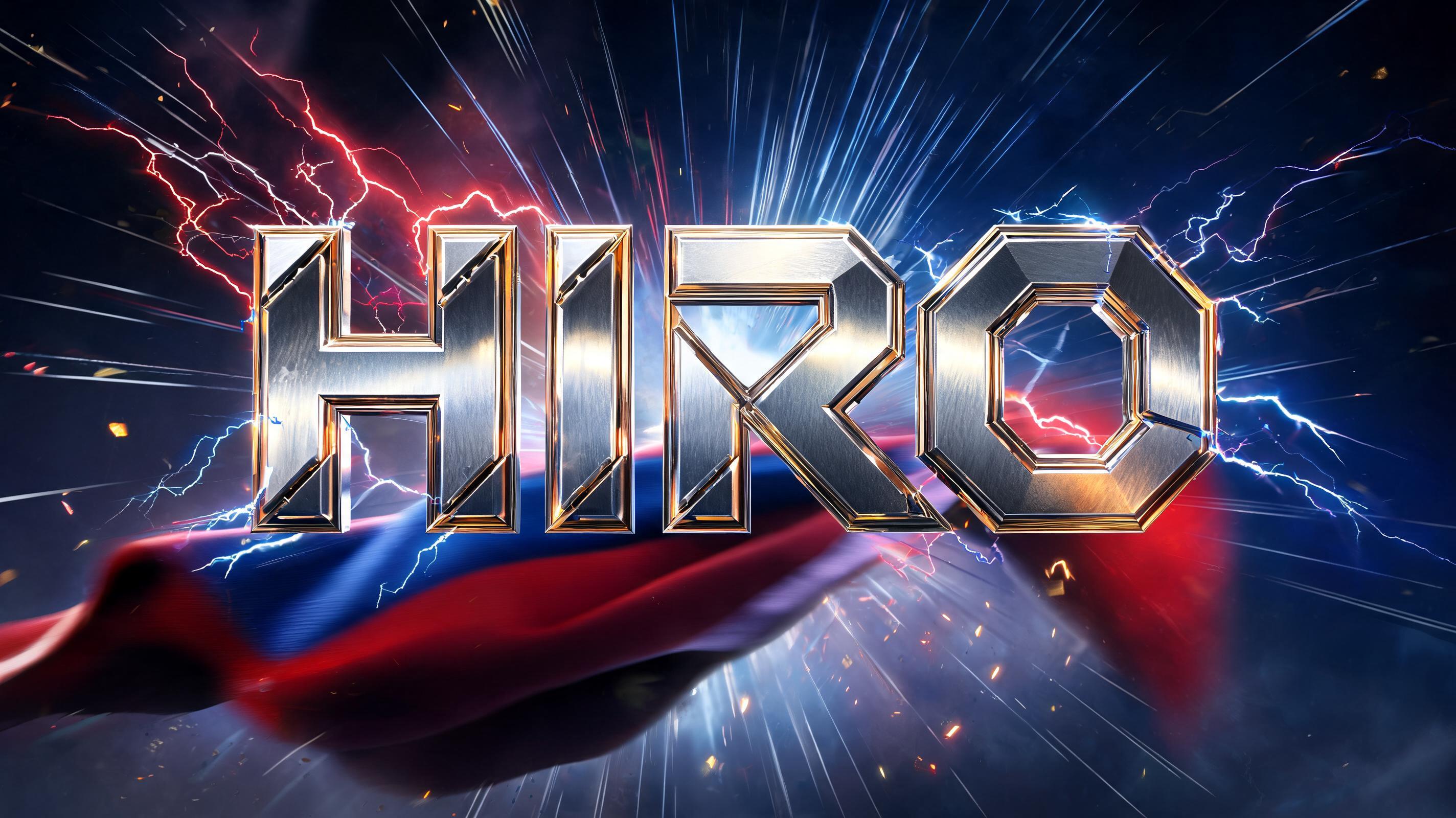
Real outputs from the Superhero style. Click any image to see details.








Looking for copy-paste fancy text? Try our free Font Generator Tools — cursive, gothic, bubble & 30+ styles.
Perfect for These Projects
Superhero Text Effect — FAQ
What is the Superhero Font Style?
The Superhero font style is a distinctive AI-generated typography effect. Slanted chrome-edged red and blue 3D capitals with a flowing red cape, blasting out of a white light burst wrapped in crackling lightning. Using FontVibe's AI superhero generator you can create stunning text effects in seconds — no Photoshop, no font licensing, no design experience needed.
Explore the Superhero gallery for inspiration, or browse all 138+ AI text effect styles available on FontVibe.
How to Create Superhero Typography in FontVibe Studio
The Story Behind Superhero
History, visual DNA, and cultural context.
The Visual DNA
Typographic Landmarks
Sources: Wikipedia — Ira Schnapp
In Typography
Superhero typography is one of the most recognizable category aesthetics in popular culture — the visual conventions were established by comic book cover design in the 1930s–60s and have been reinforced by 80+ years of consistent application across comics, film, television, and merchandise.
For gaming, esports, and content creator contexts, superhero aesthetic signals aspiration, power, and the ambition to be exceptional. The visual language imports the cultural weight of heroism — a team name in superhero type is implicitly claiming that register.
The key design discipline: superhero type should feel earned. The boldness and impact should be proportionate to the context. Superhero type on a mild message creates cognitive dissonance; it works when the content justifies the register.
Did You Know?
Superman's chest symbol debuted in Action Comics #1 (1938) as a red-and-blue S on a yellow police-badge-style shield; many later versions settled on an inverted triangle with an S inside. In the 2013 film Man of Steel, Jor-El says the symbol stands for the House of El and means 'hope' — an idea Mark Waid used in Superman: Birthright (2004). Source ↗
Jack Kirby co-created many of Marvel's major characters — Captain America (with Joe Simon), the Fantastic Four, Thor, the X-Men — plus DC's New Gods. His design vocabulary (bold primary colors, massive figures, cosmic scale, Kirby Krackle energy) is the visual DNA of superhero design even for characters created by other artists. Source ↗
Create Your Superhero Typography in Studio
Free to start. No design skills needed. Your artwork, your copyright.
AI Superhero Text Effect Generator
Slanted chrome-edged red and blue 3D capitals with a flowing red cape, blasting out of a white light burst wrapped in crackling lightning. — no font license needed.
Superhero in different AI fonts
Generate Your Superhero Text Effect
Type any word — see it transformed in seconds. No sign-up required.
Superhero Style Gallery
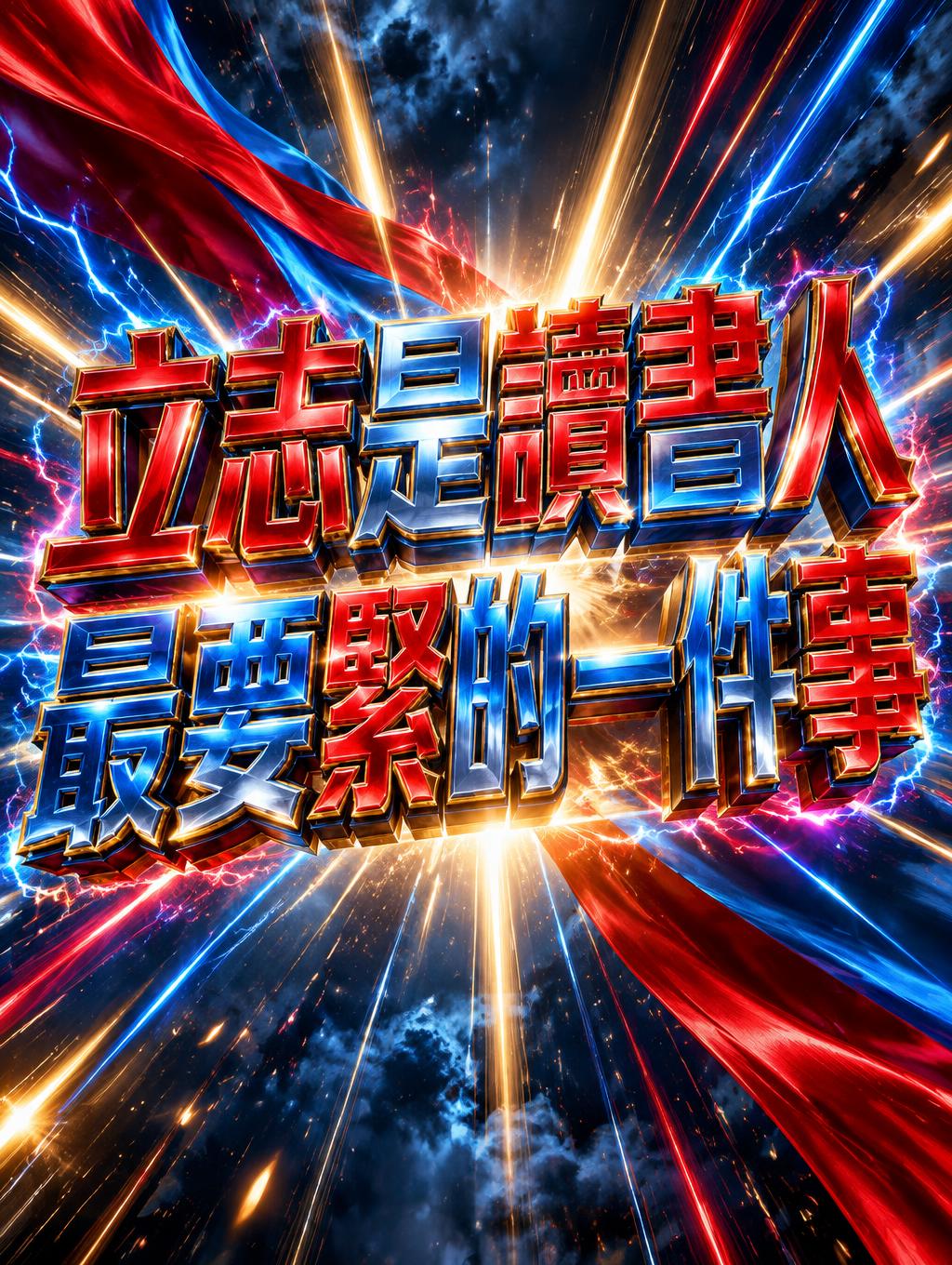
Real outputs from the Superhero style. Click any image to see details.





Similar Text Effect Styles
Try these styles and create your own AI-generated text effects.
Looking for copy-paste fancy text? Try our free Font Generator Tools — cursive, gothic, bubble & 30+ styles.
Perfect for These Projects
Superhero text effects are popular for creative projects where visual impact matters.
What is the Superhero Font Style?
The Superhero font style is a distinctive AI-generated typography effect. Slanted chrome-edged red and blue 3D capitals with a flowing red cape, blasting out of a white light burst wrapped in crackling lightning.
Using FontVibe's AI superhero generator you can create stunning text effects in seconds — no Photoshop, no font licensing, no design experience needed.
Explore the Superhero gallery for inspiration, or browse all 138+ AI text effect styles available on FontVibe.
How to Create Superhero Typography in FontVibe Studio
1. Enter your text — Any word, phrase, or brand name. Works best with short, punchy text.
2. Select Superhero — From the style library. Optionally describe a mood in the custom prompt.
3. Generate and download. Your Superhero font artwork is ready in seconds. PNG, JPG, or transparent PNG.
Looking for something different? Browse the full font style library for more AI typography options.
Superhero Text Effect — FAQ
The Story Behind Superhero
History, visual DNA, and cultural context — everything that makes this style what it is.
The Visual DNA
Typographic Landmarks
Sources: Wikipedia — Ira Schnapp
In Typography
Superhero typography is one of the most recognizable category aesthetics in popular culture — the visual conventions were established by comic book cover design in the 1930s–60s and have been reinforced by 80+ years of consistent application across comics, film, television, and merchandise.
For gaming, esports, and content creator contexts, superhero aesthetic signals aspiration, power, and the ambition to be exceptional. The visual language imports the cultural weight of heroism — a team name in superhero type is implicitly claiming that register.
The key design discipline: superhero type should feel earned. The boldness and impact should be proportionate to the context. Superhero type on a mild message creates cognitive dissonance; it works when the content justifies the register.
Did You Know?
Superman's chest symbol debuted in Action Comics #1 (1938) as a red-and-blue S on a yellow police-badge-style shield; many later versions settled on an inverted triangle with an S inside. In the 2013 film Man of Steel, Jor-El says the symbol stands for the House of El and means 'hope' — an idea Mark Waid used in Superman: Birthright (2004). Source ↗
Jack Kirby co-created many of Marvel's major characters — Captain America (with Joe Simon), the Fantastic Four, Thor, the X-Men — plus DC's New Gods. His design vocabulary (bold primary colors, massive figures, cosmic scale, Kirby Krackle energy) is the visual DNA of superhero design even for characters created by other artists. Source ↗