


AI 3D Bold Text Effect Generator
Dimensional extrusion effects with depth and shadow for maximum impact. — no font license needed.


Find the Right 3D Bold Style for Your Project
4 distinct variations — each locked to a specific look and use case.
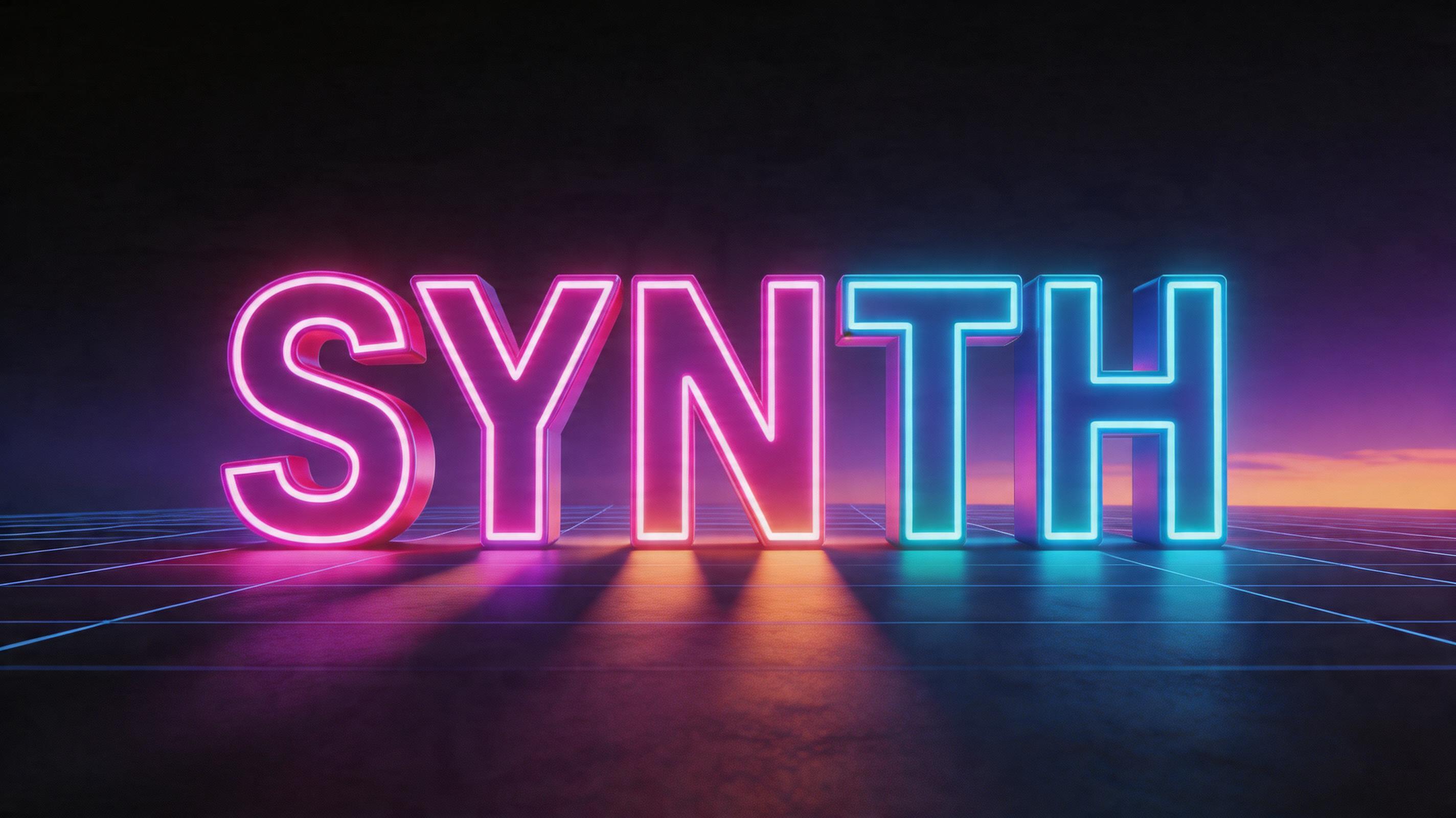


3D Bold Gallery
Real outputs from the 3D Bold style. Click any image to see details.


Looking for copy-paste fancy text? Try our free Font Generator Tools — cursive, gothic, bubble & 30+ styles.
Perfect for These Projects
3D Bold Text Effect — FAQ
What is the 3D Bold Font Style?
The 3D Bold font style is a distinctive AI-generated typography effect. Dimensional extrusion effects with depth and shadow for maximum impact. Using FontVibe's AI 3d bold generator you can create stunning text effects in seconds — no Photoshop, no font licensing, no design experience needed.
Explore the 3D Bold gallery for inspiration, or browse all 124+ AI text effect styles available on FontVibe.
How to Create 3D Bold Typography in FontVibe Studio
The Story Behind 3D Bold
History, visual DNA, and cultural context.
The Visual DNA
Typographic Landmarks
In Typography
3D bold typography is one of the most versatile display styles in digital design — it works across gaming, sports, entertainment, product branding, and social media contexts where the goal is impact and dimensionality.\n\nThe technique has existed since letterpress printing, where metal type was cast with three-dimensional mass. The dimensional quality of type was not a special effect — it was the natural state of the physical medium. Contemporary 3D type is a digital simulation of what printing technology actually looked like in the 19th century.\n\nThe key execution principle: every surface must be lit consistently, every perspective direction must be maintained, and the depth scale must be proportionate to the letterform size. Extrusion that is too deep looks cartoonish; extrusion that is too shallow disappears at small sizes.
Did You Know?
The 3D extruded letterform was the default display typography in video game title cards throughout the 1990s — from Sonic the Hedgehog to Street Fighter to FIFA. The dimensional quality communicated game-world physicality: these were not just words, they were objects that existed in the same space as the characters. The convention was so successful it remains the default for sports and action gaming titles.
Channel 4's identity, designed by Martin Lambie-Nairn in 1982, used a 3D geometric approach to letterform assembly that was groundbreaking for broadcast design at the time. The 4 was constructed from modular 3D blocks that assembled on screen — a visualization of how modular components combine into a unified identity. It was the first major broadcast identity to use computer animation as a core design element.
Create Your 3D Bold Typography in Studio
Free to start. No design skills needed. Your artwork, your copyright.
AI 3D Bold Text Effect Generator
Generate Your 3D Bold Text Effect
Type any word — see it transformed in seconds. No sign-up required.
3D Bold Style Gallery
Real outputs from the 3D Bold style. Click any image to see details.


!["智能学生证[轻便随身]" — 3d Bold | AI Text Effect Generator](/gallery/68459?aspect=1%3A1&thumb=https%3A%2F%2Fcos.fontvibe.ai%2Fgenerations%2Fuser%2F0%2Ff8fa25d8-27e7-403e-90bd-a278eefef134.jpeg%3FimageMogr2%2Fthumbnail%2F480x%2Fformat%2Fwebp%2Fresolution%2F80)


Similar Text Effect Styles
Try these styles and create your own AI-generated text effects.
Looking for copy-paste fancy text? Try our free Font Generator Tools — cursive, gothic, bubble & 30+ styles.
Perfect for These Projects
3D Bold text effects are popular for creative projects where visual impact matters.
What is the 3D Bold Font Style?
The 3D Bold font style is a distinctive AI-generated typography effect. Dimensional extrusion effects with depth and shadow for maximum impact.
Using FontVibe's AI 3d bold generator you can create stunning text effects in seconds — no Photoshop, no font licensing, no design experience needed.
Explore the 3D Bold gallery for inspiration, or browse all 124+ AI text effect styles available on FontVibe.
How to Create 3D Bold Typography in FontVibe Studio
1. Enter your text — Any word, phrase, or brand name. Works best with short, punchy text.
2. Select 3D Bold — From the style library. Optionally describe a mood in the custom prompt.
3. Generate and download. Your 3D Bold font artwork is ready in seconds. PNG, JPG, or transparent PNG.
Looking for something different? Browse the full font style library for more AI typography options.
3D Bold Text Effect — FAQ
The Story Behind 3D Bold
History, visual DNA, and cultural context — everything that makes this style what it is.
The Visual DNA
Typographic Landmarks
In Typography
3D bold typography is one of the most versatile display styles in digital design — it works across gaming, sports, entertainment, product branding, and social media contexts where the goal is impact and dimensionality.\n\nThe technique has existed since letterpress printing, where metal type was cast with three-dimensional mass. The dimensional quality of type was not a special effect — it was the natural state of the physical medium. Contemporary 3D type is a digital simulation of what printing technology actually looked like in the 19th century.\n\nThe key execution principle: every surface must be lit consistently, every perspective direction must be maintained, and the depth scale must be proportionate to the letterform size. Extrusion that is too deep looks cartoonish; extrusion that is too shallow disappears at small sizes.
Did You Know?
The 3D extruded letterform was the default display typography in video game title cards throughout the 1990s — from Sonic the Hedgehog to Street Fighter to FIFA. The dimensional quality communicated game-world physicality: these were not just words, they were objects that existed in the same space as the characters. The convention was so successful it remains the default for sports and action gaming titles.
Channel 4's identity, designed by Martin Lambie-Nairn in 1982, used a 3D geometric approach to letterform assembly that was groundbreaking for broadcast design at the time. The 4 was constructed from modular 3D blocks that assembled on screen — a visualization of how modular components combine into a unified identity. It was the first major broadcast identity to use computer animation as a core design element.