
The neo tribal aesthetic: blades, symmetry, negative space and one colour
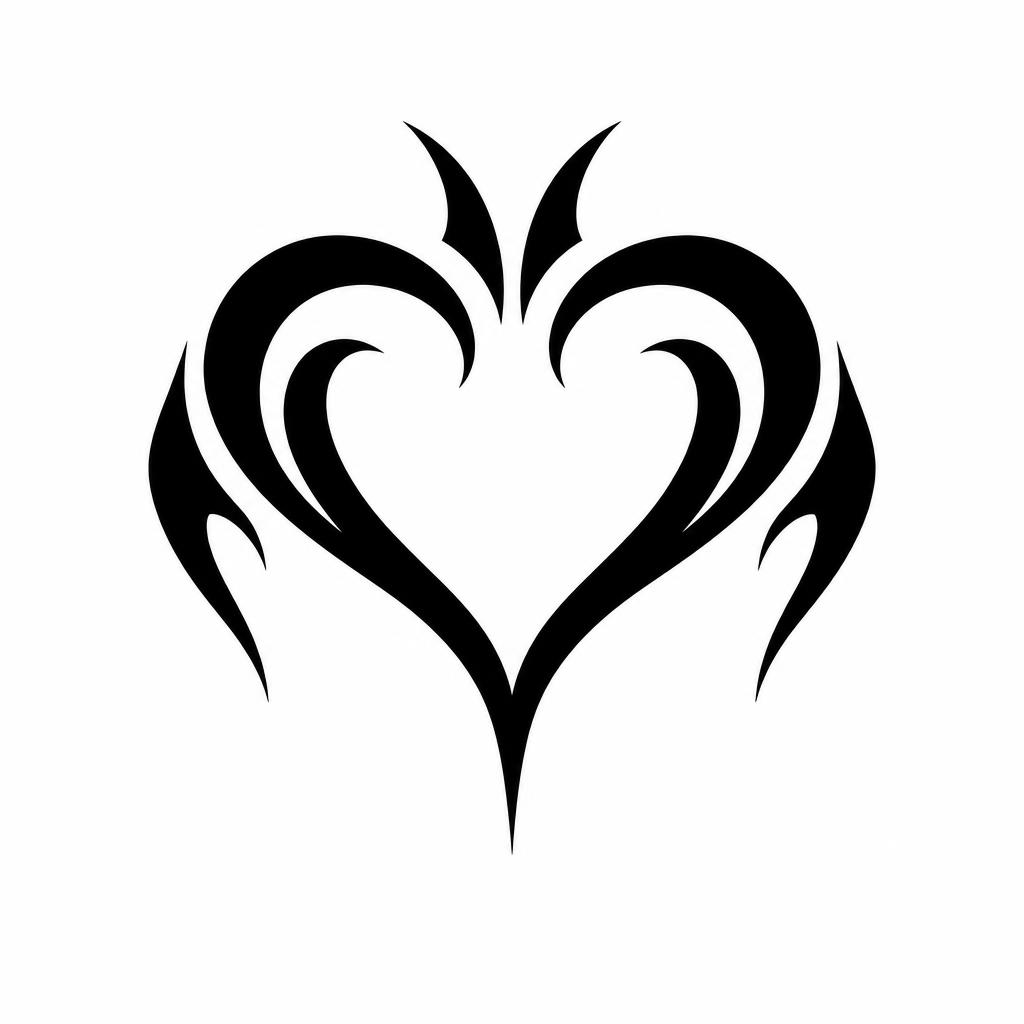
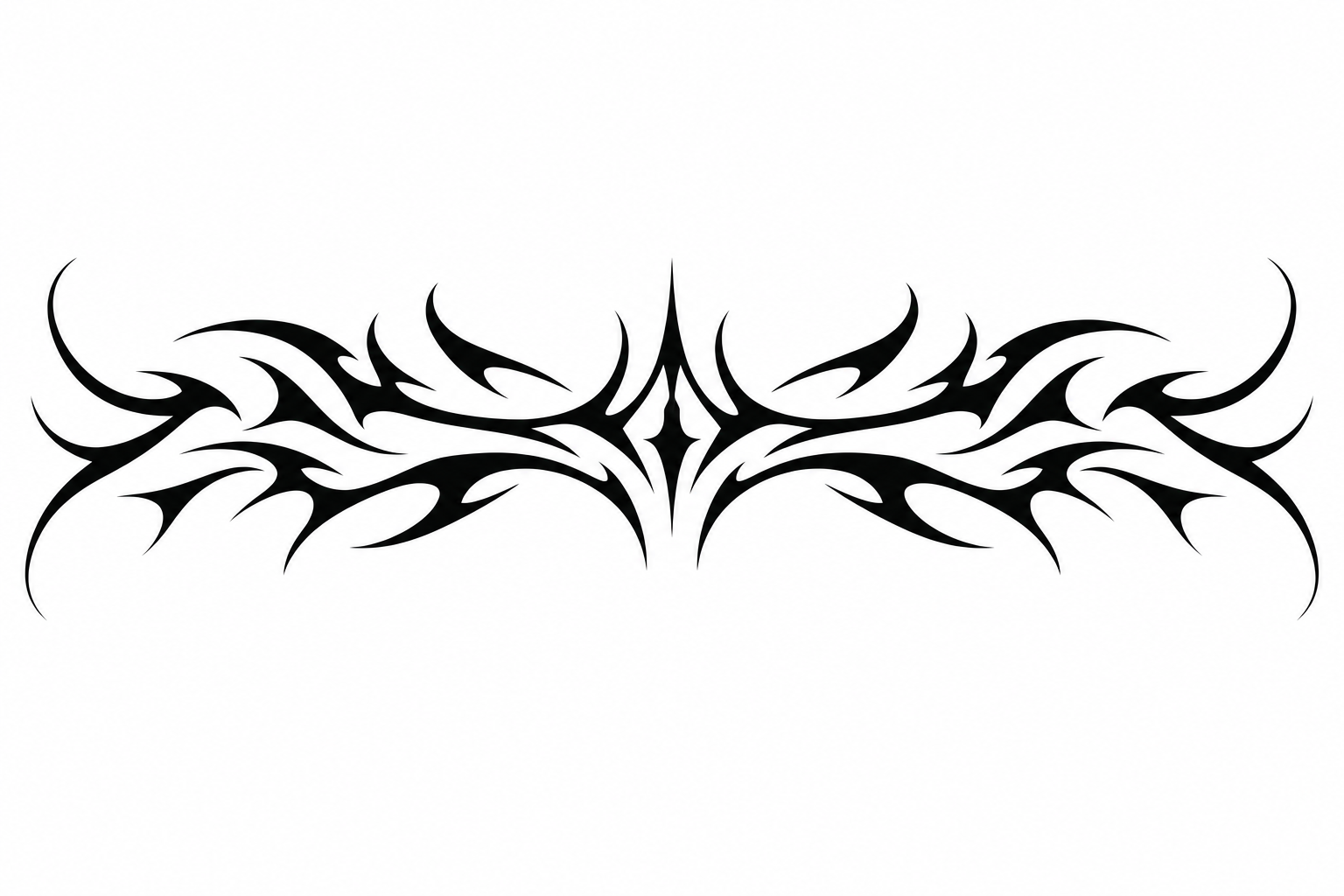
Every neo tribal piece here is built from the same four parts. The style draws the blades, symmetry, space and colour around your words; the letters come from the AI font you pick.
Neo tribal tees, wallpapers, logos, car decals and posters
Every format here wraps your words in solid black tribal blades. Pick a format to see designs made in it, or describe your own.
Tribal Car Decals
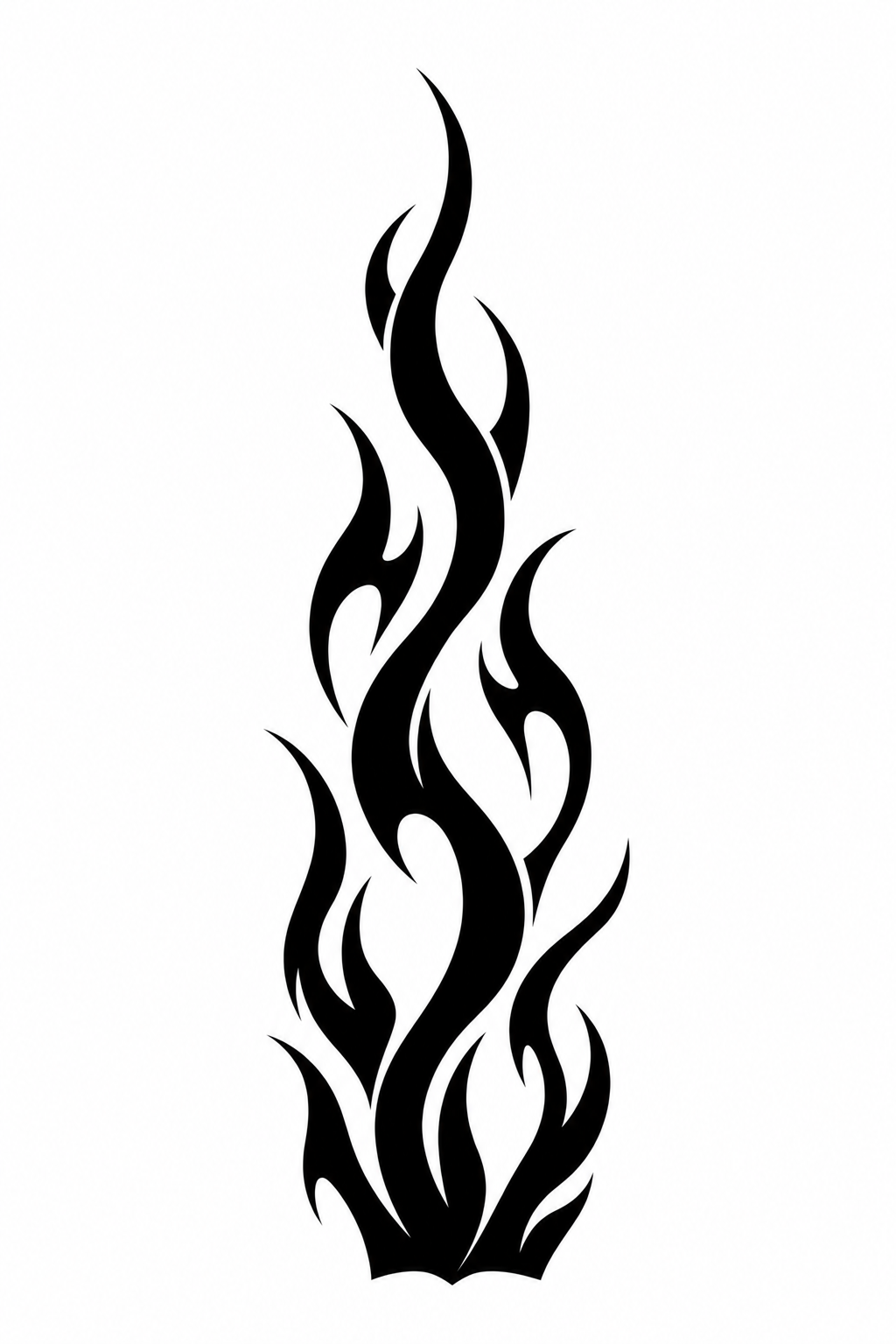
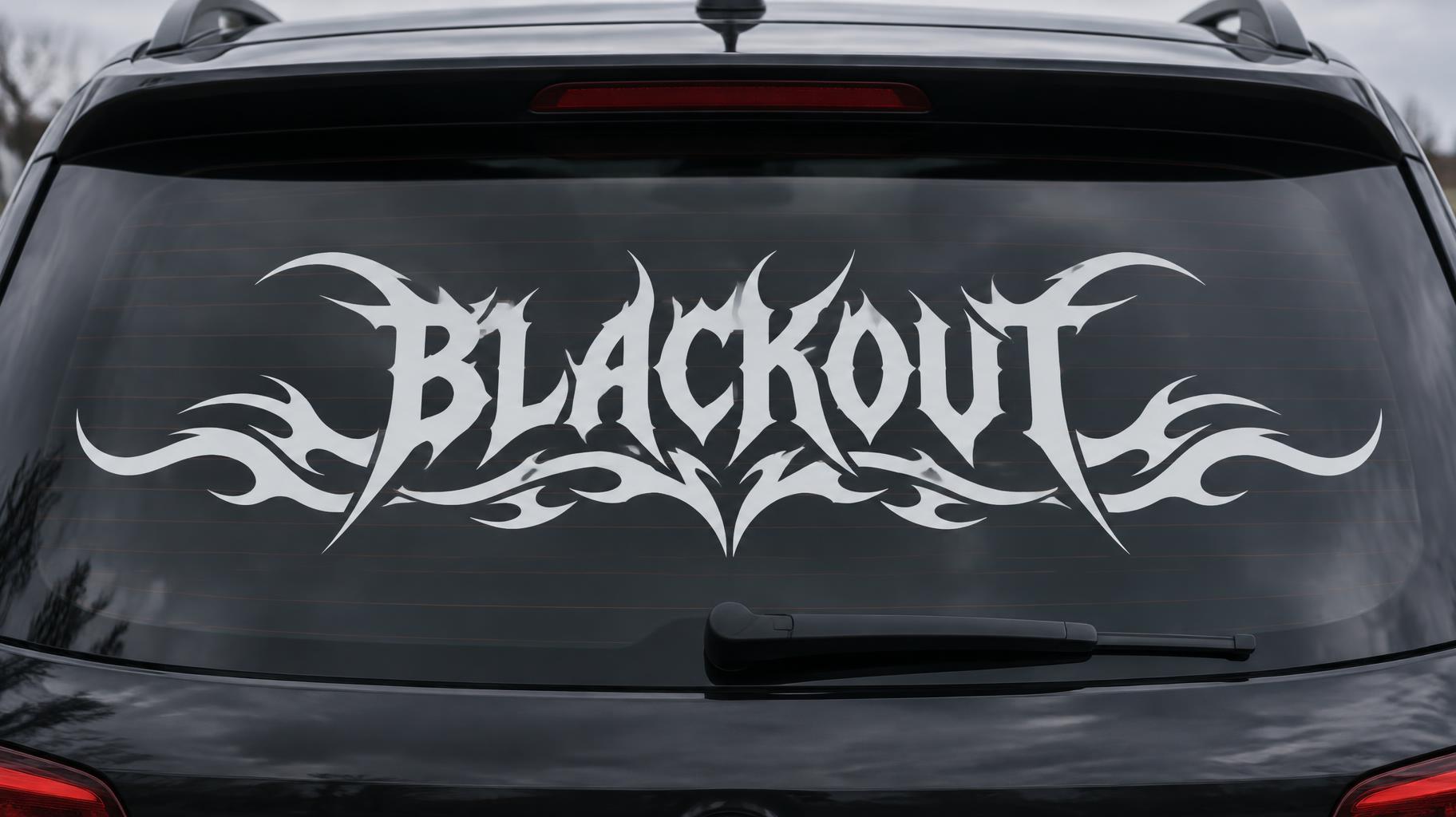
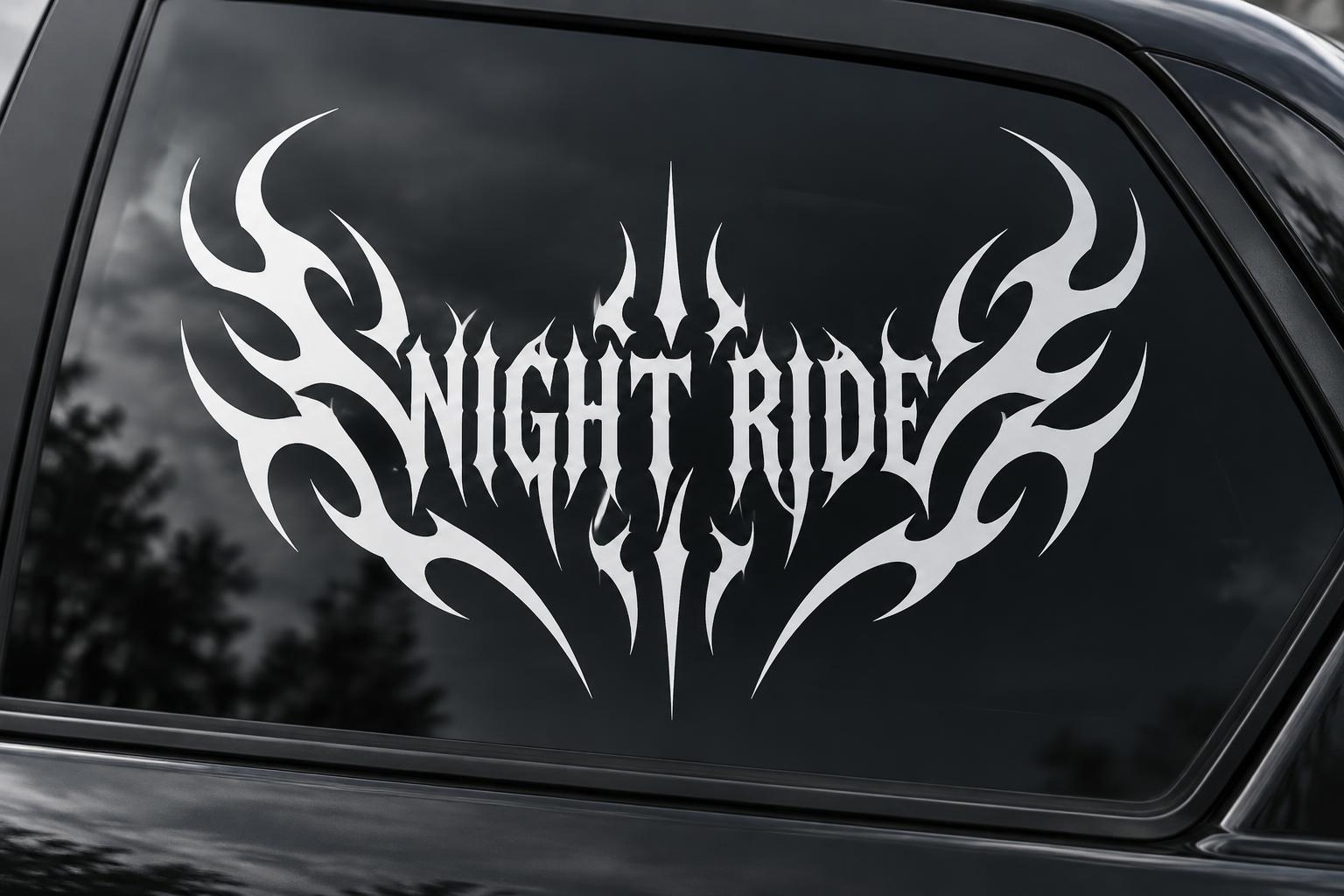
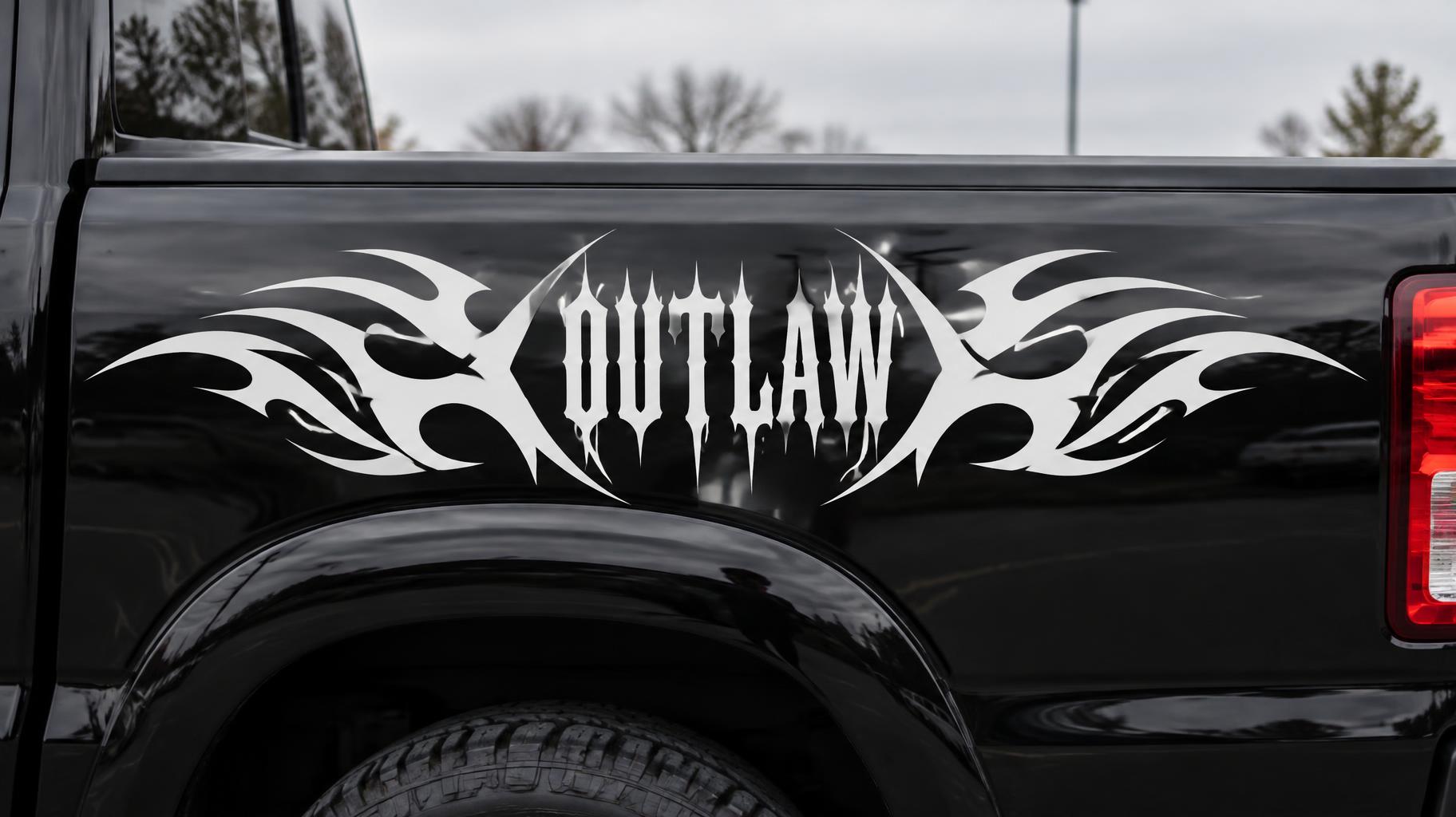
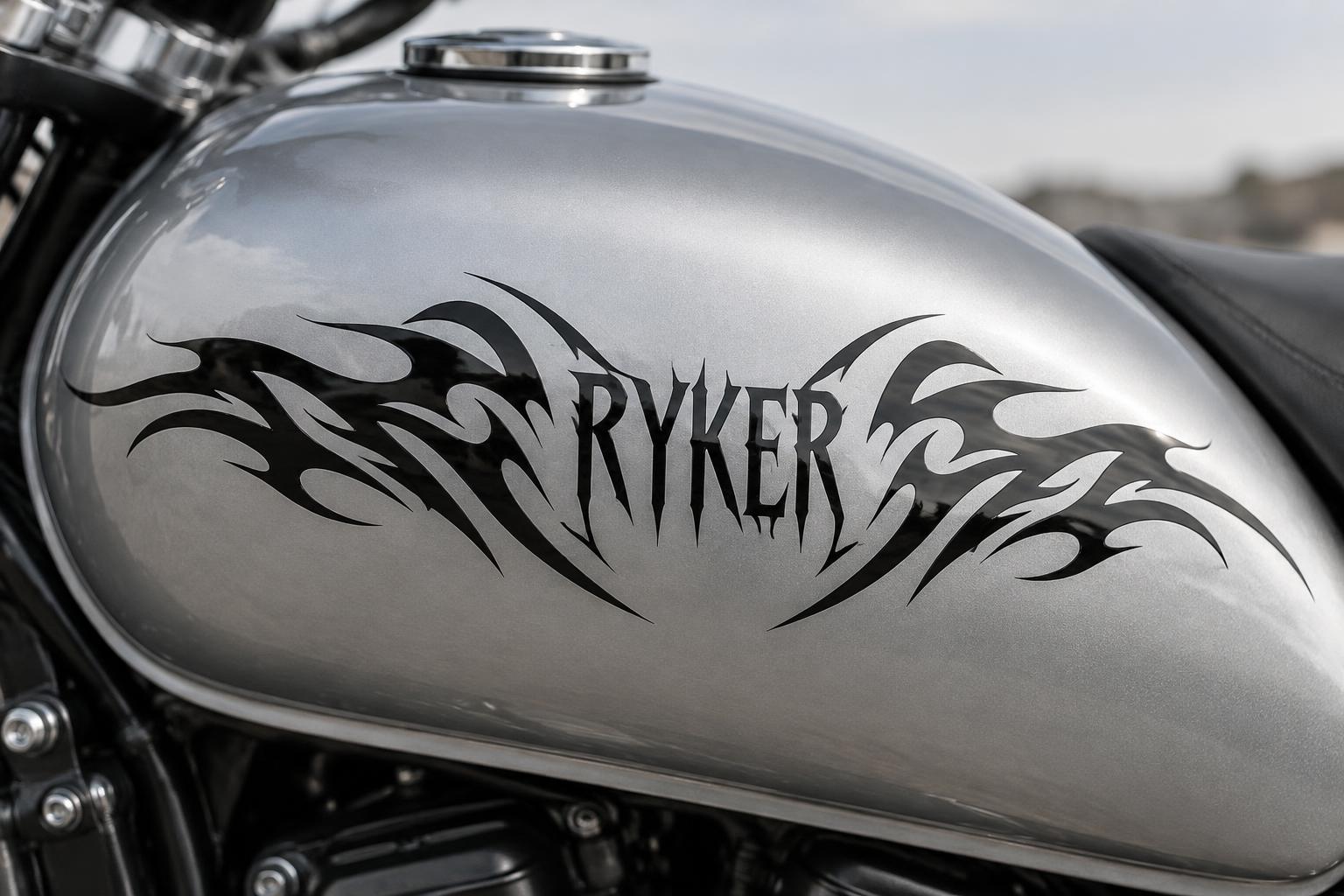
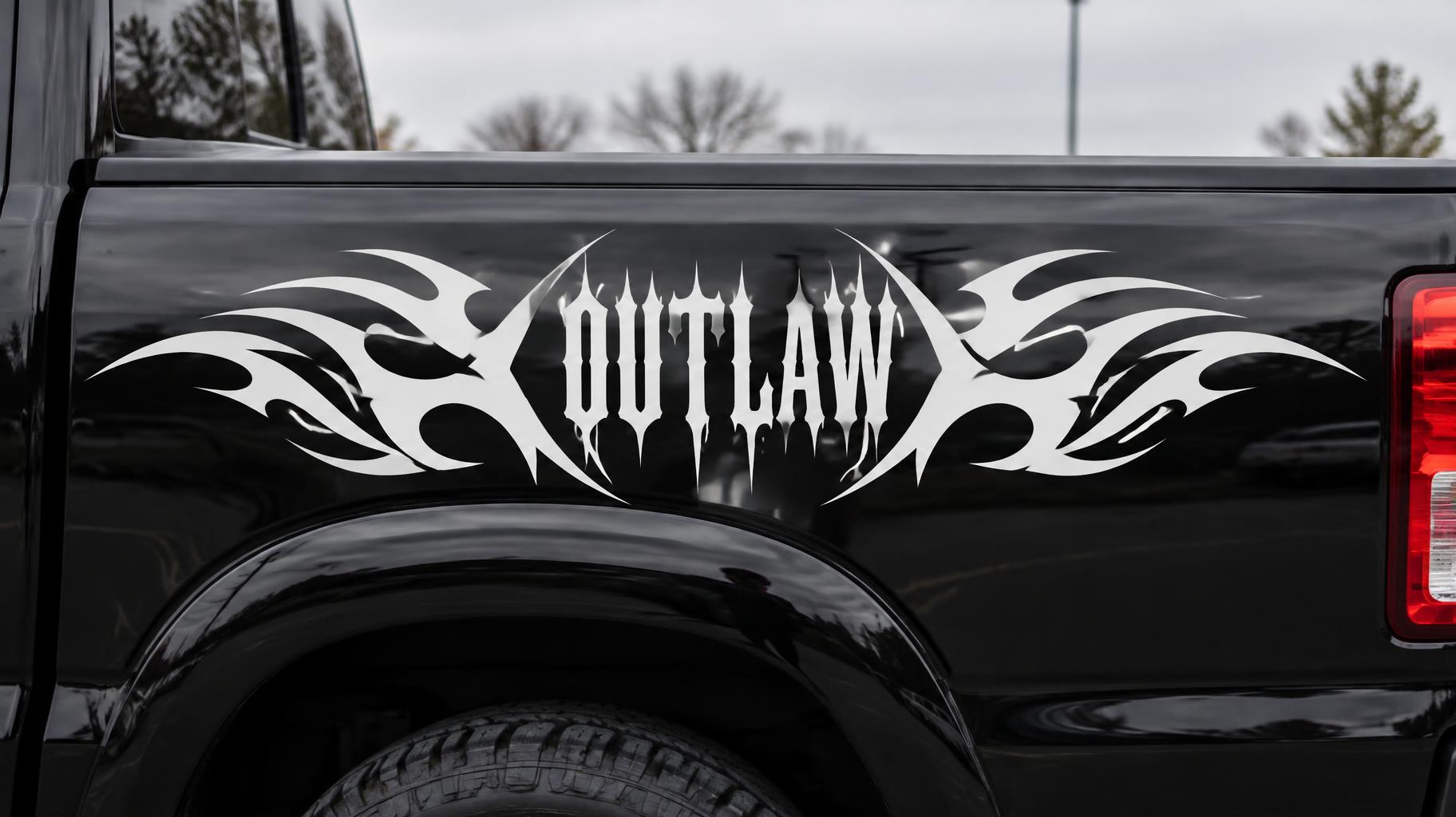
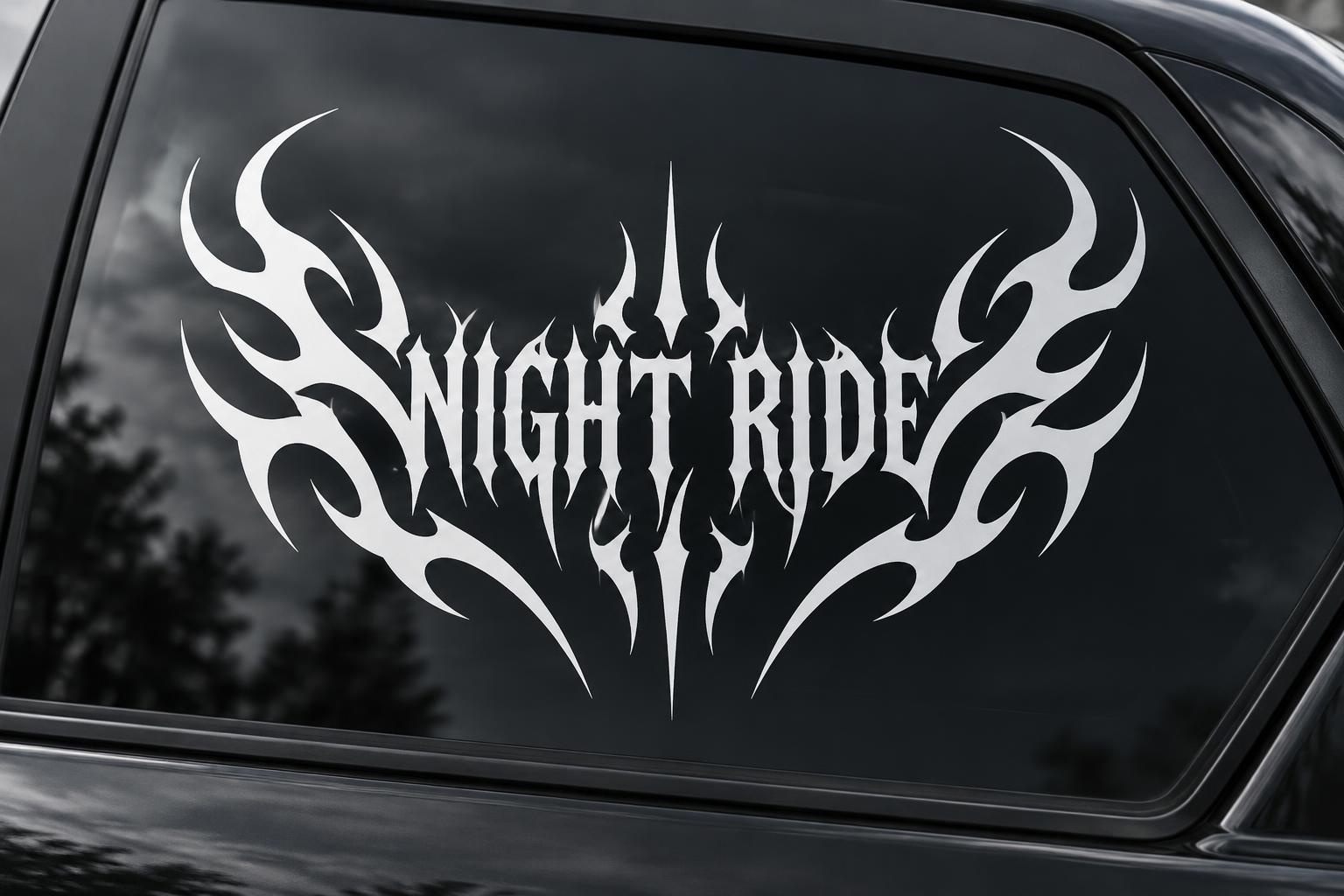
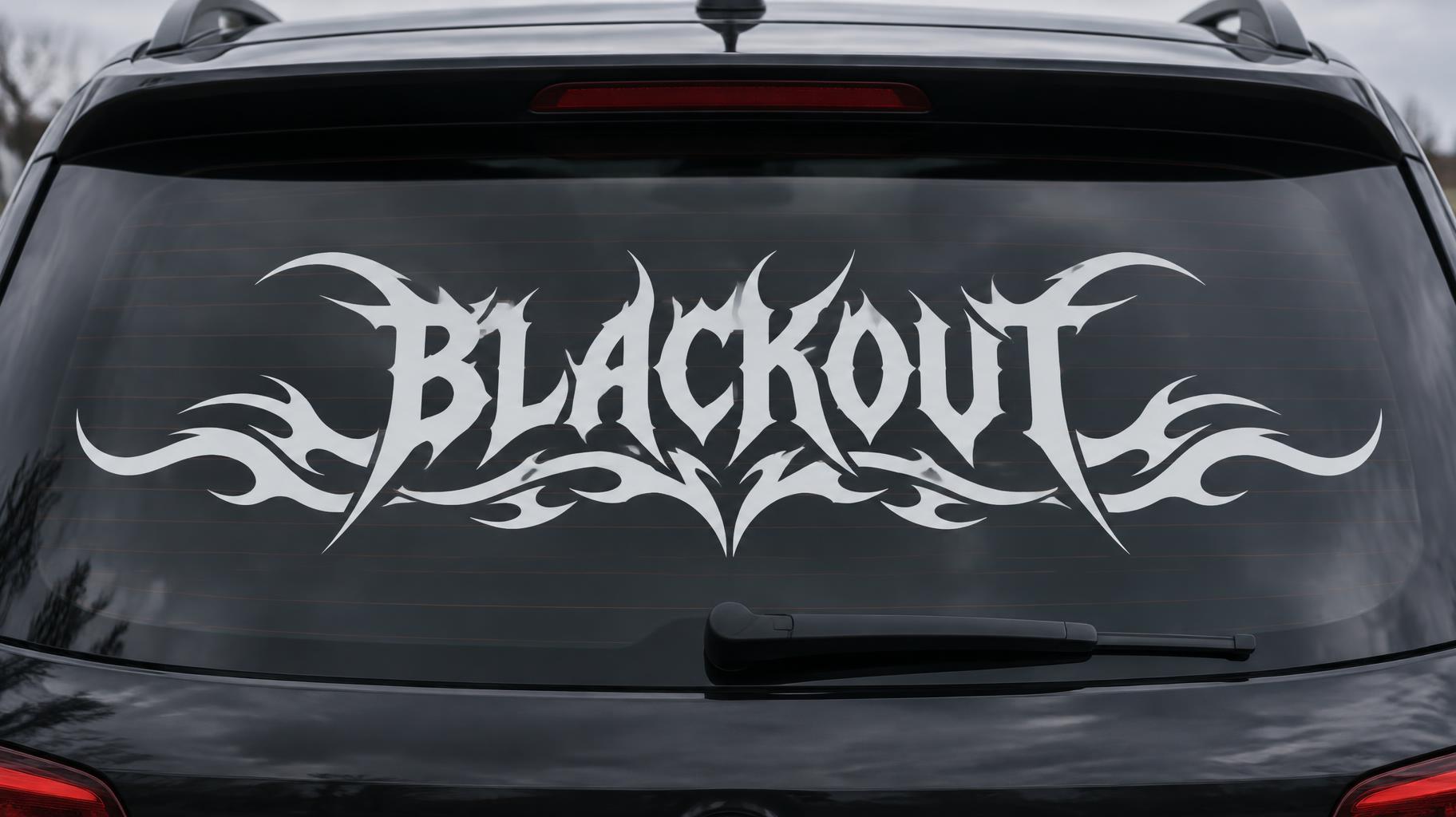
Vinyl window and fuel-tank decals: tribal flames and blade bands carrying a short word or name.
Tribal Logos
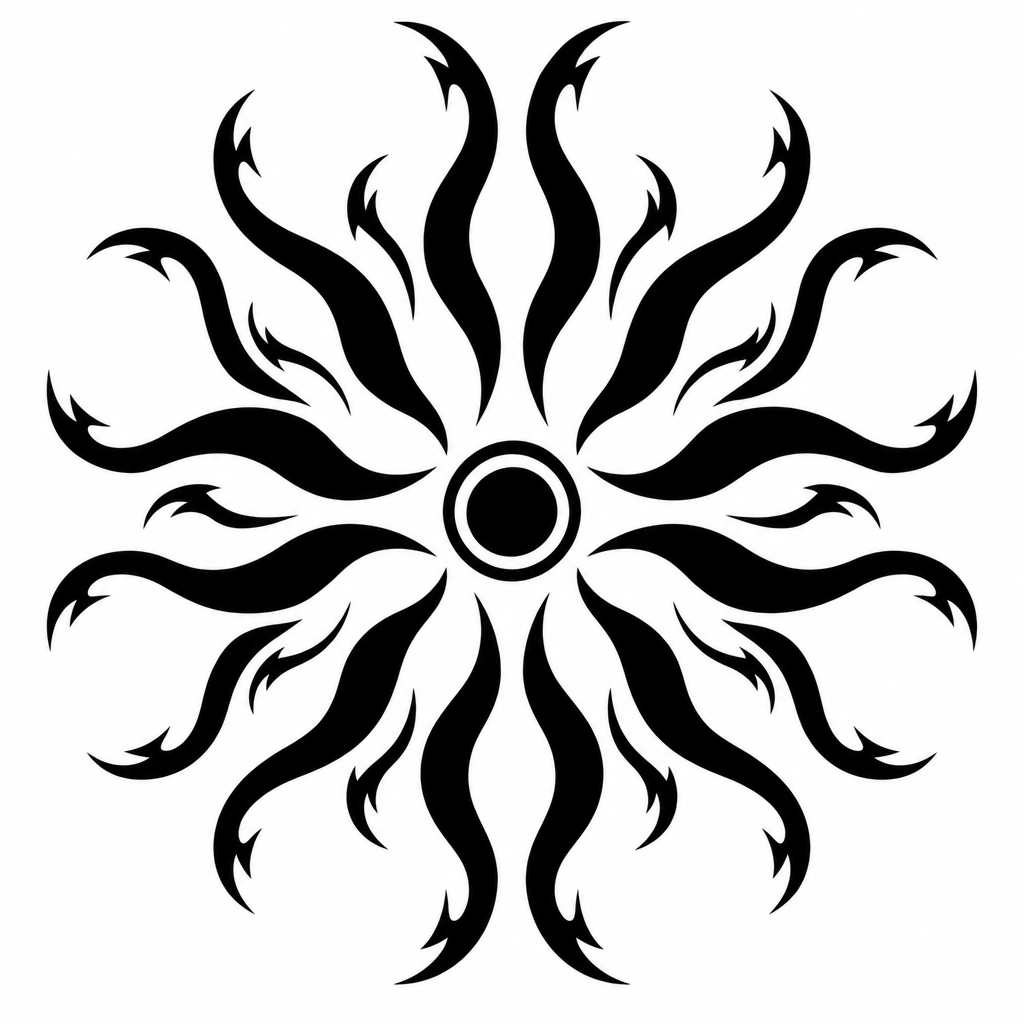
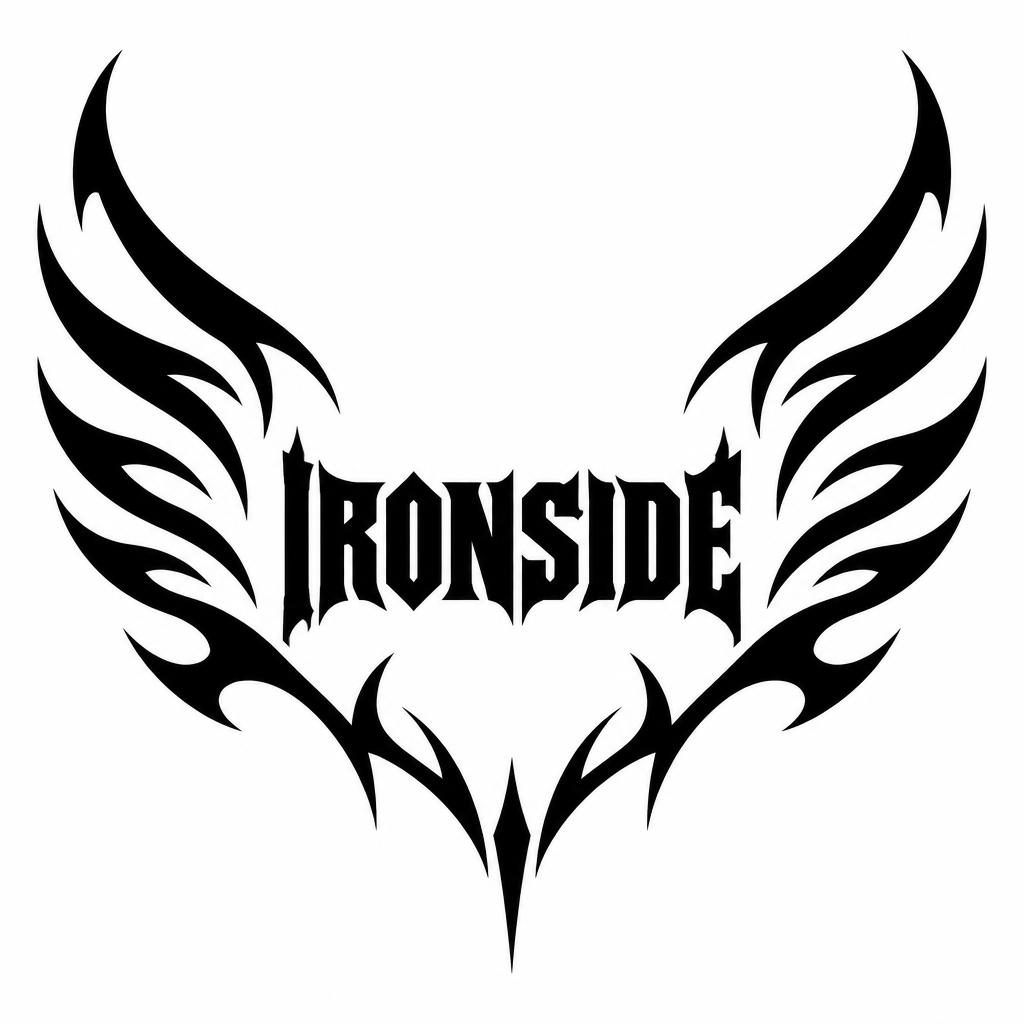
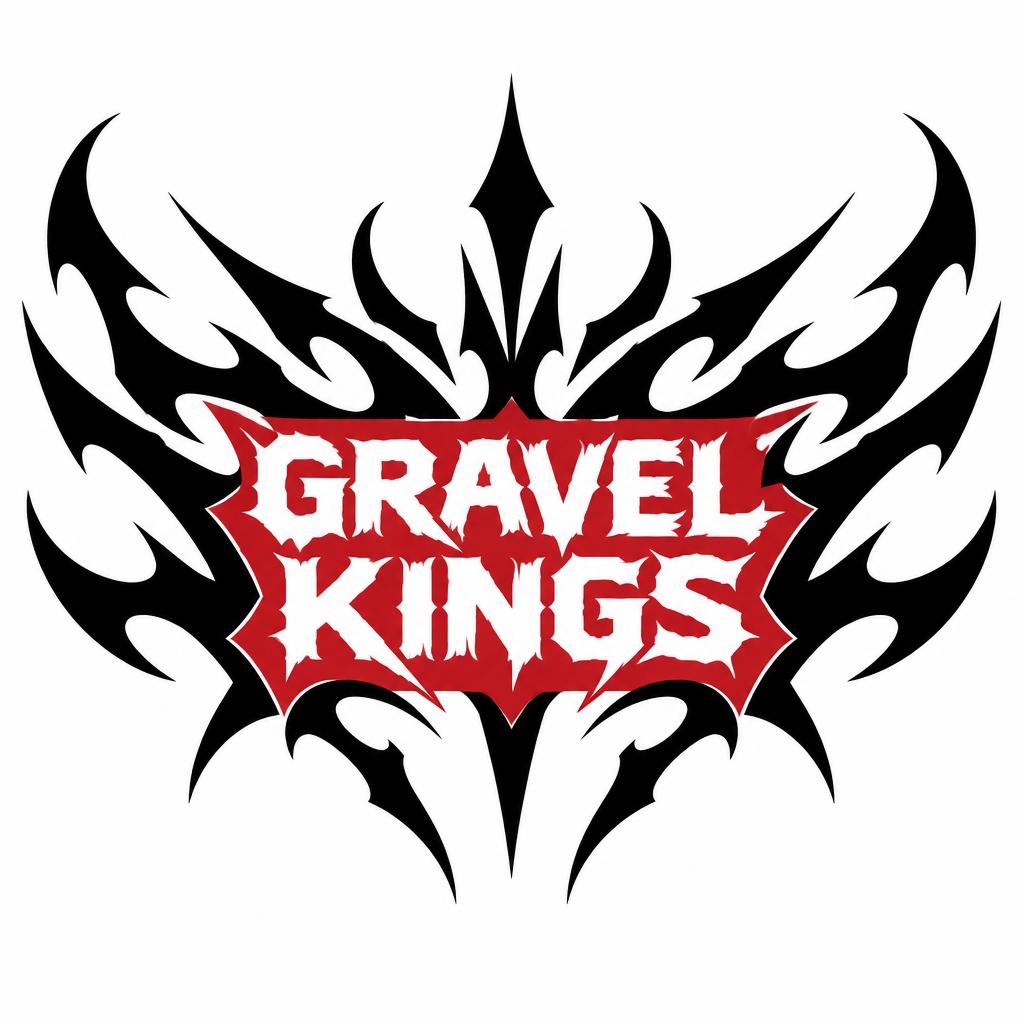
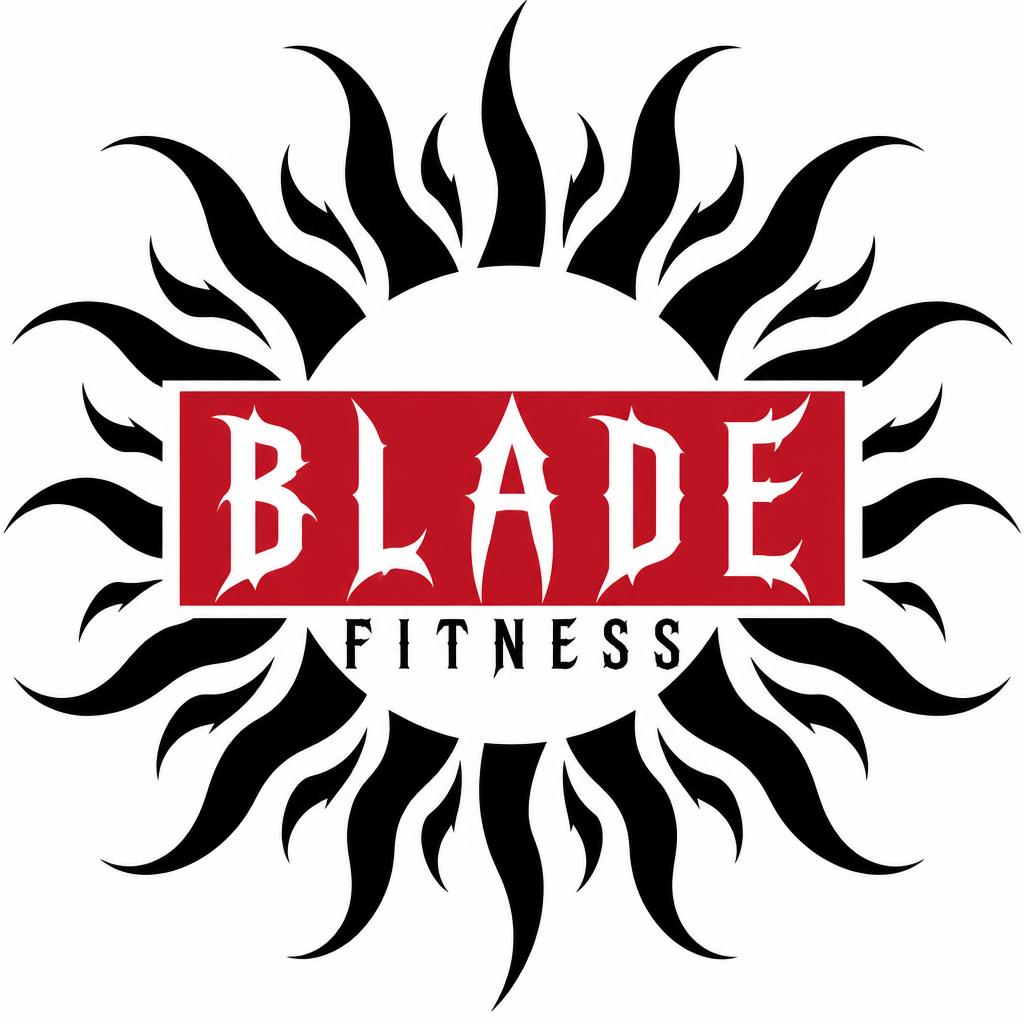
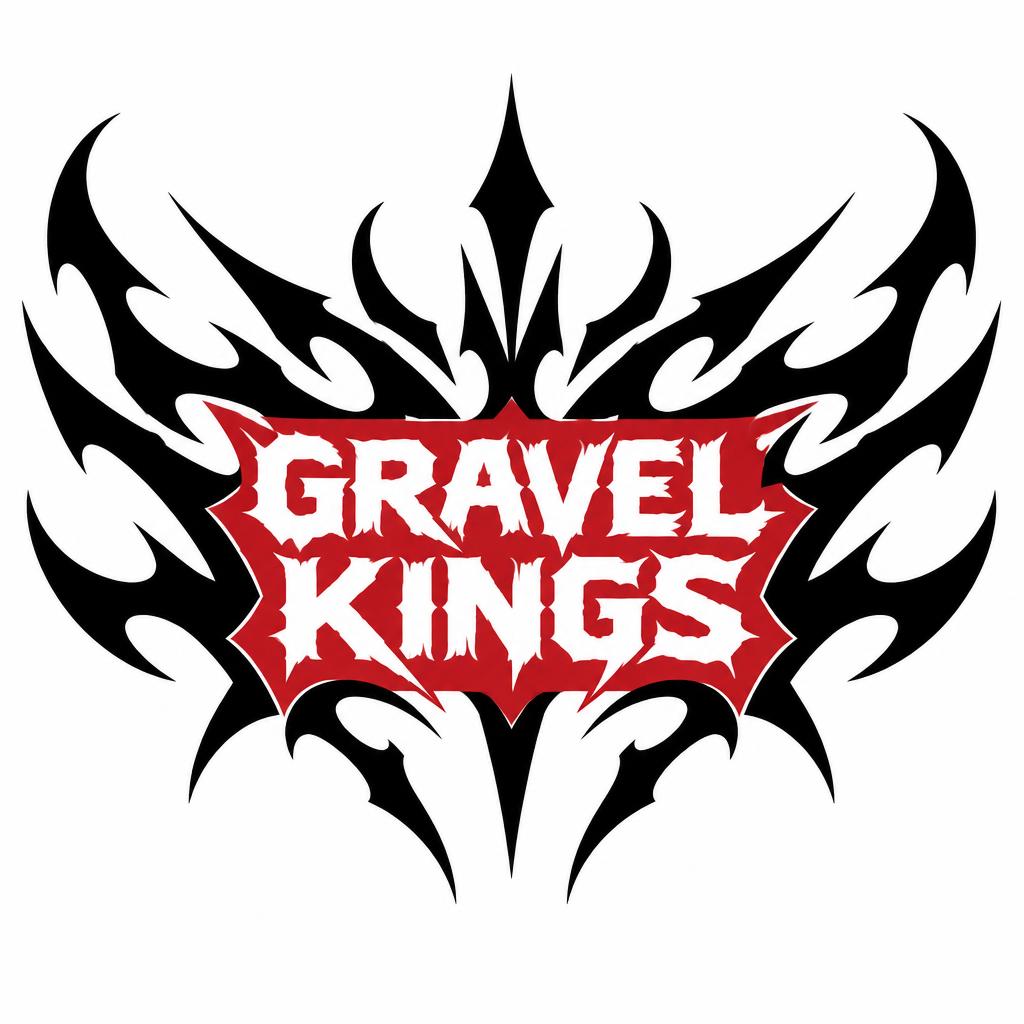
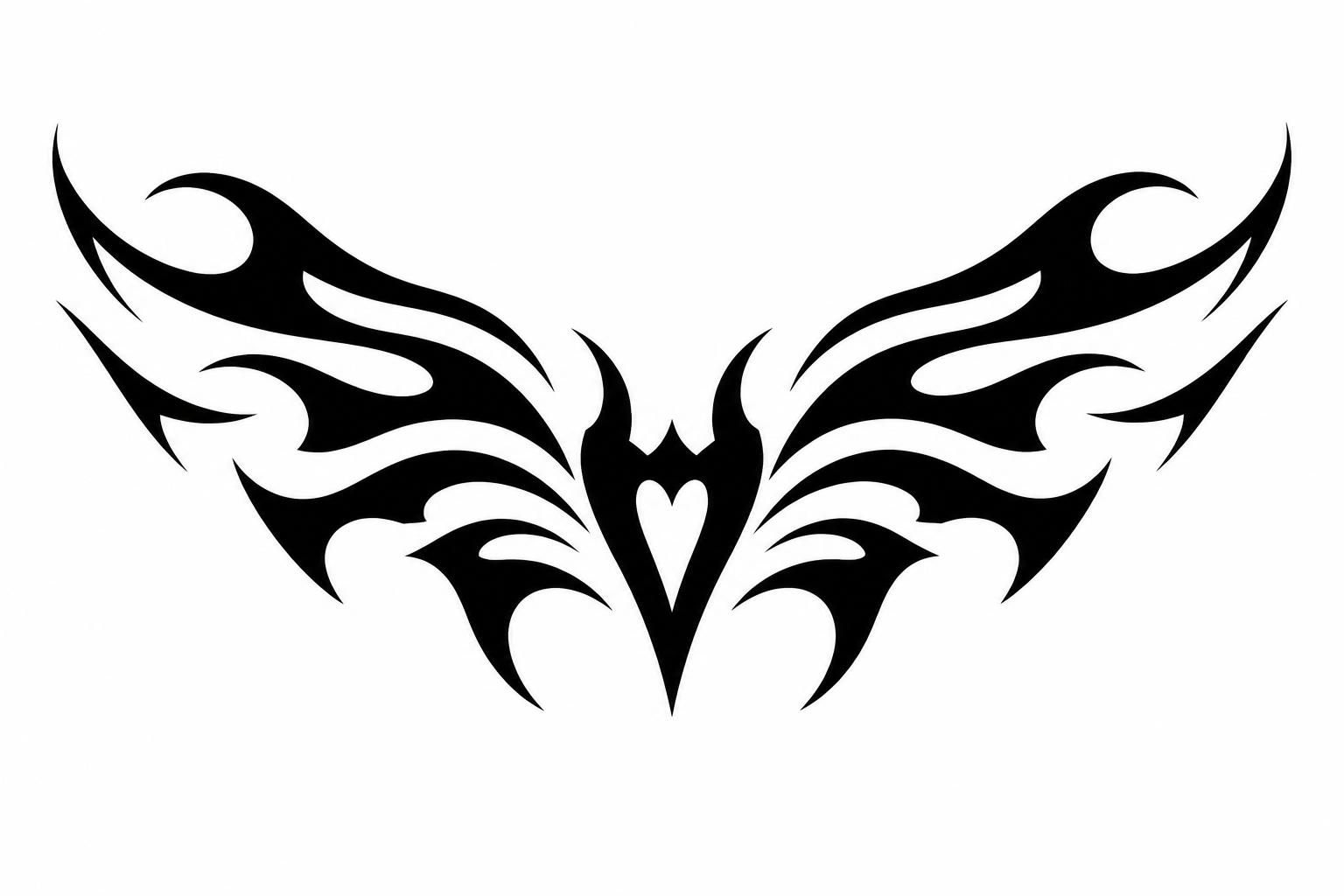
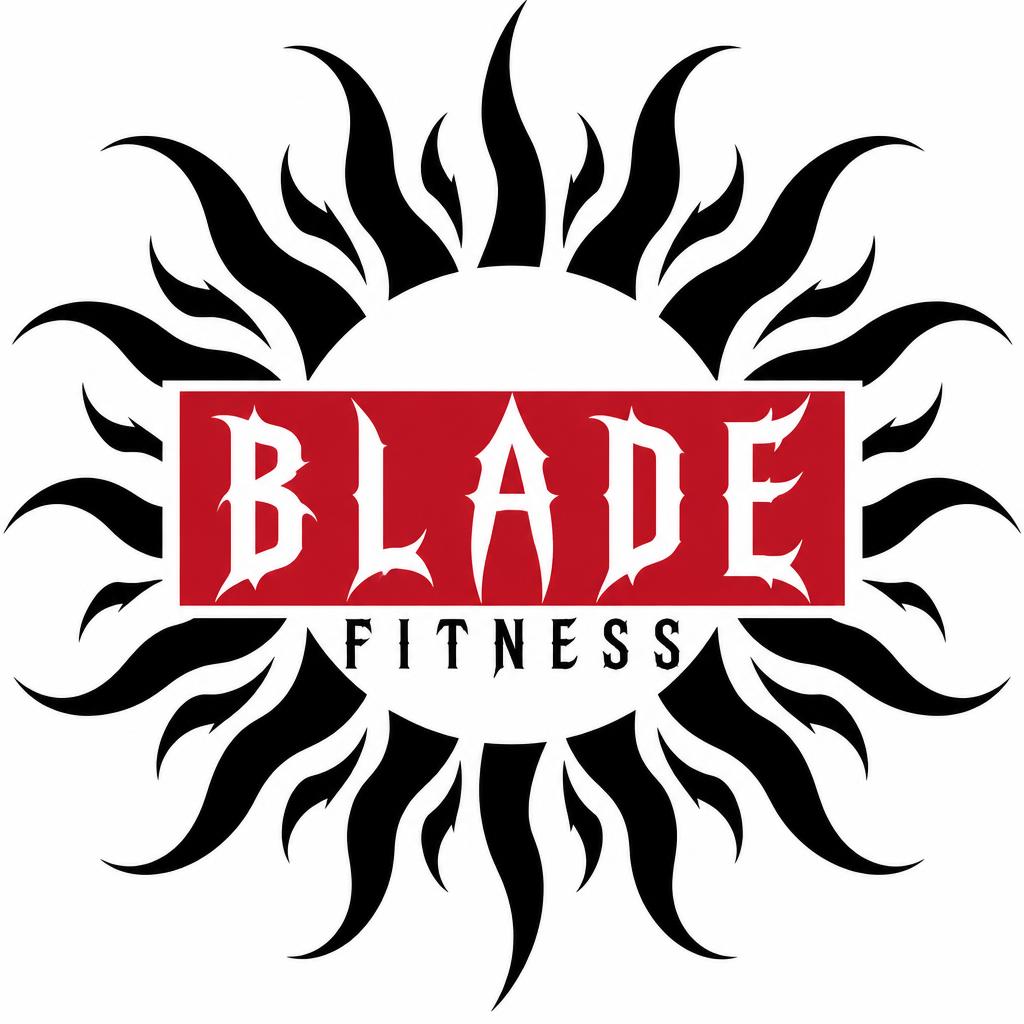
Logos for crews, gyms and bands: the name set inside a symmetrical blade emblem or tribal sun.
Neo Tribal Posters
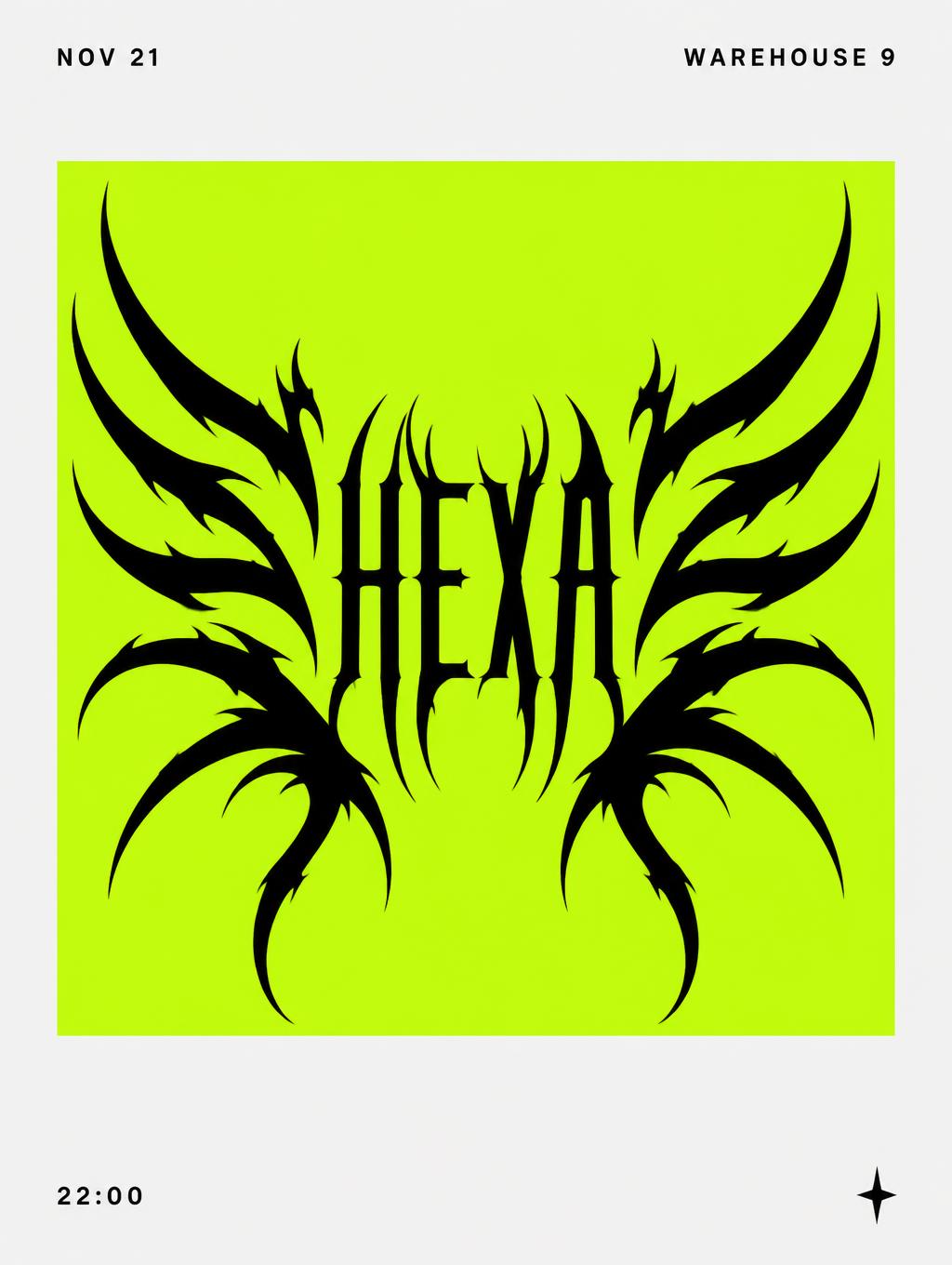
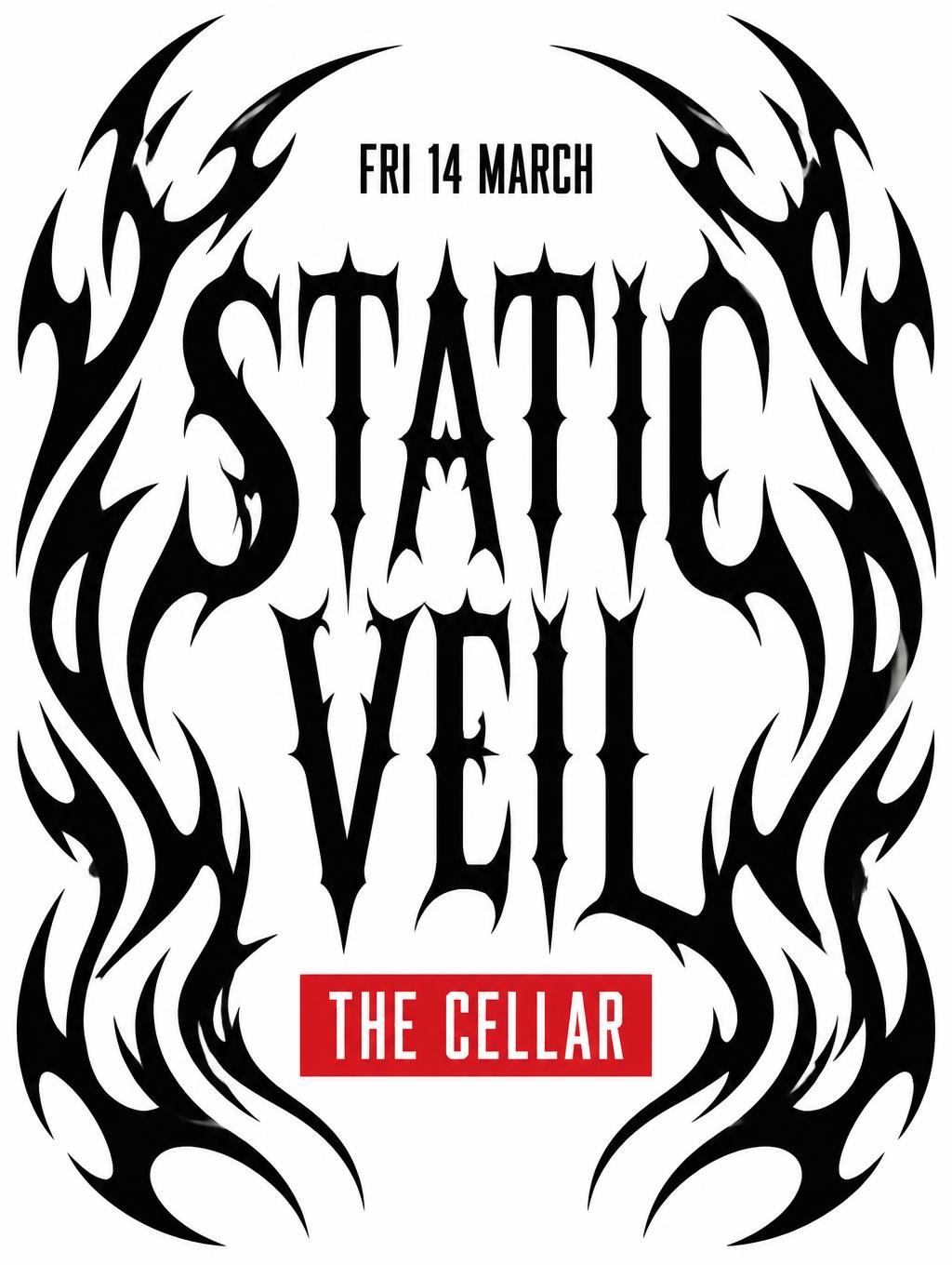
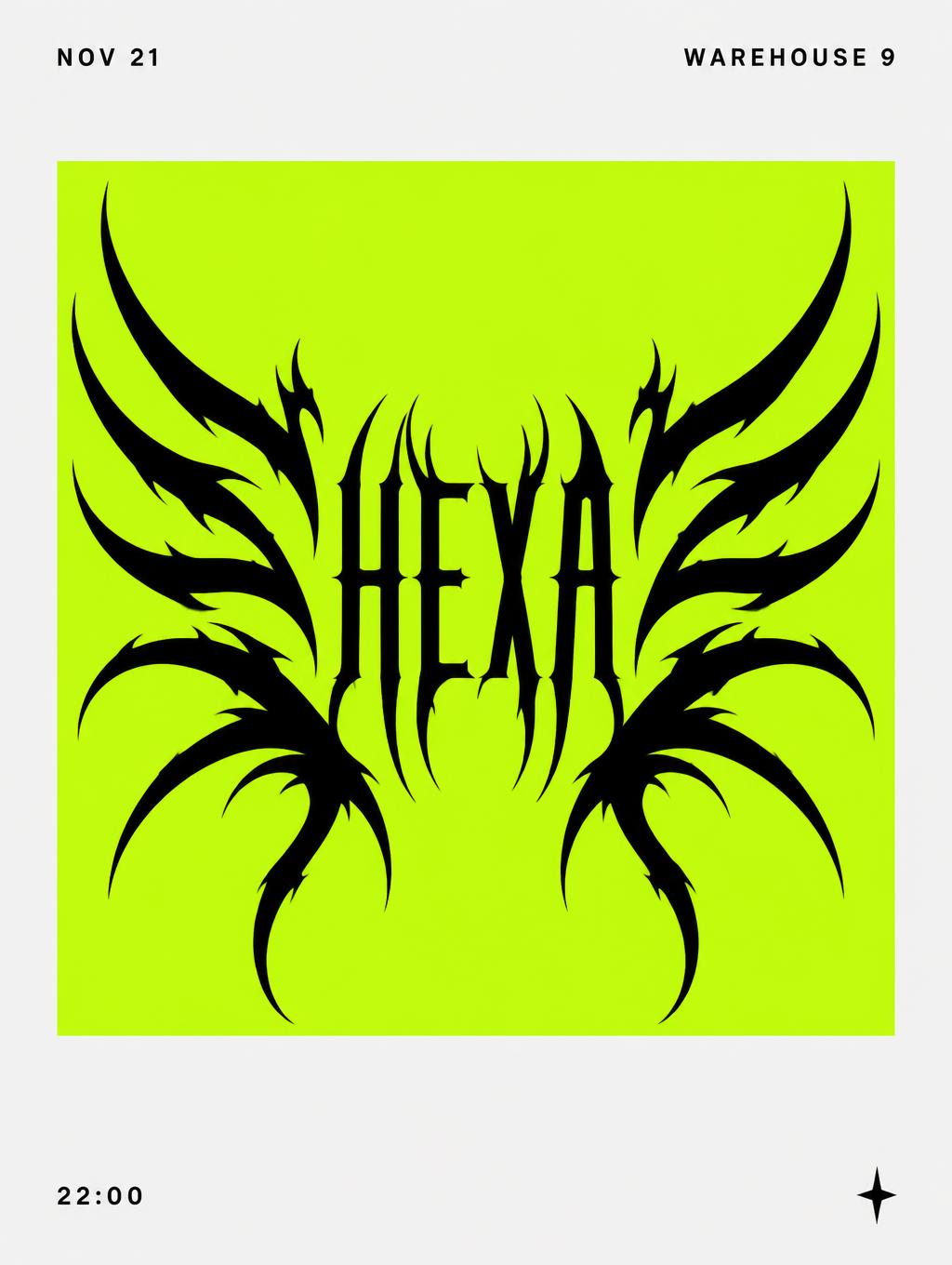
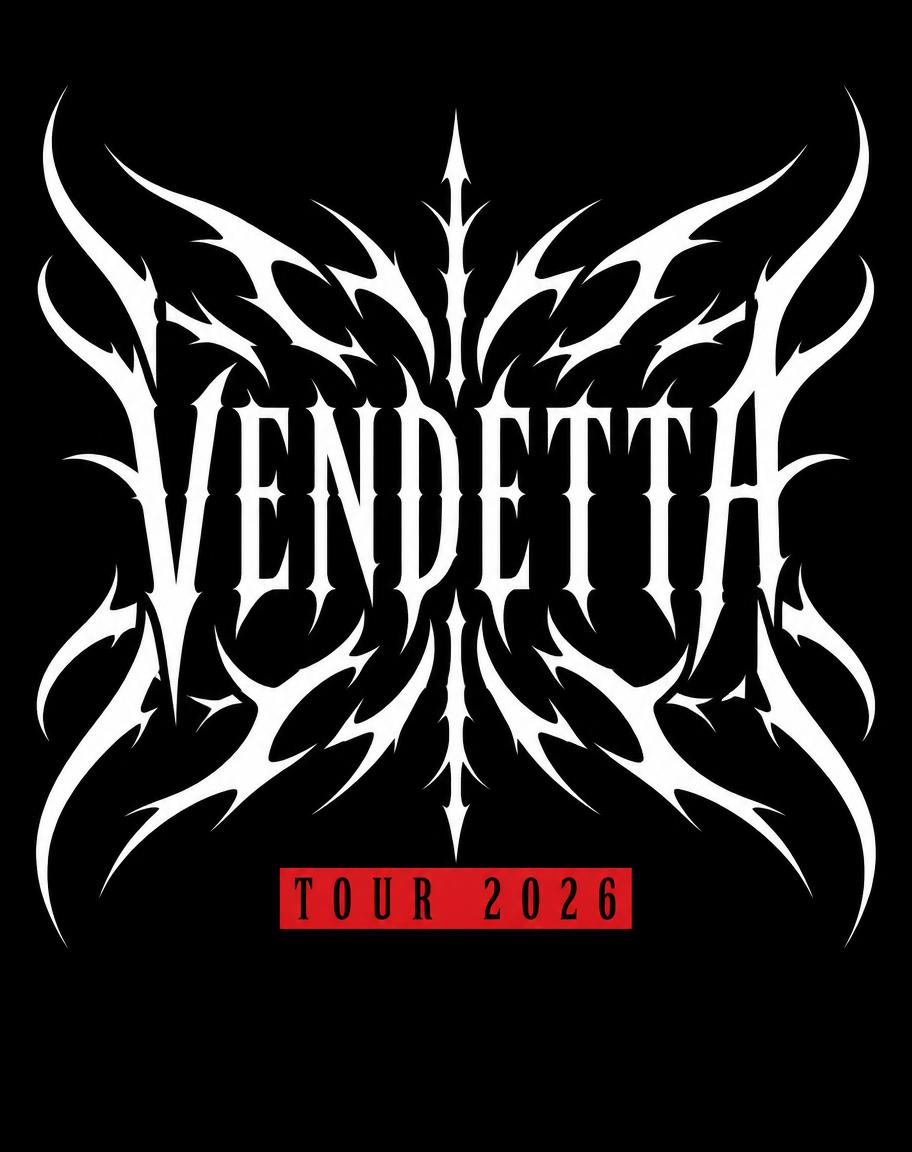
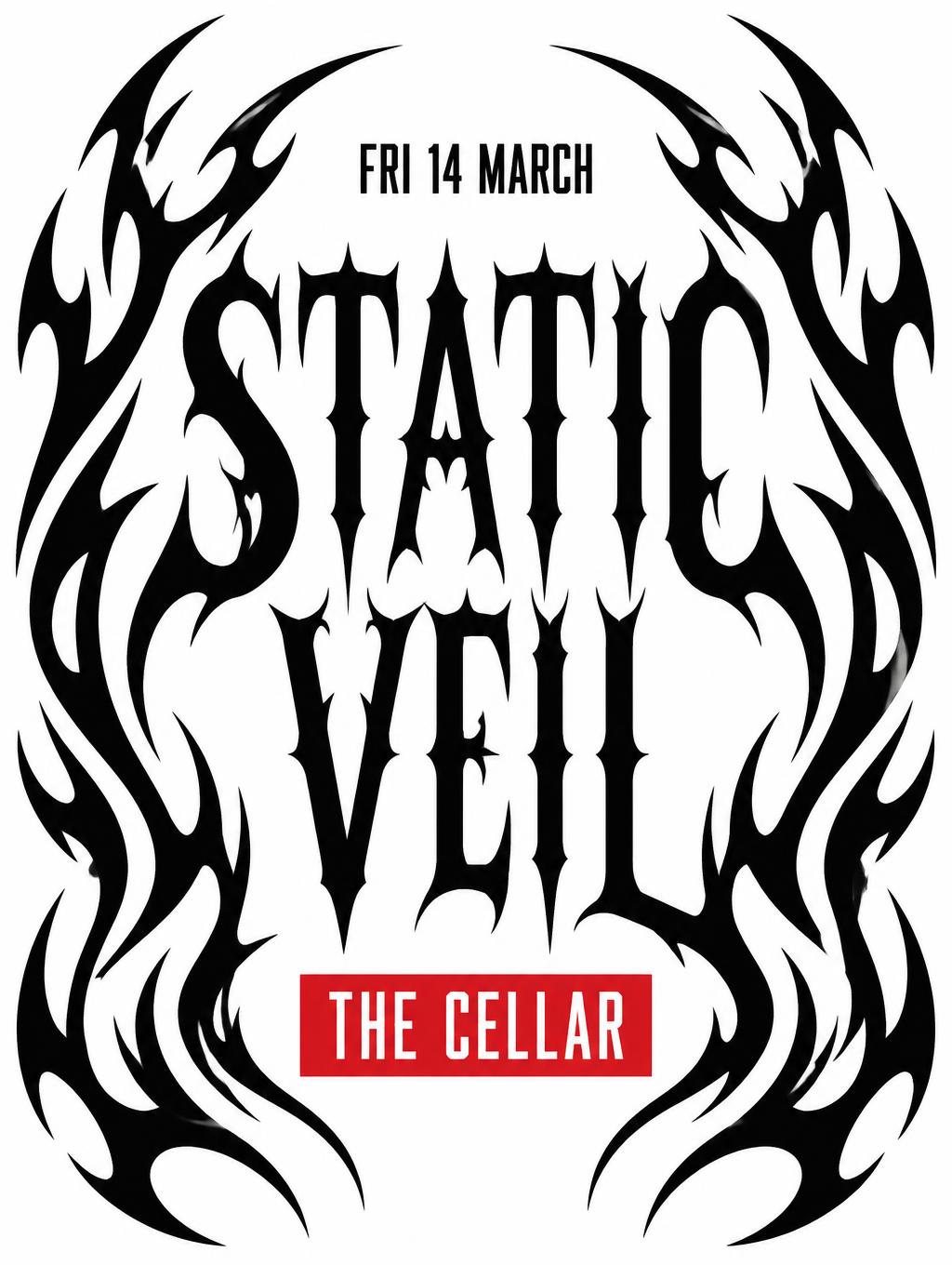
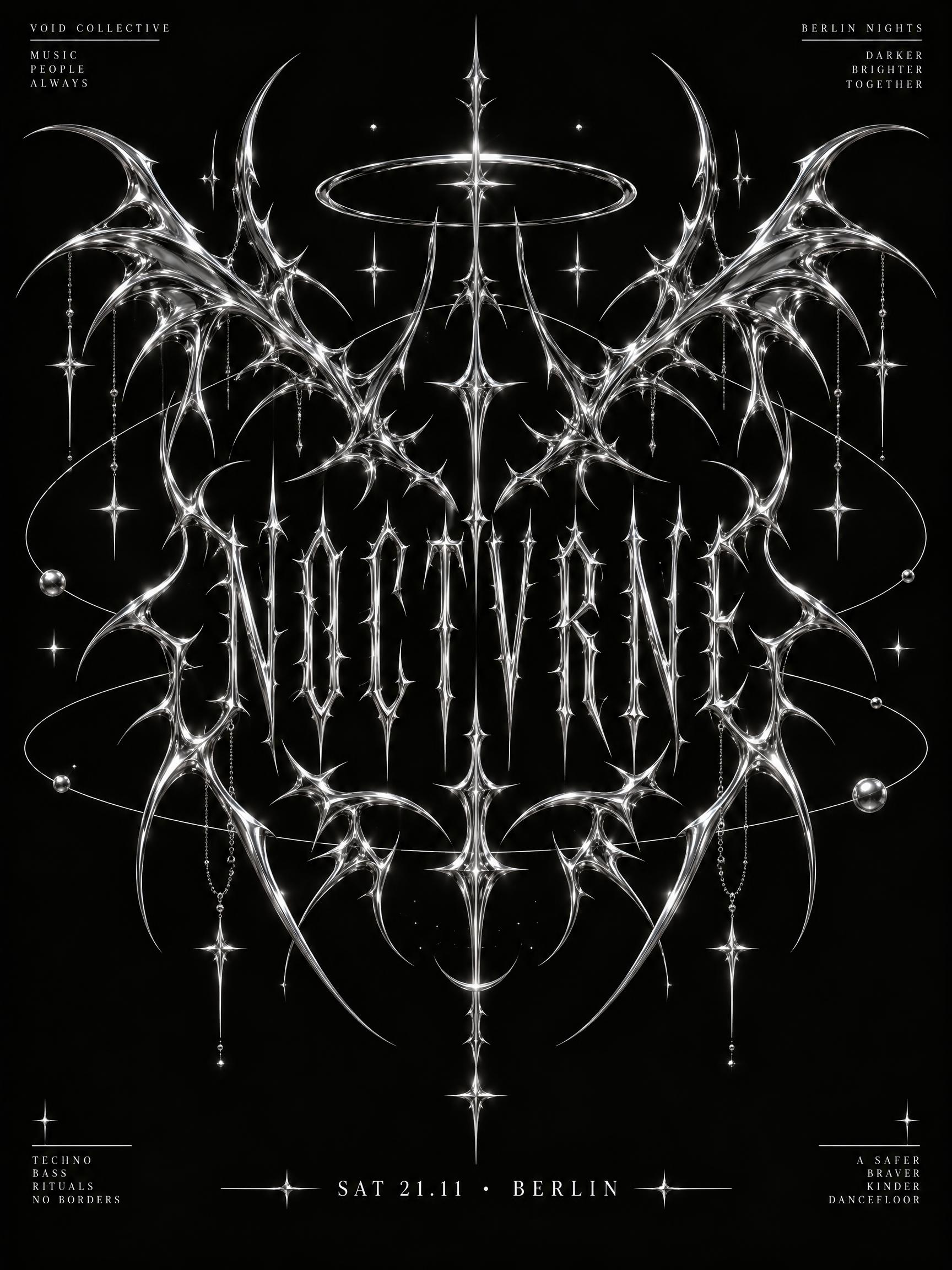
Club night and gig posters with a blade emblem, the event name in the centre and details in small caption text.
Neo Tribal T-Shirts
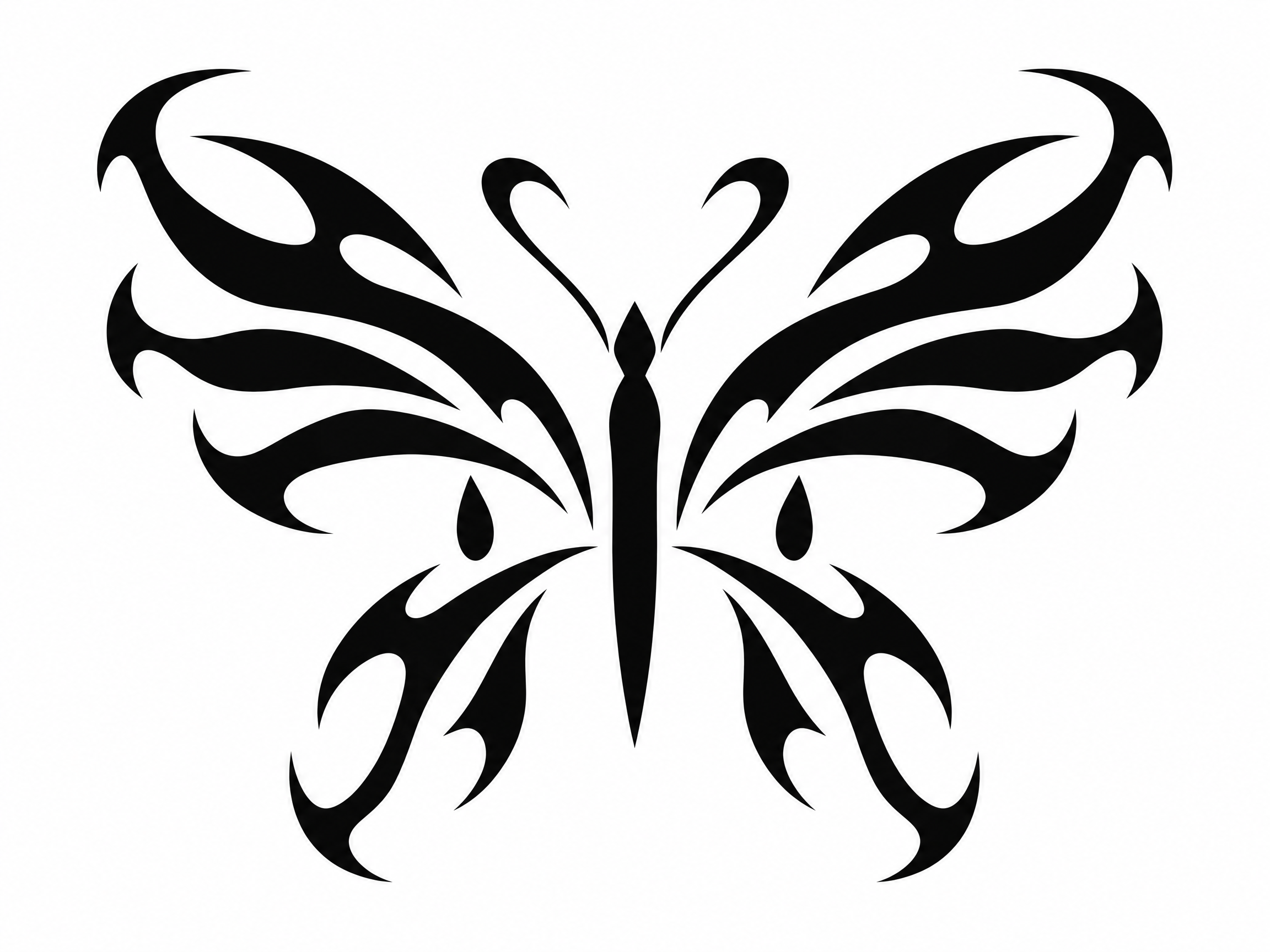
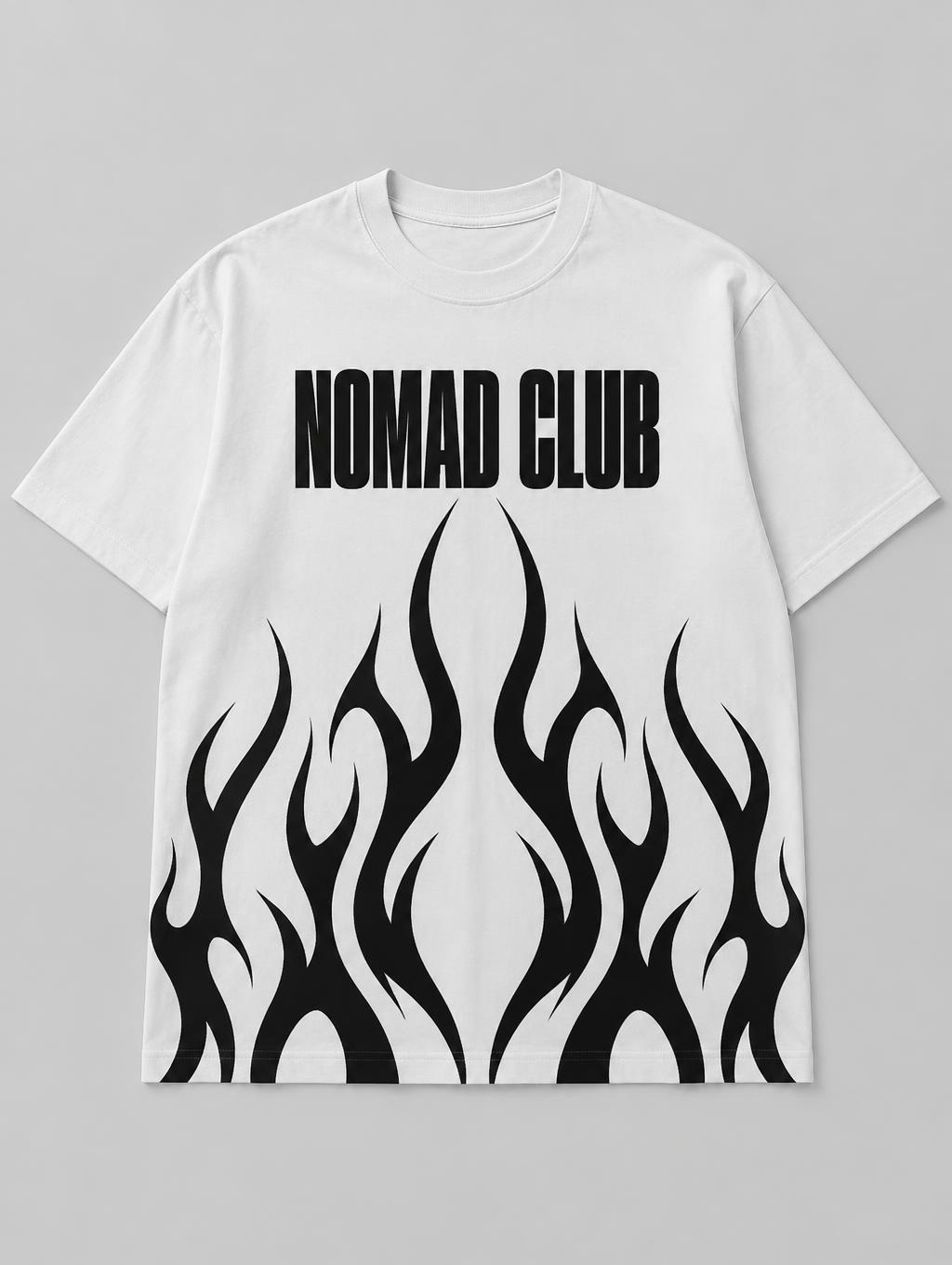
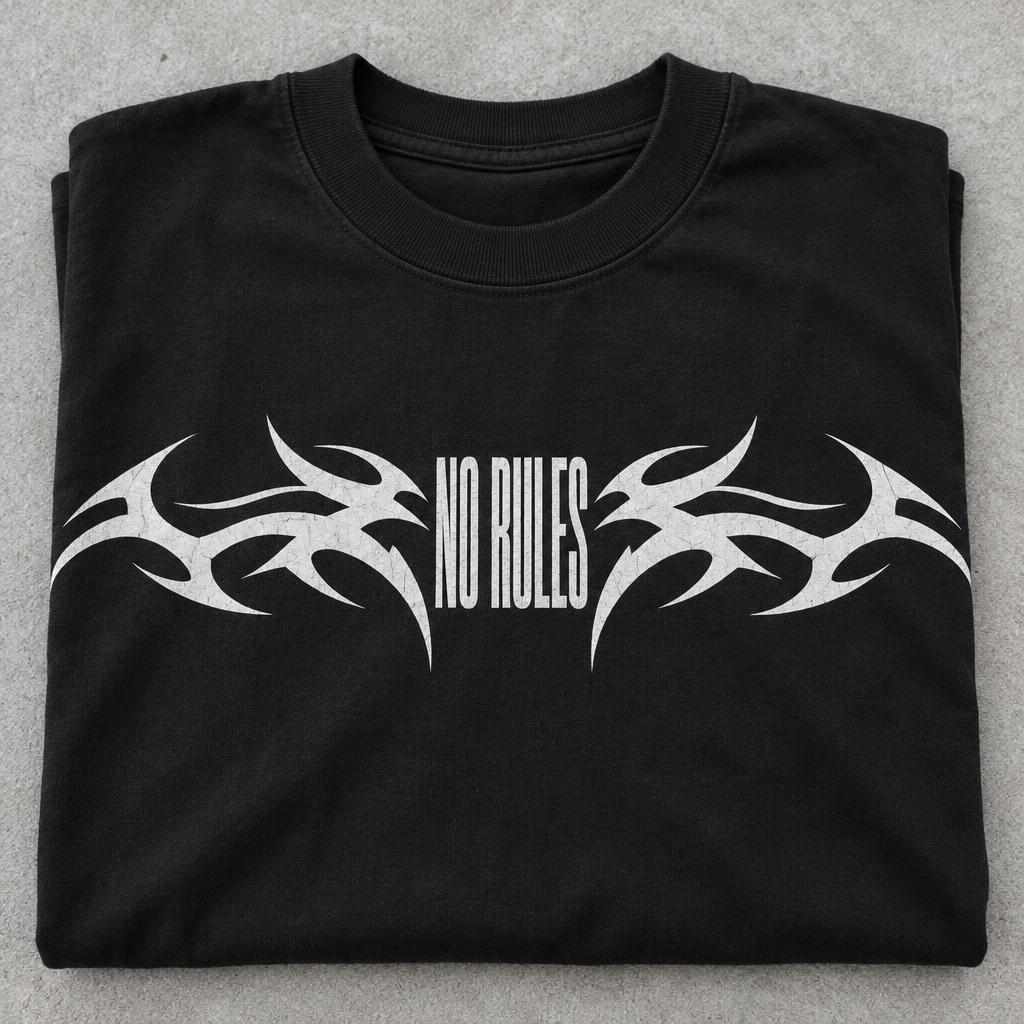
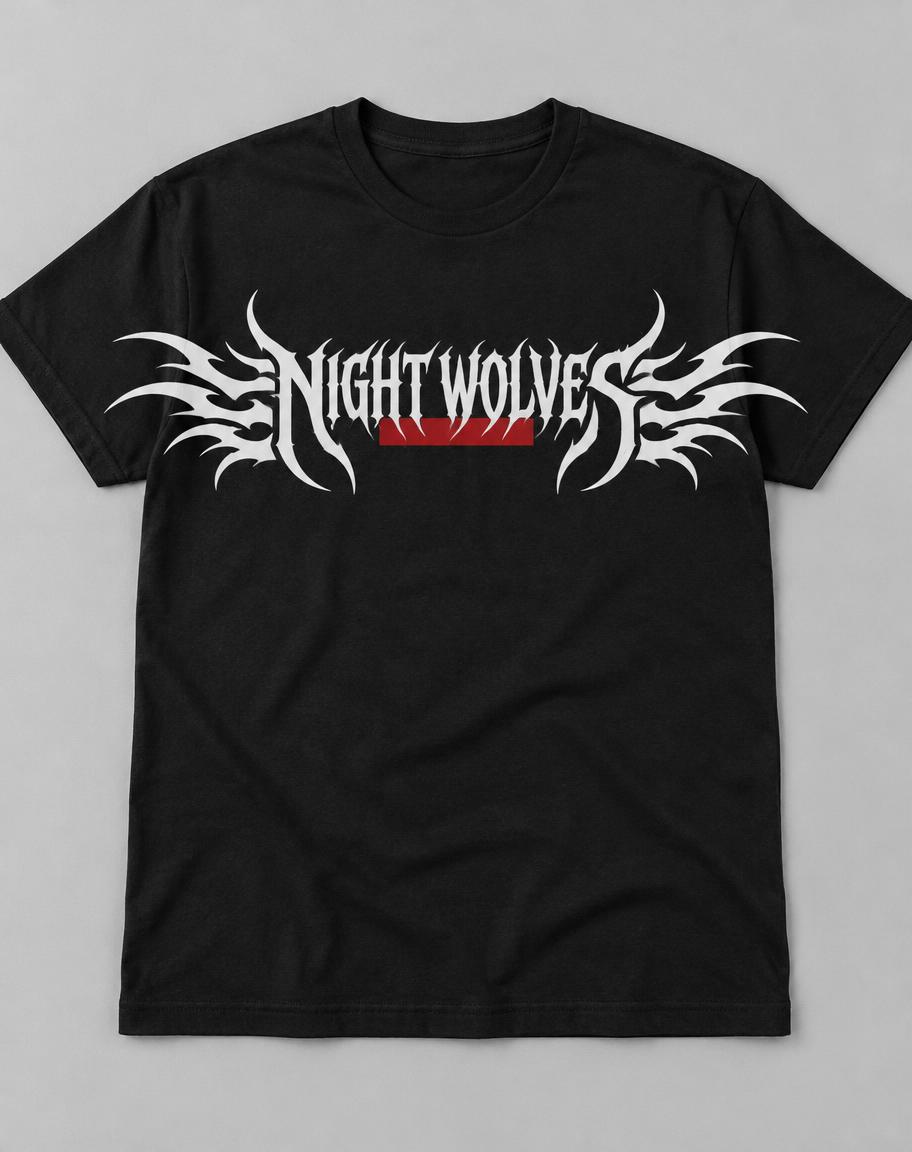
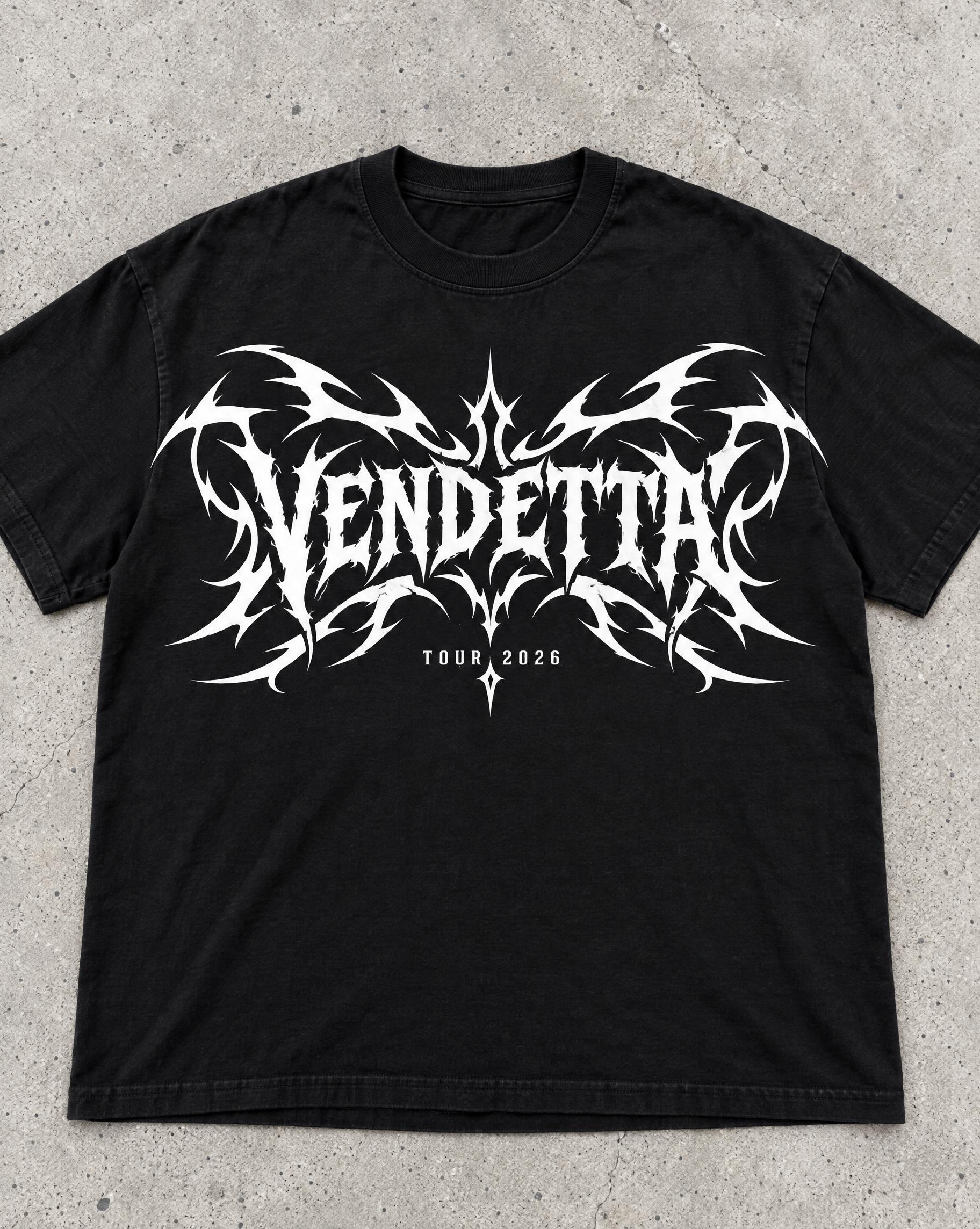
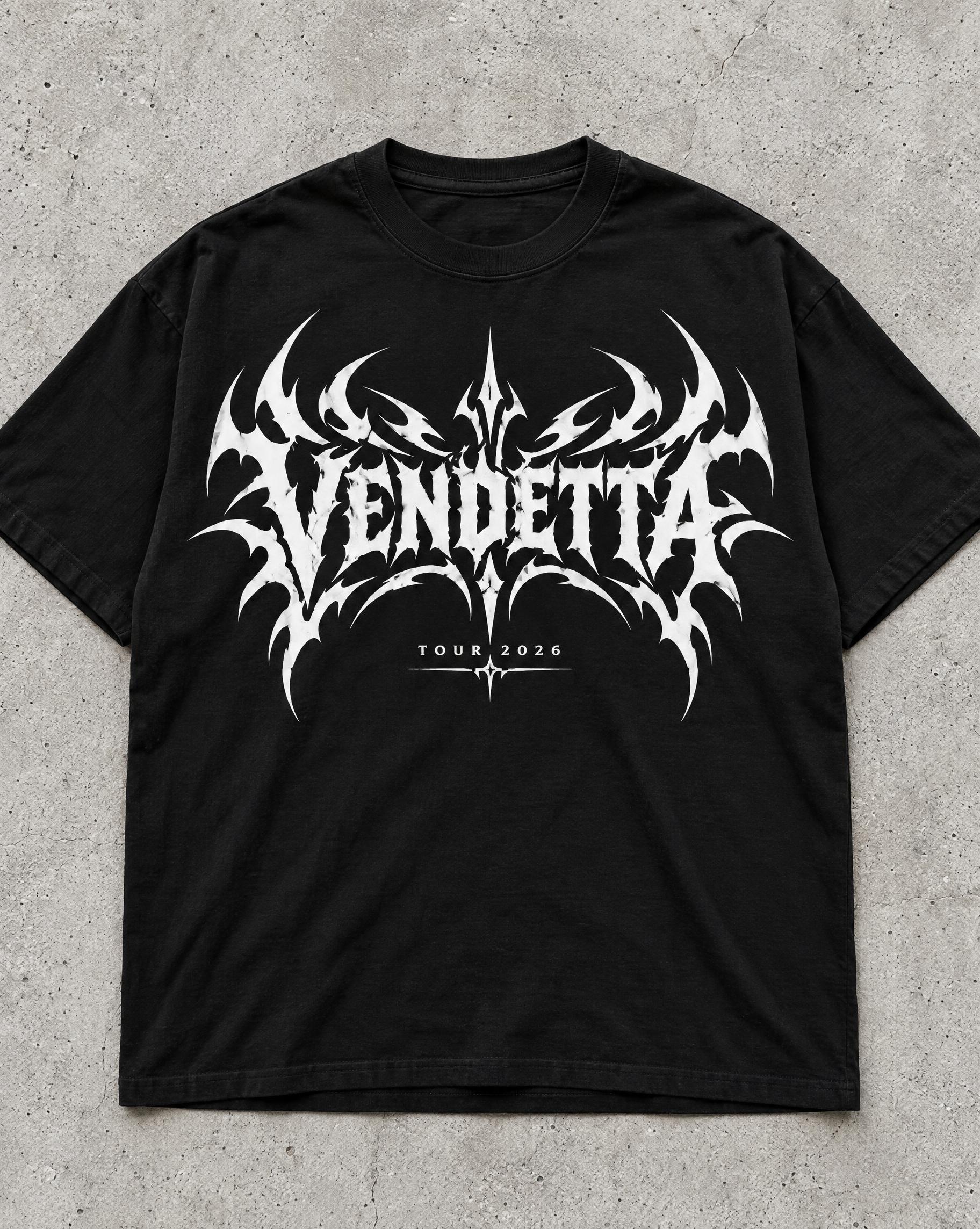
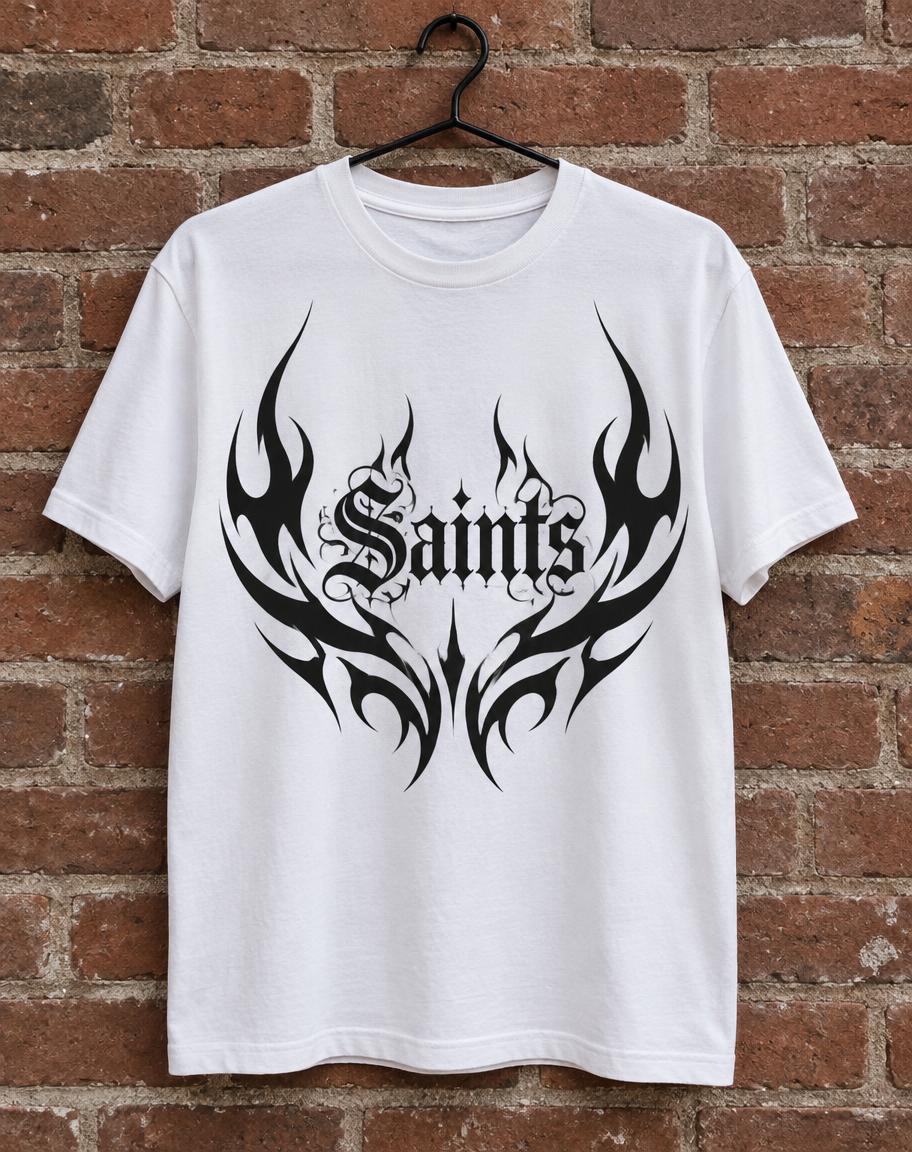
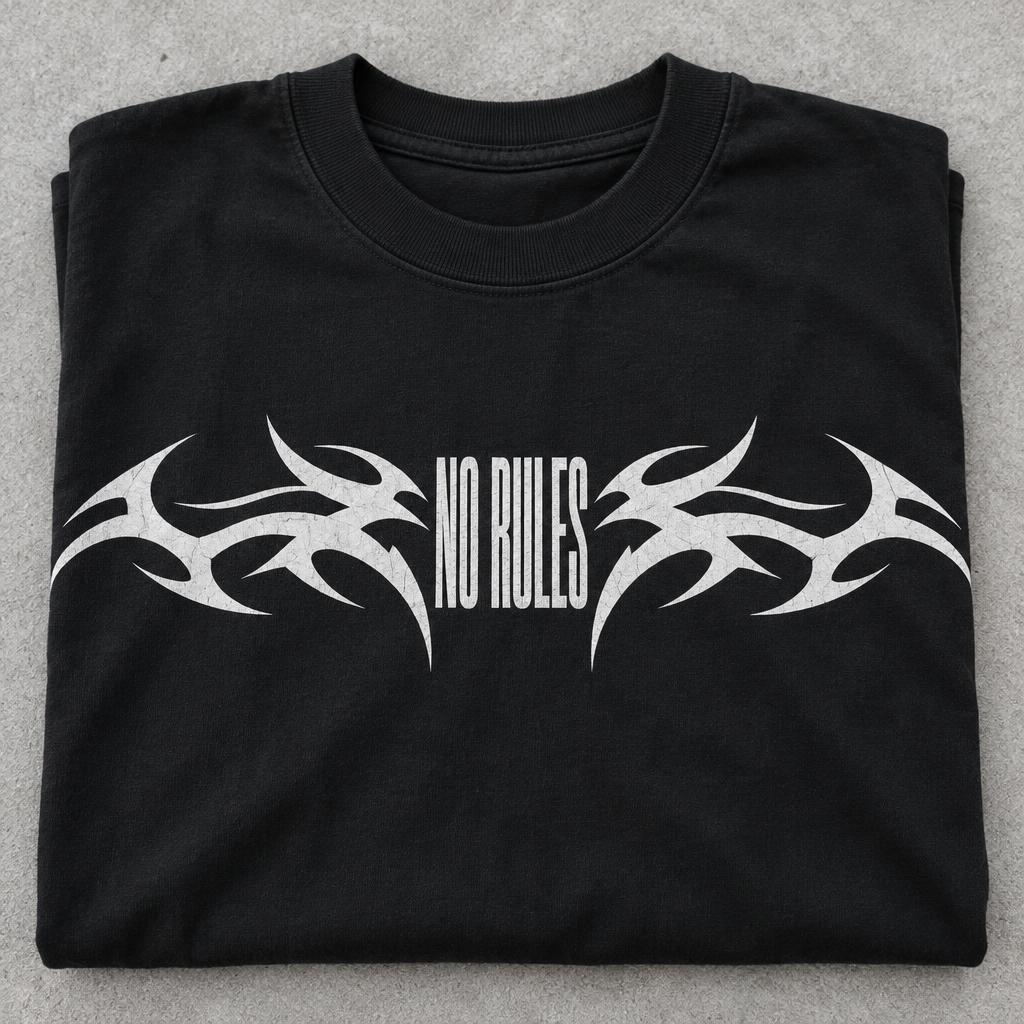
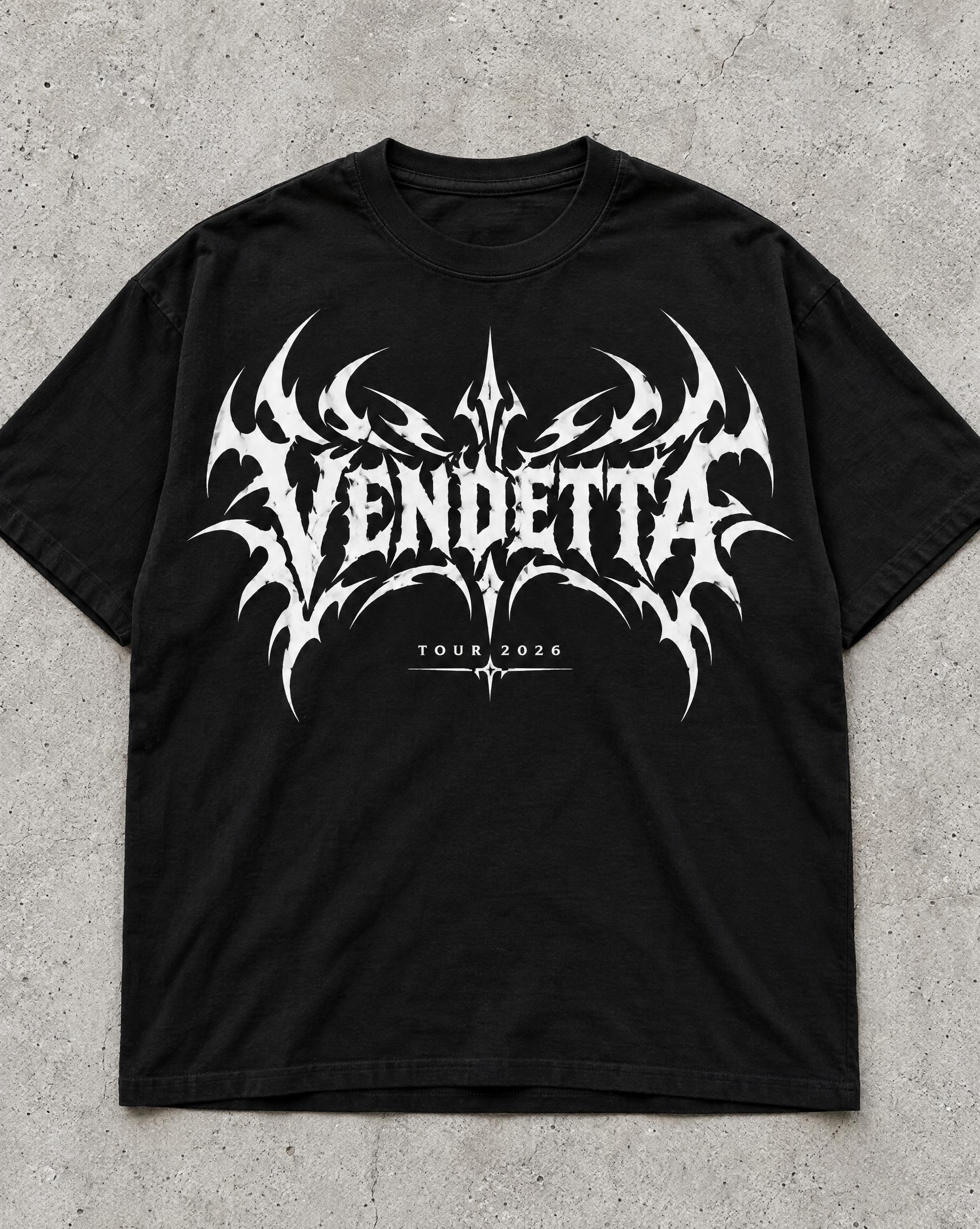
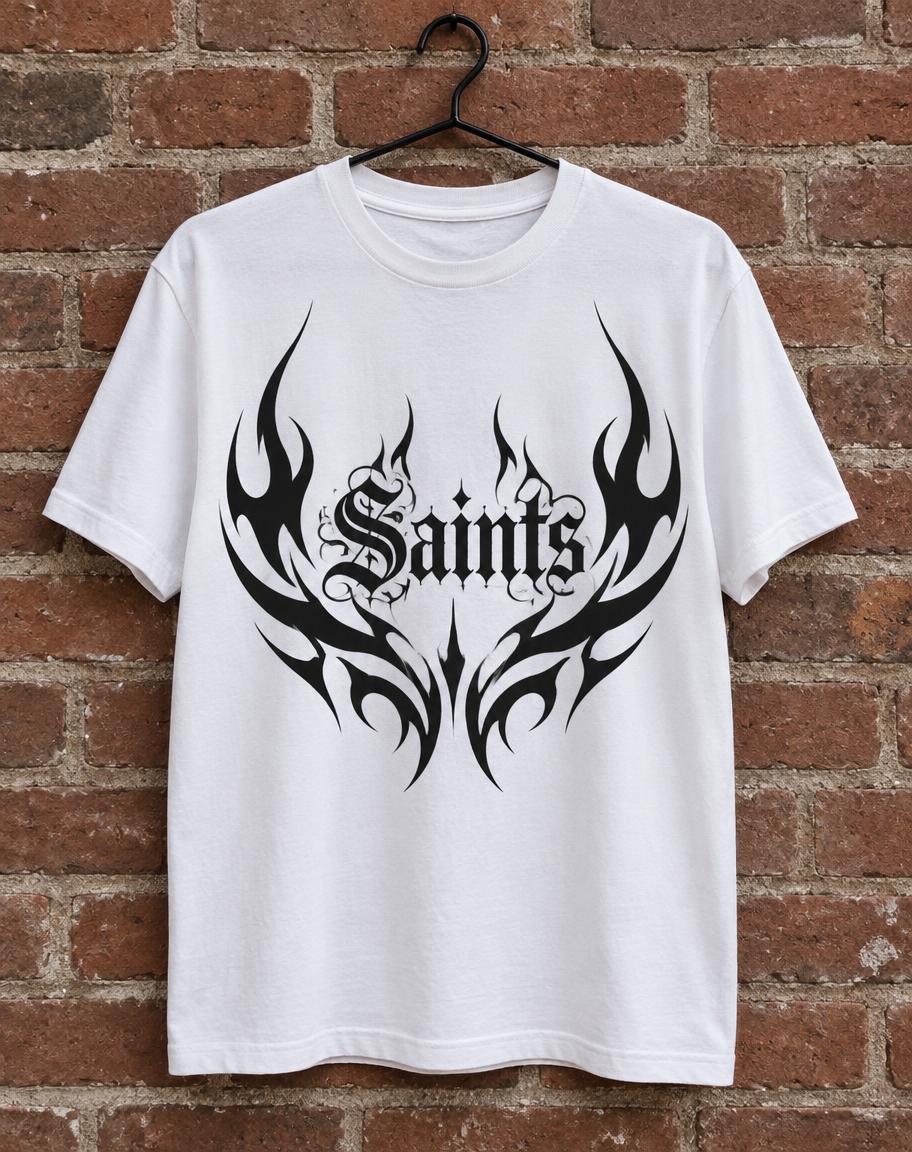
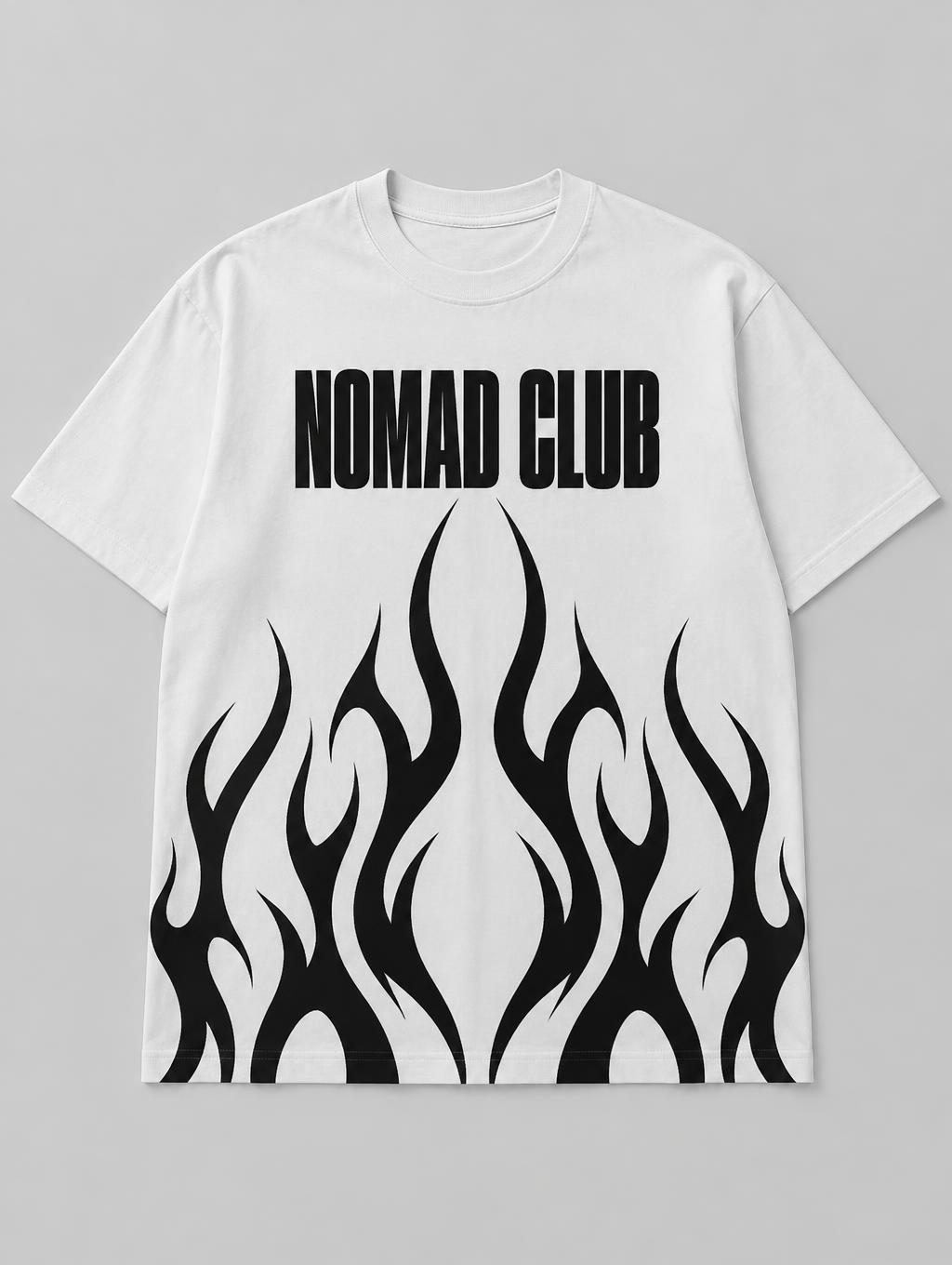
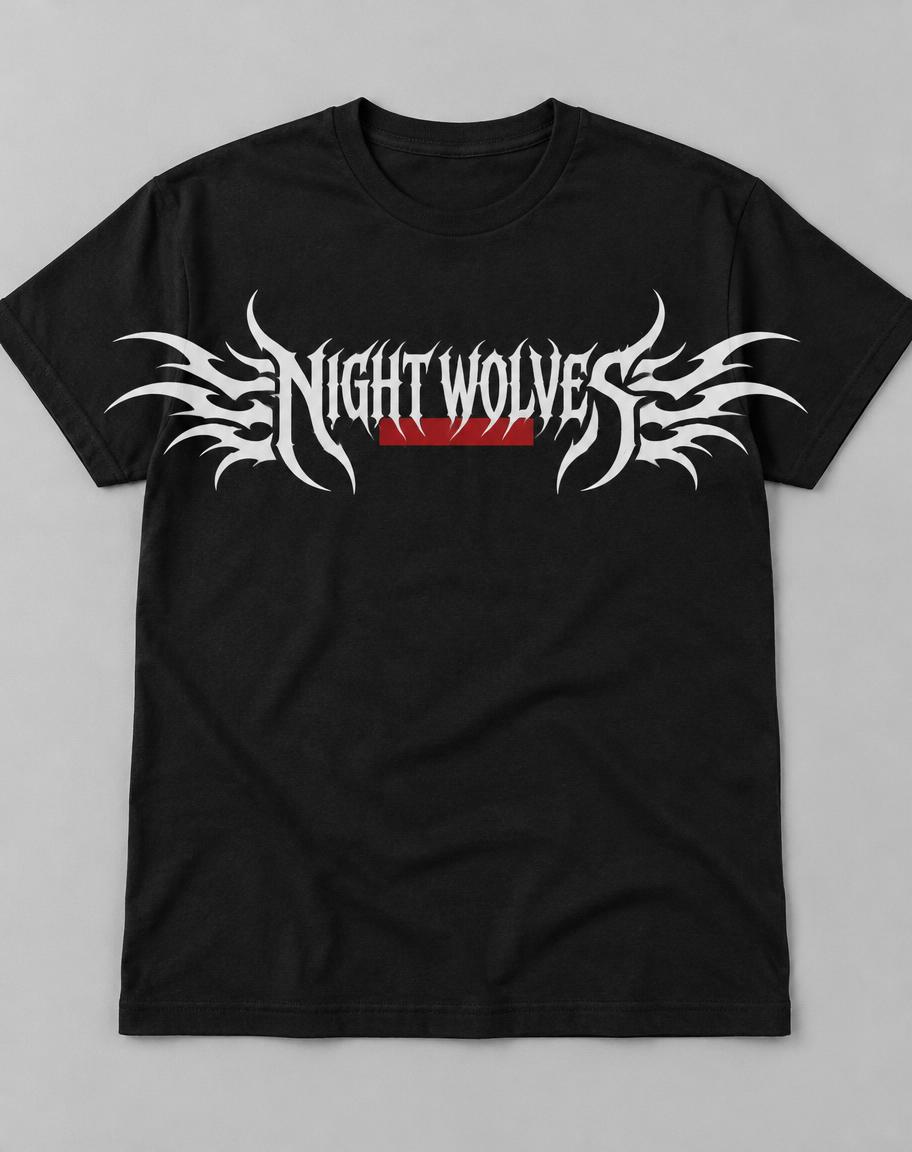
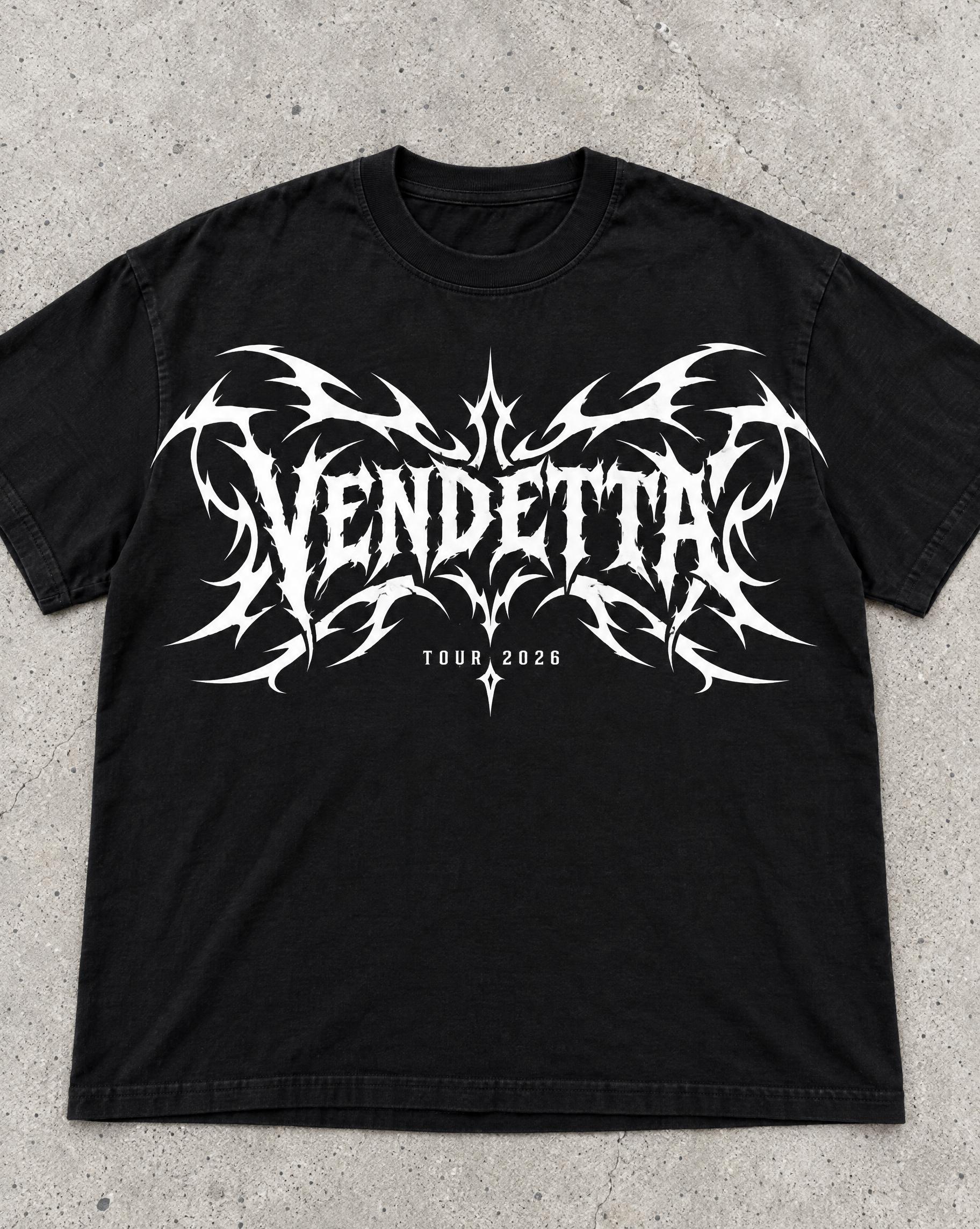
Tee prints with a mirrored blade emblem or tribal flames around a band, label or crew name.
Tribal Wallpapers
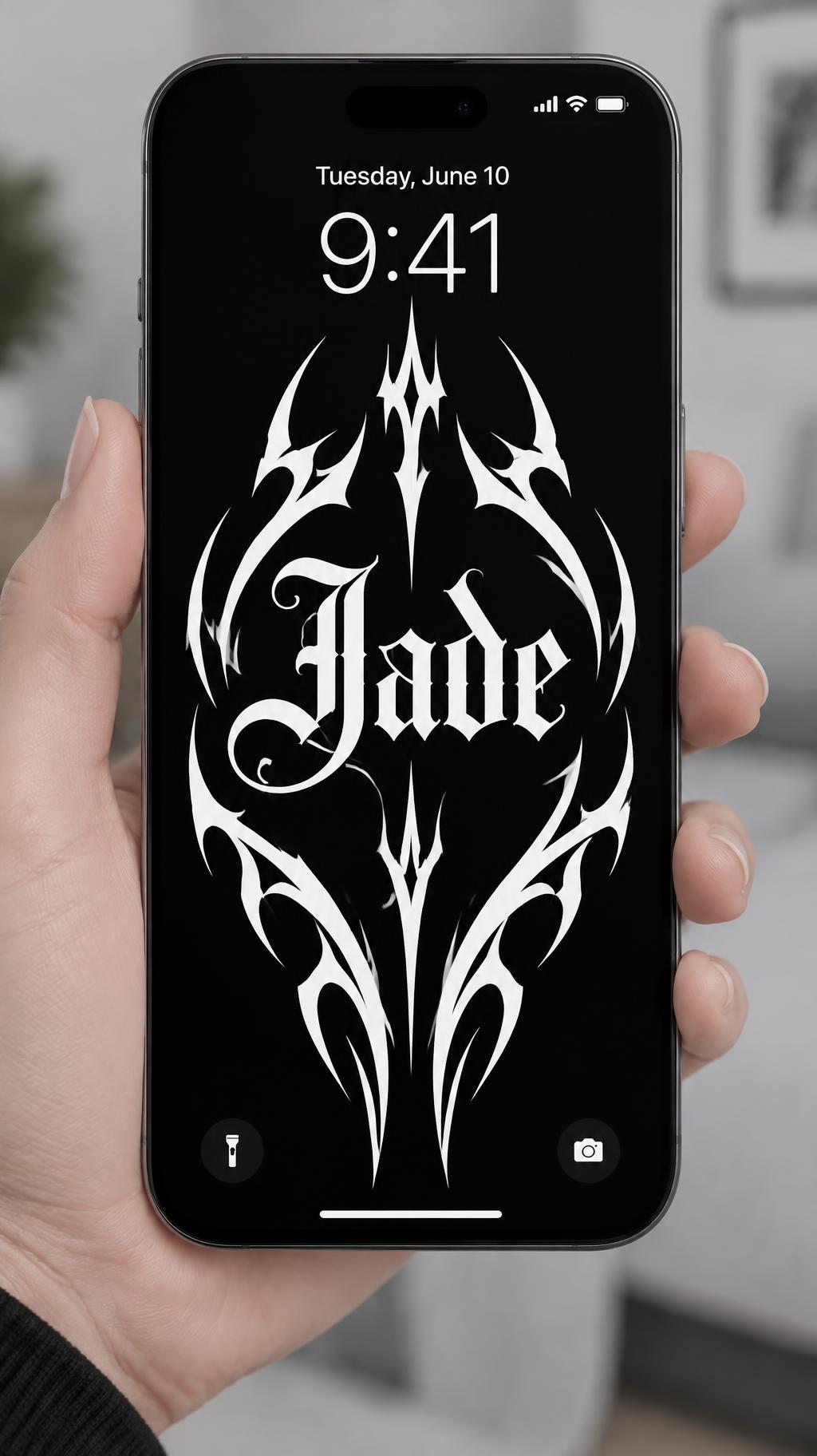
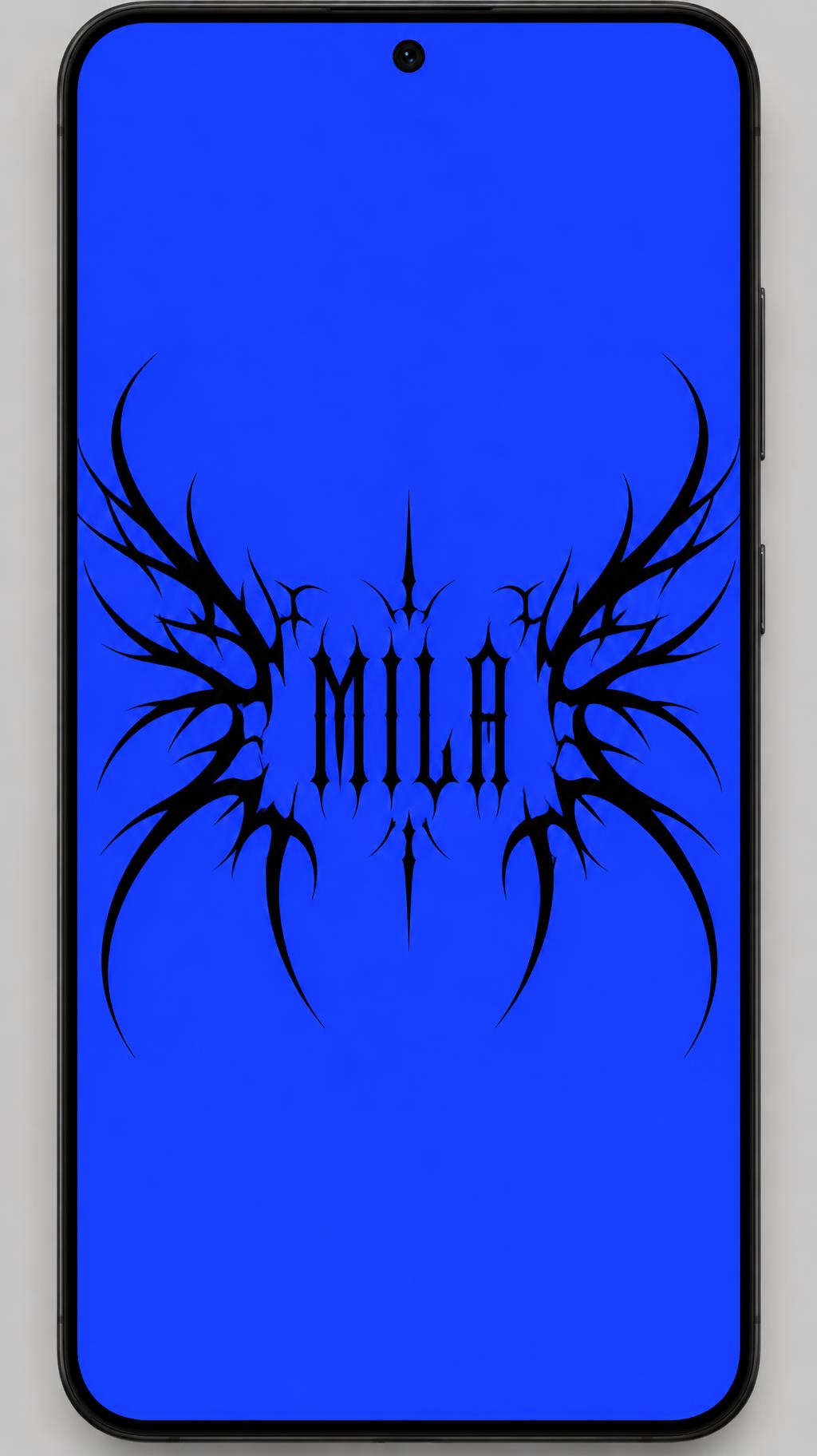
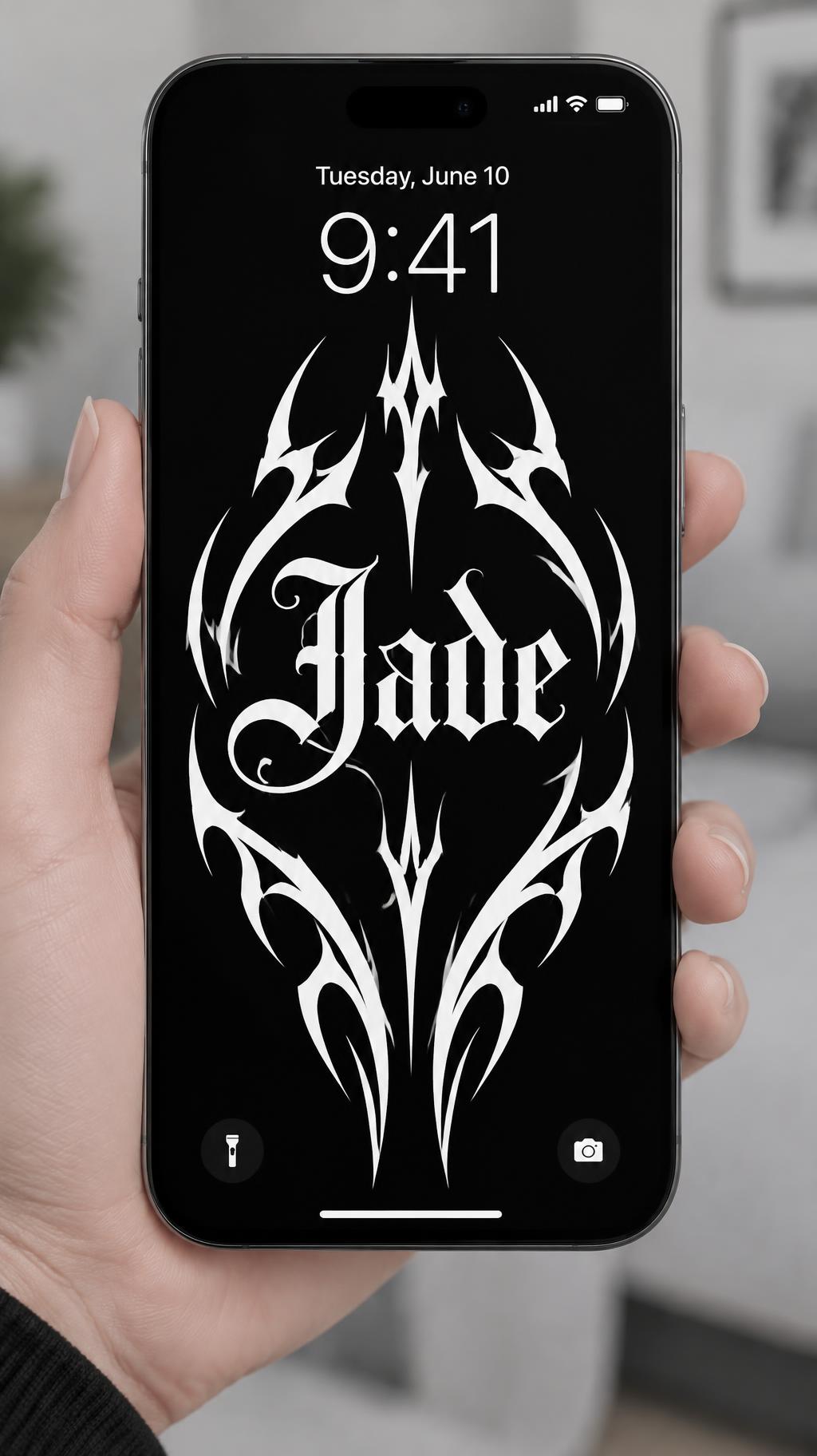
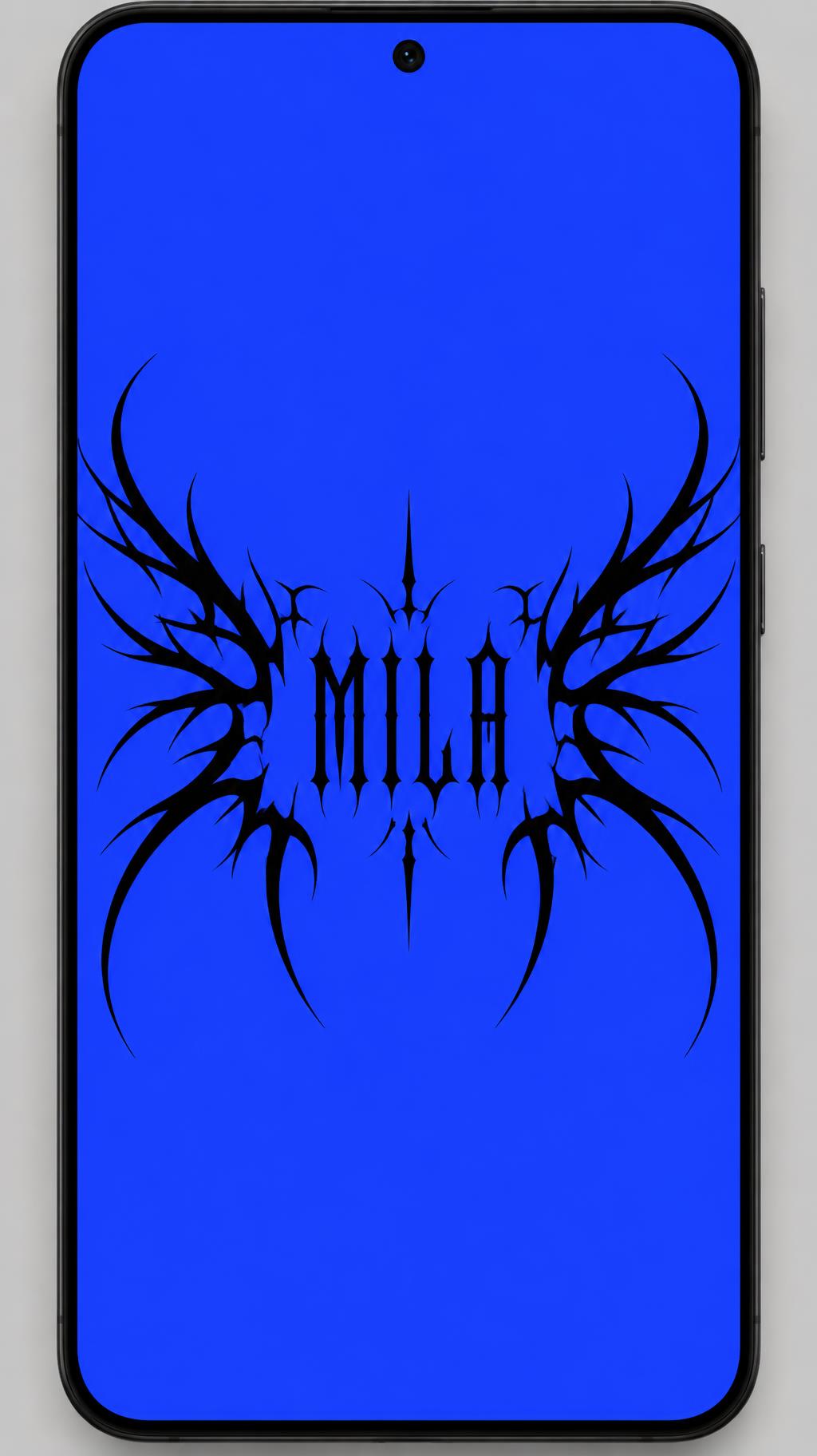
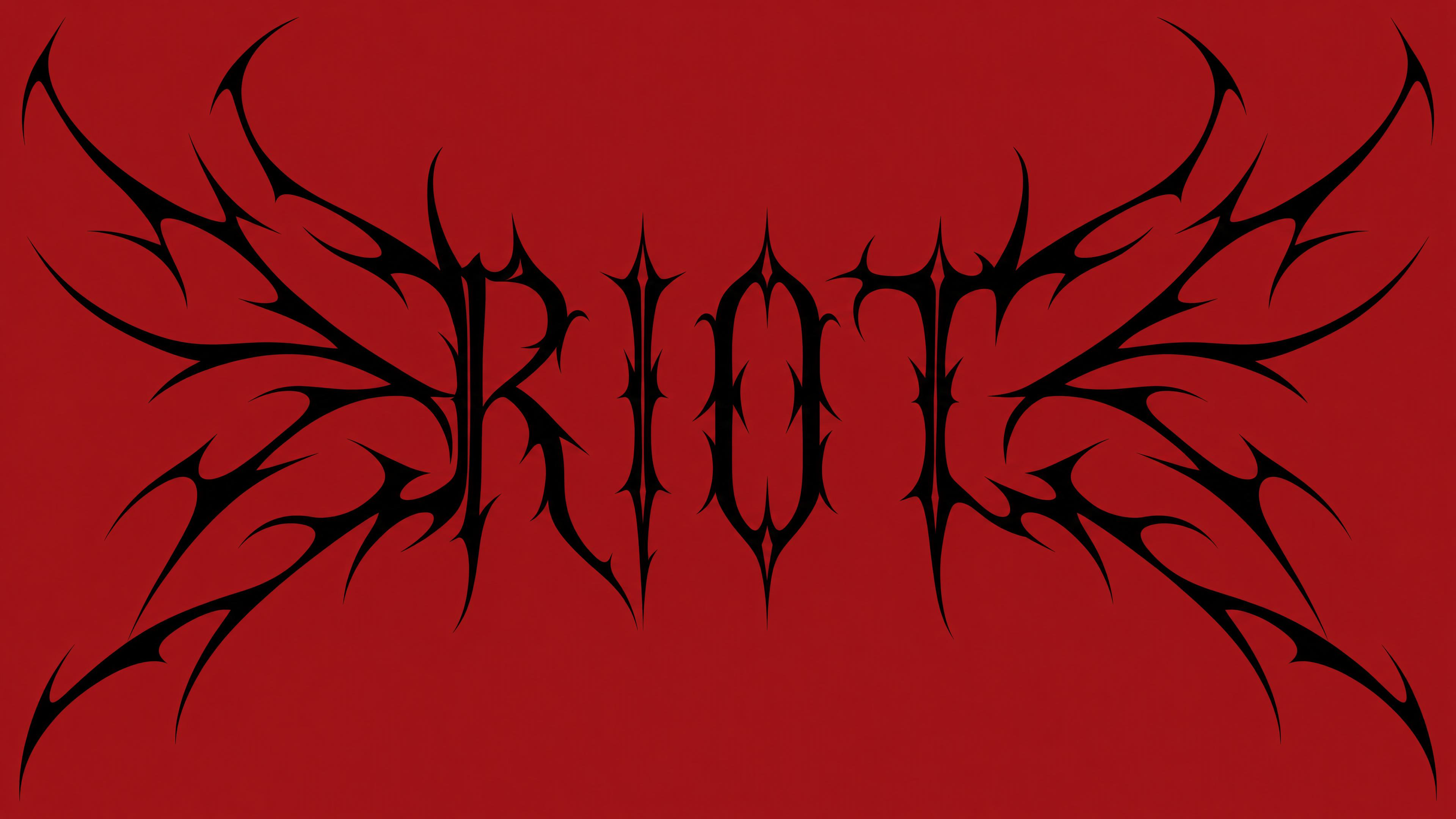
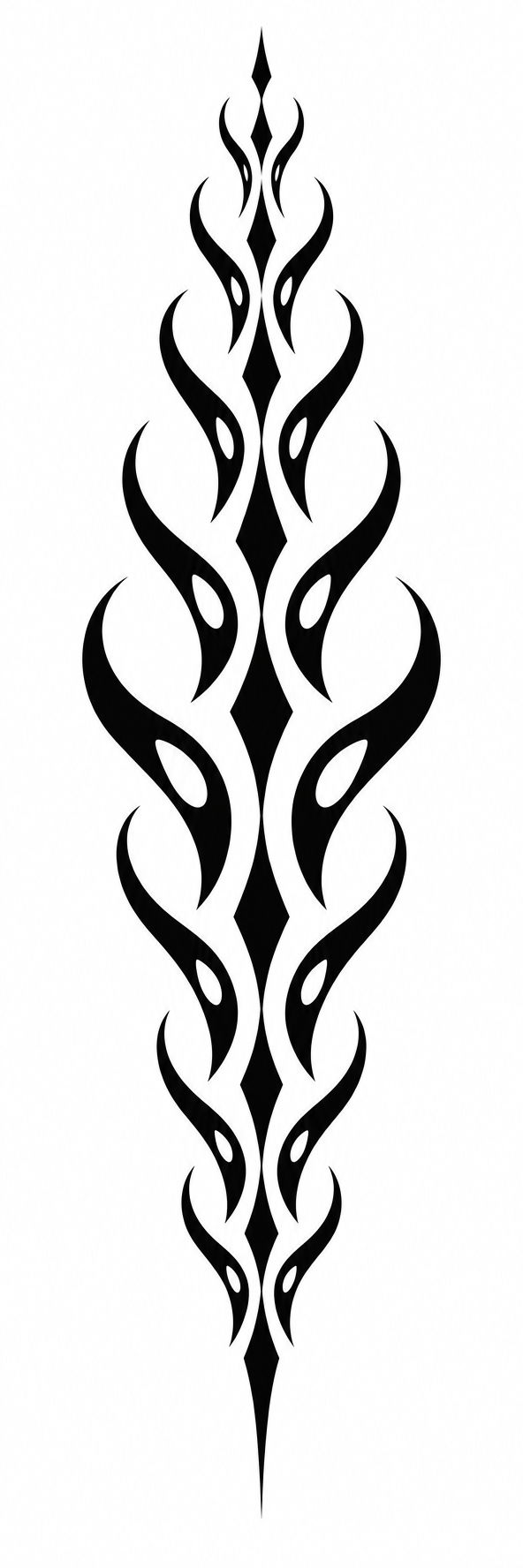
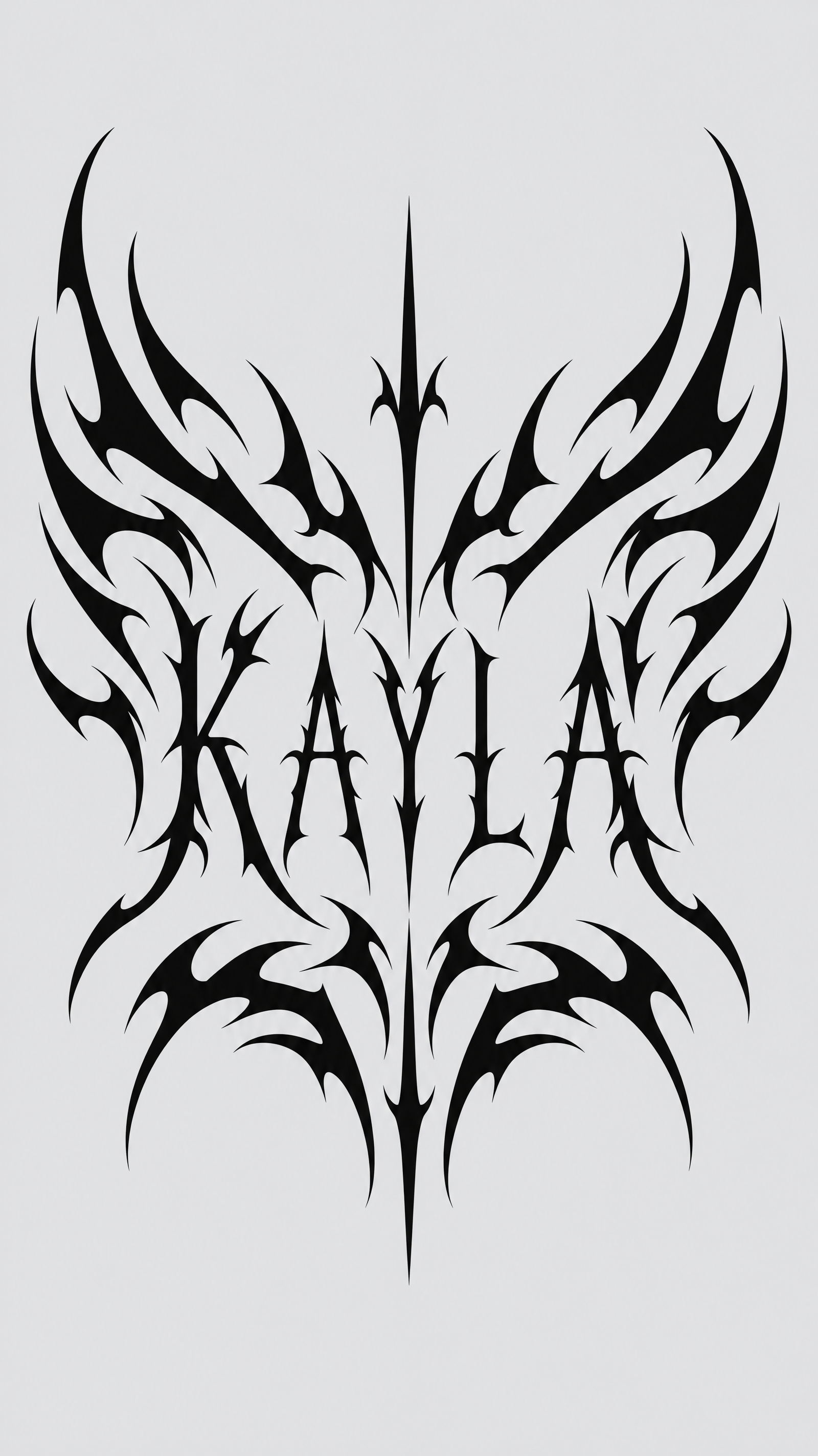
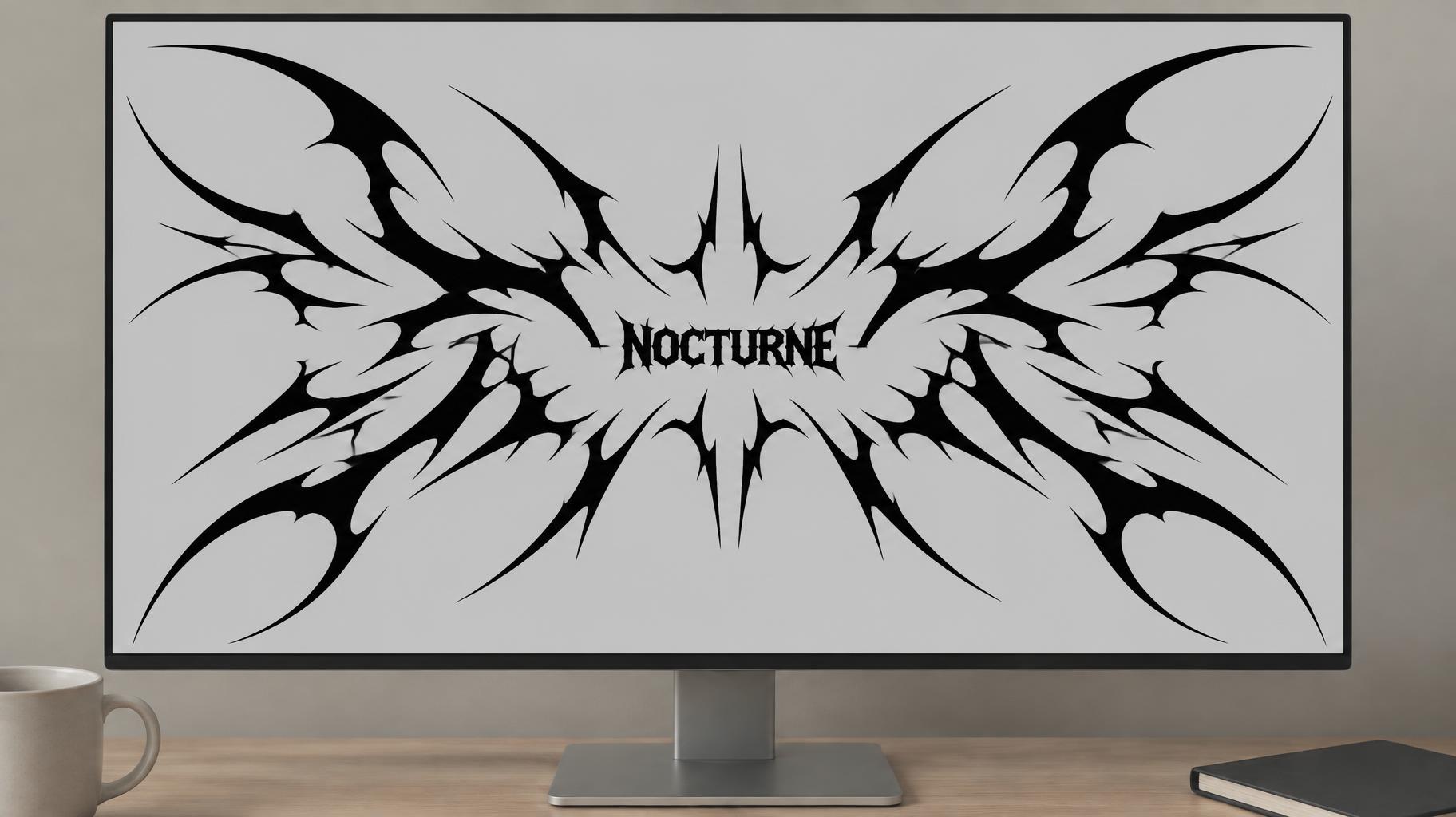
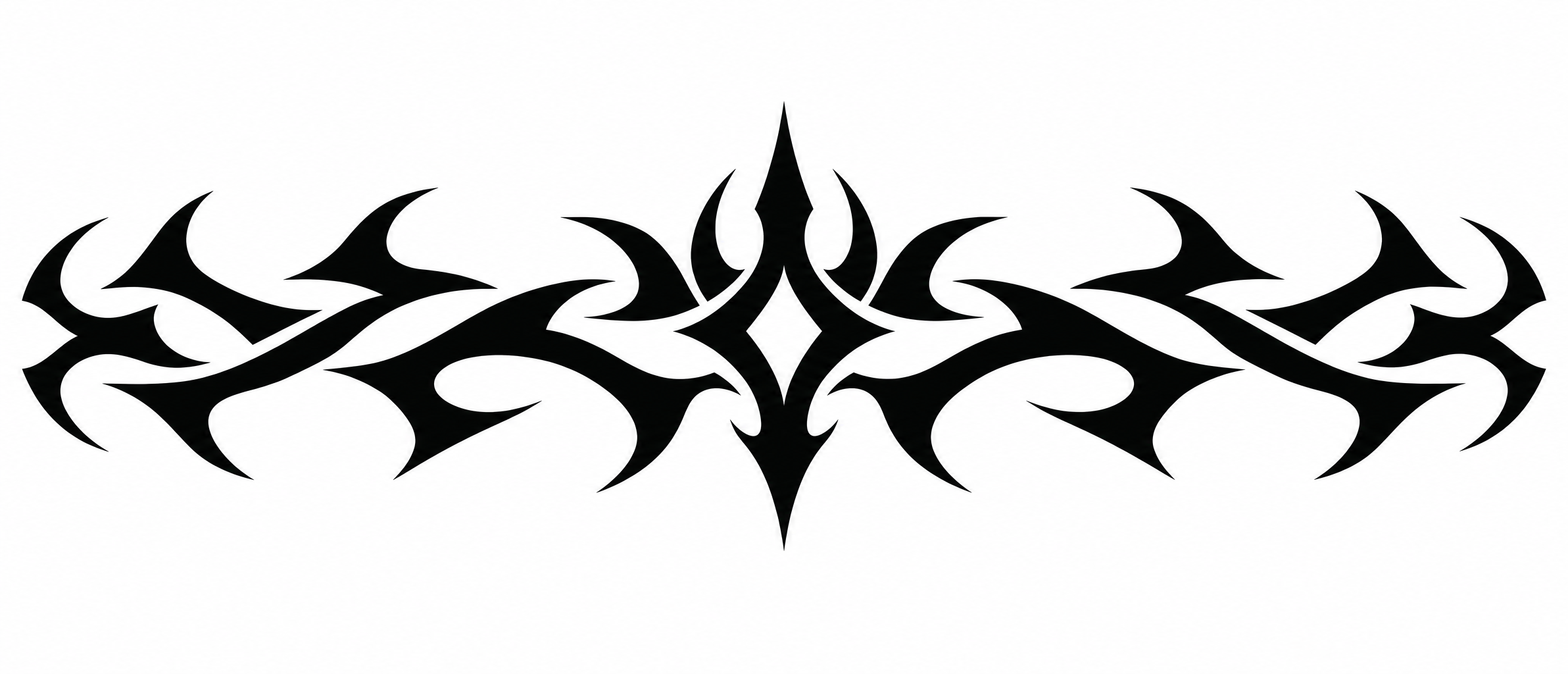
Phone and desktop wallpapers with a tall blade emblem and your name, on grey, black or one bold colour.
AI fonts that fit Neo Tribal
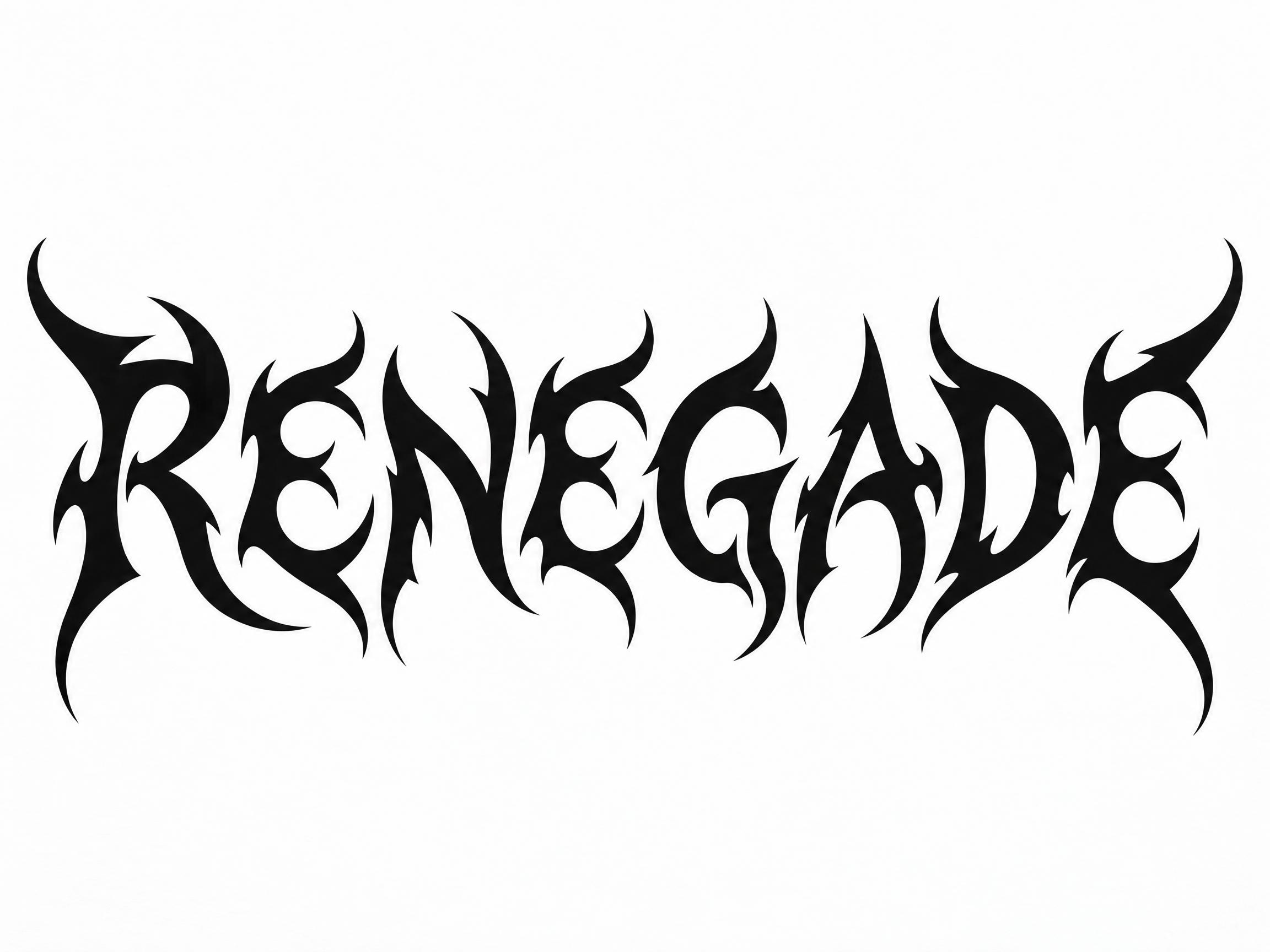
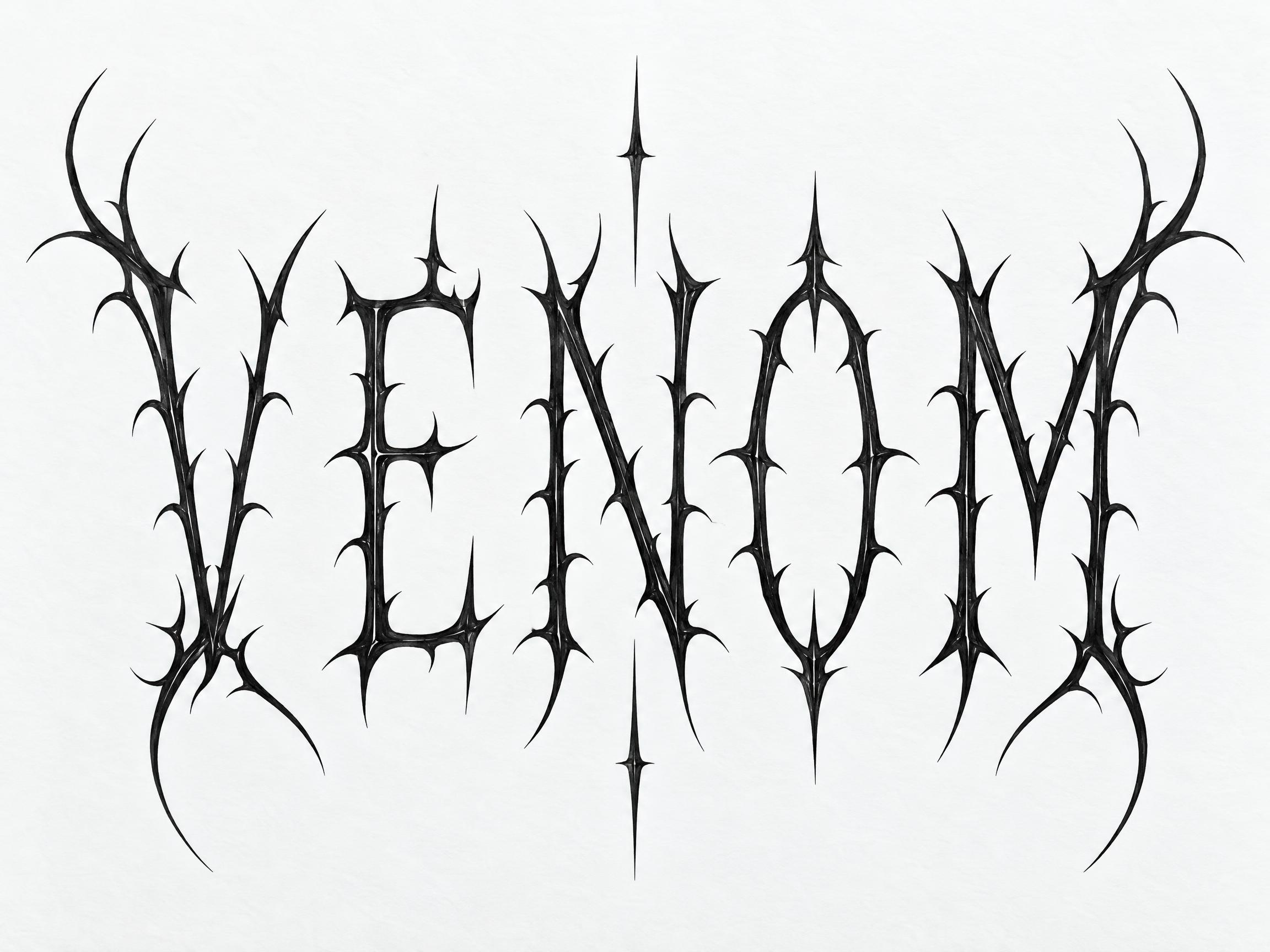
Every AI font here fits the Neo Tribal frame. Pick one, or let the generator choose.



Neo Tribal style designs
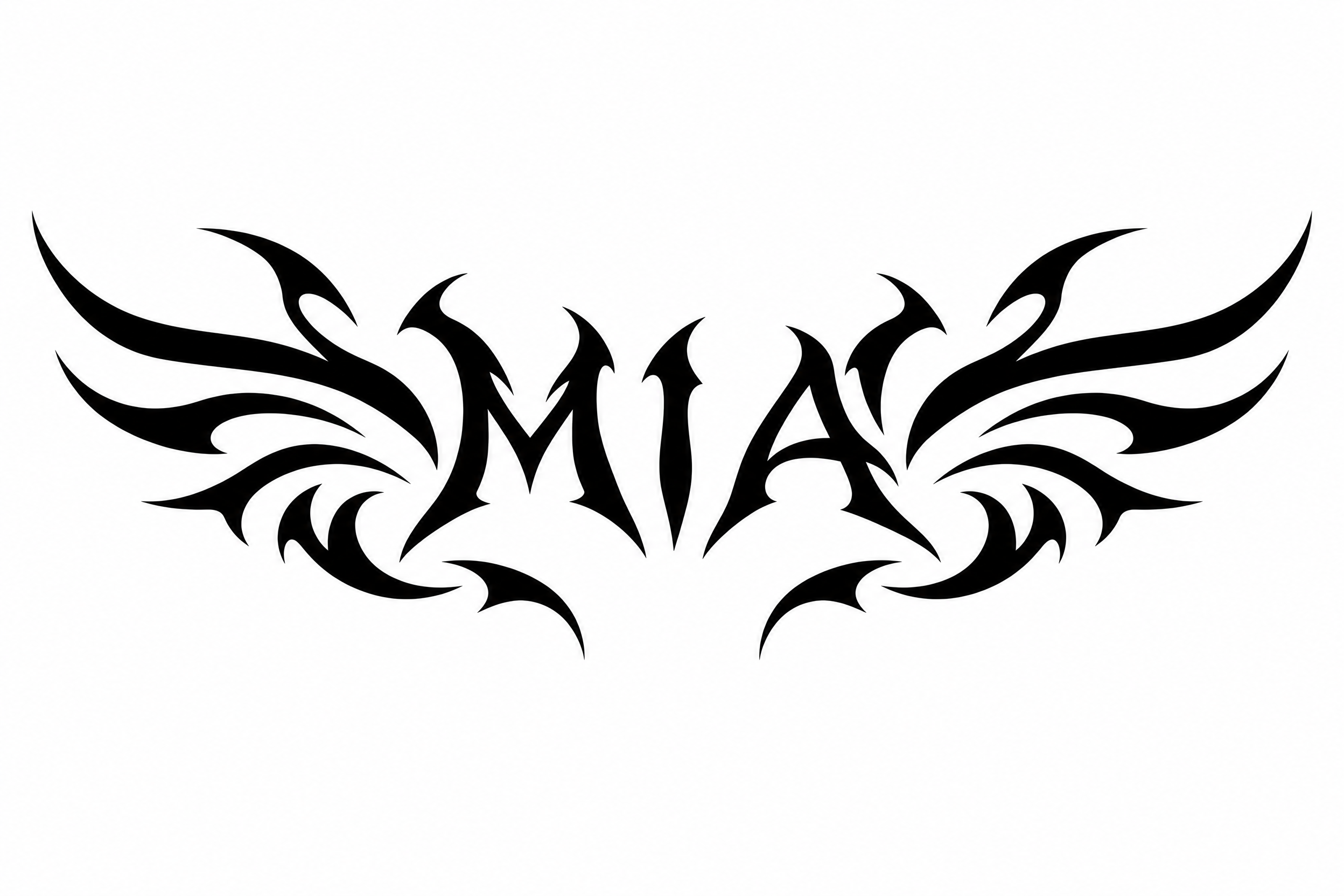
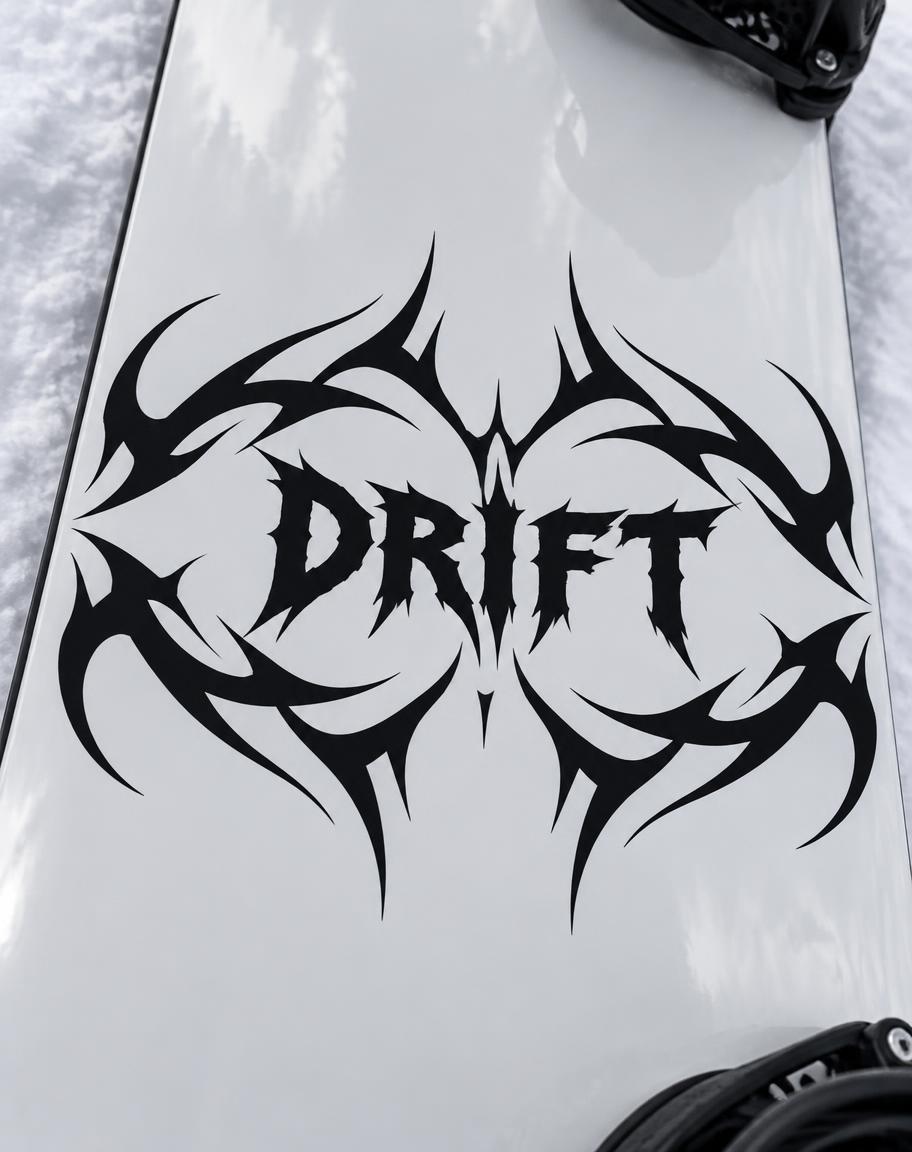
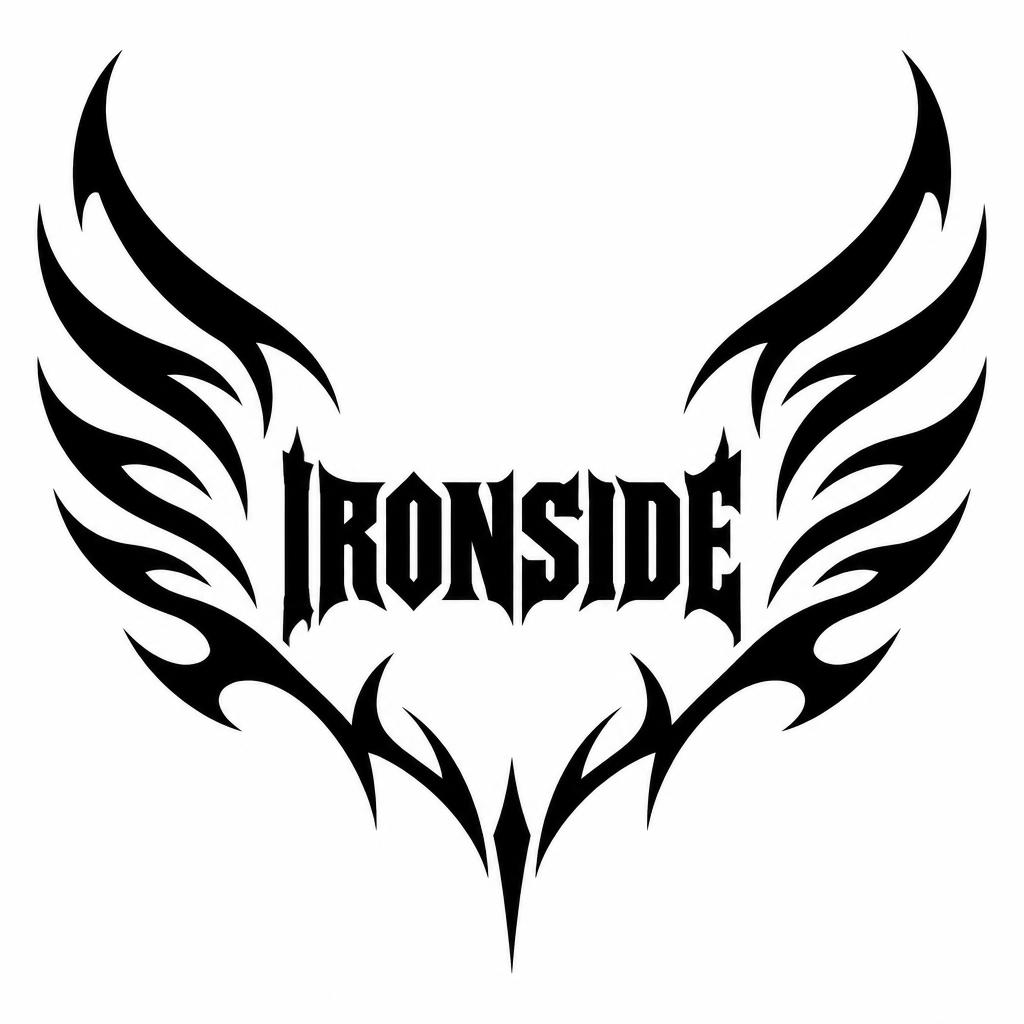
Real designs made on FontVibe. Open any one, or reuse it with your own text.
What you can make with Neo Tribal
Pages for the things people make in the Neo Tribal style. Each one has ready-made ideas and the right size.
Similar styles
Other looks that work for the same kinds of designs.






Tags in Neo Tribal
Every tag used on this page — each opens the designs, fonts and styles that share it.
Questions
The story behind Neo Tribal
Where the look comes from, the moments that shaped it and the facts behind it, with sources.
Where the neo tribal look comes from
The Western tribal look, solid black blades that sweep and hook around the body, was pioneered and popularised in the United States by Leo Zulueta, who is often called the father of modern tribal tattooing. Born in 1952, he explored traditional Bornean tattooing in the 1970s and met the tattoo artist Don Ed Hardy in 1976, who encouraged him to start tattooing.
In the 1990s the style spread through widely copied flash designs, and by the early 2000s it had turned into a punchline. Around 2023 Gen Z brought it back with Y2K fashion; the tattoo historian Anna Felicity Friedman told The New York Times that the problem is mostly the name, and that calling it neo-blackwork would remove the issue.
This page draws only the abstract Western blades. Traditional Pacific designs are different: Māori tā moko are tied to mana, status and identity, and wearing moko by non-Māori has been called cultural appropriation, so none of those designs are reproduced here.
Sources: Wikipedia — Leo Zulueta · The New York Times via Artdaily — "Cool Tribal Tattoo. Is It From the ’90s?" (2023) · Wikipedia — Tā moko
Moments that shaped neo tribal
Did you know?
Leo Zulueta's flash designs from 1991 were copied so widely that they shaped what most people picture as tribal. Source ↗
By 2004 tribal tattoos were stand-up material: comedian Carlos Mencia joked, "What tribe are you from, Chad?" Source ↗
Over a 40-year career Zulueta tattooed Dennis Rodman, Jim Jarmusch and Tommy Lee. Source ↗
A 2007 Jean Paul Gaultier fashion show that used Māori designs was criticised, one of several disputes over borrowed moko. Source ↗
Neo tribal in typography
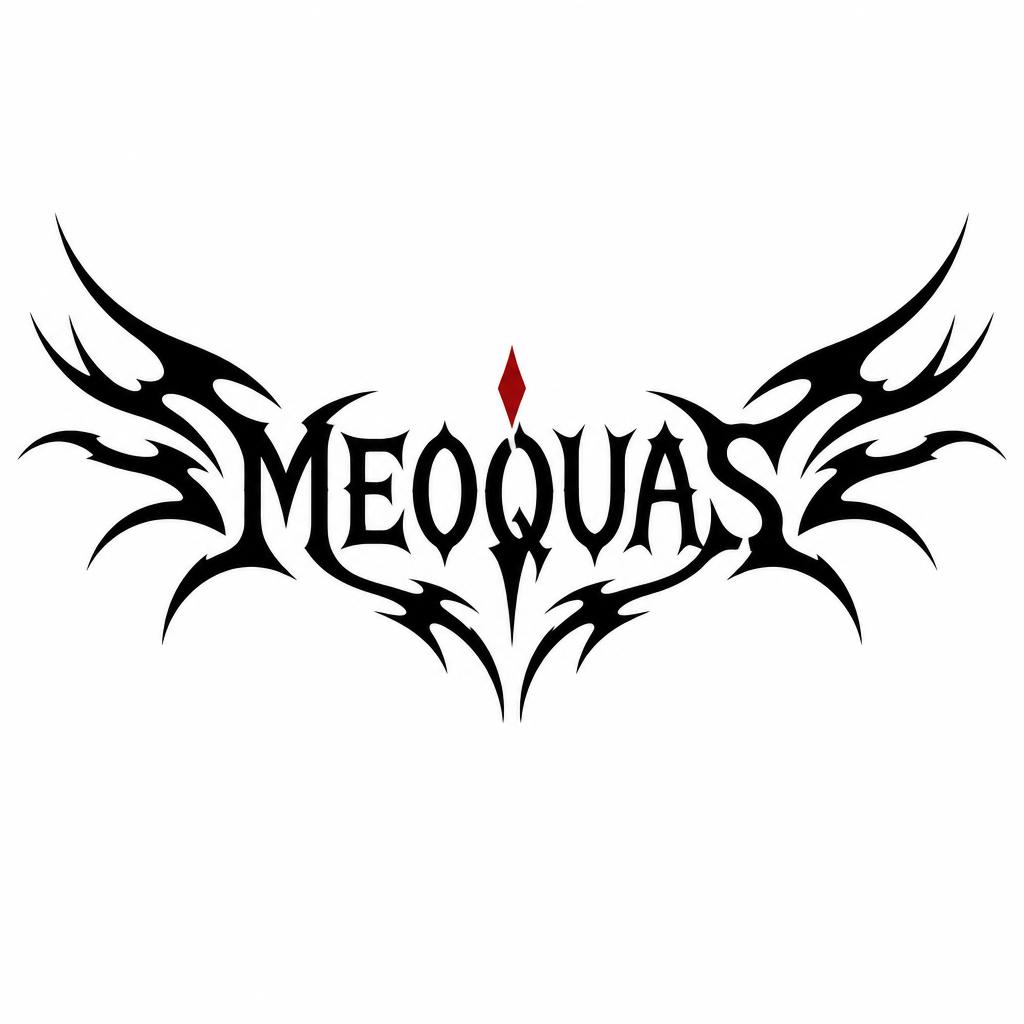
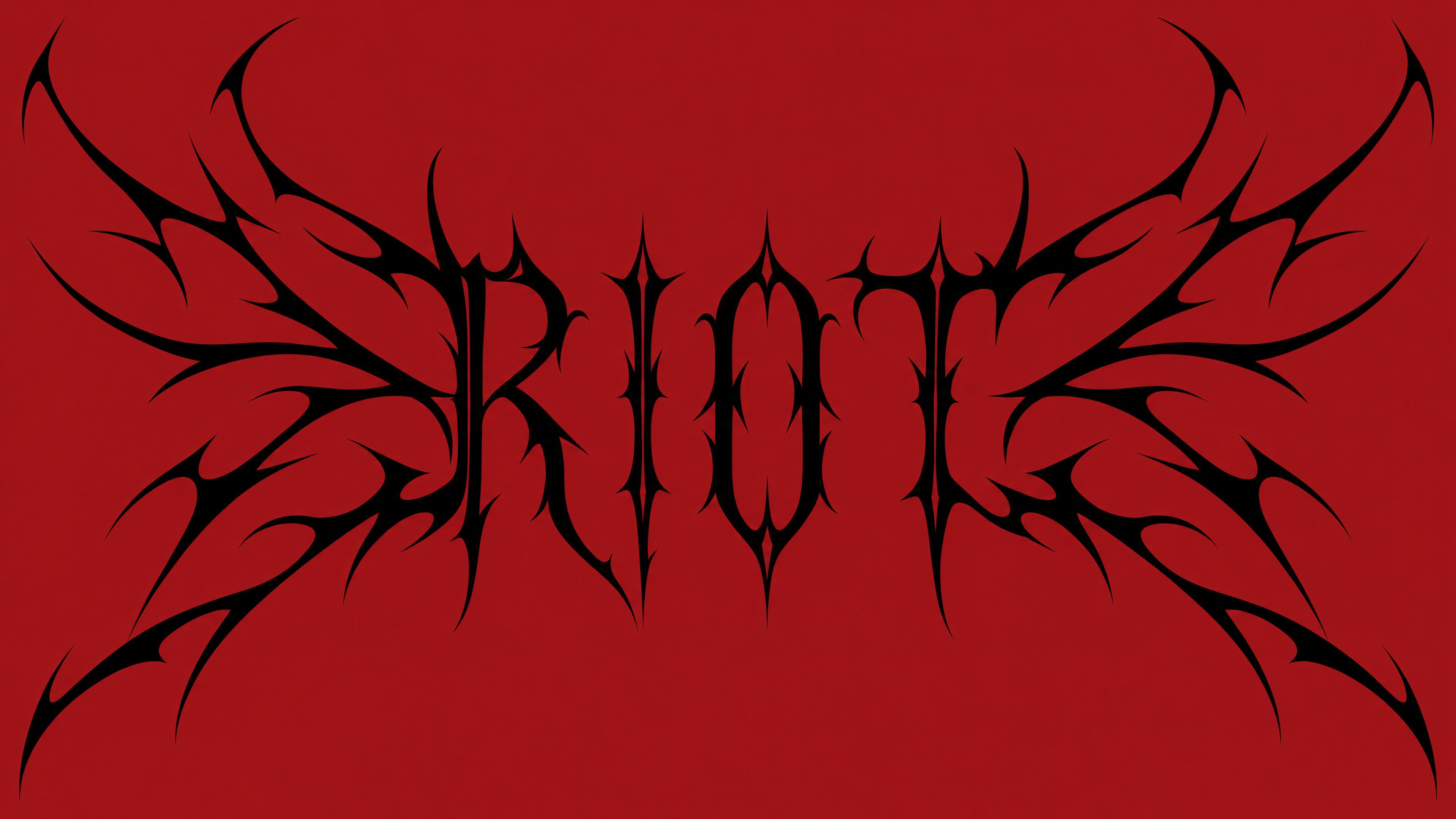
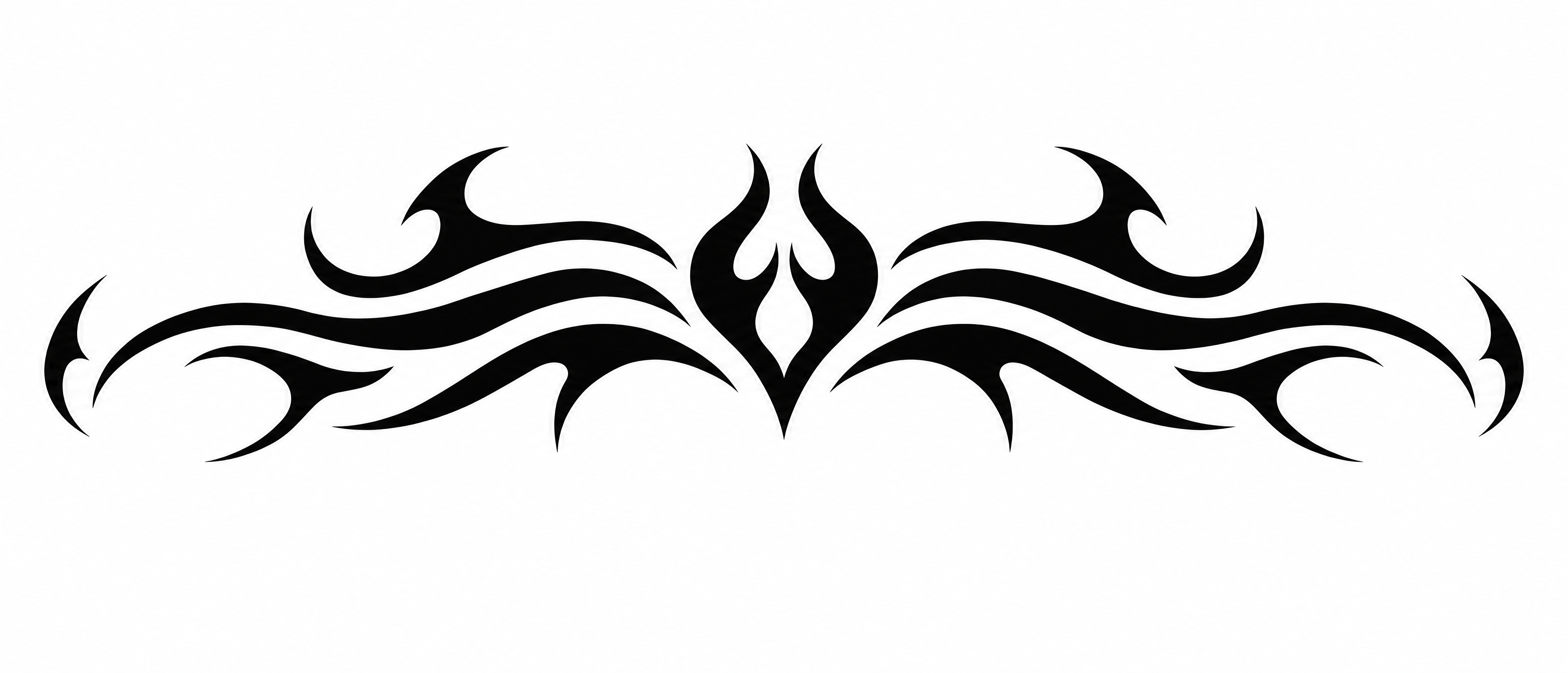
Words in neo tribal designs are short: a name, a crew or band name, or one word like RIOT. They usually sit in the open centre of a mirrored emblem, so the blades frame them on both sides, or run across a horizontal band.
Heavy spiked capitals and blackletter are the common pairings on tees and posters; Y2K pieces add a few lines of small caption text, like a date and a venue, in the corners.
Where you’ll see it
- ✦Band and streetwear T-shirts
- ✦Car window and motorbike decals
- ✦Phone and desktop wallpapers
- ✦Crew, gym and band logos
- ✦Club night and gig posters
- ✦Skate and laptop stickers
The neo tribal aesthetic: blades, symmetry, negative space and one colour
Every neo tribal piece here is built from the same four parts. The style draws the blades, symmetry, space and colour around your words; the letters come from the AI font you pick.
Neo tribal tees, wallpapers, logos, car decals and posters
Every format here wraps your words in solid black tribal blades. Pick a format to see designs made in it, or describe your own.
Tribal Car Decals
Vinyl window and fuel-tank decals: tribal flames and blade bands carrying a short word or name.
Tribal Logos
Logos for crews, gyms and bands: the name set inside a symmetrical blade emblem or tribal sun.
Neo Tribal Posters
Club night and gig posters with a blade emblem, the event name in the centre and details in small caption text.
Neo Tribal T-Shirts
Tee prints with a mirrored blade emblem or tribal flames around a band, label or crew name.
Tribal Wallpapers
Phone and desktop wallpapers with a tall blade emblem and your name, on grey, black or one bold colour.
AI fonts that fit Neo Tribal
Every AI font here fits the Neo Tribal frame. Pick one, or let the generator choose.



Neo Tribal style designs
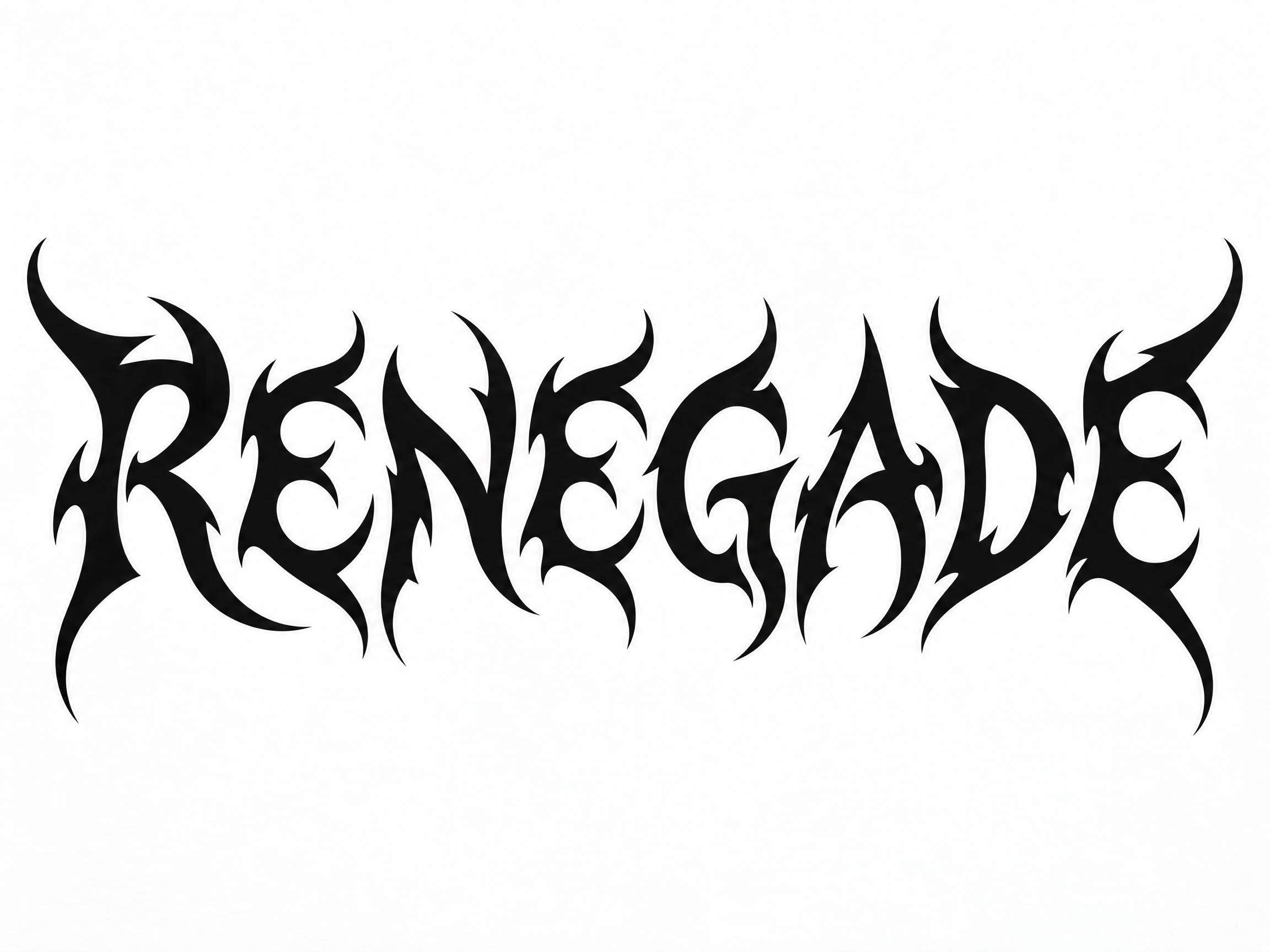
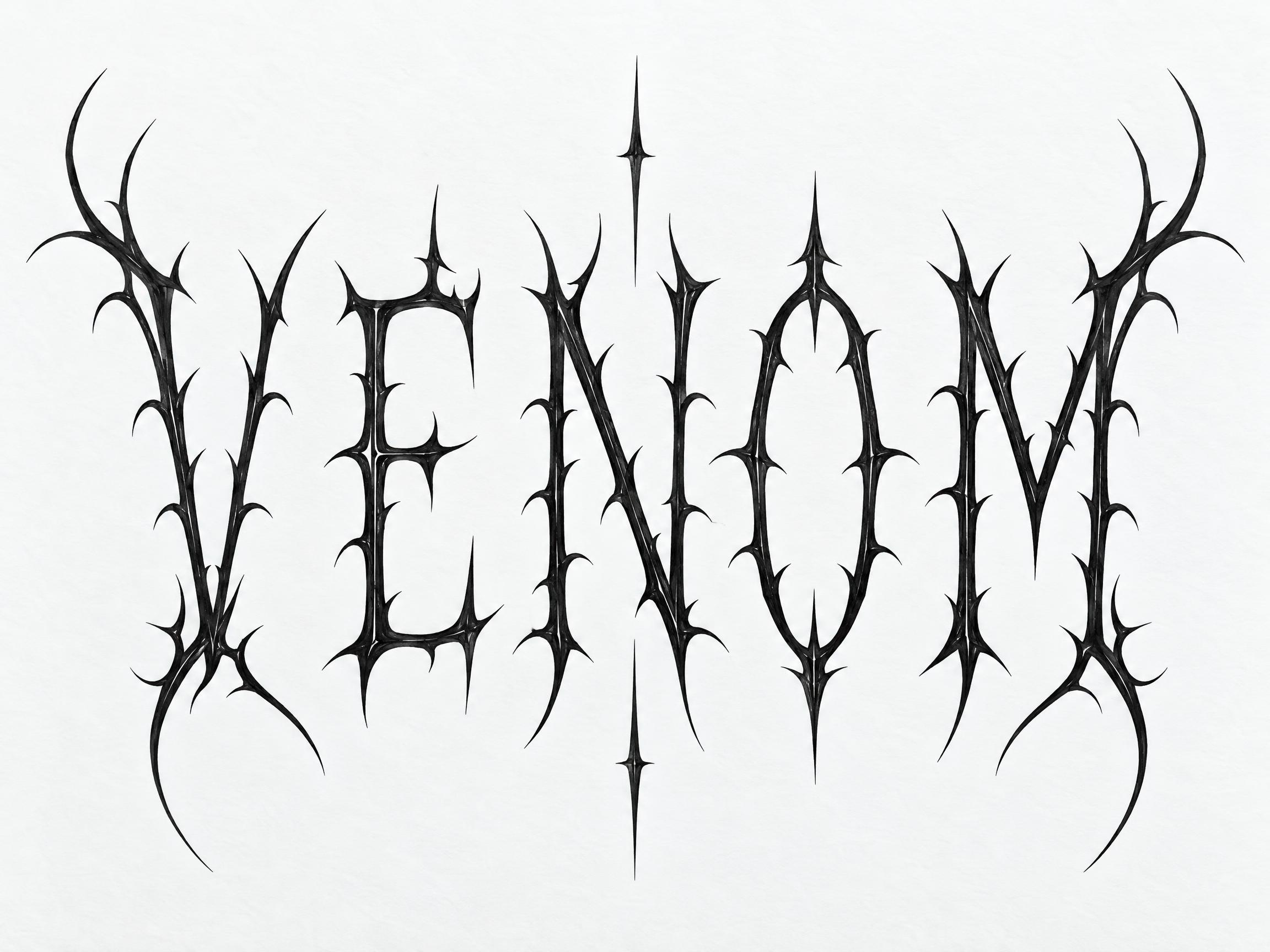
Real designs made on FontVibe. Open any one, or reuse it with your own text.
What you can make with Neo Tribal
Pages for the things people make in the Neo Tribal style. Each one has ready-made ideas and the right size.
Similar styles
Other looks that work for the same kinds of designs.
Tags in Neo Tribal
Every tag used on this page — each opens the designs, fonts and styles that share it.
Questions
The story behind Neo Tribal
Where the look comes from, the moments that shaped it and the facts behind it, with sources.
Where the neo tribal look comes from
The Western tribal look, solid black blades that sweep and hook around the body, was pioneered and popularised in the United States by Leo Zulueta, who is often called the father of modern tribal tattooing. Born in 1952, he explored traditional Bornean tattooing in the 1970s and met the tattoo artist Don Ed Hardy in 1976, who encouraged him to start tattooing.
In the 1990s the style spread through widely copied flash designs, and by the early 2000s it had turned into a punchline. Around 2023 Gen Z brought it back with Y2K fashion; the tattoo historian Anna Felicity Friedman told The New York Times that the problem is mostly the name, and that calling it neo-blackwork would remove the issue.
This page draws only the abstract Western blades. Traditional Pacific designs are different: Māori tā moko are tied to mana, status and identity, and wearing moko by non-Māori has been called cultural appropriation, so none of those designs are reproduced here.
Sources: Wikipedia — Leo Zulueta · The New York Times via Artdaily — "Cool Tribal Tattoo. Is It From the ’90s?" (2023) · Wikipedia — Tā moko
Moments that shaped neo tribal
Did you know?
Leo Zulueta's flash designs from 1991 were copied so widely that they shaped what most people picture as tribal. Source ↗
By 2004 tribal tattoos were stand-up material: comedian Carlos Mencia joked, "What tribe are you from, Chad?" Source ↗
Over a 40-year career Zulueta tattooed Dennis Rodman, Jim Jarmusch and Tommy Lee. Source ↗
A 2007 Jean Paul Gaultier fashion show that used Māori designs was criticised, one of several disputes over borrowed moko. Source ↗
Neo tribal in typography
Words in neo tribal designs are short: a name, a crew or band name, or one word like RIOT. They usually sit in the open centre of a mirrored emblem, so the blades frame them on both sides, or run across a horizontal band.
Heavy spiked capitals and blackletter are the common pairings on tees and posters; Y2K pieces add a few lines of small caption text, like a date and a venue, in the corners.
Where you’ll see it
- ✦Band and streetwear T-shirts
- ✦Car window and motorbike decals
- ✦Phone and desktop wallpapers
- ✦Crew, gym and band logos
- ✦Club night and gig posters
- ✦Skate and laptop stickers