


AI Brush Script Text Effect Generator
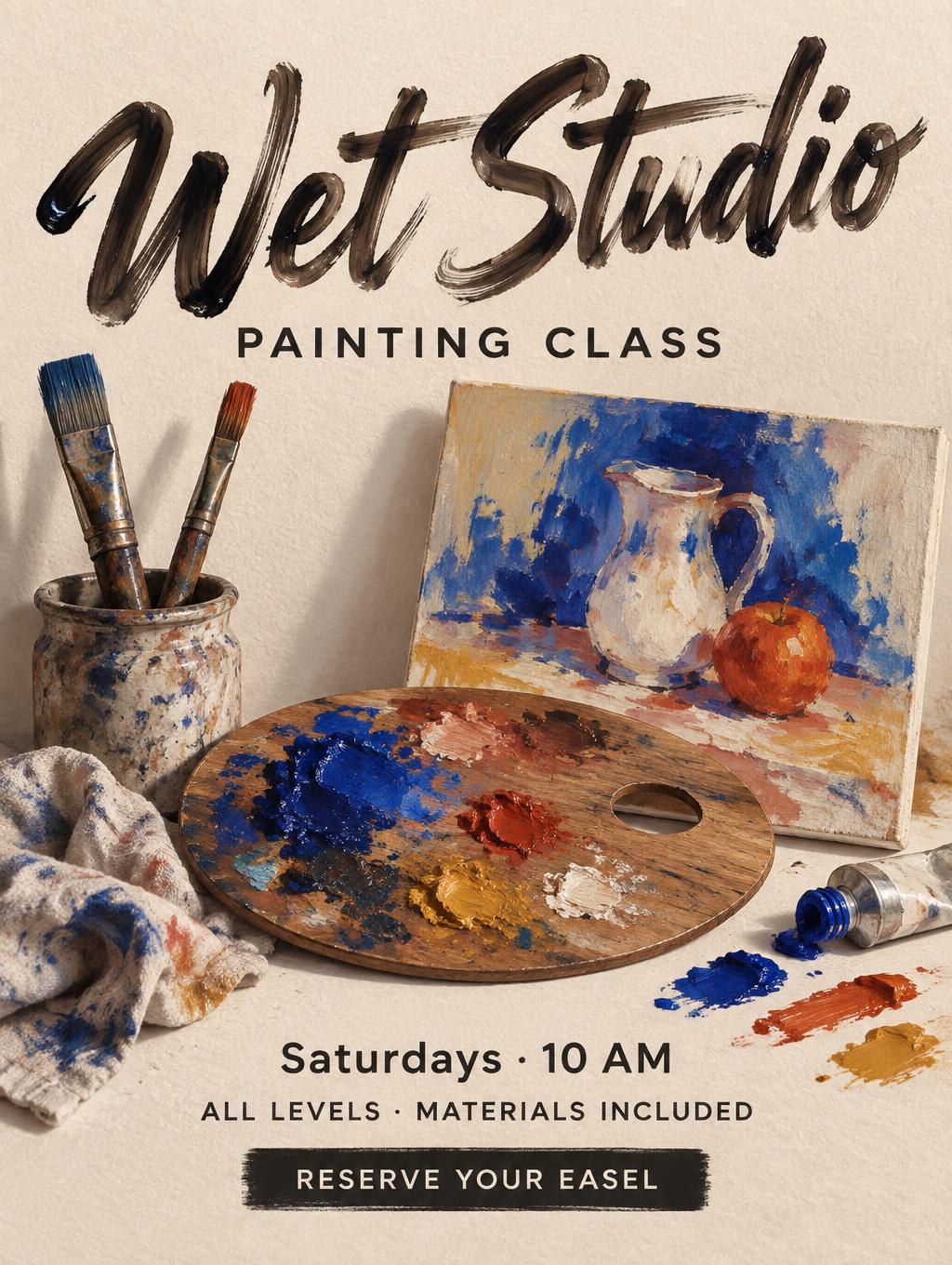
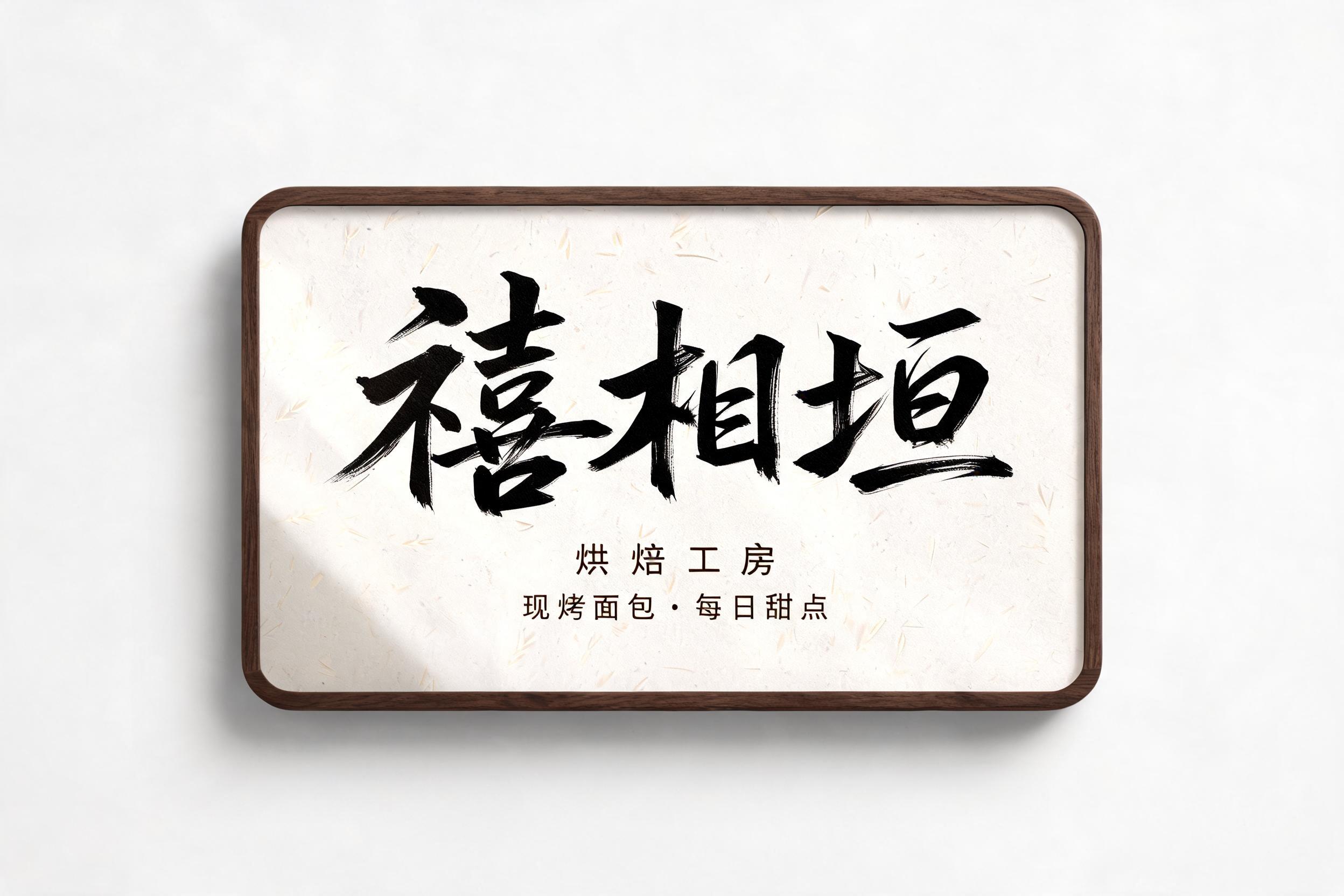
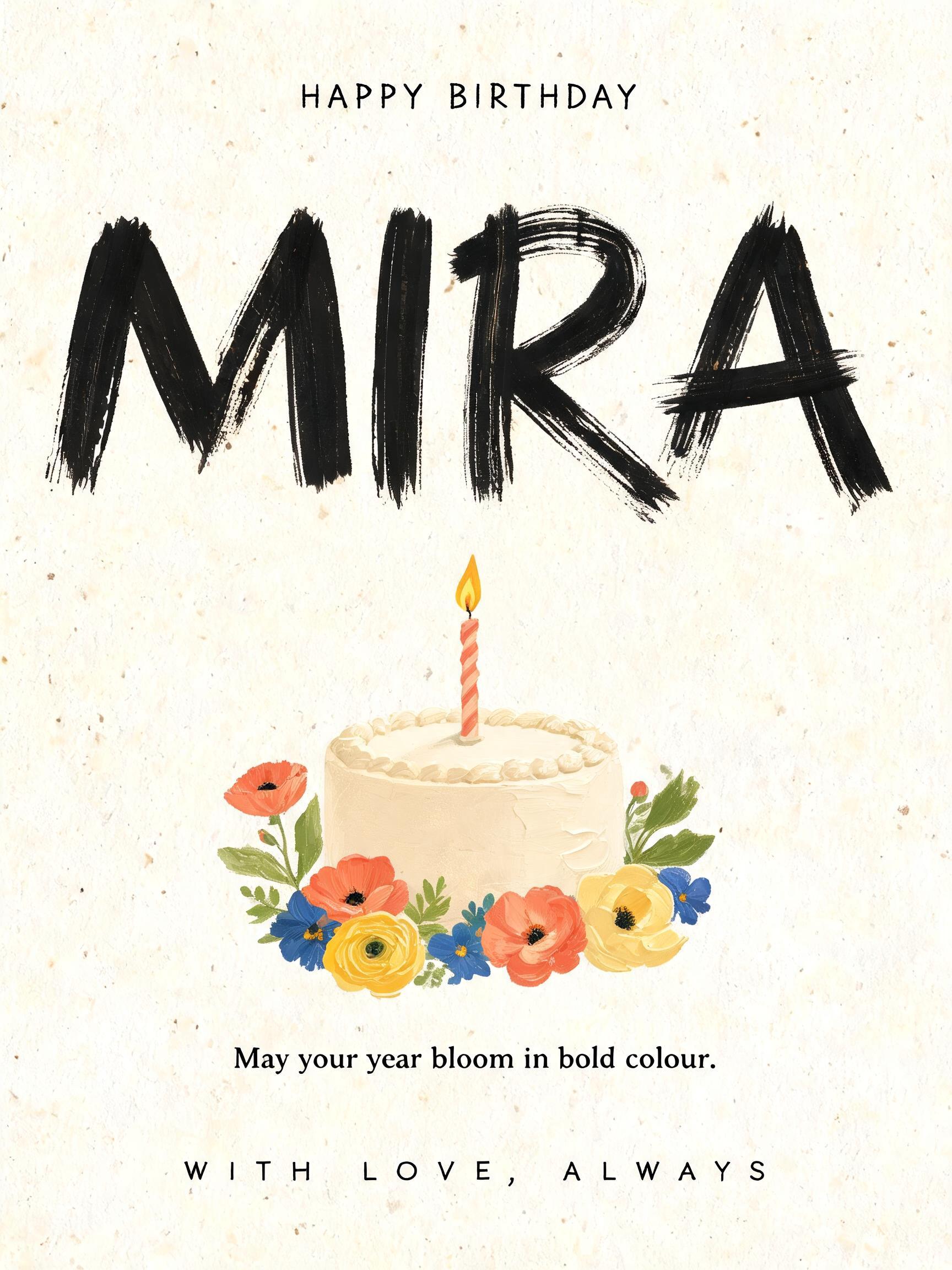
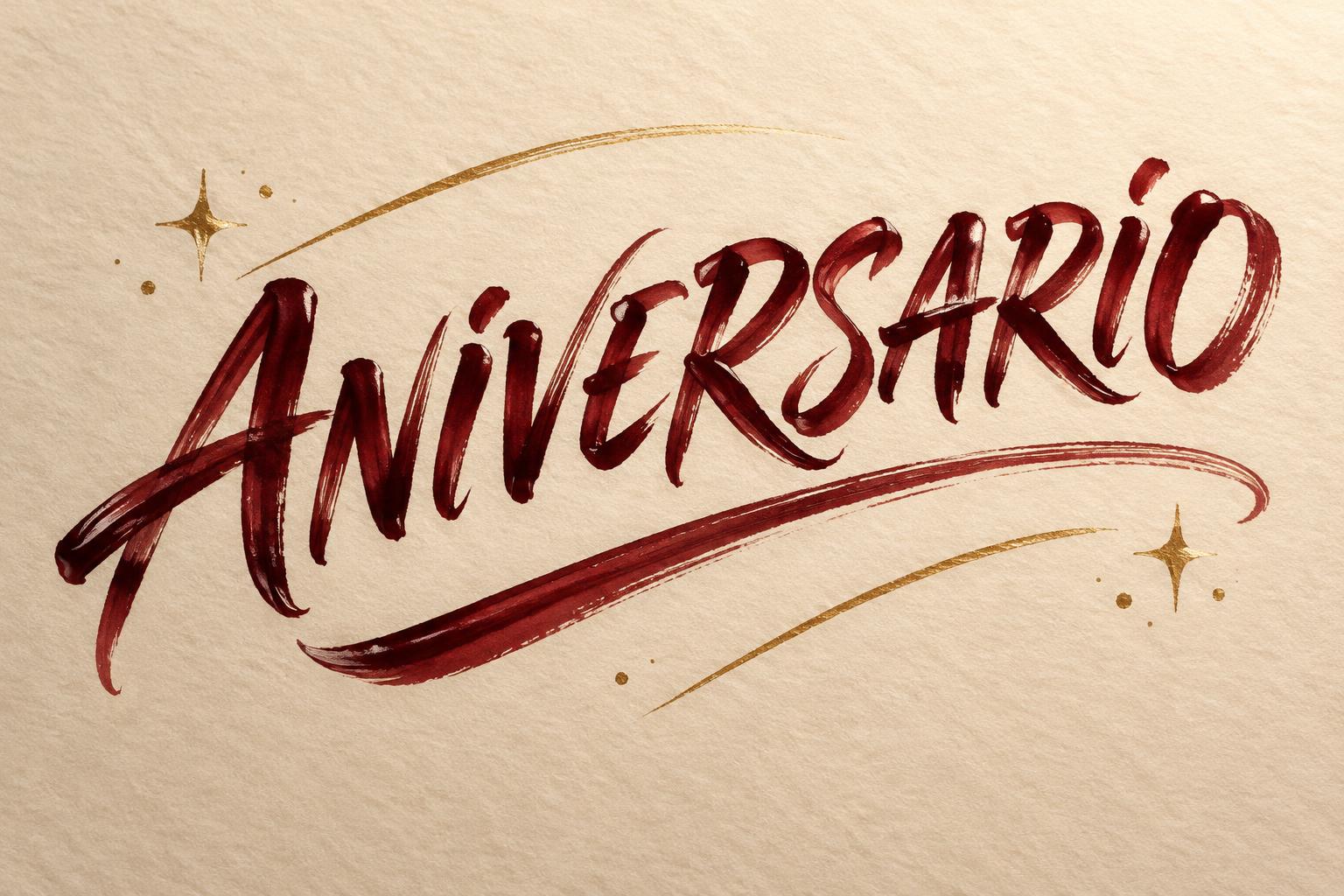
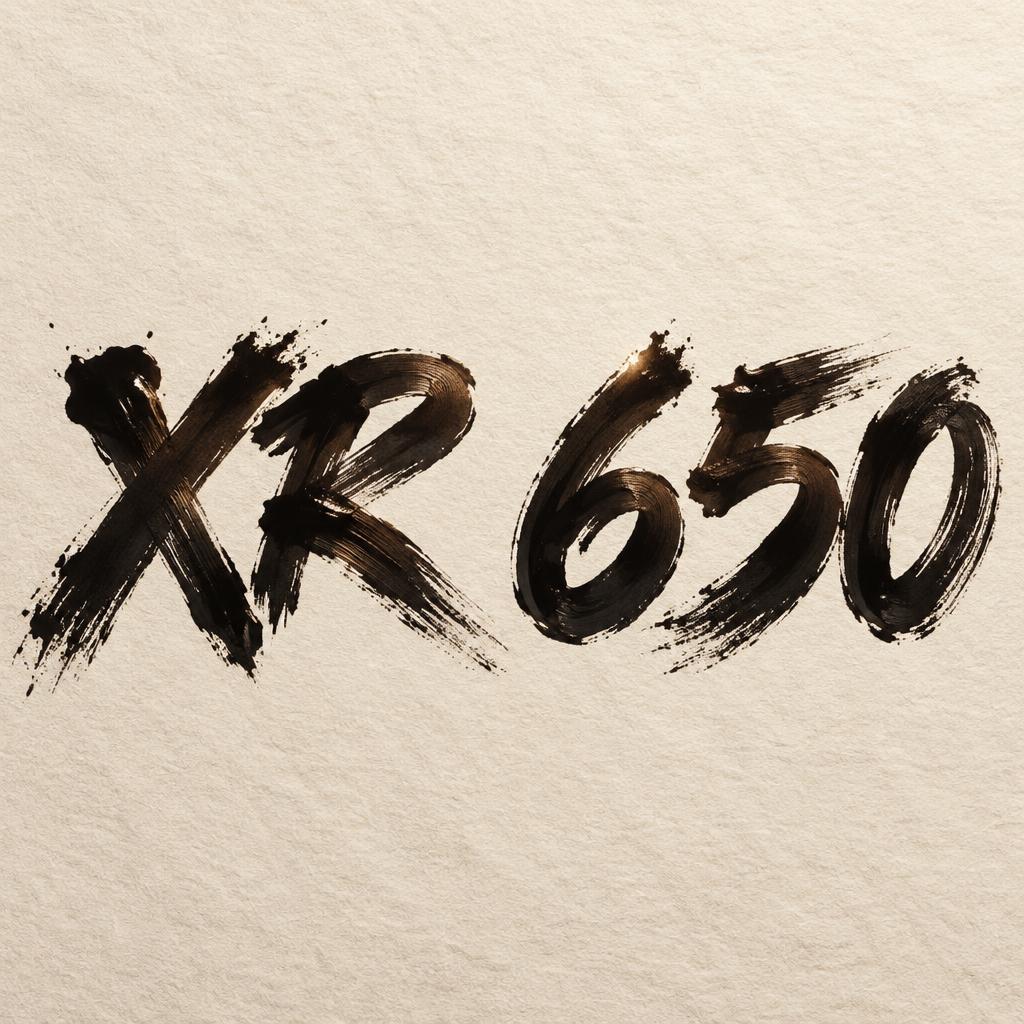
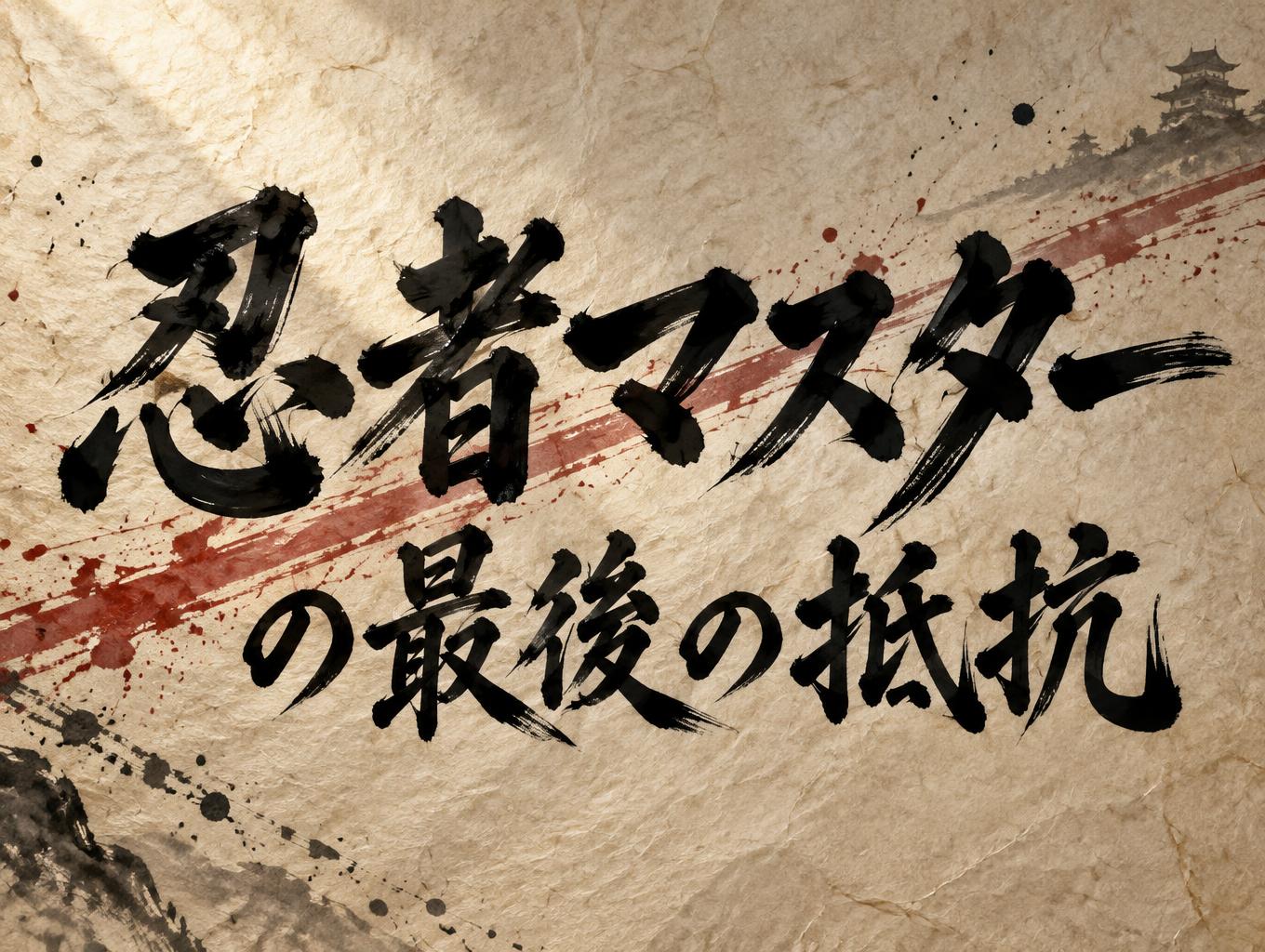
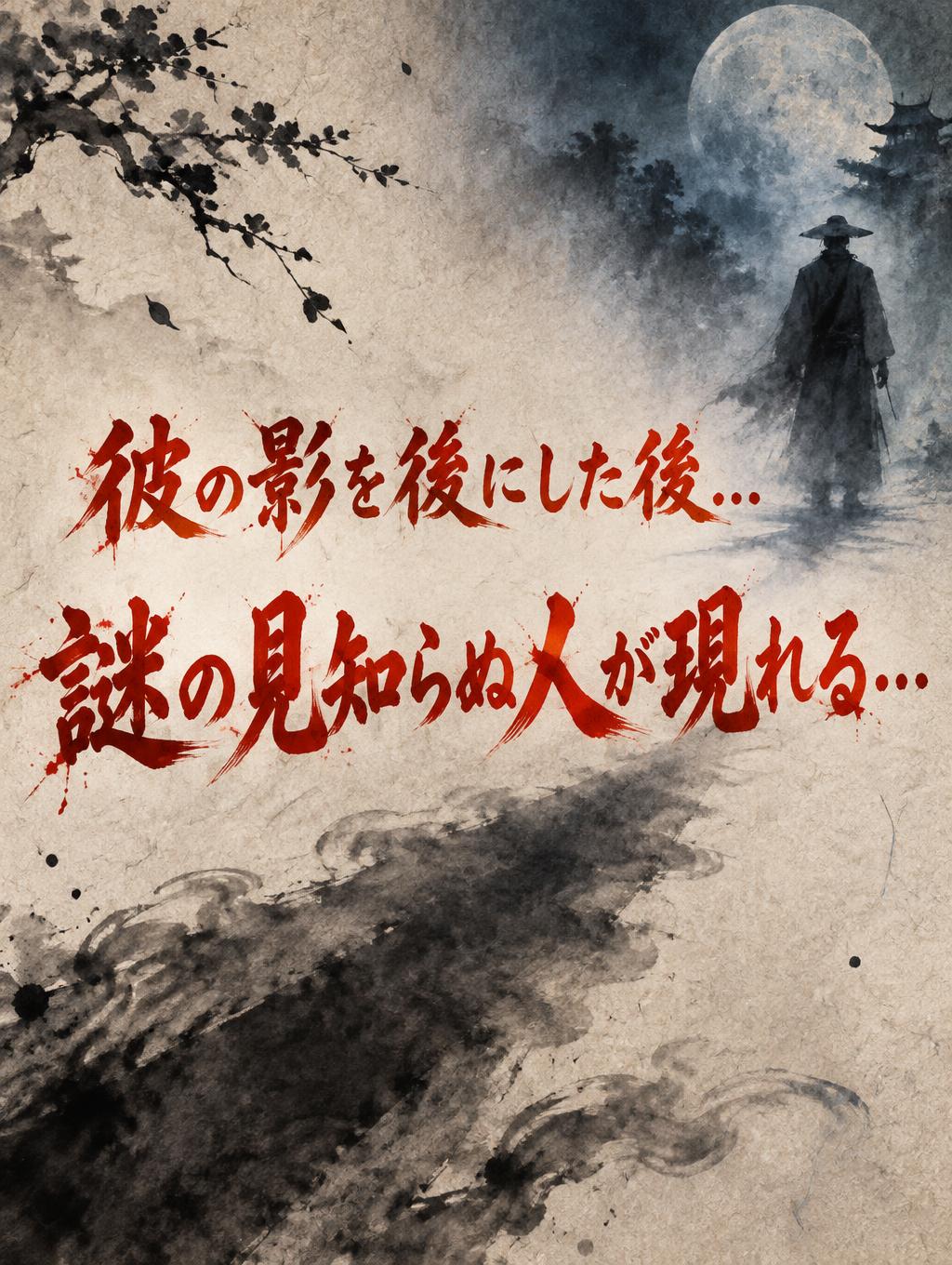
Western brush script with connected letters: thick pressure downstrokes, hairline upstrokes, visible bristle streaks and dry-brush trails in warm off-black ink on textured paper. — no font license needed.
Brush Script in different AI fonts
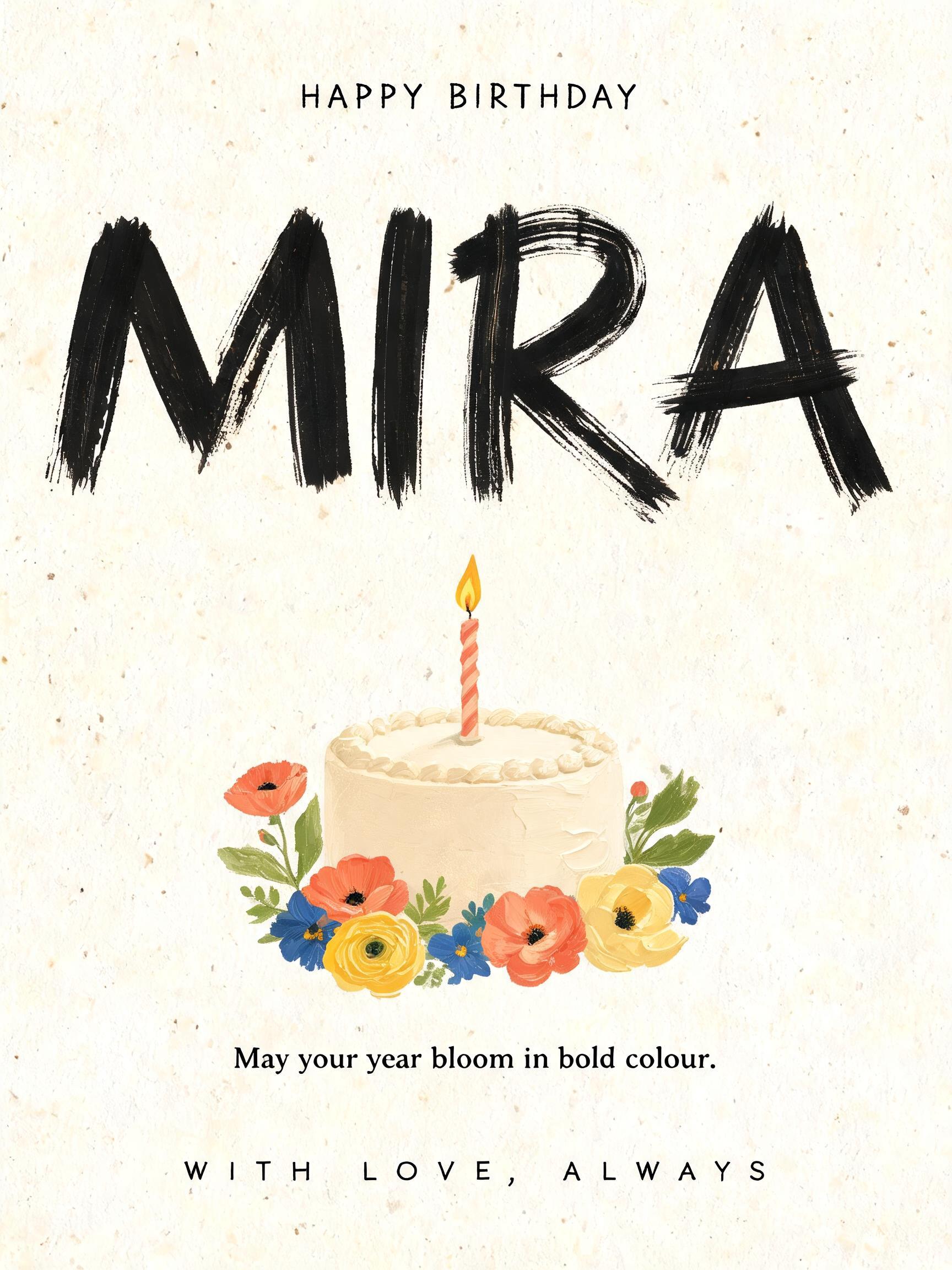
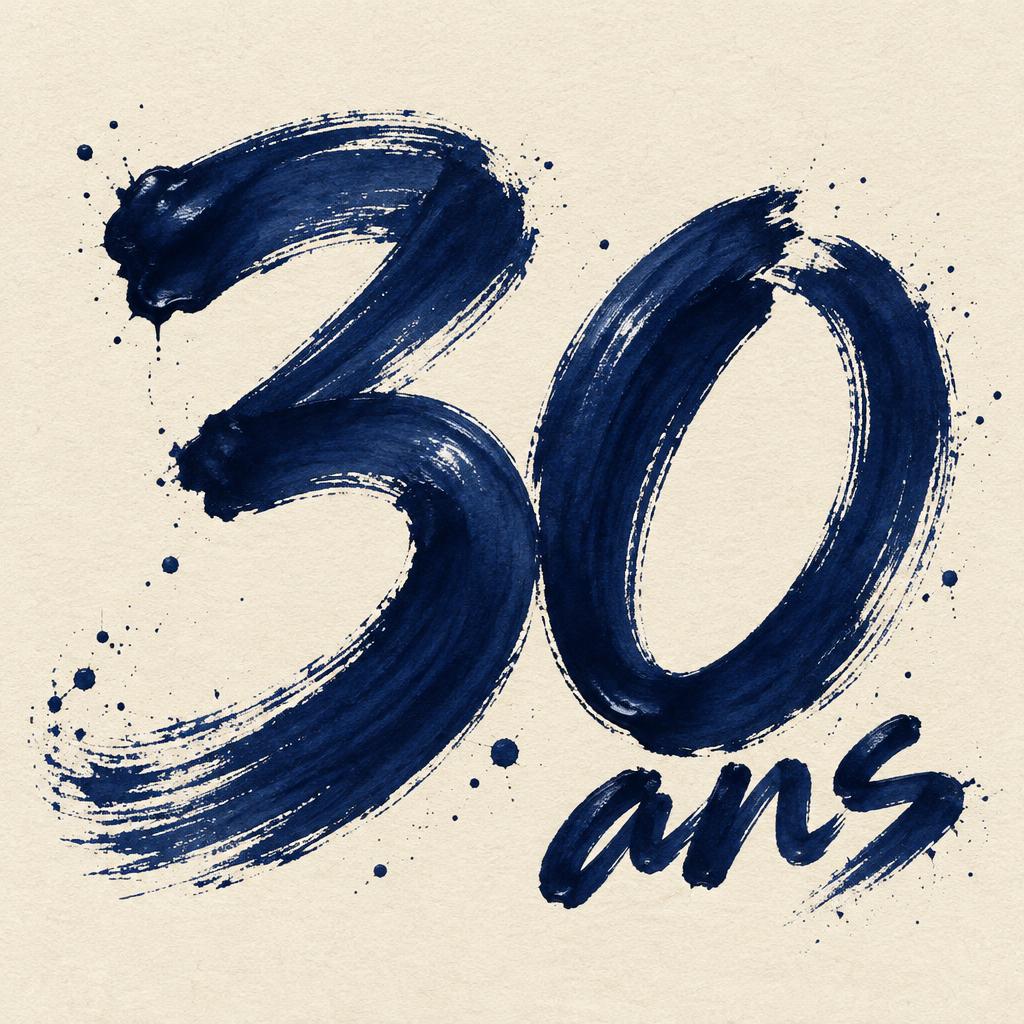
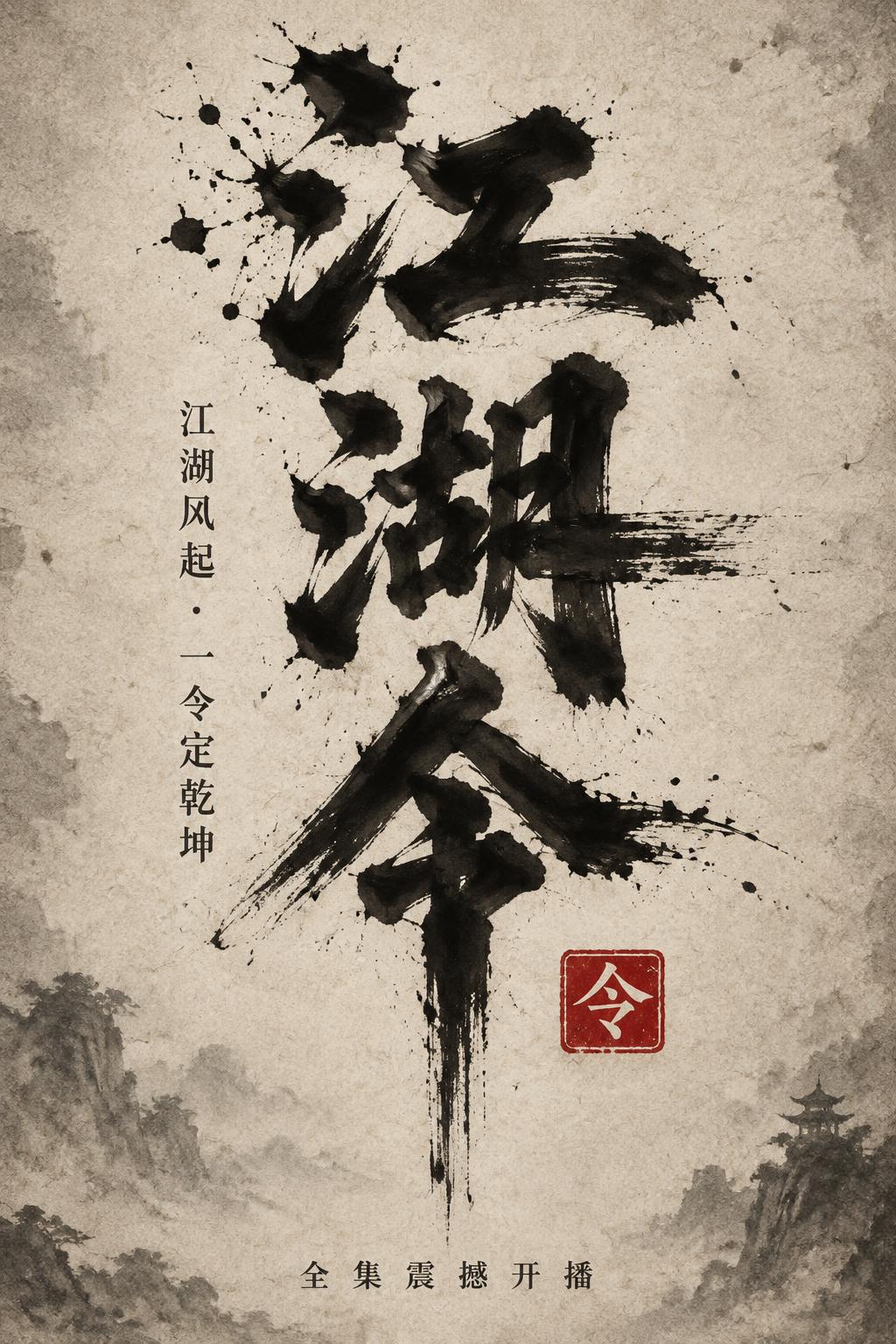
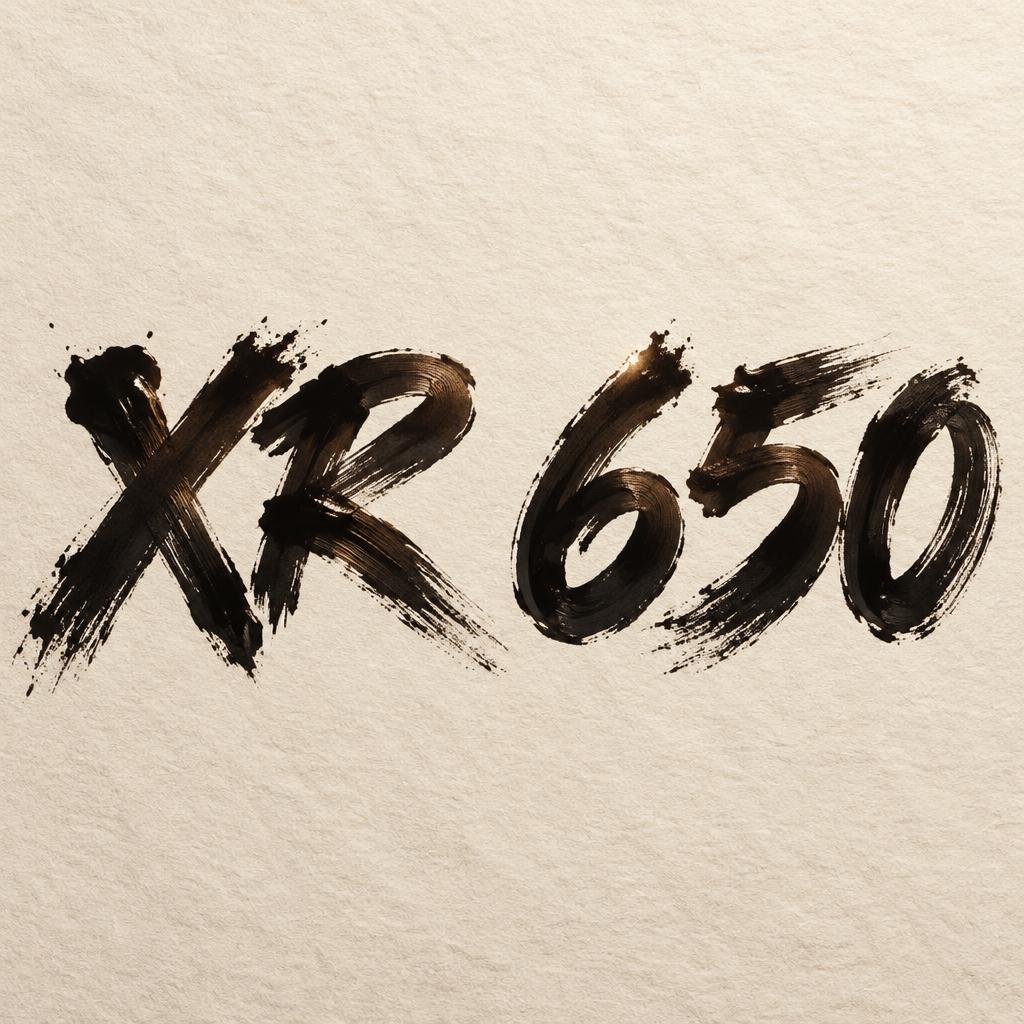
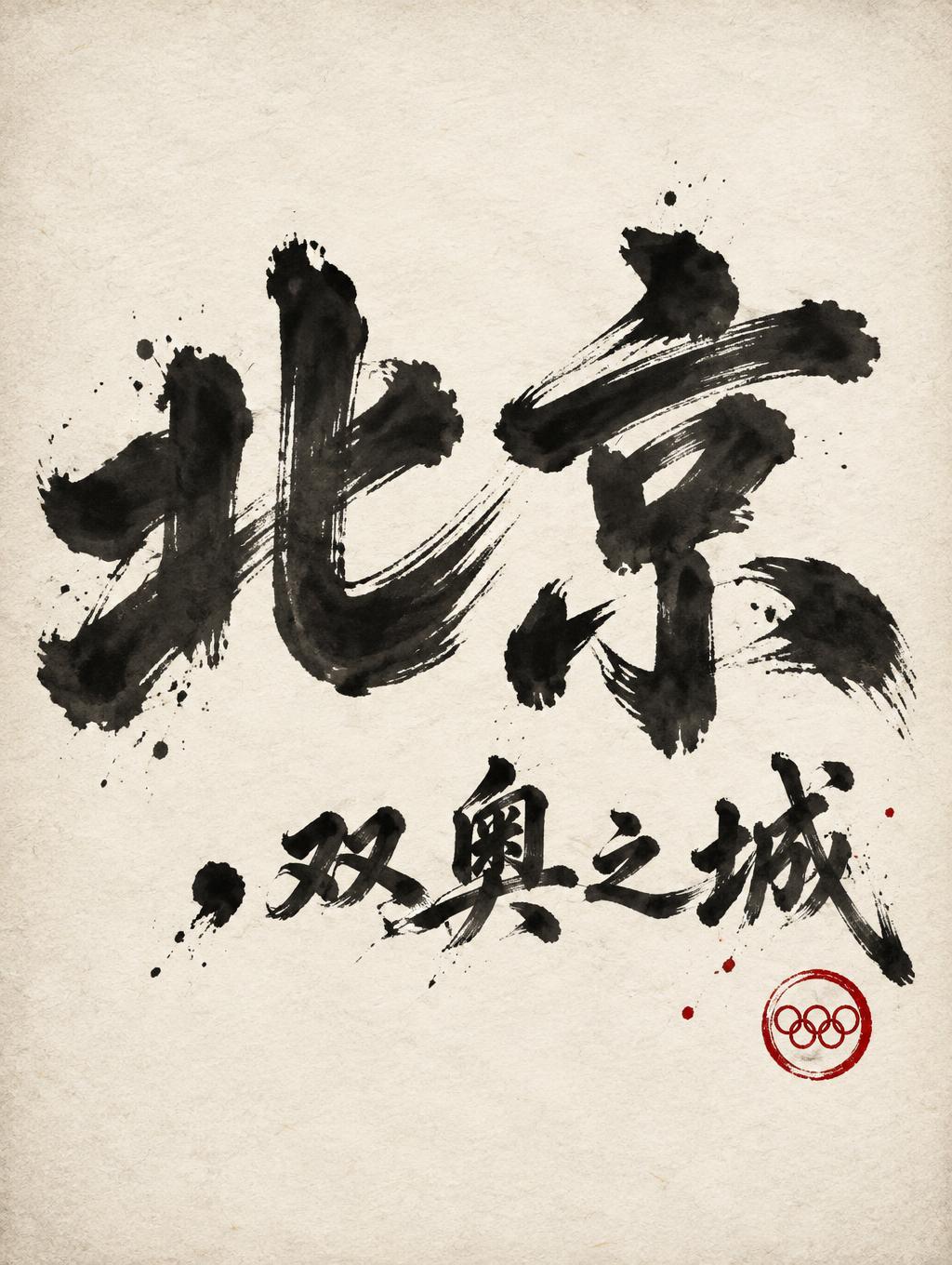
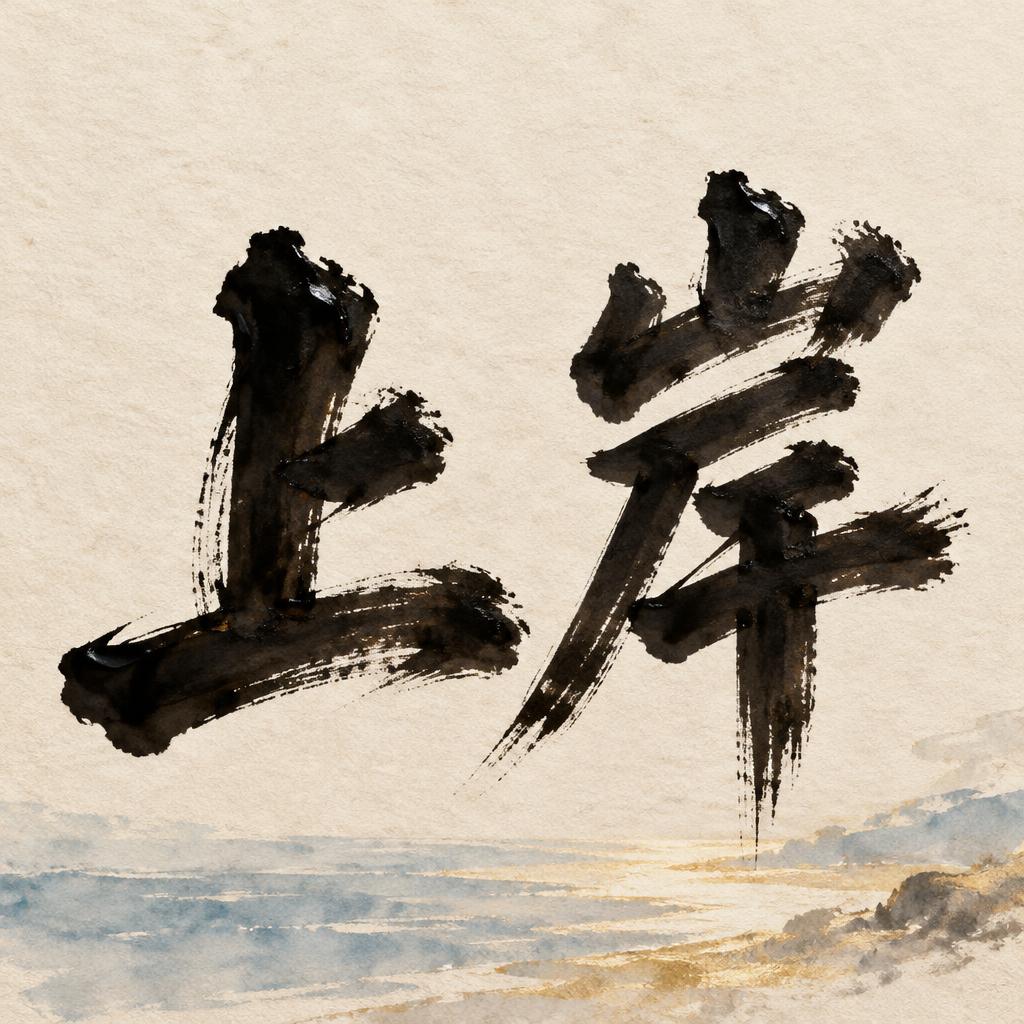
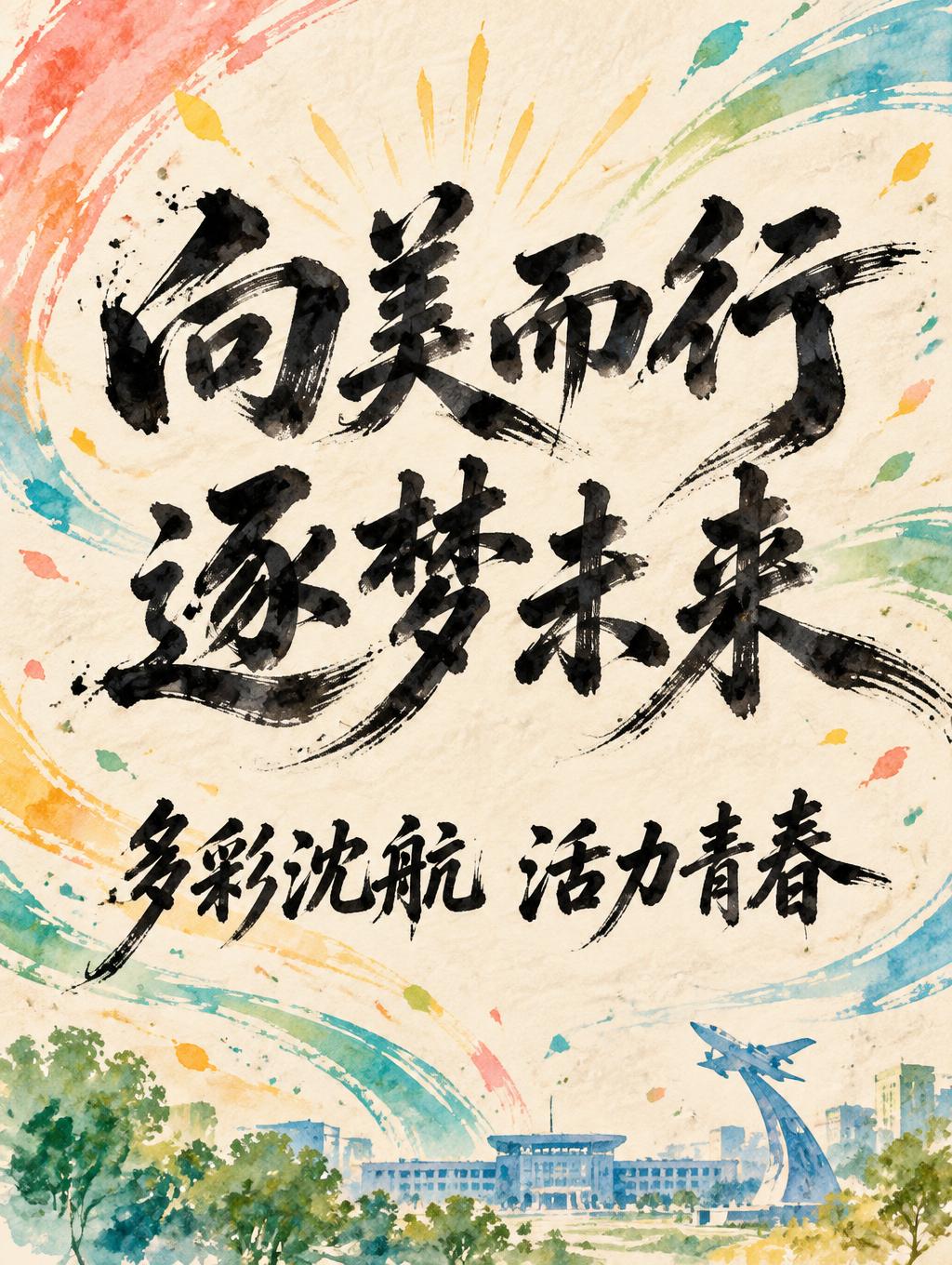
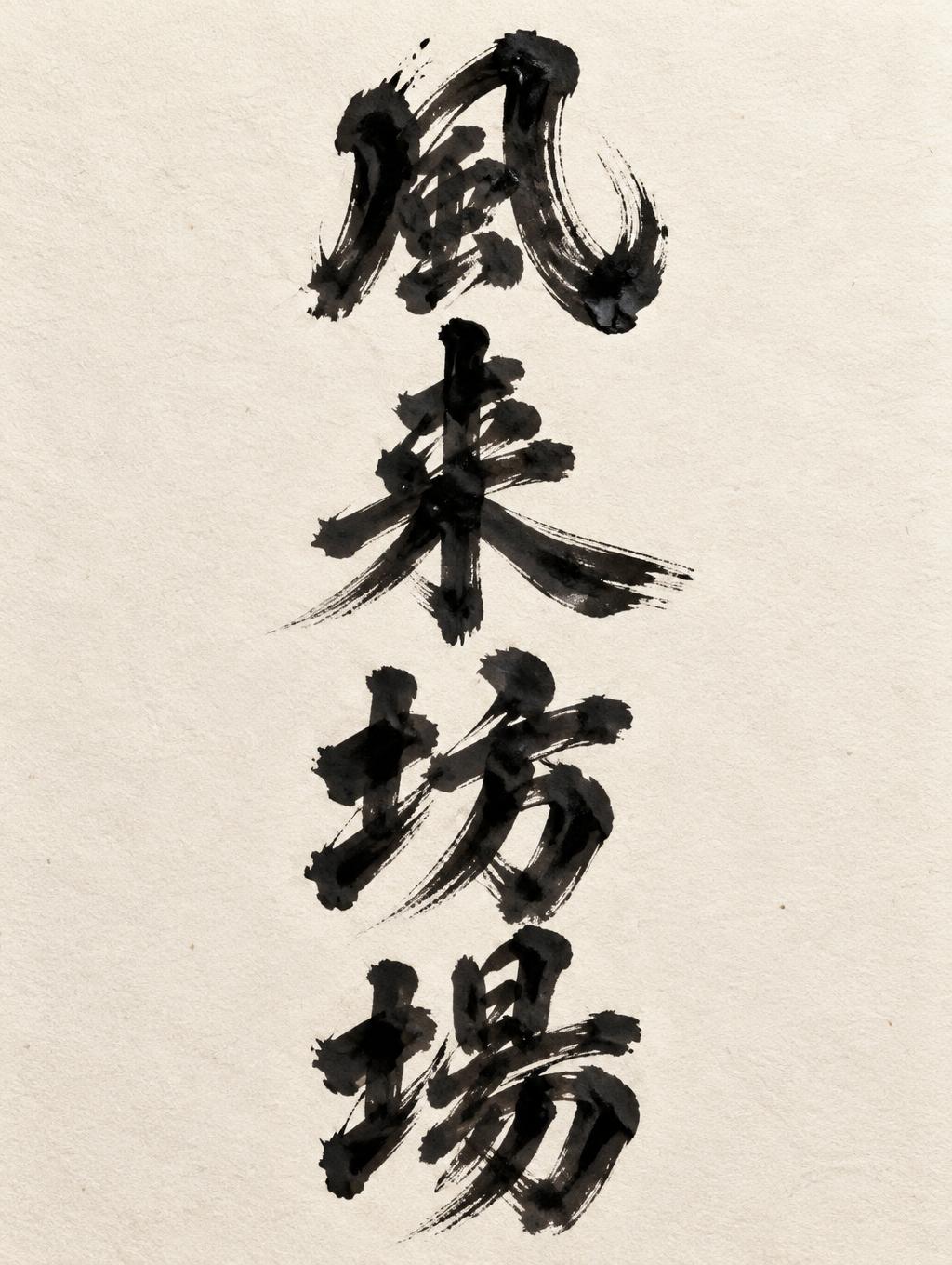
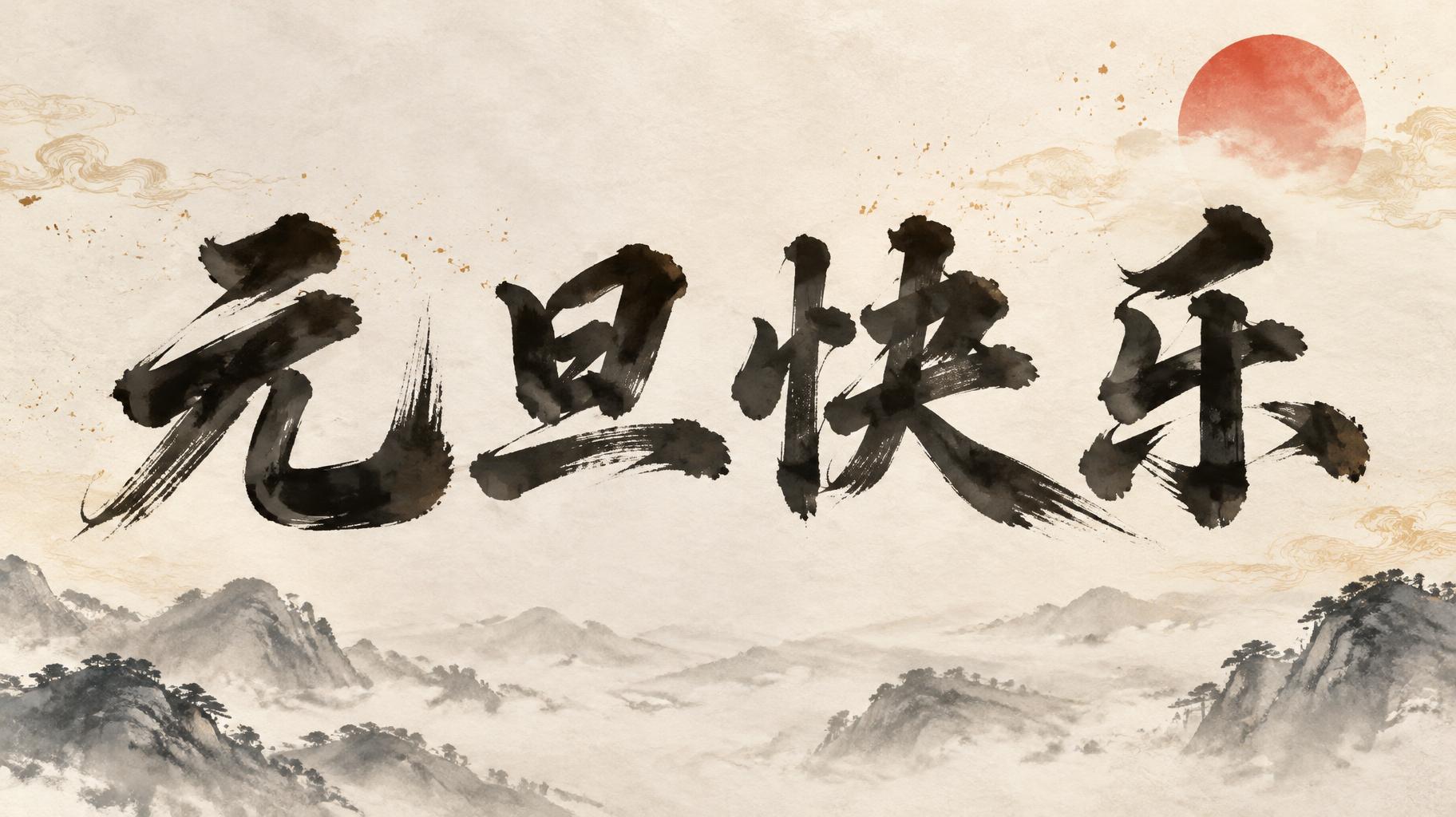
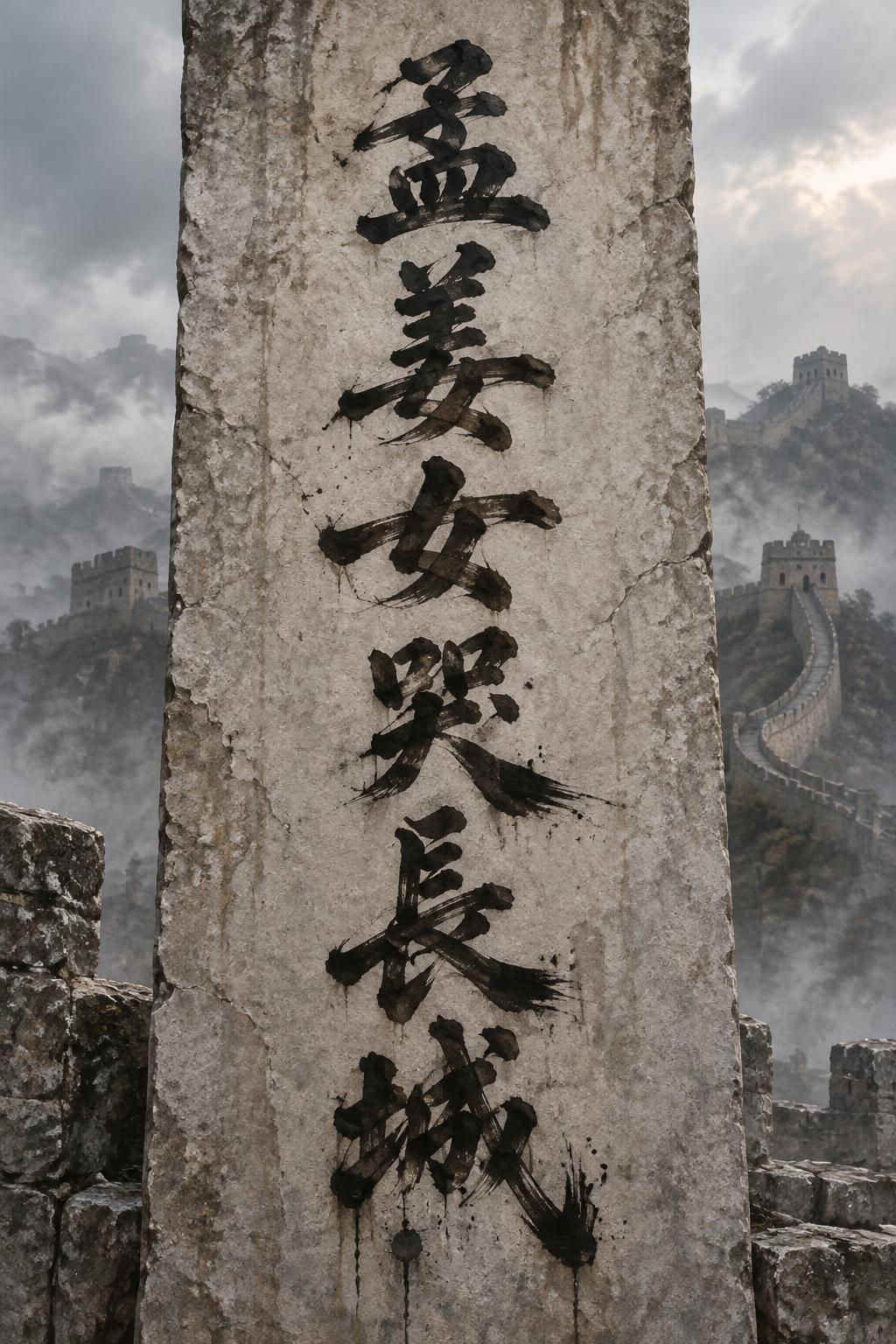


Find the Right Brush Script Style for Your Project
3 distinct variations — each locked to a specific look and use case.


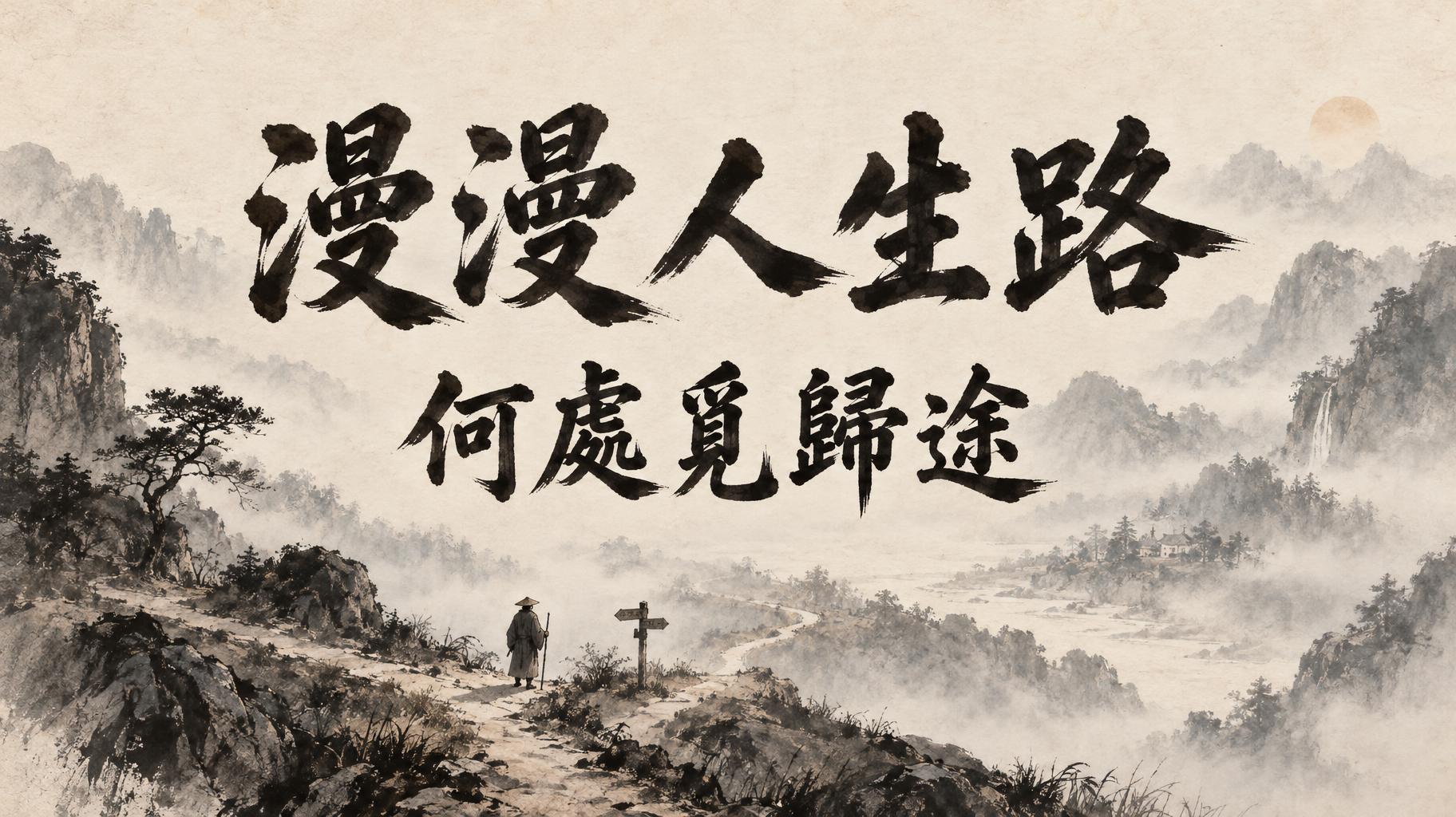
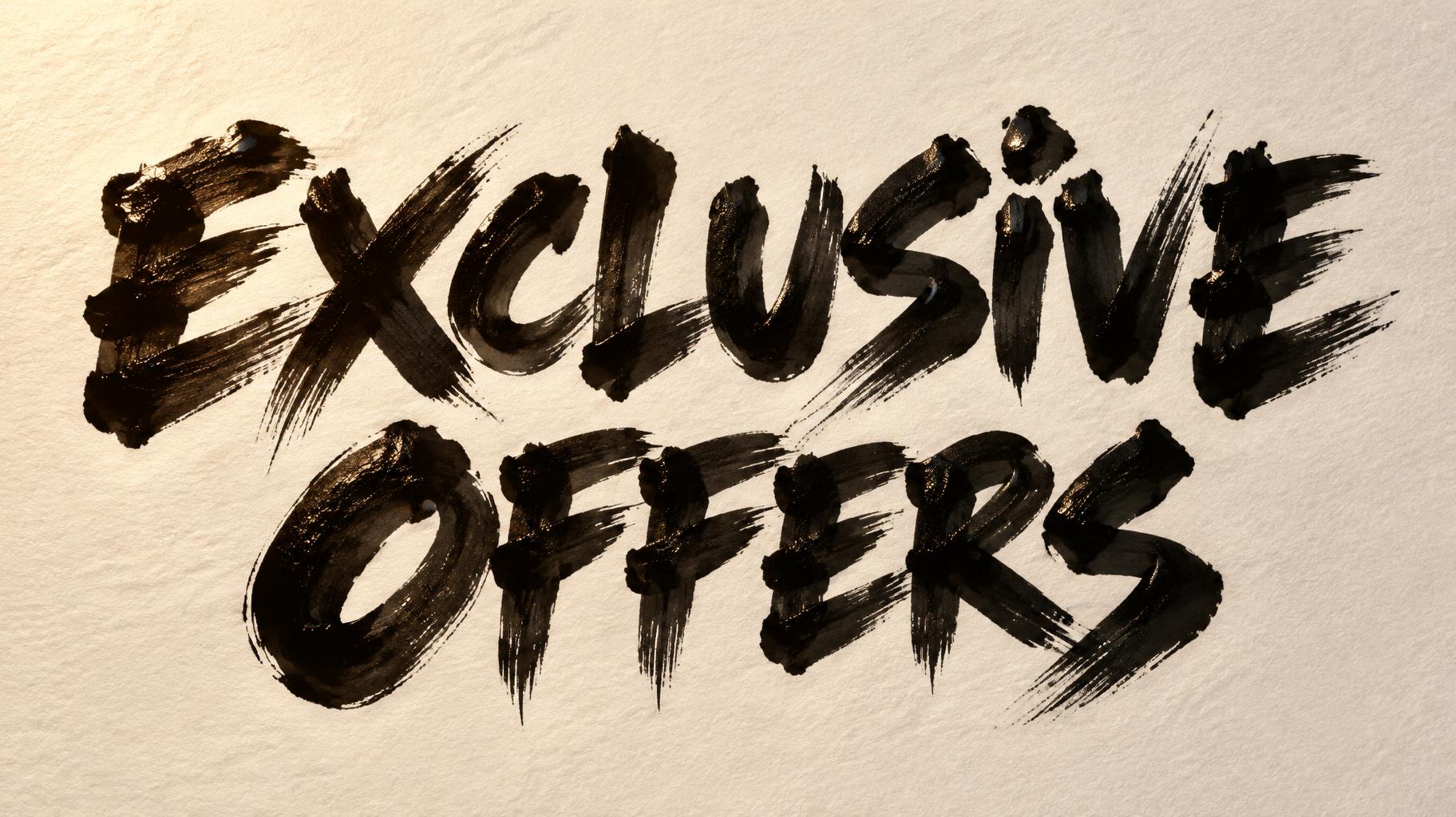
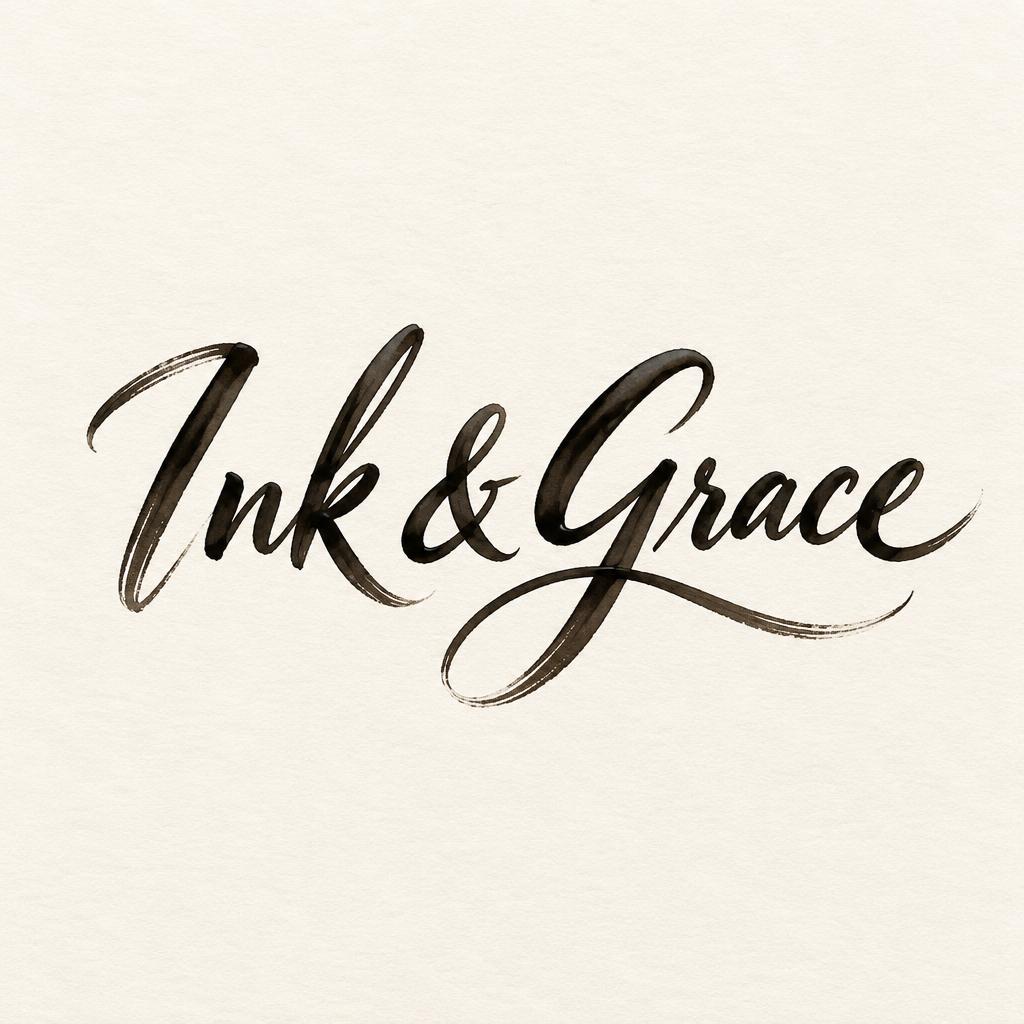
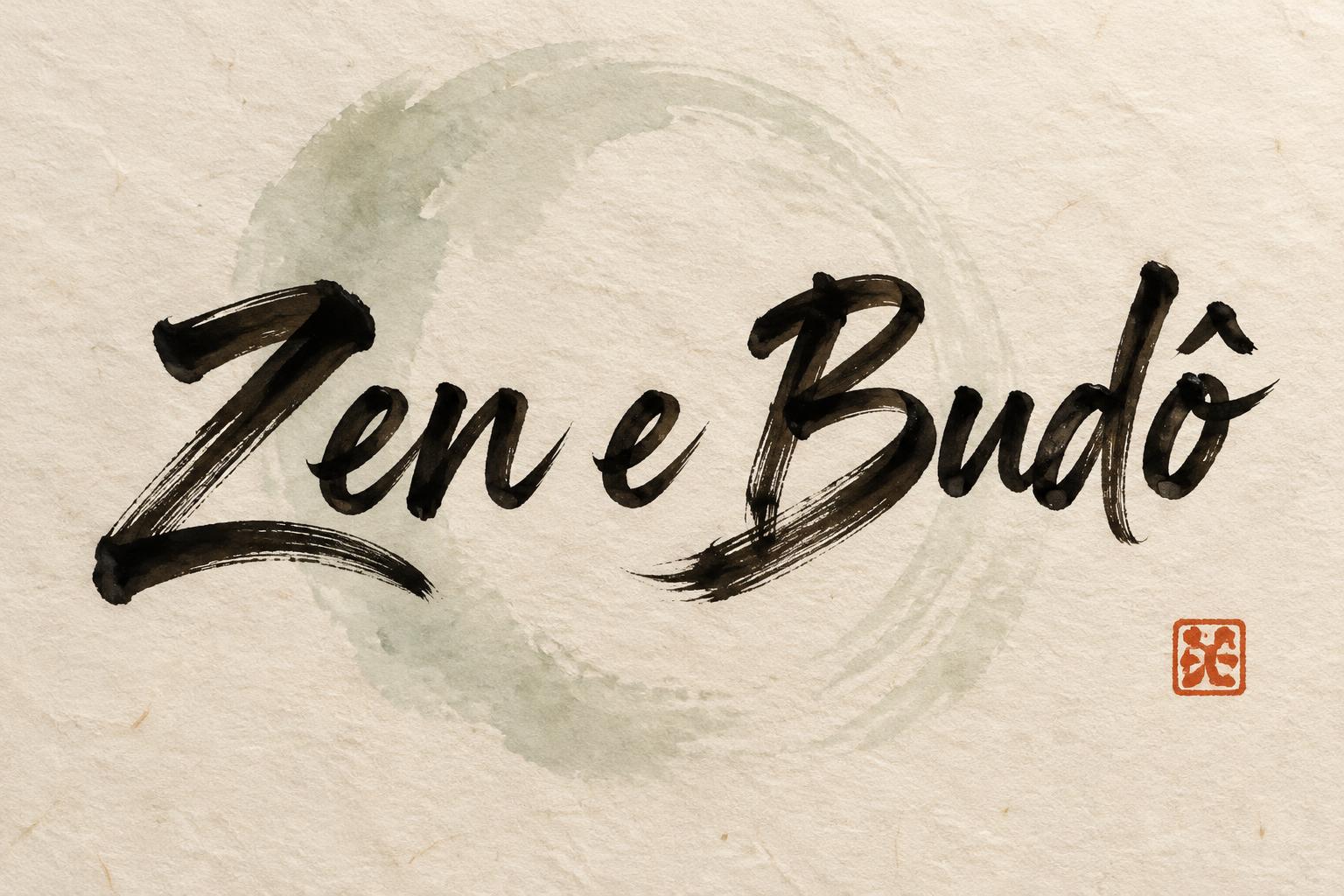
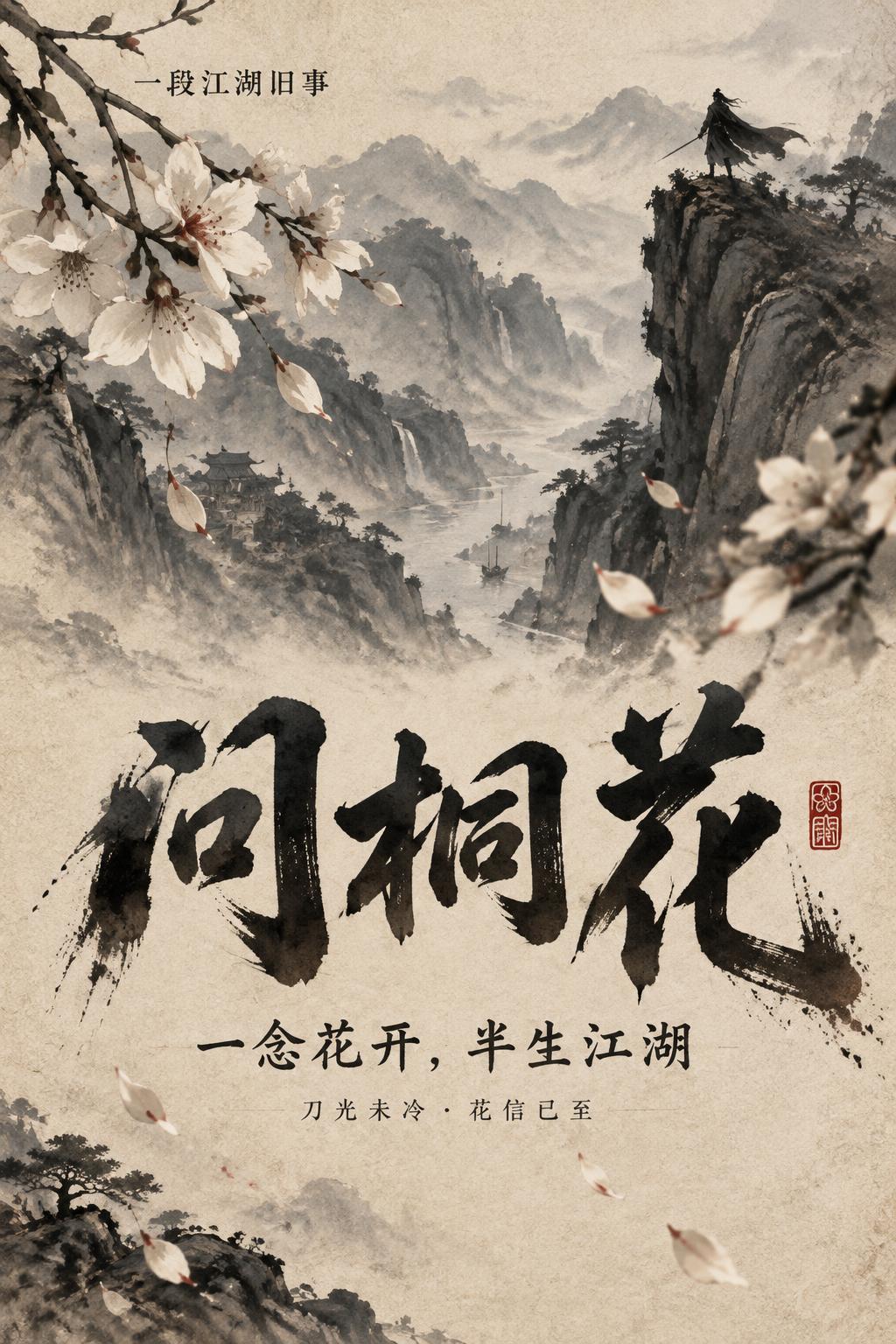
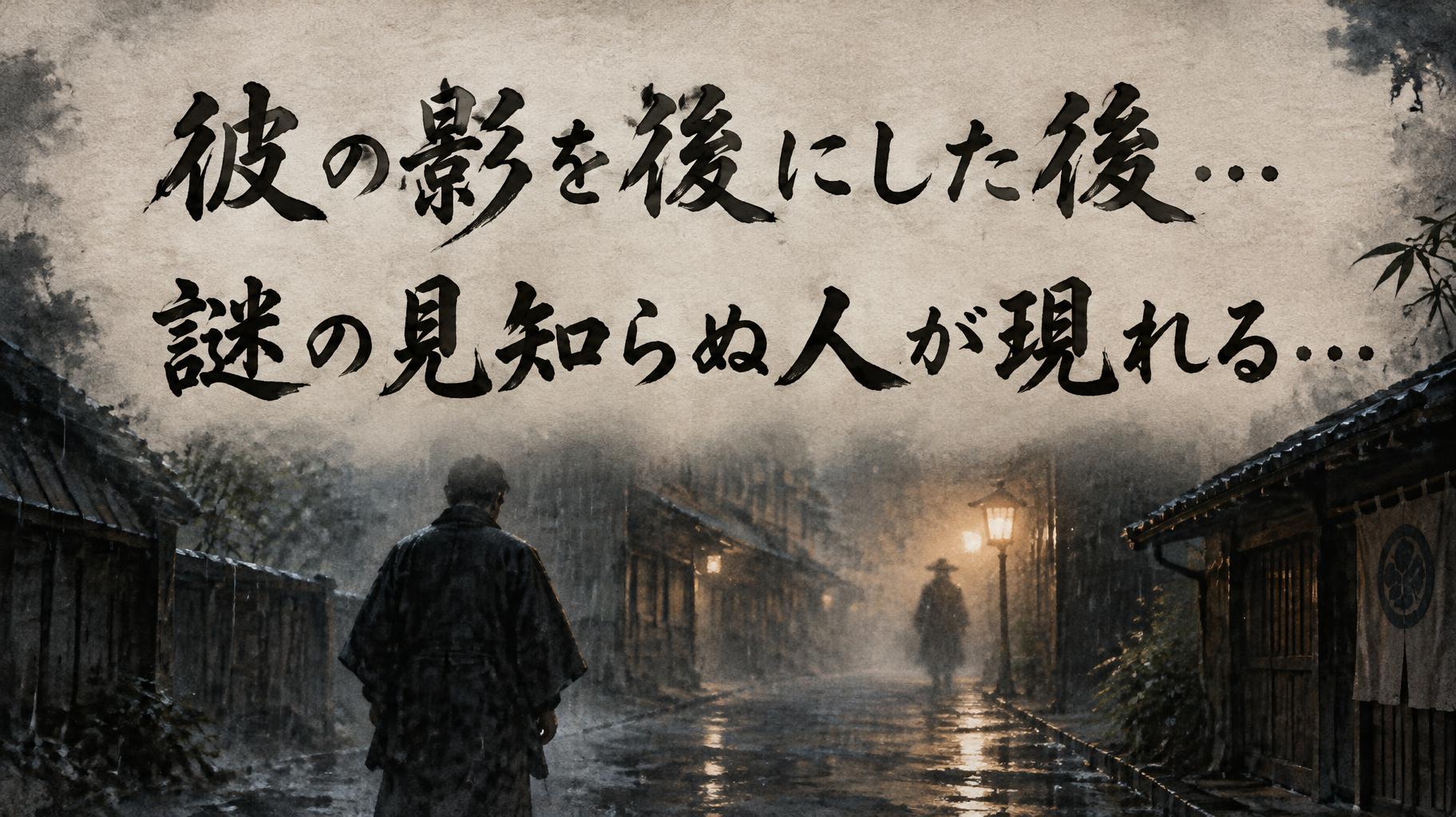
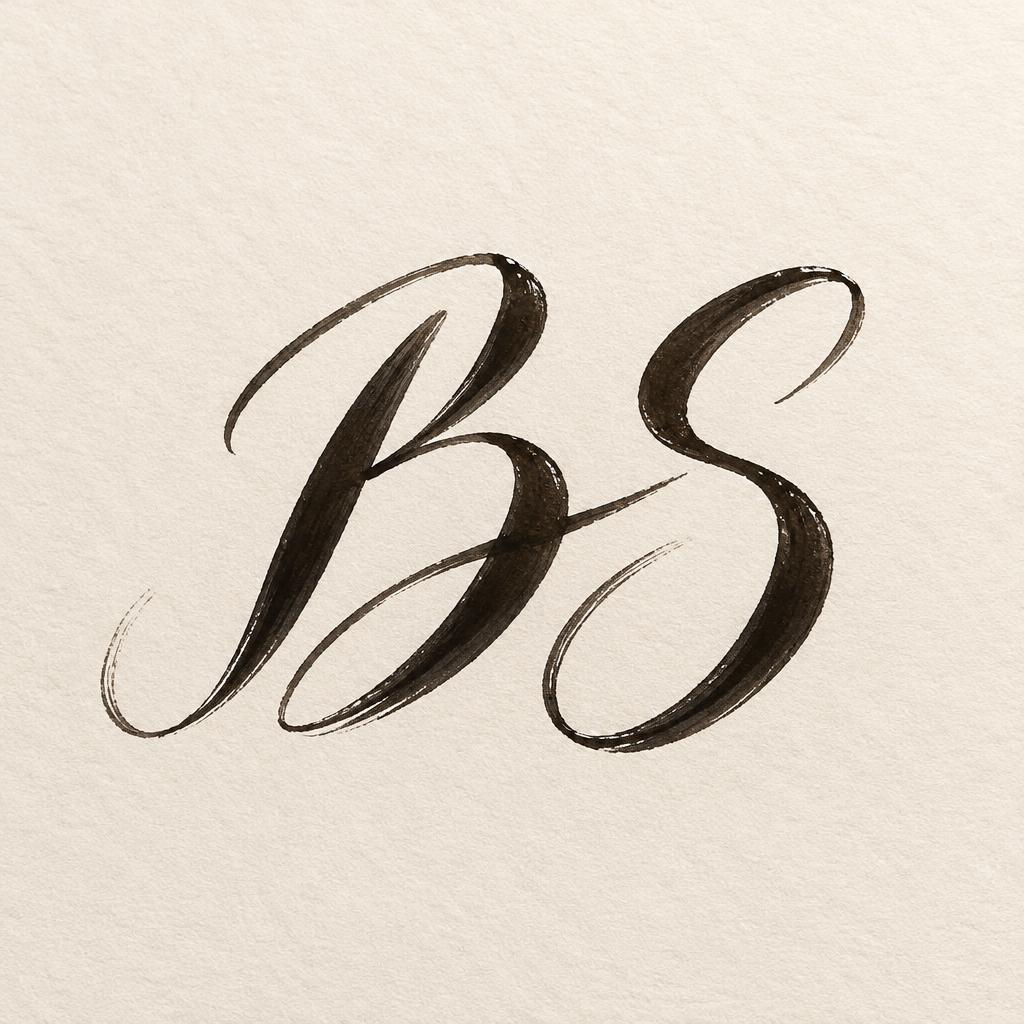
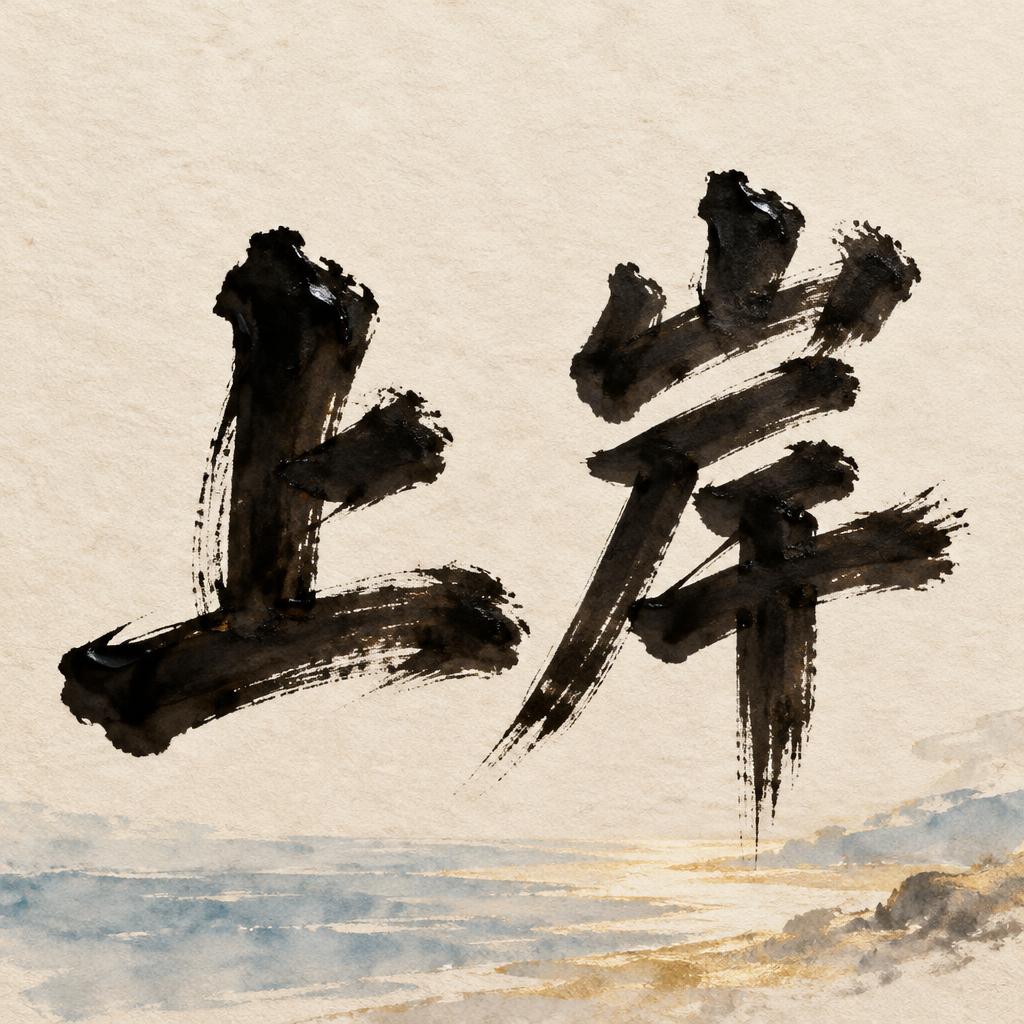
Brush Script Gallery
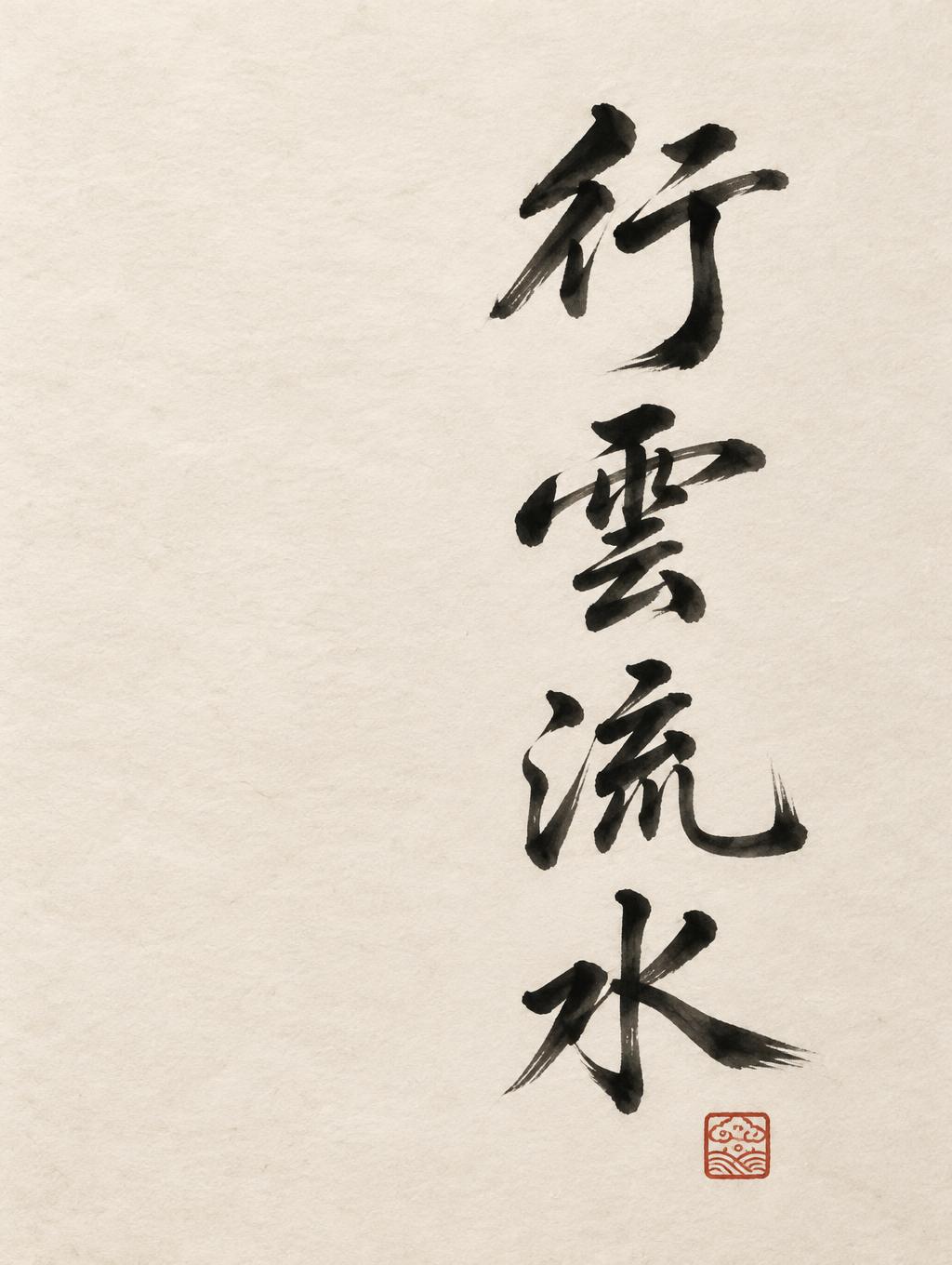
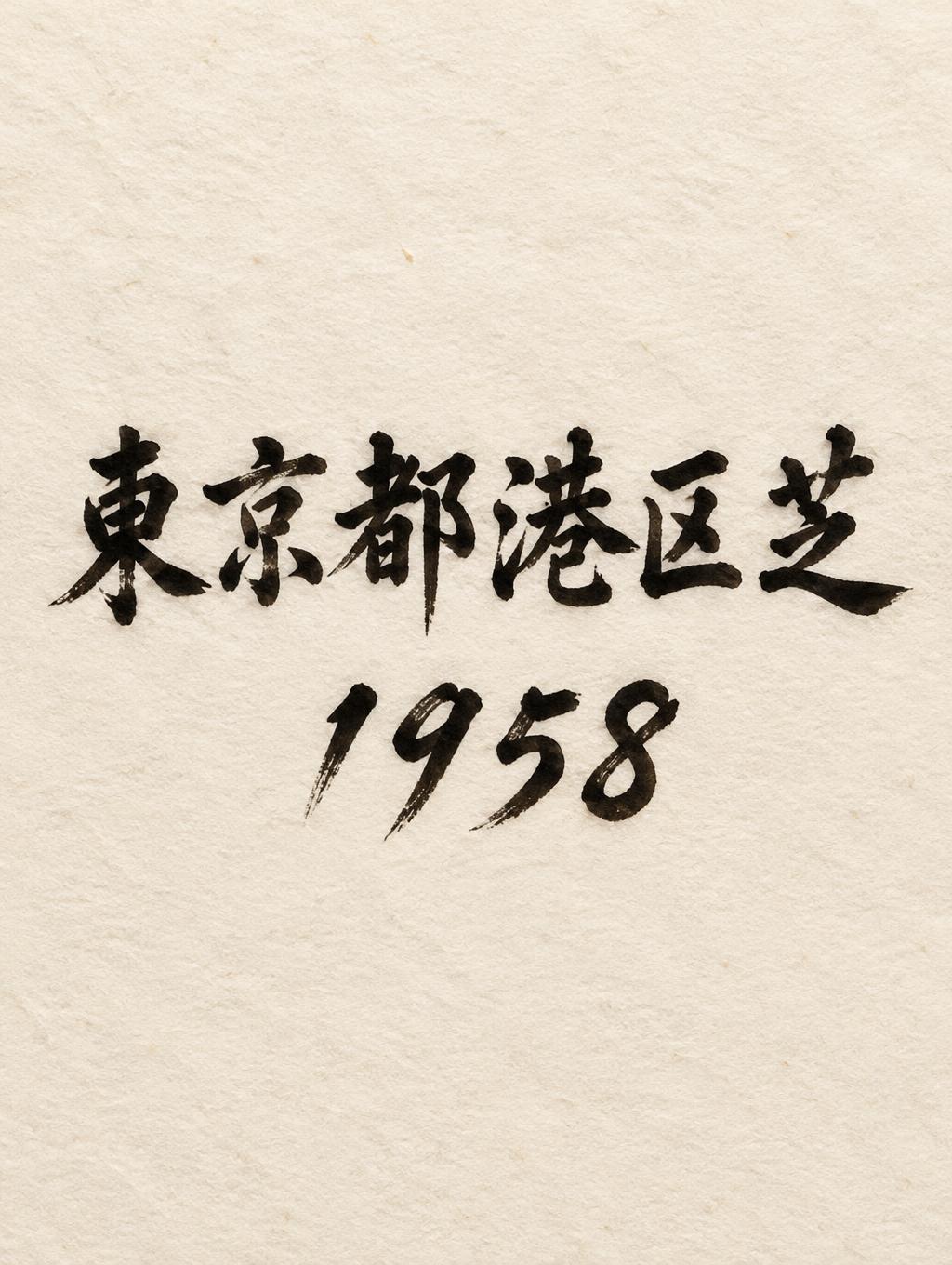
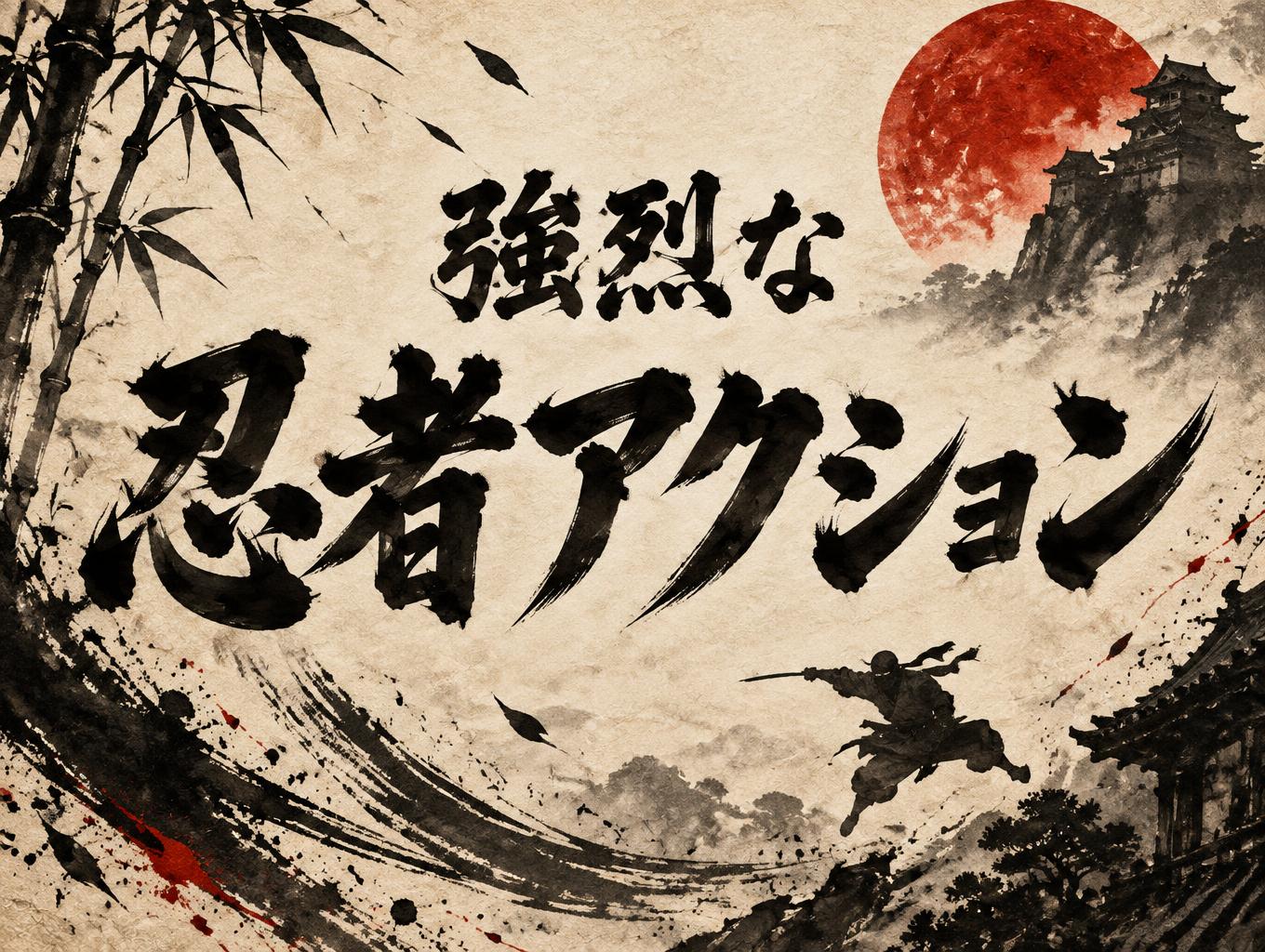
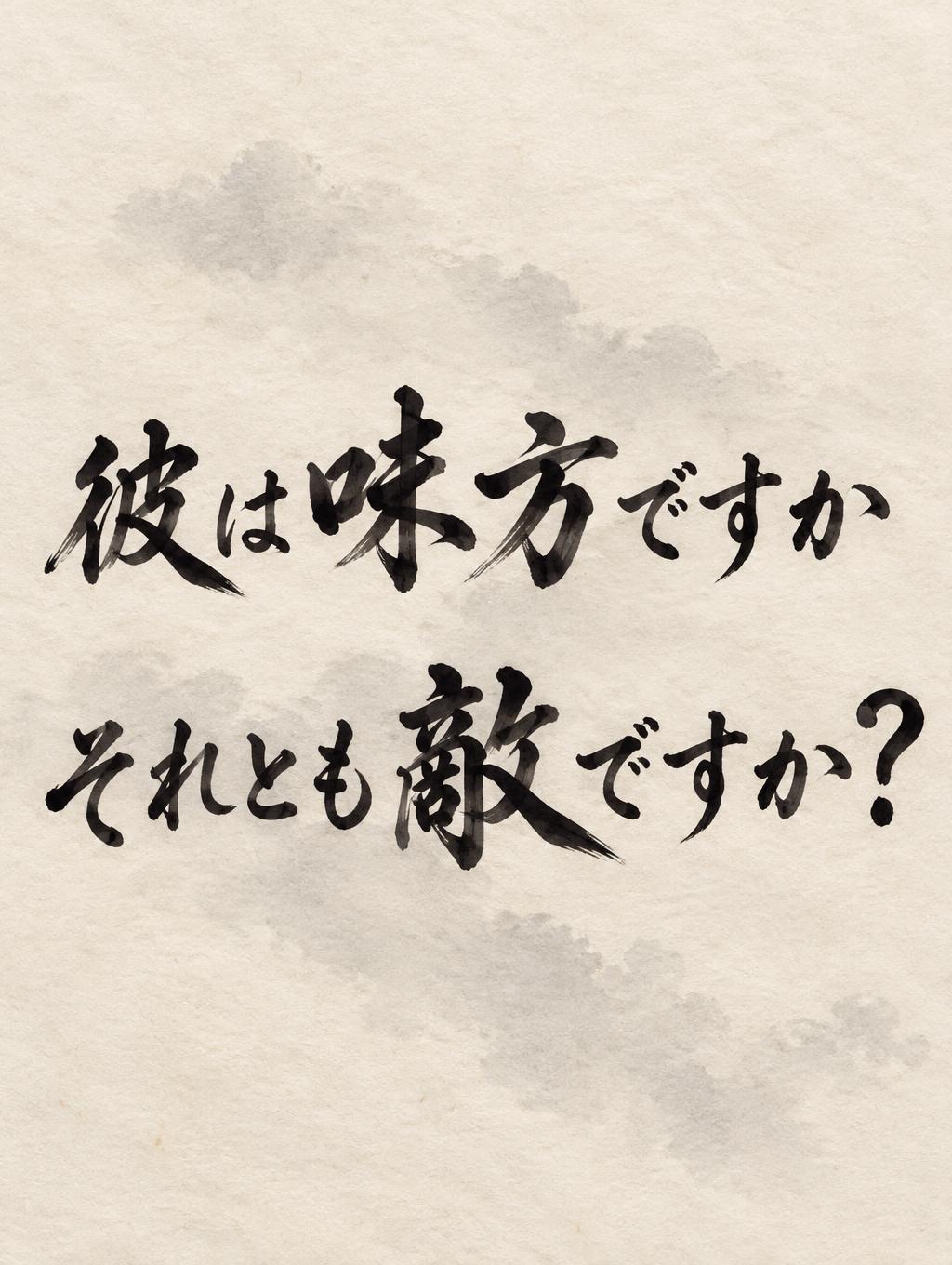
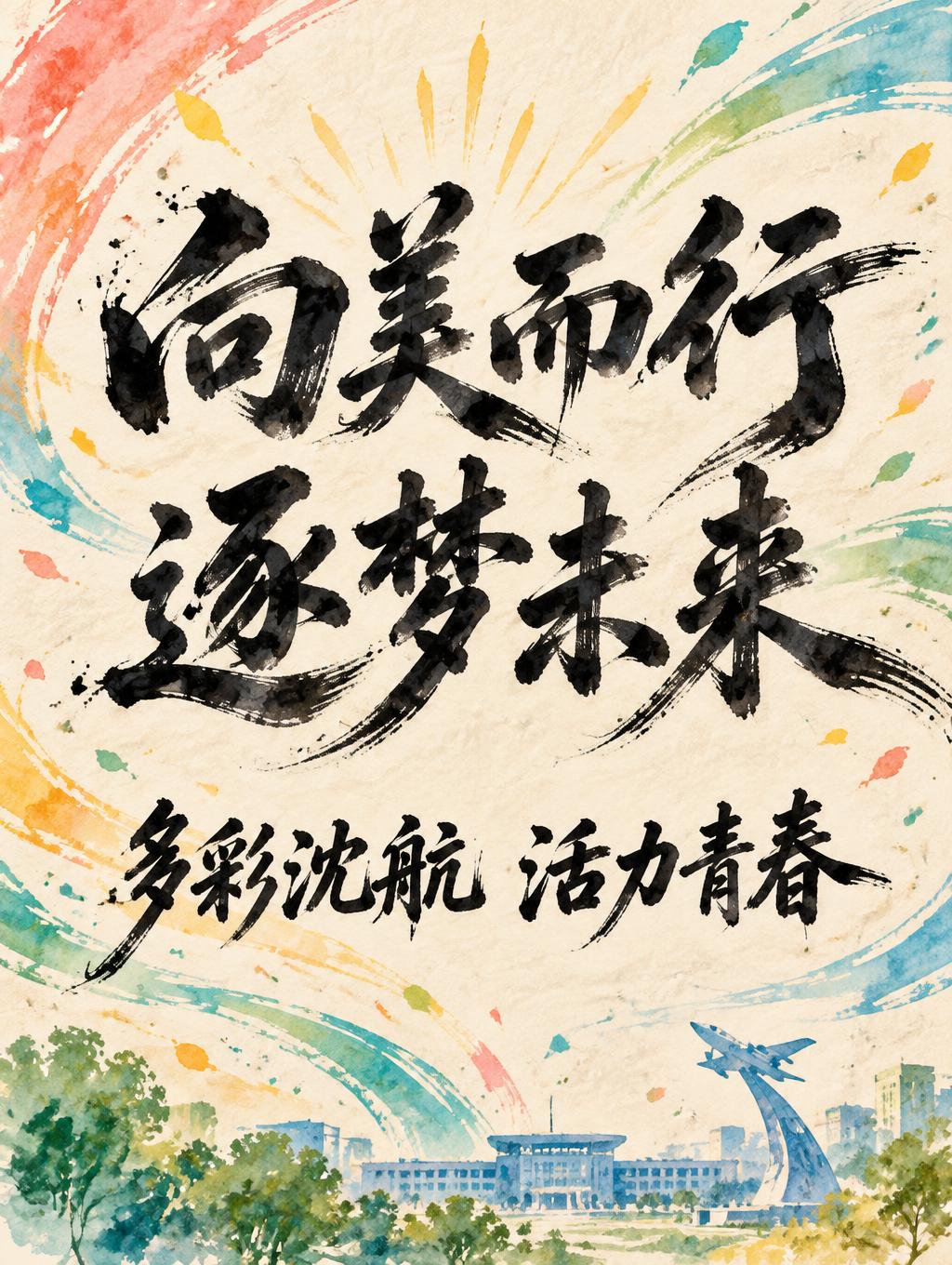
Real outputs from the Brush Script style. Click any image to see details.
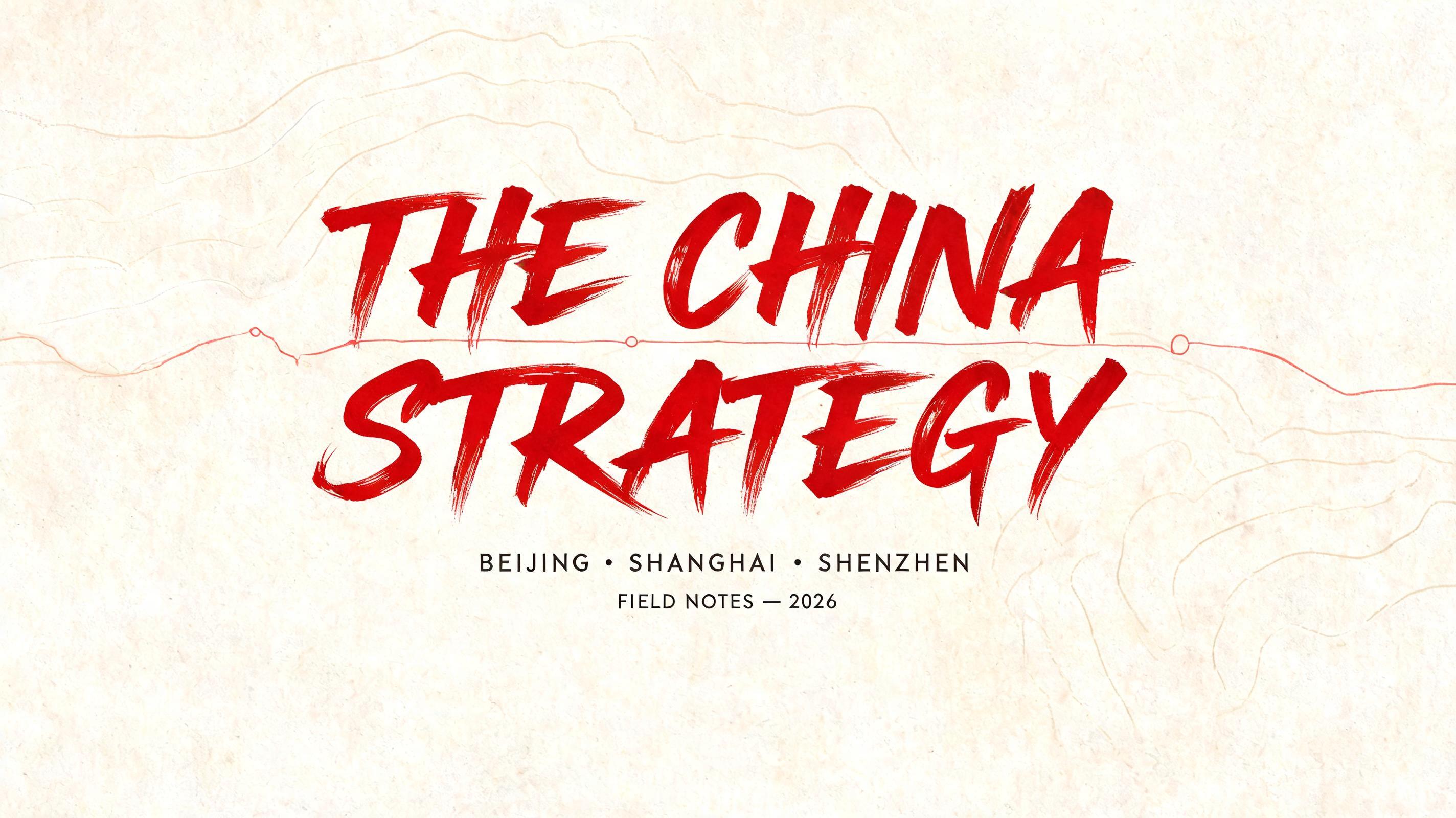


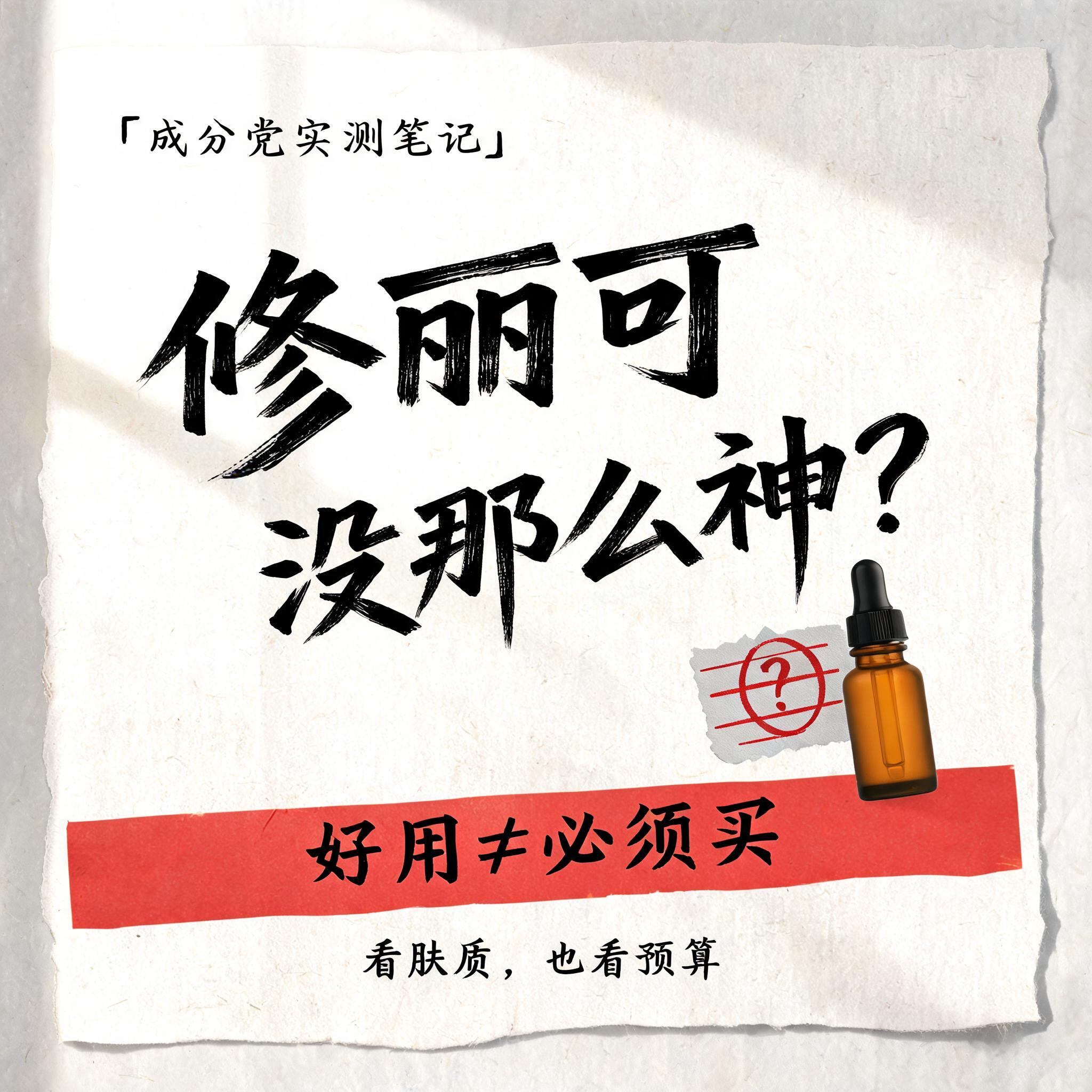
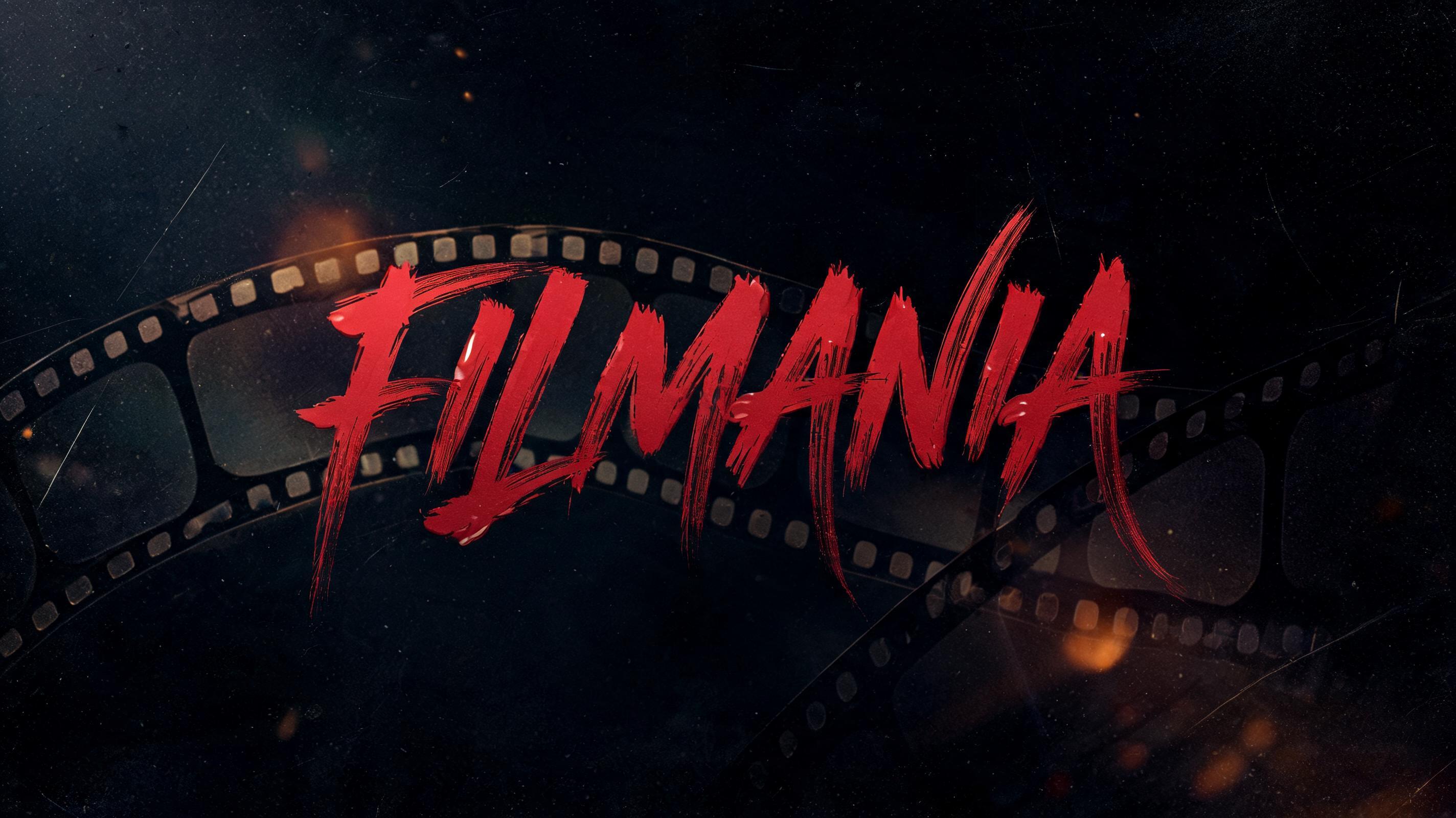




Looking for copy-paste fancy text? Try our free Font Generator Tools — cursive, gothic, bubble & 30+ styles.
Perfect for These Projects
Brush Script Text Effect — FAQ
What is the Brush Script Font Style?
The Brush Script font style is a distinctive AI-generated typography effect. Western brush script with connected letters: thick pressure downstrokes, hairline upstrokes, visible bristle streaks and dry-brush trails in warm off-black ink on textured paper. Using FontVibe's AI brush script generator you can create stunning text effects in seconds — no Photoshop, no font licensing, no design experience needed.
Explore the Brush Script gallery for inspiration, or browse all 138+ AI text effect styles available on FontVibe.
How to Create Brush Script Typography in FontVibe Studio
The Story Behind Brush Script
History, visual DNA, and cultural context.
The Visual DNA
In Typography
Brush stroke typography carries the most direct physical energy of any lettering style — the marks record the movement of a hand with a loaded brush in real time. This physicality is the source of its appeal: it is the opposite of mechanical precision.
The aesthetic works across a wide tonal range: the same brush calligraphy tradition encompasses Japanese zen monastery inscriptions (restrained, contemplative) and American skateboard brand graphics (aggressive, fast). The instrument is the same; the pressure, speed, and ink load differ.
For contemporary brand identity and social media graphics, brush stroke typography signals authenticity and craft — the evidence of a human hand in an environment saturated with algorithmically generated content.
Did You Know?
Wang Xizhi, the 4th-century Chinese calligrapher, is considered the greatest master of Chinese brush writing in history. His work, particularly the Lantingji Xu (Preface to the Poems Composed at the Orchid Pavilion), has been copied by Chinese calligraphy students for more than 1,600 years. The original was reportedly buried with Tang Emperor Taizong, who collected more than 2,000 of Wang's works. Source ↗
Sources: Wikipedia — Wang Xizhi · Wikipedia — Lantingji Xu
Create Your Brush Script Typography in Studio
Free to start. No design skills needed. Your artwork, your copyright.
AI Brush Script Text Effect Generator
Western brush script with connected letters: thick pressure downstrokes, hairline upstrokes, visible bristle streaks and dry-brush trails in warm off-black ink on textured paper. — no font license needed.
Brush Script in different AI fonts
Generate Your Brush Script Text Effect
Type any word — see it transformed in seconds. No sign-up required.
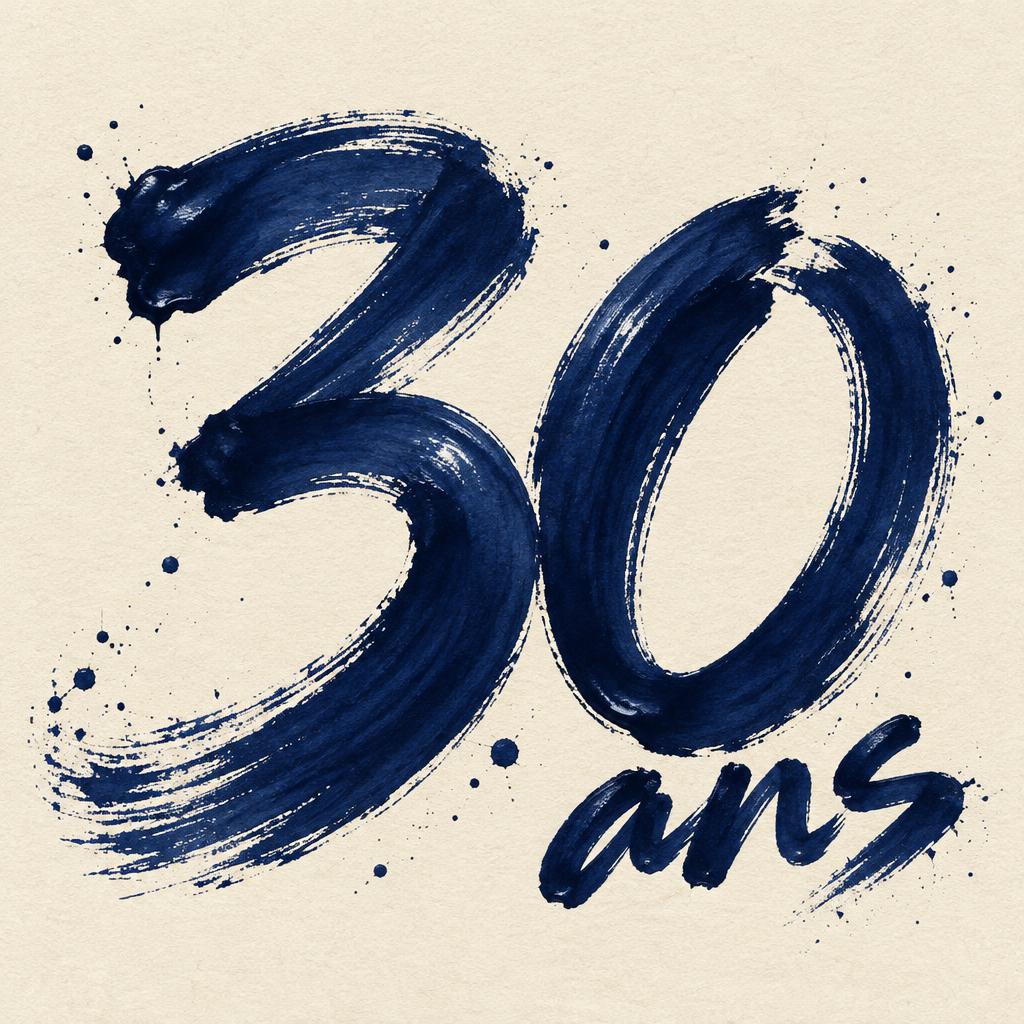
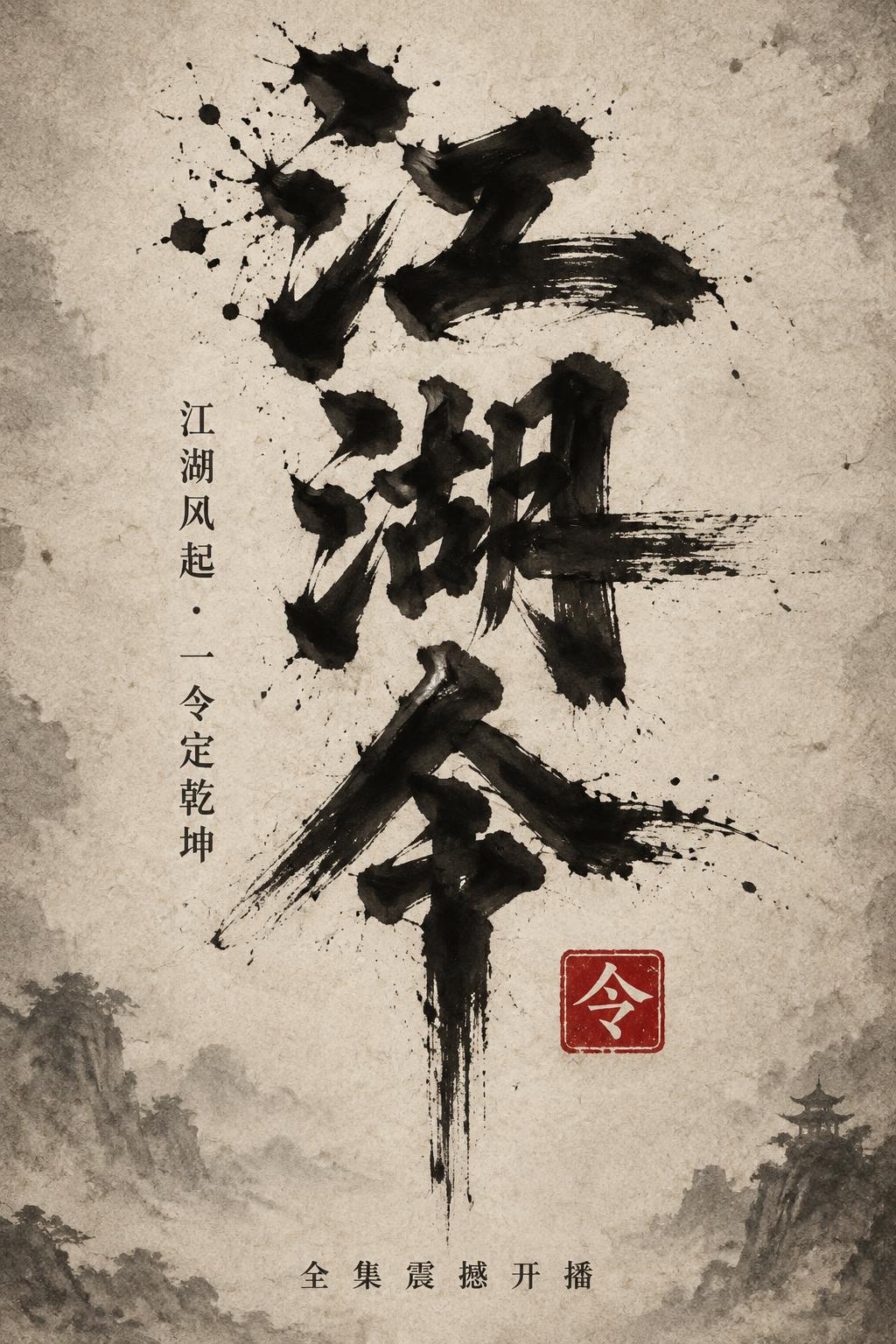
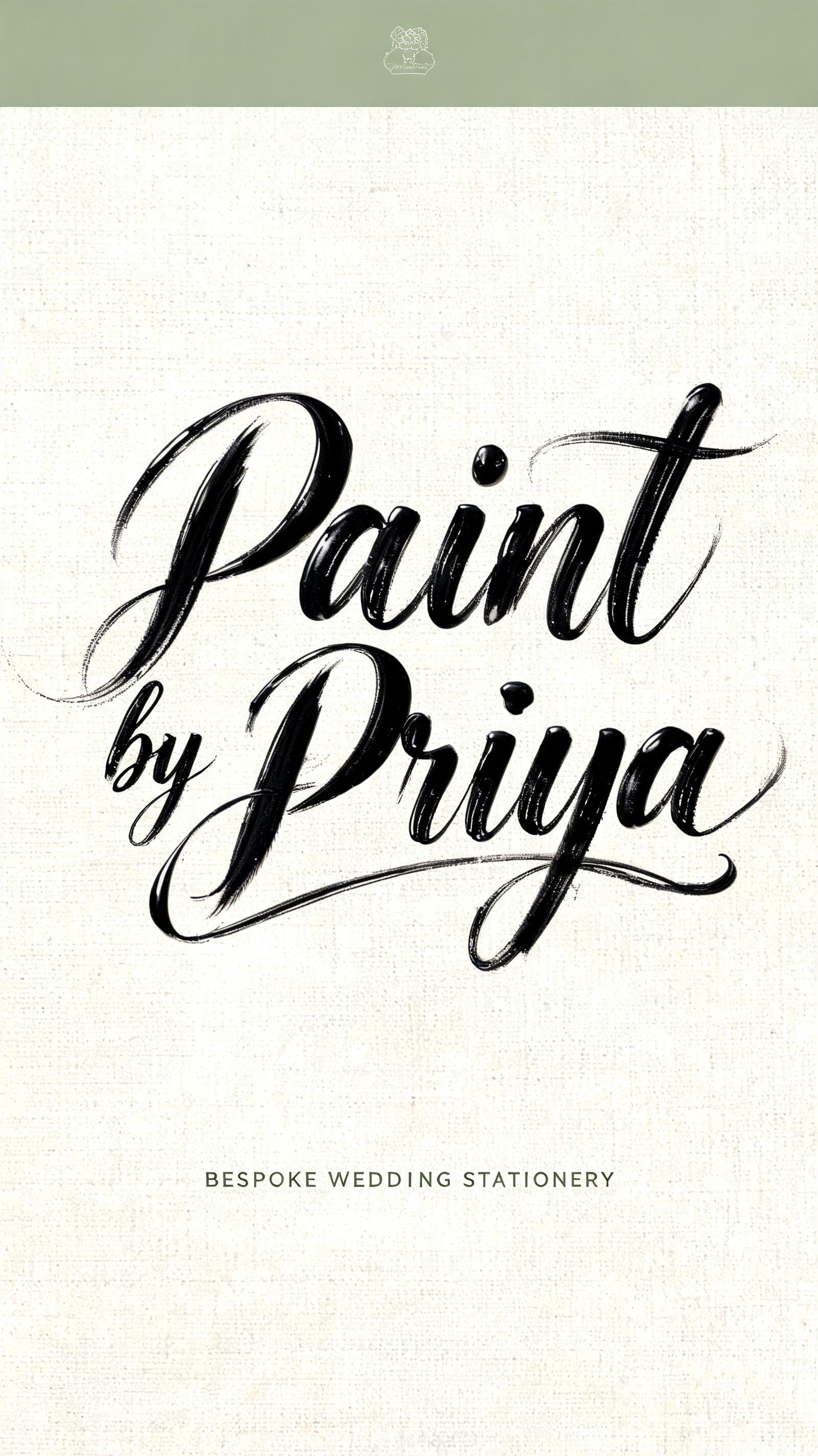
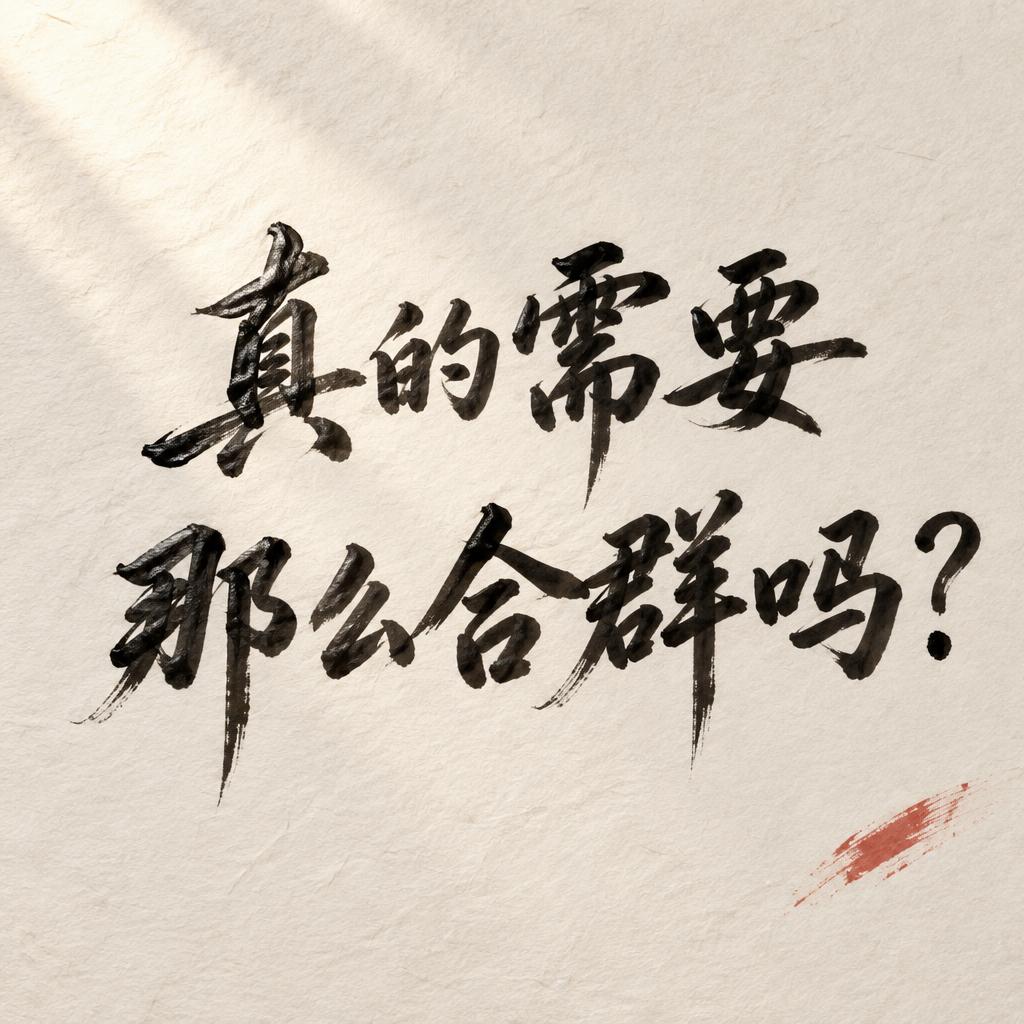
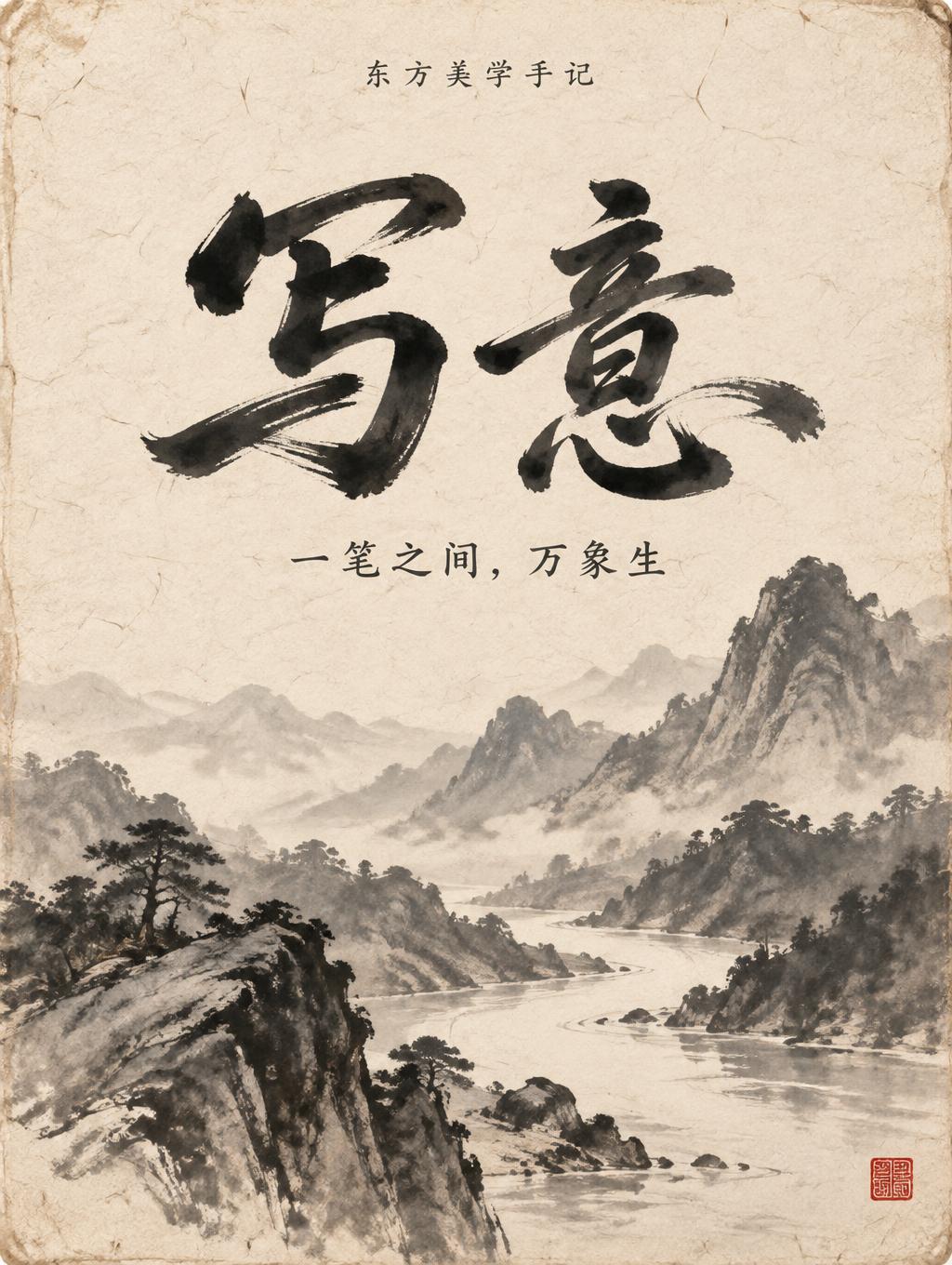
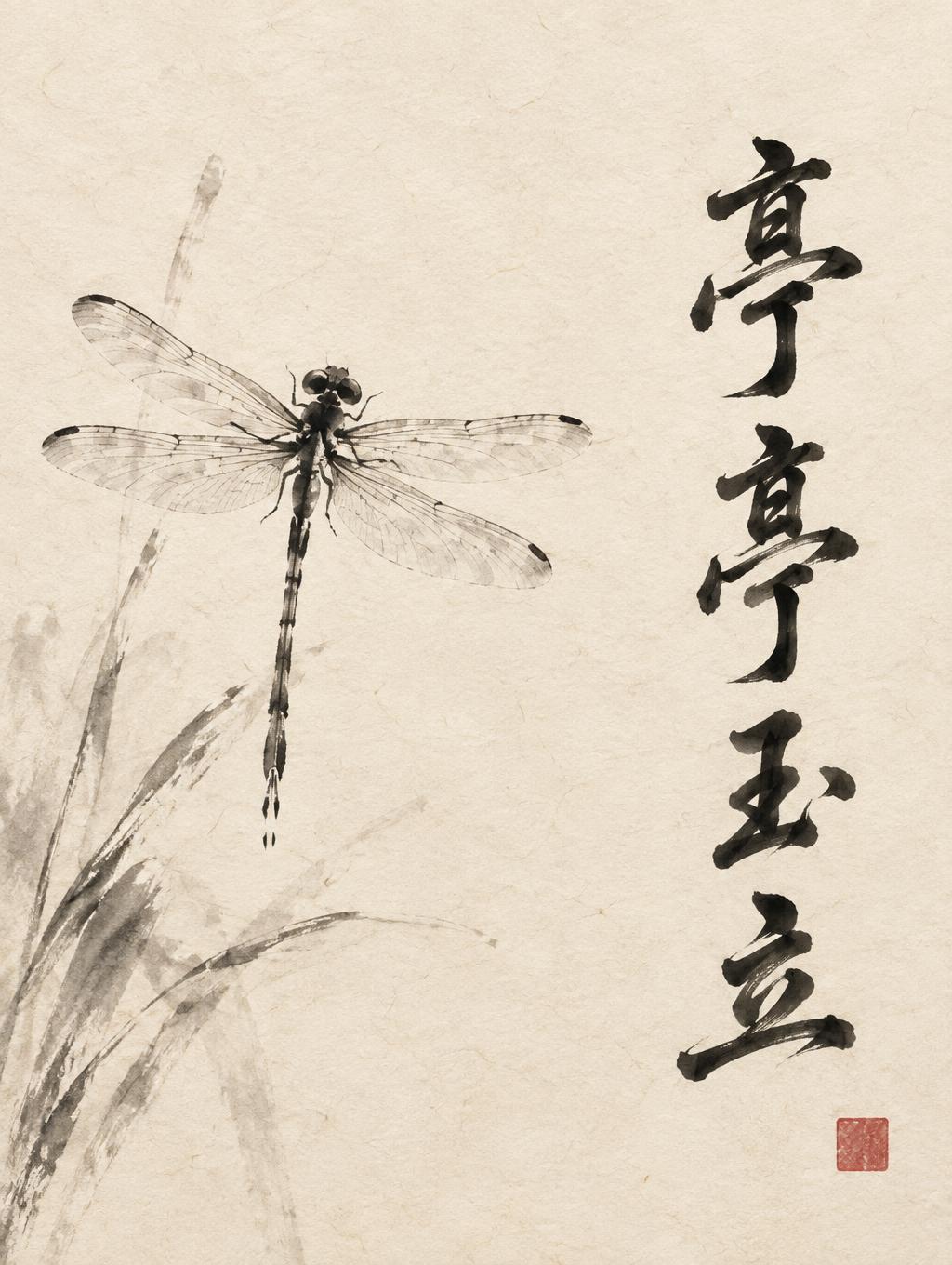
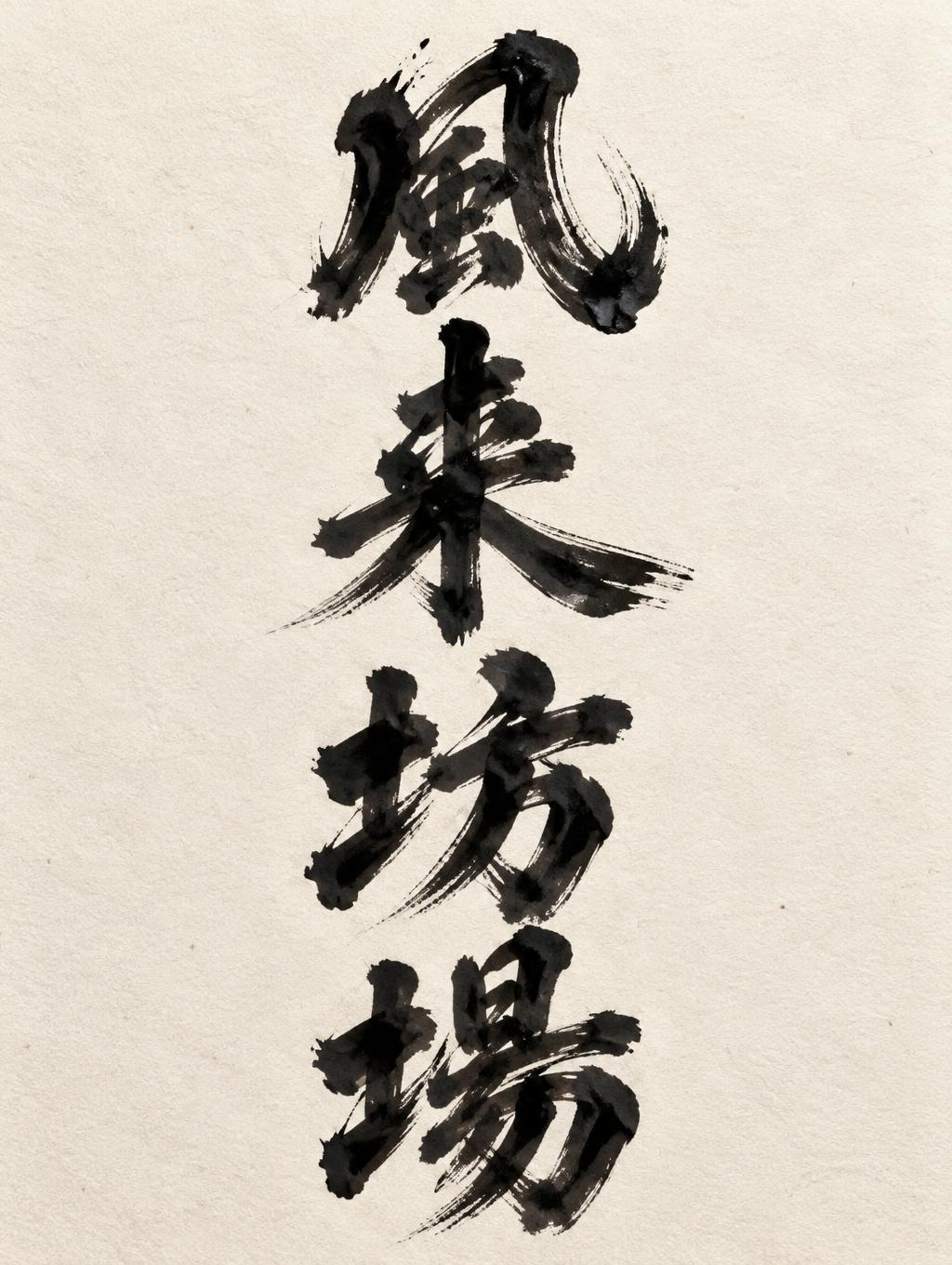
Brush Script Style Gallery
Real outputs from the Brush Script style. Click any image to see details.


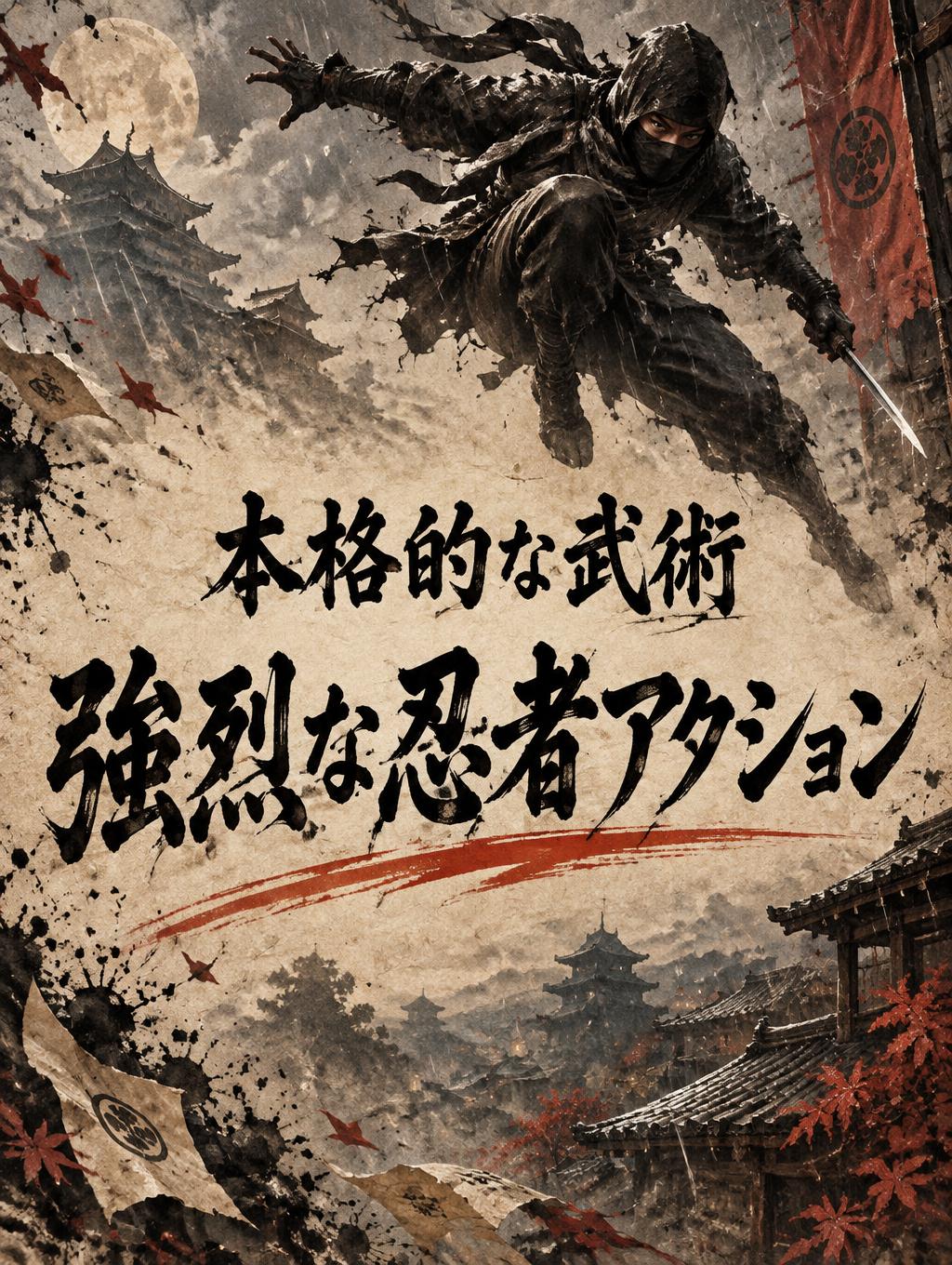
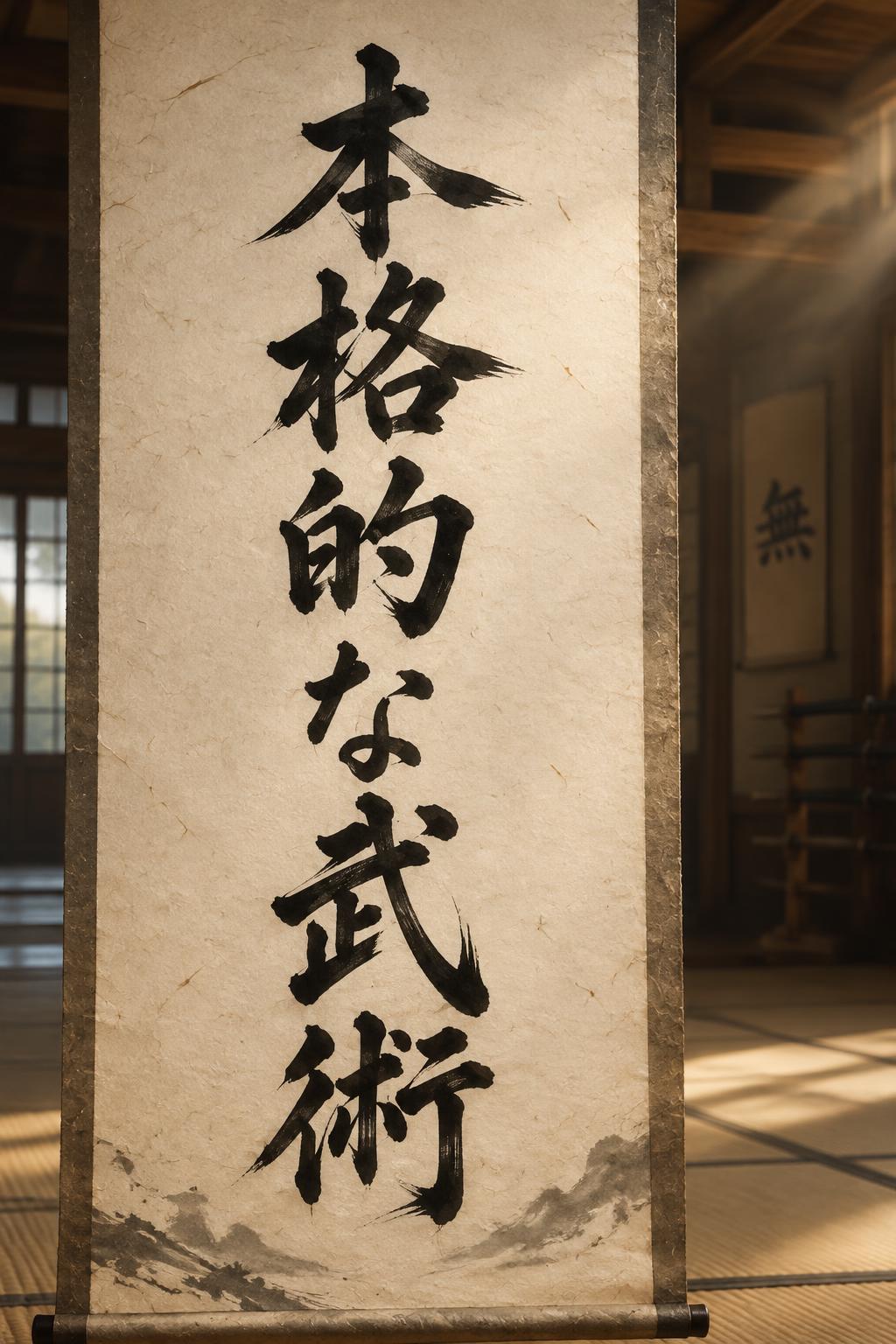
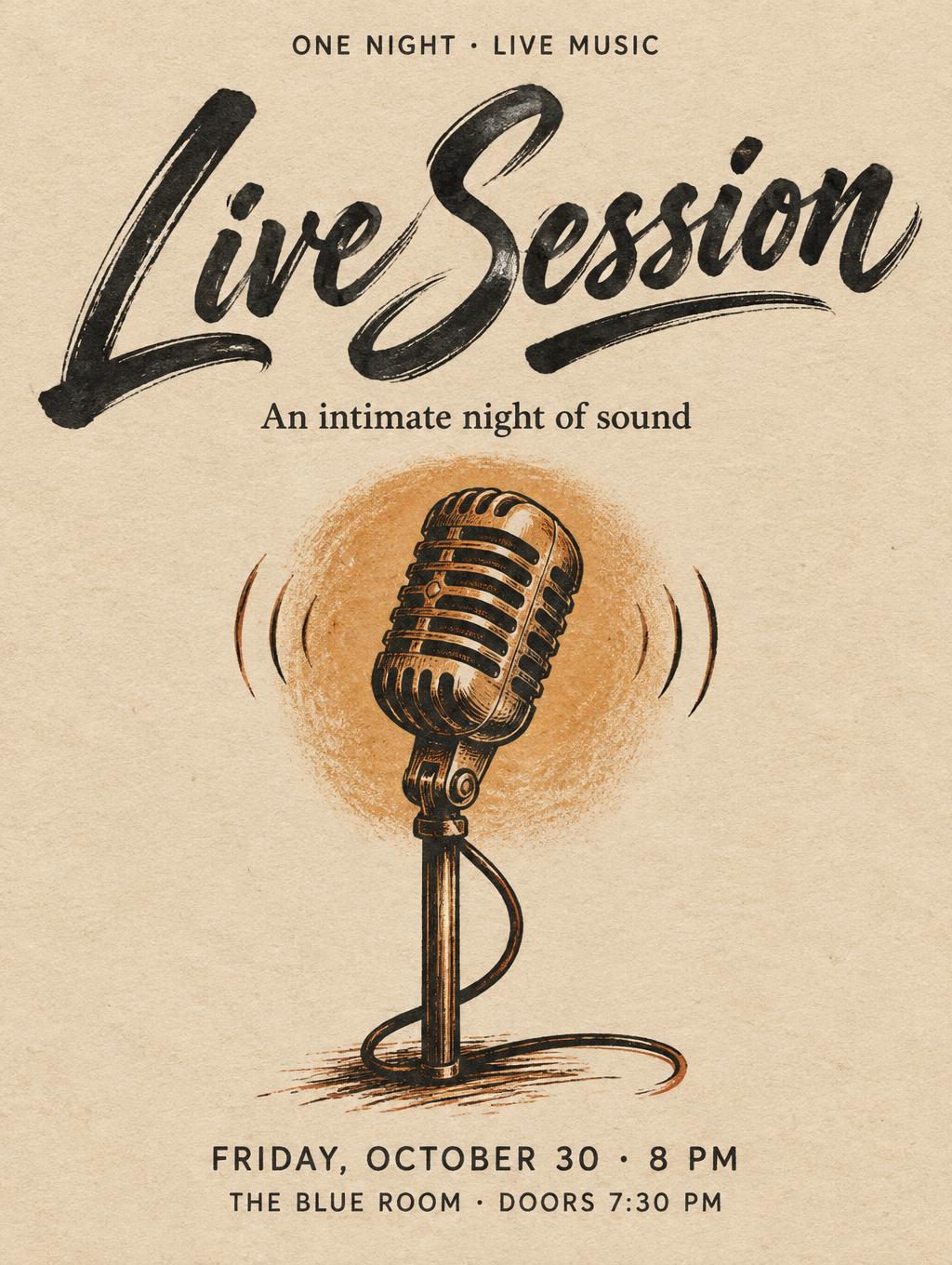
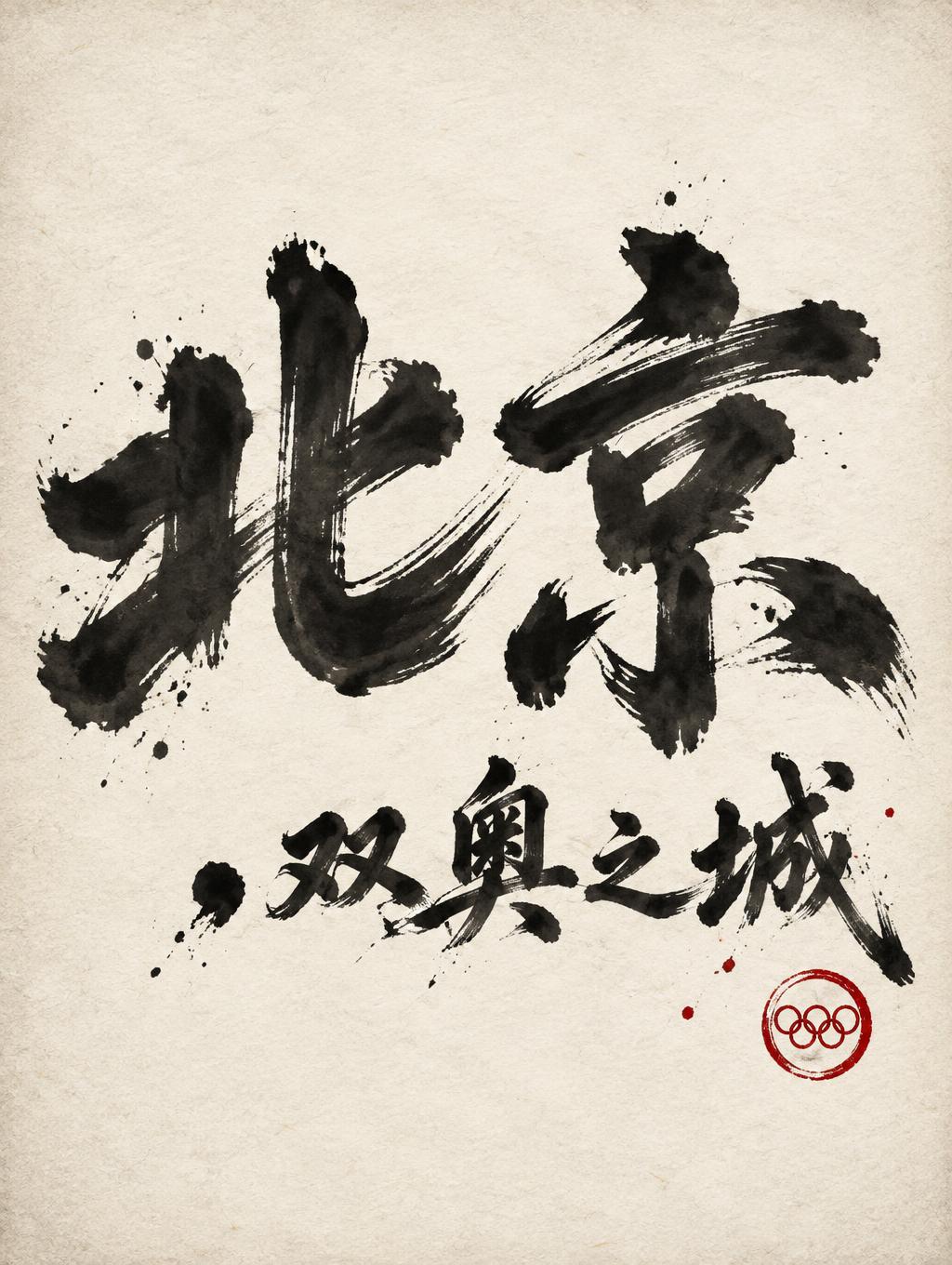
Similar Text Effect Styles
Try these styles and create your own AI-generated text effects.
Looking for copy-paste fancy text? Try our free Font Generator Tools — cursive, gothic, bubble & 30+ styles.
Perfect for These Projects
Brush Script text effects are popular for creative projects where visual impact matters.
What is the Brush Script Font Style?
The Brush Script font style is a distinctive AI-generated typography effect. Western brush script with connected letters: thick pressure downstrokes, hairline upstrokes, visible bristle streaks and dry-brush trails in warm off-black ink on textured paper.
Using FontVibe's AI brush script generator you can create stunning text effects in seconds — no Photoshop, no font licensing, no design experience needed.
Explore the Brush Script gallery for inspiration, or browse all 138+ AI text effect styles available on FontVibe.
How to Create Brush Script Typography in FontVibe Studio
1. Enter your text — Any word, phrase, or brand name. Works best with short, punchy text.
2. Select Brush Script — From the style library. Optionally describe a mood in the custom prompt.
3. Generate and download. Your Brush Script font artwork is ready in seconds. PNG, JPG, or transparent PNG.
Looking for something different? Browse the full font style library for more AI typography options.
Brush Script Text Effect — FAQ
The Story Behind Brush Script
History, visual DNA, and cultural context — everything that makes this style what it is.
The Visual DNA
In Typography
Brush stroke typography carries the most direct physical energy of any lettering style — the marks record the movement of a hand with a loaded brush in real time. This physicality is the source of its appeal: it is the opposite of mechanical precision.
The aesthetic works across a wide tonal range: the same brush calligraphy tradition encompasses Japanese zen monastery inscriptions (restrained, contemplative) and American skateboard brand graphics (aggressive, fast). The instrument is the same; the pressure, speed, and ink load differ.
For contemporary brand identity and social media graphics, brush stroke typography signals authenticity and craft — the evidence of a human hand in an environment saturated with algorithmically generated content.
Did You Know?
Wang Xizhi, the 4th-century Chinese calligrapher, is considered the greatest master of Chinese brush writing in history. His work, particularly the Lantingji Xu (Preface to the Poems Composed at the Orchid Pavilion), has been copied by Chinese calligraphy students for more than 1,600 years. The original was reportedly buried with Tang Emperor Taizong, who collected more than 2,000 of Wang's works. Source ↗
Sources: Wikipedia — Wang Xizhi · Wikipedia — Lantingji Xu