


AI Neon Glow Text Effect Generator
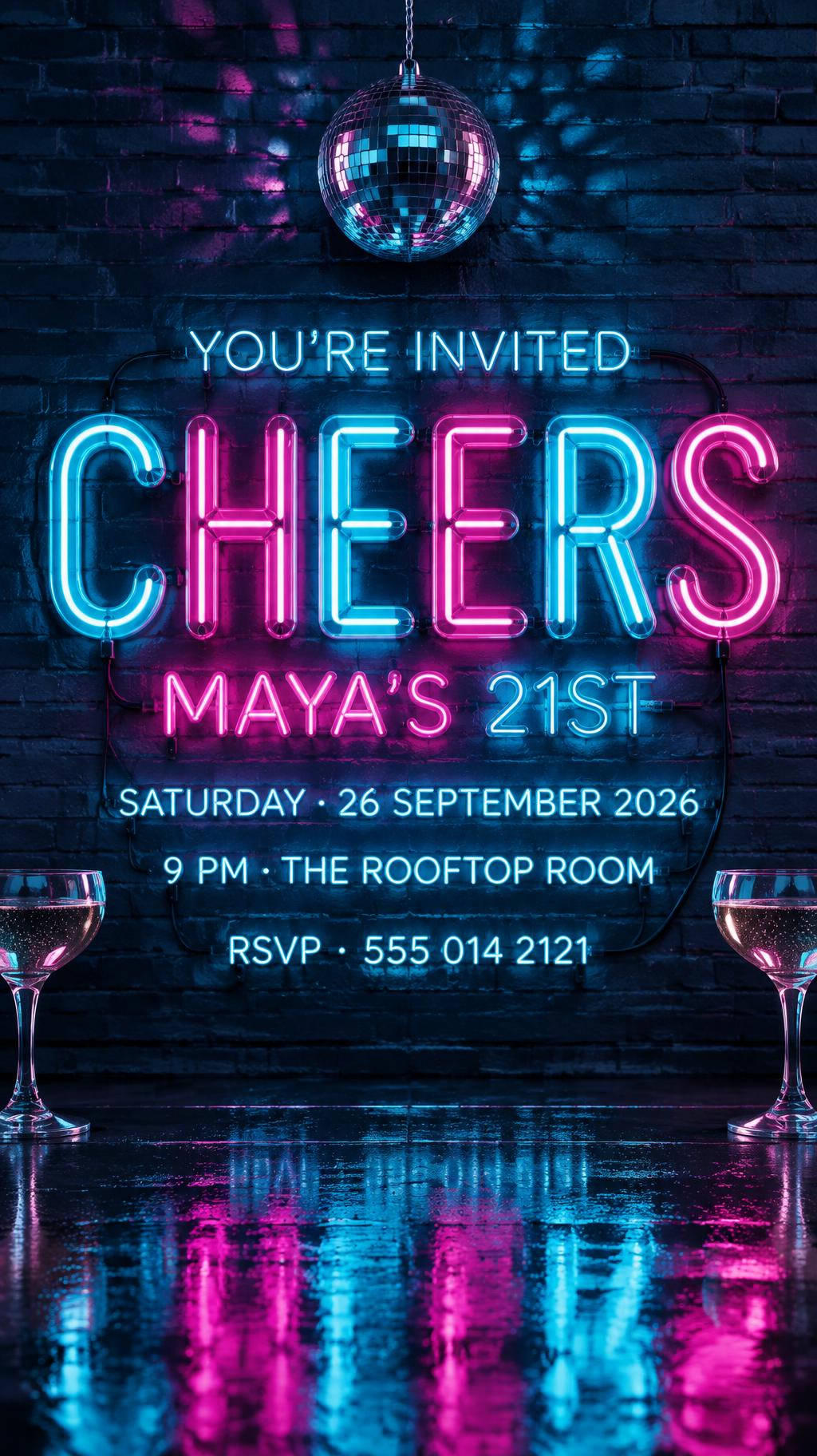
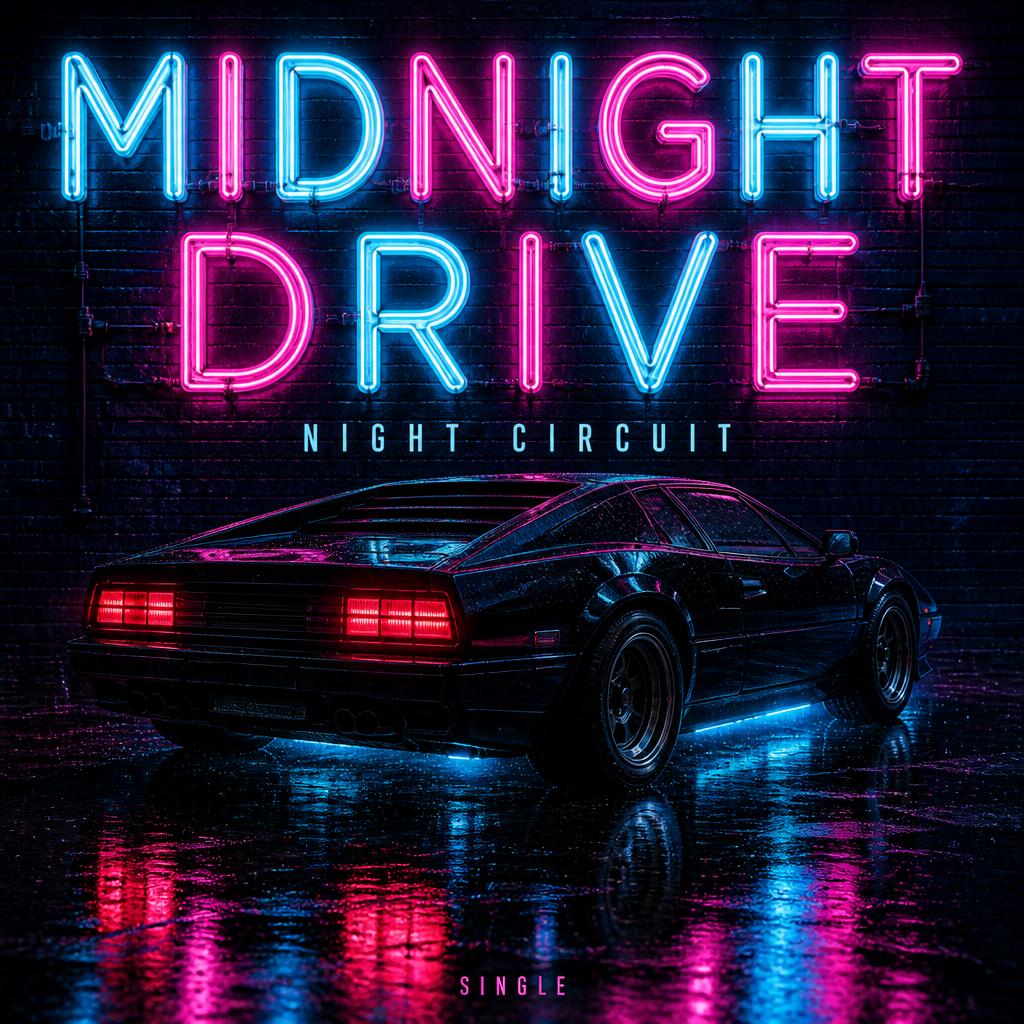
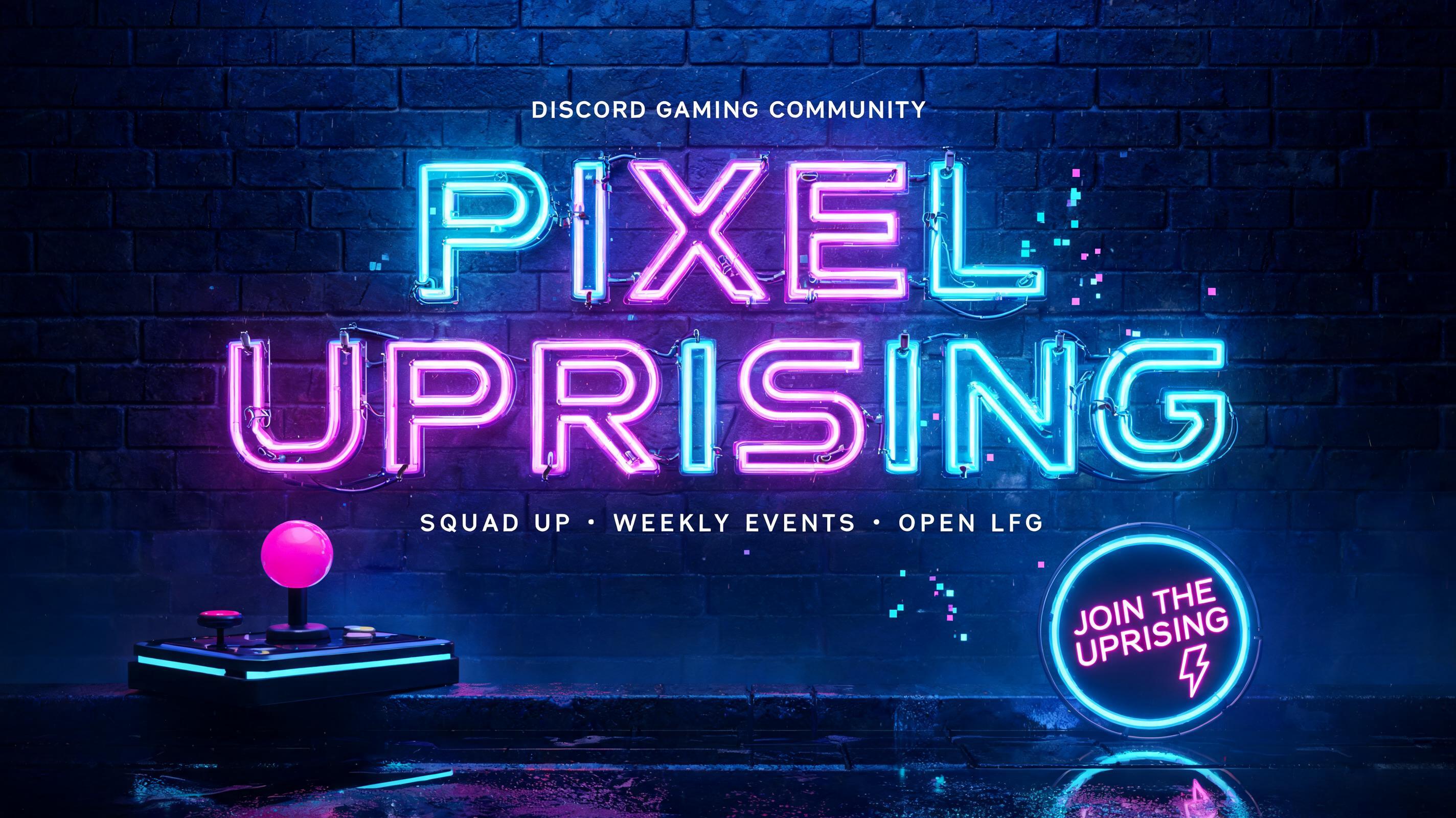
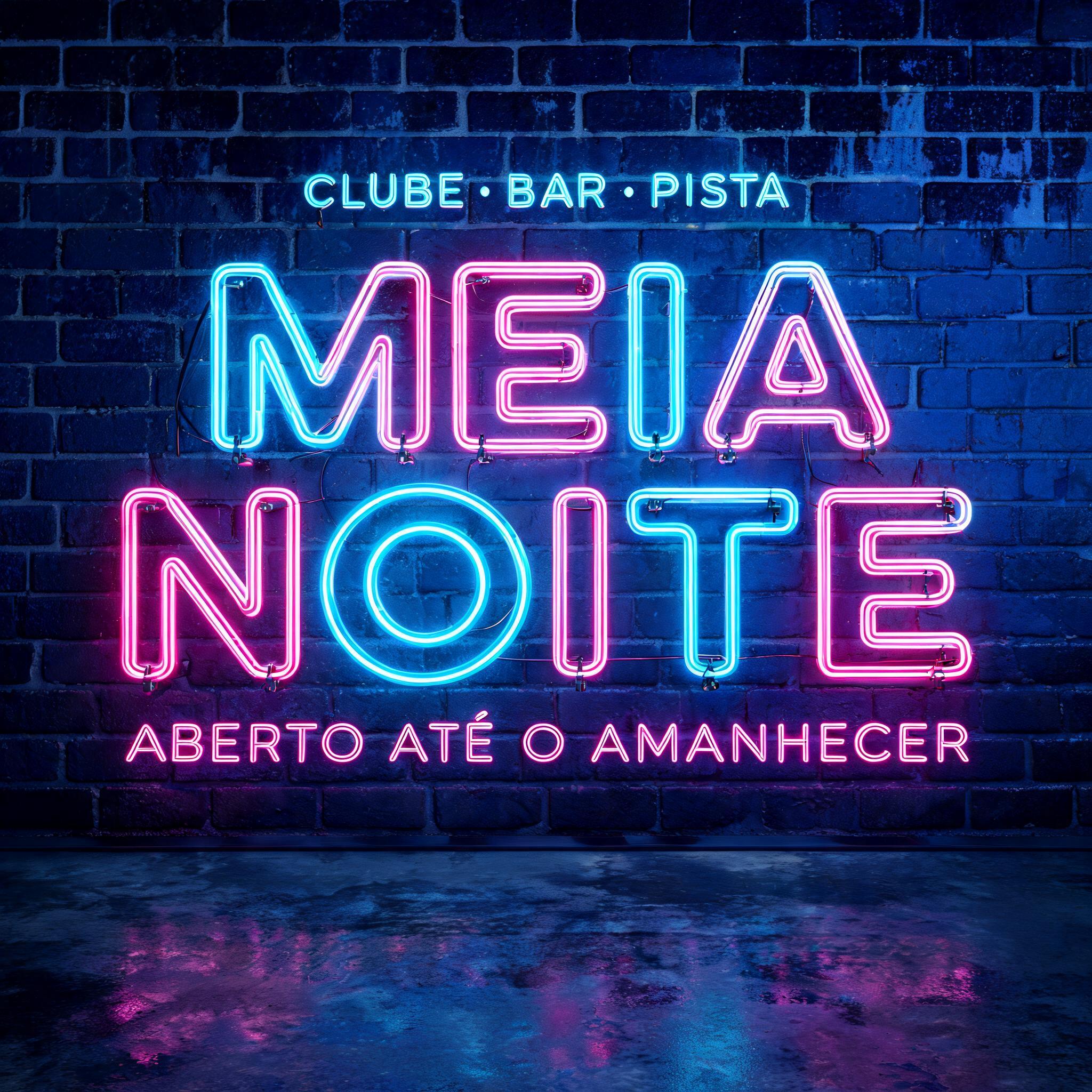
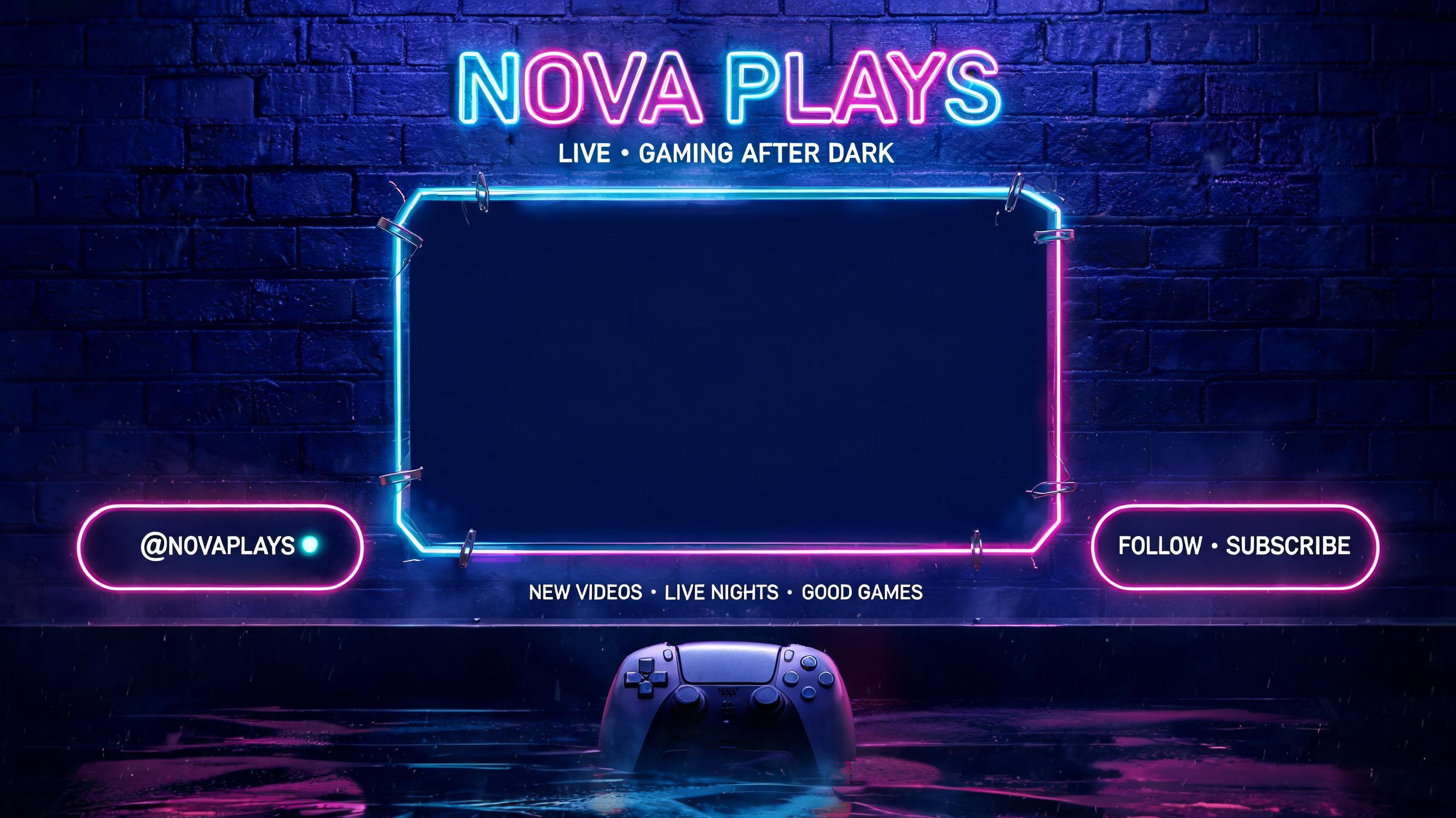
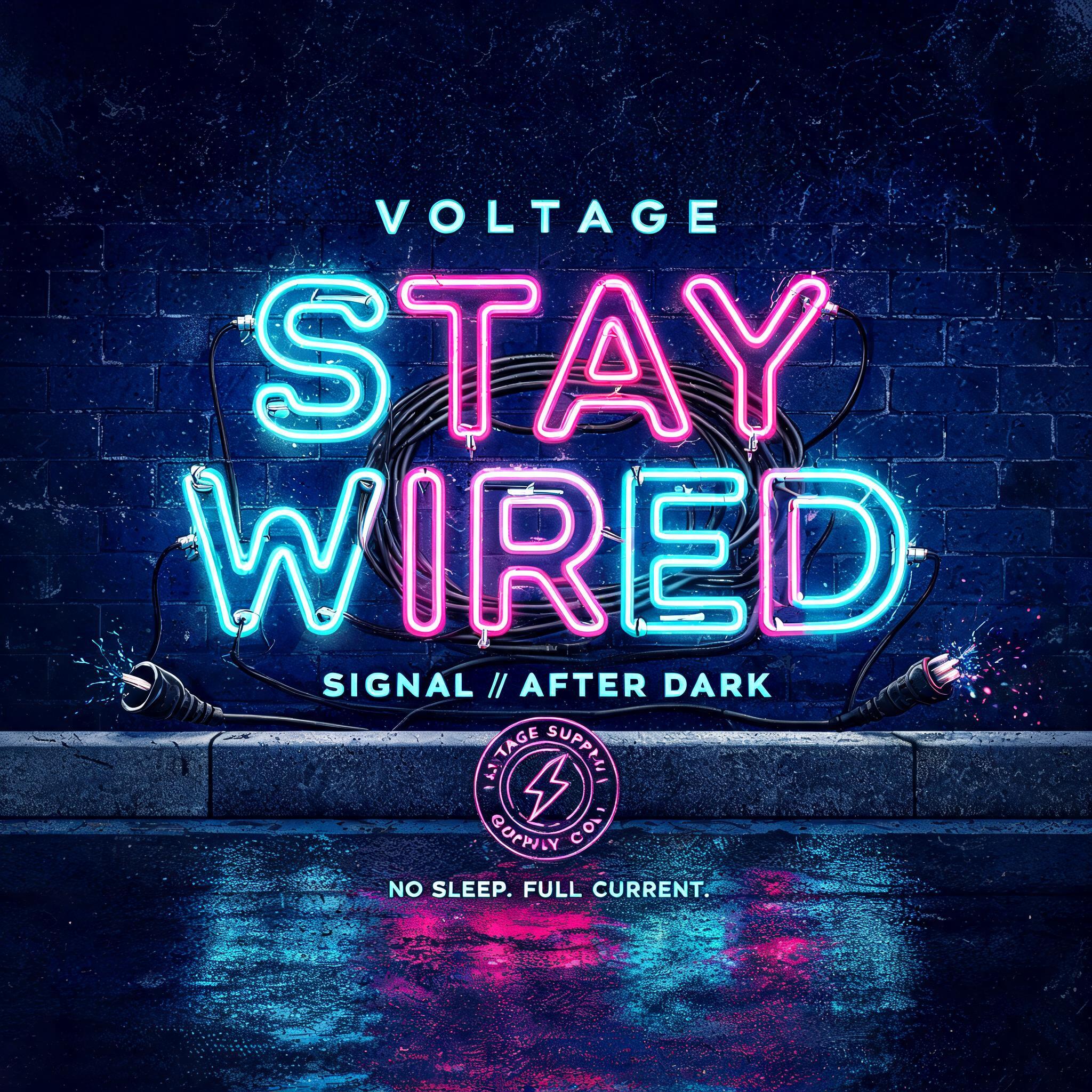
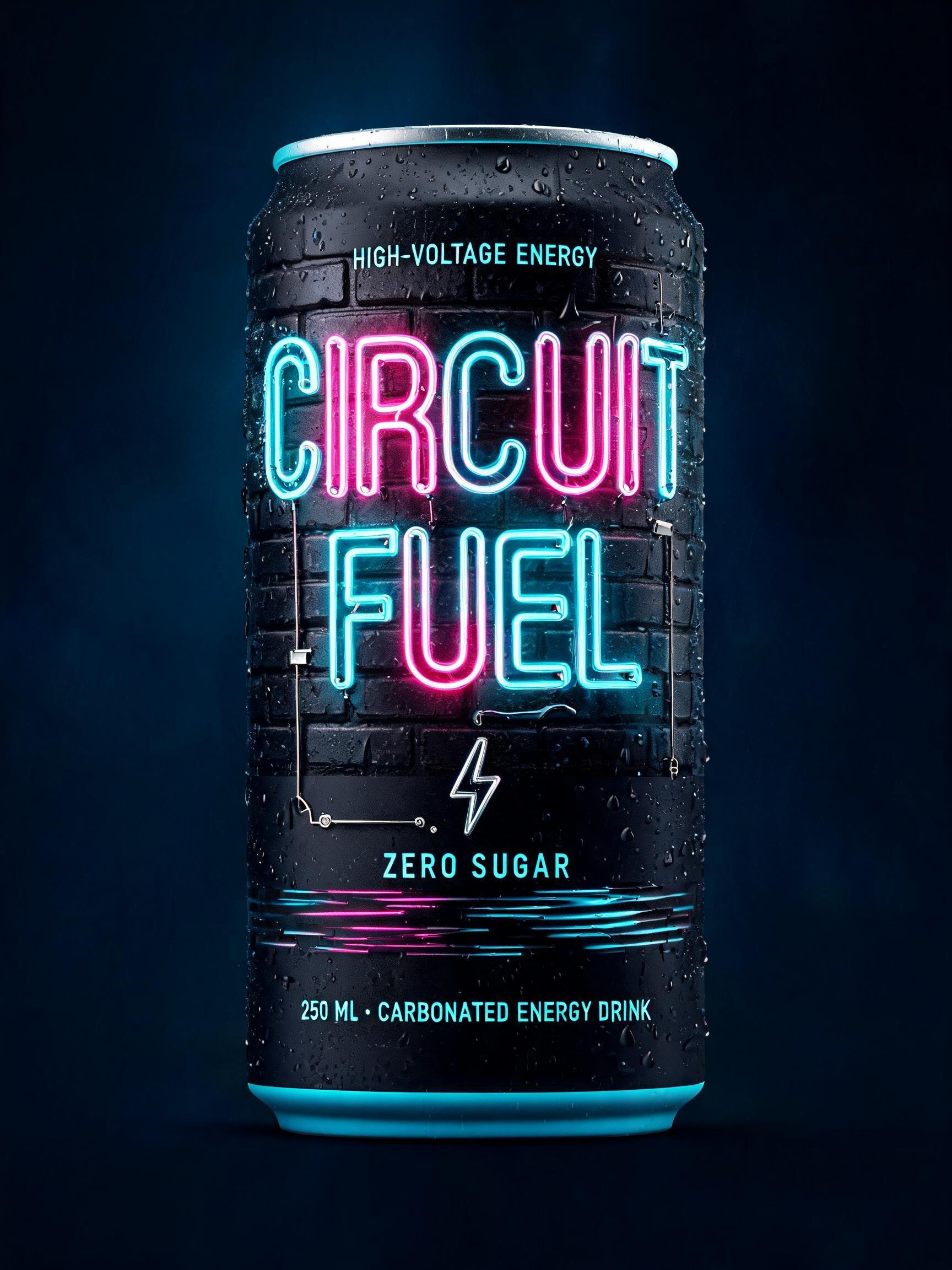
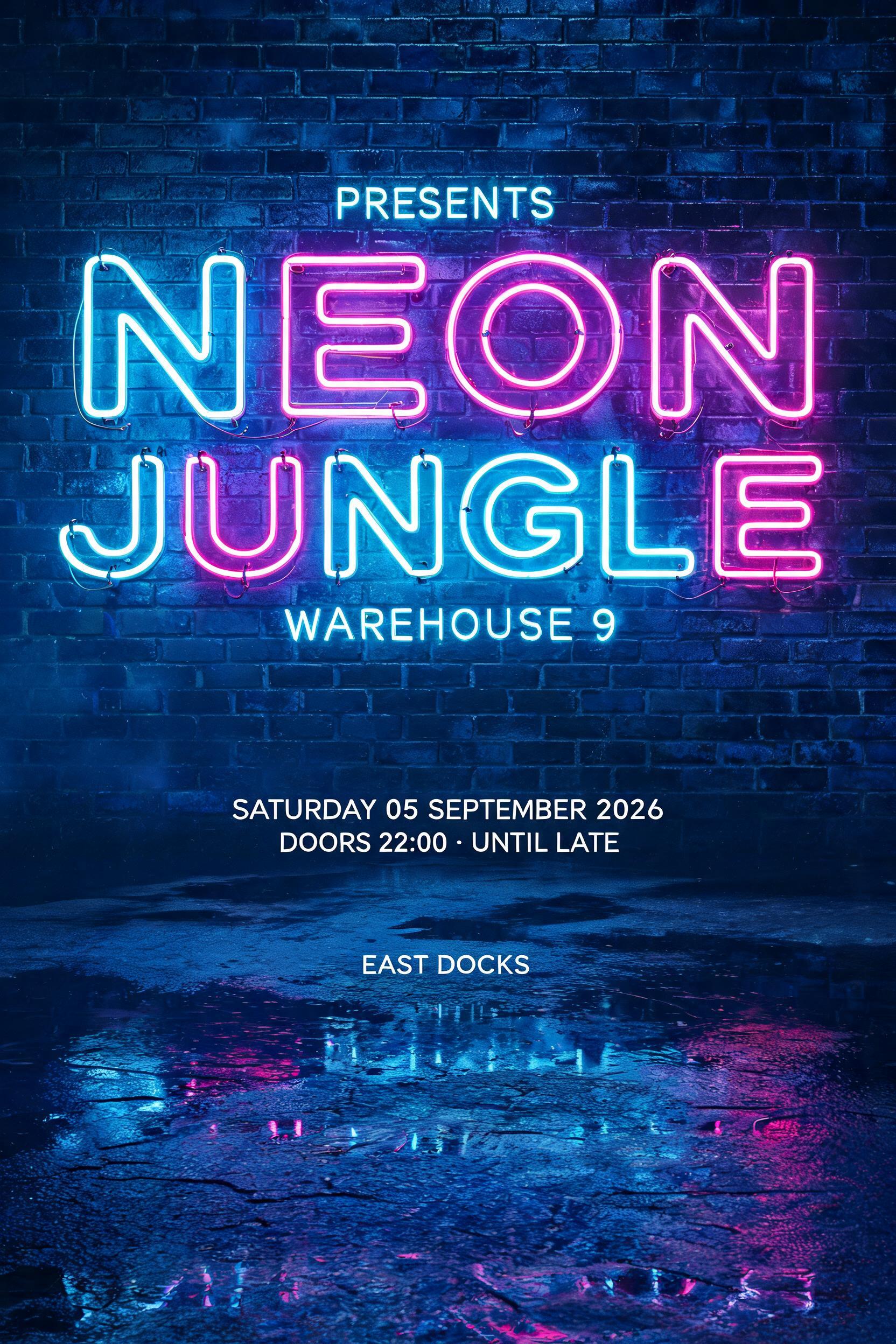
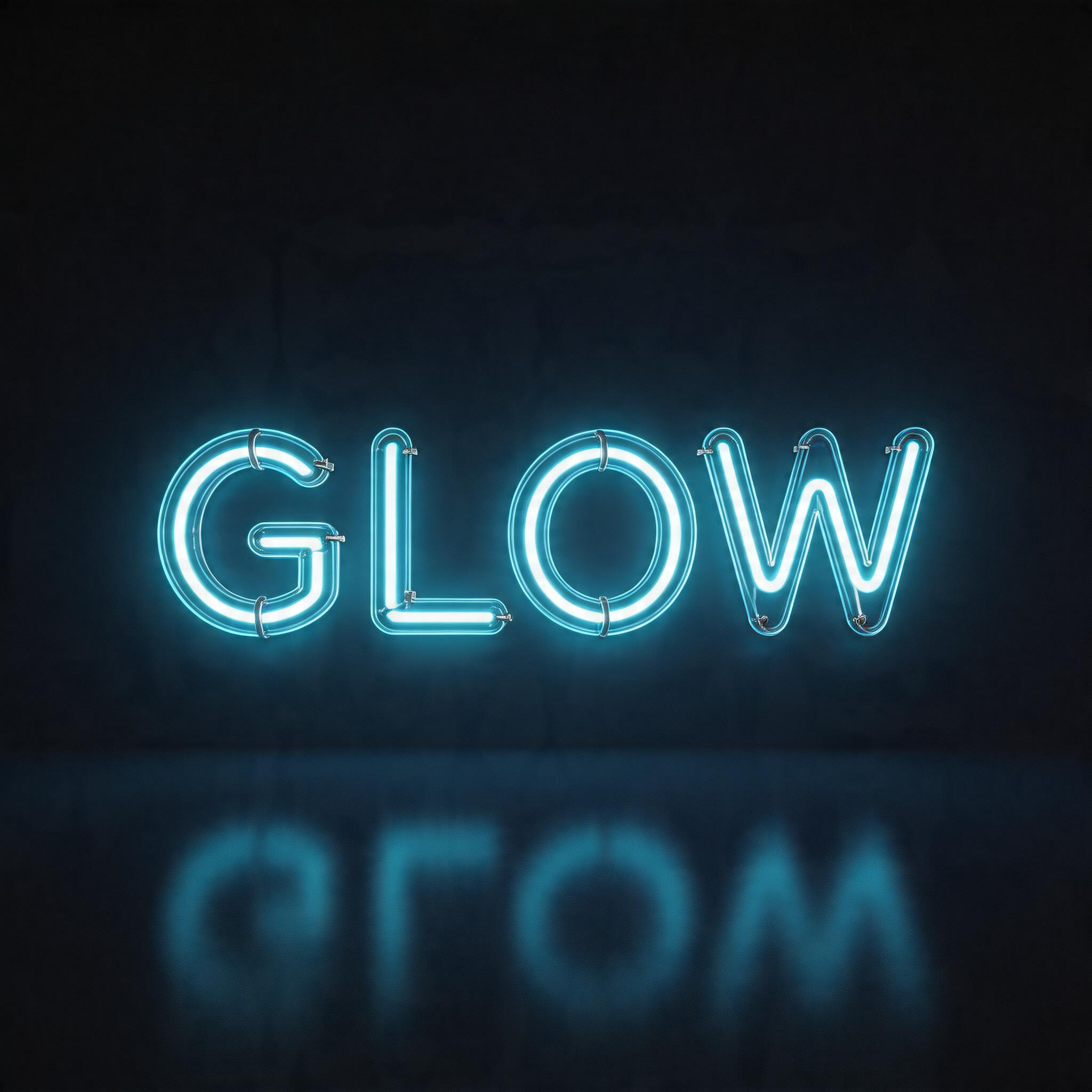
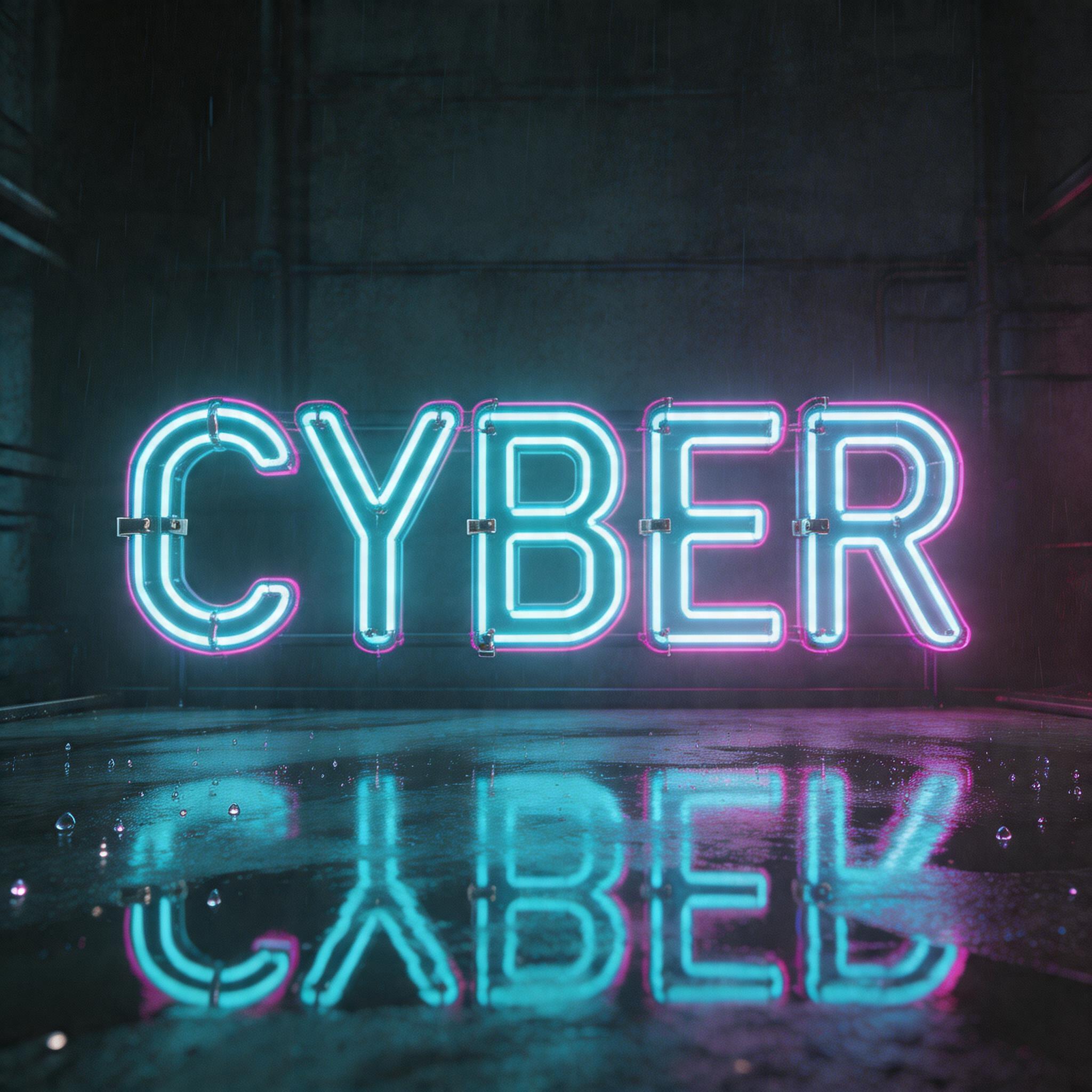
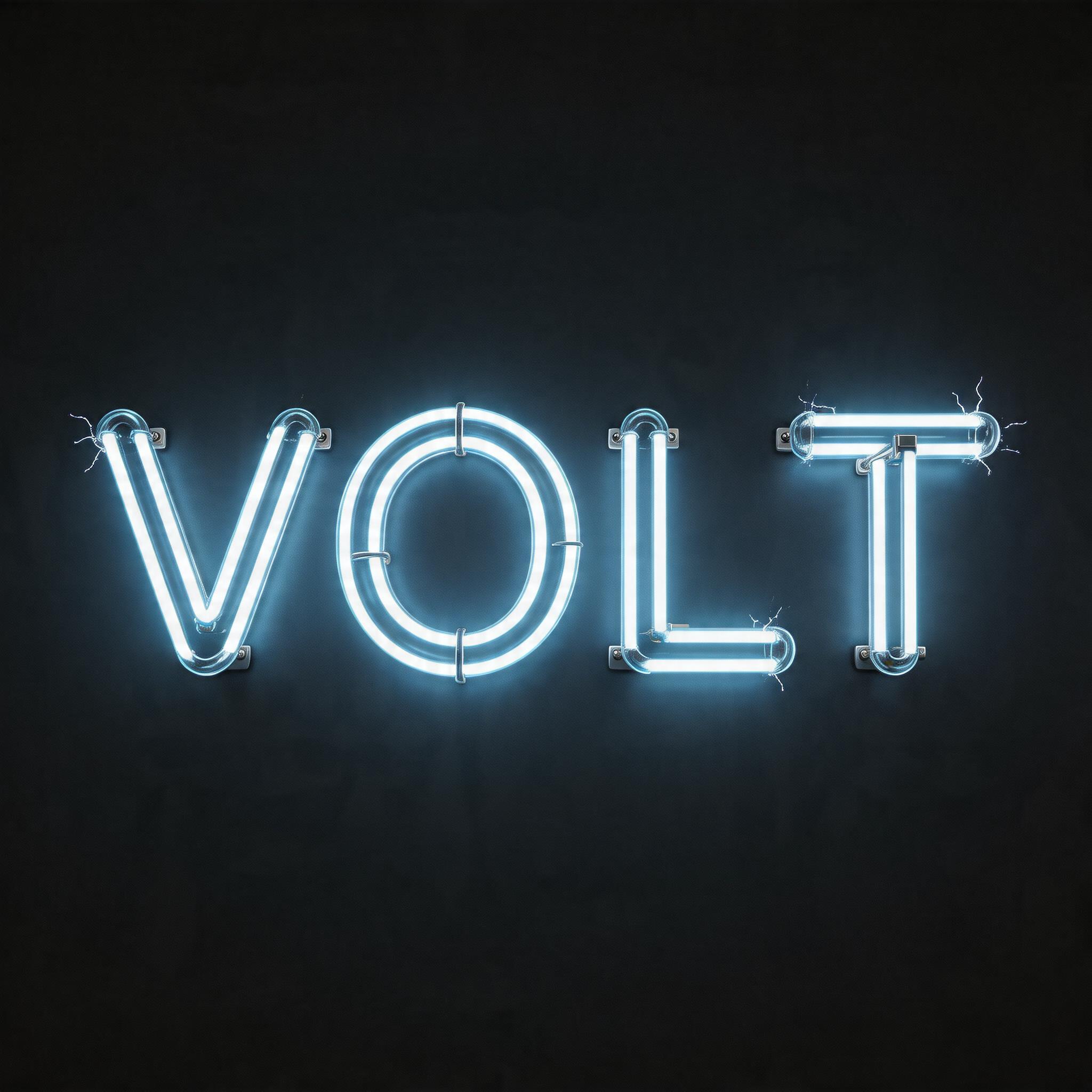
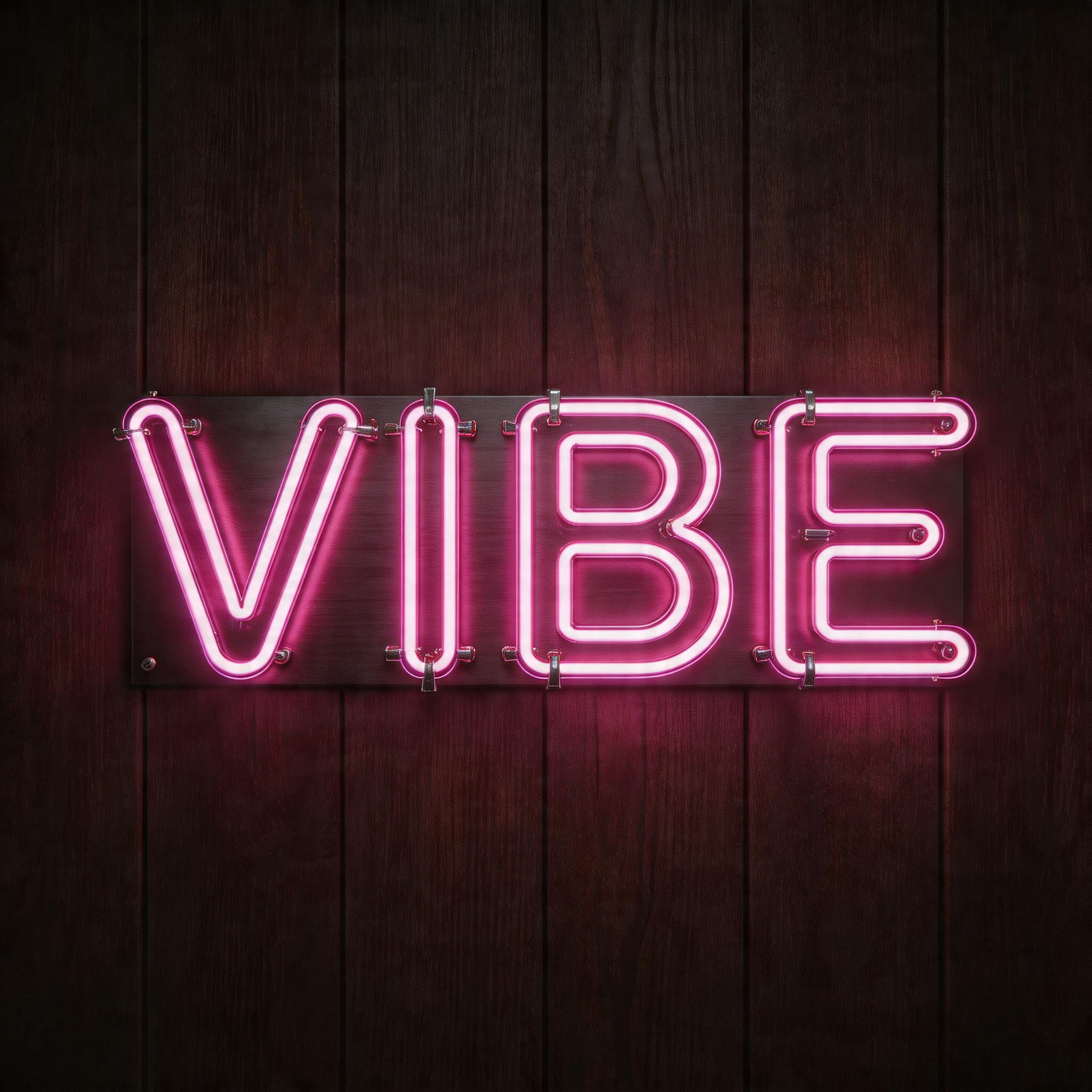
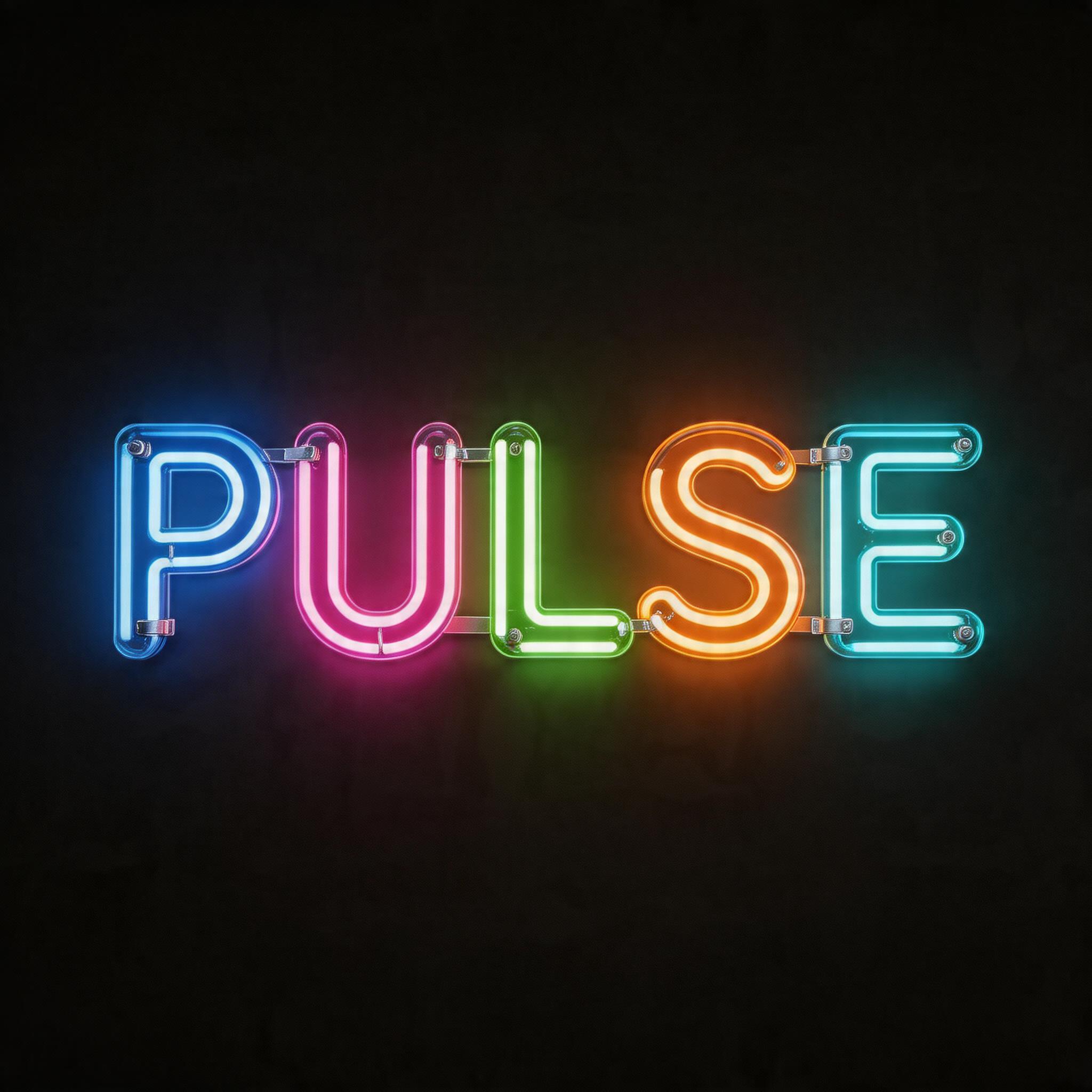
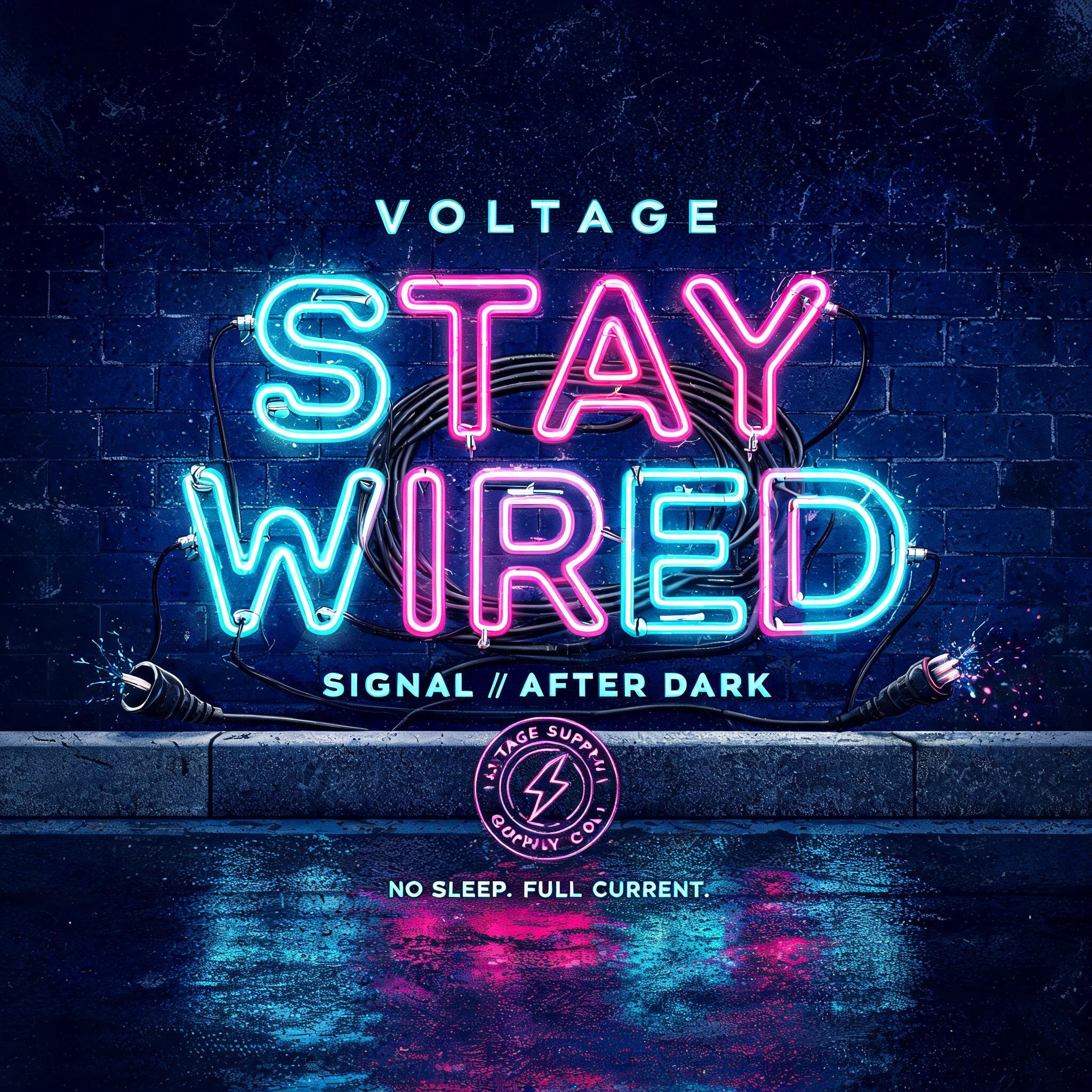
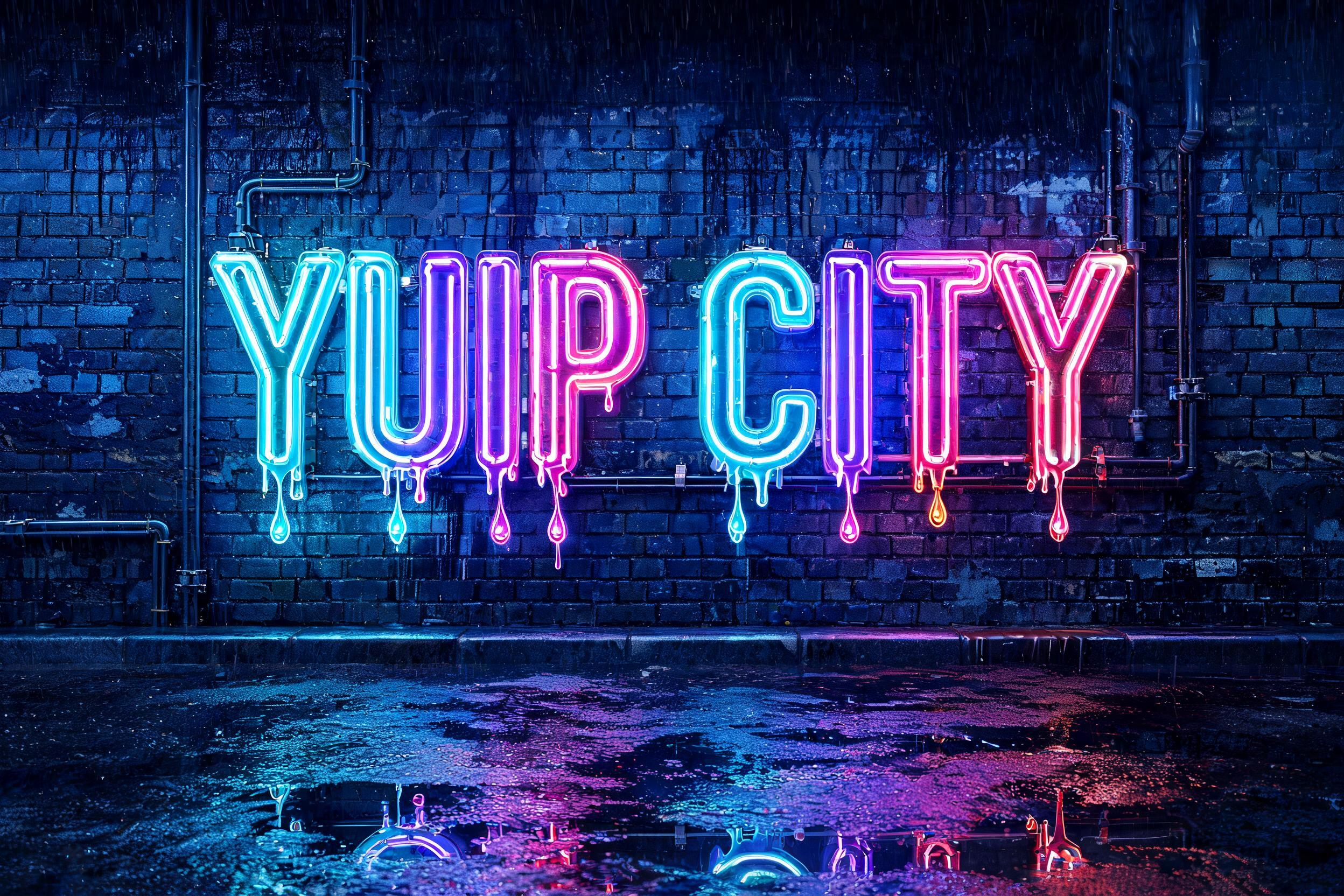
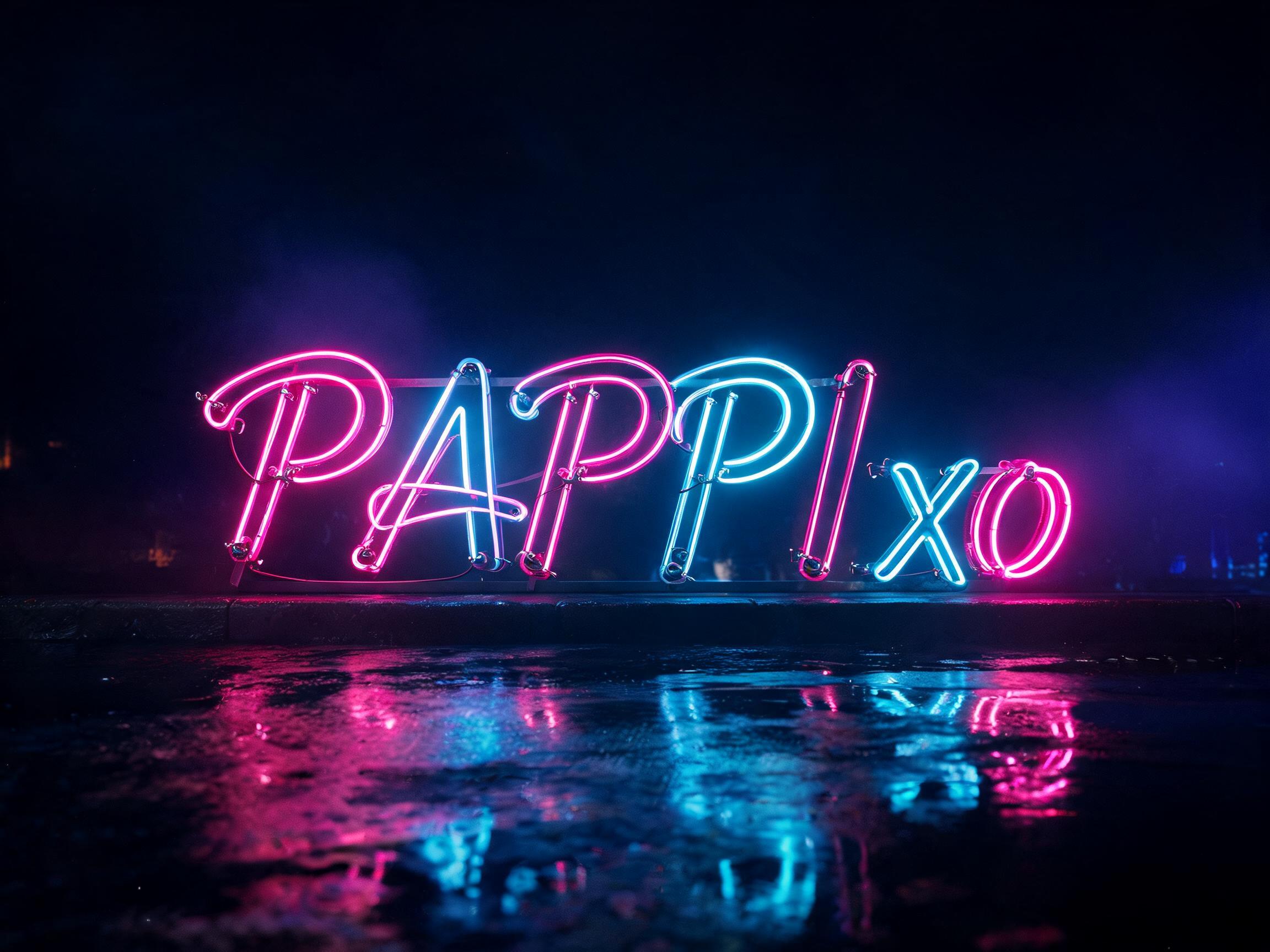
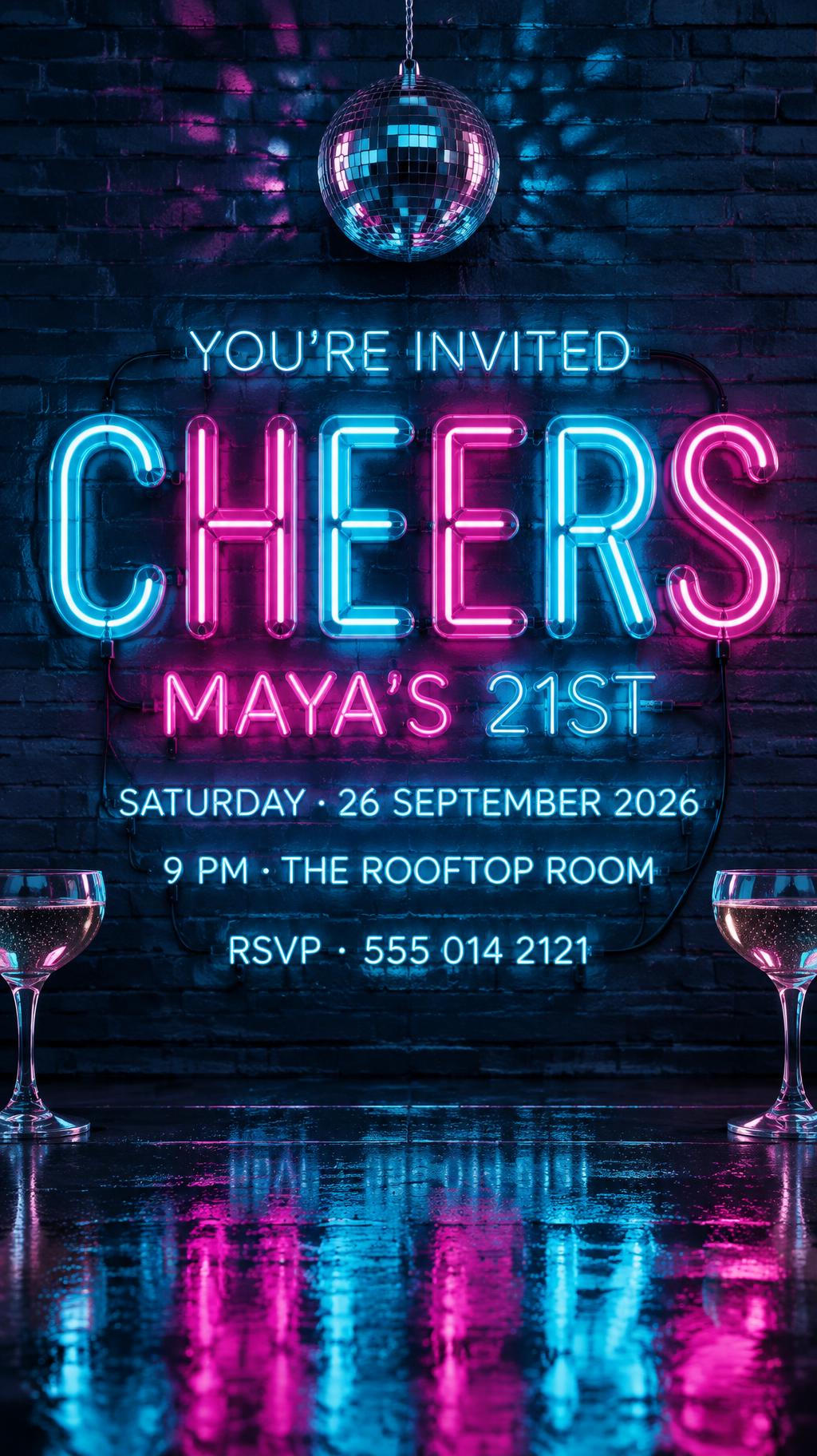
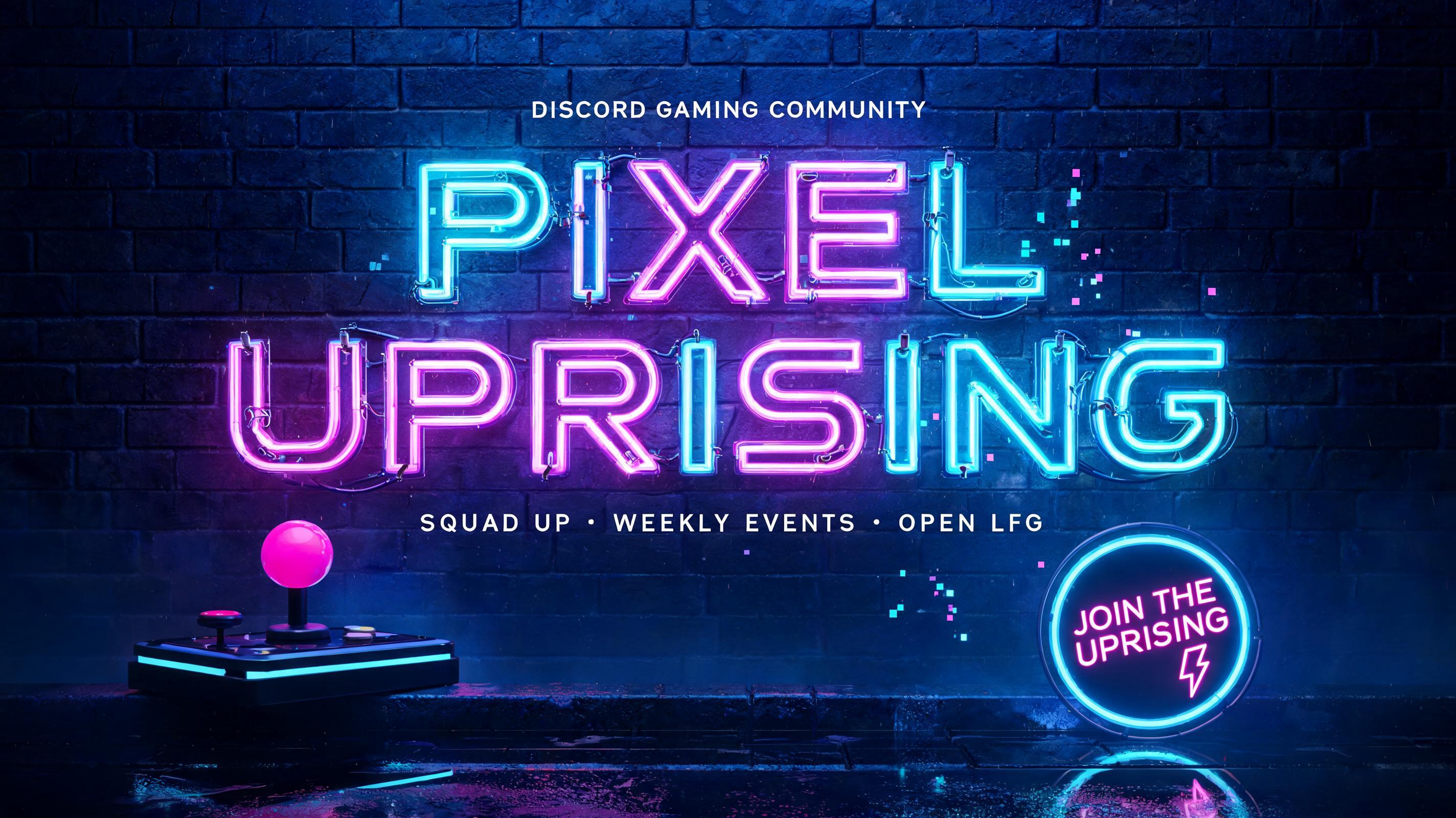
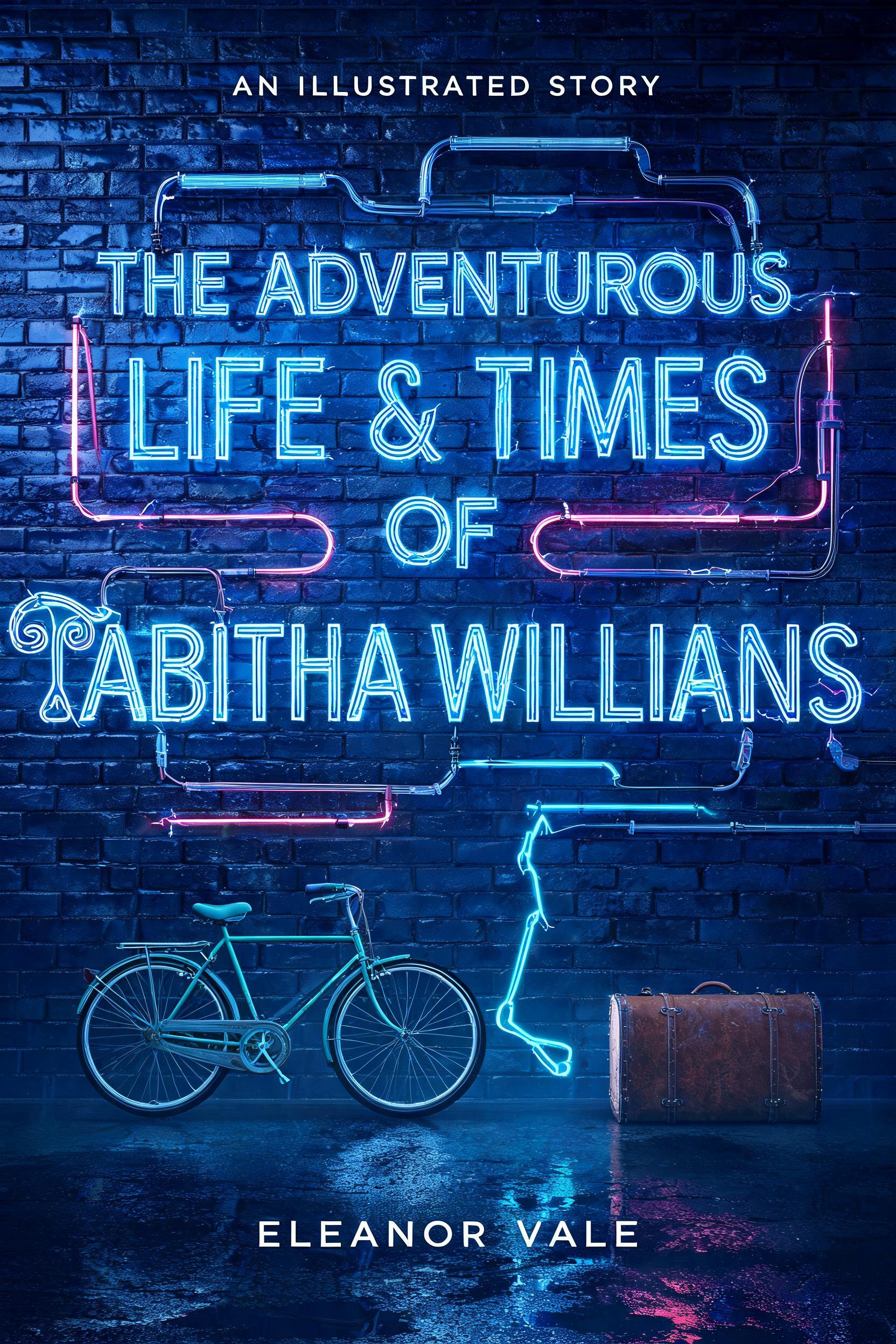
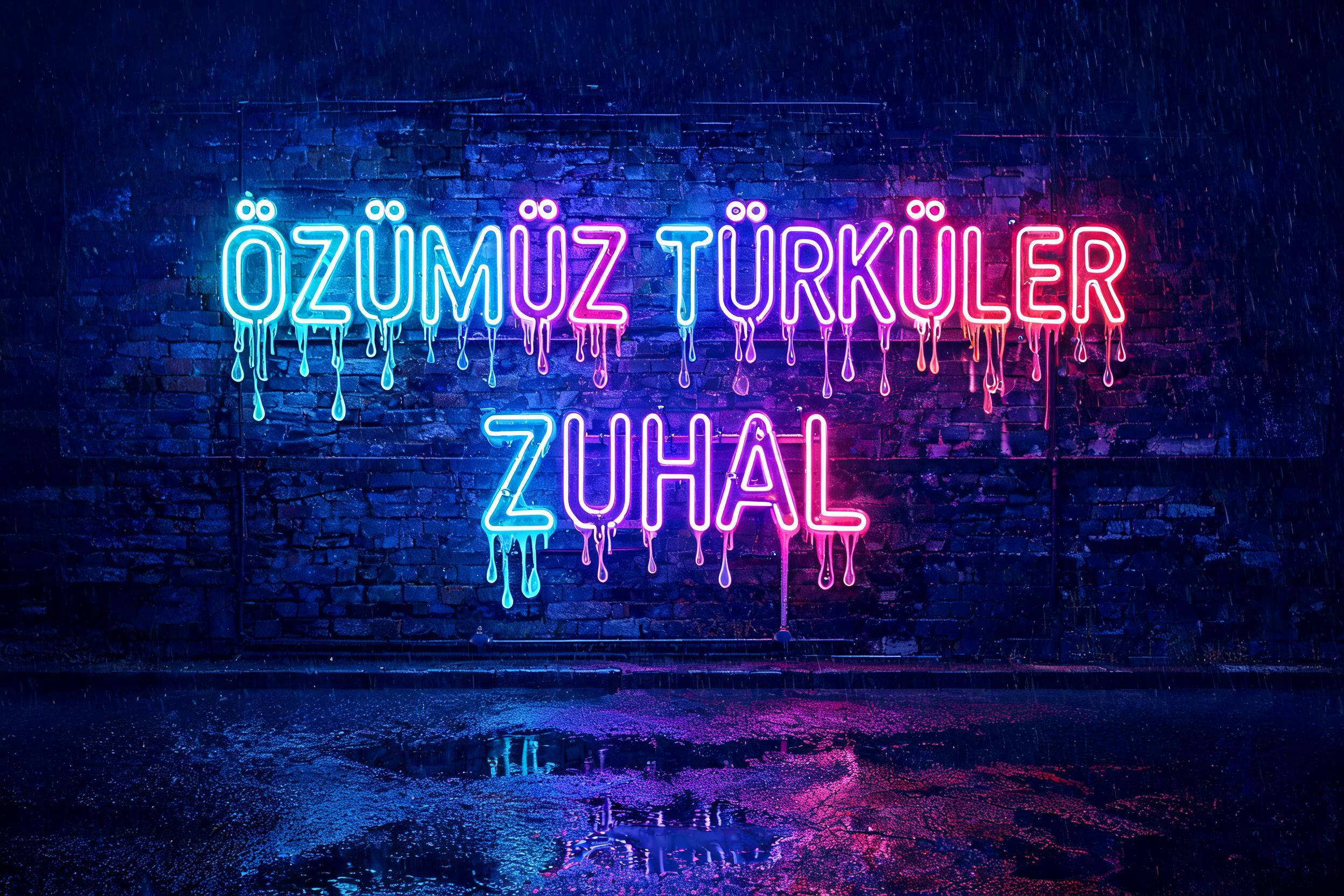
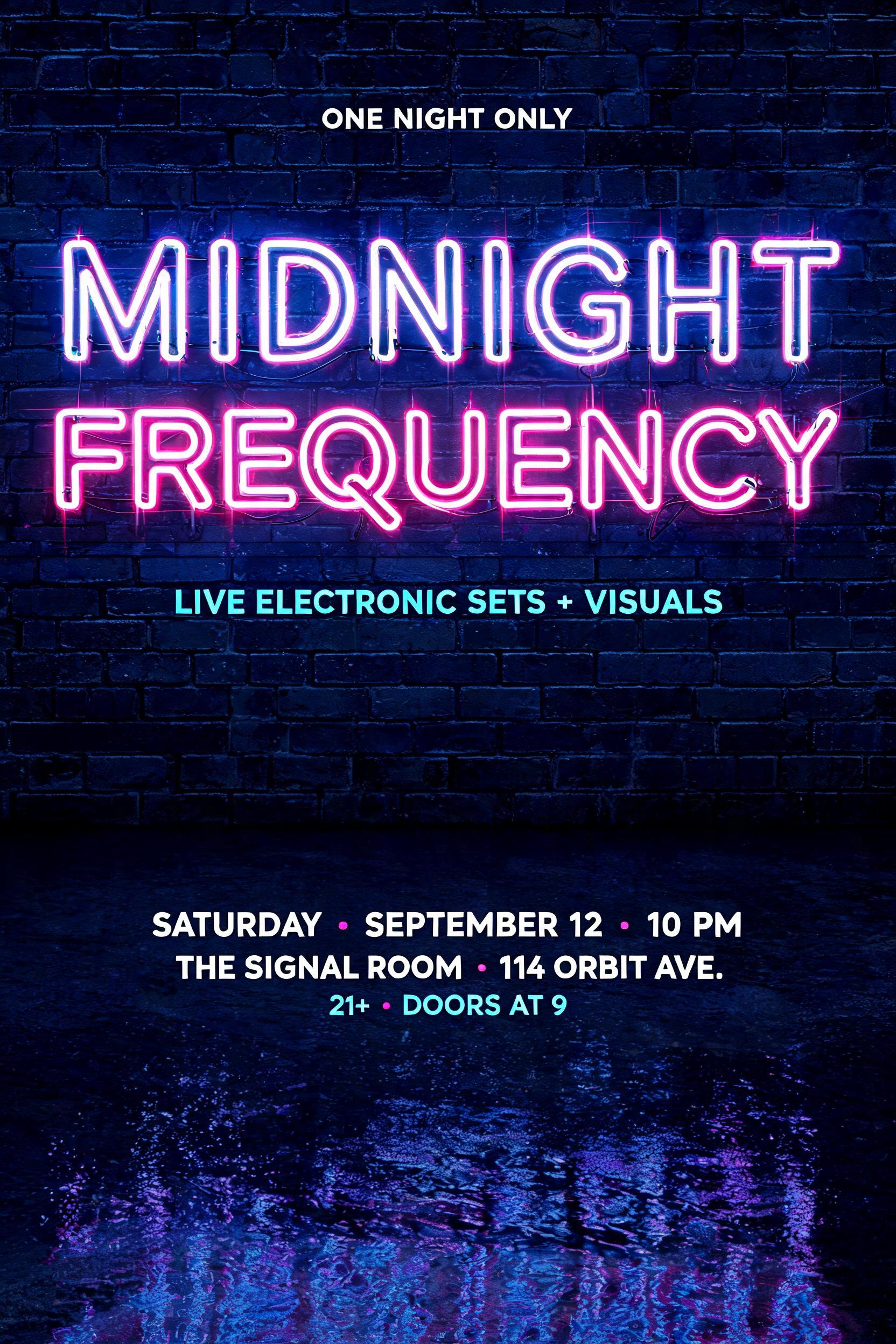
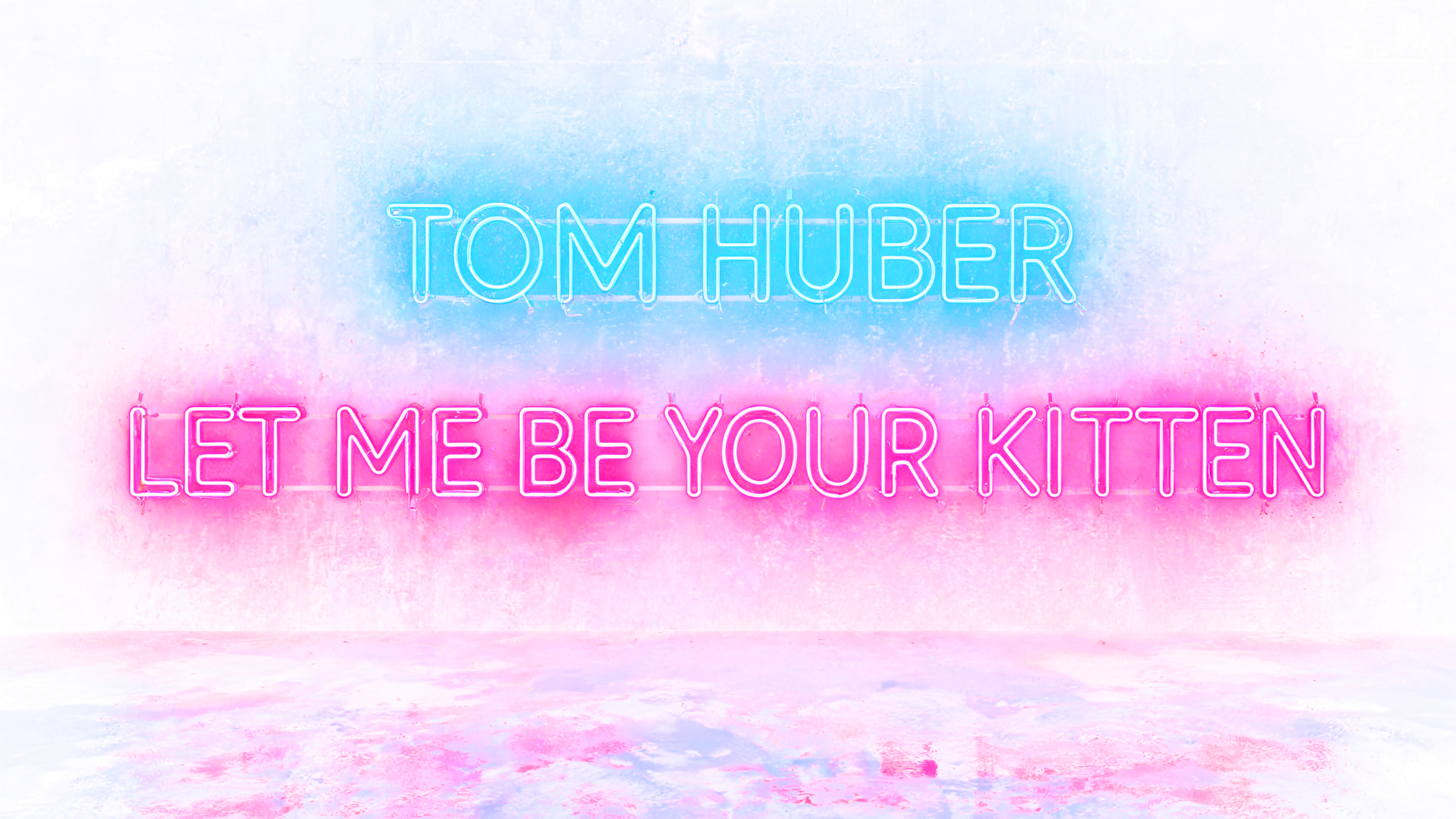
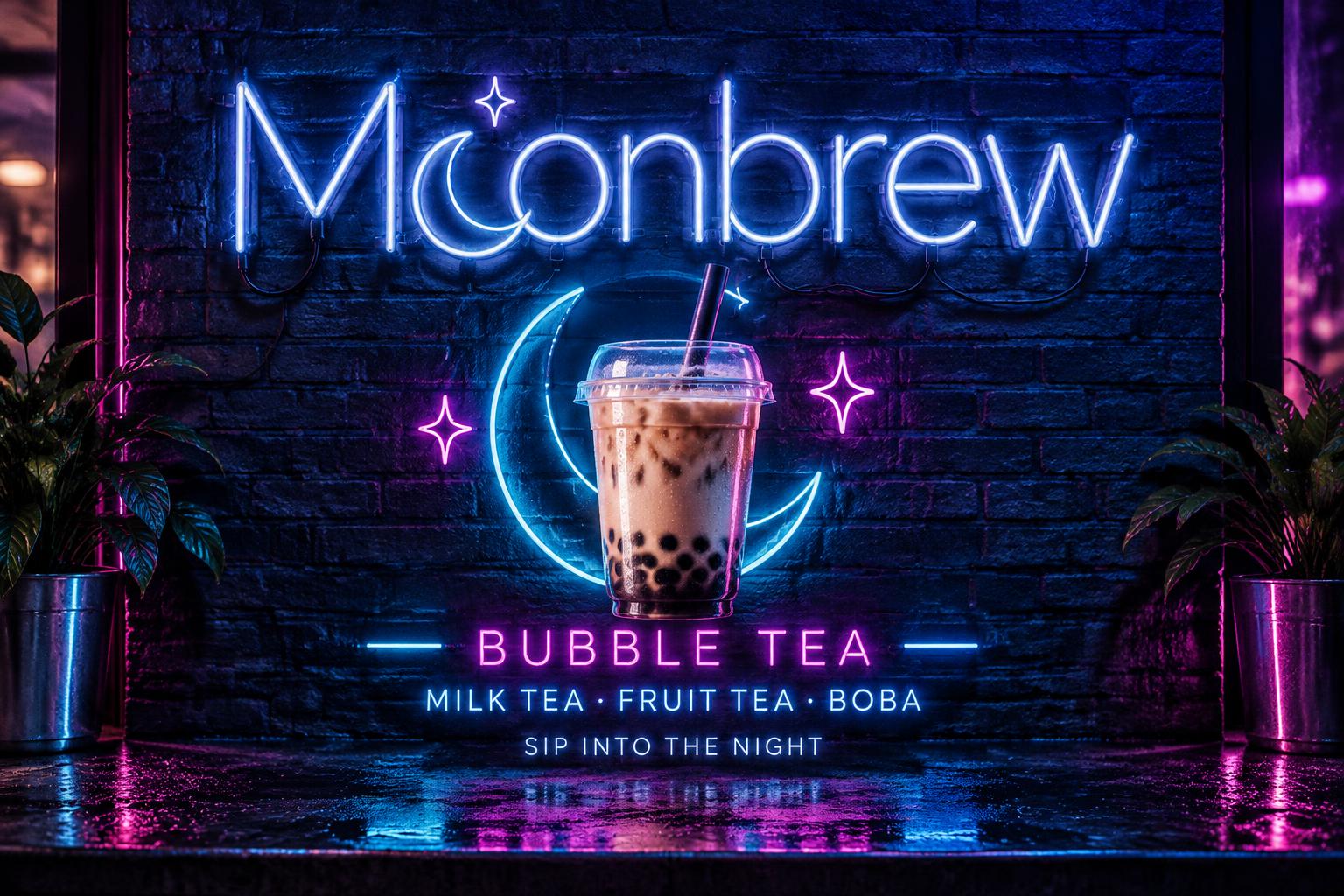
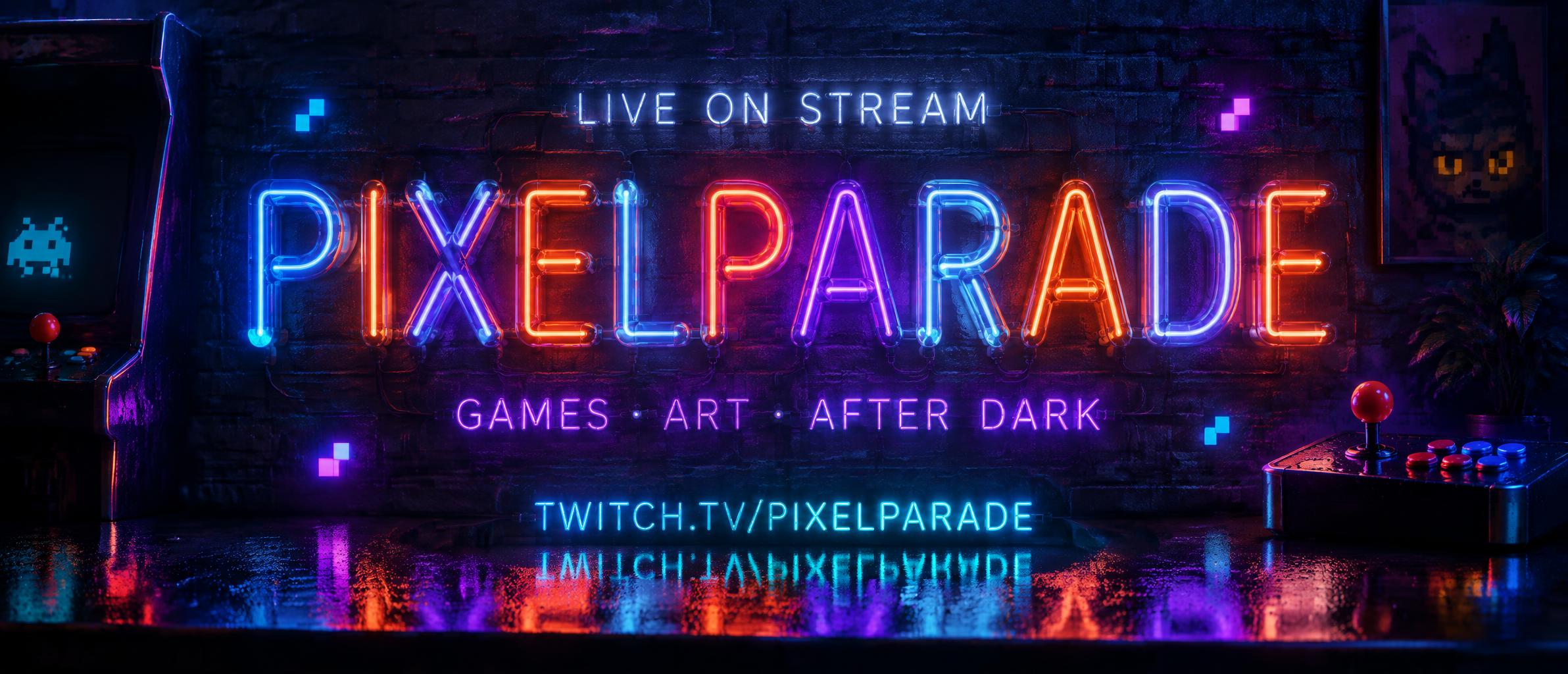
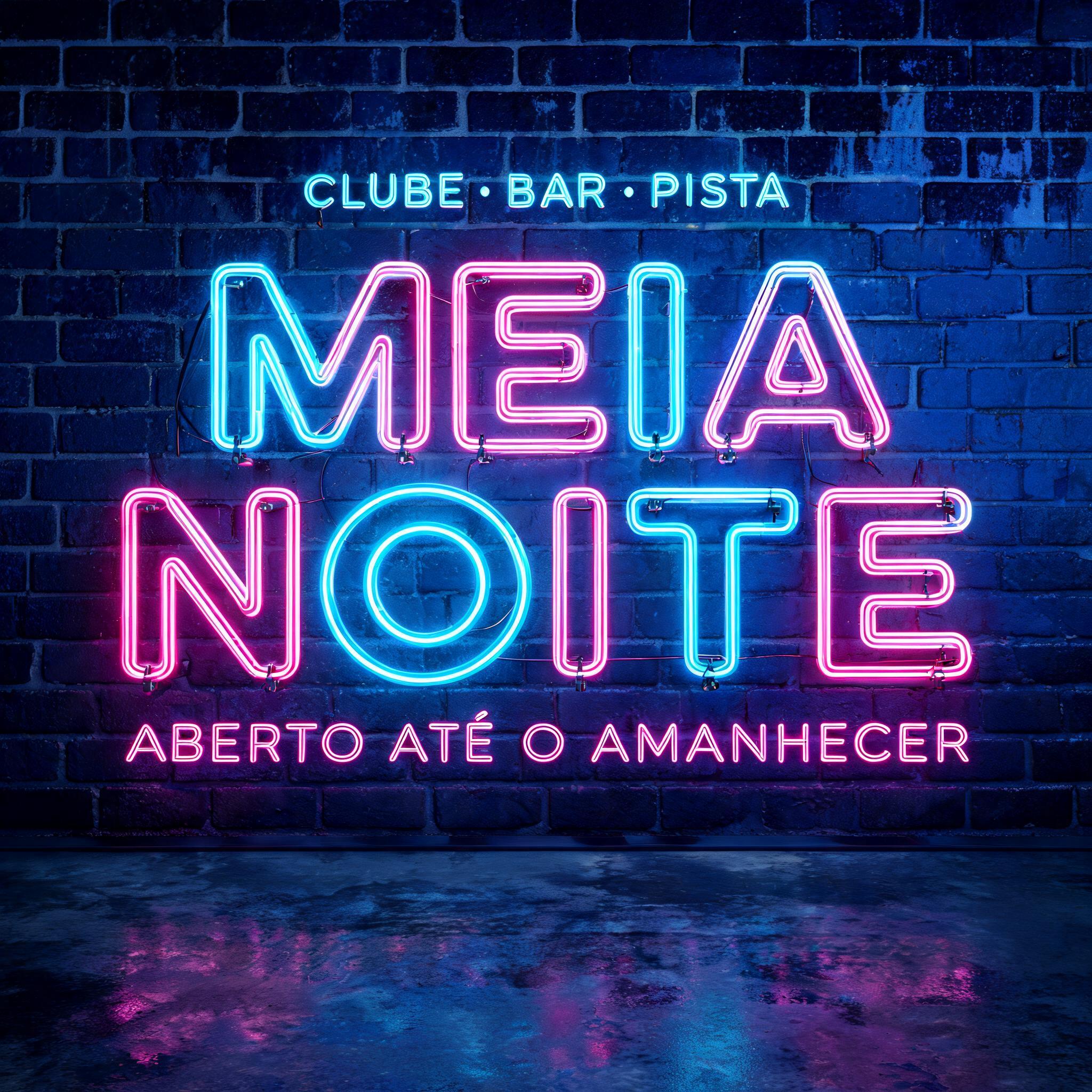
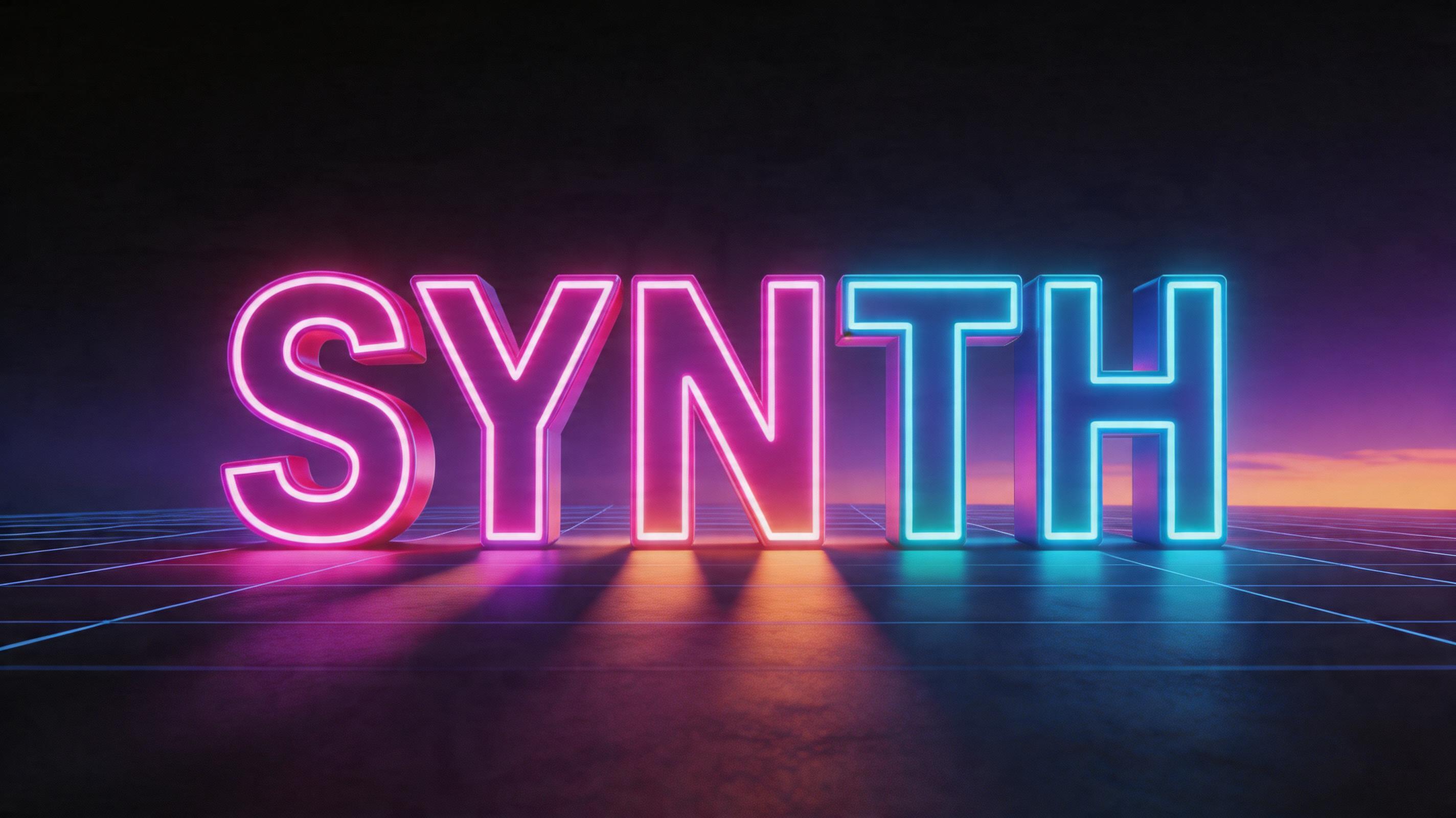
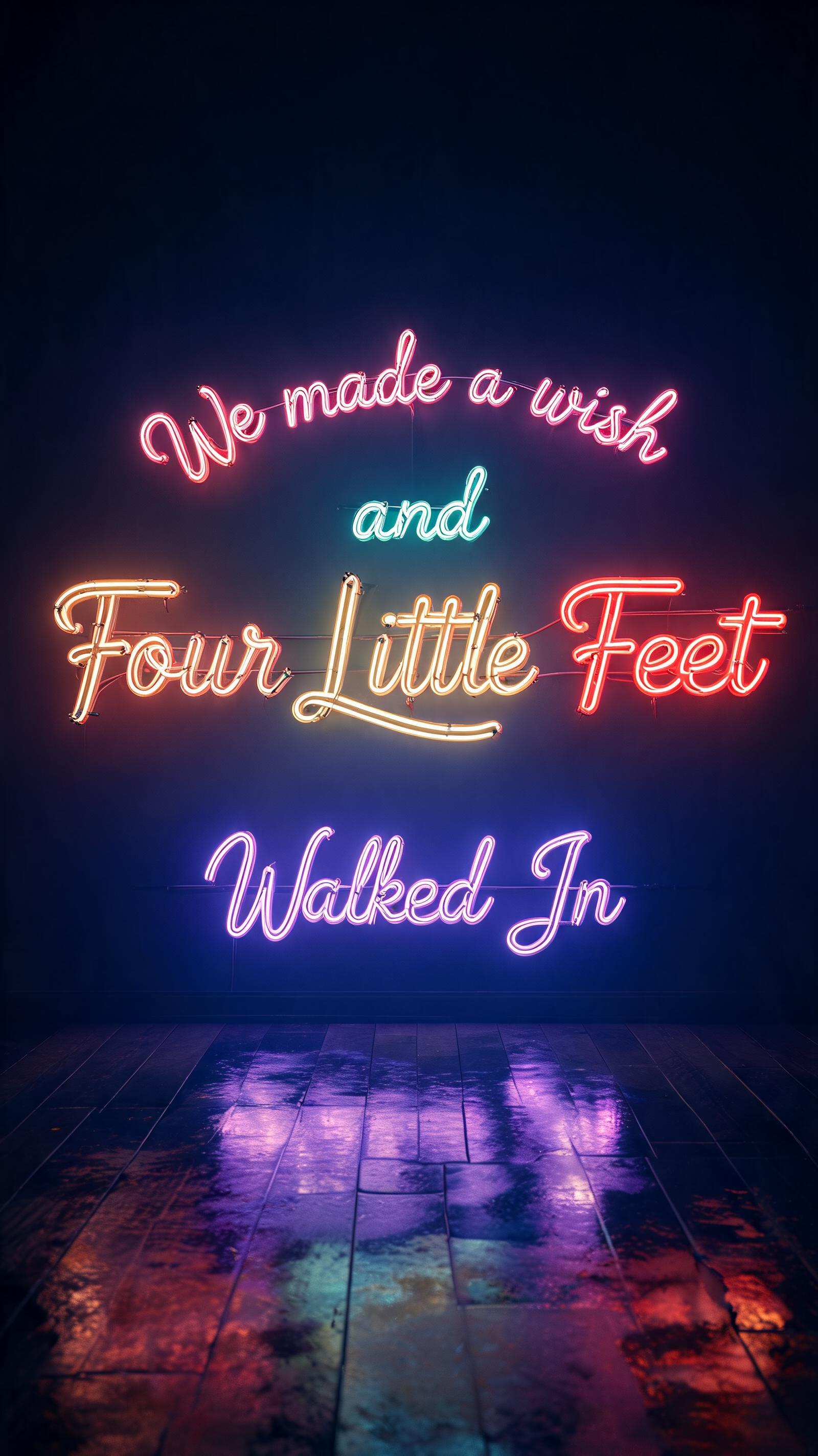
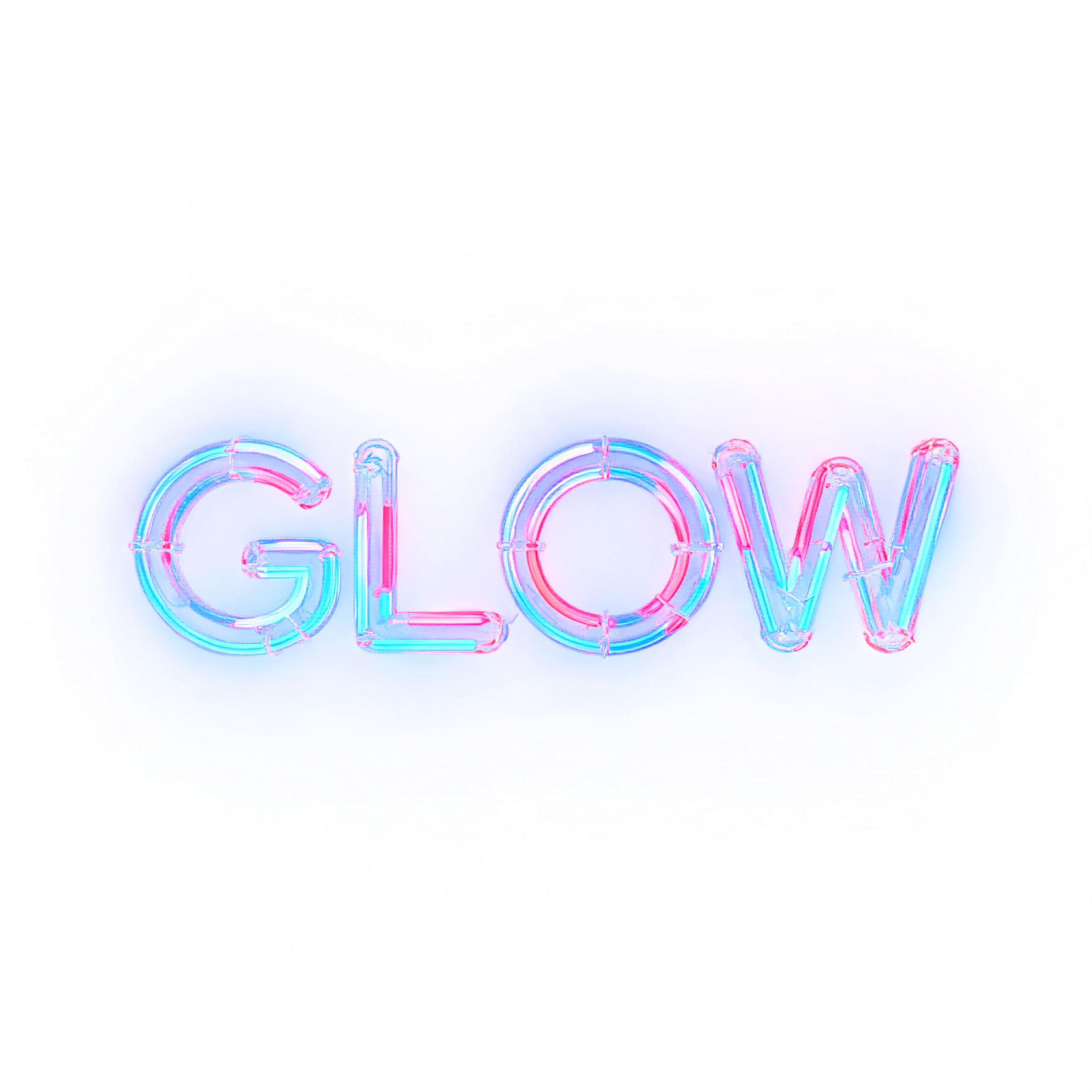
Rounded neon-tube capitals alternating cyan and magenta, with bright tube cores, soft bloom and colored reflections on wet ground in the dark. — no font license needed.
Neon Glow in different AI fonts







Find the Right Neon Glow Style for Your Project
3 distinct variations — each locked to a specific look and use case.


Neon Glow Gallery
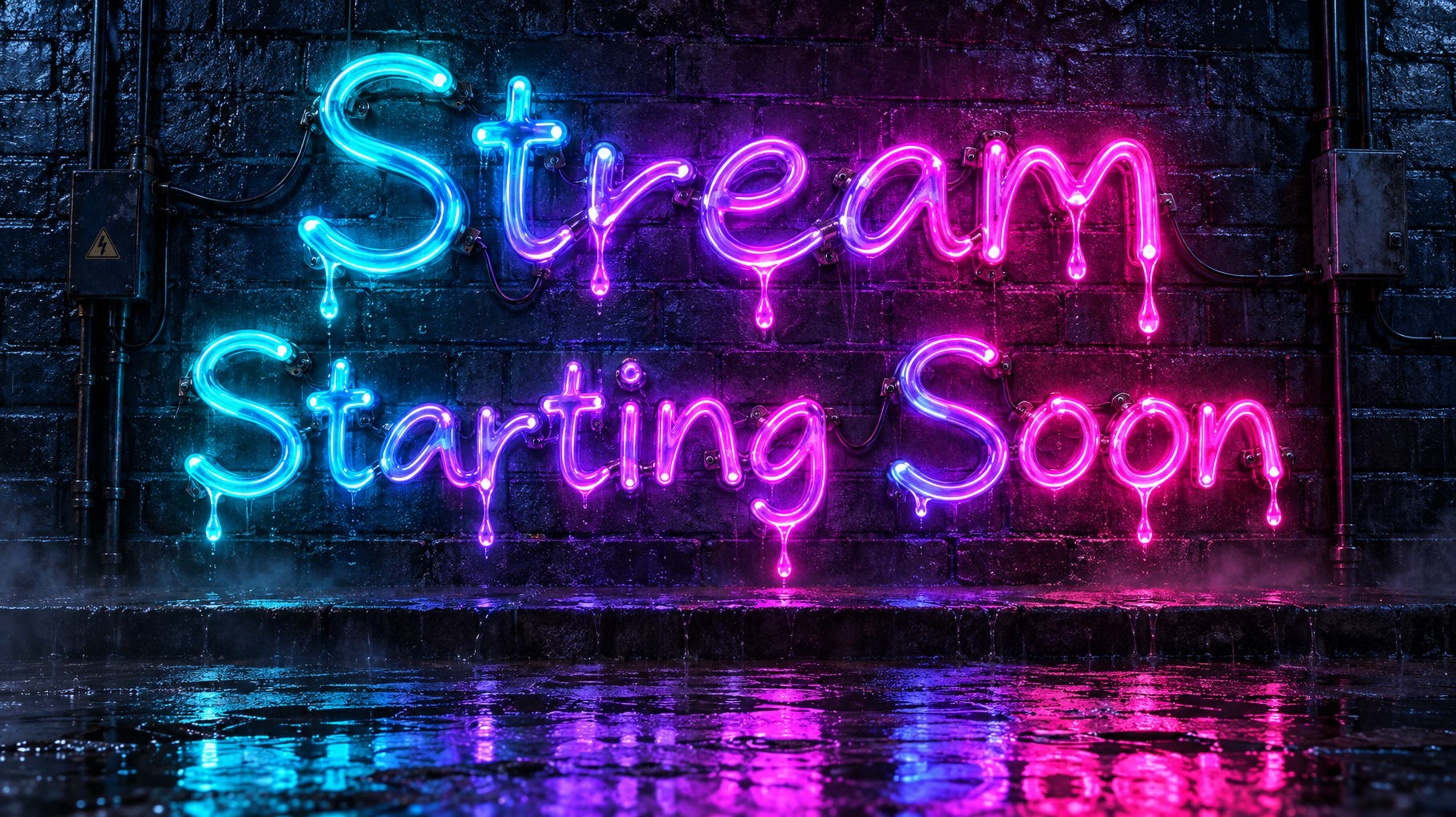
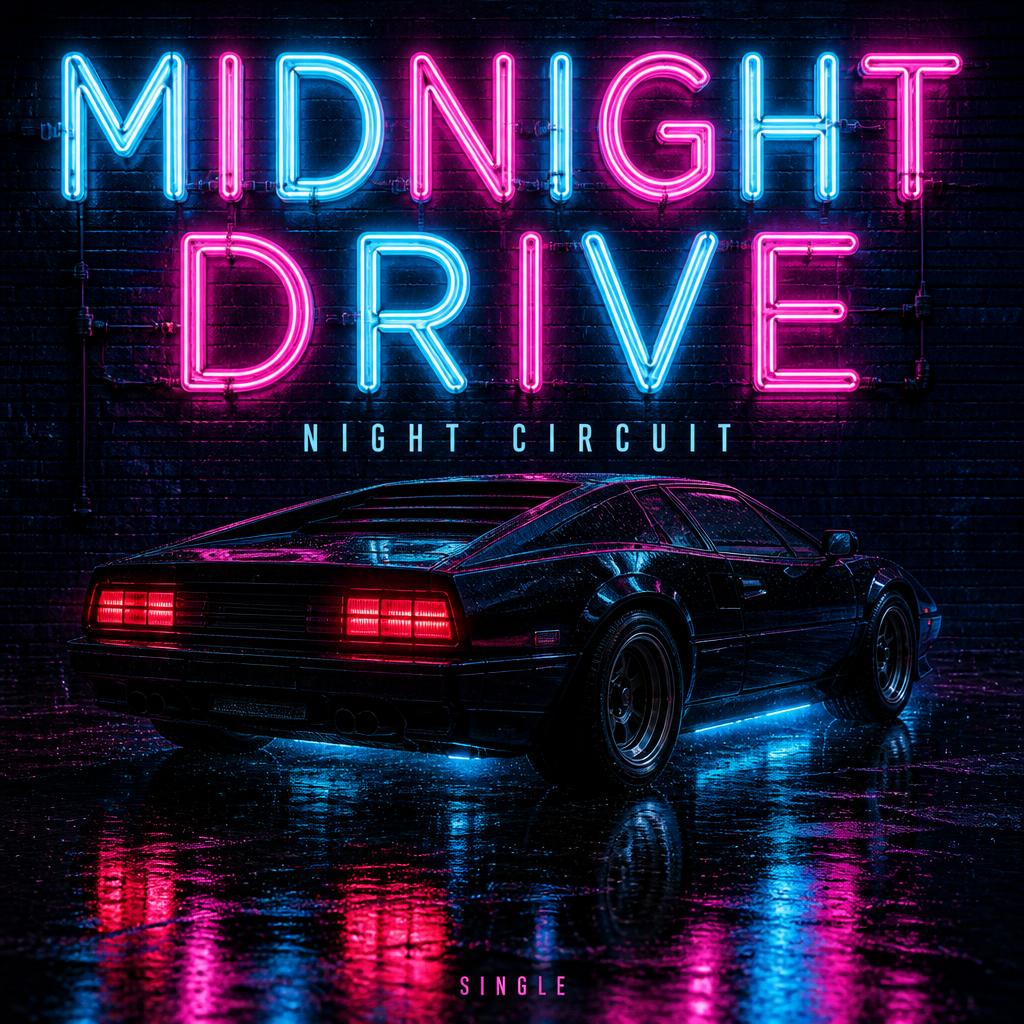
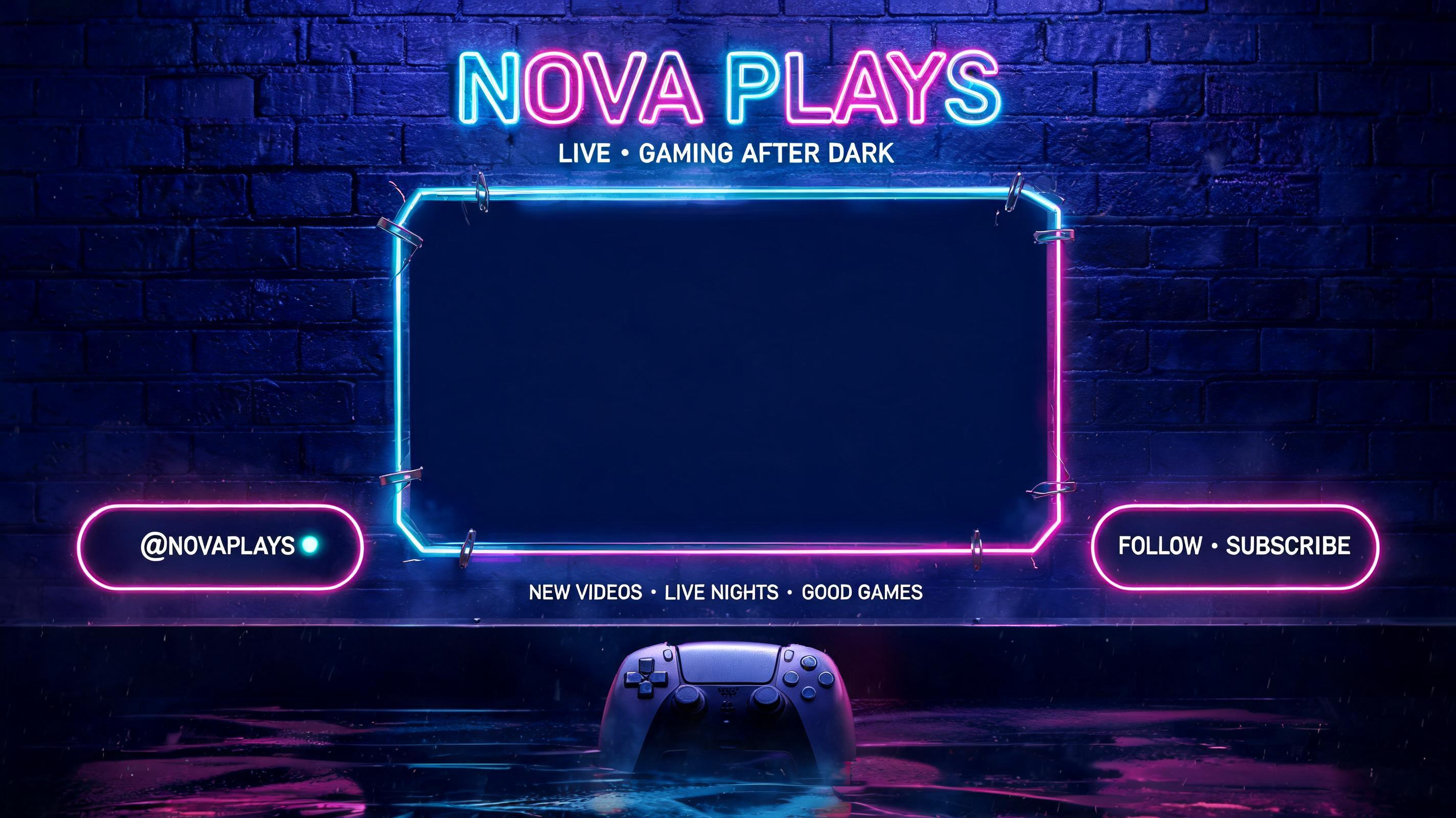
Real outputs from the Neon Glow style. Click any image to see details.


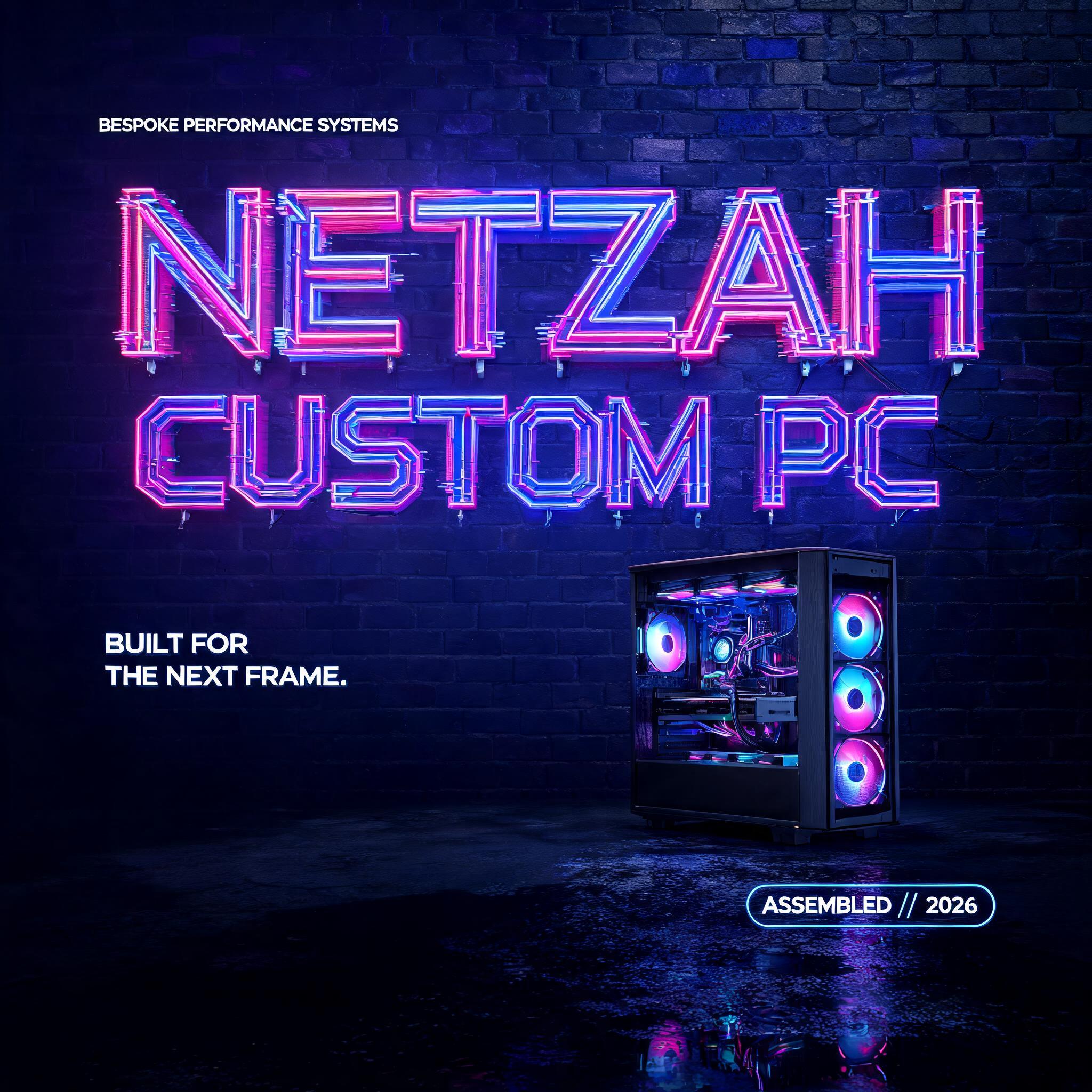
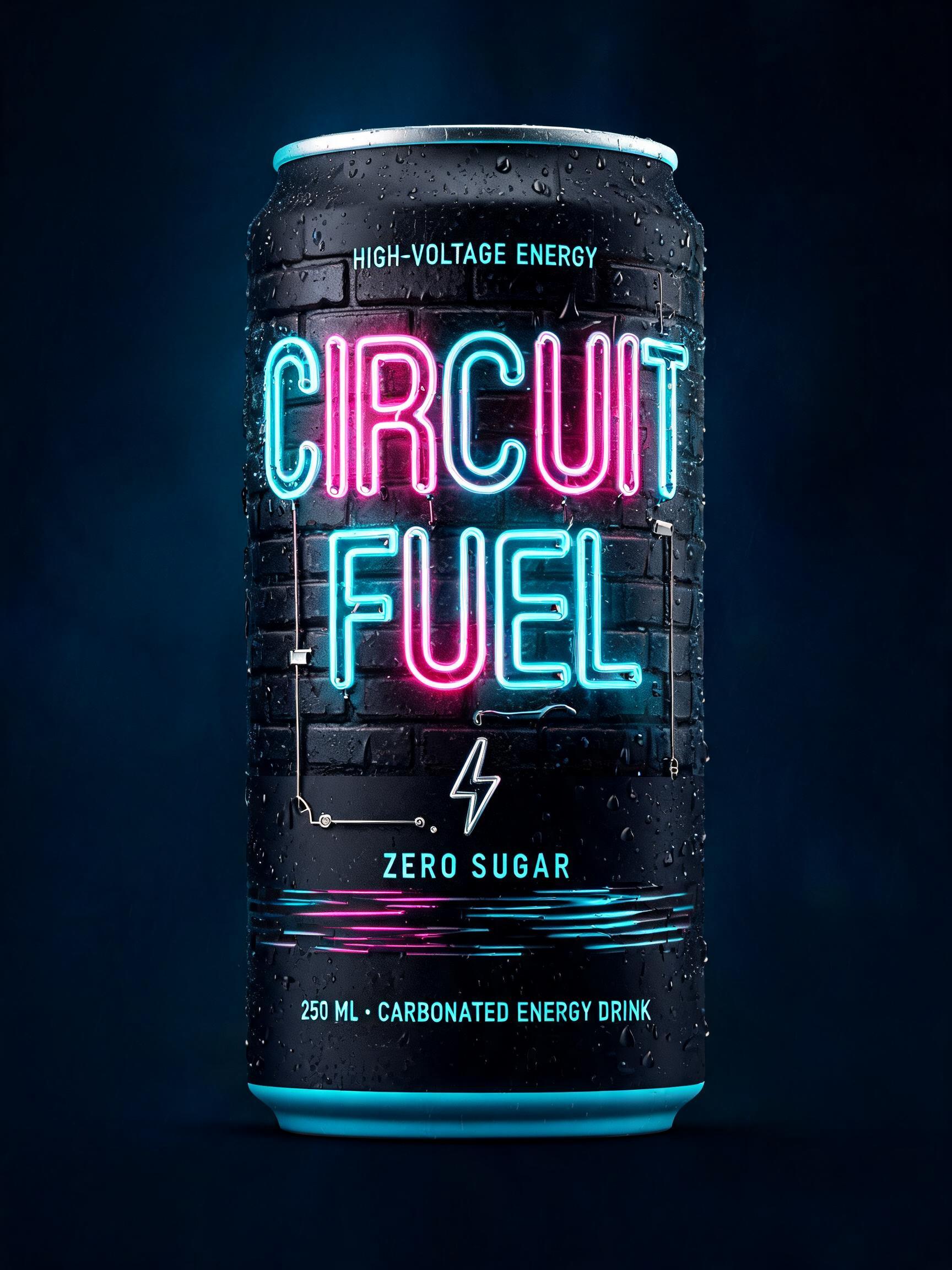
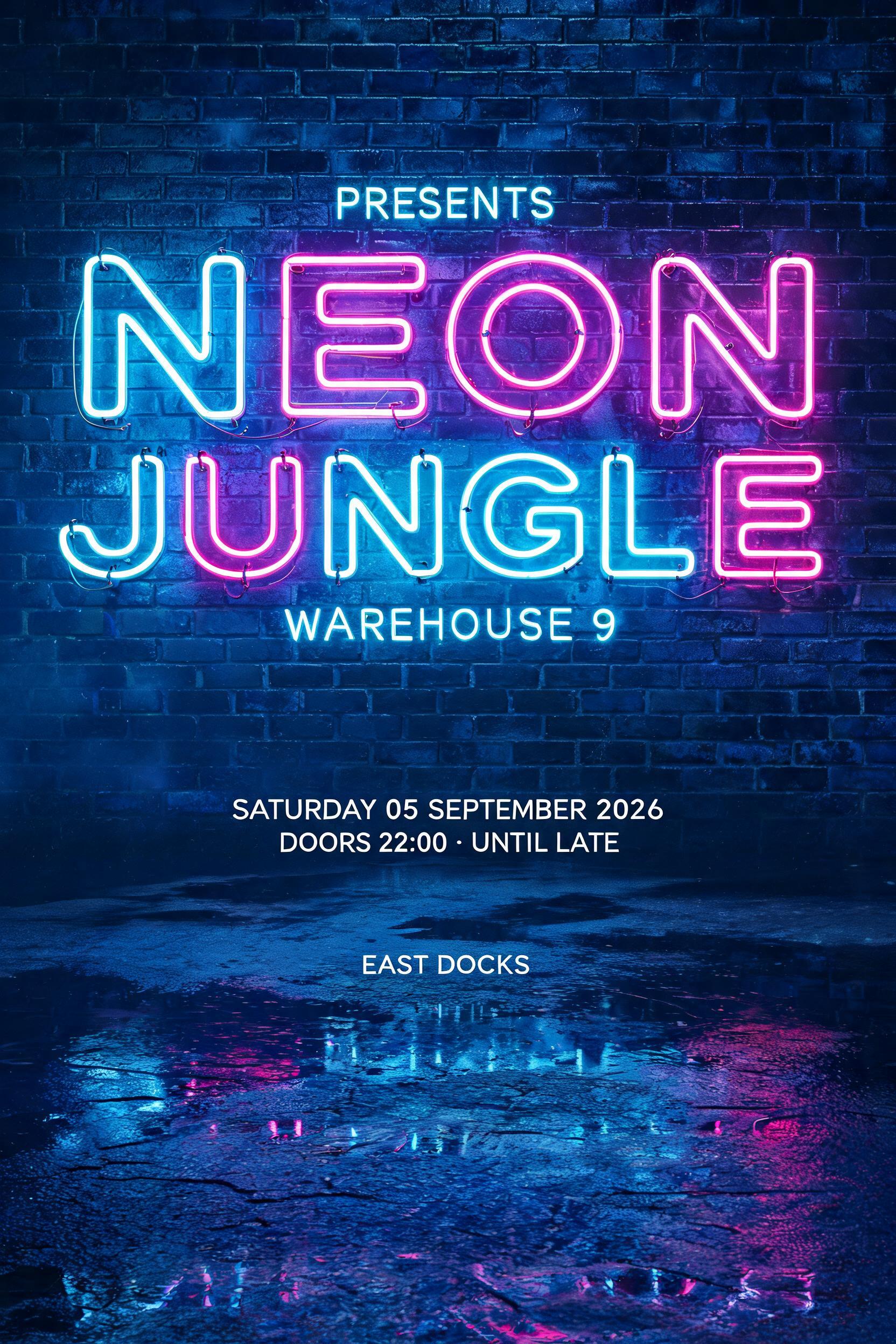

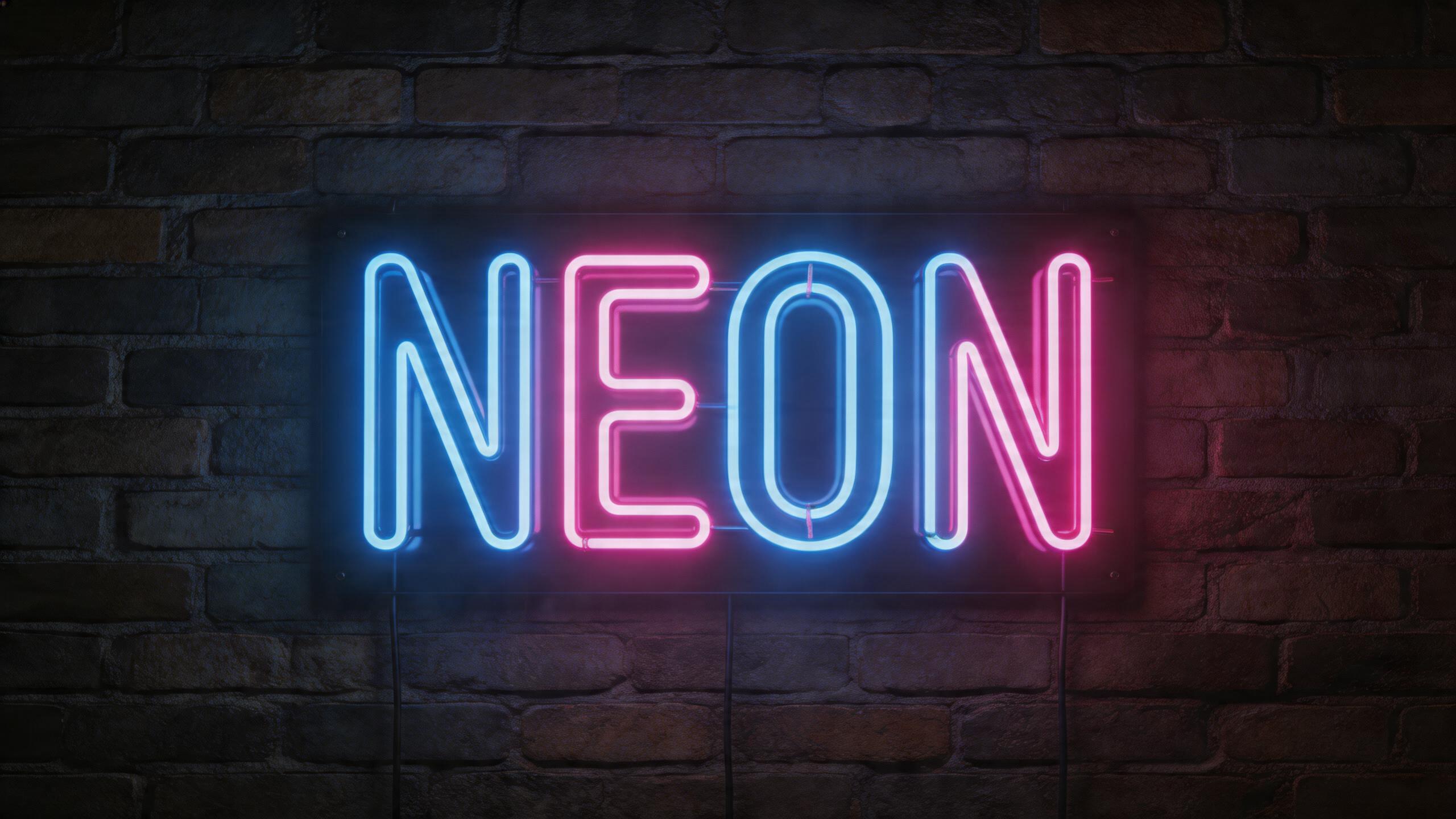





Looking for copy-paste fancy text? Try our free Font Generator Tools — cursive, gothic, bubble & 30+ styles.
Perfect for These Projects
Neon Glow Text Effect — FAQ
What is the Neon Glow Font Style?
The Neon Glow font style is a distinctive AI-generated typography effect. Rounded neon-tube capitals alternating cyan and magenta, with bright tube cores, soft bloom and colored reflections on wet ground in the dark. Using FontVibe's AI neon glow generator you can create stunning text effects in seconds — no Photoshop, no font licensing, no design experience needed.
Explore the Neon Glow gallery for inspiration, or browse all 138+ AI text effect styles available on FontVibe.
How to Create Neon Glow Typography in FontVibe Studio
The Story Behind Neon Glow
History, visual DNA, and cultural context.
Light as Material
Neon Glow as a distinct aesthetic sits between the specific craft of real neon tube signs and the broader category of luminous digital effects. Where Neon Sign references the physical medium — the glass tube, the gas, the hardware — Neon Glow abstracts the essential property: light emitted from a source, bleeding into surrounding darkness with a characteristic falloff that no physical material other than a gas-discharge tube naturally produces.
The visual language entered contemporary design through two converging paths. From advertising and street photography: documentation of Tokyo's Shinjuku, Hong Kong's Mong Kok, and New York's Times Square produced images where neon density was so high that the light itself became the subject. From early video game and computer graphics: limited rendering capabilities made glowing outlines and bloom effects one of the easiest ways to suggest materiality — a glowing edge is technically cheaper to render than a physically accurate surface.
The convergence is the aesthetic of the digital night: dark backgrounds, isolated glowing elements, the visual logic of a single light source in an otherwise dark environment.
Sources: Wikipedia — Neon lighting · Wikipedia — Bloom (shader effect)
The Visual DNA
Typographic Landmarks
Did You Know?
The bloom effect in 3D video games — bright areas blurring into surrounding pixels — spread widely after the developers of Tron 2.0 published an article on the technique in 2004, and several games of that era were criticised for overusing it. The effect imitates a camera lens that cannot focus bright light perfectly. Source ↗
Georges Claude's neon patents — in France in 1911, then a 1915 US patent on the electrode design — were licensed worldwide through his company Claude Neon, so early neon signs in many countries trace back to his patents. Source ↗
Create Your Neon Glow Typography in Studio
Free to start. No design skills needed. Your artwork, your copyright.
AI Neon Glow Text Effect Generator
Rounded neon-tube capitals alternating cyan and magenta, with bright tube cores, soft bloom and colored reflections on wet ground in the dark. — no font license needed.
Neon Glow in different AI fonts
Generate Your Neon Glow Text Effect
Type any word — see it transformed in seconds. No sign-up required.
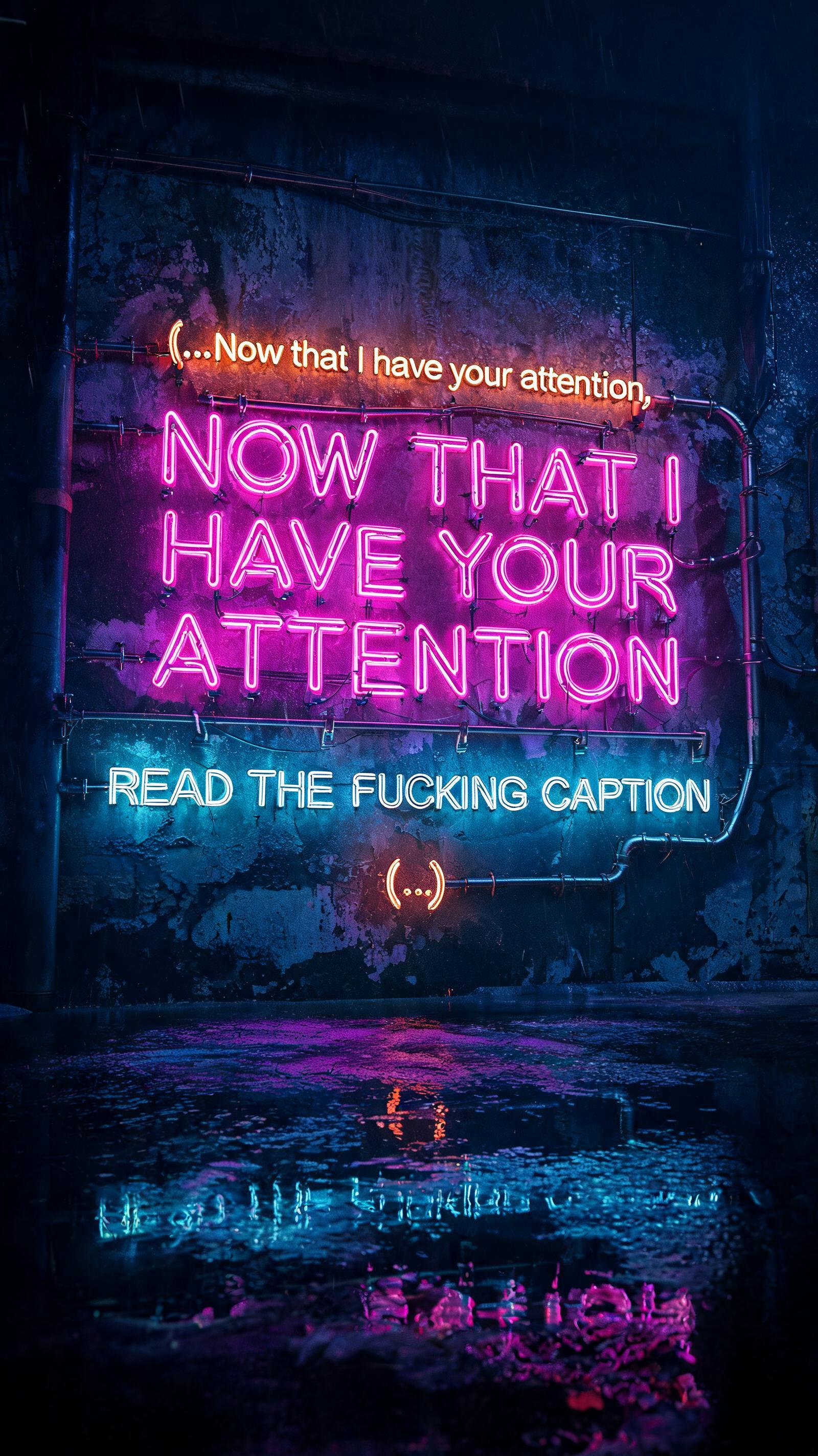
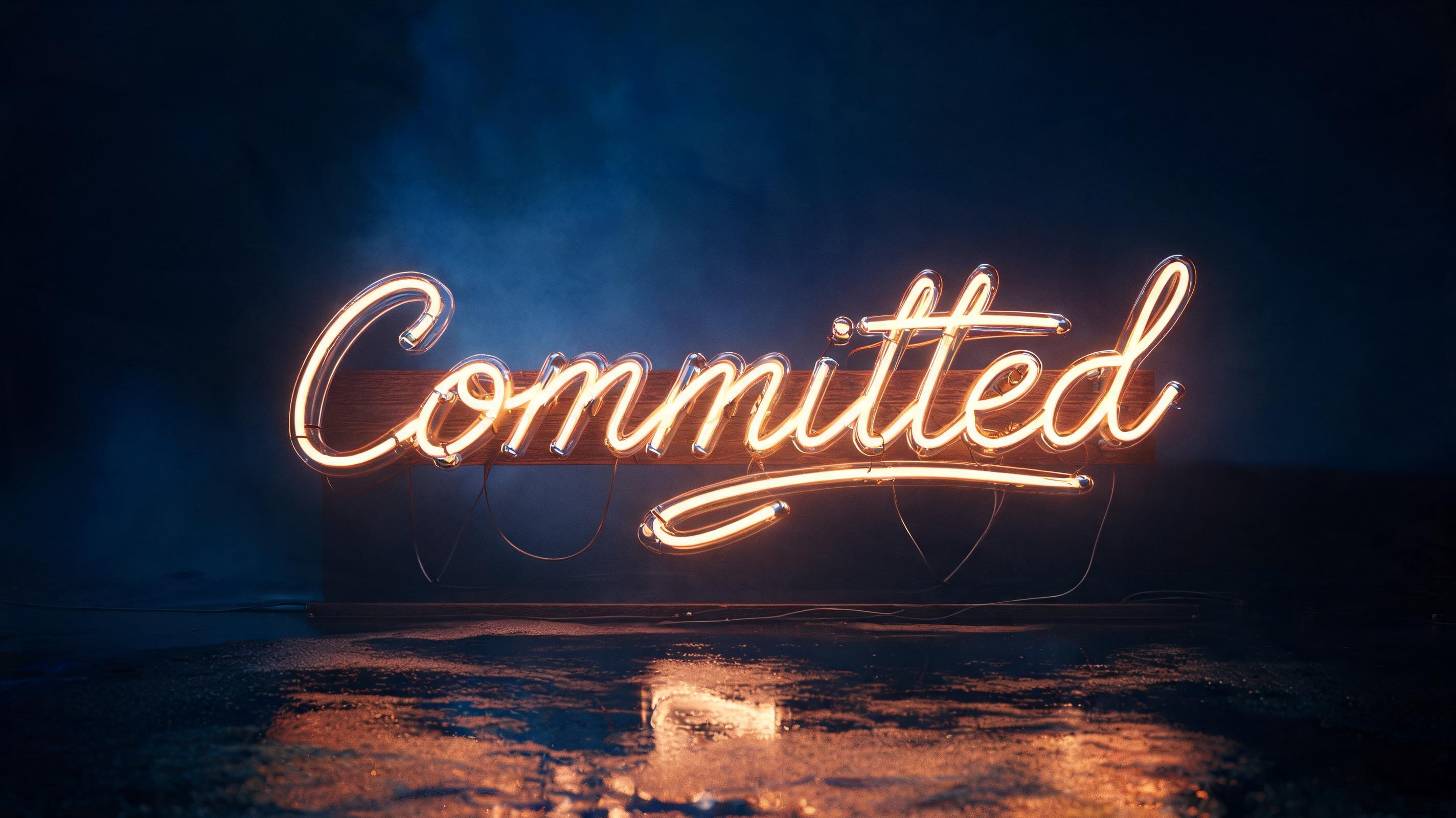
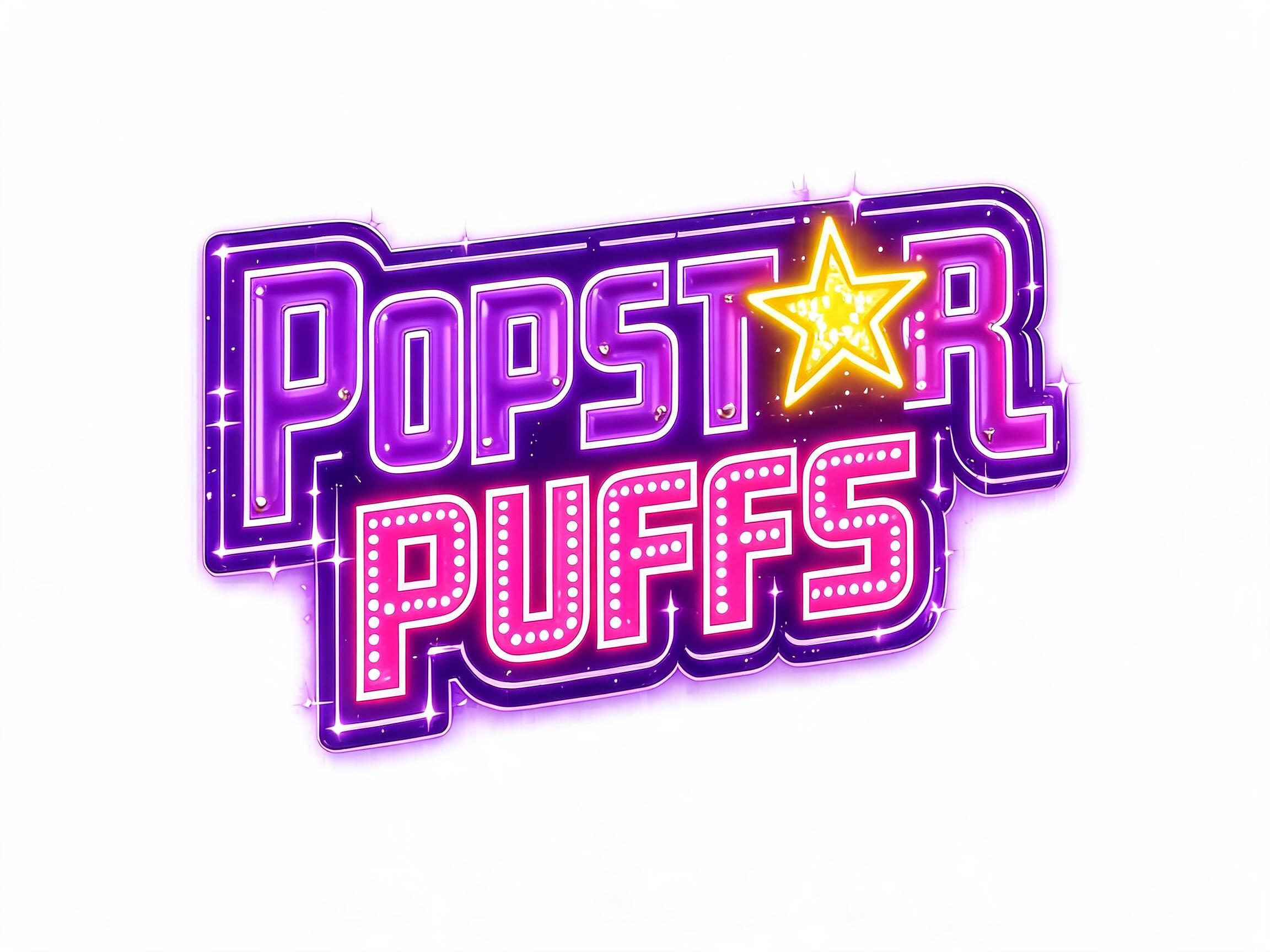
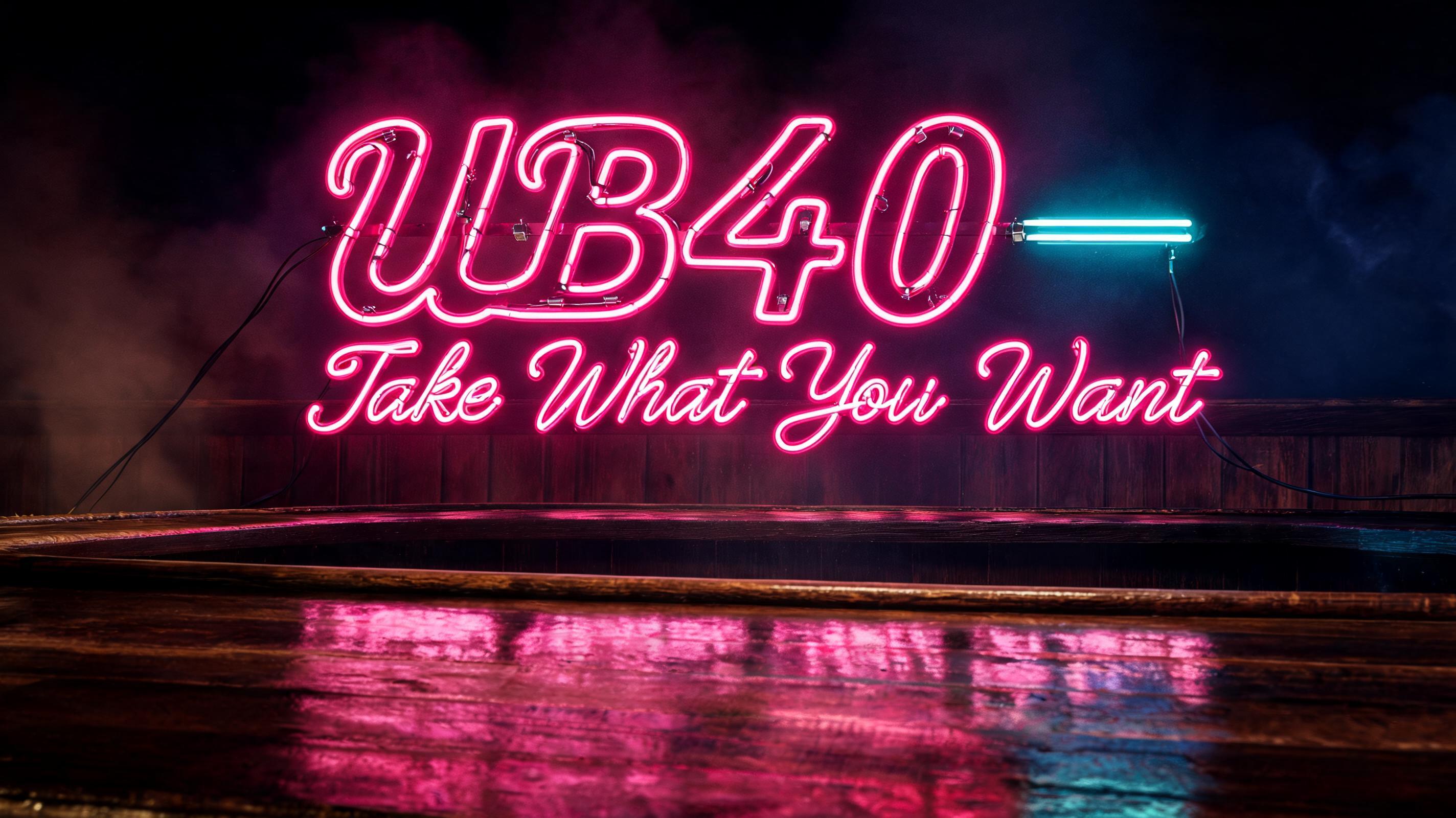
Neon Glow Style Gallery
Real outputs from the Neon Glow style. Click any image to see details.








Similar Text Effect Styles
Try these styles and create your own AI-generated text effects.
Looking for copy-paste fancy text? Try our free Font Generator Tools — cursive, gothic, bubble & 30+ styles.
Perfect for These Projects
Neon Glow text effects are popular for creative projects where visual impact matters.
What is the Neon Glow Font Style?
The Neon Glow font style is a distinctive AI-generated typography effect. Rounded neon-tube capitals alternating cyan and magenta, with bright tube cores, soft bloom and colored reflections on wet ground in the dark.
Using FontVibe's AI neon glow generator you can create stunning text effects in seconds — no Photoshop, no font licensing, no design experience needed.
Explore the Neon Glow gallery for inspiration, or browse all 138+ AI text effect styles available on FontVibe.
How to Create Neon Glow Typography in FontVibe Studio
1. Enter your text — Any word, phrase, or brand name. Works best with short, punchy text.
2. Select Neon Glow — From the style library. Optionally describe a mood in the custom prompt.
3. Generate and download. Your Neon Glow font artwork is ready in seconds. PNG, JPG, or transparent PNG.
Looking for something different? Browse the full font style library for more AI typography options.
Neon Glow Text Effect — FAQ
The Story Behind Neon Glow
History, visual DNA, and cultural context — everything that makes this style what it is.
Light as Material
Neon Glow as a distinct aesthetic sits between the specific craft of real neon tube signs and the broader category of luminous digital effects. Where Neon Sign references the physical medium — the glass tube, the gas, the hardware — Neon Glow abstracts the essential property: light emitted from a source, bleeding into surrounding darkness with a characteristic falloff that no physical material other than a gas-discharge tube naturally produces.
The visual language entered contemporary design through two converging paths. From advertising and street photography: documentation of Tokyo's Shinjuku, Hong Kong's Mong Kok, and New York's Times Square produced images where neon density was so high that the light itself became the subject. From early video game and computer graphics: limited rendering capabilities made glowing outlines and bloom effects one of the easiest ways to suggest materiality — a glowing edge is technically cheaper to render than a physically accurate surface.
The convergence is the aesthetic of the digital night: dark backgrounds, isolated glowing elements, the visual logic of a single light source in an otherwise dark environment.
Sources: Wikipedia — Neon lighting · Wikipedia — Bloom (shader effect)
The Visual DNA
Typographic Landmarks
Did You Know?
The bloom effect in 3D video games — bright areas blurring into surrounding pixels — spread widely after the developers of Tron 2.0 published an article on the technique in 2004, and several games of that era were criticised for overusing it. The effect imitates a camera lens that cannot focus bright light perfectly. Source ↗
Georges Claude's neon patents — in France in 1911, then a 1915 US patent on the electrode design — were licensed worldwide through his company Claude Neon, so early neon signs in many countries trace back to his patents. Source ↗