


AI Graffiti Text Effect Generator
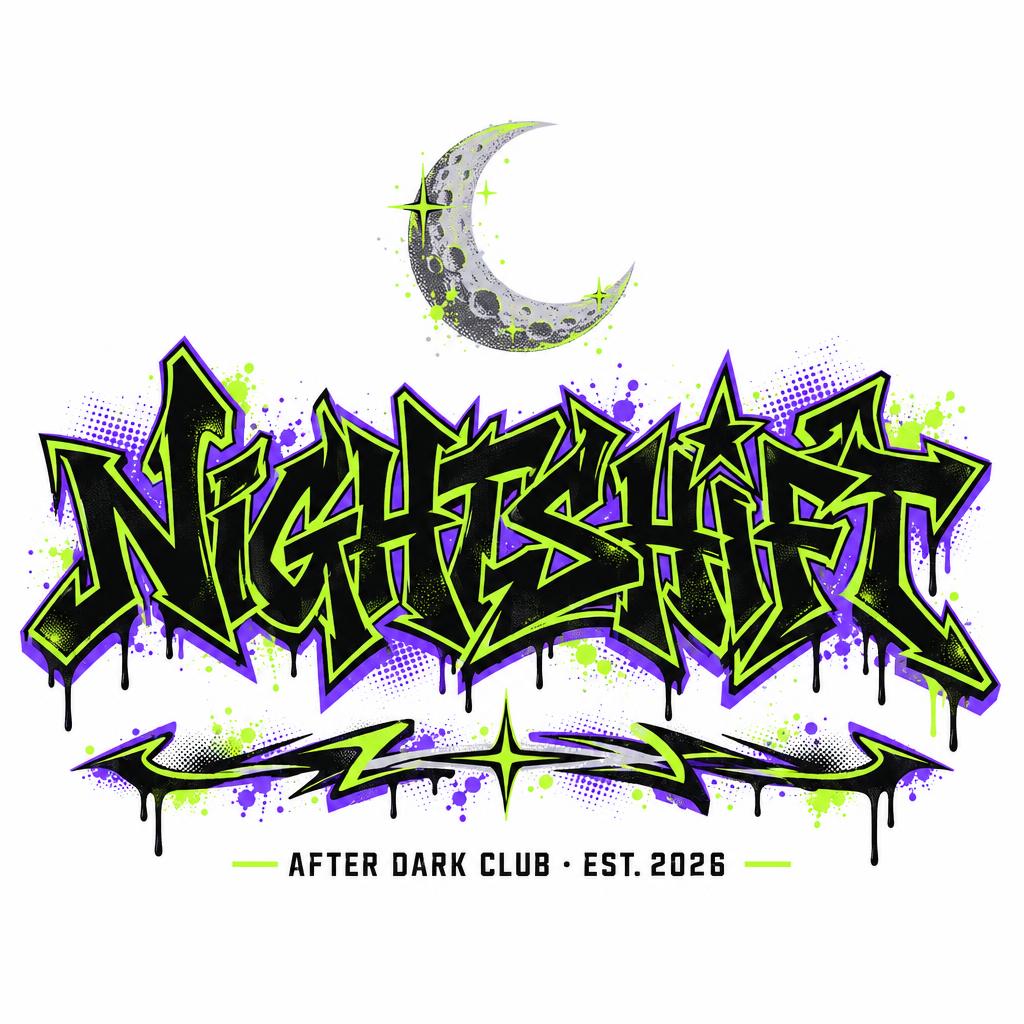
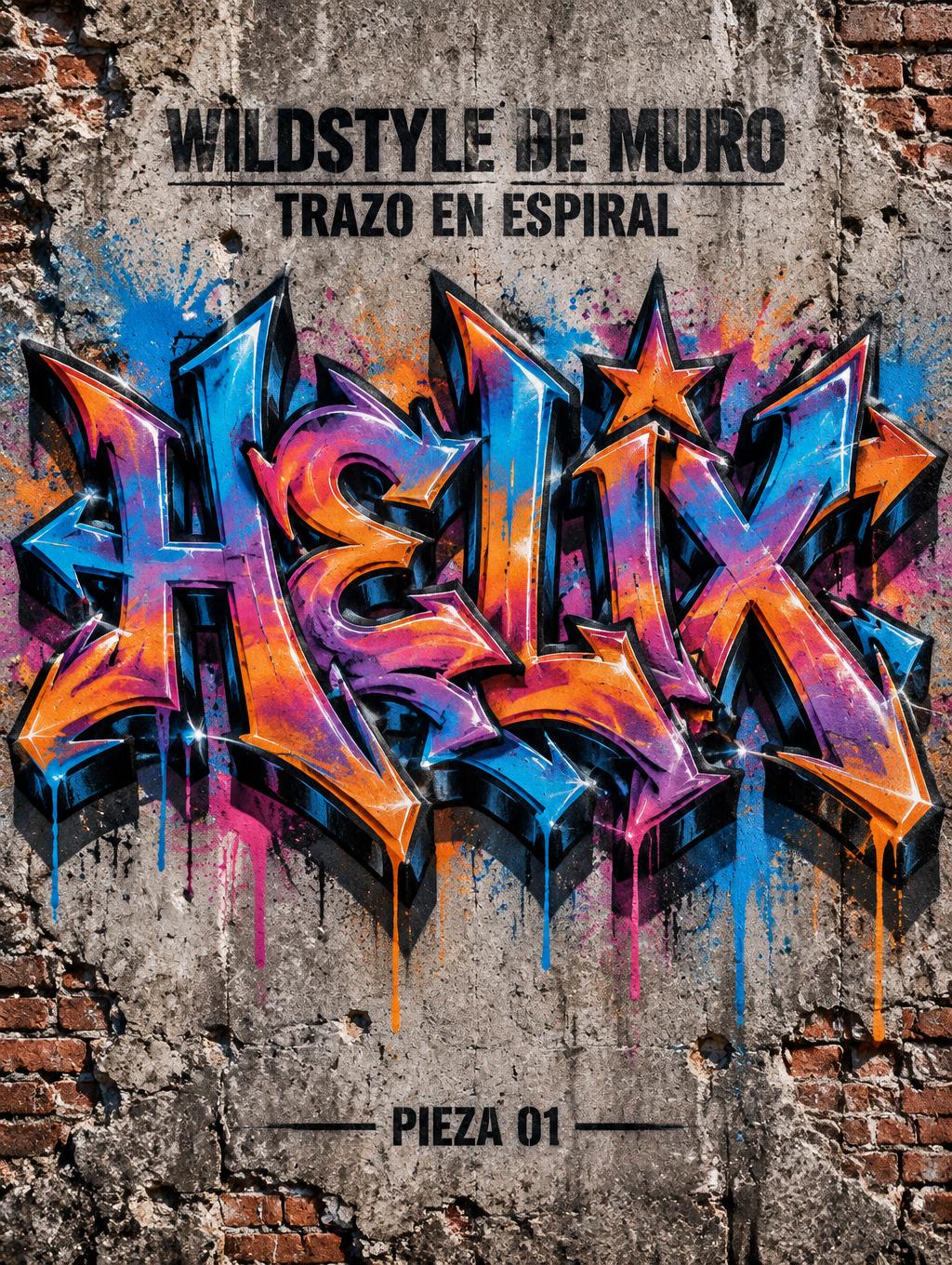
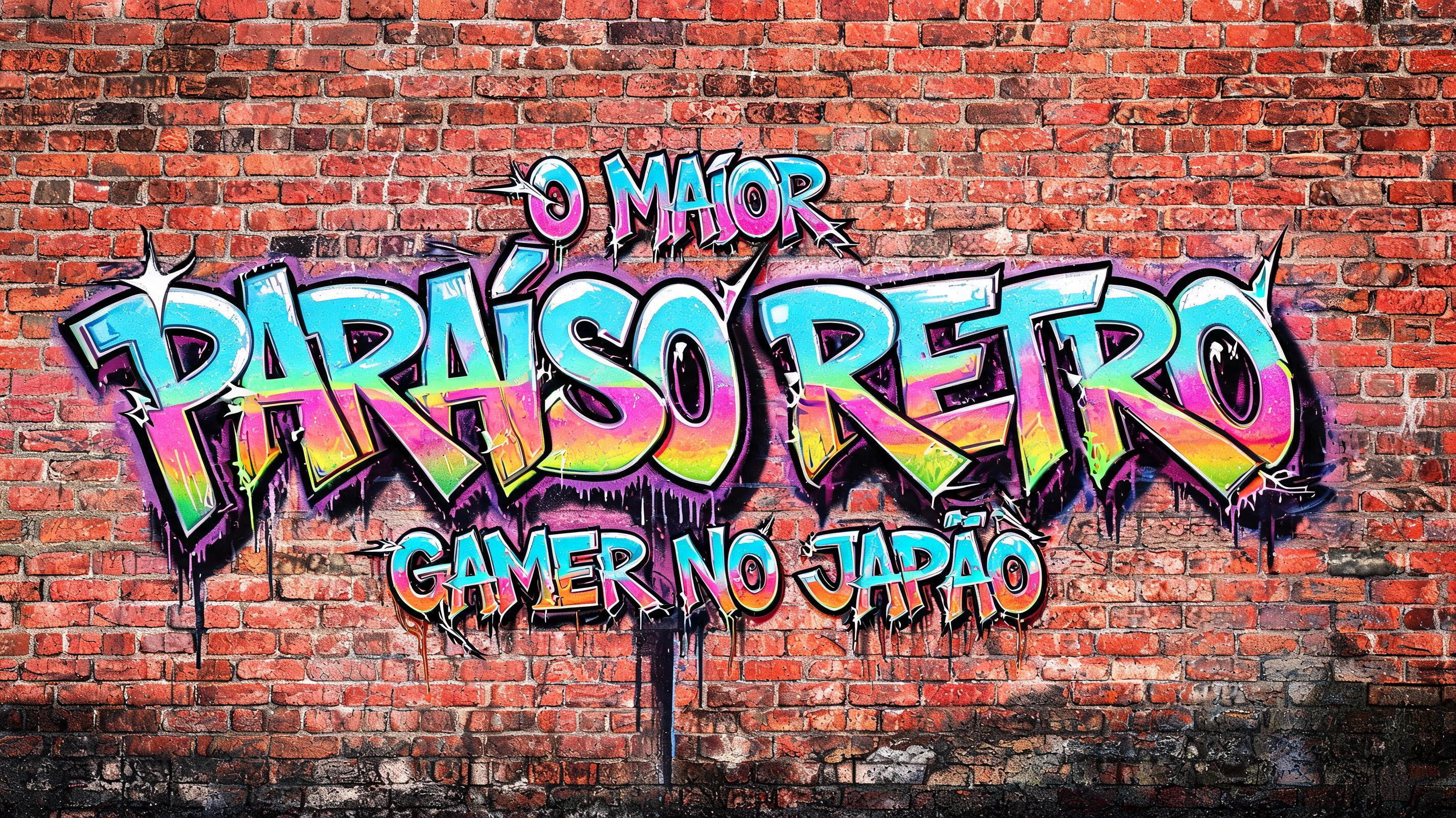
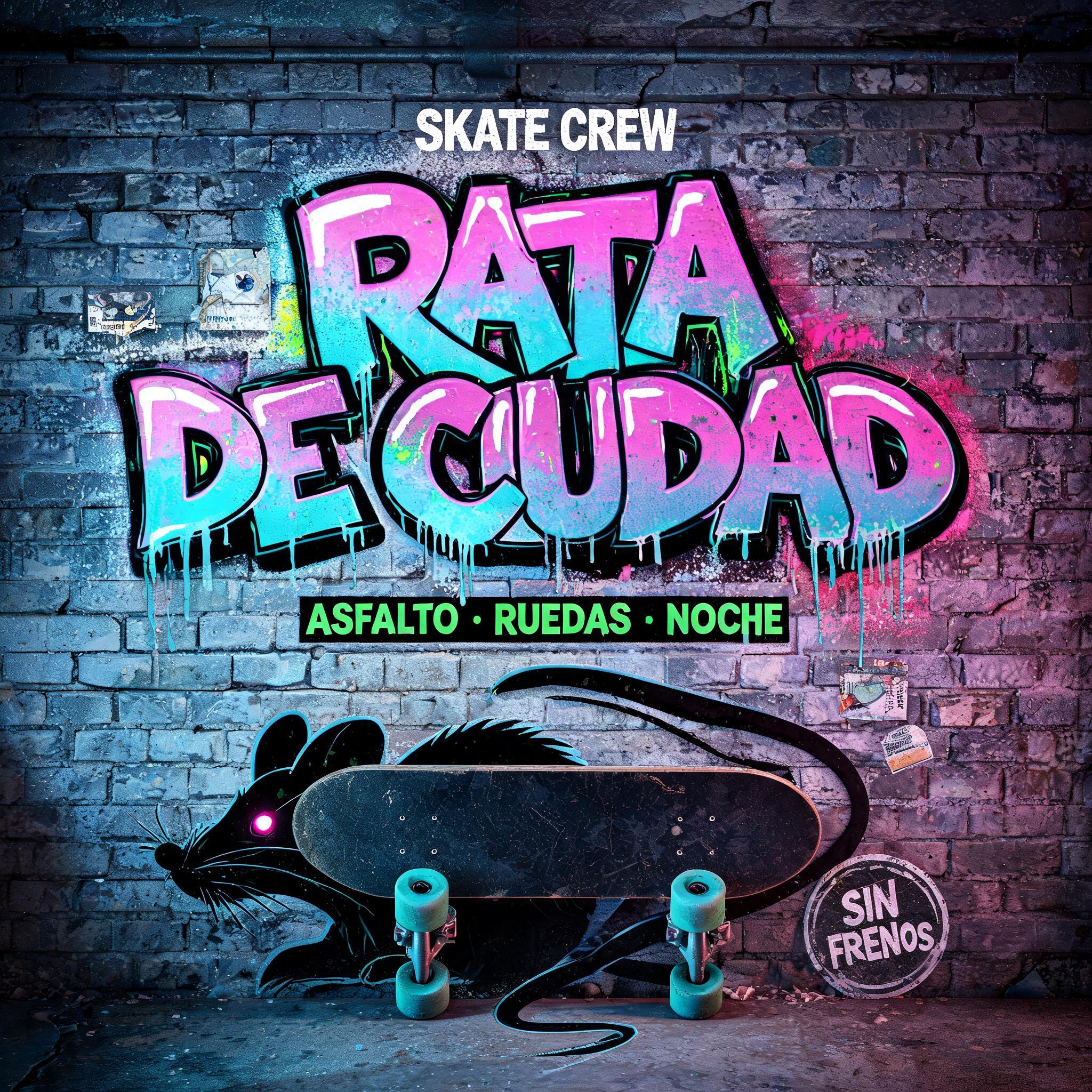
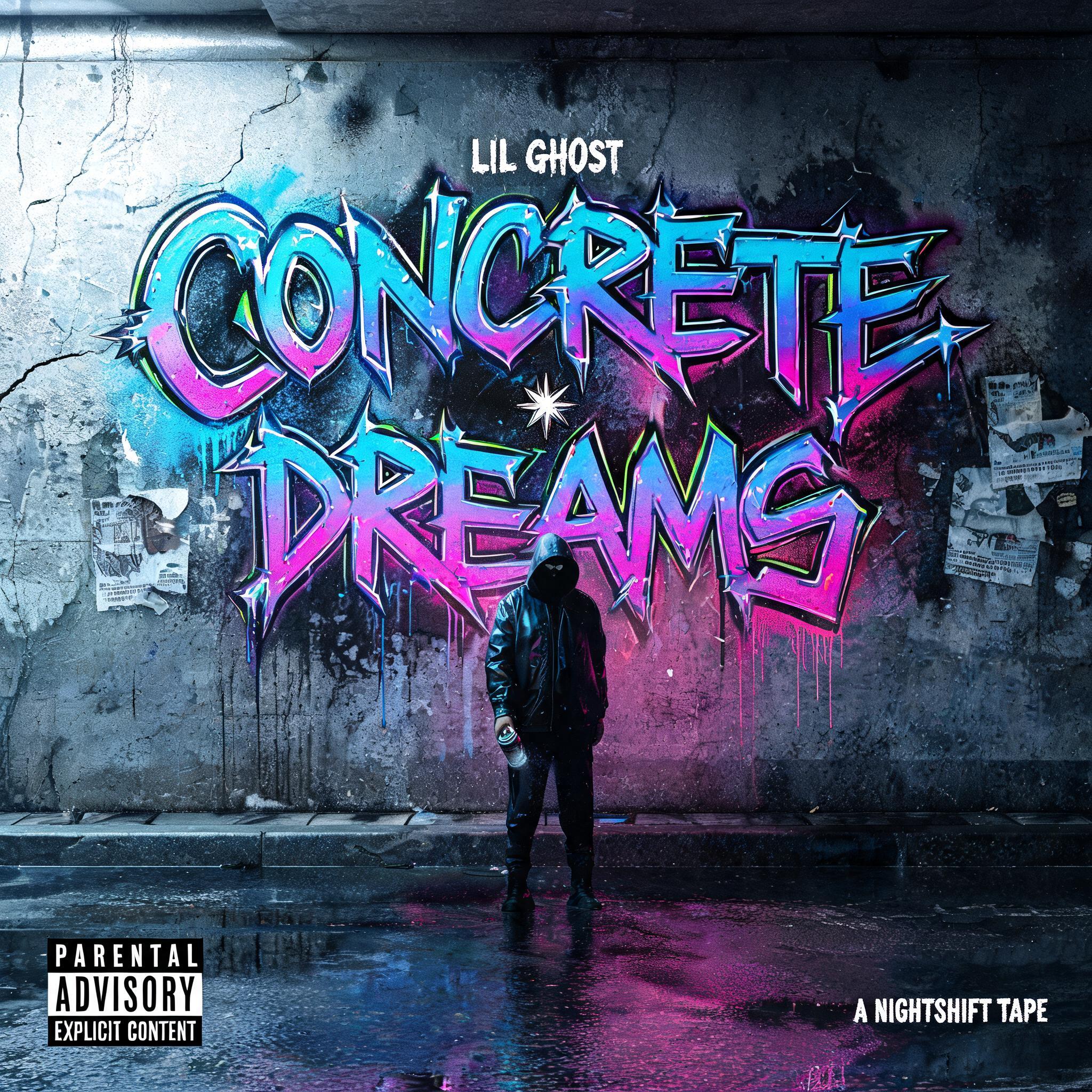
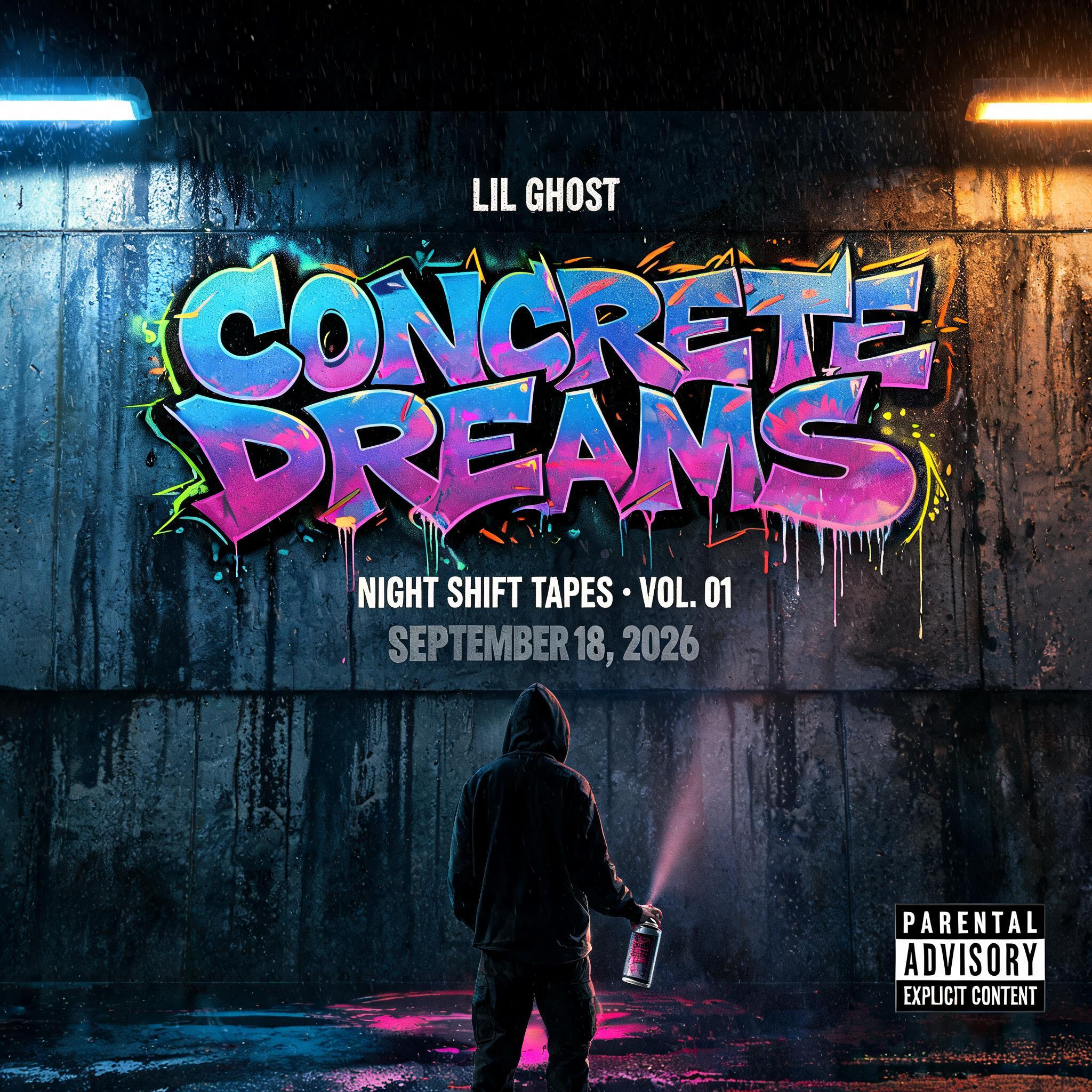
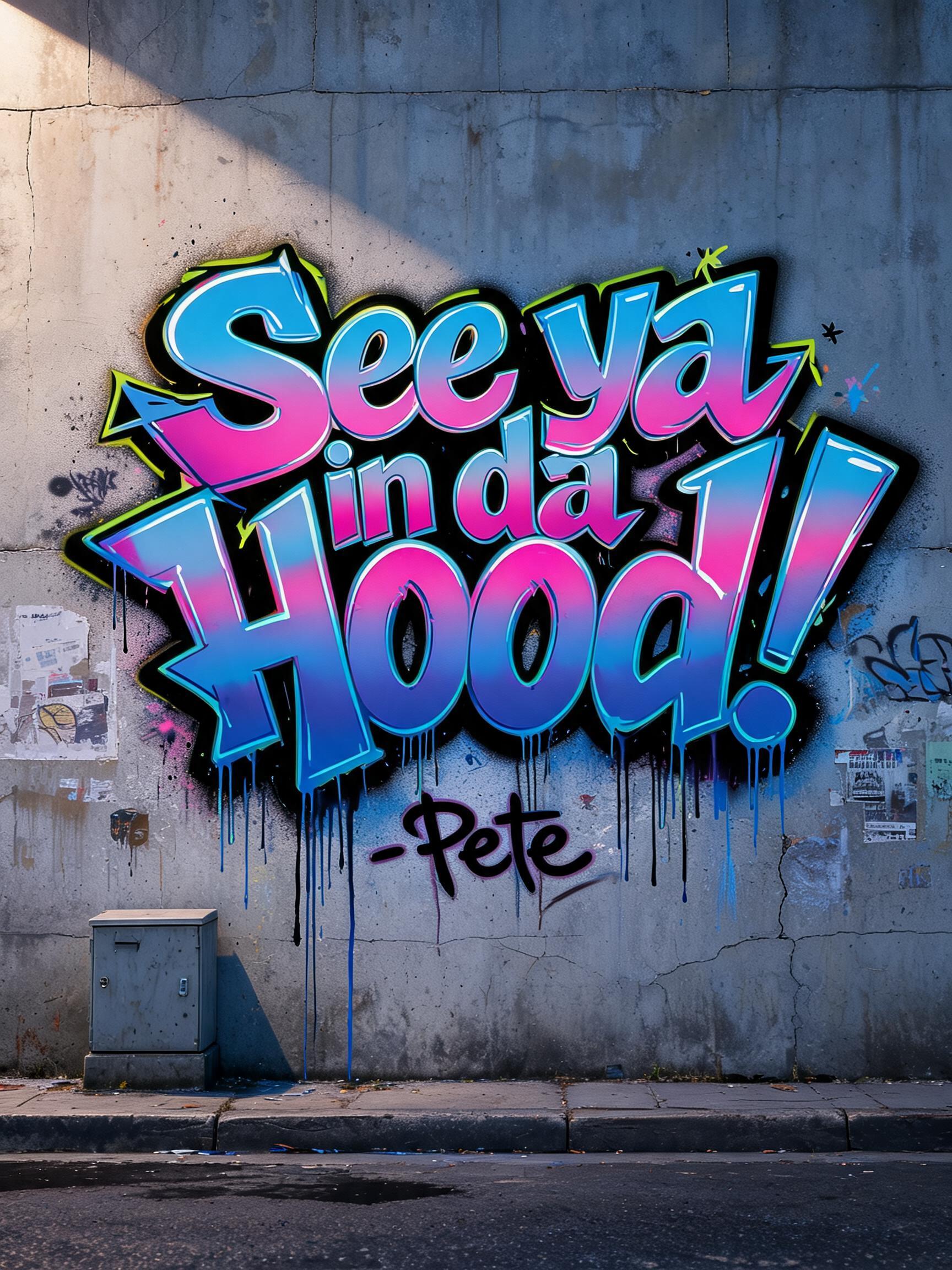
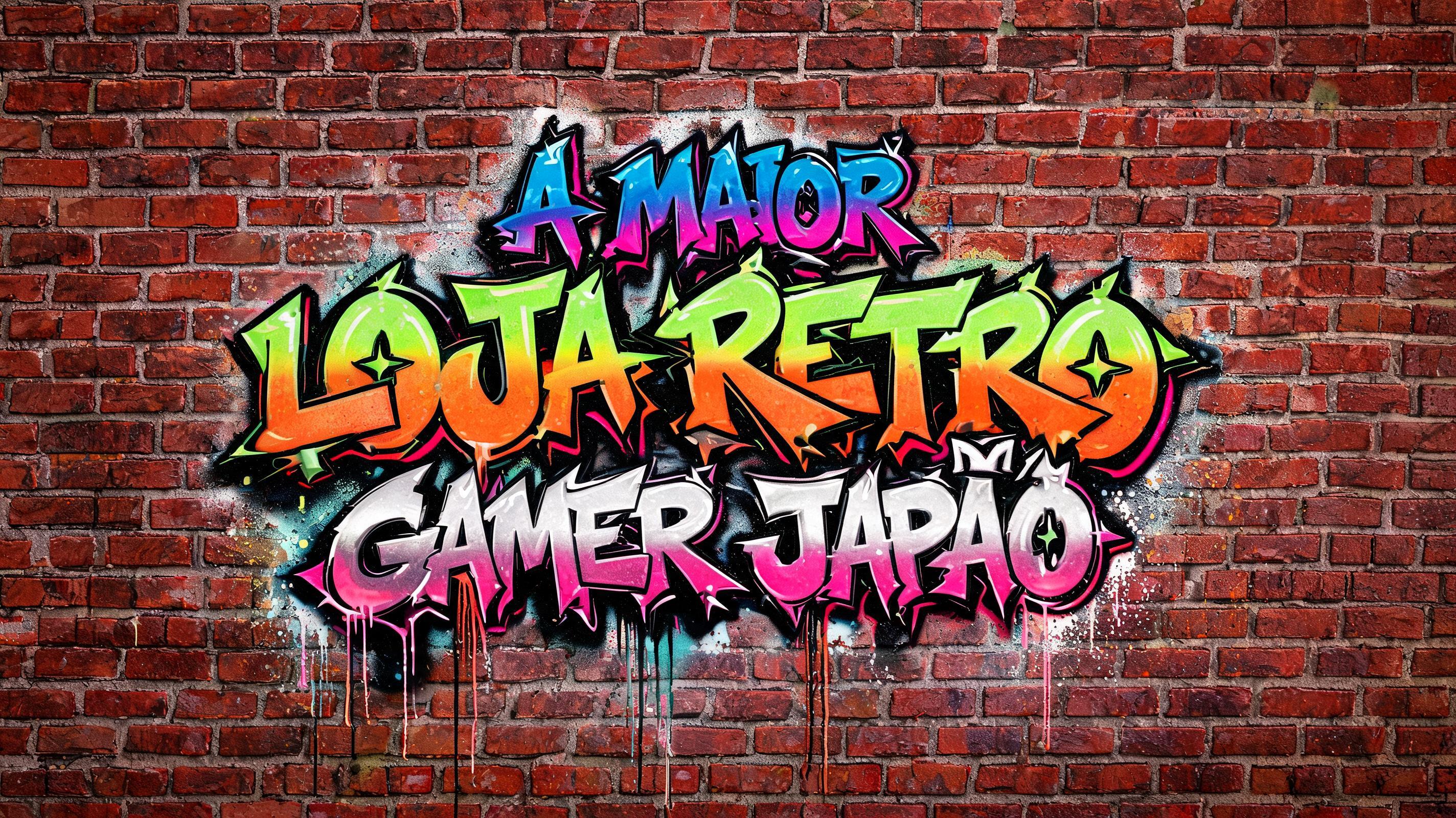
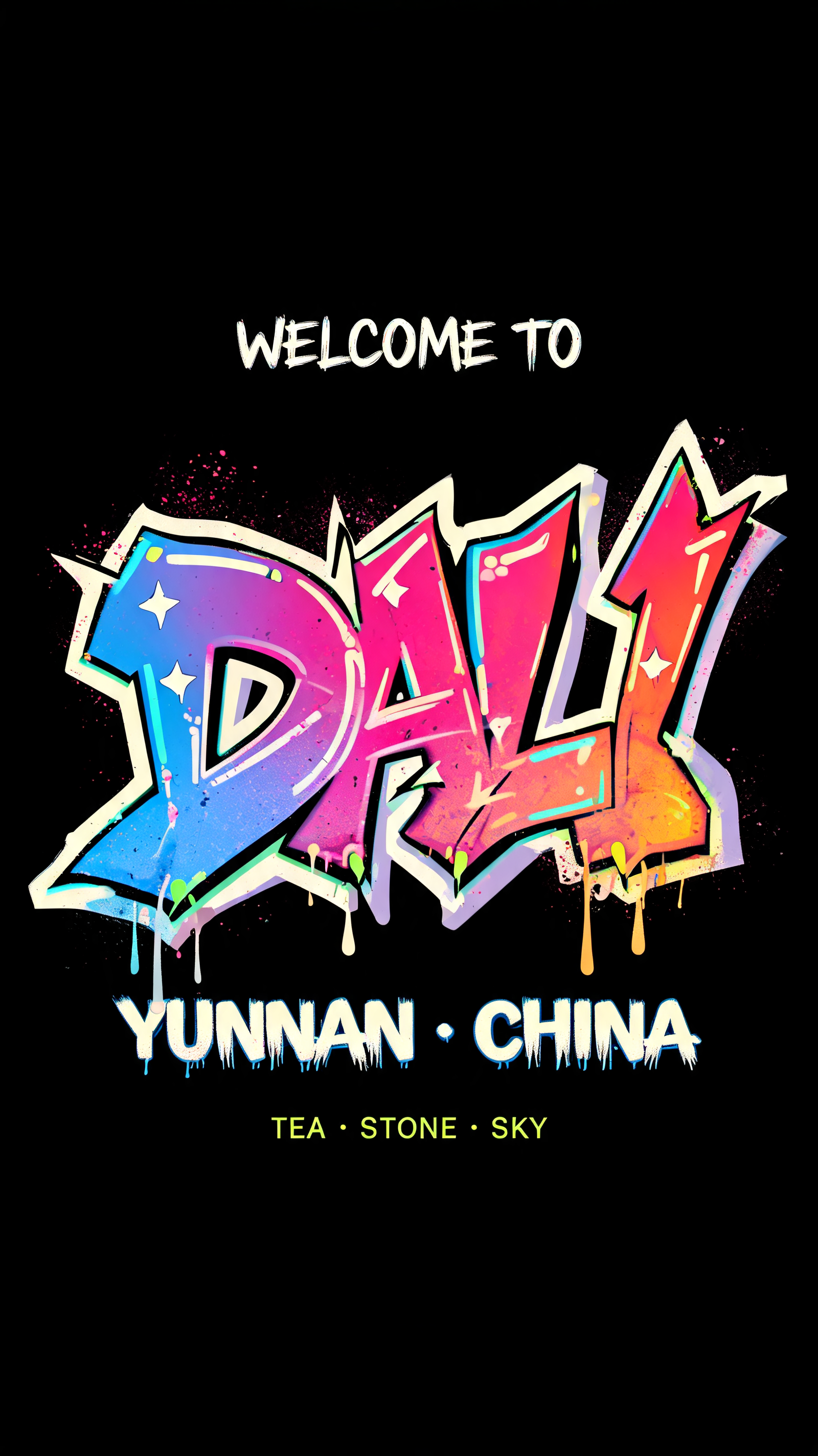
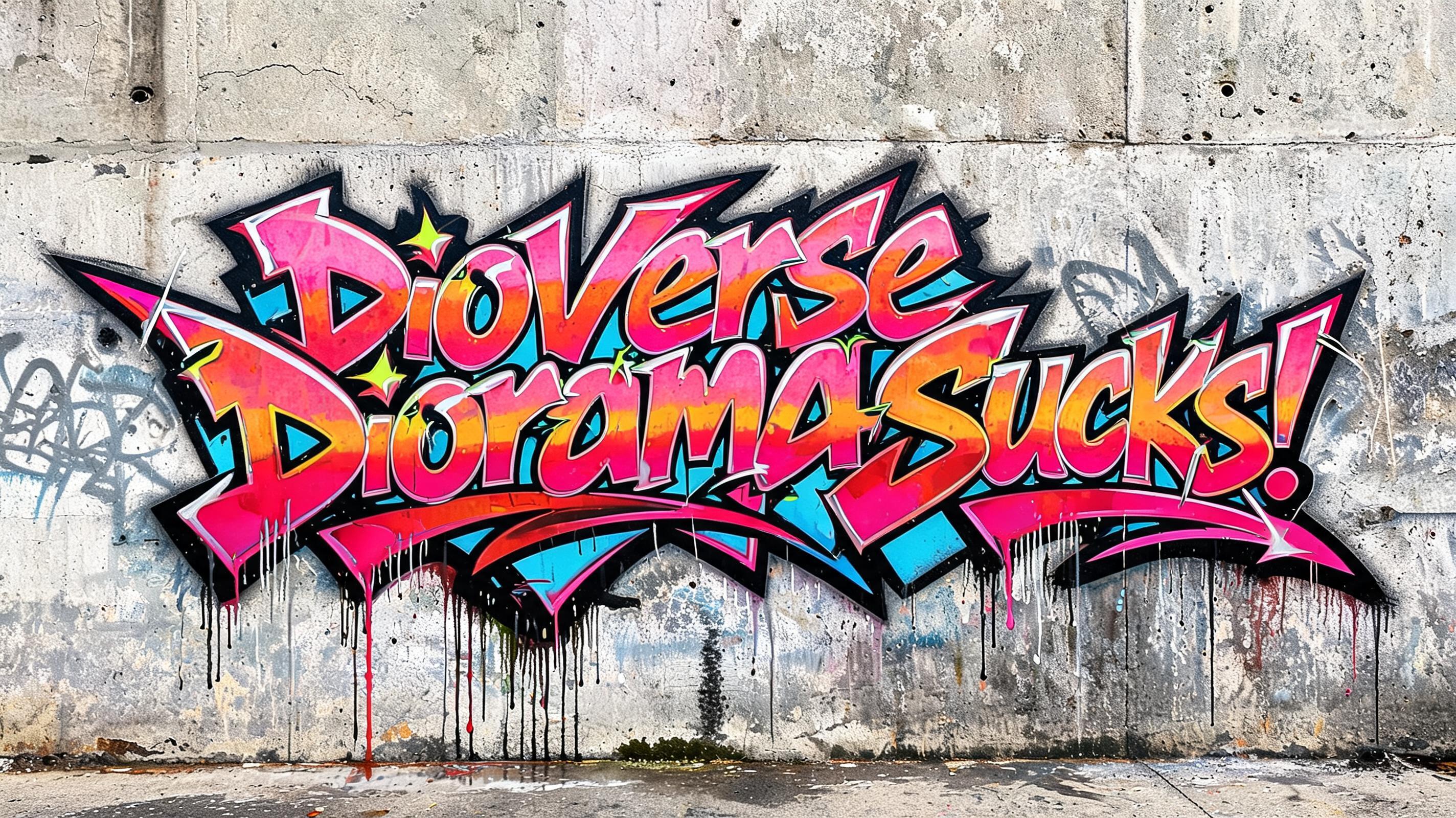
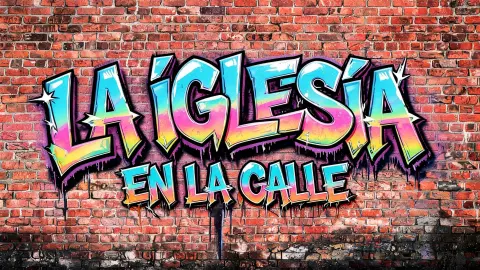
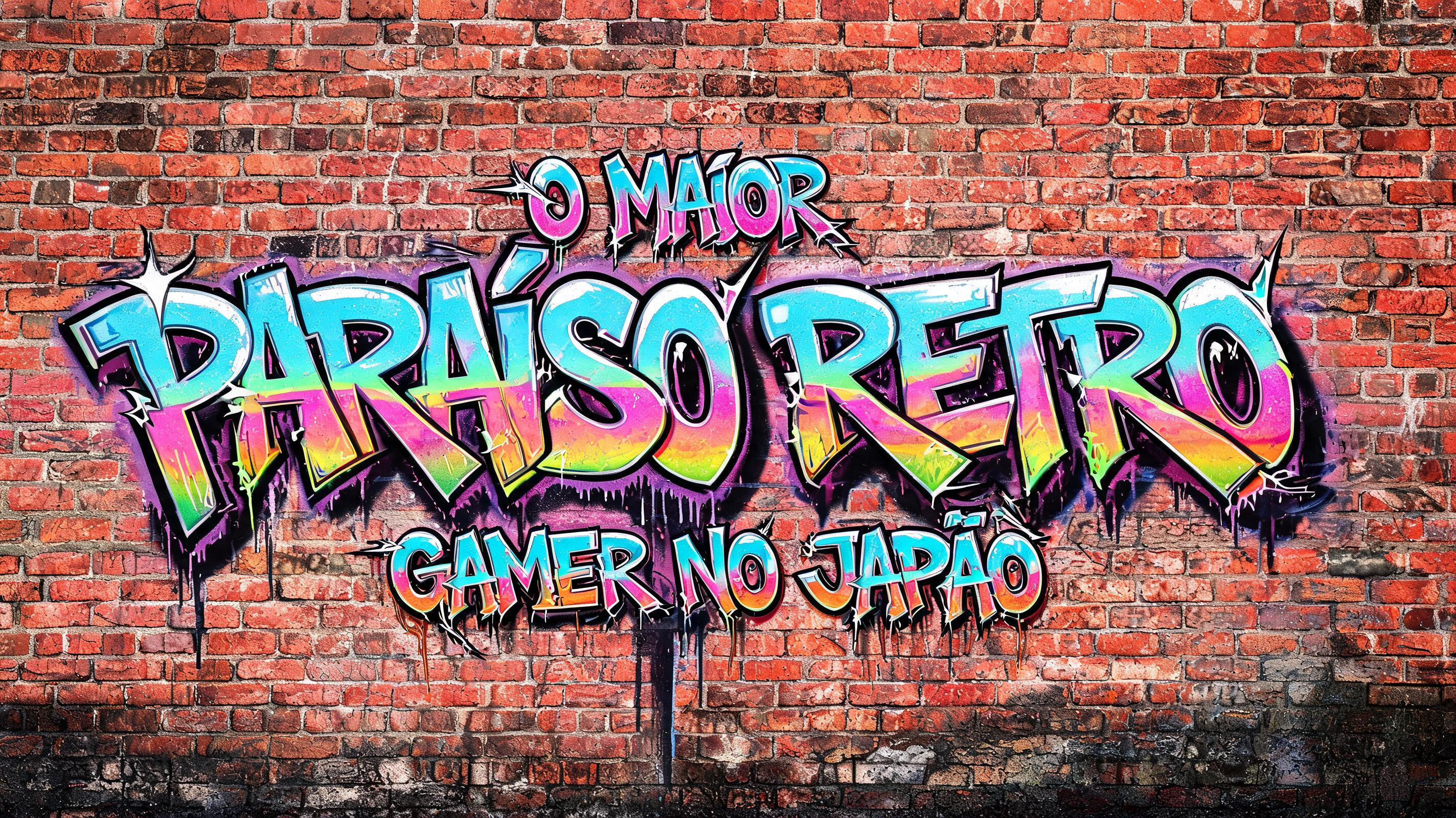
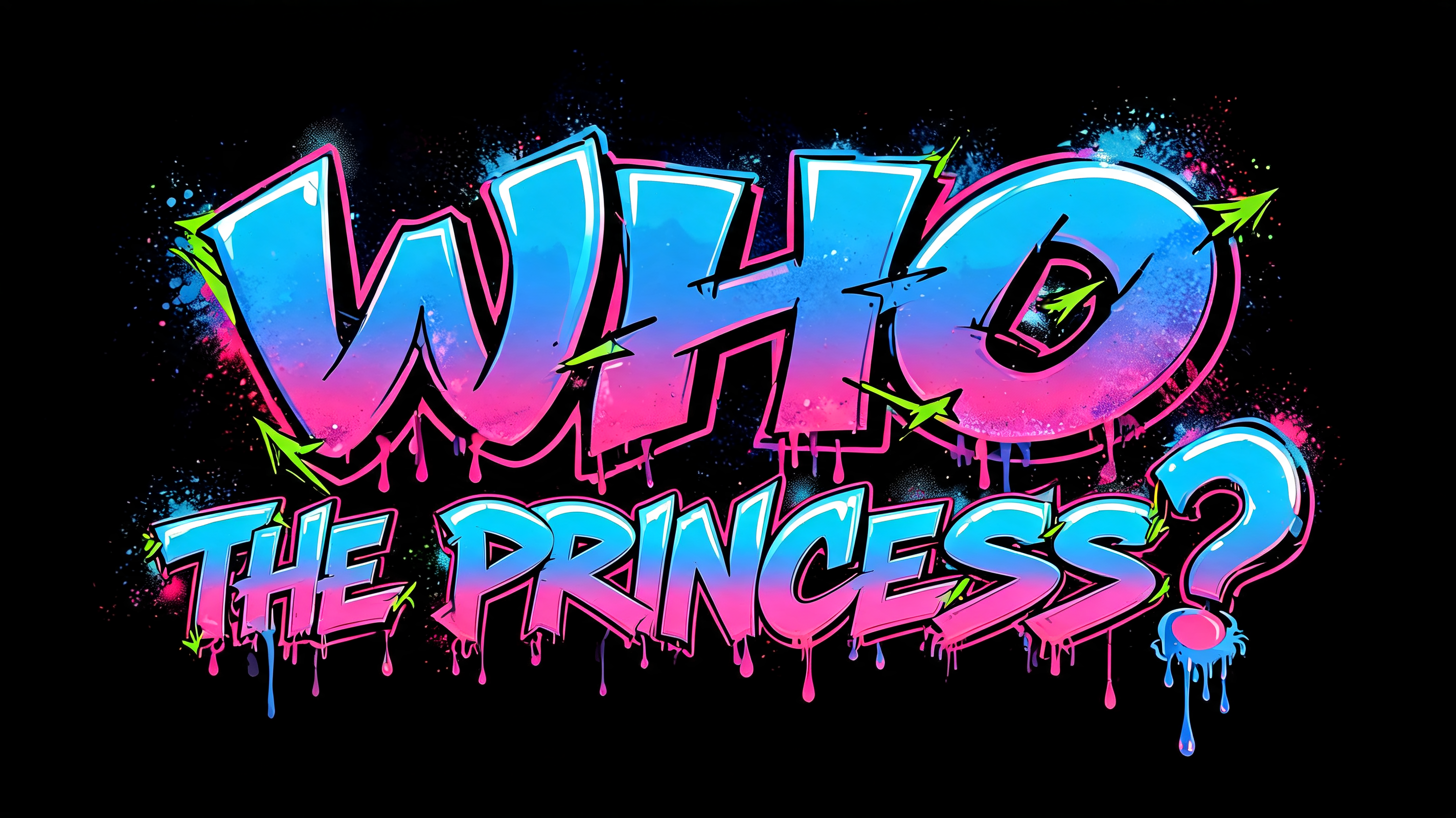
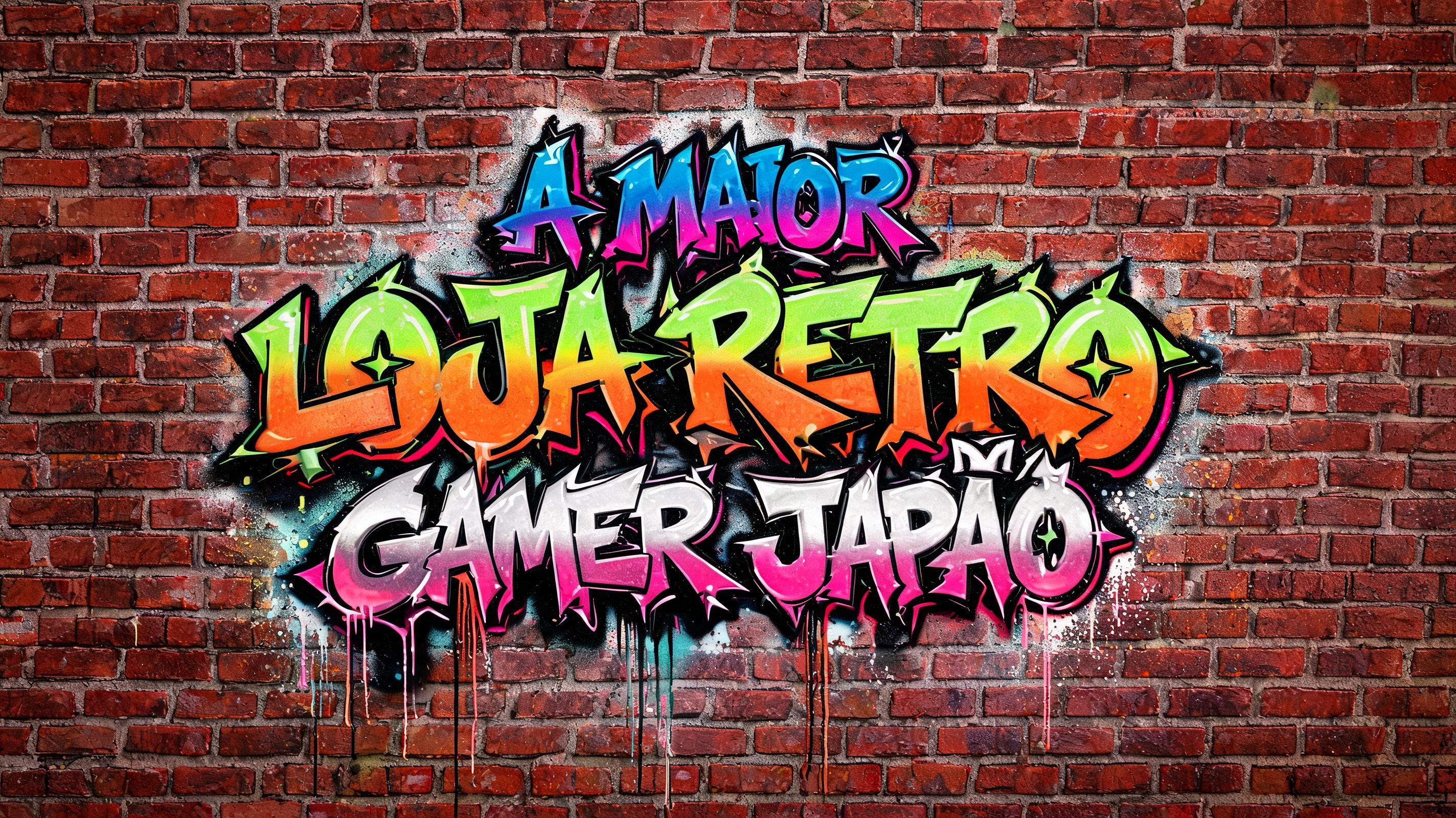
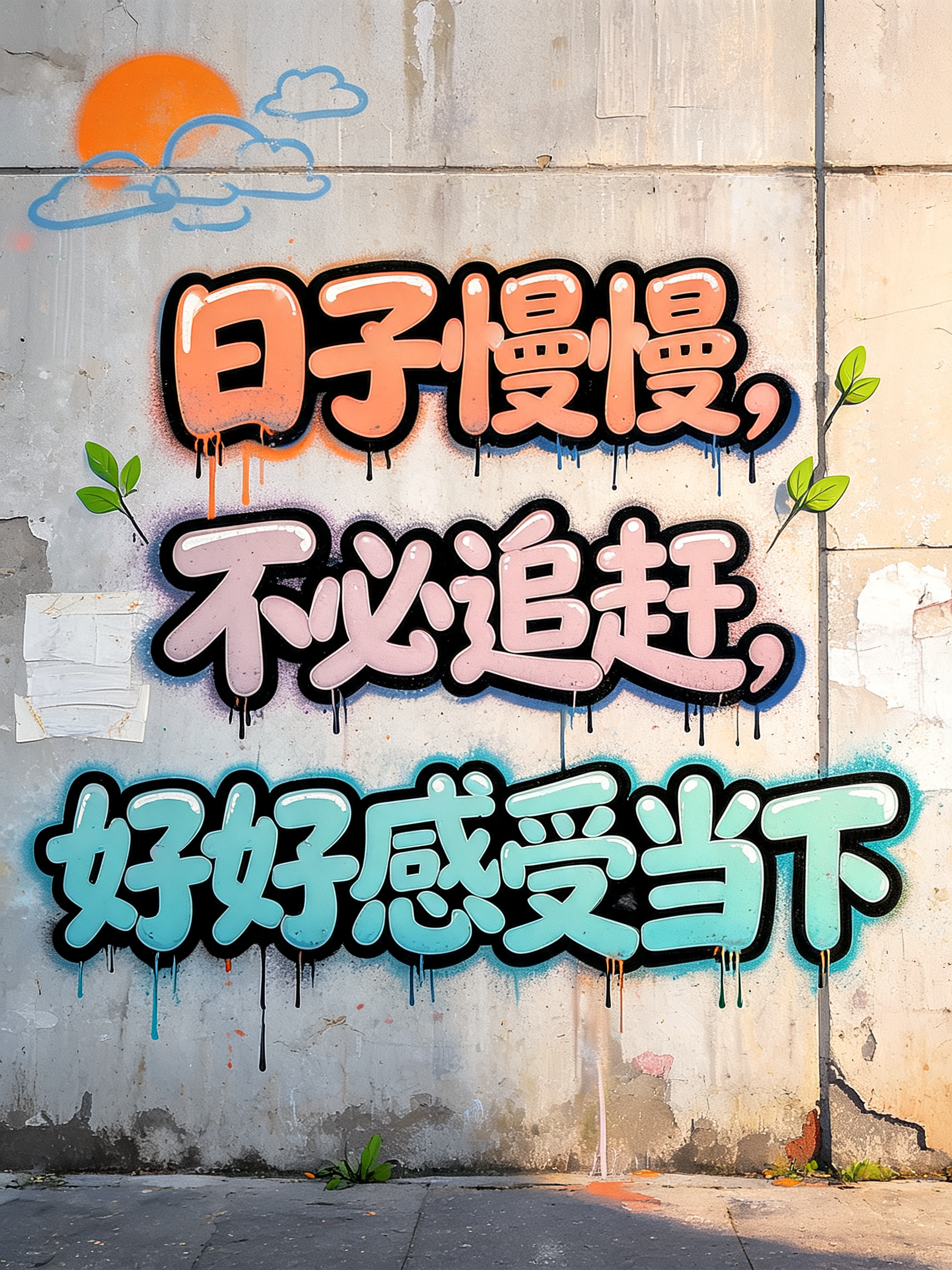
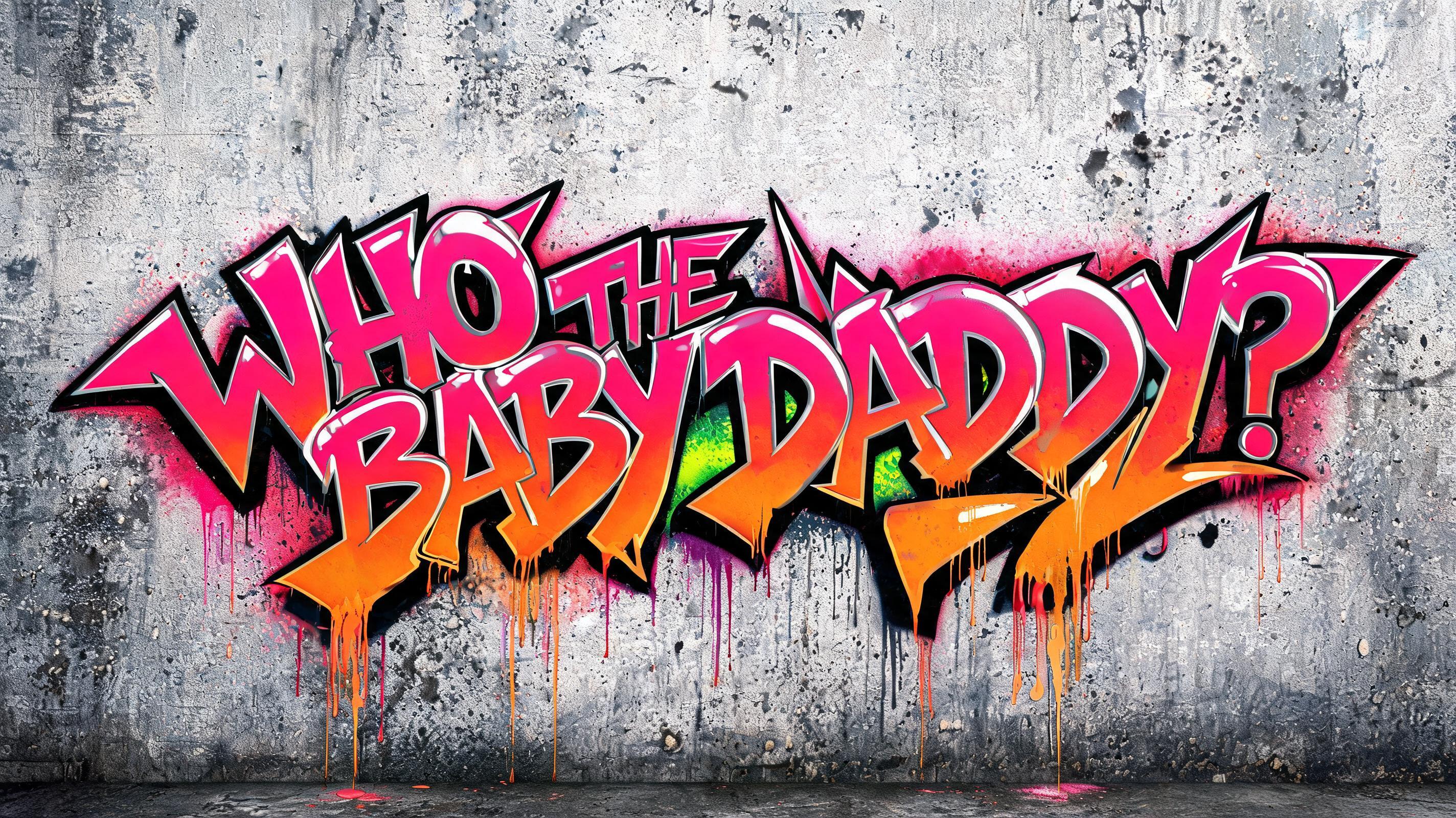
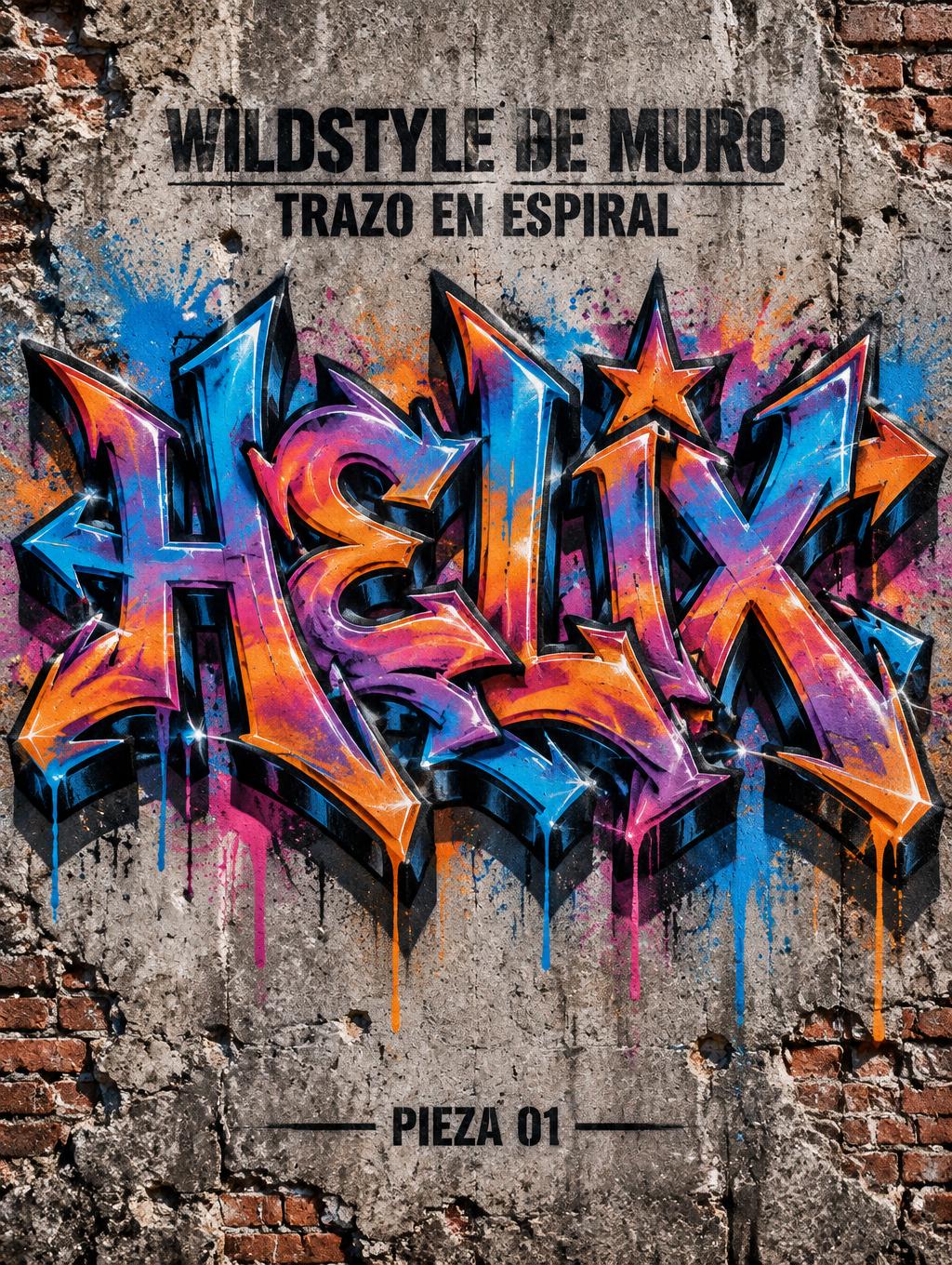
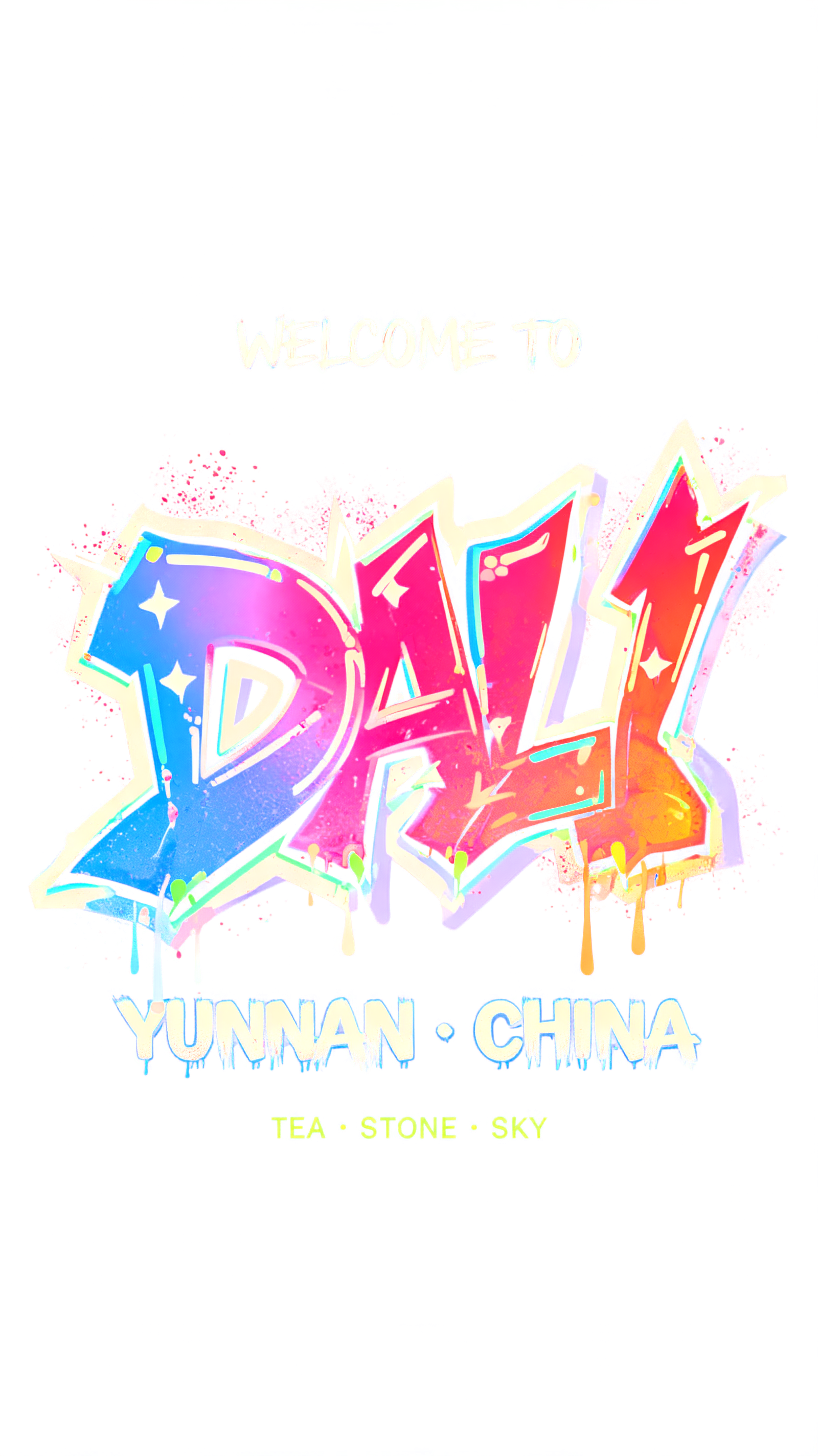
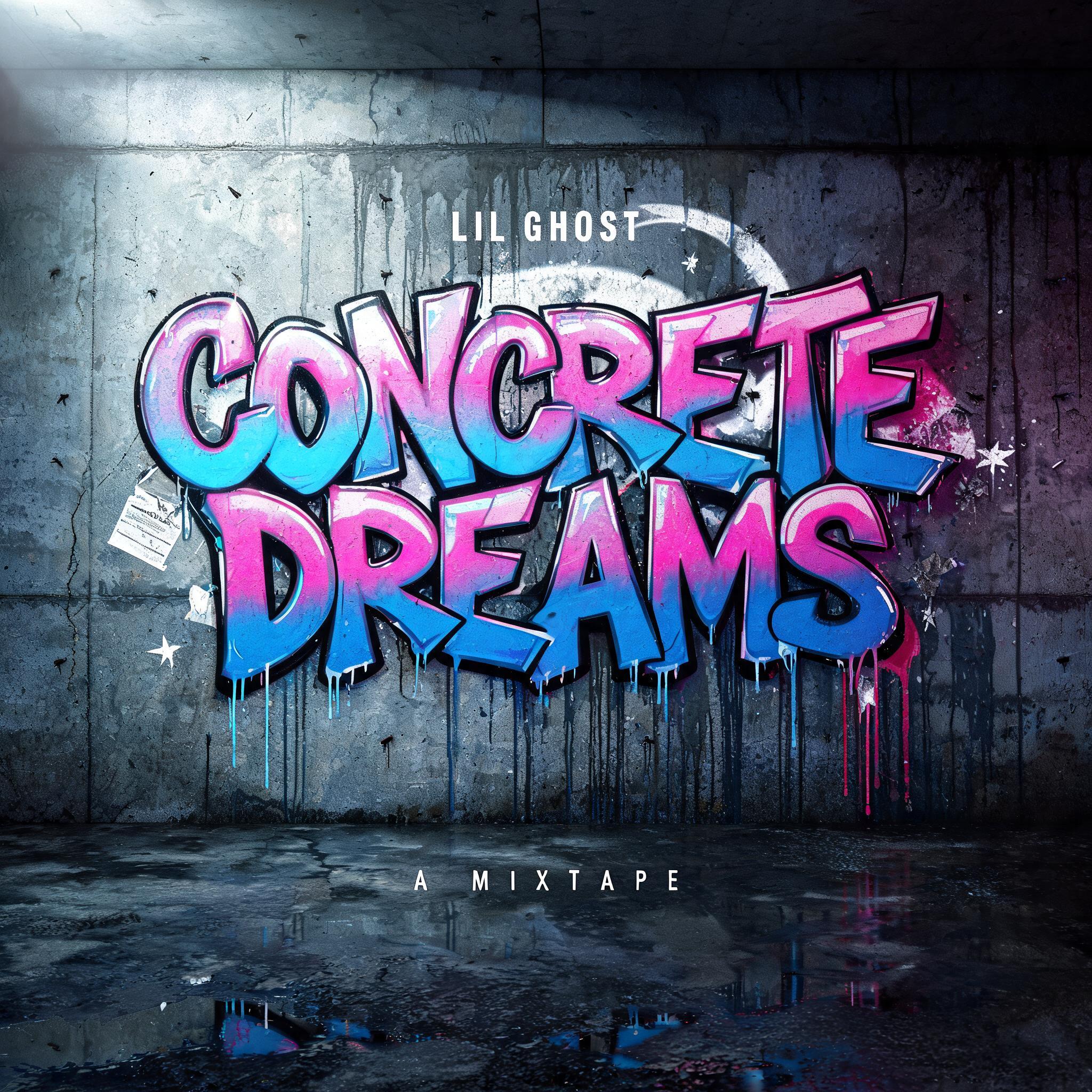
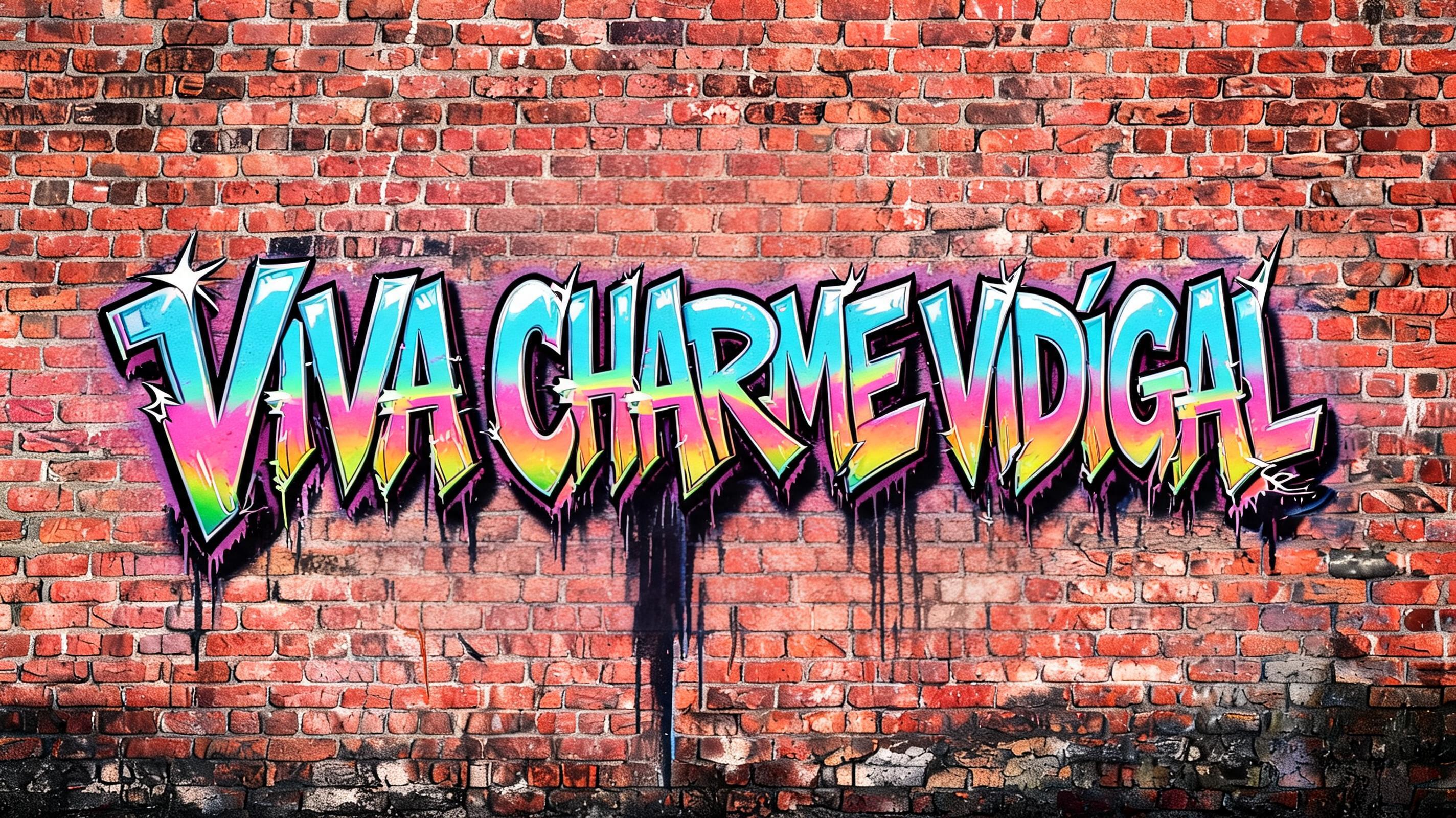
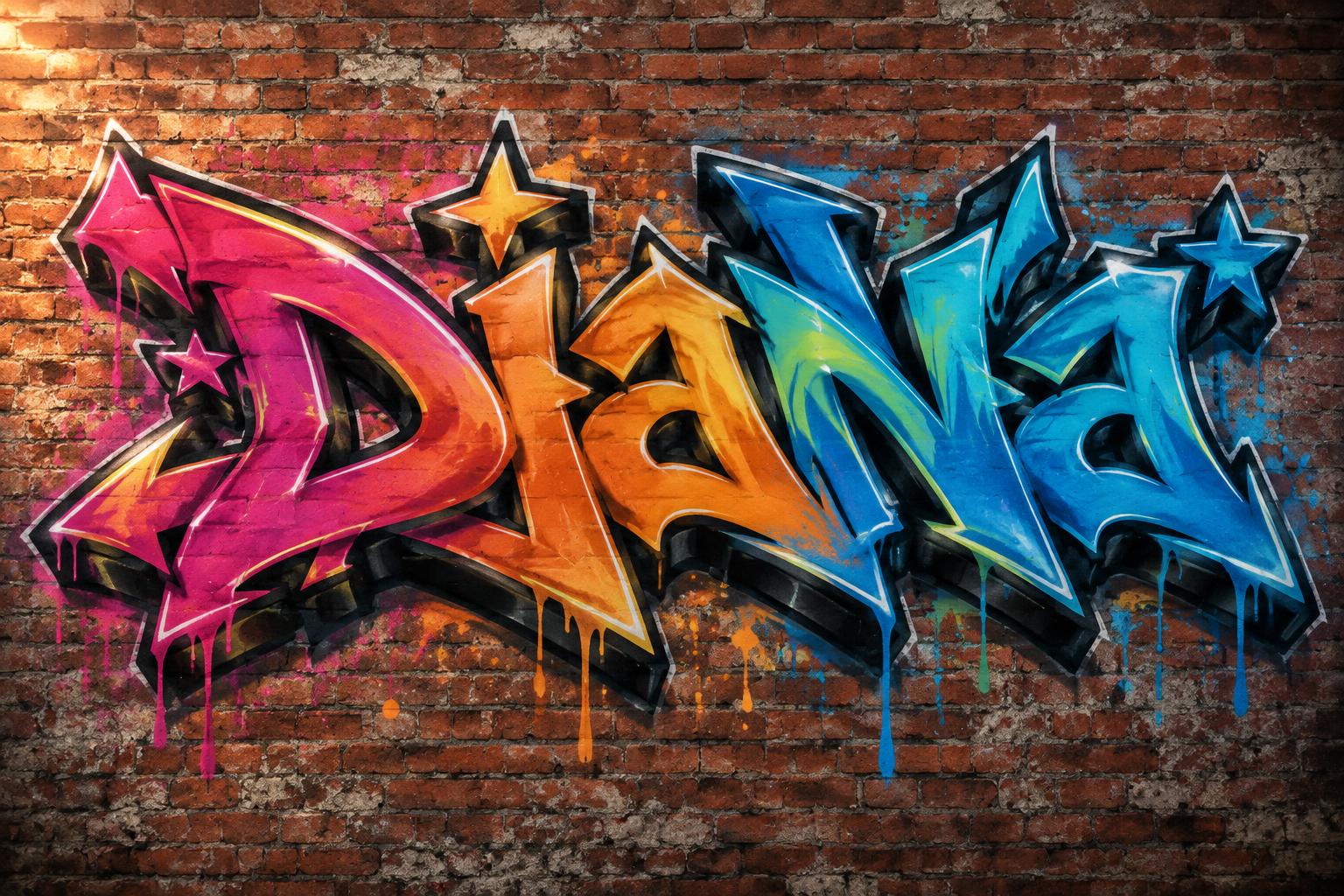
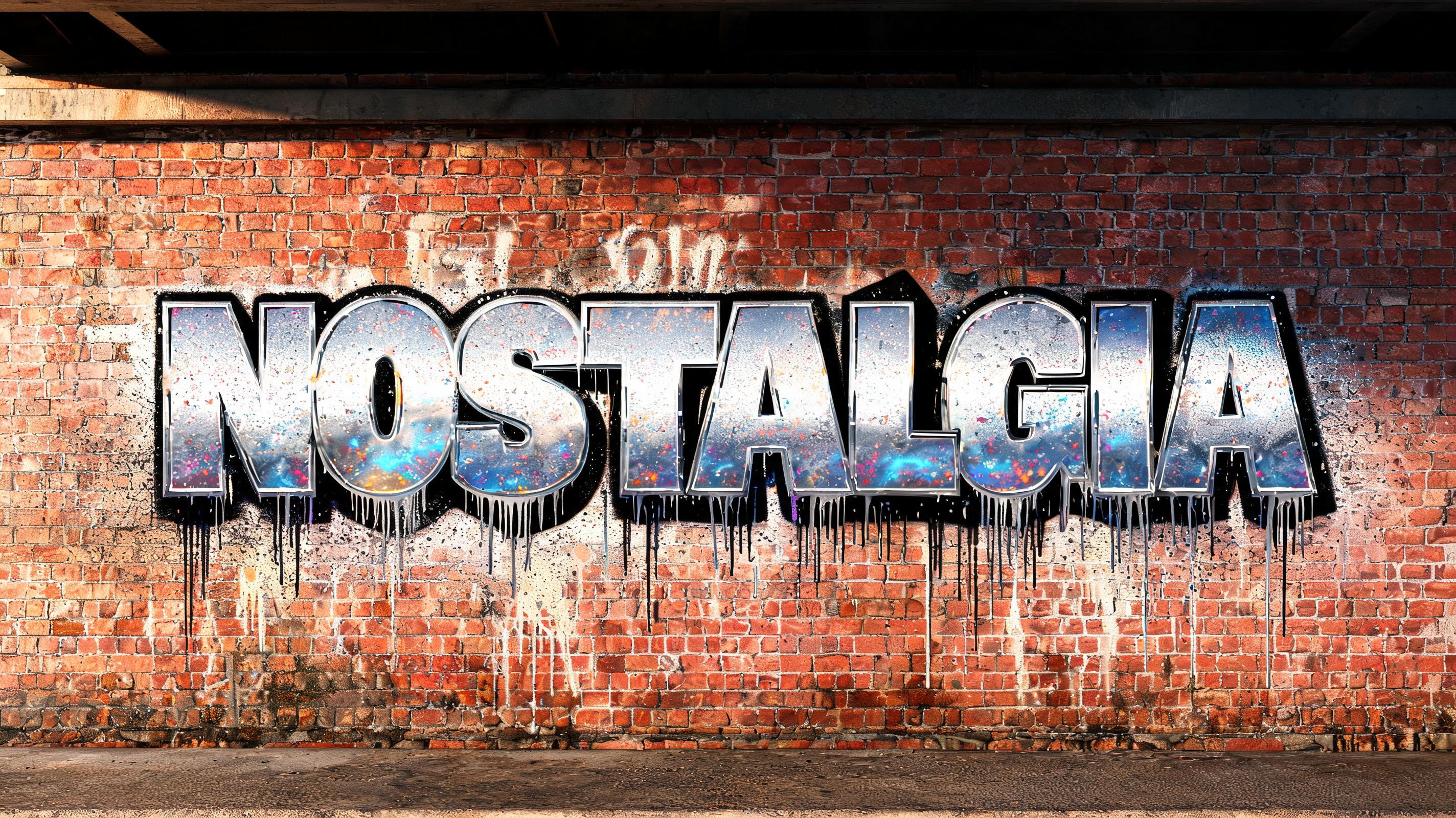
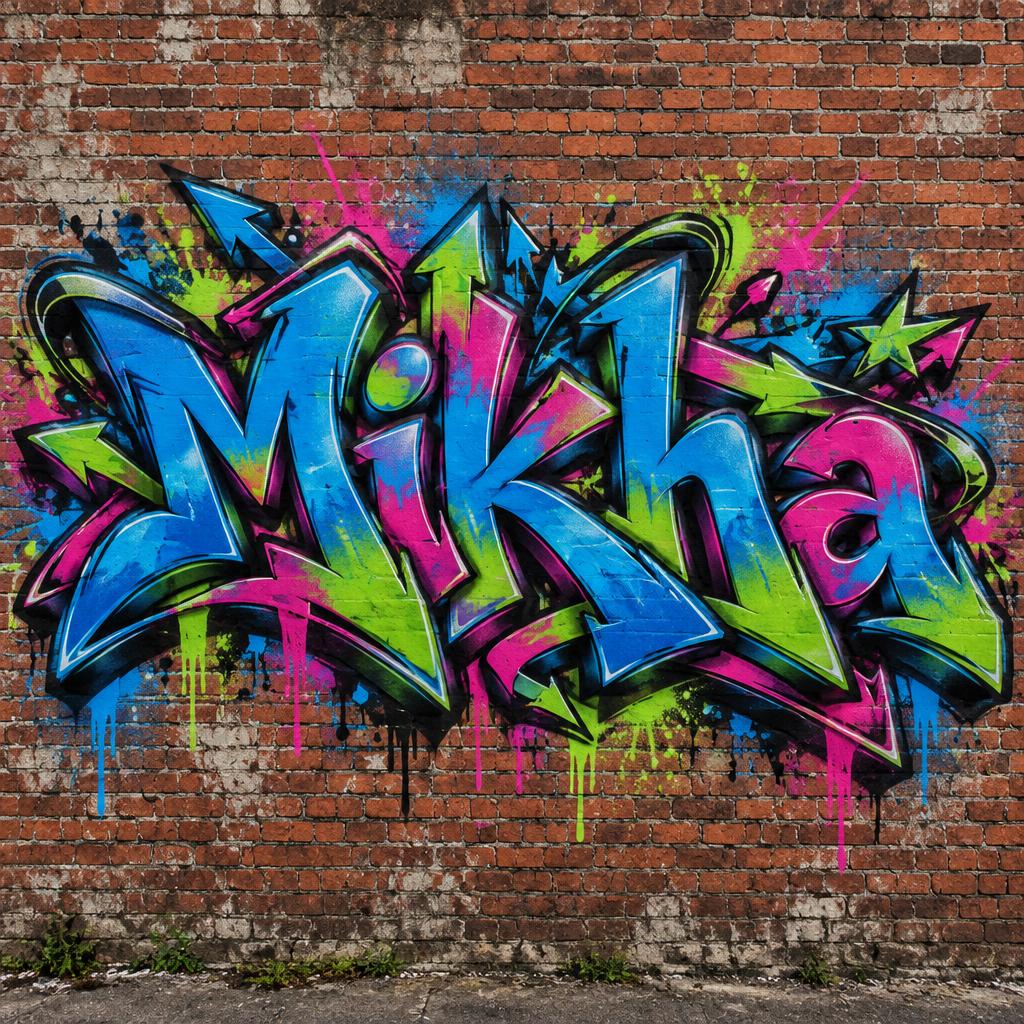
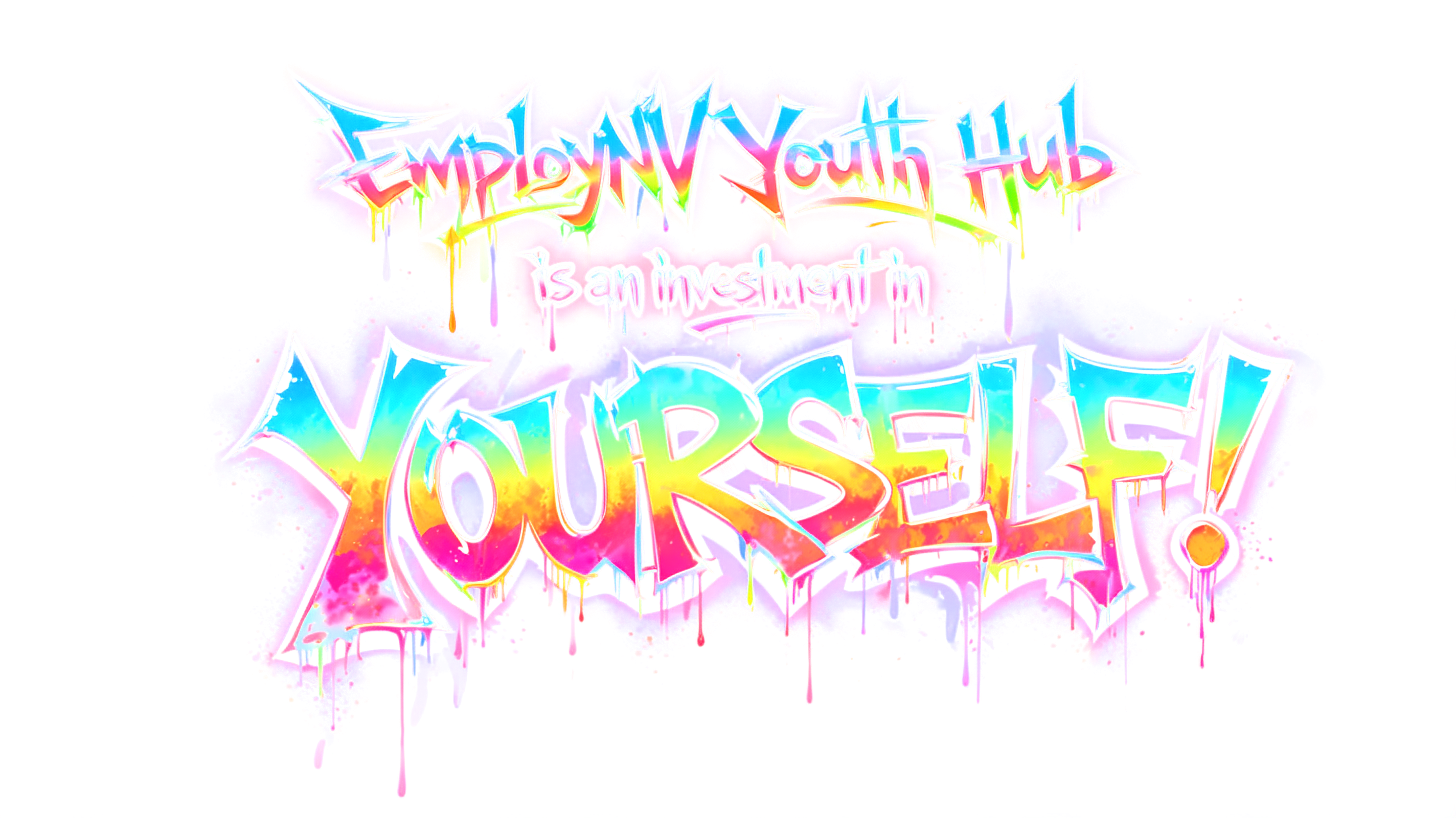
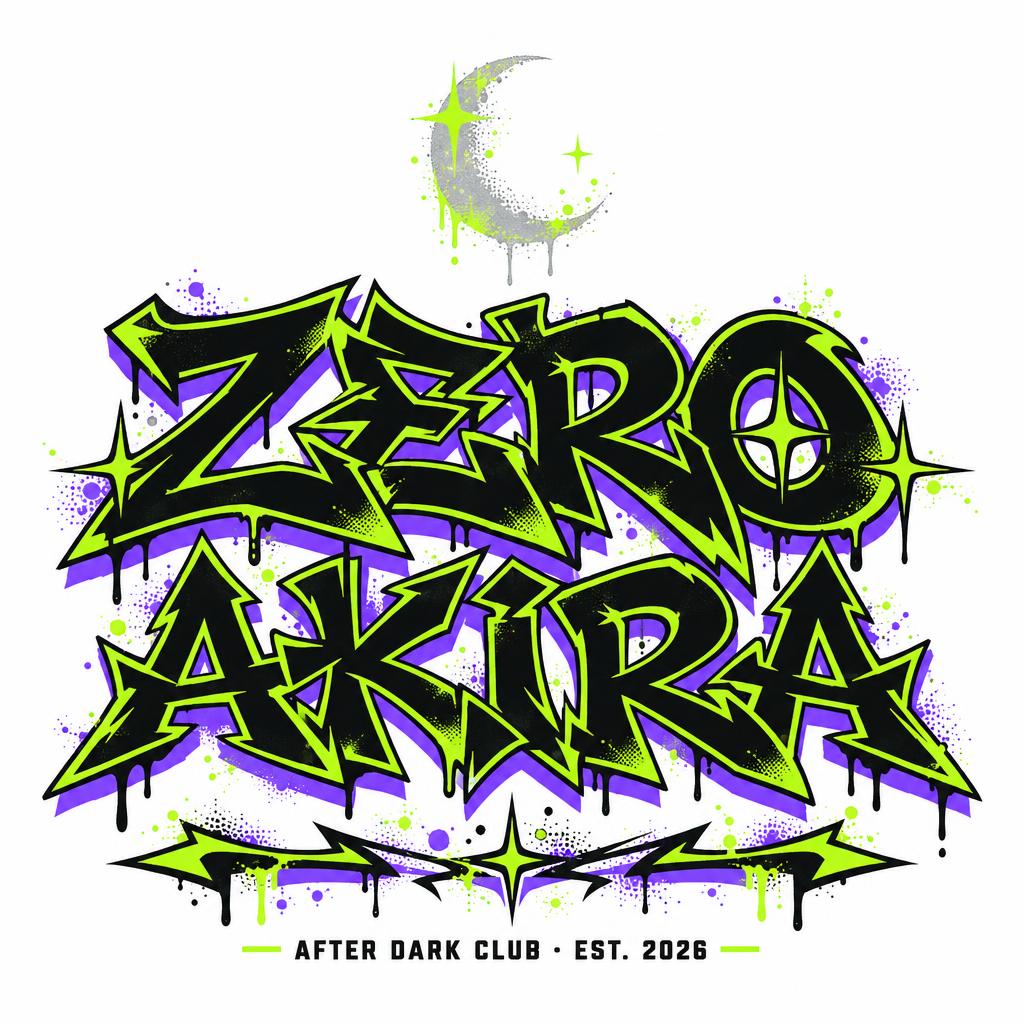
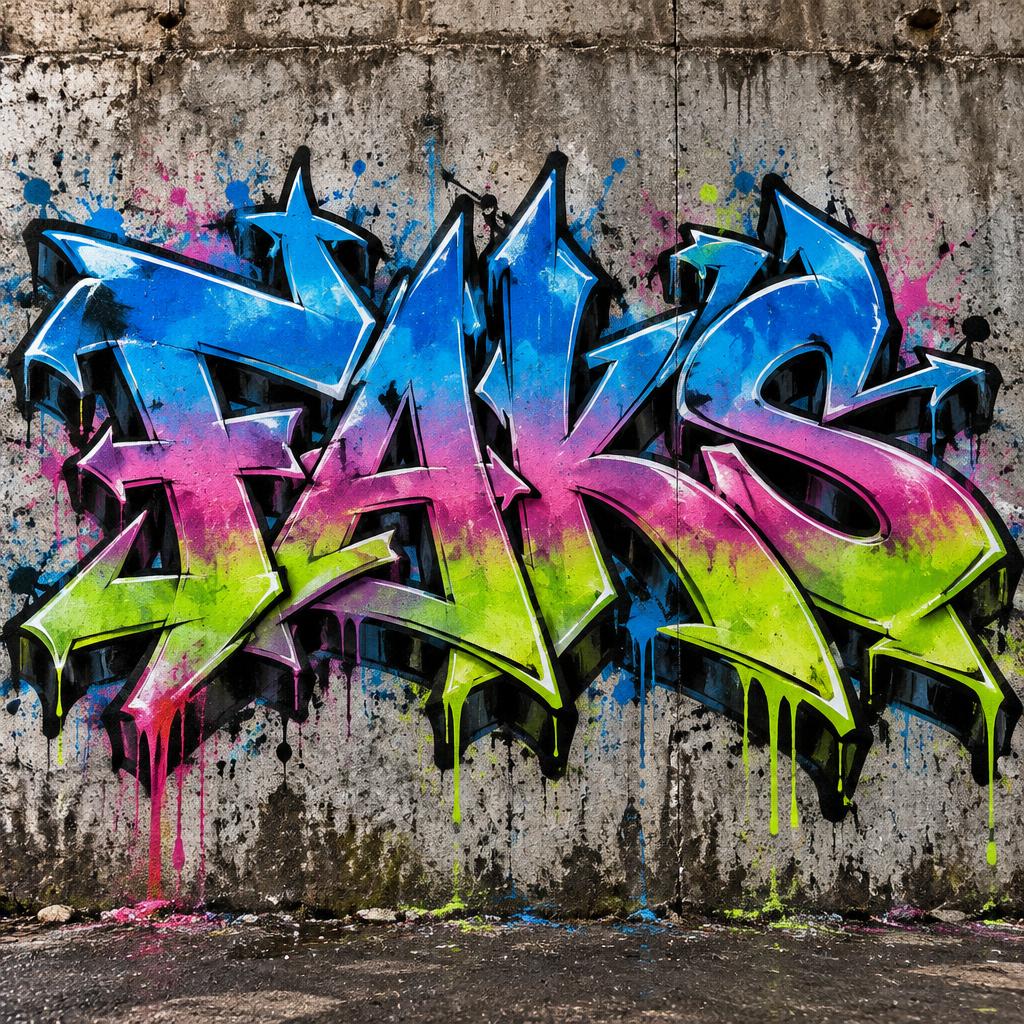
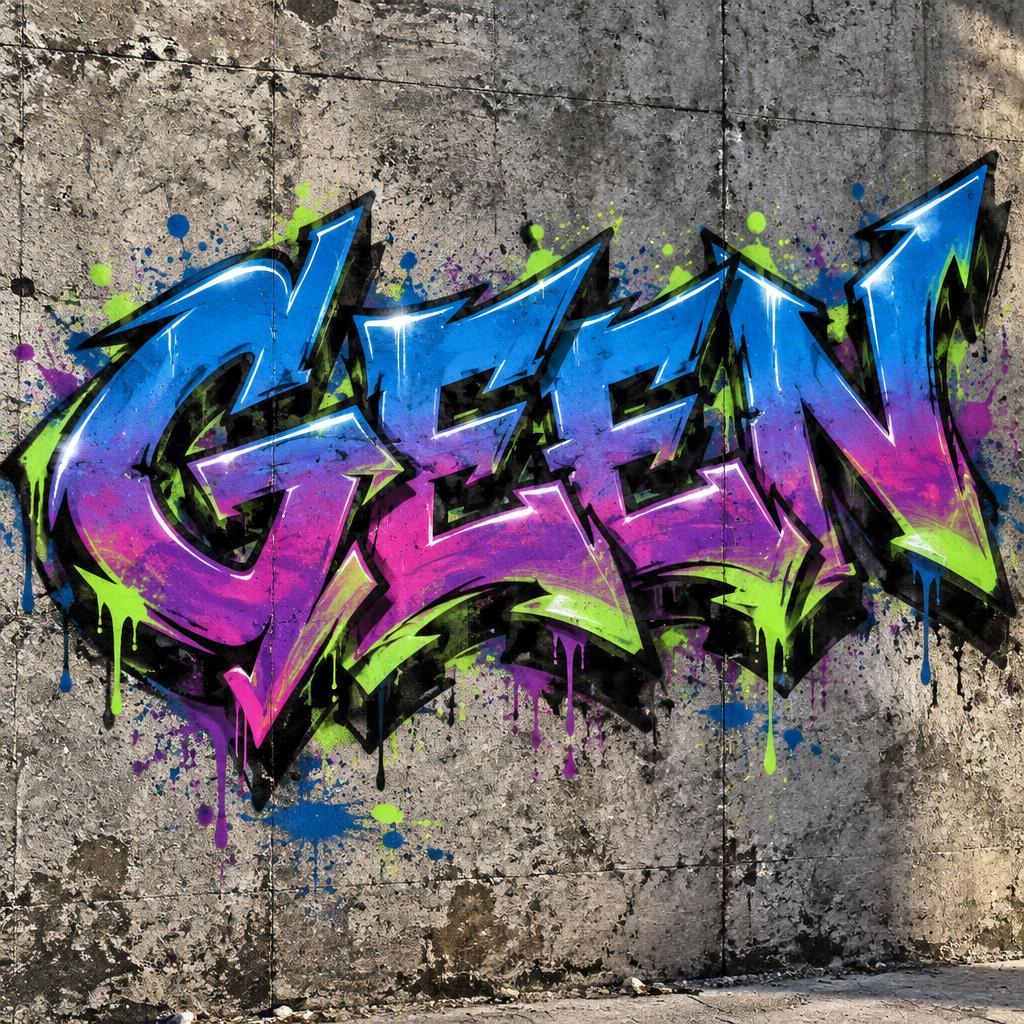
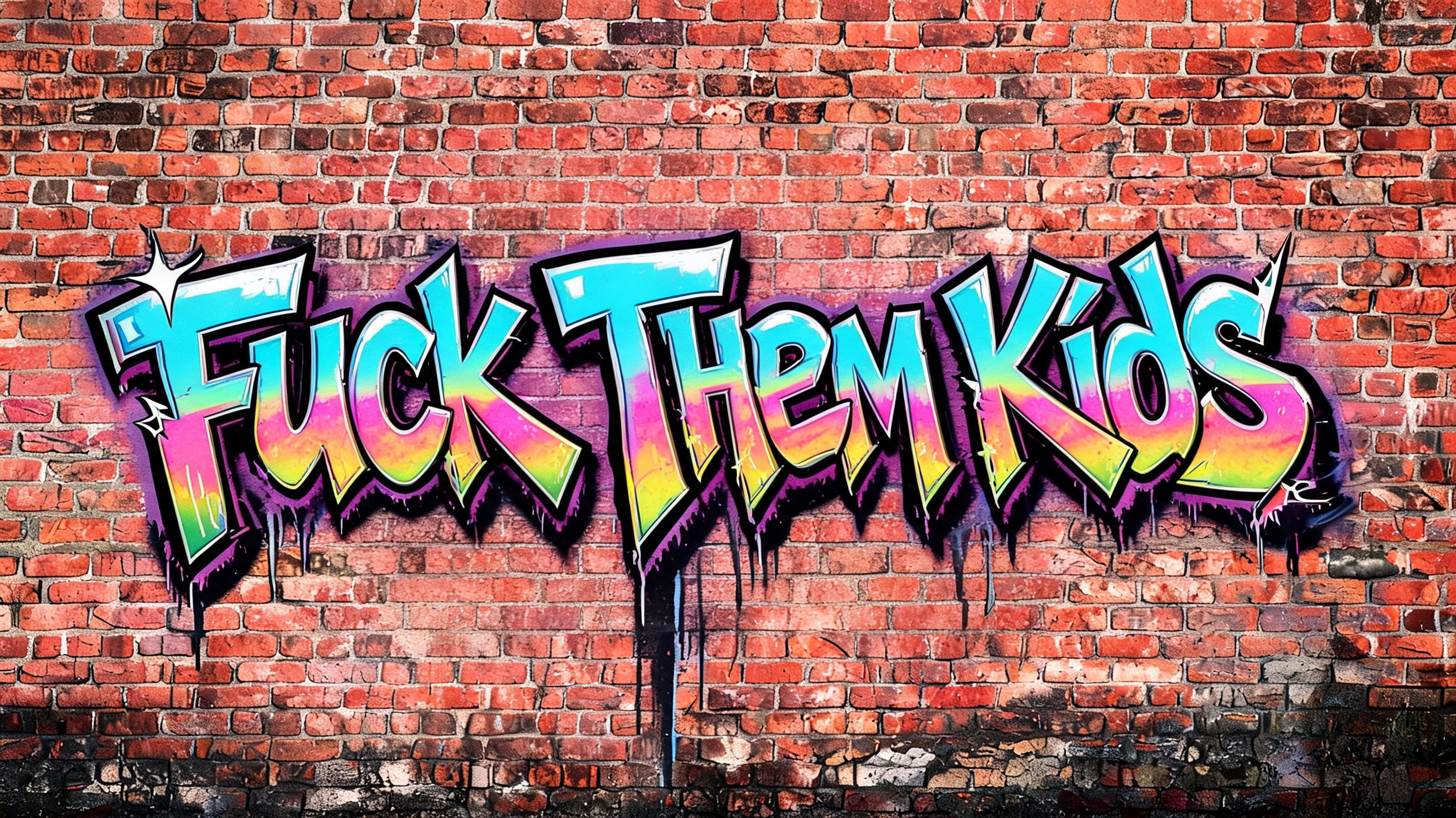
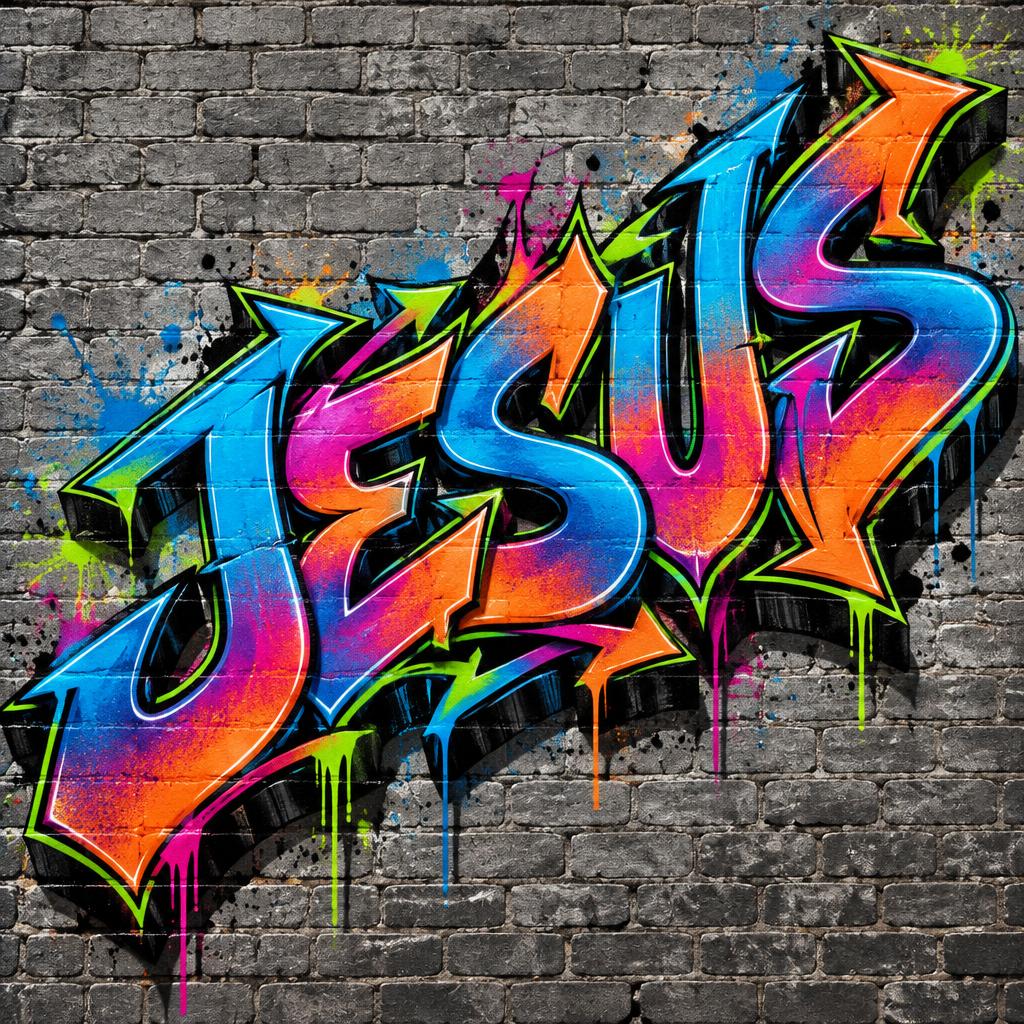
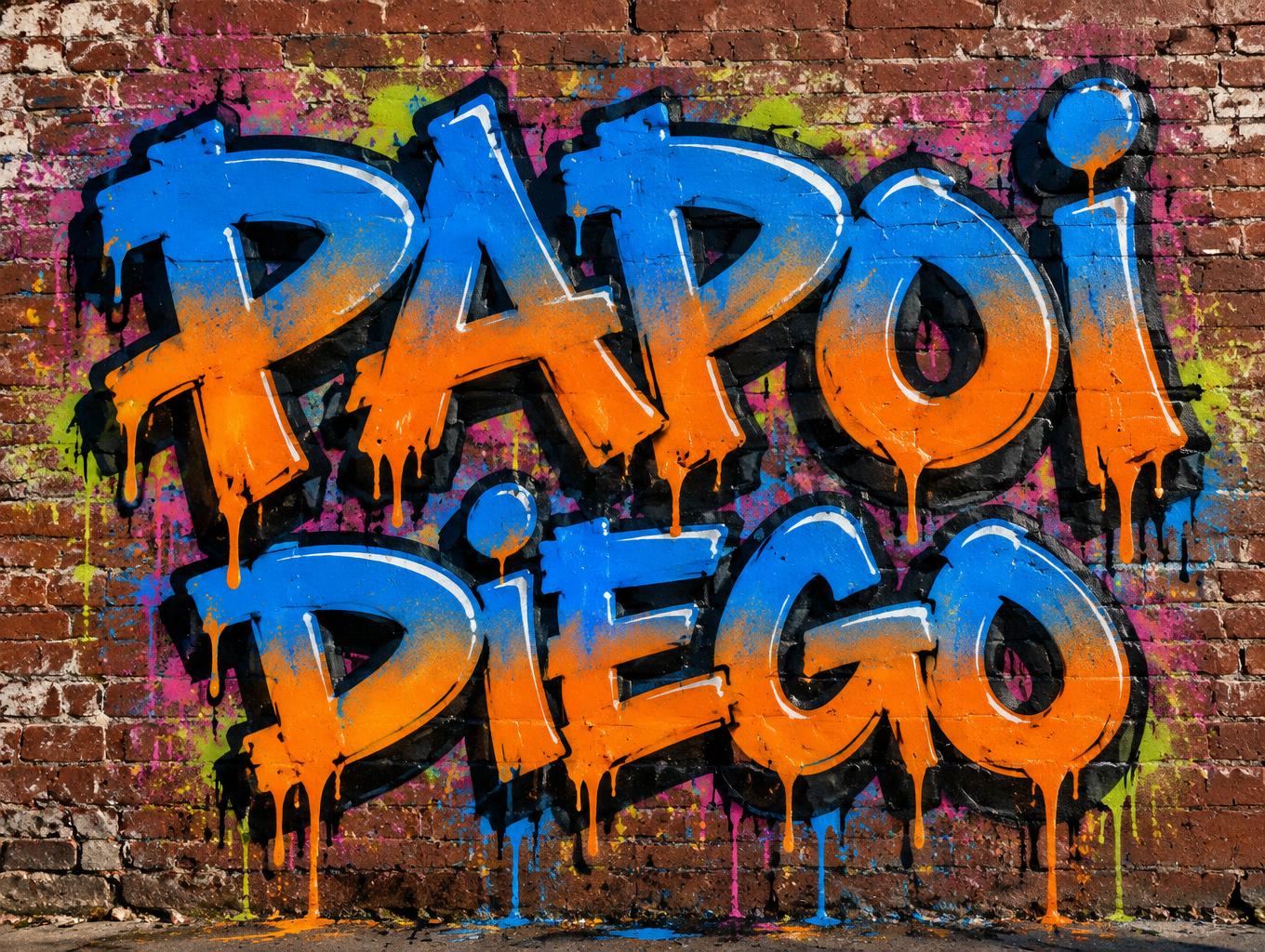
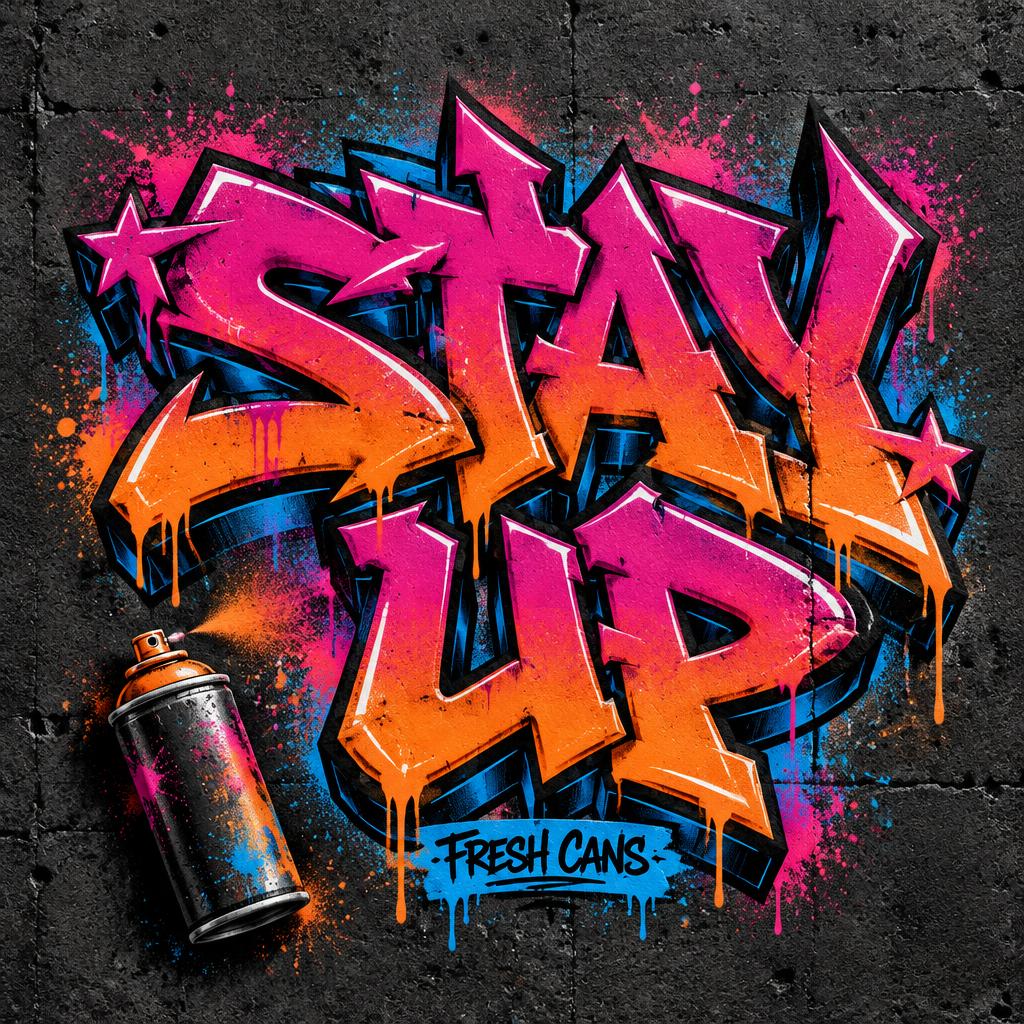
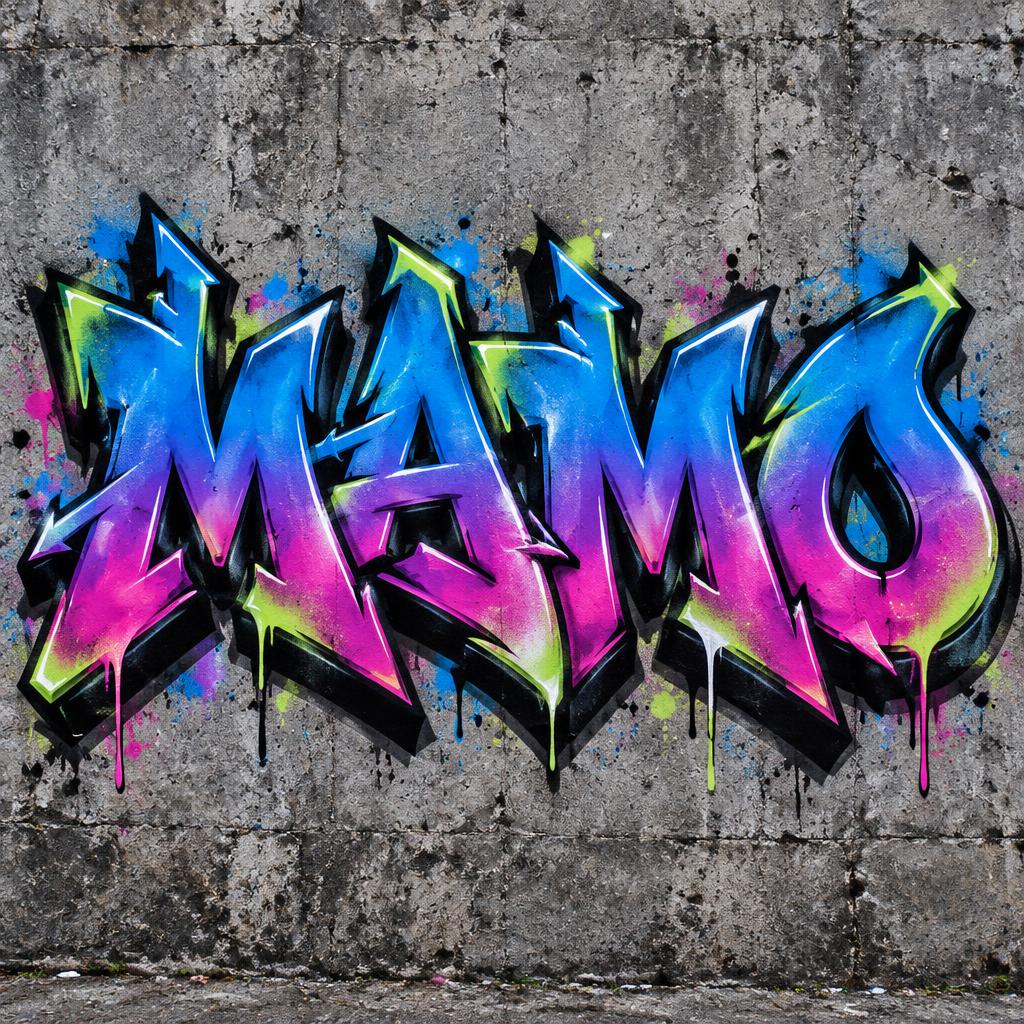
Wildstyle spray-paint letters with sharp arrows and overlapping shapes, filled in bright layered colors, locked in a thick black outline with drips on a red brick wall. — no font license needed.
Graffiti in different AI fonts


Graffiti Gallery
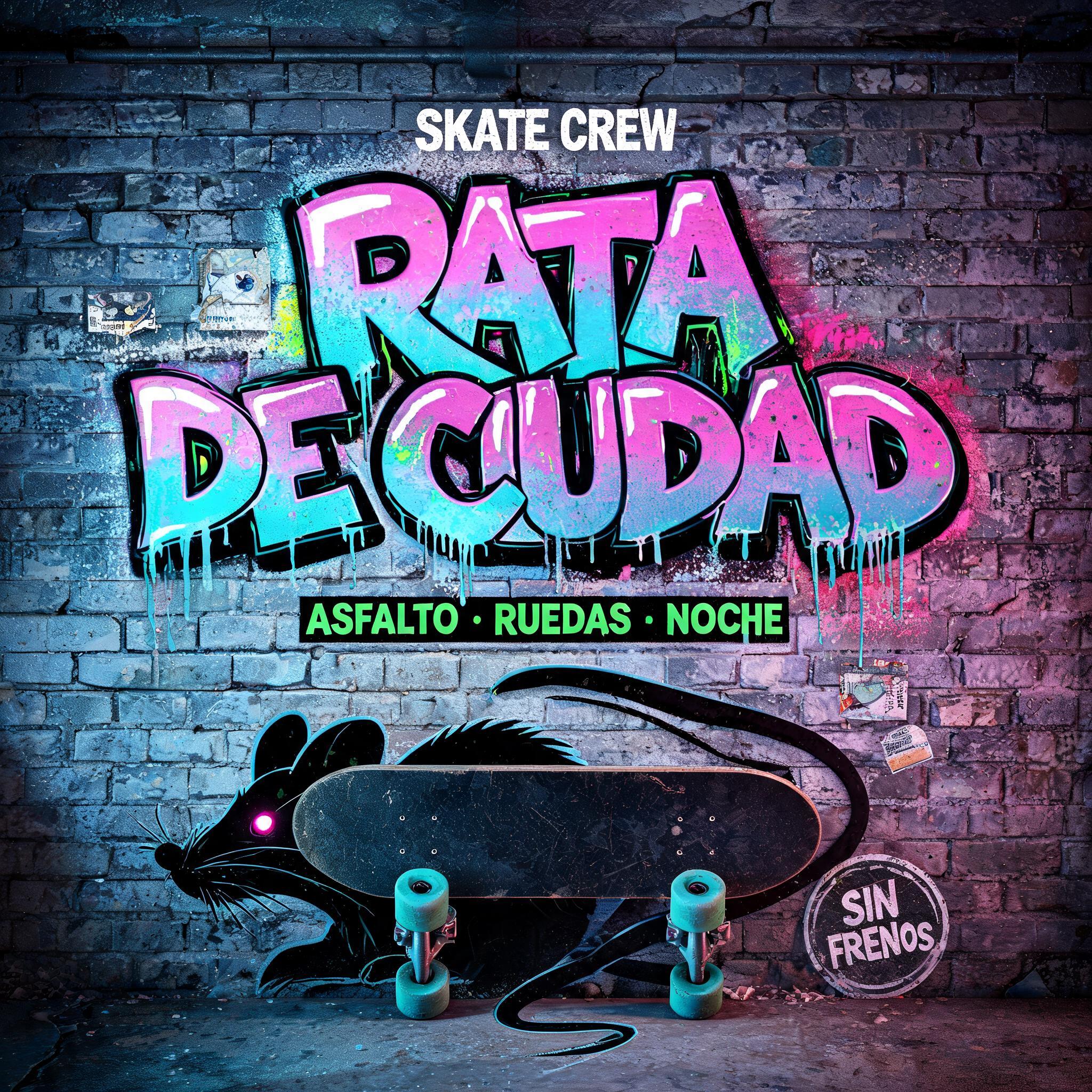
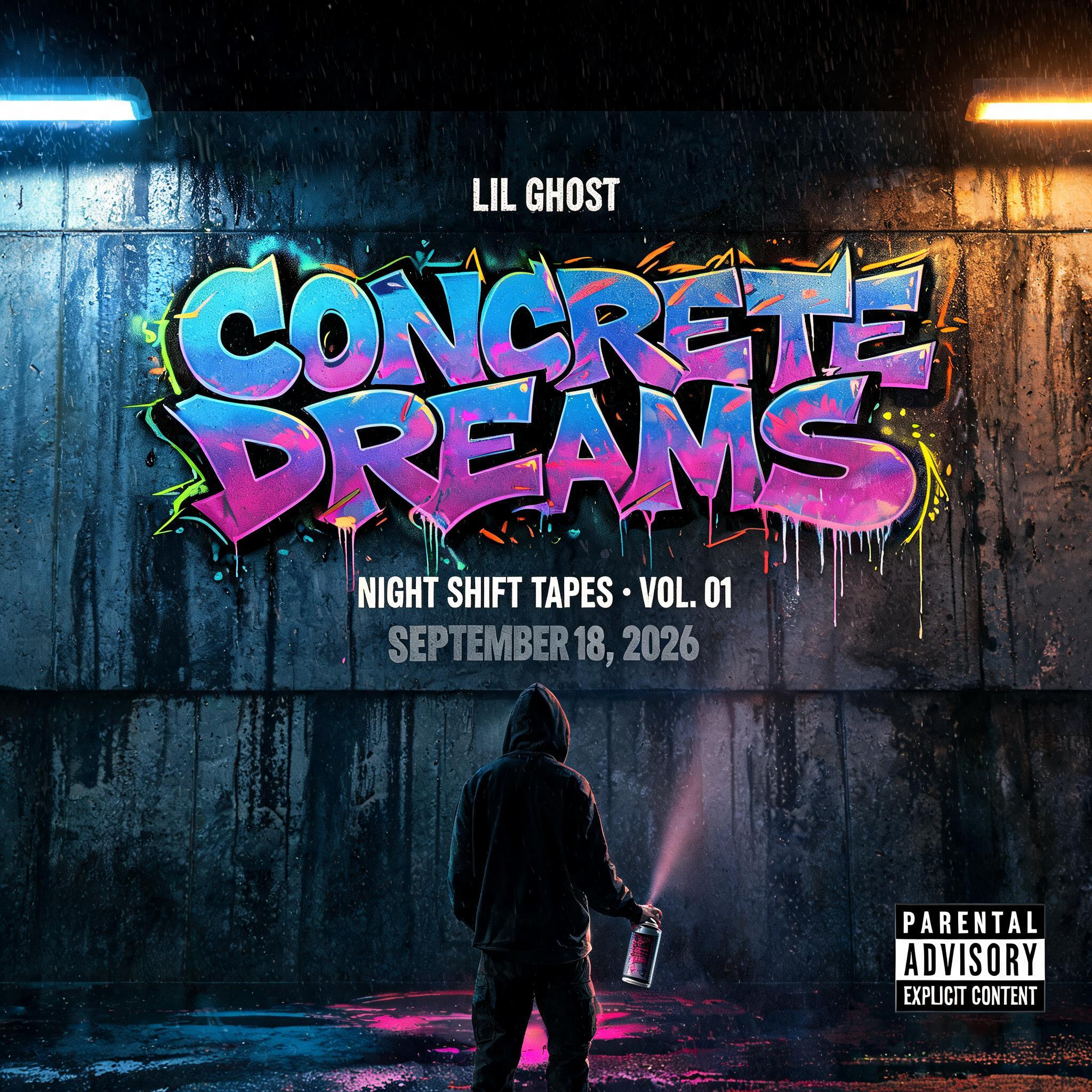
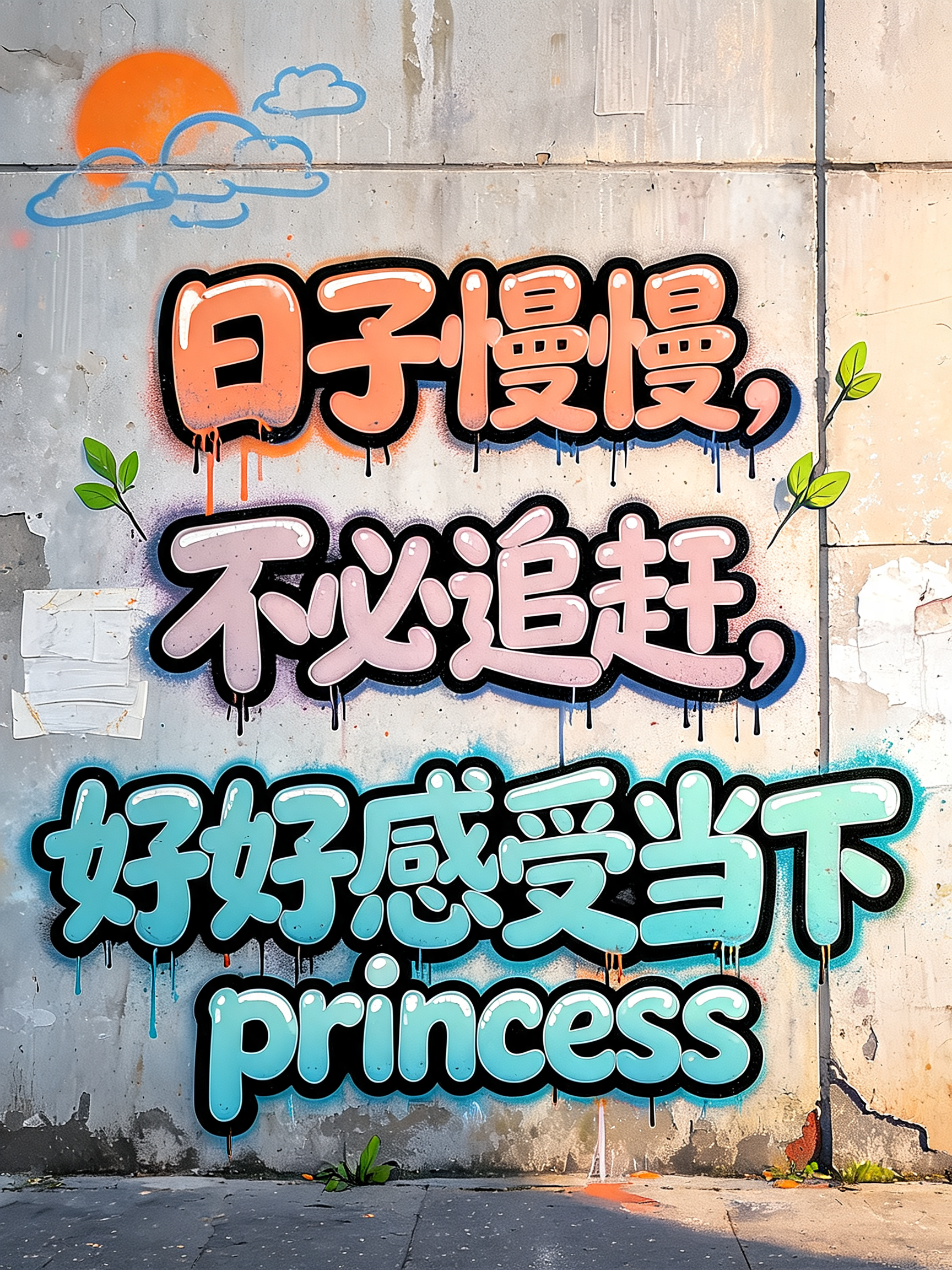
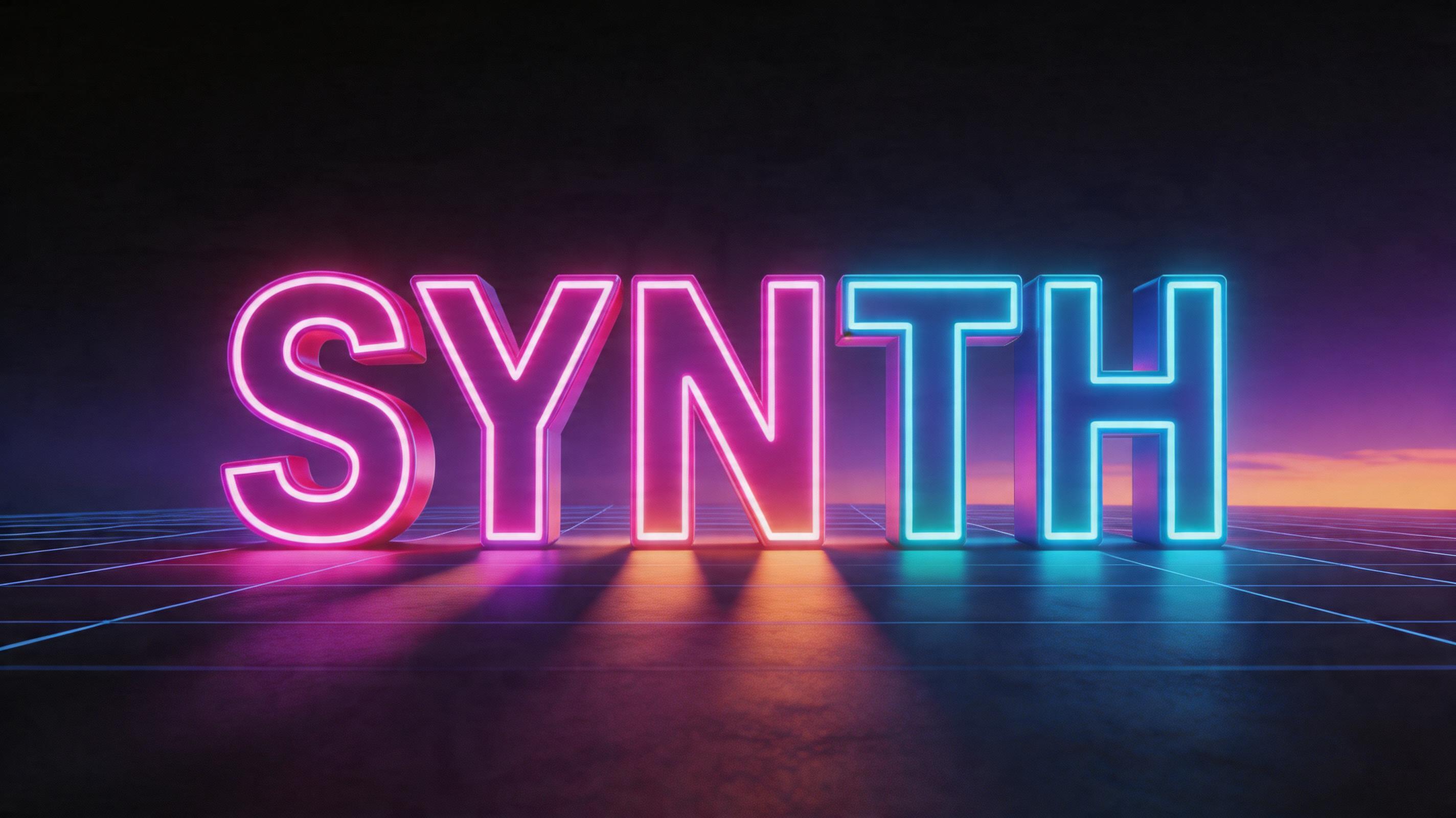
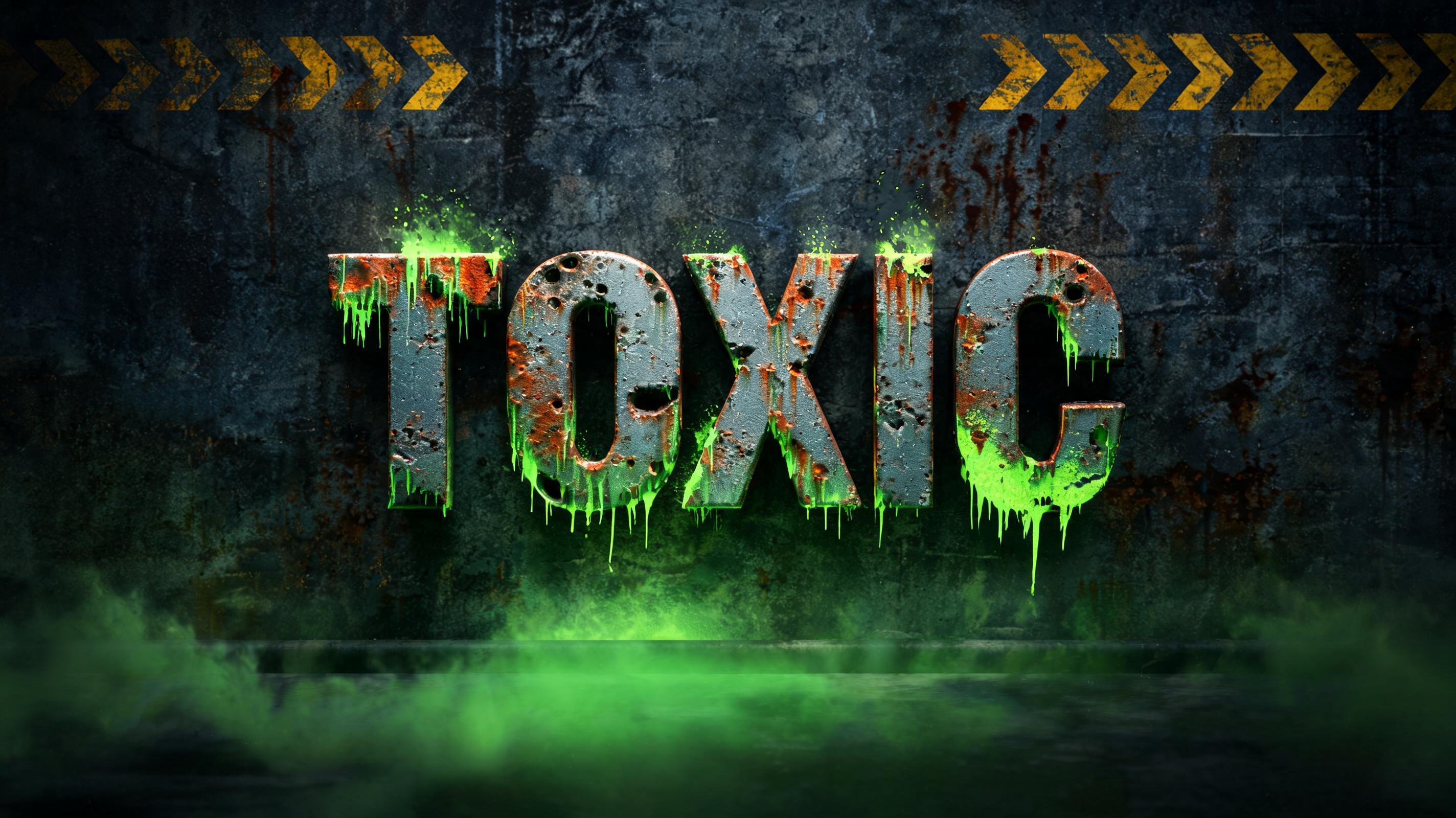
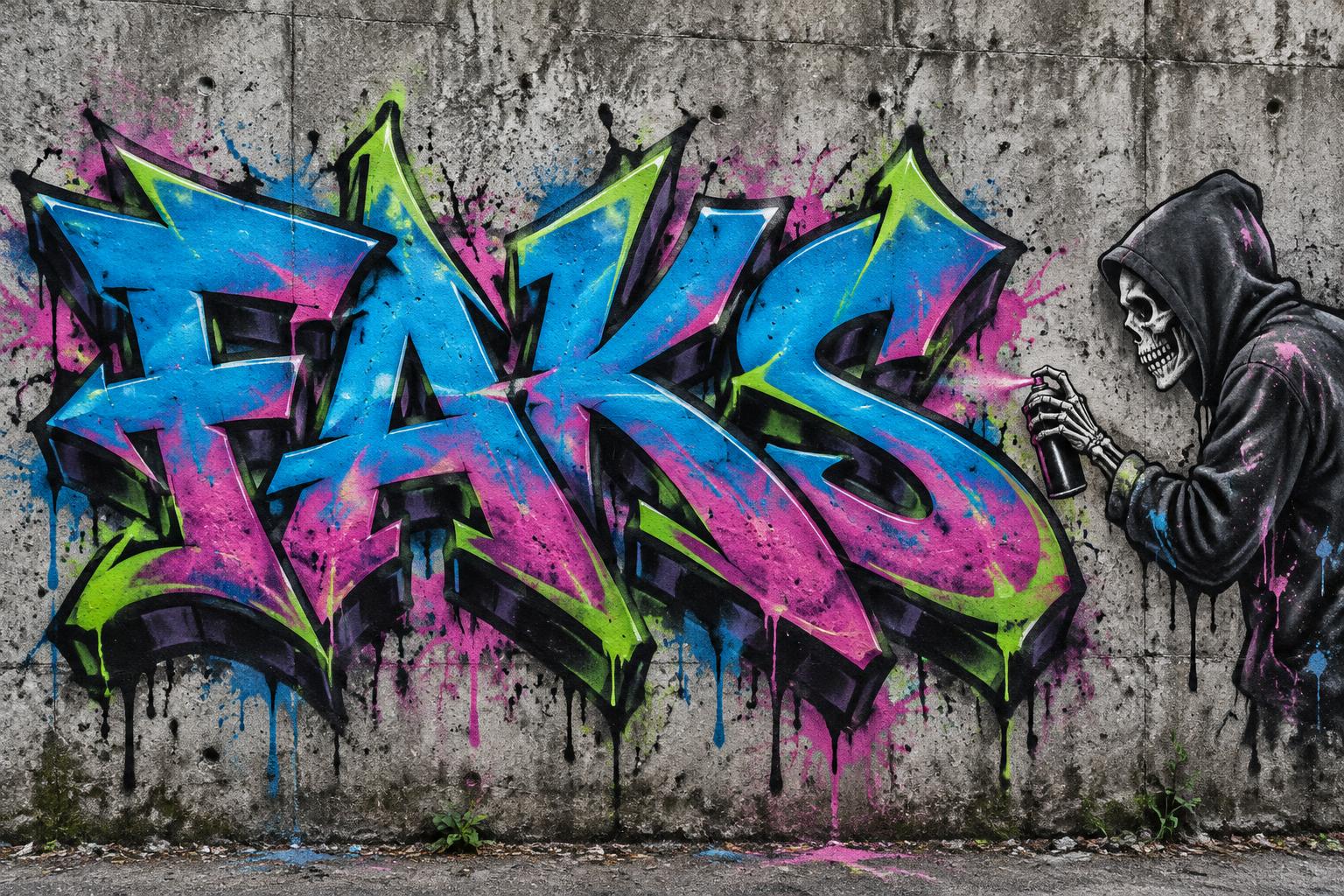
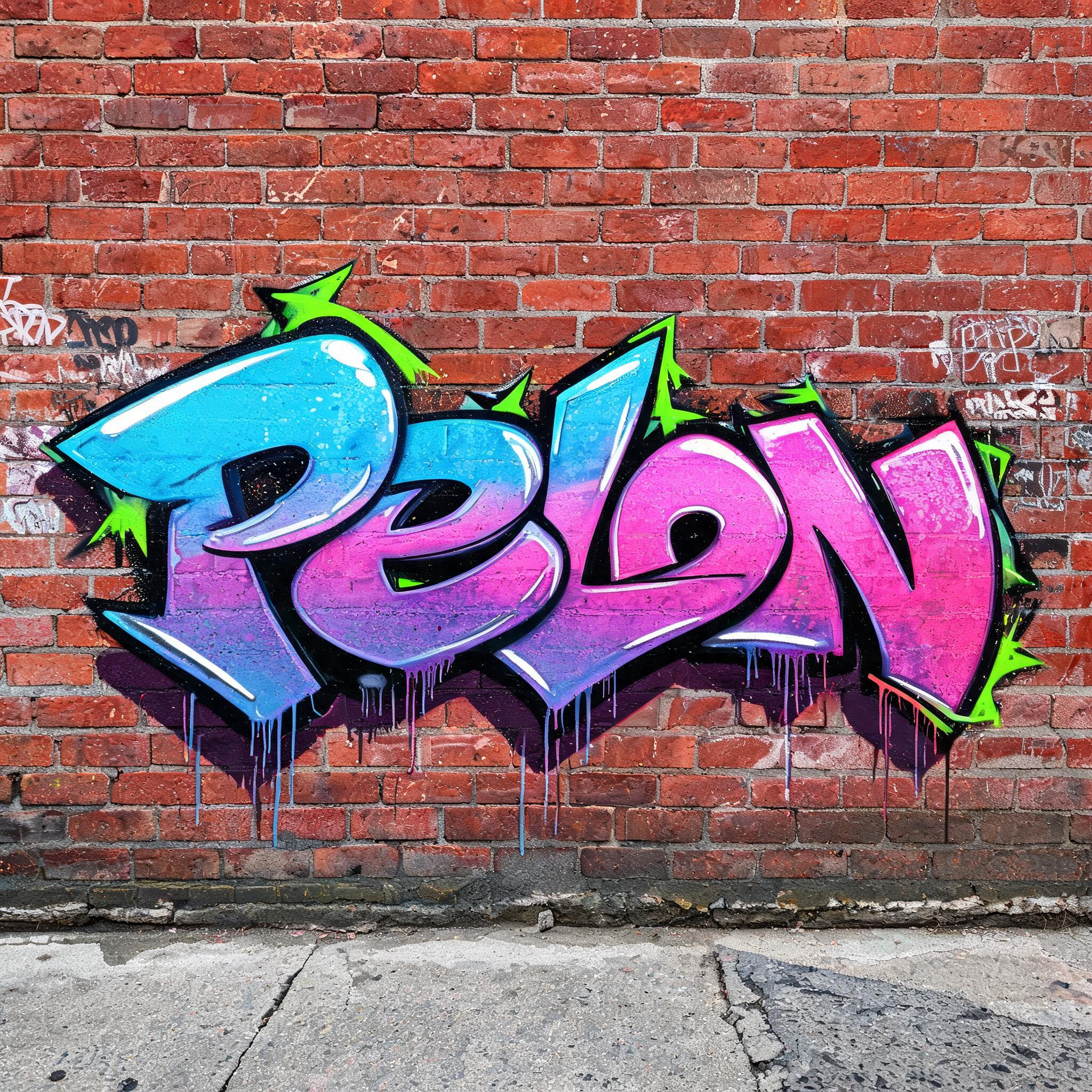
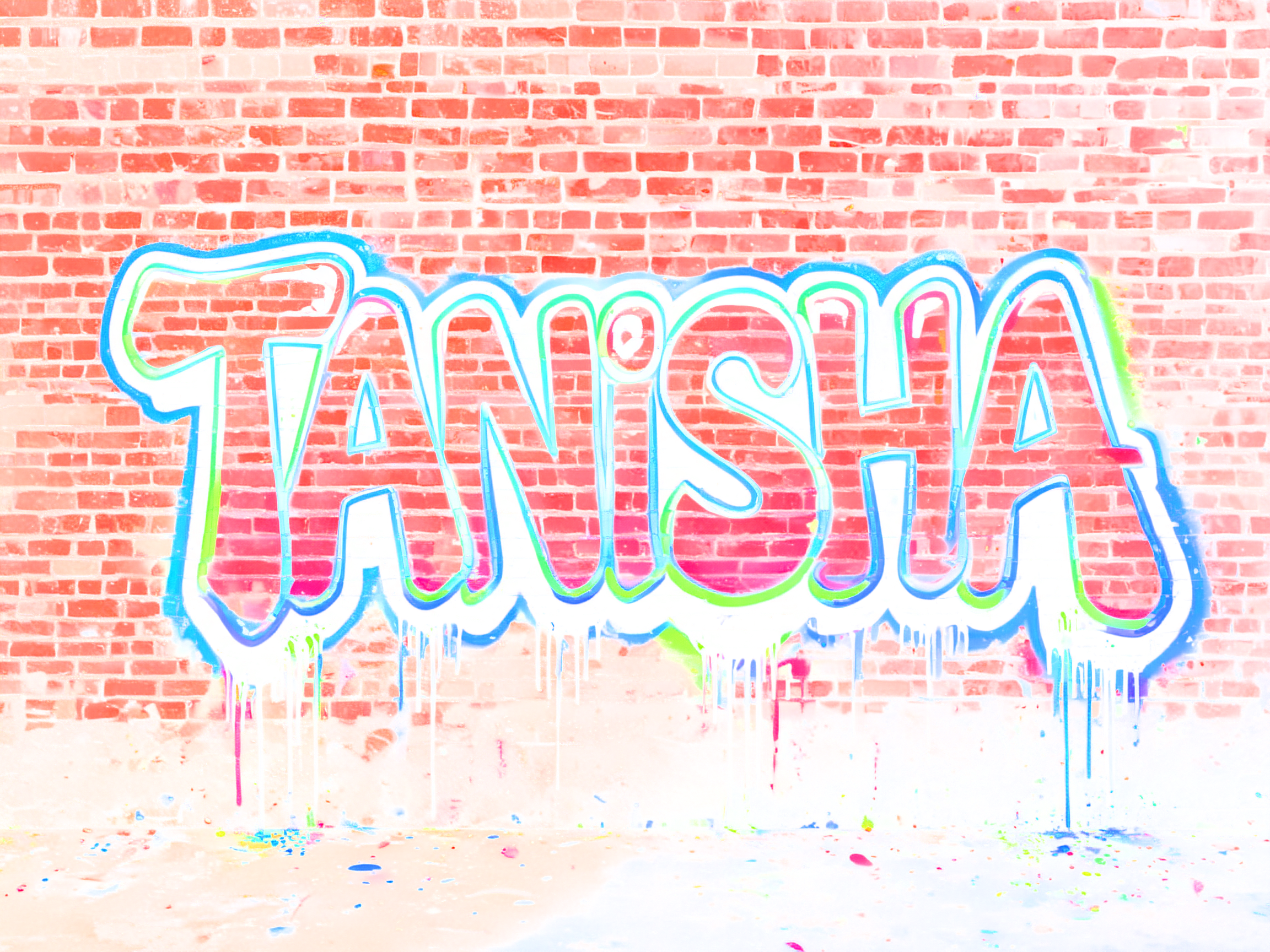
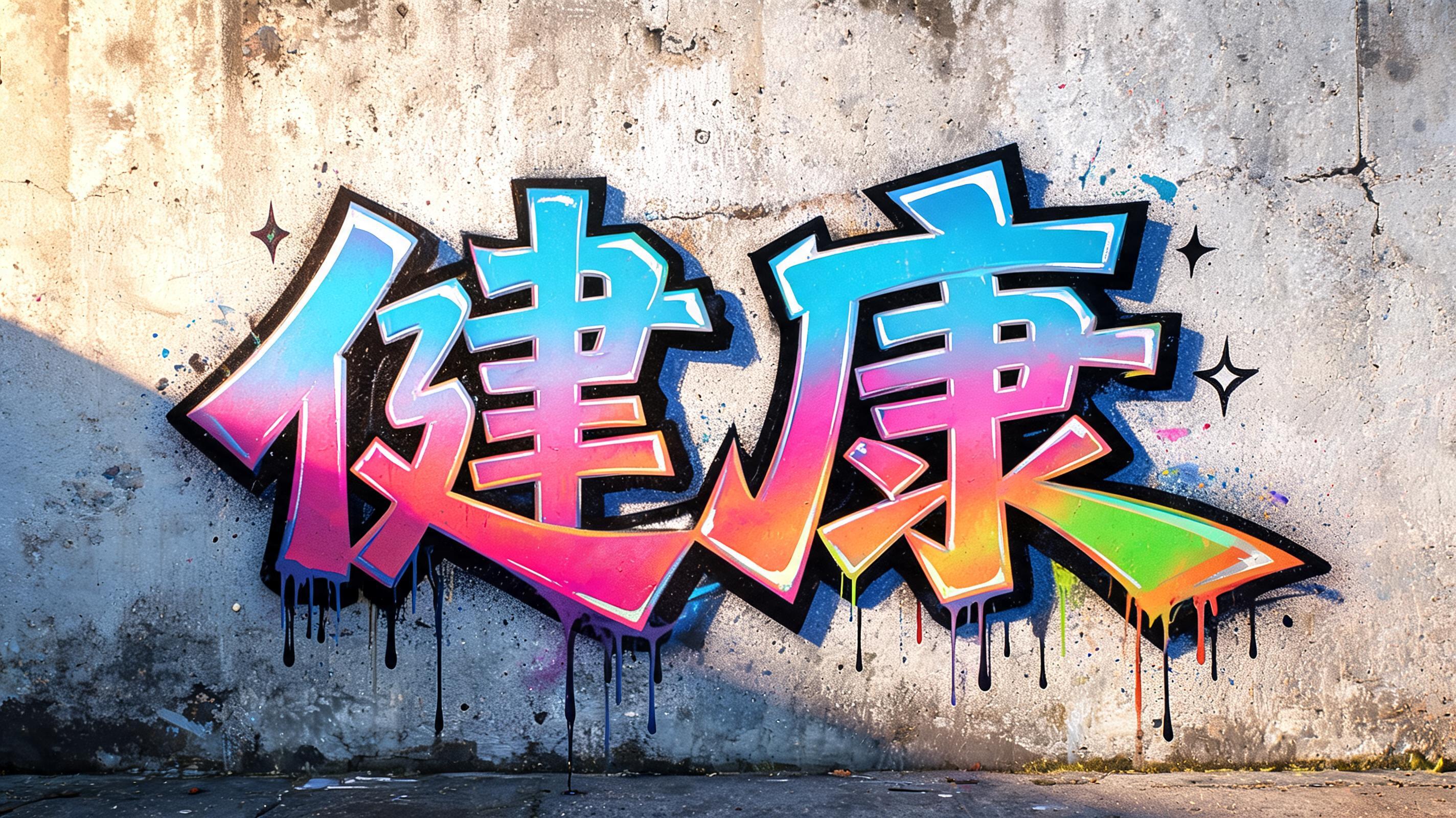
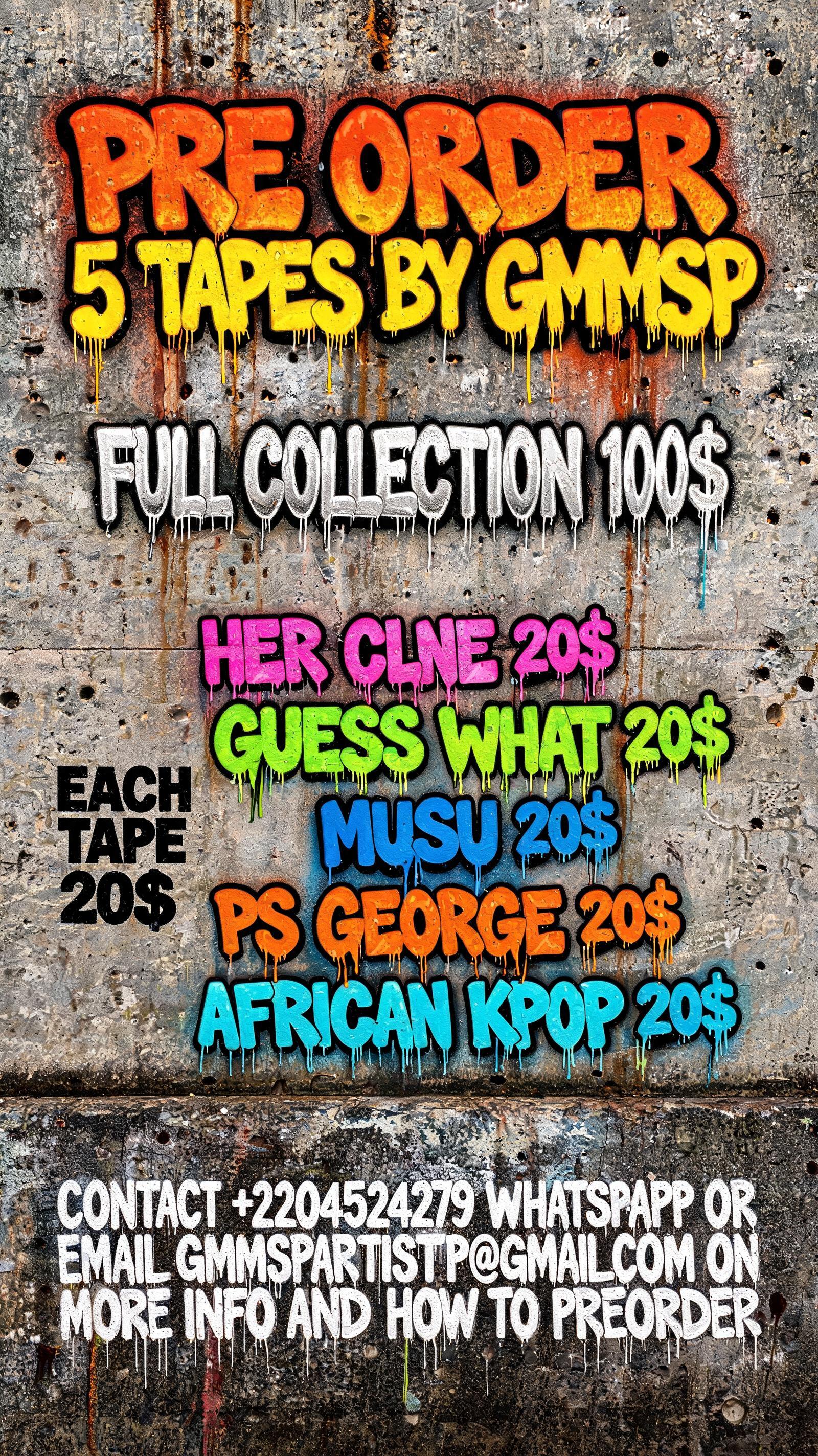
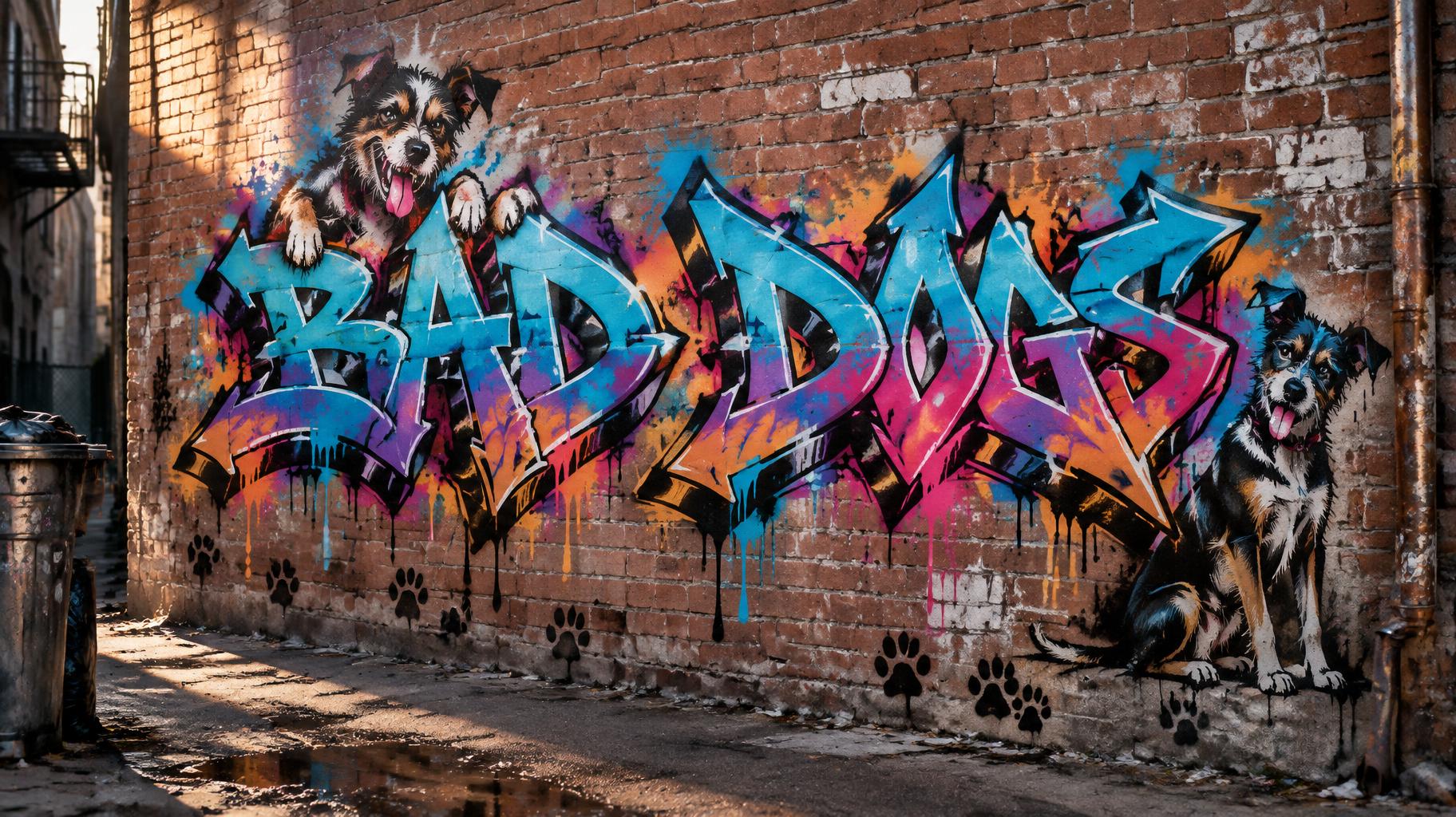
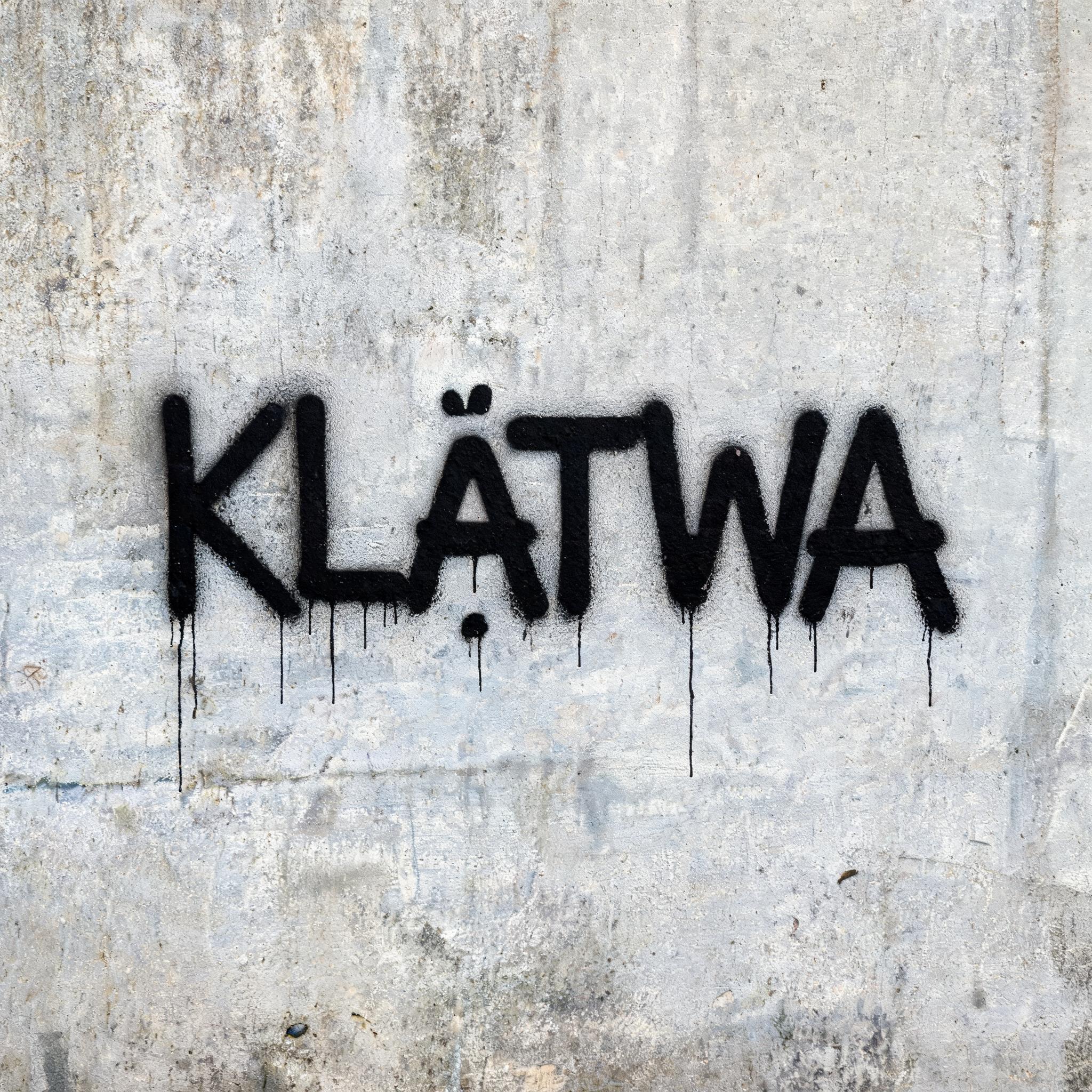
Real outputs from the Graffiti style. Click any image to see details.
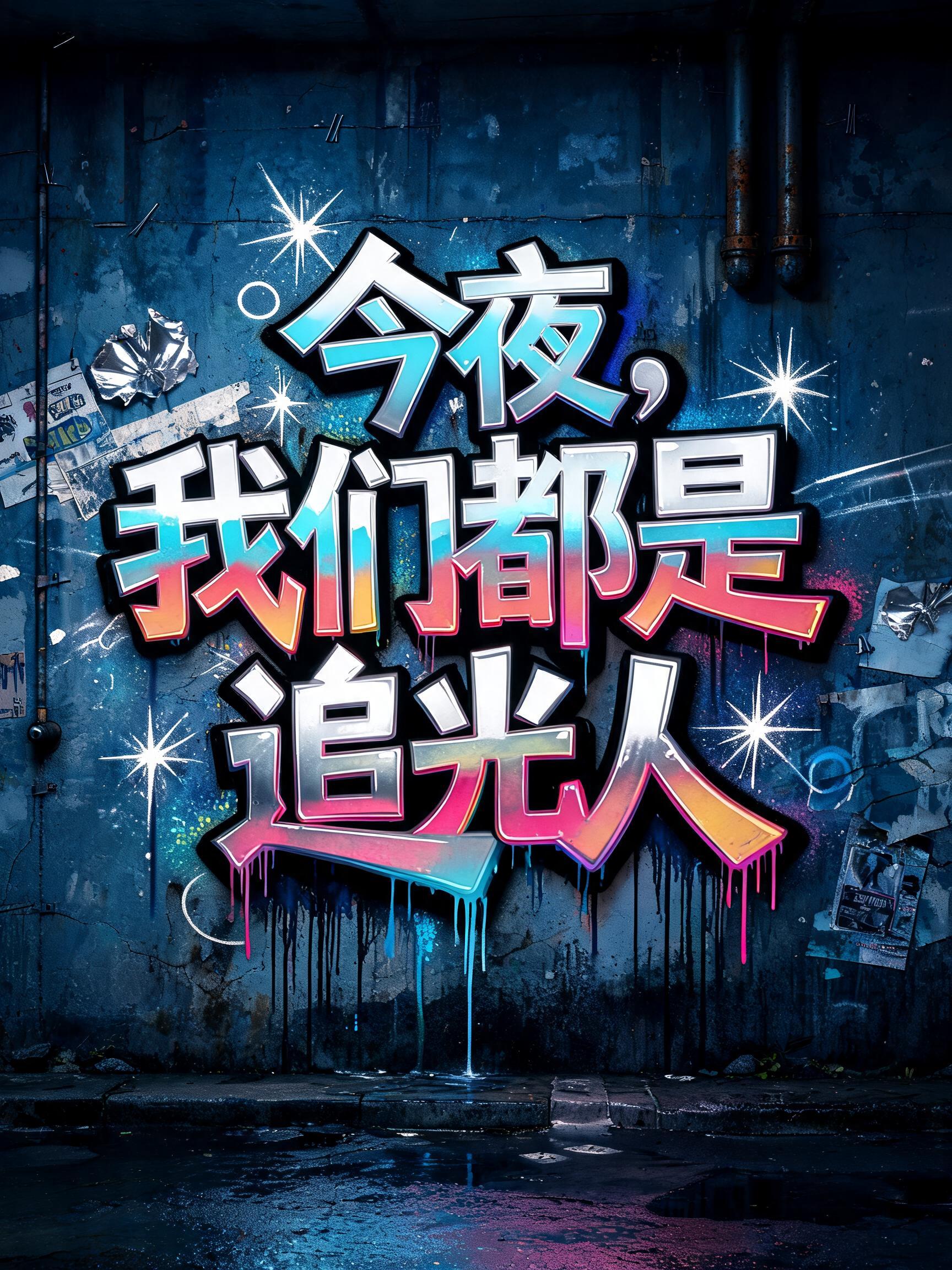
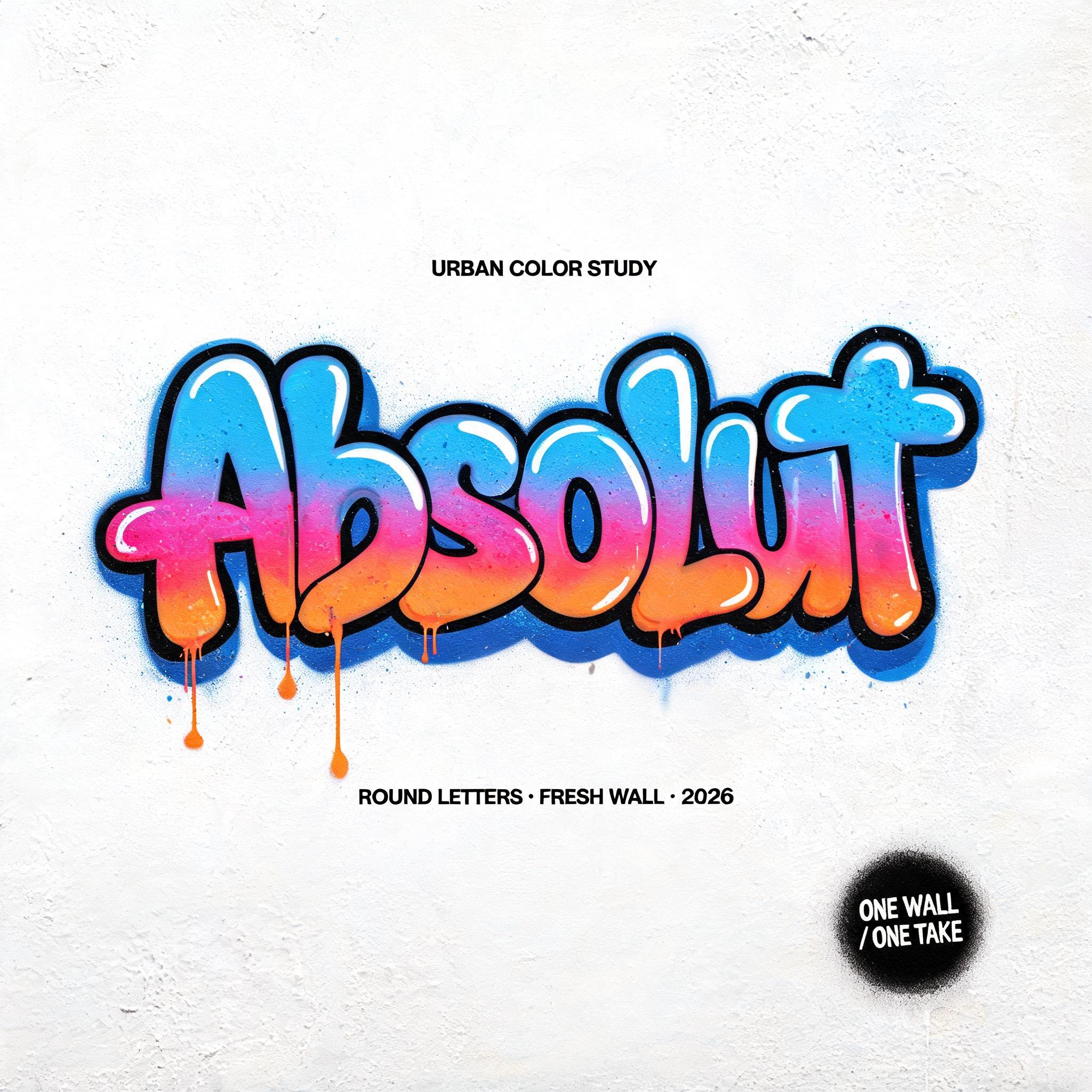
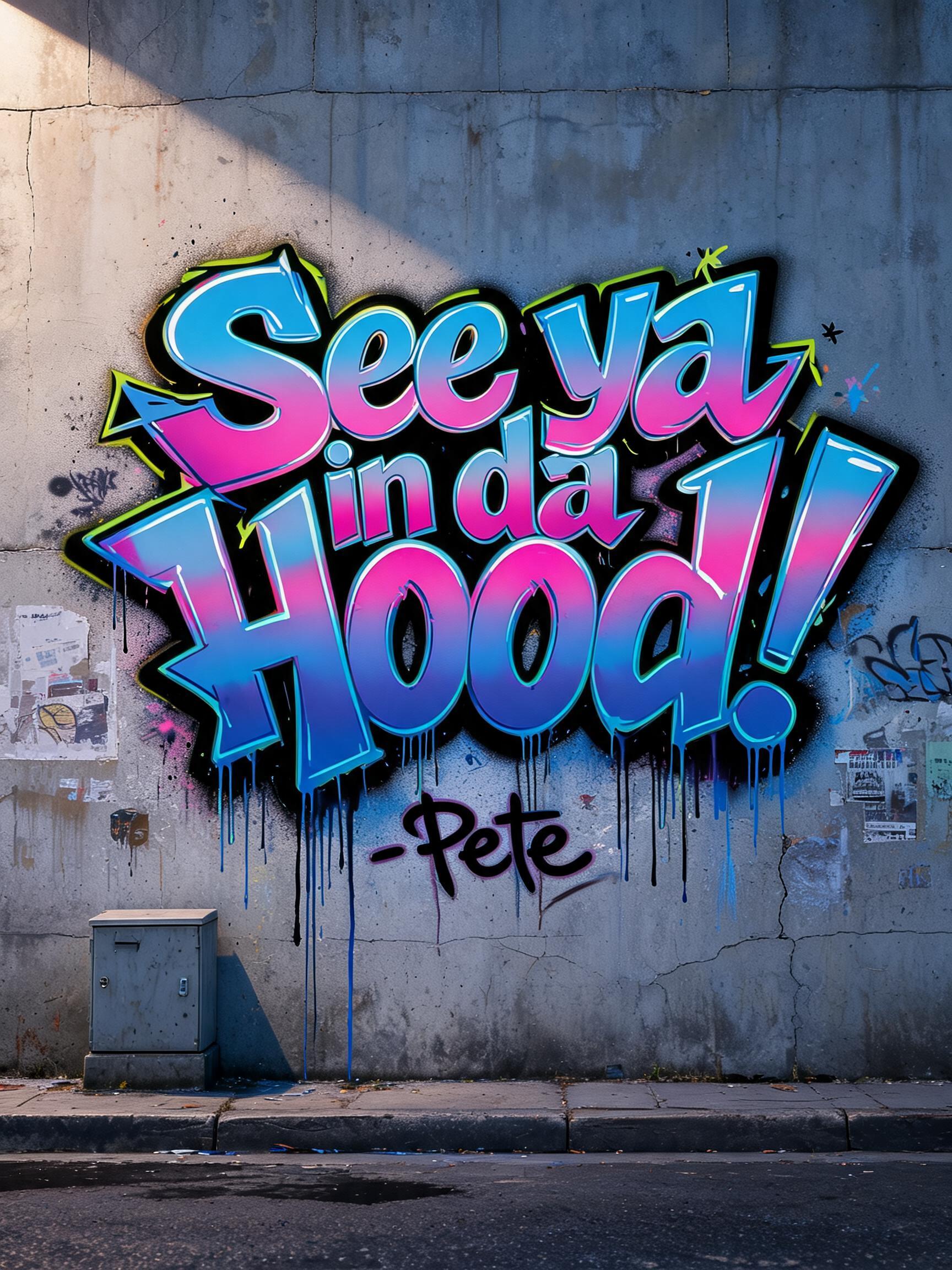
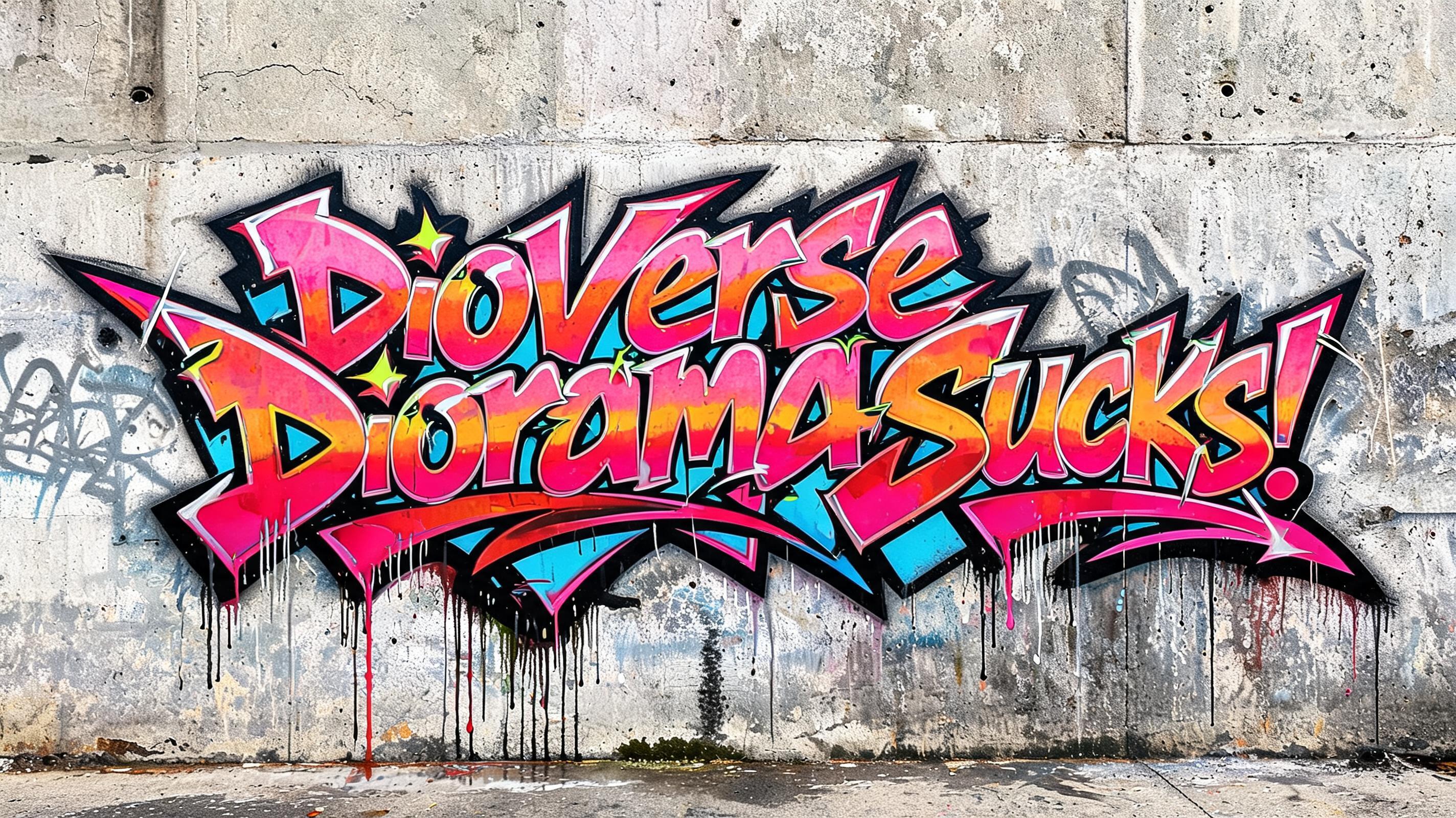
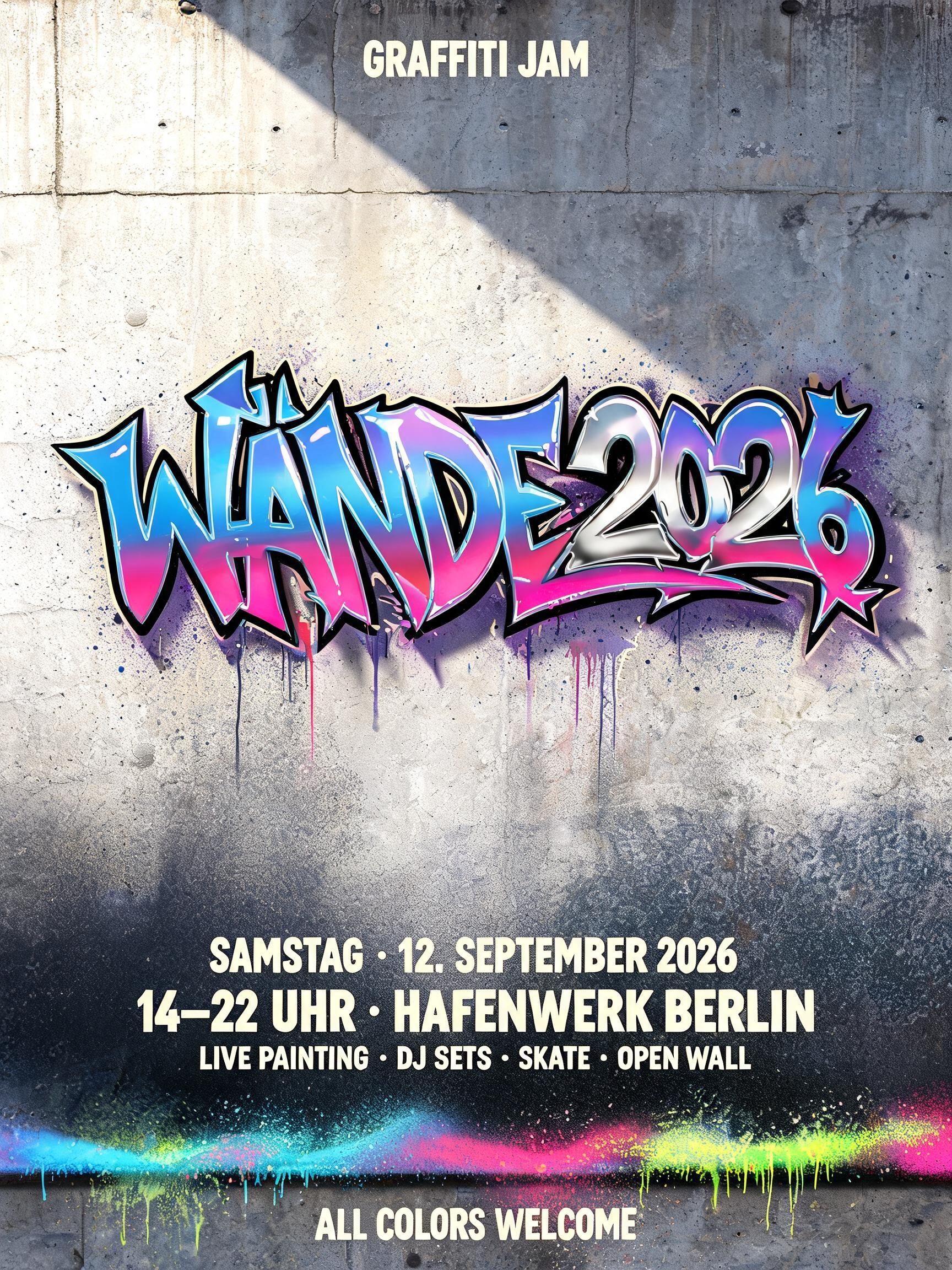
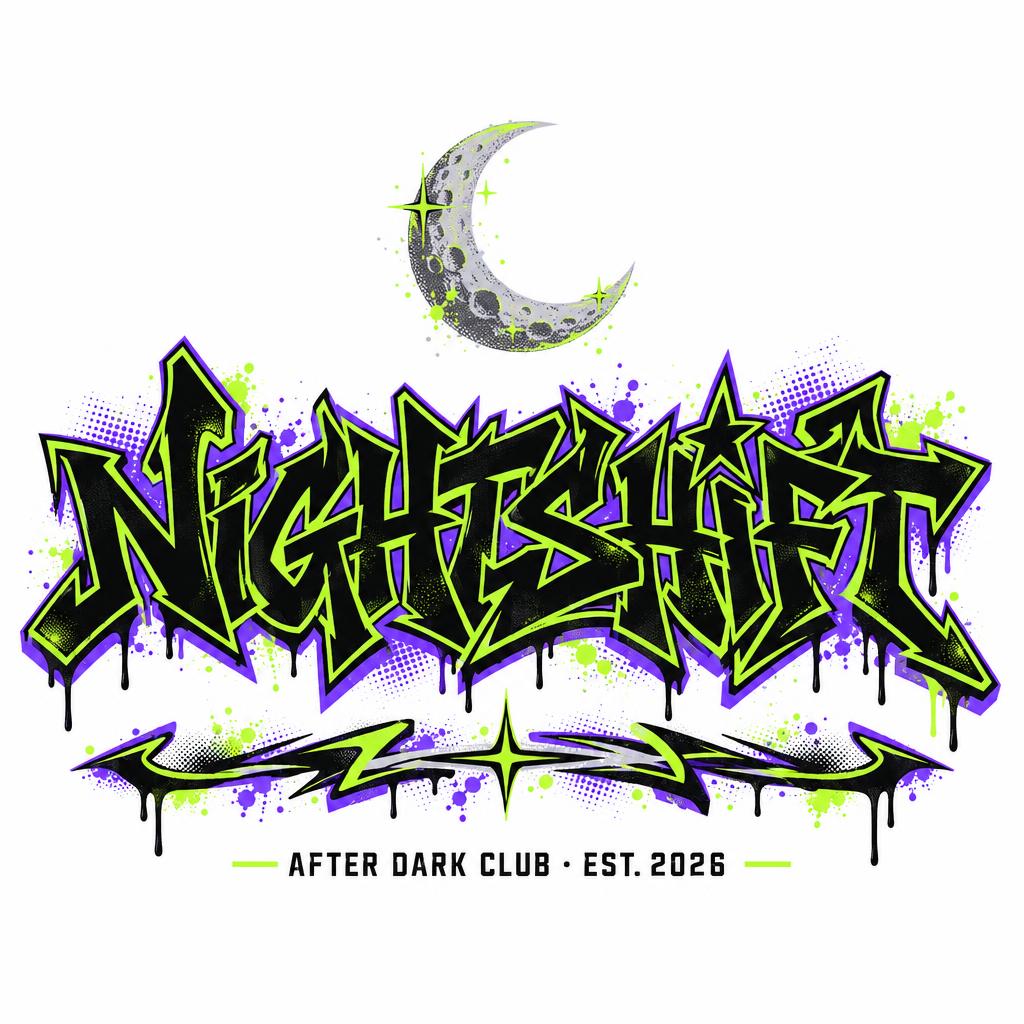
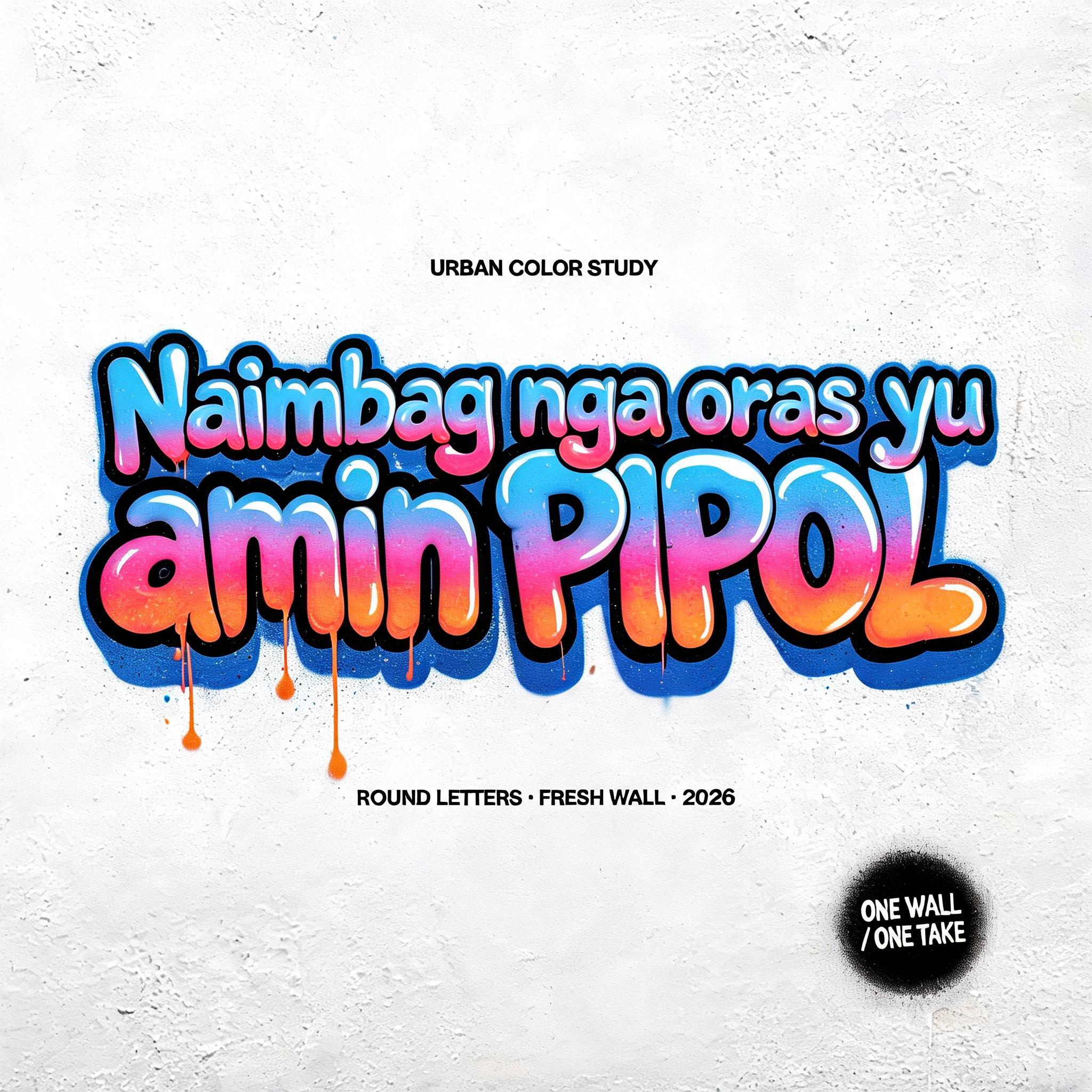
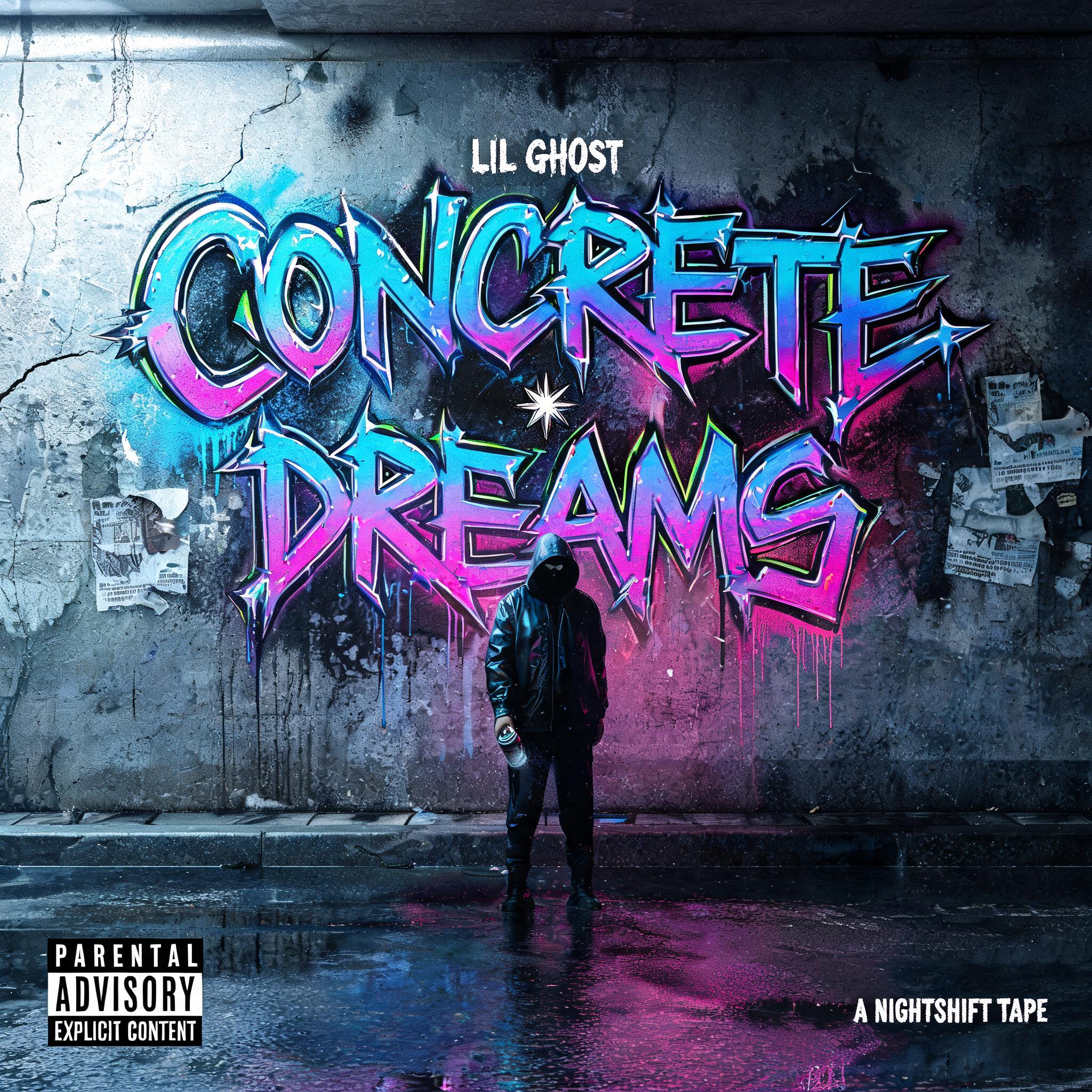






Looking for copy-paste fancy text? Try our free Font Generator Tools — cursive, gothic, bubble & 30+ styles.
Perfect for These Projects
Graffiti Text Effect — FAQ
What is the Graffiti Font Style?
The Graffiti font style is a distinctive AI-generated typography effect. Wildstyle spray-paint letters with sharp arrows and overlapping shapes, filled in bright layered colors, locked in a thick black outline with drips on a red brick wall. Using FontVibe's AI graffiti generator you can create stunning text effects in seconds — no Photoshop, no font licensing, no design experience needed.
Explore the Graffiti gallery for inspiration, or browse all 138+ AI text effect styles available on FontVibe.
How to Create Graffiti Typography in FontVibe Studio
The Story Behind Graffiti
History, visual DNA, and cultural context.
The Wall Is the Canvas
Graffiti as a designed visual language has a precise origin point: the New York City subway system, circa 1971. TAKI 183, a teenager from Washington Heights, began writing his tag — his nickname plus street number — across the streets he covered as a foot messenger. A 1971 New York Times article profiled him, and within months hundreds of writers were competing to cover the same surfaces. The city's transit system became an involuntary gallery.
What followed was the development of an entirely original typography. Writers invented letterforms that could not be traced to any type foundry, evolving from simple tags to "throw-ups" (two-color bubble letters) to full "pieces" (elaborate multi-color murals) to the most complex form: "wildstyle," where letters interlock, extend arrows, and dissolve into abstraction while theoretically remaining legible.
By the late 1970s, graffiti had merged with hip-hop — the same neighborhoods, the same youth, the same impulse to claim visibility in a city that had declared them invisible. The four elements of hip-hop (DJing, MCing, breakdancing, graffiti) were never separate disciplines; they were simultaneous expressions of the same culture.
Sources: Wikipedia — TAKI 183 · Wikipedia — Graffiti in New York City
The Visual DNA
Typographic Landmarks
In Typography
Graffiti typography exists in permanent tension with legibility. The most respected pieces are often the least readable — wildstyle that requires other writers to decode it is a demonstration of mastery, not a failure of communication. The audience for wildstyle was never the general public; it was other writers.
For commercial and digital contexts, the graffiti aesthetic typically operates in the more accessible register: bold block letters with thick outlines, visible drips, multi-color fills with outlines. The urban energy is preserved while the letterforms remain readable.
The key visual tells that separate authentic-feeling graffiti type from generic "graffiti font" outputs: drips that follow gravity (never horizontal), overspray that bleeds beyond the outline edge, and color transitions that suggest physical mixing rather than digital gradients.
Sources: Wikipedia — Wildstyle
Did You Know?
In 1984 the New York City Transit Authority began a five-year program to wipe graffiti off the subway. On May 10, 1989, the last train still carrying graffiti was taken out of service, and the subway has stayed mostly graffiti-free since. Writers moved from trains to walls — the shift known as the Clean Train Movement. Source ↗
Jean-Michel Basquiat started out as one half of the graffiti duo SAMO© (from "same old shit"), writing epigrams on downtown Manhattan walls with Al Diaz from 1978 to 1980. By the early 1980s his paintings were shown in galleries and museums internationally. He died in 1988 at 27; in 2017 his 1982 painting Untitled sold for $110.5 million. Source ↗
The term "wildstyle" was popularized by the Wild Style crew that writer Tracy 168 formed in the Bronx in 1974. Charlie Ahearn's 1982 film Wild Style is regarded as the first hip-hop motion picture, with appearances by Lee Quiñones, Lady Pink, the Rock Steady Crew and Grandmaster Flash. Source ↗
Sources: Wikipedia — Graffiti in the United States · Wikipedia — Wildstyle
Create Your Graffiti Typography in Studio
Free to start. No design skills needed. Your artwork, your copyright.
AI Graffiti Text Effect Generator
Wildstyle spray-paint letters with sharp arrows and overlapping shapes, filled in bright layered colors, locked in a thick black outline with drips on a red brick wall. — no font license needed.
Graffiti in different AI fonts
Generate Your Graffiti Text Effect
Type any word — see it transformed in seconds. No sign-up required.
Graffiti Style Gallery
Real outputs from the Graffiti style. Click any image to see details.






Similar Text Effect Styles
Try these styles and create your own AI-generated text effects.
Looking for copy-paste fancy text? Try our free Font Generator Tools — cursive, gothic, bubble & 30+ styles.
Perfect for These Projects
Graffiti text effects are popular for creative projects where visual impact matters.
What is the Graffiti Font Style?
The Graffiti font style is a distinctive AI-generated typography effect. Wildstyle spray-paint letters with sharp arrows and overlapping shapes, filled in bright layered colors, locked in a thick black outline with drips on a red brick wall.
Using FontVibe's AI graffiti generator you can create stunning text effects in seconds — no Photoshop, no font licensing, no design experience needed.
Explore the Graffiti gallery for inspiration, or browse all 138+ AI text effect styles available on FontVibe.
How to Create Graffiti Typography in FontVibe Studio
1. Enter your text — Any word, phrase, or brand name. Works best with short, punchy text.
2. Select Graffiti — From the style library. Optionally describe a mood in the custom prompt.
3. Generate and download. Your Graffiti font artwork is ready in seconds. PNG, JPG, or transparent PNG.
Looking for something different? Browse the full font style library for more AI typography options.
Graffiti Text Effect — FAQ
The Story Behind Graffiti
History, visual DNA, and cultural context — everything that makes this style what it is.
The Wall Is the Canvas
Graffiti as a designed visual language has a precise origin point: the New York City subway system, circa 1971. TAKI 183, a teenager from Washington Heights, began writing his tag — his nickname plus street number — across the streets he covered as a foot messenger. A 1971 New York Times article profiled him, and within months hundreds of writers were competing to cover the same surfaces. The city's transit system became an involuntary gallery.
What followed was the development of an entirely original typography. Writers invented letterforms that could not be traced to any type foundry, evolving from simple tags to "throw-ups" (two-color bubble letters) to full "pieces" (elaborate multi-color murals) to the most complex form: "wildstyle," where letters interlock, extend arrows, and dissolve into abstraction while theoretically remaining legible.
By the late 1970s, graffiti had merged with hip-hop — the same neighborhoods, the same youth, the same impulse to claim visibility in a city that had declared them invisible. The four elements of hip-hop (DJing, MCing, breakdancing, graffiti) were never separate disciplines; they were simultaneous expressions of the same culture.
Sources: Wikipedia — TAKI 183 · Wikipedia — Graffiti in New York City
The Visual DNA
Typographic Landmarks
In Typography
Graffiti typography exists in permanent tension with legibility. The most respected pieces are often the least readable — wildstyle that requires other writers to decode it is a demonstration of mastery, not a failure of communication. The audience for wildstyle was never the general public; it was other writers.
For commercial and digital contexts, the graffiti aesthetic typically operates in the more accessible register: bold block letters with thick outlines, visible drips, multi-color fills with outlines. The urban energy is preserved while the letterforms remain readable.
The key visual tells that separate authentic-feeling graffiti type from generic "graffiti font" outputs: drips that follow gravity (never horizontal), overspray that bleeds beyond the outline edge, and color transitions that suggest physical mixing rather than digital gradients.
Sources: Wikipedia — Wildstyle
Did You Know?
In 1984 the New York City Transit Authority began a five-year program to wipe graffiti off the subway. On May 10, 1989, the last train still carrying graffiti was taken out of service, and the subway has stayed mostly graffiti-free since. Writers moved from trains to walls — the shift known as the Clean Train Movement. Source ↗
Jean-Michel Basquiat started out as one half of the graffiti duo SAMO© (from "same old shit"), writing epigrams on downtown Manhattan walls with Al Diaz from 1978 to 1980. By the early 1980s his paintings were shown in galleries and museums internationally. He died in 1988 at 27; in 2017 his 1982 painting Untitled sold for $110.5 million. Source ↗
The term "wildstyle" was popularized by the Wild Style crew that writer Tracy 168 formed in the Bronx in 1974. Charlie Ahearn's 1982 film Wild Style is regarded as the first hip-hop motion picture, with appearances by Lee Quiñones, Lady Pink, the Rock Steady Crew and Grandmaster Flash. Source ↗
Sources: Wikipedia — Graffiti in the United States · Wikipedia — Wildstyle