


AI Cyberpunk Synthwave Text Effect Generator
Retro 80s synthwave aesthetic with neon pink-purple gradient text and iconic grid floor. Vaporwave nostalgia meets cyberpunk. — no font license needed.


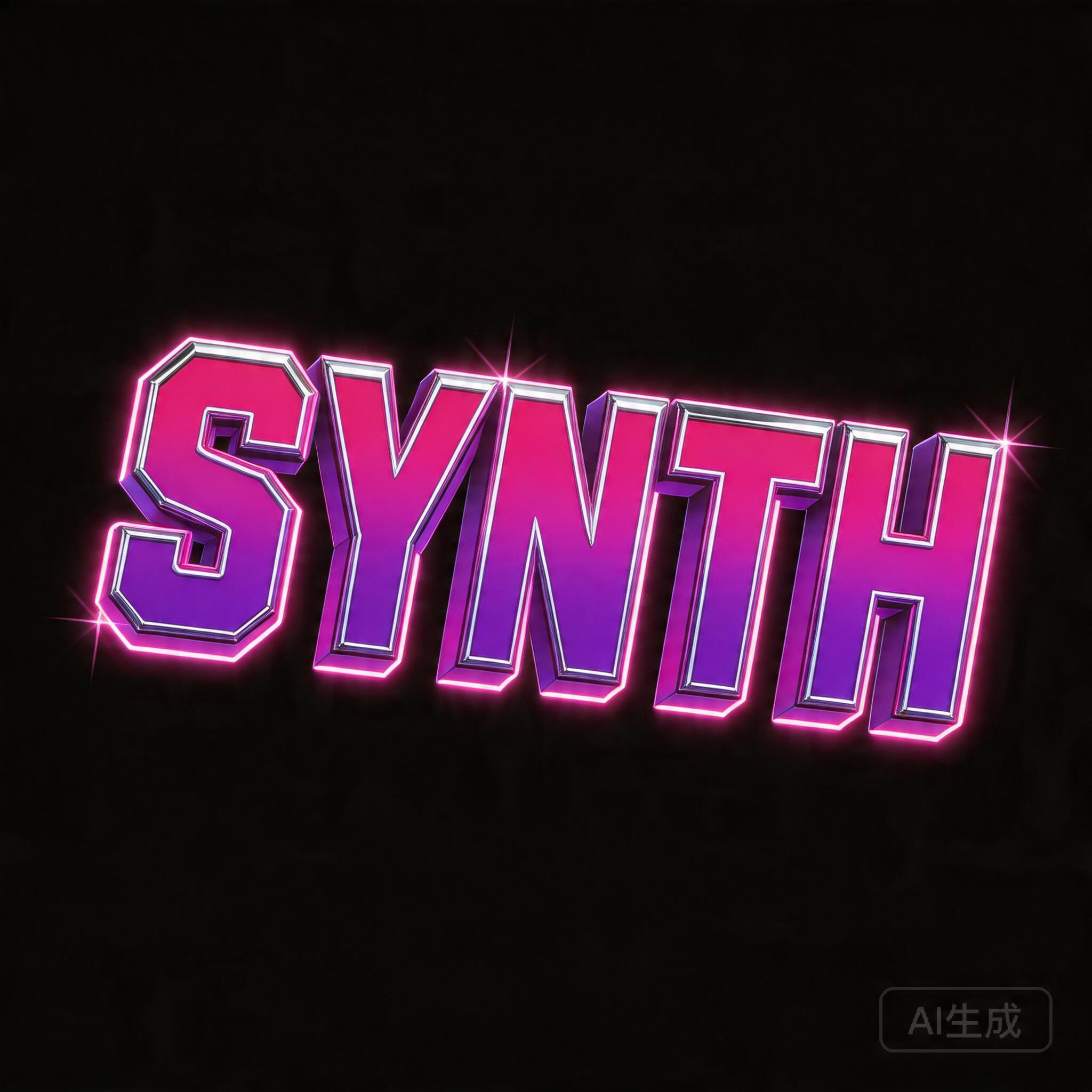
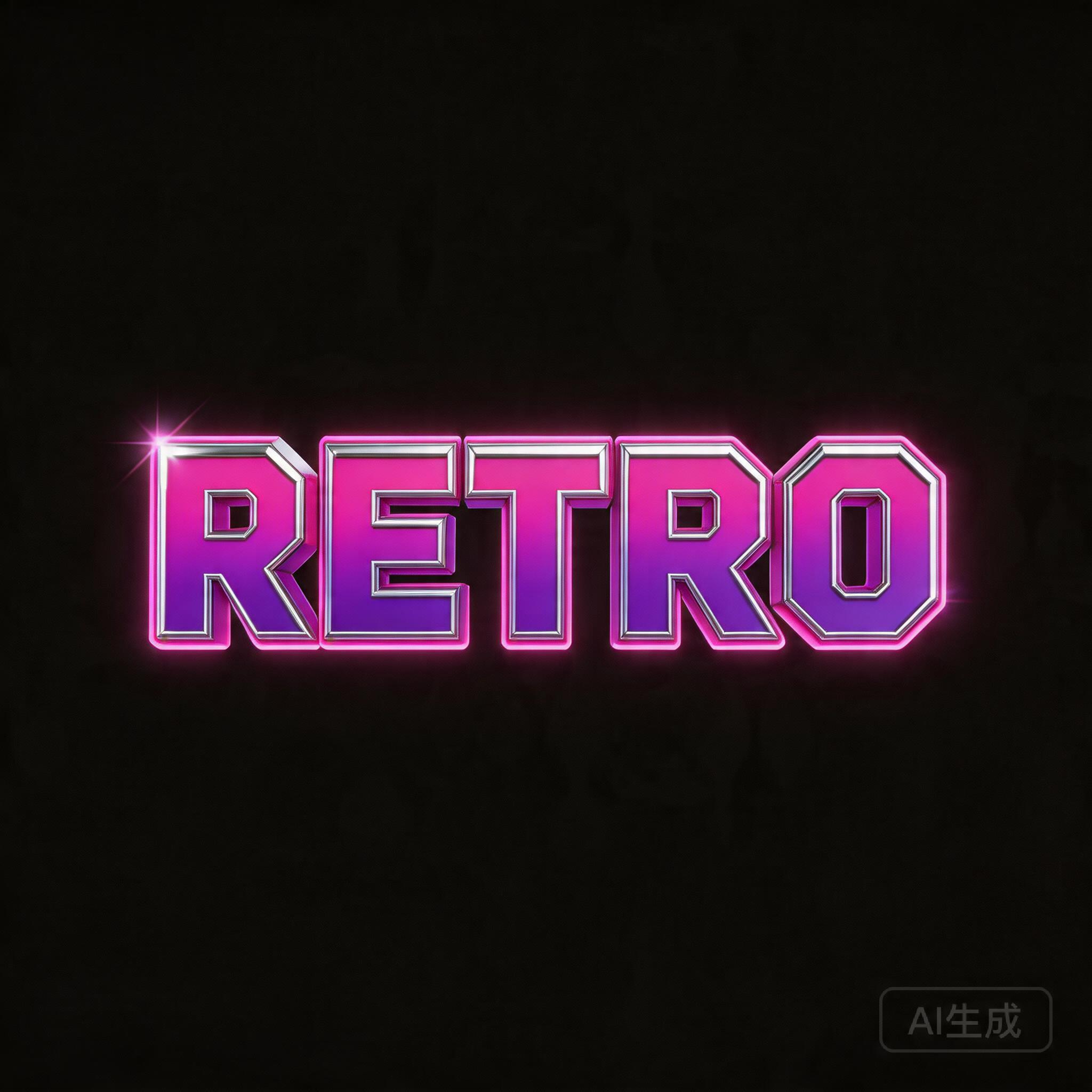


Synthwave Gallery
Real outputs from the Synthwave style. Click any image to see details.


Looking for copy-paste fancy text? Try our free Font Generator Tools — cursive, gothic, bubble & 30+ styles.
Perfect for These Projects
Synthwave Text Effect — FAQ
What is the Synthwave Font Style?
The Synthwave font style is a distinctive AI-generated typography effect. Retro 80s synthwave aesthetic with neon pink-purple gradient text and iconic grid floor. Vaporwave nostalgia meets cyberpunk. Using FontVibe's AI synthwave generator you can create stunning text effects in seconds — no Photoshop, no font licensing, no design experience needed.
Explore the Synthwave gallery for inspiration, or browse all 124+ AI text effect styles available on FontVibe.
How to Create Synthwave Typography in FontVibe Studio
The Story Behind Synthwave
History, visual DNA, and cultural context.
Where the Grid Came From
Synthwave is not really a cyberpunk sub-genre — it is a parallel universe that shares the same street corner. It started in the mid-2000s as a music movement: French producers like Kavinsky and College were making electronic music that sounded like 1980s John Carpenter scores, filtered through memory and regret. The aesthetic followed naturally.
Retrowave — the visual half of synthwave — borrowed from things that defined 1980s futurism: the Outrun arcade game sunset grid, VHS color bleeding, the chrome serifs of movie posters that promised flying cars by the year 2000.
The grid floor with a vanishing point is the origin artifact. It came directly from Outrun (1986), a Sega racing game that put players on a highway into a pink-orange horizon. That image — flat perspective grid, glowing horizon line, palm trees optional — became the visual shorthand for "retro future" that designers still deploy today.
The Visual DNA
Cultural Landmarks
Did You Know?
The perspective grid that defines synthwave visual identity started as a technical limitation. 1986 arcade hardware could not render true 3D — the grid was the most affordable way to fake depth. Designers today use it as a deliberate aesthetic choice.
The word "synthwave" was not coined until around 2011. The music existed for years without a name — people called it "retrowave," "outrun," and in some forums, just "that French 80s thing."
Synthwave magenta-violet-cyan palette is not necessarily how the 1980s actually looked — in many ways the real decade leaned toward earth tones and pastel. Synthwave may be less a faithful recreation and more a feeling: nostalgia for a version of the future that never quite arrived.
Create Your Synthwave Typography in Studio
Free to start. No design skills needed. Your artwork, your copyright.
Generate Your Synthwave Text Effect
Type any word — see it transformed in seconds. No sign-up required.
Synthwave Style Gallery
Real outputs from the Synthwave style. Click any image to see details.


Similar Text Effect Styles
Try these styles and create your own AI-generated text effects.
Looking for copy-paste fancy text? Try our free Font Generator Tools — cursive, gothic, bubble & 30+ styles.
Perfect for These Projects
Synthwave text effects are popular for creative projects where visual impact matters.
What is the Synthwave Font Style?
The Synthwave font style is a distinctive AI-generated typography effect. Retro 80s synthwave aesthetic with neon pink-purple gradient text and iconic grid floor. Vaporwave nostalgia meets cyberpunk.
Using FontVibe's AI synthwave generator you can create stunning text effects in seconds — no Photoshop, no font licensing, no design experience needed.
Explore the Synthwave gallery for inspiration, or browse all 124+ AI text effect styles available on FontVibe.
How to Create Synthwave Typography in FontVibe Studio
1. Enter your text — Any word, phrase, or brand name. Works best with short, punchy text.
2. Select Synthwave — From the style library. Optionally describe a mood in the custom prompt.
3. Generate and download. Your Synthwave font artwork is ready in seconds. PNG, JPG, or transparent PNG.
Looking for something different? Browse the full font style library for more AI typography options.
Synthwave Text Effect — FAQ
The Story Behind Synthwave
History, visual DNA, and cultural context — everything that makes this style what it is.
Where the Grid Came From
Synthwave is not really a cyberpunk sub-genre — it is a parallel universe that shares the same street corner. It started in the mid-2000s as a music movement: French producers like Kavinsky and College were making electronic music that sounded like 1980s John Carpenter scores, filtered through memory and regret. The aesthetic followed naturally.
Retrowave — the visual half of synthwave — borrowed from things that defined 1980s futurism: the Outrun arcade game sunset grid, VHS color bleeding, the chrome serifs of movie posters that promised flying cars by the year 2000.
The grid floor with a vanishing point is the origin artifact. It came directly from Outrun (1986), a Sega racing game that put players on a highway into a pink-orange horizon. That image — flat perspective grid, glowing horizon line, palm trees optional — became the visual shorthand for "retro future" that designers still deploy today.
The Visual DNA
Cultural Landmarks
Did You Know?
The perspective grid that defines synthwave visual identity started as a technical limitation. 1986 arcade hardware could not render true 3D — the grid was the most affordable way to fake depth. Designers today use it as a deliberate aesthetic choice.
The word "synthwave" was not coined until around 2011. The music existed for years without a name — people called it "retrowave," "outrun," and in some forums, just "that French 80s thing."
Synthwave magenta-violet-cyan palette is not necessarily how the 1980s actually looked — in many ways the real decade leaned toward earth tones and pastel. Synthwave may be less a faithful recreation and more a feeling: nostalgia for a version of the future that never quite arrived.