


AI Cyberpunk Data Stream Text Effect Generator
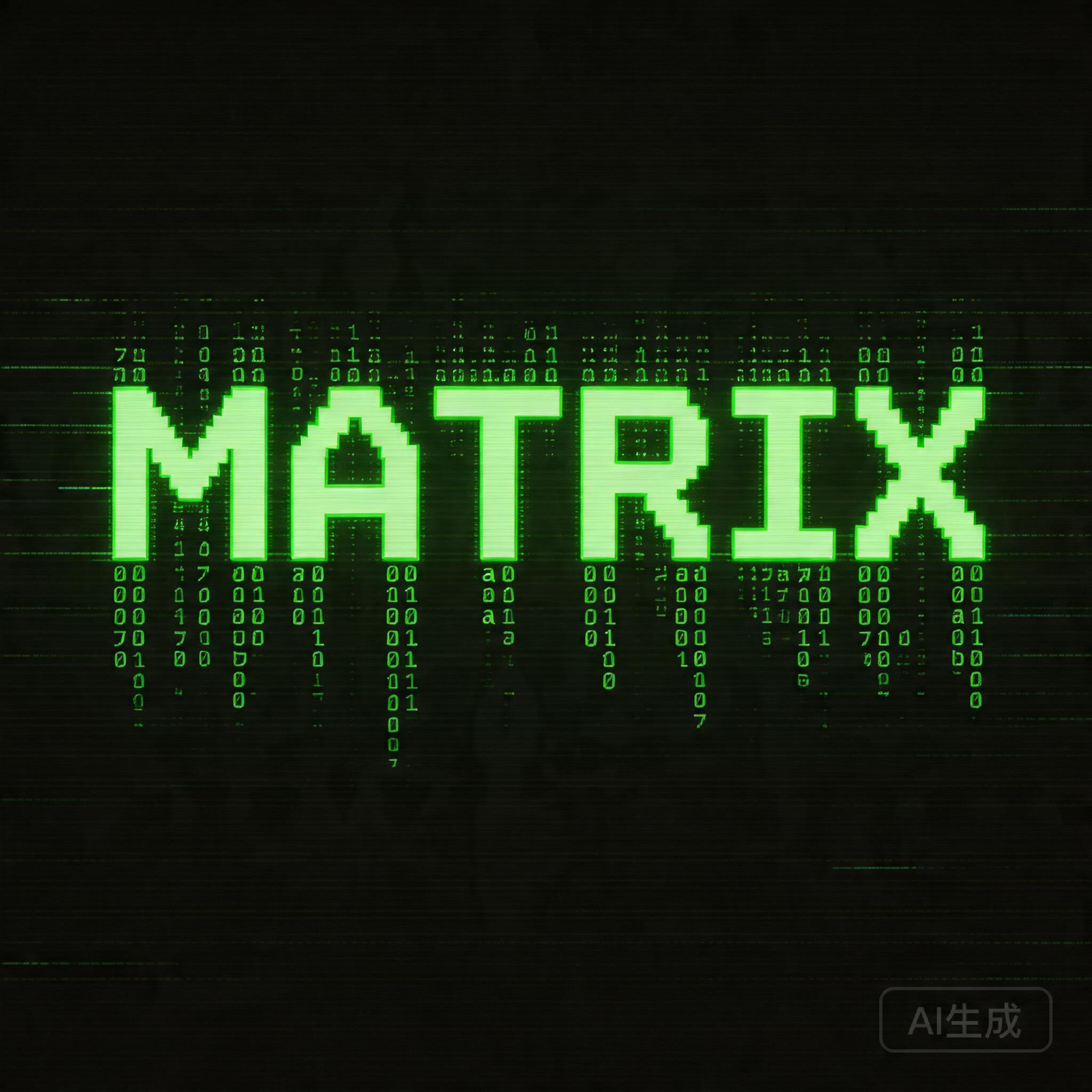
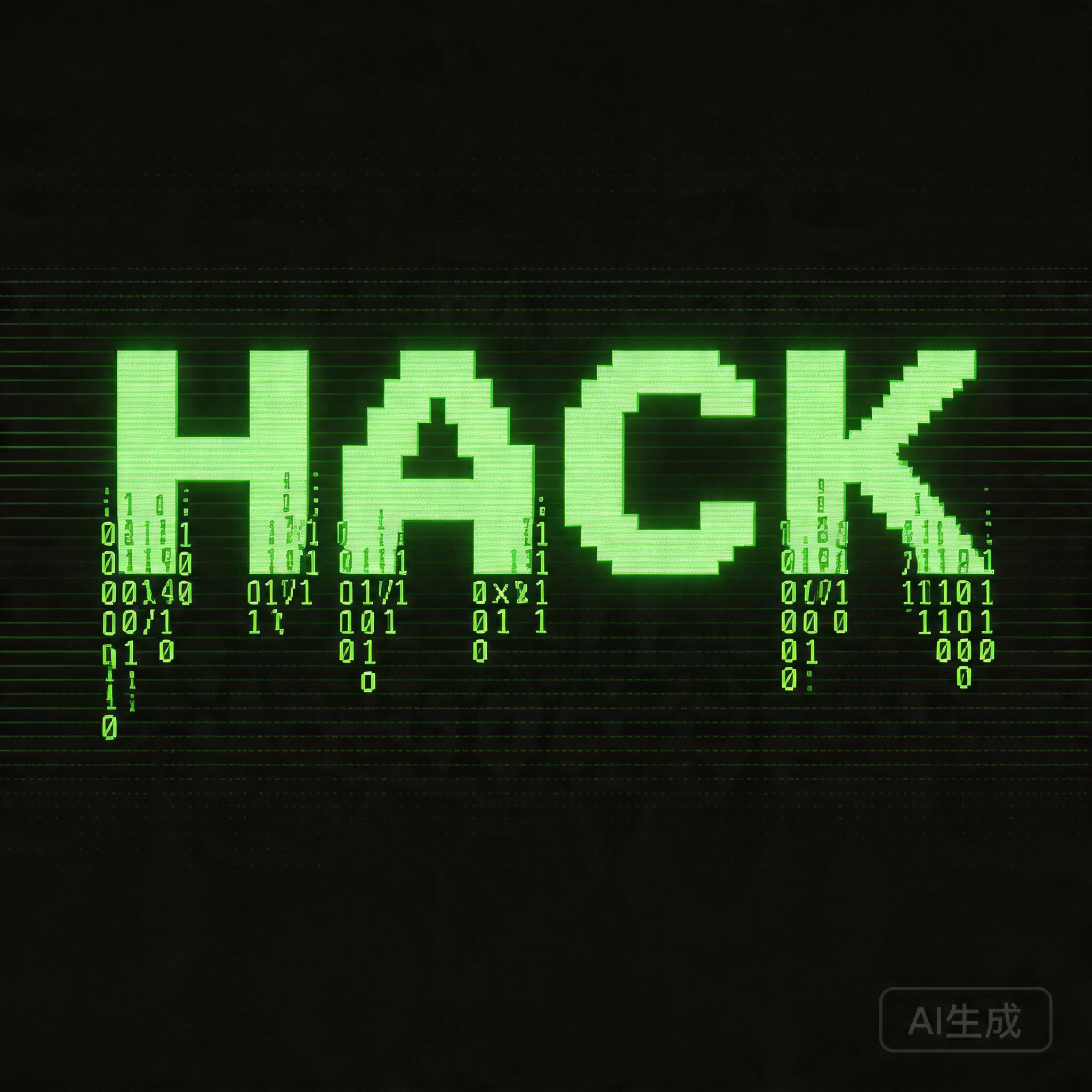
Matrix-style cascading data stream text with digital rain and terminal green glow. Hacker and code aesthetic. — no font license needed.




Data Stream Gallery
Real outputs from the Data Stream style. Click any image to see details.


Looking for copy-paste fancy text? Try our free Font Generator Tools — cursive, gothic, bubble & 30+ styles.
Perfect for These Projects
Data Stream Text Effect — FAQ
What is the Data Stream Font Style?
The Data Stream font style is a distinctive AI-generated typography effect. Matrix-style cascading data stream text with digital rain and terminal green glow. Hacker and code aesthetic. Using FontVibe's AI data stream generator you can create stunning text effects in seconds — no Photoshop, no font licensing, no design experience needed.
Explore the Data Stream gallery for inspiration, or browse all 124+ AI text effect styles available on FontVibe.
How to Create Data Stream Typography in FontVibe Studio
The Story Behind Data Stream
History, visual DNA, and cultural context.
The Visual DNA
In Typography
Data stream text works differently from most cyberpunk sub-styles: it is less about the letterform and more about the field. A single word rendered in data stream aesthetic is surrounded by context — cascading characters above and below suggest that this text emerged from an ongoing stream rather than being placed on a surface.
For gaming handles, team names, and channel titles, the most effective approach isolates the target text in bright white or bright green against the cascading field, so the eye is drawn to the readable content while the rain provides atmosphere.
The Katakana detail deserves credit: it was a practical choice in The Matrix (1993) — production designer Simon Whiteley photographed sushi recipes from his wife's cookbooks, converted them to Katakana, and used them as the source material for the code rain. The visual complexity of Japanese script at small sizes created exactly the right level of illegible-but-structured texture.
Did You Know?
The Katakana characters in The Matrix code rain were derived from sushi recipes. Production designer Simon Whiteley scanned Japanese cooking instructions from his wife's cookbooks and converted them into the falling character set. The digital backbone of a simulated universe is, technically, a recipe for maki rolls.
William Gibson's 1984 novel Neuromancer described cyberspace as "a consensual hallucination." The Matrix's visual representation of data as falling rain is one interpretation of this — the idea that code, viewed from outside, would look like weather.
Phosphor green (#00FF41) was the standard display color of early computer terminals because green phosphor was cheaper and had longer persistence than white or amber. The color became associated with "hacker" aesthetics entirely because it was the economical choice in the 1970s.
Create Your Data Stream Typography in Studio
Free to start. No design skills needed. Your artwork, your copyright.
Generate Your Data Stream Text Effect
Type any word — see it transformed in seconds. No sign-up required.
Data Stream Style Gallery
Real outputs from the Data Stream style. Click any image to see details.


!["[stream]. matrix
O U T C R Y
9. 12.
26." — Cyberpunk Data Stream | AI Text Effect Generator](/gallery/41237?aspect=1%3A1&thumb=https%3A%2F%2Fcos.fontvibe.ai%2Fgenerations%2Fuser%2F0%2F60406e3d-bd3d-4fdd-b439-d9971bc26a78.png%3FimageMogr2%2Fthumbnail%2F480x%2Fformat%2Fwebp%2Fresolution%2F80)


Similar Text Effect Styles
Try these styles and create your own AI-generated text effects.
Looking for copy-paste fancy text? Try our free Font Generator Tools — cursive, gothic, bubble & 30+ styles.
Perfect for These Projects
Data Stream text effects are popular for creative projects where visual impact matters.
What is the Data Stream Font Style?
The Data Stream font style is a distinctive AI-generated typography effect. Matrix-style cascading data stream text with digital rain and terminal green glow. Hacker and code aesthetic.
Using FontVibe's AI data stream generator you can create stunning text effects in seconds — no Photoshop, no font licensing, no design experience needed.
Explore the Data Stream gallery for inspiration, or browse all 124+ AI text effect styles available on FontVibe.
How to Create Data Stream Typography in FontVibe Studio
1. Enter your text — Any word, phrase, or brand name. Works best with short, punchy text.
2. Select Data Stream — From the style library. Optionally describe a mood in the custom prompt.
3. Generate and download. Your Data Stream font artwork is ready in seconds. PNG, JPG, or transparent PNG.
Looking for something different? Browse the full font style library for more AI typography options.
Data Stream Text Effect — FAQ
The Story Behind Data Stream
History, visual DNA, and cultural context — everything that makes this style what it is.
The Visual DNA
In Typography
Data stream text works differently from most cyberpunk sub-styles: it is less about the letterform and more about the field. A single word rendered in data stream aesthetic is surrounded by context — cascading characters above and below suggest that this text emerged from an ongoing stream rather than being placed on a surface.
For gaming handles, team names, and channel titles, the most effective approach isolates the target text in bright white or bright green against the cascading field, so the eye is drawn to the readable content while the rain provides atmosphere.
The Katakana detail deserves credit: it was a practical choice in The Matrix (1993) — production designer Simon Whiteley photographed sushi recipes from his wife's cookbooks, converted them to Katakana, and used them as the source material for the code rain. The visual complexity of Japanese script at small sizes created exactly the right level of illegible-but-structured texture.
Did You Know?
The Katakana characters in The Matrix code rain were derived from sushi recipes. Production designer Simon Whiteley scanned Japanese cooking instructions from his wife's cookbooks and converted them into the falling character set. The digital backbone of a simulated universe is, technically, a recipe for maki rolls.
William Gibson's 1984 novel Neuromancer described cyberspace as "a consensual hallucination." The Matrix's visual representation of data as falling rain is one interpretation of this — the idea that code, viewed from outside, would look like weather.
Phosphor green (#00FF41) was the standard display color of early computer terminals because green phosphor was cheaper and had longer persistence than white or amber. The color became associated with "hacker" aesthetics entirely because it was the economical choice in the 1970s.