


AI Synthwave Text Effect Generator
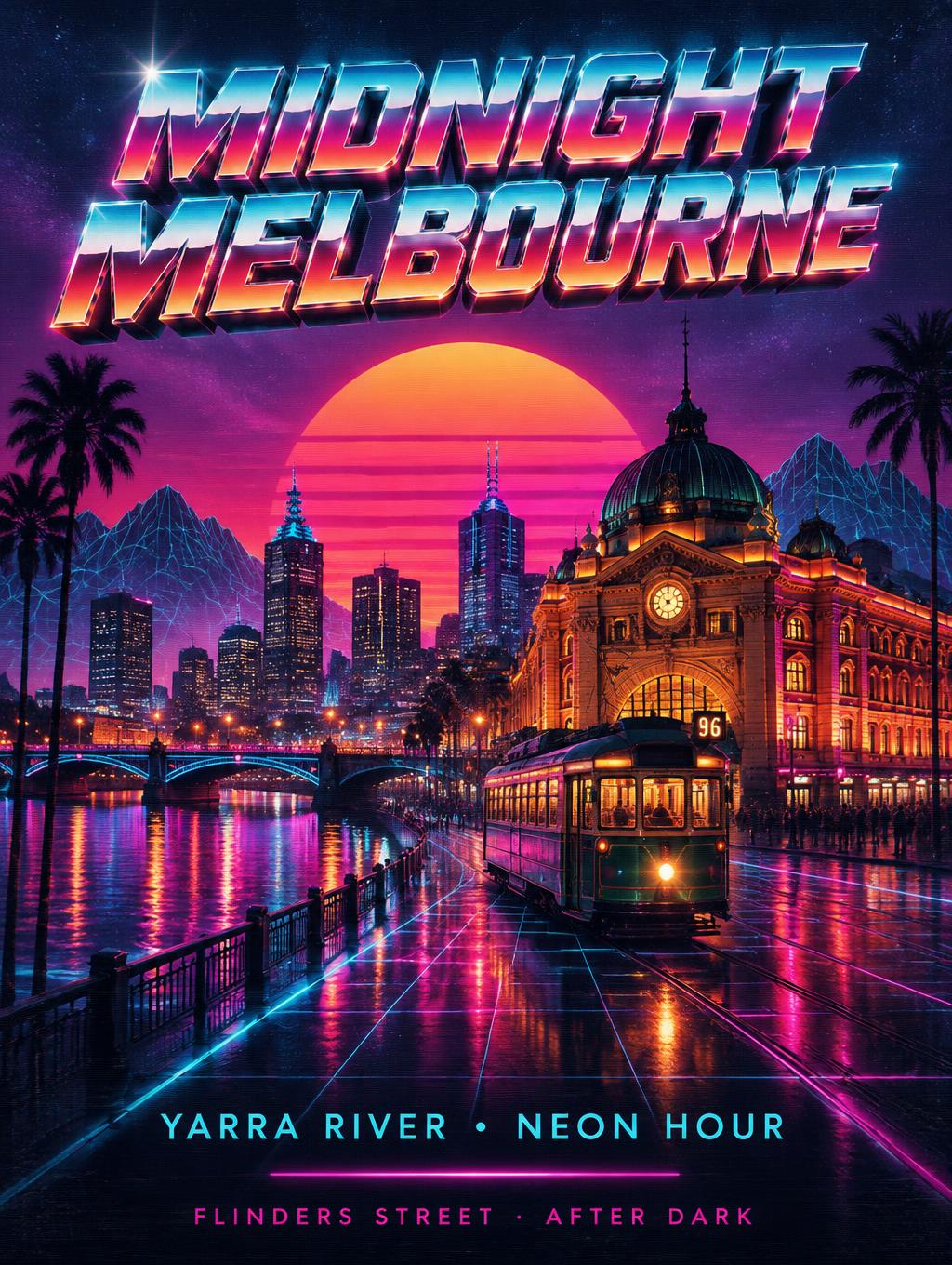
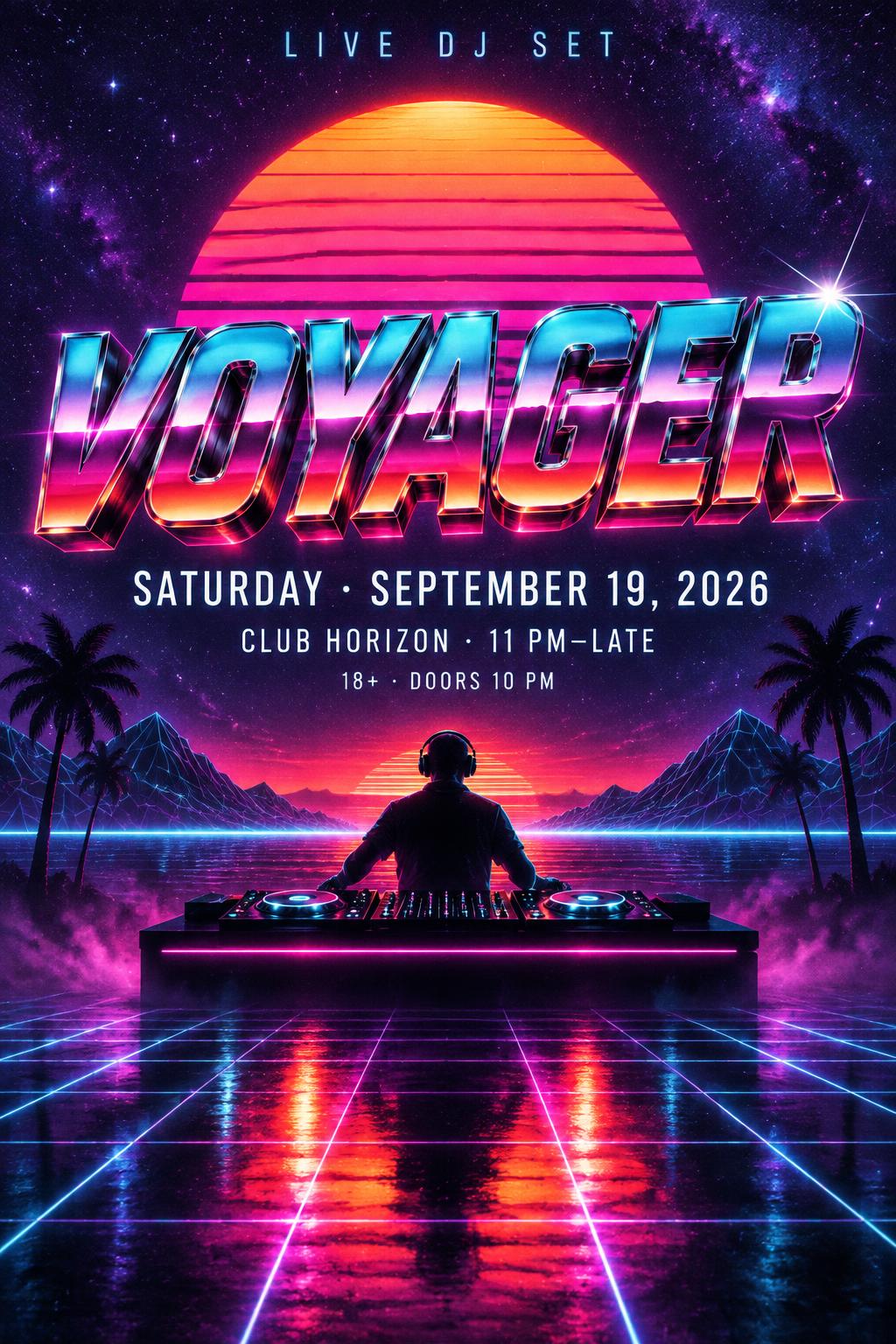
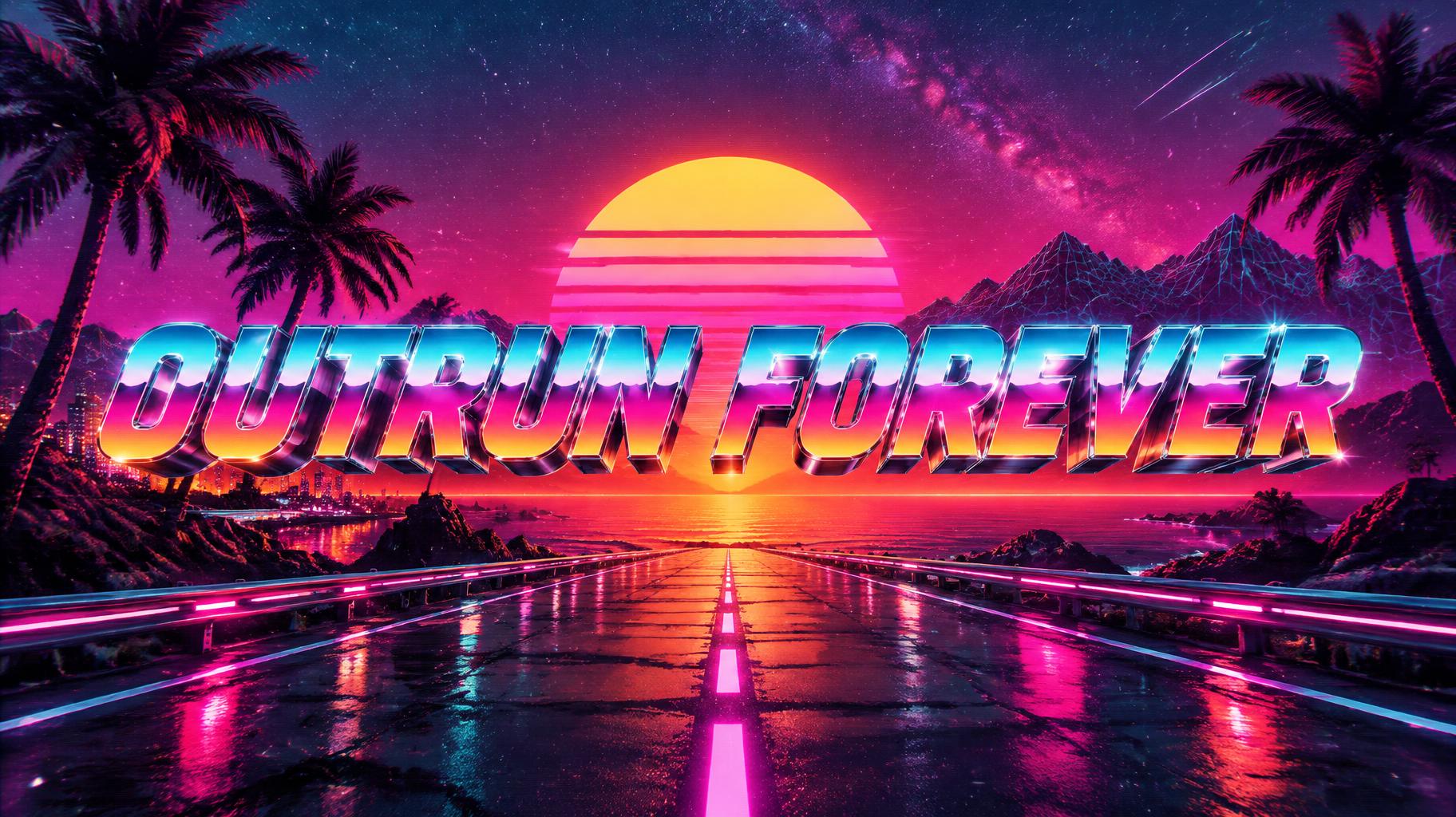
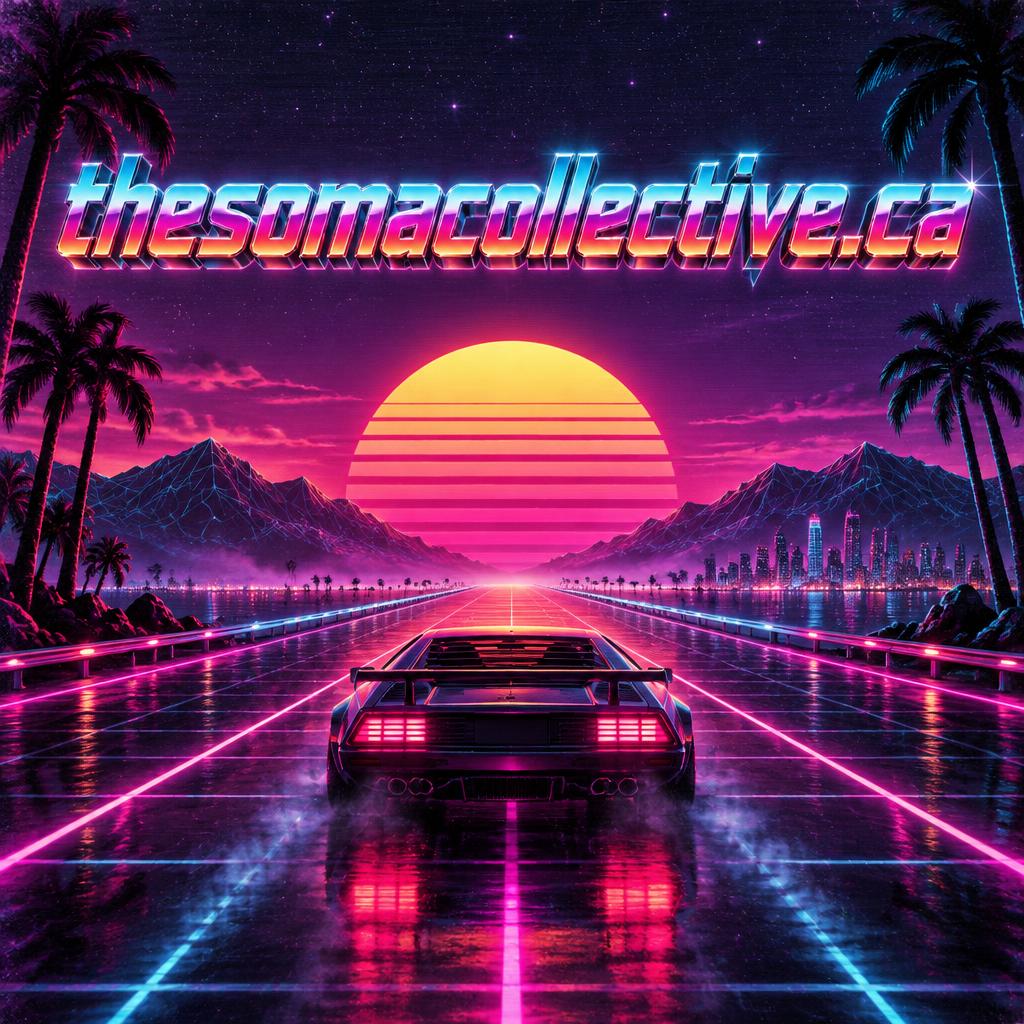
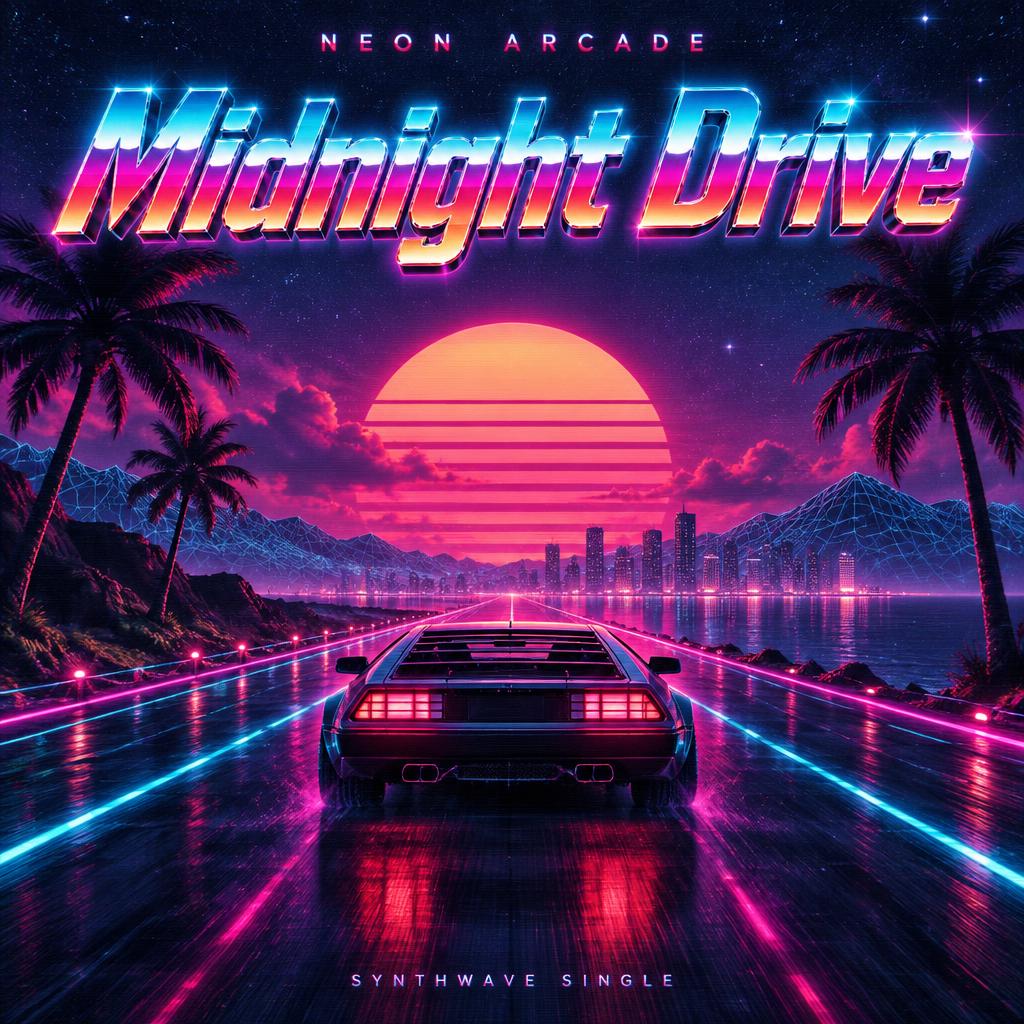
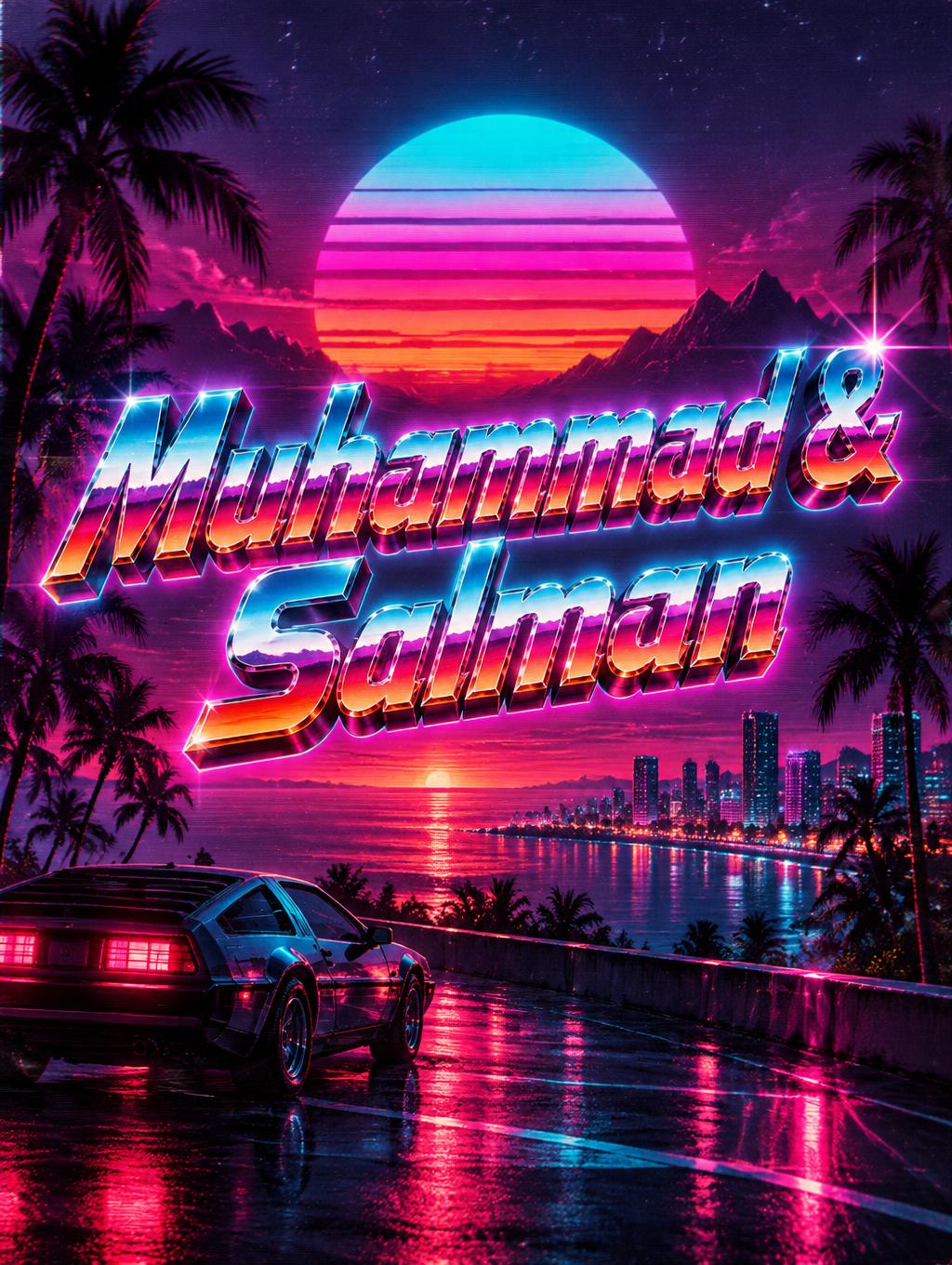
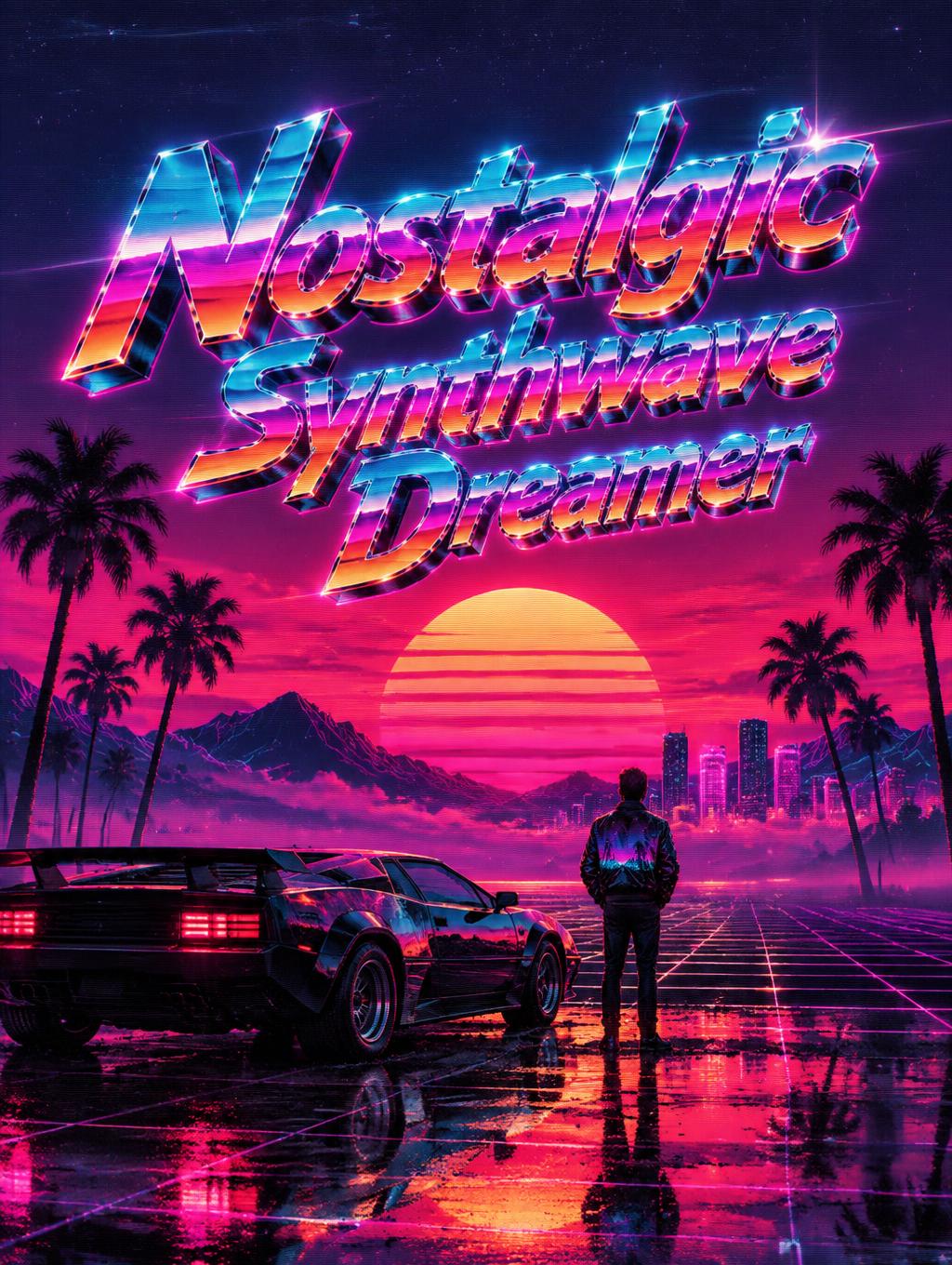
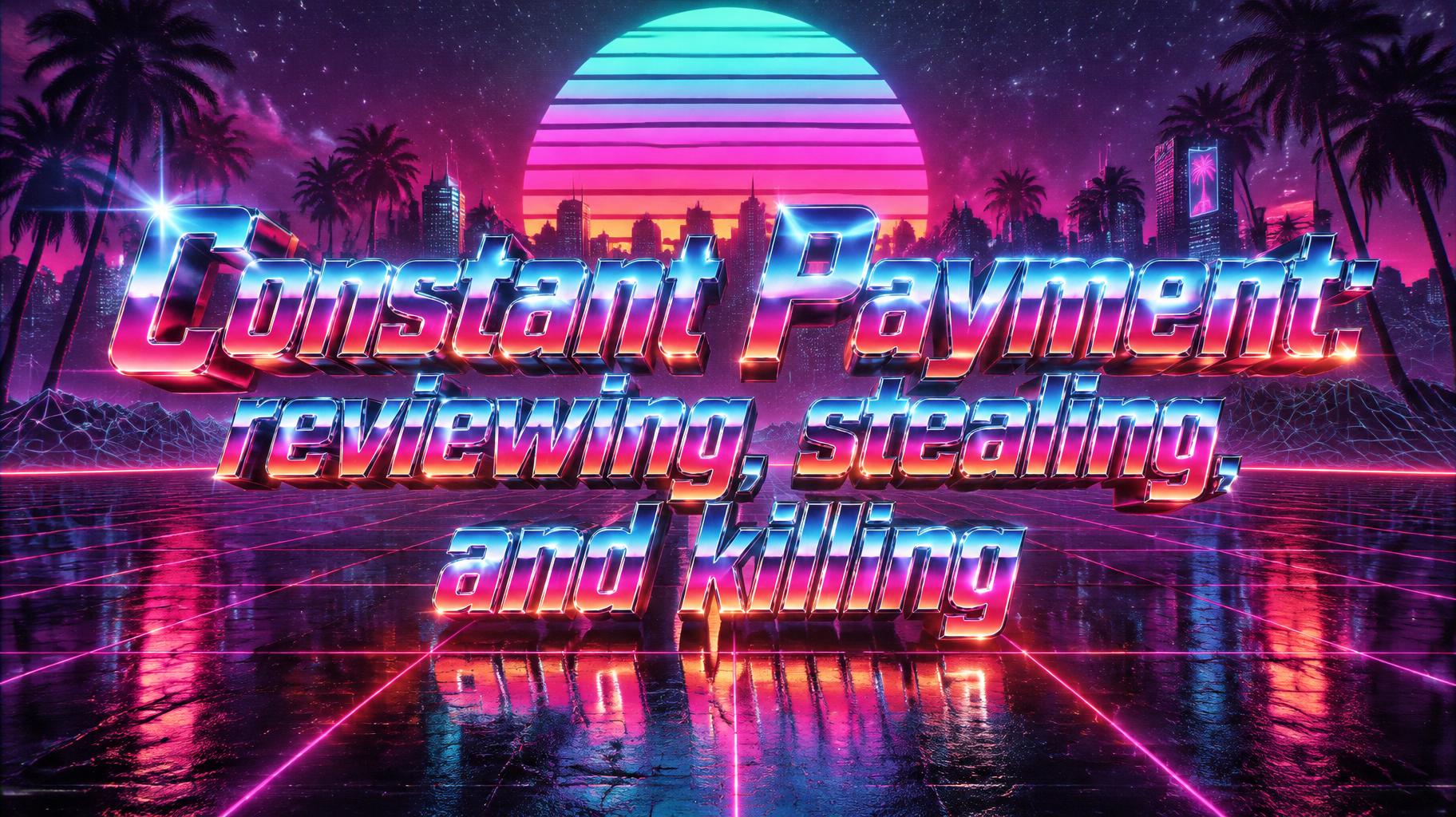
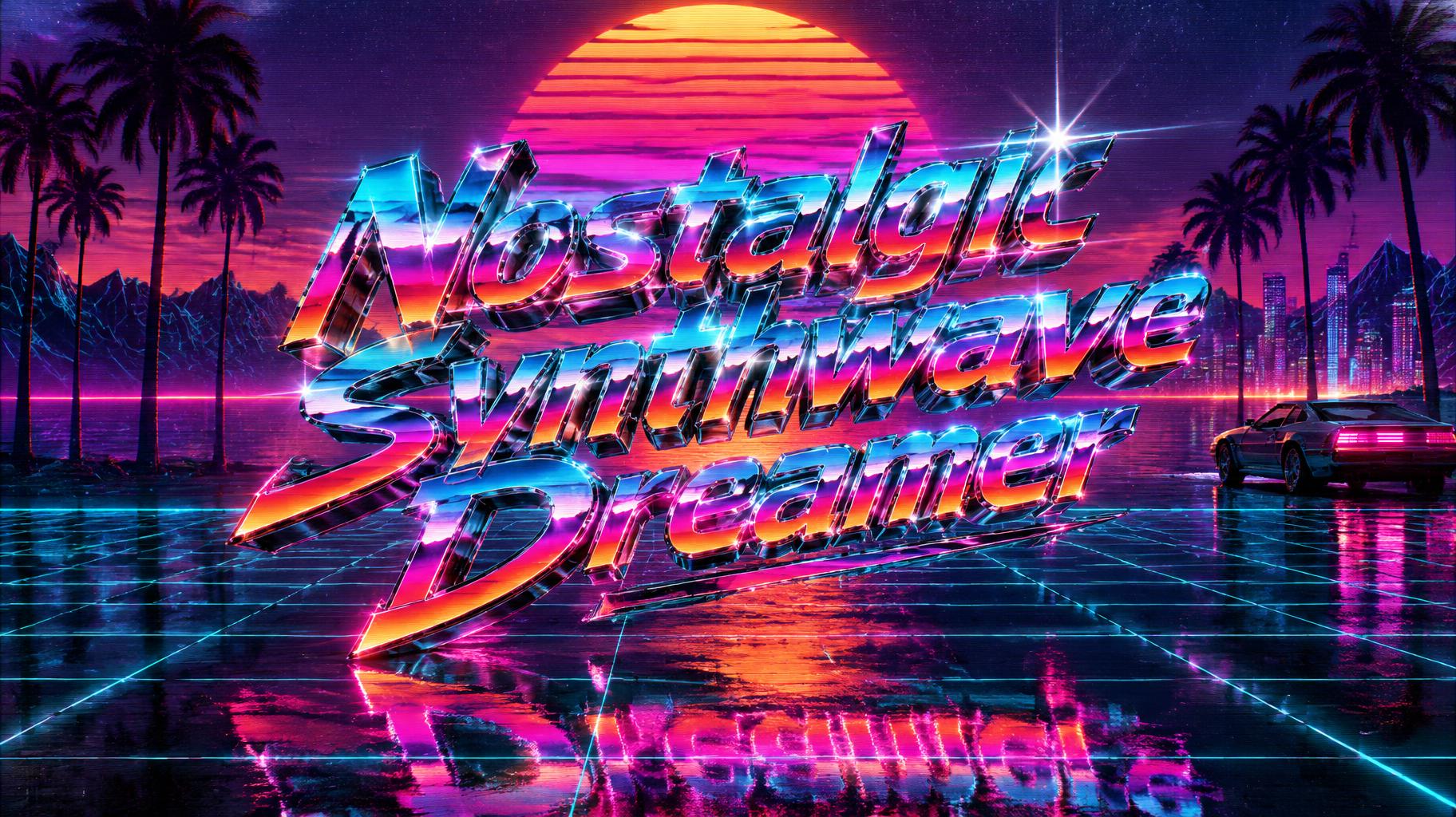
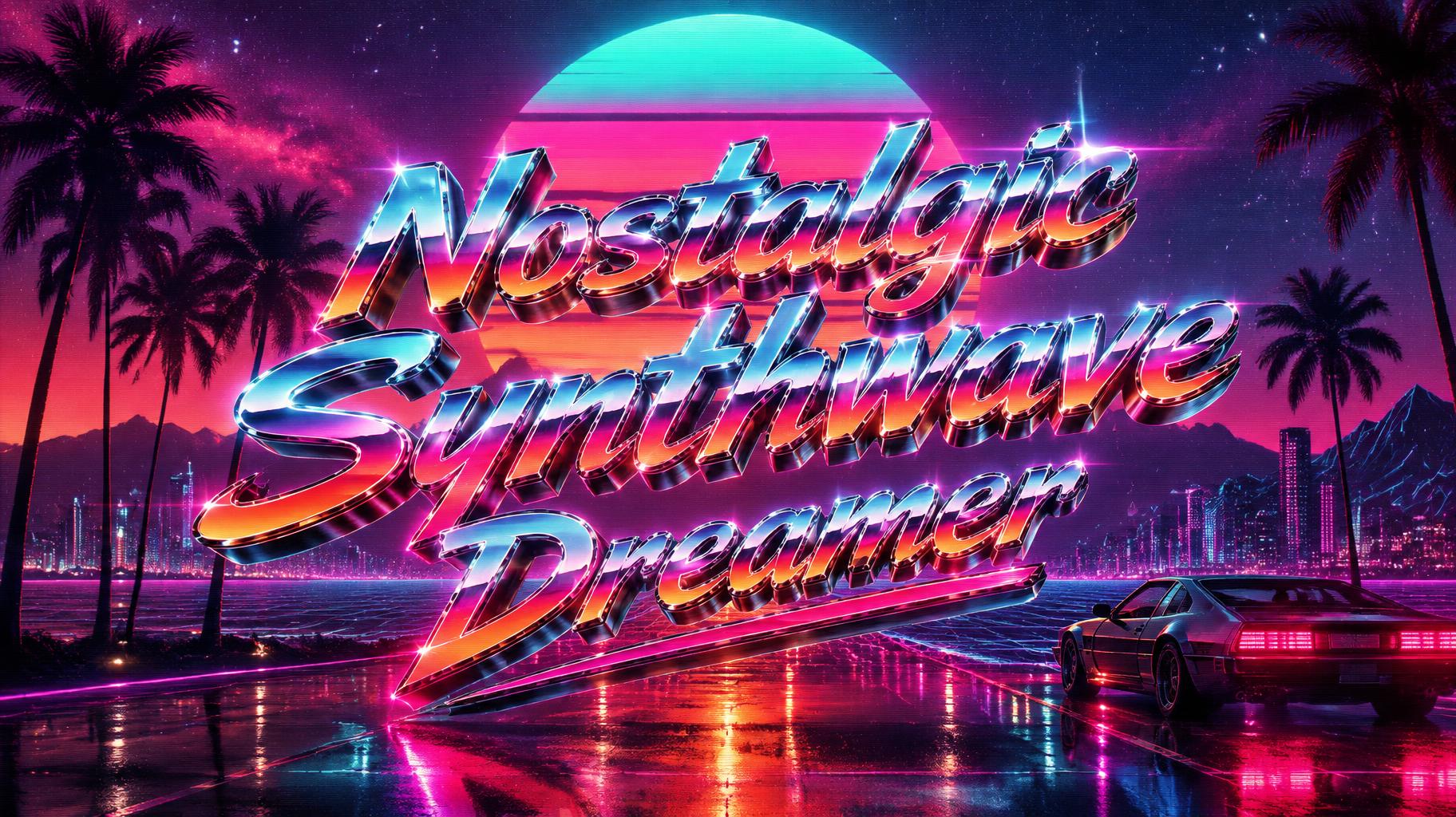
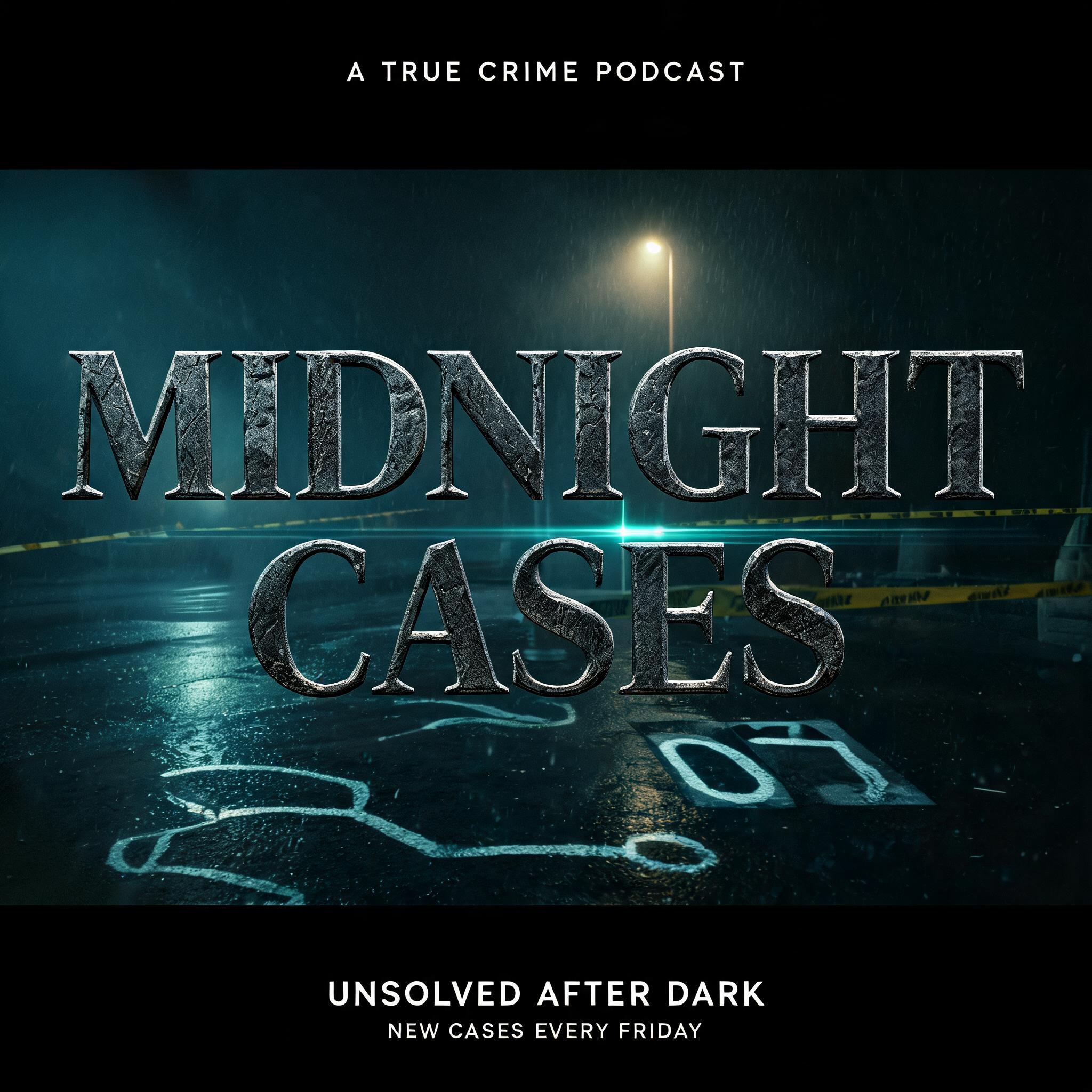
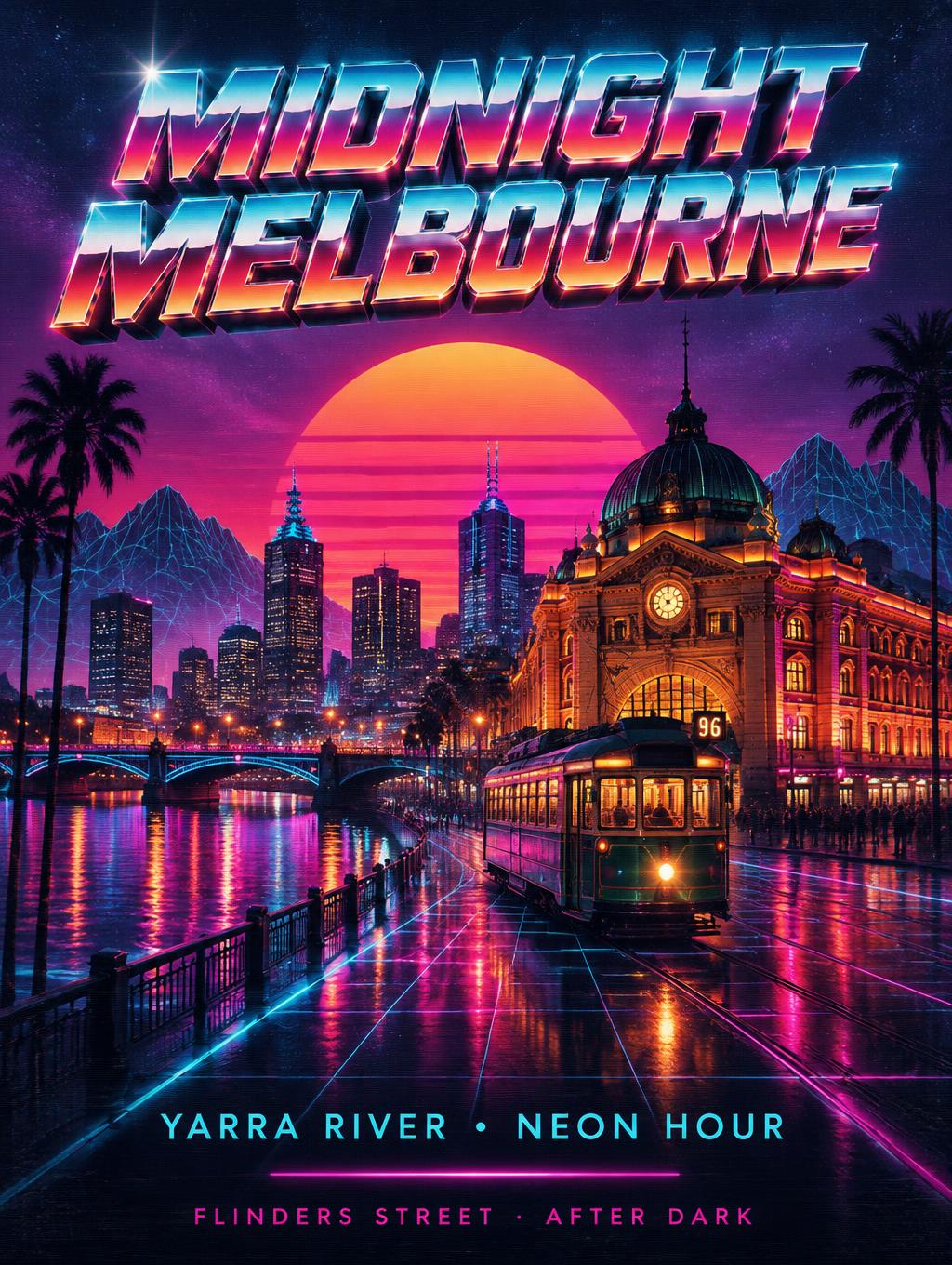
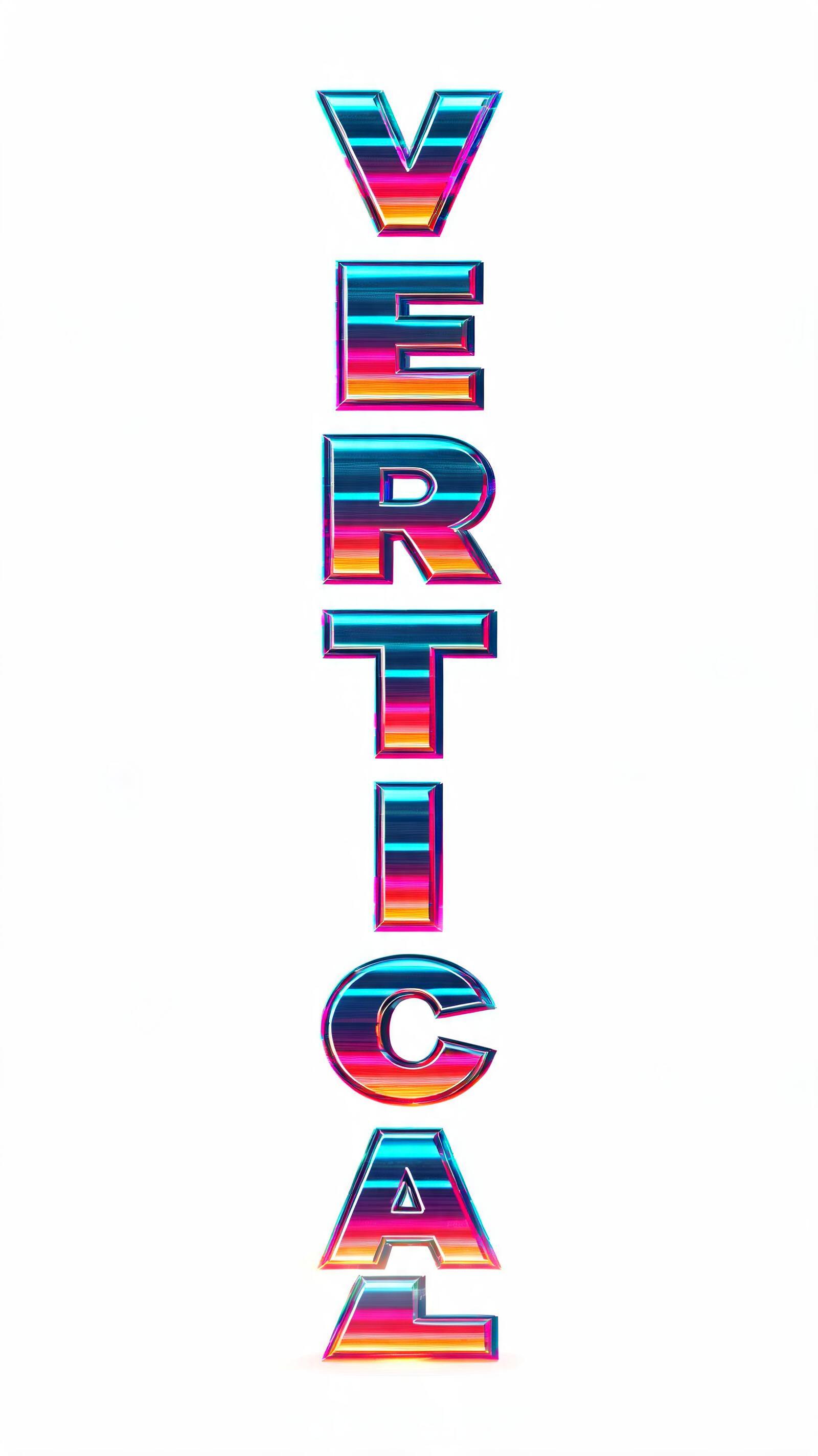
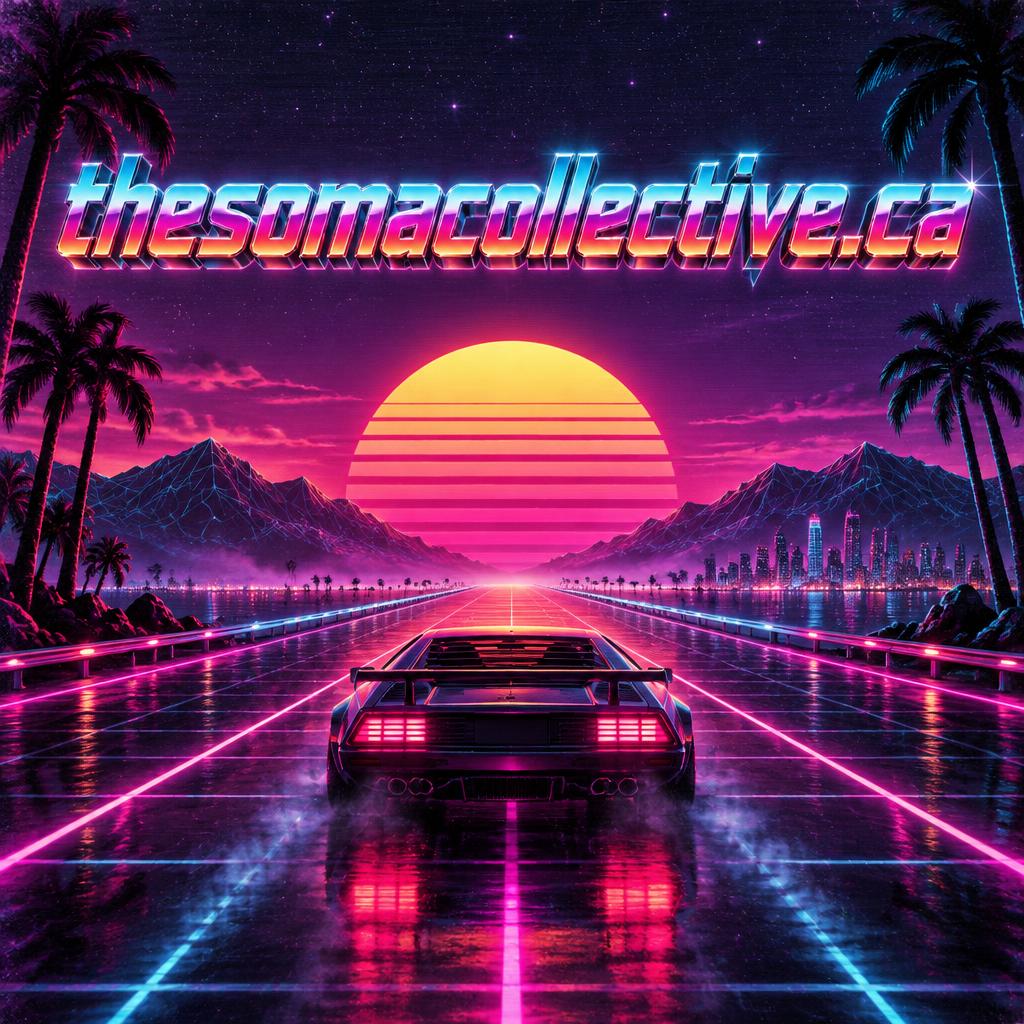
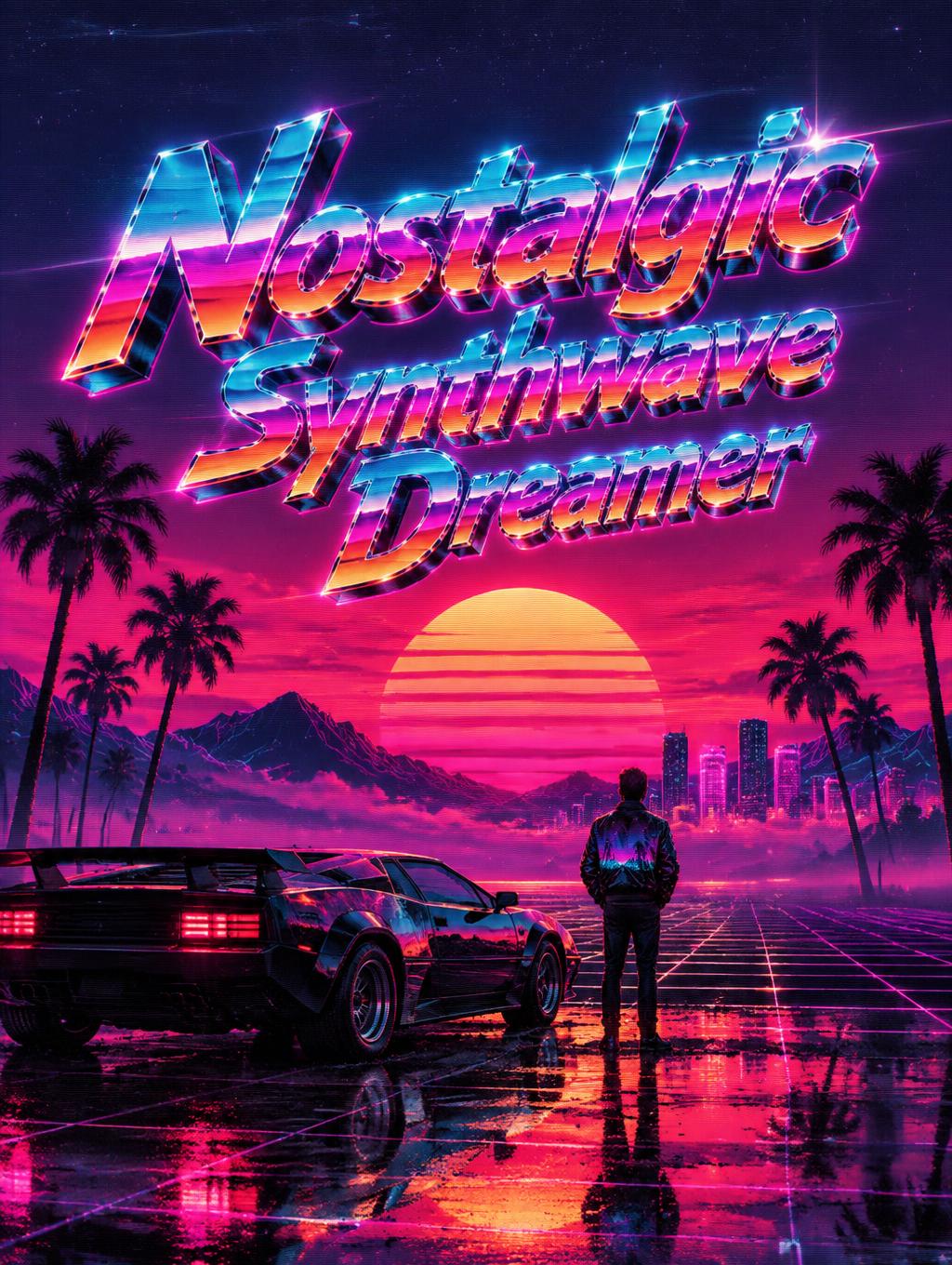
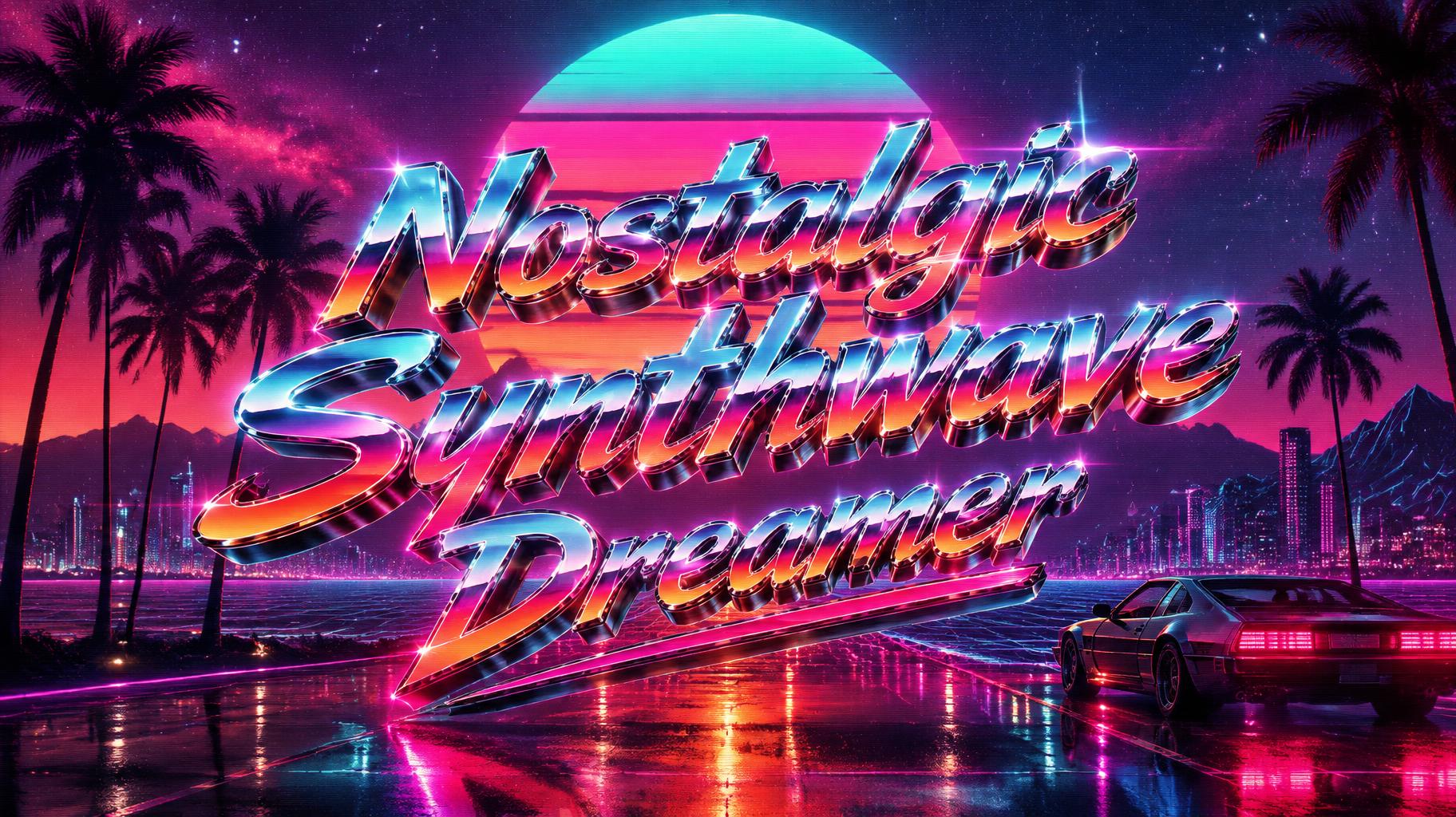
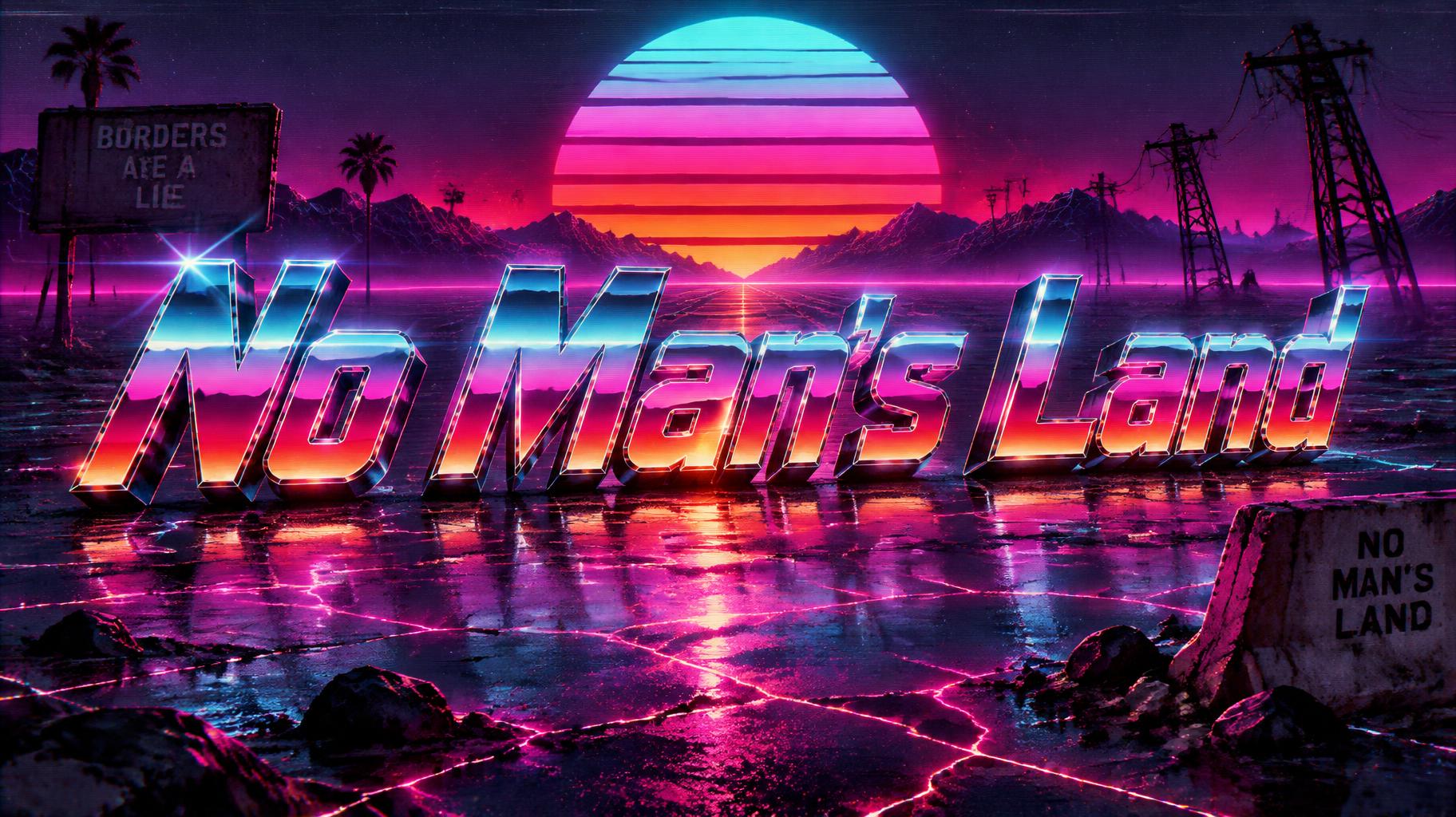
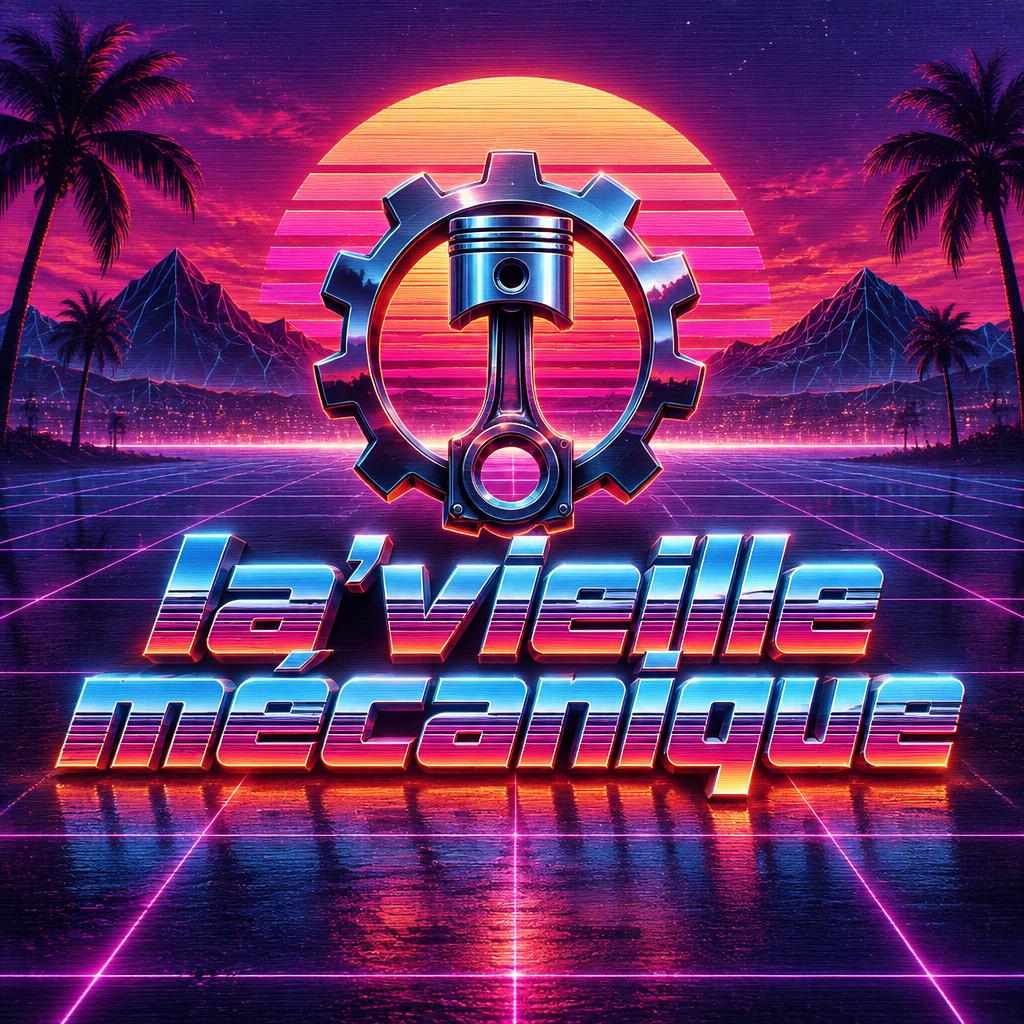
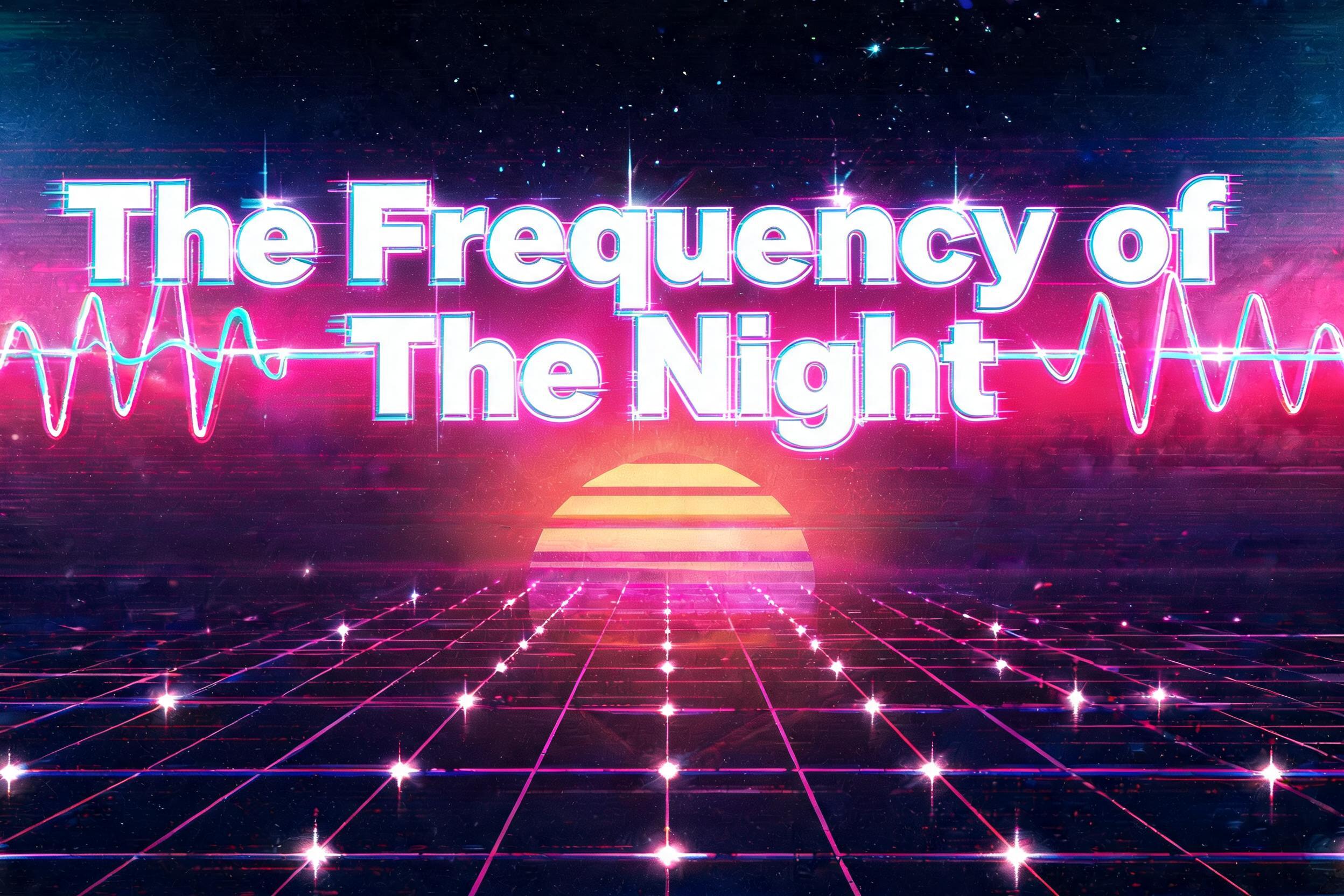
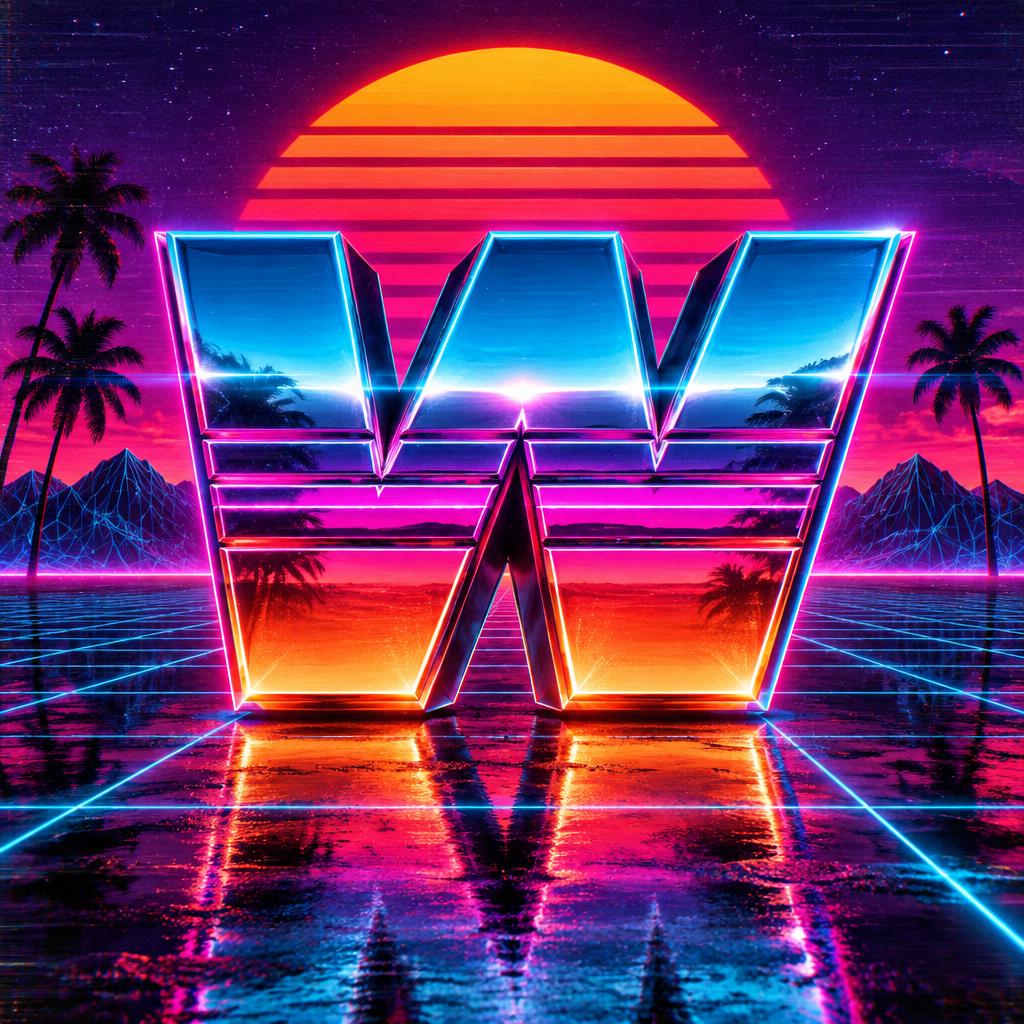
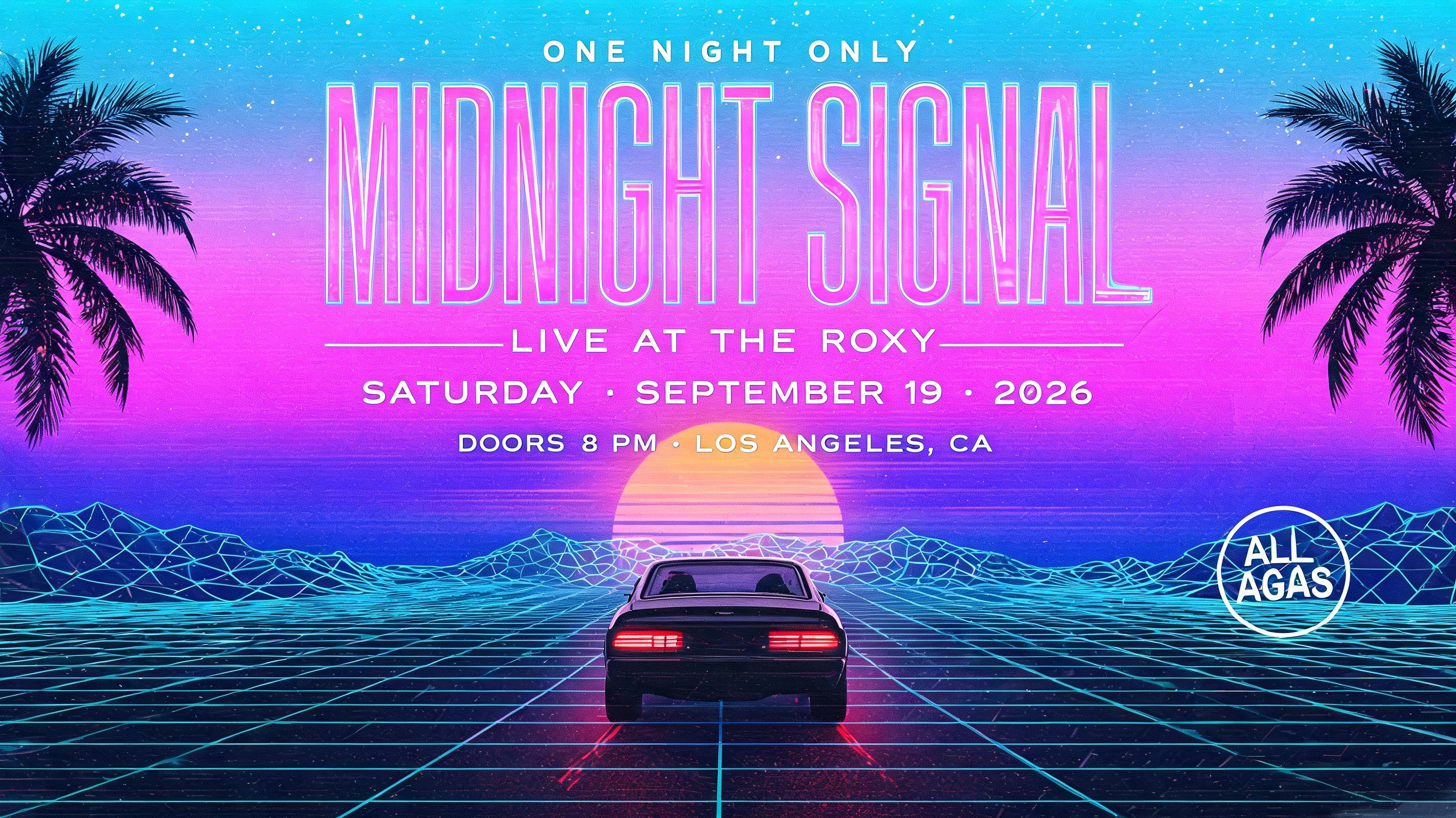
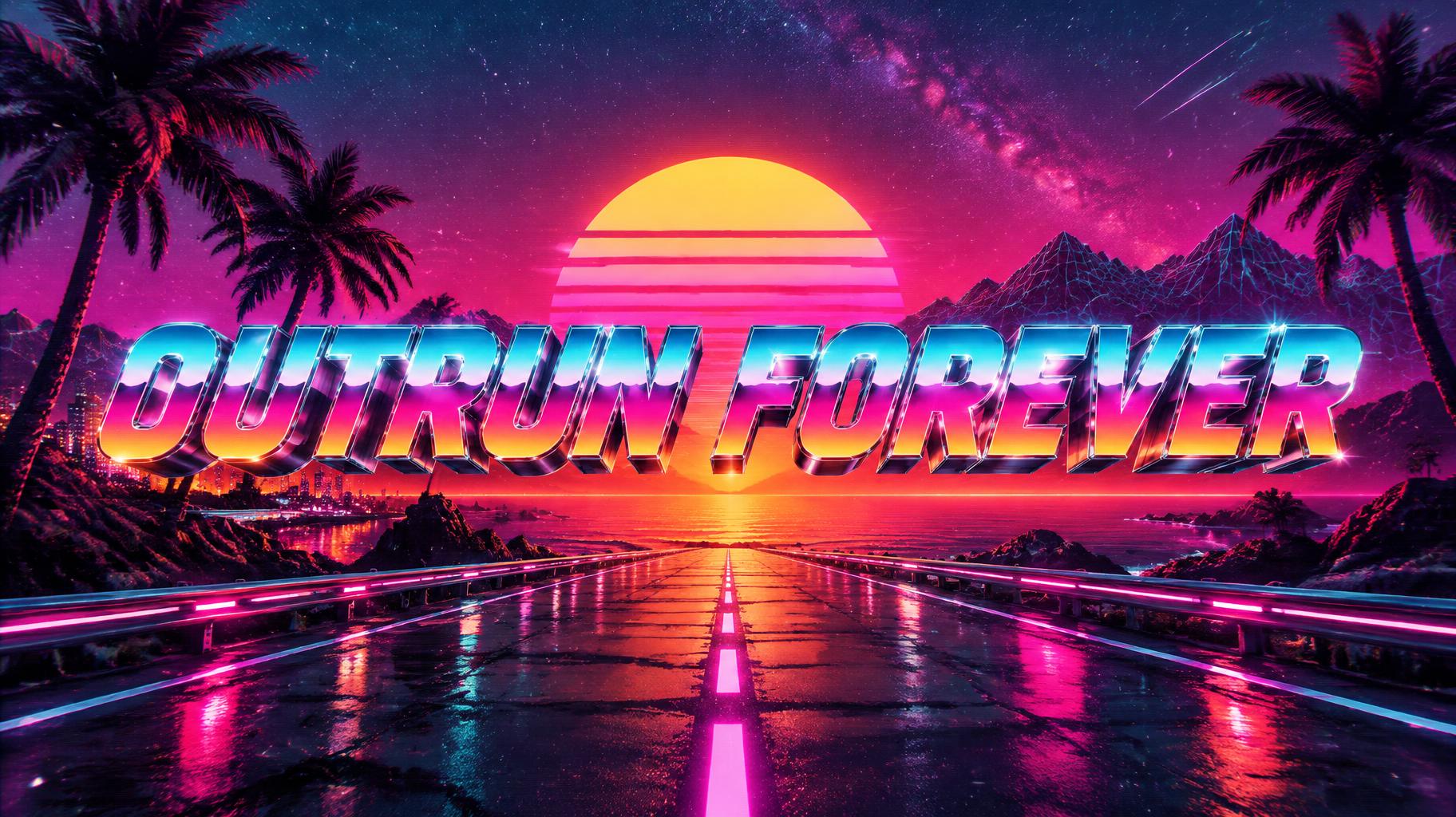
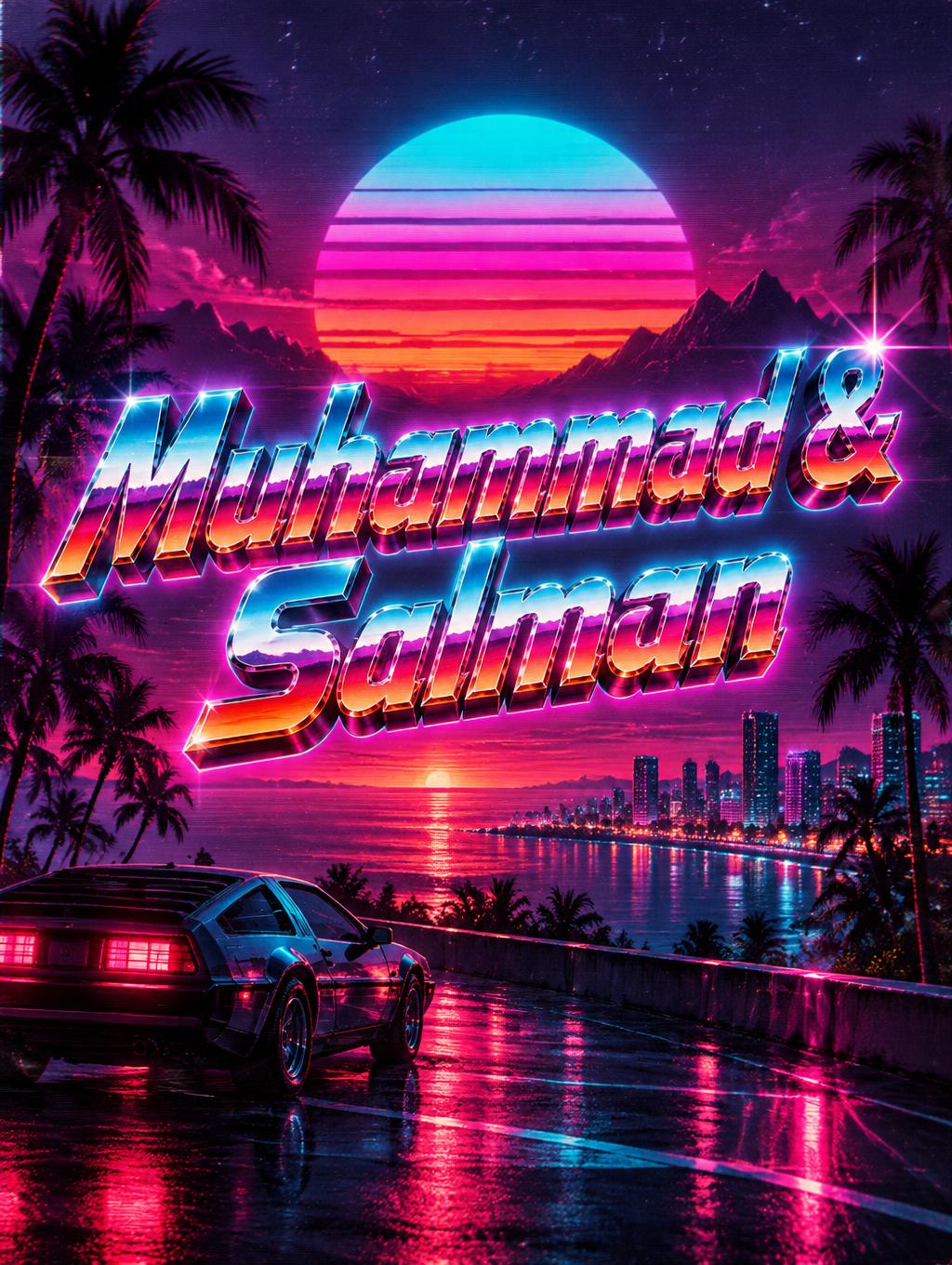
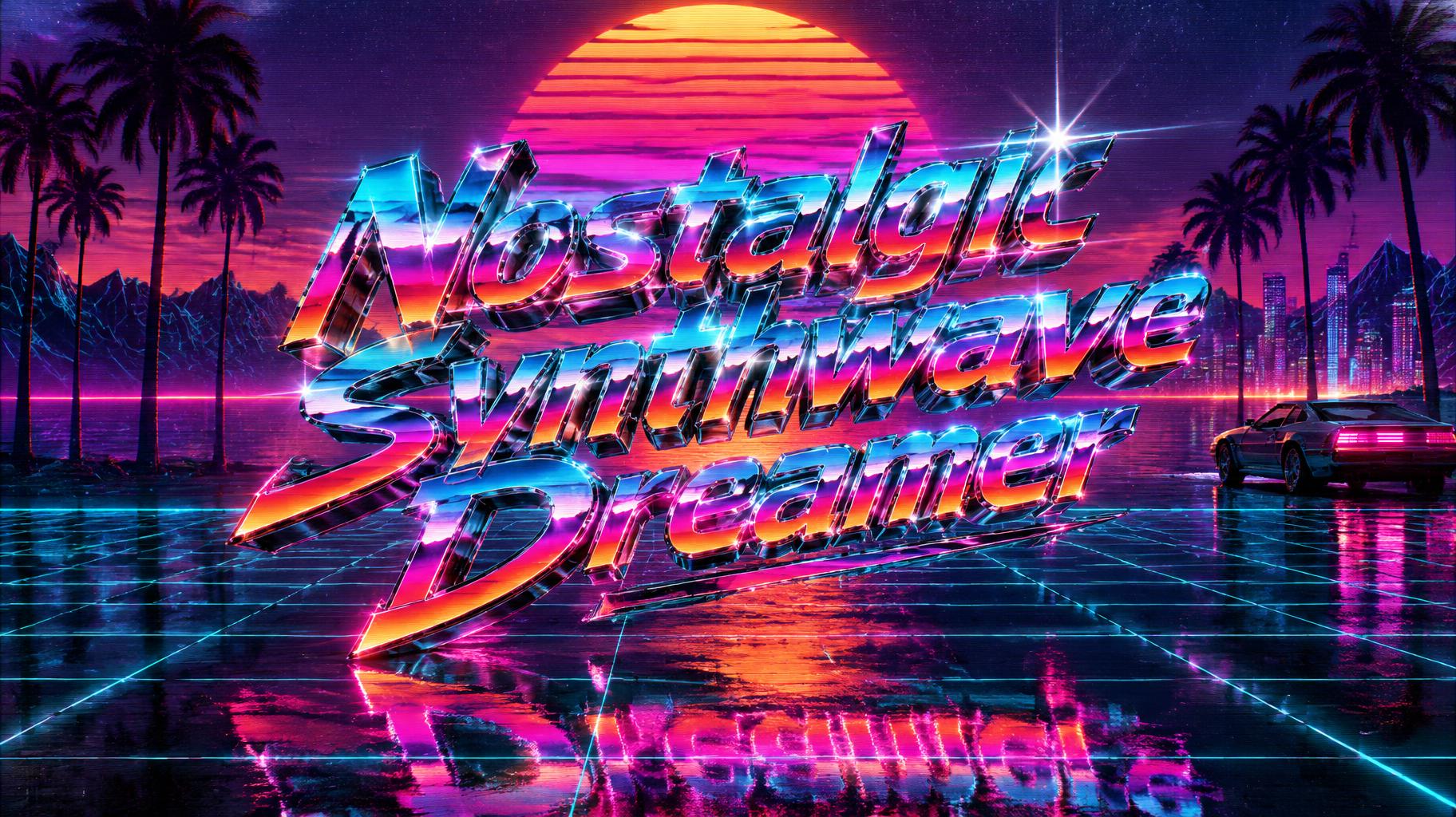
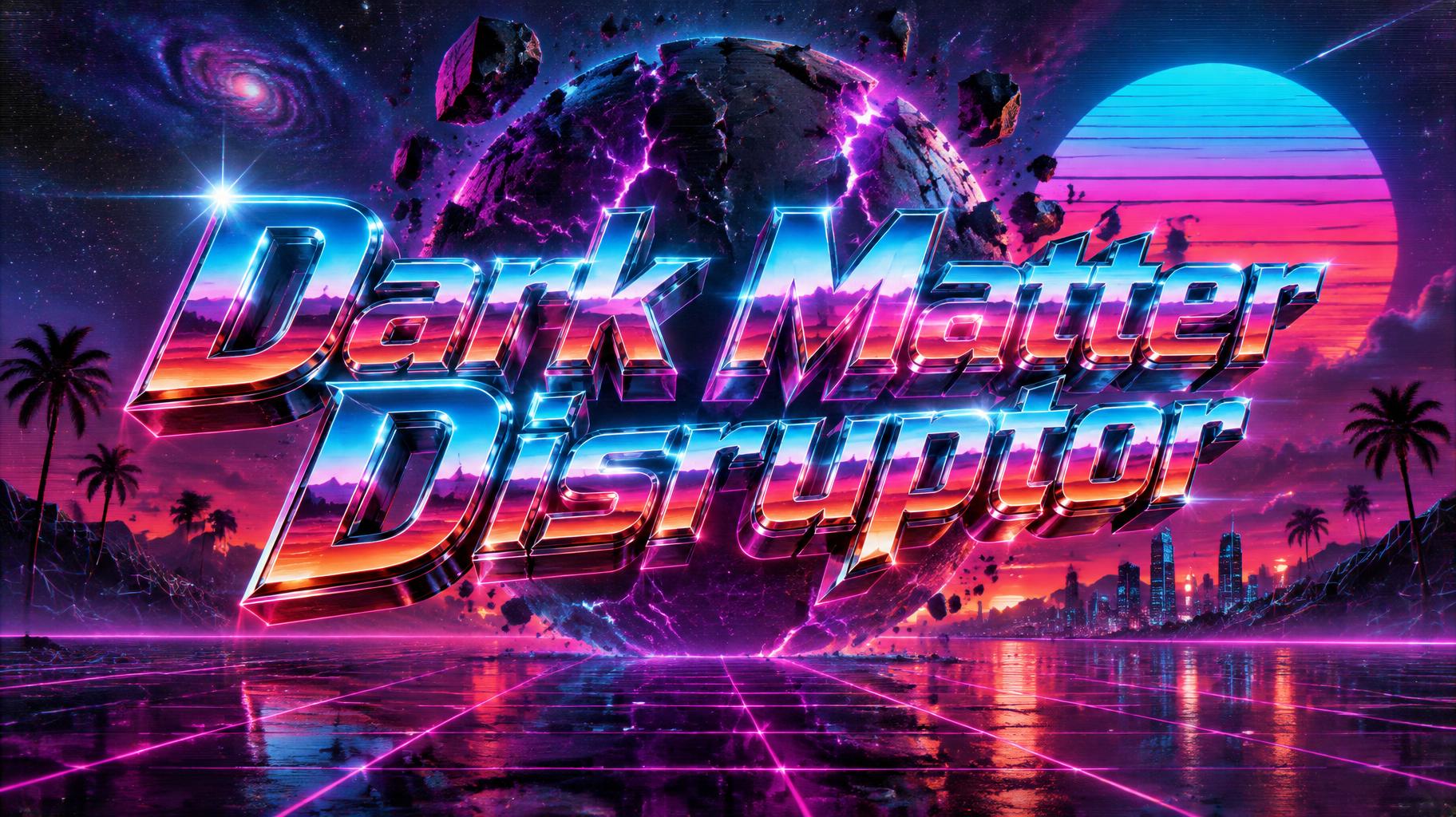
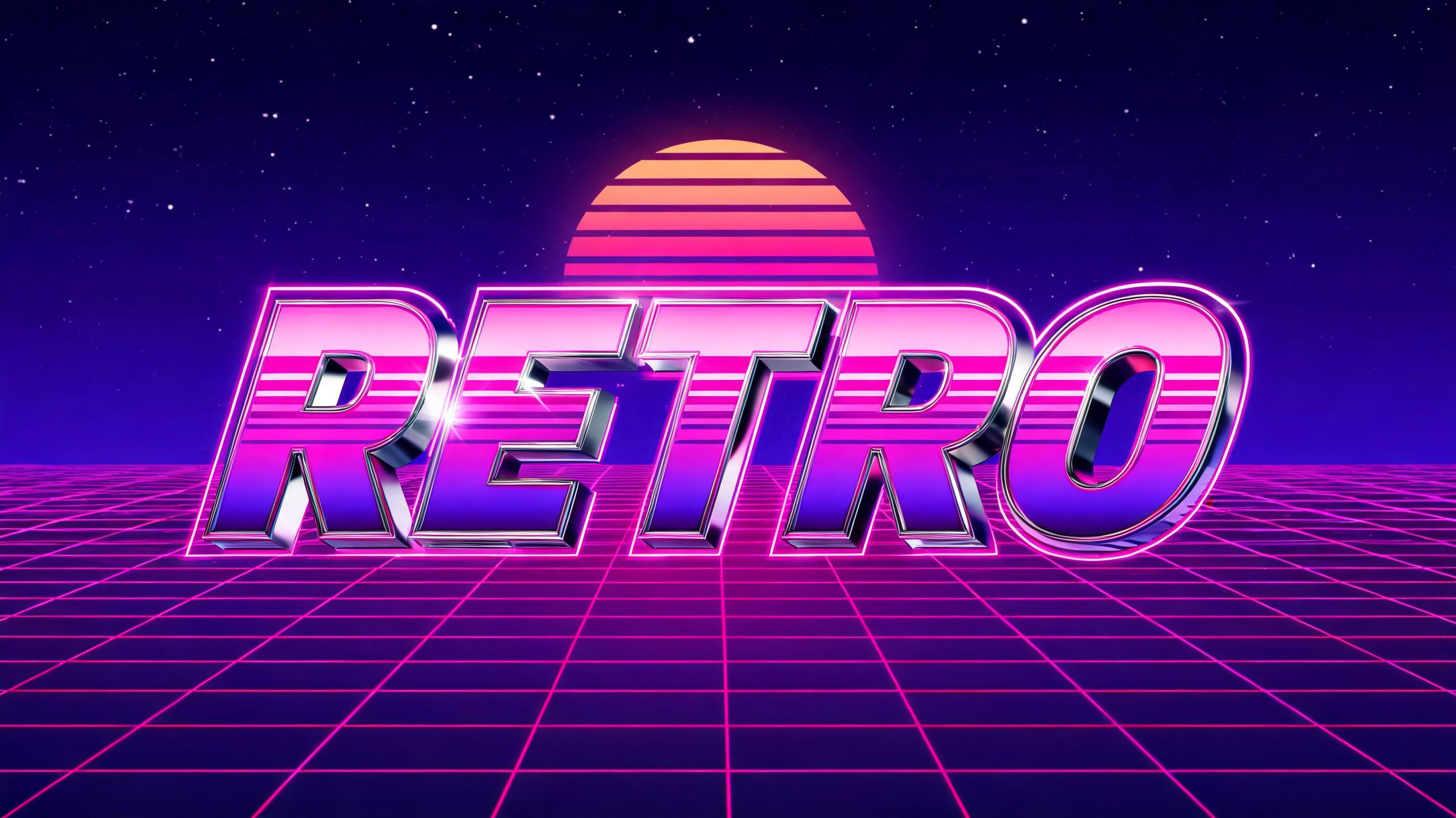
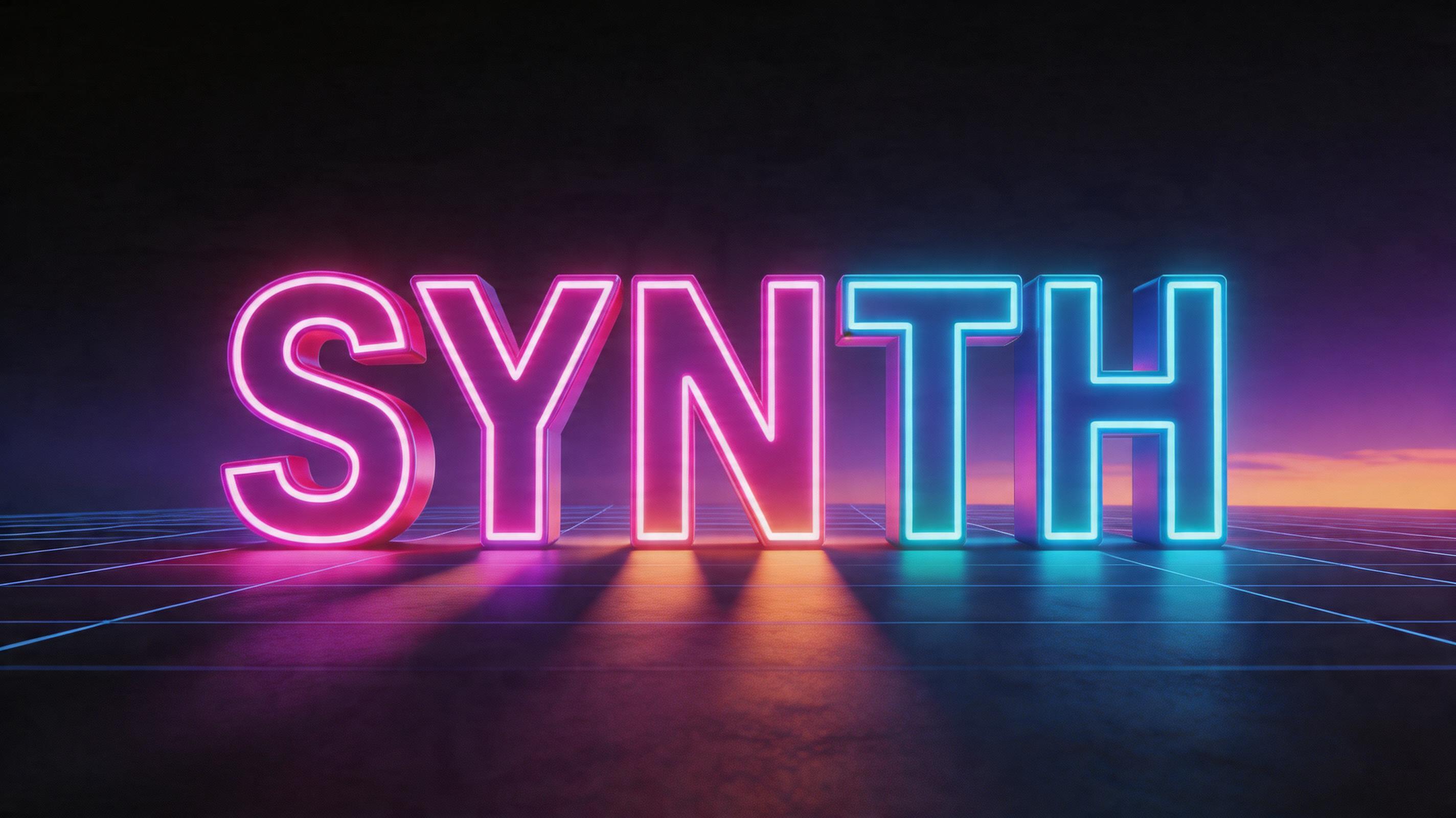
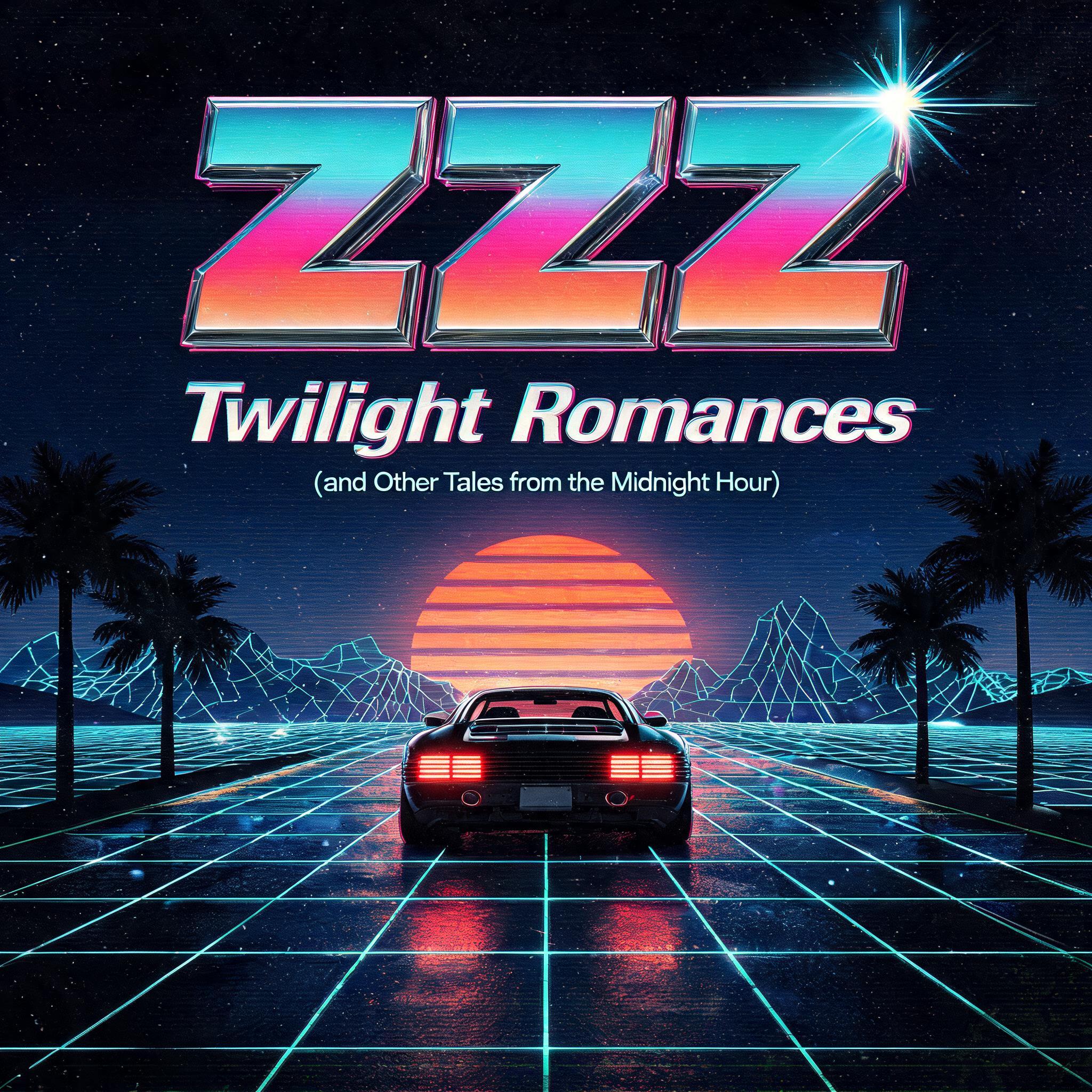
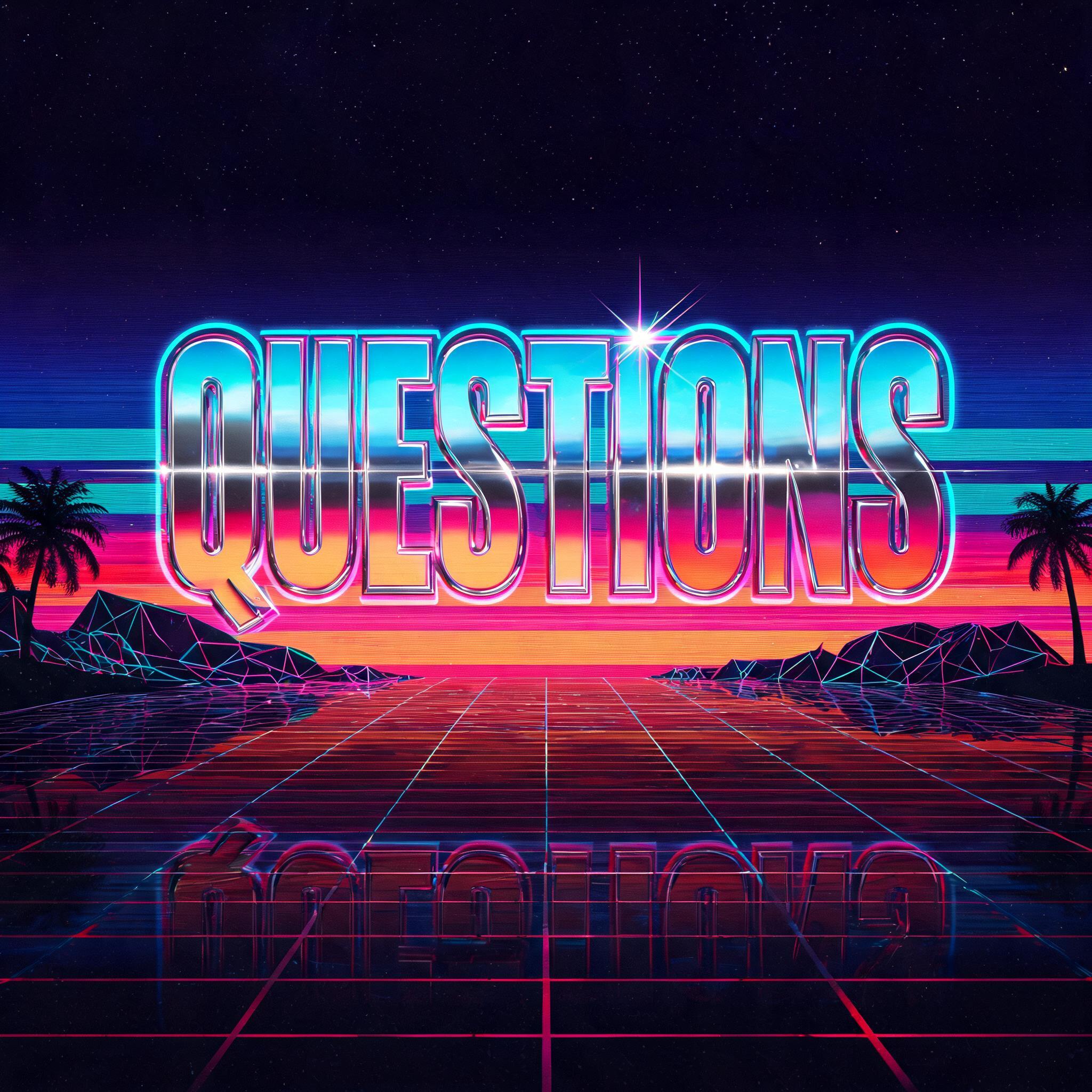
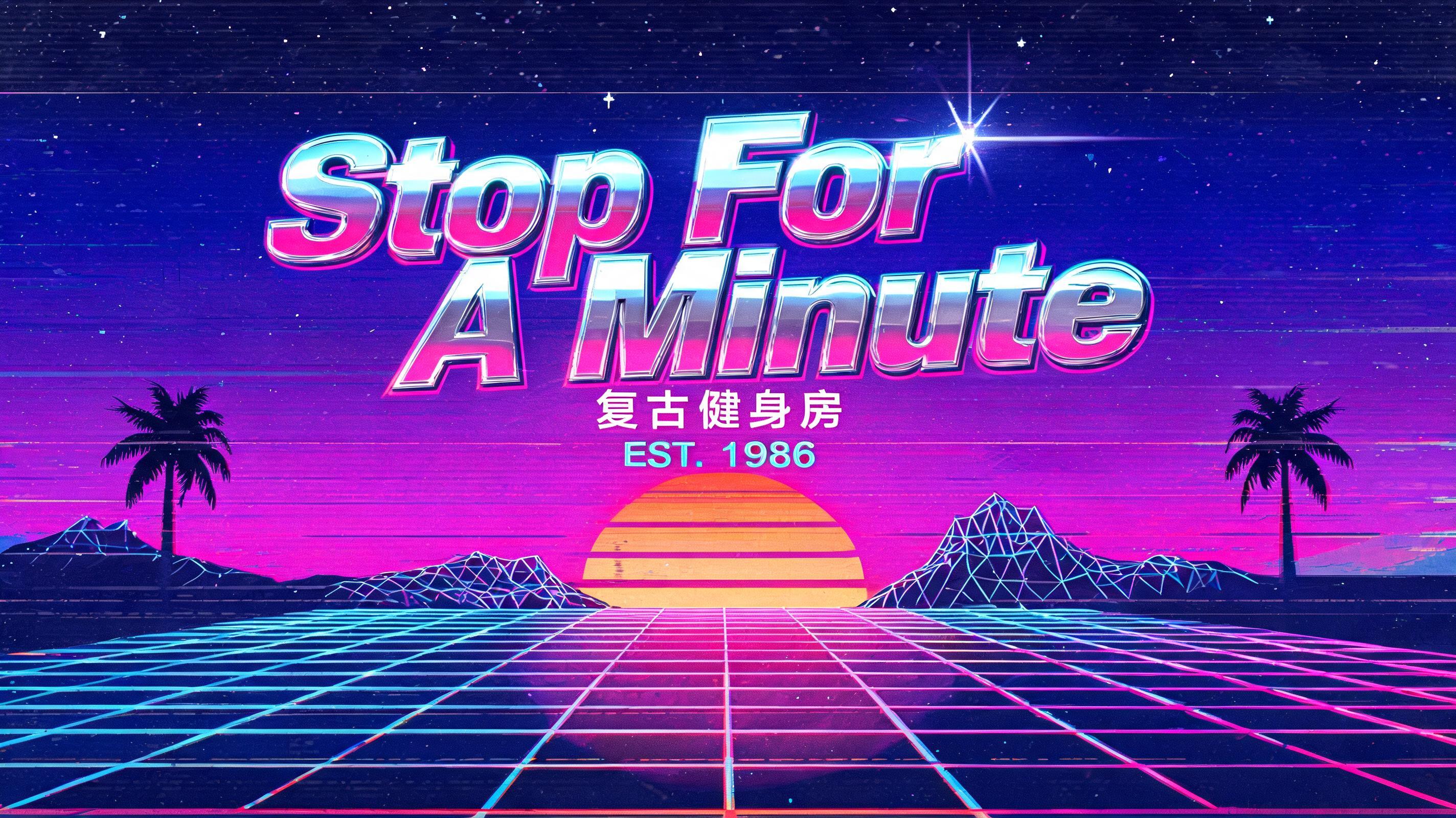
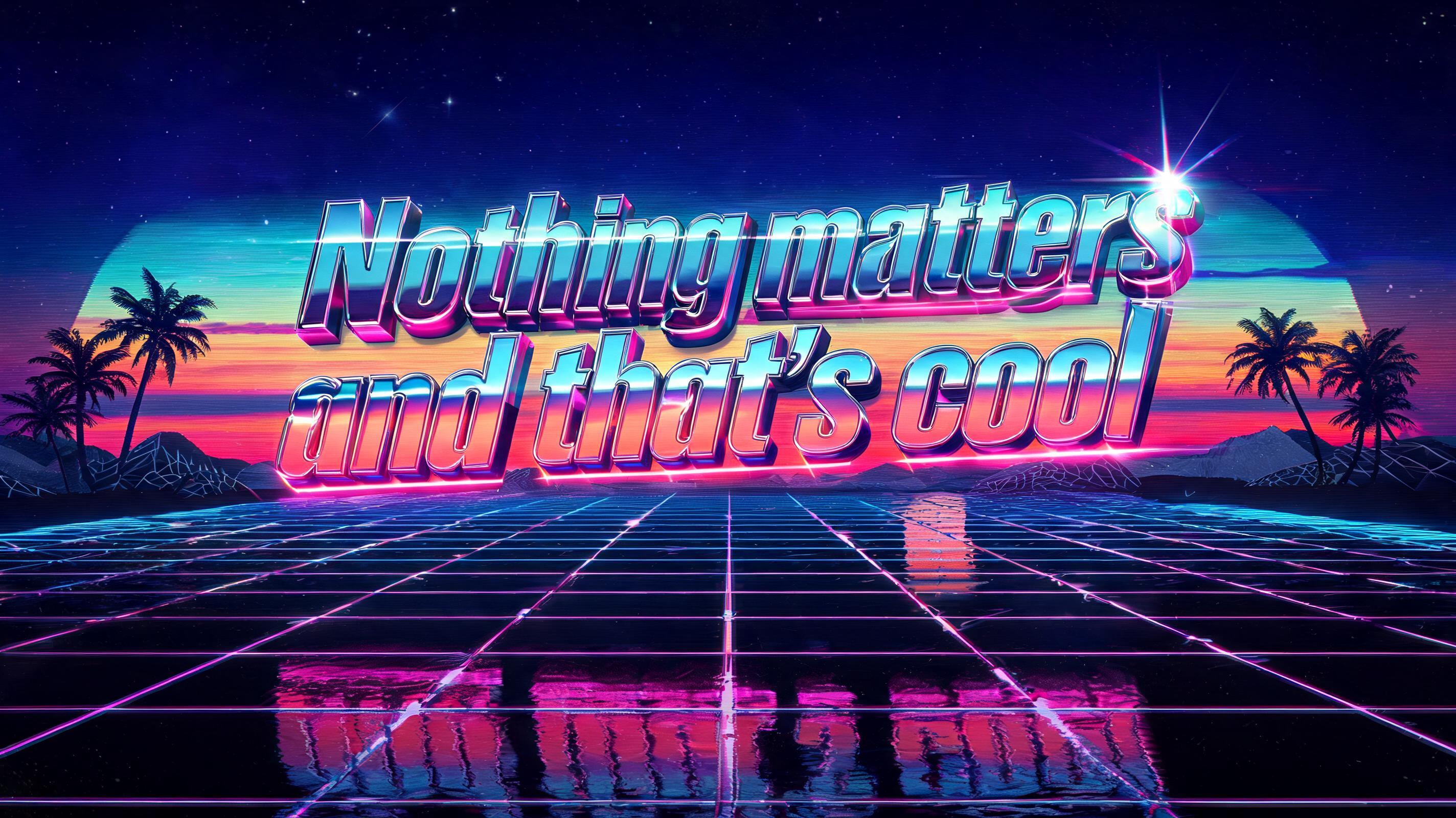
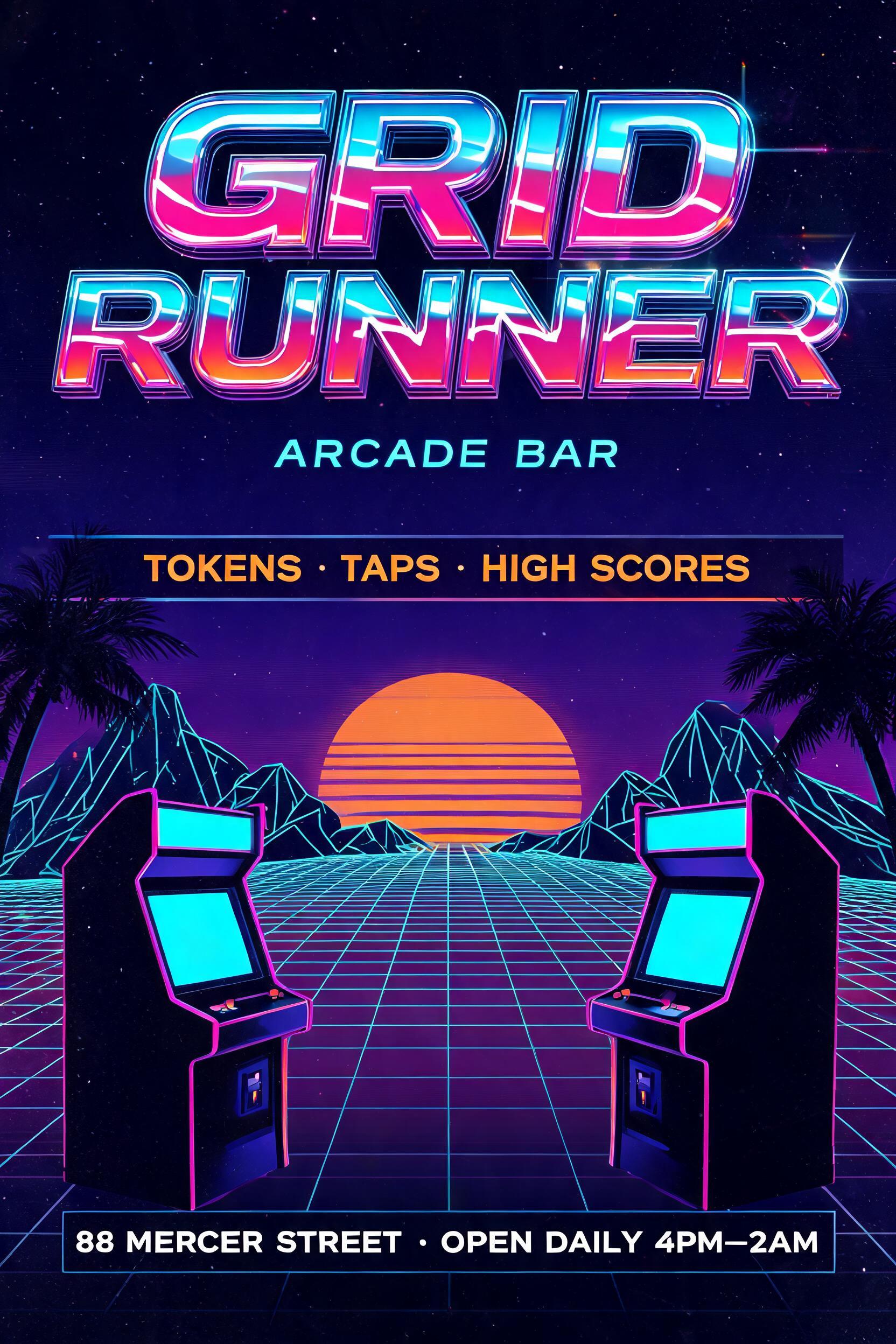
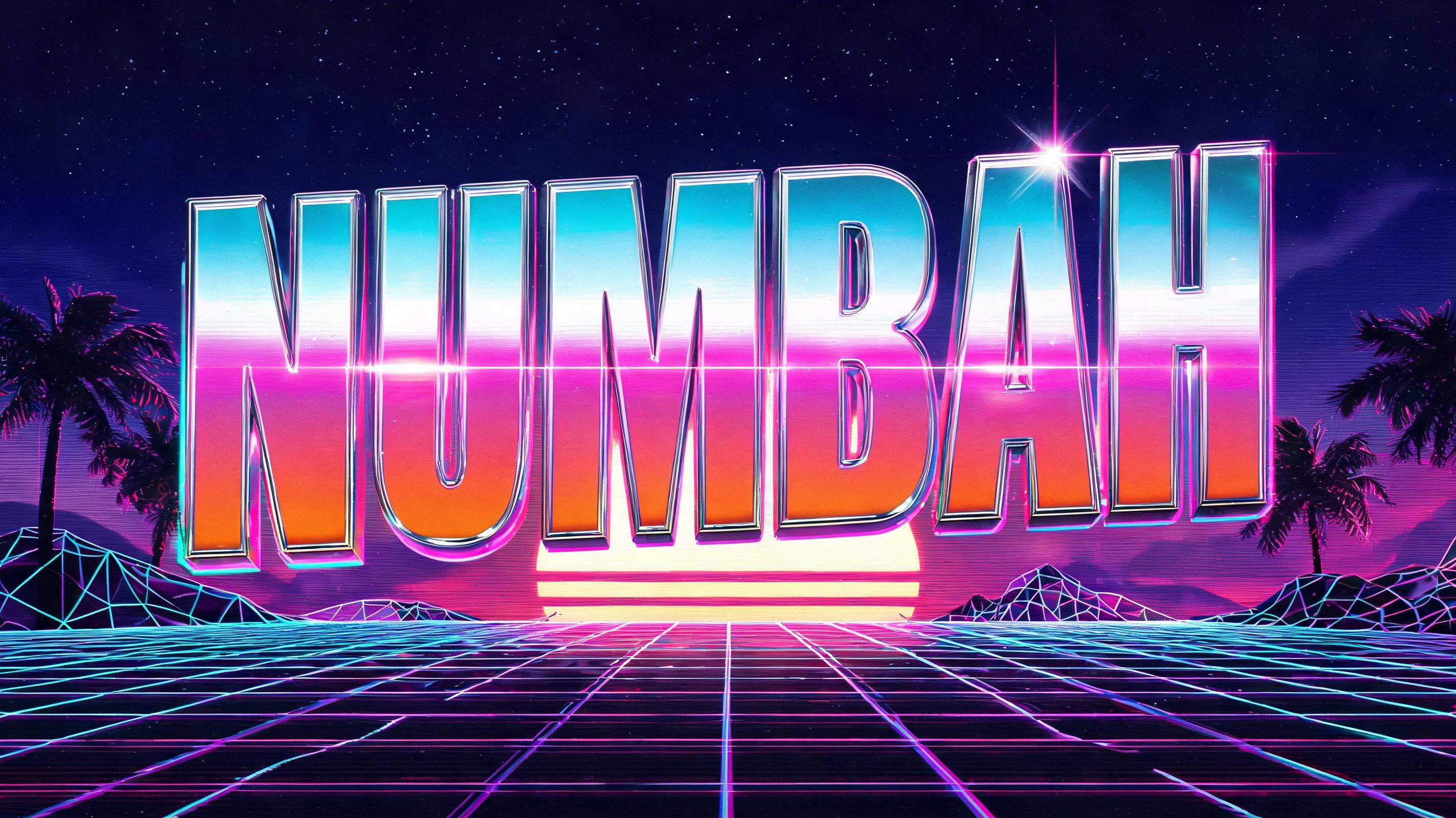
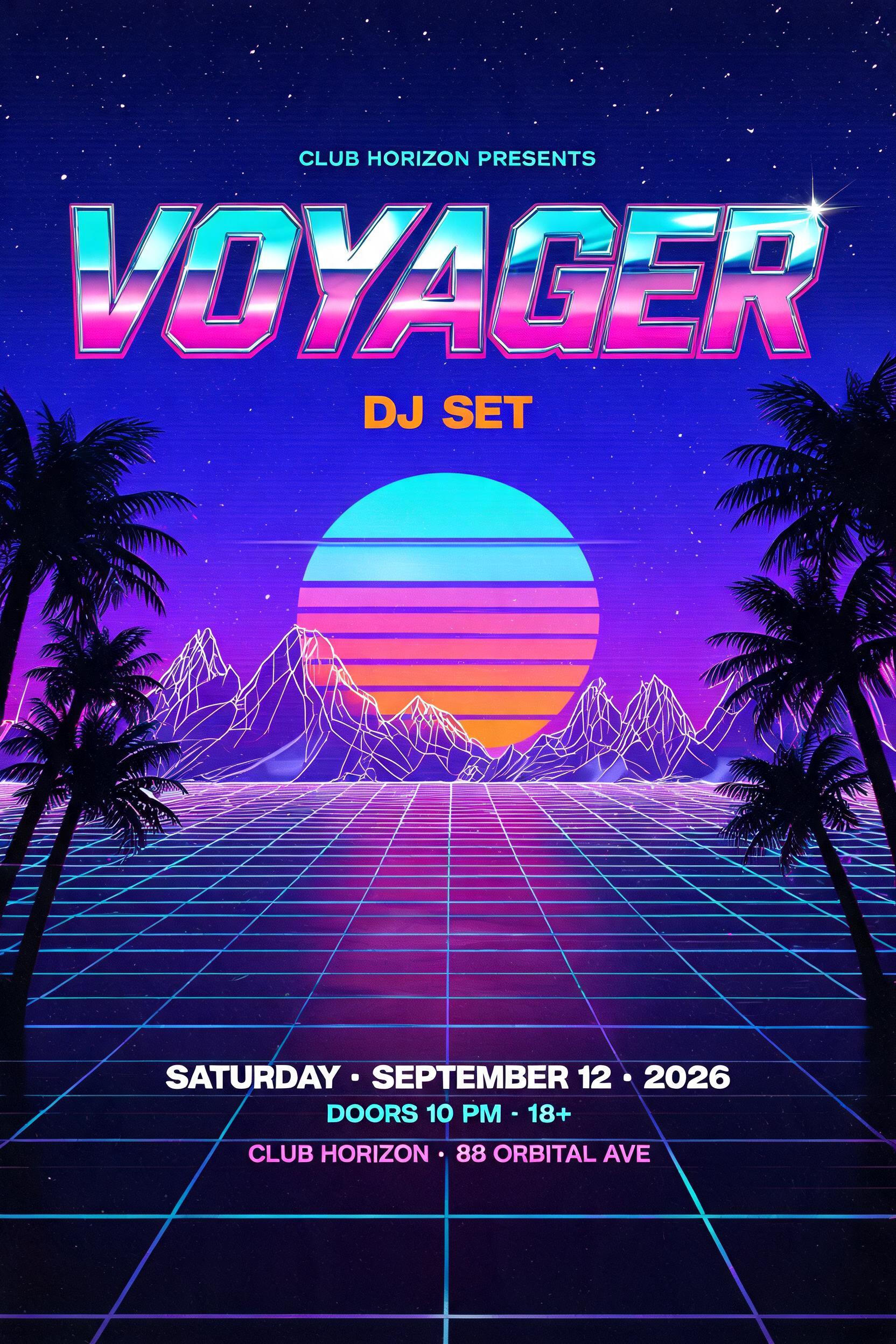
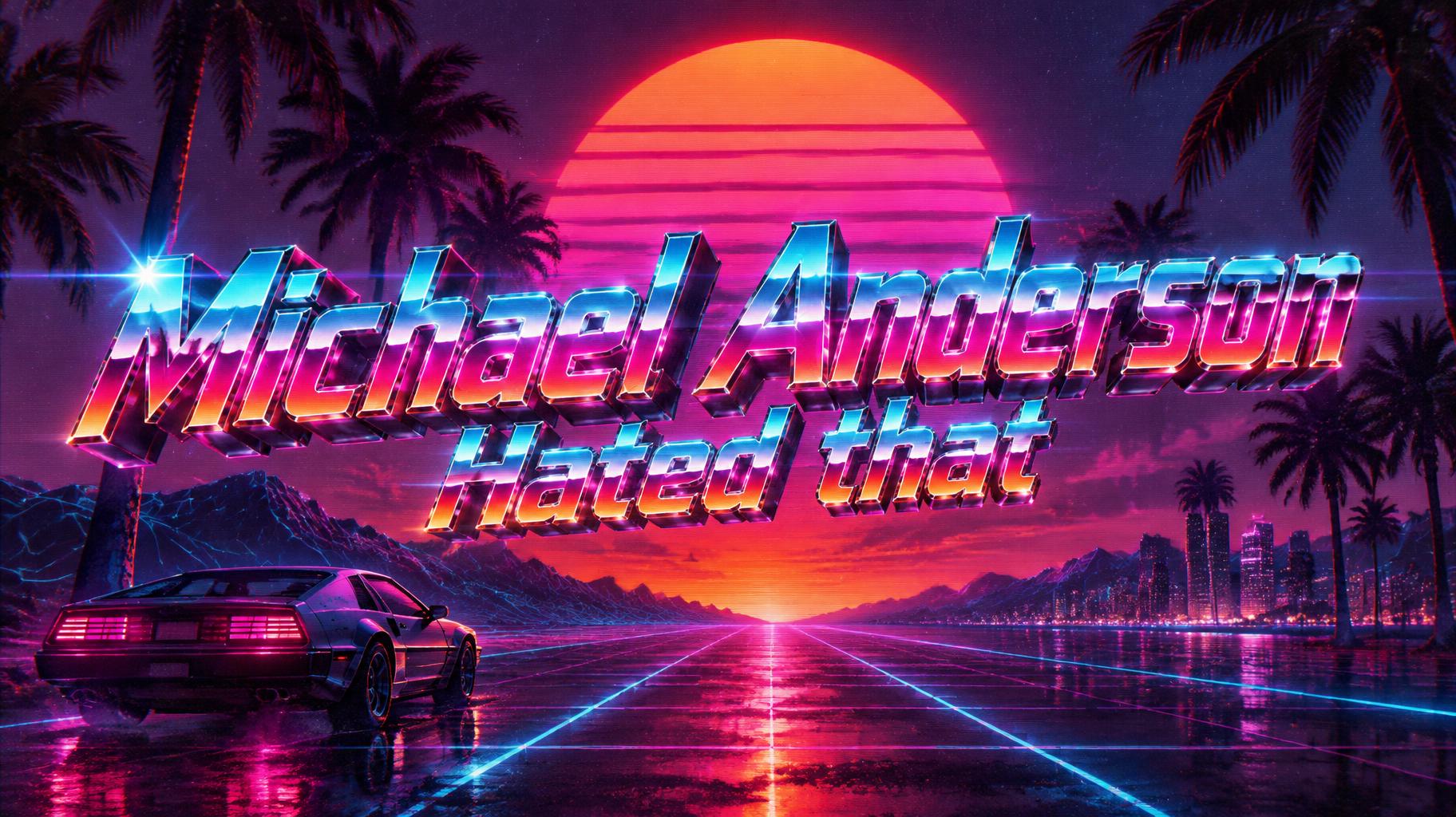
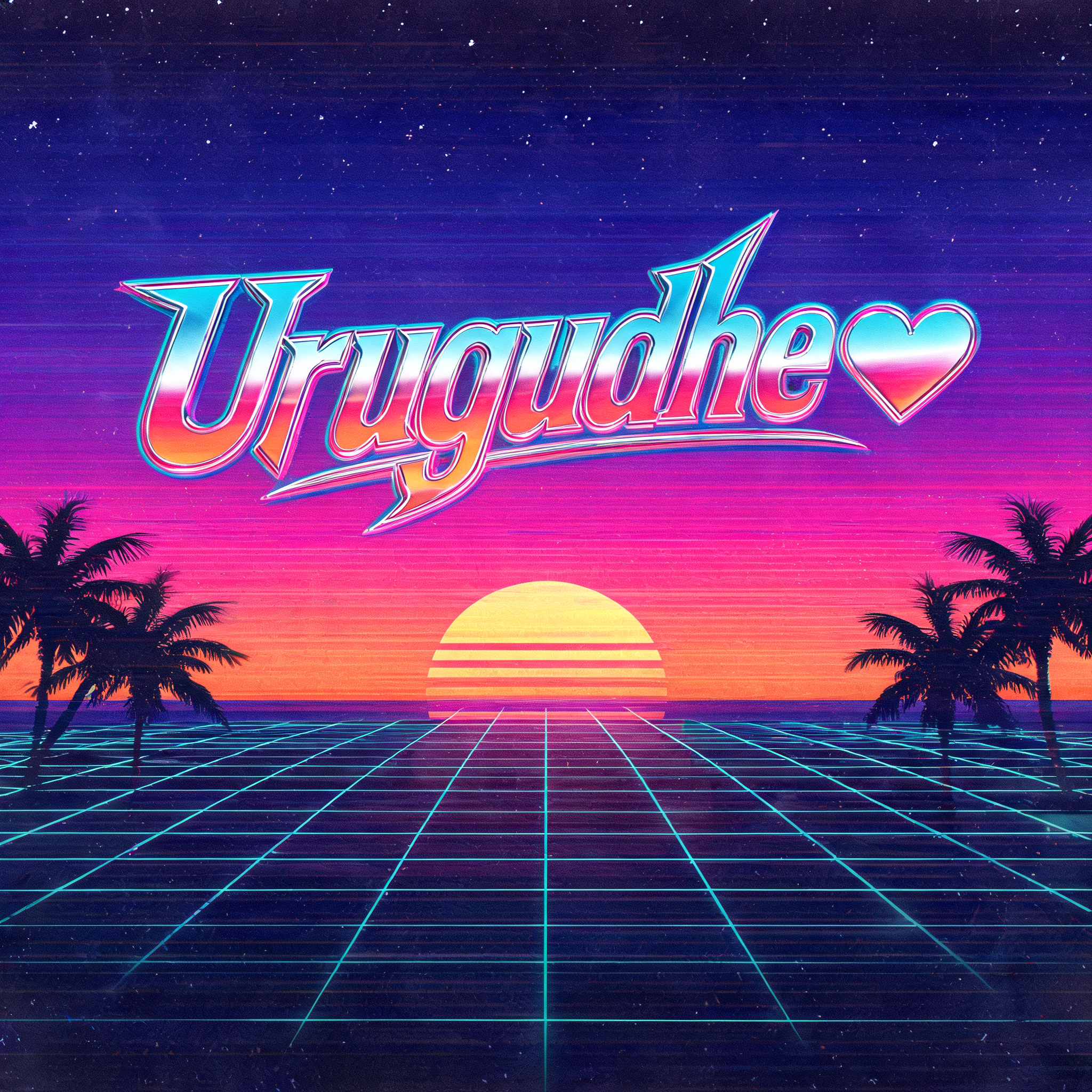
Chrome capitals striped with a pink-to-cyan sunset reflection and neon edge glow, over a neon grid highway with a striped retro sun and mountains. — no font license needed.
Synthwave in different AI fonts


What you can make with Synthwave


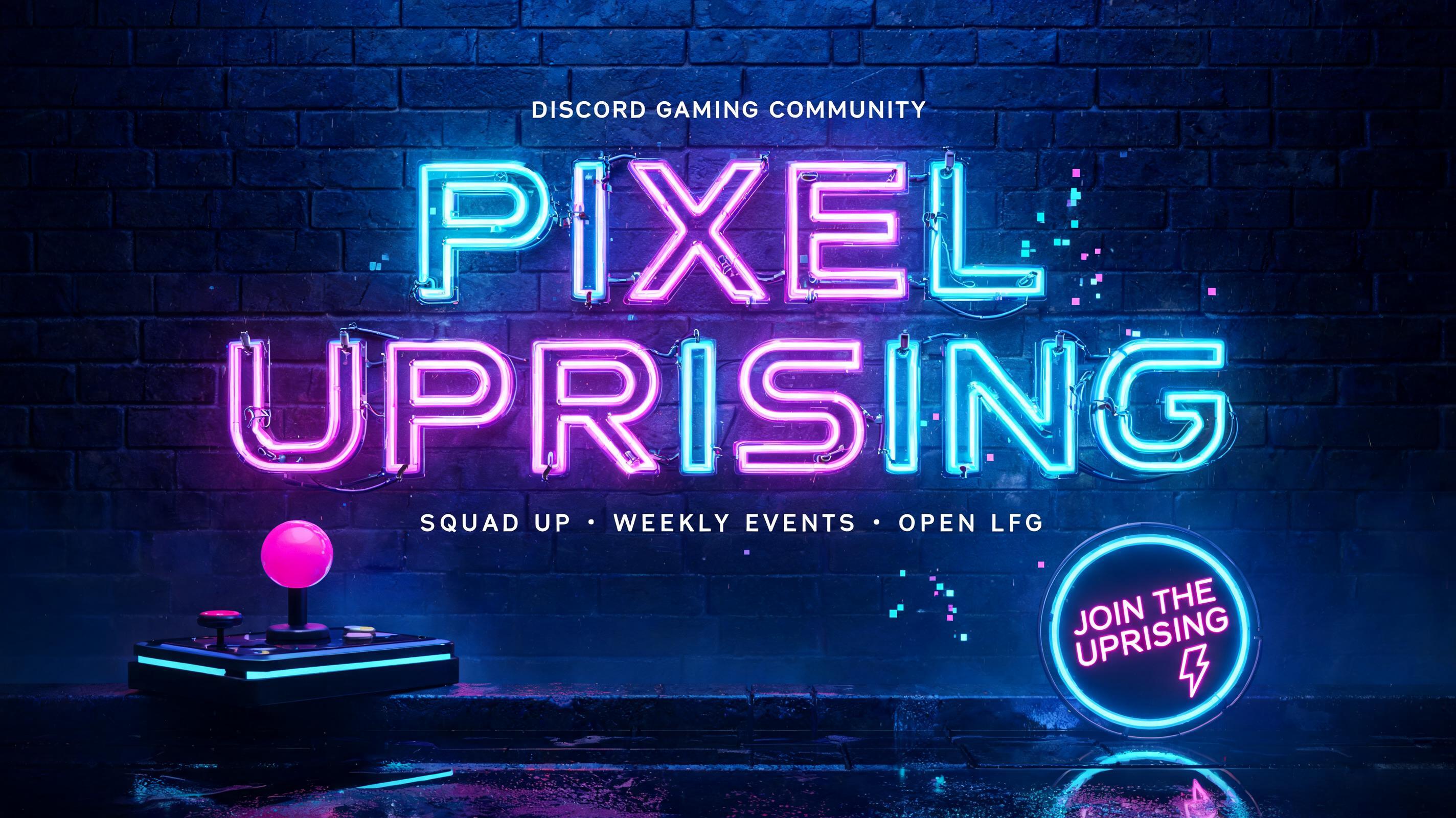

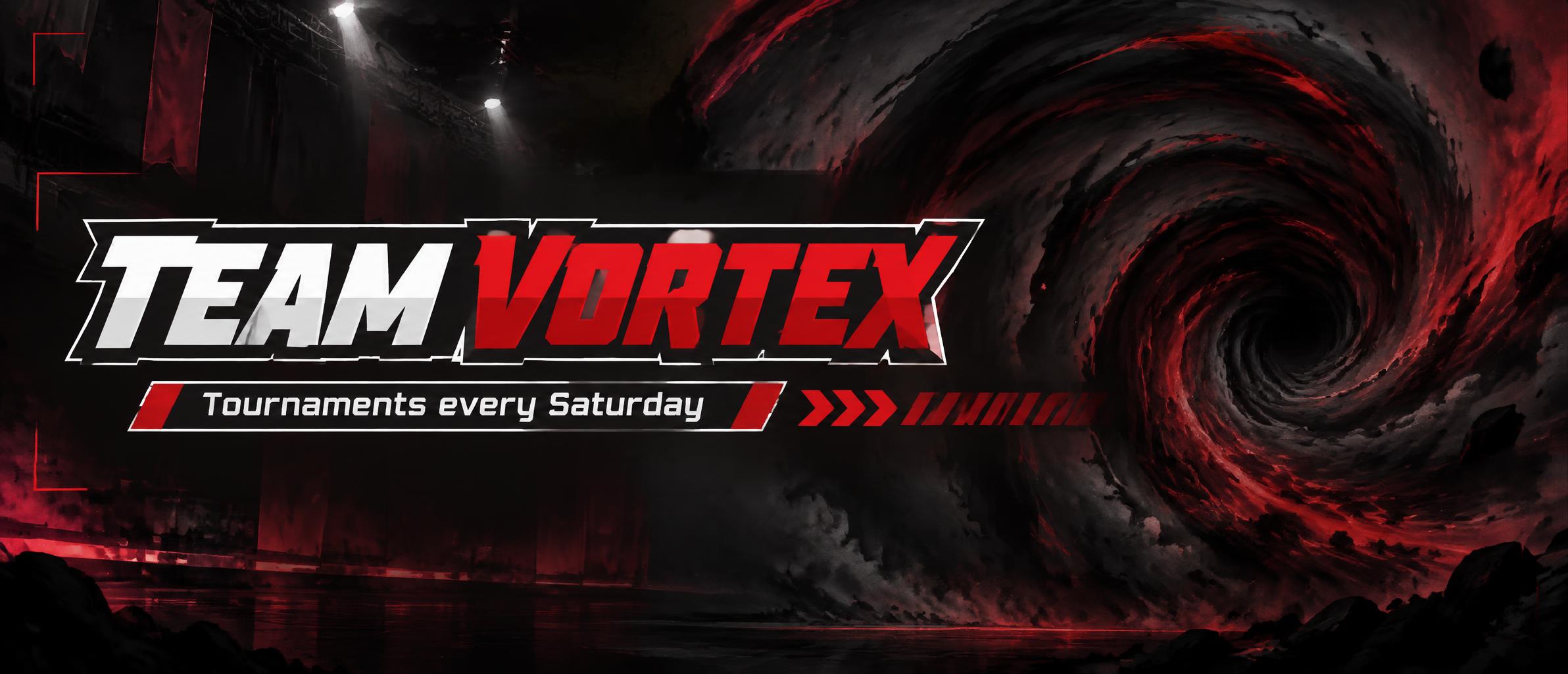
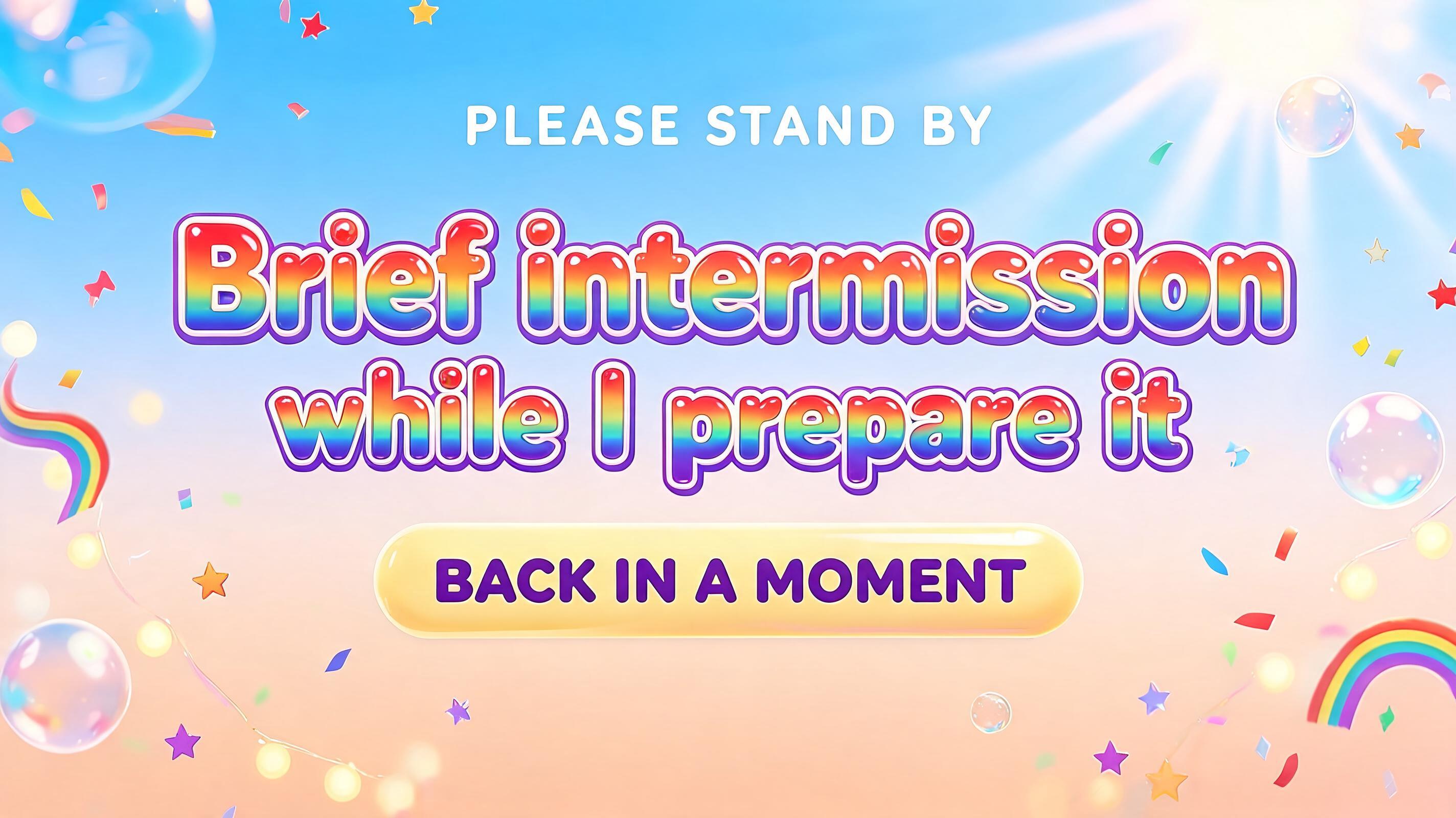

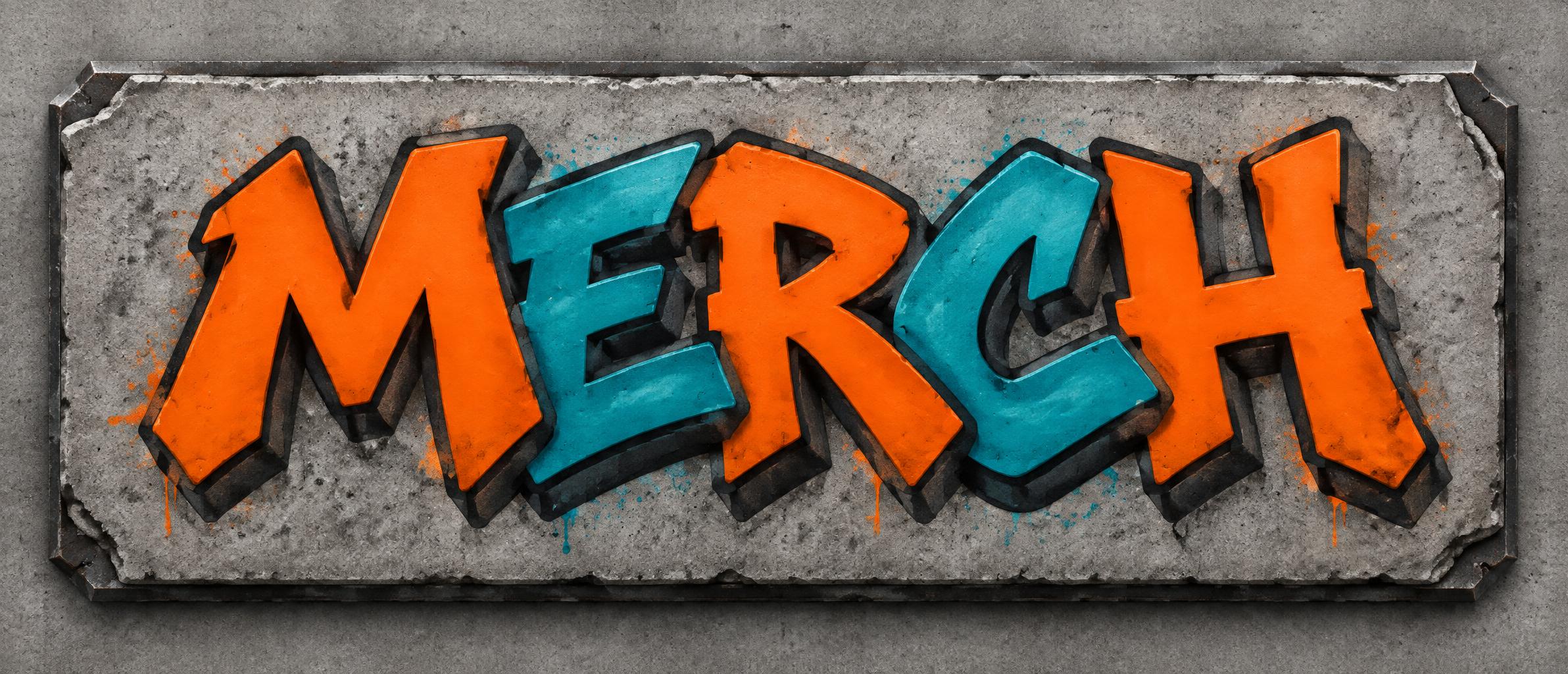
Synthwave Gallery
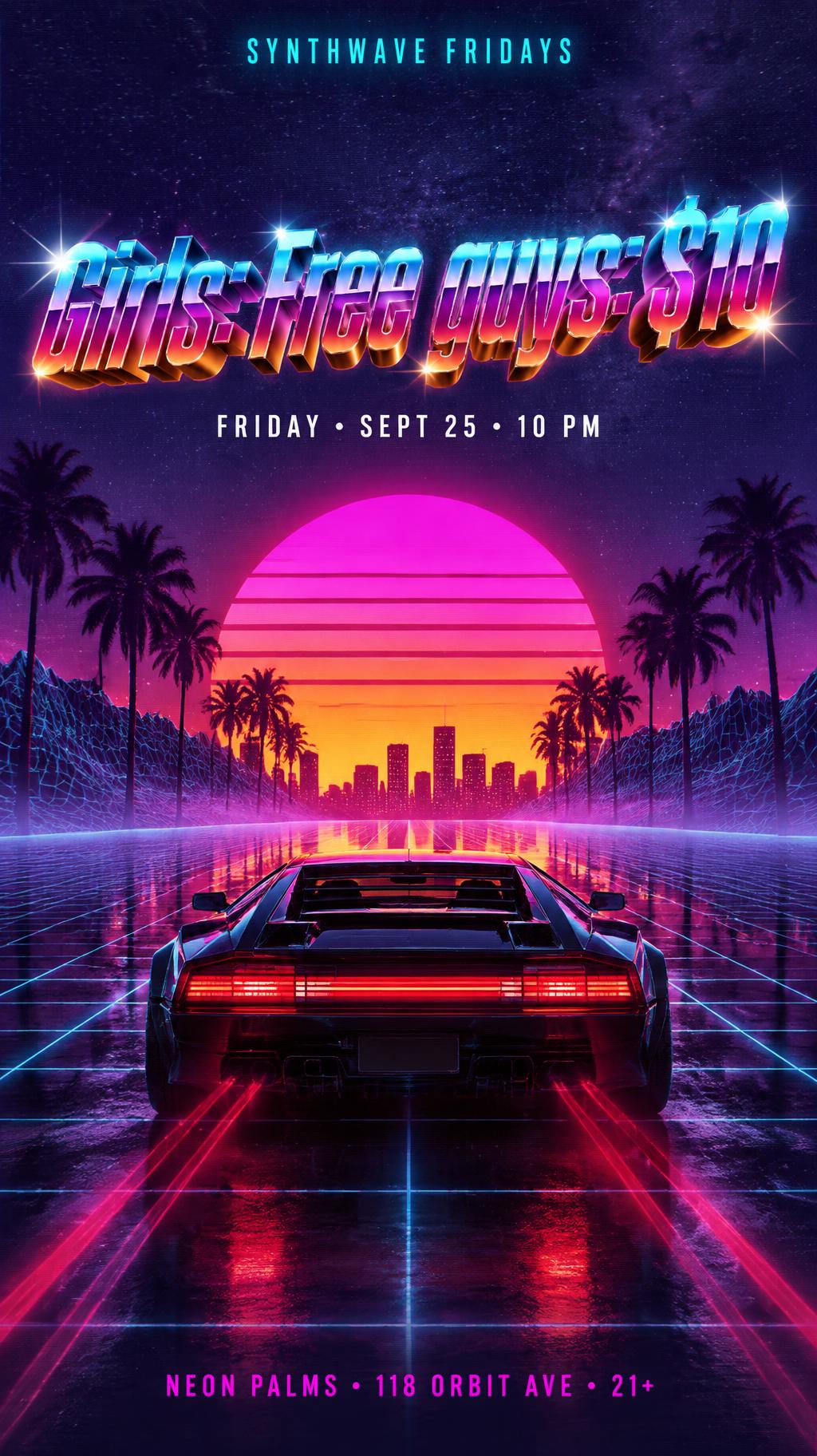
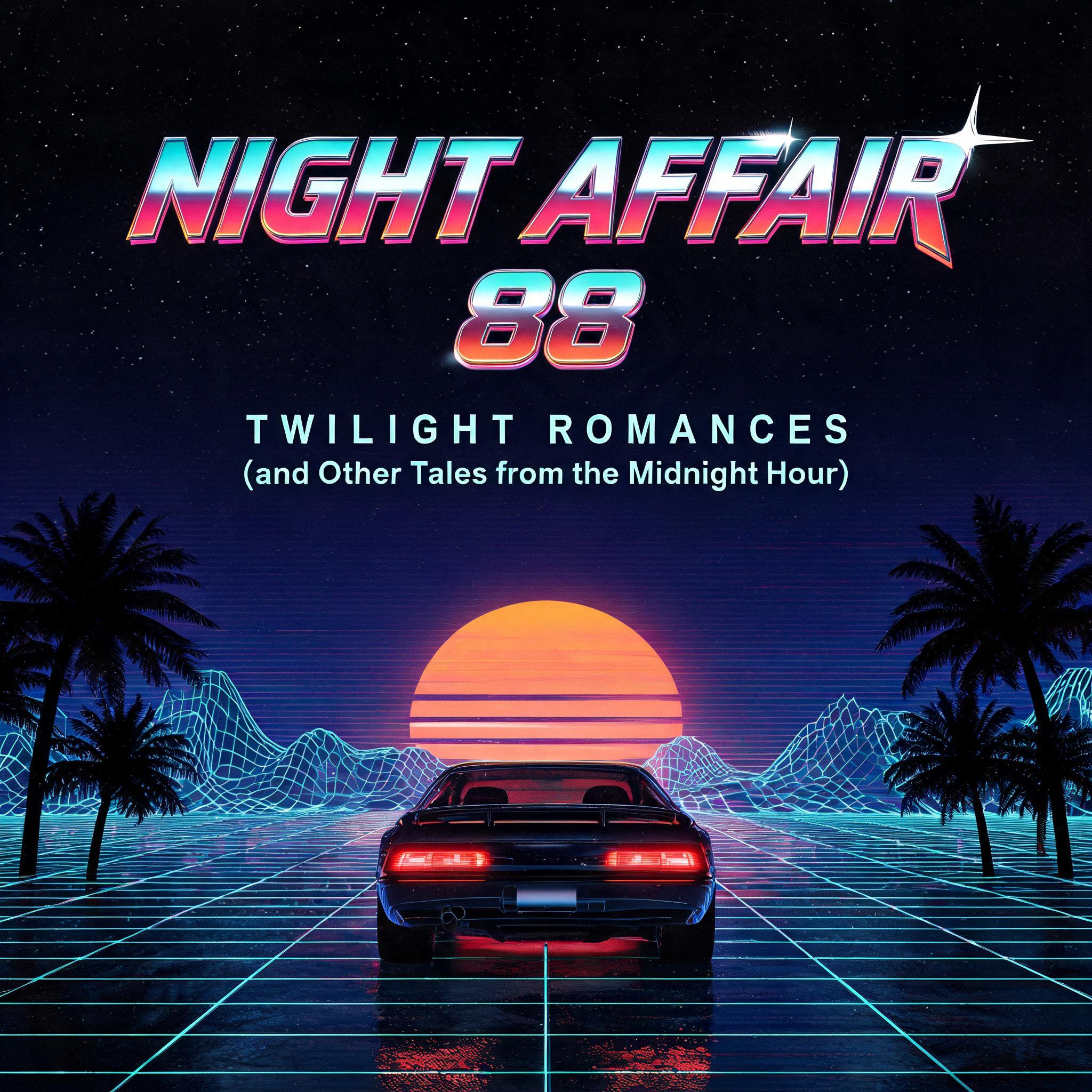
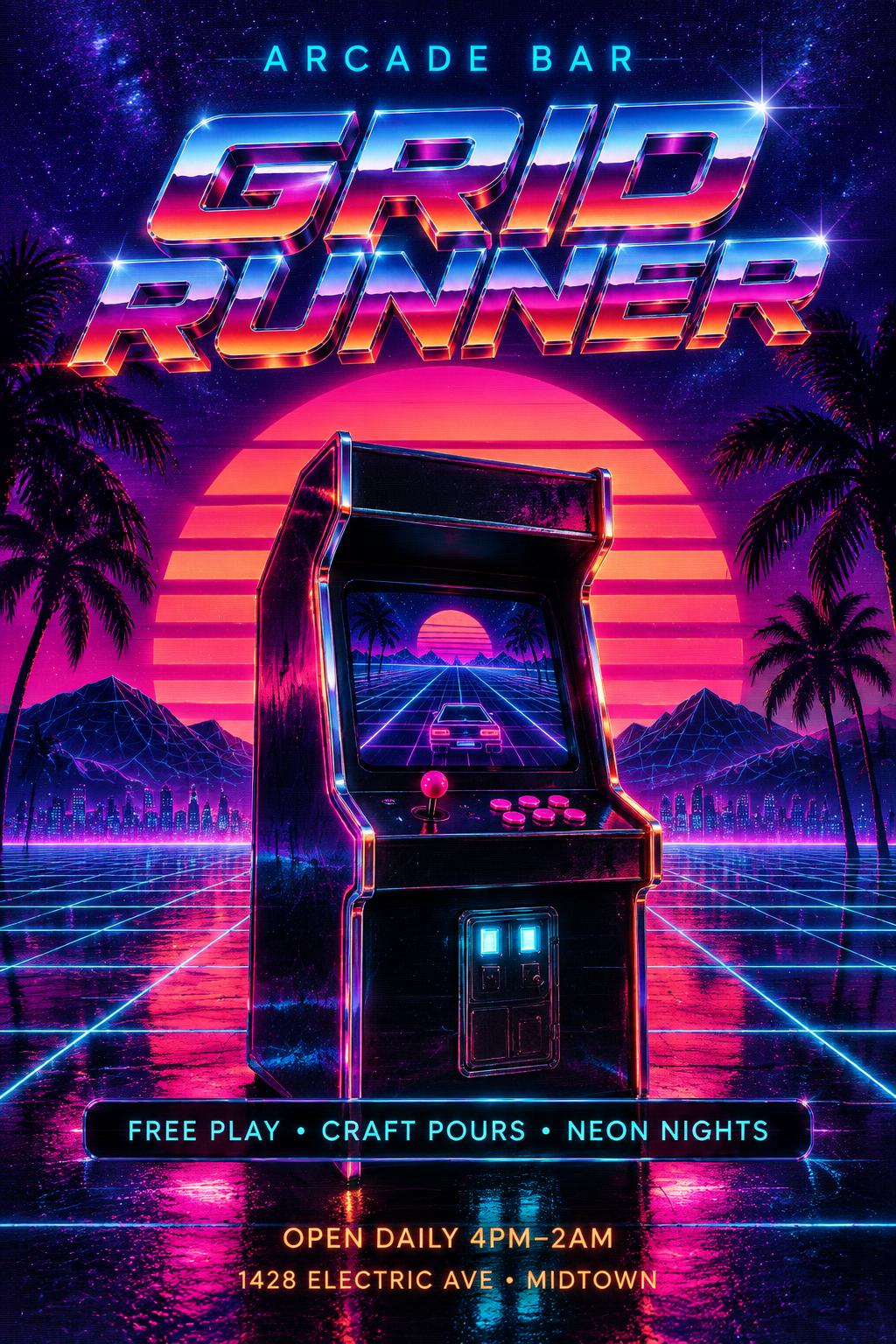
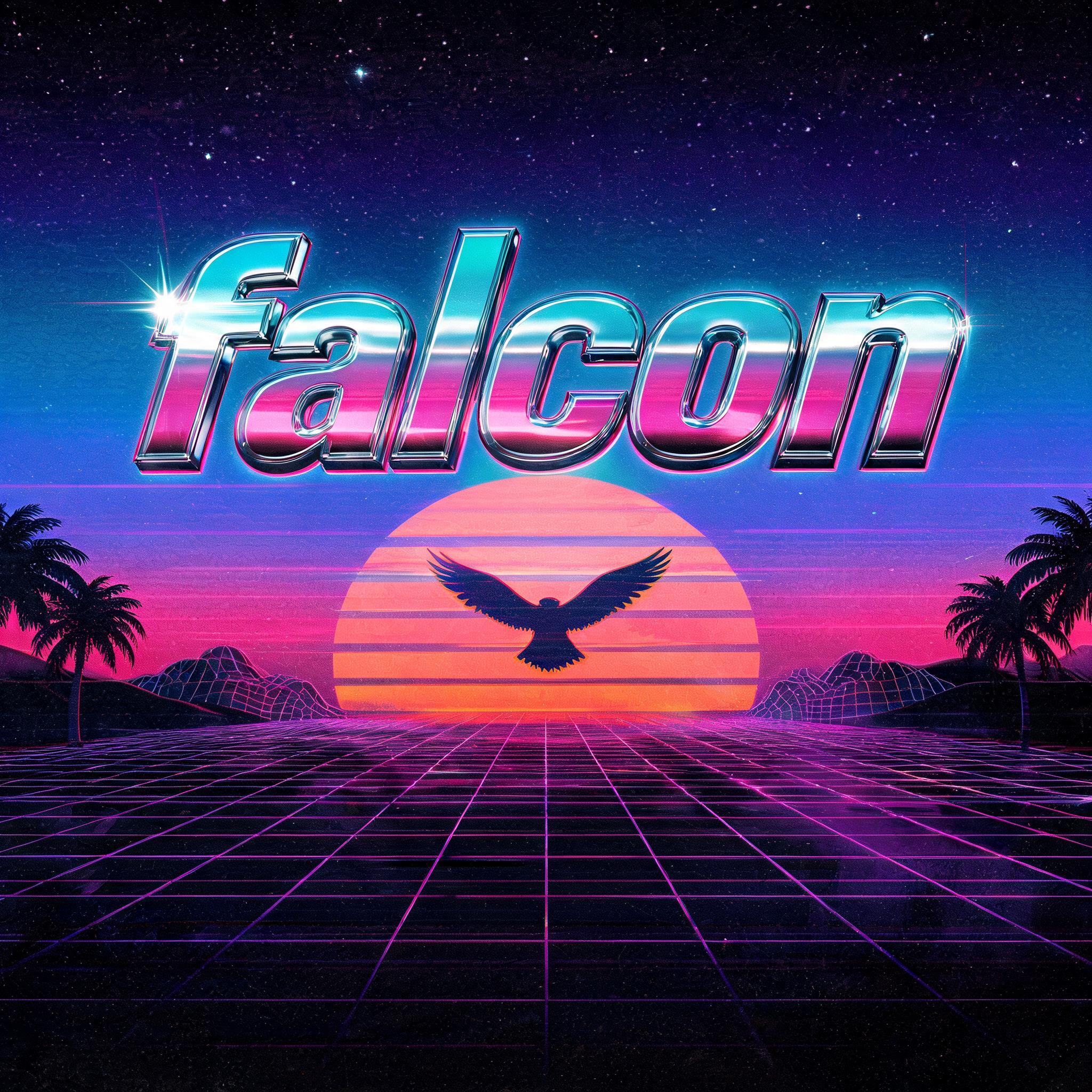
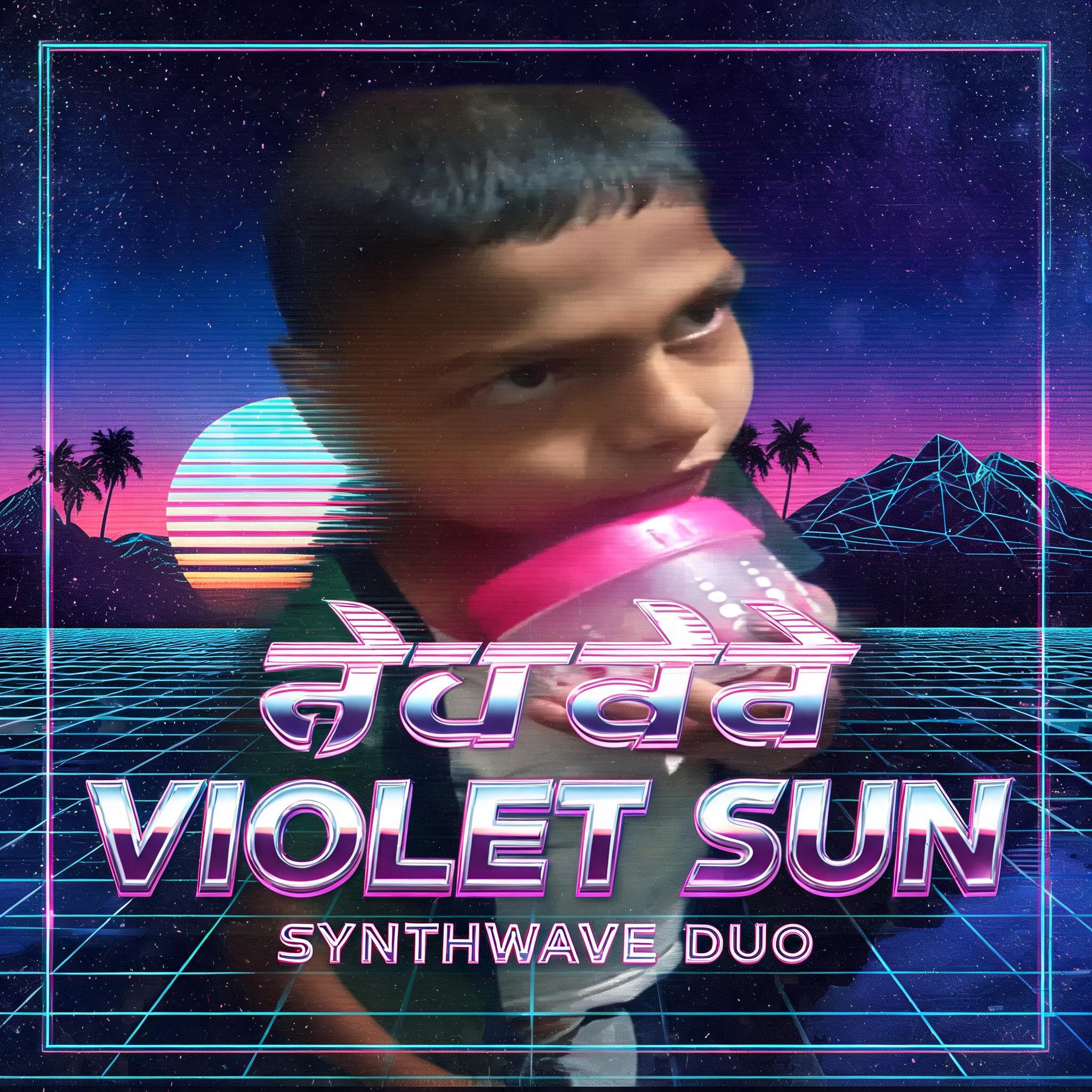
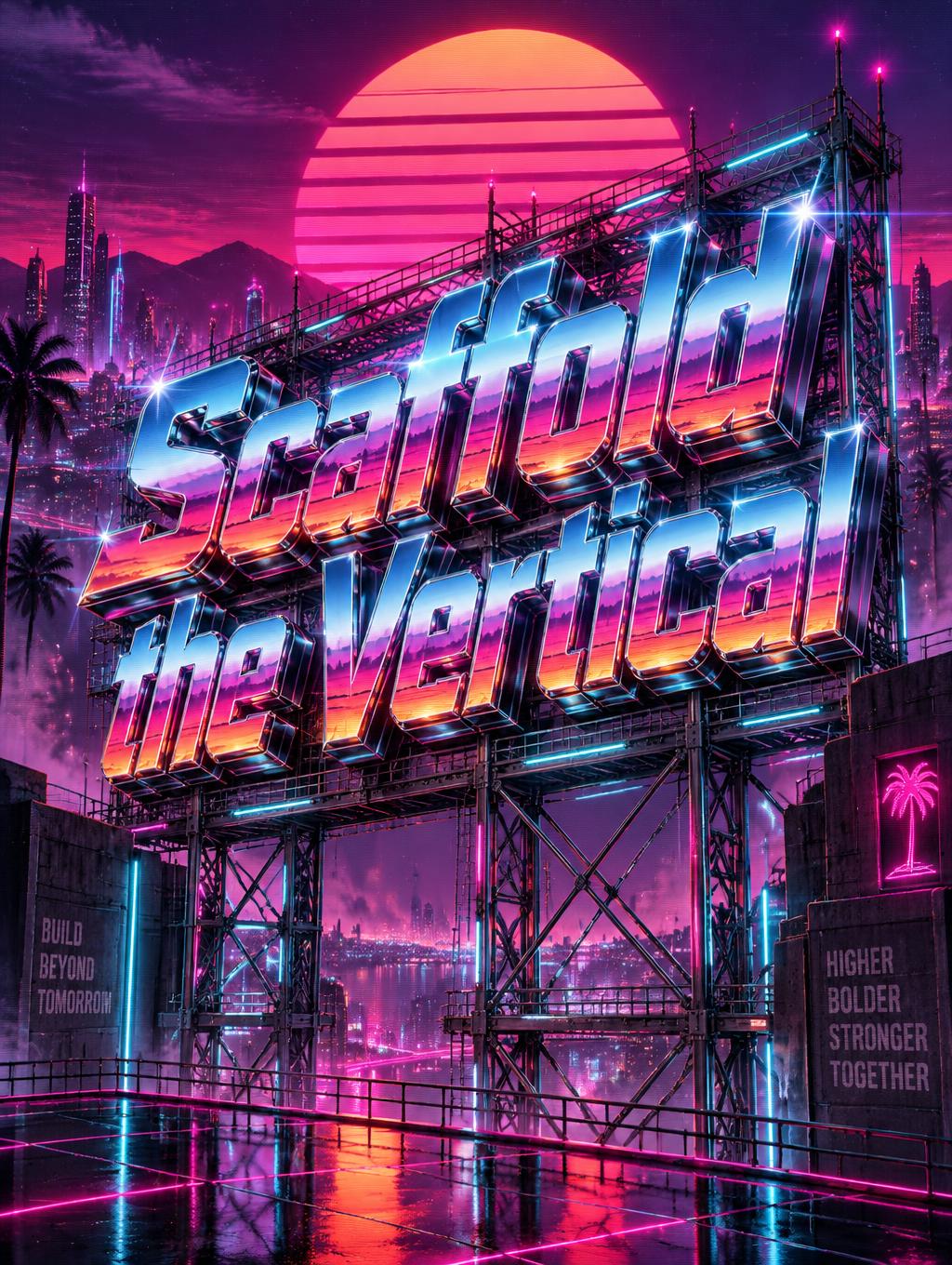
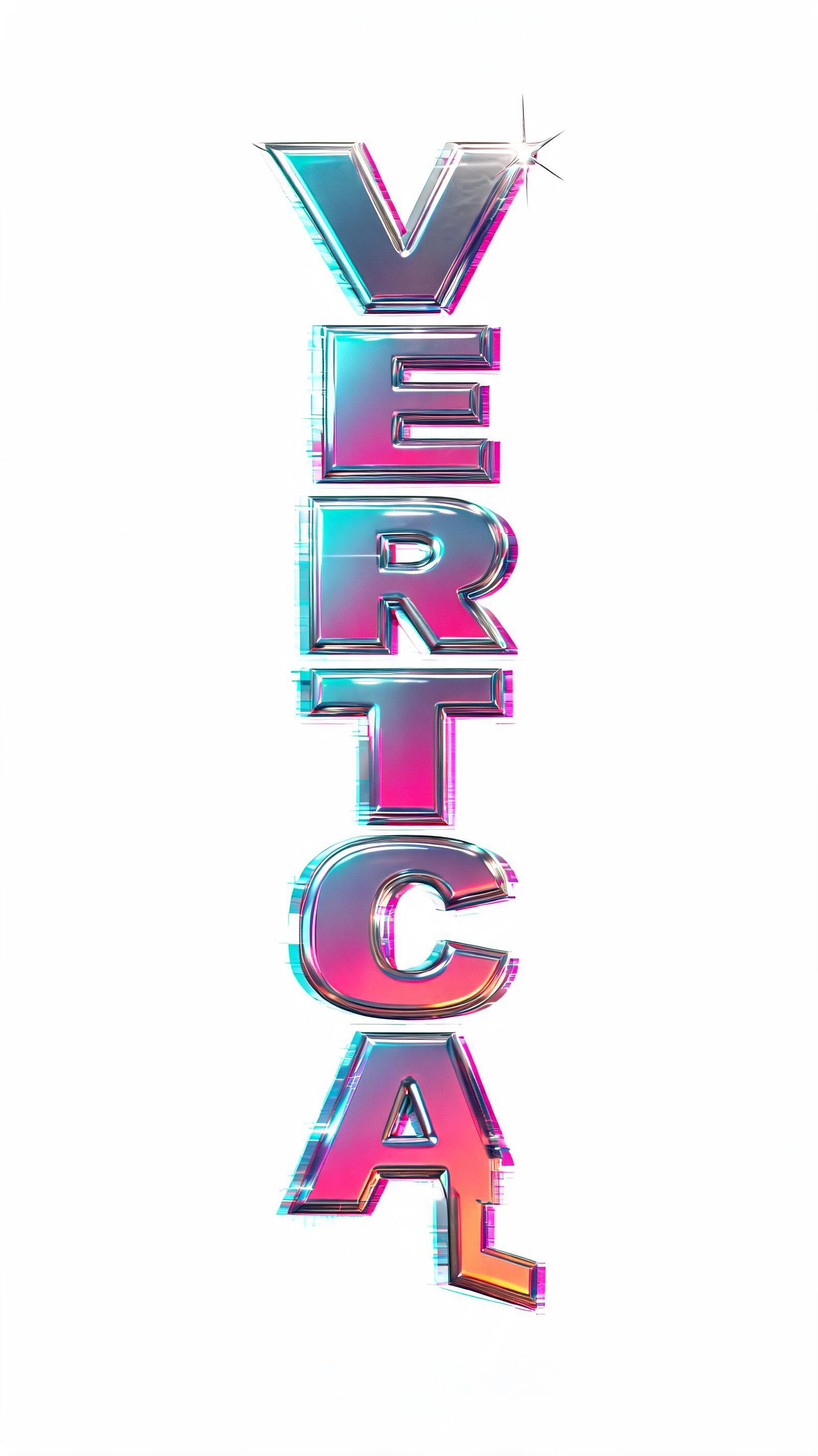
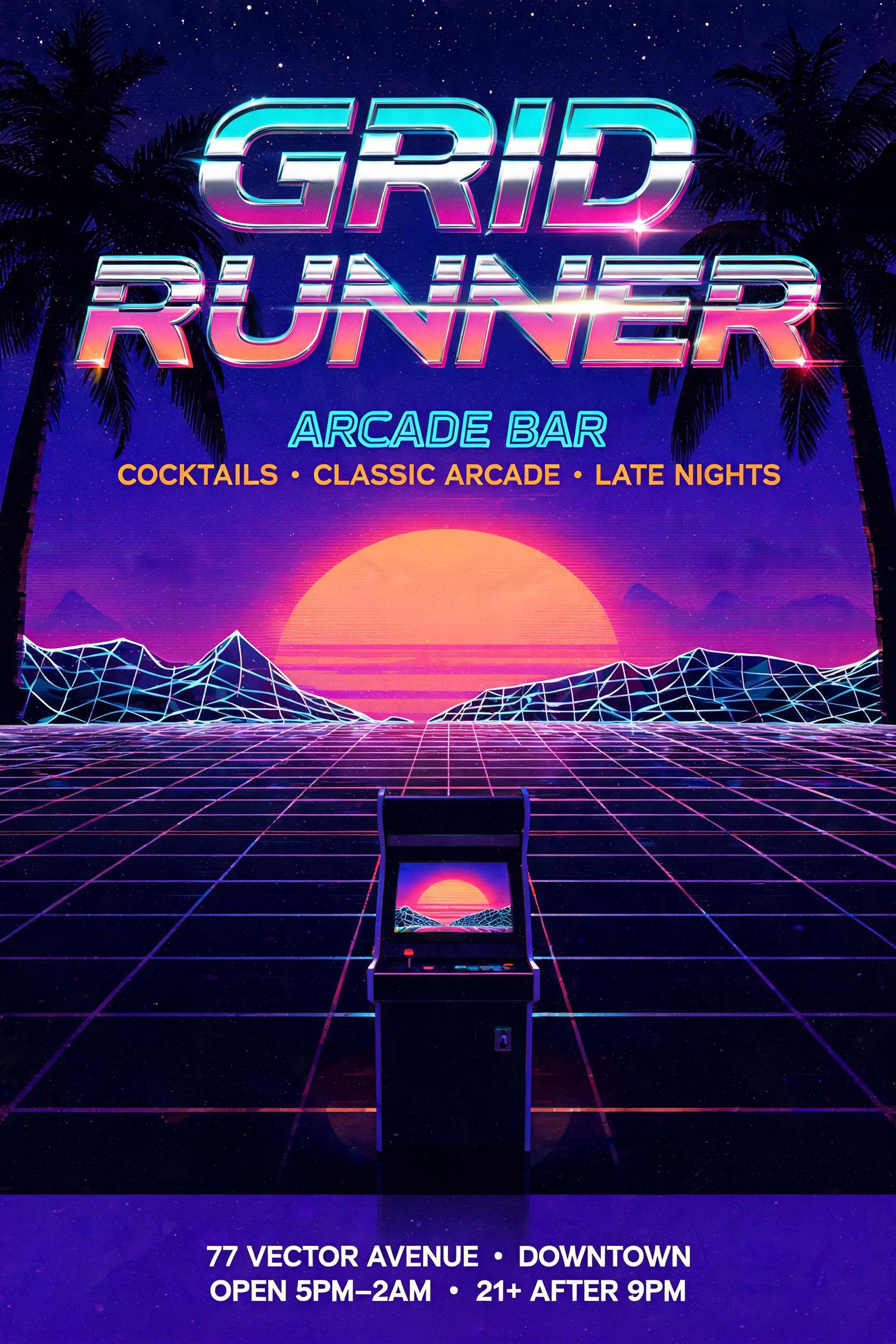
Real outputs from the Synthwave style. Click any image to see details.
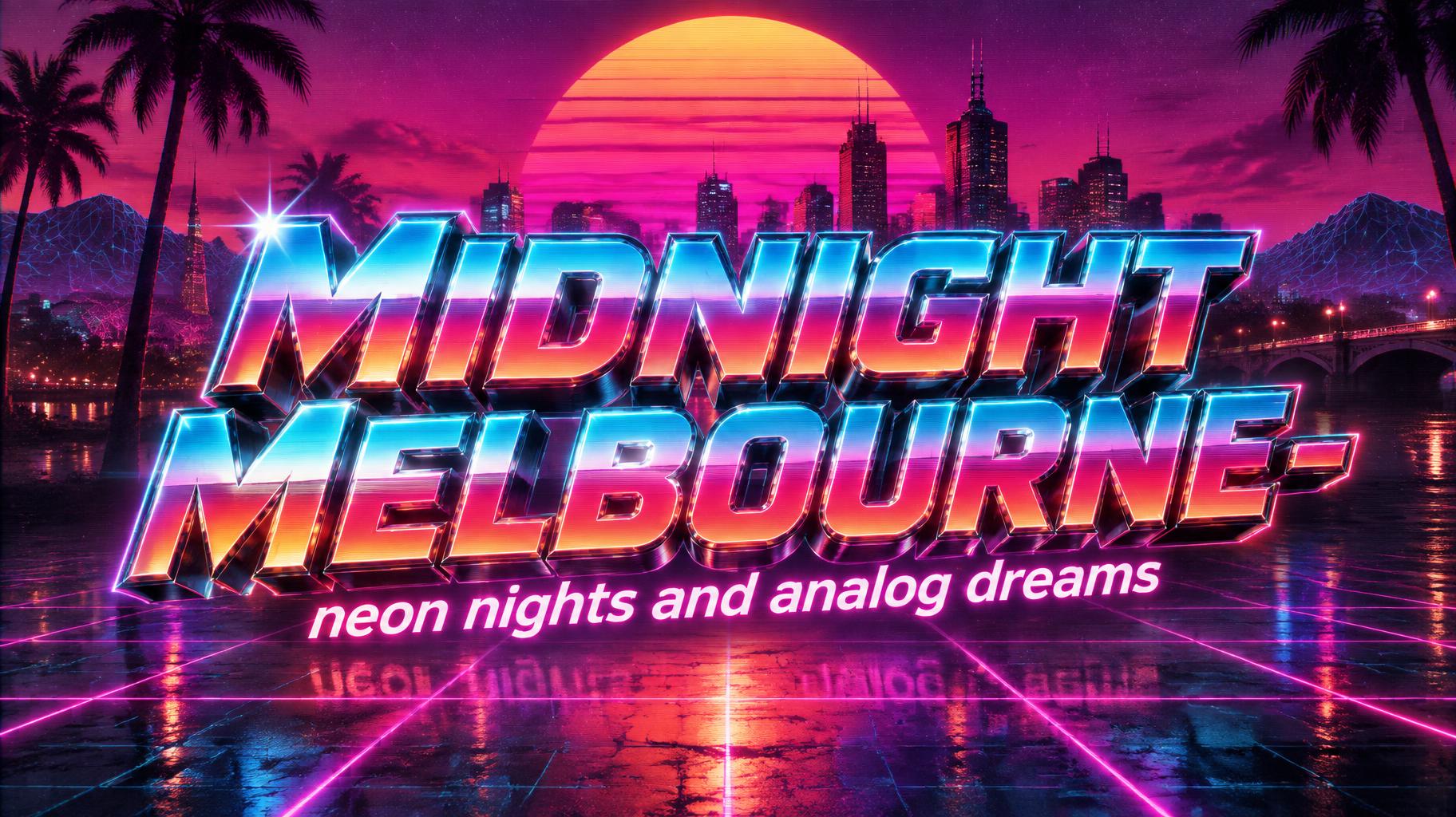
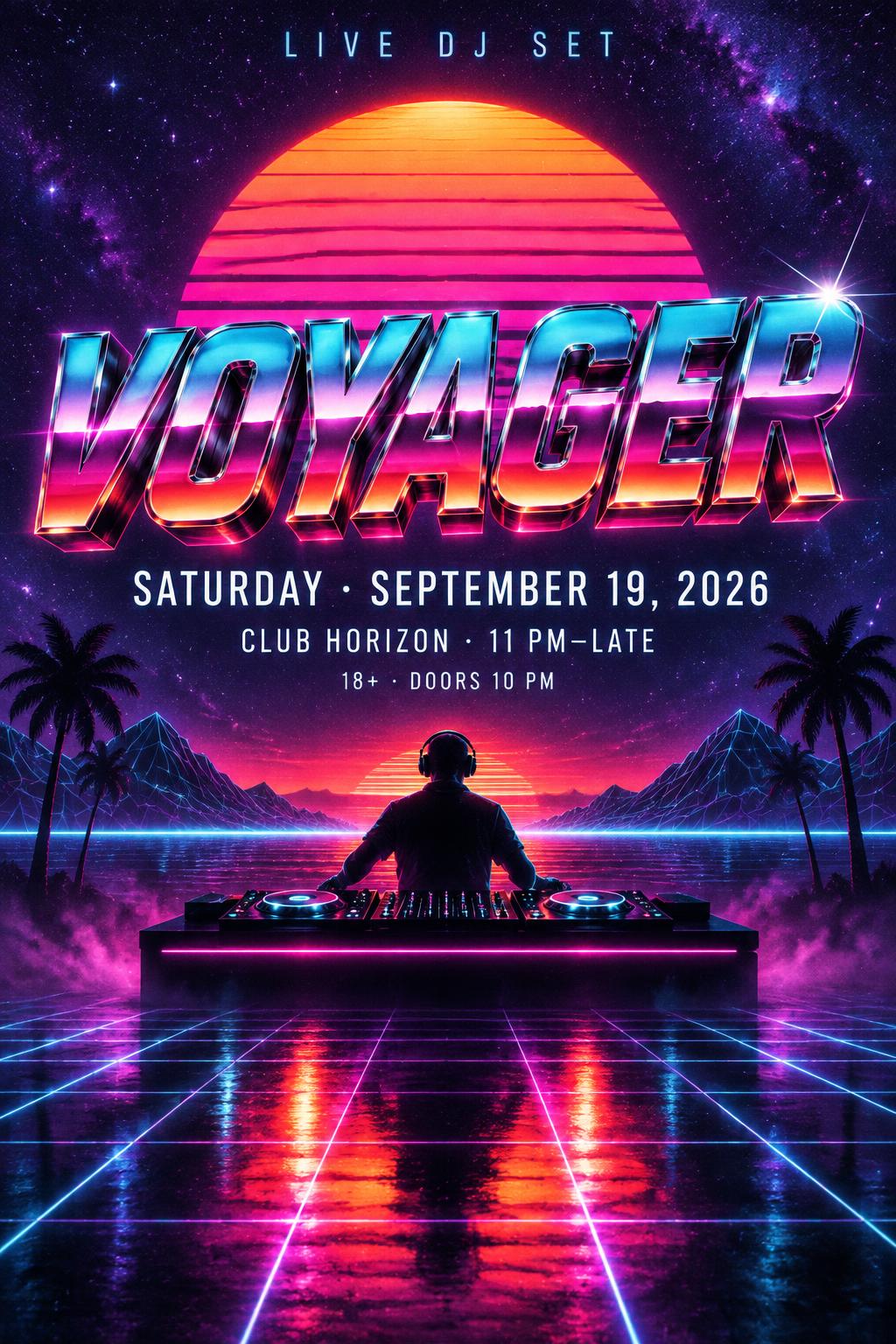

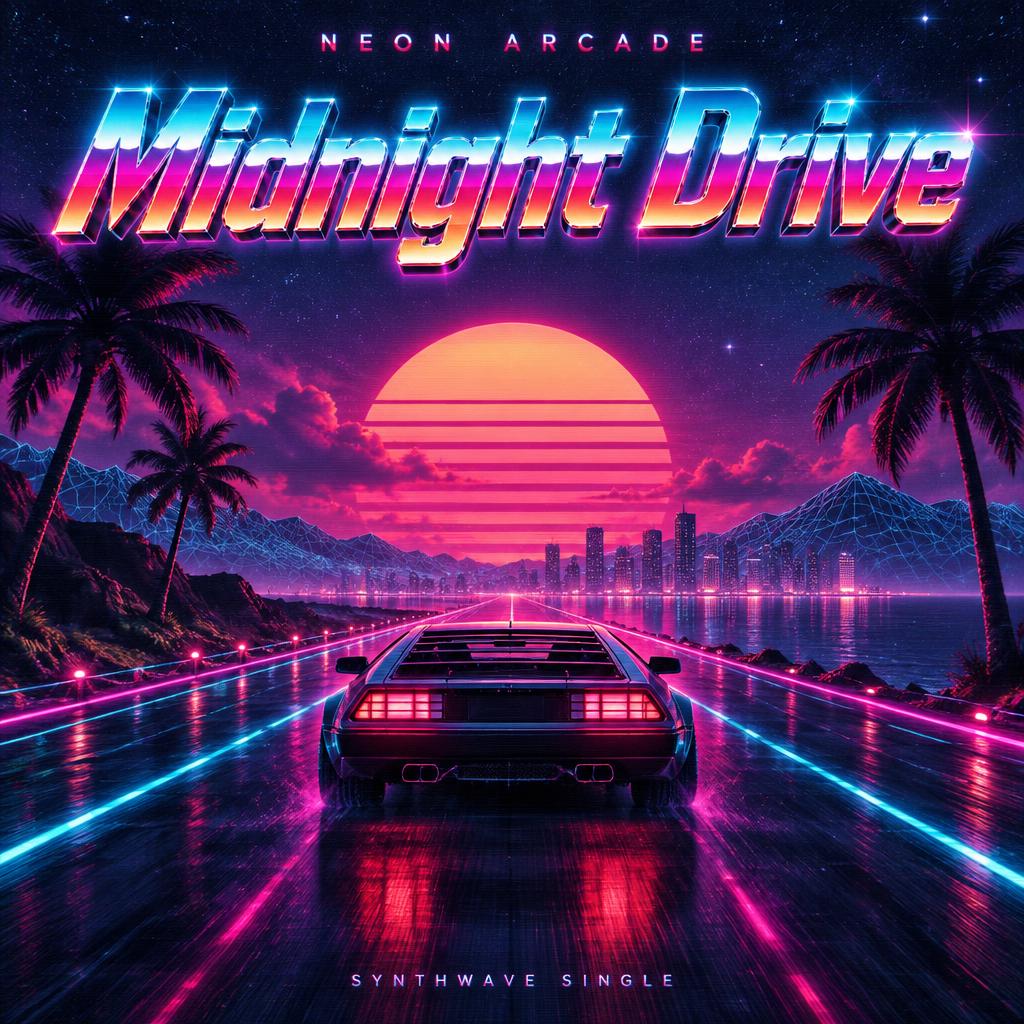
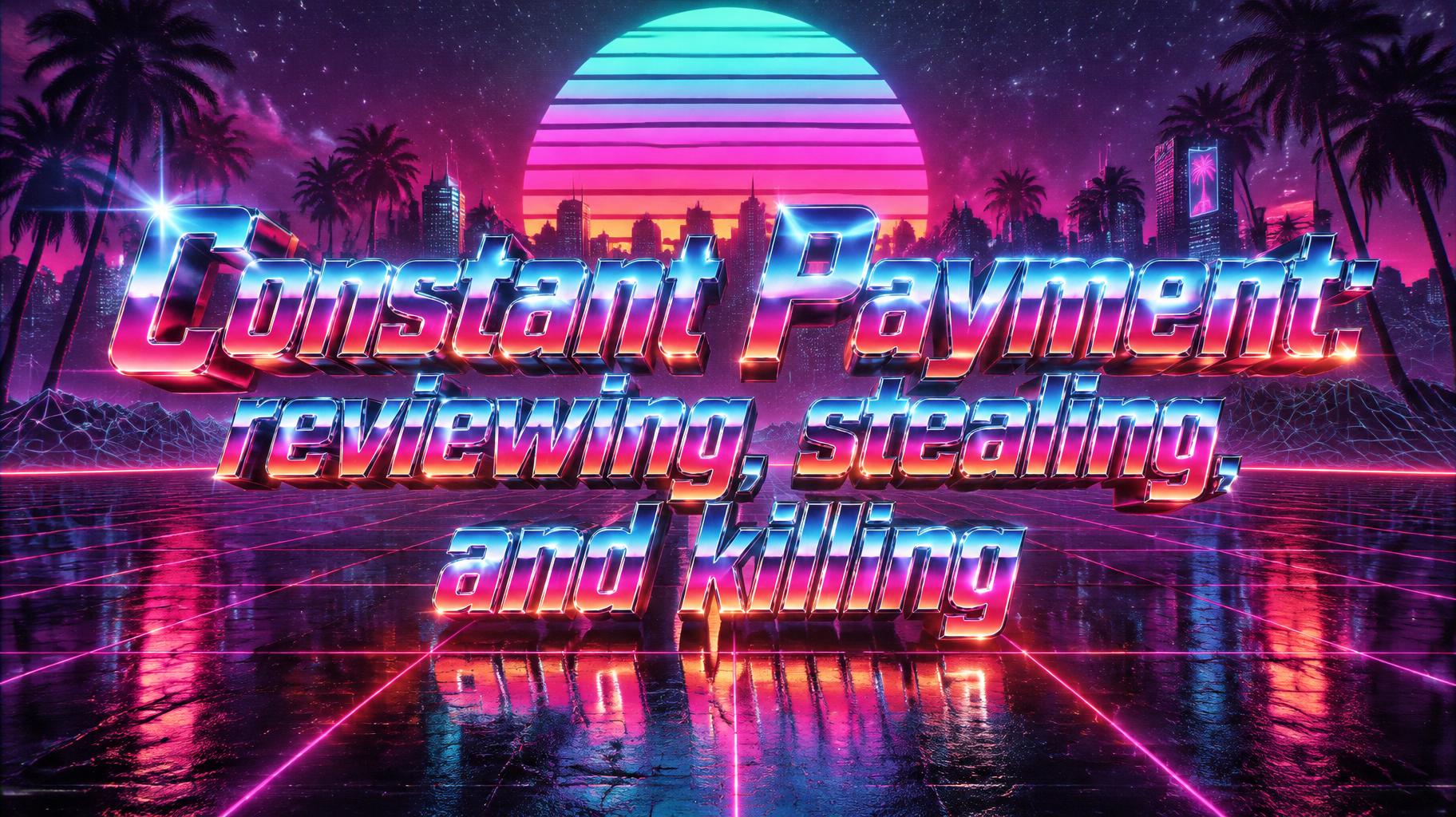






Looking for copy-paste fancy text? Try our free Font Generator Tools — cursive, gothic, bubble & 30+ styles.
Perfect for These Projects
Synthwave Text Effect — FAQ
What is the Synthwave Font Style?
The Synthwave font style is a distinctive AI-generated typography effect. Chrome capitals striped with a pink-to-cyan sunset reflection and neon edge glow, over a neon grid highway with a striped retro sun and mountains. Using FontVibe's AI synthwave generator you can create stunning text effects in seconds — no Photoshop, no font licensing, no design experience needed.
Explore the Synthwave gallery for inspiration, or browse all 126+ AI text effect styles available on FontVibe.
How to Create Synthwave Typography in FontVibe Studio
The Story Behind Synthwave
History, visual DNA, and cultural context.
The Music That Built Its Own Decade
Synthwave is the visual language of a music movement that built a fictional version of the 1980s more vivid than the actual decade. Producers like Kavinsky, Perturbator, Carpenter Brut, and Com Truise were making electronic music in the late 2000s and early 2010s that sounded like John Carpenter film scores and Giorgio Moroder productions, filtered through digital tools and deep nostalgia for sounds they had mostly encountered as children or through retrospection.\n\nThe visual identity followed the music's logic: if the music was an imagined 1980s rather than a remembered one, the visuals would be the same. The Outrun arcade game (1986) provided the template — a sports car driving into a sunset along a road that crosses a receding perspective grid. That single image became the genre's most persistent visual metaphor: the horizon, the grid, the sunset, the car as vehicle of escape into pure aesthetic experience.\n\nThe result is an aesthetic nostalgic for something that never quite existed as depicted — the 1980s of Synthwave is more saturated, more neon, more cinematic than the actual decade, and that fictional intensity is precisely the point.
The Visual DNA
Typographic Landmarks
Did You Know?
The Outrun arcade cabinet (Sega, 1986) by Yu Suzuki was one of the first arcade games to use a moving cabinet — the player sat inside a car body that physically tilted with on-screen turns. The game's red Ferrari, palm tree-lined road, and multiple musical selections made it the most technically sophisticated arcade experience of its era. Its visual image became the default Synthwave shorthand 25 years later.
Drive (2011), directed by Nicolas Winding Refn, is often cited as the film that brought Synthwave aesthetics to mainstream cinema — its pastel-and-neon palette, Kavinsky soundtrack, and wordless protagonist made the aesthetic legible to audiences who had never heard of the music genre. The film is a primary visual reference point for Synthwave design even among people who have never played Outrun.
Create Your Synthwave Typography in Studio
Free to start. No design skills needed. Your artwork, your copyright.
AI Synthwave Text Effect Generator
Chrome capitals striped with a pink-to-cyan sunset reflection and neon edge glow, over a neon grid highway with a striped retro sun and mountains. — no font license needed.
Synthwave in different AI fonts
What you can make with Synthwave
Generate Your Synthwave Text Effect
Type any word — see it transformed in seconds. No sign-up required.
Synthwave Style Gallery
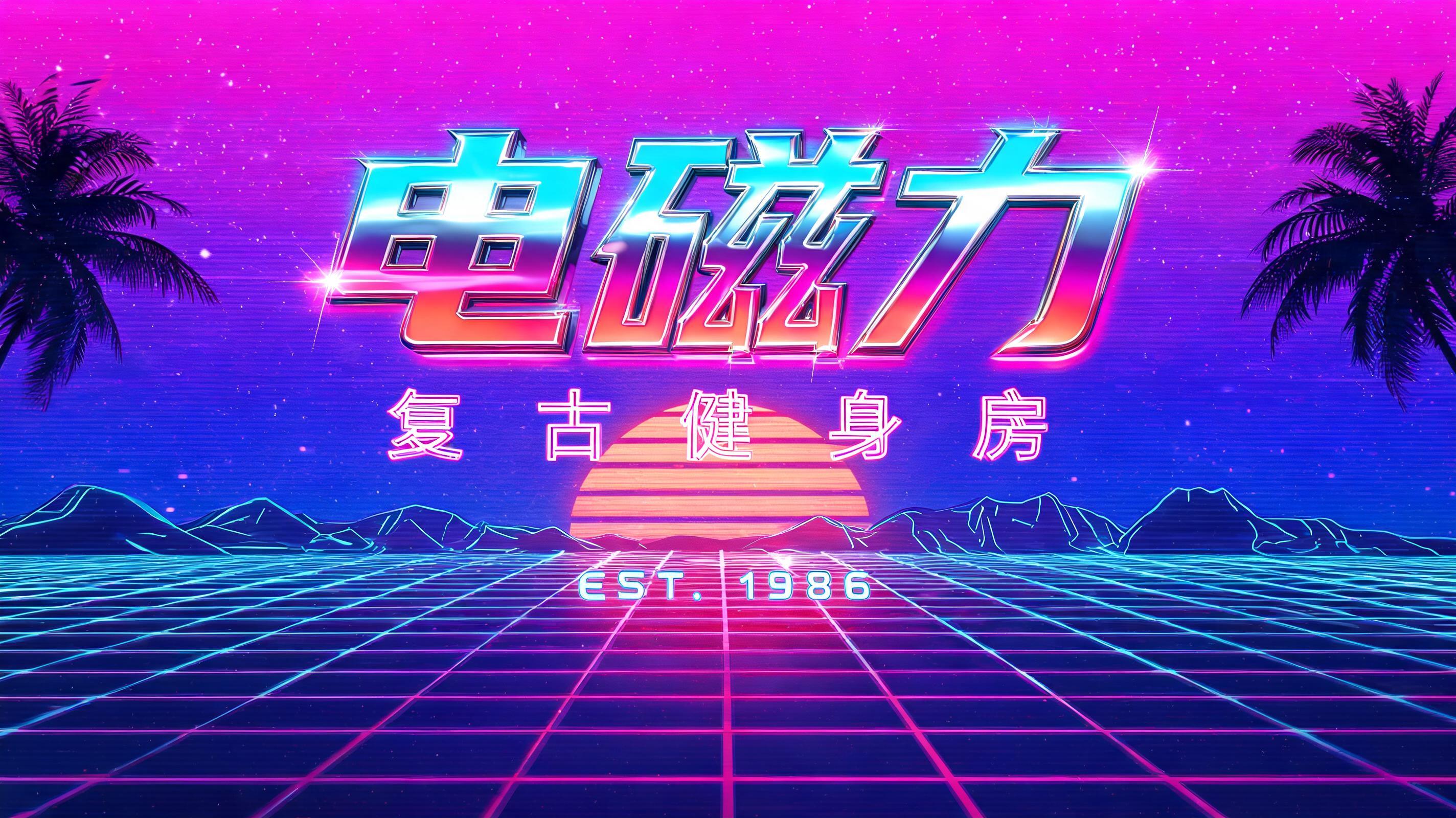
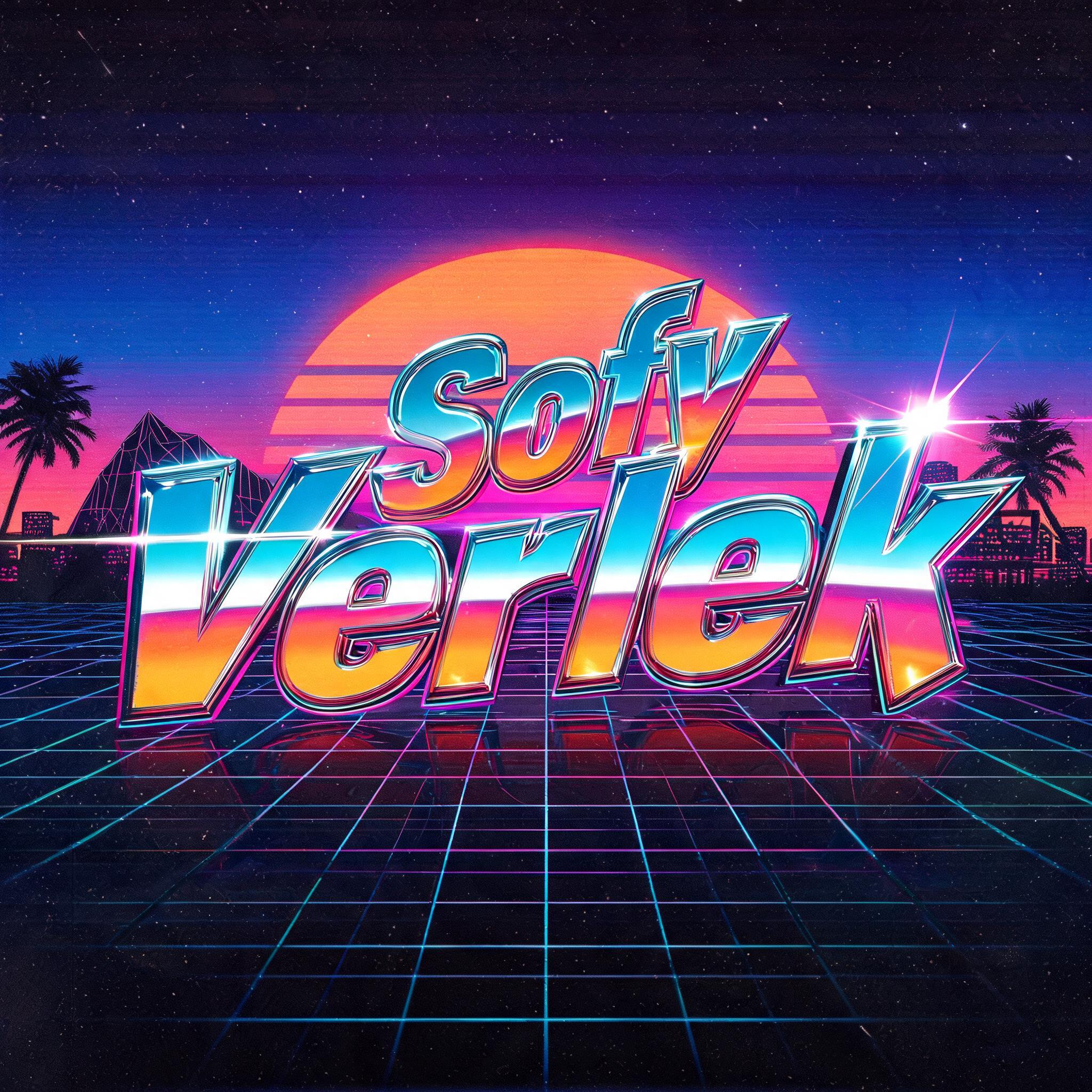
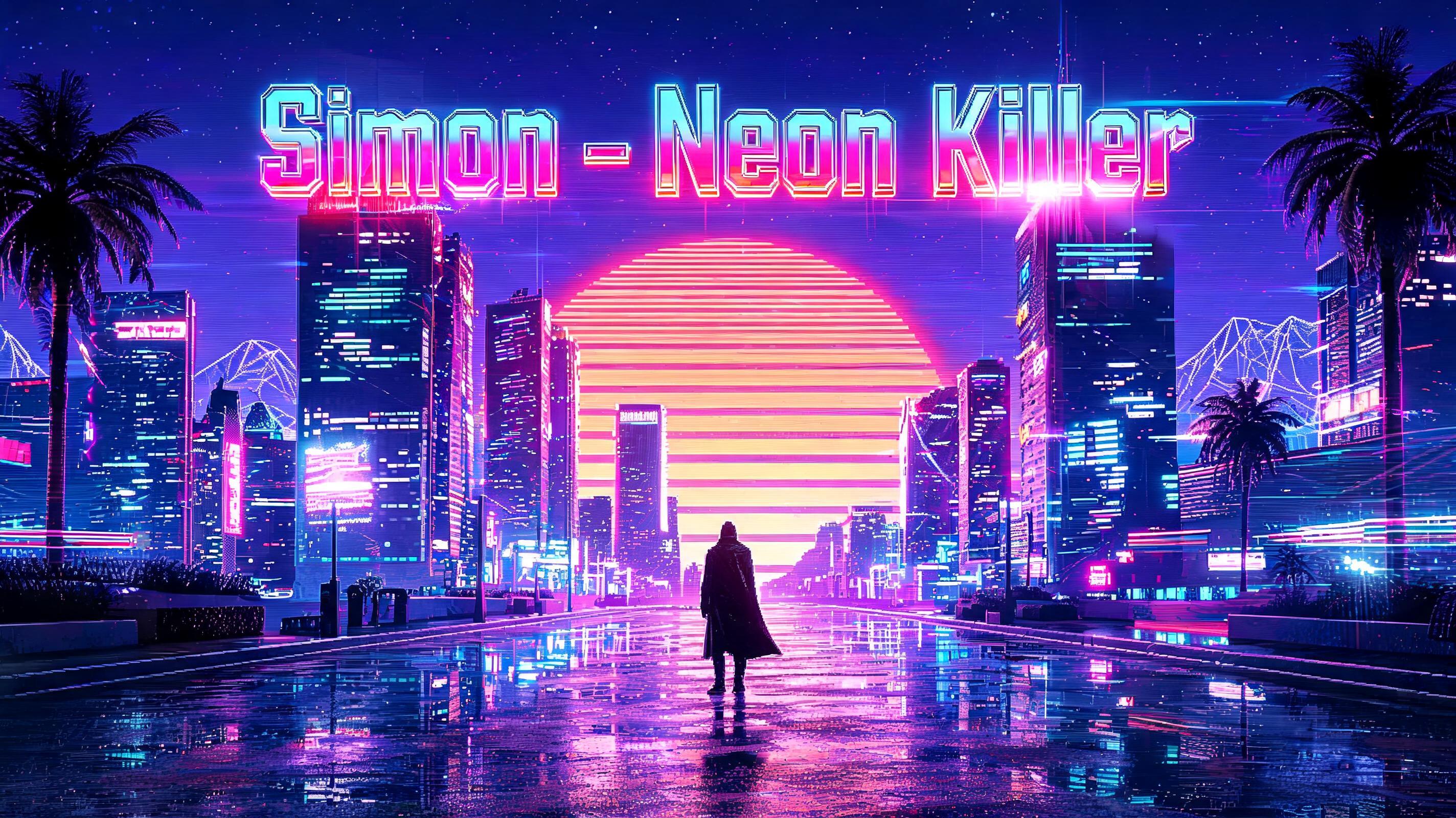
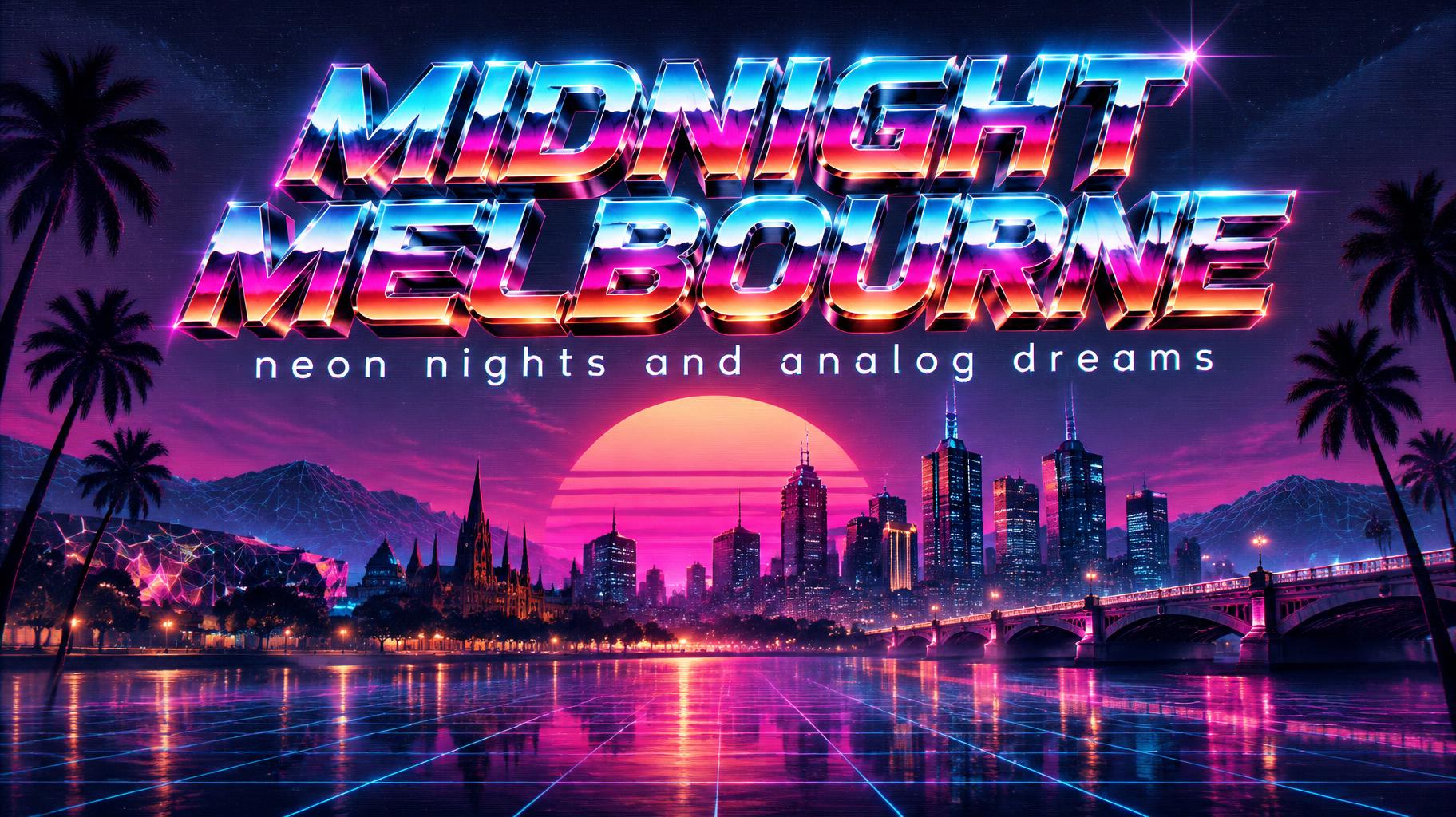
Real outputs from the Synthwave style. Click any image to see details.








Similar Text Effect Styles
Try these styles and create your own AI-generated text effects.
Looking for copy-paste fancy text? Try our free Font Generator Tools — cursive, gothic, bubble & 30+ styles.
Perfect for These Projects
Synthwave text effects are popular for creative projects where visual impact matters.
What is the Synthwave Font Style?
The Synthwave font style is a distinctive AI-generated typography effect. Chrome capitals striped with a pink-to-cyan sunset reflection and neon edge glow, over a neon grid highway with a striped retro sun and mountains.
Using FontVibe's AI synthwave generator you can create stunning text effects in seconds — no Photoshop, no font licensing, no design experience needed.
Explore the Synthwave gallery for inspiration, or browse all 126+ AI text effect styles available on FontVibe.
How to Create Synthwave Typography in FontVibe Studio
1. Enter your text — Any word, phrase, or brand name. Works best with short, punchy text.
2. Select Synthwave — From the style library. Optionally describe a mood in the custom prompt.
3. Generate and download. Your Synthwave font artwork is ready in seconds. PNG, JPG, or transparent PNG.
Looking for something different? Browse the full font style library for more AI typography options.
Synthwave Text Effect — FAQ
The Story Behind Synthwave
History, visual DNA, and cultural context — everything that makes this style what it is.
The Music That Built Its Own Decade
Synthwave is the visual language of a music movement that built a fictional version of the 1980s more vivid than the actual decade. Producers like Kavinsky, Perturbator, Carpenter Brut, and Com Truise were making electronic music in the late 2000s and early 2010s that sounded like John Carpenter film scores and Giorgio Moroder productions, filtered through digital tools and deep nostalgia for sounds they had mostly encountered as children or through retrospection.\n\nThe visual identity followed the music's logic: if the music was an imagined 1980s rather than a remembered one, the visuals would be the same. The Outrun arcade game (1986) provided the template — a sports car driving into a sunset along a road that crosses a receding perspective grid. That single image became the genre's most persistent visual metaphor: the horizon, the grid, the sunset, the car as vehicle of escape into pure aesthetic experience.\n\nThe result is an aesthetic nostalgic for something that never quite existed as depicted — the 1980s of Synthwave is more saturated, more neon, more cinematic than the actual decade, and that fictional intensity is precisely the point.
The Visual DNA
Typographic Landmarks
Did You Know?
The Outrun arcade cabinet (Sega, 1986) by Yu Suzuki was one of the first arcade games to use a moving cabinet — the player sat inside a car body that physically tilted with on-screen turns. The game's red Ferrari, palm tree-lined road, and multiple musical selections made it the most technically sophisticated arcade experience of its era. Its visual image became the default Synthwave shorthand 25 years later.
Drive (2011), directed by Nicolas Winding Refn, is often cited as the film that brought Synthwave aesthetics to mainstream cinema — its pastel-and-neon palette, Kavinsky soundtrack, and wordless protagonist made the aesthetic legible to audiences who had never heard of the music genre. The film is a primary visual reference point for Synthwave design even among people who have never played Outrun.