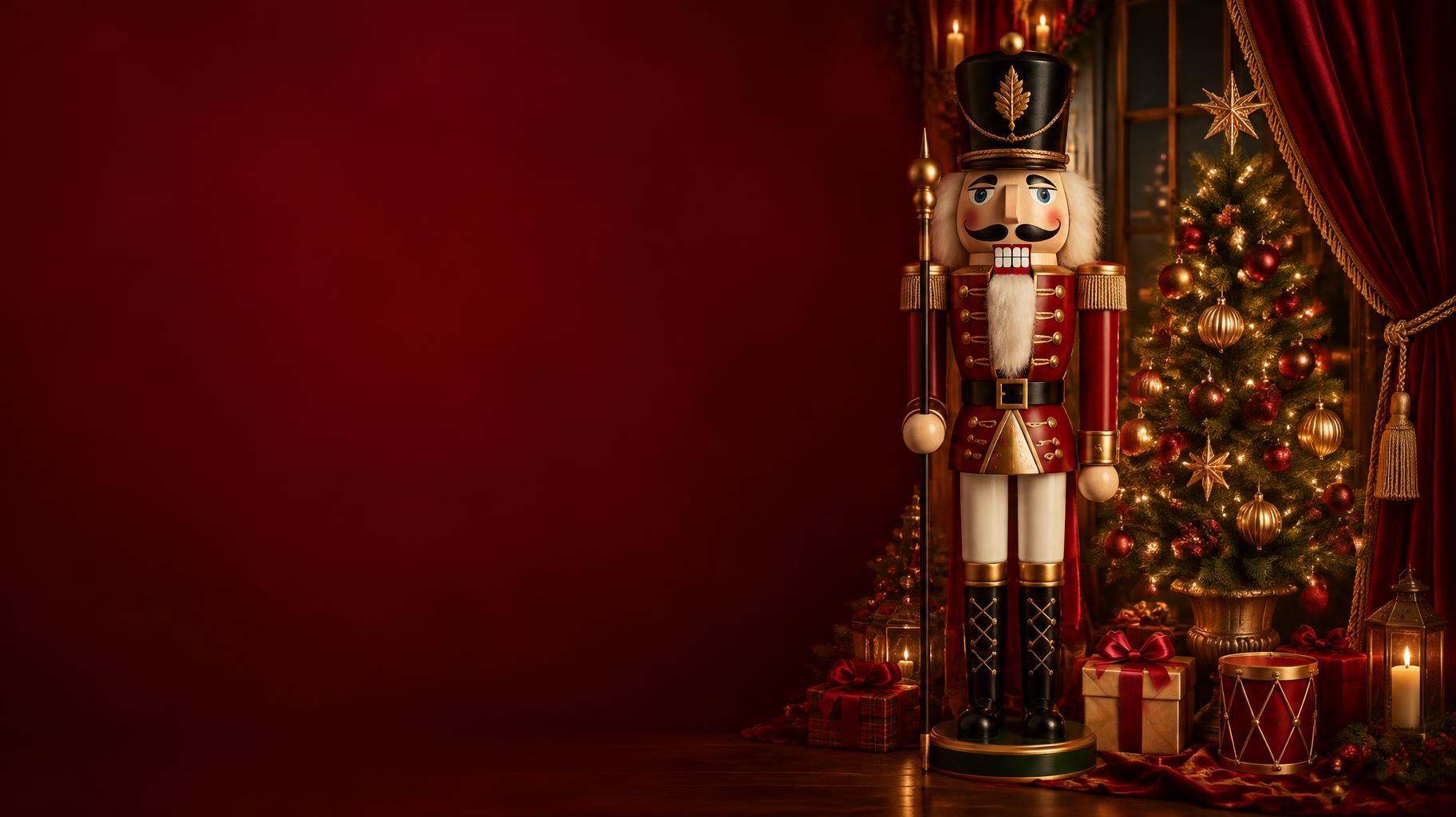
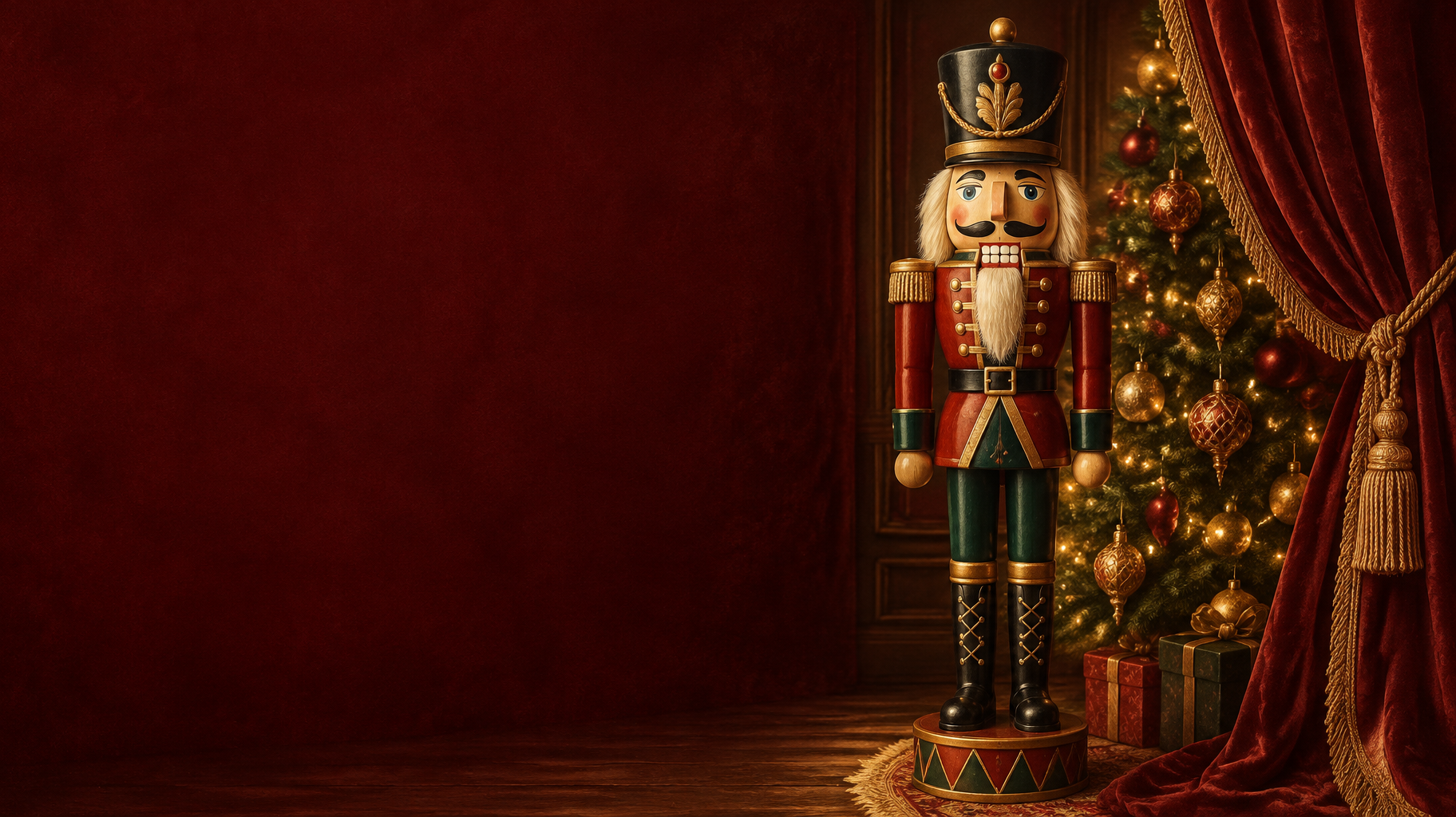
The Nutcracker aesthetic: toy soldiers and stage, golden light, crimson and gold, velvet and gilding
Every Nutcracker piece here is built from the same four parts. The style draws the soldiers, the light, the palette and the textures around your words; the letters come from the AI font you pick.
Nutcracker clipart, illustrations, posters, invites, wallpapers and cards
Every format here sets your words in the Nutcracker's storybook world of toy soldiers, stage arches and gold. Pick a format to see designs made in it, or describe your own.
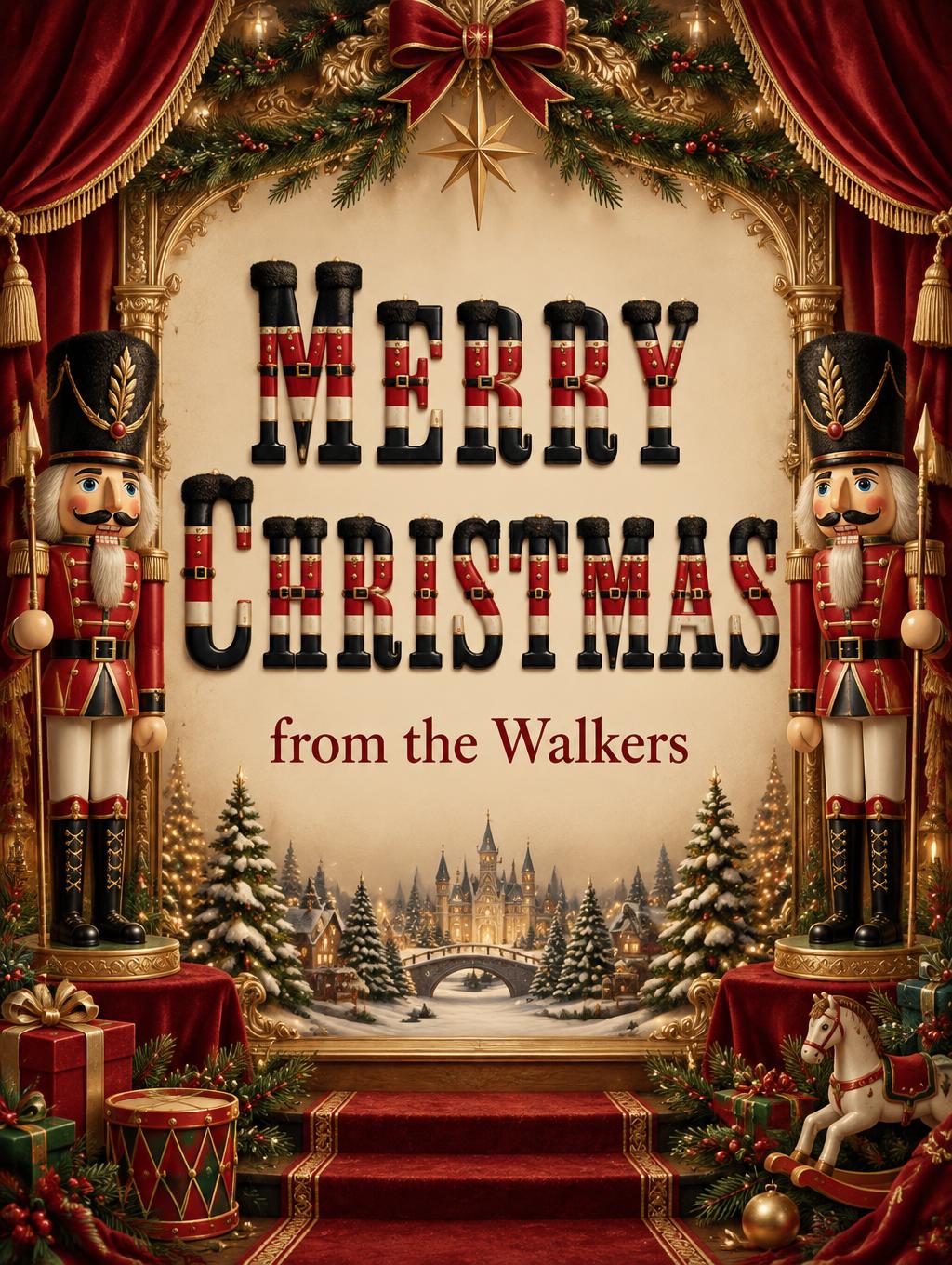
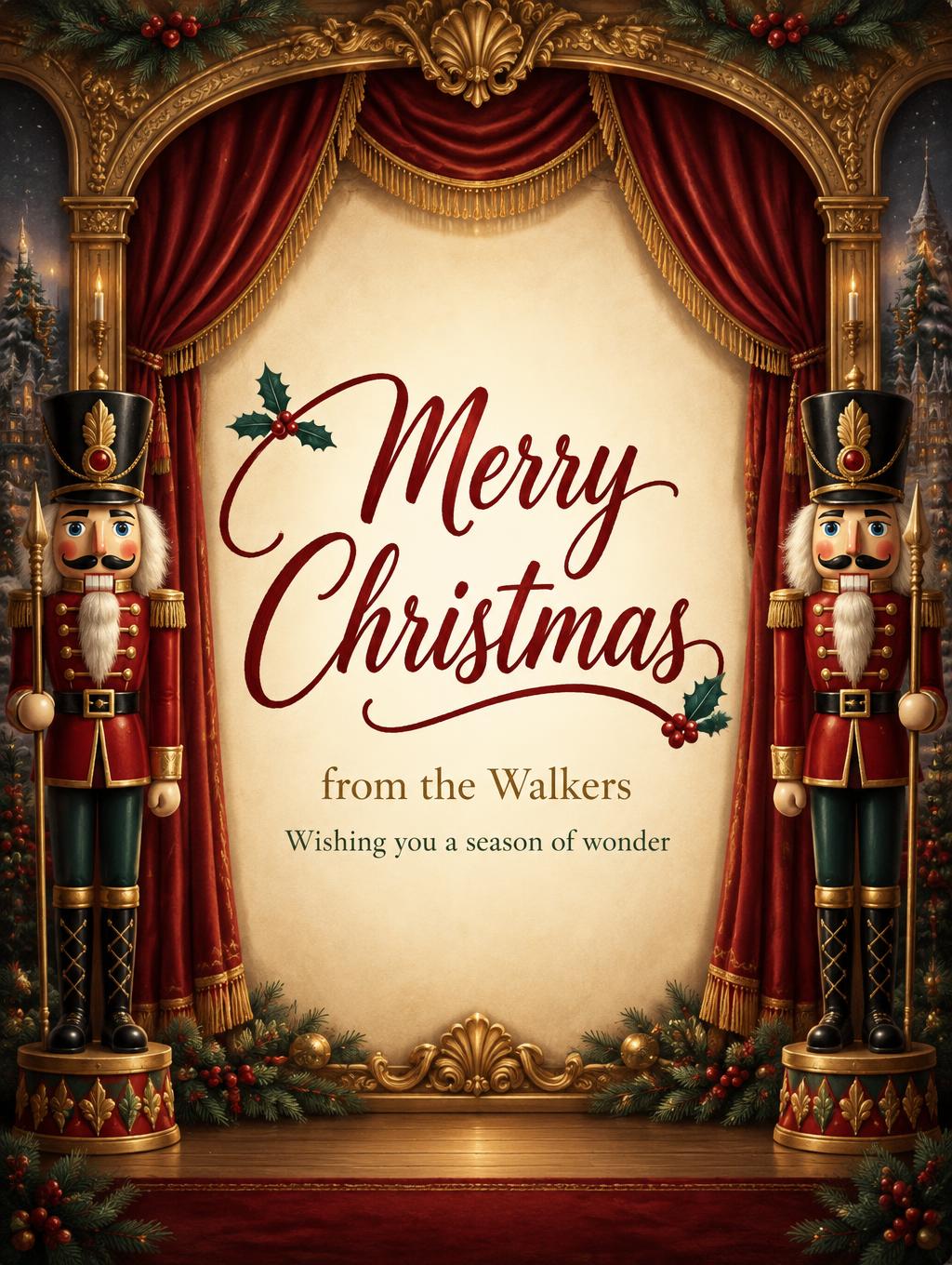
Nutcracker Christmas Cards
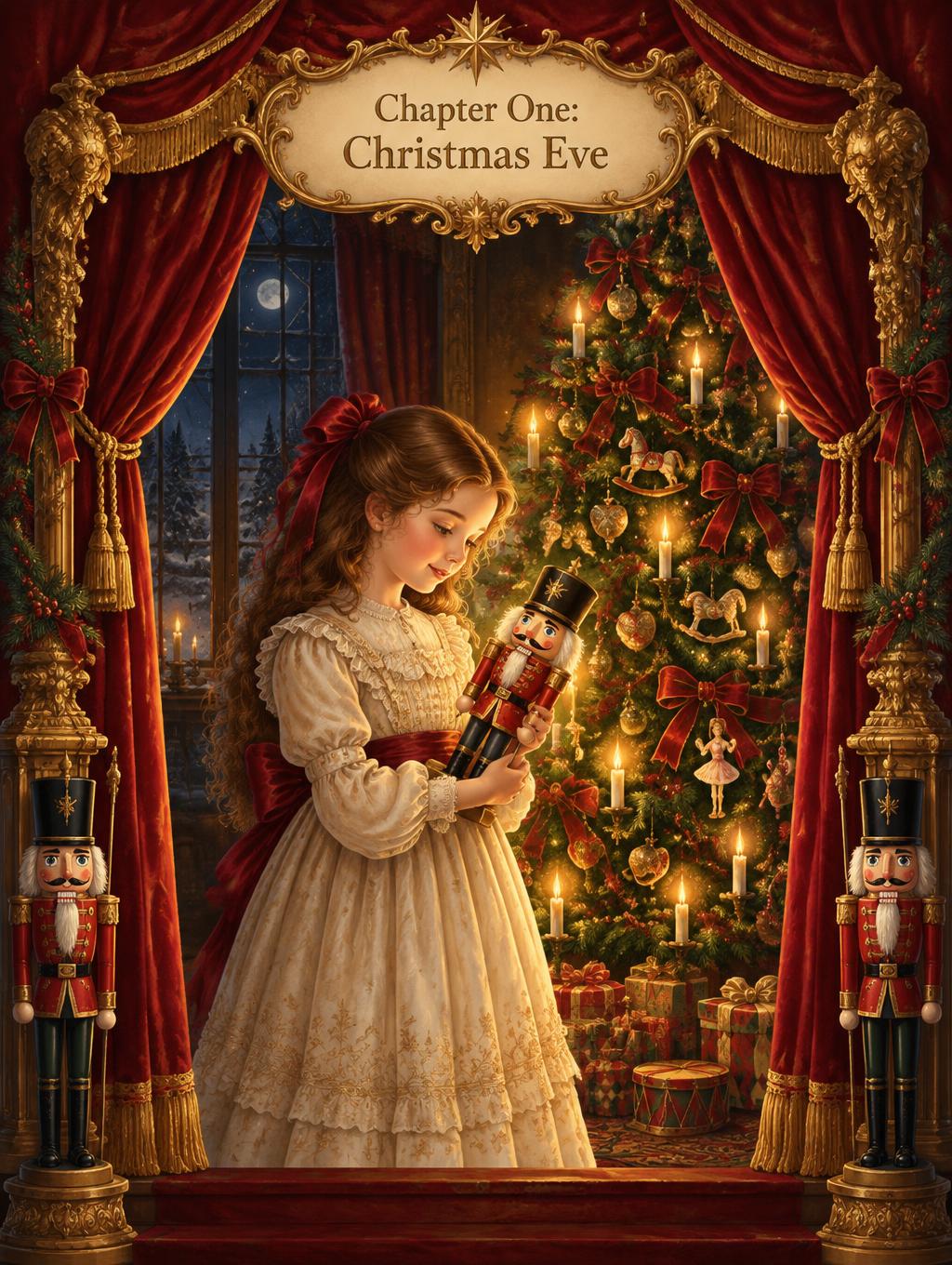
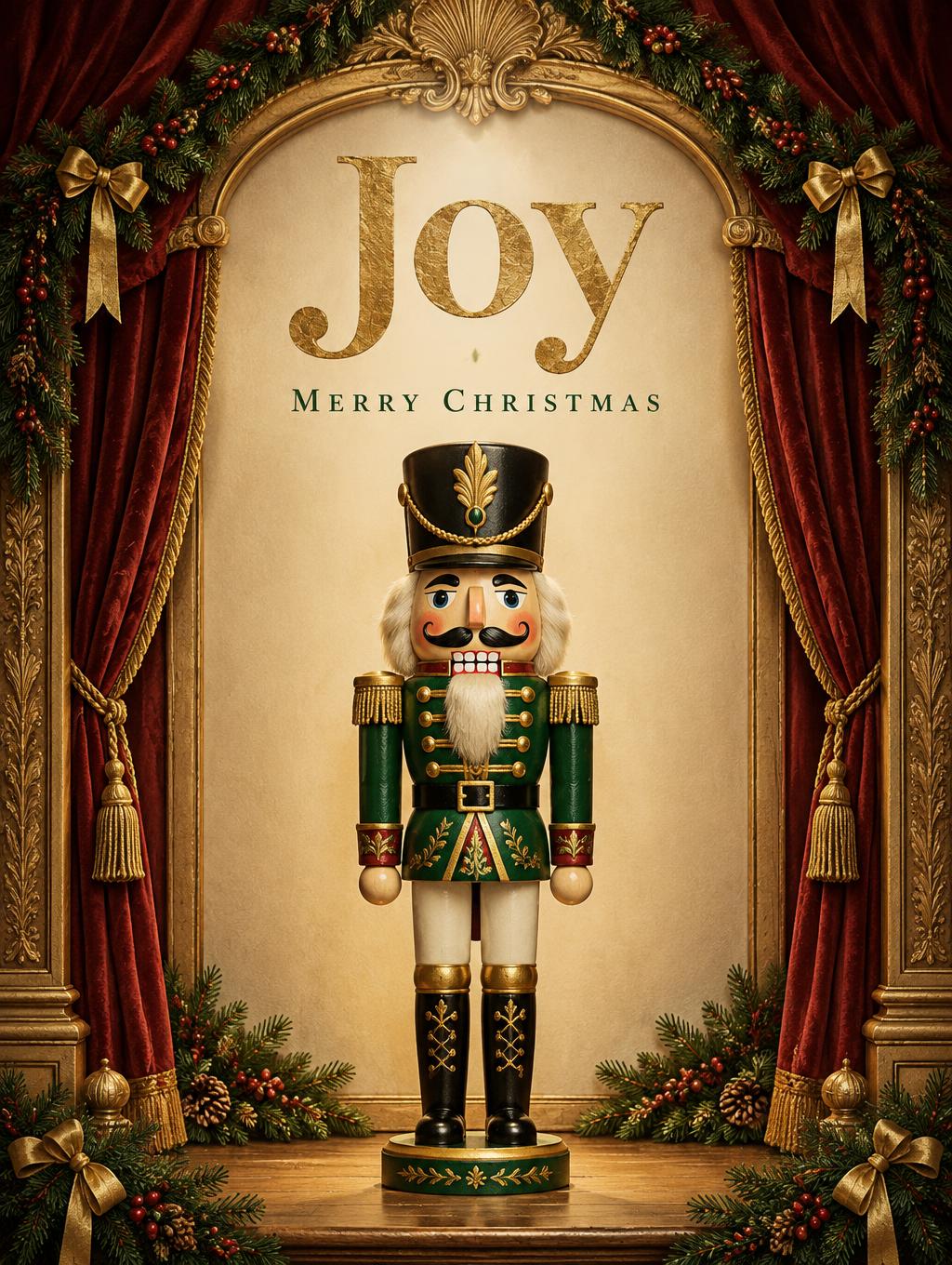
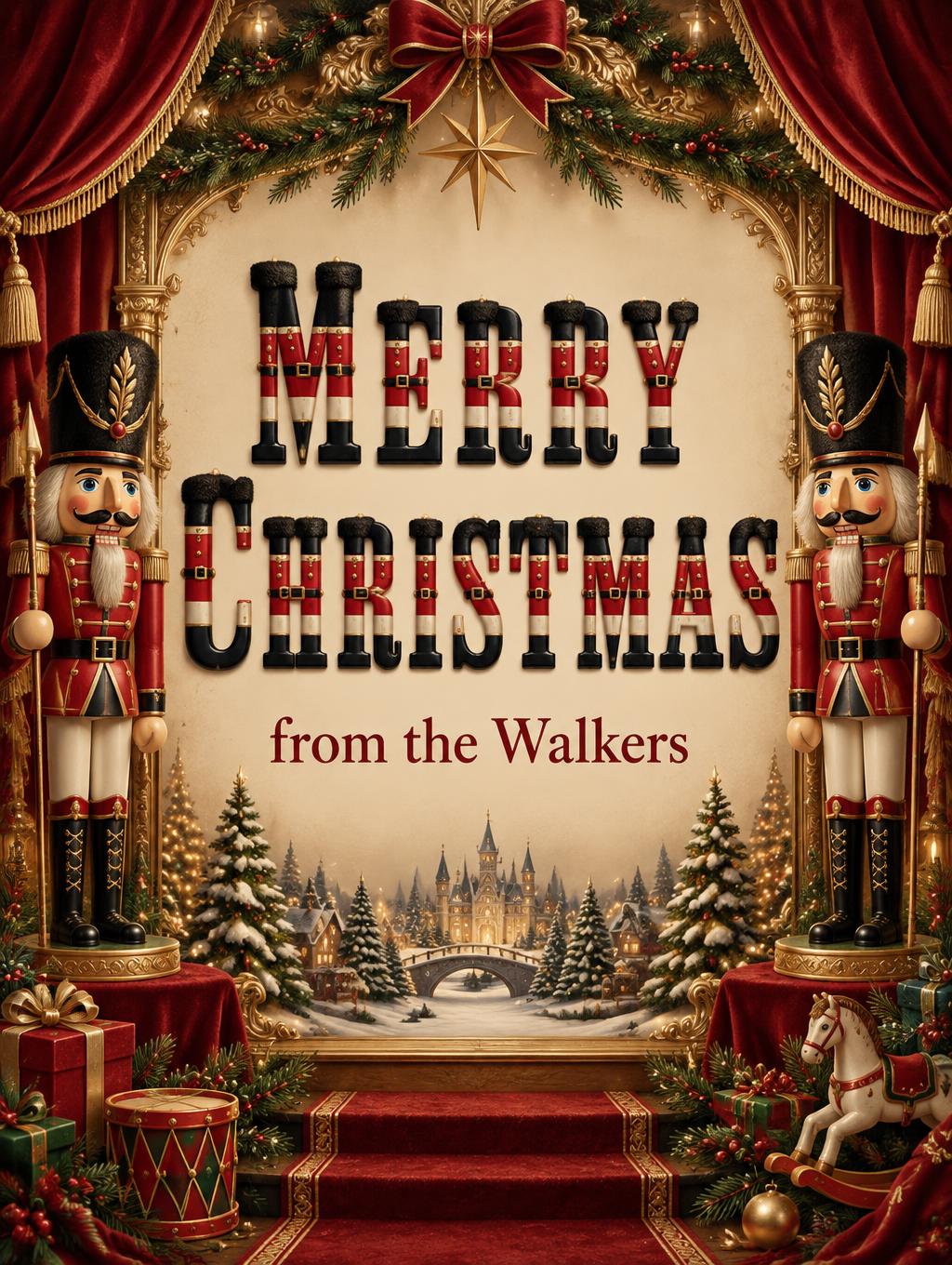
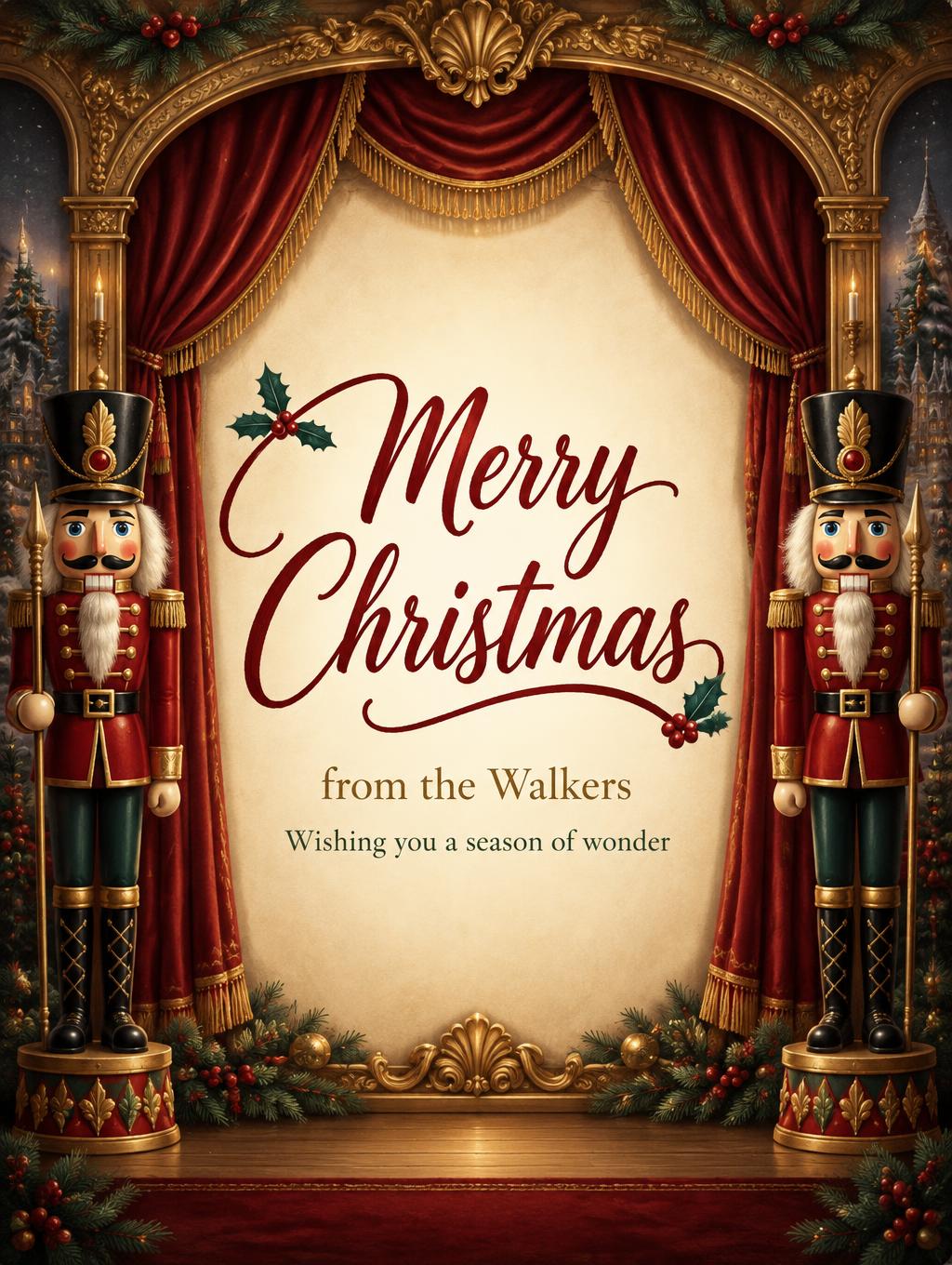
Card fronts with your greeting framed by nutcracker soldiers and velvet curtains.
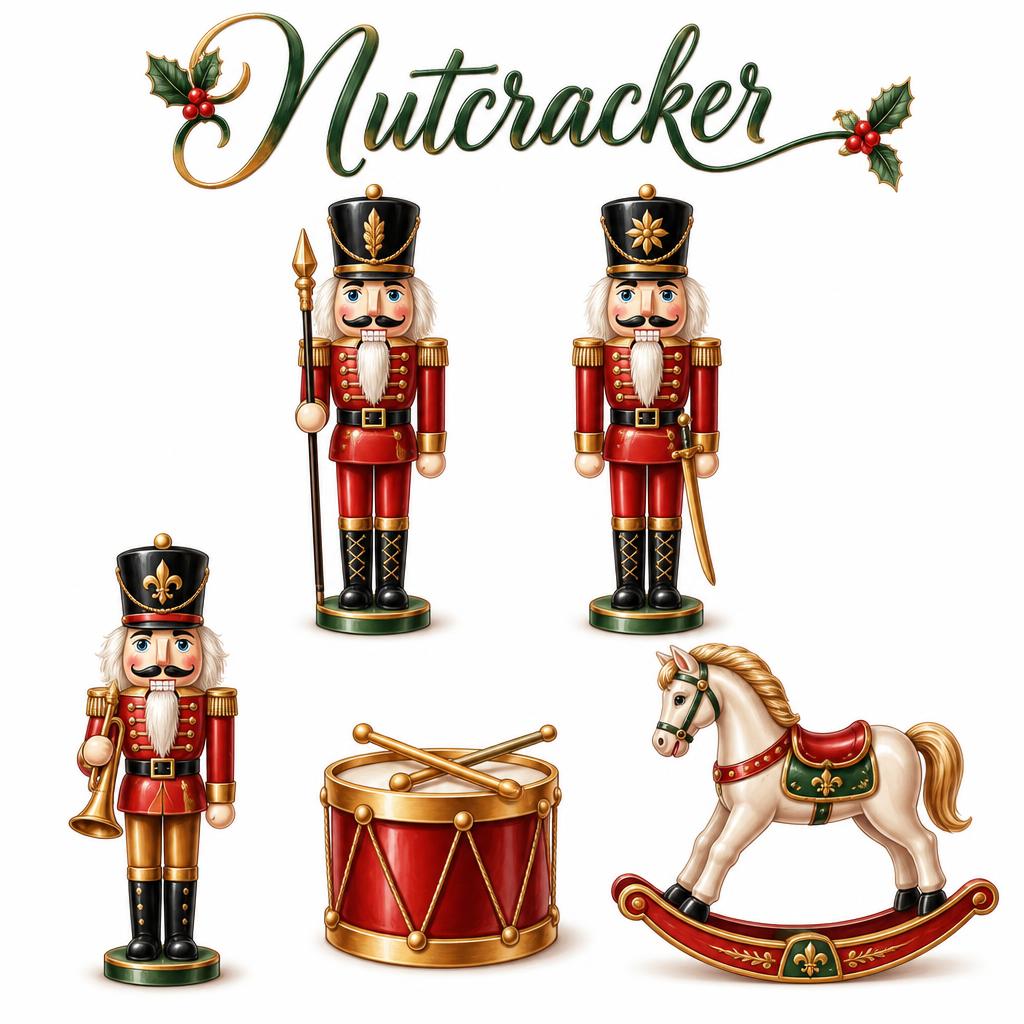
Nutcracker Clipart
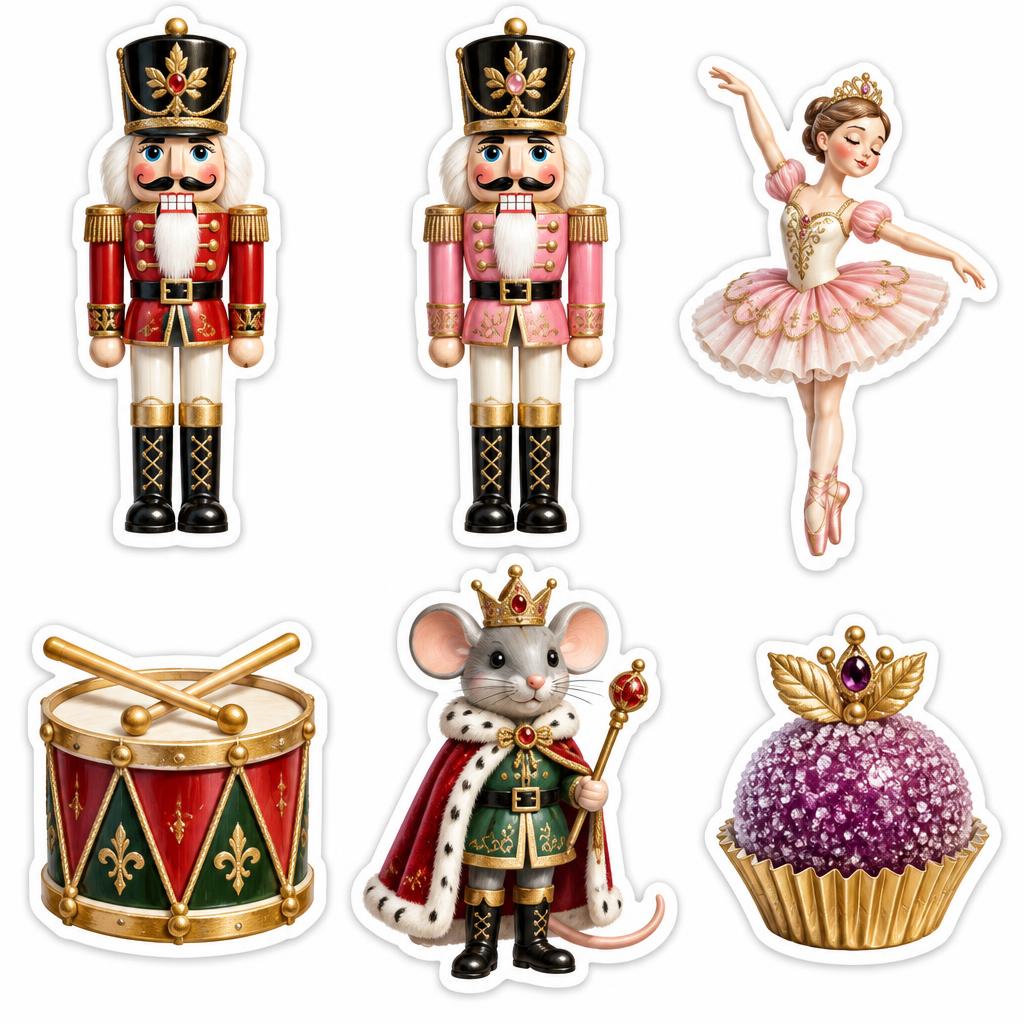
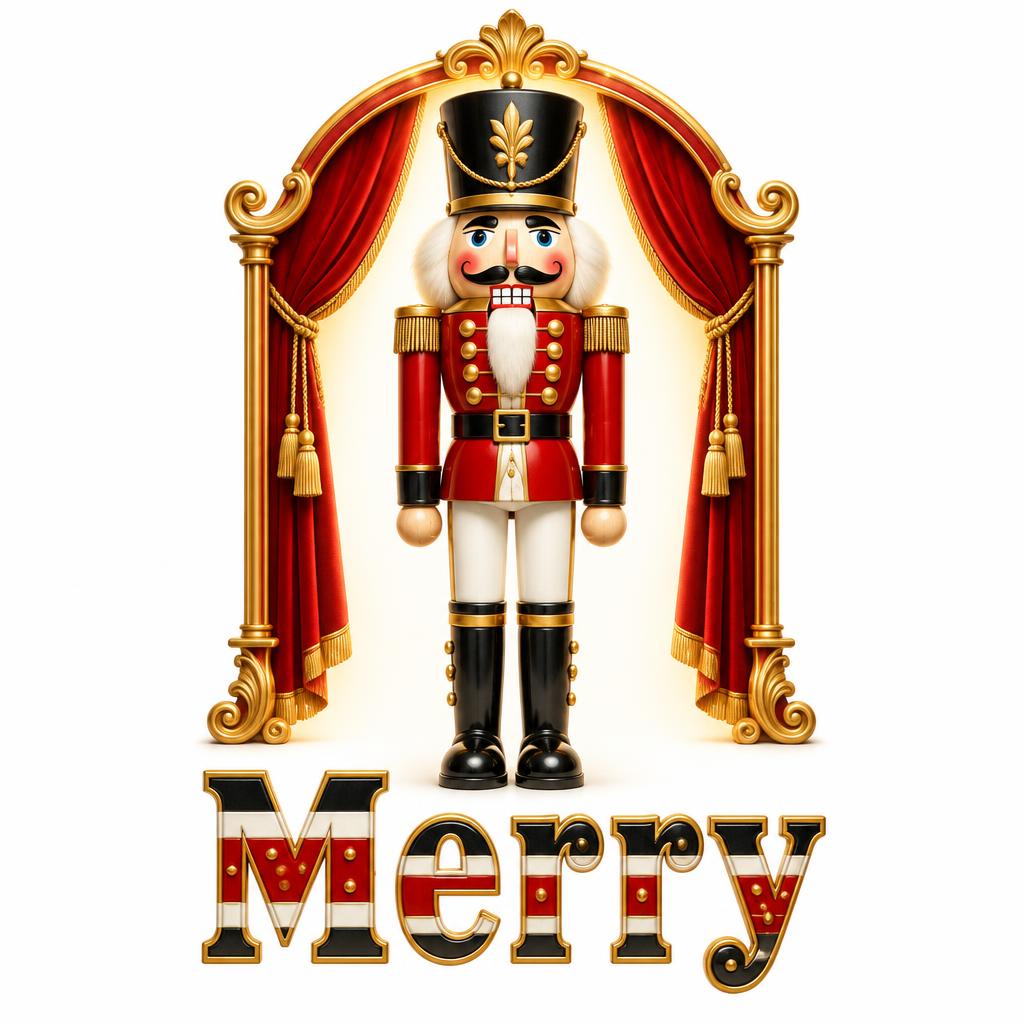
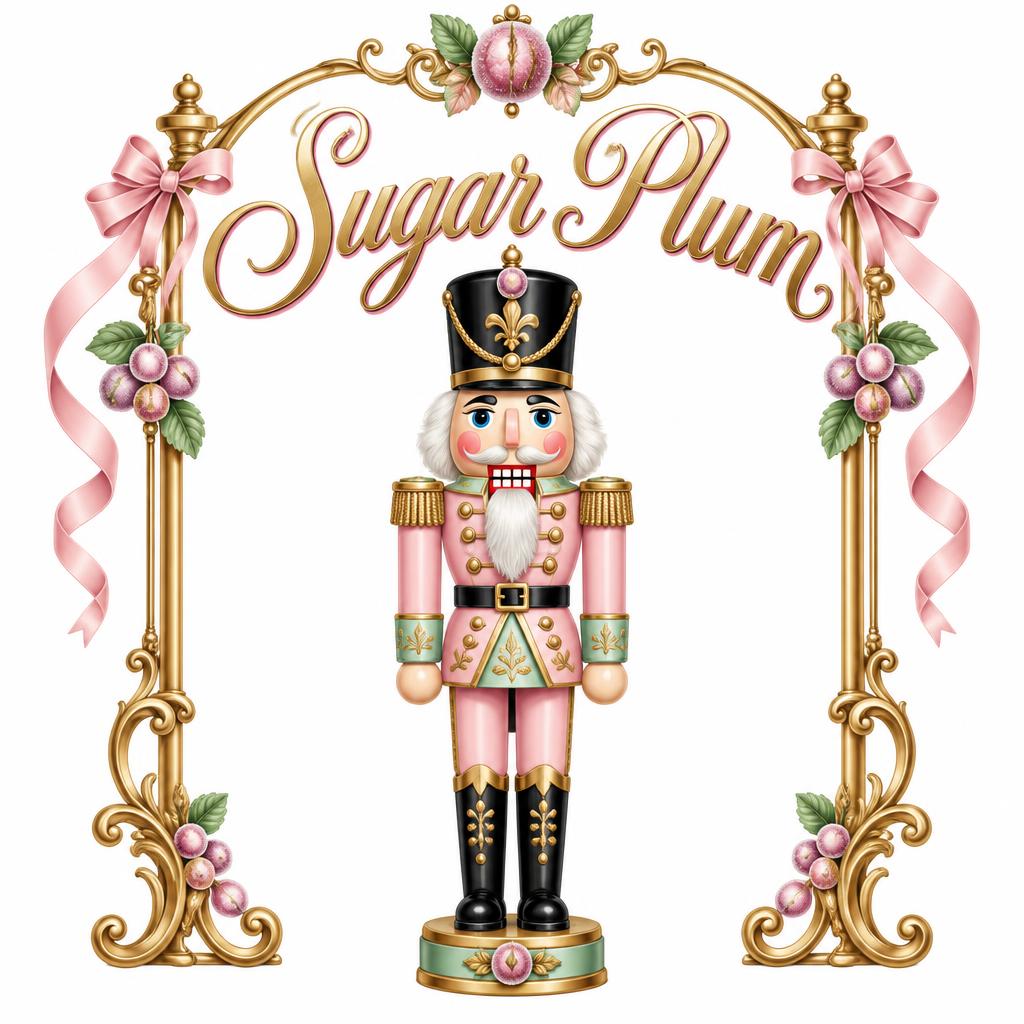
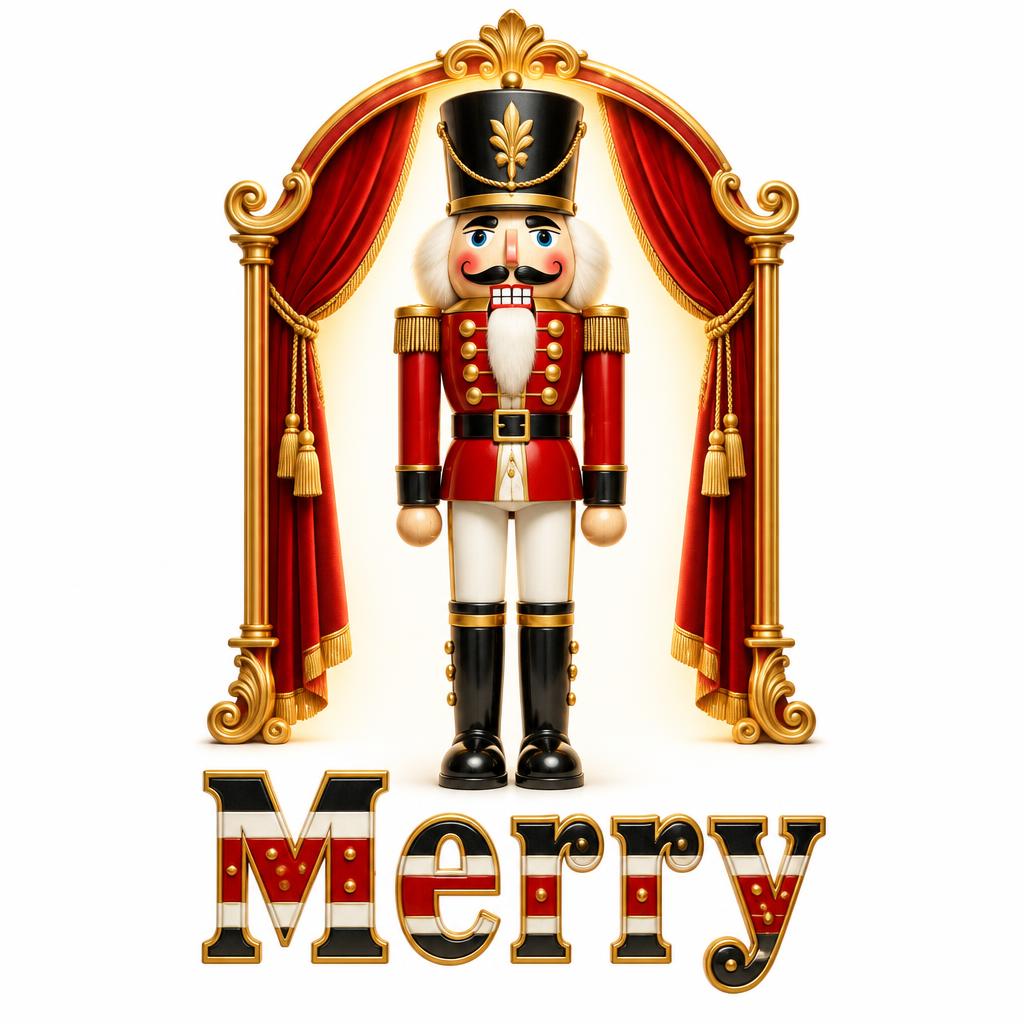
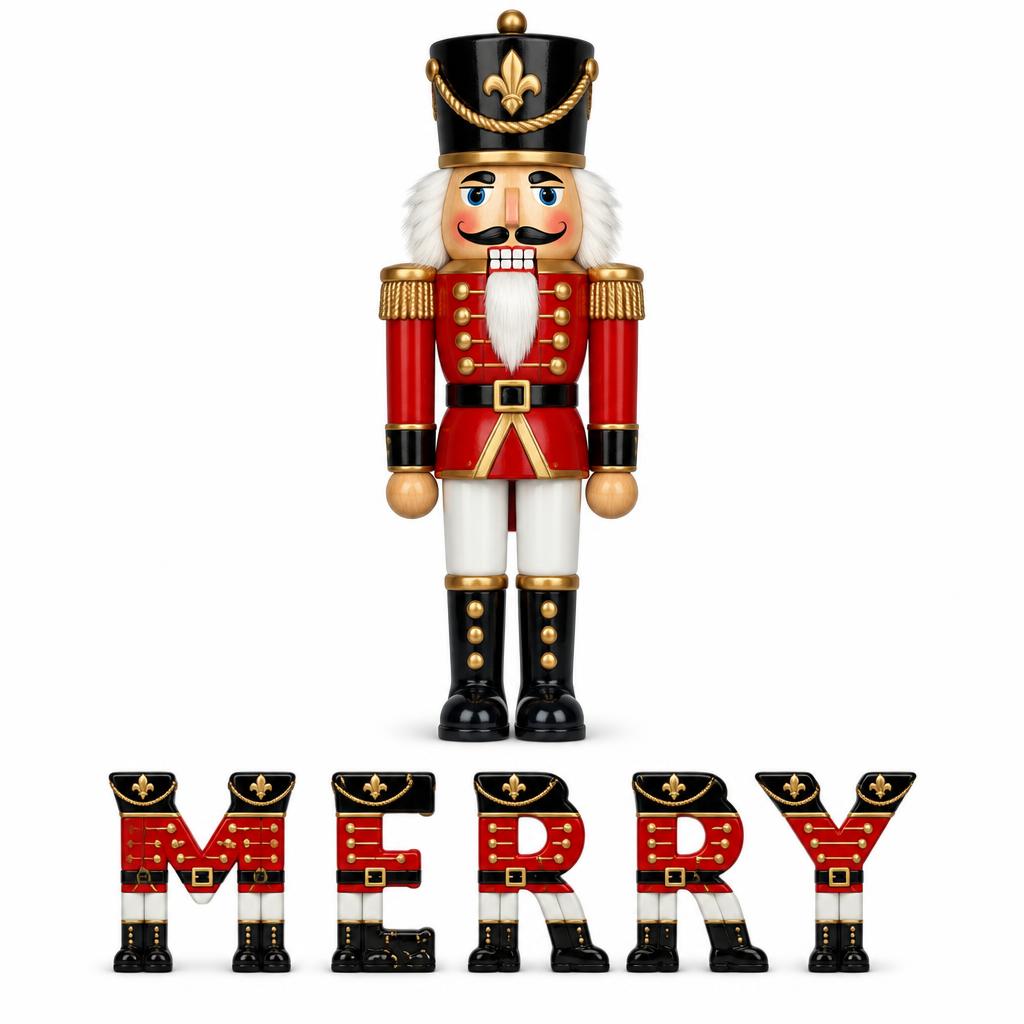
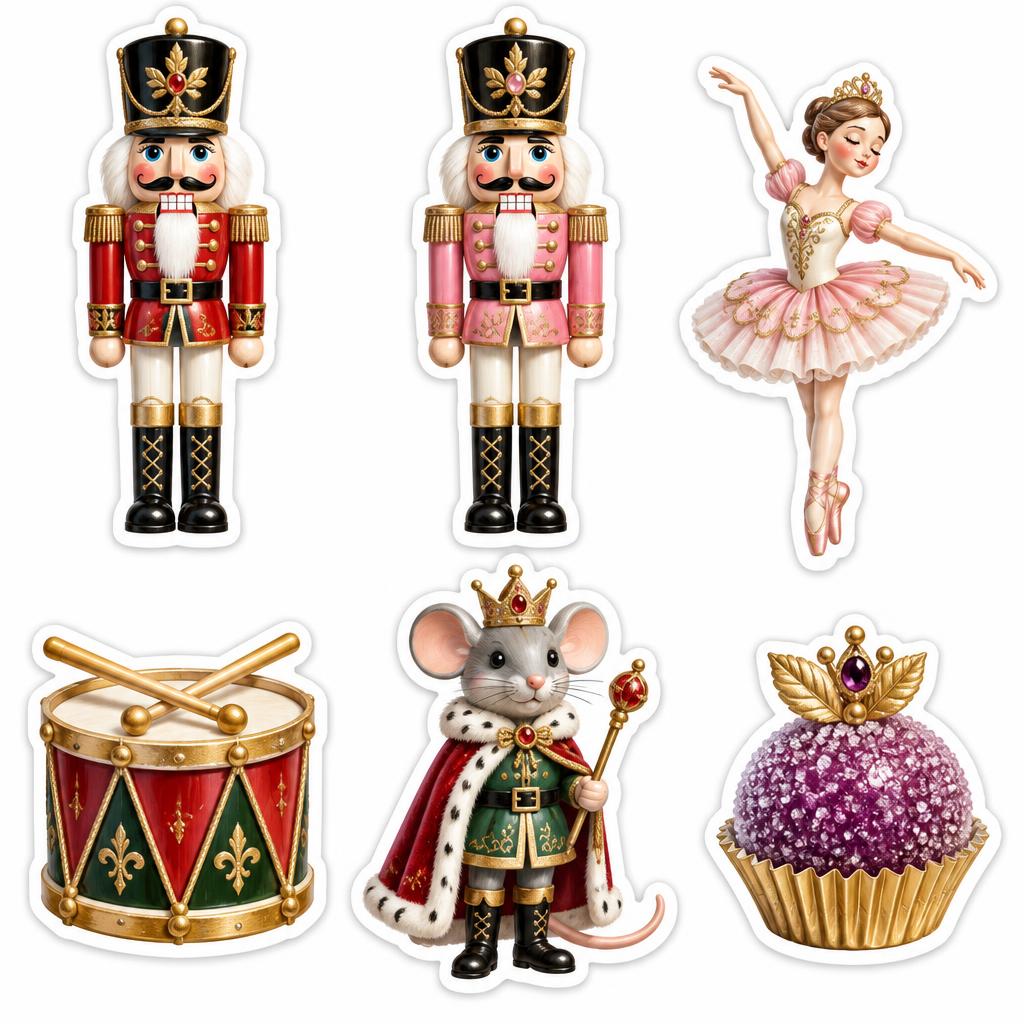
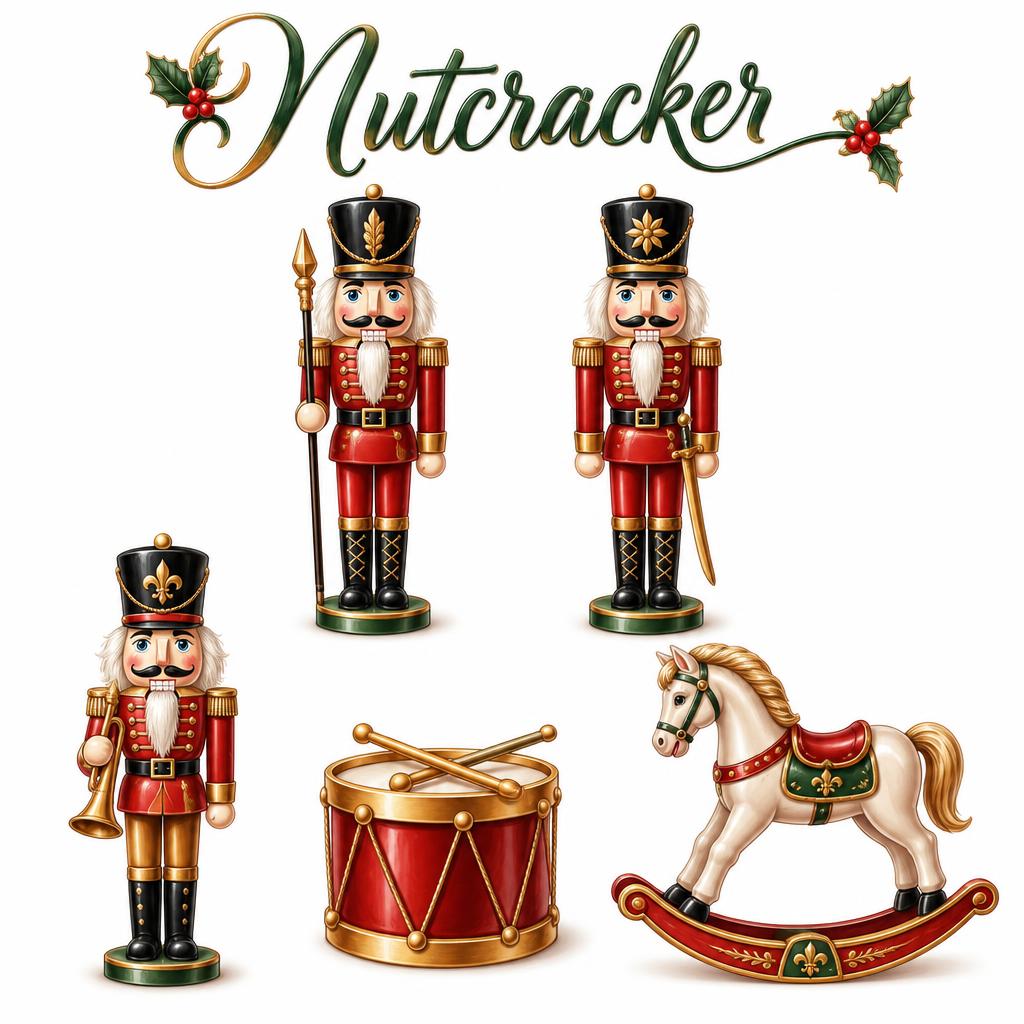
Single nutcracker soldiers, classic red or sugar plum pink, drawn on a plain ground with a short word.
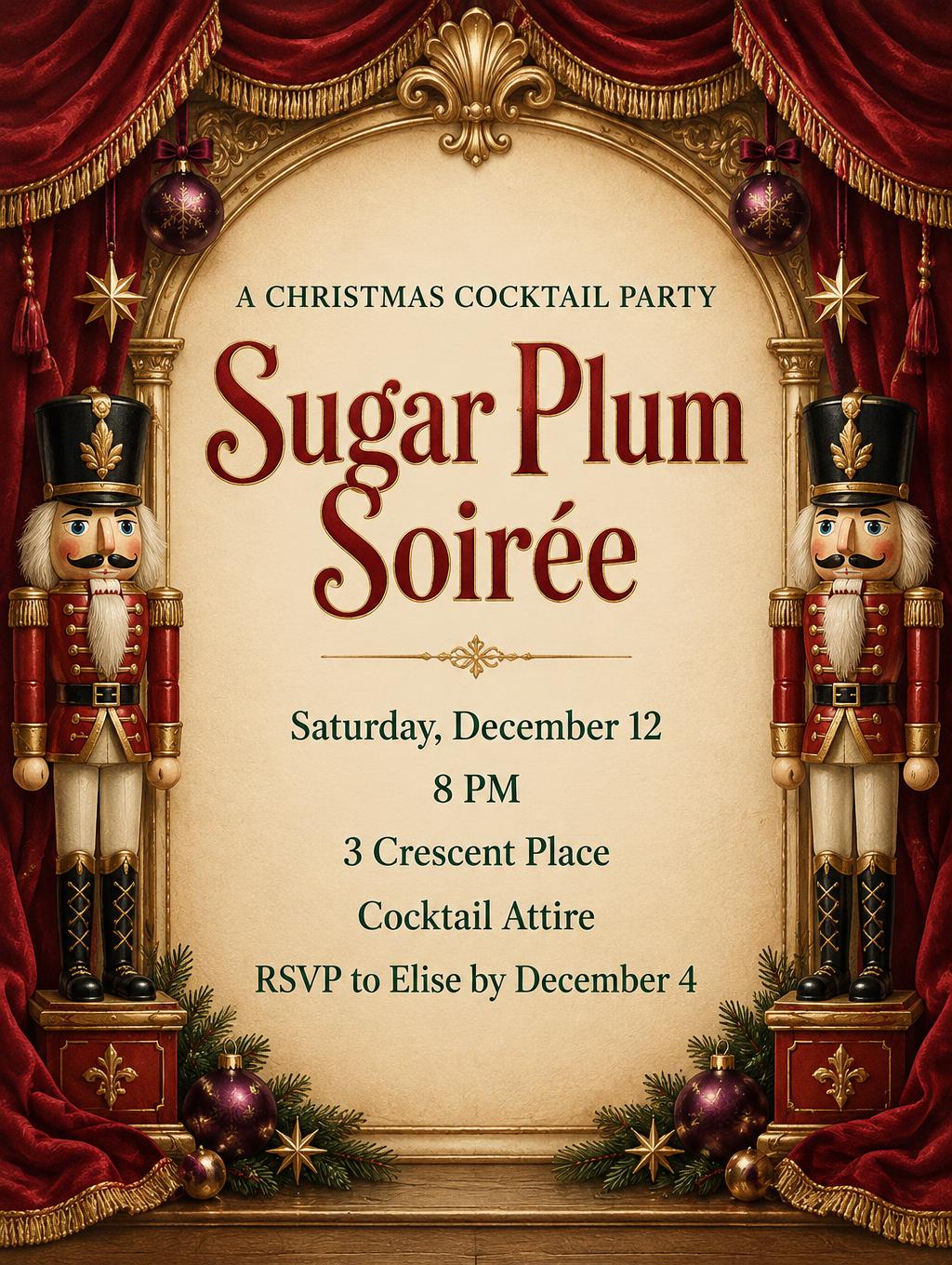
Nutcracker Party Invitations
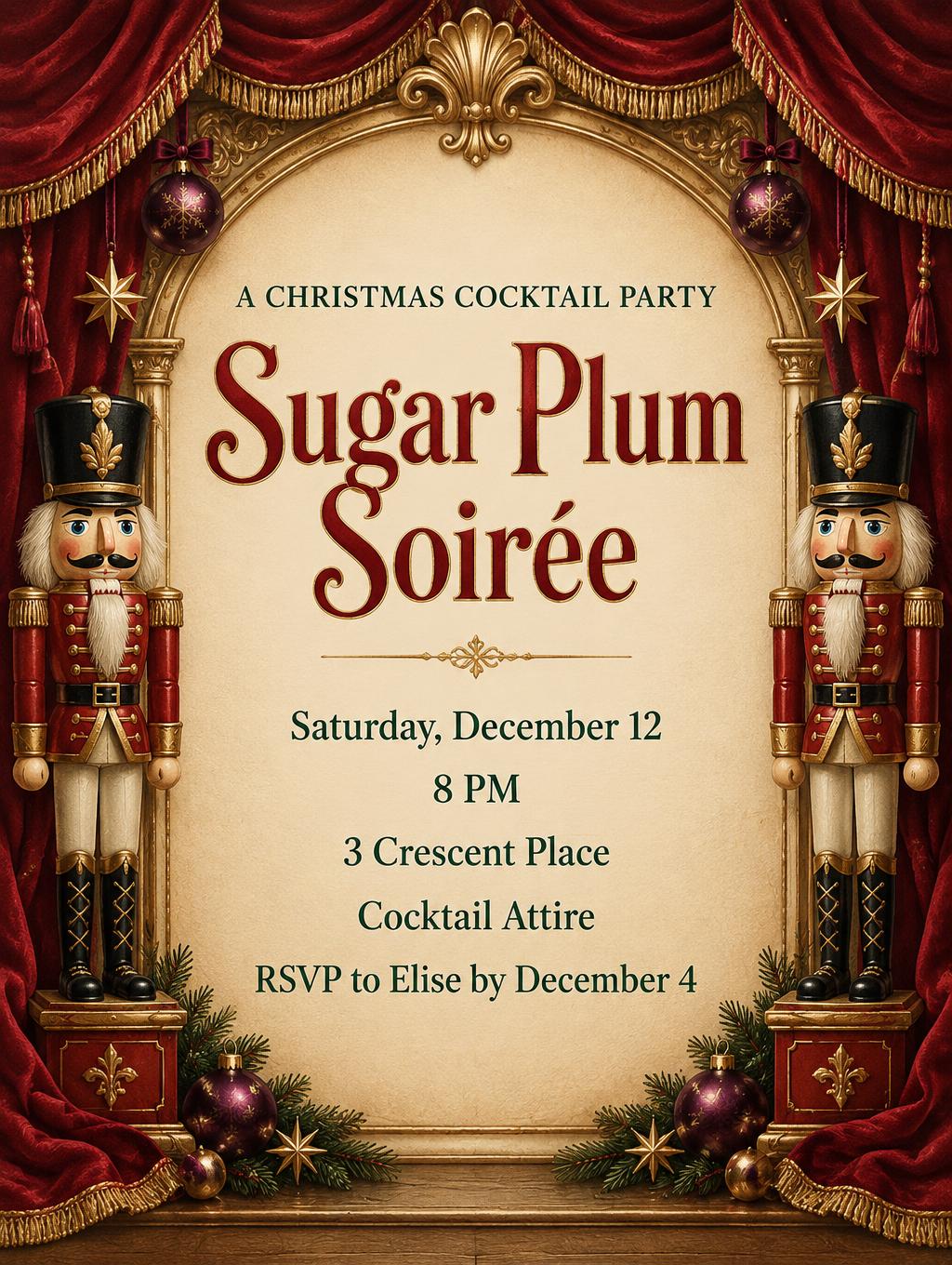
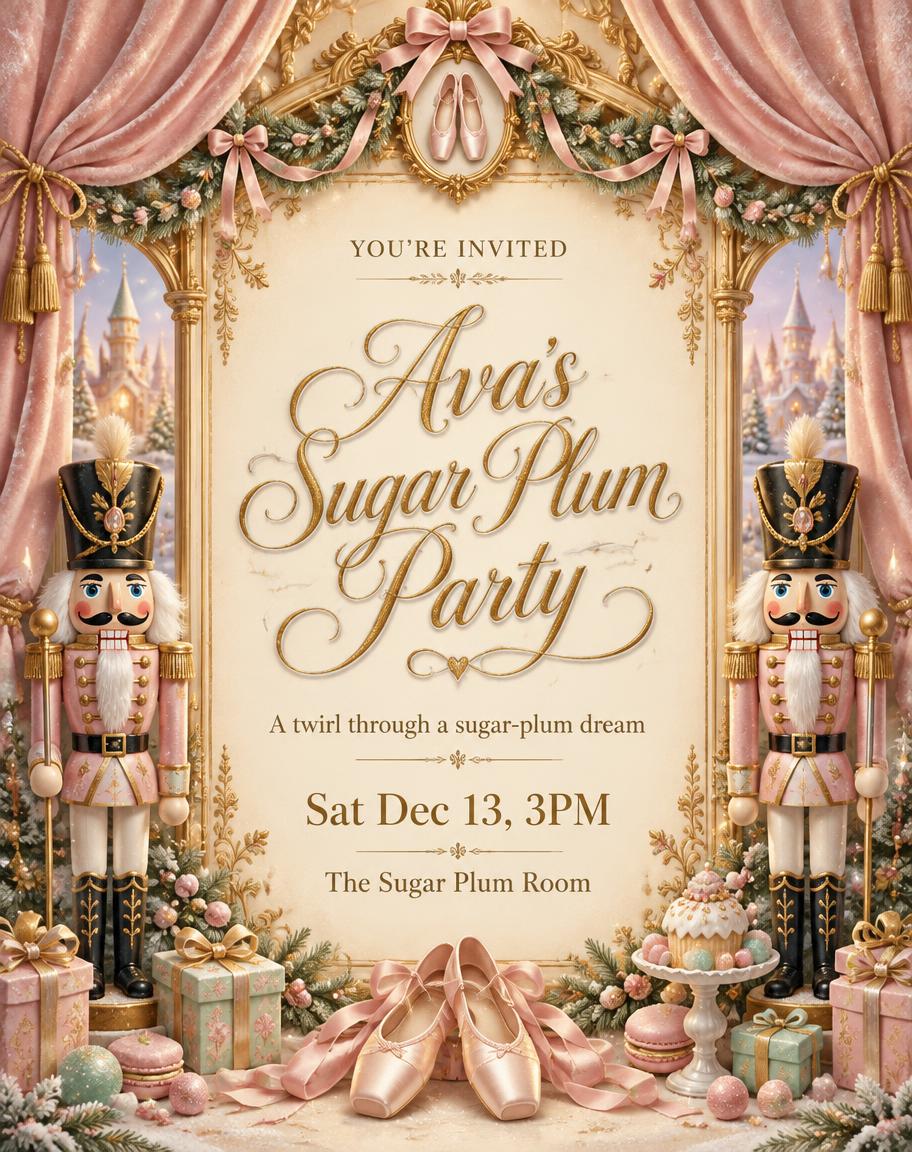
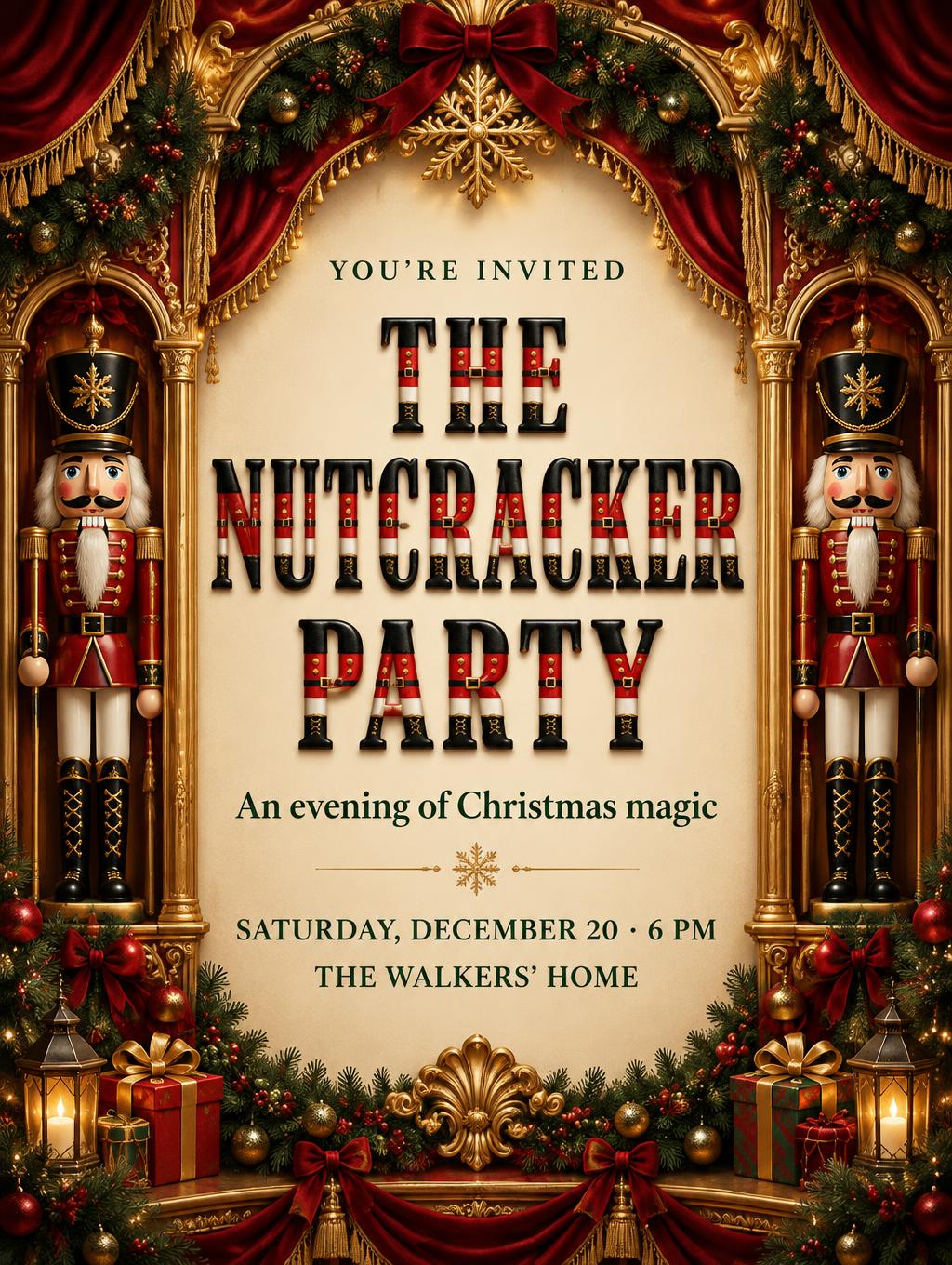
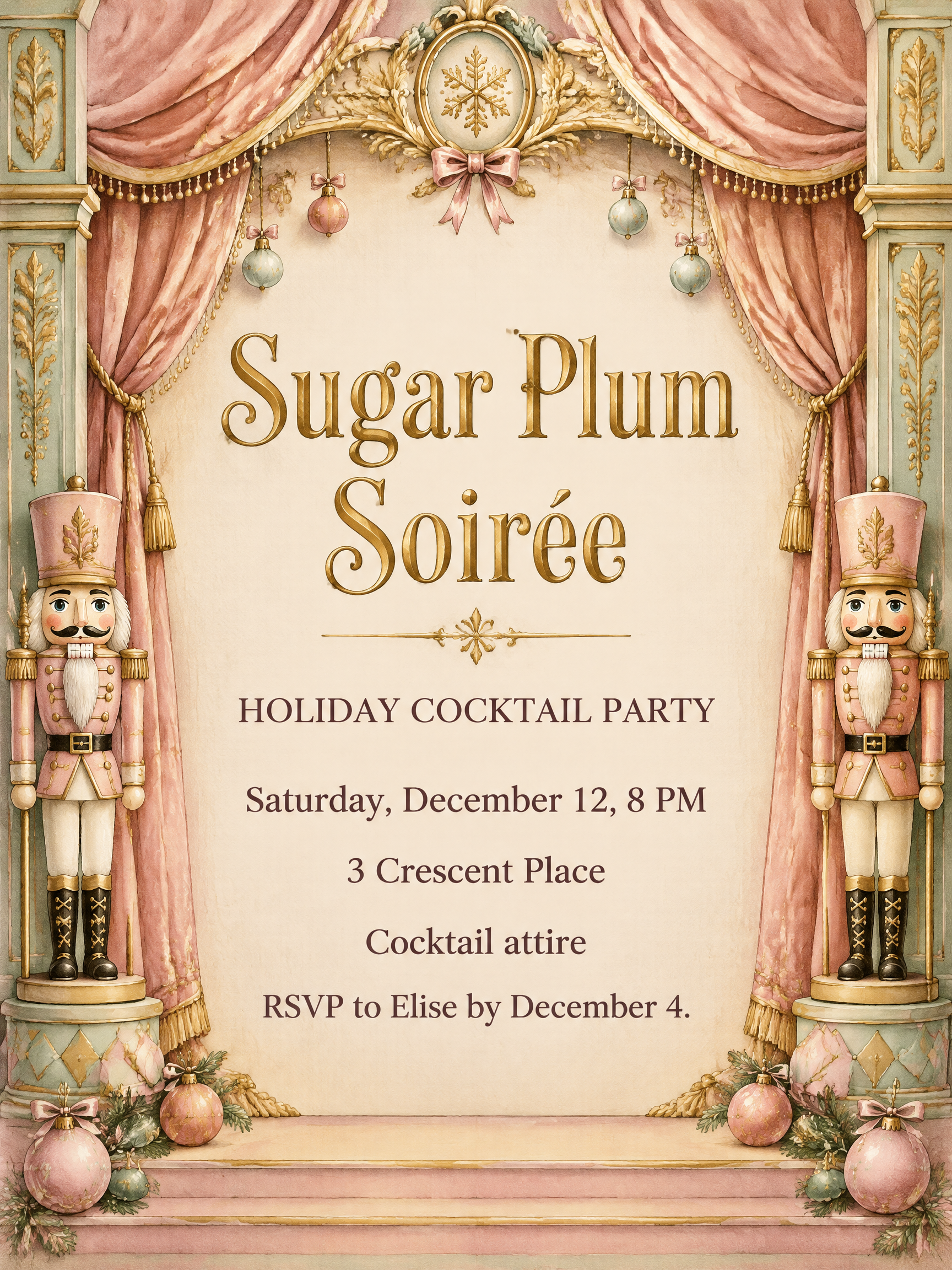
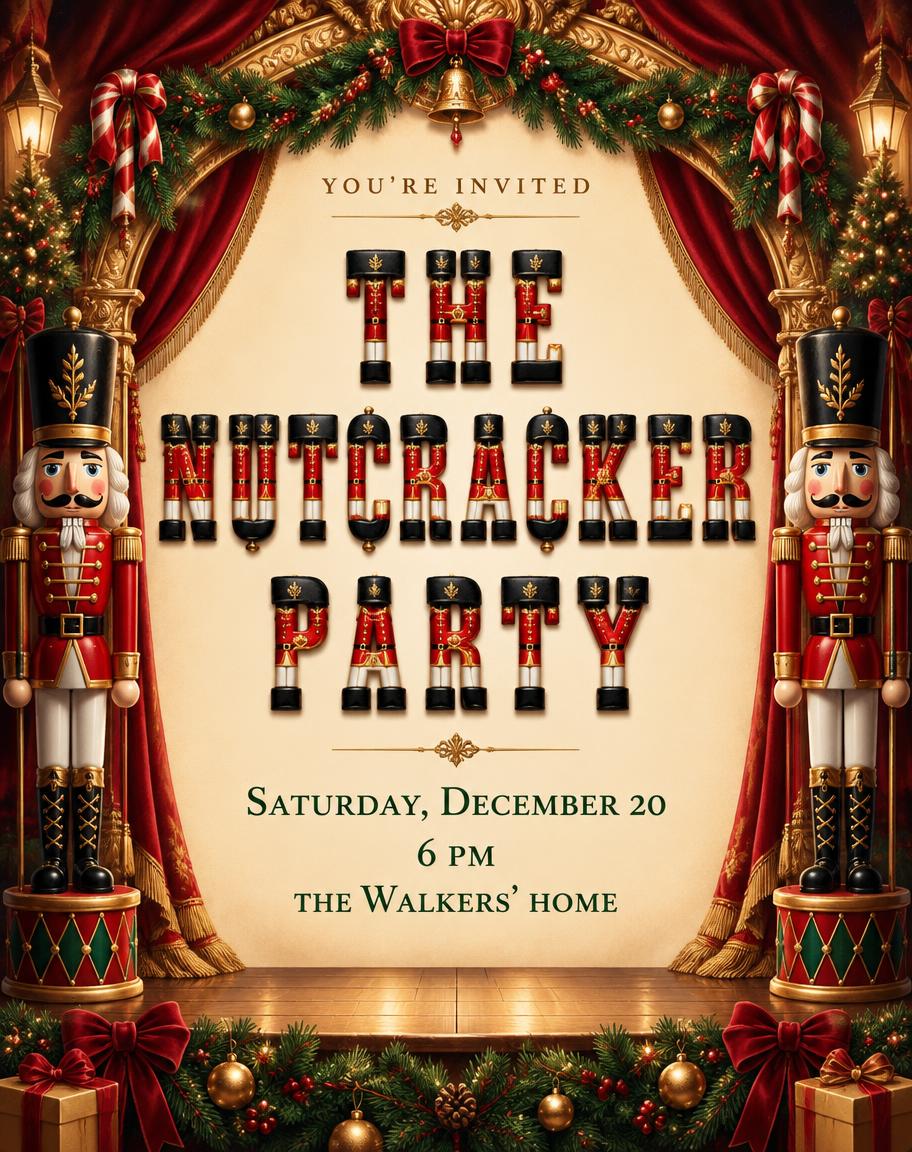
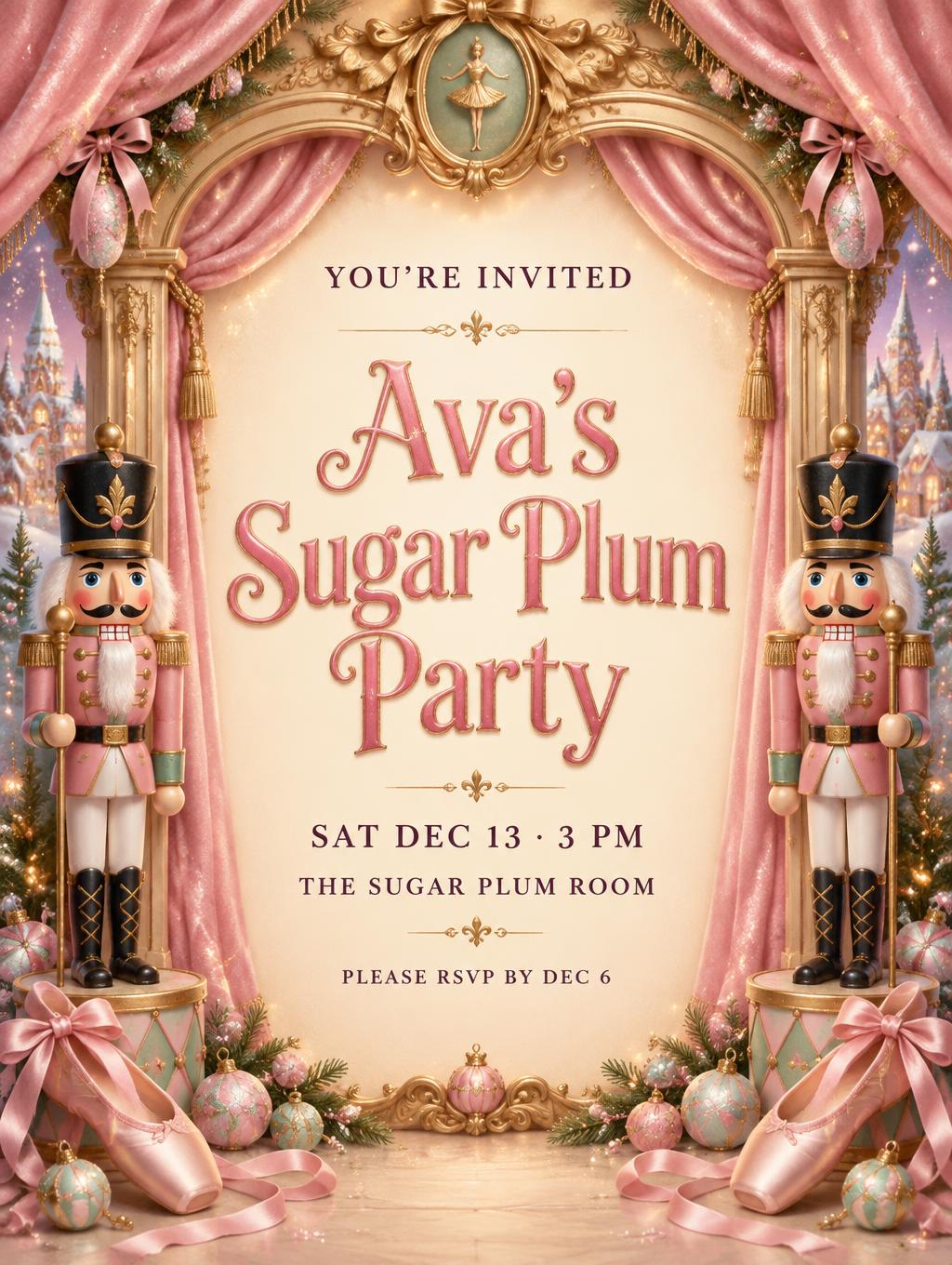
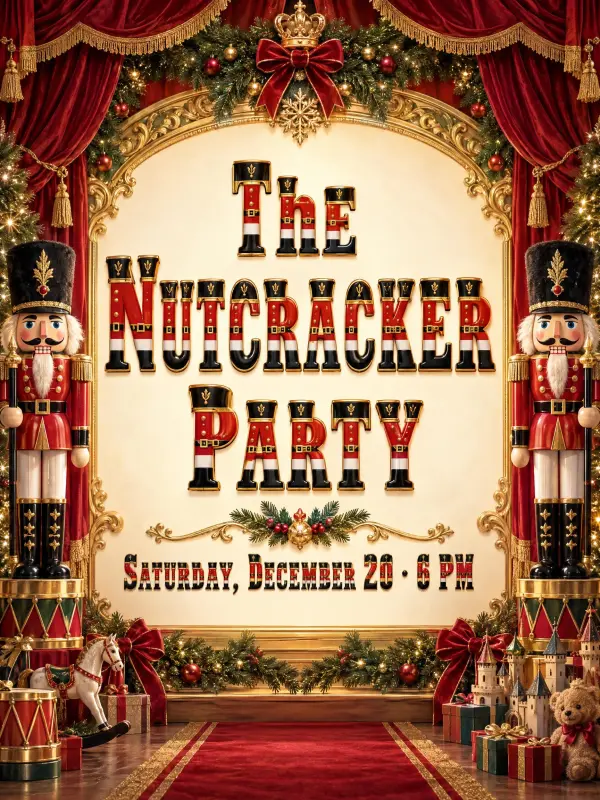
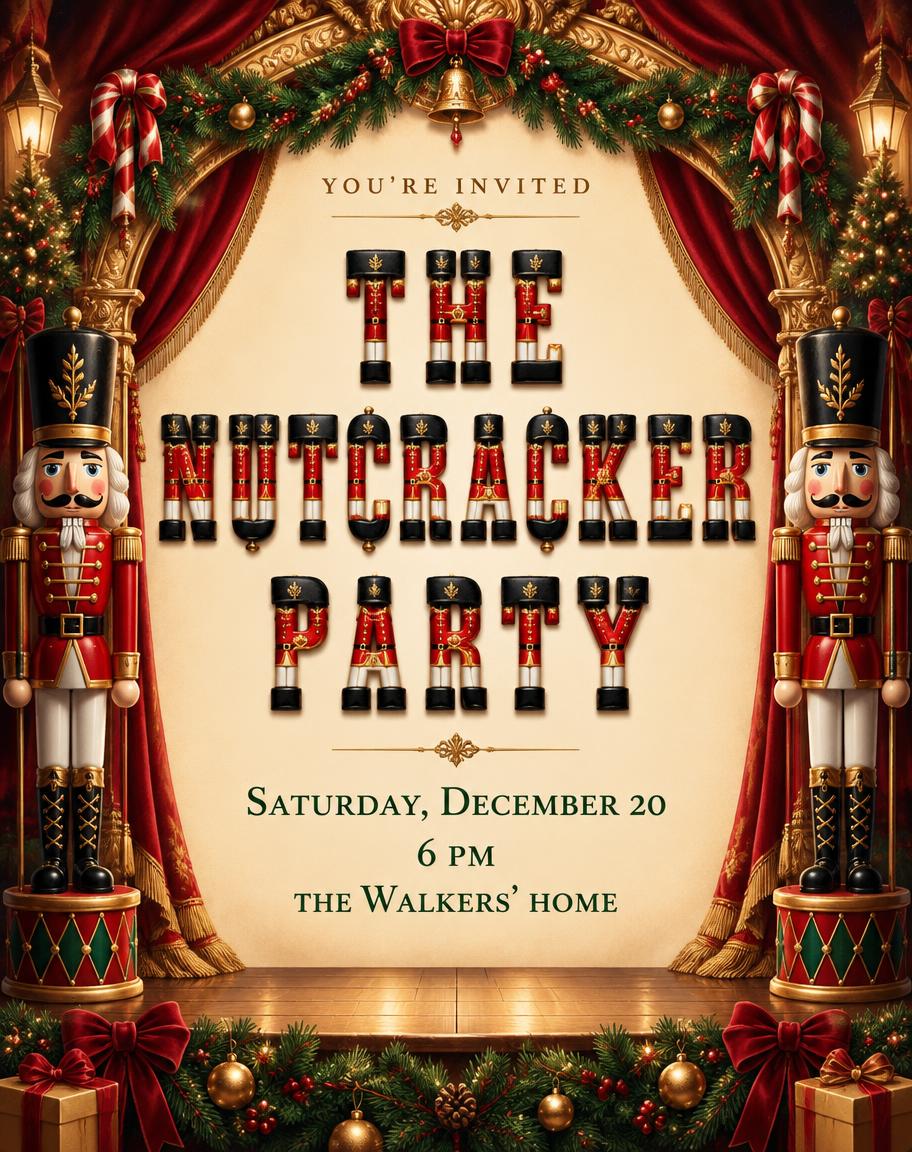
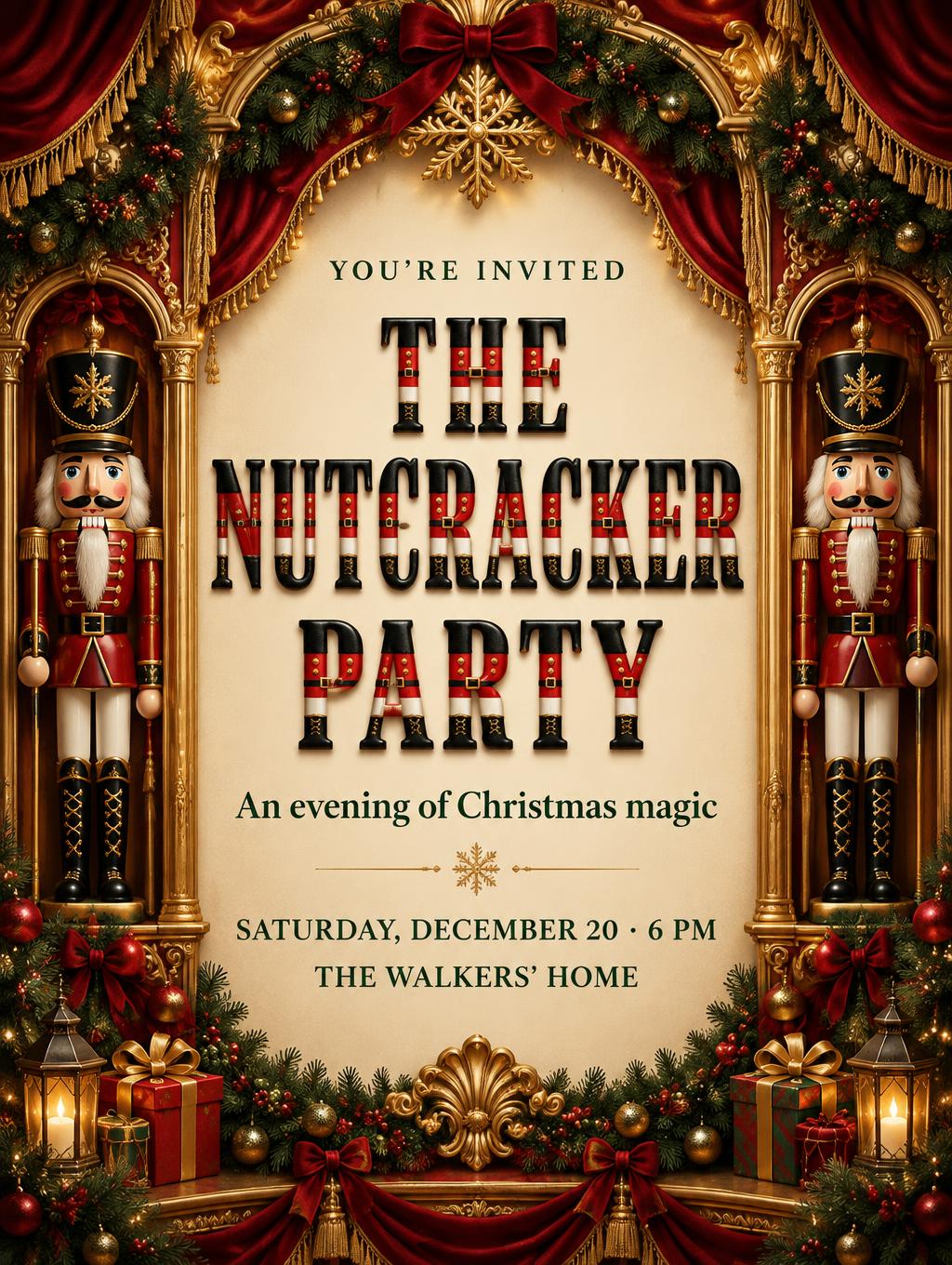
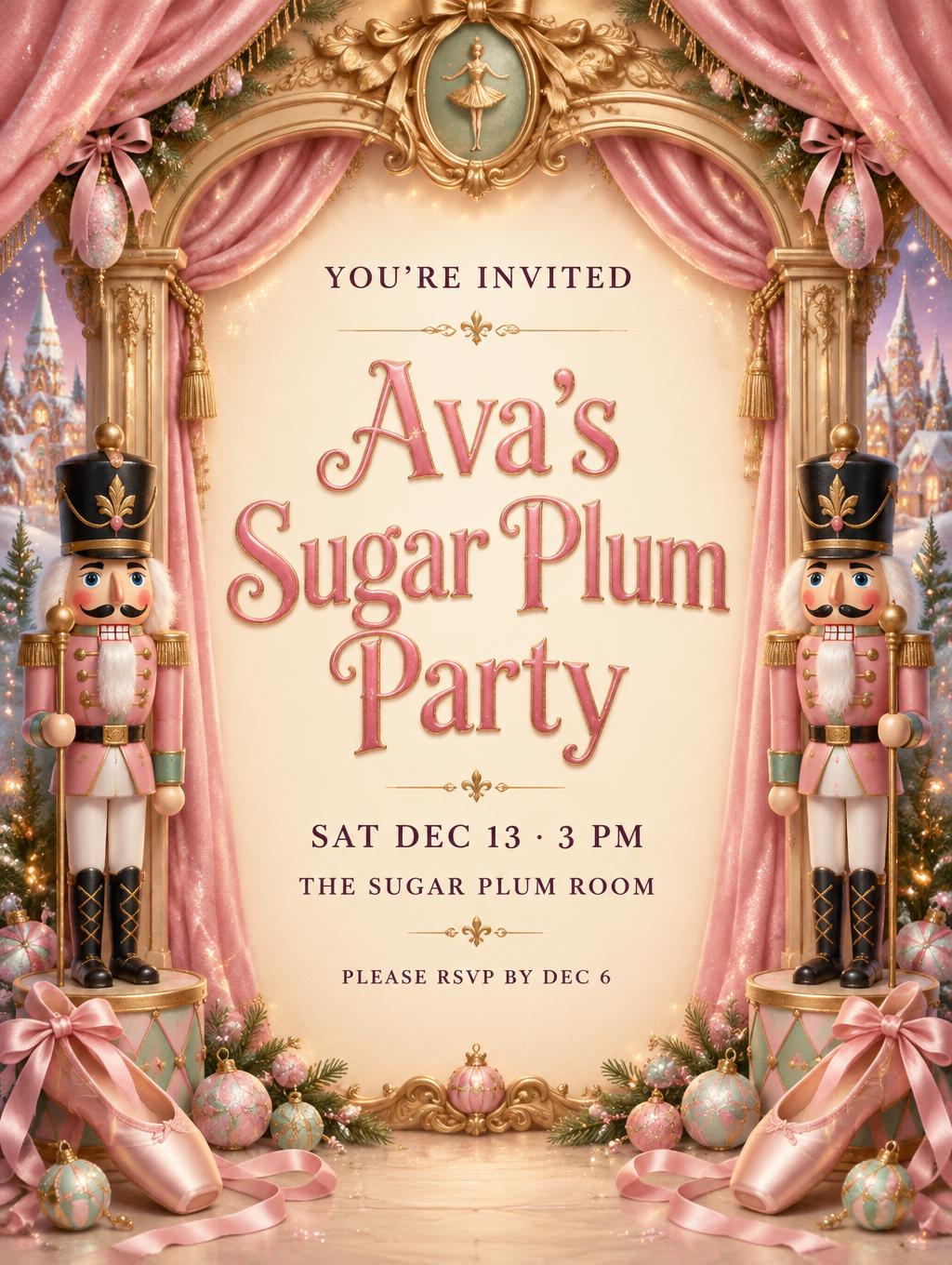
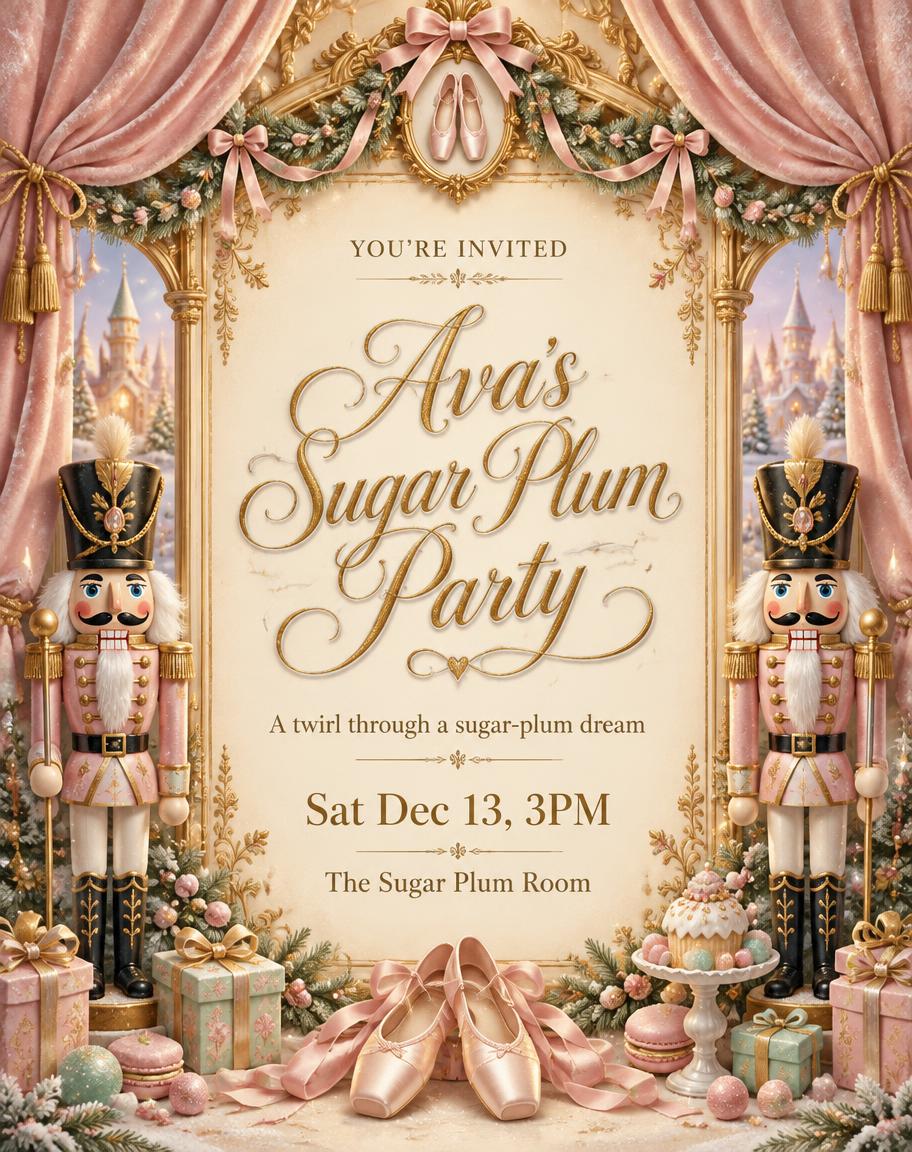
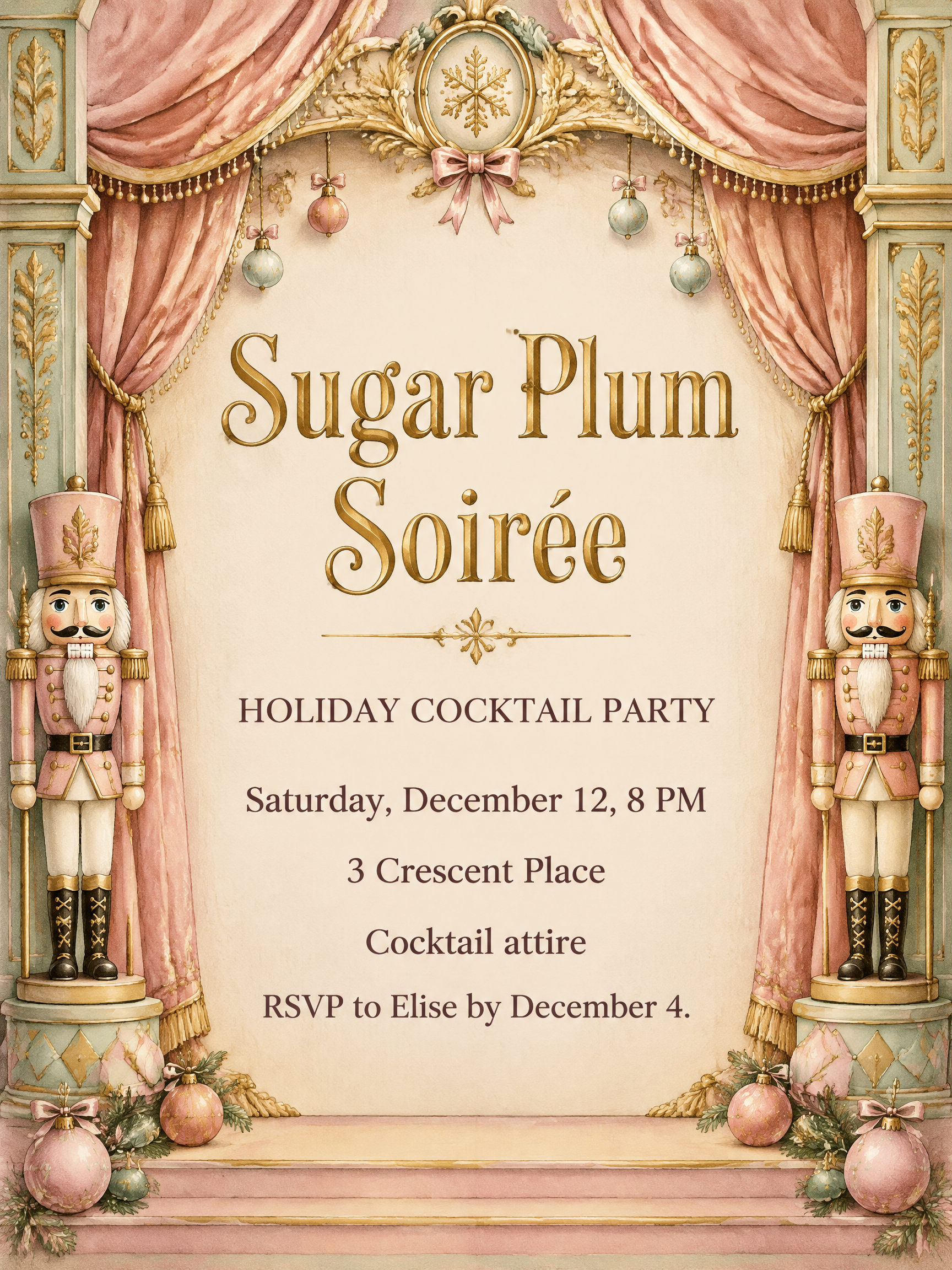
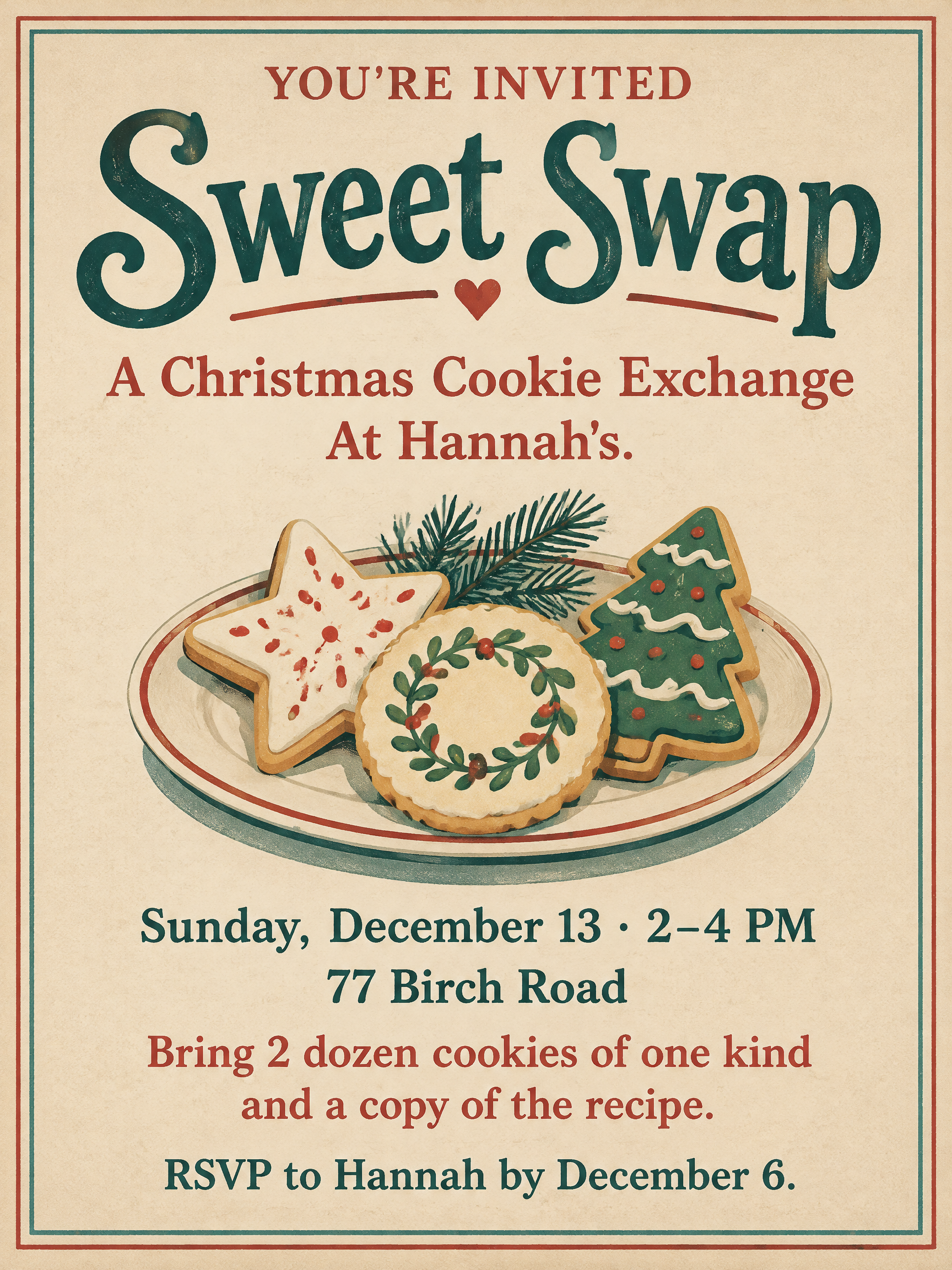
Party and sugar plum birthday invitations with the date, time and place on a cream panel.
Nutcracker Posters
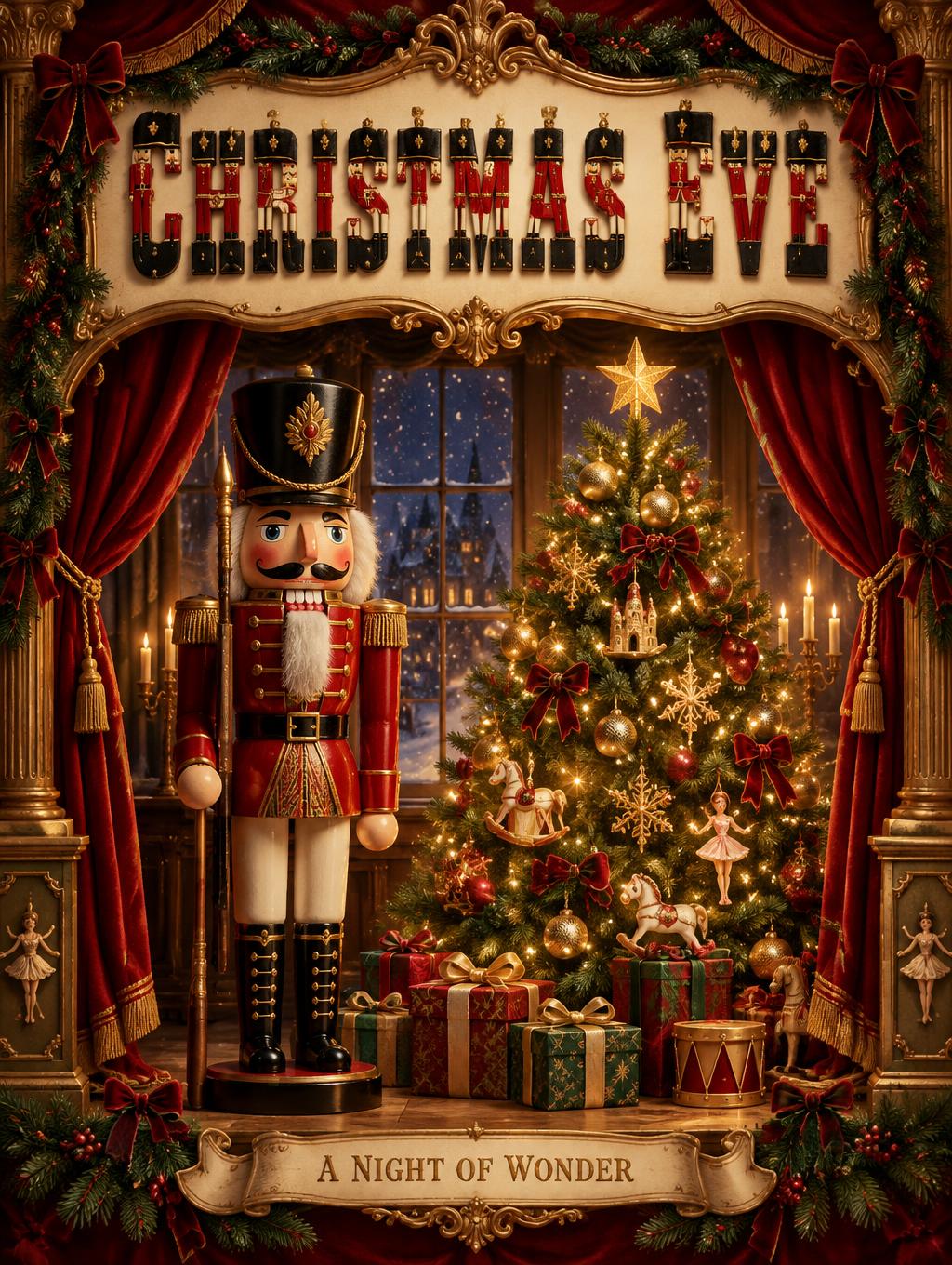
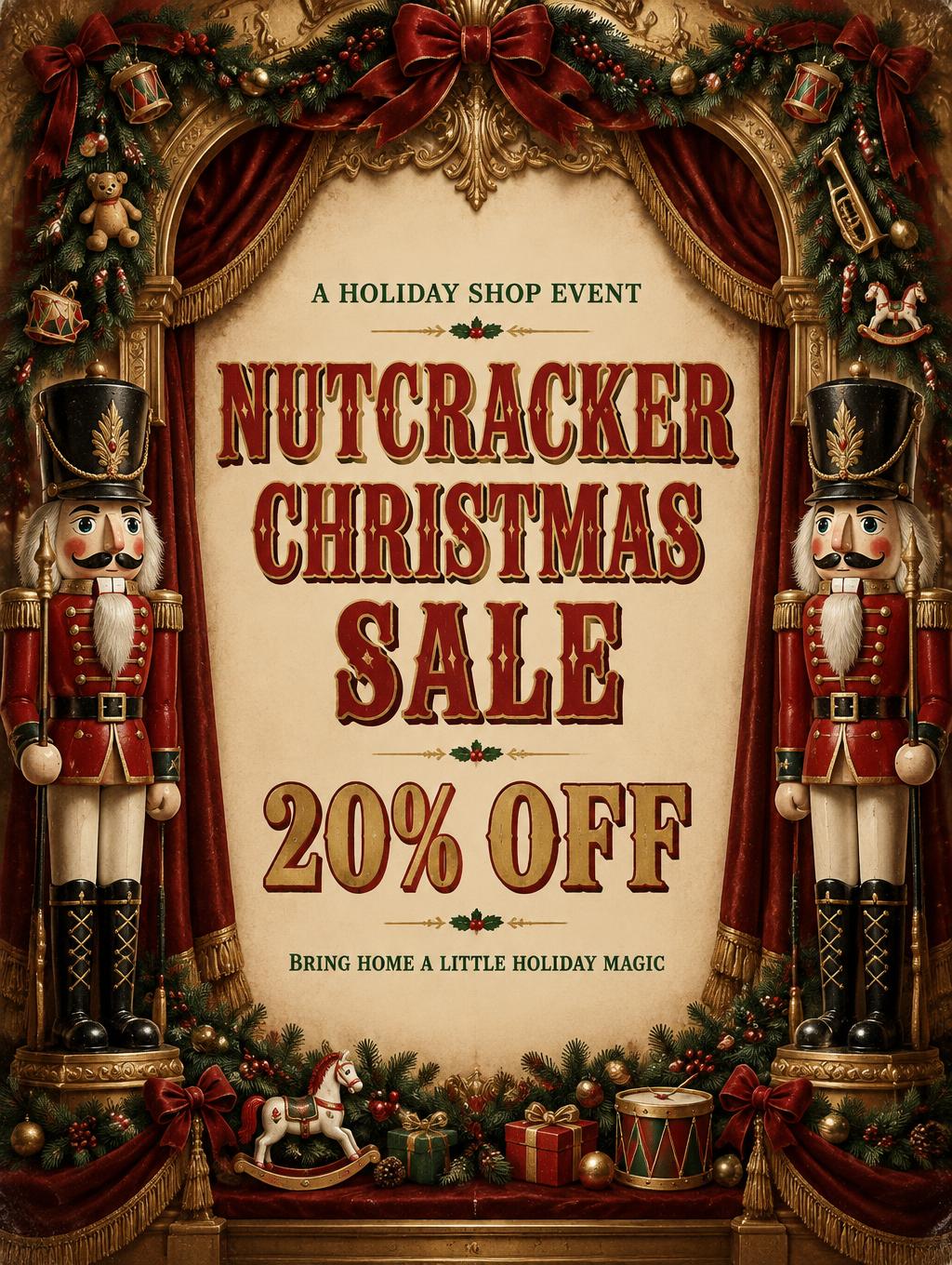
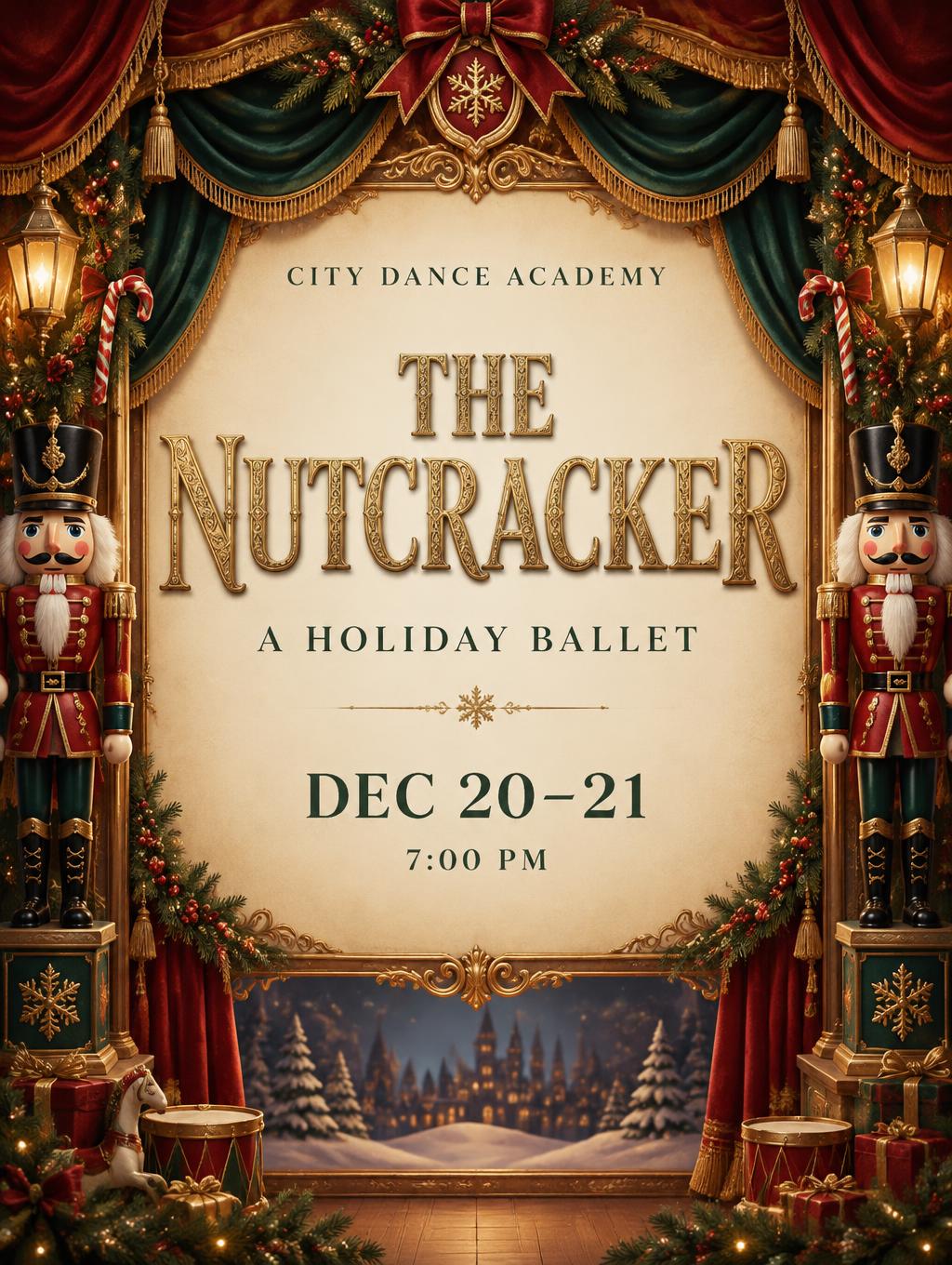
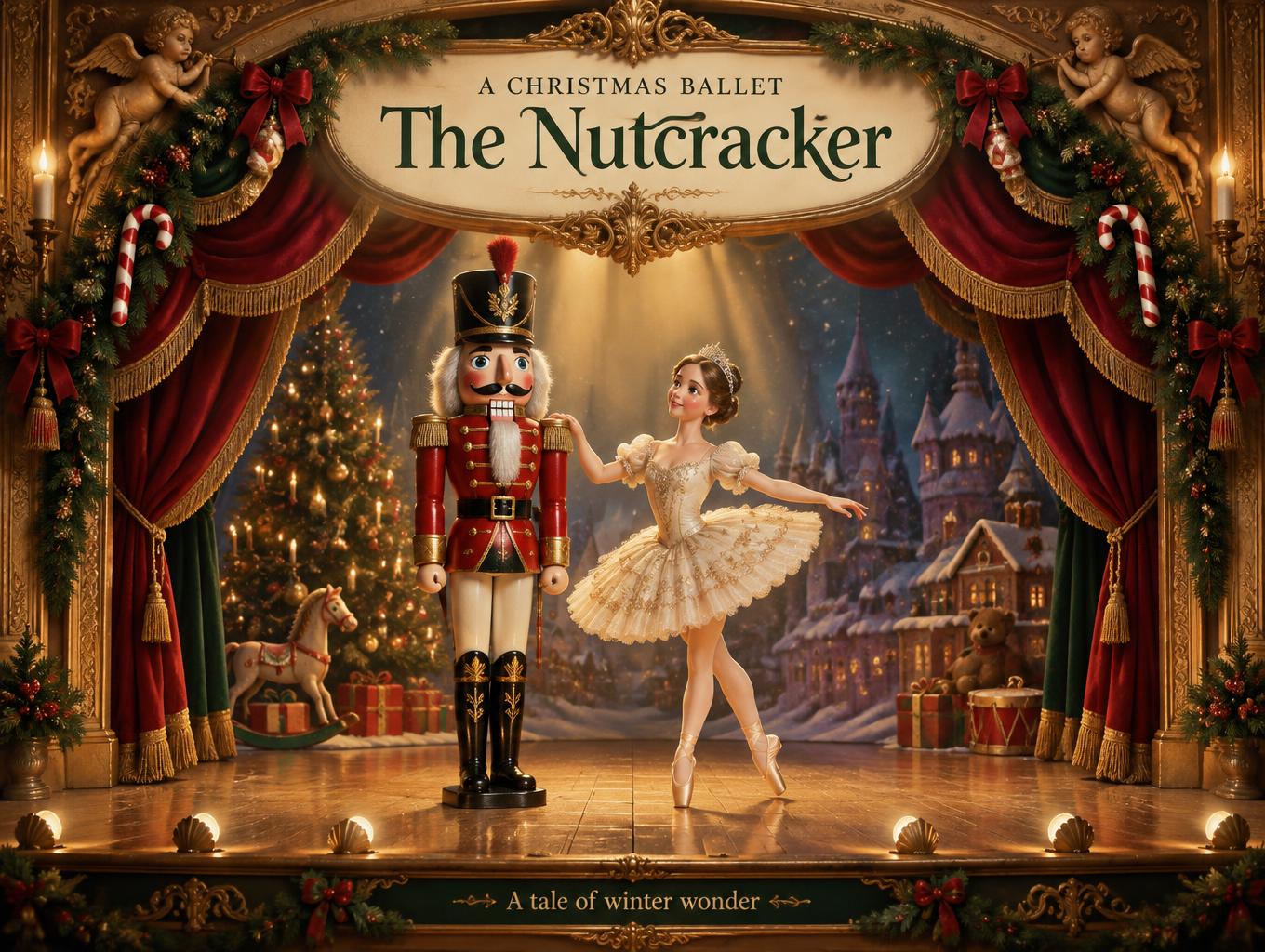
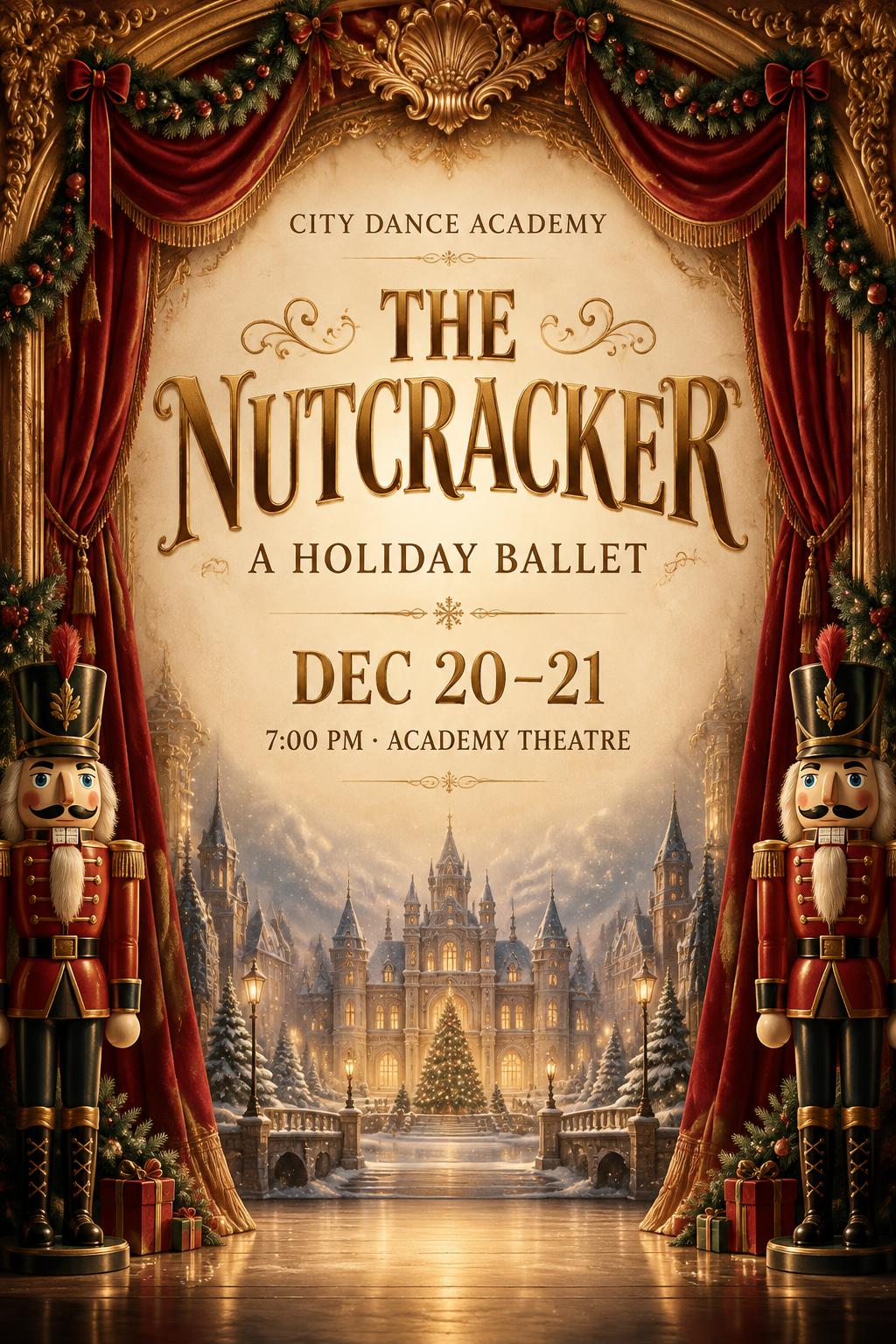
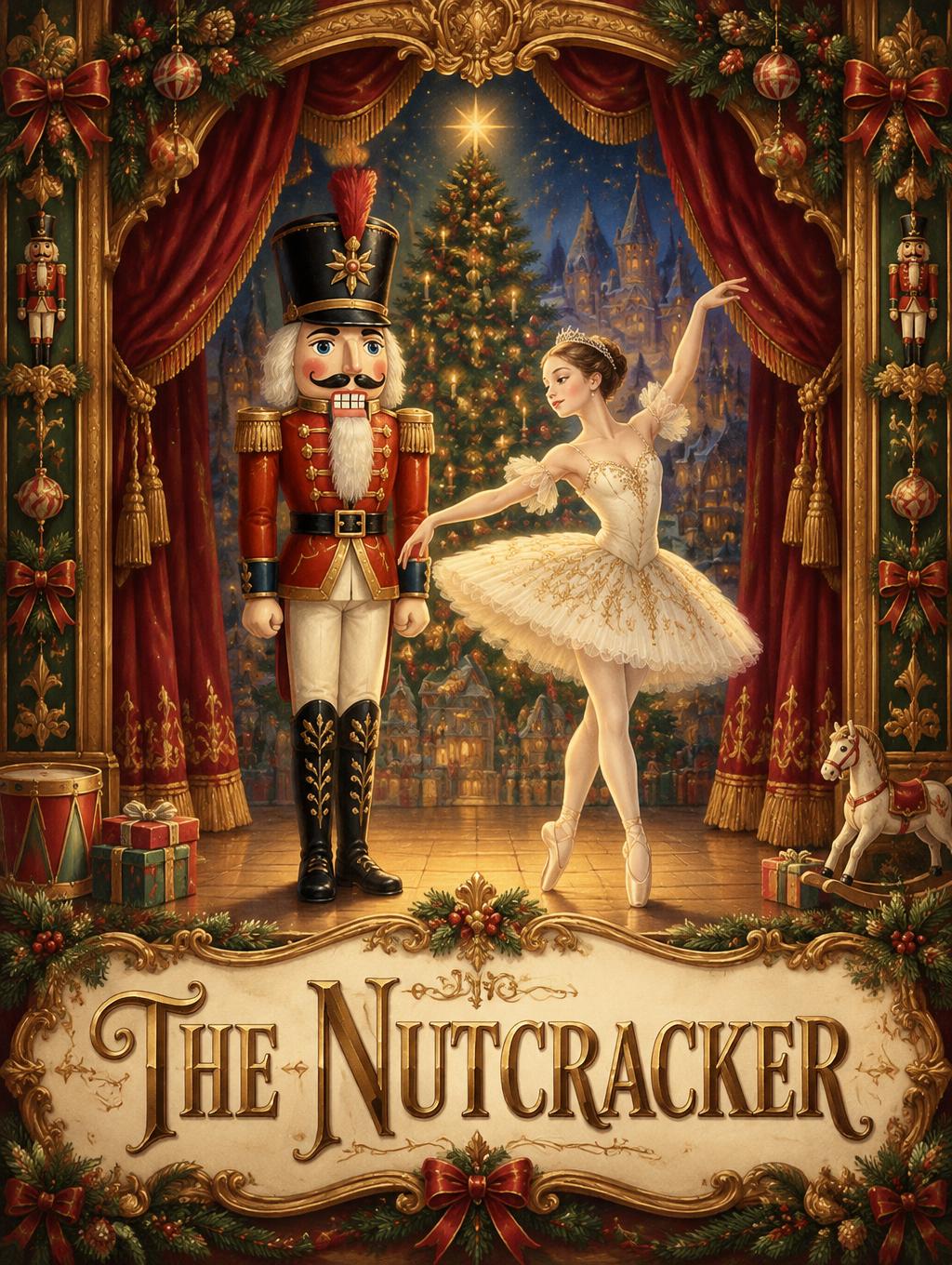
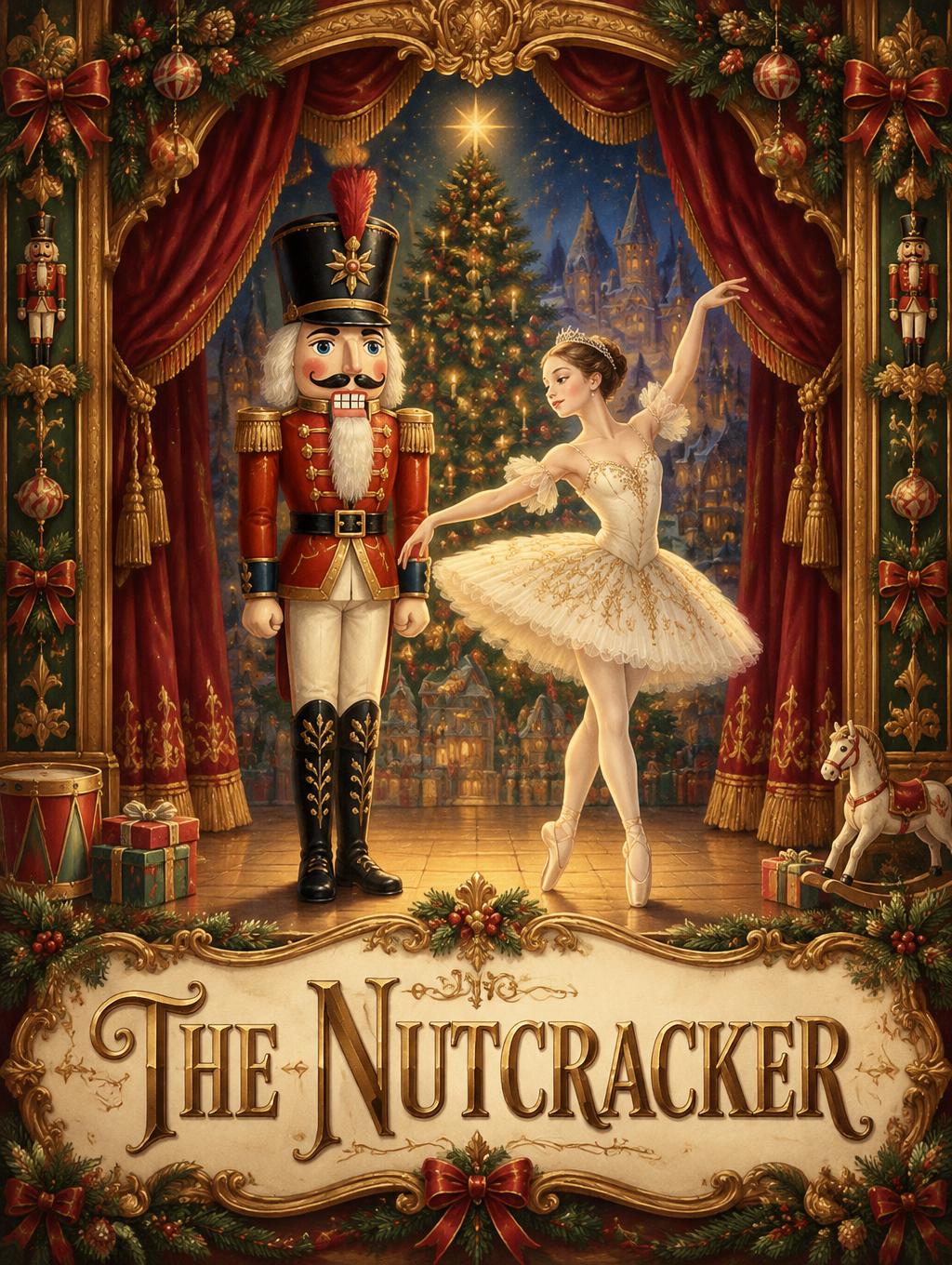
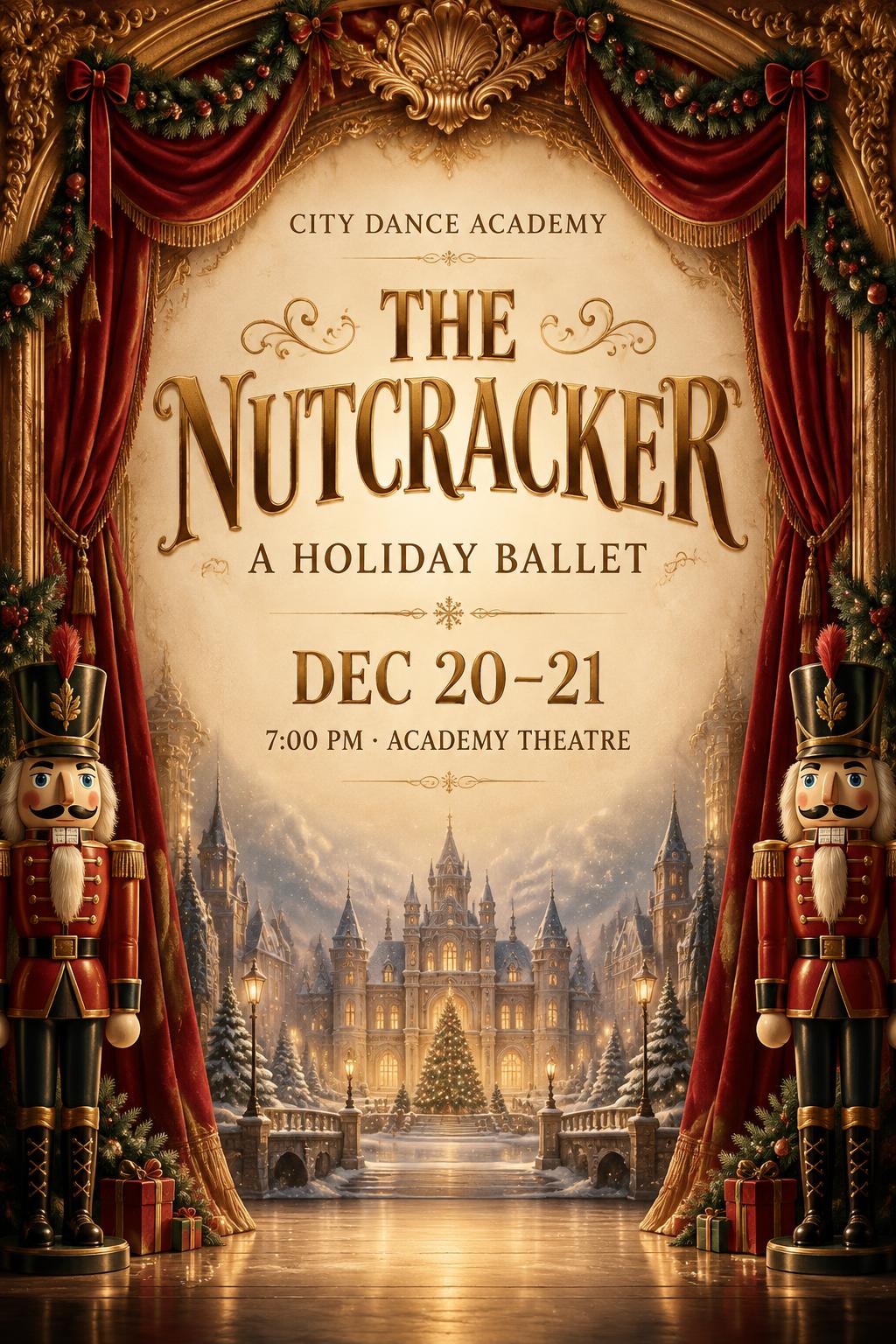
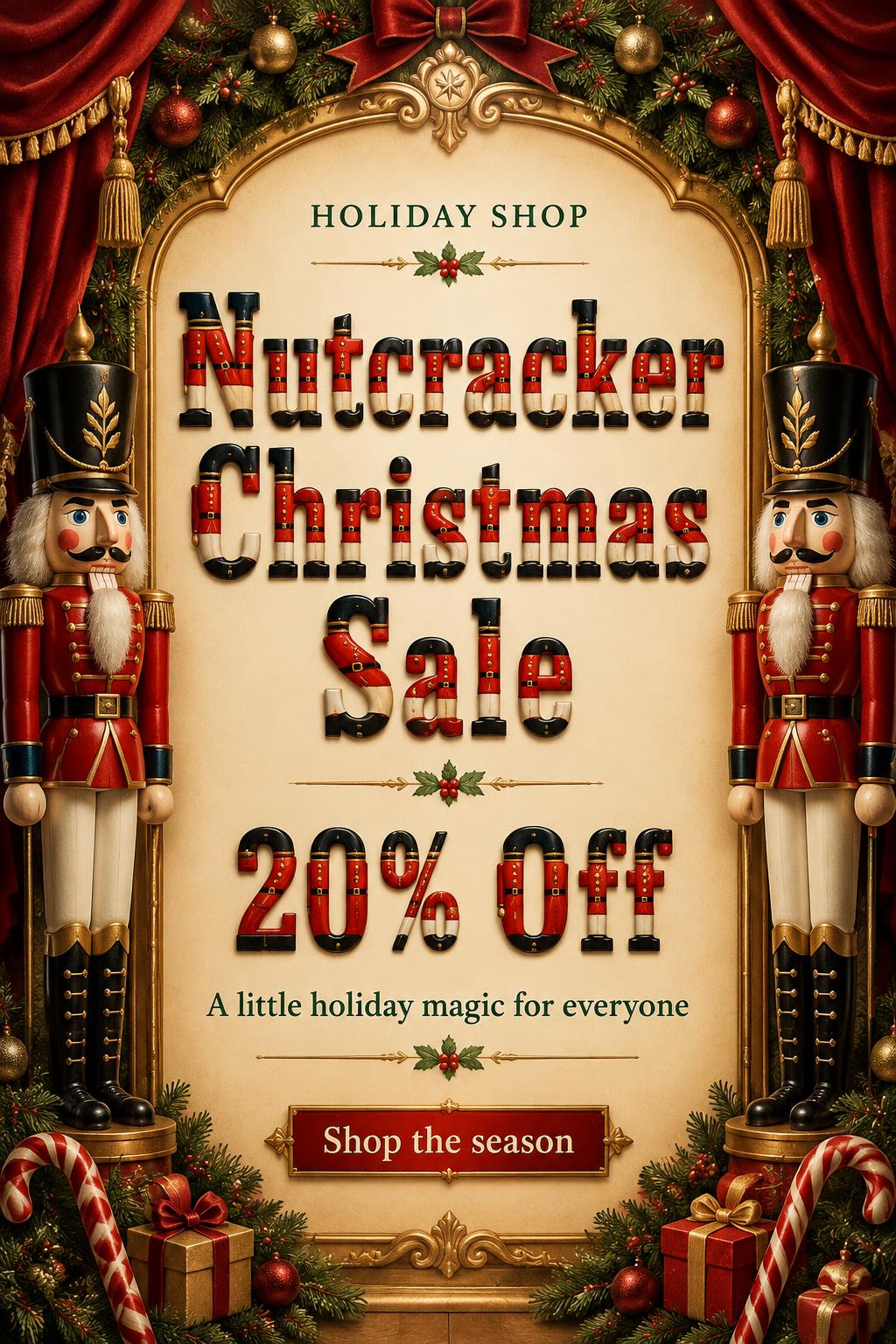
Ballet, recital and holiday shop posters with the details in a gilded stage arch.
Nutcracker Wallpapers
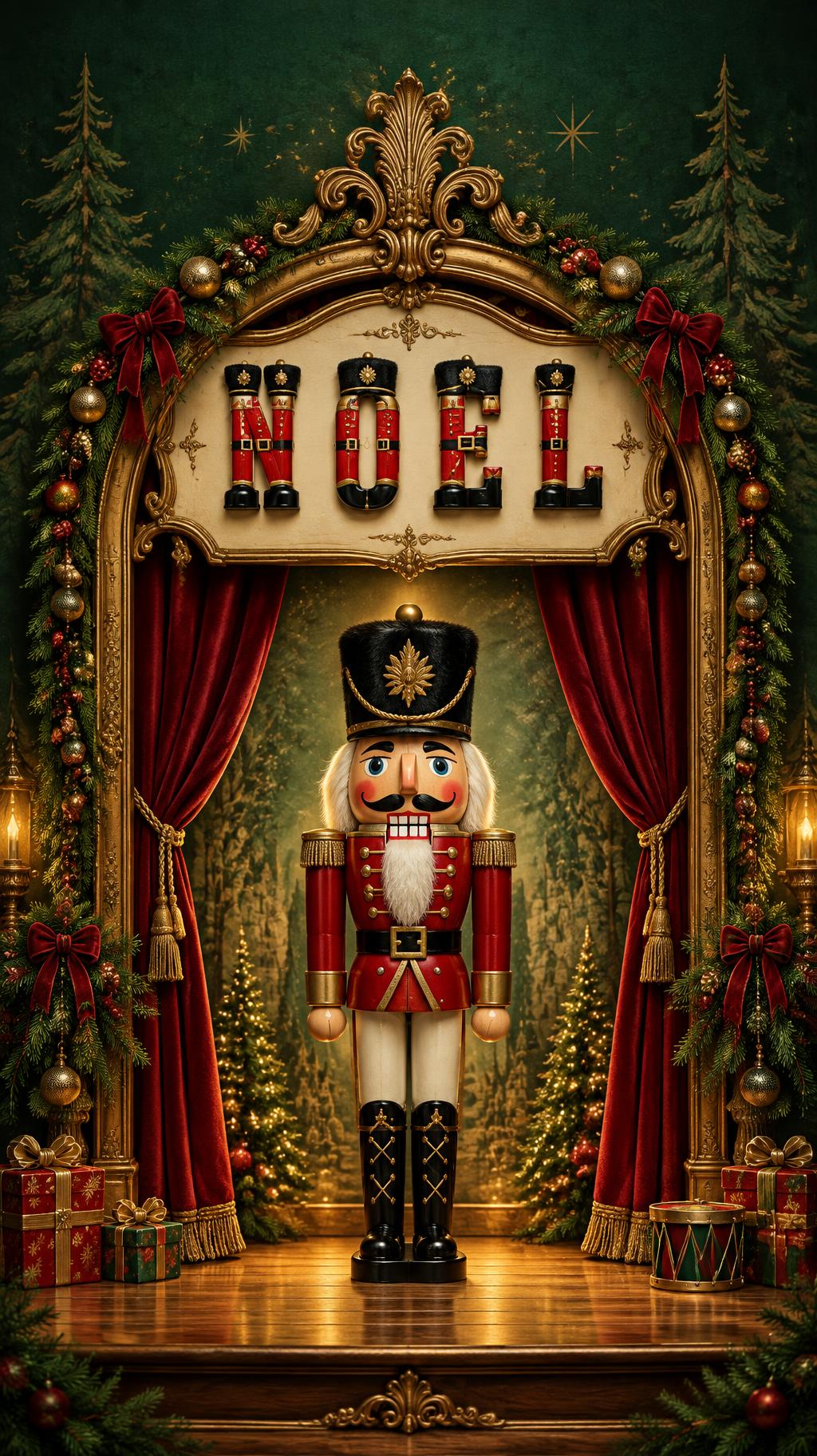
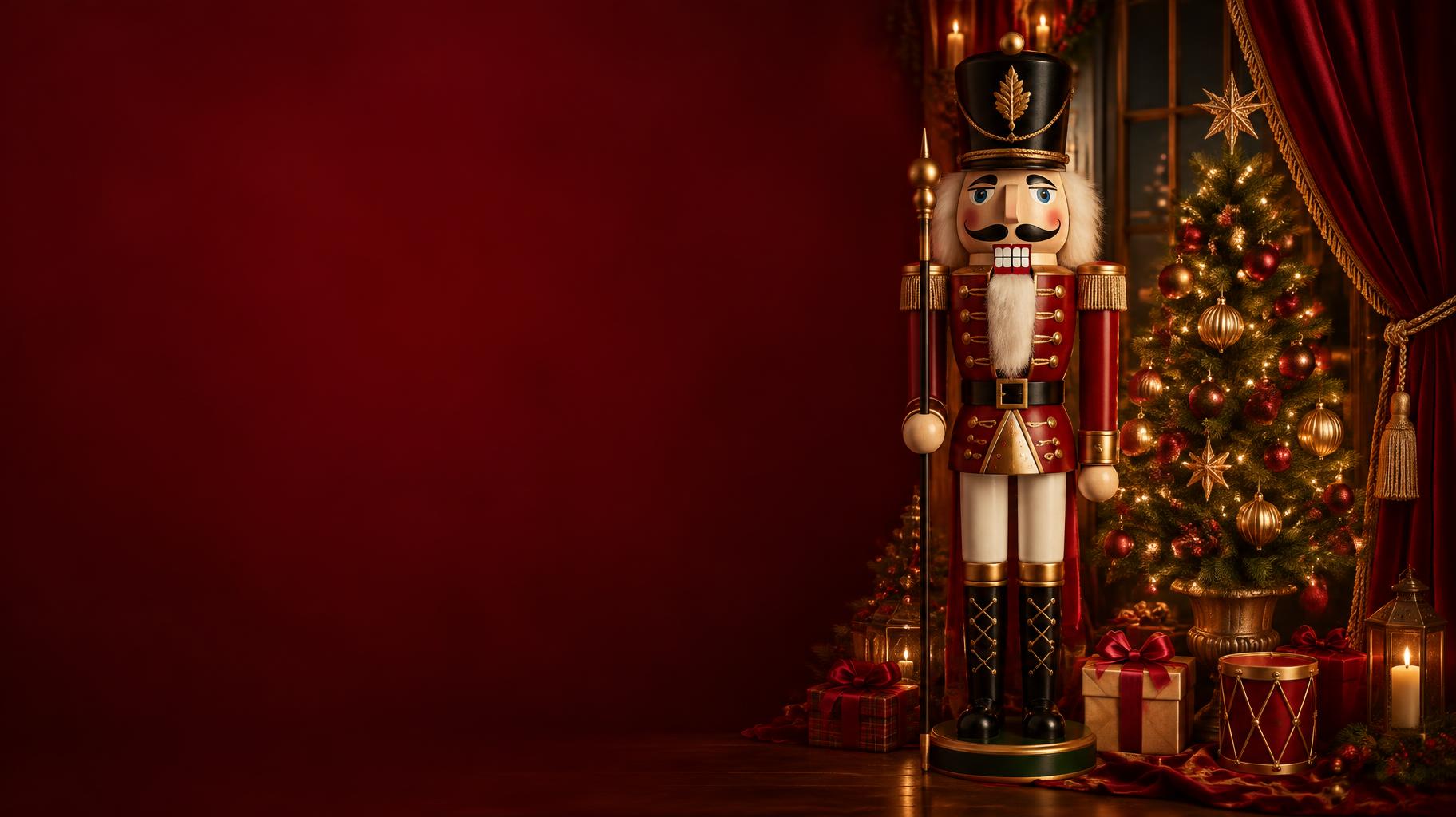
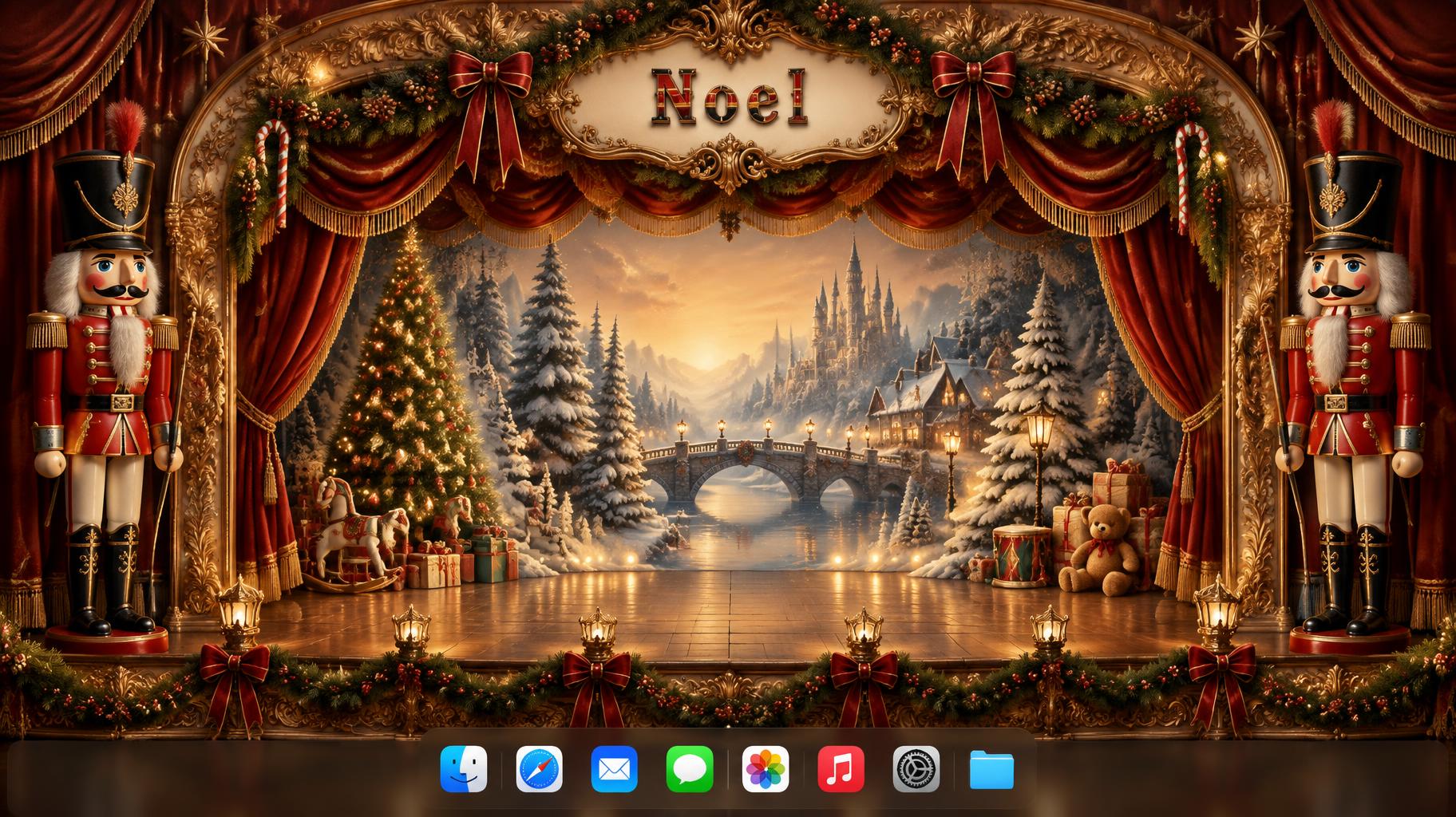
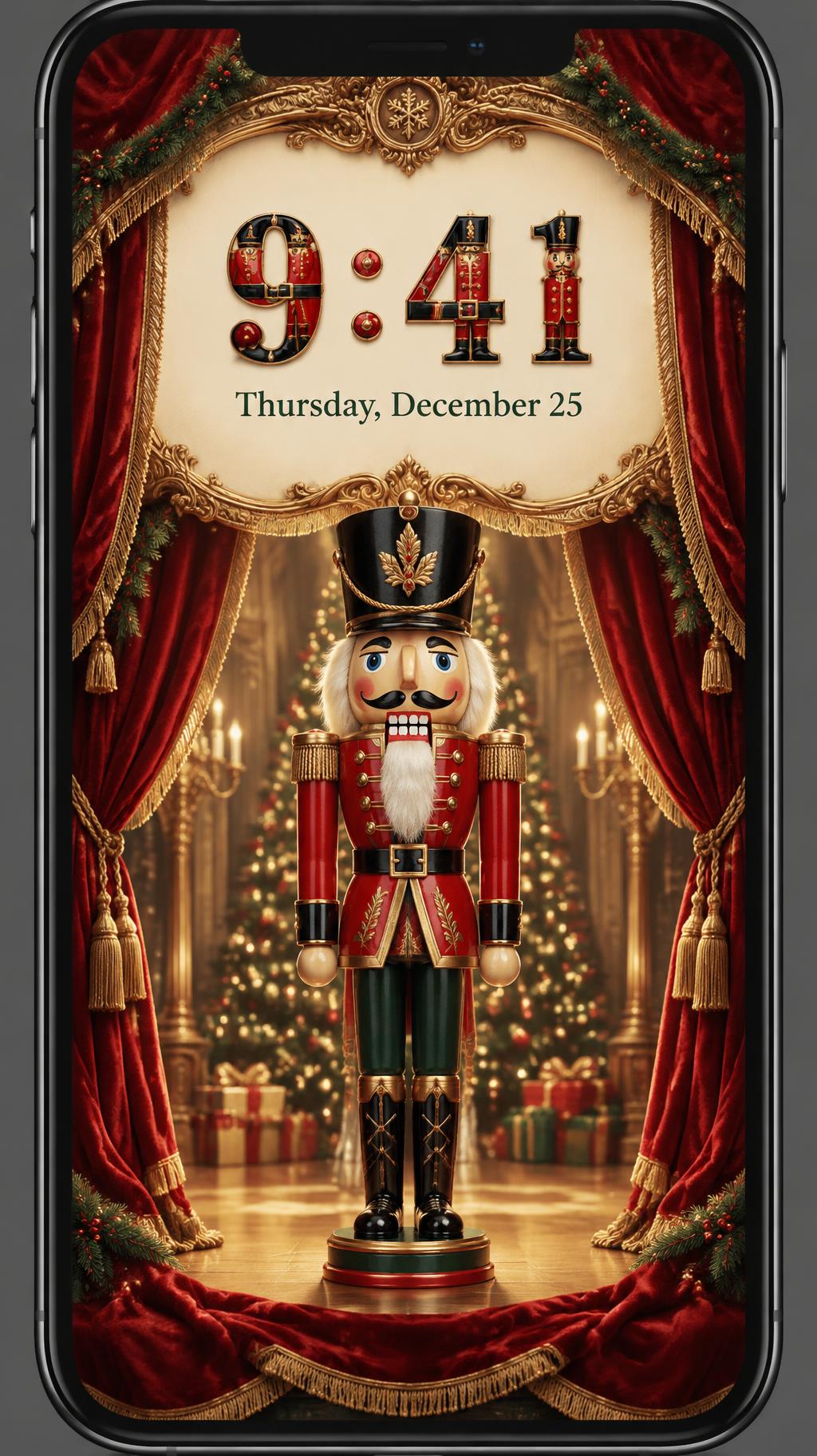
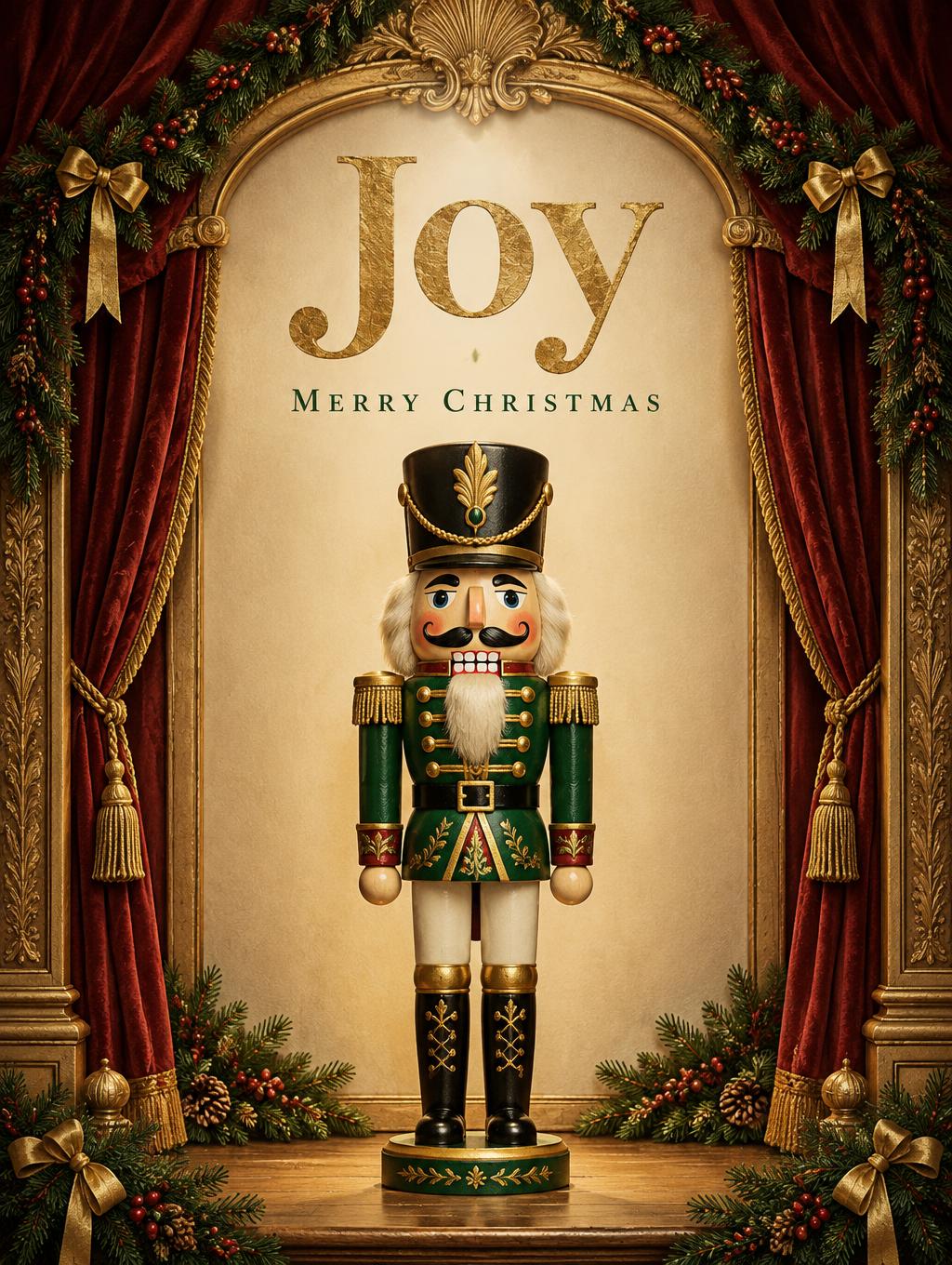
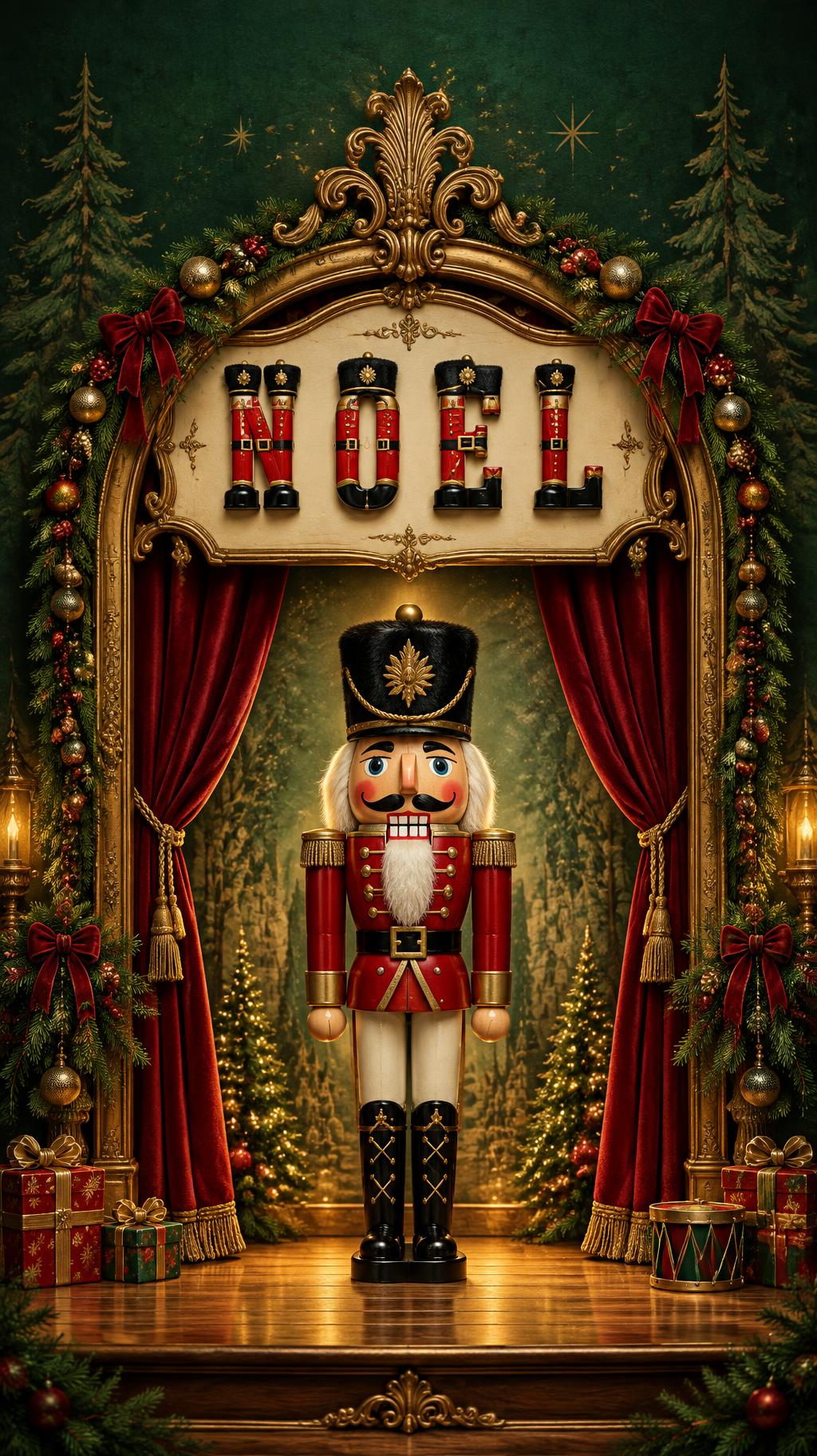
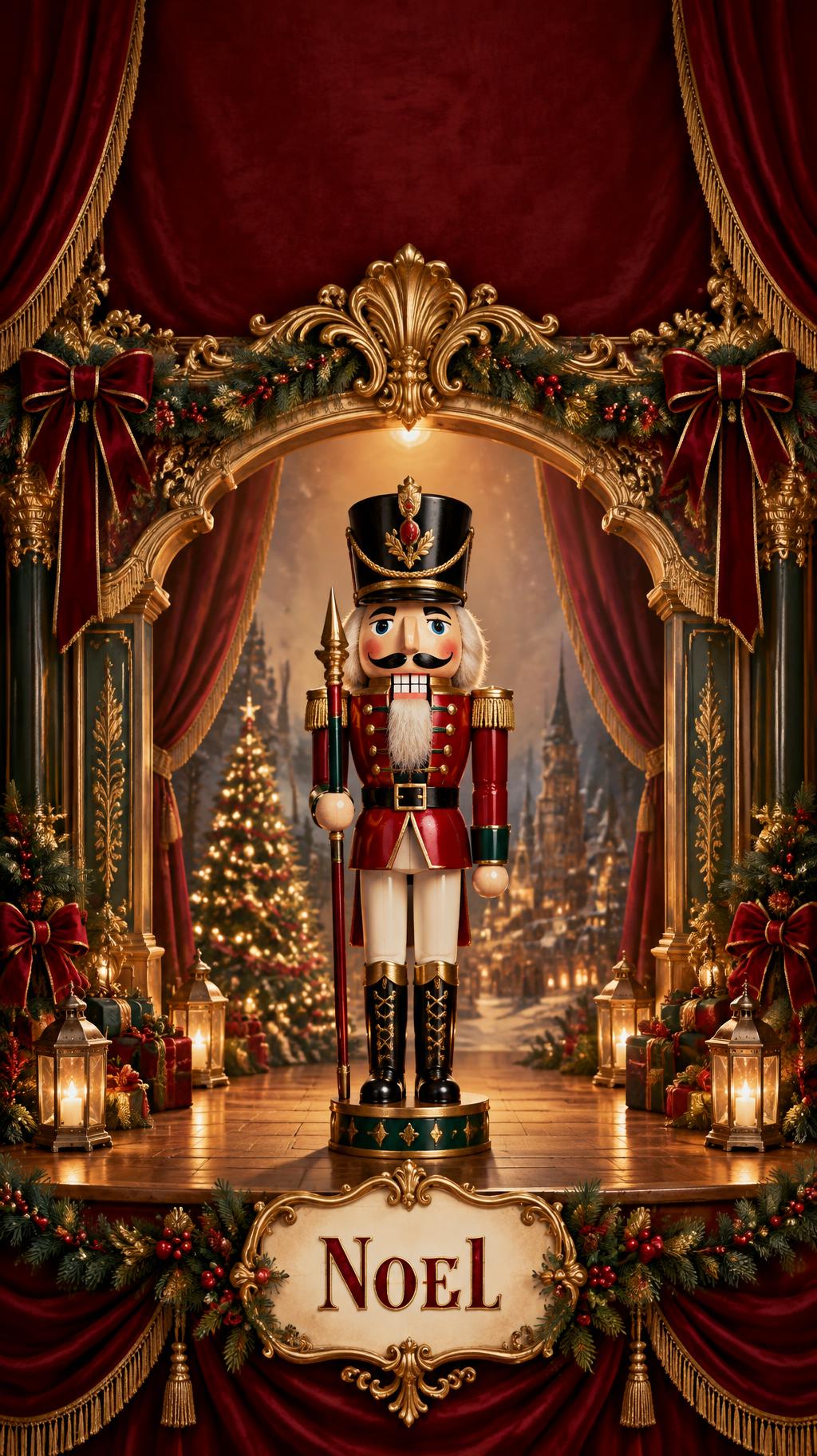
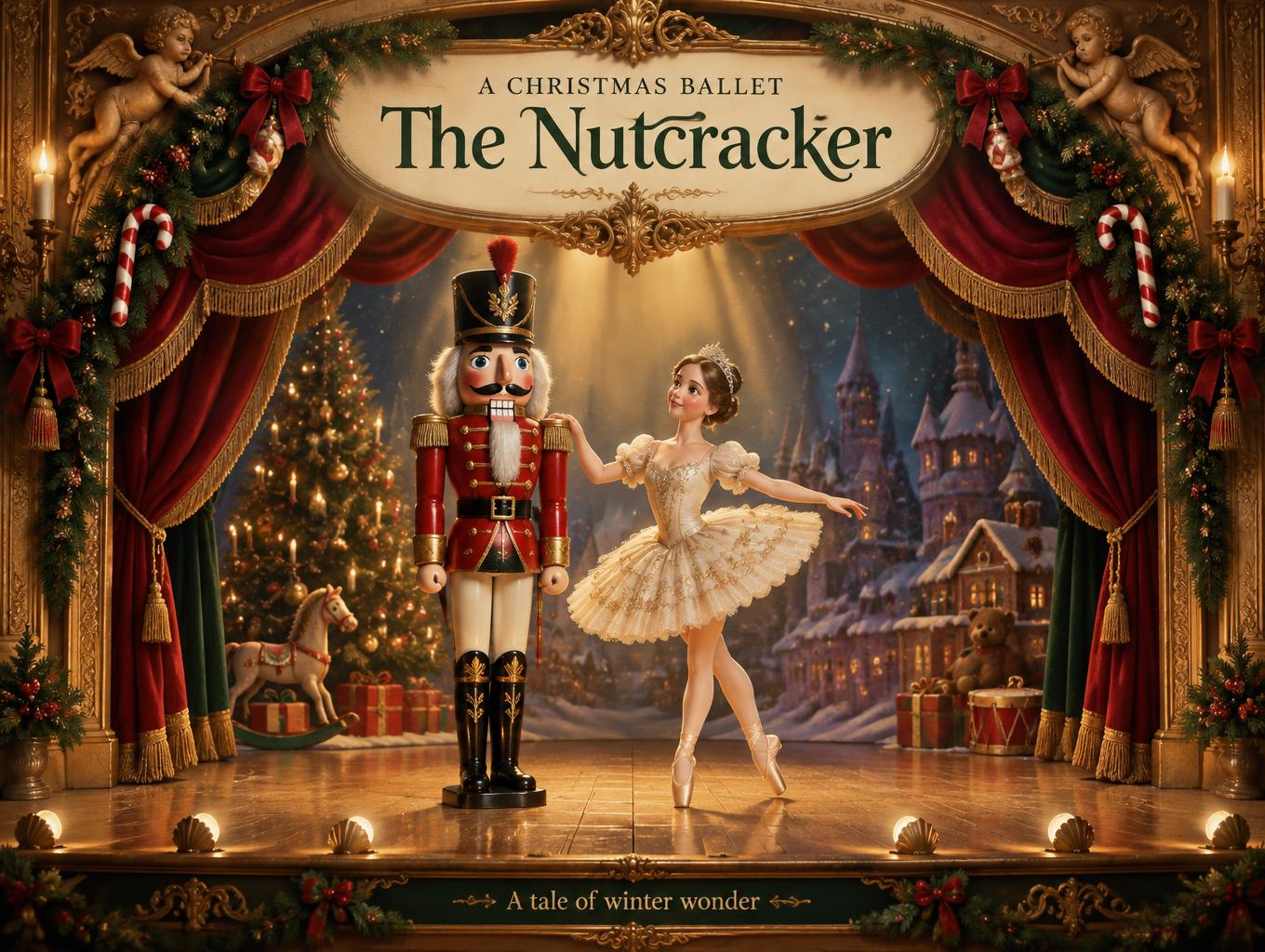
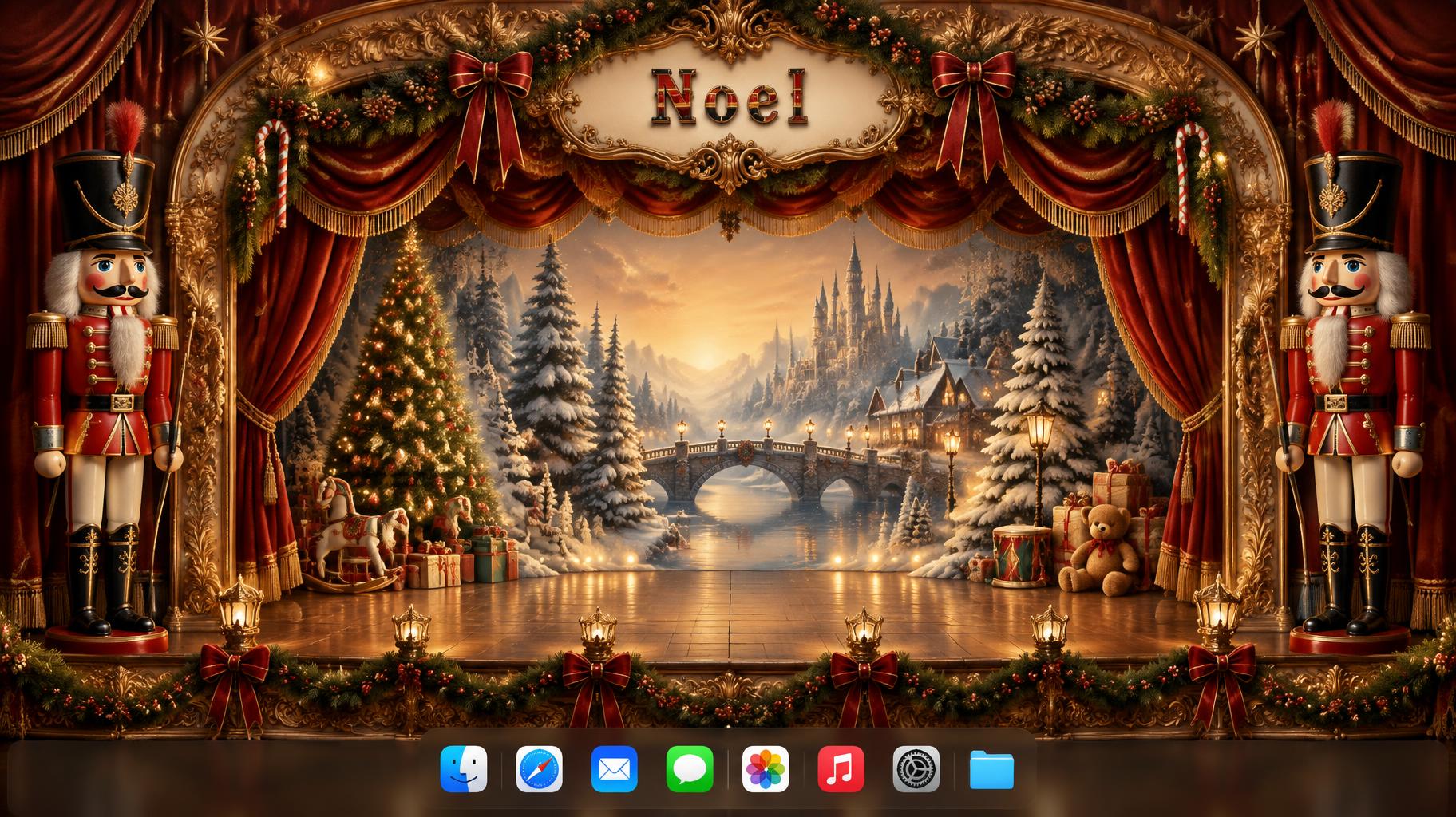
Phone and desktop wallpapers with a nutcracker soldier under a gilded arch and a short word.
AI fonts that fit Nutcracker
Every AI font here fits the Nutcracker frame. Pick one, or let the generator choose.
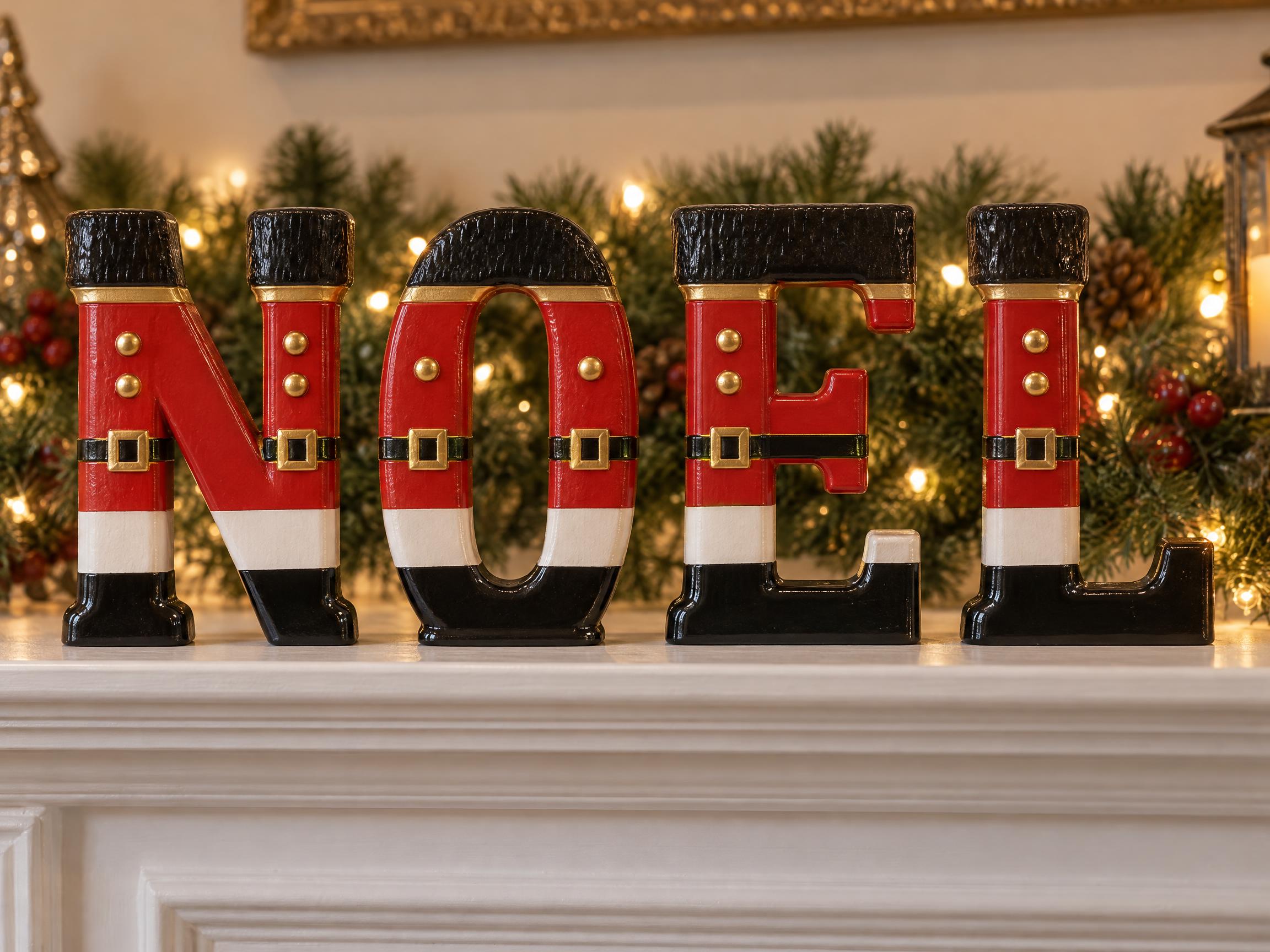

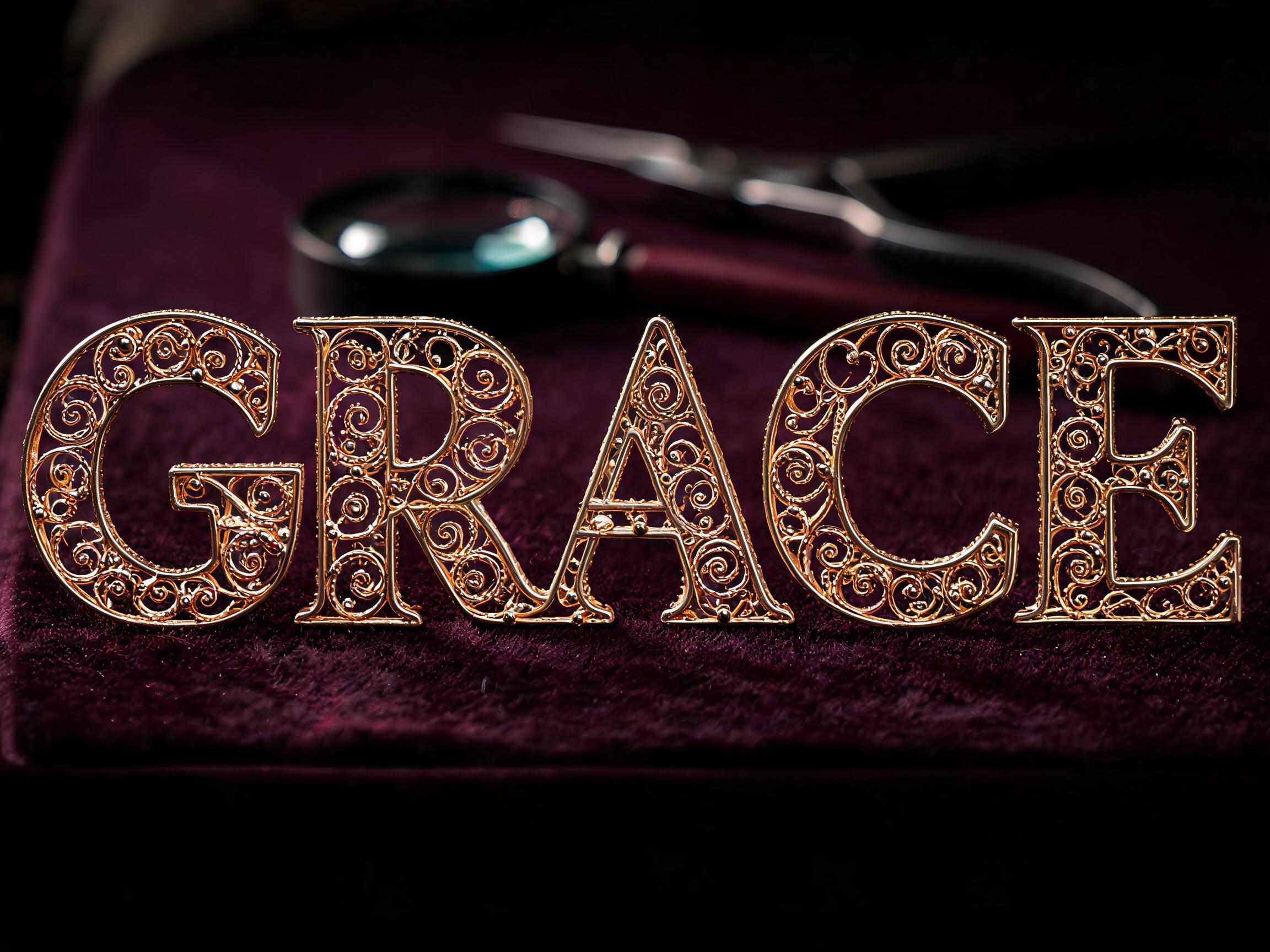
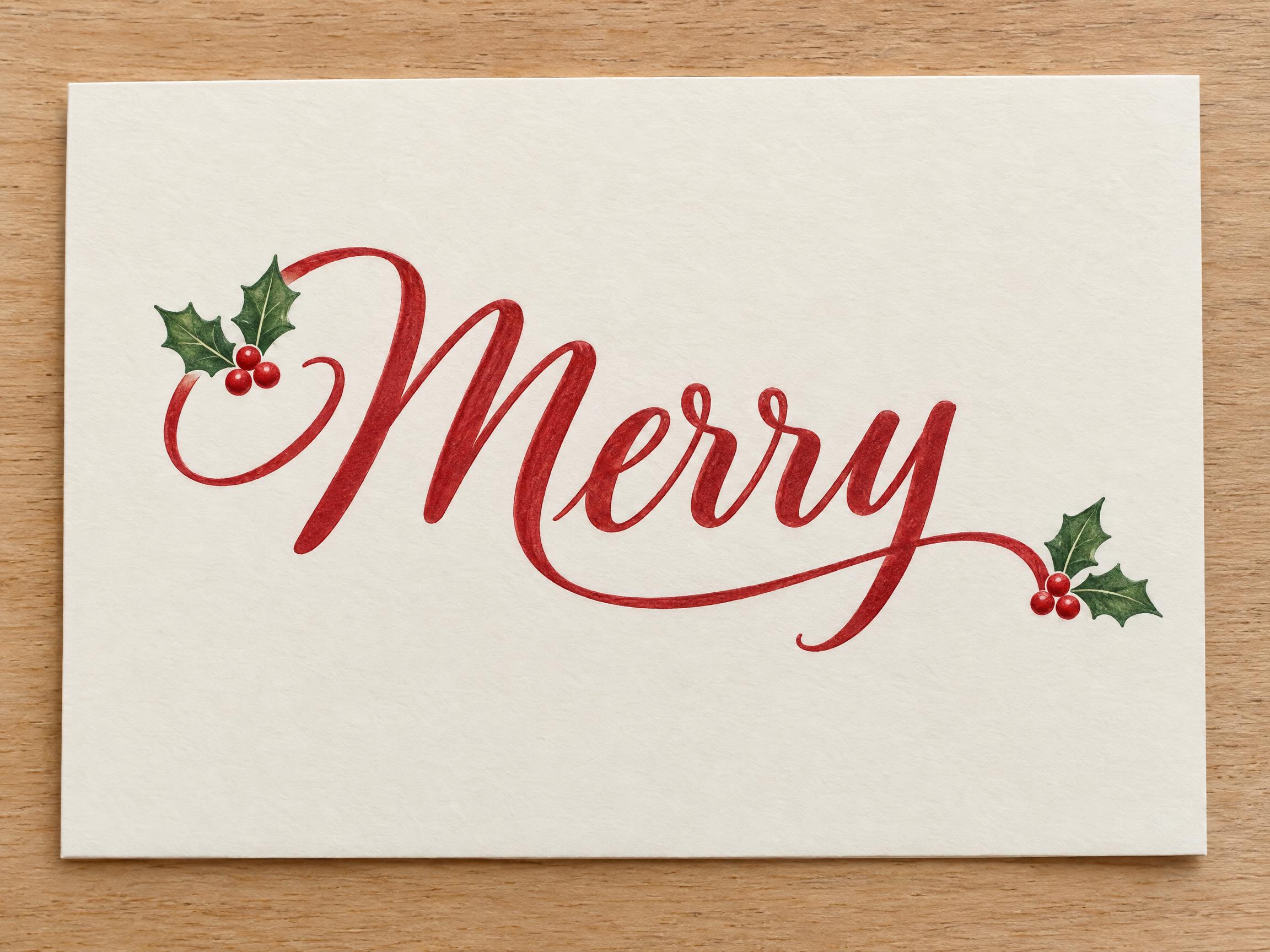

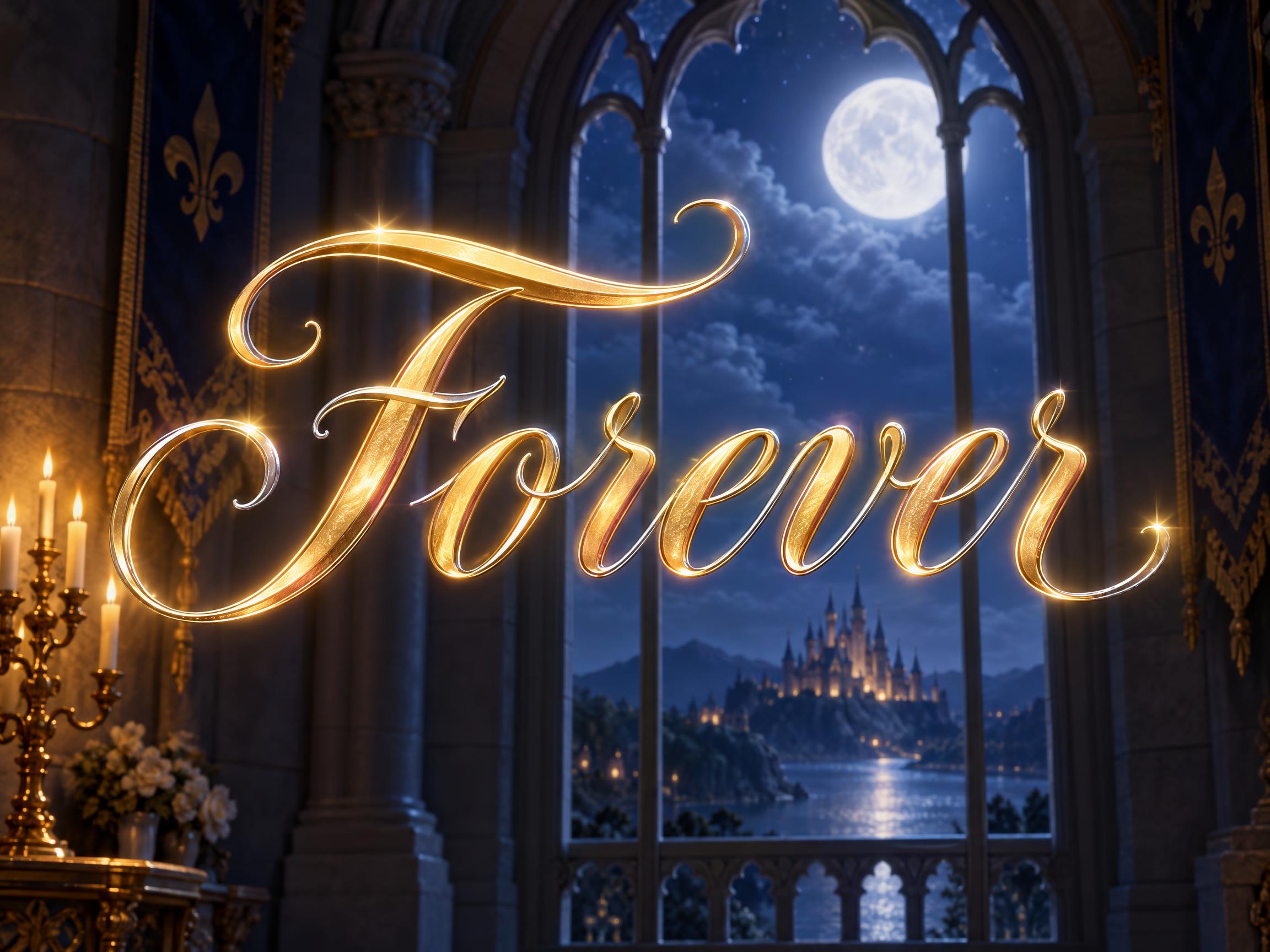

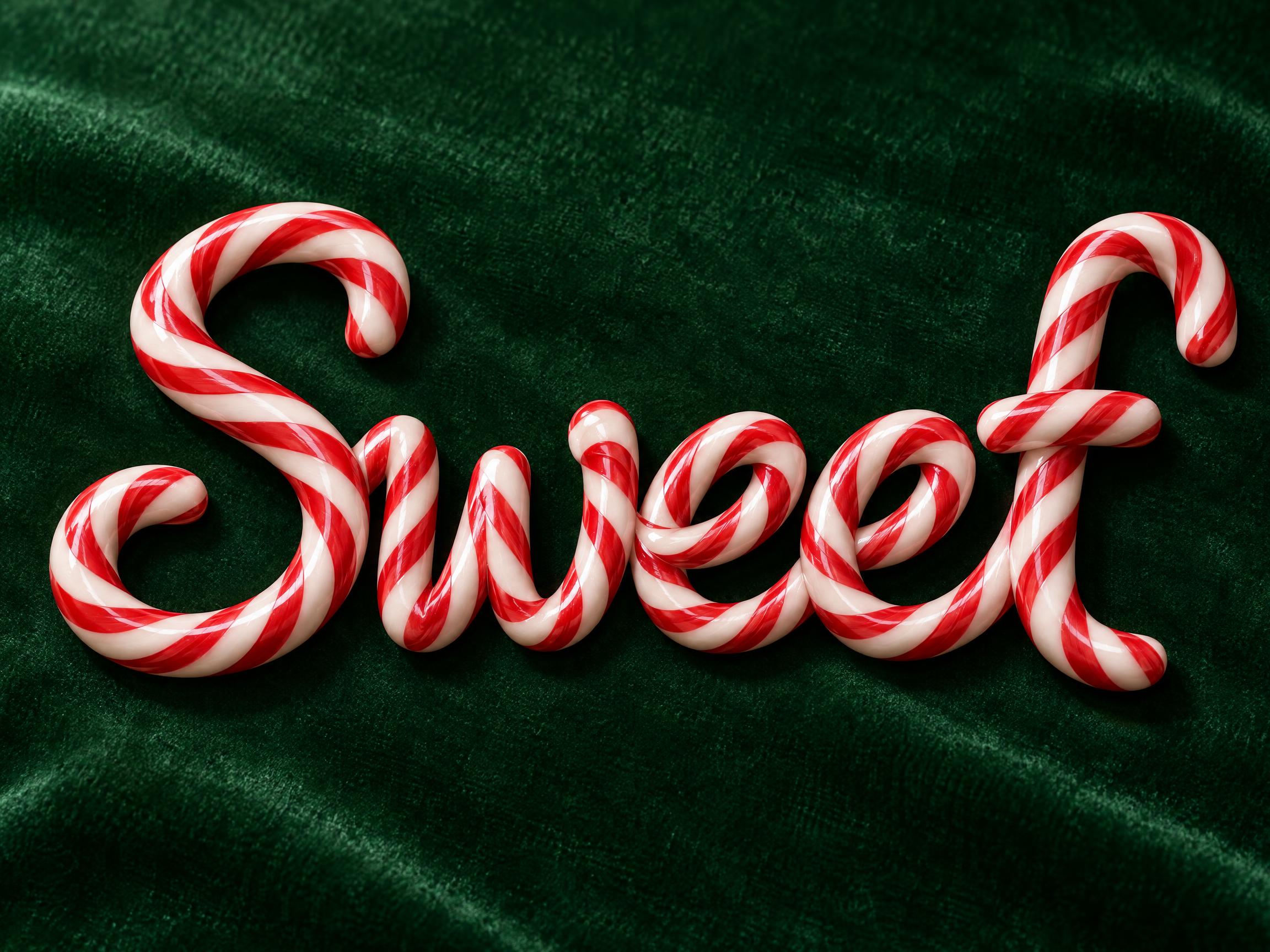
Nutcracker style designs
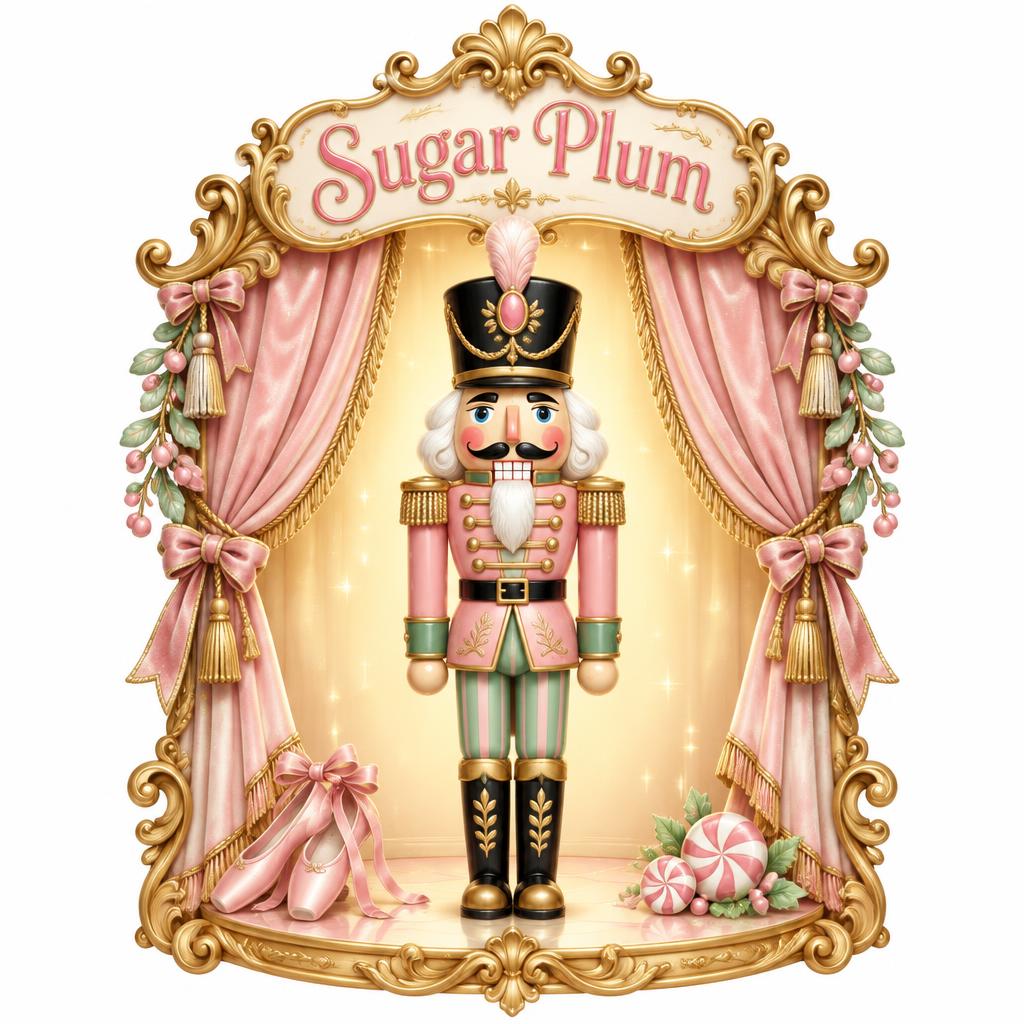
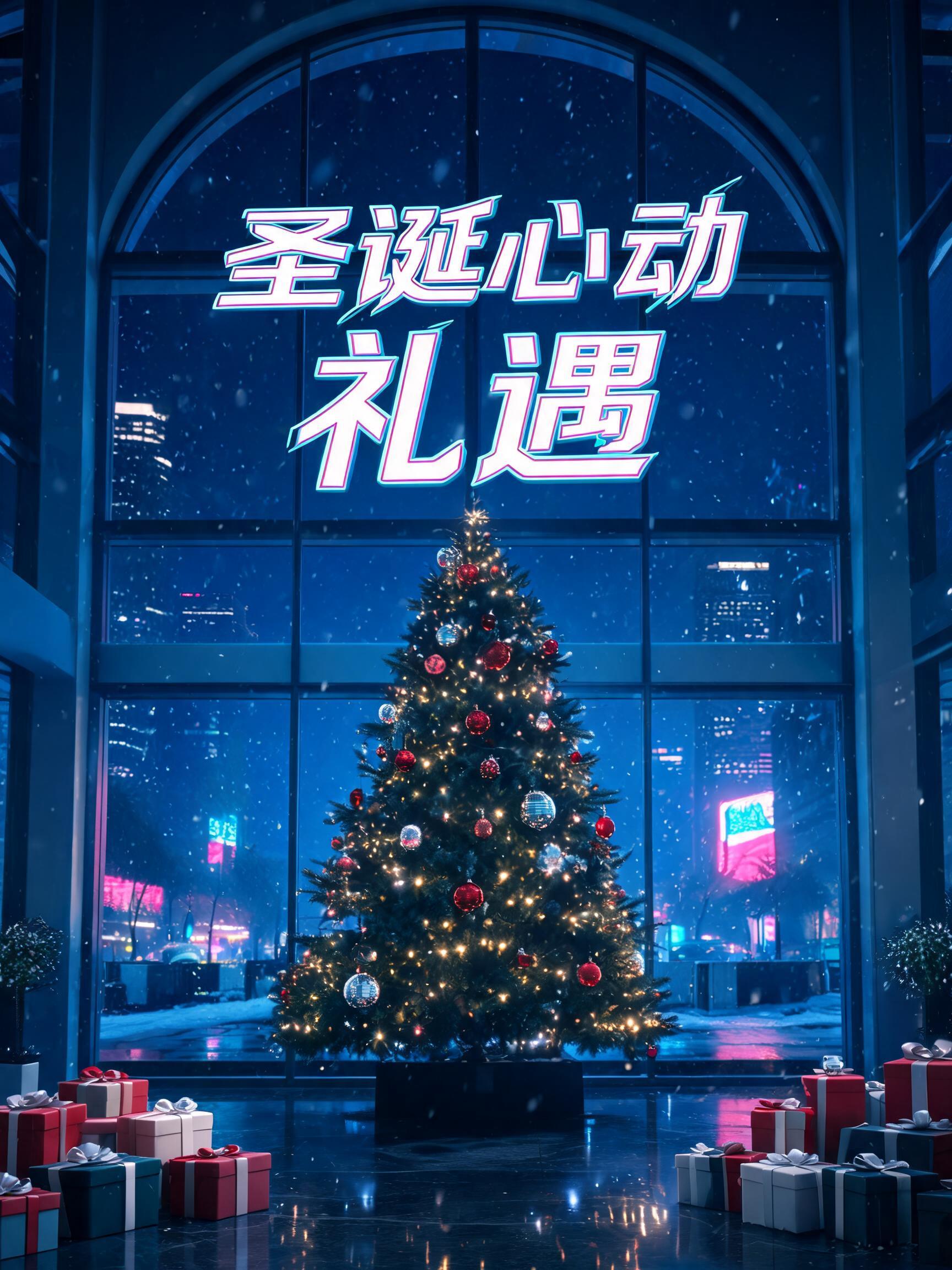
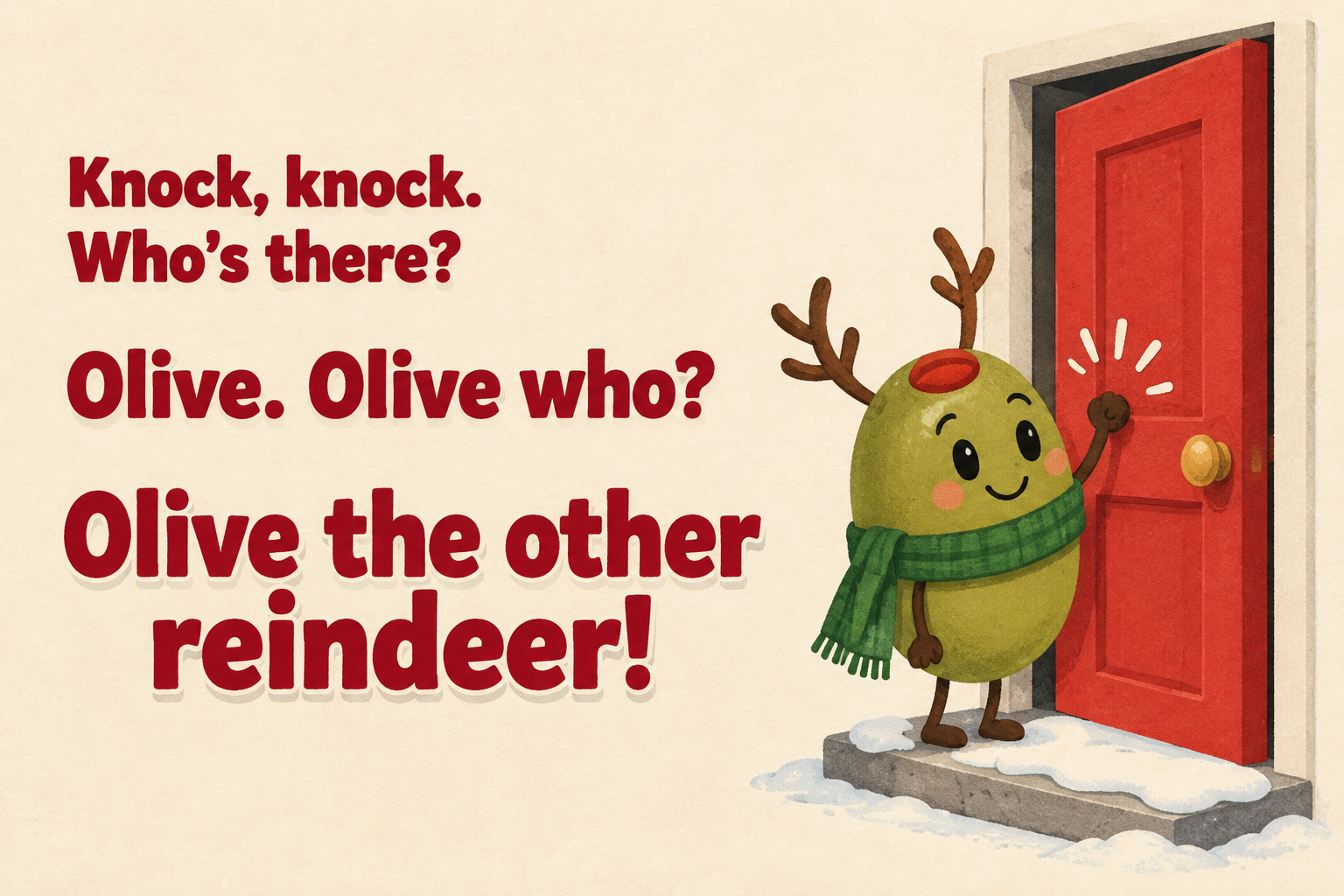
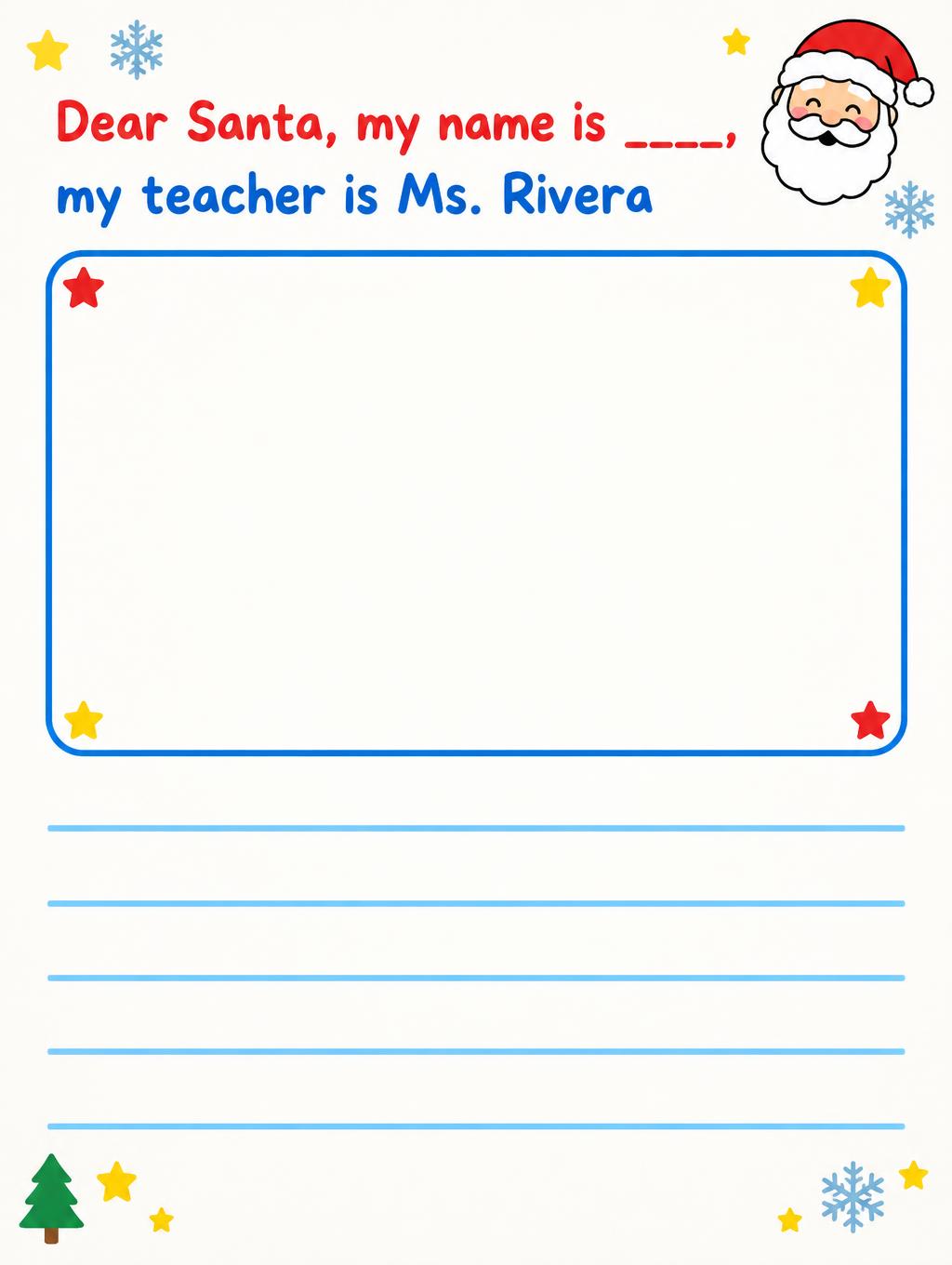
Real designs made on FontVibe. Open any one, or reuse it with your own text.
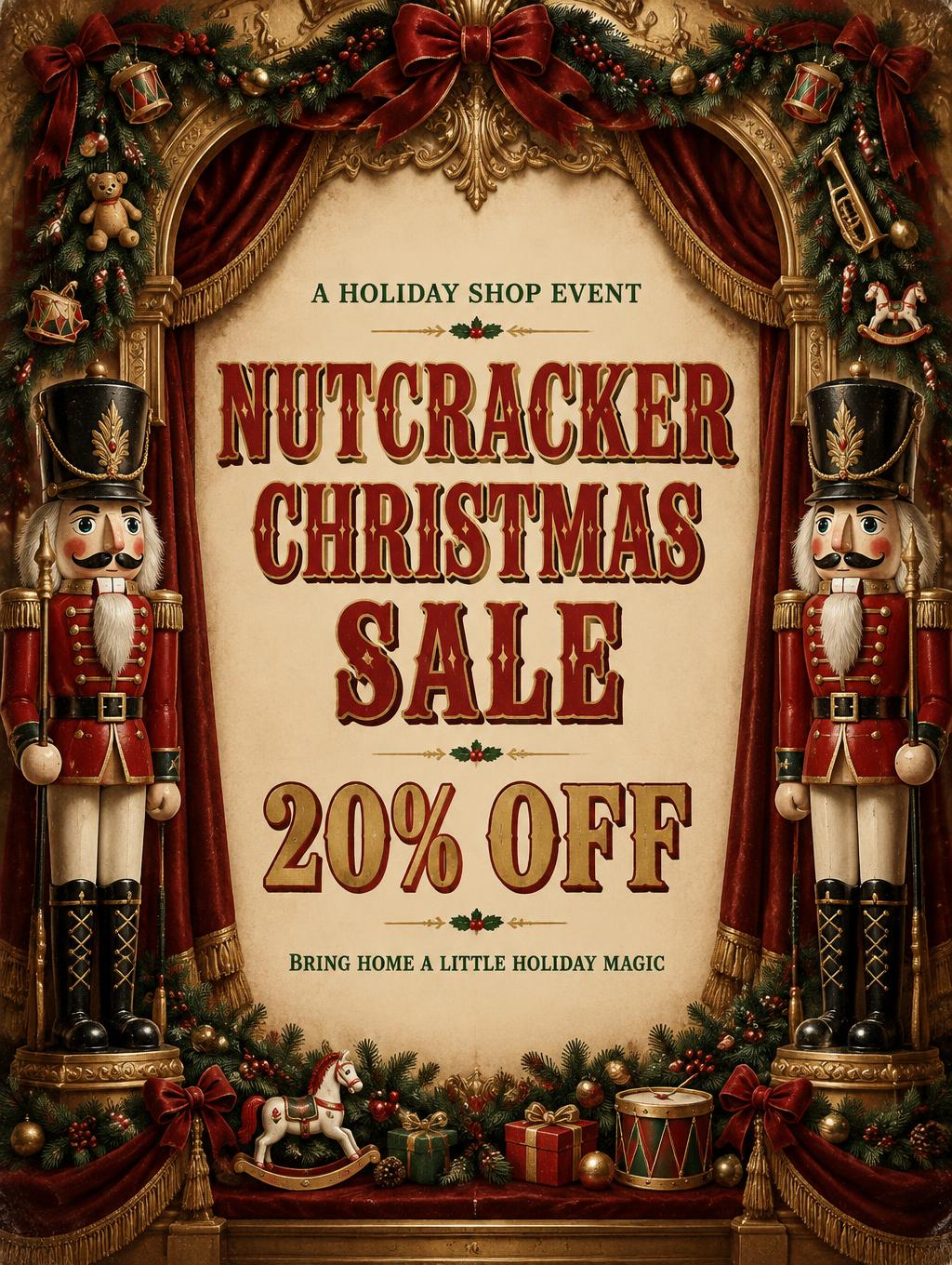
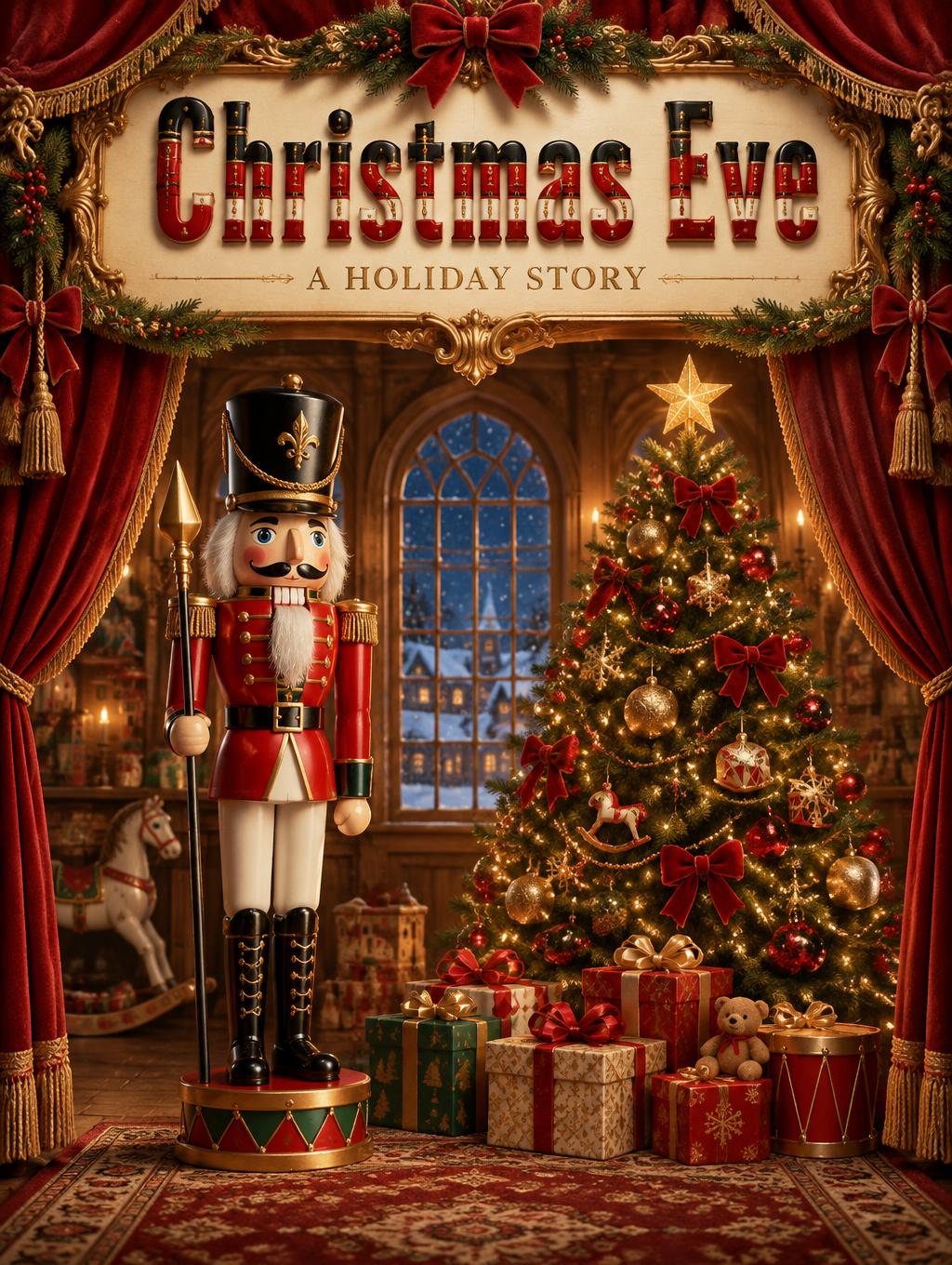
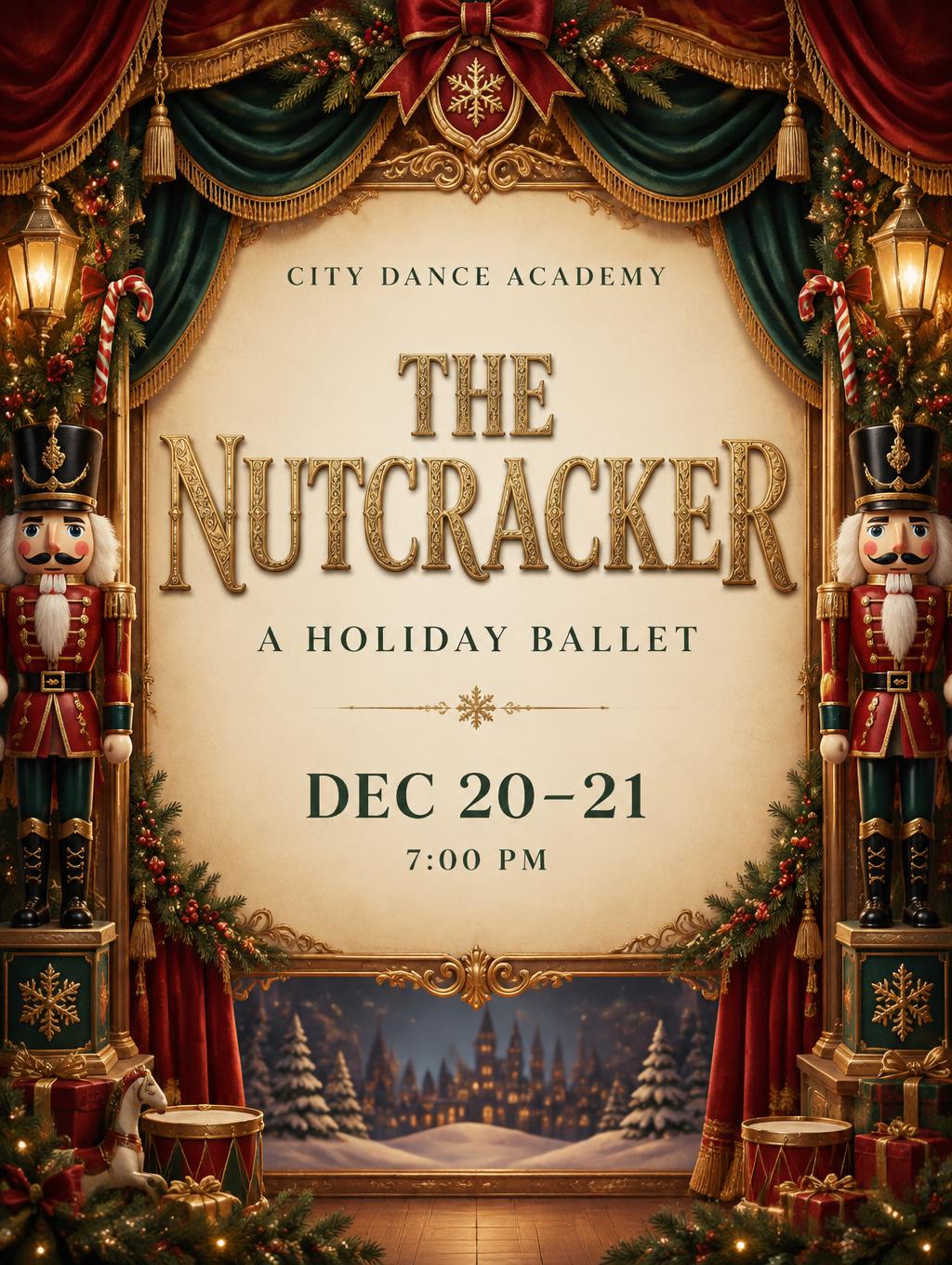

What you can make with Nutcracker
Pages for the things people make in the Nutcracker style. Each one has ready-made ideas and the right size.





Similar styles
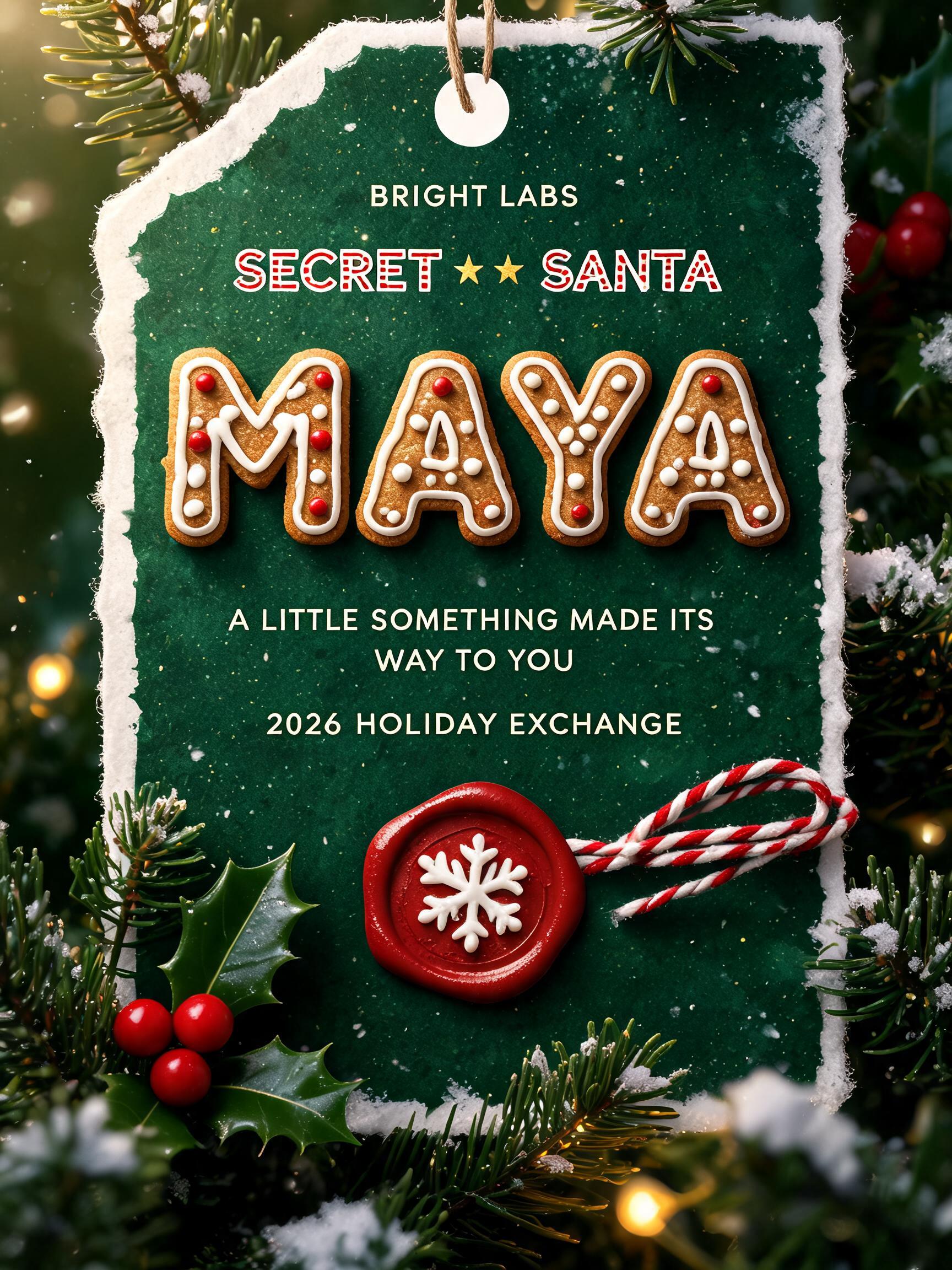
Other looks that work for the same kinds of designs.
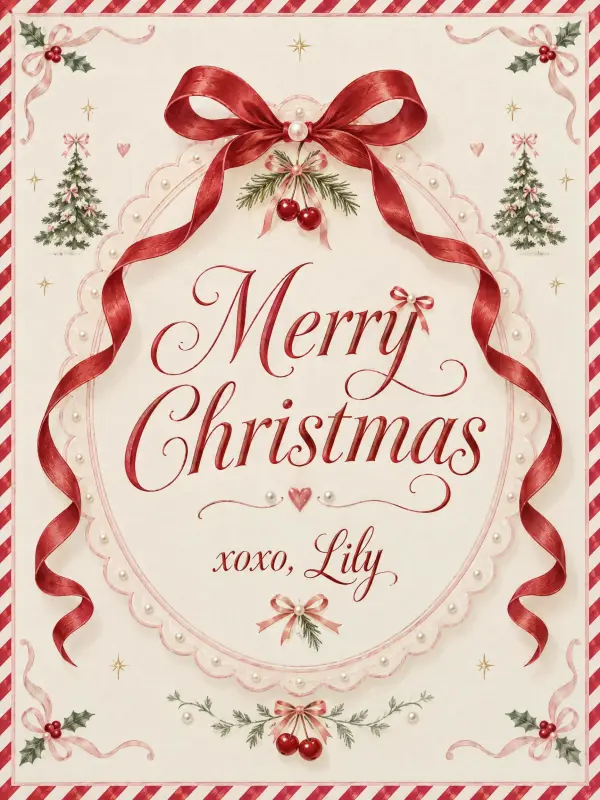



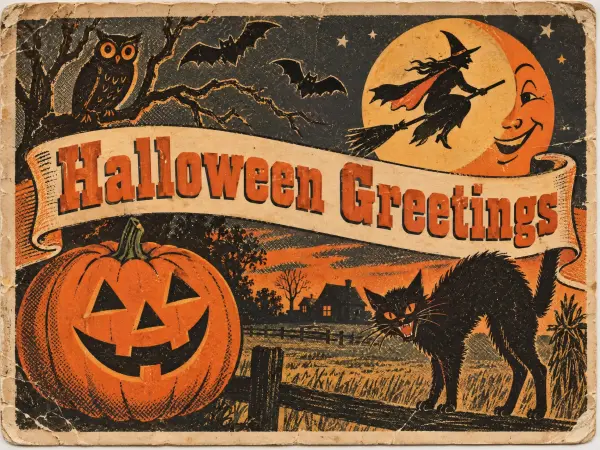


Tags in Nutcracker
Every tag used on this page — each opens the designs, fonts and styles that share it.
Questions
The story behind Nutcracker
Where the look comes from, the moments that shaped it and the facts behind it, with sources.
Where the Nutcracker look comes from
The figure is older than the ballet. Nutcracker dolls come from Germany’s Ore Mountains, the Erzgebirge, in the late 17th century, usually carved as kings or soldiers; showing the ruling class cracking nuts with their teeth was a piece of satire. In 1872 Friedrich Wilhelm Füchtner, known as the father of the nutcracker, began mass-producing them on a lathe in Seiffen.
The story is E. T. A. Hoffmann’s 1816 tale The Nutcracker and the Mouse King. Tchaikovsky’s two-act ballet, set on Christmas Eve at the foot of a Christmas tree, premiered at the Mariinsky Theatre in Saint Petersburg in December 1892.
America made it a Christmas ritual. San Francisco Ballet staged the first complete US performance on 24 December 1944, and George Balanchine’s 1954 production for New York City Ballet turned it into an annual classic. The soldiers, stage arches, velvet and gold of this style come from that world.
Sources: Wikipedia — The Nutcracker · Wikipedia — Nutcracker doll · Wikipedia — Nutcracker
Moments that shaped the Nutcracker look
Did you know?
Tchaikovsky’s score is noted for its use of the celesta, an instrument he had already used in a lesser-known symphonic ballad. Source ↗
Nutcracker dolls began in Germany’s Ore Mountains, the Erzgebirge, in the late 17th century. Source ↗
Decorative nutcrackers spread beyond Europe after World War II, when American soldiers brought them home from Germany. Source ↗
San Francisco Ballet has presented Nutcracker every Christmas Eve since its 1944 production. Source ↗
Nutcracker in typography
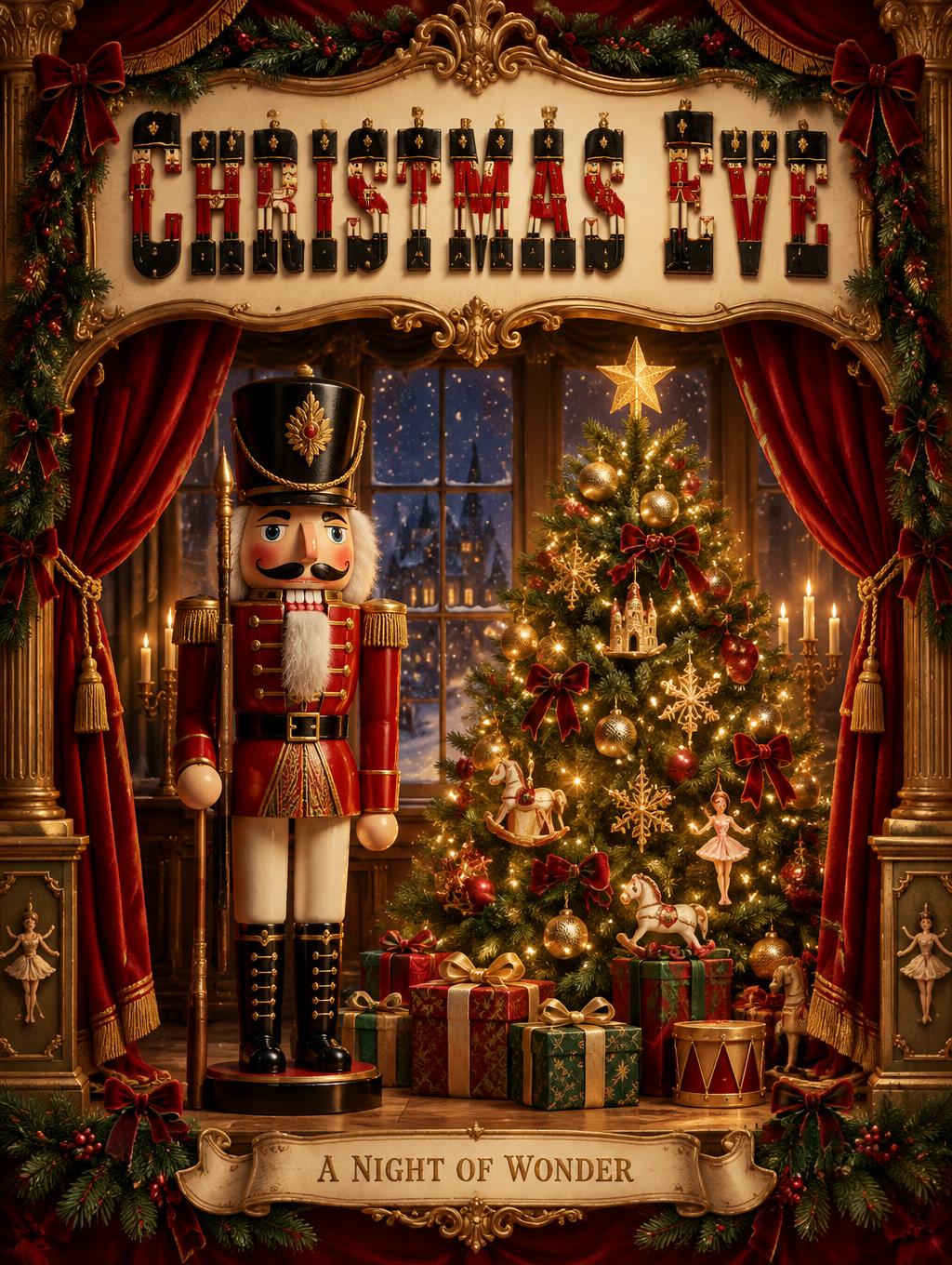
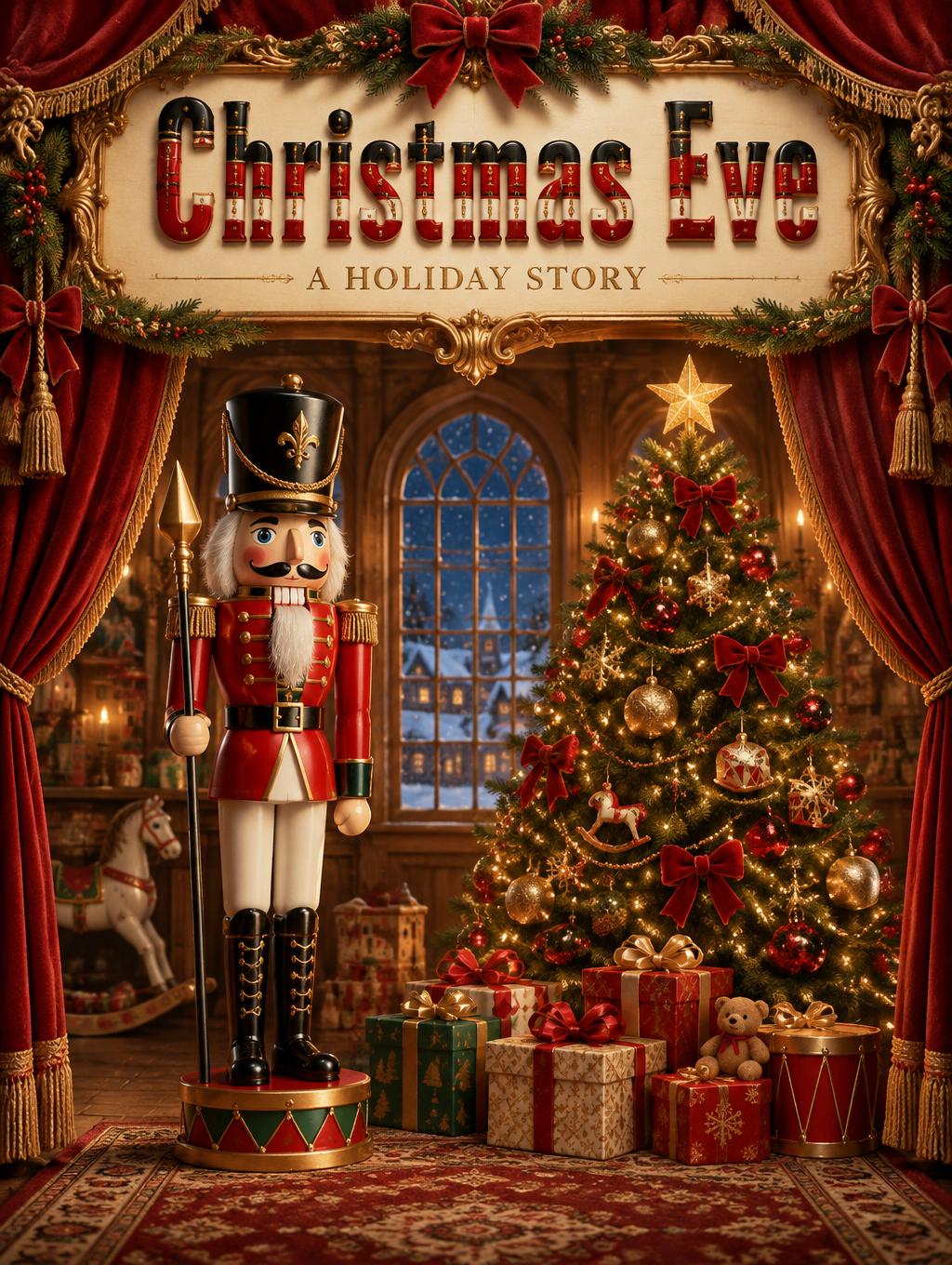
Nutcracker titles look like a theatre playbill or a storybook cover: ornate serifs, gilded capitals and flourished scripts in antique gold or crimson, centred on a cream panel under a stage arch.
Dates, venues and RSVP lines are set in small, evenly spaced capitals or a quiet serif, often separated by small gold ornaments, so the title stays the star like a name in lights.
Where you’ll see it
- ✦Holiday ballet and recital posters
- ✦Nutcracker and sugar plum party invitations
- ✦Nutcracker clipart for crafts, labels and stickers
- ✦Christmas cards and family greetings
- ✦Phone wallpapers and festive social posts
- ✦Holiday shop and window promotions
The Nutcracker aesthetic: toy soldiers and stage, golden light, crimson and gold, velvet and gilding
Every Nutcracker piece here is built from the same four parts. The style draws the soldiers, the light, the palette and the textures around your words; the letters come from the AI font you pick.
Nutcracker clipart, illustrations, posters, invites, wallpapers and cards
Every format here sets your words in the Nutcracker's storybook world of toy soldiers, stage arches and gold. Pick a format to see designs made in it, or describe your own.
Nutcracker Christmas Cards
Card fronts with your greeting framed by nutcracker soldiers and velvet curtains.
Nutcracker Clipart
Single nutcracker soldiers, classic red or sugar plum pink, drawn on a plain ground with a short word.
Nutcracker Party Invitations
Party and sugar plum birthday invitations with the date, time and place on a cream panel.
Nutcracker Posters
Ballet, recital and holiday shop posters with the details in a gilded stage arch.
Nutcracker Wallpapers
Phone and desktop wallpapers with a nutcracker soldier under a gilded arch and a short word.
AI fonts that fit Nutcracker
Every AI font here fits the Nutcracker frame. Pick one, or let the generator choose.
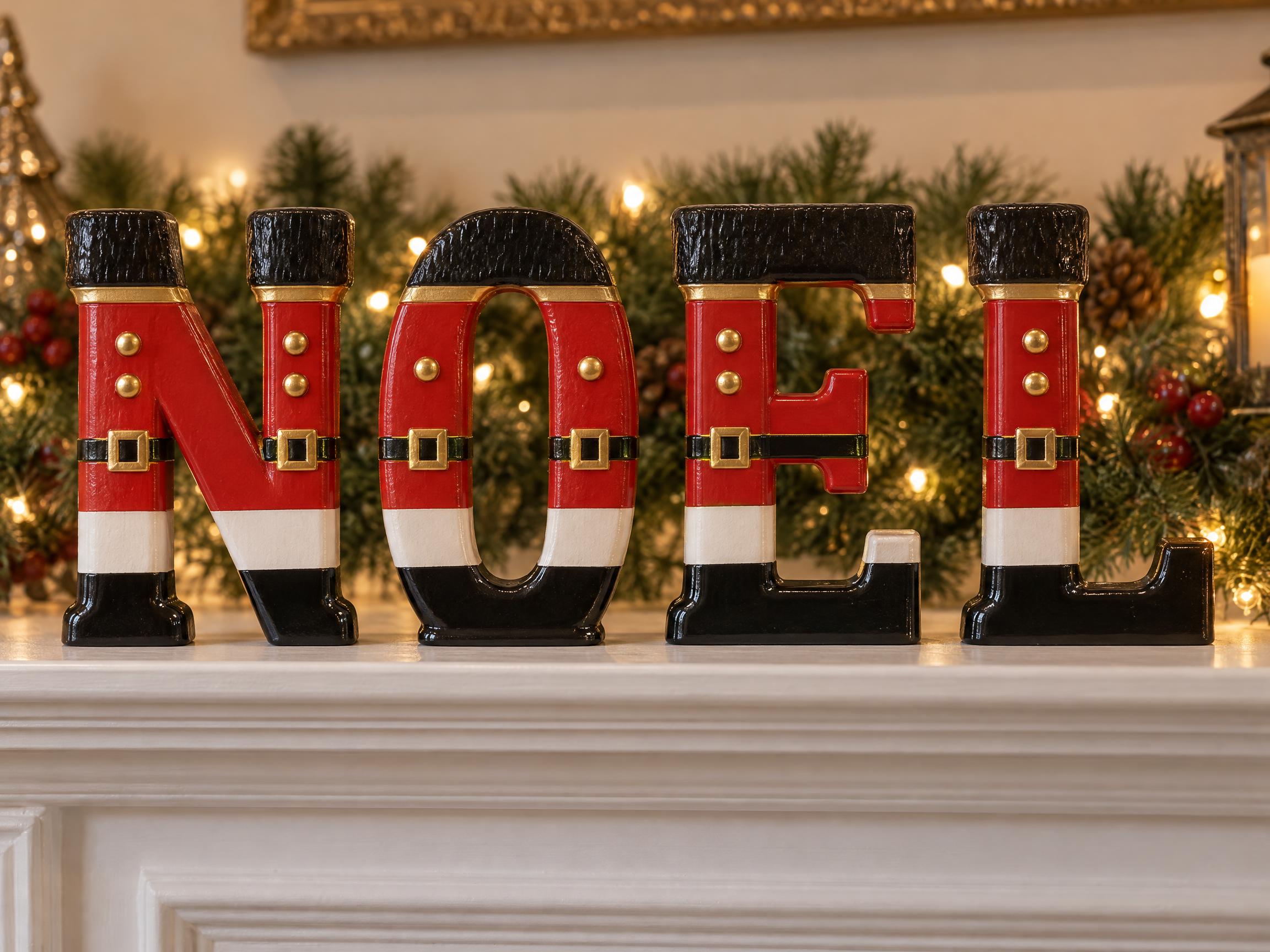

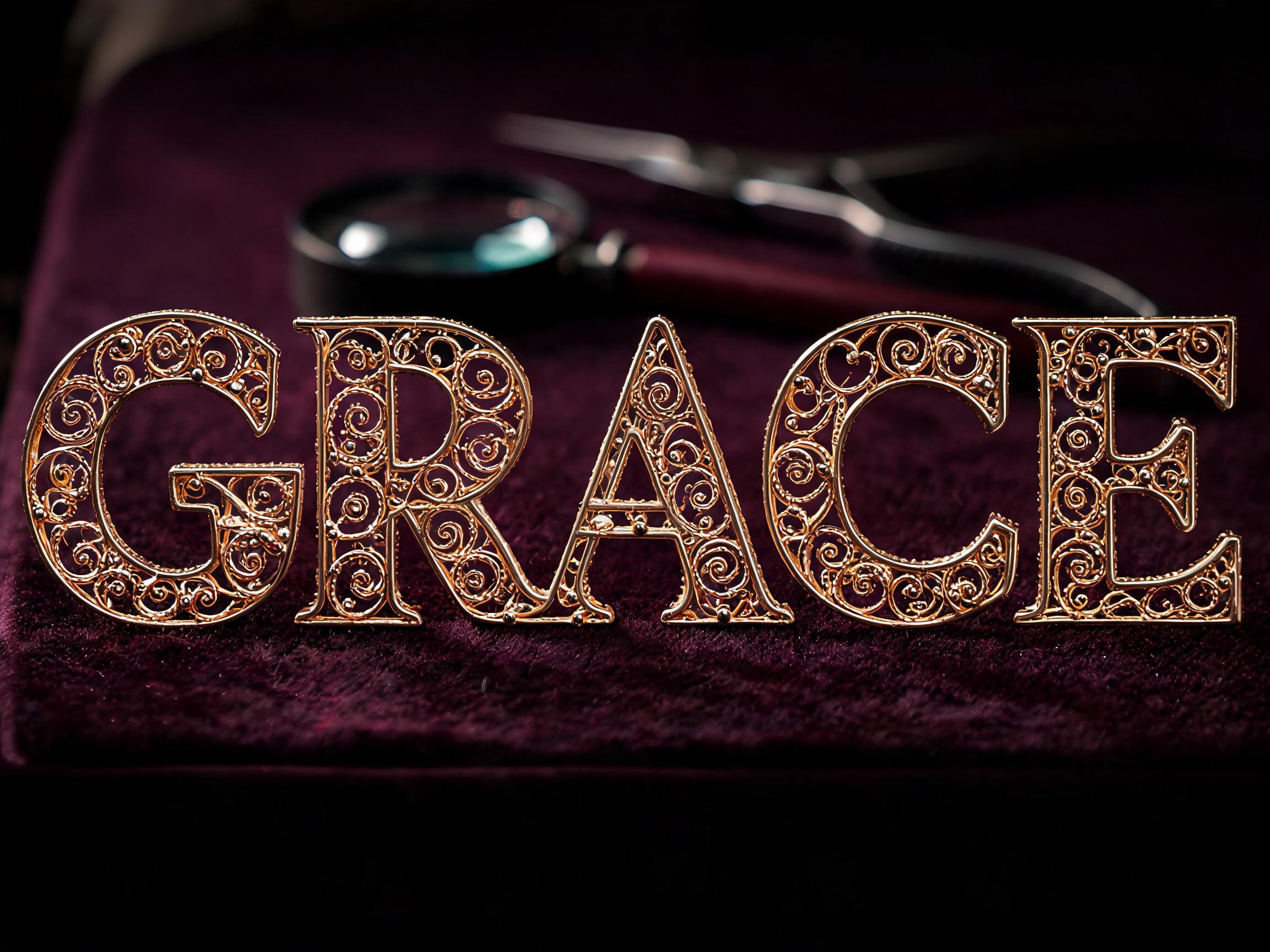
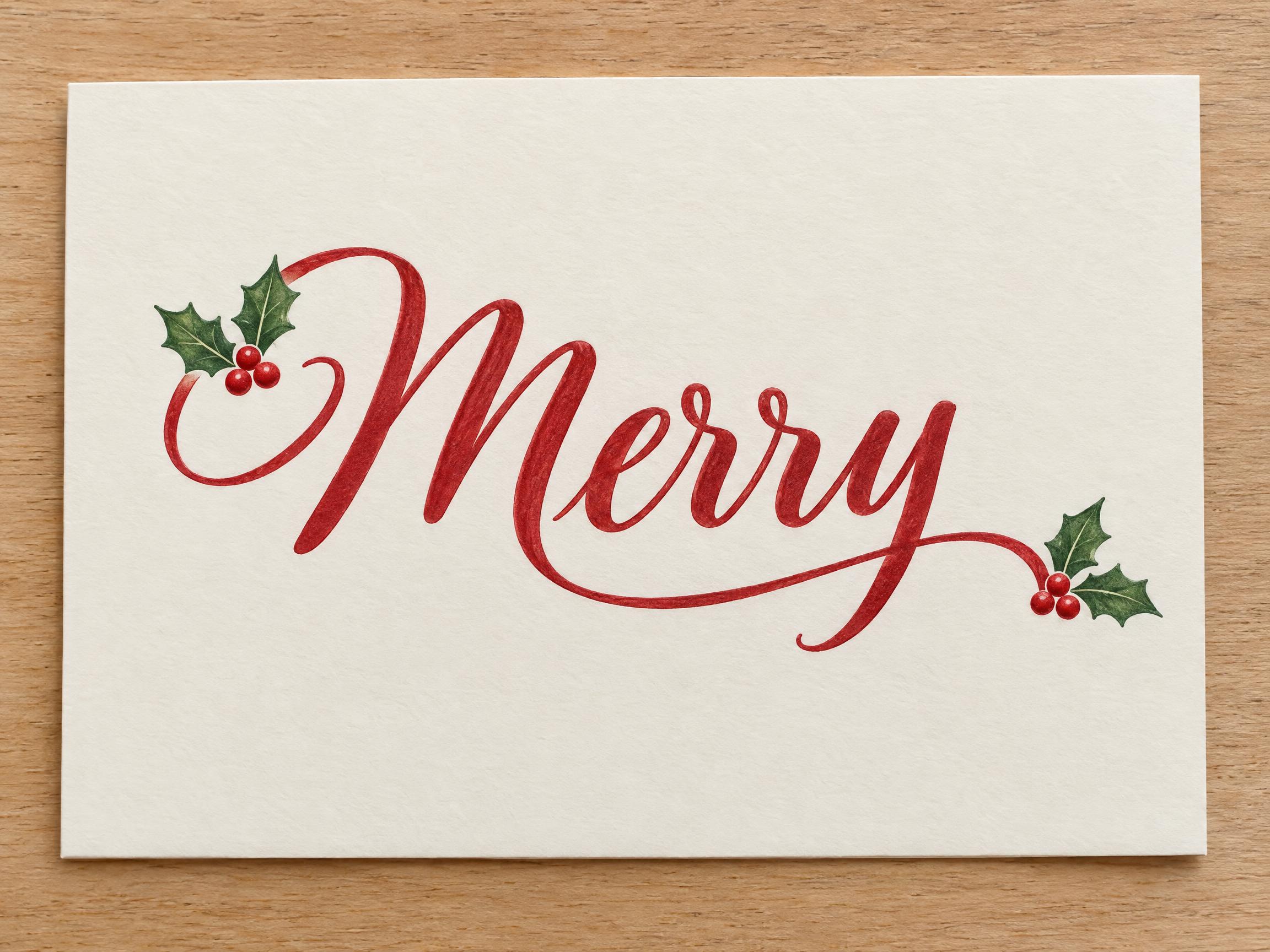

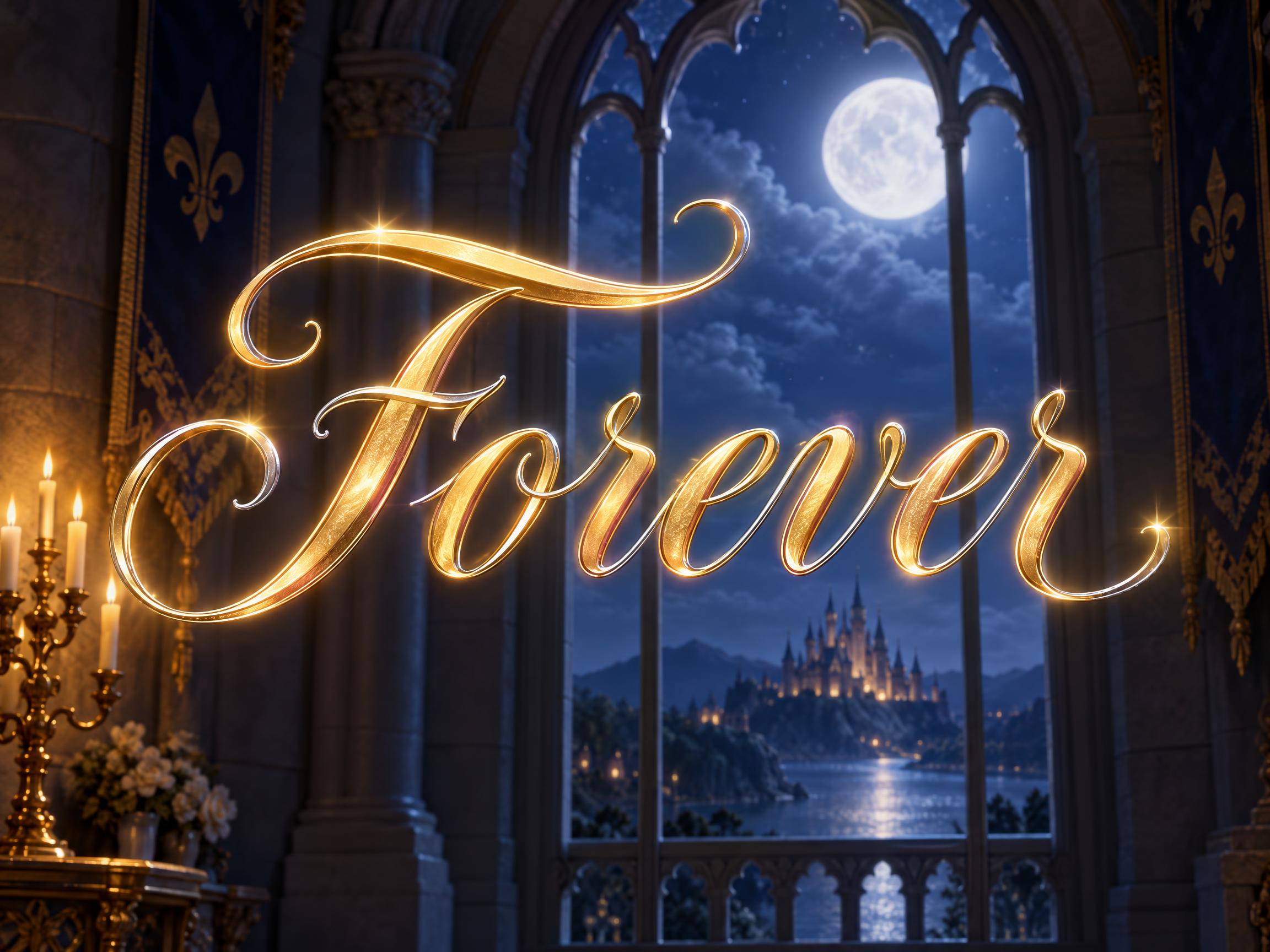

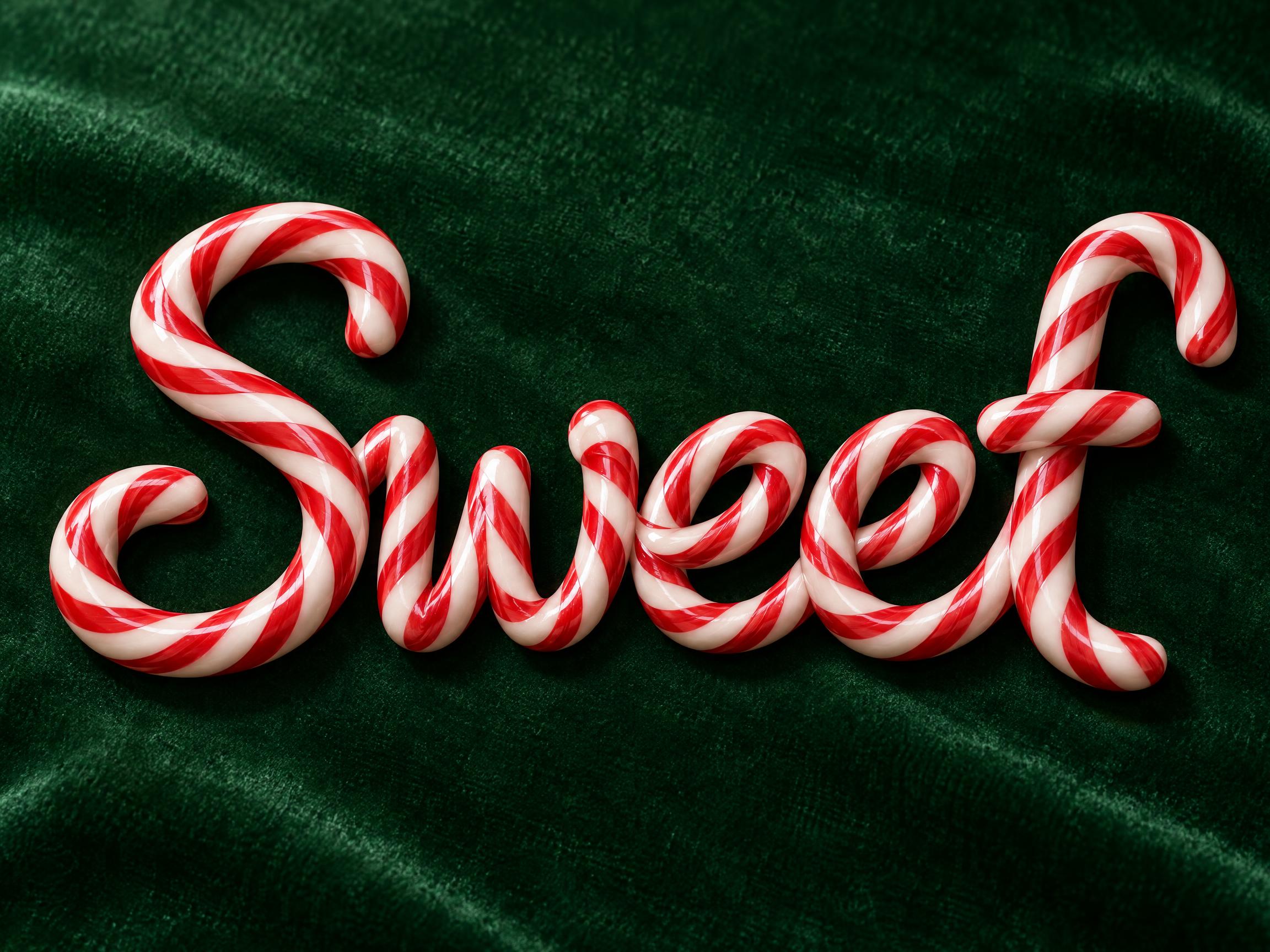
Nutcracker style designs
Real designs made on FontVibe. Open any one, or reuse it with your own text.
What you can make with Nutcracker
Pages for the things people make in the Nutcracker style. Each one has ready-made ideas and the right size.
Similar styles
Other looks that work for the same kinds of designs.
Tags in Nutcracker
Every tag used on this page — each opens the designs, fonts and styles that share it.
Questions
The story behind Nutcracker
Where the look comes from, the moments that shaped it and the facts behind it, with sources.
Where the Nutcracker look comes from
The figure is older than the ballet. Nutcracker dolls come from Germany’s Ore Mountains, the Erzgebirge, in the late 17th century, usually carved as kings or soldiers; showing the ruling class cracking nuts with their teeth was a piece of satire. In 1872 Friedrich Wilhelm Füchtner, known as the father of the nutcracker, began mass-producing them on a lathe in Seiffen.
The story is E. T. A. Hoffmann’s 1816 tale The Nutcracker and the Mouse King. Tchaikovsky’s two-act ballet, set on Christmas Eve at the foot of a Christmas tree, premiered at the Mariinsky Theatre in Saint Petersburg in December 1892.
America made it a Christmas ritual. San Francisco Ballet staged the first complete US performance on 24 December 1944, and George Balanchine’s 1954 production for New York City Ballet turned it into an annual classic. The soldiers, stage arches, velvet and gold of this style come from that world.
Sources: Wikipedia — The Nutcracker · Wikipedia — Nutcracker doll · Wikipedia — Nutcracker
Moments that shaped the Nutcracker look
Did you know?
Tchaikovsky’s score is noted for its use of the celesta, an instrument he had already used in a lesser-known symphonic ballad. Source ↗
Nutcracker dolls began in Germany’s Ore Mountains, the Erzgebirge, in the late 17th century. Source ↗
Decorative nutcrackers spread beyond Europe after World War II, when American soldiers brought them home from Germany. Source ↗
San Francisco Ballet has presented Nutcracker every Christmas Eve since its 1944 production. Source ↗
Nutcracker in typography
Nutcracker titles look like a theatre playbill or a storybook cover: ornate serifs, gilded capitals and flourished scripts in antique gold or crimson, centred on a cream panel under a stage arch.
Dates, venues and RSVP lines are set in small, evenly spaced capitals or a quiet serif, often separated by small gold ornaments, so the title stays the star like a name in lights.
Where you’ll see it
- ✦Holiday ballet and recital posters
- ✦Nutcracker and sugar plum party invitations
- ✦Nutcracker clipart for crafts, labels and stickers
- ✦Christmas cards and family greetings
- ✦Phone wallpapers and festive social posts
- ✦Holiday shop and window promotions