


AI Metallic Luxury Gold Text Effect Generator
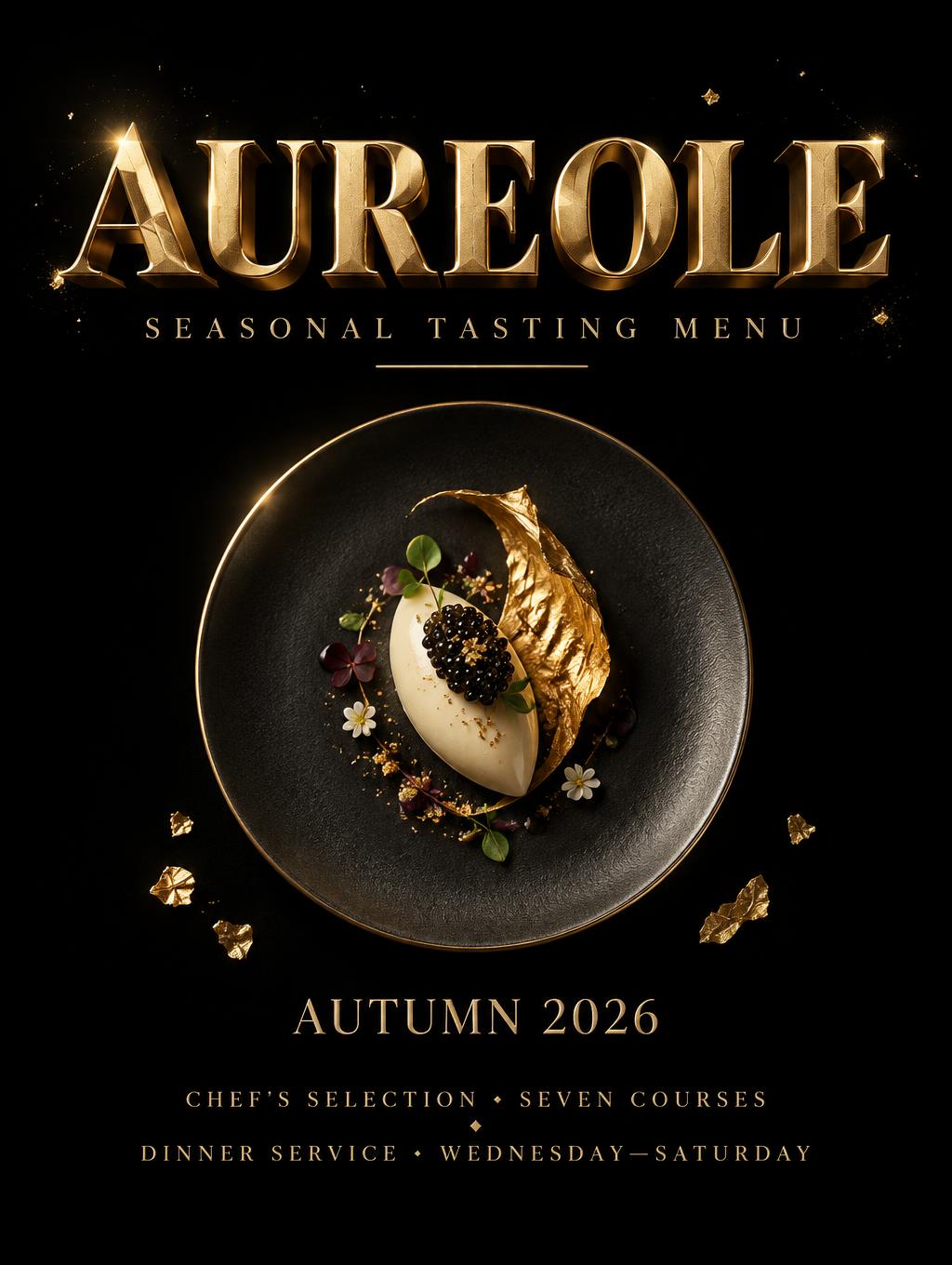
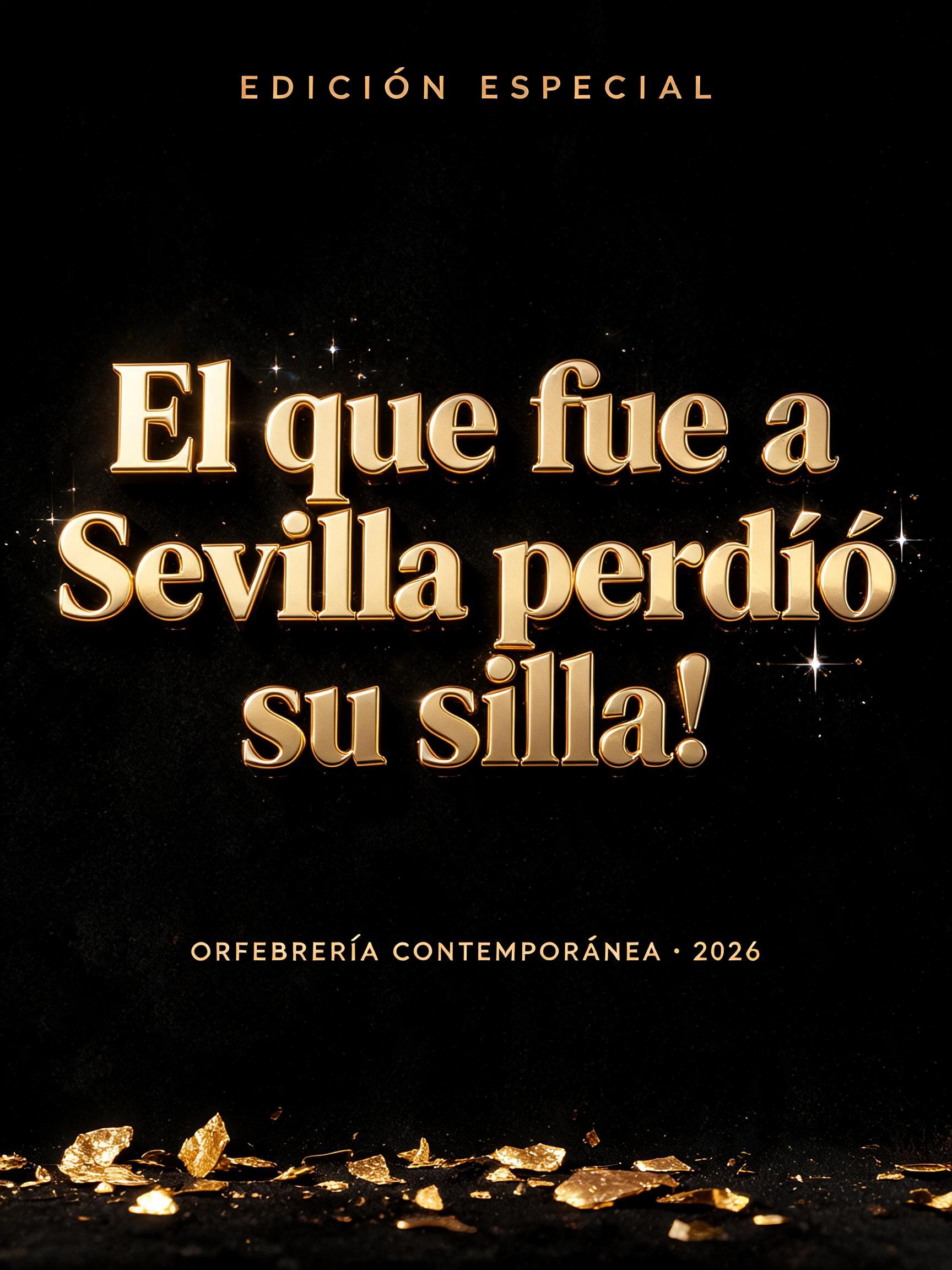
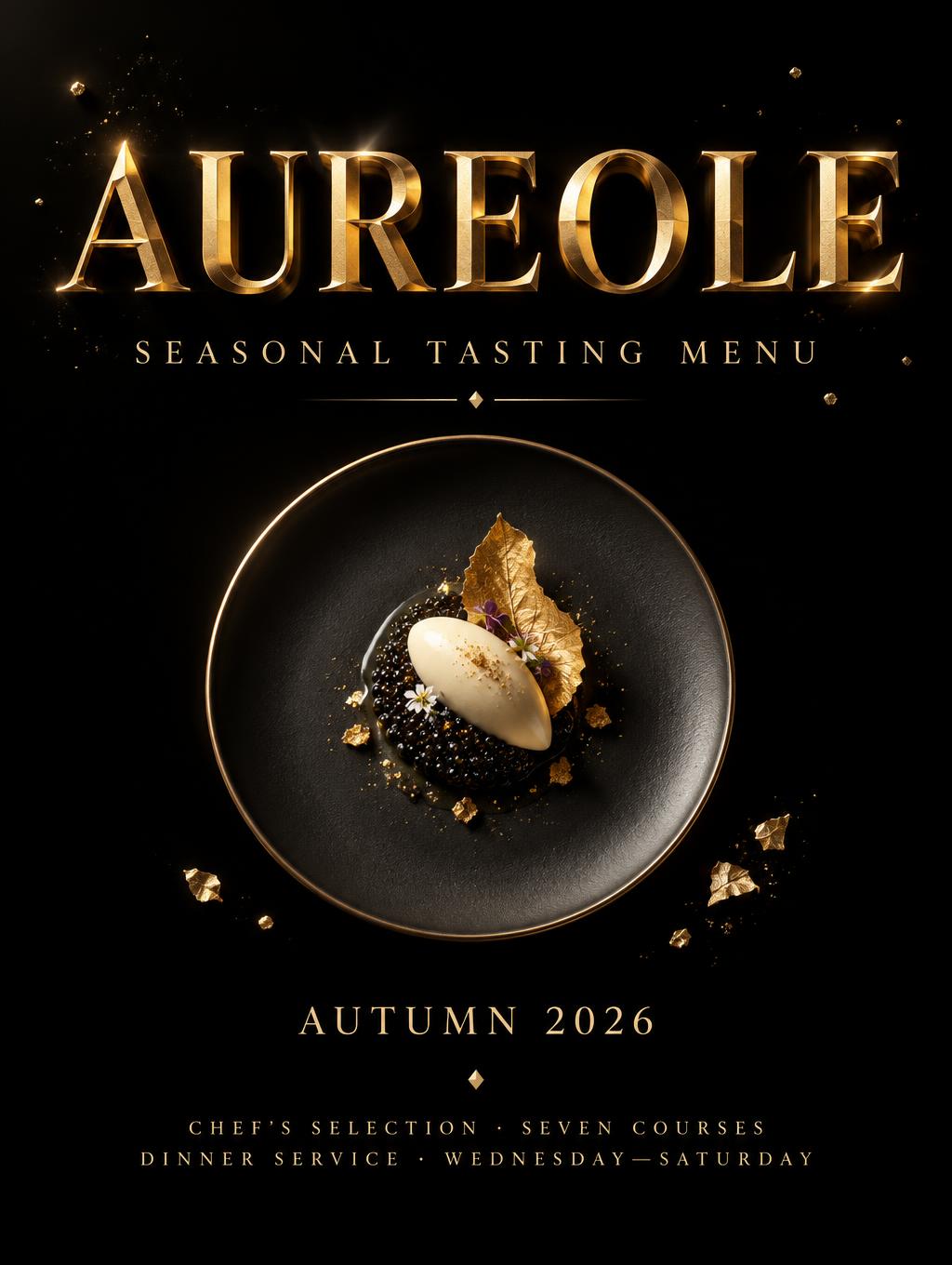
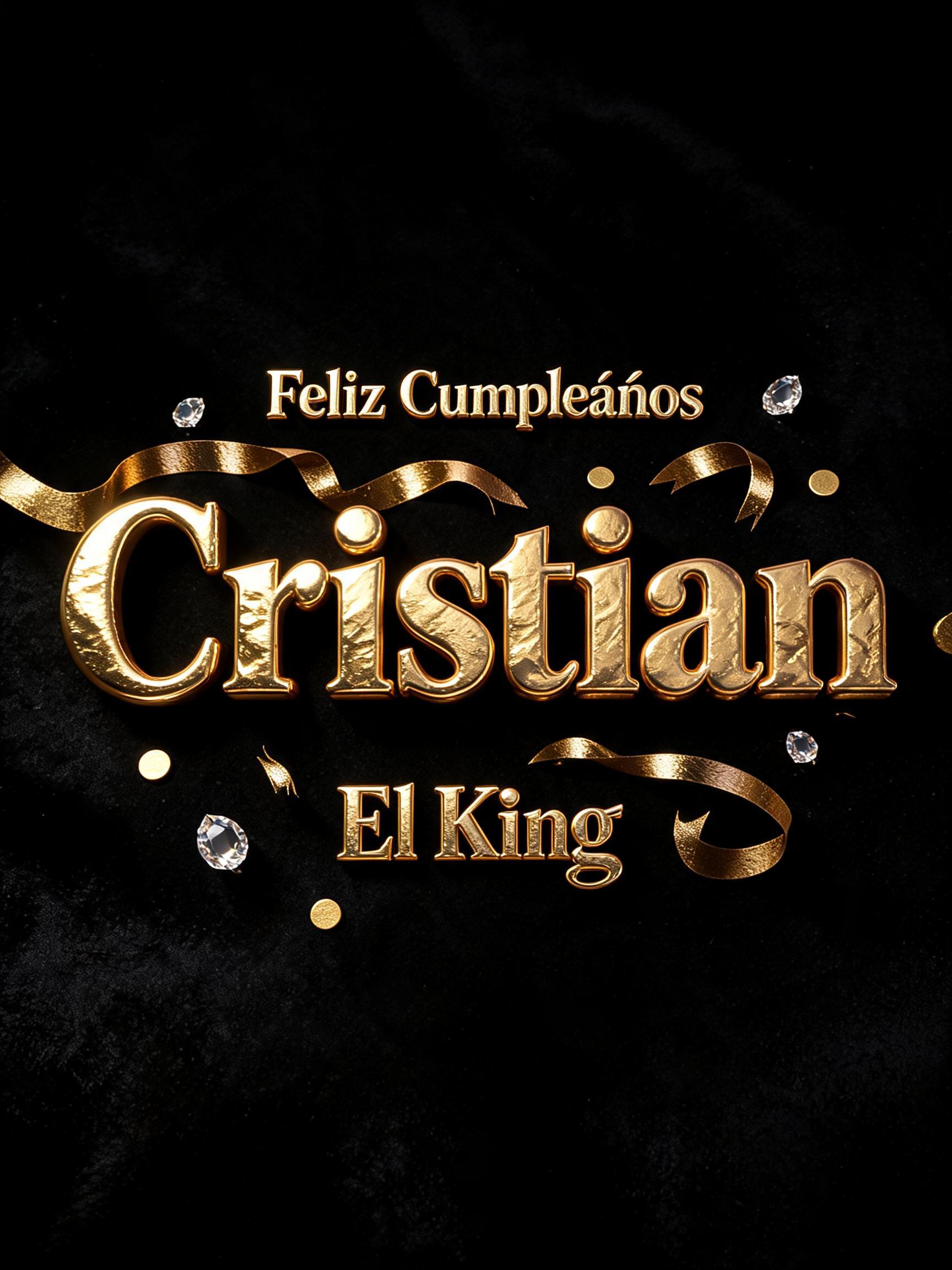
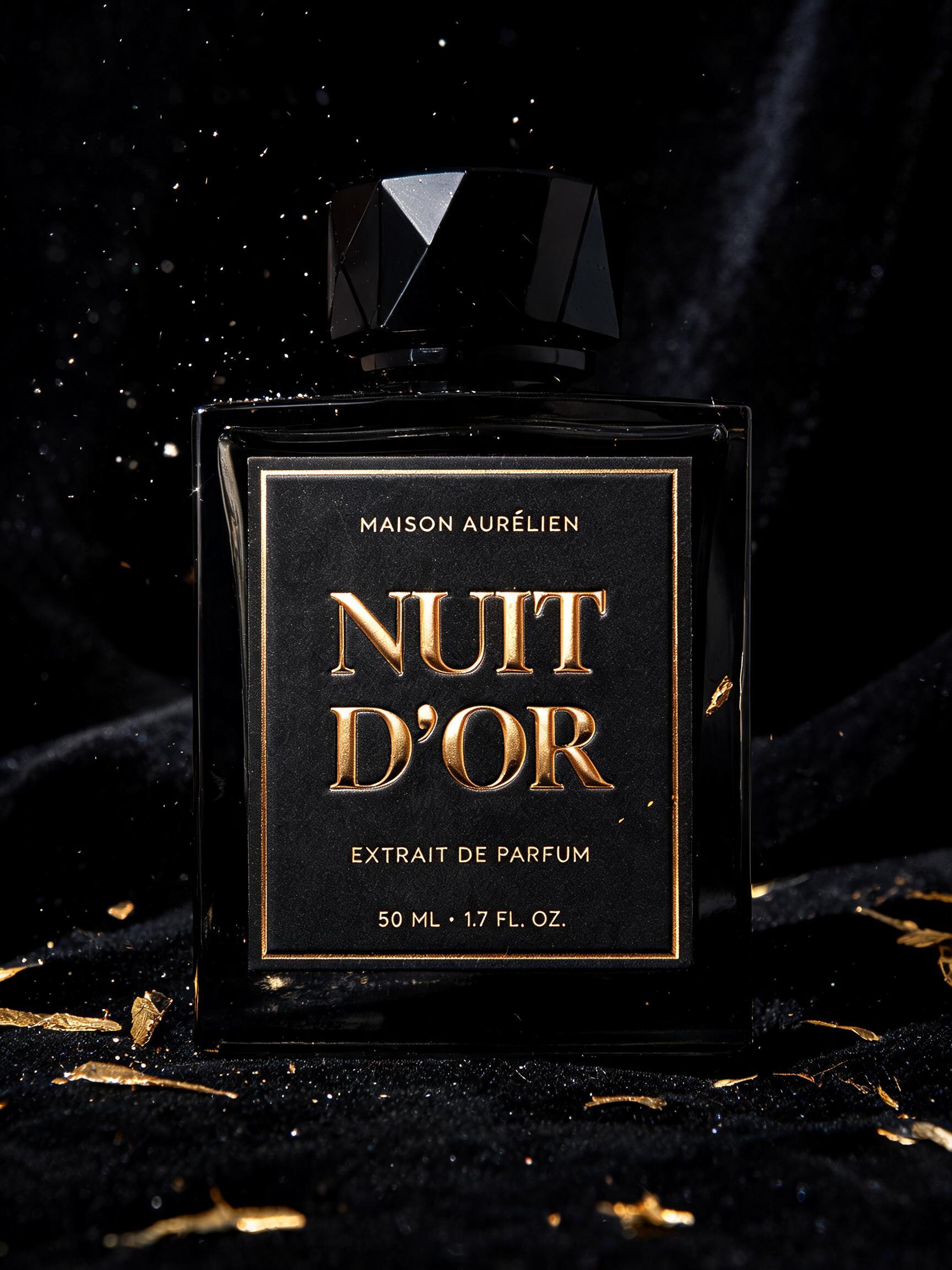
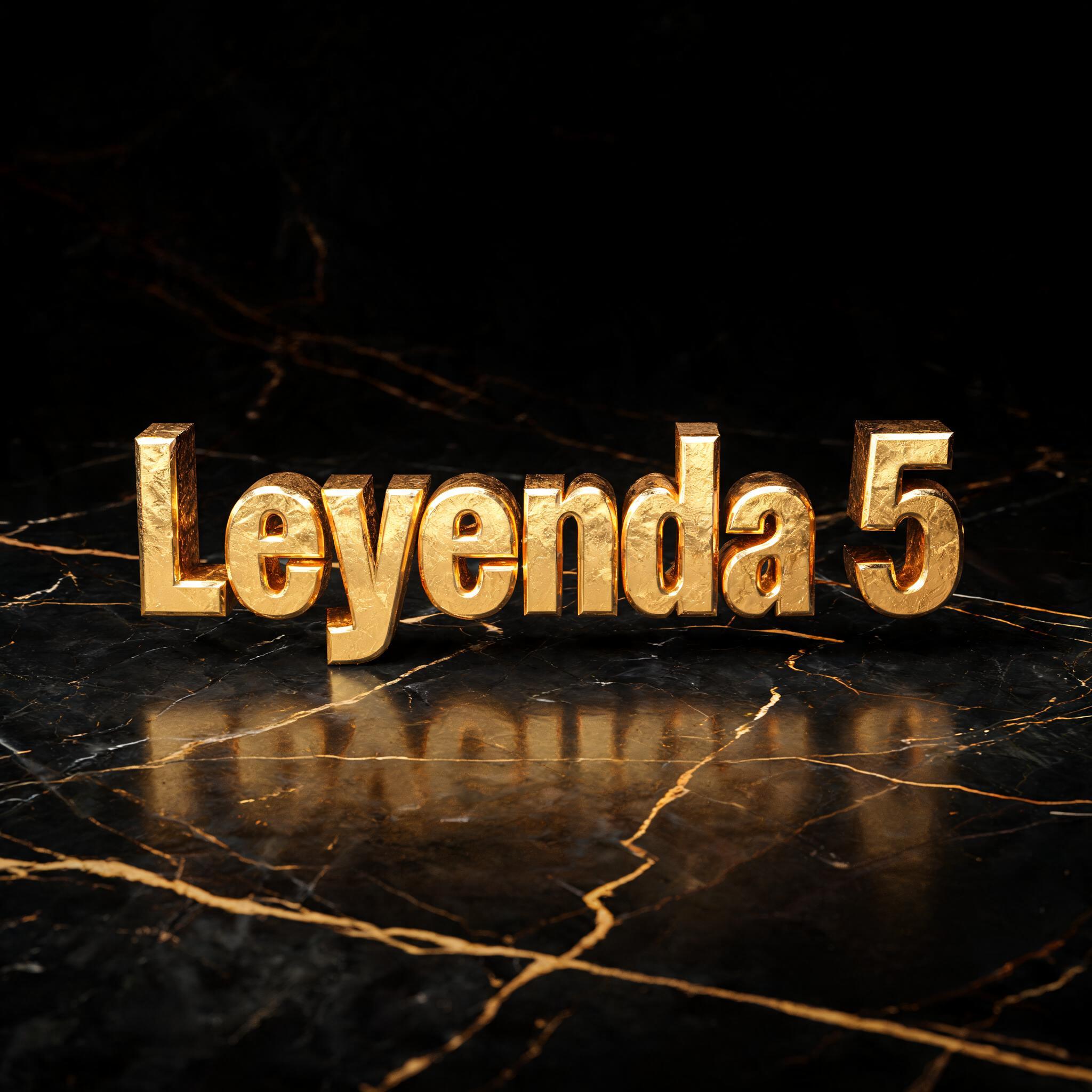
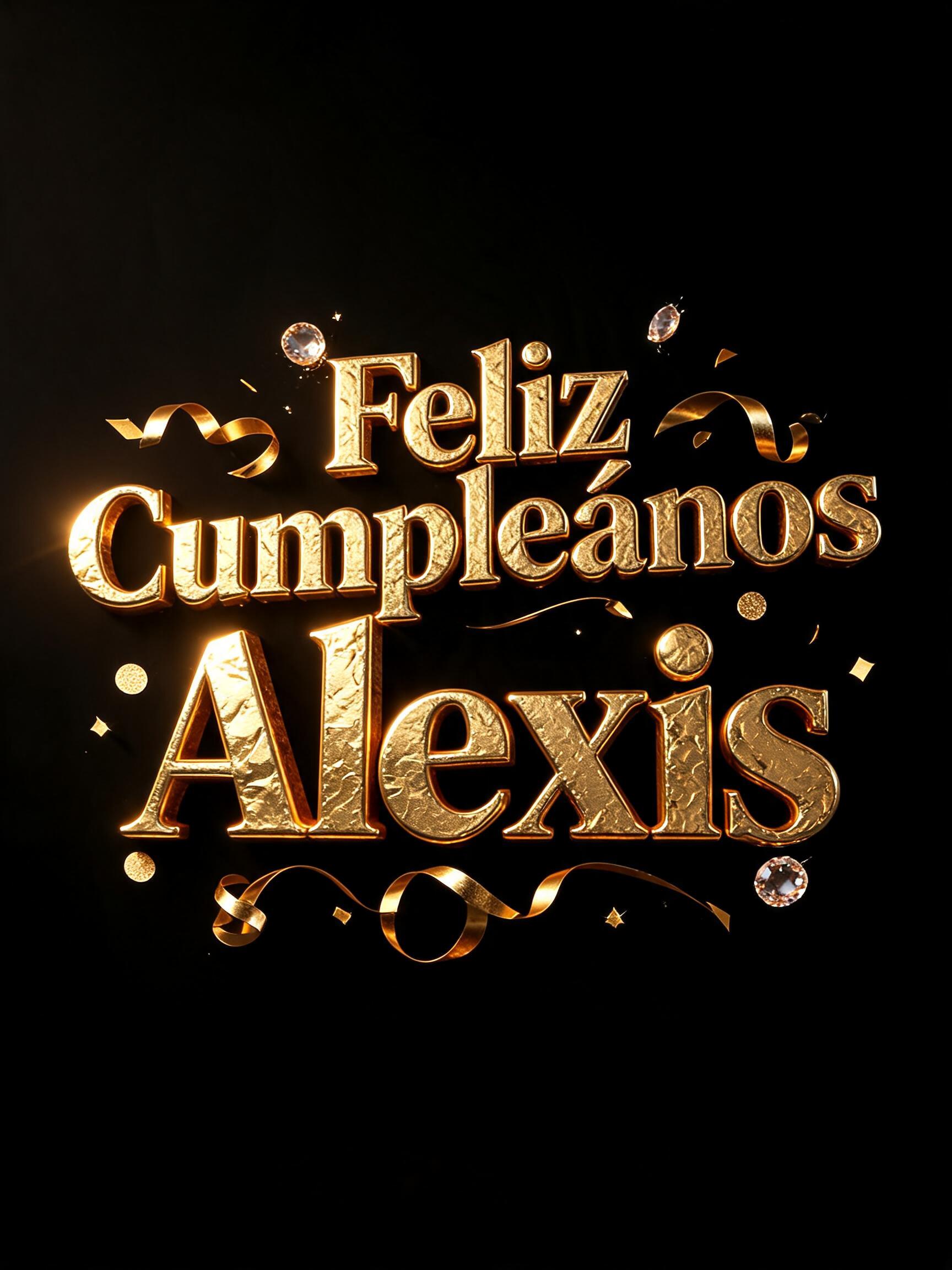
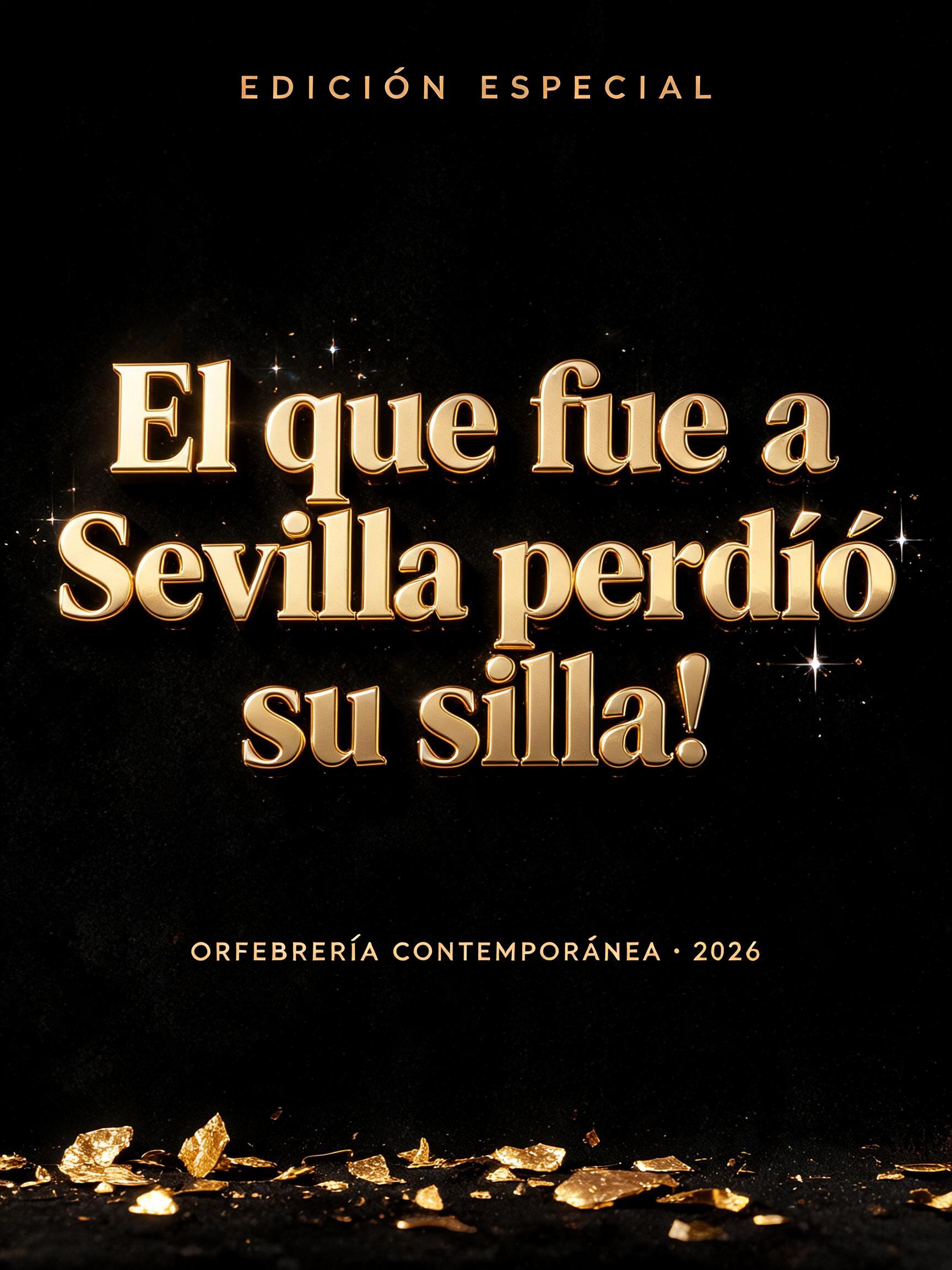
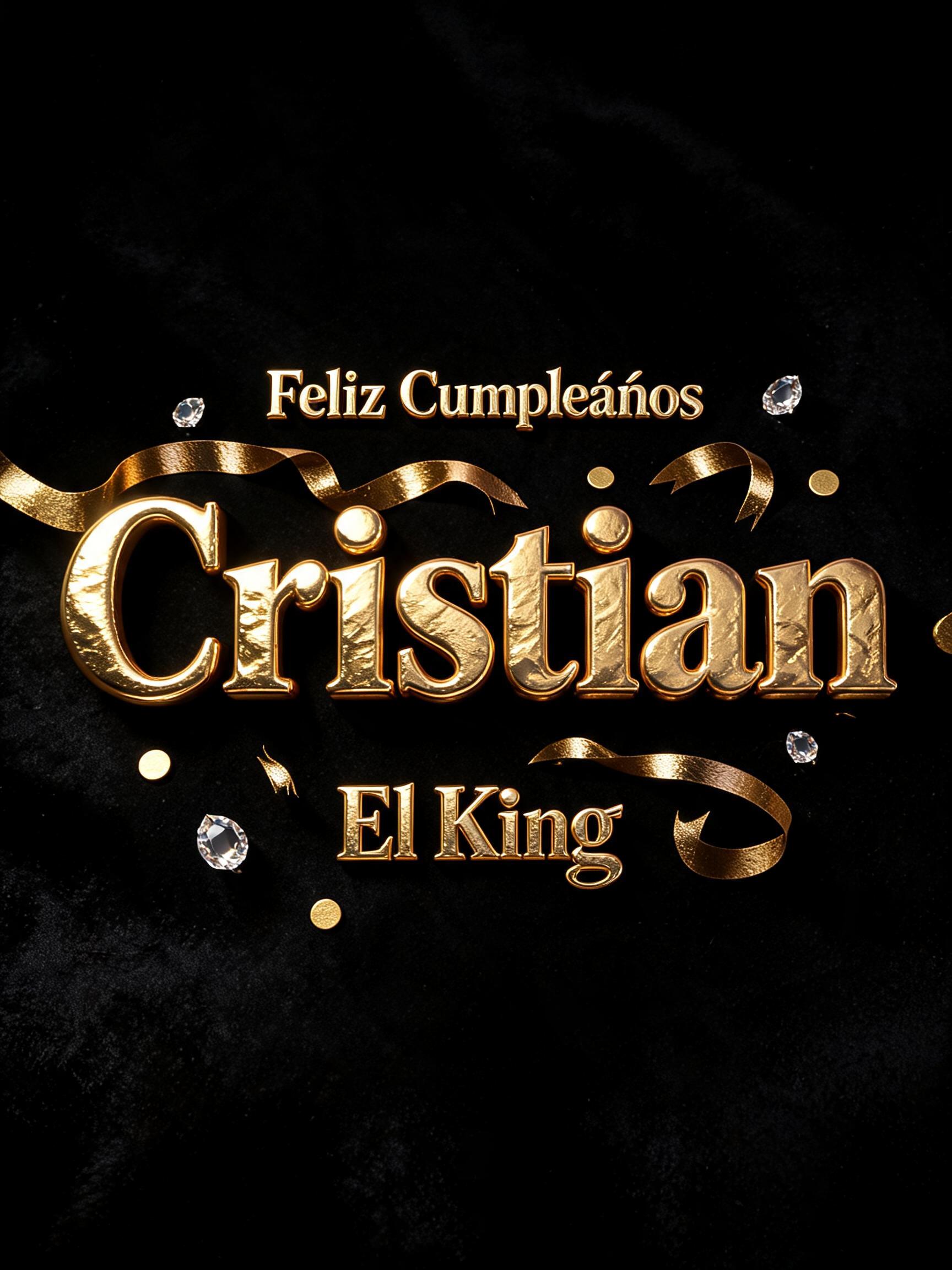
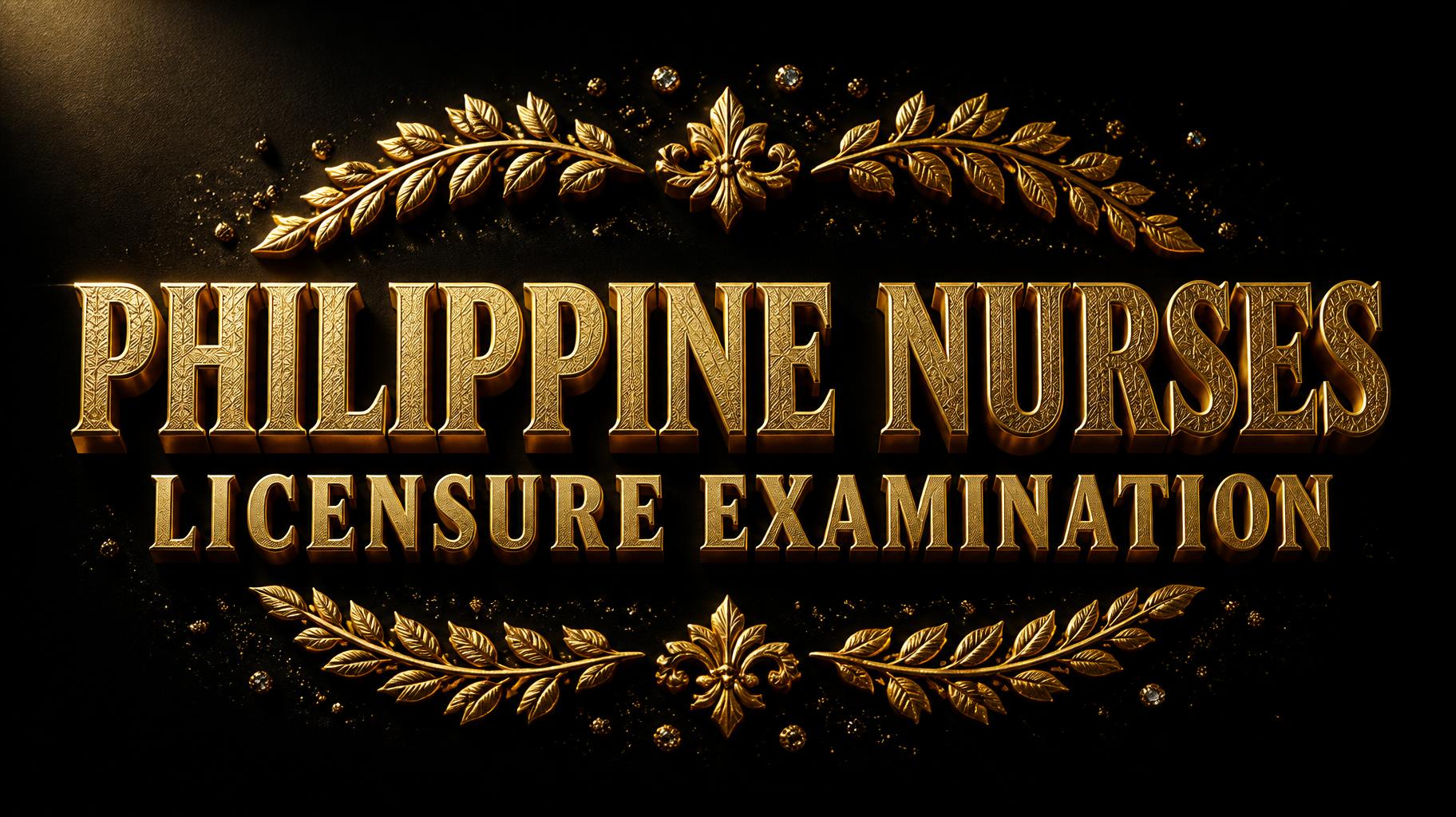
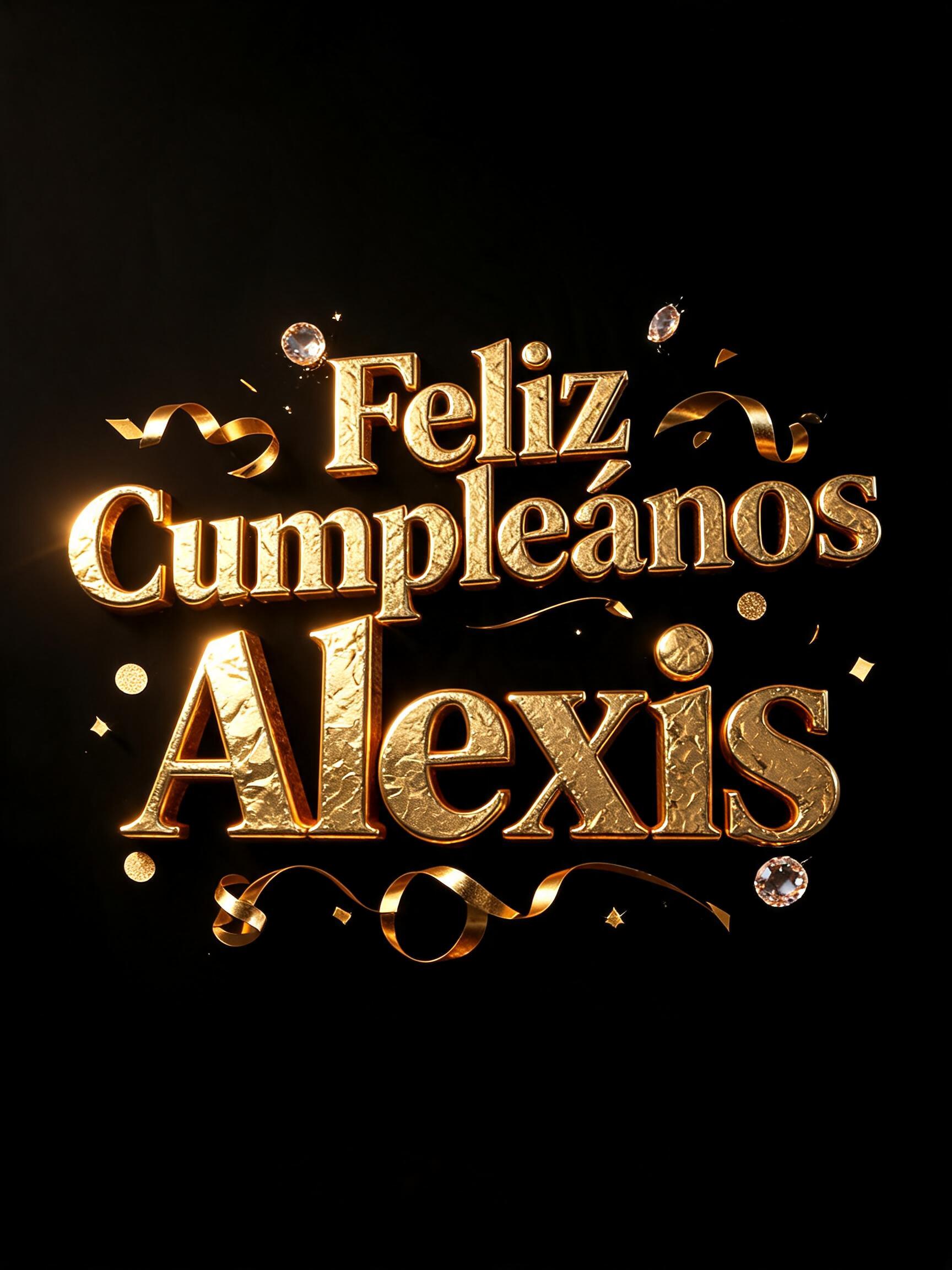
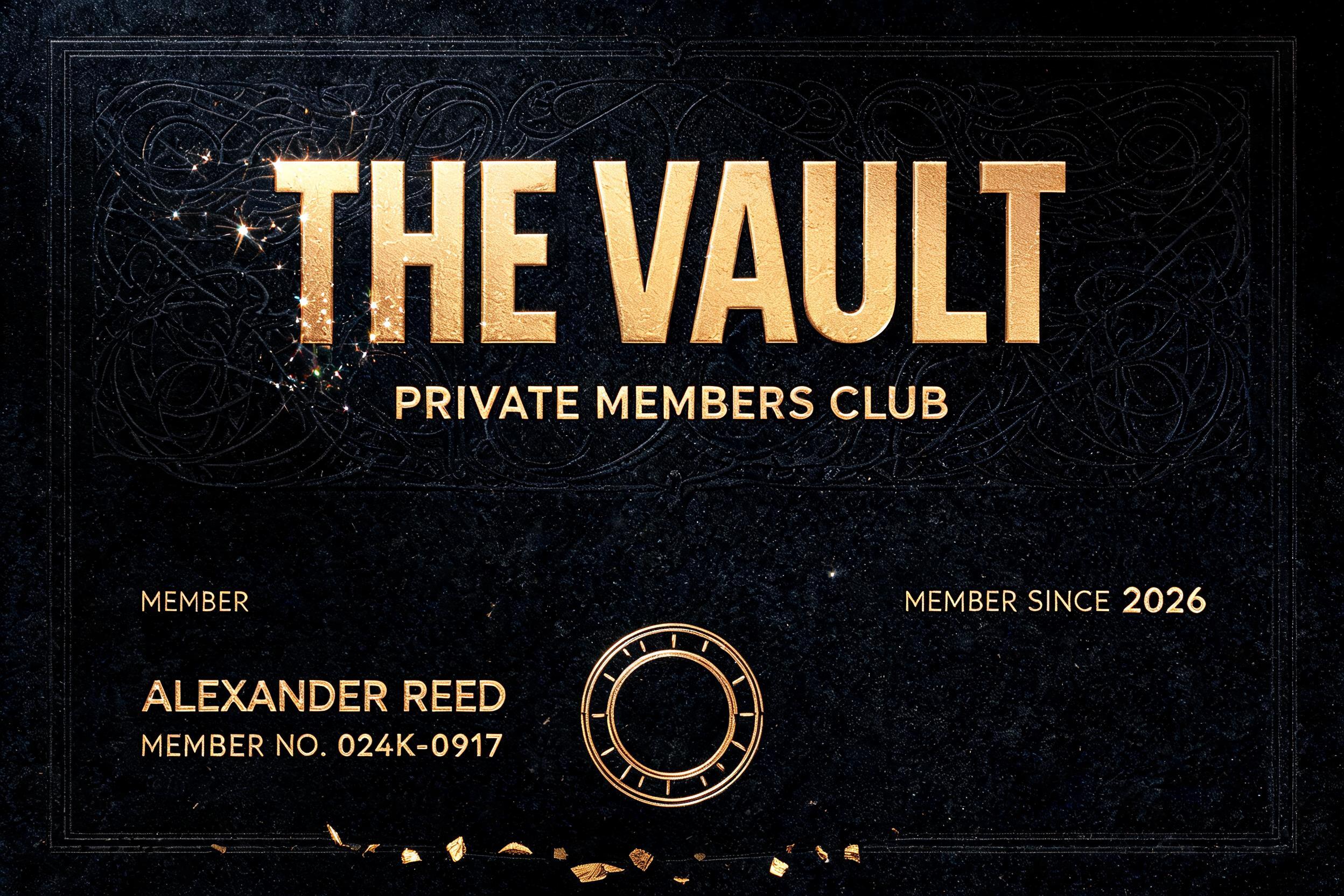
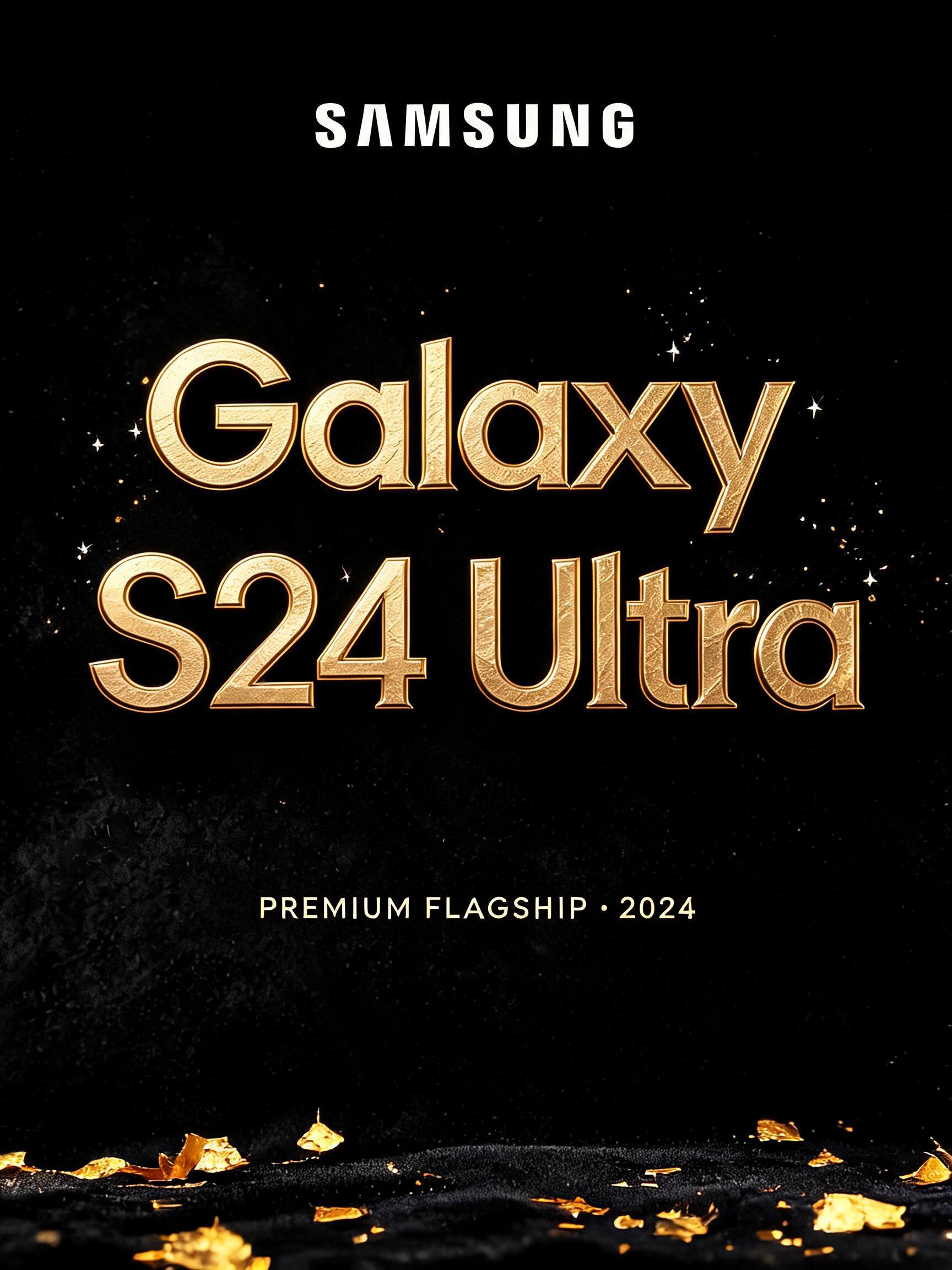
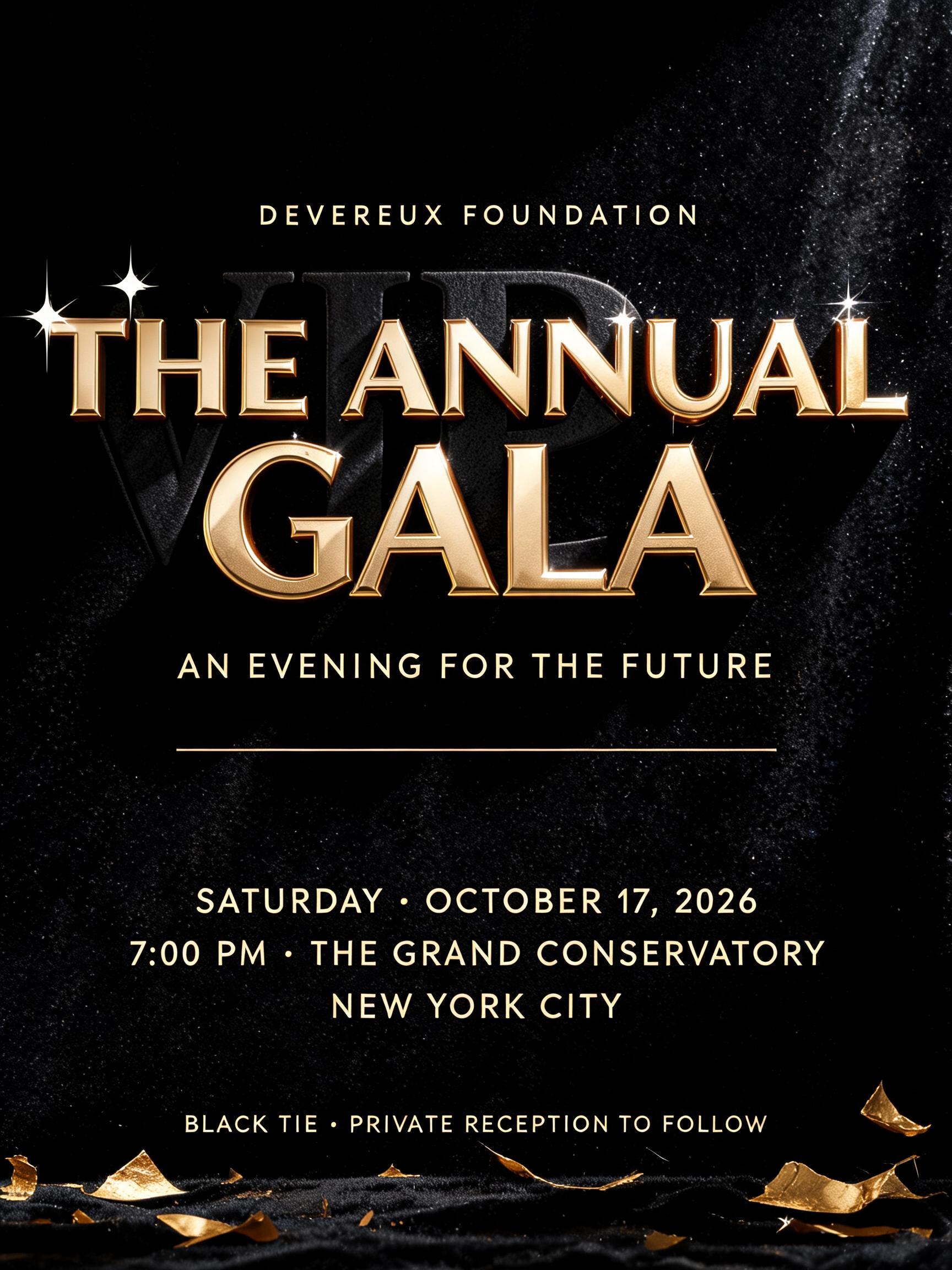
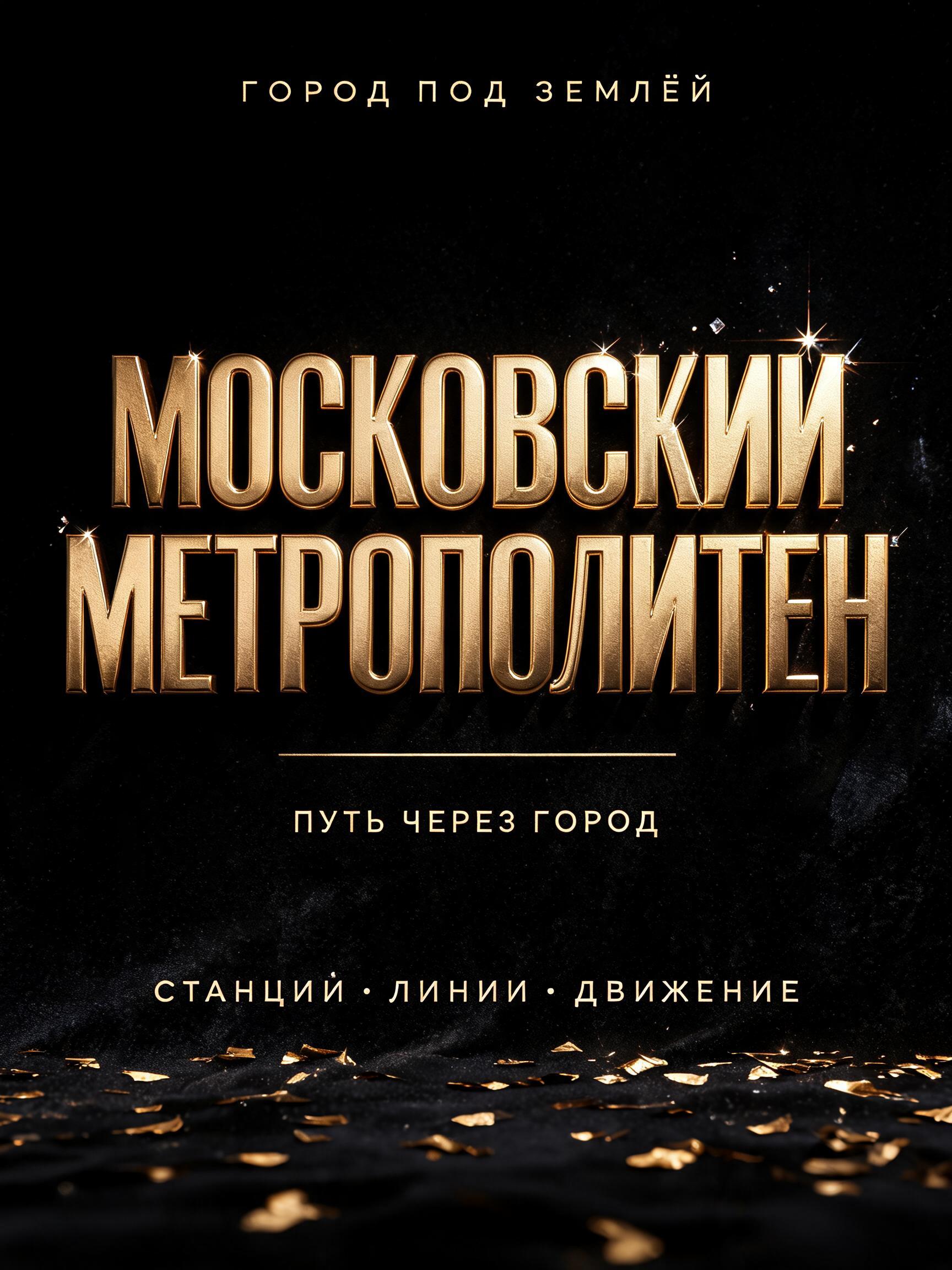
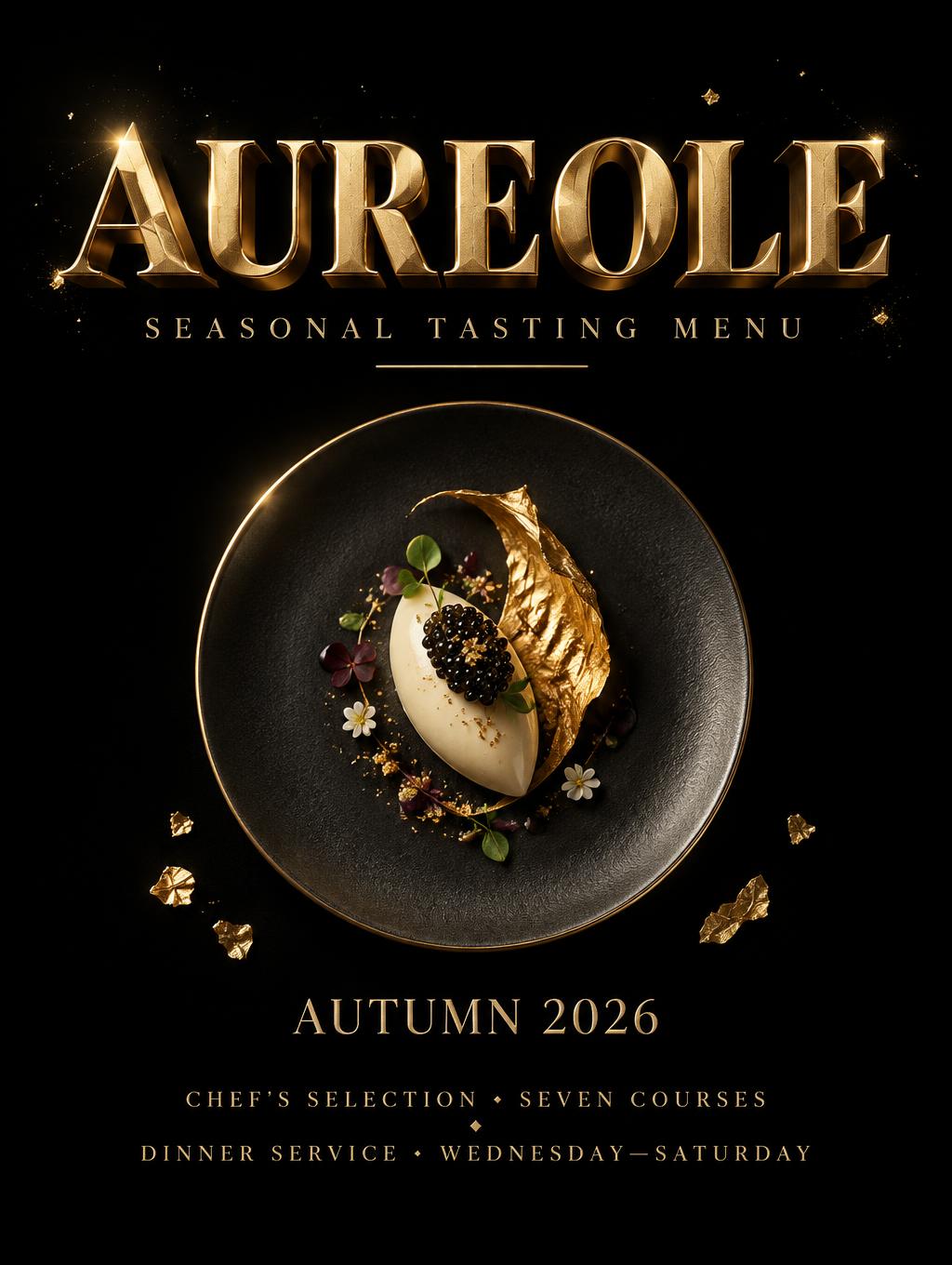
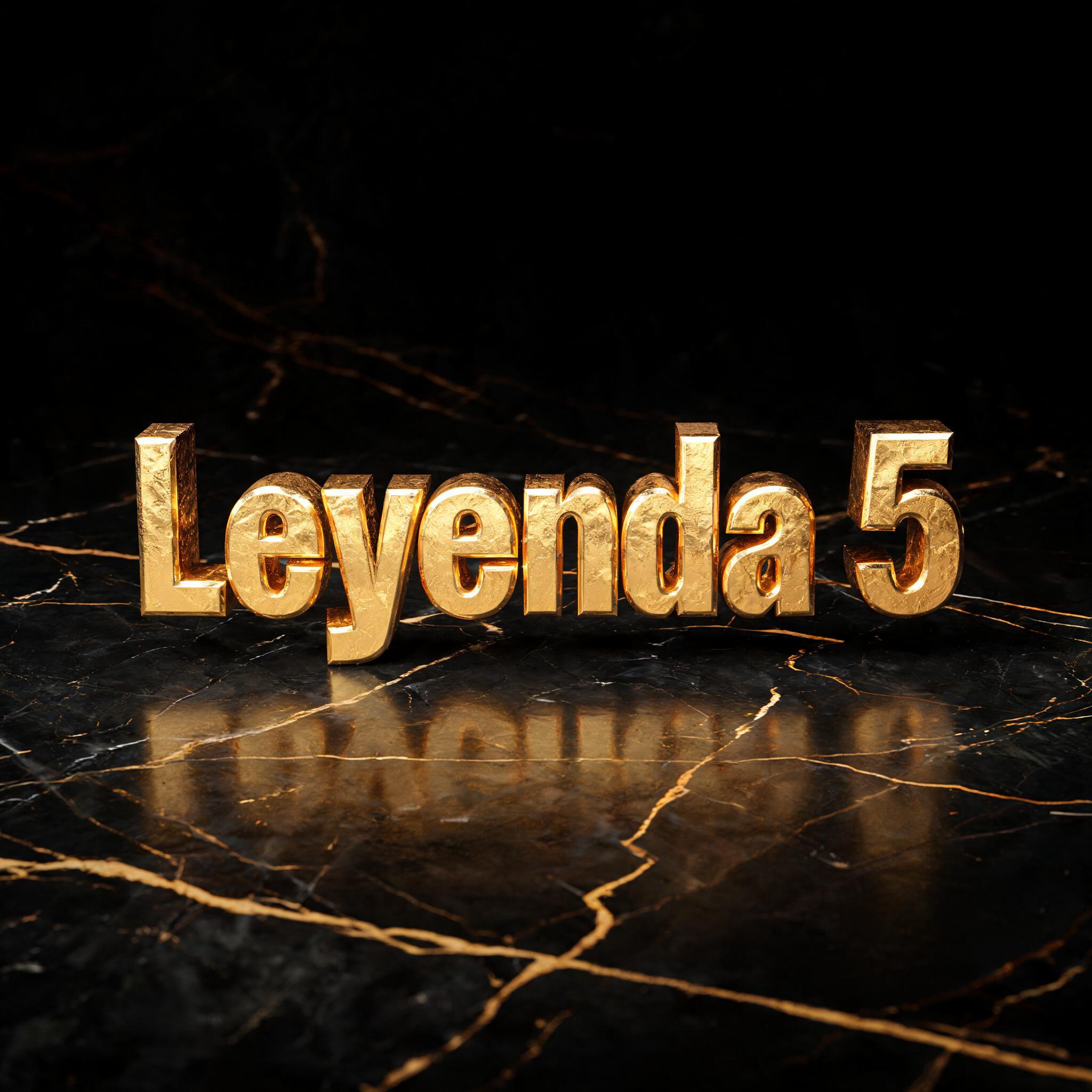
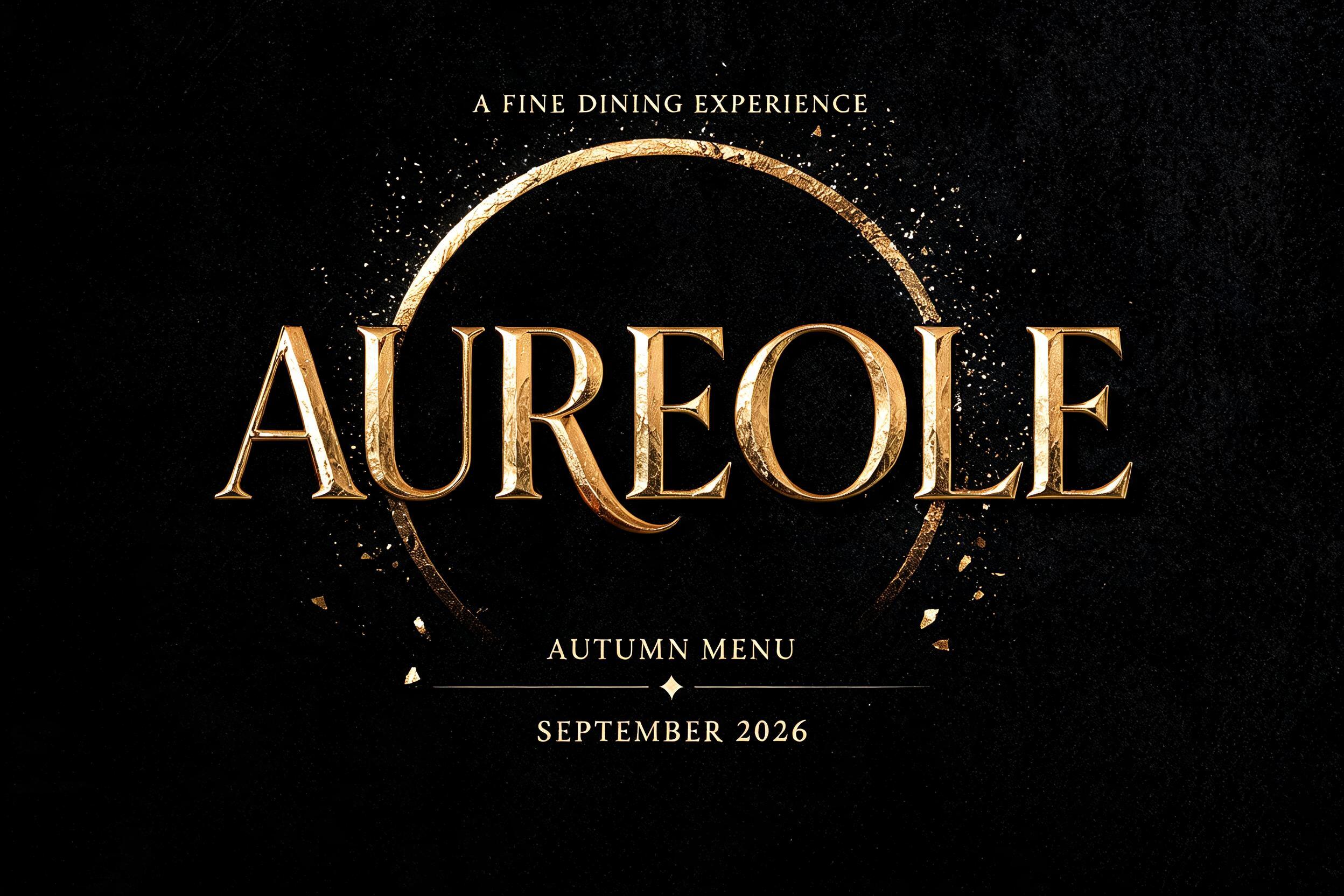
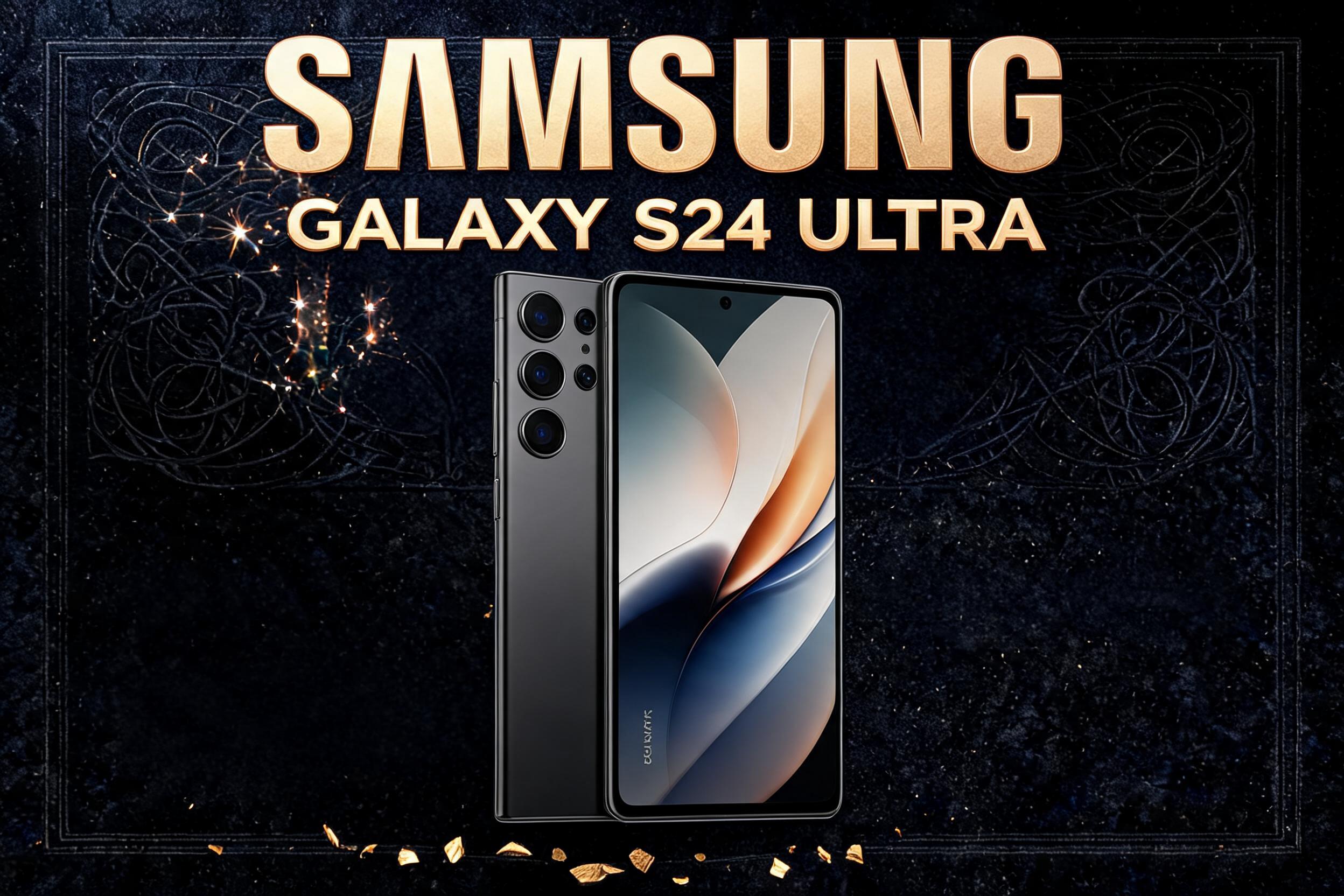
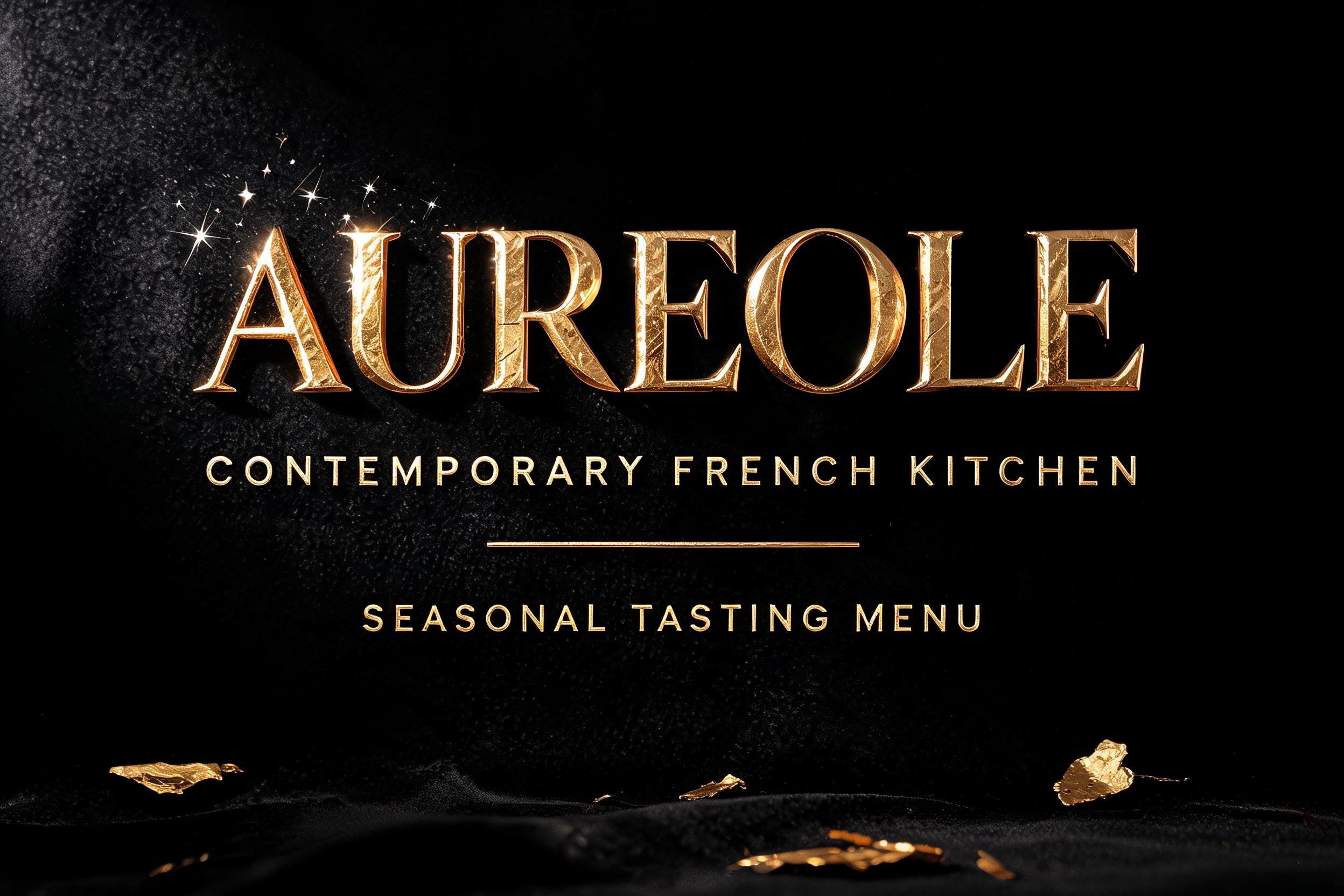
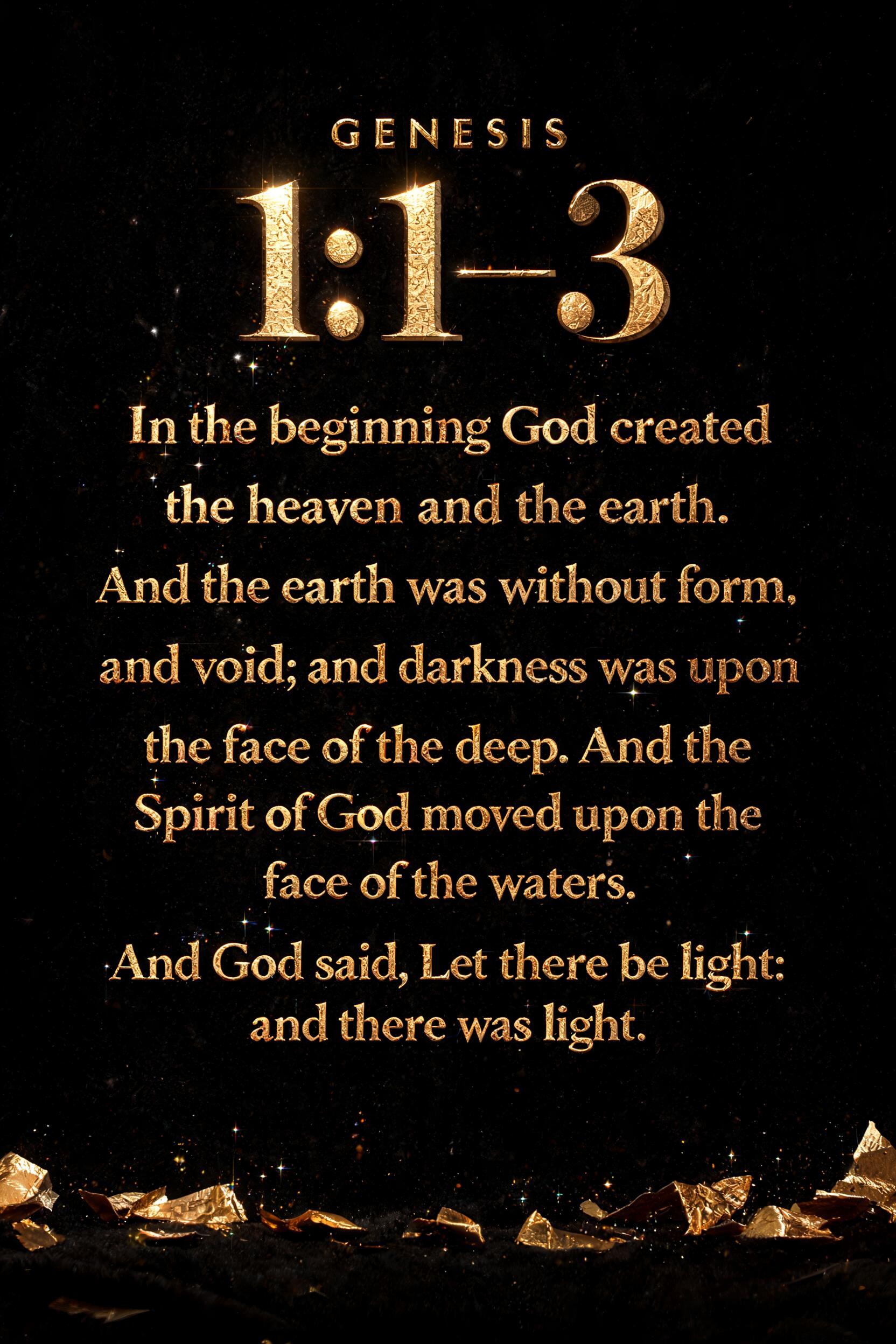
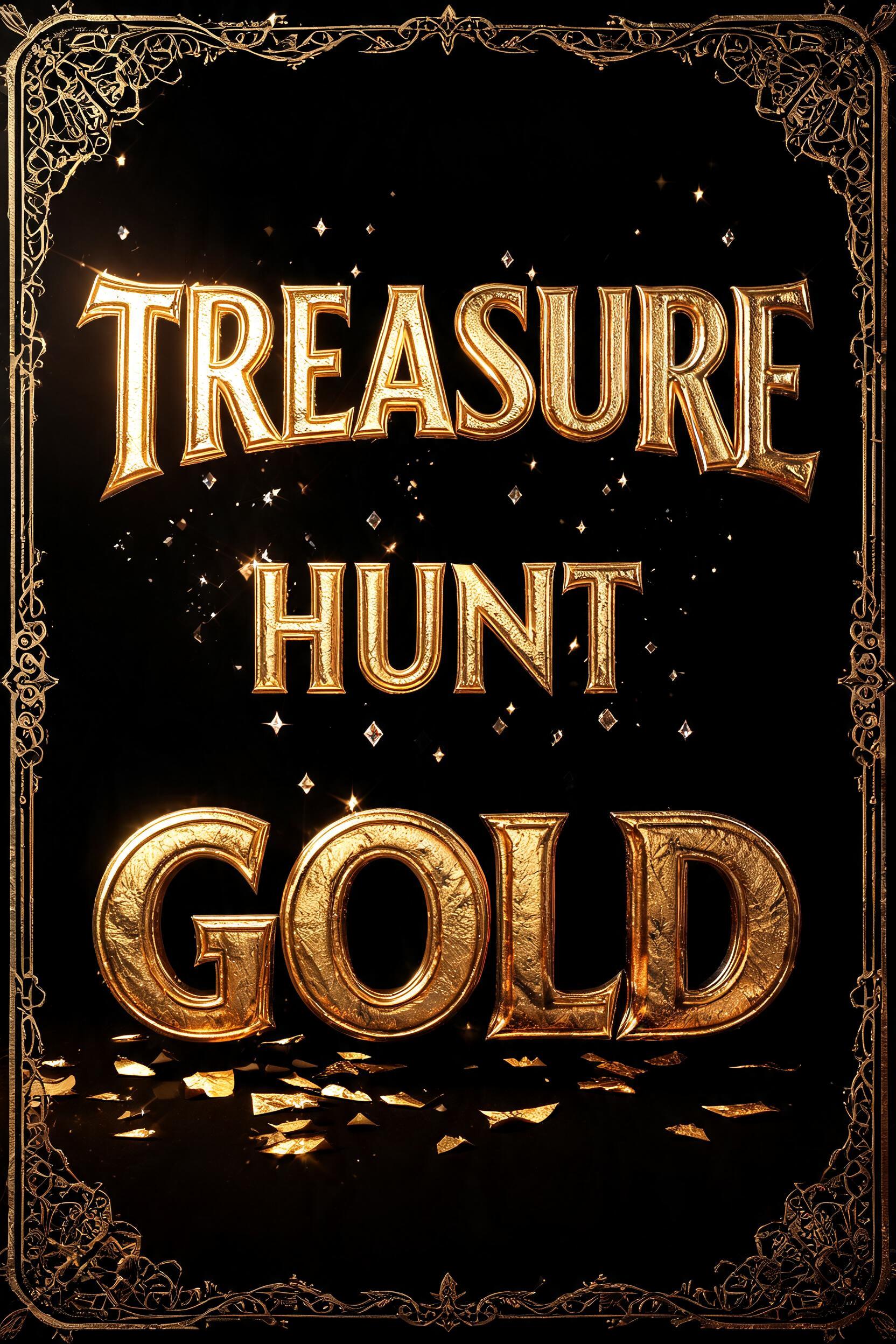
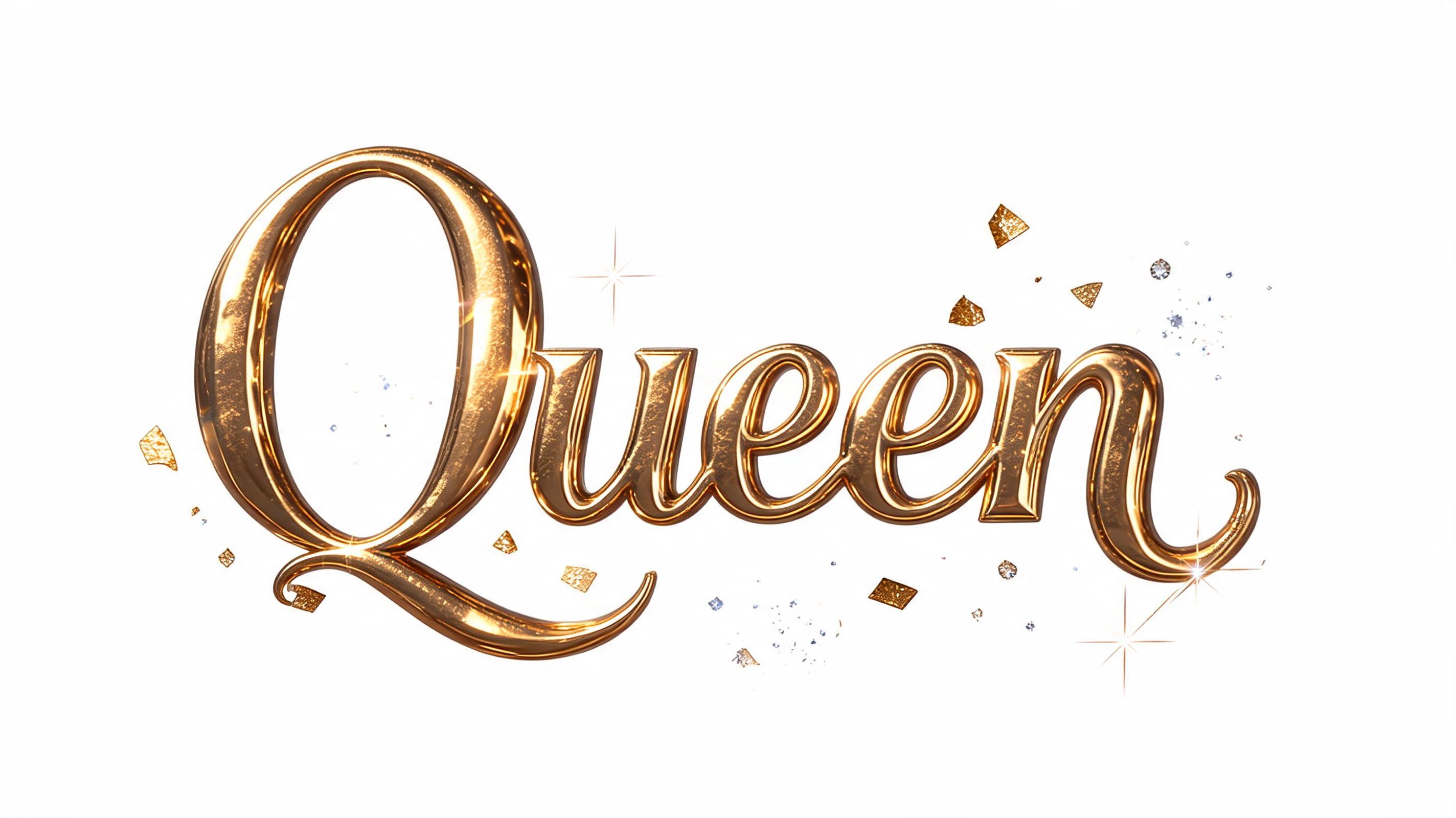
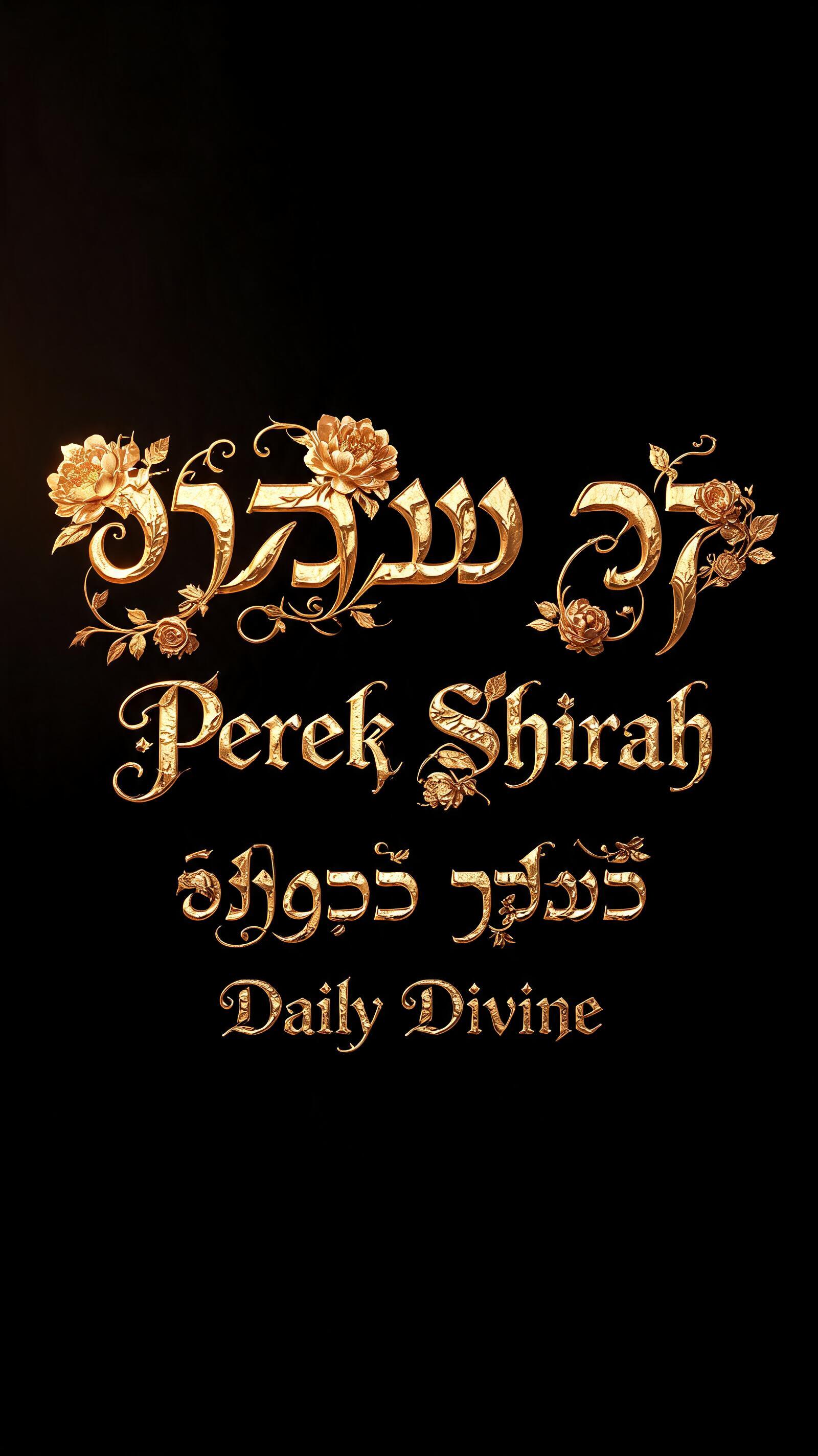
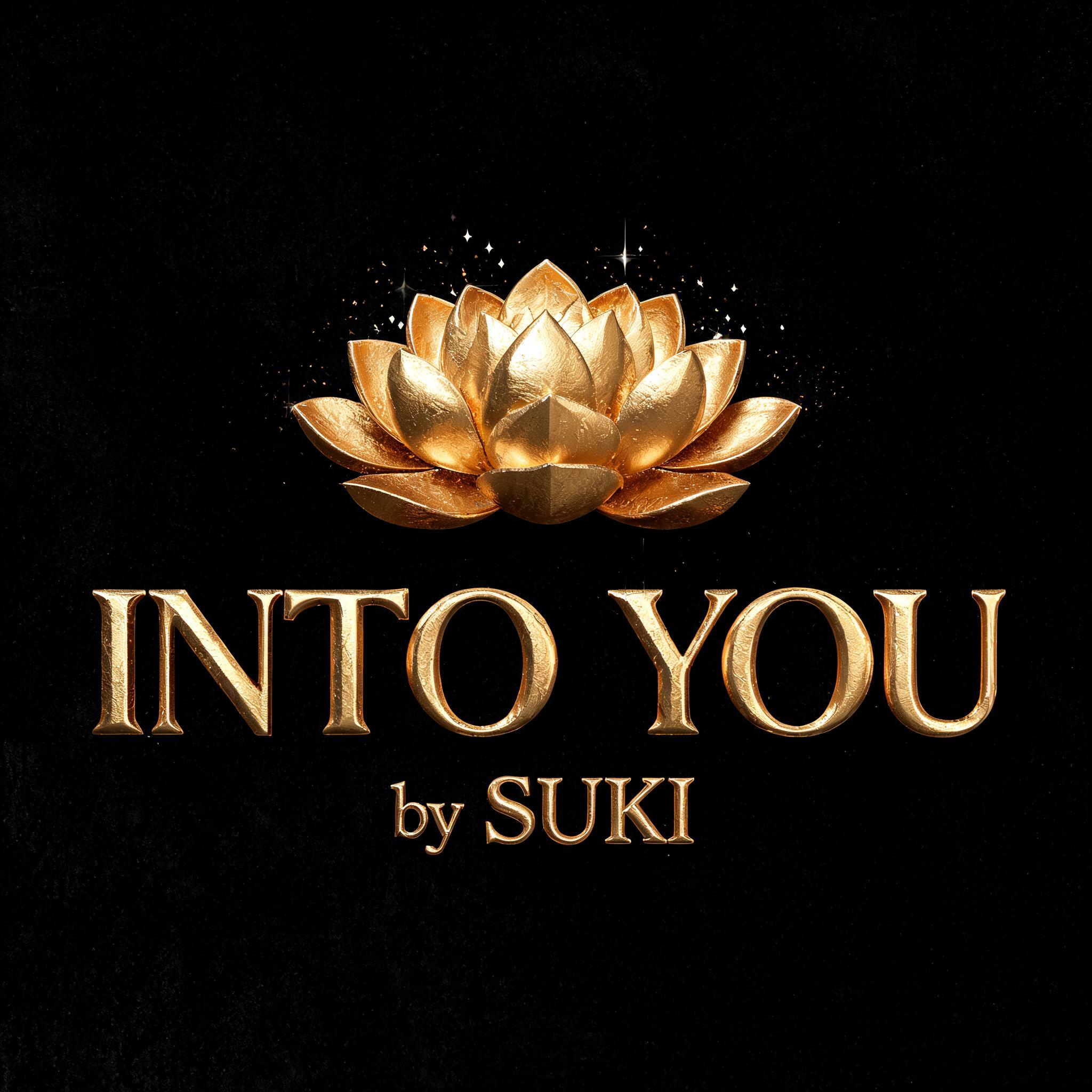
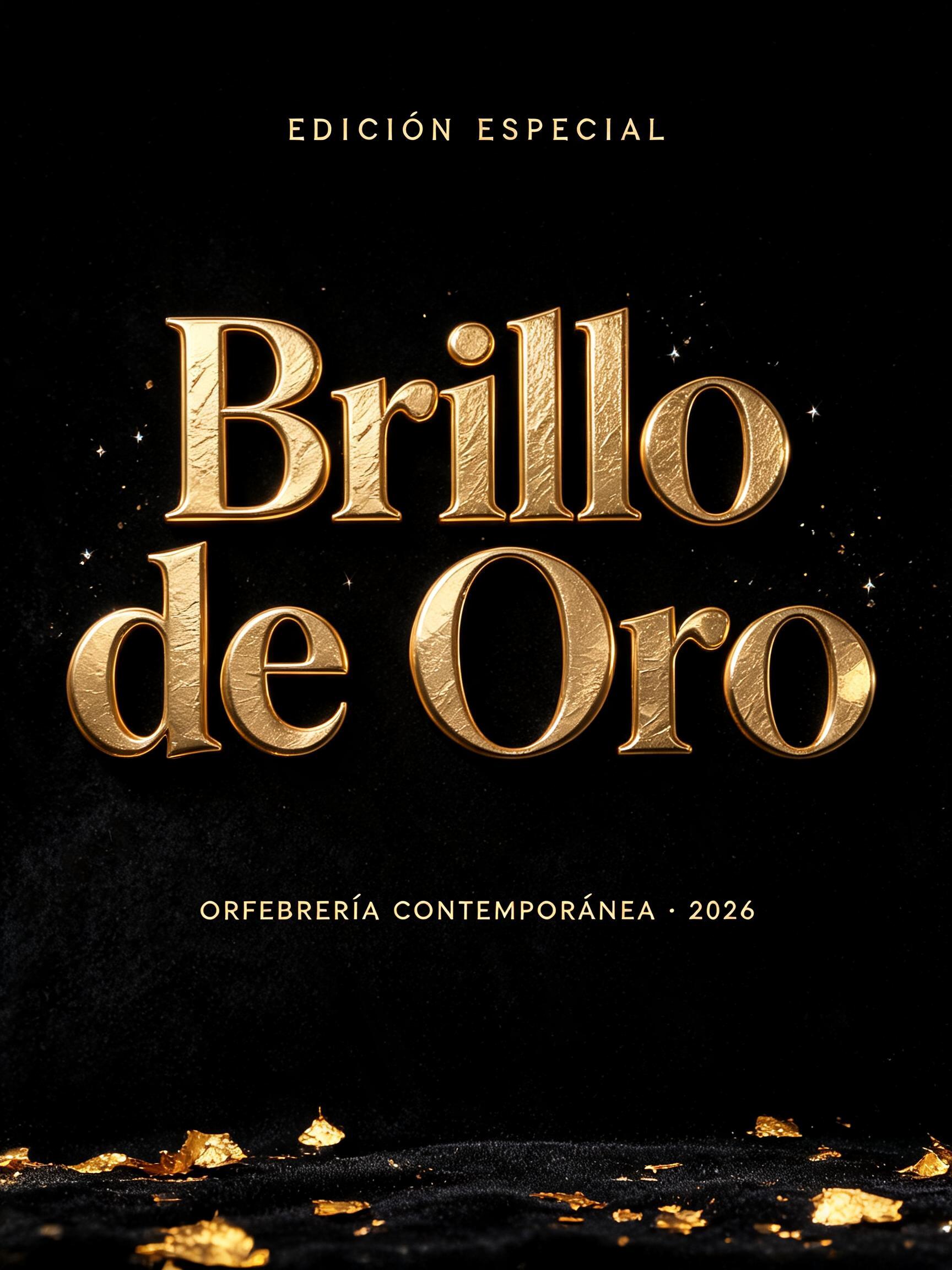
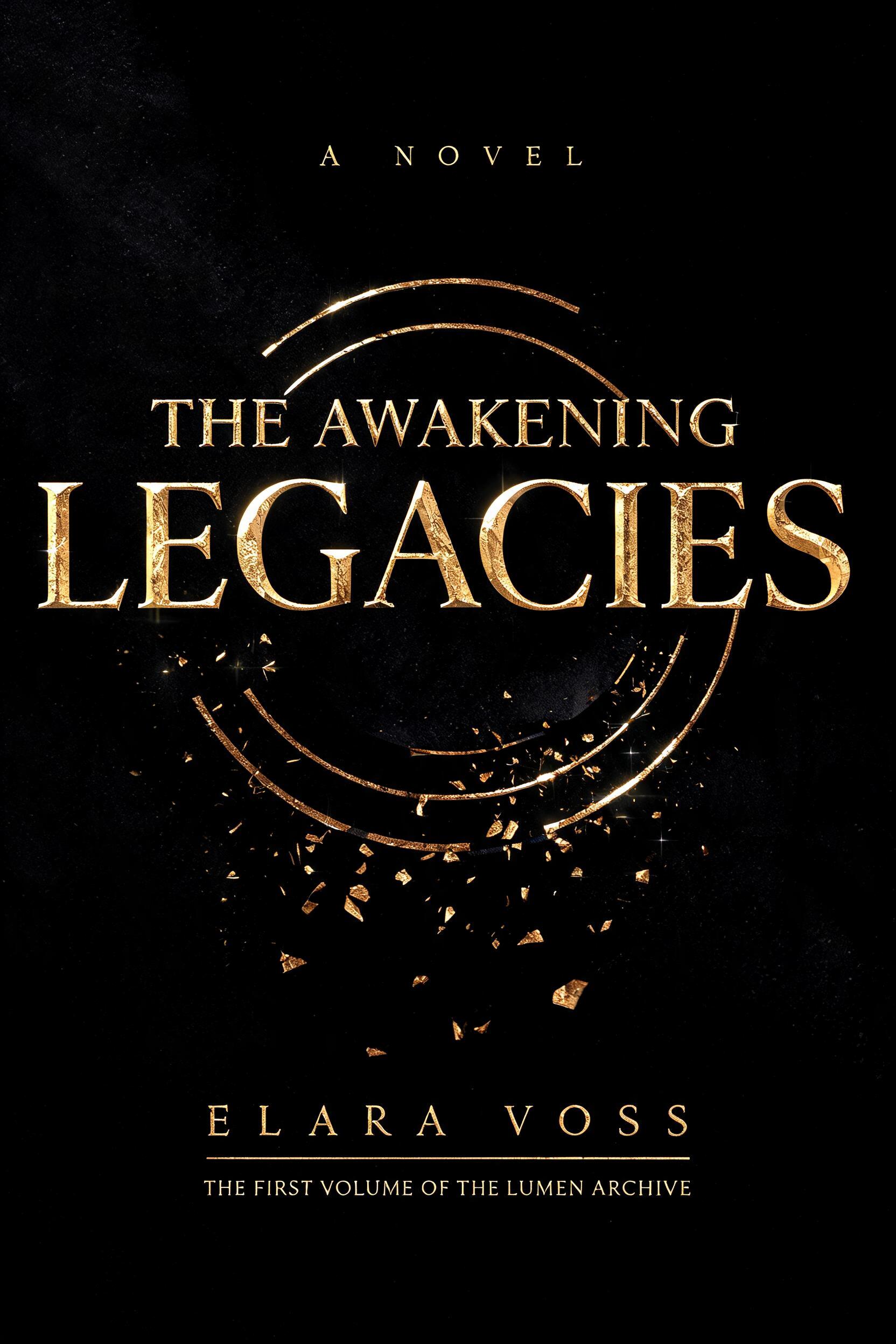
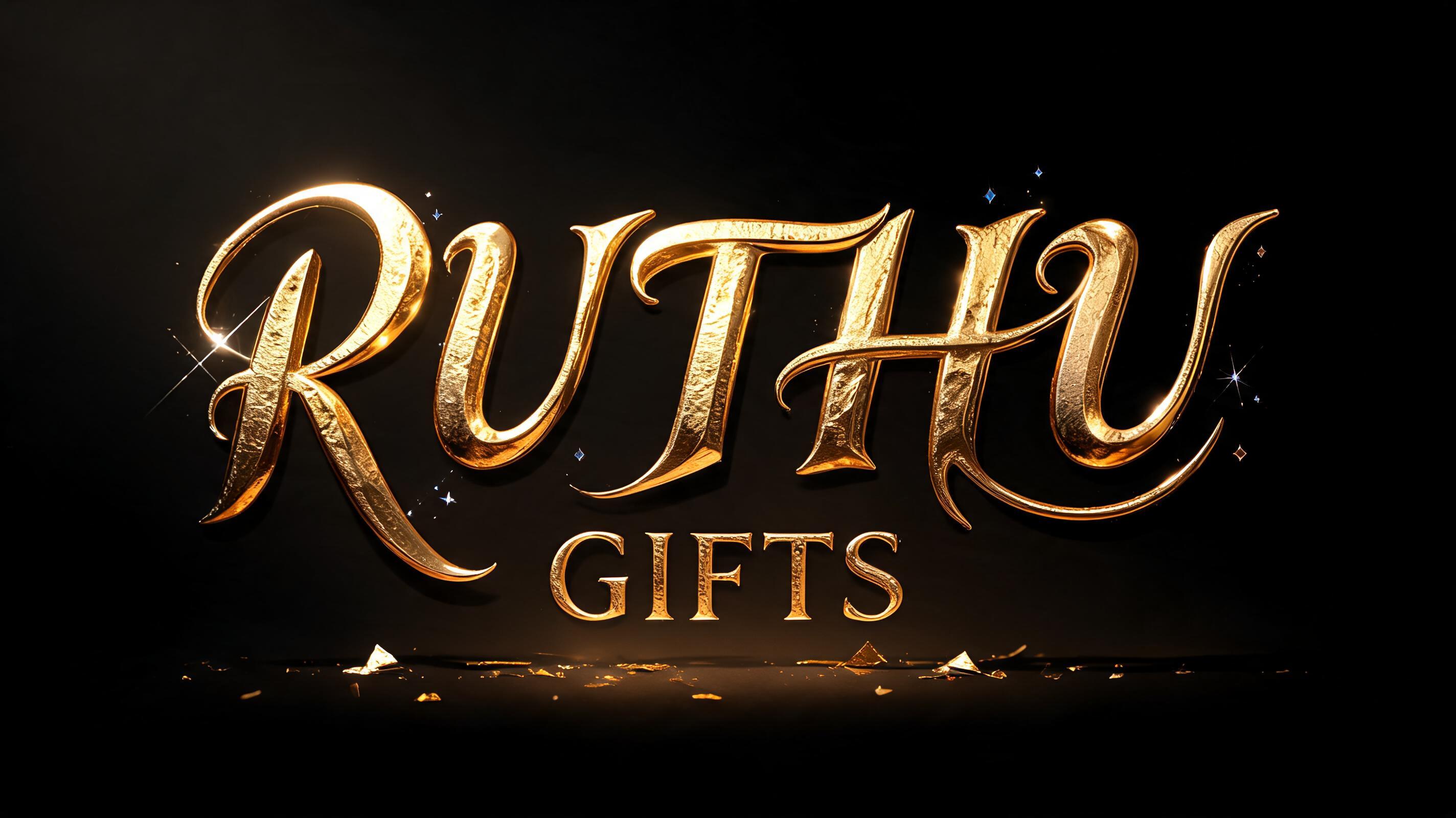
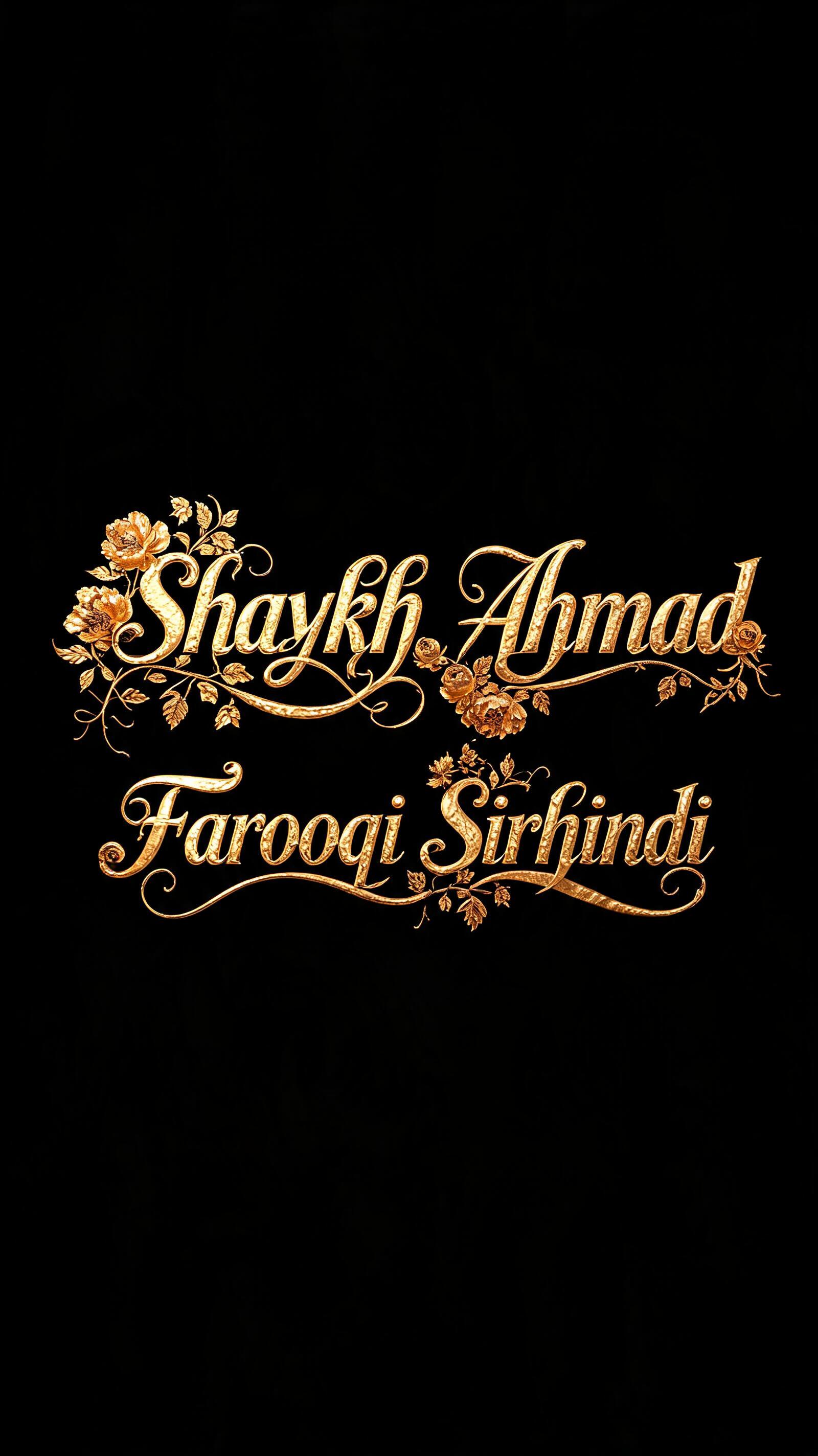
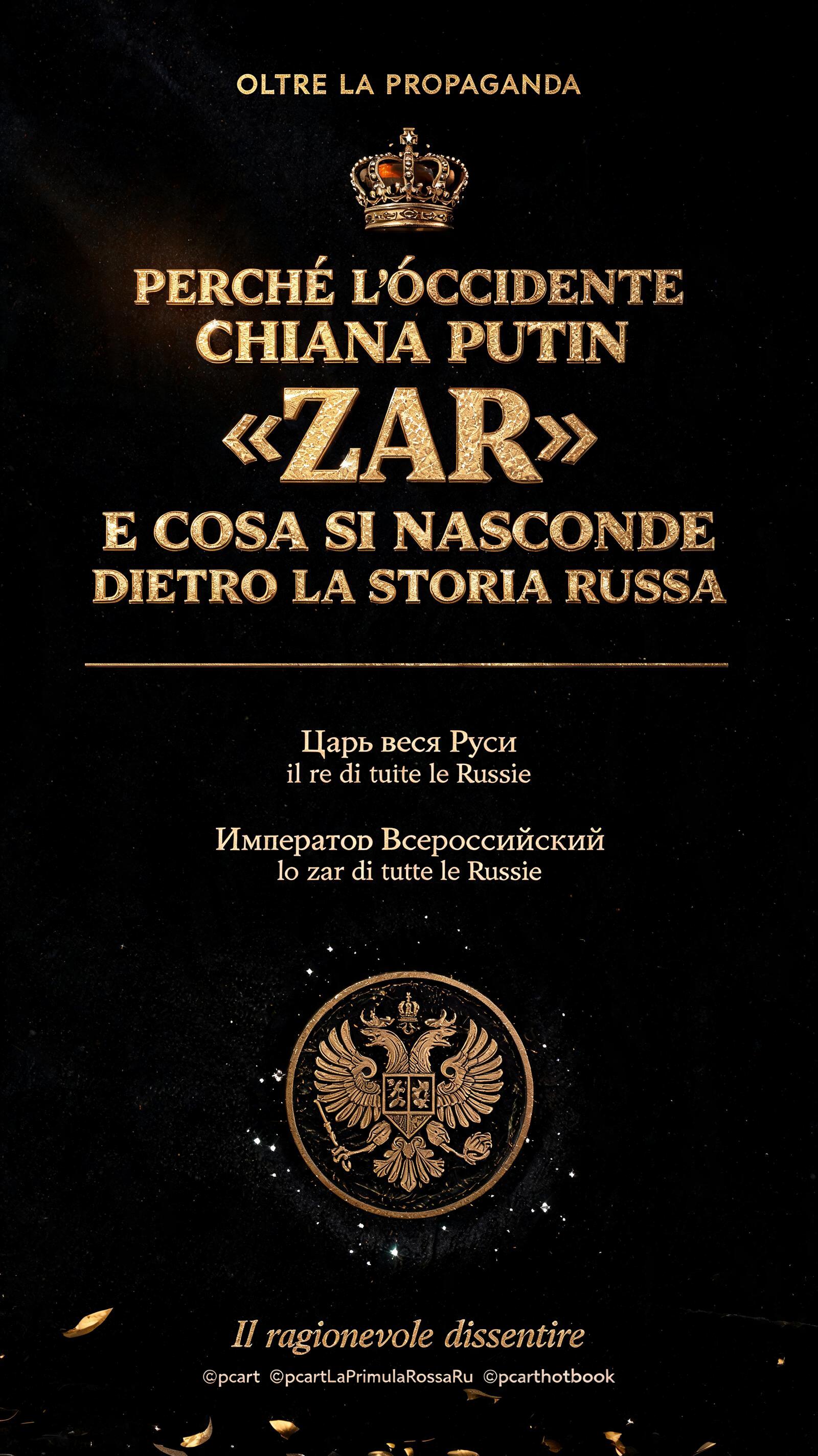
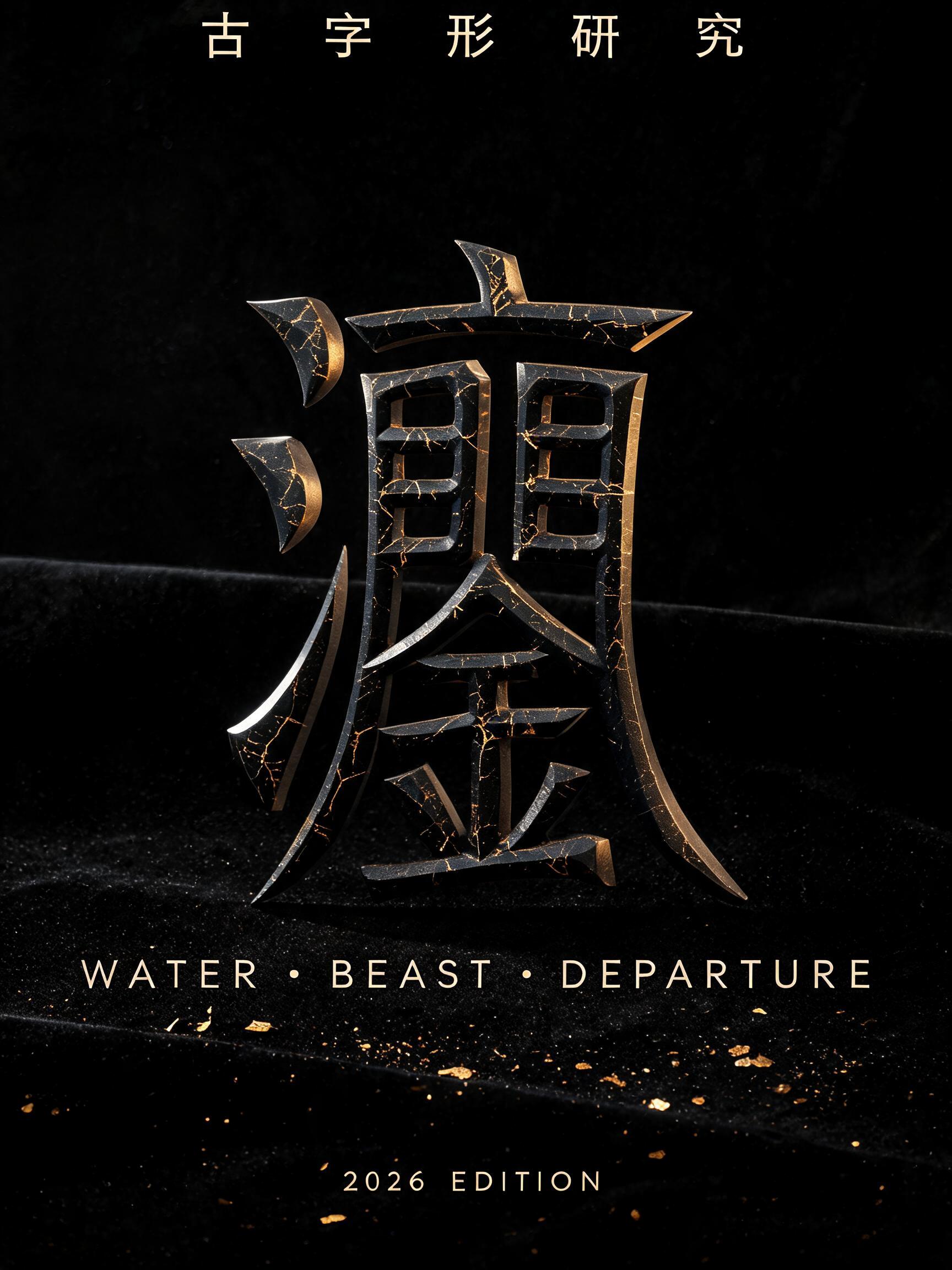
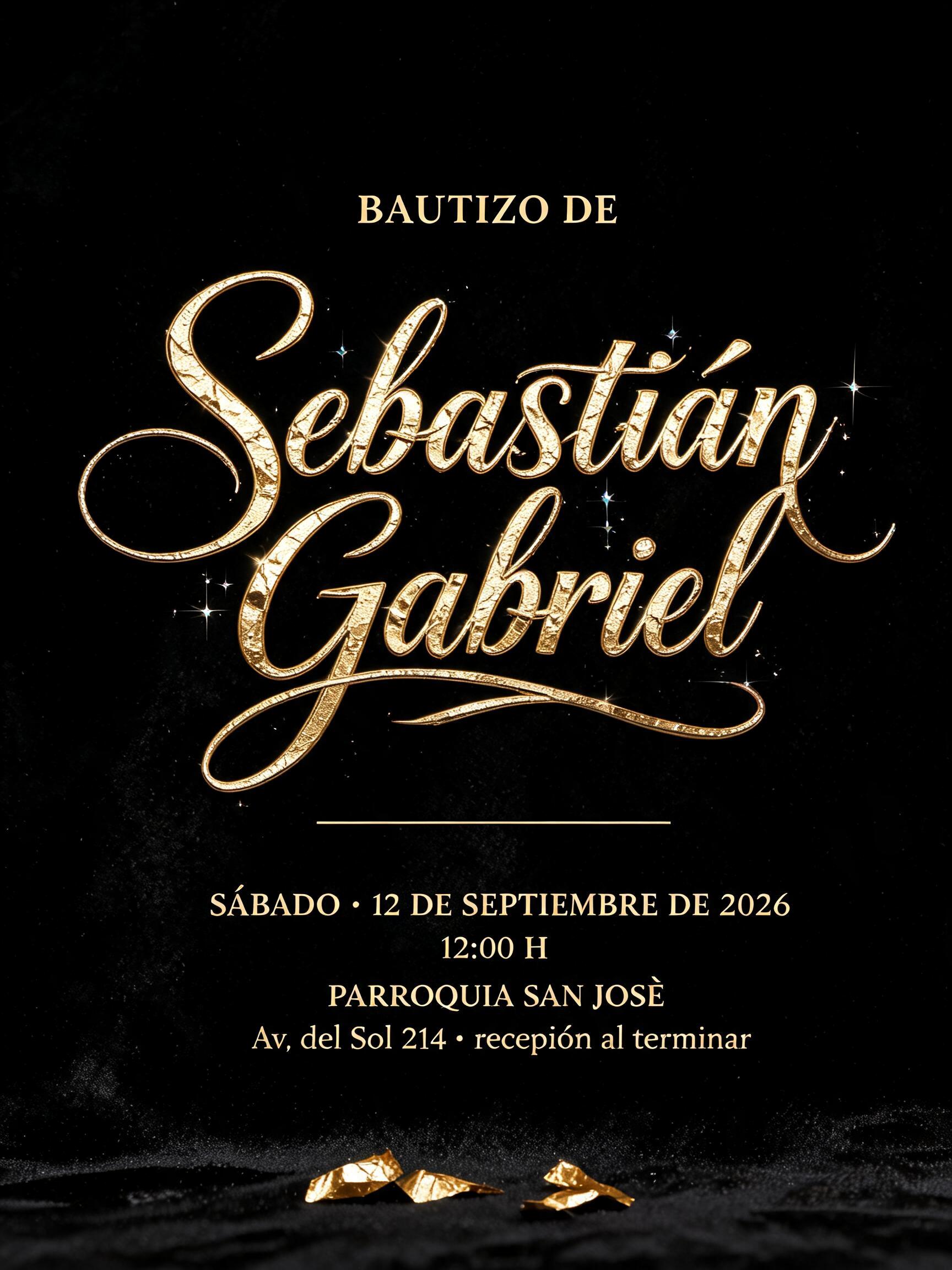
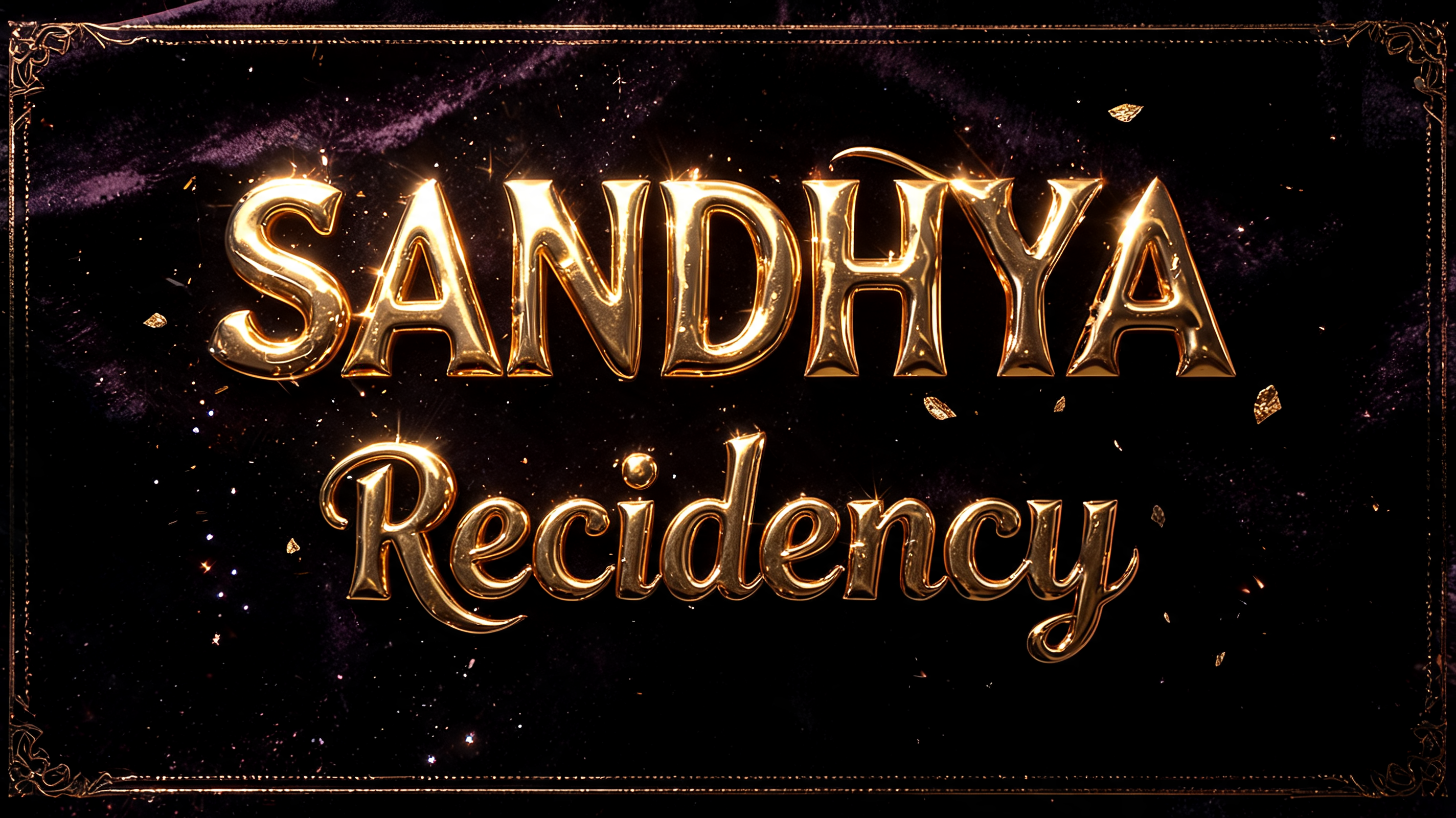
Heavy cast-gold capitals with a fine foil crinkle, deep amber shadows in the recesses and bright specular peaks, isolated on black under one spotlight. — no font license needed.
Luxury Gold in different AI fonts





Luxury Gold Gallery
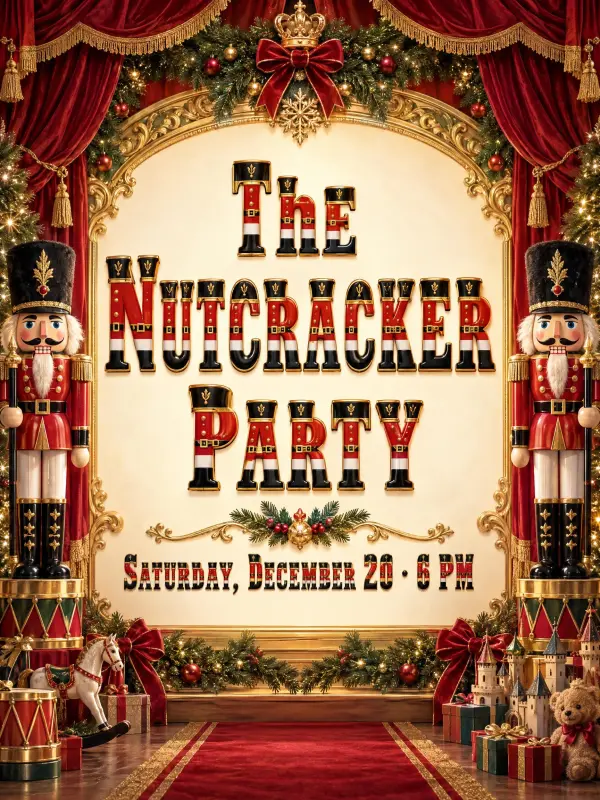
Real outputs from the Luxury Gold style. Click any image to see details.


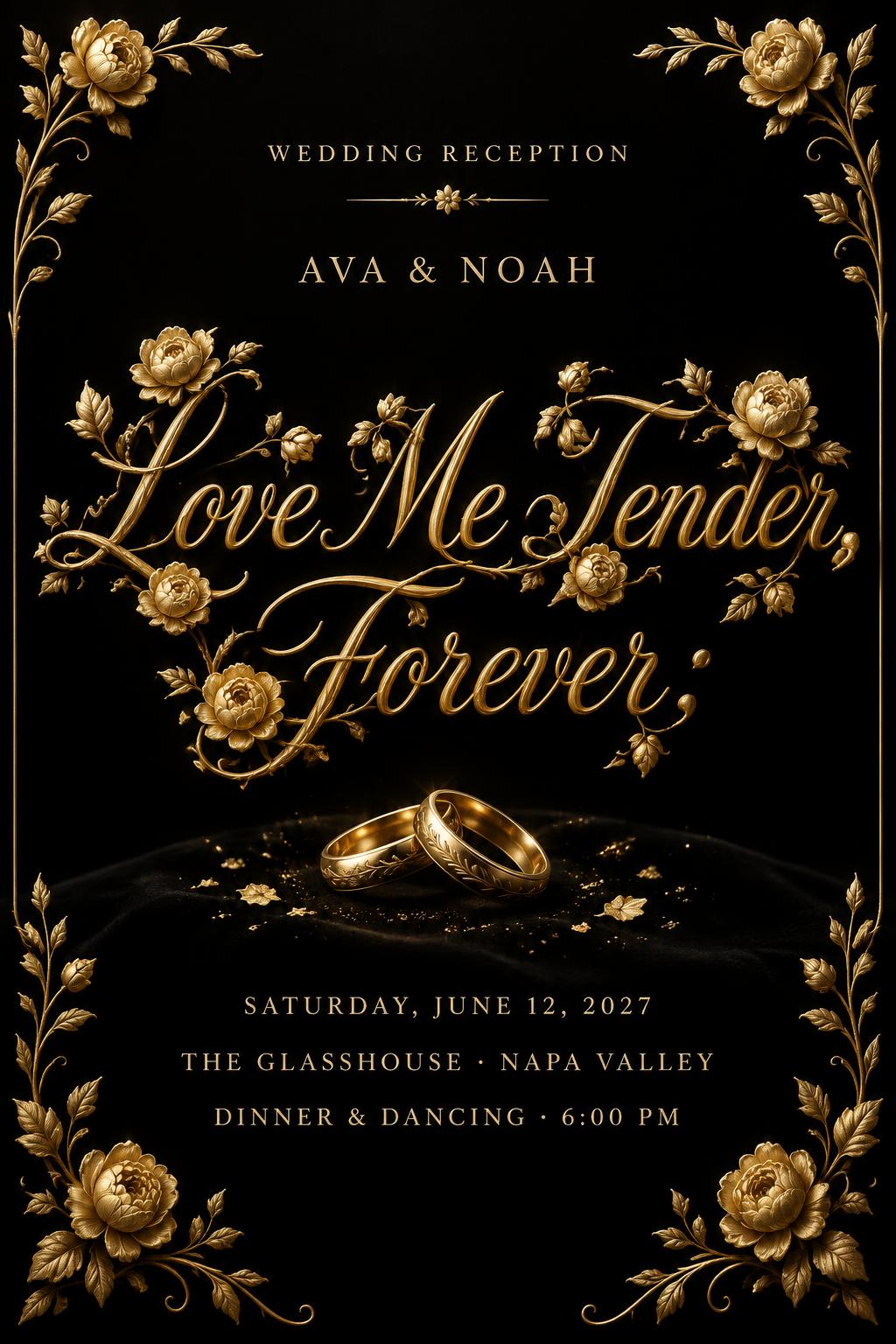
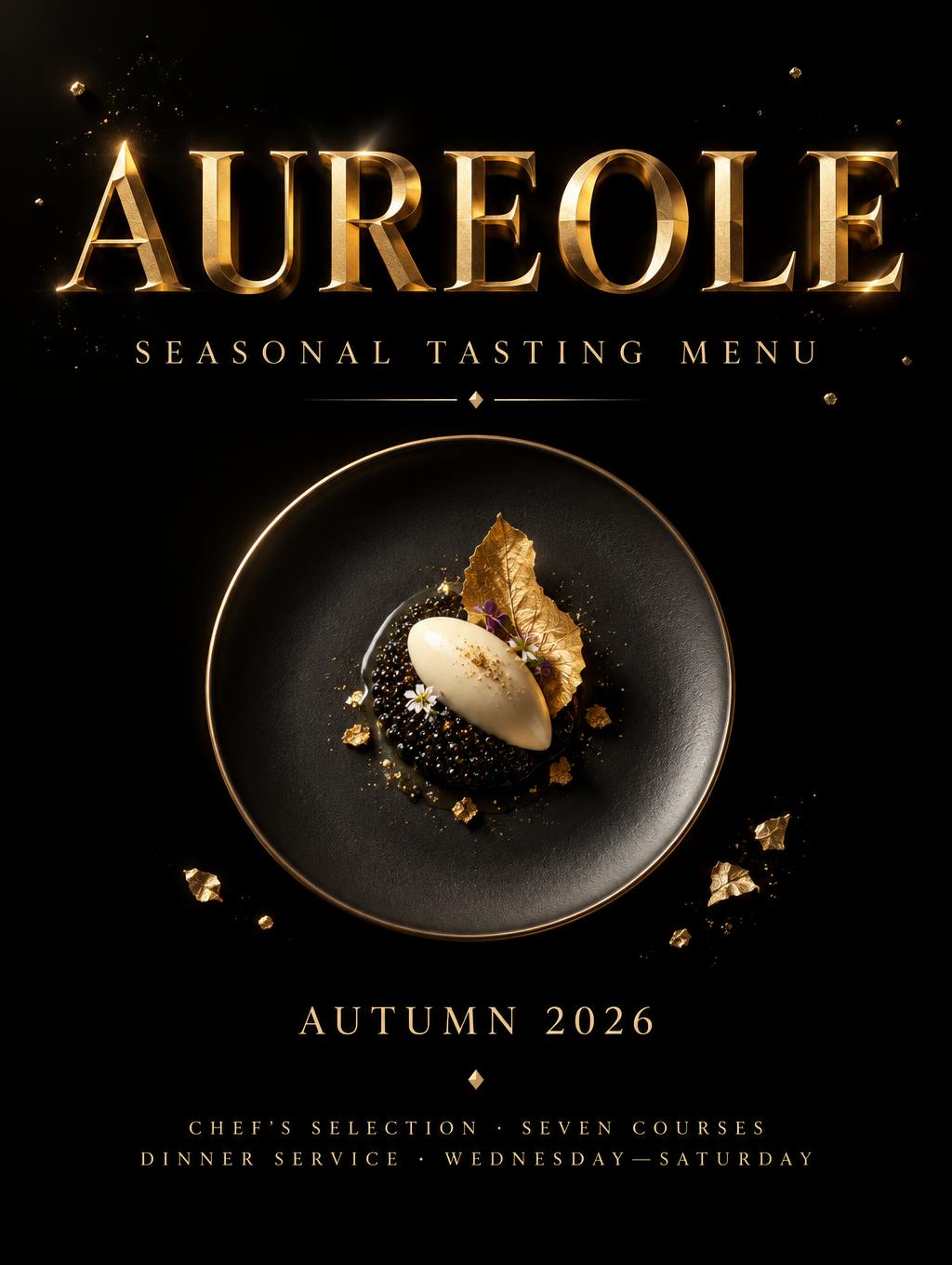
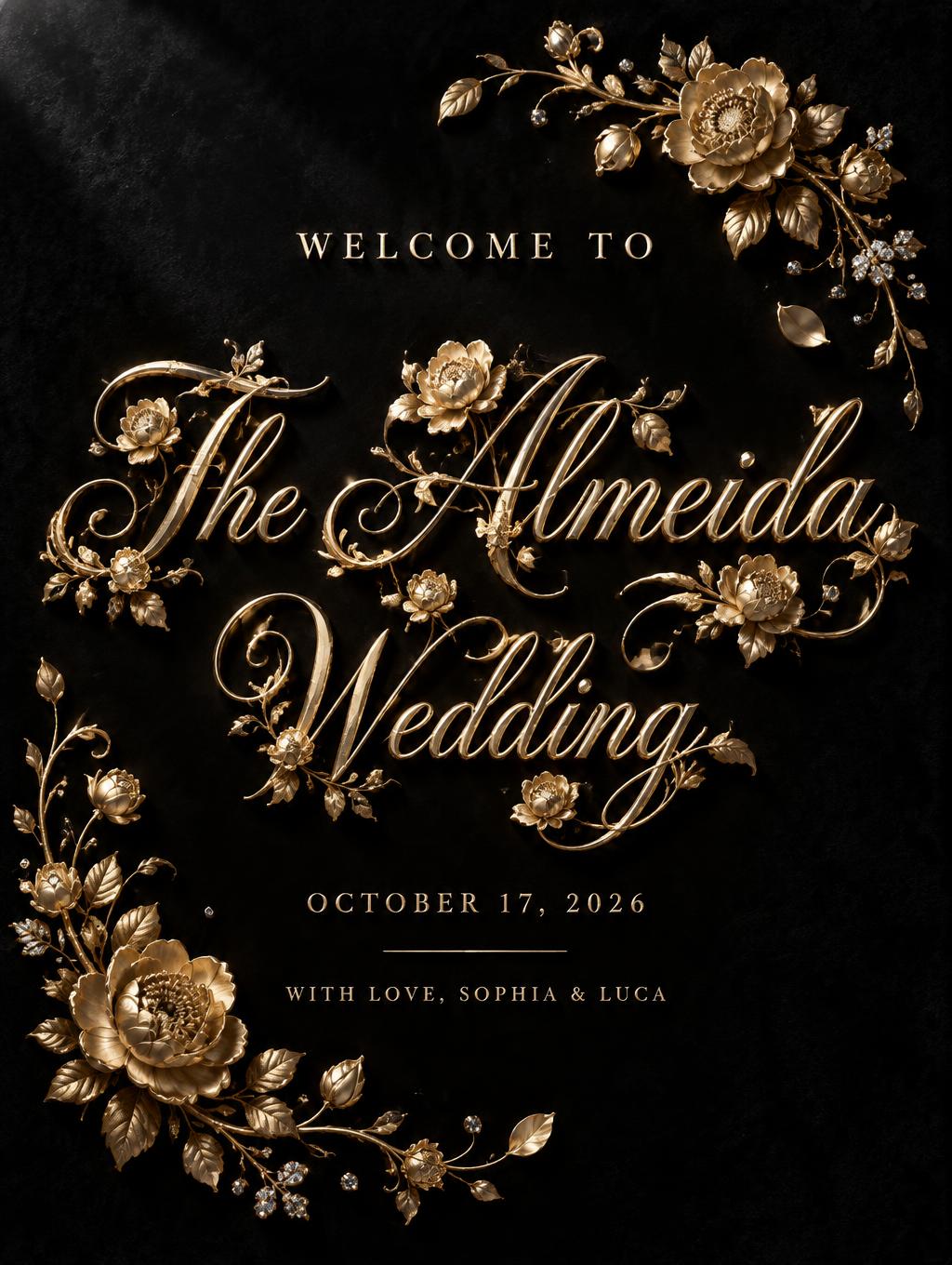
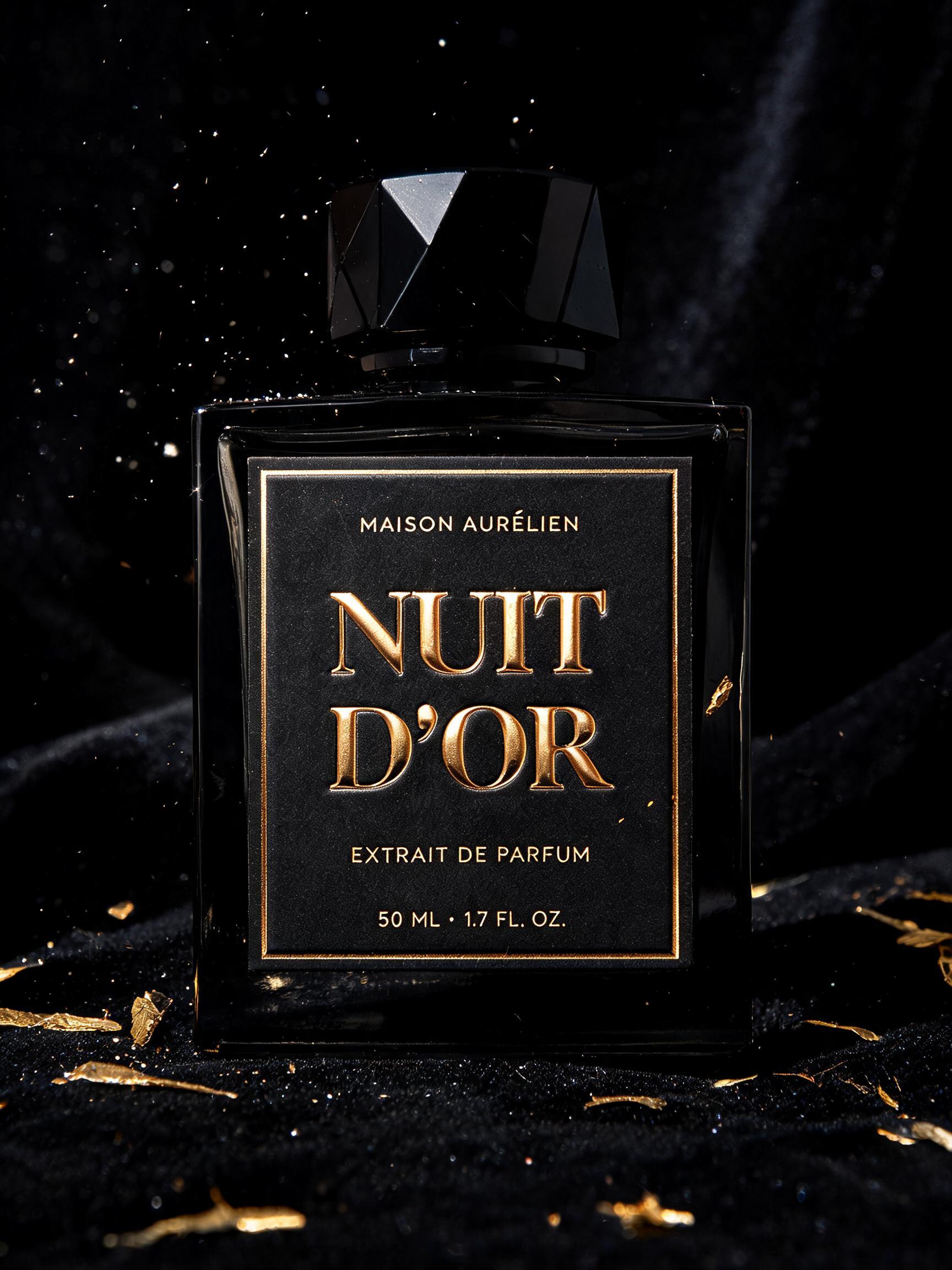






Looking for copy-paste fancy text? Try our free Font Generator Tools — cursive, gothic, bubble & 30+ styles.
Perfect for These Projects
Luxury Gold Text Effect — FAQ
What is the Luxury Gold Font Style?
The Luxury Gold font style is a distinctive AI-generated typography effect. Heavy cast-gold capitals with a fine foil crinkle, deep amber shadows in the recesses and bright specular peaks, isolated on black under one spotlight. Using FontVibe's AI luxury gold generator you can create stunning text effects in seconds — no Photoshop, no font licensing, no design experience needed.
Explore the Luxury Gold gallery for inspiration, or browse all 138+ AI text effect styles available on FontVibe.
How to Create Luxury Gold Typography in FontVibe Studio
The Story Behind Luxury Gold
History, visual DNA, and cultural context.
The Color of Value
Gold has functioned as the primary symbol of wealth, permanence, and divine favor in human cultures for at least 5,000 years — across ancient Egypt, Mesopotamia, Greece, Rome, pre-Columbian Americas, and virtually every major civilization simultaneously. This is unusual: most cultural symbols are local. Gold is nearly universal, and the reason is both practical and psychological.
Practically: gold does not tarnish, corrode, or decay. It does not react with oxygen at any temperature, so it keeps its appearance indefinitely without treatment. A gold object buried for 3,000 years looks the same as when it was buried. This permanence made it the logical material for representing divine objects, royal insignia, and anything meant to last beyond a human lifetime.
In typography, gold functions as the most direct available signal of premium value. The gilded letterforms of medieval manuscripts, the gold-stamped leather covers of luxury books, the gold foil on Champagne labels, the Oscar statuette's gold surface — all use the same visual shorthand: this material, and whatever it marks, is of exceptional value.
Sources: Wikipedia — Gold leaf · Wikipedia — Gold · Wikipedia — Illuminated manuscript · Wikipedia — Academy Award
The Visual DNA
Did You Know?
Medieval illuminated manuscripts used gold leaf laid over glue on the page, and from the 12th century it was usually burnished to a shine. The gold was a deliberate statement of the text's importance: scribes considered themselves to be praising God with their use of gold. Source ↗
Real gold lettering is older than the printing press: goldbeaters in ancient Egypt learned to hammer gold into leaf, and medieval European workshops had refined the craft by the 12th century — gold leaf laid over glue and burnished to a mirror shine, the same way gilded book edges and shop signs are still made. Source ↗
Create Your Luxury Gold Typography in Studio
Free to start. No design skills needed. Your artwork, your copyright.
AI Metallic Luxury Gold Text Effect Generator
Heavy cast-gold capitals with a fine foil crinkle, deep amber shadows in the recesses and bright specular peaks, isolated on black under one spotlight. — no font license needed.
Luxury Gold in different AI fonts
Generate Your Luxury Gold Text Effect
Type any word — see it transformed in seconds. No sign-up required.
Luxury Gold Style Gallery
Real outputs from the Luxury Gold style. Click any image to see details.
















Similar Text Effect Styles
Try these styles and create your own AI-generated text effects.
Looking for copy-paste fancy text? Try our free Font Generator Tools — cursive, gothic, bubble & 30+ styles.
Perfect for These Projects
Luxury Gold text effects are popular for creative projects where visual impact matters.
What is the Luxury Gold Font Style?
The Luxury Gold font style is a distinctive AI-generated typography effect. Heavy cast-gold capitals with a fine foil crinkle, deep amber shadows in the recesses and bright specular peaks, isolated on black under one spotlight.
Using FontVibe's AI luxury gold generator you can create stunning text effects in seconds — no Photoshop, no font licensing, no design experience needed.
Explore the Luxury Gold gallery for inspiration, or browse all 138+ AI text effect styles available on FontVibe.
How to Create Luxury Gold Typography in FontVibe Studio
1. Enter your text — Any word, phrase, or brand name. Works best with short, punchy text.
2. Select Luxury Gold — From the style library. Optionally describe a mood in the custom prompt.
3. Generate and download. Your Luxury Gold font artwork is ready in seconds. PNG, JPG, or transparent PNG.
Looking for something different? Browse the full font style library for more AI typography options.
Luxury Gold Text Effect — FAQ
The Story Behind Luxury Gold
History, visual DNA, and cultural context — everything that makes this style what it is.
The Color of Value
Gold has functioned as the primary symbol of wealth, permanence, and divine favor in human cultures for at least 5,000 years — across ancient Egypt, Mesopotamia, Greece, Rome, pre-Columbian Americas, and virtually every major civilization simultaneously. This is unusual: most cultural symbols are local. Gold is nearly universal, and the reason is both practical and psychological.
Practically: gold does not tarnish, corrode, or decay. It does not react with oxygen at any temperature, so it keeps its appearance indefinitely without treatment. A gold object buried for 3,000 years looks the same as when it was buried. This permanence made it the logical material for representing divine objects, royal insignia, and anything meant to last beyond a human lifetime.
In typography, gold functions as the most direct available signal of premium value. The gilded letterforms of medieval manuscripts, the gold-stamped leather covers of luxury books, the gold foil on Champagne labels, the Oscar statuette's gold surface — all use the same visual shorthand: this material, and whatever it marks, is of exceptional value.
Sources: Wikipedia — Gold leaf · Wikipedia — Gold · Wikipedia — Illuminated manuscript · Wikipedia — Academy Award
The Visual DNA
Did You Know?
Medieval illuminated manuscripts used gold leaf laid over glue on the page, and from the 12th century it was usually burnished to a shine. The gold was a deliberate statement of the text's importance: scribes considered themselves to be praising God with their use of gold. Source ↗
Real gold lettering is older than the printing press: goldbeaters in ancient Egypt learned to hammer gold into leaf, and medieval European workshops had refined the craft by the 12th century — gold leaf laid over glue and burnished to a mirror shine, the same way gilded book edges and shop signs are still made. Source ↗