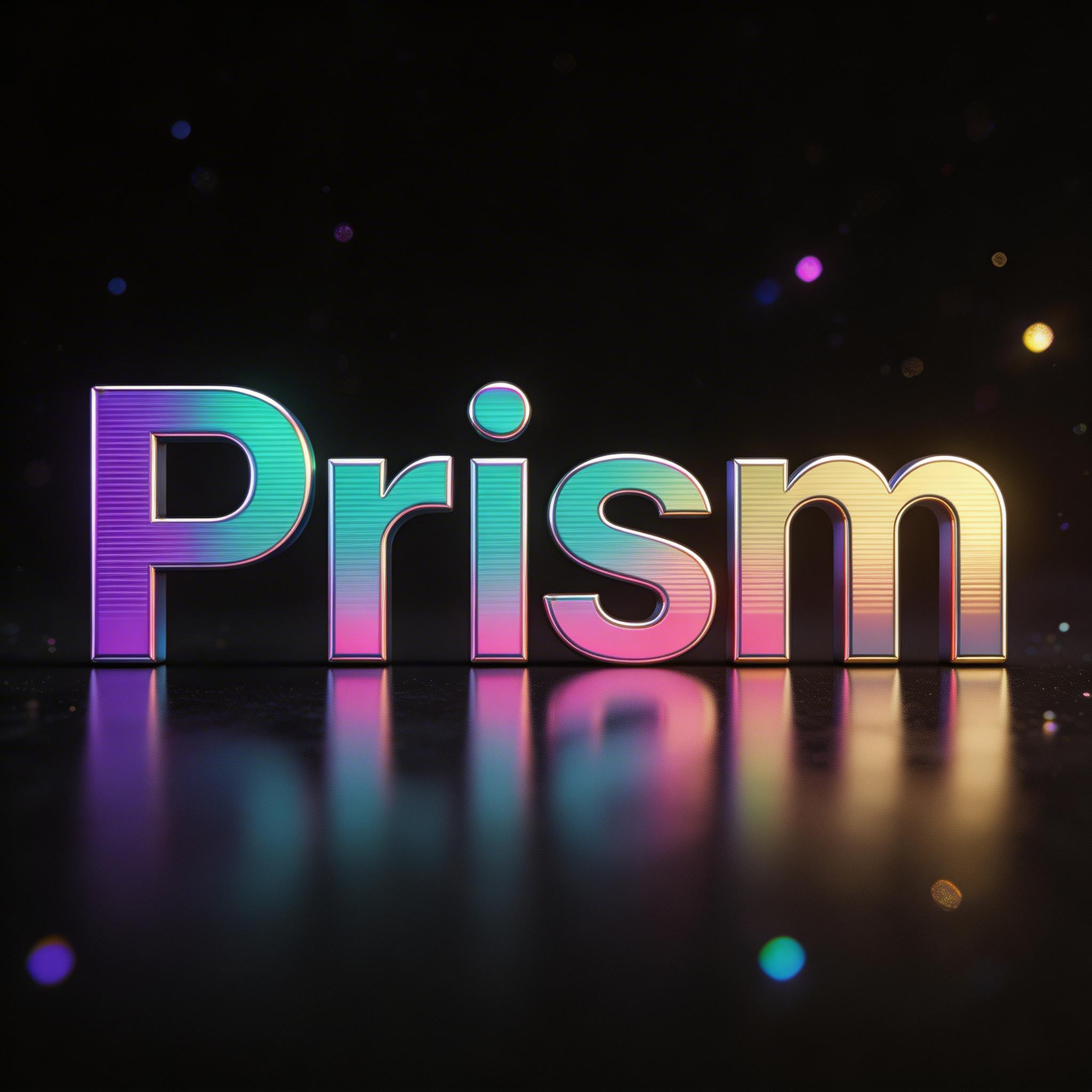
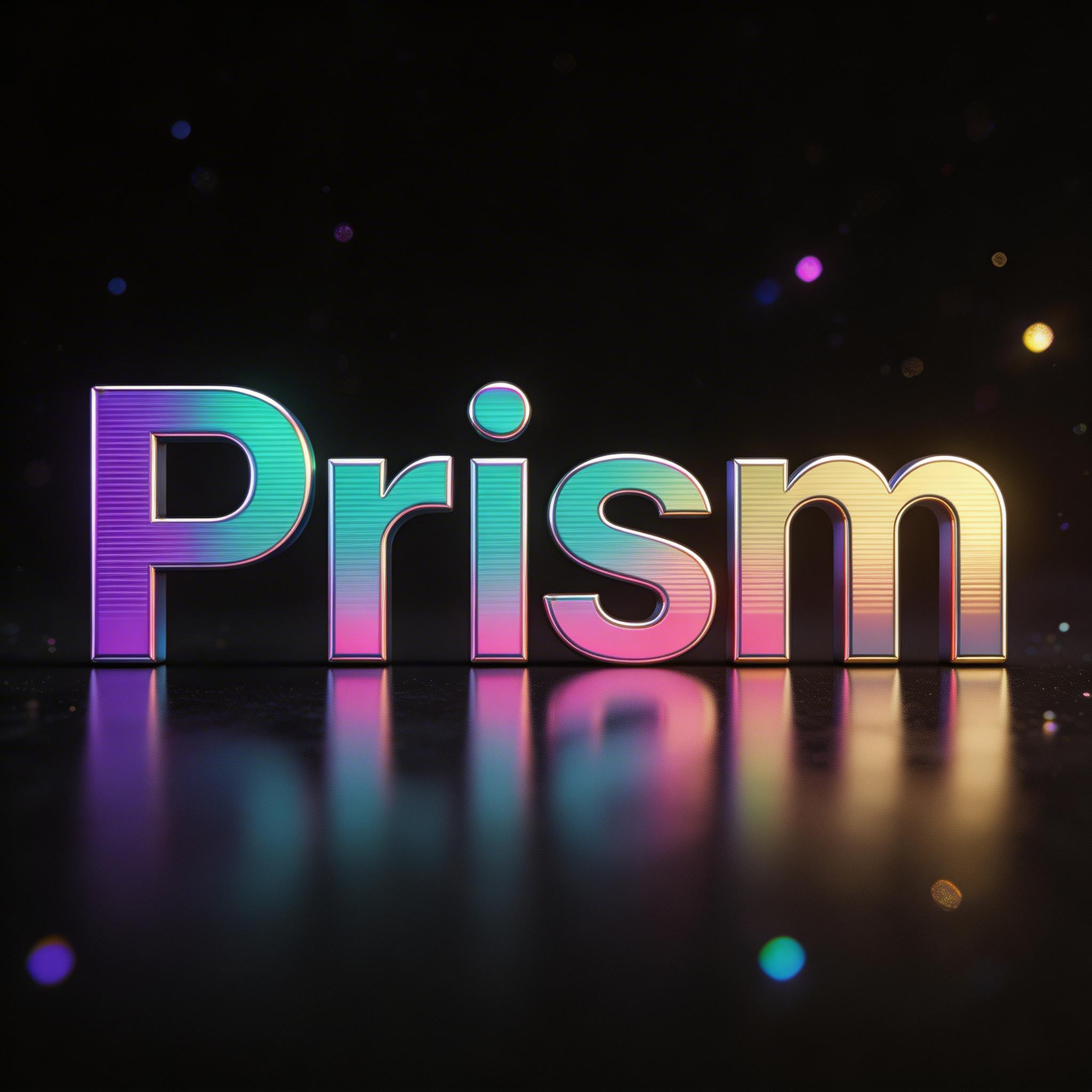


AI Holographic Text Effect Generator
Iridescent rainbow foil effect, shifting prismatic colors and light. — no font license needed.


Holographic Gallery
Real outputs from the Holographic style. Click any image to see details.


Looking for copy-paste fancy text? Try our free Font Generator Tools — cursive, gothic, bubble & 30+ styles.
Perfect for These Projects
Holographic Text Effect — FAQ
What is the Holographic Font Style?
The Holographic font style is a distinctive AI-generated typography effect. Iridescent rainbow foil effect, shifting prismatic colors and light. Using FontVibe's AI holographic generator you can create stunning text effects in seconds — no Photoshop, no font licensing, no design experience needed.
Explore the Holographic gallery for inspiration, or browse all 124+ AI text effect styles available on FontVibe.
How to Create Holographic Typography in FontVibe Studio
The Story Behind Holographic
History, visual DNA, and cultural context.
Real and Fictional Holograms Both Apply
Actual holography — the recording of light field information on photographic media to produce three-dimensional images — was invented by Dennis Gabor in 1947, work for which he received the Nobel Prize in Physics in 1971. Real holograms are physically distinct from any other image technology: they contain parallax information, meaning you can look around objects by moving your head.\n\nThe holographic aesthetic in design is only partly based on real holograms. It draws equally from the science fiction imaginary — the Star Wars message projected by R2-D2, the Minority Report interface, Blade Runner street advertisements — which developed visual conventions (cyan glow, translucency, scan lines, projection noise) that have no basis in how physical holograms actually look. Physical holograms are typically monochromatic; science fiction holograms are cyan and iridescent.\n\nThe contemporary holographic aesthetic in design — the rainbow oil-slick iridescence on credit cards and high-fashion packaging — is a third, separate thing: the color diffraction pattern of rainbow foil used for security features. This material, used to prevent counterfeiting, became a luxury signal precisely because of its technical complexity and shifting visual character.
The Visual DNA
Did You Know?
The holographic security foil on credit cards, introduced by MasterCard and Visa in the late 1980s as an anti-counterfeiting measure, became one of the most widely produced holographic items in history — billions of cards, each with a precisely manufactured diffraction grating. The technology meant to prevent fraud became a premium aesthetic signal for fashion and packaging in the 2010s.
The Princess Leia hologram in Star Wars (1977) was technically an optical effect created by filming Carrie Fisher against a blue backdrop and compositing the footage as a translucent overlay. The hologram look it established (blue tint, visible scan lines, translucency) has remained the cultural reference point for holographic projection for nearly 50 years, despite having no basis in how actual holography works.
Holography was invented in 1947 by physicist Dennis Gabor, who won the 1971 Nobel Prize in Physics for it — decades before lasers made holograms practical to record.
The shimmering holograms on credit cards and banknotes descend from the rainbow (white-light) hologram invented by Stephen Benton in 1968, which let a hologram be viewed without a laser.
Create Your Holographic Typography in Studio
Free to start. No design skills needed. Your artwork, your copyright.
AI Holographic Text Effect Generator
Generate Your Holographic Text Effect
Type any word — see it transformed in seconds. No sign-up required.
Holographic Style Gallery
Real outputs from the Holographic style. Click any image to see details.


Similar Text Effect Styles
Try these styles and create your own AI-generated text effects.
Looking for copy-paste fancy text? Try our free Font Generator Tools — cursive, gothic, bubble & 30+ styles.
Perfect for These Projects
Holographic text effects are popular for creative projects where visual impact matters.
What is the Holographic Font Style?
The Holographic font style is a distinctive AI-generated typography effect. Iridescent rainbow foil effect, shifting prismatic colors and light.
Using FontVibe's AI holographic generator you can create stunning text effects in seconds — no Photoshop, no font licensing, no design experience needed.
Explore the Holographic gallery for inspiration, or browse all 124+ AI text effect styles available on FontVibe.
How to Create Holographic Typography in FontVibe Studio
1. Enter your text — Any word, phrase, or brand name. Works best with short, punchy text.
2. Select Holographic — From the style library. Optionally describe a mood in the custom prompt.
3. Generate and download. Your Holographic font artwork is ready in seconds. PNG, JPG, or transparent PNG.
Looking for something different? Browse the full font style library for more AI typography options.
Holographic Text Effect — FAQ
The Story Behind Holographic
History, visual DNA, and cultural context — everything that makes this style what it is.
Real and Fictional Holograms Both Apply
Actual holography — the recording of light field information on photographic media to produce three-dimensional images — was invented by Dennis Gabor in 1947, work for which he received the Nobel Prize in Physics in 1971. Real holograms are physically distinct from any other image technology: they contain parallax information, meaning you can look around objects by moving your head.\n\nThe holographic aesthetic in design is only partly based on real holograms. It draws equally from the science fiction imaginary — the Star Wars message projected by R2-D2, the Minority Report interface, Blade Runner street advertisements — which developed visual conventions (cyan glow, translucency, scan lines, projection noise) that have no basis in how physical holograms actually look. Physical holograms are typically monochromatic; science fiction holograms are cyan and iridescent.\n\nThe contemporary holographic aesthetic in design — the rainbow oil-slick iridescence on credit cards and high-fashion packaging — is a third, separate thing: the color diffraction pattern of rainbow foil used for security features. This material, used to prevent counterfeiting, became a luxury signal precisely because of its technical complexity and shifting visual character.
The Visual DNA
Did You Know?
The holographic security foil on credit cards, introduced by MasterCard and Visa in the late 1980s as an anti-counterfeiting measure, became one of the most widely produced holographic items in history — billions of cards, each with a precisely manufactured diffraction grating. The technology meant to prevent fraud became a premium aesthetic signal for fashion and packaging in the 2010s.
The Princess Leia hologram in Star Wars (1977) was technically an optical effect created by filming Carrie Fisher against a blue backdrop and compositing the footage as a translucent overlay. The hologram look it established (blue tint, visible scan lines, translucency) has remained the cultural reference point for holographic projection for nearly 50 years, despite having no basis in how actual holography works.
Holography was invented in 1947 by physicist Dennis Gabor, who won the 1971 Nobel Prize in Physics for it — decades before lasers made holograms practical to record.
The shimmering holograms on credit cards and banknotes descend from the rainbow (white-light) hologram invented by Stephen Benton in 1968, which let a hologram be viewed without a laser.