


AI Psychedelic Text Effect Generator
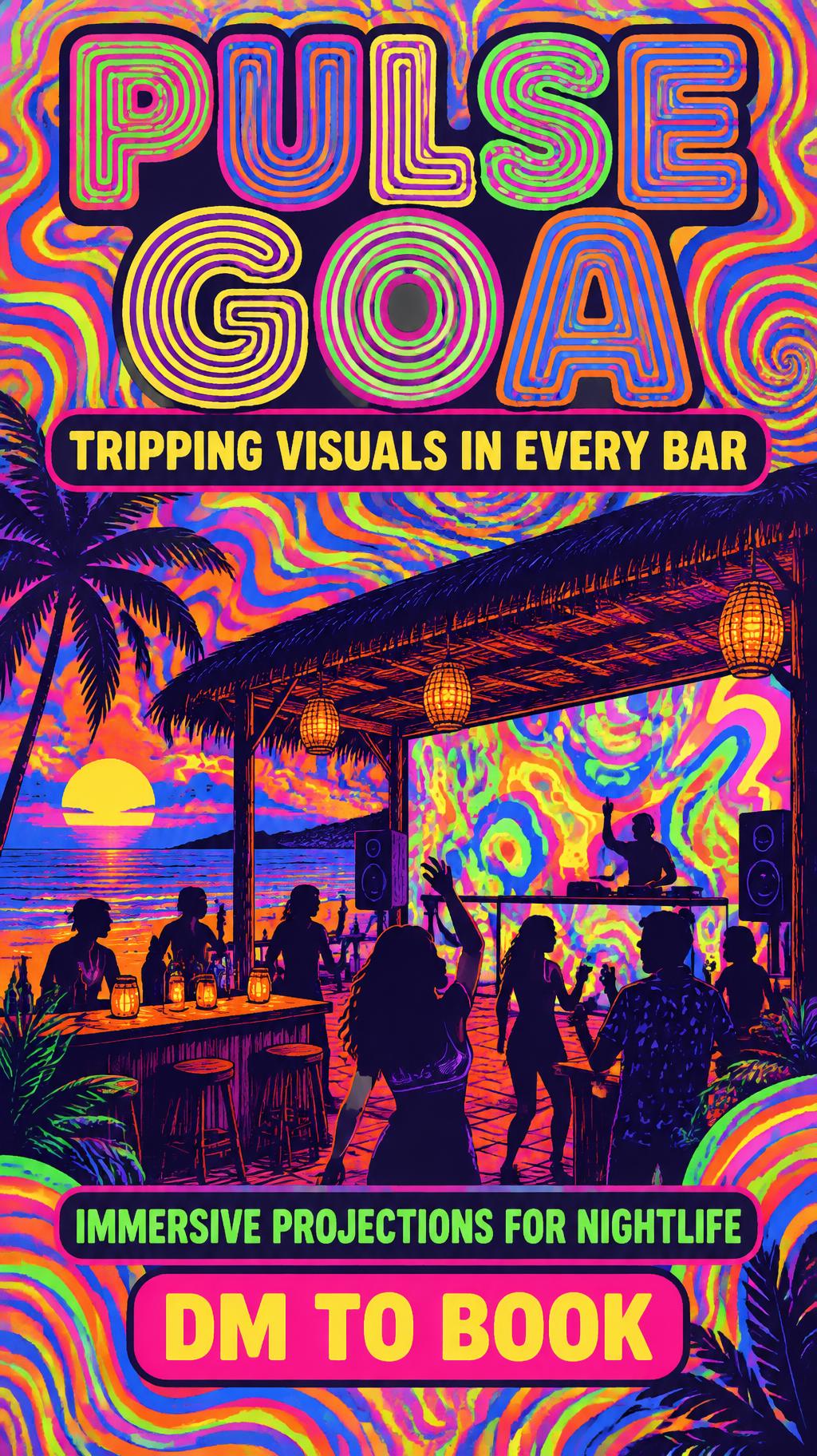
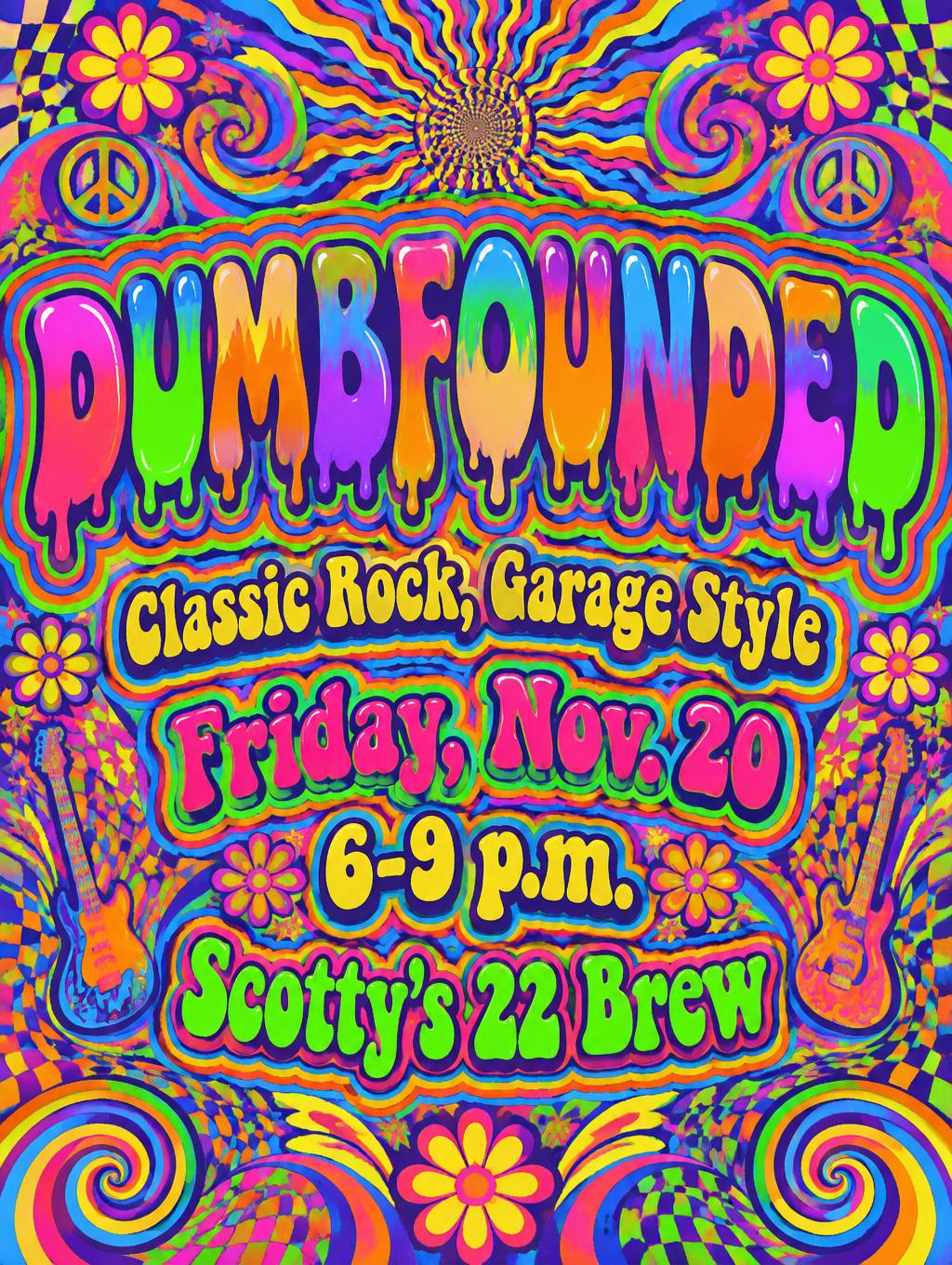
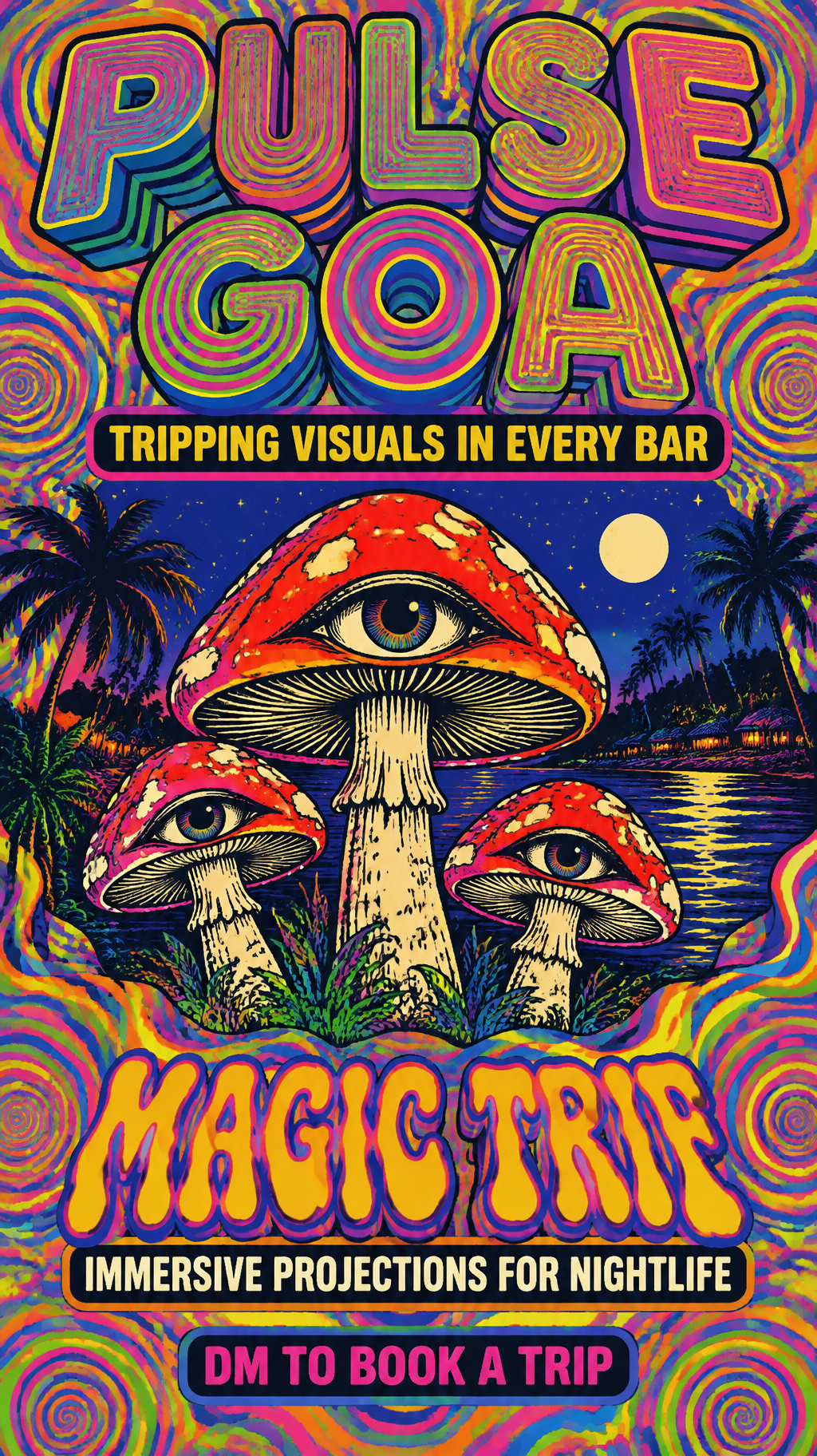
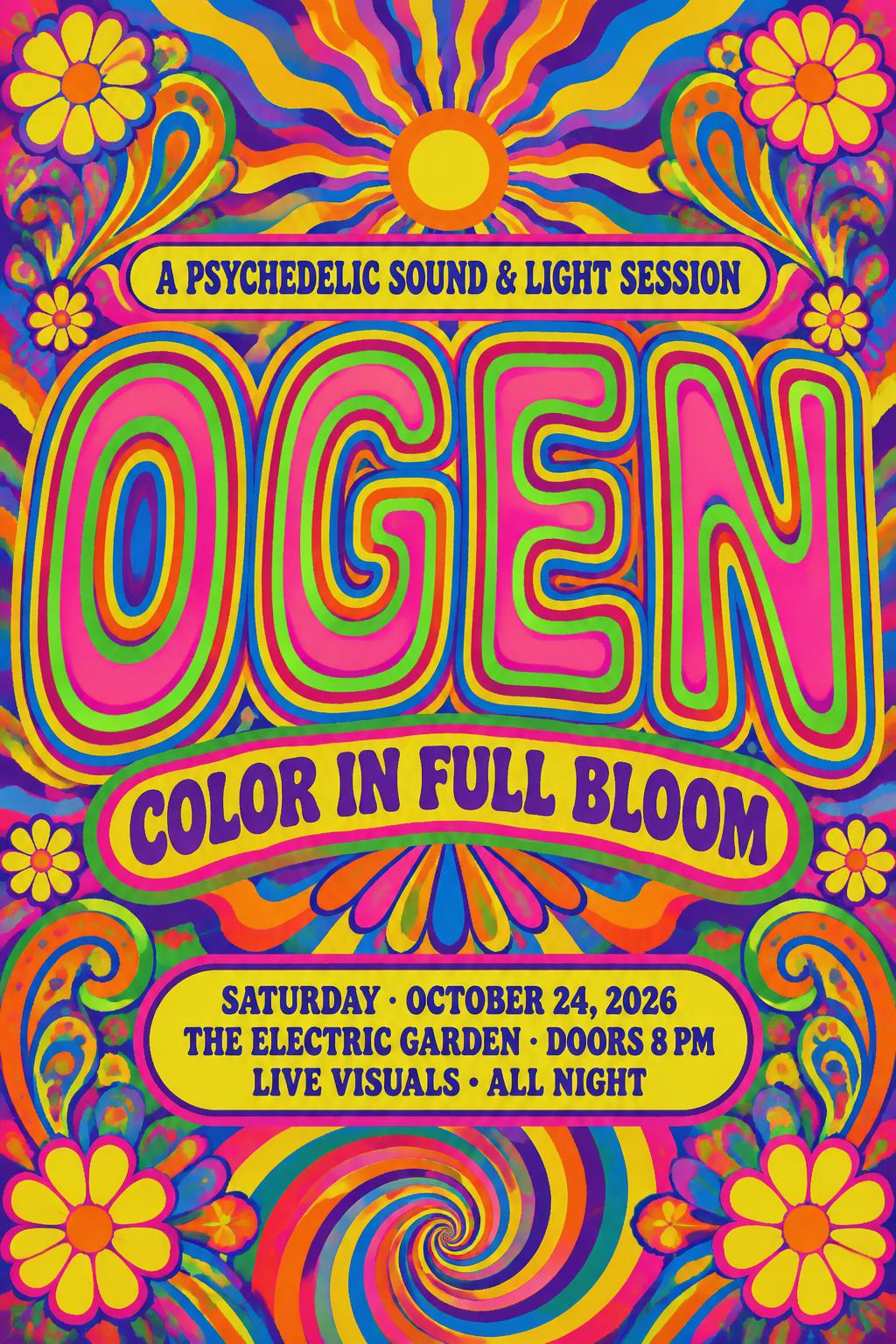
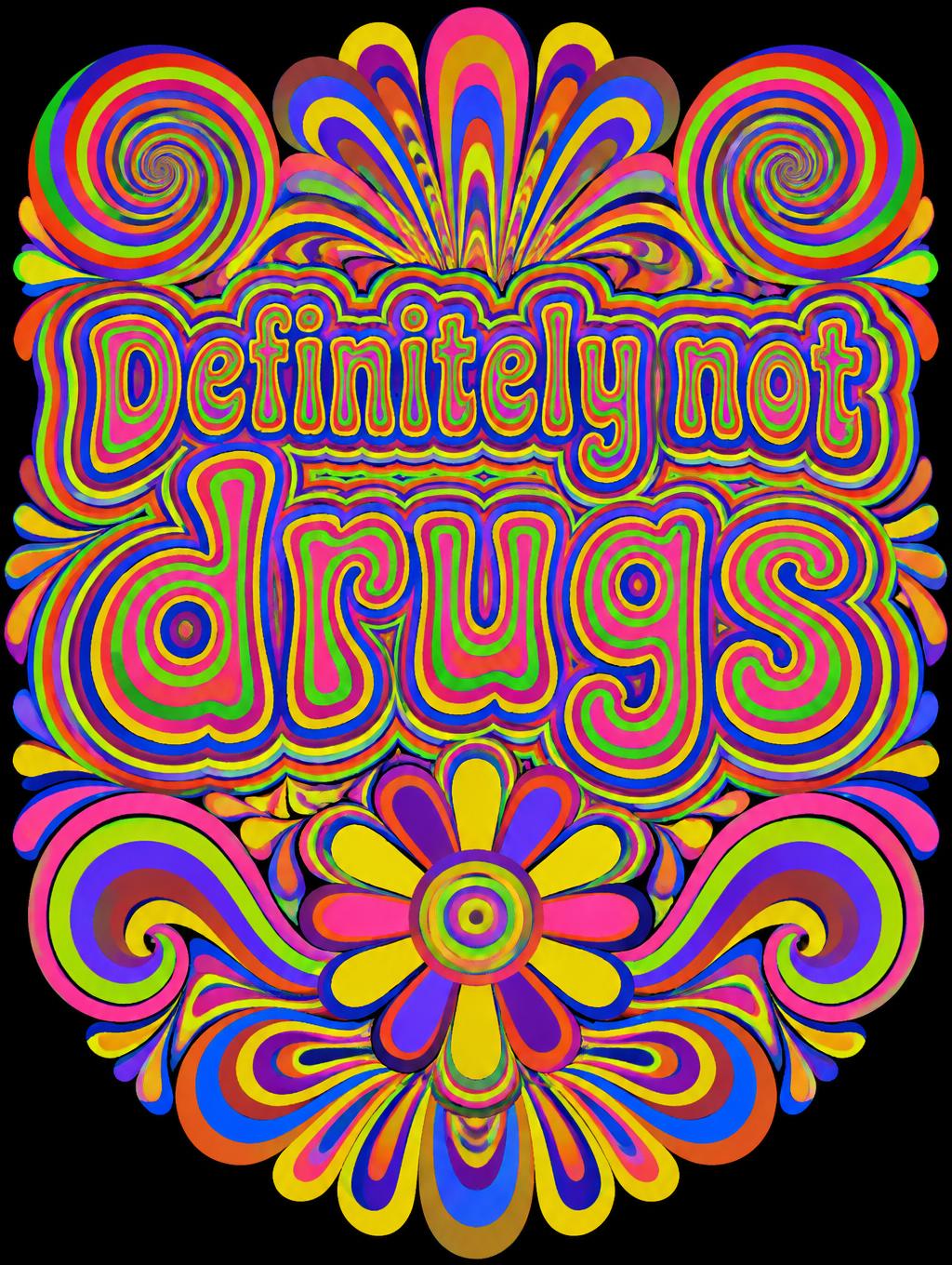
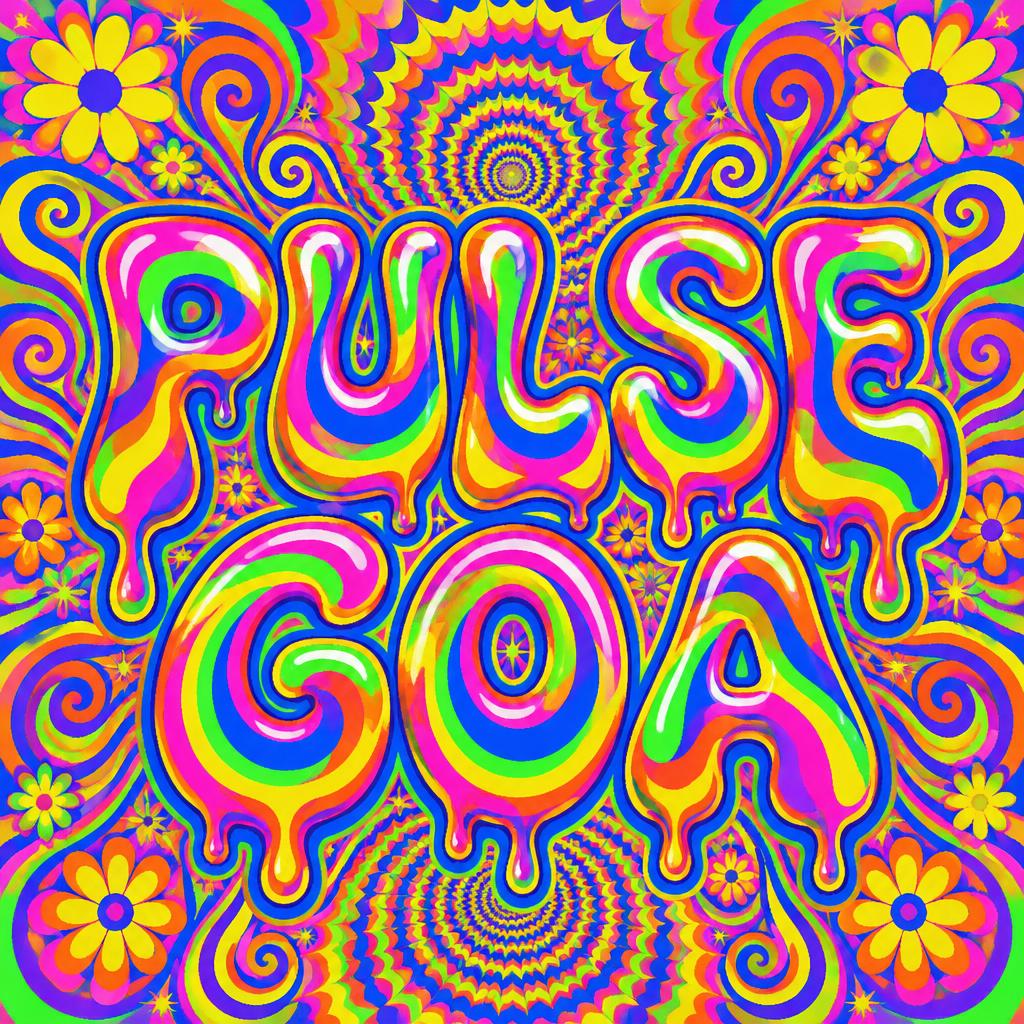
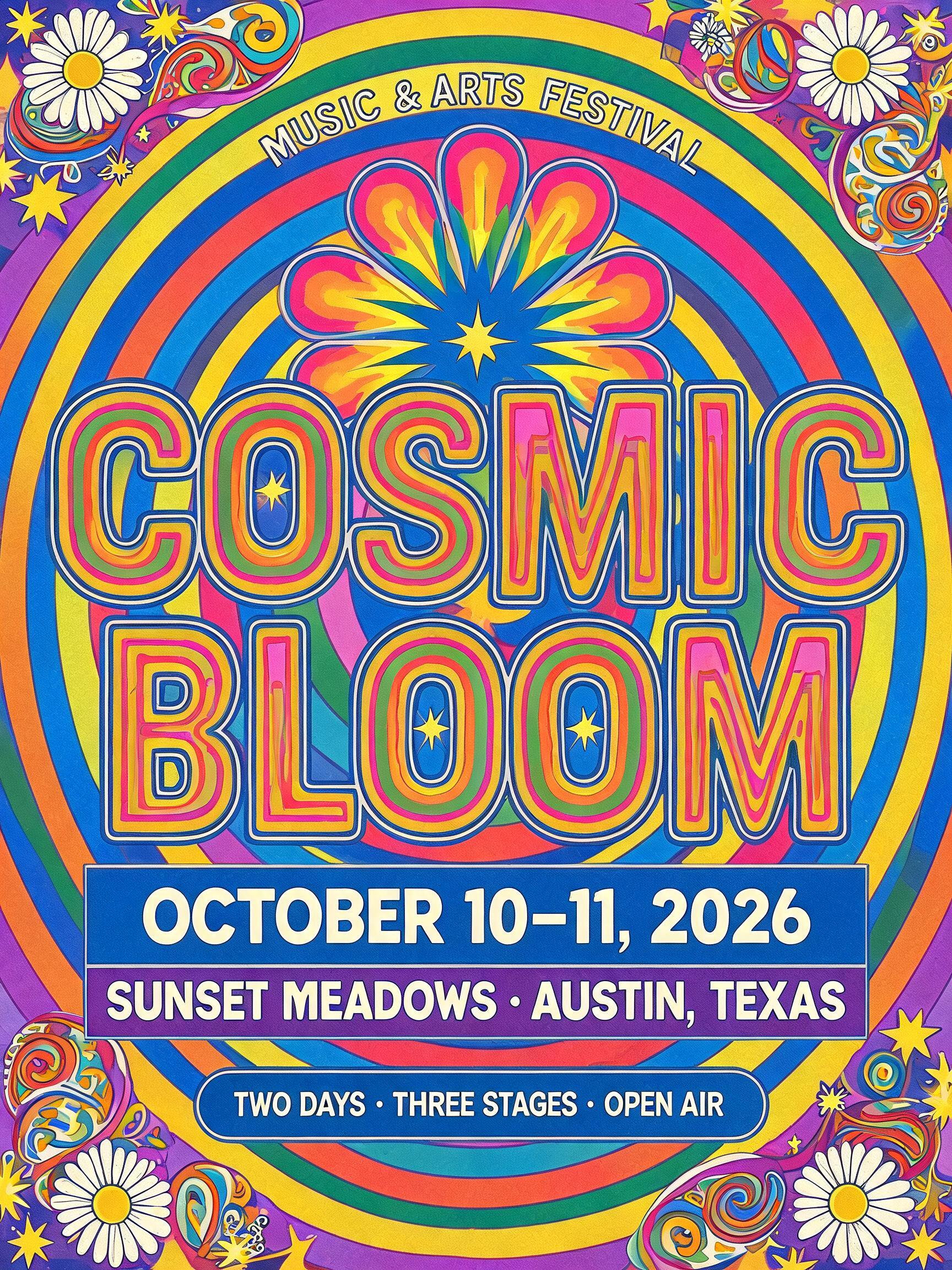
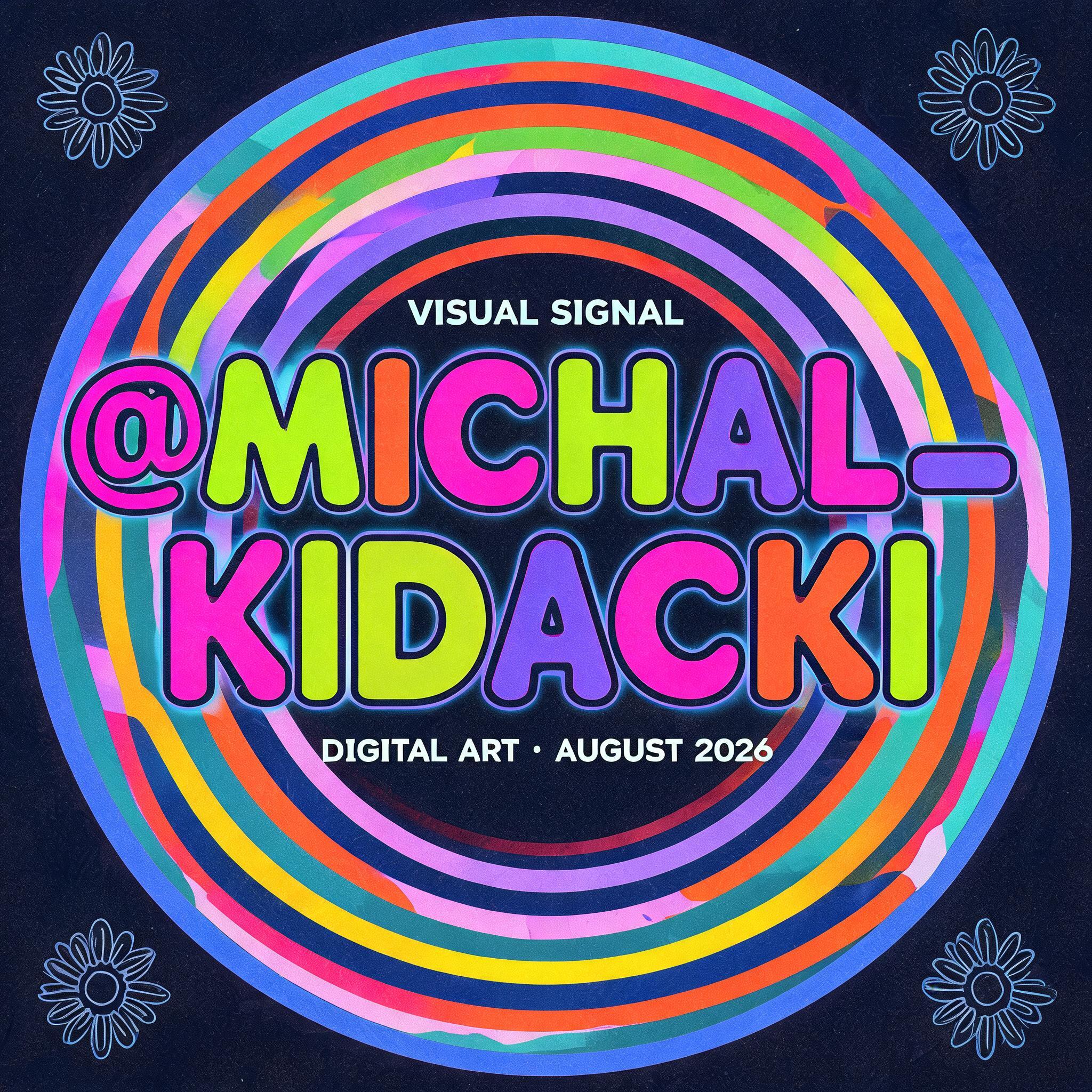
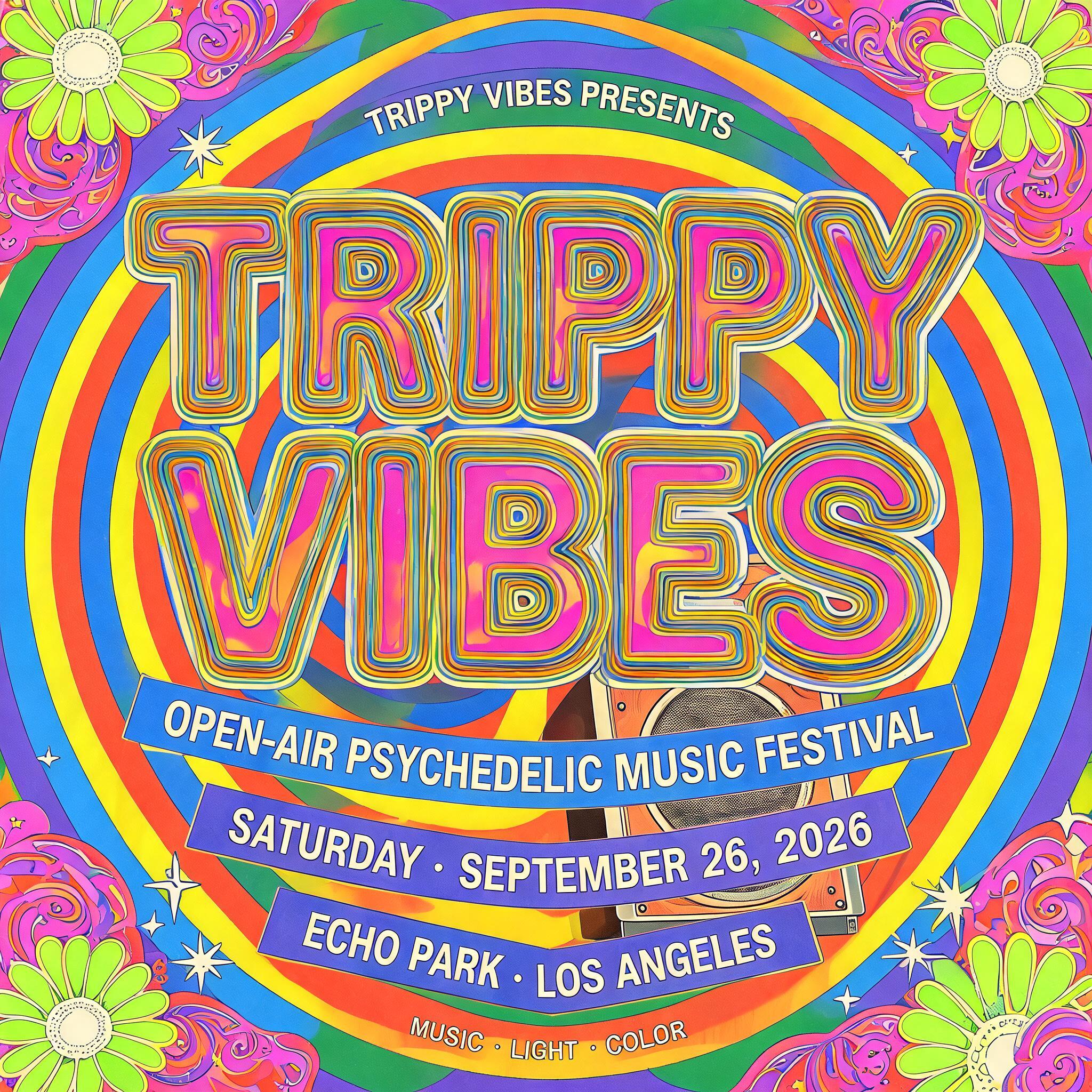
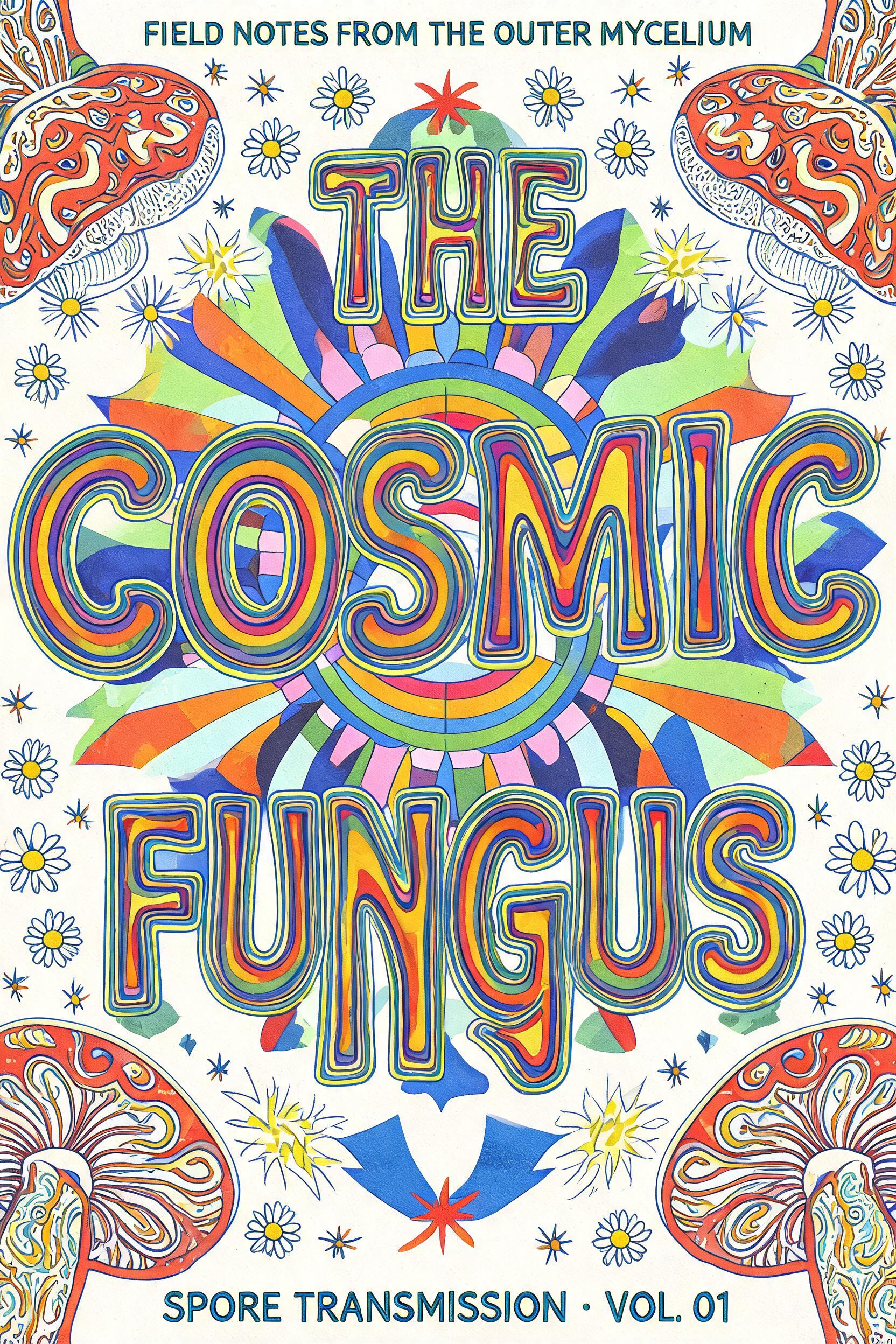
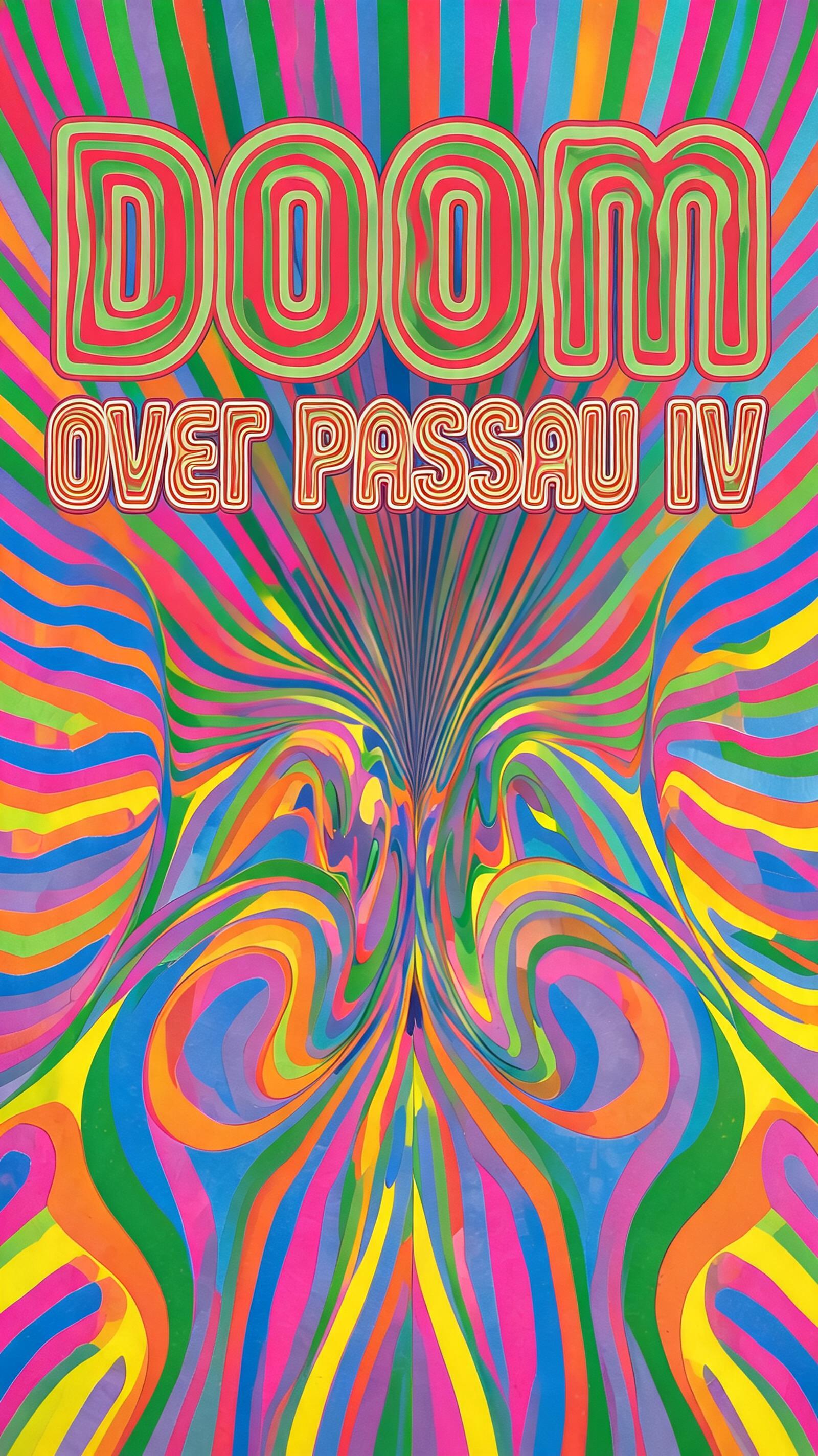
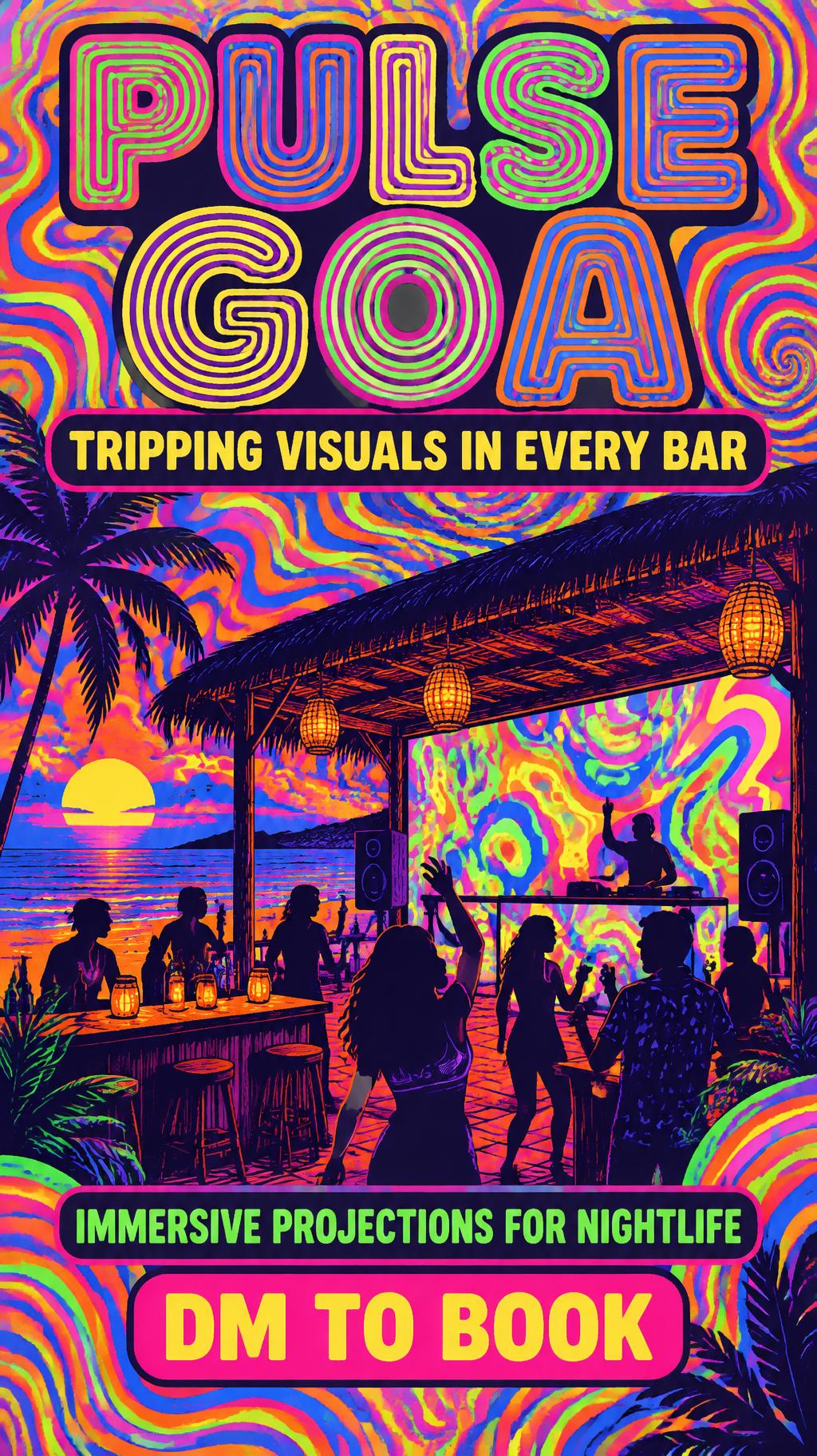
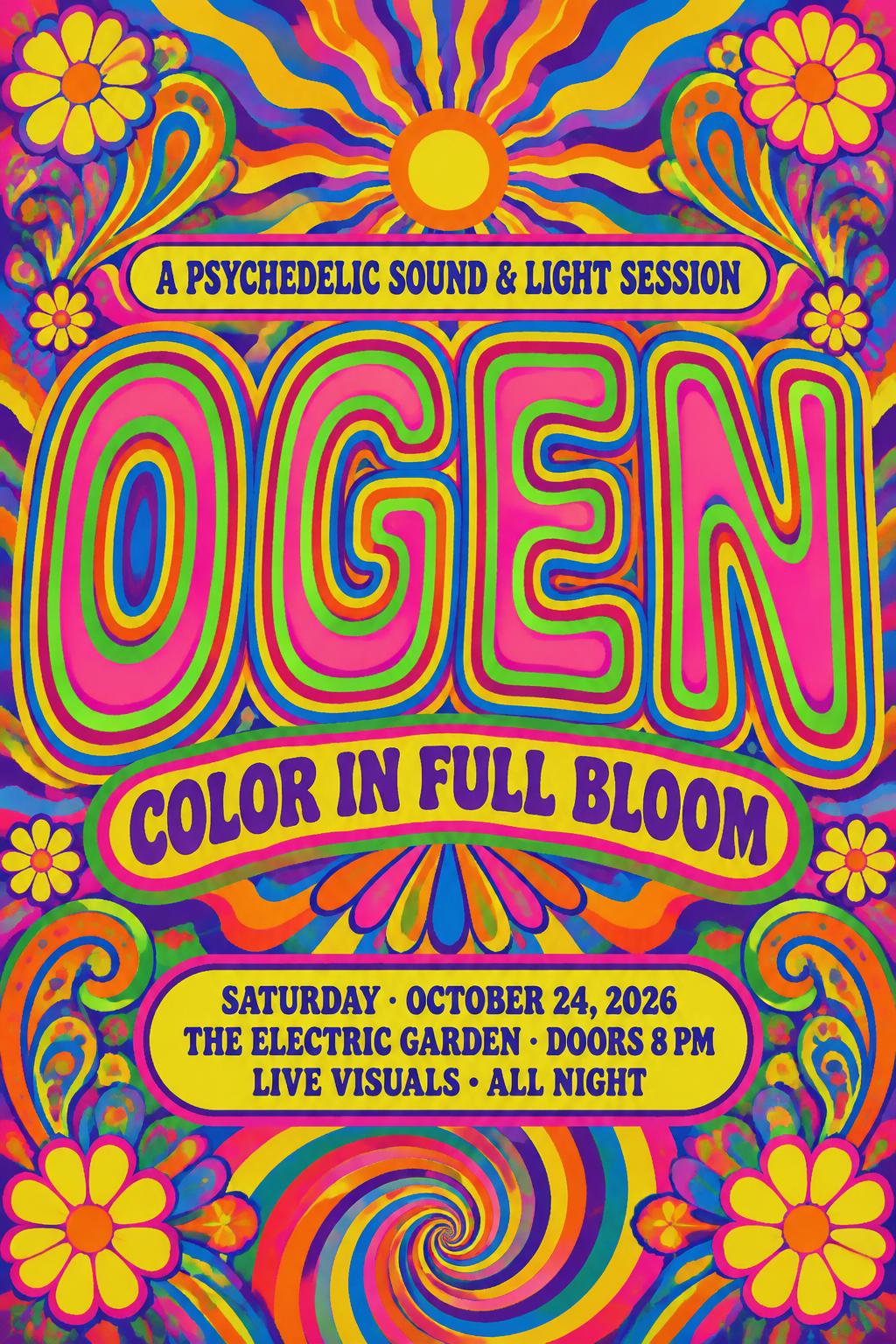
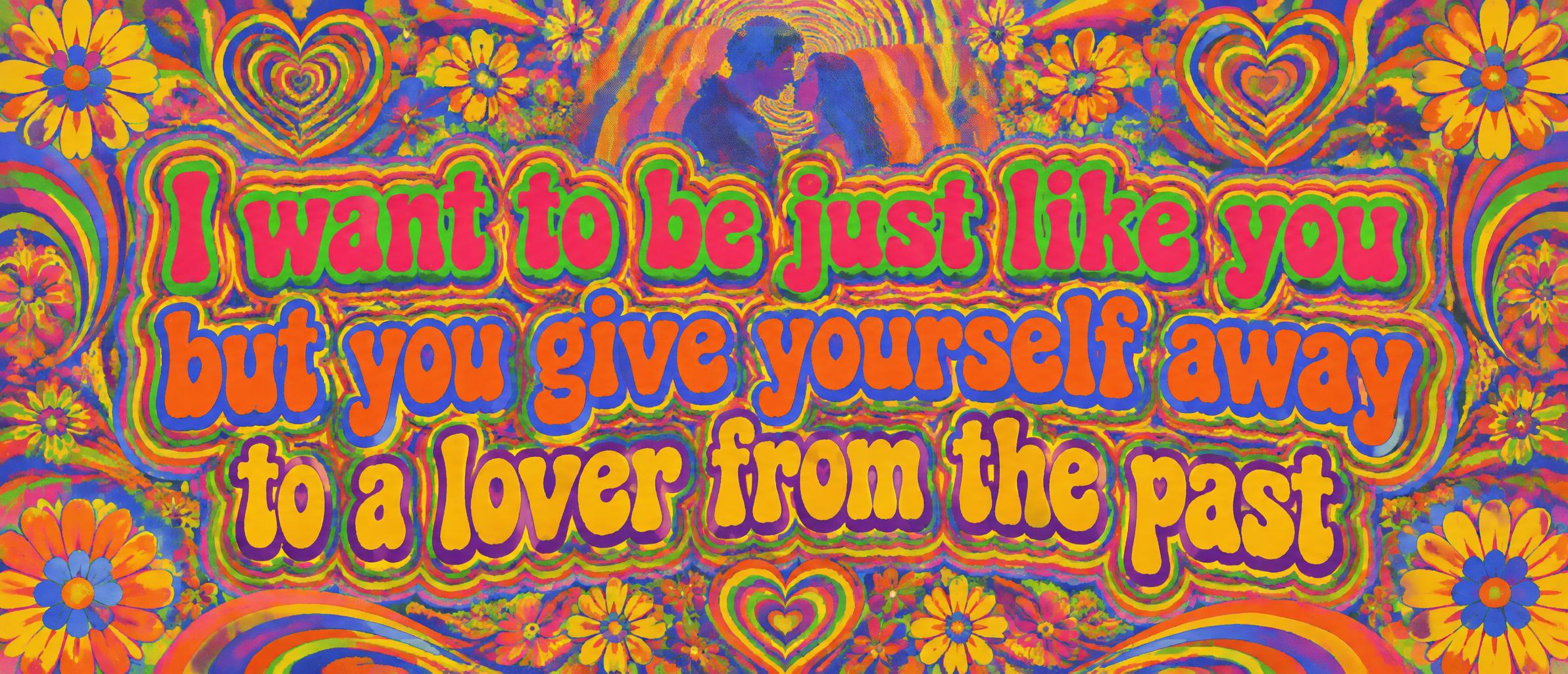
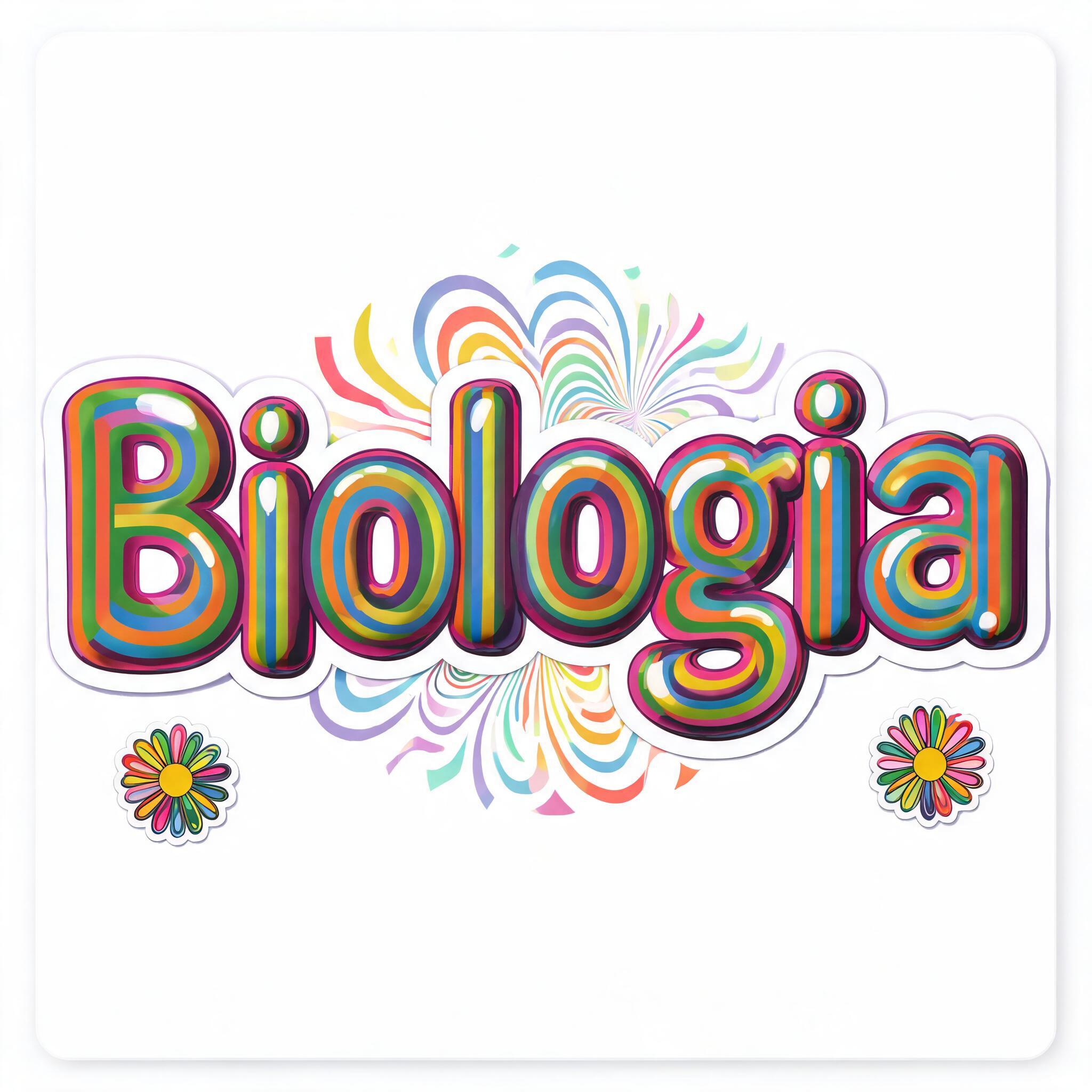
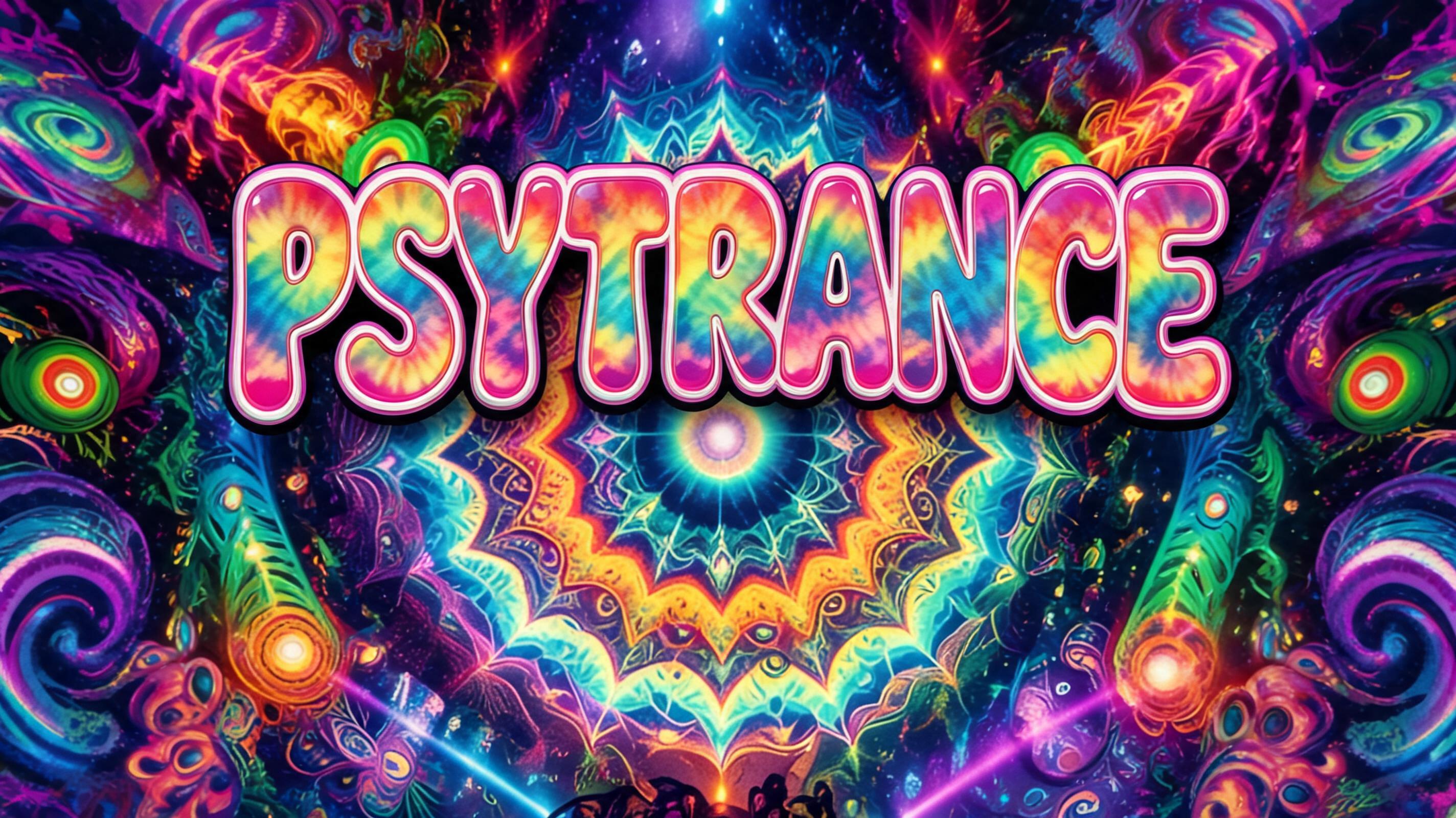
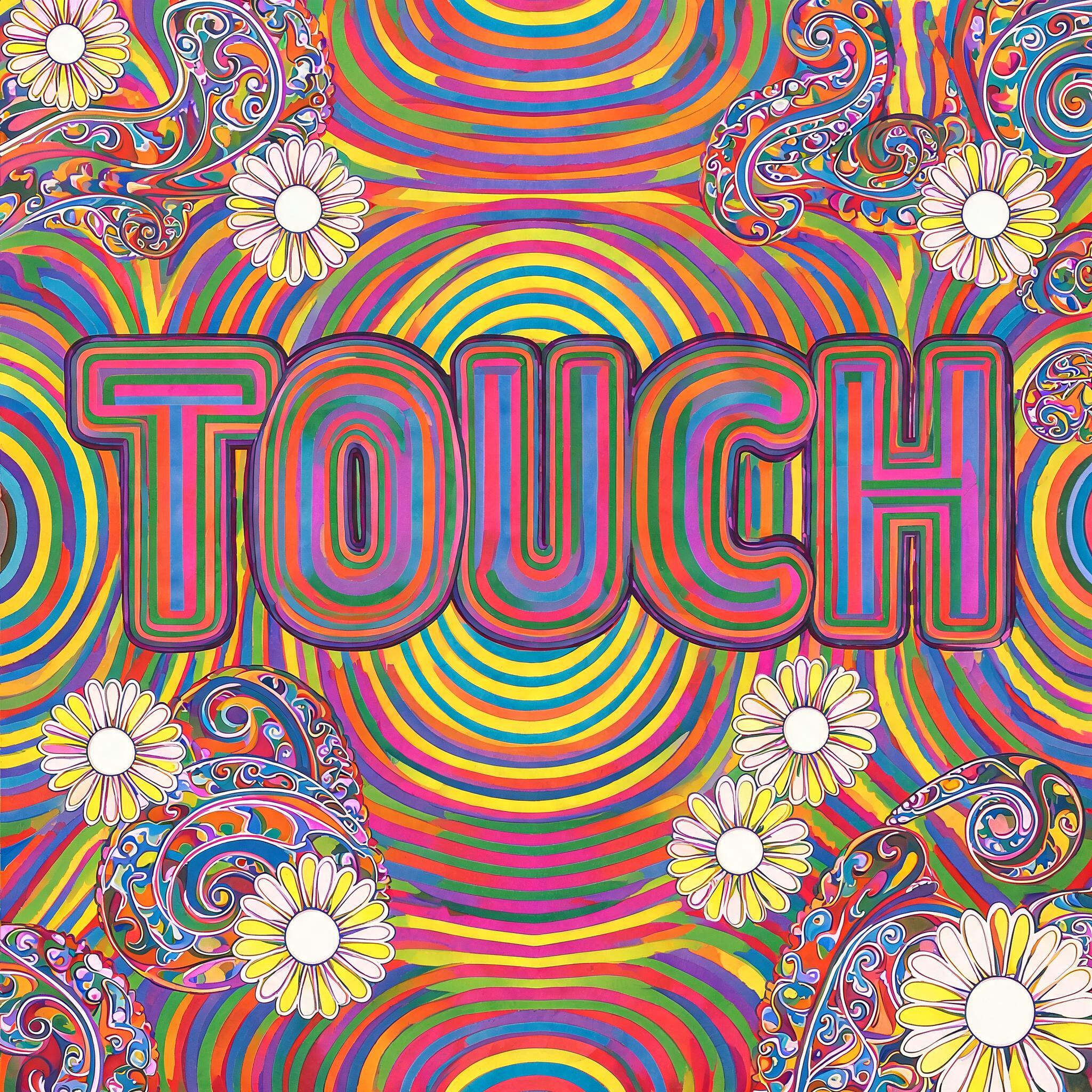
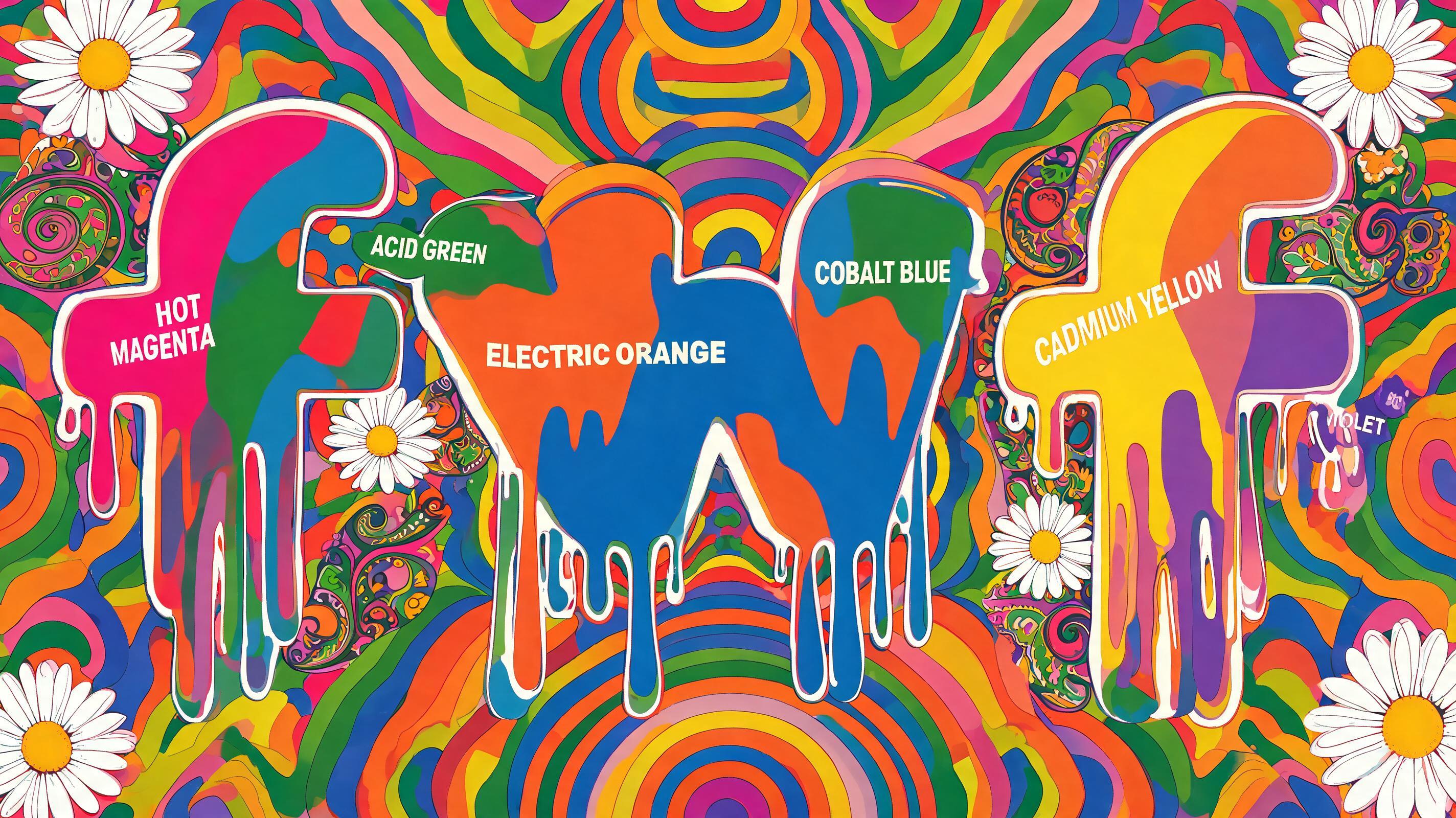
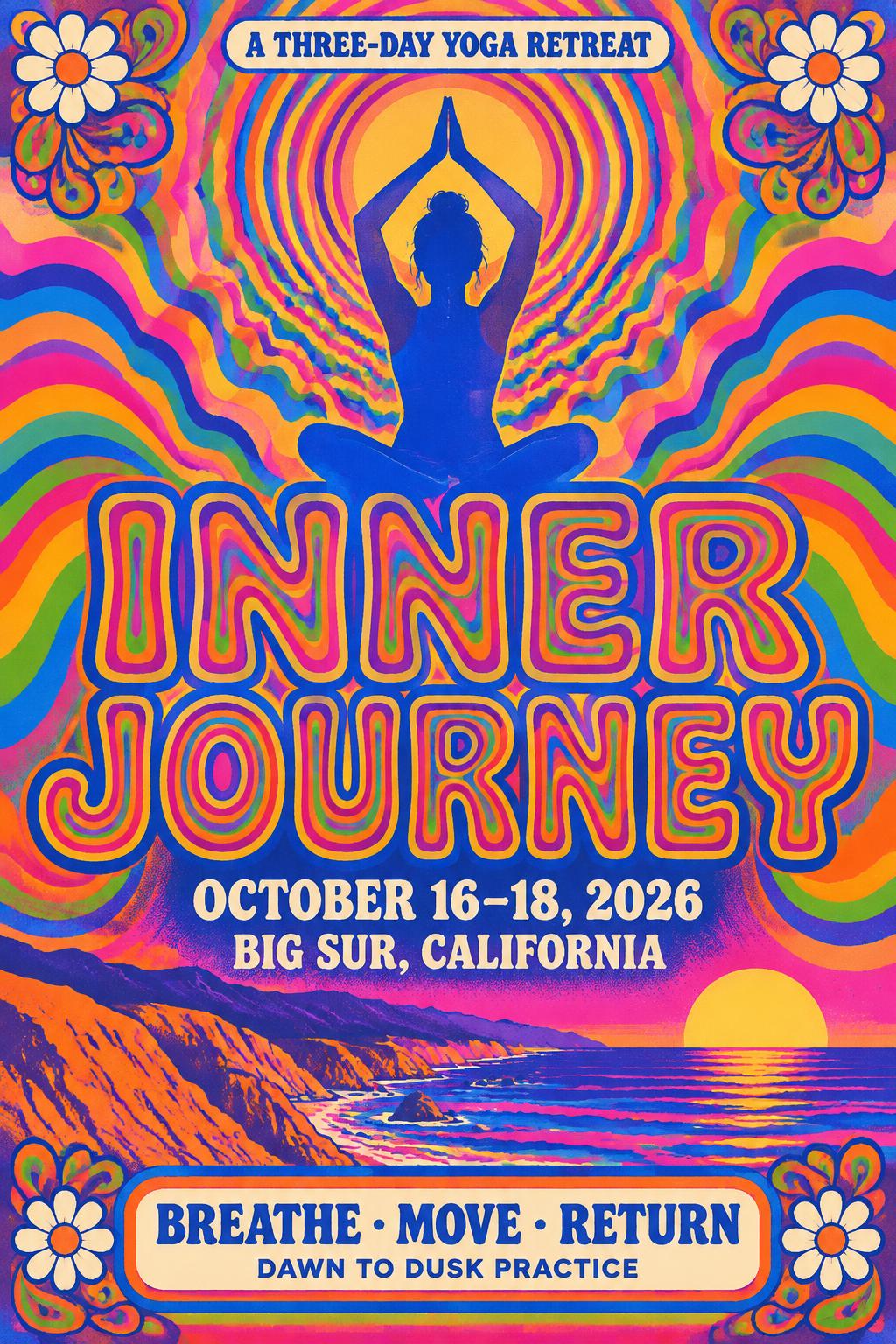
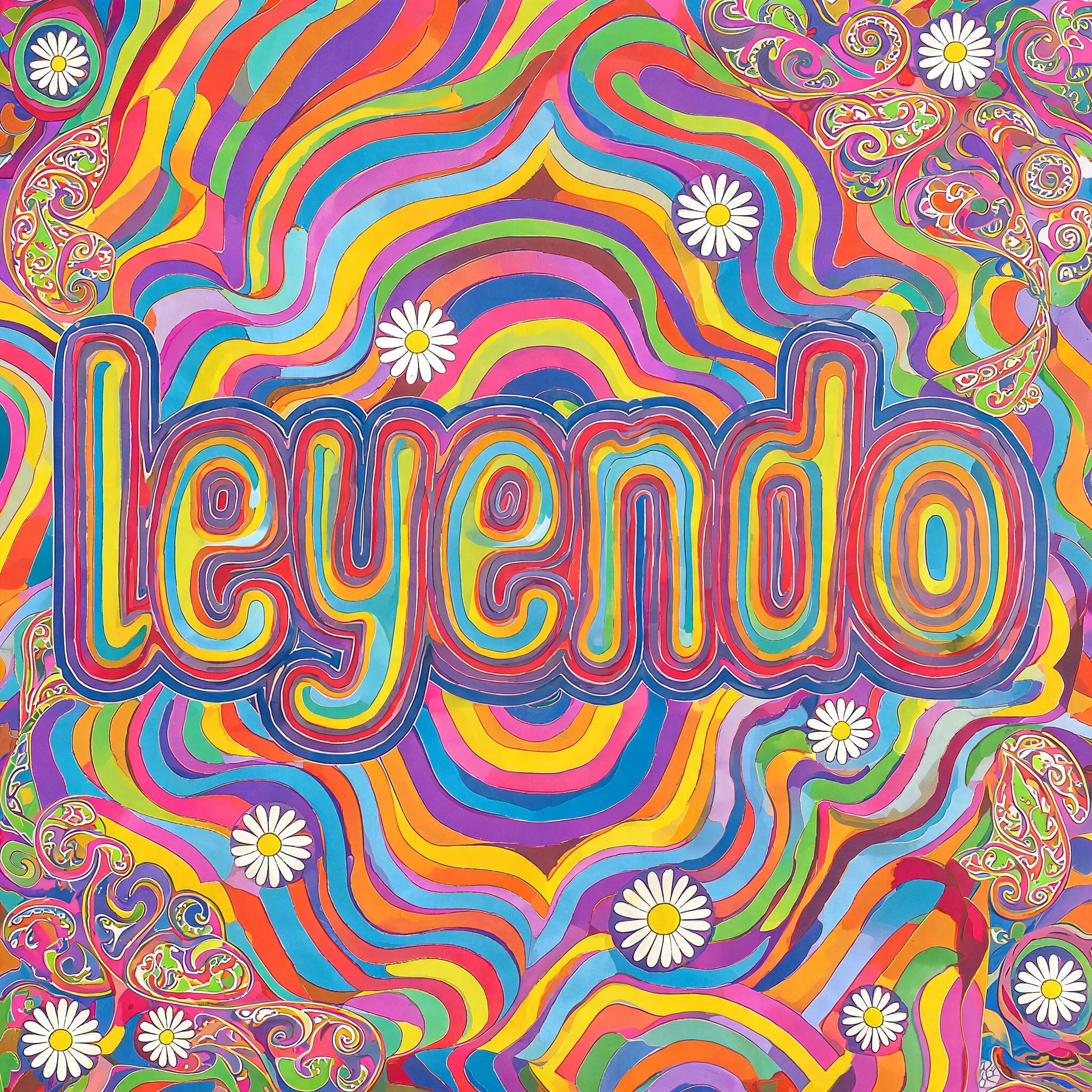
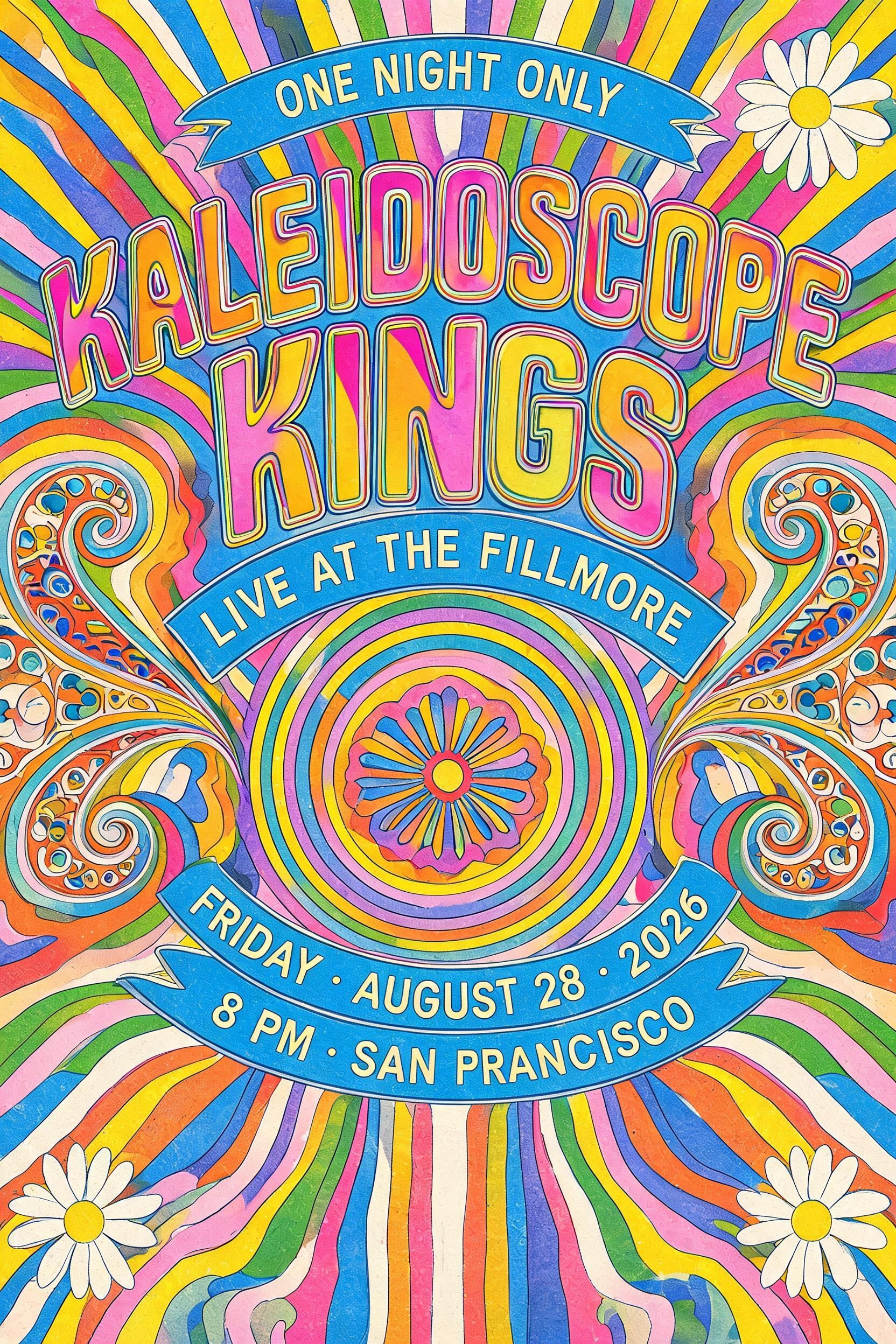
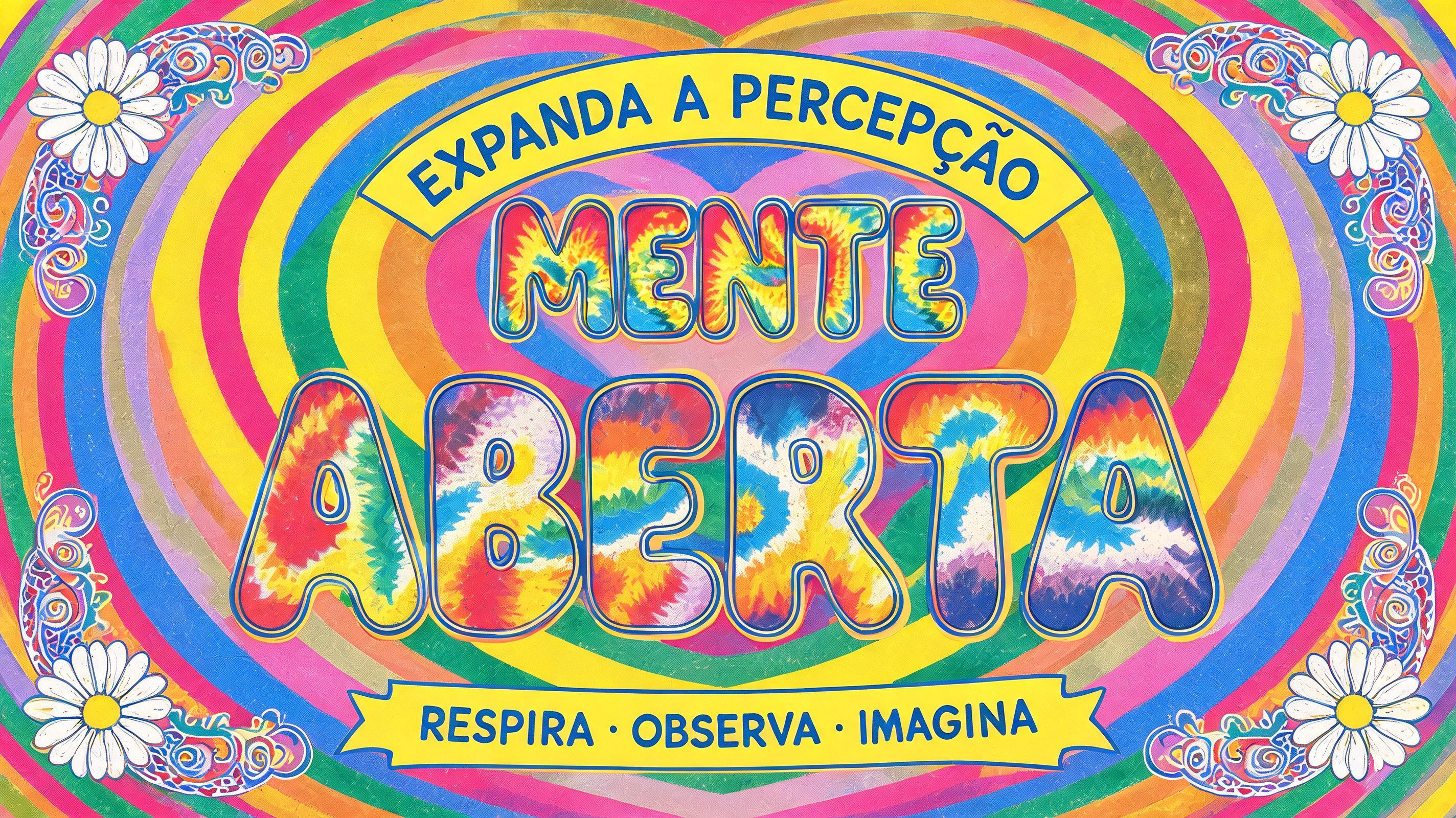
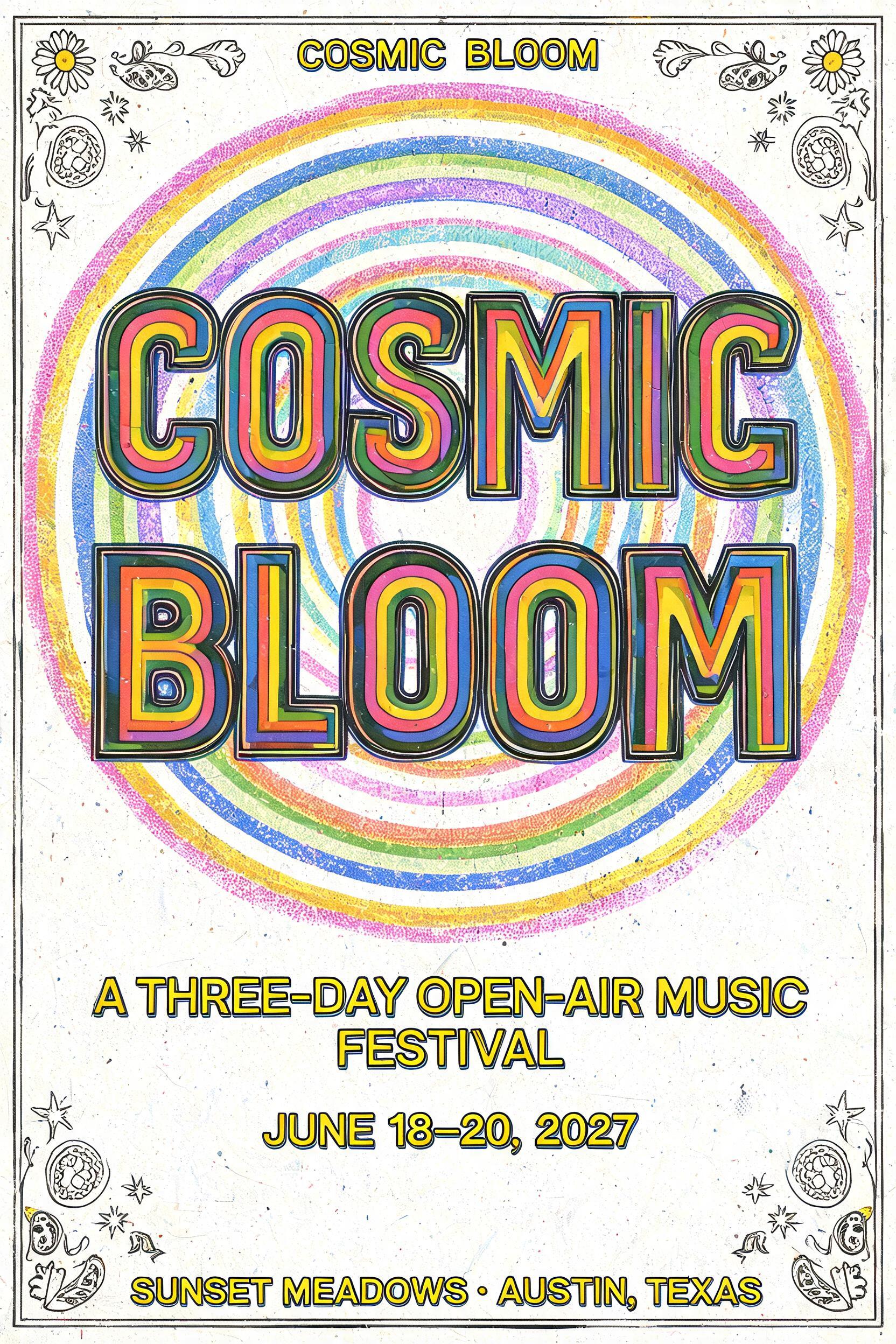
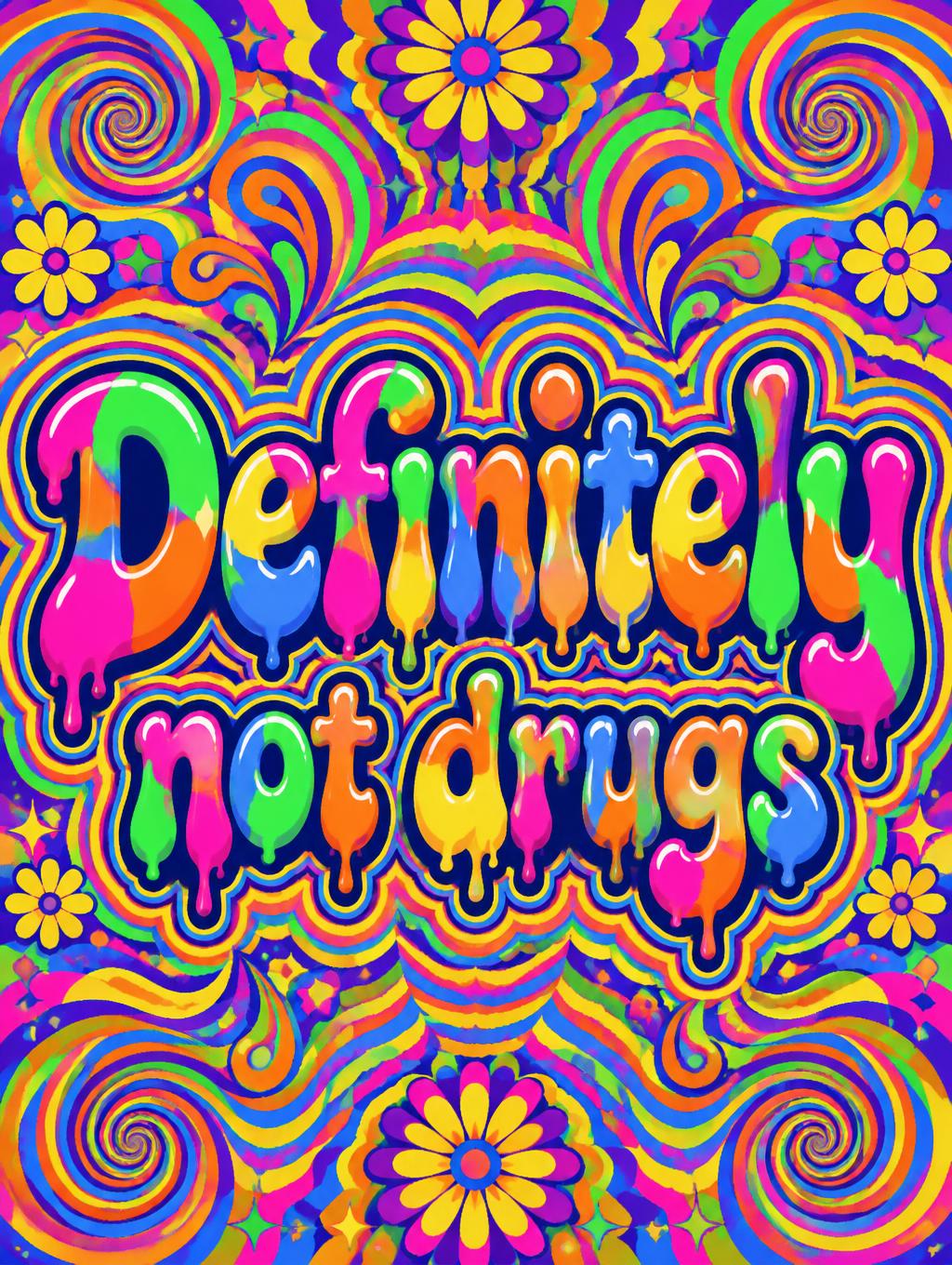
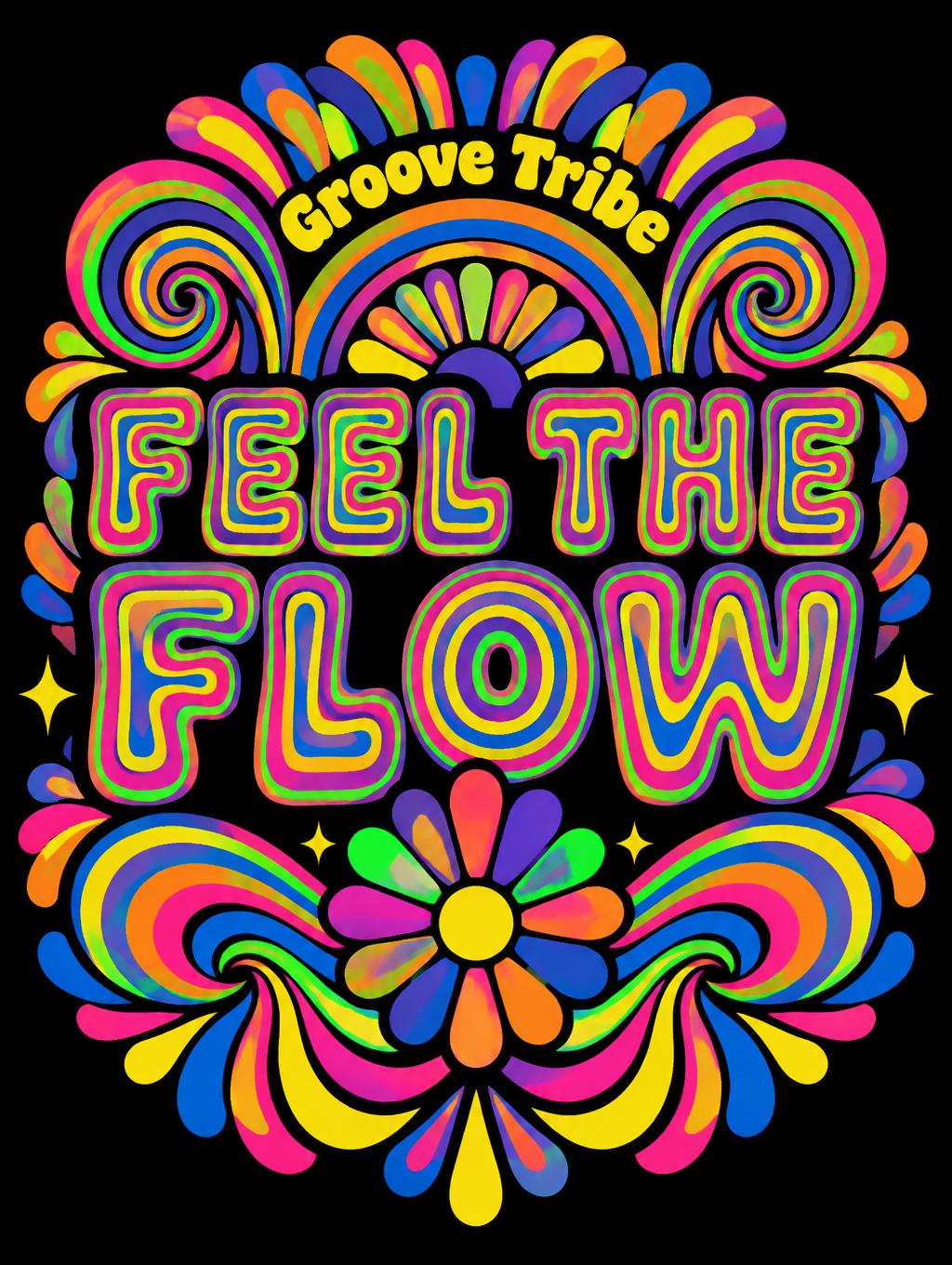
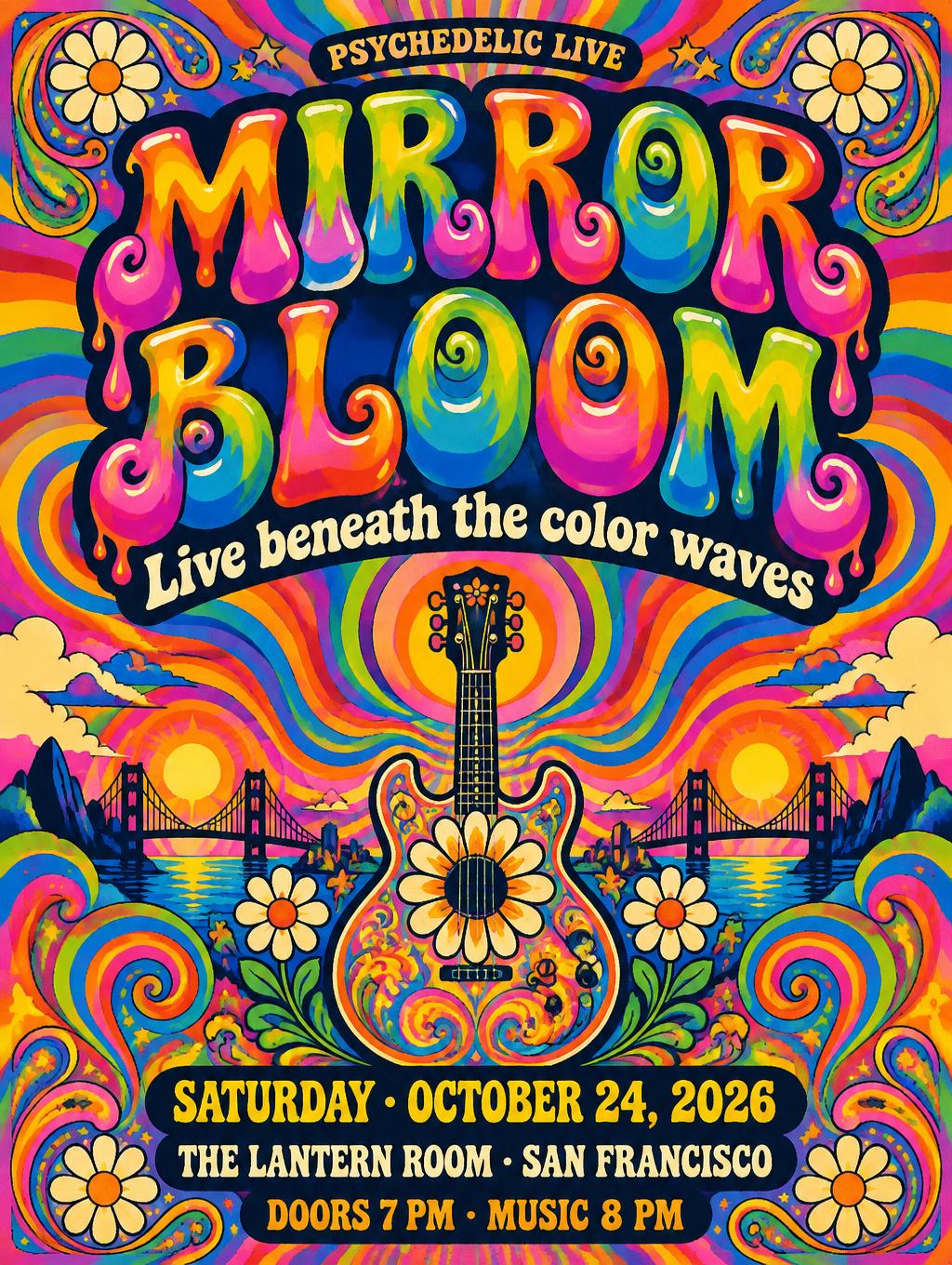
Melting glossy bubble letters in hot pink, orange and yellow, set against vibrating concentric rainbow waves with daisies and swirls. — no font license needed.
Psychedelic in different AI fonts
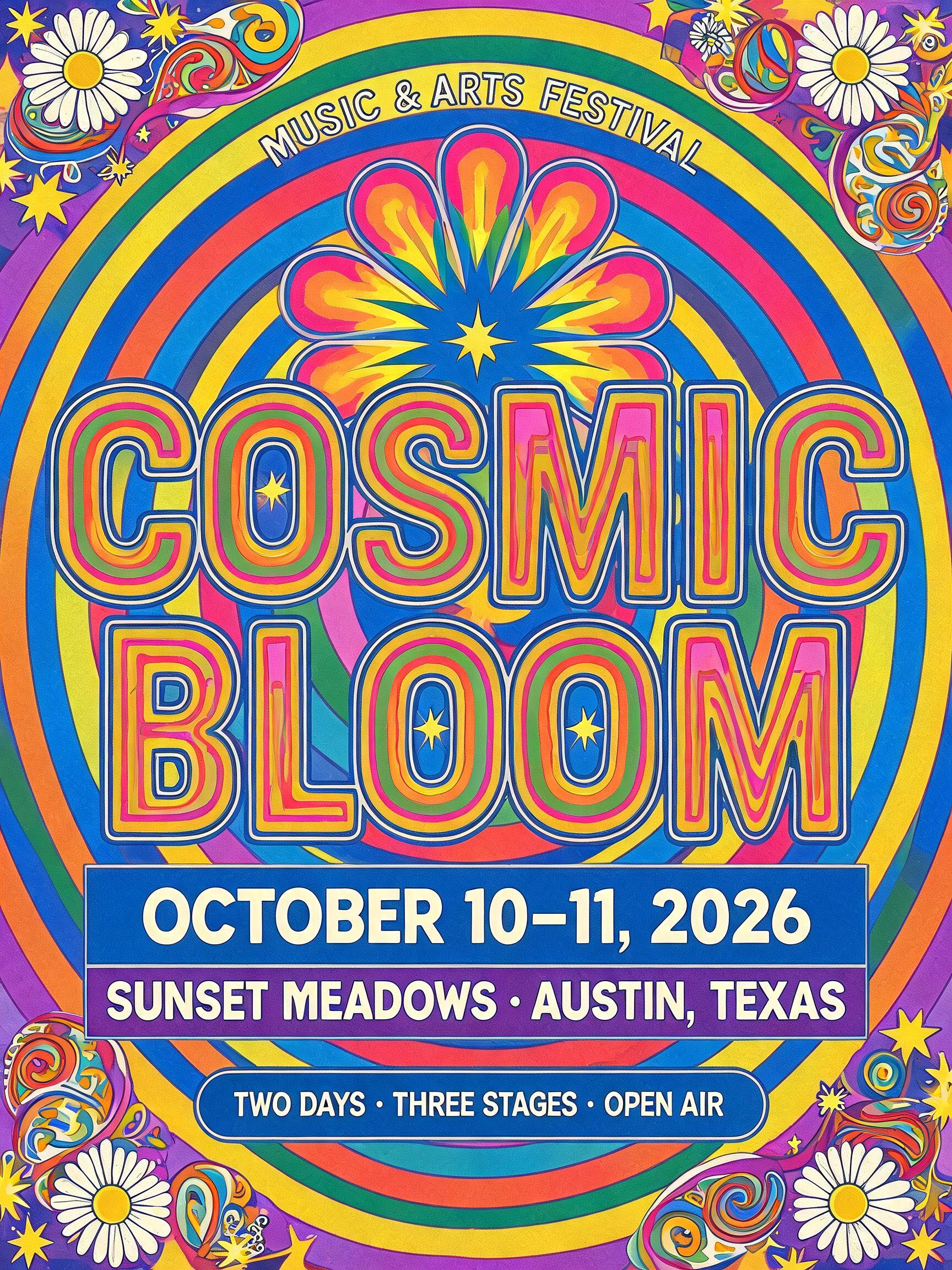
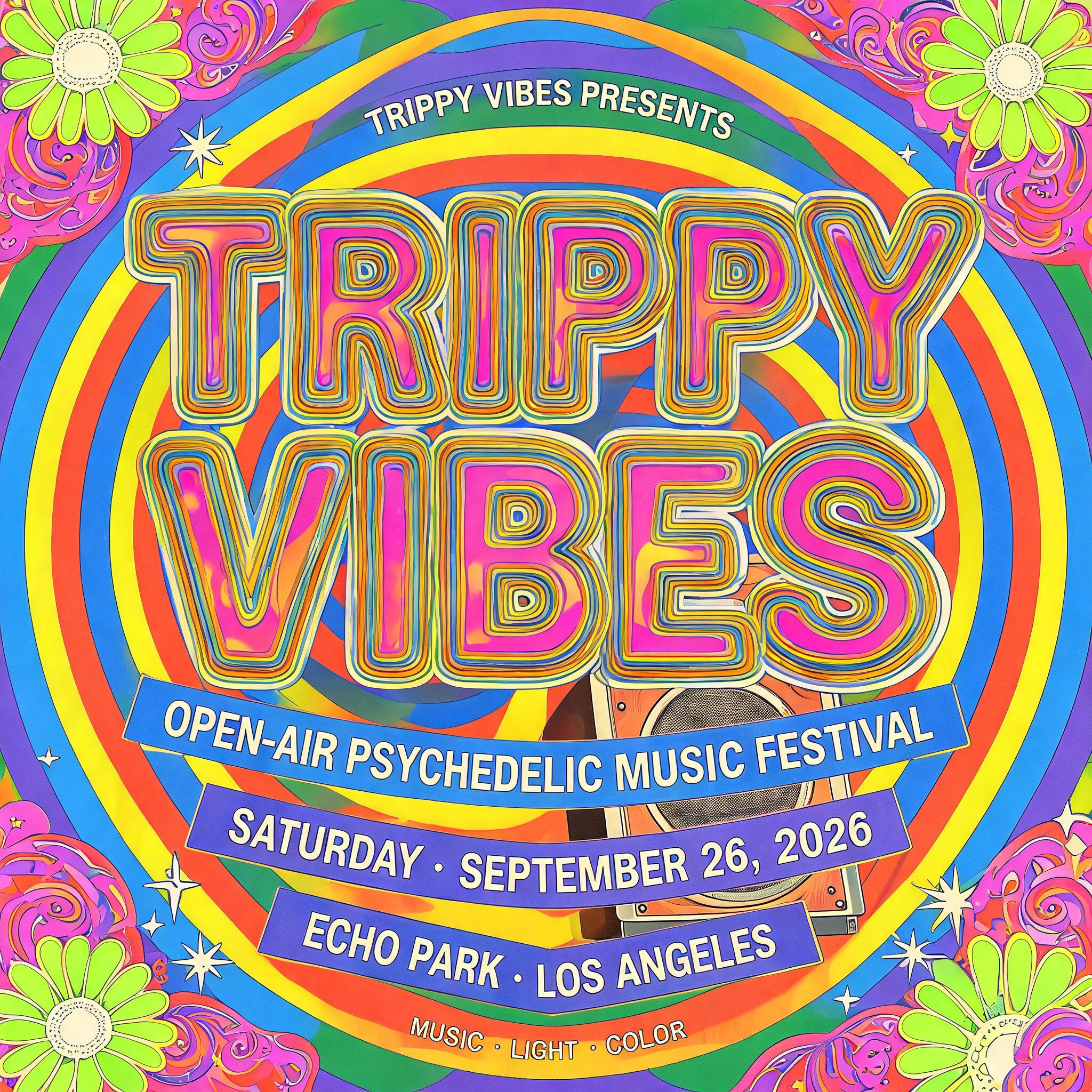
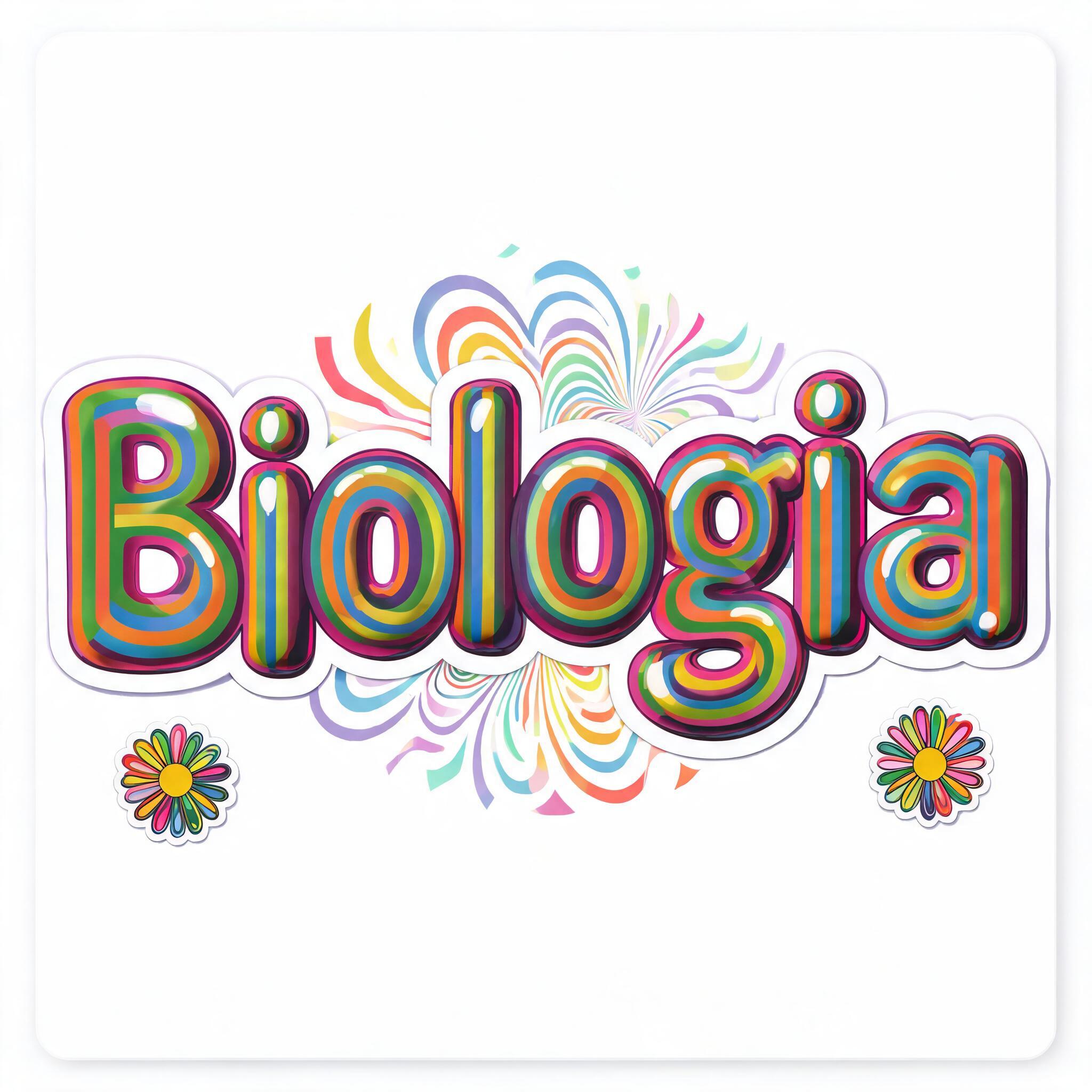
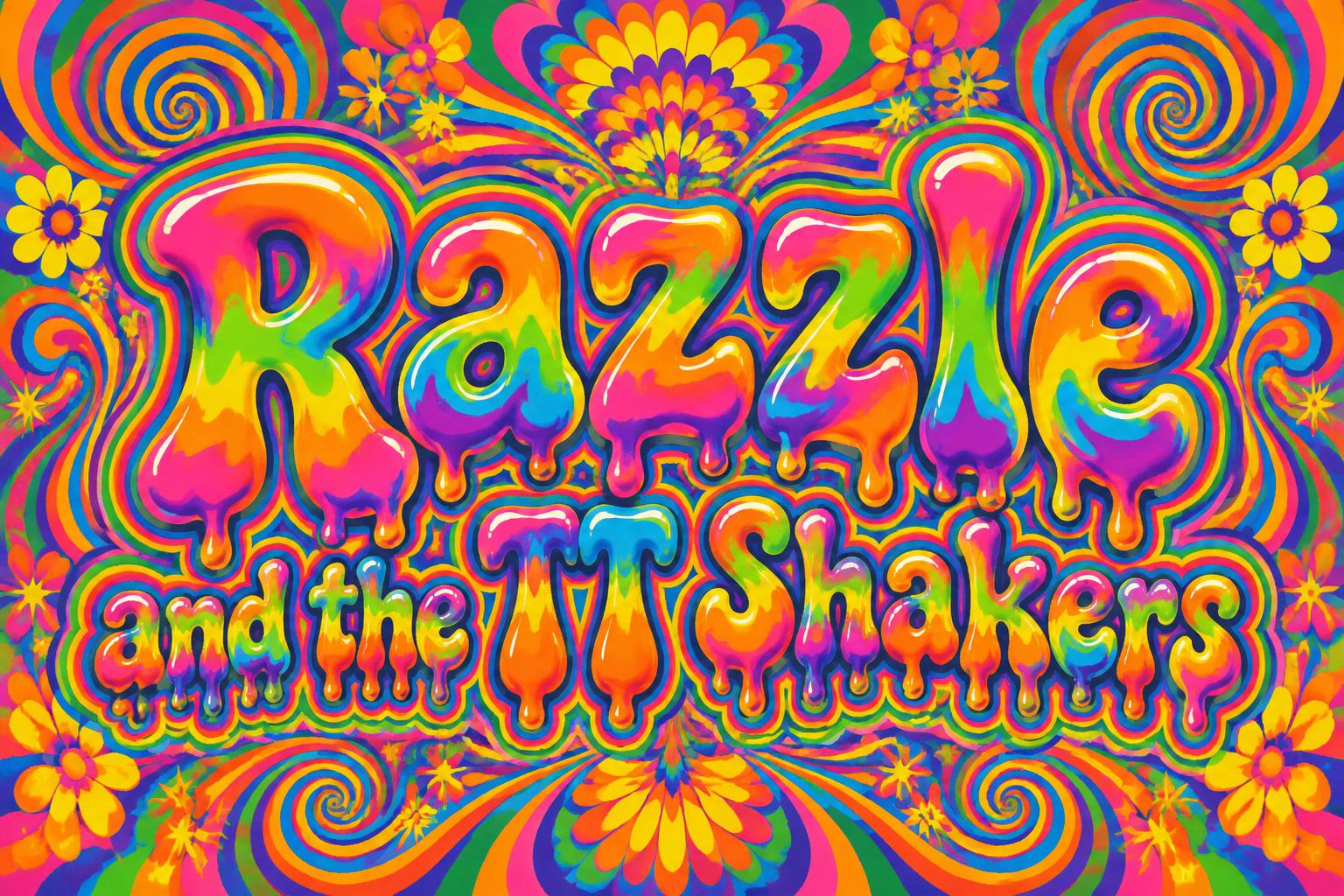


Psychedelic Gallery
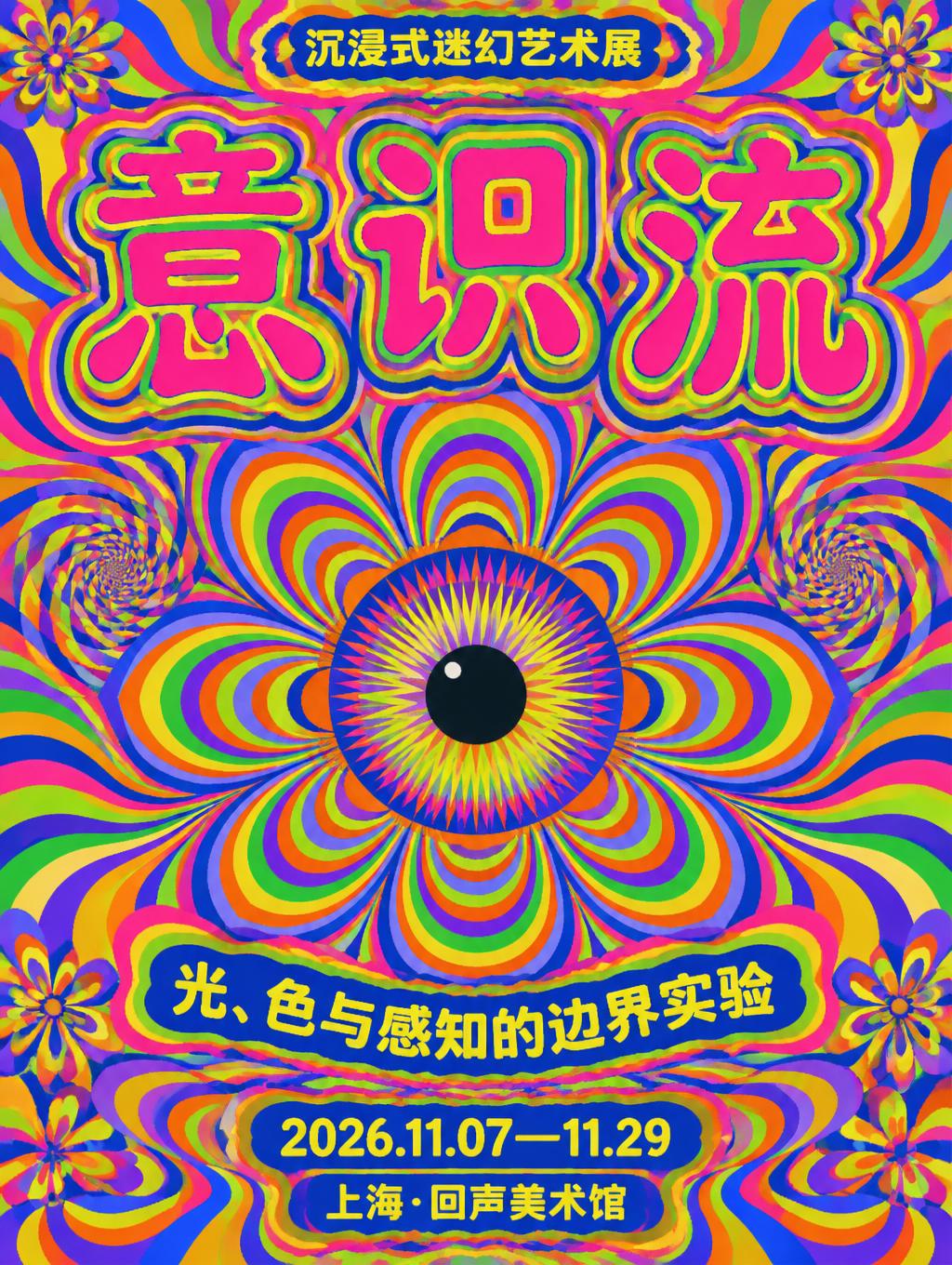
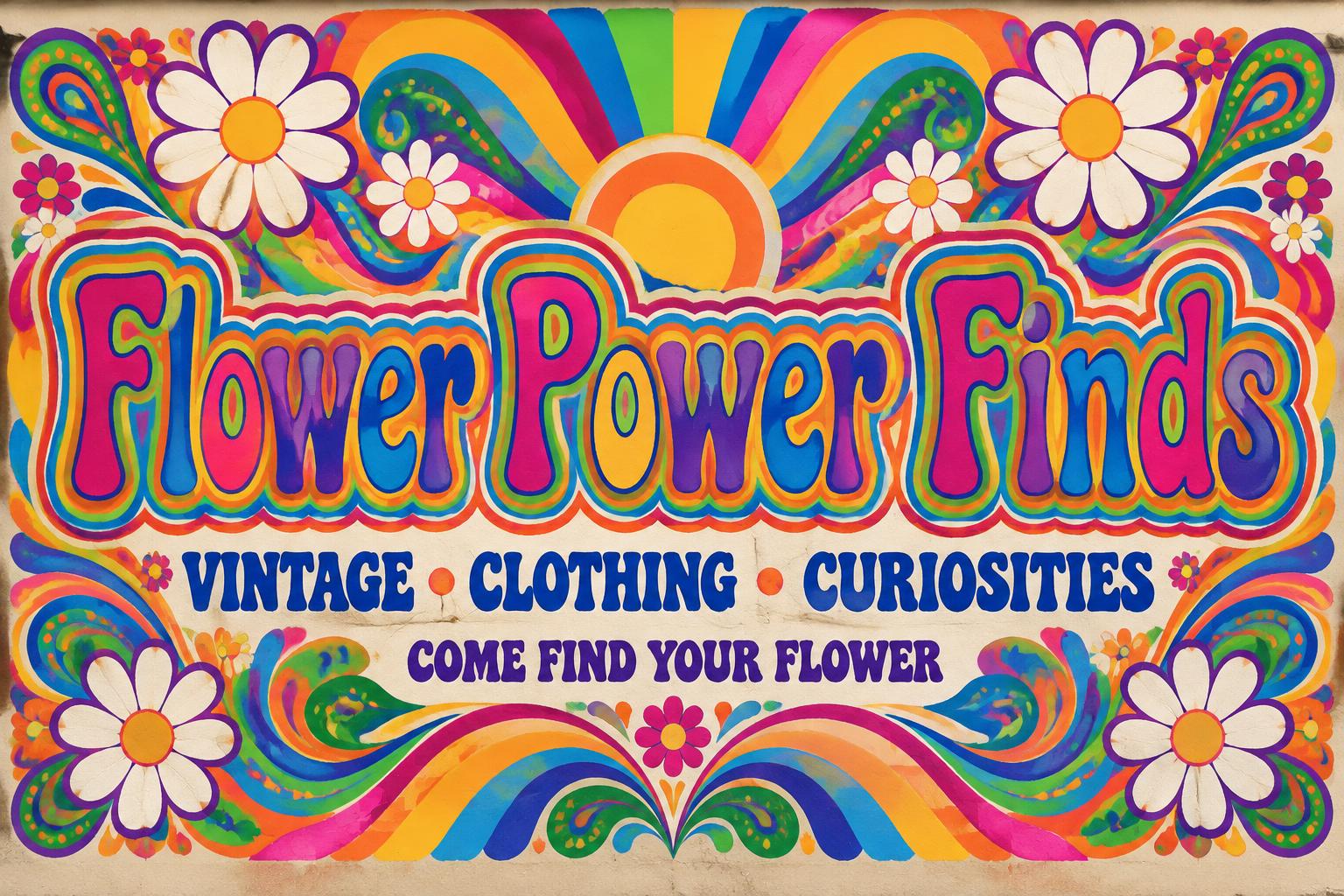
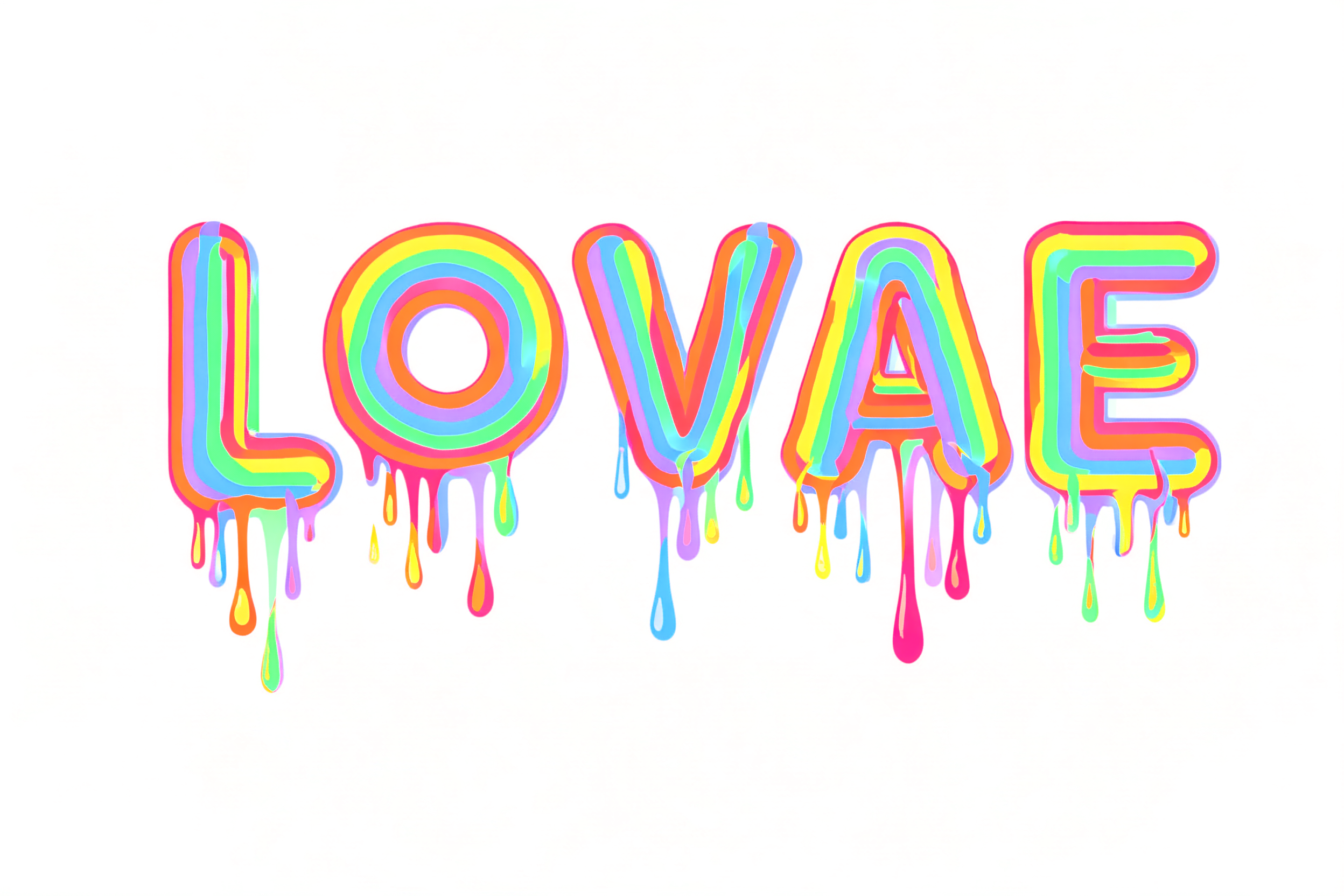
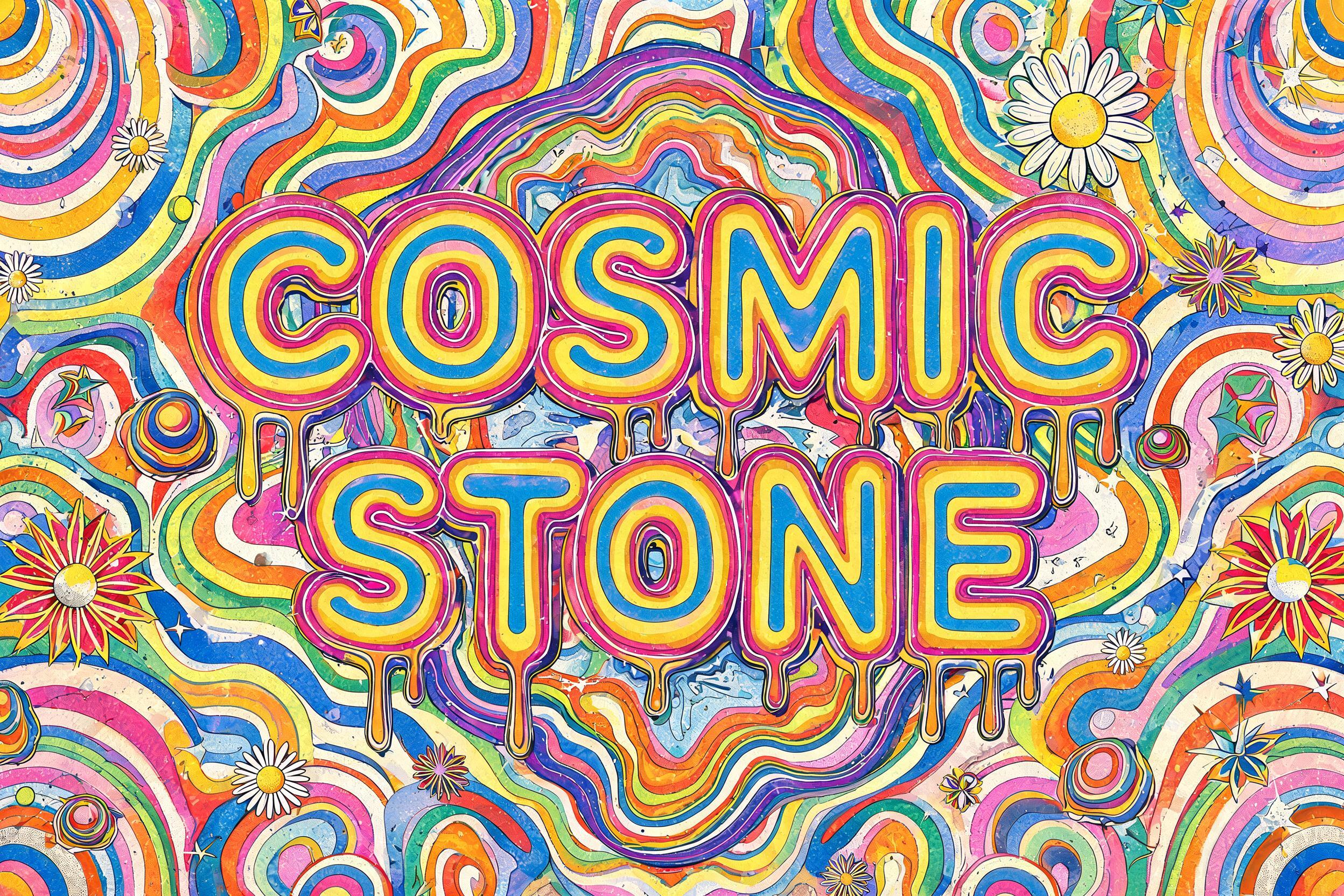
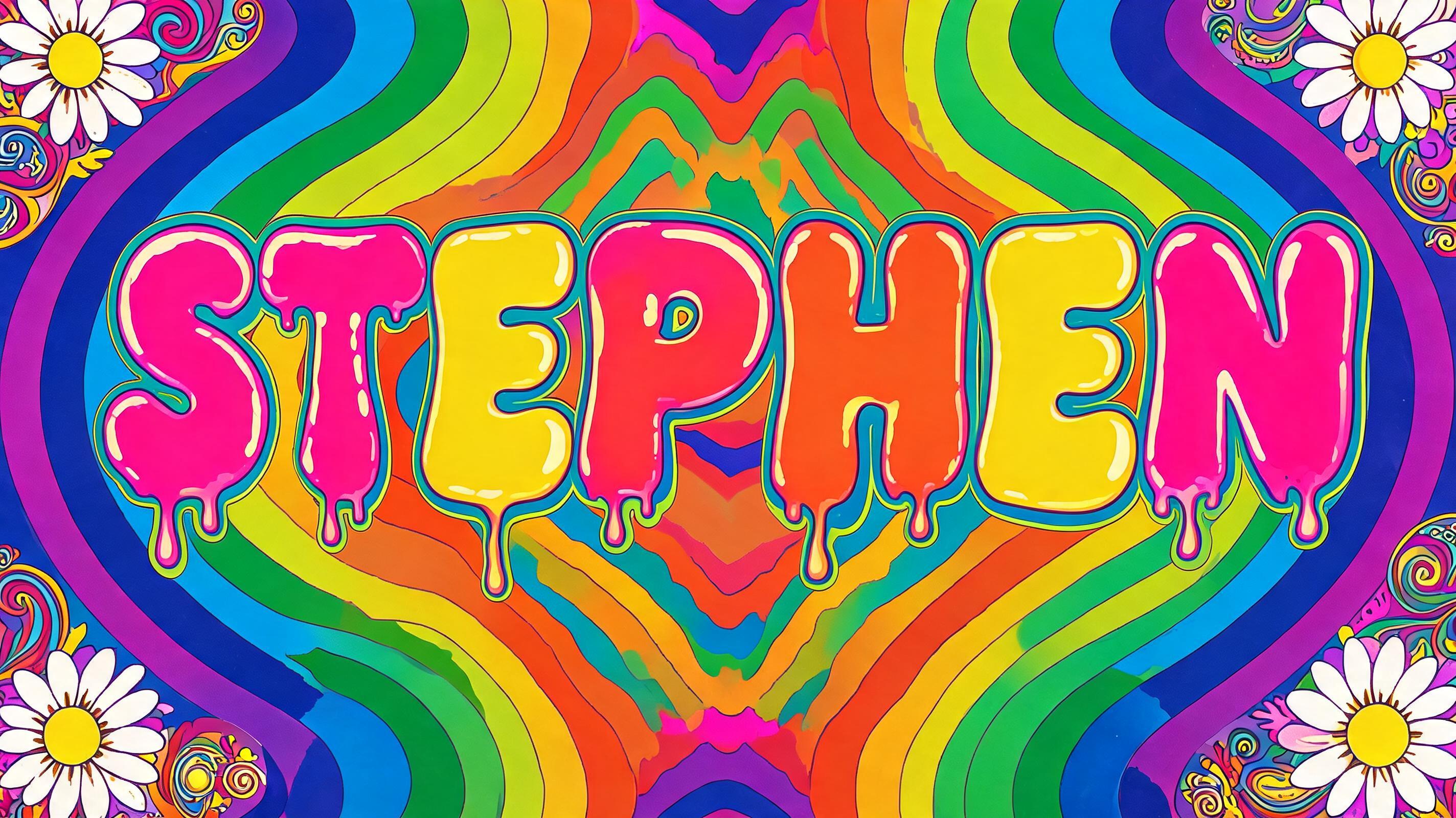
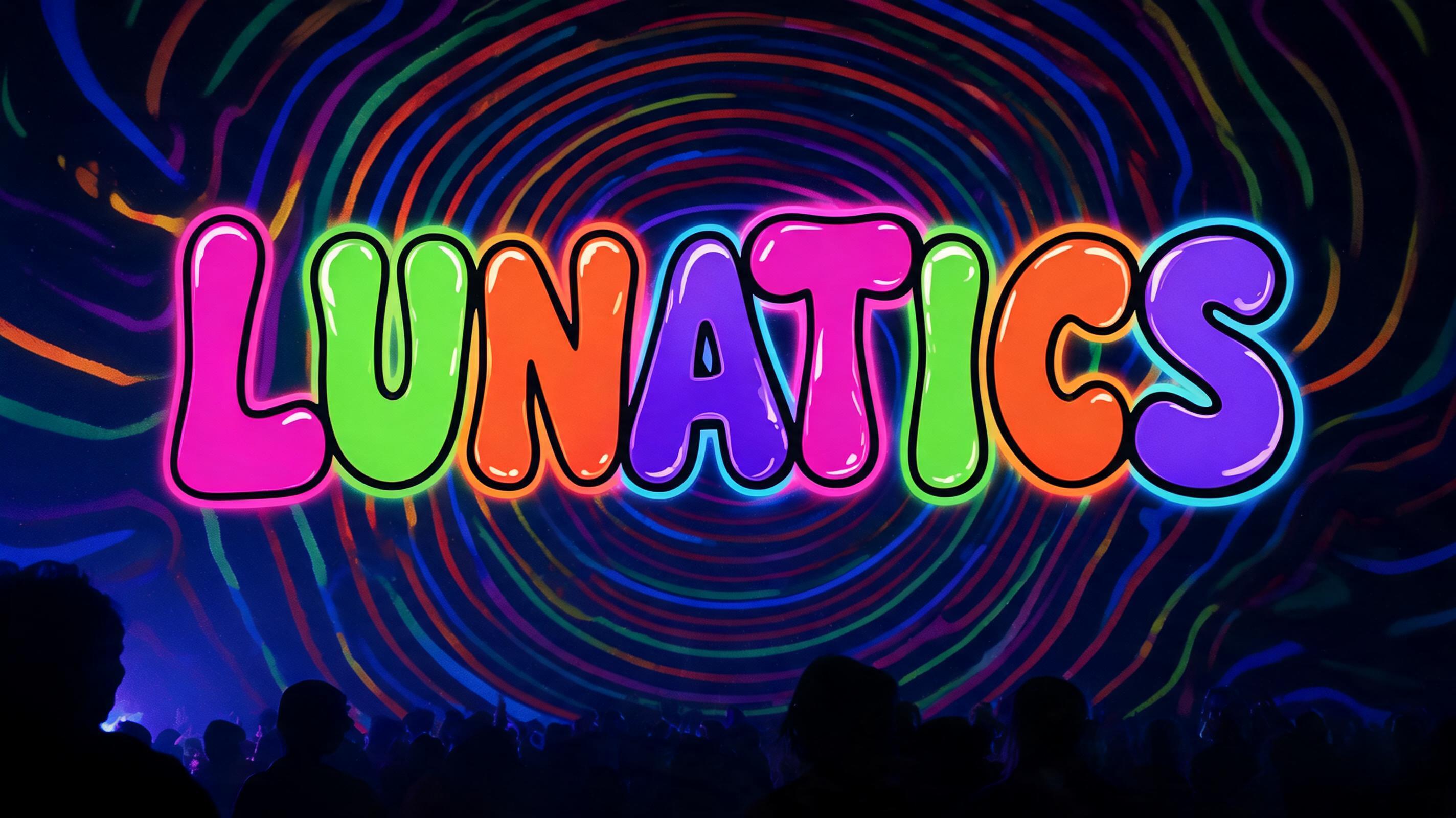
Real outputs from the Psychedelic style. Click any image to see details.
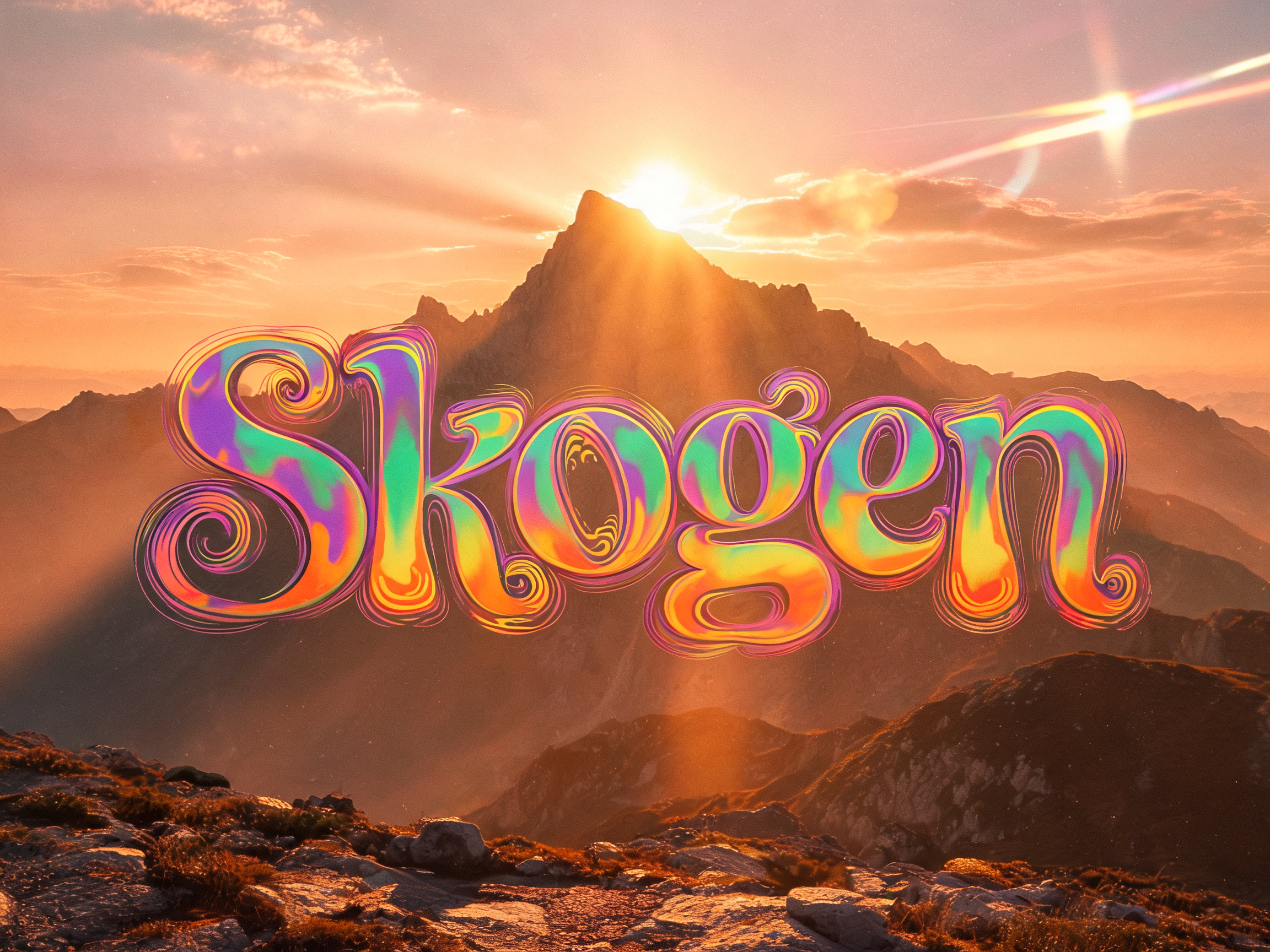

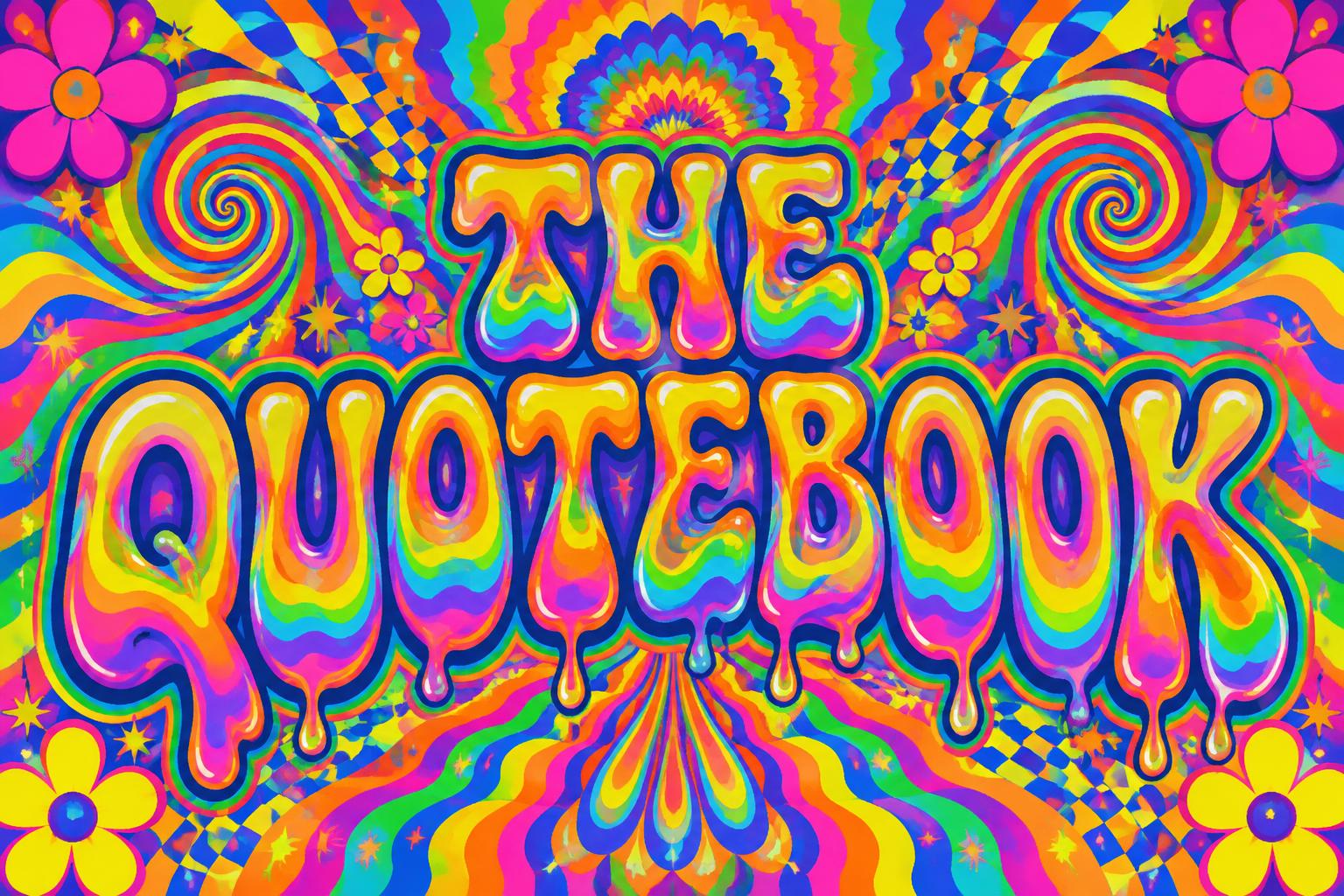
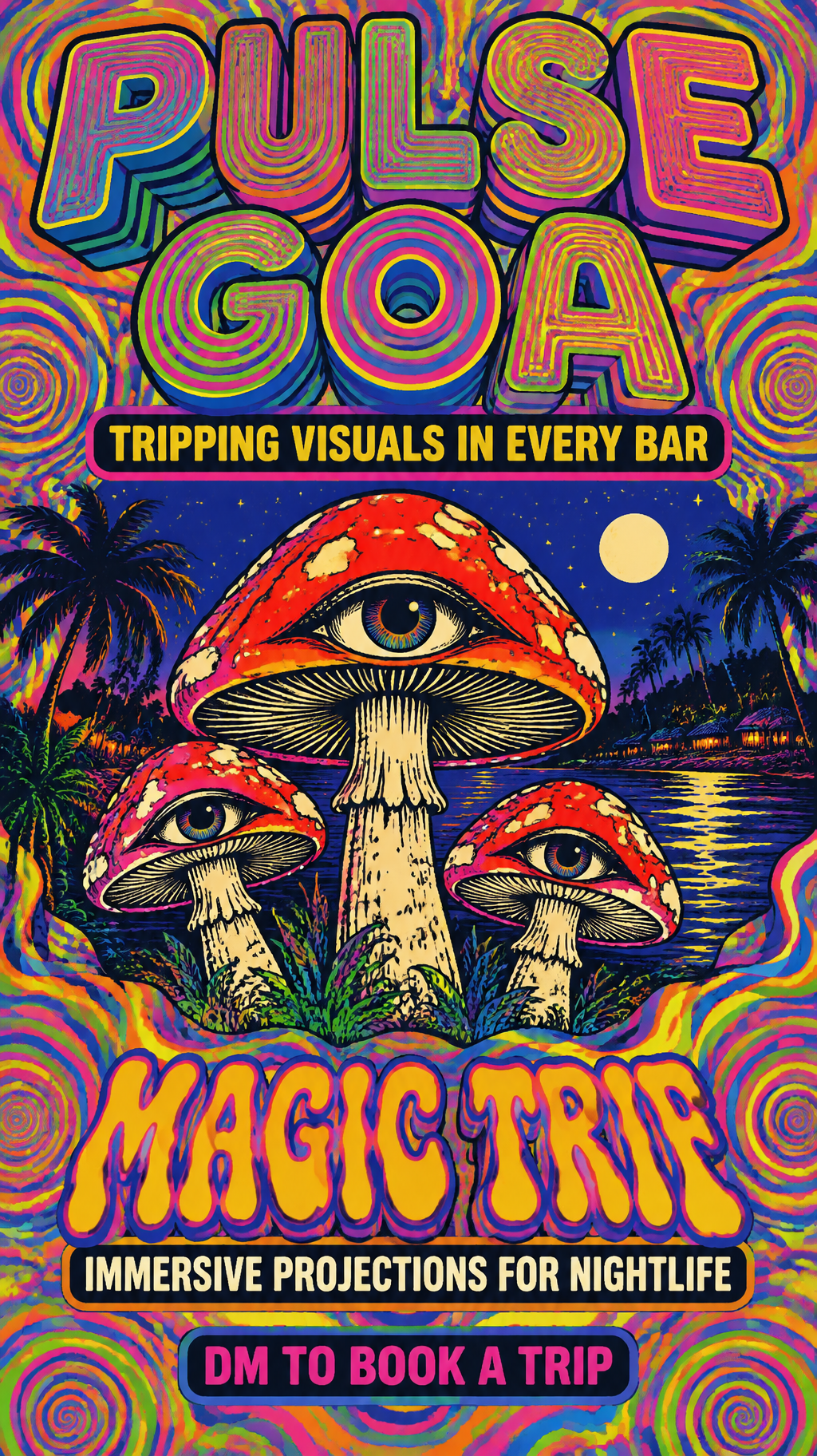
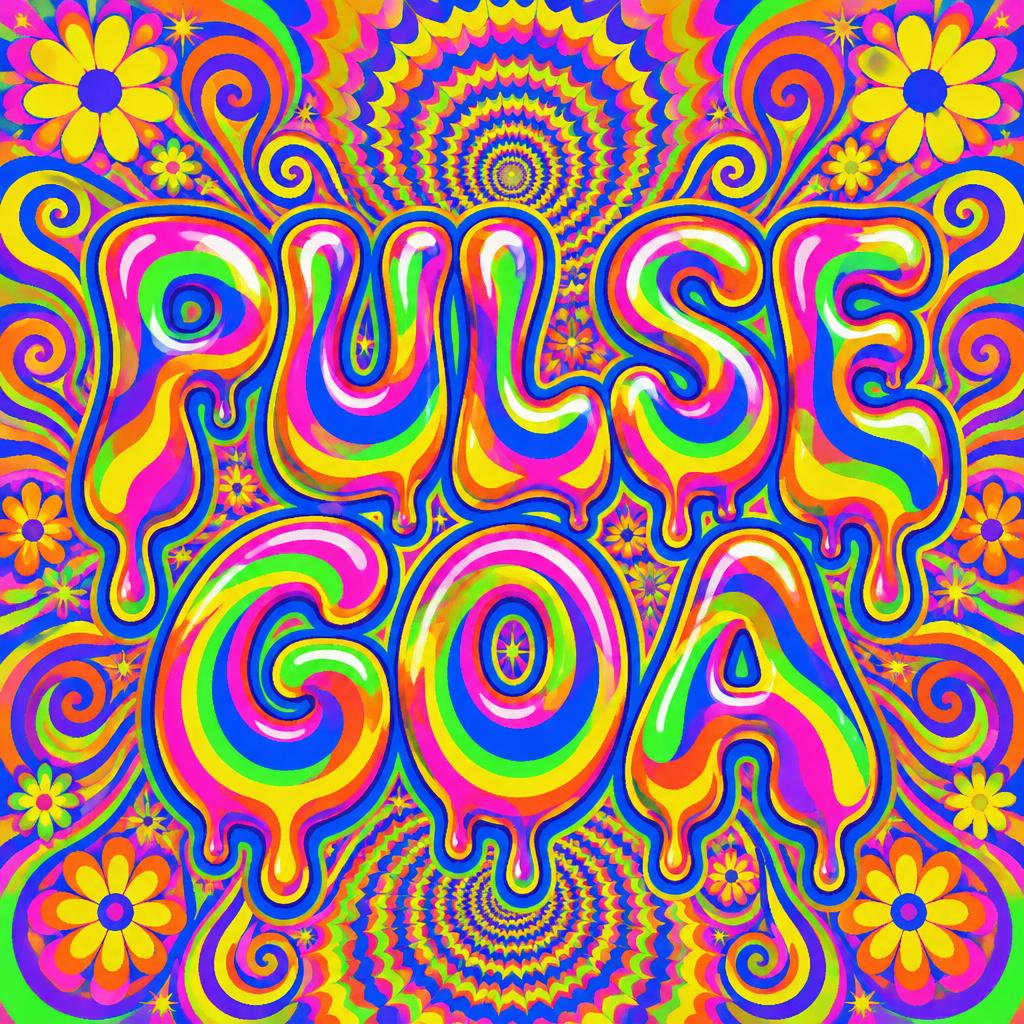

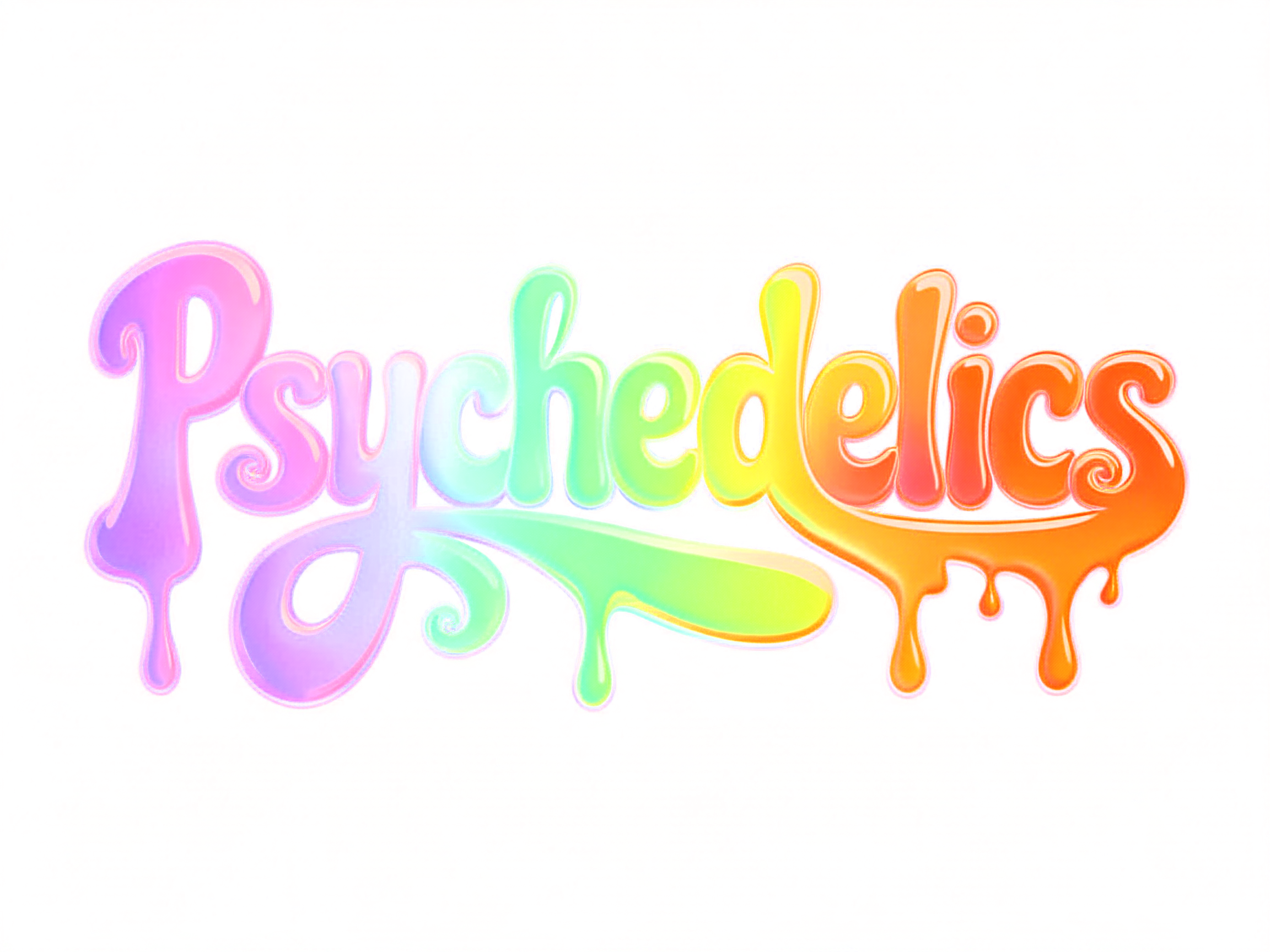
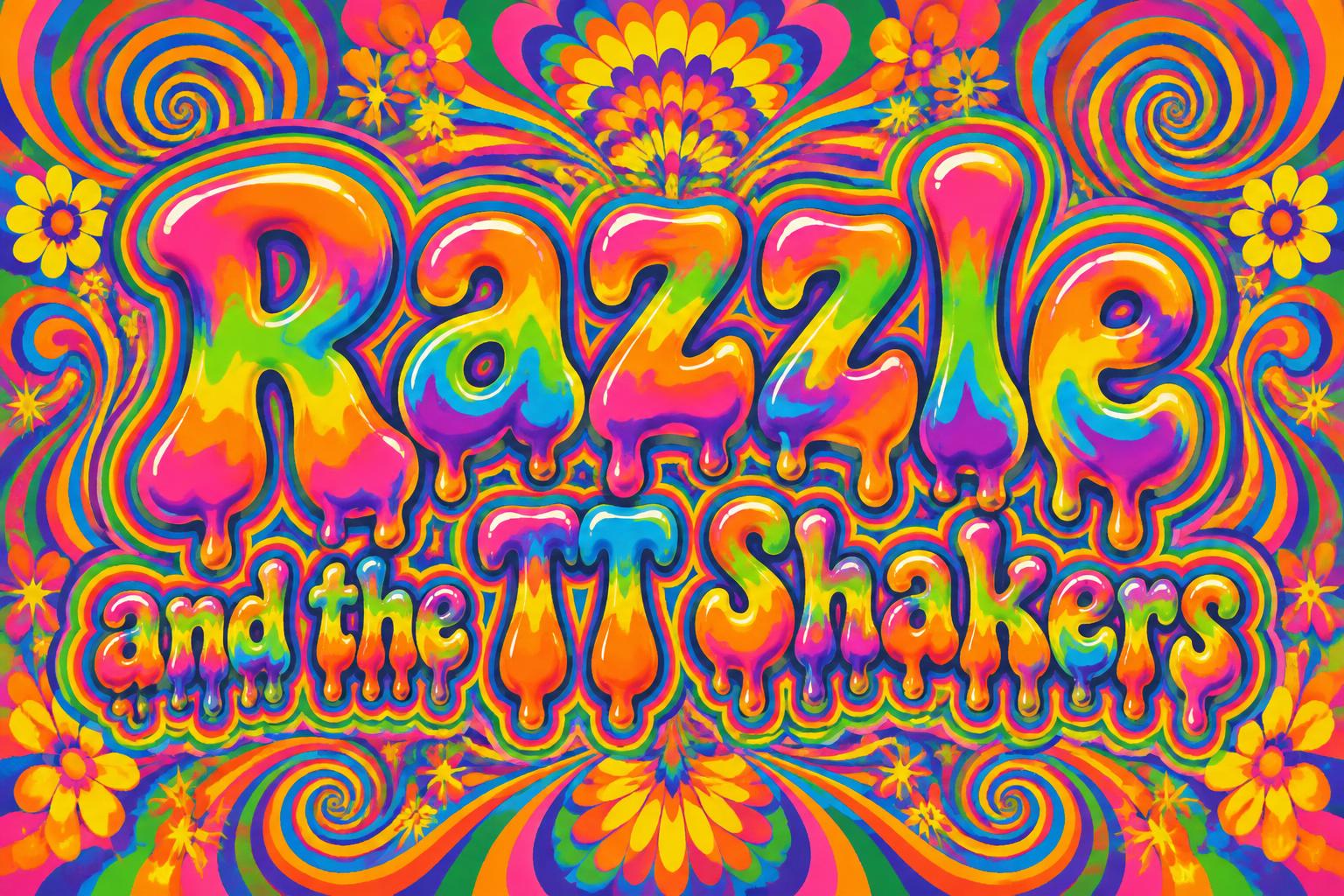
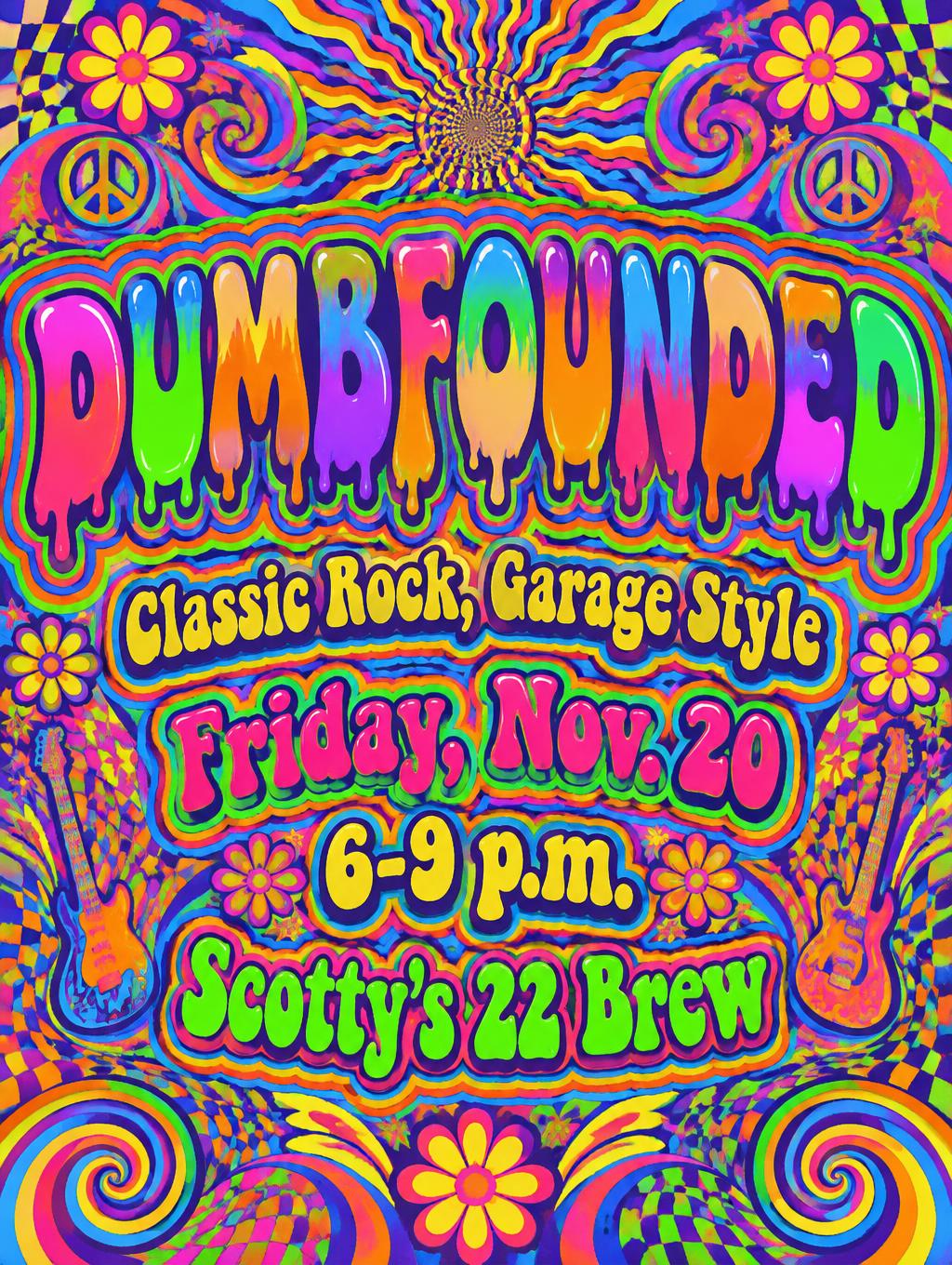
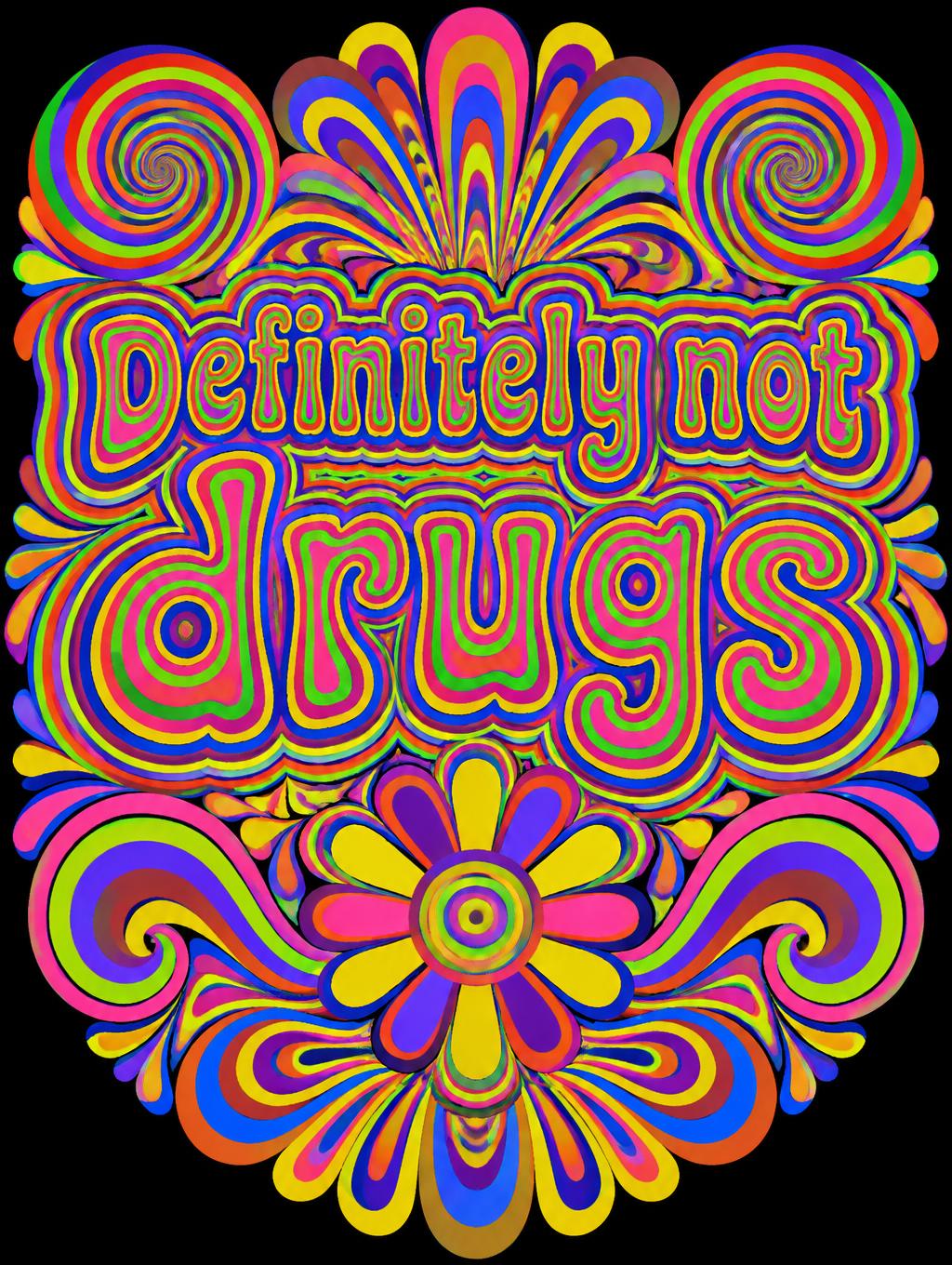






Looking for copy-paste fancy text? Try our free Font Generator Tools — cursive, gothic, bubble & 30+ styles.
Perfect for These Projects
Psychedelic Text Effect — FAQ
What is the Psychedelic Font Style?
The Psychedelic font style is a distinctive AI-generated typography effect. Melting glossy bubble letters in hot pink, orange and yellow, set against vibrating concentric rainbow waves with daisies and swirls. Using FontVibe's AI psychedelic generator you can create stunning text effects in seconds — no Photoshop, no font licensing, no design experience needed.
Explore the Psychedelic gallery for inspiration, or browse all 134+ AI text effect styles available on FontVibe.
How to Create Psychedelic Typography in FontVibe Studio
The Story Behind Psychedelic
History, visual DNA, and cultural context.
The Poster Movement That Broke Typography
Psychedelic graphic design has a birthdate: 1966, San Francisco, the Fillmore Auditorium. Concert promoter Bill Graham needed posters for shows by Jefferson Airplane, the Grateful Dead, and a rotating roster of bands attracting increasingly large crowds. The artists he hired — Victor Moscoso, Wes Wilson, Stanley Mouse, Alton Kelley — had no shared style. They invented one.
The design problem was specific: posters needed to be readable from a distance but also interesting up close; they needed to announce events but also function as collectible artifacts; they needed to capture an experience — including the experience of certain altered states — in static print. The solution involved violating every principle of legible typography simultaneously.
Letters bent. Colors vibrated against each other at maximum saturation — the optical effect known as simultaneous contrast, where adjacent complementary colors appear to shift and pulse. Letterforms borrowed from Victorian circus posters, Art Nouveau's organic curves, and the sinuous line work of Aubrey Beardsley, then distorted all of it past recognition. The text became image. The poster was meant to be experienced, not just read.
The style spread globally through the late 1960s, absorbed the visual research of Op Art and psychedelic drug culture, and gave a permanent visual language to an era that has never quite ended.
The Visual DNA
Cultural Landmarks
Did You Know?
Victor Moscoso deliberately exploited a physiological limitation of the human visual system: the eye cannot simultaneously focus on two adjacent areas of maximum complementary contrast. The visual "vibration" at the boundary between a red letter and a green background is not a design effect — it is the visual cortex failing to resolve conflicting signals. Moscoso had studied this under Josef Albers at Yale before applying it to concert posters.
The Fillmore Auditorium poster archive contains approximately 300 original handbill designs from 1966–1971, printed as functional advertising and distributed free. Original posters in good condition now sell for thousands of dollars — the functional ephemera of a counterculture became a blue-chip collectible category.
Many of the most influential psychedelic typographers were formally trained commercial artists who deliberately broke the rules they knew well. Wes Wilson had studied art at San Francisco State; Victor Moscoso had an MFA from Yale. The apparent naivety of psychedelic design was the product of educated people choosing to violate legibility.
Create Your Psychedelic Typography in Studio
Free to start. No design skills needed. Your artwork, your copyright.
AI Psychedelic Text Effect Generator
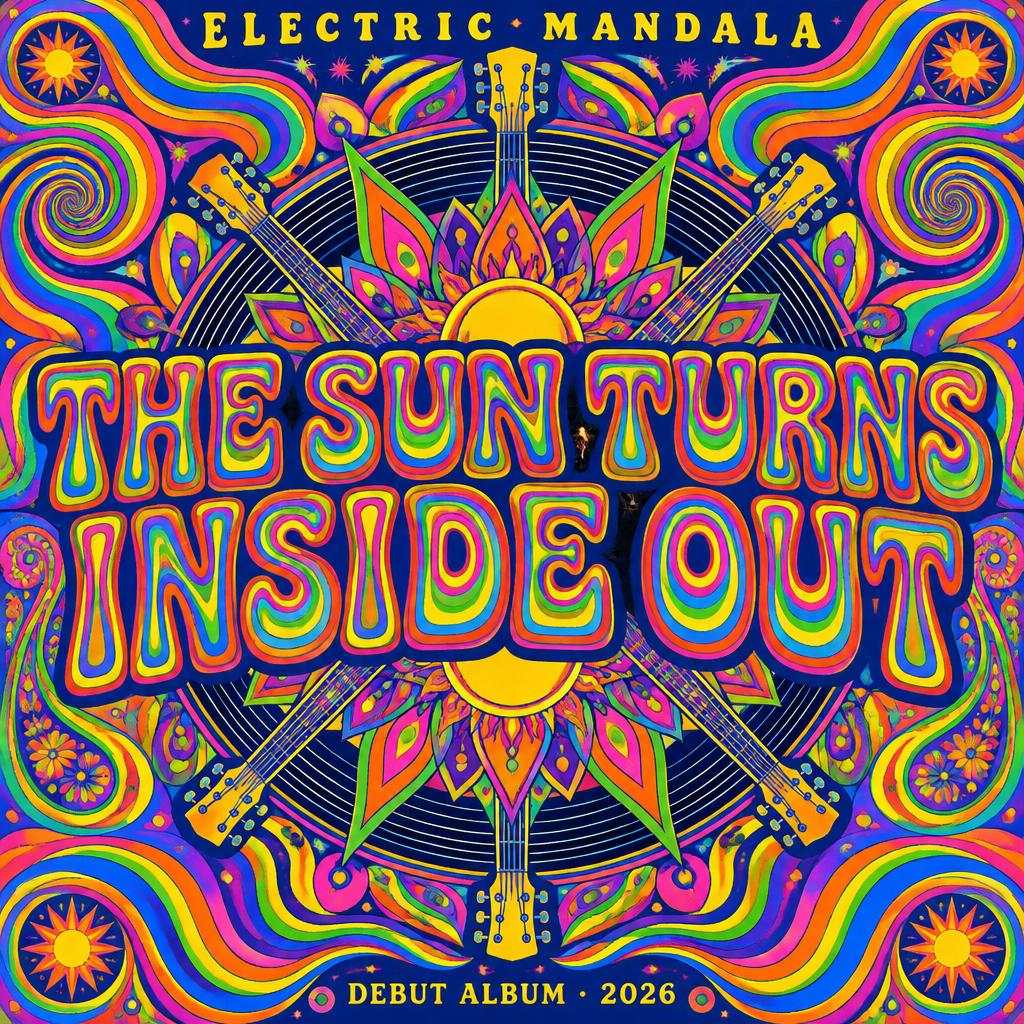
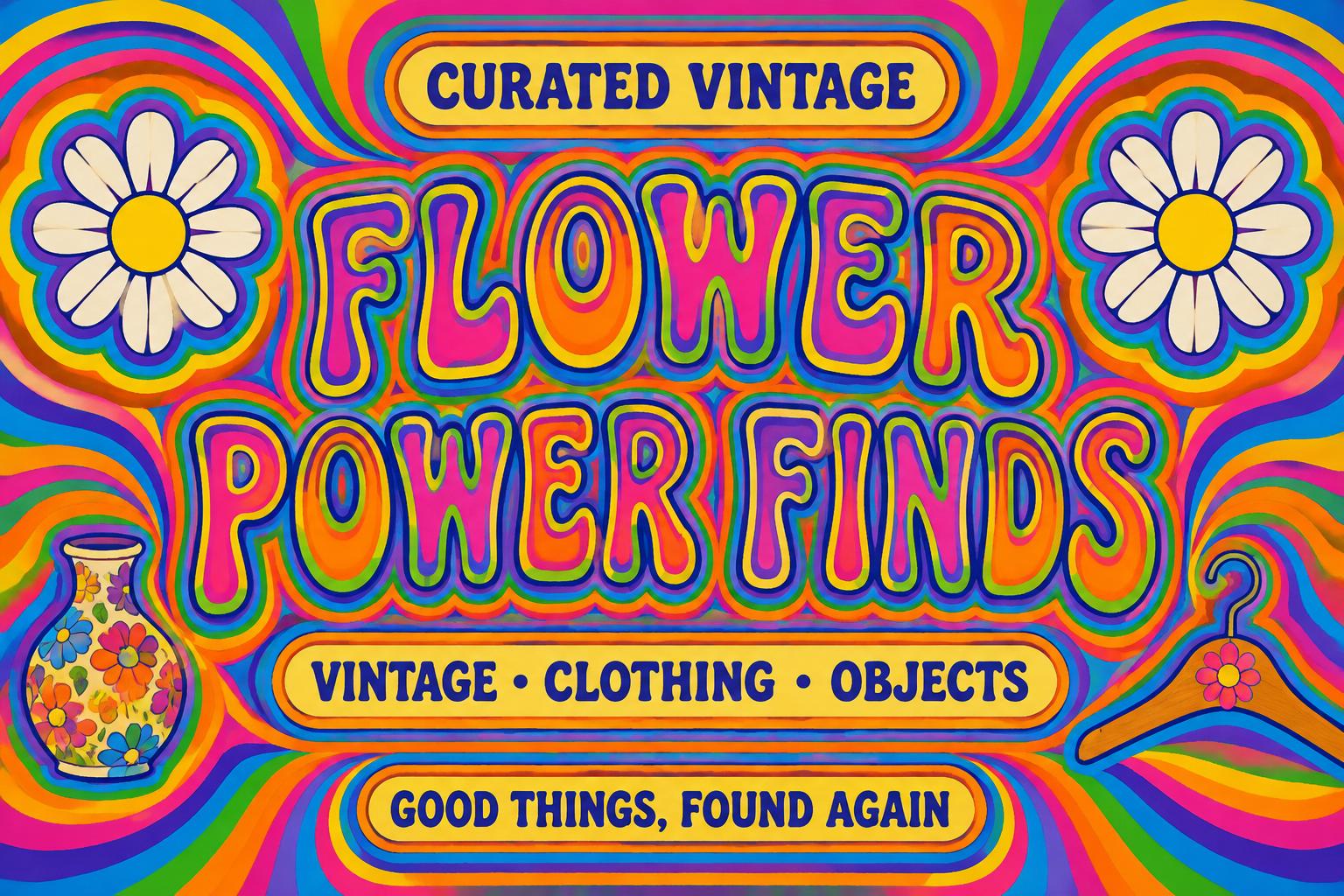
Melting glossy bubble letters in hot pink, orange and yellow, set against vibrating concentric rainbow waves with daisies and swirls. — no font license needed.
Psychedelic in different AI fonts
Generate Your Psychedelic Text Effect
Type any word — see it transformed in seconds. No sign-up required.
Psychedelic Style Gallery
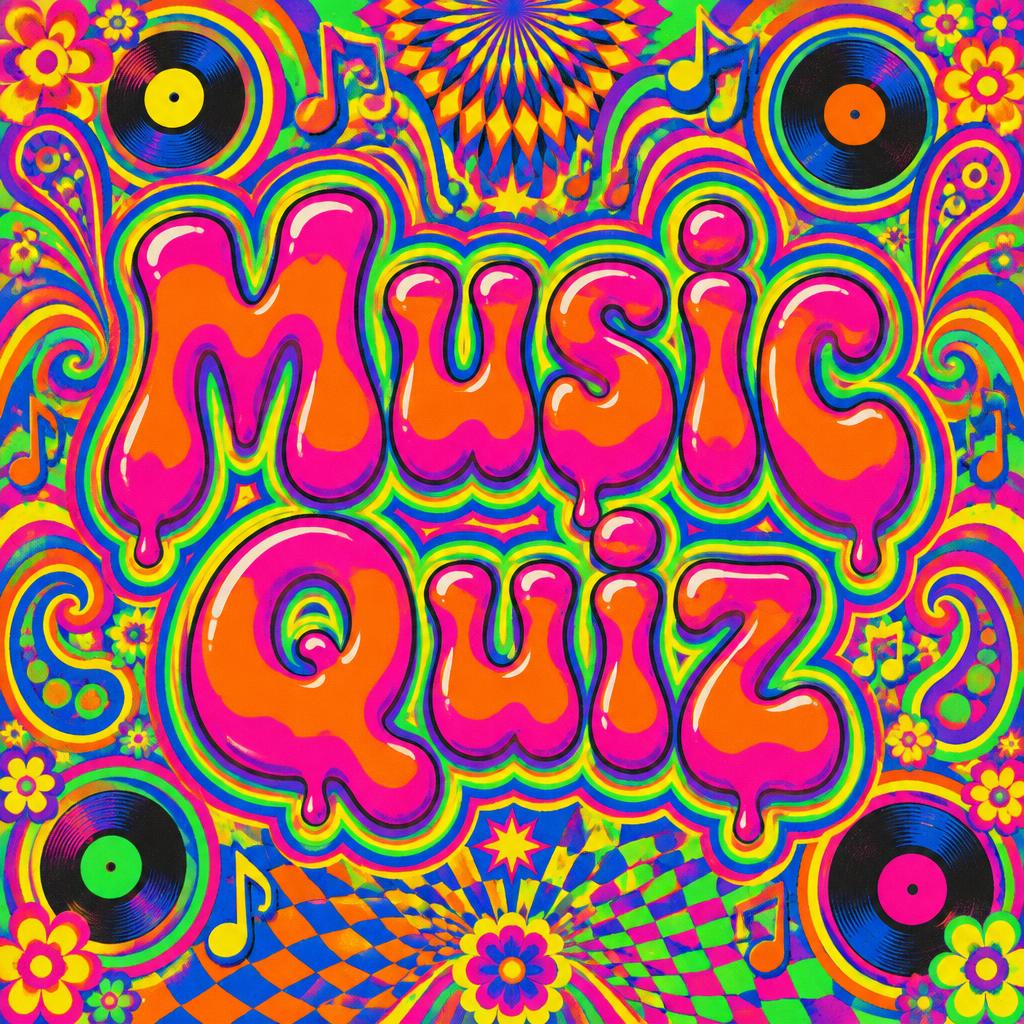
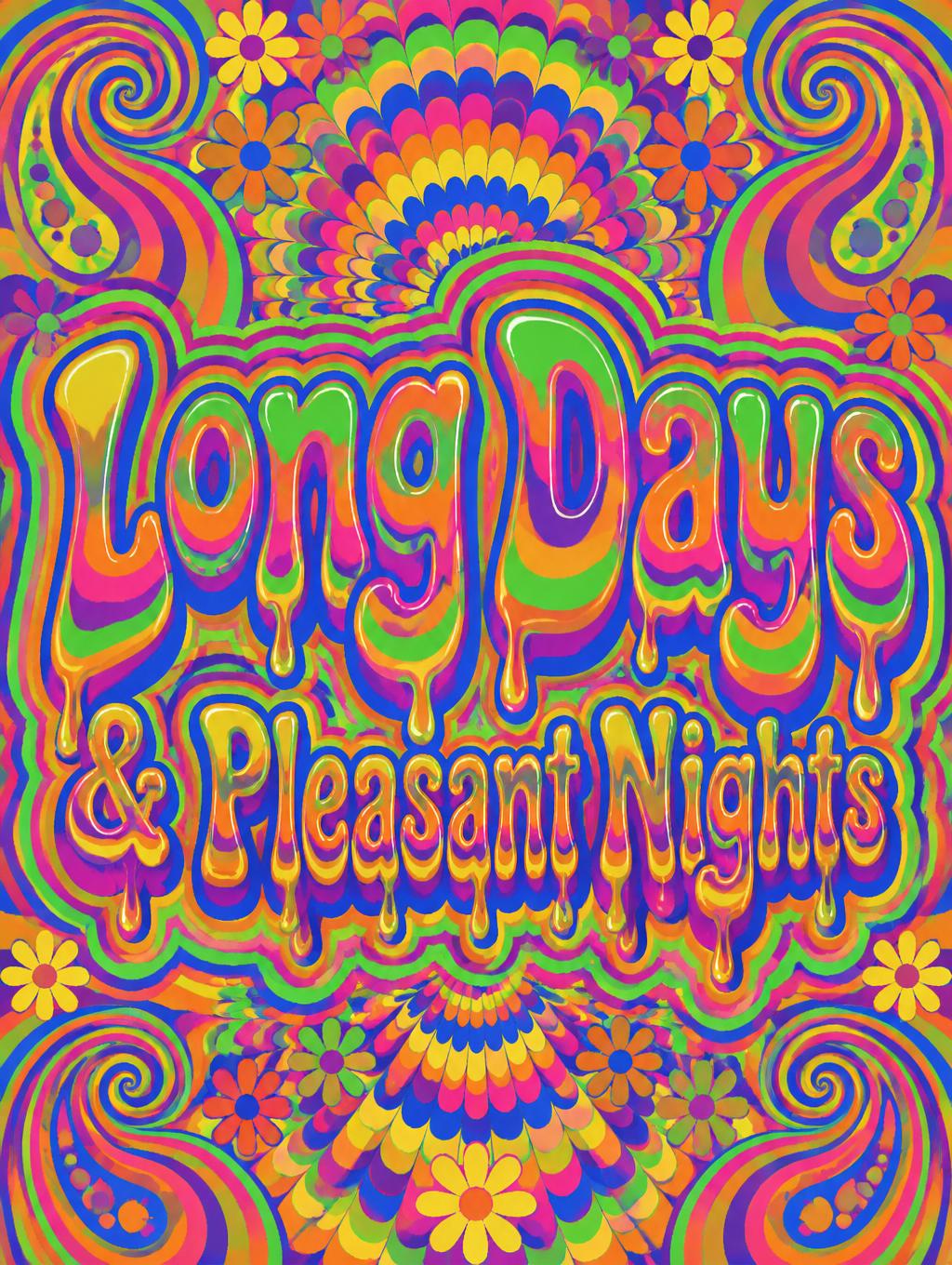
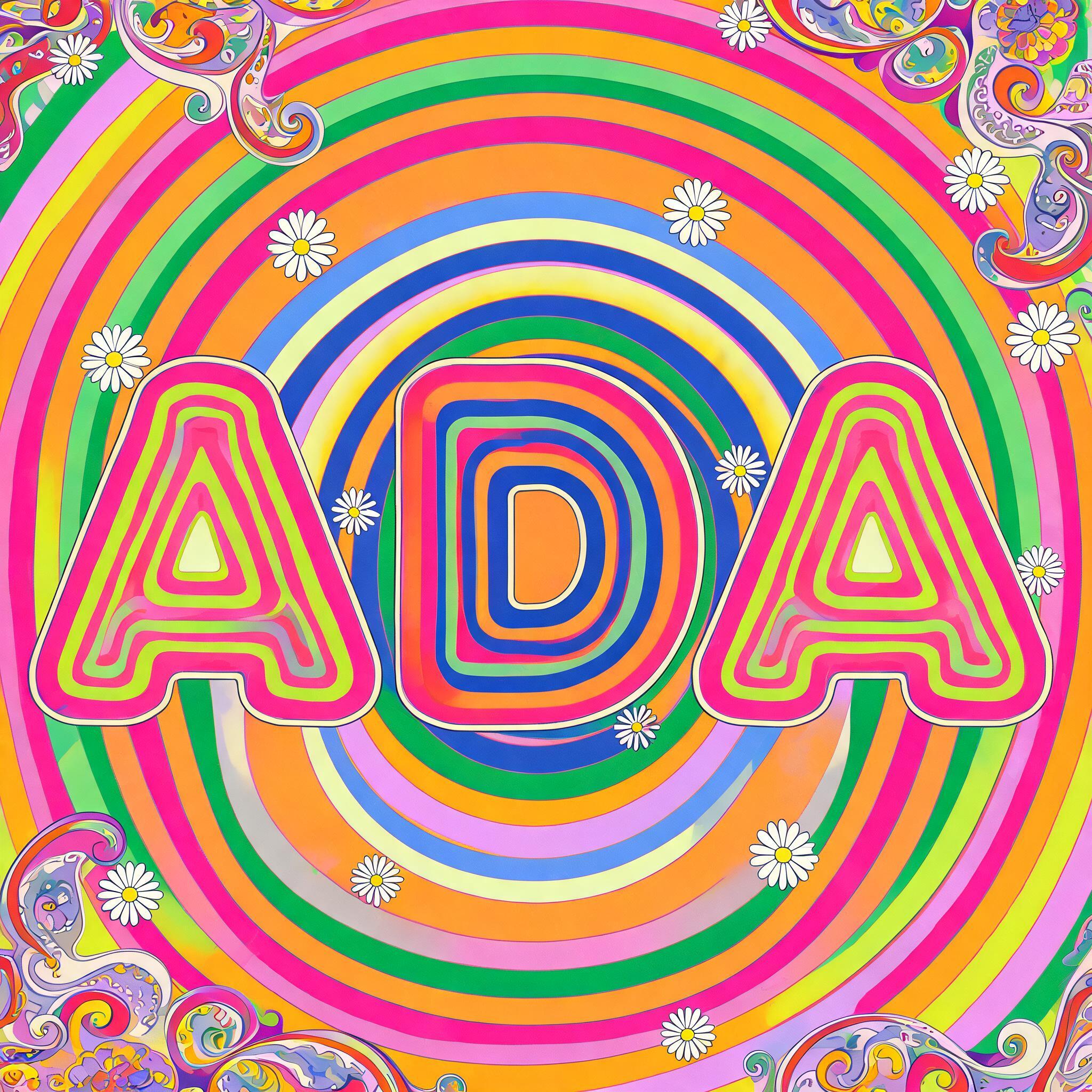
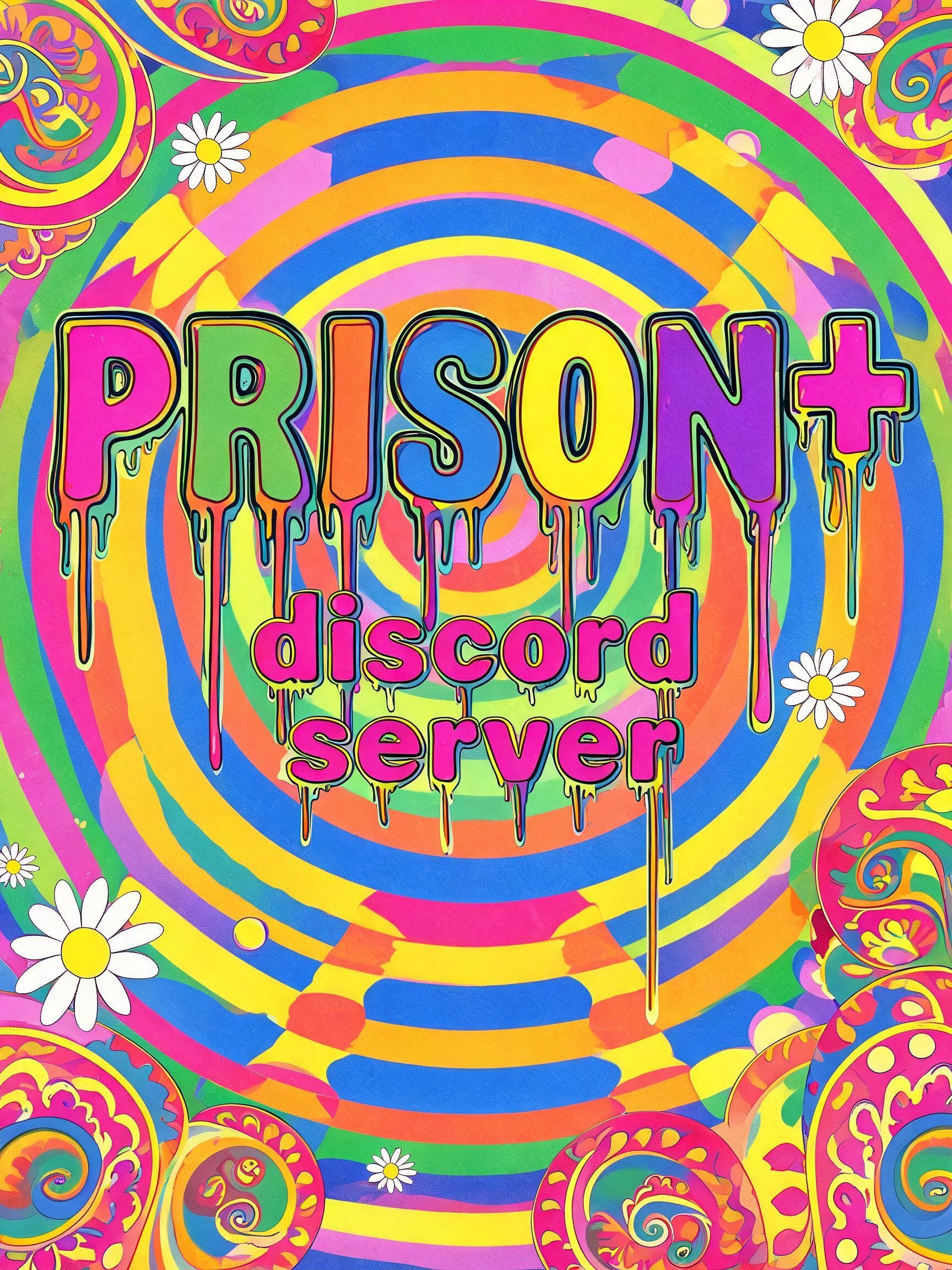
Real outputs from the Psychedelic style. Click any image to see details.








Similar Text Effect Styles
Try these styles and create your own AI-generated text effects.
Looking for copy-paste fancy text? Try our free Font Generator Tools — cursive, gothic, bubble & 30+ styles.
Perfect for These Projects
Psychedelic text effects are popular for creative projects where visual impact matters.
What is the Psychedelic Font Style?
The Psychedelic font style is a distinctive AI-generated typography effect. Melting glossy bubble letters in hot pink, orange and yellow, set against vibrating concentric rainbow waves with daisies and swirls.
Using FontVibe's AI psychedelic generator you can create stunning text effects in seconds — no Photoshop, no font licensing, no design experience needed.
Explore the Psychedelic gallery for inspiration, or browse all 134+ AI text effect styles available on FontVibe.
How to Create Psychedelic Typography in FontVibe Studio
1. Enter your text — Any word, phrase, or brand name. Works best with short, punchy text.
2. Select Psychedelic — From the style library. Optionally describe a mood in the custom prompt.
3. Generate and download. Your Psychedelic font artwork is ready in seconds. PNG, JPG, or transparent PNG.
Looking for something different? Browse the full font style library for more AI typography options.
Psychedelic Text Effect — FAQ
The Story Behind Psychedelic
History, visual DNA, and cultural context — everything that makes this style what it is.
The Poster Movement That Broke Typography
Psychedelic graphic design has a birthdate: 1966, San Francisco, the Fillmore Auditorium. Concert promoter Bill Graham needed posters for shows by Jefferson Airplane, the Grateful Dead, and a rotating roster of bands attracting increasingly large crowds. The artists he hired — Victor Moscoso, Wes Wilson, Stanley Mouse, Alton Kelley — had no shared style. They invented one.
The design problem was specific: posters needed to be readable from a distance but also interesting up close; they needed to announce events but also function as collectible artifacts; they needed to capture an experience — including the experience of certain altered states — in static print. The solution involved violating every principle of legible typography simultaneously.
Letters bent. Colors vibrated against each other at maximum saturation — the optical effect known as simultaneous contrast, where adjacent complementary colors appear to shift and pulse. Letterforms borrowed from Victorian circus posters, Art Nouveau's organic curves, and the sinuous line work of Aubrey Beardsley, then distorted all of it past recognition. The text became image. The poster was meant to be experienced, not just read.
The style spread globally through the late 1960s, absorbed the visual research of Op Art and psychedelic drug culture, and gave a permanent visual language to an era that has never quite ended.
The Visual DNA
Cultural Landmarks
Did You Know?
Victor Moscoso deliberately exploited a physiological limitation of the human visual system: the eye cannot simultaneously focus on two adjacent areas of maximum complementary contrast. The visual "vibration" at the boundary between a red letter and a green background is not a design effect — it is the visual cortex failing to resolve conflicting signals. Moscoso had studied this under Josef Albers at Yale before applying it to concert posters.
The Fillmore Auditorium poster archive contains approximately 300 original handbill designs from 1966–1971, printed as functional advertising and distributed free. Original posters in good condition now sell for thousands of dollars — the functional ephemera of a counterculture became a blue-chip collectible category.
Many of the most influential psychedelic typographers were formally trained commercial artists who deliberately broke the rules they knew well. Wes Wilson had studied art at San Francisco State; Victor Moscoso had an MFA from Yale. The apparent naivety of psychedelic design was the product of educated people choosing to violate legibility.