


AI Drip Font Melting Font Text Effect Generator
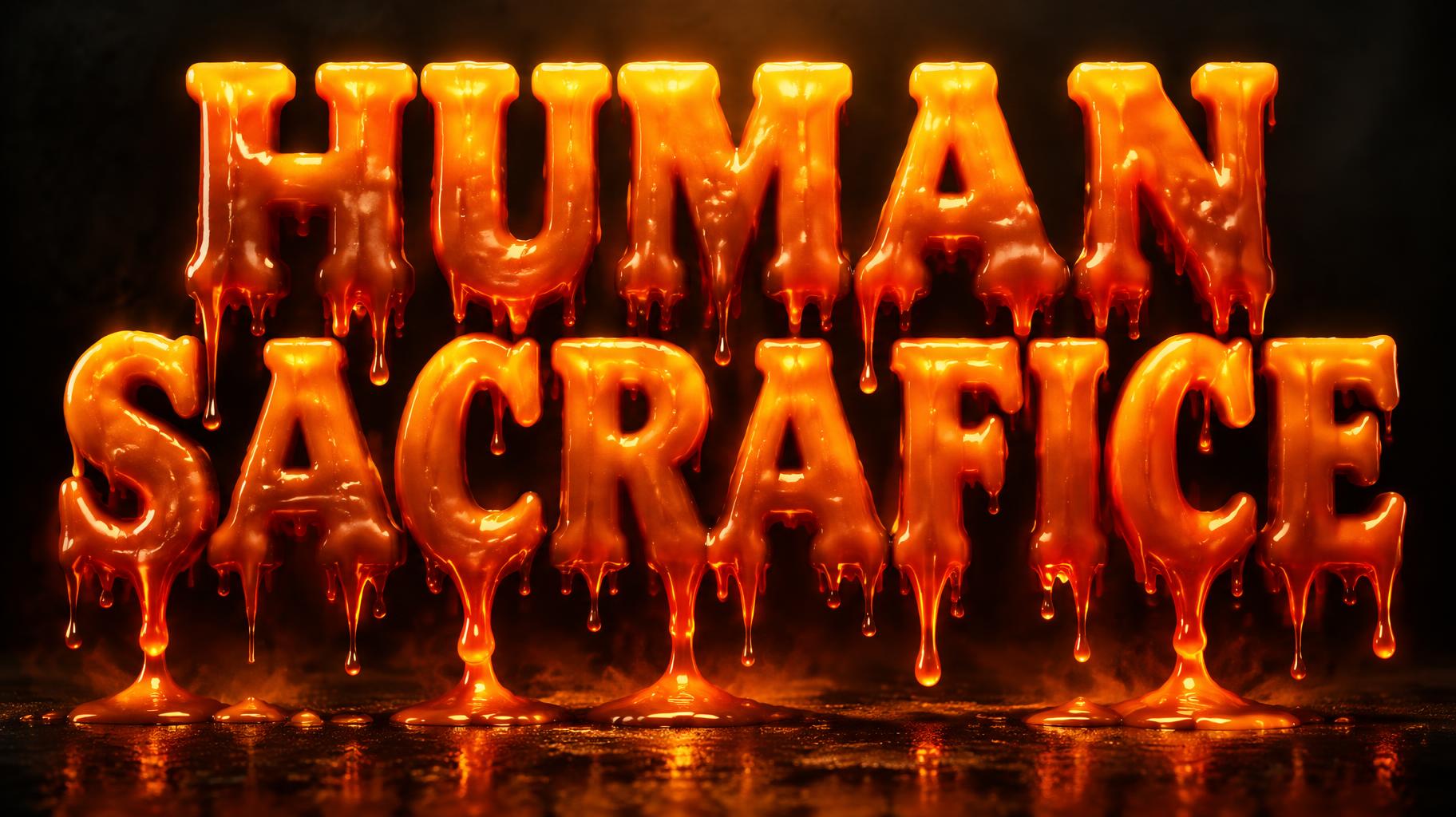
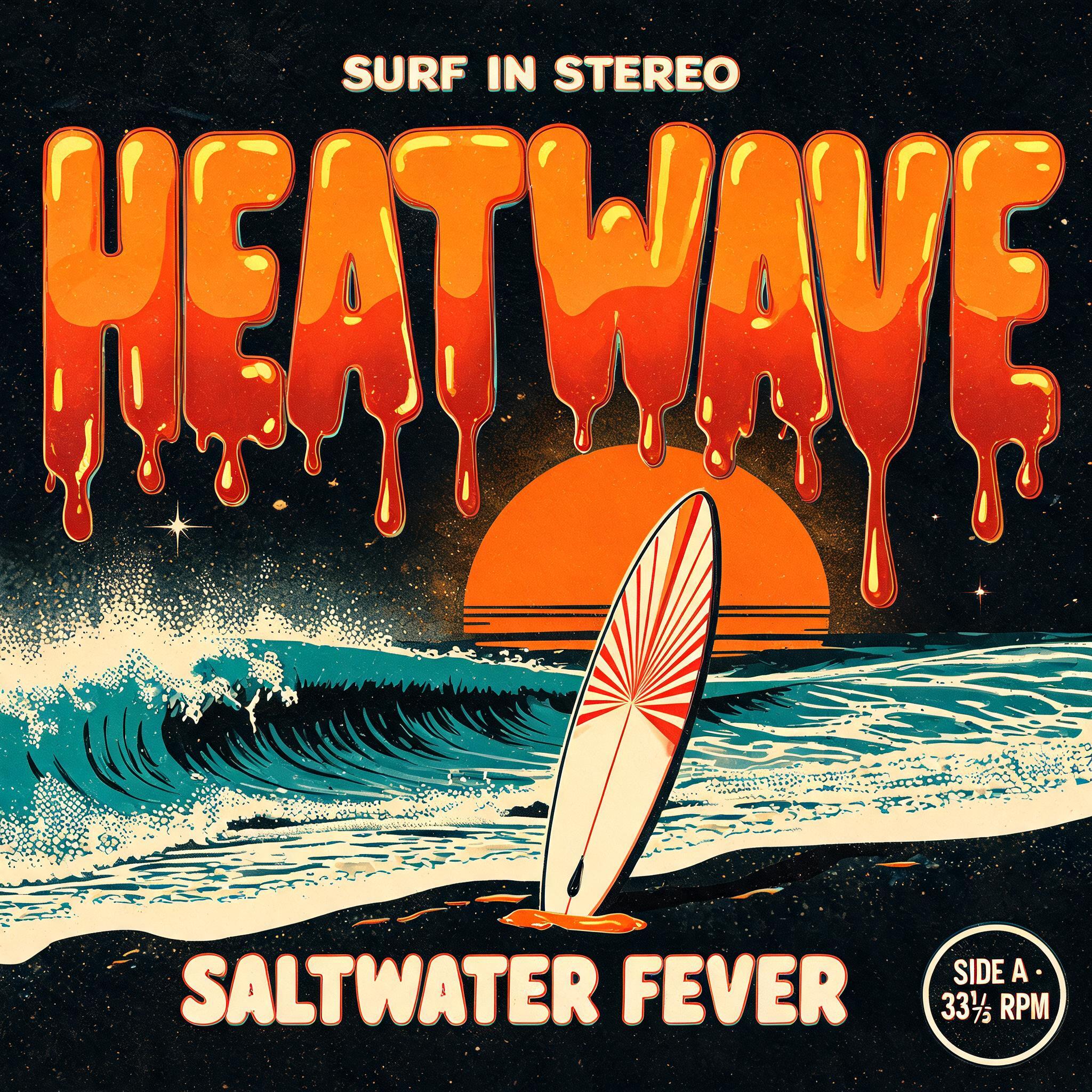
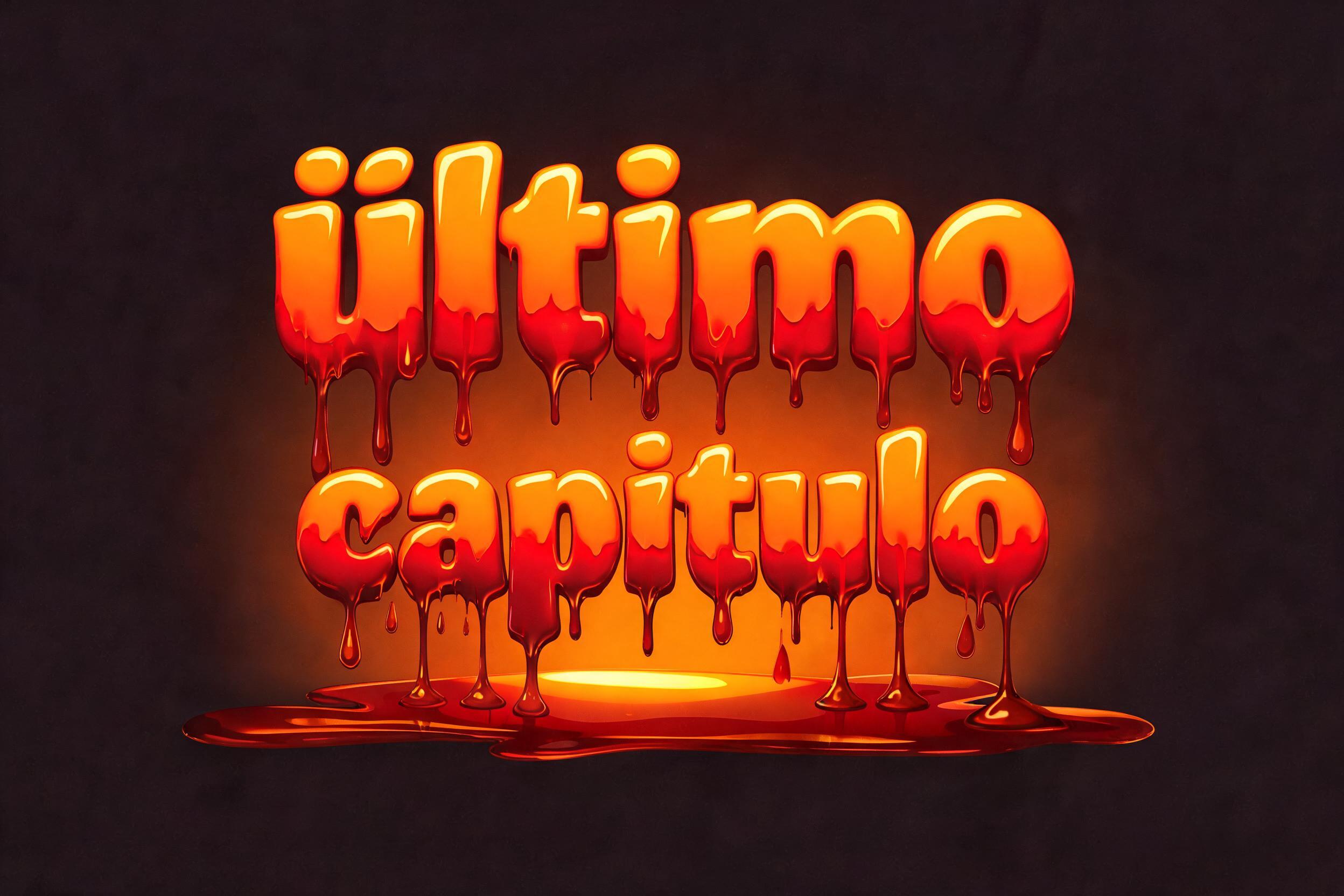
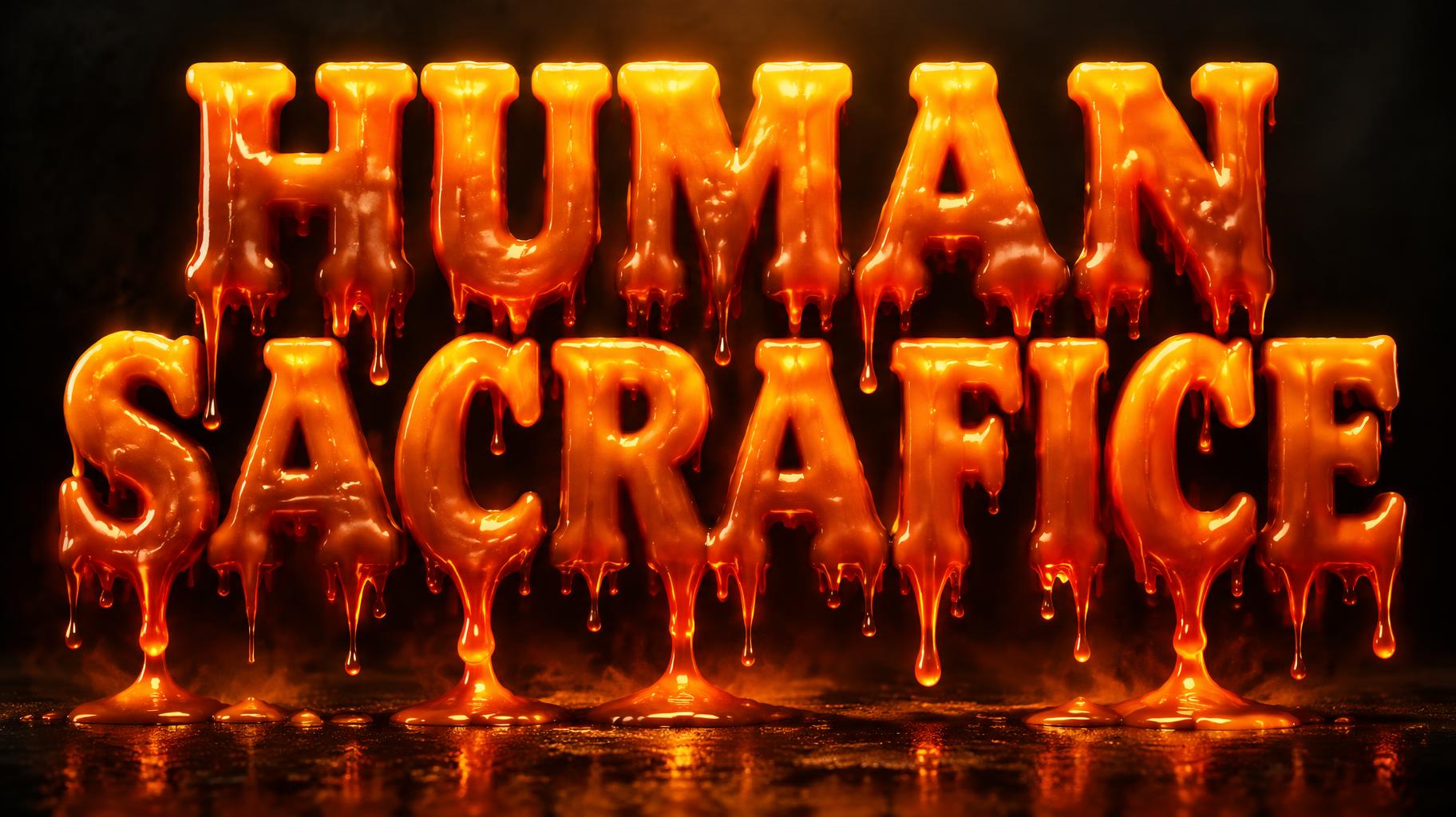
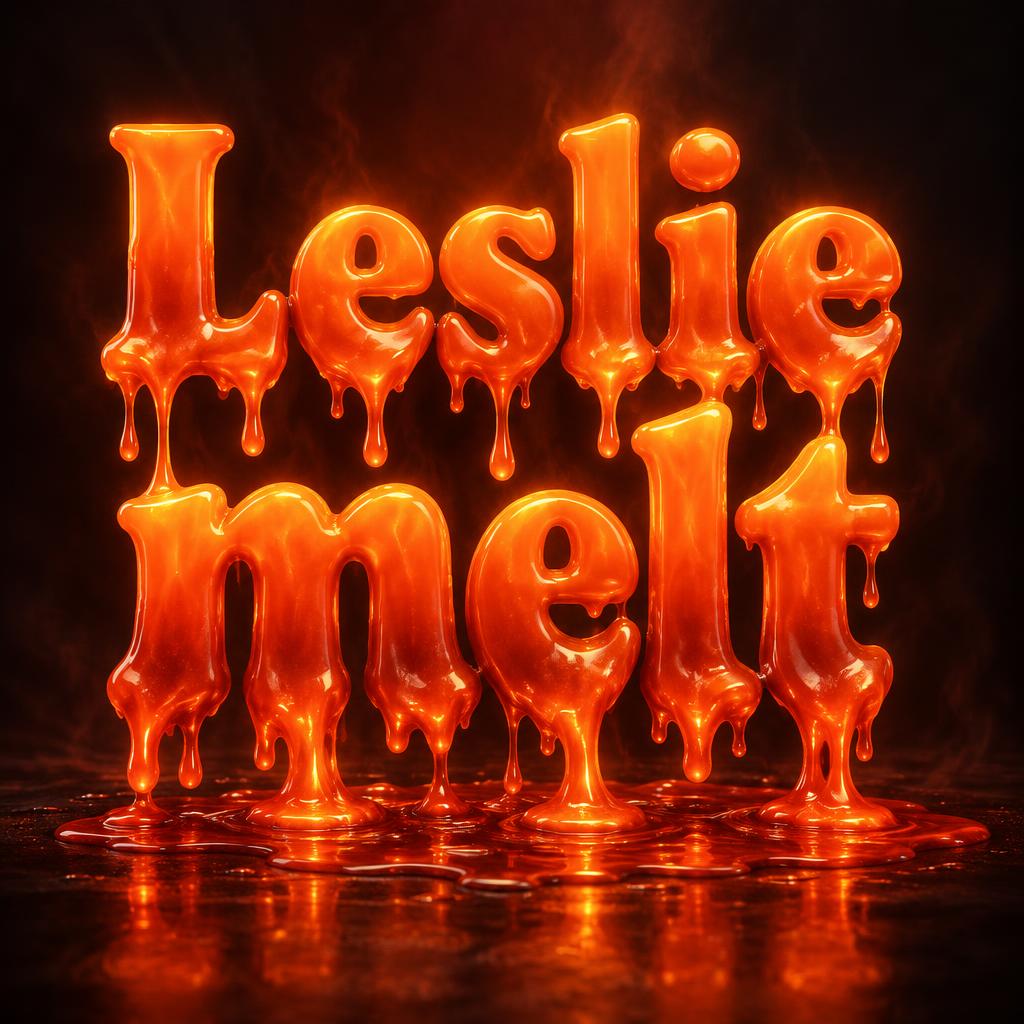
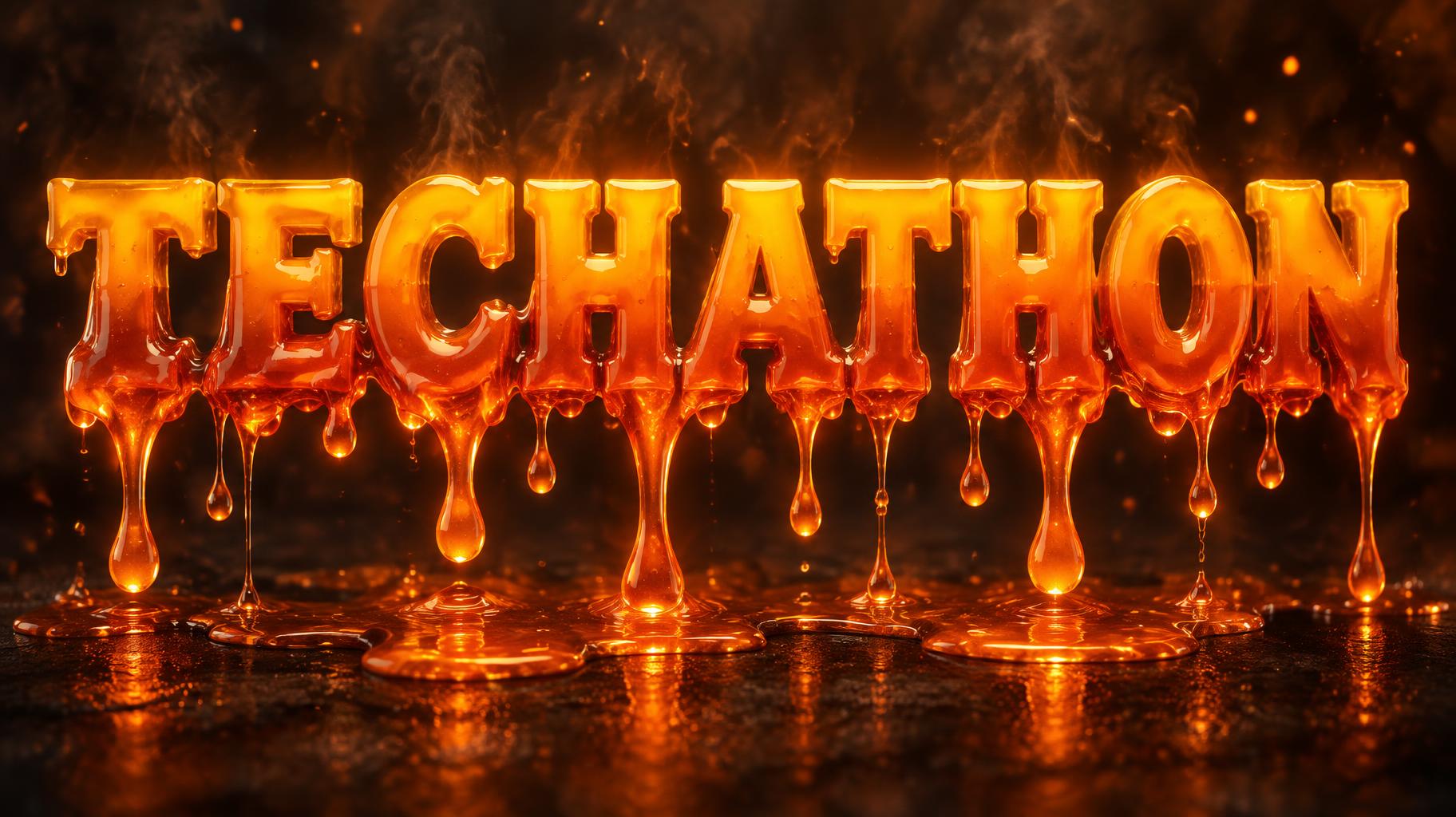
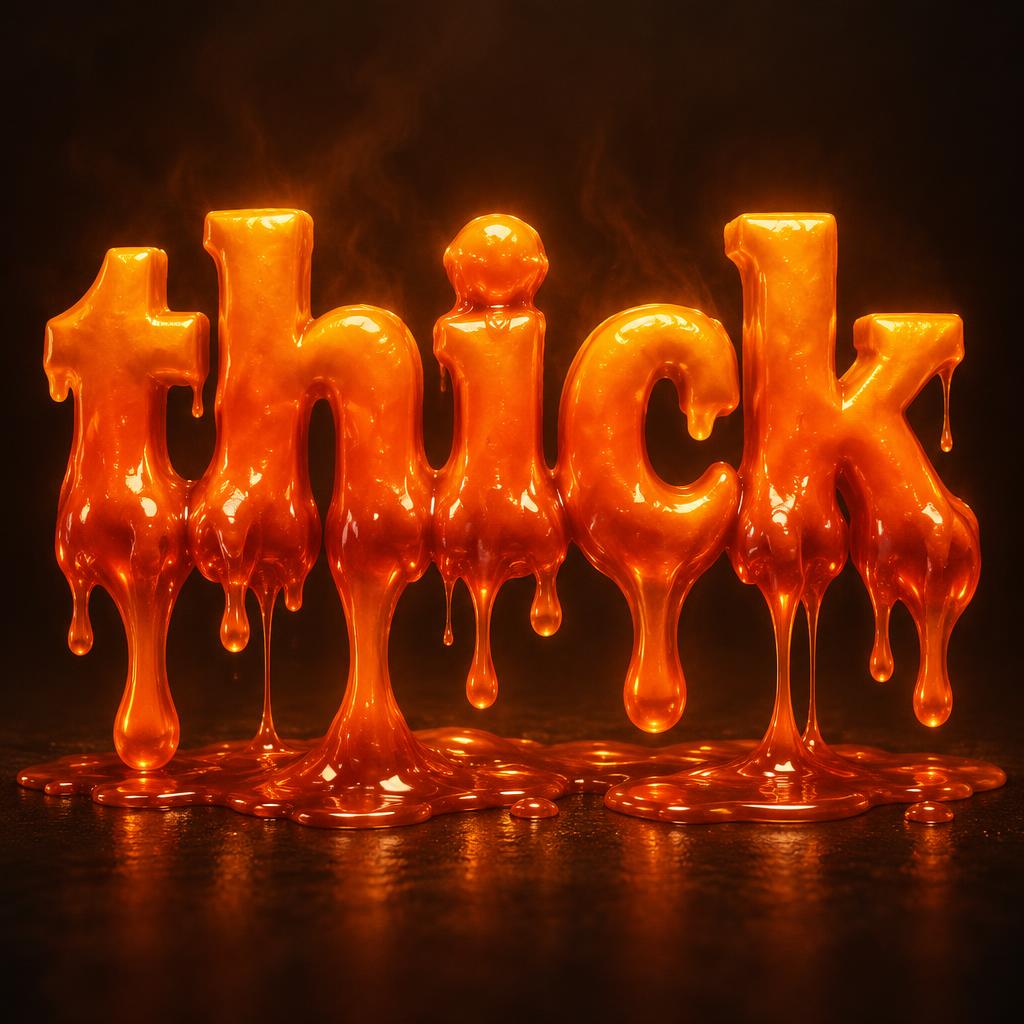
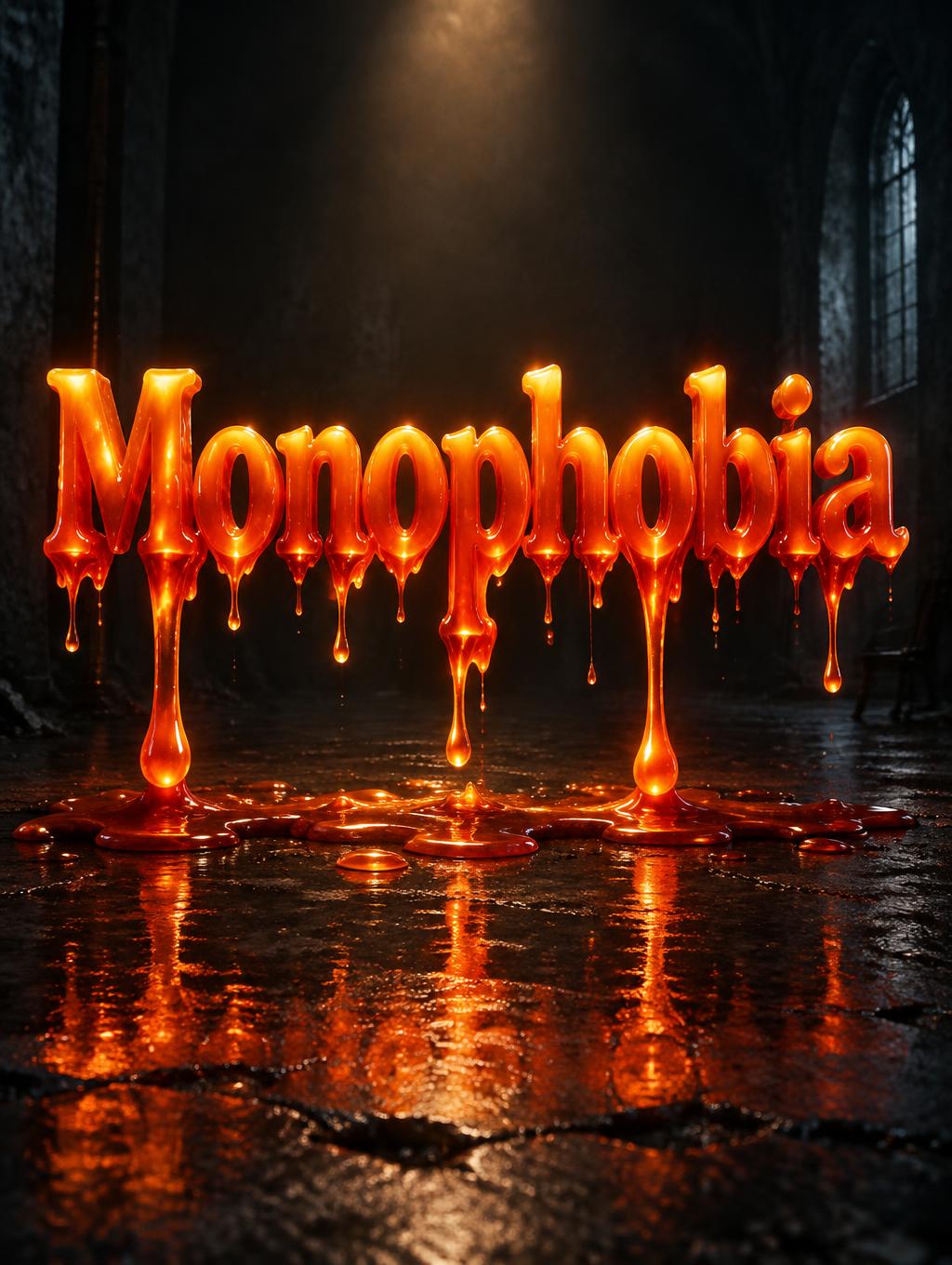
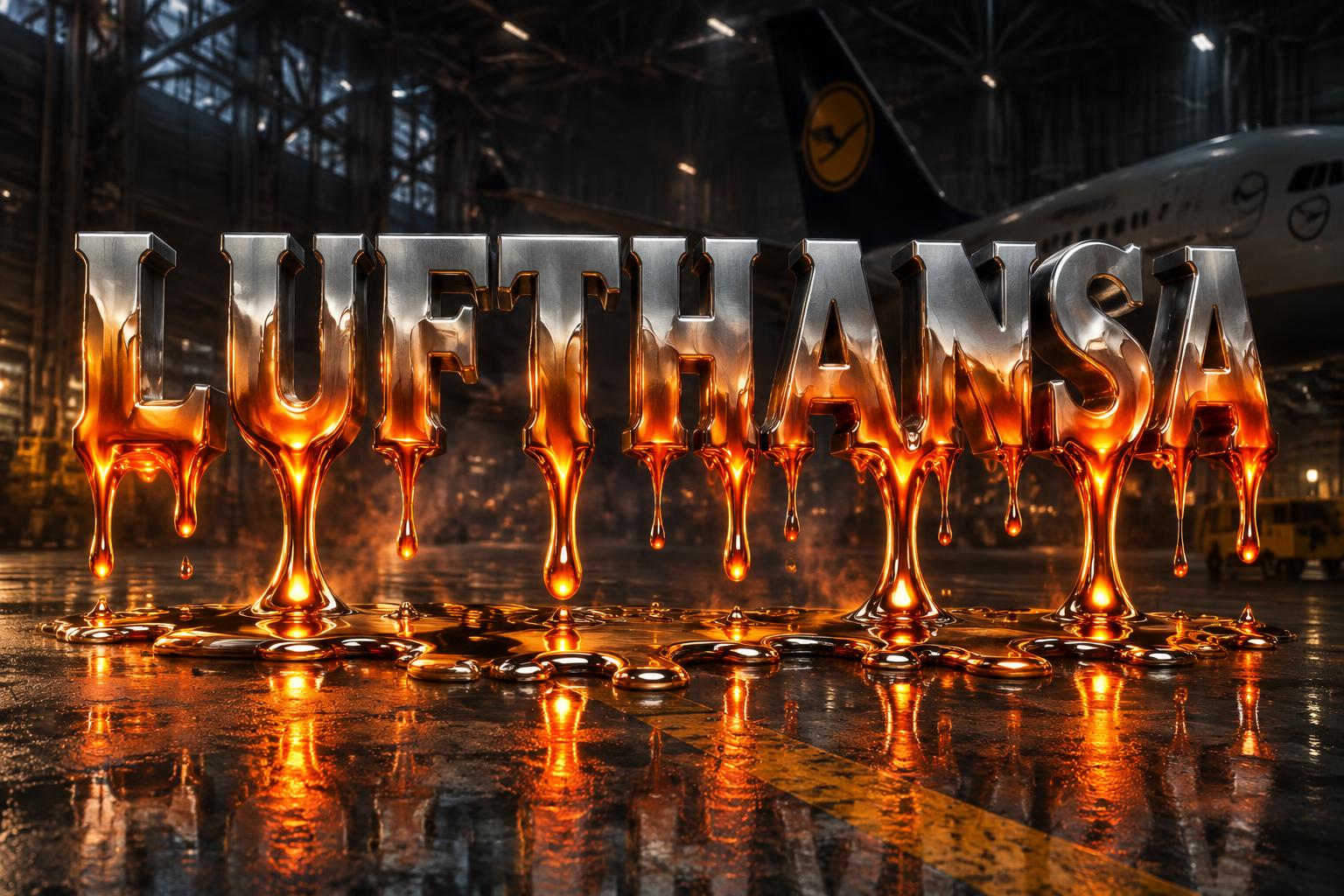
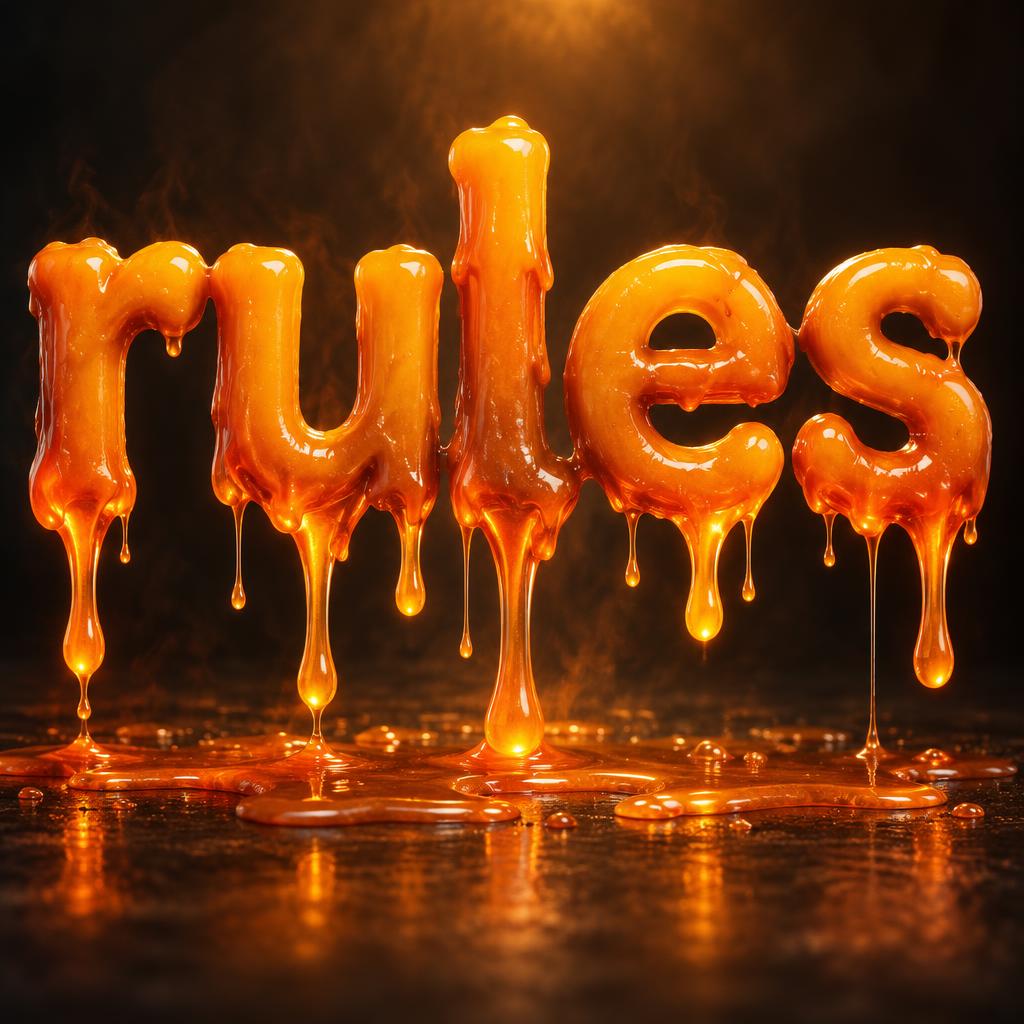
Glossy orange-red letters liquefying from the base down, with molten drips, warped lower edges and a glowing puddle on a dark charcoal floor. — no font license needed.
Melting Font in different AI fonts
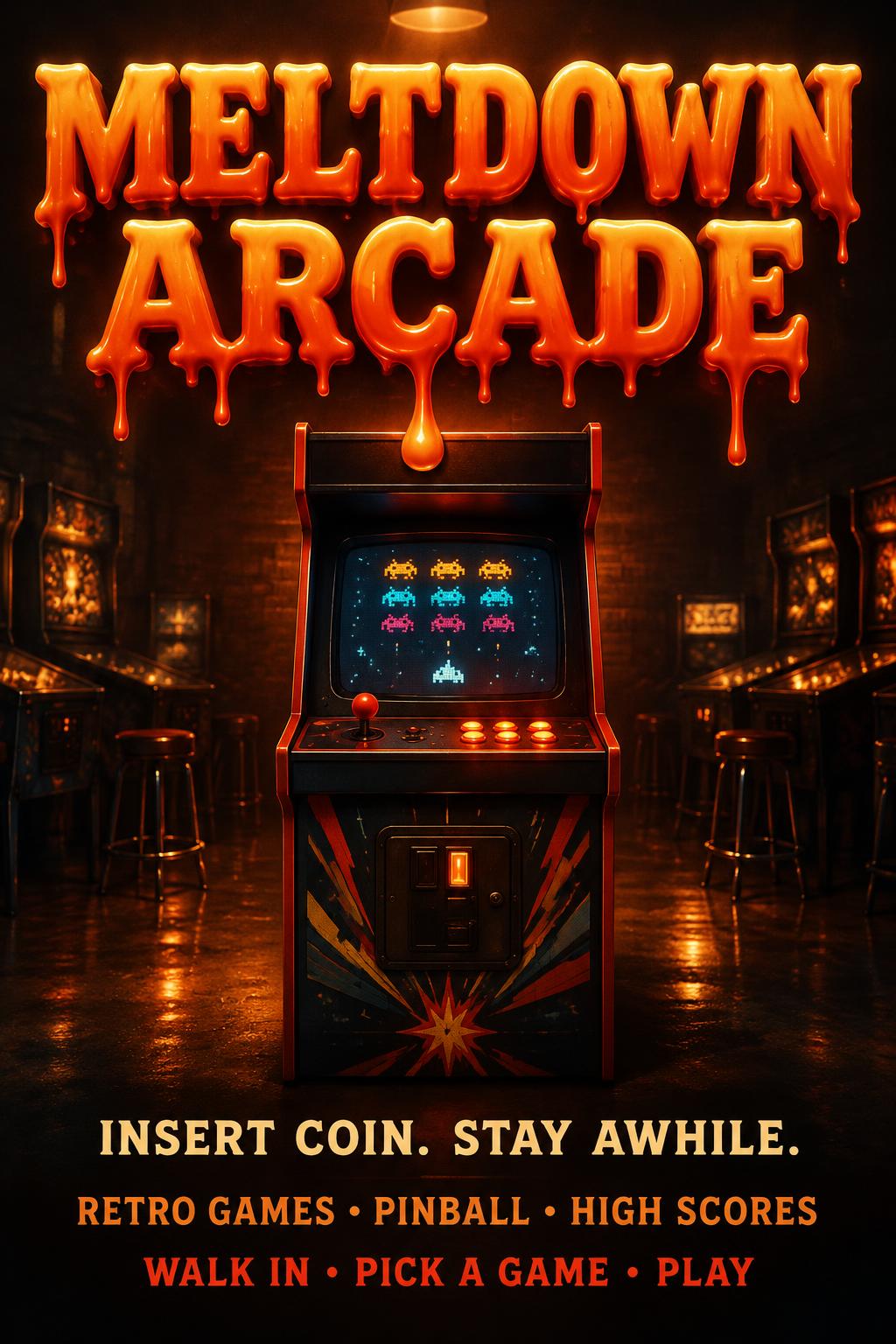
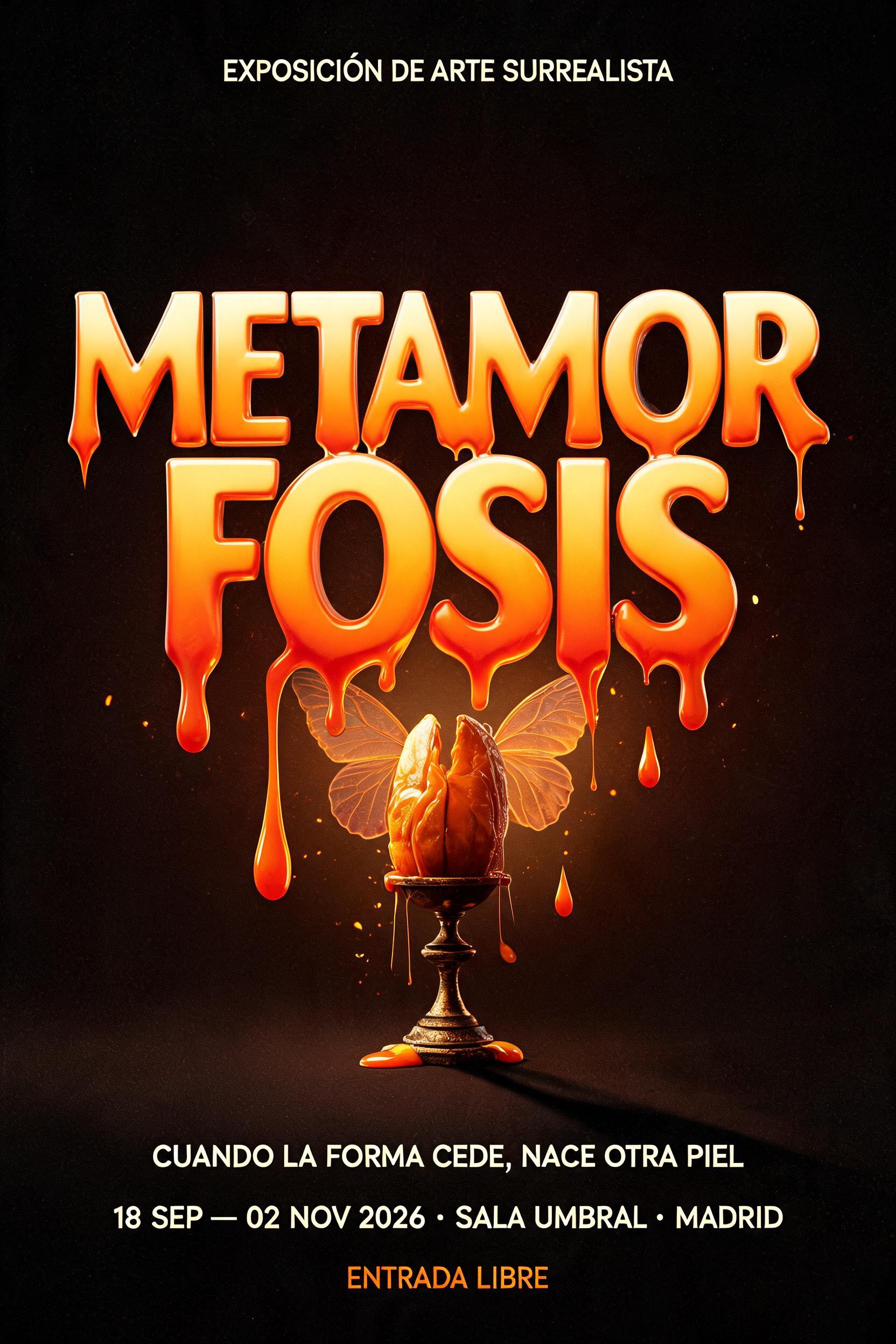
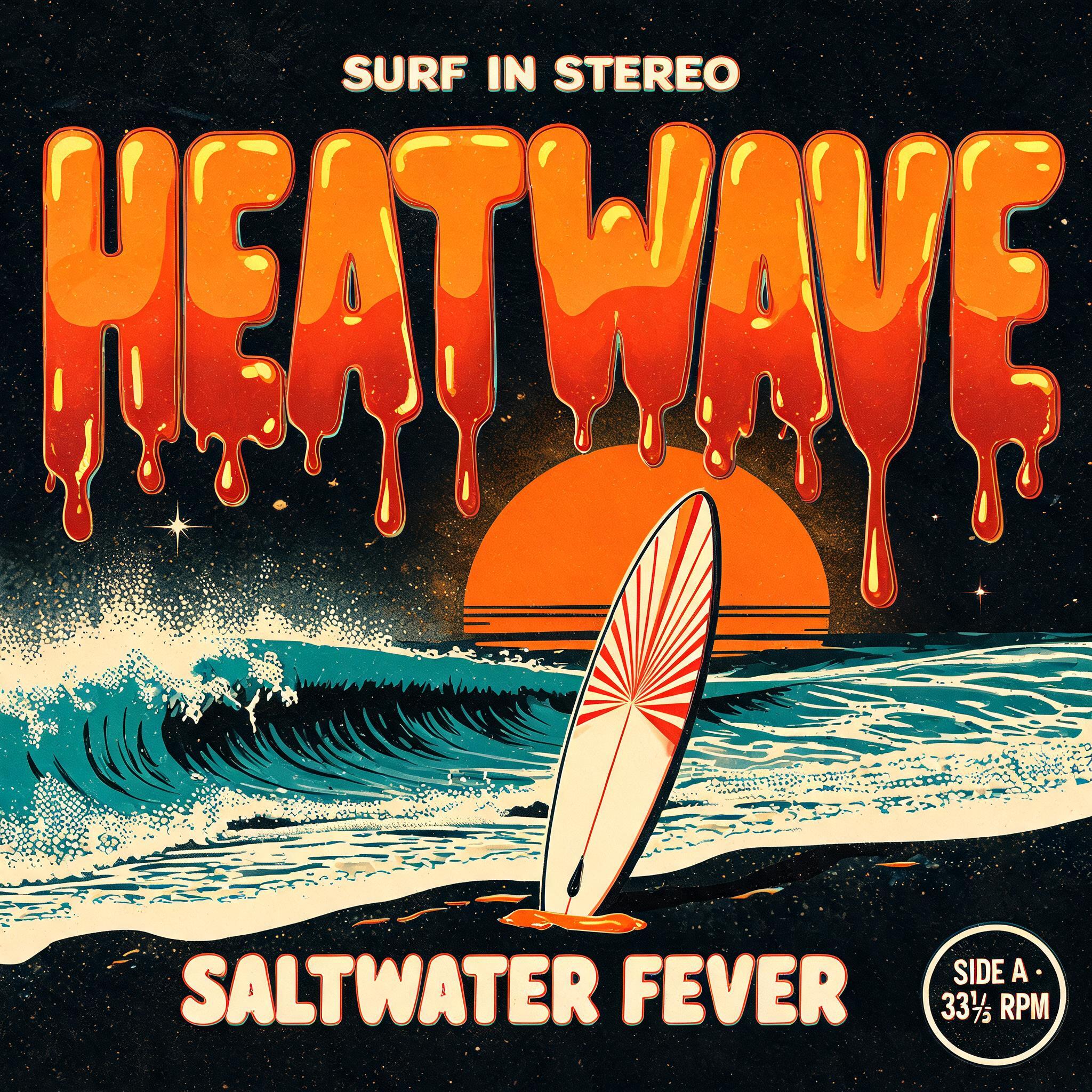
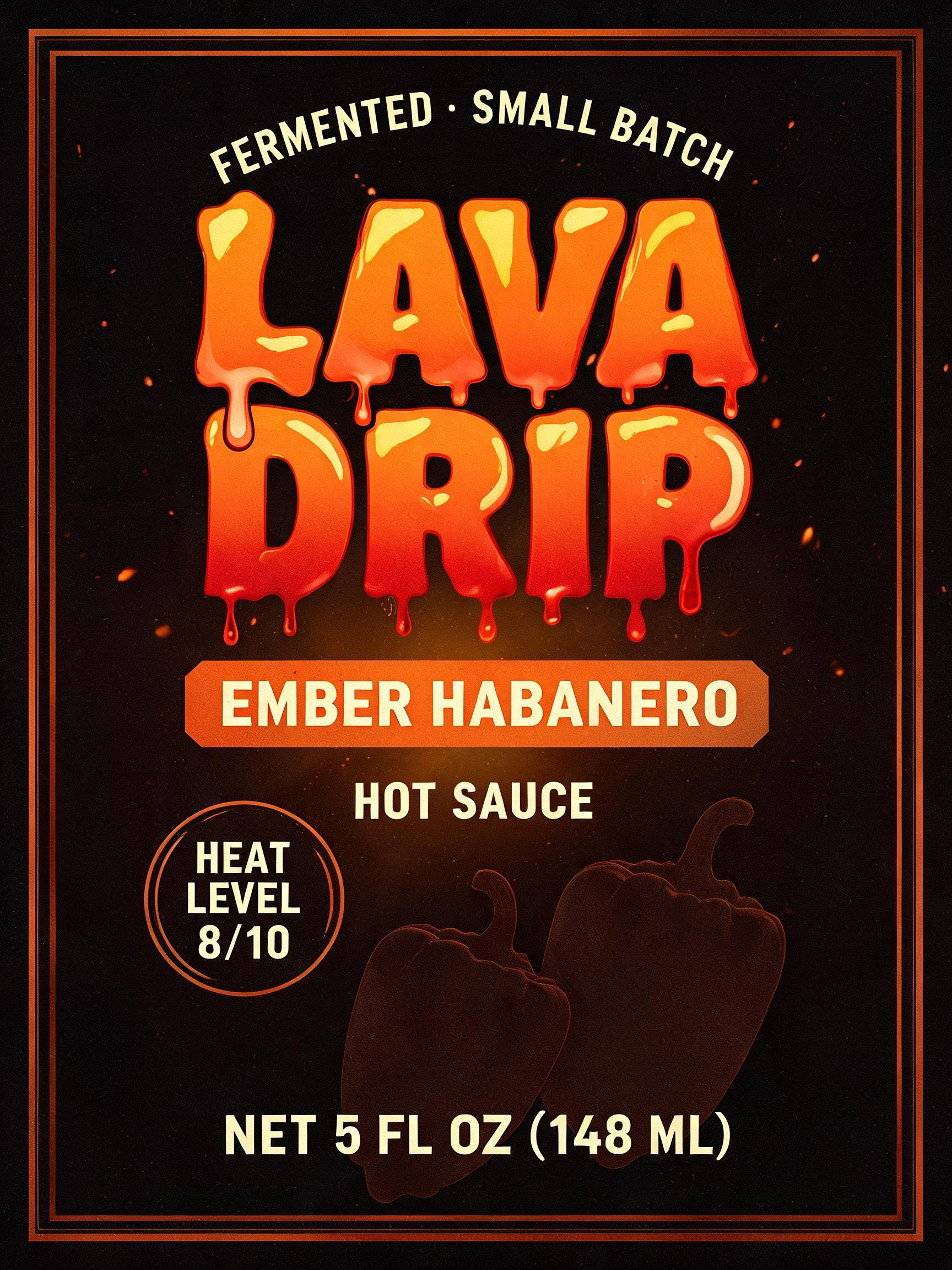
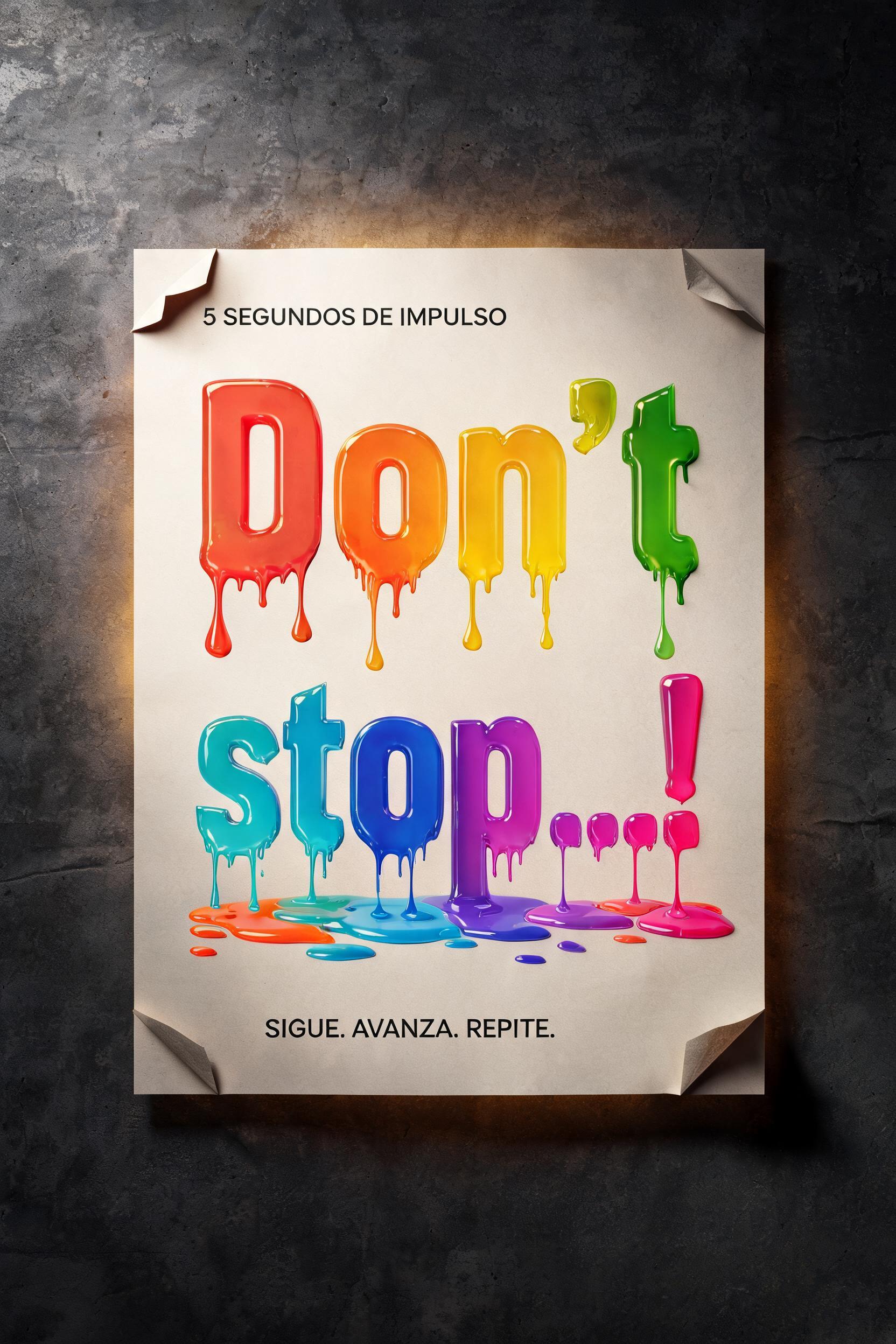
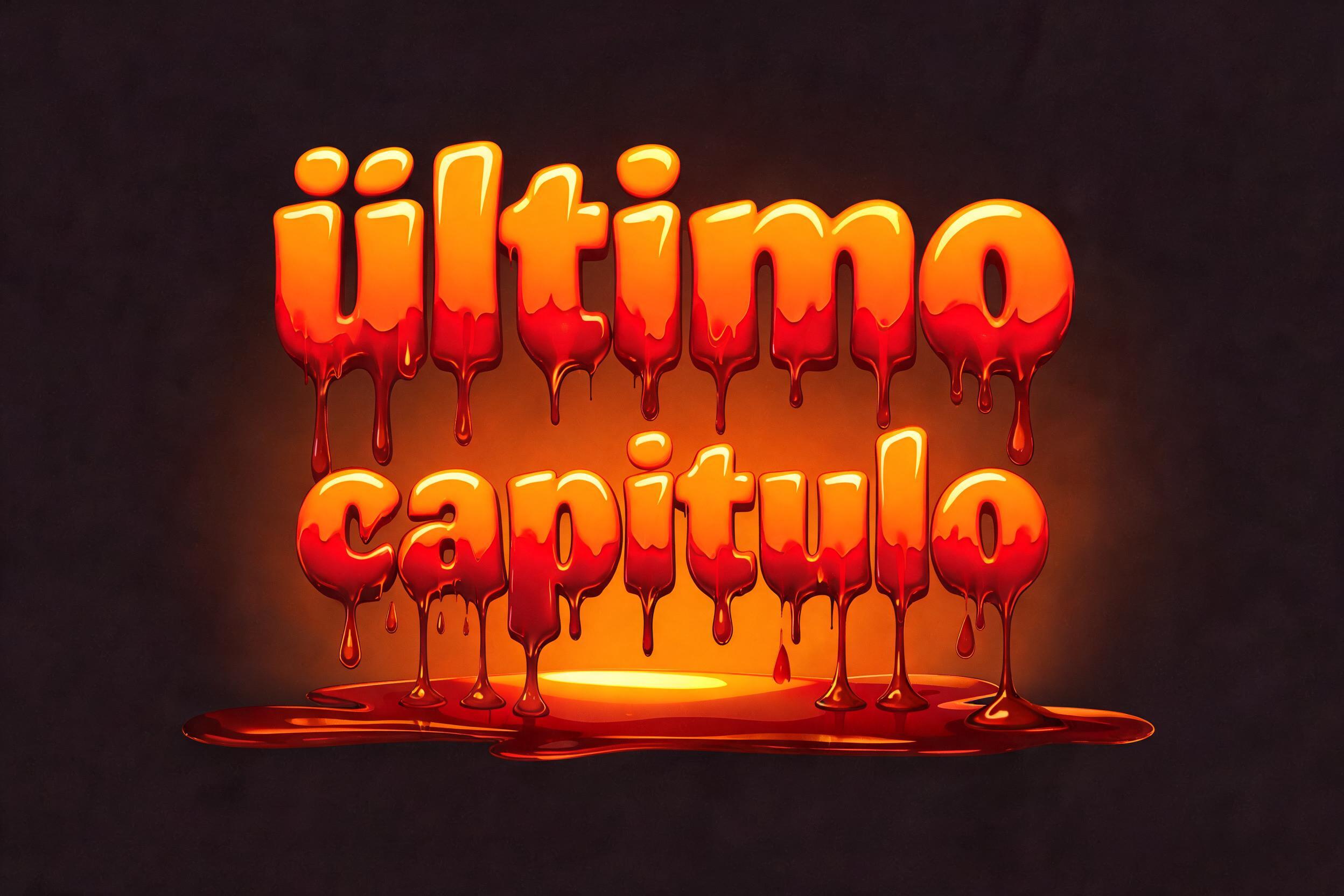
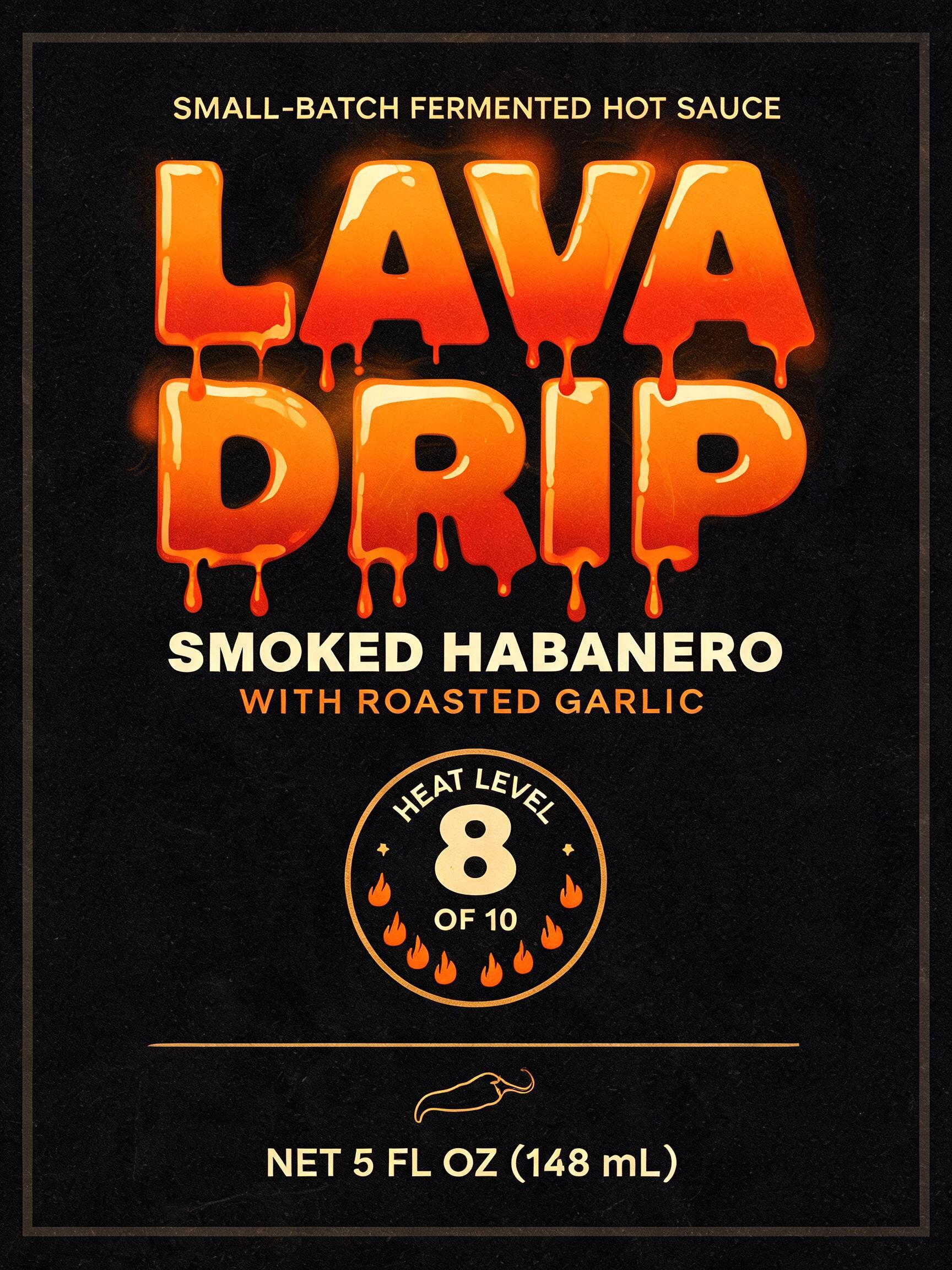

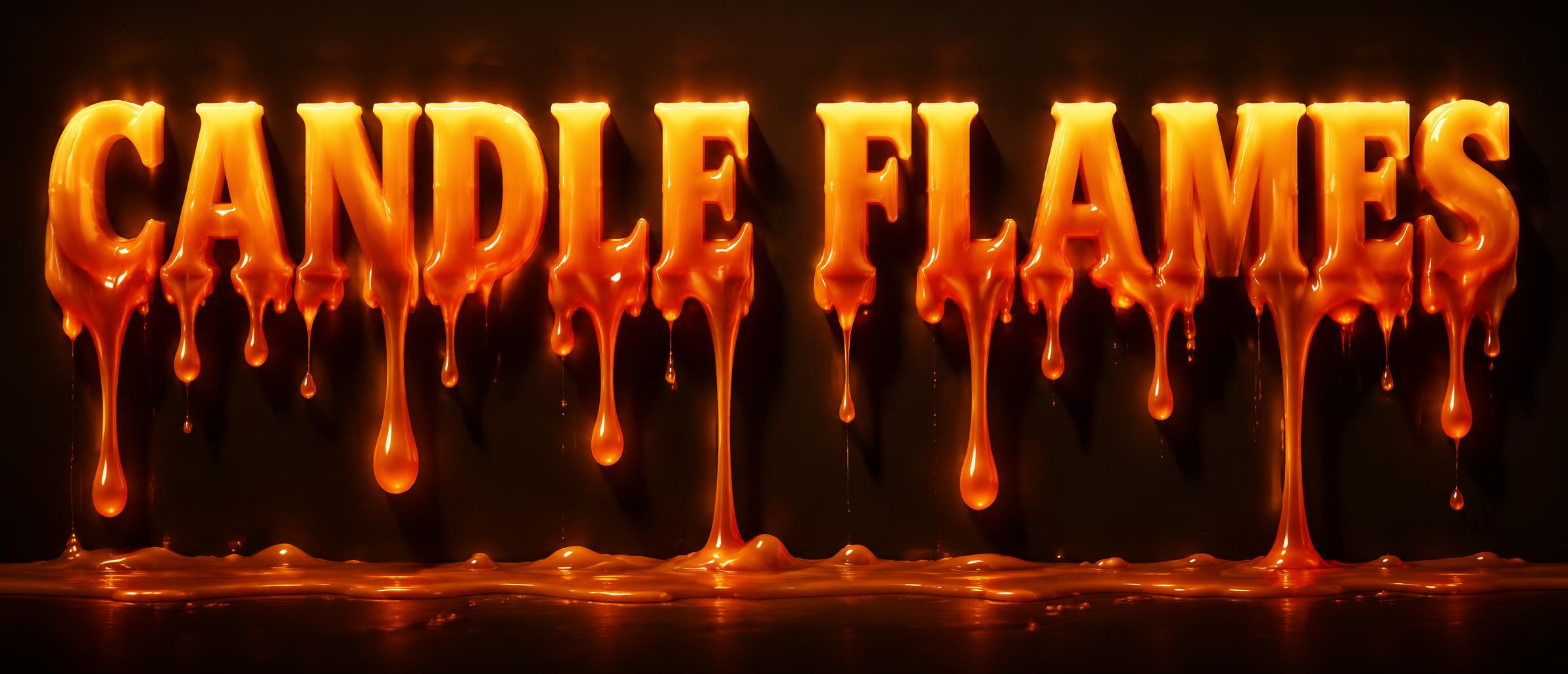


What you can make with Melting Font

Melting Font Gallery
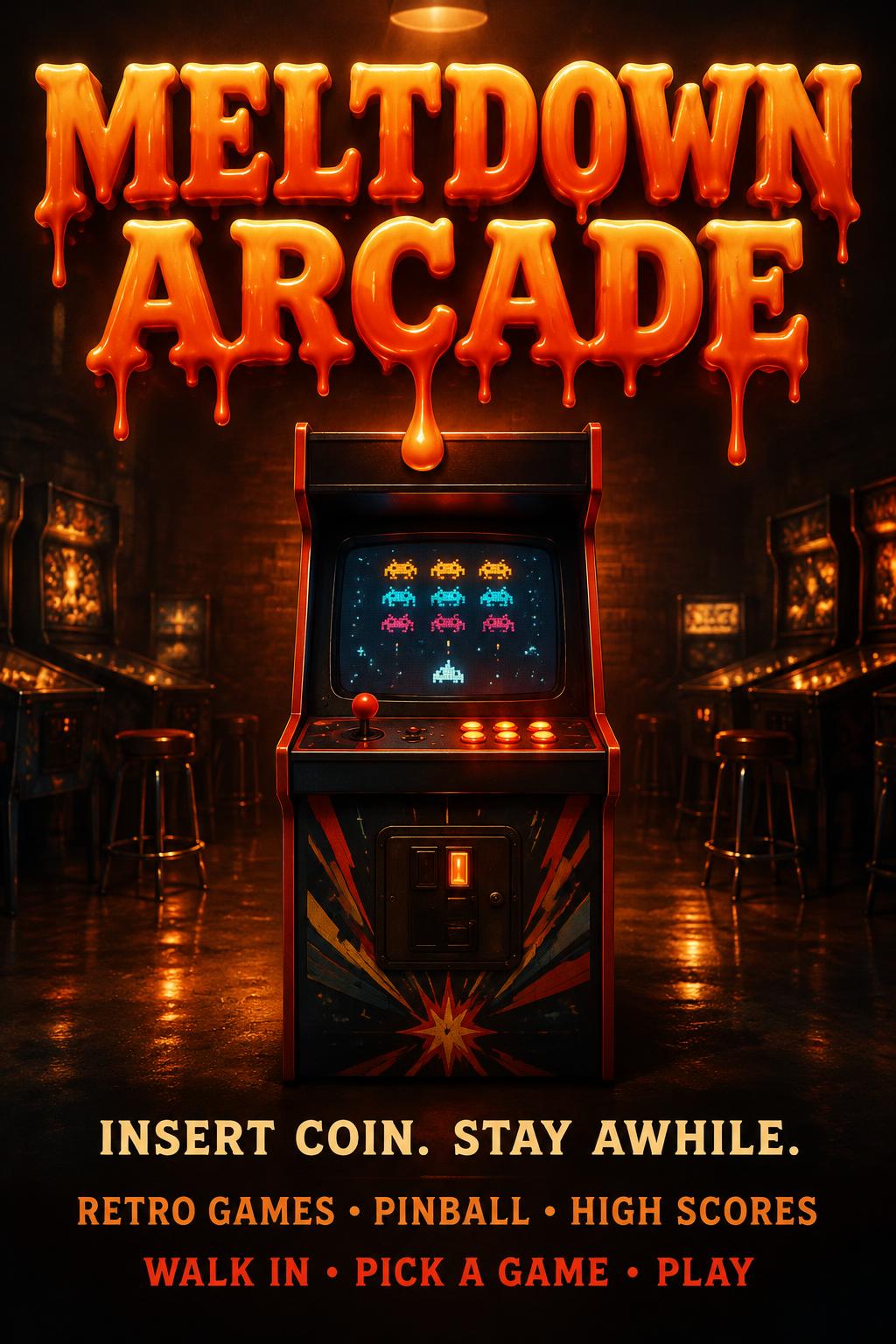
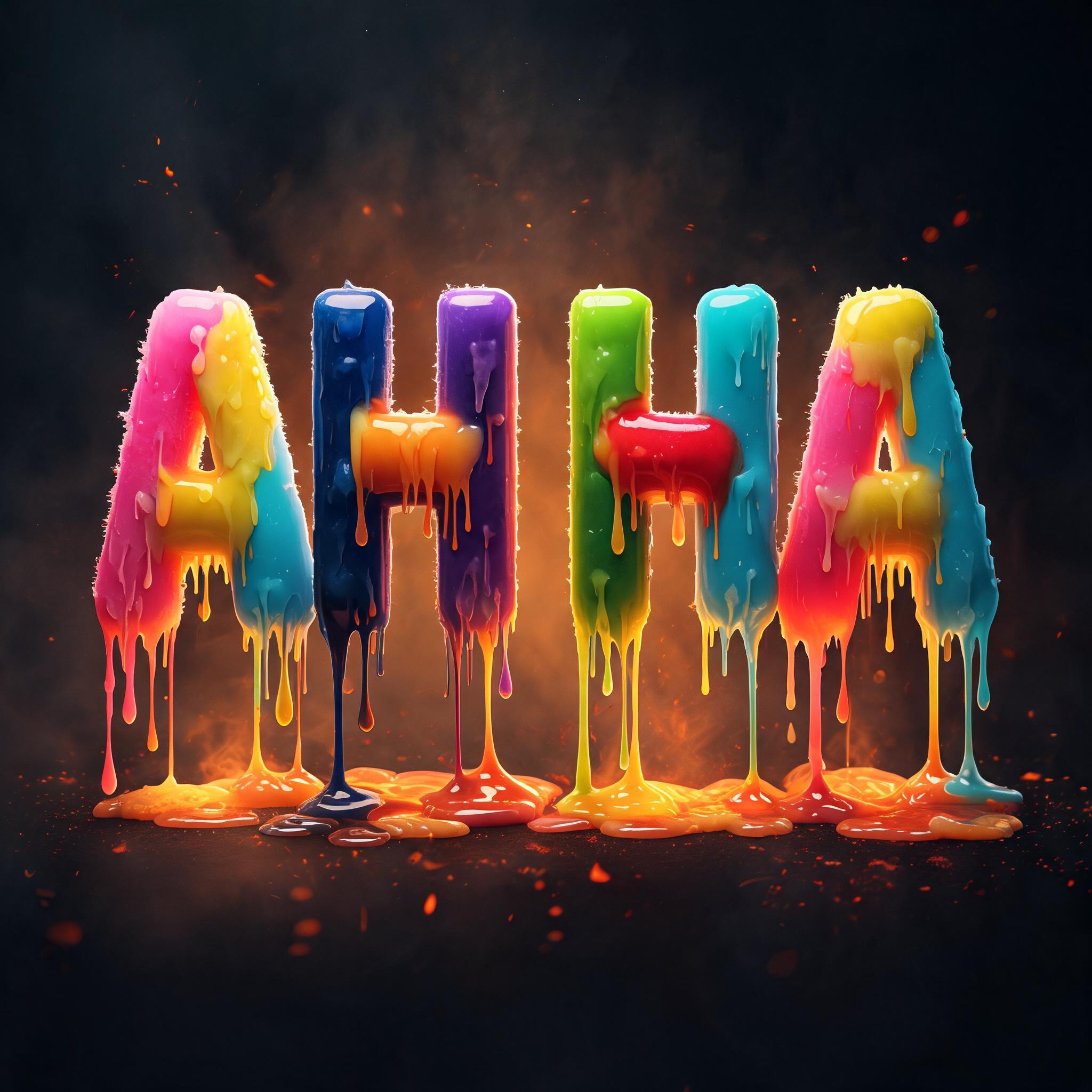
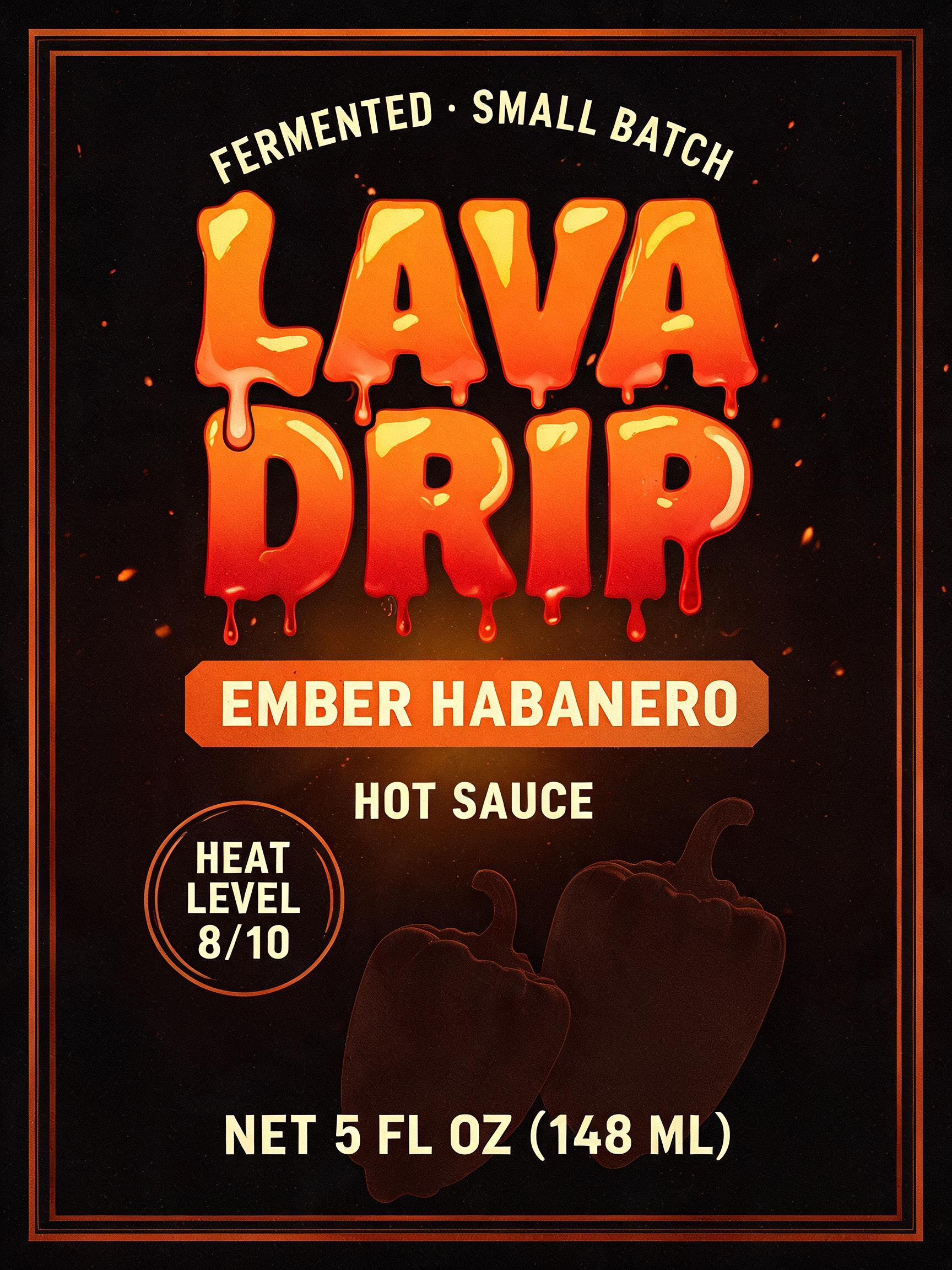
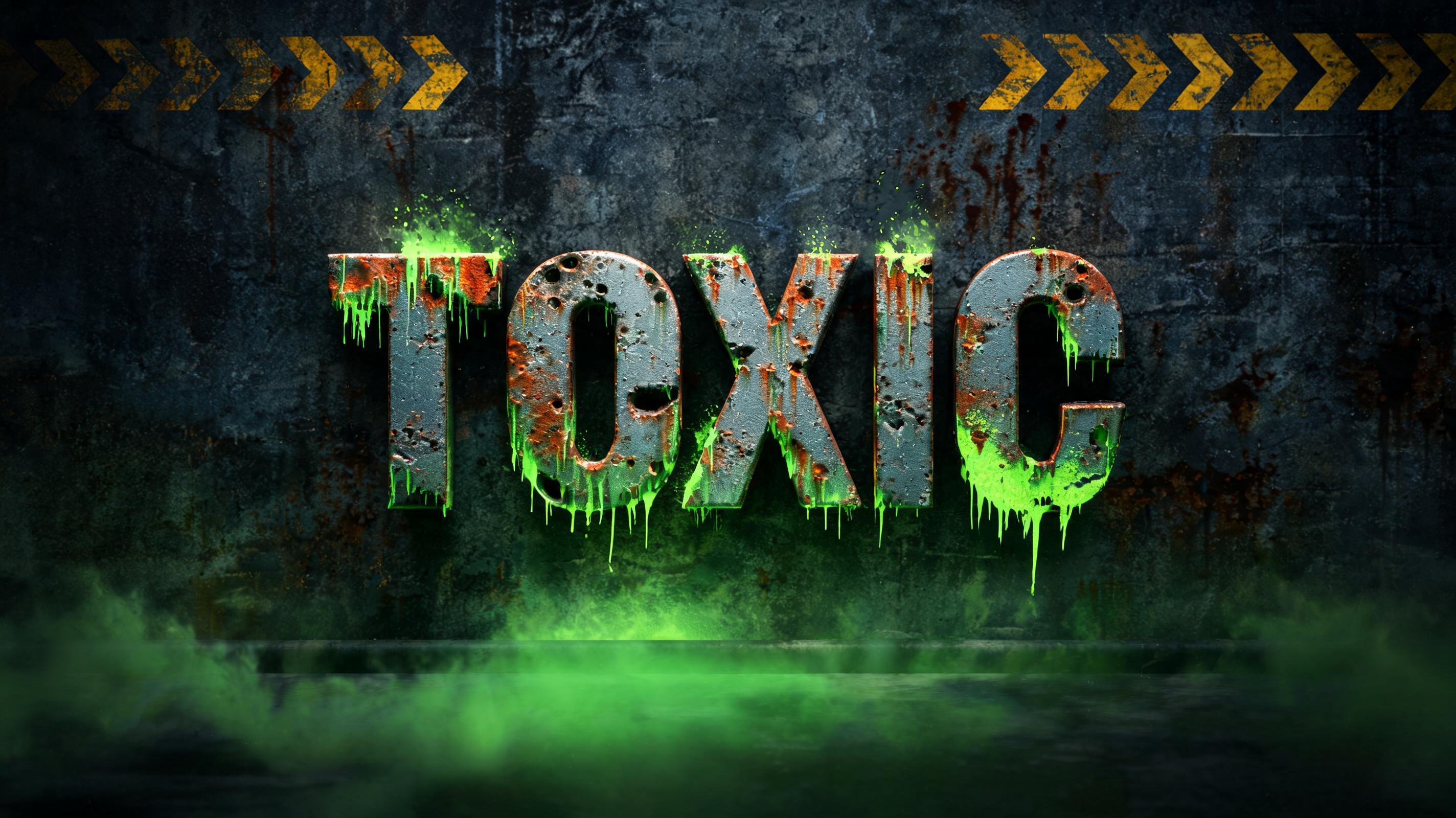
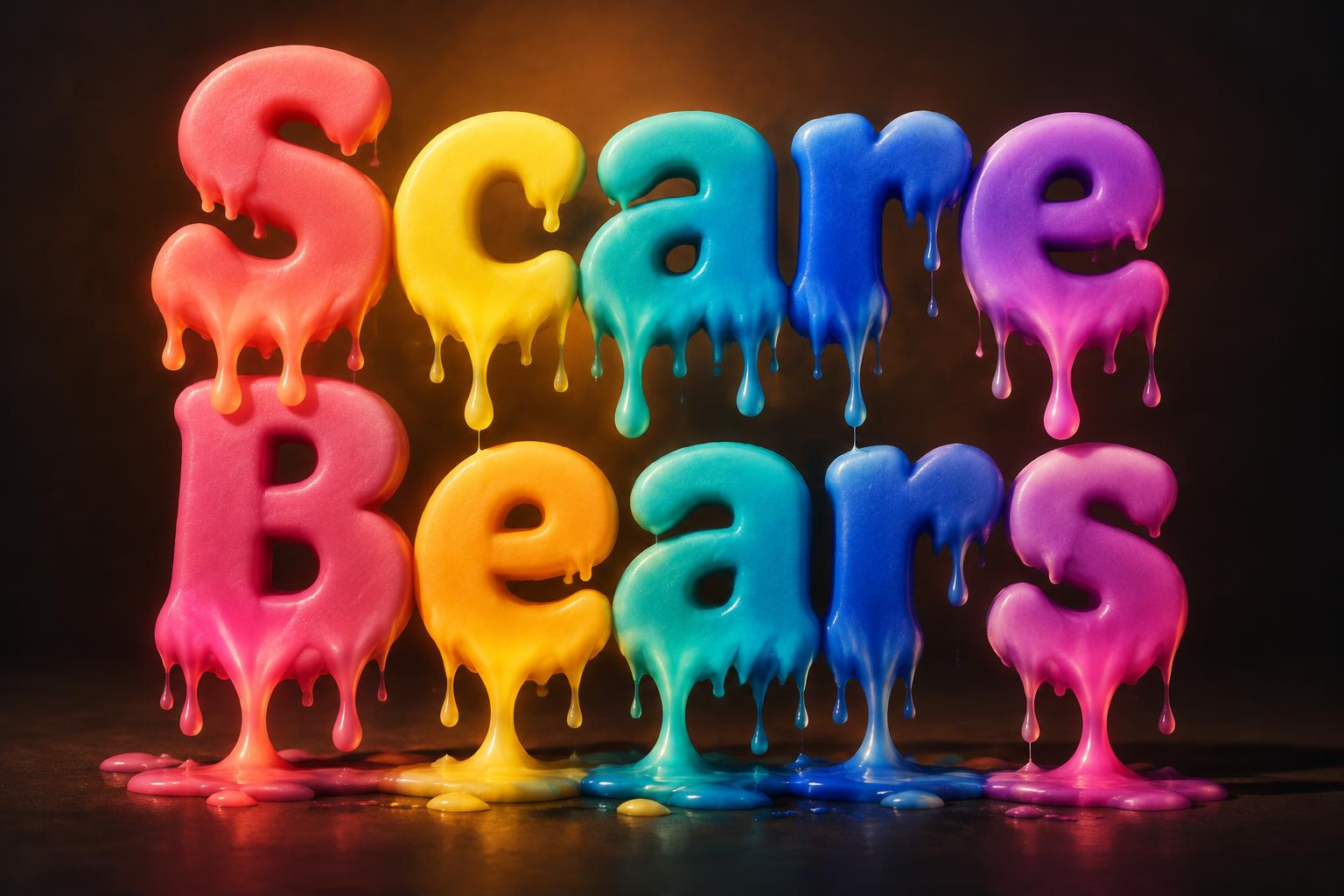
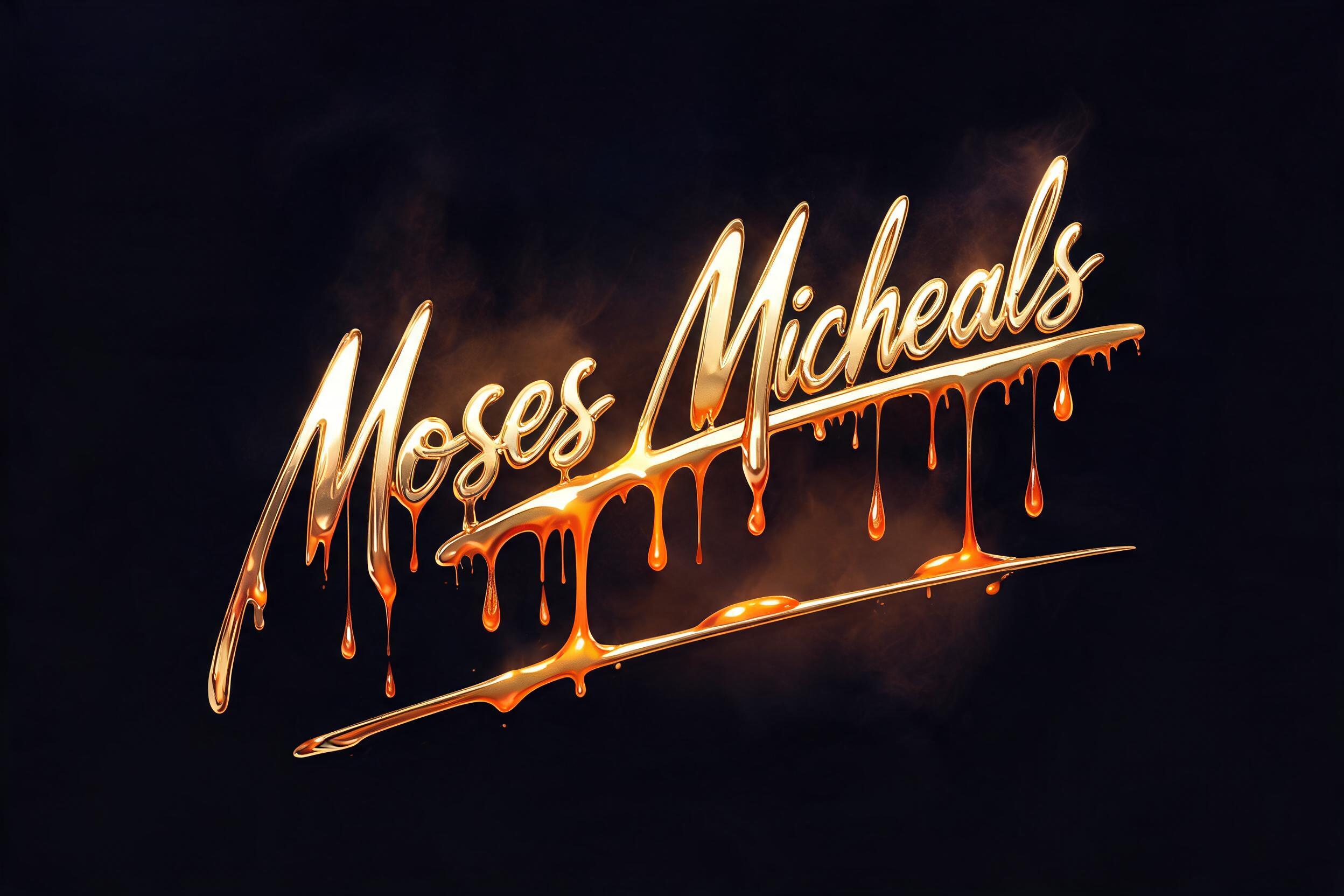
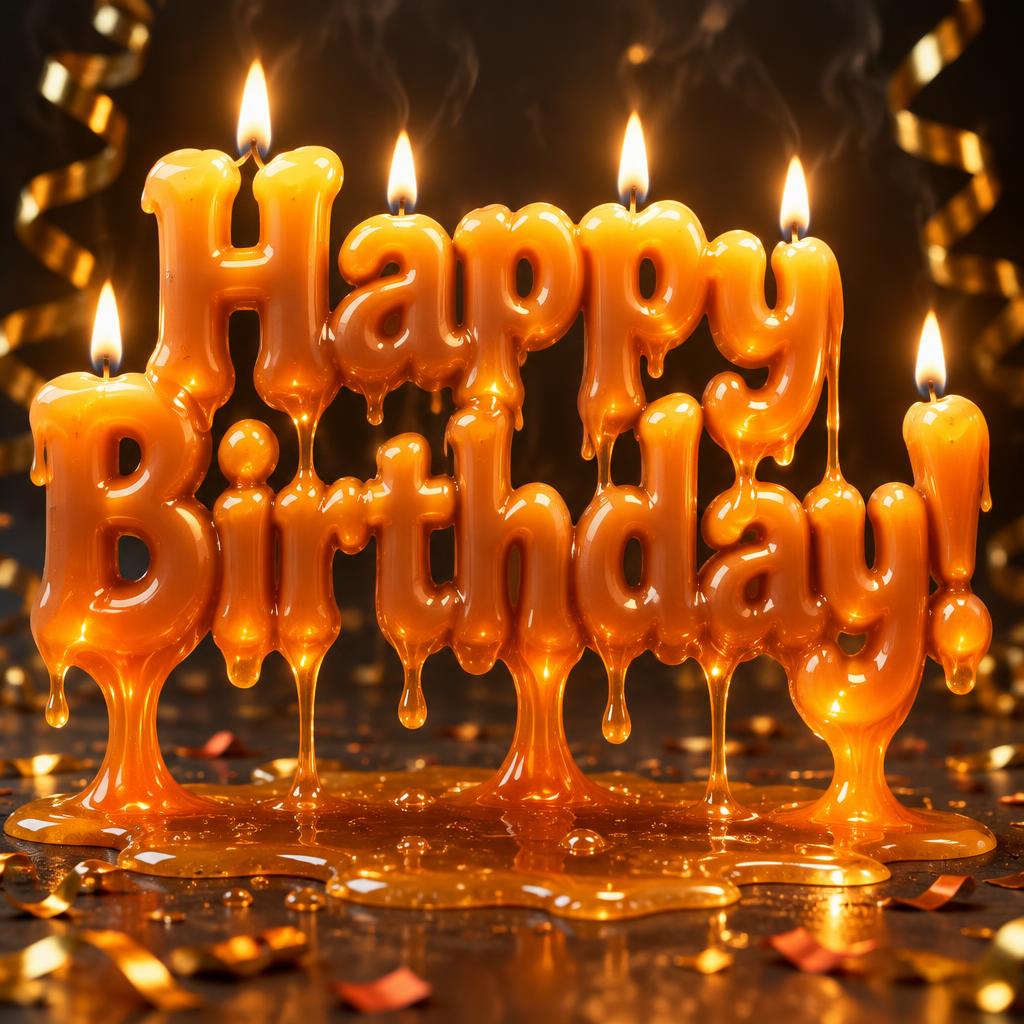
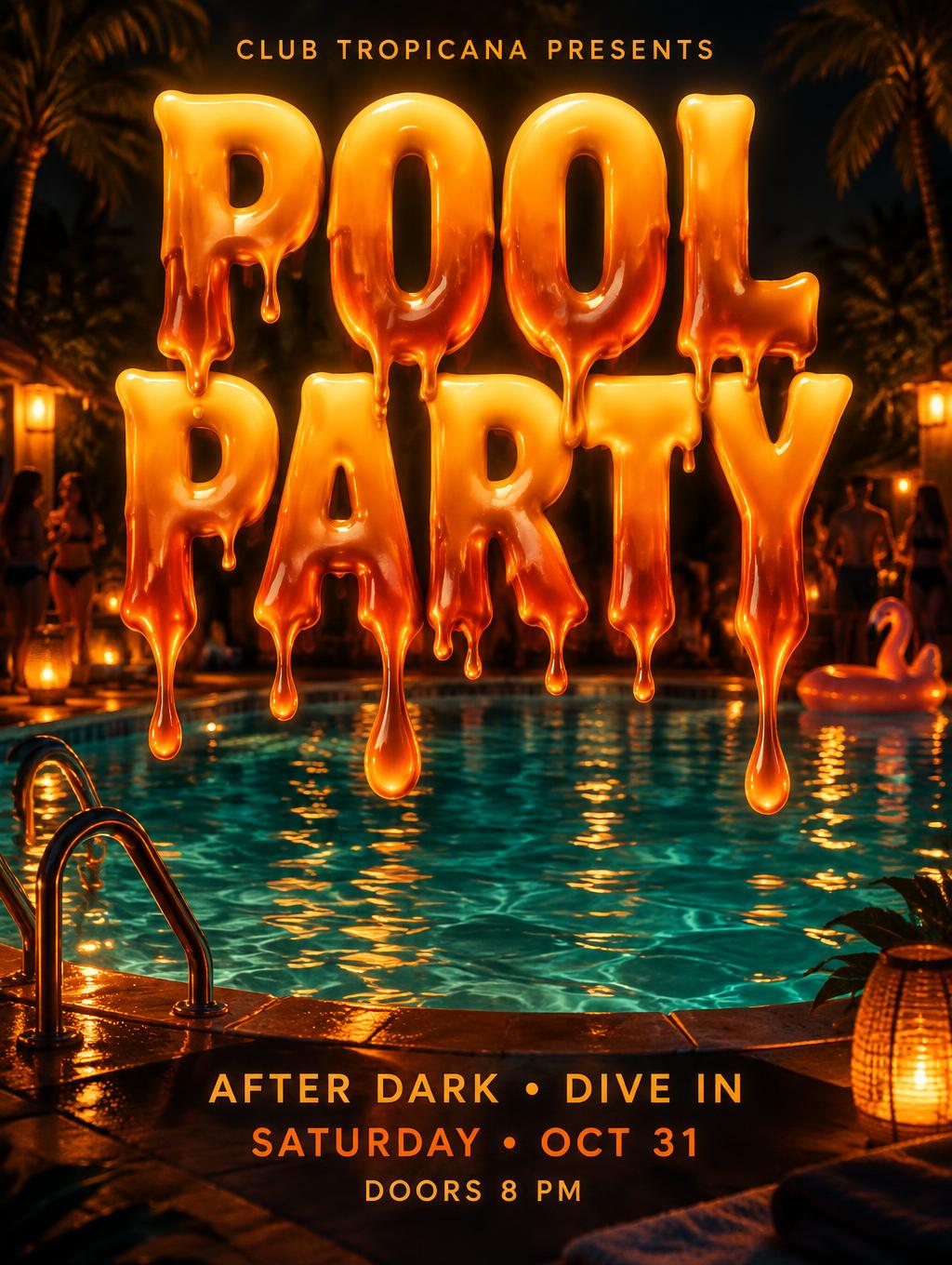
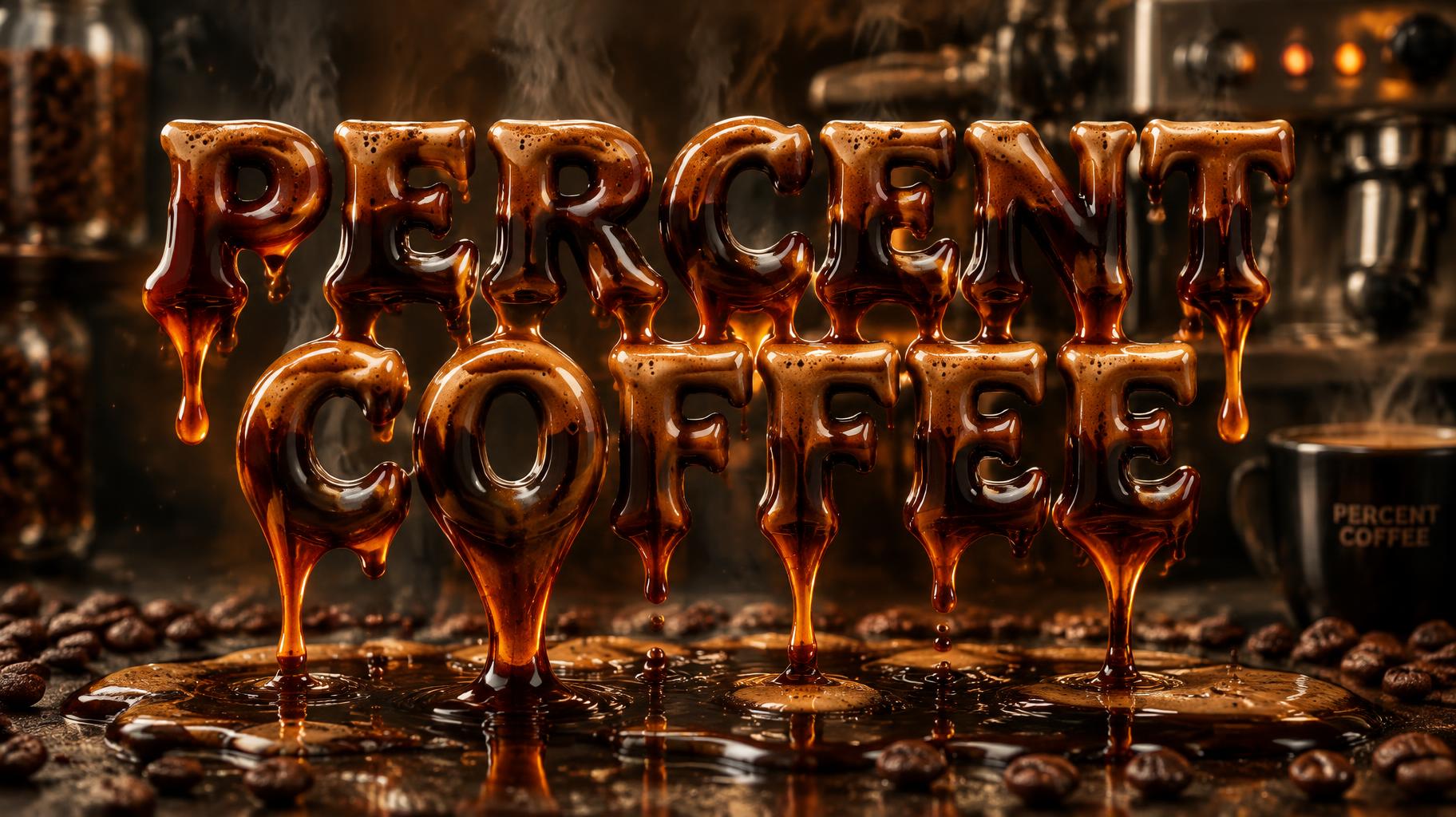
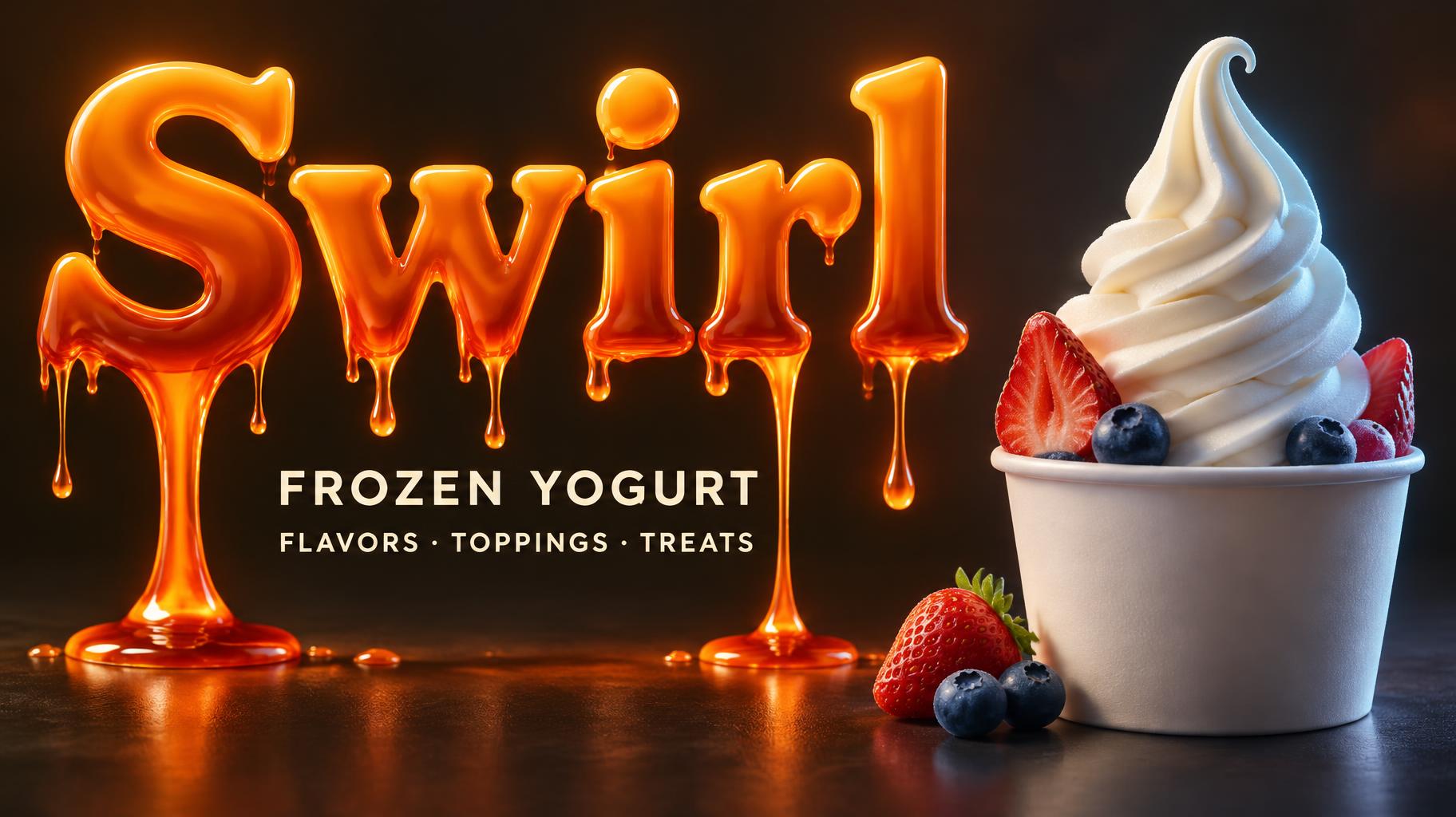
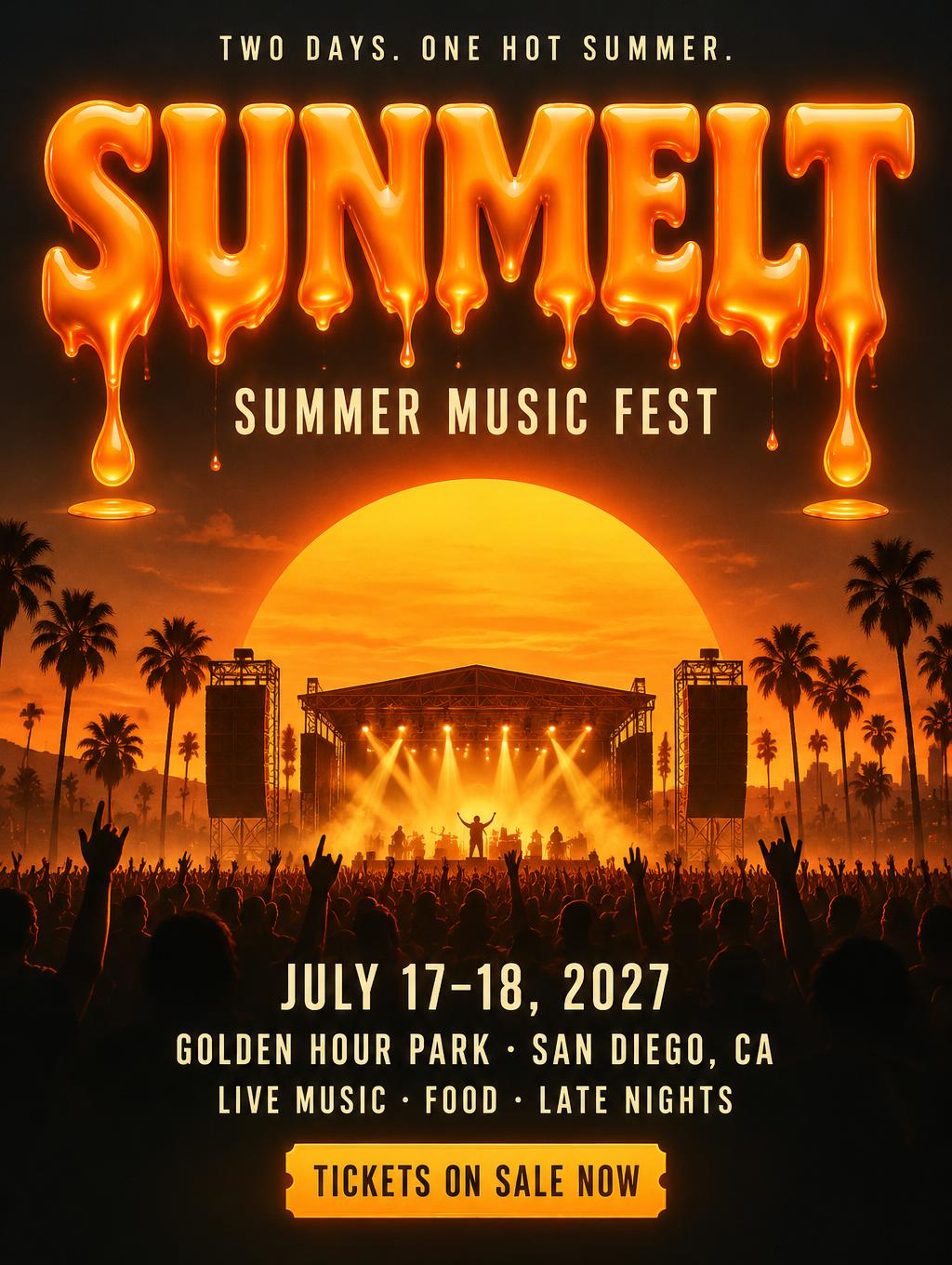
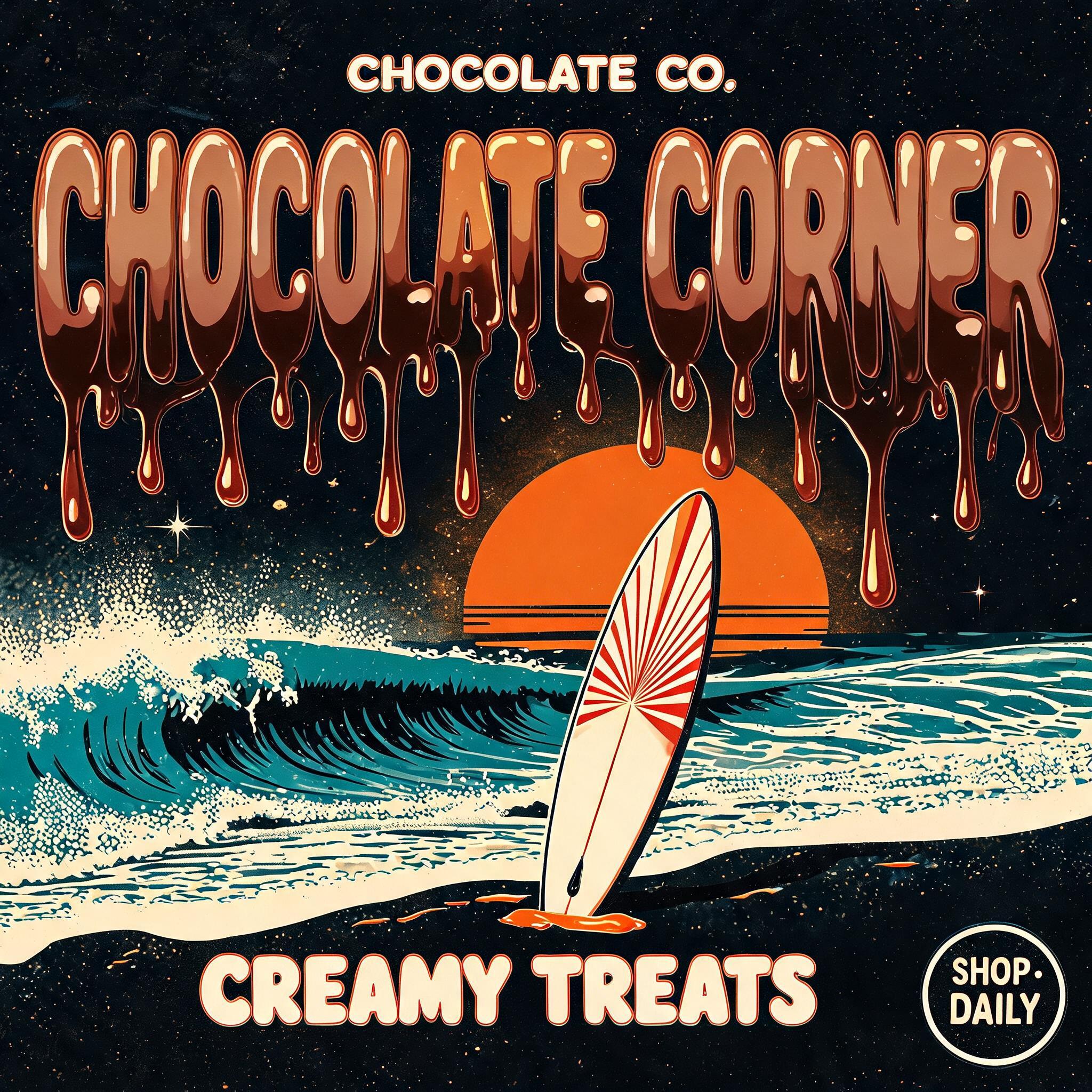
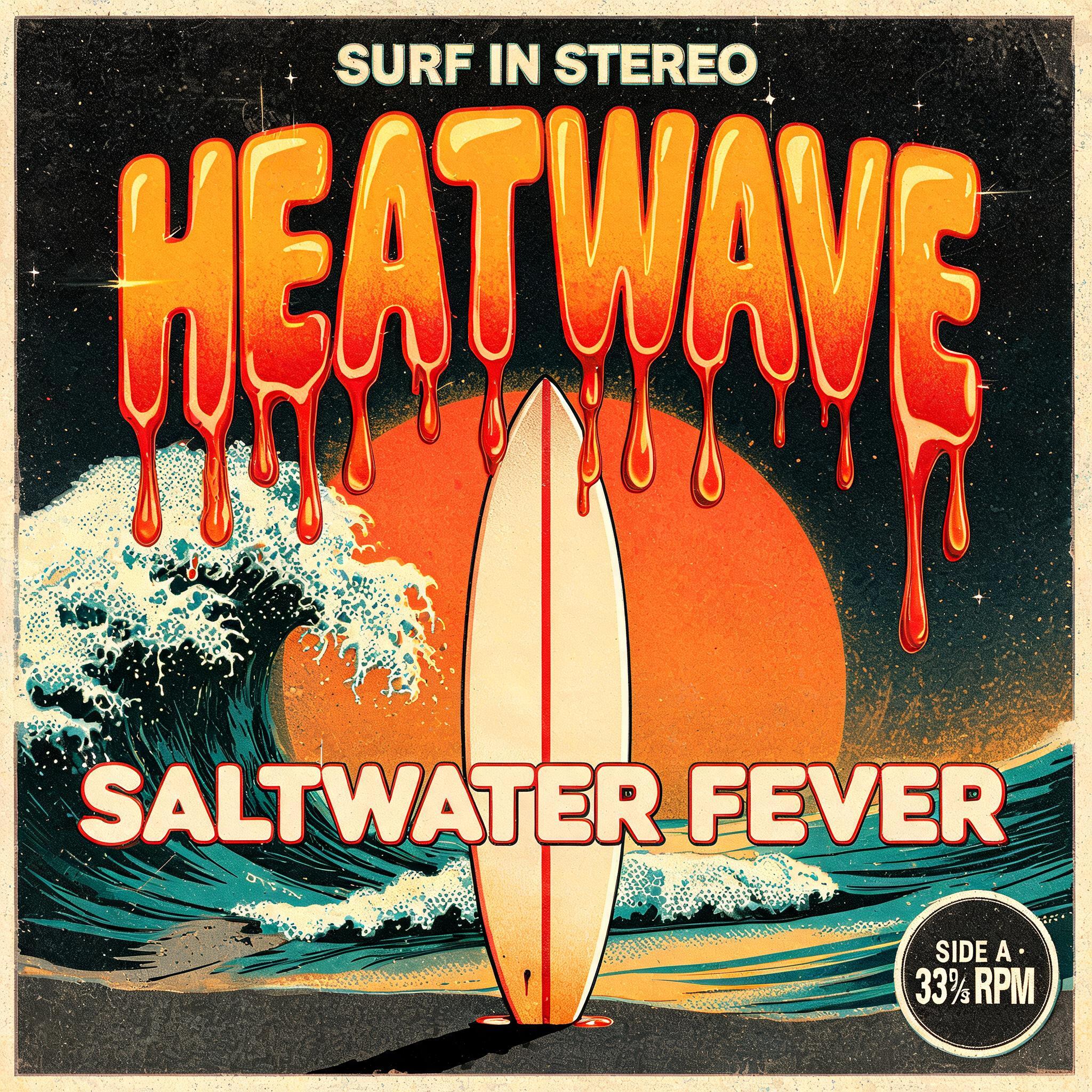
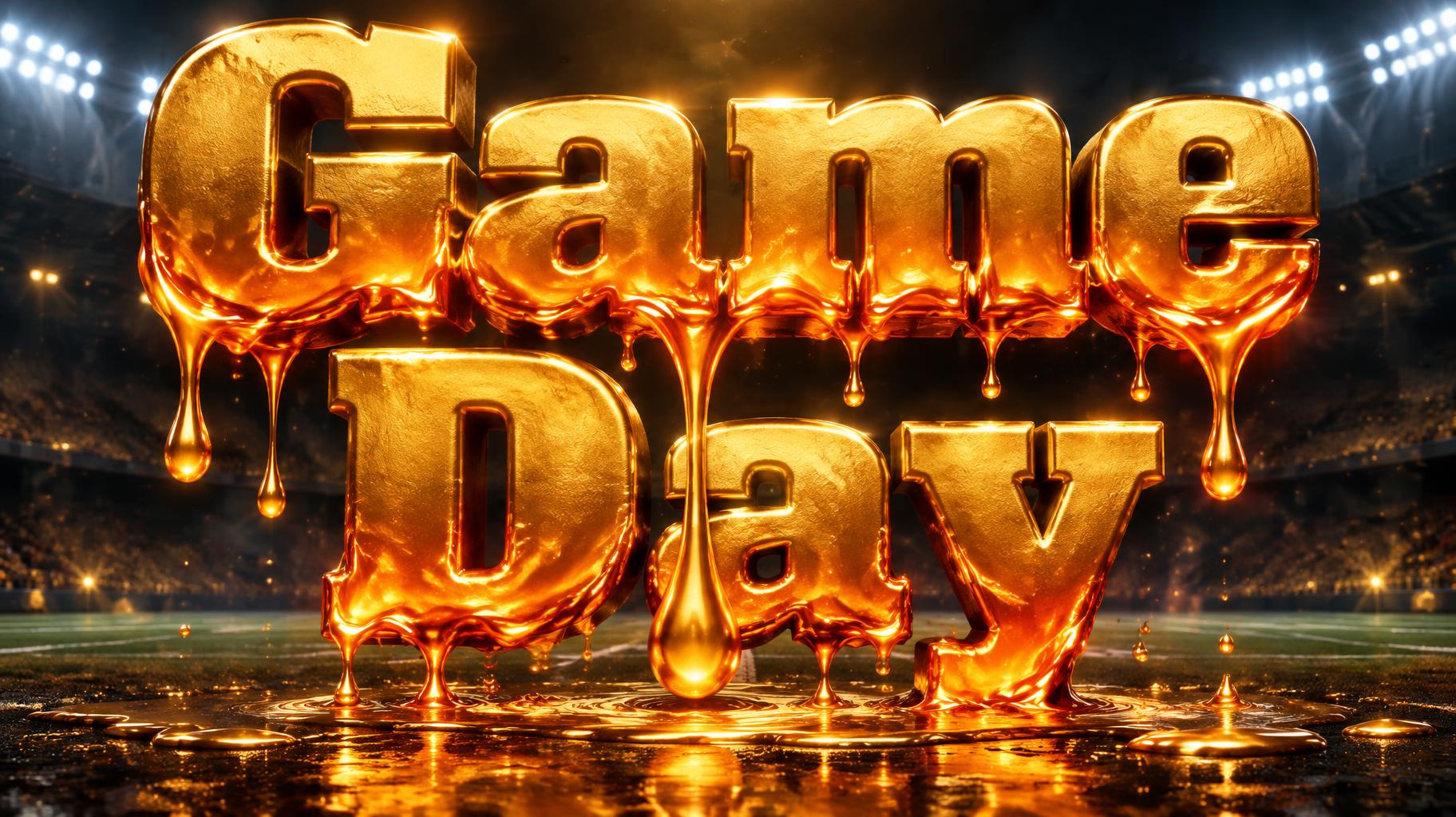
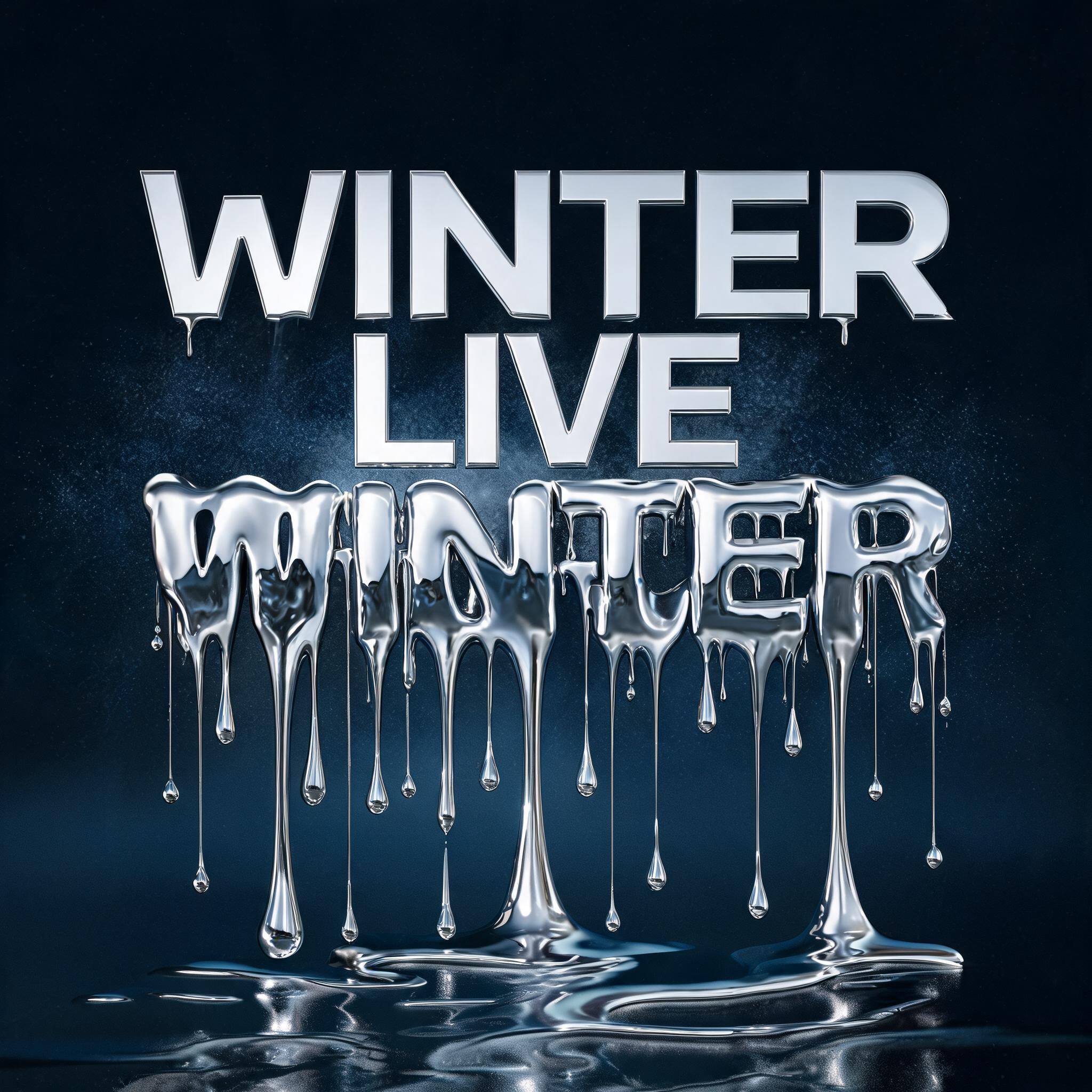
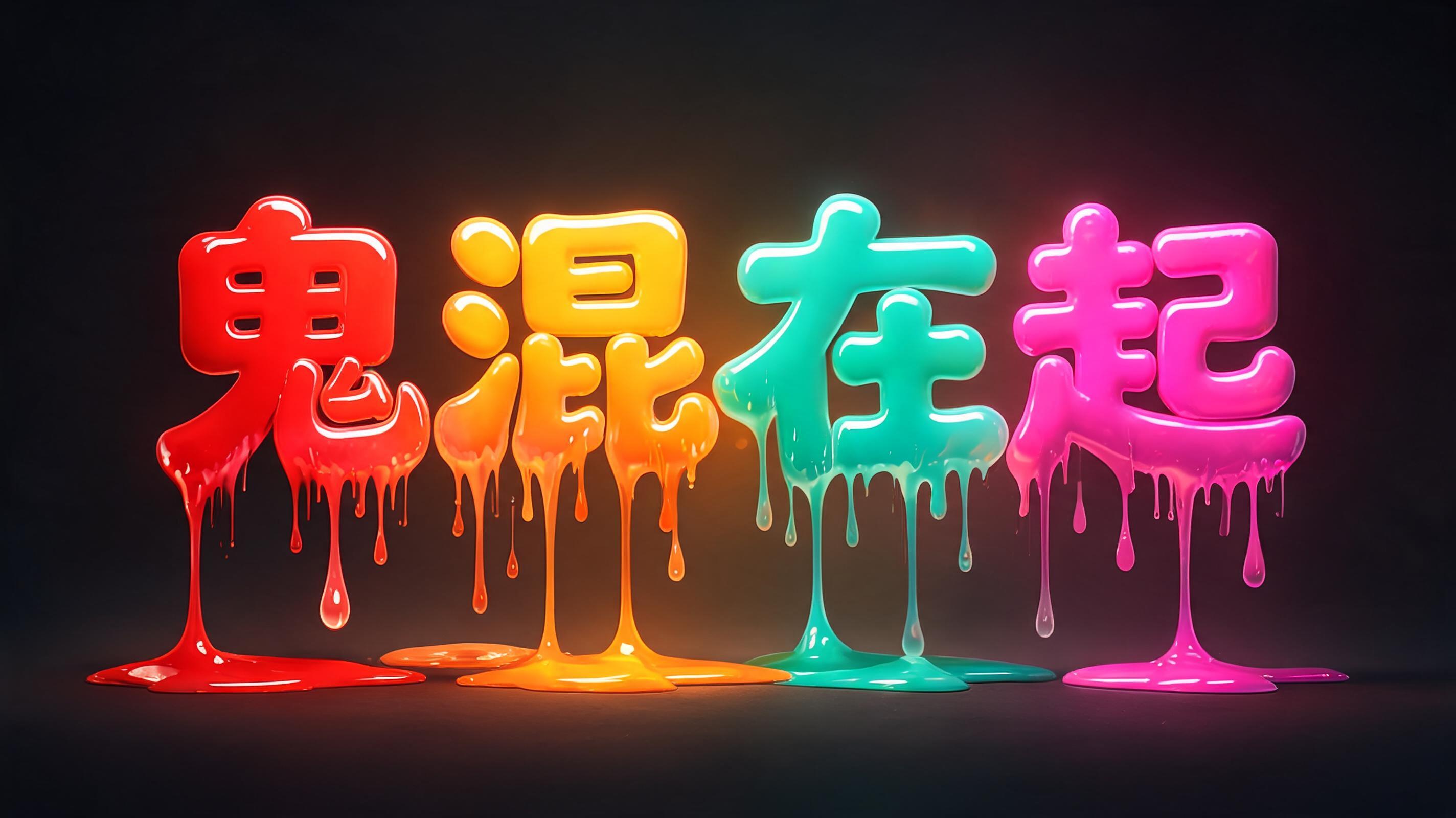
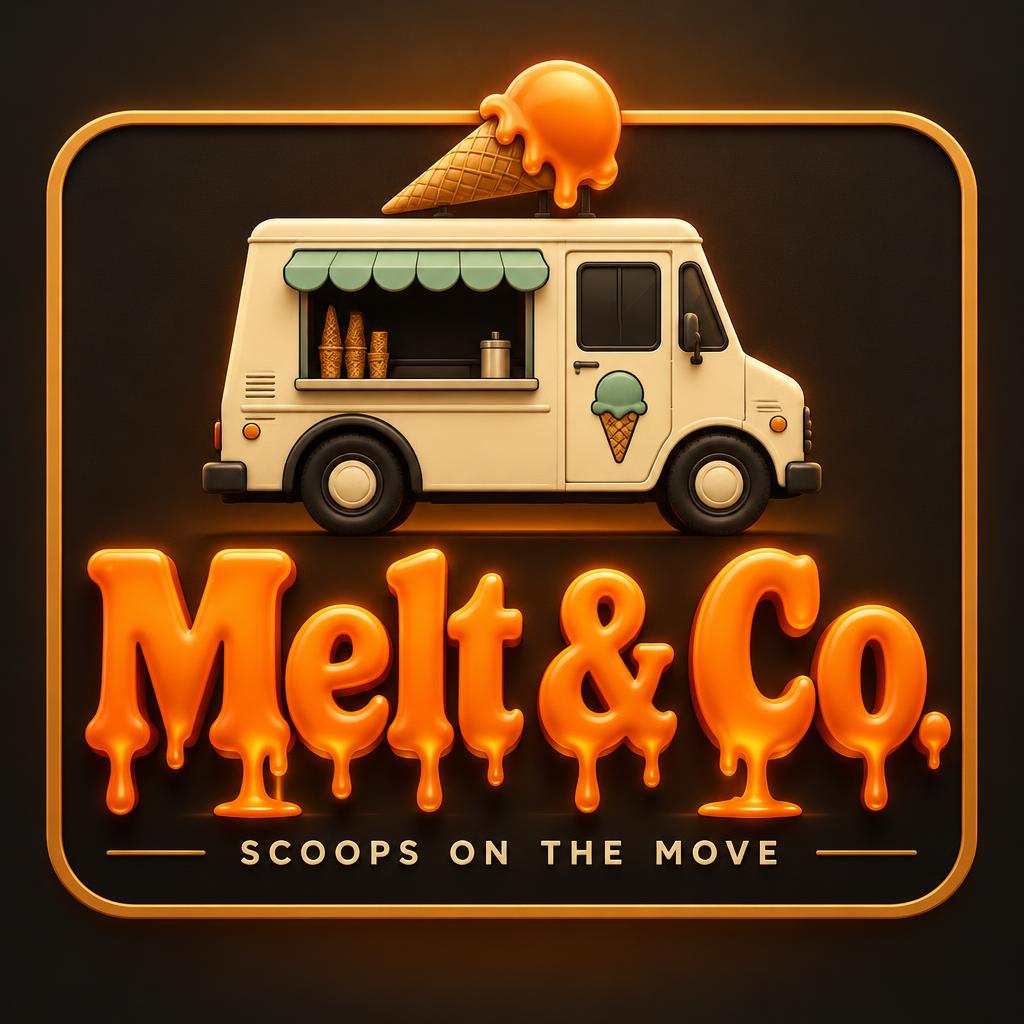
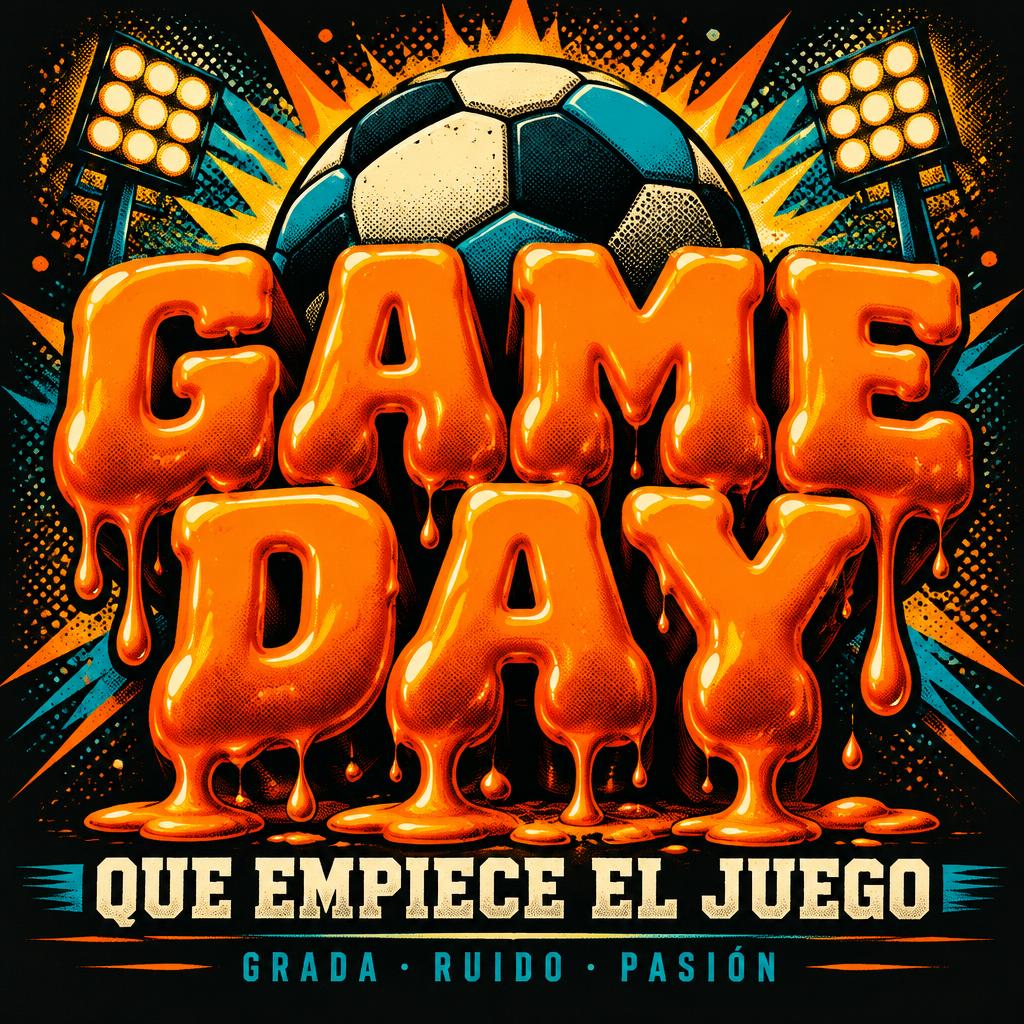
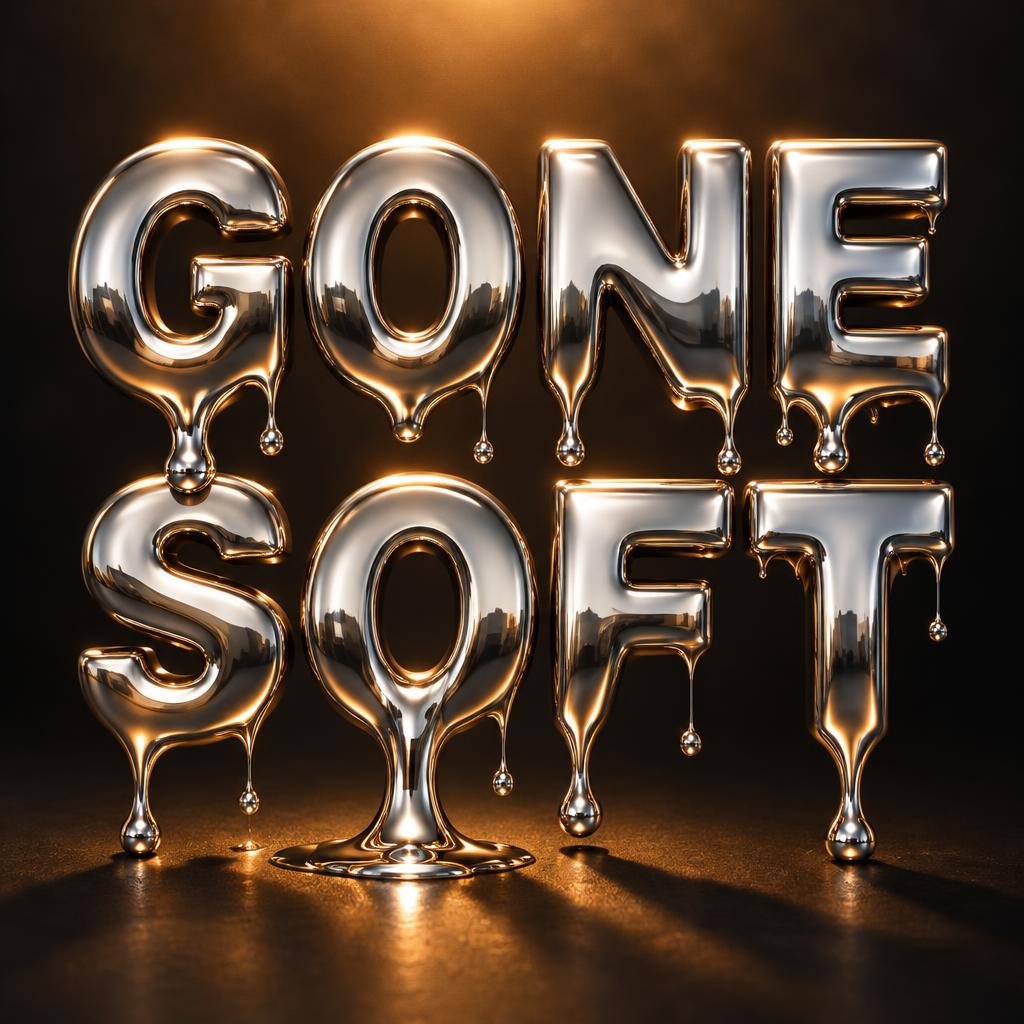
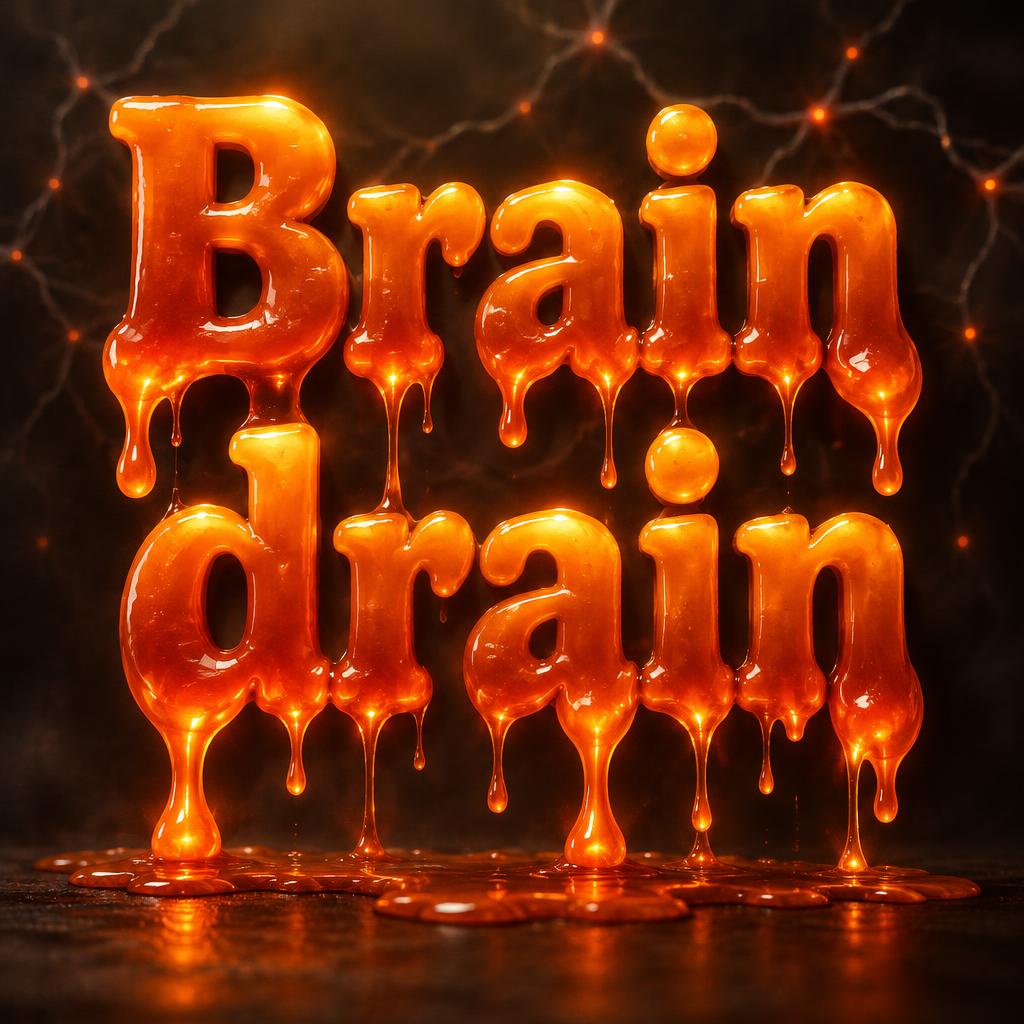
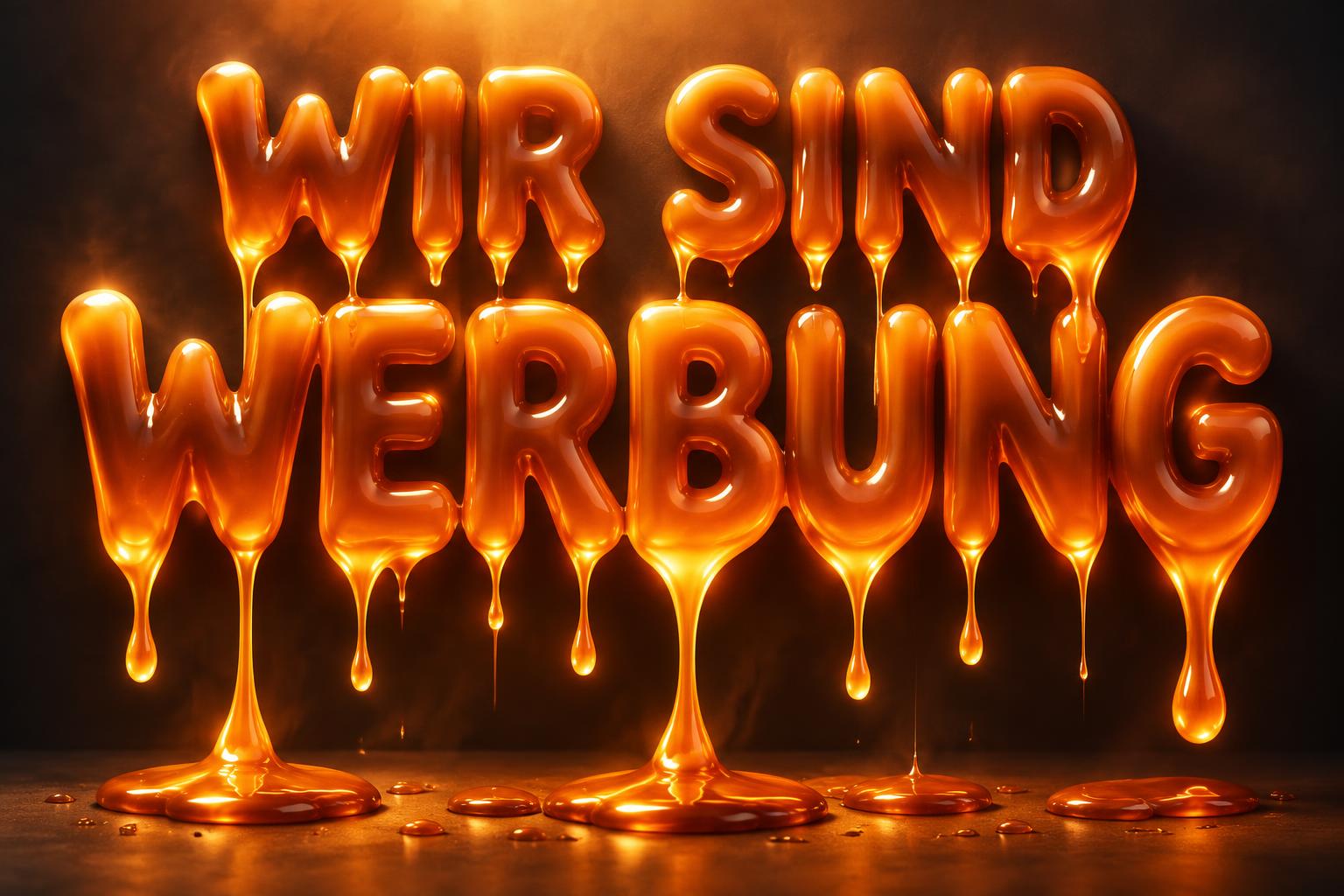
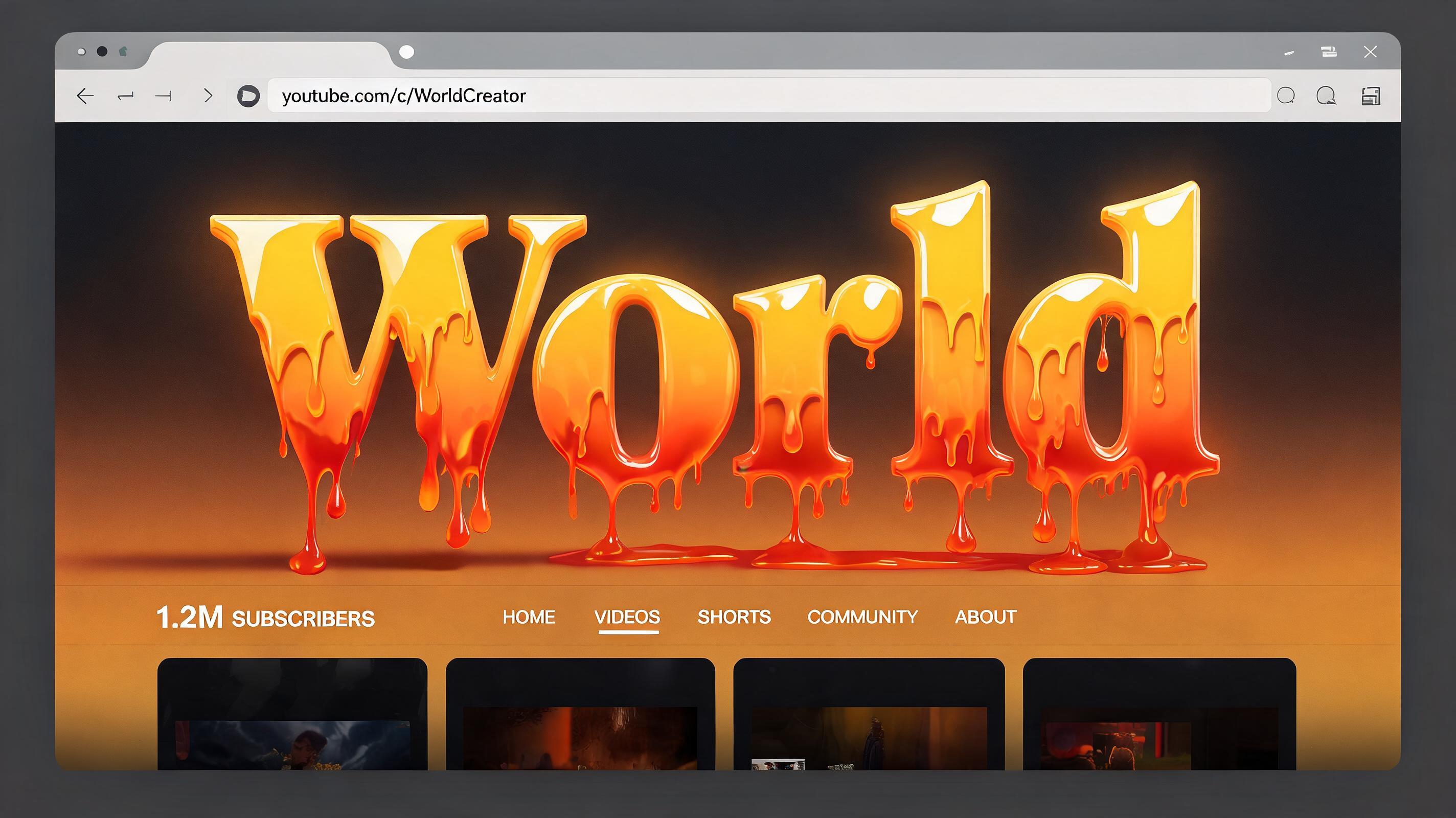
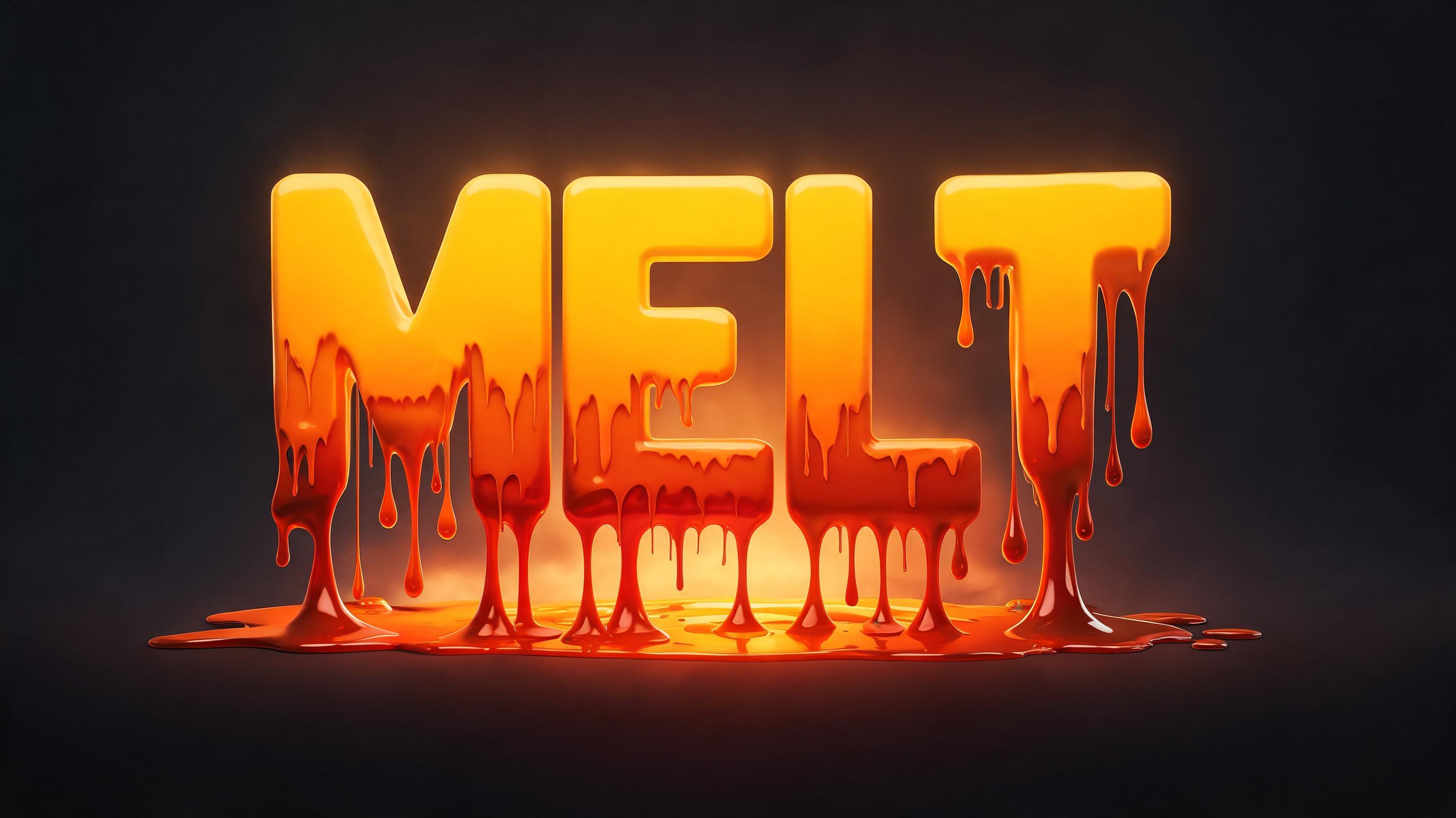
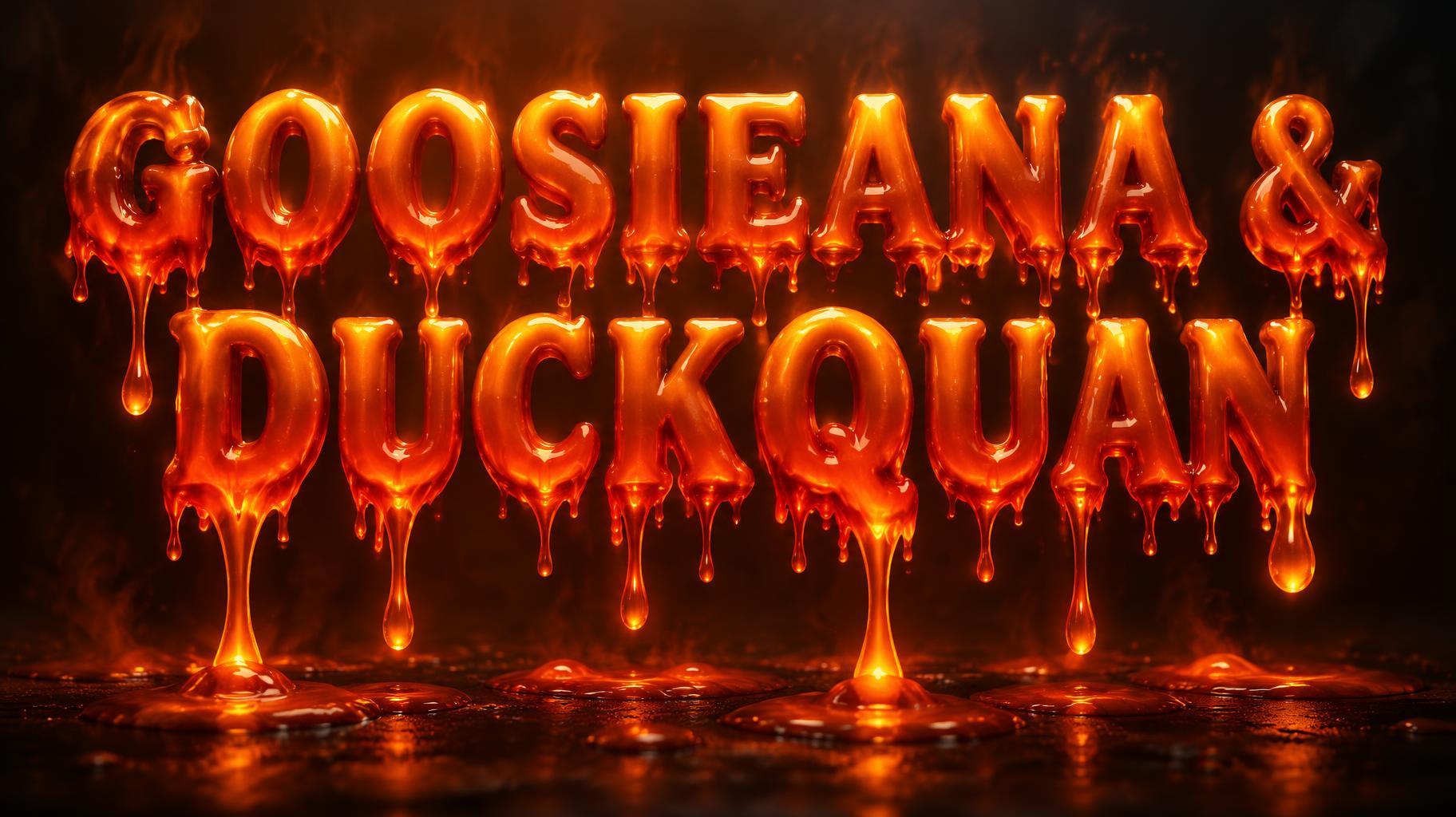
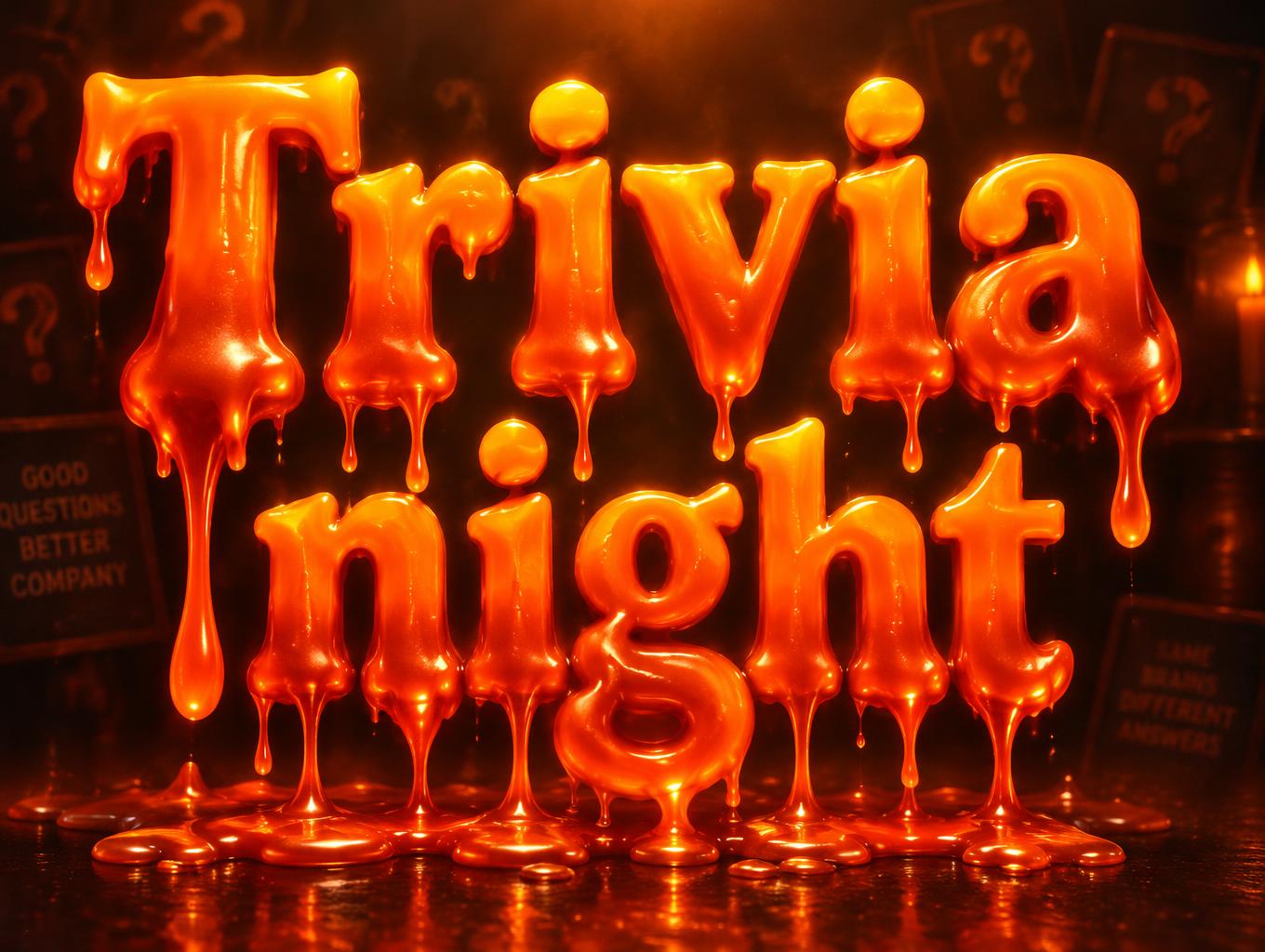
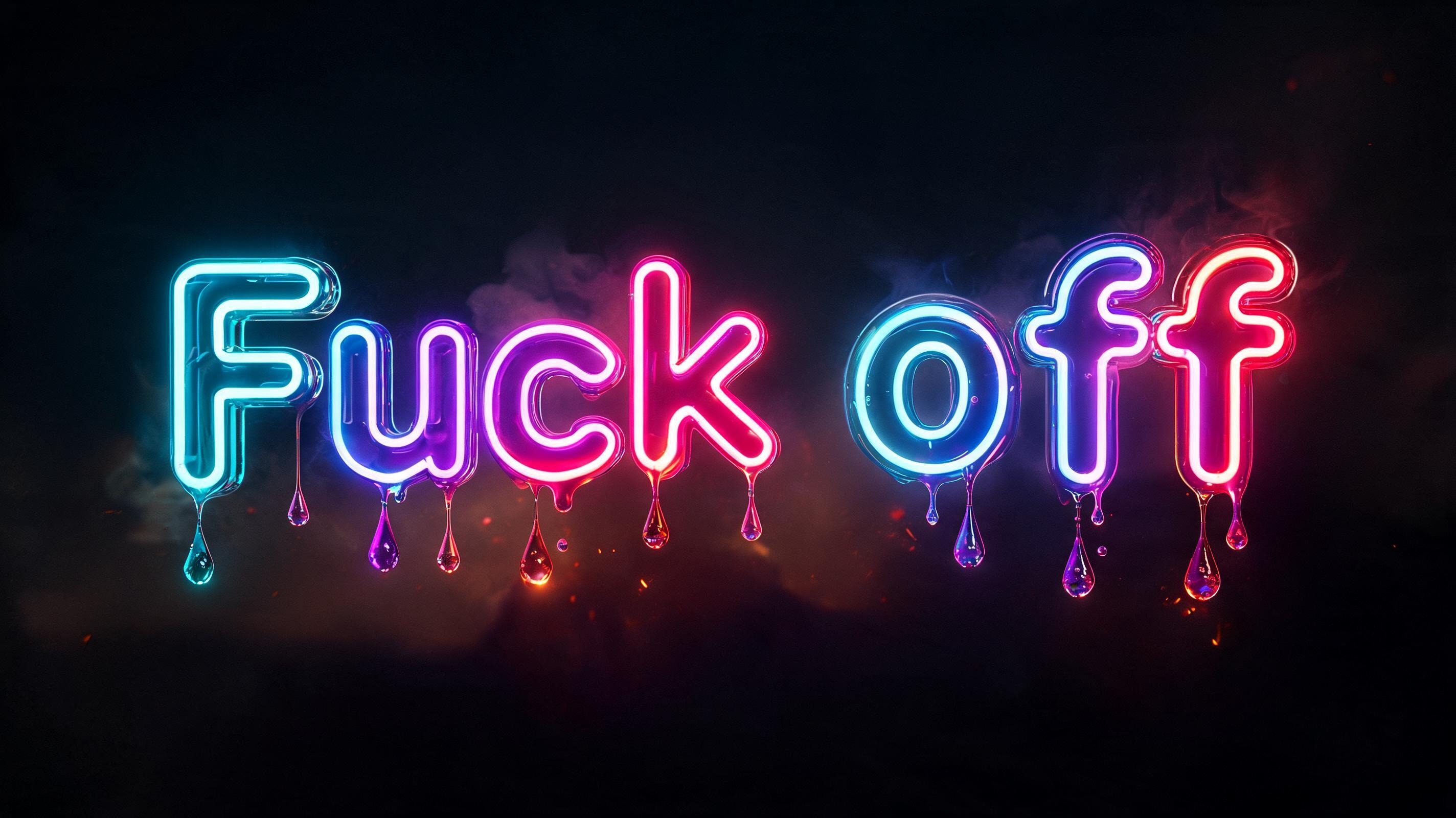
Real outputs from the Melting Font style. Click any image to see details.
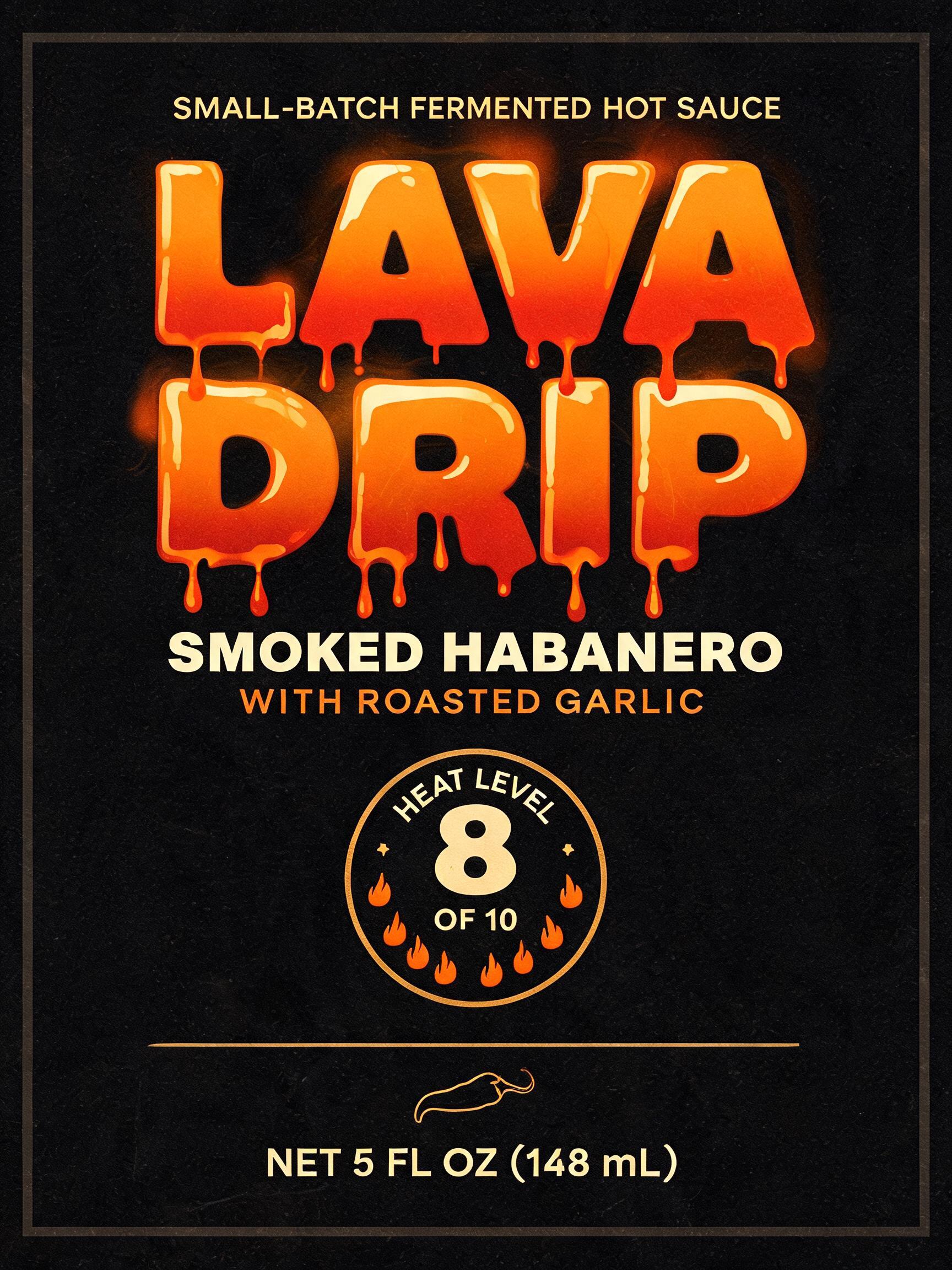


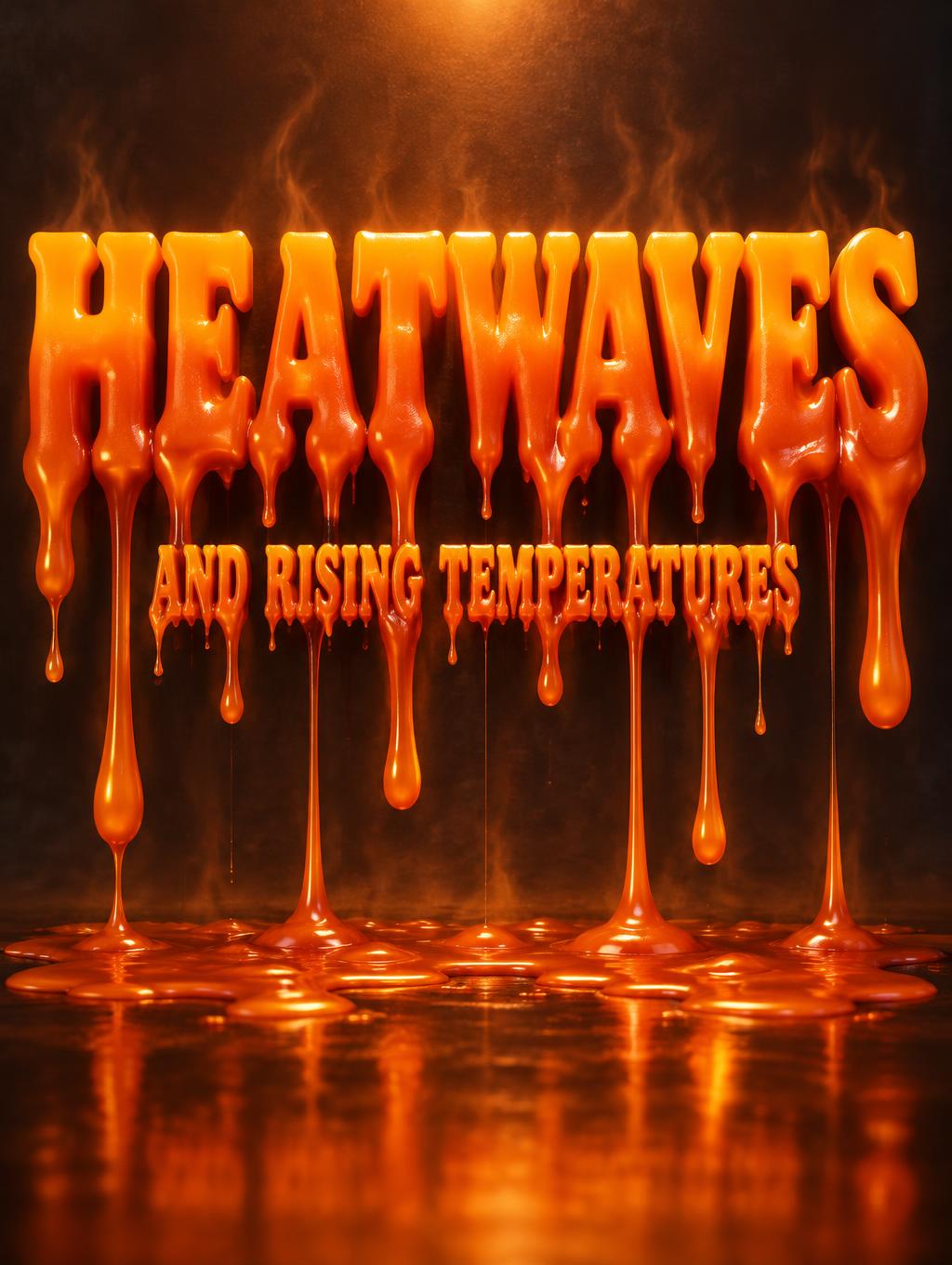
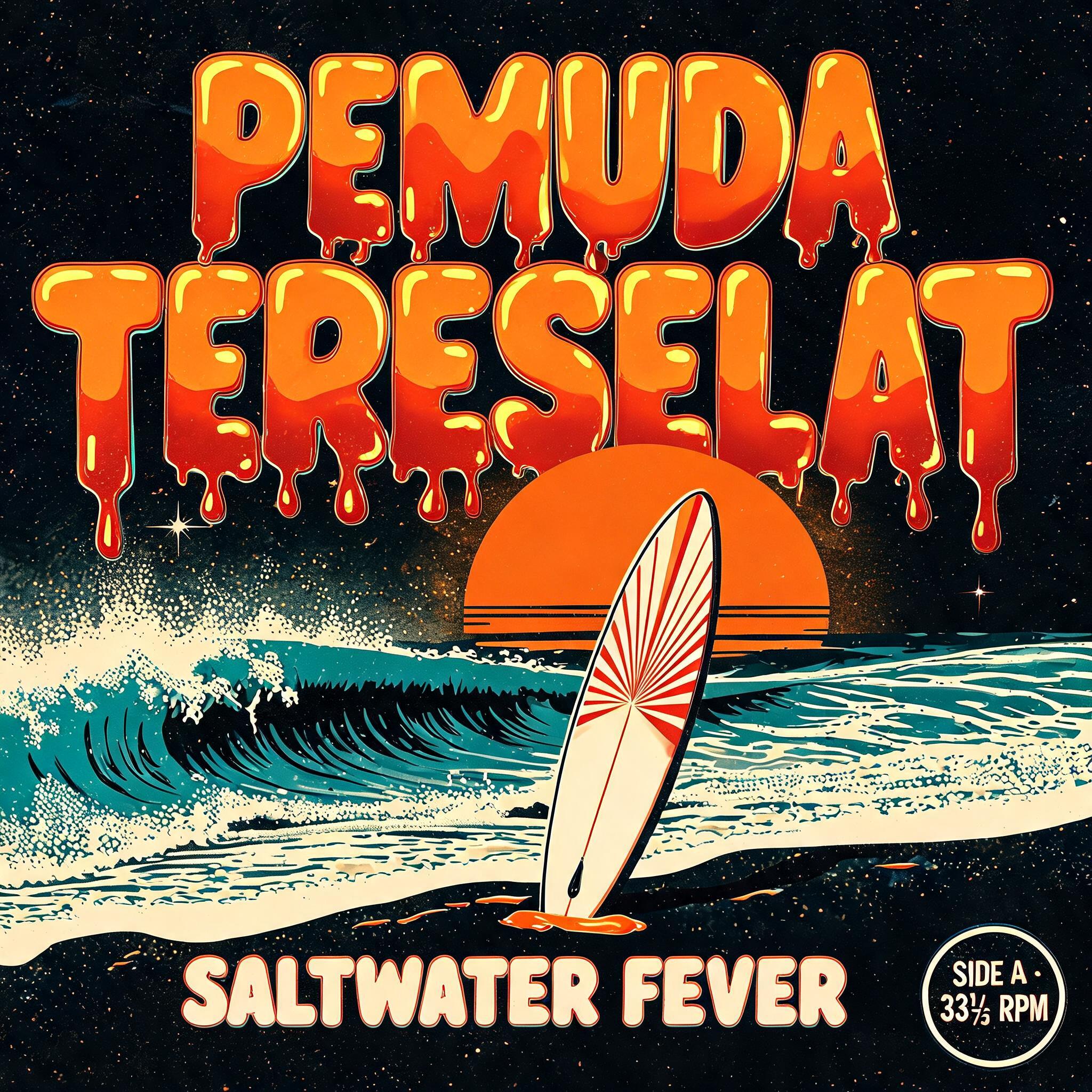
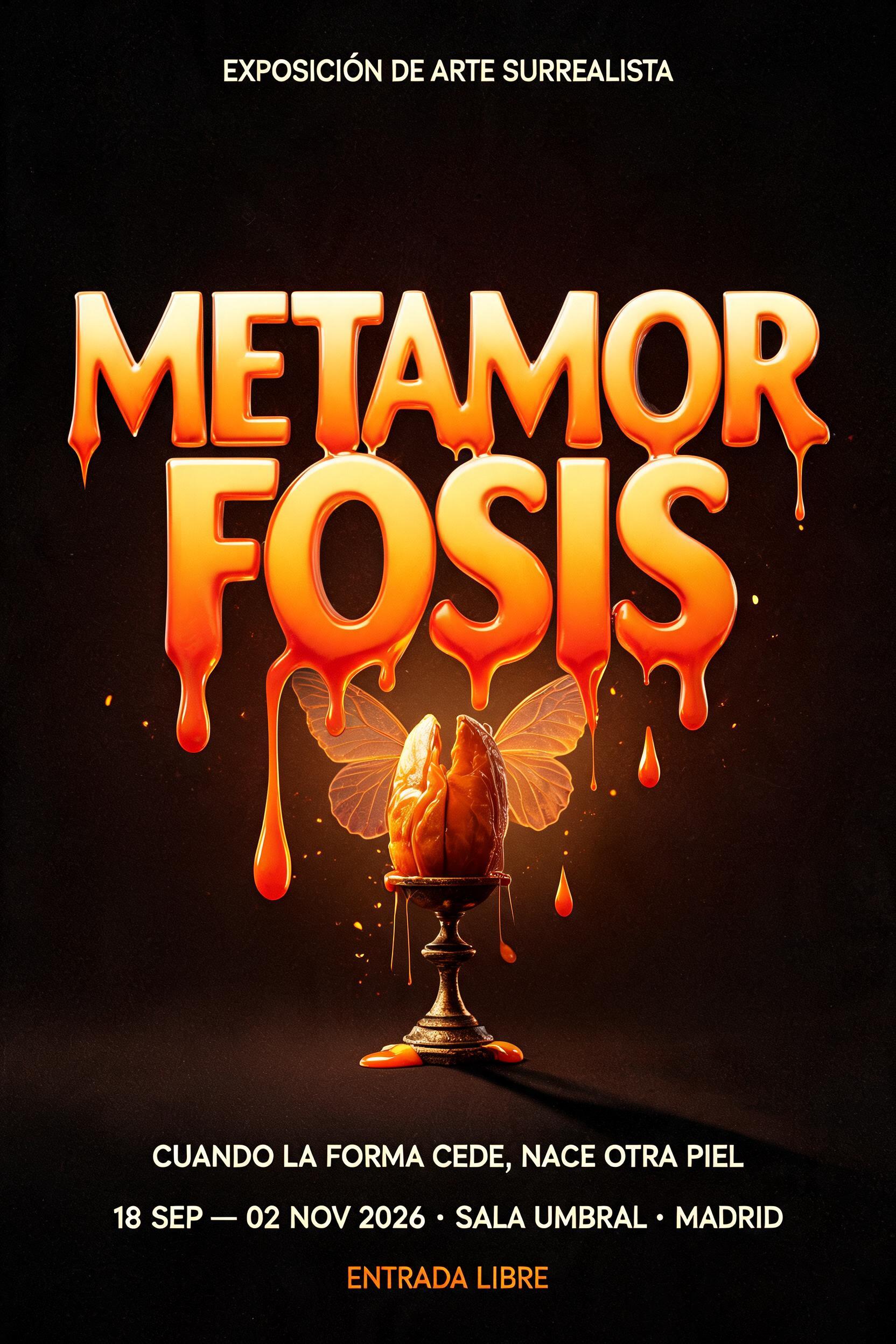
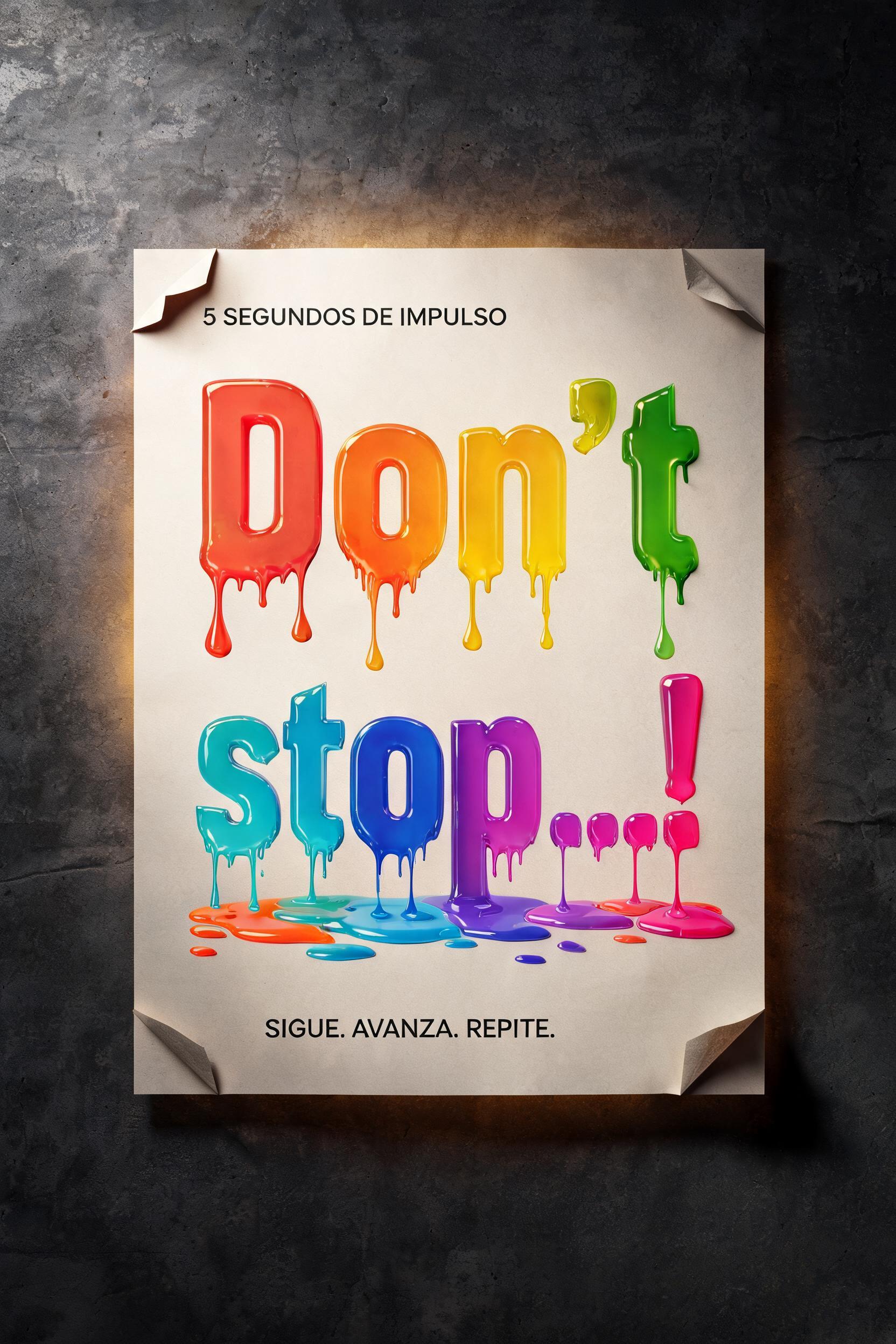


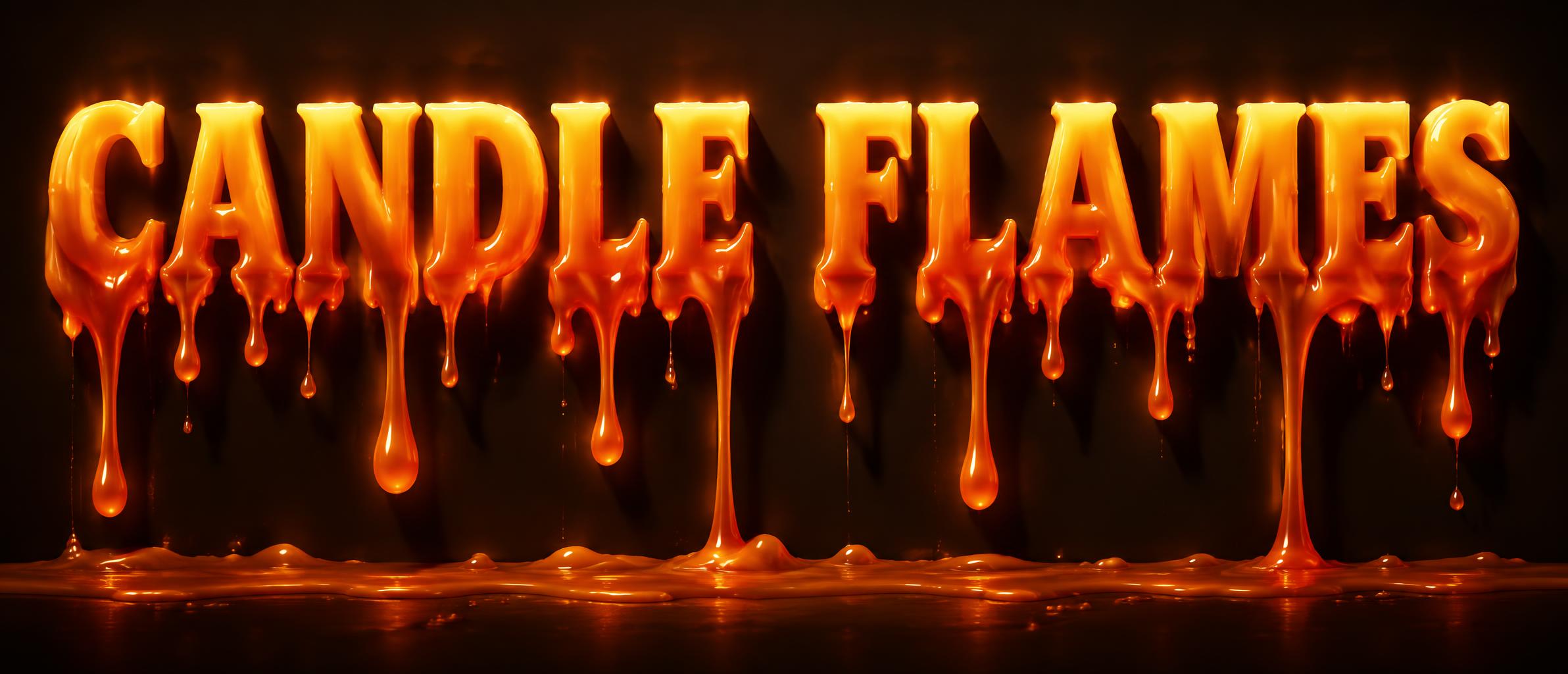
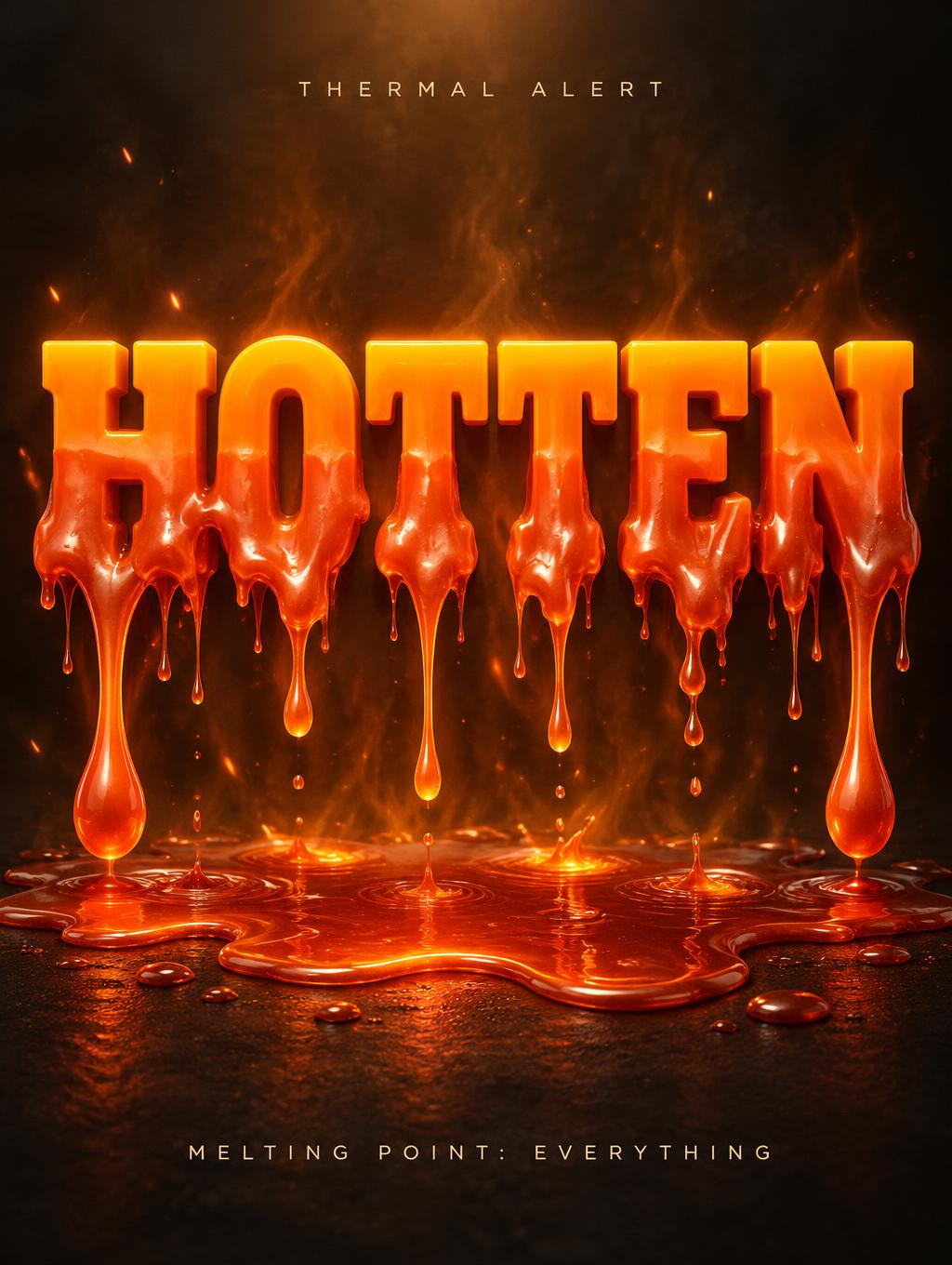
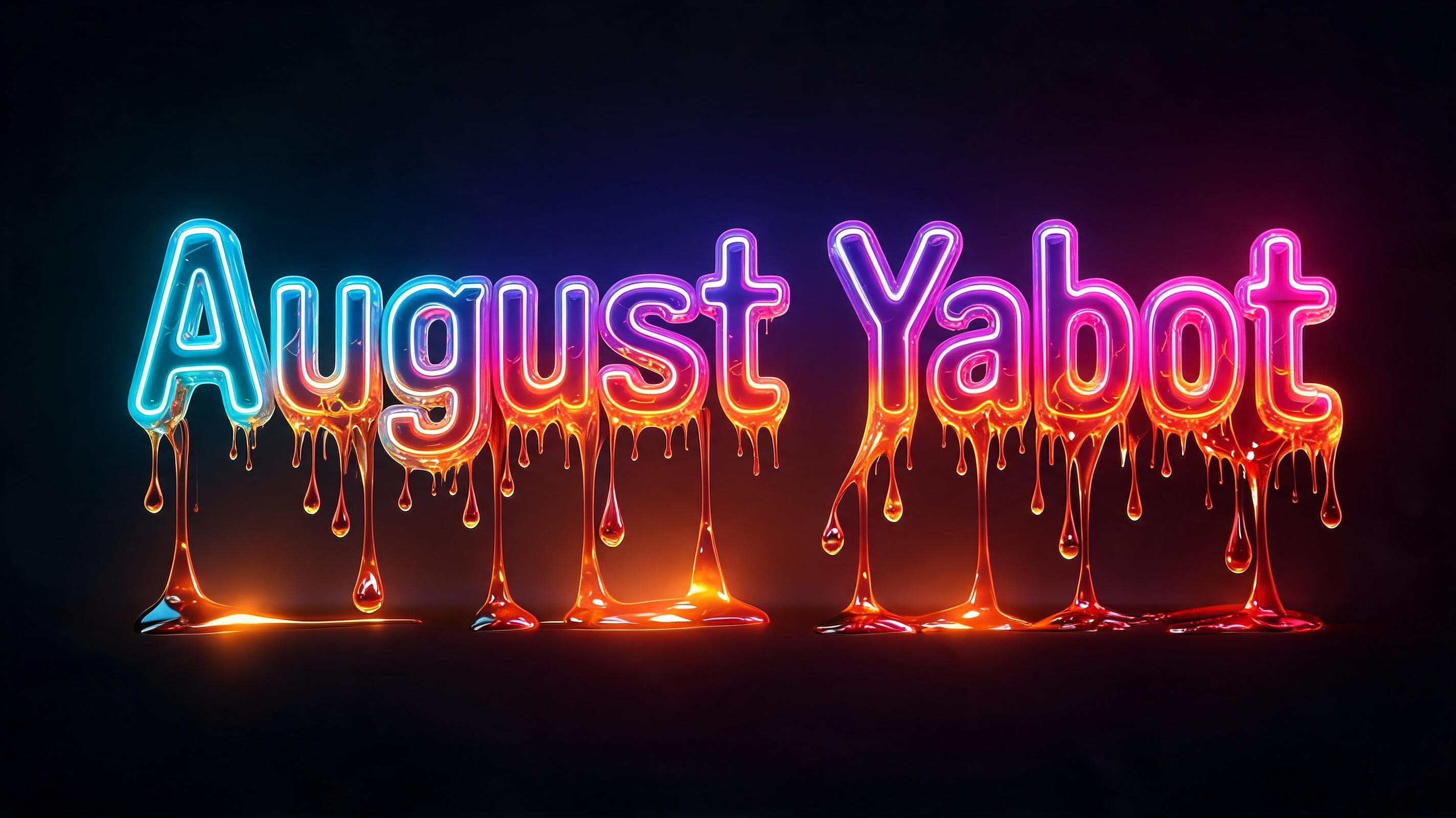







Looking for copy-paste fancy text? Try our free Font Generator Tools — cursive, gothic, bubble & 30+ styles.
Perfect for These Projects
Melting Font Text Effect — FAQ
What is the Melting Font Font Style?
The Melting Font font style is a distinctive AI-generated typography effect. Glossy orange-red letters liquefying from the base down, with molten drips, warped lower edges and a glowing puddle on a dark charcoal floor. Using FontVibe's AI melting font generator you can create stunning text effects in seconds — no Photoshop, no font licensing, no design experience needed.
Explore the Melting Font gallery for inspiration, or browse all 138+ AI text effect styles available on FontVibe.
How to Create Melting Font Typography in FontVibe Studio
The Story Behind Melting Font
History, visual DNA, and cultural context.
The Visual DNA
Why It Works
Melting font operates on a specific cognitive mechanism: familiar forms in an unfamiliar physical state. The letters are recognizable — you've read them thousands of times — but the material they're made of is doing something letters don't do. This cognitive dissonance creates a brief moment of re-evaluation that functions as a visual hook.
The heat association is culturally loaded in ways designers can leverage. Hot = energy, urgency, summer, extremity, intensity. The melting font communicates all of these simultaneously without requiring any supporting context. A festival poster with melting text reads as hot, loud, energetic — even in a thumbnail at 64 pixels.
For retro and pop art applications, melting font connects to a specific design lineage: psychedelic poster art of the 1960s–70s, which featured heavily distorted and liquefied letterforms as a visual correlate of altered states and countercultural energy. That association still carries meaning — melting typography signals 'not corporate,' 'not clean,' 'deliberately excessive.'
Sources: Wikipedia — Psychedelic art
Did You Know?
The melting clocks in Salvador Dalí's 'The Persistence of Memory' (1931) are among the best-known 'melting solid' images in art history. Dalí denied that the soft watches came from the theory of relativity and credited 'the surrealist perception of a Camembert melting in the sun.' The painting shows rigid objects turning fluid while keeping their recognizable form. Source ↗
Psychedelic concert posters of the late 1960s (Wes Wilson, Victor Moscoso, Rick Griffin) made liquid, distorted lettering a design language for the counterculture. Around 1966 Wilson developed lettering that made letters look like they were moving or melting, used on Fillmore posters for the Grateful Dead and Jefferson Airplane. MoMA, the Met and the Smithsonian now hold his posters. Source ↗
Create Your Melting Font Typography in Studio
Free to start. No design skills needed. Your artwork, your copyright.
AI Drip Font Melting Font Text Effect Generator
Glossy orange-red letters liquefying from the base down, with molten drips, warped lower edges and a glowing puddle on a dark charcoal floor. — no font license needed.
Melting Font in different AI fonts
What you can make with Melting Font
Generate Your Melting Font Text Effect
Type any word — see it transformed in seconds. No sign-up required.
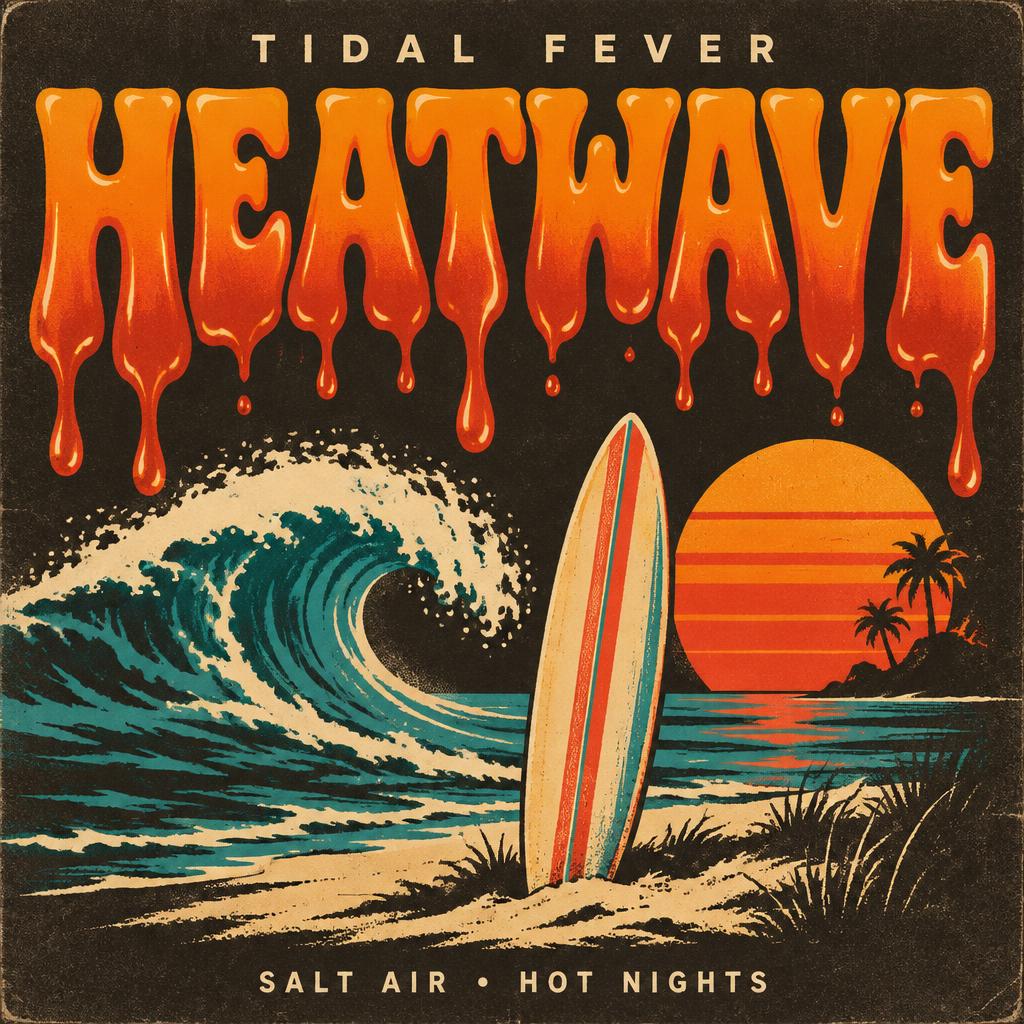
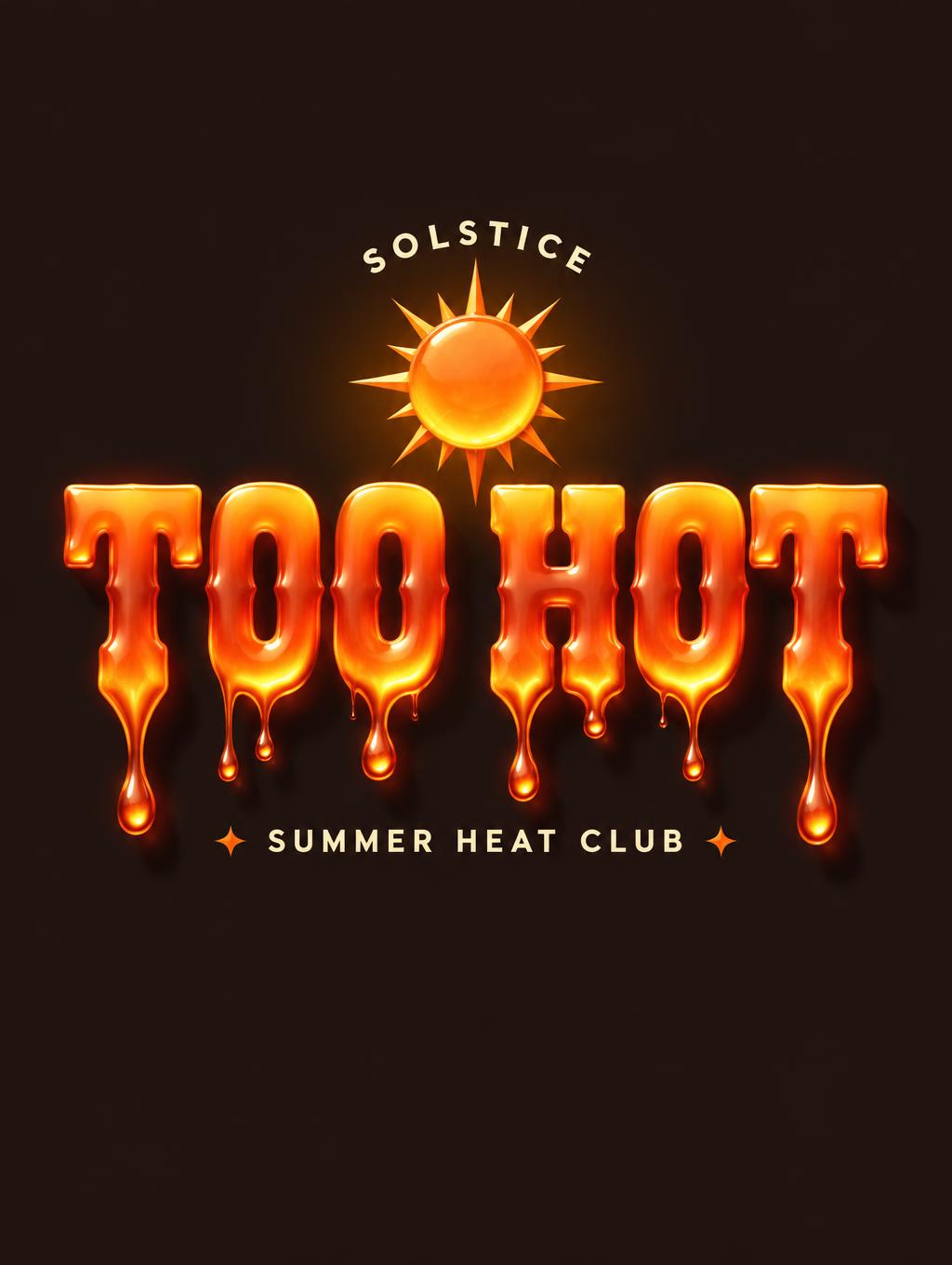
Melting Font Style Gallery
Real outputs from the Melting Font style. Click any image to see details.
Similar Text Effect Styles
Try these styles and create your own AI-generated text effects.
Looking for copy-paste fancy text? Try our free Font Generator Tools — cursive, gothic, bubble & 30+ styles.
Perfect for These Projects
Melting Font text effects are popular for creative projects where visual impact matters.
What is the Melting Font Font Style?
The Melting Font font style is a distinctive AI-generated typography effect. Glossy orange-red letters liquefying from the base down, with molten drips, warped lower edges and a glowing puddle on a dark charcoal floor.
Using FontVibe's AI melting font generator you can create stunning text effects in seconds — no Photoshop, no font licensing, no design experience needed.
Explore the Melting Font gallery for inspiration, or browse all 138+ AI text effect styles available on FontVibe.
How to Create Melting Font Typography in FontVibe Studio
1. Enter your text — Any word, phrase, or brand name. Works best with short, punchy text.
2. Select Melting Font — From the style library. Optionally describe a mood in the custom prompt.
3. Generate and download. Your Melting Font font artwork is ready in seconds. PNG, JPG, or transparent PNG.
Looking for something different? Browse the full font style library for more AI typography options.
Melting Font Text Effect — FAQ
The Story Behind Melting Font
History, visual DNA, and cultural context — everything that makes this style what it is.
The Visual DNA
Why It Works
Melting font operates on a specific cognitive mechanism: familiar forms in an unfamiliar physical state. The letters are recognizable — you've read them thousands of times — but the material they're made of is doing something letters don't do. This cognitive dissonance creates a brief moment of re-evaluation that functions as a visual hook.
The heat association is culturally loaded in ways designers can leverage. Hot = energy, urgency, summer, extremity, intensity. The melting font communicates all of these simultaneously without requiring any supporting context. A festival poster with melting text reads as hot, loud, energetic — even in a thumbnail at 64 pixels.
For retro and pop art applications, melting font connects to a specific design lineage: psychedelic poster art of the 1960s–70s, which featured heavily distorted and liquefied letterforms as a visual correlate of altered states and countercultural energy. That association still carries meaning — melting typography signals 'not corporate,' 'not clean,' 'deliberately excessive.'
Sources: Wikipedia — Psychedelic art
Did You Know?
The melting clocks in Salvador Dalí's 'The Persistence of Memory' (1931) are among the best-known 'melting solid' images in art history. Dalí denied that the soft watches came from the theory of relativity and credited 'the surrealist perception of a Camembert melting in the sun.' The painting shows rigid objects turning fluid while keeping their recognizable form. Source ↗
Psychedelic concert posters of the late 1960s (Wes Wilson, Victor Moscoso, Rick Griffin) made liquid, distorted lettering a design language for the counterculture. Around 1966 Wilson developed lettering that made letters look like they were moving or melting, used on Fillmore posters for the Grateful Dead and Jefferson Airplane. MoMA, the Met and the Smithsonian now hold his posters. Source ↗