


AI Cursive Calligraphy Script Text Effect Generator
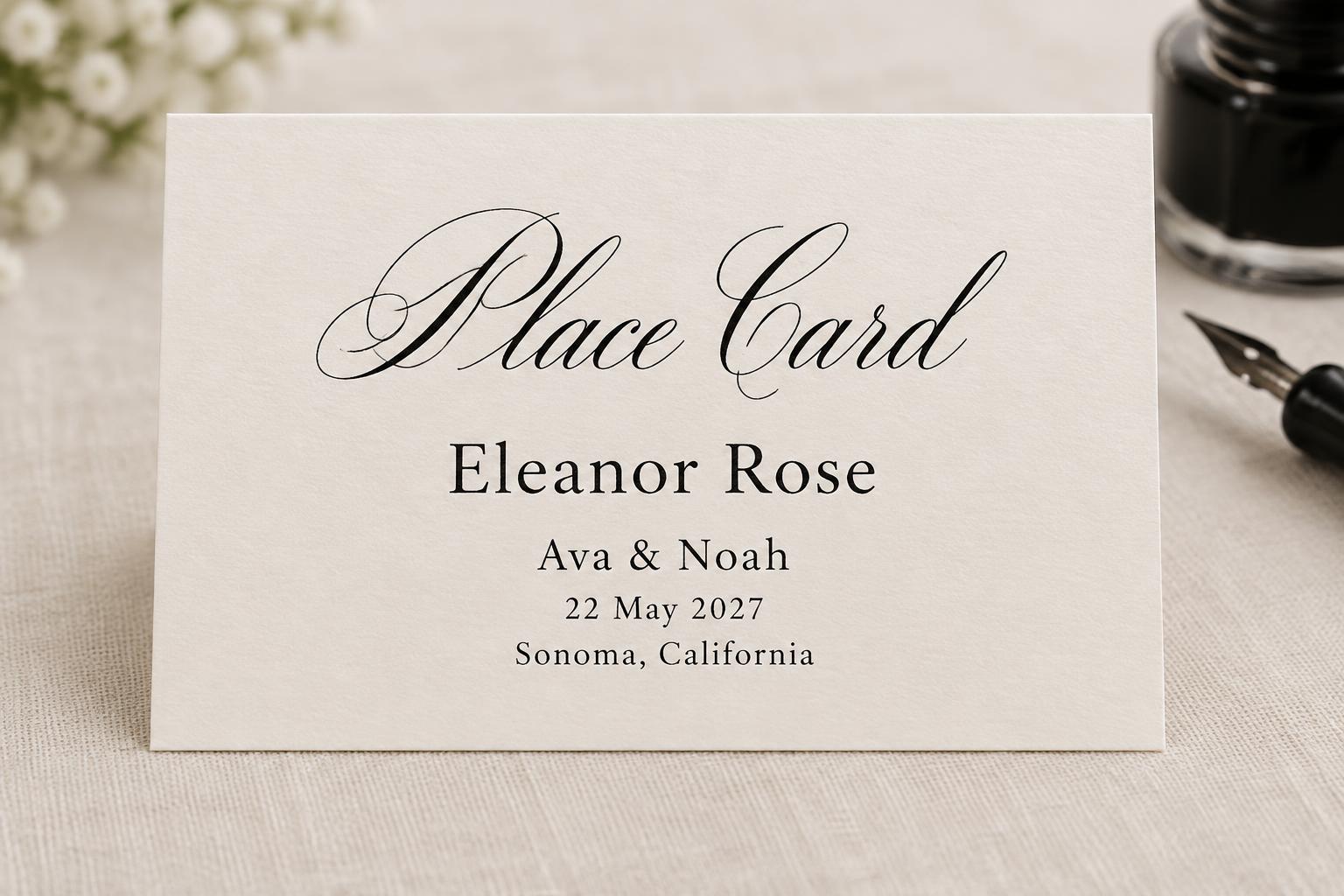
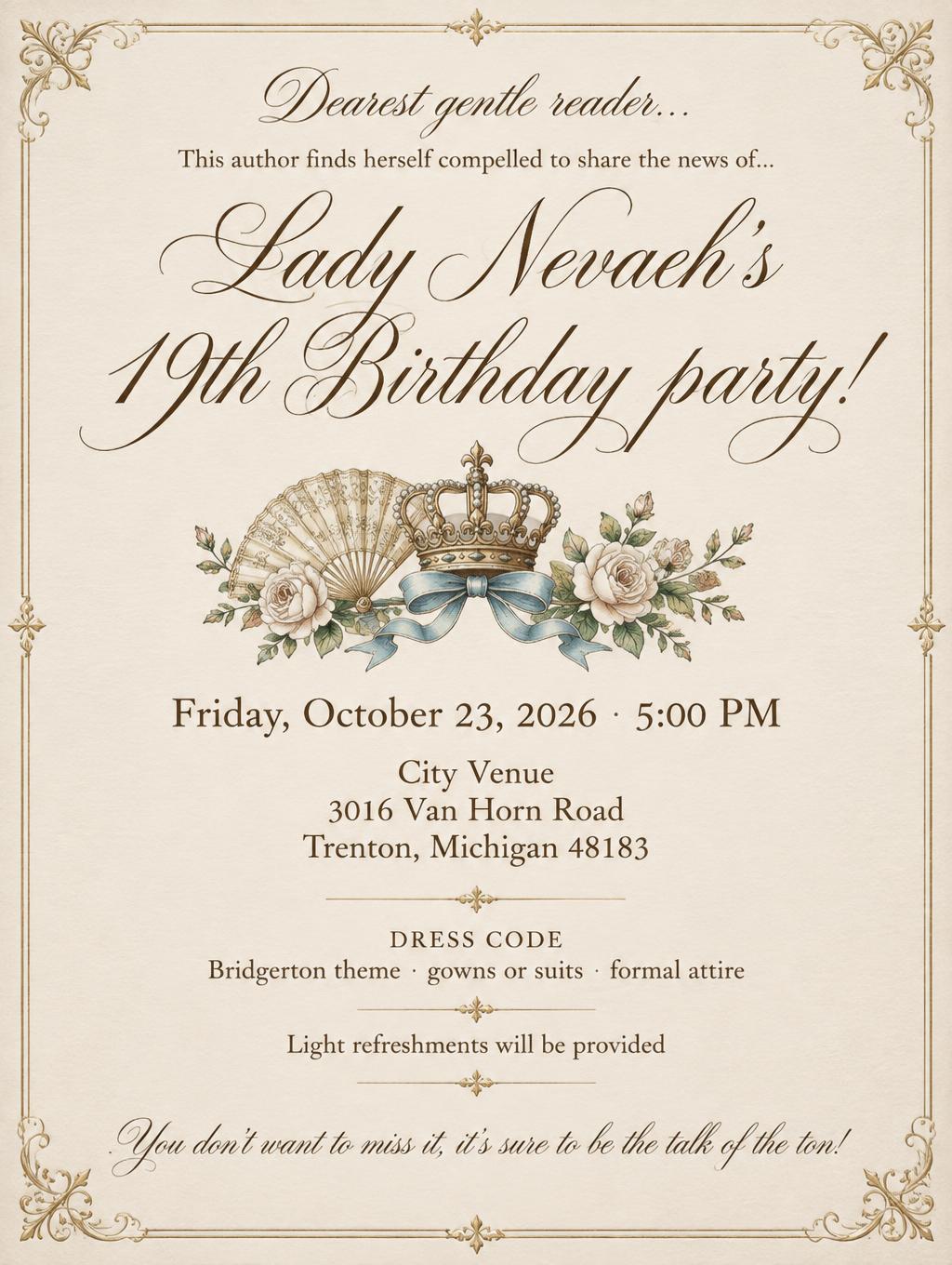
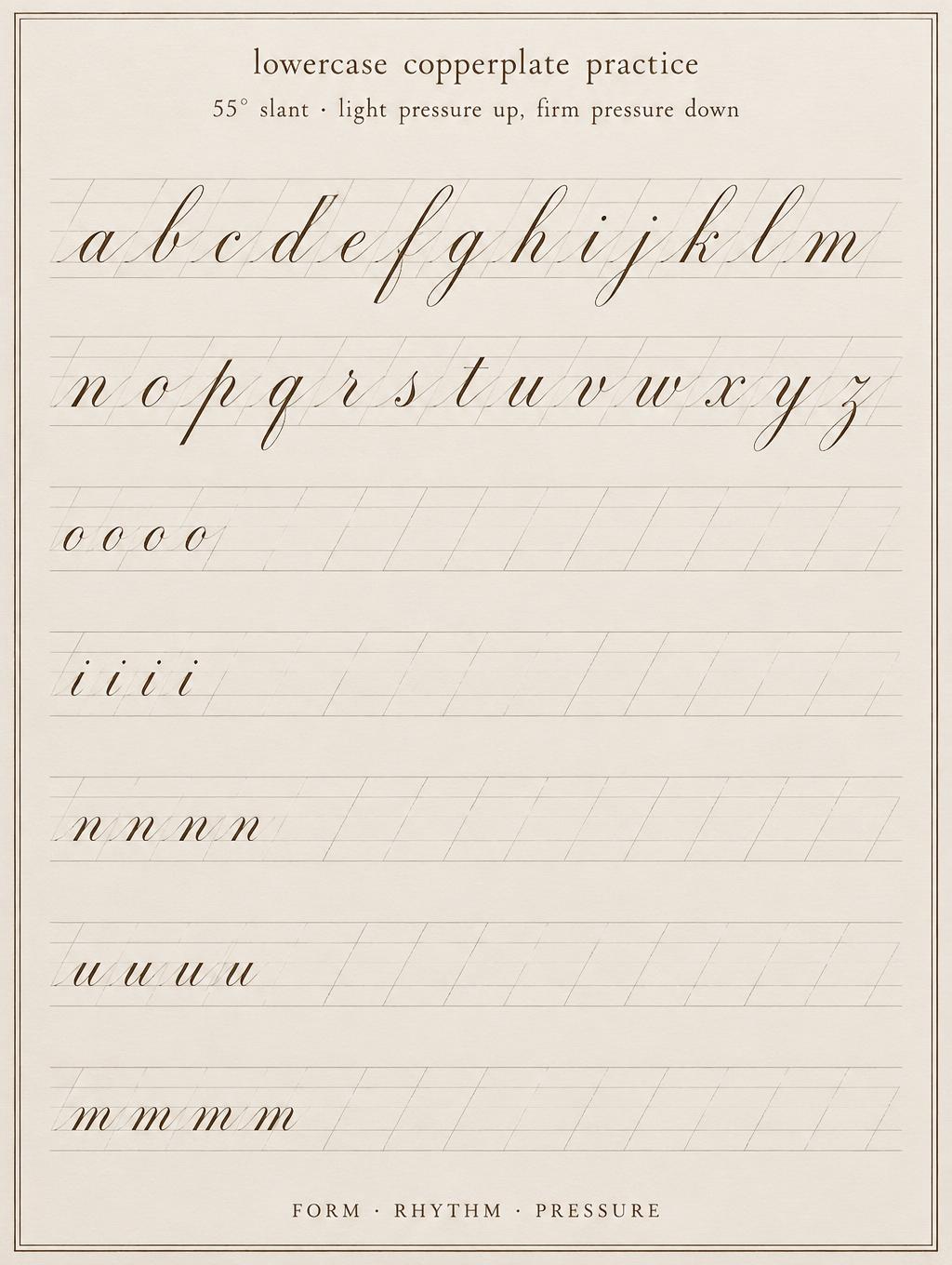
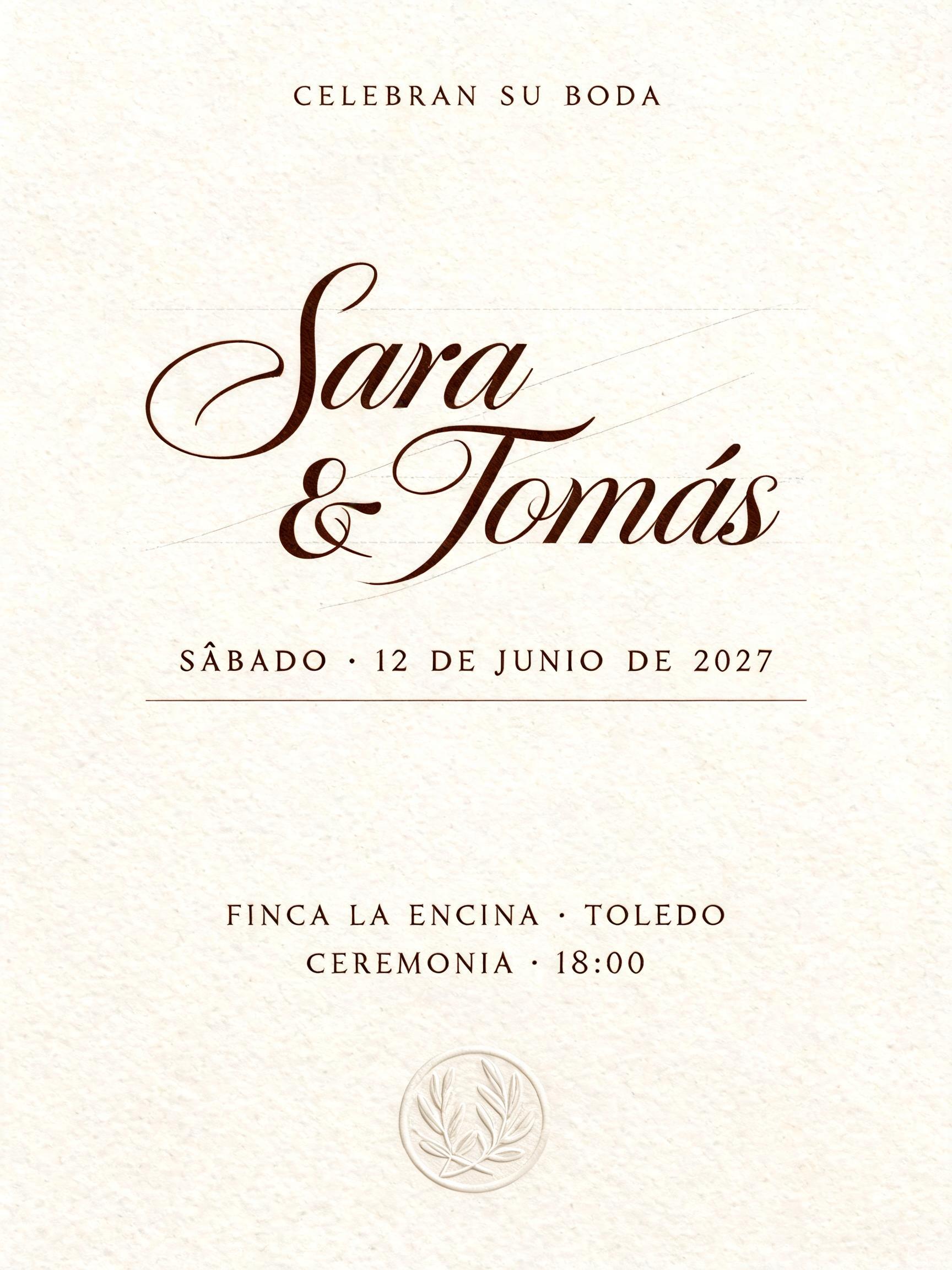
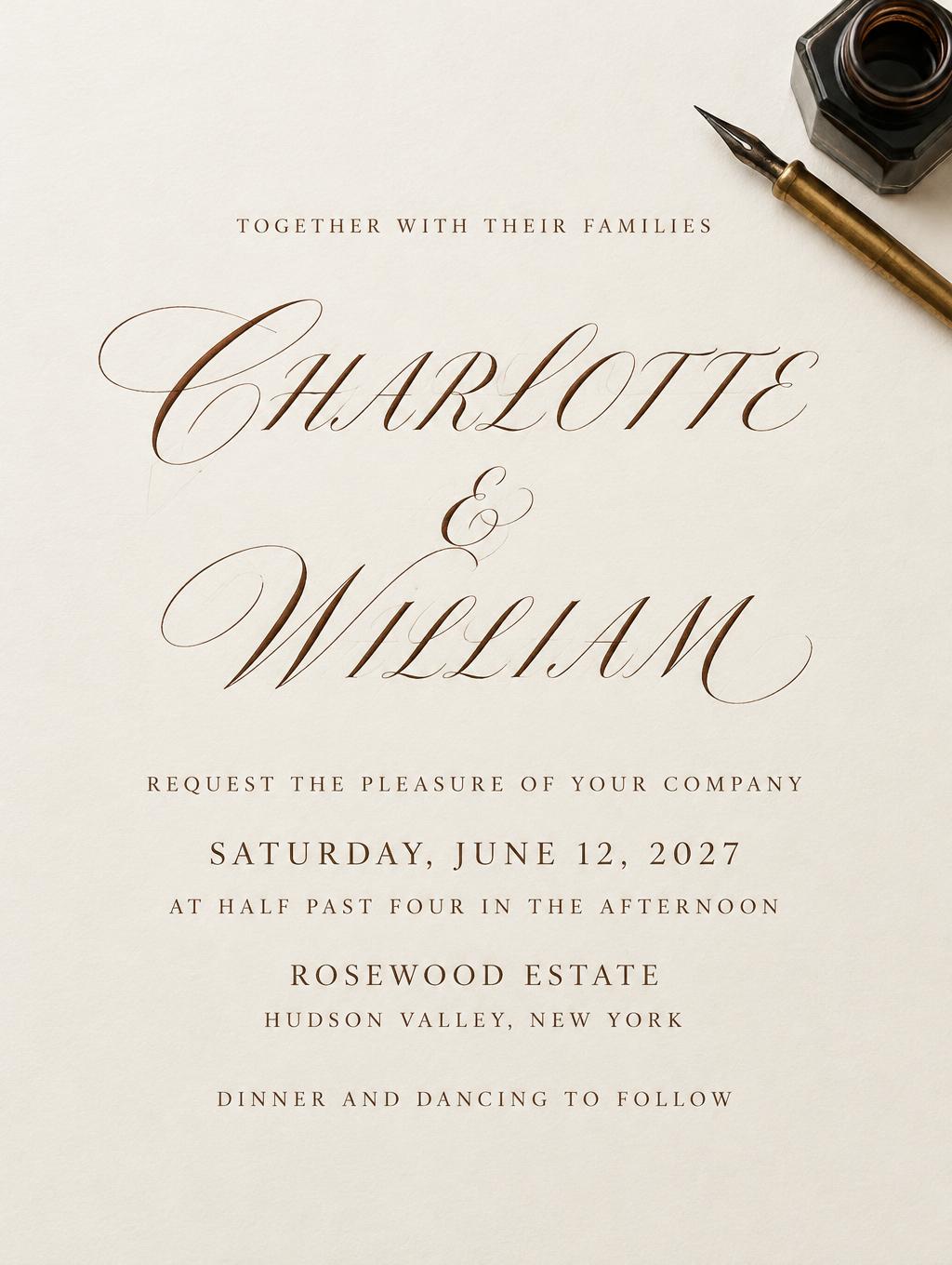
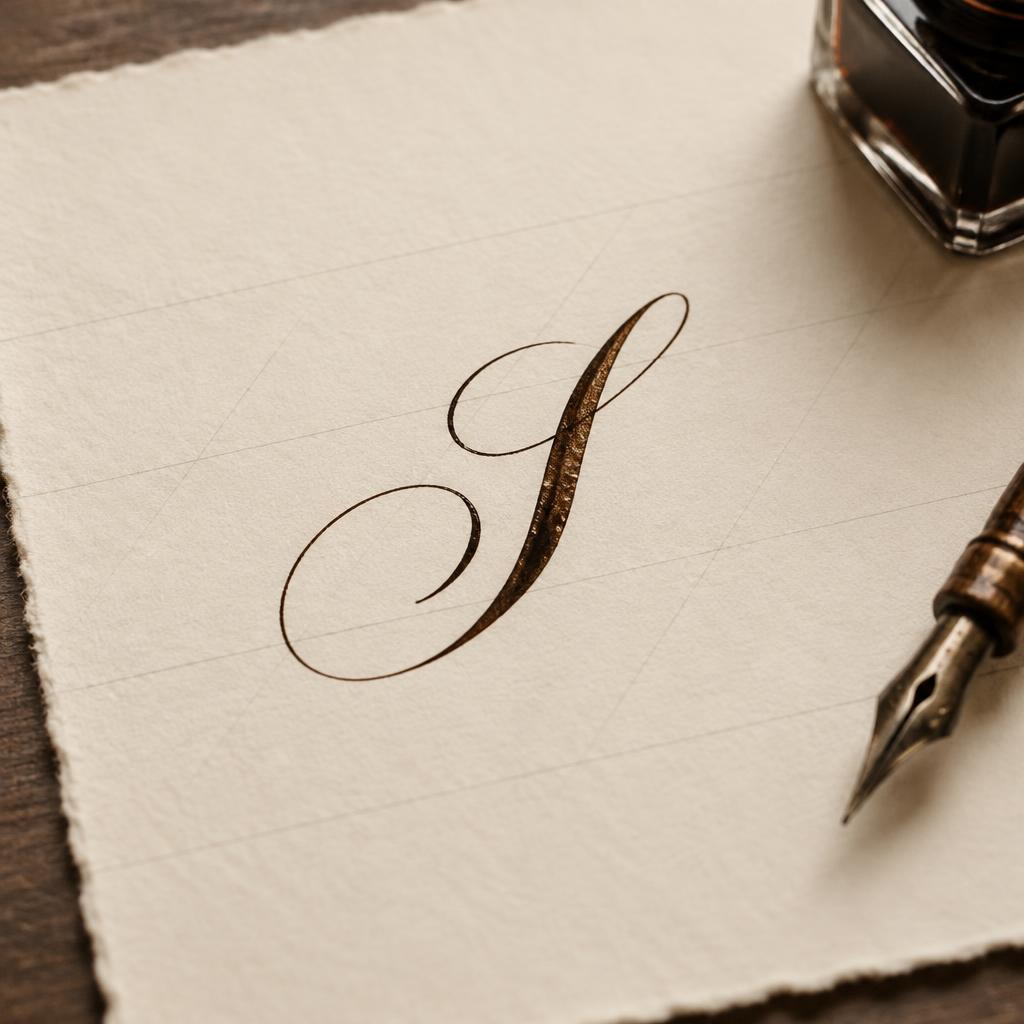
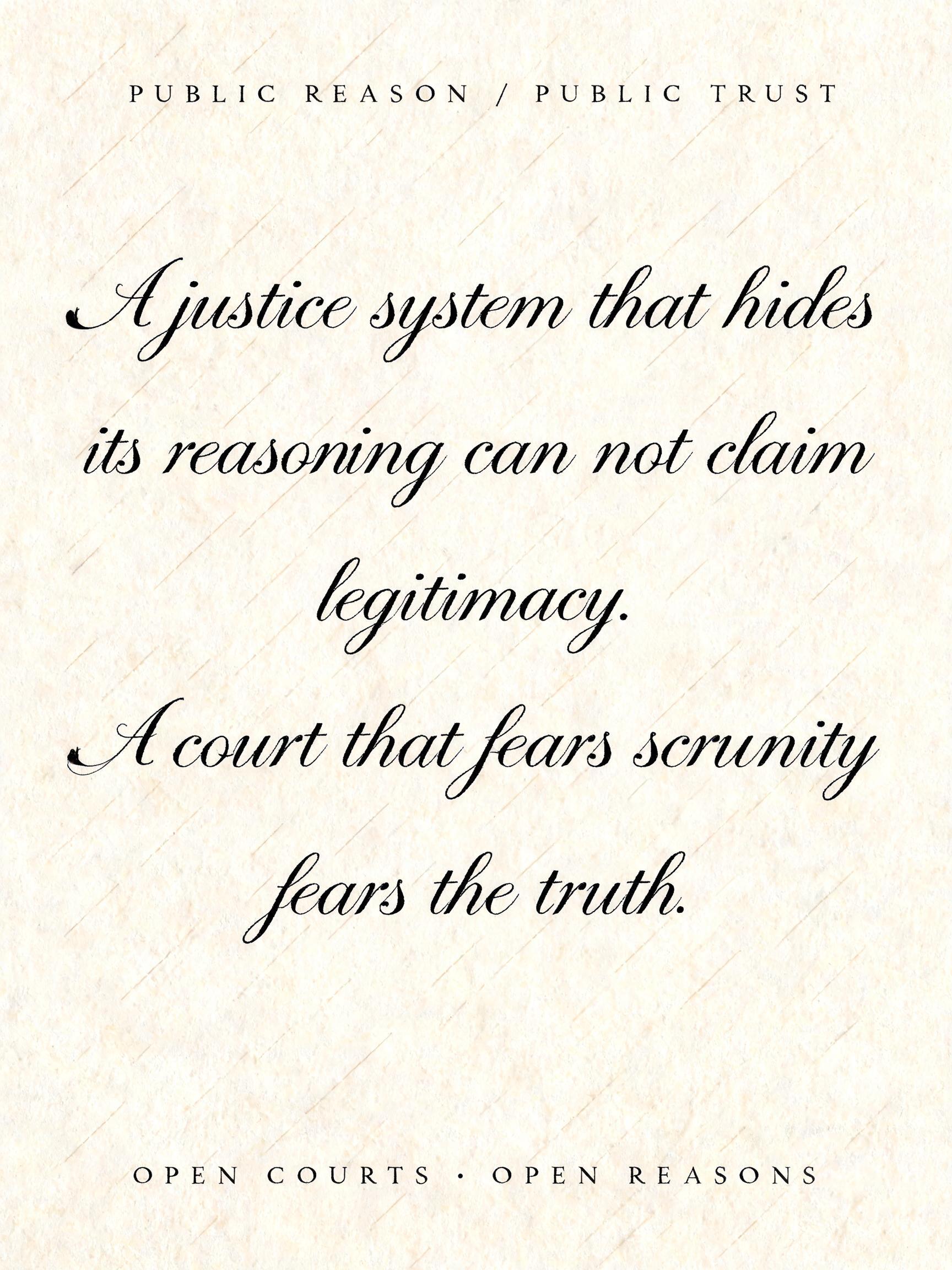
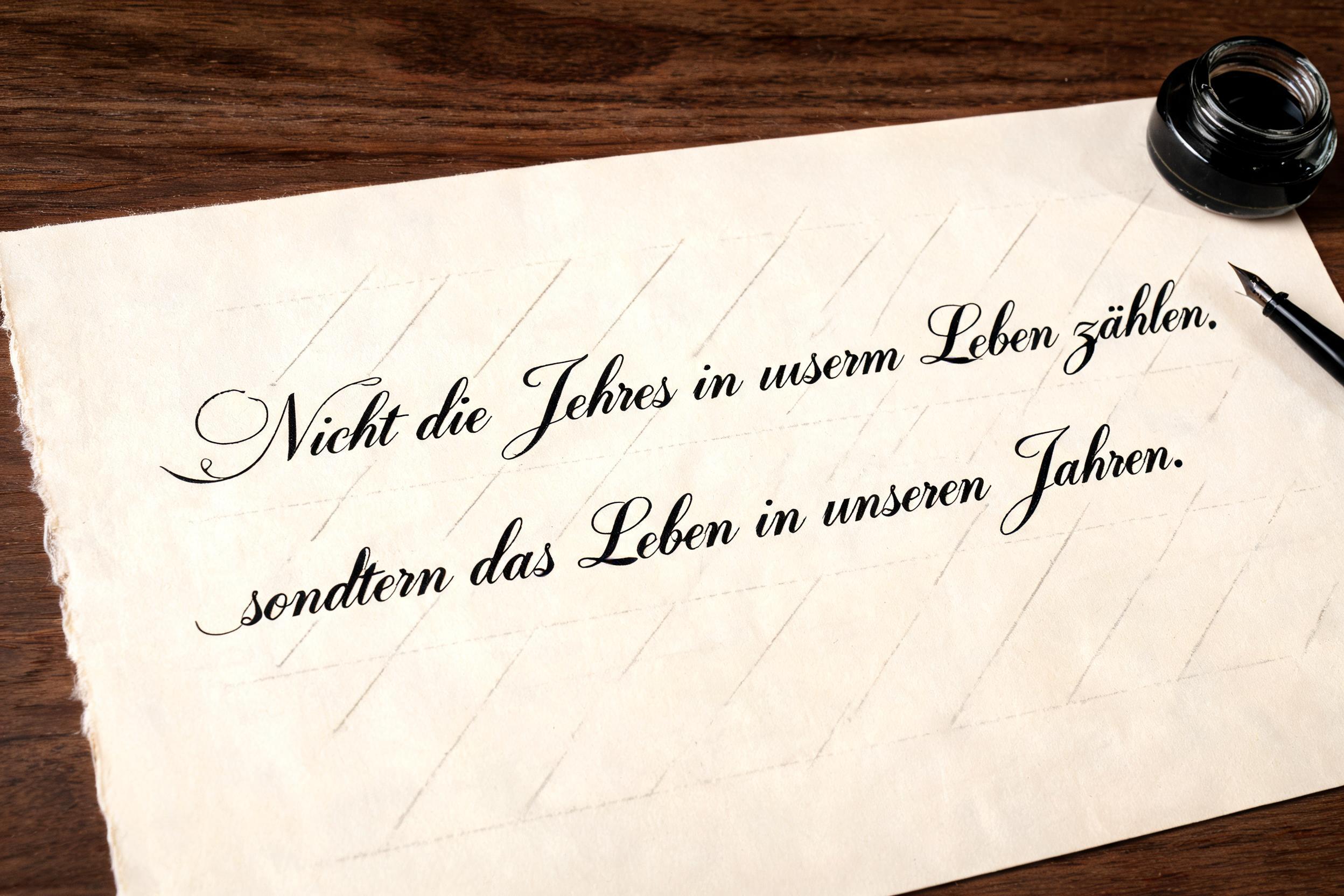
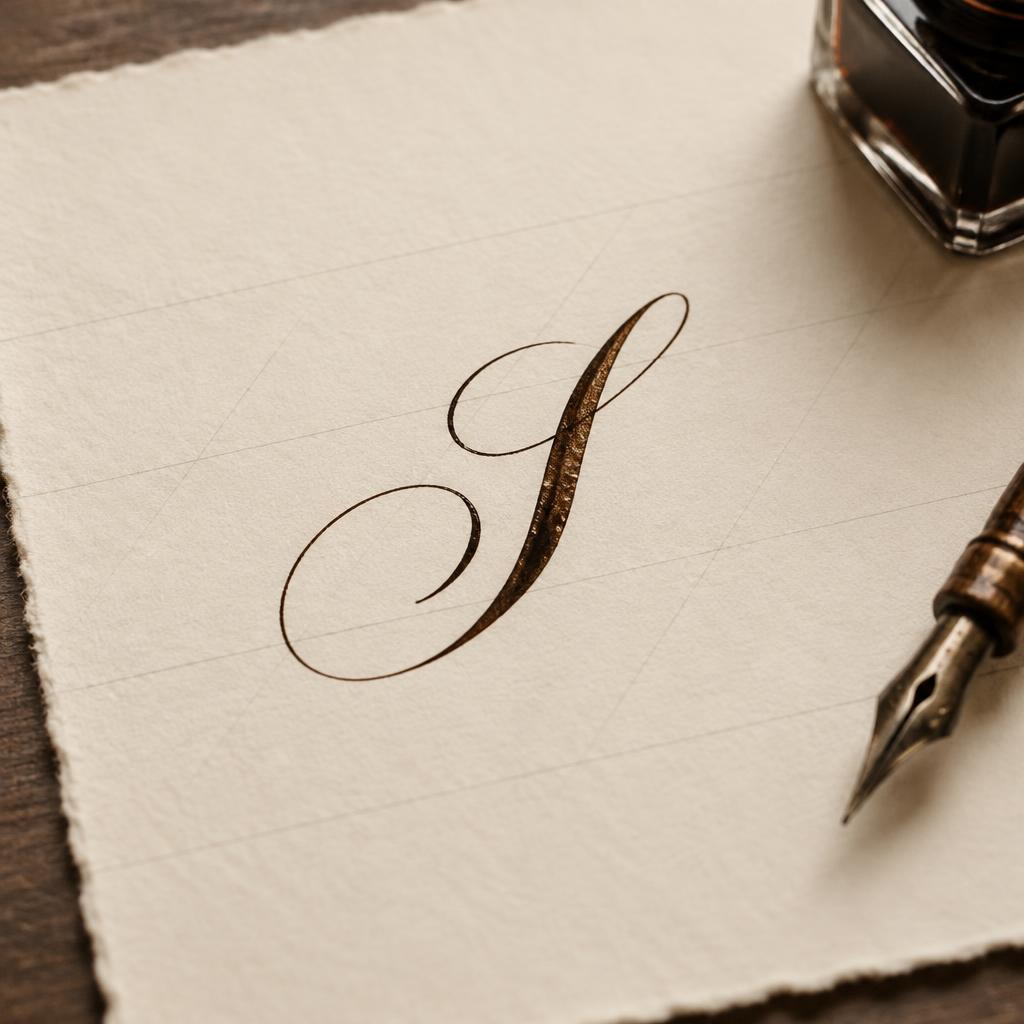
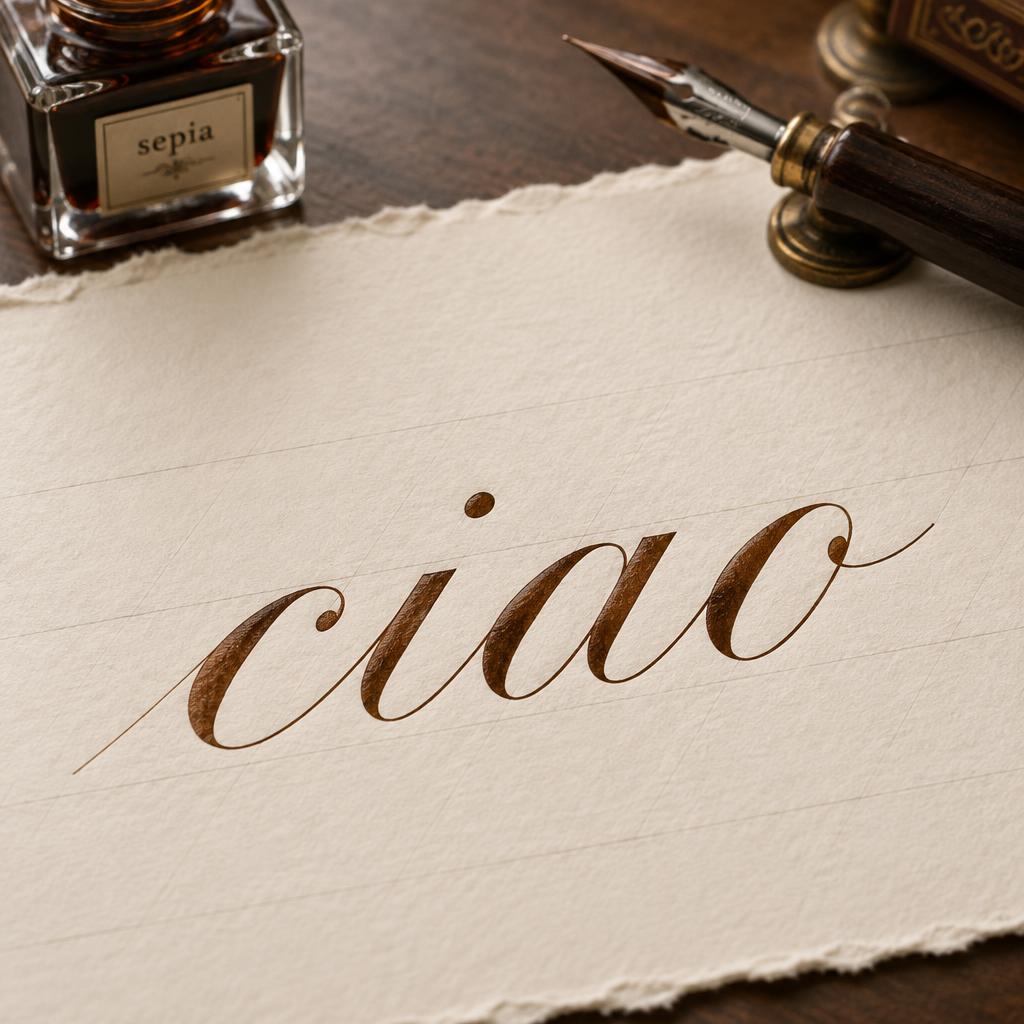
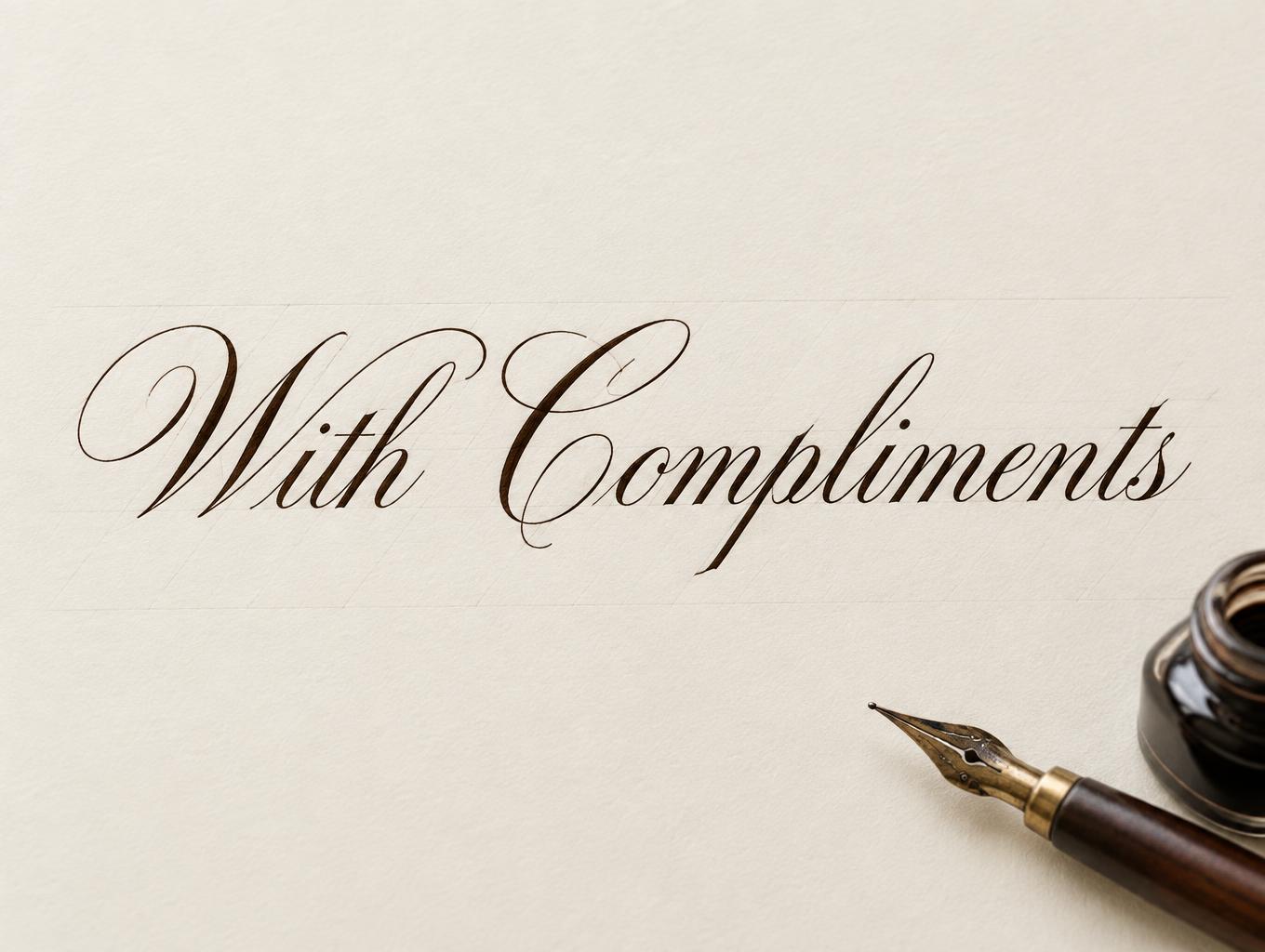
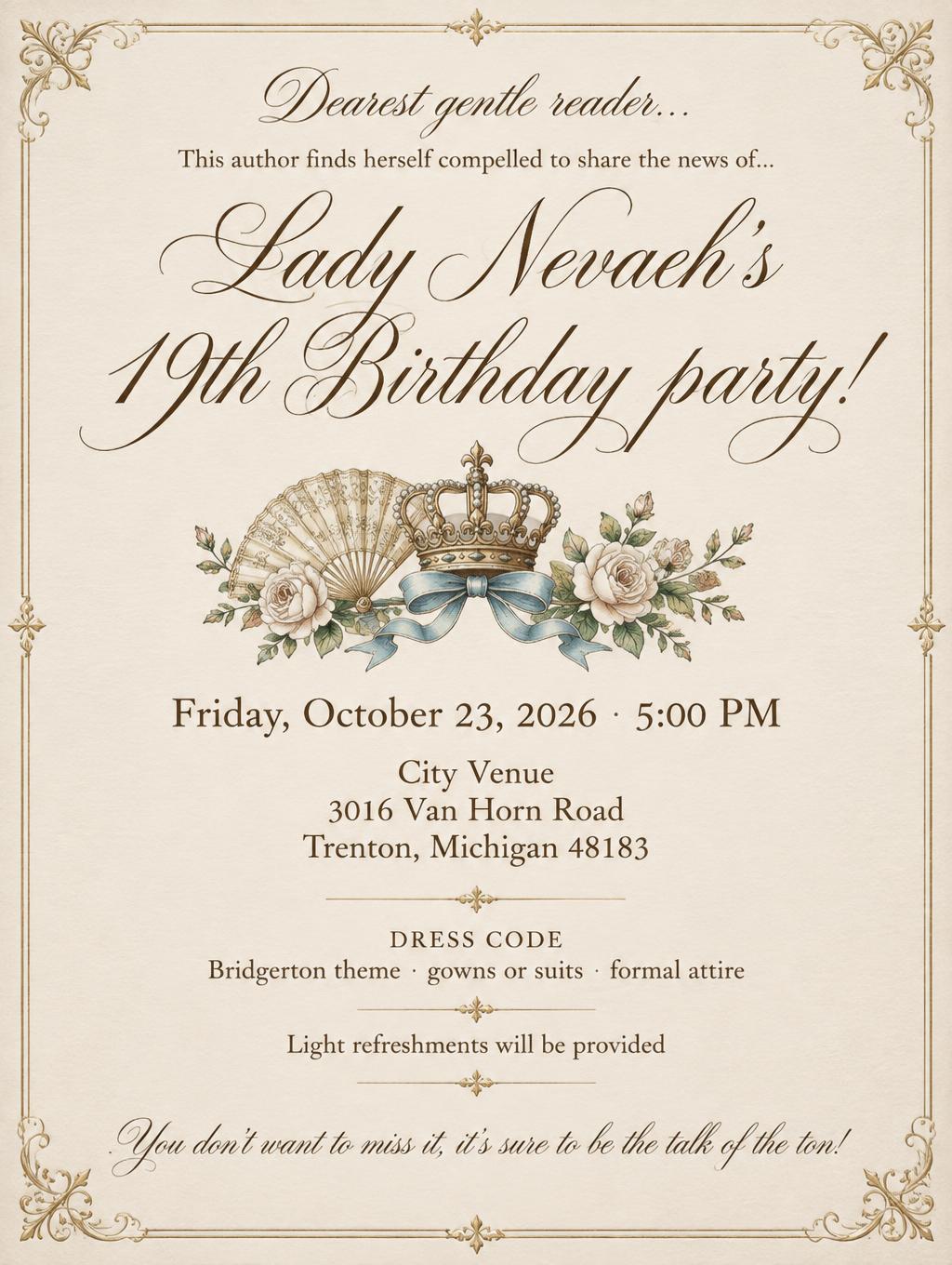
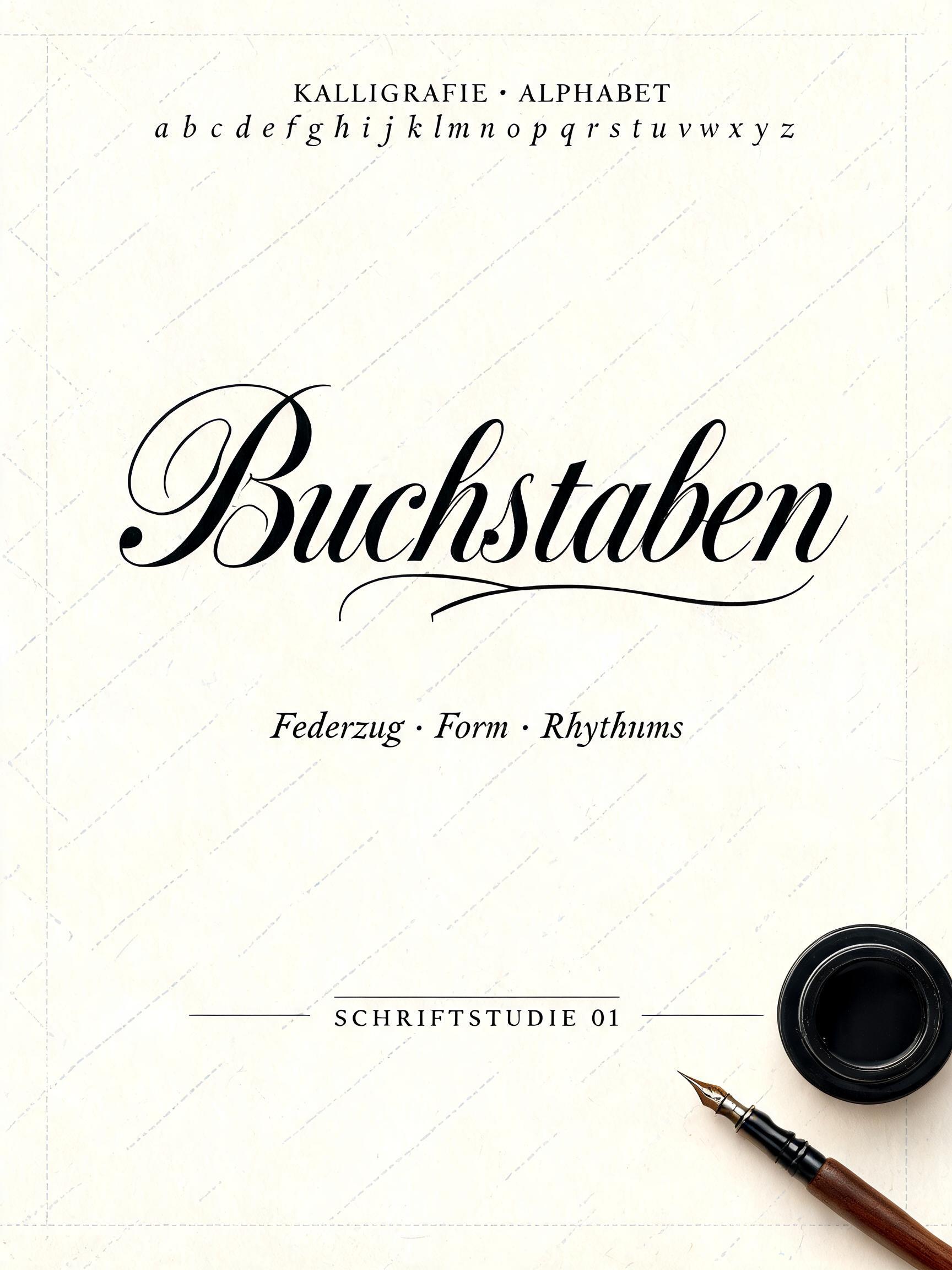
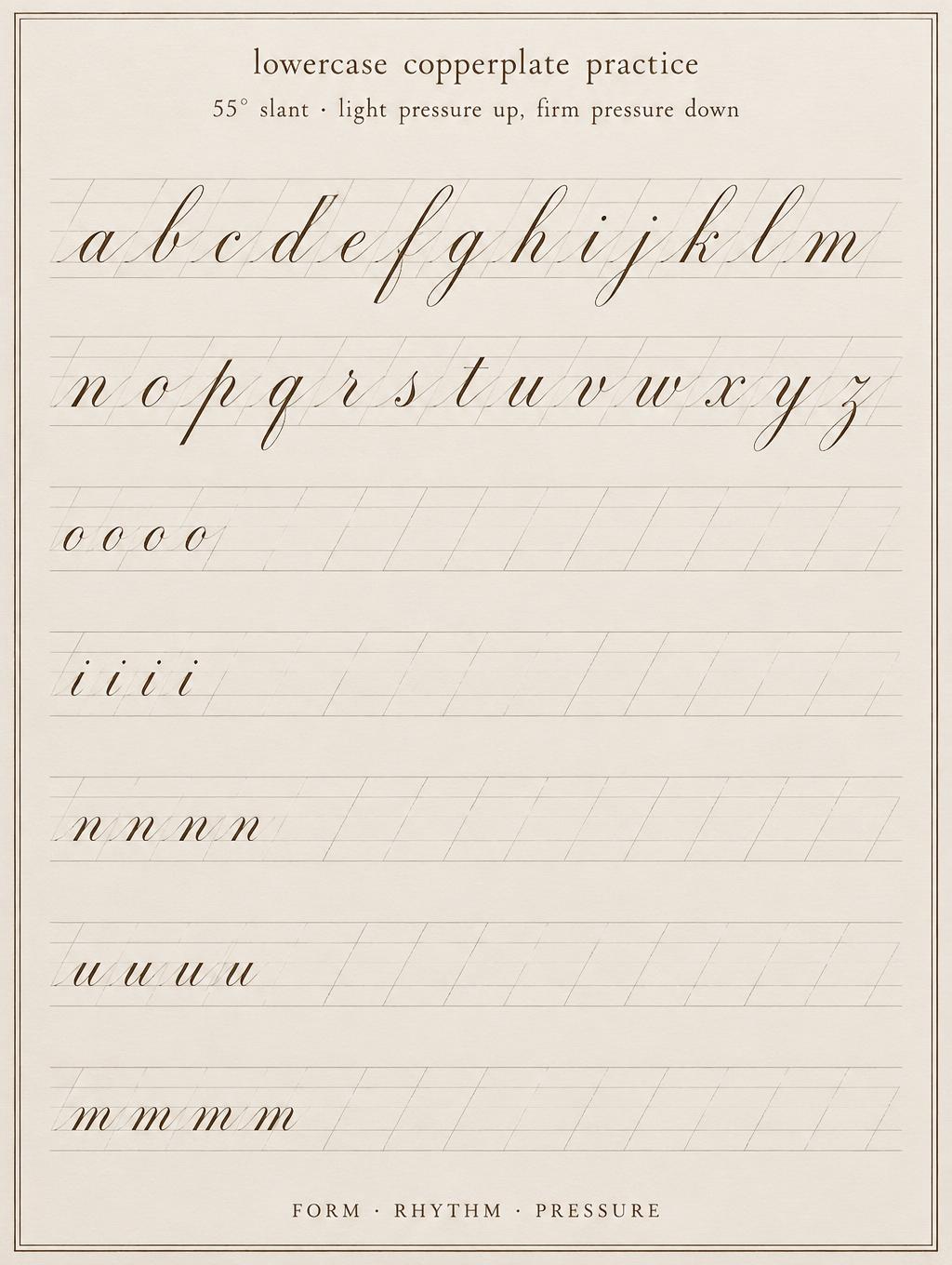
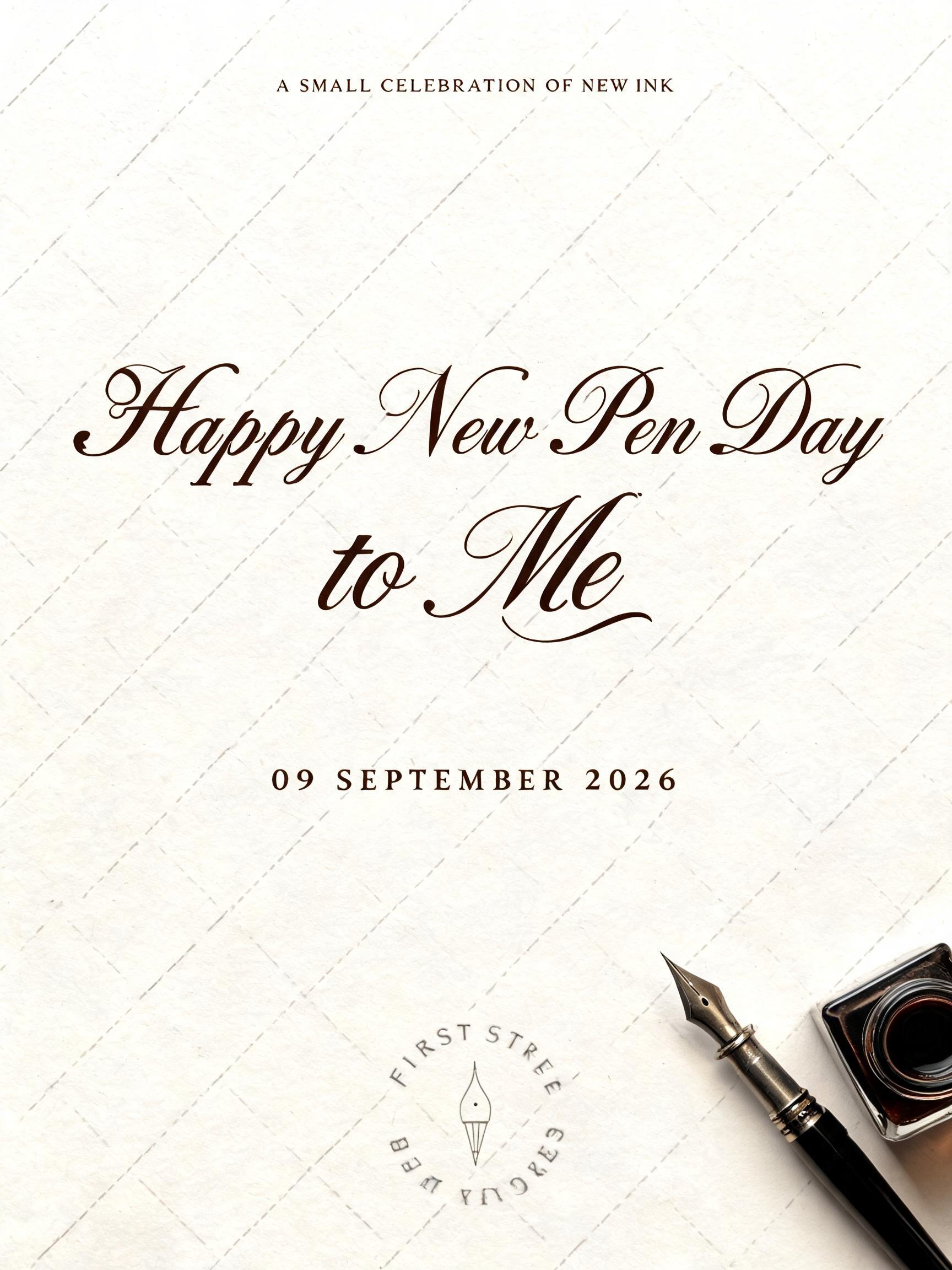
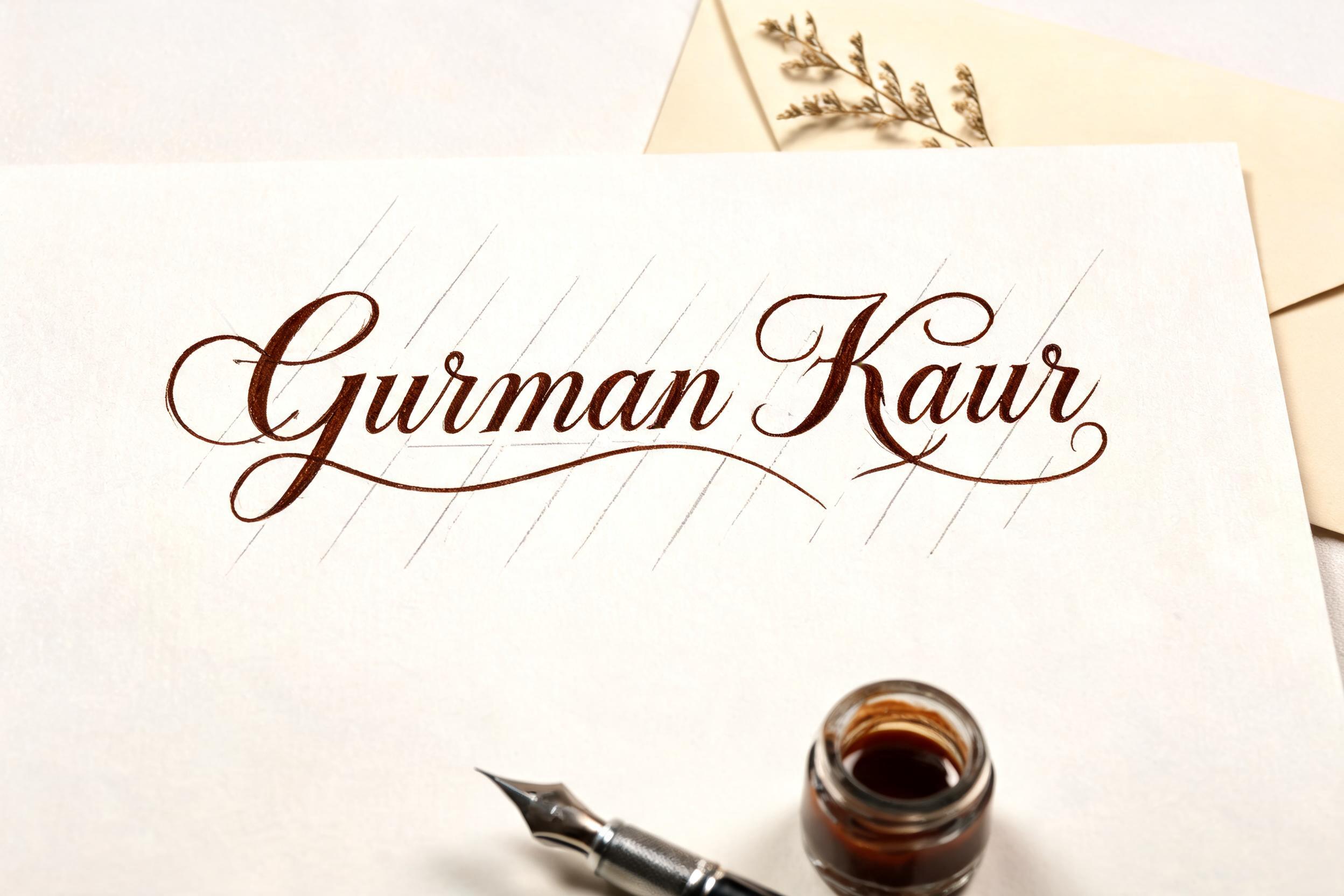
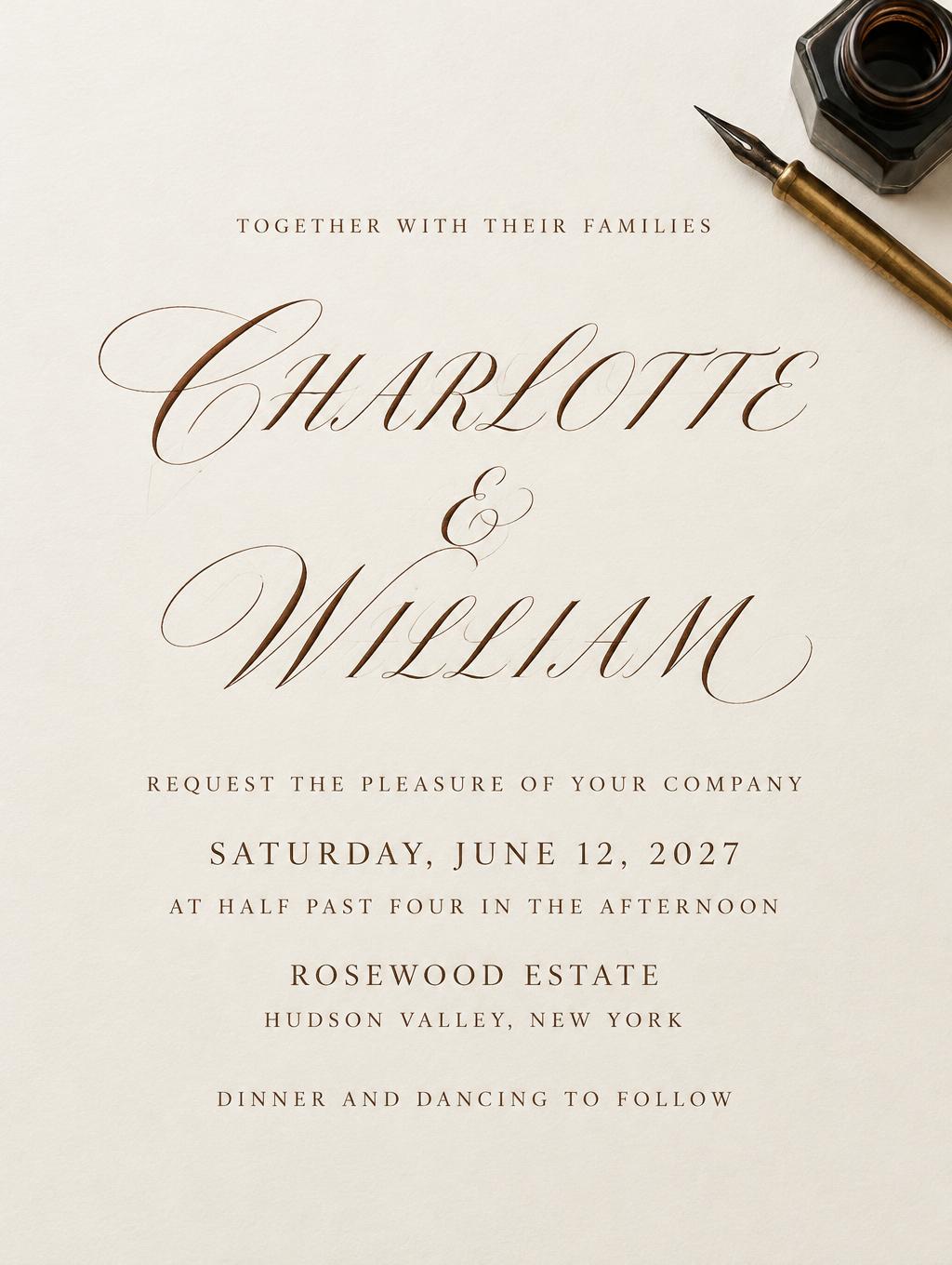
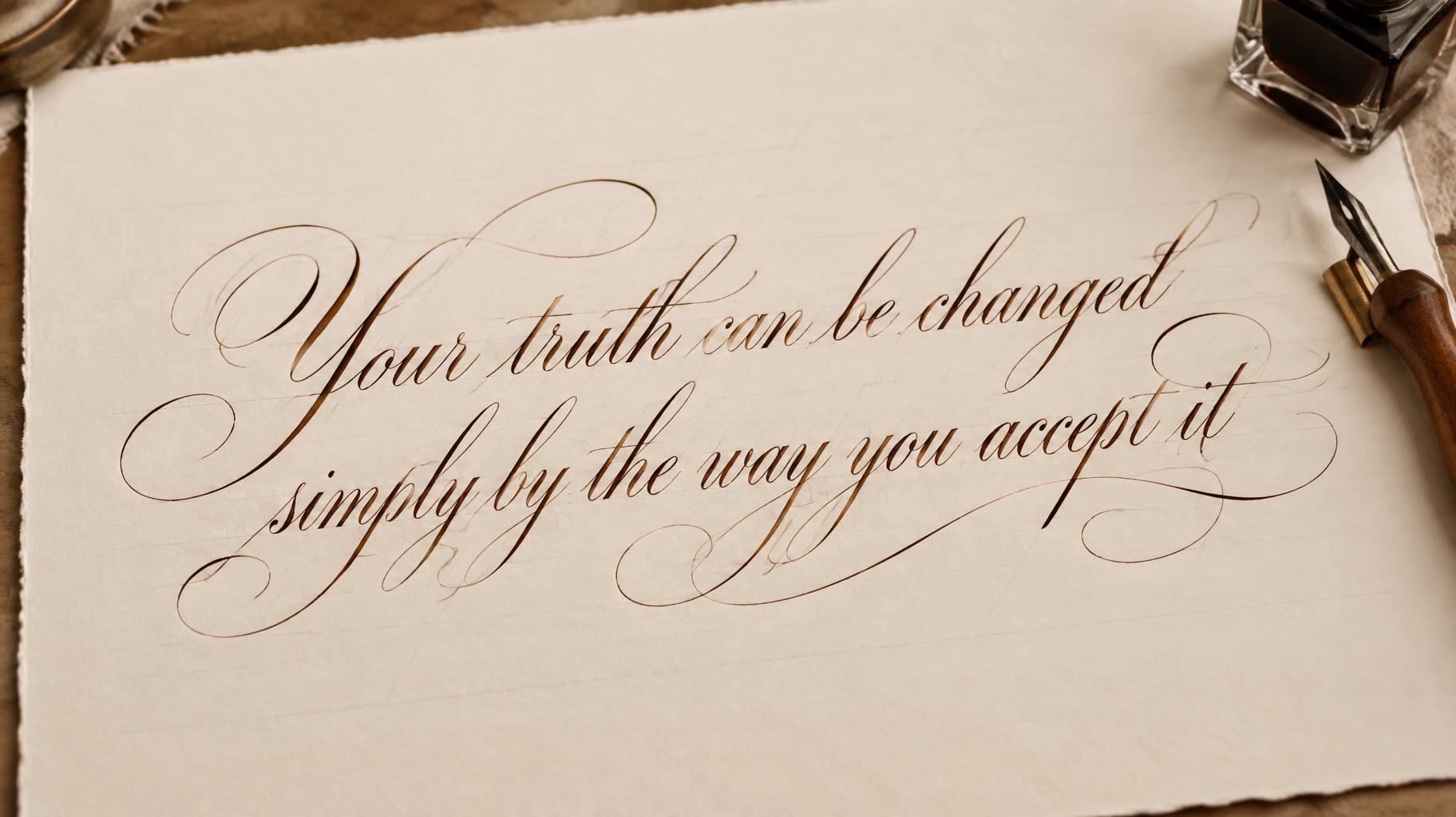
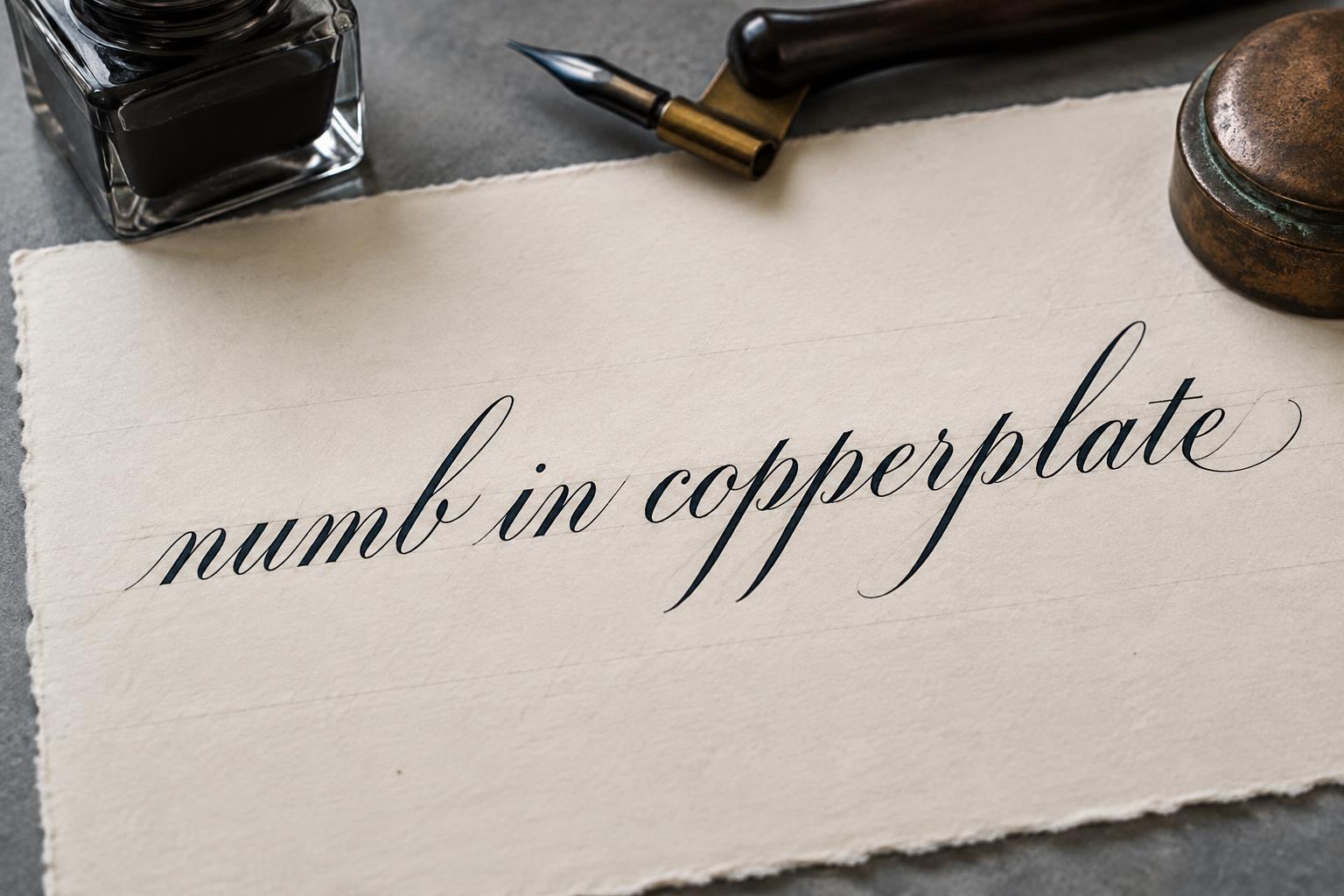
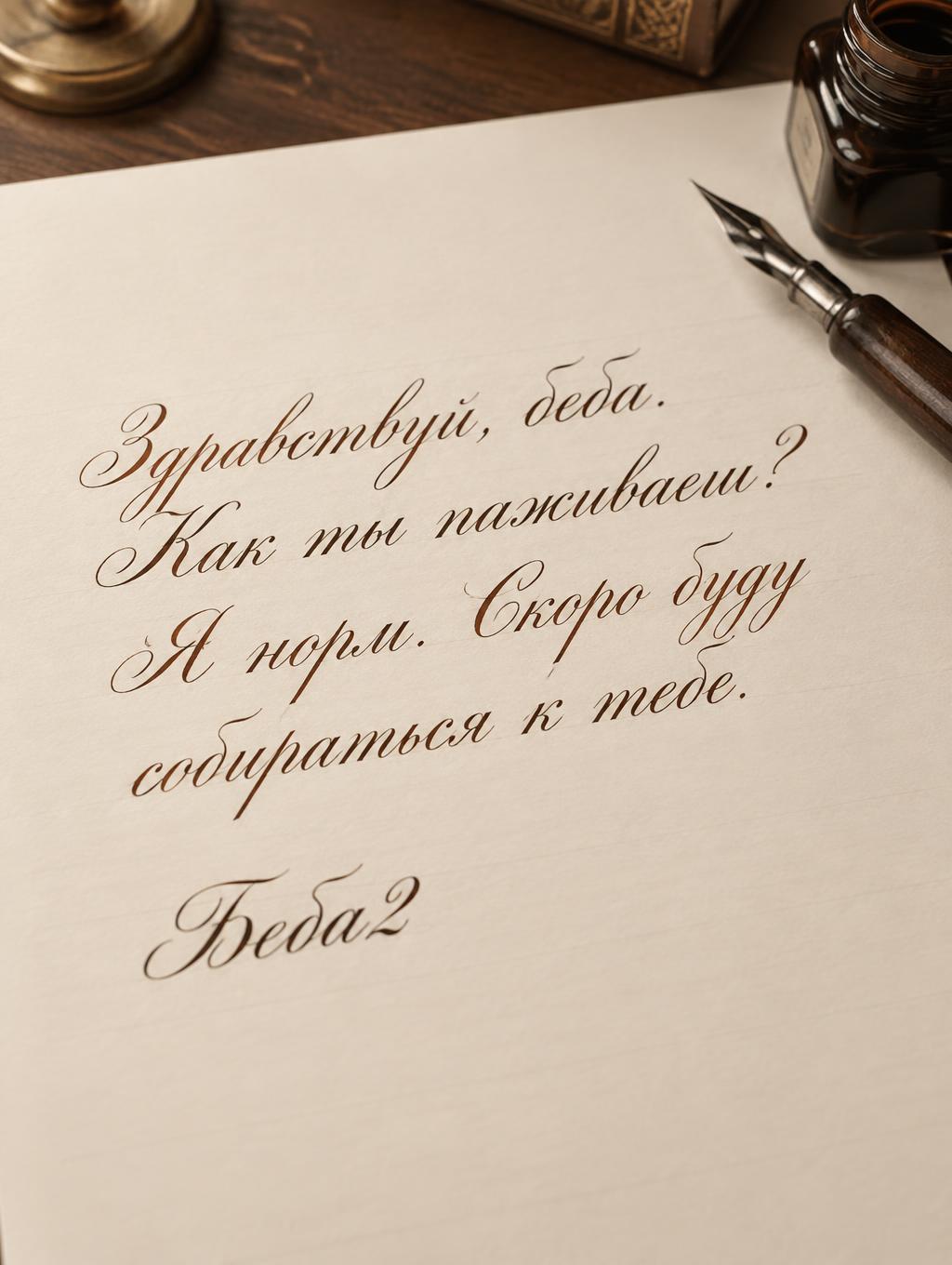
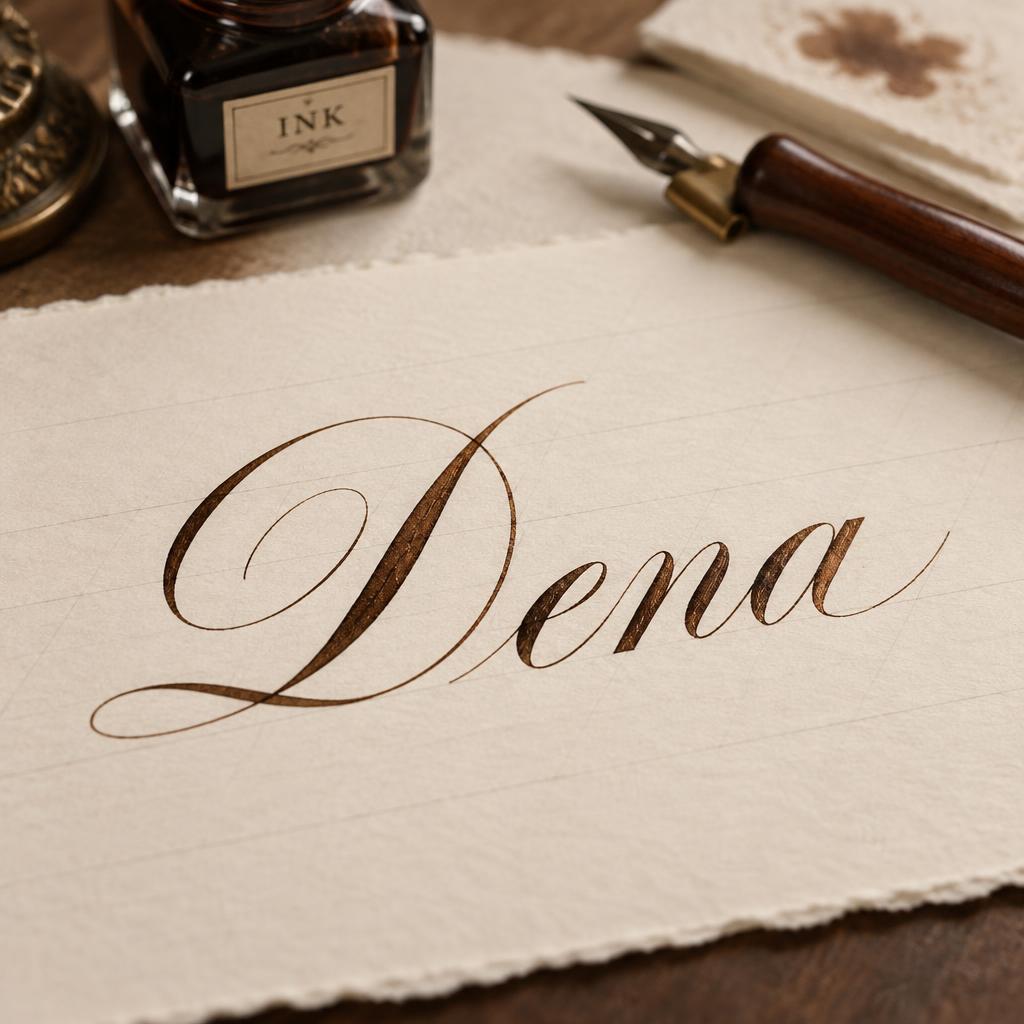
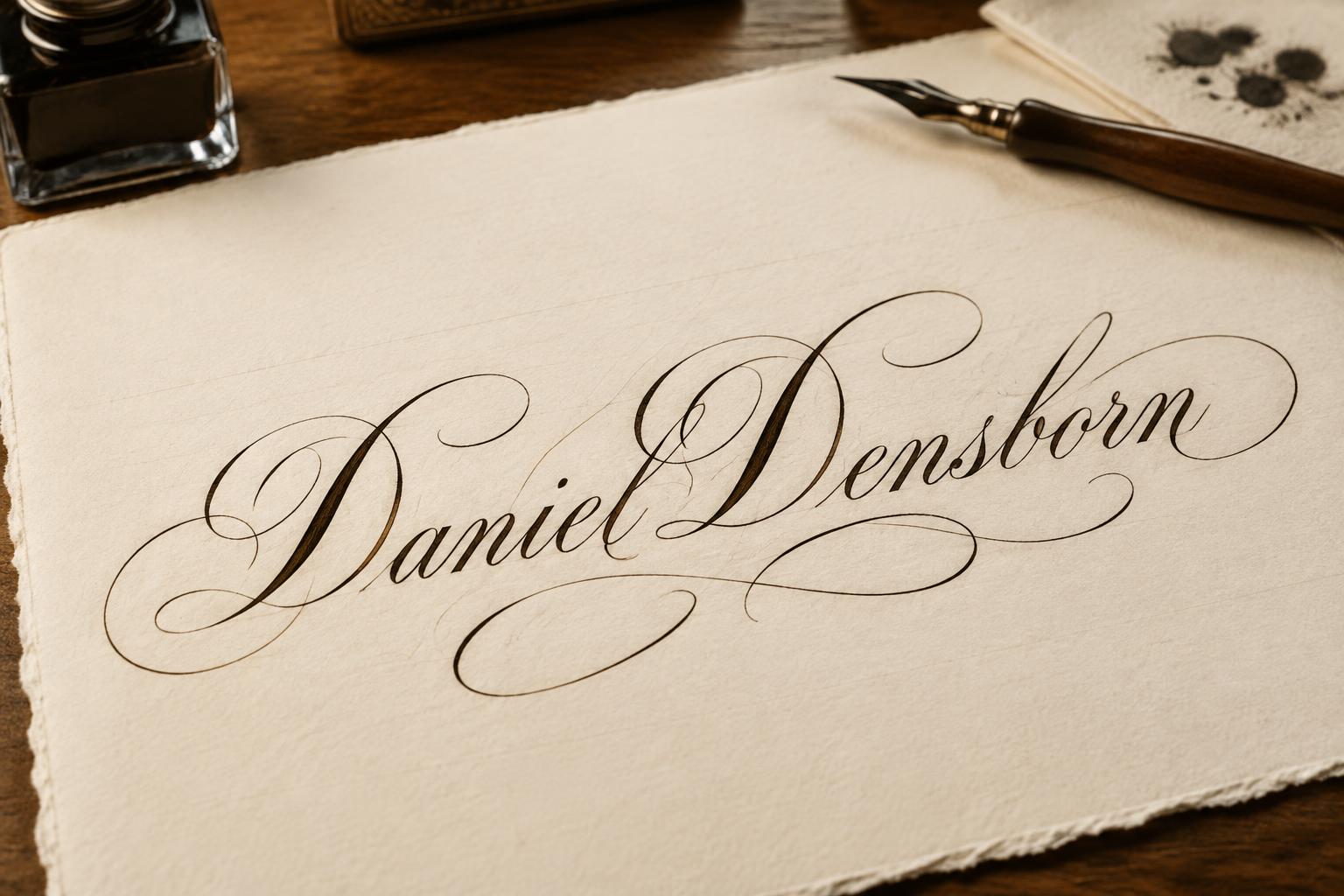
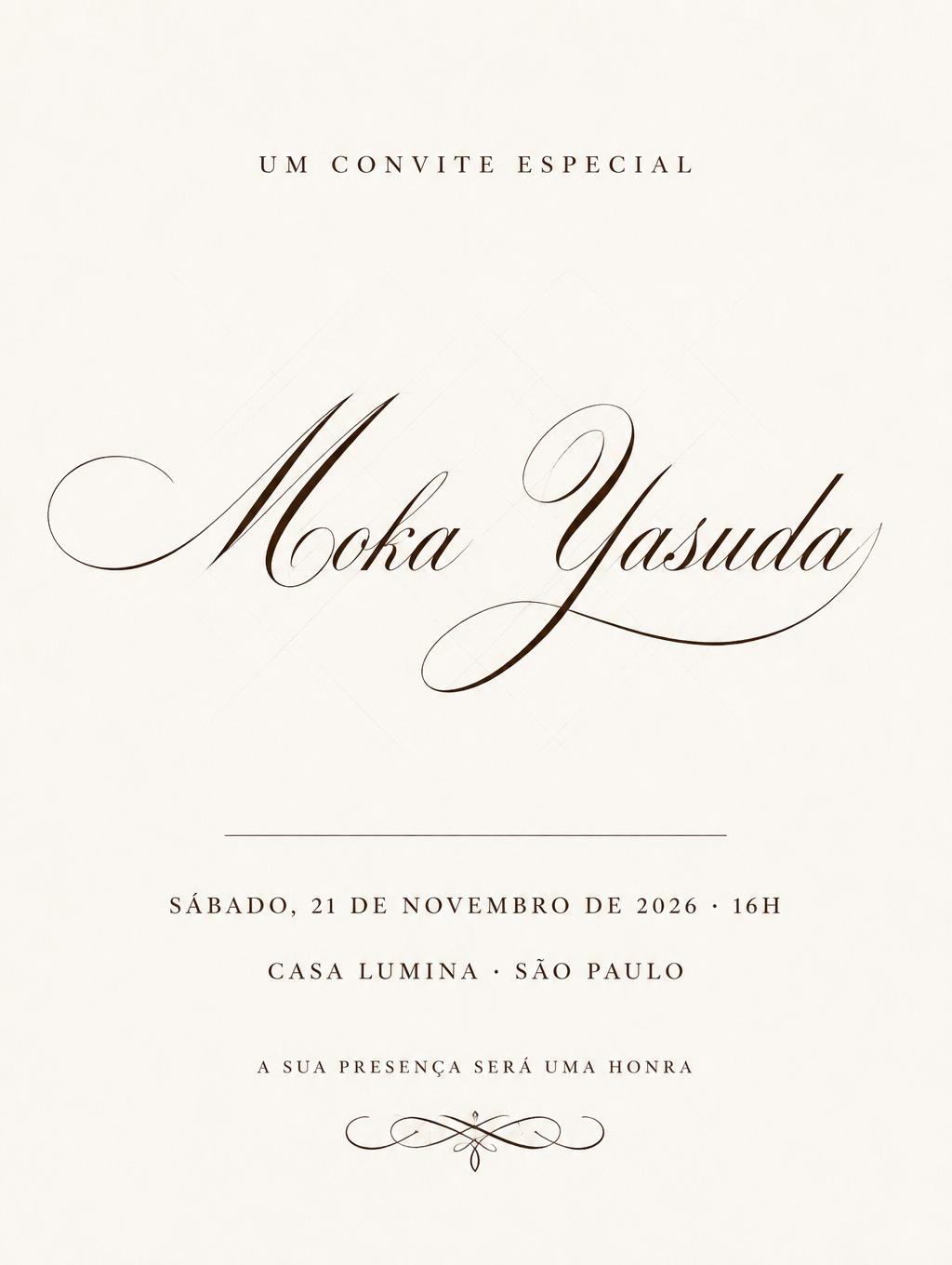
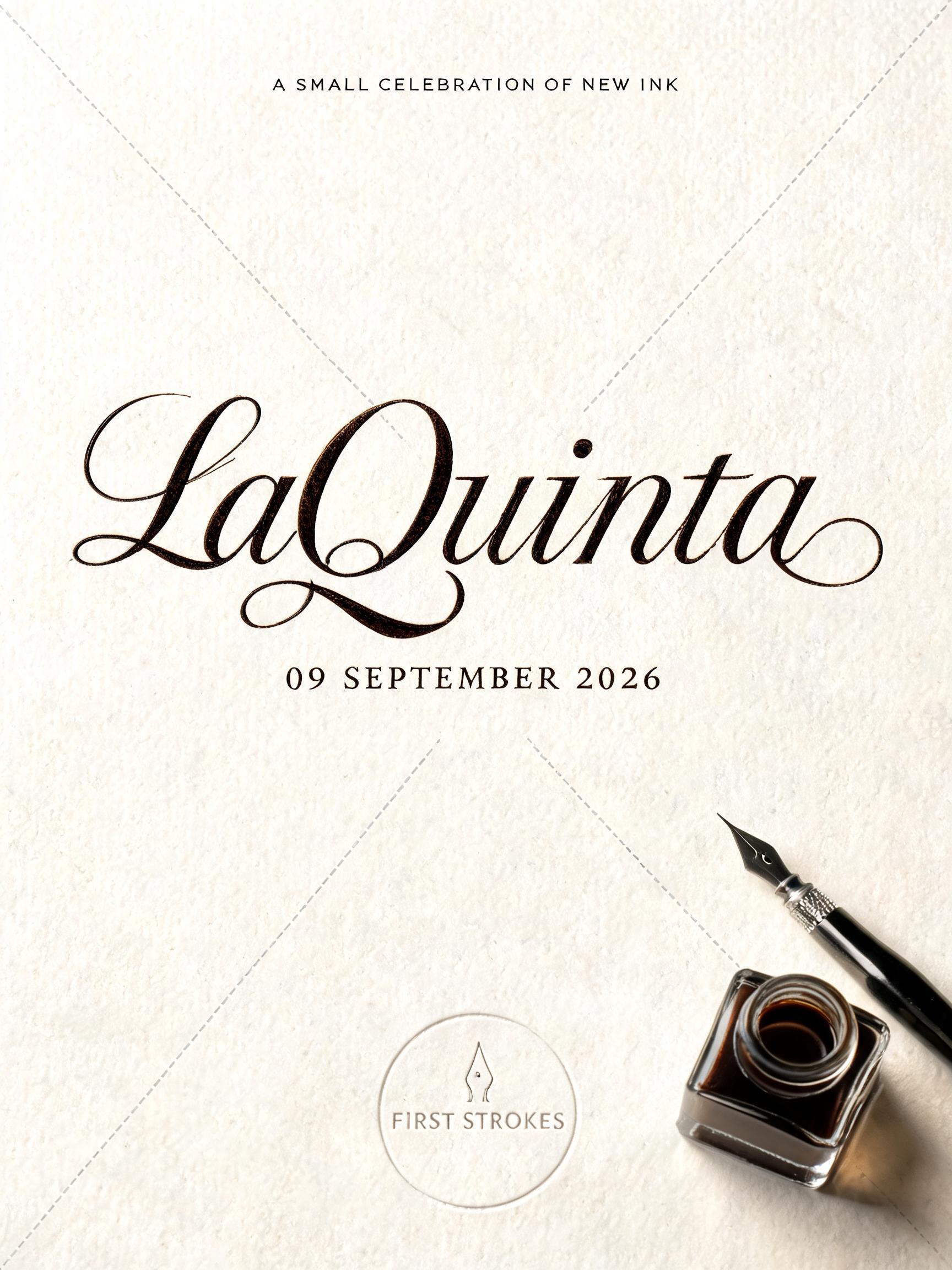
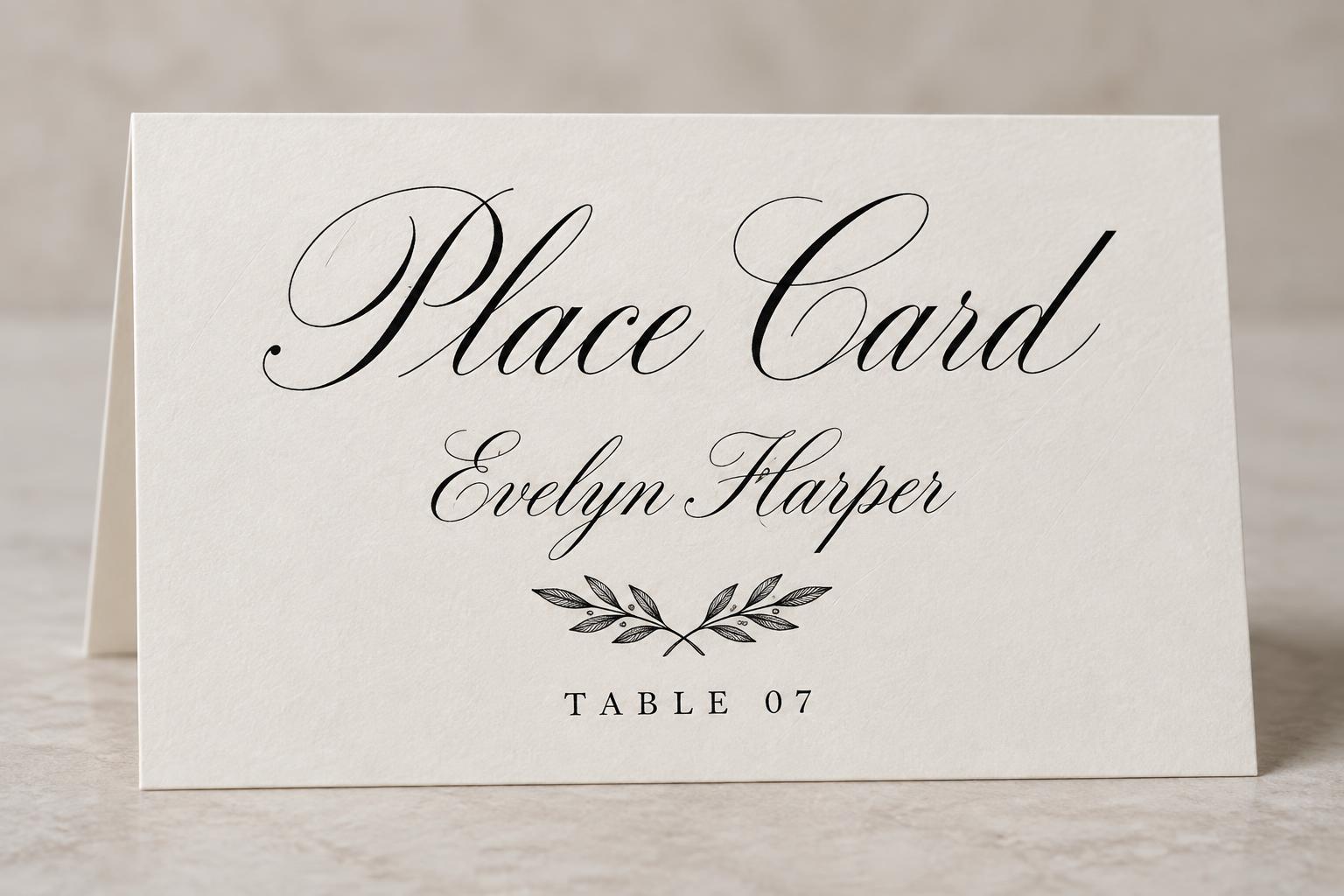
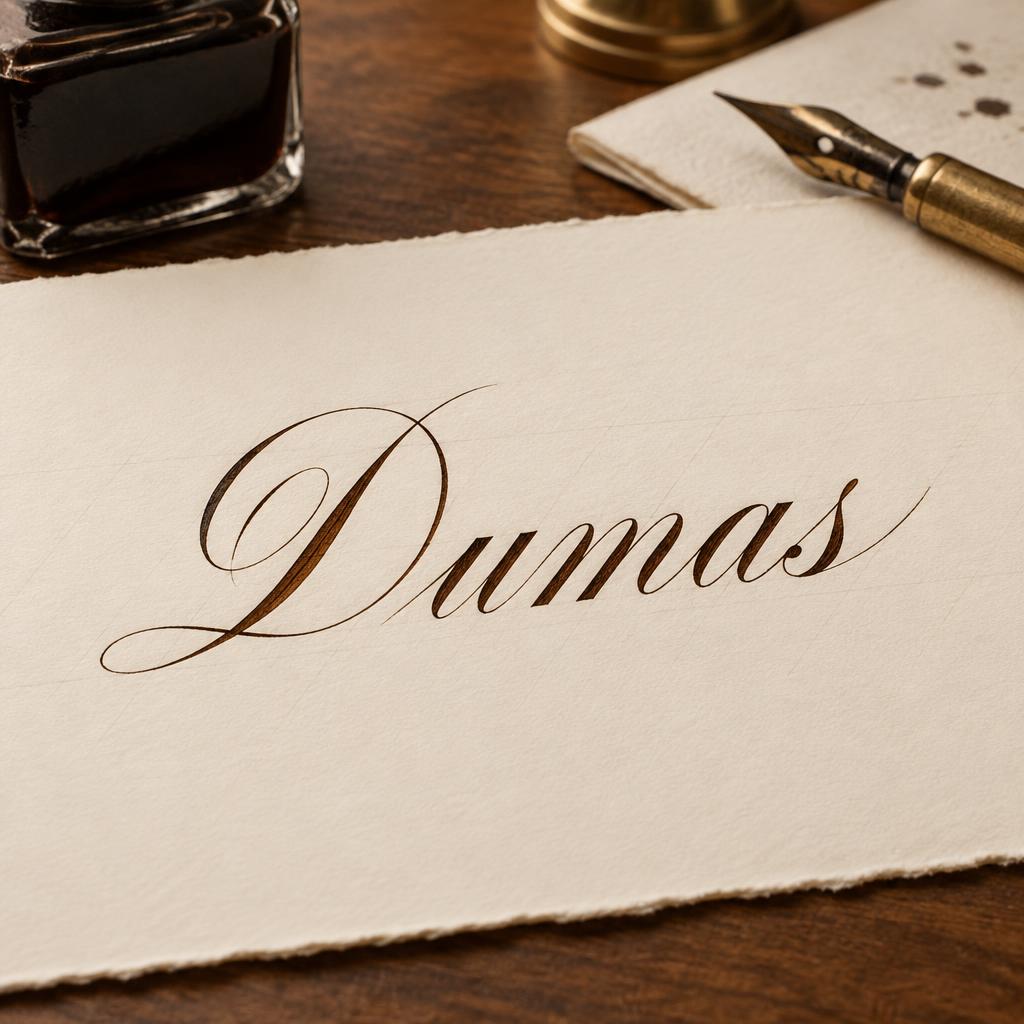
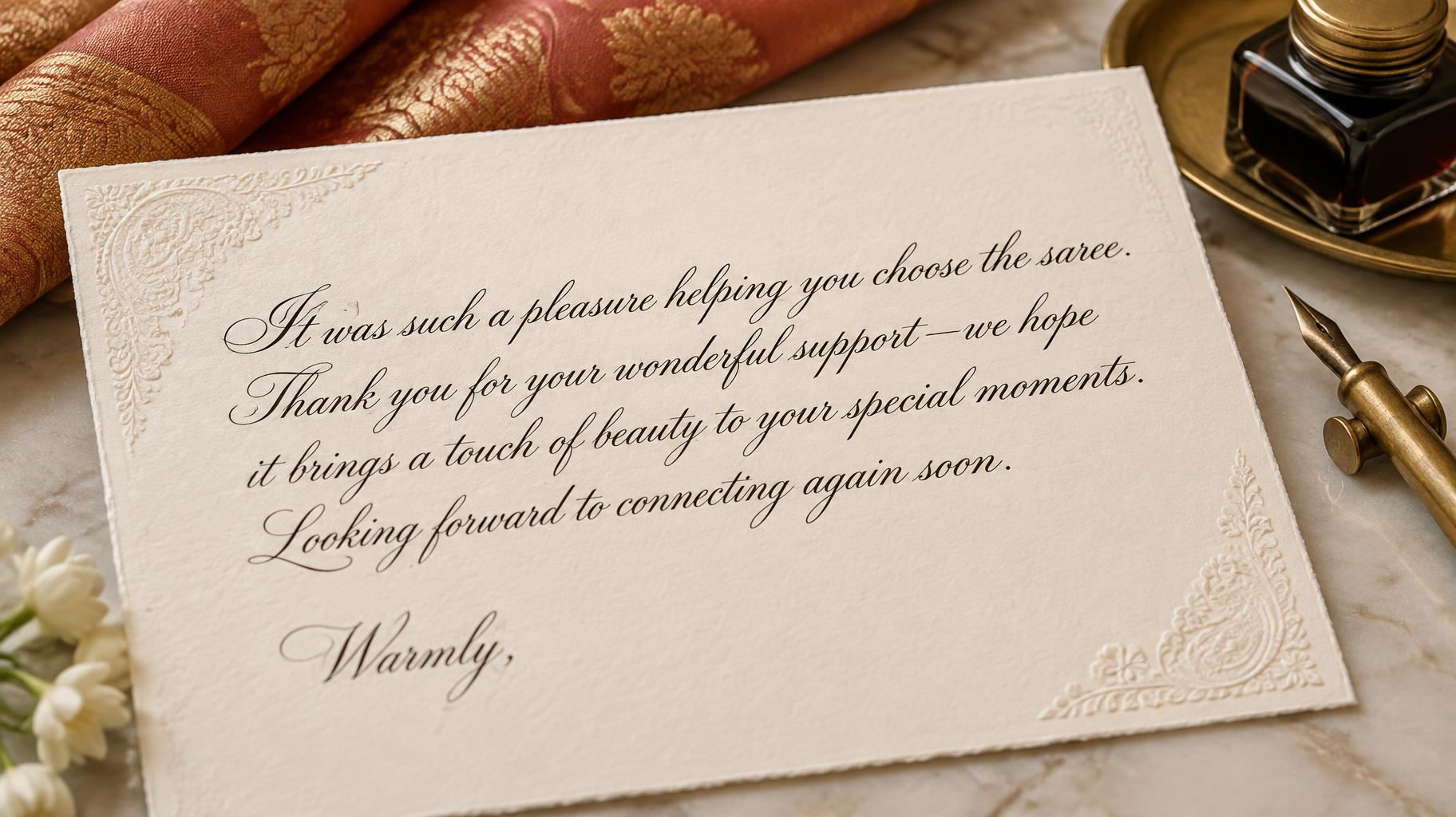
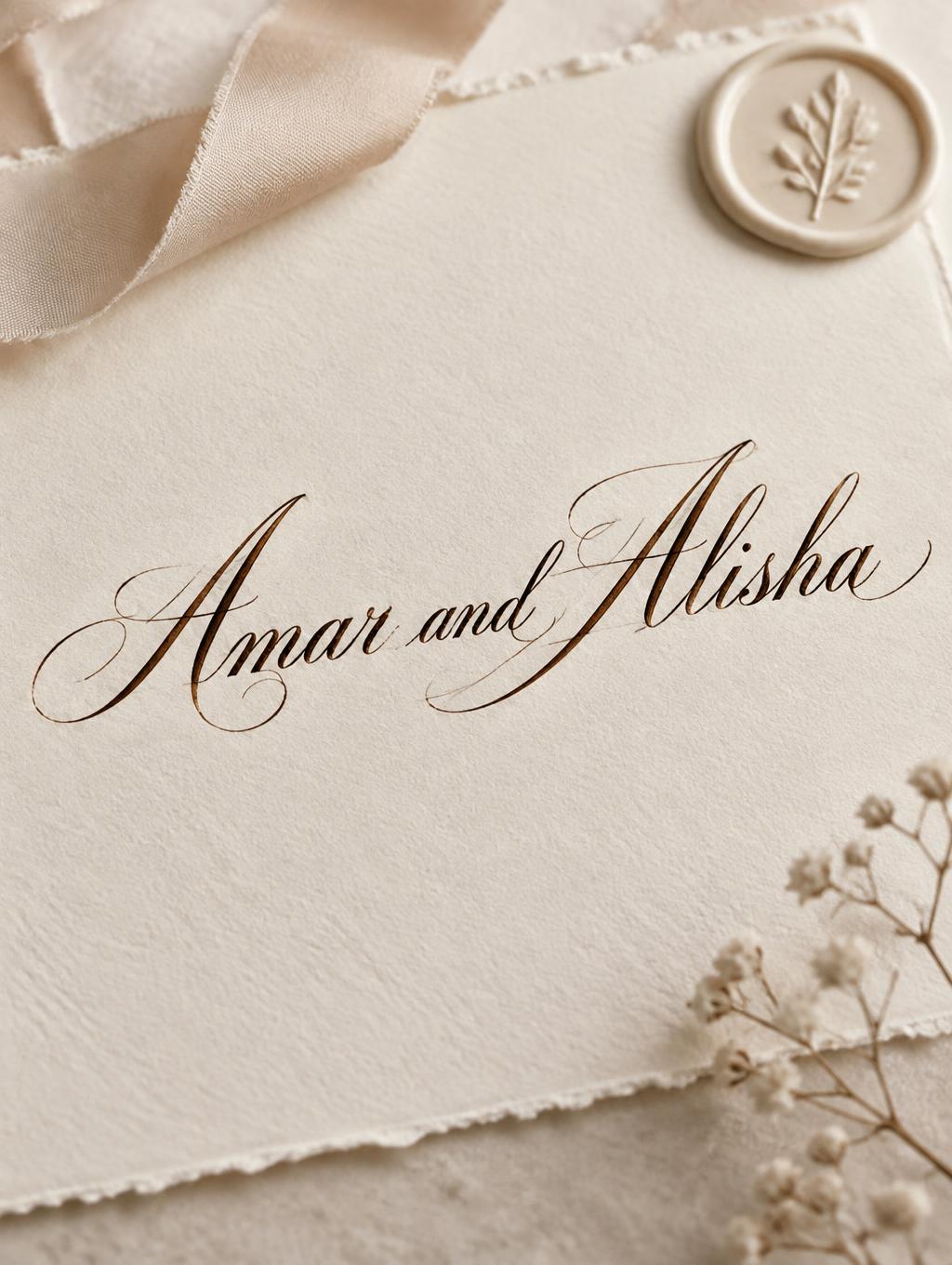
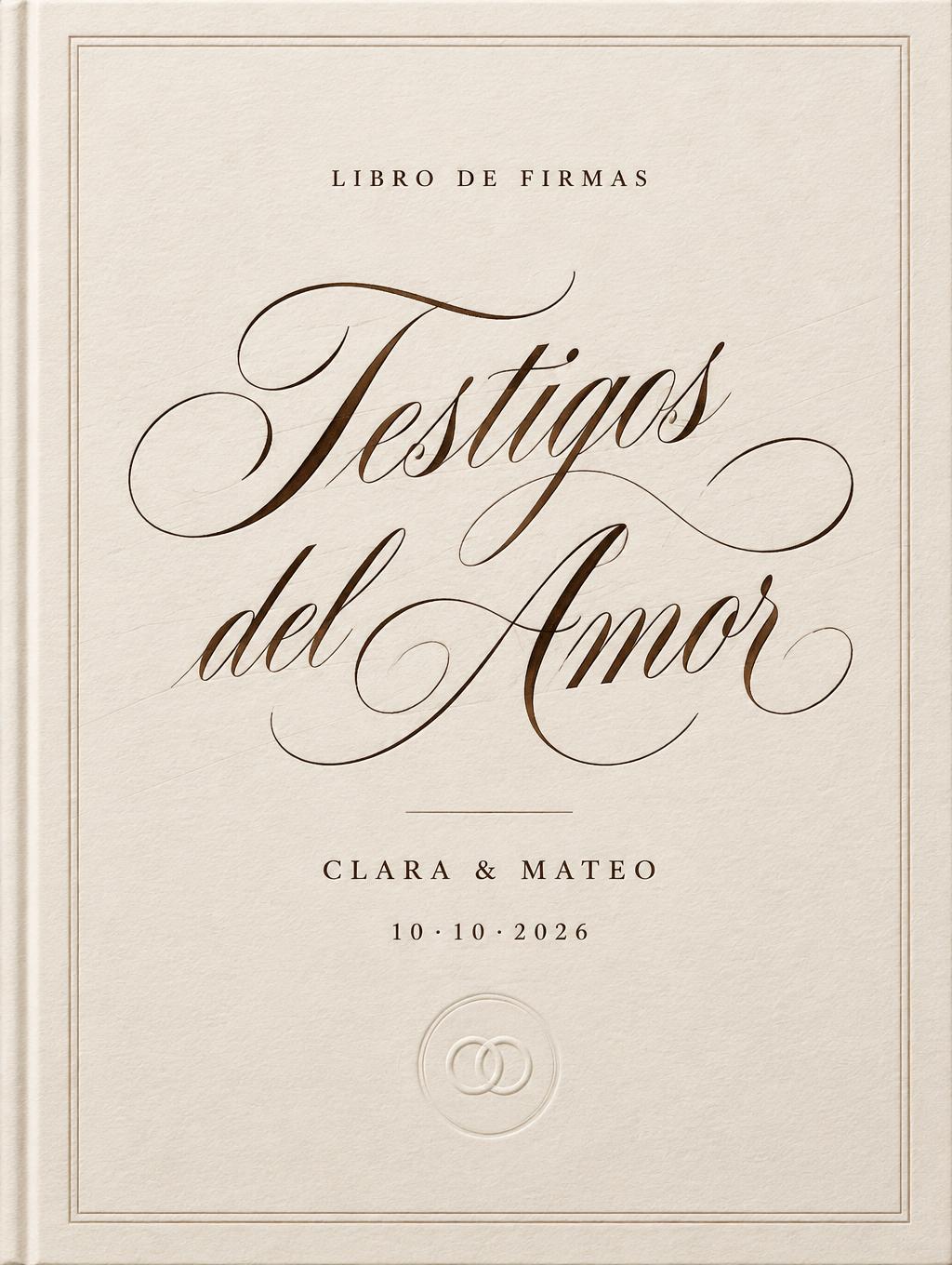
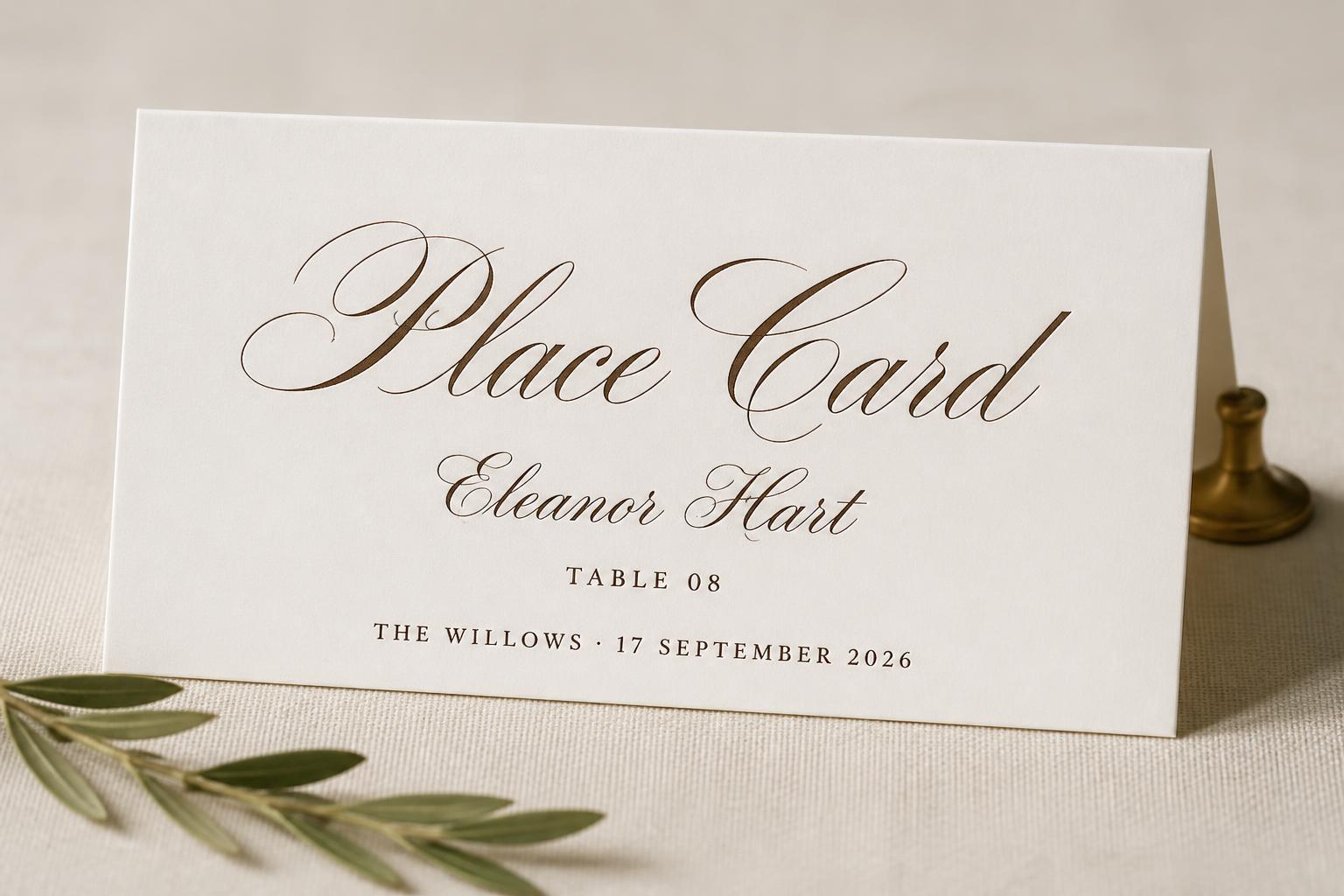
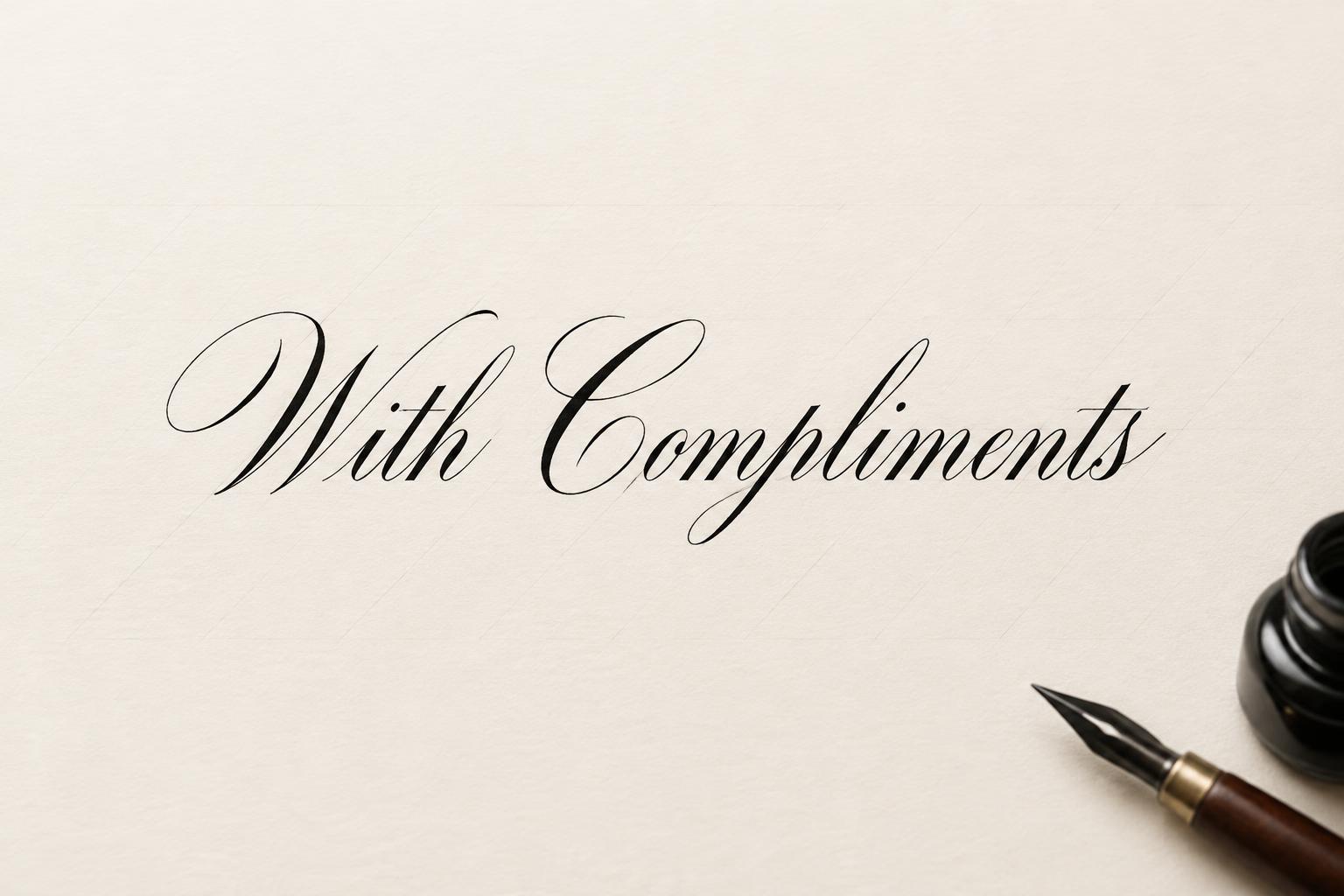
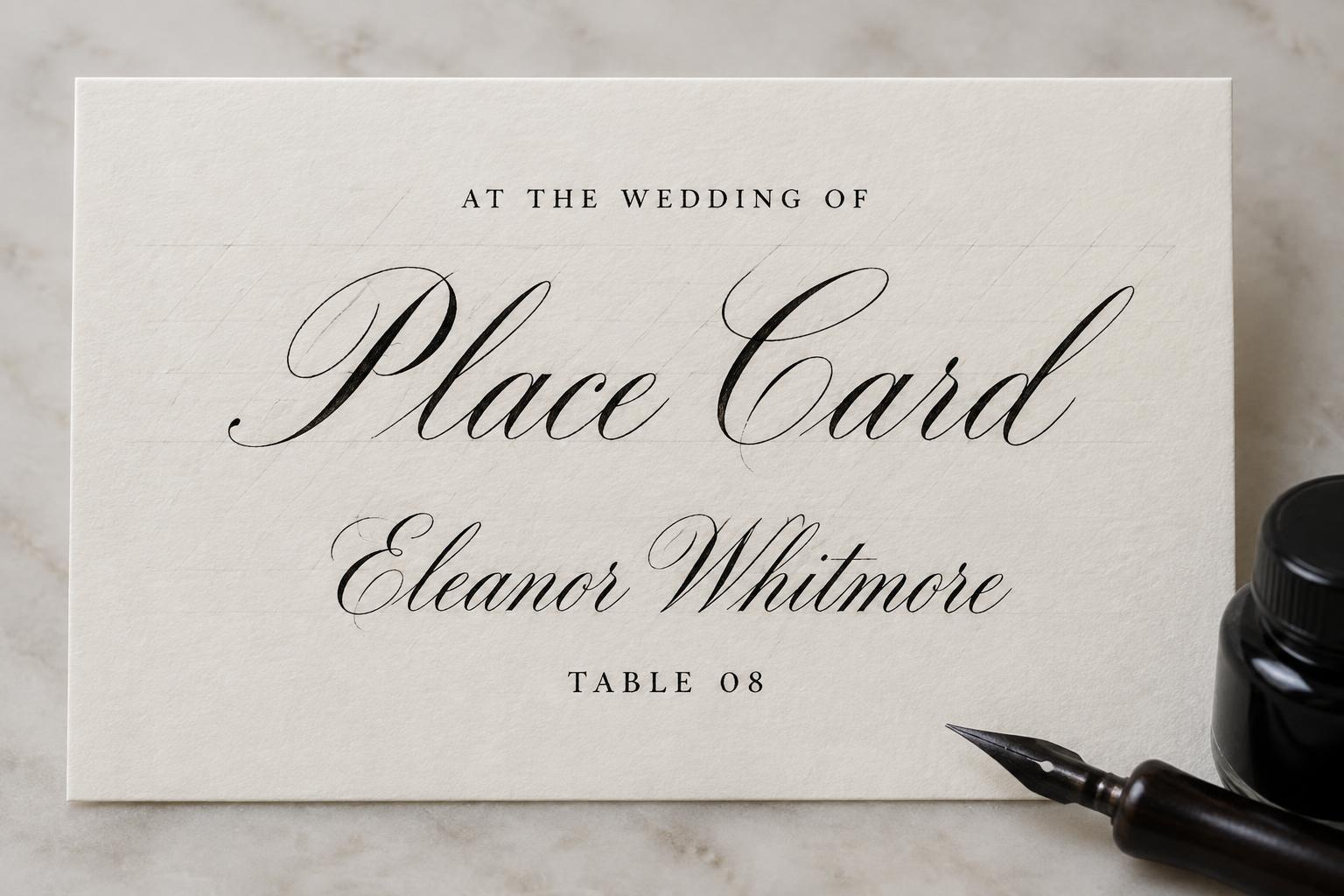
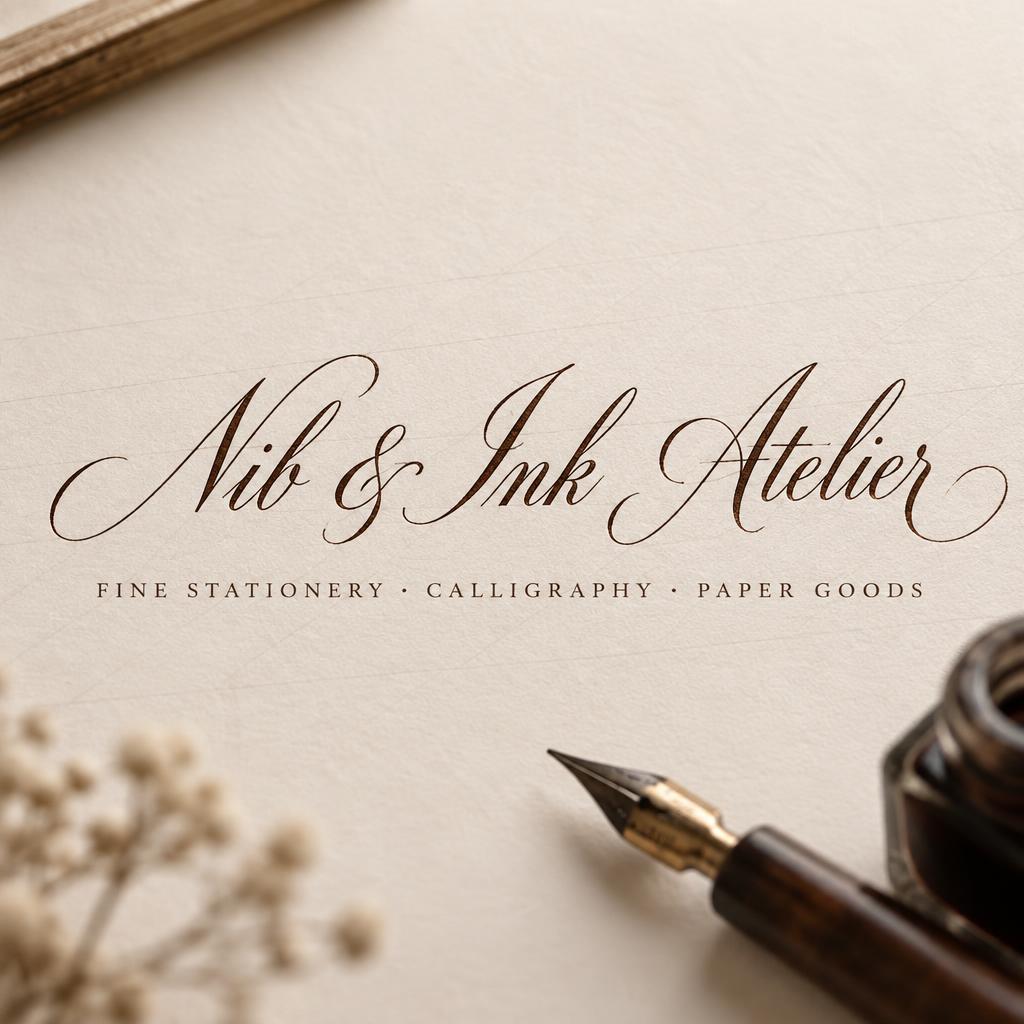
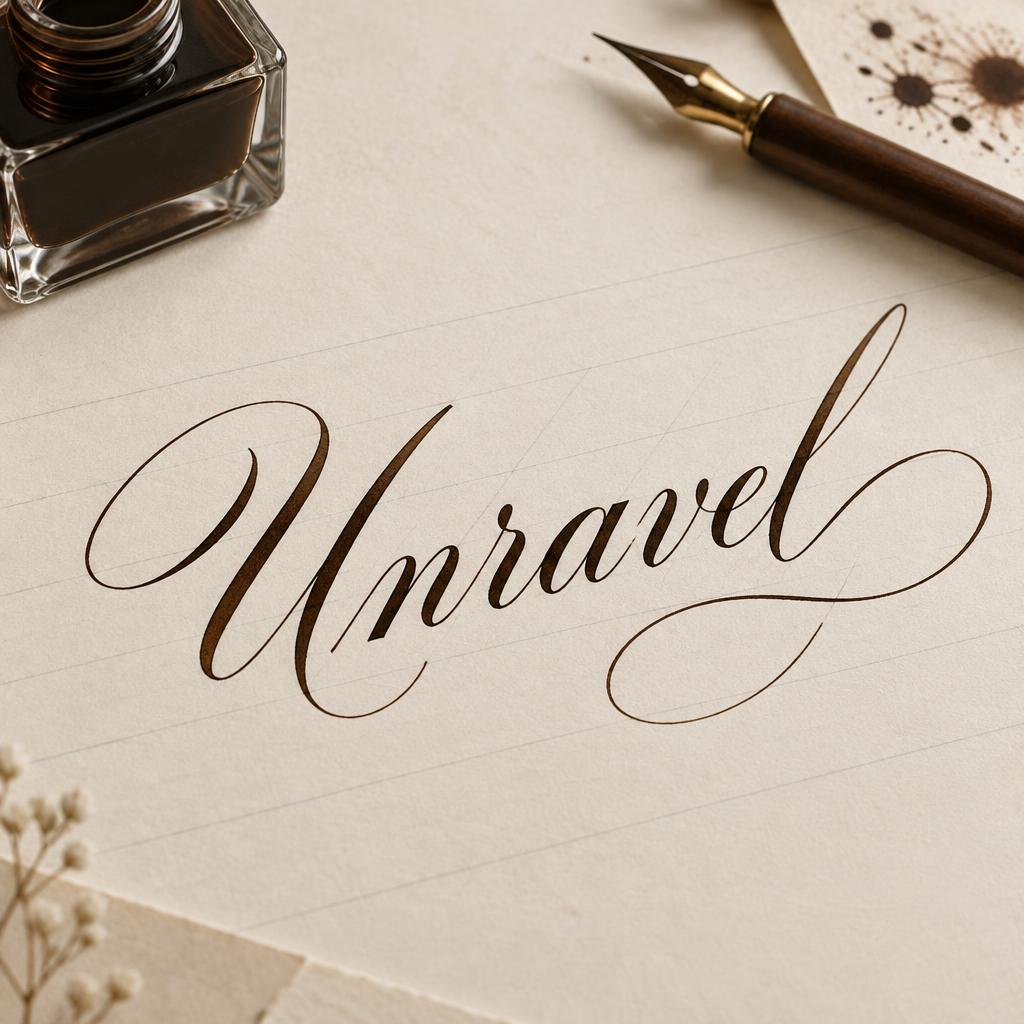
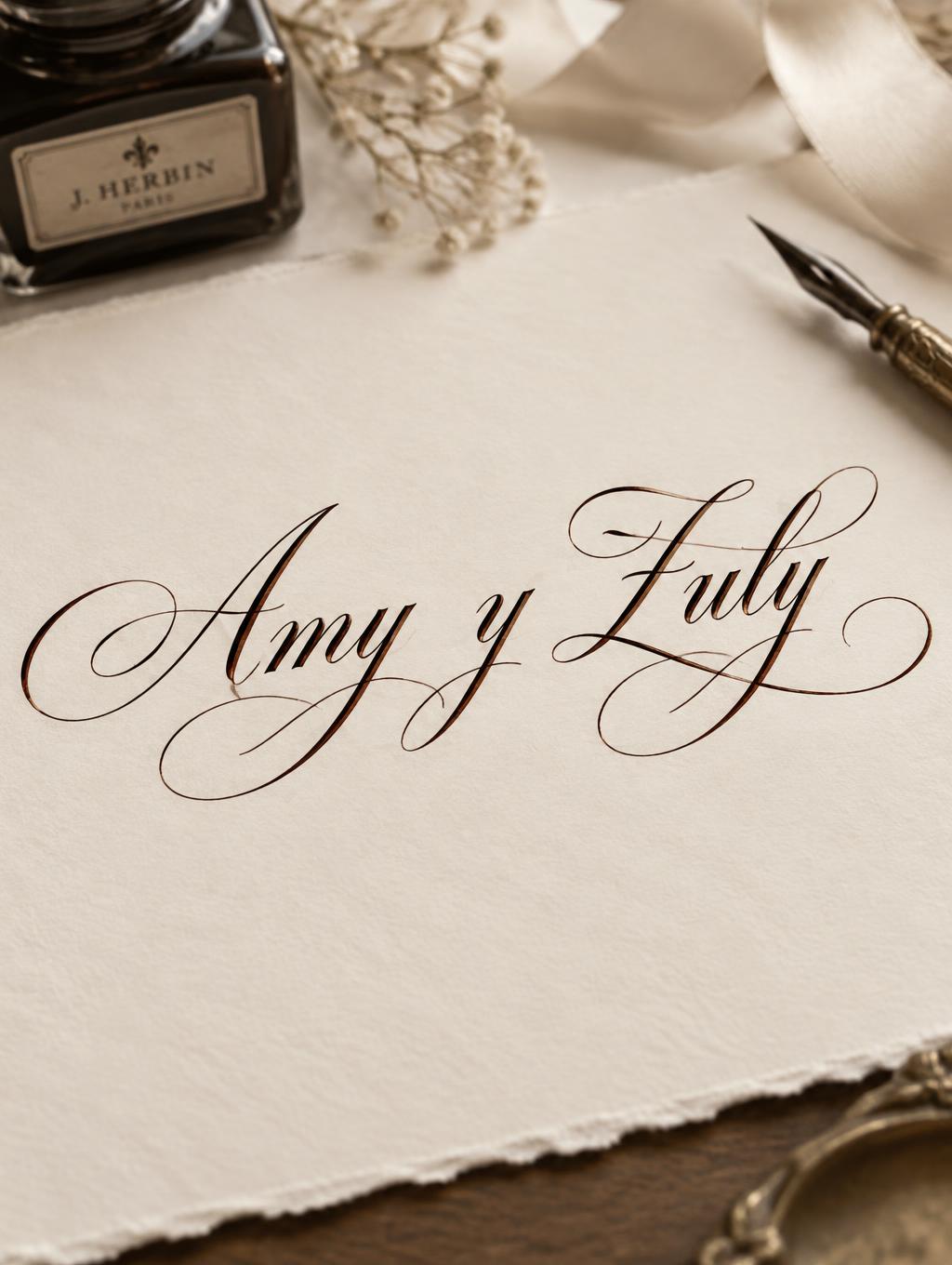
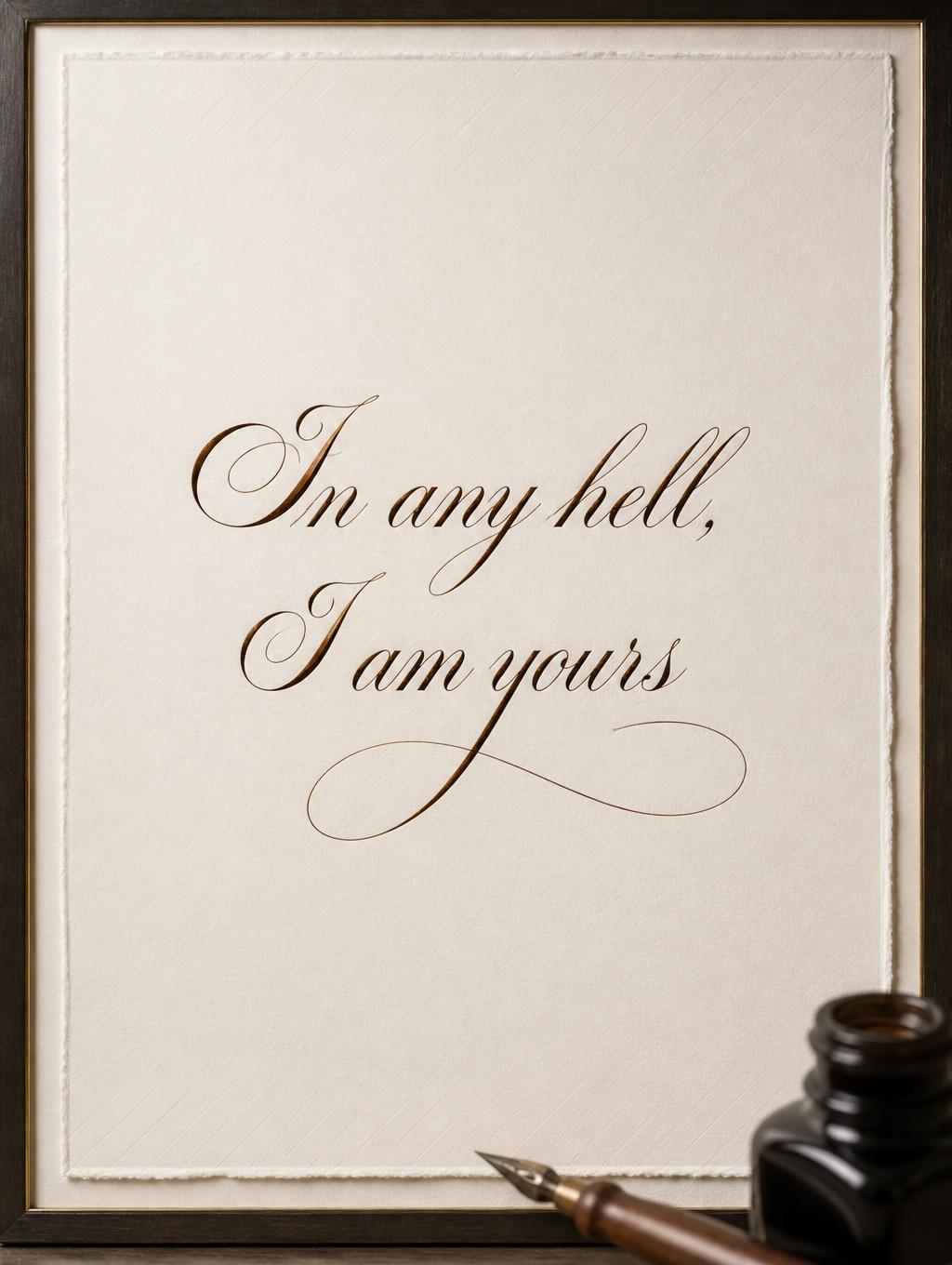
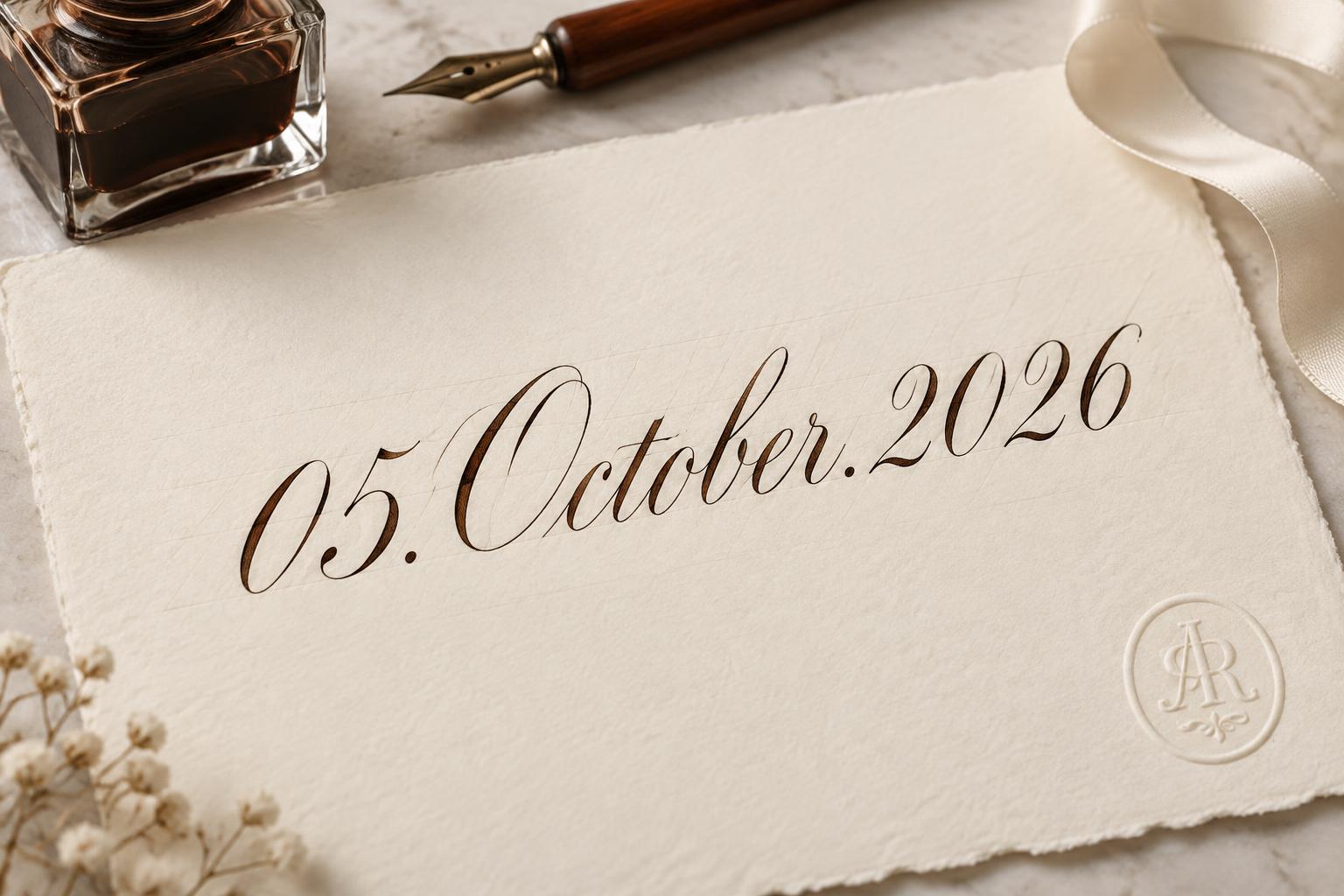
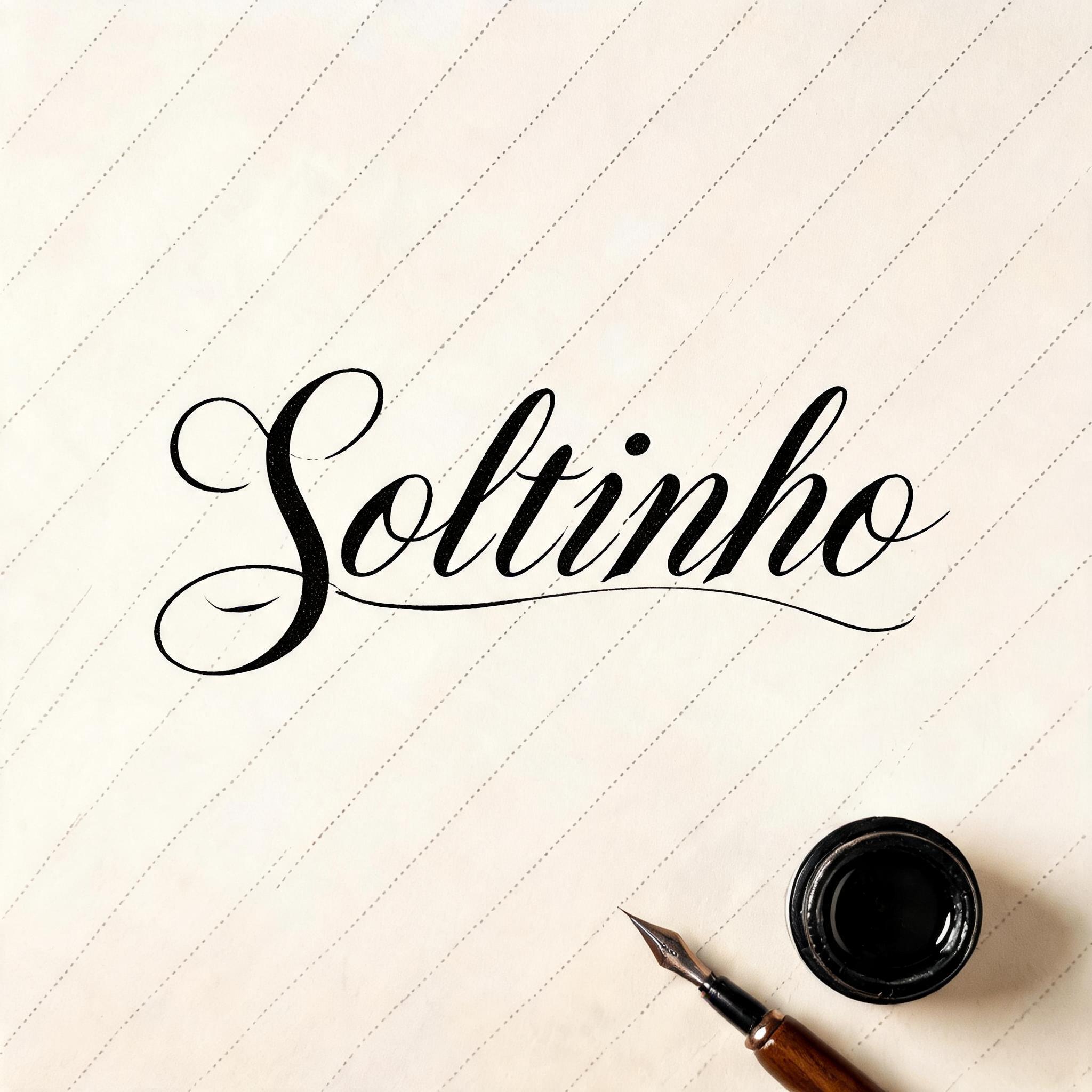
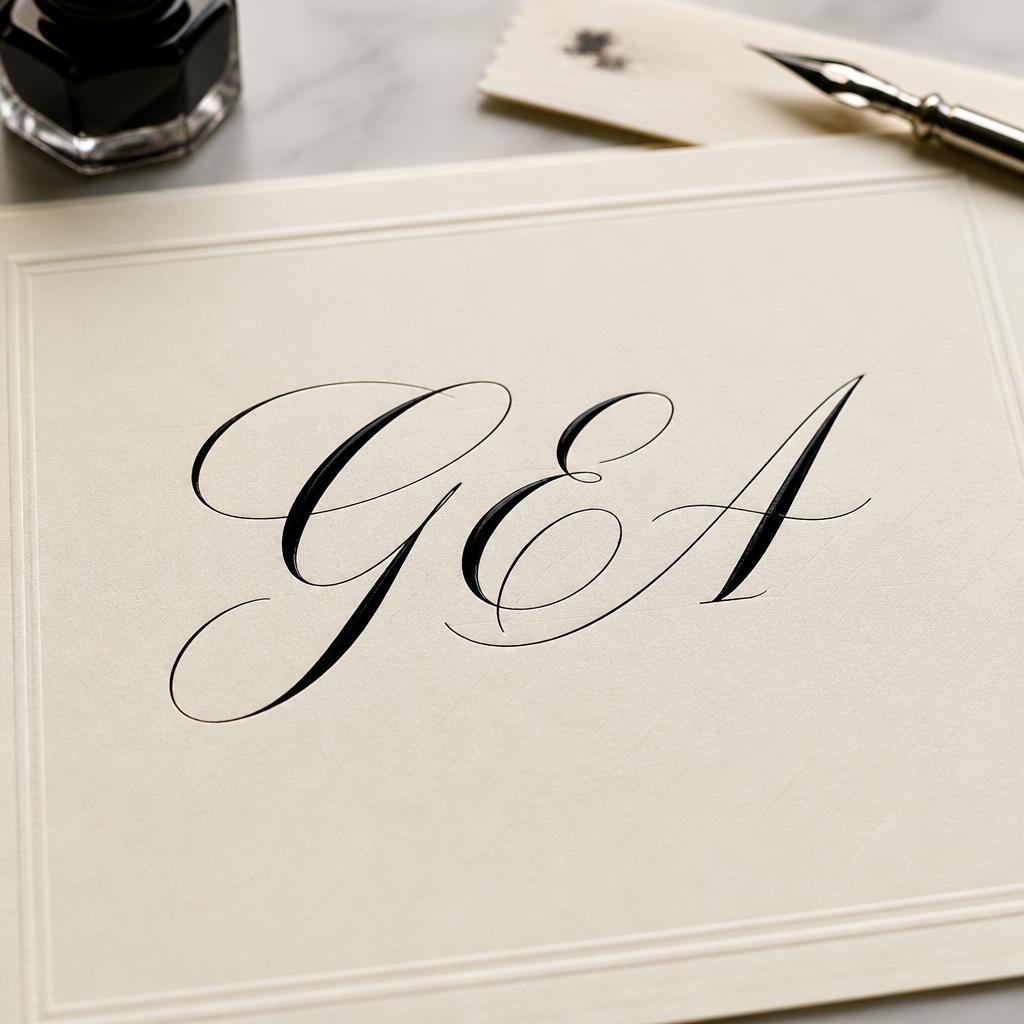
Formal pointed-pen copperplate: strong thick-thin contrast, slanted oval letters and swash capitals, crisp black ink on cream paper with faint ruled guidelines. — no font license needed.
Calligraphy Script in different AI fonts
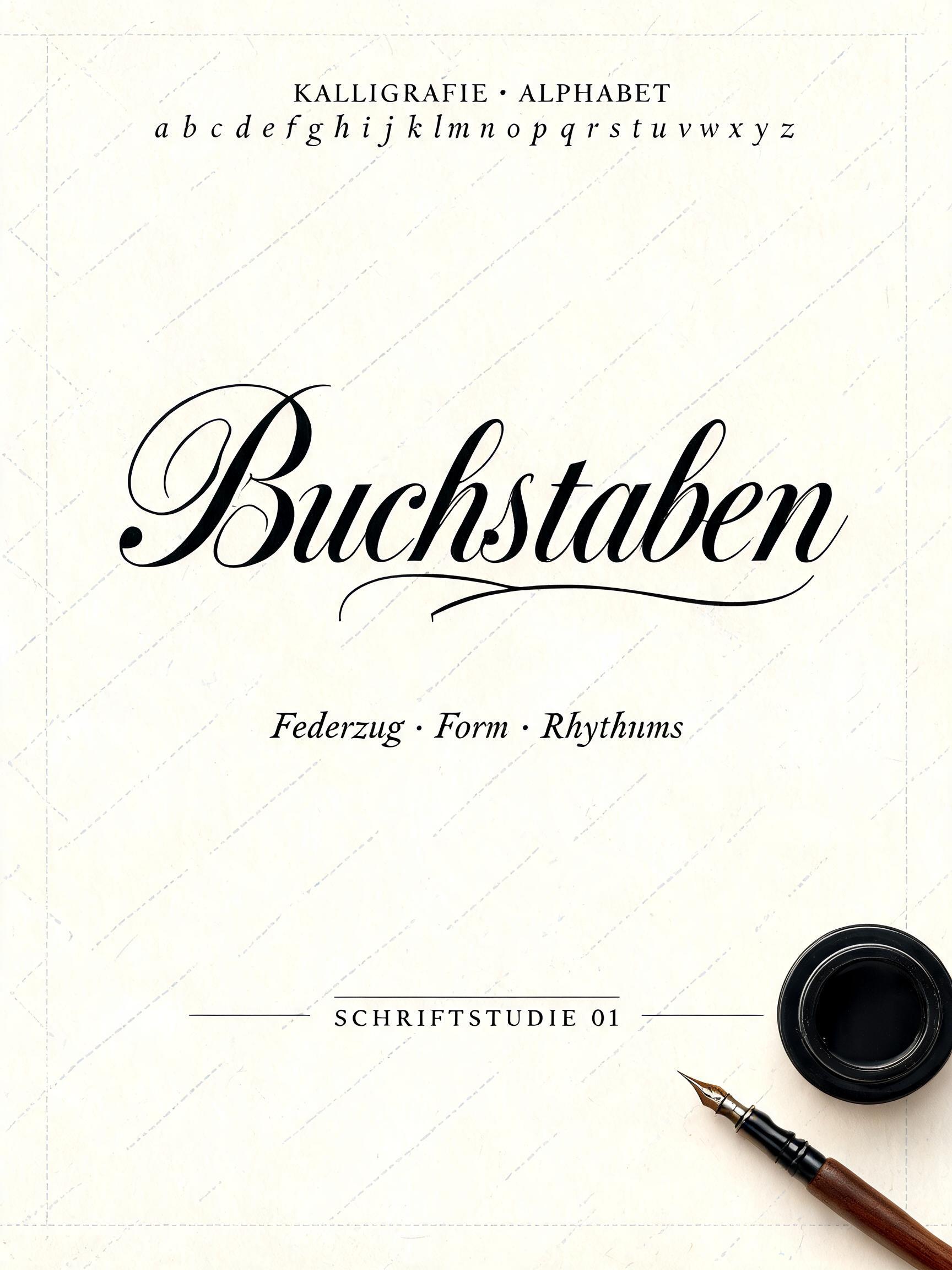
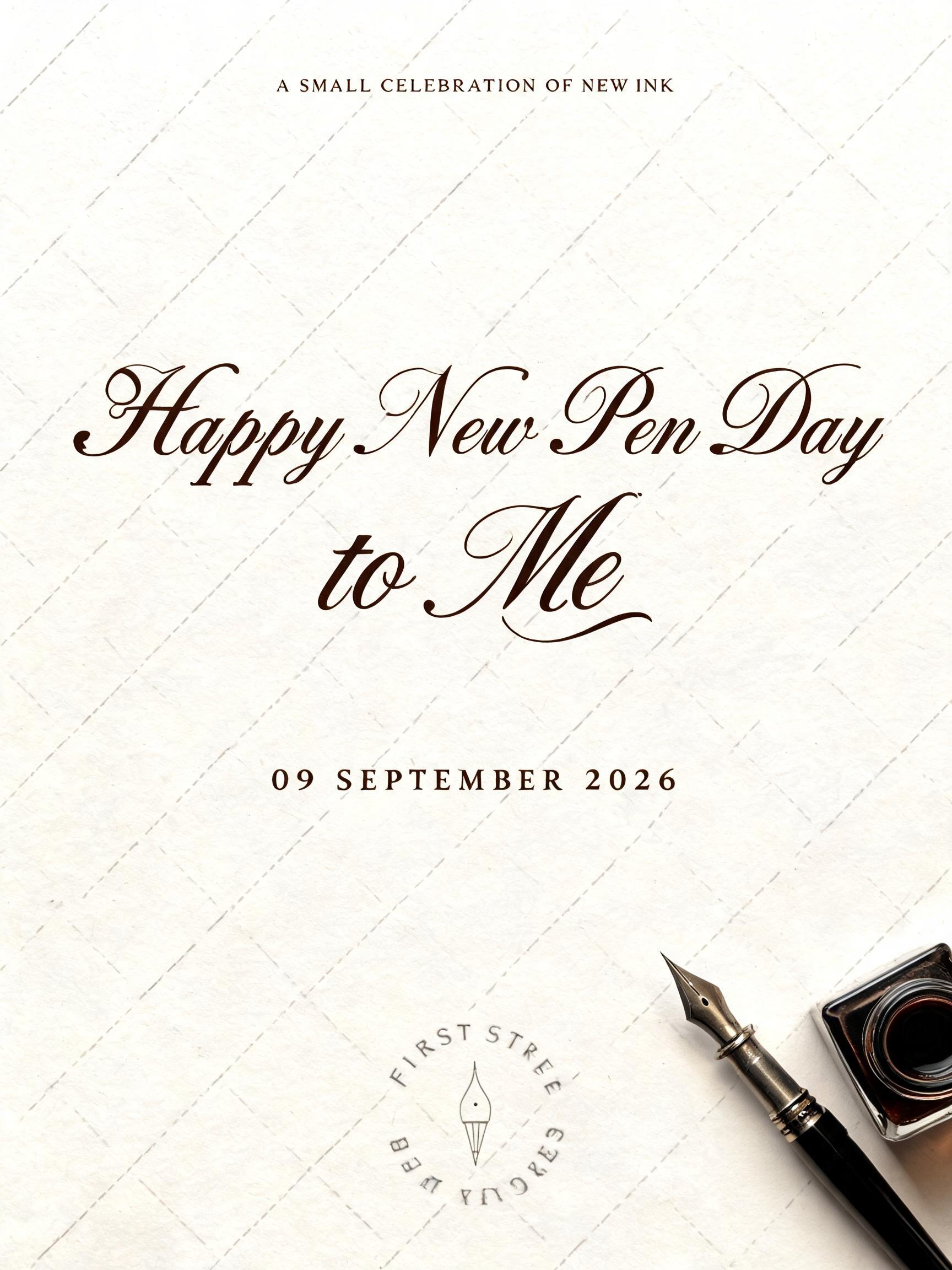
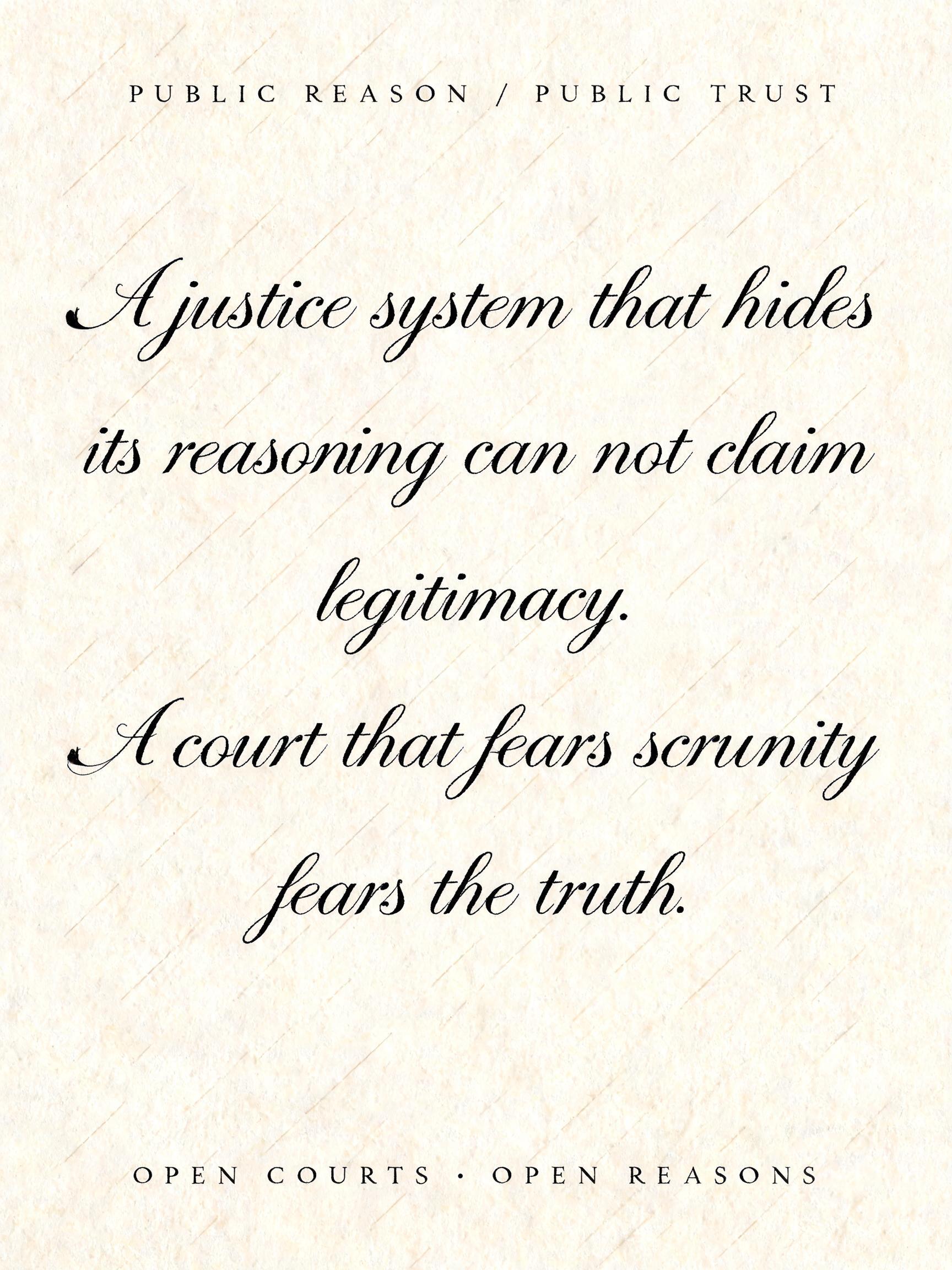
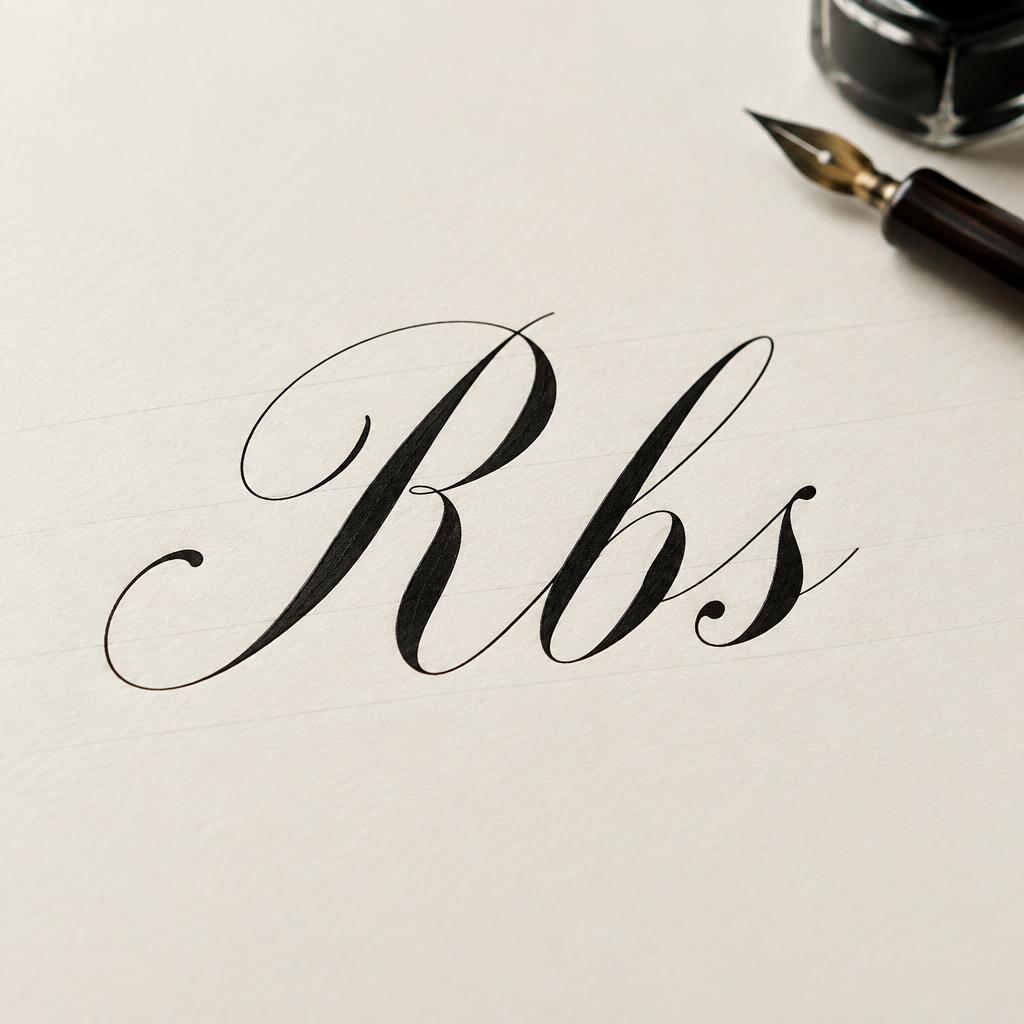


Calligraphy Script Gallery
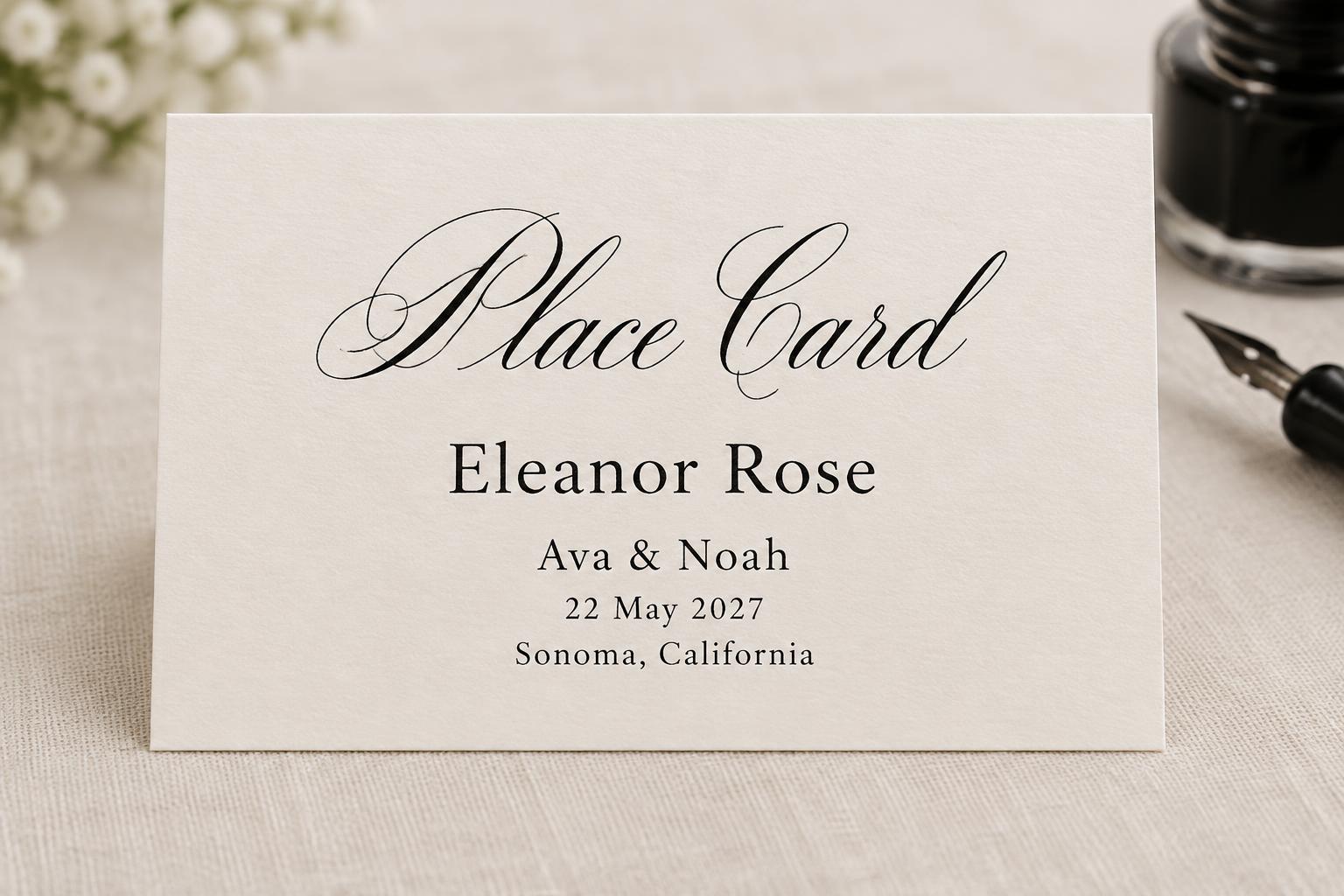
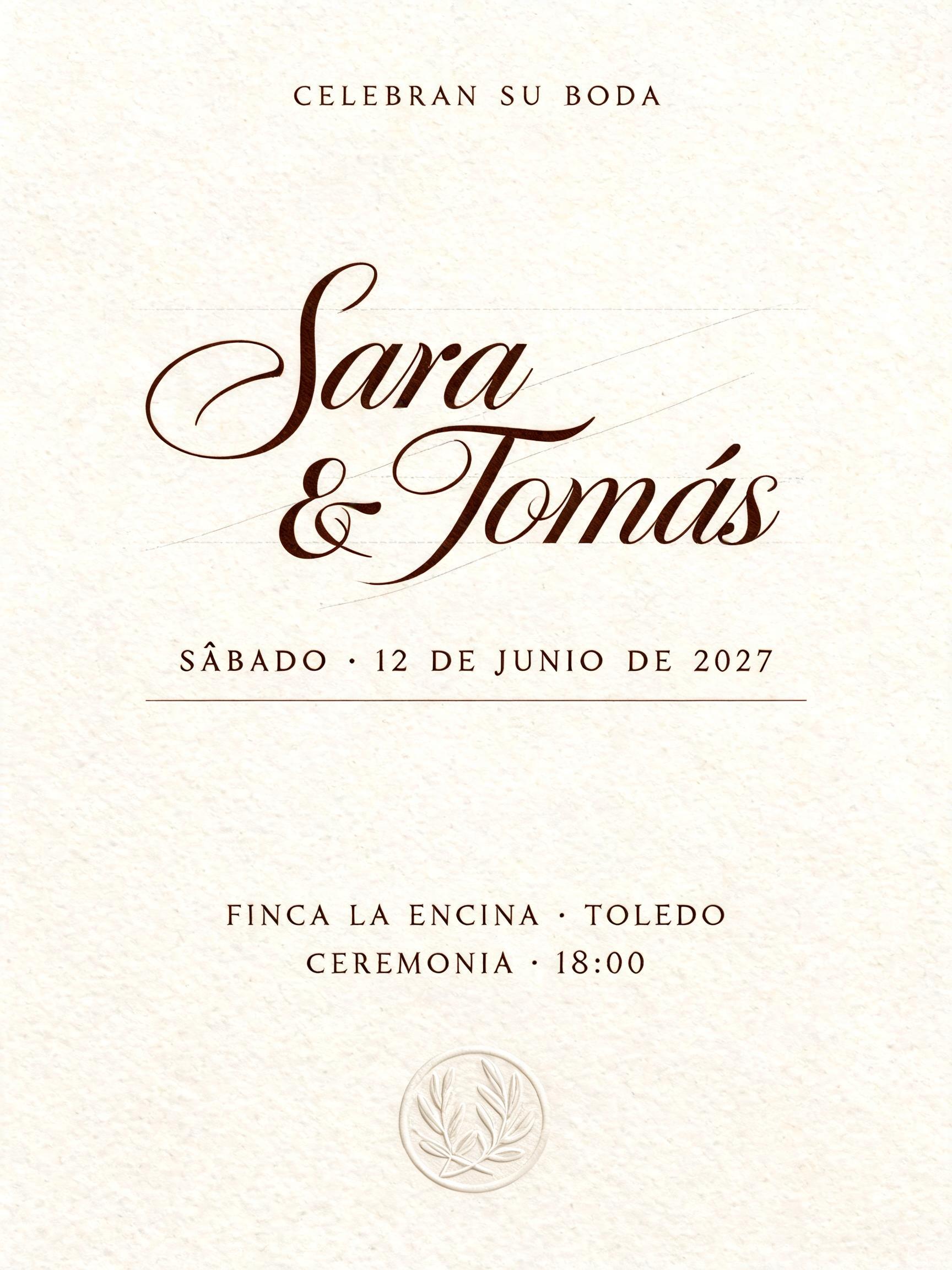
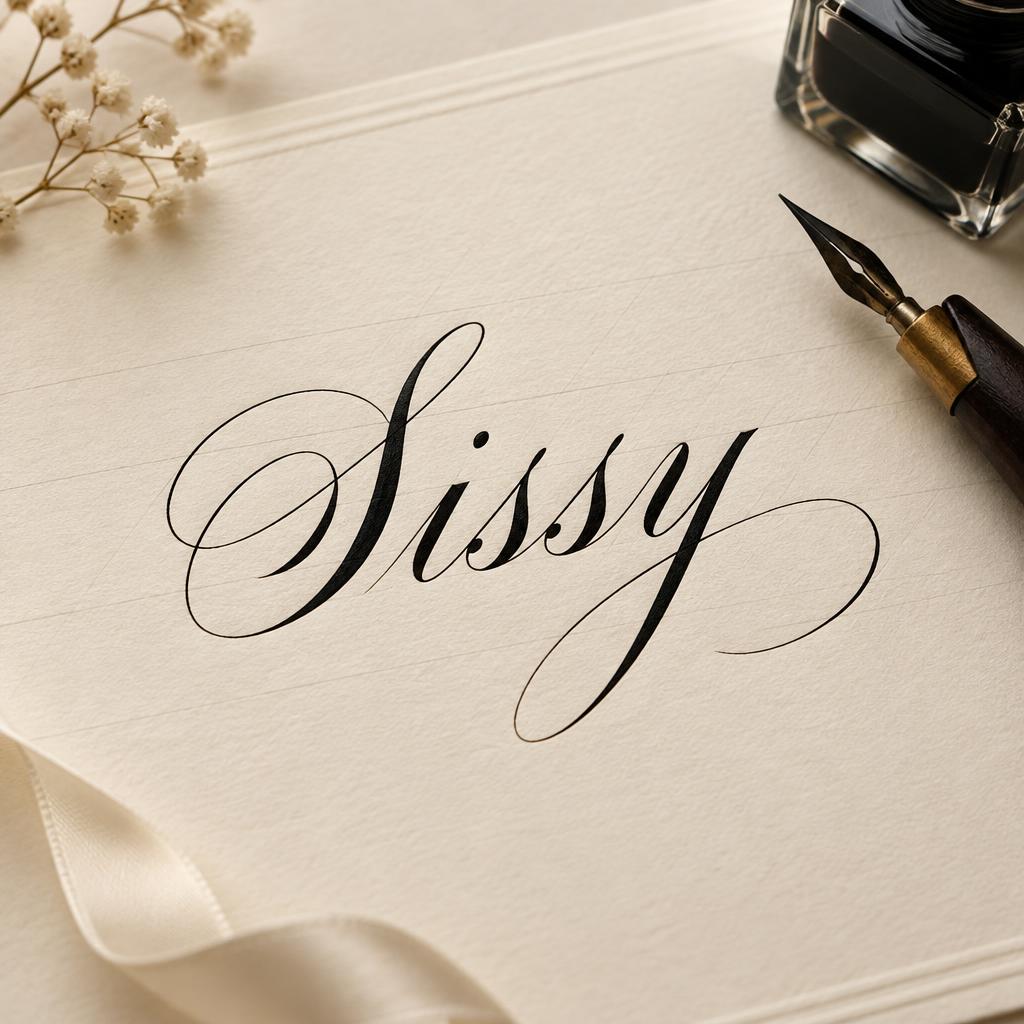
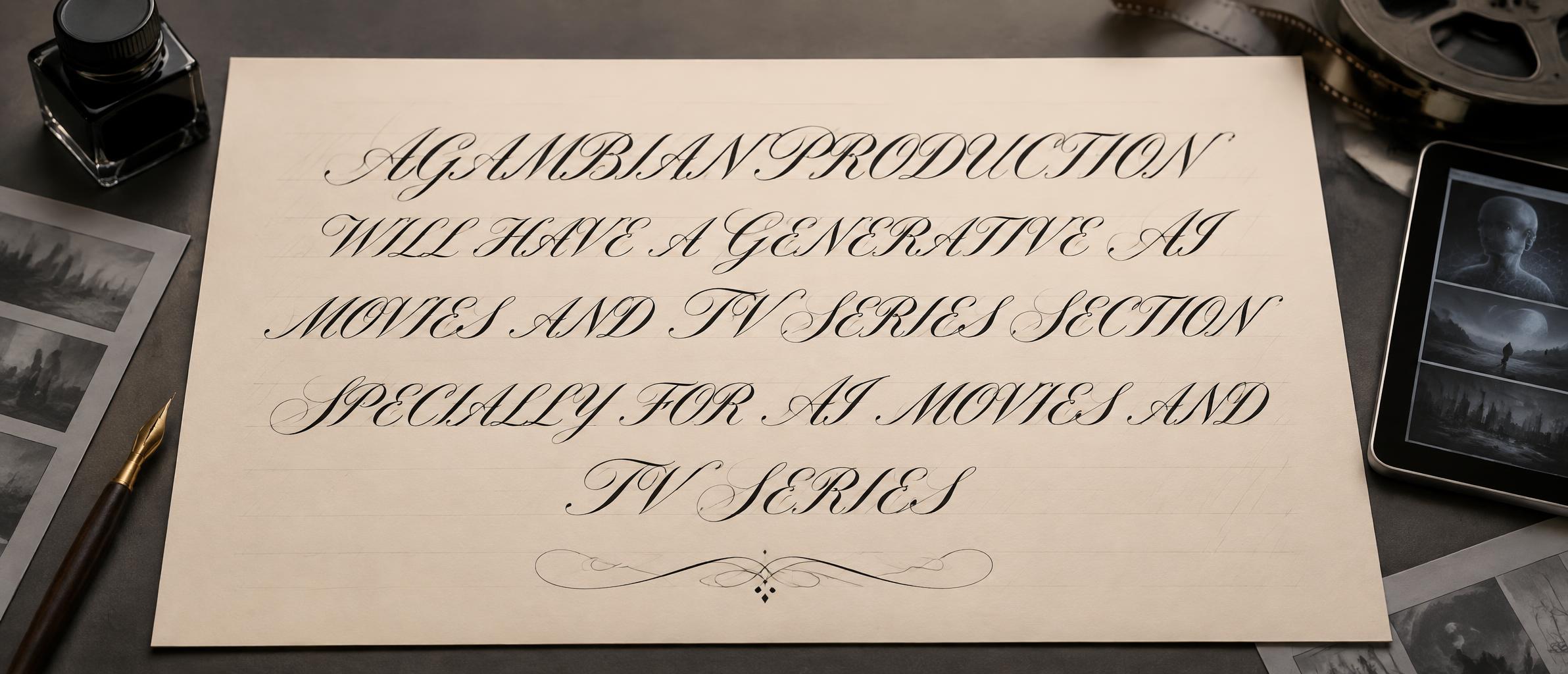
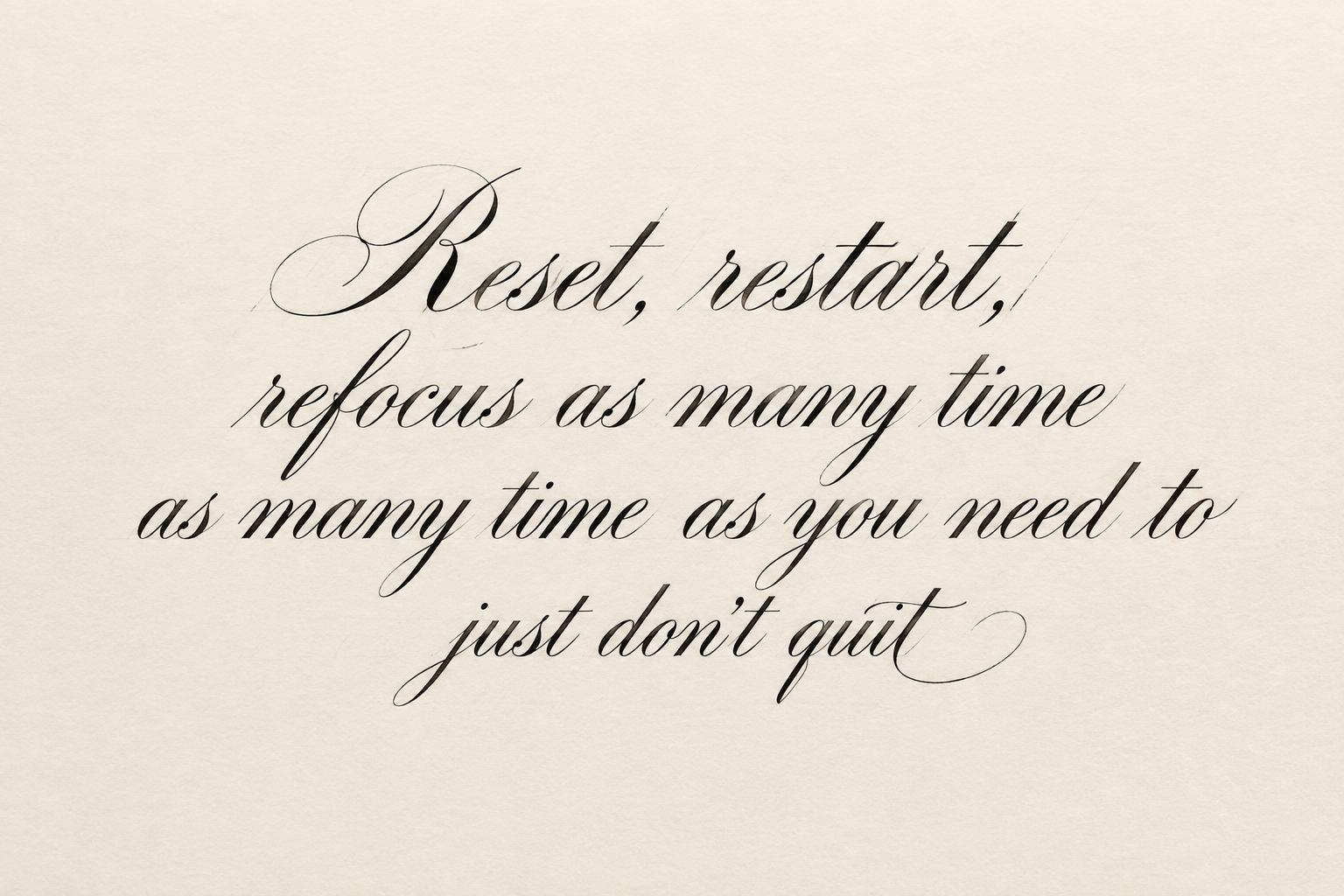
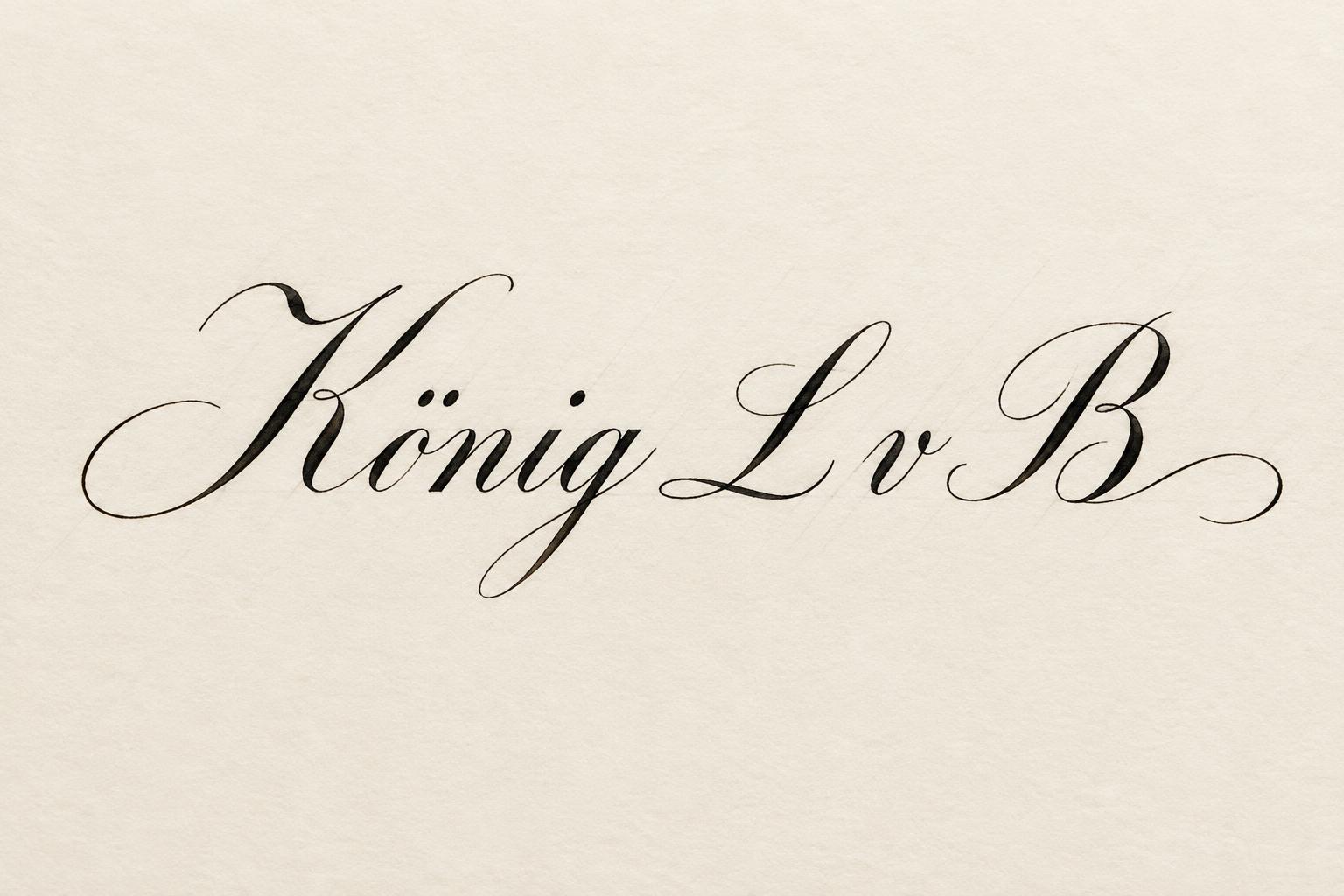
Real outputs from the Calligraphy Script style. Click any image to see details.
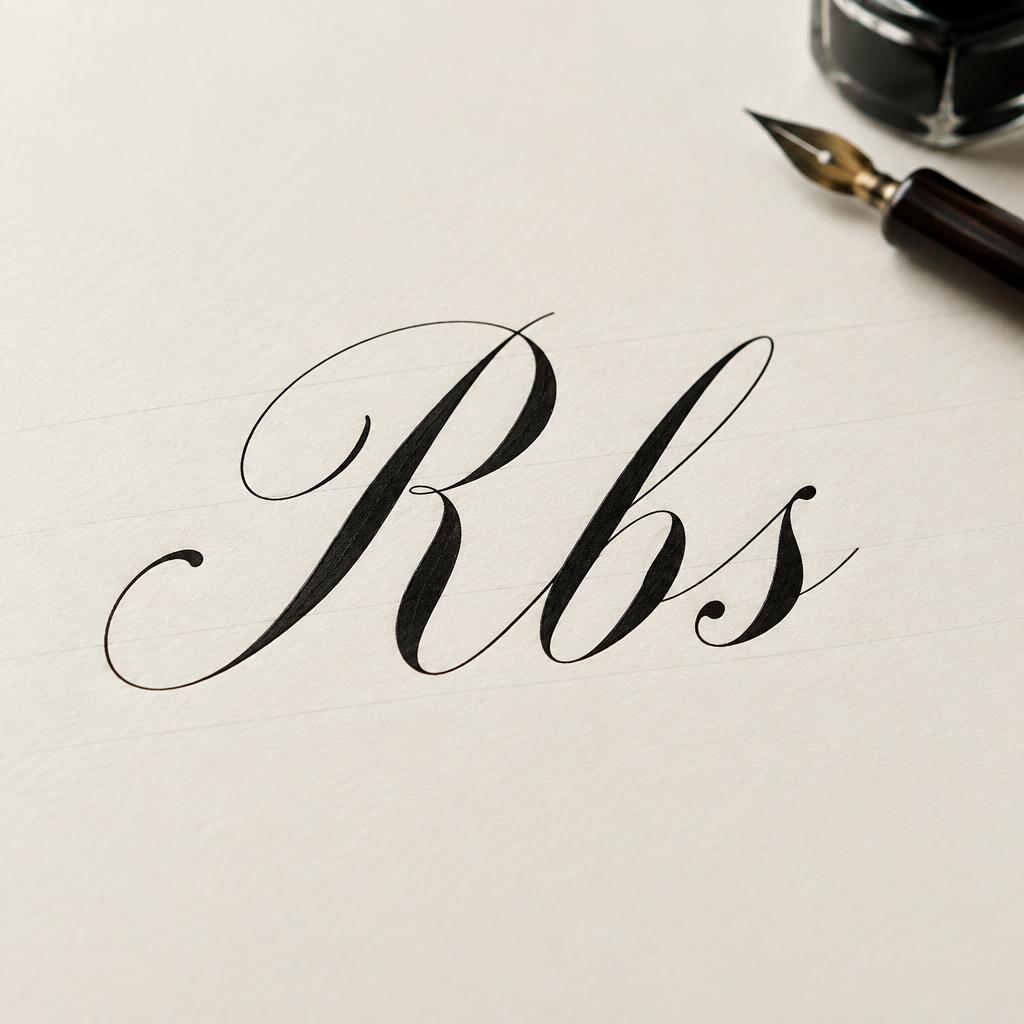
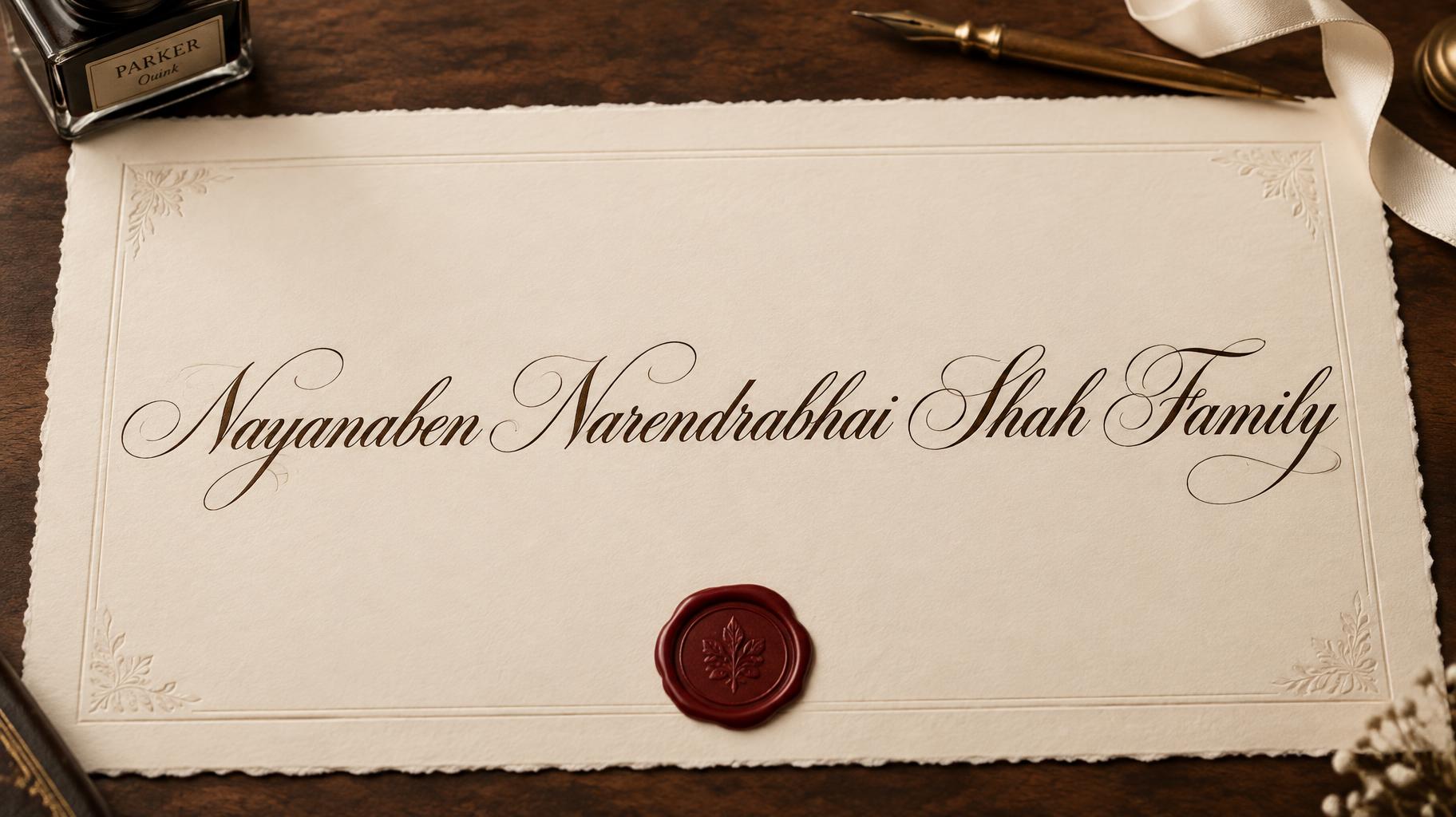
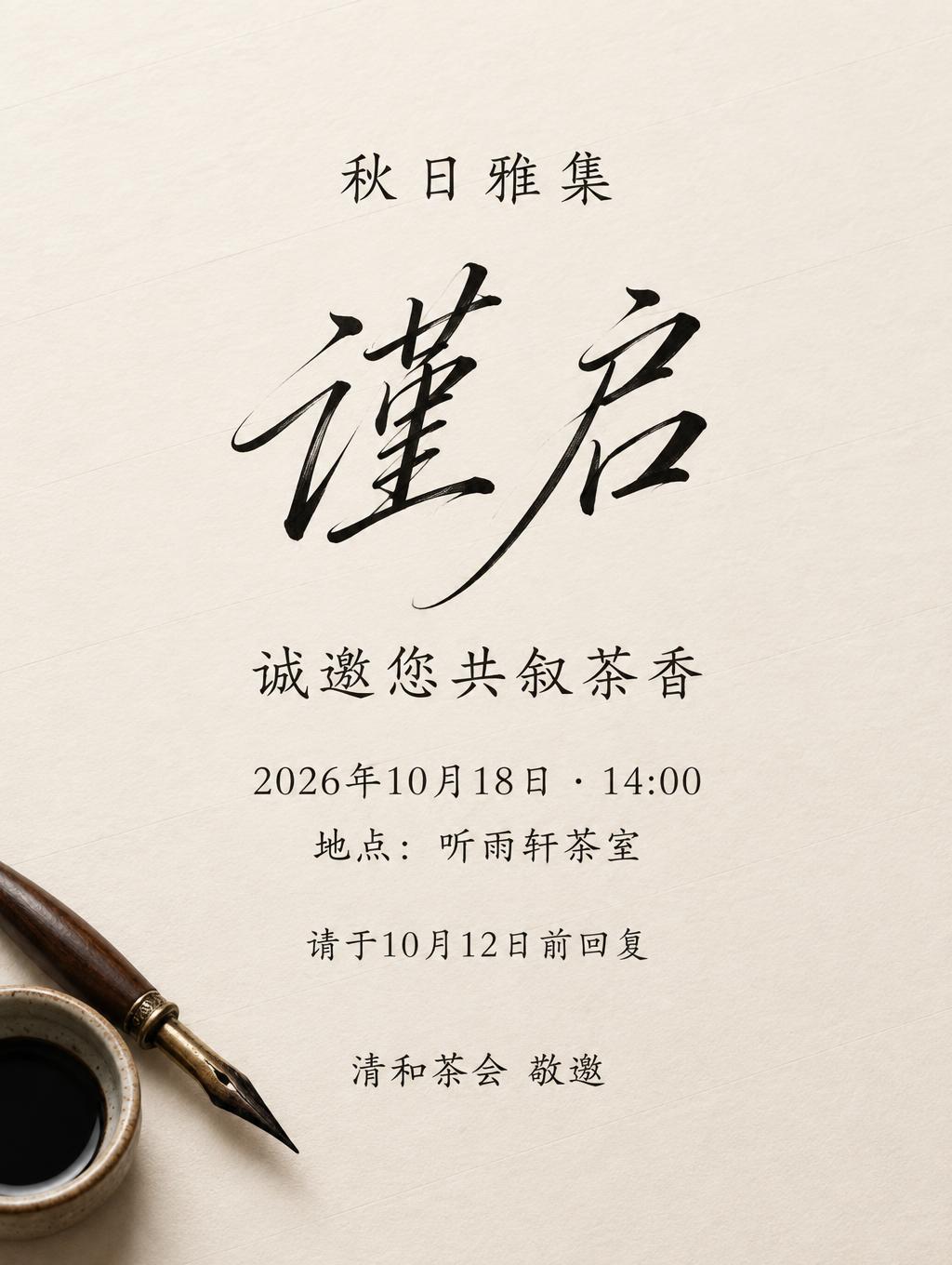
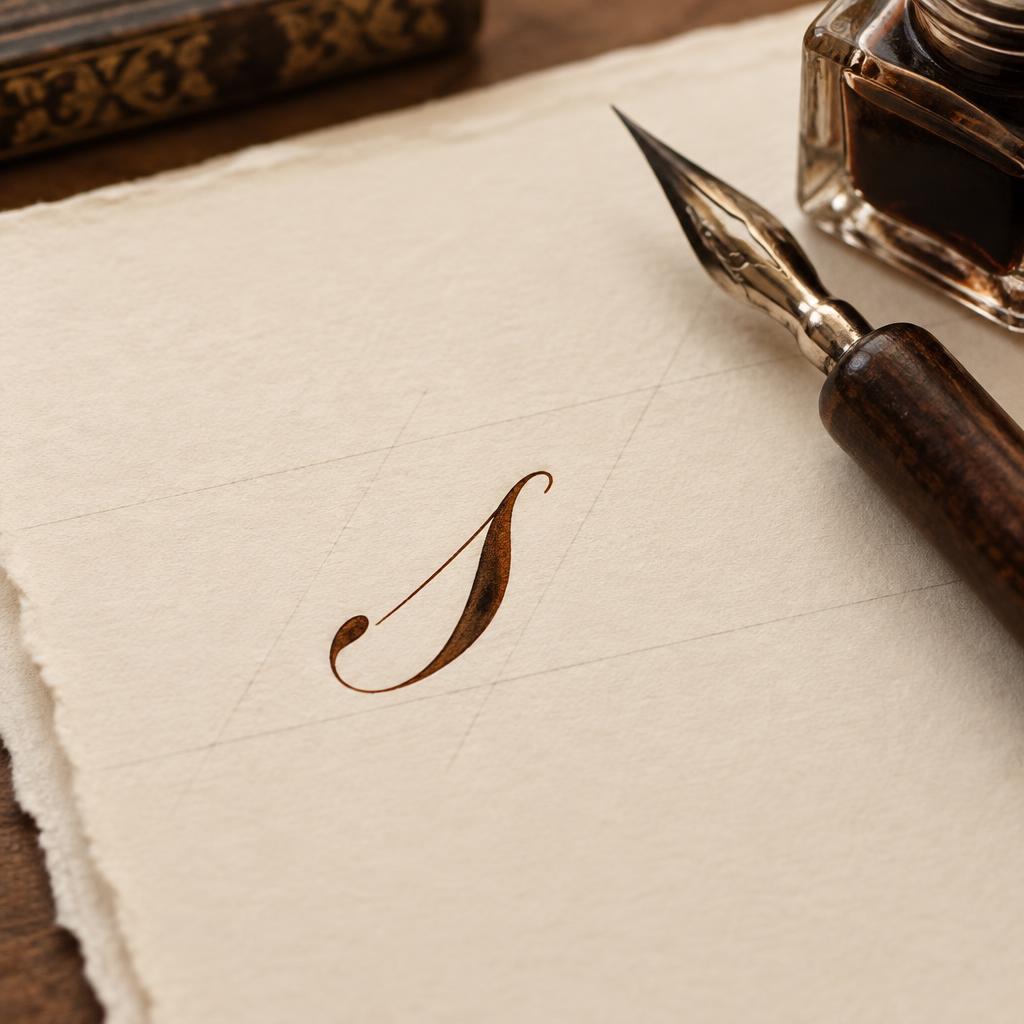


Looking for copy-paste fancy text? Try our free Font Generator Tools — cursive, gothic, bubble & 30+ styles.
Perfect for These Projects
Calligraphy Script Text Effect — FAQ
What is the Calligraphy Script Font Style?
The Calligraphy Script font style is a distinctive AI-generated typography effect. Formal pointed-pen copperplate: strong thick-thin contrast, slanted oval letters and swash capitals, crisp black ink on cream paper with faint ruled guidelines. Using FontVibe's AI calligraphy script generator you can create stunning text effects in seconds — no Photoshop, no font licensing, no design experience needed.
Explore the Calligraphy Script gallery for inspiration, or browse all 126+ AI text effect styles available on FontVibe.
How to Create Calligraphy Script Typography in FontVibe Studio
The Story Behind Calligraphy Script
History, visual DNA, and cultural context.
The Art of the Pointed Pen
Formal calligraphy as we picture it - fine hairlines swelling into bold shaded strokes - is the art of the pointed pen, and its roots run through the copperplate engraving tradition of 17th and 18th century Europe. Engravers cut letters into copper plates with a burin, producing the extreme thick-thin contrast and elaborate flourishes that movable type could never match; writing masters then taught penmen to reproduce those forms with a flexible pointed nib.
George Bickham's Universal Penman (1743) codified the English Roundhand and Copperplate hands that became the standard for invitations, diplomas and formal correspondence. In 19th-century America, Platt Rogers Spencer distilled these principles into Spencerian script, taught in schools and used in business until the typewriter arrived. These disciplined, guideline-ruled hands are the direct ancestors of every 'calligraphy font' - which is why real calligraphy still reads as formal, exacting and timeless.
The Visual DNA
Did You Know?
The flowing scripts on Champagne and fine-wine labels are directly descended from Copperplate calligraphy - the same hand used for 18th-century French legal and commercial documents. The link between pointed-pen calligraphy and premium goods has never been broken.
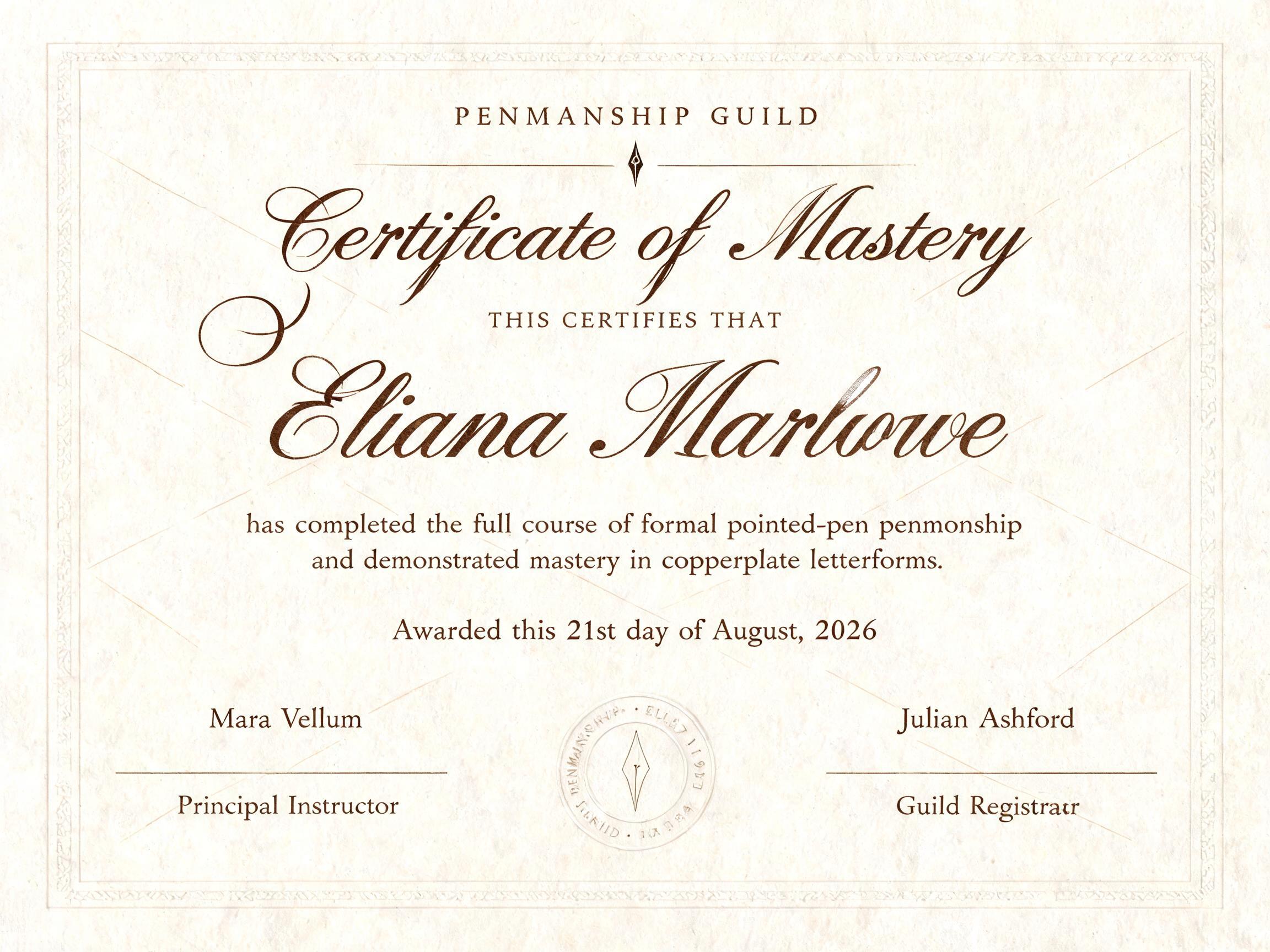
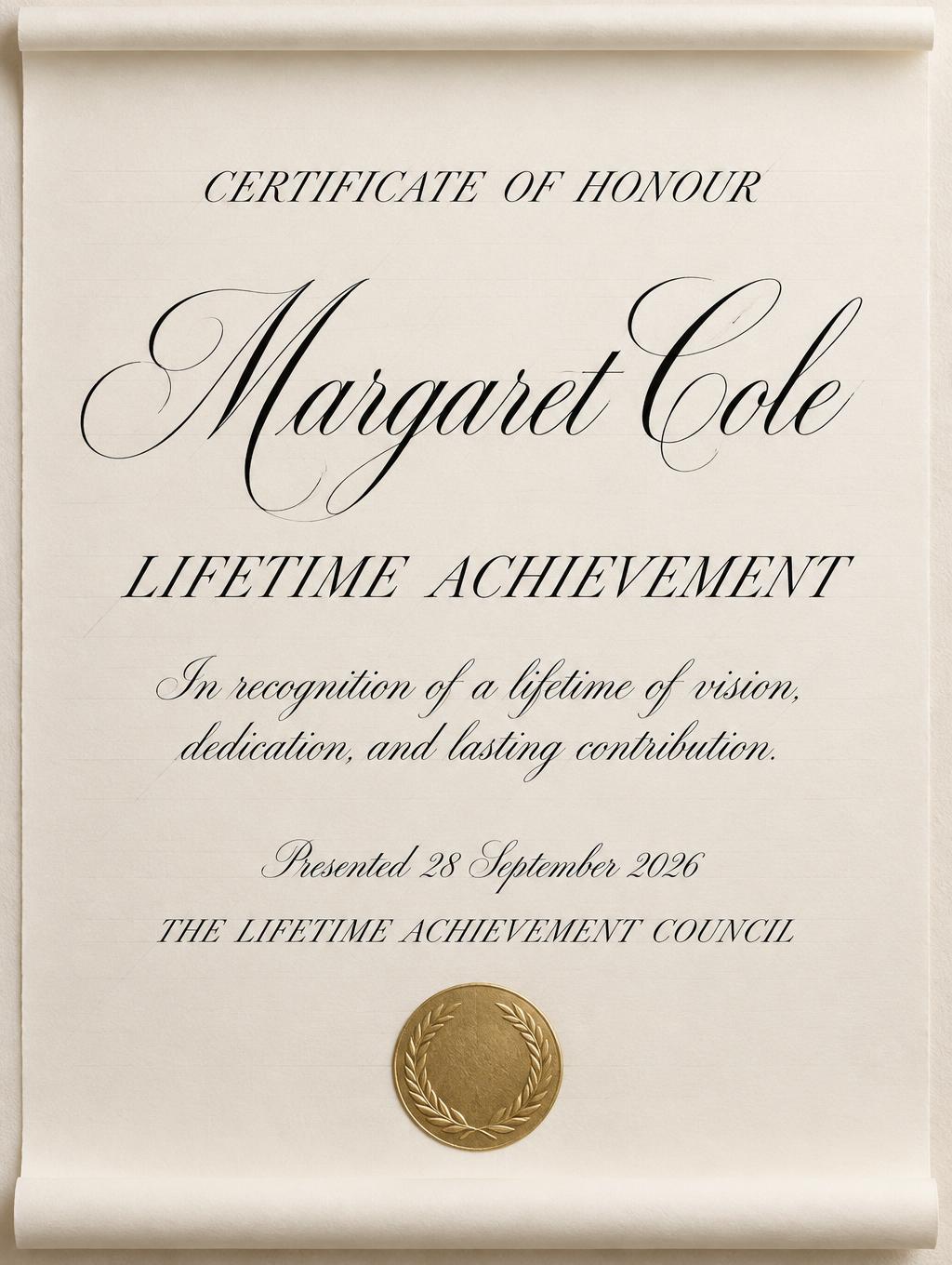
Most diplomas and formal certificates are still lettered in Copperplate or Spencerian calligraphy. The style signals authority and occasion so strongly that even printed certificates imitate the pointed-pen hand.
Create Your Calligraphy Script Typography in Studio
Free to start. No design skills needed. Your artwork, your copyright.
AI Cursive Calligraphy Script Text Effect Generator
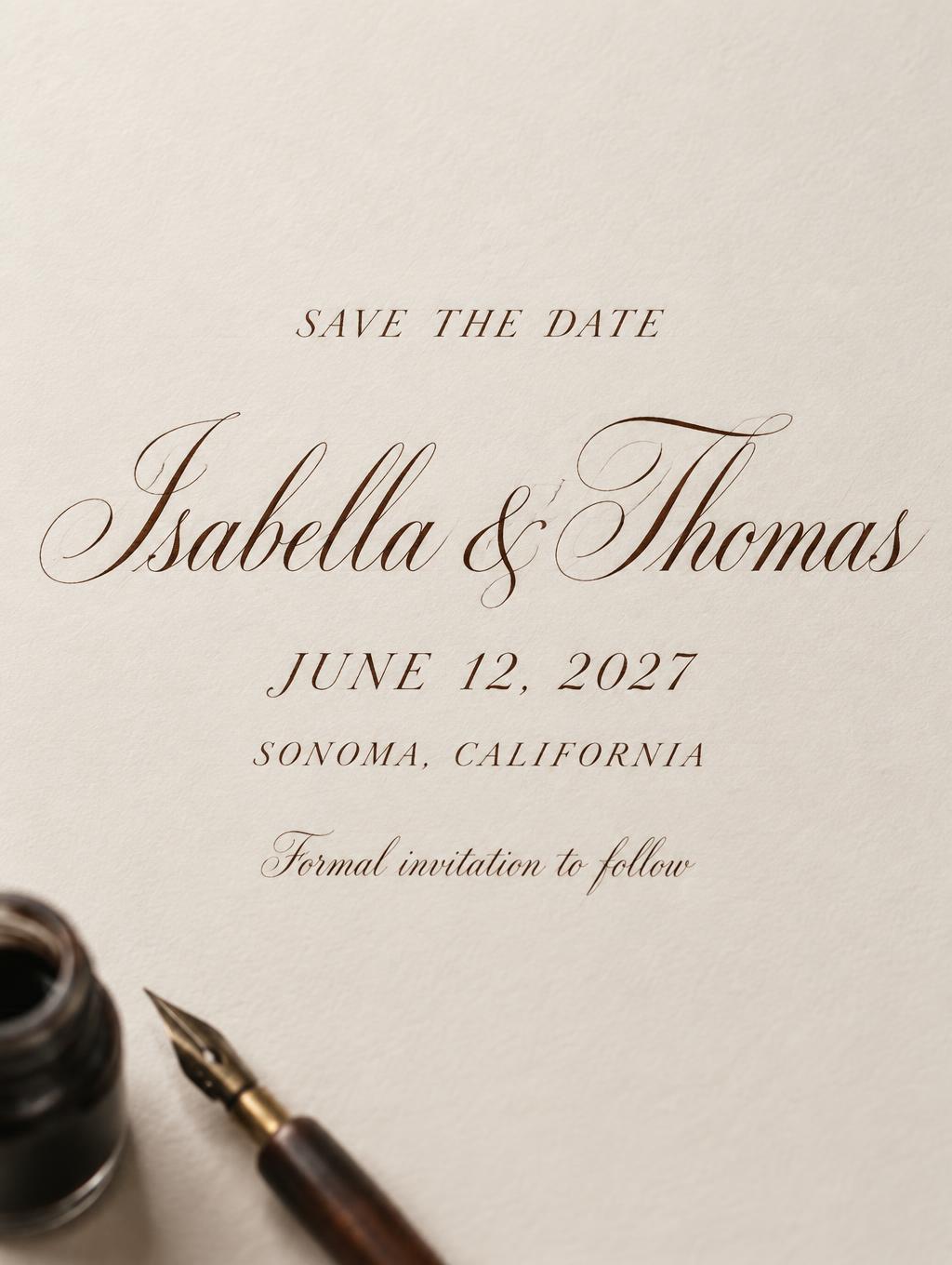
Formal pointed-pen copperplate: strong thick-thin contrast, slanted oval letters and swash capitals, crisp black ink on cream paper with faint ruled guidelines. — no font license needed.
Calligraphy Script in different AI fonts
Generate Your Calligraphy Script Text Effect
Type any word — see it transformed in seconds. No sign-up required.
Calligraphy Script Style Gallery
Real outputs from the Calligraphy Script style. Click any image to see details.
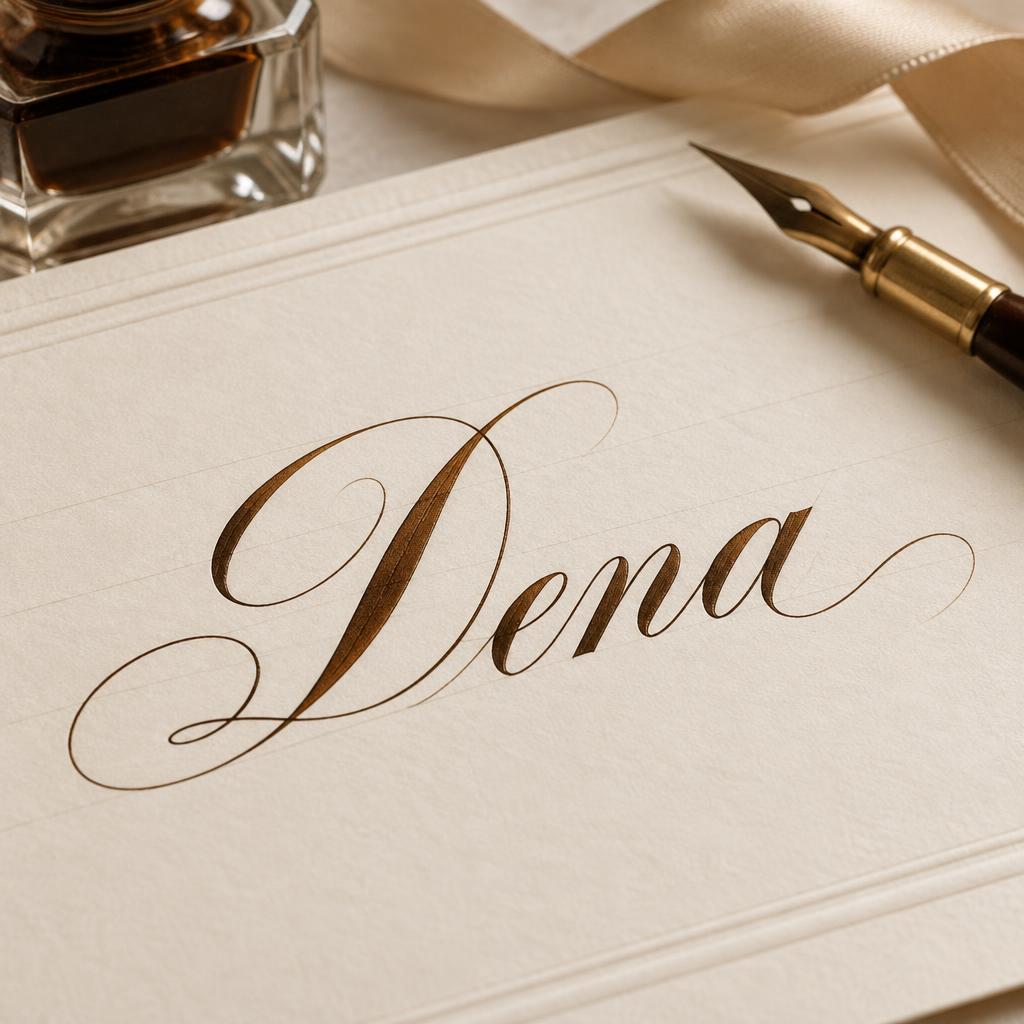
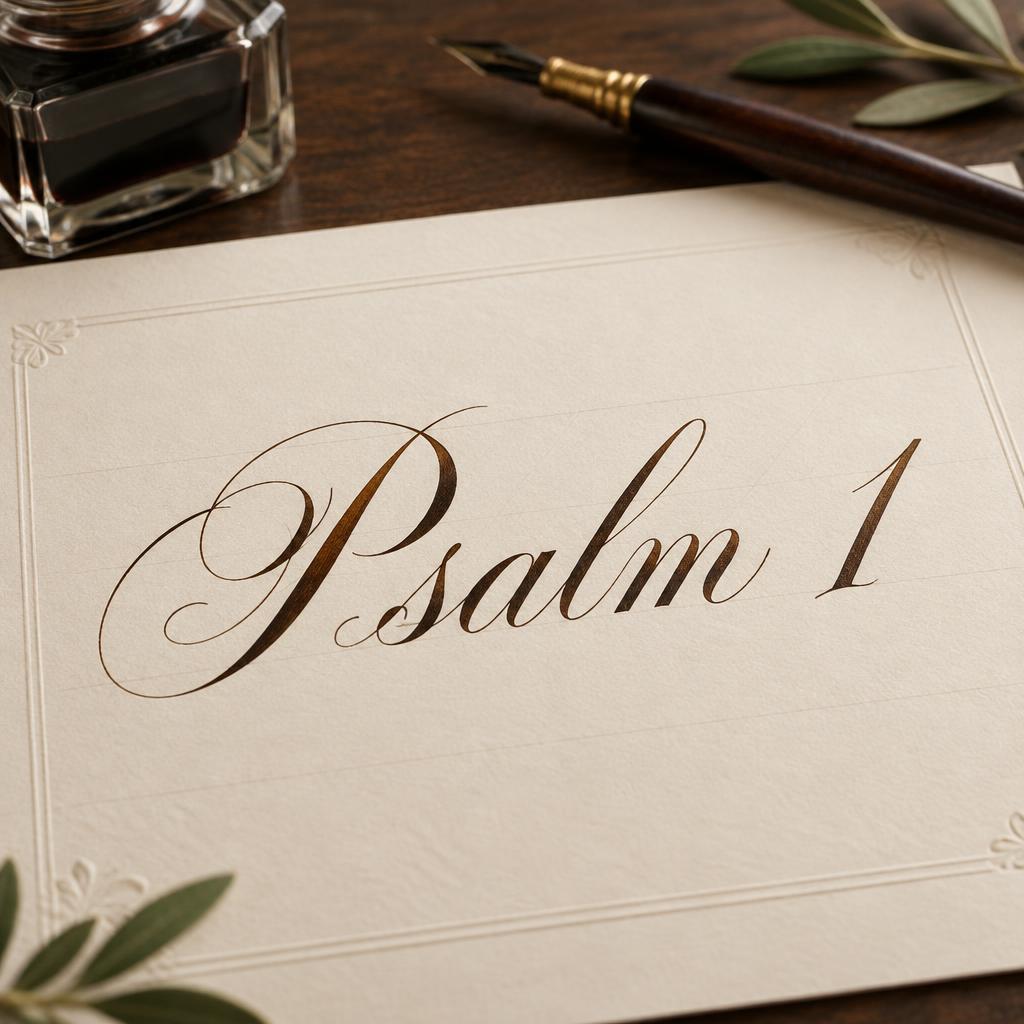
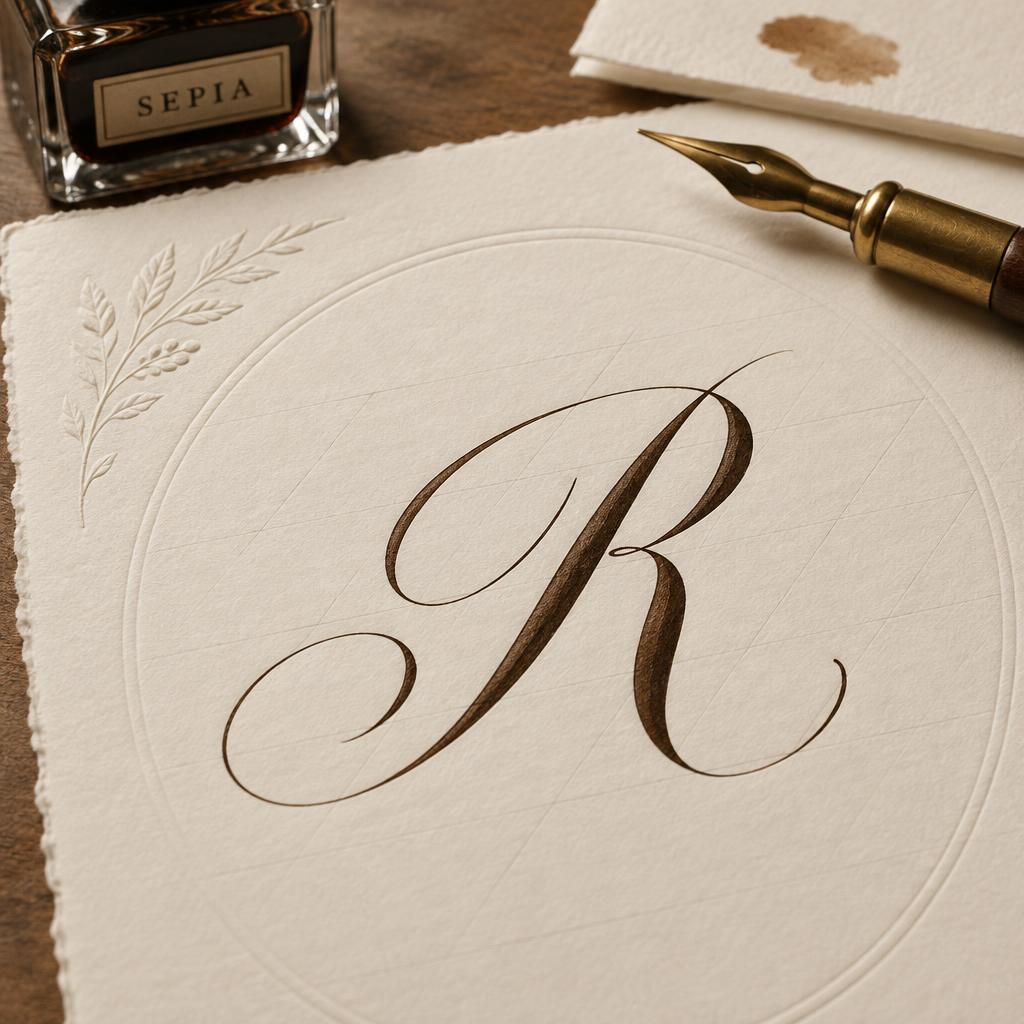
Similar Text Effect Styles
Try these styles and create your own AI-generated text effects.
Looking for copy-paste fancy text? Try our free Font Generator Tools — cursive, gothic, bubble & 30+ styles.
Perfect for These Projects
Calligraphy Script text effects are popular for creative projects where visual impact matters.
What is the Calligraphy Script Font Style?
The Calligraphy Script font style is a distinctive AI-generated typography effect. Formal pointed-pen copperplate: strong thick-thin contrast, slanted oval letters and swash capitals, crisp black ink on cream paper with faint ruled guidelines.
Using FontVibe's AI calligraphy script generator you can create stunning text effects in seconds — no Photoshop, no font licensing, no design experience needed.
Explore the Calligraphy Script gallery for inspiration, or browse all 126+ AI text effect styles available on FontVibe.
How to Create Calligraphy Script Typography in FontVibe Studio
1. Enter your text — Any word, phrase, or brand name. Works best with short, punchy text.
2. Select Calligraphy Script — From the style library. Optionally describe a mood in the custom prompt.
3. Generate and download. Your Calligraphy Script font artwork is ready in seconds. PNG, JPG, or transparent PNG.
Looking for something different? Browse the full font style library for more AI typography options.
Calligraphy Script Text Effect — FAQ
The Story Behind Calligraphy Script
History, visual DNA, and cultural context — everything that makes this style what it is.
The Art of the Pointed Pen
Formal calligraphy as we picture it - fine hairlines swelling into bold shaded strokes - is the art of the pointed pen, and its roots run through the copperplate engraving tradition of 17th and 18th century Europe. Engravers cut letters into copper plates with a burin, producing the extreme thick-thin contrast and elaborate flourishes that movable type could never match; writing masters then taught penmen to reproduce those forms with a flexible pointed nib.
George Bickham's Universal Penman (1743) codified the English Roundhand and Copperplate hands that became the standard for invitations, diplomas and formal correspondence. In 19th-century America, Platt Rogers Spencer distilled these principles into Spencerian script, taught in schools and used in business until the typewriter arrived. These disciplined, guideline-ruled hands are the direct ancestors of every 'calligraphy font' - which is why real calligraphy still reads as formal, exacting and timeless.
The Visual DNA
Did You Know?
The flowing scripts on Champagne and fine-wine labels are directly descended from Copperplate calligraphy - the same hand used for 18th-century French legal and commercial documents. The link between pointed-pen calligraphy and premium goods has never been broken.
Most diplomas and formal certificates are still lettered in Copperplate or Spencerian calligraphy. The style signals authority and occasion so strongly that even printed certificates imitate the pointed-pen hand.