FontVibe
SignAesthetics
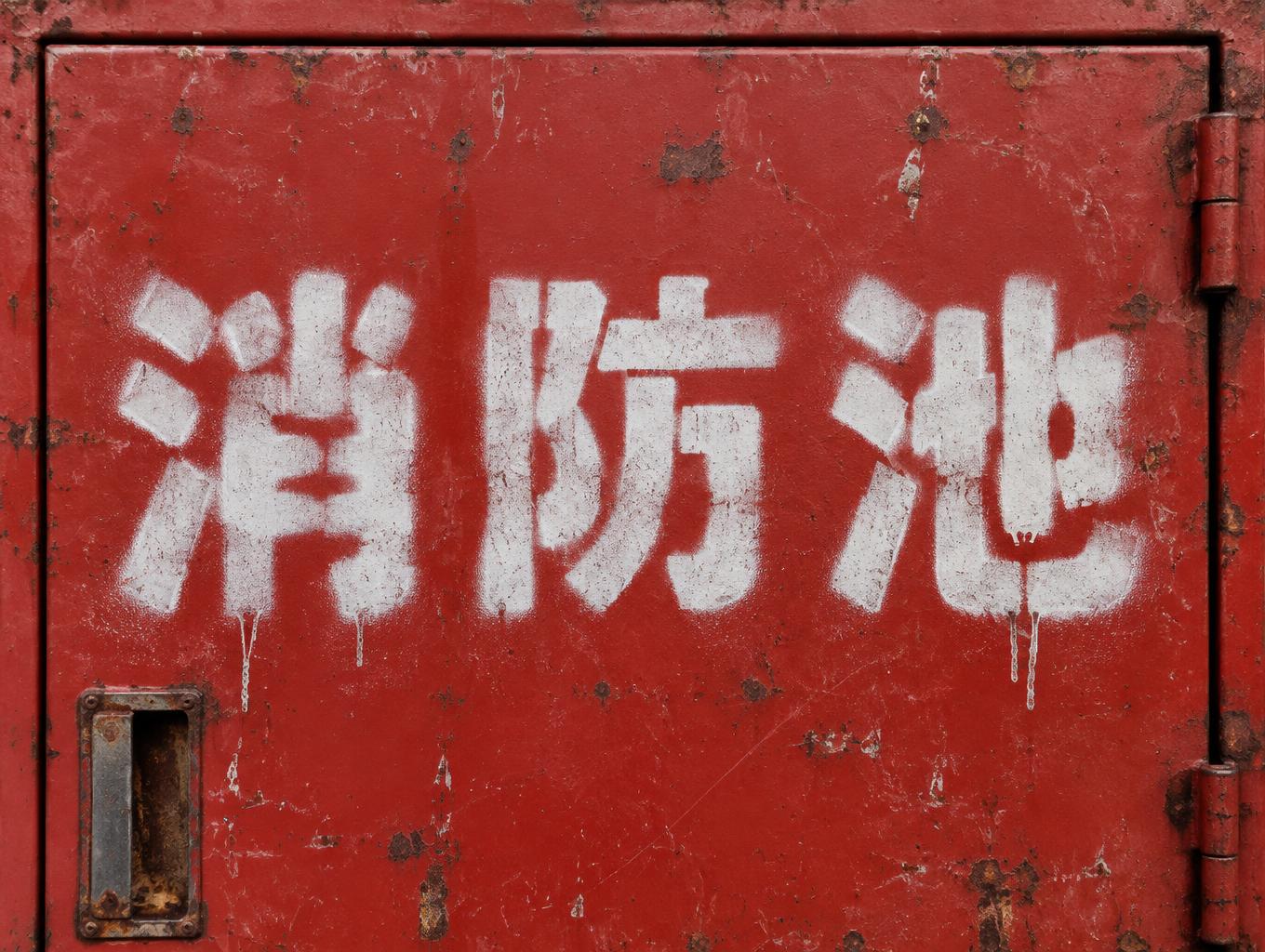
消防池 - Stencil Text Effect


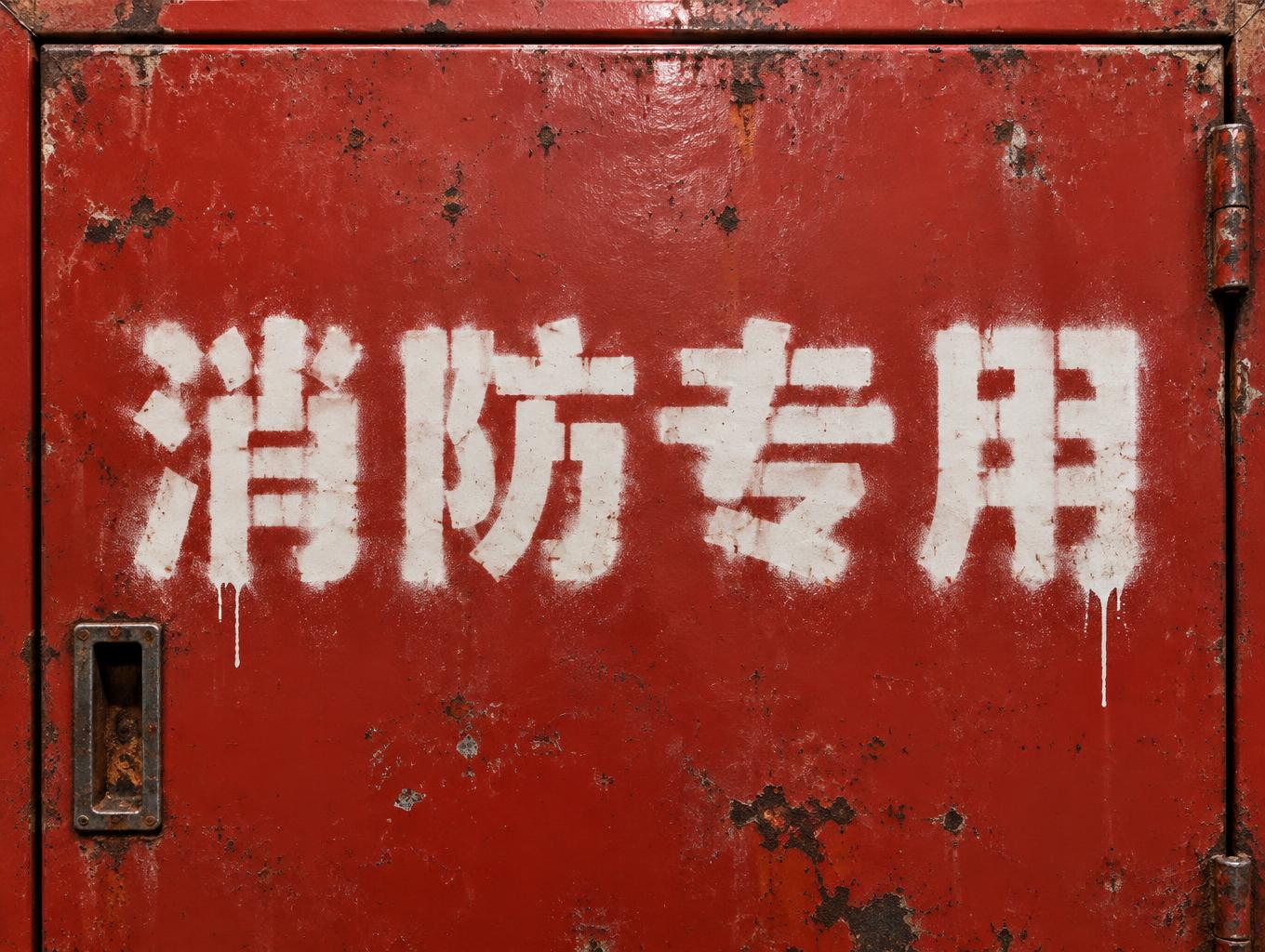
Recreated from
✦ Remake this design with your text
Uses OpenAI GPT-Image-2.5 Sunburst, the model behind this artwork · 15 credits
Transparent Effect
✦ Transparent Effect
Generates a PNG with the background removed — only the text and its visual effects remain. The AI automatically selects the optimal background color for clean removal based on your style.
Output is always PNG for lossless transparency.
✦ Stencil
View all Stencil →
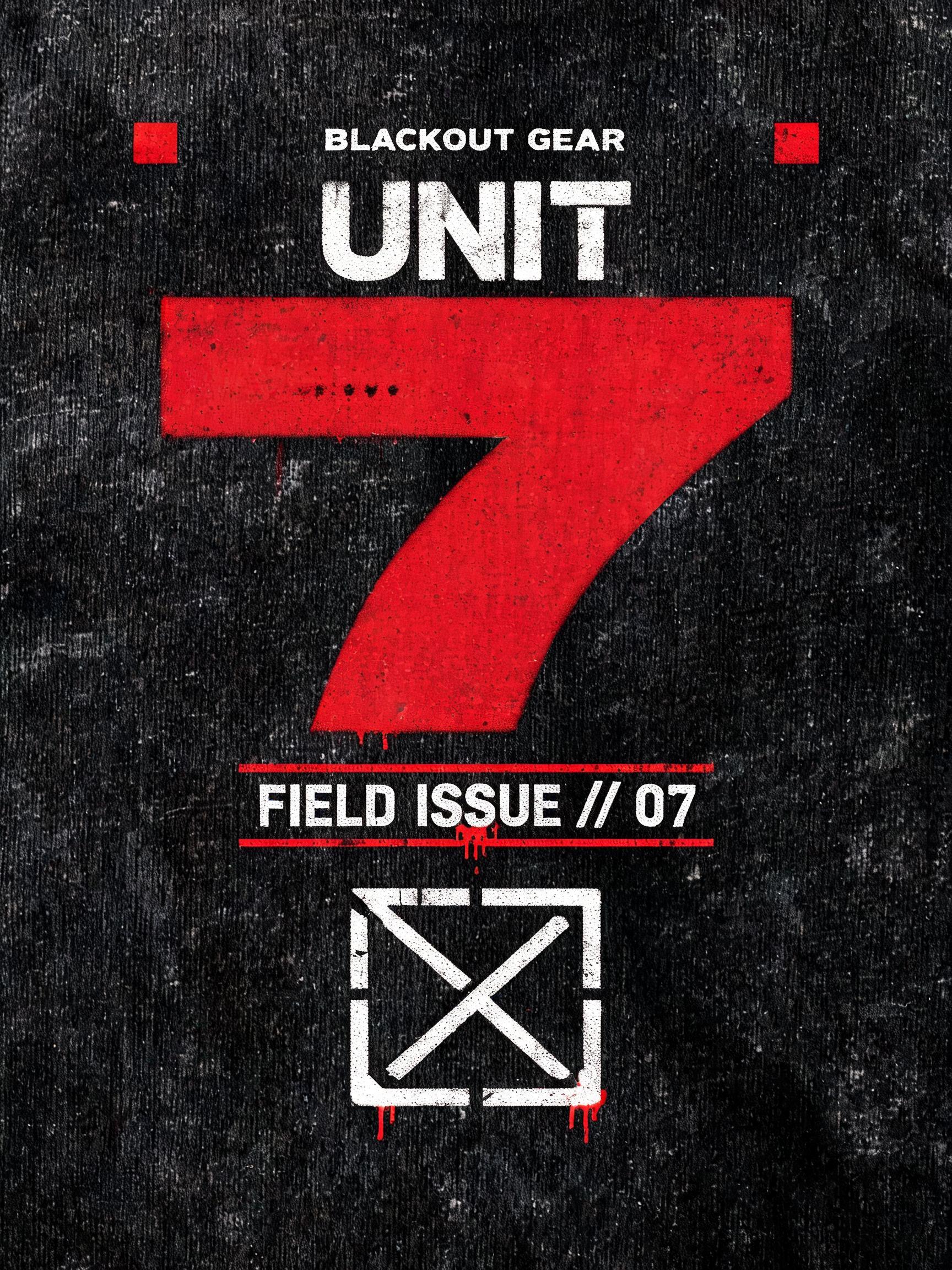




About this artwork
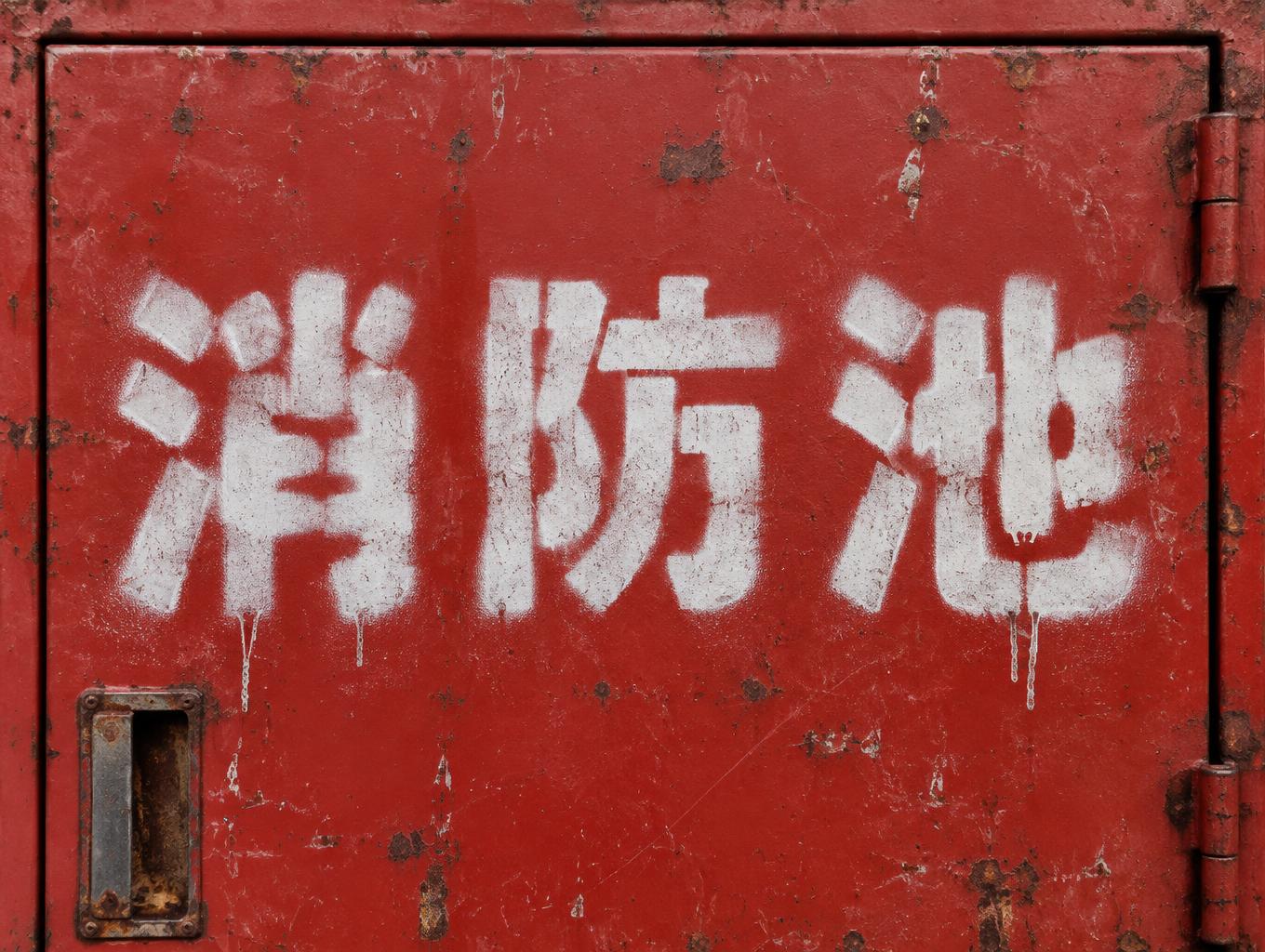
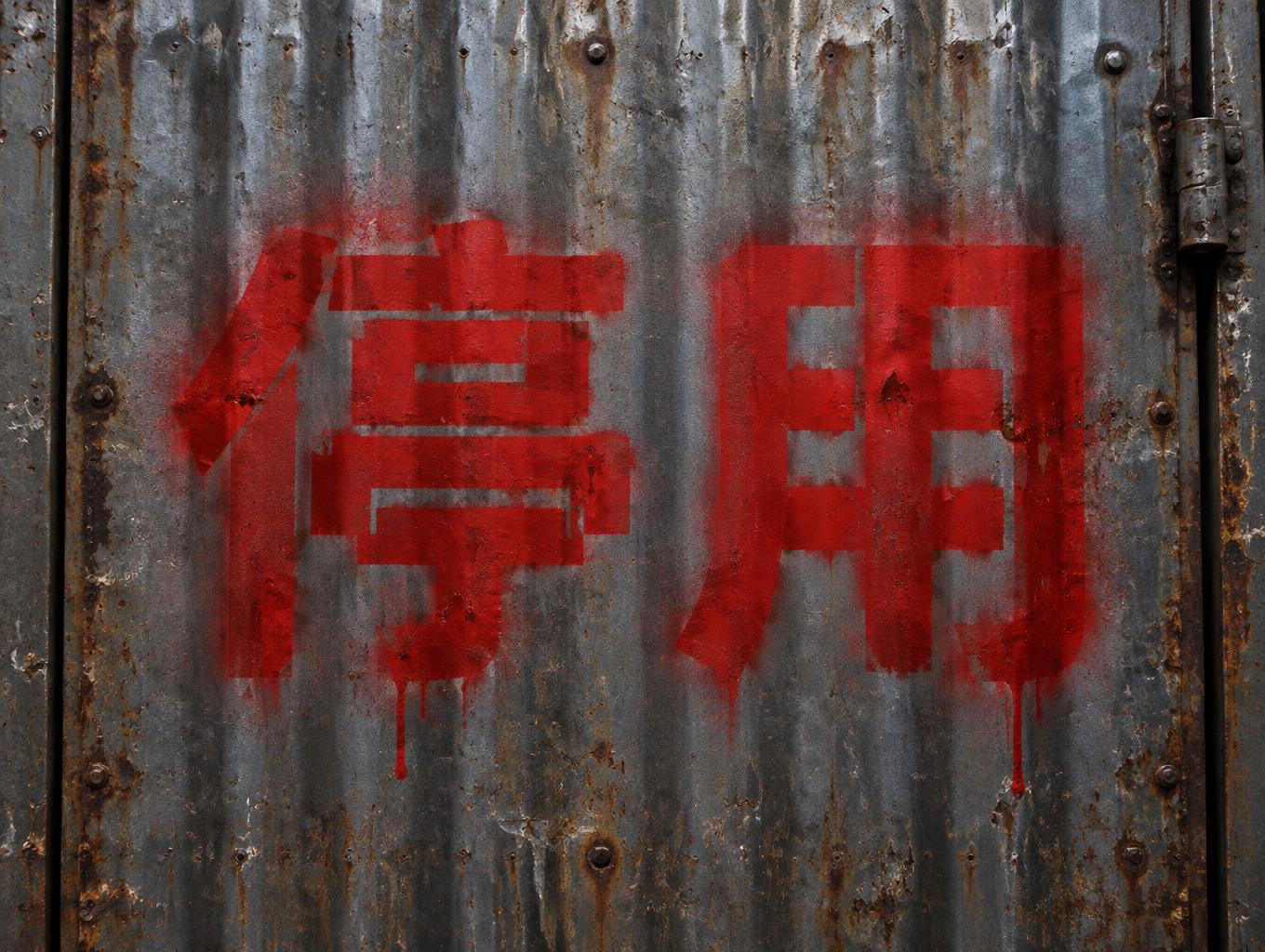
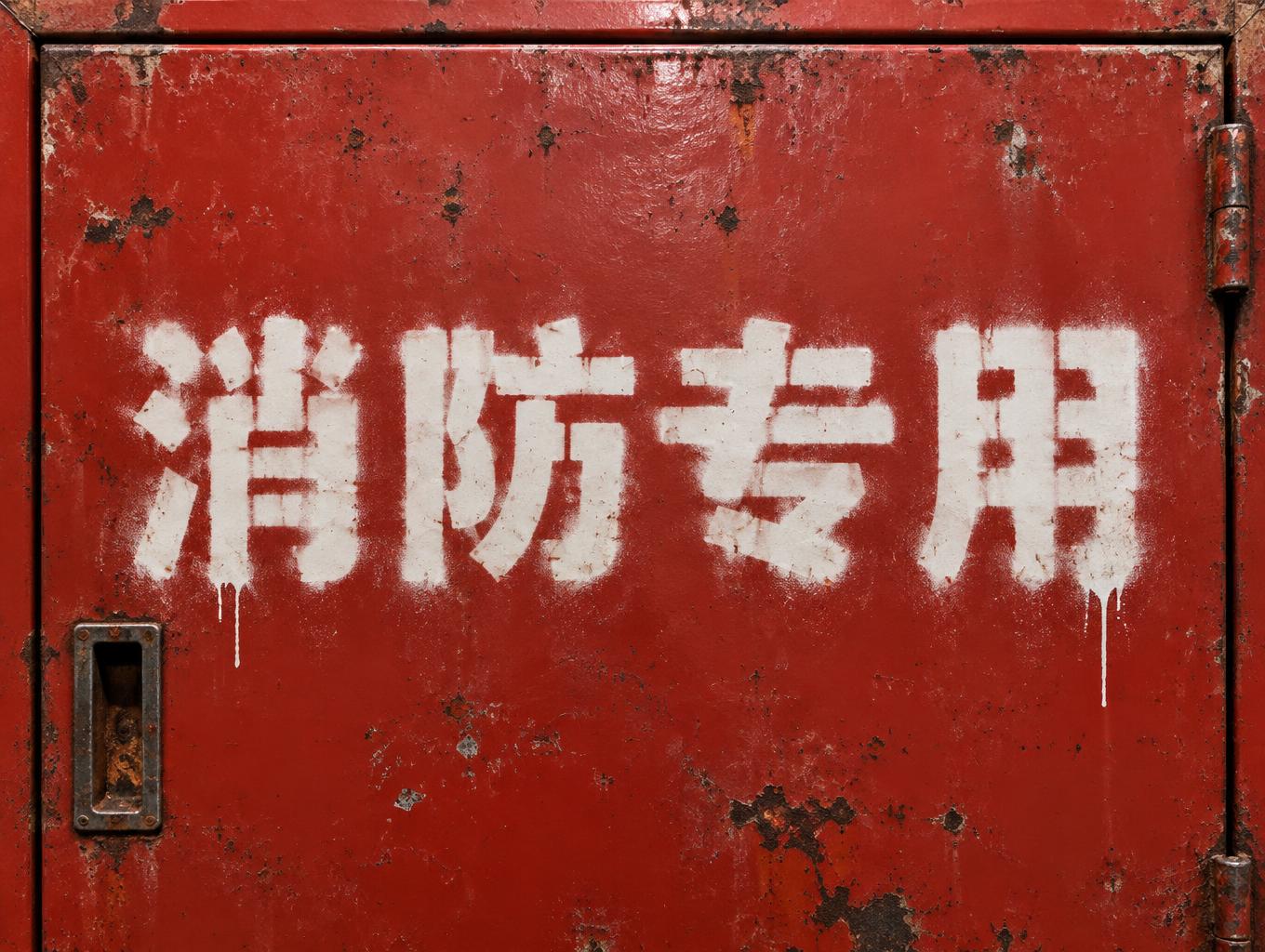
"消防池" stencil word art in the style of a fire-water-tank sign, shown as a weathered industrial metal door marking. White bridged stencil characters are sprayed across a rust-spotted red steel door with soft overspray and a few paint drips. The hinges and a recessed handle are visible, and the three characters sit on a single line; swap in your own word, colours or door surface.
Creative prompt
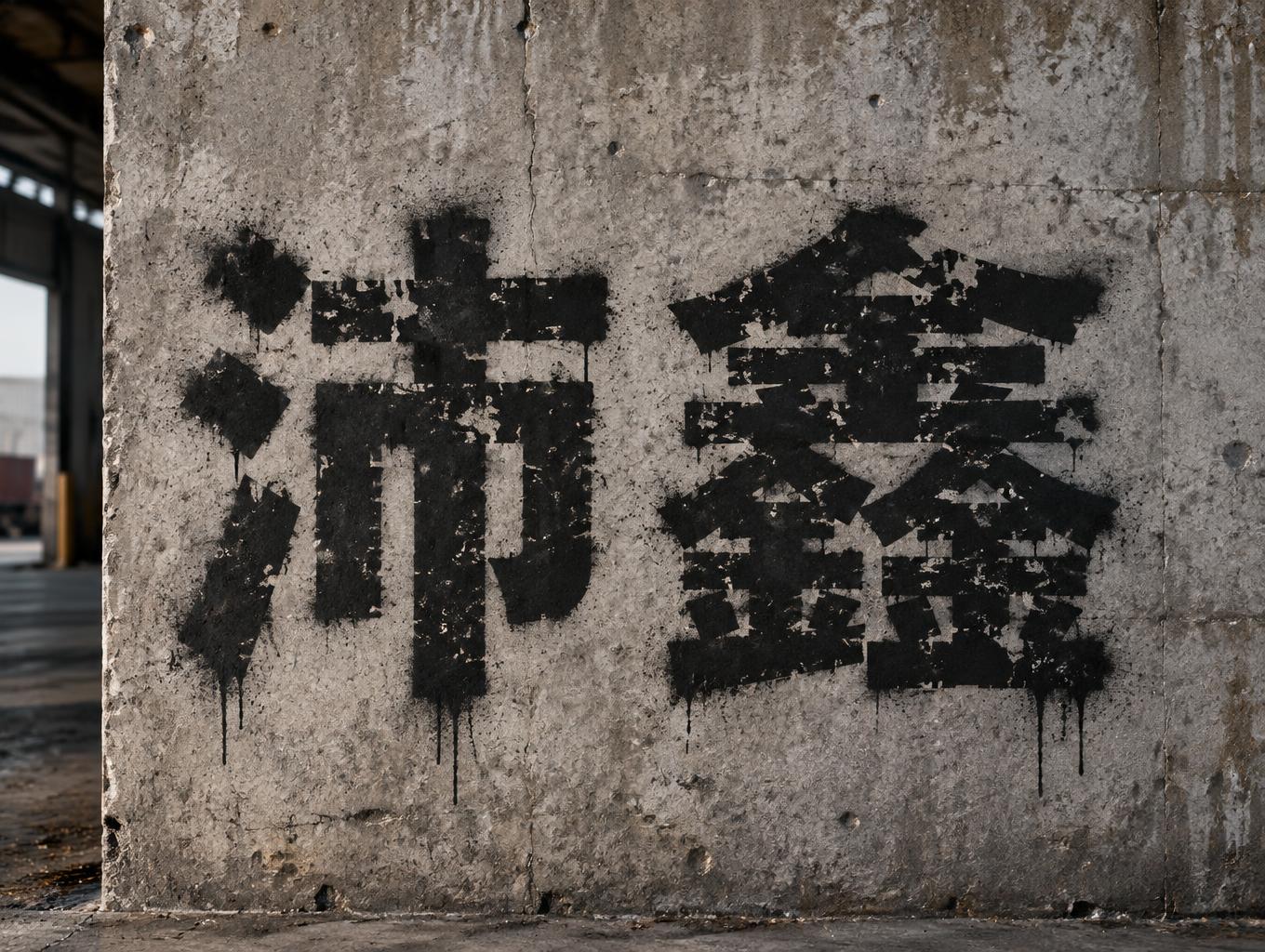
Stencil spray application aesthetic — pigment applied through a physical template onto an industrial surface. SPRAY MEDIUM: paint deposited through a cut template creates hard inner boundaries where stencil material masked the surface and soft outer overspray halos. Paint density peaks at stroke centers and thins toward the edges. Drips descend from areas of heavy application. The spray medium is matte, pigment-dense paint, unlike liquid or digital media. COLOR REGIME: maximum-contrast two-tone palette; the stencil process is inherently binary. Primary combinations: black on concrete grey, military olive on weathered wood, white on rusted metal, warning red on industrial steel. The surface beneath always participates: substrate texture shows through thinner paint coverage, grounding the mark in physical space. SURFACE CONTEXT: stencil typography implies a physical surface—concrete wall, wooden crate, corrugated metal, canvas fabric. Substrate texture is visible through and around the paint layer, never a neutral void. Surface imperfections coexist naturally with spray marks. When no specific material is defined by the font: default spray environment—matte black spray paint on rough concrete grey, visible overspray halo at letter edges, slight concrete aggregate texture showing through paint. A weathered red-painted steel fire-service cabinet door fills the frame, its chipped enamel revealing dark metal and small rust blooms beneath. The marking “消防池” sits centered in one compact horizontal line, large and unmistakable, spanning about 78% of the image width. Preserve the Chinese characters exactly, with no other lettering, numbers, logos, or symbols. Apply the marking as matte white stencil spray directly on the cabinet: dense pigment with crisp masked inner edges, faint soft overspray at the outer edges, occasional thin patches where the worn steel texture shows through, and a few restrained paint drips below heavier strokes. A recessed door seam and a hint of a heavy hinge establish this as a real emergency-service cabinet; keep them secondary and clear of the text. Hard, cold overhead fluorescent light catches the battered enamel and throws short shadows into scratches and seams. Tight, straight-on composition, stark red-and-white contrast, tactile industrial surface visible across the entire image, official and utilitarian rather than decorative.
Tags
Generated on November 18, 2026 · 1360 × 1024 · JPEG · OpenAI GPT-Image-2.5 Sunburst · Shared by the creator · Free for commercial use (CC BY 4.0)
✦ Explore AI Text Effect Styles
Browse AI Text Effect Styles



SignAesthetics
消防池 - Stencil Text Effect


Recreated from
✦ Remake this design with your text
Uses OpenAI GPT-Image-2.5 Sunburst, the model behind this artwork · 15 credits
Transparent Effect
✦ Transparent Effect
Generates a PNG with the background removed — only the text and its visual effects remain. The AI automatically selects the optimal background color for clean removal based on your style.
Output is always PNG for lossless transparency.
✦ Stencil
View all Stencil →More Stencil Text Effects
About this artwork
"消防池" stencil word art in the style of a fire-water-tank sign, shown as a weathered industrial metal door marking. White bridged stencil characters are sprayed across a rust-spotted red steel door with soft overspray and a few paint drips. The hinges and a recessed handle are visible, and the three characters sit on a single line; swap in your own word, colours or door surface.
Creative prompt
Stencil spray application aesthetic — pigment applied through a physical template onto an industrial surface. SPRAY MEDIUM: paint deposited through a cut template creates hard inner boundaries where stencil material masked the surface and soft outer overspray halos. Paint density peaks at stroke centers and thins toward the edges. Drips descend from areas of heavy application. The spray medium is matte, pigment-dense paint, unlike liquid or digital media. COLOR REGIME: maximum-contrast two-tone palette; the stencil process is inherently binary. Primary combinations: black on concrete grey, military olive on weathered wood, white on rusted metal, warning red on industrial steel. The surface beneath always participates: substrate texture shows through thinner paint coverage, grounding the mark in physical space. SURFACE CONTEXT: stencil typography implies a physical surface—concrete wall, wooden crate, corrugated metal, canvas fabric. Substrate texture is visible through and around the paint layer, never a neutral void. Surface imperfections coexist naturally with spray marks. When no specific material is defined by the font: default spray environment—matte black spray paint on rough concrete grey, visible overspray halo at letter edges, slight concrete aggregate texture showing through paint. A weathered red-painted steel fire-service cabinet door fills the frame, its chipped enamel revealing dark metal and small rust blooms beneath. The marking “消防池” sits centered in one compact horizontal line, large and unmistakable, spanning about 78% of the image width. Preserve the Chinese characters exactly, with no other lettering, numbers, logos, or symbols. Apply the marking as matte white stencil spray directly on the cabinet: dense pigment with crisp masked inner edges, faint soft overspray at the outer edges, occasional thin patches where the worn steel texture shows through, and a few restrained paint drips below heavier strokes. A recessed door seam and a hint of a heavy hinge establish this as a real emergency-service cabinet; keep them secondary and clear of the text. Hard, cold overhead fluorescent light catches the battered enamel and throws short shadows into scratches and seams. Tight, straight-on composition, stark red-and-white contrast, tactile industrial surface visible across the entire image, official and utilitarian rather than decorative.
Tags
Generated on November 18, 2026 · 1360 × 1024 · JPEG · OpenAI GPT-Image-2.5 Sunburst · Shared by the creator · Free for commercial use (CC BY 4.0)
✦ Explore AI Text Effect Styles
Browse AI Text Effect Styles
Want more text styles? Browse our free font generators — fancy, cursive, gothic & more.