上官 - Floral Text Effect

Uses OpenAI GPT-Image-2.5 Sunburst, the model behind this artwork · 15 credits
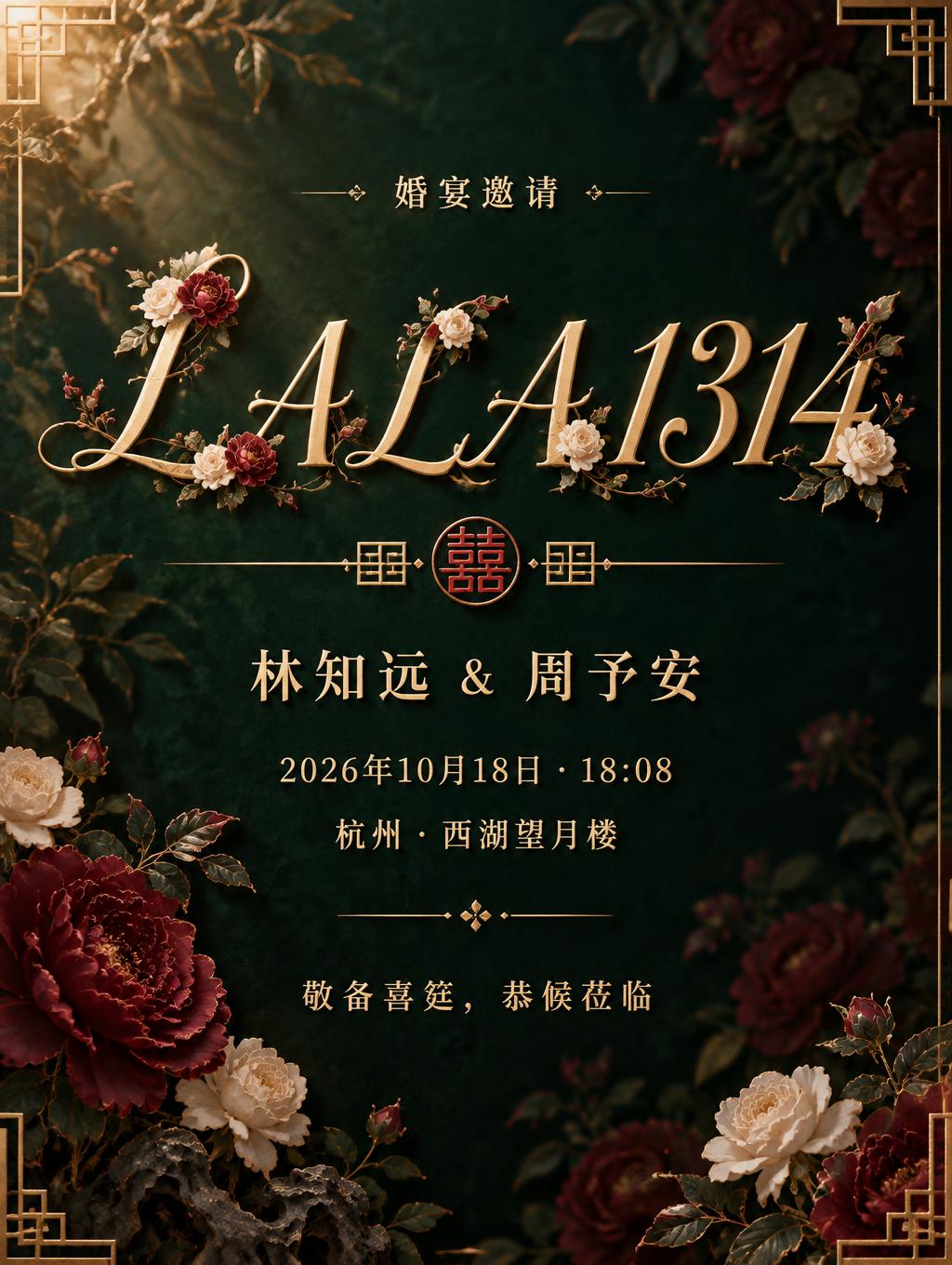
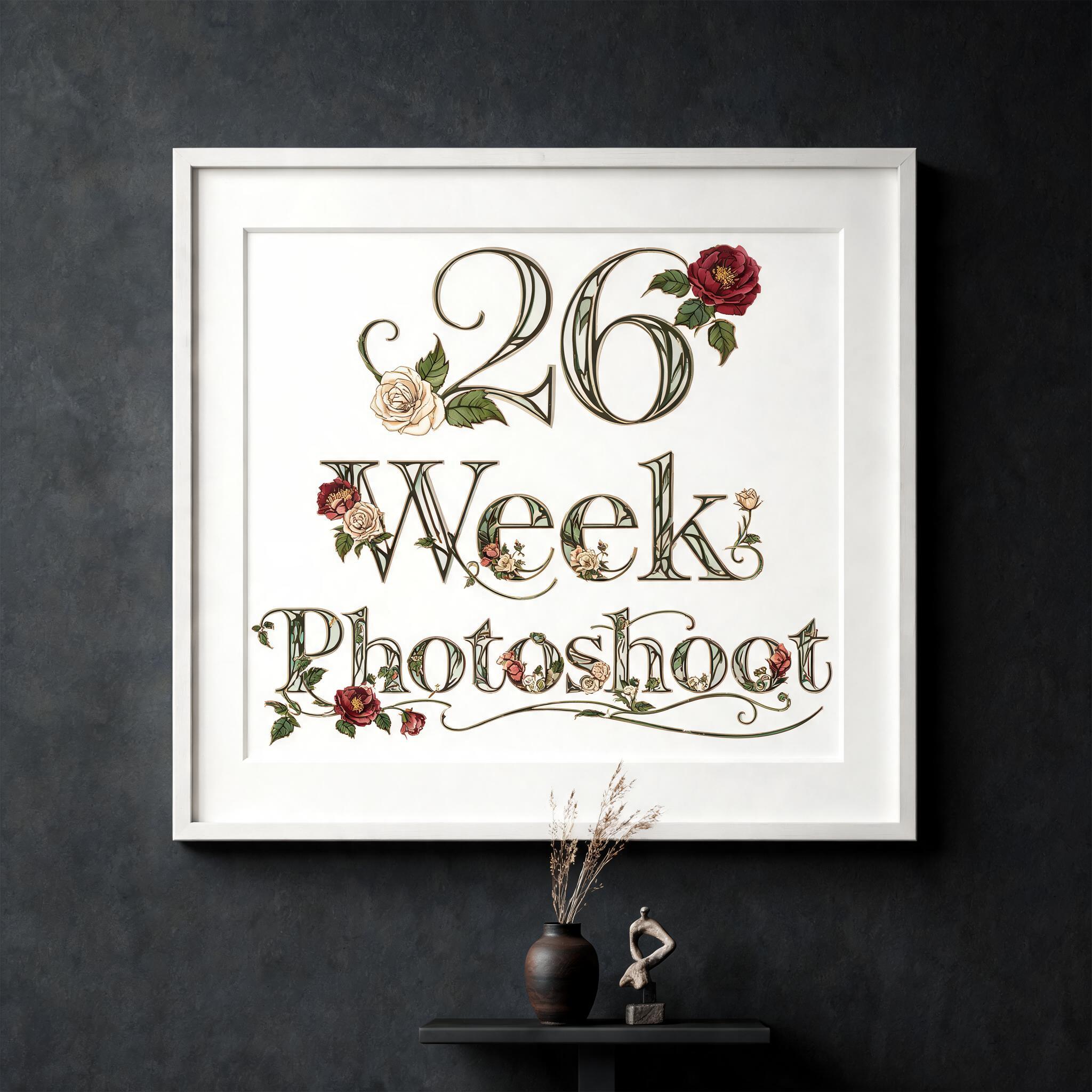


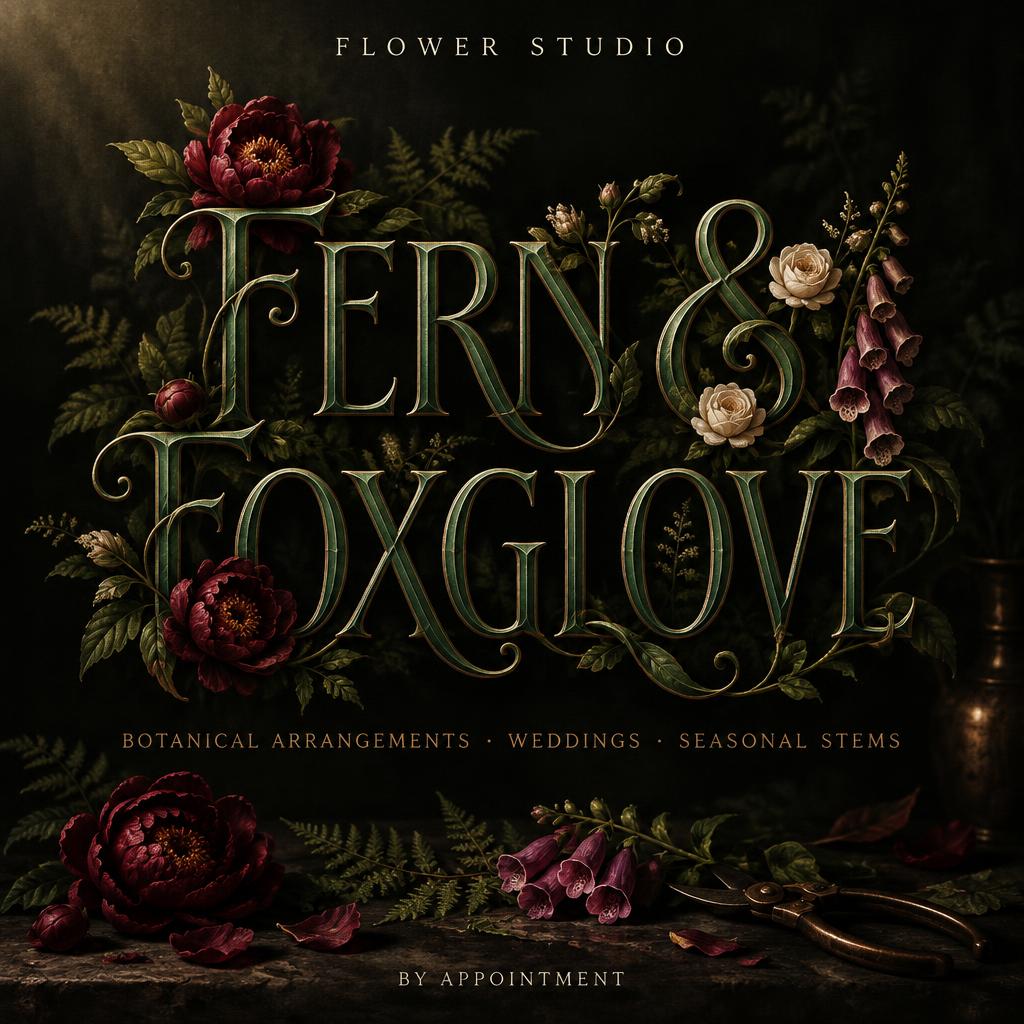
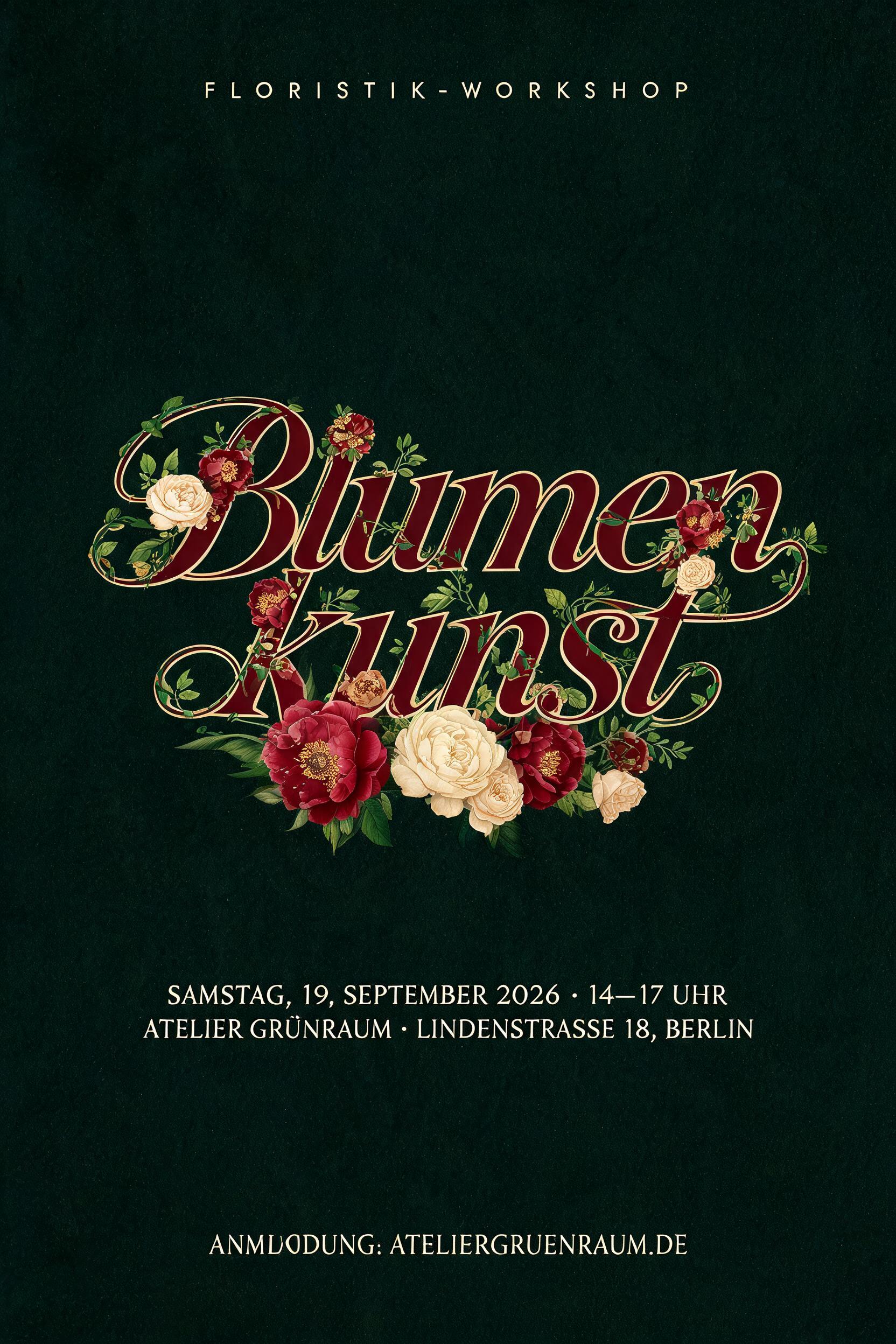







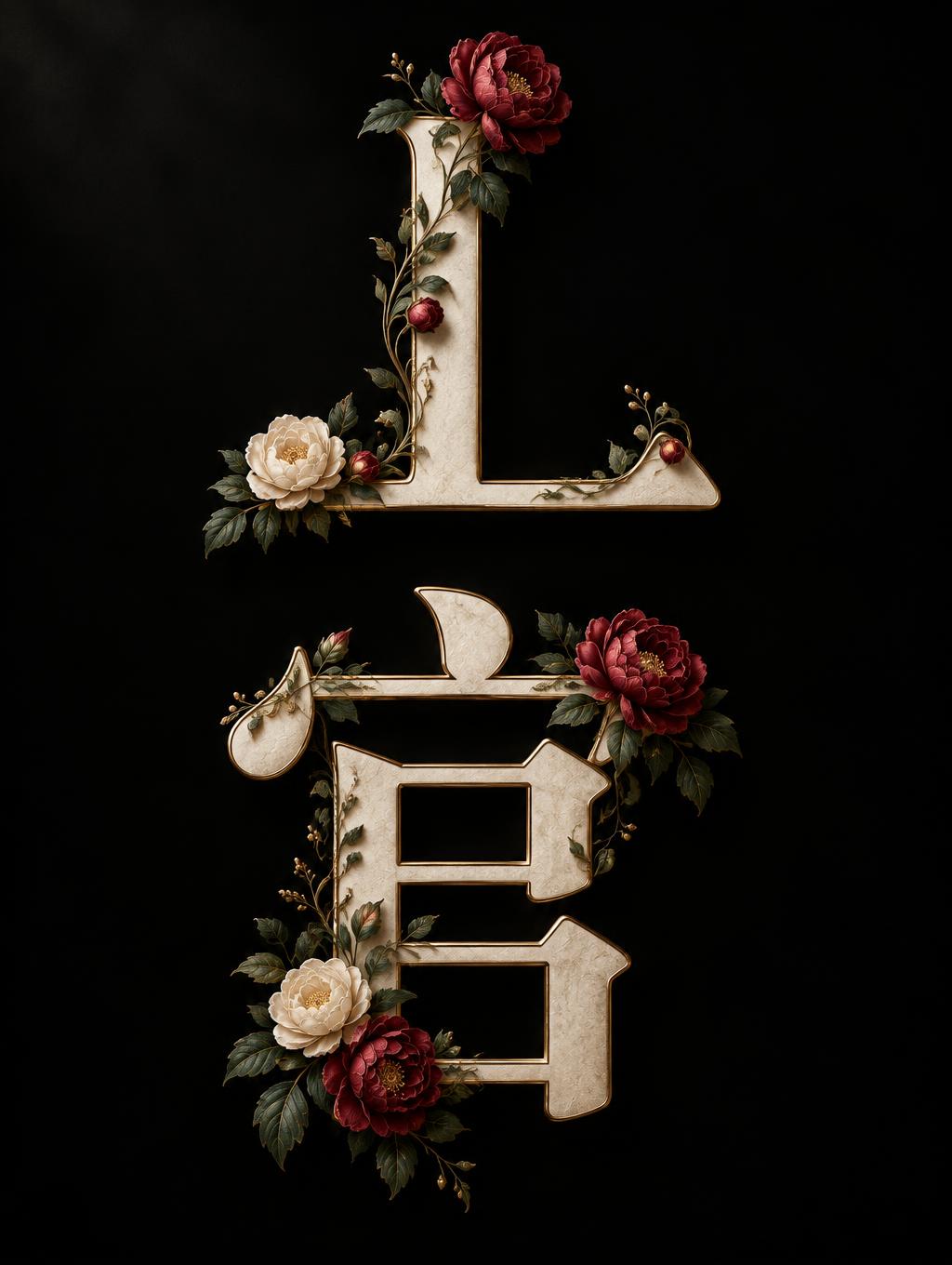
“上官” was created with FontVibe AI — explore more Floral text effect. Cream serif capitals entwined with burgundy peonies, cream roses and green vines that bloom from the letter ends, on a dark green ground.
solid letterforms with botanical ornamentation — the letter strokes are the structural foundation, botanical elements are decoration growing FROM the surface, never replacing or obscuring the stroke. Letter outlines and counters must remain clearly readable at all times. Blooms cluster specifically at stroke terminals, junction points, and cap-height apexes; vines trail only along stroke edges without crossing into counter spaces; leaves emerge at stroke corners as thin accent details. Floral coverage rule: botanical elements visible on no more than 35% of any individual stroke face — the remaining 65% shows the clean letter surface beneath. Three-depth botanical layering: foreground accent blooms fully rendered with visible petal detail and stamens; mid-ground sprigs partially lit; background foliage dissolving into shadow. Default palette when no font specifies otherwise: deep jewel-toned botanicals against the letter surface — burgundy peonies, cream roses, forest-green leaves with venation, gold-dusted stamens — the restrained botanical ornament of Dutch Golden Age letter-painting, not a floral wreath that happens to spell a word. Create a refined vertical botanical art print featuring the exact Chinese characters “上官” as the sole lettering. Keep both characters large, unmistakable, and fully legible, arranged together as a balanced two-character vertical composition with “上” above “官.” Let the solid character strokes remain the clear structural heroes, with botanical decoration growing from their surfaces and gathering selectively at stroke ends, intersections, and upper tips. Leave generous clean letter surface visible and preserve every opening and counter; fine vines may trace stroke edges but must never cross or obscure the characters. Cluster a few fully detailed burgundy peonies and cream roses at the lower character bases and key stroke junctions, with forest-green leaves showing delicate veins and tiny gold-dusted stamens. Arrange the flowers in three distinct depths: crisp foreground petals, softly lit middle sprigs, and shadowed foliage dissolving behind the characters. Set the composition against a deep velvet-black background, with generous dark negative space around the lettering. A directional light from the upper left catches the petals and character surfaces, while rich chiaroscuro shadows deepen toward the edges. The result should feel like an elegant botanical painting made for a luxurious gallery print, not a wreath or a dense floral arrangement.
Generated on November 2, 2026 · 1024 × 1360 · JPEG · OpenAI GPT-Image-2.5 Sunburst · Shared by the creator · Free for commercial use (CC BY 4.0)