The anime aesthetic: characters, line and shading, backdrops and palette
Every anime pfp here is built from the same four parts. The style draws the character, the shading, the backdrop and the palette of the whole picture; any letters come from the AI font you pick.
Anime pfps, matching pfps, wallpapers, stickers and Discord banners
Every format here is built around an original anime character you describe: hair, eyes, outfit and mood. Pick a format to see designs made in it, or describe your own.
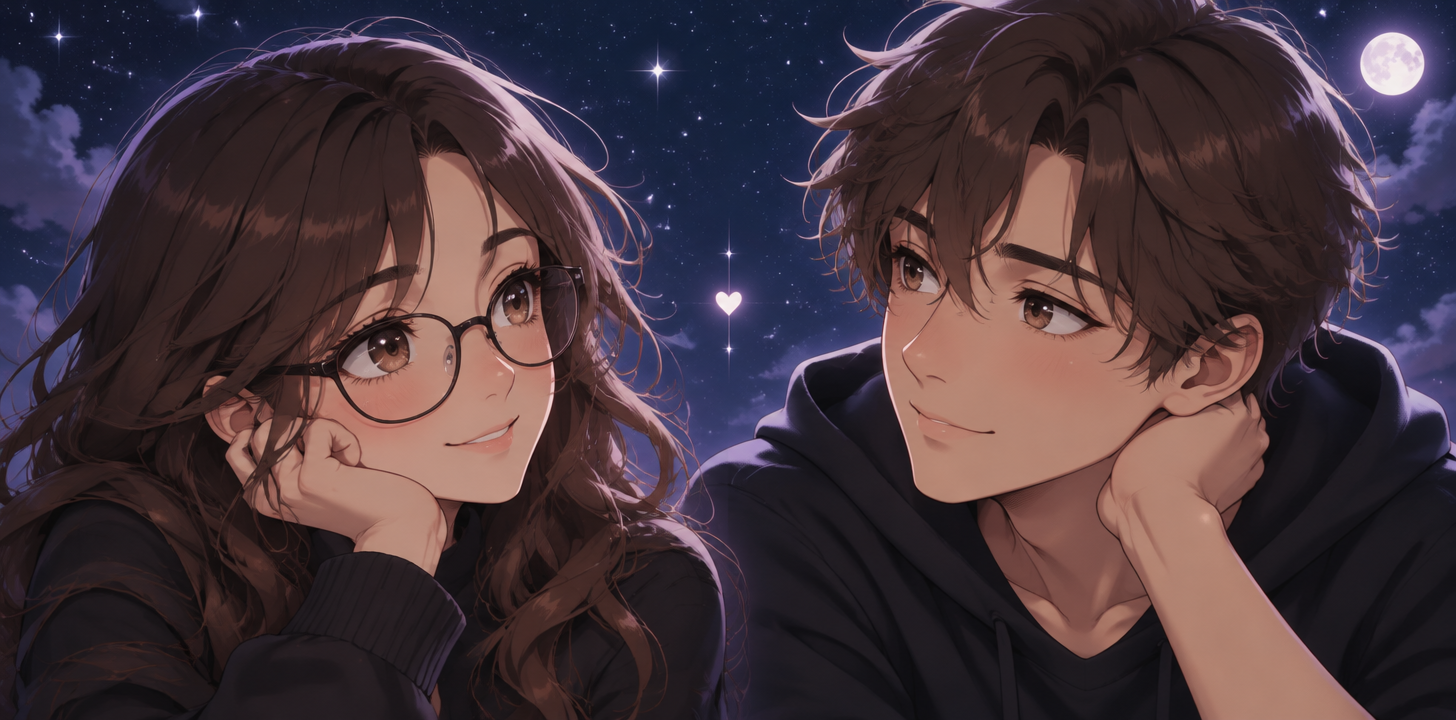
Matching Anime PFPs
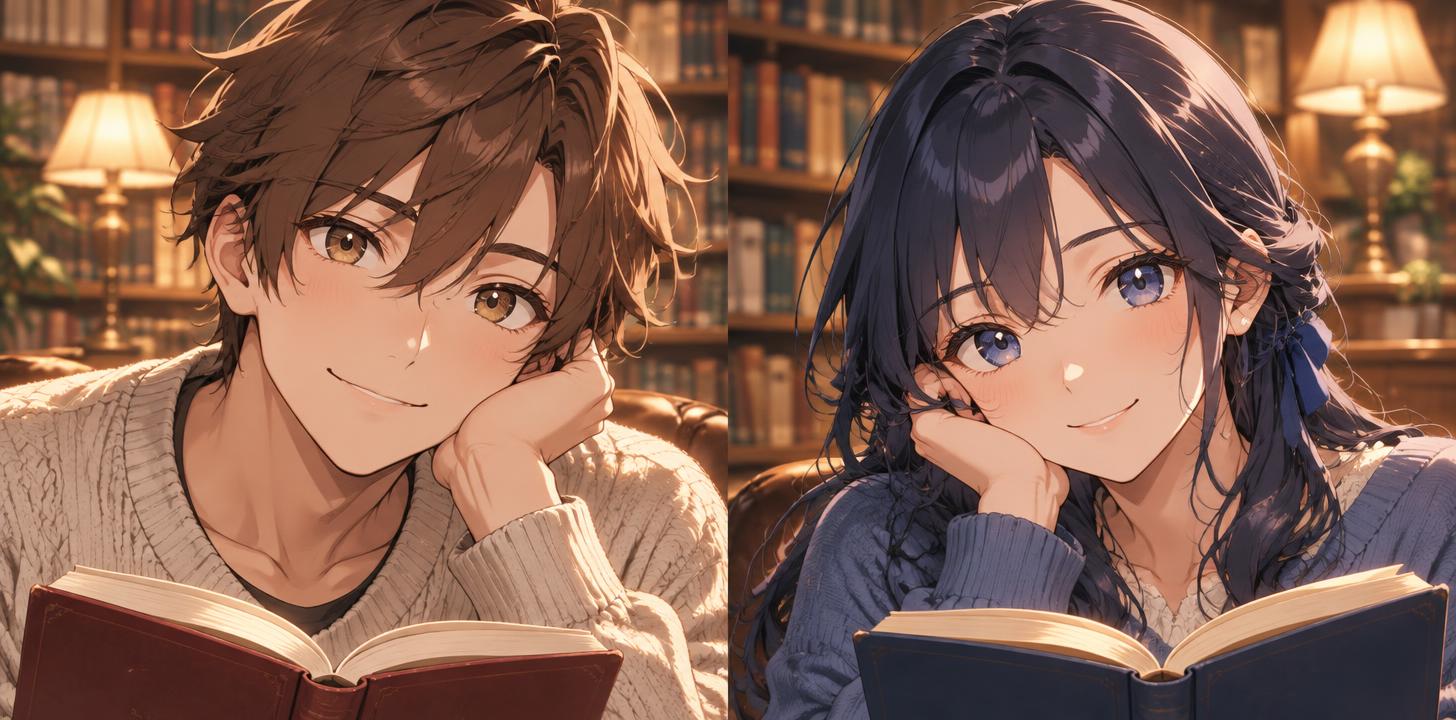
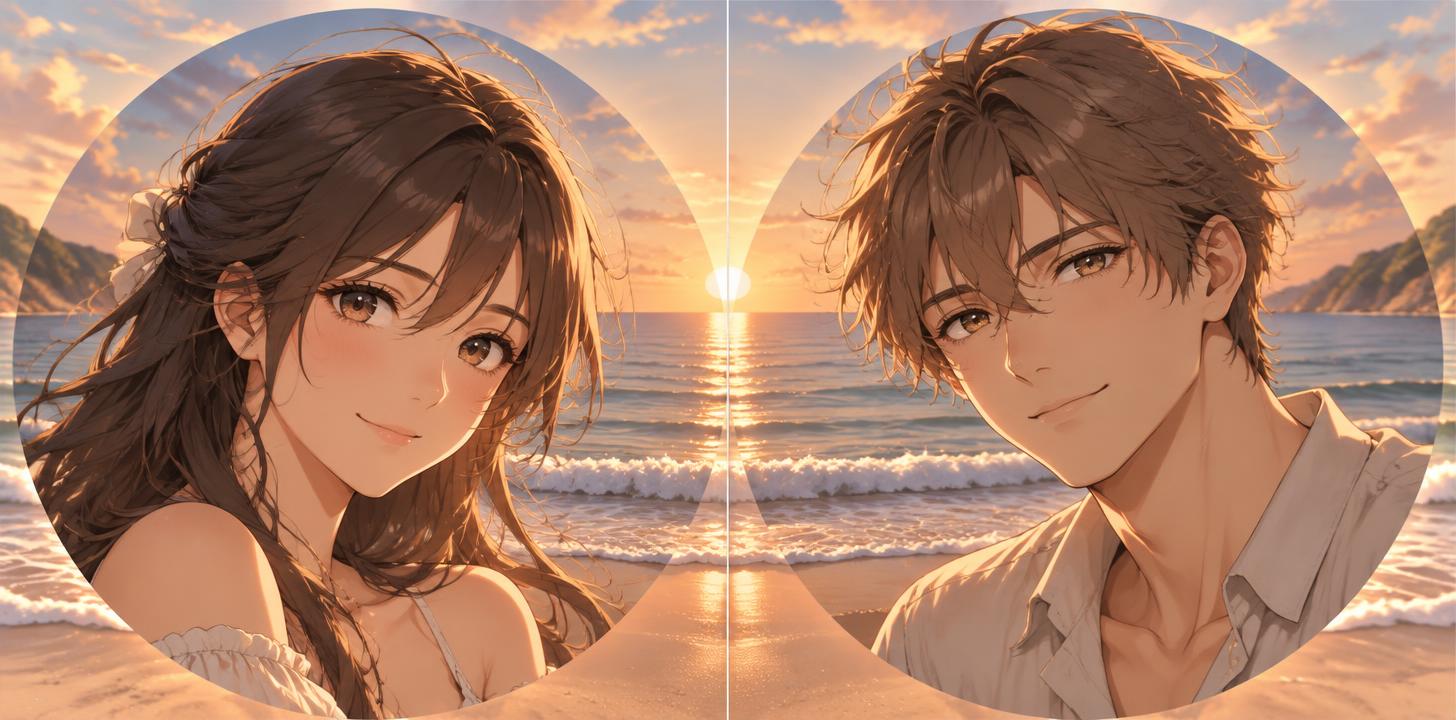
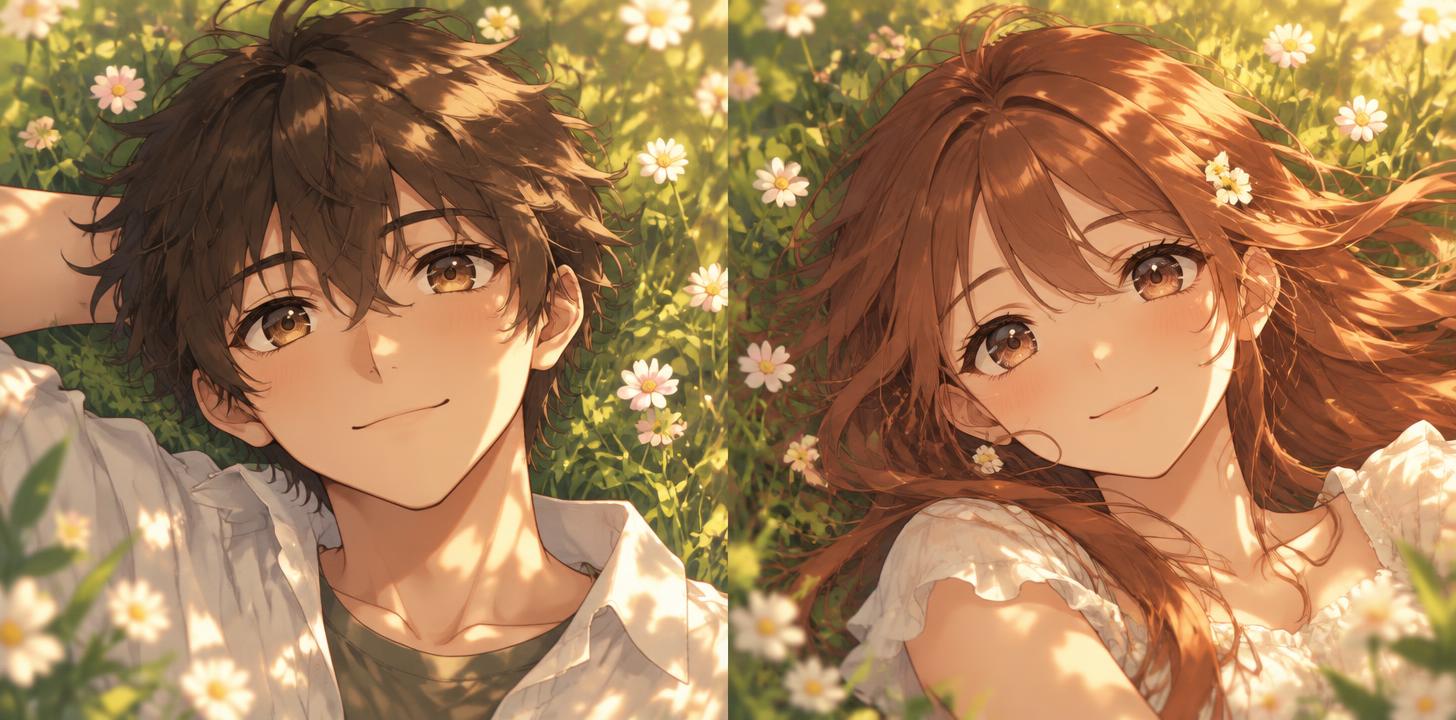
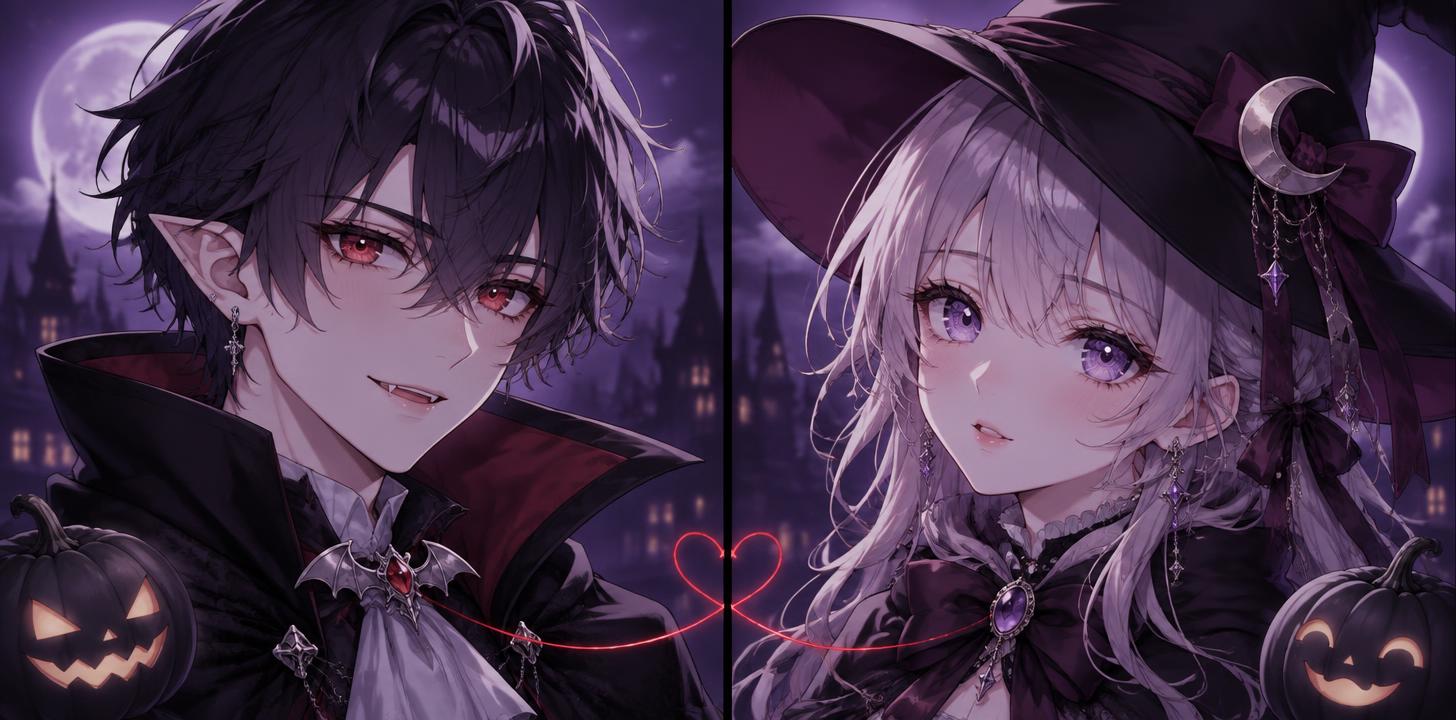
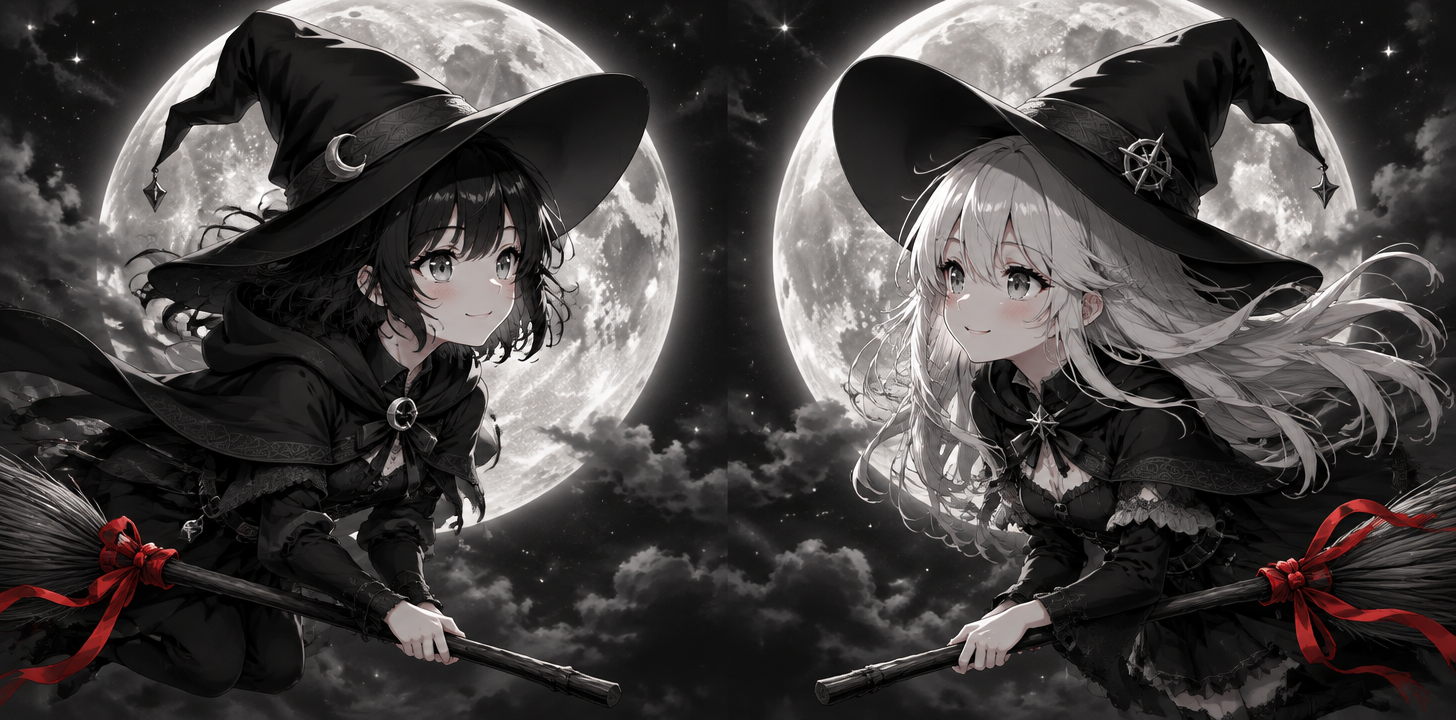
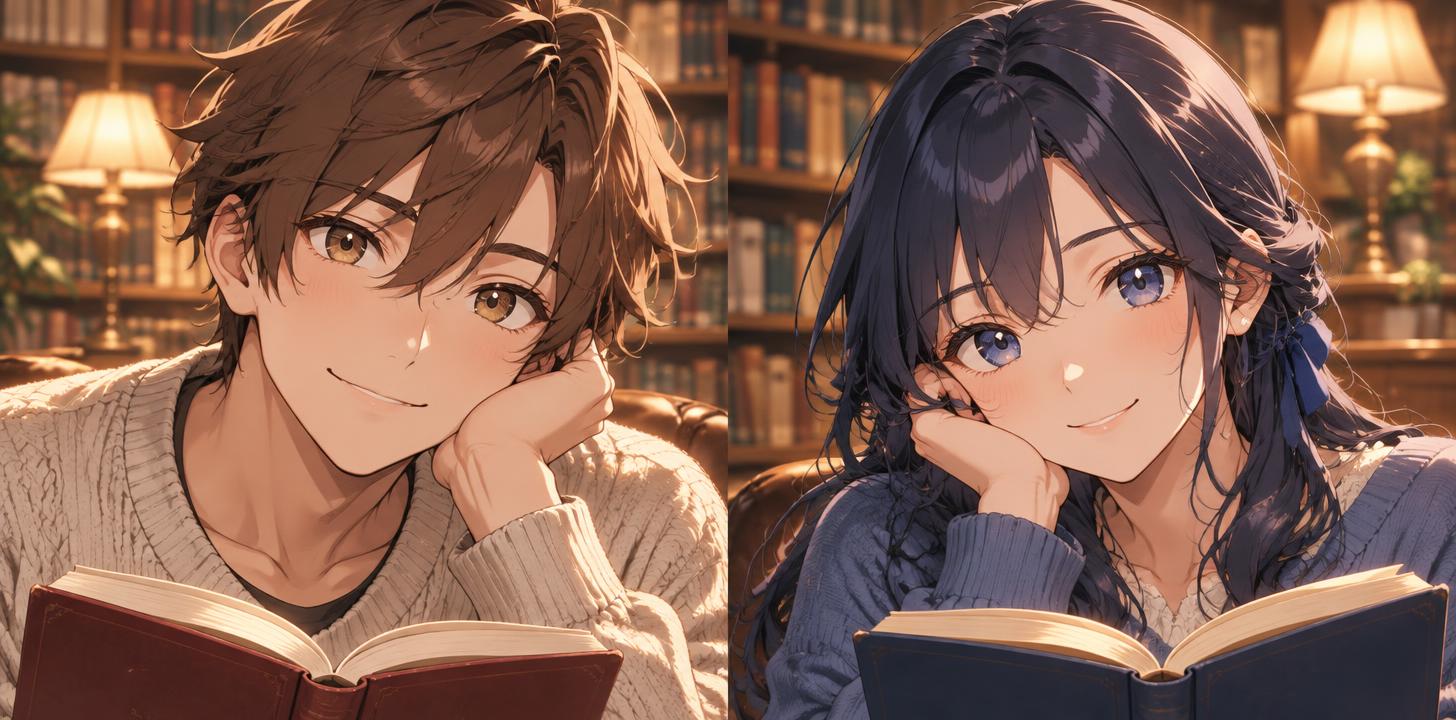
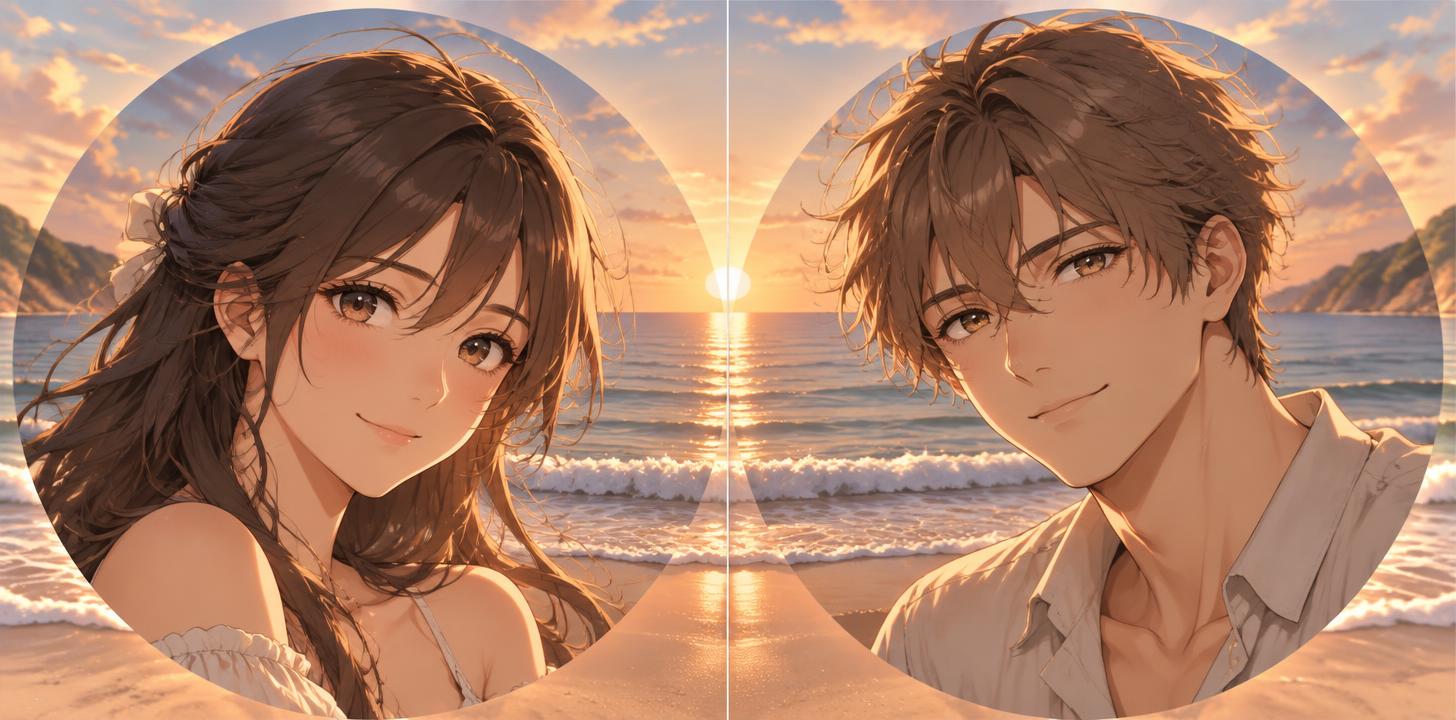
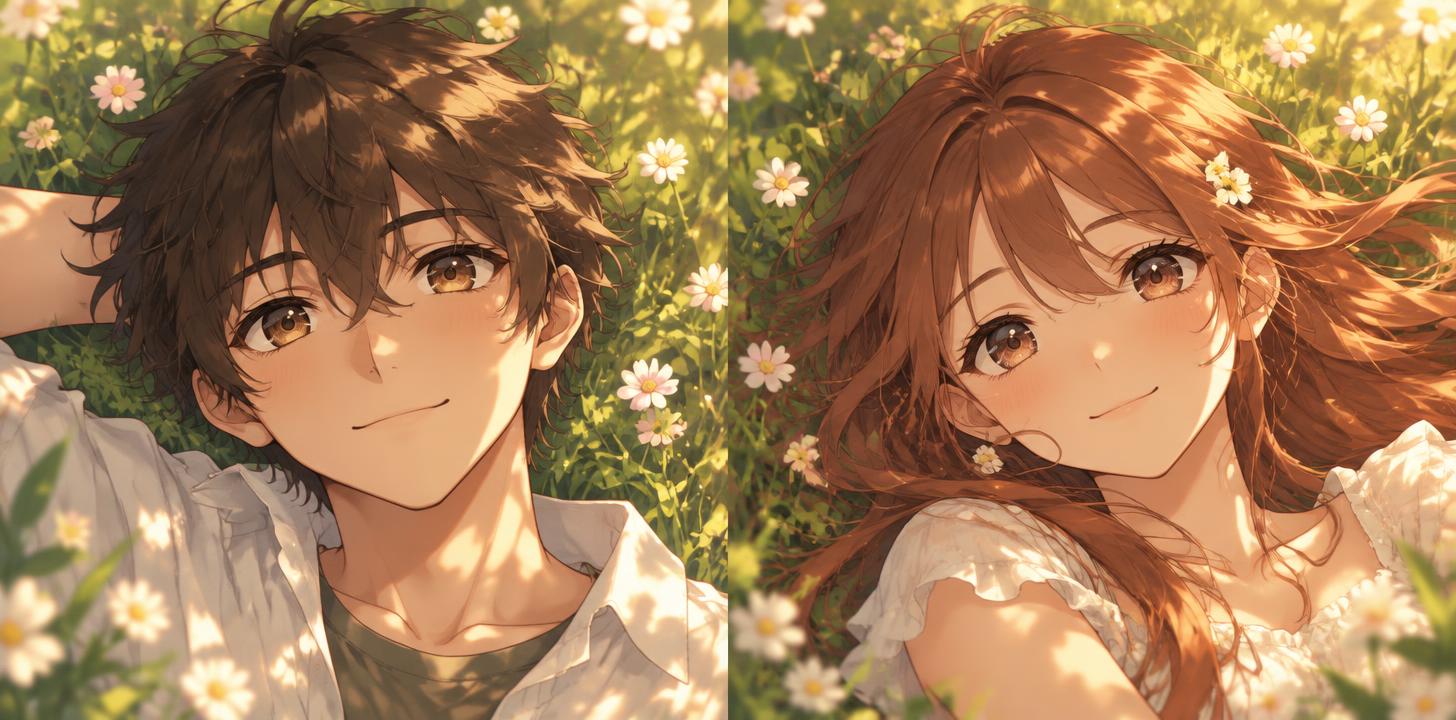
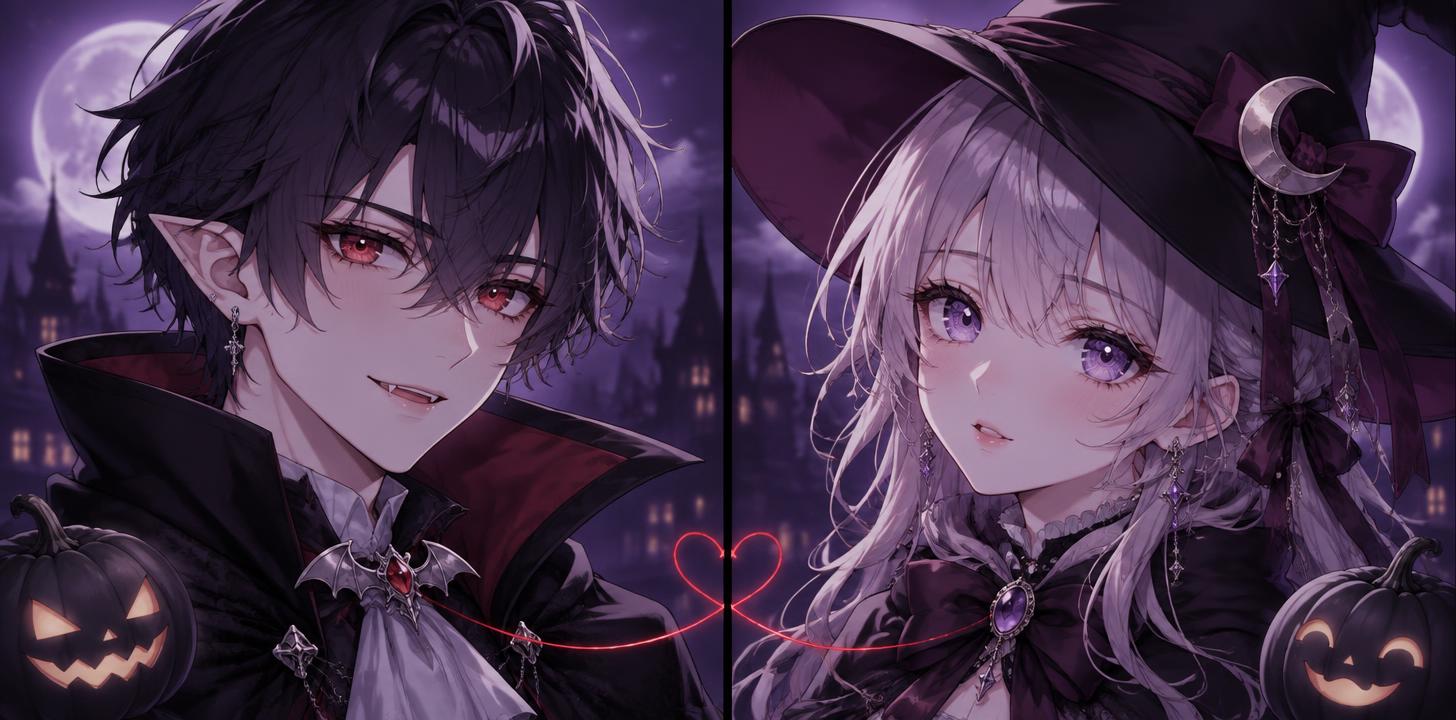
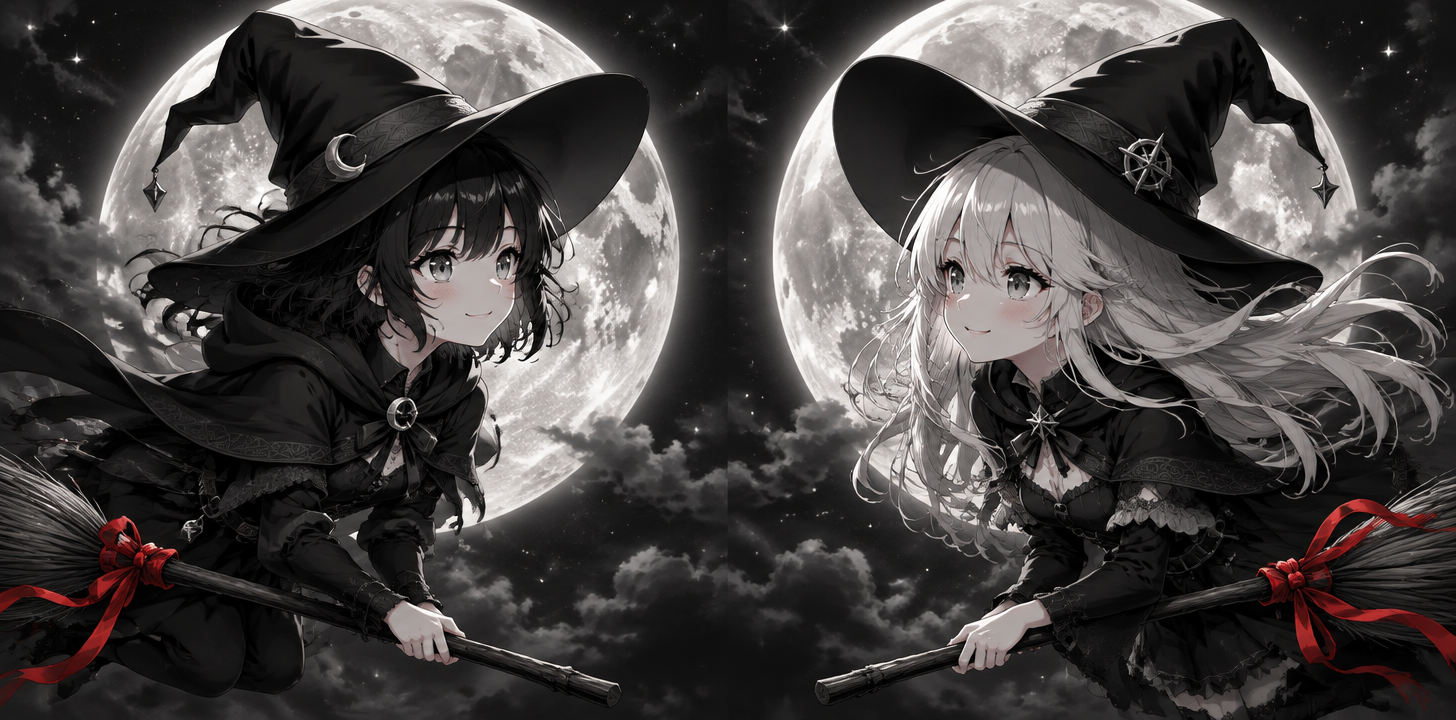
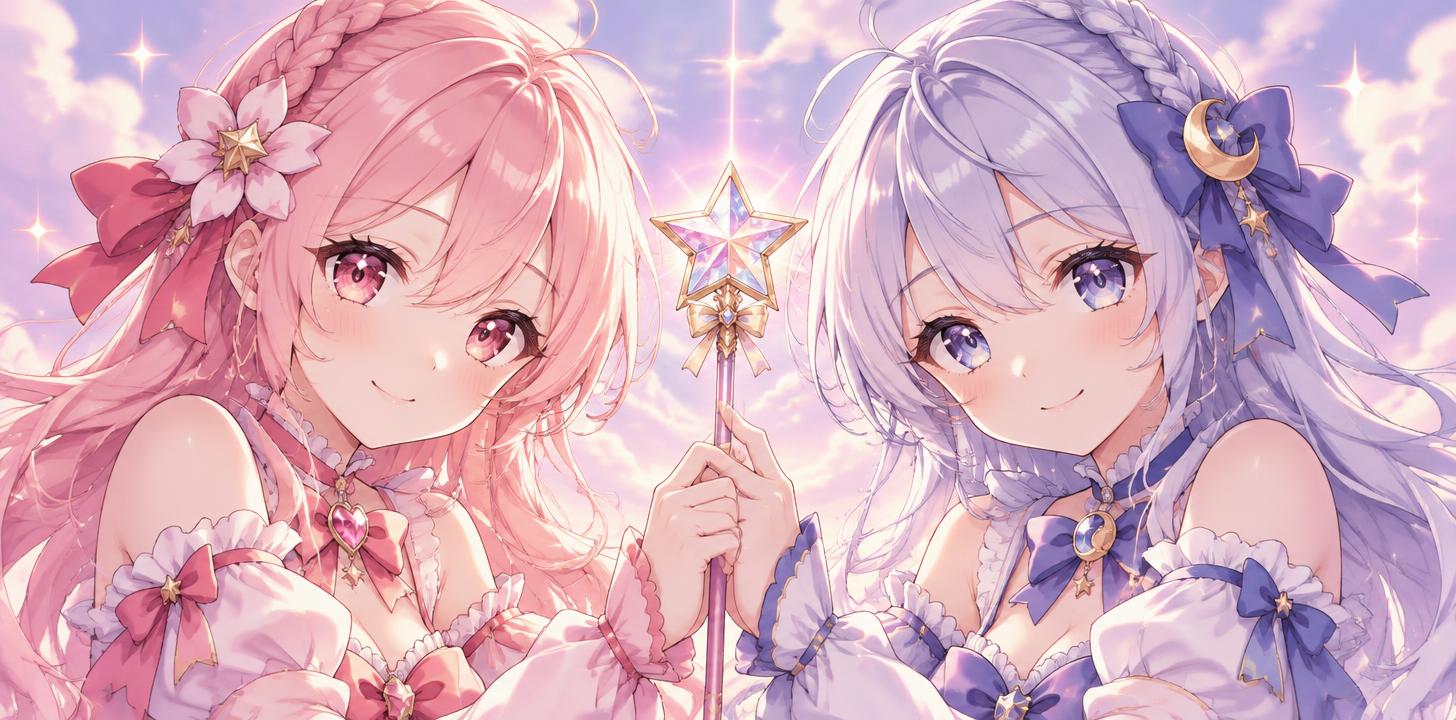
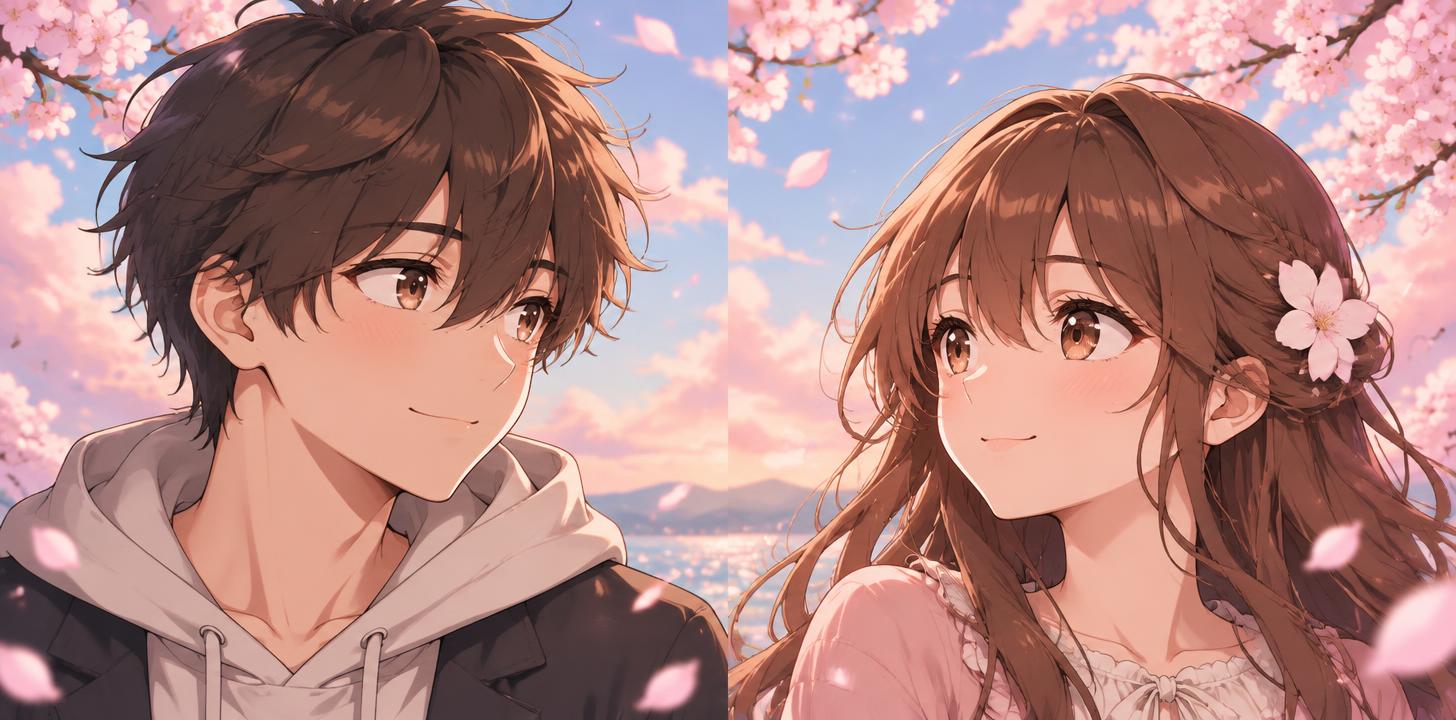
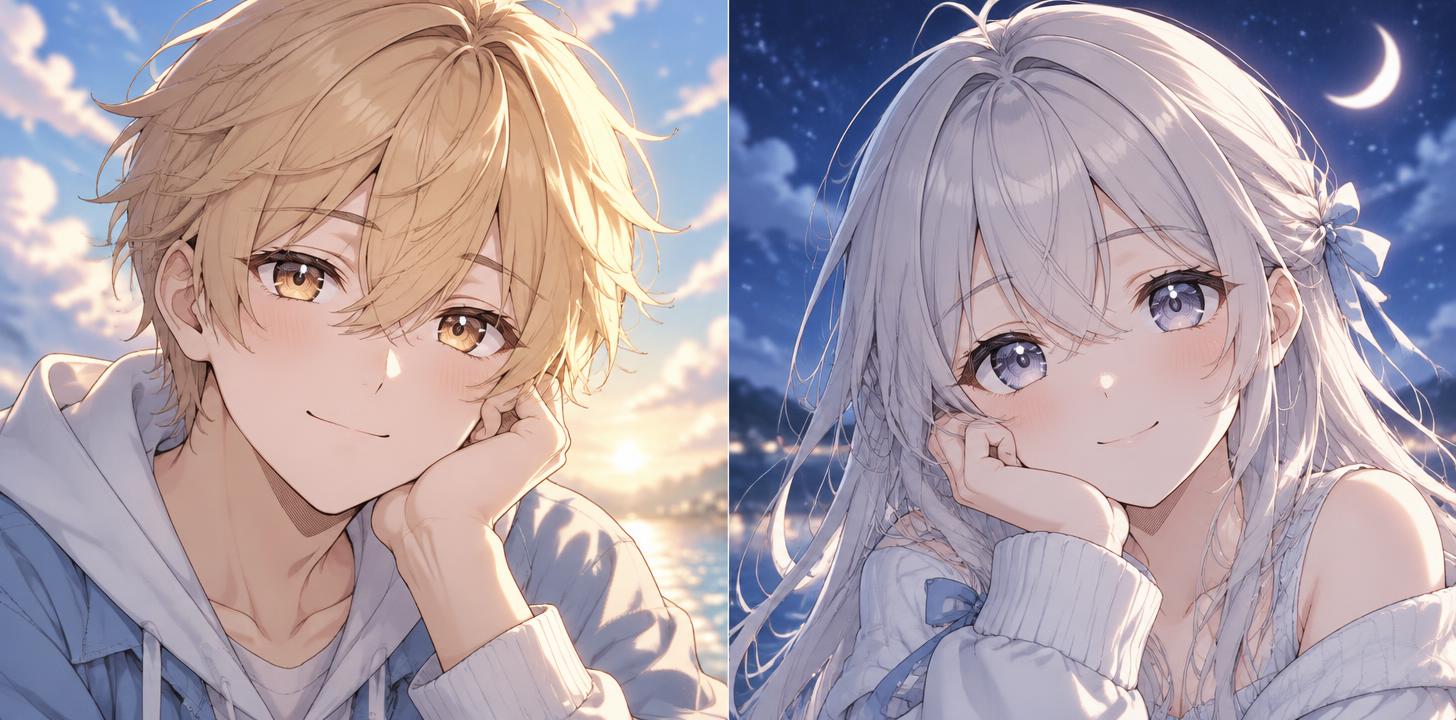
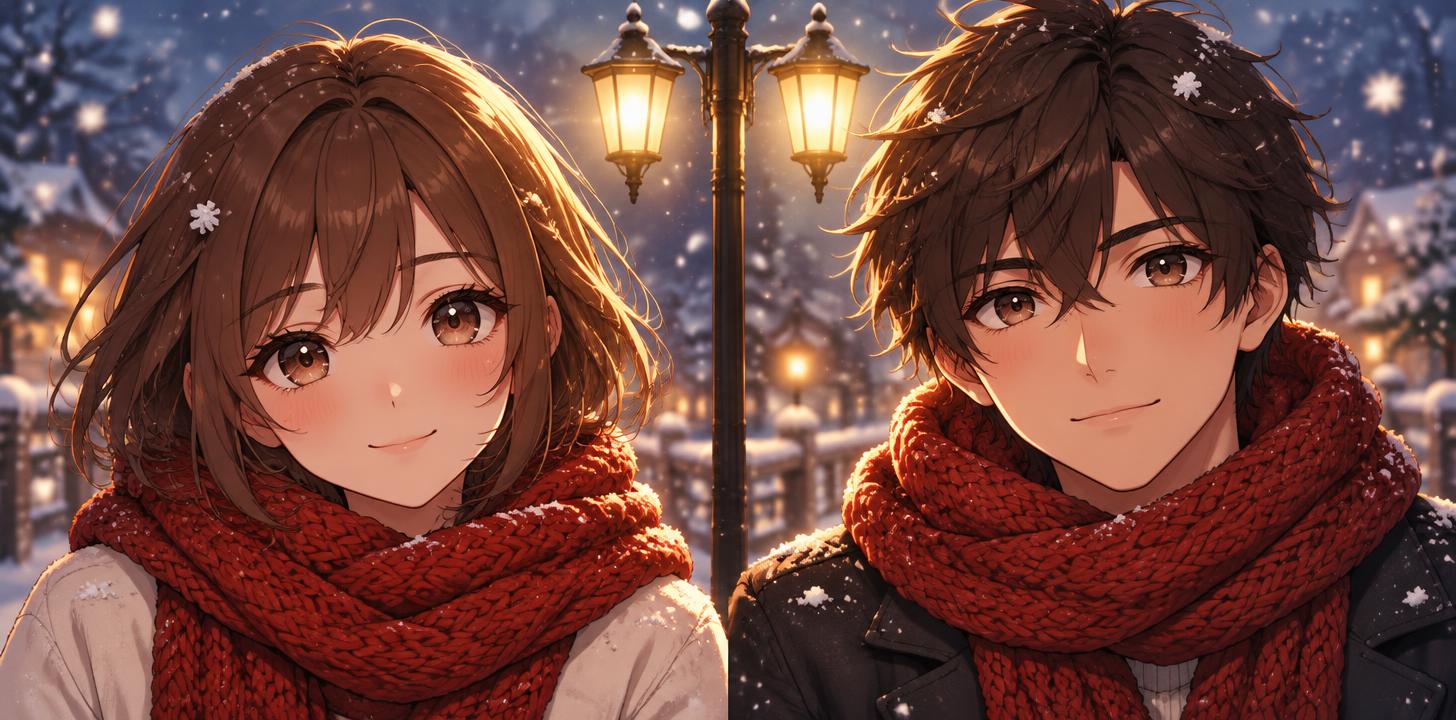
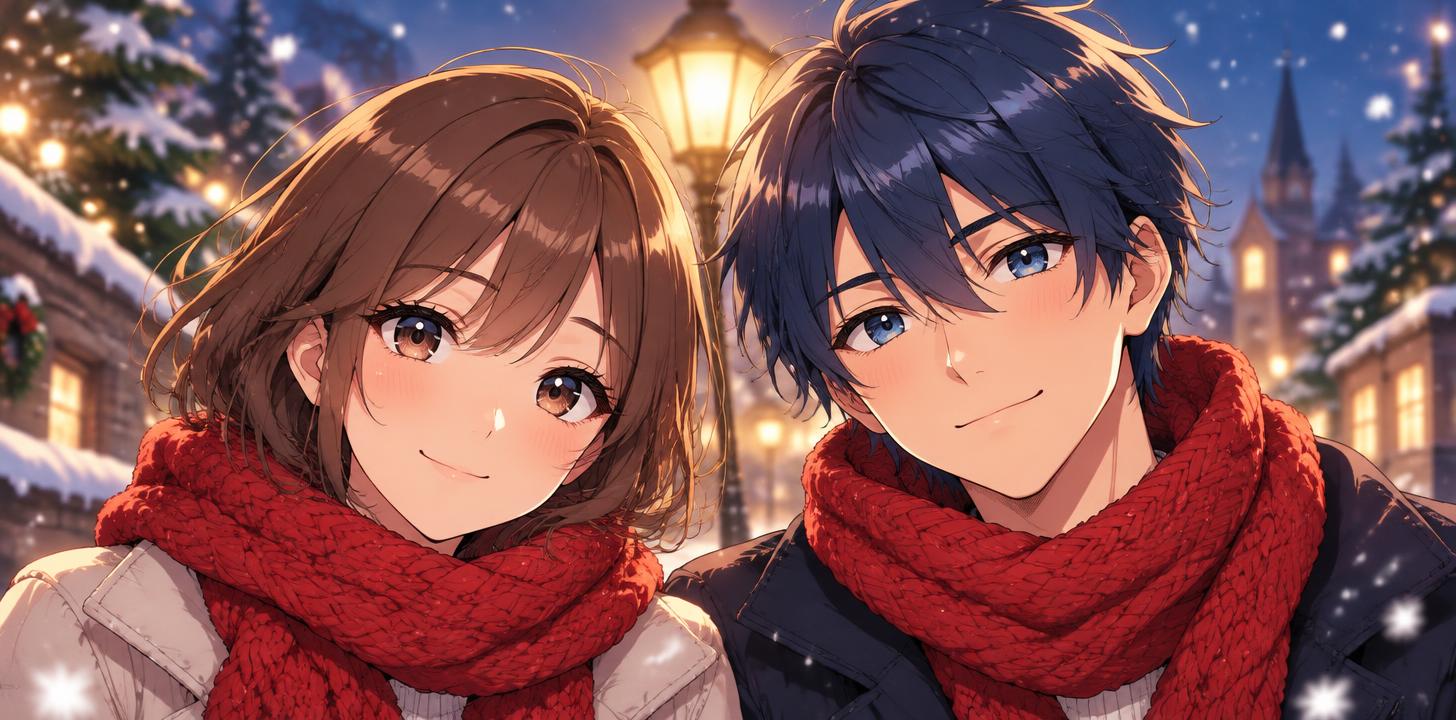
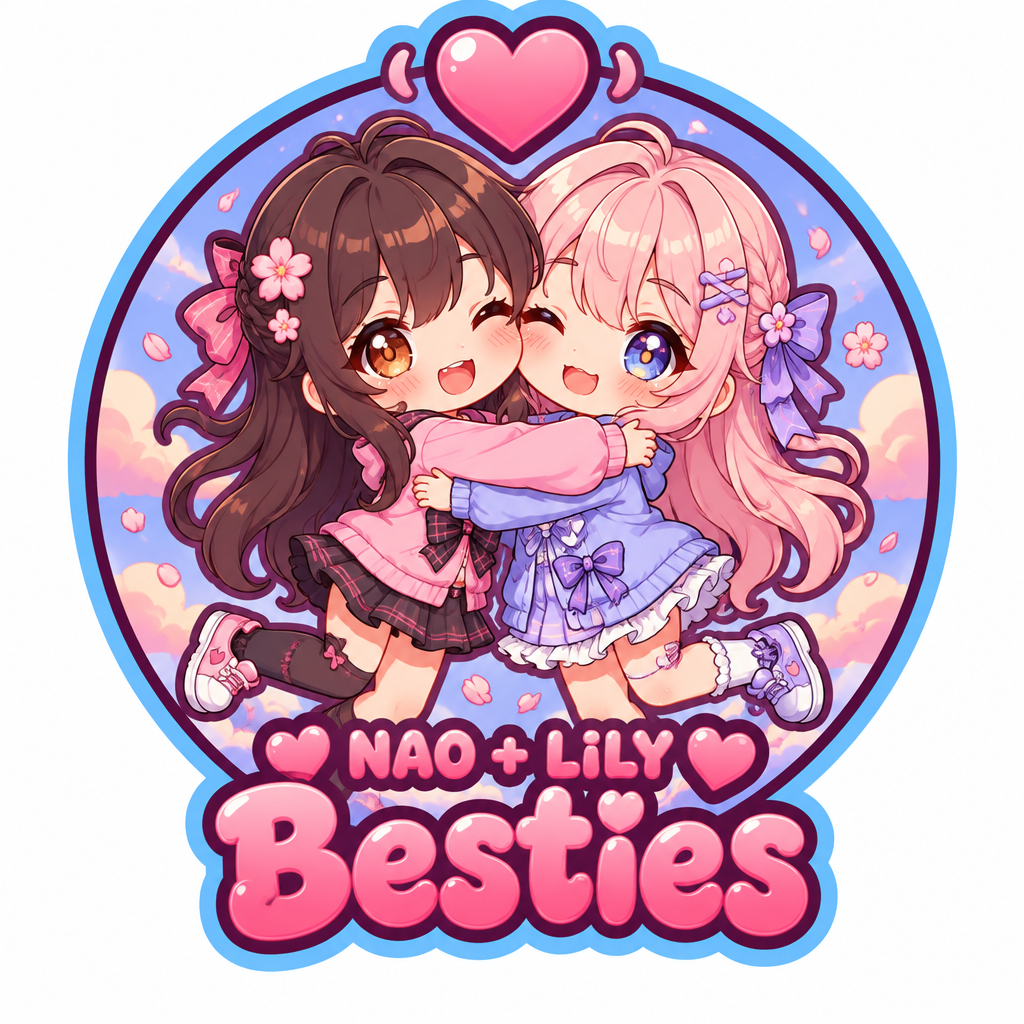
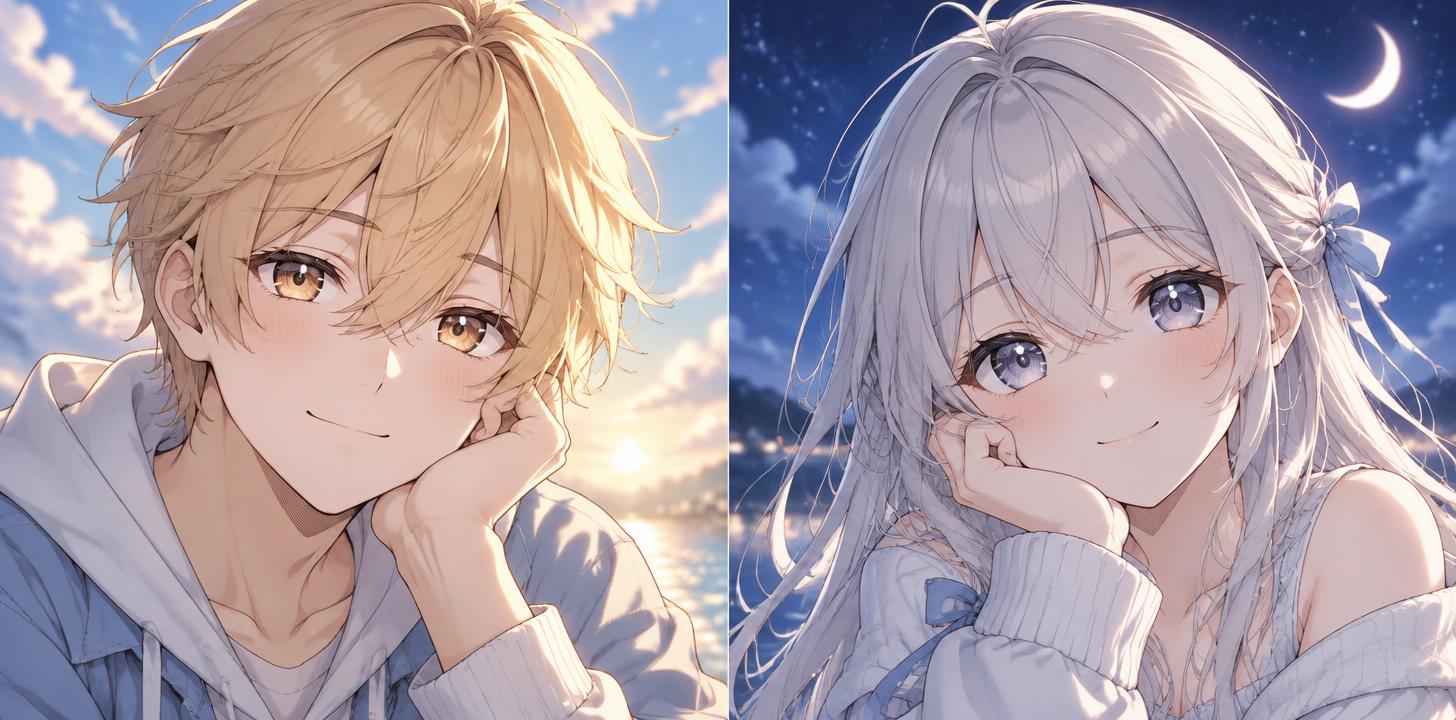
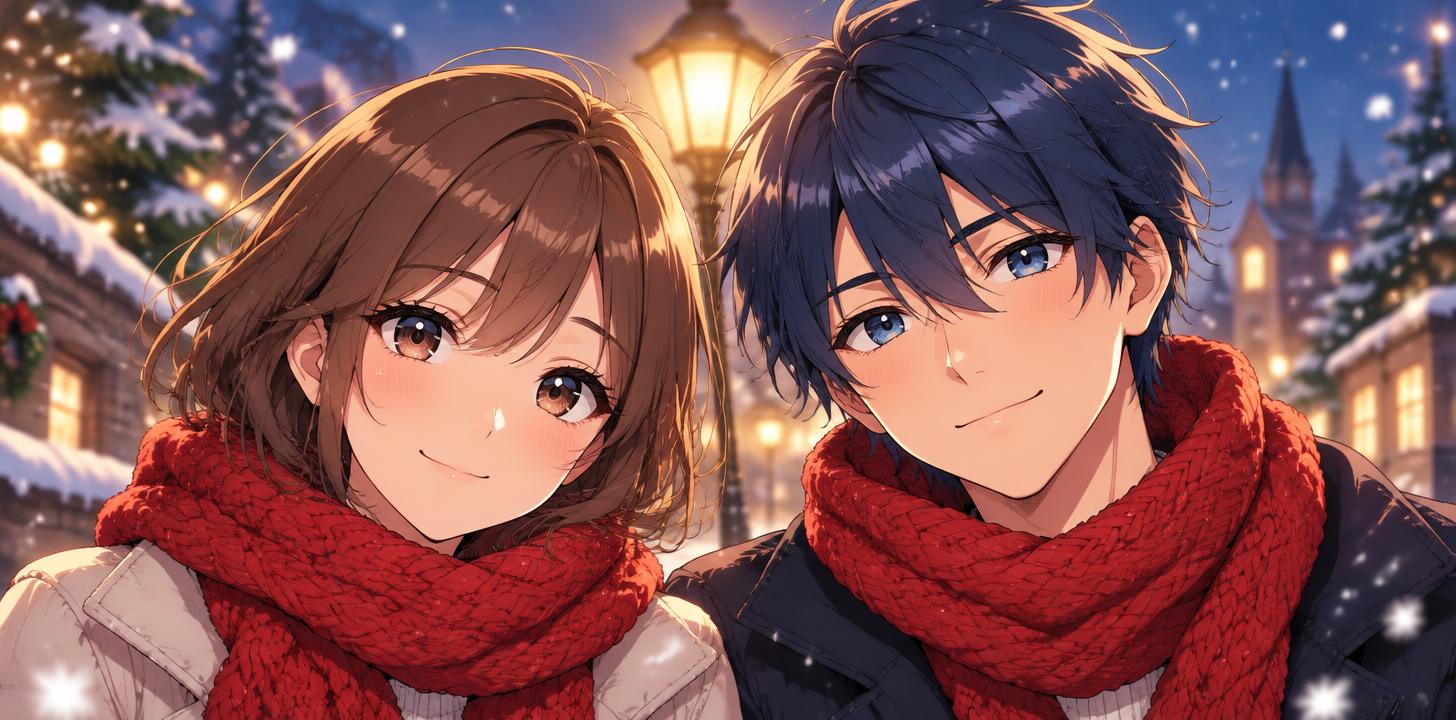
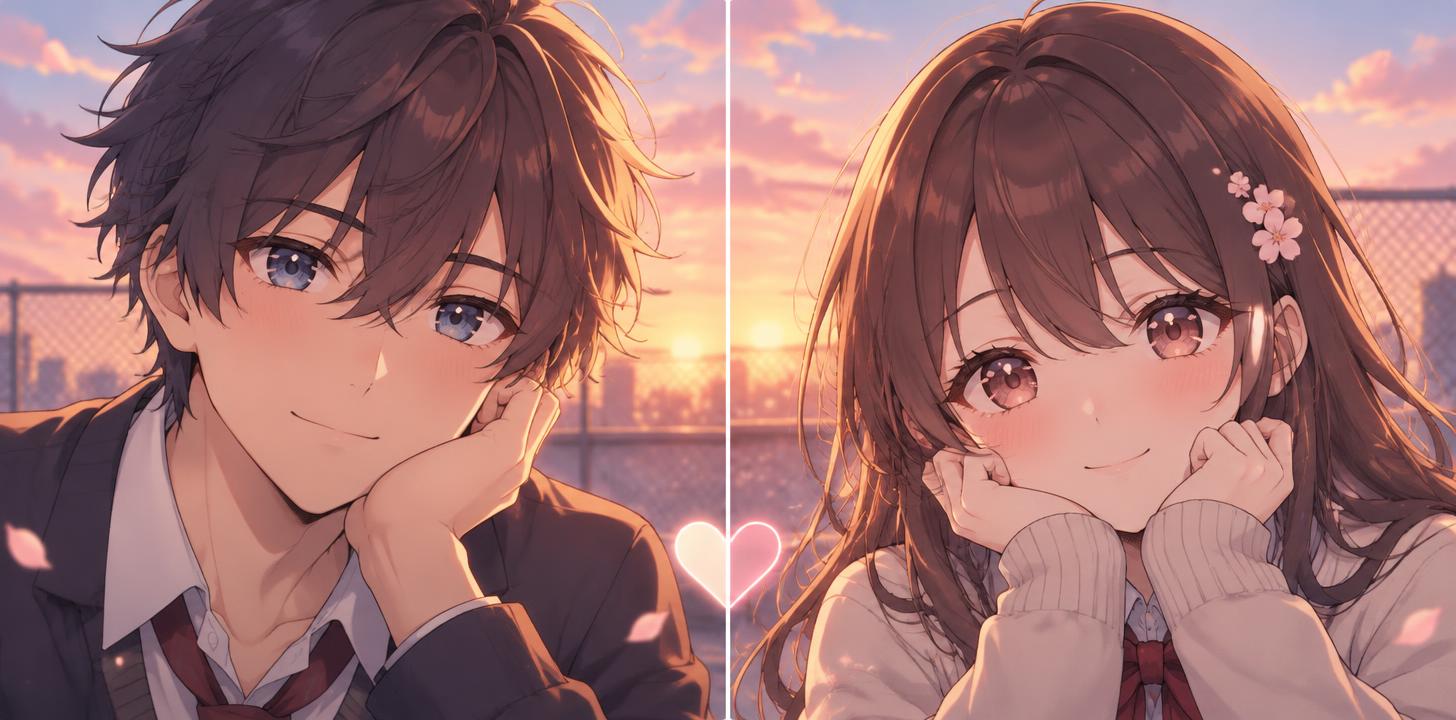
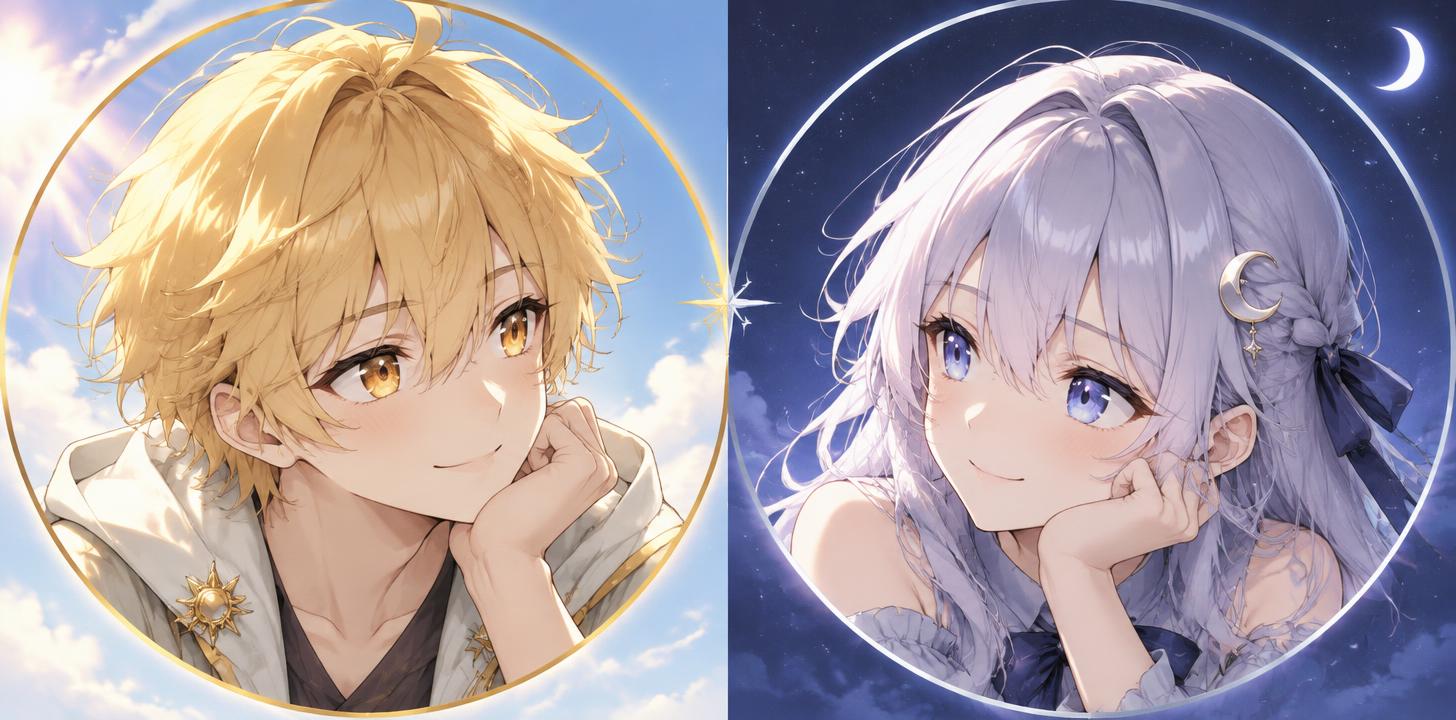
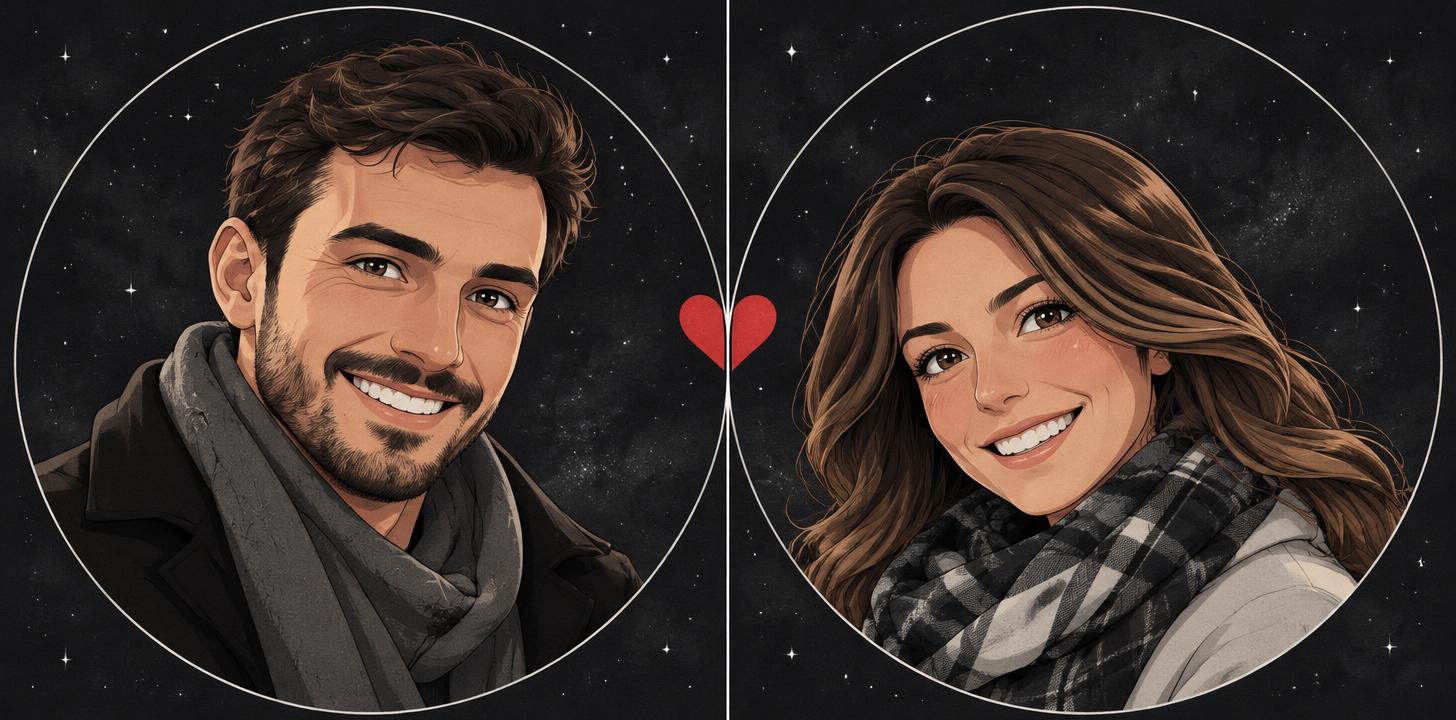
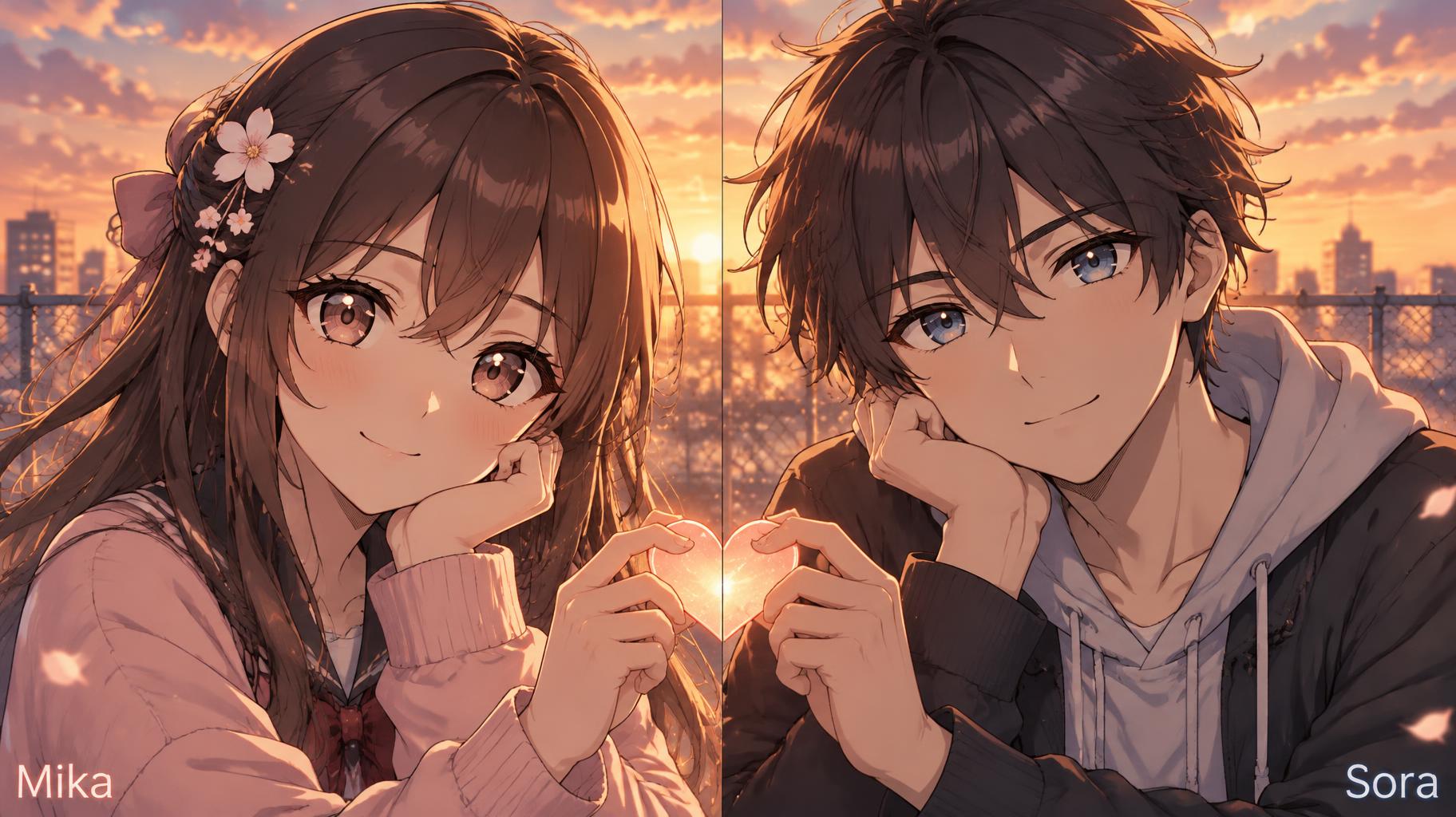
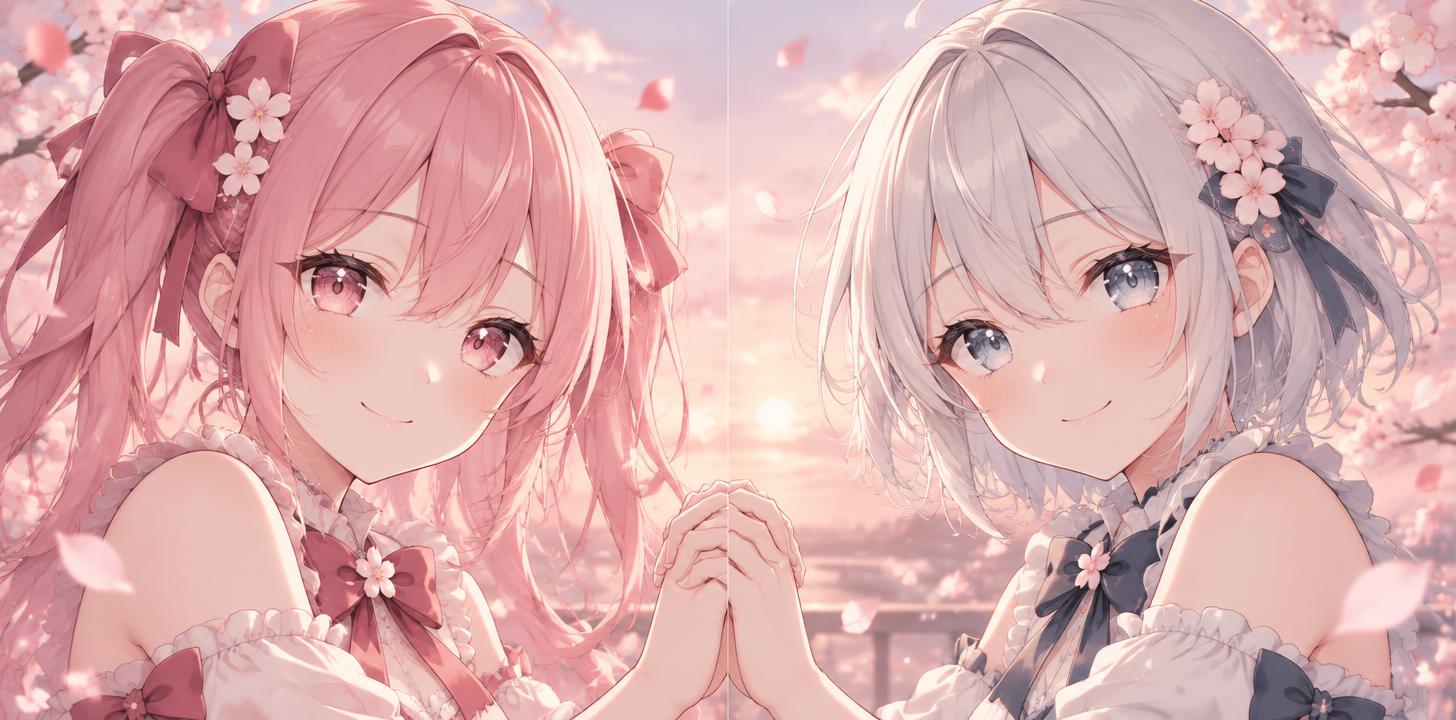
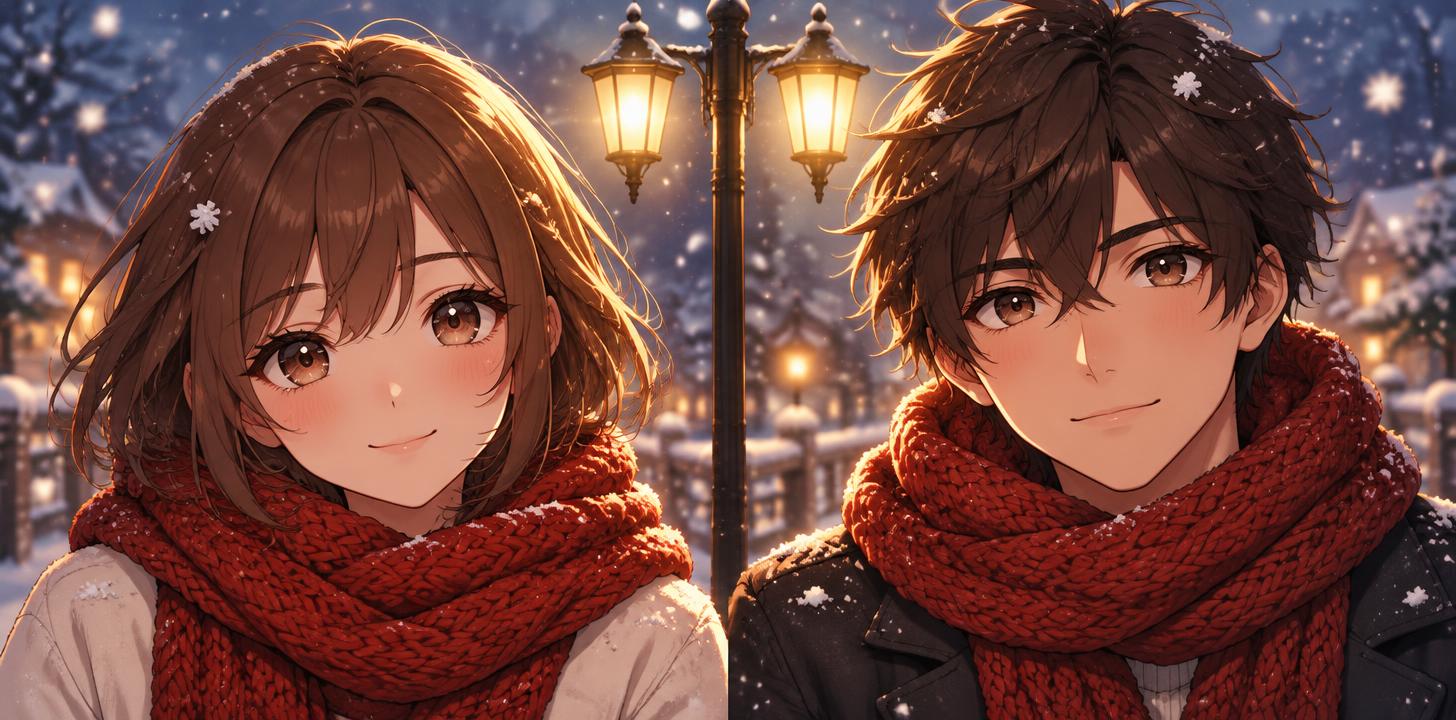
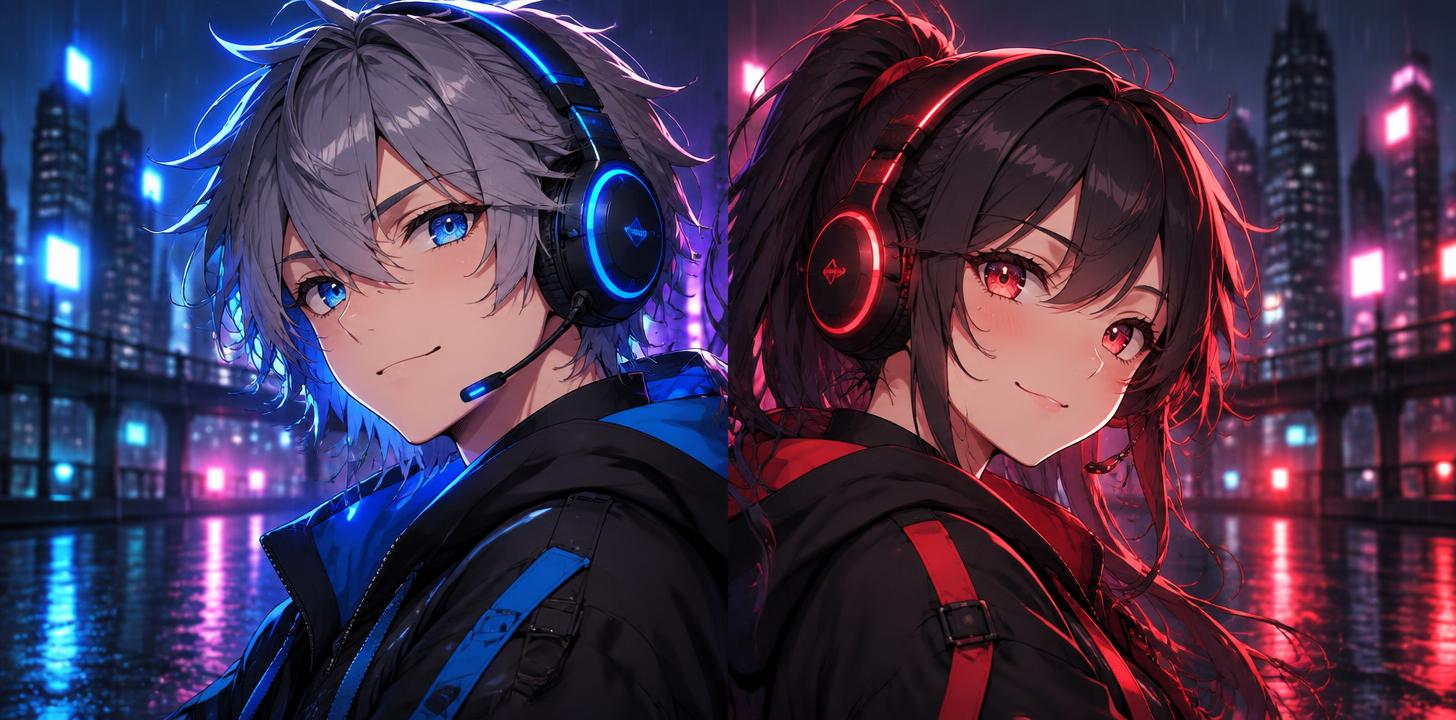
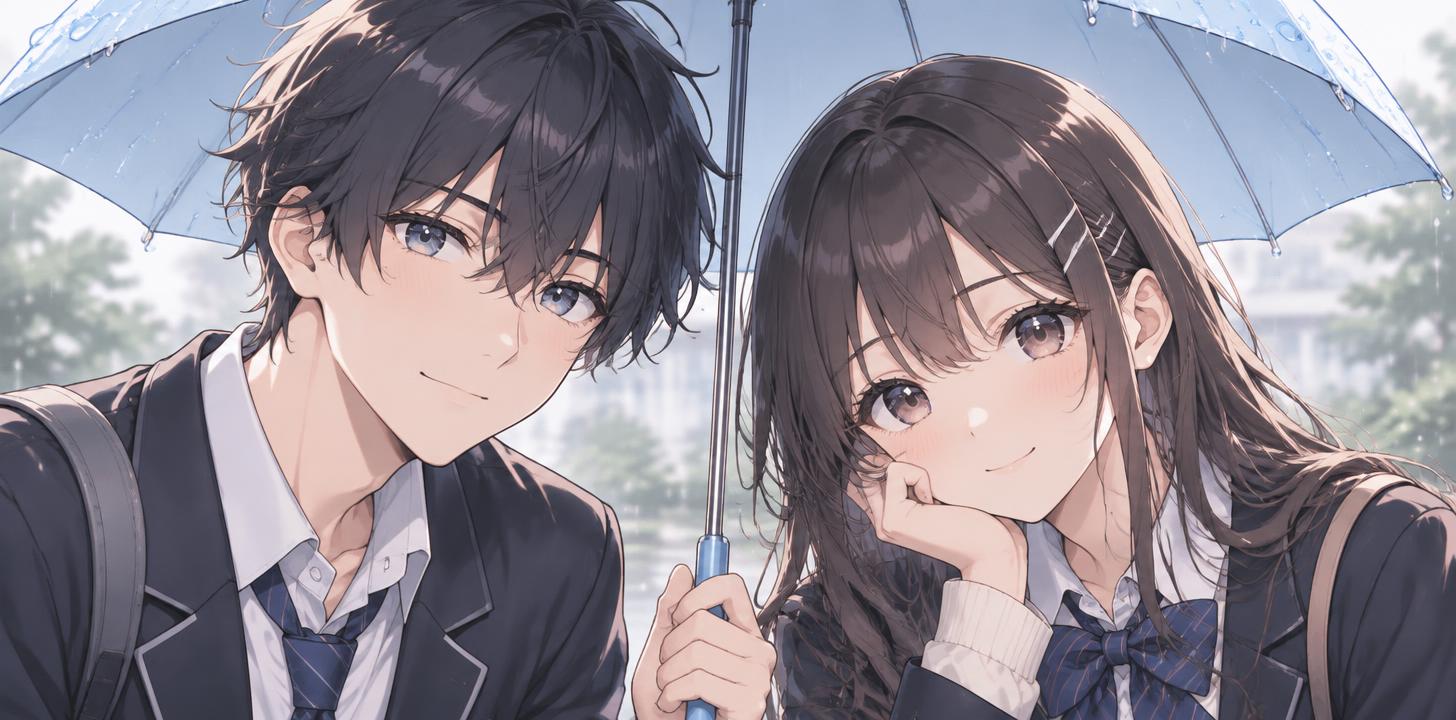
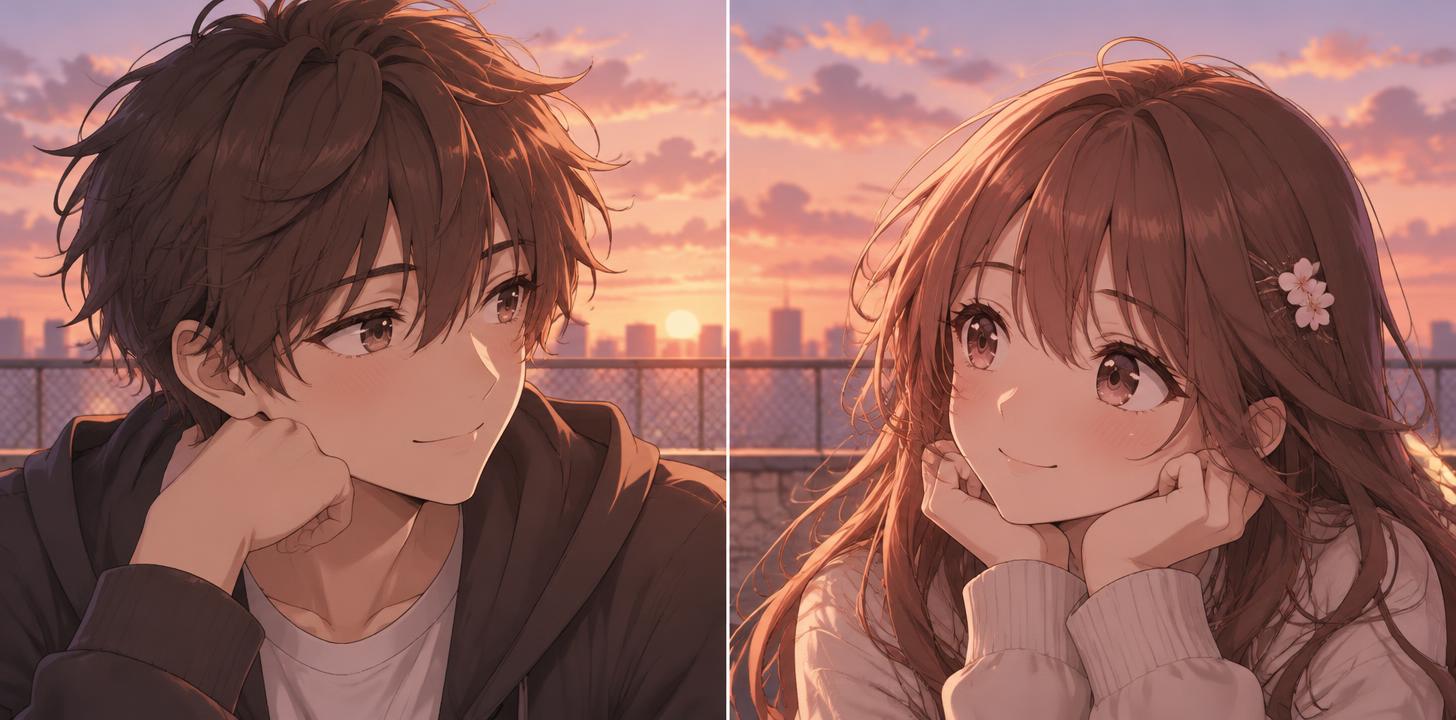
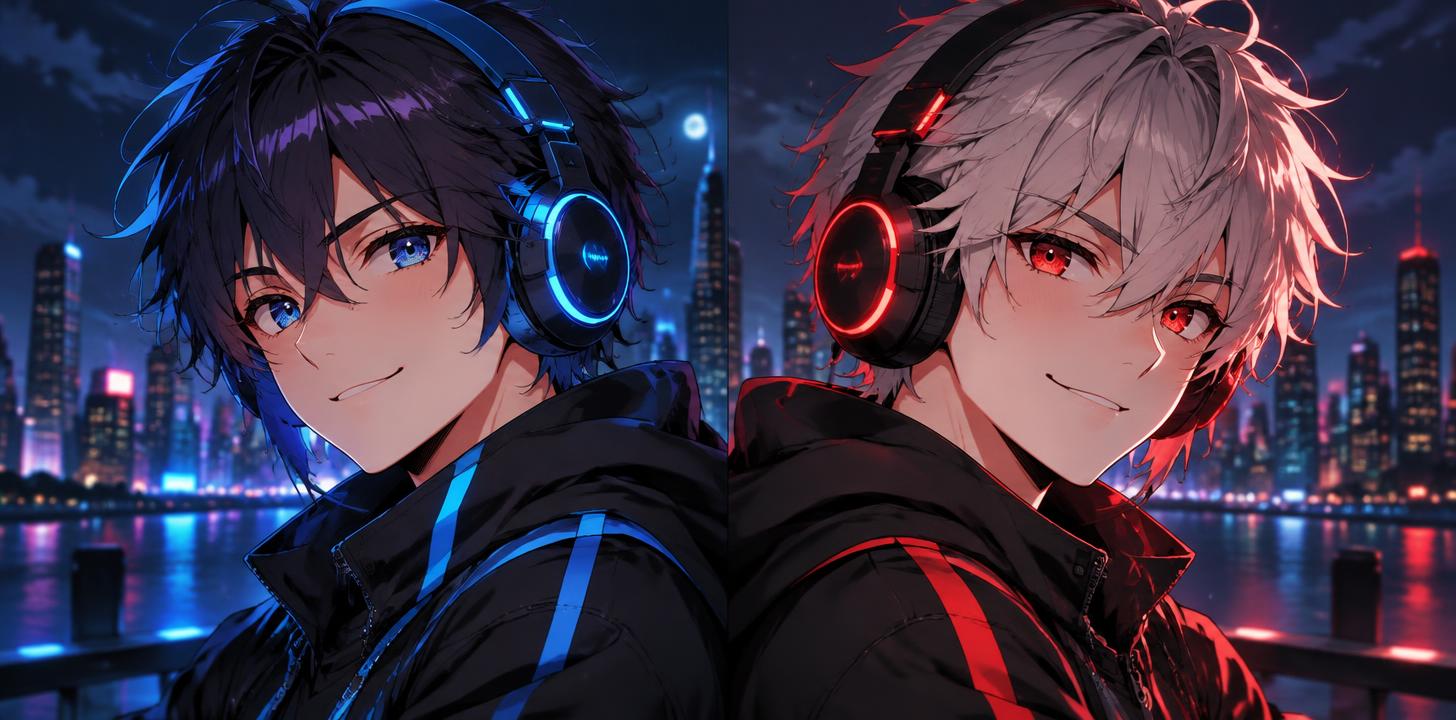
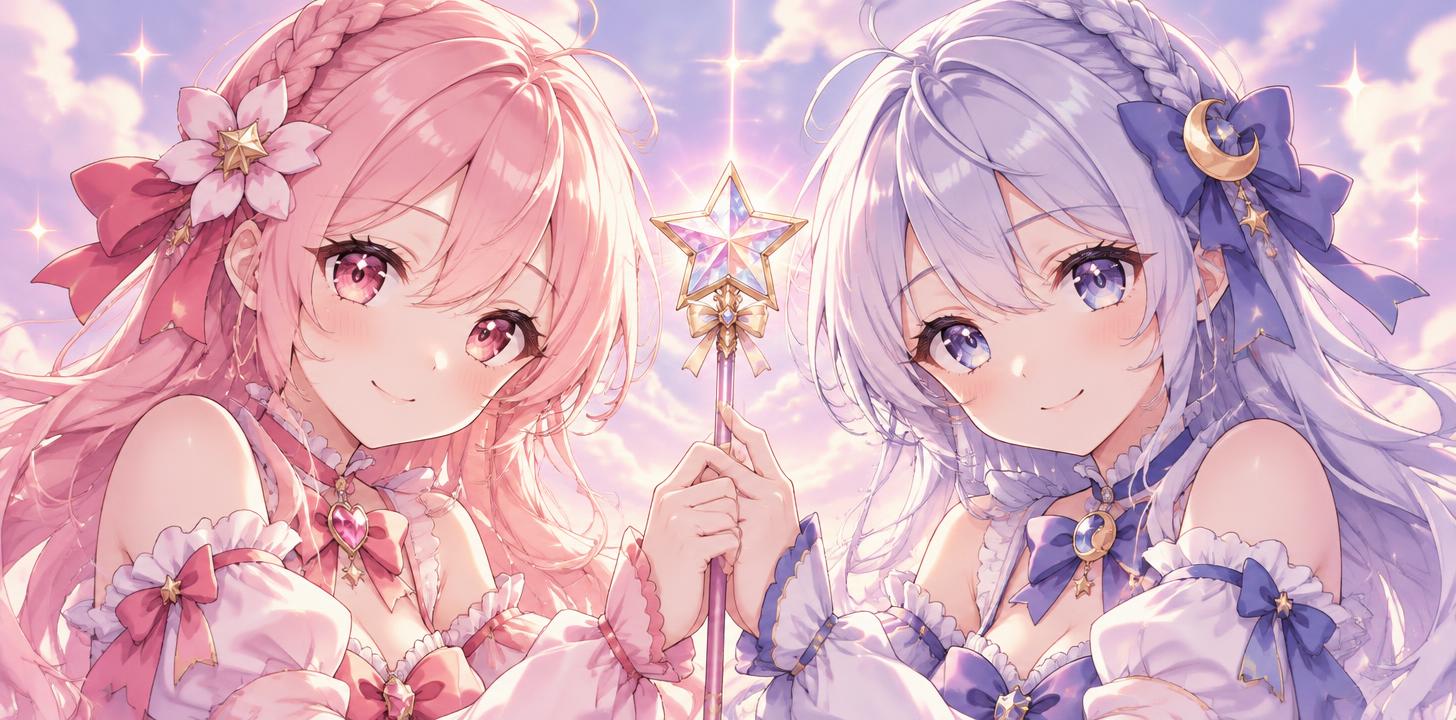
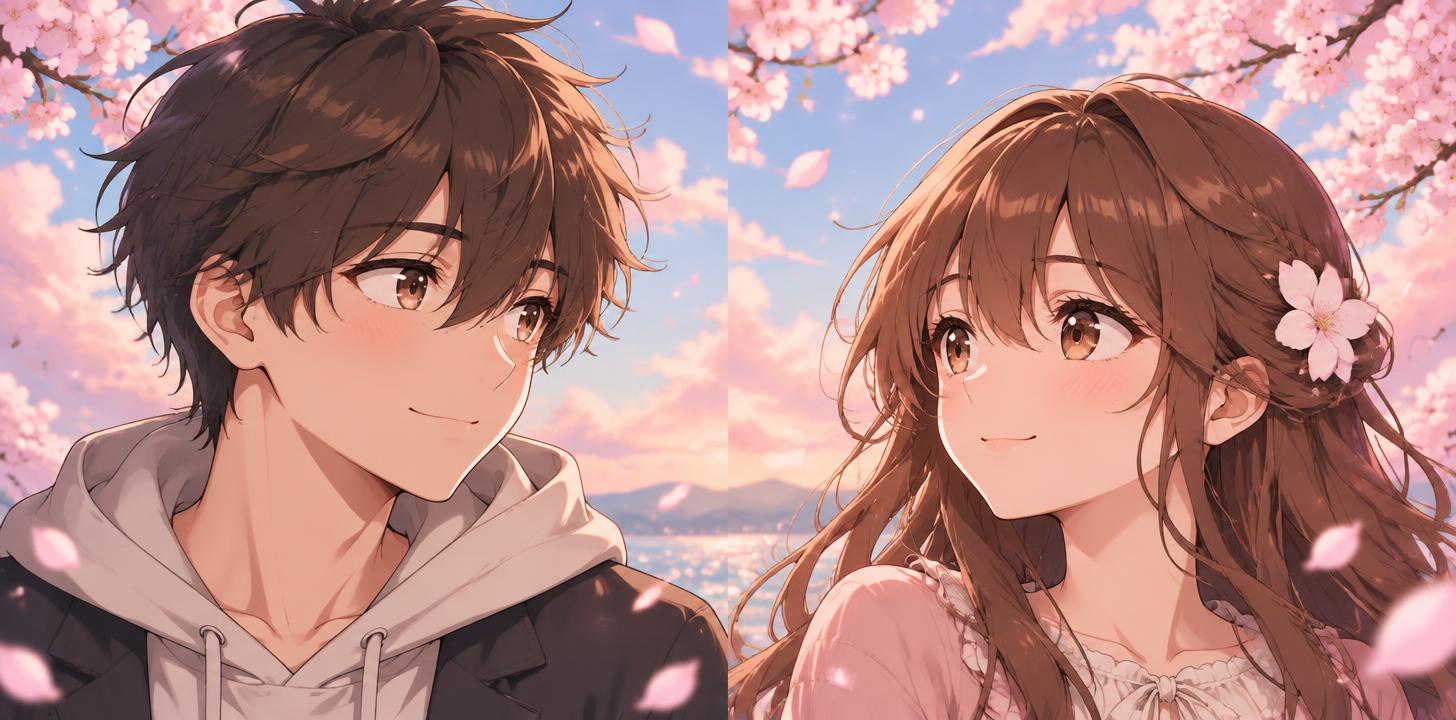
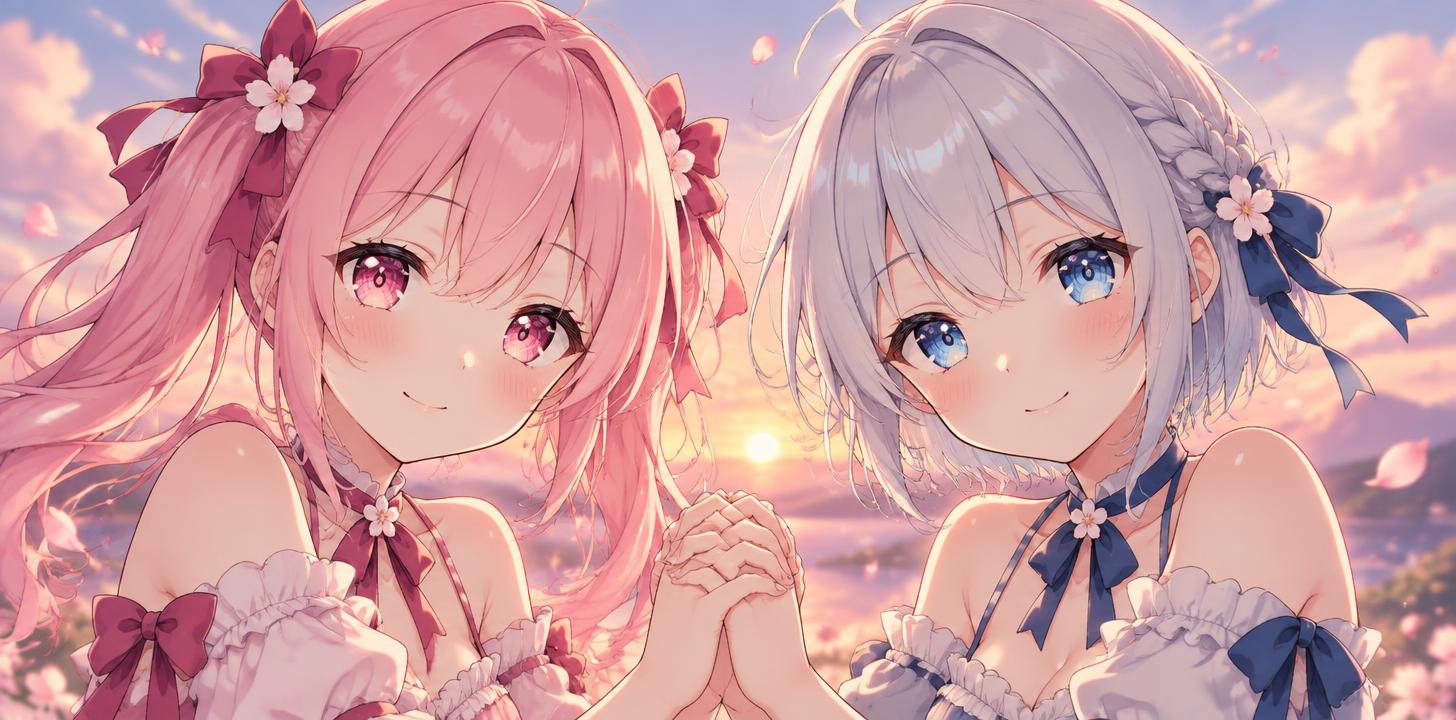
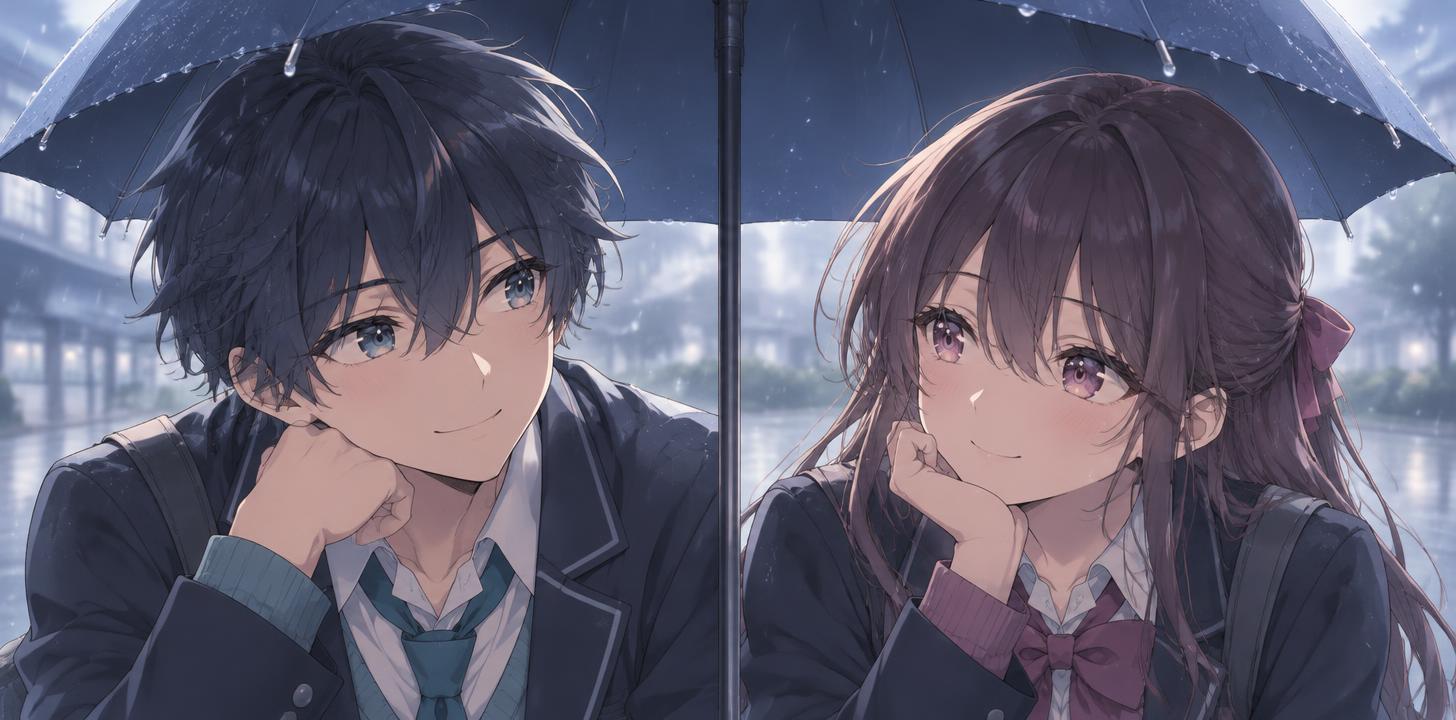
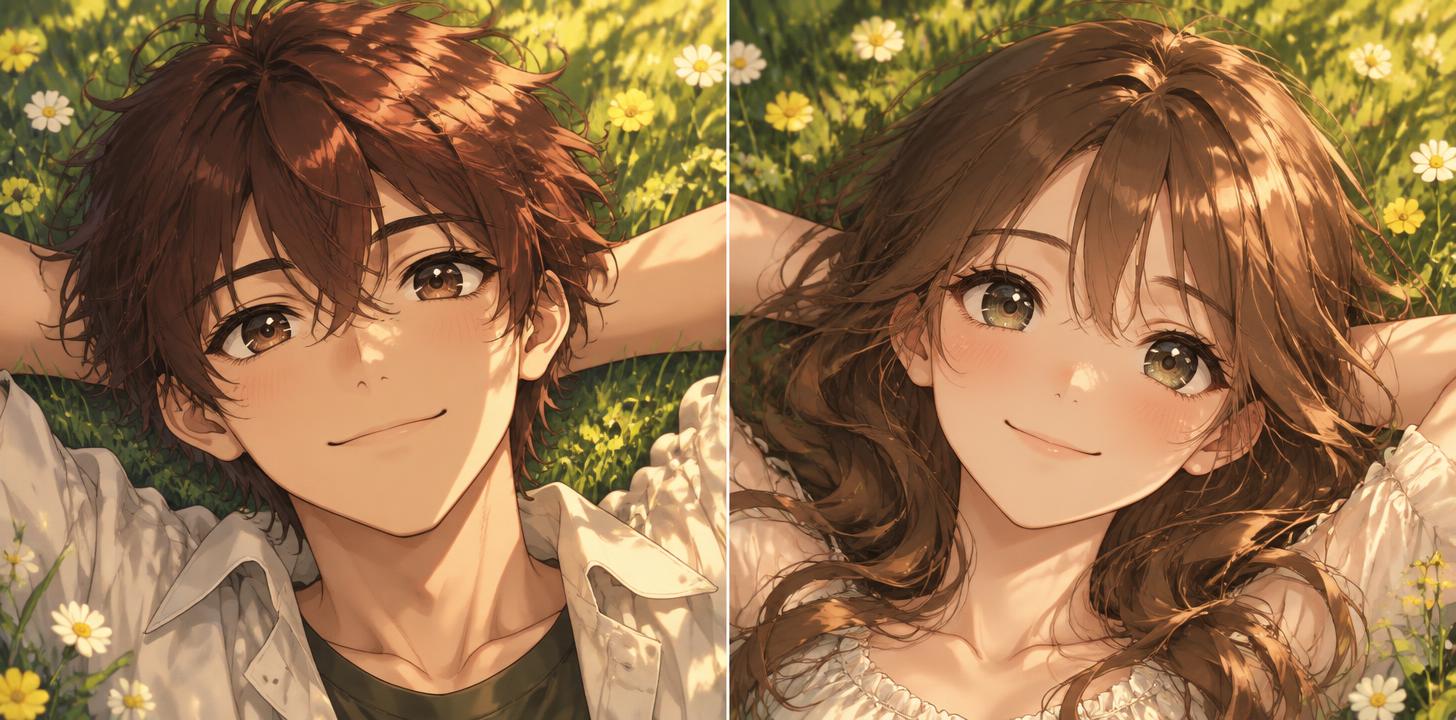
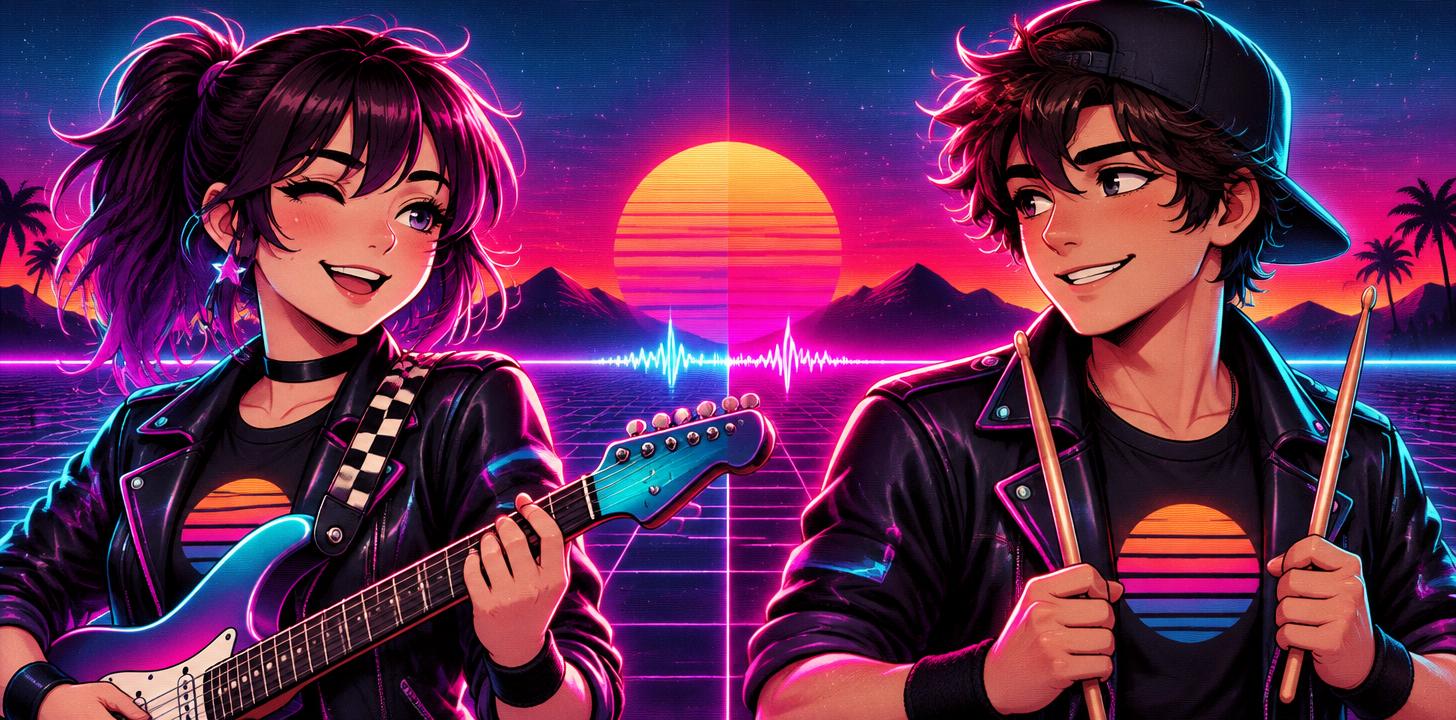
One wide image with two characters, one per half, in the same style and palette, with poses that answer each other across the centre.
Anime PFPs
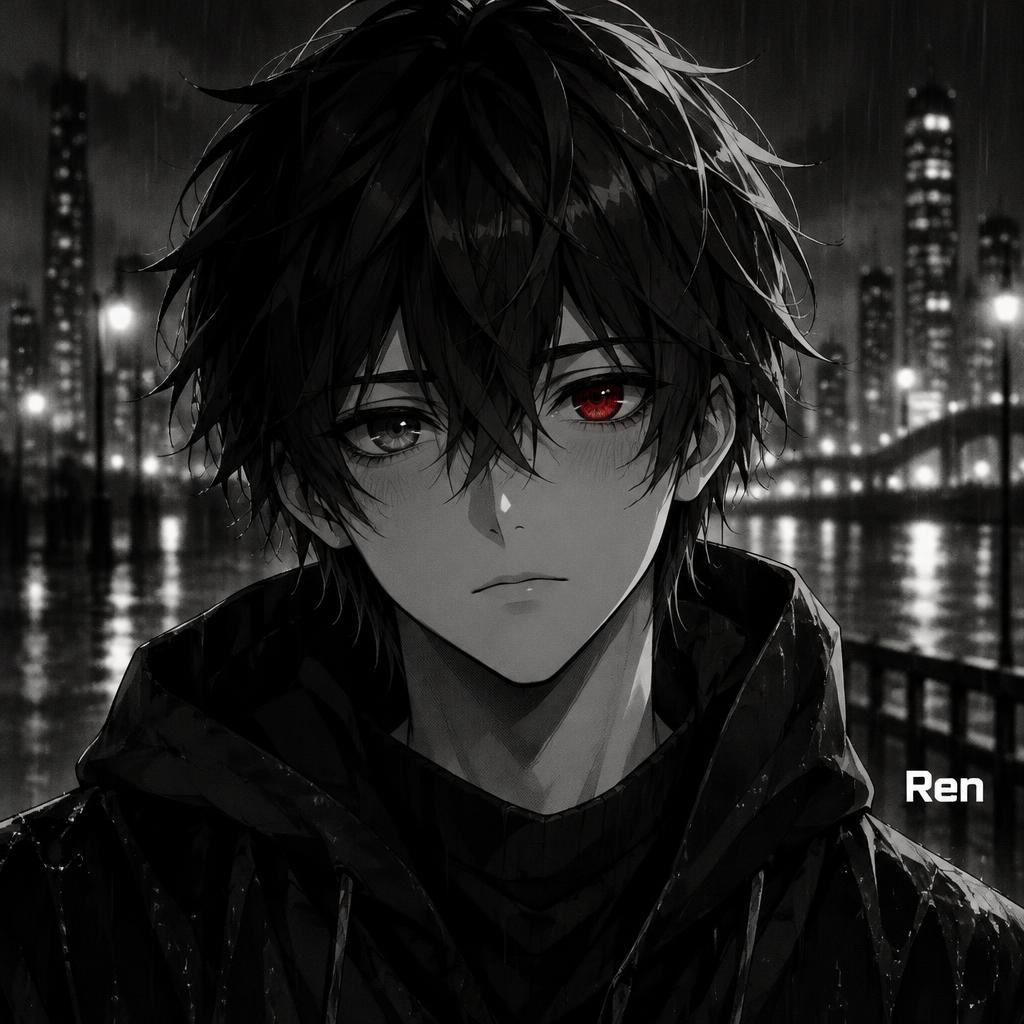
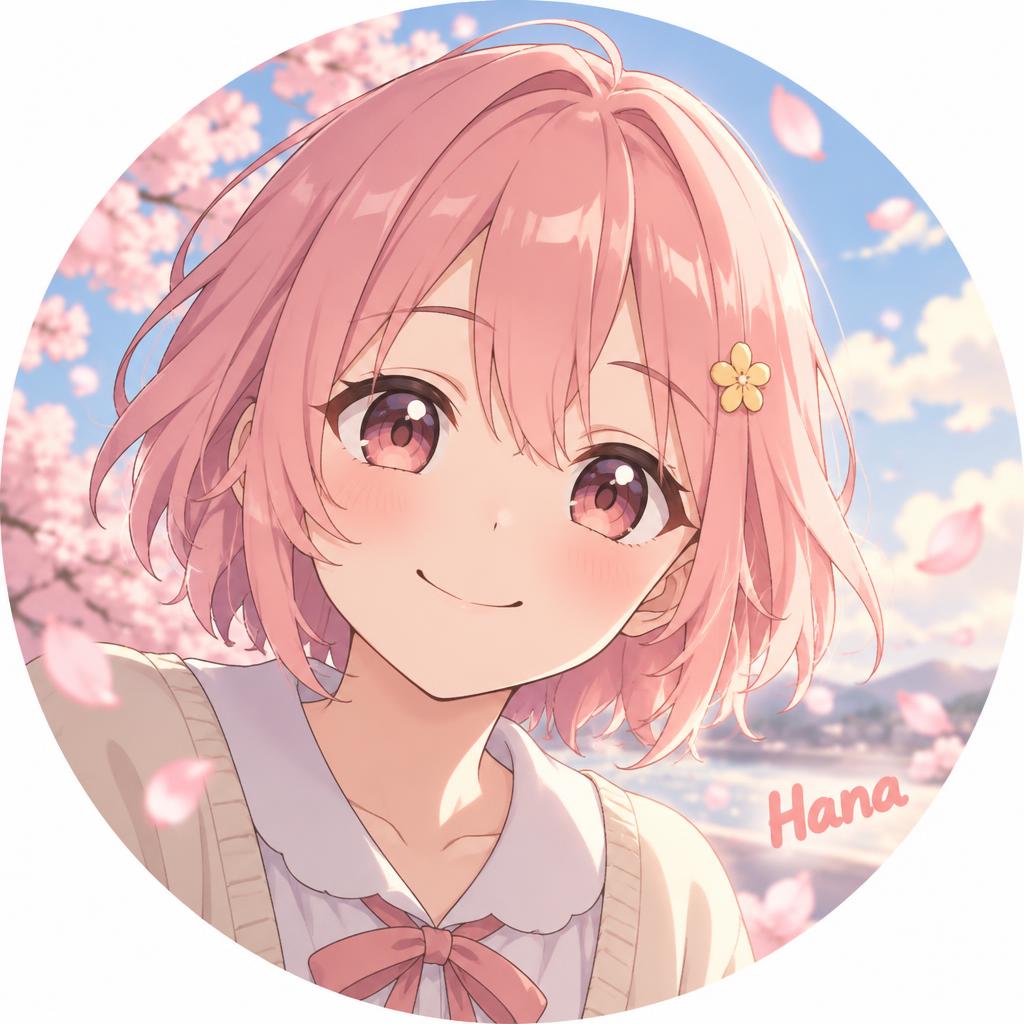
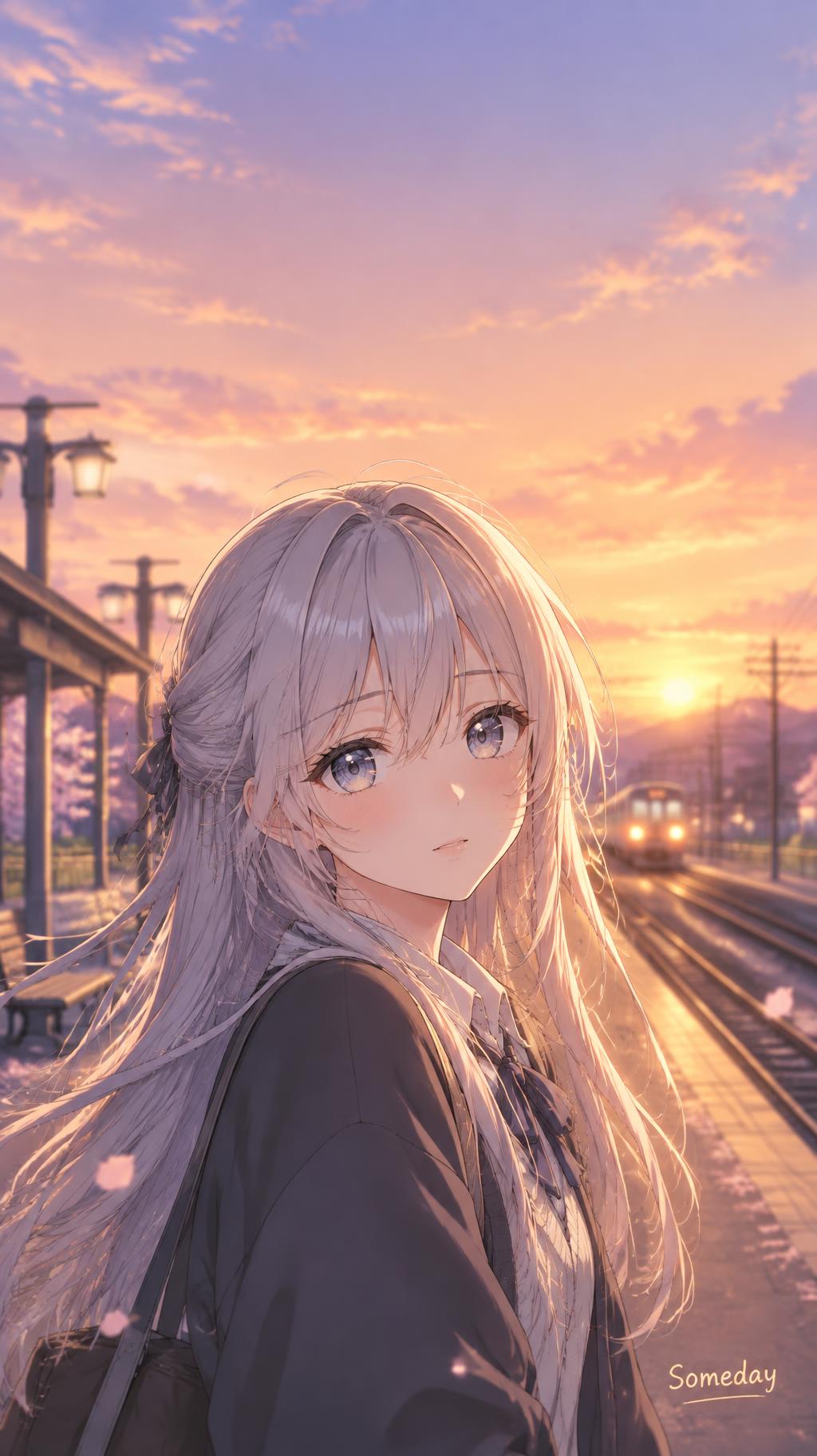
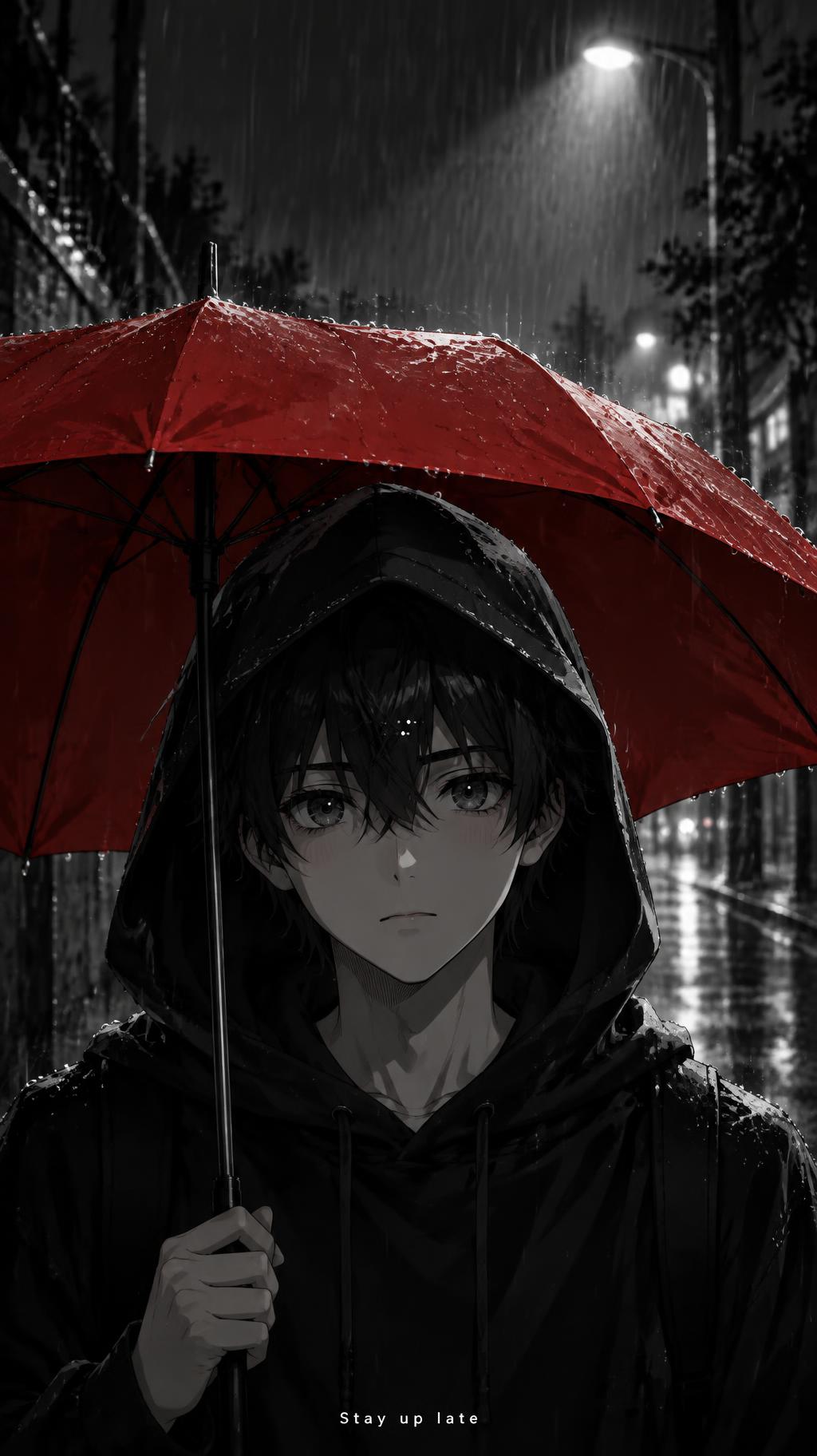
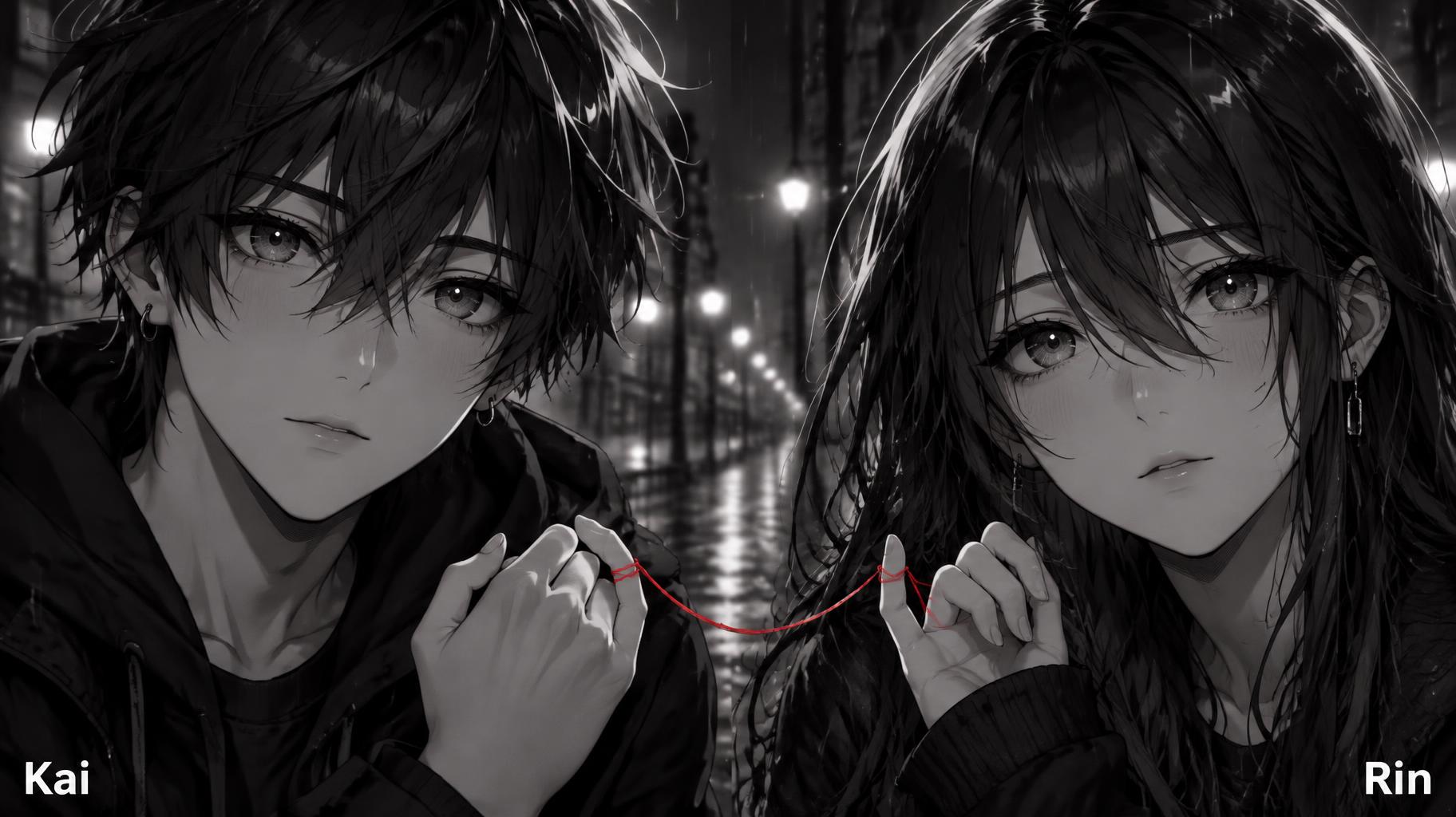
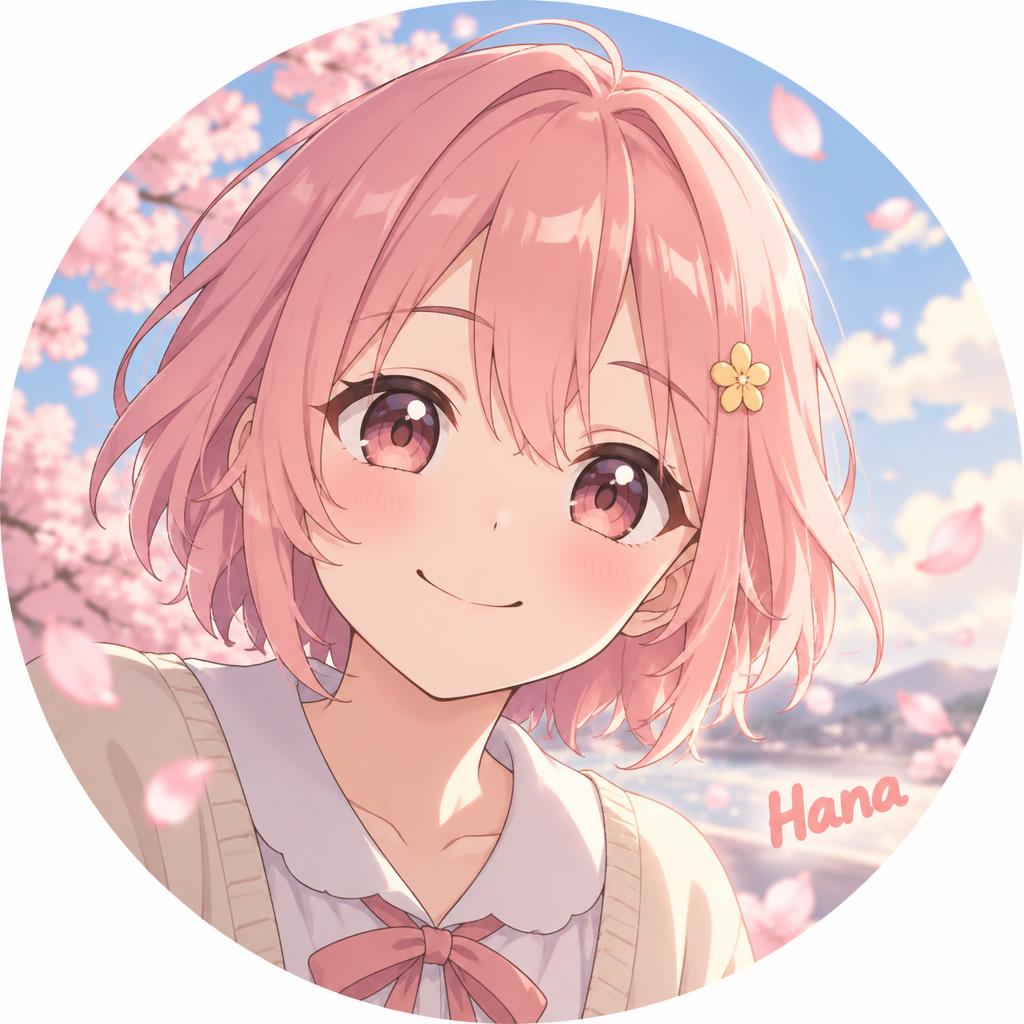
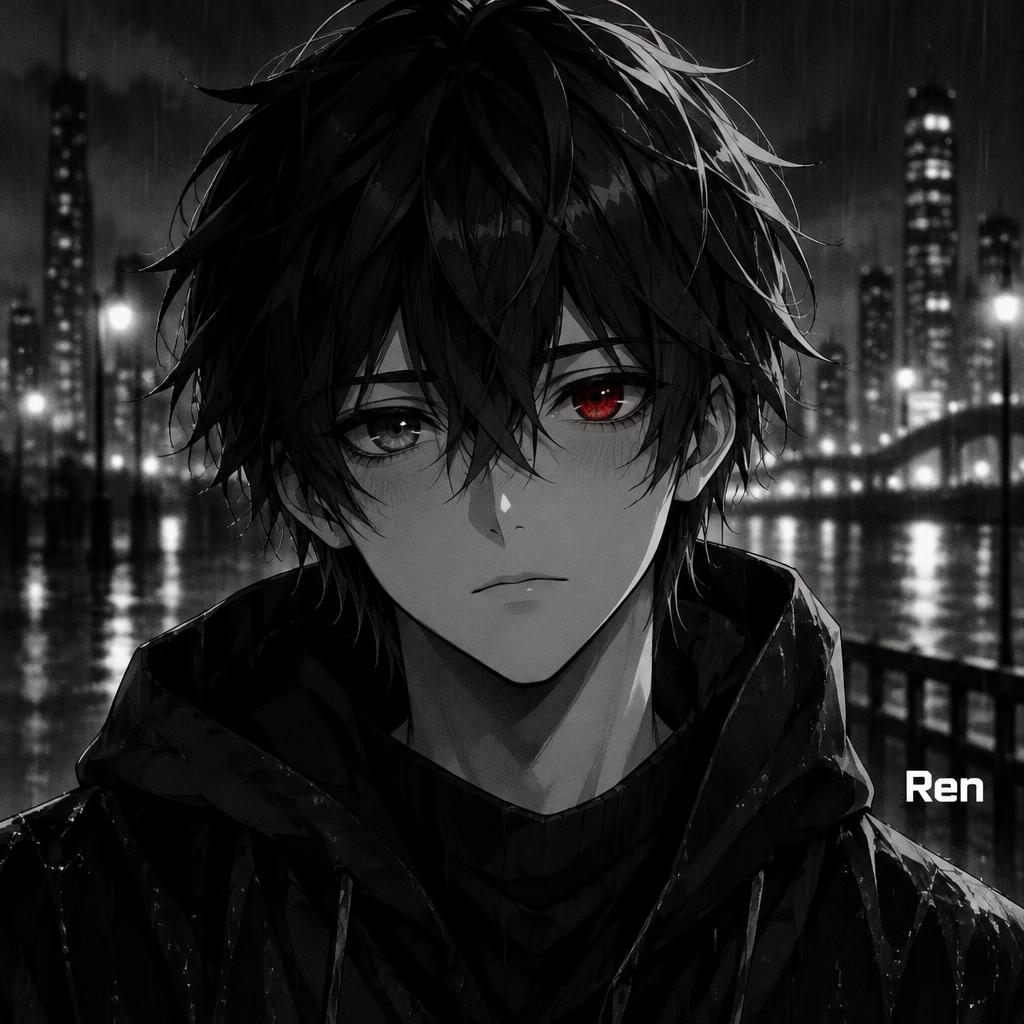
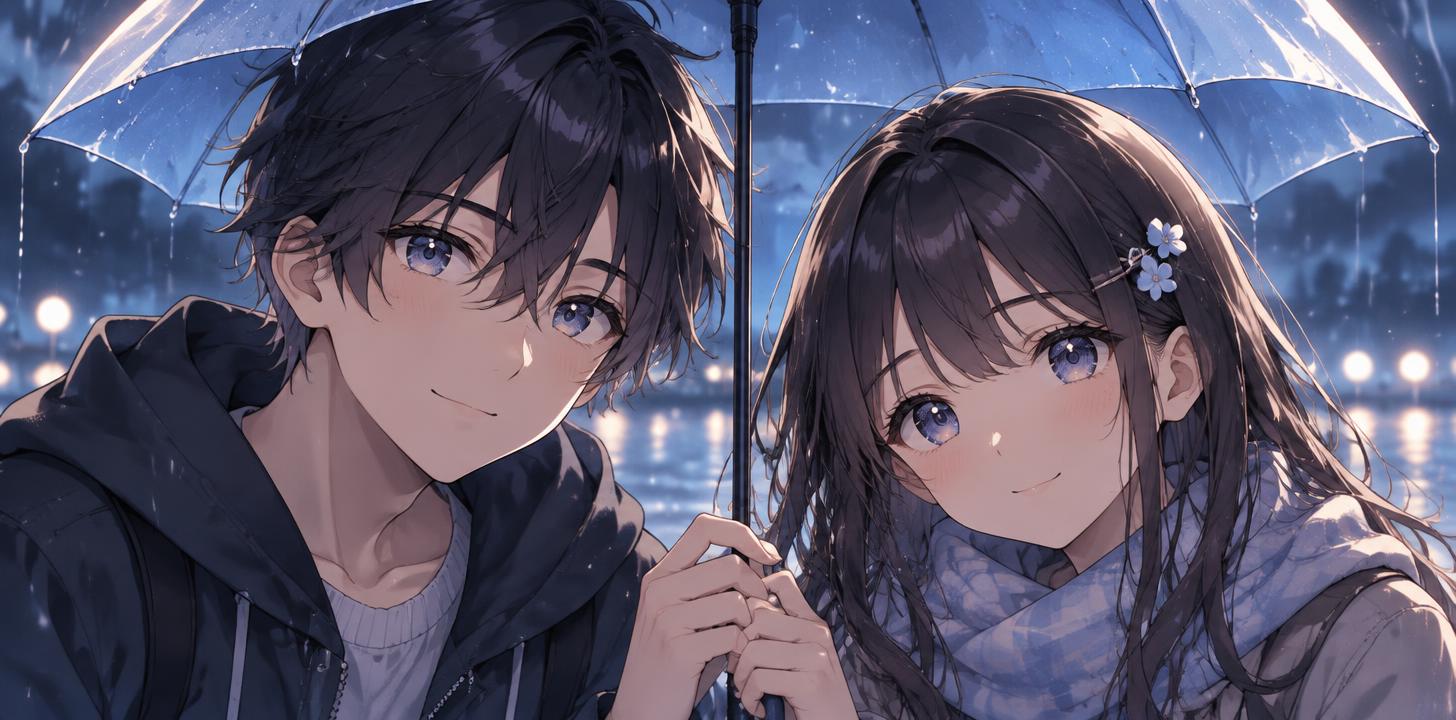
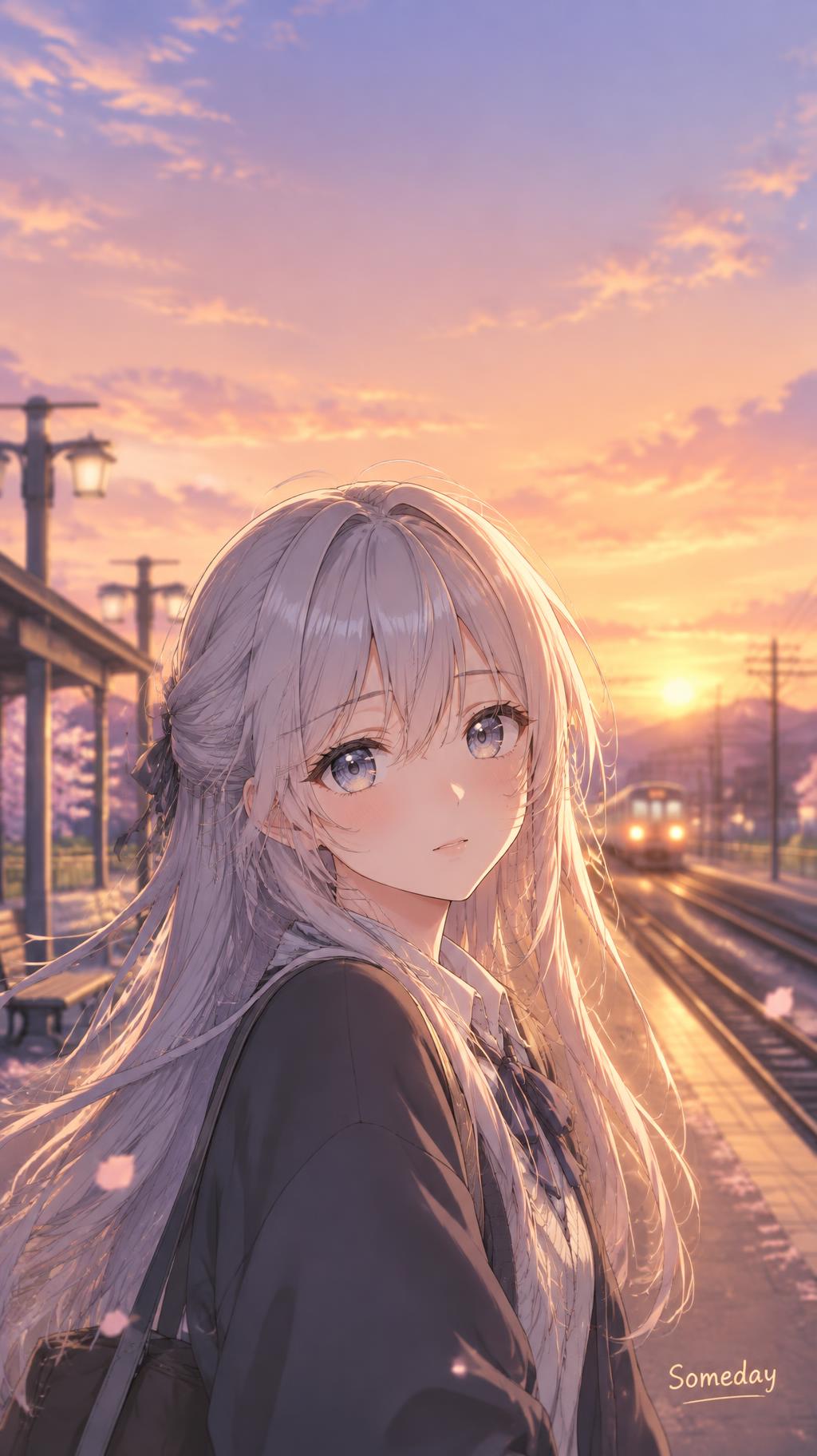
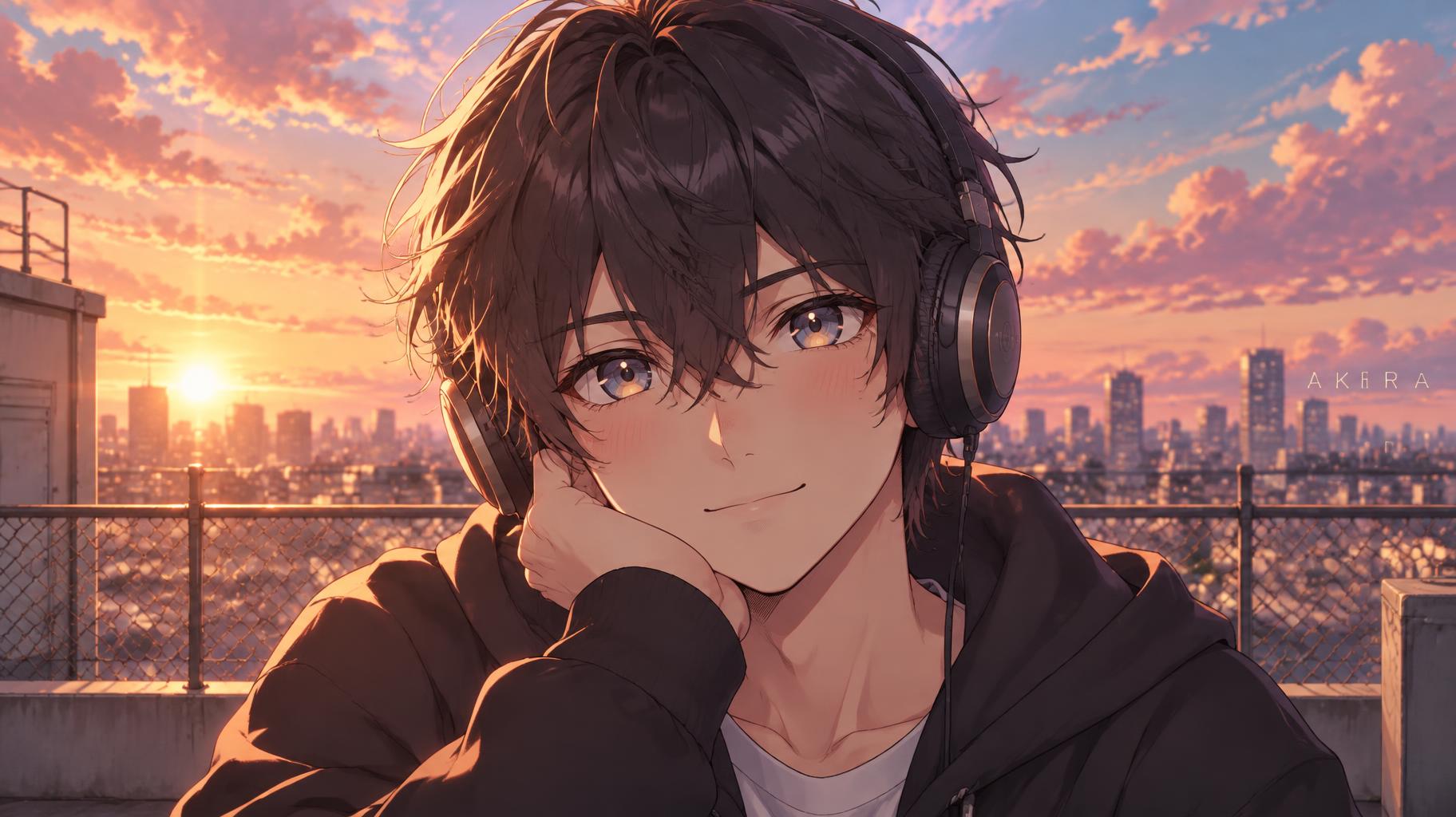
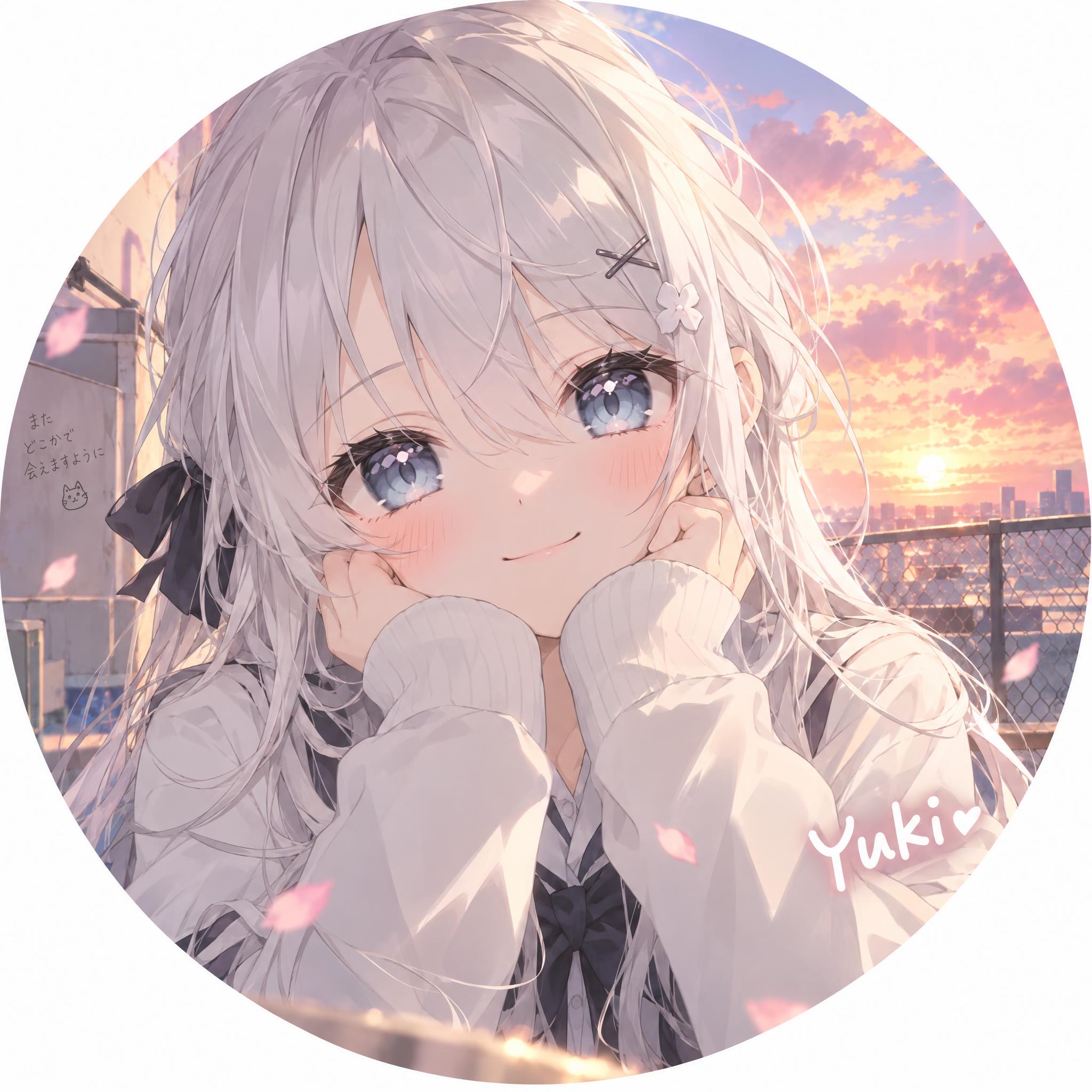
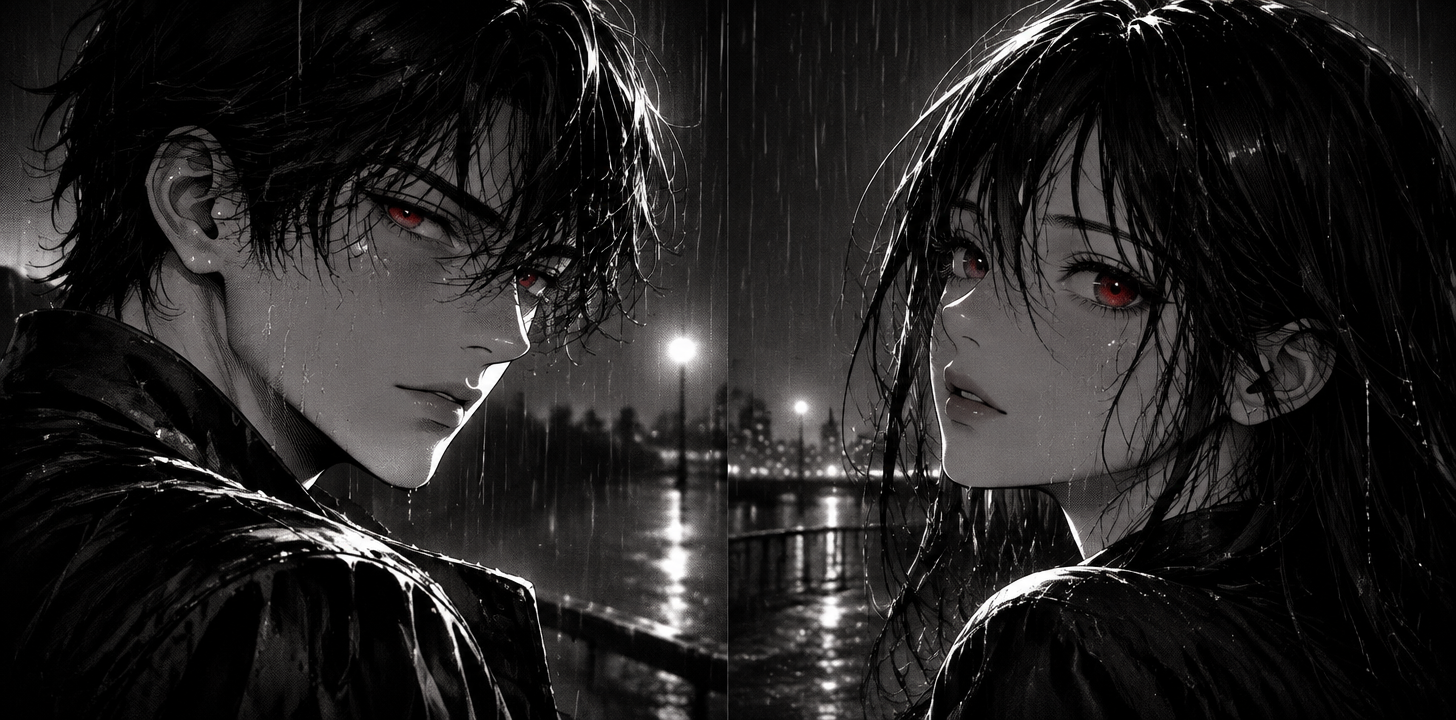
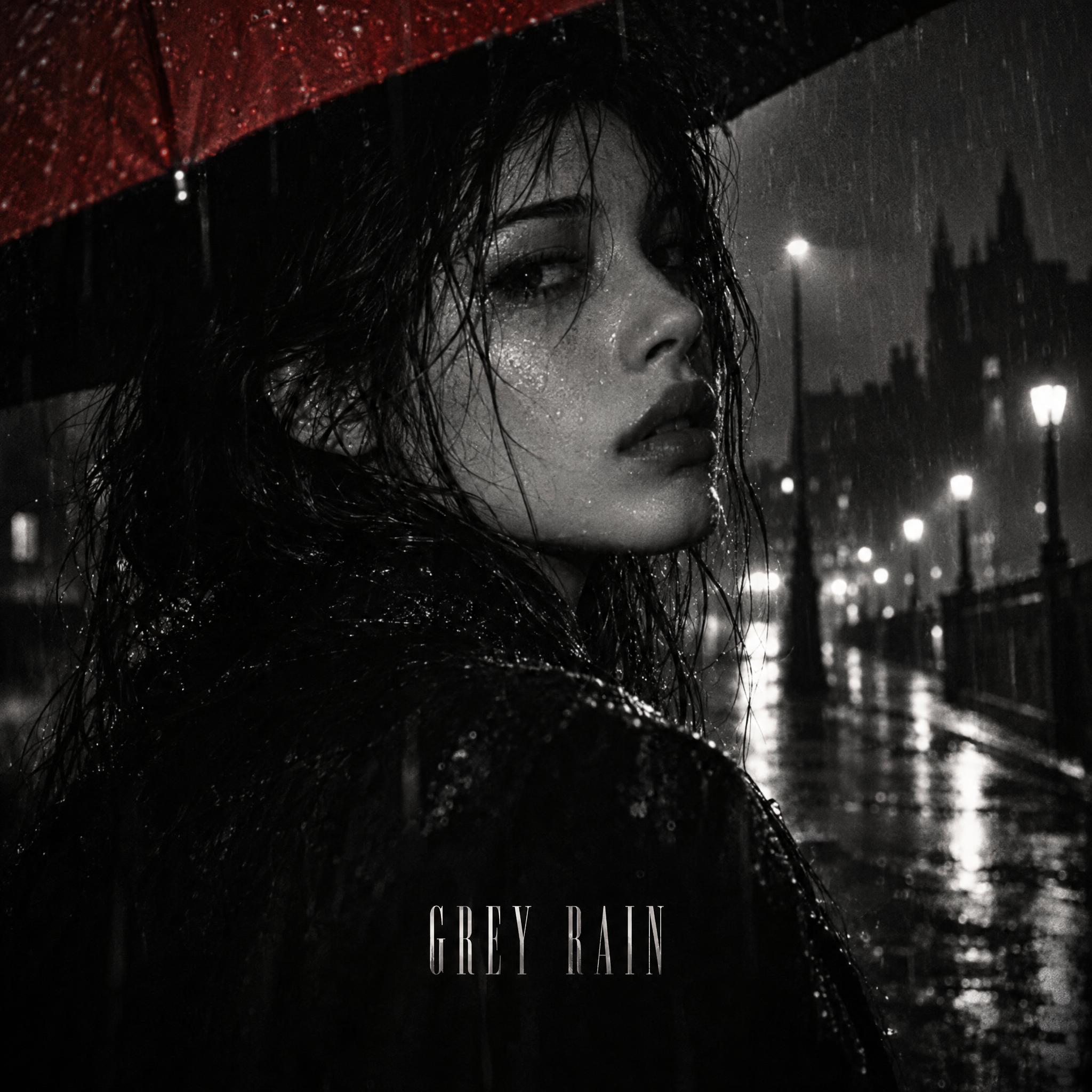
Head-and-shoulders anime portraits centred for a round crop, over a pastel sky, a sunset rooftop or a rainy night street.
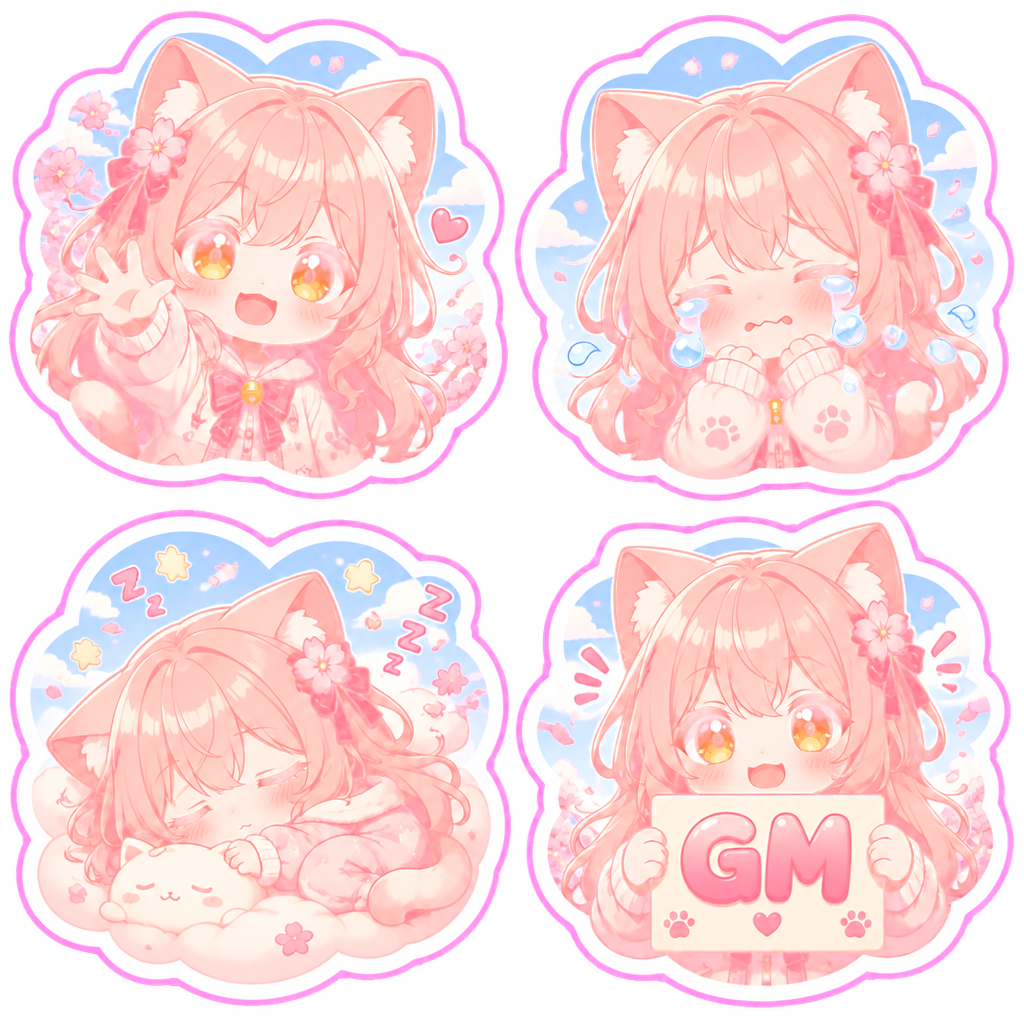
Anime Stickers
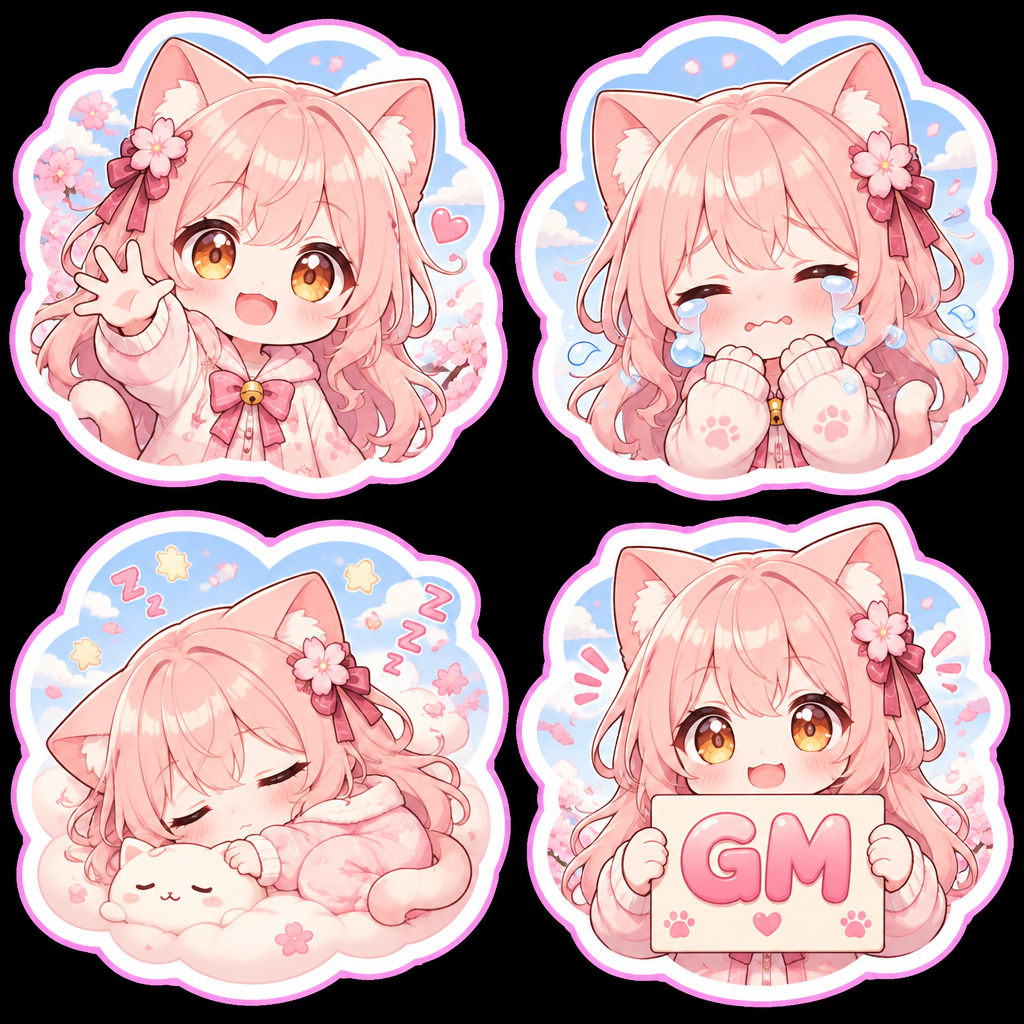
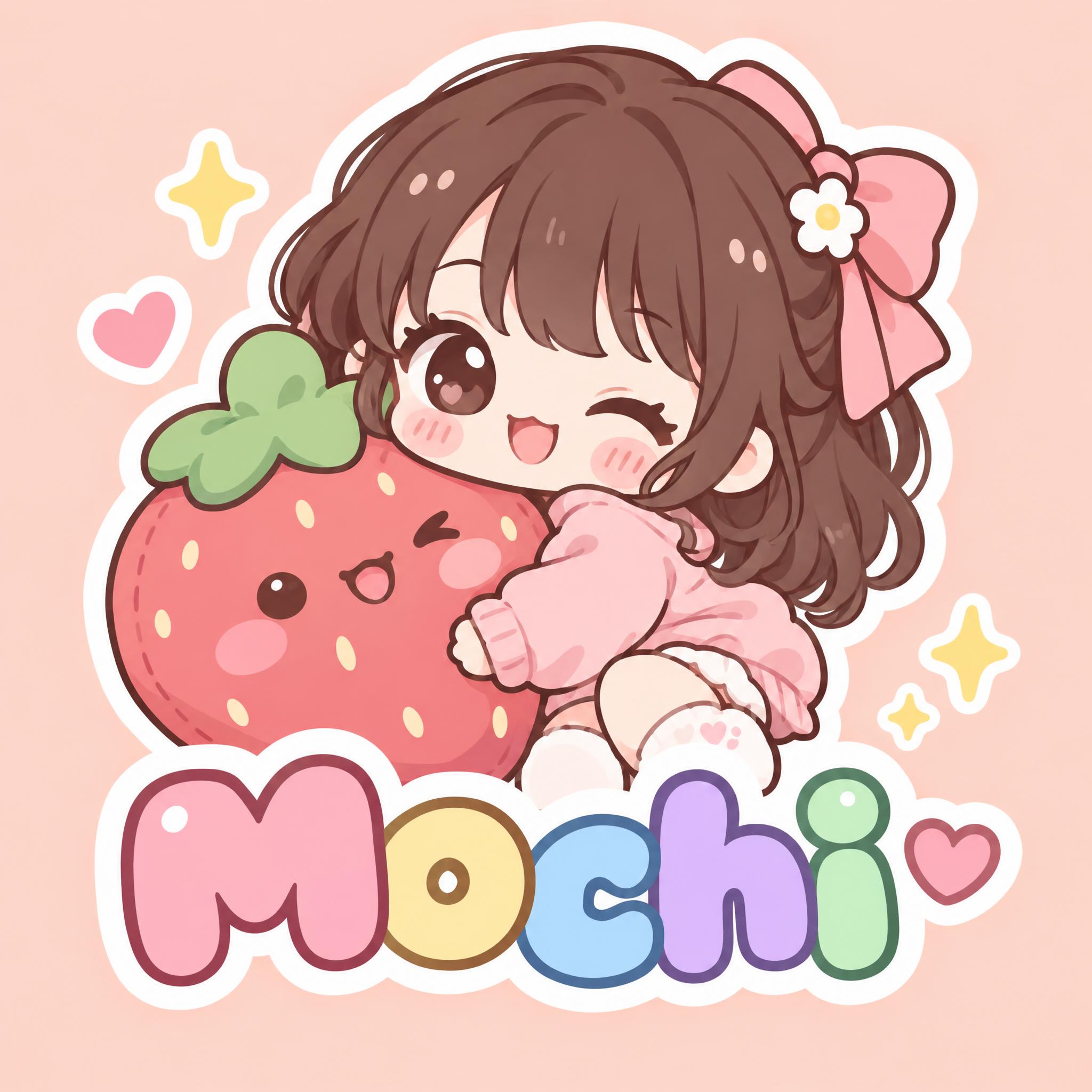
Chibi characters with white die-cut borders, waving, crying, sleeping or holding a short word.
Anime Wallpapers
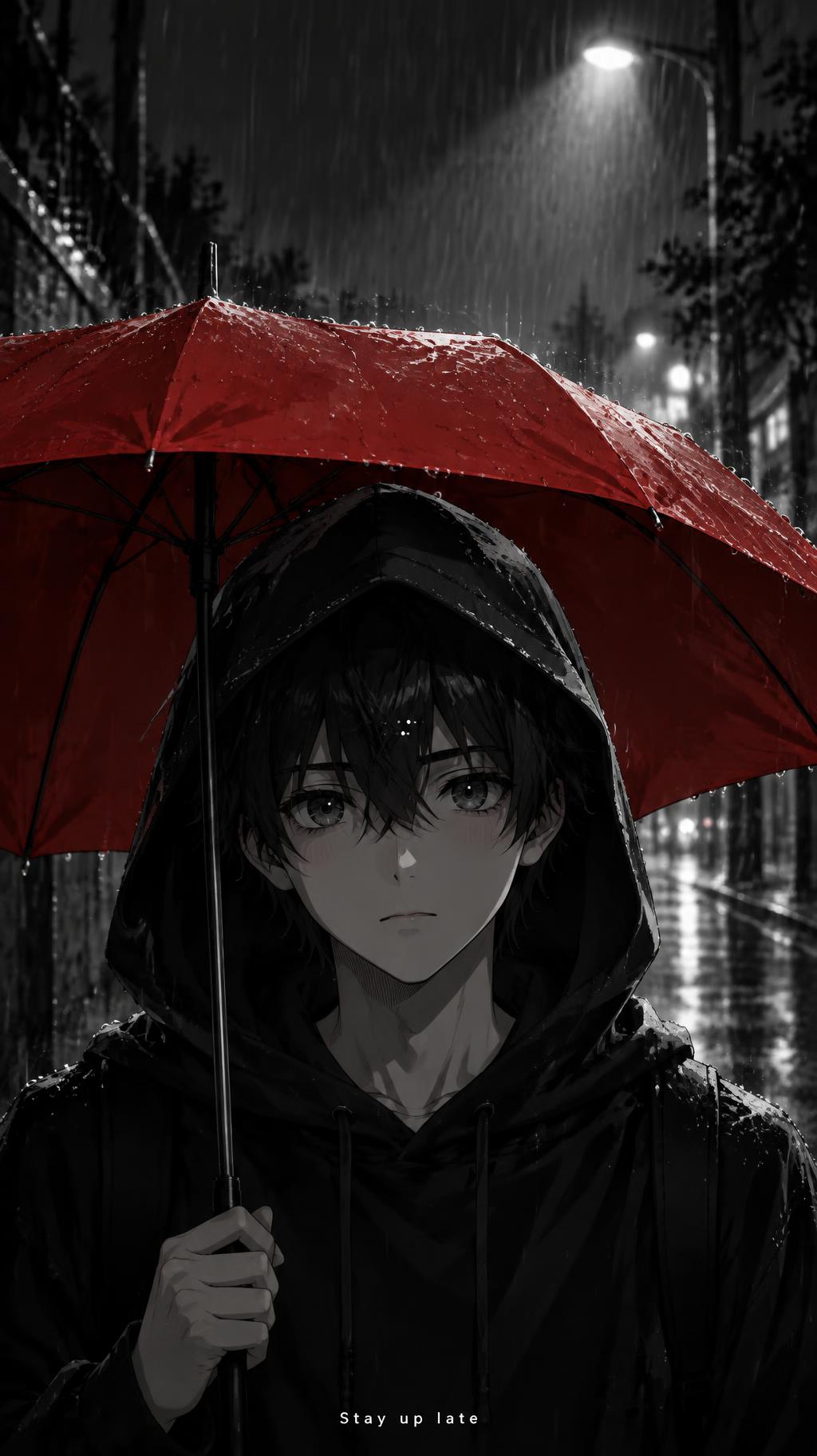
Tall lock screens and wide desktop wallpapers with a character in an anime scene and room for the clock.
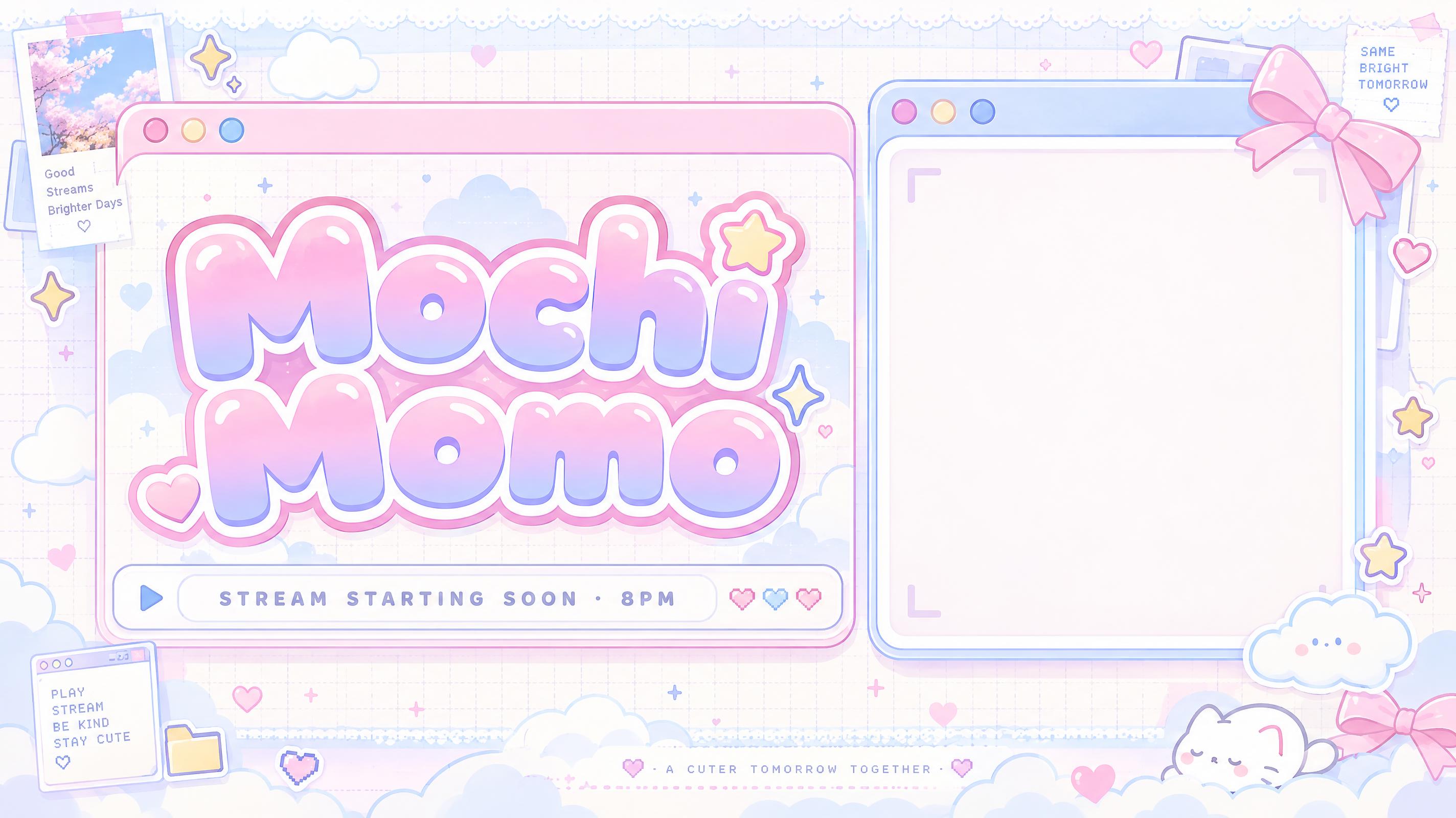
AI fonts that fit Anime Character
Every AI font here fits the Anime Character frame. Pick one, or let the generator choose.


Anime Character style designs
Real designs made on FontVibe. Open any one, or reuse it with your own text.
What you can make with Anime Character
Pages for the things people make in the Anime Character style. Each one has ready-made ideas and the right size.
Similar styles
Other looks that work for the same kinds of designs.




Tags in Anime Character
Every tag used on this page — each opens the designs, fonts and styles that share it.
Questions
The story behind Anime Character
Where the look comes from, the moments that shaped it and the facts behind it, with sources.
Where the anime pfp look comes from
The big eyes came first. The animation of characters with large eyes in anime can be traced back to Osamu Tezuka, who was influenced by early animation characters by Walt Disney and Betty Boop, and his Astro Boy (1963–66) became an early and influential television success. The bright hair came from manga covers: artist Gilles Poitras traces anime hair colour to cover illustrations, where eye-catching, colourful artwork appealed to children.
Fans added the feelings. Moe, a word for strong affection towards characters in manga, anime and games, originated in Japan in the late 1980s and early 1990s and first became popular in 1993–94 on Japanese bulletin board systems. The chibi or super-deformed look shrank characters until the head is between one third and one half of their height, and spread through manga and merchandise.
Profile pictures came from games and forums. Richard Garriott used the word avatar for the player’s on-screen self in 1985, forum avatars settled into small squares of about 80×80 to 100×100 pixels, and today VTubers use animated avatars that often resemble anime characters. An anime pfp brings these together: an original character with big eyes and bright hair, made to read in a small circle.
Sources: Wikipedia — Anime · Wikipedia — Moe (slang) · Wikipedia — Chibi (style) · Wikipedia — Avatar (computing)
Moments that shaped the anime pfp look
Did you know?
Most anime characters are drawn between 5 and 8 heads tall, depending on the art style. Source ↗
A chibi character’s head is normally between one third and one half of the character’s height. Source ↗
In 2003 the market for moe media in Japan was worth 88 billion yen, roughly one third of the 290 billion yen otaku market. Source ↗
In 2018 the word moe was added to the seventh edition of the Japanese dictionary Kōjien. Source ↗
AIM buddy icons were most often 48×48 pixels, and classic forum avatars about 80×80 to 100×100 pixels. Source ↗
Text on anime pfps
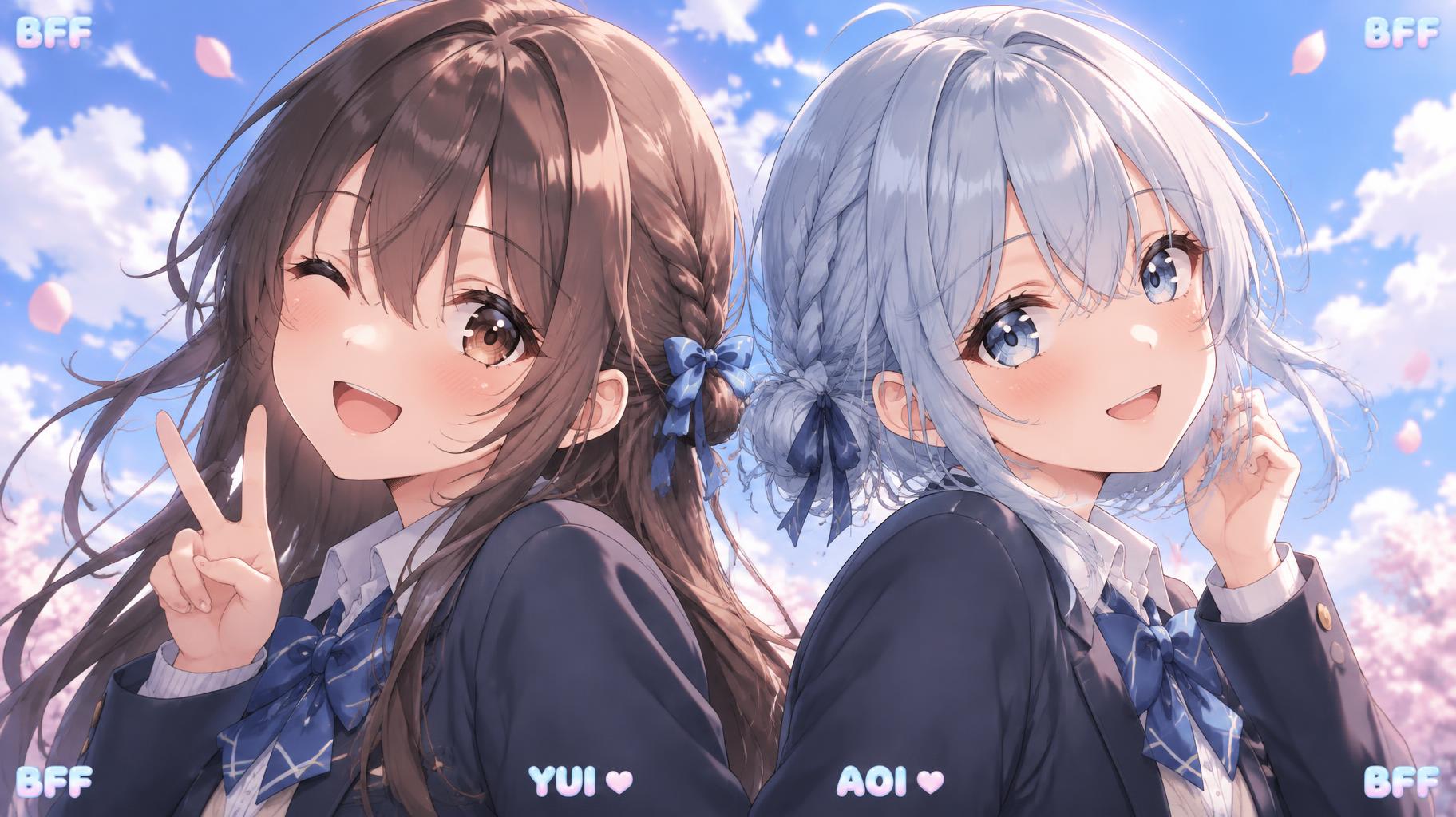
Most anime pfps carry no text at all; the face is the message. When a name appears, it is small: a handwritten name or initials in a corner, a short word like Mine or BFF along the bottom, or a few katakana in a clean Japanese gothic beside the character.
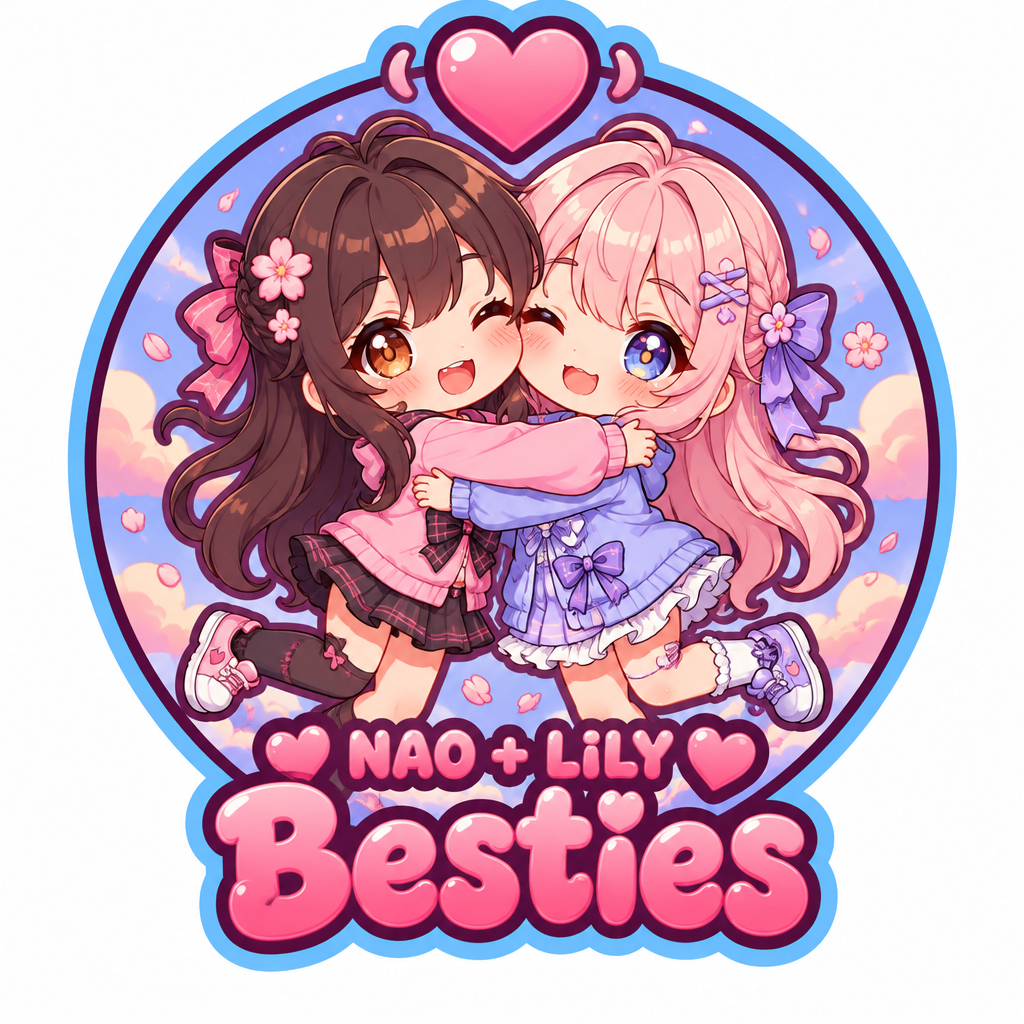
On matching pairs each half gets its own small word, placed so the two read together side by side and neither crosses the centre line where the image is cut.
Where you’ll see it
- ✦Profile pictures on Discord, Instagram, TikTok and X
- ✦Matching pfps shared by couples and best friends
- ✦Phone lock screens and desktop wallpapers
- ✦Chibi sticker sets for chats, laptops and planners
- ✦Discord profile and server banners
The anime aesthetic: characters, line and shading, backdrops and palette
Every anime pfp here is built from the same four parts. The style draws the character, the shading, the backdrop and the palette of the whole picture; any letters come from the AI font you pick.
Anime pfps, matching pfps, wallpapers, stickers and Discord banners
Every format here is built around an original anime character you describe: hair, eyes, outfit and mood. Pick a format to see designs made in it, or describe your own.
Matching Anime PFPs
One wide image with two characters, one per half, in the same style and palette, with poses that answer each other across the centre.
Anime PFPs
Head-and-shoulders anime portraits centred for a round crop, over a pastel sky, a sunset rooftop or a rainy night street.
Anime Stickers
Chibi characters with white die-cut borders, waving, crying, sleeping or holding a short word.
Anime Wallpapers
Tall lock screens and wide desktop wallpapers with a character in an anime scene and room for the clock.
AI fonts that fit Anime Character
Every AI font here fits the Anime Character frame. Pick one, or let the generator choose.


Anime Character style designs
Real designs made on FontVibe. Open any one, or reuse it with your own text.
What you can make with Anime Character
Pages for the things people make in the Anime Character style. Each one has ready-made ideas and the right size.
Similar styles
Other looks that work for the same kinds of designs.
Tags in Anime Character
Every tag used on this page — each opens the designs, fonts and styles that share it.
Questions
The story behind Anime Character
Where the look comes from, the moments that shaped it and the facts behind it, with sources.
Where the anime pfp look comes from
The big eyes came first. The animation of characters with large eyes in anime can be traced back to Osamu Tezuka, who was influenced by early animation characters by Walt Disney and Betty Boop, and his Astro Boy (1963–66) became an early and influential television success. The bright hair came from manga covers: artist Gilles Poitras traces anime hair colour to cover illustrations, where eye-catching, colourful artwork appealed to children.
Fans added the feelings. Moe, a word for strong affection towards characters in manga, anime and games, originated in Japan in the late 1980s and early 1990s and first became popular in 1993–94 on Japanese bulletin board systems. The chibi or super-deformed look shrank characters until the head is between one third and one half of their height, and spread through manga and merchandise.
Profile pictures came from games and forums. Richard Garriott used the word avatar for the player’s on-screen self in 1985, forum avatars settled into small squares of about 80×80 to 100×100 pixels, and today VTubers use animated avatars that often resemble anime characters. An anime pfp brings these together: an original character with big eyes and bright hair, made to read in a small circle.
Sources: Wikipedia — Anime · Wikipedia — Moe (slang) · Wikipedia — Chibi (style) · Wikipedia — Avatar (computing)
Moments that shaped the anime pfp look
Did you know?
Most anime characters are drawn between 5 and 8 heads tall, depending on the art style. Source ↗
A chibi character’s head is normally between one third and one half of the character’s height. Source ↗
In 2003 the market for moe media in Japan was worth 88 billion yen, roughly one third of the 290 billion yen otaku market. Source ↗
In 2018 the word moe was added to the seventh edition of the Japanese dictionary Kōjien. Source ↗
AIM buddy icons were most often 48×48 pixels, and classic forum avatars about 80×80 to 100×100 pixels. Source ↗
Text on anime pfps
Most anime pfps carry no text at all; the face is the message. When a name appears, it is small: a handwritten name or initials in a corner, a short word like Mine or BFF along the bottom, or a few katakana in a clean Japanese gothic beside the character.
On matching pairs each half gets its own small word, placed so the two read together side by side and neither crosses the centre line where the image is cut.
Where you’ll see it
- ✦Profile pictures on Discord, Instagram, TikTok and X
- ✦Matching pfps shared by couples and best friends
- ✦Phone lock screens and desktop wallpapers
- ✦Chibi sticker sets for chats, laptops and planners
- ✦Discord profile and server banners