The chibi art style: tiny bodies, soft light, pastel palette and soft line art
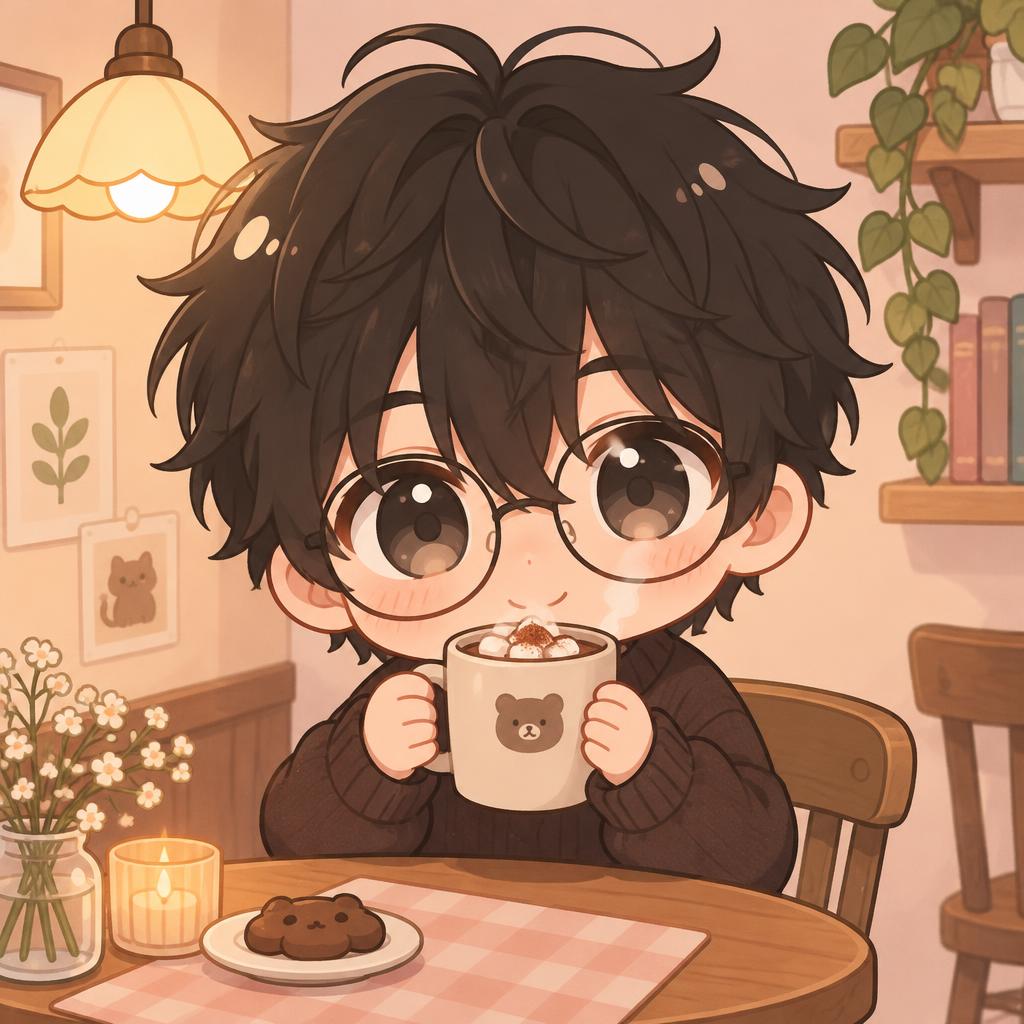
Every chibi piece here is built from the same four parts. The style is the whole picture, the characters, light, palette and line art; any letters come from the AI font you pick.
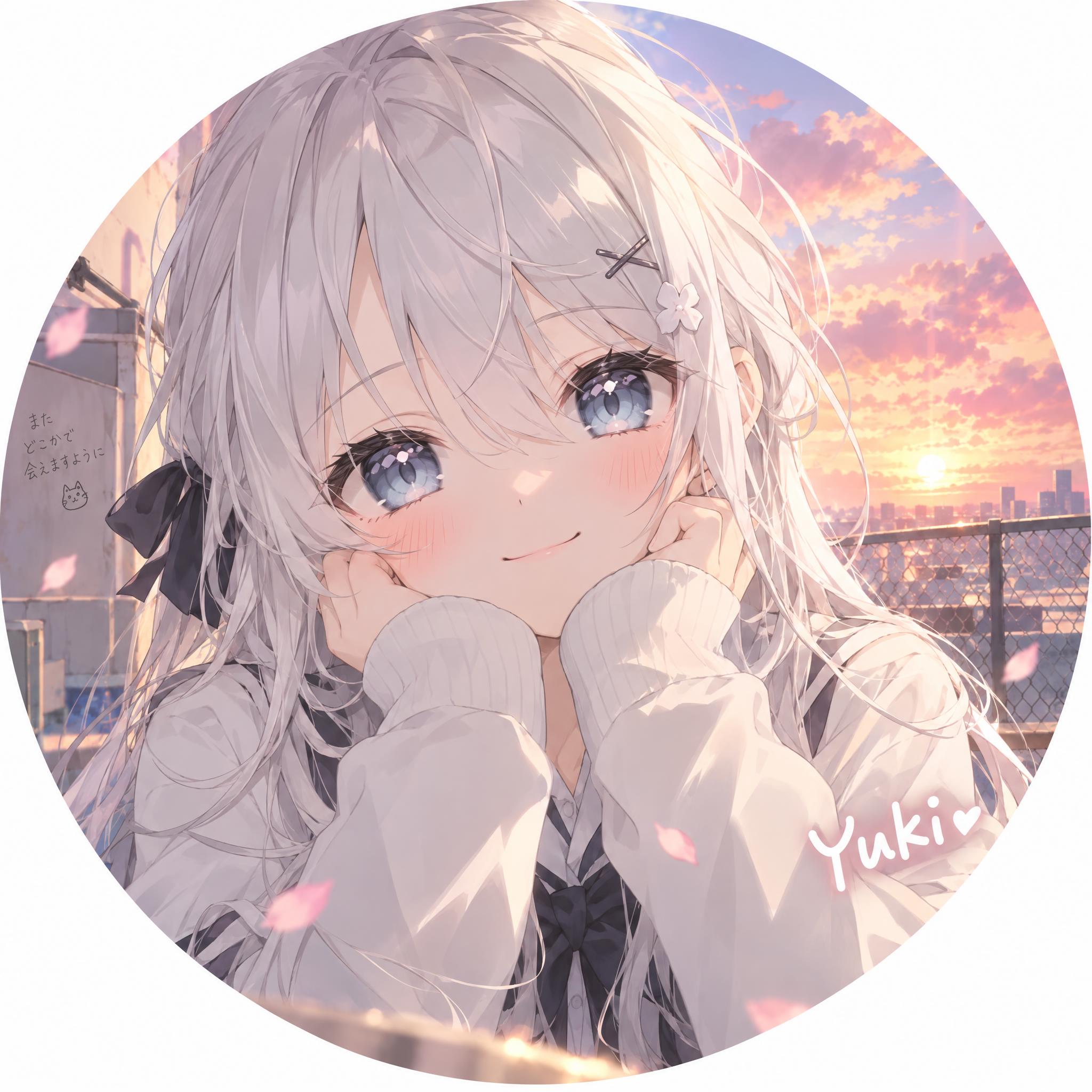
Chibi avatars, stickers, matching PFPs, emotes and wallpapers
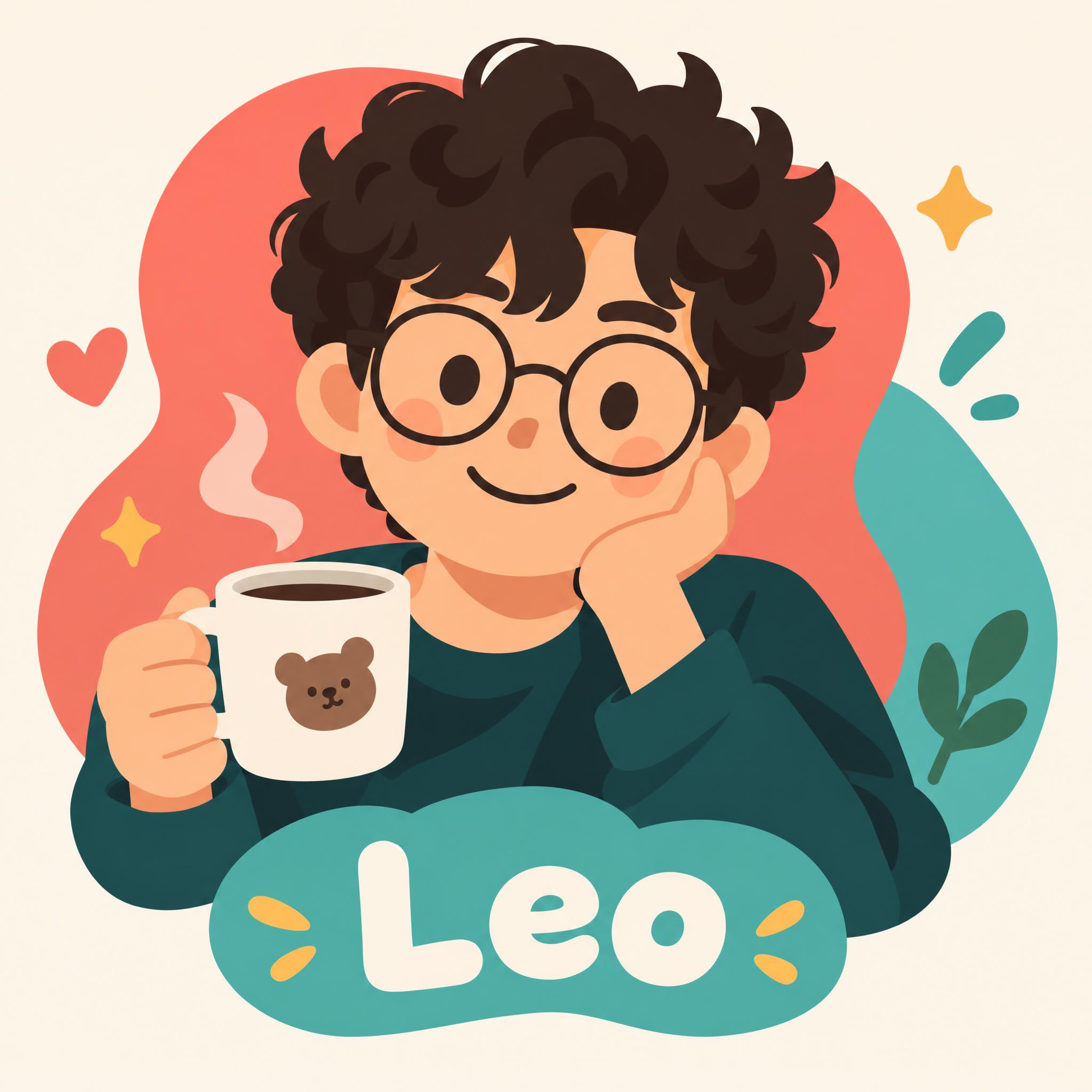
Every format here is built around one or two big-headed little characters you describe. Pick a format to see designs made in it, or describe your own chibi.
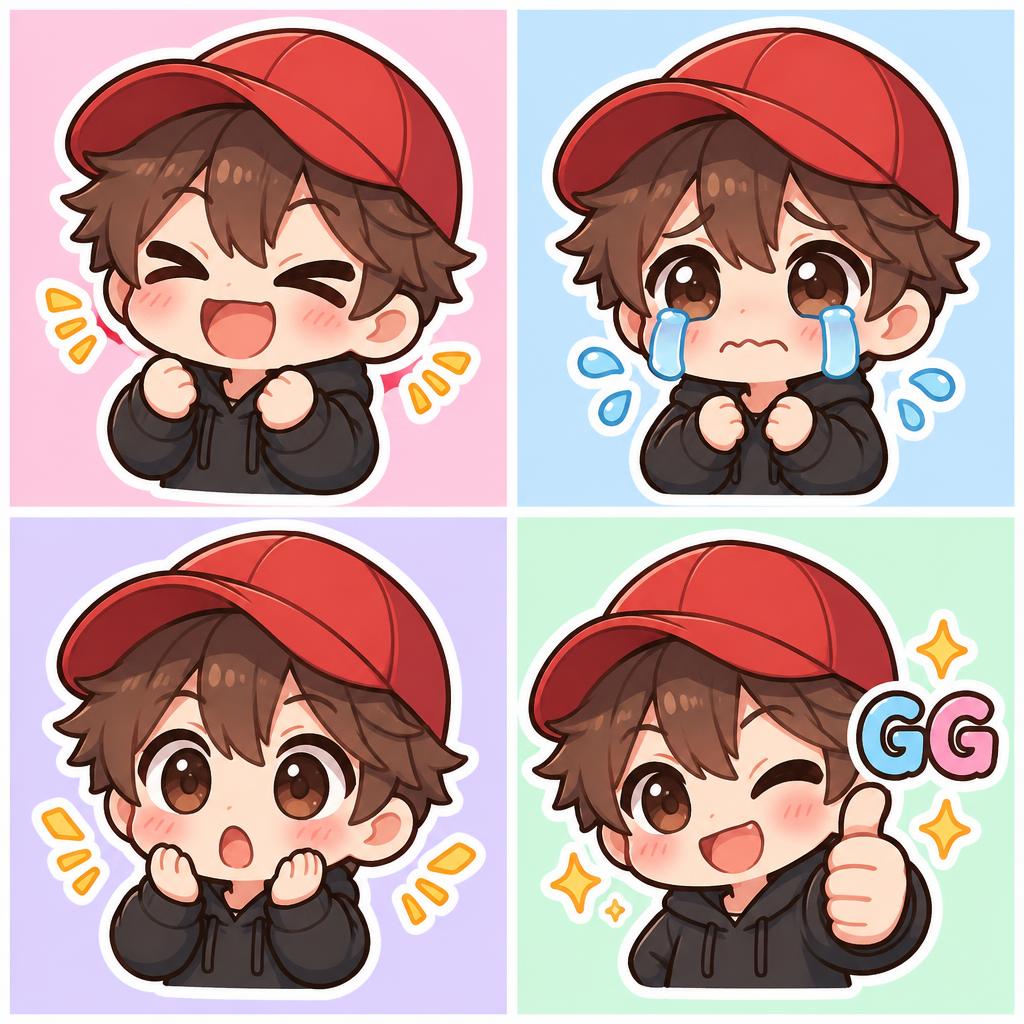
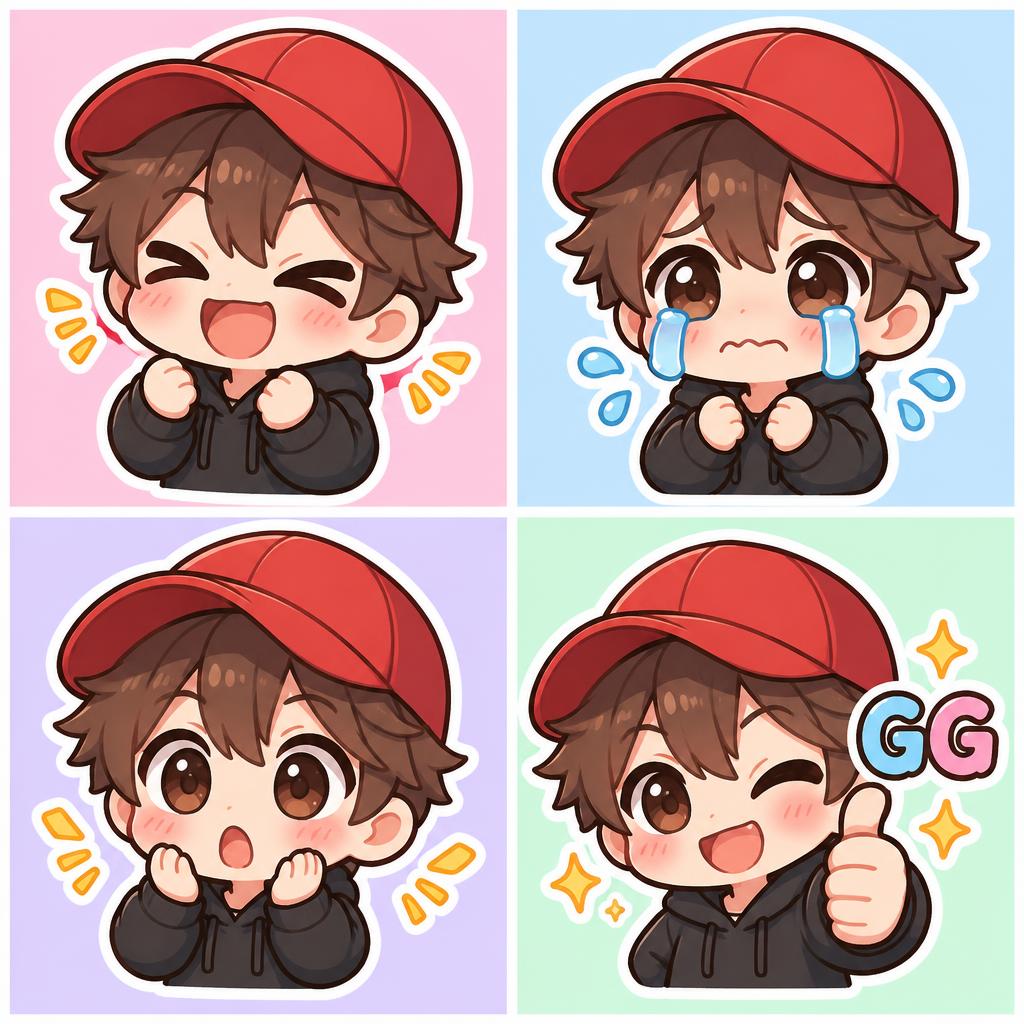
Chibi Emotes
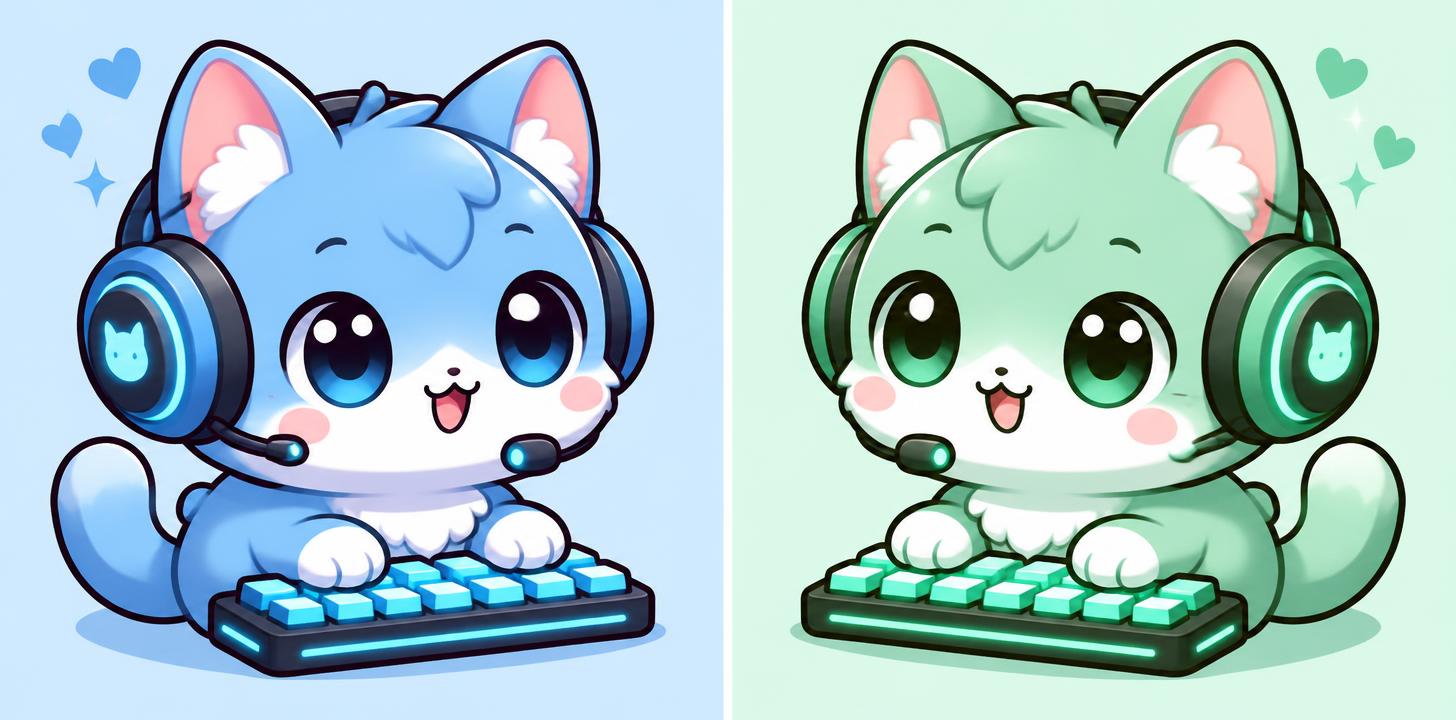
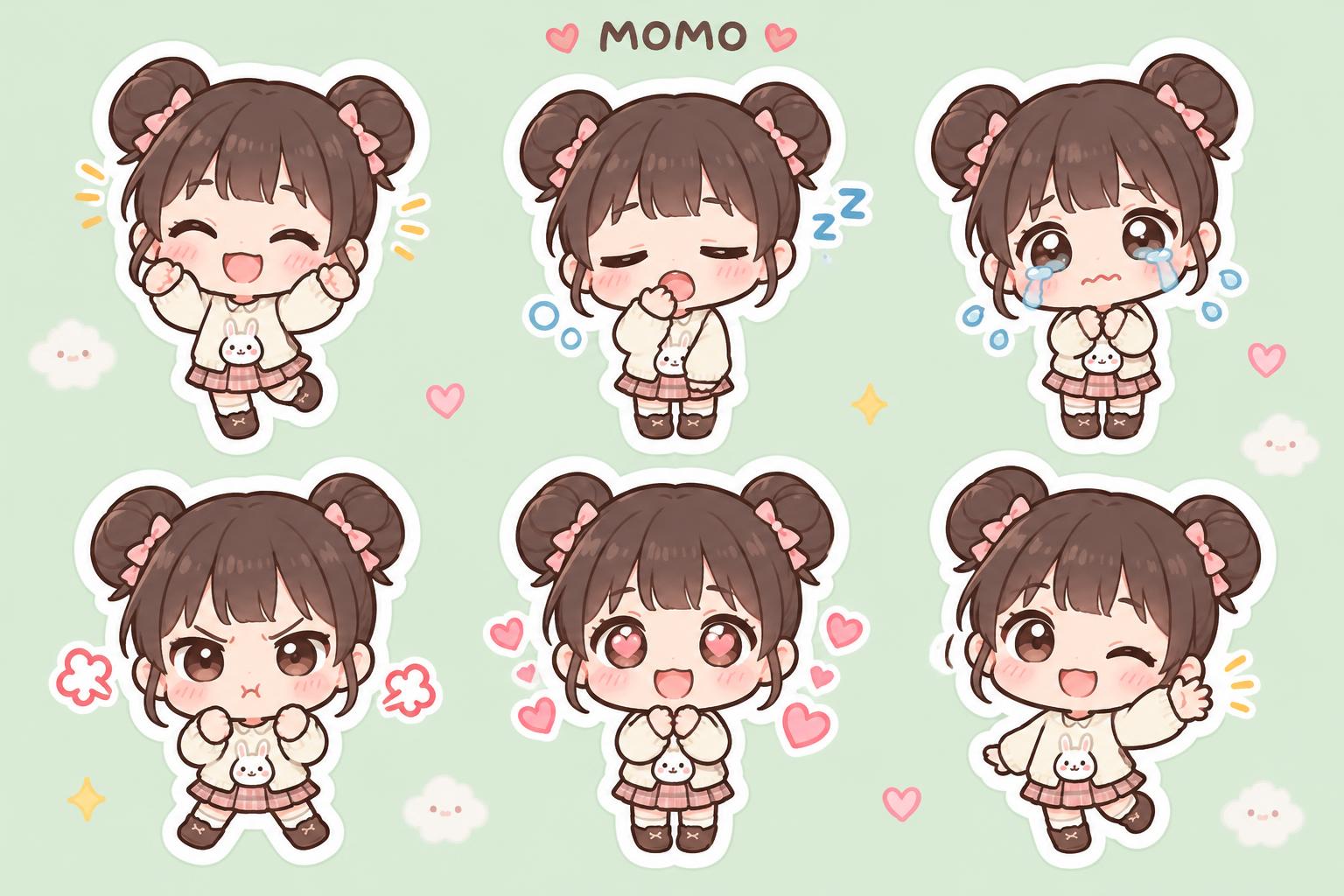
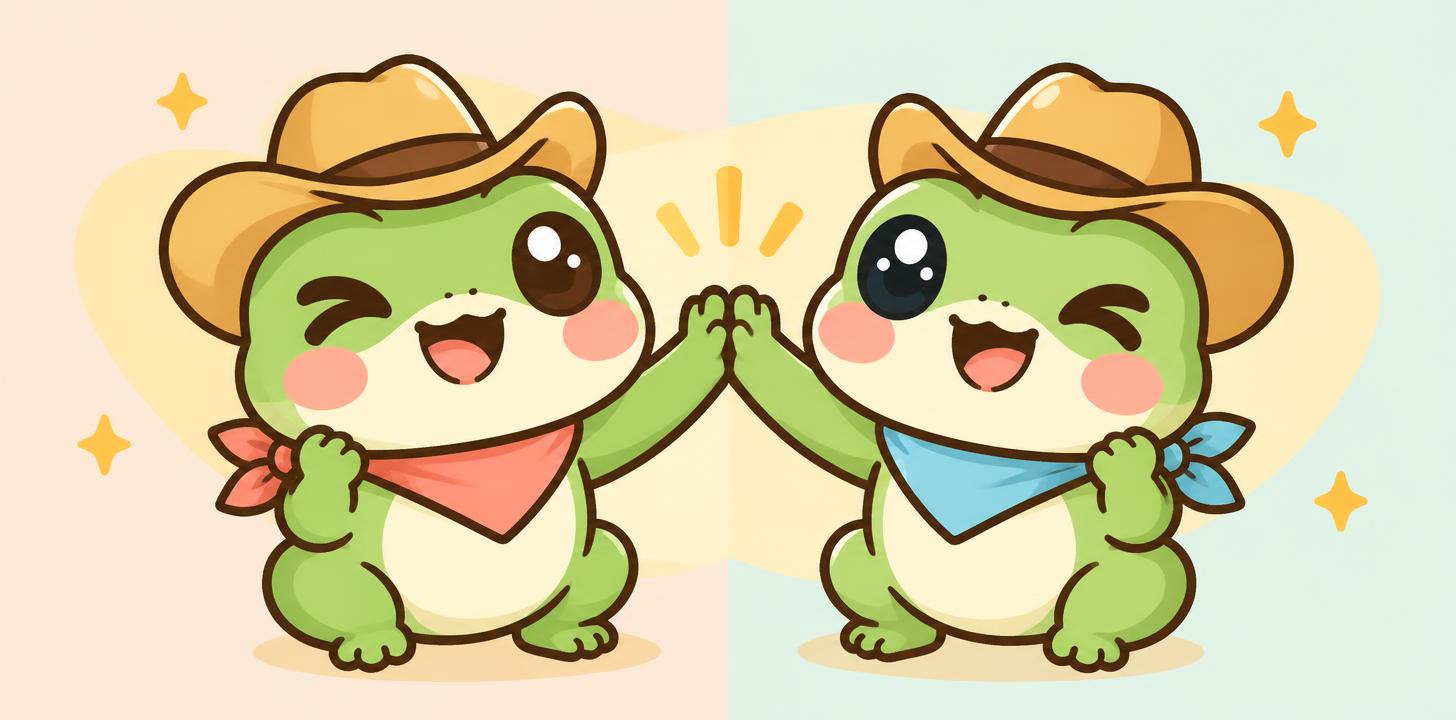
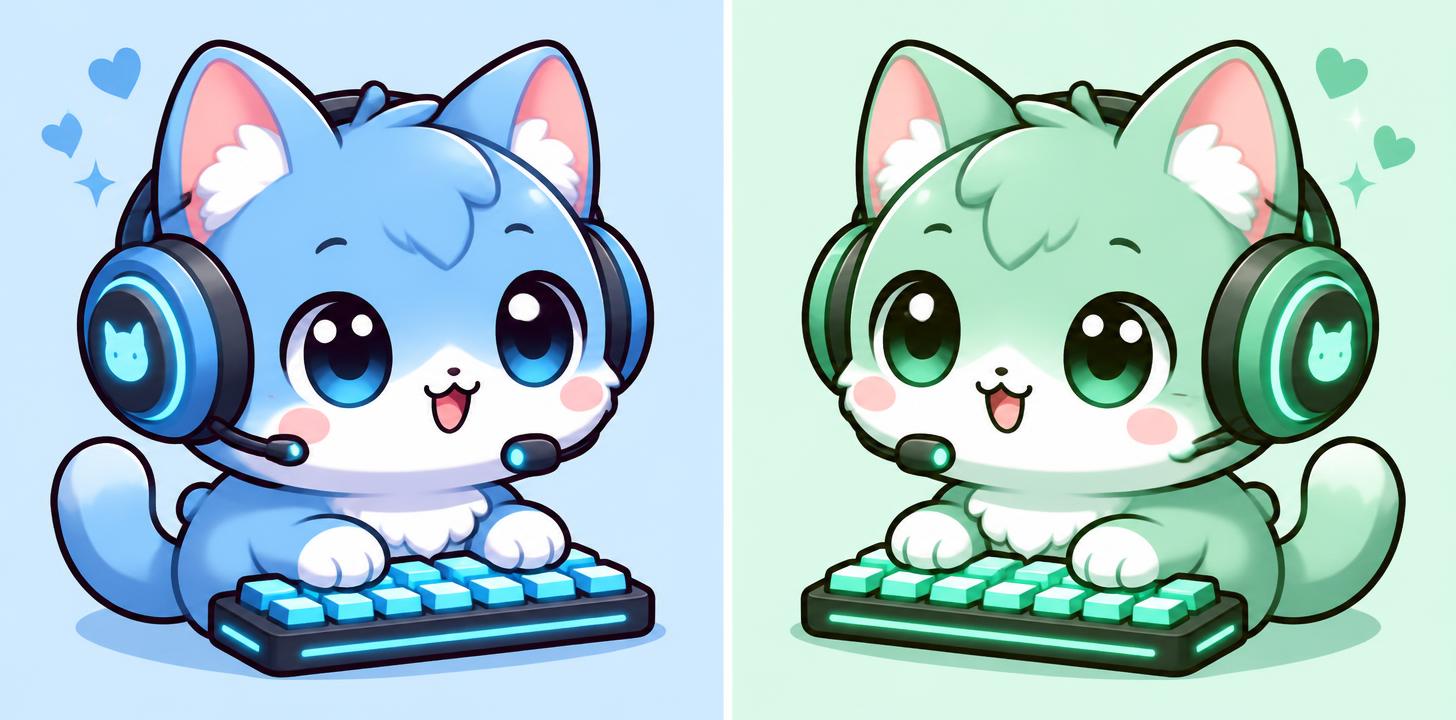
Small square Twitch and Discord emotes with one simple chibi pose and thick lines that read at chat size.
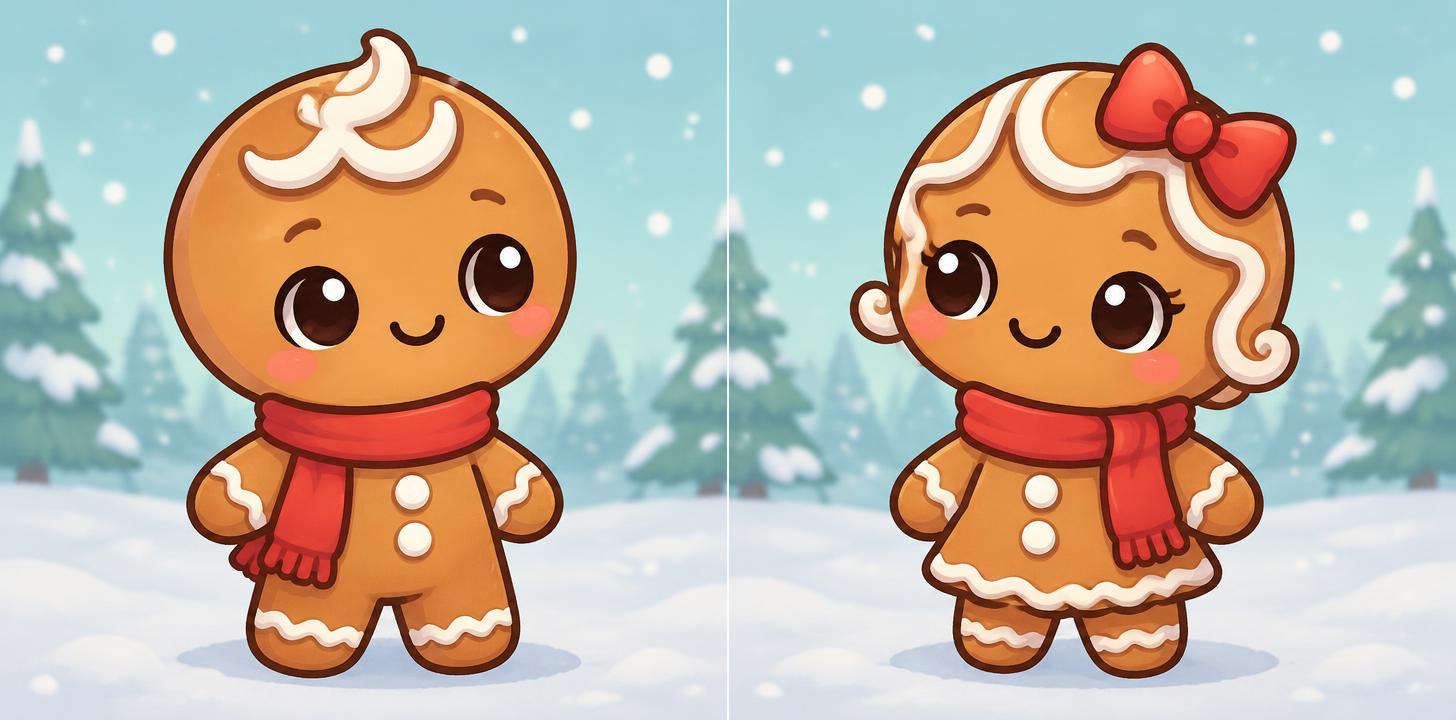
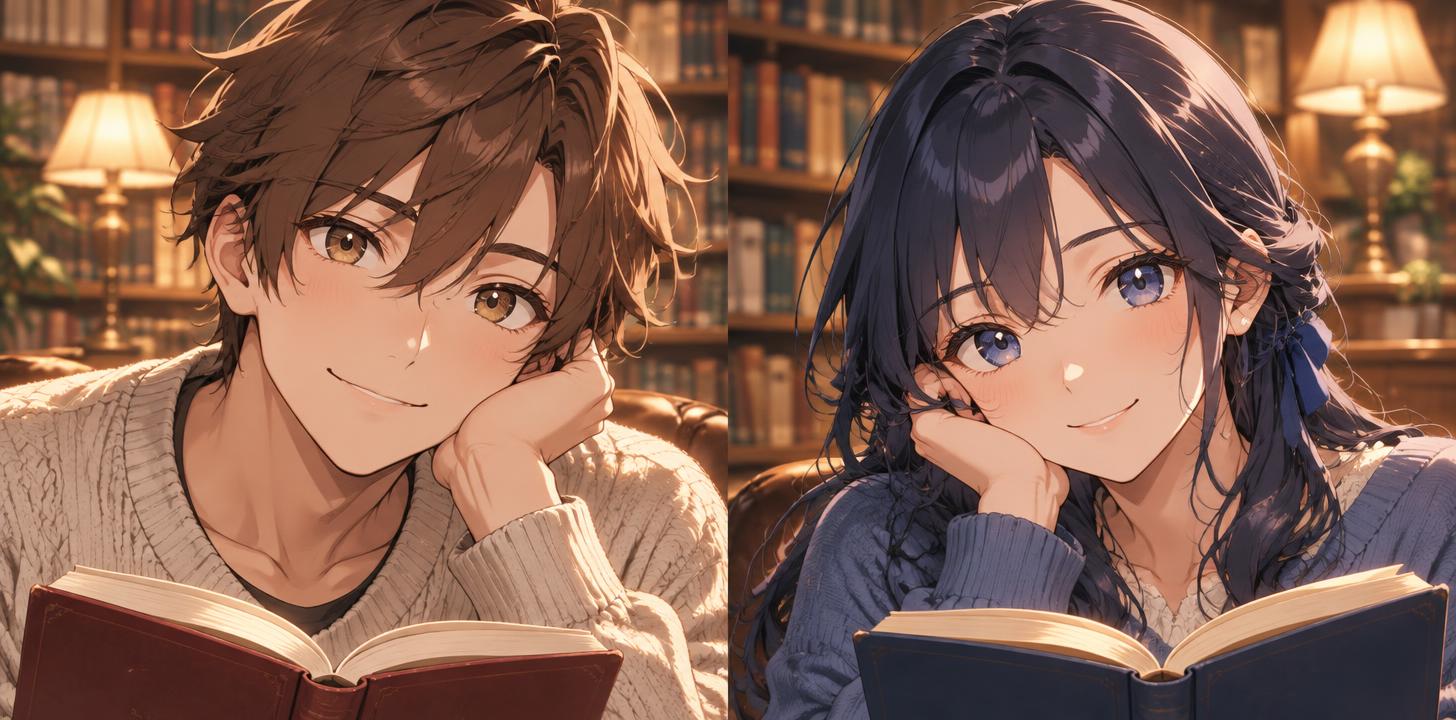
Matching Chibi PFPs
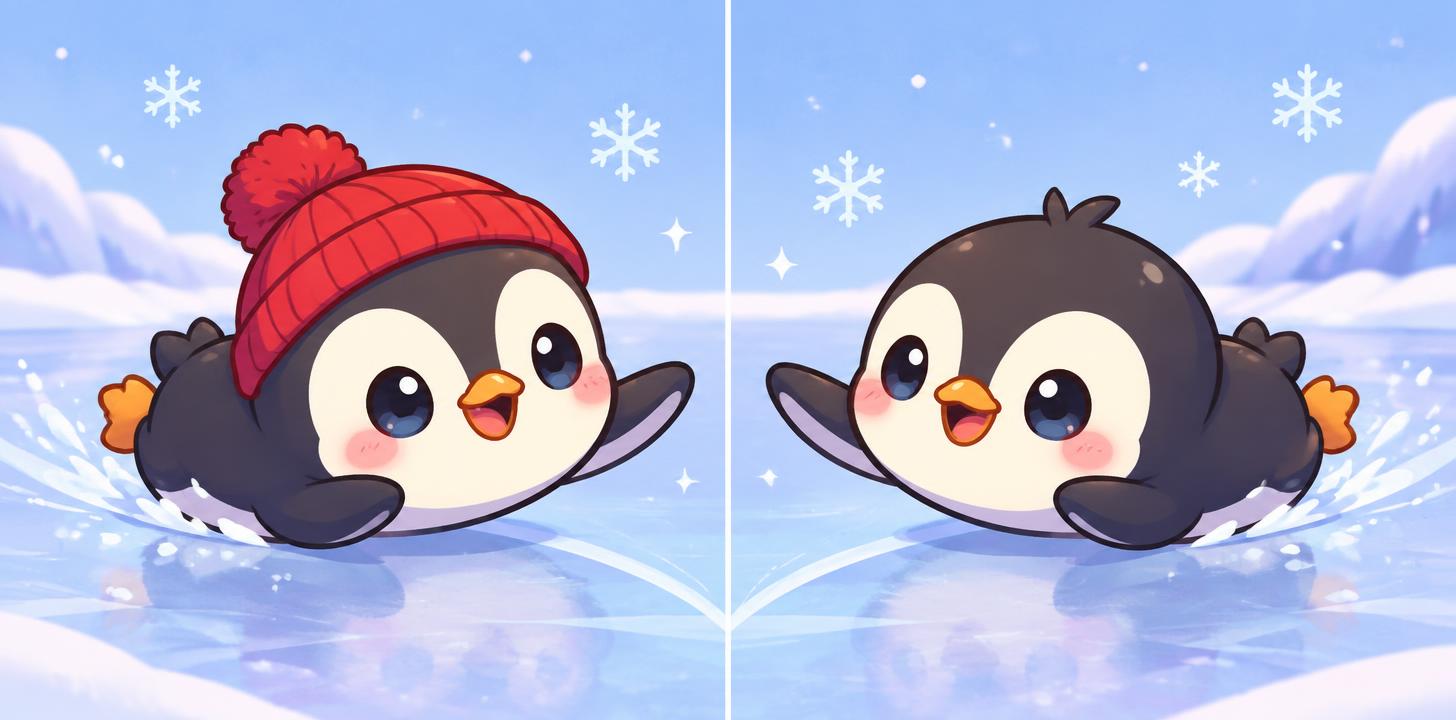
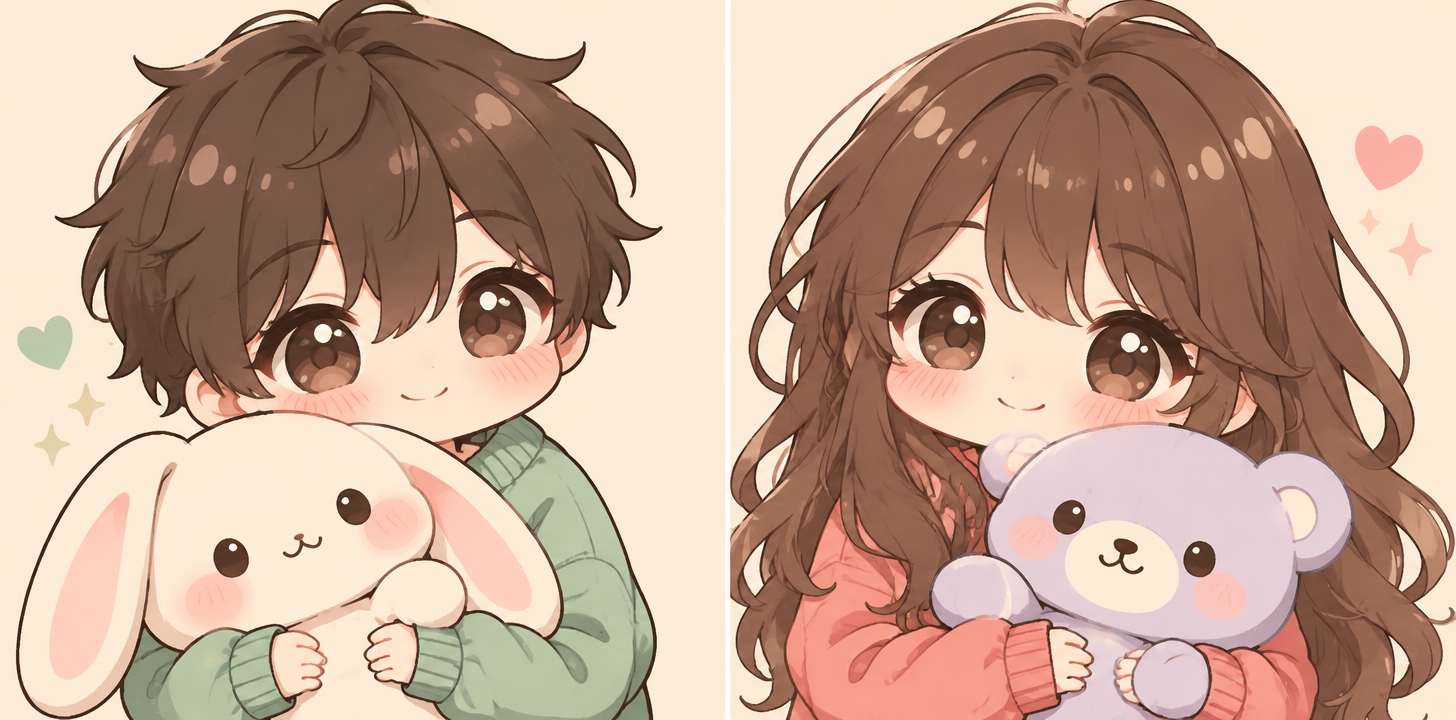
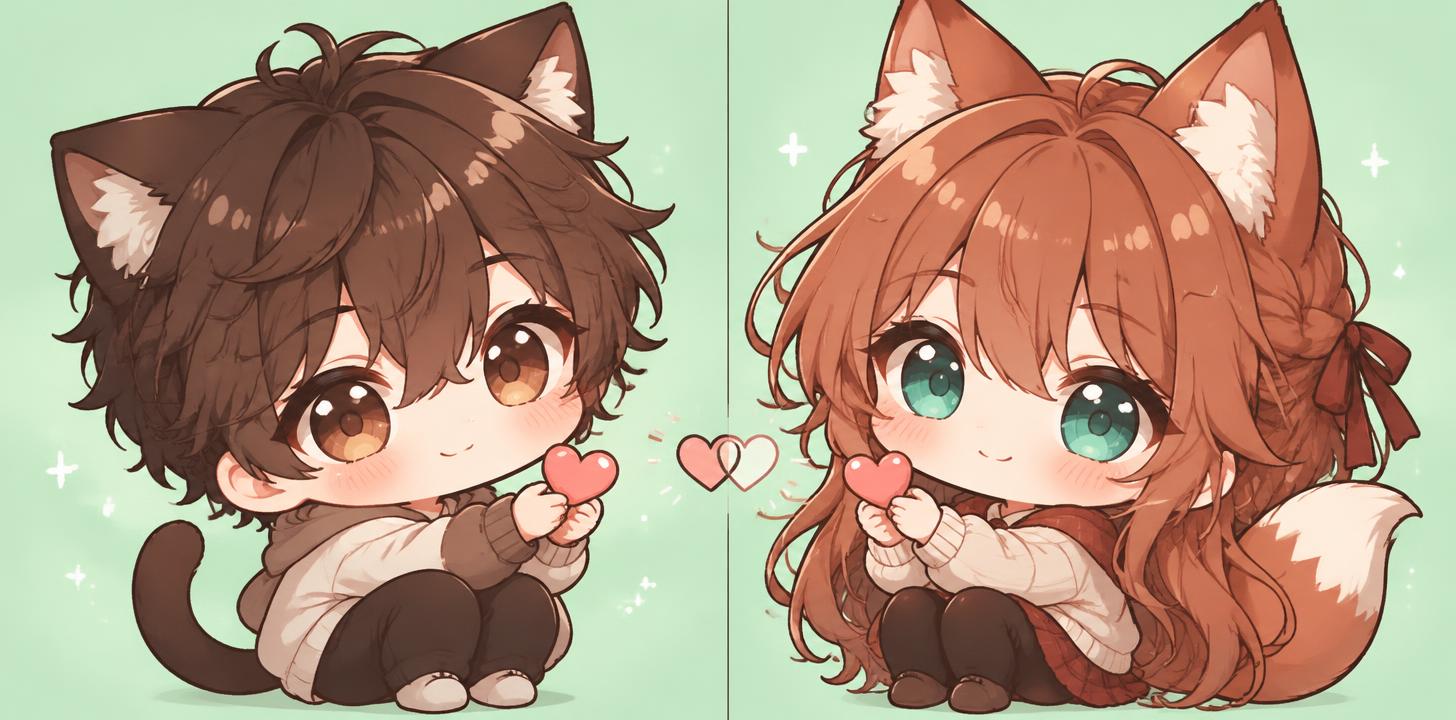
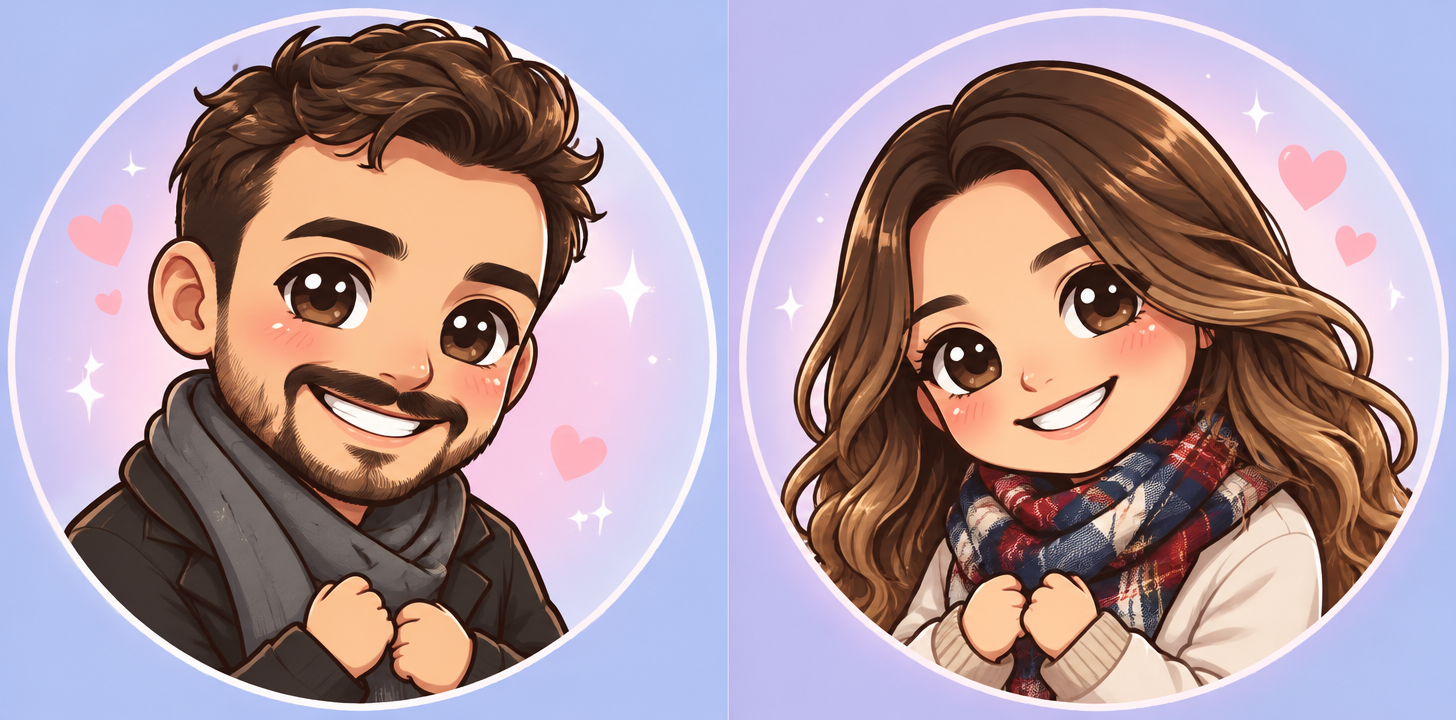
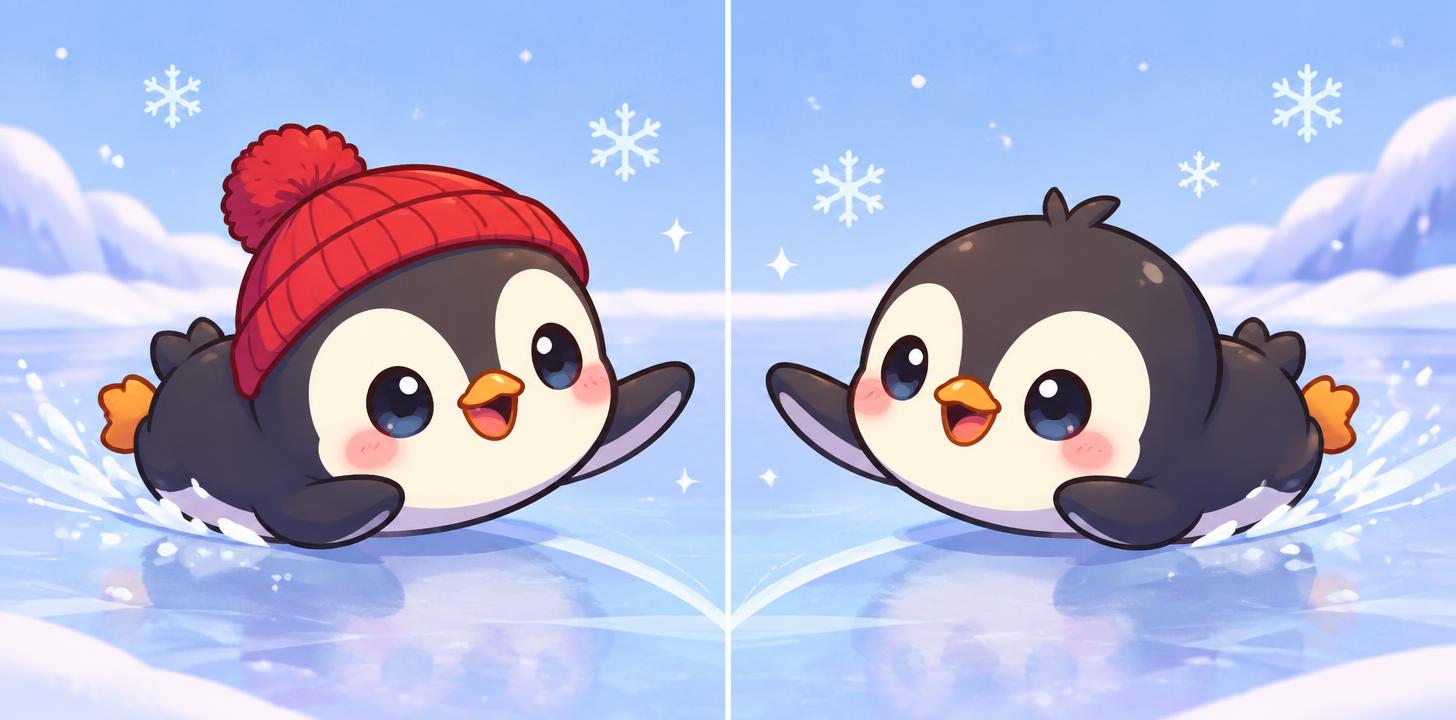
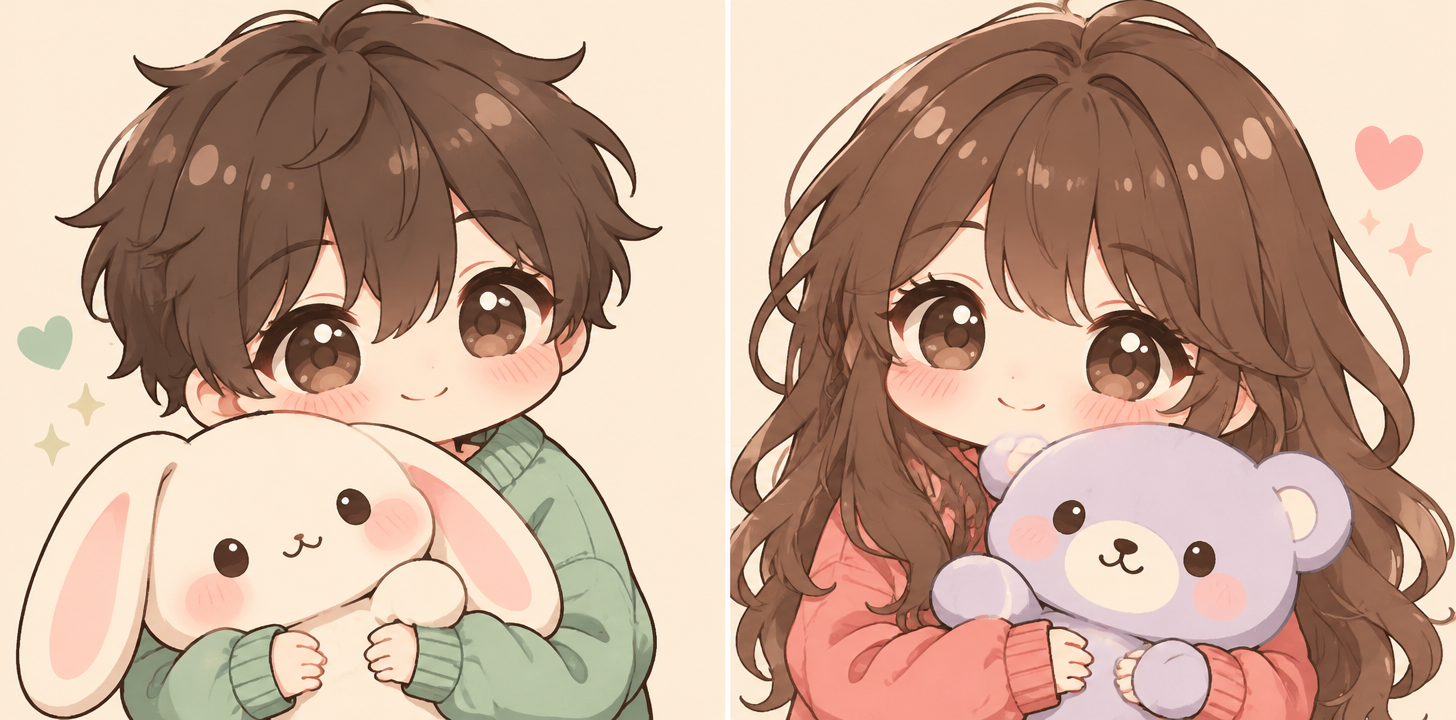
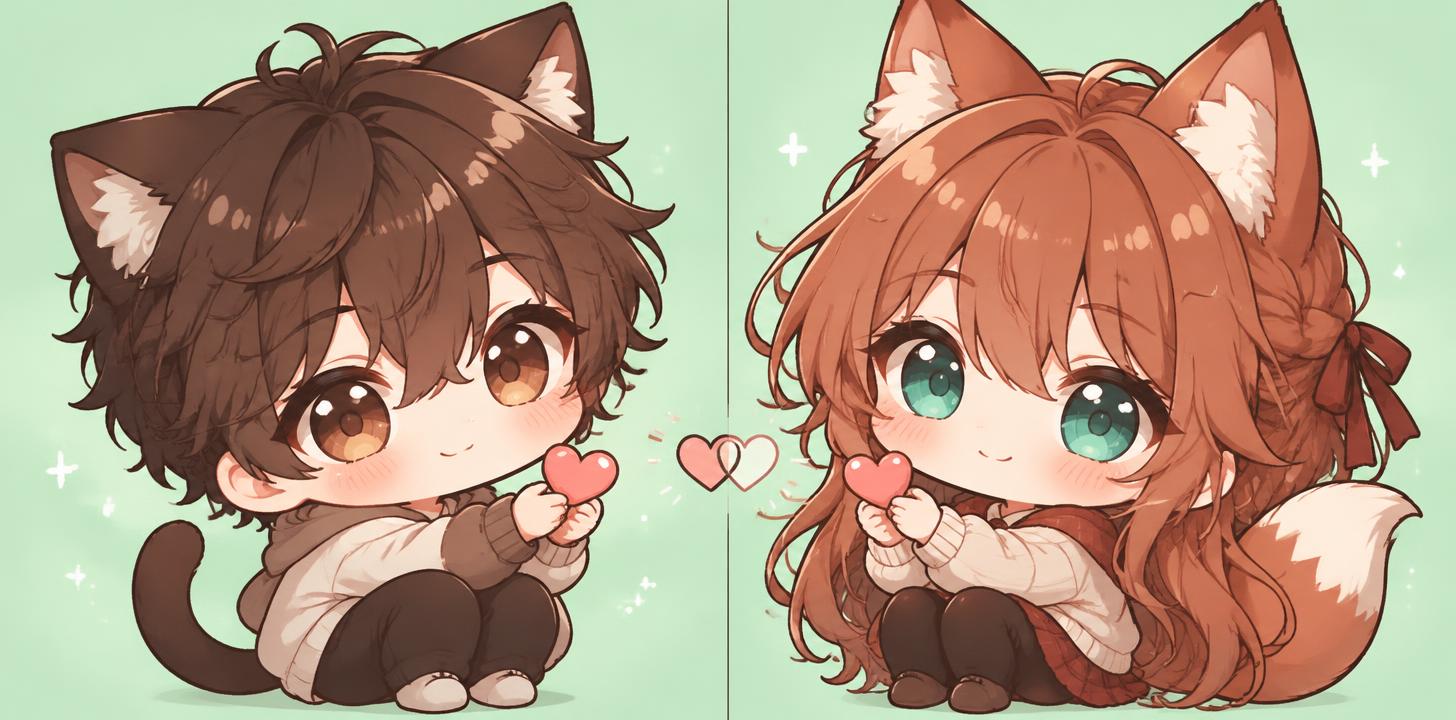
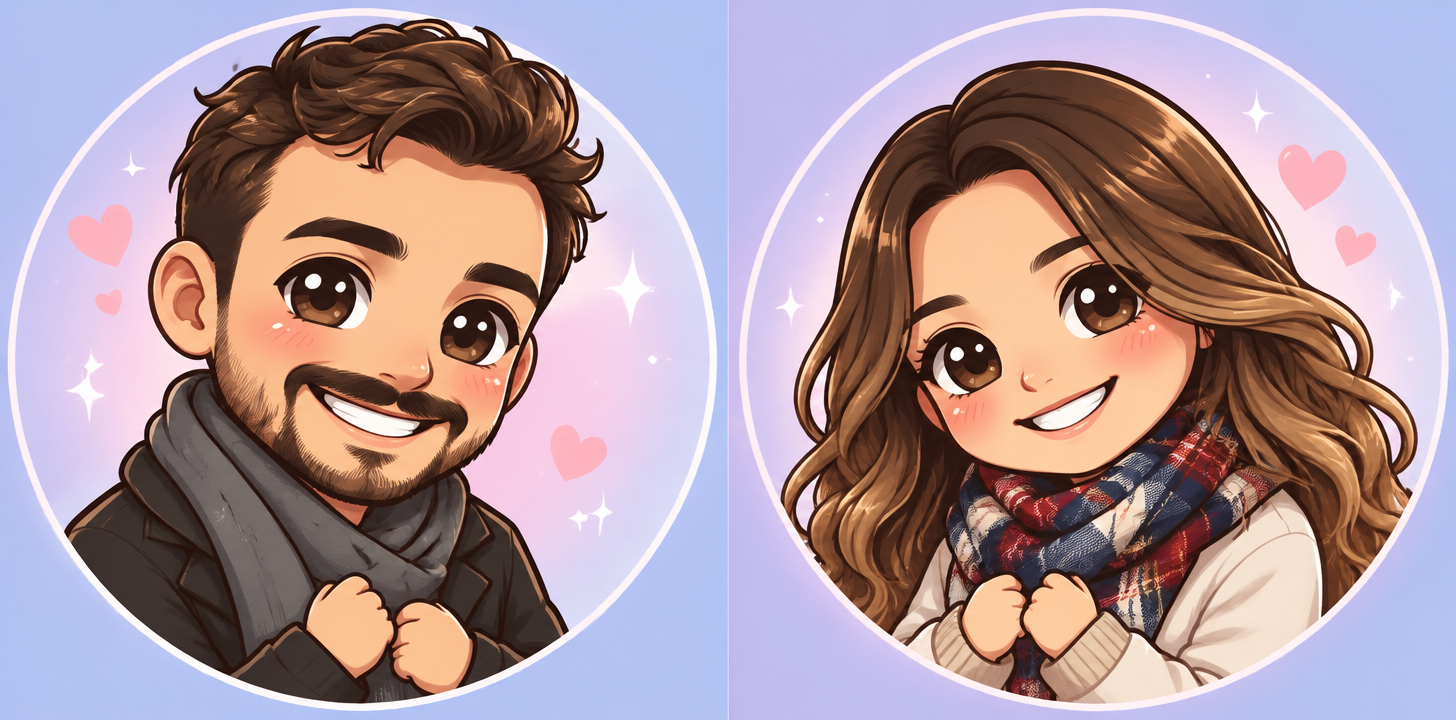
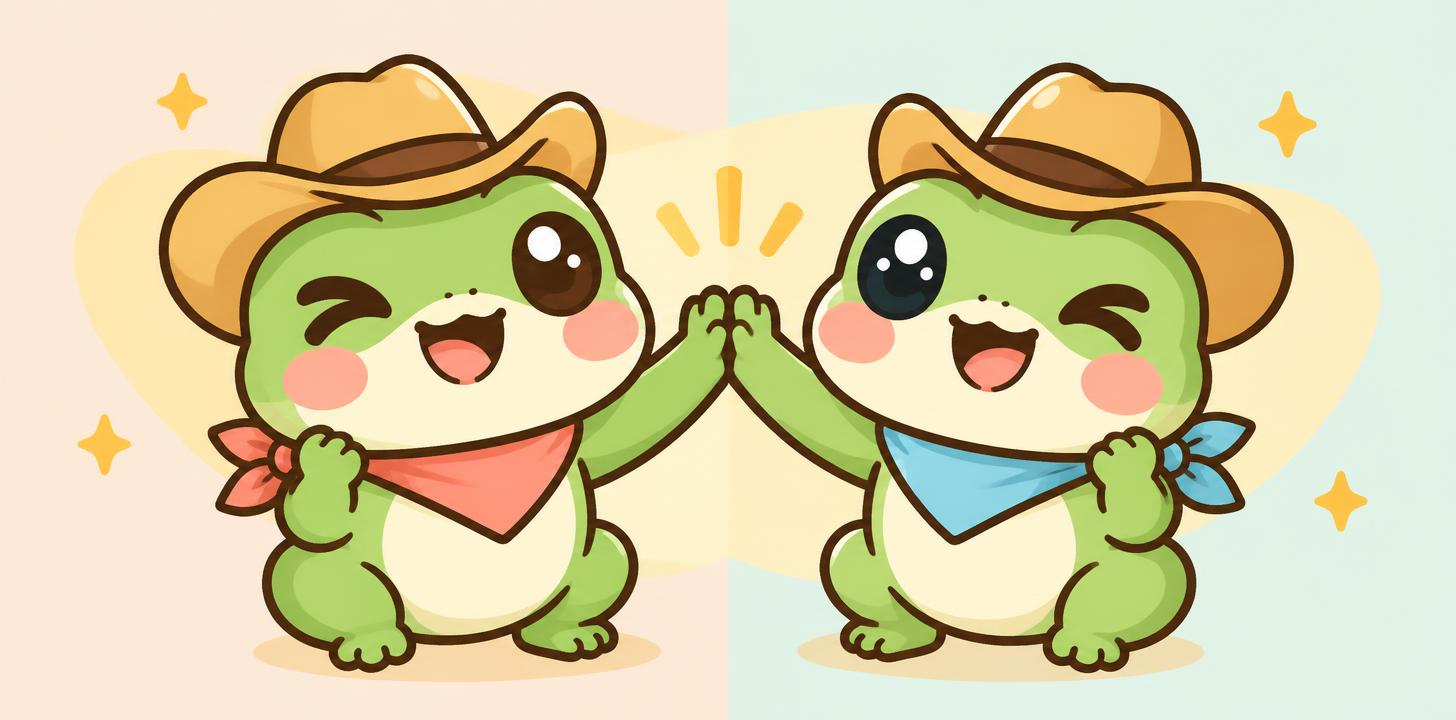
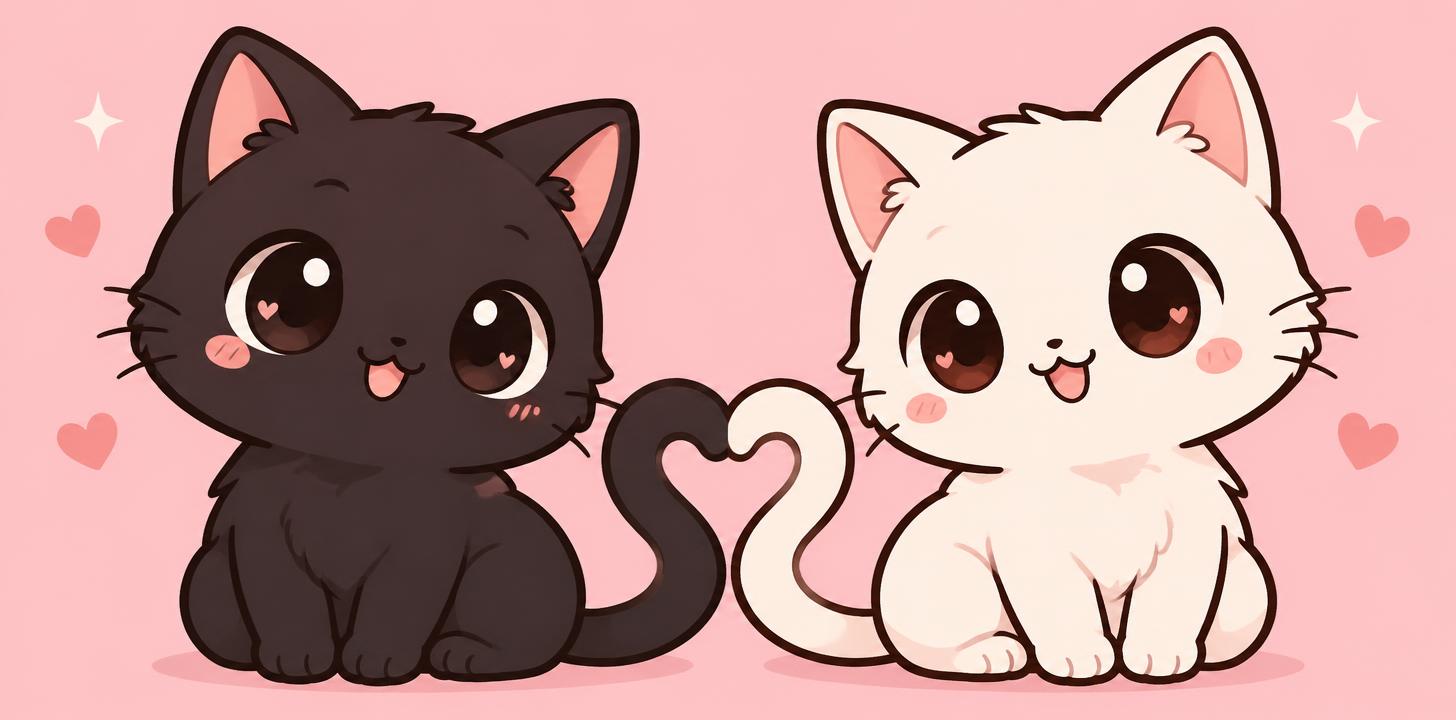
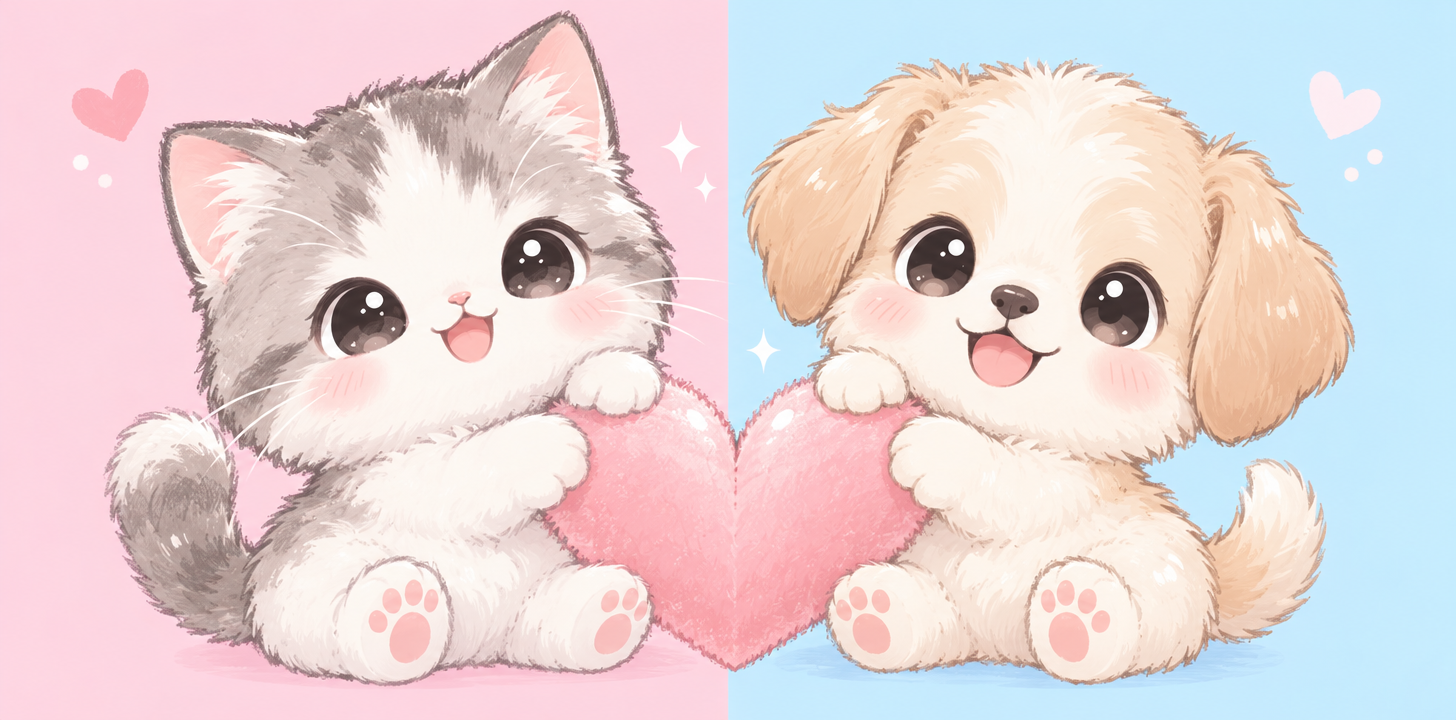
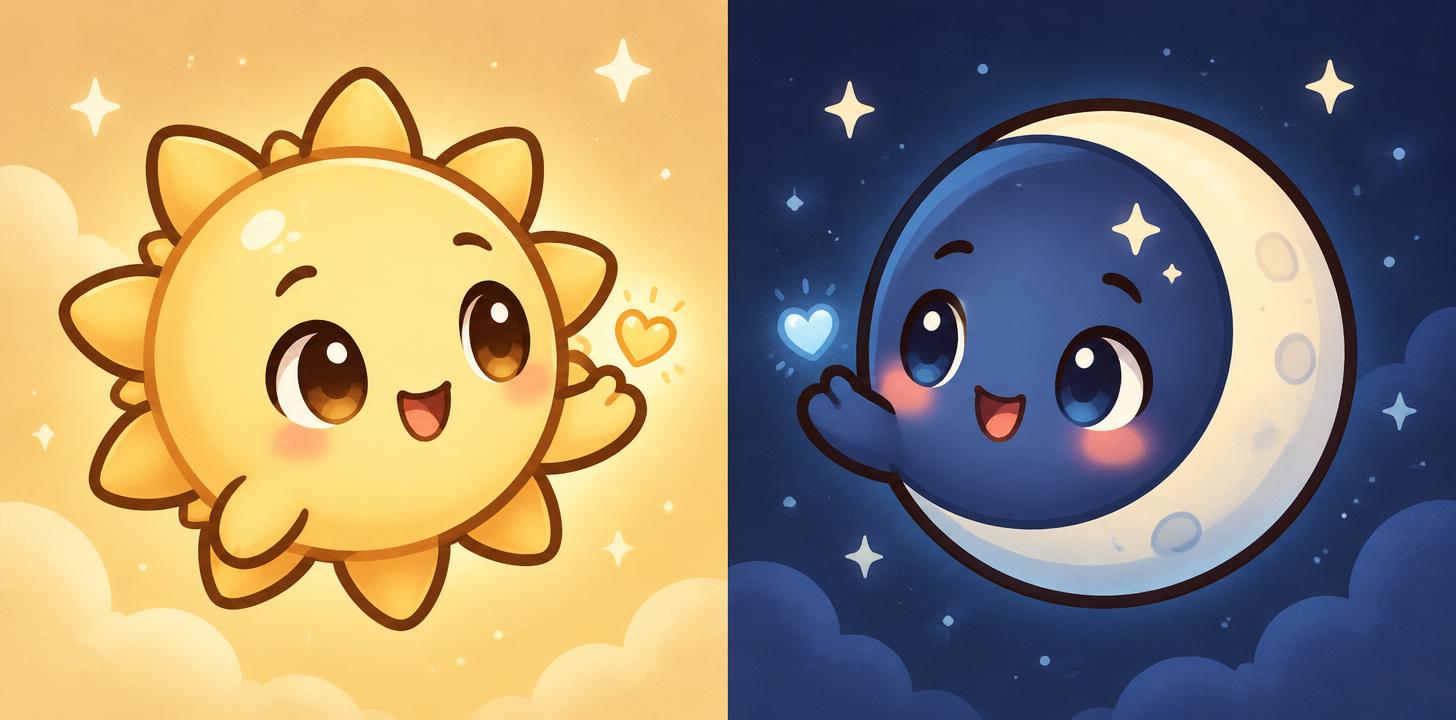
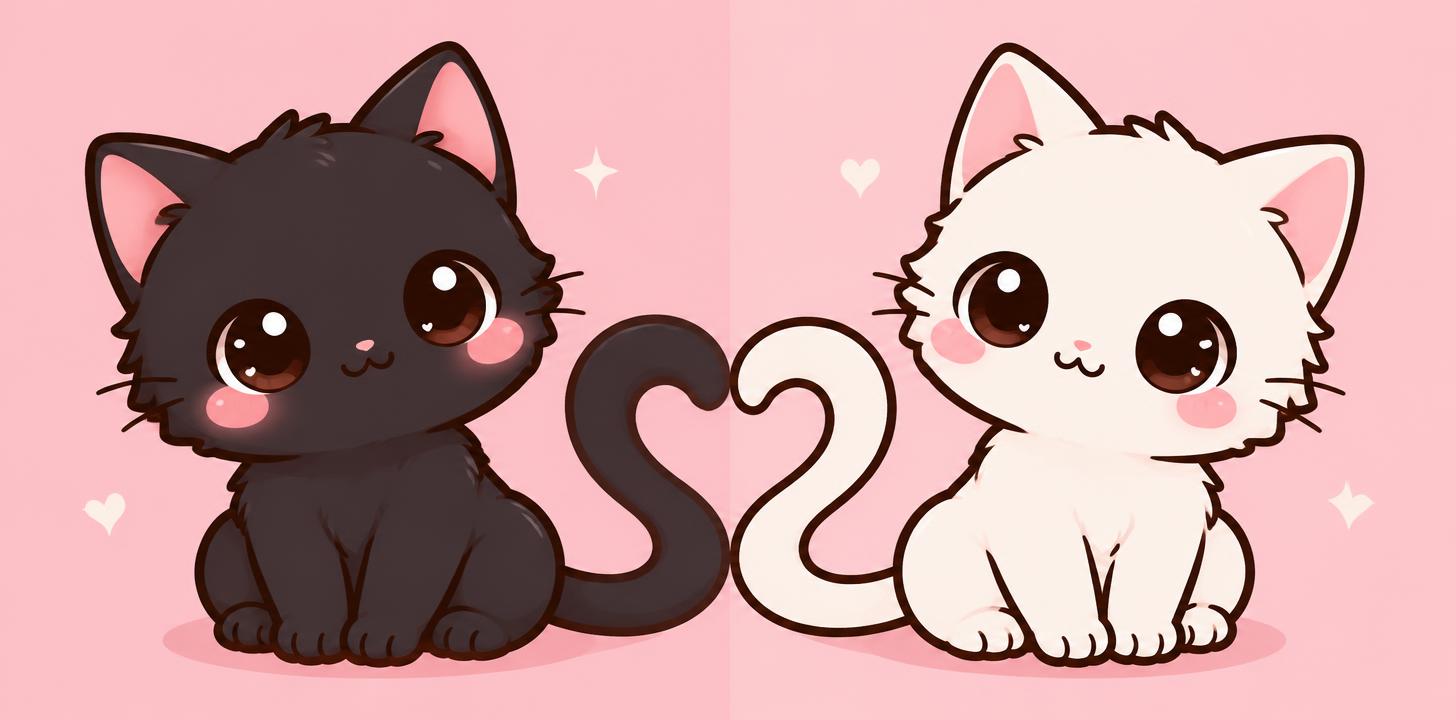
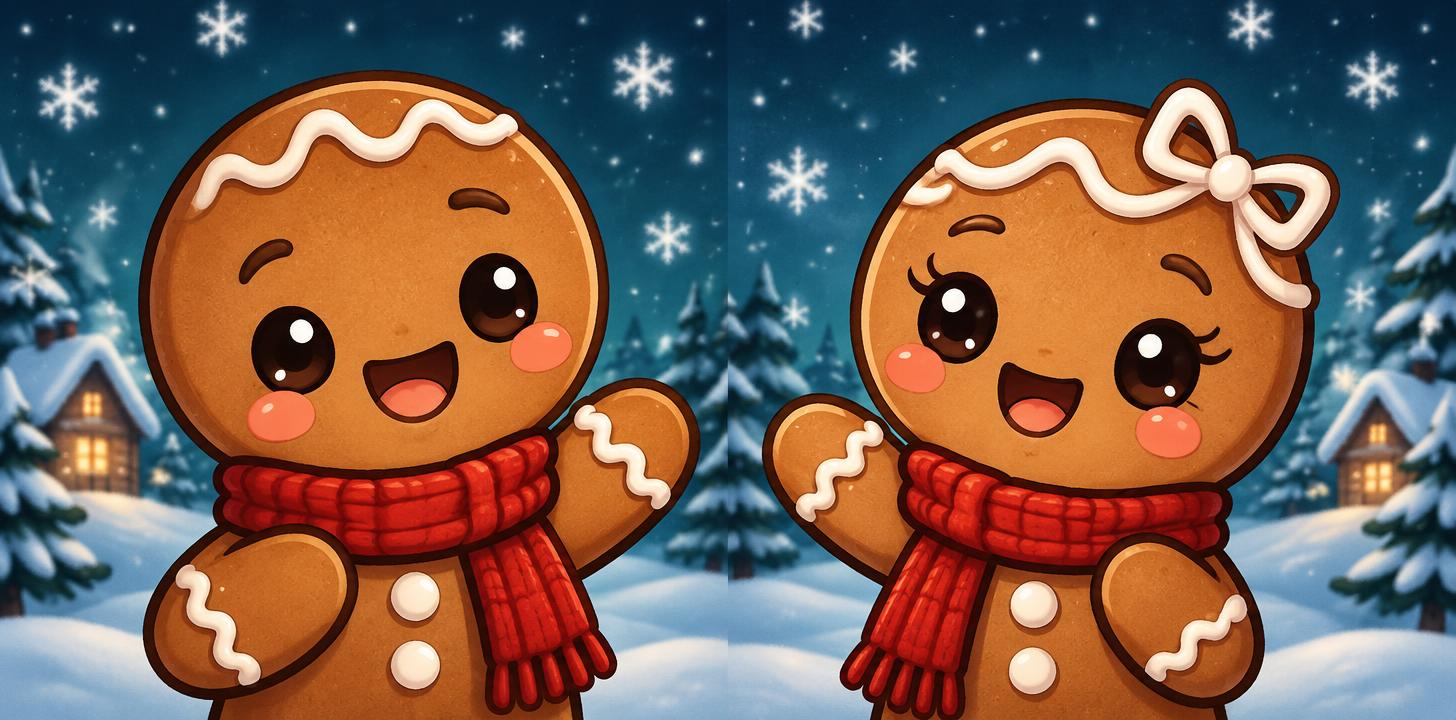
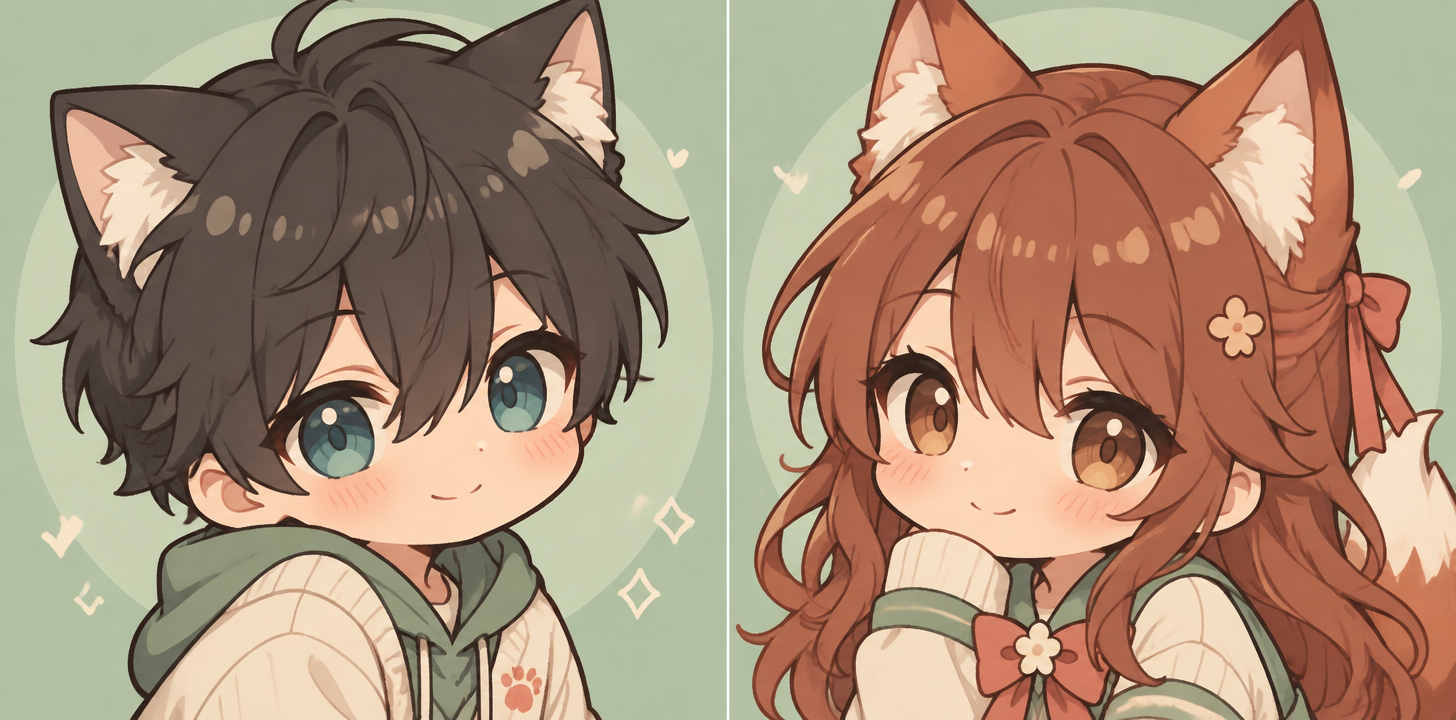
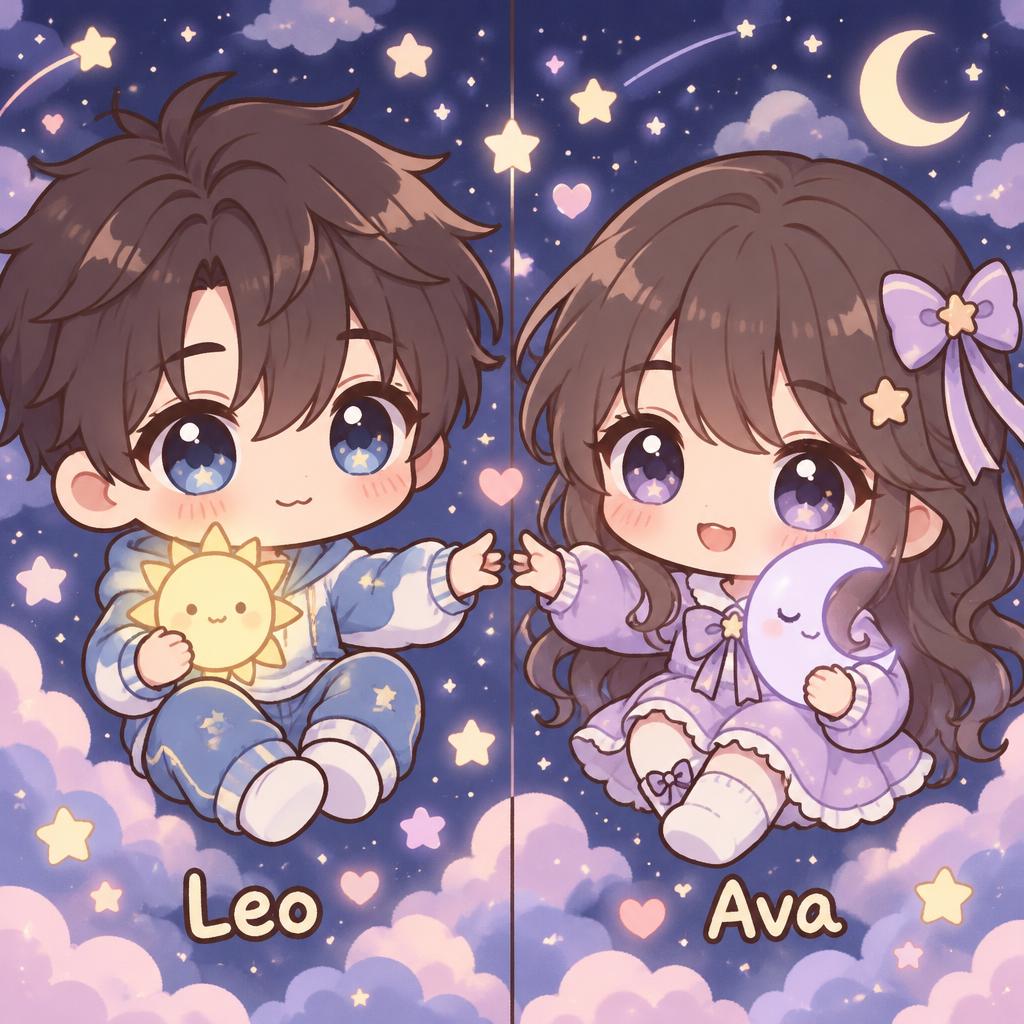
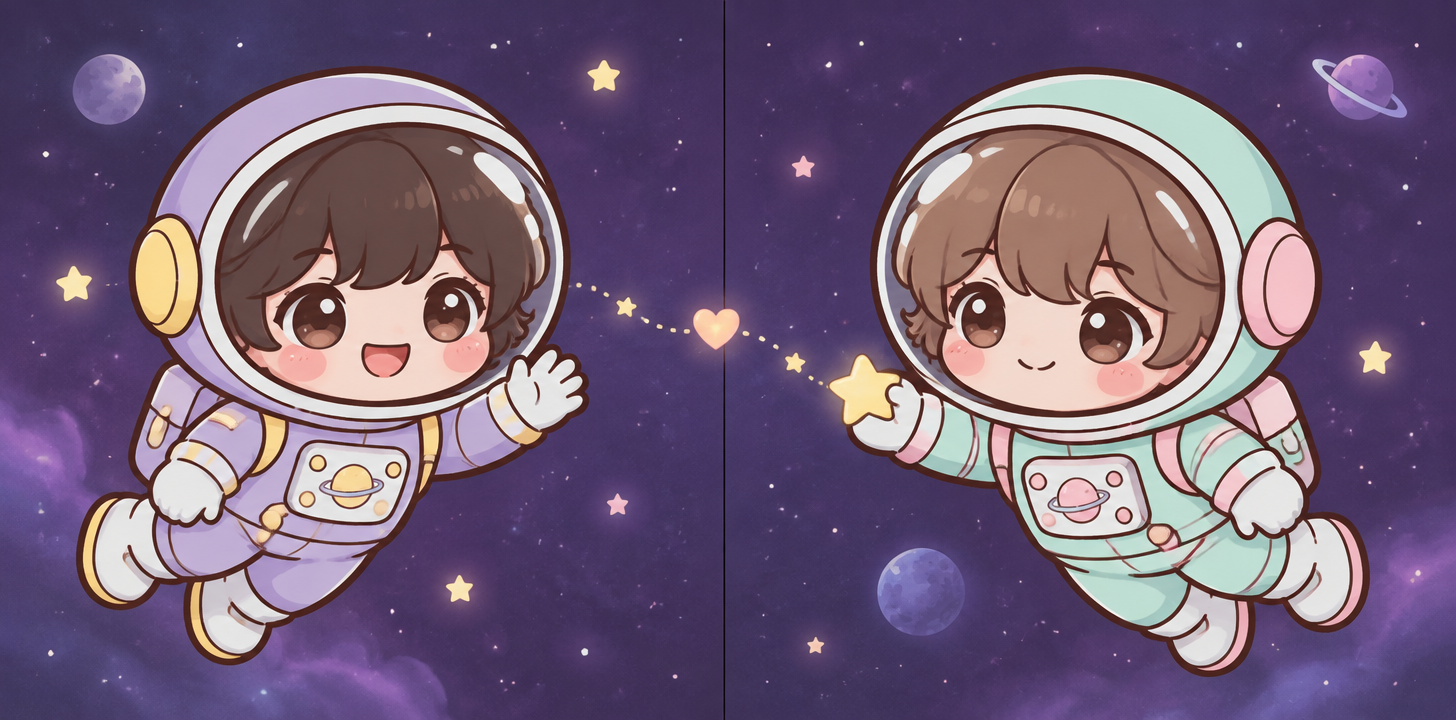
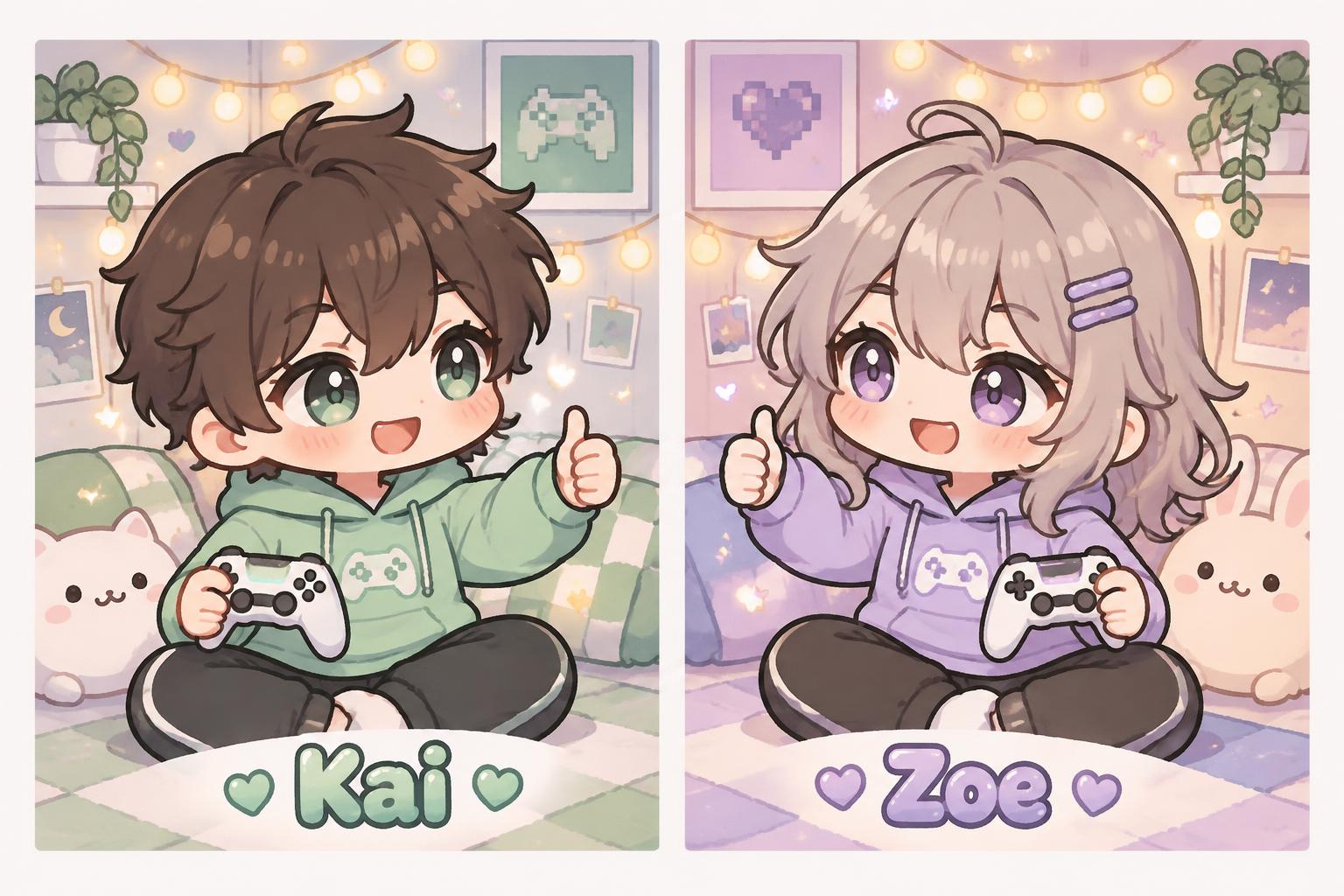
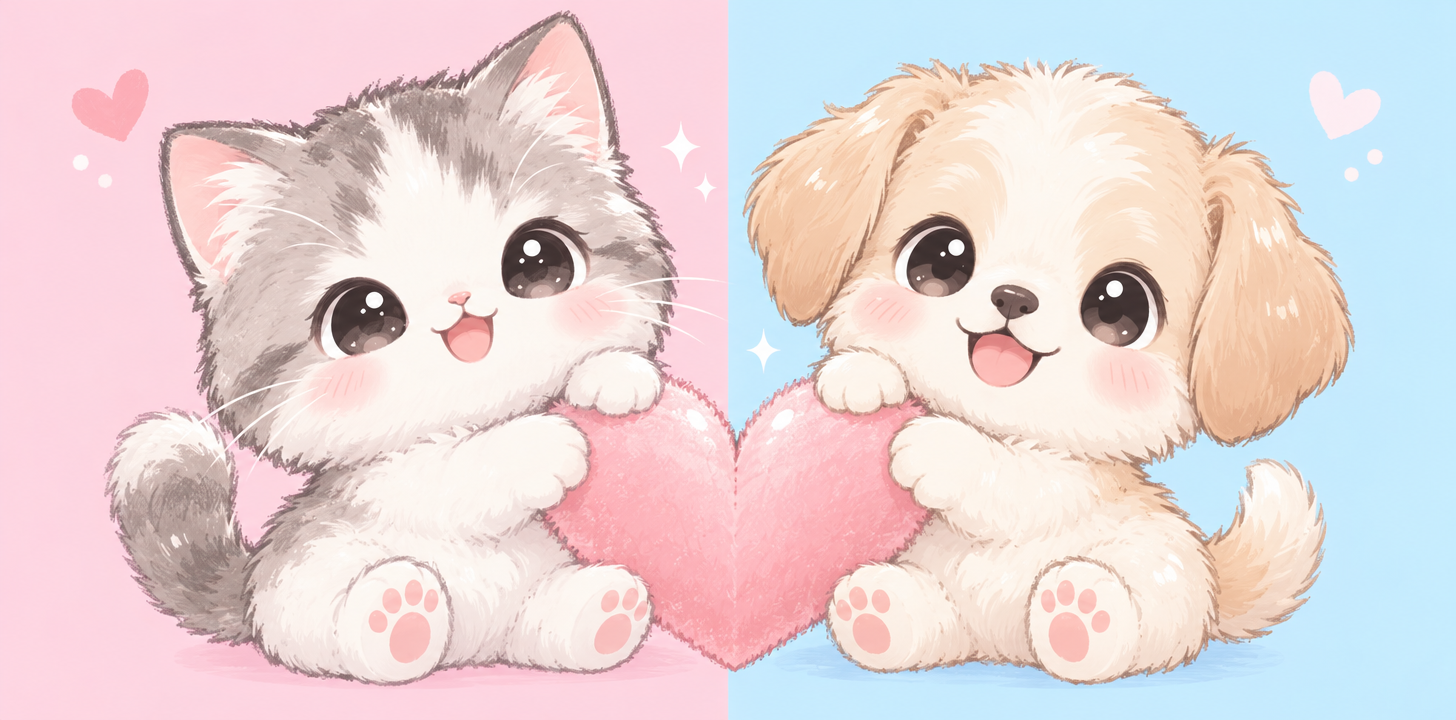
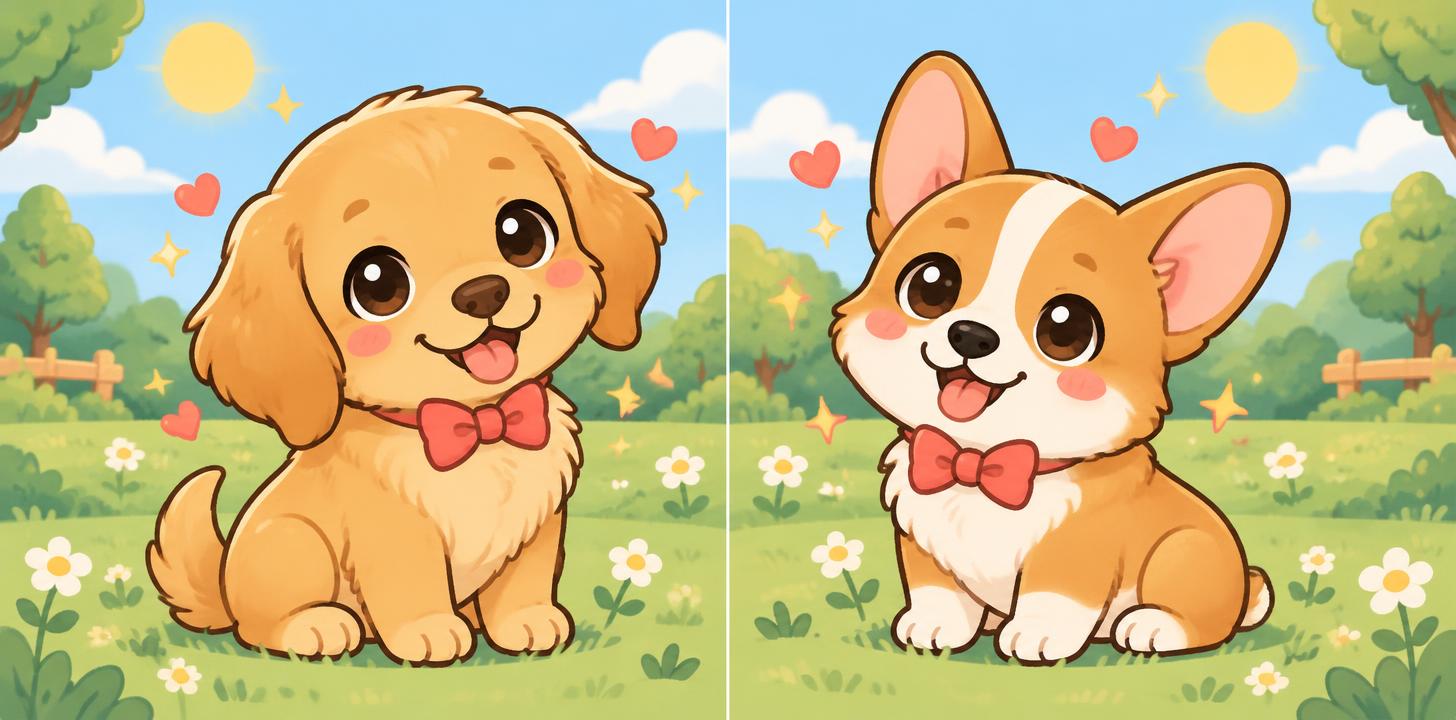
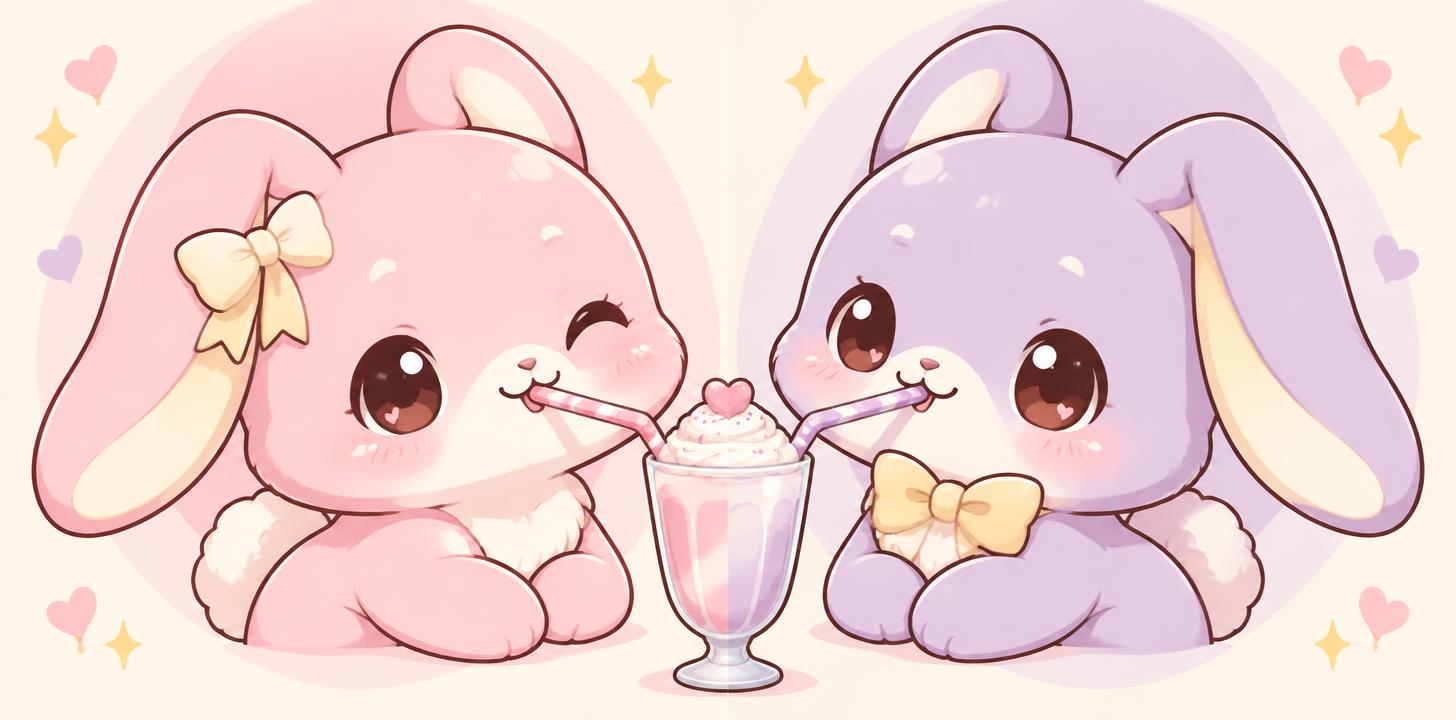
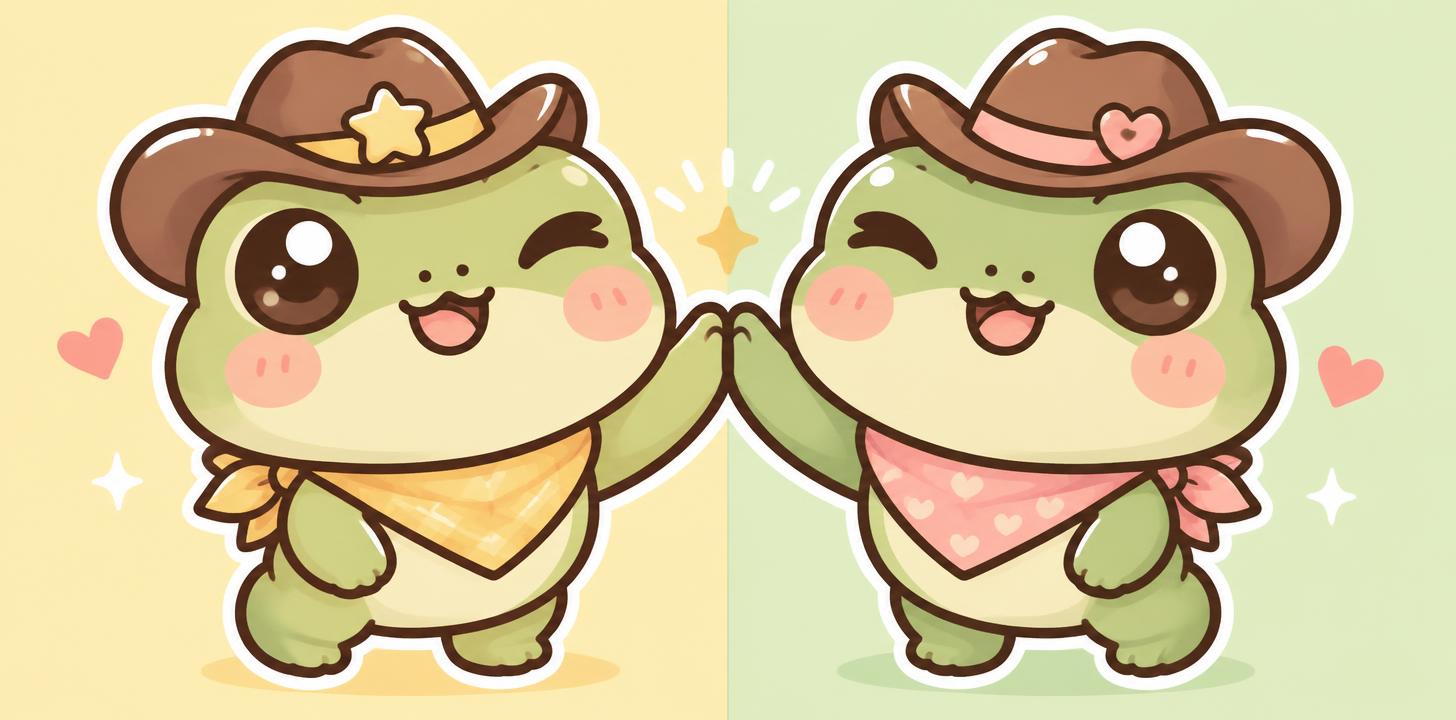
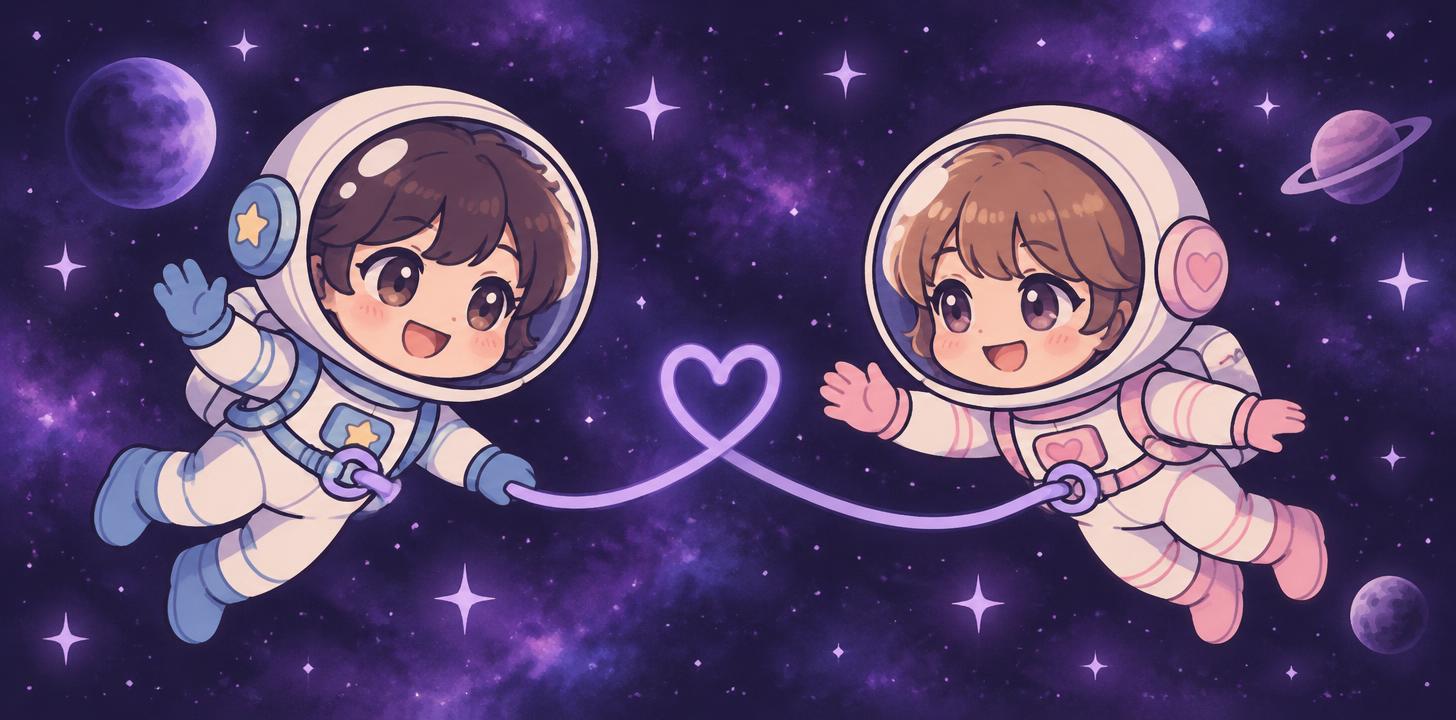
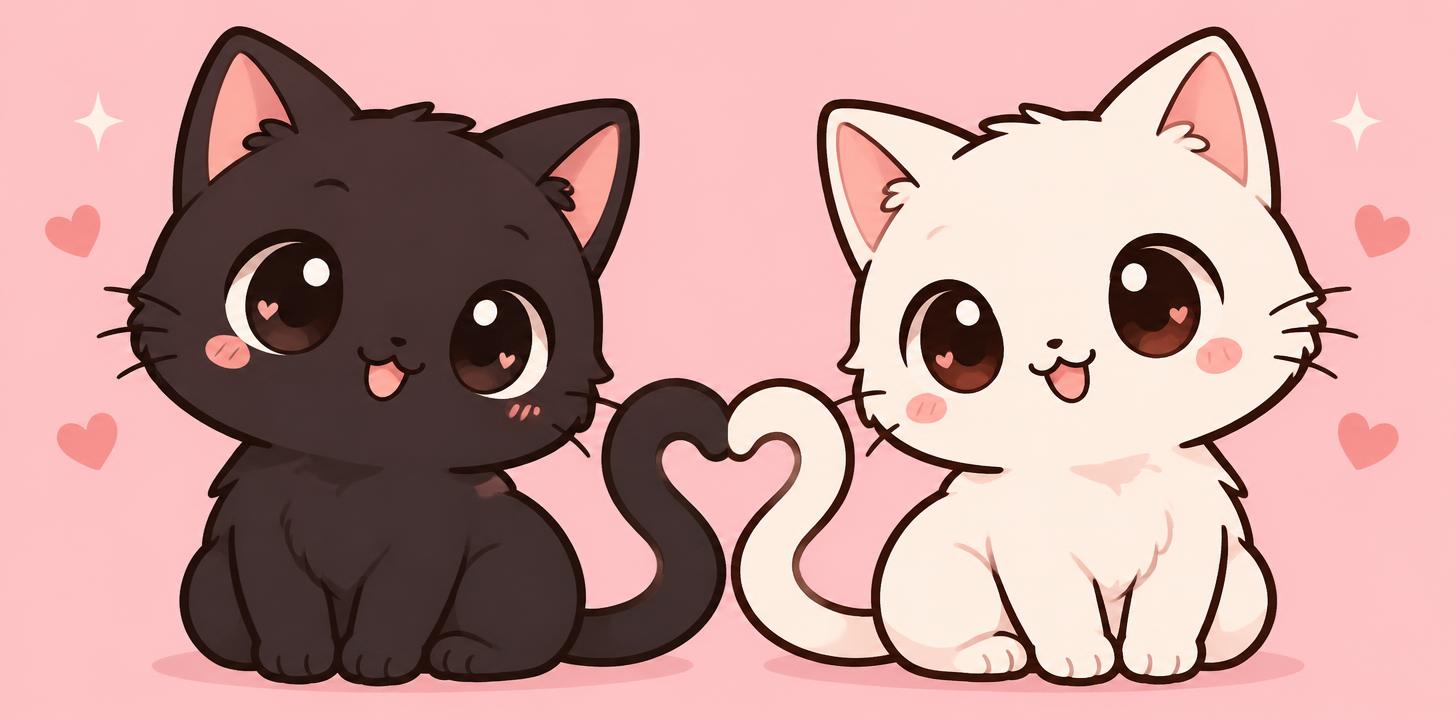
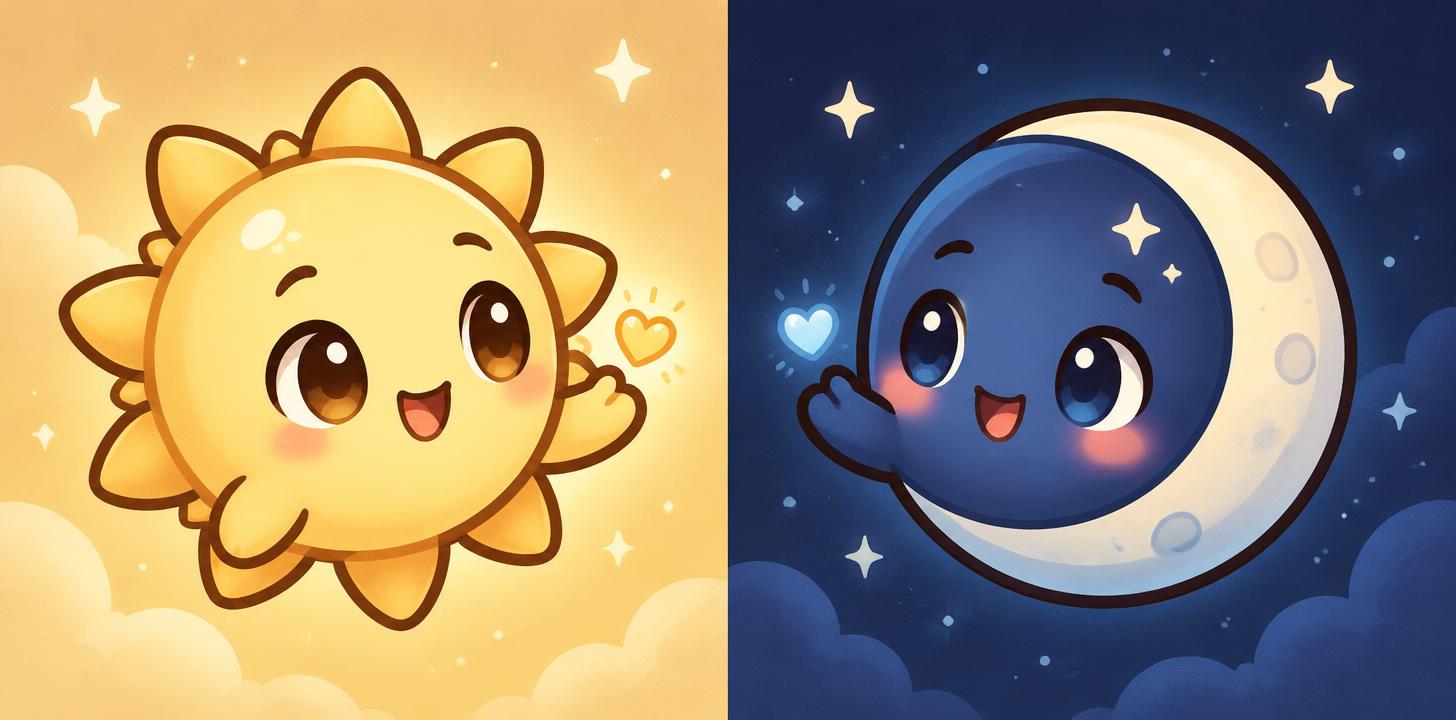
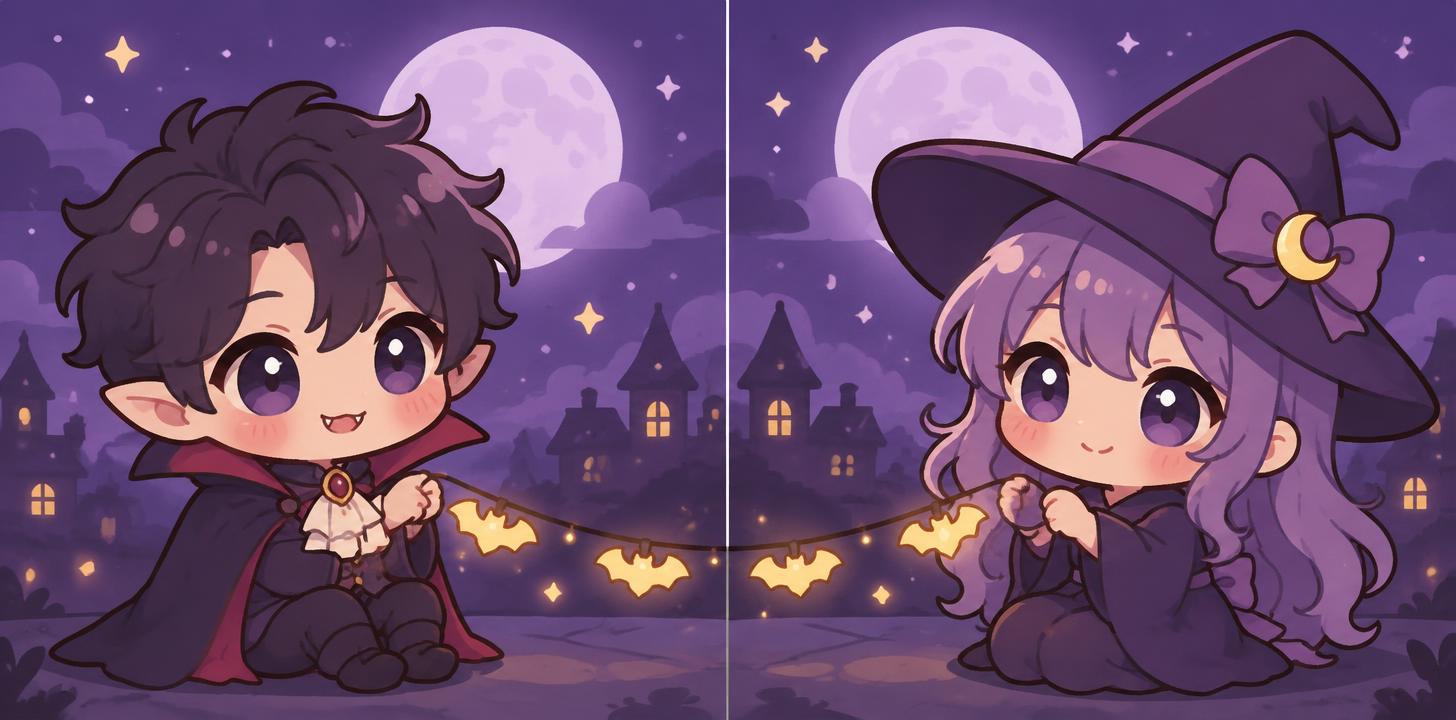
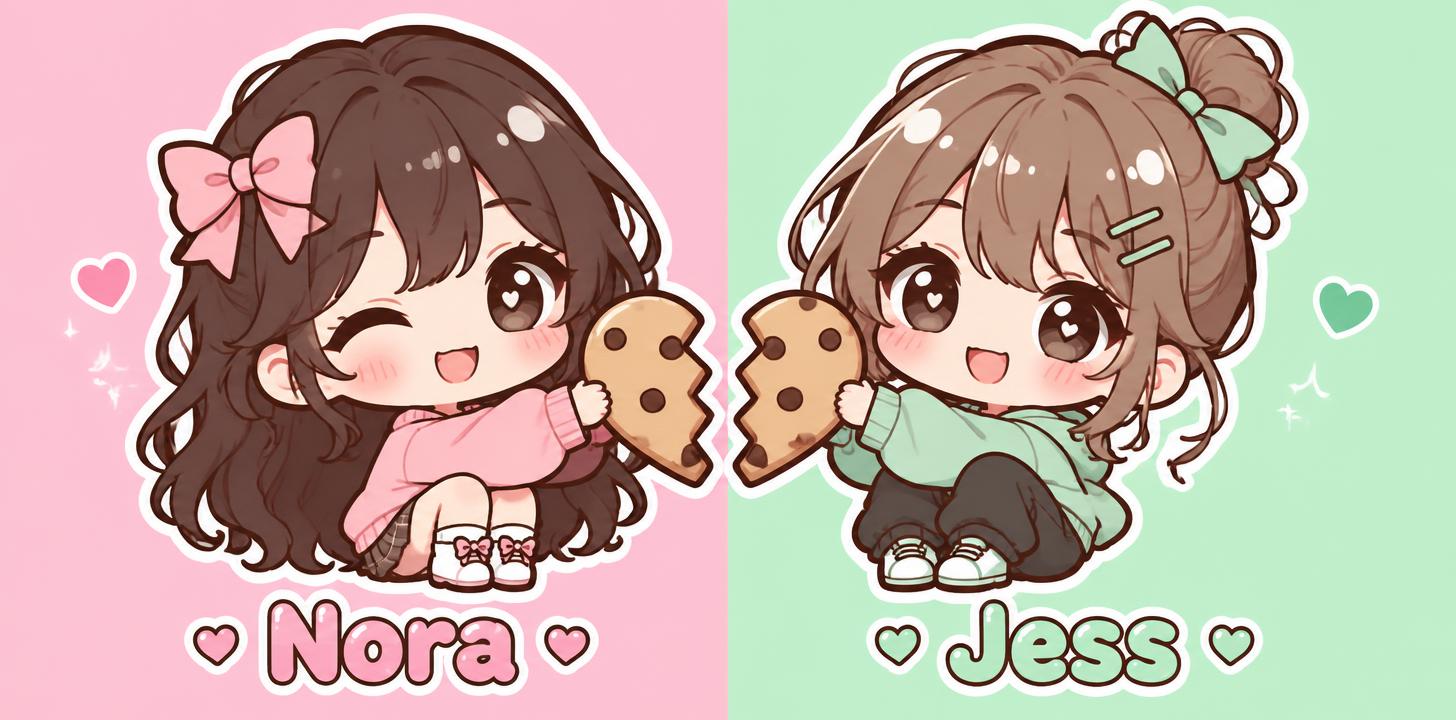
One wide picture with a chibi in each half, drawn the same way and reaching toward each other, ready to split into two profile pictures.
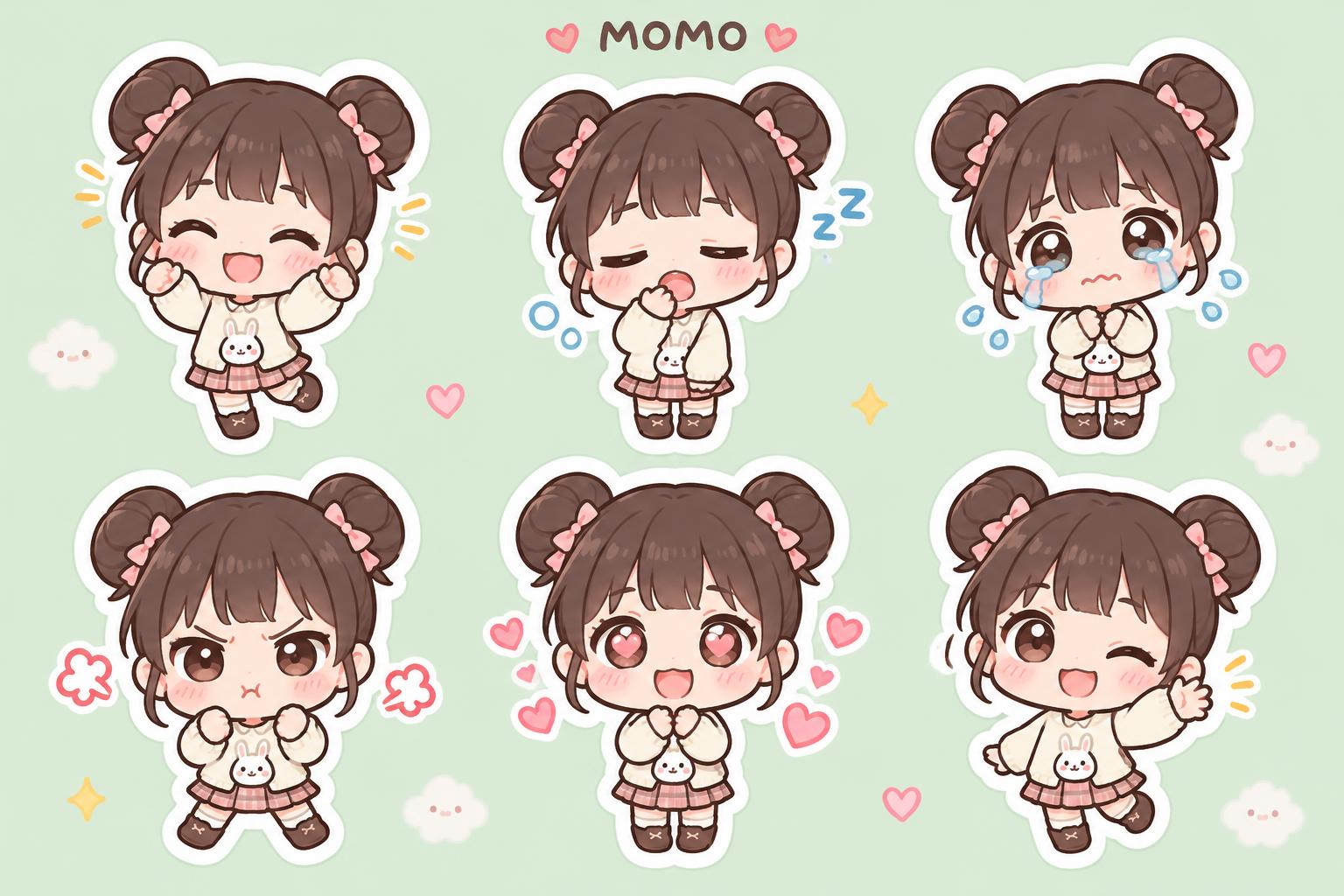
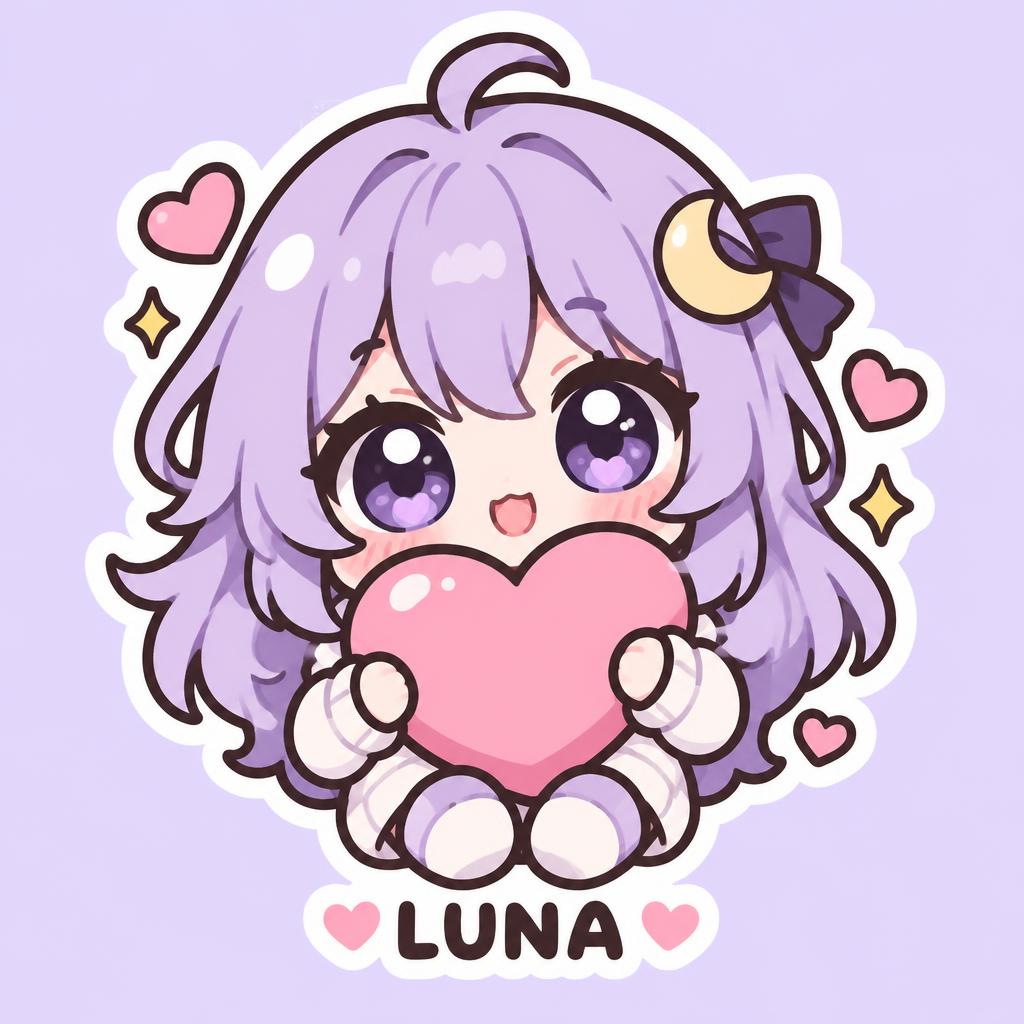
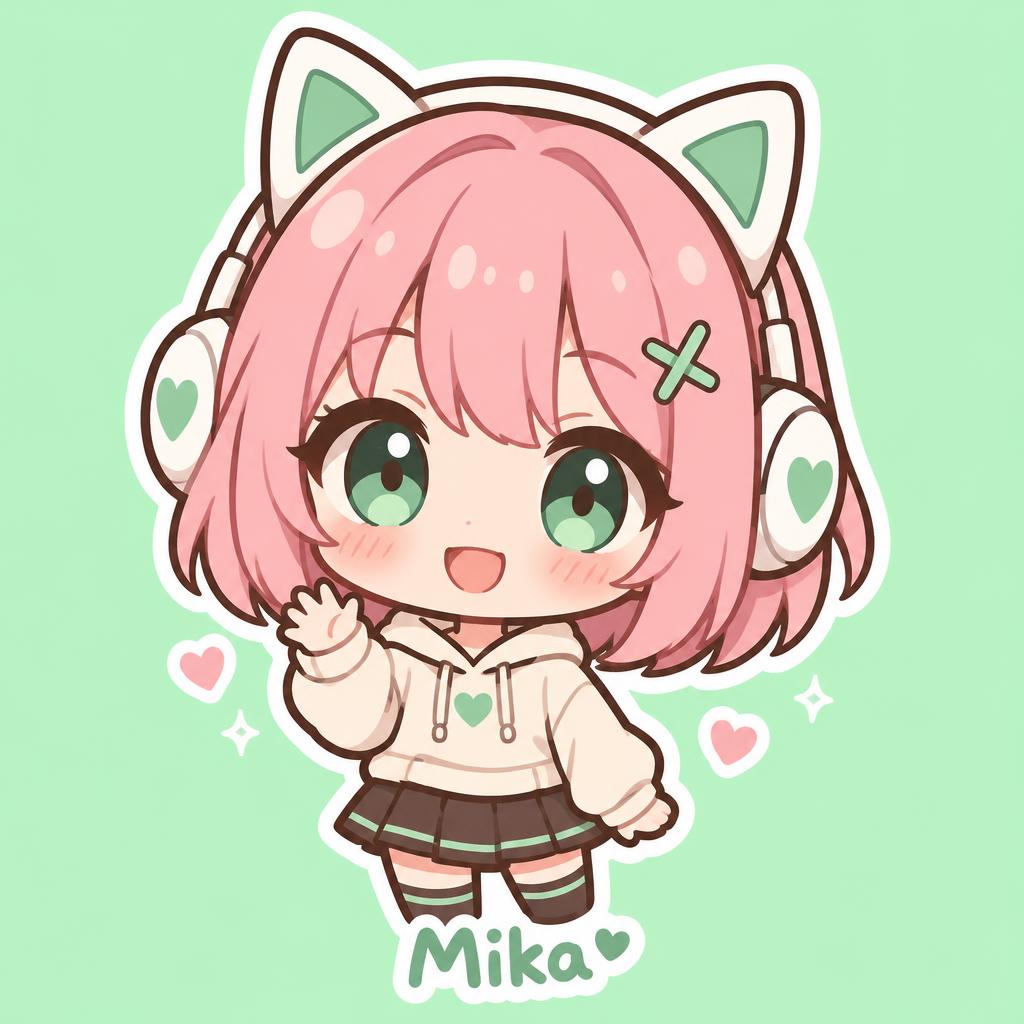
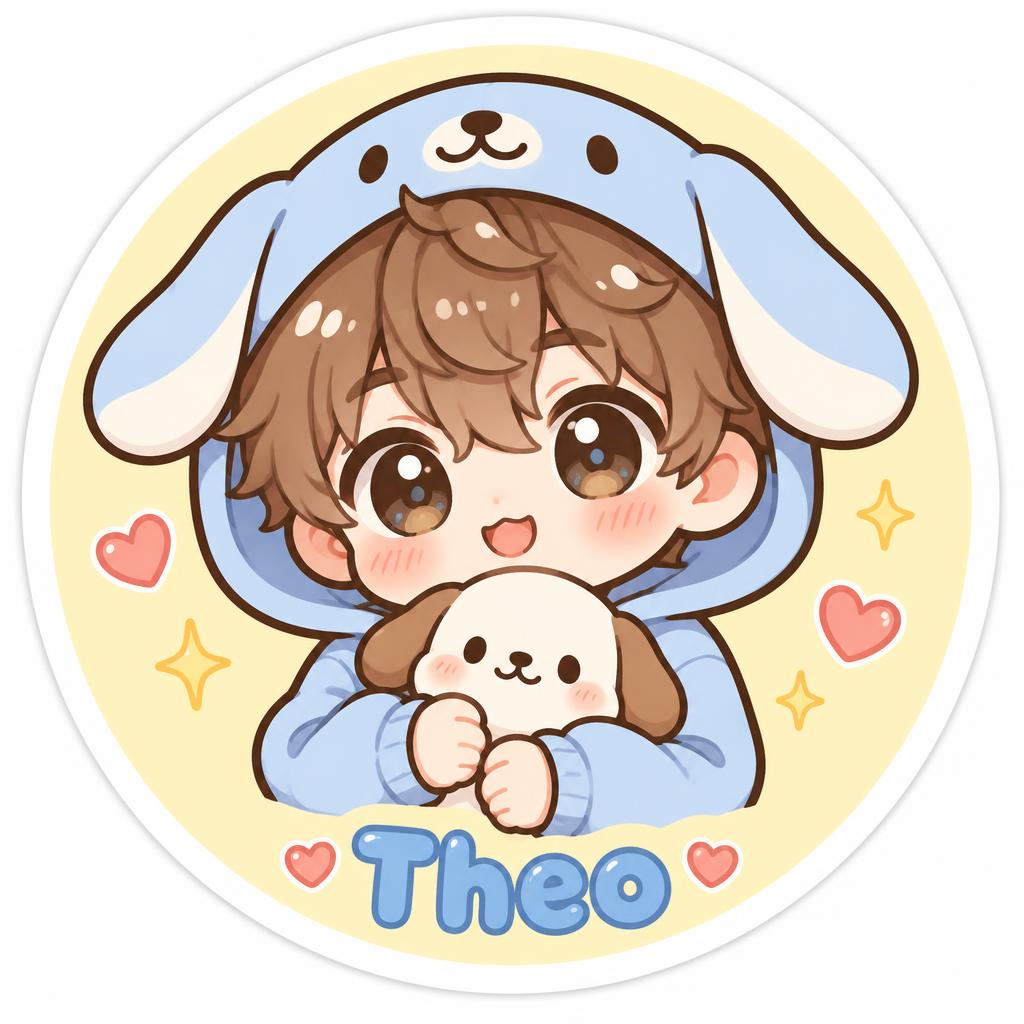
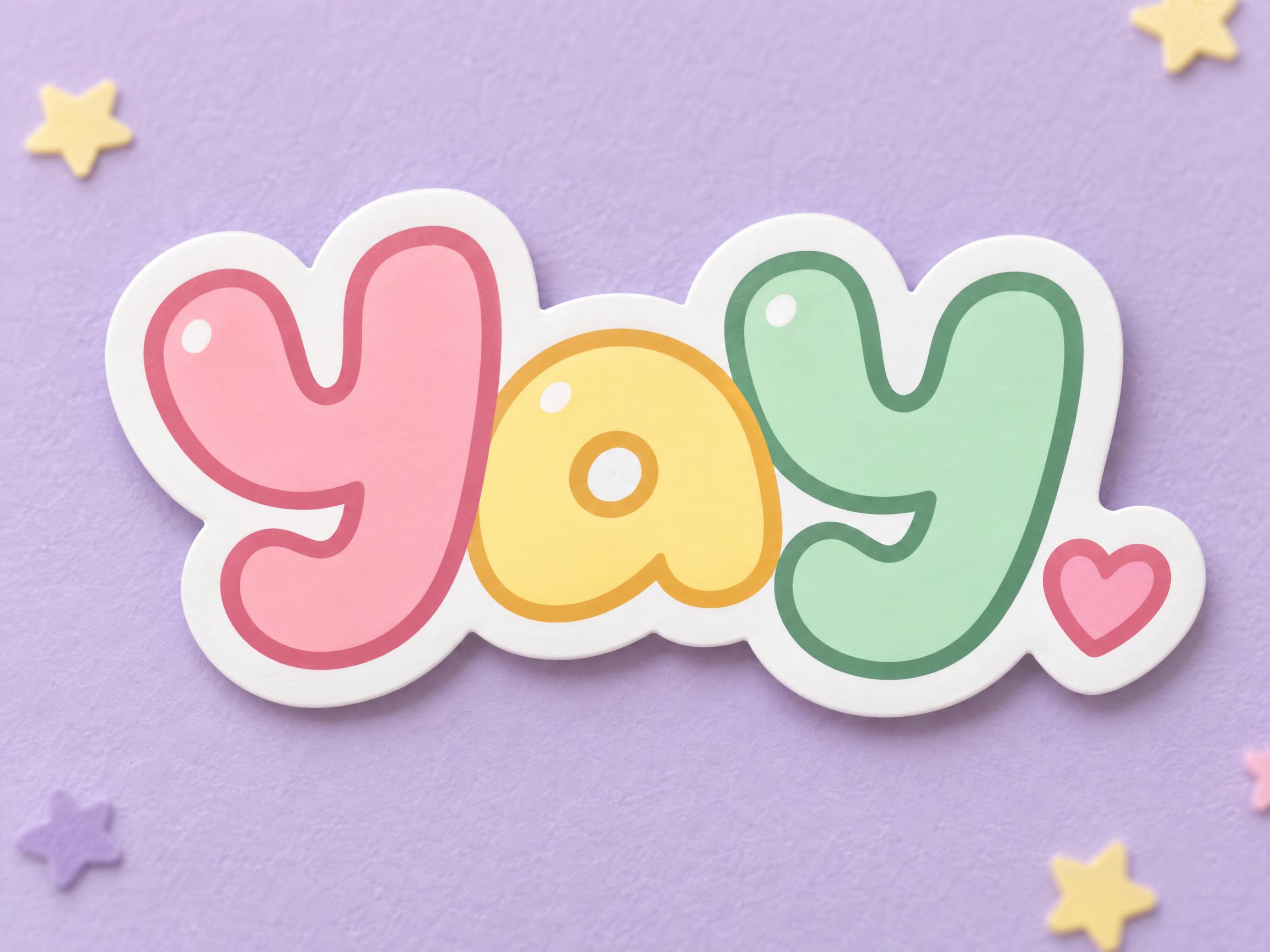
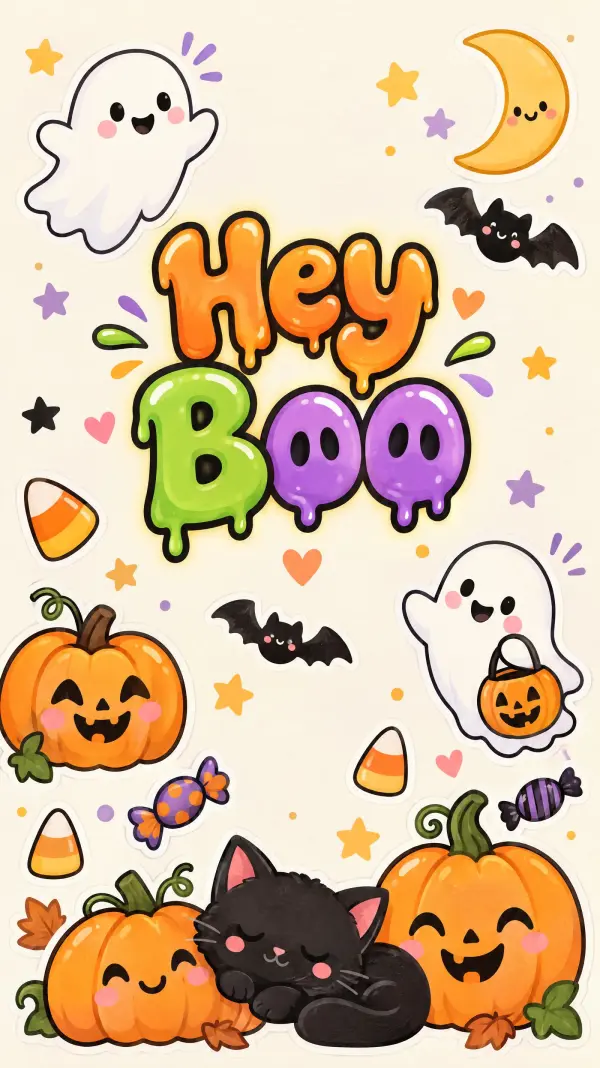
Chibi Stickers
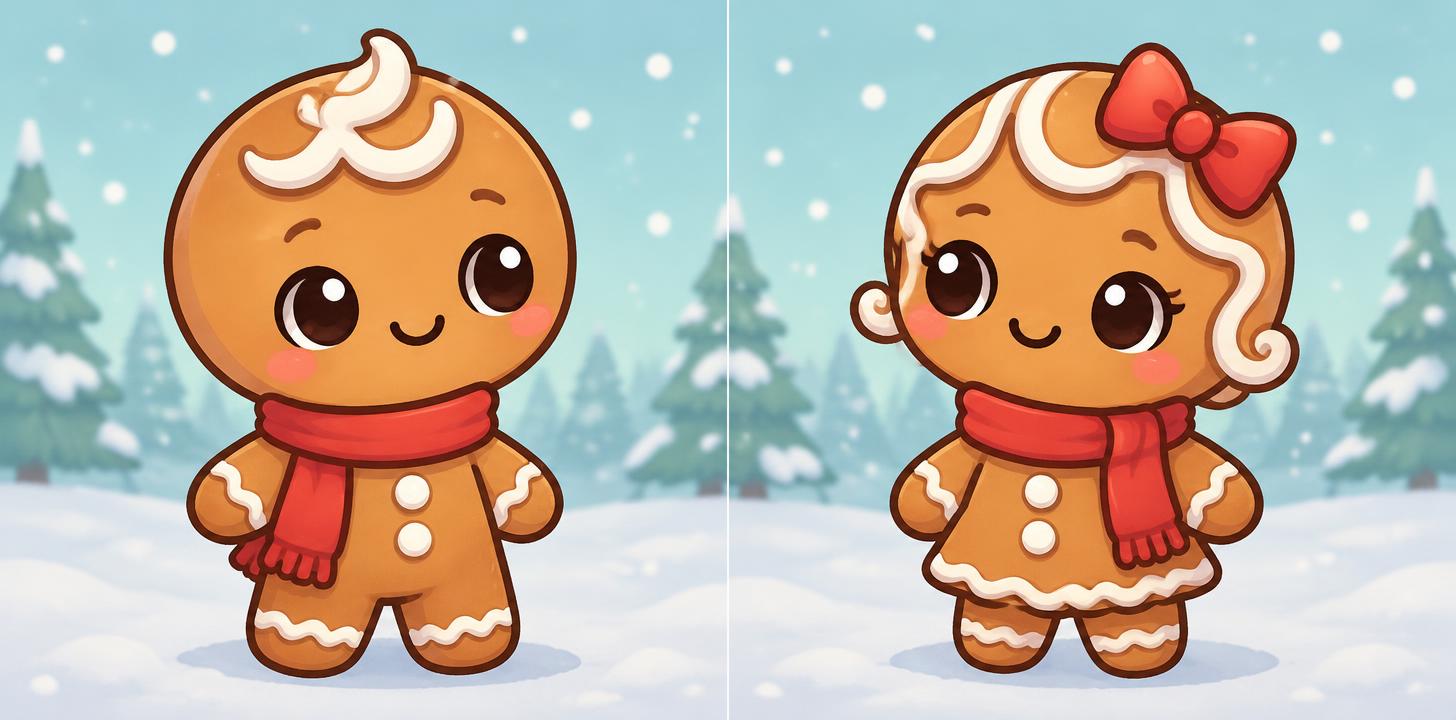
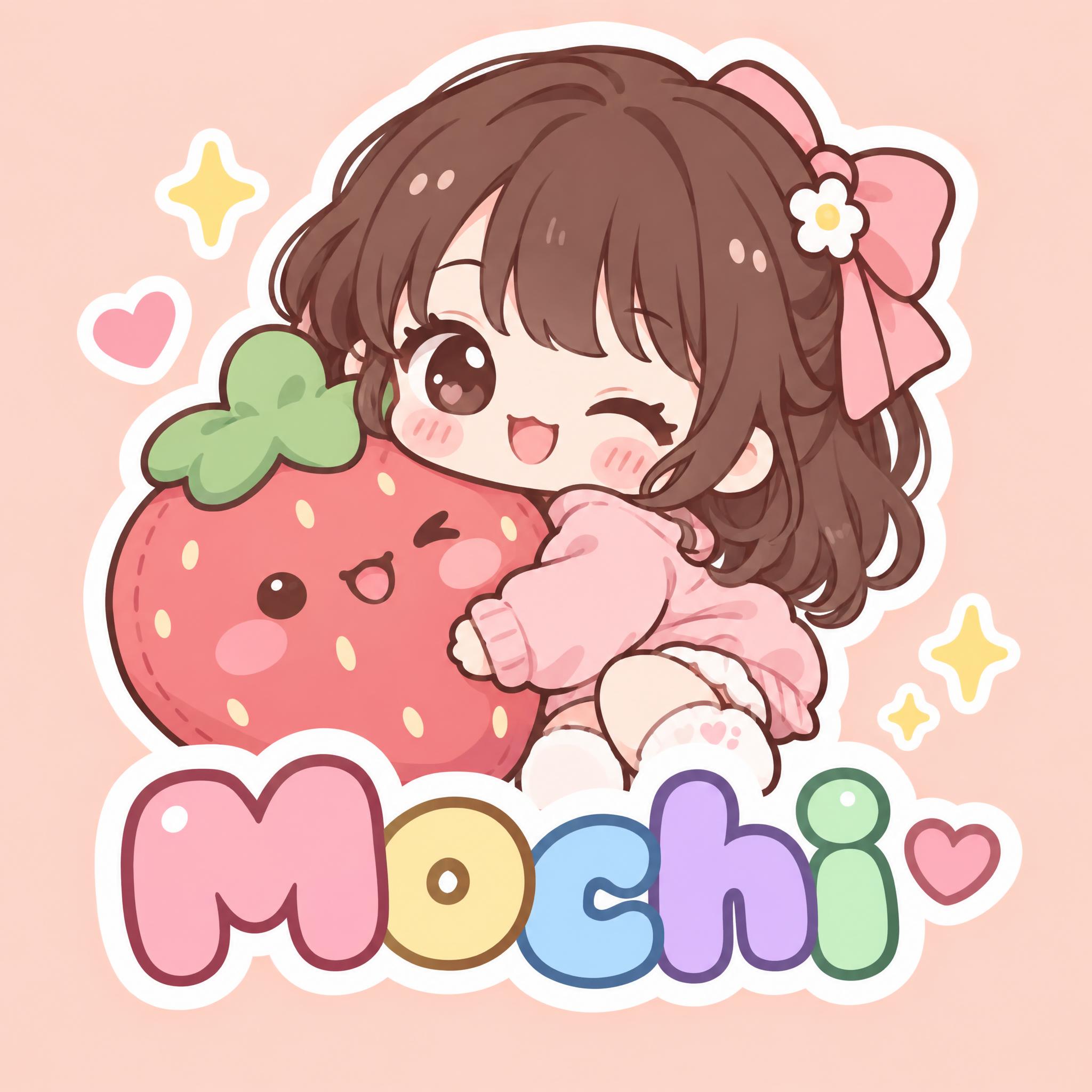
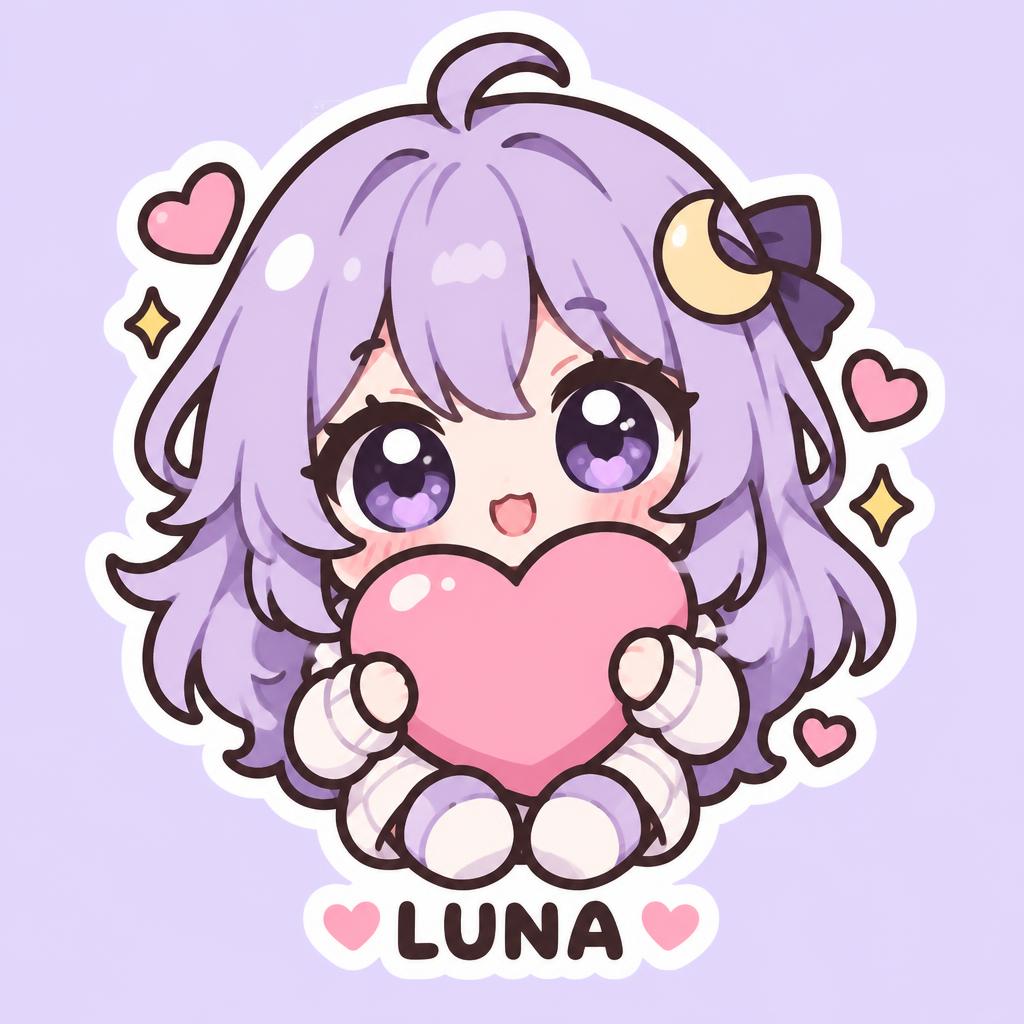
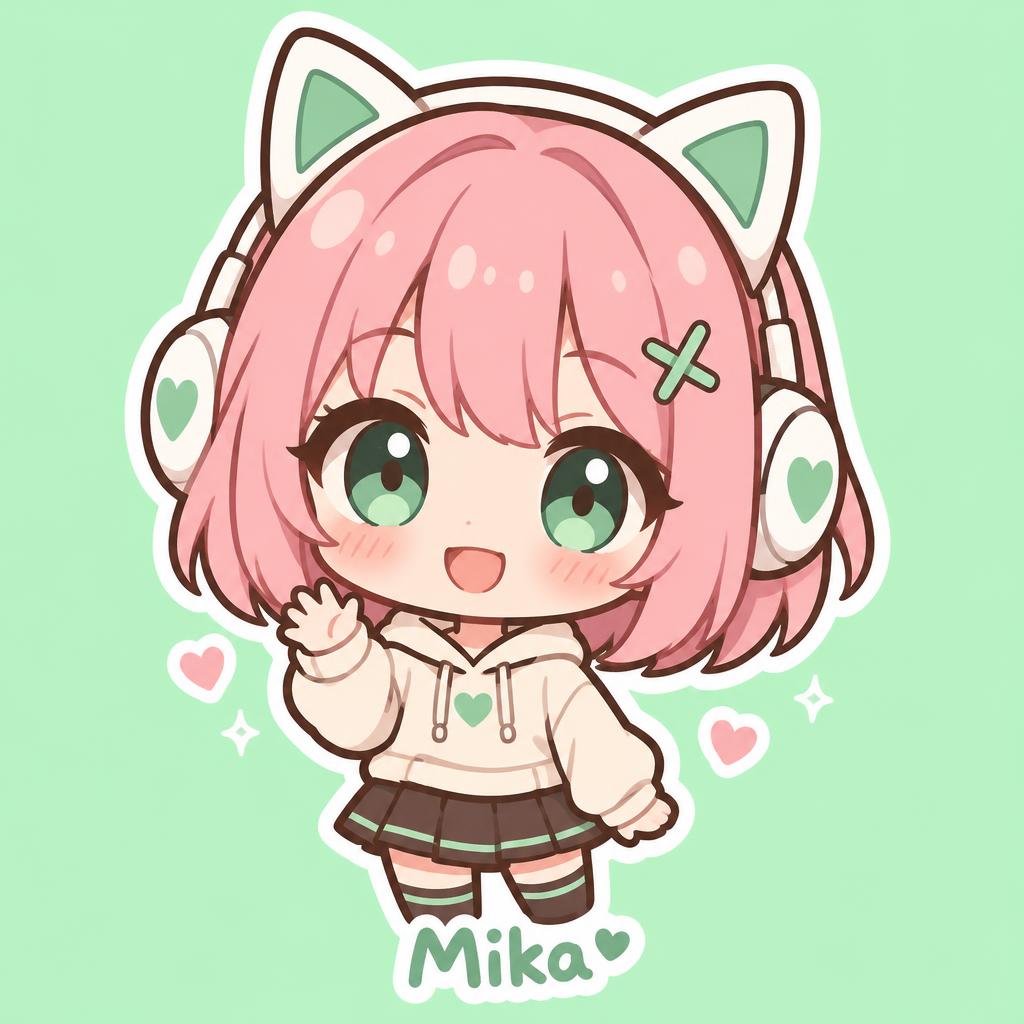
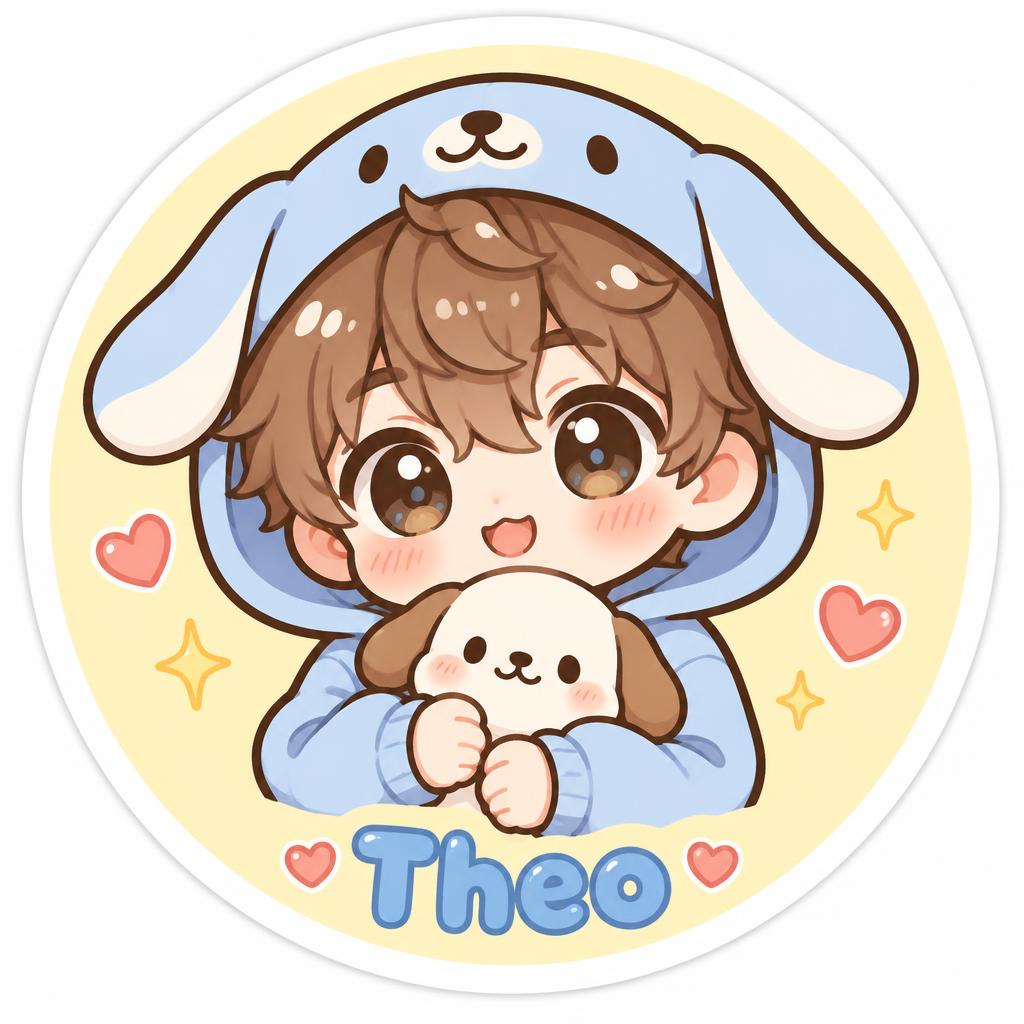
Die-cut stickers and sticker sheets with a white border, one chibi and one expression or pose on each.
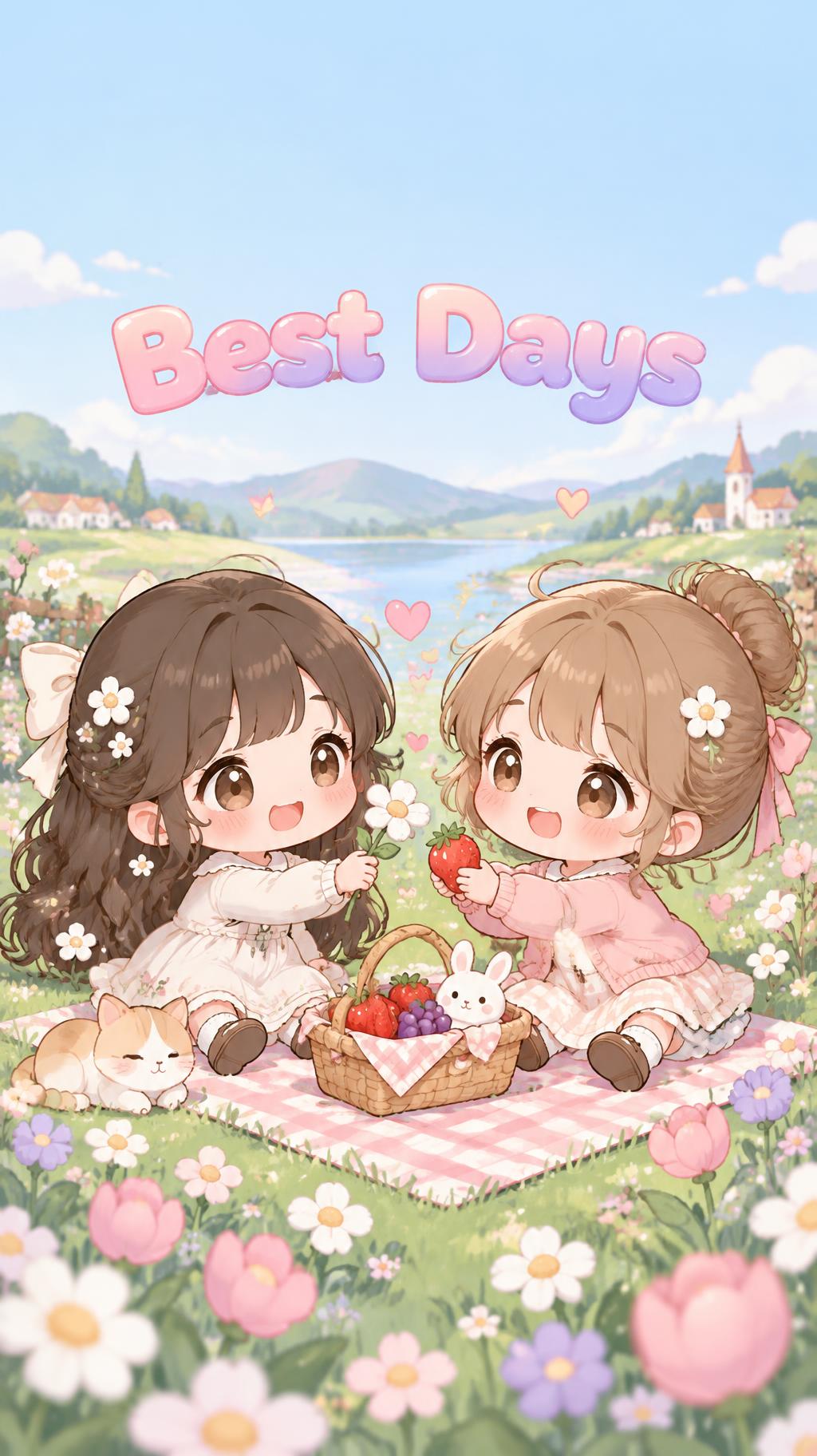
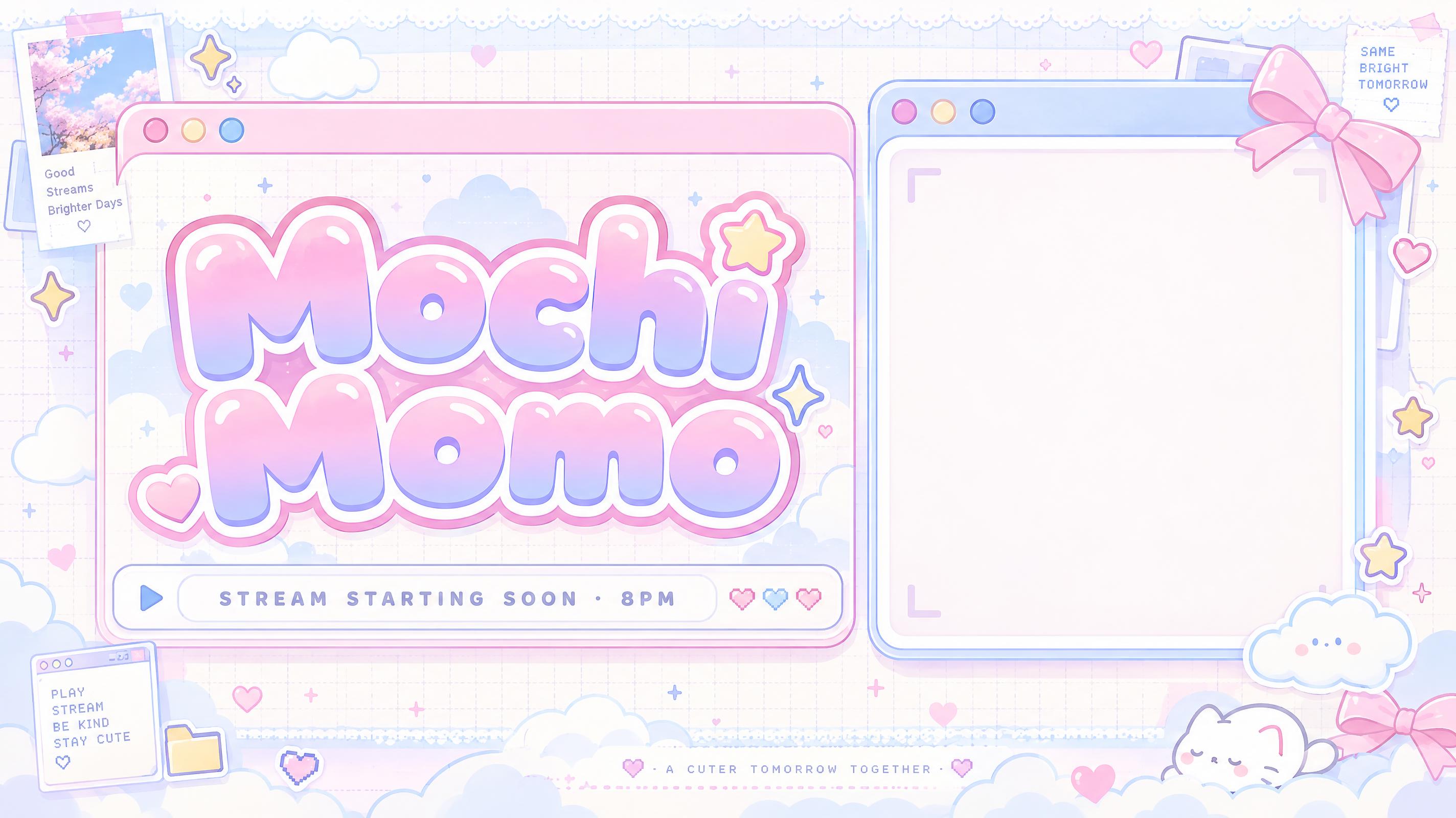
Chibi Wallpapers
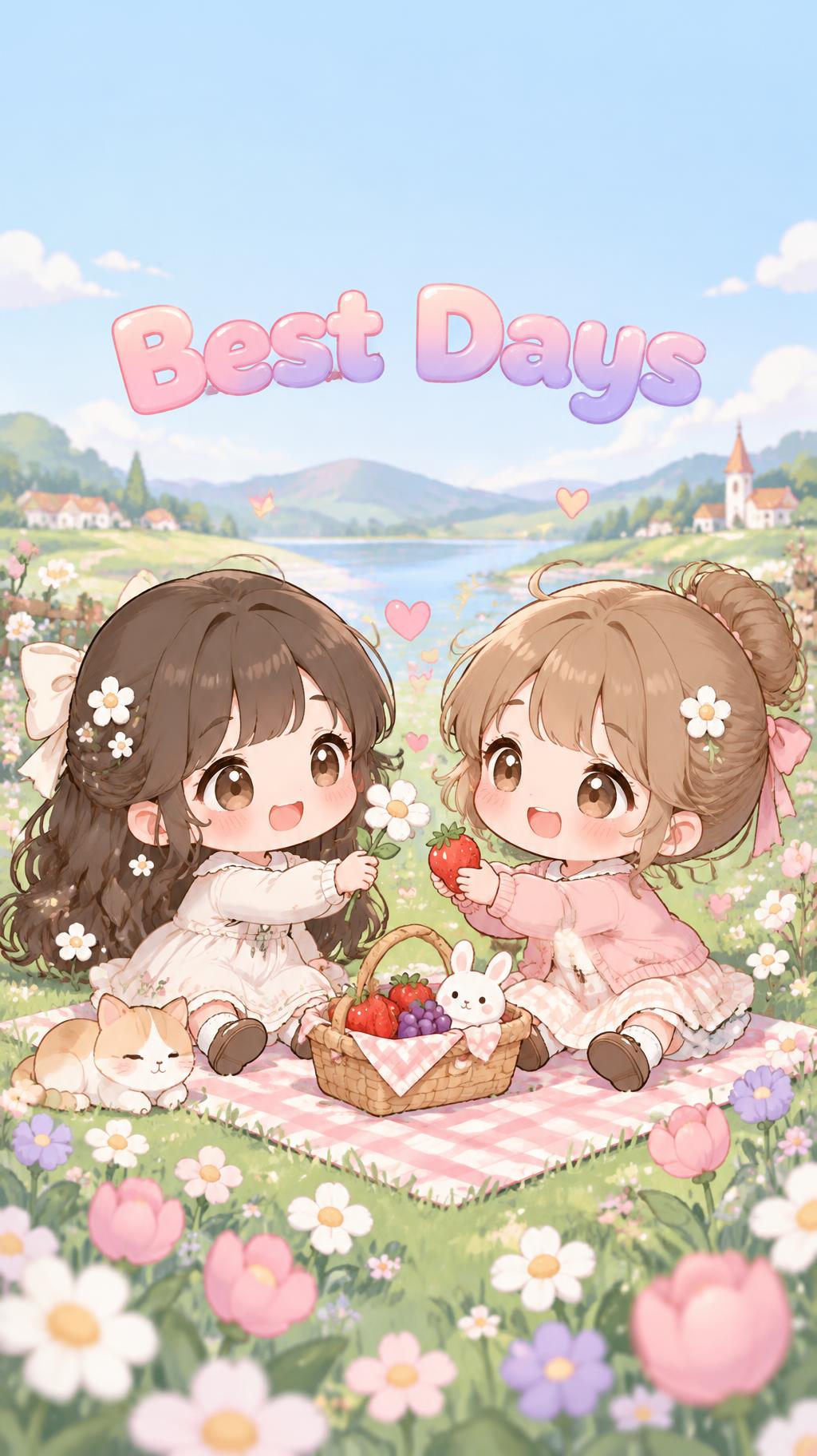
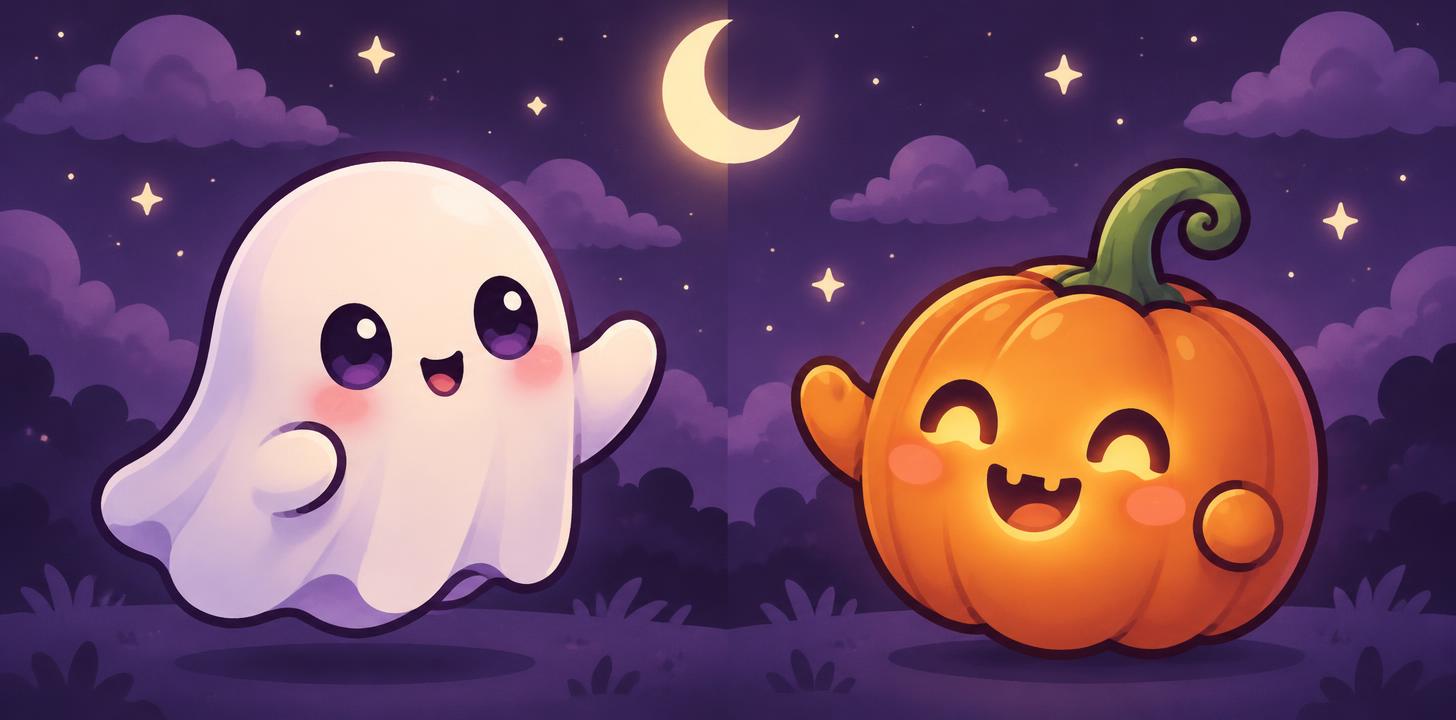
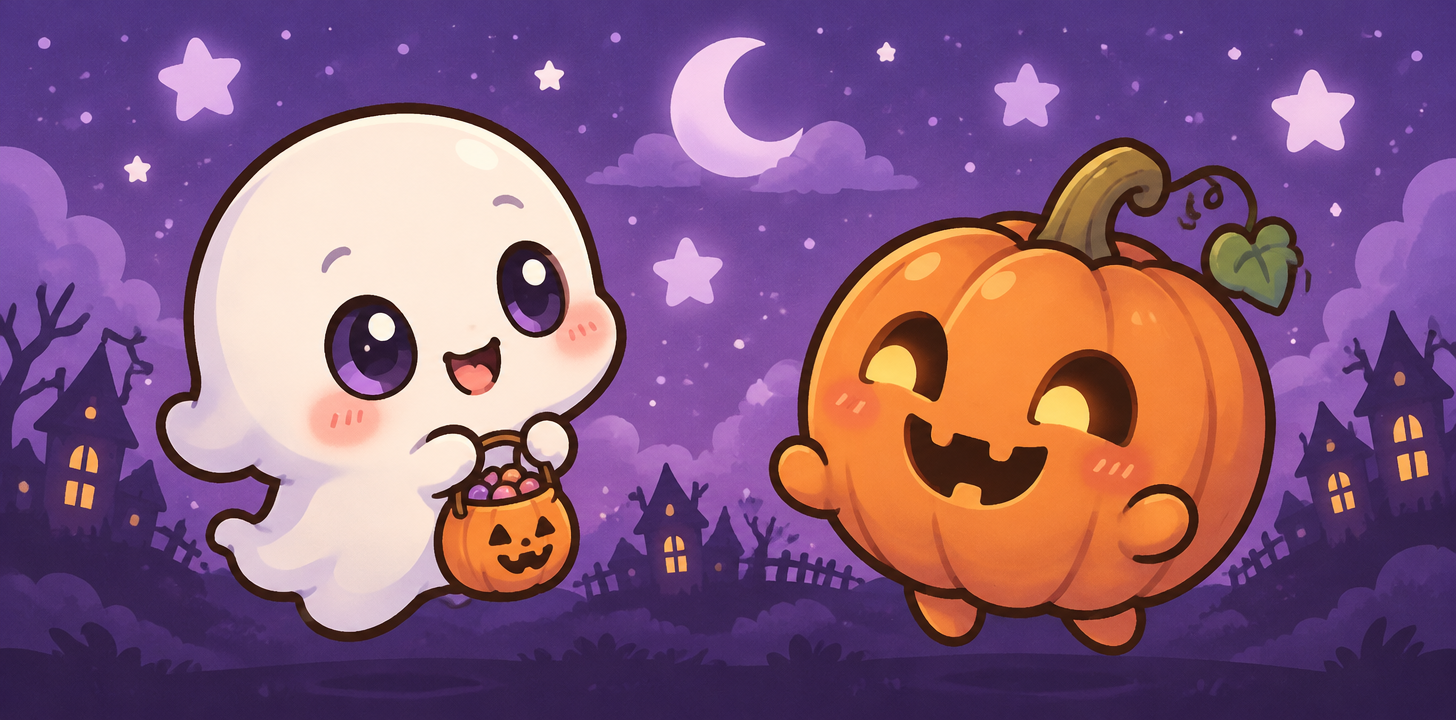
Phone and desktop wallpapers with chibi characters in a pastel scene and room for the clock.
AI fonts that fit Chibi
Every AI font here fits the Chibi frame. Pick one, or let the generator choose.


Chibi style designs
Real designs made on FontVibe. Open any one, or reuse it with your own text.
What you can make with Chibi
Pages for the things people make in the Chibi style. Each one has ready-made ideas and the right size.
Similar styles
Other looks that work for the same kinds of designs.






Tags in Chibi
Every tag used on this page — each opens the designs, fonts and styles that share it.
Questions
The story behind Chibi
Where the look comes from, the moments that shaped it and the facts behind it, with sources.
Where the chibi look comes from
The English word chibi comes from the Japanese chibi kyara, and chibi on its own is a colloquial Japanese word for very short people and children. The same look is called super deformed or S.D., from the Japanese deforume, itself from the French déformer. An average anime character is about seven to eight heads tall; a super-deformed character's head is between one third and one half of its height.
Toys and figures spread it. In 1985 Bandai launched the PVC capsule-figure line Gashapon Senshi Series: SD Gundam World, and the Mobile Suit SD Gundam movies, OVAs and TV series followed from 1988 to 1993. Good Smile Company has made its big-headed Nendoroid figures since 2006.
The sweetness comes from kawaii culture, which began to flourish in Japan in the 1970s; Sanrio created Hello Kitty in 1974. American fans came to know the word chibi in the mid-1990s. Today's chibi pictures carry the same proportions into profile pictures, matching pairs, chat stickers and emotes.
Sources: Wikipedia — Super deformed · Wikipedia — Kawaii · Wikipedia — SD Gundam · Wikipedia — Nendoroid · Wikipedia — Line (software)
Moments that shaped the chibi look
Did you know?
An average anime character is about seven to eight heads tall; a super-deformed character's head is one third to one half of its height. Source ↗
In Japanese, chibi is a colloquial word for very short people and children, and deforume comes from the French déformer. Source ↗
By July 2022 more than 21 million Nendoroids had been shipped around the globe. Source ↗
The SD Gundam BB Senshi model kit series released its 300th kit in 2007; the first kits came with airguns that shot BB pellets. Source ↗
Line users send over 1 billion stickers a day worldwide. Source ↗
Chibi in typography
In chibi pieces the character comes first and the words stay small: a name in rounded hand lettering under the character, or a short word in a little speech bubble. On emotes one short word such as GG or LOL is set big and simple so it reads at chat size.
On matching PFPs each half can carry one name or one initial, set the same way on both sides so the pair still reads as a set.
Where you’ll see it
- ✦Profile pictures on Discord, Instagram, TikTok and X
- ✦Matching PFPs for couples and best friends
- ✦Die-cut sticker sheets for laptops, planners and phone cases
- ✦Twitch and Discord chat emotes
- ✦Phone and desktop wallpapers
- ✦Chat stickers sent between friends
The chibi art style: tiny bodies, soft light, pastel palette and soft line art
Every chibi piece here is built from the same four parts. The style is the whole picture, the characters, light, palette and line art; any letters come from the AI font you pick.
Chibi avatars, stickers, matching PFPs, emotes and wallpapers
Every format here is built around one or two big-headed little characters you describe. Pick a format to see designs made in it, or describe your own chibi.
Chibi Emotes
Small square Twitch and Discord emotes with one simple chibi pose and thick lines that read at chat size.
Matching Chibi PFPs
One wide picture with a chibi in each half, drawn the same way and reaching toward each other, ready to split into two profile pictures.
Chibi Stickers
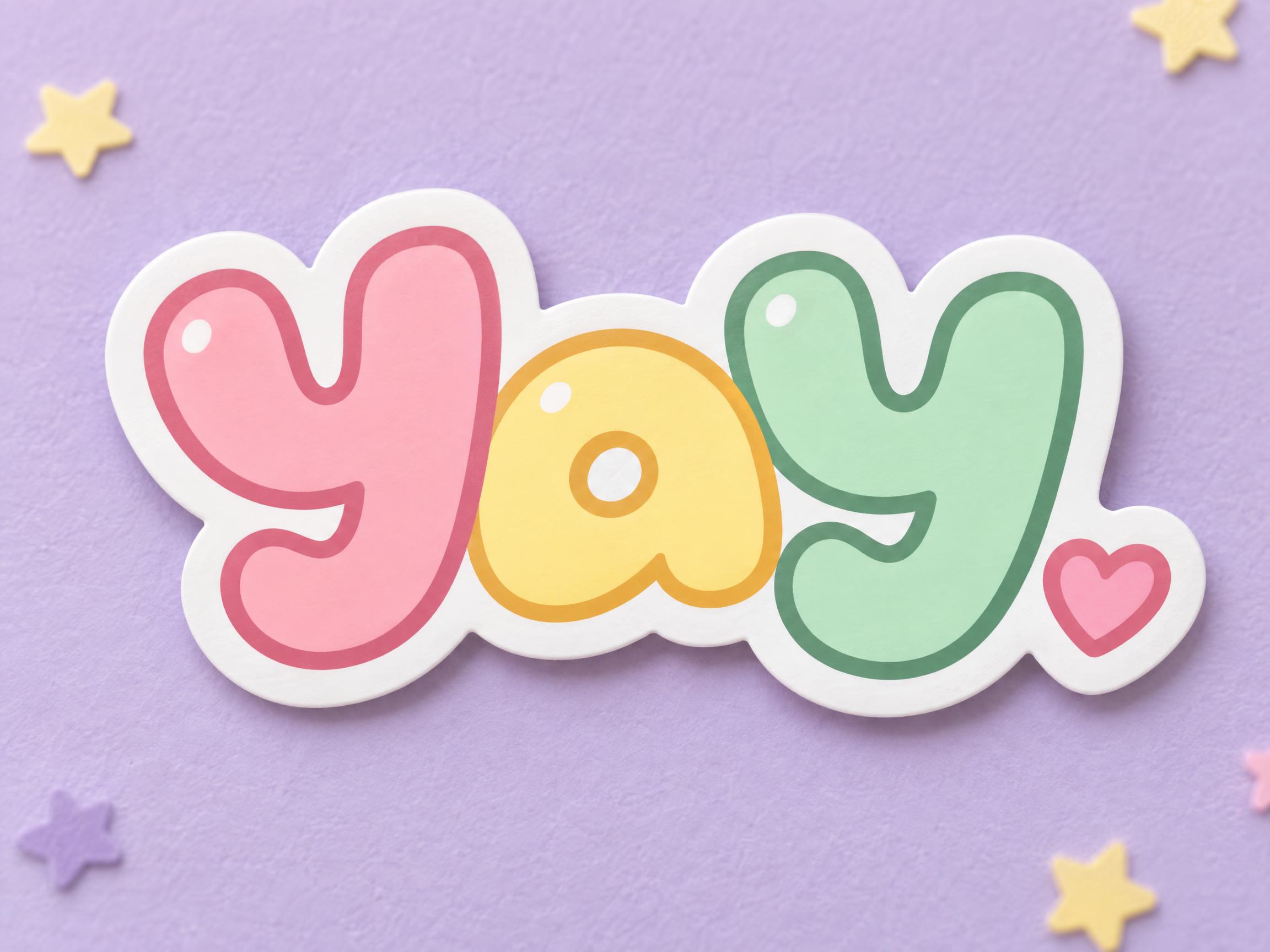
Die-cut stickers and sticker sheets with a white border, one chibi and one expression or pose on each.
Chibi Wallpapers
Phone and desktop wallpapers with chibi characters in a pastel scene and room for the clock.
AI fonts that fit Chibi
Every AI font here fits the Chibi frame. Pick one, or let the generator choose.


Chibi style designs
Real designs made on FontVibe. Open any one, or reuse it with your own text.
What you can make with Chibi
Pages for the things people make in the Chibi style. Each one has ready-made ideas and the right size.
Similar styles
Other looks that work for the same kinds of designs.
Tags in Chibi
Every tag used on this page — each opens the designs, fonts and styles that share it.
Questions
The story behind Chibi
Where the look comes from, the moments that shaped it and the facts behind it, with sources.
Where the chibi look comes from
The English word chibi comes from the Japanese chibi kyara, and chibi on its own is a colloquial Japanese word for very short people and children. The same look is called super deformed or S.D., from the Japanese deforume, itself from the French déformer. An average anime character is about seven to eight heads tall; a super-deformed character's head is between one third and one half of its height.
Toys and figures spread it. In 1985 Bandai launched the PVC capsule-figure line Gashapon Senshi Series: SD Gundam World, and the Mobile Suit SD Gundam movies, OVAs and TV series followed from 1988 to 1993. Good Smile Company has made its big-headed Nendoroid figures since 2006.
The sweetness comes from kawaii culture, which began to flourish in Japan in the 1970s; Sanrio created Hello Kitty in 1974. American fans came to know the word chibi in the mid-1990s. Today's chibi pictures carry the same proportions into profile pictures, matching pairs, chat stickers and emotes.
Sources: Wikipedia — Super deformed · Wikipedia — Kawaii · Wikipedia — SD Gundam · Wikipedia — Nendoroid · Wikipedia — Line (software)
Moments that shaped the chibi look
Did you know?
An average anime character is about seven to eight heads tall; a super-deformed character's head is one third to one half of its height. Source ↗
In Japanese, chibi is a colloquial word for very short people and children, and deforume comes from the French déformer. Source ↗
By July 2022 more than 21 million Nendoroids had been shipped around the globe. Source ↗
The SD Gundam BB Senshi model kit series released its 300th kit in 2007; the first kits came with airguns that shot BB pellets. Source ↗
Line users send over 1 billion stickers a day worldwide. Source ↗
Chibi in typography
In chibi pieces the character comes first and the words stay small: a name in rounded hand lettering under the character, or a short word in a little speech bubble. On emotes one short word such as GG or LOL is set big and simple so it reads at chat size.
On matching PFPs each half can carry one name or one initial, set the same way on both sides so the pair still reads as a set.
Where you’ll see it
- ✦Profile pictures on Discord, Instagram, TikTok and X
- ✦Matching PFPs for couples and best friends
- ✦Die-cut sticker sheets for laptops, planners and phone cases
- ✦Twitch and Discord chat emotes
- ✦Phone and desktop wallpapers
- ✦Chat stickers sent between friends