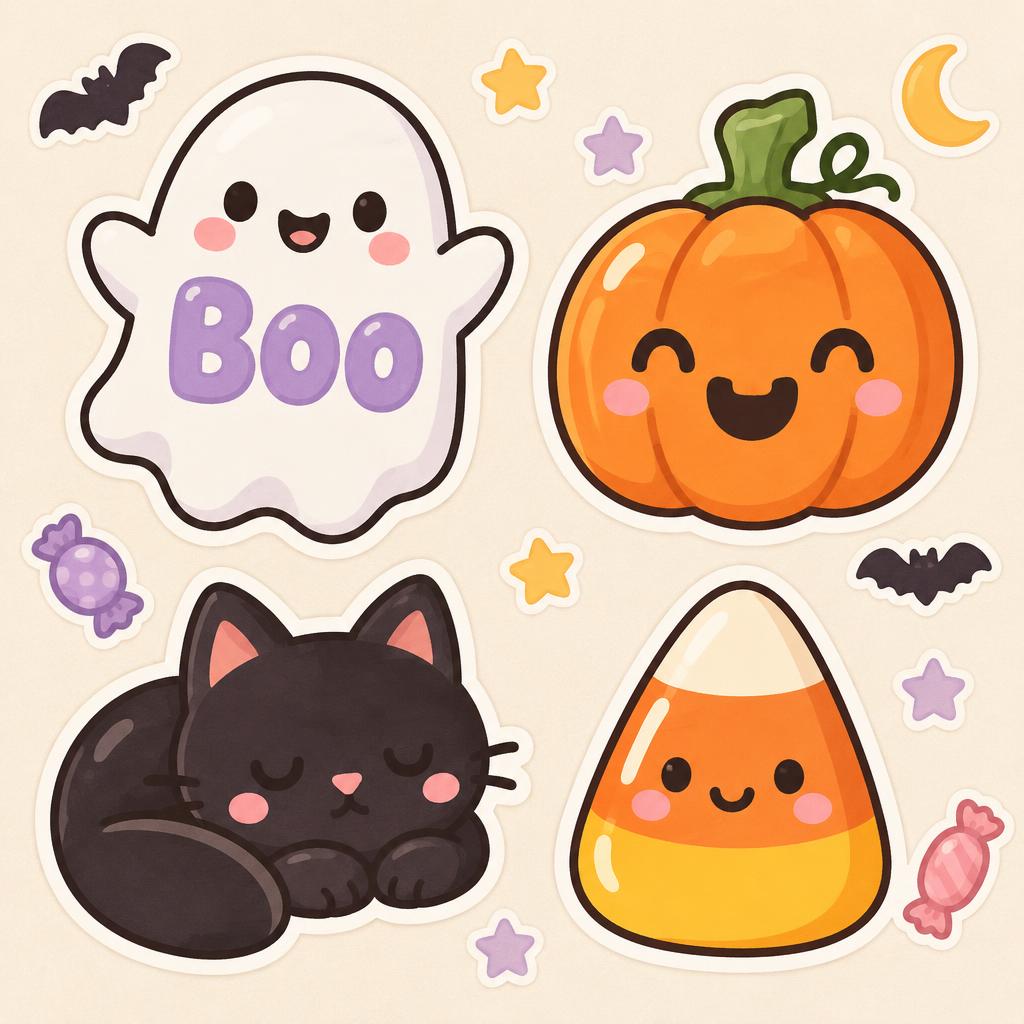
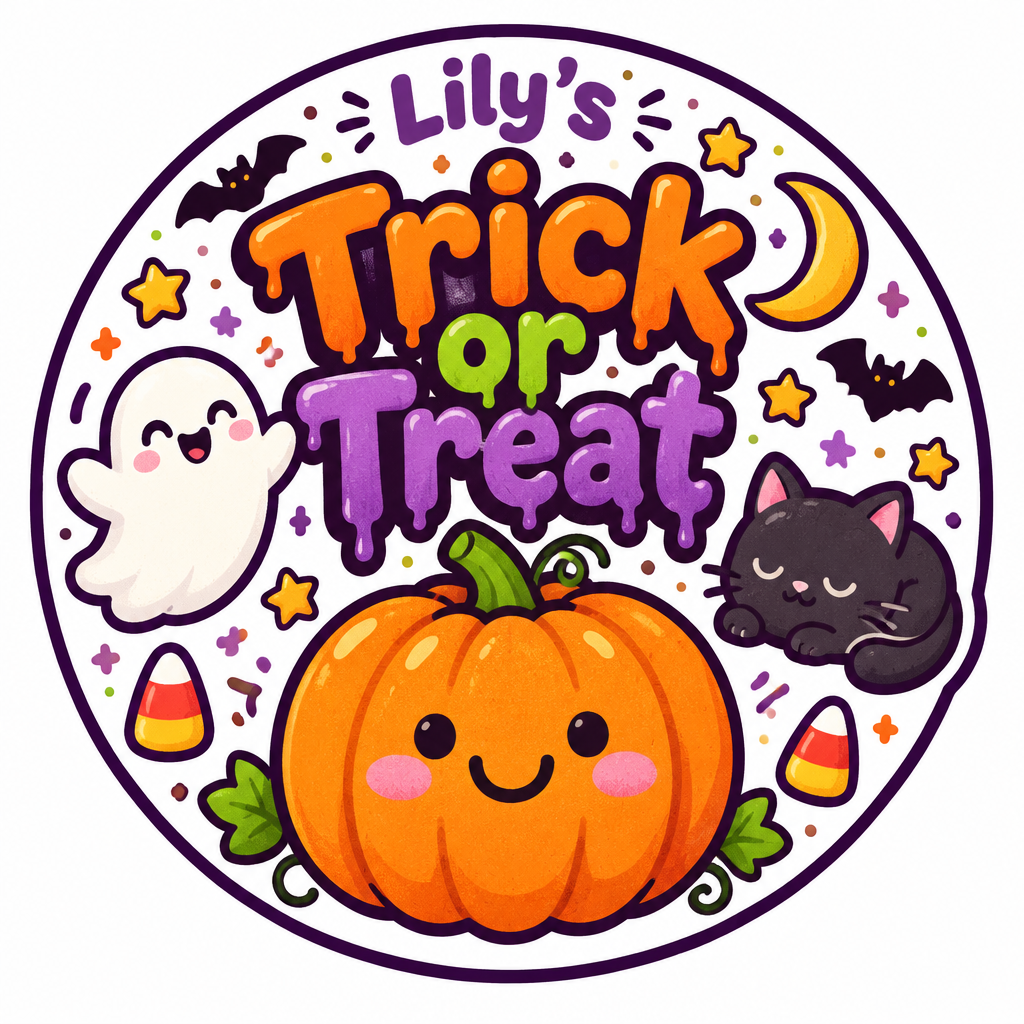
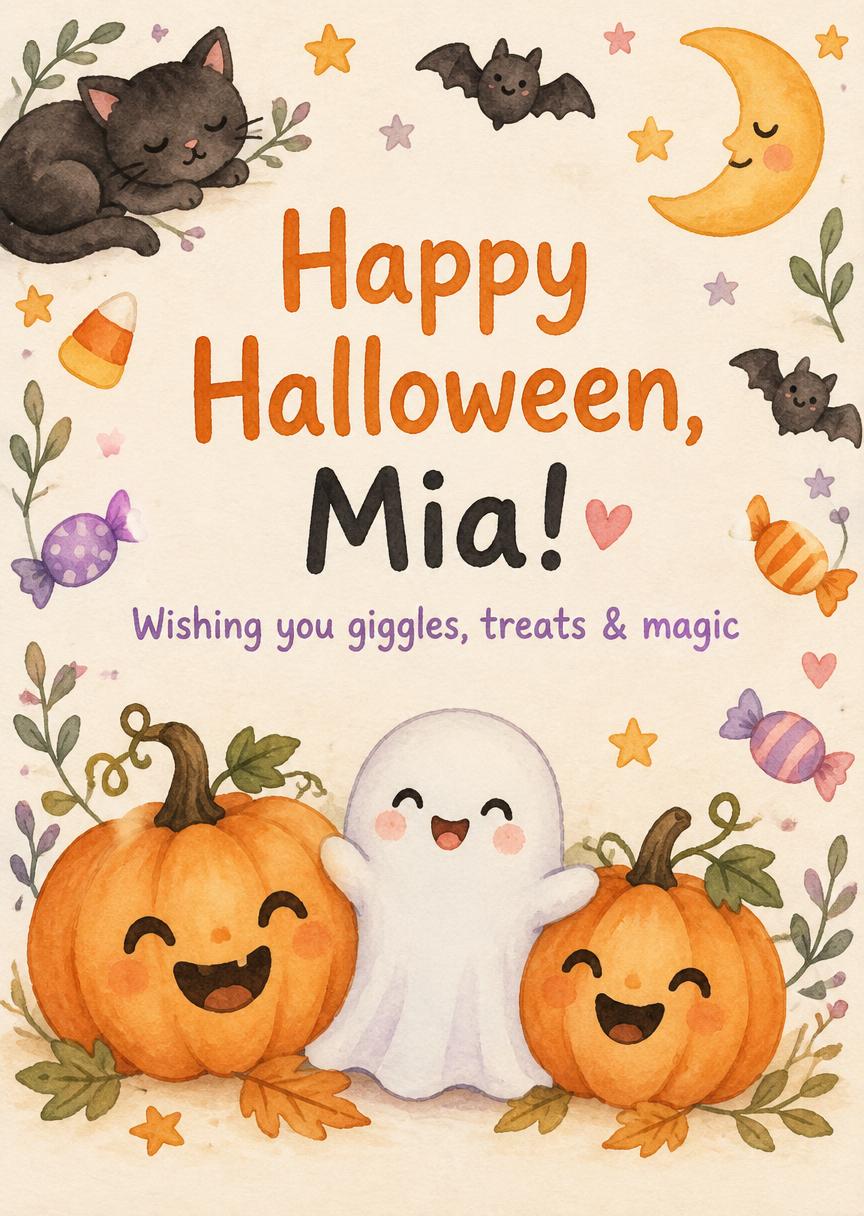
The cute Halloween aesthetic: sticker characters, flat light, sweet palette and soft outlines
Every cute Halloween piece here is built from the same four parts. The style draws the characters, the light, the palette and the outlines around your words; the letters come from the AI font you pick.
Cute Halloween wallpapers, drawings, clipart, stickers, cards and invites
Every format here puts your words among round little ghosts, smiling pumpkins and black cats on soft cream. Pick a format to see designs made in it, or describe your own.
Cute Halloween Cards
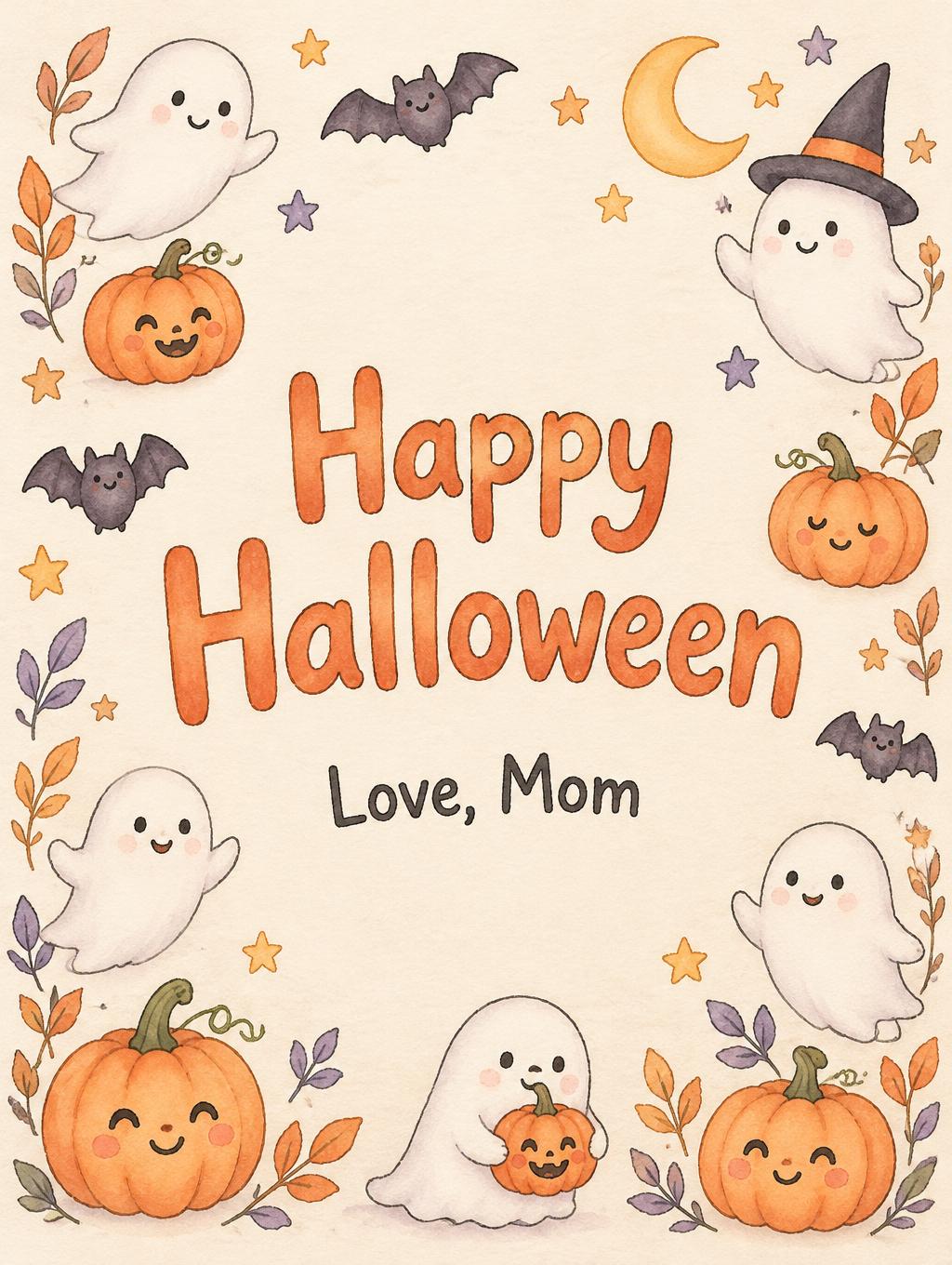
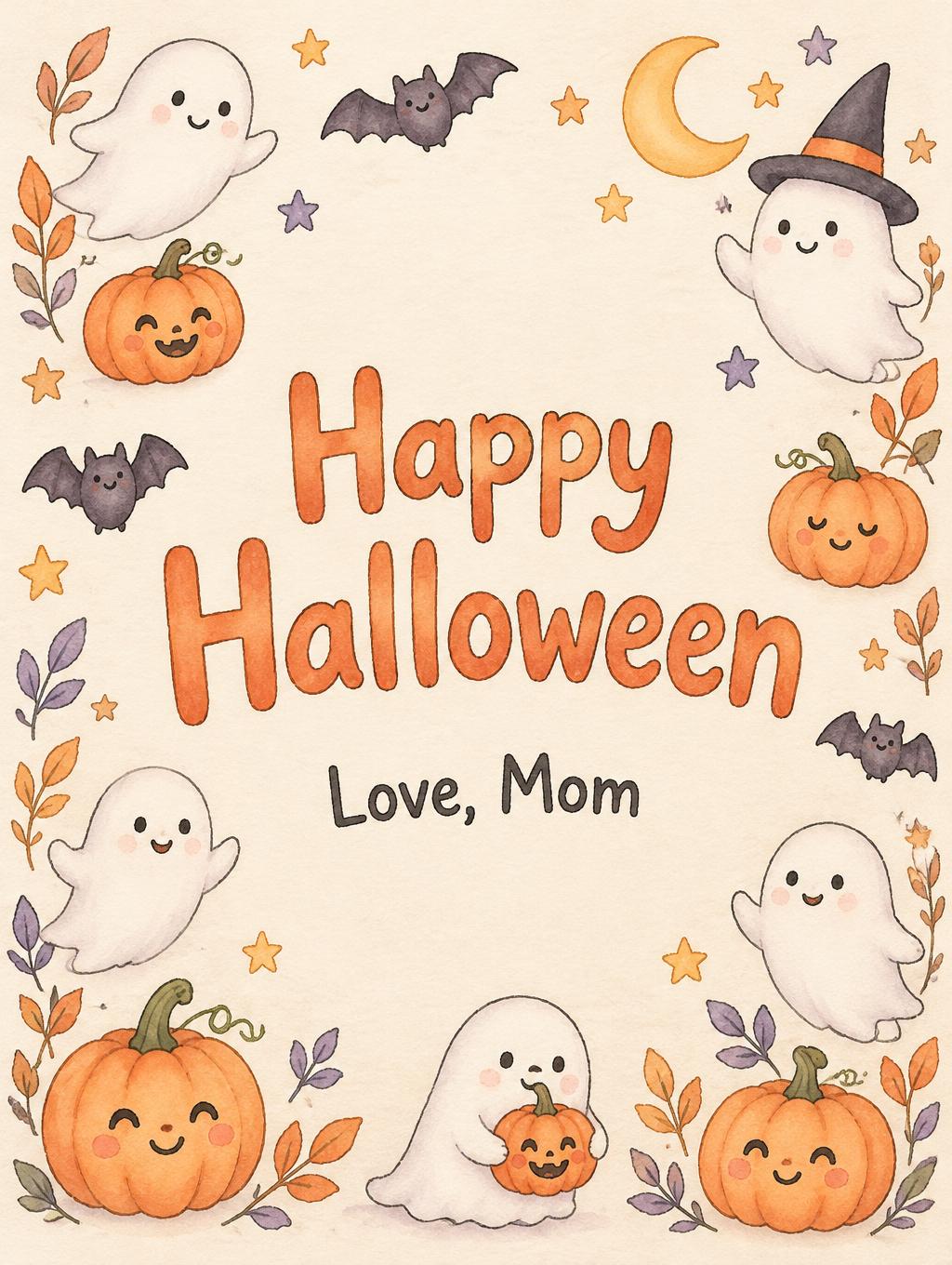
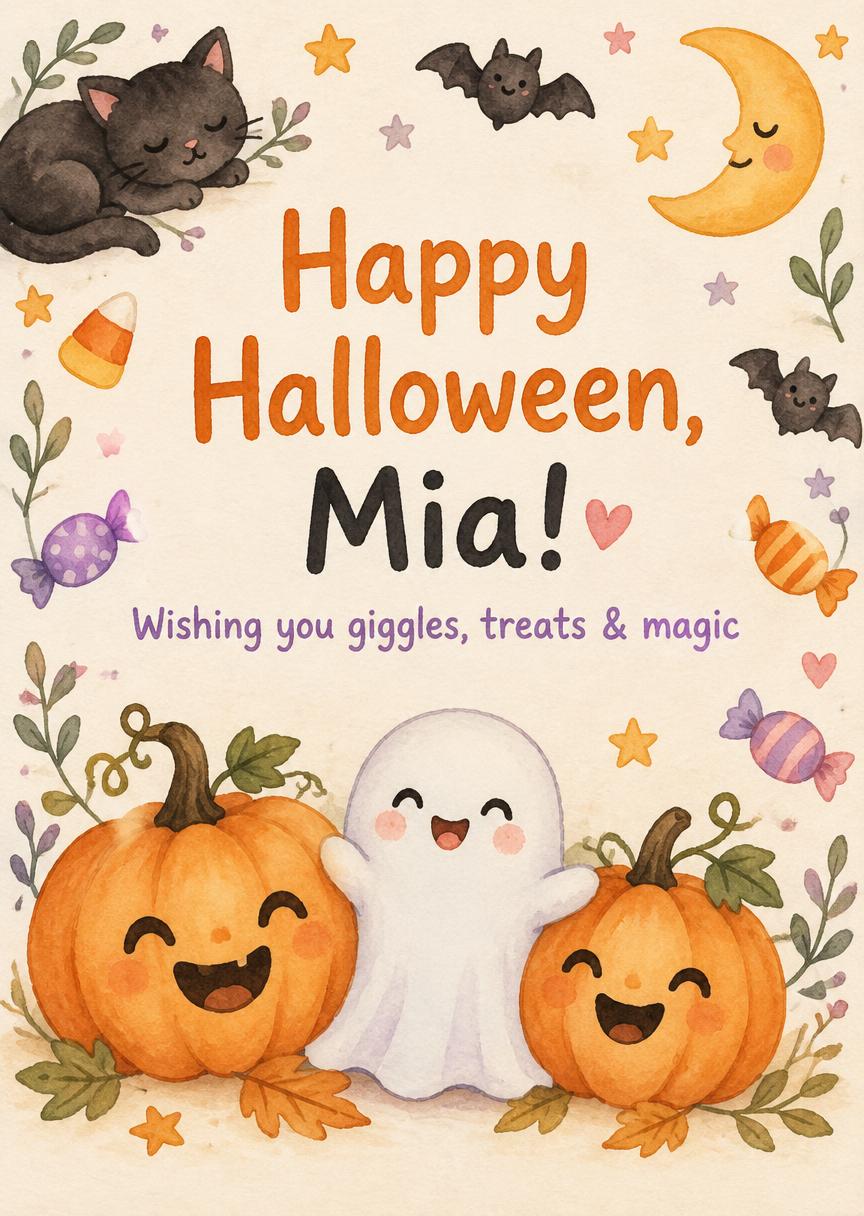
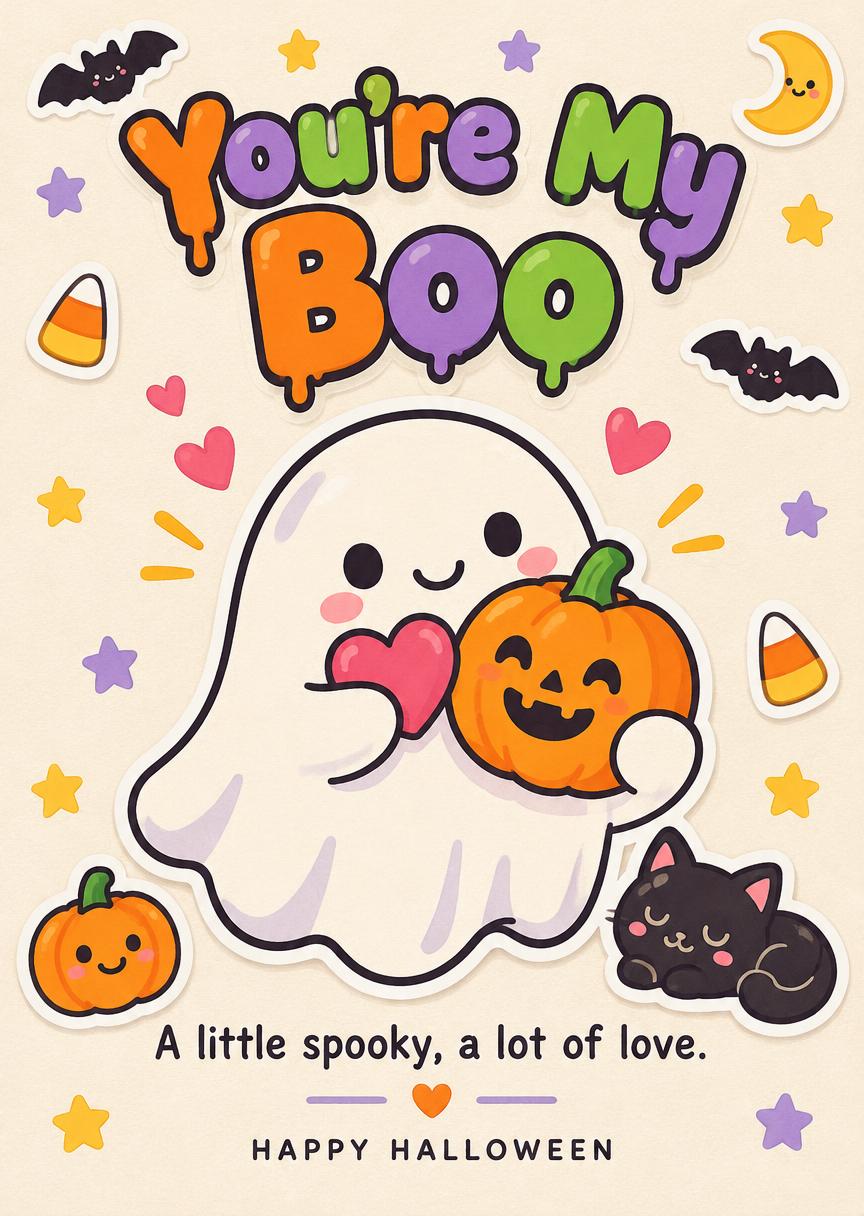
Soft watercolor card fronts with your greeting and sign-off among friendly ghosts and pumpkins.
Cute Halloween Clipart
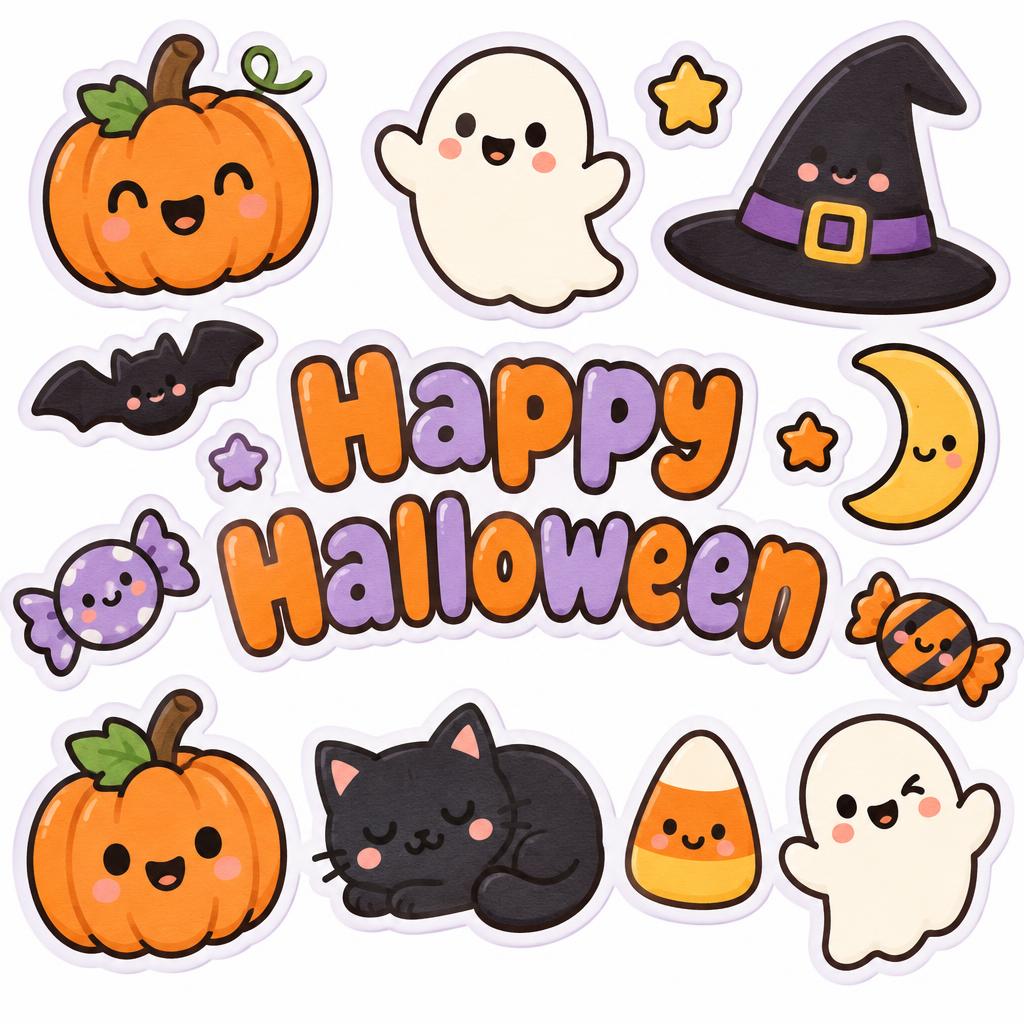
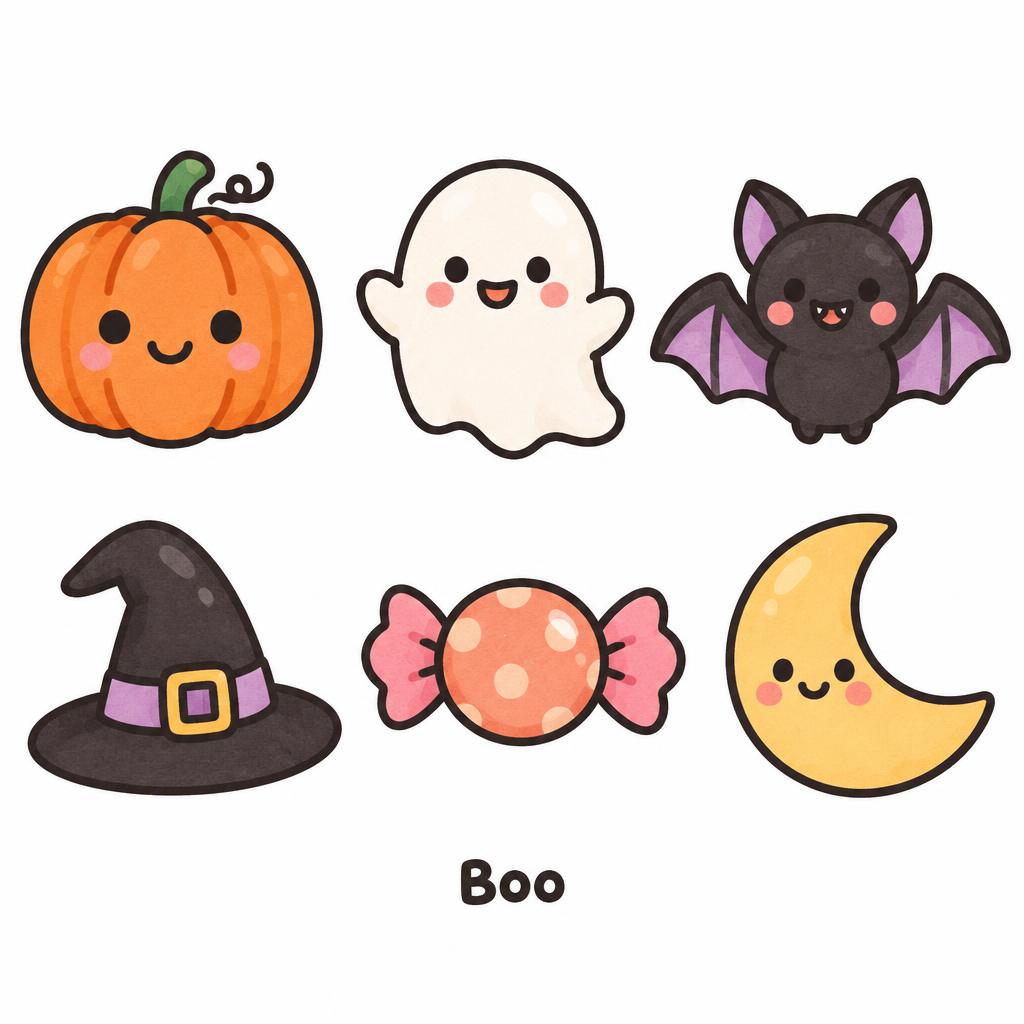
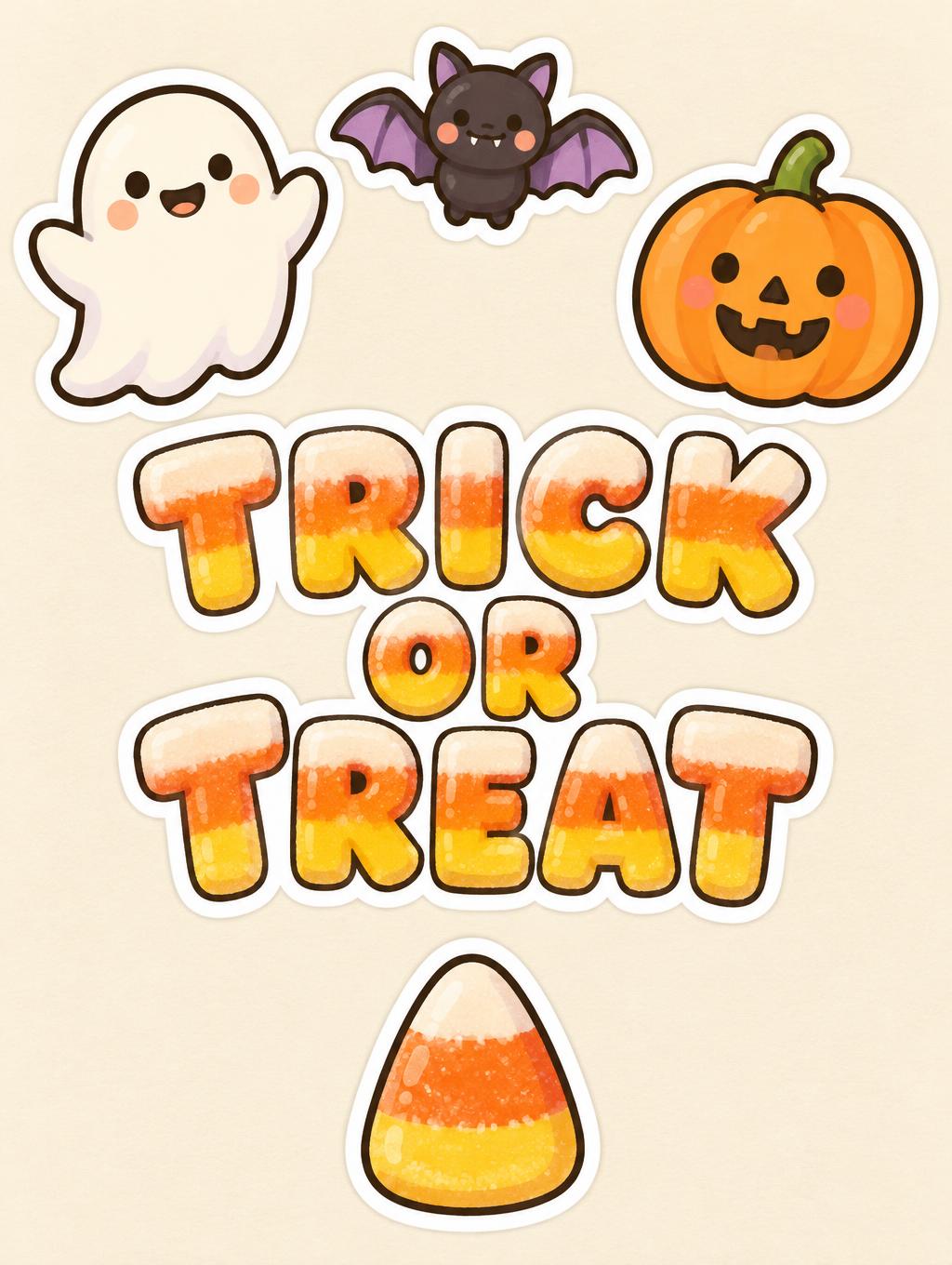
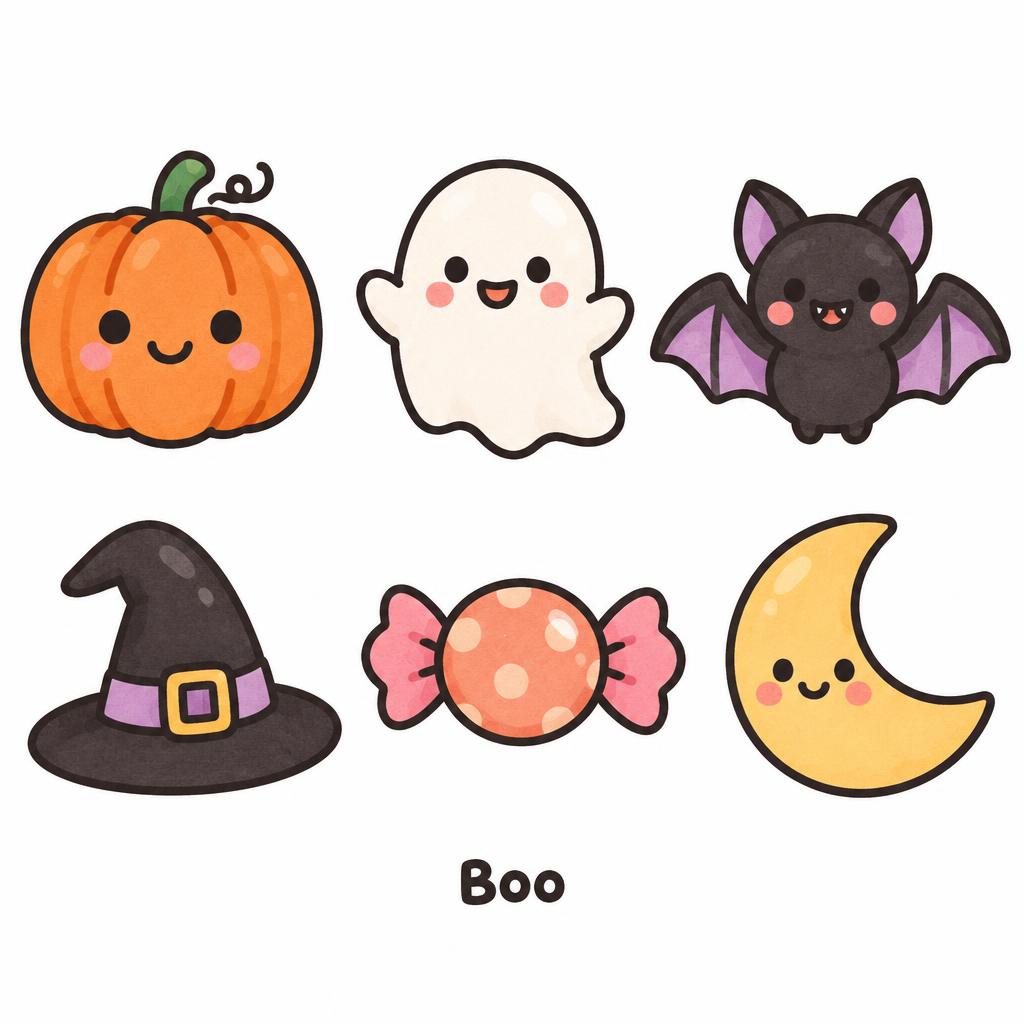
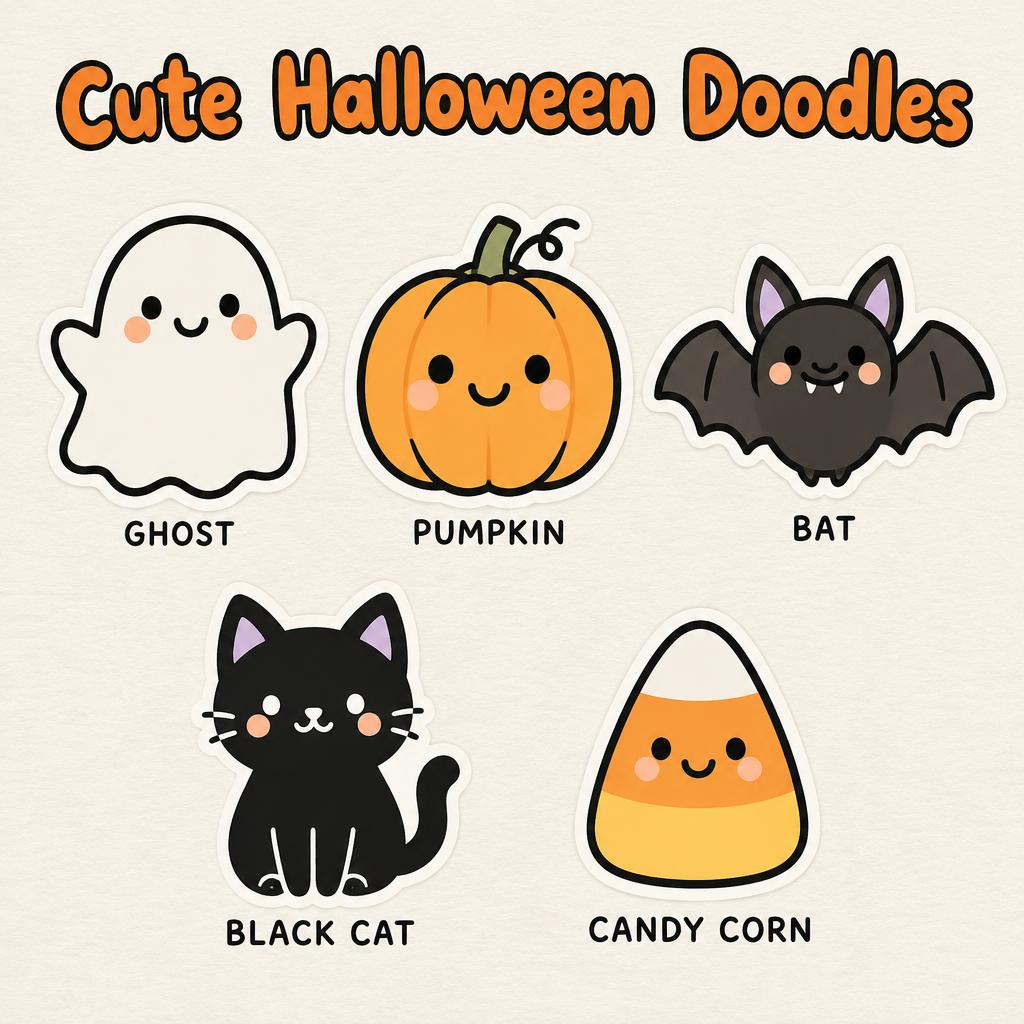
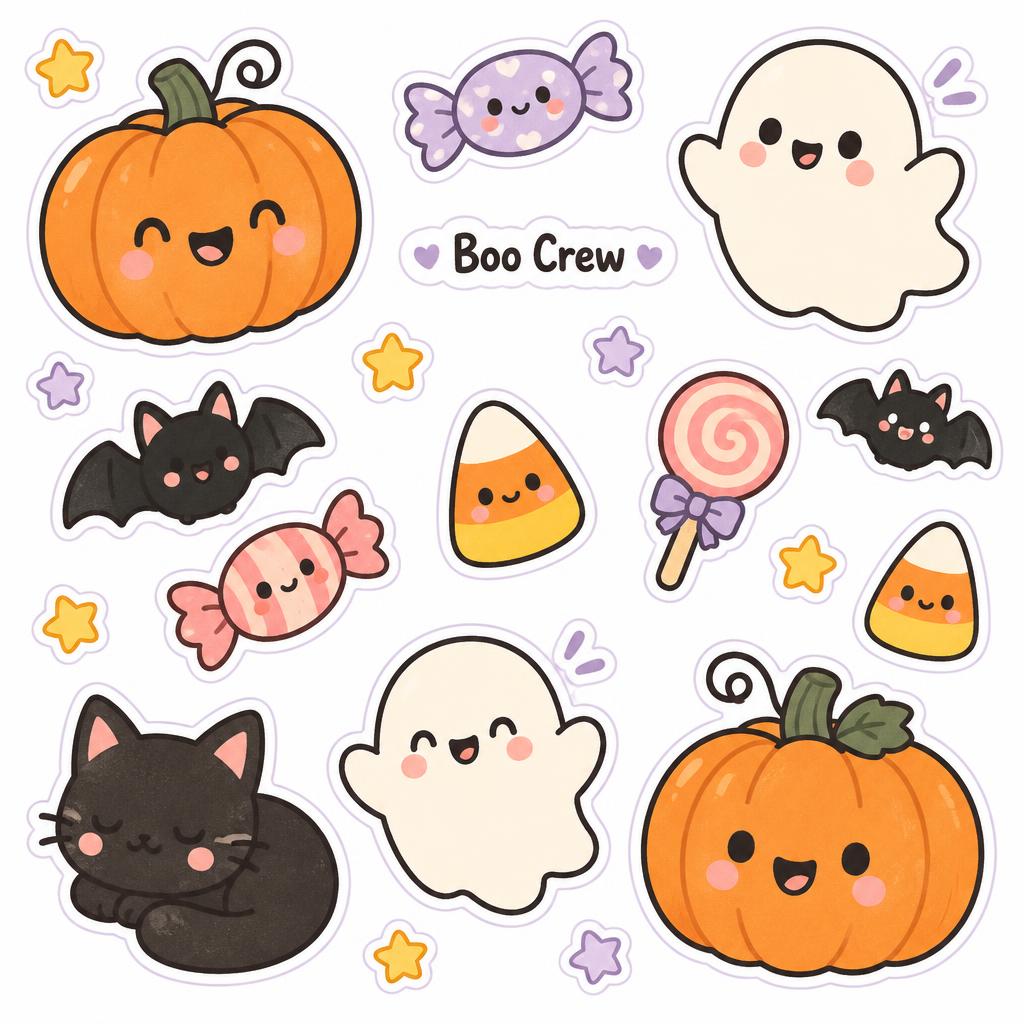
Sets of separate kawaii pumpkins, ghosts, sweets and witch hats on plain backgrounds, ready to reuse.
Cute Halloween Drawings
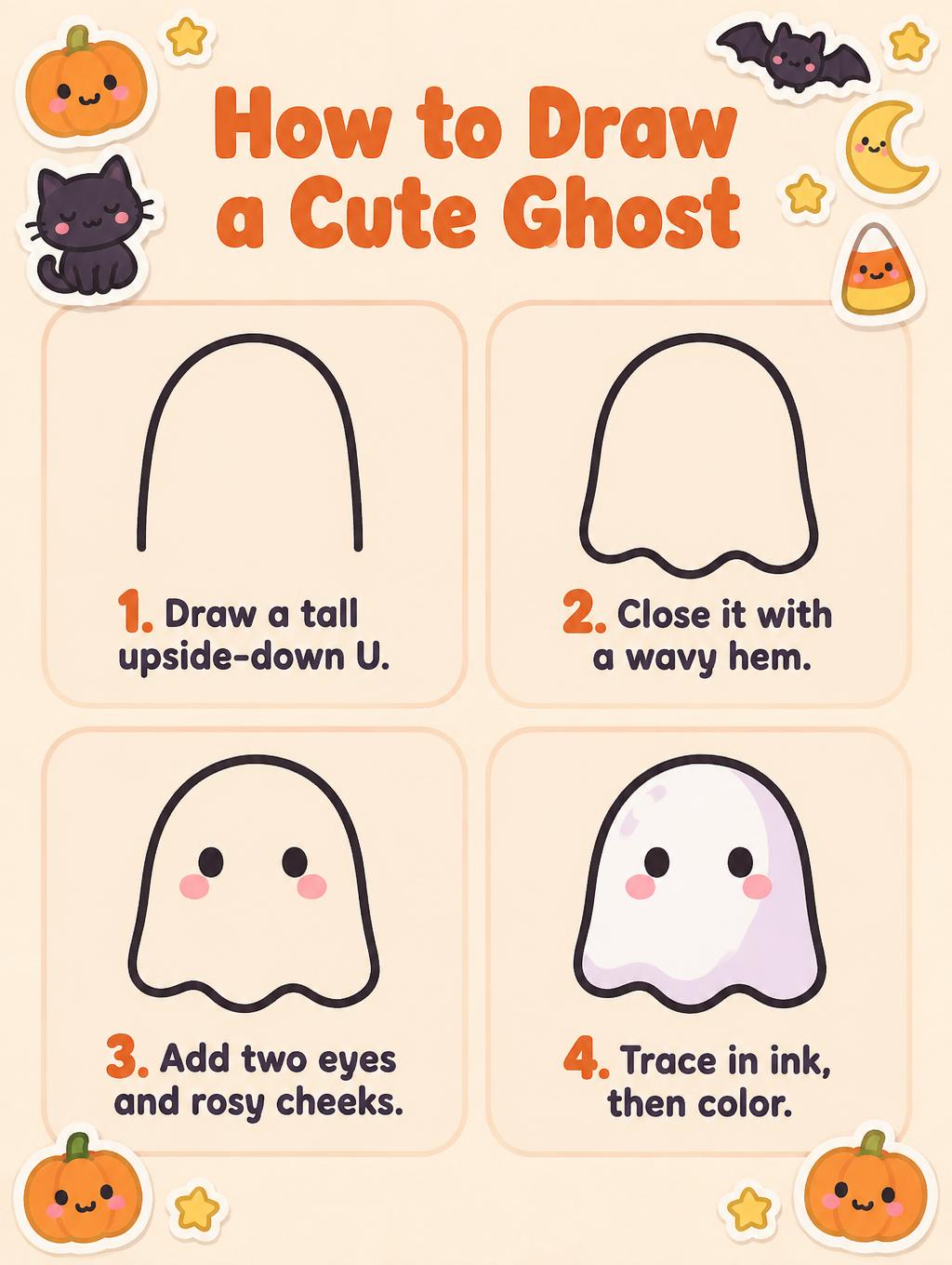
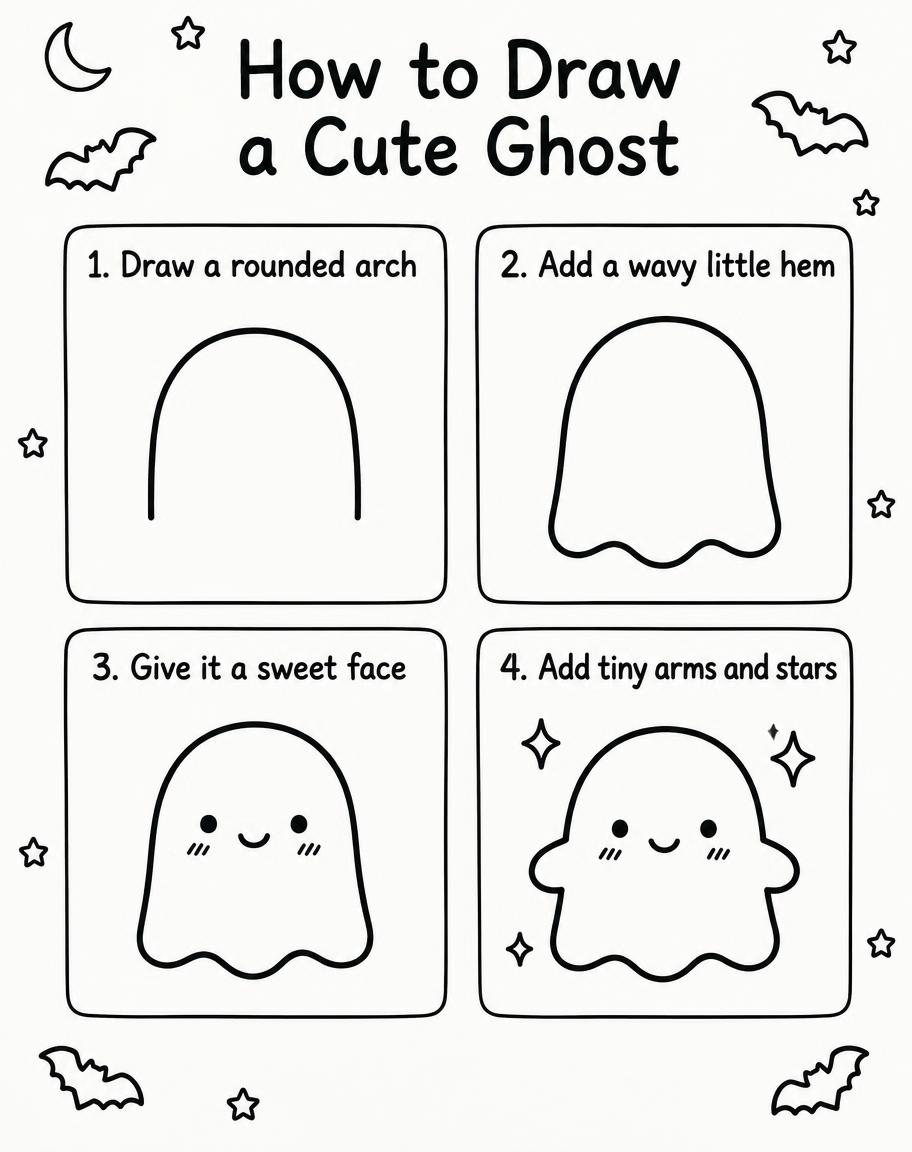
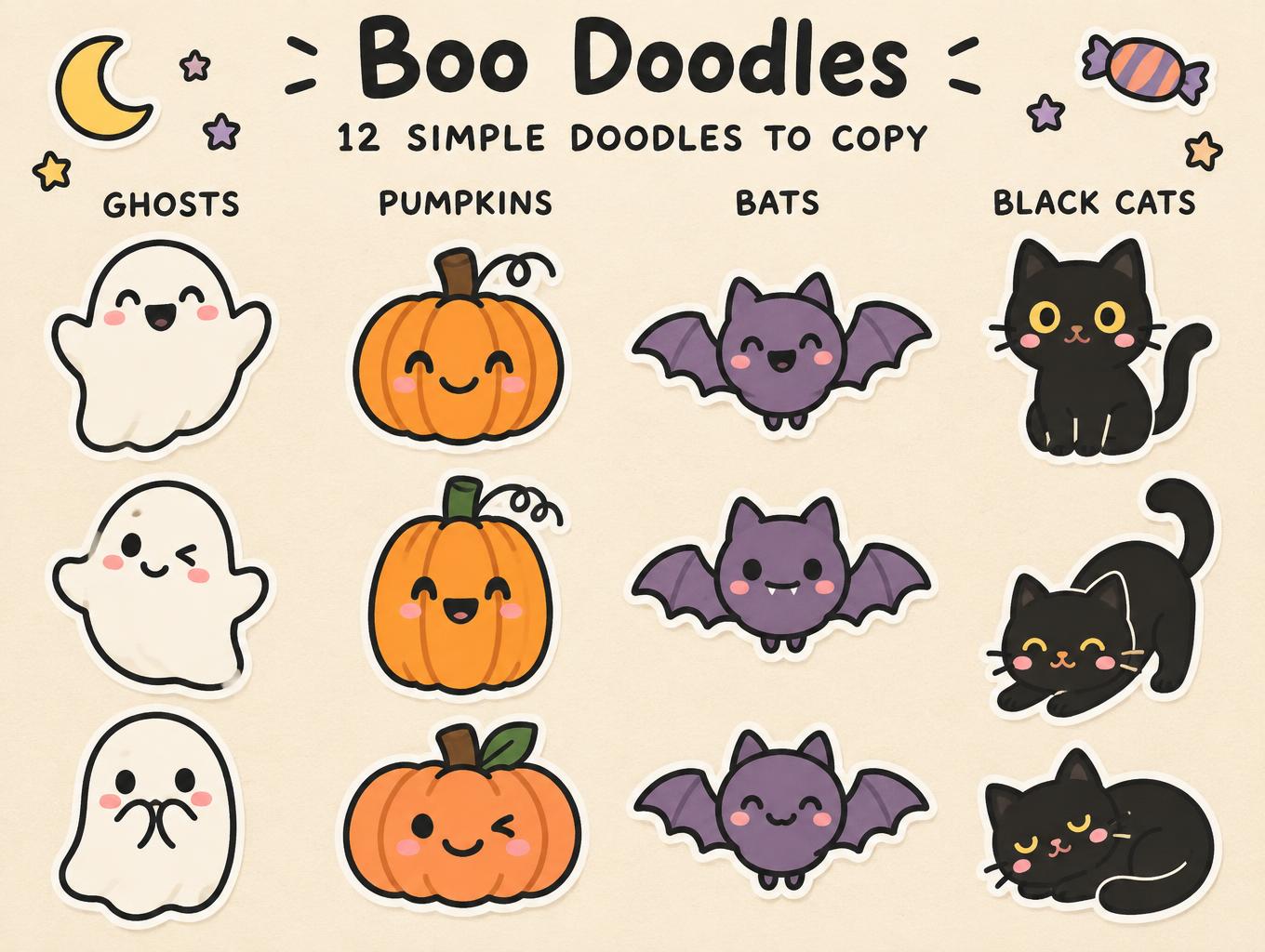
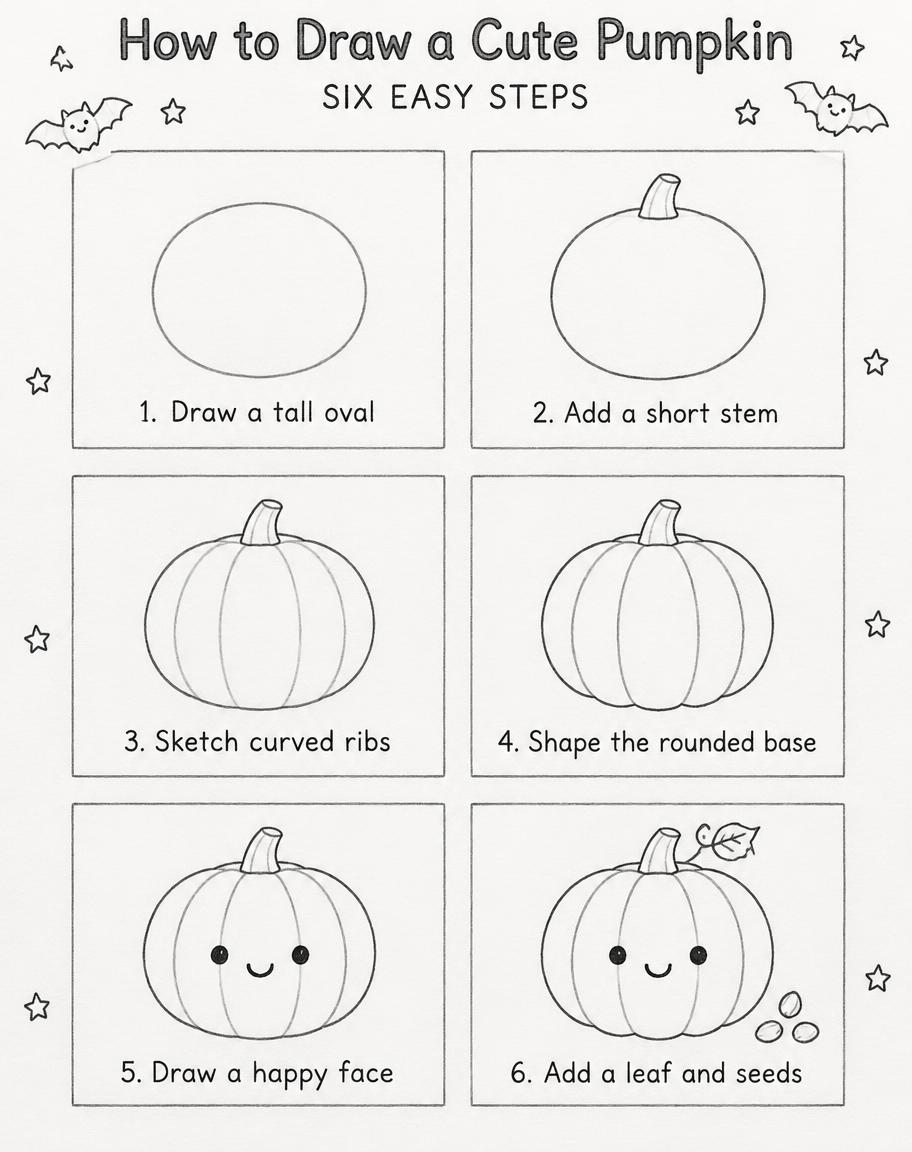
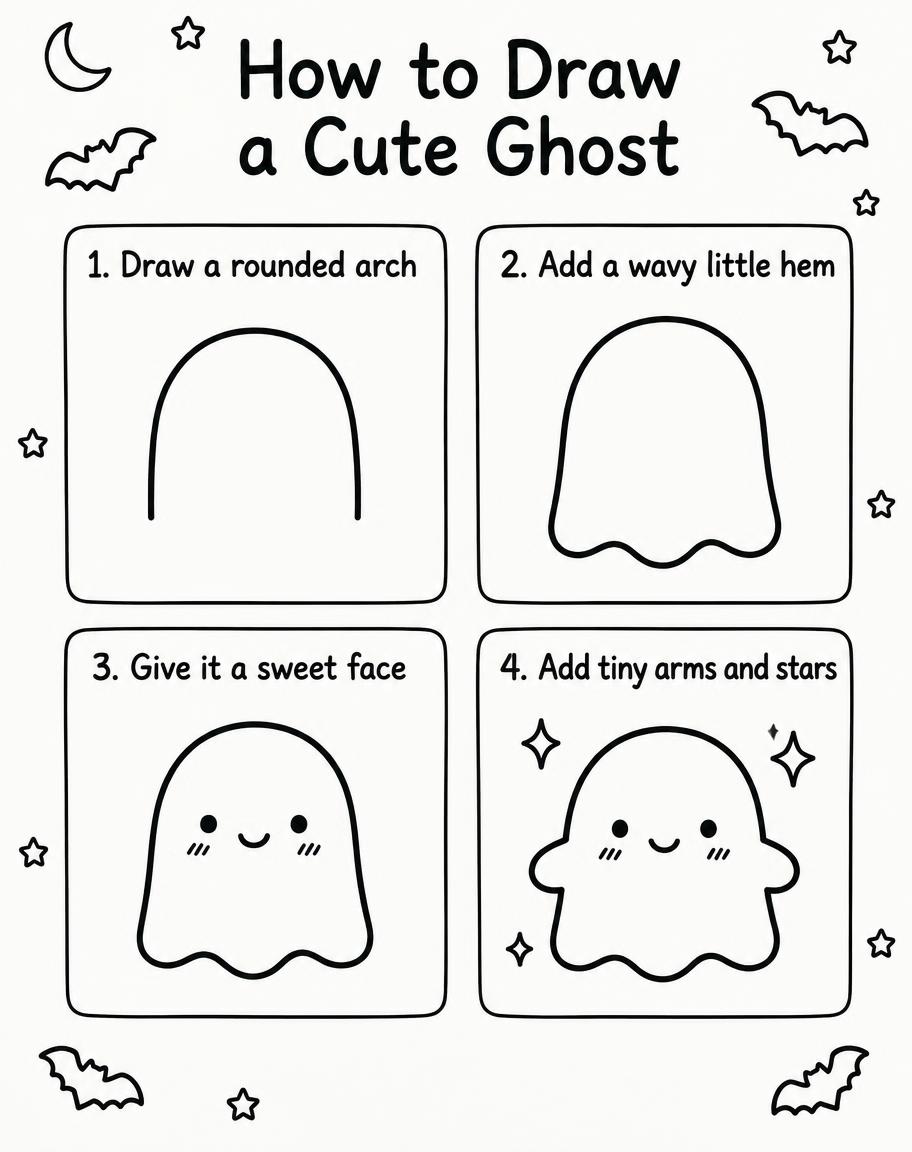
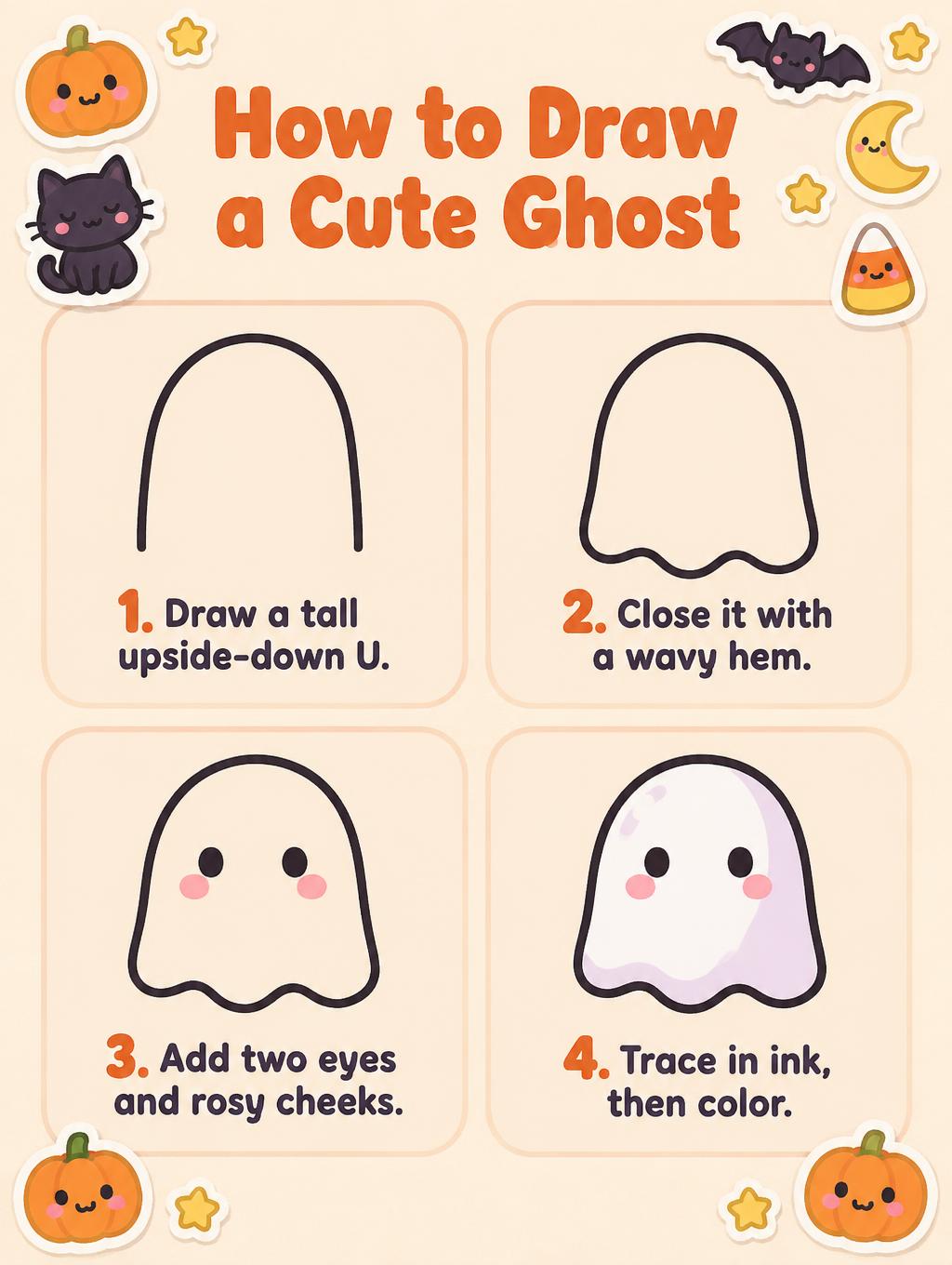
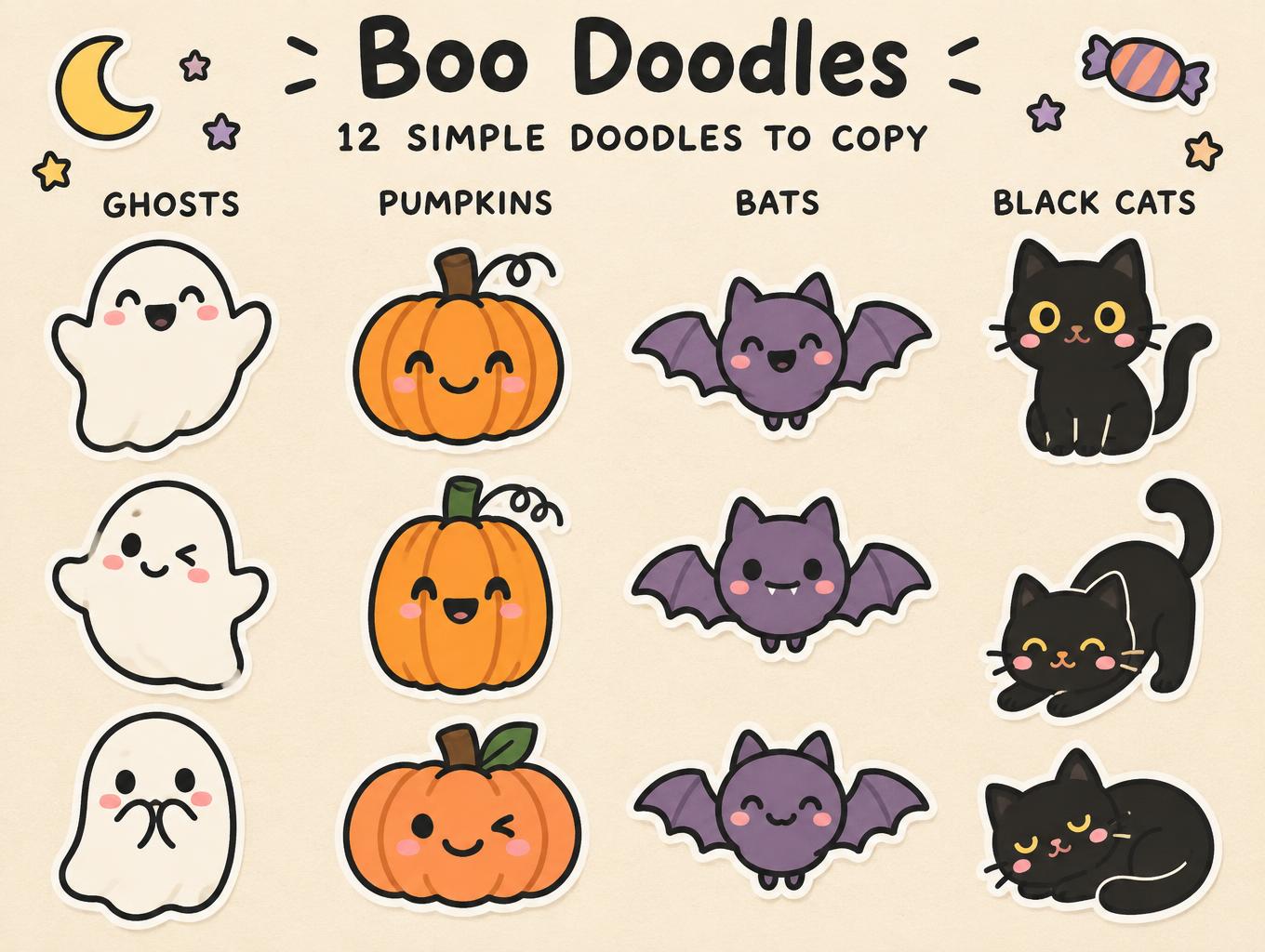
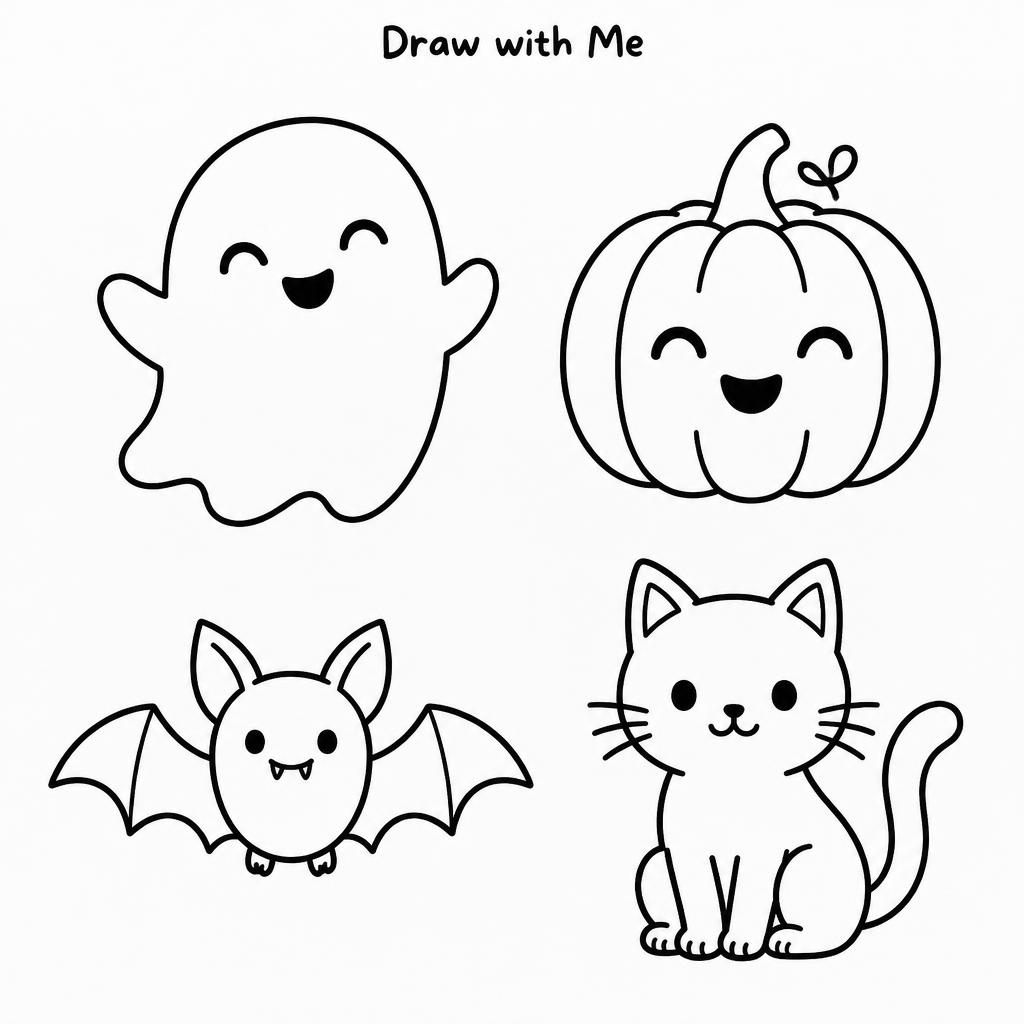
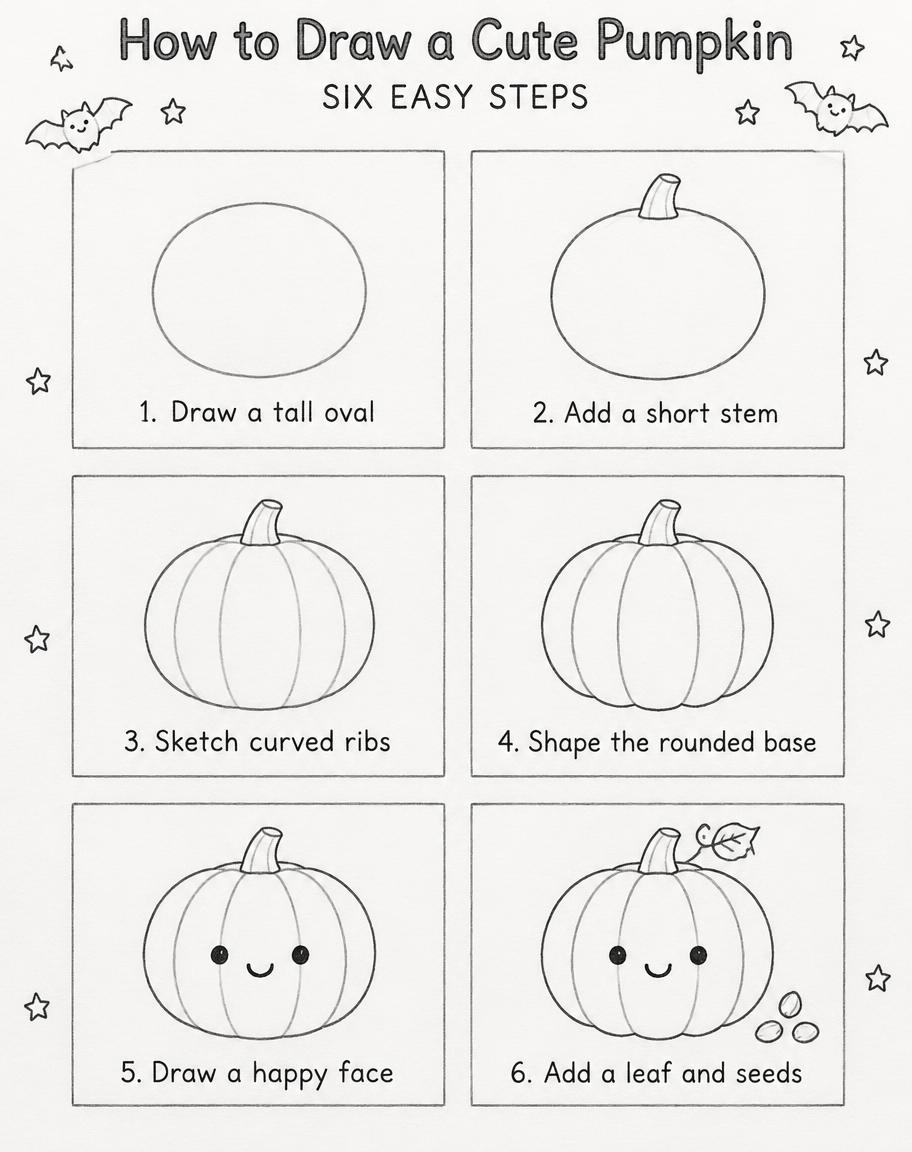
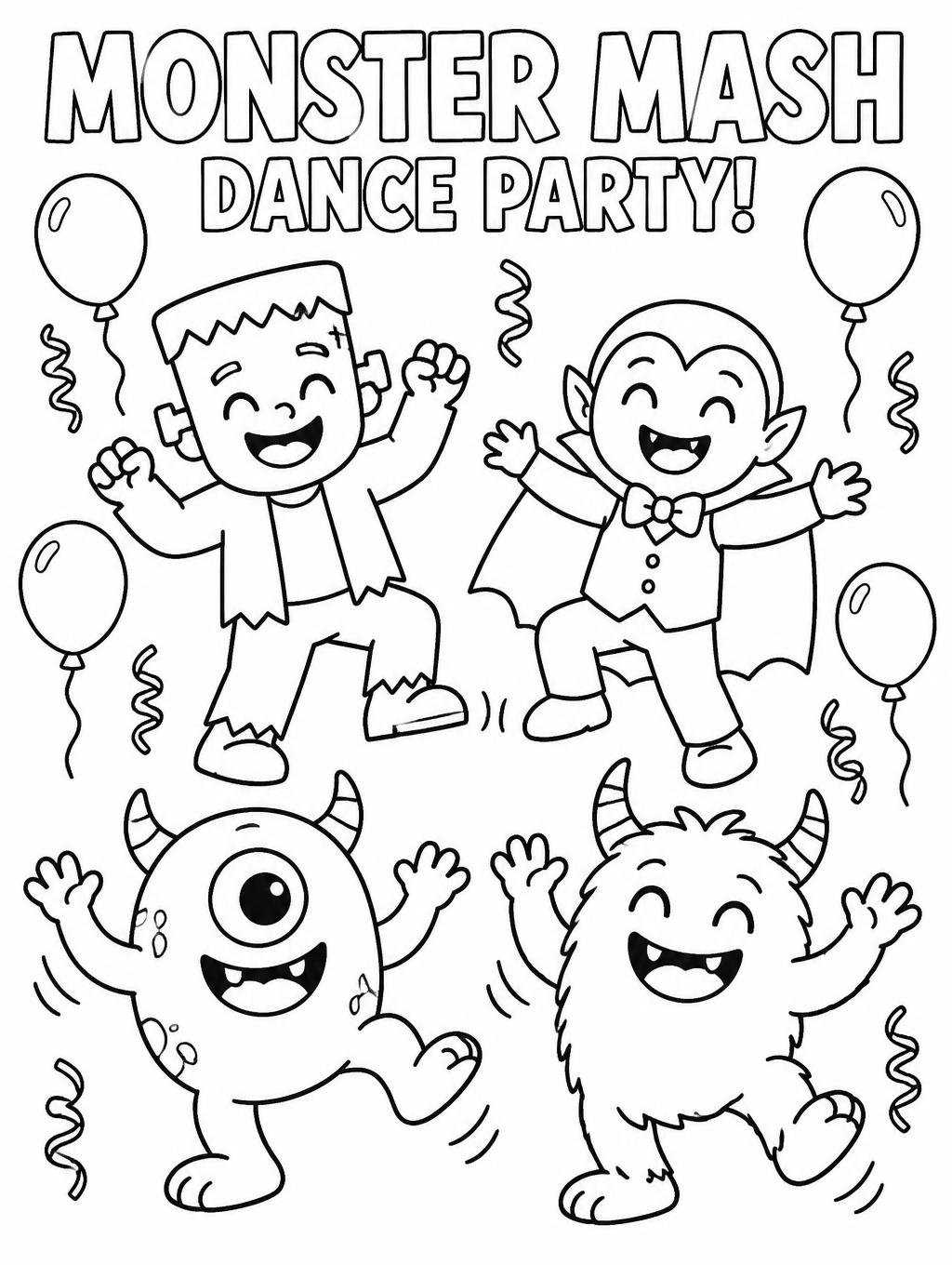
Doodle sheets and step-by-step guides for drawing little ghosts, pumpkins, bats and black cats.
Cute Halloween Invitations
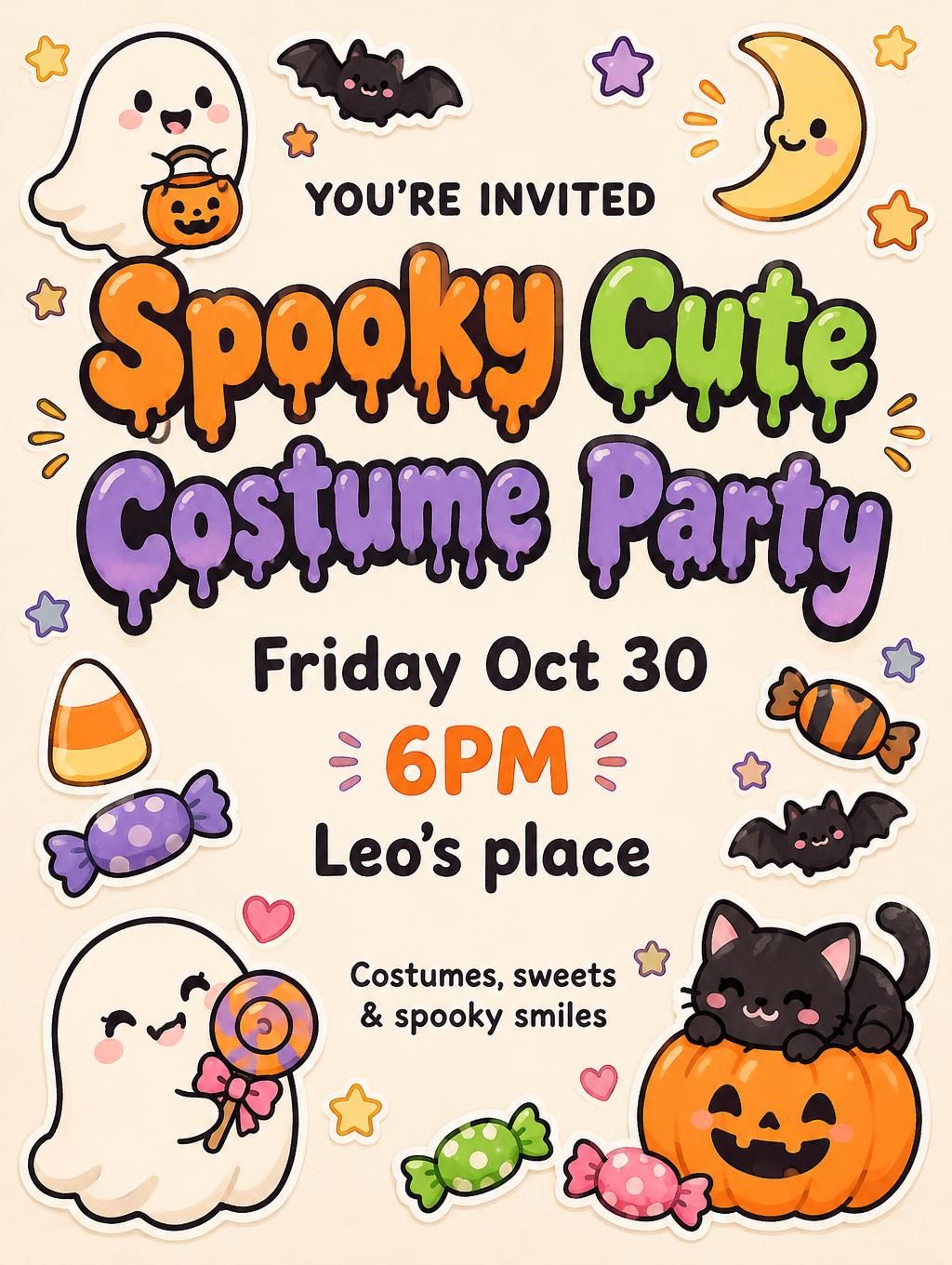
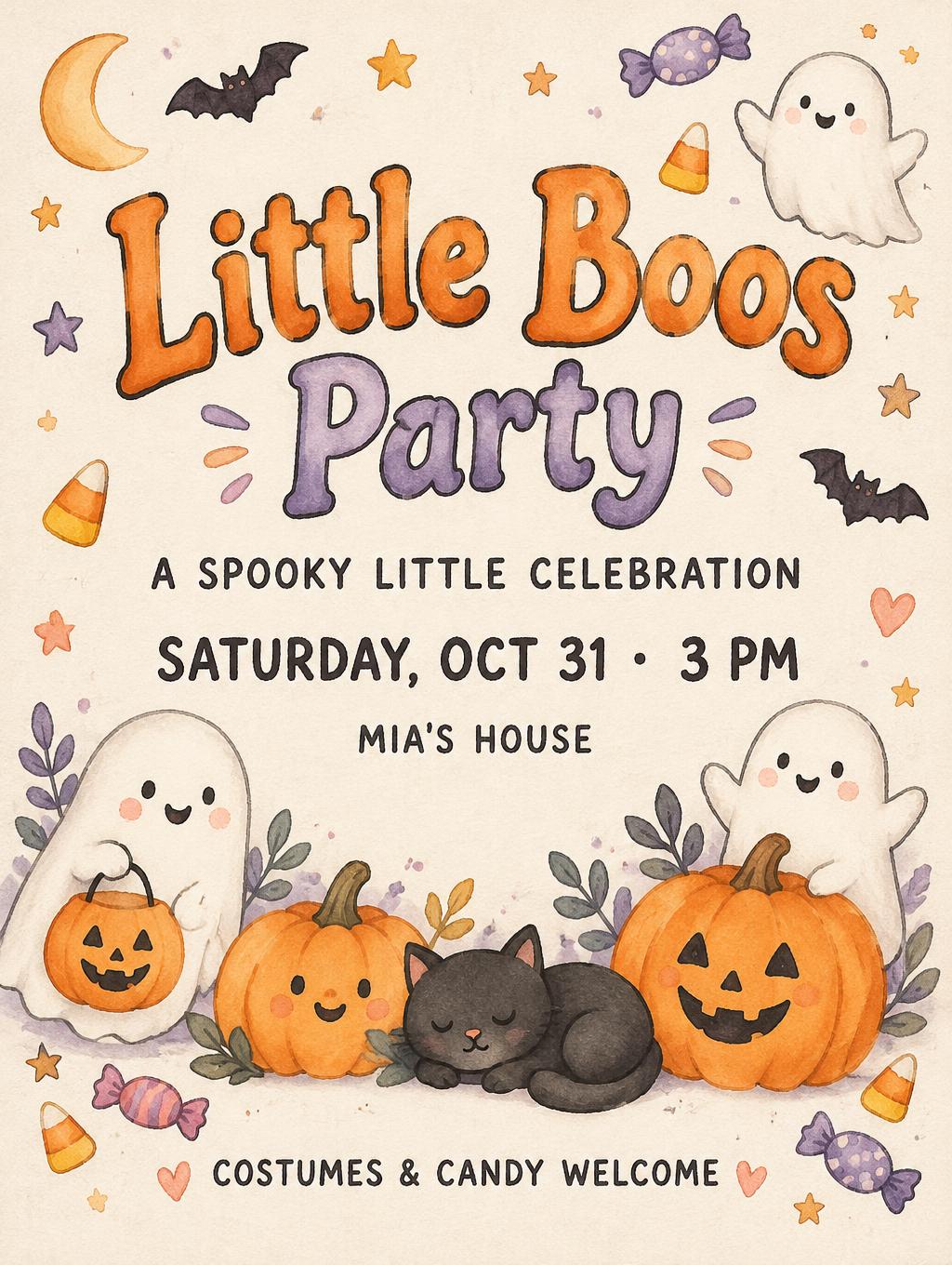
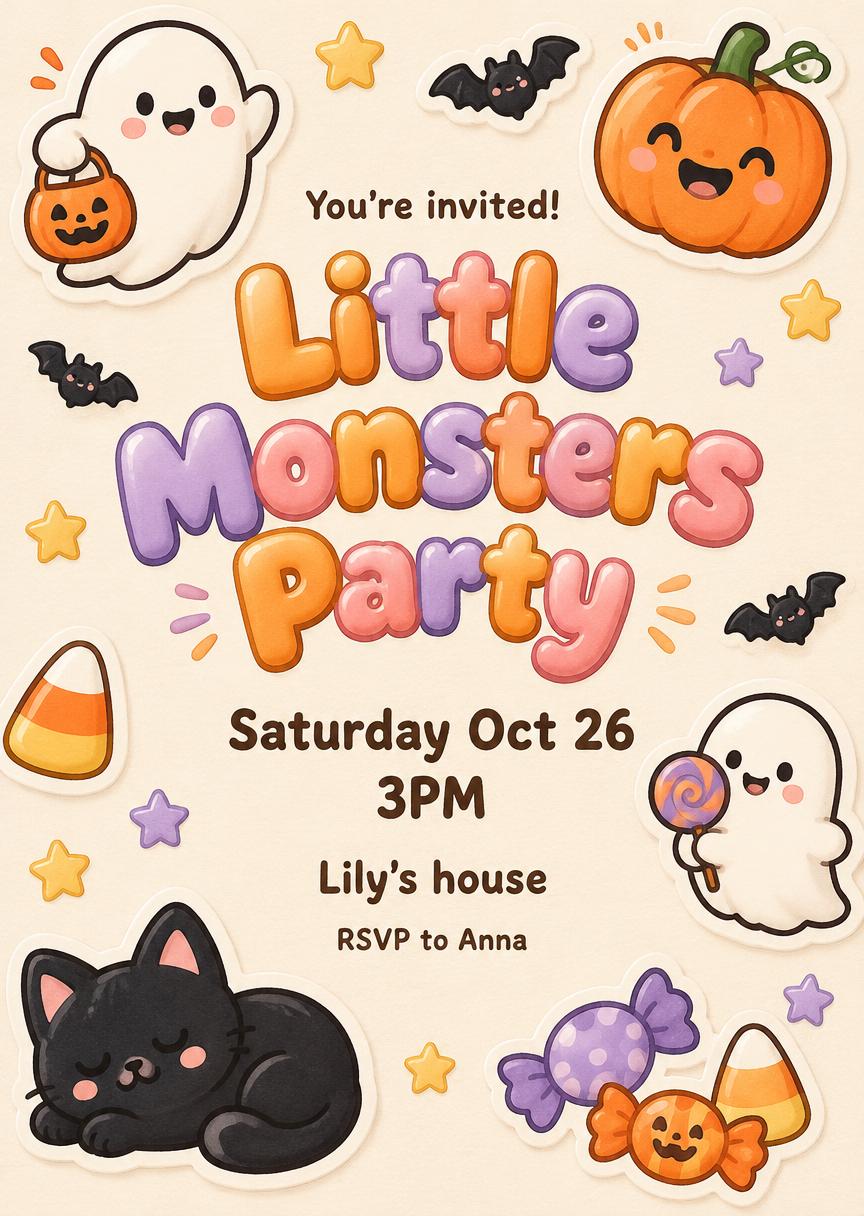
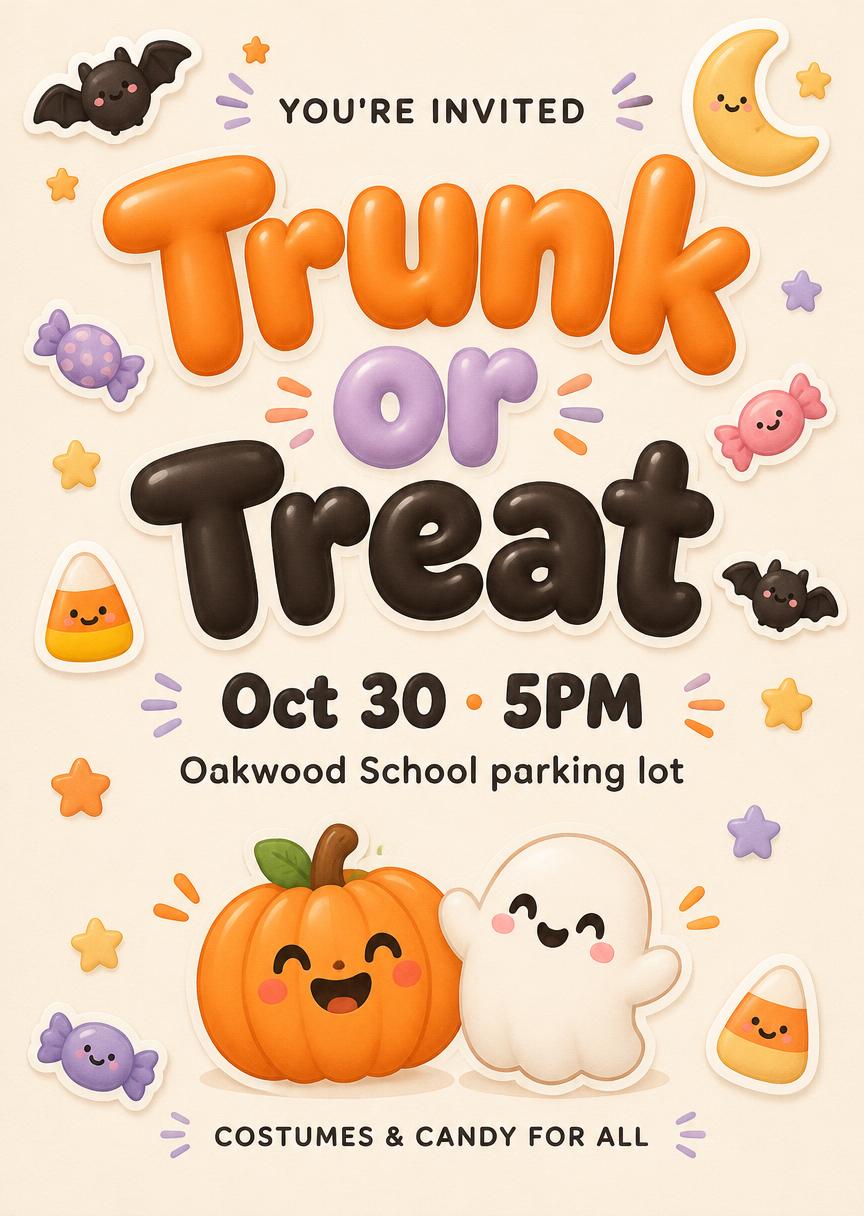
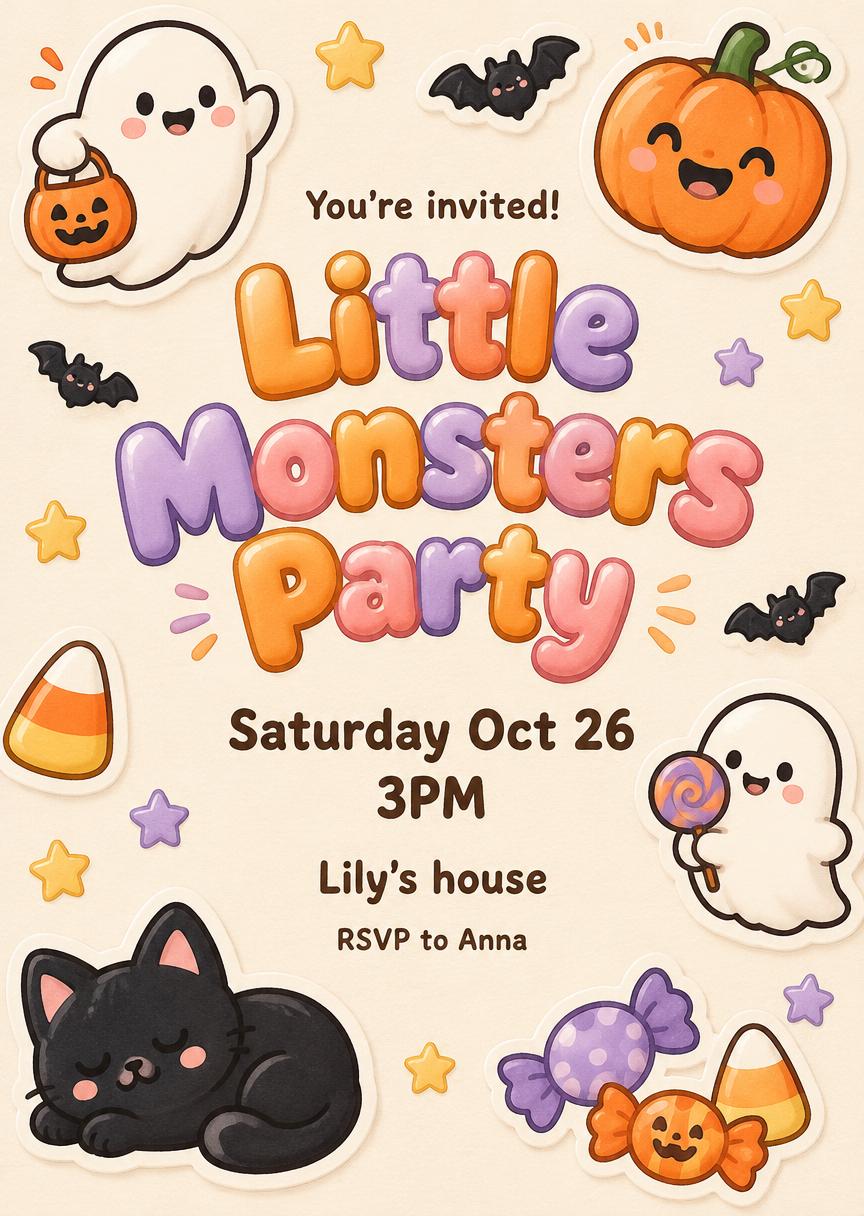
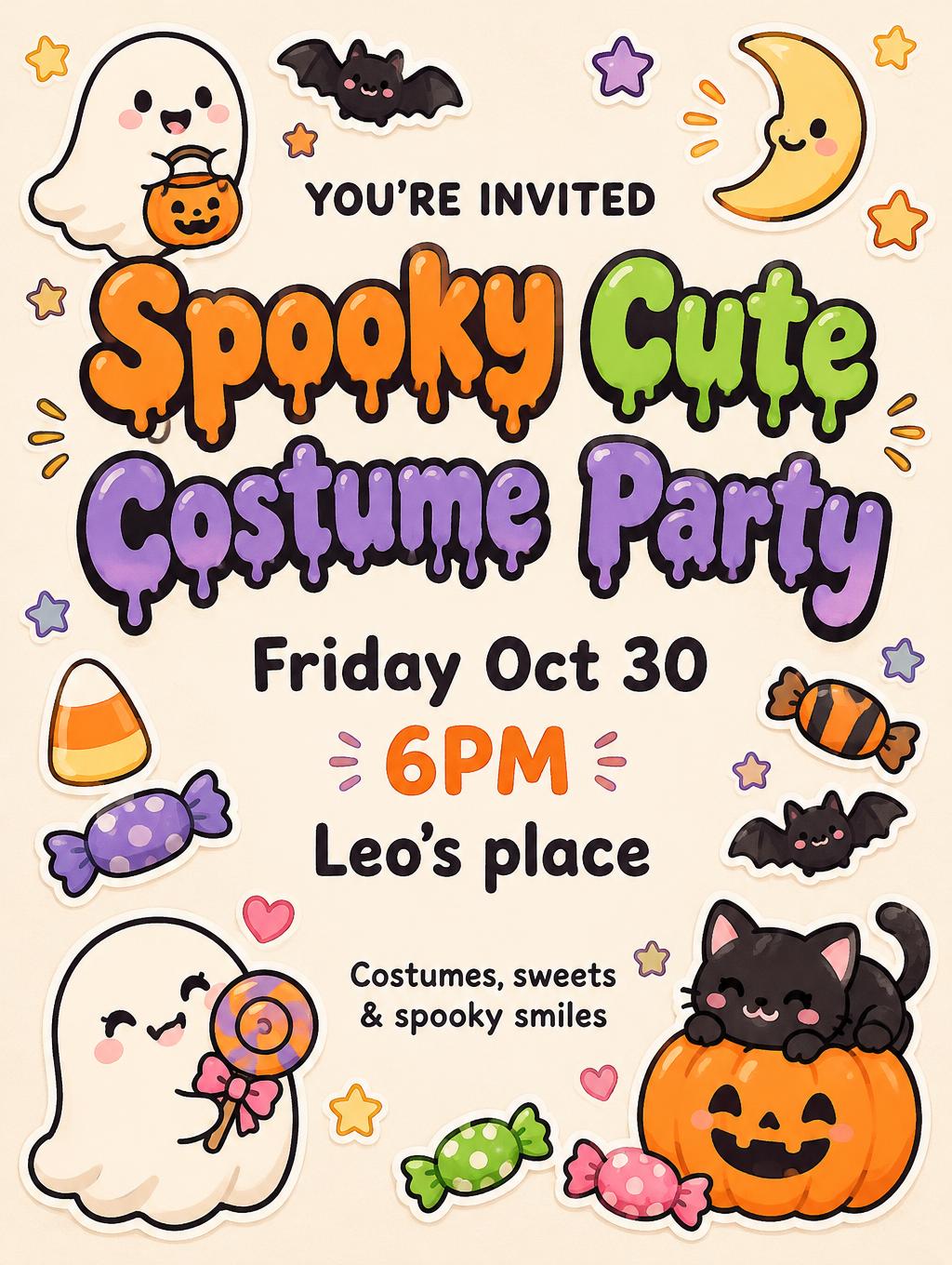
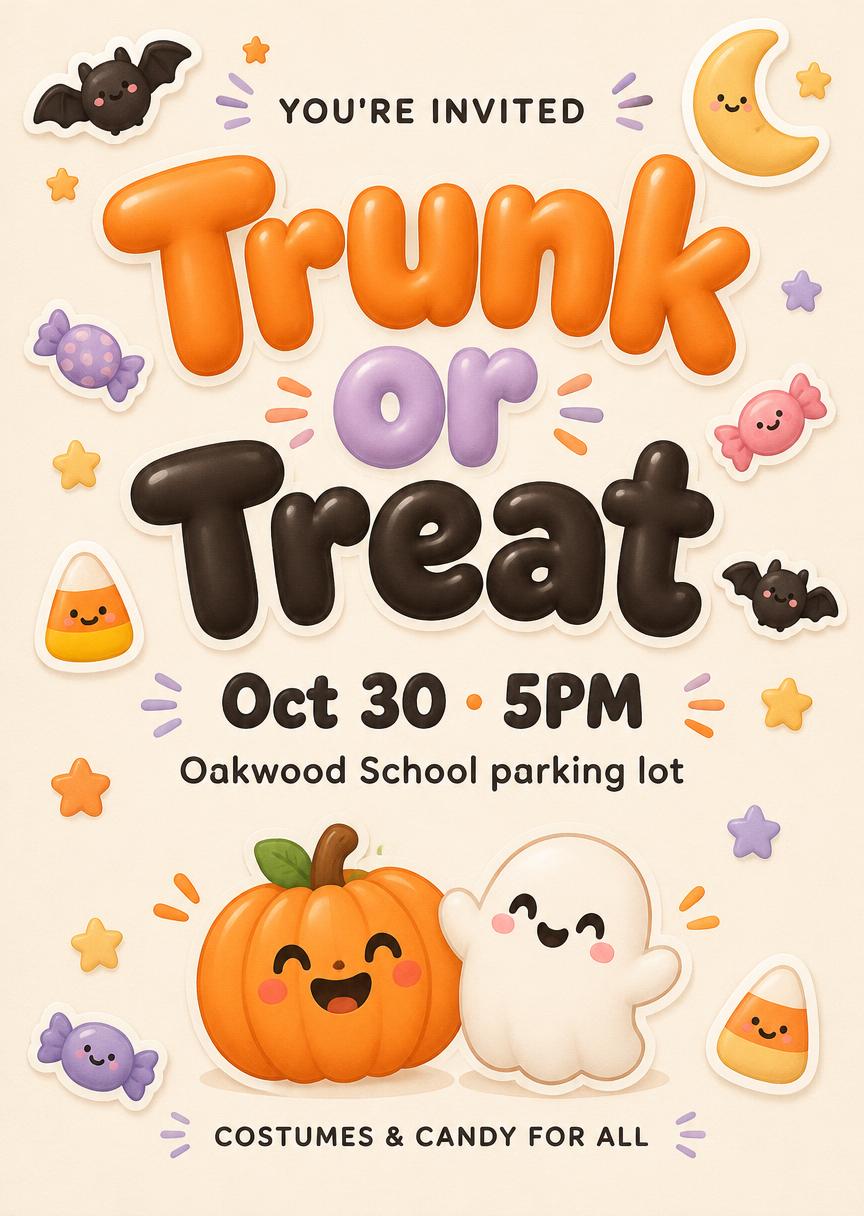
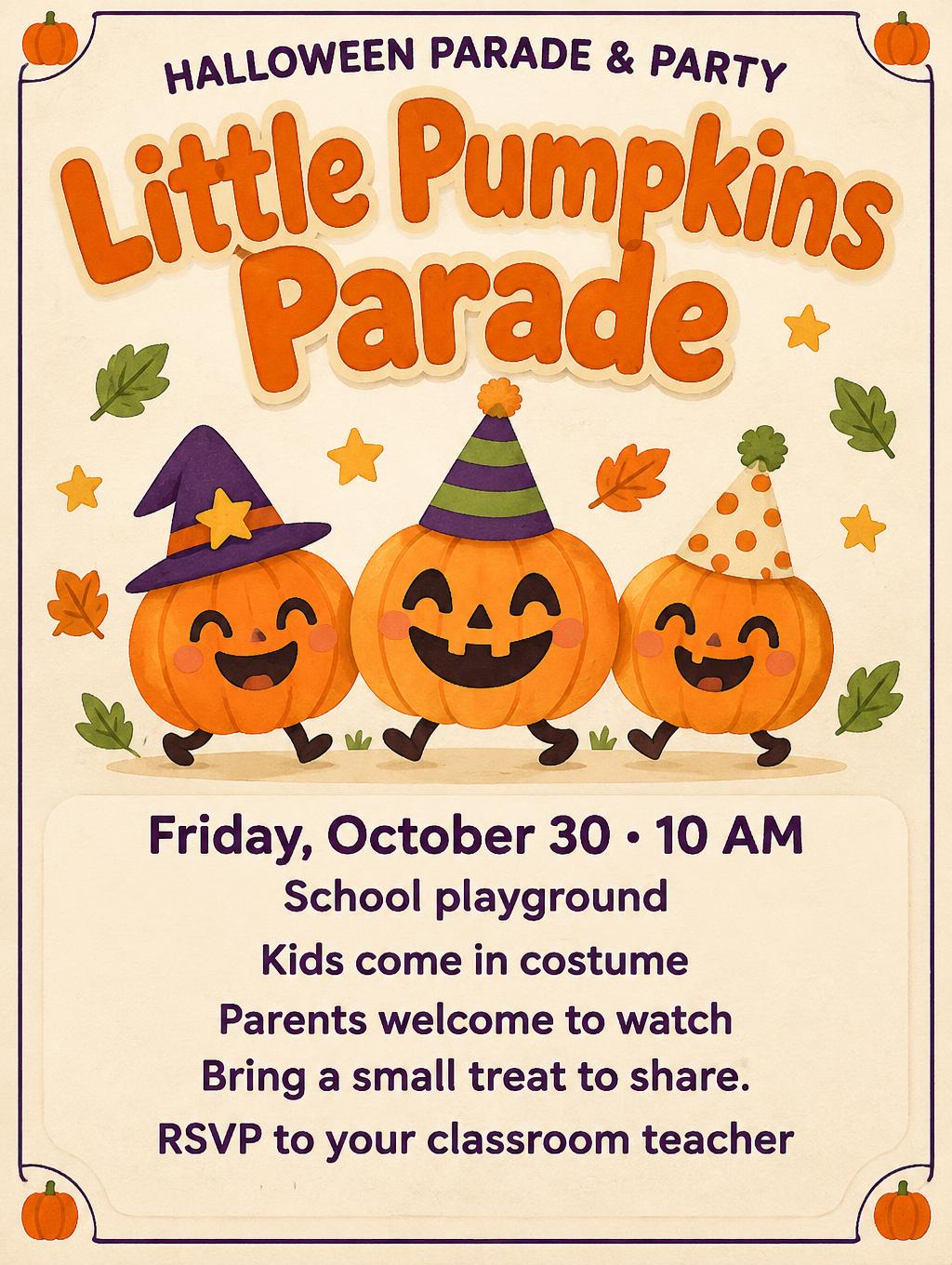
Kids' and costume party invitations with the date, time and place under a playful title.
Cute Halloween Stickers
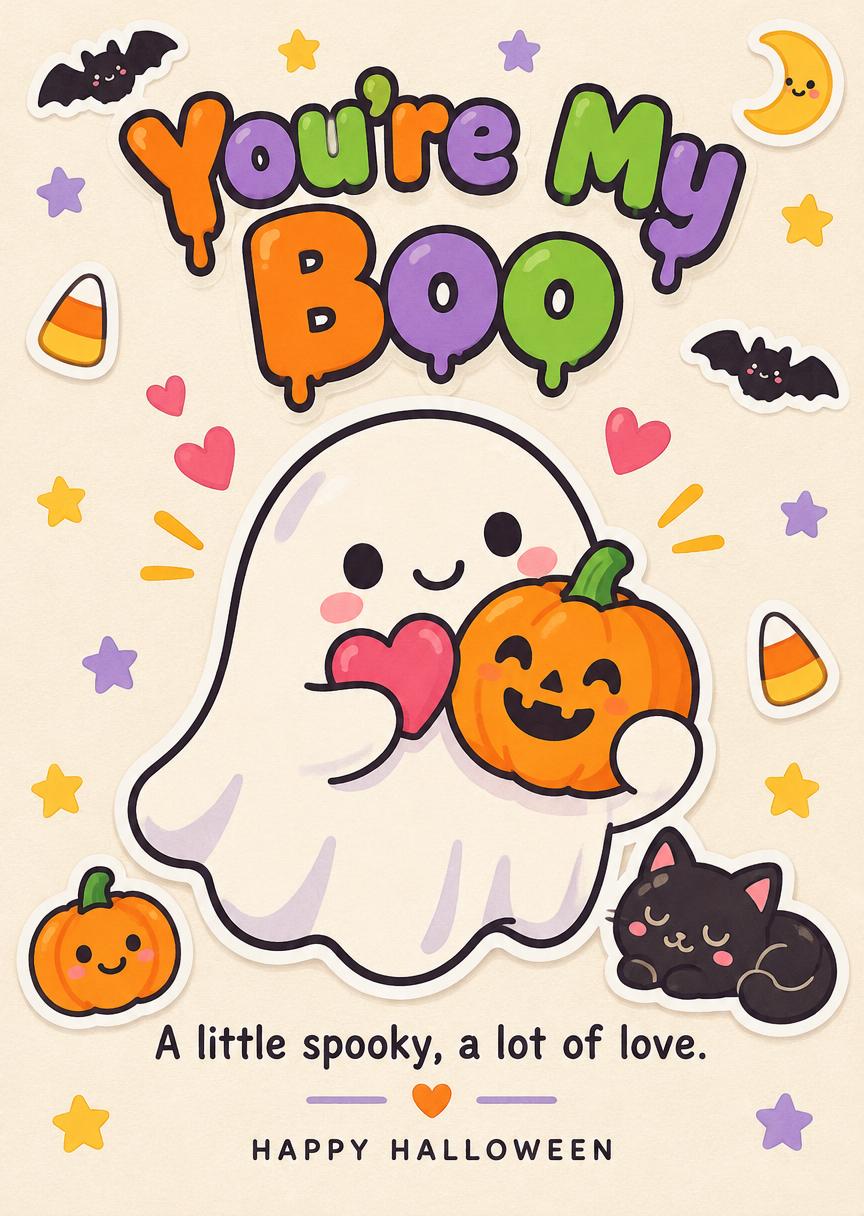
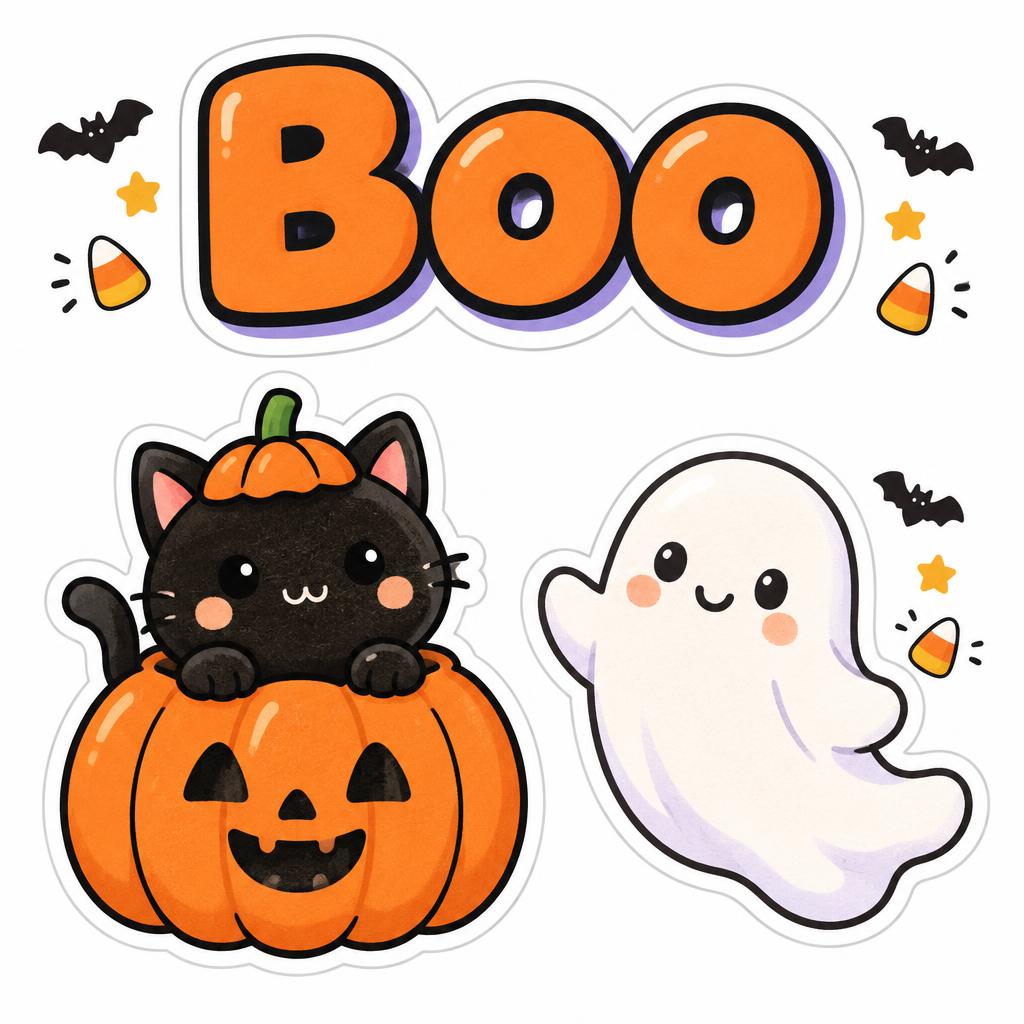
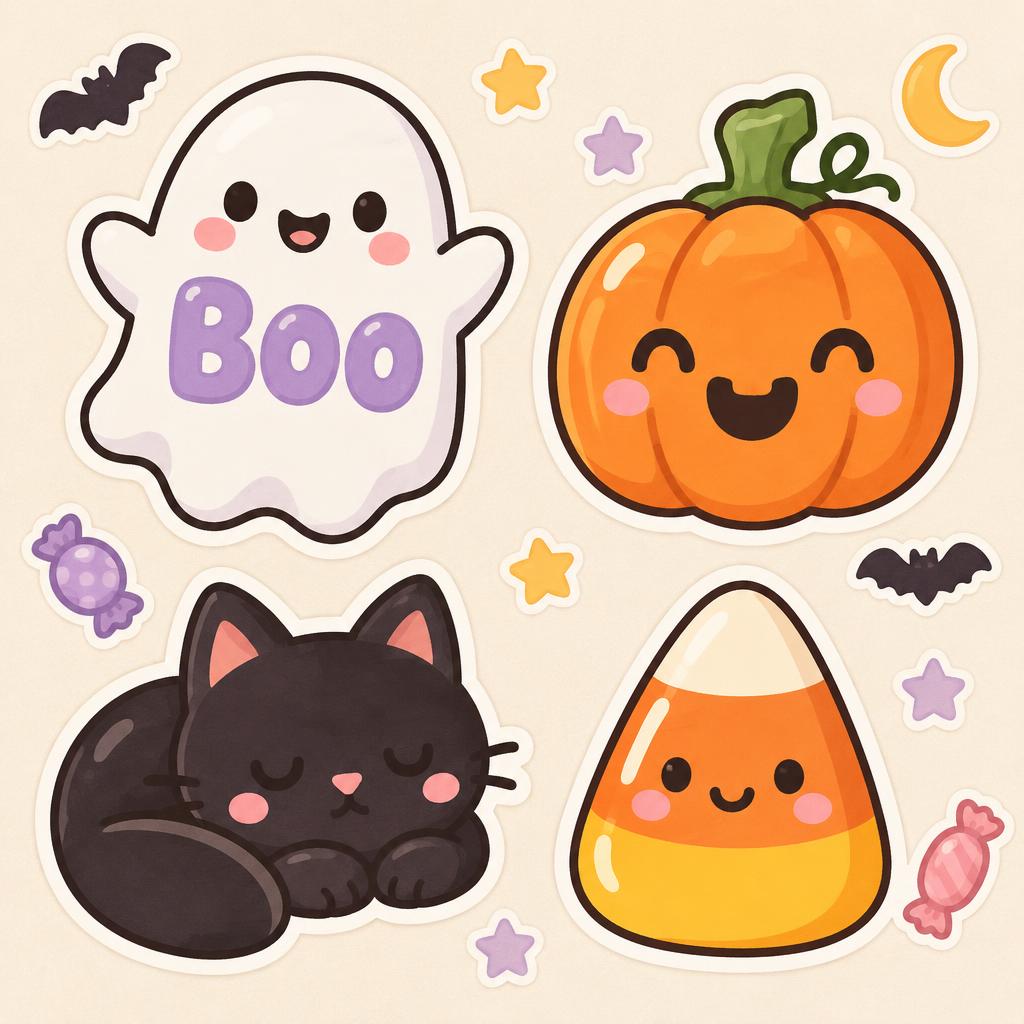
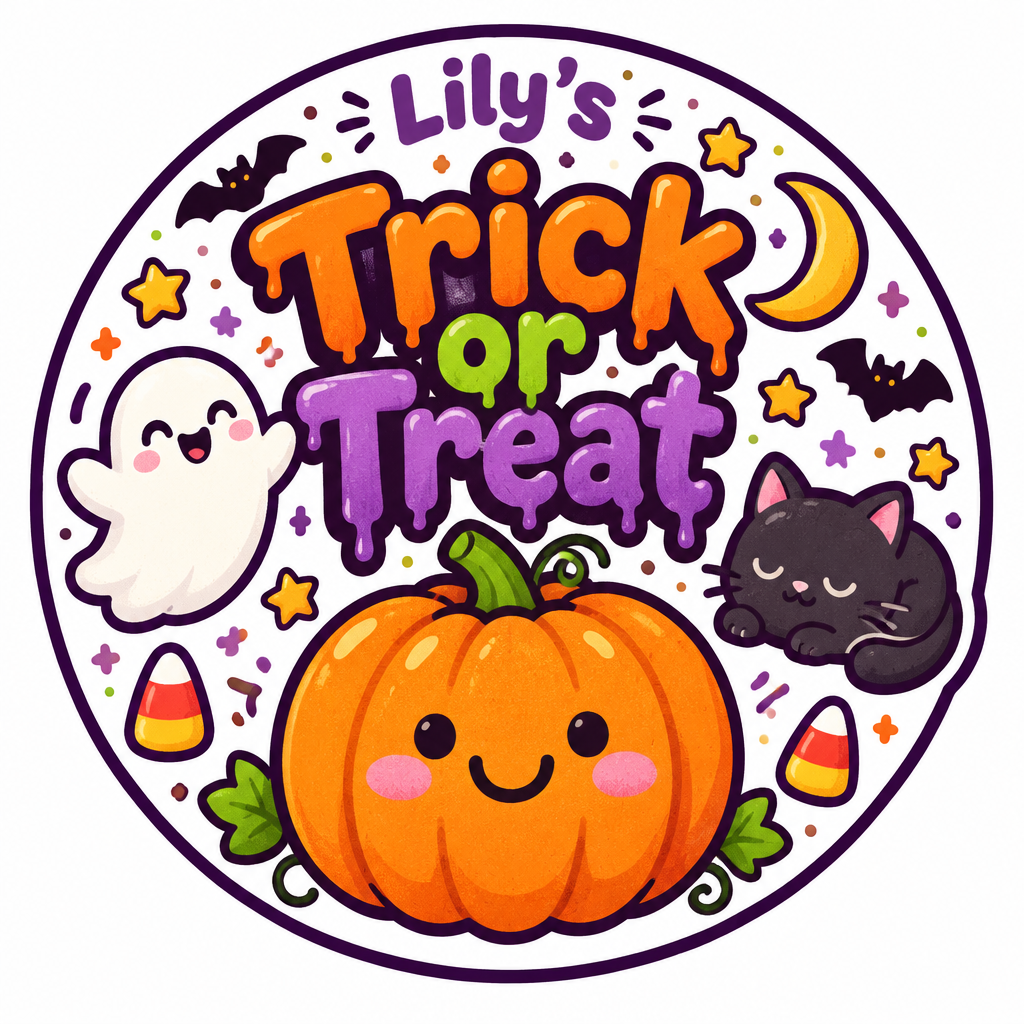
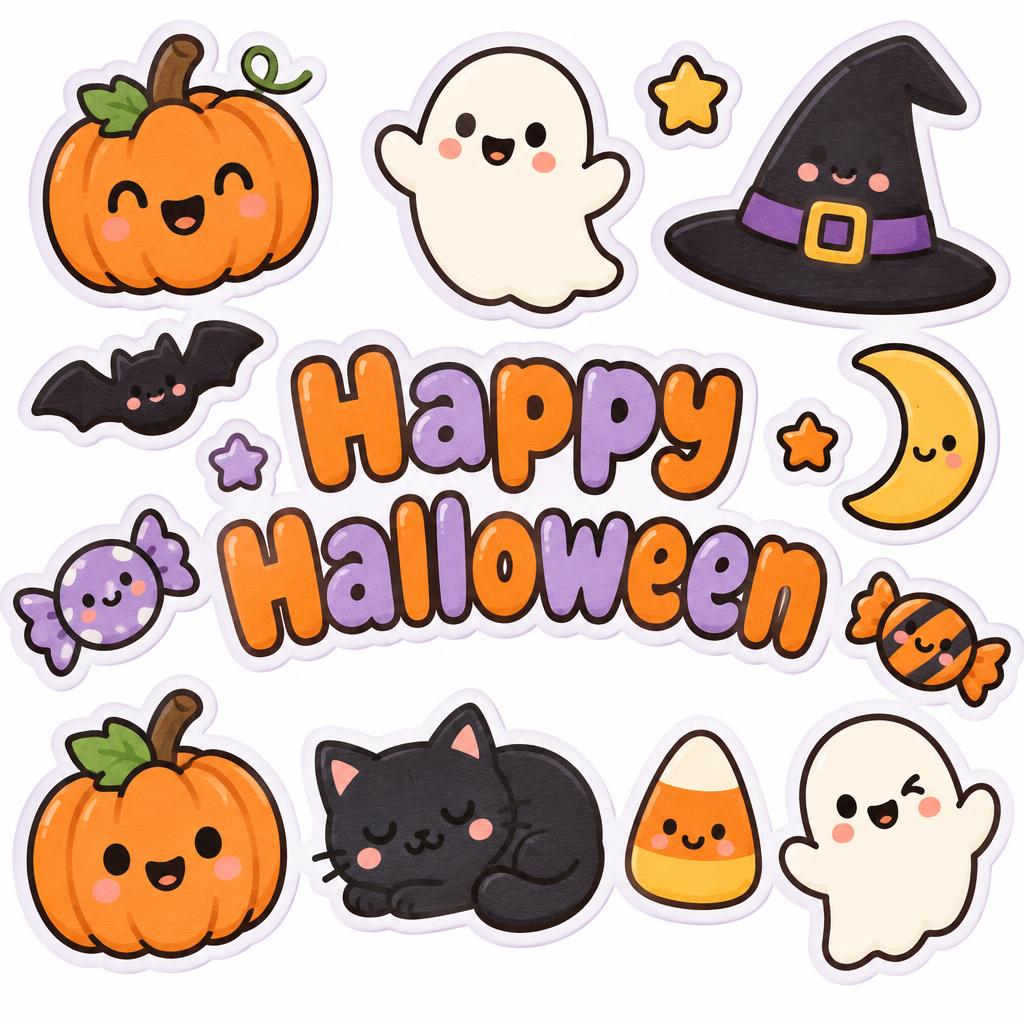
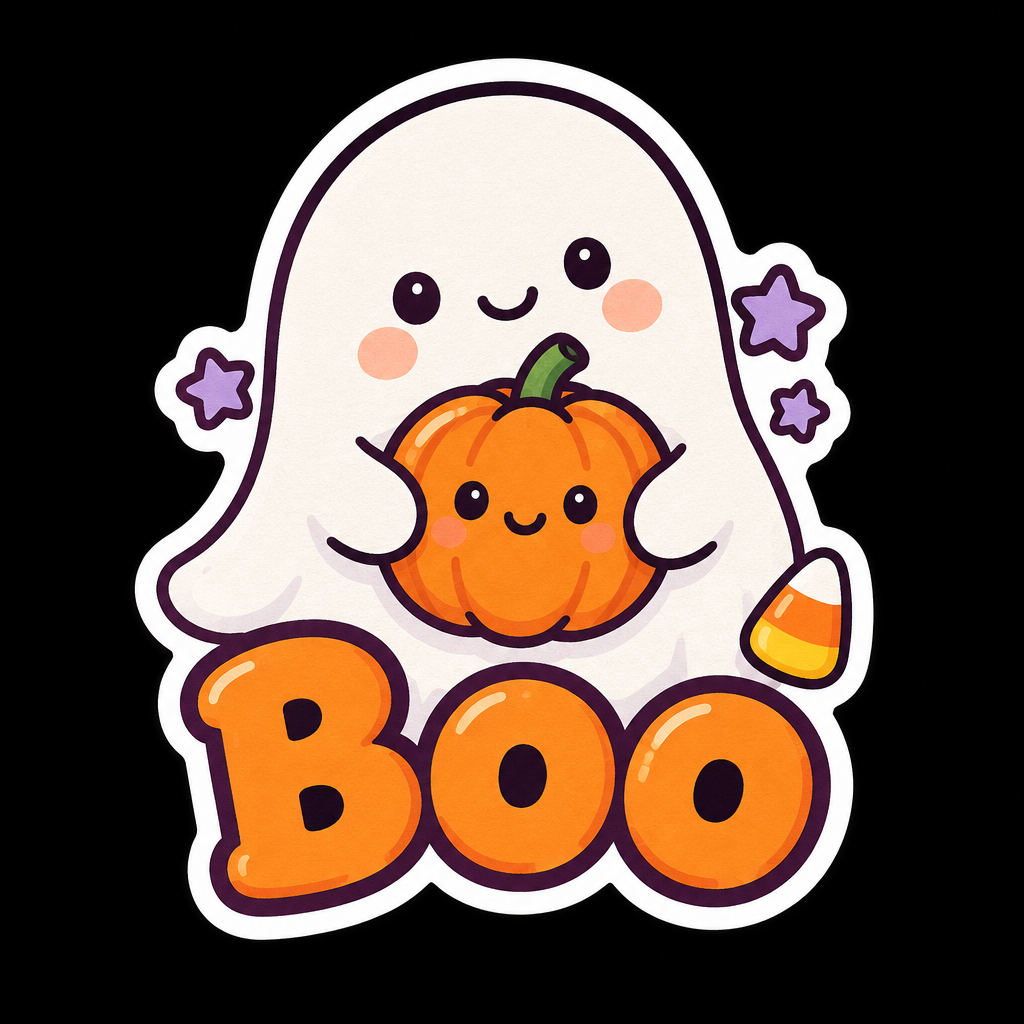
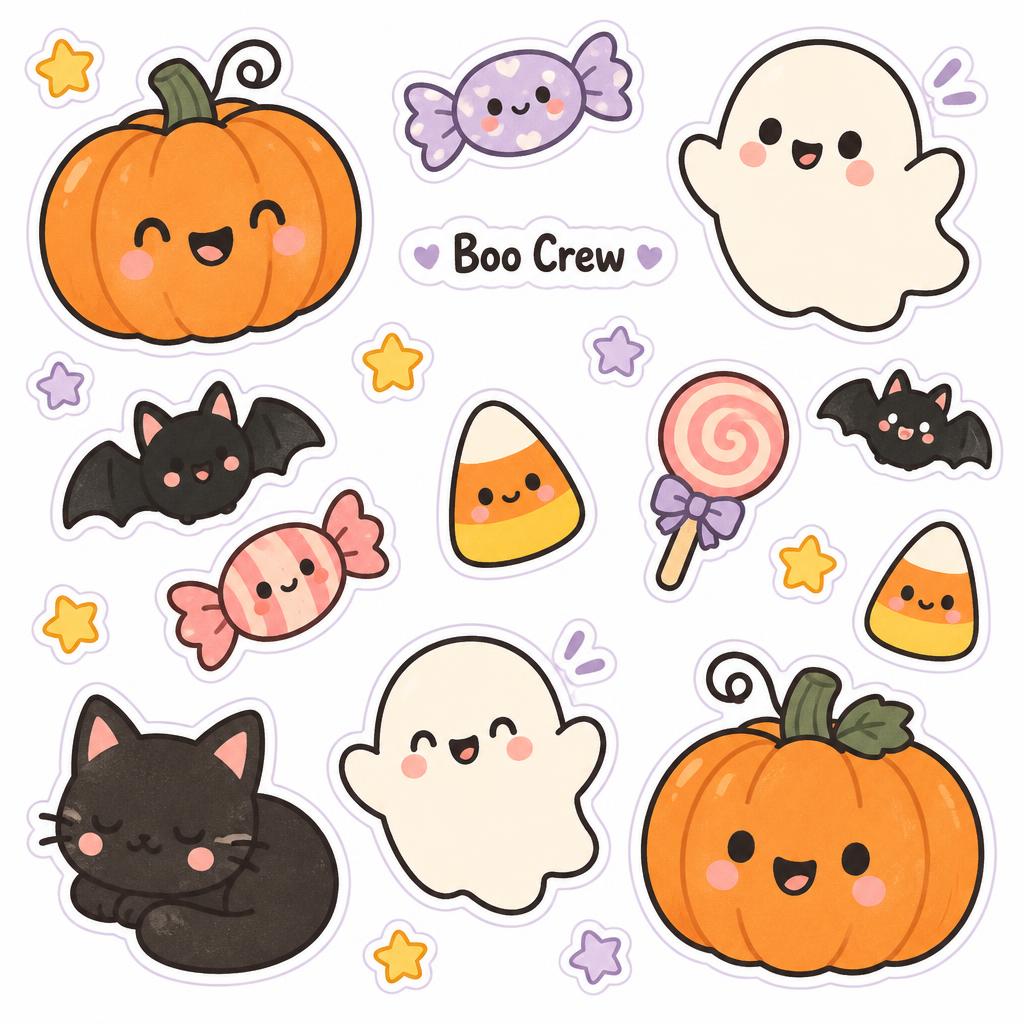
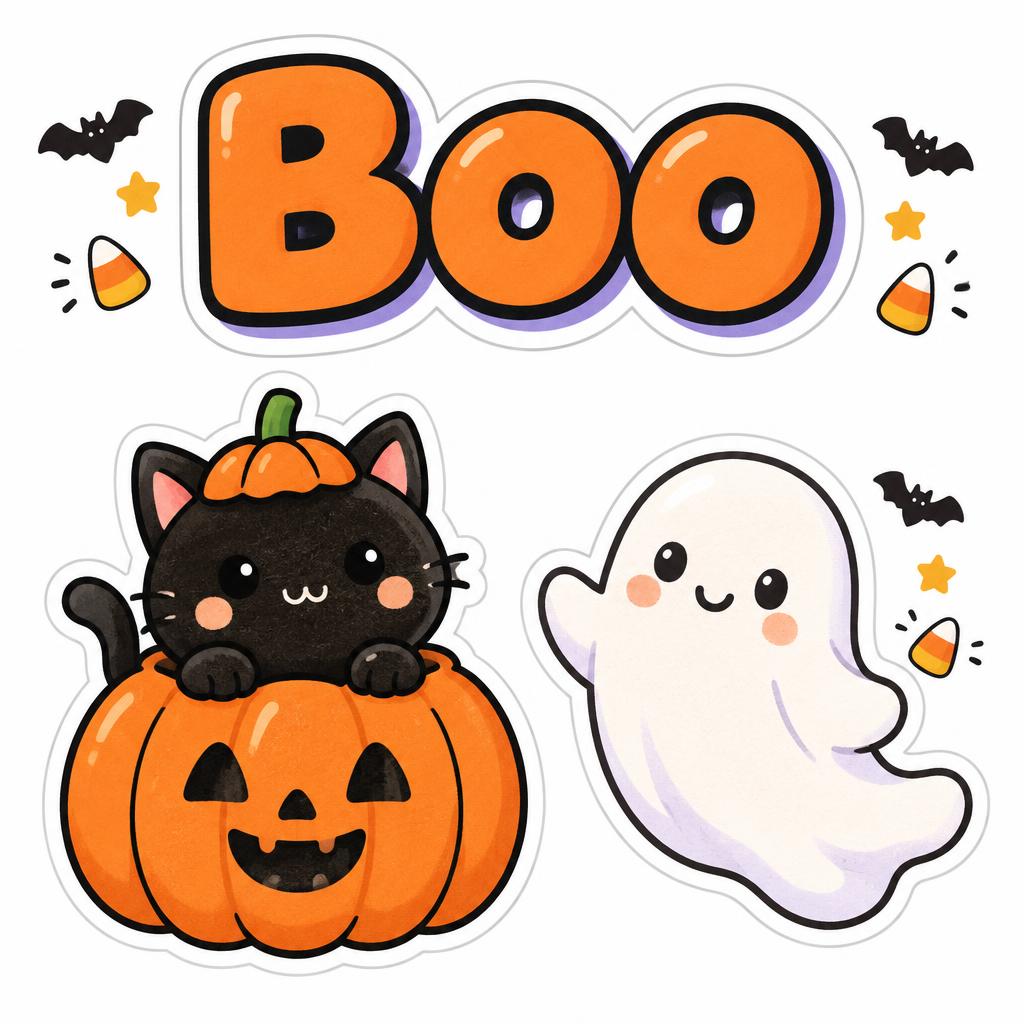
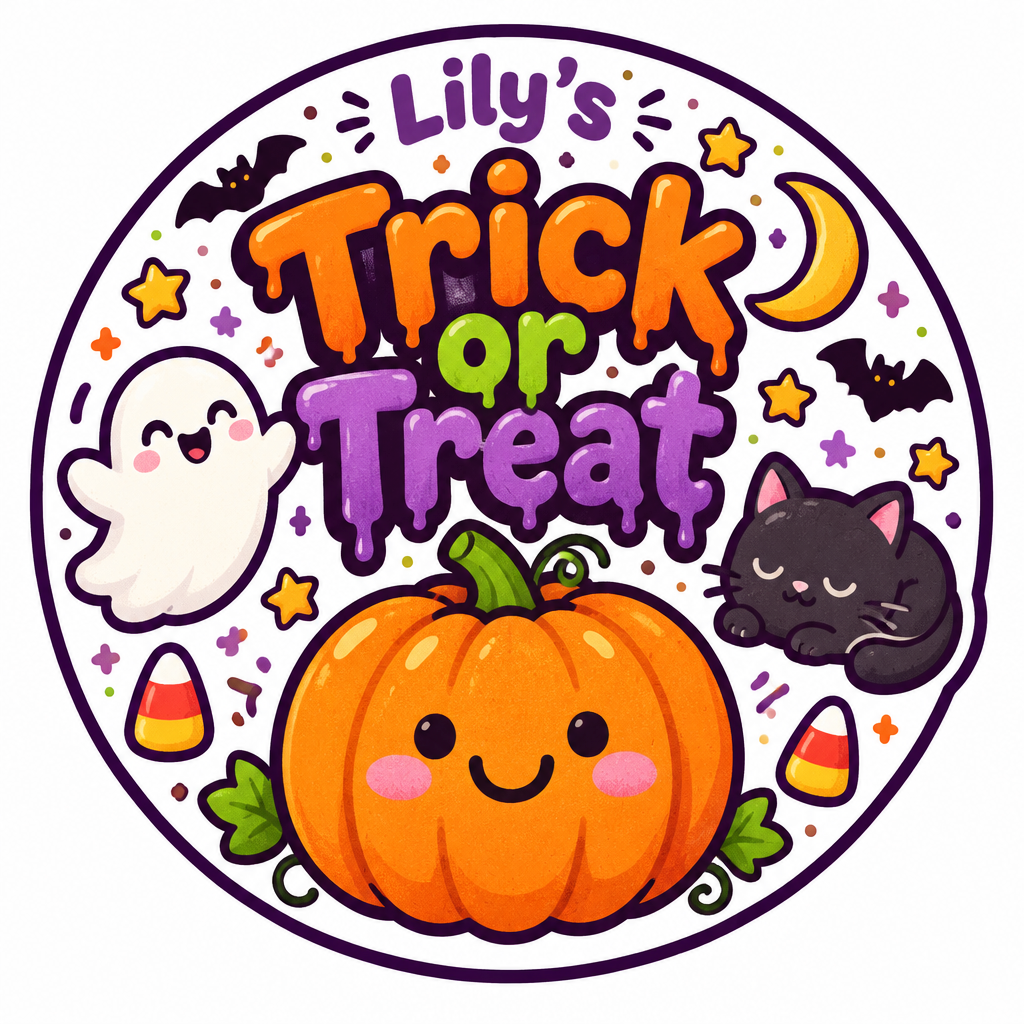
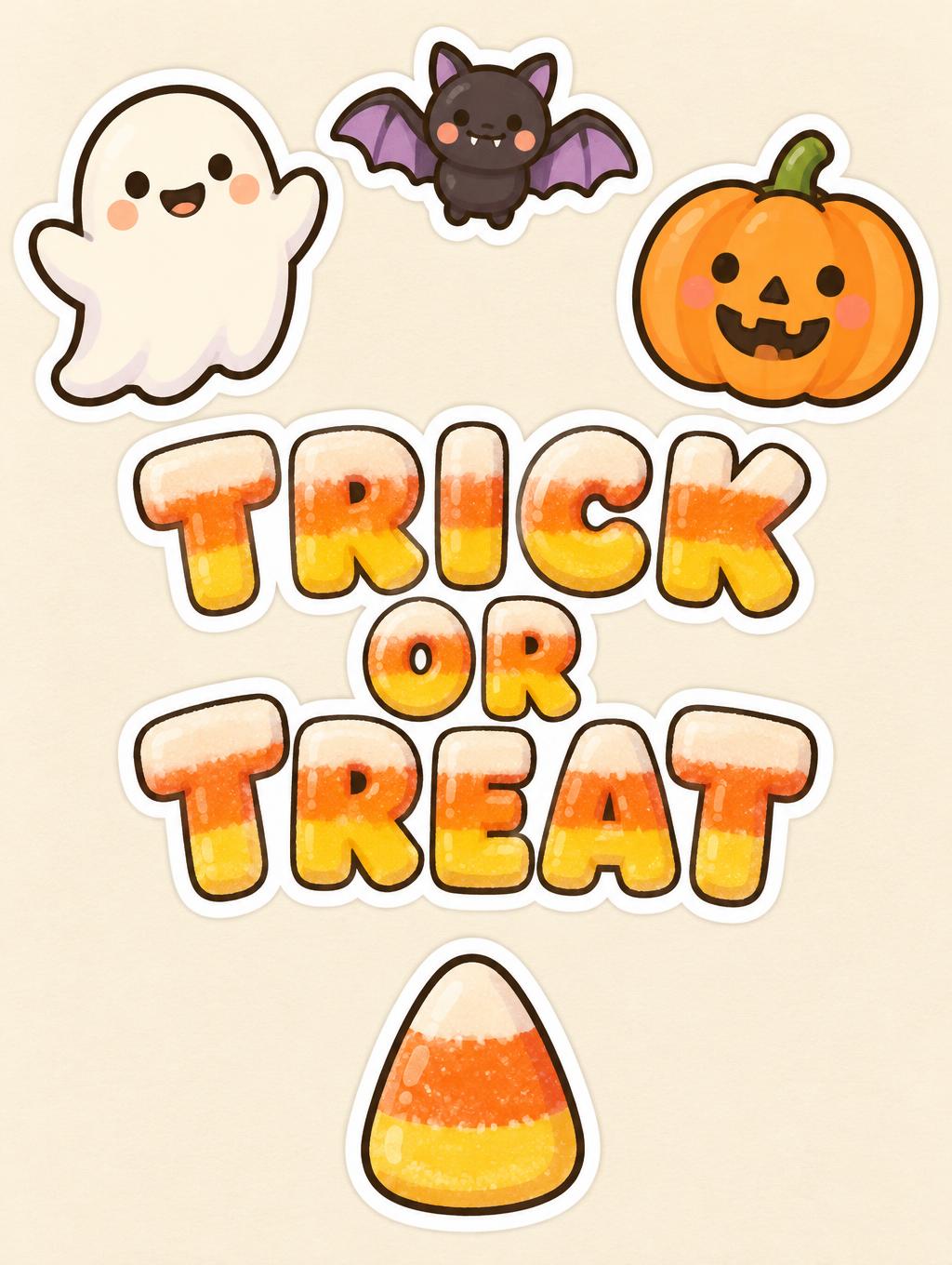
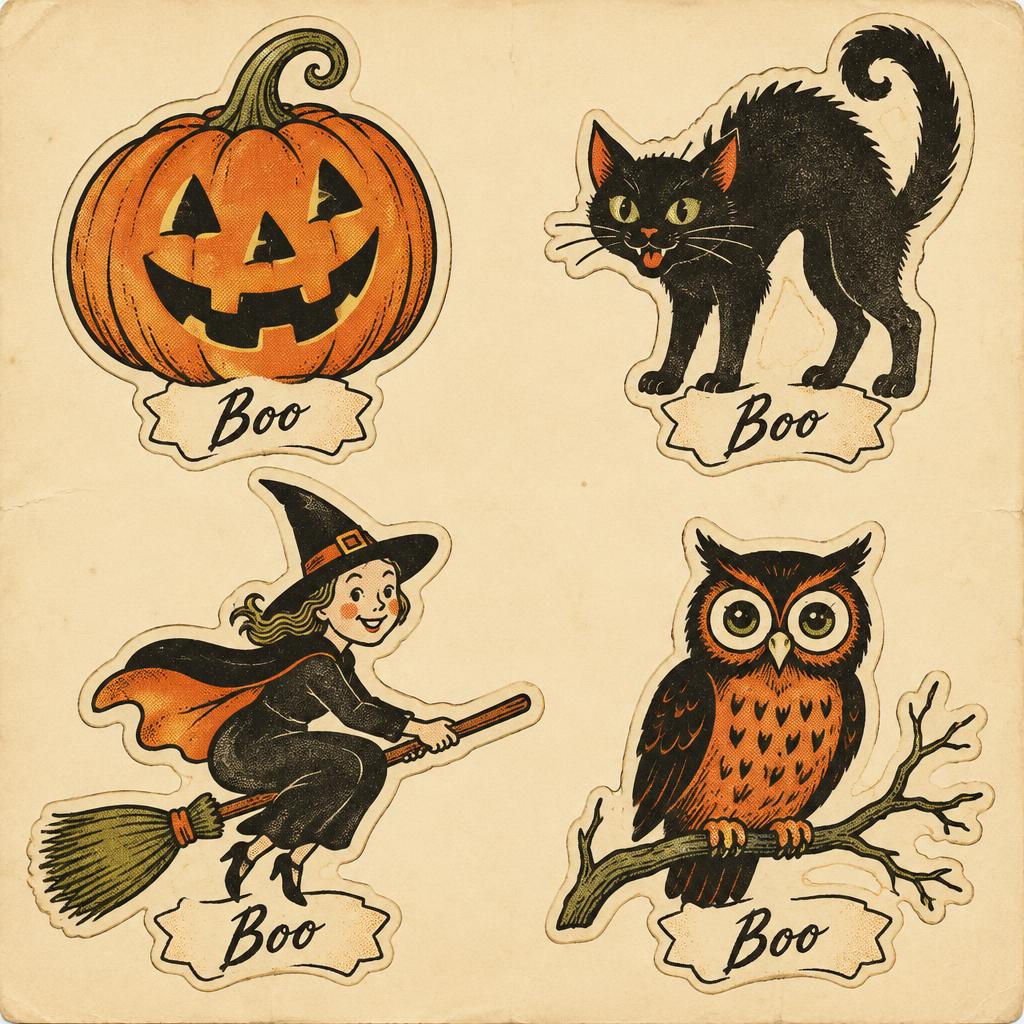
Die-cut stickers with white borders for treat bags, planners and laptops, each with a little character or word.
Cute Halloween Wallpapers
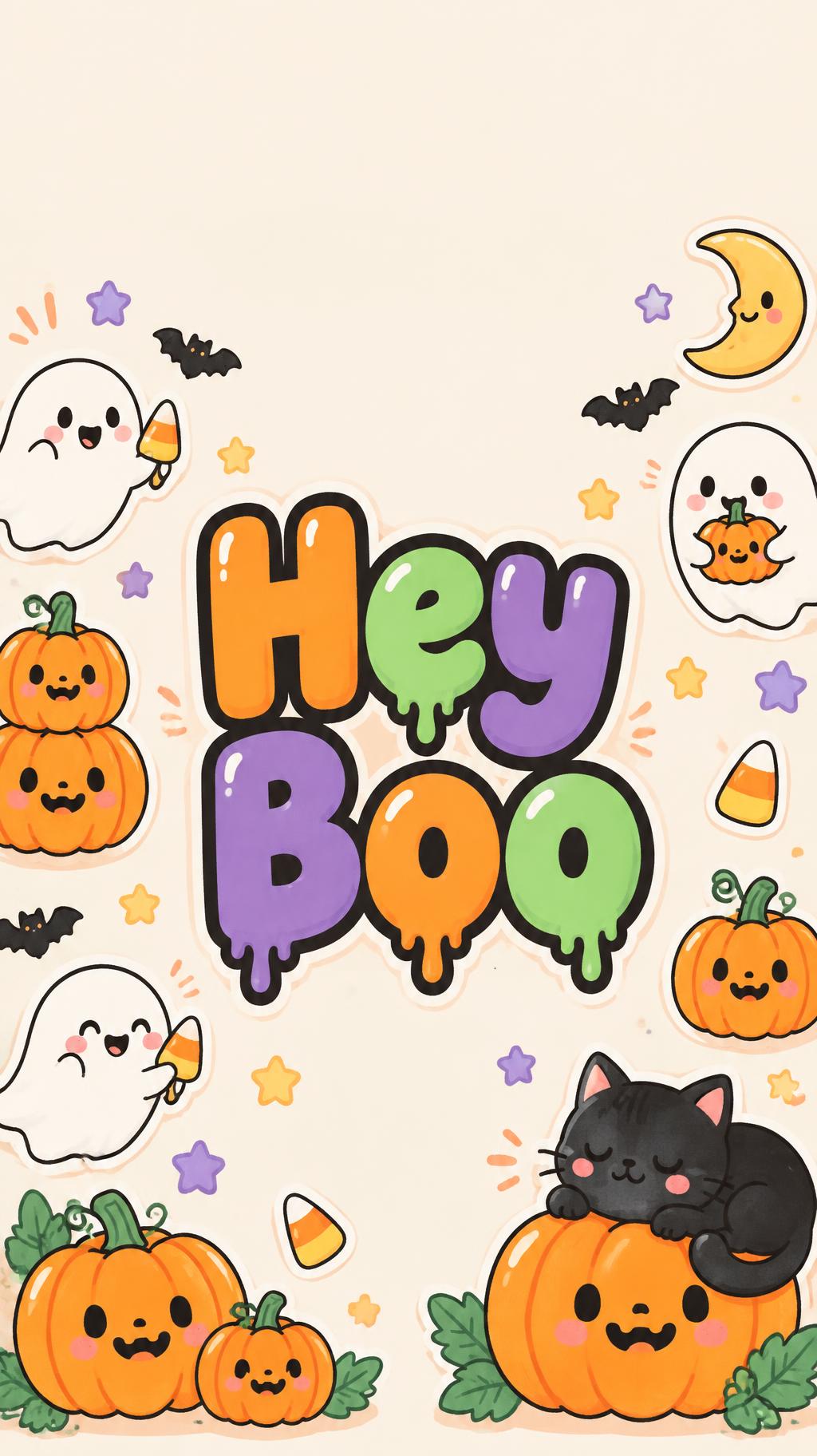
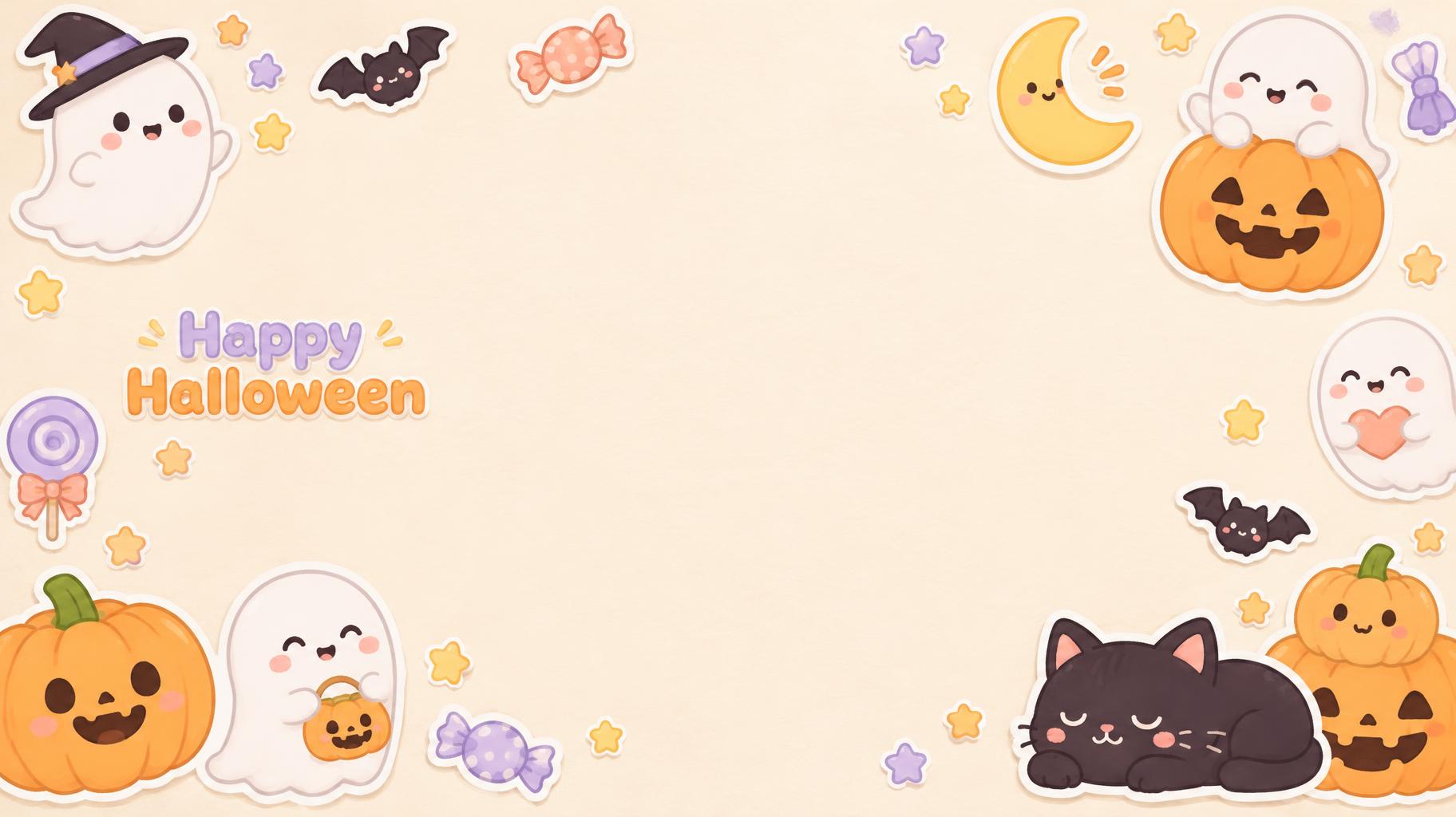
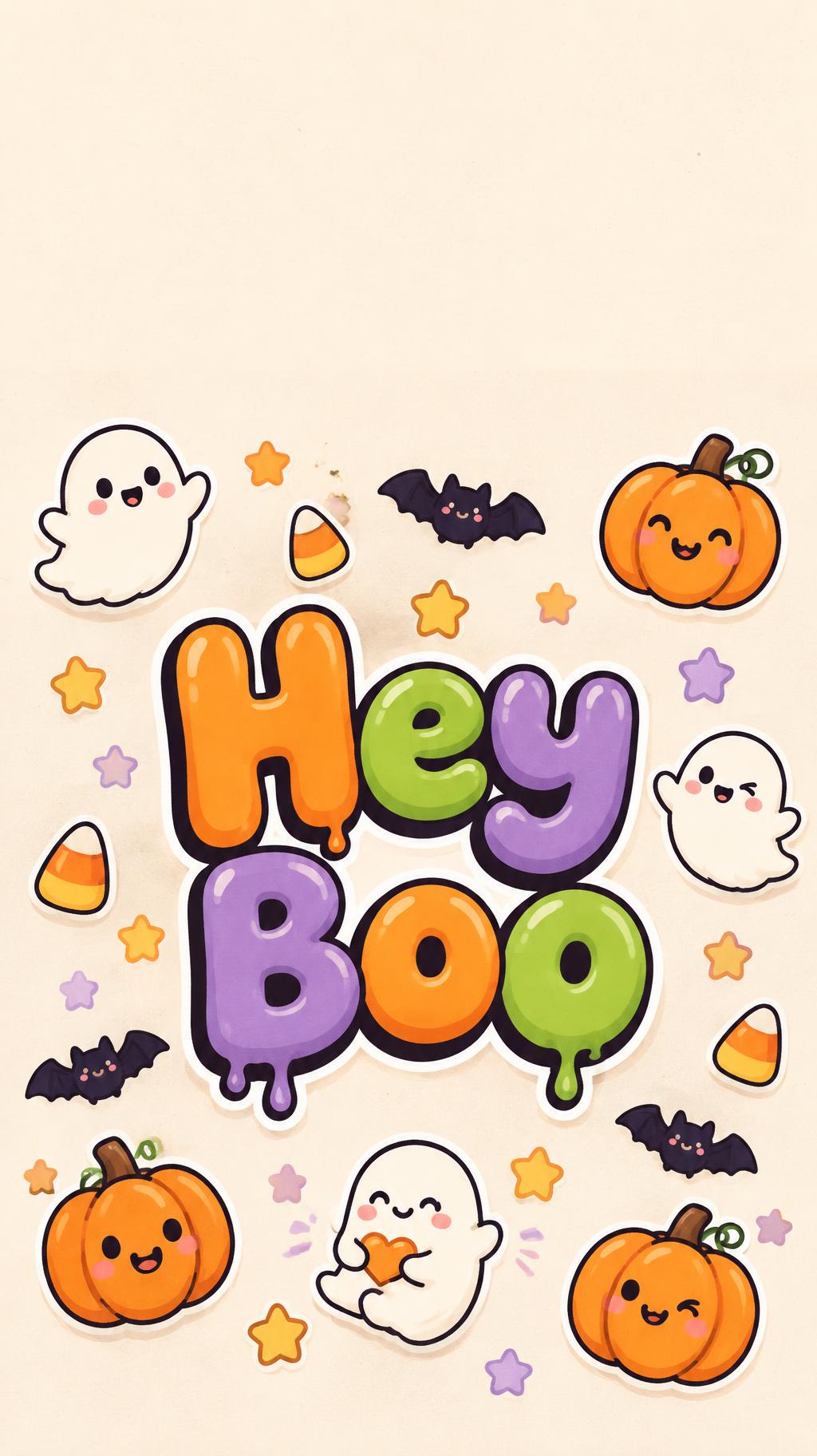
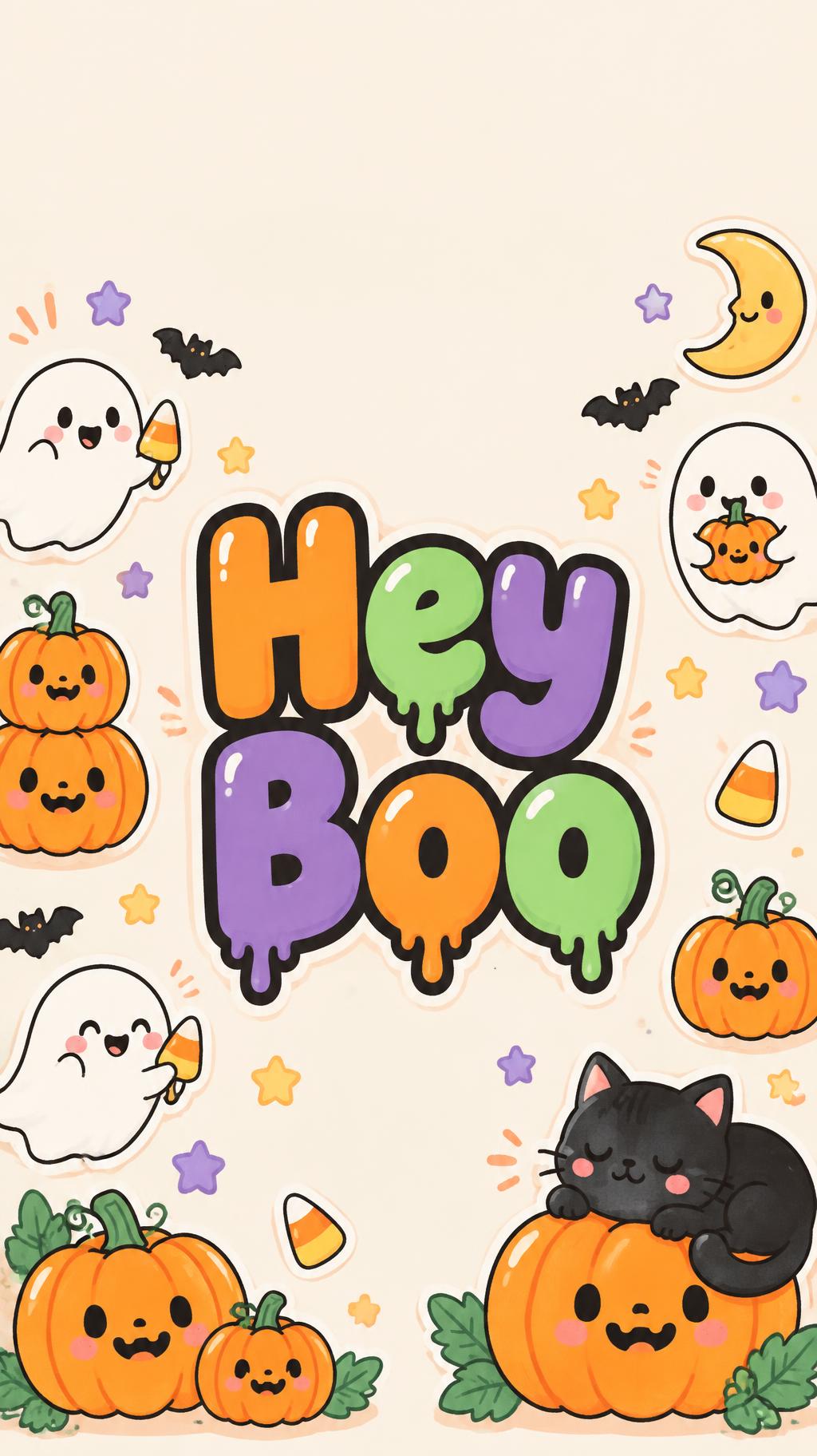
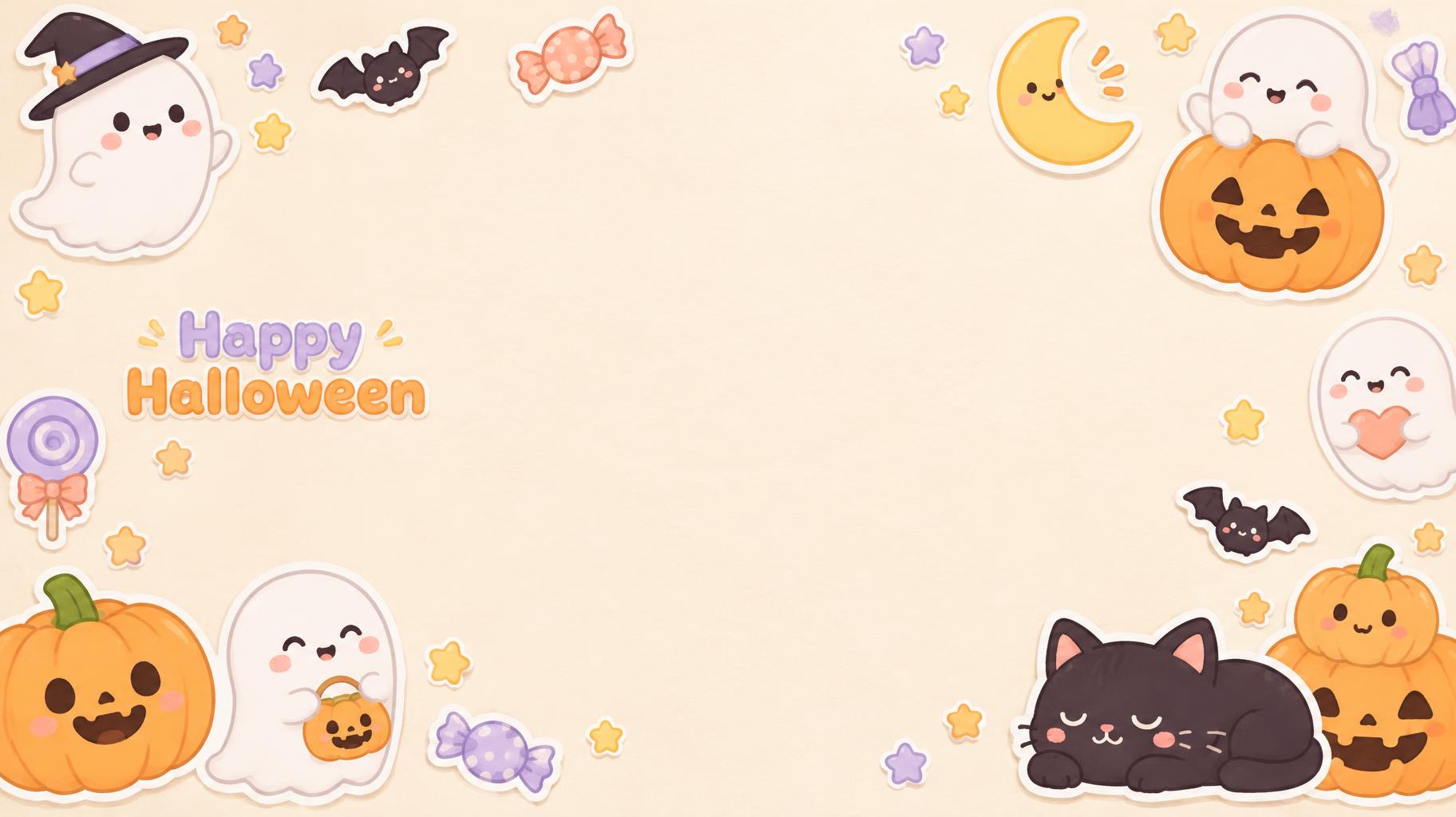
Tall phone lock screens and wide desktop wallpapers with kawaii ghosts and pumpkins around the edges and room for the clock.
AI fonts that fit Cute Halloween
Every AI font here fits the Cute Halloween frame. Pick one, or let the generator choose.

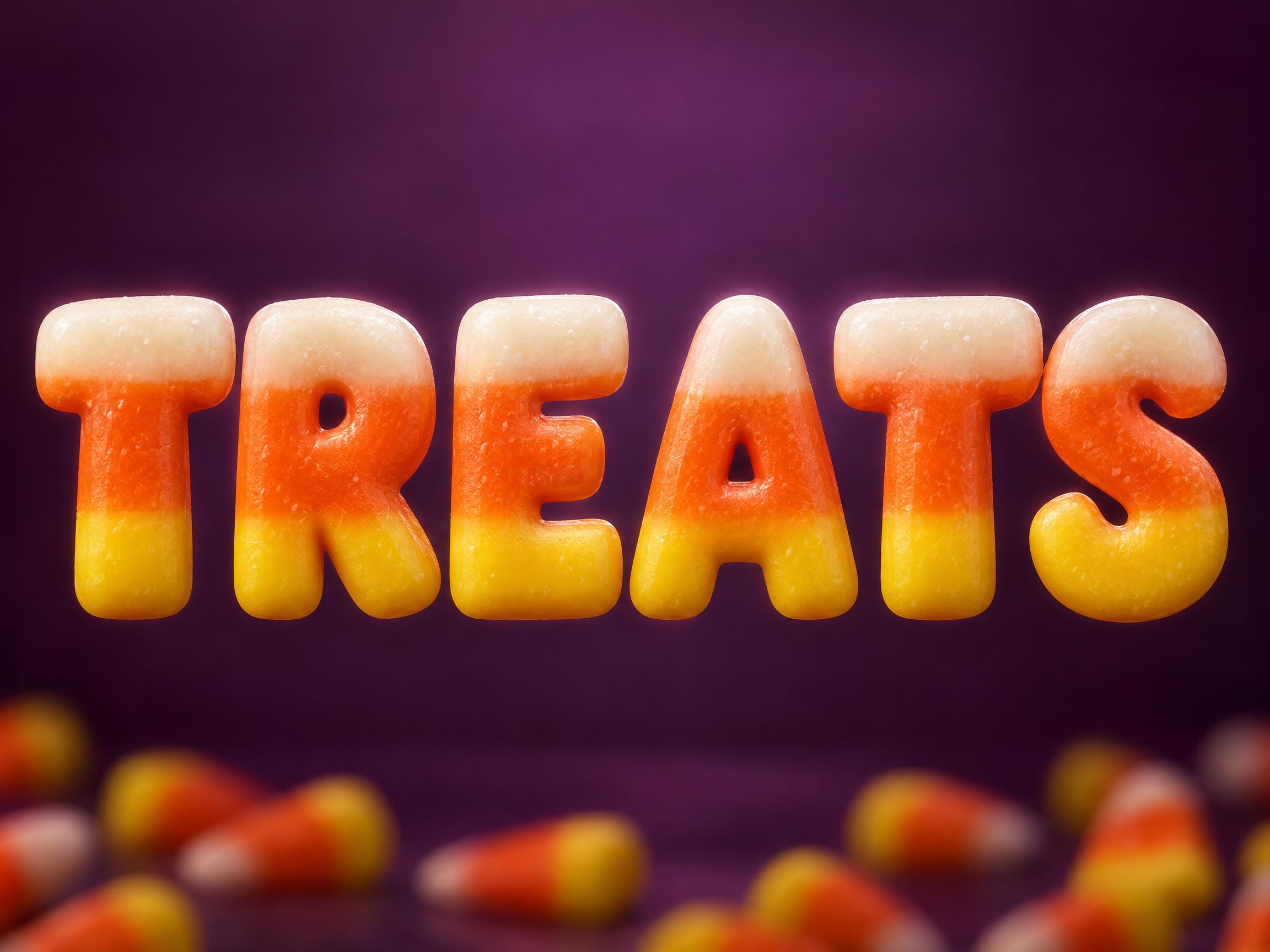
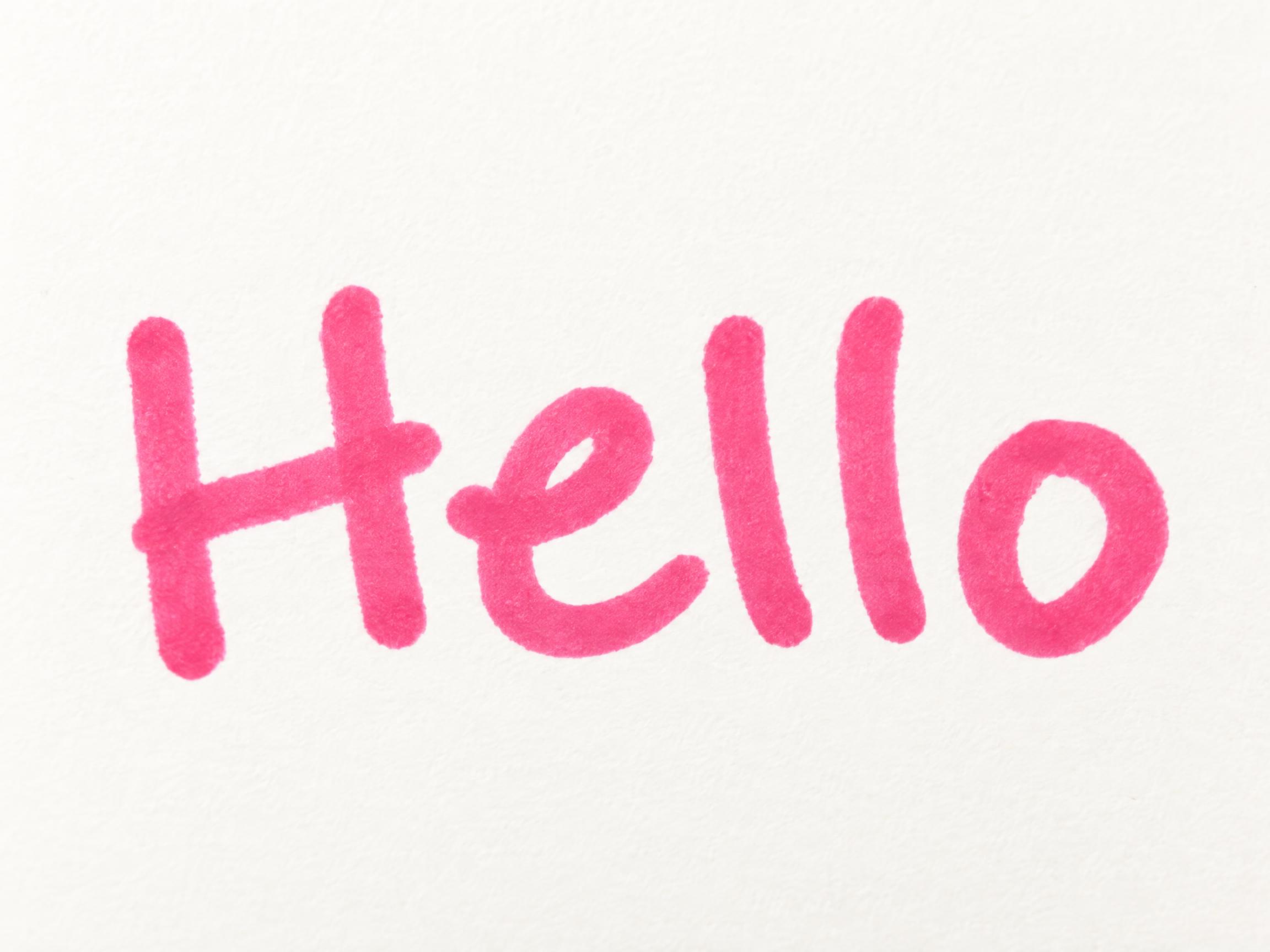


Cute Halloween style designs
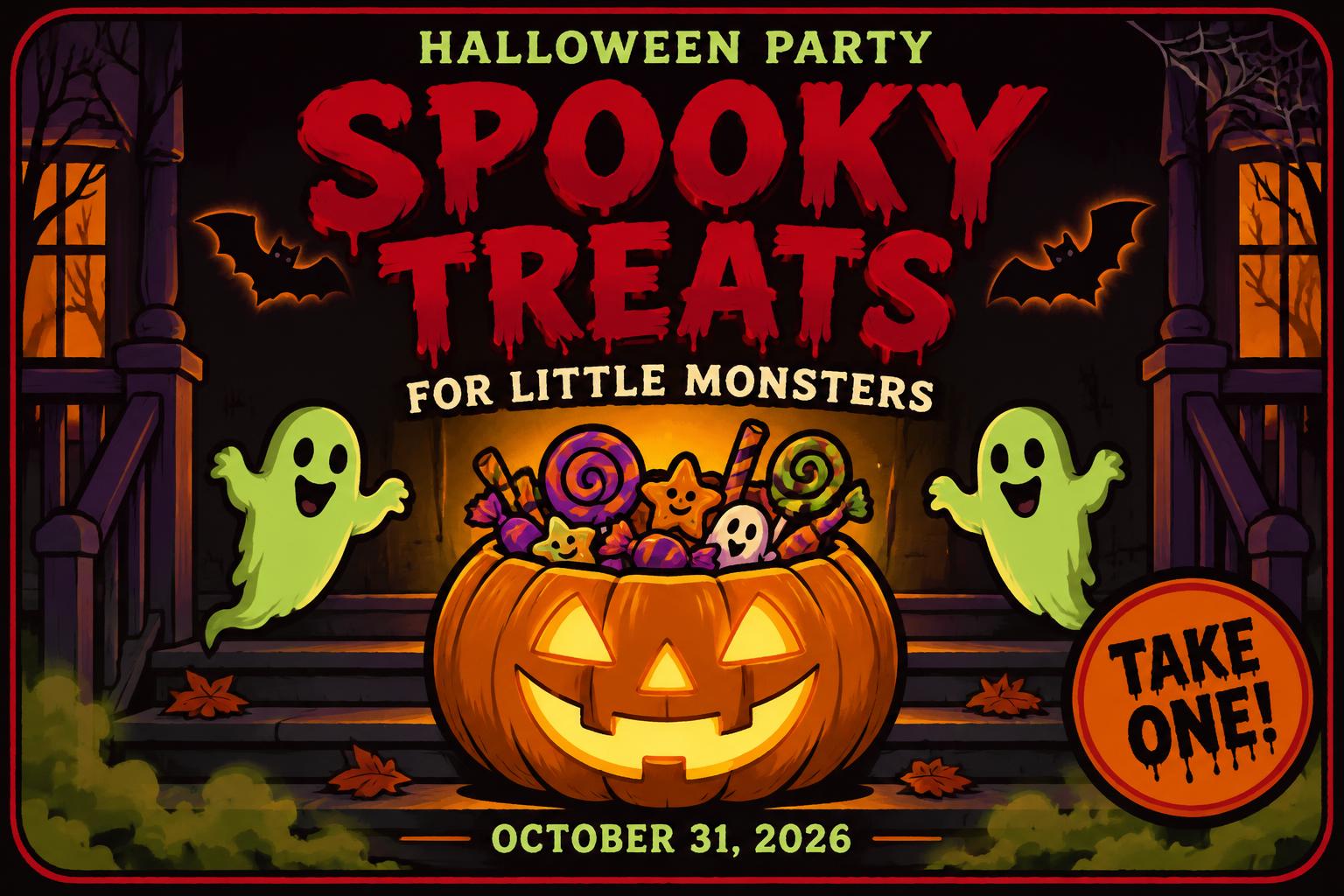
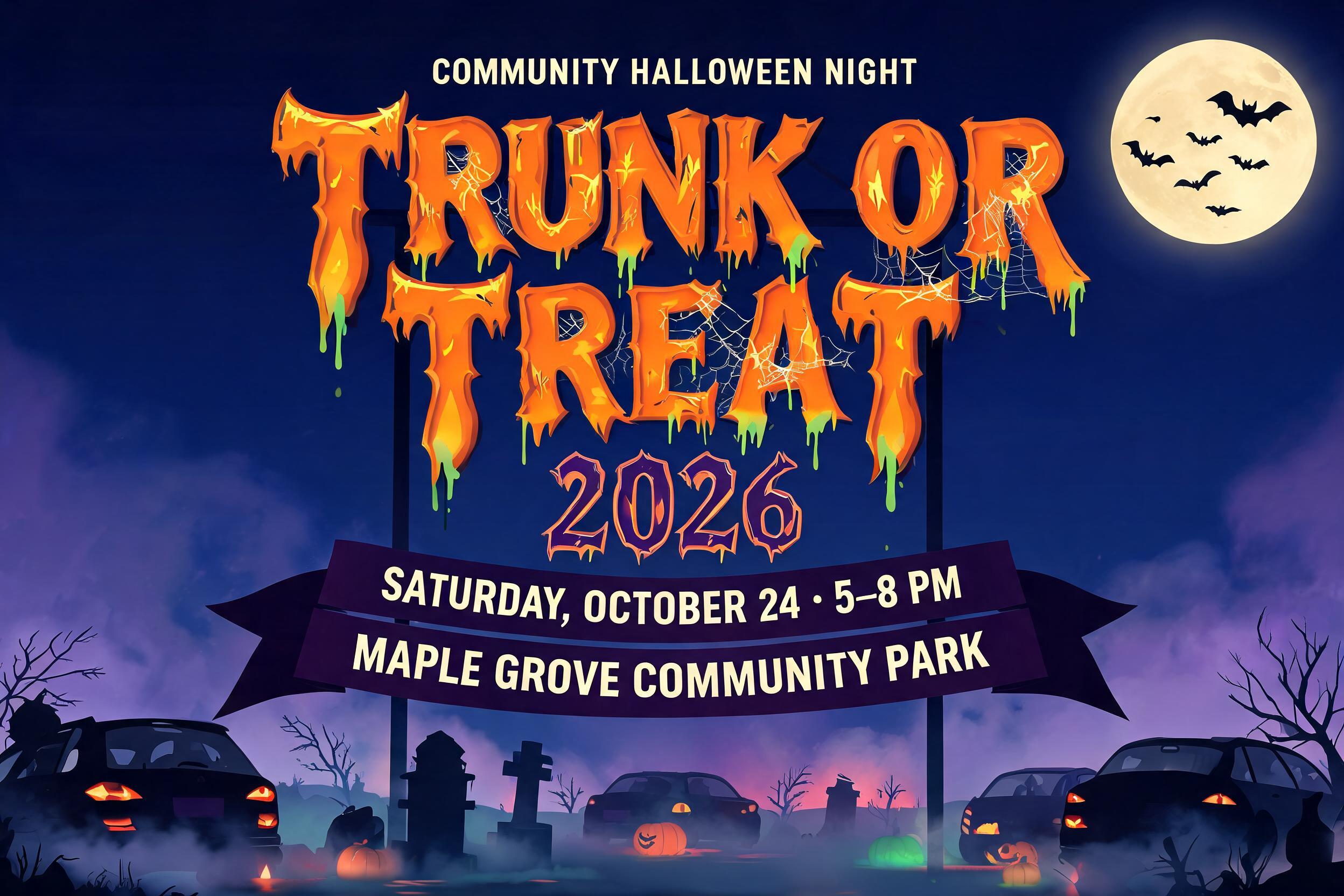
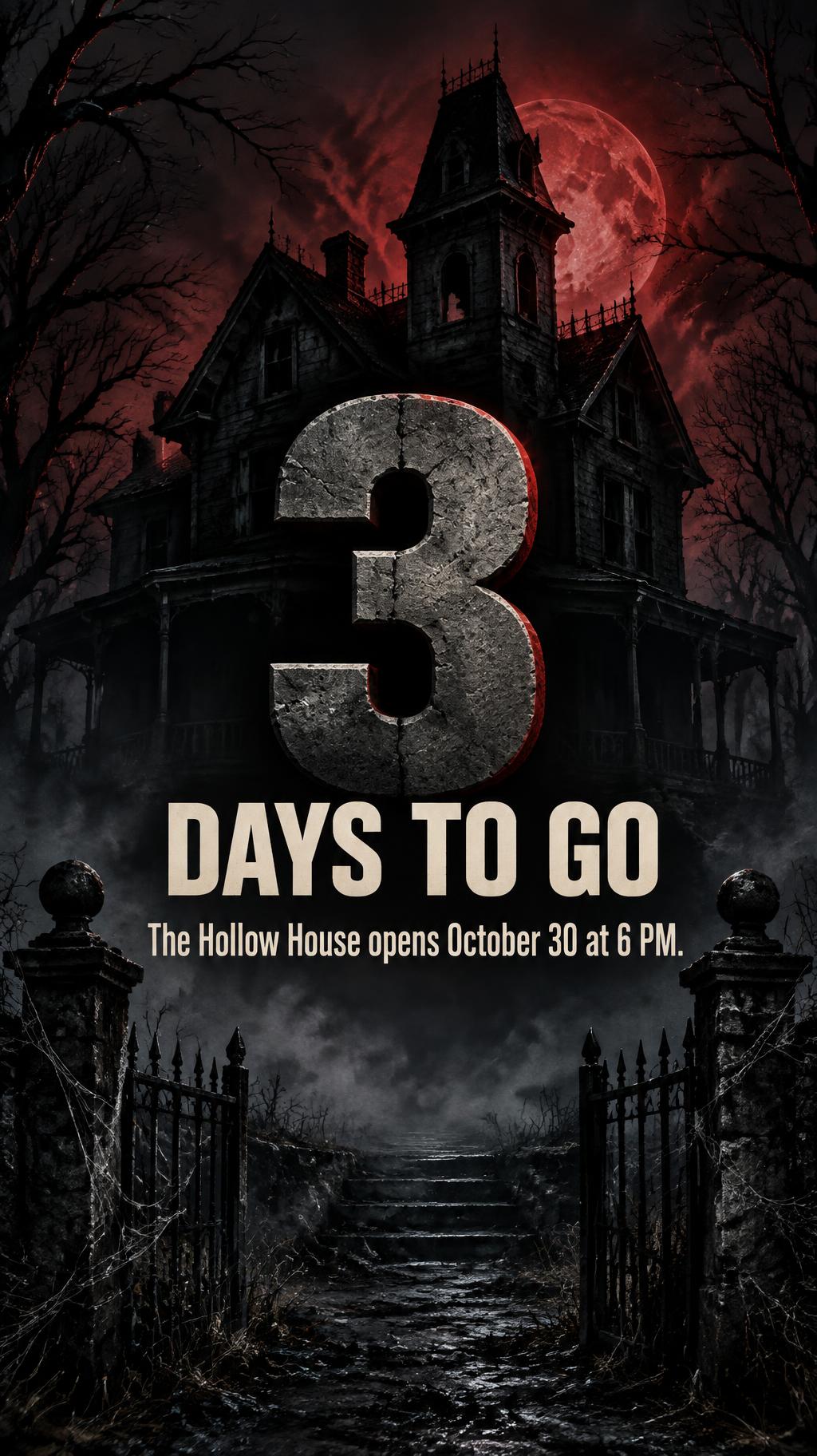
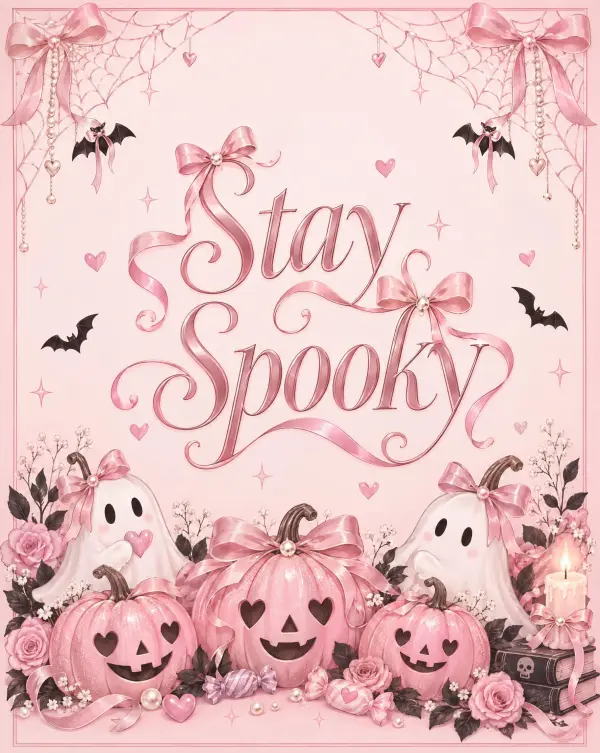
Real designs made on FontVibe. Open any one, or reuse it with your own text.
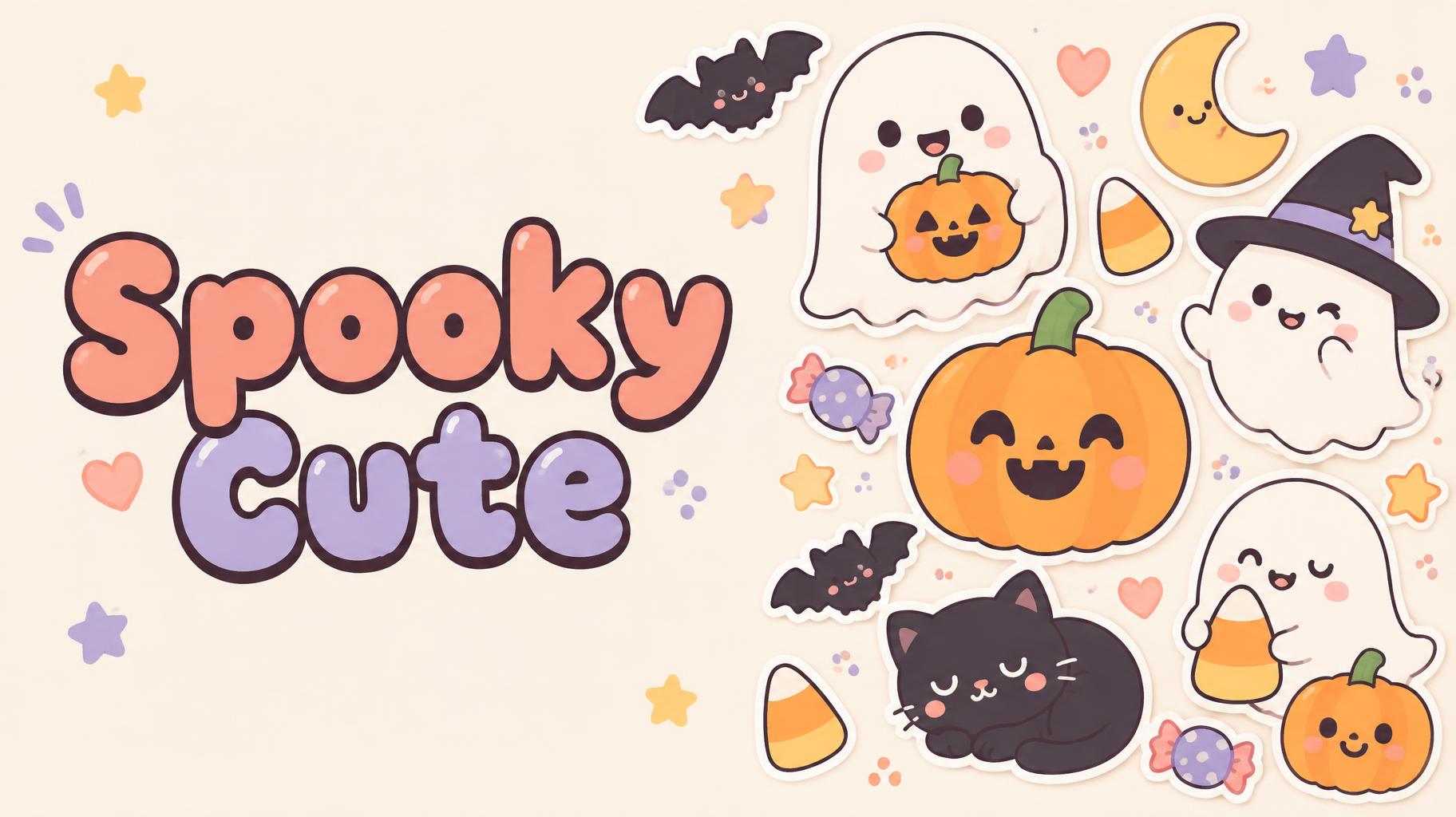
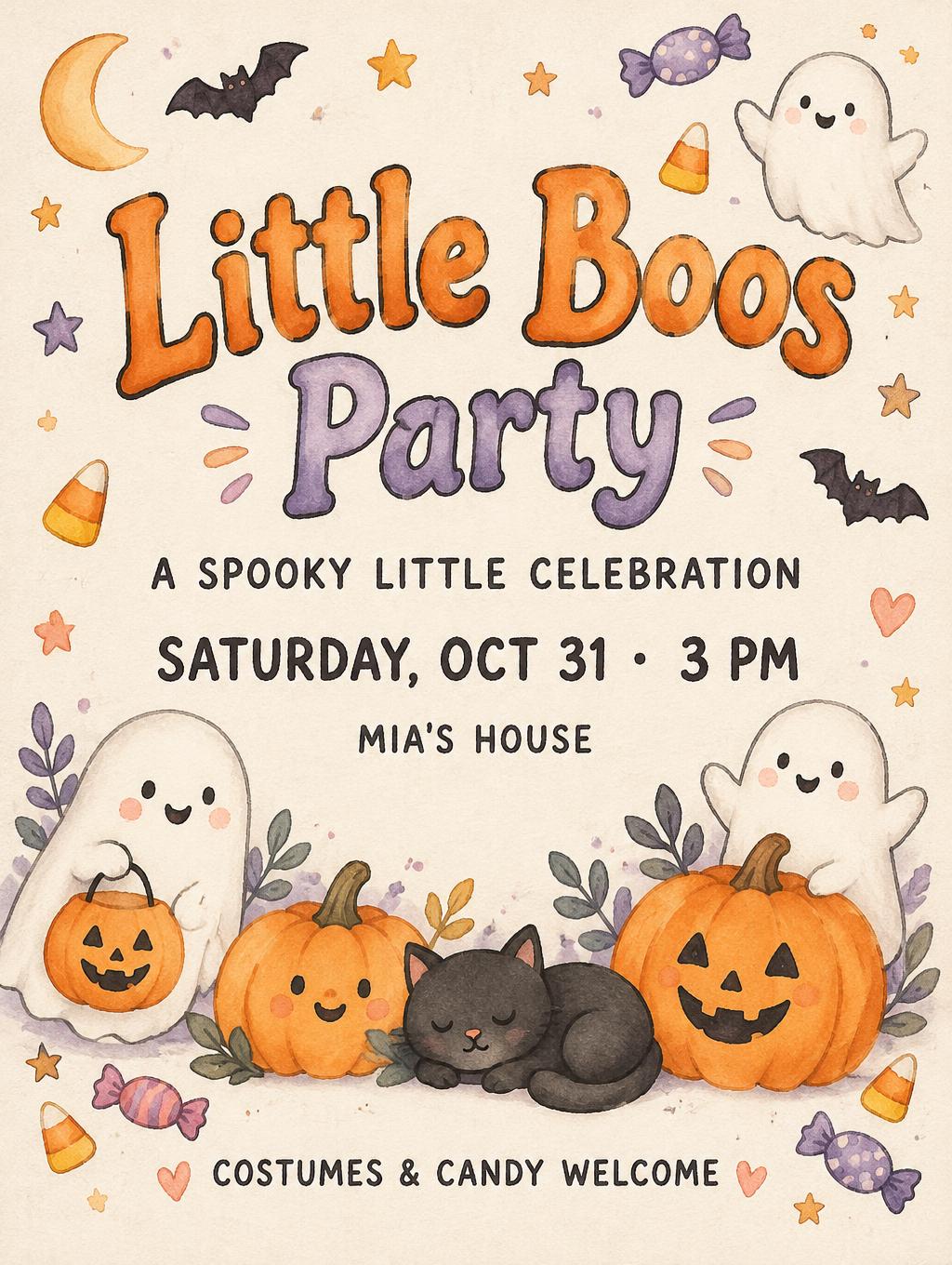

What you can make with Cute Halloween
Pages for the things people make in the Cute Halloween style. Each one has ready-made ideas and the right size.

Similar styles
Other looks that work for the same kinds of designs.





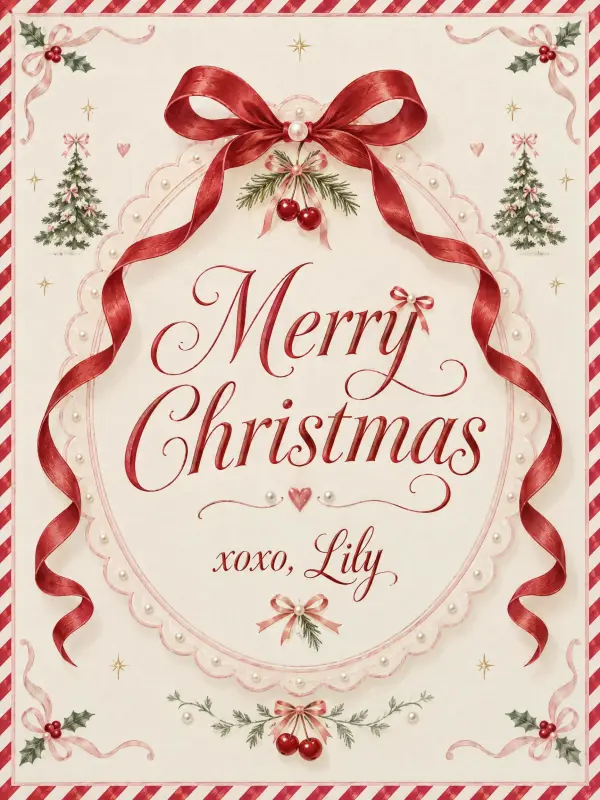
Tags in Cute Halloween
Every tag used on this page — each opens the designs, fonts and styles that share it.
Questions
The story behind Cute Halloween
Where the look comes from, the moments that shaped it and the facts behind it, with sources.
Where the cute Halloween look comes from
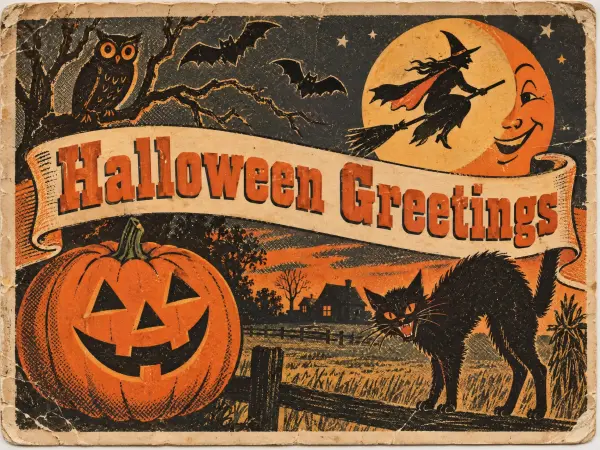
Halloween pictures turned sweet long before they turned scary. The thousands of Halloween postcards produced between the turn of the 20th century and the 1920s commonly show children, and candy corn, first made by the Wunderle Candy Company of Philadelphia in 1888, gave the holiday its yellow, orange and white sweet.
Animation added friendly characters. The Friendly Ghost, released by Paramount in May 1945, began a run of 55 theatrical cartoons by 1959, and It’s the Great Pumpkin, Charlie Brown reached 17.3 million viewers on CBS on 27 October 1966.
Japan supplied the kawaii part. Kawaii culture began to flourish in the 1970s, with round handwriting decorated with hearts and stars and Sanrio’s Hello Kitty in 1974. Halloween arrived there as a shop event: Kiddy Land Harajuku held what is considered Japan’s first Halloween parade in October 1983. Today’s cute Halloween pictures mix all three: chubby ghosts, smiling pumpkins and black cats drawn as stickers on soft cream.
Sources: Wikipedia — Halloween · Wikipedia — Candy corn · Wikipedia — Casper the Friendly Ghost · Wikipedia — It’s the Great Pumpkin, Charlie Brown · Wikipedia — Kawaii · Wikipedia(日本語)— ハロウィン
Moments that shaped the cute Halloween look
Did you know?
Halloween postcards made between the turn of the 20th century and the 1920s commonly show children rather than monsters. Source ↗
In 2016 US candy corn output was about 35 million pounds, almost 9 billion pieces. Source ↗
The friendly ghost starred in 55 theatrical cartoons between 1945 and 1959. Source ↗
The 2003 rebroadcast of It’s the Great Pumpkin, Charlie Brown drew 13.2 million viewers, the most of any holiday special in the 2000s. Source ↗
The Kawasaki Halloween parade near Tokyo has been held every year since 1997. Source ↗
Cute Halloween in typography
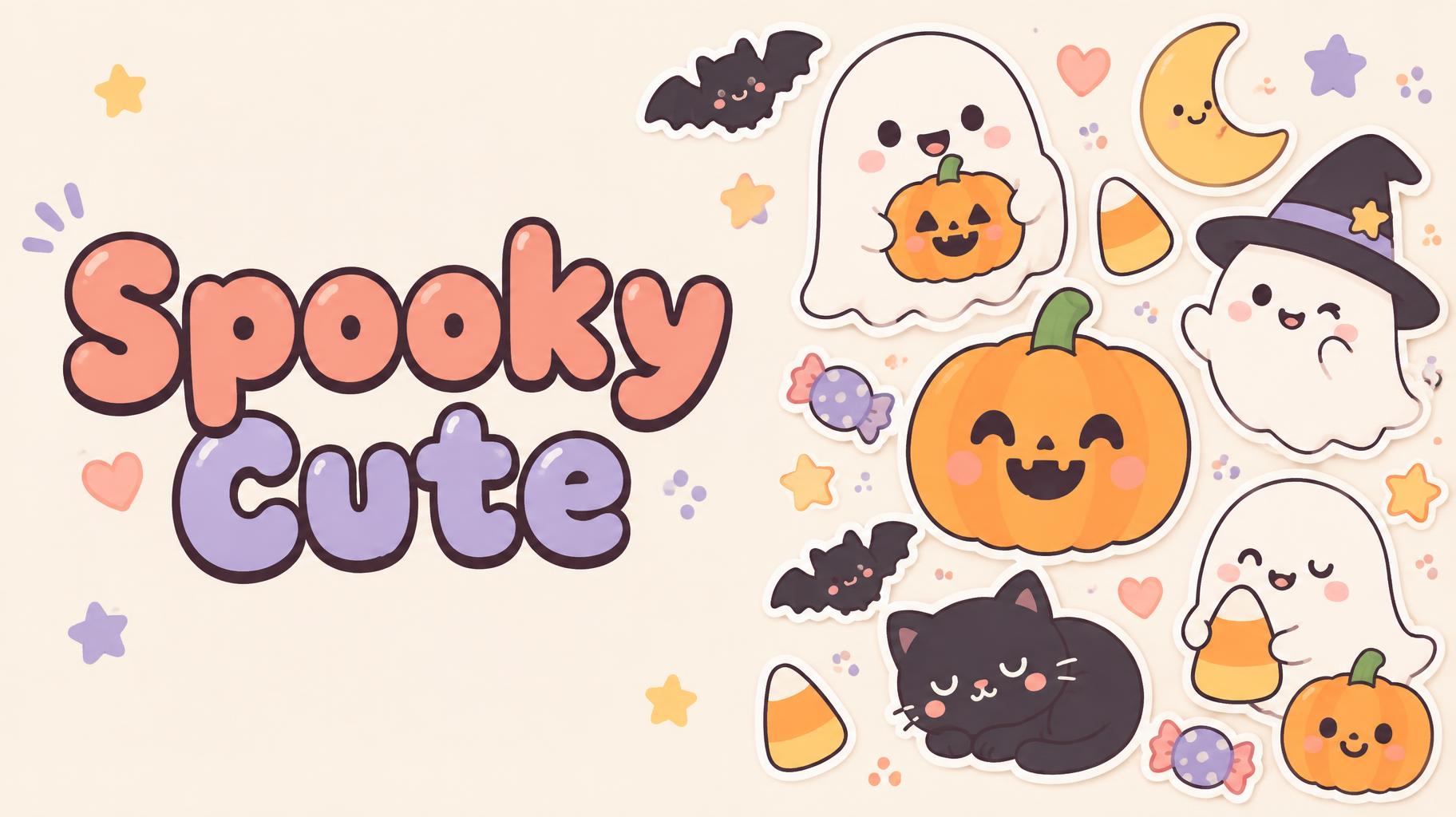
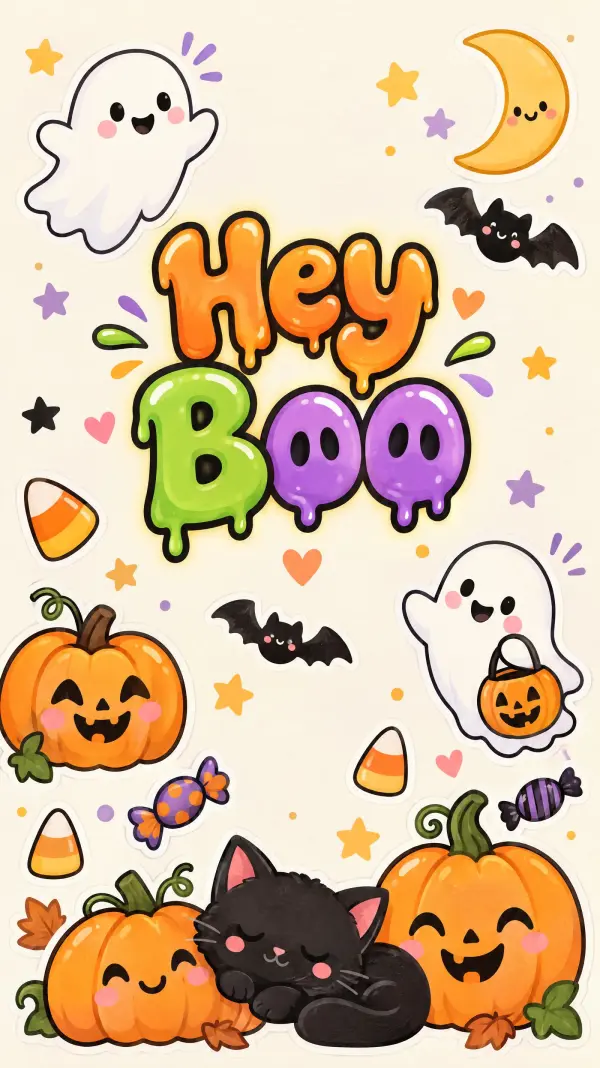
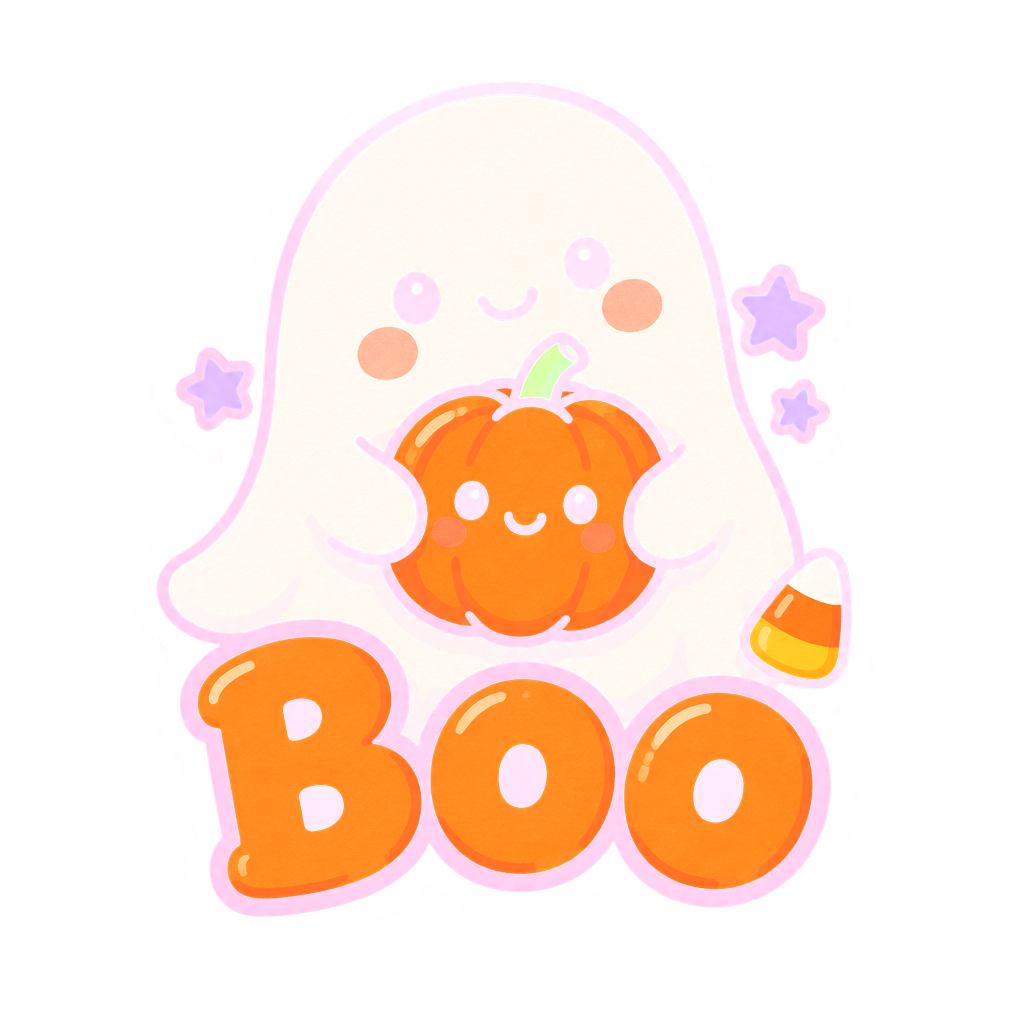
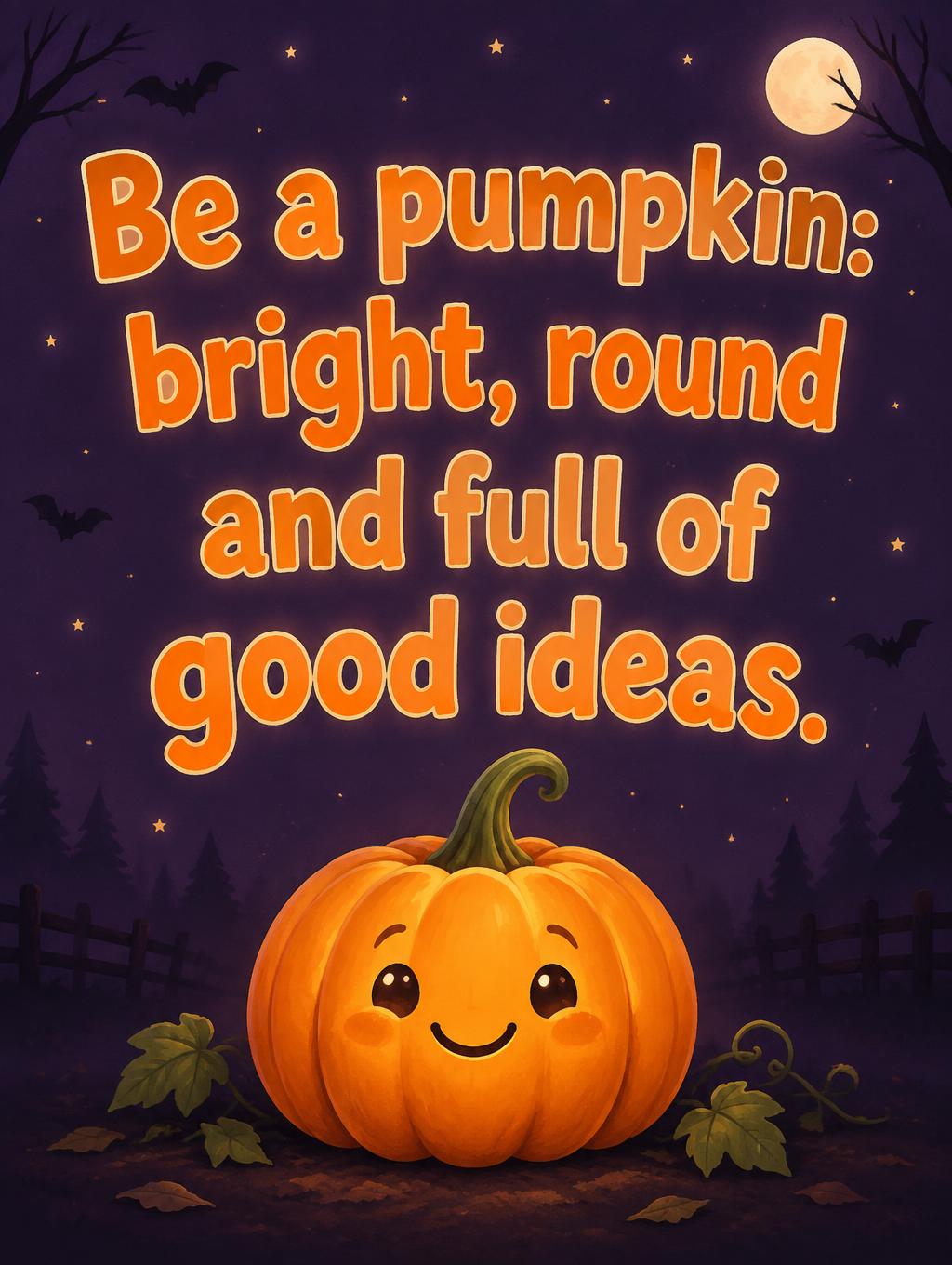
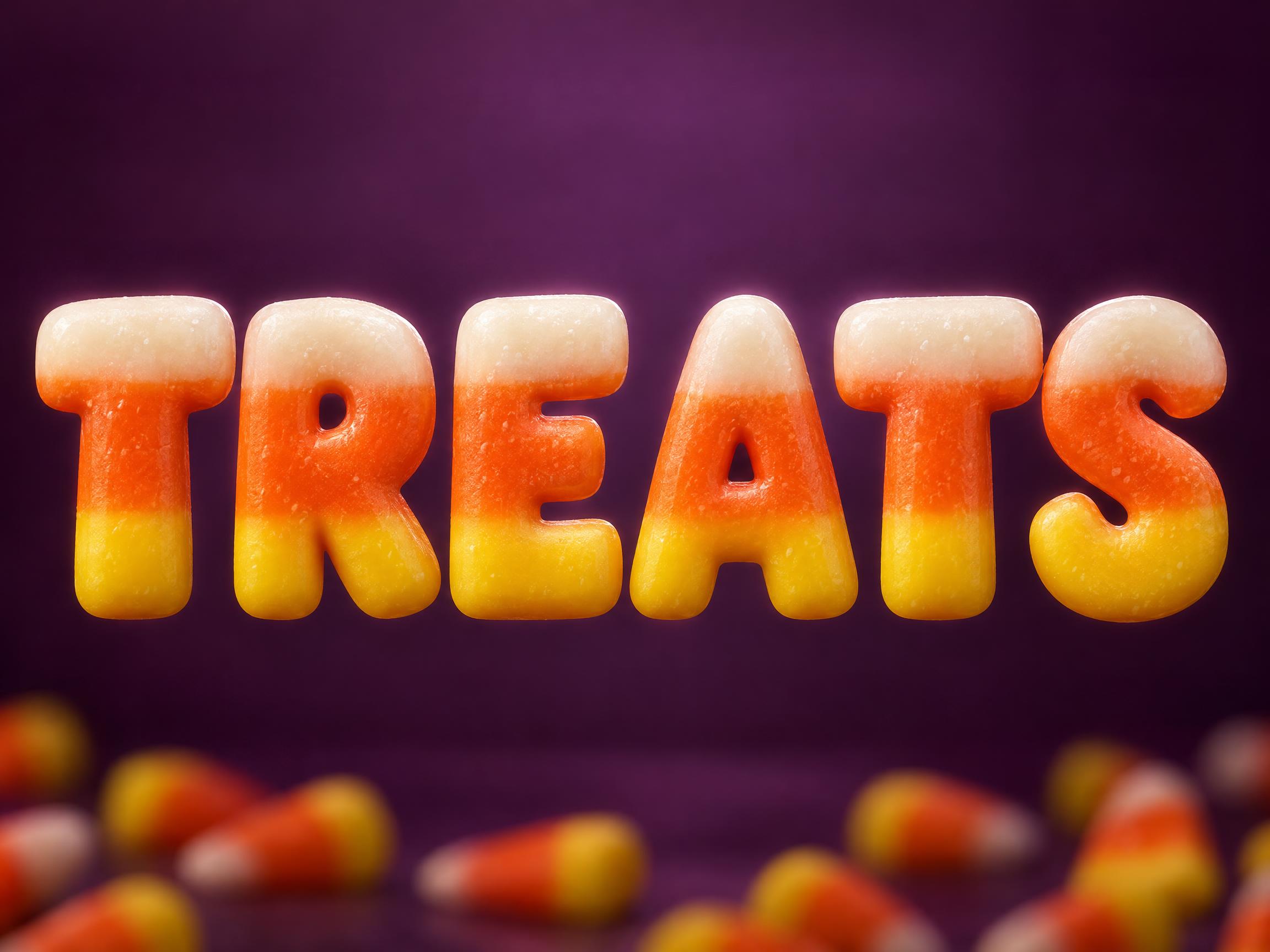
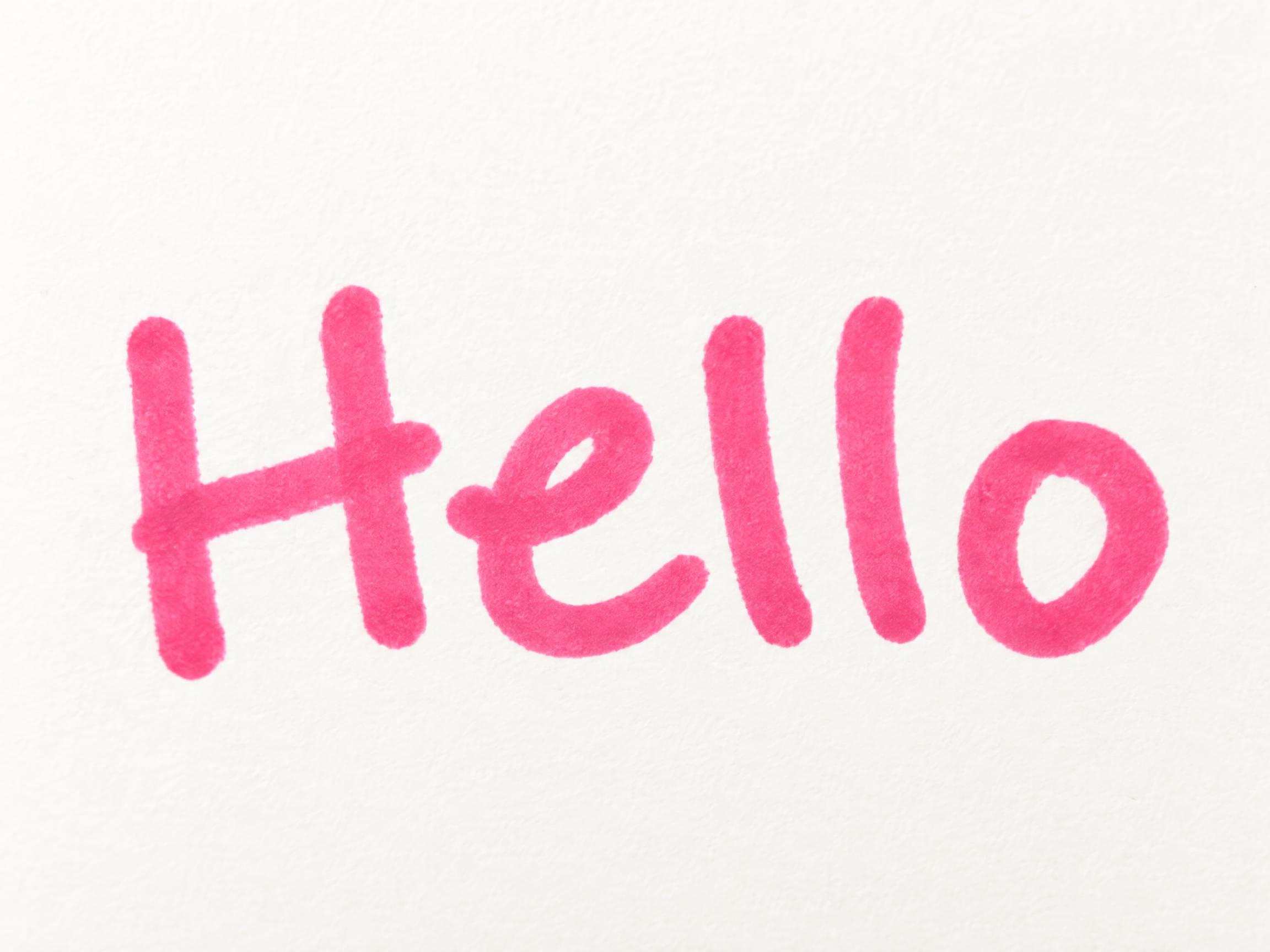
Cute Halloween lettering is round and bouncy: chubby bubble letters, candy-striped or candy corn letters, and marker handwriting with soft rounded ends, set in the open centre with a few characters peeking around it. Short words like Boo or Hey Boo are set big; a heart or a star often dots an i.
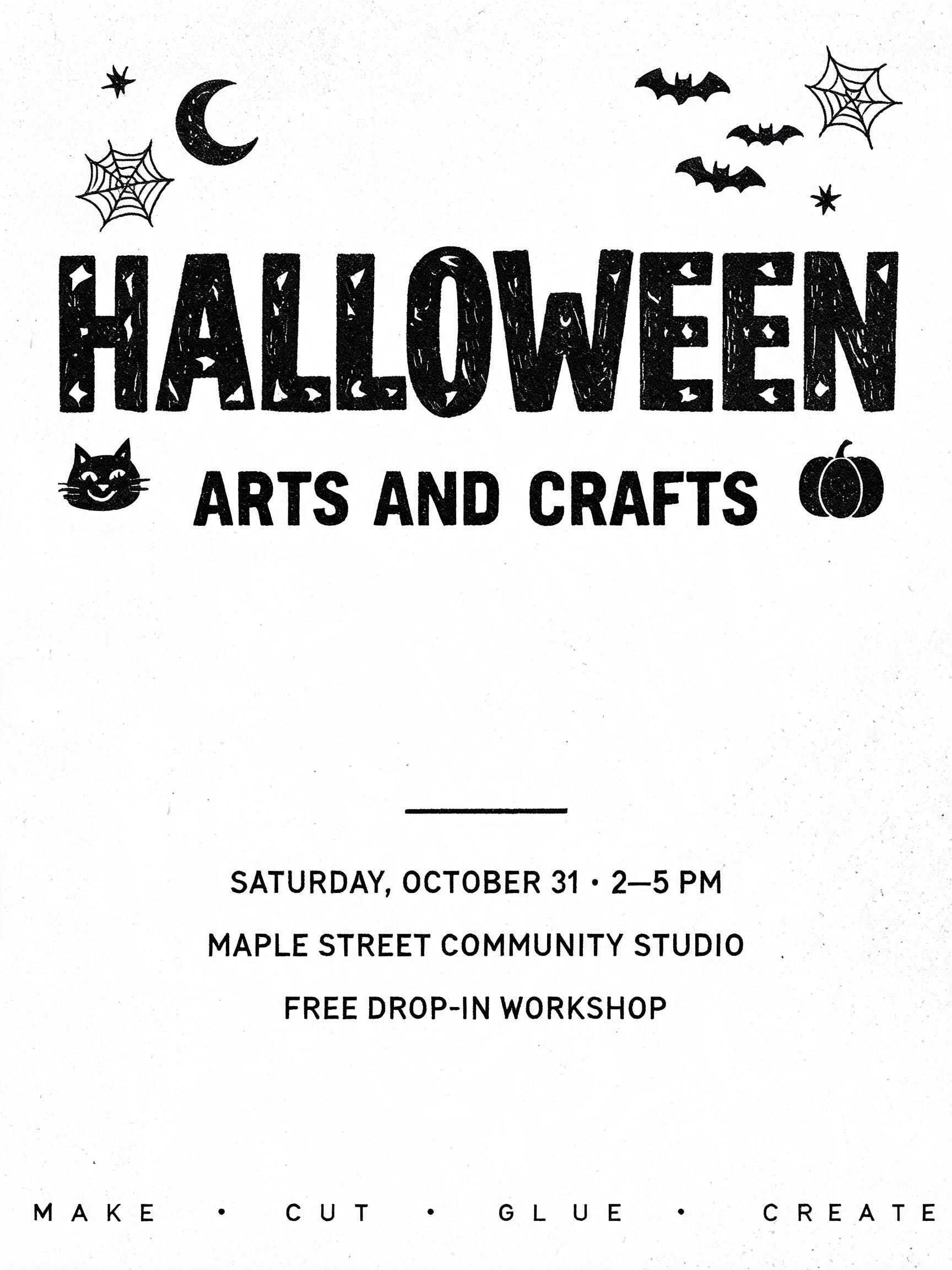
On invitations and cards the details sit underneath in plain rounded print, in black or dark purple, so the date, time and place stay easy to read next to the playful title.
Where you’ll see it
- ✦Phone lock screens and desktop wallpapers in October
- ✦Kids’ Halloween party and costume party invitations
- ✦Sticker sheets for treat bags, planners and laptops
- ✦Doodle sheets and how-to-draw pages for kids
- ✦Clipart for classroom handouts and crafts
- ✦Halloween cards from family and friends
The cute Halloween aesthetic: sticker characters, flat light, sweet palette and soft outlines
Every cute Halloween piece here is built from the same four parts. The style draws the characters, the light, the palette and the outlines around your words; the letters come from the AI font you pick.
Cute Halloween wallpapers, drawings, clipart, stickers, cards and invites
Every format here puts your words among round little ghosts, smiling pumpkins and black cats on soft cream. Pick a format to see designs made in it, or describe your own.
Cute Halloween Cards
Soft watercolor card fronts with your greeting and sign-off among friendly ghosts and pumpkins.
Cute Halloween Clipart
Sets of separate kawaii pumpkins, ghosts, sweets and witch hats on plain backgrounds, ready to reuse.
Cute Halloween Drawings
Doodle sheets and step-by-step guides for drawing little ghosts, pumpkins, bats and black cats.
Cute Halloween Invitations
Kids' and costume party invitations with the date, time and place under a playful title.
Cute Halloween Stickers
Die-cut stickers with white borders for treat bags, planners and laptops, each with a little character or word.
Cute Halloween Wallpapers
Tall phone lock screens and wide desktop wallpapers with kawaii ghosts and pumpkins around the edges and room for the clock.
AI fonts that fit Cute Halloween
Every AI font here fits the Cute Halloween frame. Pick one, or let the generator choose.



Cute Halloween style designs
Real designs made on FontVibe. Open any one, or reuse it with your own text.
What you can make with Cute Halloween
Pages for the things people make in the Cute Halloween style. Each one has ready-made ideas and the right size.
Similar styles
Other looks that work for the same kinds of designs.
Tags in Cute Halloween
Every tag used on this page — each opens the designs, fonts and styles that share it.
Questions
The story behind Cute Halloween
Where the look comes from, the moments that shaped it and the facts behind it, with sources.
Where the cute Halloween look comes from
Halloween pictures turned sweet long before they turned scary. The thousands of Halloween postcards produced between the turn of the 20th century and the 1920s commonly show children, and candy corn, first made by the Wunderle Candy Company of Philadelphia in 1888, gave the holiday its yellow, orange and white sweet.
Animation added friendly characters. The Friendly Ghost, released by Paramount in May 1945, began a run of 55 theatrical cartoons by 1959, and It’s the Great Pumpkin, Charlie Brown reached 17.3 million viewers on CBS on 27 October 1966.
Japan supplied the kawaii part. Kawaii culture began to flourish in the 1970s, with round handwriting decorated with hearts and stars and Sanrio’s Hello Kitty in 1974. Halloween arrived there as a shop event: Kiddy Land Harajuku held what is considered Japan’s first Halloween parade in October 1983. Today’s cute Halloween pictures mix all three: chubby ghosts, smiling pumpkins and black cats drawn as stickers on soft cream.
Sources: Wikipedia — Halloween · Wikipedia — Candy corn · Wikipedia — Casper the Friendly Ghost · Wikipedia — It’s the Great Pumpkin, Charlie Brown · Wikipedia — Kawaii · Wikipedia(日本語)— ハロウィン
Moments that shaped the cute Halloween look
Did you know?
Halloween postcards made between the turn of the 20th century and the 1920s commonly show children rather than monsters. Source ↗
In 2016 US candy corn output was about 35 million pounds, almost 9 billion pieces. Source ↗
The friendly ghost starred in 55 theatrical cartoons between 1945 and 1959. Source ↗
The 2003 rebroadcast of It’s the Great Pumpkin, Charlie Brown drew 13.2 million viewers, the most of any holiday special in the 2000s. Source ↗
The Kawasaki Halloween parade near Tokyo has been held every year since 1997. Source ↗
Cute Halloween in typography
Cute Halloween lettering is round and bouncy: chubby bubble letters, candy-striped or candy corn letters, and marker handwriting with soft rounded ends, set in the open centre with a few characters peeking around it. Short words like Boo or Hey Boo are set big; a heart or a star often dots an i.
On invitations and cards the details sit underneath in plain rounded print, in black or dark purple, so the date, time and place stay easy to read next to the playful title.
Where you’ll see it
- ✦Phone lock screens and desktop wallpapers in October
- ✦Kids’ Halloween party and costume party invitations
- ✦Sticker sheets for treat bags, planners and laptops
- ✦Doodle sheets and how-to-draw pages for kids
- ✦Clipart for classroom handouts and crafts
- ✦Halloween cards from family and friends