


AI Kids Gift Text Effect Generator
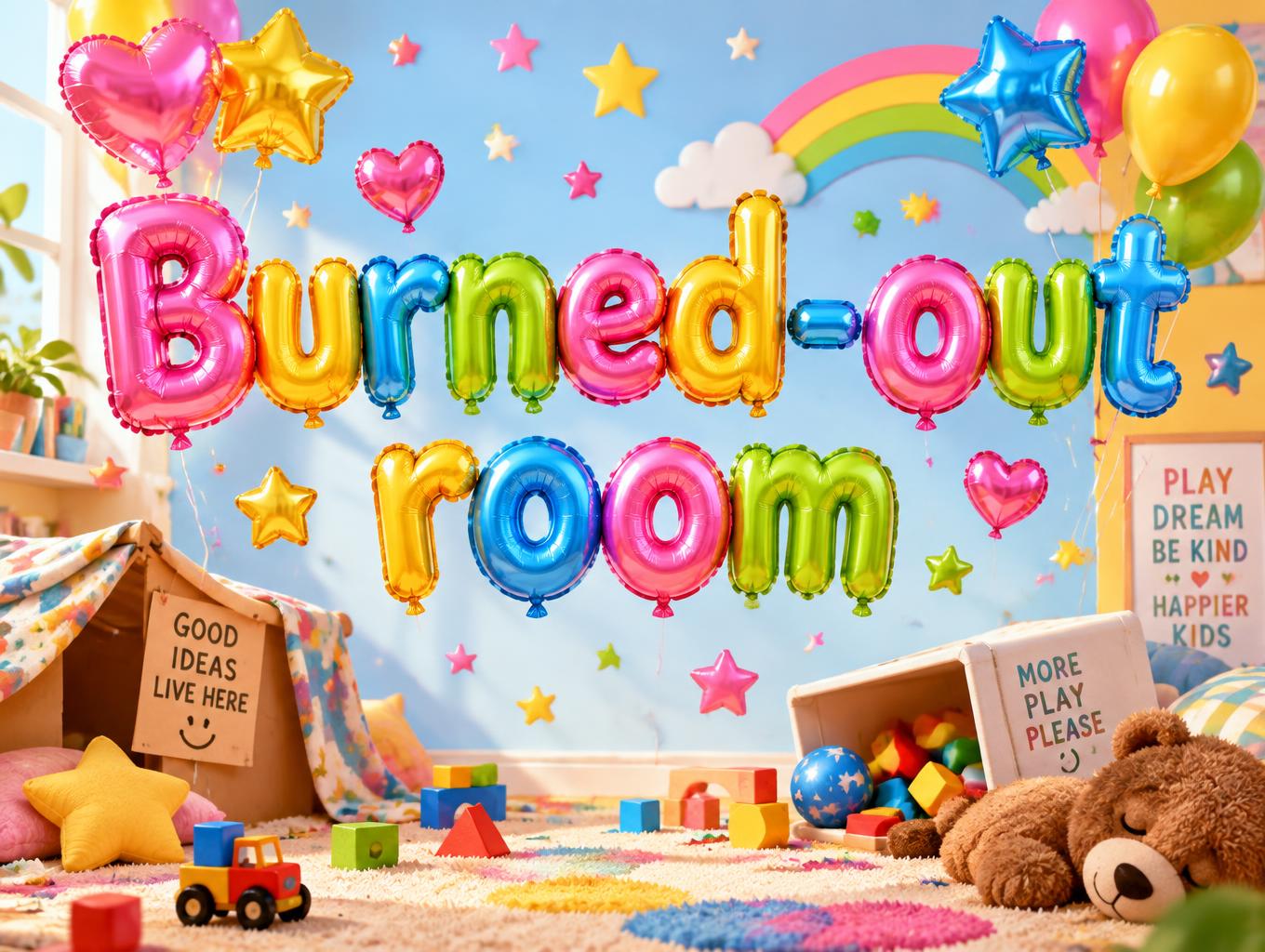
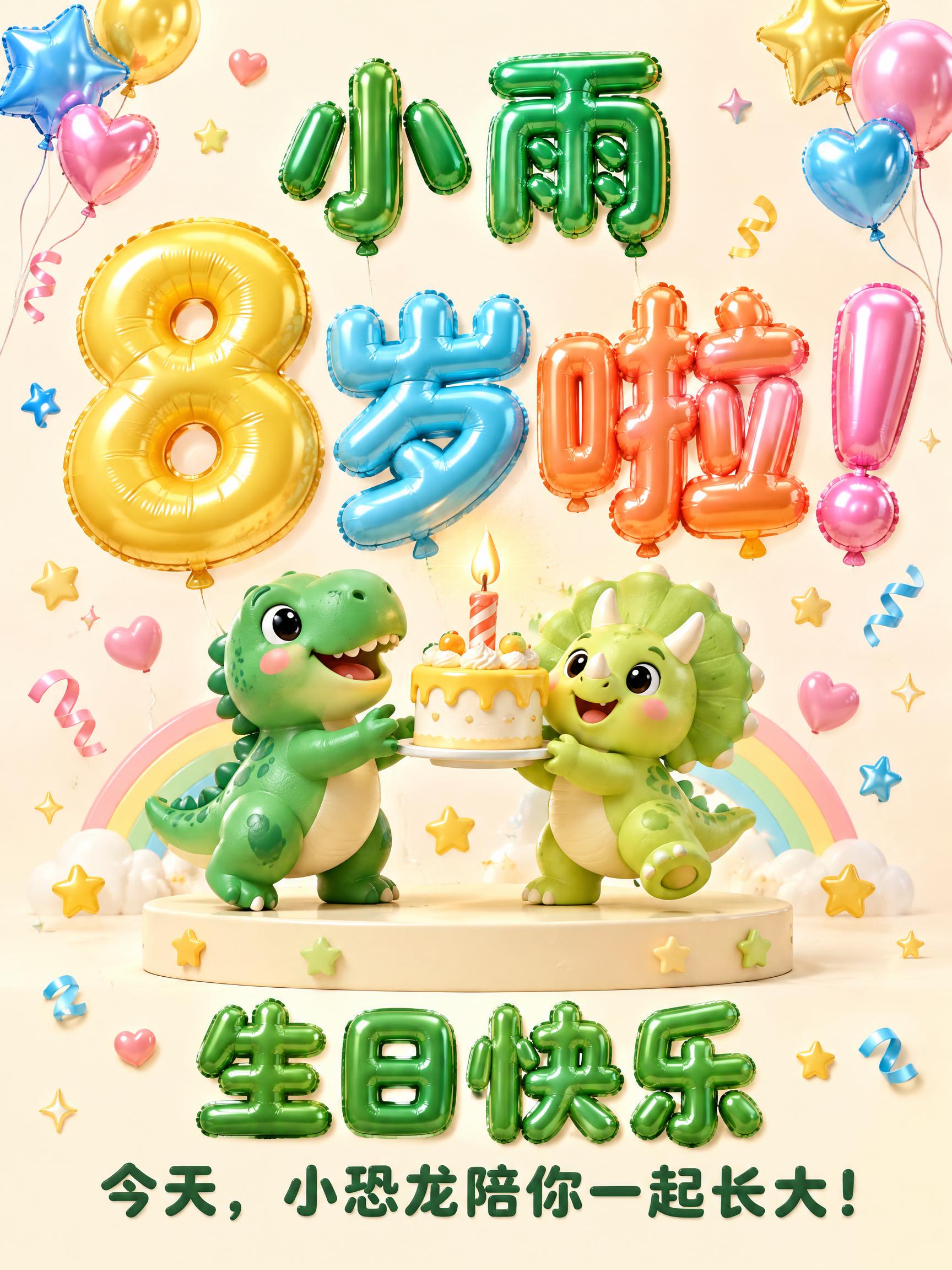
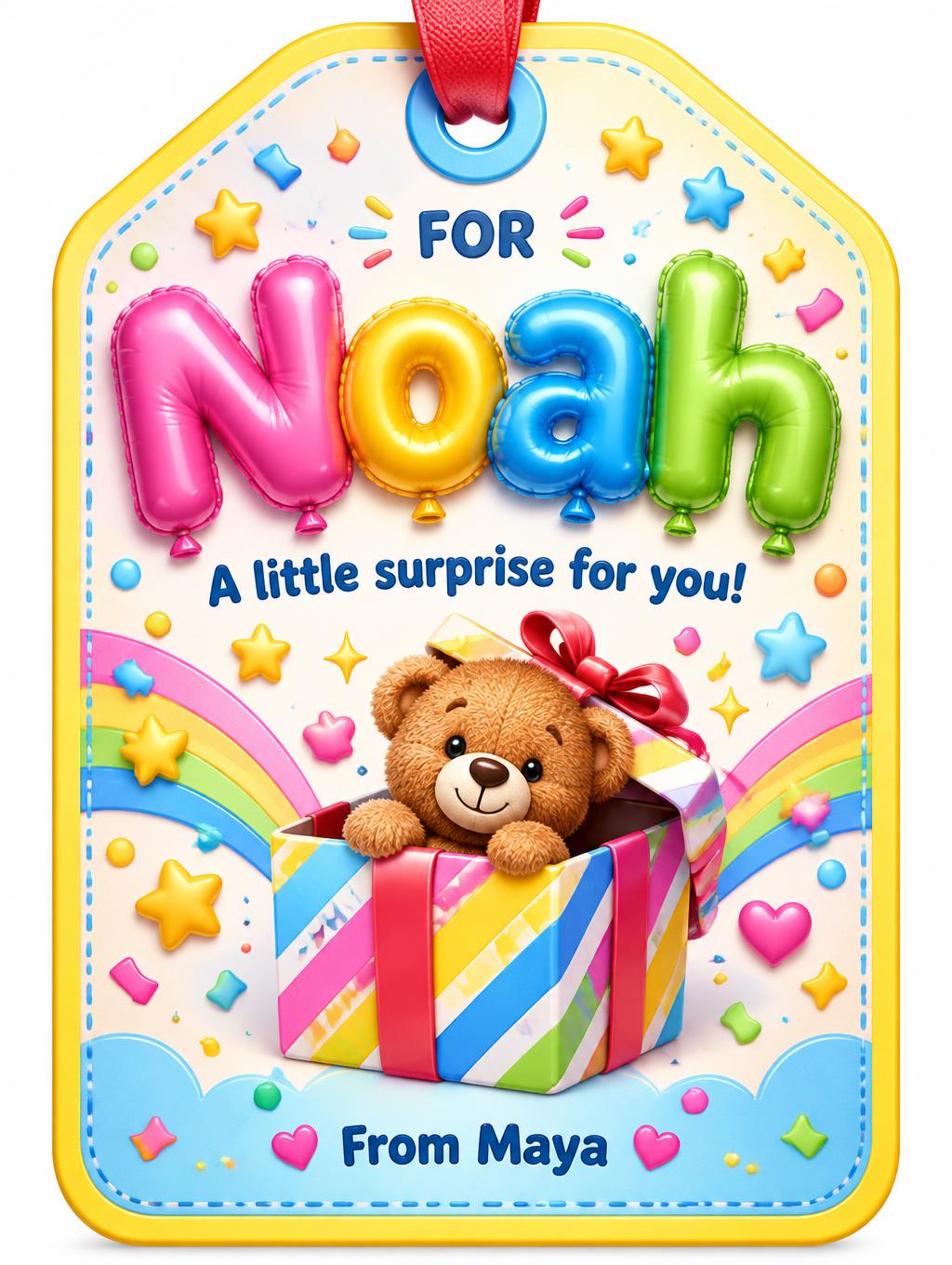
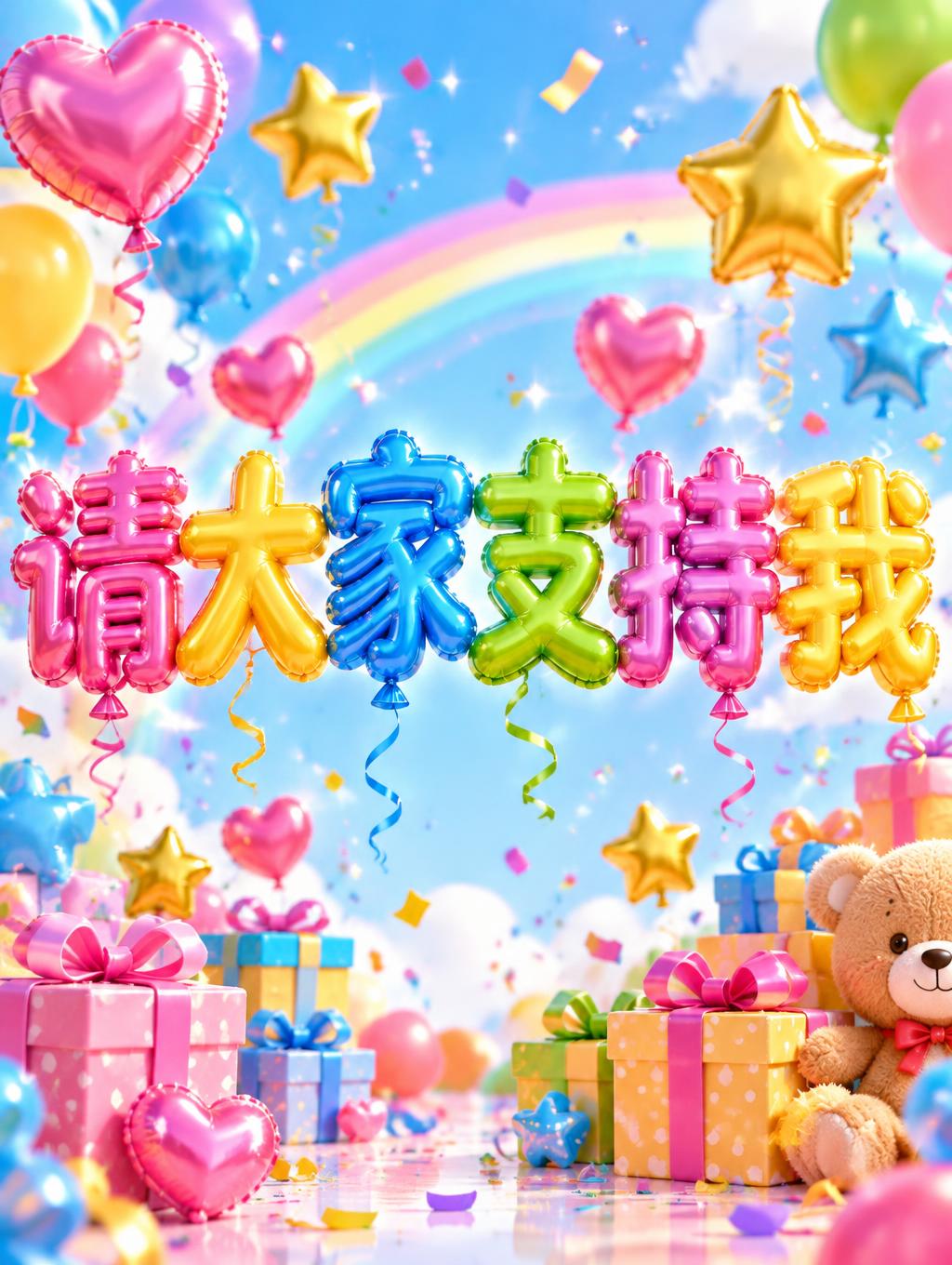
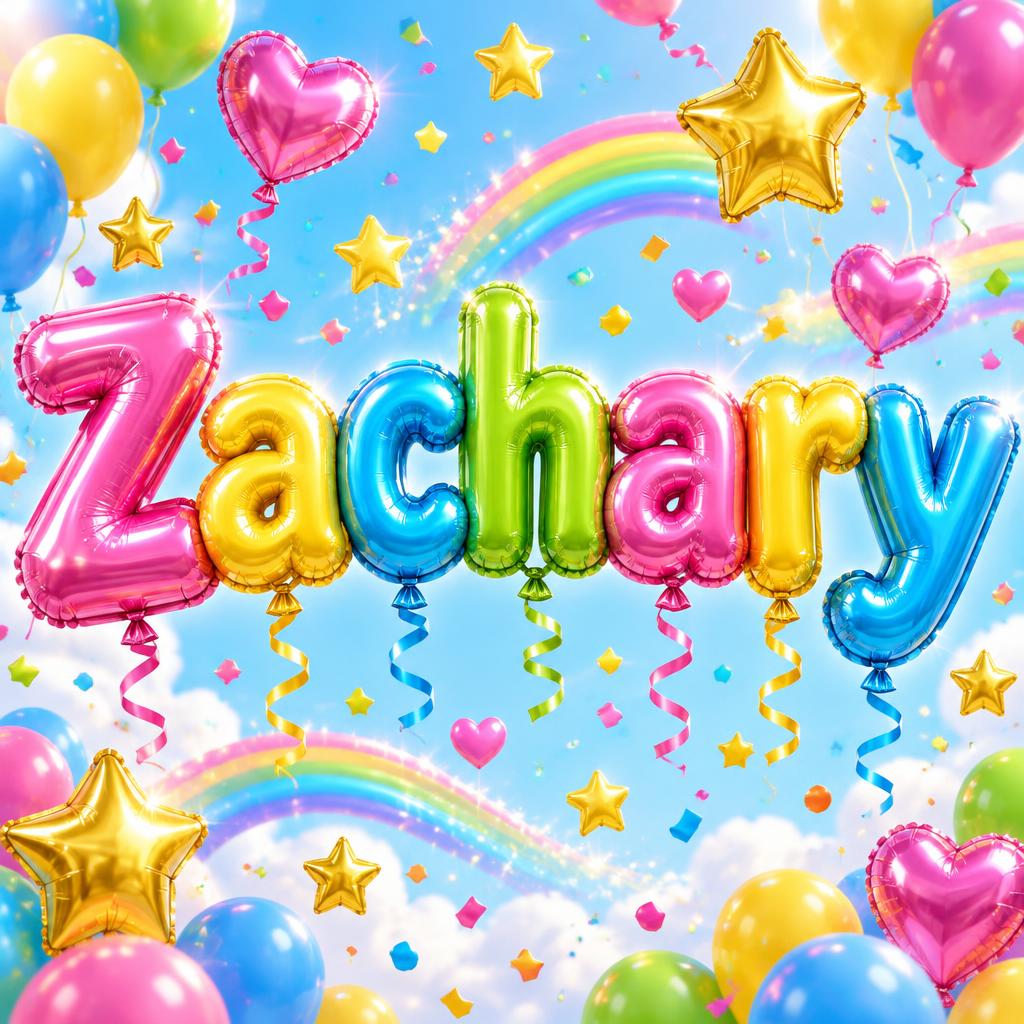
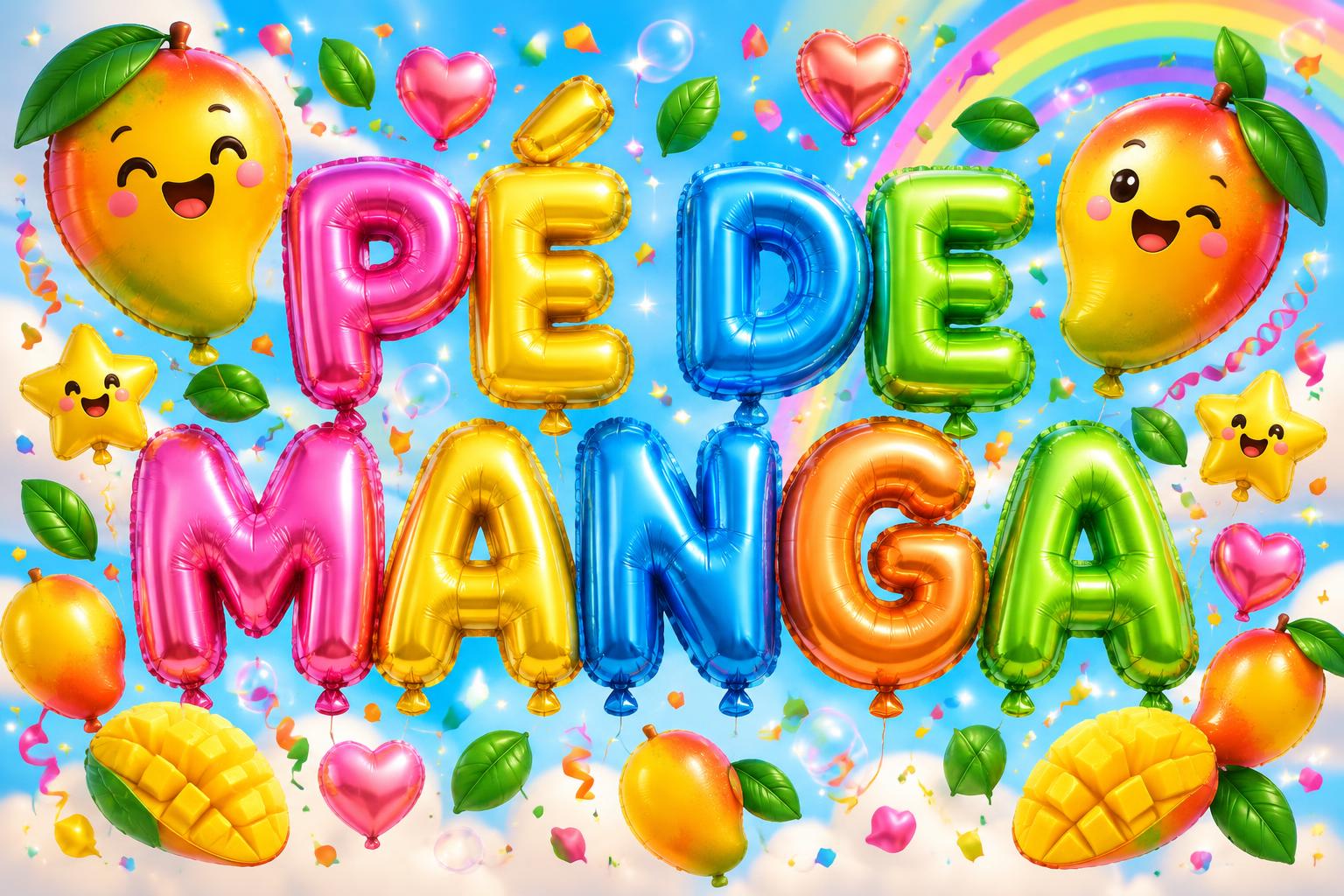
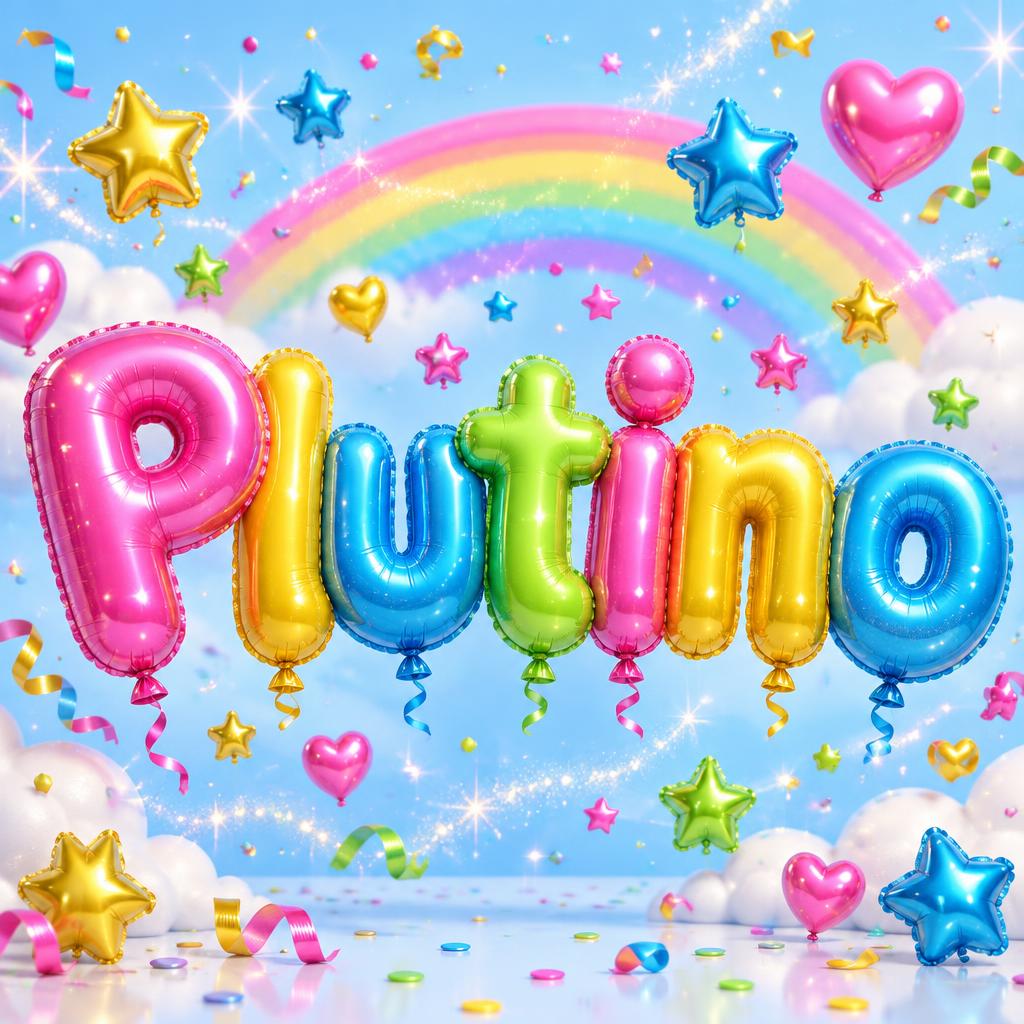
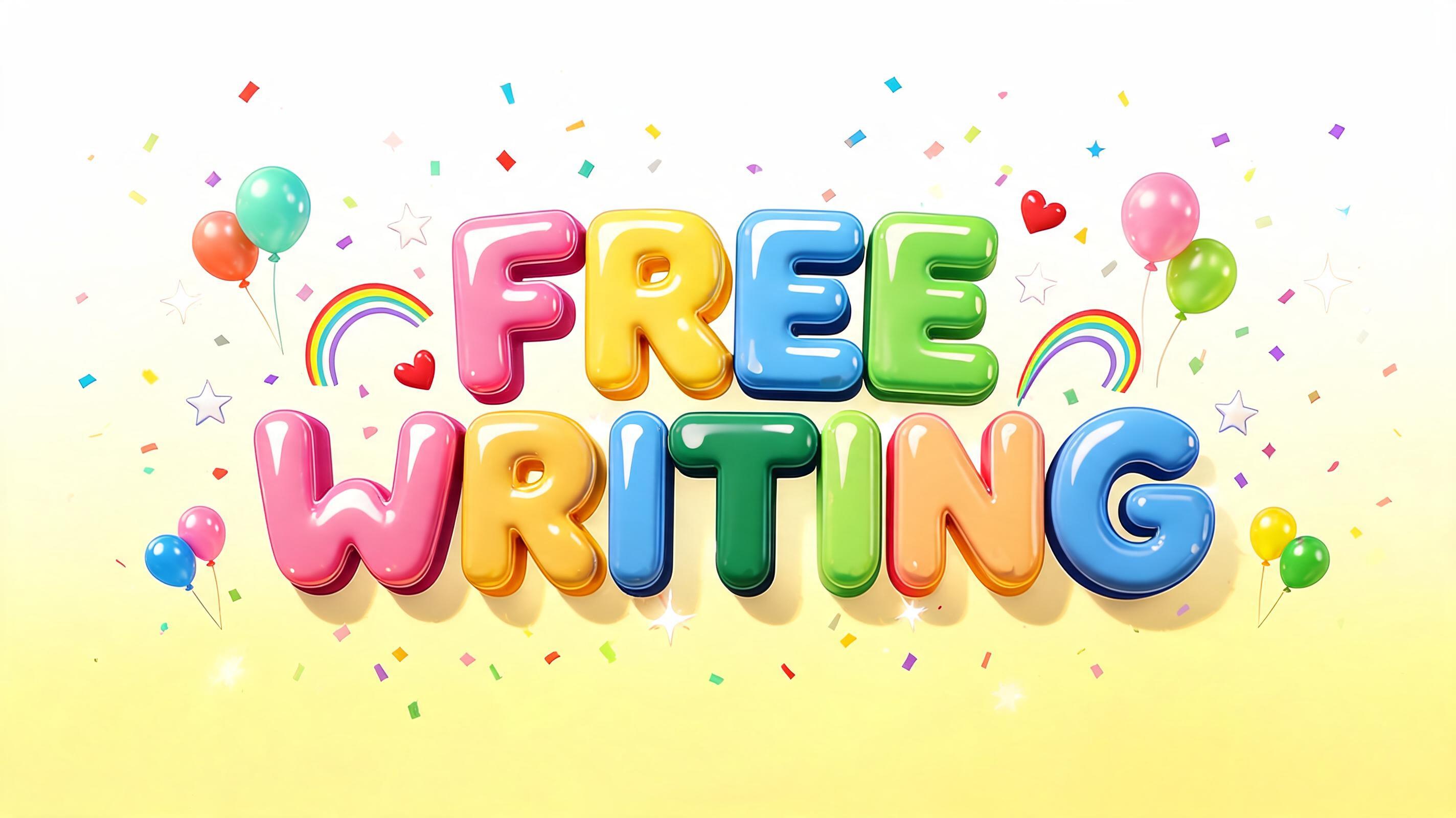
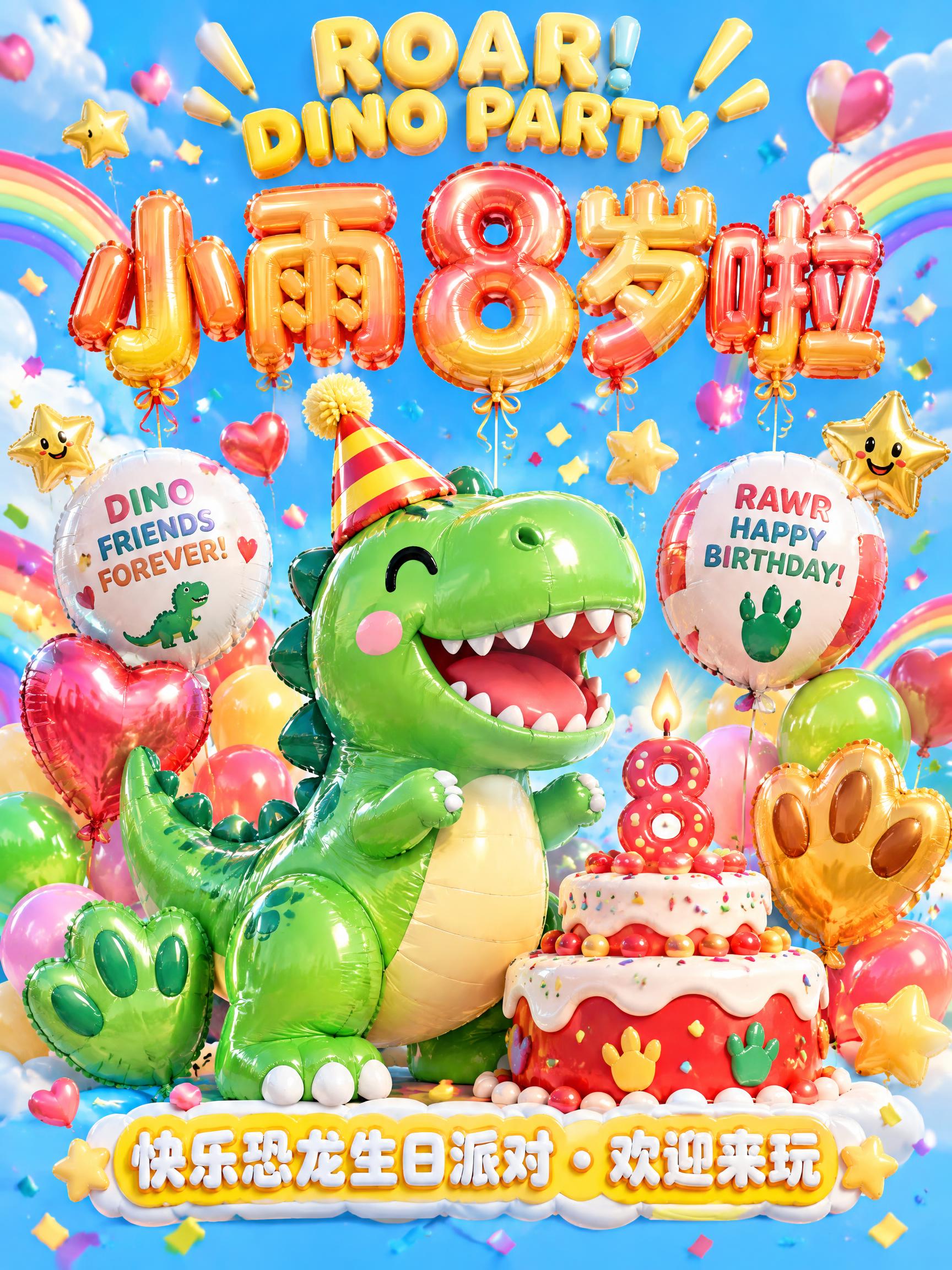
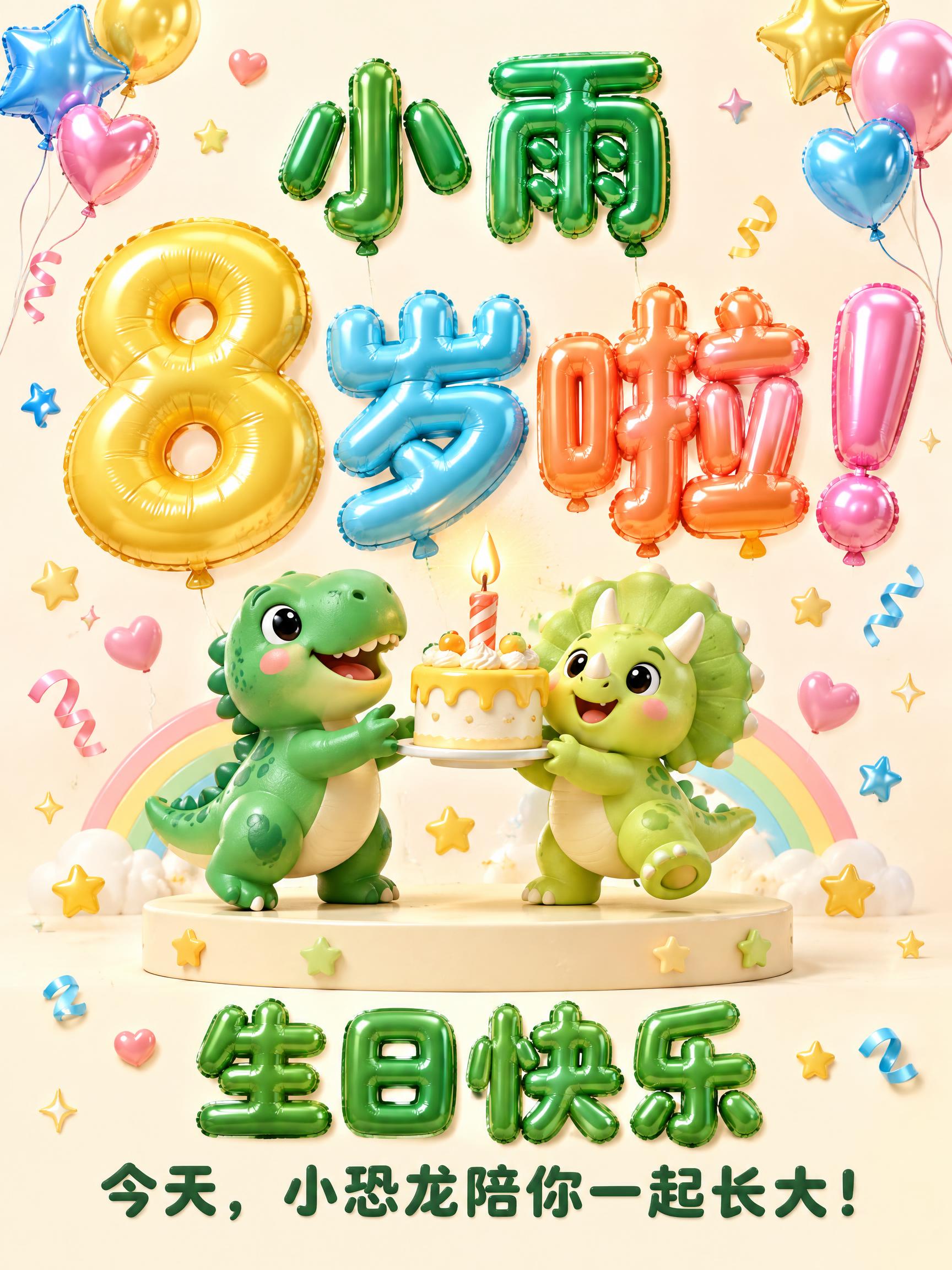
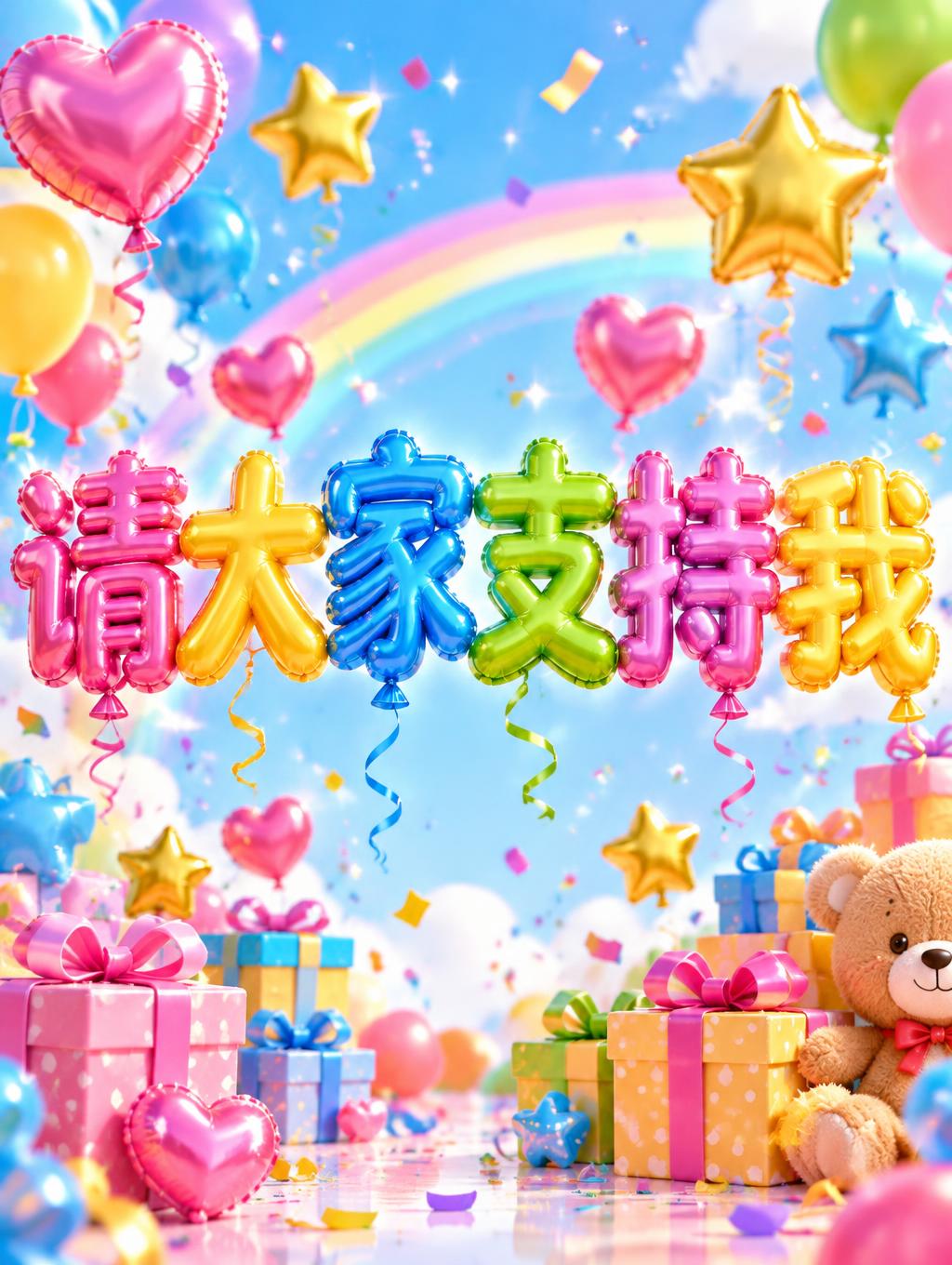
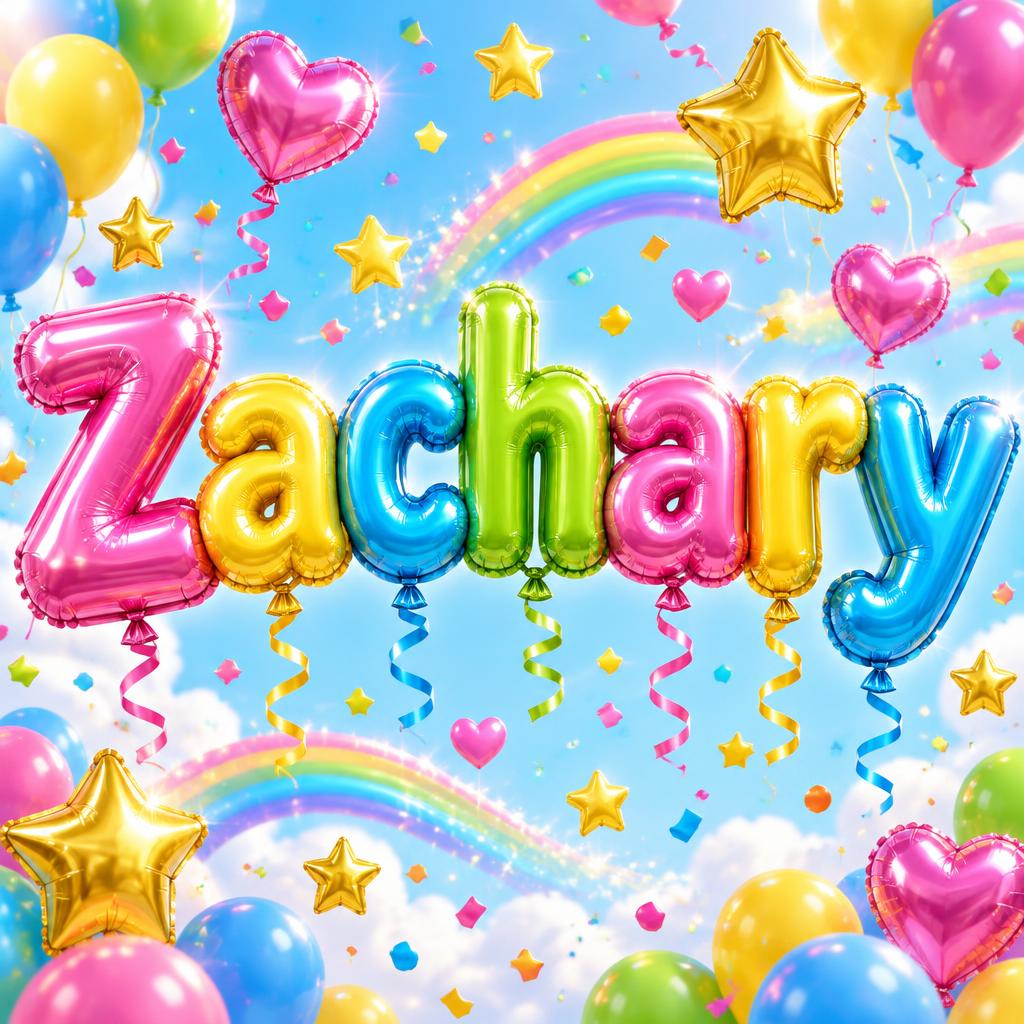
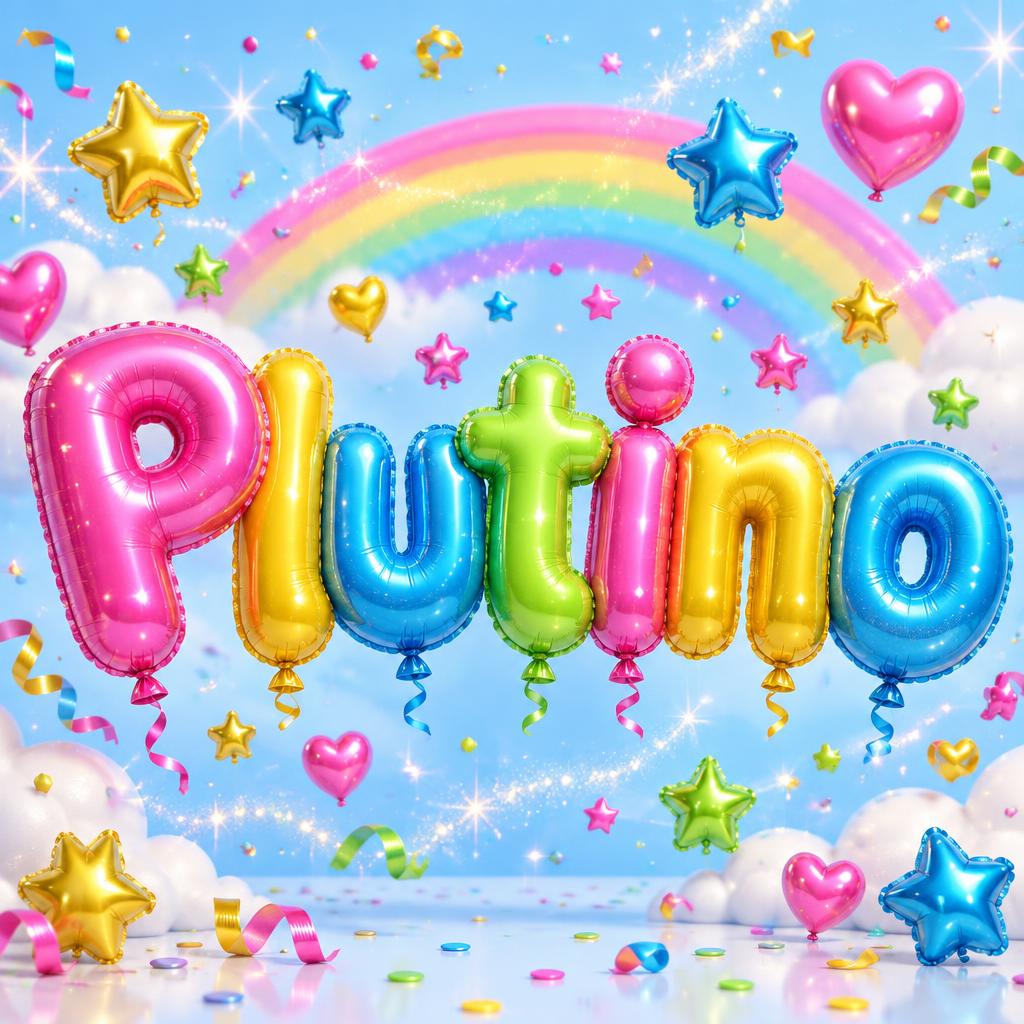
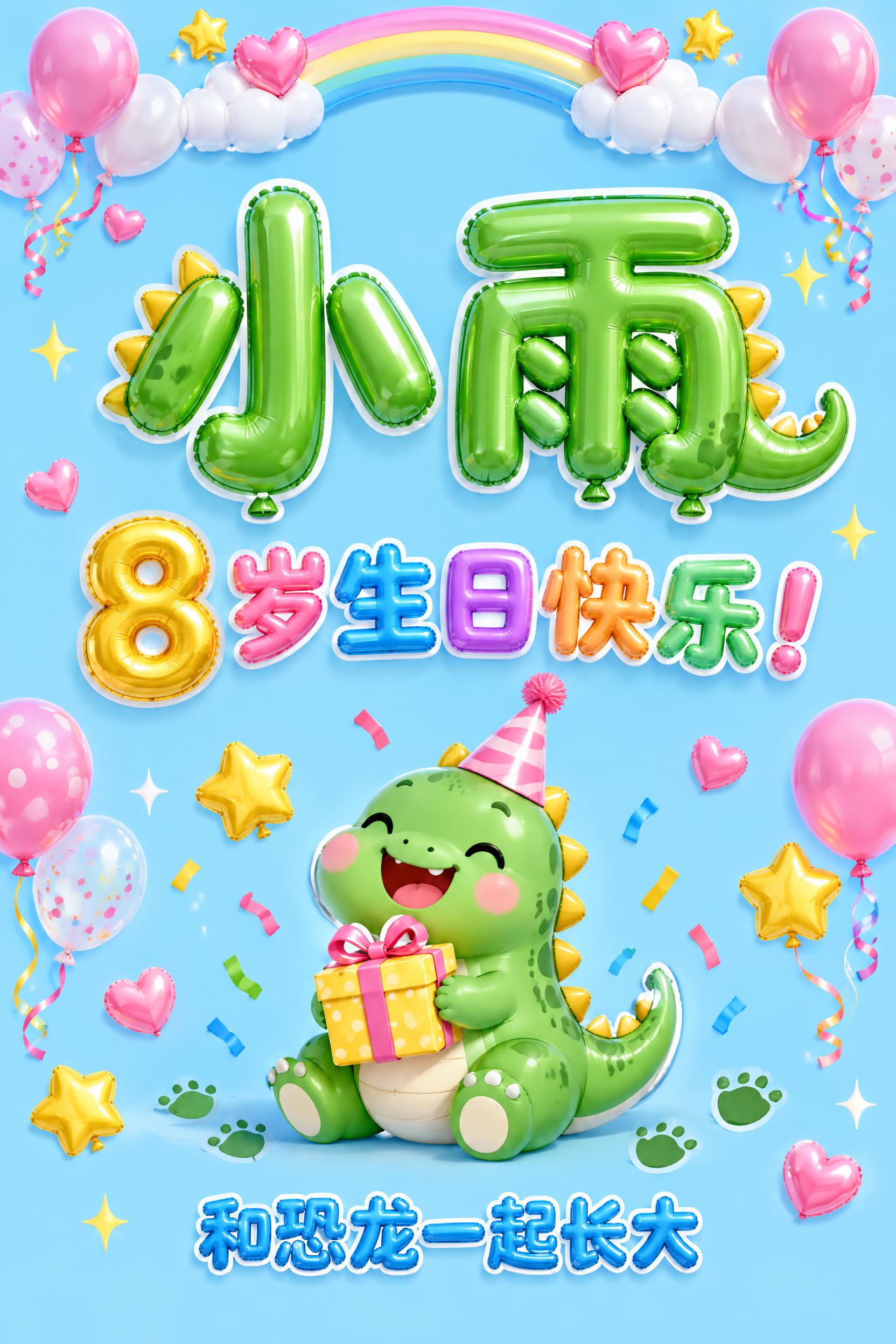
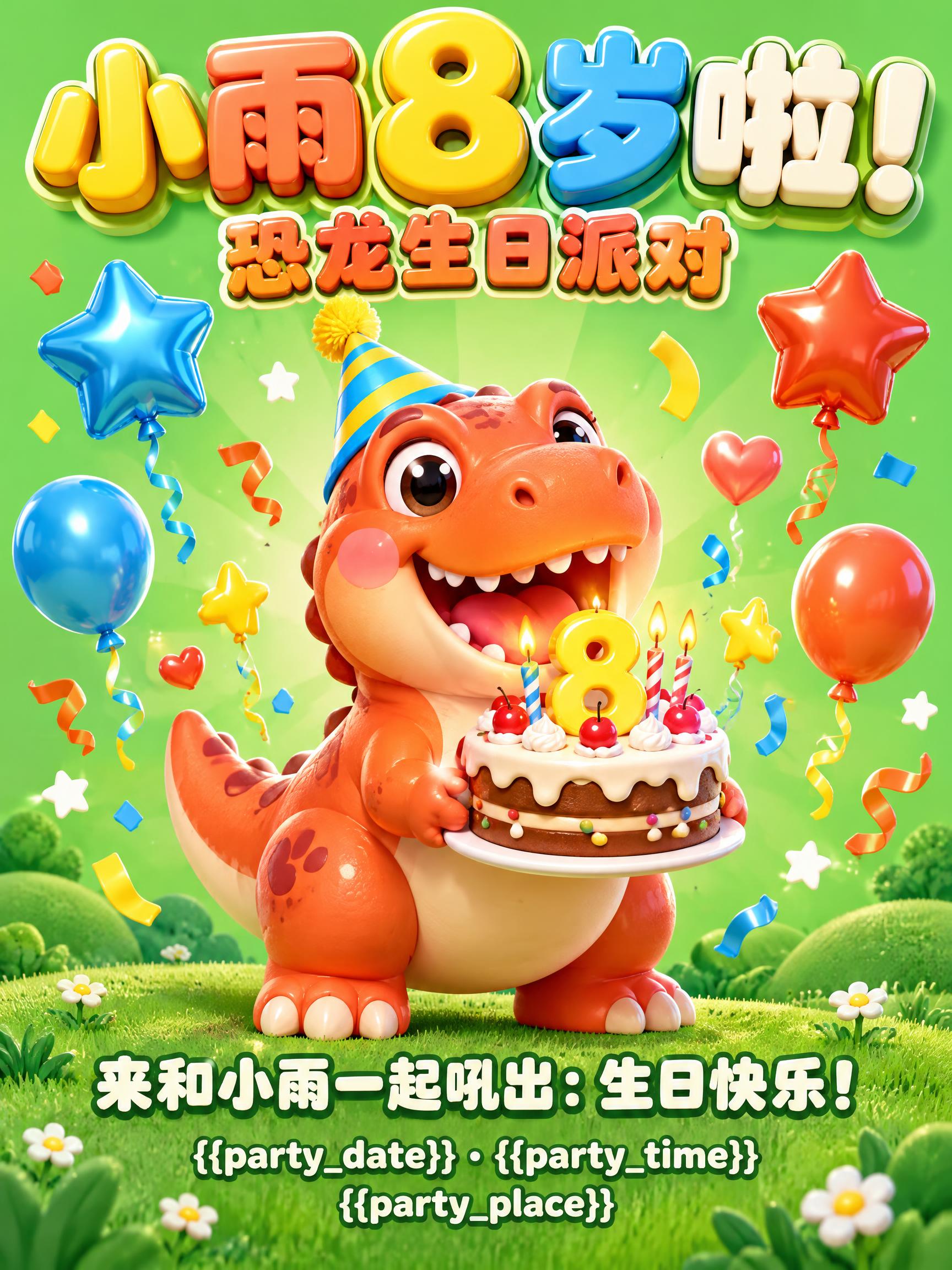
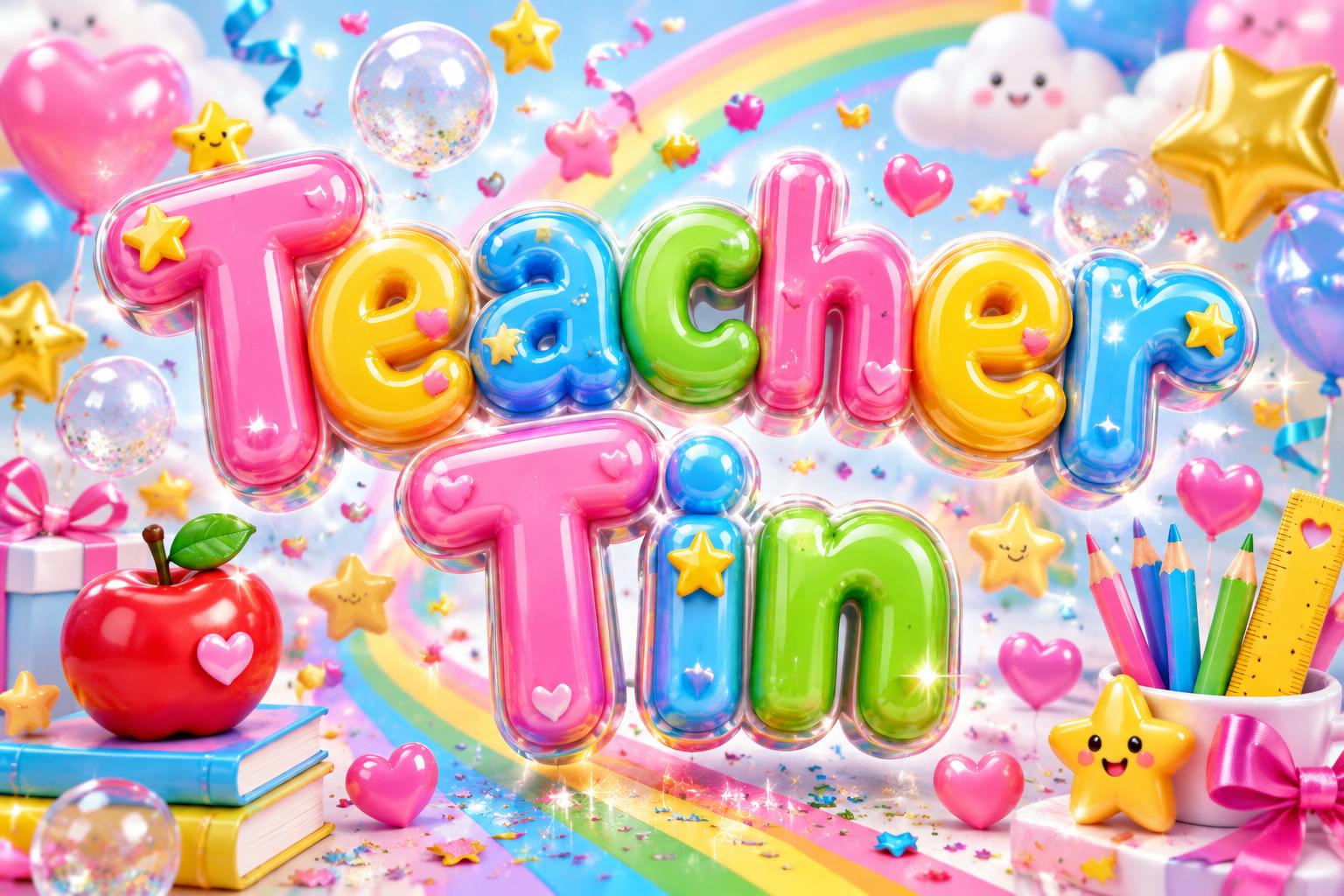
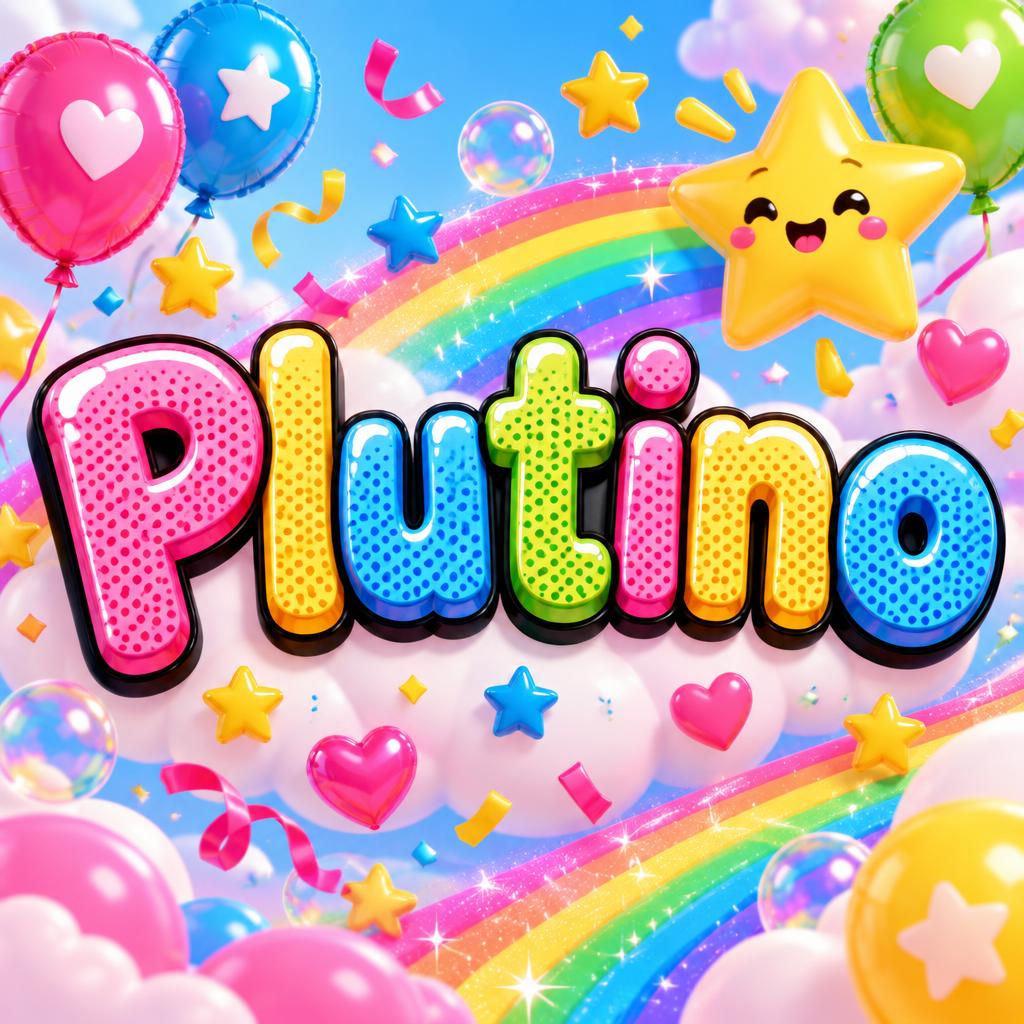
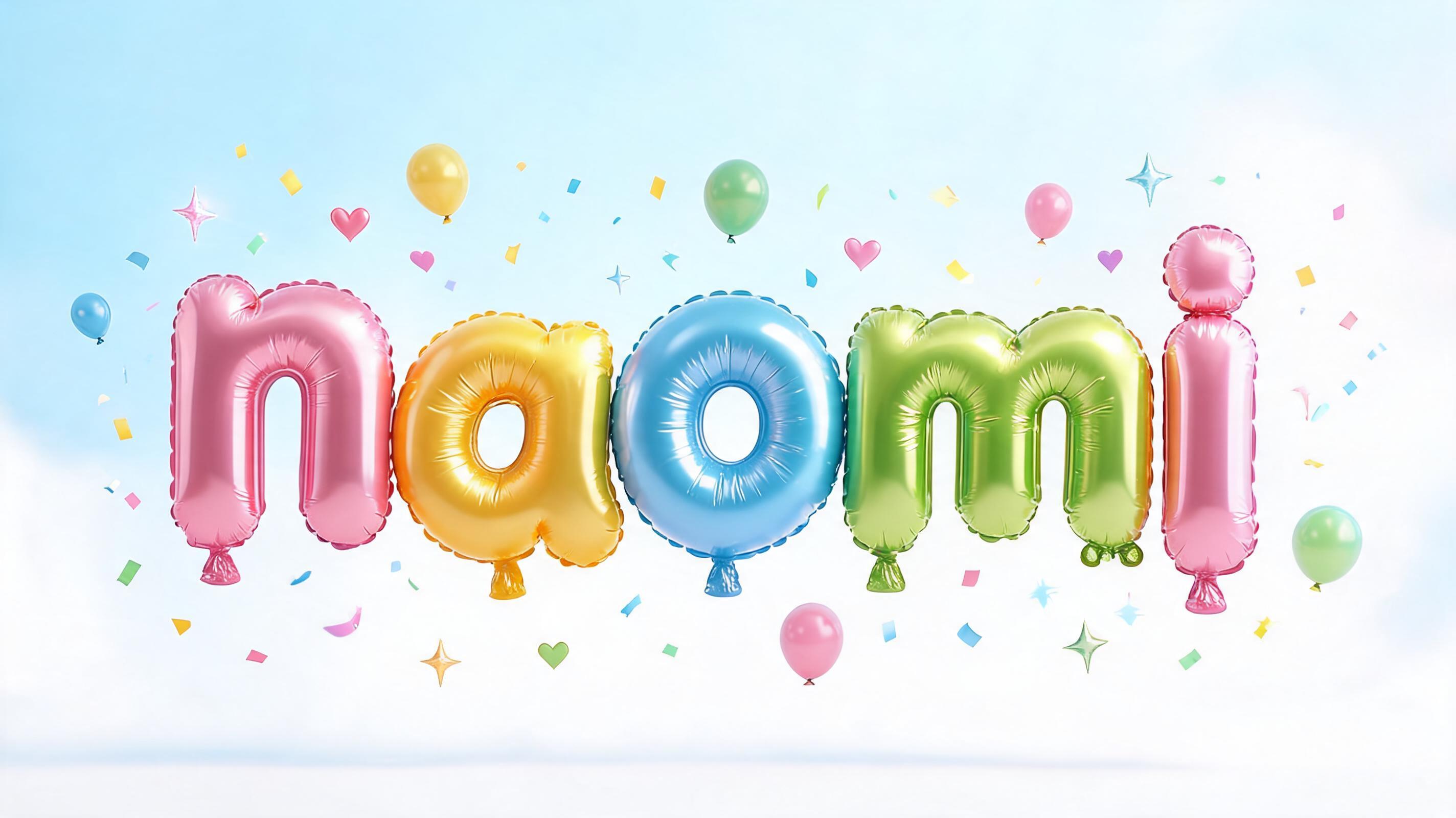
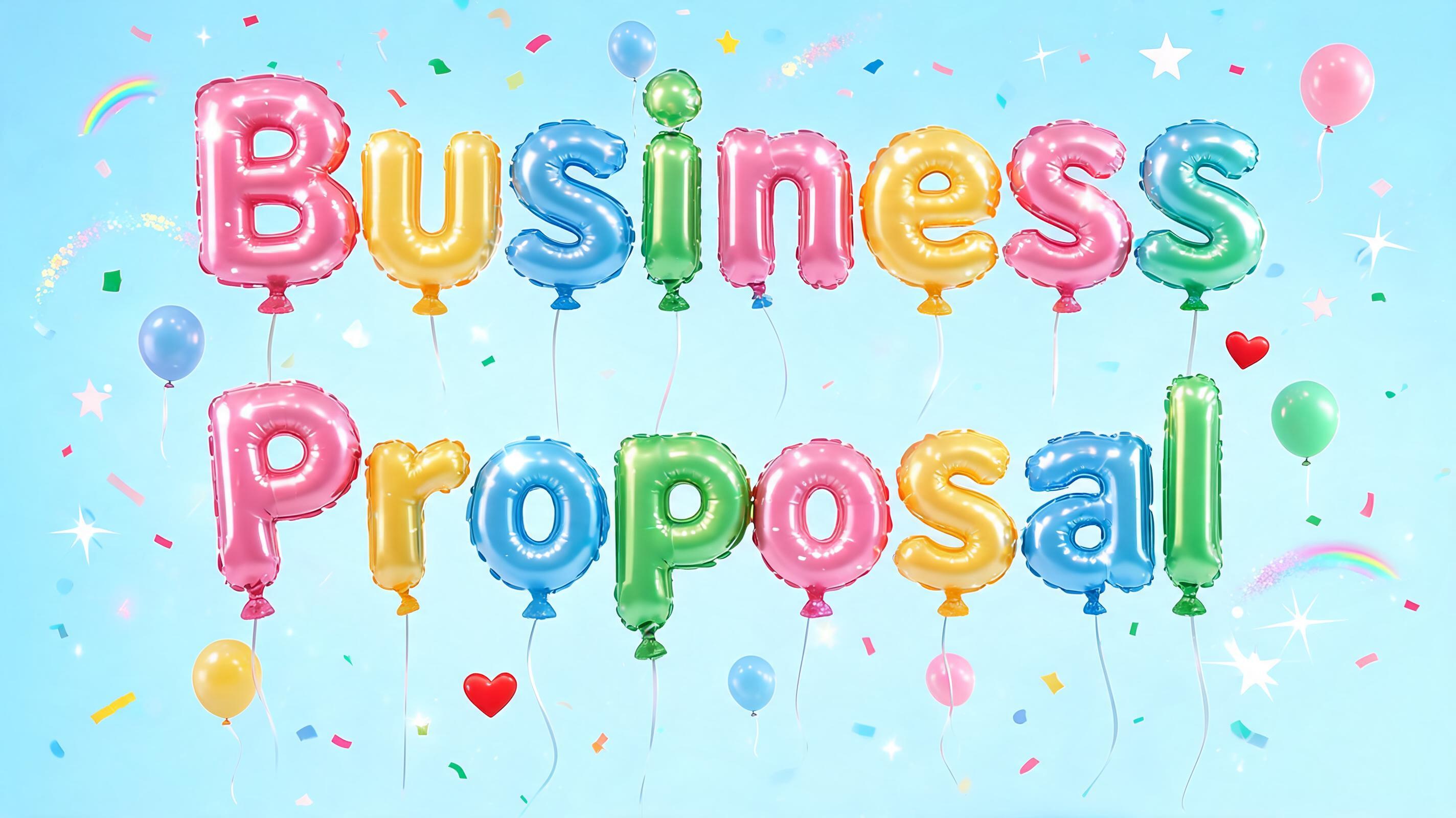
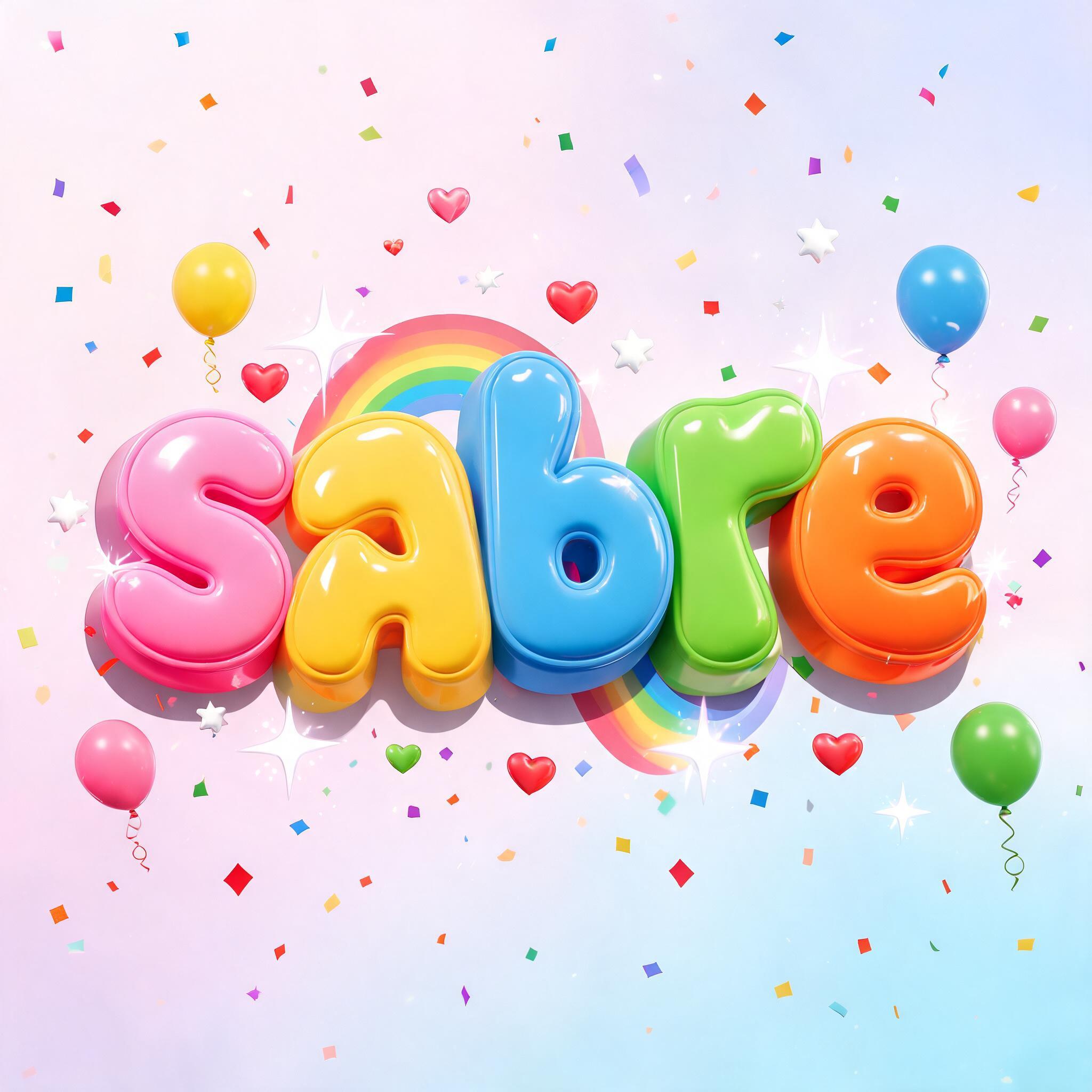
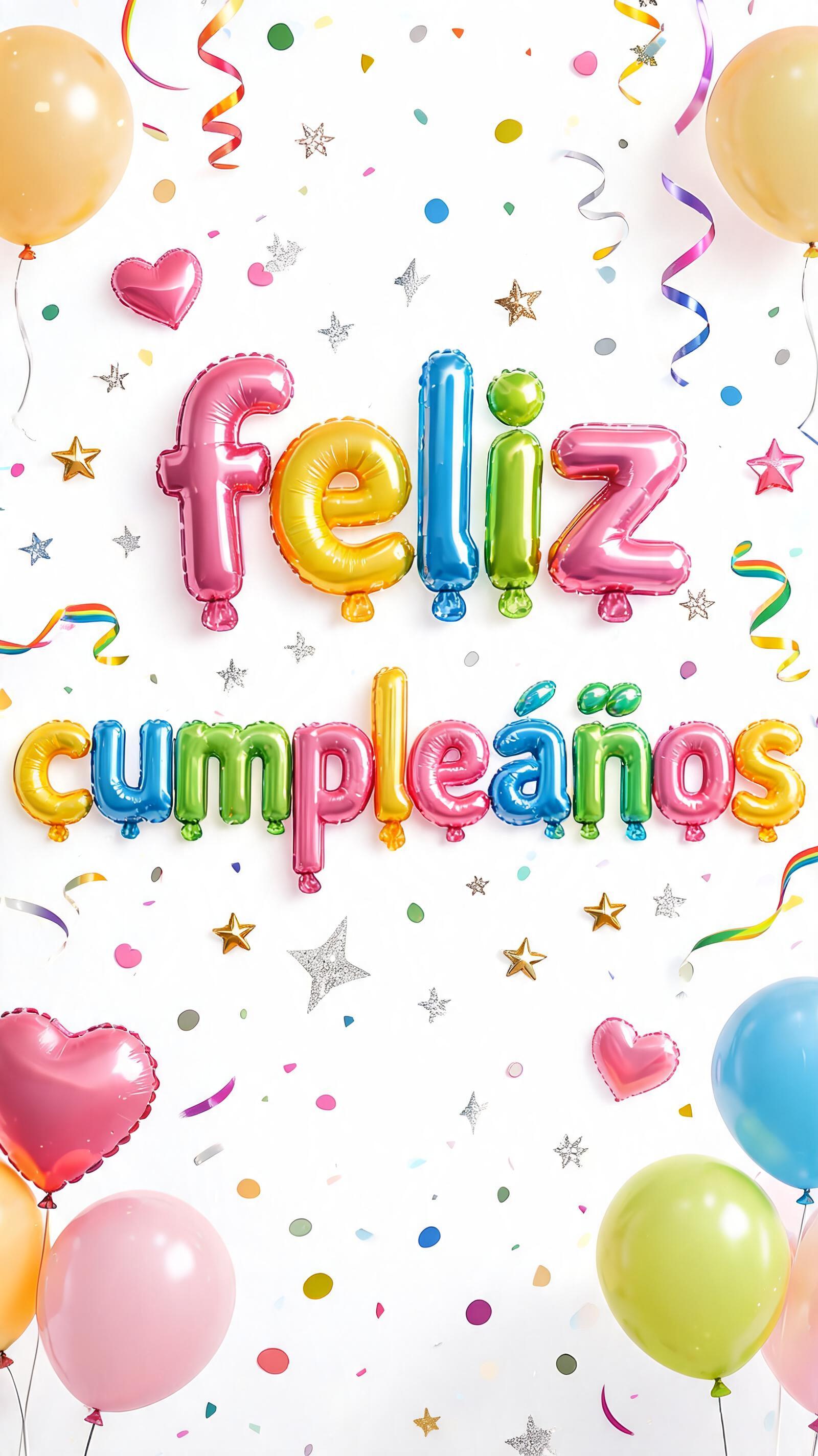
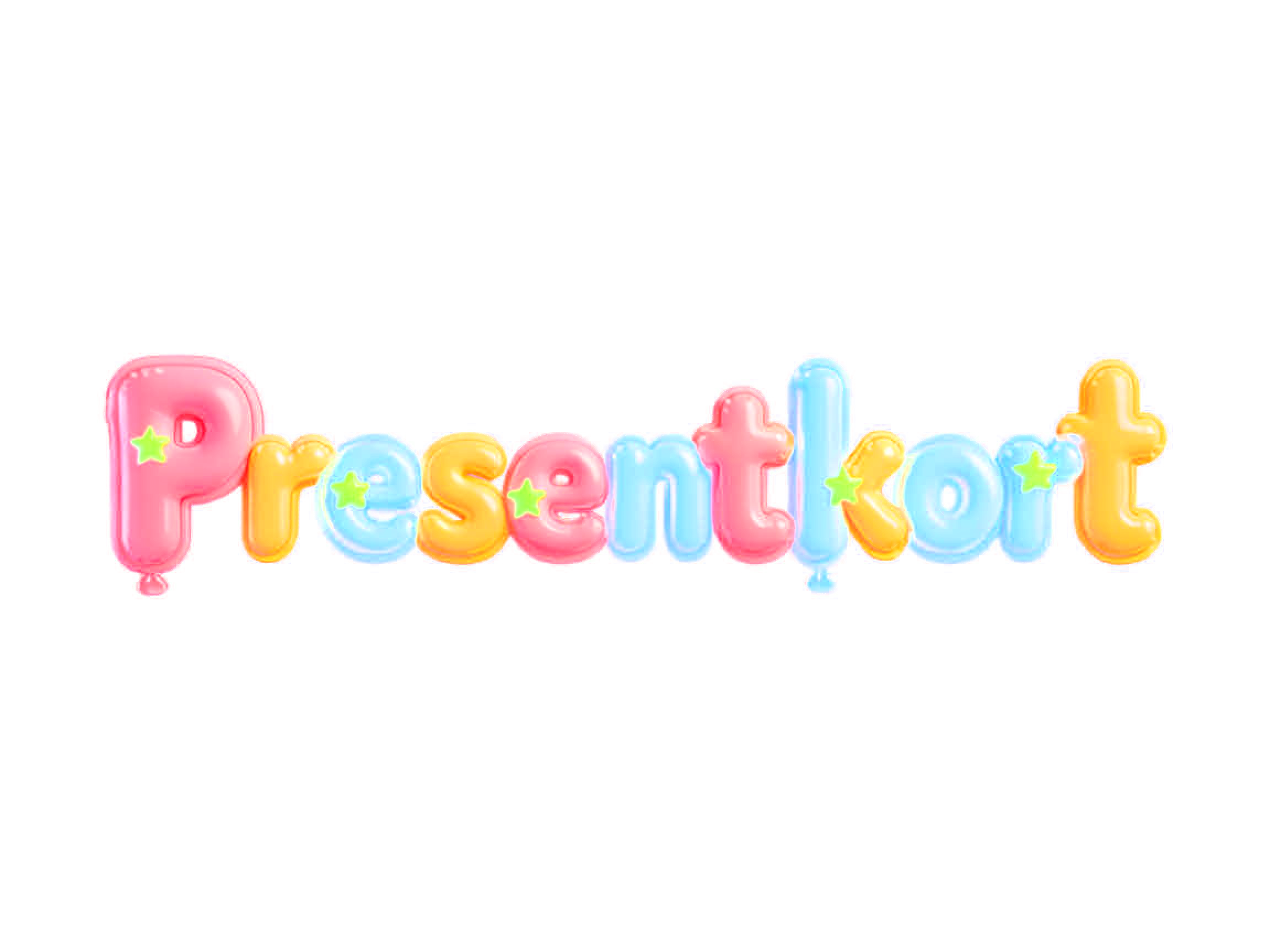
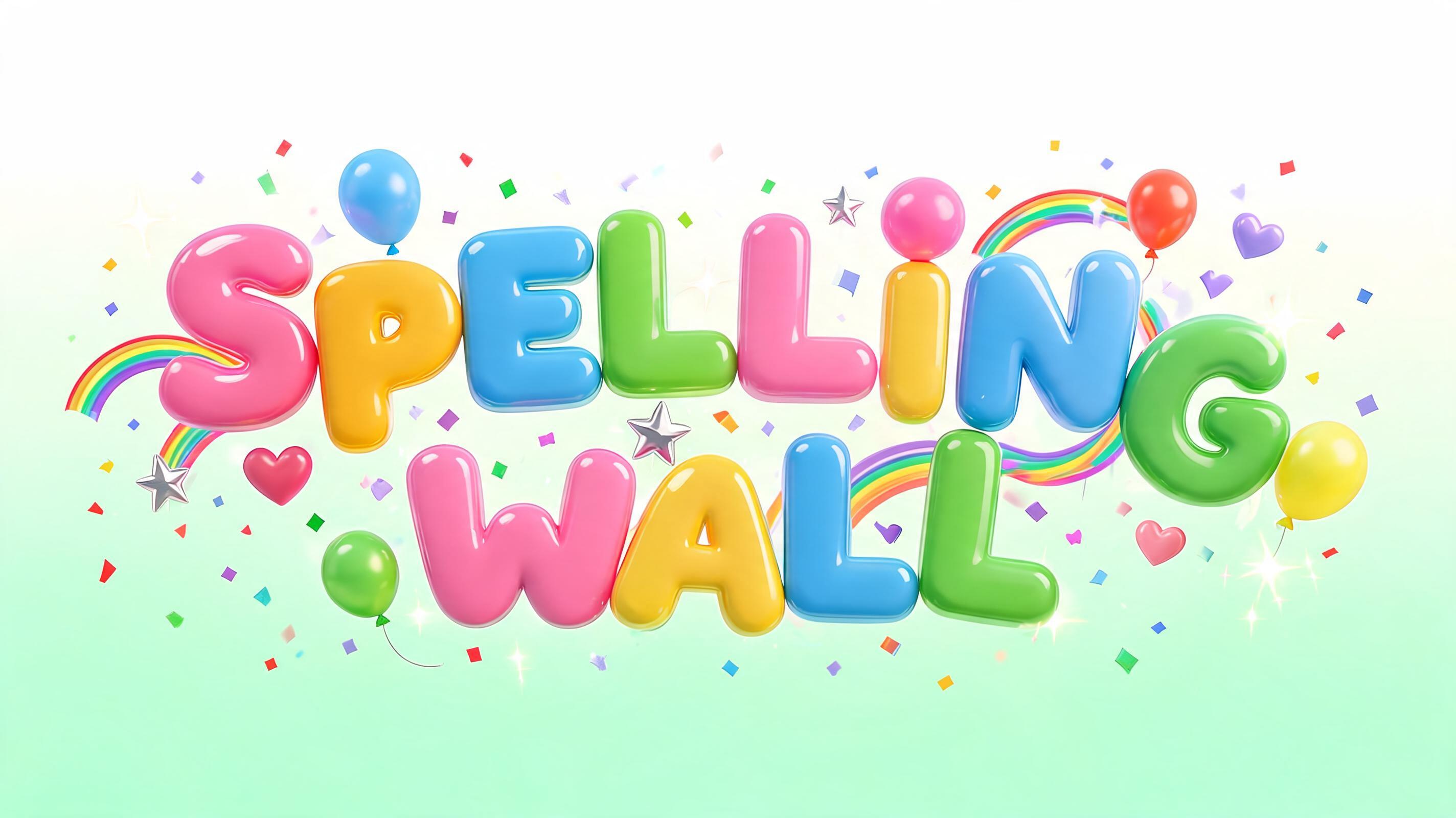
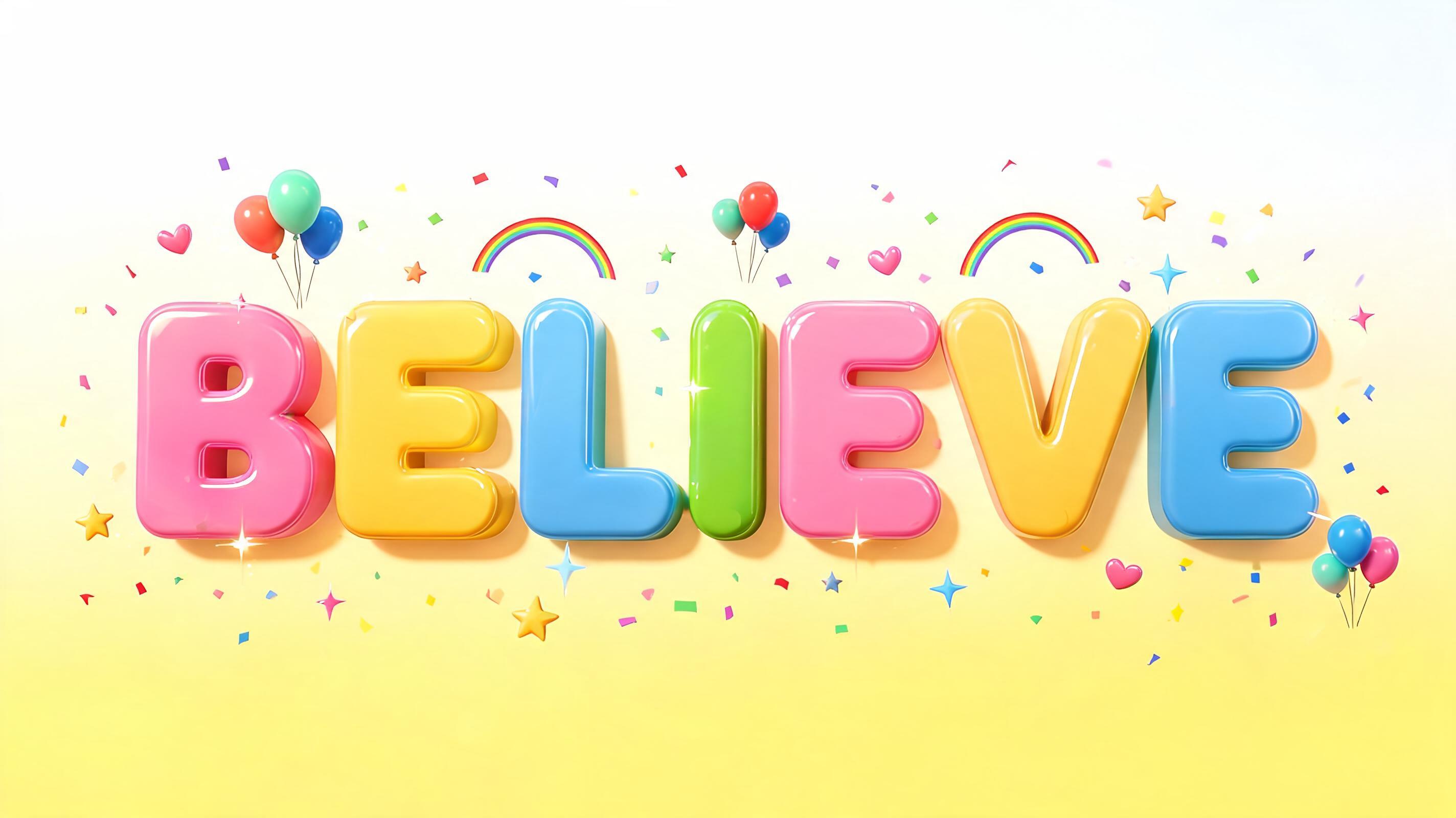
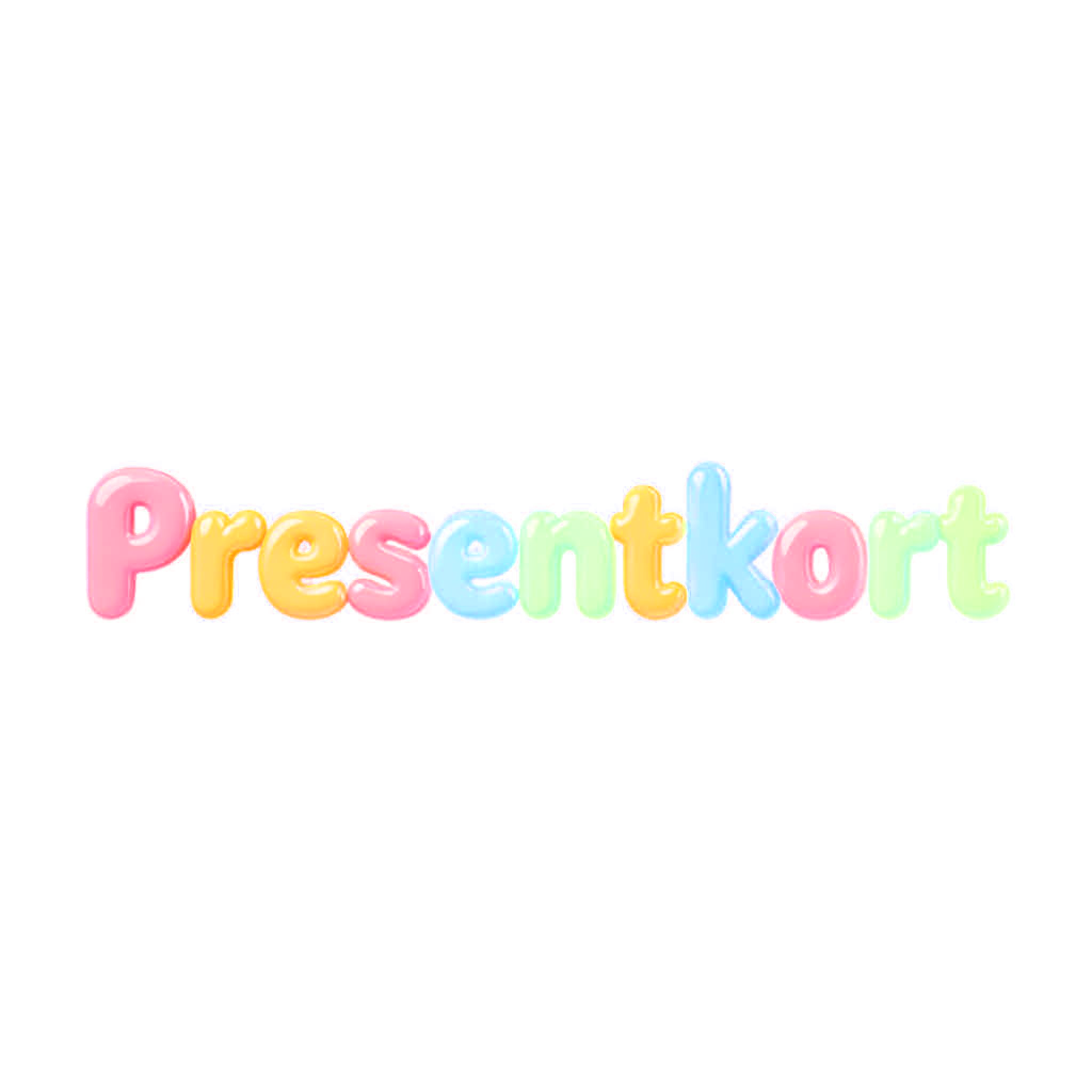
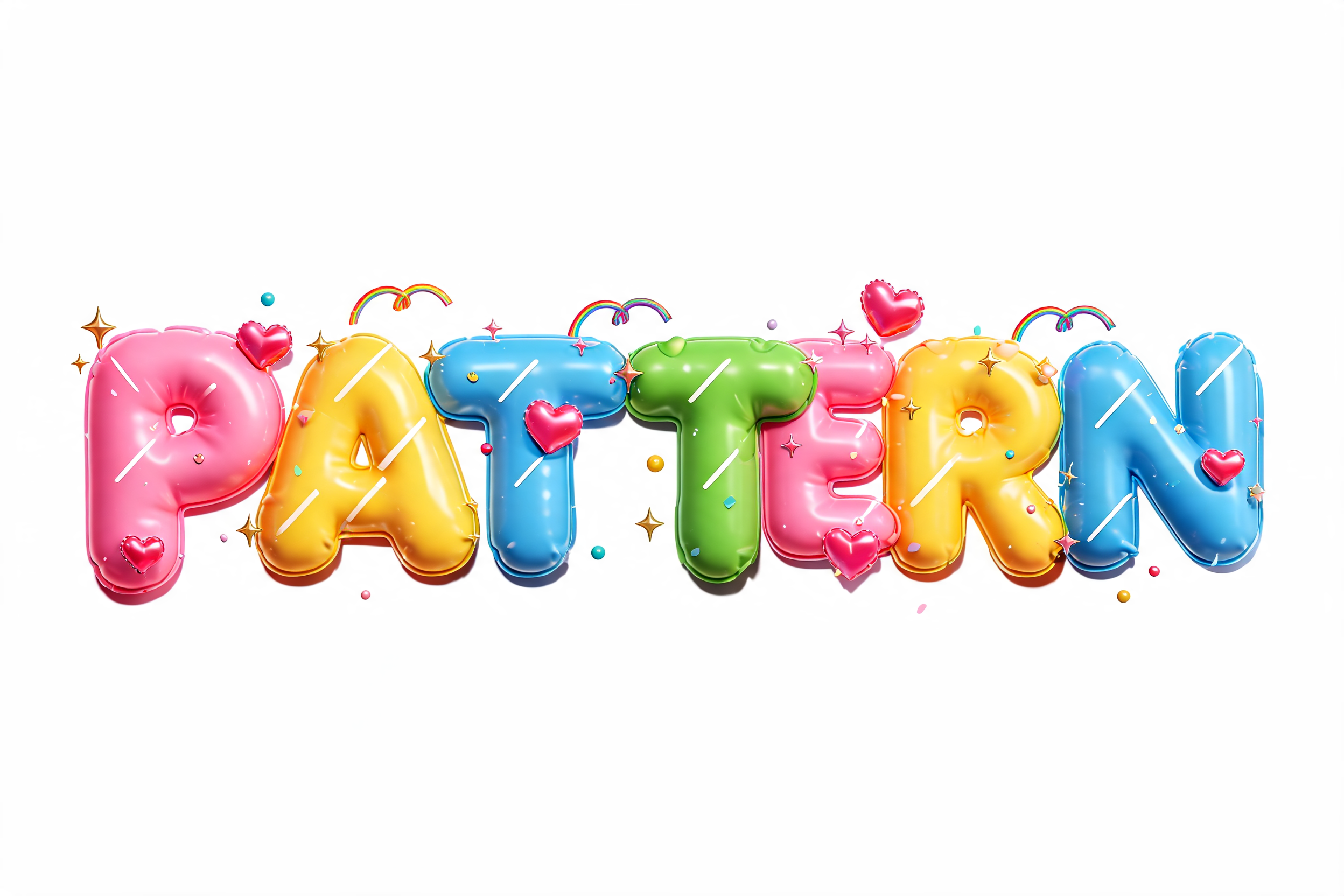
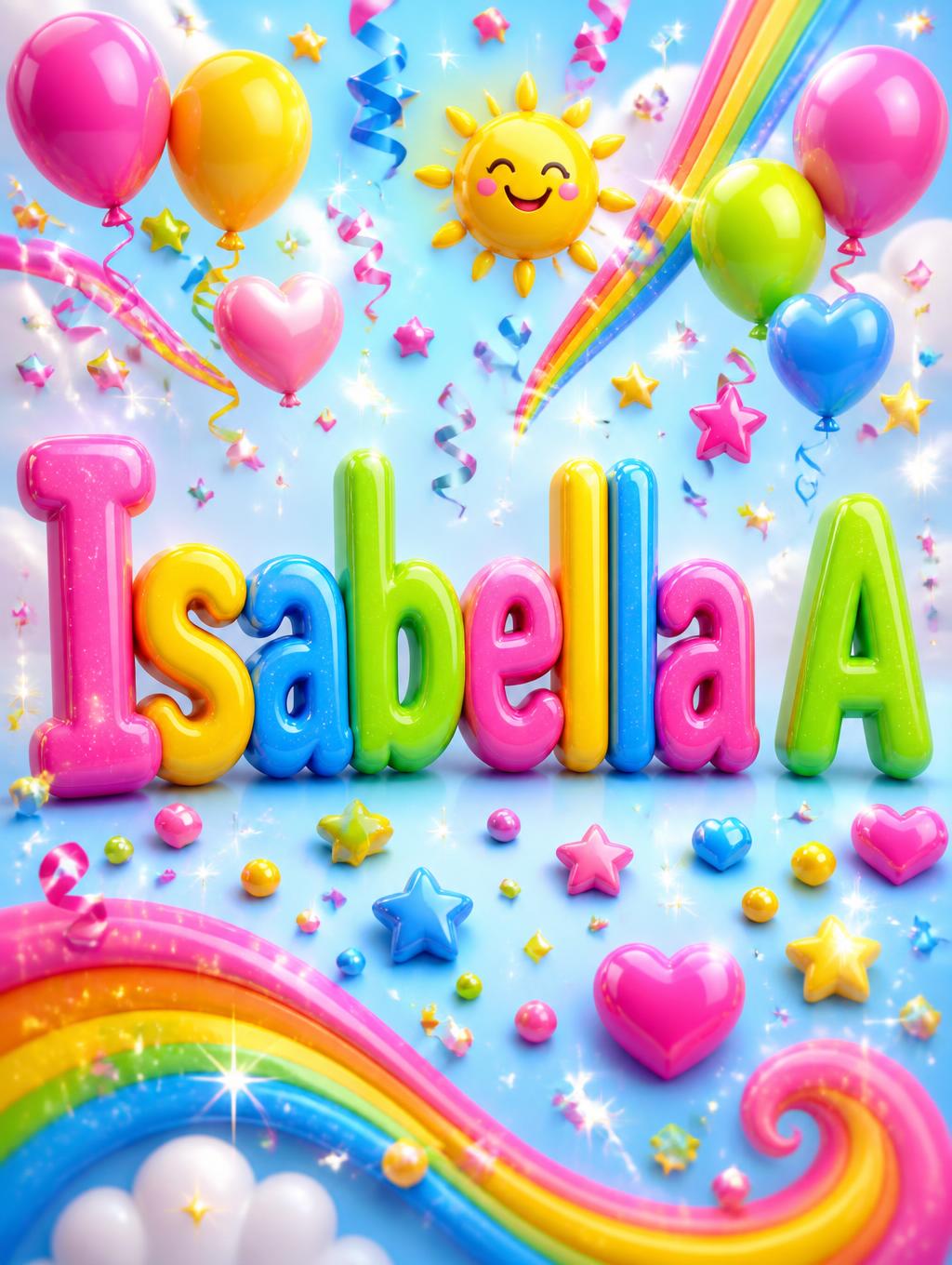
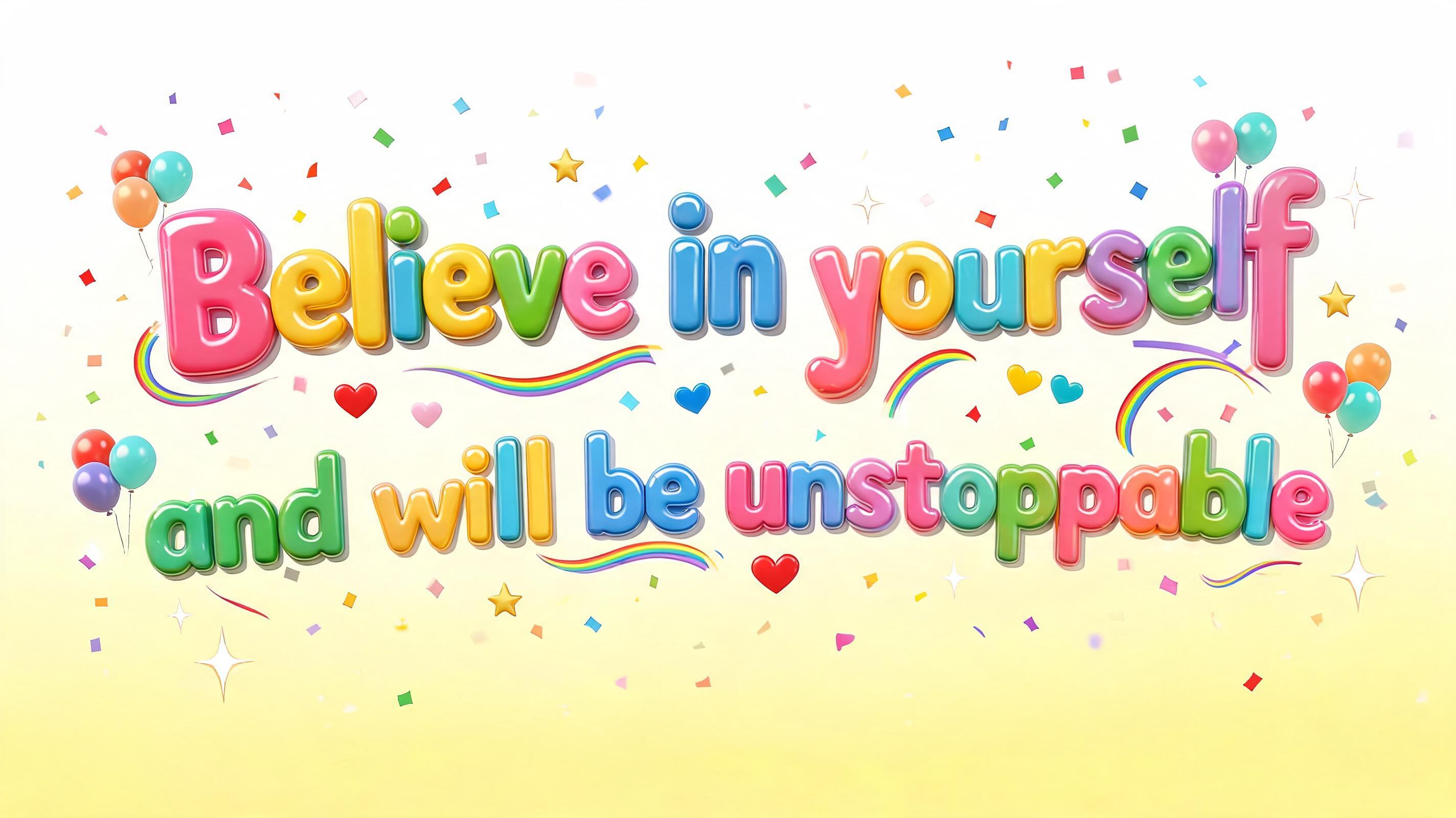
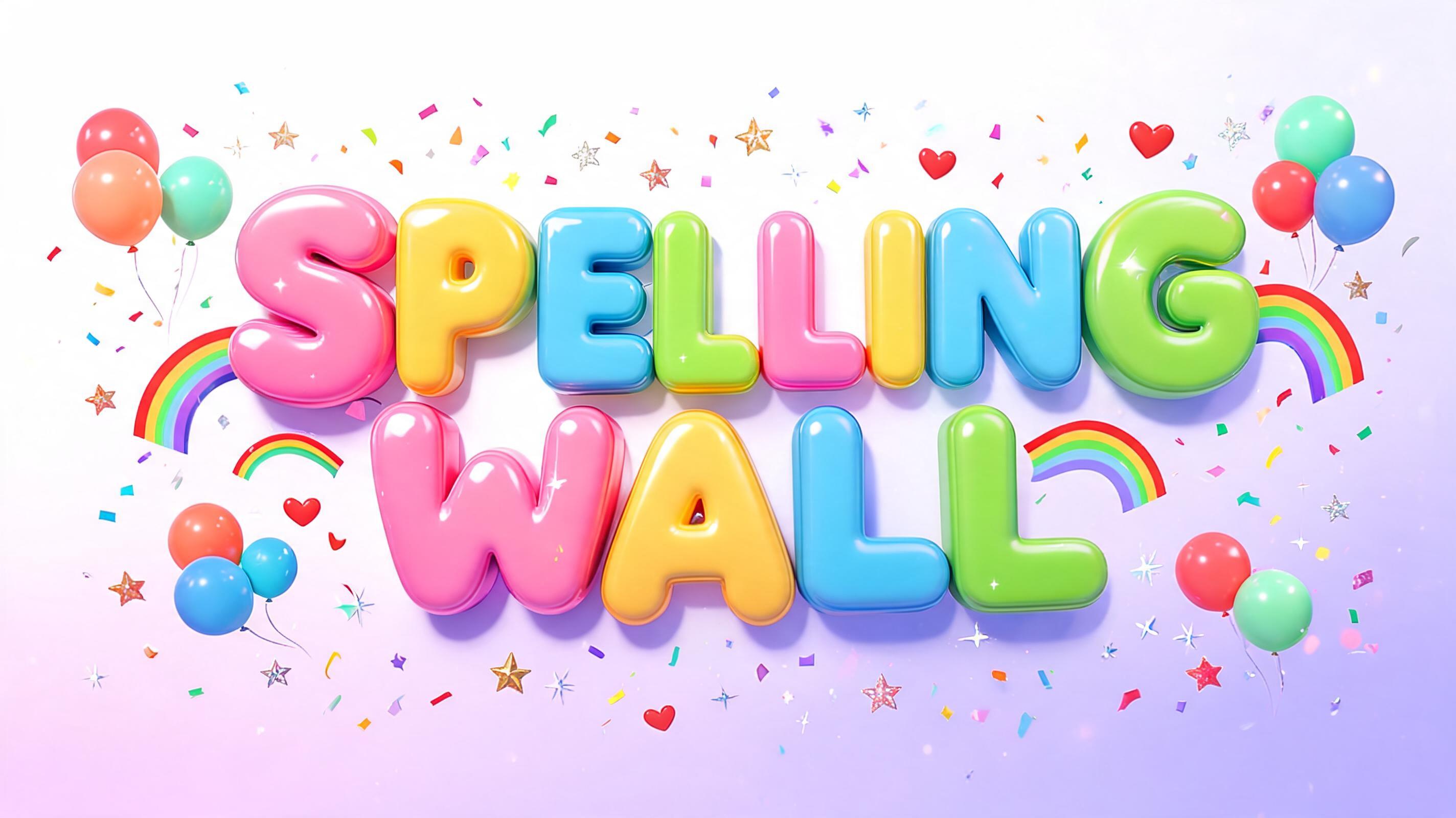
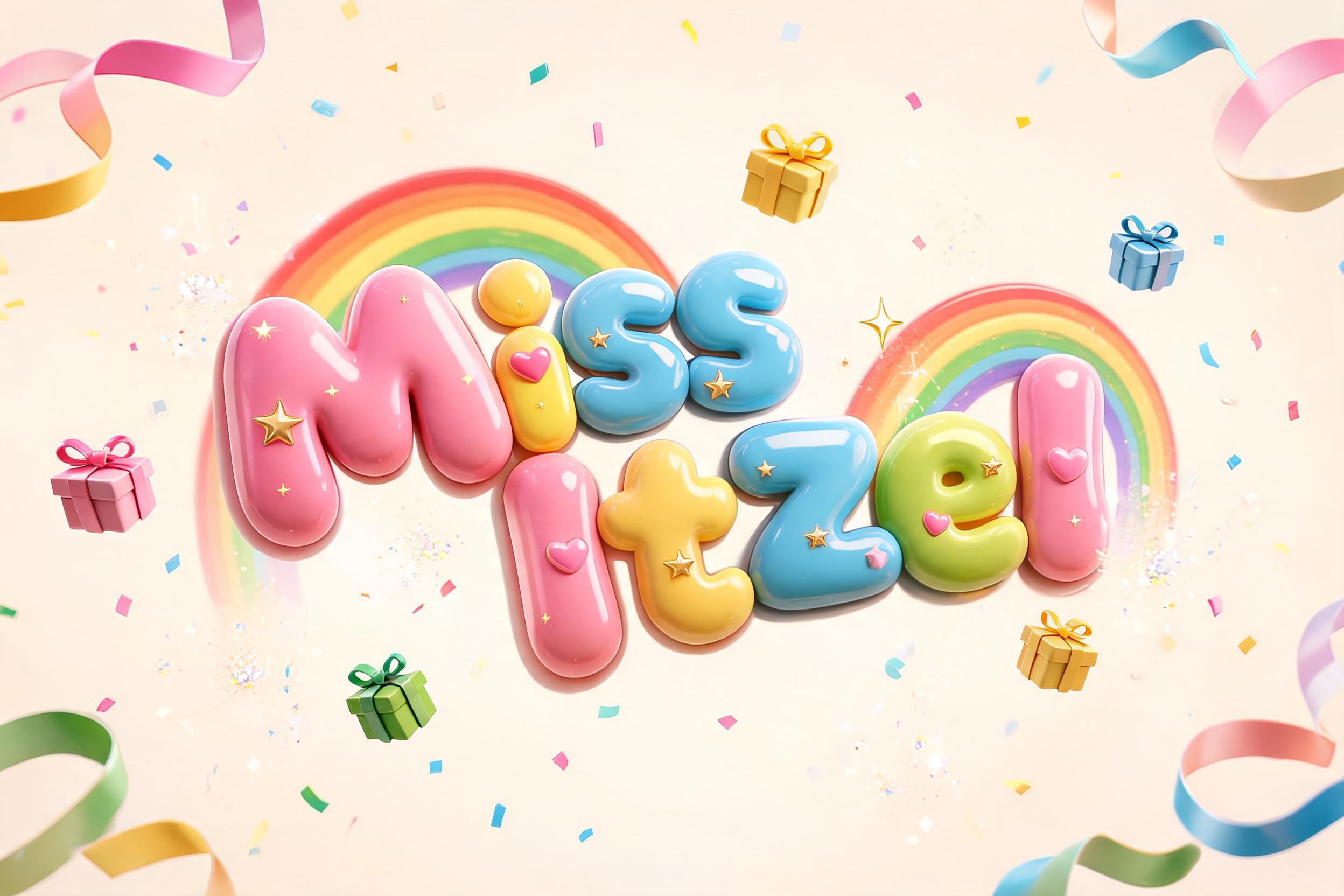
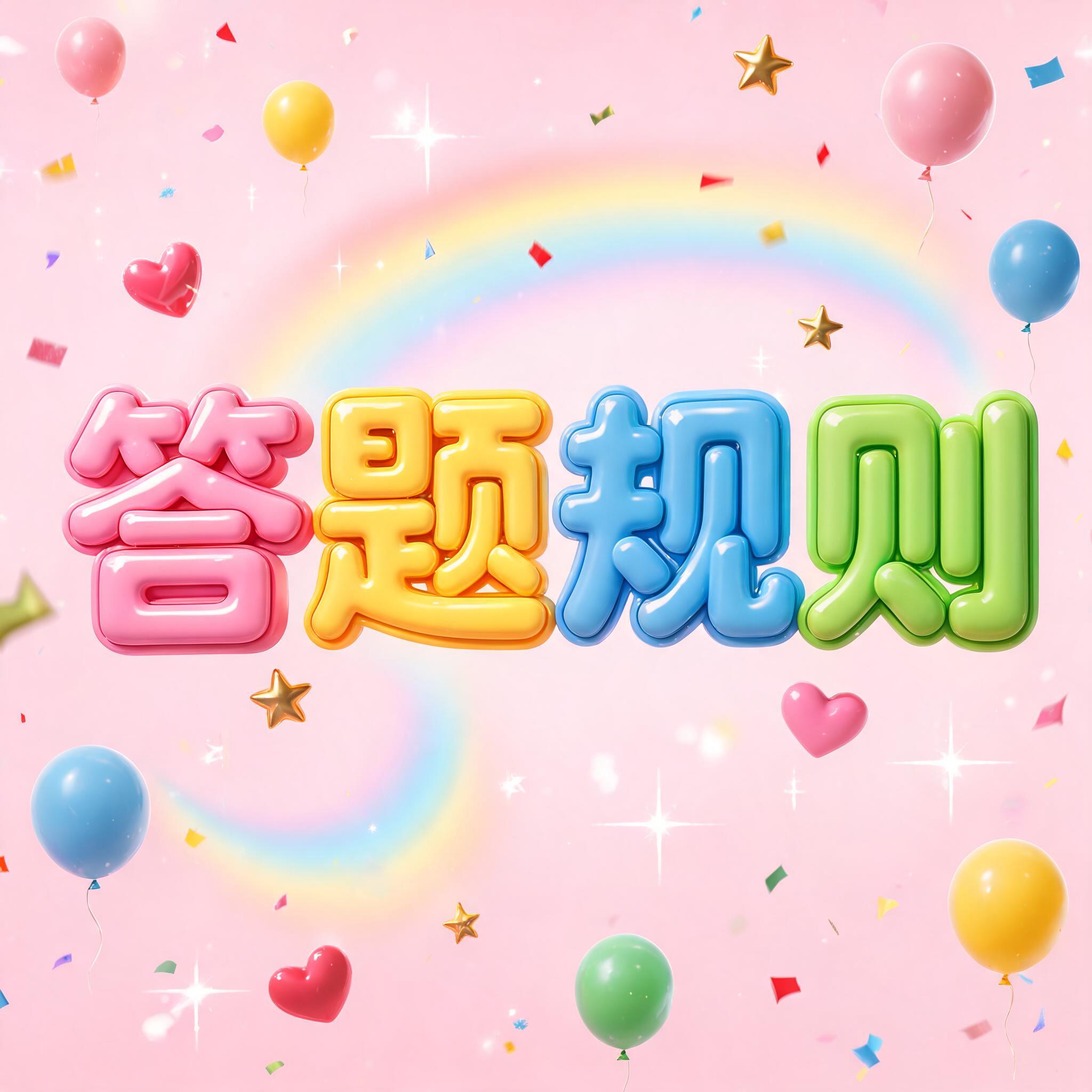
Shiny foil-balloon letters in pink, yellow, blue and green, floating among small balloons, confetti, stars and hearts on a light sky-blue background. — no font license needed.
Kids Gift in different AI fonts


Kids Gift Gallery
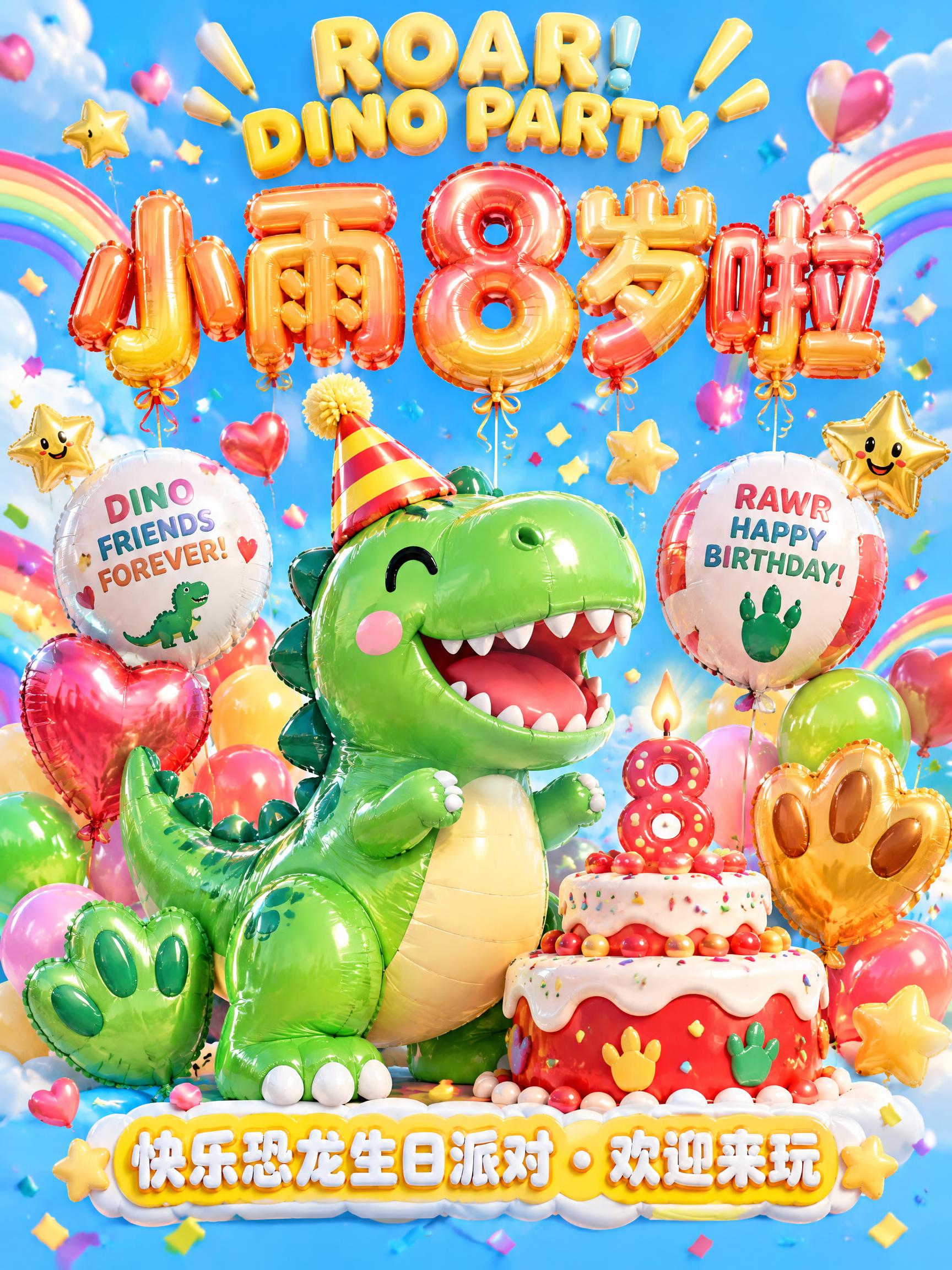
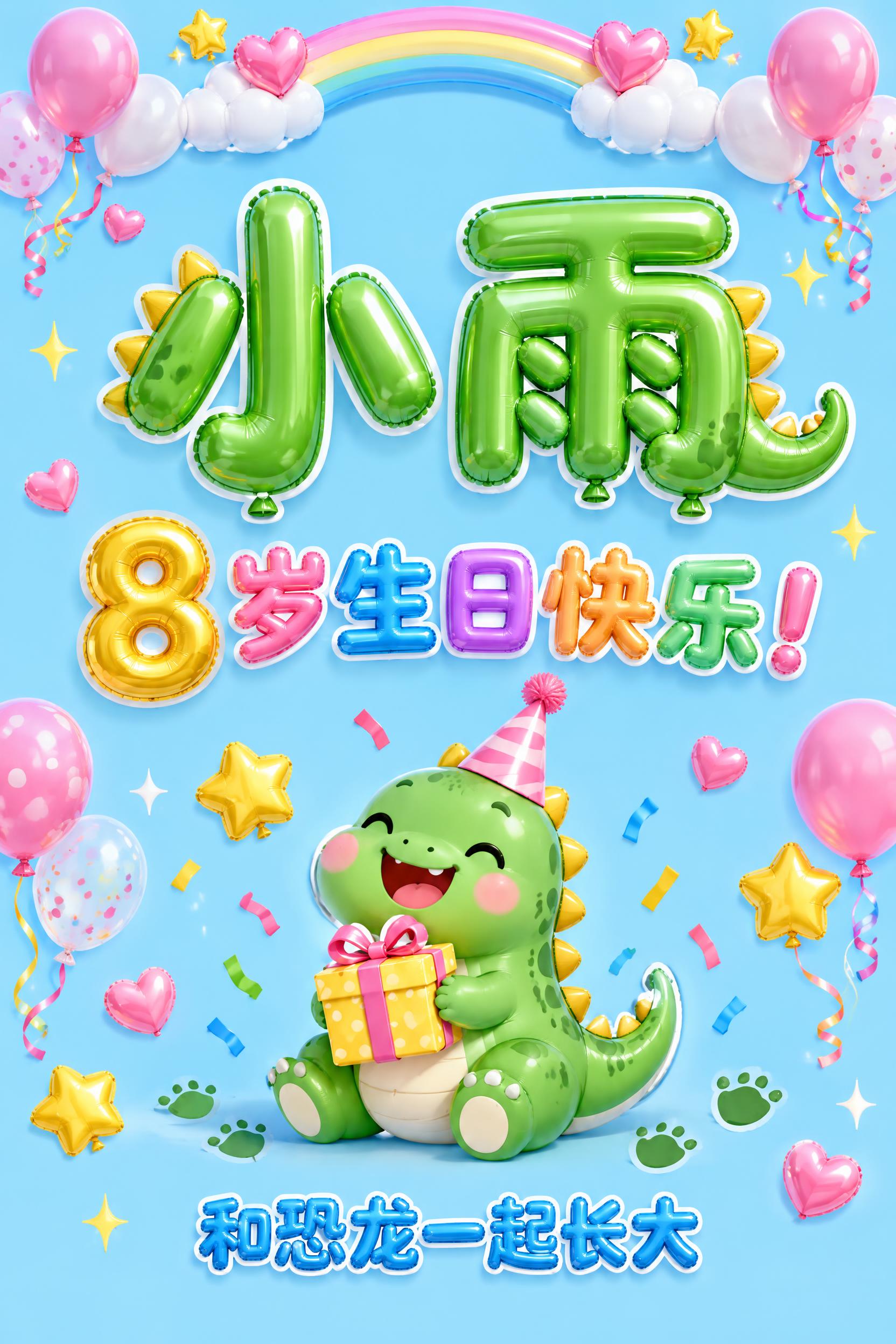
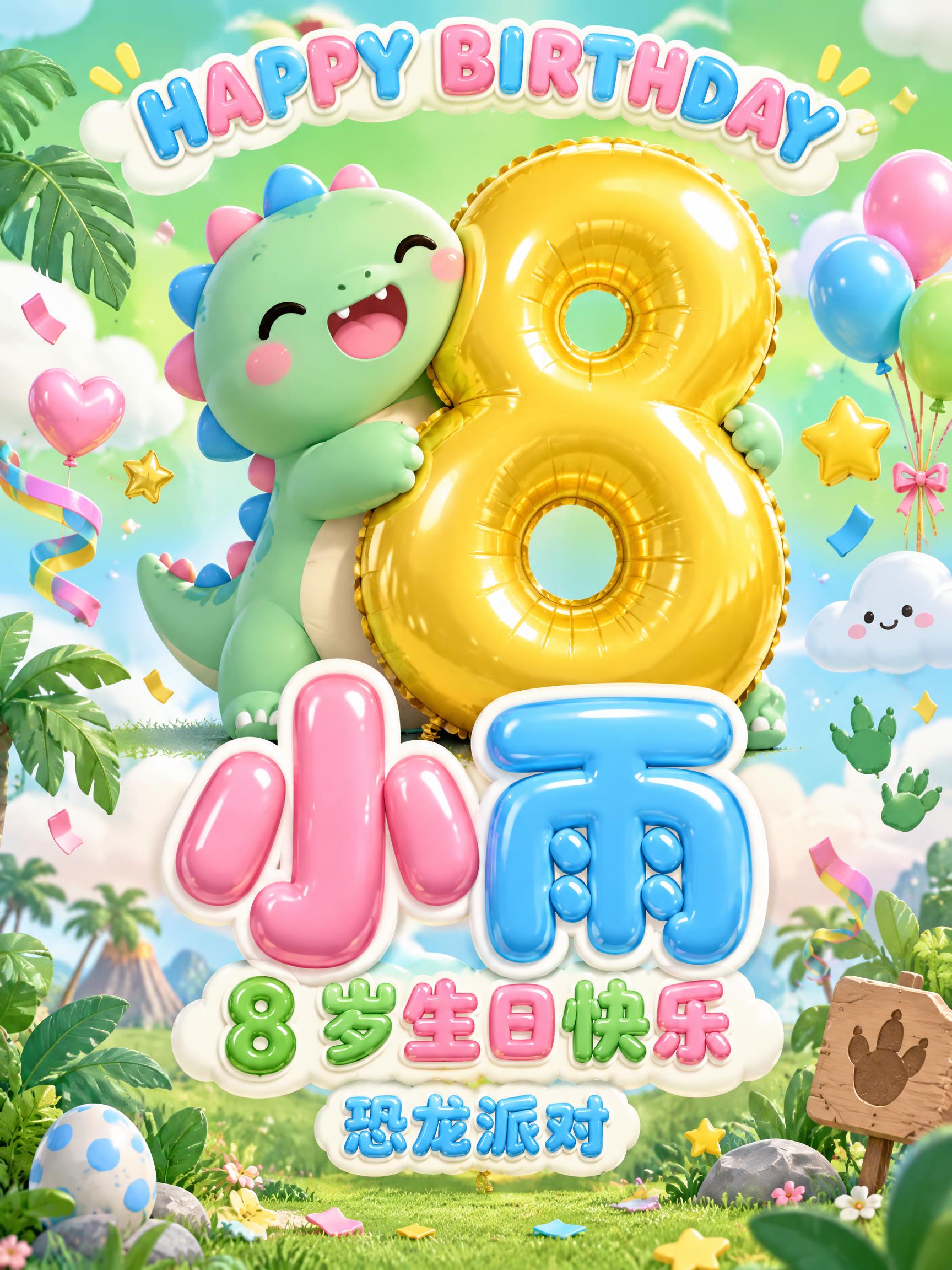
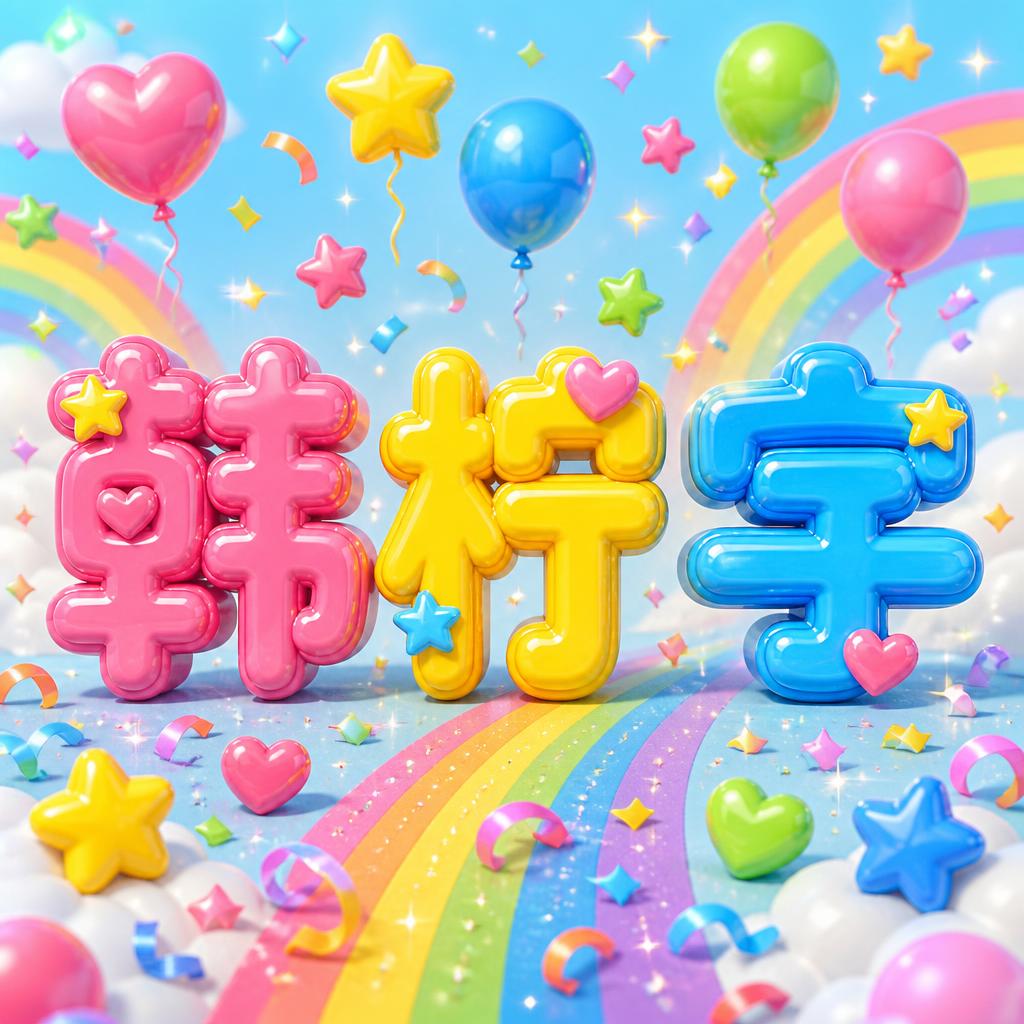
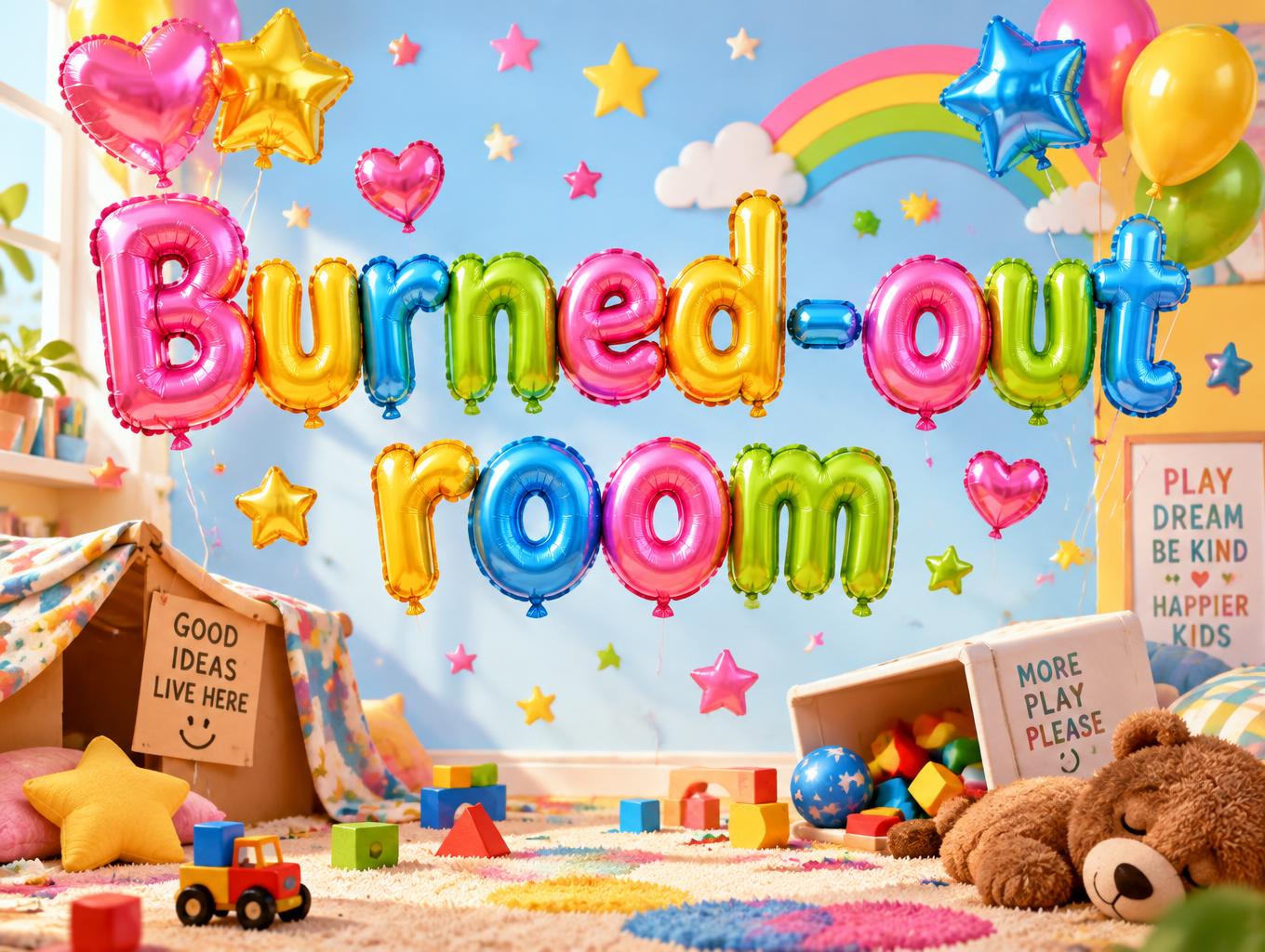
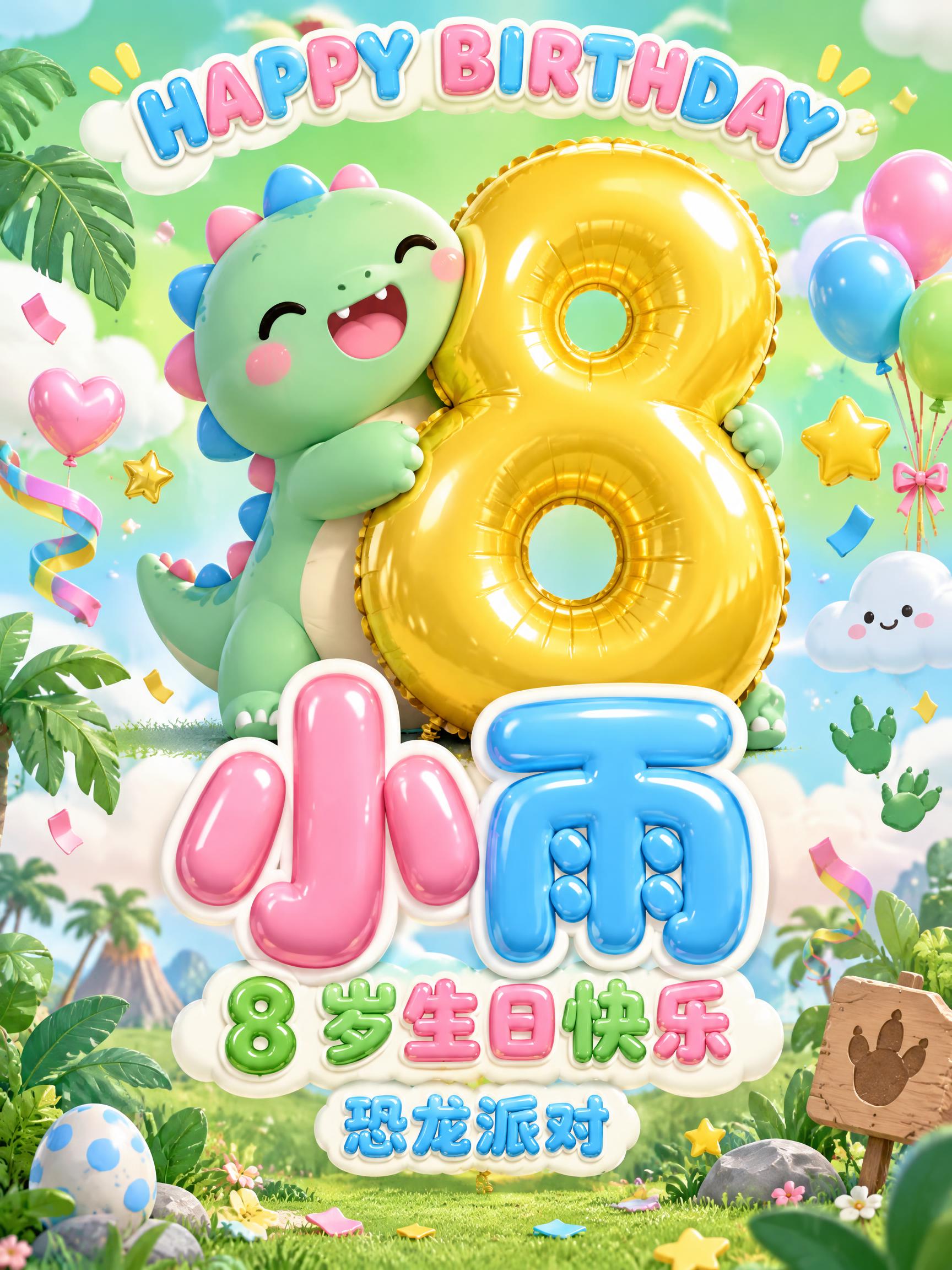
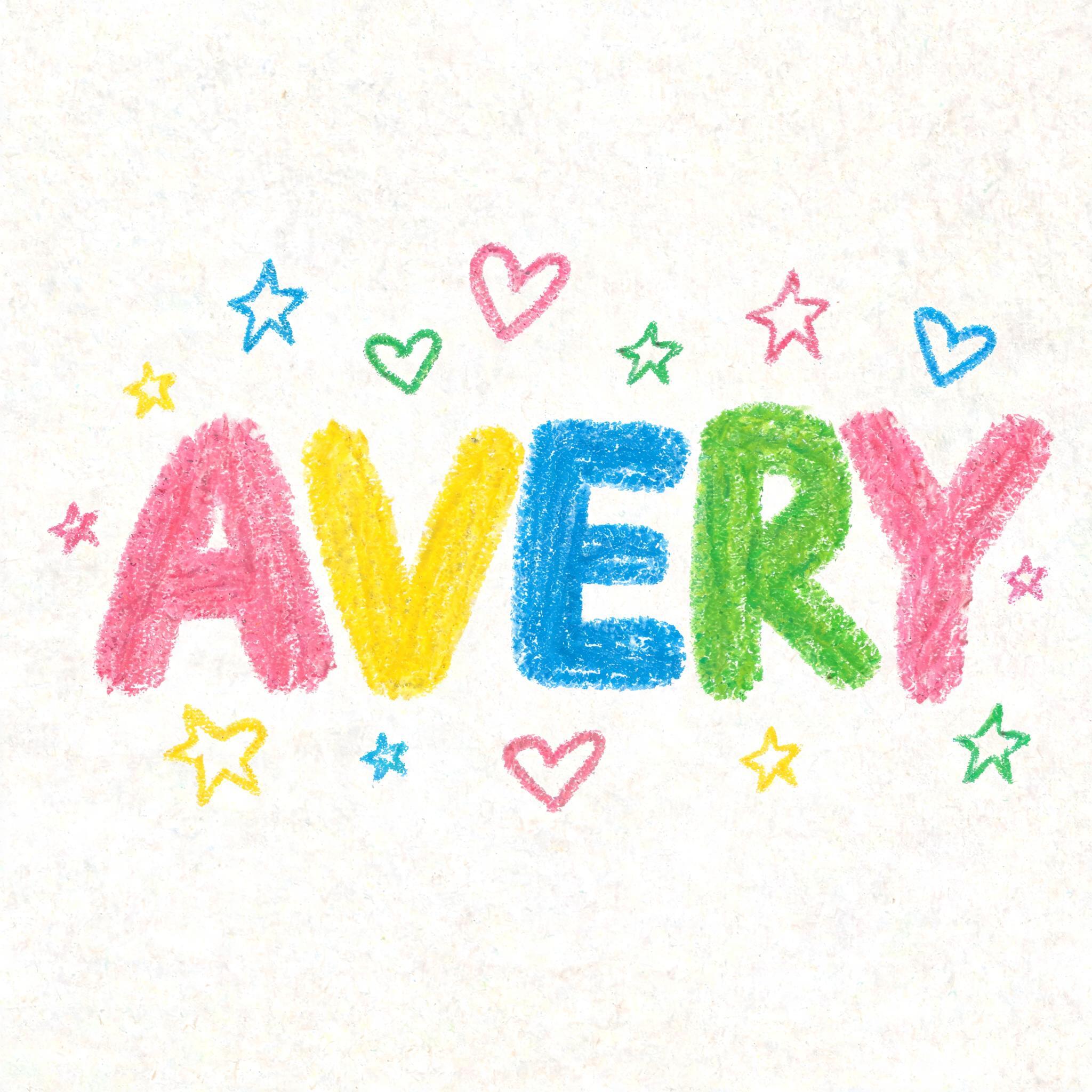
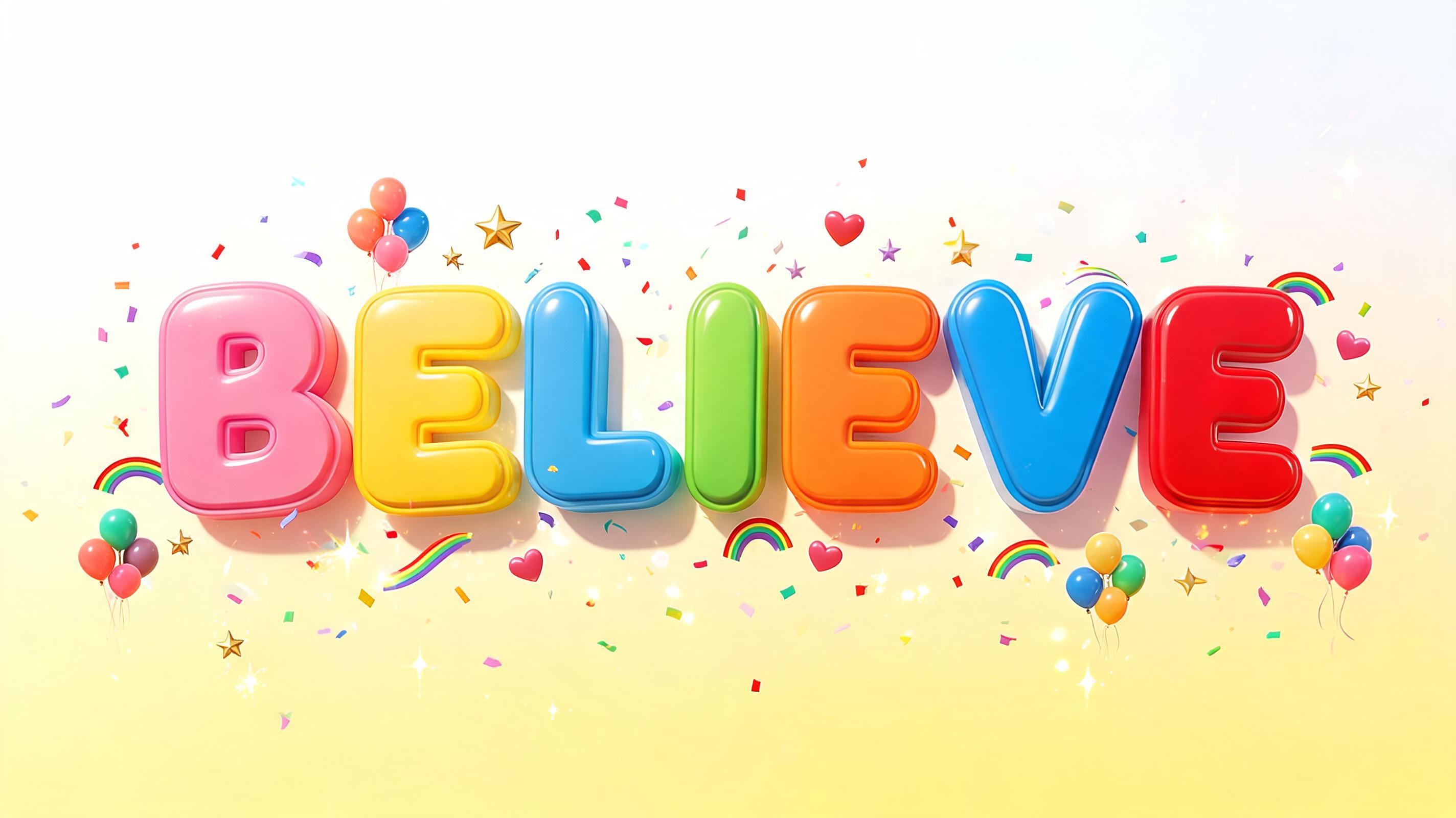
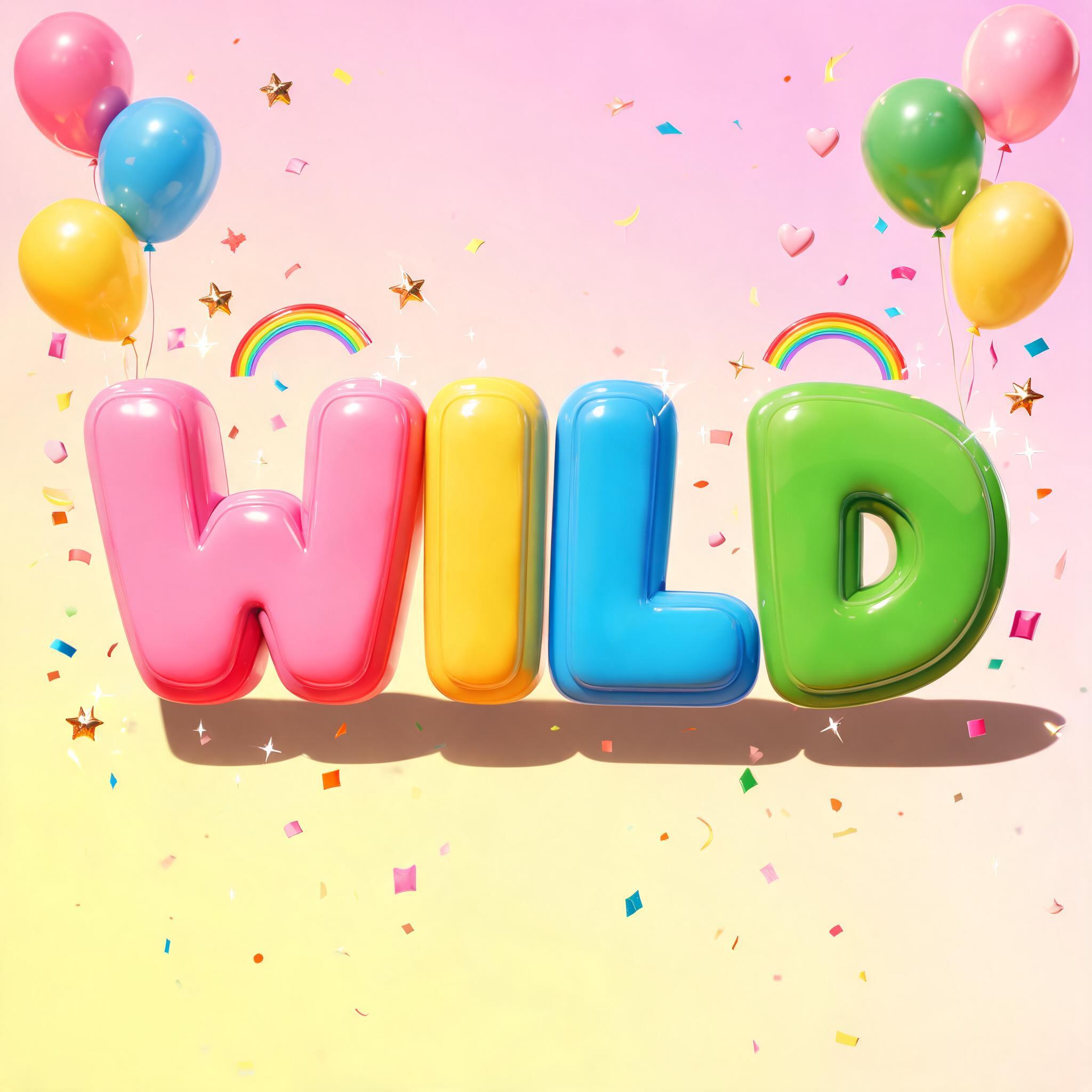
Real outputs from the Kids Gift style. Click any image to see details.


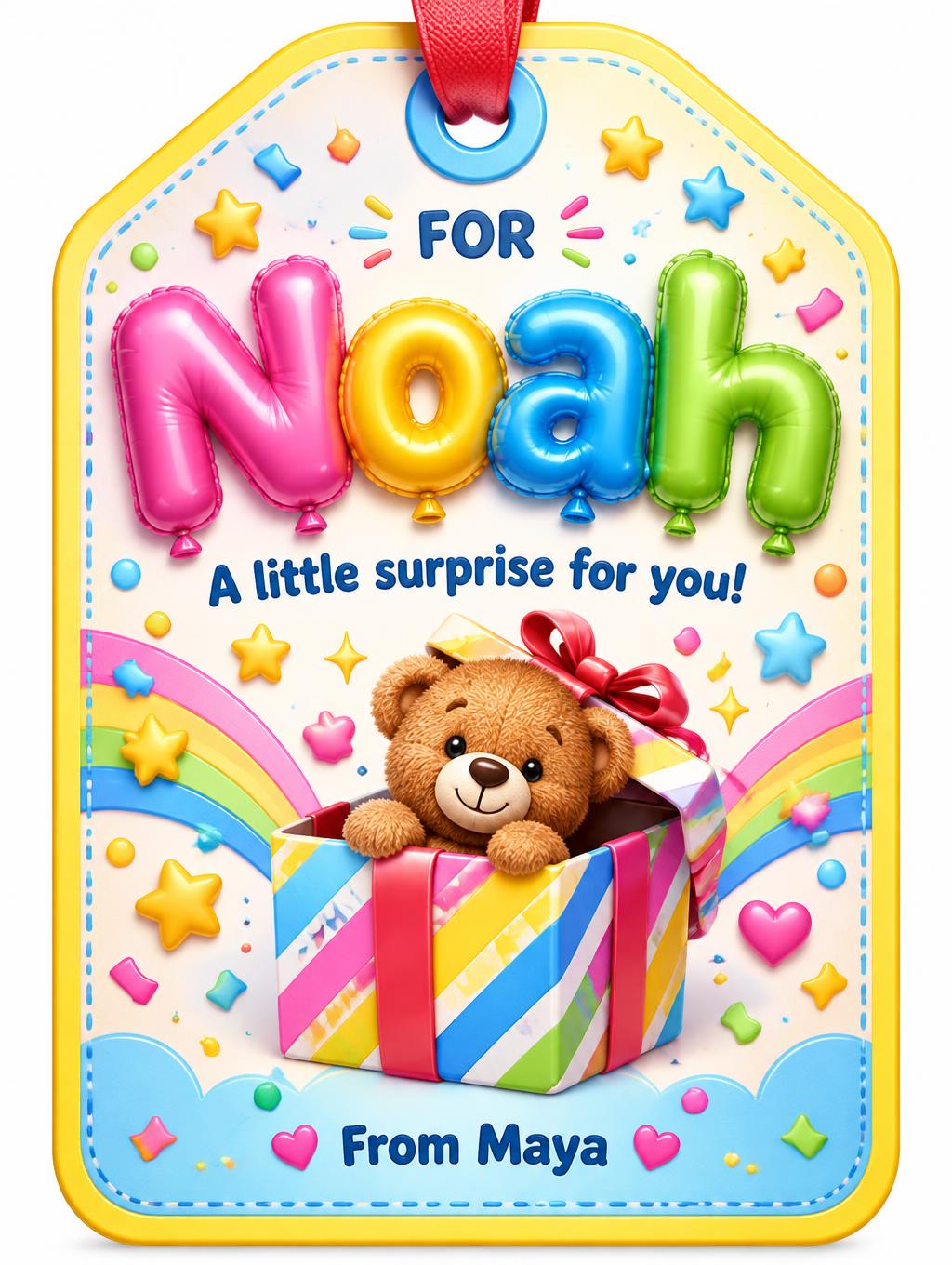
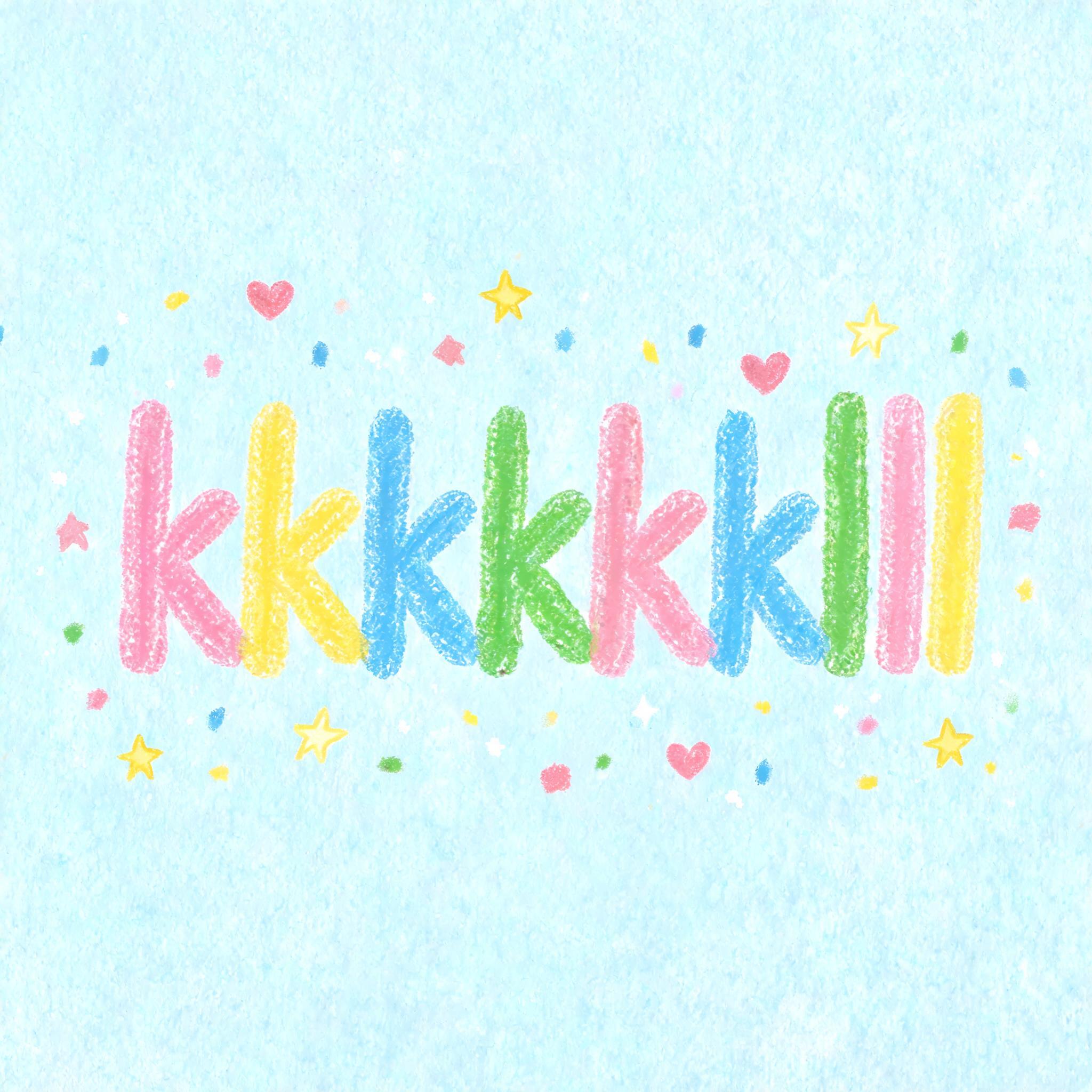
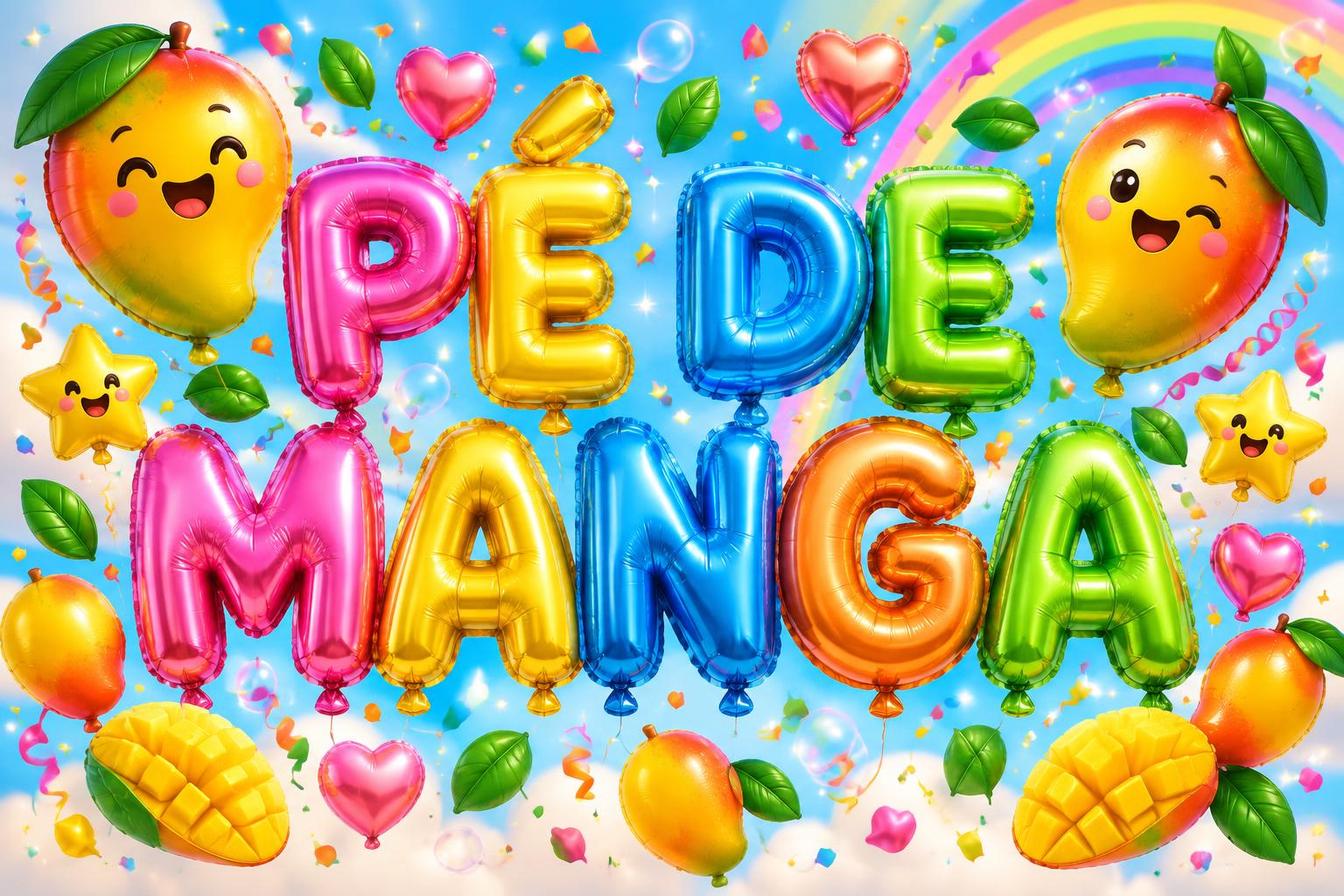
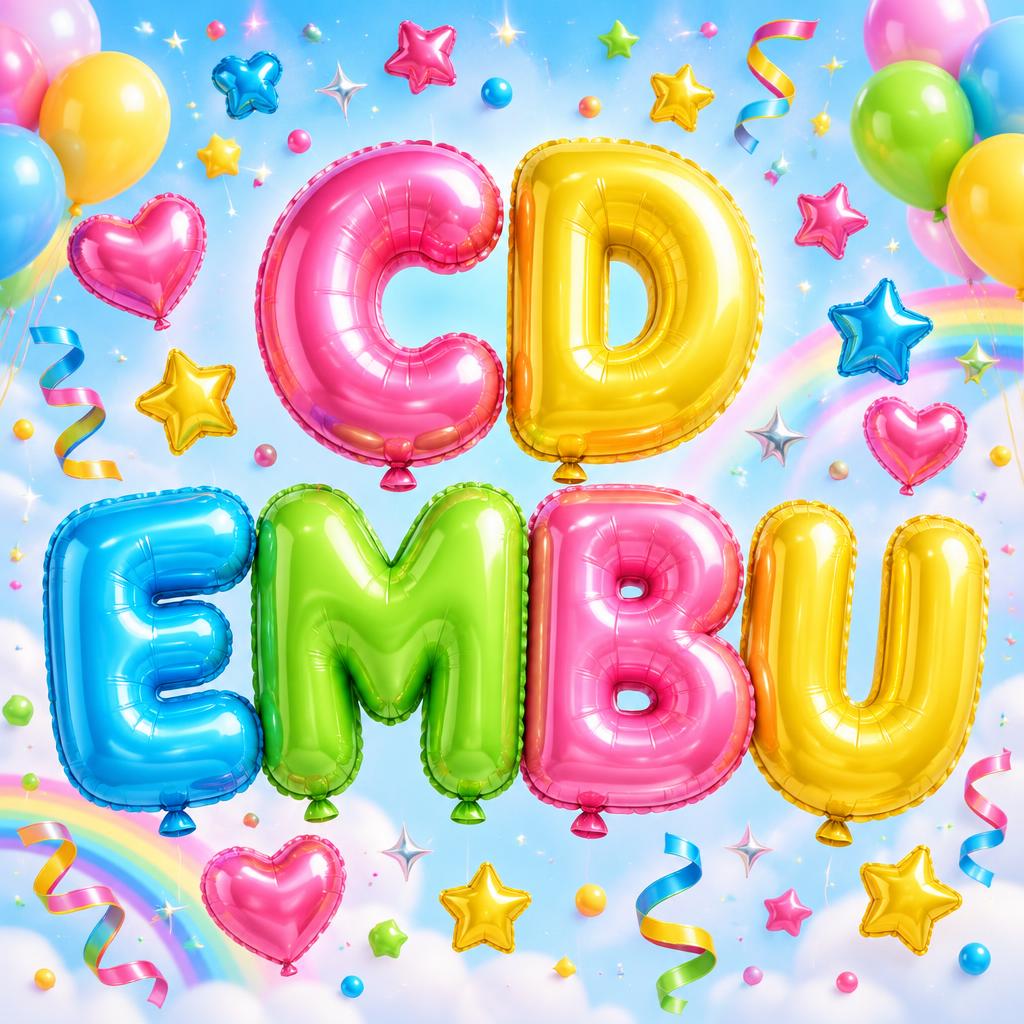


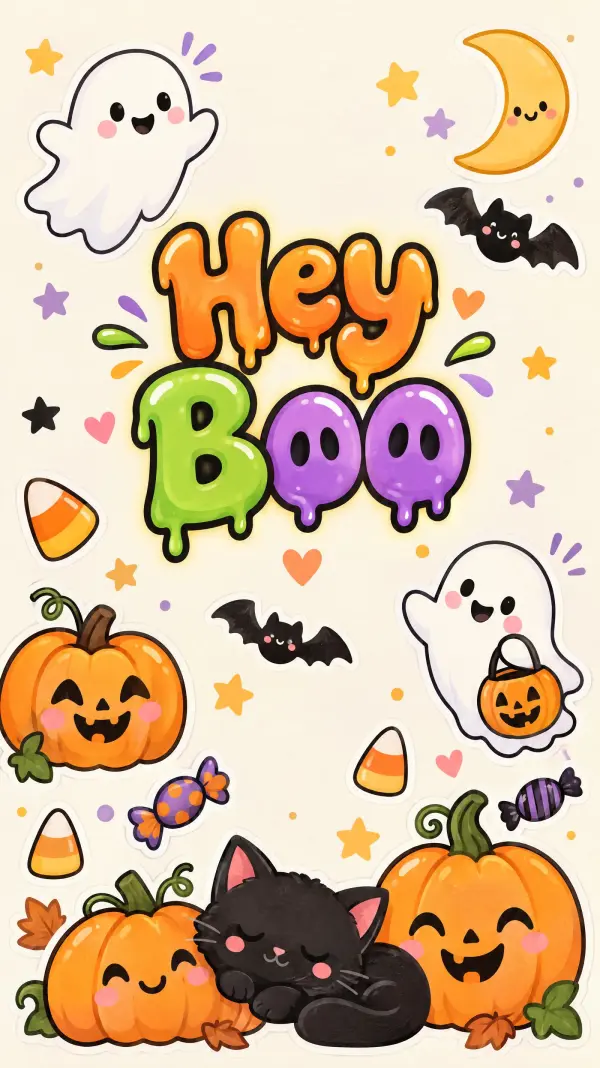

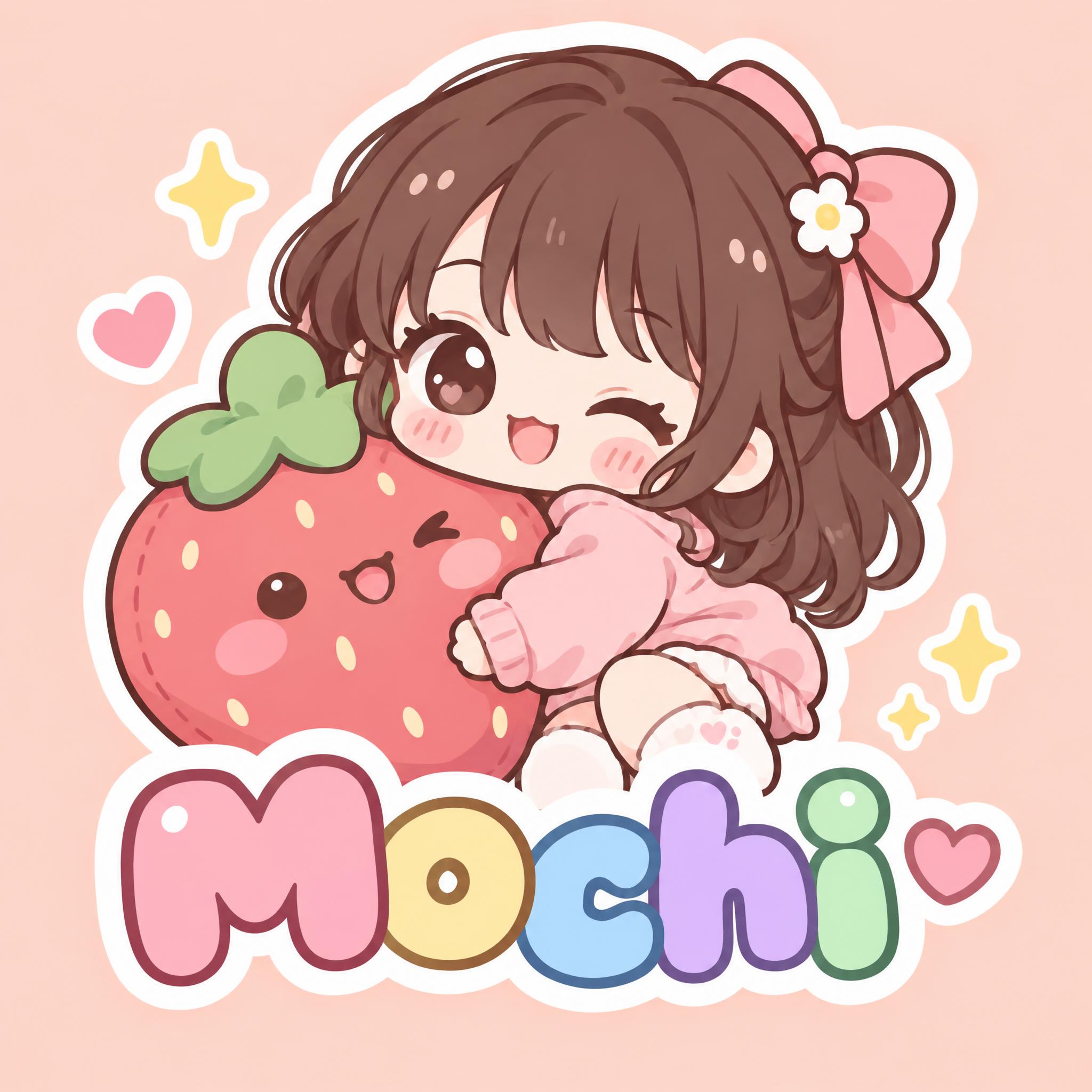
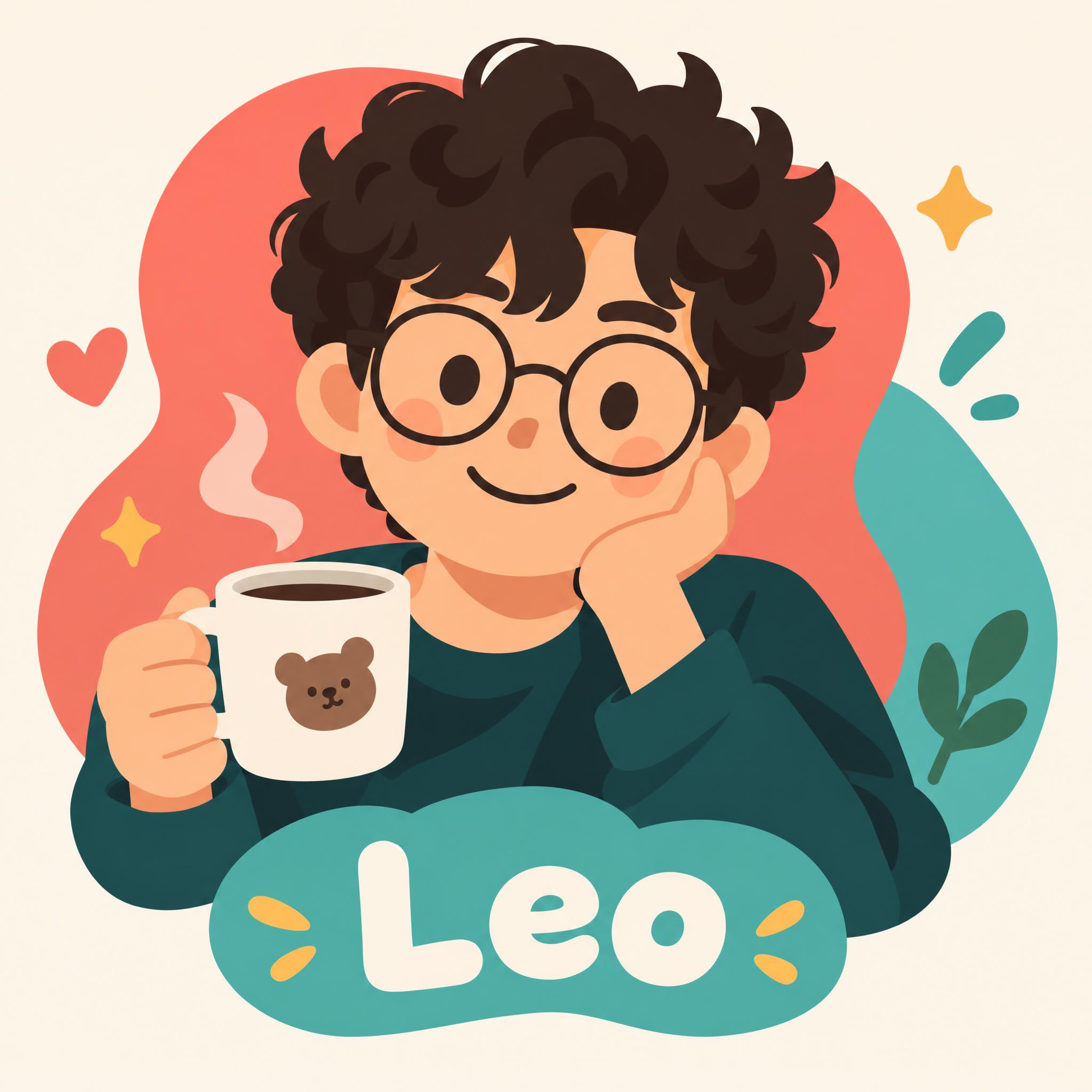


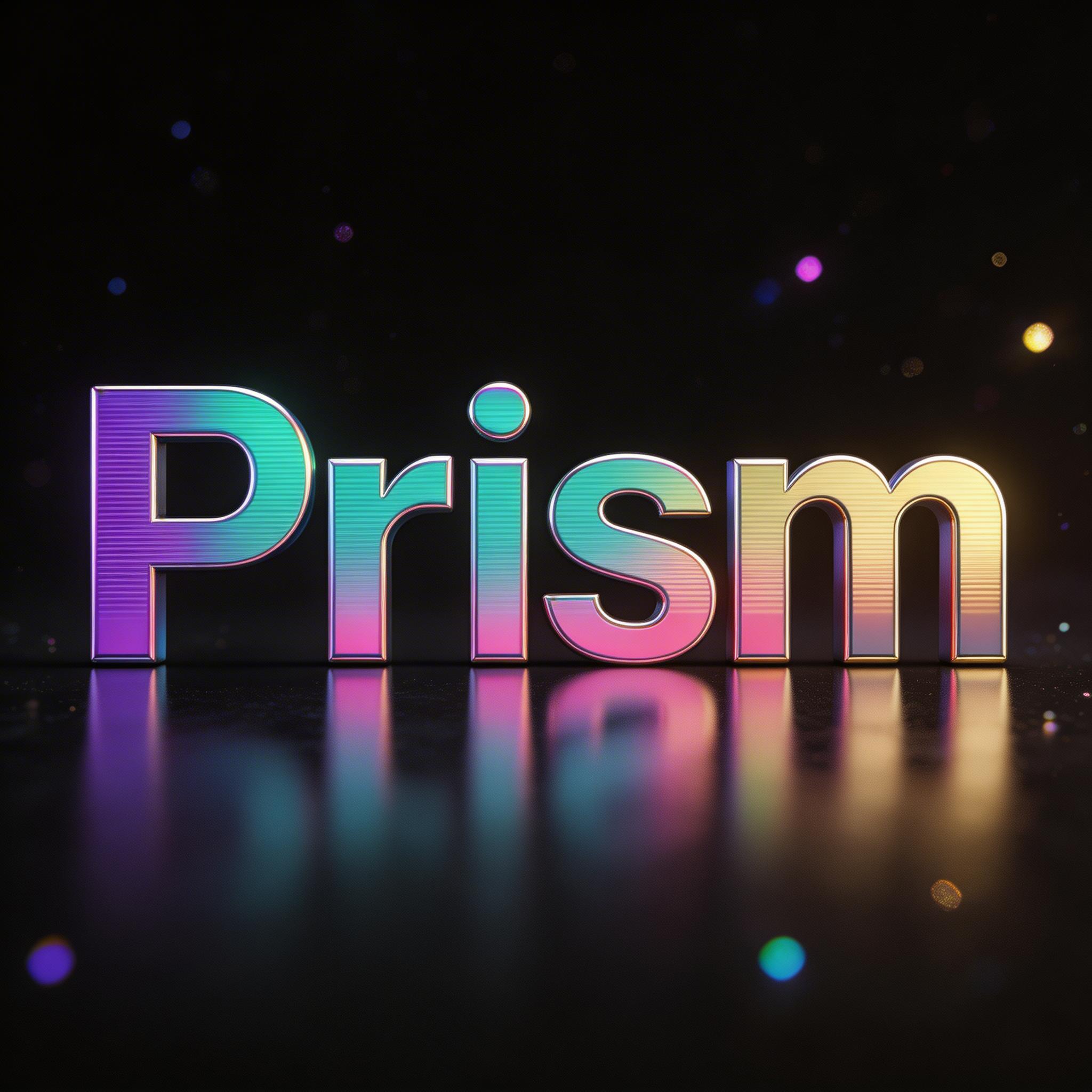

Looking for copy-paste fancy text? Try our free Font Generator Tools — cursive, gothic, bubble & 30+ styles.
Perfect for These Projects
Kids Gift Text Effect — FAQ
What is the Kids Gift Font Style?
The Kids Gift font style is a distinctive AI-generated typography effect. Shiny foil-balloon letters in pink, yellow, blue and green, floating among small balloons, confetti, stars and hearts on a light sky-blue background. Using FontVibe's AI kids gift generator you can create stunning text effects in seconds — no Photoshop, no font licensing, no design experience needed.
Explore the Kids Gift gallery for inspiration, or browse all 138+ AI text effect styles available on FontVibe.
How to Create Kids Gift Typography in FontVibe Studio
The Story Behind Kids Gift
History, visual DNA, and cultural context.
The Visual DNA
In Typography
Children's gift typography operates in the register of maximum joy and accessibility. The letterforms should be legible to young readers — clear, rounded, without ambiguous forms — and emotionally warm to parents who are making purchasing decisions.
The dual audience (child recipient and adult purchaser) means the typography must work at two emotional registers simultaneously: exciting enough for the child, quality-feeling enough for the adult. Cheap-looking children's design fails with adults; overly sophisticated design fails with children.
The primary resolution: quality of execution rather than sophistication of concept. Well-crafted, well-colored bubble letters with clean edges and consistent design read as premium even in a register that is explicitly playful.
Did You Know?
The teddy bear — now the default comfort toy — was named after Theodore Roosevelt following a 1902 cartoon by Clifford Berryman showing Roosevelt refusing to shoot a bear tied to a tree. Brooklyn candy-shop owner Morris Michtom saw it, made a stuffed bear, got Roosevelt's permission to call it Teddy, and the toy was such a hit that he went on to found the Ideal Toy Company. Source ↗
The primary colors of children's products have two documented roots. Friedrich Fröbel, who created the kindergarten, designed play 'gifts' starting with a solid-colored yarn ball, now sold in sets of red, yellow, blue and their secondaries. And Crayola's original 1903 box held eight colors: red, orange, yellow, green, blue, violet, brown and black. Source ↗
Sources: Wikipedia — Teddy bear · Wikipedia — Froebel gifts
Create Your Kids Gift Typography in Studio
Free to start. No design skills needed. Your artwork, your copyright.
AI Kids Gift Text Effect Generator
Shiny foil-balloon letters in pink, yellow, blue and green, floating among small balloons, confetti, stars and hearts on a light sky-blue background. — no font license needed.
Kids Gift in different AI fonts
Generate Your Kids Gift Text Effect
Type any word — see it transformed in seconds. No sign-up required.
Kids Gift Style Gallery
Real outputs from the Kids Gift style. Click any image to see details.













Similar Text Effect Styles
Try these styles and create your own AI-generated text effects.
Looking for copy-paste fancy text? Try our free Font Generator Tools — cursive, gothic, bubble & 30+ styles.
Perfect for These Projects
Kids Gift text effects are popular for creative projects where visual impact matters.
What is the Kids Gift Font Style?
The Kids Gift font style is a distinctive AI-generated typography effect. Shiny foil-balloon letters in pink, yellow, blue and green, floating among small balloons, confetti, stars and hearts on a light sky-blue background.
Using FontVibe's AI kids gift generator you can create stunning text effects in seconds — no Photoshop, no font licensing, no design experience needed.
Explore the Kids Gift gallery for inspiration, or browse all 138+ AI text effect styles available on FontVibe.
How to Create Kids Gift Typography in FontVibe Studio
1. Enter your text — Any word, phrase, or brand name. Works best with short, punchy text.
2. Select Kids Gift — From the style library. Optionally describe a mood in the custom prompt.
3. Generate and download. Your Kids Gift font artwork is ready in seconds. PNG, JPG, or transparent PNG.
Looking for something different? Browse the full font style library for more AI typography options.
Kids Gift Text Effect — FAQ
The Story Behind Kids Gift
History, visual DNA, and cultural context — everything that makes this style what it is.
The Visual DNA
In Typography
Children's gift typography operates in the register of maximum joy and accessibility. The letterforms should be legible to young readers — clear, rounded, without ambiguous forms — and emotionally warm to parents who are making purchasing decisions.
The dual audience (child recipient and adult purchaser) means the typography must work at two emotional registers simultaneously: exciting enough for the child, quality-feeling enough for the adult. Cheap-looking children's design fails with adults; overly sophisticated design fails with children.
The primary resolution: quality of execution rather than sophistication of concept. Well-crafted, well-colored bubble letters with clean edges and consistent design read as premium even in a register that is explicitly playful.
Did You Know?
The teddy bear — now the default comfort toy — was named after Theodore Roosevelt following a 1902 cartoon by Clifford Berryman showing Roosevelt refusing to shoot a bear tied to a tree. Brooklyn candy-shop owner Morris Michtom saw it, made a stuffed bear, got Roosevelt's permission to call it Teddy, and the toy was such a hit that he went on to found the Ideal Toy Company. Source ↗
The primary colors of children's products have two documented roots. Friedrich Fröbel, who created the kindergarten, designed play 'gifts' starting with a solid-colored yarn ball, now sold in sets of red, yellow, blue and their secondaries. And Crayola's original 1903 box held eight colors: red, orange, yellow, green, blue, violet, brown and black. Source ↗
Sources: Wikipedia — Teddy bear · Wikipedia — Froebel gifts