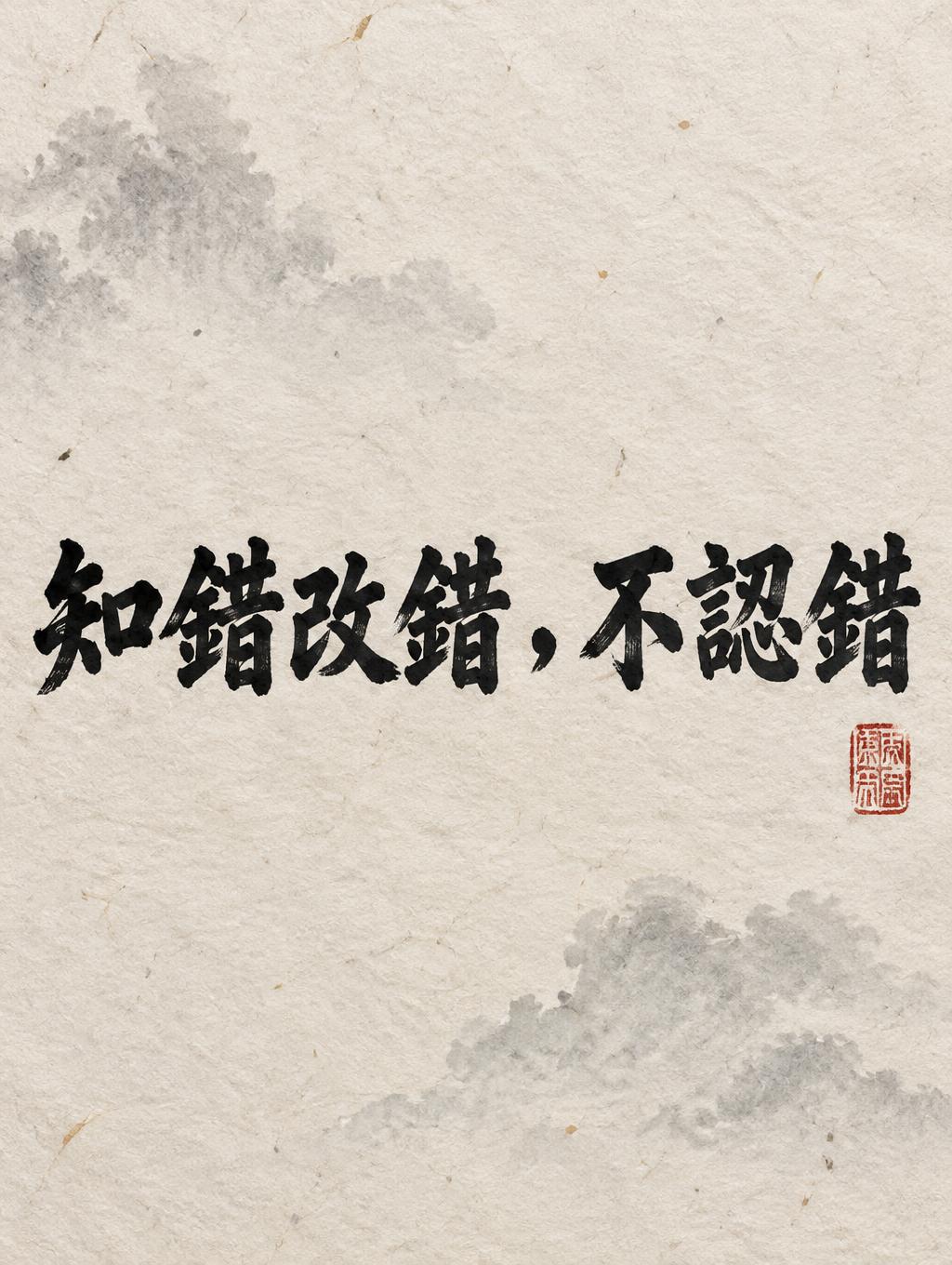
知錯改錯,不認錯 - Chinese Ink Brush Text Effect


Uses OpenAI GPT-Image-2.5 Sunburst, the model behind this artwork · 15 credits
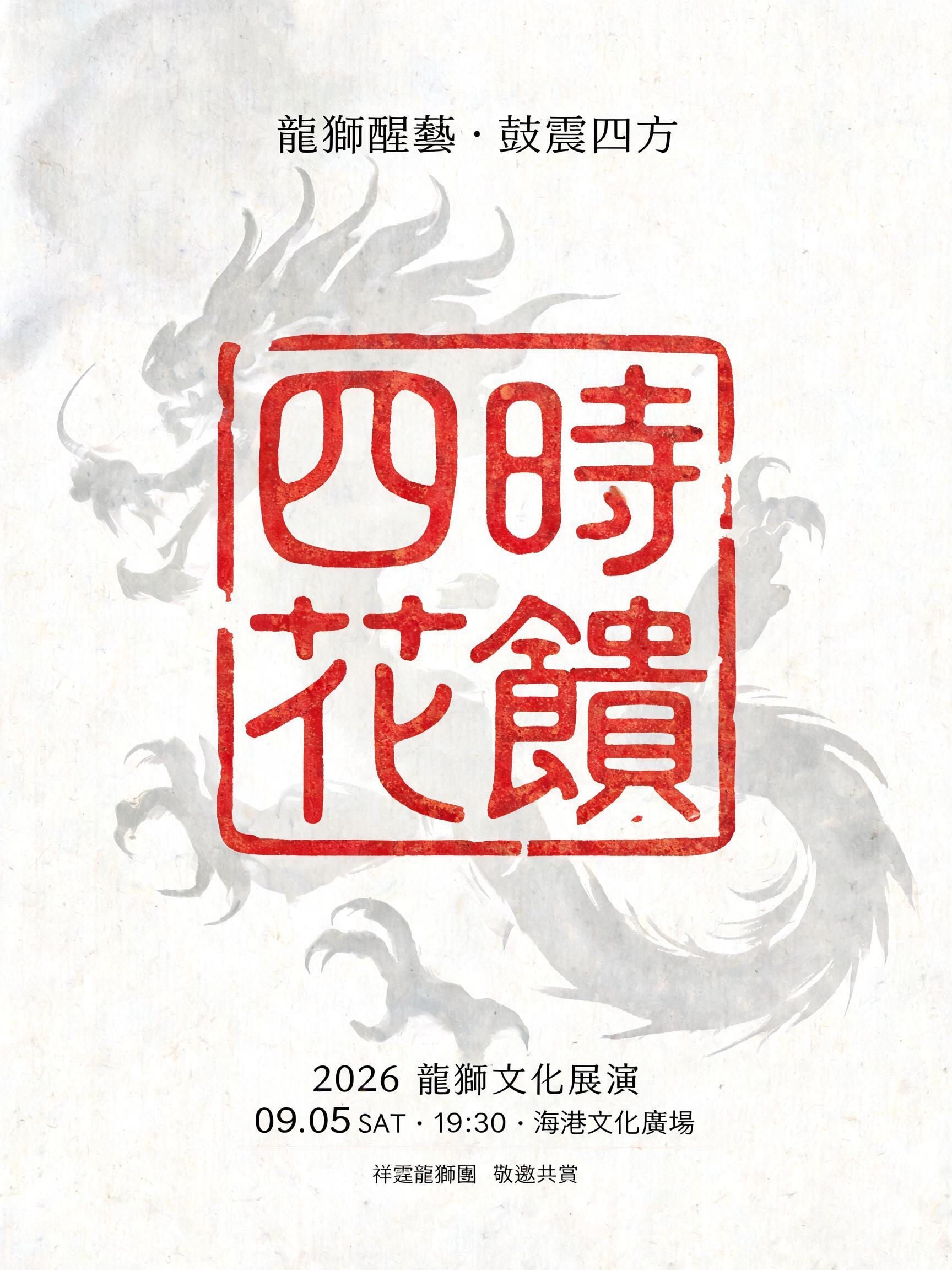
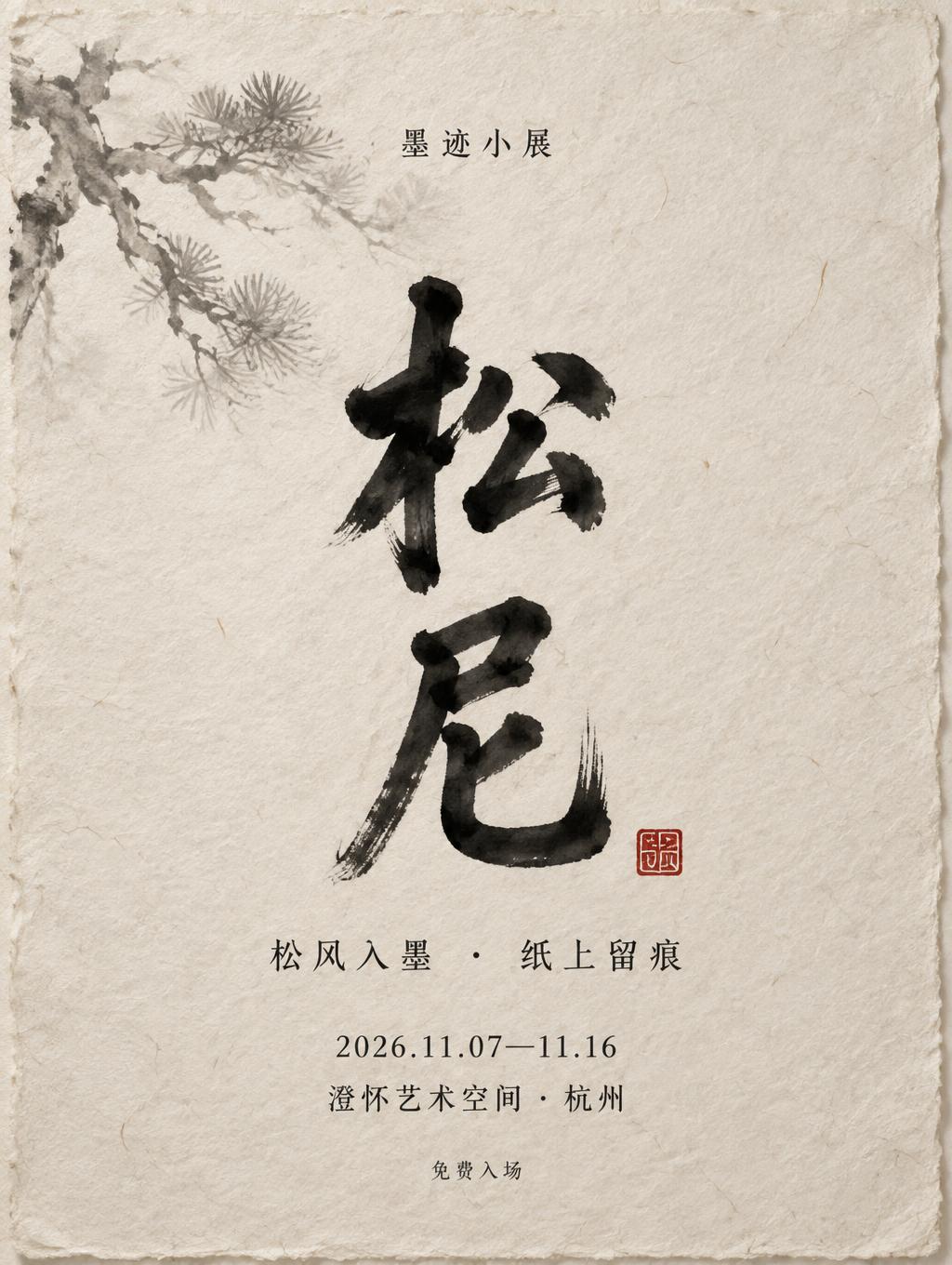
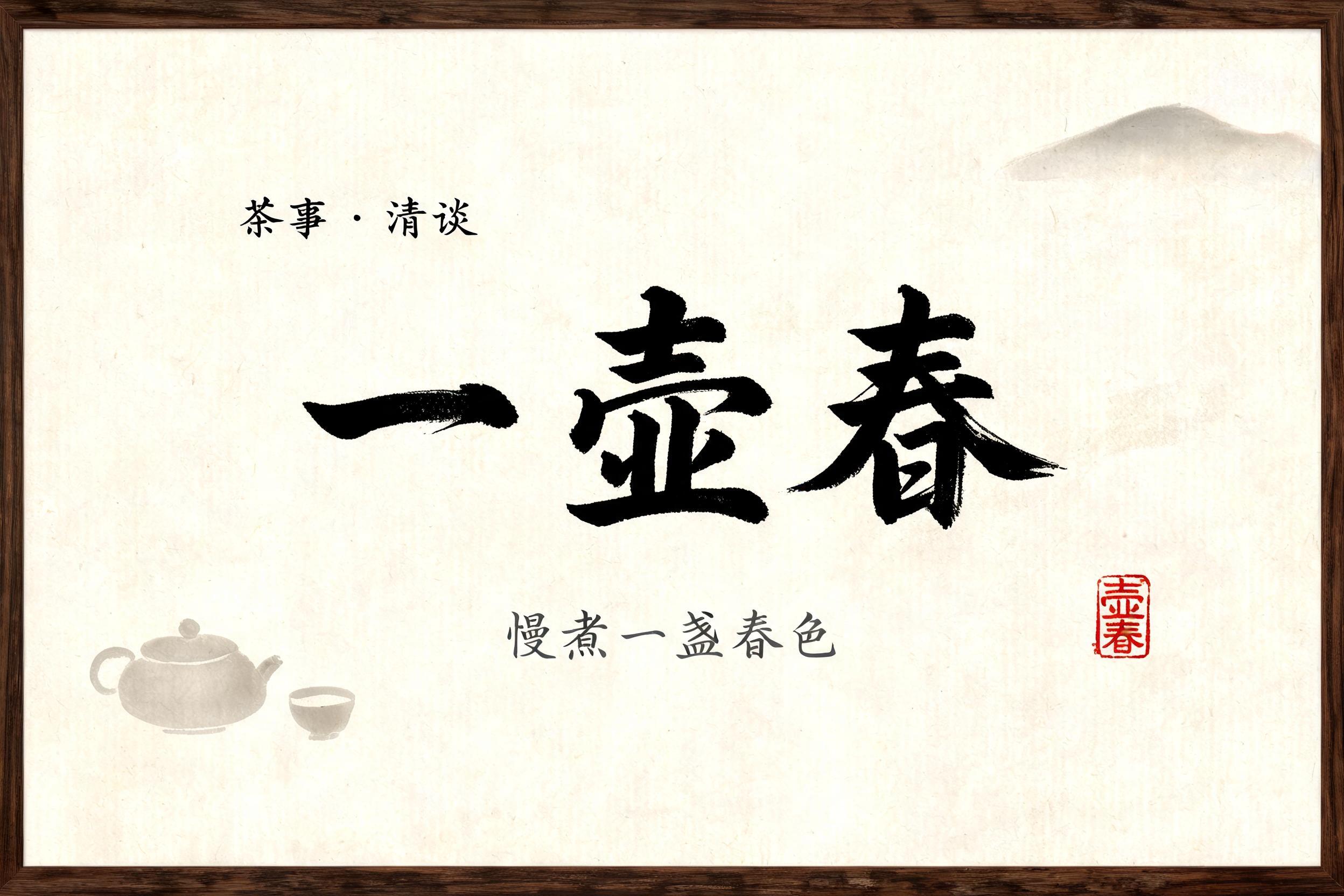


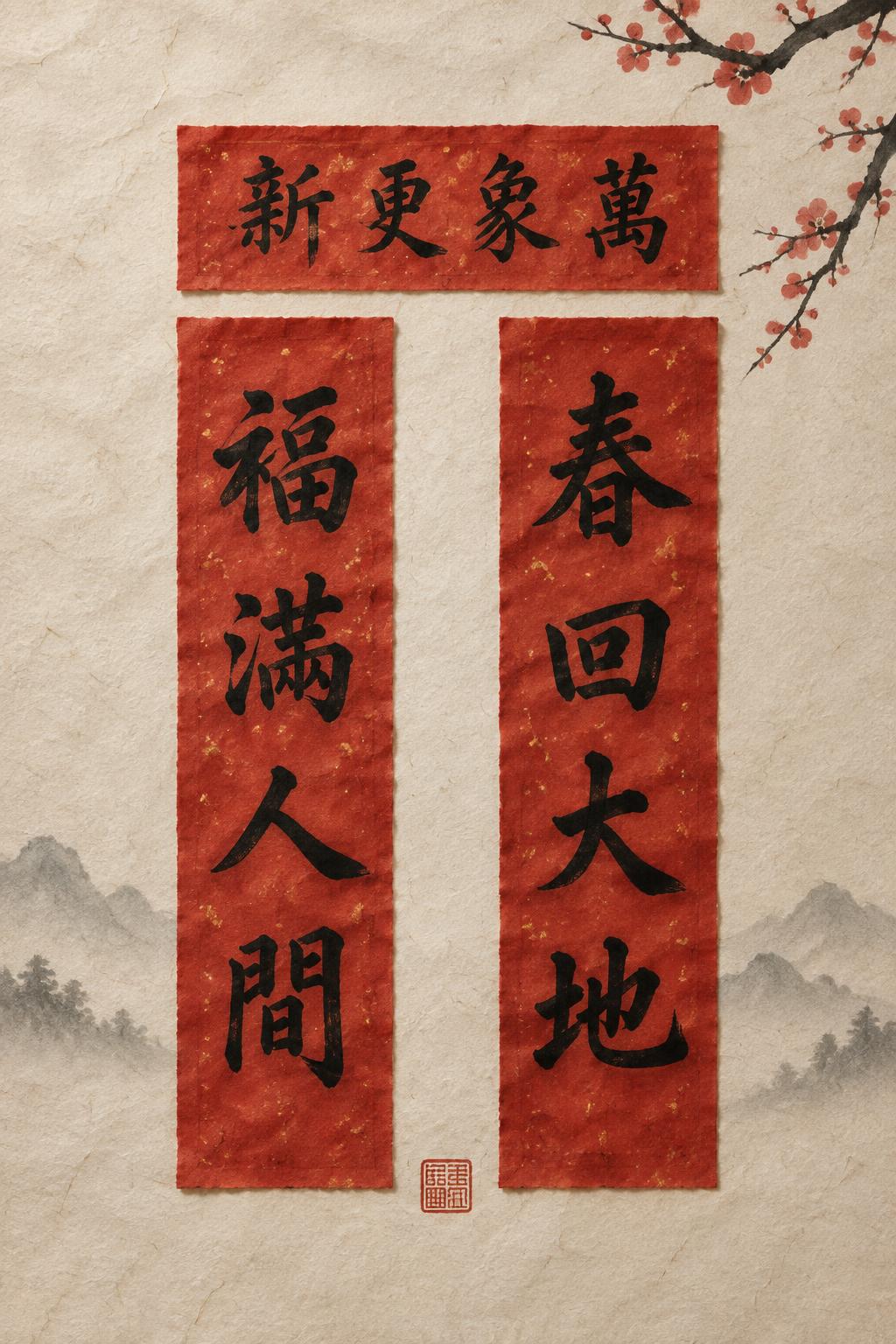
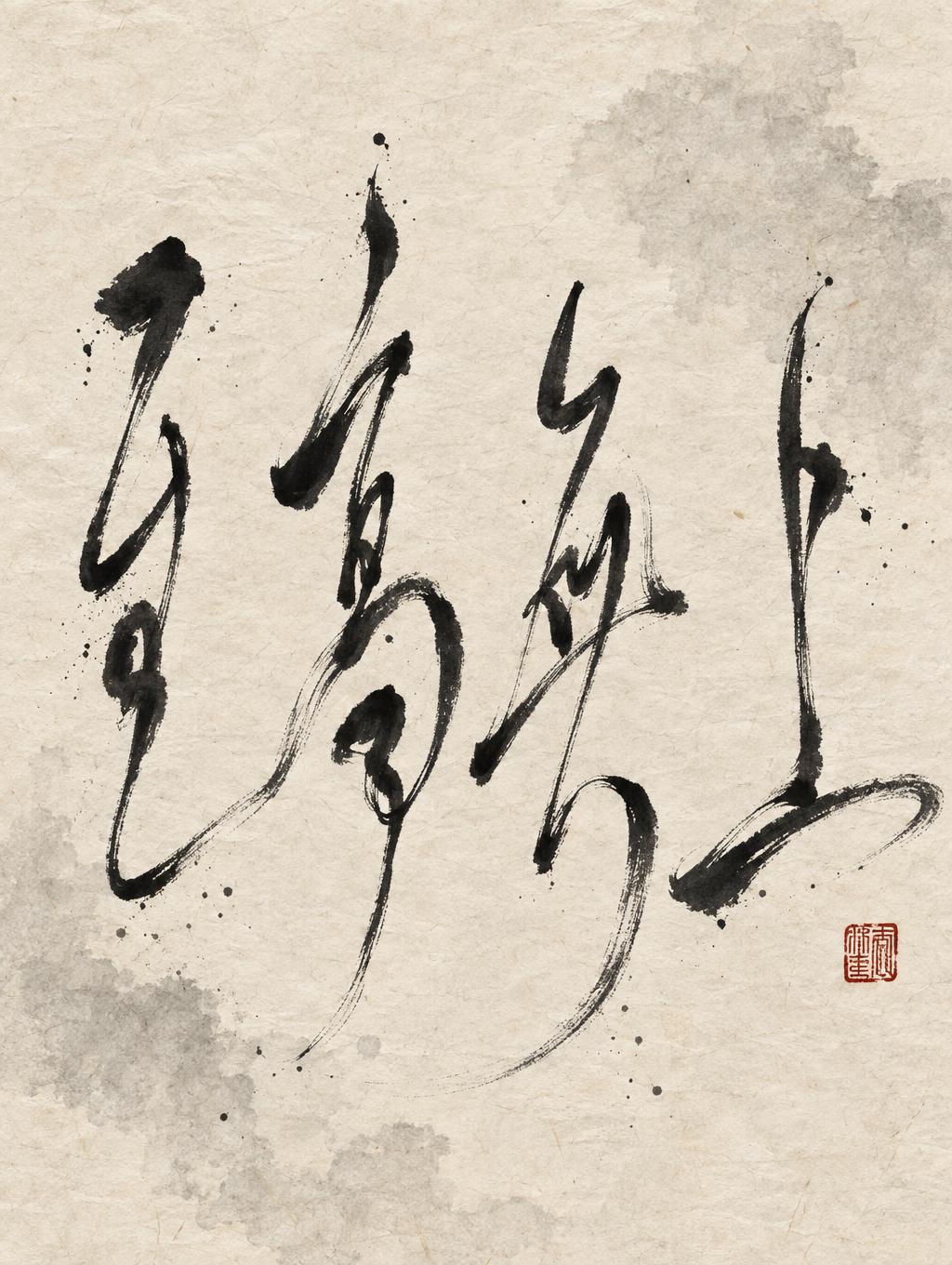
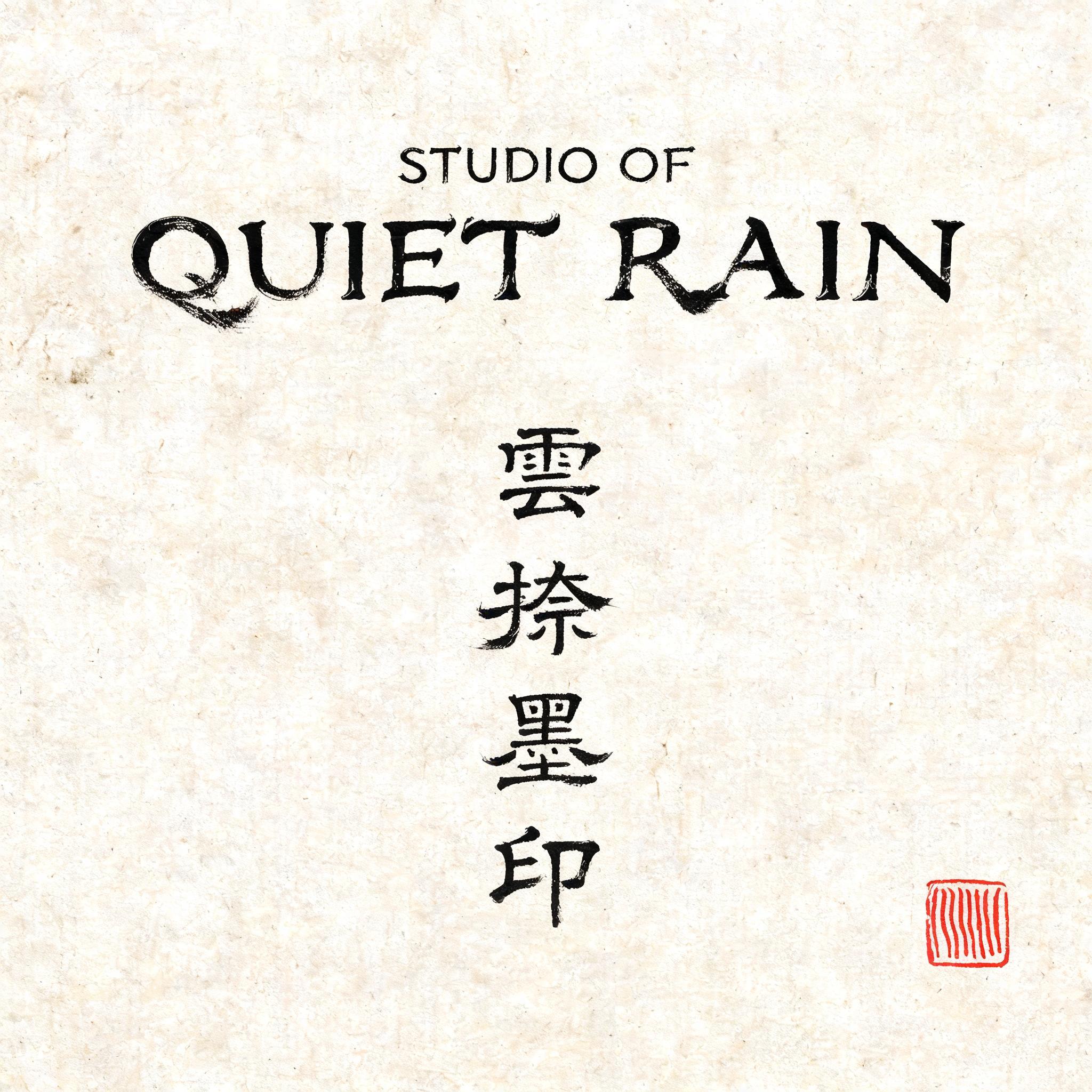

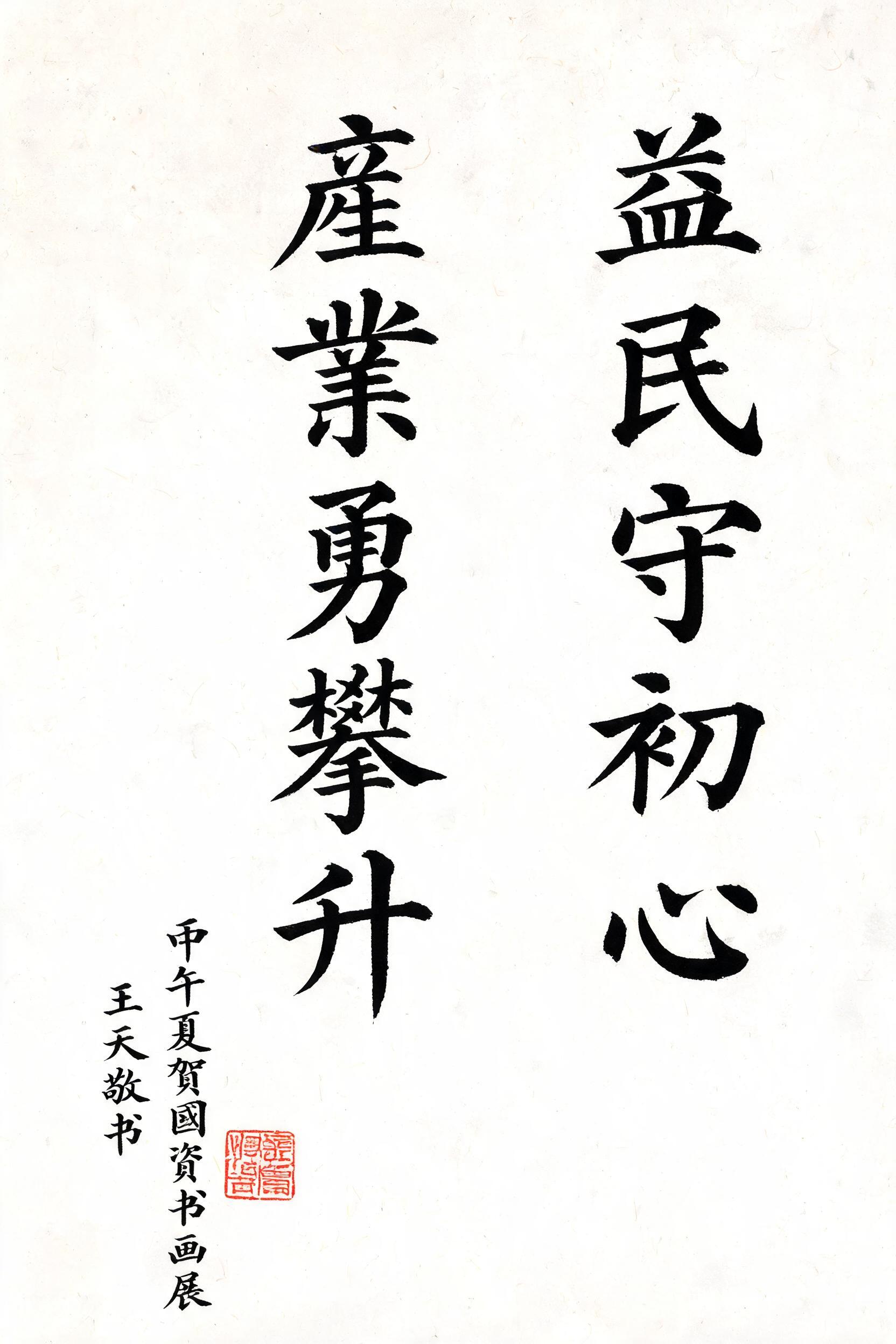
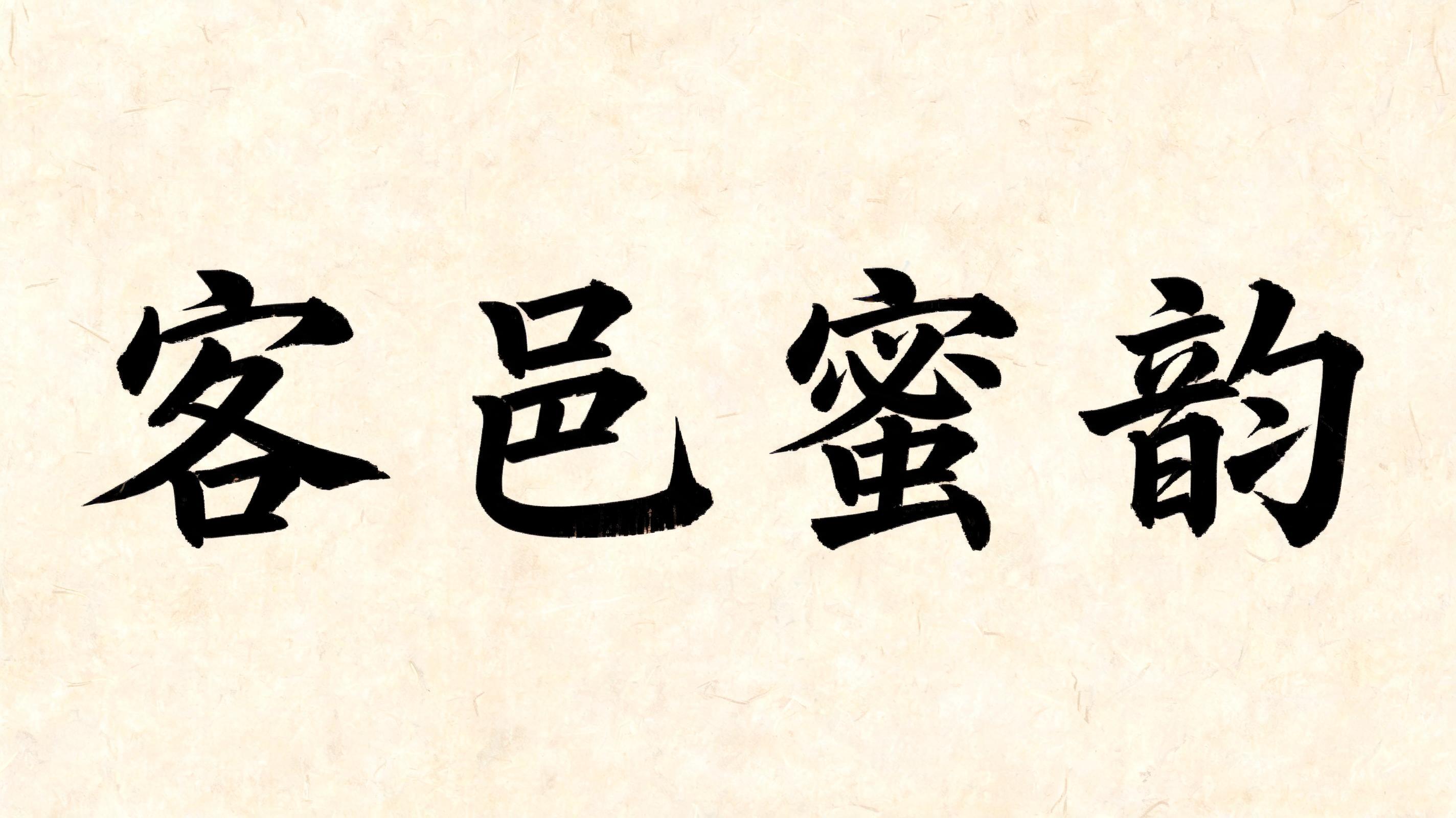

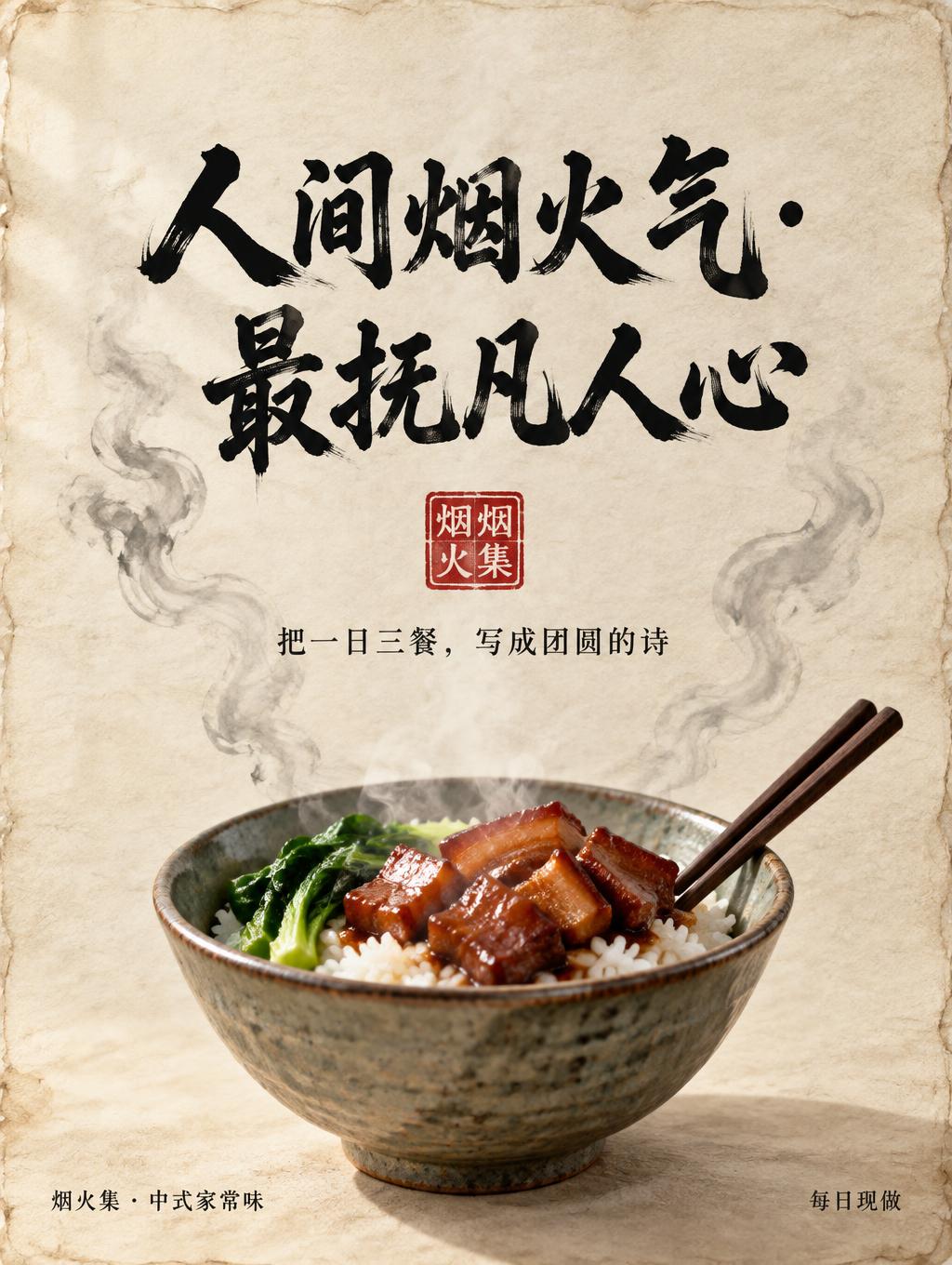
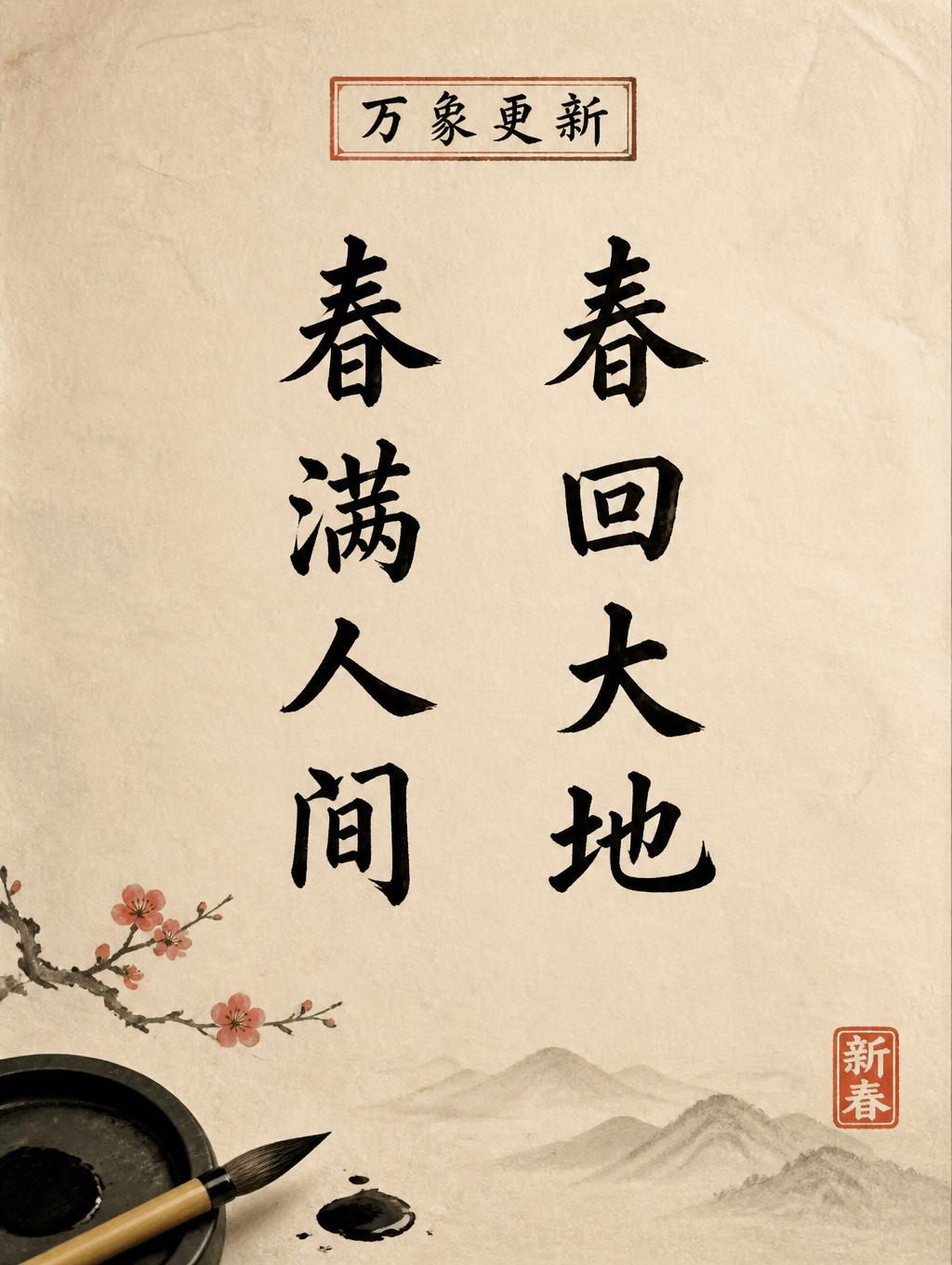


“知錯改錯,不認錯” was created with FontVibe AI — explore more Brush Chinese Ink text effect. Chinese sumi ink brush calligraphy style applied to Latin letterforms. Deep black ink with authentic bristle texture, thick-to-thin stroke variation, and rice paper atmosphere. Perfect for Chinese restaurant branding, martial arts, wellness, and cultural design.
rendered in Chinese ink brush calligraphy style. Letterforms painted with a fully loaded sumi ink brush — deep black ink, visible bristle marks along stroke edges, wet ink pooling at stroke starts, feathered dry-brush trailing ends. Authentic ink density variation: thick rich black cores fading to grey at thin passages. Rice paper texture visible behind. Traditional Chinese calligraphy energy — each stroke confident, intentional, irreversible. LETTERFORM PRIORITY: when the chosen font carries its own treatment, that font's letterform shapes take priority and own the letters; this style governs the sumi ink medium, the bristle and ink-density behavior and the rice-paper ground. FALLBACK MATERIAL: if the font carries no material of its own, render the letters as deep black sumi brush strokes with visible bristle marks, wet ink pooling at stroke starts and feathered dry-brush trails on rice paper. COLOR PRIORITY: keep the font's own colors if specified; otherwise rich black ink fading to grey at thin passages. Chinese ink brush calligraphy rendering of the exact text “知錯改錯,不認錯”. Fully loaded sumi ink creates dense blue-black cores, glossy wet pooling at the opening of major strokes, irregular feathered bristle fringes, and pale dry-brush filaments at each taper. Ink pressure changes visibly across every character, with translucent charcoal-grey passages where fibrous xuan paper shows through; subtle capillary bleed softens selected edges into the paper grain. The phrase carries firm visual rhythm, with the comma acting as a small pause amid the ink energy. Raw handmade rice paper forms the ground: warm ivory fibers, faint deckle-like mottling, tiny embedded flecks, and restrained pale-grey ink-wash clouds behind the writing. A few microscopic ink droplets and broken brush-hair trails appear near the most forceful stroke exits, never obscuring legibility. One small weathered vermilion cinnabar seal impression, slightly uneven and dry at its edges, serves as a traditional accent. Soft raking side light reveals paper relief and wet ink sheen; archival scanned-paper detail, high-resolution ink texture, sparse negative space, no digital-clean outlines, no extra words.
Made for Chinese Font Generator
Generated on October 14, 2026 · 1024 × 1360 · JPEG · OpenAI GPT-Image-2.5 Sunburst · Shared by the creator · Free for commercial use (CC BY 4.0)


