


AI Comic Book Text Effect Generator
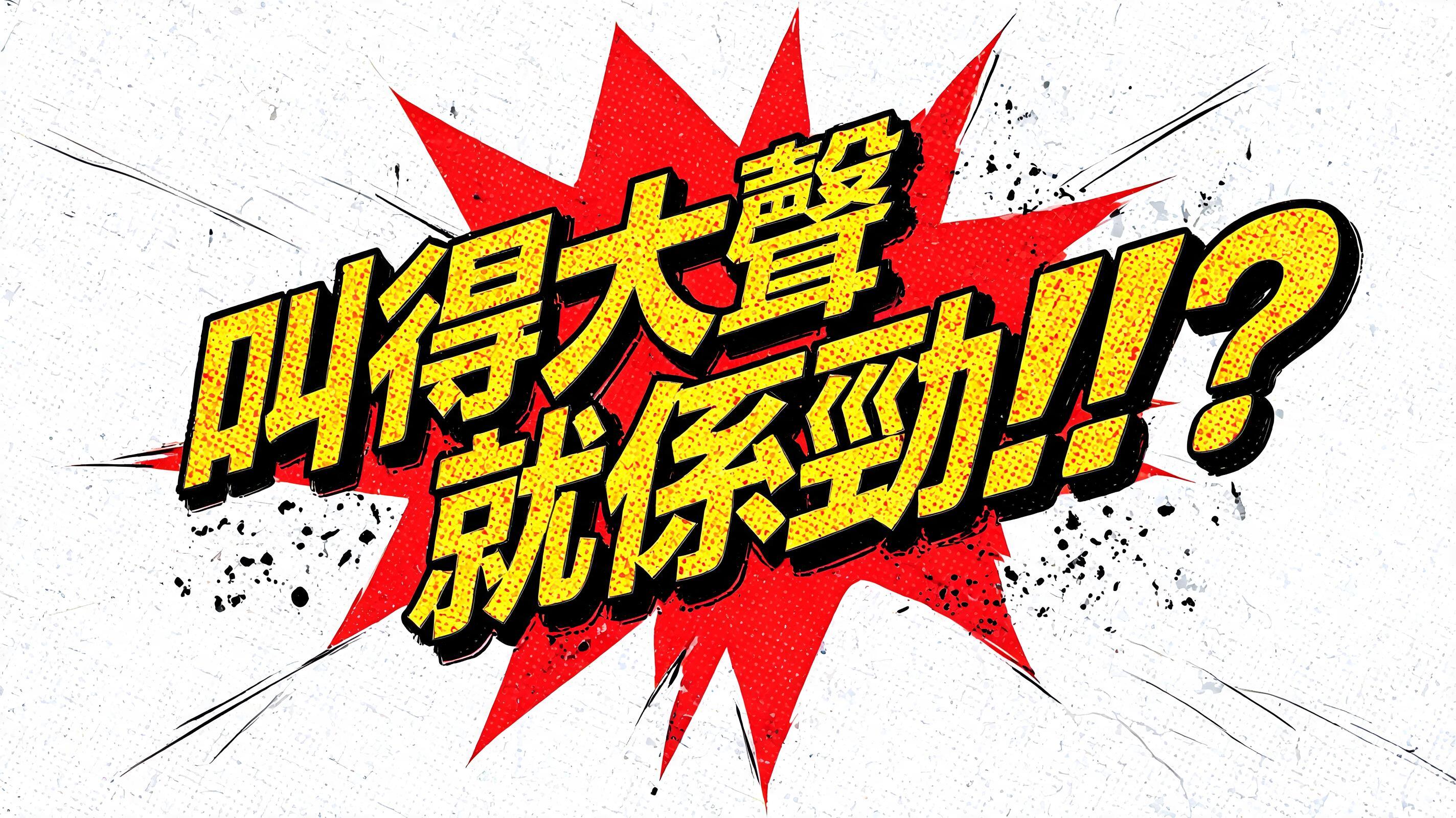
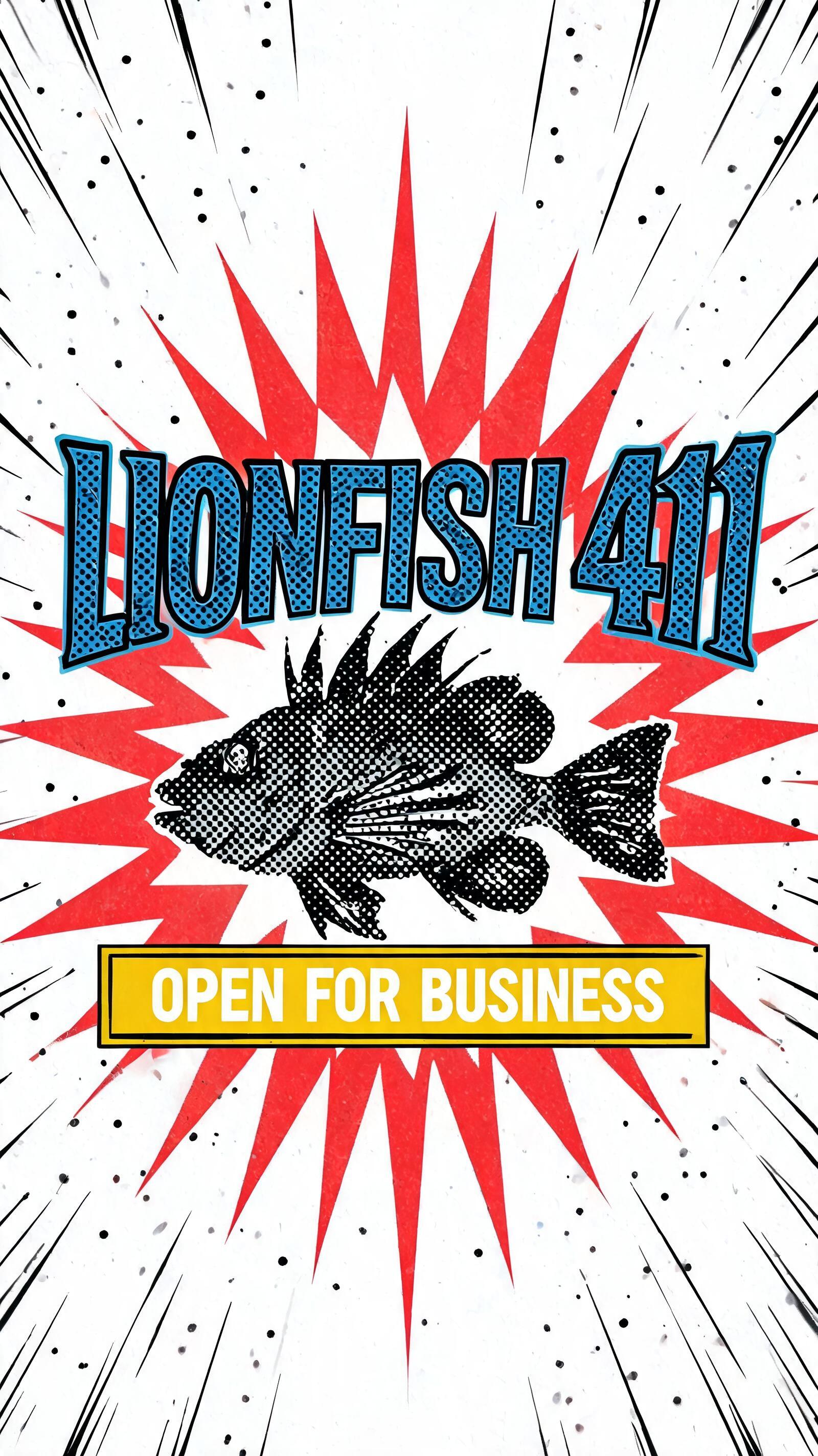
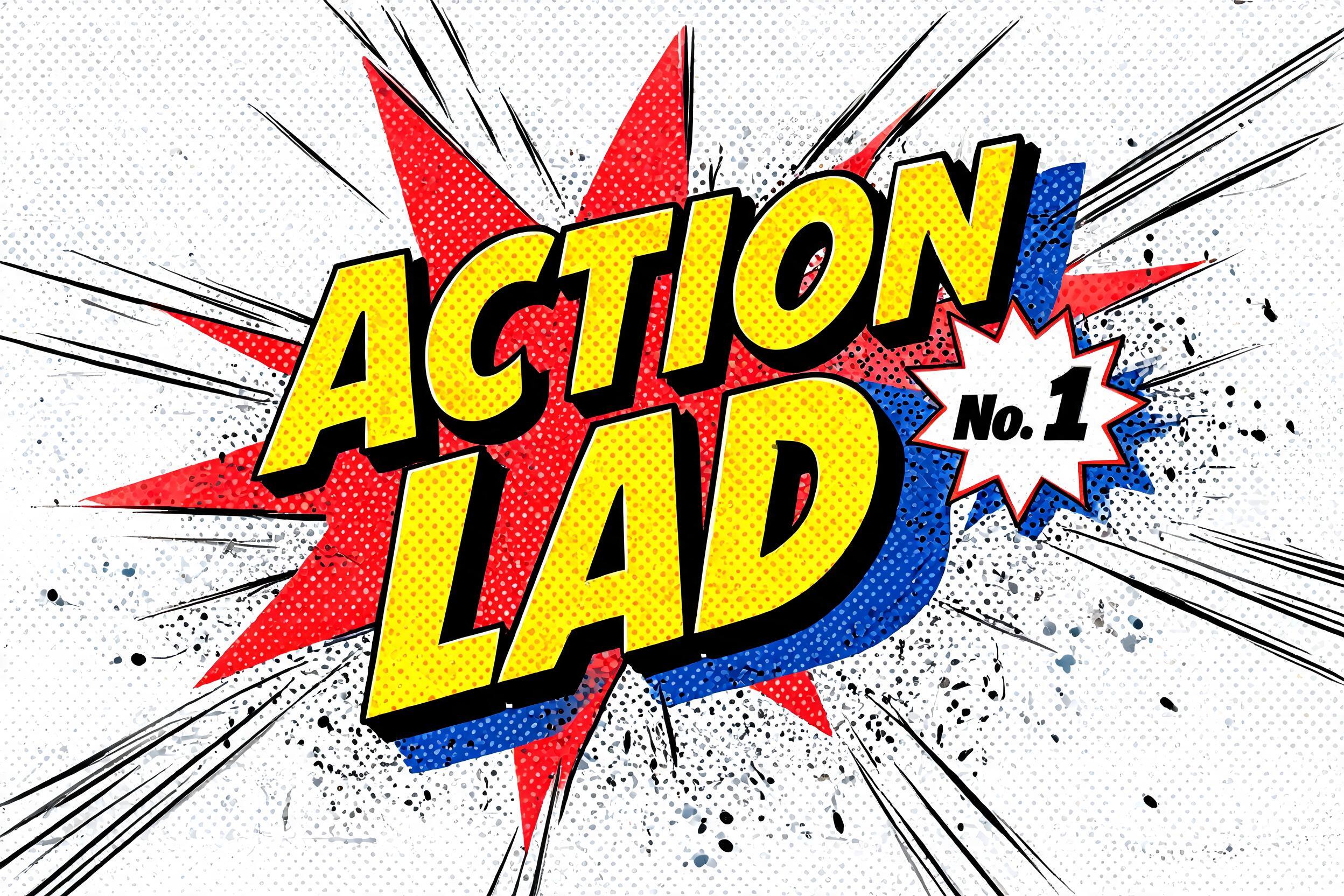
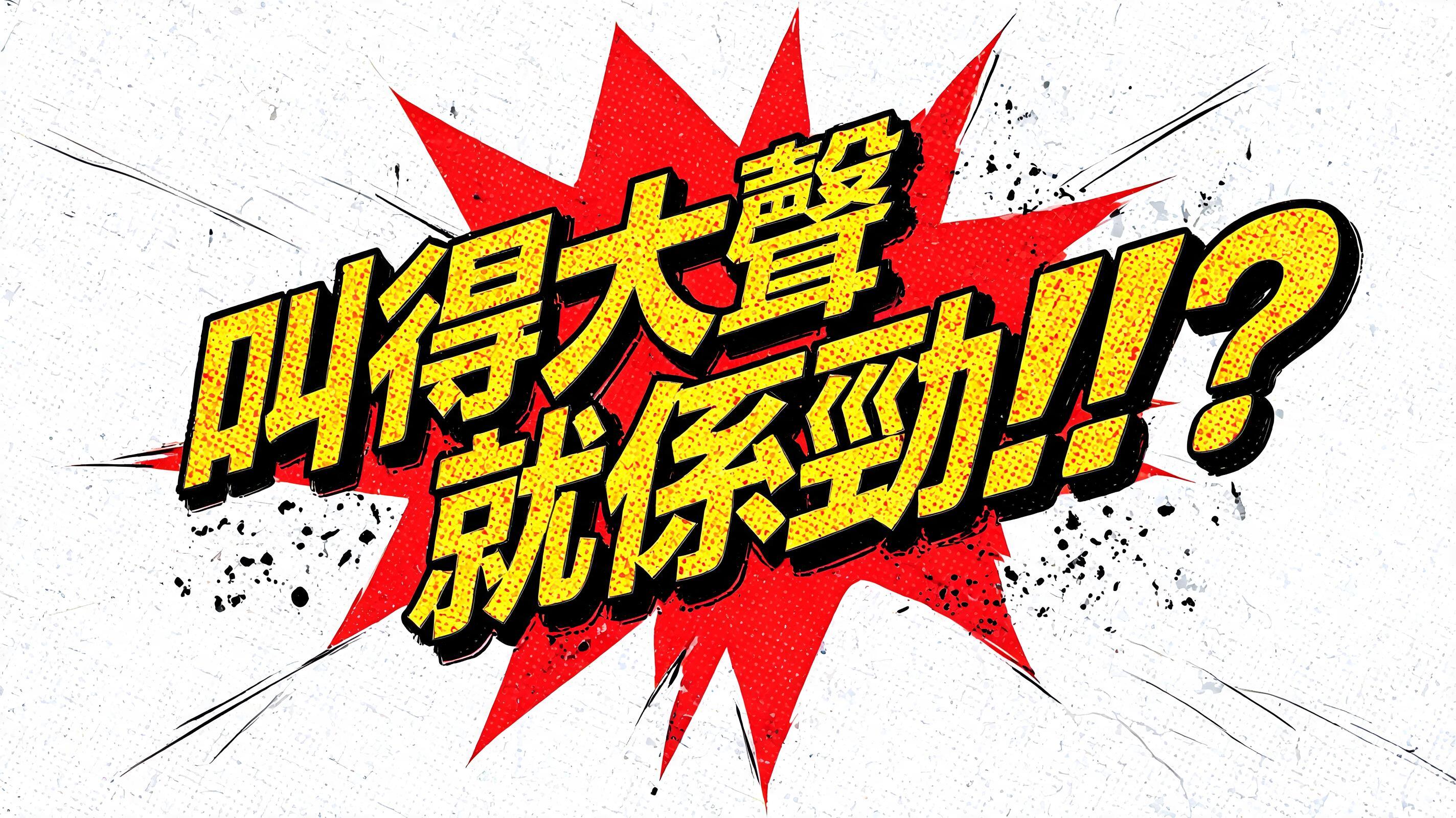
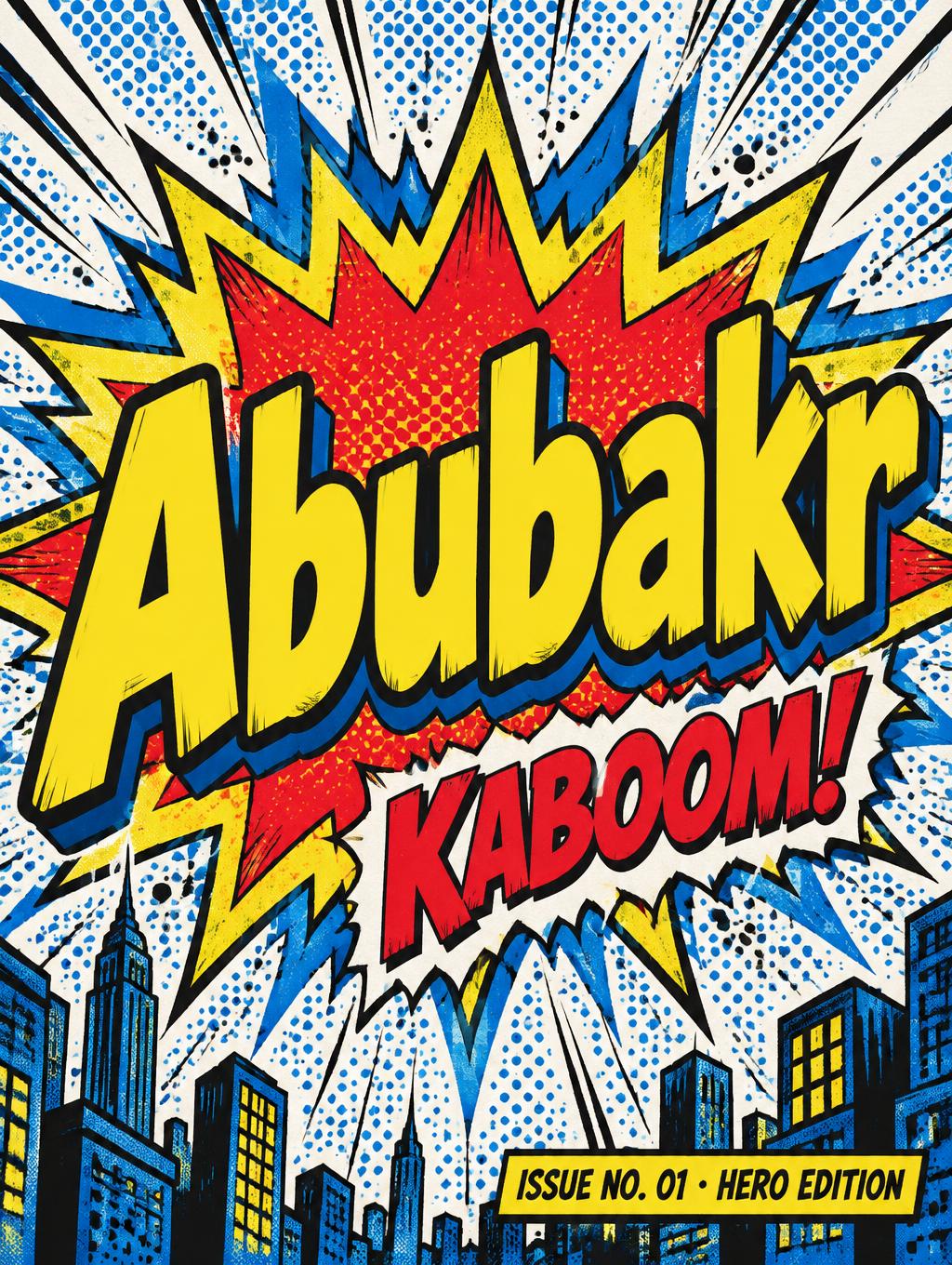
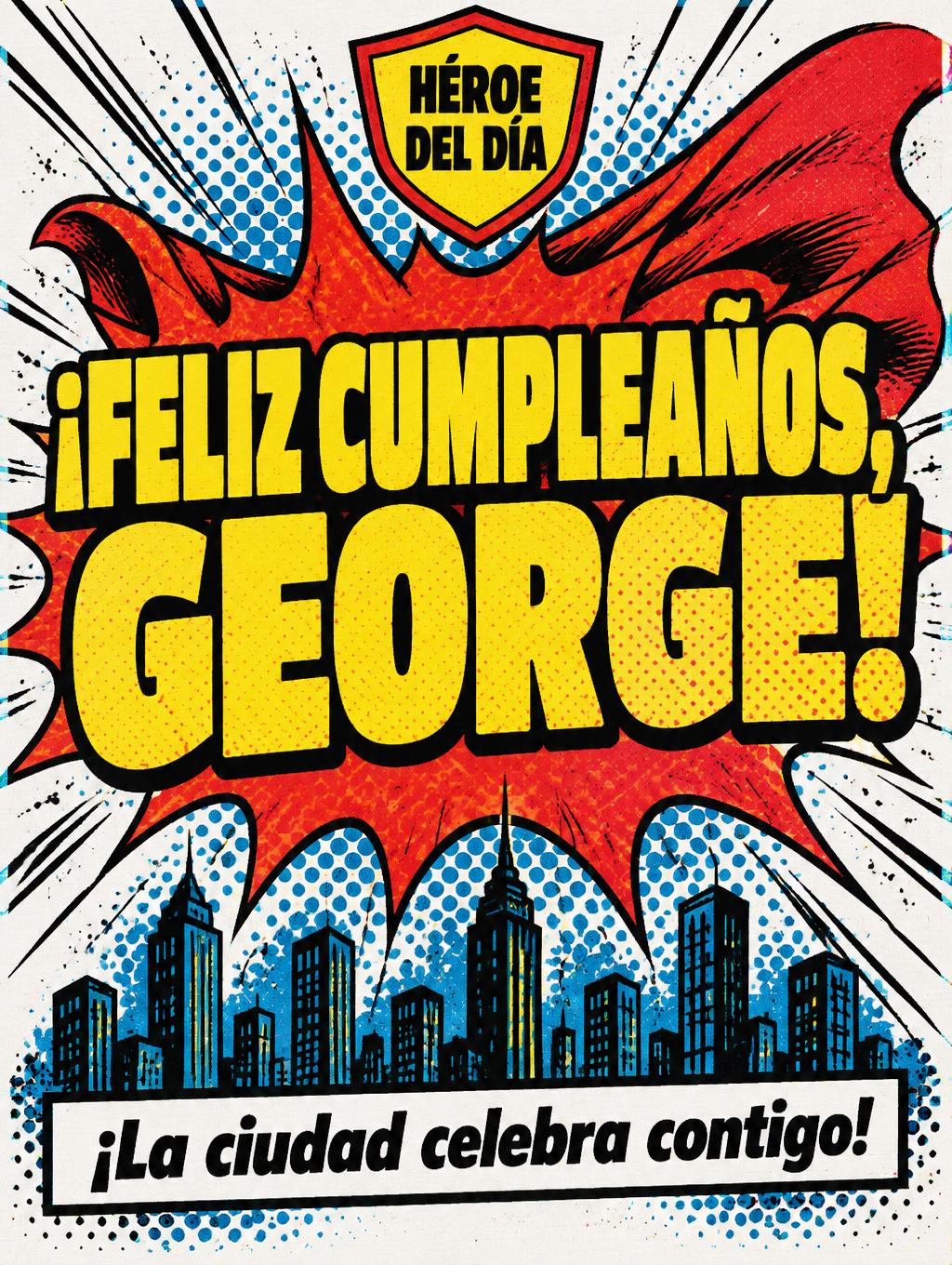
Bold comic book action typography with halftone dots, speed lines, pow/bam burst effects and classic superhero lettering style. — no font license needed.
Comic Book in different AI fonts
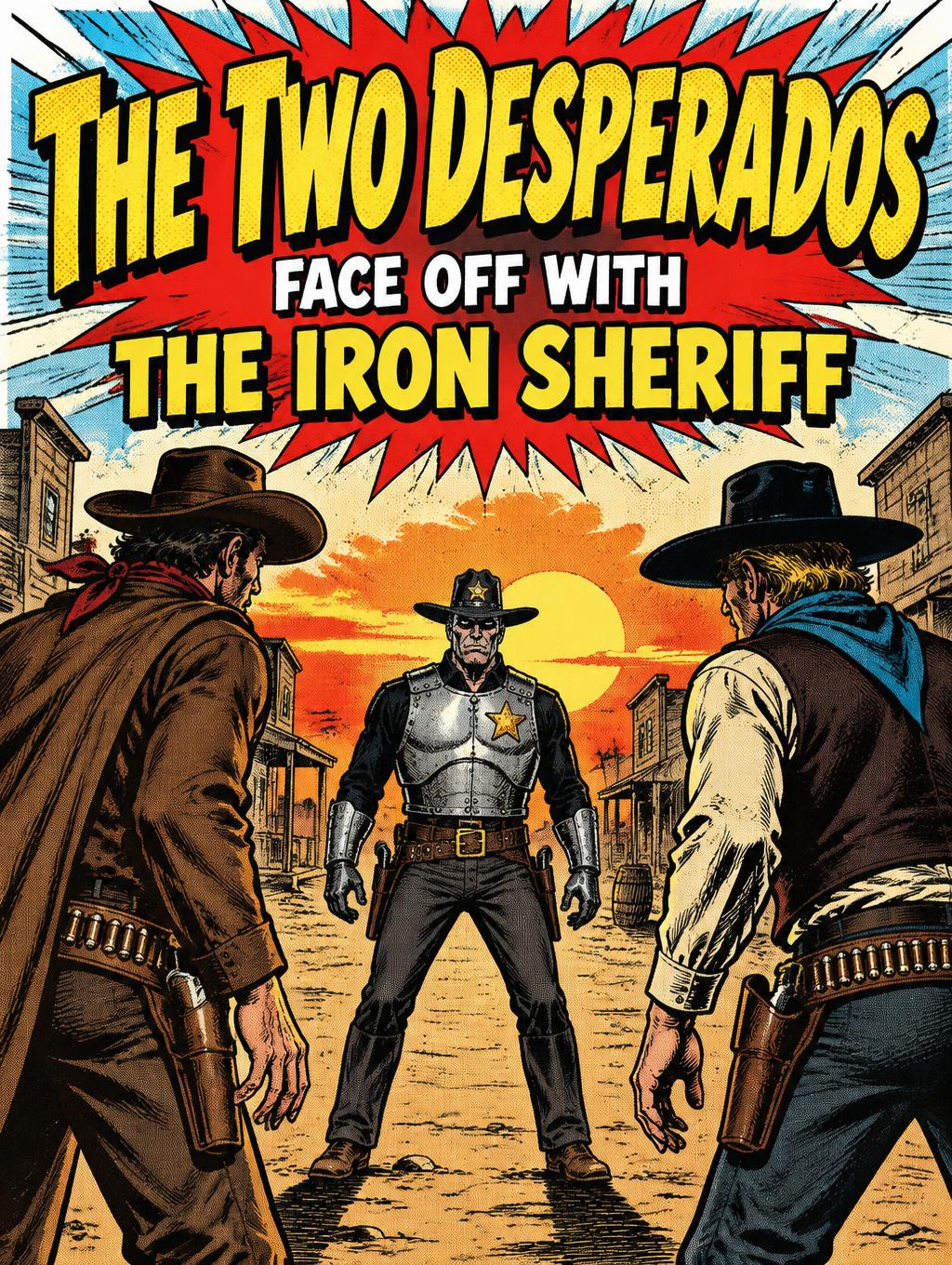
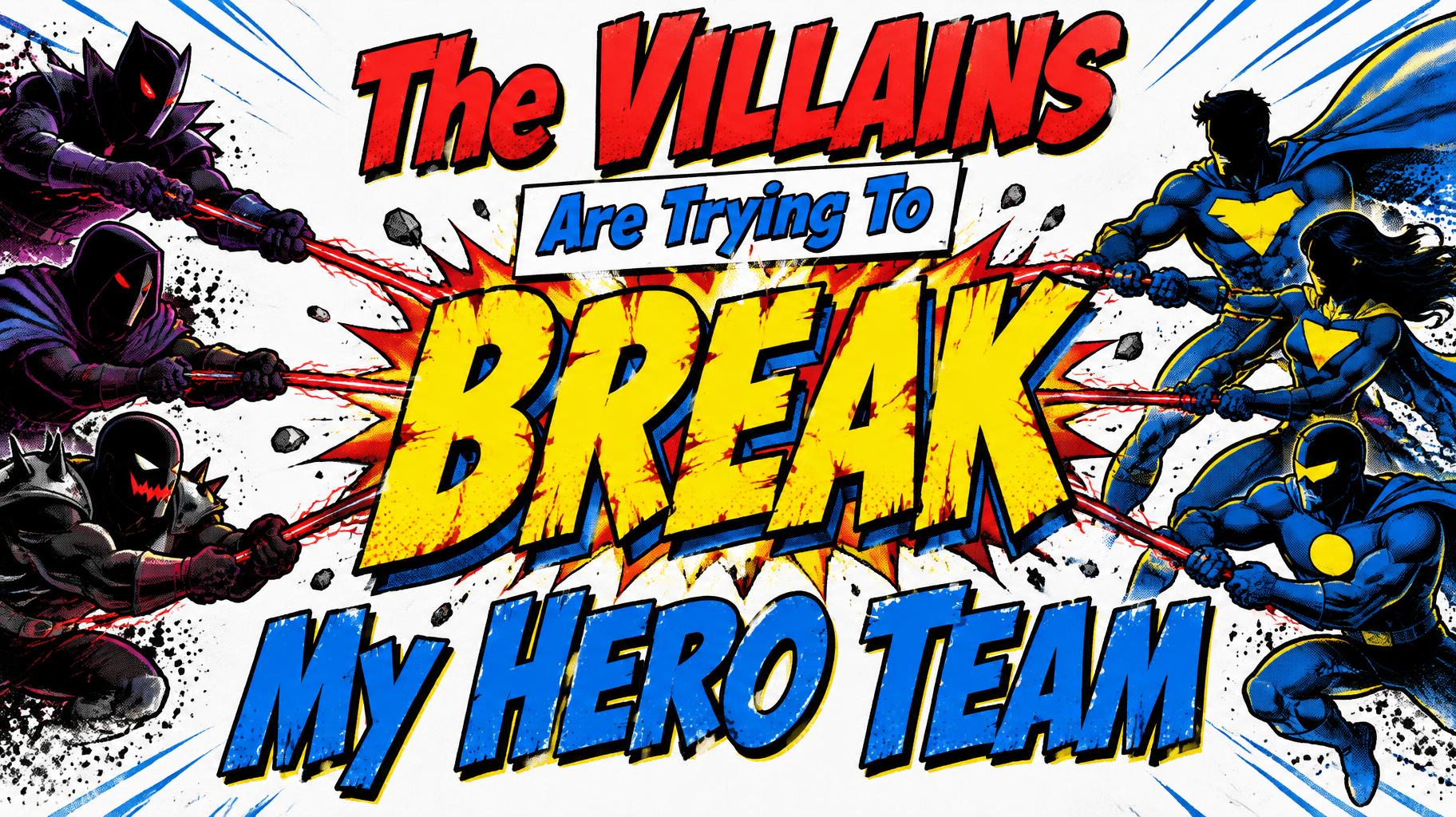
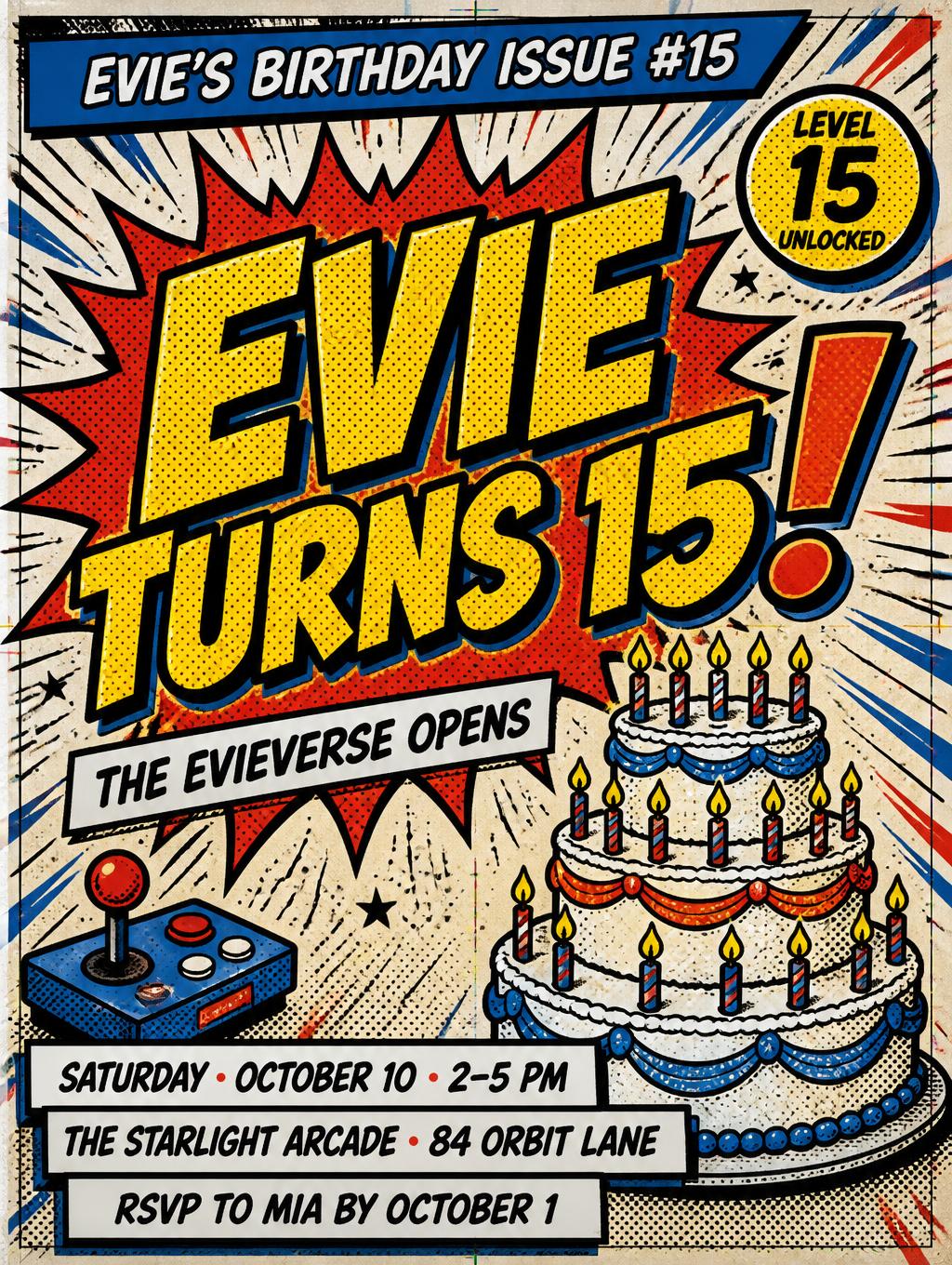
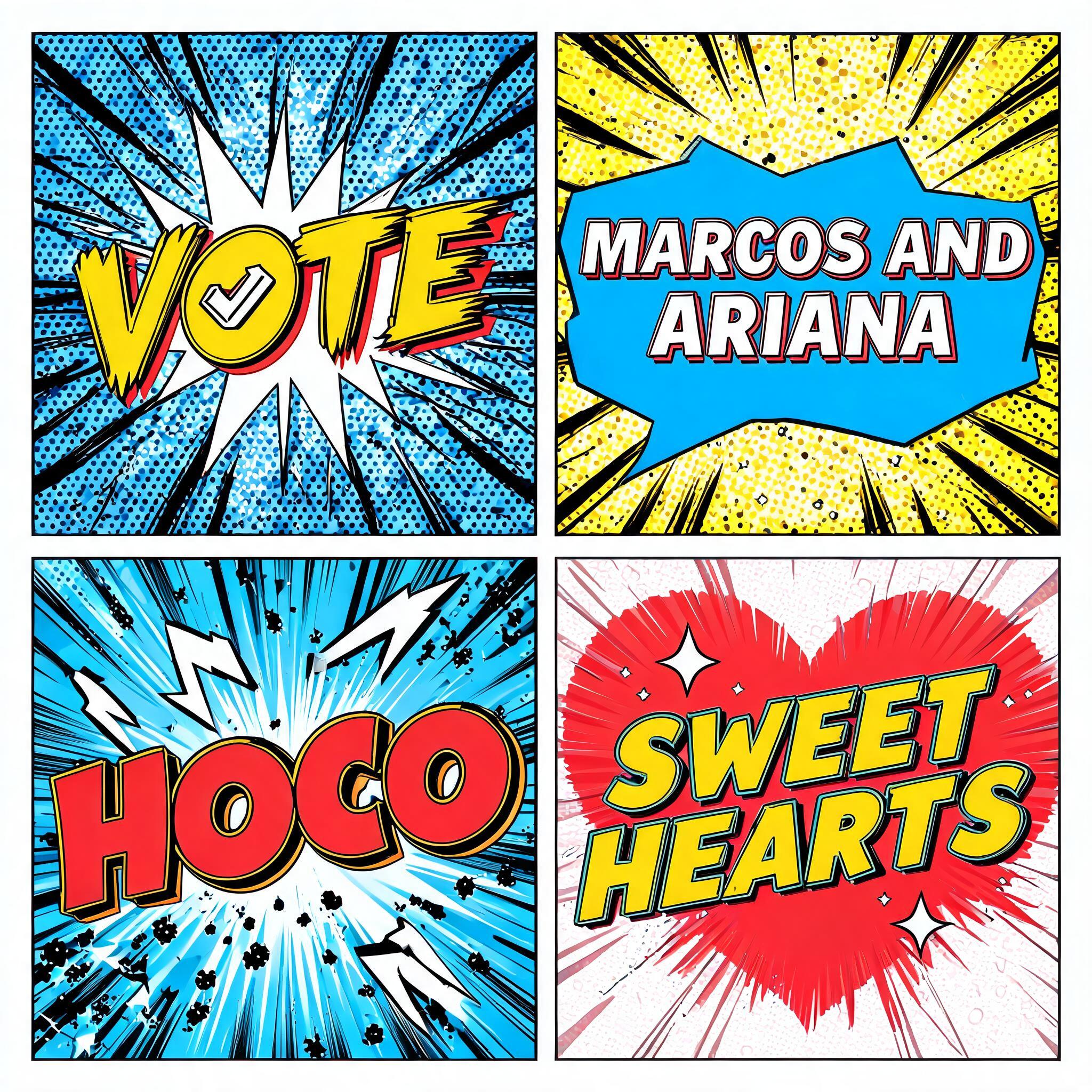


What you can make with Comic Book


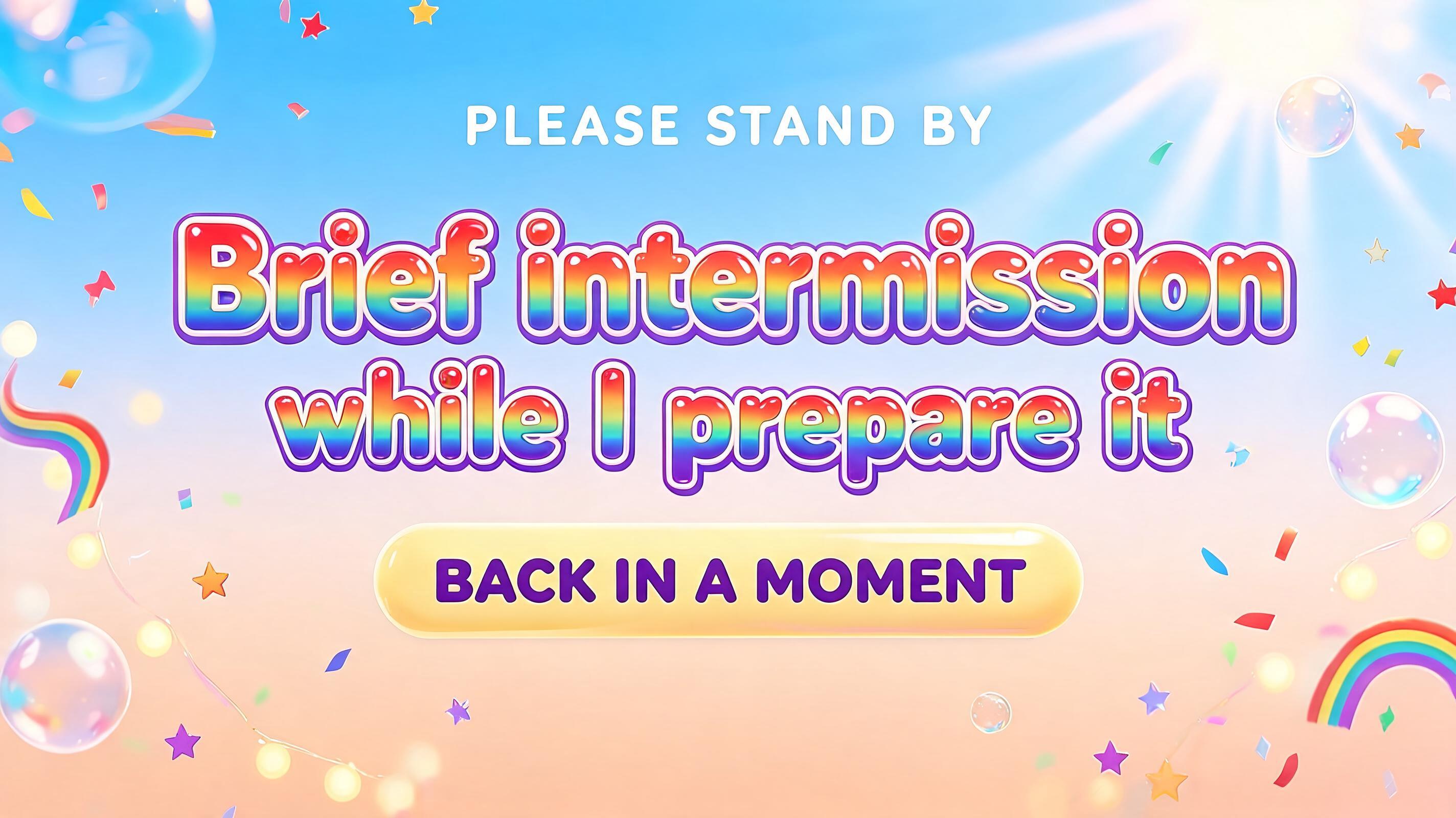

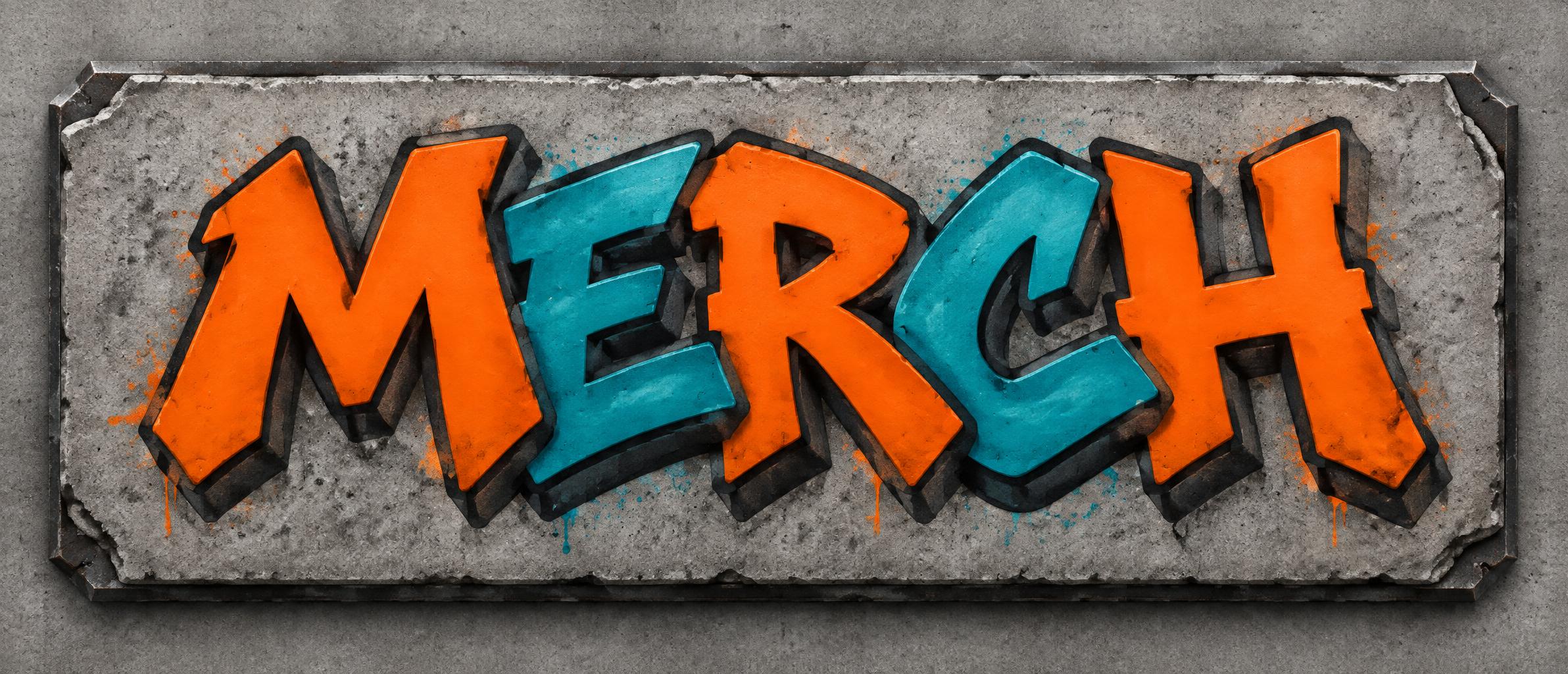
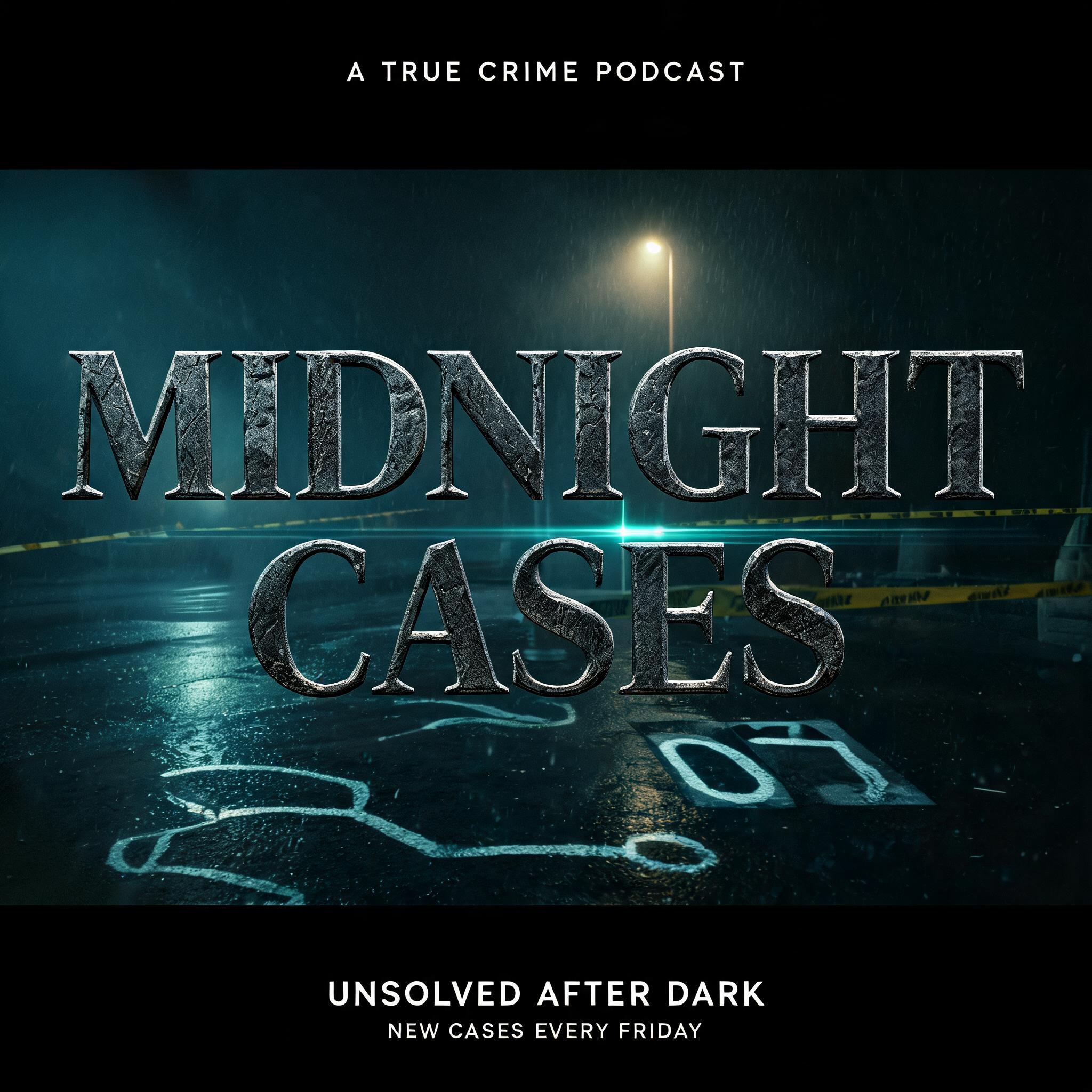
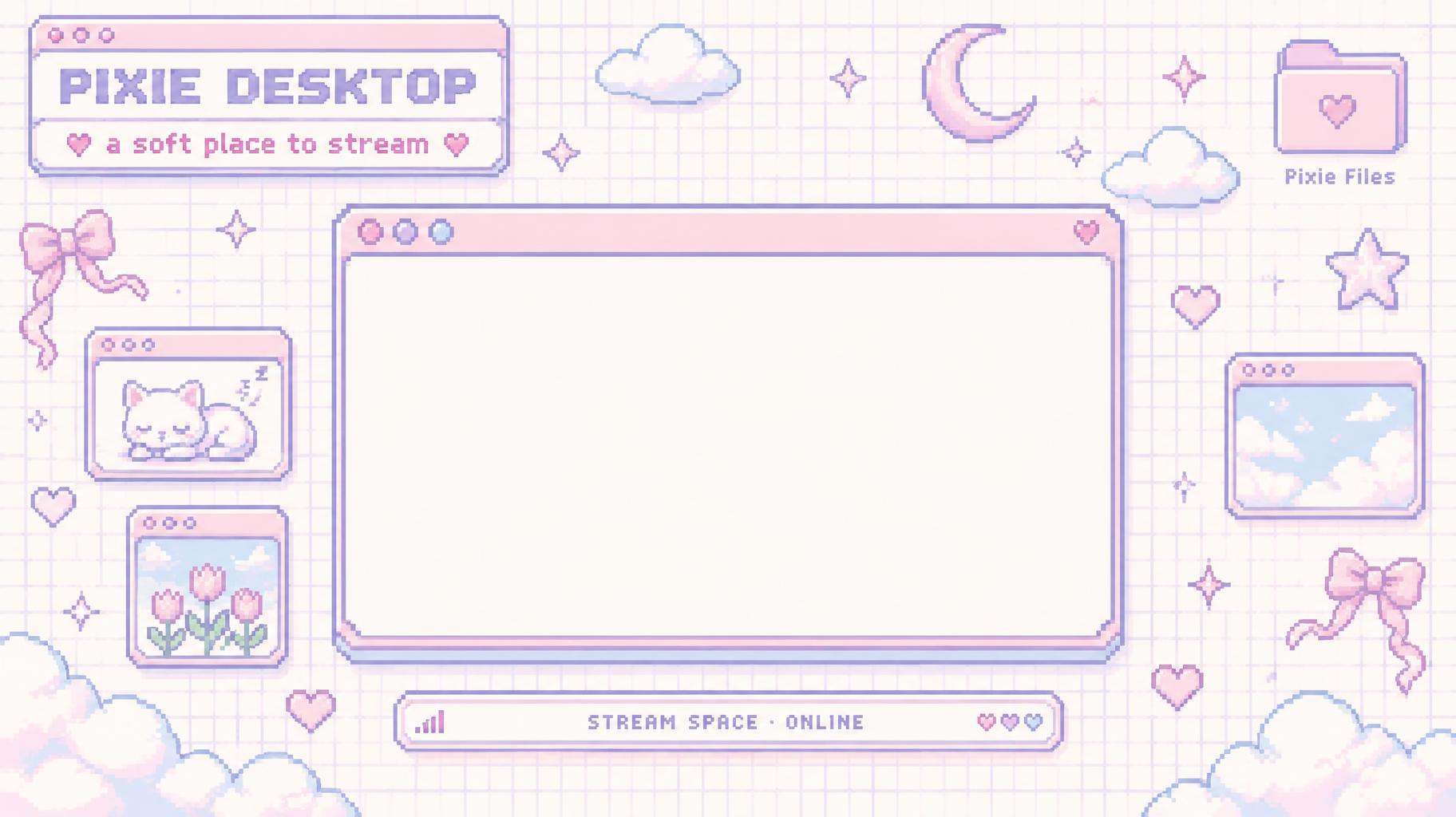
Comic Book Gallery
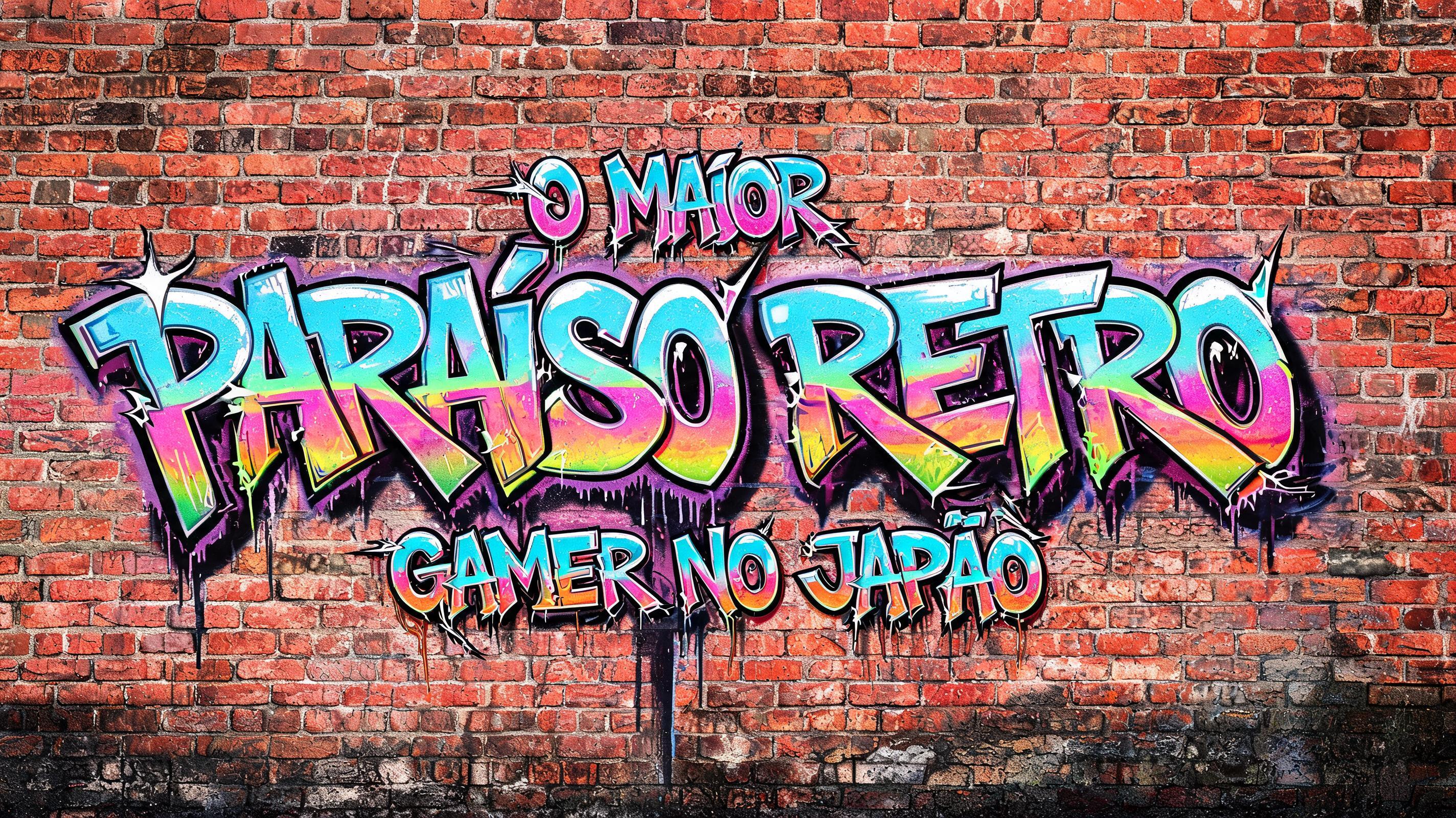
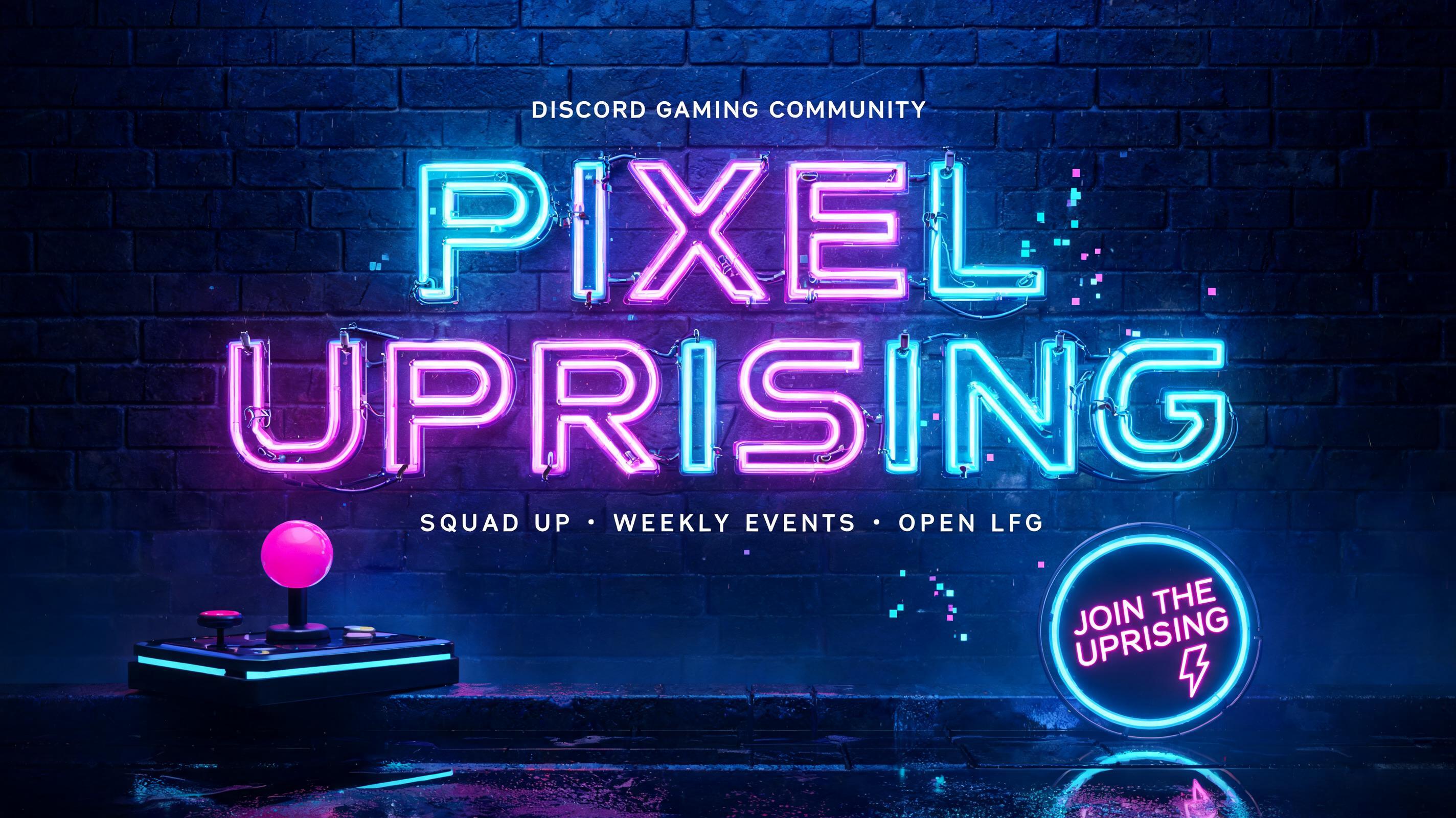
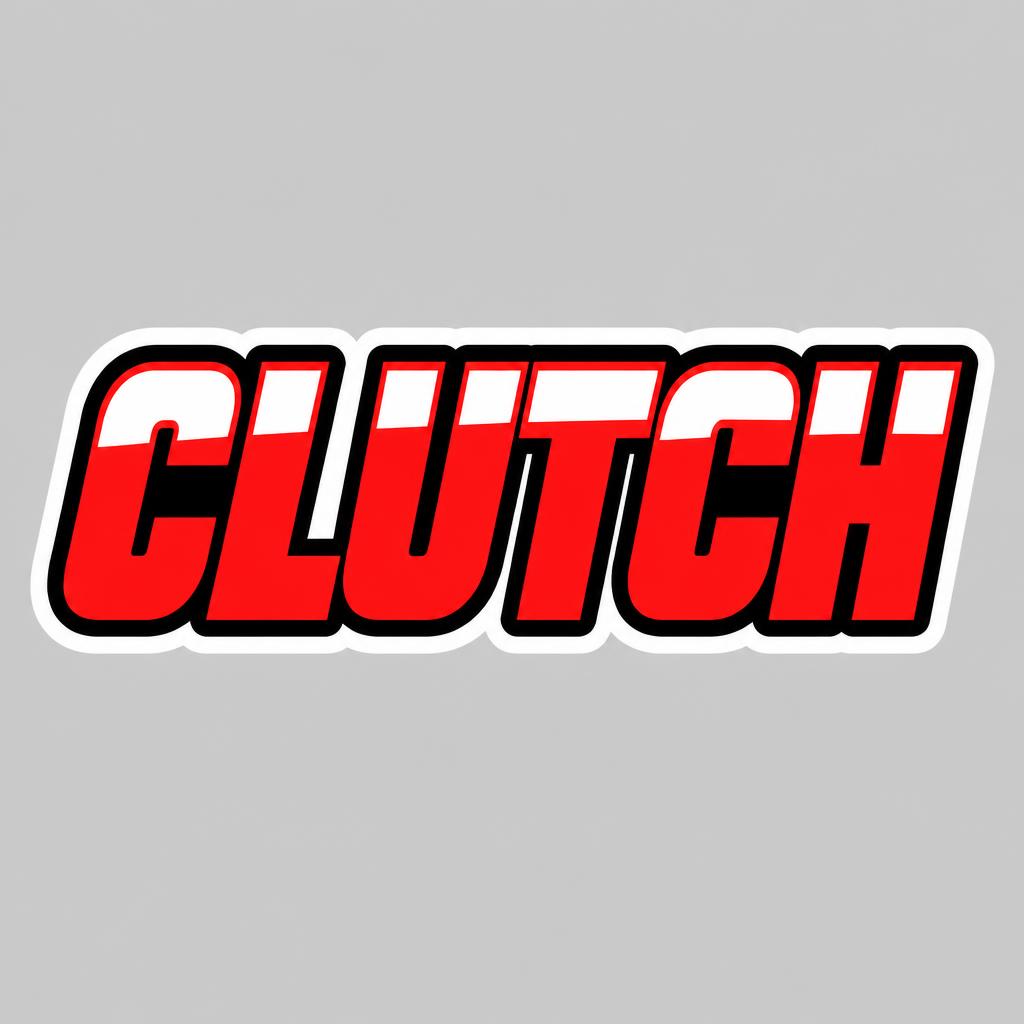
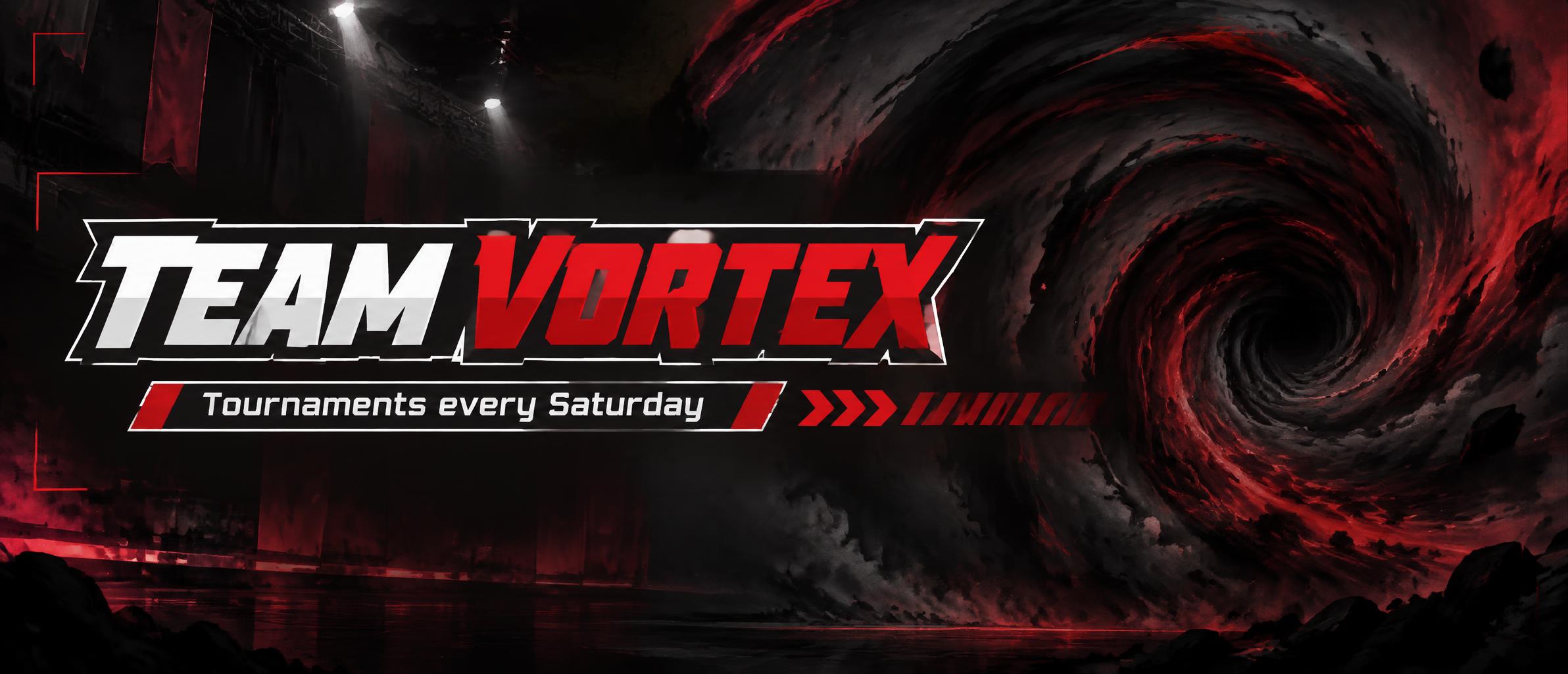
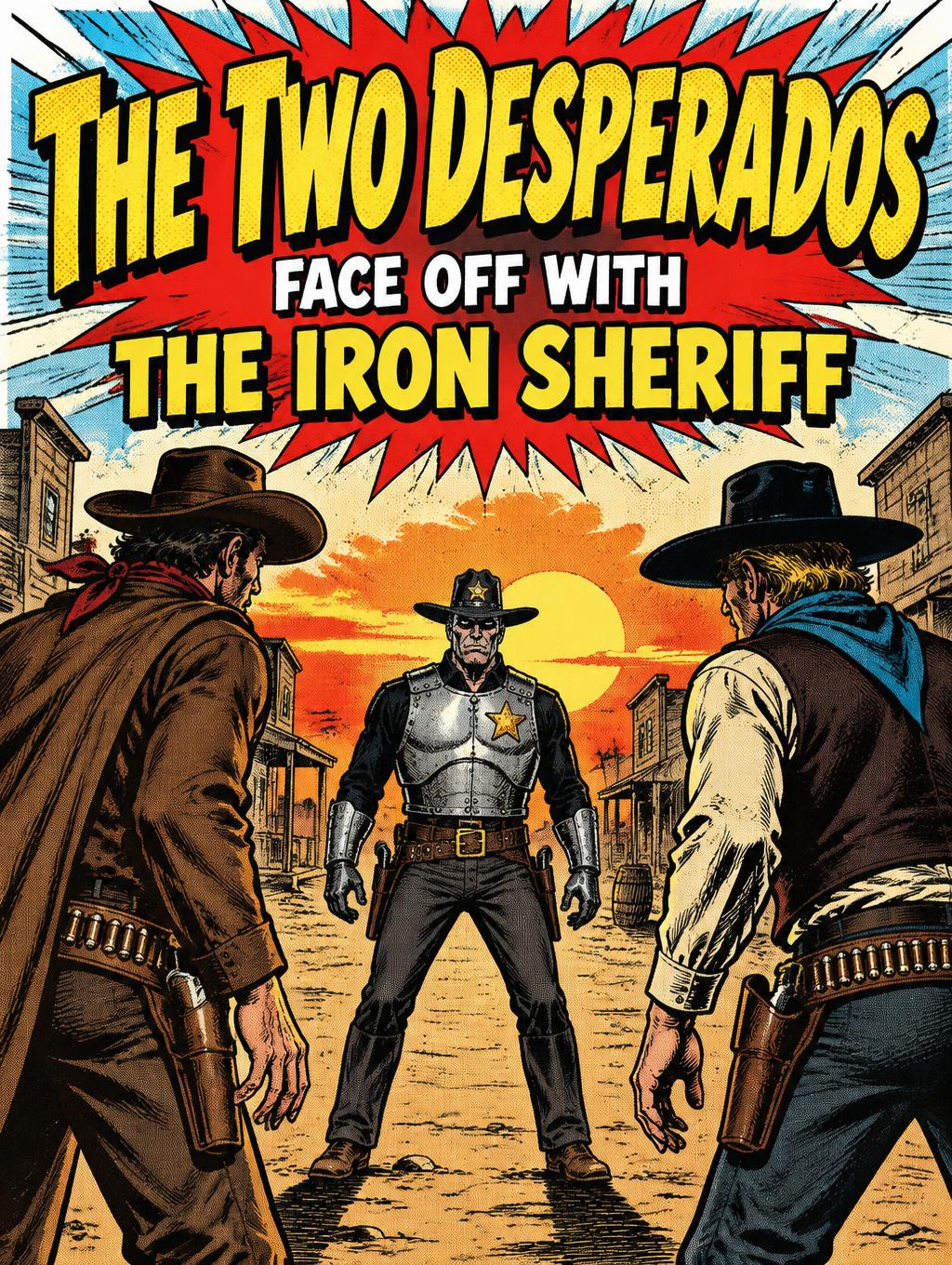
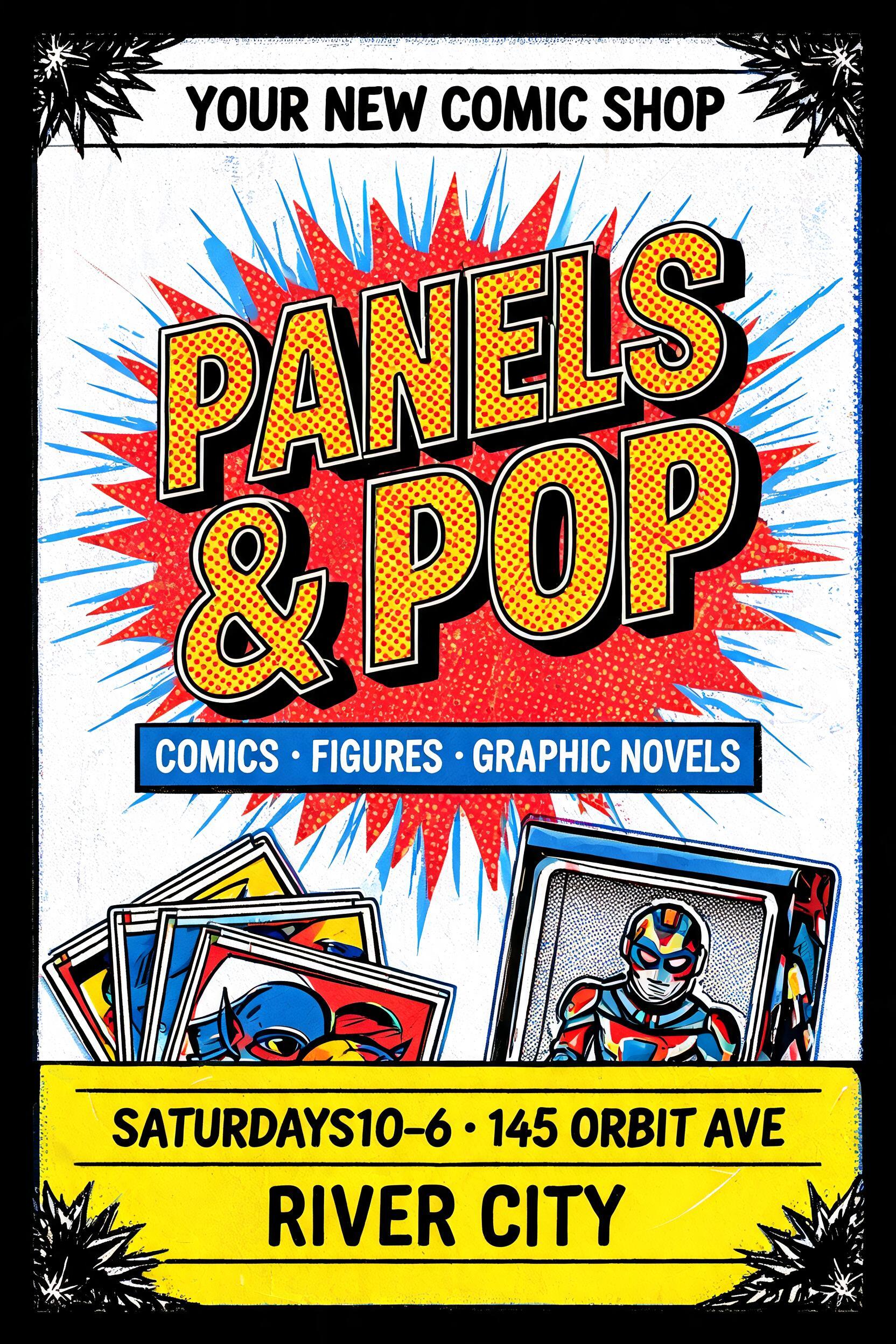
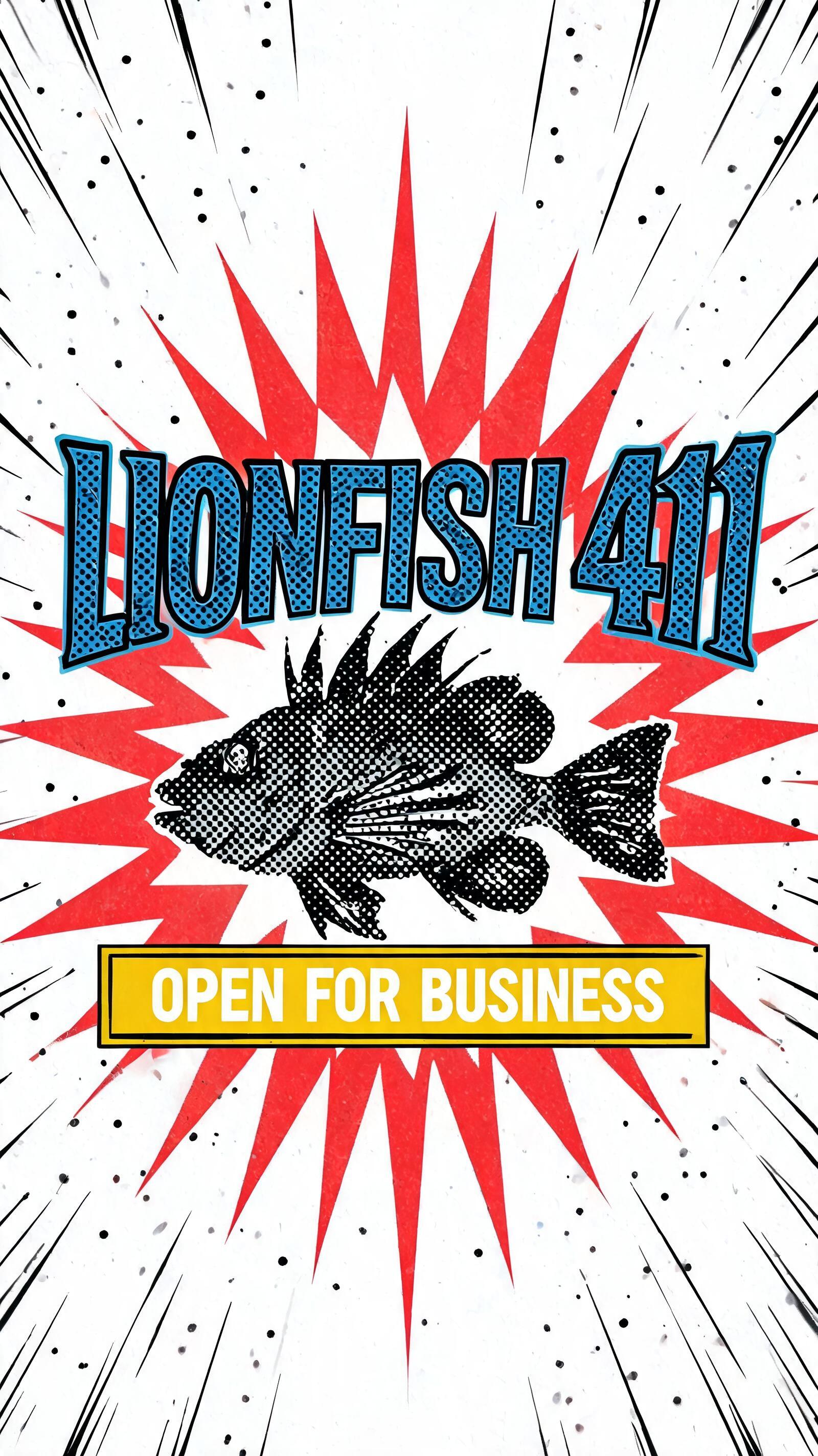
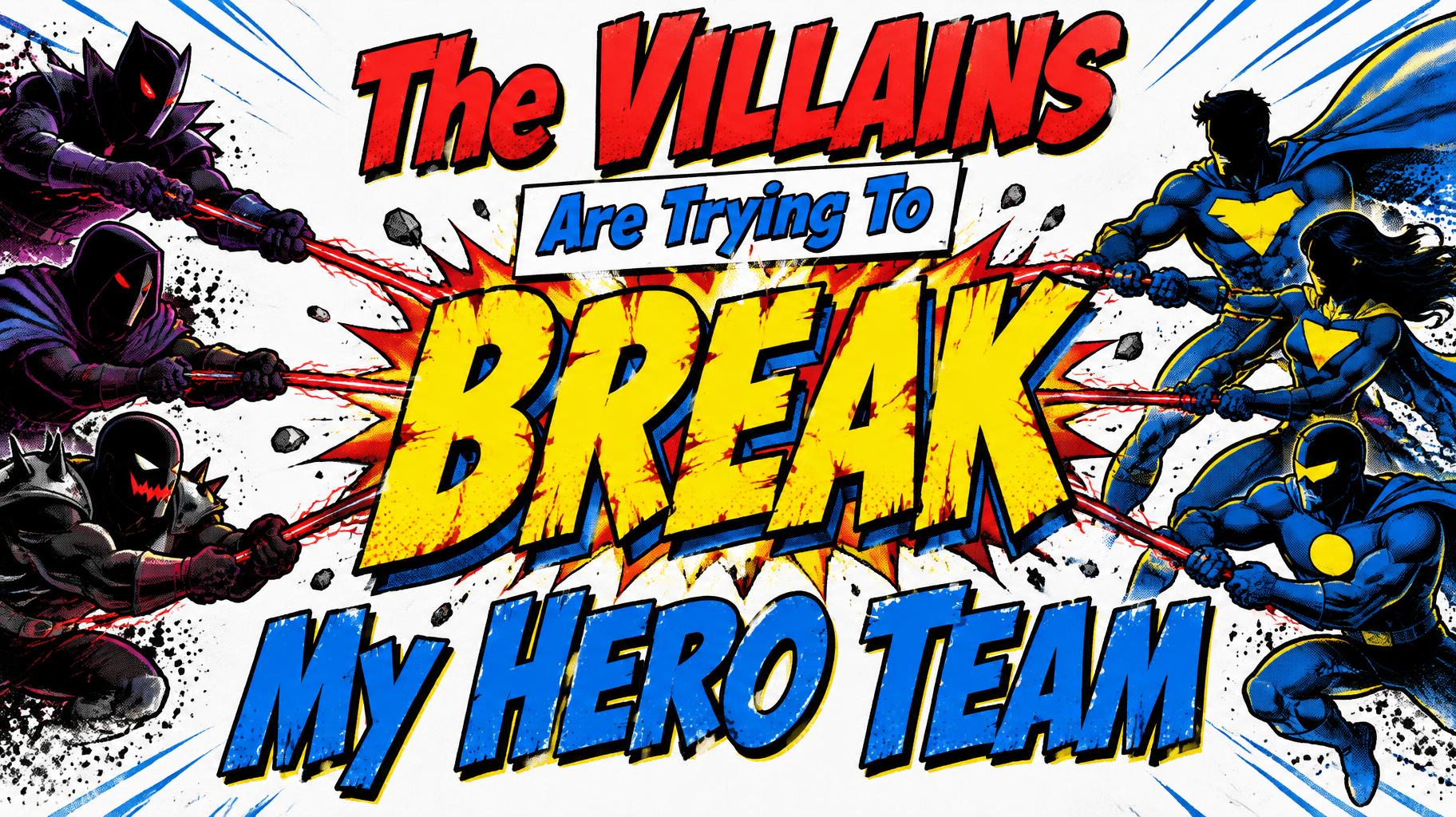
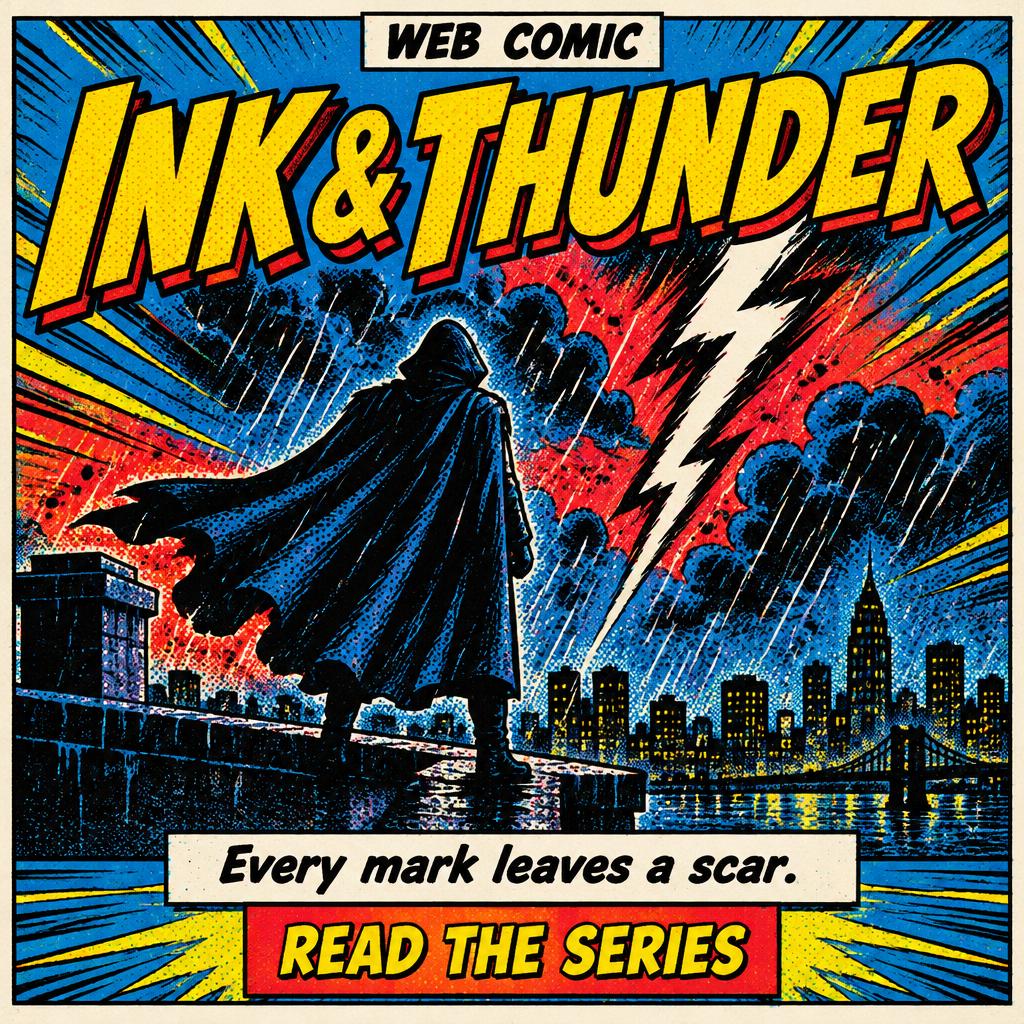
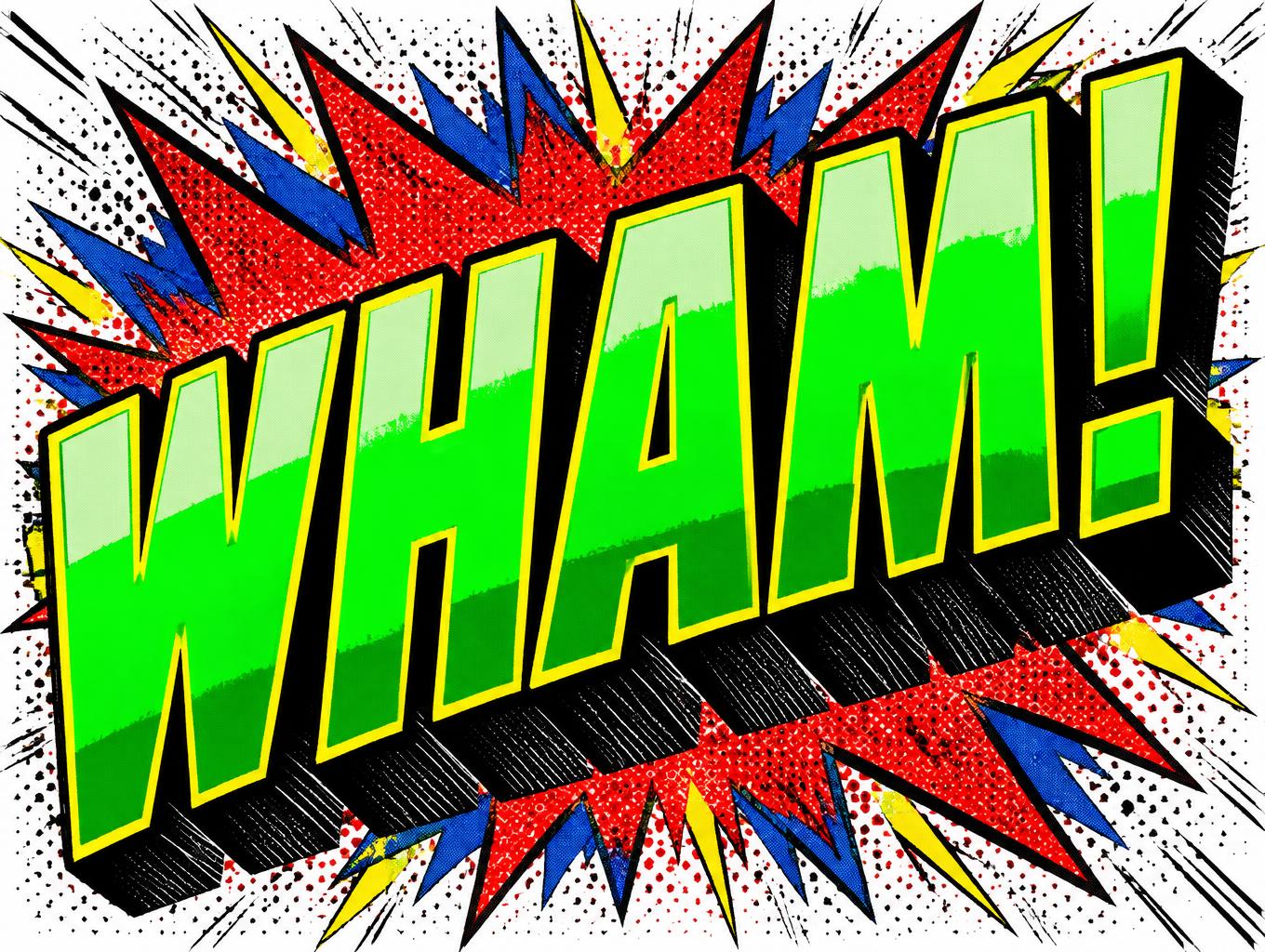
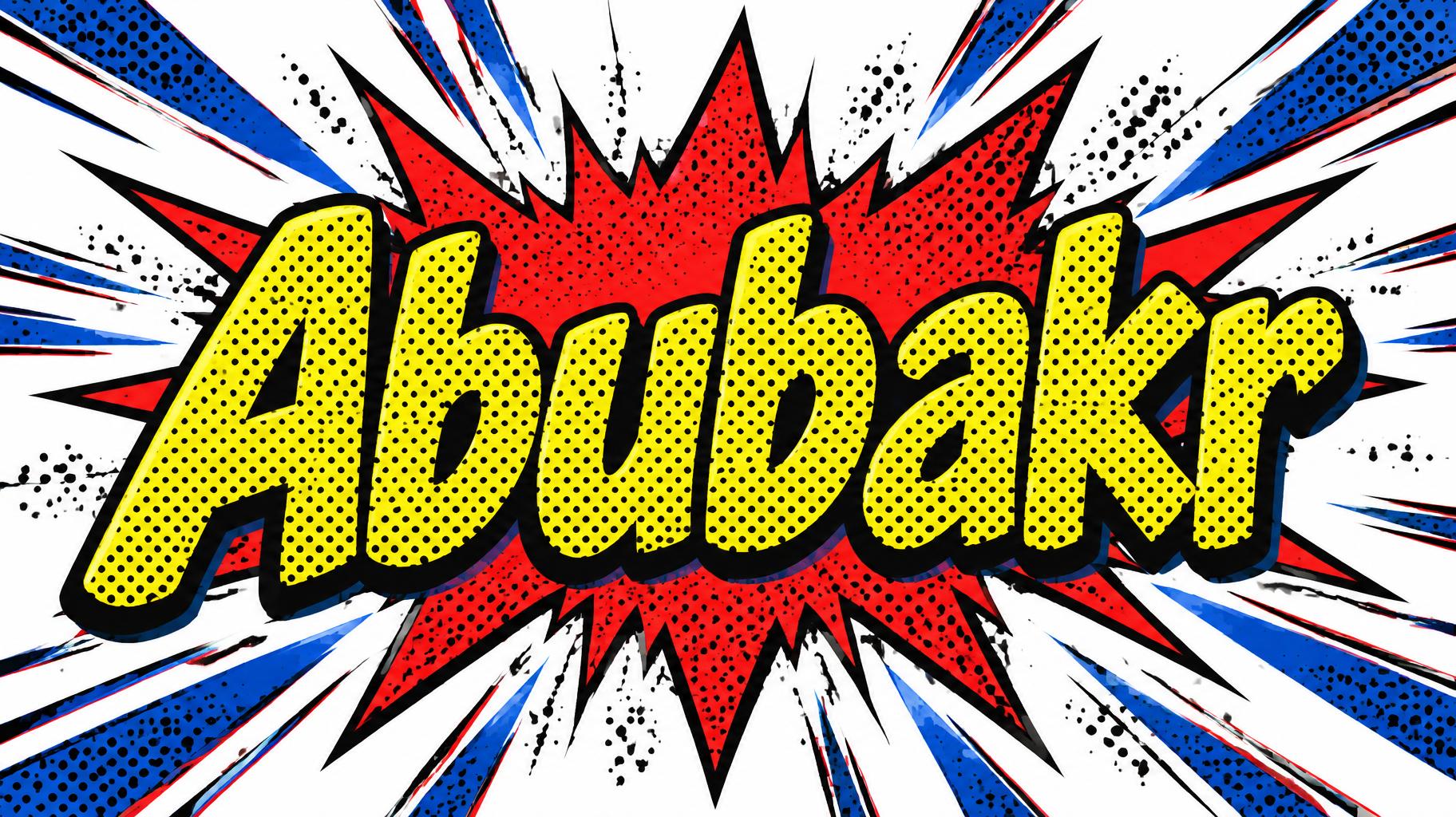
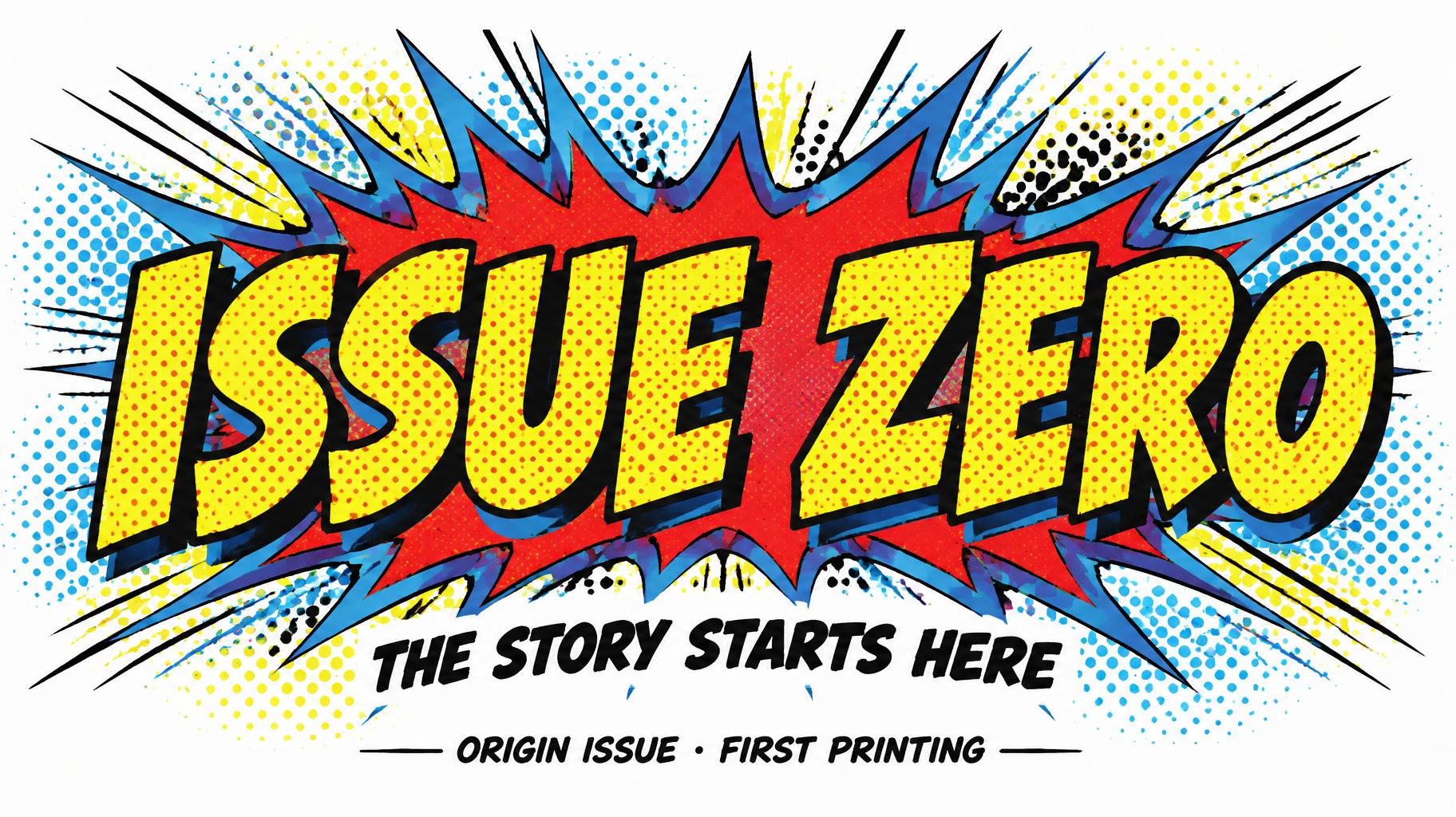
Real outputs from the Comic Book style. Click any image to see details.


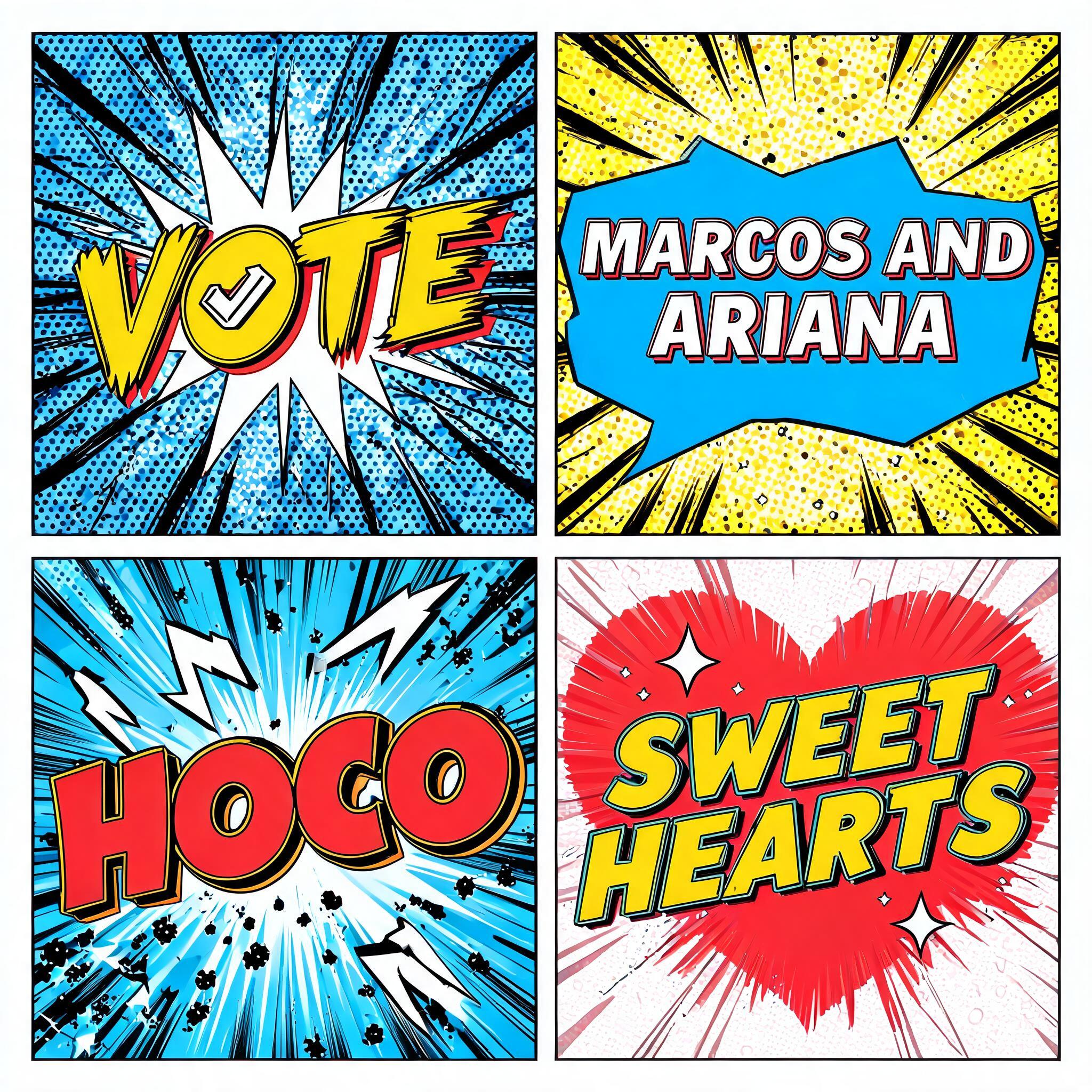
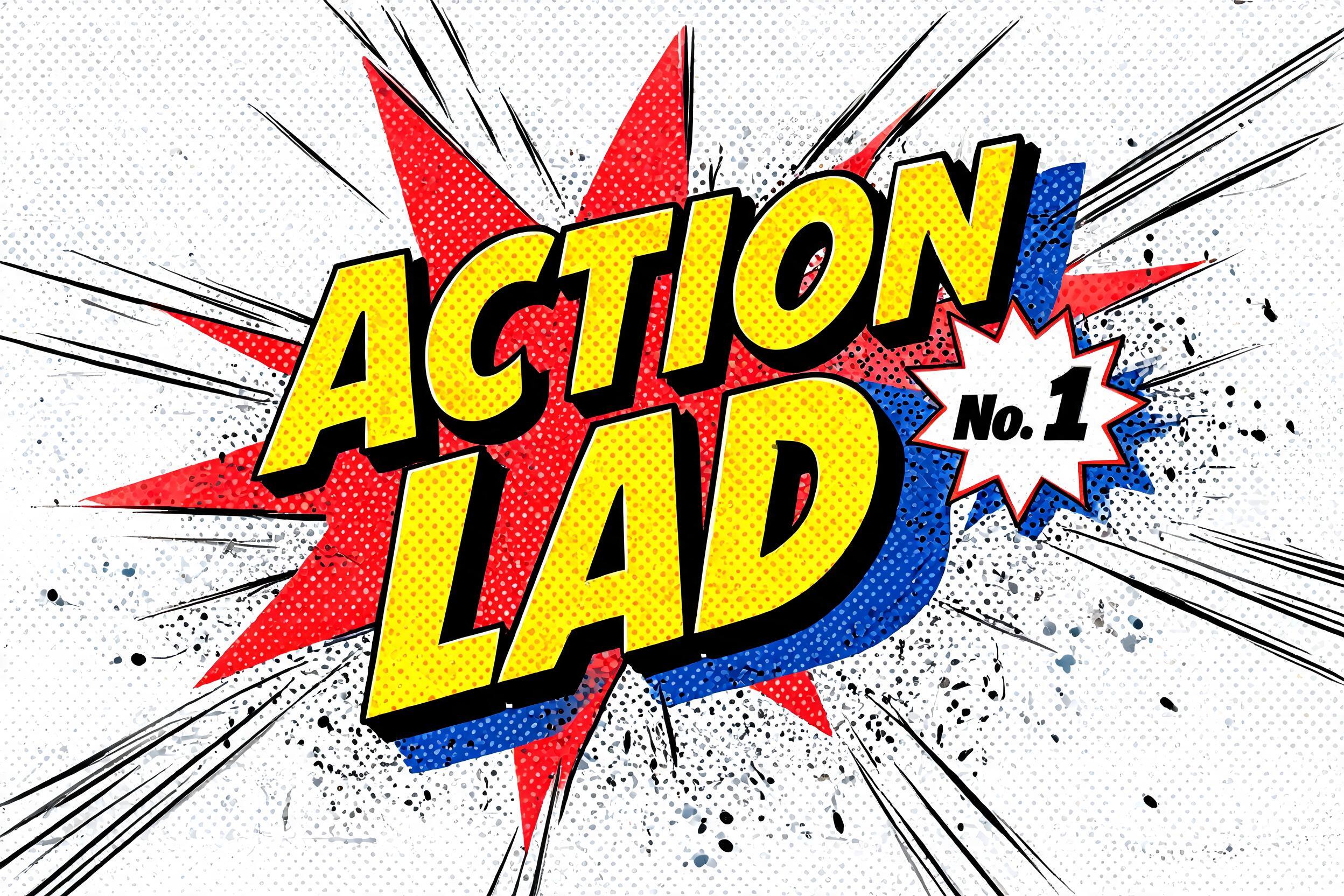


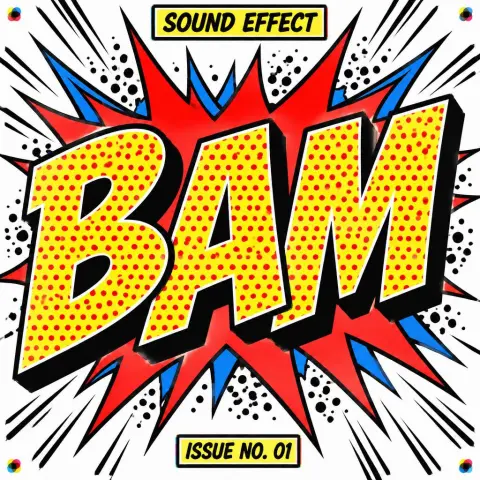
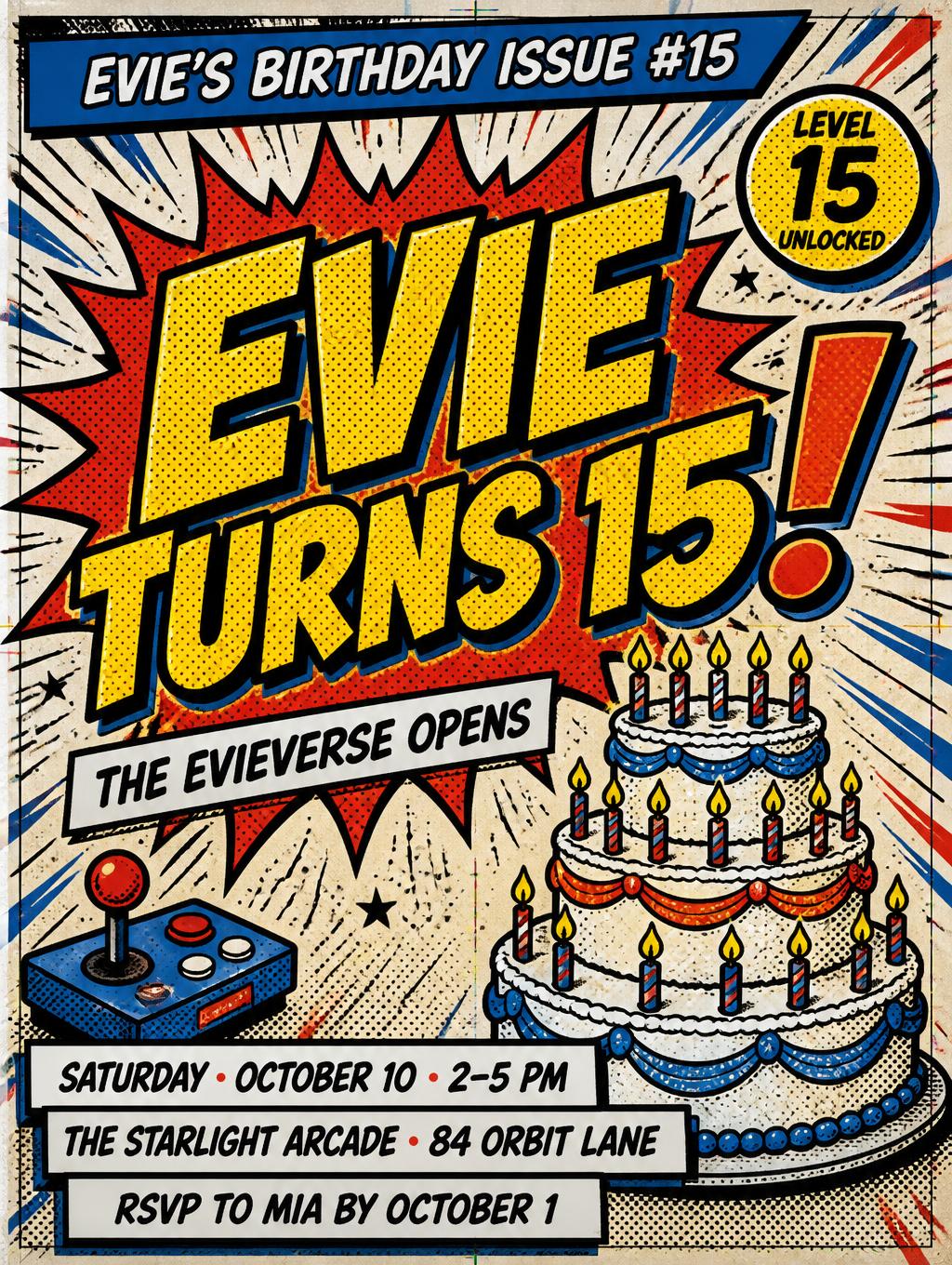


Looking for copy-paste fancy text? Try our free Font Generator Tools — cursive, gothic, bubble & 30+ styles.
Perfect for These Projects
Comic Book Text Effect — FAQ
What is the Comic Book Font Style?
The Comic Book font style is a distinctive AI-generated typography effect. Bold comic book action typography with halftone dots, speed lines, pow/bam burst effects and classic superhero lettering style. Using FontVibe's AI comic book generator you can create stunning text effects in seconds — no Photoshop, no font licensing, no design experience needed.
Explore the Comic Book gallery for inspiration, or browse all 126+ AI text effect styles available on FontVibe.
How to Create Comic Book Typography in FontVibe Studio
The Story Behind Comic Book
History, visual DNA, and cultural context.
Four Colors, Newsprint, and a New Mythology
The American comic book as a print format was standardized in the mid-1930s — the saddle-stitched, roughly 7×10 inch pamphlet that became the delivery mechanism for Superman (1938), Batman (1939), and the superhero genre that followed. The visual conventions were shaped by economics as much as aesthetics: cheap newsprint required bold outlines and flat color; four-color printing technology determined the available palette; the page rate paid to artists rewarded speed over finish.
The result was a visual system with specific properties: the gutters between panels as a cognitive device asking readers to infer what happened between frames; the caption box as a narrative layer separate from dialogue; the visual grammar of motion lines, impact effects, and the distinctive sound-effect typography that rendered noise as letterform.
The Silver Age (mid-1950s to early 1970s) codified the aesthetic. Jack Kirby's dynamic diagonal compositions and "Kirby Krackle" (a pattern of small circles suggesting cosmic energy), Stan Lee's conversational caption style, and the specific Ben-Day dot texture of offset printing on newsprint all converged into what most people picture when they think "comic book."
The Visual DNA
Typographic Landmarks
Did You Know?
The Comics Code Authority seal appeared on most American comic book covers from 1954 to 2011 — a self-censorship response to a congressional hearing triggered by psychiatrist Fredric Wertham's book Seduction of the Innocent. The Code prohibited zombies, werewolves, and negative portrayals of authority figures. Its small stamp shape in the upper right corner is now a retro design element.
Jack Kirby drew, penciled, or plotted an estimated 20,000+ comic pages during his career. His visual vocabulary — the Fourth World cosmology, the Kirby Krackle, the double-page action spread — shaped superhero comics so thoroughly that his influence is visible in essentially every superhero film produced since 2000.
Create Your Comic Book Typography in Studio
Free to start. No design skills needed. Your artwork, your copyright.
AI Comic Book Text Effect Generator
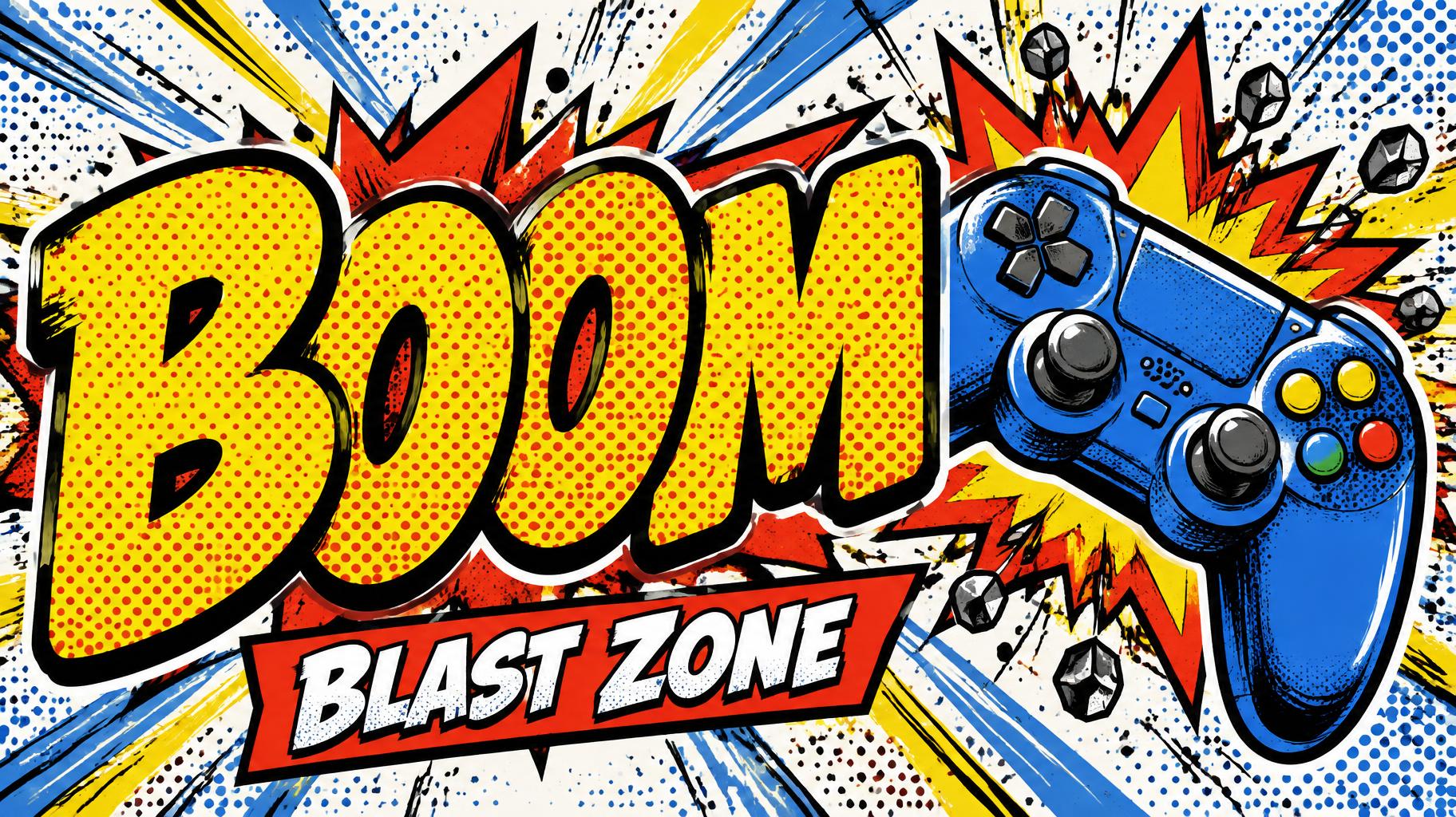
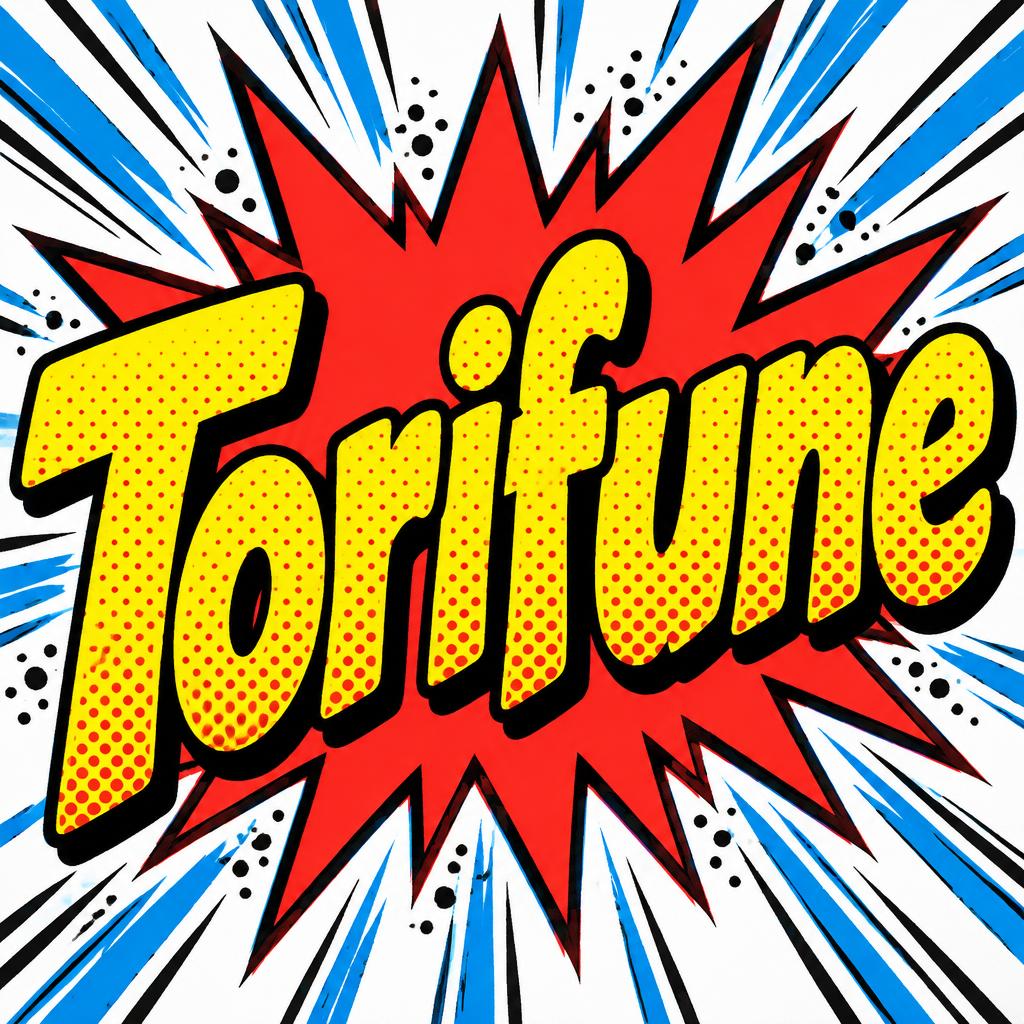
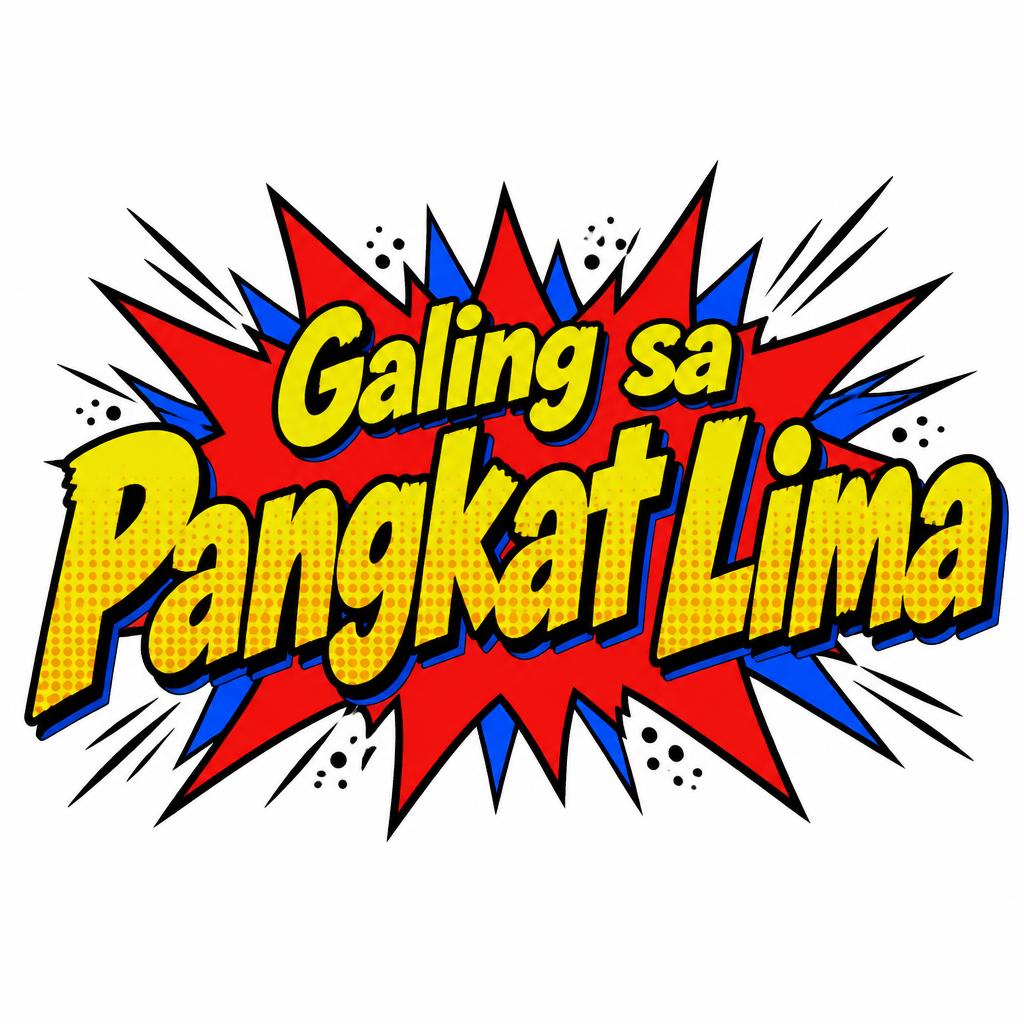
Bold comic book action typography with halftone dots, speed lines, pow/bam burst effects and classic superhero lettering style. — no font license needed.
Comic Book in different AI fonts
What you can make with Comic Book
Generate Your Comic Book Text Effect
Type any word — see it transformed in seconds. No sign-up required.
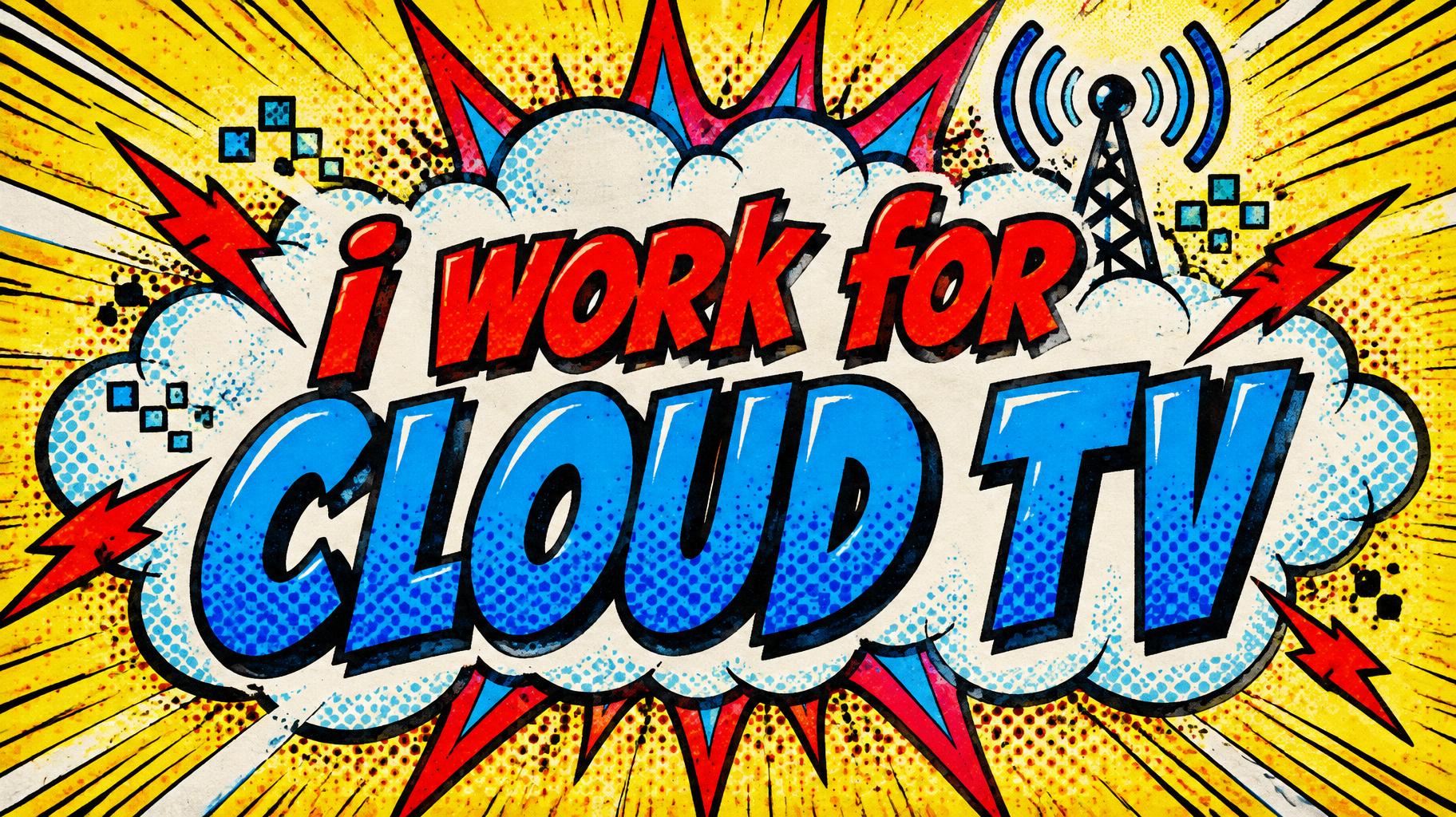
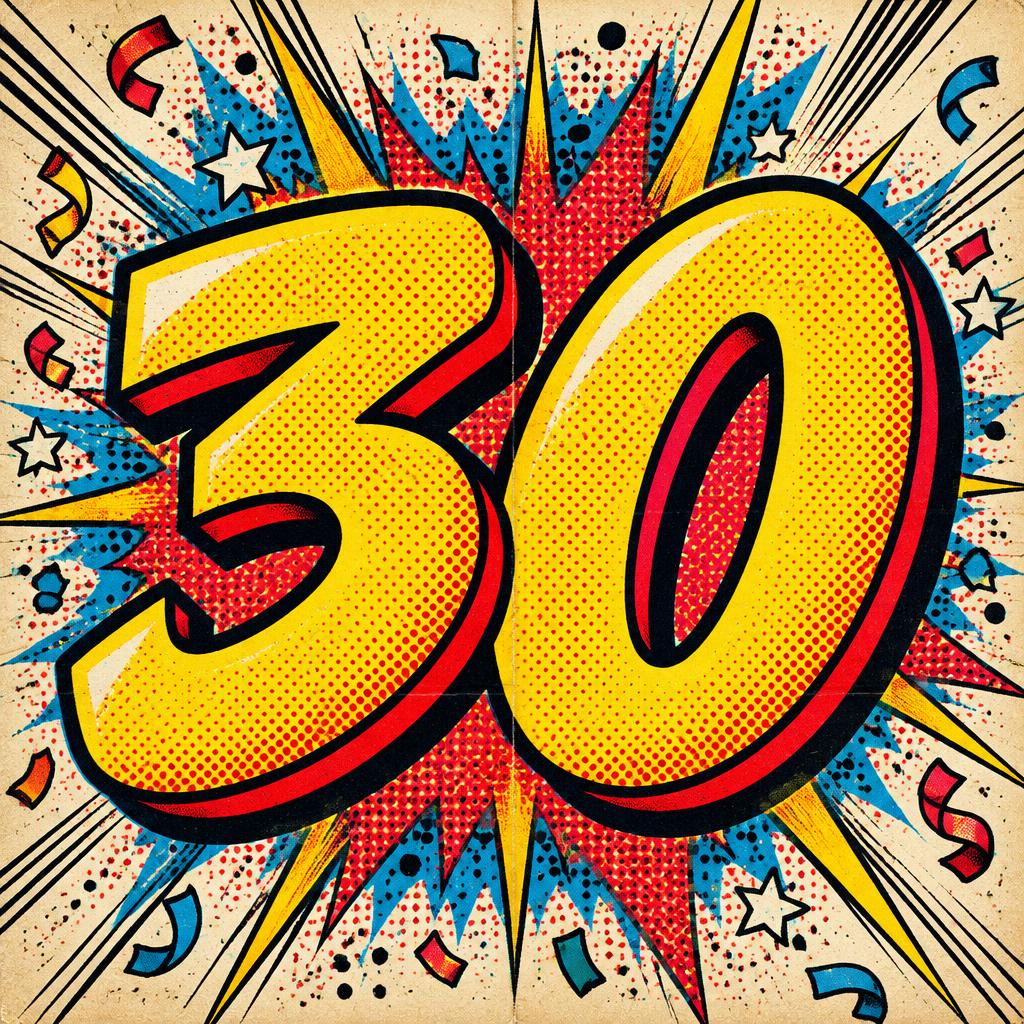
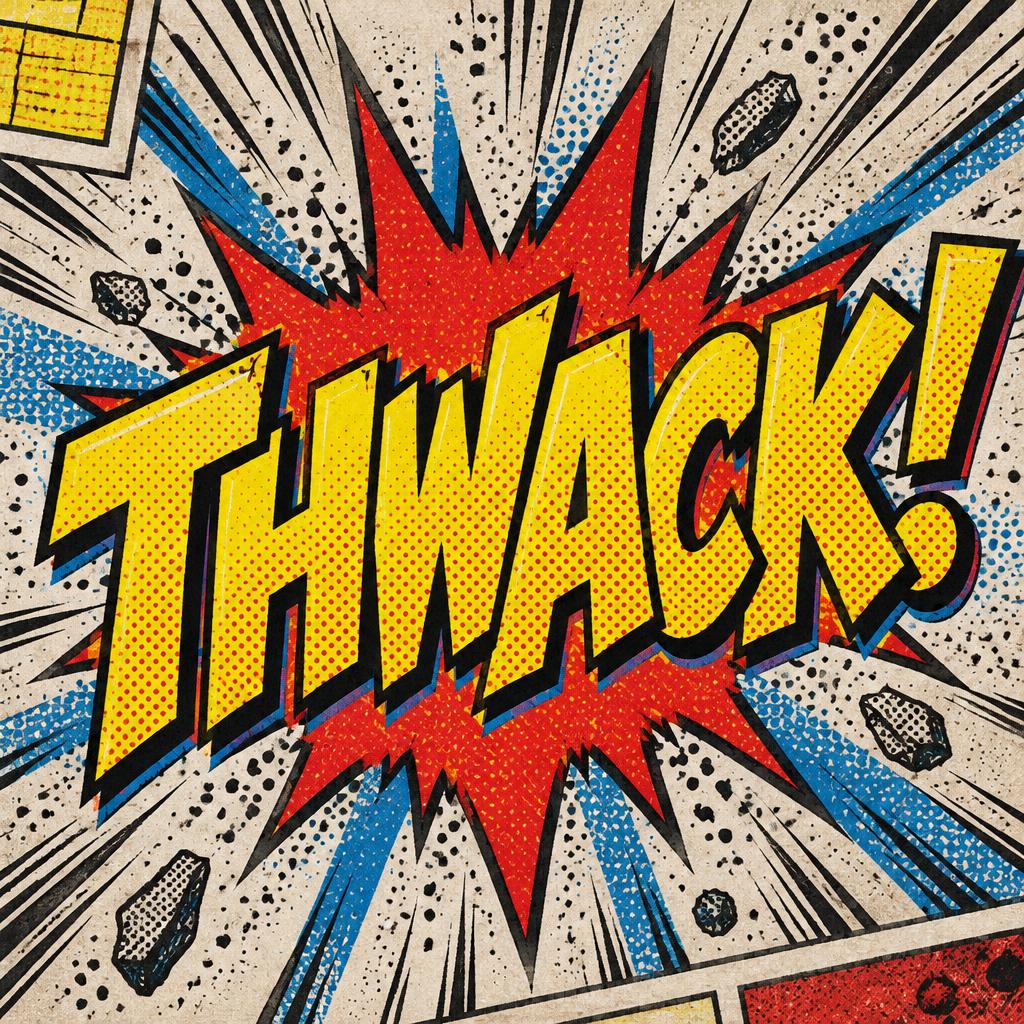
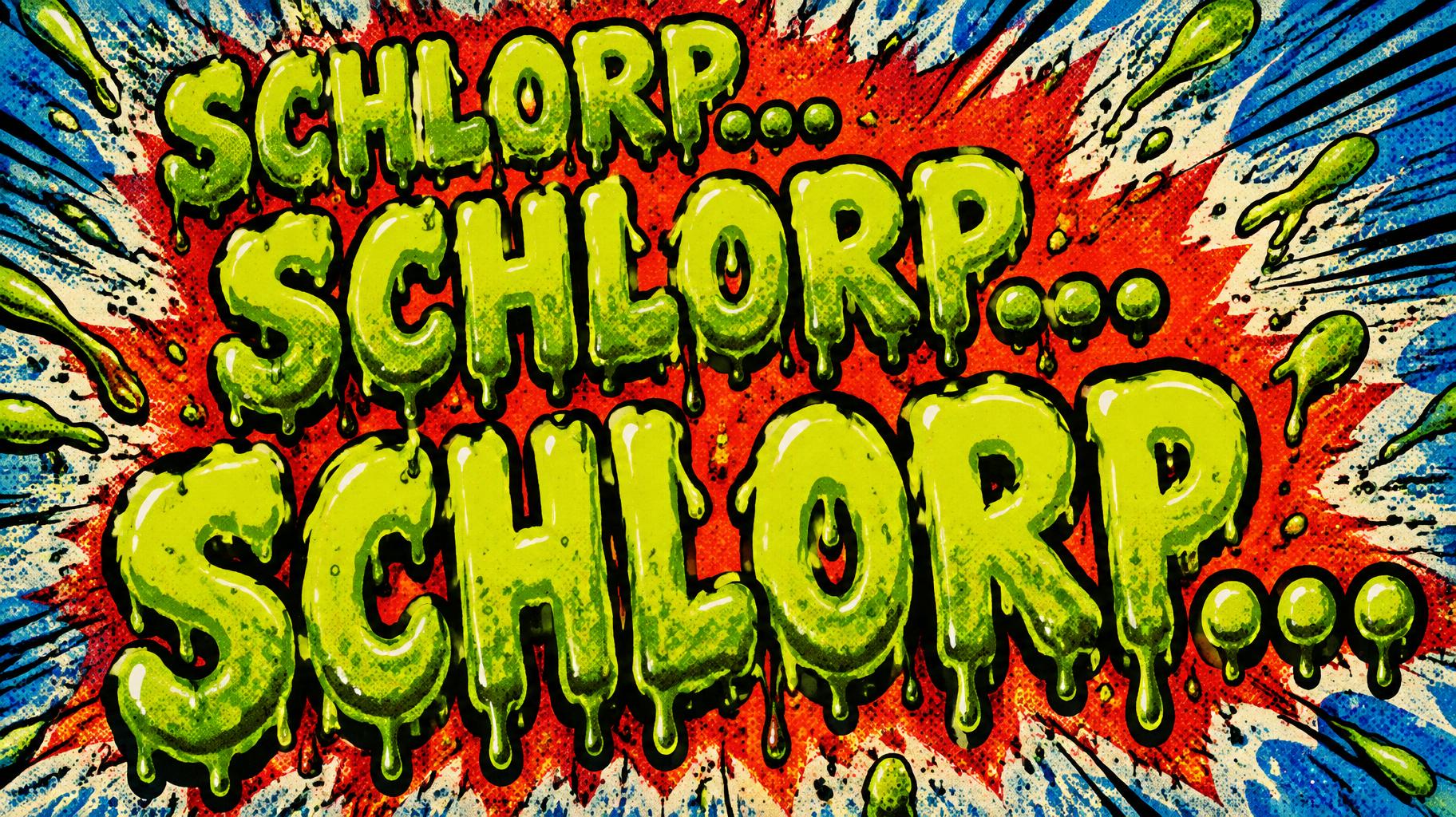
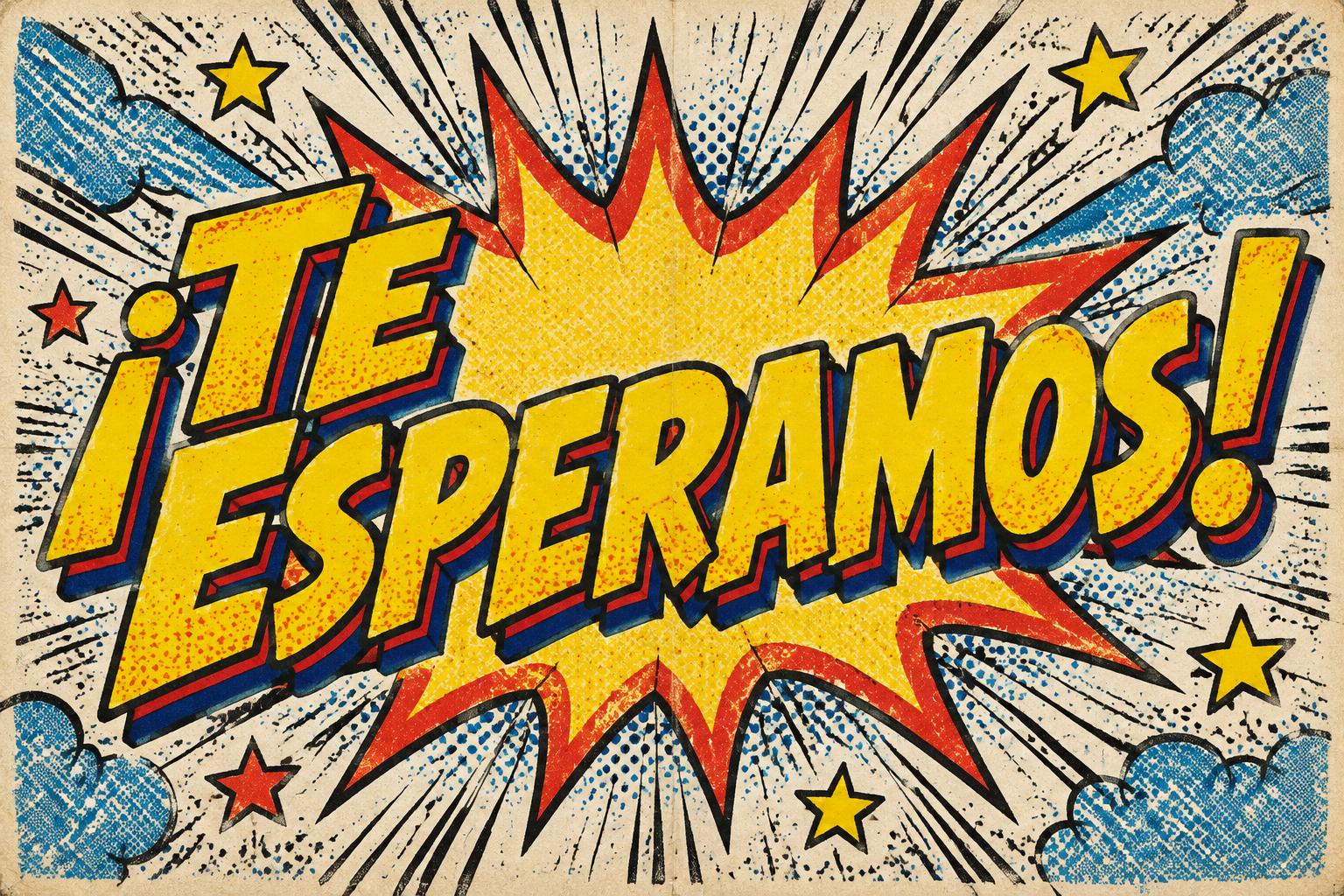
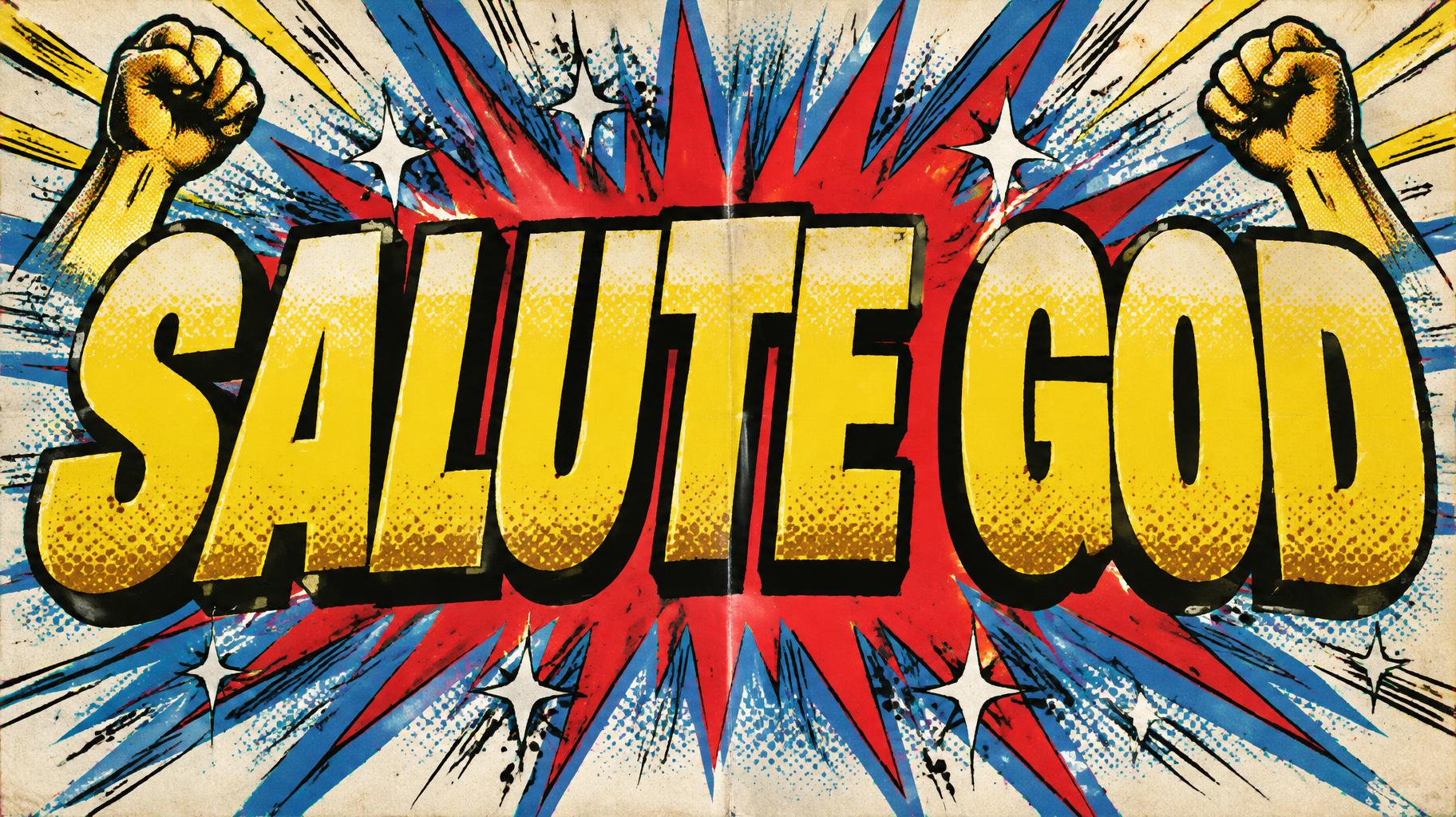
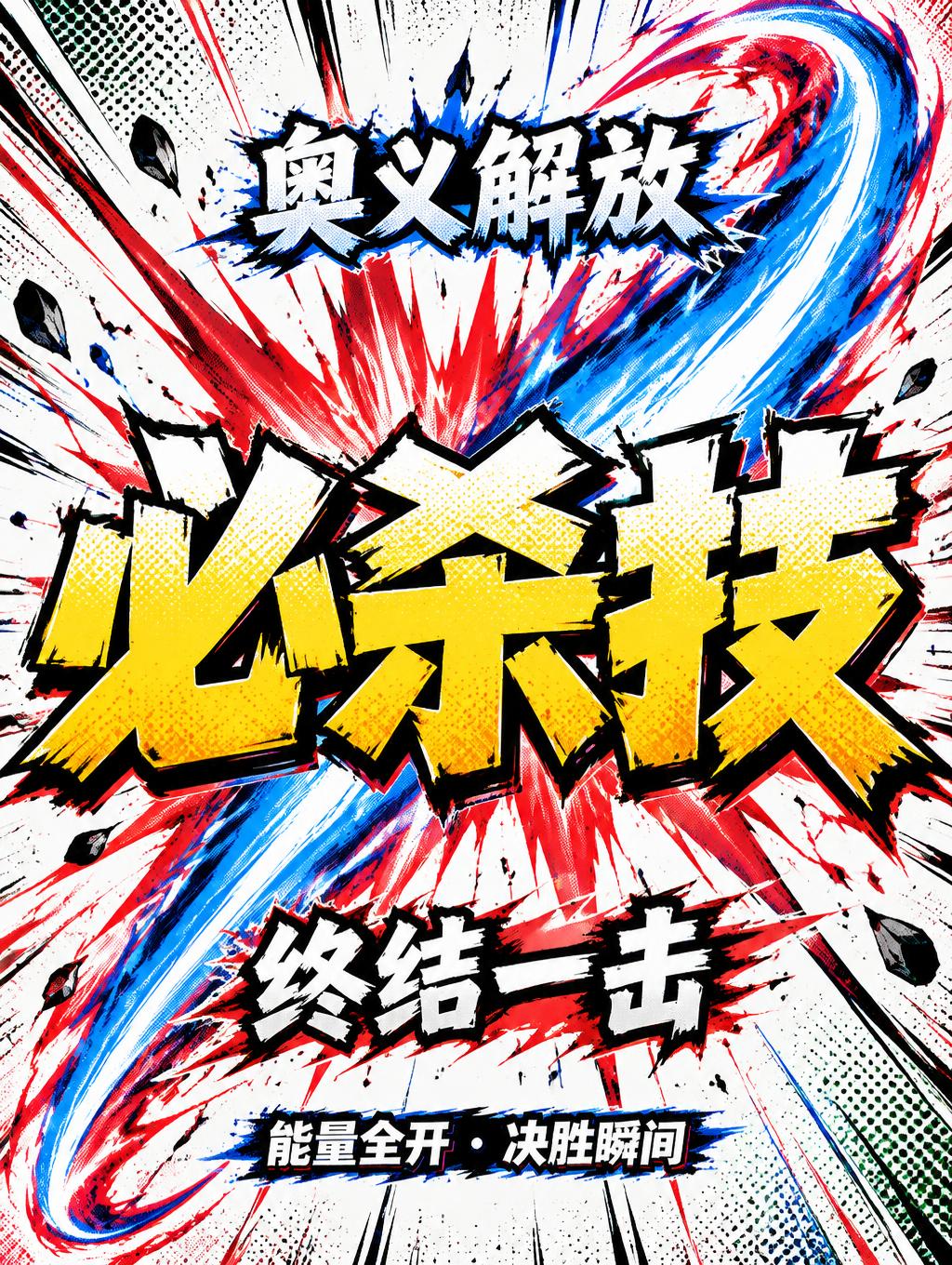
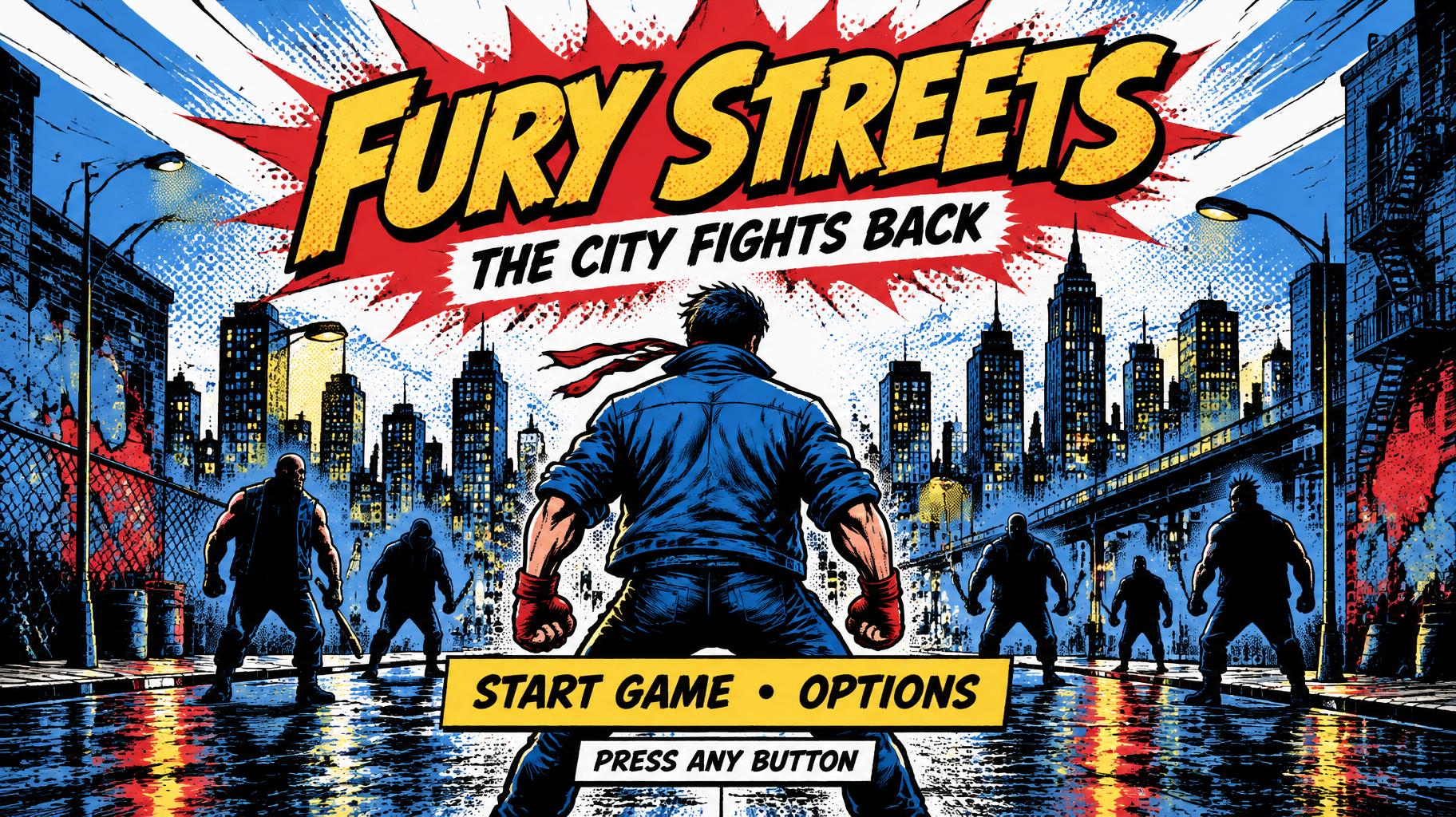
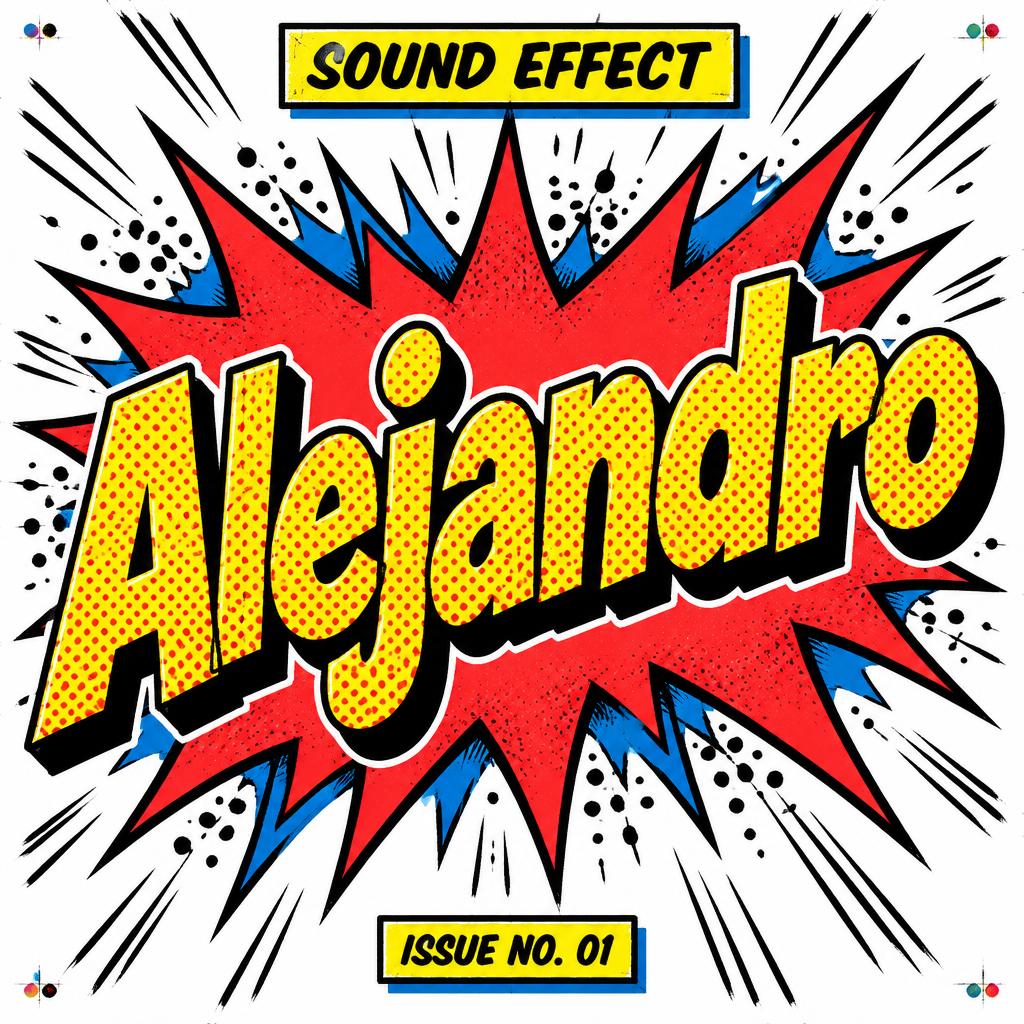
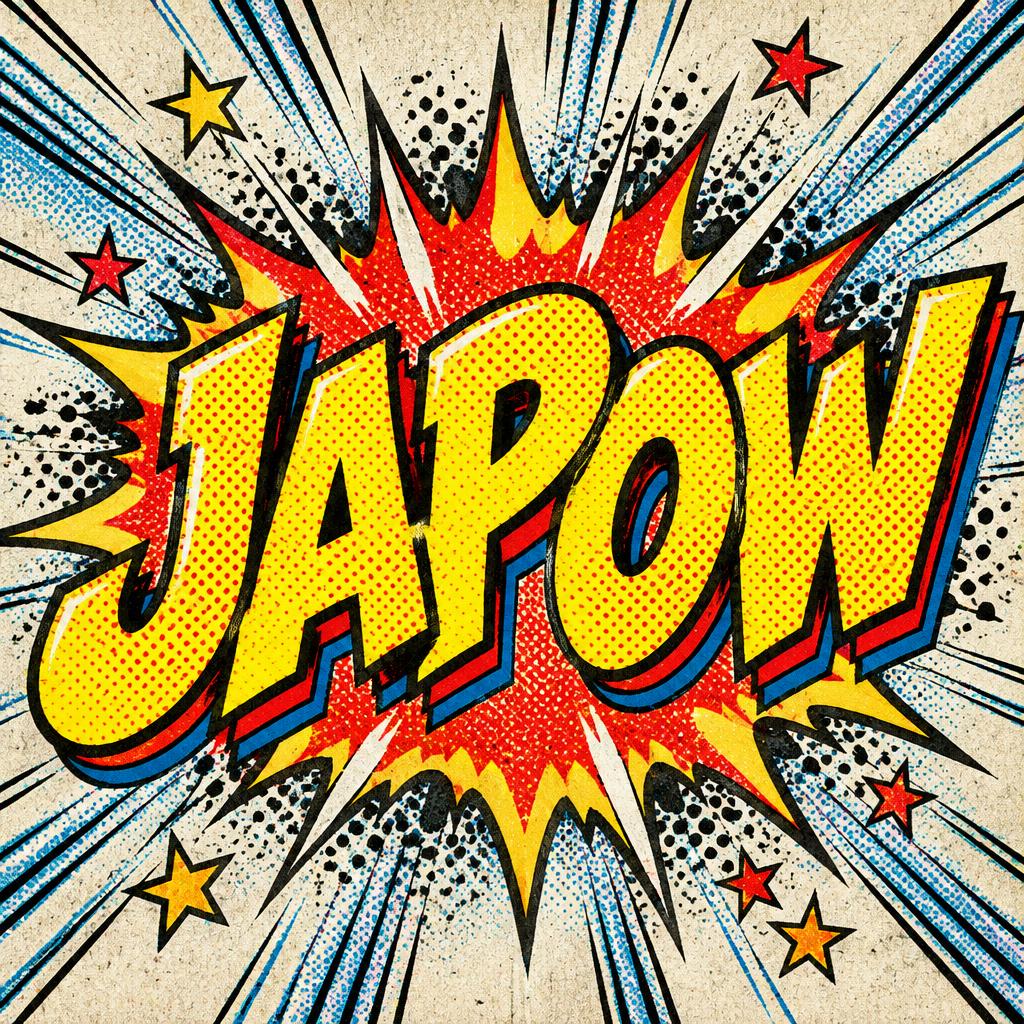
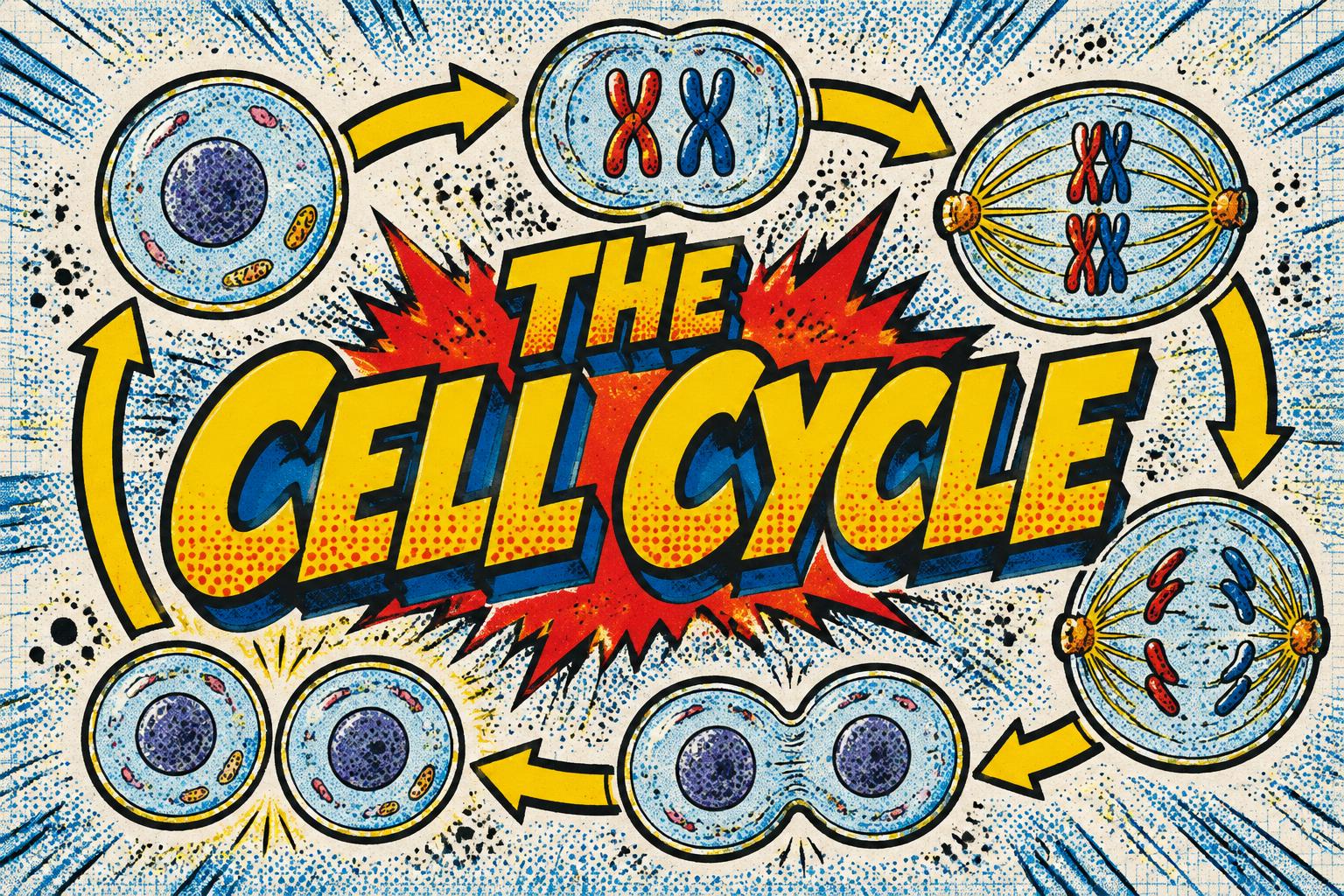
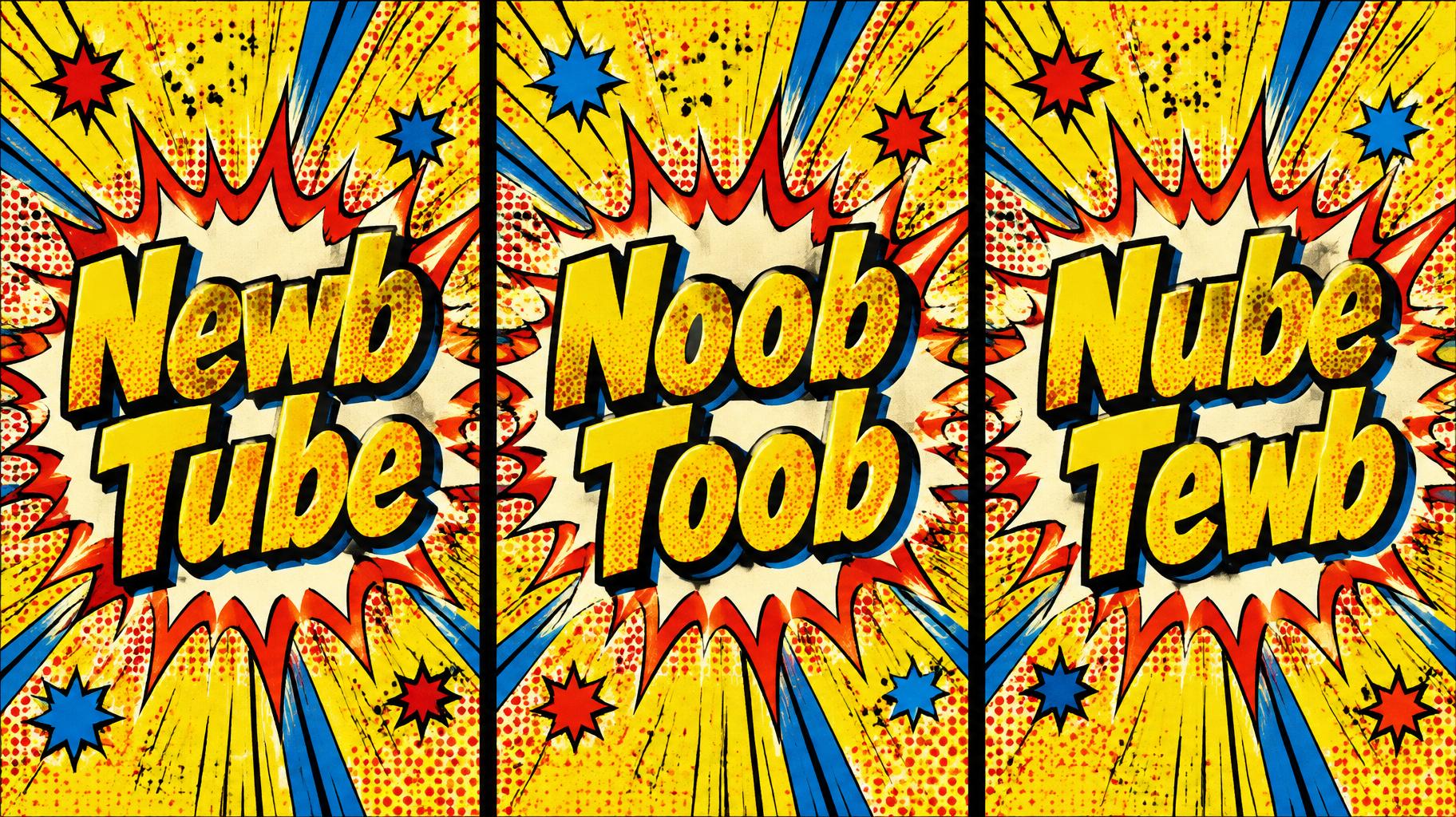
Comic Book Style Gallery
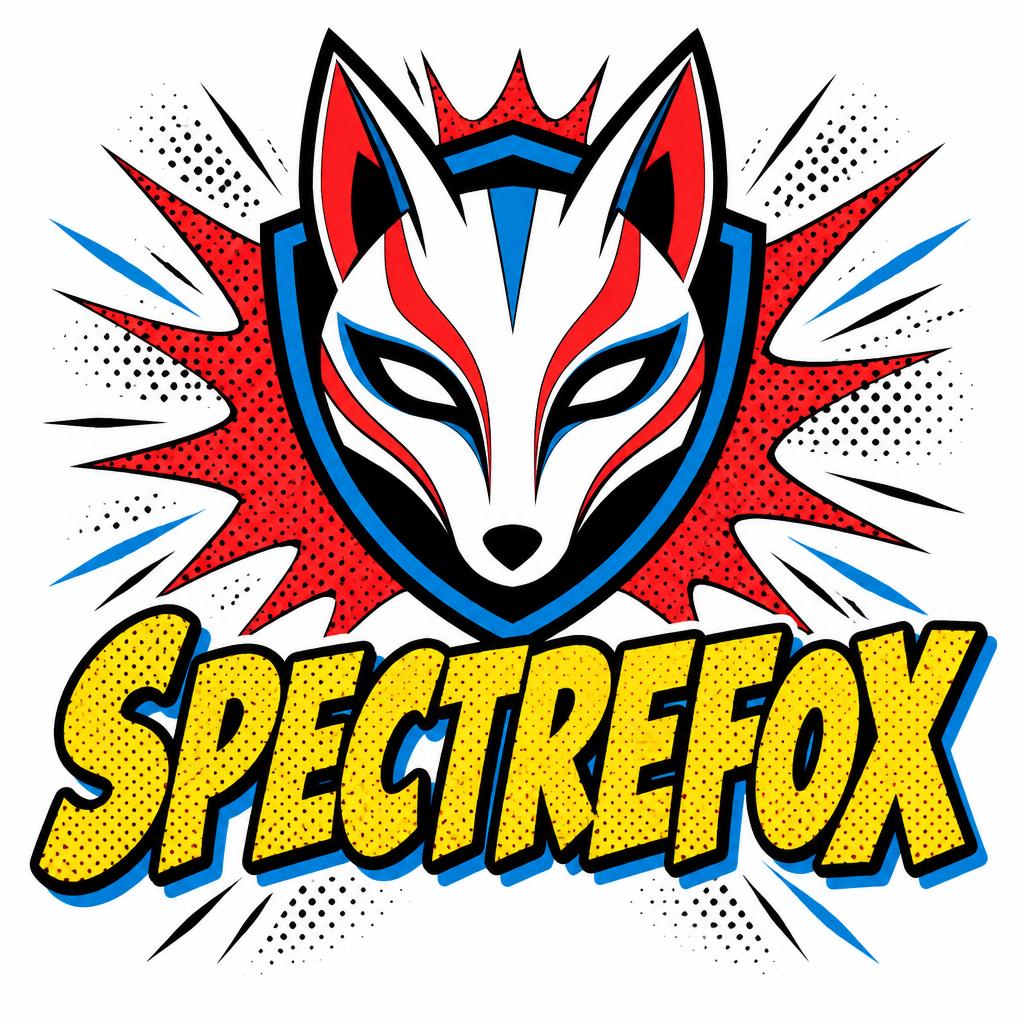
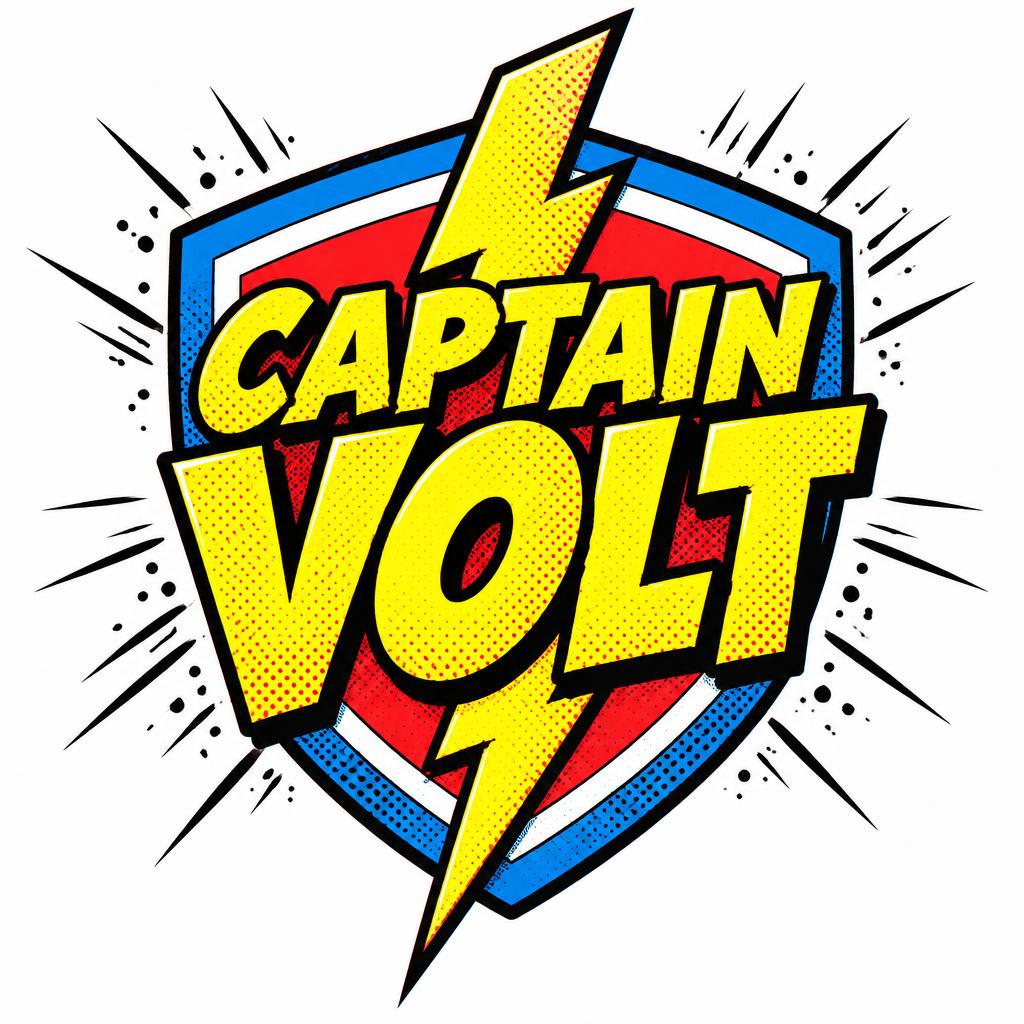
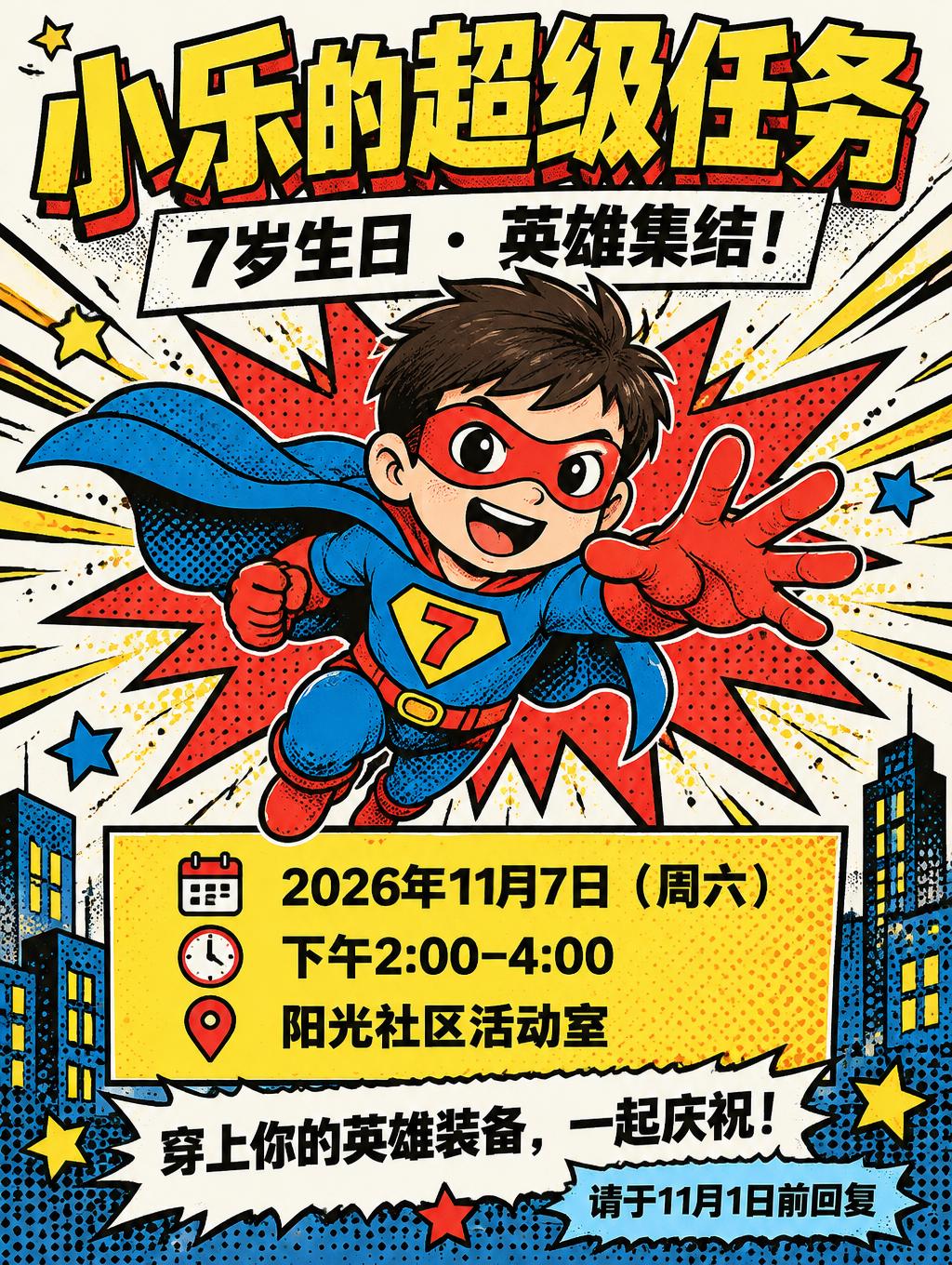
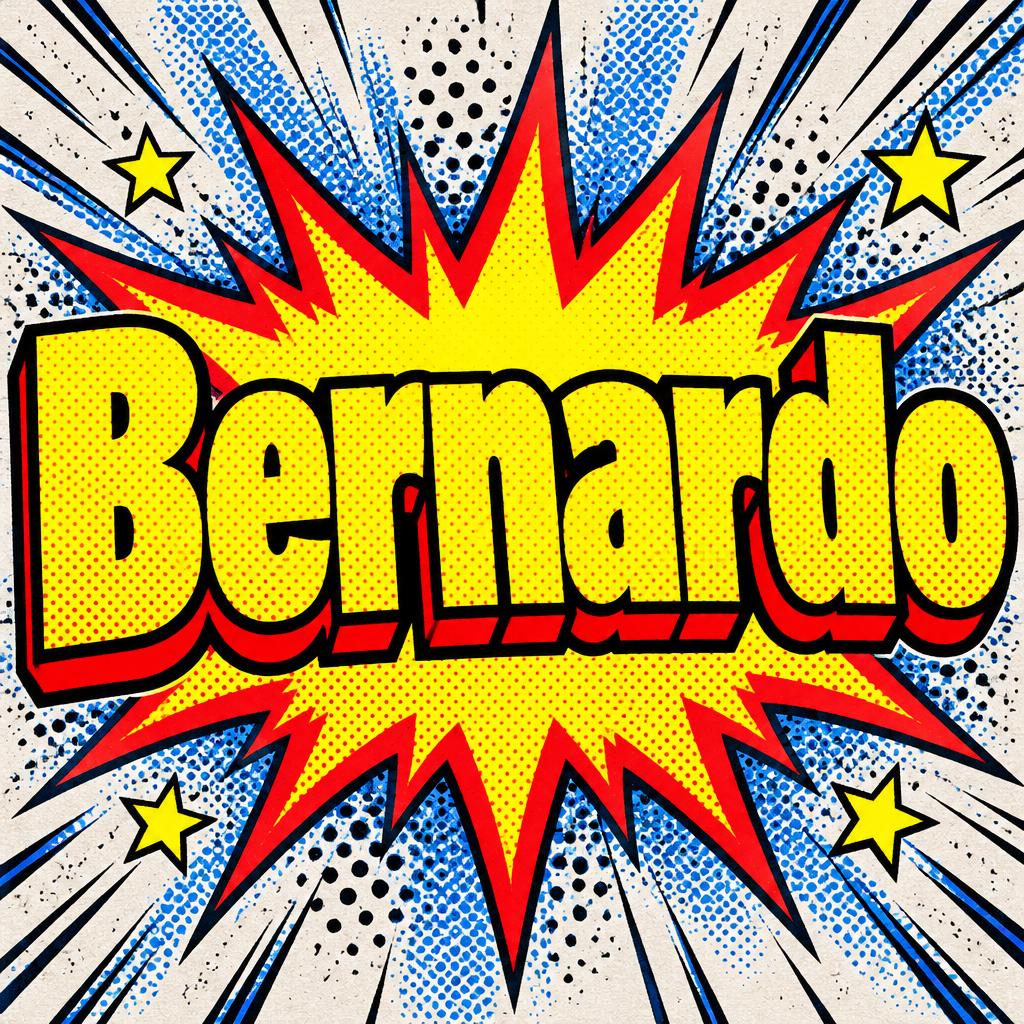
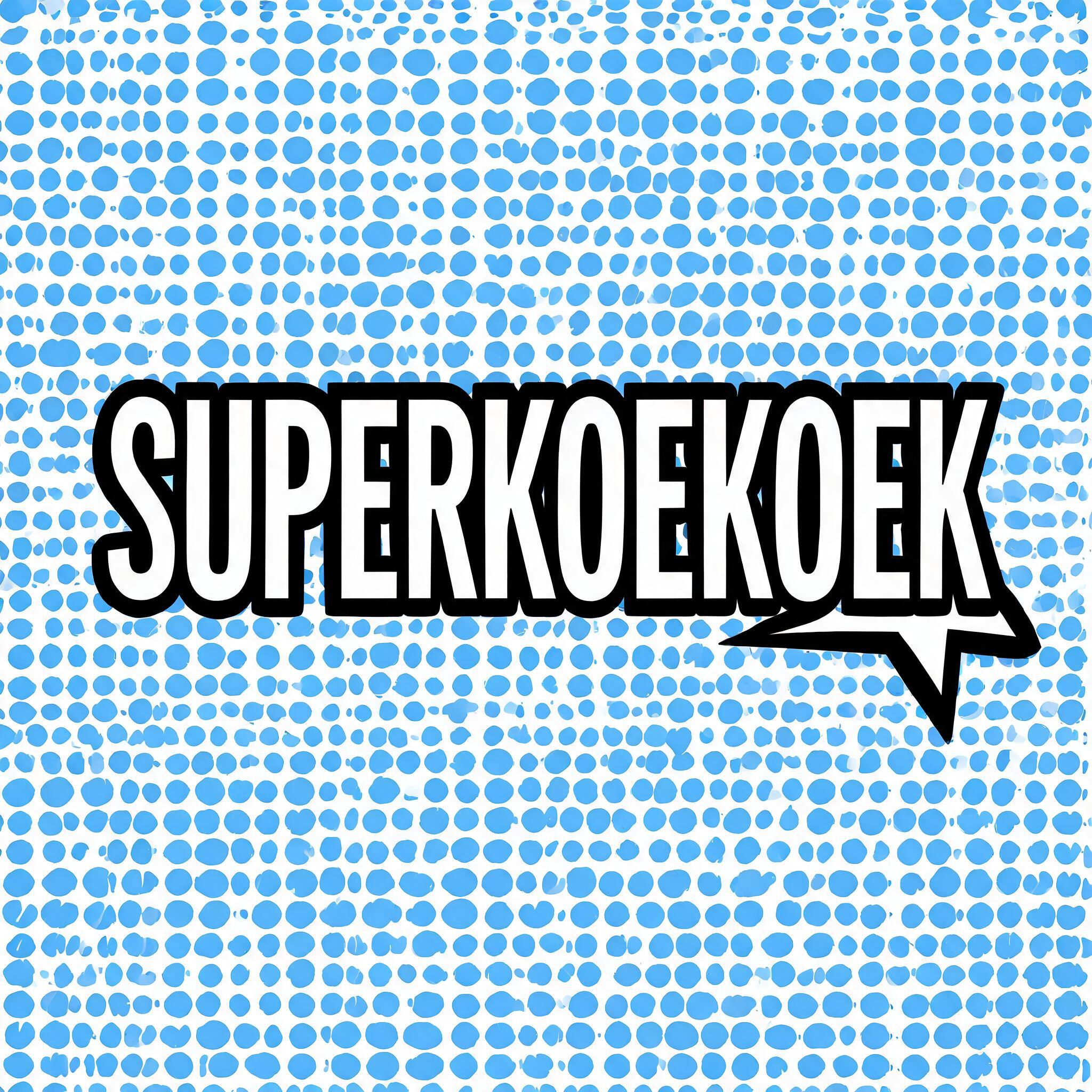
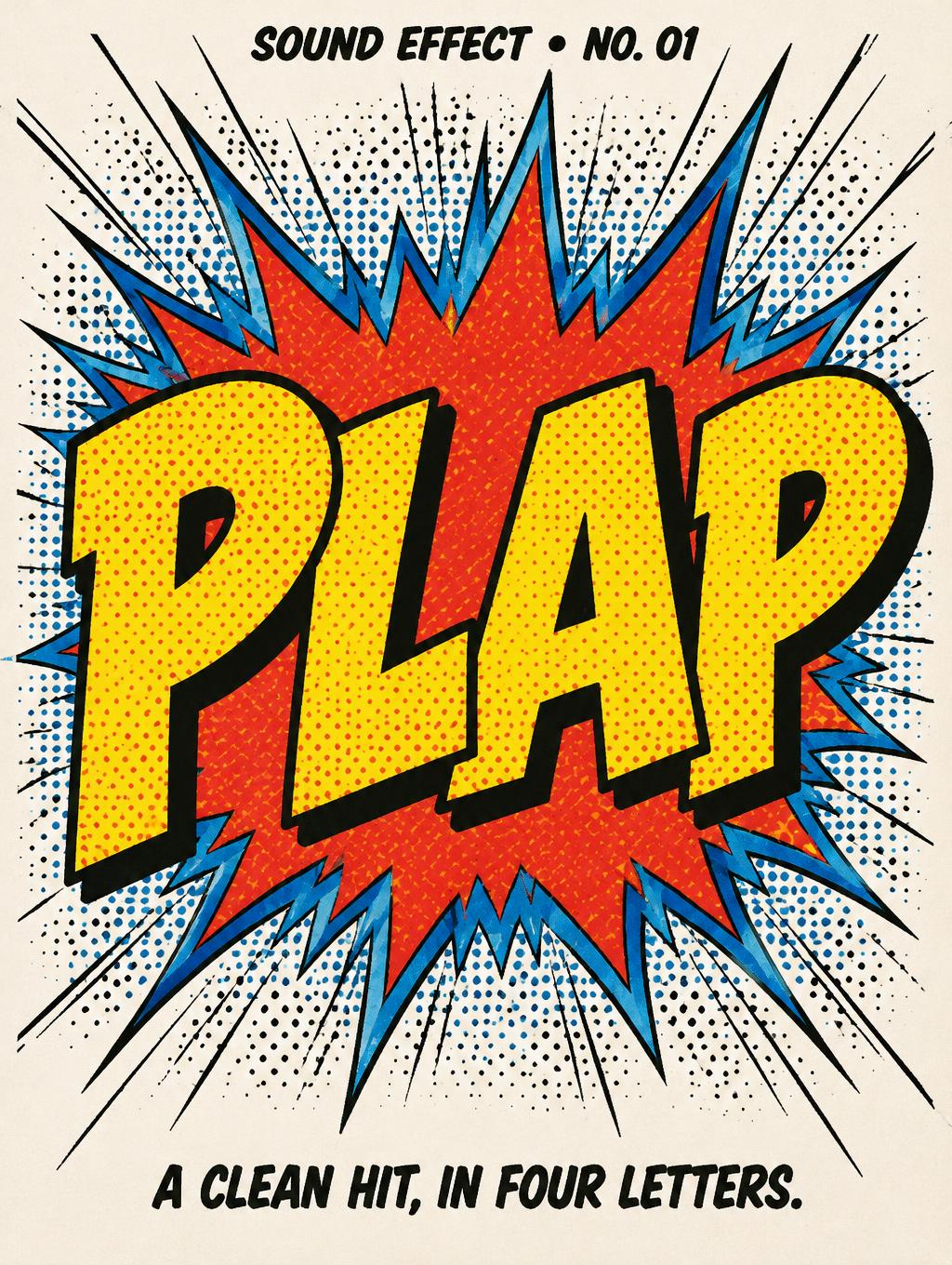
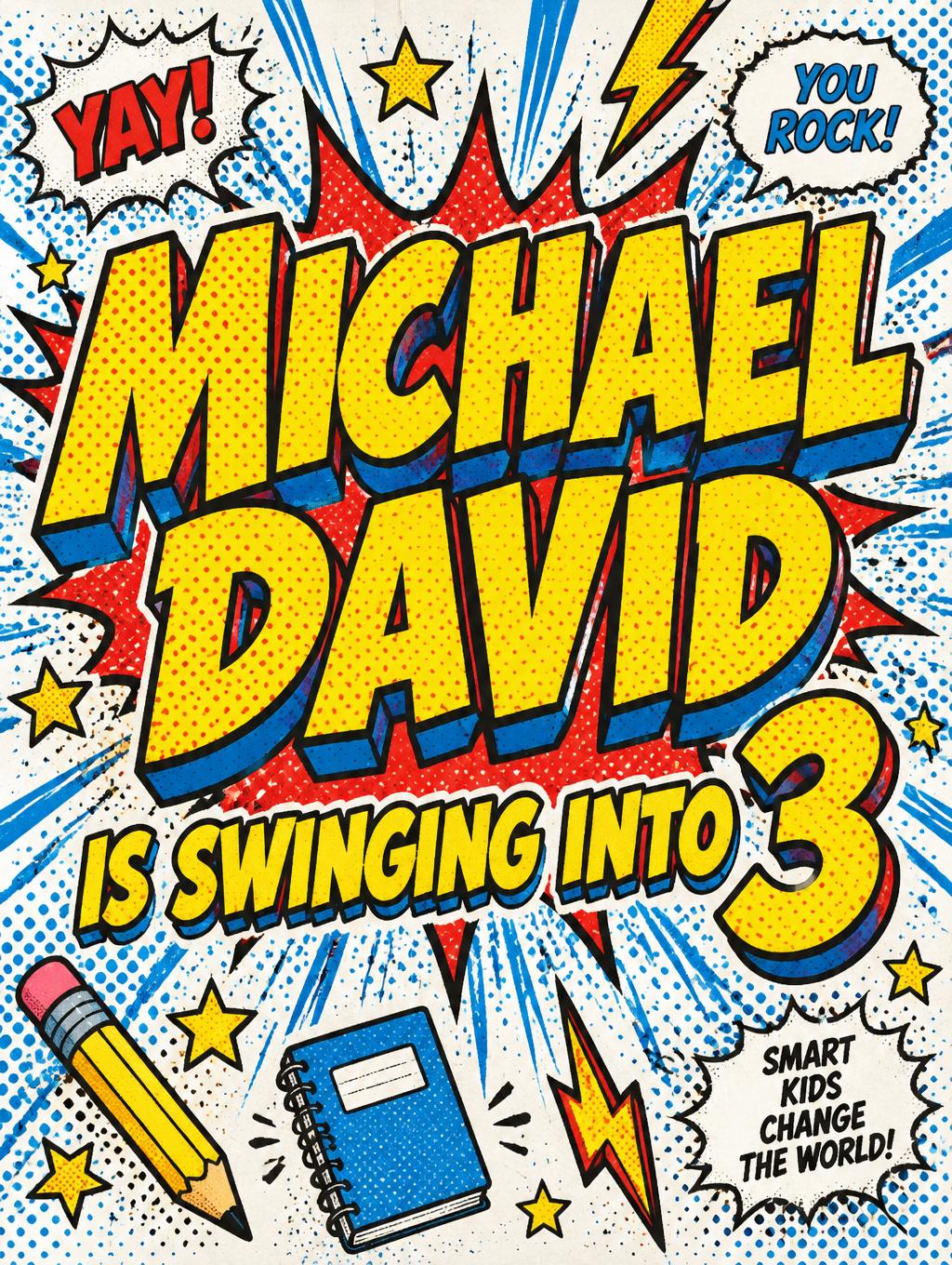
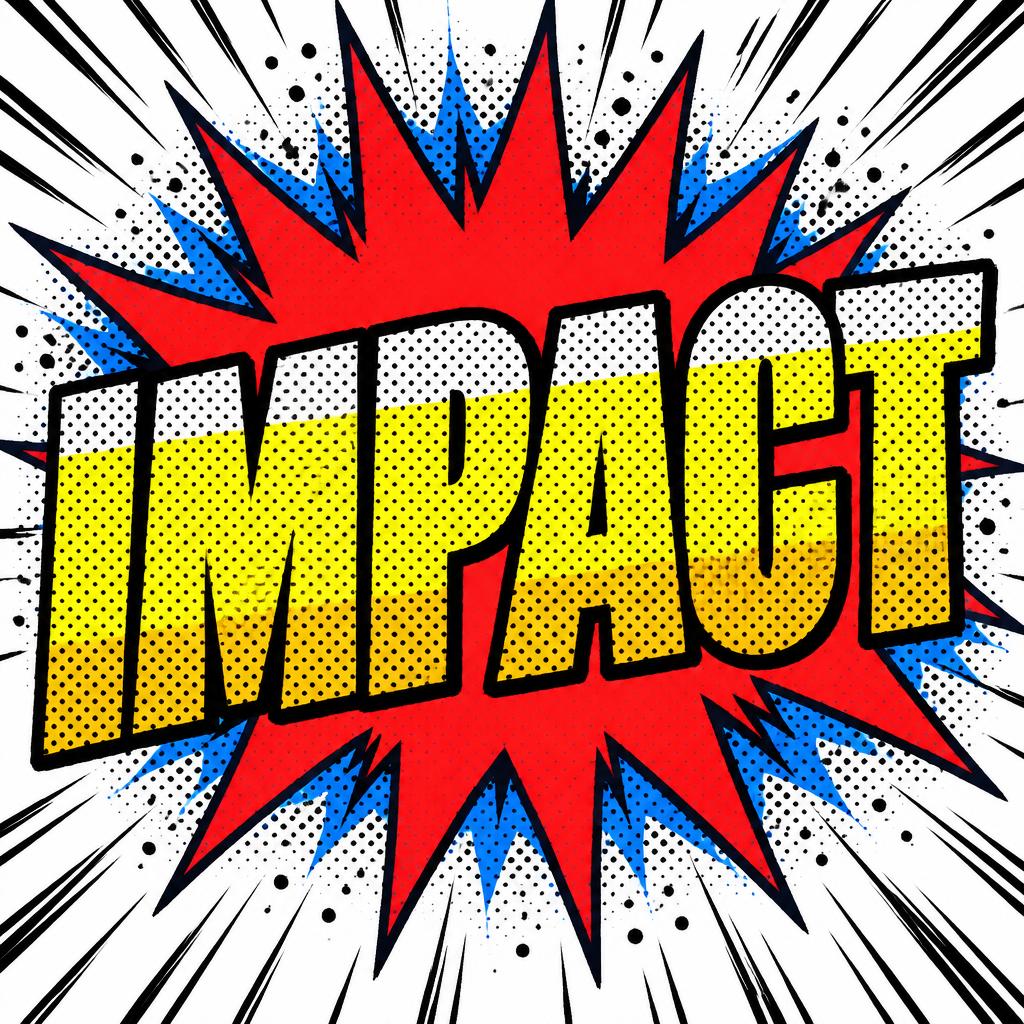
Real outputs from the Comic Book style. Click any image to see details.

Similar Text Effect Styles
Try these styles and create your own AI-generated text effects.
Looking for copy-paste fancy text? Try our free Font Generator Tools — cursive, gothic, bubble & 30+ styles.
Perfect for These Projects
Comic Book text effects are popular for creative projects where visual impact matters.
What is the Comic Book Font Style?
The Comic Book font style is a distinctive AI-generated typography effect. Bold comic book action typography with halftone dots, speed lines, pow/bam burst effects and classic superhero lettering style.
Using FontVibe's AI comic book generator you can create stunning text effects in seconds — no Photoshop, no font licensing, no design experience needed.
Explore the Comic Book gallery for inspiration, or browse all 126+ AI text effect styles available on FontVibe.
How to Create Comic Book Typography in FontVibe Studio
1. Enter your text — Any word, phrase, or brand name. Works best with short, punchy text.
2. Select Comic Book — From the style library. Optionally describe a mood in the custom prompt.
3. Generate and download. Your Comic Book font artwork is ready in seconds. PNG, JPG, or transparent PNG.
Looking for something different? Browse the full font style library for more AI typography options.
Comic Book Text Effect — FAQ
The Story Behind Comic Book
History, visual DNA, and cultural context — everything that makes this style what it is.
Four Colors, Newsprint, and a New Mythology
The American comic book as a print format was standardized in the mid-1930s — the saddle-stitched, roughly 7×10 inch pamphlet that became the delivery mechanism for Superman (1938), Batman (1939), and the superhero genre that followed. The visual conventions were shaped by economics as much as aesthetics: cheap newsprint required bold outlines and flat color; four-color printing technology determined the available palette; the page rate paid to artists rewarded speed over finish.
The result was a visual system with specific properties: the gutters between panels as a cognitive device asking readers to infer what happened between frames; the caption box as a narrative layer separate from dialogue; the visual grammar of motion lines, impact effects, and the distinctive sound-effect typography that rendered noise as letterform.
The Silver Age (mid-1950s to early 1970s) codified the aesthetic. Jack Kirby's dynamic diagonal compositions and "Kirby Krackle" (a pattern of small circles suggesting cosmic energy), Stan Lee's conversational caption style, and the specific Ben-Day dot texture of offset printing on newsprint all converged into what most people picture when they think "comic book."
The Visual DNA
Typographic Landmarks
Did You Know?
The Comics Code Authority seal appeared on most American comic book covers from 1954 to 2011 — a self-censorship response to a congressional hearing triggered by psychiatrist Fredric Wertham's book Seduction of the Innocent. The Code prohibited zombies, werewolves, and negative portrayals of authority figures. Its small stamp shape in the upper right corner is now a retro design element.
Jack Kirby drew, penciled, or plotted an estimated 20,000+ comic pages during his career. His visual vocabulary — the Fourth World cosmology, the Kirby Krackle, the double-page action spread — shaped superhero comics so thoroughly that his influence is visible in essentially every superhero film produced since 2000.